ABUNDANT ACRES CARE AND REHAB
13277 STATE ROUTE D, SAVANNAH, MO 64485 (816) 324-5991
Non profit - Corporation 88 Beds Independent Data: November 2025 1 Immediate Jeopardy citation
Trust Grade
13/100
#318 of 479 in MO
Last Inspection: June 2024

Within standard 12-15 month inspection cycle. Federal law requires annual inspections.

Overview

Abundant Acres Care and Rehab has a Trust Grade of F, indicating significant concerns about the facility's quality and care, placing it in the bottom tier of nursing homes. It ranks #318 out of 479 in Missouri, which means it is in the bottom half of facilities statewide, but it is #1 out of 2 in Andrew County, suggesting it may be the best local option. While the facility shows an improving trend, reducing issues from 31 in 2024 to just 3 in 2025, the high number of fines at $98,214 is concerning and suggests repeated compliance problems. Staffing is a relative strength with a turnover rate of 0%, significantly better than the state average, and there is more RN coverage than 93% of other facilities, which is beneficial for resident care. However, specific incidents raise red flags, including a critical failure to ensure safe transportation for residents, resulting in a staff member's arrest, and a serious issue where a resident lost mobility due to inadequate care. Overall, families should weigh these strengths against the serious weaknesses in care and safety.

Trust Score
F
13/100
In Missouri
#318/479
Bottom 34%
Safety Record
High Risk
Review needed
Inspections
Getting Better
31 → 3 violations
Staff Stability
○ Average
Turnover data not reported for this facility.
Penalties
⚠ Watch
$98,214 in fines. Higher than 90% of Missouri facilities, suggesting repeated compliance issues.
Skilled Nurses
⚠ Watch
Each resident gets only 27 minutes of Registered Nurse (RN) attention daily — below average for Missouri. Fewer RN minutes means fewer trained eyes watching for problems.
Violations
⚠ Watch
63 deficiencies on record. Higher than average. Multiple issues found across inspections.
★☆☆☆☆
1.0
Overall Rating
★☆☆☆☆
1.0
Staff Levels
★☆☆☆☆
1.0
Care Quality
★☆☆☆☆
1.0
Inspection Score
Stable
2024: 31 issues
2025: 3 issues

The Good

  • Full Sprinkler Coverage · Fire safety systems throughout facility
  • No fines on record

Facility shows strength in fire safety.

The Bad

1-Star Overall Rating

Below Missouri average (2.5)

Significant quality concerns identified by CMS

Federal Fines: $98,214

Well above median ($33,413)

Moderate penalties - review what triggered them

The Ugly 63 deficiencies on record

1 life-threatening 1 actual harm
Jun 2025 1 deficiency
CONCERN (E) 📢 Someone Reported This

A family member, employee, or ombudsman was alarmed enough to file a formal complaint

Potential for Harm - no one hurt, but risky conditions existed

Deficiency F0678 (Tag F0678)

Could have caused harm · This affected multiple residents

**NOTE- TERMS IN BRACKETS HAVE BEEN EDITED TO PROTECT CONFIDENTIALITY** Based on observation, interview, and record review, the facility failed to ensure availability of staff who can provide cardiopu...

Read full inspector narrative →
**NOTE- TERMS IN BRACKETS HAVE BEEN EDITED TO PROTECT CONFIDENTIALITY** Based on observation, interview, and record review, the facility failed to ensure availability of staff who can provide cardiopulmonary resuscitation (CPR, any medical intervention used to restore circulatory and/or respiratory function that has ceased) when the facility did not have a full list of CPR certified staff available or copies of CPR cards in employee files. This had the potential to affect all residents who were a full code (residents who want CPR when their heart stops beating). Facility census was 43. The facility did not have a policy in place regarding staff being CPR certified or maintaining a list of staff currently on shift who are CPR certified. Review of employee files on [DATE] a 1:45 P.M., showed: -Employee files of Registered Nurse (RN) A, Minimum Data Set (MDS) Coordinator, Certified Nurses Assistant (CNA) A, Certified Medication Technician (CMT) A, CNA B, and CNA C did not contain evidence of CPR certification. During an interview on [DATE] at 11:20 A.M., CMT B said: -His/Her CPR certification is expired; -The facility did not ask about his/her CPR certification status when hired; -He/She does not know where to find if any of the staff working are CPR certified. He/She assumes the charge nurse is CPR certified. During an interview on [DATE] at 11:22 A.M., LPN A said: -His/Her CPR certification was current; -The facility did not ask about his/her CPR certification status when hired; -He/She does not know where to find if any of the staff working are CPR certified. During an interview on [DATE] at 11:25 A.M., CNA D said: -He/She was not CPR certified; -The facility did not ask about his/her CPR certification status when hired; -He/She does not know where to find if any of the staff working are CPR certified; -He/She assumes the charge nurse on duty is CPR certified. During an interview on [DATE] at 10:58 A.M., the Physician said: -He/She would expect the facility to follow their policy regarding staff being CPR certified; -He/She would expect that all the staff be CPR certified, but at least all the nursing staff at a minimum. During an interview on [DATE] at 4:01 P.M., the Director of Nursing (DON) said: -The facility does not have a policy regarding staff being CPR certified; -There is not a list or record of which staff's CPR certification is current. He/She thought the Business Office kept record of this; -There is not a list that indicates which staff currently working on shift are CPR certified; -He/She does not know how any staff currently on shift would know who is CPR certified; -It is his/her expectation that the charge nurse on duty be CPR certified, at a minimum. During an interview on [DATE] at 12:15 P.M., the Administrator said: -The facility does not have a policy regarding staff being CPR certified. It is his/her expectation that the facility have a policy on this topic; -It is his/her expectation that nursing staff be CPR certified. MO255778
Jan 2025 1 deficiency
CONCERN (D) 📢 Someone Reported This

A family member, employee, or ombudsman was alarmed enough to file a formal complaint

Potential for Harm - no one hurt, but risky conditions existed

Free from Abuse/Neglect (Tag F0600)

Could have caused harm · This affected 1 resident

**NOTE- TERMS IN BRACKETS HAVE BEEN EDITED TO PROTECT CONFIDENTIALITY** Based on interview and record review, the facility failed to protect the resident's right to be free from physical abuse by Resi...

Read full inspector narrative →
**NOTE- TERMS IN BRACKETS HAVE BEEN EDITED TO PROTECT CONFIDENTIALITY** Based on interview and record review, the facility failed to protect the resident's right to be free from physical abuse by Resident #1, when Resident #1 was observed by staff striking Resident #2 in the face resulting in a bruise and two facial skin tears. The facility census was 53. Review of the facility's undated Abuse and Neglect policy showed: -Abuse is defined as the willful infliction of injury, unreasonable confinement, intimidation, or punishment with resulting physical harm, pain or mental anguish; the infliction of physical, sexual, or emotional injury or harm; -The purpose of this policy is to ensure prevention, protection, prompt reporting and interventions in response of property, or exploitation of any facility resident. Our goal at all times will be the protection of our Residents. -All Residents have rights that are guaranteed by the federal Nursing Home Reform Law. The law requires nursing homes to promote and protect the rights of each resident and stresses individual dignity and self-determination. On 1/4/25, the Administrator was notified of the past noncompliance which began on 1/4/25. The facility administration immediately conducted an investigation and corrective actions were implemented. The noncompliance was corrected on 1/7/25. 1. Review of Resident #1's quarterly Minimum Data Set, a federally mandated assessment completed by staff, dated 11/16/24, showed: - Resident was admitted on [DATE]; - Resident scored 7 on the BIMS. This score indicates severe cognitive impairment. - Resident has the diagnosis of dementia, chronic post traumatic stress disorder (PTSD, a disorder in which a person has difficulty recovering after experiencing or witnessing a terrifying event, accompanied by intense emotional and physical reactions), anxiety disorder (a mental health disorder characterized by severe, ongoing anxiety that interferes with daily activities) , pain, depression, rheumatoid arthritis (a chronic inflammatory disorder usually affecting small joints in the hands and feet), osteoarthritis (a chronic degenerative joint disease that causes cartilage in the joints to break down over time), anemia (a condition in which the blood doesn't have enough healthy red blood cells and hemoglobin, a protein found in red blood cells, to carry oxygen all through the body). Review of the resident's undated comprehensive care plan showed: - Resident is a wandering/elopement risk due to impaired cognition and impaired safety awareness; - Resident displays behaviors related to dementia and depression; - New behavior resident potentially causing harm to self or others (Episodic), physical towards another; - Staff monitor for cognitive, emotional or environmental factors that may contribute to violent behaviors; - Staff monitor resident for signs/symptoms of agitation; - Resident has behavior problem due to depression and dementia; - Staff are to intervene as necessary to protect the rights and safety of others; 2. Review of Resident #2's annual MDS, dated [DATE], showed: - Resident was admitted on [DATE]; - Resident has a severe cognitive impairment; - Resident has the diagnosis of GERD (acid reflux), neurogenic bladder; diabetes (chronic disease when body can't produce insulin), thyroid disorder (production of an abnormal amount of thyroid hormones), dementia, malnutrition, anxiety disorder (a mental health disorder characterized by severe, ongoing anxiety that interferes with daily activities), depression. Review of the resident's comprehensive care plan, dated 11/12/23 showed: - Resident is on Hospice care for senile dementia of the brain; - Resident wanders aimlessly and requires redirection; - Resident has a potential to be physically aggressive towards other residents and has a history of harm to others (Physical events 6/14/24, 8/1/24, 10/12/24, 10/26/24, 1/4/25); - Staff monitor/document/report as needed resident posing danger to self and others; - Resident has impaired cognitive function/dementia or impaired thought processes. Review of the facility investigation showed: - On 1/4/25 at 2:00 A.M. Certified Nursing Assistant (CNA) A witnessed Resident #1 and Resident #2 walking together and then get into a verbal altercation resulting in each resident striking at each other; - CNA A immediately ran down the hallway to intervene and separate the two residents; - Registered Nurse (RN) A was called to assess both residents. - Resident #1 had no injuries noted. - RN A assessed resident #2 and found three red areas and two small skin tears on his/her cheek; - RN A administered first aid to resident #2 and asked the resident about the incident. Resident #2 said he/she was tired and wanted to go back to bed. Staff then escorted resident back to their room and put them back in bad; - RN A questioned resident #1 about the incident and he/she said they hit resident #2 because they called them a bad name. Resident did not want to go to bed so they went to the lounge to watch TV until falling asleep on the couch; - Day shift Licensed Practical Nurse (LPN) A examined resident #2 on 1/4/25, time unknown, and noted a purple bruised and small skin tear on resident's cheek; - LPN A stated there were no other incidents or concerns between the two residents during the day. Review of Resident #2's progress notes, dated 1/4/25, showed, LPN A documented a skin check showed the resident had two small skin tears to the left check and small purple bruising and various stages of bruising to both arms. Review of in-service education provided to staff on 1/6/25 showed: - Training for abuse, intervention tools, re-direction and engagement of residents; - Specific training aimed at providing a safe environment for Alzheimer's dementia, dementia, and cognitively declined residents in the facility; - Special Care Unit (SCU) staffing policy for day and night shifts were covered with requirements required before leaving the floor. RN A was requested to contact the surveyor for interview however no return call was received by the surveyor. During an interview on 1/28/24 at 12:20 P.M., the Administrator and Director of Nursing (DON) said: - Resident #2 sustained minor injuries and first aid was provided and the residents monitored by staff during and after the event; - In service training had been conducted and staff increased to three to four depending on day or night shift conditions; - Immediately after the incident the DON conducted face to face and text message training for staff and provided guidance for self direction and monitoring of residents on the SCU; -There were staffing protocols in place for staff to leave the unit for breaks and other activities, provided there were proper relief and the minimum number of staff. - A quarterly in service for staff was updated to include additional information for interventions and monitoring of staff in the facility and for handling suspected abuse. MO247513
Jan 2025 1 deficiency
CONCERN (D) 📢 Someone Reported This

A family member, employee, or ombudsman was alarmed enough to file a formal complaint

Potential for Harm - no one hurt, but risky conditions existed

Free from Abuse/Neglect (Tag F0600)

Could have caused harm · This affected 1 resident

**NOTE- TERMS IN BRACKETS HAVE BEEN EDITED TO PROTECT CONFIDENTIALITY** Based on interviews and record review, the facility failed to protect the resident's right to be free from sexual abuse by Resid...

Read full inspector narrative →
**NOTE- TERMS IN BRACKETS HAVE BEEN EDITED TO PROTECT CONFIDENTIALITY** Based on interviews and record review, the facility failed to protect the resident's right to be free from sexual abuse by Resident #1, when Resident #1 was observed by staff sitting on Resident #2's bed with his/her pants and underwear pulled down to his/her mid thigh and Resident #1's hand inside the front of Resident #2's brief. The facility's census was 56. On 1/3/25, the Administrator was notified of the past noncompliance which began on 12/25/24. Upon discovery, the facility administration immediately conducted an investigation and corrective actions were implemented. The noncompliance was corrected on 12/28/24. Review of the facility's undated Abuse and Neglect policy showed: -It is responsibility of employees, facility consultants, Attending Physicians, family members, visitors etc., to promptly report any incident or suspect incident of neglect or resident abuse, including injuries of unknown source, exploitation, theft or misappropriation of resident property to the facility management. -The purpose of this policy is to ensure prevention, protection, prompt reporting and interventions in response of property, or exploitation of any facility resident. Our goal at all times will be the protection of our Residents. -All Residents have rights that are guaranteed by the federal Nursing Home Reform Law. The law requires nursing homes to promote and protect the rights of each resident and stresses individual dignity and self-determination. -Abuse is defined as the willful infliction of injury, unreasonable confinement, intimidation, or punishment with resulting physical harm, pain or mental anguish; the infliction of physical, sexual, or emotional injury or harm; -Sexual abuse is defined as including, but not limited to, sexual harassment, sexual coercion, or sexual assault; Non-consensual sexual contact of any type with a resident. 1. Review of Resident #1's quarterly Minimum Data Set, a federally mandated assessment completed by staff, dated 12/8/24, showed: -He/she was admitted to the facility on [DATE]. -He/she has the diagnoses of Parkinson's disease (a disorder of the central nervous system that affects movement, often including tremors), acidosis (a condition were bodily fluids become too acidic), diverticulosis (a condition in which small, bulging pouches develop in the digestive tract), weakness, unsteadiness on feet, pain, depression (a mental health disorder characterized by persistently depressed mood or loss of interest in activities, causing significant impairment in daily life), dementia with agitation (a group of thinking and social symptoms that interferes with daily functioning). -He/she scored 11 on the Brief Interview for Mental Status (BIMS, a structured evaluation aimed at evaluating aspects of cognition in elderly patients). This score indicates moderately impaired cognitive skills. Review of the resident's undated comprehensive care plan showed: -The resident displays inappropriate sexual behaviors and was started on estrogen/estrodiol (a hormone/medication used to increased the level of the hormone, estrogen, in a person's body). - The resident is an elopement risk/wanderer related to wandering into other resident's rooms, exit seeking, stating he/she is leaving facility. -He/she has impaired cognitive function and impaired thought processes related to dementia. 2. Review of Resident #2's quarterly MDS, dated [DATE], showed: -He/she was admitted to the facility on [DATE]. -She has the diagnoses of dementia, chronic post traumatic stress disorder (PTSD, a disorder in which a person has difficulty recovering after experiencing or witnessing a terrifying event, accompanied by intense emotional and physical reactions), anxiety disorder (a mental health disorder characterized by severe, ongoing anxiety that interferes with daily activities) , pain, depression, rheumatoid arthritis (a chronic inflammatory disorder usually affecting small joints in the hands and feet), osteoarthritis (a chronic degenerative joint disease that causes cartilage in the joints to break down over time), anemia (a condition in which the blood doesn't have enough healthy red blood cells and hemoglobin, a protein found in red blood cells, to carry oxygen all through the body). -He/she scored 7 on the BIMS. This score indicates severe cognitive impairment. Review of the resident's undated comprehensive care plan showed: -He/she is a wandering/elopement risk due to impaired cognition and impaired safety awareness. -He/she displays behaviors related to dementia and depression. 3. Review of Resident #1's progress notes, dated 12/25/24 at 1:27 A.M., showed: -Resident #1 was observed by Certified Nurses Assistant (CNA) A in Resident #2's room, sitting on Resident #2's bed. Resident #1's pants and underwear were around his/her mid-thighs. Resident #2's gown and brief were in place. CNA A observed Resident #1 with his/her hand down the front of Resident #2's brief. CNA A then told Resident #1 to stop and remove his/her hand from Resident #2. CNA A then called for the charge nurse to come to the memory care unit. When Licensed Practical Nurse (LPN) A arrived to Resident #2's room, Resident #1 was still sitting on Resident #2's bed with his/her hand on Resident #2's leg. Resident #2 was asleep. LPN A and CNA A began to redirect Resident #1 from Resident #2's room. Resident #1 became verbally agitated, stating it is his/her room and threatened to throw the staff out of the room. Staff were able redirect Resident #1 to the common area. He/she was placed on one to one supervision. The physician was notified and gave an order to increase the resident's estrodiol medication to decrease the sexual behaviors. Review of the facility investigation showed: - Resident #1 has a history of inappropriate sexual behavior towards residents. - Resident #1 has been off his baseline this shift (12/25/24) with hallucinations and delusions. - Statement by CNA A: On 12/25/24 at 12:30 A.M., he/she was doing rounds when he/she walked into Residnet #2's room. Resident #1 was sitting on the he bed, touching Resident #2 in the private area. CNA A told resident #1 he/she was not allowed to do this and got him/her to stop. CNA A then reached out for the nurse for assistance. And the Resident #1 came and sat down at the tables. -Statement by LPN A: On 12/25/24 at 1:27 A.M., LPN A was called back to the secure care unit by CNA A. Upon walking into the unit, RNA A went to Resident #2's room. Resident #1 was sitting on Resident #2's bed, with pants and underwear down to mid thigh. Resident #1's hands were still on Resident #2's legs. Resident #2 was wearing a facility provided night gown and a brief and were laying on his/her bed, on top of the covers. Resident #1 was wearing pajama pants, non-skid socks and no shirt. LPN A separated the residents and Resident #1 became verbally aggressive, stating It's not your room and I'll throw right out of here, I'm not going to leave. LPN A and CNA A were able to get Resident #1 from the room and into the living area. Resident #1 was placed on one to one supervision with the CNA on duty. Both resident's were assessed. Resident #2 did not appear to be in distress, but was confused and asked if he/she could go to bed. Resident #1 has a previous history of inappropriate sexual behavior towards residents. -Resident #1 was started on estrodiol 1.5 milligrams daily on 10/20/24 for sexual behaviors. -The Director of Nursing (DON) spoke with the physician on 12/25/24 at 4:06 P.M. The physician increased Resident #1's lexapro (a medication used to treat depression and generalized anxiety disorder) from 5 milligrams to 10 milligrams daily. The physician also gave orders to continue to the estrodiol at 1.5 milligrams daily. - Resident #1's POA had discussed with management members that Resident #1 likes the ladies. - The DON explained to Resident #2s spouse that Resident#1s physician is working to adjust Resident #1s medications and staff are monitoring the two residents to ensure they are safe. During an interview on 1/3/24 at 2:17 P.M., the Administrator said: -The physician was notified of the incident between Residents #1 and #2. The Administrator asked the physician about sending Resident #1 out for in-patient psychiatric evaluation. The physician responded that he/she felt the resident's medications can be adjusted in the facility and did not need to be sent out. -The Director of Nursing (DON) immediately began educating all staff on increased observation for Resident #1, increased staffing on the memory care unit, and education on caring for residents with dementia and behaviors. This education was completed on 12/28/24. -Staffing on the memory care unit was increased starting 12/25/24. There are now three staff members during the day shift and two staff members during the night shift. If the aides are assisting residents, the medication technician or nurse will come to the common area to monitor the hall until the aides are available again. If a staff member needs to leave the unit, they will notify the charge nurse who will then come to assist in monitoring the unit until the staff member returns to the unit. -It is his/her expectation that residents are free of abuse. Review of Secure Care Unit Employee In-service sign in sheet showed staff received education on monitoring of individuals on the secure care unit, completed on 12/28/24. During an interview on 1/3/25 at 2:02 P.M., Certified Medication Technician (CMT) A, said: -He/she has received education from the facility about increased monitoring of residents on the secure care unit. There must be at least two staff members at all times on the unit. If the aides are assisting residents, the CMT must bring the cart to the common area so he/she can monitor the hall and common area while the aides are busy. - He/she has observed the resident go into other resident's rooms. During an interview on 1/3/25 at 2:05 P.M., CNA B said; - He/she has observed Resident #1 go into other resident's rooms. - After the incident he/she received education from facility leadership about monitoring residents on the secure unit. - There now is to be at least two staff people on the unit at all times. - If a staff person needs to leave the unit, they need to call the charge nurse and make sure another staff person comes to the unit to monitor before the staff person leaves. During an interview on 1/3/25 at 2:08 P.M., CNA C said; -He/she has observed Resident #1 go into other resident's rooms. - After the incident he/she has received education from facility leadership about the need to increase monitoring of residents. - There now is to be two staff members on the secure unit at all times and staff are to watch the hall and the common areas. - If a staff member needs to leave, another staff member is to cover the unit. During an interview on 1/3/25 at 2:47 P.M. CNA A said: -He/she was doing bed checks/rounds on 12/25/24 at 12:30 A.M., and saw Resident #1 sitting on Resident #2's bed. -When CNA A entered the room, he/she saw that Resident #1's pants were around his/her thighs and Resident #1's hand was inside the front of Resident #2's brief. Resident #2 was asleep. -CNA A told Resident #1 to stop and he/she removed his/her hand from Resident #2's brief but would not leave the room. -CNA A called for the charge nurse to come to the room. -The charge nurse, Registered Nurse A came to the room and assisted in redirecting Resident #1 from the room. Resident #1 became verbally aggressive and Resident #2 woke up. -RN A and CNA A were able to redirect Resident #1 from the room. During an interview on 1/10/25 at 9:10 A.M., the Physician said: -He/she was notified of the incident involving Residents #1 and #2. -He/she declined to send Resident #1 out for in-patient geriatric psychiatric evaluation. -He/she adjusted Resident #1's medication to assist in decreasing inappropriate sexual behaviors. MO247062
Dec 2024 1 deficiency
CONCERN (D) 📢 Someone Reported This

A family member, employee, or ombudsman was alarmed enough to file a formal complaint

Potential for Harm - no one hurt, but risky conditions existed

Deficiency F0552 (Tag F0552)

Could have caused harm · This affected 1 resident

**NOTE- TERMS IN BRACKETS HAVE BEEN EDITED TO PROTECT CONFIDENTIALITY** Based on interview and record review, the facility failed to honor the resident's right to be informed regarding care and treatm...

Read full inspector narrative →
**NOTE- TERMS IN BRACKETS HAVE BEEN EDITED TO PROTECT CONFIDENTIALITY** Based on interview and record review, the facility failed to honor the resident's right to be informed regarding care and treatment decisions when the facility failed to involve and notify one resident's (Resident #1) responsible party in the decision to change resident's medications. Medication changes included administering a medication the resident was known to have an allergy to. This affected one out of six sampled residents. The facility census was 54. Review of the facility's in-service training for staff regarding Medication Procedures and Orders, dated [DATE], showed the nurse receiving the orders, new or changes, must call the reisdent's responsible party and document the order and phone call including the name of the family member the nurse spoke with in the progress note. Review of the facility's undated Rights and Protections as a Nursing Home Resident handout, showed: - The resident has the right to be fully informed about their medical condition, prescription and over the counter drugs, vitamins and supplements. - The resident has the right to participate in the decisions that affect your care; - The residents family members can also help with the residents' care plan with resident's permission; - The reisdent's legal guardian has the right to look at all of the resident's medical records and make important decisions on the resident's behalf. - The nursing home staff must notify the reisdent's legal representative or an interested family member when: the resident's physical, mental, or psychosocial status starts to get worse and/or the resident's treatment needs to be changed significantly. 1. Review of Resident's admission Minimum Data Set (MDS), a federally a federally mandated assessment instrument completed by facility staff, dated [DATE], showed: - admission date [DATE]; - Adequate hearing and vision; - Clear speech - distinct intelligible words; - Brief Interview for Mental Status score of 6, resident has severely impaired cognition; - No behavioral symptoms; - Diagnoses included: Heart disease, hypertension, dementia, asthma, psychotic disorder and depression; Review of Hospice Medication admission packet for Resident dated [DATE] showed: Medications: - Seroquel 25 mg tablet at bedtime ([DATE]); - Norco 5 mg-325 mg tablet, 1 tablet PRN BID, Q4H ([DATE]); - Zoloft 25 mg tablet, 1 tablet daily ([DATE]); - Carbidopa ER 50 mg-Levodopa 200 mg tablet, 1 tablet 3x daily Parkinson's; - Lorazepam 0.5 mg tablet, 1 tablet every 6 hours as needed for anxiety; Allergies: - Albuterol, Haldol; Primary Diagnosis: - Parkinsonism, Dementia, Depression, History of Falling, Hypertension, Heart Disease, Cerebrovascular Disease, Restless legs syndrome, Hypercholesterolemia, GERD; Review of the Resident's Care Plan, dated [DATE], directed staff to provide the following: - 10/4 Evaluate medication schedule and possible pharmacological causes of repetitive behavior. - Staff are to utilize diversion techniques; - The reisdent requires substantial assistance by one staff for bathing/showering; - The resident requires substantial assistance by two staff for dressing, toileting, and transfers; - 10/12 Hospice added Trazodone at bedtime for insomnia due to Seroquel being discontinued 10/11; - 10/14 Depakote added due to the reisdent resisting care and grabbing staff; - 10/25 Zoloft discontinued due to falls; - 10/31 Increased Depakote dose to 250 mg due to behaviors; - 11/8 Lowered Sinemet dose to 50/100 due to behaviors and adverse effects of hallucinations; - Staff are to communicate with the resident/family/caregivers regarding the resident's capabilities and needs. Review of Medication Administration Record, dated [DATE] - [DATE], showed: - Seroquel 25 mg Start Date [DATE], discontinued [DATE]; - Carbidopa-Levodopa ER 50-200 mg 3x daily start date 10/4, discontinued [DATE]; - Norco 5-325 mg hydrocodone start date [DATE], 2x daily through 11/27; - Zoloft 25 mg start date [DATE], discontinued date [DATE]; - Trazodone HCL 50 mg start date [DATE], D/C date [DATE]; 1x at bedtime for insomnia; - Depakote 125 mg for dementia, start date [DATE], discontinued date [DATE]; - Rivastigmine Tartrate 1.5 mg for dementia, start date 10/29, discontinued date [DATE], 2x daily; - Trazodone HCL 50 mg start date [DATE], discontinued date [DATE], 3x a day for depression; - Haldol Injection 5 mg/ml every 1 hour as needed for behaviors, start date 10/30, discontinued 11/4; - Depakote 125 mg for dementia, start date 10/30, no end date; - Nuplazid 34 mg (Parkinson's Disease) started [DATE], discontinued date [DATE]; - Haldol Injection 10 mg/ml every 1 hour as needed for behaviors start date [DATE], discontinued date [DATE] - Trazodone HCL 50 mg start date [DATE], no end date; - Carbidopa-Levodopa ER 50-200 mg 3x daily start date 11/8, no end date; - Seroquel 100 mg Start Date 11/26, no end date; Review of Resident Progress notes showed: - [DATE] 17:44 P.M. Resident admitted to facility, resident is very pleasant, mildly confused, seems to be adjusting well to his/her environment and has been conversing with other residents; - [DATE] 1:45 A.M. Able to make needs known, ambulates with walker; [DATE] 5:03 A.M. Resident found on the floor by nursing staff and resident stated he/she had fallen. Resident had a small cut on the inner aspect of their left ear. No documented notification to responsible party - [DATE] 3:53 P.M. Received physician orders to discontinue prochlorperazine and Seroquel, hospice notified. No documentation that responsible party was notified of medication change; - [DATE] 3:45 A.M. Resident mood is pleasant and is not currently experiencing unwanted behaviors(s); - [DATE] 1:39 P.M. Physician Order for Depakote 125 mg placed for resident to treat dementia. No documentation that responsible party was notified. -[DATE] 2:39 P.M. Order placed for Zofran 4 mg, no documentation that responsible party was notified. -[DATE] 5:28 P.M. Resident order placed for Pramiprexole 9.125 mg for restless leg syndrome, no documentation that responsible party was notified; -[DATE] 11:00 P.M. Resident seen by attending physician. Care plan updated to start Mirapex taper for restless leg, care coordinated with patient and facility staff, no documentation that responsible party was informed; -[DATE] 11:20 A.M. Resident is very agitated, fighting with staff, throwing cups of water. 4 staff members required to disarm resident when he/she attempted to use walker as a weapon picking it up from the bottom and brandishing (A threatening or aggressive manor to scare someone) it at staff. Resident repeatedly grabbing staff tight enough to leave reddened areas. Hospice contacted, no documentation that responsible party was notified was notified. -[DATE] 1:01 P.M. Rivastigmine Tartrate 1.5 mg for dementia, Lorazepam 0.5 mg for anxiety, Trazodone HCL 50 mg for depression, ordered for resident, no documentation that responsible party was notified. -[DATE] 3:07 P.M. Haldol injection 5 mg/ml ordered for dementia for resident. System alert for possible drug allergy, no documentation that responsible party was notified about prescribed drug that was on the resident's allergy list; -[DATE] 1:25 P.M. Order for Depakote 250 mg for treatment of dementia received for resident, no documentation that DPOA (responsible party) was notified; -[DATE] 3:47 P.M. DPOA contacted about the medication changes made for the resident. DPOA was informed about Depakote and Nuplazid only. DPOA requested that staff call him/her. DPOA stated that the resident is very sensitive to medications that affect his/her brain and DPOA wants to be a part of the conversation. It was not documented that the DPOA was informed of the medication orders for Haldol, Rivastigmine, Trazodone, or Lorazepam for the resident.; -[DATE] 1:05 P.M. Haldol order increased to 10 mg/ml every hour as needed for resident, no documentation that DPOA was informed; -[DATE] 2:22 P.M. DPOA informed of medication change to patch from tablets for Transdermal 24 hour 4.6 mg Rivastigmine, DPOA stated they were unaware that resident was taking Rivastigmine tablets since resident had issues in the past taking them but agreed to switch to the patch; -[DATE] 2:07 P.M. Carbidopa Levodopa 50-200 reduced to 25-100 for resident, no documentation that DPOA was informed. During an interview on [DATE] at 9:25 A.M. the Staffing Coordinator, said the resident showed signs of declined after one week at the facility and has been difficult to work with since he/she could not get his medication. He/She was unsure what that medication was. Staff are unable to communicate with resident and the resident's actions are often passive aggressive when they are providing care. The resident has episodes of hitting the staff and yelling at them. This morning, staff reported the resident tore up his/her room and was yelling. After the resident had a shower and ate some cookies he/she returned to an unresponsive state. During an interview on [DATE] at 10:45 A.M. Hospice RN A, said he/she was assigned to the resident for Hospice care. There has been no verbal coordination between Hospice and the facility staff about doctor's orders or the changes made to the resident's drug regimen. Hospice followed the drugs regimen that the resident was on upon transfer. The behaviors the resident is demonstrating at the facility did not occur at his prior assisted living residence. The change in behaviors coincide with the changes facility staff made with the reisdent's drug regime. During an interview on [DATE] at 12:30 P.M., Family Member A said: - He/she was not informed of or approved of the following medication changes for the resident: - He/she was not informed on 10/21 about Ketoprofen 50mg/ml order; - He/she was not informed on 10/21 about Sennosides 8.6 mg order; - He/she was not informed on 10/25 about Midodrine HCL 2.5 mg order; - He/she was not informed on 10/30 about Depakote 250 mg order; - He/she was not informed on 11/1 about Zofran 4 mg order; - He/she was not informed on 11/4 about Trazodone HCL 50 mg order; - He/she was not informed on 11/8 about Carbidopa-Levodopa 25-100 mg order; - He/she was not informed on 11/21 about Lorazepam 2 mg/ml order; - He/she was informed on 11/26 about Seroquel being added but not of the amount that had been ordered. - He/she had not been notified of Haldol administration and would not have given approval for that medication because the resident was allergic to it and had negative side effects from it in the past. - After he/she found out that Haldol was being given, he/she requested that staff stop administering it immediately. It it took the staff a few days before the Haldol was discontinued. -The resident is upset and feels helpless in helping the resident because the facility staff do not notify him/her of when they should. The resident's ability to communicate has completely changed since they arrived seven weeks ago and he/she is unable to communicate with the resident and feels the decline is due to all the medication changes. During an interview on [DATE] at 1:15 P.M., The DON (Director of Nursing) said: - A referral for Hospice services should be sent by the facility staff to the hospice provider with a list of the reisdent's current medications and care needs. - Social services is involved in the process of the transition to hospice. - Hospice staff provides facility staff with their plan of care and the attending physician can follow it, if they want. - Care plan meetings with the residents responsible party are held within the first seven days so the case plan can be developed. - The Resident had a couple of falls after admission to the facility as well as displaying some behaviors. - The resident is very stubborn and his/her behaviors have gotten worse since the reisdent has been admitted . - These last two to three weeks the resident has been very combative and the reisdent has refused to take his/her medications. - He/she was not informed the resident was sensitive to the medications or allergic to Haldol. - The resident became very violent recently. On 11/30 the resident flailed his/her arms and struck and bloodied a CNA's face. Seroquel was administered at a high does due to the acute problems providing the resident's care. - The resident has increased behaviors since being admitted and the DON is not sure why. - Geriatric psychiatry was suggested for the resident but the resident would have to come off of hospice and hospice does not support that position. - He/she expects staff to notify the resident's responsible party right away for falls, medication changes and significant changes in the resident condition. - The reisdent's responsible party may refuse a change in the medication dosage or the administration of a medication to the resident. MO245201
Jun 2024 16 deficiencies
CONCERN (D)

Potential for Harm - no one hurt, but risky conditions existed

Deficiency F0658 (Tag F0658)

Could have caused harm · This affected 1 resident

**NOTE- TERMS IN BRACKETS HAVE BEEN EDITED TO PROTECT CONFIDENTIALITY** Based on observation, interview and record review, the facility failed to ensure staff provided services that met professional s...

Read full inspector narrative →
**NOTE- TERMS IN BRACKETS HAVE BEEN EDITED TO PROTECT CONFIDENTIALITY** Based on observation, interview and record review, the facility failed to ensure staff provided services that met professional standards of quality of care when the facility did not schedule a physician's ordered test for one resident (Resident #10), failed to schedule a physician's ordered appointment for one resident (Resident #12) and failed to monitor unnecessary medications for one resident (Resident #44), out of 12 sampled residents. The facility census was 47. The facility did not have a policy regarding professional standards of care. 1. Review of Resident #10's Quarterly MDS (Minimum Data Set) , a mandatory assessment completed by facility staff. Completed on 6/15/24 showed: -Diagnoses included: Parkinson's Disease (A brain disorder that causes unintended or uncontrollable movements, orthostatic hypotension (A form of low blood pressure), shoulder pain, Muscle wasting and atrophy (decrease in the size of the muscle), depression; -Cognitively Intact; -Minimal assistance of one staff for activities of daily living. Review of the resident's comprehensive care plan dated 4/8/24 showed: -The staff should check the resident's pain level during each shift; - Medicate for pain as ordered by the physician; - Report increase pain to physician; - The care plan did not address the physician's order for the Magnetic Resonance Imaging (MRI, noninvasive imaging that shows a three dimensional image of the inside of the body). During an interview on 06/24/24 at 9:28 A.M., the resident stated that he/she had recurring pain in both shoulders and received medication daily to help with the discomfort. He/She said that his/her pain level sometimes reached level 10 on a scale of one to 10, 10 being the worst pain. During an observation on 06/26/24 at 10:45 A.M., resident #10 was observed to be favoring his/her right shoulder and had a grimace of pain on their face. Resident stated that he/she was experiencing increased pain in his/her shoulder. Resident stated he/she had not received a MRI for his/her shoulders nor had his/her pain been addressed. A record review of the resident's Physician Order Sheet (POS) dated 1/12/24 ordered an MRI of both shoulders on 1/12/24. Review of the physician progress notes for January 2024 showed: The resident would be referred to pain management for his/her shoulders once the MRI was completed. Review of the resident's clinical record from January 12th, 2024 through June of 2024 showed: - No record of the MRI results could be found in resident's medical records and no visit to pain clinic for additional management. During an interview on 6/26/24 at 10:00 A.M., the Administrator stated she could find no record of an MRI conducted and that it should have been scheduled by staff for the resident. She also stated that the facility would reschedule one for the resident. During an interview on 6/26/24 at 4:52 P.M., the Director of Nursing (DON) and the Administrator both said: - There was a confirmed order on January 12th, 2024 for an MRI of the resident's shoulders. - The MRI was not done and was verified with local MRI location it was not completed. - The MRI should have been done. - They would be notifying the physician for a new order and would ensure it was completed. 2. Review of Resident #12 Quarterly Minimum Data Set (MDS: a federally mandated assessment tool completed by facility staff. ) dated 5/3/24 showed: -Brief Interview of Mental Status (BIMS) of 6, indicated moderate cognitive loss. -Set up assistance for Activities of Daily Living (ADL's: tasks done in a day to care for oneself) -Diagnoses of Dementia (impaired ability to remember, think, or make decisions that interferes with doing everyday activities), Post Traumatic Stress Disorder (PTSD:a mental health condition that's triggered by a terrifying event - either experiencing it or witnessing it), Depression, Rheumatoid Arthritis (Swelling and tenderness in one or more joints, causing joint pain or stiffness), Insomnia (a disorder that makes it difficult to fall or stay asleep), Gastro-Esopphageal Reflux Disease (GERD: a common condition in which the stomach contents move up into the esophagus). Review of the resident's medical record showed: -2/22/2024 at 1:40 P.M. Resident had blood in his/her right ear. His/Her family was notified of the incident. Nurse Practitioner was notified in the building; he/she consulted with the primary care physician and prescribed Cefdinir (antibiotic medication) 300 milligrams (mg) twice a day for five days and consult with Ear Nose and Throat (ENT) physician, as soon as possible (ASAP). -No consultation with ENT. During an interview on 06/26/24 at 3:57 P.M. Registered Nurse (RN) A said -Charge Nurse was responsible for adding appointments to the facility calendar. -He/She was unsure if the resident had an order for ENT appointment. 3. Review of Resident #44's Significant Change MDS dated [DATE] showed: -BIMS of 99: indicated severe cognitive loss. -Set up assistance with ADL's. -Diagnoses of Anxiety (a feeling of fear, dread, and uneasiness), Dementia, Alzheimer's Disease (A progressive disease that destroys memory and other important mental functions) , Cognitive Communication Deficit (limited problem-solving and judgment abilities) . Review of the resident's medical record showed: -Physician orders for June 2024: Lorazepam Intensol Oral Concentrate 2 MG/milliliters (ml) Give 0.25 ml by mouth every four hours as needed for restlessness and/or anxiety ordered 3/17/24. -No stop date on the as needed medication. During an interview on 06/26/24 at 4:52 P.M. the DON said: As needed medications should only be ordered for 14 days then reevaluated. The nurse entering the order was responsible for start and stop dates. He/She will be working the Quality Assurance (QA) process with the medical director to ensure start and stop dates are on appropriate medications.
CONCERN (E)

Potential for Harm - no one hurt, but risky conditions existed

Deficiency F0582 (Tag F0582)

Could have caused harm · This affected multiple residents

Based on record review and interview, the facility failed to issue the Skilled Nursing Facility (SNF) Advance Beneficiary Notice (ABN) (form Centers for Medicare and Medicaid (CMS)-10055 to each resid...

Read full inspector narrative →
Based on record review and interview, the facility failed to issue the Skilled Nursing Facility (SNF) Advance Beneficiary Notice (ABN) (form Centers for Medicare and Medicaid (CMS)-10055 to each resident. The SNF ABN provides information to residents/beneficiaries so that they can decide if they wish to continue receiving the skilled services that may not be paid by Medicare and assume financial responsibility. This affected three of the 12 sampled residents (#11,#24 and #32). The facility census was 47. The facility did not provide a policy for Skilled Nursing Facility (SNF) Advance Beneficiary Notice (ABN) (form Centers for Medicare and Medicaid (CMS)-10055. 1. Review of Resident #11's medical record showed: - The resident had a Notice of Medicare Non-Coverage (NOMNC) issued that showed Medicare Part A benefits were ending on 5/7/24 The resident did not have a SNF ABN in their records. Records showed the resident remained in the facility after being discharged from Part A services with benefit days remaining. 2. Review of Resident #24's medical record showed: - The resident had a NOMNC issued that showed Medicare Part A benefits were ending on 3/12/24. The resident did not have a SNF ABN in their records. Records showed the resident remained in the facility after being discharged from Part A services with benefit days remaining. 3. Review of Resident #32's medical record showed: -The resident had a NOMNC issued that showed Medicare Part A benefits were ending on 2/28/24. The resident' did not have a SNF ABN in their records. Records showed the resident remained in the facility after being discharged for Part A services with benefit days remaining. During an interview 6/27/24 at 11:44 A.M. the Business Office Manager said she was responsible for providing the beneficiary notices and was not aware of the SNF ABN form needed to be provided as well. During an interview on 6/28/24 at 1:10 P.M., the Administrator said she was unaware of the SNF ABN form needed to be provided as well.
CONCERN (E)

Potential for Harm - no one hurt, but risky conditions existed

Safe Environment (Tag F0584)

Could have caused harm · This affected multiple residents

**NOTE- TERMS IN BRACKETS HAVE BEEN EDITED TO PROTECT CONFIDENTIALITY** Based on observation and interview the facility failed to maintain a safe, clean and comfortable homelike environment. The facil...

Read full inspector narrative →
**NOTE- TERMS IN BRACKETS HAVE BEEN EDITED TO PROTECT CONFIDENTIALITY** Based on observation and interview the facility failed to maintain a safe, clean and comfortable homelike environment. The facility had a census of 47. The facility did not provide a policy on cleaning. Review of the facility provided, undated, daily cleaning checklist showed daily room cleaning to include: dust corners, clean walls, sweep and mop. Review of the facility provided, undated deep cleaning checklist showed cleaning to include: baseboards, fixtures, blinds, ledges dusted, above curtains free of cobwebs, etc. Observations beginning on 06/23/24 at 10:34 A.M. showed: - room [ROOM NUMBER] ceiling fan light had cobwebs and small scuffs along the lower 1/3 of the wall at the corner; -room [ROOM NUMBER] privacy curtain ceiling hooks were missing and curtain was sagging. The window curtain rod was dusty and had cobwebs, and one end was broken off; -room [ROOM NUMBER] window blinds were broken; -room [ROOM NUMBER] had multiple scuffs in the wall and no privacy curtain, in the double room; -room [ROOM NUMBER] had broken blinds, a blanket clothes pinned to the top blind as a curtain; - The utility hall window seal is rusted and dirty with dust and black flaky debris; - The Special Care Unit (SCU) airconditioning (AC) vent had black mold like substance on it; - No globe on the light and one missing light bulb in the fixture above the sink in room [ROOM NUMBER]; - No globe on the light fixture in the bathroom of room [ROOM NUMBER]; - No globe on the light and one missing light bulb in the fixture around the sink in room [ROOM NUMBER]. Observations on 06/24/24 at 3:40 P.M. showed the SCU dining room blinds were coated with grey/white dust. Multiple flies were in the dining area landing on residents/tables and furniture. During an interview on 06/26/24 at 4:52 P.M. the Administrator said: -Maintenance is responsible for cleaning the vents on the SCU. -Privacy curtains are monitored by Housekeeping staff. -Daily cleaning, including dusting is the responsibility of housekeeping staff.
CONCERN (E)

Potential for Harm - no one hurt, but risky conditions existed

Abuse Prevention Policies (Tag F0607)

Could have caused harm · This affected multiple residents

Based on record review and interview, the facility staff failed to check the Certified Nurses' Assistant (CNA) Registry for all staff to ensure they did not have a Federal Indicator (a marker given by...

Read full inspector narrative →
Based on record review and interview, the facility staff failed to check the Certified Nurses' Assistant (CNA) Registry for all staff to ensure they did not have a Federal Indicator (a marker given by the federal government to individuals who have committed abuse/neglect), failed to check the Family Care Safety Registry (FCSR) to ensure that persons caring for children, seniors, or physically or mentally disabled individuals can be screened for employment purposes. The law requires that every child care and elder care worker hired on or after January 1, 2001, and every personal care worker hired on or after January 1, 2002. This affected six of the six sampled staff. The facility census was 47. The facility's undated abuse and neglect policy states that all new employees will be screened by a criminal background check, screened through the CNA Registry and through the FCSR prior to employment starting. 1. Employee A- New hire record review showed: Hired on 5/19/24- No FCSR, or CNA registry was checked. 2. Employee B-New hire record review showed: Hired on 5/19/24-No FCSR, or CNA registry was checked. 3. Employee C -New hire record review showed: Hired on 5/19/24- No FCSR, or CNA registry was checked. 4. Employee D- New hire record review showed: Hired on 5/15/23- No FCSR, or CNA registry was checked. 5. Employee E-New hire record review showed: Hired on 5/19/24- No FCSR, or CNA registry was checked. 6. Employee F-New hire record review showed: Hired on 5/19/24-No FCSR, or CNA registry was checked. During an interview on 6/25/24 at 11 A.M., the Business Office Manager said: -She had only been working at the facility for a few months. -Not all of the records of employees are available as the county just took over 30 days ago. -Most of the employee records are now web-based and she would print out what she had but knew that she did not have everything that was needed. - She was not sure on what all agencies should be verified for employee background checks and requested a list. - She was working to get the facility added to the FCSR for backgrounds to be completed on all new hires. During an interview on 6/25/24 at 10A.M., the Business Office Manager said she created a new check list to help track all background checks with new hires. During an interview on 6/25/24 at 10:22 A.M., the Administrator said all new employees should have back ground checks completed and documented.
CONCERN (E)

Potential for Harm - no one hurt, but risky conditions existed

ADL Care (Tag F0677)

Could have caused harm · This affected multiple residents

**NOTE- TERMS IN BRACKETS HAVE BEEN EDITED TO PROTECT CONFIDENTIALITY** Based on observations, interviews and record review, the facility failed to ensure dependent residents who were unable to carry ...

Read full inspector narrative →
**NOTE- TERMS IN BRACKETS HAVE BEEN EDITED TO PROTECT CONFIDENTIALITY** Based on observations, interviews and record review, the facility failed to ensure dependent residents who were unable to carry out activities of daily living (ADL's) received the necessary services to maintain good personal hygiene when staff failed to ensure they provided perineal care and repositioning at least every two hours. This affected two of 12 sampled residents, (Resident #25 and #29). The facility census was 47. Review of the facility's Incontinence Care Policy, dated 5/19/2024, showed: -Check the resident for incontinence at least every two hours and assist with toileting as needed; -Keep the resident's call light within reach; -Provide provide perineal care after each incontinence; -Follow the resident's toileting and incontinence care plan. Review of the facility's Resident Rights Policy, dated 5/19/24, showed in part: -The facility will treat each resident with respect and dignity and care for each resident in a manner that promotes his/her quality of life. 1. Review of Resident #25's Quarterly Minimum Data Set (MDS, a federally mandated assessment instrument completed by facility staff), dated 5/13/24 showed: - Moderate cognitive impairment; - Dependent on staff for ADL's; - Dependent on staff for transfers; - Always incontinent of bowel and bladder; - Diagnoses included Parkinson's Disease (a progressive disorder that affects the nervous system and the parts of the body controlled by the nerves), depression and asthma. Review of the resident's care plan, revised 6/24/24 showed: -The resident had the potential/actual impairment to skin integrity related to decreased mobility, incontinence and contractures; - Assist with repositioning and incontinence care during rounds and after each incontinent episode; - The had bladder and bowel incontinence related to impaired mobility and physical limitations; - Check and change the resident to maintain dignity. Continuous observation beginning on 06/25/24 at 08:30 A.M., showed: -08:30 A.M., the resident was laying in his/her bed on his/her back; -09:23 A.M., Certified Nurse Aide (CNA) A took a water pitcher into the resident's room, and did not reposition or provide incontinent care for the resident; -At 10:34 A.M., CNA B entered the resident's room and asked if he/she wanted a soda and did not reposition or provide incontinent care for the resident; -At 11:37 A.M., CNA A and CNA B entered the resident's room with the mechanical lift; -At 11:40 A.M., CNA A left the resident's room; -At 11:45 CNA A returned to the residents room with a brief; -At 11:47 CNA A and CNA B removed the resident's brief; -The reisdent's brief was saturated with urine and had feces in it; -CNA A and CNA B provided incontinent care and applied a new brief to the resident; -CNA A and CNA B transferred the resident to his/he wheel chair; -At 11:52 CNA A pushed the resident to the dining room. During an interview on 06/25/24 at 12:05 P.M., CNA A said: -The resident was dependent on staff for transfers; - The resident was incontinent; -He/She and CNA B laid the resident down after breakfast at around 8:00 A.M. and provided incontinent care; -He/She had not repositioned or provided incontinent care to the resident since breakfast; -The resident should be provided incontinent care and repositioned at least every two hours; -He/She did not provide incontinent care and reposition the resident every two hours. During an interview on 06/25/24 at 12:22 P.M., CNA B said: -He/She and CNA A laid the resident down after breakfast and provided perineal care; -He/She had not reposition or provided perineal care since after breakfast; -The resident should be provided perineal care and repositioned at least every two hours; -He/She did not provide perineal care and reposition the resident every two hours. 2. Review of Resident #29's Quarterly MDS, dated [DATE] showed: - Severe cognitive impairment; - Dependent on staff for ADL's; - Dependent on staff for transfers; - Always incontinent of bowel and bladder; - Diagnoses included, traumatic brain injury (TBI, an injury that affects how the brain works), dementia, (a disease that affects the brain causing memory and function loss), and high blood pressure. Review of the resident's care plan, revised 4/13/24 showed: -The resident had an ADL self care performance deficit related to severely impaired cognition; - The resident was totally dependent on two staff repositioning and turning in bed every two hours and as necessary; -The staff was totally dependent on two staff for toileting. Continuous observation beginning on 06/25/24 at 08:30 A.M., showed: -08:30 A.M., the resident sitting in a Broda chair (a wheel chair which helps prevents skin breakdown) with his/her eyes closed; -09:23 A.M., CNA A took a water pitcher into the resident's room, and did not reposition or provide incontinent care for the resident; -At 10:34 A.M., CNA B entered the resident's room and asked the resident's roommate if he/she wanted a soda and did not reposition or provide incontinent care for the resident; -At 11:53 A.M., CNA B pushed the resident to the dining room; -CNA B did not provide incontinent care for the resident before taking him/her to the dining room. During an interview on 06/25/24 at 12:05 P.M., CNA A said: -The resident was dependent on staff for transfers; -The resident was incontinent; -The resident had been setting in his/her wheel since breakfast; -He/She had not provided incontinent care or repositioned since breakfast; -The resident should be provided incontinent care and repositioned at least every two hours; -He/She did not provide incontinent care and reposition the resident every two hours. During an interview on 06/25/24 at 12:22 P.M., CNA B said: -The resident has been sitting in his/her wheel chair since breakfast; -The resident should be provided perineal care and repositioned at least every two hours; -He/She did not provide perineal care and reposition the resident every two hours. During an interview on 06/25/24 at 12:44 P.M., Licensed Practical Nurse (LPN) A said: -Dependent resident's should be repositioned every two hours; -Dependent residents should be checked for incontinence and provided perineal care every two hours; -He/She expects the CNA's to reposition the resident and provide perineal care at least every two hours. During an interview on 06/26/24 04:52 P.M., the Director of Nursing (DON) said: -He/She would expect residents to be turned, repositioned and given perineal care at least every two hours. During an interview on 06/26/24 04:54 P.M., The Administrator said: -He/She would expect residents to be turned, repositioned and given perineal care at least every two hours.
CONCERN (E)

Potential for Harm - no one hurt, but risky conditions existed

Deficiency F0679 (Tag F0679)

Could have caused harm · This affected multiple residents

**NOTE- TERMS IN BRACKETS HAVE BEEN EDITED TO PROTECT CONFIDENTIALITY** 3. Review of Resident #43's Significant Change MDS, dated [DATE], showed: -He/She has adequate hearing, unclear speech, usually ...

Read full inspector narrative →
**NOTE- TERMS IN BRACKETS HAVE BEEN EDITED TO PROTECT CONFIDENTIALITY** 3. Review of Resident #43's Significant Change MDS, dated [DATE], showed: -He/She has adequate hearing, unclear speech, usually understands others and sometimes makes self understood. -He/She scored one on the BIMS, indicating severely impaired cognition. -It is somewhat important to the resident to listen to his/her favorite music and keep up on news. It is very important for the resident to be involved in favorite activities. Review of the resident's comprehensive care plan, dated 6/14/24 showed: -The resident prefers to do activities of his/her choice. He/She enjoys the local football team and watching favorite shows on television. Observation of the resident on 6/24/24 from 9:50 A.M. to 11:00 A.M. showed: -The resident laying in his/her bed. The television was on but there was no sound coming from the television. -No staff entered the resident's room during this time period. Observation of the resident on 6/25/24 from 10:10 A.M. to 11:15 A.M. showed: -The resident laying in his/her bed. The television was on but there was no sound coming from the television. -No staff entered the resident's room during this time period. During an interview on 6/26/24 at 2:17 P.M. the Activity Director said: -He started in May and was enrolled in an Activity Director on-line course; -He previously did not work in long term care; -He has had no training on activities with residents with dementia; -He was the only person in the activity department; -If he is in the facility he might take a few residents from the SCU to the main part of the building for an activity; -He goes onto the SCU and does 1:1 sometimes; -He had a bowling activity on the SCU on May 22 nd; -He will complete the MDS admission assessment to determine the residents likes and dislikes; -He goes to residents and reminds of them of activities and each resident has a calendar; -The core activities on the SCU have been puzzles, coloring pages, and playing with a beachball; -The residents on the SCU do not like to do too many activities where they have to think; -There are some residents, if they are yelling out then he knew they were bored; -Weekends activities are resident directed clubs like the history or gardening club; - Different groups come in for church services weekly. During an interview on 6/26/24 at 4:52 P.M. the Administrator said: -She expected activities to be completed; -She was unaware staff did not show up for the scheduled activity on 6/26/24 at 10: 00 A.M.; -She expected SCU activities to be one on one, take a few residents off the unit at a time for on going activities, and activities catered to those resident's needs; -The Activity director is very new to long-term care (LTC), and was enrolled in class. Based on observation, interview, and record review, the facility failed to ensure three of 12 sampled residents (Residents#7, #12 and #43 ) were provided an ongoing program of activities designed to meet, their individual interests and their physical, mental, and psychosocial well-being. The facility census was 47. Review of the facility policy Activity, Volunteer and Recreational Services policy dated March 2012 showed: -The Activity Director, assistants and volunteers of this facility believe that each individual has the right to achieve the maximum of his or her potential; have opportunities for social involvement on an individual or group basis; and have outlets for creative abilities offering opportunities for self development that will afford personal interest, enjoyment and satisfaction provided through an ongoing activity program. The facility provides for an ongoing program of activities designed to meet, in accordance with the comprehensive assessment, the interests and the physical, mental, and psychosocial well-being of each resident. The activity program must be directed by a qualified professional. Religious, recreational, diversions, intellectual, educational activities are to be available to all residents. 1. Review of Resident #7's initial Activity assessment dated [DATE] showed: -He/She loved to cook and sew; -Very hard of hearing. Review of the resident's Annual Minimum Data Set (MDS: a federally mandated assessment tool completed by facility staff) showed: -Brief Interview of Mental Status (BIMS) of 2, indicated significant cognitive loss; -Dependant on staff for Activities of Daily Living (ADL's: tasks completed in a day to care for oneself) -Preferences that were somewhat important: reading books/magazines, listening to music, and religious services. -Preferences that were very important: contact with animals, fresh air and outside activity. -Diagnoses include the need for assistance with personal care, Dementia (impaired ability to think, remember and make decisions that effect every day life), Anxiety (a feeling of fear, dread or uneasiness) , history of falls, and muscle wasting (decrease in size and muscle tissue). Review of the resident's care plan showed: -He/She is at risk for wandering; provide distraction by offering structured activity, snacks, television, books -He/She will participate in activity of choice; keep the resident informed of activity and encourage participation. -He/She was dependent on staff for meeting emotional, intellectual, physical and social needs; he/she needed assistance to activity functions, invite him/her to activity and encourage participation, offer 1:1 (one staff to one resident) activity if unable to attend out of room events. Engage the resident in simple structured activity that avoid overly demanding tasks. Observation on 6/23/24 at 10:45 A.M. showed: -Resident #7 sat in the dining room at the table, looking down toward the table, eyes open, picking at the cloth of a clothing protector he/she had on. -The television (TV) across the room from the resident was on to a talk show. -Certified Nurse Aide C was on the patio of the SCU with other residents. Observation on 6/24/24 at 4:02 P.M. showed the resident sitting at a table in the office area of the Special Care Unit (SCU). The TV was on in dining room and music playing on the radio. A large wooden puzzle was out on another table. Observation on 6/25/24 at 9:20 A.M. the resident was sitting in the dining room door area of the SCU. The dining room TV showed a game show. The resident was looking down and around. No activity equipment available. 2. Review of Resident #12's Initial activity assessment dated [DATE] showed: He/She enjoyed arts, crafts, coloring, drawing, and wanted to attend group activities and 1:1 interactions. Review of the resident's Annual MDS dated [DATE] showed activity preference/routine: -Very important: music, contact with animals, group gatherings, favorite activities and being outside. -Somewhat important: religious activity, news, books, magazines and newspapers. Review of the resident's Quarterly MDS dated [DATE] showed: -BIMS of 6, indicated significant cognitive loss; -No behaviors; -Set up assistance with ADL's; -Diagnoses of Dementia ( a general term for loss of memory, language, problem-solving and other thinking abilities that are severe enough to interfere with daily life), Post Traumatic Stress Disorder (PTSD: a mental health condition that's triggered by a terrifying event ; either experiencing it or witnessing it), Depression (loss of pleasure or interest in activities for long periods of time), and pain. Review of the resident's comprehensive care plan dated 2/13/24 showed -He/She will participate in activities of choice and enjoys activities; -He/She enjoyed games, arts and crafts and most group activities; -Notify him/her of activities scheduled and invite,encourage,escort him/her to activities he/she had shown interest in. During an interview on 6/23/24 at 4:42 P.M. the resident's family member said: -He/She had concerns with the resident only going to bingo; -There was nothing for the resident to do except sit around. Observation on 6/24/24 at 3:42 P.M. showed: -He/She was sitting in the dining room, soft music playing and TV on. -The resident said he/she wanted to see his/her spouse, he/she missed him/her very much. -He/She asked for the dining room window blinds to be open, so he/she could see outside. -He/She liked to see outside. Observation on 6/25/24 at 9:20 A.M. showed: -He/She was walking up and down the hallway. -He/She said he/she gets so tired of walking the hall. Walking was all there was to do. Observation on 6/25/24 at 9:26 AM he/she was sitting in a recliner in the dining room. TV was turned on to a game show. Observation on 6/26/24 10:27 A.M. showed one resident in the main dining room. Scheduled activity for 10:00 A.M. was not completed. During an interview on 6/26/24 at 9:25 A.M. CNA C said: The Activity Director would get a couple of the SCU residents and take them to activities. -Staff on the SCU do whatever on the SCU; maybe a ball toss or puzzles or things like that. -All the activities are in the main part of the building. -He/She has watched movies on how to care for people with dementia and how to divert them or interact with them.
CONCERN (E)

Potential for Harm - no one hurt, but risky conditions existed

Accident Prevention (Tag F0689)

Could have caused harm · This affected multiple residents

**NOTE- TERMS IN BRACKETS HAVE BEEN EDITED TO PROTECT CONFIDENTIALITY** Based on observation, interview and record review, the facility failed to provide a safe environment when staff failed to ensure...

Read full inspector narrative →
**NOTE- TERMS IN BRACKETS HAVE BEEN EDITED TO PROTECT CONFIDENTIALITY** Based on observation, interview and record review, the facility failed to provide a safe environment when staff failed to ensure call lights were accessible to residents. This affected two of 12 sampled residents (Resident #25 and #29. The facilty census was 47. Review of the facility's Incontinence Care Policy, dated 5/19/2024, showed: -Keep the resident's call light within reach. 1. Review of Resident #25's Quarterly Minimum Data Set (MDS, a federally mandated assessment instrument completed by facility staff), dated 5/13/24 showed: - Moderate cognitive impairment; - Dependent on staff for ADL's; - Dependent on staff for transfers; - Always incontinent of bowel and bladder; - Diagnoses included Parkinson's Disease (a progressive disorder that affects the nervous system and the parts of the body controlled by the nerves), depression and asthma. Review of the resident's care plan, revised 6/24/24 showed: -The resident had the potential/actual impairment to skin integrity related to decreased mobility, incontinence and contractures; - Assist with repositioning and incontinence care during rounds and after each incontinent episode; - He/She had bladder and bowel incontinence related to impaired mobility and physical limitations; - Check and change the resident to maintain dignity. Observation on 6/23/24, at 03:28 P.M., showed: -The resident in his/her room, setting in a wheel chair; -The resident's call light was laying on the floor beside the wheel chair and out of reach for the resident. Observation on 6/24/24, at 9:22 A.M., showed: -The resident in bed with his/her eyes open; -The resident's call light was hanging on the privacy curtain approximately three feet away, out of reach for the resident. Observation on 6/25/24, at 8:30 A.M., showed: -The resident in bed with his/her eyes open; -The resident's call light was hanging on the privacy curtain approximately three feet away, out of reach for the resident. 2. Review of Resident #29's Quarterly MDS, dated [DATE] showed: - Severe cognitive impairment; - Dependent on staff for ADL's; - Dependent on staff for transfers; - Always incontinent of bowel and bladder; - Diagnoses included, traumatic brain injury, (TBI, an injury that affects how the brain works), dementia (a disease of the brain that causes impaired memory and function), and high blood pressure. Review of the resident's care plan, revised 4/13/24 showed: -The resident had an ADL self care performance deficit related to severely impaired cognition; - The resident was totally dependent on two staff for repositioning and turning in bed every two hours and as necessary; -The resident was totally dependent on two staff for toileting; -The resident was at risk for falls related to impaired safety awareness; -The resident has a history of falls. Observation on 6/23/24, at 3:38 P.M., showed: -The resident in bed; -The resident's call light was in a chair under a pile of clothes and four blankets, out of reach for the resident; Observation on 6/24/24, at 9:22 A.M., showed: -The resident in bed with his/her eyes open; -The resident's call light was hanging on the privacy curtain out of reach for the resident. Observation on 6/25/24, at 8:30 A.M., showed: -The resident setting in a broda chair (a wheel chair which helps prevents skin breakdown) with his/her eyes closed; -The resident's call light was hanging on the privacy curtain, behind the resident, out of reach for the resident. During an interview on 06/25/24 at 12:05 P.M., Certified Nurses Aide (CNA) A said: -The resident is dependent on staff for transfers and ADL's; -The resident uses a touch pad call light; -When doing two hour checks staff should ensure the call lights are in place; -The call light should be in reach of the resident at all times. During an interview on 06/25/24 at 12:22 P.M., CNA B said: -He/She did not realize the call light was not in reach of the resident; -The call light should be in reach of the resident at all times. During an interview on 06/25/24 at 12:44 P.M., Licensed Practical Nurse (LPN) A said: -He/She expected the nursing staff to ensure call lights are in place and in reach for the resident every time they go into the resident's room; -The staff should be in the resident's room at least every two hours; -Call lights should be easily accessible to residents. During an interview on 06/26/24 at 04:52 P.M., the Director of Nursing (DON) said call lights should be placed with in the resident's reach. During an interview on 06/26/24 at 04:52 P.M., the Administrator said: -He/She expects call lights to be placed within reach of the resident. -The last thing staff should do every time they leave a resident's room is ensure the call light is within reach; -He/She expects the staff to do rounds at shift change and check to make sure all call lights are within reach.
CONCERN (E)

Potential for Harm - no one hurt, but risky conditions existed

Deficiency F0692 (Tag F0692)

Could have caused harm · This affected multiple residents

**NOTE- TERMS IN BRACKETS HAVE BEEN EDITED TO PROTECT CONFIDENTIALITY** 4. Review of Resident #10's quarterly MDS dated [DATE] showed: - BIMS score of 15, indicating no cognitive impairment; - Diagno...

Read full inspector narrative →
**NOTE- TERMS IN BRACKETS HAVE BEEN EDITED TO PROTECT CONFIDENTIALITY** 4. Review of Resident #10's quarterly MDS dated [DATE] showed: - BIMS score of 15, indicating no cognitive impairment; - Diagnoses included: Parkinson's Disease is brain disorder that causes unintended or uncontrollable movements), orthostatic hypotension which is a form of low blood pressure, shoulder pain, muscle wasting and atrophy (decrease in the size of the muscle, depression; - The resident was independent with his/her cares; - The resident utilized a walker for ambulation; - The MDS did not indicate weight loss. Review of the resident's nutritional care plan dated 2/22/22 showed: - The resident had the potential for weight alterations; - The facility staff were supposed to monitor and report significant weight loss of greater than 5% in one month; - Provide the resident's diet as ordered; - The resident was supposed to receive double portions of meat at meals; - The care plan did not address the resident's significant weight loss; - The care plan did not address providing a snack to the resident. Review of the resident's record showed the following: - The dietary Manager documented the resident did not have a significant weight loss or gain over the last six months; - The resident's diet order was a regular diet and the resident was not receiving supplements; - 5/20/24 the resident weighed 202.1 lbs; - 6/17/24 the resident weighed 190.4 lbs indicating a weight loss of 11.7 lbs, 5.79% of his/her body weight in less than 30 days; - The facility staff did not identify the resident's weight loss; - The facility staff did not notify the resident's physician of the weight loss. During an interview on 6/26/24 at 10:45 A.M. the resident said he/she was not offered any snacks yesterday evening. Resident stated this is a common occurrence for them not to be offered a snack. During an interview on 6/26/24 at 4:52 P.M., the Director of Nursing (DON) and the Administrator said: -The Administrator stated snacks are always available and she expected them to be offered sometime in the morning and evening. - The DON stated that notification of a resident's weight loss is identified when the weights are entered into the EMR system. Additionally, the DON stated that no one specific is identified at this time to enter that data into the EMR. During an interview on 6/26/24 at 3:08 P.M. the of the Dietary Manager said: - If he/she notes a weight loss he/she checks to see if there is an order for supplements and contacts the DON and Administrator so they can see about adding supplements if required. Based on interview and record review the facility failed to recognize and treat a significant weight loss for three of the 12 sampled residents (Resident #7, #10, #44). In addition, the facility failed to obtain a snack or meal when one resident (Resident #12)complained of hunger and failed to pass snacks and ice water on the Special Care Unit (SCU), affecting all 12 residents. The facility census was 47. The facility did not provide a policy on weight loss or passing ice water and snacks. 1. Review of Resident #7 Annual Minimum Data Set (MDS: a federally mandated assessment tool completed by facility staff) dated 5/10/24 showed: -Brief Interview of Mental Status (BIMS) of 2, indicated significant cognitive deficit. -No behaviors -Set up assistance of staff for meals. -Dependent on staff for Activities of Daily Living (ADL's: activities completed in a day to care for oneself, such as bathing, dressing, toileting, and hygiene) -Diagnosis of need for assistance with personal care, dysphagia (occasional difficulty with swallowing), dementia (loss of memory, language, problem-solving and other thinking abilities that are severe enough to interfere with daily life), anxiety (a feeling of fear, dread and uneasiness), and muscle weakness. Review of the resident's comprehensive care plan dated 6/7/22 showed: -The resident resided on the SCU; -He/She had a potential for weight loss; -He/She would maintain adequate nutritional status as evidenced by maintaining weight through review date; -The resident was to be invited to activities that promote additional intake; - Provide and serve diet as ordered; -The Registered Dietician to evaluate and make diet change recommendations as needed. Review of the resident's weight record showed: -1/11/2024 weight of 146.5 pounds (lbs); -February 2024 no recorded weight; -3/3/2024 weight of 140.0 Lbs; -4/3/2024 weight of 140.5 Lbs; -5/19/2024 weight of 124.9 Lbs, loss of 15.6 lbs and 10.79% in 30 days; -6/3/2024 weight of 128.9 lbs, loss of 17.6 total lbs and 12.01% in 180 days. Review of the resident's meal intake percentage showed an average oral intake of 25%-50%. Review of a Nutritional Evaluation completed 5/28/2024 showed: The resident's weight was 124.9 lbs. The resident had a history of weight changes. He/She had significant weight loss over the last 90 and 180 days His/Her meal intakes were poor, averaging less than 50% overall. Per ADL documentation, the resident required limited assistance with meals. He/She had significant loss over 180 days; down 25.6 lbs or 17% over 180 days. Received Ensure shake with meals and 90 ml Med Pass 2.0 between meals and at bedtime. No new recommendations. The Registered Dietician will be available as needed. Review of the resident's physician order sheet for June 2024 showed: - Med Pass 2.0, give 90 milliliters three times a day between meals and at bedtime for supplement, order date of 5/14/24; - Ensure 1 carton three times a day with meals, order date of 2/21/24; -Mechanical texture diet, regular consistency liquids ordered 3/5/24. Observation on 6/23/24 beginning at 10:31 A.M. ending at 11:35 A.M. showed the resident sitting at the dining room table, no snack, no drink near or offered by staff. Hospital type water pitcher was empty in the resident's room. Observations on 6/24/24 beginning at 9:20 A.M. to 11:42 A.M., showed the resident was in his/her wheelchair in the dining room and office area of the SCU. The resident did not have snacks or drinks accessible. Observations on 6/26/24 beginning at 9:23 A.M. to 11:01A.M. showed the resident was in his/her wheelchair in the dining room/office area. No drinks or snacks available or offered. Hospital type water pitcher was in the resident's room, empty. 2. Review of Resident #44 Significant change MDS dated [DATE] showed: -BIMS of 99, indicated severe cognitive deficits; -Supervision to maximum assistance of staff for ADL's; -No weight loss; -Diagnoses of anxiety, dementia, Alzheimer's Disease (A progressive disease that destroys memory and other important mental functions.), weakness and muscle wasting. Review of the resident's comprehensive care plan dated 3/21/24 showed: - The resident had nutritional problem due to Alzheimer's Disease, and a significant weight loss in 3 months; -Regular diet; -Hospice Services; -Staff to encourage oral intake; -Monitor/record/report to the physician, as needed, any signs and symptoms of of malnutrition, significant weight loss: 3 lbs in 1 week, or 5% in 1 month, 7.5% in 3 months, or 10% in 6 months; -The resident has a risk of wandering; -Monitor for fatigue, and weight loss; -Distract from wandering by offering activities, food and conversation. Review of the resident's weight record showed: -1/1/2024 weight of 99.4 Lbs; -2/2/2024 weight of 94 Lbs, a loss of 5.4 lbs or 5.43% in one month; -3/11/2024 weight of 92.6 Lbs., a loss of 6.8 lbs or 6.84% in 90 days; -4/2/2024 weight of 91 Lbs, a loss of 1.6 lbs; -5/19/2024 weight of 89.6 Lbs. a loss of 1.4 lbs; -6/1/2024 weight of 88.4 Lbs, a loss of 1.2 lbs or 11.07 180 days. Review of the resident's physician order sheet for June 2024 showed: -Med Pass 2.0 90 ml three times a day for supplement, ordered 2/27/24; -Regular diet, regular texture, and regular liquids, ordered 4/11/24; -Ensure twice a day, ordered 4/11/24. Review of the Electronic Medical Record (EMR) showed no dietary notes January 2024 to June 2024. Observation on 6/23/24 beginning at 10:31 A.M. ending at 11:35 A.M. showed the resident walking in the hallway with no snack, no drink near or offered by staff. Hospital type water pitcher was empty in the resident's room . Observations on 6/24/24 beginning at 9:20 A.M. to 11:42 A.M., showed the resident walking repeatedly up and down the hall, touching handrails, surfaces, books, tables, and chairs in the SCU. The resident did not have snacks or drinks accessible. Observations on 6/26/24 beginning at 9:23 A.M. to 11:01A.M. showed the resident was walking repeatedly around the dining area and in the hallway . No drinks or snacks available or offered. Hospital type water pitcher was in the resident's room, empty. 3. Review of the Resident #12's Quarterly MDS dated [DATE] showed: -BIMS of 6, indicated significant cognitive loss; -No behaviors; -Set up assistance with ADL's; -Diagnoses of Dementia, Post Traumatic Stress Disorder (PTSD: a mental health condition that's triggered by a terrifying event ; either experiencing it or witnessing it), depression (loss of pleasure or interest in activities for long periods of time), and pain. Review of the resident's comprehensive care plan dated 2/22/24 showed: -The resident had a potential nutritional problem; -The resident will maintain weight; -Offer diet and supplements as ordered. Observation on 6/23/24 beginning at 10:31 A.M. ending at 11:35 A.M. showed the resident sitting outside on the SCU patio at a table, no snack, no drink near or offered by staff. Hospital type water pitcher was empty in the resident's room . Observations on 6/24/24 beginning at 9:20 A.M. to 11:42 A.M., showed the resident was in a recliner in the dining room of the SCU. The resident did not have snacks or drinks accessible. During continuous observation beginning on 6/25/24 at 9:20 A.M. the resident was walking around the dining area of the SCU, he/she complained of being hungry. Certified Nurses Aide (CNA) C told the resident it was not long until lunch time. The staff did not offer a drink or snack. At 10:35 AM the resident complained of being hungry. CNA C said lunch would be served in about an hour. The staff did not offer a snack or drink to the resident. At 12:27 the noon meal was served to the resident. Observations on 6/26/24 beginning at 9:23 A.M. to 11:01A.M. showed the resident was in a recliner in the dining room. No drinks or snacks available or offered. Hospital type water pitcher was in the resident's room, empty. During an interview on 6/26/24 at 9:25 A.M. CNA C said: -He/She watched movies on how to interact with dementia residents; -Ice and water should be passed in the morning; -He/She tried to pass ice and water when he/she arrived at 6:30 A.M. then pass snacks around 10: 00 A.M. and 2: 00 P.M.; -He/She would use the resident's care plan for specific information; -If residents do not eat a meal it should be put in the refrigerator and microwave later. If the resident does not want the meal he/she could make a peanut butter and jelly sandwich or meat and cheese sandwich; -There are supplement drinks that can be offered; -He/She does not know if any of the resident's on the SCU are losing weight; -Resident #44 was supposed to have finger foods, because he/she will not sit to eat; -He/She guessed he/she could offer snacks the resident's could carry with them if they walk around; -He/She was not sure why pitchers were empty or snacks had not been offered.
CONCERN (E)

Potential for Harm - no one hurt, but risky conditions existed

Respiratory Care (Tag F0695)

Could have caused harm · This affected multiple residents

**NOTE- TERMS IN BRACKETS HAVE BEEN EDITED TO PROTECT CONFIDENTIALITY** Based on observations, interviews, and record review the facility failed to ensure staff provided proper respiratory care for th...

Read full inspector narrative →
**NOTE- TERMS IN BRACKETS HAVE BEEN EDITED TO PROTECT CONFIDENTIALITY** Based on observations, interviews, and record review the facility failed to ensure staff provided proper respiratory care for three of 12 sampled residents (Resident #11, #27, and #151) when staff failed to effectively clean oxygen concentrator filters, properly label and date oxygen tubing, and properly fill and date humidified bottles. The facility census was 47. Review of the facility's Oxygen Policy, dated 5/19/24, showed in part: - The humidifier bottle must filled to its fullest mark with sterile water; - The charge nurse will monitor and document in the resident's record that all tubing was checked for patency and the humidifier bottle is adequately full. 1. Review of Resident #11's Significant Change Minimum Data Set (MDS, a federally mandated assessment instrument completed by facility staff), dated 6/11/24 showed: - No cognitive impairment; - Dependent on staff for ADL's; - Dependent on staff for transfers; - Indwelling catheter; - Always incontinent of bowel; - Diagnoses included respiratory failure, hemiplegia (paralysis of one side of the body), and high blood pressure. Review of the resident's care plan dated 6/21/24, showed: -The resident had an ADL self care performance deficit related to heart failure; -The resident had a terminal prognosis related to chronic respiratory failure; - The care plan did not address the use of oxygen. Review of the resident's physician's order sheet (POS) dated June 2024, showed: - Order date: 3/5/24 - oxygen at 2 litters (L) per nasal cannula (NC) every shift, related to acute and chronic respiratory failure; - Order date: 3/5/24 - check oxygen saturation twice every shift, related to acute and chronic respiratory failure; - Order date: 3/5/24 - date and change oxygen tubing, humidifier bottle and clean concentrator filter weekly on Sunday night, related to acute and chronic respiratory failure. Observation on 06/22/24 at 2:16 P.M., showed: - Resident in bed with oxygen in place at 6L/NC; - The resident's oxygen tubing was not dated; - The humidified water bottle was empty and was dated 5/9/24; - The filter on the oxygen concentrator was caked in dust. Observation and interview on 06/23/24 at 09:20 A.M., showed: - Resident in bed with oxygen in place at 5L/NC; - The resident's oxygen tubing was not dated; - The humidified water bottle was empty and was dated 5/9/24; - The filter on the oxygen concentrator was caked in dust; - The resident said his/her nose was sore; - The resident said he/she needed the oxygen to breathe. Observation on 06/24/24 at 08:38 A.M., showed: - Resident in bed with oxygen in place at 5L/NC; - The humidified water bottle was empty and and dated 5/9/24; - The inside of the humidified water bottle had white crusty stain in it; - The filter on the oxygen concentrator was caked in dust. 2. Review of Resident #27's Quarterly MDS, dated 5/3//24 showed: -Moderate cognitive impairment; - Dependent on staff for ADL's; - Dependent on staff for transfers; - Always incontinent of bowel and bladder; - Diagnoses included coronary artery disease (CAD, is a condition that affects your heart), anemia (a condition in which the body does not have enough healthy red blood cells), and high blood pressure. Review of the resident's care plan revised 2/21/24, showed: -The resident had an ADL self care performance deficit related to disease process; -The resident was dependent on staff for meeting emotional and physical needs related to immobility; - The care plan did not address the use of oxygen. Review of the resident's POS dated June 2024, showed: - Order date: 12/12/23- Elevate head of bed due to shortness of breath and Chronic Obstructive Pulmonary Disease (COPD, is a lung disease causing restricted airflow and breathing problems) every shift; - Order date: 6/5/24 - check oxygen saturation twice every shift, related to acute and chronic respiratory failure; -The POS did not address when to date and change oxygen tubing, humidifier bottle and clean the concentrator filter. Observation and interview on 06/23/24 at 10:34 A.M., showed: - Resident in bed with oxygen in place at 2L/NC; - The oxygen tubing was dated 6/9/24; - The humidified water bottle was empty and was not dated; - The filter on the oxygen concentrator was caked in dust; - The resident said the staff set the oxygen up for him/her and it helped her breathe. Observation on 06/24/24 at 09:20 A.M., showed: - Resident in bed with oxygen in place at 2L/NC; - The humidified water bottle was empty; - The oxygen tubing was dated 6/9/24; - The filter on the oxygen concentrator was caked in dust. Observation on 06/25/24 at 08:37 A.M., showed: - Resident in bed laying flat, with the oxygen NC on his/her forehead; - The humidified water bottle was empty and dated 6/9/24; - The filter on the oxygen concentrator was caked in dust. During an interview on 06/25/24 at 12:05 P.M., Certified Nurses Aide (CNA) A said - The night shift CNA's are responsible for dating and changing the oxygen tubing, dating and filling humidifier bottles and cleaning the filters on the concentrator weekly; - He/She changed the oxygen tubing if he/she notices it has not been changed; - He/She fills humidified bottles with distilled water if he/she notices it has not been changed; - He/She does not clean filters on O2 concentrators; - He/She does not know how to clean and change filters; -He/She did not notice the humidifier bottles were empty and outdated; -He/She did not notice the oxygen tubing was not dated properly; -Oxygen tubing should be dated, humidifier bottles should be full of distilled water and dated; - Filters on the oxygen concentrators should be clean and free from dust. During an interview on 06/25/24 at 12:22 P.M., CNA B said: -He/She tells the nurse if she notices the oxygen tubing is out dated, if the humidifier bottle is empty and if the filter on the oxygen concentrator needs cleaned; - He/She had not noticed anything wrong with the residents' oxygen; - Oxygen tubing should be dated, humidifier bottles should be full of distilled water and dated; - Filters on the oxygen concentrators should be clean and free from dust. During an interview on 06/25/24 at 12:44 P.M., Licensed Practical Nurse (LPN) A said: - The CNA's change the oxygen tubing, change and fill and date the humidifier bottles and clean the filters every week on Sunday nights; - The humidifier bottle should not be empty and should be dated; - The tubing should be dated; - The filters on the oxygen concentrators should not be dirty and caked with dust; - Resident's using oxygen have a physician's order to change the oxygen tubing, change and fill the humidifier bottles and clean the filters once a week; - He/She expects the CNA's to change the oxygen tubing, change, fill and date the humidifier bottles and clean the filters once a week; - If a CNA finds oxygen that tubing needs changed or a humidifier bottle is empty to do those things and tell him/her; - No CNA's have reported to him/her that oxygen tubing was not outdated, humidifier bottles were empty or the filters on the oxygen concentrators were dirty; - He/She does not document in the resident's record that all tubing was checked for patency and the humidifier bottle is adequately full. 3. Review of Resident #151's Entry MDS dated [DATE] showed: -The resident admitted to the facility on [DATE]. -He/She had the diagnoses of malignant neoplasm of lower lobe lung (lung cancer) and anxiety disorder. Review of the resident's base line care plan, dated 6/21/24, showed: -The resident was on hospice care for bladder cancer that has metastasized to lungs. -He/She is alert and oriented to self, person and place. -He/She has oxygen. Observation of the resident's room on 6/23/24 at 9:14 A.M., showed: -A layer of dust on the oxygen concentrator. -The tubing for the oxygen is not dated. 4. During an interview on 06/26/24 04:52 P.M., the Director of Nursing (DON) said: - He/She expects the nursing staff to be dating and changing the oxygen tubing, the humidifier bottles and cleaning the filters once every week; - Night shift staff should be doing this on Sunday nights; -The humidifier bottles should not be empty if the resident is on more than two liters of oxygen; -The staff should be checking the concentrators every time they go into a resident's room to provide care; - He/She expects the nurse to ensure there is no outdated tubing, empty humidifier bottles or dirty filters on the oxygen concentrators; - There is no check list for this. During an interview on 06/26/24 04:54 P.M., the Administrator said: - He/She would expect the staff to be changing and dating the oxygen tubing and the humidifier bottles once week; -The staff should be checking the concentrators every time they go into a resident's room to provide care; - Oxygen tubing should be dated, humidifier bottles should be full of distilled water; - Filters on the oxygen concentrators should be clean and free from dust.
CONCERN (E)

Potential for Harm - no one hurt, but risky conditions existed

Drug Regimen Review (Tag F0756)

Could have caused harm · This affected multiple residents

**NOTE- TERMS IN BRACKETS HAVE BEEN EDITED TO PROTECT CONFIDENTIALITY** Based on observation, interview and record review the facility failed to ensure the consultant pharmacist reviewed each resident...

Read full inspector narrative →
**NOTE- TERMS IN BRACKETS HAVE BEEN EDITED TO PROTECT CONFIDENTIALITY** Based on observation, interview and record review the facility failed to ensure the consultant pharmacist reviewed each resident's medication for unnecessary medications, psychoactive medication parameters, including gradual dose reductions, and drug irregularities monthly. This effected two (Resident #12, and #44) of 12 sampled residents, with the potential to effect all residents. The facility census was 47. The facility did not provide a policy on Medication Regimen Review. Review of the facility provided Resident Rights policy, dated 5/19/24 showed: -The resident has the right to a dignified existence, including freedom from chemical restraints and quality of life is maintained or improved. -The resident has the right to get proper medical care, to be informed about prescription, over the counter drugs, vitamins and supplements. 1. Review of Resident #12's Quarterly Minimum Data Set (MDS, a federally mandated assessment completed by the facility staff), dated 5/3/24 showed: - Brief Interview for Mental Status (BIMS) of 6, indicated significant cognitive loss; -No behaviors; -Set up assistance with ADL's; -Diagnoses of dementia ( a general term for loss of memory, language, problem-solving and other thinking abilities that are severe enough to interfere with daily life), Post Traumatic Stress Disorder (PTSD: a mental health condition that's triggered by a terrifying event ; either experiencing it or witnessing it), depression (loss of pleasure or interest in activities for long periods of time), major neurocognitive disorder (decreased mental function and loss of ability to do daily tasks) and pain. Review of the resident's physician order sheet (POS) for June 2024 showed: -Depakote (anticonvulsant (anti seizure) prescription medication used to treat some psychiatric conditions)125 milligram (MG) twice a day for behaviors. Ordered 7/12/23; -Lexapro (antidepressant prescription medication used to treat depression and anxiety) 10 MG in the morning for anxiety. Ordered 10/6/23; -Rivastigmine Tartrate (a prescription medication used to treat dementia) 6 MG, two times a day for dementia. Ordered 2/28/24; -Trazadone (an antidepressant/sedative prescription medication used to treat depression) 50 MG by mouth at bedtime for insomnia. Ordered 5/7/24. -Resident to be seen for psychological counseling services. Ordered 6/18/24. Review of the resident's electronic medical record (EMR) showed no medication regimen review for 2024. 2. Review of Resident #44 Significant change MDS dated [DATE] showed: -BIMS of 99, indicated severe cognitive deficits; -Supervision to maximum assistance of staff for ADL's; -Diagnoses of anxiety (feelings of uneasiness, fear and dread) , dementia (loss of memory, language, problem-solving and other thinking abilities that are severe enough to interfere with daily life) , Alzheimer's Disease (A progressive disease that destroys memory and other important mental functions.), weakness and muscle wasting. Review of the resident's June 2024 POS showed: -Ativan (a prescription sedative medication used to treat anxiety) 0.5 MG two times a day for restlessness/anxiety. Ordered 3/14/24; -Lorazepam Intensol (a liquid prescription sedative medication used to treat anxiety)2 MG/ milliliter (ML), give 0.25 ml every 4 hours as needed for restlessness/anxiety ordered 3/17/24; -Seroquel (a prescription antipsychotic medication used to treat mental health disorders) 25 MG at bedtime for behaviors. Ordered 4/11/24; -Seroquel 12.5 MG in the afternoon for behaviors. Ordered 4/11/24. Review of the resident's EMR showed no medication regimen review for 2024. During an interview on 6/26/24 at 4:52 P.M. the Administrator said: -As needed medications can only be ordered for 14 days; -The Quality Assurance Committee is working with the Medical Director to ensure stop dates on medications; -A new consultant pharmacist started in June; -Going forward all residents will have a monthly medication regimen review with gradual dose reductions as needed.
CONCERN (E)

Potential for Harm - no one hurt, but risky conditions existed

Deficiency F0801 (Tag F0801)

Could have caused harm · This affected multiple residents

Based on interview, and record review, the facility failed to ensure the Dietary Manager (DM) had the appropriate competencies and skills sets to carry to the functions of the food and nutritional ser...

Read full inspector narrative →
Based on interview, and record review, the facility failed to ensure the Dietary Manager (DM) had the appropriate competencies and skills sets to carry to the functions of the food and nutritional services. This had the potential to affect all residents who reside in the facility. The facility census was 47. The facility did not provide a policy related to qualifications of the Dietary Manager. During an interview on 6/26/24 at 3:08 P.M., the Dietary Manager said: -He/She does not have any dietary certification; -He/She is not currently enrolled in any training or classes; During an interview on 6/26/24 at 4:52 P.M., the Administrator said: -He/She was aware the DM did not have any certifications. -It was his/her expectation that the DM have the needed certifications and training. -A consulting dietician has been hired by the facility to oversee the dietary department.
CONCERN (E)

Potential for Harm - no one hurt, but risky conditions existed

Deficiency F0805 (Tag F0805)

Could have caused harm · This affected multiple residents

Based on observation, interview, and record review, the facility failed to provide food in a form designed to meet individual needs when they did not ensure pureed foods were at an appropriate texture...

Read full inspector narrative →
Based on observation, interview, and record review, the facility failed to provide food in a form designed to meet individual needs when they did not ensure pureed foods were at an appropriate texture and consistency. The facility census was 47. The facility did not provide a policy in regards to the preparation of pureed food. Observation of the lunch meal on 6/23/24 at 12:15 P.M., showed: -The tuna casserole was very thick with a sticky consistency. The texture was not smooth as there were rice size particles. The casserole had to be chewed to be able to swallow it. -The carrots were very smooth and had a good flavor. -The mashed potatoes were very thick with a sticky consistency. The texture was smooth, with no chunks or particles. Observation of preparation of pureed food on 6/26/24 at 11:06 A.M., showed: -The Dietary Manager (DM) added cooked tortellini, marinara sauce and mozzarella cheese into the blender. He/She then poured in chicken broth. He/She did not measure any of the ingredients when adding them to the blender. -He/She then pulsed the blender several times, added more broth, then pulsed the blender again. -He/She repeated this process three times. Then, he/she transferred the contents of the blender to the food processor. -He/She adds more broth and processes the mixture for approximately five minutes. -The DM then transferred the mixture to a pan, tested the texture of the puree, and placed the pan on the steam table. Observation of the pureed food on 6/26/24 at 11:27 A.M., showed: -The pureed tortellini was not smooth, containing particles of the tortellini. During an interview on 6/26/24 at 3:08 P.M., the Dietary Manager said: -Pureed food should have the consistency of between pudding and mashed potatoes with no chunks or large particles. -There are recipes available to follow. Staff should follow the recipes. -He/She knows it is the right consistency by the way the food looks and by tasting it. During an interview on 6/26/24 at 4:52 P.M the Administrator said: -It was his/her expectation the pureed food be smooth with no large particles. During an interview on 7/1/24 at 10:22 A.M., the Registered Dietician said: -The pureed food should be smooth, with no large particles. -The staffs should follow the recipes when making the pureed food.
CONCERN (E)

Potential for Harm - no one hurt, but risky conditions existed

Food Safety (Tag F0812)

Could have caused harm · This affected multiple residents

**NOTE- TERMS IN BRACKETS HAVE BEEN EDITED TO PROTECT CONFIDENTIALITY** Based on observation, interview and record review, the facility failed to store food in a sanitary manner and failed to maintain...

Read full inspector narrative →
**NOTE- TERMS IN BRACKETS HAVE BEEN EDITED TO PROTECT CONFIDENTIALITY** Based on observation, interview and record review, the facility failed to store food in a sanitary manner and failed to maintain the kitchen in a sanitary manner. This had the potential to affect all residents who received food from the facility's kitchen. The facility census was 47. Review of the facility's Nutrition Services-Department Sanitation policy, dated January 2024, showed: -Purpose: To ensure a clean and sanitary work environment; to promote and protect food safety; and to maintain compliance with Federal, State and Local regulations governing food sanitation and safety. -Department sanitation shall be maintained in a manner to support procedures for Food Safety. Staff shall be responsible for daily and weekly cleaning assignments. -Cleaning assignments shall include all equipment, cabinets, storage areas, walls, floors and refrigeration units. Cleaning of equipment condensers, lights, vents, hood, etc., shall be completed by the Maintenance Department. -Compliance shall be monitored by the Dietary manager. Review of the facility's Nutrition Services-Food Storage, Refrigeration policy, dated April 2018, showed: -Purpose: To ensure food storage and safety practices are maintained and monitored. To comply with Federal and State regulations regarding food storage and safety. -All refrigeration units shall have temperatures monitored on a daily basis by the Manager and/or his/her designee. Temperatures shall be recorded daily and the monthly records shall be maintained in the Manager's office. -Foods shall be stored in an organized manner and shall be maintained in their original containers unless they are considered a leftover. All leftovers shall be labeled and dated with expiration dates. Refrigerators shall be checked daily by the Manager and/or his/her designee to ensure leftovers are discarded and all food is properly stored. -Storage of foods shall follow a FIFO (First In First Out) system. -Dating of leftovers is as follows: - All potentially hazardous foods such as cooked eggs, fish and mayonnaise-based products and mixed dishes with multiple ingredients shall be used the same day of preparation then discarded. - All other potentially hazardous leftovers shall be labeled with an expiration date of three (3) days. - All opened or leftover condiments such as salad dressings, catsup, mustard, pickles, relishes, etc., shall be dated with a thirty (30) day expiration date. - Foods removed from the freezer to thaw including deli meats, eggs, etc., shall be dated with a three (3) day expiration date or with the manufacture's expiration date. -Leftovers which are not expired but change appearance or lose quality shall be discarded immediately. Review of the facility's undated Dietary Food Brought In from Outside Sources and Personal Food Storage showed: -Food brought to the facility by family members or friends for a loved on for a special event will be handled according to safe food handling guidelines. Designated staff will monitor foods and beverages brought in from outside sources for storage in facility pantries, refrigeration units, or person room refrigeration units. -Foods and beverages brought in from outside sources that require refrigeration or freezing will be labeled with he resident's name and date and stored in the refrigerator/freezer apart from facility food. Food prepared for events such as parties will also be identified and stored apart from facility food. -Designated staff will be assigned to monitor individual rooms storage and refrigeration units for food or beverage disposal. -All refrigeration units will have internal thermometers to monitor for safe food storage temperatures. Units must maintain safe internal temperatures. -Food and beverage items without manufacturer's expiration date should be dated upon arrival in the facility and thrown away 7 days after the date marked. -Foods in unmarked or unlabeled containers should be marked with he current date the food items were stored and the resident's name. Observation of the dining room on 6/23/24 at 11:26 A.M., showed: -Microwave on the counter in the dining room was dirty with spilled liquid and food particles. Observation of the kitchen on 6/23/24 at 11:26 A.M., showed: -Two large trash cans in the dishwashing area have no lids. -Chemical testing logs for the dishwasher were incomplete for June 2024, only 6/1/24 and 6/2/24 were complete. -Sanitizer level testing logs were incomplete. No dates had been completed for June 2024. -Refrigerator and freezer temperature logs are not complete for June 2024, with ten blank entries. Dry storage: -Large container of soy sauce was dirty with brown substance around lid and on handle. -A large bin with lid containing white flour was not labeled or dated. -A large container of drink lids was dirty with brown substance and food particles. -Two large boxes of produced donated from community members, including peaches, [NAME] and tomatoes, not labeled or dated. Walk in refrigerator: -Two small cups of thickened juice not labeled or dated. -One Ziploc bag of shredded lettuce with shredded cheese dated 6/16. -Two pieces of chocolate pie, two pieces of angel food cake, not covered, not labeled or dated. Freezer: -Ice build up on the floor and threshold of the freezer. -Bag of pancakes open to air, not labeled or dated. -Two gallon tubs of ice cream, not labeled or dated. Observation of the kitchen on 6/26/23 at 9:21 A.M., showed: -Two large trash cans with no lids. Dry storage: -The food processor base has a layer of dust. -Eight quart container of white powder, not labeled or dated. -Floor under cart of bread is sticky with brown substance. Walk in refrigerator: -Several plates of sliced cantaloupe, not covered, not labeled or dated. -A puddle of brown liquid on the top of a box of liquid eggs. -Two large drink containers with no label or date. -One cardboard container of thickened orange juice with black substance around the lid and top of container. Dining room: -Popcorn machine is dirty with food particles and oil. Observation of the refrigerator in the clean utility room on 6/26/24 at 10:17 A.M. showed: -Temperature log for May 2024 and June 2024 are blank. -Refrigerator shelf's and bottom are dirty with food particles and brown liquid. Observation of refrigerator in utility room on the secure care unit on 6/26/24 at 10:25 A.M. showed: -Temperature logs for April 2024, May 2024 and June 2024 are blank. -Shelf's and bottom of refrigerator are dirty with food particles and brown liquid. -Two containers of chocolate cake, not labeled or dated. Observation of personal refrigerator in room [ROOM NUMBER] on the secure care community on 6/26/24 at 10:34 A.M. showed: -Temperature logs from May 2024 and June 2024 are blank. -The refrigerator was dirty with food particles. During an interview on 6/23/24 at 11:26 A.M., Dietary Aide (DA) A said: -The dishwasher chemicals and sanitizer levels should be tested three times per day and should be documented on the logs. -The refrigerator and freezer logs should be tested on ce a day and documented on the logs. -Foods should be labeled and dated. During an interview on 6/26/24 at 3:08 P.M. the Dietary Manager (DM) said: -Staff should document dishwasher chemical levels and sanitizer levels two times per day. -Staff should document refrigerator and freezer temperatures once per day. -Nursing staff are responsible for checking refrigerator temperatures on refrigerators outside of the kitchen. -Staff are to label and date food when placed into the refrigerator, freezer or dry storage. -Items should be thrown out after three days or if the foods appear spoiled. -Housekeeping or nursing staff are responsible for cleaning refrigerators outside of the kitchen. -He/She was unsure who is responsible for cleaning the microwave in the dining room. During an interview on 6/26/24 at 4:52 P.M., the Administrator said: -It is his/her expectation that food and drinks be labeled and dated when put into the refrigerator, freezer or dry storage. -Evening nursing staff are responsible for checking and cleaning refrigerators on the units and personal refrigerators. -Certified Nursing Assistants (CNA)s are responsible for documenting refrigerator temperatures on unit refrigerators and personal refrigerators. -The kitchen should be clean and organized. During an interview on 7/1/24 at 10:22 A.M., the Registered Dietician said: -It is his/her expectation that the kitchen be clean and organized. -Food should be covered, labeled and dated before placed in the refrigerator, freezer or dry storage. -Refrigerators should be clean. Temperature logs should be maintained and temperatures documented daily.
CONCERN (E)

Potential for Harm - no one hurt, but risky conditions existed

Antibiotic Stewardship (Tag F0881)

Could have caused harm · This affected multiple residents

Based on interview and record review, the facility failed to establish an infection prevention and control program that included an antibiotic stewardship program (a set of commitments and actions des...

Read full inspector narrative →
Based on interview and record review, the facility failed to establish an infection prevention and control program that included an antibiotic stewardship program (a set of commitments and actions designed to optimize the treatment of infections while reducing the adverse events associated with antibiotic use) that included antibiotic use protocols and a system to monitor antibiotic use. The facility census was 47. The undated facility Antibiotic Stewardship policy, showed: The purpose of antibiotic stewardship is to monitor the use of antibiotics in our residents and to include training, orientation, and education of staff with emphasize on the importance of antibiotics stewardship, and inappropriate use of antibiotics. Antibiotics usage and outcome will be collected and documented using a facility-approved antibiotics surveillance tracking form. The data will be used to guide decisions for improvement of individual resident antibiotic prescribing practices and facility wide antibiotic stewardship. 1. The facility did not provide Antibiotic Stewardship Program documentation that should include: - Protocols to optimize the treatment of infections by ensuring that residents who require an antibiotic are prescribed the appropriate antibiotic; - Procedures to reduce the risk of adverse events, including the development of antibiotic-resistant organisms, from unnecessary or inappropriate antibiotic use; - Procedures to promote and implement a facility-wide system to monitor the use of antibiotics including a system of reports related to monitoring antibiotic usage and resistance data; - Designated appropriate facility staff accountable for promoting and overseeing antibiotic stewardship; - Accessing pharmacists and others with experience or training in antibiotic stewardship; - Implementation of a policy or practice to improve antibiotic use; - Regular reporting on antibiotic use and resistance to relevant staff such as prescribing clinicians and nursing staff; - Educate staff and residents about antibiotic stewardship. 2. During an interview on 6/25/24 at 2:30 P.M., the Infection Preventionist said: - Today is my 3rd day, and I won't be able to provide you with the data you are requesting. - He was unable to determine at the time of the interview who was currently on antibiotics or recent trends of infections in the building. 3. During an interview on 6/25/24 at 3:30 P.M., the Director of Nursing said: - Antibiotic Stewardship is important and should be followed and monitored. - The Infection Preventionist is new to the building. - The Director of Nursing is new to the building. - Is unsure at the time of the interview who was on antibiotics or where data to show trends and antibiotic activity had been monitored and tracked.
CONCERN (E)

Potential for Harm - no one hurt, but risky conditions existed

Deficiency F0947 (Tag F0947)

Could have caused harm · This affected multiple residents

**NOTE- TERMS IN BRACKETS HAVE BEEN EDITED TO PROTECT CONFIDENTIALITY** Based on observation, interview and record review, the facility failed to ensure staff participated in a dementia and behavior t...

Read full inspector narrative →
**NOTE- TERMS IN BRACKETS HAVE BEEN EDITED TO PROTECT CONFIDENTIALITY** Based on observation, interview and record review, the facility failed to ensure staff participated in a dementia and behavior training program prior to providing direct resident care to the 12 residents who resided on their special care unit. This effected three of the 12 sampled residents. (Resident #9, #12, and #44) The facility had a census of 47. Review of the facility provided Resident Rights policy, dated 5/19/24 showed: -The facility will support each resident's right to a dignified existence; -The facility will treat each resident with respect and dignity and care for each resident in a manner and environment that promotes his/her quality of life. Review of the facility provided, Trauma Policy, dated 5/19/24 showed: -The purpose is to address the trauma in the lives of the residents and provide necessary care to those affected by trauma; -Residents with a history of PTSD must receive appropriate person centered and individualized treatment and services to meet their needs; -The facility will recognize that trauma can affect behaviors and trauma based screenings can provide for more holistic care. The facility was unable to provide education records for current employees. 1. Review of Resident #9's admission Minimum Data Set (MDS: a federally mandated assessment tool completed by facility staff) dated 6/12/24 showed: -Brief Interview of Mental Status (BIMS) of 3, indicated severe cognitive deficit; -Behaviors not directed at others, such as hitting, scratching, screaming or yelling out 1-3 days per week; -Moderate assistance of staff with Activities of Daily Living (ADL's: tasks completed in a day to care for oneself); -Diagnoses of severe vascular dementia with behavioral disturbance (a general term describing problems with reasoning, planning, judgment, memory and other thought processes caused by brain damage from impaired blood flow to the brain), anxiety (feelings of fear, uneasiness or dread), insomnia (the inability to fall or stay asleep), and heart failure. Review of the resident's comprehensive care plan dated 6/23/24 showed: -He/She could be verbally aggressive; anticipate needs such as food, thirst, comfort and positioning; -He/She had impaired cognitive function; ask yes/no questions, reduce distractions such as TV, music and hallway noise. Observation on 6/24/24 at 3:49 P.M. showed: -The resident was sitting in a recliner, in the dining room yelling out he/she had to urinate; -Certified Medication Technician (CMT) A assisted the resident into his/her wheelchair (w/c); -The resident was reaching back from w/c waving his/her hand and arm around; -CMT A asked the resident if he/she remembered knuckle rubs; -The resident replied yes; - CMT A asked the resident if he/she wanted a recap of a knuckle rub. CMT A then wrapped his/her forearm around the resident's forehead and leaned over the resident placing his/her chest against the top of the resident's head and laughed; -The resident replied no, no, no. Observation on 6/24/24 at 3:56 P.M. showed: -CMT A brought the resident to the dining room; - The resident was crying out please help me god; please, oh my god I cannot take it; my butt, my head; -CMT A said the resident's name. Instructed him/her to stop and that was enough, and dinner would arrive soon. Observation on 6/25/24 at 9:35 A.M. showed: -The resident was yelling out he/she needed to urinate. Staff assisted the resident to the restroom. Observation on 6/25/24 at 10:01 AM showed: - The resident was in a chair in the dining room; -He/she was yelling out curse words. CMT A assisted the resident into a w/c; -CMT said just wait, we are getting there. Observation on 6/26/24 at 9:23 A.M. showed: -The resident was sitting in chair in the dining room, eyes closed, then yelled out oww. Staff did not respond to the resident and walked out of the dining room. 2. Review of the resident's Quarterly MDS dated [DATE] showed: -BIMS of 6, indicated significant cognitive loss; -No behaviors; -Set up assistance with ADL's; -Diagnoses of dementia ( a general term for loss of memory, language, problem-solving and other thinking abilities that are severe enough to interfere with daily life), Post Traumatic Stress Disorder with documented nightmares (a terrifying dream )and night terrors(a sleep disorder in which a person quickly awakens from sleep in a terrified state) (PTSD: a mental health condition that's triggered by a terrifying event either experiencing it or witnessing it), depression (loss of pleasure or interest in activities for long periods of time), and pain. Review of the resident's comprehensive care plan dated 2/13/24 showed -No care plan for PTSD and the resident's trauma response; -He/She had behavior problems related to depression and dementia; -Staff to intervene as necessary; -Monitor behavior and attempt to determine the underlying cause; -Speak in a calm voice and divert attention as needed. 3. Review of Resident #44 Significant change MDS dated [DATE] showed: -BIMS of 99, indicated severe cognitive deficits; -Supervision to maximum assistance of staff for ADL's; -Diagnoses of anxiety (feelings of uneasiness, fear and dread) , dementia, Alzheimer's Disease (A progressive disease that destroys memory and other important mental functions.), weakness and muscle wasting. Review of the resident's comprehensive care plan dated 4/7/24 showed: -He/She had impaired cognitive functioning; engage the resident in simple structured activities; -The resident has nutritional problems related to dementia; provide diet as ordered; -The resident was at risk for wandering; offer diversions, structured activity and food. Observation on 6/23/24 beginning at 10:31 A.M. ending at 11:35 A.M. showed the resident repetitively walking in the hallway no snack, no drink near or offered by staff. Hospital type water pitcher was empty in the resident's room . Observations on 6/24/24 beginning at 9:20 A.M. to 11:42 A.M., showed the resident walking repetitively up and down the hall, touching handrails, surfaces, books, tables, and chairs in the SCU. The resident did not have snacks or drinks accessible. Observations on 6/26/24 beginning at 9:23 A.M. to 11:01A.M. showed the resident was walking repetitively around the dining area and in the hallway. No drinks or snacks available or offered. hospital type water pitcher was in the resident's room, empty. During an interview on 6/26/24 at 9:25 A.M. Certified Nurse Aide (CNA) C said -He/She will toss a ball or do puzzles as activities for the residents; -He/She was not aware Resident #12 had a diagnosis of PTSD with night terrors; -He/She had watched videos on how to care for resident's with dementia several years ago; -He/She guessed he/she could give resident #44 meals and snacks that the resident could carry when wandering; - He/she had not done that before and did not know to do that; -He/she had not had any recent dementia education. During an interview on 6/26/24 at 9:46 AM CMT A said: -He/She was just teasing and joking with Resident #9; -He/She had no training on care of Dementia residents; -The SCU is his/her primary assignment; -He/She was not aware a resident had lost weight. During an interview on 6/26/24 at 4:52 PM with the Administrator said: -She expected staff to be educated on dementia care; -She is working with experts in the care of dementia to develop on going education; -The situation with resident #9 is not acceptable, even if it was a joke.
CONCERN (F)

Potential for Harm - no one hurt, but risky conditions existed

Safe Environment (Tag F0921)

Could have caused harm · This affected most or all residents

Based on observation and interview, the facility staff failed to ensure all shower hoses had a backflow preventer. This affected all five shower hoses and had the potential to affect all residents. A ...

Read full inspector narrative →
Based on observation and interview, the facility staff failed to ensure all shower hoses had a backflow preventer. This affected all five shower hoses and had the potential to affect all residents. A backflow preventer keeps toxins from backing up into the facility's potable water supply. The facility census was 47. 1. Observation on 6/26/24 starting at 11:15 A.M., showed: - Two shower hoses without backflow preventer in the 400 hall shower room; - Two shower hoses without backflow preventer in the 500 hall shower room; - One shower hose without a backflow preventer in the only shower in a resident's room. During an interview on 6/26/24 at 4:30 P.M., the Maintenance Supervisor said he did not realize all shower hoses needed a backflow preventer and that none of the shower hoses had them.
May 2024 4 deficiencies
CONCERN (E) 📢 Someone Reported This

A family member, employee, or ombudsman was alarmed enough to file a formal complaint

Potential for Harm - no one hurt, but risky conditions existed

Deficiency F0557 (Tag F0557)

Could have caused harm · This affected multiple residents

**NOTE- TERMS IN BRACKETS HAVE BEEN EDITED TO PROTECT CONFIDENTIALITY** Based on observation, interview, and record review, the facility failed to ensure that residents and families were treated in a ...

Read full inspector narrative →
**NOTE- TERMS IN BRACKETS HAVE BEEN EDITED TO PROTECT CONFIDENTIALITY** Based on observation, interview, and record review, the facility failed to ensure that residents and families were treated in a dignified manner while the facility was transitioning to a new operator, causing the residents and families to experience stress and anxiety. This affected nine of eleven sampled residents (Residents #1, #2, #3, #4, #5, #6, #8, #10 and #11). The facility census was 47. Review of the facility policy of Promoting/Maintaining Resident Dignity, dated 2023, showed: It is the practice of this facility to protect and promote resident rights and treat each resident with respect and dignity as well as care for each resident in a manner and in an environment, that maintains or enhances resident's quality of life by recognizing each resident's individuality. -All staff members are involved in providing care to residents to promote and maintain resident dignity and respect for resident rights. Review of the Resident's [NAME] of Rights provided by the facility, dated 11/2016, showed: -The resident has a right to a dignified existence, self-determination, and communication with and access to persons and services inside and outside the facility. -The resident's representative has the right to exercise the resident's rights to the extent those rights are delegated to the resident representative. -The resident has a right to be informed, in advance, of the care to be furnished and the type of caregiver of professional that will furnish the care. -The resident has the right to be immediately informed of changes that will alter treatment and care. 1. Review of Resident#1's quarterly Minimum Data Set (MDS, a federally mandated assessment conducted by staff), dated 2/23/24, showed: - The resident admitted to the facility on [DATE]. -Diagnoses include vitamin D deficiency, extrapyramidal and movement disorder (drug induced movement disorder), headache, type 2 diabetes mellitus (the body doesn't use insulin properly, resulting in unusual blood sugar levels), schizoaffective disorder (a combination of symptoms of schizophrenia and mood disorder, such as depression or bipolar disorder), bipolar disorder (a disorder associated with episodes of mood swings ranging from depressive lows to manic highs). -He/She has adequate hearing, clear speech, understands others and makes self understood. -The resident scored 15/15 on the Brief Interview for Mental Status (BIMS, a tool used to screen and identify the cognitive condition of residents upon admission to a long term care facility). This score indicates no cognitive impairment. -The resident displays no behaviors. Review of the resident's comprehensive care plan, dated 4/13/24, showed: -He/She has a potential for problems with mood and takes medication to assist with this. During an interview on 5/3/24 at 12:30 P.M., Resident #1 said: -He/She heard rumors that the company who runs the facility will be leaving on 5/18/24, but no one has actually spoken to the resident about this or what will happen if the current company leaves; -This is upsetting because he/she doesn't know who will be taking care of him/her and the other residents after 5/18/24; -He/She heard rumors that the residents will have to move to another facility if the people taking over aren't ready to run the facility. No one has spoken to him/her about this. He/She is scared because he/she is happy at this facility and does not want to leave. During an interview on 5/6/24 at 2:58 P.M., Resident #1's family member said: -He/She has received no communication from the facility about the upcoming transition of ownership; -The information he/she has received is from other family members and residents of the facility; -He/She is frustrated and angry at the lack of information. He/She is responsible for the resident's care and he/she does not know any details of the transition. He/She also feels disrespected by the owners and leadership of the facility, like residents and families are not important enough to communicate with. 2. Review of Resident #2's annual MDS, dated [DATE], showed: -He/She admitted to the facility on [DATE]; -Diagnoses include difficulty walking, weakness, repeated falls, muscle wasting and atrophy, dysphagia (difficulty swallowing), dementia (a group of thinking and social symptoms that interferes with daily functioning), neurocognitive disorder with Lewy Bodies (protein deposits called Lewy bodies develop in nerve cells in the brain, affecting brain regions involved in thinking, memory and movement); -He/She has adequate hearing, unclear speech, rarely/never understands others, and rarely/never makes self understood; -He/She scored 0/15 on the BIMS- severely cognitively impaired; -He/She displays no behaviors; -The resident requires partial to substantial assistance with activities of daily living. Review of the resident's comprehensive care plan, dated 1/24/24 showed: -Due to the diagnoses of dementia, the resident and family intend for him/her to remain in the facility as the resident requires long term care; -The resident has a history of confusion and agitation due to dementia and requires long term care staff support. During an interview on 5/3/24 at 2:58 P.M., Resident #2's family member said: -He/She knows very little of the transition from the current ownership to the new owner/operator. He/She has received no communication from the facility about the transition; -He/She has heard rumors that the current company managing the facility is leaving at midnight on 5/7/24 and hopes the new owners will be ready to take over the care of the residents; -He/She has also heard rumors the residents will be transferred to other facilities if the new management is not ready to take over; -He/She is worried because he/she is happy with his/her family member's care at the facility and worries a change in staff or move to another facility would cause a decline in the family member's health and well-being. 3. Review of Resident #3's quarterly MDS, dated [DATE], showed: -The resident admitted to the facility on [DATE]; -Diagnoses include traumatic subdural hemorrhage (a type of brain hemorrhage happens when blood is leaking out of a torn blood vessel and below the space of the brain and skull), dementia, muscle wasting and atrophy, dysphagia, unsteady on feet, aphasia (a language disorder that affects a person's ability to communicate); -The resident has adequate hearing, clear speech, usually understands others and can sometimes make self understood; -The resident scored 0/15 on the BIMS- severely cognitively impaired; -The resident occasionally wanders; -He/she requires supervision with all activities of daily living. Review of the resident's comprehensive care plan, dated 1/20/24, showed: -The resident has a history of delirium/acute confusion related to change in environment and dementia. During an interview on 5/7/24 at 4:03 P.M., Resident #3's family member said: -He/She has received no communication from the facility regarding the upcoming transition of ownership; -He/She read an article in the local newspaper a few weeks ago about the proposed transition; -His/Her family member at the facility has dementia, and has become accustomed to the environment and has developed a routine he/she is comfortable with, allowing him/her to maintain some independence with activities of daily living. His/Her family member has heard about the upcoming transition, but due to dementia, is not able to fully process the information. This has caused the family member anxiety as he/she does not know if he/she will have to move; -He/She is angry and anxious with the situation. He/She feels the facility has disregarded the feelings of residents and families, not taking into consideration how this change in ownership will affect those who live at the facility. 4. Review of Resident #4's quarterly MDS, dated [DATE], showed: -The resident admitted to the facility on [DATE]; -Diagnoses include malignant neoplasm of endometrium (a type of cancer that begins in the lining of the uterus), depression, (a group of conditions associated with the elevation or lowering of a person's mood), Guillain-Barre Syndrome (a condition in which the immune system attacks the nerves), obesity, weakness; -The resident has adequate hearing, clear speech, is able to understand others and make self understood; -He/She scored 15/15 on the BIMS- no cognitive impairment; -He/She requires set up for some activities of daily living and is dependent on staff for others, such as bathing. Review of the resident's comprehensive care plan, dated 2/10/24, showed: -The resident is at risk for problems with psychosocial well being related to depression, anxiety, and ineffective coping skills. He/She requires support from staff. During an interview on 5/7/24 at 3:43 P.M., the resident said: -The only information he/she has received from the facility regarding the transition of ownership was when the President of the current owner/operator came to the facility to hold a meeting to answer questions the residents may have; -The President told the residents that were at the meeting that the current company managing the facility will be leaving on midnight of 5/7/23 and it will be turned over to the new operator. If the new operator is not ready to take over, the state will have to step in and take over until they are ready to take over; -He/She has heard rumors that the residents will have to move to other facilities if the board is not ready to take over; -He/She fears there will not be staff to care for the residents and the residents will be forced to move; -He/She has local law enforcement, local news stations, and Department of Health and Senior Services programmed into his/her cell phone in case the residents are made to leave the facility when the current operator leaves; -No one asked the resident if he/she is willing to transfer to another facility or regarding his/her knowledge and feelings of the transition. This upsets the resident because this is his/her home and he/she feels that no one cares what happens to him/her; -He/She feels the current company is not being honest or transparent about what is happening with the transition; -He/She worries day to day about who will care for the residents and where the residents will live. 5. Review of Resident #5's quarterly MDS, dated [DATE], showed: -The resident admitted to the facility on [DATE]; -Diagnoses include major depressive disorder, dementia, dysphagia, muscle wasting and atrophy, lack of coordination, unsteady on feet, Alzheimer's Disease (A progressive disease that destroys memory and other important mental functions), adult failure to thrive (characterized by unexplained weight loss, malnutrition and disability; -The resident has adequate hearing, unclear speech, rarely/never understands and rarely/never makes self understood; -The resident scored 0/15 on the BIMS- severely cognitively impaired; -The resident is dependent on staff for all activities of daily living. Review of the resident's comprehensive care plan, dated 1/18/24, showed: -The resident is at risk for elopement due to wandering related to dementia. He/She requires long term care for safety. During an interview on 5/9/24 at 10:12 A.M., the resident's legal guardian said: -He/She has received no communication from the facility regarding the transition of ownership. He/She heard rumors that the current ownership is leaving on 5/18/24 but has not heard anything confirming this; -He/She is very concerned about this because he/she is responsible for ensuring the resident is cared for and he/she has no idea what is happening regarding the current ownership leaving and a new owner/operator coming in. 6. Review of Resident #6's quarterly MDS, dated [DATE], showed: -The resident was admitted to the facility on [DATE]; -Diagnoses include chronic obstructive pulmonary disorder (COPD, a group of lung diseases that block airflow and make it difficult to breathe), difficulty walking, chronic pain syndrome, cellulitis of left upper arm (bacterial skin infection), muscle wasting and atrophy, bipolar disorder, schizoaffective disorder, Parkinson's Disease (a disorder of the central nervous system that affects movement, often including tremors); -He/She has adequate hearing, clear speech, is able to understand others and make self understood; -He/She scored 15/15 on the BIMS- no cognitive impairment. Review of the resident's comprehensive care plan, dated 2/1/24, showed: -The resident is at risk for falls and requires assistance with activities of daily living and intends to remain in a long term care facility. During an interview on 5/10/24 at 9:07 A.M., the resident's legal guardian said: -He/She has received no communication from the facility regarding the transition of ownership; -He/She has heard rumors that the current owners of the facility are leaving on 5/18/24 and the county board will be taking over as operator, but has not received anything confirming this; -He/She is very concerned about this. He/She needs to be kept informed of the care the resident is receiving, and who is responsible for providing this care; -The resident is very happy at the facility, and he/she worries that a move for the resident will be very detrimental to the resident's mental health. 7. Review of Resident #8's quarterly MDS, dated [DATE], showed: -The resident admitted to the facility on [DATE]; -Diagnoses include restlessness and agitation, depression, unsteadiness on feet, traumatic subarachnoid hemorrhage (any bleed located underneath one of the protective layers of the brain known as the arachnoid layer), malnutrition, alcohol abuse, cerebral infarction (a stroke caused by a blocked artery in the brain), acute kidney failure, weakness, history of opioid abuse; -The resident has adequate hearing, clear speech, is able to understand others and make self understood; -He/She scored 15/15 on the BIMS- no cognitive impairment. Review of the resident's comprehensive care plan, dated 2/29/24, showed: -The resident requires staff assistance and supervision for activities of daily living. He/She has a history of verbally aggressive behaviors and opioid addiction. He/She intends to remain in long term care for his/her safety. During an interview on 5/9/24 at 12:23 P.M., the resident's family member said: -He/She has received no communication from the facility regarding the transition of ownership; -He/She has heard rumors that the residents will have to move to another facility if the new ownership is not ready to take over when the current owners leave; -He/She is very worried about this because his/her family member is comfortable at the facility and a move will negatively affect the resident. 8. Review of Resident #10's quarterly MDS, dated [DATE], showed: -The resident admitted to the facility on [DATE]; -Diagnoses include type 2 diabetes mellitus, dementia, anxiety, muscle wasting and atrophy, difficulty walking, history of falls, and dysphagia; -He/She has adequate hearing, clear speech, is able to understand others and make self understood; -He/She scored 5/15 on the BIMS- severely cognitively impaired; -He/She is dependent on staff for all activities of daily living. Review of the resident's comprehensive care plan, dated 3/6/24, showed: -The resident wanders and requires long term care for his/her safety; -The resident is at risk for depression. He/She requires staff supervision and support due to risk of falls and need of assistance for activities of daily living. During an interview on 5/13/24 at 10:36 A.M., Resident #10's family member said: -He/She has received no communication from the facility regarding the upcoming transition of ownership at the facility; -He/She is angry about this, as he/she feels that the residents and family members need to be kept updated on what is going on at the facility and who is in charge; -He/She is also worried because he/she is not clear on who will be caring for his family member in the coming weeks. 9. Review of Resident #11's quarterly MDS, dated [DATE], showed: -The resident admitted to the facility on [DATE]; -Diagnoses include dysphagia, depression, dementia, Parkinson's disease, weakness, pain in both knees, anxiety, muscle wasting and atrophy; -He/She has adequate hearing, clear speech, is able to understand others and make self understood; -He/She scored 15/15 on the BIMS- no cognitive impairment; -He/She requires staff supervision for all activities of daily living. Review of the resident's comprehensive care plan, dated 1/24/24, showed: -The resident is at risk for falls, depression, anxiety and confusion related to dementia. He/She requires long term care for support and safety. During an interview on 5/3/24 at 2:29 P.M., Resident #11 said: -No one from the facility has spoken to him/her about the upcoming transition of ownership; -He/She has heard rumors that the company that currently manages/operates the facility will be leaving and a new group will take over to run the facility. He/She has also heard rumors that the residents will have to move to a new facility if the new group is not ready to take over; -He/She is very worried about the new group coming in and the possibility of moving, as he/she has a pet at the facility. The pet is his/her family and he/she is very anxious the new group will not allow him/her to keep the pet. The resident does not want to move from the facility, which he/she considers home. 10. During an interview on 5/9/24 at 3:23 P.M., the Administrator said: -It is his/her expectation that the current leadership of the facility and the leadership of the new owners should be available for questions and concerns; -It is his/her expectation that residents and families be kept informed of any changes occurring in the facility; -He/She has been in the facility two or three times and expects residents, families, and staff to come to him/her with concerns and questions; -He/She does not feel the residents and families have experienced any stress or anxiety related to the transition of ownership. MO235557
CONCERN (E) 📢 Someone Reported This

A family member, employee, or ombudsman was alarmed enough to file a formal complaint

Potential for Harm - no one hurt, but risky conditions existed

Deficiency F0561 (Tag F0561)

Could have caused harm · This affected multiple residents

**NOTE- TERMS IN BRACKETS HAVE BEEN EDITED TO PROTECT CONFIDENTIALITY** Based on interview and record review, the facility failed to ensure that residents and families were offered a choice of pharmac...

Read full inspector narrative →
**NOTE- TERMS IN BRACKETS HAVE BEEN EDITED TO PROTECT CONFIDENTIALITY** Based on interview and record review, the facility failed to ensure that residents and families were offered a choice of pharmacy when the primary pharmacy for the facility changed. This affected nine of 11 sampled residents (Residents #1, #2, #3, #4, #5, #6, #8, #10 and #11). The facility census was 47. Review of the facility policy of Promoting/Maintaining Resident Self-Determination, dated 2024, showed: -It is the practice of this facility to protect and promote resident rights by promoting and facilitating resident self-determination through support of resident choice. The facility will ensure that each has the opportunity to exercise his/her autonomy regarding those things that are important in his/her life such as interests and preferences. -The facility will accommodate the resident preferences to the extent possible and as agreed upon by the resident sponsor and physician. Review of the Resident's [NAME] of Rights provided by the facility, dated 11/2016, showed: -A resident has the right to be informed, in advance, of the care to be furnished and the type of care giver or professional that will furnish care. -The resident has the right to and the facility must promote and facilitate resident self-determination through support of resident choice. The resident has the right to choose activities, schedules, health care and providers of health care services consistent with his/her interests, assessments, plan of care. 1. Review of Resident#1's quarterly Minimum Data Set (MDS, a federally mandated assessment conducted by staff), dated 2/23/24, showed: -The resident admitted to the facility on [DATE]; -Diagnoses include vitamin D deficiency, extrapyramidal and movement disorder (drug induced movement disorder), headache, type 2 diabetes mellitus (the body doesn't use insulin properly, resulting in unusual blood sugar levels), schizoaffective disorder (a combination of symptoms of schizophrenia and mood disorder, such as depression or bipolar disorder), bipolar disorder (a disorder associated with episodes of mood swings ranging from depressive lows to manic highs); -He/She has adequate hearing, clear speech, understands others and makes self understood; -The resident scored 15/15 on the Brief Interview of Mental Status (BIMS, a structured evaluation aimed at evaluating aspects of cognition in elderly patients). This score indicates no cognitive decline; -The resident displays no behaviors; -He/She is independent with all activities of daily living, including bathing, dressing and personal hygiene. Review of the resident's comprehensive care plan, dated 4/13/24, showed: -He/She has a potential for problems with mood and takes medication to assist with this. Review of the resident's face sheet showed Pharmacy B listed at the resident's primary pharmacy. During an interview on 5/6/24 at 2:58 P.M., Resident #1's family member said: -He/She believed the resident's chosen pharmacy was Pharmacy A, which was chosen at the resident's admission; -He/She was not aware that the resident's face sheet listed the resident's primary pharmacy as Pharmacy B. He/She is not aware of when this change occurred; -He/she was made aware of the change when he/she was asking the facility staff about one of her resident's medications, and the staff informed him/her that Pharmacy B was providing this medication. This upset him/her because this was not the pharmacy chosen for the resident. He/she instructed the facility to change the pharmacy back to Pharmacy A. -He/She was not notified of the change of pharmacy and was not given a choice of primary pharmacy at the time of the change. 2. Review of Resident #2's annual MDS, dated [DATE], showed: -He/She admitted to the facility on [DATE]; -Diagnoses include difficulty walking, weakness, repeated falls, muscle wasting and atrophy, dysphagia (difficulty swallowing), dementia (a group of thinking and social symptoms that interferes with daily functioning), neurocognitive disorder with Lewy Bodies (protein deposits called Lewy bodies develop in nerve cells in the brain, affecting brain regions involved in thinking, memory and movement); -He/She has adequate hearing, unclear speech, rarely/never understands others, and rarely/never makes self understood; -He/She scored 0/15 on the BIMS- severely cognitively impaired. Review of the resident's comprehensive care plan, dated 1/24/24 showed: -Due to the diagnoses of dementia, the resident and family intend for him/her to remain in the facility as the resident requires long term care; -The resident has a history of confusion and agitation due to dementia and requires long term care staff support. Review of the resident's face sheet showed Pharmacy B listed at the resident's primary pharmacy. During an interview on 5/3/24 at 2:58 P.M., Resident #2's family member said: -He/She believed the resident's primary pharmacy was Pharmacy A. -He/She was not aware that the resident's face sheet listed Pharmacy B as the resident's primary pharmacy. He/She is unsure when this change occurred; -He/She was not offered a choice of primary pharmacy when the resident was admitted to the facility or when the primary pharmacy was recently changed. 3. Review of Resident #3's quarterly MDS, dated [DATE], showed: -The resident admitted to the facility on [DATE]; -Diagnoses include traumatic subdural hemorrhage (a type of brain hemorrhage happens when blood is leaking out of a torn blood vessel and below the space of the brain and skull), dementia, muscle wasting and atrophy, dysphagia, unsteady on feet, aphasia (a language disorder that affects a person's ability to communicate); -The resident has adequate hearing, clear speech, usually understands others and can sometimes make self understood; -The resident scored 0/15 on the BIMS- severely cognitively impaired. Review of the resident's comprehensive care plan, dated 1/20/24, showed: -The resident has a history of delirium/acute confusion related to change in environment and dementia. Review of the resident's face sheet showed Pharmacy B listed at the resident's primary pharmacy. During an interview on 5/7/24 at 4:03 P.M., Resident #3's family member said: -He/She believed the resident's primary pharmacy was Pharmacy A, and this was chosen by the family member at the resident's admission to the facility; -He/She was surprised when informed the resident's face sheet listed the resident's primary pharmacy as Pharmacy B. He/she is upset, as this is not the pharmacy he/she had chosen for his/her family member. He/She is unaware when this change occurred; -He/she then called Pharmacy A and confirmed his/her family is not receiving regularly scheduled medications from Pharmacy A. He/she then instructed the facility to change the resident's primary pharmacy back to Pharmacy A. -He/She was not informed of the change in pharmacy and was not offered a choice of pharmacy at the time of the change. 4. Review of Resident #4's quarterly MDS, dated [DATE], showed: -The resident admitted to the facility on [DATE]; -Diagnoses include malignant neoplasm of endometrium (a type of cancer that begins in the lining of the uterus), depression, (a group of conditions associated with the elevation or lowering of a person's mood), Guillain-Barre Syndrome (a condition in which the immune system attacks the nerves), obesity, weakness; -The resident has adequate hearing, clear speech, is able to understand others and make self understood; -He/She scored 15/15 on the BIMS- no cognitive impairment. Review of the resident's comprehensive care plan, dated 2/10/24, showed: -The resident is at risk for problems with psychosocial well being related to depression, anxiety, and ineffective coping skills. He/She requires support from staff. Review of the resident's face sheet showed Pharmacy B listed at the resident's primary pharmacy. During an interview on 5/7/24 at 3:43 P.M., the resident said: -He/She believed his/her primary pharmacy was Pharmacy C. He/She was not offered a choice of pharmacy at the time of admission; -He/She was unaware that Pharmacy B was listed as the primary pharmacy on his/her face sheet. He/She was unaware of when this change occurred.; -He/She was not notified of the change in pharmacy and was not offered a choice of pharmacy when the change occurred. 5. Review of Resident #5's quarterly MDS, dated [DATE], showed: -The resident admitted to the facility on [DATE]; -Diagnoses include major depressive disorder, dementia, dysphagia, muscle wasting and atrophy, lack of coordination, unsteady on feet, Alzheimer's Disease (A progressive disease that destroys memory and other important mental functions), adult failure to thrive (characterized by unexplained weight loss, malnutrition and disability; -The resident has adequate hearing, unclear speech, rarely/never understands and rarely/never makes self understood; -The resident scored 0/15 on the BIMS- severely cognitively impaired. Review of the resident's comprehensive care plan, dated 1/18/24, showed: -The resident is at risk for elopement due to wandering related to dementia. He/She requires long term care for safety. Review of the resident's face sheet showed Pharmacy B listed at the resident's primary pharmacy. During an interview on 5/9/24 at 10:12 A.M., the resident's legal guardian said: -He/She believed the resident's primary pharmacy was Pharmacy C. He/She was not given a choice of pharmacy at the time of the resident's admission; -He/She was unaware that the primary pharmacy listed on the resident's face sheet was Pharmacy B; -He/She was not notified of the change of pharmacy and was not offered a choice of pharmacy at the time of the change. 6. Review of Resident #6's quarterly MDS, dated [DATE], showed: -The resident admitted to the facility on [DATE]; -Diagnoses include chronic obstructive pulmonary disorder (COPD, a group of lung diseases that block airflow and make it difficult to breathe), difficulty walking, chronic pain syndrome, cellulitis of left upper arm (bacterial skin infection), muscle wasting and atrophy, bipolar disorder, schizoaffective disorder, Parkinson's Disease (a disorder of the central nervous system that affects movement, often including tremors); -He/She has adequate hearing, clear speech, is able to understand others and make self understood; -He/She scored 15/15 on the BIMS- no cognitive impairment. Review of the resident's comprehensive care plan, dated 2/1/24, showed: -The resident is at risk for falls and requires assistance with activities of daily living and intends to remain in a long term care facility. Review of the resident's face sheet showed Pharmacy B listed at the resident's primary pharmacy. During an interview on 5/10/24 at 9:07 A.M., the resident's legal guardian said: -He/She believed the resident's primary pharmacy was Pharmacy A, which he/she had chosen at the time of the resident's admission; -He/She was not aware that the resident's face sheet listed Pharmacy B as the resident's primary pharmacy; -He/She was not notified of the change in the resident's primary pharmacy and was not offered a choice at the time of the change. 7. Review of Resident #8's quarterly MDS, dated [DATE], showed: -The resident admitted to the facility on [DATE]; -Diagnoses include restlessness and agitation, depression, unsteadiness on feet, traumatic subarachnoid hemorrhage (any bleed located underneath one of the protective layers of the brain known as the arachnoid layer), malnutrition, alcohol abuse, cerebral infarction (a stroke caused by a blocked artery in the brain), acute kidney failure, weakness, history of opioid abuse; -The resident has adequate hearing, clear speech, is able to understand others and make self understood; -He/She scored 15/15 on the BIMS- no cognitive impairment. Review of the resident's comprehensive care plan, dated 2/29/24, showed: -The resident requires staff assistance and supervision for activities of daily living. He/She has a history of verbally aggressive behaviors and opioid addiction. He/She intends to remain in long term care for his/her safety. Review of the resident's face sheet showed Pharmacy B listed at the resident's primary pharmacy. During an interview on 5/9/24 at 12:23 P.M., the resident's family member said: -He/She was not offered a choice of pharmacy at the time of the resident's admission; -He/She believed the resident's primary pharmacy was Pharmacy A; -He/She was unaware that the primary pharmacy listed on the resident's face sheet is Pharmacy B. He/She is unaware when the change occurred; -He/She was not notified of the change and was not offered a choice of pharmacy at the time of the change. 8. Review of Resident #10's quarterly MDS, dated [DATE], showed: -The resident admitted to the facility on [DATE]; -Diagnoses include type 2 diabetes mellitus, dementia, anxiety, muscle wasting and atrophy, difficulty walking, history of falls, dysphagia; -He/She has adequate hearing, clear speech, is able to understand others and make self understood; -He/She scored 5/15 on the BIMS- severely cognitively impaired. Review of the resident's comprehensive care plan, dated 3/6/24, showed: -The resident wanders and requires long term care for his/her safety; -The resident is at risk for depression. He/She requires staff supervision and support due to risk of falls and need of assistance for activities of daily living. Review of the resident's face sheet showed Pharmacy B listed at the resident's primary pharmacy. During an interview on 5/13/24 at 10:36 A.M., Resident #10's family member said: -He/She believed the primary pharmacy listed on the resident's face sheet is Pharmacy A. This was the pharmacy that was chosen at the time of the resident's admission; -He/She was unaware that the primary pharmacy listed on the resident's face sheet is Pharmacy A. He/She is unaware when this change occurred; -He/She was not notified of the change of pharmacy and was not offered a choice of pharmacy at the time of the change. 9. Review of Resident #11's quarterly MDS, dated [DATE], showed: -The resident admitted to the facility on [DATE]; -Diagnoses include dysphagia, depression, dementia, Parkinson's disease, weakness, pain in both knees, anxiety, muscle wasting and atrophy; -He/She has adequate hearing, clear speech, is able to understand others and make self understood; -He/She scored 15/15 on the BIMS- no cognitive impairment. Review of the resident's comprehensive care plan, dated 1/24/24, showed: -The resident is at risk for falls, depression, anxiety and confusion related to dementia. He/She requires long term care for support and safety. Review of the resident's face sheet showed Pharmacy B listed at the resident's primary pharmacy. During an interview on 5/3/24 at 2:29 P.M., Resident #11 said: -He/She believed that the primary pharmacy listed on his/her face sheet was Pharmacy A. He/She does not recall if a choice of pharmacy was offered at the time of his/her admission; -He/She was unaware that the primary pharmacy listed on his/her face sheet is Pharmacy B. He/She is unsure when the change occurred; -He/She was not notified of the change of pharmacy and was not offered a choice of pharmacy at the time of the change. 10. During an interview on 5/9/24 at 12:05 P.M., Licensed Practical Nurse (LPN) A said: -The majority of residents in the facility have Pharmacy B listed as the primary pharmacy in their medical record; -The social service person is responsible for obtaining the resident or family's choice of pharmacy at the time of admission. During an interview on 5/9/24 at 12:10 P.M., the Social Services Designee said: -Residents and families are to be offered a choice of pharmacy at admission; -The nurse doing the admission is responsible for obtaining the resident's or family's choice of pharmacy; -The facility has had Pharmacy B as the primary pharmacy provider since February 2024; -He/She was unaware that all residents' primary pharmacy was changed to Pharmacy B; -He/She is unsure if residents and families were notified of the change. The former Assistant Director of Nursing was facilitating the change in pharmacy and he/she is no longer employed at the facility. During an interview on 5/9/24 at 3:23 P.M., the Administrator said: -It is his/her expectation that residents and families be offered a choice of pharmacy at admission and during the resident's stay at the facility; -It is his/her expectation that residents and families be notified when there are changes in health care providers, such as the pharmacy. MO235746
CONCERN (E) 📢 Someone Reported This

A family member, employee, or ombudsman was alarmed enough to file a formal complaint

Potential for Harm - no one hurt, but risky conditions existed

Deficiency F0565 (Tag F0565)

Could have caused harm · This affected multiple residents

**NOTE- TERMS IN BRACKETS HAVE BEEN EDITED TO PROTECT CONFIDENTIALITY** Based on observation, interview, and record review, the facility failed to ensure that residents and families were reasonably no...

Read full inspector narrative →
**NOTE- TERMS IN BRACKETS HAVE BEEN EDITED TO PROTECT CONFIDENTIALITY** Based on observation, interview, and record review, the facility failed to ensure that residents and families were reasonably notified of Resident Council Meetings and honoring the residents' requests of staff and family invited to meetings. This affected five of 11 sampled residents (Residents #4, #1, #2, #3, and #11). The facility census was 47. Review of the facility policy of Resident Council Meetings, dated 2024, showed: -This facility supports the rights of residents to organize and participate in resident groups, including a Resident Council. -Resident or family group is defined as a group of residents or residents' family members that meets regularly to discuss and offer suggestions about facility policies and procedures affecting residents' care, treatment, and quality of life; support each other; plan resident and family activities; participate in educational activities, or for any other purpose. -The Resident Council meets at least quarterly, but no less than as determined by the group. The date, time, and location of the meetings are noted on the Activities calendar. Review of the Resident's [NAME] of Rights provided by the facility, dated 11/2016, showed: -The resident has a right to organize and participate in resident groups in the facility. -The facility must take reasonable steps, with the approval from the group, to make residents and family members aware of upcoming meetings in a timely manner. -Staff, visitors, or other guests may attend resident group or family group meetings on at the respective groups invitation. -The resident has a right to have family members or other resident representatives meet in the facility with the families and other resident representatives of other families in the facility. 1. Review of Resident #4's quarterly MDS, dated [DATE], showed: -The resident admitted to the facility on [DATE]; -He/She scored 15/15 on the Brief Interview for Mental Status (BIMS) (a tool used to screen and identify the cognitive condition of residents upon admission to a long term care facility)- no cognitive impairment. Review of the resident's comprehensive care plan, dated 2/10/24, showed: -The resident is at risk for problems with psychosocial well being related to depression, anxiety, and ineffective coping skills. He/She requires support from staff. During an interview on 5/7/24 at 3:43 P.M., the resident said: -He/She is the Resident Council President. -On 5/2/24, he/she was woken up by the President and the Director of Operations of the company that is the current operator when they entered his/her room. The President of the company told him/her there would be a Resident Council Meeting in 30 minutes for residents to receive information regarding the transition of ownership to another company. The company President said she had to be somewhere in an hour and had only 30 minutes for the meeting; -This made the resident feel very rushed, anxious and scrambled, with no time to prepare the other residents or make a list of his/her own questions; -He/She called staff to his/her room to assist him/her to get ready, and to assist other residents to the dining room for the meeting; -The resident invited staff in the building to attend the meeting so they could get information and ask questions; -The company President told the facility staff to leave the meeting as it was unprofessional for them to attend. The President allowed one staff member to remain as a resident representative; -The resident also wanted family members to be able to attend the meeting, but was told this was the only time the President had available to be at the facility and there was not time to contact family members; -Additionally, there was a Resident Council meeting scheduled for 5/1/24 at 2:00 P.M., to discuss the transition with the incoming administrator. However, a representative from the new operating entity canceled the meeting during lunch on 5/1/24, stating the current operator would not allow the representatives from the new operator in the building and/or to hold the meeting. 2. Review of Resident#1's quarterly Minimum Data Set (MDS, a federally mandated assessment conducted by staff), dated 2/23/24, showed: -The resident admitted to the facility on [DATE]; -Diagnoses include schizoaffective disorder (a combination of symptoms of schizophrenia and mood disorder, such as depression or bipolar disorder) and bipolar disorder (a disorder associated with episodes of mood swings ranging from depressive lows to manic highs); -The resident scored 15/15 on the BIMS)- no cognitive impairment. Review of the resident's comprehensive care plan, dated 4/13/24, showed: -He/She has a potential for problems with mood and takes medication to assist with this. During an interview on 5/3/24 at 12:30 P.M., Resident #1 said: -He/She did not attend the Resident Council Meeting held on 5/2/24 with the current operator. He/She wanted to attend but couldn't get there in time. He/She wanted to hear more about the change in ownership. During an interview on 5/3/24 at 2:58 P.M., Resident #1's family member said: -He/She was notified by a resident of the facility there was a Resident Council Meeting on 5/2/24 with the president of the current operator. If there had been more notice, he/she would have attended. -He/She was told by a resident who attended the meeting, that the President of the company told the residents if the incoming operator was not ready to take over the facility, the State of Missouri will step in to manage the facility until they are ready/able. -He/She received no communication from the facility and worries who will be there to care for and monitor his/her family member. 3. Review of Resident #2's annual MDS, dated [DATE], showed: -He/She admitted to the facility on [DATE]; -Diagnoses include dementia (a group of thinking and social symptoms that interferes with daily functioning) and neurocognitive disorder with Lewy Bodies (protein deposits called Lewy bodies develop in nerve cells in the brain, affecting brain regions involved in thinking, memory and movement); -He/She scored 0/15 on the BIMS- severely cognitively impaired. Review of the resident's comprehensive care plan, dated 1/24/24 showed: -Due to the diagnoses of dementia, the resident and family intend for him/her to remain in the facility as the resident requires long term care; -The resident has a history of confusion and agitation due to dementia and requires long term care staff support. During an interview on 5/3/24 at 2:58 P.M., Resident #2's family member said: -He/She heard from residents and staff at the facility that people from the corporate level were in the building yesterday and had a meeting about the transition of ownership; -He/She is in the building almost daily to visit his/her family member and would have attended the meeting to get more information, but he/she did not know about the meeting. 4. Review of Resident #3's quarterly MDS, dated [DATE], showed: -The resident admitted to the facility on [DATE]; -Diagnoses include dementia and aphasia (a language disorder that affects a person's ability to communicate); -The resident scored 0/15 on the BIMS- severely cognitively impaired. Review of the resident's comprehensive care plan, dated 1/20/24, showed: -The resident has a history of delirium/acute confusion related to change in environment and dementia. During an interview on 5/7/24 at 4:03 P.M., Resident #3's family member said: -A resident at the facility texted him/her and informed him/her that the President of the company that currently operated the facility was at the facility having a meeting to discuss the transition; -He/She lives in the same town as the facility and rushed to the facility. However, the meeting was over by the time he/she got to the facility; -Resident #3 attended the meeting. However, the resident has dementia and did not understand the information provided, and became very upset with the fear that he/she may be made to move; -He/She spoke to the President of the company after the meeting and questioned why the meeting was held without family being invited. The President of the company said it was within the facility's legal rights to hold the meeting. 5. Review of Resident #11's quarterly MDS, dated [DATE], showed: -The resident admitted to the facility on [DATE]; -He/She has the diagnoses of depression, dementia, and anxiety; -He/She scored 15/15 on the BIMS- no cognitive impairment. Review of the resident's comprehensive care plan, dated 1/24/24, showed: -The resident is at risk for depression, anxiety and confusion related to dementia. He/She requires long term care for support and safety. During an interview on 5/3/24 at 2:29 P.M., Resident #11 said: -He/She was not aware of the meeting until it was already over; -He/She would have attended the meeting as he/she doesn't know anything about the transition of ownership of the facility and what is going to happen to the residents. 6. During an interview on 5/9/24 at 3:23 P.M., the Administrator said: -It is his/her expectation that the current leadership of the facility and the leadership of the new owners should be available for questions and concerns regarding the transition of ownership; -He/She was not aware that a meeting occurred on 5/2/24; -Residents should be given advanced notice of Resident Council meetings, but the amount of notice given is dependent on the situation; -It is his/her expectation that the facility respects the wishes of the Resident Council in regard to inviting staff and families to meetings. MO235557
CONCERN (F) 📢 Someone Reported This

A family member, employee, or ombudsman was alarmed enough to file a formal complaint

Potential for Harm - no one hurt, but risky conditions existed

Administration (Tag F0835)

Could have caused harm · This affected most or all residents

**NOTE- TERMS IN BRACKETS HAVE BEEN EDITED TO PROTECT CONFIDENTIALITY** Based on observation, interview, and record review, the facility was not administered in a manner that effectively utilized reso...

Read full inspector narrative →
**NOTE- TERMS IN BRACKETS HAVE BEEN EDITED TO PROTECT CONFIDENTIALITY** Based on observation, interview, and record review, the facility was not administered in a manner that effectively utilized resources needed to provide essential services for residents, when the facility failed to pay essential service vendors including staffing agencies. Additionally, the facility failed to ensure the continuity of administration and that the administrator was actively involved in the supervision of the facility during an upcoming transition of ownership, causing the residents and/or families to experience stress and anxiety. This affected nine of eleven sampled residents (Residents #1, #2, #3, #4, #5, #6, #8, #10 and #11). The facility census was 47. The facility did not provide a policy regarding administration and vendor payment. The facility did not provide a policy regarding the administrator's role in the facility. 1) Review of the facility's invoices from a staffing agency showed: -There are currently six open invoices from the staffing agency to the facility, dating 3/15/24, 4/12/24, 4/19/24, 4/26/24, 4/30/24, and 5/3/24. During an interview on 5/6/24 at 9:30 A.M., a representative from the staffing agency said: -Invoice #271496, for $5,457.45, is currently 22 days overdue; -The agency has received no payment or communication from the facility; -The staffing agency has suspended the facility's account and has stopped providing staff to the facility due to non-payment. During an interview on 5/9/24 at 3:23 P.M., the administrator said: -He/she was aware that the facility had an outstanding balance with the staffing agency. -He/she believed the facility's account with the staffing agency had been caught up, and the staffing agency has stopped providing staff because the corporate contract is ending. -It is his/her expectation that facility vendors be paid on time. 2) Review of Resident#1's quarterly Minimum Data Set (MDS, a federally mandated assessment conducted by staff), dated 2/23/24, showed: - The resident admitted to the facility on [DATE]; -He/she has the diagnoses schizoaffective disorder (a combination of symptoms of schizophrenia and mood disorder, such as depression or bipolar disorder) and bipolar disorder (a disorder associated with episodes of mood swings ranging from depressive lows to manic highs); -The resident scored 15/15 on the Brief Interview of Mental Status (BIMS, a tool used to screen and identify the cognitive condition of residents upon admission to a long term care facility). This score indicates no cognitive impairment. Review of the resident's comprehensive care plan, dated 4/13/24, showed: -He/she has a potential for problems with mood and takes medication to assist with this. During an interview on 5/3/24 at 12:30 P.M., Resident #1 said: -He/she does not know who the administrator of the facility is. -He/she has heard rumors that the company who currently runs the facility will be leaving on 5/18/24, but no one has actually spoken to the resident about this or what will happen if the current company leaves. -This is upsetting because he/she doesn't know who will be taking care of him/her and the other residents after 5/18/24. -He/she has also heard rumors that the residents will have to move to another facility if the people taking over aren't ready to run the facility. No one has spoken to him/her about this. He/she is scared because he/she is happy at this facility and does not want to leave. During an interview on 5/6/24 at 2:58 P.M., Resident #1's family member said: -He/she has no idea who the administrator of the facility is. -This causes him/her to be angry and anxious, as he/she does not know if anyone is in charge of the facility or making sure that his/her loved one is being cared for. -He/she has received no communication from the facility about the upcoming transition of ownership. -The information he/she has is from other family members and residents of the facility. -He/she is frustrated and angry at the lack of information. He/she is responsible for his/her family member's care and he/she does not know any details of the transition. He/she also feels disrespected by the owners and leadership of the facility, like residents and families are not important enough to communicate with. 3) Review of Resident #2's annual MDS, dated [DATE], showed: -He/she was admitted to the facility on [DATE]. -He/she has the diagnoses of dementia (a group of thinking and social symptoms that interferes with daily functioning) and neurocognitive disorder with Lewy Bodies (protein deposits called Lewy bodies develop in nerve cells in the brain, affecting brain regions involved in thinking, memory and movement). -He/she scored 0/15 on the BIMS- severely cognitively impaired. Review of the resident's comprehensive care plan, dated 1/24/24 showed: -Due to the diagnoses of dementia, the resident and family intend for him/her to remain in the facility as the resident requires long term care. -The resident has a history of confusion and agitation due to dementia and requires long term care staff support. During an interview on 5/9/24 at 10:00 A.M., Resident #2's family member said: -He/she does not know who is the administrator of the facility. -This causes him/her worry because he/she doesn't know who is managing staff or who to go to if he/she has a question or concern. -He/she knows very little of the transition between the current ownership and the new board. He/she has received no communication from the facility about the transition. -He/she has heard rumors that the current company managing the facility is leaving at midnight on 5/7/24 and hopes the new owners will be ready to take over the care of the residents. -He/she has also heard rumors the residents will be transferred to other facilities if the new management is not ready to take over. -He/she is worried because he/she is happy with his/her family member's care at the facility and worries a change in staff or move to another facility would cause a decline in the family member's health and well-being. 4) Review of Resident #3's quarterly MDS, dated [DATE], showed: -The resident admitted to the facility on [DATE]. -Diagnoses include traumatic subdermal hemorrhage (a type of brain hemorrhage happens when blood is leaking out of a torn blood vessel and below the space of the brain and skull) and dementia. -The resident scored 0/15 on the BIMS- severely cognitively impaired. Review of the resident's comprehensive care plan, dated 1/20/24, showed: -The resident has a history of delirium/acute confusion related to change in environment and dementia. During an interview on 5/7/24 at 4:03 P.M., Resident #3's family member said: -He/she does not know who the administrator of the facility is. -He/she is angered by this, as the facility is not being well managed, and families and staff do not know who is in charge or who to go to if there is an issue. -He/she has received no communication from the facility regarding the upcoming transition of ownership. -He/she read an article in the local newspaper a few weeks ago about the proposed transition. -His/her family member at the facility has dementia and has become accustomed to the environment and has developed a routine he/she is comfortable with, allowing him/her to maintain some independence with activities of daily living. His/her family member has heard about the upcoming transition, but due to dementia, is not able to fully process the information. This has caused the family member anxiety as he/she does not know if he/she will have to move. -He/she is angry and anxious with the situation. He/she feels the facility has disregarded the feelings of residents and families, not taking into consideration how this change in ownership will affect those who live at the facility. 5) Review of Resident #4's quarterly MDS, dated [DATE], showed: -The resident admitted to the facility on [DATE]. -Diagnoses include depression. -He/she scored 15/15 on the BIMS- no cognitive impairment. Review of the resident's comprehensive care plan, dated 2/10/24, showed: -The resident is at risk for problems with psychosocial well being related to depression, anxiety, and ineffective coping skills. He/she requires support from staff. During an interview on 5/7/24 at 3:43 P.M., the resident said: -He/she was not sure who the current administrator is of the facility. There have been several people in the administrator's office, some from corporate, but none of them have been there very long. -This causes him/her anxiety because he/she doesn't know who is responsible to make sure the facility keeps running, especially during this transition to new ownership. -He/she does not know who to go to if he/she has any concerns or questions. -The only information he/she has received from the facility regarding the transition is when the President of the current operating company came to the facility to hold a meeting to answer questions the residents may have. -The President told the residents present that the current company managing the facility will be leaving on midnight of 5/7/23 and the facility will be turned over to the incoming operator to manage. If the new operator is not ready to take over, the state will have to step in and take over until they are ready. -He/she has heard rumors that the residents will have to move to other facilities if the new operator is not ready to take over. -He/she fears there will not be staff to care for the residents and the residents will be forced to move. -He/she has local law enforcement, local news stations, and Missouri Department of Health and Senior Services programmed into his/her cell phone in case the residents are made to leave the facility when the current operator leaves. -No one has asked the resident if he/she is willing to transfer or his/her knowledge and feelings of the transition. This upsets the resident because this is his/her home and he/she feels that no one cares what happens to him/her. -He/she feels the current company is not being honest or transparent about what is happening with the transition. -He/she worries day to day about who will care for the residents and where the residents will live. 6) Review of Resident #5's quarterly MDS, dated [DATE], showed: -The resident admitted to the facility on [DATE]. -The resident has the diagnoses of major depressive disorder, dementia, and Alzheimer's Disease (A progressive disease that destroys memory and other important mental functions). -The resident scored 0/15 on the BIMS- severely cognitively impaired. Review of the resident's comprehensive care plan, dated 1/18/24, showed: -The resident is at risk for elopement due to wandering related to dementia. He/she requires long term care for safety. During an interview on 5/9/24 at 10:12 A.M., Resident #5's legal guardian said: -He/she is not aware of who is acting as administrator of the facility. He/she was unaware that the administrator had changed. -He/she is not sure who is in charge or who he/she would contact regarding any concerns or issues and he/she feels this is detrimental to the residents of the facility. -He/she has received no communication from the facility regarding the transition of ownership. He/she has heard rumors that the current ownership is leaving on 5/18/24 but have heard nothing confirming this. -He/she is very concerned about this because he/she is responsible for ensuring the resident is cared for and he/she has no idea what is happening regarding the current ownership leaving and new management coming in. 7) Review of Resident #6's quarterly MDS, dated [DATE], showed: -The resident was admitted to the facility on [DATE]. -He/she has the diagnoses of bipolar disorder, schizoaffective disorder, Parkinson's Disease (a disorder of the central nervous system that affects movement, often including tremors). -He/she scored 15/15 on the BIMS- no cognitive impairment. Review of the resident's comprehensive care plan, dated 2/1/24, showed: -The resident is at risk for falls and requires assistance with activities of daily living and intends to remain in a long term care facility. During an interview on 5/10/24 at 9:07 A.M., Resident #6's legal guardian said: -He/she does not know who the current administrator of the facility. -He/she is concerned because residents, families and responsible parties need to know who is in charge and who they can go to if there is a problem. -He/she has received no communication from the facility regarding the transition of ownership. -He/she has heard rumors that the current owners of the facility are leaving on 5/18/24 and the county board will be taking over, but has received nothing that has confirmed this. -He/she is very concerned about this. He/she needs to be kept informed on the care the resident is receiving, and who is responsible for providing this care. -The resident is very happy at the facility, and he/she worries that a move for the resident will be very detrimental to the resident's mental health. 8) Review of Resident #8's quarterly MDS, dated [DATE], showed: -The resident was admitted to the facility on [DATE]. -The resident has the diagnoses of restlessness and agitation, depression, alcohol abuse, and history of opioid abuse. -He/she scored 15/15 on the BIMS- no cognitive impairment. Review of the resident's comprehensive care plan, dated 2/29/24, showed: -The resident requires staff assistance and supervision for activities of daily living. He/she has a history of verbally aggressive behaviors and opioid addiction. He/she intends to remain in long term care for his/her safety. During an interview on 5/9/24 at 12:23 P.M., the resident's family member said: -He/she did not know who the administrator of the facility is. -He/she is worried because no one knows who is in charge at the facility and who would be responsible if any issues come up, and who would direct the staff in an emergency. -He/she has received no communication from the facility regarding the transition of ownership. -He/she has heard rumors that the residents will have to move to another facility if the new ownership is not ready to take over when the current owners leave. -He/she is very worried about this because his/her family member is comfortable at the facility and a move will negatively affect the resident. 9) Review of Resident #10's quarterly MDS, dated [DATE], showed: -The resident was admitted to the facility on [DATE]. -The resident has the diagnoses of dementia, anxiety. -He/she scored 5/15 on the BIMS- severely cognitively impaired. Review of the resident's comprehensive care plan, dated 3/6/24, showed: -The resident wanders and requires long term care for his/her safety. -The resident is at risk for depression. He/she requires staff supervision and support due to risk of falls and need of assistance for activities of daily living. During an interview on 5/13/24 at 10:36 A.M., Resident #10's family member said: -He/she did not know who the administrator of the facility was. -He/she is worried about this and causes him/her stress because he/she does not know if someone is there to manage staff and address problems as they come up. -He/she has received no communication from the facility regarding the upcoming transition of ownership at the facility. -He/she is angry about this, as he/she feels that the residents and family members need to be kept updated on what is going on at the facility and who is in charge. -He/she is also worried because he/she is not clear on who will be caring for his/her family member in the coming weeks. 10) Review of Resident #11's quarterly MDS, dated [DATE], showed: -The resident was admitted to the facility on [DATE]. -He/she has the diagnoses of depression, dementia, Parkinson's disease, anxiety. -He/she scored 15/15 on the BIMS- no cognitive impairment. Review of the resident's comprehensive care plan, dated 1/24/24, showed: -The resident is at risk for falls, depression, anxiety and confusion related to dementia. He/she requires long term care for support and safety. During an interview on 5/3/24 at 2:29 P.M., Resident #11 said: -He/she does not know who the administrator of the facility is. -He/she does not know who to go to with questions or concerns. He/she thinks he/she would go to the nurse. -No one from the facility has spoken to him/her about the upcoming transition of ownership. -He/she has heard rumors that the company that currently manages the facility will be leaving and a new group will taking over to run the facility. He/she has also heard rumors that the residents will have to move to a new facility if the new group is not ready to take over. -He/she is very worried about the new group coming in and the possibility of moving, as he/she has a pet at the facility. The pet is his/her family and he/she is very anxious the new operator will not allow him/her to keep the pet. -The resident does not want to move from the facility, which is his/her home. 11) During an interview on 5/9/24 at 3:23 P.M., the Administrator said: -He/she became administrator of the facility on 4/23/24 and today was her final day as administrator. -He/she has been in the building two times per week. The last time he/she was in the facility was today. -It is his/her expectation that the administrator of the facility be available to residents and families for questions and to address concerns. -It is his/her expectation that residents and families be kept informed of any changes occurring in the facility. -He/she does not feel the residents and families have experienced any stress or anxiety related to the transition of ownership. MO235557
Apr 2024 2 deficiencies
CONCERN (E) 📢 Someone Reported This

A family member, employee, or ombudsman was alarmed enough to file a formal complaint

Potential for Harm - no one hurt, but risky conditions existed

Deficiency F0569 (Tag F0569)

Could have caused harm · This affected multiple residents

Please refer to Event ID 1GJ512 Based on interview and record review, the facility failed to provide personal funds and final accounting within 90 days upon discharge. This affected six residents (Res...

Read full inspector narrative →
Please refer to Event ID 1GJ512 Based on interview and record review, the facility failed to provide personal funds and final accounting within 90 days upon discharge. This affected six residents (Residents #1, #2, #3, #4, #5, and #6). The facility census was 47. The facility did not provide a policy regarding refunding resident funds. MO235167
CONCERN (E) 📢 Someone Reported This

A family member, employee, or ombudsman was alarmed enough to file a formal complaint

Potential for Harm - no one hurt, but risky conditions existed

Deficiency F0919 (Tag F0919)

Could have caused harm · This affected multiple residents

Please refer to Event ID 1GJ512 Based on observation and interview, the facility failed to maintain a call system that was adequately equipped to allow residents to call for staff through a communicat...

Read full inspector narrative →
Please refer to Event ID 1GJ512 Based on observation and interview, the facility failed to maintain a call system that was adequately equipped to allow residents to call for staff through a communication system which relayed the call directly to a staff member or to a centralized staff work area and alert in the corridor. The facility census was 47. MO235167
Apr 2024 5 deficiencies
CONCERN (D) 📢 Someone Reported This

A family member, employee, or ombudsman was alarmed enough to file a formal complaint

Potential for Harm - no one hurt, but risky conditions existed

Report Alleged Abuse (Tag F0609)

Could have caused harm · This affected 1 resident

Based on interview and record review, the facility staff failed to report to Department of Health and Senior Services (DHSS) injuries of unknown origin when the facility staff became aware on 3/23/23 ...

Read full inspector narrative →
Based on interview and record review, the facility staff failed to report to Department of Health and Senior Services (DHSS) injuries of unknown origin when the facility staff became aware on 3/23/23 that one resident (Resident #1) had injuries of unknown origin. Injuries included bruising to his/her right eye, bruising to the backs of his/her right and left elbows, bruising to the top of his/her right hand, and a skin tear to his/her right outer wrist. The facility failed to report the injuries of unknown origin until 3/25/24. The facility census was 49. Review of facility policy, Abuse prevention program, investigation, dated July 2023, showed: -Reports of resident abuse, neglect, and injuries of unknown source shall be promptly and thoroughly investigation by the facility; -The Administrator will report all alleged and final abuse investigations to the state agency per state guidelines. 1. Review of Resident #1's quarterly minimum data set (MDS), a federally mandated assessment tool completed by staff, dated 2/16/24, showed: -He/She had a Brief Interview Mental Status (BIMS) score of 0, a brief cognitive screening tool used to measure and track resident's cognitive decline or improvement in long-term care, showed resident severe cognitive impairment; -He/She had clear speech and was able to make self-understood to others, but missed some part/intent of message and comprehends most conversation when understand others; -He/She had lower extremity impairment on one side; -He/She was dependent on a walker for mobility; -He/She was dependent for toileting hygiene; -He/She required substantial to maximal assistance with oral hygiene, bathing, upper and lower body dressing, personal hygiene, putting on and taking off footwear; -He/She required supervision or touching assistance with mobility. -Diagnoses included: neurogenic bladder (a urinary condition in which people lack control of bladder due to brain, spinal cord, or nerve problems), diabetes (a condition resulting in to much sugar in the blood), generalized muscle weakness, lack of coordination, muscle wasting and atrophy, and abnormalities of gait and mobility. Review of care plan, dated 4/26/23, showed: -He/She required supervision with activities of daily living. Monitor to ensure residents clothing, toileting, hygiene needs are met and offer assistance as needed. -Resident had a history of wandering at night. Resident wanders aimlessly, significantly intrudes on the privacy or activities has wandered into rooms and taken things from those rooms. -Resident had actual fall with risk for further falls due to impulsiveness, decreased safety awareness of self and environment. Review of the medical record showed the following: -On 3/23/24 at 10:46 A.M., Licensed Practical Nurse (LPN) A entered an injury of unknown origin on resident and documented a wrist skin tear 1.0 centimeter (cm) x 0.7 cm x 0.1 cm. -On 3/23/24 Certified Nurses Aide (CNA) B completed skin assessment that showed bruising to the resident's right eye, bruising to both back of arms, and top of right hand, and skin tear to the resident's right outer wrist by the thumb. Observation on 4/3/24 at 4/3/24 at 1:35 P.M. showed resident had faint bruise barely visible to right eye, faint small 1 inch bruising spots scattered across the tops of right and left arms, a v shaped skin tear on right outer wrist. During an interview on 4/3/24 at 1:05 P.M., the Director of Nursing (DON) said: -He/She found out about the injury of unknown origin by reading the nurses notes on 3/25/24; -The residents injuries were found the morning of 3/23/24 by LPN A. During an interview on 4/3/24 at 2:08 P.M., LPN A said: -He/She was notified of injury of unknown origin on 3/23/24 by Housekeeper A who advised Certified Nurse Assistant (CNA) A needed him/her to come back to the memory care unit to assess the injury. -He/She saw a small crescent shape bruise to the right eye, skin tear to the resident's right outer wrist, a large bruise on his/her right and left elbows. -He/She did not contact the DON or Administrator; - He/She should have contacted them but forgot; -He/She entered a report in the medical record for the injury of unknown origin. During an interview on 4/3/24 at 2:50 P.M., Certified Medication Technician A said: -He/She first saw the bruise on 3/23/24 while he was back on unit passing medications when resident came out of his/her room after breakfast. During an interview on 4/3/24 at 3:10 P.M., Certified Nurse Aide (CNA) B said: -He/She observed bruising to resident's eye on 3/23/24 after CMT A asked about it when resident walked out of his/her room; -He/She obtained LPN A and took resident to shower room to complete a further assessment. During an interview on 4/3/24 4:21 P.M., Administrator said: -He/She did not make report until two days after injury of unknown origin was discovered; -He/She was beyond the two hour window to report the injury of unknown origin upon discovery. MO233750
CONCERN (D) 📢 Someone Reported This

A family member, employee, or ombudsman was alarmed enough to file a formal complaint

Potential for Harm - no one hurt, but risky conditions existed

Investigate Abuse (Tag F0610)

Could have caused harm · This affected 1 resident

Based on record review and interview, the facility failed to thoroughly investigate injuries of unknown origin when one resident (Resident #1) was found to have bruising on top of his/her arms, bruisi...

Read full inspector narrative →
Based on record review and interview, the facility failed to thoroughly investigate injuries of unknown origin when one resident (Resident #1) was found to have bruising on top of his/her arms, bruising to his/her right eye, and a skin tear to his/her right arm on the morning of 3/23/24 by staff. The facility failed to follow facility policy when they failed to provide documentation that all staff working were interviewed, and failed to provide complete and thorough documentation of the investigation. The facility census was 49. Review of facility policy, Abuse Prevention Program, Investigation, dated July 2023, showed: -Reports of resident abuse, neglect, and injuries of unknown source shall be promptly and thoroughly investigated by facility management. -Should an incident or suspected incident of resident abuse, mistreatment, misappropriation, neglect or injury of unknown source be reported, the Administrator, or his/her designee, will appoint a member of management to investigate the alleged incident. -The individual conducting the investigation will, as a minimum: -Review the completed documentation forms; -Review the resident's medical record to determine events leading up to the incident; -Interview the person(s) reporting the incident; -Interview any witnesses to the incident; -Interview staff members (on all shifts) who have had contact with the resident during the period of the alleged incident; -Interview the resident's roommate, family members, and visitors, as able or as appropriate to the situation; -Review all events leading up to the alleged incident. -The following guidelines will e used when conducting interviews: -Each interview will be conducted separately and in a private location; -The purpose and confidentiality of the interview will be explained thoroughly to each person involved in the interview process; -Witness reports will be obtained in writing. Witnesses will be required to sign and date such reports. Review of facility policy, Abuse Prevention Program, Recognizing signs and symptoms of Abuse/Neglect, dated July 2023, showed: -Community staff will not condone any form of resident abuse or neglect. To aid in abuse prevention, all personnel are to report any signs and symptoms of abuse and neglect to their supervisor or to the Director of nursing Services immediately. -Injury of unknown origin is defined as suspicious related to the source of the injury is not observed or the extent or location is unusual or related to the number of injuries either at a single point or over time. -The following are examples of actual abuse/neglect and signs and symptoms of abuse/neglect that should be promptly reported. However, this listing is not all inclusive. -Signs of actual physical abuse: -welts or bruises; -abrasions or lacerations; -fractures, dislocations or sprains of questionable origin; -black eyes or broken teeth; -The individual in charge of the investigation will consult with the Administrator concerning the progress/findings of the investigation. -The administrator will keep there resident and his/her representative informed of the progress of the investigation. -The administrator will report all alleged and final abuse investigations to the state agency per state guidelines 1. Review of Resident #1's quarterly minimum data set (MDS), a federally mandated assessment tool completed by staff, dated 2/16/24, showed: -He/She had a Brief Interview Mental Status (BIMS) score of 0, a brief cognitive screening tool used to measure and track resident's cognitive decline or improvement in long-term care, showed resident severe cognitive impairment; -He/She had clear speech and was able to make self-understood to others, but missed some part/intent of message and comprehends most conversation when understand others; -He/She had lower extremity impairment on one side; -He/She was dependent on a walker for mobility; -He/She was dependent for toileting hygiene; -He/She required substantial to maximal assistance with oral hygiene, bathing, upper and lower body dressing, personal hygiene, putting on and taking off footwear; -He/she required supervision or touching assistance with mobility. -Diagnoses included: neurogenic bladder (a urinary condition in which people lack control of bladder due to brain, spinal cord, or nerve problems), diabetes (a condition resulting in to much sugar in the blood), generalized muscle weakness, lack of coordination, muscle wasting and atrophy, and abnormalities of gait and mobility. Review of care plan, dated 4/26/23, showed: -He/She required supervision with activities of daily living. Monitor to ensure residents clothing, toileting, hygiene needs are met and offer assistance as needed. -Resident had a history of wandering at night. Resident wanders aimlessly, significantly intrudes on the privacy or activities has wandered into rooms and taken things from those rooms. -Resident had actual fall with risk for further falls due to impulsiveness, decreased safety awareness of self and environment, psychoactive drug use, and wander. Review of medical record, showed: -3/23/24 at 11:10 A.M., LPN A wrote in progress notes he/she was called to shower room upon entering Certified Nurses Aide (CNA) B pointed out to him/her the resident had a bruise to his/her right brow bone, both elbows, a skin tear to right outer wrist. Resident had not had a fall that any staff were aware of. Certified Medication Technician (CMT) A stated the resident had the bruise on his/her eye when he/she came out of his/her room that morning for breakfast. The resident was unable to recall if he/she may have fallen. Physician and family were notified. Review of facility investigation summary, undated, showed the following: -At approximately 10:00 A.M. (on unknown date) CNA B was giving a shower to Resident #1. CNA B noted bruises to resident's right eye, both outer forearms and a skin tear to his/her inner right forearm. CNA B notified LPN A about the bruises and skin tear. LPN A provided wound care to skin tear, completed a head to toe assessment of the resident, vital signs were taken and performed range of motion. LPN A notified responsible party. Additional staff were added to the special care unit for protection of resident. Skin was checked of all residents on the unit. Educated in staff in an inservice on abuse and neglect and what things to report. Review of facility investigation documentation showed: -A resident roster of memory care unit showed 14 residents on memory unit were assessed, 13 residents had no bruises during an assessment. Unknown date of assessment; -Staffing sheets showed: -On 3/22/24: -Registered Nurse (RN) A worked 6:00 P.M.-6:00 A.M. -CNA C worked 6:00 P.M.-6:00 A.M. on the special care unit -CNA D worked 6:00 P.M.-6:00 A.M. on main halls -CNA F worked 6:00 P.M.-6:00 A.M. on main halls -On 3/23/24 -LPN A worked 6:00 A.M.-6:00 P.M. -CMT A worked 6:00 A.M.-6:00 P.M. on special care unit; -CNA B worked 6:00 A.M.-6:00 P.M. on special care unit; -CNA A worked 6:00 A.M.-6:00 P.M. on main hall; -CNA G worked 6:00 A.M.-6:00 P.M. on main hall; -CNA H worked 6:00 A.M.-6:00 P.M. on main hall; -CNA I worked 6:00 A.M.-6:00 P.M. on main hall; -Facility statements collected from staff members showed: -LPN A wrote a witness statement on 3/27/24 at 12:00 P.M. -Statement obtained from CNA A on 3/26/24 who did not work with resident on memory care unit; -Statement obtained from CNA G was undated who did not work with resident on memory care unit; -Statement obtained from CNA H on 3/26/24 who did not work with resident on memory care unit; -Statement obtained from CNA I was undated who did not work with resident on memory care unit; -Statement obtained from CNA J who did not work until 3/25/24; -Statement obtained from CMT B who did not work until 3/25/24; -No statements obtained from CNA B who worked with resident on 3/23/24; -No statements obtained from CMT A who discovered bruise on 3/23/24; -No statement obtained from Housekeeping staff A who found blood on 3/23/24 in resident's room. -In-service completed with facility staff on 3/25/24 on when to notify administrator or DON right away with injuries of unknown origin. Twenty-four staff participated in inservice. During an interview on 4/3/24 at 12:58 P.M., Administrator said: -He/She did not have any additional information to provide, all of the investigative information was faxed to the Department of Health and Senior Services (DHSS) office on the initial reporting form sent 3/25/24. During an interview on 4/3/24 at 1:05 P.M., DON said: -He/She found out about the injury of unknown origin on 3/25/24 from reading the nurse notes, no staff contacted him/her over the weekend; -He/She contacted resident's family, and started calling employees; -He/She was primary investigator for the investigation; -He/She recorded interviews in his/her notebook; -He/She provided all his/her documentation and statements to the Administrator; -There were more statements collected but he/she did not know what happened to them; -He/She contacted RN A, CNA D, CNA F, CNA C, LPN A, CNA B, CNA G; -He/She determined that resident wandered around his/her room and added more staff to the special care unit; -A drug review was completed and resident was added on a medication for agitation; -He/She did not write up an investigative summary; -He/She did not know if facility used forms to document investigations as he/she was an interim agency DON; During an interview on 4/3/24 at 2:08 P.M., LPN A said: -The housekeeper A obtained him/her from main hall to assist CNA B; -He/She observed a purple bruise on resident's right brow in a small crescent shape and a skin tear over right outer wrist. Resident also had big bruise on right elbow; -CNA B advised him/her they had just found it; -He/She then learned from CMT A that he/she had observed bruises when resident came out for breakfast but did not say anything to him/her; -Resident did not go to bed with bruise on Friday night; -He/She completed an incident report of unknown origin and contacted physician and family; -He/She did not contact the DON or administrator; -He/She provided statement to the DON on Monday. During an interview on 4/3/24 at 2:50 P.M., CMT A said: -He/She was working on the unit on 3/23/24 when resident got up and he noted a black eye on his/her right eye; -Resident had a shower an hour later and bruising was observed; -He/She provided a written statement a few days later; -As soon as he observed bruising he told LPN A; -Housekeeper A saw blood right next to resident's bed; During an interview on 4/3/24 at 3:10 P.M., CNA B said: -Resident came out of room after breakfast between 8:00-8:30 A.M.; -CMT A went to give resident his/her medications and said that there was a bruise on Resident #1's eye; -He/She advised CMT A that he/she did not know about bruise but would give him/her a shower; -LPN A came back to assess resident right away; -Housekeeper A did see blood in resident's room on the floor at foot of resident's bed and on resident's pillow; -Resident #1 will normally get in and out of bed on his/her own; During an interview on 4/3/24 at 3:19 P.M., Housekeeper A said: -He/She found blood in resident #1's room at foot of his/her bed and on his/her pillow; -He/She arrived to work at 10:00 A.M During an interview on 4/4/24 at 12:09 P.M., CNA C said: -He/She had worked on 3/21/24 at 6:00 P.M. to 3/22/24 at 6:00 A.M.; -CNA F was working on special care unit with him/her until 12:00 A.M.; -Resident #1 went to bed around 10:00 P.M. on 3/21/24; -Resident #1 got up at 3:00 A.M. and came out into hallway of special care unit; -Resident #1 got up at 4:30 A.M. and he/she asked resident if he/she had to use restroom; -RN A came back on special care unit at 4:45 A.M. to start passing medications and he/she did not notice any concerns with resident; -Resident had some bruising on arms prior to 3/22; -When he/she returned to work on 3/23/24 resident had big bruises that he/she did not have before; -He/She notified RN B of prior bruises but he/she did not document them. During an interview on 4/3/24 at 4:21 P.M., Administrator said: -He/She was facility investigator; -He/She and DON handled the investigation; -He/She did the paperwork that was submitted to DHSS; -He/She reported injury to the ombudsman who was in the facility; -He/She did not use formal forms to document the investigation. During an interview on 4/3/24 at 4:24 P.M., DON said: -He/She called people on the staffing list; -He/She collected statements from staff; -He/She did not use formal forms to document investigation; - He/She did not document his/her interviews with employees over the phone. MO233750
CONCERN (E) 📢 Someone Reported This

A family member, employee, or ombudsman was alarmed enough to file a formal complaint

Potential for Harm - no one hurt, but risky conditions existed

Deficiency F0569 (Tag F0569)

Could have caused harm · This affected multiple residents

Based on interview and record review, the facility failed to provide personal funds and final accounting within 90 days upon discharge. This affected six residents (Residents #1, #2, #3, #4, #5, and #...

Read full inspector narrative →
Based on interview and record review, the facility failed to provide personal funds and final accounting within 90 days upon discharge. This affected six residents (Residents #1, #2, #3, #4, #5, and #6). The facility census was 47. The facility did not provide a policy regarding refunding resident funds. 1. Review of the facility's aging report, dated 4/25/24, showed the following residents had money in the facility's operating account: -Resident #1 discharged on 3/8/24: with a balance of $720.00; -Resident #2 discharged on 11/8/22: with a balance of $399.00; -Resident #3 discharged on 1/16/24: with a balance of $3028.54; -Resident #4 discharged on 11/2/22: with a balance of $3321.10; -Resident #5 discharged on 1/29/24: with a balance of $1057.33; -Resident #6 discharged on 12/26/23: with a balance of $1277.23. During an interview on 4/25/24 at 1:45 P.M., the Director of Operations said: -He/She was aware that personal funds were to be refunded to residents or responsible parties within 30 days of discharge. -These refunds are all processed through the corporate accounting department. -These refunds have been requested from the corporate office, but he/she was unsure why they have not been processed. MO235167
CONCERN (E) 📢 Someone Reported This

A family member, employee, or ombudsman was alarmed enough to file a formal complaint

Potential for Harm - no one hurt, but risky conditions existed

Deficiency F0807 (Tag F0807)

Could have caused harm · This affected multiple residents

**NOTE- TERMS IN BRACKETS HAVE BEEN EDITED TO PROTECT CONFIDENTIALITY** Based on observation, interview, and record review, the facility failed to provide drinks including ice and fresh water consiste...

Read full inspector narrative →
**NOTE- TERMS IN BRACKETS HAVE BEEN EDITED TO PROTECT CONFIDENTIALITY** Based on observation, interview, and record review, the facility failed to provide drinks including ice and fresh water consistent with the residents' needs and preferences. This affected four residents (Residents #2, #4, #6, and #7) out of a sample of eight residents. The facility's census was 49. Facility policy, Nutritional Management, dated 2023, showed: -Facility provides care and services to each resident to ensure the resident maintains acceptable parameters of nutritional status in the context of his or her overall condition. -Acceptable parameters of nutritional status refers to factors that reflect an individual's nutritional status is adequate, relative to his/her overall condition and prognosis, such as weight, food/fluid intake, and pertinent laboratory values. -Nutritional status includes both nutrition and hydration status. Facility did not provide a hydration policy. 1. Review of Resident #2's quarterly minimum data set (MDS), a federally mandated assessment tool completed by staff, dated 2/9/24, showed: -He/She had a Brief Interview Mental Status (BIMS) score of 12, a brief cognitive screening tool used to measure and track resident's cognitive decline or improvement in long-term care, showed resident had moderate cognitive impairment; -He/She used clear speech, was able to make self understood and understood others; -He/She had impairment to upper and lower extremities on both sides; -He/She was dependent on a wheelchair for mobility; -He/She required set up or clean up assistance for eating; -He/She was dependent for oral care, toileting, bathing, upper and lower body dressing, putting on and taking off footwear, personal hygiene, and all mobility; -Diagnoses included: hip fracture, hypothyroidism (a condition in which the thyroid gland does not produce enough thyroid hormone), mitral valve stenosis (a condition of narrowing of the valve between the two left heart chambers), fibromyalgia (a condition causing widespread body pain and tiredness), Diabetes Mellitus ( a disease in which the body does not process blood sugar properly), and gastro-esophageal reflux disease (GERD) (a digestive disease in which stomach acid or bile irritates the food pipe lining). Review of care plan, dated 2/21/24, showed: -Resident was dependent on staff for meeting emotional, intellectual, physical, and social needs due to immobility; -Resident had an activities of daily living (ADL) self-care performance deficit related to the disease process; -Resident was bedfast all or most of the time; -Resident was totally dependent on two staff for repositioning and turning in bed as necessary; -Resident was able to feed self after set up; -Resident had diabetes mellitus; -Monitor, document, and report as needed signs and symptoms of hyperglycemia including increased thirst and appetite. Observation on 4/3/24 at 11:31 A.M. showed a clear glass of water on resident's over the bed table had no ice and was mostly full with a straw in it. - Resident's eyes were sunk in and his/her lips looked cracked. During an interview on 4/3/24 at 11:31 A.M., Resident said: -Staff did not bring water as often as he/she would like; -He/She was dependent on staff to provide him/her with drinks of water; -The water glass that sat on table had been there since yesterday; -He/She would like to have ice water; -His/Her water will sometimes sit all day before staff come and provide fresh ice or a new cup. 2. Review of Resident #4's MDS, dated [DATE], showed: -He/She had a BIMS score that was undetermined, indicating he/she was severely cognitively impaired; -He/She had clear speech but was rarely able to make self-understood or rarely had ability to understand others. -He/She was dependent on a wheelchair; -He/She was dependent for eating, oral care, toileting, upper and lower body dressing, putting on and taking off footwear, personal hygiene, and all mobility; -Diagnoses included dementia (a group of thinking and social symptoms that interferes with daily function characterized by impairment of at least two bran functions such as memory loss and judgement), hyperlipidemia (a condition in which there are high levels of fat particles (lipids) in the blood), pain, constipation, hypokalemia (a condition when blood level that is below normal in potassium and can cause fatigue, muscle cramps, and abnormal [NAME] rhythms), weakness, and muscle wasting and atrophy. Review of care plan, dated 9/9/23, showed: -Resident had an ADL self-care performance deficit related to severely impaired cognition and Alzheimer's Disease; -He/She was totally dependent on staff for eating; -Actual alteration in tissue integrity with potential for further impairment related to decreased physical mobility, incontinence, and weight loss; -He/She was at risk for weight loss related to poor intake at times; -Monitor nutritional status. Serve diet as ordered, monitor intake and record. Observation on 4/3/24 at 11:10 A.M. showed resident was out of his/her bed. Mattress sheets were covered with dry flakes of skin at foot of bed. Water pitcher located at night stand at foot of bed was full, no ice, and warm to touch. Observation on 4/3/24 at 1:59 P.M. showed resident resting in bed watch television with neck pillow. Neck pillow was covered in flakes of skin. Resident did not respond when engaged with or questions asked. Water pitcher remained on night stand at foot of bed and did not have any fresh water or ice in it. 3. Review of Resident #6's MDS, dated [DATE], showed: -He/She had a BIMS score of 4, he/she was severely cognitively impaired; -He/She had clear speech and was able to make self-understood and clear comprehension of others; -He/She required supervision with eating; -He/She required substantial to maximal assistance with oral care, toileting, bathing, upper and lower body dressing, and putting on and taking off footwear, and mobility; -Diagnoses included: hypokalemia (condition causing low potassium), dementia, weakness, unsteadiness on feet, repeated falls, generalized muscle weakness, and retention of urine. Review of care plan, dated 11/24/23, showed: -Resident had an ADL self-care performance deficit related to Parkinson's and terminal diagnosis; -Resident required assistance from staff to eat. Resident was on a mechanical soft diet with honey thickened liquids. -Resident had a swallowing problem related to coughing or choking during meals or swallowing meds; -Diet to be followed as prescribed. Current diet was pureed with liquids thickened to honey consistency and do not use straws; -Keep head of bed elevated 45 degrees during meal and thirty minutes afterwards or have resident remain up in chair for thirty minutes after meals; Observation on 4/3/23 at 1:52 P.M., showed resident had dry cracked lips with a sore on lip. 4. Review of Resident #7's MDS, dated [DATE], showed: -He/She had a BIMS score of 10, he/she had moderate cognitive impairment; -He/She had clear speech and was able to make self-understood and clear comprehension of others; -He/She was dependent on a wheelchair; -He/She required set up and clean up assistance with eating; -He/She was dependent on oral care, toileting, putting on and taking off footwear; -He/She required substantial to maximal assistance with personal hygiene, upper and lower body dressing, and mobility; -Diagnoses included: dementia, muscle wasting, generalized muscle weakness, dermatitis (a condition resulting in swelling and irritation of the skin), and need for assistance with personal cares. Review of care plan, dated 2/12/22, showed: -He/She had an ADL self-care performance deficit related to impaired mobility; -He/She was able to feed self, staff to set up his/her meals for him/her as needed; -He/She had potential for complications related to hypertension; -He/She had potential for nutritional deficits; -Provide and serve diet as ordered. Resident is on a regular diet and able to feed self food and fluids with staff setting it up for her; Observation on 4/3/24 at 2:35 P.M. showed resident had pink cup on over the bed table that had no ice, the water was luke warm. During an interview on 4/3/24 at 2:35 P.M., Resident said: -He/She had not received water today; -He/She did not know the last time staff had passed water to his/her room. 5. During an interview on 4/3/24 at 1:53 P.M., CNA A said: -He/She usually passed ice water around 9:00 A.M.-10:00 A.M.; -He/She did not pass ice water today to residents. 6. During an interview on 4/3/24 at 4:21 P.M., Administrator said: -Water should be passed before, between, and after meals. 7. During an interview on 4/3/24 at 4:24 P.M., Director of Nursing said: -Fresh ice water should be passed between meals; -Residents should be offered hydration frequently throughout the day. MO233649
CONCERN (E) 📢 Someone Reported This

A family member, employee, or ombudsman was alarmed enough to file a formal complaint

Potential for Harm - no one hurt, but risky conditions existed

Deficiency F0919 (Tag F0919)

Could have caused harm · This affected multiple residents

**NOTE- TERMS IN BRACKETS HAVE BEEN EDITED TO PROTECT CONFIDENTIALITY** Based on observation and interview, the facility failed to maintain a call system that was adequately equipped to allow resident...

Read full inspector narrative →
**NOTE- TERMS IN BRACKETS HAVE BEEN EDITED TO PROTECT CONFIDENTIALITY** Based on observation and interview, the facility failed to maintain a call system that was adequately equipped to allow residents to call for staff through a communication system which relayed the call directly to a staff member or to a centralized staff work area and alert in the corridor. The facility census was 47. The facility did not provide a policy regarding resident call light system. Observation on 4/25/24, beginning at 11:31 A.M., showed: -The call light in room [ROOM NUMBER] A on the secure unit was activated. The light above the door did not turn on and the indicator light on the call light board in the hall did not turn on. -The call light in room [ROOM NUMBER] B on the secure unit was activated. The light above the door did not turn on and the indicator light on the call light board in the hall did not turn on. -The call light in room [ROOM NUMBER] A on the secure unit was activated. The light above the door did not turn on and the indicator light on the call light board in the hall did not turn on. -The call light in room [ROOM NUMBER] A on the open unit was activated. The light above the door did not turn on. A notification did appear on the screen at the central nurses' station. -The call light in room [ROOM NUMBER] B on the open unit was activated. The light above the door did not turn on. A notification did appear on the screen at the central nurses' station. -The call light in room [ROOM NUMBER] A on the open unit was activated. The light above the door did not turn on. A notification did appear on the screen at the central nurses' station. -The call light in room [ROOM NUMBER] A on the open unit was activated. The light above the door did not turn on. A notification did appear on the screen at the central nurses' station. -The call light in room [ROOM NUMBER] A on the open unit was activated. The light above the door did not turn on. A notification did appear on the screen at the central nurses' station. -The call light in room [ROOM NUMBER] A on the open unit was activated. The light above the door did not turn on. A notification did appear on the screen at the central nurses' station. -The call light in room [ROOM NUMBER] A on the open unit was activated. The light above the door did not turn on. A notification did appear on the screen at the central nurses' station. -The call light in room [ROOM NUMBER] A on the open unit was activated. The light above the door did not turn on. A notification did appear on the screen at the central nurses' station. During an interview on 4/25/24 at 11:48 A.M., Licensed Practical Nurse (LPN) A said: -The facility's call light system has not worked properly since he/she began working at the facility in October 2024. -The call light system is not able to work with the the electrical system of the building. -If staffing allows, a staff member remains at the central nurses' station, monitoring the call light board. If a call light on the secure care unit activates, the staff member at the nurses' station will call or text the staff on the secure unit, informing them a call light has activated. -If there is not a staff member at the desk, staff do not know if a call light goes off. During an interview, Certified Nurses Assistant (CNA) A said: -He/She has worked at the facility for six years. -The lights above the doors have worked in the past, but have not been working for several months. -Whomever is at the nurses' station will text or call other staff to let them know if a call light is sounding. -If no one is at the desk, and he/she is on the hall or in a room, he/she would not know if a call light is going off. During an interview, the Director of Operations said: -He/She was unaware that the indicator lights above resident room doors were not functioning. -It is his/her expectation that the call light system be fully functioning. MO235167
Jan 2024 3 deficiencies
CONCERN (D) 📢 Someone Reported This

A family member, employee, or ombudsman was alarmed enough to file a formal complaint

Potential for Harm - no one hurt, but risky conditions existed

Accident Prevention (Tag F0689)

Could have caused harm · This affected 1 resident

Based on observation, interviews and record review the facility failed to prevent an avoidable accident when the facility staff failed to properly secure a resident in the facility van causing one res...

Read full inspector narrative →
Based on observation, interviews and record review the facility failed to prevent an avoidable accident when the facility staff failed to properly secure a resident in the facility van causing one resident (Resident #1) to tip over in the vehicle on 12/8/23 during transportation to an appointment. Additionally, the facility failed to provide training to the activities director who drove the facility van that transported Resident #1 on 12/8/23. The facility census was 54. Review of facility policy, Accidents, undated, showed: -Facility strives to make the environment as free from accident hazards as possible. Resident safety and supervision and assistance to prevent accidents are facility-wide priorities. -Employees shall be trained and in serviced on potential accident hazards and how to identify and report accident hazards, and try to prevent avoidable accidents. -Resident-oriented approach to safety: -Implementing interventions to reduce accident risks and hazards shall include the following -Communicating specific interventions to all relevant staff; -Assigning responsibility for carrying out interventions; -Providing training as necessary; -Ensuring interventions are implemented; -Documenting interventions. Review of facility policy, resident rights, dated 7/1/23, showed: -The resident has a right to be in a safe, clean, comfortable and homelike environment, including but not limited to receiving treatment and supports for daily living safely. Review of Resident #1's Quarterly Minimum Data Set (MDS), a federally mandated assessment tool completed by facility staff, dated 10/13/23, showed: -A Brief Interview Mental Status (BIMS), an assessment tool used in long term care facilities to monitor cognition, score of 8, showed moderate cognitive impairment; -He/She had clear speech and usually made self understood and understands others; -He/She used a manual wheelchair; -He/She required substantial/maximal assistance with toilet transfers, chair to bed transfers, transitioning from sitting to lying, lying to sitting, and siting to standing positions; -Diagnoses included: Stroke affecting right dominant side (a condition caused by damage to the brain from interruption of blood supply which can cause trouble walking, speaking, paralysis, or numbness of the face, arm, or leg), aphasia (a condition caused by stroke or head injury affecting a person's ability to express or understand written or spoken language), muscle wasting and atrophy (a condition causing wasting or thinning of muscle mass), difficulty in walking, and unsteadiness on feet. Review of care plan, dated 12/5/23, showed: -He/She needed assistance with most activities of daily living (ADL's) due to right sided impairment post stroke; -He/She used manual wheelchair when up. He/She was independent when up in wheelchair; -He/She had communication problem due to a stroke; -He/She was at risk for falls due to right sided weakness and impaired mobility. During an interview on 1/16/24 at 1:19 P.M., Resident said: -While being transported to an appointment he/she was not secured properly in the facility van and tipped towards the window while in his/her wheelchair; -The Social Service Designee (SSD) was the facility staff who secured him in the van on that day; -He/She would have tipped over but he/she held hand out and was able to hold self up in his/her wheelchair; -The driver who transported that day was the Activity Director; -The Activity Director attempted to contact the facility administrator after the resident tipped to the side; -He/She felt sick when he/she was tipping to the side in vehicle On entry to facility on 1/16/24 at 11:55 A.M., Administrator provided driver's license, driving record reports, and facility provided training on securing residents in van for two drivers (Driver #1 and Driver #2). During interviews with Residents additional drivers were identified (the former Activity Director, Maintenance Supervisor, and Driver #3) who had provided transportation to residents in last sixty days. Review of facility driving records showed: -Activity Director: -Possession of Kentucky Class D driver's license, expiration on 9/9/24; -Driving record obtained 11/23/23 showed he/she had a clear driving record with a valid Kentucky license; -No documented training on securing wheelchairs and residents in community van; -Driver #1: -Possession of Missouri Class E driver's license, expiration 1/5/25; -Driving record obtained on 12/8/23 showed he/she had clear driving record; -Training provided 12/21/23 on securing wheelchairs and resident in community van; -Driver #2: -Possession of Kansas Class C driver's license, expiration 4/15/25; -Driving record obtained on 12/15/23 showed he/she had clear driving record; -Training provided 12/21/23 on securing wheelchairs and resident in community van. -Maintenance Director: -Possession of Kansas Class C driver's license expiration 8/21/26; -Driving record obtained on 8/13/23 showed clear driving record; -Training provided on 10/13/23 on securing wheelchairs and resident in community van; -Social Services Designee: -Training provided on 11/3/23 on securing wheelchairs and resident in community van. During an interview on 1/16/24 at 2:20 P.M., the Administrator said: -Activity Director did transport resident #1 one time; -Resident #1 did not fall over during the transport; -Activity Director did not secure resident prior to transport, the SSD secured the resident in van while he/she observed; -The Activity Director quit his/her job at facility after the transport; -The Activity Director completed training that morning prior to transporting resident #1 by herself; -He/She did not complete training forms on securing resident in van with Activity Director; -Activity Director was trained that morning by the SSD. During an interview on 1/16/24 at 2:33 P.M., the Social Services Designee (SSD) said: -Maintenance Supervisor trained all management staff before the holidays on securing residents in van for transports; -He/She provided training to Activities Director and Administrator on how to strap Resident #1 into van; -He/She showed Activities Director and Administrator how to operate van lift, strap the resident's wheel chair in, securing wheels, and how to apply seat belt to resident; -When Activities Director returned to facility the Activities Director entered the Director of Nursing office where he/she was at and told staff when he/she entered parking lot at the hospital the resident's wheel moved and resident #1 had to grab hold of window with his/her left hand to stay upright; -Activities Director was asked to make a statement, but he/she decided to quit and did not make a statement; -He/She did not complete any documented training forms with Activities Director, he/she planned to complete forms when Activities Director returned from transport. During an interview on 1/16/24 at 4:14 P.M., Maintenance Director said: -He/She had trained employees on securing residents in van; -He/She did transport Resident #2, a resident of the facility; -Steps to secure resident in vehicle included utilizing the q'straint system (a 4-point retractable tie-down and floor anchors) by securing all four hooks to wheel chair, ensuring the wheelchair brakes were engaged; -He/She provided training to management staff to include SSD, Administrator, Assistant Director of Nursing, Driver #1, and Driver #2; -Management staff were trained just in case but did not provide transport to residents. During an interview on 1/18/24 at 12:36 P.M., the Activities Director said: -On day of Resident #1's transport, the routine transportation driver did not report to work; -Administrator told him/her he/she did not have a choice and would have to provide transportation to resident; -He/She received no training on transporting residents in facility vehicle; -He/She had never driven facility vehicle before; -SSD and Administrator came out to van with him/her and tied resident's wheel chair into the vehicle; -Resident #1's wheel chair tipped to the side and smacked into the door and was pinned and did not come back up; -When he/she turned into hospital parking lot, the resident's wheelchair popped back up; -Resident #1 kept telling him/her it was not their fault as he/she was not hooked in properly; -He/She messaged administrator and was told he/she would have to figure out securing resident and then write a statement when he/she returned to the facility. During an interview on 1/18/24 at 2:31 P.M., the Director of Nursing (DON) said: -Residents should be secured during transports; -It is not safe for a resident to tip over in wheelchair during transport; -He/She knew Activity Director had provided transportation to Resident #1 and when he/she turned into the parking lot the resident hit his/her head on the window, this was not acceptable; -All staff providing transportation should have training on the proper way to secure residents, use the lift, and handle oxygen. During an interview on 1/18/24 at 2:47 P.M., the Administrator said: -Residents should be secured and safe at all times during transportation's; -Resident #1 should not have tipped if was properly secured; -He/She expected staff to be trained on safety securing residents in vehicle. MO228200 and MO228788
CONCERN (E) 📢 Someone Reported This

A family member, employee, or ombudsman was alarmed enough to file a formal complaint

Potential for Harm - no one hurt, but risky conditions existed

Deficiency F0558 (Tag F0558)

Could have caused harm · This affected multiple residents

**NOTE- TERMS IN BRACKETS HAVE BEEN EDITED TO PROTECT CONFIDENTIALITY** Based on observation, interview, and record review, the facility failed to provide acceptable accommodation of needs, when they ...

Read full inspector narrative →
**NOTE- TERMS IN BRACKETS HAVE BEEN EDITED TO PROTECT CONFIDENTIALITY** Based on observation, interview, and record review, the facility failed to provide acceptable accommodation of needs, when they did not provide transportation to two resident's scheduled doctor appointments forcing residents to cancel and reschedule necessary medical appointments (Resident #2 and #3) The facility failed to provide acceptable accommodations of needs when facility staff woke up resident to administer medications during the night (Resident #5). The facility census was 54. Review of facility policy, transportation, dated August 2023, showed: -The community shall help arrange transportation for residents as needed; -Social services designee or person delegated by the community will help the resident as needed to obtain transportation; -Inquires concerning transportation should be refereed to social services. Review of facility policy, resident rights, dated 7/1/23, showed: -The resident has the right to a dignified existence, self-determination, and communication with and access to persons and services inside and outside the facility. -Resident has the right to be informed of, and participate in his or her treatment including: -The right to participate in establishing the expected goals and outcomes of care, the type, amount, frequency, and duration of care, and any other factors related to the effectiveness of the plan of care. - The right to be informed, in advance, of changes to the plan of care; - The right to be informed in advance, of the care to be furnished and the type of care giver or professional that will furnish care. - The right to request, refuse, and/or discontinue treatment; 1. Review of Resident #2's Quarterly Minimum Data Set (MDS, a federally mandated assessment completed by the facility staff) , dated 11/3/23, showed: -A Brief Interview for Mental Status (BIMS) of 15, he/she was cognitively intact; -He/She had clear speech and able to make self understood and understand others; -He/She was dependent on wheelchair; -He/She was dependent on transfers from chair to bed; -He/She required substantial or maximal assistance for mobility from sitting to lying, lower body dressing, and toileting hygiene; -Diagnoses included Guillain-Barre Syndrome (a condition in which immune system attacks nerves and can cause weakness or tingling in feet and spread to upper body and may cause paralysis), cancer, pain, and generalized weakness. Review of care plan, dated 9/28/23, showed: -Resident has limited physical mobility due to Guilian-Barre Syndrome and weakness; -Resident will cooperate with facility regarding scheduling appointments through review date; -Educate resident regarding time frame for transportation to be made. During an interview on 1/16/24 at 3:21 P.M., resident said: -He/She missed scheduled appointments; -Facility did have Driver #3 but the staff member had to pay out of pocket for gas; -Facility did finally get a charge account set up for gas; -Facility van lift kept breaking, it was broken the week before Christmas; -Facility had been without a vehicle for nearly a month; -Van wasn't taken in for repairs until last week; -He/She missed an appointment for a magnetic resonance image scan (MRI) and a positron emission tomography scan (PET) and still had no idea regarding his/her cancer diagnosis; -Last week he/she was supposed to have PET scan, the Social Services Designee (SSD) had arranged outside transportation then failed to communicate to the nurse, and when nursing staff answered phone regarding confirmation of appointment the nurse canceled PET scan saying the facility van was in shop. -He/She was unaware that the nurse canceled the appointment and rode two hours to have scan to learn that someone in facility had canceled his/her appointment; -He/She missed PET scan on 12/7/23 due to transportation issue; -He/She missed MRI and Computed Tomography scan (CT) on 12/15 due to new driver #1 who was a very timid driver and arrived late to appointment; -He/She missed an oncology appointment on 12/19/23 due to arriving late to appointment; -He/She had an appointment scheduled on 1/11/23 that was canceled when the nurse told the physician's office the resident did not have transportation; the resident had transportation arranged in advanced by SSD; -Facility lift was not working right for a long time, the previous van driver #3 would use the pump to operate the lift but the new van Driver #1 was not strong enough to use the hand pump; Review of electronic medical record dated 12/1/23 to 1/16/24 showed: -On 12/7/23 at 11:04 A.M., Licensed Practical Nurse (LPN) A documented he/she was in contact with the oncology scheduler. The resident's PET scan was canceled because the resident ate that morning and was not supposed to eat before the test. Resident received a phone call yesterday from the cancer center for orders to have nothing by mouth four hours prior, eat a diet high in protein and low carb for 24 hrs prior and ingest no steroids within four hours. New scan was scheduled for 12/8/23 at 4:15 P.M -On 12/7/23 at 4:02 P.M., LPN A documented the resident's cancer center appointment was rescheduled for 12/26/23 at 8:00 A.M.; -On 12/22/23 at 8:02 A.M., LPN A documented the resident was on his/her way to his/her scheduled MRI appointment. -On 12/22/23 at 11:25 A.M., LPN A documented the resident was unable to make his/her MRI appointment due to van malfunction. Appointment was not rescheduled at this time. -On 1/8/24 at 11:17 A.M., SSD called transportation to set up transport for appointment on 1/11/24 with oncologist. -On 1/11/24 at 10:37 A.M., SSD informed resident that transportation would be at facility at 12:30 P.M. to transport resident to appointment. -On 1/15/24 at 2:02 P.M., LPN A wrote residents PET scan was rescheduled to 1/26/24 at 0700. -On 1/16/24 at 2:21 P.M., LPN A documented the residents follow up with oncology scheduled for 1/18/24 was canceled due to no transportation. 2. Review of Resident #3 Annual MDS, dated [DATE], showed: -A BIMS of 15, he/she was cognitively intact; -He/She required supervision or touch assistance for all mobility, personal hygiene, dressing, and toileting; -Diagnoses included Parkinsons (a condition of central nervous system that affects movements and often includes tremors), dementia (a condition characterized by impairment of two brain functions such as memory loss and judgement), restlessness and agitation, and lack of coordination. Review of care plan, dated 1/3/24, showed: -He/She will remain free of further signs/symptoms, discomfort, or complications related to Parkinson's Disease; -He/She had impaired cognitive function/dementia or impaired thought processes related to disease process of dementia; -He/She required staff assistance with some ADL's; -He/She was limited assistance with toileting; During an interview on 1/16/24 at 1:05 P.M., resident said: -He/She had an appointment and the van never came; -Facility had a hard time getting people to work to provide transportation; Review of electronic medical record from 12/1/23 to 1/16/24 showed: -On 1/15/24, LPN A documented residents' son called to inform the nurse that residents neurology appointment for tomorrow had been canceled and rescheduled. 3. Review of Resident #5's Quarterly MDS, dated [DATE], showed: -A BIMS of 15, he/she was cognitively intact; -He/She had clear speech and was able to make self understood and understand others; -He/She was independent with all cares and mobility; -Diagnoses included acute systolic heart failure (condition resulting in failure that occurs in heart's left ventricle), diabetes (a condition resulting from too much sugar in the blood), and insomnia (a condition resulting from persistent problems falling and staying asleep). During an interview on 1/16/24 at 1:14 P.M., the Resident said: -He/She sometimes had to wait until 2:00 A.M. to get medications due to facility staffing; -He/She had to be woke up to get medications; -He/She got headaches when he/she had to wait for medications for sleep. Review of Medication Administration Record Audit Report from 12/1/23 to 1/18/23 showed: -On 12/2/23 at 11:18 P.M., Melatonin oral tablet 1 mg for insomnia was administered, scheduled for 8:00 P.M. on 12/2/23; -On 12/3/23 at 12:01 A.M. accucheck was completed., scheduled for 9:00 P.M. on 12/2/23. -On 12/3/23 at 12:02 A.M. Lantus Solution inject 54 unit subcutaneously at bedtimes for diabetes administered, scheduled for 9:00 P.M. on 12/2/23. -On 12/5/23 at 11:02 P.M. accucheck was completed., scheduled for 9:00 P.M. -On 12/5/23 at 11:02 P.M. Lantus Solution inject 54 unit subcutaneously at bedtimes for diabetes administered, scheduled for 9:00 P.M. On 12/13/23 at 11:04 P.M. accucheck was completed., scheduled for 9:00 P.M. -On 12/13/23 at 11:04 P.M. Lantus Solution inject 54 unit subcutaneously at bedtimes for diabetes administered, scheduled for 9:00 P.M. -On 12/16/23 at 4:13 A.M., triple antibiotic ointment applied to right shin, scheduled for 12/15/23 at 7:00 P.M.; -On 12/20/23 at 11:54 P.M., Lantus Solution inject 54 unit subcutaneously at bedtimes for diabetes administered, scheduled for 9:00 P.M. -On 12/21/23 at 11:12 P.M., Lantus Solution inject 54 unit subcutaneously at bedtimes for diabetes administered, scheduled for 9:00 P.M. -On 12/21/23 at 11:11 P.M., accucheck was completed -On 12/28/23 at 11:36 P.M. Lantus solution inject 54 unit subcuteaously at bedtime for diabetes administered, scheduled for 9 P.M. -On 12/28/23 at 11:36 P.M. accucheck was competed, scheduled for 9:00 P.M. -On 1/7/24 at 4:18 A.M., Lantus solution inject 54 unit subcutaneously at bedtimes for diabetes was administered, scheduled for 9:00 P.M. on 1/6/24 -On 1/7/24 at 4:18 A.M., accucheck was completed, scheduled for 9:00 P.M. on 1/6/24; -On 1/8/24 at 1:16 A.M., Melatonin oral tablet 1 mg for insomnia administered, scheduled for 1/7/24 at 8:00 P.M. -On 1/8/24 at 3:29 A.M., Lantus solution inject 54 unit subcutaneously at bedtimes for diabetes was administered, scheduled for 9:00 P.M. on 1/7/24 -On 1/8/24 at 3:29 A.M., accucheck was completed, scheduled for 9:00 P.M. on 1/7/24; -On 1/9/24 at 11:21 P.M , Lantus solution inject 54 unit subcutaneously at bedtimes for diabetes was administered, scheduled for 9:00 P.M. on 1/9/24 -On 1/9/24 at 11:21 P.M., accucheck was completed, scheduled for 9:00 P.M. on 1/12/24; --On 1/11/24 at 3:33 A.M., Lantus solution inject 54 unit subcutaneously at bedtimes for diabetes was administered, scheduled for 9:00 P.M. on 1/10/24 -On 1/11/24 at 3:33 A.M., accucheck was completed, scheduled for 9:00 P.M. on 1/10/24; -On 1/13/24 at 12:18 A.M., Lantus solution inject 54 unit subcutaneously at bedtimes for diabetes was administered, scheduled for 9:00 P.M. on 1/12/24 -On 1/13/24 at 12:18 A.M., accucheck was completed, scheduled for 9:00 P.M. on 1/12/24; -On 1/15/24 at 4:20 A.M., Lantus solution inject 54 unit subcutaneously at bedtime for diabetes was administered, scheduled for 9 P.M. on 1/14/24 -On 1/15/24 at 4:20 A.M., accucheck was completed, scheduled for 9:00 P.M. on 1/14/24; During an interview on 1/18/24 at 1:54 P.M., CNA D said: -He/She worked as only aide on floor of main unit and one nurse and one additional aide on special care unit; -After 6:00 P.M. it is him/her, one other aide, and nurse taking care of all residents; -Medications are late due to staffing During an interview on 1/16/24 at 1:01 P.M., the Administrator said: -The facility van was currently in the shop for repairs to the lift; -An off site entity provided transportation when the facilty van was not in operation. During an interview on 1/16/24 at 2:33 P.M., Social Services Designee (SSD) said: -Residents have missed scheduled appointments because of transportation not being available; -Facility van broke down at beginning of month; -He/She tried to utilize and schedule transportation through an offsite transportation service; -He/She assisted with arranging transportation along with facility nurses. During an interview on 1/18/24 at 12:55 P.M., CNA A said -Facility van broke down; -Residents have had to have appointments canceled or rescheduled due to lack of a transportation person and van being broken down. During an interview on 1/18/24 at 2:31 P.M., the Director of Nursing (DON) said: -Facility has had to reschedule resident appointments due to van having a window smashed on the sliding door; -First time using van after window was repaired the van lift would not work; -Board was contacted regarding van repairs, and van will not be back due to nature of repair; -Facility asked families to help get residents to their appointments; -Facility had utilized an outside transportation service but had not been very reliable; -He/She was not aware of residents having to be awakened receive medications during the night due to medications being passed late. During an interview on 1/18/24 at 2:47 P.M., the Administrator said: -He/She was aware that several resident appointments had to be rescheduled; -Facility has tried their best to meet resident needs; -There has been times the scheduled offsite transportation service did not show up to pick up residents for appointments; -The facility van had glass broken out of it and due to cold temperatures did not want residents to get too cold during transports. MO228200
CONCERN (E) 📢 Someone Reported This

A family member, employee, or ombudsman was alarmed enough to file a formal complaint

Potential for Harm - no one hurt, but risky conditions existed

Deficiency F0761 (Tag F0761)

Could have caused harm · This affected multiple residents

Based on observation, interview and record review, the facility failed to store medications in a locked storage area to ensure medications were inaccessible to unauthorized staff and residents, when t...

Read full inspector narrative →
Based on observation, interview and record review, the facility failed to store medications in a locked storage area to ensure medications were inaccessible to unauthorized staff and residents, when the medication cart was left unlocked and unattended. The facility census was 54. Review of facility policy, storage of medications, undated, showed: -Facility shall store all drugs and biological's in a safe, secure, and orderly manner. -Compartments (including, but not limited to, drawers, cabinets, rooms, refrigerators, carts, and boxes.) containing drugs and biological's shall be locked when not in use, and trays or carts used to transport such items shall not be left unattended if open or otherwise potentially available to others. Observation on 1/16/23 at 12:01 P.M. a medication cart that sat at the east end of the nurses station was observed unlocked with the lock sticking out. The cart was observed to have a fentanyl patch box on top, nyastatin cream, and eucerin cream. No staff members were observed near the medication cart. Observation on 1/16/23 at 12:13 P.M. showed Licensed Practical Nurse (LPN) A at the medication cart, placed items sitting on top of medication cart back in medication cart and locked medication cart. During an interview on 1/16/24 at 12:37 P.M., LPN A said: -Medication cart was unlocked and he/she did secure it; -He/She was working the floor today and was not responsible for medication cart; -Registered Nurse (RN) A was responsible for passing medications from unlocked cart. Observation on 1/16/24 at 2:14 P.M. showed medication cart sitting at east end of nurses station unlocked. RN A sitting down at west end of nurses' station. During an interview on 1/16/24 at 3:10 P.M., RN A said: -He/She was responsible for the unattended medication cart; -He/She left an empty box of fentanyl patches on top of cart to remember to order resident's medications; -He/She did not realize he/she forgot to lock the medication cart; -He/She did leave creams and ointments sitting on top of medication cart. During an interview on 1/18/24 at 2:31 P.M., the Director of Nursing (DON) said: -The Medication cart should be locked at all times; -The Medication cart should not be left unattended with medications sitting on top. During an interview on 1/18/24 at 2:47 P.M., the Administrator said: -Medication cart should be locked; -Medications should not be left unattended on top of cart. MO228200
May 2023 1 deficiency 1 IJ
CRITICAL (J) 📢 Someone Reported This

A family member, employee, or ombudsman was alarmed enough to file a formal complaint

Immediate Jeopardy (IJ) - the most serious Medicare violation

Free from Abuse/Neglect (Tag F0600)

Someone could have died · This affected 1 resident

**NOTE- TERMS IN BRACKETS HAVE BEEN EDITED TO PROTECT CONFIDENTIALITY** Based on interview and record review, the facility failed to ensure four out of nine sampled residents (Resident #1, #2, #3, and...

Read full inspector narrative →
**NOTE- TERMS IN BRACKETS HAVE BEEN EDITED TO PROTECT CONFIDENTIALITY** Based on interview and record review, the facility failed to ensure four out of nine sampled residents (Resident #1, #2, #3, and #5) were free from neglect when a staff member transported them in a reckless and unsafe manner. On 5/12/23, Driver A was arrested on scene while conducting a transport to a medical appointment for one resident (Resident #1) in the facility transportation van. Driver A did not fully secure residents' wheelchairs (Resident #1, #2, and #3), did not lock wheelchair brakes (Resident #1 and #5), and made residents feel unsafe (Resident #1, #2, #3, and #5). The facility census was 54. The administrator was notified on 5/25/23 at 3:44 P.M., of an Immediate Jeopardy (IJ) which began on 5/12/23. The IJ was removed on 5/31/23 as confirmed by surveyor onsite verification. Review of the facility vehicle policy, undated, showed: -Drivers were expected to do the following: -Have a valid driver's license. -Maintain a safe and reliable vehicle. -Always wear a seat belt. -Not be under the influence of alcohol, drugs, or other substances that in any way impair driving ability. -Follow all driving laws and safety rules, such as adherence to posted speed limits and directional signs, use of turn signals, and avoidance of confrontation or offensive behavior while driving. -Not engage in other distracted activities such as eating, shaving, putting on makeup, even in stopped or in slow-moving traffic -Only drive the company vehicle for business purposes and never for personal reasons. -Report to their supervisor any change in their license status. -Decline to drive if they lose their driving privileges. -Promptly report any moving or parking violations received while driving on company business or in company vehicles. -Anew Healthcare reserves the right to run a motor vehicle report on employees driving for business purposes. Review of facility Abuse, Neglect, and Misappropriation prohibition policy, undated, showed: -Training will be provided during general orientation, twice annually, and ongoing as needed. -Neglect and Misappropriation during General orientation and information on how to report. -Training twice annually. -Identification Guidelines included: -All staff will be educated on abuse, neglect, and misappropriation and how to prevent. Review of policy, background investigations, dated 1/23, showed: -Job reference checks, drug screenings, licensure verifications, and criminal conviction record checks are conducted on all personnel making application for employment with this company. Driving record checks are conducted when the job in question requires the employee to drive for the company. -The Human Resource department will conduct all applicable background investigations on each individual making application for employment with this company and on any current employee if such background investigation is appropriate for position which the individual has applied. For example, if an employee applied for job position that required driving, an investigation of the employee's driving record will be conducted. Review of employee handbook, drug and alcohol policy, undated, showed: -The unlawful manufacture, distribution, dispensation, possession, sale, or use of any drug or controlled substance in the workplace, or while performing any services for Anew Healthcare on Company premises, is strictly prohibited. -Employees are further prohibited from having any drug or controlled substance illegally present in their body at any detectable level at any time while on Anew Healthcare premises, or while performing services for the company. -Consumption of alcohol in the workplace, or while performing any services for Anew Healthcare is strictly prohibited. Review of Driver A's time card showed he/she worked for 5.55 hrs on 5/12/23. 1. Review of Resident #1's quarterly Minimum Data Set (MDS), a federally mandated assessment instrument completed by staff, dated 3/21/23 showed: -Brief Interview Mental Status (BIMS) of 15, a mandatory tool used to screen and identify the cognitive condition of residents upon admission into a long term care facility, showed the resident was cognitively intact. -He/She used a wheelchair. -Diagnoses included: pain, neuropathy (weakness, numbness, and pain from nerve damage, usually in hands and feet), obesity, abnormalities of gait and mobility, Guillain-Barre syndrome (a rare disorder in which body's immune system attacks the nerves), and uterine cancer. During an interview on 5/24/23 at 12:46 P.M., Resident #1 said: -Driver A was a terrible driver with a lot of road rage. When he/she saw thirty cars ahead of him/her with brake lights on such as a construction zone where the lanes merge, he/she would speed up so cars could not merge. -Driver A gave him/her anxiety when Driver A drove. -He/she learned to look down at his/her phone and not pay attention while Driver A drove as it helped him/her feel less anxiety and stress. -On another transport, Driver A did not have him/her secured in back, which took the rubber off brake of the manual wheelchair and he/she was moving about in the back of the van. Driver A pulled over to secure him/her, but because the rubber had come off his/her wheelchair brake it did not hold properly. -Driver A would hit the bumper strip on the side of the road and swerve. It occurred every time Driver A drove. -When Driver A got pulled over on 5/12/23, Driver A hit the brakes hard and this scared the resident as he/she did not know what was happening as had been trying to look at phone to relieve anxiety from Driver A's driving. -Driver A had to brake hard to stop on 5/12/23 to avoid hitting the metal barrier on the side of road. -The state trooper advised Driver A he/she had followed him/her for several miles and Driver A displayed wild and erratic driving -On 5/12/23, Driver A drove the facility van and blared the van horn for several seconds after other drivers who blared horns. -He/she observed the state trooper handcuffing Driver A, which made her feel helpless and worried. He/she tried calling the facility and contacted the doctor's office to advise he/she would not be getting to his/her appointment due to the arrest of the driver. -The state troopers came to the van after the arrest and advised Driver A was intoxicated. -He/she missed his/her appointment on 5/12/23 to have a port (a device that makes it easier for healthcare providers to access a vein) placed for radiation to begin. During interview on 5/25/23 at 2:05 P.M., Resident #1 said: -His/her port was surgically implanted under his/her collarbone on 5/17/23. -He/she had to push back starting chemotherapy due to the missed appointment on 5/12/23. During an interview on 5/25/23 at 5:37 P.M., Resident #1 said: -He/she sat on the side of the road for an hour waiting and was hot and uncomfortable. -He/she had no food or water and had been fasting after midnight for the surgical placement of his/her port. -He/she called the facility to notify them of the situation with Driver A and spoke with the Assistant Director of Nursing (ADON). Record review of facility investigation, dated 5/12/23, showed: -On 5/12/23, Driver A arrived to the facility at 9:30 A.M. to transport Resident #1 to St. Luke's Northland for a scheduled surgical implantation of a port at 11:00 A.M. -On 5/12/23,at 10:30 A.M., facility received call from the Missouri Highway Patrol advising they arrested Driver A for a Driving Under the Influence (DUI), a second state trooper stayed with Resident #1 in the van on Interstate 29 -Separation action form, dated 5/12/23, showed safety violation for gross misconduct. Driver A was charged with driving under the influence of alcohol while transporting a resident to an appointment. During an interview on 5/24/23 at 3:00 P.M., the Administrator said: -He/she considered Driver A's actions as neglectful. During an interview on 5/25/23 at 2:18 P.M., Licensed Practical Nurse (LPN) A said: -He/she worked on 5/12/23. -He/she received calls from several commuters regarding the facility van driver's erratic driving. -A female called and stated Driver A cut him/her off and he/she wanted to make a complaint. LPN A advised the female caller to notify 911 immediately. -He/she received two more phone calls from other commuters regarding Driver A. -He/she spoke to the ADON regarding what had happened and then the ADON left the facility to pick up Resident #1 with the Maintenance Director. During an interview on 6/5/23 at 4:05 P.M., Trooper A said: -He/she received a call for careless and imprudent driving of the facility van driver coming from south bound Interstate 29. -He/she positioned so he/she could locate Driver A in the facility van. When located he/she positioned him/herself behind Driver A. -He/she witnessed Driver A fail to signal and change lanes to lanes that could not be occupied safely. -He/she completed a preliminary breath test which showed 0.082 blood alcohol content, which was above the legal limit. -Driver A was charged with driving while intoxicated. -Driver A's record showed he/she had one prior offense. -Driver A was arrested on scene and transported to jail where a breathalyzer test was again completed with results of 0.074, slightly under the legal limit. -He/she stated on average a person's blood alcohol concentration will decrease concentration levels every hour, based on totality of Driver A's driving time it was determined Driver A had been driving for over an hour when pulled over. He/she felt due to the nature of the size of the vehicle operated by Driver A and the fact a facility resident, Resident #1, was a passenger in the vehicle was placed in jeopardy. -Trooper B stayed with Resident #1 in the facility van until the facility staff arrived. -Resident #1 stated to Trooper B on scene he/she and other residents did not like the way Driver A drives. Resident #1 said he/she chose not to watch while Driver A transported and focused on his/her phone. Resident #1 also told Trooper B that Driver A drove erratically frequently. -He/she referred charges to the prosecutor and Driver A had a court date. 2. Review of Resident #2's quarterly MDS, dated [DATE], showed: -BIMS of 15, cognitively intact. -Required extensive assistance with one person for transfers. -He/She had impairment to both upper and lower extremities. -He/She was wheelchair dependent -Diagnoses included: amputation between knee and ankle of both legs, septicemia (infection in the blood stream), and amputation of left index finger. During an interview on 5/17/23 at 2:25 P.M., Resident #2 said: -He/She did not feel safe riding in the van with Driver A. -He/She slid around the back of the van when Driver A drove. Driver A only used two of the four tie downs to secure his/her wheelchair a couple of weeks ago. -Driver A drove fast. -He/she slipped out of his/her wheelchair onto the ground one time during transport. He/she did not get hurt. Driver A pulled over and got him/her back in the wheelchair. 3. Review of Resident #3's quarterly MDS, dated [DATE], showed: -BIMS of 9, severely impaired cognitive status. -Required extensive assistance with two person physical assist with bed mobility and transfers. -He/she was wheelchair dependent -Diagnoses included: paraplegia (paralysis when you can't deliberately control or move your muscles in your legs), neurogenic bladder (lack of bladder control due to a brain, spinal cord, or nerve problem), abdominal pain. During an interview on 5/25/23 at 2:30 P.M., Resident #3 said: -Driver A passed people on the shoulder while he/she rode with him/her. -Driver A did not secure him/her in the van with tie downs. He/she would move around in the van due to not being fully secured. -He/she did not feel safe riding with Driver A. 4. Review of Resident #5's quarterly MDS, dated [DATE], showed: -BIMS of 15, cognitively intact. -He/she required extensive assistance with one person physical assistance for transfers. -He/she used a walker. -He/she required substantial/maximal assistance from sitting to stand with one person physical assist. -Diagnoses included: unspecified dementia (a progressive loss of intellectual functioning with impairment to memory and abstract thinking), restlessness and agitation. During an interview on 5/25/23 at 2:38 P.M., Resident #5 said: -Driver A wanted him/her to lock his/her wheelchair wheel during transport. -Driver A would not secure all four points on the wheelchair to tie downs in the van. -Driver A would speed up instead of slow down when he/she would see holes in the road. He/she did not feel safe when holes or speed bumps were in the road. 5. Record review of Driver A's employee file showed: -Date of hire 2/6/23 for part time employment in transportation department. -Facility did not have any record of abuse and neglect training provided to Driver A. -No driver's record check was completed by the facility. 6. During an interview on 5/24/23 at 3:00 P.M., the Administrator said: -All Human Resource (HR) business was handled off site, he/she had limited employee records in the facility. -The insurance company would have completed the driver record checks of hired facility drivers. -He/she received no complaints from residents regarding Driver A and their safety. During an interview on 5/25/23 at 10:10 A.M., Driver A said: -He/she was not intoxicated. -He/she had no charges of erratic driving in the past. -He/she was issued a ticket for switching lanes without a signal. -He/she did transport Resident #1 on 5/12/23. -He/she did get pulled over by a Missouri State Trooper. -The state trooper advised he/she had cut someone off in traffic, had switched lanes without use of turn signal. -He/she had his/her Class E license for two years. -He/she received training from the facility on how to use seat belts and van tie downs. -Resident #1 was strapped down during transport. -He/she did pull over with Resident #1 one time to secure the resident in the vehicle due to a brake on the wheelchair being messed up. -He/she did not take any medications that would interfere with his/her ability to drive safely. -His/her job was strictly driving residents as a part time driver. During an interview on 5/25/23 at 1:40 P.M., Administrator said: -Driver A did not participate in any of the all staff training's held by facility. -The facility did not get a copy of Driver A's driver history from the insurance company. NOTE: At the time of the survey, the violation was determined to be at the immediate and serious jeopardy level J. Based on observation, interview and record review completed during the onsite visit, it was determined the facility had implemented corrective action to address and lower the violation at the time. During the onsite visit, the facility (briefly state what the facility did to remove the immediacy/imminent danger and what the facility still has to do before it can be corrected.) A final revisit will be conducted to determine if the facility is in substantial compliance with participation requirements. At the time of exit, the severity of the deficiency was lowered to the D level. This statement does not denote that the facility has complied with State law (Section 198.026.1 RSMo.) requiring that prompt remedial action be taken to address Class I violation(s). MO218489
Mar 2023 1 deficiency
CONCERN (E) 📢 Someone Reported This

A family member, employee, or ombudsman was alarmed enough to file a formal complaint

Potential for Harm - no one hurt, but risky conditions existed

Deficiency F0919 (Tag F0919)

Could have caused harm · This affected multiple residents

**NOTE- TERMS IN BRACKETS HAVE BEEN EDITED TO PROTECT CONFIDENTIALITY** Please refer to V7CX12 for more information. Based on observation, record review and interview, the facility failed to maintain ...

Read full inspector narrative →
**NOTE- TERMS IN BRACKETS HAVE BEEN EDITED TO PROTECT CONFIDENTIALITY** Please refer to V7CX12 for more information. Based on observation, record review and interview, the facility failed to maintain a call system that was adequately equipped to allow residents to call for staff through a communication system which relayed the call directly to a staff member or to a centralized and staff work area. This directly affected one sampled resident (Resident #1) and had the potential to affect all residents. The facility census was 48. Review of the facility's policy Call Lights: Accessibility and Timely Response, showed: -The purpose of this policy is to provide guidance to the facility to be adequately equipped with a call light at each resident's bedside, toilet, and bathing facility to allow residents to call for assistance; -Call lights will directly relay to a staff member or centralized location to ensure appropriate response. 1. Review of Resident #1's Minimal Data Set (MDS),), a federally mandated assessment instrument completed by facility staff on 2/10/23, showed: - Brief Interview for Mental Status (BIMS) Score of 15, a score between 12-15 indicates no cognitive impairment; - Diagnoses included anxiety, depression, Parkinson's disease (a disorder of the central nervous system that affects movement, often including tremors); and Crohn's disease (a chronic inflammatory bowel disease that affects the lining of the digestive tract and often causes diarrhea type symptoms). Review of the resident's current care plan, dated 2/14/23, showed the resident required two person physical assistance with personal hygiene, perineal care, grooming, and was unable to transfer him/herself safely. The resident was able to push the call light to alert staff for assistance. Observation on 3/1/23 at 9:00 A.M. showed Resident #1's call light illuminated outside the room, with no audible sound to alert staff. Observation on 3/1/23 at 9:15 A.M., showed the resident call light illuminated outside the room, with no audible bell alarming. The resident yelled Help! Certified Nurse Aide (CNA) A heard the resident yelling and went into his/her room to assist with request of providing another blanket. During an interview on 3/1/23 at 9:15 A.M., the resident said nursing staff take to long to answer the call light. Most of the time he/she did not make it to the bathroom in time and ended up having a bowel movement in his/her incontinent brief. The resident felt being able to use the bathroom in time was important to him/her. Observation on 3/1/23 at 10:33 A.M., showed Resident #1's call light illuminated outside the room with no audible bell alarming. The resident was yelling urgently for help and to be taken to the bathroom. CNA A and CNA B arrived at 10:44 A.M., to assist the resident to the bathroom toilet, but liquid incontinence of bowel movement had already occurred while waiting and the resident required front to back peri care. During an interview on 3/1/23 at 11:21 A.M., Resident #1's family member said he/she had concerns with the wait time for staff to answer the resident's call light and did not understand why it took so long. He/she visited daily and has seen the delay in response time every time the resident pushed his/her the call light button. He/she felt thirty minutes or longer was a long time for any resident to wait for assistance. 2. Observations on 3/1/23 of the facility call light system showed: - At 9:22 A.M., resident room [ROOM NUMBER]'s call light illuminated with no audible sound to alert staff. - At 9:55 A.M., resident room [ROOM NUMBER]'s call light illuminated with no audible sound to alert staff. Observations on 3/1/23 at 11:12 A.M., showed resident room [ROOM NUMBER]'s call light illuminated with no audible sound to alert staff. Observations on 3/1/23 at 12:43 P.M., showed resident room [ROOM NUMBER]'s call light illuminated with no audible sound to alert staff. 3. During an interview on 3/1/23 at 2:37 P.M., CNA A said the nursing staff used to have walkie-talkies they carried on their body and the call system would ring too. The CNAs used to always be alerted by an audible sound if a resident turned on their call light on any hall. He/she did not know why the call light system did not audibly ring anymore. It had been several months since the call light system alerted by sound. During an interview on 3/1/23 at 4:45 P.M., the Director of Nursing said she expected the call light system to work so, floor staff could see the light outside the room and hear an audible sound. During an interview on 3/1/23 at 4:48 P.M., the interim Administer said she expected the facility call light system be in working order to allow staff to see and hear the call light system effectively. MO214167 MO214213 MO214168 MO213769
Jan 2023 12 deficiencies 1 Harm
SERIOUS (G)

Actual Harm - a resident was hurt due to facility failures

Quality of Care (Tag F0684)

A resident was harmed · This affected 1 resident

**NOTE- TERMS IN BRACKETS HAVE BEEN EDITED TO PROTECT CONFIDENTIALITY** Based on observation, interviews and record reviews, the facility failed to provide the necessary care, treatment, services and ...

Read full inspector narrative →
**NOTE- TERMS IN BRACKETS HAVE BEEN EDITED TO PROTECT CONFIDENTIALITY** Based on observation, interviews and record reviews, the facility failed to provide the necessary care, treatment, services and equipment in accordance with professional standards to attain or maintain the highest practicable physical, mental, or psychosocial well-being for one of 13 sampled residents (Resident #42). The facility failed to ensure the resident maintained and/or improved his/her highest level of range of motion (ROM) and mobility. When he/she admitted to the facility on [DATE], he/she had active ROM (the performance of an exercise to move a joint without any assistance or effort of another person to the muscles surrounding the joint) in both ankles. Resident #42 now has muscle atrophy (the wasting or loss of muscle tissue) around ankles and feet resulting in his/her feet pointing downward, toes curling and beginning to turn in at the sides. The facility's census was 50. Review of the undated facility policy Accommodation of Needs showed: - The facility will treat each resident with respect and dignity and will evaluate and make reasonable accommodations for the individual needs and preferences of a resident, except when the health and safety of the individual or other residents would be endangered; - Based on individual needs and preferences, the facility will assist the resident in maintaining and/or achieving independent functioning, dignity and well-being to the extent possible. The facility did not provide a policy directing staff on facility procedures for a change in a resident's status or condition or for providing quality care based on the resident's comprehensive assessment to ensure they receive treatment and care using professional standards of practice. Instead the facility provided a copy of the regulatory guidance listed in Centers for Medicare and Medicaid (CMS) State Operations Manual Appendix PP - Guidance to Surveyors for Long Term Care Facilities, Federal Regulation 0684 (F684). Review of Resident #42's hospital records, dated 7/23/22-8/4/22, showed: - admitted to hospital from home living independently. - Diagnosed with Guillain-Barre Syndrome (GBS, a disorder in which the body's immune system attacks the nerves) and was treated for eight days with intravenous immunoglobulin (IVIG, medicine given into veins to normalize the immune system). - Physical Therapy completed an assessment on 7/27/22 and rated the resident's strength at a 3 for dorsiflexion (pointing foot upward towards head) and plantarflexion (pointing foot downward away from head) on both ankles. The 3 rating is 3 out of 5 with 5 being maximum strength and 0 being unable to perform movement. A 3 score indicates moderate weakness. - On 8/4/22, he/she participated in physical therapy 41 minutes with Physical Therapy Assistant (PTA) B before being discharged to the facility. - PTA B documented the resident had limited bilateral (both legs) ankle dorsiflexion. Completed passive stretching of ankle dorsiflexion, three reps x 20 second hold. Active plantarflexion. Fair progress. Increased use of lower extremities (legs, ankles, and feet) during therapeutic exercise. Quads (large muscle group in thigh) were the weakest muscle group today. Decisions consistent/reasonable. - Follow up visit scheduled with neurologist (a medical specialist in treatment of disorders of the nervous system) for 9/13/22 at 11:00 AM. During an interview on 1/23/23 at 1:46 P.M., PTA B said: - When he/she completed the assessment of the resident's ankle strength on 7/27/22 he/she required the resident to move his/her ankles independently without assistance. The 3 rating is 3 out of 5 with 5 being maximum strength and 0 being unable to perform movement. 3 indicates moderate weakness. -During therapy on 8/4/22 he/she worked with the resident on ankle stretching due to slight tightness. The session focused more on the large muscle group in thigh. If he/she had seen any indication of foot drop beginning on that date he/she would have made that the focus area. - Foot drop can be prevented with use of assistive devices by maintaining foot in neutral position. - He/she would have recommended assistive devices if foot drop was present during physical therapy sessions. - Assistive devices can cause harm if foot drop is already present by rubbing or improperly placing pressure. Review of the resident's admission paperwork 8/4/22 showed: -Hospital discharge diagnosis was generalized weakness. -Continue physical therapy for 5 sessions per week for 2 weeks for bed mobility, transfer training and therapeutic balance exercises. -Follow-up appointment to Neurologist Tuesday September 13, 2022 11:00 AM. -Facility admission diagnosis: hereditary and ideopathic (condition that arises with cause unknown) neuropothy (disease effecting nerves), morbid obesity (overweight that can effect health). weakness, other abnormalities of gait (a person's manner of walking) and mobility, Guillain-Barre Syndrome (GBS, a disorder in which the body's immune system attacks the nerves),pain, depression. Review of the resident's admission Minimum Data Set (MDS), a federally mandated assessment instrument completed by facility staff, showed: - A Brief Interview for Mental Status (BIMS) score of 15 indicating no cognitive impairment; - Required extensive assistance from staff for bed mobility, transferring from one surface to another, moving on and off the nursing unit, dressing, toilet use and personal hygiene; - Did not move from a seated to standing position; and had range of motion (ROM) impairment on both lower extremities; - The resident and staff believe he/she is capable of increased independence in at least some activities of daily living (ADLs) functioning; - The resident had an active discharge plan for the resident to return to the community but no referral had been made to assist with the discharge planning; - Received 190 minutes of physical therapy (PT) in five days, beginning on 8/5/22; - Diagnoses did not include foot drop. Review of nurse's admission note dated 8/4/22 showed: - The resident has weak bilateral lower extremities push and pulls (test of both ankles for strength in pushing feet downward against pressure and pulling feet upward against pressure, able to perform weakly). Review of the resident's physician orders dated 8/4/22 showed an order for the resident to go to an appointment with his/her neurologist on 9/13/22 at 11:00 A.M. Review of the physical therapy (PT) encounter notes showed: - 8/8/22 instructed the resident on bilateral lower extremities (BLE) nerve glides times 10 repetitions (reps) for two sets each; resident able to complete active range of motion ankle plantar/dorsiflexion times five reps for five sets, following treatment; - 89/22 instructed the resident on BLE nerve glides times 10 repetitions (reps) for two sets each; resident able to complete active range of motion ankle plantar/dorsiflexion times five reps for five sets, following treatment; resident reports that pain has diminished for nearly three hours from end of treatment on 8/8/22; reports being able to complete plantar/dorsiflexion at full available range up until bedtime; minimal movements at A.M.; - 8/10/22 instructed the resident on BLE nerve glides times five repetitions (reps) on each side; resident able to complete active range of motion ankle plantar/dorsiflexion times 20 reps and knee flexion times 20 reps each on BLE in supine. Review of interdisciplinary team (IDT) care plan note dated 8/10/22 showed: - The IDT met with the resident for admission care plan meeting. - Discussed current medications/orders, diet/weights, current plan of care. - Would like to discharge to home where he/she lives alone. - Has not been up on his/her feet since 7/22/22. - He/she developed GBS and a UTI from fasting and was unable to use his/her legs. - His/her pain is more in control over the past three to four days with scheduled medications and as needed medications. - Able to make needs known, requires extensive-maximum assist with most ADLs. - Working with PT for strengthening and mobility. Review of the resident's care plan dated 8/15/22 showed: - Required assist with ADLs, had recent hospitalization related to GBS, weakness to all extremities with a goal to participate in daily care and activities to the best of his/her abilities and improve or maintain current abilities. - Needs one person assist with locomotion when up in a wheelchair. - Needs one person assist with showering/bathing. - Needs two people assist with dressing and undressing. - Needs two people assist with transfer using a mechanical lift. - Wears briefs and needs two people assist for incontinence care. At times will use a bed pan. - No mention of the resident's ankles or feet in the care plan. Review of the nurses' notes for August 2022 showed only one skin assessment on 8/15/22 and no mention of the resident's foot drop. During an interview on 1/20/23 at 11:03 A.M., the resident's neurologist said: - A follow-up appointment was scheduled for 9/13/22 at 11:00 A.M.; - The resident did not keep the scheduled appointment. - No one from the facility contacted the office to cancel or change the date of the appointment. - Follow-up visits are important and more visits would possibly have been scheduled depending on the resident's progress. During an interview on 1/16/23 at 11:09 AM the resident said: - He/she was admitted to facility on 8/4/22. - He/she stayed in bed all the time because the wheelchair was uncomfortable, caused pain and he/she could not stay in it long enough to make it worth the effort of transfer with mechanical lift. - He/she received physical therapy for a short time after he/she admitted but not now; the facility said it was not longer covered. - Since being admitted to the facility, he/she has developed foot drop. His/her feet look like an eagle's talons and he/she is not able to stand because of this. - The facility provided boots that are designed to prevent foot drop and they do not fit like they are supposed to because both of his/her feet are already so deformed. Staff roll wash clothes and place them in the space where heal should be which puts pressure on his/her toes and the ball of his/her foot which hurts or burns and tingles. - The facility did not get the boots for him/her until after his/her feet were pointing down and it was not possible to get them to normal position. - The facility nurse practitioner (NP) A told him/her he/she put in orders to see a mobility specialist (FNP B) for a power wheelchair and a podiatrist appointment in early December, but just last Friday (1/13/23), the social worker said that no one had told her and they had not been followed through on. The appointment about the wheelchair got made that day, but the appointment was not until sometime in March. That is two more months of staying in this bed. - He/she began making phone calls for appointments. He/she had just completed a virtual appointment with FNP B and was approved for a motorized wheelchair; he/she scheduled his/her own appointment for an evaluation of his/her feet and other barriers to mobility for 2/6/23. - He/she called the neurologist' office that treated him/her at the hospital and found that he/she had missed a scheduled appointment in September 2022 and had never been told about the appointment. The hospital gave the facility paperwork; he/she had not been given the paperwork or any information from it. - He/she had planned on regaining strength and returning to living at home but now does not know if his/her feet can be corrected or if it would be possible for him/her to ever stand. Review of the resident's PT encounter notes showed no physical therapy encounter notes between 8/14/22 and 9/7/22. Review of the resident's physician's order dated 9/7/22 showed: - PT to evaluate and treat for possible left foot drop. Signed by NP A and entered by Registered Nurse (RN) B at 2:33 P.M. - Discharge PT services as no additional visits authorized by facility beyond PT certification period. Signed by NP A and entered by the Physical Therapist at 10:38 P.M. Review of the resident's physician progress note dated 9/8/22 showed a new diagnosis of foot drop to the left foot. An order was also written for PT to evaluate his/her left foot for foot drop. Review of the physician's progress note, dated 9/9/22, showed: - Has still not yet talked to PT regarding drop foot in the left foot; - Will make sure that this order has been placed; - PT evaluated for left foot drop and recommend orthotic. Review of physical therapy encounter notes showed: - 9/7/22 through 9/26/22 No documentation addressing evaluation ordered 9/7/22; no documentation of left foot drop. - 9/27/22 ankles in plantar flexion and may need a brace to prevent contracture. Instructed nursing staff regarding plantar flexion; signed by PTA C. Review of the resident's physician's progress note dated 9/28/22 showed: - Physical therapy was able to come in and evaluate bilateral (both) lower extremities for foot drop; - Also did a consult for a orthotics; - Diagnosis remains foot drop of the left foot; - PT evaluation for orthotics to BLE. Review of the nurses' progress notes for September 2022 showed: - No documentation surrounding the resident's neurology appointment on 9/13/22; - The resident regularly requested as needed (PRN) medications for leg and nerve pain; - No assessments of any kind other than the effectiveness of the pain medication; - No documentation to indicate they notified the physician of the resident's pain. Review of physical therapy encounter note showed: - 10/4/22 plantarflexion and dorsiflexion with yellow TheraBand two sets of 10 reps. - 10/17/22 Fit the resident into ortho boot and made adjustments in order to stretch his/her feet into dorsiflexion; passive ROM (moving with assistance of another person) to both feet and stretched into dorsiflexion. Discussed getting up into wheelchair for next treatment session so we can work in the therapy room; explained omincycle will move legs for him/her; - 10/19/22 facilitated heel slides and assisted straight leg raise (SLR) times ten; Passive range of motion; stretched ankles into dorsiflexion and applied plantar fasciitis boots. - 10/21/22 facilitated heel slides, assisted SLR and ankle circles; Passive ROM to both feet and applied plantar fasciitis boots. Review of physician's progress note dated 10/22/22 showed: - Musculosketal: noted foot drop bilateral feet; - The resident does have bilateral dropfoot, but they are getting him/her 90 degree inserts to help with that. - Diagnosis remains foot drop, left foot. Review of the physical therapy encounter notes showed: - 10/24/22 Passive ROM to both feet and applied plantar fasciitis boots; - 10/26/22 Passive ROM to both feet and applied plantar fasciitis boots; - 10/28/22 Passive ROM to both feet and applied plantar fasciitis boots; - 10/31/22 Passive ROM to both feet and applied plantar fasciitis boots. Review of the nurses' progress notes for October 2022 showed: - The resident regularly requested as needed (PRN) medications for leg and nerve pain; - No assessments of any kind other than the effectiveness of the pain medication; - No documentation to indicate they notified the physician of the resident's pain. Review of the physical therapy encounter notes showed: - 11/2/22 PTA A gave the resident education on the use of plantar fasciitis stretching splint for application and function to stretch the ankle joint into dorsiflexion in order to stand eventually; The resident complained of nerve pain and achillis (cord connecting muscle to the bone of ankle); pain with stretching and touching of the sensitive area of the foot and legs. - 11/7/22 PTA A gave the resident education on wearing plantar fasciitis stretching splint as much as possible to gain range of motion and not lose range of motion over the course of this week. Gave information on the process for stretching and tightening down the straps as his/her range of motion increases. Put on plantar fasciitis stretching braces and adjusted tightness per resident tolerance and encouraged him/her to wear as tolerated to increase dorsiflexion range of motion. Review of physician progress note dated 11/9/22 showed noted foot drop to bilateral feet; Review of the PT encounter notes showed: - 11/11/22: facilitated passive ROM to BLE to increase functional mobility, facilitated strengthening with supine SLR, heel slides; has shown improvement in ability to perform SLR without assistance - 11/16/22 passive ROM to both feet and applied plantar fasciitis boots; - 11/16/22 PT assessment of functional mobility skills to determine progress with PT plan of care and progression towards goals with cuers and facilitation for improved performance; - 11/17/22, 11/18/22, 11/21/22 and 11/22/22 passive ROM to both feet and applied plantar fasciitis boots. Review of Physical Therapy Discharge summary dated [DATE] showed: -Discharge recommendations: continue with therapeutic exercise program. Review of the nurses' progress notes for November 2022 showed: - The resident regularly requested as needed (PRN) medications for leg and nerve pain; - No assessments of any kind other than the effectiveness of the pain medication; - No documentation to indicate they notified the physician of the resident's pain; - No documentation surrounding the resident's discontinuation of PT or the need to continue with a therapeutic exercise program. Review of physician progress note dated 12/9/22 showed NP A wrote: - Noted foot drop to bilateral feet; - Has been working with PT but does not seem to be helping; - Has bilateral foot drop; would like to be referred to podiatry; - Refer to Podiatry. Review of the resident's medical record showed no documentation of a restorative nursing program to continue the resident's therapeutic exercises after being discharged from PT on 11/22/22. Review of the physician's progress notes dated 12/20/22 showed: - Noted food drop to bilateral feet; - Being seen as the nursing staff report he/she was wanting as needed ibuprofen scheduled; scheduled Tylenol 1000 milligrams (mg) twice daily for pain; - Wanting in house podiatry referral; will write order; - Wanting evaluation for electric wheelchair; will write order for him/her to be sent to provider; - Unspecified abnormalities of gait and mobility. Review of the nurses' progress notes for December 2022 showed: - The resident regularly requested as needed (PRN) medications for leg and nerve pain; - No assessments of any kind other than the effectiveness of the pain medication; - No documentation to indicate they notified the physician of the resident's pain; - No documentation to show NP A's request for a referral to podiatry; and no appointment scheduled; - No documentation regarding referring the resident for a specialized electric wheelchair. Review of the resident's medication review report (MRR) printed on 1/19/23 for the date range of 8/1/22 through 1/31/23 showed: - Order date 12/21/22 Consult for in house podiatry; - Order date 12/21/22 Consult for motorized wheelchair; - No order for restorative nursing to continue exercise program; During an interview on 1/19/23 at 11:11 A.M., physical therapy department supervisor said: - He/She started working at the facility in November of 2022. - The resident already had the plantar fasciitis boots at that time. He/She did not know who ordered them and could find no record of when they had been ordered. - He/She would not be qualified to make a decision on what assistive footwear to get and would have sent the resident to a local specialized provider of assistive devices. - Currently the resident is not receiving physical therapy and has not since 11/22/22. - The therapy department does not do any monitoring or evaluation of the resident's foot drop. He/She does not know if the resident currently has any contractures. -The therapy department is instructing nursing staff about putting on the plantar fasciitis boots and placing wash cloths rolled in the space that is between the residents heel and the bottom of the boot. Review of Grievance form dated 1/12/23 showed the resident filed a grievance regarding his/her appointment for FNP B as ordered had not been scheduled. Review of the nurses progress notes showed: - 1/13/23 Assistant Director of Nursing (ADON) wrote, spoke with resident regarding the boots for his/her foot drop. He/she refused to wear them stating that his/her toes had nerve damage and the boot did not fit appropriately. He/she is wanting a boot that will gradually bring his/her foot to an upright position. - 1/13/23 Social Services called FNP B's office regarding resident's evaluation; no open dates as of today. Review of a staff education form, dated 1/13/23 showed staff received education on the correct way to apply the resident's boot. Review of the MMR showed: - An order dated 1/14/23 for an ortho referral; - An order dated 1/14/23 for x-rays for bilateral knees however many views they can do. Review of the nurses' progress notes showed: -1/15/23 ADON wrote, resident wore his/her braces for his/her feet today from 1:50 P.M. until 6:00 P.M. Observation 1/16/23 at 11:30 A.M. showed: - The resident sat in the upright position in bed with both feet pointing toward the foot of the bed; his/her toes had spaces between each of them and his/her ankle was turned in at the side. - One toe moved slightly when he/she attempted to move his/her feet from pointing downward to more neutral position however, the position of his/her feet are pointing downward did not change. - Hard plastic boots with straps sat on a chair next to the bed. Review of care plan entry dated 1/16/23 showed: -Intervention added to care plan on 1/16/23 reads, resident wears Plantar Fasciitis stretch splints to his/her bilateral feet. He/She is dependent on nursing staff for putting on/taking off. He/she is not always compliant with wearing these. Observation 1/18/23 at 1:40 P.M. showed: - The resident wore the hard plastic boots; his/her toes pointed downward and touched the bottom of the boot just slightly in front of area designed for the heel and his/her heel was 2 to 3 inches above the area designed for the heel; rolled wash clothes were in the space between his/her heel and the heel of the boot. - The back of his/her heel touched on the area designed for lower calf. - His/Her right ankle was turned in and his/her great toe, second toe and inside portion of the ball of his/her foot rubbed against the inner/upper section of the boot. - The amount the ankles turned in at the side was greater with the boots on then without the boots. During an interview on 1/19/23 at 11:17 A.M., Physical Therapy Assistant (PTA) A said: - He/she started at the facility in October of 2022. The resident had the plantar fasciitis boots at that time. He/she did not know who ordered them and could find no record of when they had been ordered. - He/she would not be qualified to make a decision on what assistive footwear to get and would have sent the resident to a local specialized provider of assistive devices. - Due to the degree of foot drop, the boots can not be applied with the heel at the heel position of the boot and rolled washcloths are used to fill the space. -The therapy department is instructing nursing staff about putting on the plantar fasciitis boots and placing wash cloths rolled in the space that is between the residents heel and the bottom of the boot. During an interview on 1/19/23 at 10:18 A.M. Family Nurse Practitioner/Mobility Specialist (FNP B) said: - Foot drop is totally preventable. - He/she had a virtual visit with the resident on 1/16/23 for assessment of qualification for a specialized wheelchair. Someone will come to the facility to obtain measurements and do strength testing; FNP B will see the resident during an office visit 2/6/23 at 9:40 A.M. to assess mobility concerns as a result of the foot drop. - A plan for treatment for the resident's feet requires the ability to see him/her in person and to touch and assess the presence or absence of contractures. - The resident described the boots he/she currently has. These could be doing more harm than good by putting pressure on wrong areas. During an interview on 1/18/23 at 4:21 P.M. Social Services Director (SSD) said: - The nurse takes orders from the physician and enters what needs to be entered in their electronic medical records (EMR) system then makes a copy for him/her; then he/she makes appointments or arranges transportation. - They currently do not have any processes in place to verify if orders have been transcribed correctly or if things have been missed. -He/She started at the facility in August and does not know who was completing the SSD duties prior to his/her completion of training. -He/She was not aware of resident's Neurologist appointment September 13, 2022 or that it had been missed. - The first time he/she had any knowledge of an order for the resident to have an appointment with FNP B scheduled was 1/12/23 in grievance process. During an interview on 1/18/23 at 4:48 P.M., the Assistant Director of Nursing (ADON) said: - The nurse enters an order into the EMR and gives a copy to SSD so she can make appointments. - She did not know of any way to verify this has happened. During an interview 1/19/23 at 2:31 P.M.,the resident's physician said: - He expected orders regarding care to be followed, otherwise they would just be suggestions. - He expected any orders given by NP A to be followed. During an interview 1/19/23 at 6:20 P.M. the DON said: -Physician orders are put into EMR by a nurse; appointments are put on the calendar in the EMR and SSD is notified to schedule and arrange transportation. -Night shift completes chart checks to ensure accuracy. -He/She has no knowledge of what is to be done if this process is not completed properly and an appointment is missed. During an interview on 1/19/23 at 6:25 P.M., the Administrator said: - She expects physician orders to be followed. - She expects resident's be taken to scheduled appointments. - She was not aware of missed appointments.
CONCERN (D)

Potential for Harm - no one hurt, but risky conditions existed

Comprehensive Care Plan (Tag F0656)

Could have caused harm · This affected 1 resident

**NOTE- TERMS IN BRACKETS HAVE BEEN EDITED TO PROTECT CONFIDENTIALITY** Based on observations, interviews and record review, the facility failed to ensure they developed and implemented a comprehensiv...

Read full inspector narrative →
**NOTE- TERMS IN BRACKETS HAVE BEEN EDITED TO PROTECT CONFIDENTIALITY** Based on observations, interviews and record review, the facility failed to ensure they developed and implemented a comprehensive person-centered plan of care which included measurable objectives and timeframes to meet each resident's medical, nursing, mental and psychosocial needs for two of 13 sampled residents (Resident #1 and #9). The facility census was 50. The facility did not provide a policy for care plans. 1. Review of Resident #1's admission Minimum Data Set (MDS), a federally mandated assessment instrument completed by facility staff, dated 10/28/22, showed: - Cognitive skills intact; - Required extensive assistance of two staff for bed mobility; - Limited assistance of one staff for transfers, dressing ant toilet use; - Diagnoses included high blood pressure, diabetes mellitus, seizure disorder, anxiety, depression and bipolar (a brain disorder that causes changes in a person's mood, energy, and ability to function). Review of the resident's care plan, revised 1/17/23, showed it did not address the resident's code status (the type of emergent treatment a person would or would not receive if their heart or breathing were to stop). Review of the resident's face sheet showed: - The resident was a full code (if a person's heart stopped beating and/or they stopped breathing, all resuscitation procedures will be provided to keep them alive). 2. Review of Resident #9's admission MDS, dated [DATE], showed: - Cognitive skills intact; - Required extensive assistance of one staff for bed mobility, dressing and personal hygiene; - Dependent on two staff for toilet use; - Had a Foley catheter (sterile tube inserted into the bladder to drain urine); - Diagnoses included high blood pressure, atrial fibrillation (an irregular, often rapid heart rate that commonly causes poor blood flow), coronary heart disease ( a disease in which there is a narrowing or blockage of the coronary arteries (blood vessels that carry blood and oxygen to the heart), congestive heart failure (a decrease in the ability of the heart to pump blood, resulting in an accumulation of fluid in the lungs and other areas of the body), chronic obstructive pulmonary disease (COPD, obstruction of air flow that interferes with normal breathing) and emphysema (a lung condition that causes shortness of breath). Observation on 1/16/23 at 11:19 A.M., showed: - The resident had oxygen on at six liters per nasal cannula (6L/NC). The oxygen tubing was not dated. The humidified water bottle was dated 1/10/23. The filter was covered in gray lint; - The resident's drainage bag (a bag that collects urine from a catheter) did not have a dignity cover and was laying directly on the floor. Review of the resident's care plan on 1/17/23 at 3:47 P.M. showed: - It did not address the resident's use of oxygen and did not address the resident's Foley catheter. During an interview on 1/18/23 at 3:57 P.M., the MDS Coordinator said: - Care plans can be updated by nurses, Activity Director, Social Services, or Dietary; - Care plans are updated as needed, with significant changes and with admissions; - The care plans should be individualized per each resident. Staff should know what each resident likes or dislikes; - A resident's code status should be care planned; - If a resident had a Foley catheter or used oxygen, it should be care planned. During an interview on 1/19/23 at 9:19 A.M., Licensed Practical Nurse (LPN) B said; - A resident's code status, use of oxygen and a Foley catheter should be care planned; - He/she would communicate the information with the MDS Coordinator. During an interview on 1/19/23 at 5:48 P.M., the Interim Director of Nursing (IDON) said: - The care plans should address the resident's code status, if a resident had oxygen and a Foley catheter.
CONCERN (D)

Potential for Harm - no one hurt, but risky conditions existed

Accident Prevention (Tag F0689)

Could have caused harm · This affected 1 resident

**NOTE- TERMS IN BRACKETS HAVE BEEN EDITED TO PROTECT CONFIDENTIALITY** Based on observations, interviews, and record review, the facility failed to ensure staff used proper techniques to reduce the p...

Read full inspector narrative →
**NOTE- TERMS IN BRACKETS HAVE BEEN EDITED TO PROTECT CONFIDENTIALITY** Based on observations, interviews, and record review, the facility failed to ensure staff used proper techniques to reduce the possibility of accidents or injuries when transferring two of 13 sampled residents (Resident #5 and #18) during the use of a mechanical lift. The facility census was 50. Review of the facility's undated policy for safe resident handling/transfers showed in part: - It is the policy of the facility to ensure that residents are handled and transferred safely to prevent or minimize risks for injury and provide and promote a safe, secure and comfortable experience for the resident while keeping the employees safe in accordance with current standards and guidelines; - Mechanical lifting equipment or other approved transferring aids will be used based on the resident's needs to prevent manual lifting except in medical emergencies; - Mechanical lifts may include equipment such as sit-to-stand (designed to assist residents who have some mobility but need help to rise from a sitting position); - Two staff members must be utilized when transferring residents with a mechanical lift; - Staff will be educated on the use of safe handling/transfer practices to include use of mechanical lift devices upon hire, annually and as the need arises or changes in equipment occur; - The staff must demonstrate competency in the use of mechanical lifts prior to use and annually with documentation of that competency placed in their education file; - Staff will perform mechanical lifts/transfers according to the manufacturer's instructions for use of the device. The facility did not provide the manufacturer's guidelines for the Drive mechanical lift. 1. Review of Resident #5's care plan, revised 9/24/22, showed; - The resident was at risk for falls related to poor safety awareness, history of falls; - Two assist with Hoyer (mechanical lift) transfers. Review of the resident's significant change in status Minimum Data Set (MDS), a federally mandated assessment instrument completed by facility staff, dated 1/6/23, showed: - Cognitive skills moderately impaired; - Dependent on the assistance of two staff for bed mobility, transfers and toilet use; - Dependent on the assistance of one staff with dressing and personal hygiene; - Upper extremity impaired on one side; - Lower extremity impaired on both sides; - Always incontinent of bowel and bladder; - Diagnoses included dementia, Parkinson's disease (a disorder of the central nervous system that affects movement, often including tremors) , anxiety, depression, non traumatic brain injury (injuries to the brain that are not caused by an external physical force to the head) and urinary tract infection (UTI, an infection in any part of the urinary system) in the last 30 days. Observation on 1/16/23 at 3:09 P.M., showed: - The Activity Director (AD) and Certified Medication Technician (CMT) A entered the resident's room with the resident in his/her Broda chair (wheelchairs that provide supportive positioning through a combination of tilt, recline, adjustable leg rest angle, wings with shoulder bolsters and height adjustable arms), and the Drive #13242 mechanical lift; - CMT A opened the legs of the mechanical lift and went around the Broda chair; - CMT A and the AD attached the sling to the mechanical lift and raised the resident out of the chair; - CMT A backed the lift away from the Broda chair, closed the legs on the mechanical lift and moved to the side of the bed then lowered the resident onto the bed; - CMT A and the AD unhooked the sling from the mechanical lift. During an interview on 1/19/23 at 8:51 A.M., CMT A said: - When the resident is in the lift, the legs of the lift should be closed. 2. Review of Resident #18's care plan, revised 8/11/22, showed: - The resident required staff assistance with most of his/her activities of daily living (ADLs) related to impaired mobility; - The resident required the assistance of two staff with the use of a Hoyer for transfers. Review of the resident's quarterly MDS, dated [DATE], showed: - Cognitive skills intact; - Dependent on the assistance of two staff for bed mobility, transfers, dressing and toilet use; - Dependent on the assistance of one staff for personal hygiene; - Always incontinent of bowel and bladder; - Diagnoses included renal insufficiency, diabetes mellitus, urinary tract infection (UTI) in the last 30 days, anxiety and anemia (a condition in which the number of red blood cells or the hemoglobin concentration within them is lower than normal). Observation on 1/16/23 at 12:52 P.M., showed: - The AD brought the Drive mechanical lift #13242 into the resident's room; - Licensed Practical Nurse (LPN) A put the mechanical lift under the resident's bed with the legs of the lift closed; - The AD and LPN A attached the sling to the mechanical lift and raised the resident from the bed; - LPN A backed away from the bed with the legs of the lift closed, moved across the room then opened the legs of the lift to go around the resident's recliner and lowered the resident into his/her recliner; - The AD and LPN A unhooked the sling from the mechanical lift. During a telephone interview on 1/19/23 at 5:10 P.M., LPN A said: - The legs of the mechanical lift should stay shut until you go around the resident's wheelchair or recliner. During an interview on 1/19/23 at 5:48 P.M., the Interim Director of Nursing (IDON) said: - If the resident was in the mechanical lift, staff should leave the legs of the lift open.
CONCERN (D)

Potential for Harm - no one hurt, but risky conditions existed

Deficiency F0761 (Tag F0761)

Could have caused harm · This affected 1 resident

Based on observations, interviews, and record review, the facility failed to ensure staff discarded expired stock medication stored in the medication room, failed to ensure there was no food in the me...

Read full inspector narrative →
Based on observations, interviews, and record review, the facility failed to ensure staff discarded expired stock medication stored in the medication room, failed to ensure there was no food in the medication refrigerator, failed to ensure opened insulin pens and vials were dated and failed to ensure there were no loose pills in the medication cart. The facility census was 50. Review of the facility's undated policy storage of medication requiring refrigeration showed in part: - It is the policy of the facility to assure proper and safe storage of medications requiring refrigeration and to prevent the potential alteration of medication by exposure to improper temperature controls; - The facility must provide safe and effective storage of all drugs and biologicals in a locked storage area under proper temperature controls with limited access by authorized personnel consistent with state or federal requirements and professional standards of practice; - The facility will ensure that all drugs and biologicals used will be labeled in accordance with professional standards, including expiration dates (when applicable) and with appropriate accessory and precautionary instructions (such as shake well, take with meals, do not crush, special storage instructions); - Refrigerators used for the storage of medications and biologicals: used solely for the purpose of storing medications and biologicals that require refrigeration according to manufacturer's instructions; not used for food, blood or blood products or specimen storage; - Mechanisms to minimize loss/diversion: date label of any multi-use vial when the vial is first accessed (needle punctured), the vial should be dated and discarded within 28 days unless the manufacturer's specifies a different (shorter or longer) date for that opened vial; - Accurate labeling of precautions and safe administration: name of medication; strength of medication; expiration date; resident's name; route of administration. Review of the facility's undated policy for medication storage showed in part: - It is the policy of the facility to ensure all medications housed on the premises will be stored in the pharmacy and/or medication rooms according to the manufacturer's recommendations and sufficient to ensure proper sanitation, temperature, light, ventilation, moisture control, segregation, and security; - Unused medications: the pharmacy and all medication rooms are routinely inspected by the consultant pharmacist for discontinued, outdated, defective, or deteriorated medications with worn, illegible, or missing labels. These medications are destroyed in accordance with the Destruction of Unused Drugs Policy. Review of the website, www.consumersmedsafety.org for storage of insulin showed: - You must throw insulin away after 28 days since outside the refrigerator. 1. Observation and interview on 1/18/22 at 3:48 P.M., of the medication storage room showed: - Two unopened bottles of iron tablets (used to treat or prevent anemia, a lower than normal number of red blood cells), expired December, 2022; - The medication refrigerator freezer had a small Sonic shake, a banquet meal and a burrito without any names on them; - In the medication refrigerator, a bottle of chocolate milk without a name on it; - The Administrator said it was a medication refrigerator and should not have any food in it. The night shift are supposed to check the medication room and medication carts every Saturday night. Observation and interview on 1/18/23 at 4:38 P.M., of the 500 hall medication cart showed: - Resident #44 had an opened vial of Novolog (fast acting) insulin with no date to indicate when it was opened; - A Spiriva inhaler (used to control symptoms of chronic obstructive pulmonary disease, COPD, obstruction of air flow that interferes with normal breathing) without a pharmacy label to indicate which resident it belonged to. Certified Medication Technician (CMT) A said he/she did not know who it belonged to; - An opened vial of Novolog insulin without a pharmacy label to indicate which resident it belonged to; - Fifteen loose pills of various shapes and sizes loose in the drawer of medication cart; - Licensed Practical Nurse (LPN) B said the insulin should be dated when opened and have a pharmacy label attached. There should not be any loose pills in the drawer of the medication cart. Observation on 1/18/23 at 4:544 P.M., of the insulin cart for the 400 hall, 500 hall and part of the 300 hall showed: - Resident #24 had an opened vial of Novolog insulin without a date when it was opened; - Resident #20 had an opened vial of Novolog insulin without a date when it was opened and did not have a pharmacy label on it; - Resident #1 had an opened Humalog (fast acting) Kwikpen (prefilled pen with insulin) without a date when it was opened; - Resident #99 had an opened Novolog Flexpen (prefilled pen with insulin) without a date when it was opened; - Resident #23 had an opened vial of Humalog insulin without a date when it was opened and did not have a pharmacy label on it; as well as an opened vial of Admelog (fast acting insulin), opened date 11/18; - Resident #44 had an opened vial of Novolog insulin without a date when it was opened; - LPN B said insulin should be dated when opened and have a pharmacy label on them. Expired insulin should be discarded. During an interview on 1/19/23 at 5:48 P.M., the Interim Director of Nursing (IDON) said: - Expired medications should not be used, they should be destroyed and new ones ordered; - There should not be any food in the medication refrigerator; - Insulin should be dated when it is opened; - There should be a pharmacy label on the insulin pens and vials to indicate who they belonged to; - There should not be any loose pills in the medication cart.
CONCERN (D)

Potential for Harm - no one hurt, but risky conditions existed

Food Safety (Tag F0812)

Could have caused harm · This affected 1 resident

Based on observation, interviews, and record review, the facility failed to ensure staff stored food in a sanitary manner and failed to maintain the kitchen in a sanitary manner. This has the potentia...

Read full inspector narrative →
Based on observation, interviews, and record review, the facility failed to ensure staff stored food in a sanitary manner and failed to maintain the kitchen in a sanitary manner. This has the potential to affect all residents residing in the facility. The facility census was 50. Review of the facility's undated Food Safety Requirements policy showed: - It is the policy of this facility to ensure food will be stored, prepared, distributed and served in accordance with professional standards for food service safety; - Storage of food shall be in a manner that helps to prevent deterioration or contamination of the food, including growth of microorganisms; - Staff shall maintain safe food storage practices by labeling, dating and monitoring frozen and refrigerated foods; - Staff shall ensure foods are covered or in tight containers. Observation of the kitchen on 1/16/23 at 9:08 A.M., showed: - The vents above the dishwasher covered in dust and debris; - The wall behind the dishwasher spattered with yellow stains. Observation of the kitchen on 1/18/23 at 11:12 A.M., showed: - The vents above the three compartment sink covered in dirt and debris; - The vent above the food preparation table covered in dust and debris; - Four vents on the range hood covered with dust and debris; - The ceiling above the pan storage rack covered with a black substance; - The wall by the steam table had brown stains running down the wall. Observation of the walk in cooler on 1/18/23 at 11:12 A.M., showed: - An undated open plastic container of ranch dressing with an expiration date of 9/14/22; - An undated open plastic container of mayonnaise with an expiration date of 7/21/22; - An undated open plastic container of sour cream with an expiration date of 12/1/22; - An undated open clear plastic bag of corn; - An undated open clear plastic bag of cookie dough; - An undated open box of eggrolls. During an interview on 1/19/23 at 10:36 A.M., Dietary Aide A said: - Food should be labeled with the date they put the item in storage; - Food should be stored in a closed container; - There should not be dirt on the ceiling or walls of the kitchen; - There should not be dirt and dust on vents in the kitchen; - The kitchen staff is in charge of cleaning the kitchen; - There is not a cleaning list for the kitchen; - He/she was not sure who was in charge of cleaning the vents in the kitchen, - He/she does not remember when the vents in the kitchen were cleaned last. During an interview on 1/19/23 at 11:42 A.M., the dietary manger said: - She has only been the dietary manager for three weeks; - Food should be labeled with the name and date the item was put in storage; - Food should be in a closed container; - There should not be dirt on the ceiling or walls of the kitchen; - There should not be dirt and dust on vents in the kitchen; - The kitchen staff is in charge of cleaning the kitchen; - There should be a cleaning list for the kitchen but she has not had time to make one; - She does not remember when the vents in the kitchen were cleaned last. - The vents, floors, ceilings and walls should be clean and free from dust and debris; - She had not talked to anyone about the cleanliness of the vents in the kitchen; - Maintenance was in charge of cleaning the vents in the kitchen. During an interview on 1/19/23 at 12:36 P.M., the Registered Dietitian said: - She expects the kitchen to be clean and sanitary; - The walls, floors, ceilings and vents in the kitchen should be clean and free of dirt and debris; - She expects food to be stored in accordance with regulatory standards; - All food should be sealed, labeled, and dated; - Food should not be used after the expiration date. During an interview on 1/19/23 at 4:42 P.M., the maintenance supervisor said: - He is new to the position and is learning; - He has not looked at the vents in the kitchen; - The vents in the kitchen should be clean and free of dirt and debris; - The previous maintenance supervisor did not leave any records; - He did not know the last time the vents had been cleaned in the kitchen. During an interview on 1/19/23 at 5:48 P.M., the Administrator said: - Food should be labeled with the name and date the item was put in storage; - Food should be in a closed container; - She expects the kitchen staff to be in charge of cleaning the kitchen; - She expects the the dietary manager to be in charge of creating a cleaning list for the kitchen and implementing it; - She does not know when the vents in the kitchen were cleaned last. - The vents, floors, ceilings and walls should be clean and free from dust and debris; - She expects the maintenance department to clean vents in the kitchen on a regular basis.
CONCERN (E)

Potential for Harm - no one hurt, but risky conditions existed

Abuse Prevention Policies (Tag F0607)

Could have caused harm · This affected multiple residents

Based on record review and interview, the facility failed to check the Missouri Department of Health and Senior Services (DHSS) Employee Disqualification List (EDL), a list maintained by DHSS of indiv...

Read full inspector narrative →
Based on record review and interview, the facility failed to check the Missouri Department of Health and Senior Services (DHSS) Employee Disqualification List (EDL), a list maintained by DHSS of individuals who have been determined to have abused or neglected a resident, patient, client or consumer, misappropriated funds or property belonging to a resident, patient, client, or consumer, for 10 of 10 sampled employees prior to them having contact with any resident. The facility census was 50. Review of the facility's undated Abuse, Neglect and Misappropriation policy showed: - The facility strictly prohibits abuse, neglect and misappropriation of residents and their property; - Screening: all employees will complete a pre-screening process to ensure there is not a history of abuse or neglect and there are no issues barring them from employment; - All staff must complete the following: o A Criminal Background Check; o A check of the EDL Registry; o A check of the Certified Nursing Assistant (CNA) Registry. 1. Review of the administrator's personnel file showed: - Date of Hire 5/30/22; - A Criminal Background Check (CBC) was performed by the Missouri Highway Patrol on 6/1/22; - A check of the CNA Registry dated 5/30/22; - No check of the EDL was found. 2. Review of the business office manager's (BOM) personnel file showed: - Date of Hire 10/22/22; - A CBC was performed by the Missouri Highway Patrol on 10/11/22; - A check of the CNA Registry dated 10/22/22; - No check of the EDL was found. 3. Review of Registered Nurse (RN) A's personnel file showed: - Date of Hire 3/3/22; - A CBC was performed by the Missouri Highway Patrol on 3/3/22; - A check of the CNA Registry dated 3/3/22; - No check of the EDL was found. 4. Review of Licensed Practical Nurse (LPN) B's personnel file showed: - Date of Hire 11/30/22; - A CBC was performed by the Missouri Highway Patrol on 11/30/22; - A check of the CNA Registry dated 11/30/22; - No check of the EDL was found. 5. Review of LPN C's personnel file showed: - Date of Hire 7/28/22; - A CBC was performed by the Missouri Highway Patrol on 7/28/22; - A check of the CNA Registry dated 7/28/22; - No check of the EDL was found. 6. Review of LPN D's personnel file showed: - Date of Hire 2/7/22; - A CBC was performed by the Missouri Highway Patrol on 1/31/22; - A check of the CNA Registry dated 2/7/22; - No check of the EDL was found. 7. Review of Certified Medication Technician (CMT) B's personnel file showed: - Date of Hire 6/23/22; - A CBC was performed by the Missouri Highway Patrol on 6/23/22; - A check of the CNA Registry dated 6/23/22; - No check of the EDL was found. 8. Review of CNA B's personnel file showed: - Date of Hire 8/16/22; - A CBC was performed by the Missouri Highway Patrol on 8/16/22; - A check of the CNA Registry dated 8/16/22; - No check of the EDL was found. 9. Review of CNA C's personnel file showed: - Date of Hire 7/28/22; - A CBC was performed by the Missouri Highway Patrol on 7/28/22; - A check of the CNA Registry dated 7/28/22; - No check of the EDL was found. 10. Review of Nurse Aide A's personnel file showed: - Date of Hire 11/18/22; - A CBC was performed by the Missouri Highway Patrol on 11/11/22; - A check of the CNA Registry dated 11/18/22; - No check of the EDL was found. 11. During an interview on 1/19/23 at 4:20 P.M. the BOM said: - He/she was not aware that an EDL check had to be performed before hire if a CBC was performed; - He/she did not check the EDL for any of the ten sampled employees; - He/she is responsible for pre - screening all employees before hire. During an interview on 1/19/23 at 5:50 P.M. the Administrator said: - He/she was not aware that an EDL check had not been performed for the 10 sampled employees; - He/she expects a check of the EDL to be done before hire on all employees; - The BOM is responsible for ensuring the EDL checks are done.
CONCERN (E)

Potential for Harm - no one hurt, but risky conditions existed

Transfer Notice (Tag F0623)

Could have caused harm · This affected multiple residents

**NOTE- TERMS IN BRACKETS HAVE BEEN EDITED TO PROTECT CONFIDENTIALITY** Based on interview and record review, the facility failed to ensure staff provided written notice of transfer or discharge to re...

Read full inspector narrative →
**NOTE- TERMS IN BRACKETS HAVE BEEN EDITED TO PROTECT CONFIDENTIALITY** Based on interview and record review, the facility failed to ensure staff provided written notice of transfer or discharge to residents or their responsible party and the reasons for the transfer in writing in a language they understood. This affected three of 13 sampled residents, (Resident #5, #23 and #250). The facility census was 50. Review of the facility's undated transfer and discharge policy, showed in part: - It is the policy of this facility to permit each resident to remain in the facility, and not initiate transfer or discharge for the resident from the facility, except in limited circumstances; - Once admitted , the resident has the right to remain at the facility unless their transfer or discharge meets on the following specified exemptions: the transfer or discharge is necessary for the resident's welfare and the resident's needs cannot be met in the facility; - The facility's transfer/discharge notice will be provided to the resident and the resident's representative in a language and manner in which they can understand. The notice will include all of the following at the time it is provided: *the specific reason and basis for transfer or discharge; *the effective date of transfer or discharge; *the specific location (such as the name of the new provider or description and/or address if the location is a residence) to which the resident is to be transferred or discharged ; *an explanation of the right to appeal the transfer or discharge to the State; *the name, address (mailing and email) and telephone number of the State entity which receives such appeal hearing requests; *information on how to obtain an appeal form; *information on obtaining assistance in completing and submitting the appeal hearing request; *the name, address, (mailing and email), and phone number of the representative of the Office of the State Long-Term Care Ombudsman; *for nursing facility residents with intellectual and developmental disabilities (or related disabilities) or with mental illness (or related disabilities), the notice will include the name, mailing and email addresses and phone number of the state agency responsible for the protection and advocacy of these populations; - Generally, the notice must be provided at least 30 days prior to a facility-initiated transfer or discharge of the resident. Exceptions to the 30 day requirement apply when the transfer or discharge if effected because: the health and/or safety of individuals in the facility would be endangered due to the clinical or behavioral status of the resident; an immediate transfer or discharge is required by the resident's urgent medical needs; - In these exceptional cases, the notice must be provided to the resident, resident's representative if appropriate, and LTC Ombudsman as soon as practicable before the transfer or discharge; - The facility will maintain evidence that the notice was sent to the Ombudsman. 1. Review of Resident #5's progress notes, dated 1/3/23, showed: - At 12:26 P.M.,the resident became lethargic (feel sleepy, fatigued or sluggish) at lunch and would not swallow anything. Vital signs obtained. The resident would not respond without a sternal rub (a medical procedure in which the knuckles of a closed fist are used to apply pressure and cause pain at the center of the chest plate) stimulation. Left a message with the physician, Administrator notified and the family at bedside; - At 1:35 P.M. the ambulance arrived and the resident was transported to the local hospital. - At 6:45 P.M. the resident was admitted to the hospital for a urinary tract infection (UTI, an infection in any part of the urinary system) and dehydration. Review of the resident's progress notes, dated 1/5/23 showed: - At 1:52 P.M., the resident returned from the hospital. Review of the resident's significant change in status Minimum Data Set, (MDS), a federally mandated assessment instrument completed by facility staff, dated 1/6/23 showed: - Cognitive skills were moderately impaired; - Dependent on the assistance of two staff for bed mobility, transfers and toilet use; - Dependent on the assistance of one staff with dressing and personal hygiene; - Upper extremity impaired on one side; - Lower extremity impaired on both sides; - Always incontinent of bowel and bladder; - Diagnoses included dementia (impaired ability to remember, think or make decisions that interferes with doing everyday activities), Parkinson's disease (a disorder of the central nervous system that affects movement, often including tremors), anxiety, depression, non traumatic brain injury (injuries to the brain that are not caused by an external physical force to the head) and urinary tract infection (UTI, an infection in any part of the urinary system) in the last 30 days. Review of the resident's medical record on 1/17/23 showed: - No documentation of a letter of reason for the transfer/discharge to the hospital sent with the resident or to the responsible party. 2. Review of Resident #23's progress notes, dated 9/19/22, showed: - At 10:32 A.M., the resident was sent to the local hospital for evaluation. The resident had been on Bactrim for a UTI and on Levaquin (an antibiotic) for pneumonia and continued to be confused, congested, and had a non-productive cough. The resident's son and physician were notified. - At 6:04 P.M., the resident returned from the hospital with new orders. Review of the resident's annual MDS, dated [DATE], showed: - Cognitive skills intact; - Independent with bed mobility, transfers, dressing, toilet use and personal hygiene; - Always continent of bowel and bladder; - Diagnoses included high blood pressure, UTI in the last 30 days, diabetes mellitus, dementia, anxiety and depression. Review of the resident's medical record on 1/16/23 showed: - No documentation of a letter of reason for the transfer/discharge to the hospital sent with the resident or to the responsible party. 3. Review of Resident #250's admission MDS, dated [DATE] showed: - Cognitive skills intact; - Limited assistance of two staff with bed mobility; - Required extensive assistance of one staff for transfers; - Limited assistance of one staff for dressing, toilet use and personal hygiene; - Always continent of urine; - Occasionally incontinent of bowel; - Diagnoses included high blood pressure, diabetes mellitus, anxiety, and depression. Review of the resident's progress notes, dated 1/11/23 showed: - At 2:30 P.M., physical therapy notified the charge nurse (CN) when they were helping the resident get up, he/she started hyperventilating (breathing at an abnormally rapid rate). The resident was assisted back to bed. Vital signs obtained. The CN assessed the resident and found him/her to have dark purple discoloration all over their body. The physician was notified and orders received to transfer the resident to the emergency room for evaluation and treatment. The resident agreed to the transfer and Administration was notified. - At 3:13 P.M. contacted the son and notified him of the transfer to the hospital. - At 6:44 P.M., the hospital called and said the resident was going to be admitted . Review of the resident's medical record on 1/19/23 showed: - No documentation of a letter of reason for the transfer/discharge to the hospital sent with the resident or to the responsible party. 4. During an interview on 1/19/23 at 9:19 A.M., Licensed Practical Nurse (LPN) B said: - When a resident is transferred to the hospital, the facility staff send the demographics sheet, advance directives, face sheet and orders. He/she documents a note in the progress notes, notifies the physician, responsible party, Administrator and Director of Nursing; - He/she was not aware that a written letter letter showing the reason for the transfer needed to be given to the resident or responsible party. During an interview on 1/19/23 at 10:00 A.M., the Administrator said; - The staff do not fill out a transfer form when they send a resident to the hospital; - She was not aware it was a regulation. During an interview on 1/19/23 at 5:48 P.M., the Interim Director of Nursing (IDON) said: - He/she was not aware there was a form that had to be filled out prior to the transfer.
CONCERN (E)

Potential for Harm - no one hurt, but risky conditions existed

Deficiency F0658 (Tag F0658)

Could have caused harm · This affected multiple residents

**NOTE- TERMS IN BRACKETS HAVE BEEN EDITED TO PROTECT CONFIDENTIALITY** Based on observations, interviews, and record review, the facility failed to ensure they provided care and treatments in accorda...

Read full inspector narrative →
**NOTE- TERMS IN BRACKETS HAVE BEEN EDITED TO PROTECT CONFIDENTIALITY** Based on observations, interviews, and record review, the facility failed to ensure they provided care and treatments in accordance with professional standards of quality when staff failed to have a physician's order to check blood sugars, for one of 13 sampled residents (Resident #23), failed to have a physician's order to flush a peg tube (a tube placed in the stomach to provide a route to deliver nutrition, fluids and medication), which affected one sampled resident (Resident #16) and failed to allow fingertips to dry before obtaining blood sugars for five sampled residents (Residents #1, #2, #20, #23 and #24). The facility census was 50. The facility did not provide a policy for following physician's orders, administration of medications through the peg tube, or obtaining blood sugars. Review of the website, www.shieldhealthcare.com showed: - Medication is often responsible for clogged feeding tubes. To prevent clogs: - Administer each medication separately; stop the feeding and flush the tube water before and after medication administration; crush only those medications which are immediate-release; use liquid medication when available; dilute liquid medication to prevent clogging and gastrointestinal upset, like diarrhea; - Flushing feeding tubes properly can also help prevent clogs caused by dried formula and/or medications. 1. Review of Resident #2's physician order sheet (POS), dated January 2023, showed: - Order date 12/26/22: accucheck (a glucose monitoring machine that test the blood sugar level of residents which may determine a dose of insulin) at bedtime for diabetes mellitus. Observation and interview on 1/18/23 at 8:38 A.M. showed the Interim Director of Nursing (IDON) did the following: - Cleaned the resident's finger with an alcohol wipe and let it air dry for four seconds; - Stuck the resident's finger with a lancet (pointed piece of surgical steel encased in plastic, used to puncture the skin on one's finger to obtain a blood sample) and used the first drop of blood for the blood sugar test. 2. Review of Resident #23's annual Minimum Data Set (MDS) a federally mandated assessment instrument completed by facility staff, dated 10/14/22 showed: - Cognitive skills intact; - Independent with eating after set up; - Independent with bed mobility and transfers; - Diagnoses included diabetes mellitus, anxiety, depression, dementia (impaired ability to remember, think or make decisions that interferes with doing everyday activities). Review of the resident's care plan, dated 10/20/22, showed: - The resident had diabetes mellitus; - Diabetes medication as ordered by the physician; - The resident took insulin injections for diabetes mellitus per physician's orders. Review of the resident's POS, dated January, 2023 showed: - The resident did not have an order to check blood sugars Observation on 1/18/23 at 9:08 A.M., showed the IDON did the following: - Cleaned the resident's finger with an alcohol wipe and let it air dry for two seconds; - Stuck the resident's finger with a lancet and used the second drop of blood for the blood sugar test. 3. Review of Resident #1's admissions MDS, dated [DATE] showed: - Cognitive skills intact; - Required extensive assistance of two staff for bed mobility; - Limited assistance of one staff for transfers, dressing and toilet use; - Lower extremity impaired on one side; - Diagnoses included diabetes mellitus, seizure disorder and anxiety. Review of the resident's POS, dated January, 2023 showed: - Order date: 10/25/22 - accuchecks before meals and at bedtime for diabetes mellitus; Review of the resident's TAR, dated January, 2023 showed: - Accuchecks before meals and at bedtime for diabetes mellitus. Observation on 1/18/23 at 9:14 A.M., showed the IDON did the following: - Cleaned the resident's finger with an alcohol wipe and let it air dry for four seconds; - Stuck the resident's finger with a lancet and used the second drop of blood for the blood sugar test. 4. Review of Resident #24's quarterly MDS, dated [DATE] showed: - Cognitive skills intact; - Independent with bed mobility, transfers, dressing, toilet use and personal hygiene; - Diagnoses included diabetes mellitus, and anxiety. Review of the resident's TAR dated January, 2023 showed: - Accuchecks before meals and at bedtime for diabetes mellitus; Observation on 1/18/23 at 9:22 A.M., showed the IDON did the following: - Cleaned the resident's finger with an alcohol wipe and let it air dry for four seconds; - Stuck the resident's finger with a lancet and used the second drop of blood for the blood sugar test. 5. Review of Resident #20's quarterly MDS dated [DATE] showed: - Cognitive skills intact; - Independent with bed mobility, transfers, and dressing; - Diagnoses included diabetes mellitus and high blood pressure. Review of the resident's POS dated January, 2023 showed: - Order date: 10/24/22 - accuchecks before meals and at bedtime for diabetes mellitus. Review of the resident's TAR dated January, 2023 showed: - Accuchecks before meals and at bedtime for diabetes mellitus. Observation on 1/18/23 at 9:30 A.M., showed the IDON did the following: - Cleaned the resident's finger with an alcohol wipe and let it air dry for six seconds; - Stuck the resident's finger with a lancet and used the second drop of blood for the blood sugar test. 6. Review of Resident #16's quarterly MDS, dated [DATE] showed: - Cognitive skills intact; - Independent with bed mobility, transfers, dressing and toilet use; - Dependent on one staff for eating; - Diagnoses included cancer, congestive heart failure (a decrease in the ability of the heart to pump blood, resulting in an accumulation of fluid in the lungs and other areas of the body), anemia (a condition in which the number of red blood cells or the hemoglobin concentration within them is lower than normal), diabetes mellitus, chronic obstructive pulmonary disease (COPD, obstruction of air flow that interferes with normal breathing). Review of the resident's POS, dated January, 2023 showed: - Flush peg tube (a tube placed in the stomach to provide a route to deliver nutrition, fluids and medication), with 50 milliliters (ml) of water before and after tube feeding six times daily; - Isosource 1.5 Cal liquid (nutritional supplements), give 250 ml via peg tube six times a day for nutrition; - Metformin, 1000 milligrams (mg) via peg tube twice daily for diabetes mellitus; - Furosemide 40 mg via peg tube in the morning for edema; - Metoprolol tartrate 50 mg give 100 mg via peg tube twice daily for high blood pressure; - Ascorbic acid 1000 mg via peg tube in the morning for supplement; - Magnesium oxide 400 mg one tab via peg tube daily for malignant neoplasm of maxillary sinus; - The POS did not have an order for how often the peg tube should be flushed with medications or with how much water. Review of the resident's TAR, dated January 2023, showed: - Isosource 1.5 Cal liquid (nutritional supplements), give 250 ml via peg tube six times a day for nutrition; - Flush peg tube with 50 ml of water before and after tube feeding six times daily; - The TAR did not have an order for how often the peg tube should be flushed with medications or with how much water. 7. During an interview on 1/19/23 at 5:48 P.M., the IDON said: - Staff should let the finger tip air dry for ten seconds before obtaining the blood sugar; - There should be an order for how much water to flush the peg tube with when administering medications; - Should have an order for any medications or treatments and should follow the physician's order.
CONCERN (E)

Potential for Harm - no one hurt, but risky conditions existed

ADL Care (Tag F0677)

Could have caused harm · This affected multiple residents

**NOTE- TERMS IN BRACKETS HAVE BEEN EDITED TO PROTECT CONFIDENTIALITY** 4. Review of Resident #16's quarterly MDS, dated [DATE] showed: - Cognitive skills intact; - Independent with bed mobility, tran...

Read full inspector narrative →
**NOTE- TERMS IN BRACKETS HAVE BEEN EDITED TO PROTECT CONFIDENTIALITY** 4. Review of Resident #16's quarterly MDS, dated [DATE] showed: - Cognitive skills intact; - Independent with bed mobility, transfers, dressing and toilet use; - Required extensive assistance of one staff for bathing; - Diagnoses included cancer, high blood pressure, and diabetes mellitus. Review of the resident's undated care plan showed: - I need one person to assist me with showers/bathing per my shower schedule. Review of the resident's skin monitoring shower review forms showed staff documented they provided showers and/or bed baths as follows: -October 2022 on 10/3, 10/15, 10/21 bed bath, and 10/30. -November 2022 on 11/6 bed bath and 11/12 bed bath. -December 2022 on 12/17 bed bath. -January 2023 on 1/9. Observation and interview on 1/16/23 at 12:40 P.M., showed and the resident said: - Showers are supposed to be twice a week but showers and oral care are not done on a regular basis. - The resident lying in his/her bed in his/her room; - The resident's hair appeared unkempt with an oily sheen. - He/she had facial hair approximately 1-2 centimeters on his/her chin and cheeks. - The resident's skin on his/her head, face, neck, arms and hands was covered with white dry flaking particles. - He/she had an open area on the side of his/her left nostril with dark blackish-red, dried blood. 5. Review of Resident #32's quarterly MDS, dated [DATE] showed; - Cognitive skills intact; - Independent with bed mobility, transfers, dressing, toilet use and personal hygiene; - Required extensive assistance of one staff for bathing; - Diagnoses included diabetes mellitus and anemia (a condition in which the number of red blood cells or the hemoglobin concentration within them is lower than normal). Review of skin monitoring shower review forms showed staff documented they provided showers: - In October 2022 on 10/2, 10/13, 10/20, and 10/24. - In November 2022 on 11/11, 11/17, and 11/23. - In December 2022 on 12/3, 12/10, 12/14, 12/17, 12/29, and 12/31. - In January 2023 on 1/6 and 1/12. During an interview on 1/16/23 at 4:15 P.M. the resident said: -Showers are supposed to be every four days on Wednesday and Saturday. -Showers are important because of his/her decreased sensation in his/her extremities and he/she has arthritis. -Recently they have not had enough staff to provide the showers. -He/she had a shower on 1/6/23, the day he/she wrote the letter and that was the last shower he/she had received. 6. During an interview on 1/19/23 at 8:51 A.M., Certified Medication Technician (CMT) A said: - The showers do not always get done on a regular basis due to staffing; - The staff try to get some showers done every day, but not able to get all of them completed; - They have a shower schedule. During an interview on 1/19/23 at 9:19 A.M., LPN B said: - He/she thought the showers were getting done. During an interview on 1/19/23 at 5:10 P.M., LPN A said: - The showers may not be that frequent, but they try to get some done. Some days are better than other days. It depends on how many staff are working. During an interview on 1/19/23 at 5:48 P.M., the IDON said: - The residents should be getting their showers at least twice weekly; - The Assistant Director of Nursing (ADON) monitored to ensure the showers were being completed. Based on observation, interviews, and record review, the facility failed to ensure dependent residents who were unable to carry out activities of daily living (ADLs) received the necessary services to maintain good personal hygiene when staff did not provide complete perineal care which affected two of 13 sampled residents (Resident #5 and #18) and failed to ensure they provided showers for three sampled residents (Residents #1, #16 and #32). The facility census was 50. Review of the facility's undated policy for perineal care, showed, in part: - It is the practice of the facility to provide perineal care to all incontinent residents during routine bath and as needed in order to promote cleanliness and comfort, prevent infection to the extent possible, and to prevent and assess for skin breakdown; - Perform hand hygiene and don gloves; - If perineum is grossly soiled, turn resident on side, remove any fecal material with toilet paper, then remove and discard. Cleanse buttocks and anus, front to back, using a separate wash cloth or wipes. Reposition resident on back. Change gloves if soiled and continue with perineal care; - Females: separate the resident's skin fold with one hand, and cleanse perineum with the other hand by wiping in the direction front to back; repeat on opposite side using separate section of wash cloth or new disposable wipe; separate all the skin folds and use a new disposable wipe with each stroke; turn the resident on their side; wash the anal area by wiping front to back. 1. Review of Resident #5's care plan, revised on 9/24/22, showed: - The resident required assistance from the staff with activities of daily living (ADLs) due to impaired mobility and impaired cognition related to Parkinson's disease (a disorder of the central nervous system that affects movement, often including tremors) and dementia (impaired ability to remember, think, or make decisions that interferes with doing everyday activities); - The resident wore incontinent briefs and required assistance with incontinent care; - The resident required the assistance of two staff with the use of the Hoyer (mechanical lift) for transfers. Review of the resident's significant change in status Minimum Data Set (MDS), a federally mandated assessment instrument completed by facility staff, dated 1/6/23, showed: - Cognitive skills moderately impaired; - Dependent on the assistance of two staff for bed mobility, transfers and toilet use; - Dependent on the assistance of one staff with dressing and personal hygiene; - Upper extremity impaired on one side; - Lower extremity impaired on both sides; - Always incontinent of bowel and bladder; - Diagnoses included dementia, Parkinson's disease (a disorder of the central nervous system that affects movement, often including tremors) , anxiety, depression, non traumatic brain injury (injuries to the brain that are not caused by an external physical force to the head) and urinary tract infection (UTI, an infection in any part of the urinary system) in the last 30 days. Observation on 1/16/23 at 3:09 P.M., showed: - Certified Medication Technician (CMT) A and the Activity Director (AD) entered the resident's room with the mechanical lift and the resident; - CMT A and the AD did not wash their hands and applied gloves. They used the mechanical lift and transferred the resident from his/her Broda chair (wheelchairs that provide supportive positioning through a combination of tilt, recline, adjustable leg rest angle, wings with shoulder bolsters and height adjustable arms) to the bed; - CMT A and the AD removed the resident's pants and unfastened the soiled incontinent brief; - CMT A wiped front to back with fecal material on the wipe, folded the wipe and wiped again front to back with fecal material on the wipe; used a new wipe and wiped front to back with fecal material on the wipe, folded the wipe and wiped again front to back with fecal material on the wipe; - Turned the resident to the other side and CMT A used the same area of the wipe to clean both sides of the buttocks; - CMT A and the AD turned the resident onto his/her back. CMT A wiped down one groin, used a new wipe and wiped down the other groin, used a new wipe and wiped down the middle; - CMT A and the AD put a clean incontinent brief on the resident; - CMT A did not separate and clean all the perineal folds. During an interview on 1/19/23 at 8:51 A.M., CMT A said: - Should not use the same area of the wipe to clean different areas of the skin; - It should be one wipe, one swipe; - Should separate and cleanse all areas of the skin where urine or feces has touched; - Should not fold wipe with fecal material on it, should discard it and get a clean wipe. 2. Review of Resident #18's care plan, revised 8/11/22, showed: - The resident required staff assistance with most ADLs related to impaired mobility; - The resident was unable to tell when he/she needed to use the bathroom and wore incontinent briefs for dignity; - The resident required the assistance of two staff for transfers with the use of the mechanical lift. Review of the resident's urinalysis (UA, a test to analyze urine contents), dated 9/30/22, showed the presence of bacteria indicative of a UTI (urinary tract infection). Review of the resident's physician order sheet (POS), dated 10/2/22, showed: - An order for Bactrim DS (an antibiotic) 800/160 milligrams (mg) twice daily for UTI for three days. Review of the resident's quarterly MDS, dated [DATE], showed: - Cognitive skills intact; - Dependent on the assistance of two staff for bed mobility, transfers, dressing and toilet use; - Dependent on the assistance of one staff for personal hygiene; - Always incontinent of bowel and bladder; - Diagnoses included renal insufficiency, diabetes mellitus, UTI in the last 30 days, anxiety and anemia (a condition in which the number of red blood cells or the hemoglobin concentration within them is lower than normal). Observation on 1/16/23 at 12:52 P.M., showed: - The AD and Licensed Practical Nurse (LPN) A entered the resident's room with the resident, the mechanical lift and were already wearing gloves; - The AD and LPN A uncovered the resident; - The AD wiped down one side of the groin and used the same area of the wipe and wiped down the other side of the groin, then folded the wipe and wiped down the middle; - The AD did not separate and cleanse all the perineal skin folds; - The AD and LPN A turned the resident onto his/her side; - The AD wiped front to back three times using a different wipe each time with fecal material on each wipe. The AD used a new wipe and wiped front to back again with fecal material on the wipe, folded the wipe and wiped the rectal area with a smear of fecal material, then used the same area and wiped again front to back; - The AD and LPN A placed a clean incontinent brief on the resident, dressed the resident and used the mechanical lift and transferred the resident from the bed to the resident's recliner. During a telephone interview on 1/19/23 at 5:10 P.M., LPN A said: - Should separate and cleanse all the perineal folds where urine or feces has touched; - Should not use the same area of the wipe to clean to different areas of the skin; - Should not fold the wipe when cleaning fecal material. During an interview on 1/19/23 at 5:48 P.M., the Interim Director of Nursing (IDON) said: - Staff should make sure to separate and clean all areas of the skin where urine or fecal material has touched; - Staff should not use the same area of the wipe to clean different areas of the skin; - Staff should not fold the wipe when cleaning fecal material. 3. Review of the facility's undated policy for showers showed, in part: - It is the practice of this facility to assist residents with bathing to maintain proper hygiene, stimulate circulation and help prevent skin issues as per current standards of practice; - Residents will be provided showers as per request or as per facility schedule protocols and based upon resident safety; - Partial baths may be given between regular shower schedules as per facility policy; - The certified nurse aide (CNA) will assess the skin for any changes while performing bathing and inform the nurse of any changes. The facility did not provide a shower schedule. 4. Review of Resident #1's admission MDS, dated [DATE], showed: - admission date: 10/19/22; - Cognitive skills intact; - Required extensive assistance of two staff for bed mobility; - Limited assistance of one staff for transfers, dressing, and toilet use; - Required extensive assistance of one staff for personal hygiene; - Dependent on one staff for bathing; - Lower extremity impaired on one side; - Occasionally incontinent of bowel and bladder; - Diagnosed included high blood pressure, diabetes mellitus, seizure disorder, anxiety, depression, and bipolar (a brain disorder that causes changes in a person's mood, energy, and ability to function). Review of the resident's care plan, revised 1/17/23, showed: - The resident required staff assistance for completion of ADLs related to impaired mobility; - The resident required the assistance of one staff for bathing. Review of the resident's shower sheets dated October 2022, showed staff documented the resident had a shower on 10/24/22 and 10/29/22. Review of the resident's shower sheets dated November, 2022 showed staff documented the resident had showers on: - 11/5/22; - 11/11/22; - 11/18/22; - 11/26/22. Review of the resident's shower sheets dated December 2022, showed staff documented they provided showers for the resident on: - 12/2/22; - 12/11/22; - 12/20/22; - 12/26/22. Review of the resident's shower sheets dated January, 2023 showed staff documented they provided showers for the resident on: - 1/3/23; - 1/8/23. Observation and interview on 1/16/23 at 5:07 P.M., showed and the resident said: - When he/she did not get a shower, it made him/her feel dirty and itchy; - The resident sat in his/her wheelchair and his/her hair appeared greasy.
CONCERN (E)

Potential for Harm - no one hurt, but risky conditions existed

Unnecessary Medications (Tag F0759)

Could have caused harm · This affected multiple residents

Based on observations, interviews, and record review, the facility failed to ensure staff administered medications with a medication rate of less than five percent. Facility staff made 12 medication e...

Read full inspector narrative →
Based on observations, interviews, and record review, the facility failed to ensure staff administered medications with a medication rate of less than five percent. Facility staff made 12 medication errors out of 25 opportunities for error, with a medication error rate of 48%, which affected five of 13 sampled residents, (Residents #3, #12, #16, #23, and #42). The facility census was 50. Review of the facility's undated policy for medication administration showed in part: - Medications are administered by licensed nurses, or other staff who are legally authorized to do so in this state, as ordered by the physician and in accordance with professional standards of practice, in a manner to prevent contamination or infection; - Keep medication cart clean, organized, and stocked with adequate supplies; - Cover and date fluids and food; - Compare medication source (bubble pack, a small package enclosing goods in transparent done shaped plastic on a flat cardboard backing, vial etc.) with medication administration (MAR) to verify resident name, medication name, form, dose, route, and time; - Wash hands. Review of the facility's undated policy for administration of eye drops showed in part: - Eye medications are administered as ordered by the physician and in accordance with professional standards of practice to lubricate the eye or treat certain eye conditions; - Steady hand holding the medication, as needed, on resident's forehead; - With other hand, pull down lower eyelid to form a pouch of the conjunctival sac, instructing the resident to look up; - Squeeze the prescribed number of drops into the conjunctival sac; - Avoid touching the tip of the bottle or tube to the resident, lid, lashes, or surface of the eye and apply gentle pressure to the tear duct for one minute or by gently closing the eye for three minutes. 1. Review of Resident #23's physician order sheet (POS), dated January 2023, showed: - Brimonidine Tartrate solution 0.2 %, instill one drop in left eye three times daily for preglaucoma (individual who demonstrates one or more factors that put them at higher risk of a glaucoma, a group of eye conditions that damage the optic nerve, but do not yet have glaucoma damage); - Cosopt PF solution 2-0.5%, instill one drop in both eyes two times a day related to preglaucoma diagnosis. Review of the resident's medication administration record (MAR) dated January 2023 showed: - Brimonidine Tartrate solution 0.2 %, instill one drop in left eye three times daily for preglaucoma; - Cosopt PF solution 2-0.5%, instill one drop in both eyes two times a day related to preglaucoma. Observation on 1/18/23 at 8:12 A.M., showed: - Licensed Practical Nurse (LPN) B instilled one drop of Brimonidine 0.2%, in the resident's left eye and the tip of the eye dropper touched the resident's eye lashes and eye lid. He/she applied lacrimal pressure (press the tear duct for one minute after eye drop administration or by gently eye closing for approximately three minutes after the administration) for two seconds; - At 8;34 A.M., LPN B instilled one drop of Cosopt PF solution 2-0.5% in the right eye and the tip of the eye dropper touched the resident's eye lashes and eye lid. The resident used a Kleenex and dabbed at his/her right eye. LPN B placed one drop in the left eye and the tip touched the resident's eye lid and eye lashes. The resident used a Kleenex and dabbed at his/her left eye. He/she did not apply lacrimal pressure to either eye. During an interview on 1/18/23 at 5:14 P.M., LPN B said: - The tip of the eye dropper should not touch the resident's eye lid or eye lashes; - Should have held lacrimal pressure but not for sure for how long. 2. Review of Resident #3's POS, dated January 2023 showed; - Cosopt solution 22.3-6.8 milligrams/milliliters (mg/ml), instill two drops in both eyes twice daily related to glaucoma. Review of the MAR dated January 2023 showed: - Cosopt solution 22.3-6.8 mg/ml, instill two drops in both eyes twice daily related to glaucoma. Observation on 1/18/23 10:34 A.M., showed; - Certified Medication Technician (CMT) A instilled two drops in the resident's right eye and the tip of the eye dropper touched the resident's eye lashes; - He/she instilled two drops in the left eye and the tip of the eye dropper touched the resident's eye lashes; - CMT A did not apply lacrimal pressure to either eye. During an interview on 1/18/23 at 6:20 P.M., CMT A said: - The tip of the eye dropper should not touch the resident's eye lashes; - Should apply lacrimal pressure to the corner of the eye, but was not for sure for how long. During an interview on 1/19/23 at 5:48 P.M., the Interim Director of Nursing (IDON) said: - Staff should not let the tip of the eye dropper touch the resident's eye lashes or eye lids; - Staff should apply lacrimal pressure for at least one minute. 3. Review of the facility's undated policy for nasal spray administration showed in part: - Nasal spray medications are administered by licensed nurses as ordered by the physician and in accordance with professional standards of practice; - Agitate the contents in accordance with the manufacturer's instructions; - Occlude opposite nostril with your finger, and insert tip of medication container into desired nostril; - Spray medication into nostril while instructing the resident to inhale with mouth closed; - If ordered, spray the nostril again, repeating the procedure in the other nostril as ordered. Review of Resident #42's POS dated January 2023 showed: - Fluticasone suspension 27.5 micrograms (mcg) one spray in each nostril twice daily for allergies. Review of the resident's MAR dated January 2023 showed: - Fluticasone suspension 27.5 micrograms (mcg) one spray in each nostril twice daily for allergies. Observation on 1/18/23 at 8:48 A.M., showed: - The MDS Coordinator shook the bottle of Flonase, gave it to the resident who gave him/herself one spray in each nostril; - The resident did not hold one side of the nostril closed and the MDS Coordinator did not give the resident instructions on how to administer the nasal spray. During an interview on 1/18/23 at 3:57 P.M., the MDS Coordinator said: - He/she should have had the resident blow his/her nose and instructed the resident to close one side of his/her nostril. 4. Review of Resident #12's POS dated January 2023 showed: - Fluticasone suspension 27.5 mcg one spray in each nostril daily for allergies. Review of the resident's MAR dated January 2023 showed: - Fluticasone suspension 27.5 mcg one spray in each nostril daily for allergies. Observation on 1/18/23 at 10:48 A.M., showed; - CMT A shook the bottle, gave one spray in the resident's right nostril and did not hold the other nostril closed; - CMT A attempted to administer a spray in the left nostril but the resident pushed his/her hand away and said, no. During an interview on 1/18/23 at 6:20 P.M., CMT A said: - Should make sure to close one side of the nostril when administering the nasal spray. 5. The facility did not provide a policy for administration of medications through a peg tube (a tube inserted through the wall of the abdomen directly into the stomach). Review of Resident #16's POS showed; - Ascorbic acid 1000 mg via peg tube in the morning for supplement; - Furosemide tablet 40 mg via pet tube in the morning for edema (swelling caused by excess fluid trapped in the body's tissues); - Metformin 1000 mg via peg tube twice daily for diabetes mellitus; - Metoprolol 100 mg via peg tube twice daily for high blood pressure; - Magnesium oxide 400 mg tablet via peg tube daily related to malignant neoplasm of maxillary sinus (cancer of the maxillary sinus, cheek area next to the nose); - Vitamin D 5000 units via peg tube in the morning for supplement. Observation on 1/18/23 at 11:01 A.M., showed the IDON did the following: - Removed ascorbic acid 500 mg from the house stock bottle and placed it in a medication cup; - She removed Vitamin D3 from the house stock bottle and placed it in a medication cup; - She removed Lasix, Metformin, metoprolol, and magnesium oxide from the bubble pack (packaging in which a product is sealed between a cardboard backing and a clear plastic cover), placed them each in a separate pouch and crushed them then placed each one in a medication cup; - She entered the resident's room, put 2.5 ml of water in each medication cup and stirred them with a spoon; - She unclamped the peg tube, attached the syringe, poured each medication in the syringe and the medication would not go down per gravity; - She added 60 mls of water to the syringe and the medication would not go down the peg tube per gravity; - She used a thin brown stick to stir the medication in the syringe and poked it down the syringe into the peg tube; the syringe came apart from the peg tube came apart and all the medicine and water went all over the resident and the bed; - She removed the syringe, clamped the peg tube and used a paper towel to dry the resident's abdomen. During an interview on 1/18/23 at 5:56 P.M., and on 1/19/23 at 5:48 P.M., the IDON said; - She should have followed the physician's order and administered Vitamin D instead of Vitamin D3; - She should have followed the physician's order and administered Vitamin C 1000 mg instead of the 500 mg; - Should make sure the resident's get the medications the physician orders.
CONCERN (F)

Potential for Harm - no one hurt, but risky conditions existed

Infection Control (Tag F0880)

Could have caused harm · This affected most or all residents

**NOTE- TERMS IN BRACKETS HAVE BEEN EDITED TO PROTECT CONFIDENTIALITY** Based on observation, interview, and record review, the facility failed to implement their water management policy and procedure...

Read full inspector narrative →
**NOTE- TERMS IN BRACKETS HAVE BEEN EDITED TO PROTECT CONFIDENTIALITY** Based on observation, interview, and record review, the facility failed to implement their water management policy and procedures to reduce the risk of growth and spread of Legionella (bacteria that causes Legionnaires' disease, a serious type of pneumonia and did not review it annually. The facility also failed to ensure facility staff were informed on the facility's Water Management Plan. The facility failed to monitor the health of the employees when staff did not administer the required two-step tuberculosis (TB - a communicable disease that affects the lungs characterized by fever, cough, and difficulty in breathing) screening test upon hire as per policy for three of 10 sampled employees. The facility failed to provide care in a manner to prevent the infection or the possibility of infection when they did not change their gloves or wash hands between dirty and clean tasks which affected two of 13 sampled residents, (Resident #5 and #18), failed to clean the glucometer (a small device which measures how much sugar is in the blood sample) between residents and failed to provide a clean surface to place supplies on which affected five sampled residents (Residents #1, #2, #20, #23, and #24). Staff failed to wash hands while obtaining blood sugars which affected five residents (Residents #1, #2, #20, #23, and #24) and failed to wash hands during administration of insulin for four residents (Residents #1, #20, #23, and #24). The facility failed to ensure staff did not wear gloves in the hallway and did not handle medications with their bare hands which affected one sampled resident (Resident #16). The facility census was 50. 1. Review of the facility's undated Water Management Plan showed the following: - Responsibilities of the Environmental Services Director included ensuring the maintenance and ongoing monitoring of the hot and cold water distribution systems are in accordance with Engineering Control Limits including ongoing monitoring of temperature levels in the building's potable water distribution systems and water branch lines and dead-legs are flushed to limit stagnation and reservoirs for Legionella Growth; and forwarding notification to the Director of Nursing/Nursing Personnel and Administrator when maintenance and repair procedures will be taking place that could affect the water system, when maintenance and repairs are completed and affected systems have been tested and are returned to normal operation; - There were no records to show when the plan was last reviewed; - Engineering Control Strategies included the following: o Ice Machines- Environmental services department will inspect the ice machines on a weekly basis for build up of biofilm and sediment. The ice machines are owned by the facility and cleaned on a monthly basis. Any contamination noted will cause the machine to be immediately removed from services until corrected; o Faucets: Outlets will be cleaned daily, faucets that are not used frequently will be flushed weekly; o Showerheads: Cleaned daily; o Whirlpool aerators: Outlets cleaned daily. As of 1/18/19, the whirlpool at the facility is not in use; o Water fountains: Cleaned daily. The water management plan did not include an assessment. Review of the facility's water management records on 1/18/23 showed the following: - There were no records of any control measures being followed. Observation and interview on 1/18/23 at 10:30 A.M., showed the following: - Stagnant water and multiple gnats in the soiled utility room in the hopper; - The Maintenance Director said he had never been in that room. During an interview on 1/18/23 at 2:47 P.M. and 3:57 P.M., the Administrator said: - The Infection Preventionist should be familiar with the water management program; - What she provided in regards to the water management program is all she had on it; - She thought maintenance and housekeeping would do the monitoring of the water program; - They did not currently have a housekeeping supervisor, she had been filling that role; - She did not realize there were daily tasks required in their water management program; - She did not have any records for the program's control measures; - The plan was probably reviewed quarterly, it had not been long since it was reviewed last. During an interview on 1/18/23 at 4:04 P.M., the Maintenance Director said: - He had worked at the facility for a couple weeks; - He had never heard of Legionella or about the facility's Water Management Plan; - He checked water temperatures weekly, randomly choosing rooms on each hall, he did not do anything else related to the water management program; - He spent the entire day before looking through records and he had not seen any monitoring records. During an interview on 1/18/23 at 4:58 P.M., the Infection Preventionist said: - She had worked as the Infection Preventionist since the end of June 2022; - There had been no cases of Legionellosis since the last survey; - She was not familiar with Legionella plan. 2. Review of the facility's undated Employee Tuberculosis Testing policy showed: - TB screening and testing is conducted in this facility for the purposes of early identification, evaluation and treatment of employees with latent TB infection, or TB disease; - The facility will follow state or local requirements regarding TB screening, and testing of employees; - All new staff shall receive two Mantoux TB skin tests given two weeks apart; - All initial and follow up TB testing shall be administered and interpreted with in 48 to 72 hours by a trained healthcare provider on our staff, or any licensed physician. Record review of Nurse Aide (NA) A's personnel file showed: - Date of hire 11/18/22; - First step TB step given 11/16/22 with a read date of 11/18/22; - No second step TB test was found. Record review of Certified Nurse Aide (CNA) B's personnel file showed: - Date of hire 8/16/22; - No TB test was found. Record review of the Administrator's personnel file showed: - Date of hire 5/30/22; - No TB test was found. During an interview on 1/19/23 at 4:25 P.M., the Assistant Director of Nursing (ADON) said: - She is responsible for the TB testing and documentation of results for employees; - Upon hire, a new employee should receive a two step TB test; - Employees should have the first step read within 48 to 72 hours; - If the first test is negative, the second step should be given with in three weeks; - The dates of administration of the first and second step as well as the results should be documented and kept in the employee's file. - She did not know where the results of NA A's second step TB test were located; - She did not know where the results of CNA B's and the administrator's TB tests were located; - She did not know if the tests for CNA B and the administrator had actually been given. During an interview on 1/19/23, at 5:48 P.M., the administrator said: - TB tests should be done before hire and read two days after the 1st step is given; - She expects the ADON to give and record the TB tests for all employees in accordance with the state and federal regulations; - A record of TB tests should be kept on file for all employees who have been hired at the facility. 3. Review of the facility's undated policy for hand hygiene showed in part: - All staff will perform proper hand hygiene procedures to prevent the spread of infection to other personnel, residents, and visitors. This applies to all staff working in all locations within the facility; - Hand hygiene is a general term for cleaning your hands by hand washing with soap and water or the use of an antiseptic hand rub, also known as alcohol-based hand rub (ABHR); - Staff will perform hand hygiene when indicated, using proper technique consistent with acceptable standards of practice; - Hand hygiene is indicated and will be performed under the conditions listed but not limited to: when hands are visibly dirty, hands are visibly soiled with blood or other body fluids; - Additional considerations: the use of gloves does not replace hand hygiene. If your task requires gloves, perform hand hygiene prior to donning gloves, and immediately after removing gloves; - ABHR with 60% to 95% alcohol is the preferred method for cleaning hands in most clinical situations; - May use ABHR when coming on duty, between resident contact, after handling contaminated objects, before and preparing or handling medications, before performing resident care procedures, when, during resident care, moving from a contaminated body site to a clean body site, after assistance with personal body functions (e.g.,elimination, hair grooming, smoking). Review of the facility's undated policy for medication administration showed in part: - Medications are administered by licensed nurses, or other staff who are legally authorized to do so in this state, as ordered by the physician and in accordance with professional standards of practice, in a manner to prevent contamination or infection; - Wash hands prior to administering medication per facility protocol and product; - Remove medication from source, taking care not to touch medication with bare hand. The facility did not provide a policy for cleaning the glucometer. 4. Review of Resident #2's physician order sheet (POS), dated January 2023, showed: - Order date 12/26/22: accu-check (a glucose monitoring machine that test the blood sugar level of residents which may determine a dose of insulin) at bedtime for diabetes mellitus. Review of the resident's treatment administration record (TAR), dated January 2023, showed: - Accu-check at bedtime for diabetes mellitus. Observation and interview on 1/18/23 at 8:38 A.M., showed: - The Interim Director of Nursing (IDON) said she was just starting to check blood sugars: - She did not wash or sanitize his/her hands and applied gloves at the medication cart in the hallway; - She placed the glucometer, lancet (pointed piece of surgical steel encased in plastic, used to puncture the skin on one's finger to obtain a blood sample), alcohol wipe, cotton ball and bottle of glucose test strips (small, plastic strips that help to test and measure blood glucose levels) directly on the surface of the medication cart without cleaning the surface first, then picked the supplies up with his/her gloved hands, entered the resident's room and placed the supplies directly on the resident's over the bed table; - The glucometer was not working so she left the resident's room without removing her gloves or washing her hands, walked down the hall to the nurse's station, removed her keys from her pocket, unlocked the insulin cart, placed the glucometer in the drawer and removed another glucometer then returned to the resident's room with the same gloved hands. She did not clean the glucometer; - The IDON obtained the resident's blood sugar, threw the lancet in the sharps container, and threw the trash away. She placed the glucometer on the surface of the medication cart and did not clean it, removed her gloves and did not wash or sanitize her hands. 5. Review of Resident #23's annual Minimum Data Set (MDS) a federally mandated assessment instrument completed by facility staff, dated 10/14/22, showed: - Cognitive skills intact; - Diagnoses included diabetes mellitus, anxiety, depression, dementia (impaired ability to remember, think or make decisions that interferes with doing everyday activities). Review of the resident's care plan, dated 10/20/22, showed: - The resident had diabetes mellitus; - Diabetes medication as ordered by the physician; - The resident took insulin injections for diabetes mellitus per physician's orders. Review of the resident's POS, dated January 2023, showed: - The resident did not have an order to check blood sugars. Observation on 1/18/23 at 9:08 A.M., showed: - The IDON did not clean the glucometer and placed it directly on the surface of the medication cart along with a cotton ball, lancet, bottle of glucose test strips, and an alcohol wipe; - She did not wash or sanitize her hands and applied gloves, entered the resident's room and placed the glucometer on the resident's unmade bed; - She obtained the resident's blood sugar, threw the lancet in the sharps container, threw the trash away, did not clean the glucometer and placed it on the surface of the medication cart, removed gloves and did not wash or sanitize her hands; - She then went directly on to Resident #1. 6. Review of Resident #1's admission MDS, dated [DATE] showed: - Cognitive skills intact; - Had seven insulin injections in the last seven days; - Diagnoses included high blood pressure, diabetes mellitus, seizure disorder, anxiety, depression, and bipolar (a brain disorder that causes changes in a person's mood, energy, and ability to function), Review of Resident #1's POS, dated January 2023, showed: - Order date: 10/25/22 - accuchecks before meals and at bedtime for diabetes mellitus. Observation on 1/18/23 at 9:14 A.M., showed: - The IDON did not wash or sanitize her hands and applied gloves; - She entered the resident's room, placed the glucometer on the resident's bed; - She obtained the resident's blood sugar, placed the lancet in the sharps container, threw the supplies away, removed her gloves, did not wash or sanitize her hands and placed the glucometer on the surface of the medication cart and did not clean it; - She went to the nurses' station to get more supplies from the insulin cart and as she passed by, an unknown resident who sat at the nurses' station, grabbed the IDON's hand and kissed the back of it; - IDON returned to the medication cart with the supplies then moved on to complete an accucheck for Resident #24. 7. Review of Resident #24's quarterly MDS, dated [DATE] showed; - Cognitive skills intact; - Had seven insulin injections in the last seven days; - Diagnoses included diabetes mellitus, high blood pressure, anxiety and depression. Review of the resident's TAR dated January, 2023 showed: - Accu checks before meals and at bedtime for diabetes mellitus. Observation on 1/18/23 at 9:22 A.M., showed: - The IDON did not wash or sanitize her hands, applied gloves and took the glucometer, cotton ball, alcohol wipe and lancet into the resident's room and placed the glucometer on the arm of the resident's chair; - She obtained the resident's blood sugar, placed the lancet in the sharps container and threw the supplies away; - She removed her gloves, did not wash or sanitize his/her hands, and placed the glucometer on the surface of the medication cart and did not clean it then moved on to Resident #20. 8. Review of Resident #20's quarterly MDS, dated [DATE] showed: - Cognitive skills intact; - Had seven insulin injections in the last seven days; - Diagnoses included diabetes mellitus, high blood pressure and and high blood pressure. Review of the resident's POS, dated January 2023, showed: - Order date: 10/24/22 - accuchecks before meals and at bed time for diabetes mellitus. Observation on 1/18/23 at 9:30 A.M., showed: - The IDON did not wash or sanitize her hands and applied gloves; - She placed the glucometer on the resident's table; - She obtained the resident's blood sugar, removed gloves, did not wash or sanitize her hands, placed the lancet in the sharps container, threw the supplies away, placed the glucometer on the surface of the medication cart and did not clean it, then sanitized her hands. Observation on 1/18/23 at 9:34 A.M., showed: - The IDON placed the bottle of glucose test strips and the glucometer in the drawer of the insulin cart and did not clean the glucometer. During an interview on 1/18/23 at 5:56 P.M., the IDON said: - The glucometer should be cleaned between each resident with an alcohol wipe. 9. Review of Resident #23's POS, dated January, 2023 showed: - Order date: 9/20/21 - Humalog (fast acting) insulin, six units before meals related to diabetes mellitus. Review of the resident's TAR dated, January 2023 showed: - Humalog insulin, six units before meals for diabetes mellitus. Observation on 1/18/23 at 9:49 A.M., showed: - The IDON did not wash or sanitize his/her hands, applied gloves, administered the insulin as ordered, removed her gloves and did not wash or sanitize her hands. 10. Review of Resident #1's POS, dated January 2023, showed: - Order date: 11/3/22 - Humalog insulin 11 units three times daily before meals for diabetes mellitus. Review of the resident's TAR, dated January 2023, showed: - Humalog insulin 11 units three times a day before meals for diabetes mellitus. Observation on 1/18/23 at 9:59 A.M., showed: - The IDON did not wash or sanitize her hands, applied gloves, administered the insulin as ordered, removed her gloves and sanitized her hands. 11. Review of Resident #20's POS, dated January 2023, showed: - Novolog (fast acting) insulin five units before meals related to diabetes mellitus. Review of he resident's TAR, dated January 2023, showed: - Novolog insulin five units before meals related to diabetes mellitus. Observation on 1/18/23 at 10:06 A.M., showed: - The IDON did not wash or sanitize her hands and applied gloves, administered the insulin as ordered, removed her gloves and did not wash or sanitize her hands. 12. Review of Resident #24's TAR, dated January 2023, showed: - Novolog insulin 15 units before meals related to diabetes mellitus; - Novolog insulin per sliding scale before meals related to diabetes mellitus - for blood sugars 251- 400, give 10 units. The resident's blood sugar was 344. Observation and interview on 1/18/23 at 10:11 A.M., showed: - The IDON did not wash or sanitize her hands and applied gloves, administered the insulin as ordered, removed her gloves, did not wash or sanitize her hands. 13. Review of Resident #16's quarterly MDS, dated [DATE] showed: - Cognitive skills intact; - Dependent on one staff for eating; - Diagnoses included cancer, high blood pressure, and diabetes mellitus Review of the resident's POS, dated January 2023, showed: - Metformin, 1000 milligrams (mg) via peg tube (a tube placed in the stomach to provide a route to deliver nutrition, fluids and medication), twice daily for diabetes mellitus; - Furosemide 40 mg via peg tube in the morning for edema; - Metoprolol tartrate 50 mg give 100 mg via peg tube twice daily for high blood pressure; - Ascorbic acid 1000 mg via peg tube in the morning for supplement; - Magnesium oxide 400 mg one tab via peg tube daily for malignant neoplasm of maxillary sinus; - Spiriva handihaler capsule 18 micrograms (mcg) inhale orally in the morning for shortness of air; - Nifedipine extended release (ER) 24 hour, 90 mg. by mouth in the morning for high blood pressure. - Finasteride 5 mg one by mouth in the morning for urinary retention. Observation and interview on 1/18/23 at 11:44 A.M., showed: - The IDON removed the Metformin from the bubble pack (packaging in which a medication is sealed between a cardboard backing and clear plastic cover) with her bare hands, placed it in a medication cup then placed it in a plastic pouch, crushed it and placed it in a medication cup and placed other medications in separate medication cups; - The IDON took the medication cups, and placed them on the resident's bedside table. She did not wash or sanitize her hands and applied gloves; - She attached the syringe to the peg tube and administered the resident's medication. During medication administration the tube and the syringe came apart from the peg tube and the medication and water went all over the resident and his/her bed; - The IDON clamped the peg tube, removed her gloves, did not wash or sanitize her hands, applied new gloves and dried the resident's abdomen with a paper towel; - She removed her gloves, did not wash or sanitize her hands. 14. Review of the facility's undated policy for perineal care, showed, in part: - It is the practice of this facility to provide perineal care to all incontinent residents during routine baths and as needed in order to promote cleanliness and comfort, prevent infection to the extent possible and to prevent and assess for skin breakdown; - Knock and gain permission to enter resident's room. Perform hand hygiene and put on gloves; - If perineum is grossly soiled, turn resident on side, remove any fecal material with toilet paper, then remove and discard. Cleanse buttocks and anal area, front to back. Reposition resident in supine position. Change gloves if soiled and continue with perineal care; - When completed, remove gloves and discard. Perform hand hygiene. Review of Resident #18's care plan, revised 8/11/22, showed: - The resident required staff assistance with most activities of daily living (ADLs) related to impaired mobility; - The resident was unable to tell when he/she needed to use the bathroom and wore incontinent briefs for dignity; - The resident required the assistance of two staff for transfers with the use of the mechanical lift. Review of the resident's quarterly MDS, dated [DATE], showed: - Cognitive skills intact; - Dependent on the assistance of two staff for bed mobility, transfers, dressing and toilet use; - Dependent on the assistance of one staff for personal hygiene; - Always incontinent of bowel and bladder; - Diagnoses included renal insufficiency, diabetes mellitus, UTI in the last 30 days, anxiety, and anemia (a condition in which the number of red blood cells or the hemoglobin concentration within them is lower than normal). Observation on 1/16/23 at 12:52 P.M., showed: - The Activity Director (AD) and Licensed Practical Nurse (LPN) A entered the resident's room with the resident, the mechanical lift and were already wearing gloves; - The AD left the room with gloved hands to get supplies, touched the resident's door, and returned wearing the same gloves; - The staff provided incontinent care with fecal material noted on the wipes; - With the same gloves the AD and LPN A continued to re-dress the resident, used the mechanical lift, and transferred the resident back into his/her Broda chair; - Without removing their gloves and washing their hands, the AD placed the resident's oxygen on him/her, the AD and LPN A placed the resident's heel protectors on him/her, then the AD made the resident's bed and took the mechanical lift out of the room; - The AD came back into the room, removed his/her gloves, did not wash his/her hands, and bagged the trash and handed it to LPN A who left the room with it and still had the same gloves on; - The AD left the resident's room, went to the dining room and got a towel and returned to the resident's room and did not wash his/her hands, placed the towel across the resident's chest and started feeding him/her lunch. During a telephone interview on 1/19/23 at 5:10 P.M., LPN A said: - He/she should have washed hands before and after any resident care, between glove changes, and before you leave the resident's room; - Should have removed gloves, washed hands and applied new gloves after cleaning fecal material and before starting any clean tasks; - Should not wear gloves in the hallway. 15. Review of Resident #5's care plan, revised on 9/24/22, showed: - The resident required assistance from the staff with ADLs due to impaired mobility and impaired cognition related to Parkinson's disease (a disorder of the central nervous system that affects movement, often including tremors) and dementia (impaired ability to remember, think, or make decisions that interferes with doing everyday activities); - The resident wore incontinent briefs and required assistance with incontinent care; - The resident required the assistance of two staff with the use of the Hoyer (mechanical lift) for transfers. Review of the resident's significant change in status MDS, dated [DATE], showed: - Cognitive skills moderately impaired; - Dependent on the assistance of two staff for bed mobility, transfers and toilet use; - Dependent on the assistance of one staff with dressing and personal hygiene; - Always incontinent of bowel and bladder; - Diagnoses included dementia, Parkinson's disease, anxiety, depression, non traumatic brain injury (injuries to the brain that are not caused by an external physical force to the head), and urinary tract infection (UTI, an infection in any part of the urinary system) in the last 30 days. Observation on 1/16/23 at 3:09 P.M., showed: - Certified Medication Technician (CMT) A and the AD entered the resident's room with the mechanical lift; - CMT A and AD did not wash or sanitize their hands and applied gloves; - The AD removed his/her gloves, did not wash his/her hands, and left the room to get supplies; - The AD returned to the resident's room with supplies, did not wash or sanitize his/her hands and applied gloves; - The AD and CMT A used the mechanical lift and transferred the resident from the Broda chair to the bed; - CMT A removed his/her gloves and left the room to get a package of wipes; - CMT A returned with the wipes, did not wash or sanitize his/her hands, and applied gloves; - CMT A provided incontinent care with fecal material noted on the wipes; - CMT A and the AD completed incontinent care, placed a clean incontinent brief on the resident, covered the resident then removed gloves and washed their hands. During an interview on 1/19/23 at 8:51 A.M., CMT A said: - Should wash hands when you enter the resident's room and before you leave the room. - Should sanitize between glove changes. - After cleaning fecal material, should remove gloves and wash hands. 16. During an interview on 1/19/23 at 5:48 P.M., the IDON and the Administrator said: - Hands should be washed before and after care. Staff should sanitize their hands between glove changes. Staff should remove their gloves after cleaning fecal material and wash their hands before staring clean tasks. Staff can sanitize or wash hands when they enter the resident's room and before they leave the resident's room; - Staff should not wear their gloves in the hallway; - Staff should place their accu check supplies on a clean surface; - Medication should not be handled with bare hands.
CONCERN (F) 📢 Someone Reported This

A family member, employee, or ombudsman was alarmed enough to file a formal complaint

Potential for Harm - no one hurt, but risky conditions existed

Deficiency F0919 (Tag F0919)

Could have caused harm · This affected most or all residents

**NOTE- TERMS IN BRACKETS HAVE BEEN EDITED TO PROTECT CONFIDENTIALITY** Based on observation, record review and interview, the facility failed to maintain a call system that was adequately equipped to...

Read full inspector narrative →
**NOTE- TERMS IN BRACKETS HAVE BEEN EDITED TO PROTECT CONFIDENTIALITY** Based on observation, record review and interview, the facility failed to maintain a call system that was adequately equipped to allow residents to call for staff through a communication system which relayed the call directly to a staff member or to a centralized and staff work area. This directly affected one sampled resident (Resident #1) and had the potential to affect all residents. The facility census was 48. Review of the facility's policy Call Lights: Accessibility and Timely Response, showed: -The purpose of this policy is to provide guidance to the facility to be adequately equipped with a call light at each resident's bedside, toilet, and bathing facility to allow residents to call for assistance; -Call lights will directly relay to a staff member or centralized location to ensure appropriate response. 1. Review of Resident #1's Minimal Data Set (MDS),), a federally mandated assessment instrument completed by facility staff on 2/10/23, showed: - Brief Interview for Mental Status (BIMS) Score of 15, a score between 12-15 indicates no cognitive impairment; - Diagnoses included anxiety, depression, Parkinson's disease (a disorder of the central nervous system that affects movement, often including tremors); and Crohn's disease (a chronic inflammatory bowel disease that affects the lining of the digestive tract and often causes diarrhea type symptoms). Review of the resident's current care plan, dated 2/14/23, showed the resident required two person physical assistance with personal hygiene, perineal care, grooming, and was unable to transfer him/herself safely. The resident was able to push the call light to alert staff for assistance. Observation on 3/1/23 at 9:00 A.M. showed Resident #1's call light illuminated outside the room, with no audible sound to alert staff. Observation on 3/1/23 at 9:15 A.M., showed the resident call light illuminated outside the room, with no audible bell alarming. The resident yelled Help! Certified Nurse Aide (CNA) A heard the resident yelling and went into his/her room to assist with request of providing another blanket. During an interview on 3/1/23 at 9:15 A.M., the resident said nursing staff take to long to answer the call light. Most of the time he/she did not make it to the bathroom in time and ended up having a bowel movement in his/her incontinent brief. The resident felt being able to use the bathroom in time was important to him/her. Observation on 3/1/23 at 10:33 A.M., showed Resident #1's call light illuminated outside the room with no audible bell alarming. The resident was yelling urgently for help and to be taken to the bathroom. CNA A and CNA B arrived at 10:44 A.M., to assist the resident to the bathroom toilet, but liquid incontinence of bowel movement had already occurred while waiting and the resident required front to back peri care. During an interview on 3/1/23 at 11:21 A.M., Resident #1's family member said he/she had concerns with the wait time for staff to answer the resident's call light and did not understand why it took so long. He/she visited daily and has seen the delay in response time every time the resident pushed his/her the call light button. He/she felt thirty minutes or longer was a long time for any resident to wait for assistance. 2. Observations on 3/1/23 of the facility call light system showed: - At 9:22 A.M., resident room [ROOM NUMBER]'s call light illuminated with no audible sound to alert staff. - At 9:55 A.M., resident room [ROOM NUMBER]'s call light illuminated with no audible sound to alert staff. Observations on 3/1/23 at 11:12 A.M., showed resident room [ROOM NUMBER]'s call light illuminated with no audible sound to alert staff. Observations on 3/1/23 at 12:43 P.M., showed resident room [ROOM NUMBER]'s call light illuminated with no audible sound to alert staff. 3. During an interview on 3/1/23 at 2:37 P.M., CNA A said the nursing staff used to have walkie-talkies they carried on their body and the call system would ring too. The CNAs used to always be alerted by an audible sound if a resident turned on their call light on any hall. He/she did not know why the call light system did not audibly ring anymore. It had been several months since the call light system alerted by sound. During an interview on 3/1/23 at 4:45 P.M., the Director of Nursing said she expected the call light system to work so, floor staff could see the light outside the room and hear an audible sound. During an interview on 3/1/23 at 4:48 P.M., the interim Administer said she expected the facility call light system be in working order to allow staff to see and hear the call light system effectively. MO214167 MO214213 MO214168 MO213769
Nov 2022 2 deficiencies
CONCERN (D) 📢 Someone Reported This

A family member, employee, or ombudsman was alarmed enough to file a formal complaint

Potential for Harm - no one hurt, but risky conditions existed

Deficiency F0657 (Tag F0657)

Could have caused harm · This affected 1 resident

**NOTE- TERMS IN BRACKETS HAVE BEEN EDITED TO PROTECT CONFIDENTIALITY** Based on observation, interview, and record review, the facility failed to review and revise interventions on the comprehensive ...

Read full inspector narrative →
**NOTE- TERMS IN BRACKETS HAVE BEEN EDITED TO PROTECT CONFIDENTIALITY** Based on observation, interview, and record review, the facility failed to review and revise interventions on the comprehensive care plan that addressed fall interventions and preventing injury from falls for one resident, (Resident #1) who had multiple falls with injuries, when the resident was placed in isolation with the door closed. The facility census was 48. The facility did not provide a policy regarding care planning. 1. Review of the resident's Significant Change Minimum Data Set (MDS), a federally mandated assessment completed by staff, dated 10/21/22, showed: -No speech, is rarely understood and sometimes understands others -Unable to complete a Brief Interview for Mental Status, poor short and long term memories, difficulty focusing attention. -No behaviors noted. -Extensive to total dependence on two staff members for activities of daily living, including dressing, bathing, eating, mobility and personal hygiene. -Always incontinent of bowel and bladder. -The resident is a fall risk and has had a fall with injury. -Diagnoses of vascular dementia (a chronic or persistent disorder of the mental processes caused by brain disease or injury and marked by memory disorders, personality changes, and impaired reasoning), muscle wasting, weakness, lack of coordination, dysphagia (difficulty or discomfort in swallowing, as a symptom of disease), aphasia ( loss of the ability to swallow), history of cerebral infarction (occurs when the blood supply to part of the brain is interrupted or reduced, preventing brain tissue from getting oxygen), chronic obstructive pulmonary disease (COPD, a chronic inflammatory lung disease that causes obstructed airflow from the lungs). Review of the resident 's Comprehensive Plan of Care, dated 10/24/22, showed: -The resident has had an actual fall with injury and is at risk for other falls related to unsteady gait, impaired cognition. -The resident will resume usual activities without further incident through the review date. -Assist the resident with activities of daily living. Anticipate the resident's needs, as the resident may not be able to express wants and needs. -The resident is receiving PT/OT (physical therapy/occupational therapy) for strength and mobility. -For no apparent acute injury, determine and address causative factors of the fall. -Post fall: frequent checks while the resident is up in his chair. -Physical therapy consult for strength and mobility. Review of the resident's nurse notes dated 11/6/22 showed: -Family member notified that the resident's roommate tested positive for COVID and the resident would be placed in isolation for monitoring. Review of the comprehensive care plan dated 10/24/22 showed no new interventions for the placement in isolation or for the monitoring. Review of the resident's nurses notes showed: -11/11/22 11:50 A.M.: At 9:50 A.M., resident was found on the floor on right hip with legs wedged under the bed. He/she was palpated for pain, resident was moving lower extremities. Resident was helped up to wheelchair, sitting without difficulty. Vital signs taken. Nurse practitioner in facility, informed of fall. Nurse practitioner did not want resident sent to the hospital. Family notified of fall and requested the resident be sent to the local hospital emergency room. -11/11/22 5:35 P.M.: Nurse from local hospital called and stated the resident was being admitted to the hospital for a fractured pelvis. Observation of the resident's room on 11/14/22 showed no identification to alert the staff that the resident was at risk for falls. During an interview on 11/14/22 at 12:47 P.M., the Physical Therapy Assistant (PTA) said: -He/she has only been working in the facility for a month. -The resident is receiving physical therapy services for restoration and strengthening. -The resident is a fall risk. -There were no fall prevention interventions recommended in the physical therapy assessment. - PTA does attend care plan meetings to review care plans and make recommendations, but has not attended any care plans for this resident. During an interview on 11/12/22 at 12:31 P.M., Certified Nurses Assistant (CNA) A said: -He/she knows a resident is a fall risk when the charge nurse tells him/her. -He/she can also look on the [NAME] in the electronic medical record for that information. -Resident #1 was a fall risk. Before being put on isolation precautions, the resident was kept at the nurses' station to keep an eye on him/her. -After being put on isolation precautions, the resident had to stay in his/her room. Staff would check on him/her as frequently as they could, about every 15 minutes. The staff didn't document the results of these checks. -He/she is aware the facility has a fall prevention policy and that it addresses how to help prevent falls, but not specifically what the policy says. During an interview on 11/14/22 at 1:20 P.M., CNA B said: -He/she has worked here three weeks. -He/she is familiar with the resident. -The resident is a high risk for falls. -The staff are supposed to check on the resident frequently. He/she has not been told how often the checks should be but just when he/she walked by the resident's room. He/she did not document checking on the resident. -He/she knows a resident is a fall risk when the charge nurse informs him/her. He/she can also check the [NAME] in the electronic medical record. -There is no specific time frame for doing checks, but would check on him/her as often as she could, trying for every 15 minutes, but at least when she walked by the room. -He/she is aware the facility has a fall prevention policy, but is not sure what it says. He/she has not seen any fall risk indicators in rooms or on wheelchairs. During an interview on 11/14/22 at 1:00 P.M., the MDS coordinator said: -A fall risk assessment was completed on 10/5/22 when the resident returned from the hospital, rating a high fall risk . -A fall risk assessment was completed on 10/11/22 for an outstanding quarterly MDS assessment, rating a high fall risk. -A fall risk assessment was completed on 10/21/22 for a significant change MDS assessment, rating a high fall risk. -The facility has no other fall risk assessments, other than the Morse Fall Scale assessment. -The facility has been discussing the resident in the Risk Management meetings since the resident's fall in September 2022. -The facility added the intervention for the resident to move closer to the nurses station, from the secure care community, and to be on more frequent checks. There is no specific time frame for the checks, but encourage staff to check on the resident when they pass by his room. The resident was also kept at the nurses' station for safety. -After the resident was placed on isolation precautions, he/she had to stay in his/her room with the door shut. Staff were encouraged to check on him/her frequently. These checks are not documented anywhere. There were no other fall interventions placed when the resident was on isolation. -The risk management team had discussed the resident and did not feel additional interventions were necessary. During an interview on 11/14/22 at 2:30 P.M., the Administrator said: -The resident has been identified as a high fall risk, due to his/her restlessness, dementia, and history of a fall with fracture. -Before the fall on 11/11/22, the resident was kept at the nurses' station for monitoring to help prevent falls. -When the resident was placed on isolation precautions and had to stay in his/her room, staff were encouraged to check on him/her frequently. There is no specific time frame for these checks, but when the staff walk passed the residents room, they should open the door and check on him/her. These checks are not documented anywhere. -There were no additional interventions put into place after being placed on isolation. -She is aware of the policy and to place an icon on a resident's door to alert staff of the fall risk, but had not placed the icon on this resident's door. -The resident had been reviewed by the Risk Management team and did not feel any additional inventions were necessary. MO209784 MO209792 MO209762
CONCERN (D) 📢 Someone Reported This

A family member, employee, or ombudsman was alarmed enough to file a formal complaint

Potential for Harm - no one hurt, but risky conditions existed

Accident Prevention (Tag F0689)

Could have caused harm · This affected 1 resident

**NOTE- TERMS IN BRACKETS HAVE BEEN EDITED TO PROTECT CONFIDENTIALITY** Based on observation, interview and record review, the facility failed to follow their policy to monitor (Resident #1) who staff...

Read full inspector narrative →
**NOTE- TERMS IN BRACKETS HAVE BEEN EDITED TO PROTECT CONFIDENTIALITY** Based on observation, interview and record review, the facility failed to follow their policy to monitor (Resident #1) who staff had identified at high risk for falls, needing increased supervision and who was dependent upon staff for assistance with activities of daily living. Staff placed the resident in isolation and closed the door and failed to monitor the resident. The resident was found on the floor and sustained a fractured pelvis. The facility census was 48. Review of the facility's Fall Prevention Program policy, dated 2021, showed: -Each resident will be assessed for fall risk and will receive care and services in accordance with their individualized level of risk to minimize the likelihood of falls. -A fall is defined as an event in which an individual unintentionally comes to rest on the ground, floor or other level, but not as a result of an overwhelming external force (e.g., resident pushes another resident). The event may be witnessed, reported, or presumed when a resident is found on the floor or ground, and can occur anywhere. -The facility utilizes a standardized risk assessment for determining a resident's fall risk. a. The risk assessment categorizes residents according to low, moderate, or high risk. b. For program identification purposes, the facility utilizes high risk and low/moderate risk, using the scoring method designated on the risk assessment. -Low/Moderate Risk Protocols: a. Implement universal environmental interventions that decrease the risk of resident falling, including but not limited to: i. A clear pathway to the bathroom and bedroom doors. ii. Bed locked and lowered to a level that allows the resident's feet to be flat on the floor when the resident is sitting on the edge of the bed; iii. Call light and frequently used items are within reach. iv. Adequate lighting; v. Wheelchair and assistive devices are in good repair. b. Implement routine rounding schedule. c. Monitor for changes in resident's cognition, gait, ability to rise/sit, and balance. d. Encourage residents to wear shoes or slippers with non-slip soles when ambulating e. Ensure eye glasses, if applicable, are clean and the resident wears then when ambulating. f. Monitor vital signs in accordance with facility policy. g. Complete a fall risk assessment every 90 days and as indicated when the resident's condition changes. -High Risk Protocols: a. The resident will be placed on the facility's fall prevention program. i. Indicate fall risk on care plan. ii. Place Fall Prevention Indicator on the name plate to resident's room. iii. Place Fall Prevention Indicator on the resident's wheelchair. b. Implement interventions from Low/Moderate Risk Protocols. c. Provide interventions that address unique risk factors measured by risk assessment tool: medications, psychological, cognitive status, or recent change in functional status. d. Provide additional interventions as directed by the resident's assessment, including but not limited to : i. Assistive Devices ii. Increased frequency of rounds iii. Sitter, if indicated iv. Medication regimen review v. Low bed vi. Alternate call system access vii. Scheduled ambulation or toileting assistance viii. Family/caregiver or resident education ix. Therapy services referral -Each resident's risk factors and environmental hazards will be evaluated when developing the resident's comprehensive plan of care. a. Interventions will be monitored for effectiveness. b. The plan of care will be revised as needed. -When any resident experiences a fall, the facility will: a. Assess the resident. b. Complete a post-fall assessment. c. Complete an incident report. d. Notify physician and family. e. Review the resident's care plan and update as indicated. f. Document all assessments and actions. g. Obtain witness statements in the case of injury. 1. Review of the resident's Significant Change Minimum Data Set (MDS), a Federally mandated assessment completed by staff, dated 10/21/22, showed: -No speech, is rarely understood and sometimes understands others -Unable to complete a Brief Interview for Mental Status, poor short and long term memories, difficulty focusing attention. -No behaviors noted. -Extensive to total dependence on two staff members for activities of daily living, including dressing, bathing, eating, mobility and personal hygiene. -Always incontinent of bowel and bladder. -Diagnoses of vascular dementia (a chronic or persistent disorder of the mental processes caused by brain disease or injury and marked by memory disorders, personality changes, and impaired reasoning), muscle wasting, weakness, lack of coordination, dysphagia (difficulty or discomfort in swallowing, as a symptom of disease), aphasia ( loss of the ability to swallow), history of cerebral infarction (occurs when the blood supply to part of the brain is interrupted or reduced, preventing brain tissue from getting oxygen), chronic obstructive pulmonary disease (COPD, a chronic inflammatory lung disease that causes obstructed airflow from the lungs). Review of the resident 's Comprehensive Plan of Care, dated 10/24/22, showed: -The resident has had an actual fall with injury and is at risk for other falls related to unsteady gait, impaired cognition. -The resident will resume usual activities without further incident through the review date. -Assist the resident with activities of daily living. Anticipate the resident's needs, as the resident may not be able to express wants and needs. -The resident is receiving PT/OT (physical therapy/occupational therapy) for strength and mobility. -For no apparent acute injury, determine and address causative factors of the fall. -Post fall: frequent checks while the resident is up in his chair. -Physical therapy consult for strength and mobility. - There were no dates on the interventions to show when each intervention had been put in place. Review of the resident's progress notes showed: -9/23/22 6:44 P.M.: Resident alert but unable to follow simple commands or track, resident has an abrasion with a very small puncture hole that doesn't seem very deep to the back of his/her head, resident had some bleeding on the floor but when he/she was lifted from the floor it had stopped bleeding. Area cleaned with a warm wash cloth, continued to stare off into the room and not respond to staff. New order received from the resident's primary care physician . This nurse had to leave a message for the resident's family member. Ambulance transferred resident to local hospital emergency room. No further information about the fall or interventions was documented. -9/24/22 7:36 A.M.: The resident's daughter called and informed this nurse the resident had a fractured hip requiring surgery. -10/5/22 3:58 P.M.: Received report from nurse at local hospital, resident had an open reduction and internal fixation (ORIF) is a type of surgery used to stabilize and heal a broken bone to the right hip. The resident requires assistance of 2 caregivers. Returned to the facility per ambulance. Resident is alert and is not verbal. He/she has a large bruise to the right hip, staples down the right hip. Review of the medical record and comprehensive care plan from 10/5/22 through 11/11/22 showed no additional interventions put in place to prevent further falls or falls with injuries. Review of the resident's nurses notes showed: -11/11/22 11:50 A.M.: At 9:50 A.M., resident was found on the floor on right hip with legs wedged under the bed. He/she was palpated for pain, resident was moving lower extremities. Resident was helped up to wheelchair, sitting without difficulty. Vital signs taken. Nurse practitioner in facility, informed of fall. Nurse practitioner did not want resident sent to the hospital. Family notified of fall and requested the resident be sent to the local hospital emergency room. -11/11/22 5:35 P.M.: Nurse from local hospital called and stated the resident was being admitted to the hospital for a fractured pelvis. Review of the resident's medical record from a local hospital showed: -9/23/22: Resident is seen in the emergency room due to an unwitnessed fall at the nursing facility. X-Ray of the right hip showed markedly comminuted (a bone that is broken in at least two places) fractures with impaction and angulation (the bone is in an abnormal position) in the interochanteric (in between the trochanters (where the muscles are attached to the thigh bone)) and subtrochanteric (below the trochanters) areas of the proximal femur (thigh bone). X-ray of the pelvis showed fractures in the right superior and inferior pubic rami (group of bones that make up the pelvis). -11/11/22: Resident is seen in the emergency room after an unwitnessed fall at the nursing facility and a recent surgical repair of the right hip. X-ray of the pelvis showed non-displaced right superior and inferior pubic rami insufficiency fractures (cracks in the bones that make up the pelvis). During an interview on 11/12/22 at 11:45 A.M., Registered Nurse (RN) A said: -He/she was working on 11/11/22 when the resident was found on the floor. -The call light was not on when staff found the resident; -When RN A assessed the resident, there were no signs of pain and vital signs were within normal limits. He/she did have some respiratory wheezes. -The nurse practitioner was in the facility at the time of the fall and assessed the resident. The nurse practitioner did not want the resident sent to the local hospital due to the resident was not displaying any signs of pain and ordered a medication for the resident's wheezing. -When the staff assisted the resident from the floor to the wheelchair, he/she did not grimace or make verbalizations. -When the family was notified of the fall, the family requested the resident be sent to the local hospital emergency room. -RN A was also working when the resident fell in September 2022, on the secure unit. -After that fall, the resident was pale, grimacing and moaning in pain, and vital signs were low. The resident fractured his/her right hip was fractured. -After the resident returned from the hospital, after having surgery on the right hip, staff would check on him/her as frequently as possible. Staff did not document these checks anywhere, but would try and check on the resident every 15 minutes or so. -Staff would also keep the resident near the nurses' station for monitoring. -The resident would frequently try to get up from the wheelchair and would propel his/her wheelchair back to his/her room. -The resident is receiving physical therapy for strengthening. -Prior to the fall on 11/11/22, the resident was on isolation precautions because his/her roommate tested positive for Covid. -The resident was placed in his/her room with the door shut. -The staff were encouraged to check on the resident as often as possible, when they would walk by his/her room, trying for every 15 minutes. -These checks are not documented anywhere. -He/she is aware the facility has a fall policy but not the specifics within the policy. Observation of the resident's room on 11/12/22 at 11:57 A.M. showed: -The resident's bed is raised, normal position. -There are no floor mats present. -There were no fall risk indicators present in the room. During an interview on 11/12/22 at 12:31 P.M., Certified Nurses Assistant (CNA) A said: -He/she knows a resident is a fall risk when the charge nurse tells him/her. -He/she can also look on the [NAME] in the electronic medical record for that information. -Resident #1 was a fall risk. Before being put on isolation precautions, the resident was kept at the nurses' station to keep an eye on him/her. -After being put on isolation precautions, the resident had to stay in his/her room. Staff would check on him/her as frequently as they could, about every 15 minutes. The staff didn't document the results of these checks. -He/she is aware the facility has a fall prevention policy and that it addresses how to help prevent falls, but not specifically what the policy says. During an interview on 11/14/22 at 11:00 A.M., the Registered Medical Assistant (RMA) said: -He/she is familiar with the resident. -The resident is non-verbal due to history of a stroke. -The resident requires 1-2 staff members for care. -The resident had a fall in September 2022 resulting in a fractured right hip, which required surgical repair. -Before the hip fracture, the resident was able to walk. After the hip fracture, the resident required a wheelchair for getting around. -He/she has caught the resident multiple times attempting to transfer him/herself. -He/she would refer to the physician and facility in determining or recommending what fall precautions would be appropriate for a resident. -He/she is aware the facility has a policy regarding falls, but is not sure what is exactly says. During an interview on 11/14/22 at 11:52 A.M., the Physician said: -He/she is familiar with the resident. -Before being placed on isolation precautions, the staff would keep the resident by the nurses' station for his/her safety to help prevent falls. -After being placed in his/her room for isolation, the staff should increase checks on the resident. The frequency of the checks would be left to the facility leadership. -The physician would not have recommended any type of alarm for the resident. During an interview on 11/14/22 at 12:47 P.M., the Physical Therapy Assistant (PTA) said: -He/she has only been working in the facility for a month. -The resident is receiving physical therapy services for restoration and strengthening. -The resident is a fall risk. -There were no fall prevention interventions recommended in the physical therapy assessment. -PTA does attend care plan meetings to review care plans and make recommendations, but have not attended any care plans for this resident. During an interview on 11/14/22 at 1:00 P.M., the MDS coordinator said: -A fall risk assessment was completed on 10/5/22 when the resident returned from the hospital, rating a high fall risk . -A fall risk assessment was completed on 10/11/22 for an outstanding quarterly MDS assessment, rating a high fall risk. -A fall risk assessment was completed on 10/21/22 for a significant change MDS assessment, rating a high fall risk. -The facility has no other fall risk assessments, other than the Morse Fall Scale assessment. -The facility has been discussing the resident in the Risk Management meetings since the resident's fall in September 2022 and felt there was no need for any new approaches -They added the intervention for the resident to move closer to the nurses station, from the secure care community, and to be on more frequent checks. There is no specific time frame for the checks, but encourage staff to check on the resident when they pass by his room. The resident was also kept at the nurses' station for safety. -After the resident was placed on isolation precautions, he/she had to stay in his/her room with the door shut. Staff were encouraged to check on him/her frequently. These checks are not documented anywhere. There were no other fall interventions placed when the resident was on isolation. -He/she is familiar with the facility fall policy. Residents who are fall risks are put on the fall prevention program. This includes having a care plan for being a fall risk. Residents do not have fall risk indicators in their rooms or on wheelchairs. During an interview on 11/14/22 at 1:20 P.M., CNA B said: -He/she has worked here three weeks. -He/she is familiar with the resident. -The resident is a high risk for falls. -The staff are supposed to check on the resident frequently. He/she has not been told how often the checks should be but just when he/she walked by the resident's room. He/she did not document checking on the resident. -He/she knows a resident is a fall risk when the charge nurse informs him/her. He/she can also check the [NAME] in the electronic medical record. -He/she is aware the facility has a fall prevention policy, but is not sure what it says. He/she has not seen any fall risk indicators in rooms or on wheelchairs. During an interview on 11/14/22 at 2:30 P.M., the Administrator said: -The resident has been identified as a high fall risk, due to his/her restlessness, dementia, and history of a fall with fracture. -Before the fall on 11/11/22, the resident was kept at the nurses' station for monitoring to help prevent falls. -When the resident was placed on isolation precautions and had to stay in his/her room, staff were encouraged to check on him/her frequently. There is no specific time frame for these checks, but when the staff walk passed the residents room, they should open the door and check on him/her. These checks are not documented anywhere. -He/she is familiar with the facility's fall policy and that it states that resident's who are high fall risks should have fall risk indicators placed in their rooms and on wheelchairs. -There were no fall risk indicators on the resident's door or wheelchair. MO209784 MO209792 MO209762
Nov 2019 13 deficiencies
CONCERN (D)

Potential for Harm - no one hurt, but risky conditions existed

Resident Rights (Tag F0550)

Could have caused harm · This affected 1 resident

**NOTE- TERMS IN BRACKETS HAVE BEEN EDITED TO PROTECT CONFIDENTIALITY** 3. Review of Resident #12's quarterly MDS, dated [DATE], showed: - Severely cognitive impaired; - Limited one staff assist for e...

Read full inspector narrative →
**NOTE- TERMS IN BRACKETS HAVE BEEN EDITED TO PROTECT CONFIDENTIALITY** 3. Review of Resident #12's quarterly MDS, dated [DATE], showed: - Severely cognitive impaired; - Limited one staff assist for eating; - Diagnoses included: dementia and depression. Observation on 11/3/19, at 12:20 P.M., showed: - CNA G stood beside the resident and assisted him/her to eat lunch. During an interview on 11/6/19, at 12:30 P.M., CNA G said: - He/she should not stand when assisting the residents to eat their meal. - He/she should sit with the resident. 4. Review of Resident #13's quarterly MDS, dated [DATE], showed: - Severely cognitive impaired; - Indwelling catheter; - Diagnoses included: urinary tract infection (UTI) and dementia. Observation on 11/3/19, at 10:20 A.M., showed: - The resident's catheter drainage bag with urine in it rested on the floor mat, visible from the hallway Observation on 11/3/19, at 1:00 P.M., showed: - The resident's catheter drainage bag with urine in it rested on the floor mat, visible from the hallway. During an interview on 11/6/19, at 3:40 P.M., the Director of Nursing (DON) said: - Staff should not stand to assist a resident to eat in the dining room. -The drainage bag should have a dignity bag and urine should not be seen from the bag. - The drainage bag should not be seen from the hallway. Based on observations, interviews and record review, the facility failed to assure staff treated residents in a manner that maintained their dignity when staff stood to assist residents to eat which affected two of 13 sampled residents, (Residents #12 and #34) and failed to provide a dignity bag to cover the urine drainage bags for two sampled residents (Residents #13 and #23). The facility census was 43. The facility did not provide a policy for assisting residents to eat. The facility did not provide a policy for catheter care. 1. Review of Resident #23's admission Minimum Data Set (MDS), a federally mandated assessment instrument completed by facility staff, dated 9/13/19, showed: - Cognitive skills moderately impaired; - Independent with bed mobility; - Limited assistance of one staff for transfers and dressing; - Extensive assistance of one staff for toilet use and personal hygiene; - Diagnoses included diabetes mellitus, dementia and anxiety. Observation on 11/3/19, at 9:27 A.M., showed: - The resident's drainage bag hung on the foot of the bed and did not have a dignity bag covering it; - The drainage bag with urine in it was visible from the hallway. Observation on 11/3/19, at 9:34 A.M., showed: - Certified Nurse Aide (CNA) A and CNA C provided catheter care; - The drainage bag rested on the floor and did not have a dignity bag covering it. During a telephone interview on 11/6/19, at 9:33 A.M., CNA A said: - The drainage bag should have a dignity cover over it. During an interview on 11/6/19, at 12:27 P.M., CNA C said: - The drainage bag should have a dignity cover over it. 2. Review of Resident #34's significant change in status MDS, dated [DATE], showed: - Cognitive skills severely impaired; - Required extensive assistance of two staff for bed mobility, transfers and toilet use; - Limited assistance of one staff for eating; - Always incontinent of bowel and bladder; - Diagnoses included dementia and anxiety. Review of the resident's care plan, revised 10/17/19, showed: - The resident required extensive to total assistance with activities of daily living (ADLs); - Required assistance of one staff for eating. Observation on 11/3/19, at 1:29 P.M., in the dining room showed: - CNA C stood beside the resident and assisted him/her to eat lunch. During an interview on 11/6/19, at 12:27 P.M., CNA C said: - He/she should not stand when assisting the residents to eat their meals.
CONCERN (D)

Potential for Harm - no one hurt, but risky conditions existed

Deficiency F0582 (Tag F0582)

Could have caused harm · This affected 1 resident

Based on record review and interview, the facility failed to issue SNF (Skilled Nursing Facilities) ABN (Advanced Beneficiary Notice) Form CMS (Centers for Medicare and Medicaid) -10055 and form CMS-1...

Read full inspector narrative →
Based on record review and interview, the facility failed to issue SNF (Skilled Nursing Facilities) ABN (Advanced Beneficiary Notice) Form CMS (Centers for Medicare and Medicaid) -10055 and form CMS-10123 (Medicare Non-Coverage) to each resident within the appropriate timeframes once they determined the residents were no longer eligible for skilled nursing services as provided in Medicare Part A. This affected one of two sampled residents (Resident #23). The facility had a census of 43 at the time of the survey. 1. The facility did not have a policy directing staff on when to provide the SNF-ABN Form to residents. Review of Resident #23's medical records showed the following: - Resident start date for Part A Skilled Services started 9/6/19; - Last covered day of Part A services was 9/21/19; - No signed CMS-100055 or CMS-10123 found in the resident's file. During an interview on 11/4/19, at 10:50 A.M., the Office Manager and the Social Service Designee said: - The resident went to the hospital and came back with no orders for therapy. - They did not think to send CMS-100055 or CMS -10123 to the resident or his/her designee. - The resident resides in the facility. - They only had two residents go off Medicare A since their last survey.
CONCERN (D)

Potential for Harm - no one hurt, but risky conditions existed

Deficiency F0604 (Tag F0604)

Could have caused harm · This affected 1 resident

Based on observation, interview and record review, the facility failed to obtain a physician's order, assess, monitor or care plan the use of a seat belt (a belt or strap used to secure a person to pr...

Read full inspector narrative →
Based on observation, interview and record review, the facility failed to obtain a physician's order, assess, monitor or care plan the use of a seat belt (a belt or strap used to secure a person to prevent injury) for one of 13 sampled residents (Resident #21). The facility census was 43. 1. The facility did not provide a policy for the use of a seat belt. 2. Review of Resident #21's care plan, revised 9/13/19, showed: - The resident required assistance with activities of daily living (ADLs) related to hemiplegia (paralysis of one side of the body); - The resident had a power wheelchair which he/she operated independently; - The care plan did not address the use of a seat belt. Review of the resident's admission Minimum Data Set (MDS), a federally mandated assessment instrument completed by facility staff, dated 9/15/19, showed: - Cognitive skills moderately impaired; - Required extensive assistance of two staff for bed mobility, dressing and toilet use; - Dependent on the assistance of two staff for transfers; - Upper and lower extremities impaired on one side; - Occasionally incontinent of bowel and bladder; - Diagnoses included hemiplegia and stroke. Observation on 11/5/19, at 11:13 A.M., showed: - Certified Nurse Aide (CNA) B and CNA D used the mechanical lift and transferred him/her into the power wheelchair; - CNA D fastened the seat belt around the resident's waist. Observation on 11/5/19, showed: - 12:09 P.M., the resident sat at the dining room table with his/her seat belt fastened; - 12:11 P.M., the resident had his/her plate and staff did not unbuckle the resident's seat belt or ask him/her to unbuckle it; - 12:18 P.M., the resident continued to eat his/her lunch with the seat belt fastened. During an interview on 11/5/19, at 2:29 P.M., the resident said: - He/she was able to unfasten the seat belt. During an interview on 11/5/19, at 3:06 P.M., the Director of Nursing (DON) said: - They do not have an assessment or any monitoring for the seat belt on the resident's power wheelchair. Observation on 11/6/19, at 12:45 P.M., showed: - The resident sat in his/her power chair with the seat belt fastened; - The resident's left arm and leg are flaccid (part of the body that is limp); - The resident used his/her right arm and reached across his/her body and unfastened the seat belt. During an interview on 11/6/19, at 3:40 P.M., the DON said: - The seat belt should have been care planned; - There should be an order for the seat belt; - The resident should be assessed with the seat belt which would include the monitoring.
CONCERN (D)

Potential for Harm - no one hurt, but risky conditions existed

Transfer Notice (Tag F0623)

Could have caused harm · This affected 1 resident

**NOTE- TERMS IN BRACKETS HAVE BEEN EDITED TO PROTECT CONFIDENTIALITY** Based on observation, interview, and record review, the facility failed to ensure staff provided written notice of transfer or d...

Read full inspector narrative →
**NOTE- TERMS IN BRACKETS HAVE BEEN EDITED TO PROTECT CONFIDENTIALITY** Based on observation, interview, and record review, the facility failed to ensure staff provided written notice of transfer or discharge to residents or their responsible parties and the reasons for the transfer, in writing and in a language they understood. The affected two of 13 sampled residents (Resident #23 and #144). The facility census was 43. The facility did not provide a policy related to transfer and discharge of a resident. 1. Review of Resident #144's annual Minimum Data Set (MDS), a federally mandated assessment instrument completed by facility staff, dated 10/15/19, showed: - Cognitively intact - Extensive two staff assist with activities of daily living (ADLs); - Diagnoses included: heart failure, dementia, anxiety, schizophrenia, lung disease, depression, and tourettes (neurological disorder). Review of the nurses' notes, dated 10/21/19, showed: - The resident's right eye is red and swollen shut; has received Rocephin (antibiotic) injection for three days. - Physician assessed and orders received to send to the emergency room. - Resident admitted to the hospital for cellulitis (bacteria skin infection) of the right eye. Review of the nurses' notes, dated 10/25/19, showed: - Nursing staff spoke with the hospital and the resident is treated for right eye cellulitis and urinary tract infection (UTI). Review of the resident's medical record on 11/3/19, showed no letter provided to the resident or his/her responsible party with the reason for transfer/discharge to the hospital. 2. Review of Resident #23's admission MDS, dated [DATE], showed: - Cognitive skills moderately impaired; - Independent with bed mobility; - Limited assistance of one staff for transfers and dressing; - Extensive assistance of one staff for toilet use and personal hygiene; - Diagnoses included diabetes mellitus, dementia and anxiety. Review of the nurse's notes, dated, 10/26/19, at 8:52 A.M., showed: - Order received to send the resident to the hospital via ambulance. Review of the nurse's notes, dated, 11/1/19 at 5:45 P.M., showed: - The resident had been admitted to the hospital with a diagnoses of UTI, sepsis (presence of bacteria in the blood), hypoxia (lack of oxygen to the tissues) and pneumonia (lung inflammation caused by bacterial or viral infection); - 11/1/19: the resident returned to the facility. Review of the resident's medical chart on 11/4/19, at 9:37 A.M., showed: - No transfer letter provided to the resident or his/her responsible party with the reason for the transfer/discharge to the hospital. 3. During an interview on 11/6/19, at 3:30 P.M., the Director of Nursing (DON) said: - She did not know a letter needed to be sent to the resident or responsible party with each discharge/transfer to the hospital.
CONCERN (D)

Potential for Harm - no one hurt, but risky conditions existed

Deficiency F0658 (Tag F0658)

Could have caused harm · This affected 1 resident

Based on observations, interviews, and record review, the facility failed to ensure staff provided services that met professional standards of quality when staff failed to administer Flonase nasal spr...

Read full inspector narrative →
Based on observations, interviews, and record review, the facility failed to ensure staff provided services that met professional standards of quality when staff failed to administer Flonase nasal spray (used to treat seasonal allergies) correctly, which affected two of 13 sampled residents (Resident #19 and #27), failed to administer Cosopt eye drops (used to treat glaucoma, a condition of increased pressure within the eyeball causing gradual loss of sight) correctly to Resident #19 and held a blood pressure medication which should have been administered for Resident #27. The facility census was 43. 1. The facility did not provide a policy for medication administration, administration of nasal sprays or administration of eye drops. 2. Review of the manufacturer's guidelines for Flonase nasal spray showed, in part: - Blow your nose to clear your nostrils; - Close one nostril. Tilt your head forward slightly and keeping the bottle upright, carefully insert the nasal applicator into the other nostril; - Start to breathe in through your nose, and while breathing in, press firmly and quickly down once on the applicator to release the spray; - Repeat in the other nostril. Review of the website, www.webmd.com. for Cosopt eye drops, showed, in part: - Tilt your head back, look upward and pull down the lower eyelid to make a pouch; - Hold the dropper directly over your eye and instill the proper amount of eye drops in the eye; - Look downward and gently close your eyes for one to two minutes; - Place one finger at the corner of your eye (near the nose) and apply gentle pressure; - Try not to blink and do not rub your eye; - Repeat in the other eye if directed. 3. Review of Resident #19's physician order sheet (POS), dated 10/5/19 through 11/5/19, showed, in part: - An order for Cosopt eye drops, 22.3 - 6.8 milligrams (mg)/ milliliter (ml), one drop in both eyes twice daily for glaucoma; - An order for Flonase nasal spray 50 micrograms (mcg), two sprays each nostril daily for seasonal allergies. Review of the resident's medication administration record (MAR), dated 11/1/19 through 11/5/19, showed: - Cosopt eye drops, 22.3 - 6.8 mg/ml, administer one drop in both eyes twice daily; - Flonase nasal spray 50 mcg, two sprays each nostril daily for seasonal allergies. Observation on 11/5/19, at 7:54 A.M., showed: - The resident pulled his/her lower eyelids down; - Certified Medication Technician (CMT) A instilled one drop in each eye; - CMT A did not apply lacrimal pressure; - CMT A picked up the bottle of Flonase nasal spray and gave two sprays in each nostril; - CMT A did not shake the bottle, did not have the resident blow his/her nose, and did not hold one side of the resident's nostril closed. 4. Review of Resident #27's POS, dated 10/5/19 through 11/5/19, showed: - An order for Flonase 50 mcg, one spray in each nostril daily for acute sinusitis (inflammation of the nasal sinus); - An order for Losartan 50 mg, daily for high blood pressure. Call physician if pulse under 60 or systolic blood pressure (the top number of the blood pressure refers to the amount of pressure in your arteries during the contraction of your heart muscle) is over 180. Review of the resident's MAR, dated 11/1/19 through 11/5/19, showed: - Flonase nasal spray 50 mcg, one spray in each nostril daily for acute sinusitis; - Losartan 50 mg daily for high blood pressure. Call physician if pulse under 60 or systolic blood pressure is over 180. Observation and interview on 11/5/19, at 8:23 A.M., showed: - CMT A obtained the resident's blood pressure of 122/56 and pulse of 69; - CMT A said he/she would hold the resident's Losartan because the bottom number of the blood pressure was low; - CMT A handed the bottle of Flonase nasal spray to the resident; - The resident shook the bottle of Flonase nasal spray and administered one spray in each nostril; - The resident did not blow his/her nose and did not hold one side of his/her nose closed; - CMT A did not give the resident any instructions on how to administer the Flonase. During an interview on 11/6/19, at 12:37 P.M., CMT A said: - He/she should have applied lacrimal pressure for one minute; - He/she usually followed the physician's orders and was not aware he/she should follow the manufacturer's guidelines. 5. During an interview on 11/6/19, at 3:40 P.M., the Director of Nursing (DON) said: - Staff should follow the the manufacturer's guidelines when administering the nasal spray; - The staff or resident should apply lacrimal pressure for one minute; - Staff should have administered the Lorsartan, and if not for certain, should have talked to the nurse.
CONCERN (D)

Potential for Harm - no one hurt, but risky conditions existed

Deficiency F0661 (Tag F0661)

Could have caused harm · This affected 1 resident

Based on interview and closed record review, the facility failed to ensure staff completed a comprehensive discharge summary for one of two selected closed record reviews (Resident #44) to include app...

Read full inspector narrative →
Based on interview and closed record review, the facility failed to ensure staff completed a comprehensive discharge summary for one of two selected closed record reviews (Resident #44) to include appropriate information about the resident's diagnoses, course of illness/treatment or therapy, a post discharge plan of care to assist the resident to adjust to his/her new living environment when applicable. The facility census was 43. The facility did not provide a policy for discharge planning/summary. Review of Resident #44's closed medical record showed a nurse's note, dated 8/31/19, at 9:52 P.M., and written by Licensed Practical Nurse (LPN) A: - The resident signed discharge paperwork and educated on medications and follow-up care. - Resident discharged to home with daughter. Review of the Transition of Care/Discharge Summary for the resident showed: - The resident discharged to home on 8/30/19. - The transition/discharge form not completed. During an interview on 11/6/19, at 1:00 P.M., Social Service Designee said he/she did not know of a discharge summary for discharged residents. During an interview on 11/6/19, at 1:15 P.M., the Assistant Director of Nursing (ADON) said: - Residents receive a transition of care/discharge summary upon discharge. - He/she did not know of a discharge summary for discharged residents. During an interview on 11/6/19 at 3:30 P.M., the Director of Nursing (DON) said: - Staff should complete a discharge summary for all discharged residents. - She stated the nurse completing the transition/discharge summary is a new nurse and did not know how to complete the paperwork.
CONCERN (D)

Potential for Harm - no one hurt, but risky conditions existed

ADL Care (Tag F0677)

Could have caused harm · This affected 1 resident

**NOTE- TERMS IN BRACKETS HAVE BEEN EDITED TO PROTECT CONFIDENTIALITY** Based on observations, interviews and record review, the facility failed to ensure dependent residents who were unable to carry ...

Read full inspector narrative →
**NOTE- TERMS IN BRACKETS HAVE BEEN EDITED TO PROTECT CONFIDENTIALITY** Based on observations, interviews and record review, the facility failed to ensure dependent residents who were unable to carry out activities of daily living (ADLs) received the necessary services to maintain good personal hygiene when staff did not provide complete perineal care for two of 13 sampled residents (Resident #21 and #34). The facility census was 43. 1. The facility did not provide a policy for peri care. 2. Review of #21's care plan, revised 9/13/19, showed: - The resident required assistance with ADLs related to hemiplegia (paralysis of one side of the body); - The resident is incontinent of bowel and bladder. Review of the resident's admission Minimum Data Set (MDS), a federally mandated assessment instrument completed by facility staff, dated 9/15/19, showed: - Cognitive skills severely impaired; - Required the assistance of two staff for bed mobility and toilet use; - Dependent on the assistance of two staff for transfers; - Upper and lower extremity impaired on one side; - Occasionally incontinent of bowel and bladder; - Diagnoses included stroke and hemiplegia. Observation on 11/5/19, at 11:13 A.M., showed: - Certified Nurse Aide (CNA) B and CNA D unfastened the resident's incontinent brief; - CNA B used a different wipe each time and wiped down each side of the resident's groin; - CNA B used a new wipe and wiped across the pubic area; - CNA B used a new wiped and wiped down the middle of the skin folds; - CNA B did not separate and cleanse all the skin folds; - CNA B and CNA D turned the resident on his/her side and removed the damp incontinent brief; - CNA B wiped from front to back four times with a different wipe each time; - CNA B did not clean the resident's buttocks; - CNA B and CNA D placed a clean incontinent brief on the resident. 3. Review of Resident #34's urinalysis (UA, a test to analyze urine contents) with culture and sensitivity (C&S, a test that identifies the amount and type of bacteria and medications to treat the infection), dated 8/27/19, showed: - The presence of bacteria indicative of a possible urinary tract infection (UTI); - The C&S showed the presence of organisms indicative of a UTI. Review of the resident's physician order, dated 8/28/19, showed: - An order for Macrobid 100 milligrams (mg) twice daily for a UTI. Review of the resident's significant change in status MDS, dated [DATE], showed: - Cognitive skills severely impaired; - Required extensive assistance of two staff for bed mobility, transfers and toilet use; - Always incontinent of bowel and bladder; - Diagnoses included dementia and anxiety. Review of the resident's care plan, revised 10/17/19, showed: - The resident was incontinent of bowel and bladder; - Provide incontinence care after each incontinent episode. Observation on 11/5/19, at 10:54 A.M., showed: - CNA D used a different wipe each time and wiped down each side of the groin; - CNA D wiped the middle twice with a different wipe each time; - CNA B and CNA D turned the resident on his/her side; - CNA B wiped front to back with fecal material; - CNA B wiped up each side of the buttocks with fecal material six times with a different wipe each time; - CNA B and CNA D removed the wet and soiled cloth pad; - CNA B removed one glove which had fecal material on it, did not wash his/her hands and applied a new glove; - CNA B and CNA D placed a clean incontinent brief on the resident. 4. During a telephone interview on 11/6/19, at 9:38 A.M., CNA B said: - He/she should separate and clean all areas of the skin where urine or feces had touched. During a telephone interview on 11/6/19, at 2:07 P.M., CNA D said: - He/she should have separated and cleaned all areas of the skin where urine or feces had touched. During an interview on 11/6/19, at 3:40 P.M., the Director of Nursing (DON) said: - Staff should clean all areas of the skin where urine or feces had touched.
CONCERN (D)

Potential for Harm - no one hurt, but risky conditions existed

Accident Prevention (Tag F0689)

Could have caused harm · This affected 1 resident

**NOTE- TERMS IN BRACKETS HAVE BEEN EDITED TO PROTECT CONFIDENTIALITY** 4. Review of Resident #144's annual MDS completed by facility staff, dated 10/15/19, showed: - Cognitively intact; - Total depen...

Read full inspector narrative →
**NOTE- TERMS IN BRACKETS HAVE BEEN EDITED TO PROTECT CONFIDENTIALITY** 4. Review of Resident #144's annual MDS completed by facility staff, dated 10/15/19, showed: - Cognitively intact; - Total dependence on two staff for transfers; - Impaired to lower extremities; - Diagnoses included: heart failure, dementia, anxiety, schizophrenia, lung disease, depression, and tourettes (neurological disorder). Review of the care plan, revised 10/17/19, showed: - Problem: limited ability to transfer self related to contractures of both feet; - Approaches: transfer with assist of two staff with a Hoyer lift; educate resident to not self transfer; keep call light in reach. Observation on 11/6/19, at 9:50 A.M., showed: - CNA F placed the mechanical lift in front of the wheelchair and locked the rear casters; - CNA F and CNA C hooked the lift pad up to the mechanical lift; - CNA F raised the resident up in the mechanical lift, unlocked the rear casters, and backed away from the wheelchair; - CNA F ran the Hoyer lift and CNA C guided the resident to the bed; - CNA F had legs to the Hoyer lift open under the bed and lowered the resident to the bed with the rear casters unlocked with the based legs not locked in the open position. 5. During a telephone interview on 11/6/19, at 9:38 A.M., CNA B said: - He/she was taught at the facility to to close the legs when the lift is under the bed; - When moving the resident in the mechanical lift, the legs of the lift should be open; - The brakes on the mechanical lift are locked when raising or lowering the resident so the mechanical lift does not move. During a telephone interview on 11/6/19, at 2:07 P.M., CNA D said: - The legs on the mechanical lift should be open when under the bed and closed when moving with the resident in the lift; - The brakes on the lift should be locked when lowering or raising the resident. During an interview on 11/6/19, at 10:30 A.M., CNA F said: - Hoyer rear caster brakes should be locked when lowering and raising residents for safety. - Legs of the Hoyer lift should be opened completely when under the bed, wheelchair, and moving the resident. During an interview on 11/6/19, at 3:40 P.M., the Director of Nursing (DON) said: - The legs of the mechanical lift should be open when under the bed and raising or lowering the resident; - The brakes should be locked when raising or lowering the resident; - The legs of the mechanical lift should be open when moving with the resident. Based on observations, interviews and record review, the facility failed to ensure staff used proper techniques to reduce the possibility of accidents and injuries during the use of a mechanical lift which affected three of 13 sampled residents (Resident #21, #34, and #144). The facility census was 43. 1. The facility did not provide a policy for mechanical lift transfers. Review of the undated manufacturer's guidelines for the Invacare electric lift showed, in part: - When using an adjustable base lift, the legs MUST BE in the maximum OPENED/LOCKED position BEFORE lifting the resident; - Invacare does NOT recommend locking of the rear casters of the resident lift when lifting an individual. Doing so could cause the lift to tip and endanger the resident; - The rear casters should be left unlocked during lifting procedures to allow the resident lift to stabilize itself when the resident is initially lifted from a chair, bed or any stationary object; - Before lifting or transferring the resident, the base legs MUST be LOCKED in the OPEN position for optimum stability and safety. 2. Review of Resident #21's care plan, revised 9/13/19, showed: - The resident required assistance with activities of daily living (ADLs) related to hemiplegia (paralysis of one side of the body); - The resident required two-person assistance with the mechanical lift for transfers. Review of the resident's admission Minimum Data Set (MDS), a federally mandated assessment instrument completed by facility staff, dated 9/15/19, showed: - Cognitive skills severely impaired; - Required extensive assistance of two staff for bed mobility, dressing and toilet use; - Dependent on two staff for transfers; - Upper and lower extremity impaired on one side; - Diagnoses included hemiplegia and stroke. Observation on 11/5/19, at 11:13 A.M., showed: - Certified Nurse Aide (CNA) D placed the mechanical lift under the resident's bed with the legs of the mechanical lift closed and locked the rear casters; - CNA B and CNA D hooked the lift pad up to the mechanical lift; - CNA D raised the resident up in the mechanical lift, unlocked the rear casters, backed away from the bed with the legs of the mechanical lift closed and moved to the resident's power chair then opened the legs of the mechanical lift to go around the power chair; - CNA D locked the rear casters on the mechanical lift and lowered the resident into the power chair; - CNA B and CNA D unhooked the resident from the mechanical lift. 3. Review of Resident #34's significant change in status MDS, dated [DATE], showed: - Cognitive skills severely impaired; - Required extensive assistance of two staff for bed mobility, transfers and toilet use; - Always incontinent of bowel and bladder; - Diagnoses included dementia and anxiety. Review of the resident's care plan, revised 10/17/19, showed: - The resident required extensive to total assistance with ADLs; - The resident transferred with the mechanical lift with the assistance of two staff. Observation on 11/5/19, at 10:54 A.M., showed: - CNA D placed the mechanical lift under the resident's bed with the legs of the lift closed and locked the rear casters; - CNA B and CNA D hooked the lift pad up to the mechanical lift; - CNA D raised the resident up in the mechanical lift, unlocked the rear casters, backed away from the bed with the legs of the mechanical lift closed and moved to the resident's wheelchair then opened the legs of the mechanical lift to go around the resident's wheelchair; - CNA D locked the rear casters on the lift and lowered the resident into his/her wheelchair; - CNA B and CNA D unhooked the resident from the lift.
CONCERN (D)

Potential for Harm - no one hurt, but risky conditions existed

Incontinence Care (Tag F0690)

Could have caused harm · This affected 1 resident

**NOTE- TERMS IN BRACKETS HAVE BEEN EDITED TO PROTECT CONFIDENTIALITY** 3. Review of Resident #13's quarterly MDS, dated [DATE], showed: - Severely cognitive impaired; - Indwelling catheter; - Diagno...

Read full inspector narrative →
**NOTE- TERMS IN BRACKETS HAVE BEEN EDITED TO PROTECT CONFIDENTIALITY** 3. Review of Resident #13's quarterly MDS, dated [DATE], showed: - Severely cognitive impaired; - Indwelling catheter; - Diagnoses included: UTI and dementia. Review of the resident's C&S, dated collected 10/11/19 and final report dated 10/13/19, showed: - The presence of organisms indicative of a UTI. Review of the physician order, dated 10/14/19: - Augmentin (antibiotic used to treat UTI) 875/125 mg, twice a day for UTI. Review of the care plan revised on 10/16/19, showed: - Problem: requires an indwelling catheter related to urinary retention; - Approaches: catheter care every shift; keep catheter a closed system as much as possible; measure and record intake and output; report signs and symptoms of infection. Observation on 11/3/19, at 10:20 A.M., showed: - The resident's drainage bag rested on the floor mat; - The drainage bag was not inside a dignity bag. Observation on 11/3/19, at 1:00 P.M., showed: - The resident's drainage bag rested on the floor mat. Observation on 11/5/19 at 1:40 P.M., showed: - CNA E provided catheter care; - When he/she turned the resident to provided perineal care, the catheter tubing pulled tight. - The resident did not have a stabilization device to secure the Foley catheter tubing. During an interview on 11/5/19, at 1:55 P.M., CNA E said: - The resident's catheter had been changed by nursing staff earlier in the day. - The resident should have a leg strap stabilizing the catheter. 4. During an interview on 11/6/19, at 3:40 P.M., the Director of Nursing (DON) said: - The drainage bag should not rest on the floor or on the fall mat; - The resident should have a stat lock (device used to secure the catheter tubing so it does not get pulled); - If the resident had a stat lock, then the catheter tubing should have been secured; - Staff should separate and clean all areas of the skin. Based on observations, interviews and record review, the facility failed to ensure staff provided appropriate catheter (a sterile tube inserted into the bladder to drain urine) care and catheter bag and tubing placement to prevent urinary tract infections for two of 13 sampled residents (Resident #13 and #23). The facility census was 43. 1. The facility did not provide a policy for catheter care. 2. Review of Resident #23's admission Minimum Data Set, (MDS), a federally mandated assessment instrument completed by facility staff, dated 9/13/19, showed: - Cognitive skills moderately impaired; - Limited assistance of one staff for transfers and dressing; - Required extensive assistance of one staff for toilet use and personal hygiene; - Frequently incontinent of bowel and bladder; - Diagnoses included dementia and anxiety; - Had been on three antibiotics in the last seven days. Review of the resident's culture and sensitivity (C&S, a test that identifies the amount and type of bacteria and medications to treat the infection), dated 10/26/19, showed: - The C&S showed the presence of organisms indicative of a urinary tract infection (UTI). Review of the resident's medical chart showed: - 10/26/19: the resident transferred to a local hospital with a diagnoses of a UTI, sepsis (presence of bacteria in the blood), hypoxia (lack of oxygen to the tissues) and pneumonia (lung inflammation caused by bacterial or viral infection); - 11/1/19: the resident returned to the facility. The resident still had a Foley catheter and would clarify with the physician if it was to be continued or discontinued. Review of the resident's physician order sheet (POS), dated 10/5/19 through 11/5/19, showed: - Start date: 11/1/19: An order for Macrobid 100 milligrams (mg), twice daily for UTI; - End date: 11/21/19. Review of the resident's care plan, revised 11/3/19, showed: - The resident had urinary incontinence related to weakness and obesity; - Check for incontinent episodes at least every two hours; - Provide incontinence care after each incontinent episode. Observation on 11/3/19, at 9:34 A.M., showed: - Certified Nurse Aide (CNA) A and CNA C turned the resident on his/her back; - The resident had a stabilization device with an adhesive anchor pad to secure the Foley catheter tubing but the tubing was not secure; - CNA C unfastened the resident's incontinent brief; - CNA C used a different wipe each time and wiped down each side of the resident's groin; - CNA C used a new wipe and wiped once down the middle skin folds; - CNA C did not separate and cleanse all the skin folds; - CNA C anchored the catheter tubing at the insertion site and wiped down the catheter tubing three times and used a different wipe each time; - CNA C turned the resident on his/her side and provided incontinent care to the buttocks; - The drainage bag did not have a dignity cover and rested on the floor. Observation on 11/5/19, at 11:31 A.M., showed: - CNA D unfastened the resident's incontinent brief; - CNA D used a different wipe each time and wiped down each side of the resident's groin; - CNA D used a new wipe and wiped down the middle; - CNA D did not separate and thoroughly cleanse all the skin folds; - CNA B and CNA D turned the resident on his/her side; - CNA D used a different wipe each time and wiped three times from front to back; - CNA D did not clean the resident's buttocks; - CNA B placed a clean incontinent brief on the resident. Review of the resident's physician's order, dated 11/5/19, at 3:46 P.M., showed: - Start date: 11/5/19: an order for Macrobid (an antibiotic) 100 milligrams (mg) twice daily for UTI; - End date: 11/11/19. During an interview on 11/6/19, at 12:27 P.M., CNA C said: - If the resident had a Foley catheter, the resident should have a leg strap to secure the catheter tubing and it should be secured; - The drainage bag should not rest on the floor or on the fall mat; - He/she should separate and clean all areas of the skin. During a telephone interview on 11/6/19, at 2:07 P.M., CNA D said: - He/she should have separated and cleaned all the skin folds and cleaned the buttocks.
CONCERN (D)

Potential for Harm - no one hurt, but risky conditions existed

Respiratory Care (Tag F0695)

Could have caused harm · This affected 1 resident

**NOTE- TERMS IN BRACKETS HAVE BEEN EDITED TO PROTECT CONFIDENTIALITY** 4. Review of Resident #36's quarterly MDS, dated [DATE], showed: - Cognitively intact; - Diagnoses included: COPD, anxiety disor...

Read full inspector narrative →
**NOTE- TERMS IN BRACKETS HAVE BEEN EDITED TO PROTECT CONFIDENTIALITY** 4. Review of Resident #36's quarterly MDS, dated [DATE], showed: - Cognitively intact; - Diagnoses included: COPD, anxiety disorder; - Oxygen therapy. Review of the care plan, revised 10/17/19, showed: - Problem: requires oxygen therapy related to end stage COPD; - Approach: administer oxygen at 3.5 L/NC; observe oxygen precautions; educated the importance of keeping oxygen at the prescribing setting; monitor and report signs and symptoms of distress; provide a calm environment free of stimuli to reduce and prevent anxiety. Review of the POS dated 10/5/19 through 11/5/19, showed: - Oxygen 3.5 L/NC according to oxygen saturation of 91% or above. Observation on 11/3/19, at 11:06 A.M., showed: - The resident's oxygen set at 4 L/NC. - The oxygen tubing was not dated. 5. During an interview on 11/6/19, at 3:40 P.M., the Director of Nursing (DON) said: - The nurses on the night shift should change the oxygen and nebulizer tubing weekly and should be dated when changed; - The night shift nurse should clean the filters once a week; - The oxygen concentrator should have a humidified water bottle. Based on observations, interviews, and record review, the facility failed to assure staff provided proper respiratory care when staff failed to properly clean oxygen concentrator filters and failed to date the oxygen tubing for three of 13 sampled residents, (Resident #17, #23, and #36), and failed to ensure they attached and dated the humidified water bottle Resident #23's oxygen concentrator. The facility census was 43. 1. The facility did not provide a policy for oxygen therapy. 2. Review of Resident #17's annual Minimum Data Set (MDS), a federally mandated assessment instrument completed by facility staff, dated 9/6/19, showed: - Cognitive skills intact; - Diagnoses included anxiety and chronic obstructive pulmonary disease (COPD, chronic bronchitis and emphysema, characterized by obstruction of air flow that interferes with normal breathing). Review of the resident's care plan, revised 10/17/19, showed: - The resident had an increased risk for ineffective breathing pattern related to COPD; - Monitor and report signs of respiratory distress; - The care plan did not address the use of oxygen therapy. Review of the resident's physician order sheet (POS), dated 10/5/19 through 11/5/19, showed: - Did not have an order for oxygen therapy. Observation on 11/3/19, at 12:04 P.M., showed: - The resident's oxygen was at 4 liters (L)/ nasal cannula (NC); - The oxygen tubing was not dated; - The filter on the oxygen concentrator was covered in gray lint. 3. Review of Resident #23's admission MDS, dated [DATE], showed: - Cognitive skills moderately impaired; - Diagnoses included dementia and anxiety. Review of the resident's care plan, revised 9/13/19, showed: - Did not address the use of oxygen therapy. Review of the resident's POS, dated 10/5/19 through 11/5/19, showed: - Did not have an order for oxygen therapy. Observation on 11/3/19, at 9:56 A.M., showed: - The resident's oxygen was at 3.5 L/NC; - No humidified water bottle on the oxygen concentrator; - The oxygen tubing was not dated; - The filter on the oxygen concentrator was covered in gray lint.
CONCERN (D)

Potential for Harm - no one hurt, but risky conditions existed

Staffing Information (Tag F0732)

Could have caused harm · This affected 1 resident

Based on observation and interview, the facility failed to post nursing staff data in a prominent place, readily accessible to all residents and visitors on a daily basis at the beginning of each sift...

Read full inspector narrative →
Based on observation and interview, the facility failed to post nursing staff data in a prominent place, readily accessible to all residents and visitors on a daily basis at the beginning of each sift. The facility census was 43. The facility did not provide a policy related to posting of nursing staff. Observation on 11/3/19 through 11/6/19, at various times throughout the day, showed: - No posting of nursing staffing data in a prominent place readily accessible to all residents and visitors. During an interview on 11/6/19, at 1:30 P.M., the Assistant Director of Nursing (ADON) said: - The nursing staff should be posted daily. During an interview on 11/6/19, at 3:30 P.M., the Director of Nursing (DON) said: - Nurse staffing data should be posted daily.
CONCERN (D)

Potential for Harm - no one hurt, but risky conditions existed

Medication Errors (Tag F0758)

Could have caused harm · This affected 1 resident

**NOTE- TERMS IN BRACKETS HAVE BEEN EDITED TO PROTECT CONFIDENTIALITY** Based on observation, interview, and record review, the facility failed to ensure as needed (PRN) medications orders for anti-ps...

Read full inspector narrative →
**NOTE- TERMS IN BRACKETS HAVE BEEN EDITED TO PROTECT CONFIDENTIALITY** Based on observation, interview, and record review, the facility failed to ensure as needed (PRN) medications orders for anti-psychotics drugs were limited to 14 days which affected three of 13 sampled residents (Residents #16, #34, and #37). This had the potential to affect all residents who received anti-psychotics PRN medications. The facility census was 43. The facility did not provide a policy. 1. Review of Resident #16's quarterly Minimum Data Set (MDS), a federally mandated assessment instrument completed by facility staff, dated 9/3/19, showed: - Severely cognitive impaired; - Diagnoses included: Alzheimer's disease, anxiety, and depression; - Received antipsychotic and antidepressants in the last seven days. Review of the care plan, revised 10/16/19, showed: - Problem: psychotropic drug use; at risk for adverse consequences related to receiving antipsychotic medication for treatment of Alzheimer's disease and anxiety; - Approaches: attempt gradual dose reductions, attempt to give the lowest dose possible, pharmacy consult reviews, document behaviors, monitor for signs/symptoms of reactions. Review of the physician order sheet (POS), dated 10/5/19 through 11/5/19, showed: - Olanzapine (an antipsychotic to treat mental/mood disorders) 5 milligrams (mg) every four hours PRN for Alzheimer's disease; - Start date: 4/22/19; - End date: Open ended; - Haloperidol (an antipsychotic to treat mental/mood disorders) 2.5 milliliters (ml) PRN daily for aggressive behaviors and wait one hour; if does not calm him/her, call the physician of more orders; - Start date: 10/8/19; - End date: Open ended. 2. Review of Resident #37's significant change in status MDS, dated [DATE], showed: - Severely cognitive impaired; - Diagnoses included: dementia, major depressive disorder and heart disease; - Received antidepressants in the last seven days; did not address the use of anti-psychotic medicaitons. Review of the POS, dated 10/5/19 through 11/5/19 showed: - Haloperidol 5 mg, one tablet PRN for agitation; wait one hour and reassess patient and contact physician if no improvement; - Start date: 10/11/19; - End date: Open ended. Review of the care plan, revised 11/4/19, showed: - Problem: psychotropic drug use; at risk for adverse consequences related to receiving antipsychotic medication for treatment of agitation and restlessness; Approaches: monitor behavior, try non-pharmacological interventions before initiating drug therapy, monitor for signs/symptoms of reactions. 3. Review of Resident #34's significant change in status MDS, dated [DATE], showed: - Cognitive skills severely impaired; - Diagnoses included dementia and anxiety; - The resident used antianxiety medications in the last seven days; did not address the use of anti-psychotic medications. Review of the resident's care plan, revised, 10/17/19, showed: - The resident received antianxiety medication related to anxiety; - Monitor for drug use effectiveness and adverse consequences; - Monitor resident's mood and response to medication. Review of the resident's POS, dated, 10/5/19 through 11/5/19, showed: - Start date: 9/26/19: an order for Haldol 2 mg/1 ml, 0.5 ml every six hours as needed for anxiety; - End date: open ended. 4. During an interview on 11/6/19 at 3:30 P.M., the Director of Nursing (DON) said: - Staff should follow state and federal guidelines with antipsychotic medications. - Staff should receive a new order for PRN antipsychotic medications from the physician every 14 days.
CONCERN (D)

Potential for Harm - no one hurt, but risky conditions existed

Deficiency F0761 (Tag F0761)

Could have caused harm · This affected 1 resident

Based on observation, interview, and record review, the facility failed to ensure staff labeled multi-vial medications with an open or discard date; failed to label bottles of lorazepam liquid (an ant...

Read full inspector narrative →
Based on observation, interview, and record review, the facility failed to ensure staff labeled multi-vial medications with an open or discard date; failed to label bottles of lorazepam liquid (an anti-anxiety medication) which affected one resident (Resident #13); failed to label liquid morphine sulfate (narcotic pain medication) for three residents (Resident #13, #37, and #39); failed to label a bottle of tuberculin (TB) testing solution (skin test that checks for a serious infectious disease in the lungs). The facility census was 43. The facility did not provide a policy. Review of the undated Physician Online Reference for Ativan Intensol (lorazepam) showed the reference directed staff to discard the medication 90 days after opening the bottle. Review of the TB manufacturer's guidelines, dated September 2015, showed: - Should be stored in 35 to 45 degrees Fahrenheit; do not freeze. - Protect from light; can be adversely affected by exposure to light. - Once opened the vial is good for 30 days and should be discarded. Observation on 11/5/19, at 8:50 A.M., of the medication room showed: - Resident #13's morphine sulfate bottle not labeled with an open or discard date; narcotic sheet indicated staff opened the morphine on 10/30/19. - Resident #37's morphine sulfate bottle not labeled with an open or discard date; narcotic sheet indicated staff opened the morphine on 10/15/19. - Resident #39's morphine sulfate bottle not labeled with an open or discard date; narcotic sheet indicated staff opened the morphine on 10/24/19. Observation on 11/5/19, at 9:00 A.M., of the medication room refrigerator showed: - Resident #13's lorazepam bottle not labeled with an open or discard date; narcotic sheet indicated staff opened the lorazepam on 9/9/19. - One bottle of multi-use TB solution not labeled when opened or discard date. During an interview on 11/5/19, at 9:15 A.M., the Director of Nursing (DON) said: - Staff should label all medications when opening including lorazepam, morphine, and TB test solution. - Nursing staff should label multi-dosage medications with an open and discard date.
Understanding Severity Codes (click to expand)
Life-Threatening (Immediate Jeopardy)
J - Isolated K - Pattern L - Widespread
Actual Harm
G - Isolated H - Pattern I - Widespread
Potential for Harm
D - Isolated E - Pattern F - Widespread
No Harm (Minor)
A - Isolated B - Pattern C - Widespread

Questions to Ask on Your Visit

  • "What changes have you made since the serious inspection findings?"
  • "Can I speak with families of current residents?"
  • "What's your RN coverage like on weekends and overnight?"

Our Honest Assessment

Strengths
  • • Licensed and certified facility. Meets minimum state requirements.
Concerns
  • • Multiple safety concerns identified: 1 life-threatening violation(s), 1 harm violation(s), $98,214 in fines, Payment denial on record. Review inspection reports carefully.
  • • 63 deficiencies on record, including 1 critical (life-threatening) violation. These warrant careful review before choosing this facility.
  • • $98,214 in fines. Extremely high, among the most fined facilities in Missouri. Major compliance failures.
  • • Grade F (13/100). Below average facility with significant concerns.
Bottom line: Trust Score of 13/100 indicates significant concerns. Thoroughly evaluate alternatives.

About This Facility

What is Abundant Acres Care And Rehab's CMS Rating?

CMS assigns ABUNDANT ACRES CARE AND REHAB an overall rating of 1 out of 5 stars, which is considered much below average nationally. Within Missouri, this rating places the facility higher than 0% of the state's 100 nursing homes. A rating at this level reflects concerns identified through health inspections, staffing assessments, or quality measures that families should carefully consider.
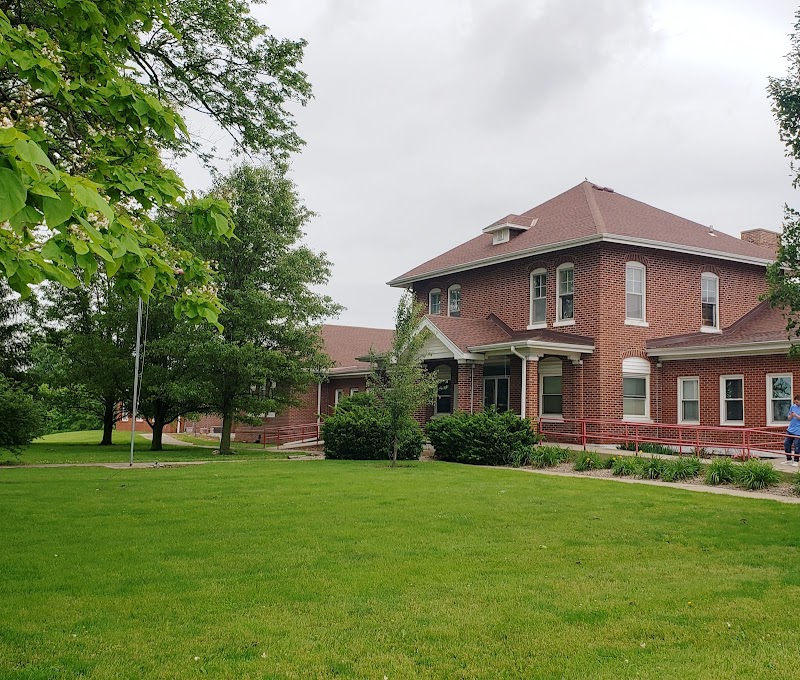
How is Abundant Acres Care And Rehab Staffed?

CMS rates ABUNDANT ACRES CARE AND REHAB's staffing level at 1 out of 5 stars, which is much below average compared to other nursing homes.

What Have Inspectors Found at Abundant Acres Care And Rehab?

State health inspectors documented 63 deficiencies at ABUNDANT ACRES CARE AND REHAB during 2019 to 2025. These included: 1 Immediate Jeopardy (the most serious level, indicating potential for serious harm or death), 1 that caused actual resident harm, and 61 with potential for harm. Immediate Jeopardy findings are rare and represent the most serious regulatory concerns. They require immediate corrective action.

Who Owns and Operates Abundant Acres Care And Rehab?

ABUNDANT ACRES CARE AND REHAB is owned by a non-profit organization. Non-profit facilities reinvest revenue into operations rather than distributing to shareholders. The facility operates independently rather than as part of a larger chain. With 88 certified beds and approximately 47 residents (about 53% occupancy), it is a smaller facility located in SAVANNAH, Missouri.
How Does Abundant Acres Care And Rehab Compare to Other Missouri Nursing Homes?

Compared to the 100 nursing homes in Missouri, ABUNDANT ACRES CARE AND REHAB's overall rating (1 stars) is below the state average of 2.5 and health inspection rating (1 stars) is much below the national benchmark.

What Should Families Ask When Visiting Abundant Acres Care And Rehab?

Based on this facility's data, families visiting should ask: "What changes have been made since the serious inspection findings, and how are you preventing similar issues?" "Can you walk me through typical staffing levels on day, evening, and night shifts?" "Can I visit during a mealtime to observe dining assistance and food quality?" "How do you handle medical emergencies, and what is your hospital transfer rate?" These questions are particularly relevant given the facility's Immediate Jeopardy citations and the below-average staffing rating.

Is Abundant Acres Care And Rehab Safe?

Based on CMS inspection data, ABUNDANT ACRES CARE AND REHAB has documented safety concerns. Inspectors have issued 1 Immediate Jeopardy citation (the most serious violation level indicating risk of serious injury or death). The facility has a 1-star overall rating and ranks #100 of 100 nursing homes in Missouri. Families considering this facility should ask detailed questions about what corrective actions have been taken since these incidents.

Do Nurses at Abundant Acres Care And Rehab Stick Around?

ABUNDANT ACRES CARE AND REHAB has not reported staff turnover data to CMS. Staff turnover matters because consistent caregivers learn residents' individual needs, medications, and preferences. When staff frequently change, this institutional knowledge is lost. Families should ask the facility directly about their staff retention rates and average employee tenure.

Was Abundant Acres Care And Rehab Ever Fined?

ABUNDANT ACRES CARE AND REHAB has been fined $98,214 across 4 penalty actions. This is above the Missouri average of $34,061. Fines in this range indicate compliance issues significant enough for CMS to impose meaningful financial consequences. Common causes include delayed correction of deficiencies, repeat violations, or care failures affecting resident safety. Families should ask facility leadership what changes have been made since these penalties.

Is Abundant Acres Care And Rehab on Any Federal Watch List?

ABUNDANT ACRES CARE AND REHAB is not on any federal watch list. The most significant is the Special Focus Facility (SFF) program, which identifies the bottom 1% of nursing homes nationally based on persistent, serious quality problems. Not being on this list means the facility has avoided the pattern of deficiencies that triggers enhanced federal oversight. This is a positive indicator, though families should still review the facility's inspection history directly.