CLEARVIEW NURSING CENTER
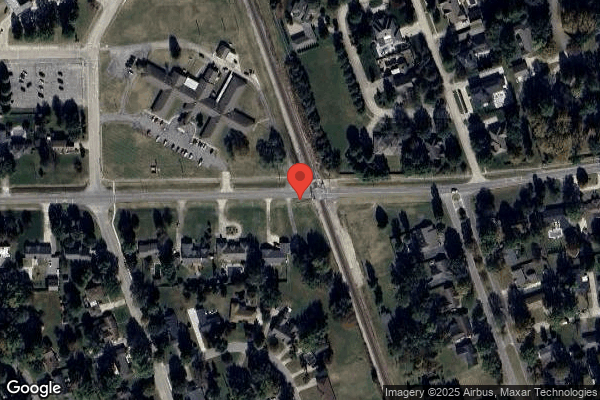
430 SALCEDO ROAD, SIKESTON, MO 63801 (573) 471-2565
For profit - Limited Liability company 90 Beds JAMES & JUDY LINCOLN Data: November 2025
Trust Grade
80/100
#10 of 479 in MO
Last Inspection: December 2024

Within standard 12-15 month inspection cycle. Federal law requires annual inspections.

Overview

Clearview Nursing Center in Sikeston, Missouri, has a Trust Grade of B+, which indicates it is above average and recommended for families considering care options. It ranks #10 out of 479 facilities in Missouri, placing it in the top half statewide, and #2 out of 5 in Scott County, meaning it is one of the better local choices available. The facility's performance is stable, with 9 issues reported in both 2023 and 2024, suggesting no significant improvement or decline. Staffing is a strong point, with a 5-star rating and a turnover rate of 32%, significantly lower than the state average. However, there are some concerns, including a lack of specialized training for infection control staff, which could risk the health of residents, and failures in addressing grievances and maintaining proper documentation for resident belongings. Despite these weaknesses, the absence of fines and excellent overall ratings provide a solid foundation for care.

Trust Score
B+
80/100
In Missouri
#10/479
Top 2%
Safety Record
Low Risk
No red flags
Inspections
Holding Steady
9 → 9 violations
Staff Stability
○ Average
32% turnover. Near Missouri's 48% average. Typical for the industry.
Penalties
✓ Good
No fines on record. Clean compliance history, better than most Missouri facilities.
Skilled Nurses
○ Average
Each resident gets 34 minutes of Registered Nurse (RN) attention daily — about average for Missouri. RNs are the most trained staff who monitor for health changes.
Violations
⚠ Watch
24 deficiencies on record. Higher than average. Multiple issues found across inspections.
★★★★★
5.0
Overall Rating
★★★★★
5.0
Staff Levels
★★★☆☆
3.0
Care Quality
★★★★☆
4.0
Inspection Score
Stable
2023: 9 issues
2024: 9 issues

The Good

  • 5-Star Staffing Rating · Excellent nurse staffing levels
  • Full Sprinkler Coverage · Fire safety systems throughout facility
  • No fines on record
  • Staff turnover below average (32%)

    16 points below Missouri average of 48%

Facility shows strength in staffing levels, fire safety.

The Bad

Staff Turnover: 32%

14pts below Missouri avg (46%)

Typical for the industry

Chain: JAMES & JUDY LINCOLN

Part of a multi-facility chain

Ask about local staffing decisions and management

The Ugly 24 deficiencies on record

Dec 2024 9 deficiencies
CONCERN (D)

Potential for Harm - no one hurt, but risky conditions existed

Deficiency F0565 (Tag F0565)

Could have caused harm · This affected 1 resident

Based on interview and record review, the facility failed to respond or act upon grievances, and failed to keep documentation of inventory for two residents (Residents #23 and #48) out of 15 sampled r...

Read full inspector narrative →
Based on interview and record review, the facility failed to respond or act upon grievances, and failed to keep documentation of inventory for two residents (Residents #23 and #48) out of 15 sampled residents. The facility census was 59. Review of the facility's policy titled, Grievance Protocol, undated, showed: - The purpose of the grievance/complaint report and grievance log is to provide a written record of each resident and family concern and to insure proper follow-up through the appropriate discipline; - The Social Service Director (SSD) is responsible for the program, although the Administrator is ultimately responsible for the proper implementation; - Grievance complaint should be filled out for resident articles that are lost or cannot be located; - Social Services and Administrator evaluate the monthly grievance log for trends or patterns and devise an action plan to correct issues. A new log should be completed each month. The facility did not provide an inventory policy. Review of the facility's Grievance Log showed an empty binder with no documentation of any reported resident grievances. During an interview on 12/03/24 at 1:59 P.M., Resident #48 said he/she was missing an electronic tablet and a cell phone. The items went missing within the last two - three weeks. He/She made the SSD and the Administrator aware of the missing items, but they were not doing anything about it. During an interview on 12/04/24 at 9:16 A.M., the SSD said he/she was not aware of Resident #48's missing items until 12/02/24, and did not initiate a grievance related to the incident. He/She helped the resident look through his/her room for the missing items, but they were not found. The facility did not have inventory sheets for the resident's belongings, but he/she did normally try to get inventory lists completed for the residents. SSD had not been initiating or completing grievances. During an interview on 12/04/24 at 10:11 A.M., Resident #23 said he/she was missing a cereal cup full of quarters and two electronic tablets. One tablet had been missing longer than a year, but the second tablet and cup of quarters were missing within the past two months. He/She told the SSD about the missing items and had never heard anything else about them. During an interview on 12/04/24 at 10:42 A.M., the SSD said he/she did remember hearing about the missing money for Resident #23, but did not remember anything about a missing tablet. The SSD told the resident it was safer to keep money in the front business office. The SSD did not initiate or complete a grievance for the reported incident and did not have an inventory sheet for Resident #23. SSD said there should be a grievance form filled out when a resident reports a concern and an inventory sheet completed for each resident at the facility. During an interview on 12/04/24 at 11:15 A.M., Certified Nursing Assistant (CNA) G said he/she did know about the items missing for Resident #48. Any time items were reported missing by a resident, he/she will help search and then notify the charge nurse on duty. During an interview on 12/04/24 at 11:01 A.M., Registered Nurse (RN) F said he/she was aware that Resident #48 had missing items. When staff were told items were missing, he/she will help search and make the Director of Nursing (DON) aware. During an interview on 12/04/24 at 11:08 A.M., the DON said she was aware of the missing items for Resident #23 and Resident #48. When items were reported missing, there should be an investigation started immediately and inventory sheets reviewed. During an interview on 12/04/24 at 10:45 A.M., the Administrator said he was unsure about the grievance policy, but they did work together as a team to try and handle missing items. He had never replaced items for residents in the past.
CONCERN (D)

Potential for Harm - no one hurt, but risky conditions existed

Deficiency F0578 (Tag F0578)

Could have caused harm · This affected 1 resident

**NOTE- TERMS IN BRACKETS HAVE BEEN EDITED TO PROTECT CONFIDENTIALITY** Based on interview and record review, the facility failed to obtain a physician's order for code status for two residents (Resid...

Read full inspector narrative →
**NOTE- TERMS IN BRACKETS HAVE BEEN EDITED TO PROTECT CONFIDENTIALITY** Based on interview and record review, the facility failed to obtain a physician's order for code status for two residents (Residents #14 and #38) and consistently document a resident's code status with Full Code (cardiopulmonary resuscitation (CPR - an emergency procedure consisting of chest compressions if the heart stops beating or the person stops breathing) or Do Not Resuscitate (DNR - does not want CPR) for one resident (Resident #35) out of 15 sampled residents. The facility census was 59. Review of the facility's policy titled, DNR Protocol, not dated, showed: - The Social Services Designee (SSD) will be responsible to print all DNR order forms on lavender paper to be placed in the admission packet; - Once the DNR form is signed by the resident or legal representative it is to be signed by the physician; - The SSD will then complete the following: a green paper with Full Code or a red paper with DNR will be placed in the very front of the medical record in a plastic sheet protector; on the Physician Order Sheet (POS) in the menu section located in the right upper corner of the POS, the SSD will add the heading of Code Status; - The resident's code status will be periodically reviewed and renewed with the resident and/or legal representative, no less than quarterly during care plan review with the resident or resident's representative signing the care plan; - The SSD will monitor the resident code status monthly, with new admission, readmissions, and as a resident's code status is changed to ensure all components of the program are current. 1. Review of Resident #14's medical record showed: - admission date of [DATE]; - Face sheet with Full Code status; - Full Code written on spine of the hard chart. Review of the resident's [DATE] Physician Order Sheet (POS) showed: - No order for the resident's code status. Review of the resident's revised care plan, dated [DATE], showed: - Full Code status. 2. Review of Resident #35's medical record showed: - admission date of [DATE]; - Face sheet with DNR code status; - A red dot for DNR on the spine of the hard chart. Review of the resident's [DATE] POS showed: - An order for Full Code status. Review of the resident's revised care plan, dated [DATE], showed: - Full Code status. 3. Review of Resident #38's medical record showed: - An admission date of [DATE]; - Face sheet with Full Code status; - A green dot for Full Code on the spine of the hard chart. Review of the resident's [DATE] POS showed: - No order for the resident's code status. Review of the resident's revised care plan, dated [DATE], showed: - Full Code status. During an interview on [DATE] at 10:20 A.M., the Director of Nursing (DON) said the Social Service Director (SSD) made sure what the code status was at admission. An order should be obtained for the code status. She would expect the code status to match anywhere it was documented. During an interview on [DATE] at 10:25 A.M., Licensed Practical Nurse (LPN) I said if there was a code called, he/she would look at the hard chart and see what the code status was. A green dot on the spine of the binder meant the resident was a Full Code. A red dot on the spine of the binder meant the resident was a DNR. The face sheet and a purple sheet should be in the chart when the resident was a DNR. During an interview on [DATE] at 10:33 A.M., the MDS (a federally mandated assessment instrument completed by the facility staff) Coordinator said the SSD will let staff know if a resident had changed his/her mind and/or if the code status changed. The SSD would change the face sheet, however the SSD couldn't write an order. The resident was a full code until the DNR paperwork had been signed by the physician. During an interview on [DATE] at 10:40 A.M., the Quality Assurance (QA) Nurse and the DON said they would expect the orders for the code status to be on the physician orders.
CONCERN (D)

Potential for Harm - no one hurt, but risky conditions existed

Safe Environment (Tag F0584)

Could have caused harm · This affected 1 resident

**NOTE- TERMS IN BRACKETS HAVE BEEN EDITED TO PROTECT CONFIDENTIALITY** Based on observation, interview, and record review, the facility failed to provide a safe, clean and comfortable homelike enviro...

Read full inspector narrative →
**NOTE- TERMS IN BRACKETS HAVE BEEN EDITED TO PROTECT CONFIDENTIALITY** Based on observation, interview, and record review, the facility failed to provide a safe, clean and comfortable homelike environment. This deficient practice had the potential to affect all residents in the facility. The facility census was 59. The facility did not provide a homelike environment policy. 1. Observations on 12/03/24 at 2:42 P.M., and 12/04/24 at 9:20 A.M., of the 100 Hall showed: - A seat cushion cover worn with several peeled areas on a chair next to the bed near the door in room [ROOM NUMBER]; - Several areas of wallpaper peeled with exposed sheetrock located behind the bed near the window in room [ROOM NUMBER]; - A seat cushion cover worn with several peeled areas on a chair next to the bed near the door in room [ROOM NUMBER]; - Dark scuff marks and a three inch (in.) area of exposed sheetrock and peeled paint on the wall next to the door in room [ROOM NUMBER]. 2. Observations on 12/05/24 at 10:37 A.M., of the 300 Hall showed: - A loose and cracked piece of molding on the right side of the door frame in room [ROOM NUMBER]; - A cracked piece and a missing piece of molding on the left side of the door frame in room [ROOM NUMBER]; - An area of loose sheetrock tape on the ceiling by the privacy curtain track near the bed by the door in room [ROOM NUMBER]; - A seat cushion cover worn with a large area of peeled material on a chair next to the bed near the door in room [ROOM NUMBER]. 3. Observations on 12/06/24 at 12:45 P.M., of the Spa Room next to the mechanical room showed: - Several bed mattresses stacked against the wall by the toilet; - Several cupcake pans stacked on top of the left side clothes cabinet; - A mattress, step ladder and other miscellaneous items stacked against the left side of the clothes cabinet; - Cluttered shower chairs, a red trash can with lid, and miscellaneous debris inside and on the shower stall floor. Review of the Maintenance Log Book, dated 09/20/24 - 12/02/24, showed no documentation of areas of concern addressed. During an interview on 12/03/24 at 10:23 A.M., the resident in room [ROOM NUMBER] said he/she would like for his/her chair to be either replaced or fixed. He/She doesn't know why staff would take a good chair out of his/her room and replace it with one that looked so bad because he/she had visitors that sit in the chair and it's not very appealing to look at. During an interview on 12/06/24 at 9:05 A.M., Housekeeper C said he/she verbally told the maintenance department if there was something that needed to be fixed. He/She did not know if there was a maintenance log and had not seen anything recently to report other than a toilet not working. During an interview on 12/06/24 at 9:20 A.M., Housekeeper D said if he/she noticed something that needed fixed, he/she let someone know on the hall. He/She had not seen anything to report and was not aware of a maintenance log to write down any environment concerns. During an interview on 12/06/24 at 9:32 A.M., the Maintenance Supervisor (MS) said it would be easier to keep up with environmental issues if staff would write the concerns found on the maintenance log. MS had asked staff to write down the environment concerns because it made it hard to remember things throughout the day when staff didn't write environmental concerns down to be addressed and prioritized in a timely manner. During an interview on 12/06/24 at 10:50 A.M., the Quality Assurance (QA) nurse said the facility had several chairs in storage that could replace the worn chairs. He/She would let the Administrator know. During an interview on 12/06/24 at 12:41 P.M., the Administrator said he would expect staff to use the maintenance log book located at the nurses' station to write down any environmental concerns in addition to verbally telling the MS.
CONCERN (D)

Potential for Harm - no one hurt, but risky conditions existed

Assessment Accuracy (Tag F0641)

Could have caused harm · This affected 1 resident

**NOTE- TERMS IN BRACKETS HAVE BEEN EDITED TO PROTECT CONFIDENTIALITY** Based on interview and record review, the facility failed to accurately code the Minimum Data Set (MDS - a federally mandated as...

Read full inspector narrative →
**NOTE- TERMS IN BRACKETS HAVE BEEN EDITED TO PROTECT CONFIDENTIALITY** Based on interview and record review, the facility failed to accurately code the Minimum Data Set (MDS - a federally mandated assessment instrument completed by facility staff) for two residents (Residents #4 and #51) out of 15 sampled residents. The facility census was 59. Review of the facility's policy titled, MDS and Care Planning Guidelines, revised 10/01/15, showed: - It is the policy of this facility to use the most current Centers for Medicare and Medicaid Services (CMS) MDS Resident Assessment Instrument (RAI - a tool used to assist facility staff to gather defined information on a resident's strengths and needs) Manual, any published interim RAI manual errata (error) documents, and applicable federal guidelines as the authorative guide for completion of MDS, care area assessments (CAAs) and resident care planning; - The policy did not address the accuracy of MDS assessments. 1. Review of Resident #4's annual MDS, dated [DATE], showed: - The resident did not receive an anticoagulant (medication to prevent and treat blood clots in the blood vessels and the heart). Review of the resident's December 2024 Physician Order Sheet (POS) showed: - Diagnosis of personal history of thrombophlebitis (vein inflammation that happens in connection with one or more blood clots); - An order for desmopressin (an anticoagulant) 0.1 milligram (mg) 1/2 tablet oral twice daily, dated 12/05/22; Review of the resident's care plan, revised 02/12/24, showed: - The resident received anticoagulant therapy. 2. Review of Resident #51's annual MDS, dated [DATE], showed: - The resident received an anticoagulant. Review of the resident's December 2024 POS showed: - Diagnosis of stroke; - An order for aspirin (a nonsteroidal anti-inflammatory drug) 325 mg oral daily, dated 12/28/22. Review of the resident's care plan, revised 10/24/24, showed: - The resident received anticoagulant therapy. During an interview on 12/06/24 at 9:12 A.M. , the MDS Coordinator said if a resident took an anticoagulant, it should be indicated on the resident's MDS assessment. If a resident didn't take an anticoagulant, it should not be indicated as an anticoagulant on the resident's MDS assessment. During an interview on 12/06/24 at 10:18 A.M. , the Director of Nursing (DON) said if a resident took an anticoagulant, it should be indicated on the resident's MDS assessment. If a resident didn't take an anticoagulant, it should not be indicated as an anticoagulant on the resident's MDS assessment.
CONCERN (D)

Potential for Harm - no one hurt, but risky conditions existed

Deficiency F0645 (Tag F0645)

Could have caused harm · This affected 1 resident

Based on interview and record review, the facility failed to provide a Preadmission Screening and Resident Review (PASARR - a federally mandated preliminary assessment to determine whether a resident ...

Read full inspector narrative →
Based on interview and record review, the facility failed to provide a Preadmission Screening and Resident Review (PASARR - a federally mandated preliminary assessment to determine whether a resident may have a mental illness or an intellectual disorder, to determine the level of care needed) for two residents (Residents #4 and #43) out of two sampled residents. The facility census was 59. The facility did not provide a policy for a PASARR. 1. Review of Resident #4's medical record showed: - An admission date of 03/16/21; - Diagnoses of dementia (a disorder marked by memory loss, personality changes, and impaired reasoning that interferes with daily functioning) and post traumatic stress disorder (PTSD - psychological distress following a traumatic event); - No documentation of the required level one PASARR screening upon admission to the facility. 2. Review of Resident #43's medical record showed; - An admission date of 01/08/20; - Diagnoses of bipolar (a mental disorder that causes unusual shifts in mood) and schizophrenia (a long term mental disorder that affects a person's ability to think, feel, or behave clearly, sometimes including delusions or hallucinations); - No documentation of the required level one PASARR screening upon admission to the facility. During an interview on 12/05/24 at 11:15 A.M., the Social Service Director (SSD) said a level one PASARR should be completed on a resident prior to admission to the facility. Resident #4's level one screening still needed to be completed and submitted. Resident #43's level one screening was rejected due to no psychiatric documentation that wasn't sent. During an interview on 12/06/24 at 1:05 P.M., the Administrator said he would expect a resident to have a level one PASARR completed prior to the resident being admitted to the facility.
CONCERN (D)

Potential for Harm - no one hurt, but risky conditions existed

Deficiency F0692 (Tag F0692)

Could have caused harm · This affected 1 resident

Based on observation, interview, and record review, the facility failed to implement, monitor, and modify interventions to maintain acceptable parameters of nutritional status for one resident(Residen...

Read full inspector narrative →
Based on observation, interview, and record review, the facility failed to implement, monitor, and modify interventions to maintain acceptable parameters of nutritional status for one resident(Resident #14) out of two sampled residents. The facility census was 59. Review of the facility's policy titled, Weight Champion Program, not dated, showed: - Each community should designate a weight champion to assist in the oversight and monitoring of residents that have or are at risk for weight loss; - The purpose of this program is to take a proactive stance against weight loss and collaborate to decrease weight loss numbers; - The weight champion will be responsible for keeping the weight variance report from Matrix, as well being custodian of the daily, weekly and monthly facility weight lists; - The champion will review for completion during the next stand up meeting. The champion will request and monitor re-weights of residents; - Weights should be reviewed weekly in our Interdisciplinary Team (IDT) meeting; - Weights should be assessed by the IDT at the time that the loss is noted. If a supplement is necessary, food items should be tried first, the exception is that of those resident drinking is more feasible for the resident. This must be documented; - Examples of food interventions are snacks, fortified (a fortified food used to provide extra calories, proteins and vitamins) milk , fortified soups, extra portions, supercereal (a fortified cereal used to provide extra calories, proteins and vitamins), smaller more frequent meals, super pudding (a fortified pudding used to provide extra calories, proteins and vitamins), fortified food program. Review of the facility's policy titled, Registered Consultant Dietitian (RD), dated May 2015, showed: - Monthly visits to each facility to assist in compliance of regulatory requirements in food service and residents' dietary care with a report of findings; - Consultation with the Director of Nursing (DON) on all residents who are at risk for poor nutrition, have significant weight loss, have pressure sores, or that are fed per tube. 1. Review of Resident #14's Physician Order Sheet (POS), dated December 2024, showed: - An order for Level 7 Regular diet (easy to chew), reduced concentrated sweets (RCS), dated 06/21/24; - An order for Boost very high calorie drink (VHC) 120 millimeters (ml) with supper meal, dated 12/03/24; - An order for a referral to gastroenterologist (specialist in organs of the digestive system), dated 12/04/24; - No order for a multivitamin as recommended by the RD on 06/18/24; - No order for weekly weights as recommended by the RD on 12/03/24. Review of the resident's Weight Variance Report, dated 06/15/24 through 12/04/24, showed: - On 06/15/24, the resident weighed 235.8 pounds (lbs); - On 06/20/24, the resident weighed 235.8 lbs; - On 06/25/24, the resident weighed 233.7 lbs; - On 07/02/24, the resident weighed 233.7 lbs; - On 07/09/24, the resident weighed 230.4 lbs; - On 08/02/24, the resident weighed 228.0 lbs; - On 09/03/24, the resident weighed 221.0 lbs; - On 10/01/24, the resident weighed 216.9 lbs; - On 11/04/24, the resident weighed 210.4 lbs; - On 12/04/24, the resident weighed 206.6 lbs; - From 06/15/24 - 08/02/24, the resident had a 4.98% weight loss in 3 months; - From 06/15/24 - 12/04/24, the resident had a 10.38% weight loss in 6 months. Review of the Dietary assessments showed: - An initial assessment completed on 06/18/24, with a regular diet,restricted concentrated sweets, and recommendations to add a multivitamin; - A quarterly nutrition review completed on 09/12/24, with a regular diet and restricted concentrated sweets. Notes weight was down six pounds in 30 days, edema (swelling) contributing; - A significant weight change in status completed on 12/03/24, with greater than 7.5% wt. loss in 90 days. Resident with significant weight change for 90 days and 180 days. Recommended to add VHC 120 ml to supper meal and monitor weekly weights; - No documentation the RD assessed the resident in October and November 2024. Review of the resident's Care Plan, last reviewed, 09/23/24, showed: - A regular diet, no concentrated sweets; - Did not address weight loss with interventions. Observations of the resident on 12/03/24, 12/05/24, and 12/06/24, during the lunch meal showed: - The resident ate in the main dining room. The resident #14 ate approximately 50-100% of his/her meals. During an interview on 12/03/24 at 2:14 P.M., Resident #14 said he/she was not trying to lose weight and was not on any medications to aid in weight loss. During an interview on 12/05/24 at 3:25 P.M., the Minimum Data Set (MDS - a federally mandated assessment completed by facility staff) Coordinator said the Restorative Nurse Aide (RNA) weighed the residents. The MDS Coordinator and the DON received a copy of the weight variance report and reviewed it. The facility did not have meetings where they discussed residents weights. During an interview on 12/05/24 at 3:34 P.M. the Quality Assurance (QA) Nurse said the RD needed to be reviewing any weight loss in the facility. The weight variance report should be reviewed by the DON and any resident with weight loss should be seen by the RD. During an interview on 12/11/24 at 9:53 A.M., the RD said it would be good if the facility held weight meetings within the facility on a bi-weekly basis. During an interview on 12/11/24 at 10:30 A.M., the MDS Coordinator said Resident #14's family brought it to the attention of the facility of the resident's weight loss.
CONCERN (D)

Potential for Harm - no one hurt, but risky conditions existed

Unnecessary Medications (Tag F0759)

Could have caused harm · This affected 1 resident

Based on observation, interview and record review, the facility failed to maintain a medication error rate of less than five percent (%). There were 37 opportunities with three errors made, resulting ...

Read full inspector narrative →
Based on observation, interview and record review, the facility failed to maintain a medication error rate of less than five percent (%). There were 37 opportunities with three errors made, resulting in an error rate of 8.11% for three residents (Residents #20, #34 and #38) out of eleven sampled residents. The facility's census was 59. Review of the facility's policy titled, Specific Medication Administration Procedures, dated July 2021, showed: - Prime insulin pen prior to use; - Dial up two units; - Hold pen upright and push the button on the end of the pen so a small drop of insulin appears; - Dial insulin to the desired insulin dose to be administered to the resident. Review of the Humalog/lispro (a rapid insulin injected just below the skin that helps lower mealtime blood sugar spikes) Kwik Pen (Insulin in a pen-type device) instructions, revised, July 2023, showed: - Prime the pen by turning the dose knob to two units; - Hold the pen with the needle pointing up; - Tap the cartridge holder gently to collect air bubbles at the top; - Push the dose knob in until it stops, and zero is seen in the dose window, count to five slowly, insulin will be visible at the tip of the needle; - Select the dose; - Give the injection after selecting the area and cleaning the site with an alcohol swab. Review of the Novolog/Fiasp/aspart (fast-acting insulin injected just below the skin that helps lower mealtime blood sugar spikes) Flex Pen administration instructions, dated September 2021, showed: - Prime the pen by turning the dose selector to two units; - Keep the needle upwards and press the push-button until the dose selector reads zero; - Turn the dose selector to select the number of prescribed units. 1. Review of Resident #20's Physician Order Sheet (POS), dated December 2024, showed: - An order for Humalog insulin pen 100 units per milliliter (ml) subcutaneous (injection under the skin) with meals per a sliding scale if blood sugar is 151-200=2 units, 201-250=4 units, 251-300=6 units, 301-350=8 units, 351-400=10 units, 401-450=12 units, blood sugar greater than 450, call the physician, dated 06/10/24. Observation of Resident #20's medication administration on 12/04/24 at 11:16 A.M., showed: - Registered Nurse (RN) J administered 12 units of Humalog subcutaneously per order of the sliding scale for a blood sugar of 433 with the resident's Humalog Kwik Pen; - RN J failed to prime the Humalog Kwik Pen per the manufacturer's instructions prior to the administration to the resident. 2. Review of Resident #34's POS, dated December 2024, showed: - An order for ondansetron (anti-nausea medication) 4 milligrams (mg) disintegrating tablet three times daily with meals for weight loss, dated 04/10/23. Observation of Resident #34's medication administration on 12/05/24 at 11:30 A.M., showed: - Certified Medication Technician (CMT) K administered the tablet with water; - CMT K failed to instruct the resident to hold the medication on or underneath the tongue for medication to be effective; - The resident swallowed the tablet instead of it disintegrating. 3. Review of Resident #38's POS, dated December 2024, showed: - An order for Novolog Flex insulin pen 100 units per ml subcutaneous with meals per a sliding scale if blood sugar is 150-175=1 unit, 176-200=2 units, 201-225=3 units, 226-250=4 units, 251-275=5 units, 276-300=6 units, 301-325=7 units, 326-350=8 units, 351-375=9 units, 376-400=10 units, if greater than 400, call nurse practitioner (NP)/physician's assistant (PA), dated 10/16/24. Observation of Resident #38's medication administration on 12/04/24 at 11:23 A.M., showed: - RN J administered 9 units of Novolog subcutaneously per order of the sliding scale for a blood sugar of 249 with the resident's Novolog Flex pen; - RN J failed to prime the Novolog Flex Pen per the manufacturer's instructions prior to the administration to the resident. During an interview on 12/04/24 at 11:45 A.M., RN J said he/she thought the insulin pens only needed to be primed when the pen was new, not for each insulin administration. During an interview on 12/06/24 at 9:30 A.M., the Director of Nursing (DON) said staff should prime insulin pens with two units of insulin with every insulin administration. During an interview on 12/06/24 at 10:55 A.M., the Quality Assurance (QA) Nurse said the facility followed the insulin manufacturer's recommendations.
CONCERN (D)

Potential for Harm - no one hurt, but risky conditions existed

Infection Control (Tag F0880)

Could have caused harm · This affected 1 resident

Based on observation, interview and record review, the facility failed to implement Enhanced Barrier Precautions (EBP) during wound care for one resident (Resident #6) out of one sampled resident. The...

Read full inspector narrative →
Based on observation, interview and record review, the facility failed to implement Enhanced Barrier Precautions (EBP) during wound care for one resident (Resident #6) out of one sampled resident. The facility failed to use proper hand hygiene during blood sugar testing for four residents (Residents #3, #10, #20 and #38) out of four sampled residents. This deficient practice had the potential to affect all residents in the facility. The facility census was 59. Review of the facility's policy, titled, Enhanced Barrier Precautions to Infection Control Guidelines, updated 2024, showed: -To prevent broader transmissions of multi-drug resistance organisms (MDROs) and to help protect patients with chronic wounds and indwelling devices. EBP should be implemented for the period of their stay or until wounds have resolved or indwelling medical devices have been removed; - Examples of MDROs include, but are not limited to, methicillin-resistant staphylococcus aureas (MRSA), vancomycin-resistant enterococci (VRE), extended spectrum beta-lactamase (ESBL-producing enterobacterais) and drug-resistant streptococcus pneumoniae; - Who requires EBP, residents known to be infected or colonized with a MDRO, residents with an indwelling medical device, and residents with a wound, regardless of their MDRO status; - When to use EBP, during high-contact resident care activities, such as, performing wound care; - Gown and gloves are required when conducting high-contact resident care activities, such as wound care. Review of the facility's policy titled, Diabetic Infection Control, undated, showed: - Gloves are to be worn when performing finger sticks and changed between resident contacts; - Remove and discard gloves in appropriate receptacles after each procedure that involves potential exposure to blood or body fluids, including finger stick blood sampling; - Perform hand hygiene (i.e., hand washing with soap and water or use an alcohol-based hand rub) immediately after removal of gloves and before touching other medical supplies intended for use on another resident. 1. Observation on 12/05/24 at 1:28 P.M., of Resident #6's wound care showed: - No EBP signage posted outside of the resident's room; - Registered Nurse (RN) J did not put on isolation gown, did not perform hand hygiene, put on gloves, and entered the resident's room; - RN J removed the saturated dressing from the resident's left neck area; - RN J performed hand hygiene and changed gloves; - RN J used wound cleanser and gauze to clean the wound, did not perform hand hygiene, did not change gloves, and patted the wound dry with clean gauze; - RN J performed hand hygiene and put on clean gloves; - RN J applied a 2x2 gauze dressing and secured with medical tape; - RN J took the biohazard bag outside of the resident room and disposed of the bag in the trash can attached to the treatment cart; - RN J removed the gloves and did not perform hand hygiene. During an interview on 12/03/24 at 10:01 A.M., Resident #6 said he/she didn't know why they had a dressing applied to his/her neck. 2. Observation on 12/04/24 at 11:10 A.M., of Resident #10's blood sugar testing showed: - RN J did not perform hand hygiene and put on gloves; - RN J performed the resident's blood sugar testing; - RN J removed the gloves and did not perform hand hygiene. 3. Observation on 12/04/24 at 11:16 A.M., of Resident #20's blood sugar testing showed: - RN J did not perform hand hygiene and put on gloves; - RN J performed the resident's blood sugar testing; - RN J removed the gloves and did not perform hand hygiene. 4. Observation on 12/04/24 at 11:23 A.M., of Resident #38's blood sugar testing showed: - RN J did not perform hand hygiene and put on gloves; - RN J performed the resident's blood sugar testing; - RN J removed the gloves and did not perform hand hygiene. 5. Observation on 12/04/24 at 11:26 A.M., of Resident #3's blood sugar testing showed: - RN J did not perform hand hygiene and put on gloves; - RN J performed the resident's blood sugar testing; - RN J removed the gloves and did not perform hand hygiene. During an interview on 12/06/24 at 9:30 AM, the Director of Nursing (DON) said Resident #6 should have been on EBP. With EBP, staff should be putting on a gown and gloves and removing the gown and gloves within the resident's room. She said nurses should be performing hand hygiene prior to putting on gloves and after removing gloves for any procedure, including blood sugar testing.
CONCERN (D)

Potential for Harm - no one hurt, but risky conditions existed

Deficiency F0947 (Tag F0947)

Could have caused harm · This affected 1 resident

Based on interview and record review, the facility failed to conduct at least twelve hours of nurse aide in-service and failed to provide the required annual competencies of Dementia Care (care of a r...

Read full inspector narrative →
Based on interview and record review, the facility failed to conduct at least twelve hours of nurse aide in-service and failed to provide the required annual competencies of Dementia Care (care of a resident with an impaired ability to remember, think, or make decisions) for two certified nurse assistants (CNA) (CNA A and CNA B) of two nurse aides sampled. The facility census was 59. The facility did not provide a nurse aide in-service policy. Review of the facility assessment, revised 02/06/24, showed: - Required in-service training for nurse's aides: 1. Be sufficient to ensure the continuing competence of nurse aides, but must be no less than 12 hours per year; 2. Include dementia management training and resident abuse preventions training; 3. Address areas of weakness as determined by the facility assessment and address the special needs of residents to as determined by the facility staff; 4. For nurse aides providing services to individuals with cognitive impairments, also address the care of the cognitively impaired. 1. Review of the facility's August 2023 - July 2024 in-service records showed: - CNA A's hire date of 08/13/22; - CNA A attended a total of seven monthly in-services; - No time duration documented on the monthly in-service sheets; - CNA A did not attend an annual competency in-service on Dementia Care. 2. Review of the facility's November 2023 - October 2024 in-service records showed: - CNA B's hire date of 11/02/21; - CNA B attended a total of six monthly in-services; - No time duration documented on the monthly in-service sheets; - CNA B did not attend an annual competency in-service on Dementia Care. During an interview on 12/06/24 at 10:50 A.M., the Director of Nursing (DON) said nurse aid education training should include Dementia Care. Nurse-aides should receive 12 hours of education training to meet the annual in-service requirement. During an interview on 12/06/24 at 10:56 A.M., the Administrator said nurse aid education training should include Dementia Care. Nurse-aides should receive 12 hours of education training to meet the annual in-service requirement.
Oct 2023 8 deficiencies
CONCERN (D)

Potential for Harm - no one hurt, but risky conditions existed

Deficiency F0645 (Tag F0645)

Could have caused harm · This affected 1 resident

**NOTE- TERMS IN BRACKETS HAVE BEEN EDITED TO PROTECT CONFIDENTIALITY** Based on interview and record review, the facility failed to provide documentation of a Level I Preadmission Screening and Resid...

Read full inspector narrative →
**NOTE- TERMS IN BRACKETS HAVE BEEN EDITED TO PROTECT CONFIDENTIALITY** Based on interview and record review, the facility failed to provide documentation of a Level I Preadmission Screening and Resident Review (PASARR) (a federally mandated preliminary assessment to determine whether a resident may have a mental illness or an intellectual disorder to determine the level of care needed) for two residents (Residents #38 and #41) out of four sampled residents. The facility's census was 52. The facility did not provide a policy regarding PASARR. 1. Review of Resident #38's medical record showed: - An admission date of 03/08/21; - Diagnoses of major depressive disorder severe with psychotic symptoms (a serious medical illness that negatively affects how you feel, the way you think and how you act), generalized anxiety disorder (persistent worry and fear about everyday situations), and post-traumatic stress disorder (PTSD) (a mental health condition triggered by a terrifying event - either experiencing it or witnessing it; symptoms may include flashbacks, nightmares and severe anxiety, as well as uncontrollable thoughts about the event); - No documentation of a Level I PASARR. Review of Resident #38's Quarterly Minimum Data Set (MDS), a federally mandated assessment to be completed by the facility staff, dated 08/03/23, showed the PASARR not documented. During an interview on 10/19/23 at 2:47 P.M., the Social Service Director (SSD) said Resident #38 had not had a Level I PASARR screening since being admitted to the facility. The resident transferred from another long term care facility. The resident should have had a new Level I completed. Review of Resident #41's medical record showed: - An admission date of 01/08/20; - Diagnoses of bipolar disorder (a mental disorder that causes unusual shifts in mood), depression, anxiety disorder, and schizophrenia (a long term mental disorder that affects a person's ability to think, feel, or behave clearly, sometimes including delusions or hallucinations); - No documentation of a Level I PASARR. Review of Resident #41's quarterly MDS, dated [DATE], showed the PASARR not documented. During an interview on 10/18/23 at 4:52 P.M., the SSD said Resident #41 had not had a Level I PASARR completed since he/she had been admitted to the facility. The resident transferred from another facility and the prior Level I PASARR wasn't received from the previous facility. During an interview on 10/20/23 at 12:45 P.M., the Administrator said he would expect the facility to have completed or ensured a copy of the Level I PASARR followed the residents from a previous facility.
CONCERN (D)

Potential for Harm - no one hurt, but risky conditions existed

Comprehensive Care Plan (Tag F0656)

Could have caused harm · This affected 1 resident

**NOTE- TERMS IN BRACKETS HAVE BEEN EDITED TO PROTECT CONFIDENTIALITY** Based on observation, interview and record review, the facility failed to implement a care plan with specific interventions tail...

Read full inspector narrative →
**NOTE- TERMS IN BRACKETS HAVE BEEN EDITED TO PROTECT CONFIDENTIALITY** Based on observation, interview and record review, the facility failed to implement a care plan with specific interventions tailored to meet individual needs for six residents (Residents #13, #14, #18, #21, #31, and #38) out of 13 sampled residents. The facility census was 52. Review of the facility's policy titled, Care Plan Comprehensive, undated, showed: - An individualized comprehensive care plan includes measurable goals and time frames that meet the resident's highest practicable physical, mental, and psychosocial well-being; - The comprehensive care plan will be based on a thorough assessment that includes, but is not limited to, the Minimum Data Set (MDS) (a federally mandated assessment instrument completed by the facility staff); - A well-developed care plan will be oriented to managing risk factors, applying current standards of practice in the care planning process, assessing and planning for care to meet the resident's medical, nursing, mental and psychosocial needs; - The comprehensive care plan is developed within seven days of the completion of the resident's comprehensive assessment. 1. Review of Resident #13's medical record showed: - An admission date of 06/27/16; - Diagnoses of chronic obstructive pulmonary disease (COPD) (a group of diseases that cause airflow blockage and breathing related problems), hypertension (high blood pressure), major depressive disorder (MDD) (a mental health disorder characterized by persistently depressed mood or loss of interest in activities, causing significant impairment in daily life), and anxiety disorder (a disorder characterized by feelings of worry, anxiety or fear that is strong enough to interfere with one's daily activities). Review of the resident's Physician Order Sheet (POS), dated 10/20/23, showed an order for oxygen at 2 liters (L) per nasal cannula (NC) (a device used to deliver supplemental oxygen to an individual in need of respiratory help), dated 10/20/23. Observations of the resident showed: - On 10/18/23 at 8:41 A.M., the resident lay in bed with oxygen on at 2 L per NC; - On 10/19/23 at 7:59 A.M., the resident lay in bed with oxygen on at 2 L per NC. Review of the resident's care plan, last reviewed on 08/17/23, showed it did not address the resident's oxygen with specific interventions. During an interview on 10/18/23 at 8:41 A.M., the resident said he/she only used oxygen when it was needed. During an interview on 10/19/23 at 10:12 A.M., Certified Medication Technician (CMT) A said Resident #13 wore oxygen when needed. During an interview on 10/19/23 at 10:15 A.M., Licensed Practical Nurse (LP) B said Resident #13 had oxygen on when needed. The oxygen should be care planned. 2. Review of Resident #14's medical record showed: - An admission date of 03/01/22; - Diagnosis of low back pain; - Resident assessed as a safe smoker on 08/07/2023. Review of the resident's POS, dated 10/04/23, showed: - An order for hydrocodone-acetaminophen (an opioid for pain control) 7.5 - 325 milligram (mg) every 6 hours as needed (PRN), dated 04/05/23; - An order for acetaminophen (a medication used to relieve mild or chronic pain and to reduce fever) 325 mg two tablets every 6 hours PRN, dated 02/24/23. Review of the resident's care plan, last reviewed on 08/22/23, showed: - Did not address the resident's smoking with specific interventions; - Did not address the resident's pain with specific interventions. Observations of the resident showed on 10/19/23 at 11:00 A.M., the resident smoked in the designated smoking area unsupervised. During an interview on 10/17/23 at 12:45 P.M., Resident #14 said he/she only used medications when needed for pain and had smoked without supervision since being assessed as a safe smoker soon after being placed in the facility. 3. Review of Resident #18's medical record showed: - admission date of 09/22/23; - Diagnoses of end stage renal disease (ESRD) (when the kidneys are no longer able to work at a level needed for day-to-day life), non-ST elevation myocardial infarction (NSTEMI) (a type of heart attack that usually happens when your heart's need for oxygen can't be met), hypertension ((high blood pressure), hypotension (low blood pressure), heart failure (a condition that develops when your heart doesn't pump enough blood for your body's needs), atherosclerotic heart disease of native coronary artery (thickening or hardening of the arteries caused by a buildup of plaque in the inner lining of an artery); and acute kidney failure (a sudden episode of kidney failure or kidney damage). Review of the resident's Physician Order Sheet (POS), dated 10/2023, showed: - An order for 1 Liter (L) fluid restriction every day, evening, and night shift, dated 09/25/23; - An order for daily weights every morning and record results daily, dated 09/23/23; - An order for a renal, 2 gram sodium diet, dated 09/22/23; - No documentation of an order for dialysis; - No documentation of an order to assess and monitor the dialysis access site; - No documentation of an order to assess and monitor the resident before and after dialysis treatments. Review of the resident's care plan, last reviewed on 10/03/23, showed: - Dialysis with specific interventions not addressed; - The dialysis access site(s) not addressed. During an interview on 10/17/23 at 3:36 P.M., Resident #18 said he/she received dialysis on Monday, Wednesday and Friday. 4. Review of Resident #21's medical record showed: - admitted to the facility on [DATE]; - Diagnoses of post-traumatic stress disorder (PTSD) (a mental health condition triggered by a terrifying event), anxiety disorder, depression, personality disorder (a mental health condition where people have a lifelong pattern of seeing themselves and reacting to others in ways that cause problems), and traumatic brain injury (TBI) (an injury that affects how the brain works); - No documentation of a PTSD assessment. Review of the resident's care plan, last revised on 10/12/23, showed: - PTSD not addressed; - No documentation the resident had past trauma or any triggers that would cause behaviors; - No interventions for how the facility would address these behaviors if they occurred or how the facility would provide support to the resident. During an interview on 10/19/23 at 11:15 A.M., the MDS Coordinator said there wasn't a PTSD assessment used. The resident's PTSD should be care planned. During an interview on 10/19/23 at 2:05 P.M., Resident #21 said he/she could not recall what diagnoses he/she had. The resident did not see a psychiatrist and didn't feel like he/she needed to. The medication he/she was on worked good. During an interview on 10/19/23 at 2:13 P.M., the MDS Coordinator said the PTSD for Resident #21 was due to a motor vehicle accident that resulted in his/her TBI. 5. Review of Resident #31's medical record showed: - admission date of 04/15/21; - Diagnoses of end stage renal disease, dependence on renal dialysis and hypertension. Review of Resident #31's POS, dated 10/04/23, showed: - The resident received dialysis three times a week on Tuesday, Thursday, and Saturday, dated 11/22/22; - No documentation of an order to assess and monitor the resident's dialysis access site; - No documentation of an order to assess and monitor the resident before and after dialysis treatments. Review of the resident's care plan, dated 10/04/23, showed: - Dialysis with specific interventions not addressed; - The dialysis access site(s) not addressed. During an interview on 10/20/23 at 11:17 A.M., Resident #31 said he/she rode a transit bus to dialysis on Tuesday, Thursday and Saturday. 6. Review of Resident #38's medical record showed: - admitted on [DATE]; - Diagnoses of PTSD, major depressive disorder severe with psychotic (severe mental disorder that causes abnormal thinking and perceptions) symptoms, and anxiety disorder; - No documentation of a PTSD Assessment; - Resident assessed as a safe smoker on 08/07/2023. Review of the resident's POS, dated 10/04/23, showed an order for Lamictal (an anticonvulsant) one tablet 25 mg twice a day for major depressive disorder severe with psychotic symptoms, dated 03/30/23. Review of the resident's care plan, initiated on 02/22/23, showed: - PTSD and smoking not addressed in care plan; - No documentation showing the resident had past trauma or any triggers that would cause behaviors; - No interventions for how the facility would address these behaviors if they occurred or how the facility would provide support to the resident. During an interview on 10/17/23 at 2:30 P.M., Resident #38 said he/she was a safe smoker and was allowed to smoke at will without supervision. The resident said he/she had seen a psychiatrist in the past and would like a chance to visit again. During an interview on 10/19/23 at 10:10 A.M., the MDS Coordinator said care plans should reflect the care required by the residents, should be accurate, and should be updated as needed. During an interview on 10/20/23 at 10:45 A.M., the Director of Nursing (DON) said specific care requirements should be care planned individually for each resident to include oxygen, PTSD, dialysis, and smoking. During an interview on 10/20/23 at 12:45 P.M., the Administrator said he would expect care plans to reflect the care required by each individual resident.
CONCERN (D)

Potential for Harm - no one hurt, but risky conditions existed

Deficiency F0698 (Tag F0698)

Could have caused harm · This affected 1 resident

Based on interview and record review, the facility failed to provide documentation of ongoing assessments, monitoring, and communication between the facility and the dialysis (a process for removing w...

Read full inspector narrative →
Based on interview and record review, the facility failed to provide documentation of ongoing assessments, monitoring, and communication between the facility and the dialysis (a process for removing waste and excess water from the blood) center for two residents (Resident #18 and #31) out of two sampled residents. The facility census was 52. Review of the facility's policy titled, Dialysis, Care of a Resident Receiving, undated, showed: - Care of the arteriovenous (AV) shunt/fistula/graft (a surgical connection between an artery and a vein): Keep the area clean and dry; Feel for the thrill (vibration caused by blood flowing through fistula, can be felt by placing finger above the fistula incision site) sensation daily; Inspect the access for redness, swelling, or warmth; Avoid constrictive clothing or jewelry that may bind the access site; No blood pressure taking or intravenous (IV) administration should be done in the arm of the access site; Avoid excessive pressure on the puncture site after dialysis; Watch for bleeding after dialysis; and Monitor for signs of infection. - Care of a Subclavian (relating to or denoting an artery or vein which serves the neck and arm on the left or right side of the body) or Femoral (relating to the femur or the thigh) Vein Catheter: Treatment for cleaning as ordered by the physician; Nurses to maintain dressing to access site at all times; Site to be checked every shift and dressing reapplied or reinforced as needed; Monitor for signs of infection; - Checking the Thrill Sensation: Nurses will check the thrill daily and document daily. This will be documented on the resident's treatment record; At the AV site feel for a pulse. The pulse is the blood flow through the access; If no thrill sensation is felt notify the physician; - Residents with Fluid Restrictions due to Dialysis: The resident will not have a water pitcher in their room; and The resident will be placed on intake and output (I&O) to monitor the residents fluid intake and output; - All the above will be addressed on the care plan as indicated. 1. Review of Resident #18's medical record showed: - admission date of 09/22/23; - Diagnoses of end stage renal disease (ESRD) (when the kidneys are no longer able to work at a level needed for day-to-day life), non-ST elevation myocardial infarction (NSTEMI) (a type of heart attack that usually happens when your heart's need for oxygen can't be met), hypertension ((high blood pressure), hypotension (low blood pressure), heart failure (a condition that develops when your heart doesn't pump enough blood for your body's needs), atherosclerotic heart disease of native coronary artery (thickening or hardening of the arteries caused by a buildup of plaque in the inner lining of an artery); and acute kidney failure (a sudden episode of kidney failure or kidney damage); - No documentation of the resident's condition before and after dialysis treatments; - Documentation of the resident's vascath (a catheter (flexible plastic tube) that is inserted into a vein located either in the neck or in the groin) with 21 out of 27 opportunities missed; - Documentation of the assessment and monitoring of the resident's fistula with 10 out of 13 opportunities missed; - Documentation of the communication between the facility and the dialysis center with 10 out of 11 opportunities missed. Review of the resident's Physician Order Sheet (POS), dated 10/2023, showed: - An order for 1 Liter (L) fluid restriction every shift day, evening, and night, dated 09/25/23; - An order for daily weights every morning and record results daily, dated 09/23/23; - An order for for a renal, 2 gram sodium diet, dated 09/22/23; - No documentation of an order for dialysis; - No documentation of an order to assess and monitor the dialysis access site; - No documentation of an order to assess and monitor the resident before and after dialysis treatments. Review of the resident's Treatment Administration Record (TAR), dated 10/01/23 through 10/20/23, showed: - Documentation of daily weights with nine out of 20 opportunities missed; - No documentation of assessments and monitoring of the dialysis access site(s). Review of the resident's care plan, last reviewed on 10/03/23, showed: - Dialysis not addressed; - The dialysis access site(s) not addressed. During an interview on 10/17/23 at 3:36 P.M., Resident #18 said he/she received dialysis on Monday, Wednesday and Friday. During an interview on 10/18/23 at 3:22 P.M., the Minimum Data Set (MDS) (a federally mandated process for clinical assessment of all residents in certified nursing homes) Coordinator said according to the dialysis center staff, the dialysis communication form got sent back with the resident. The resident said he/she gave the communication form to his/her spouse. The spouse said the resident didn't give him/her any forms. During an interview on 10/18/23 at 4:20 P.M., Resident #18 said the facility staff never checked his/her dialysis access, especially before and after dialysis. During an interview on 10/20/23 at 10:45 A.M., the Director of Nursing (DON) said she would expect there to be an order for dialysis. She would expect staff to assess the dialysis access site daily and after dialysis. It should be documented in the resident's medical record. During an interview on 10/20/23 at 12:03 P.M., Licensed Practical Nurse (LPN) E said he/she would expect the resident's dialysis access site to be assessed. He/She would expect it to be covered in the shower and be kept dry. The fistula should be checked for the thrill and listened to for the bruit (the sound of blood flowing through a narrowed portion of an artery). If thrill or bruit was absent he/she would call the physician, and then call the dialysis center and let them know the situation. If anything was abnormal, he/she would report it to the DON, call the physician, and notify the family. He/She would document in the resident's progress notes of the situation, the call out to the physician, notification of the family, and any orders received. He/She did not document the assessment of the resident's dialysis sites daily. Review of Resident #31's medical record showed: - admission date of 04/15/21; - Diagnoses of end stage renal disease, dependence on renal dialysis and hypertension; - No documentation of assessments for fistula care. Review of Resident #31's POS, dated 10/04/23, showed: - No documentation of an order to assess and monitor the resident's dialysis access site; - No documentation of an order to assess and monitor the resident before and after dialysis treatments. During an interview on 10/20/23 at 11:17 A.M., Resident #31 said he/she rode a transit bus to dialysis on Tuesday, Thursday and Saturday. During an interview on 10/20/23 at 10:30 A.M., the DON said the nursing staff were expected to assess the fistula site and for the thrill sensation for Resident #31 before and after transport to dialysis.
CONCERN (D)

Potential for Harm - no one hurt, but risky conditions existed

Deficiency F0699 (Tag F0699)

Could have caused harm · This affected 1 resident

**NOTE- TERMS IN BRACKETS HAVE BEEN EDITED TO PROTECT CONFIDENTIALITY** Based on observation, interview, and record review, the facility failed to identify, assess and provide supportive interventions...

Read full inspector narrative →
**NOTE- TERMS IN BRACKETS HAVE BEEN EDITED TO PROTECT CONFIDENTIALITY** Based on observation, interview, and record review, the facility failed to identify, assess and provide supportive interventions for two residents (Resident #21 and #38) with a diagnosis of Post-Traumatic Stress Disorder (PTSD) (a mental health condition triggered by a terrifying event - either experiencing it or witnessing it; symptoms may include flashbacks, nightmares and severe anxiety, as well as uncontrollable thoughts about the event) out of two sampled residents. The facility's census was 52. The facility did not provide a PTSD policy. 1. Review of Resident #21's medical record showed: - admitted on [DATE]; - Diagnoses of PTSD, anxiety disorder (persistent worry and fear about everyday situations), depression (a serious medical illness that negatively affects how you feel, the way you think and how you act), personality disorder (a mental health condition where people have a lifelong pattern of seeing themselves and reacting to others in ways that cause problems), and traumatic brain injury (TBI) (an injury that affects how the brain works); - No documentation of a PTSD assessment. Review of the resident's Physician's Order Sheet (POS), dated October 2023, showed: - An order for Seroquel (an antipsychotic medication) 50 milligram (mg) at bedtime for generalized anxiety disorder, dated 03/20/23; - An order for mirtazapine (an antidepressant medication) 15 mg at bedtime for other personality and behavioral disorder due to known physiological condition, dated 06/27/23. Review of the resident's care plan, last revised 10/12/23, showed: - No documentation of PTSD addressed; - No documentation the resident had past trauma or any triggers that would cause the resident to have behaviors; - No interventions for how the facility would address these behaviors if they occurred or how the facility would provide support to the resident. During an interview on 10/19/23 at 2:05 P.M., Resident #21 said he/she was not sure what diagnosis he/she had. The resident had not seen a psychiatrist and didn't feel like he/she needed to. The resident felt like the medication he/she was on worked good. During an interview on 10/19/23 at 2:13 P.M., the Minimum Data Set (MDS) (a federally mandated assessment instrument completed by the facility staff) Coordinator said the PTSD for Resident #21 was due to the motor vehicle accident that resulted with a TBI. Review of Resident #38's medical record showed: - admitted on [DATE]; - Diagnoses of PTSD, major depressive disorder (long-term loss of pleasure or interest in life) severe with psychotic (severe mental disorder that causes abnormal thinking and perceptions) symptoms and generalized anxiety disorder; - No documentation of a PTSD assessment. Review of the resident's POS, dated October 2023, showed an order for Lamictal (an anticonvulsant) 25 mg twice a day for major depressive disorder severe with psychotic symptoms, dated 03/30/23. Review of the resident's care plan, dated 02/22/23, showed: - No documentation of PTSD addressed; - No documentation the resident had past trauma or any triggers that would cause the resident to have behaviors; - No interventions for how the facility would address these behaviors if they occurred or how the facility would provide support to the resident. During an interview on 10/19/23 at 11:15 A.M., the MDS Coordinator said there wasn't a PTSD assessment. PTSD should be care planned. During an interview on 10/20/23 at 10:45 A.M., the Director of Nursing (DON) said it was expected for PTSD to be care planned and if any specific care was required, then it should be included. During an interview on 12/20/23 at 12:45 P.M., the Administrator would expect PTSD to be assessed and care planned as required.
CONCERN (D)

Potential for Harm - no one hurt, but risky conditions existed

Drug Regimen Review (Tag F0756)

Could have caused harm · This affected 1 resident

Based on interview and record review, the facility failed to ensure the physician responded to the pharmacist's gradual dose recommendations (GDR) for two residents (Resident #9, and #49) out of five ...

Read full inspector narrative →
Based on interview and record review, the facility failed to ensure the physician responded to the pharmacist's gradual dose recommendations (GDR) for two residents (Resident #9, and #49) out of five sampled residents. The facility's census was 52. Review of the facility's policy titled, Drug Review, not dated, showed: - Antipsychotic (a medication used to treat psychosis or the loss of connection to reality) drugs should only be given when necessary to treat a specific condition; - Determine the most acceptable time frame to attempt reduction of the drug dosage from behavior evaluation; - Notify the physician of the findings and recommendations, obtain an order for attempts at reduction; - Instruct the resident; - Document the reductions and behavior pattern exhibited; - Report progress or lack of progress to the physician. 1. Review of Resident #9's medical record showed: - admission date of 01/18/23; - Diagnoses of depression (a serious medical illness that negatively affects how you feel, the way you think and how you act) and anxiety (persistent worry and fear about everyday situations) disorder; -An order for quetiapine (an antipsychotic medication) 25 milligrams (mg) half a tablet at bedtime, dated 01/18/23. Review of the resident's GDR form, dated 08/30/23, showed; - The previous GDR's provided by the pharmacist not addressed by the physician for 05/23 and 07/23; - A GDR requested for quetiapine 25 mg half a tablet at bedtime; - No documentation from the physician addressing the pharmacist's GDR. Review of Resident #49's medical record showed: - admission date of 06/03/22; - Diagnoses of bipolar, anxiety and dementia (a disorder marked by memory loss, personality changes, and impaired reasoning that interferes with daily functioning); - An order for quetiapine 25 mg half a tablet for at bedtime for bipolar disorder, dated 12/28/22. Review of the resident's GDR form, dated 8/30/23, showed: - The previous GDR's provided by the pharmacist not addressed by the physician for 05/23 and 07/23; - A GDR requested for quetiapine 25 mg half a tablet at bedtime; - No documentation from the physician addressing the pharmacist's GDR. During an interview on 10/19/23 at 8:15 A.M., the Minimum Data Set (MDS) (a federally mandated process for clinical assessment of all residents in certified nursing homes) Coordinator said the psychiatric Family Nurse Practitioner had not been in to the facility in several months. During an interview on 10/20/23 at 10:45 A.M., the Director of Nursing (DON) said the pharmacist recommendations should be addressed in a timely manner. During an interview on 10/20/23 at 12:45 P.M., the Administrator said he would expect the pharmacist recommendations to be sent to the physician if they were not rounding soon so they could be addressed in a timely manner.
CONCERN (D)

Potential for Harm - no one hurt, but risky conditions existed

Deficiency F0801 (Tag F0801)

Could have caused harm · This affected 1 resident

Based on interview and record review, the facility failed to have a clinically qualified nutritional professional designated as the Food and Nutritional Service Manager for one of one food service kit...

Read full inspector narrative →
Based on interview and record review, the facility failed to have a clinically qualified nutritional professional designated as the Food and Nutritional Service Manager for one of one food service kitchens, which prepared food for all residents. This deficient practice potentially affected all of the residents who were served food prepared by the facility. The facility's census was 52. The facility did not provide a policy. Review of the facility's current employee list, dated 10/09/23, showed a hire date of 06/20/22 for the Dietary Manager (DM). During an interview on 10/17/23 at 8:58 A.M., the DM said he/she had been the DM since June 2022 and was not certified yet. Some certification classes had been taken, but he/she had not passed the certification test yet. During an interview on 10/17/23 at 9:25 A.M., the Administrator said the DM was not certified but had taken some of the training classes. The DM had been here since June 2022. The DM should have been certified already and had made an attempt to take the certification test but was unable to become certified yet.
CONCERN (D)

Potential for Harm - no one hurt, but risky conditions existed

Deficiency F0947 (Tag F0947)

Could have caused harm · This affected 1 resident

Based on interview and record review, the facility failed to provide the required annual competencies of dementia care (care of a resident with an impaired ability to remember, think, or make decision...

Read full inspector narrative →
Based on interview and record review, the facility failed to provide the required annual competencies of dementia care (care of a resident with an impaired ability to remember, think, or make decisions), and 12 hours of training for two Certified Nurse Aides (CNA) (CNA C and CNA D) out of two sampled CNAs, which had the potential to affect all residents. The facility's census was 52. The facility did not provide a policy in regards to the required annual competencies for CNAs. 1. Review of CNA C's in-service record showed: - A hire date of 08/13/22; - No documentation of the annual Dementia Care training provided for August 2022 through August 2023; - No documentation of 12 hours of training provided for August 2022 through August 2023. 2. Review of CNA D's in-service record showed: - A hire date of 04/25/22; - No documentation of the annual Dementia Care training provided for April 2022 through April 2023; - No documentation of 12 hours of training provided for April 2022 through April 2023. During an interview on 10/18/23 at 3:27 P.M., the Quality Assurance nurse said the Director of Nursing (DON) had just set up a book to keep track of inservices/training and ensure all the correct topics were covered. The previous DON had in-services but they could not be located. During an interview on 10/20/23 at 10:45 A.M., the DON said since taking over in May 2023, the training had been started. CNAs should have 12 hours of training annually and should include dementia training. During an interview on 10/20/23 at 12:44 P.M., the Administrator said he would expect the CNAs to receive any annual training that was required and they would make sure that happened moving forward.
CONCERN (F)

Potential for Harm - no one hurt, but risky conditions existed

Deficiency F0882 (Tag F0882)

Could have caused harm · This affected most or all residents

Based on interview and record review, the facility failed to ensure at least one person had completed specialized training in infection prevention and control for the Infection Preventionist (IP) (a p...

Read full inspector narrative →
Based on interview and record review, the facility failed to ensure at least one person had completed specialized training in infection prevention and control for the Infection Preventionist (IP) (a professional who assures healthcare workers and residents are doing everything possible to prevent infection) position. This had the potential to affect all residents in the facility. The facility census was 52. Review of the facility's policy titled, Infection Prevent and Control Program, dated 02/07/23 showed the IP is qualified to conduct infection prevention and control activities as a result of education, training and experience (he/she will complete the Centers for Disease Control and Prevention (CDC) Long Term Care Infection Preventionist module). The facility did not provide documentation for any staff members that had completed the specialized training for the IP position. During an interview at 10/19/23 at 9:20 A.M., the Minimum Data Set (MDS) (a federally mandated assessment instrument completed by the facility staff) Coordinator said he/she and the Director of Nursing (DON) were taking classes for the IP position. They were both enrolled in the IP classes but had not completed the class. He/She had been in the current position since October 2022. During an interview on 10/19/23 at 10:20 A.M., the DON said he/she and the MDS Coordinator share the responsibility for the IP position. They were both enrolled in the IP classes but had not completed the classes. He/She had been the DON since May 2023. During an interview on 10/20/23, at 12:45 P.M., the Administrator said both the DON and MDS Coordinator were taking classes for the IP position but had not finished the program yet.
Aug 2023 1 deficiency
CONCERN (D) 📢 Someone Reported This

A family member, employee, or ombudsman was alarmed enough to file a formal complaint

Potential for Harm - no one hurt, but risky conditions existed

Notification of Changes (Tag F0580)

Could have caused harm · This affected 1 resident

**NOTE- TERMS IN BRACKETS HAVE BEEN EDITED TO PROTECT CONFIDENTIALITY** Based on interview and record review, the facility failed to notify a resident's family after a fall with an injury in a timely ...

Read full inspector narrative →
**NOTE- TERMS IN BRACKETS HAVE BEEN EDITED TO PROTECT CONFIDENTIALITY** Based on interview and record review, the facility failed to notify a resident's family after a fall with an injury in a timely manner for one resident (Resident #1) out of three sampled residents at risk for falls. The facility census was 54. Review of the facility's policy titled, Charting and Documentation, dated March 2015 showed the staff to document the date and the time the family was notified and by whom. Review of the facility's policy titled, General Guidelines for Emergency Care, not dated, showed to follow the facility's guidelines to notify the resident's representative. 1. Review of Resident #1's quarterly Minimum Data Set (MDS), a federally mandated assessment instrument required to be completed by the facility staff, dated, 07/20/2023, showed: - admission to the facility on [DATE]; - Diagnoses of hypertension, cerebrovascular accident (CVA) (stroke), hemiplegia (paralysis that affects only one side of the body), and seizure disorder (a sudden alteration of behavior due to a temporary change in the electrical functioning of the brain); - Cognition moderately impaired; - Delirium (a serious change in mental abilities) with fluctuating behaviors of inattention and disorganized thinking which came and went and changed with severity. Review of the resident's care plan, revised on 07/21/23 showed: - The resident with a history of falling prior to admission to the facility related to a CVA with left sided weakness; - The resident's ability to perform ADL's, such as transfer, walk in the room, walk in the corridor, dress, eat, toilet, maintain personal hygiene had deteriorated due to the CVA with left sided weakness. Review of the resident's progress notes showed: - On 08/05/23 at 3:05 P.M., a Certified Nurse Aide (CNA) found the resident on the floor from where he/she fell from the chair to the floor. The resident had a scratch to the back of the left ear and a bruise to the left shoulder with a small abrasion. The resident reported pain in his/her left ear and left shoulder. The resident's face was slightly swollen following the incident; - No documentation of the family/resident representative was notified of the fall with injuries. Review of the facility's 24 Hour Report, dated 08/05/23, showed no documentation of the the family/resident representative was notified of the fall with injuries. During an interview on 08/28/23 at 10:25 A.M., Licensed Practical Nurse (LPN) A said if there was an incident, the family representative or Power of Attorney (POA) should be notified. During an interview on 08/28/23 at 11:50 A.M., LPN B said the responsible party or POA should be notified of any incident when it happened. During an interview on 08/28/23 at 12:45 P.M., Registered Nurse (RN) E said the incident with the resident happened right as he/she was leaving his/her shift. He/She had been called to the resident's room and assessed the resident, documented the incident on the 24 hour report, gave report to the oncoming nurse, and left. During an interview on 08/28/23 at 2:00 P.M., the Director of Nursing (DON) said she would expect staff to contact the responsible party of an incident, if it had not been documented, then it was not done. During an interview on 08/28/2023 at 2:05 P.M., the MDS Coordinator said the nurses should document when something was done. If it was not documented, then it was considered not done. During an interview on 08/28/2023 at 2:07 P.M., the Administrator said he had spoken with the oncoming nurse that had worked on 08/05/23, the nurse said he/she had tried to call the family but did not get an answer. Complaint #MO222749
Dec 2021 6 deficiencies
CONCERN (D)

Potential for Harm - no one hurt, but risky conditions existed

Assessment Accuracy (Tag F0641)

Could have caused harm · This affected 1 resident

**NOTE- TERMS IN BRACKETS HAVE BEEN EDITED TO PROTECT CONFIDENTIALITY** Based on observation, interview, and record review, the facility failed to accurately code the Minimum Data Set (MDS), a federal...

Read full inspector narrative →
**NOTE- TERMS IN BRACKETS HAVE BEEN EDITED TO PROTECT CONFIDENTIALITY** Based on observation, interview, and record review, the facility failed to accurately code the Minimum Data Set (MDS), a federally mandated assessment instrument completed by facility staff, for four residents (Resident #6, #16, #37, and #43) out of 15 sampled residents, and one resident (Resident #13) outside the sample. The facility census was 52. 1. Record review of Resident #6's medical record showed: - Smoking Assessment, completed on 3/8/21, showed resident is a safe smoker. - MDS, dated [DATE], showed the J1300 area marked no for tobacco use; Observation on 12/14/21 at 12:49 P.M. showed Resident #6 smoking outside on the back patio. 2. Record review of Resident #13's medical record showed: - Smoking Assessment, completed on 3/10/21, showed resident is a safe smoker. - MDS, dated [DATE], showed the J1300 area marked no for tobacco use; 3. Record review of Resident #16's medical record showed: - The resident admitted to the facility on [DATE]; - An order, dated for 4/17/21 to consult wound care clinic for wounds to the coccyx, left buttock, and right buttock; - The resident's wound care assessment dated [DATE], showed a stage III (deep tissue, it is a tunneling wound that penetrates the top layers of sin and underlying tissue but not the bone or muscle) pressure ulcer to the right buttock, with treatment plan in place; - Quarterly MDS, dated [DATE], showed the M021 not marked for any stage of pressure ulcer. 4. Record review of Resident #37's medical record showed: - The resident was admitted to the facility on [DATE]; - A diagnosis of pressure ulcer (injury to the skin and underlying tissue) to sacral region; - An order, dated 4/22/21 to place Foley catheter (a flexible tube placed in the body to drain and collect urine) for wound healing; - A readmit order dated 9/3/21, to continue catheter and change monthly; - A readmit order dated 10/27/21, to continue catheter and change monthly; - Quarterly MDS, dated [DATE], showed the H0100A not marked for indwelling catheter; - Quarterly MDS, dated [DATE], showed the H0100A not marked for indwelling catheter. Observations from 12/8/21 through 12/10/21, showed Foley catheter in place. 5. Record review of Resident #43's medical record showed: - The resident admitted to facility on 3/16/21; - An order, dated 4/8/21 to consult wound care clinic for wound to left heel; - The residents Physician's Order Sheet (POS), dated December 2021, order dated 10/12/21 for treatment to left heel; - MDS, dated [DATE], showed the M021 not marked for any stage of pressure ulcer. During an interview on 12/9/21 at 8:09 A.M., Licensed Practical Nurse (LPN) C said the resident's wound is recurring. He/she said it has been healed then will need treatment again. This has been going on for a long time. During an interview on 12/9/21 at 3:32 P.M., the Social Service Director (SSD) said the MDS coordinator works offsite and has access to the computer system and request information when needed. She said the MDS coordinator completes the MDS's and care plans offsite. During an interview on 12/14/21 at 9:43 A.M., the Director of Nursing (DON) said she would expect the MDS to be coded correctly. The MDS's are done off site by a corporate registered nurse, he/she has access to the resident's charts and gets his/her information to complete them. The facility did not provide a policy for MDS guidelines and procedure.
CONCERN (D)

Potential for Harm - no one hurt, but risky conditions existed

Comprehensive Care Plan (Tag F0656)

Could have caused harm · This affected 1 resident

**NOTE- TERMS IN BRACKETS HAVE BEEN EDITED TO PROTECT CONFIDENTIALITY** Based on observation, interview, and record review, the facility failed to implement an individualized comprehensive care plan ...

Read full inspector narrative →
**NOTE- TERMS IN BRACKETS HAVE BEEN EDITED TO PROTECT CONFIDENTIALITY** Based on observation, interview, and record review, the facility failed to implement an individualized comprehensive care plan to meet the highest practicable physical, mental, and psychosocial well-being for two residents (Resident #6 and #37) out of 15 sampled residents. The facility's census was 52. 1. Record review of Resident #6's medical record showed: - Resident admitted on [DATE]; - Smoking Assessment, completed on 3/8/21, showed resident is a Safe Smoker. Observation on 12/14/21 at 12:49 P.M., showed Resident #6 smoking outside on the back patio. Record review of the Resident's comprehensive care plan, revised on 12/8/21, showed no plan of care or interventions for smoking. 2. Record review of Resident #37's medical record showed: - The resident was admitted to the facility on [DATE]; - A diagnosis of pressure ulcer (injury to the skin and underlying tissue) to sacral region; - An order dated 4/22/21 to place Foley catheter (a flexible tube placed in the bladder to drain and collect urine) for wound healing; - A readmit order dated 9/3/21, to continue catheter and change monthly; - A readmit order dated 10/27/21, to continue catheter and change monthly. Observations from 12/8/21 through 12/10/21, showed Foley catheter in place. Record review of the Resident's comprehensive care plan, 10/27/21, showed: - The resident has occasional urine incontinence; - The care plan does not address the use of a Foley catheter. During an interview on 12/14/21 at 9:43 A.M., the Director of Nursing said she would expect the care plan to address the Resident's condition and needs and to be revised as needed. Review of the facility's Resident Smoking policy, undated, showed: - Any smoking related privileges, restrictions, and concerns (for example, need for close monitoring) shall be noted on the care plan, and all personnel caring for the resident shall be alerted to these issues. Review of the facility's Comprehensive Care Plan policy, dated March 2015, showed: - An individualized comprehensive care plan that includes measurable goals and time frames will be developed to meet the resident's highest practicable physical, mental, and psychosocial well-being; - The comprehensive care plan will be based on a thorough assessment that includes, but is not limited to, the MDS; - Assessment of each resident is an ongoing process and the care plan will be revised as changes occur in the resident's condition.
CONCERN (D)

Potential for Harm - no one hurt, but risky conditions existed

Deficiency F0657 (Tag F0657)

Could have caused harm · This affected 1 resident

Based on observation, interview and record review, the facility failed to update and revise care plans with specific interventions tailored to meet individualized needs for two residents (Residents #3...

Read full inspector narrative →
Based on observation, interview and record review, the facility failed to update and revise care plans with specific interventions tailored to meet individualized needs for two residents (Residents #37 and #43) out of 15 sampled residents and one resident (Resident #13) outside the sample. The facility census was 52. 1. Record review of Resident #37's Physician Order Sheet (POS), dated April 2021, showed: - admission date 4/17/21; - A diagnosis of pressure ulcer (injury to the skin and underlying tissue) to sacral region; - An order to place Foley catheter for wound healing. Record review of the resident's POS, dated September 2021, showed: - An order dated 9/16/21 for a wound vacuum to coccyx, change every three days. Record review of the resident's POS, dated October 2021, showed to change catheter once monthly. Record review of the resident's POS, dated November 2021, showed to continue previous wound vacuum orders. Observations from 12/8/21 through 12/10/21, showed Foley catheter and wound vacuum in place. Record review of the resident's care plan, dated 10/27/21, showed : - The resident is at risk for skin breakdown related to decreased mobility and incontinence; - The resident was admitted with a stage II coccyx wound: - The care plan does not address the current treatment of a wound vacuum; - The care plan shows the resident has occasional urine incontinence; - The care plan does not address the current use of a Foley catheter for wound healing. 2. Record review of Resident #43's POS, dated March 2021 showed: - admission date 3/16/21; - Diagnoses of cerebral palsy, contractures of right hip, gastrostomy tube (a tube placed in the stomach for food and medications); - An order, dated 4/8/21 to consult wound care plus for wound to left heel. Record review of the resident's POS, dated December 2021 showed: - An order, dated 10/12/21 to cleanse left heel with wound cleanser, apply collagen to left heel and secure with gauze daily; During an interview on 12/10/21 at 9:45 A.M., Licensed Practical Nurse (LPN) C said she was calling the physician to get the treatment changed. Record review of the resident's care plan dated 11/10/21 showed pressure ulcer not identified and no interventions and/or goals addressed on the care plan to meet the pressure ulcer care needs for the resident. 3. Record review of Resident #13's medical record showed: - Smoking Assessment, completed on 3/10/21, showed resident is a Safe Smoker; - Resident listed as Independent Smoker on facility's Resident Smoking List; During an interview on 12/14/21 at 1:30 P.M., Resident said he/she is an independent smoker, keeps his/her cigarettes and lighter with him/her at all times, can go outside and smoke anytime he/she wants to, and does not have to be supervised by a staff member when he/she smokes. Record review of Resident's Care Plan, last revised on 9/23/21, showed: - Chooses to smoke, at risk of injury or fire; - Will have supervised smoking in designated areas, and will smoke safely; - Care Plan interventions listed as designated smoking area, designated times, staff assigned to assist with residents that smoke, and cigarettes and lighters are kept at nursing station; - Care Plan not revised to show Resident as an independent and safe smoker. During an interview on 12/9/21 at 3:32 P.M., the Social Service Director (SSD) said the Minimum Data Set (MDS) coordinator works offsite and has access to the computer system and request information when needed. She said the MDS coordinator completes the care plans offsite. During an interview on 12/14/21 at 2:10 P.M., the Director of Nursing (DON) said she would expect the care plan to be individualized, and revised as needed, addressing each resident's condition and needs. The DON said the corporate nurse is responsible for completing the care plans. The facility does not have a staff member in house to complete the care plans. Review of the facility's Resident Smoking policy, undated, showed: - Any smoking related privileges, restrictions, and concerns (for example, need for close monitoring) shall be noted on the care plan, and all personnel caring for the resident shall be alerted to these issues. Review of the facility's Comprehensive Care Plan policy, dated March 2015, showed: - An individualized comprehensive care plan that includes measurable goals and time frames will be developed to meet the resident's highest practicable physical, mental, and psychosocial well-being; - The comprehensive care plan will be based on a thorough assessment that includes, but is not limited to the MDS; - Assessment of each resident is an ongoing process and the care plan will be revised as changes occur in the resident's condition. - The interdisciplinary care plan team is responsible for the periodic review and updating of care plans at least quarterly, and/or when a significant change in the resident's condition has occurred, and/or when changes occur that impact the resident's care (i.e. change in diet, discontinuation of therapy, changes in care areas that do not require a significant change assessment).
CONCERN (D)

Potential for Harm - no one hurt, but risky conditions existed

Incontinence Care (Tag F0690)

Could have caused harm · This affected 1 resident

Based on observation, interview, and record review the facility failed to ensure appropriate placement of indwelling catheter (a flexible tube inserted into the urinary bladder to drain the bladder) t...

Read full inspector narrative →
Based on observation, interview, and record review the facility failed to ensure appropriate placement of indwelling catheter (a flexible tube inserted into the urinary bladder to drain the bladder) tubing of one resident (Resident #37) out of 1 sampled residents. The facility census was 52. Record review of the facility's Catheter Care Policy, dated March 2015, showed: - Keep the drainage bag below the level of the resident's bladder; - Keep the drainage bag and tubing off the floor at all times to prevent contamination and damage. 1. Record review of Resident #37's Medical Record, showed: - Diagnosis of a Stage four pressure ulcer (a lesion through all layers of skin and muscle) to the coccyx; - A wound vacuum (vacuum assisted closure is a method of decreasing air pressure around a wound to assist in healing) in place to the sacral region; - An order for an indwelling catheter for wound heeling. Record review of the resident's annual Minimum Data Set (MDS), a federally mandated assessment instrument completed by staff, dated 10/15/21 showed: - Occasionally incontinent of urine; - Extensive assistance of one staff for transfer and toileting. Observation of the resident's catheter on 12/8/21, showed: - At 10:50 A.M., the resident sat in a wheelchair in his/her room, with catheter tubing in the floor; - At 11:38 A.M., the resident sat in the hall in a wheelchair, with catheter tubing in the floor, under left wheel of the wheelchair; - At 11:41 A.M., Certified Nursing Assistant (CNA) G pushed the resident in his/her wheelchair to the dining room with the catheter tubing dragging on the carpet; - At 11:48 A.M., the resident sat at a table in the dining room in his/her wheelchair, catheter tubing lay in the floor; - At 2:15 P.M., the resident lay in bed, with the catheter tubing positioned behind his/her back, toward the head of the bed, coming off the bed at mid back. Observation of the resident's catheter on 12/9/21, showed: - At 8:14 A.M., the resident lay in bed on his/her right side, catheter tubing positioned behind his/her back, catheter bag hanging to top of the upper end of the raised left 1/2 siderail; - At 11:22 A.M., the resident sat at a table in the dining room in his/her wheelchair, catheter tubing lay in the floor; - At 3:54 P.M., the resident sat in a wheelchair at the nurses station, with catheter tubing in the floor. During an interview on 12/10/21 at 8:14 A.M., Licensed Practical Nurse (LPN) C said he/she would expect the catheter bag to be below the residents bladder, it should not have kinks, be in the floor, under the resident's leg and it should not be hanging on the wheelchair arm. The urine does not need to back up and return to the residents bladder. During an interview at 12/10/21 at 8:45 A.M., CNA F said when doing catheter care the bag should be emptied, make sure there are no kinks in the tubing, and it should be hanging low. During an interview on 12/10/21 at 2:43 P.M., The Director of Nursing (DON) said she would expect the catheter tubing to be out of the floor, and the collection bag below the level of the bladder.
CONCERN (D)

Potential for Harm - no one hurt, but risky conditions existed

Infection Control (Tag F0880)

Could have caused harm · This affected 1 resident

Based on observation, interview, and record review the facility failed to properly maintain infection control measures for two residents (Resident #37 and #43) out of 15 sampled residents, when staff ...

Read full inspector narrative →
Based on observation, interview, and record review the facility failed to properly maintain infection control measures for two residents (Resident #37 and #43) out of 15 sampled residents, when staff failed to use appropriate hand hygiene and gloving practices, failed to use a clean area of the cloth while providing care, and failed to clean the catheter tubing appropriately during catheter care. The facility census was 52. Record review of the facility's glove changing policy, dated March 2015, showed: - Dirty gloves are worse than dirty hands because microorganisms adhere to the surface of a glove easier than to the skin on your hands; - Gloves must be changed between residents and between contacts with different body sites of the same resident. Record review of the facility's Catheter Care Policy, dated March 2015, showed: - The purpose of the procedures is to prevent infections and reduce irritation; - Use a different area of the washcloth for each downward, cleansing stroke; - Cleanse the catheter tubing from the insertion site to approximately four inches outward; - Keep the drainage bag below the level of the resident's bladder. 1. Record review of Resident #37's Medical Record, showed: - An order for an indwelling catheter for wound healing. Observation of catheter care on 12/10/21 at 8:35 A.M., showed: - The resident lay in bed; - CNA F washed hands, applied gloves and emptied the catheter bag; - Wearing the same gloves CNA F made two swipes to the perineal area front to back; - Wearing the same gloves and using the same cloth, CNA F made two swipes to the perineal area from back to front; - CNA F did not clean the catheter tubing. During an interview at 12/10/21 at 8:45 A.M., CNA F said when doing catheter care, gloves should be changed between dirty and clean. Observation of catheter care on 12/10/21 at 1:45 P.M., showed: - The resident lay in bed; - CNA D washed hands, donned gloves, left the room to get a bag, came back in the room and did not change gloves, - Wearing the same gloves and using the same cloth CNA D wiped from back to front on left side of labia, wiped from back to front on the right side of the labia, and wiped from back to front at the catheter insertion site; - With a clean cloth CNA D cleaned the perineal area and with the same cloth cleaned the catheter tubing by wiping the tubing toward the insertion site. During an interview on 12/10/21 at 1:59 P.M., CNA D said he/she should have changed gloves after leaving the room and coming back in, prior to providing care and between dirty and clean. A different cloth or area of the cloth should be used at each area being cleaned, cleaning should be done from front to back and the catheter tubing should be cleaned from the insertion site down the tubing. During an interview on 12/10/21 at 2:43 P.M., the Director of Nursing (DON) said when doing catheter care she would expect gloves to be changed between dirty and clean, cleaning from front to back and following the correct protocol for catheter care. 2. Observation of Resident #43 on 12/10/21 at 9:10 A.M., showed: - The resident lay in bed incontinent of urine; - CNA D and CNA E put on gloves and CNA E rolled the resident to his/her right side, CNA D washed the resident from top of his/her back down to the resident's left hip; - CNA D rolled the resident to his/her left side and CNA E washed the resident from top of his/her back down to the resident's right hip; - Both CNA D and CNA E attempted to clean the perineal area with a swipe of the towel; - CNA E placed a clean brief under the resident's right side, rolled the resident to his/her right side and CNA D removed the soiled incontinent pad from under the resident; - CNA D and CNA E rolled the resident to his/her back and fastened the tabs on the brief; - CNA E wearing the same gloves, folded and removed the fall mat from the resident's floor; - CNA D and CNA E placed a clean gown on the resident; - Wearing the same gloves CNA D and CNA E placed a Hoyer lift (a mechanical lift to aid in transfers of a resident) pad under the resident by rolling him/her side to side; - When finished placing the lift pad under the resident, both CNA's removed their gloves; - Both CNA D and CNA E wore the same gloves from start to finish when caring for the resident. Interview on 12/10/21 at 2:40 P.M. CNA E said when he/she and his/her helper went from dirty to clean area, then their gloves should have been changed.
CONCERN (E)

Potential for Harm - no one hurt, but risky conditions existed

Antibiotic Stewardship (Tag F0881)

Could have caused harm · This affected multiple residents

Based on interview and record review, the facility failed to implement an antibiotic stewardship program to include an infection surveillance program and antibiotic use protocols. One resident receivi...

Read full inspector narrative →
Based on interview and record review, the facility failed to implement an antibiotic stewardship program to include an infection surveillance program and antibiotic use protocols. One resident receiving an antibiotic at this time. The deficient practice had the potential to affect all residents in the facility. The facility census was 52. Record review of the facility's Infection Prevention and Control Program (IPCP) showed the facility did not establish an Antibiotic Stewardship Program which includes antibiotic use protocols and a system to monitor antibiotic use. The facility did not have the following: - An infection surveillance program; - Protocols to review clinical signs and symptoms and lab reports to determine the antibiotic is indicated of if adjustments to therapy should be made and to identify what infection assessment tools or management algorithms are used for one or more infections. - A process for periodic review of antibiotic use by prescribing practitioners; - Protocols to optimize the treatment of infections by ensuring residents who require antibiotics are prescribed the appropriate one; - A system for the provision of feedback reports on antibiotic use, antibiotic resistance patterns based on lab data, and prescribing practices for the prescribing practitioners and for the Quality Assurance and Assessment (QAA) committee. Record review of the facility's Antibiotic Stewardship Program Policy showed: - Key Stakeholders are residents, family members, physicians, prescribers, infection preventionist, and nursing staff; - Residents with change in condition should be identified with the Stop and Watch tool; - Licensed nurses should complete the SBAR to ensure a comprehensive assessment of the resident suspected of having an infection; - Nurses should use the SBAR to communicate with clinical providers. The clinical provider needs as much information as possible regarding the resident complaints, clinical assessment findings, previous antibiotic exposure, current medications and medication allergies to make an informed decision. - The facility will reduce prolonged antibiotic treatment courses for common infections by requesting the shortest duration of efficacy for the specific infection. - Consultant pharmacist should review all new antibiotic orders to include dosing and administration data and factors such as renal function and medication interactions. - The Director of Nursing will be responsible to audit the clinical assessment documentation at the time of the antibiotic prescription. This will include all relevant documents such as the Stop and Watch, SBAR, physician communication, and follow-up with diagnostic testing. - The Director of Nursing will be responsible for auditing of the completeness of antibiotic prescribing documentation to include dose, route, start date, end date, days of therapy, and indication. - The facility will work with the consultant laboratory personnel to develop a quarterly report. The Director of Nursing (DON) provided: - Three sheets labeled Infection/Antibiotic Control Log; - February 2021 showed one resident with symptoms of UTI, antibiotic 2/29/21- 3/15/21; - March 2021 showed one resident with altered mental status, antibiotic 3/18/21- 3/28/21, one resident with frequent burning, antibiotic 3/23/21- 4/5/21, and one resident abscess on back, antibiotic started on 3/31/21 and antibiotic changed on 4/1/21 with no stop date. - April 2021 showed four residents, one resident with a tooth pulled, antibiotic 3/31/21 - 4/9/21, the remaining three residents started on antibiotics with no symptoms or stop date of antibiotic. During an interview on 12/14/21 at 2:10 P.M., the Administrator said the facility has employed three Director of Nursing (DON's) since March of 2021. He said it has been difficult to keep staff and do the required paperwork. He said the current DON has only been here for three weeks and he had attempted to contact the previous DON for assistance, however no answer. During an interview on 12/14/21 at 2:20 P.M., the DON said she had gathered and provided all the information she could find on the antibiotics and would work on getting this fixed from this date forward.
Understanding Severity Codes (click to expand)
Life-Threatening (Immediate Jeopardy)
J - Isolated K - Pattern L - Widespread
Actual Harm
G - Isolated H - Pattern I - Widespread
Potential for Harm
D - Isolated E - Pattern F - Widespread
No Harm (Minor)
A - Isolated B - Pattern C - Widespread

Questions to Ask on Your Visit

  • "Can I speak with families of current residents?"
  • "What's your RN coverage like on weekends and overnight?"

Our Honest Assessment

Strengths
  • • Grade B+ (80/100). Above average facility, better than most options in Missouri.
  • • No major safety red flags. No abuse findings, life-threatening violations, or SFF status.
  • • No fines on record. Clean compliance history, better than most Missouri facilities.
  • • 32% turnover. Below Missouri's 48% average. Good staff retention means consistent care.
Concerns
  • • 24 deficiencies on record. Higher than average. Multiple issues found across inspections.
Bottom line: Generally positive indicators. Standard due diligence and a personal visit recommended.

About This Facility

What is Clearview Nursing Center's CMS Rating?

CMS assigns CLEARVIEW NURSING CENTER an overall rating of 5 out of 5 stars, which is considered much above average nationally. Within Missouri, this rating places the facility higher than 99% of the state's 100 nursing homes. This rating reflects solid performance across the metrics CMS uses to evaluate nursing home quality.

How is Clearview Nursing Center Staffed?

CMS rates CLEARVIEW NURSING CENTER's staffing level at 5 out of 5 stars, which is much above average compared to other nursing homes. Staff turnover is 32%, compared to the Missouri average of 46%. This relatively stable workforce can support continuity of care.

What Have Inspectors Found at Clearview Nursing Center?

State health inspectors documented 24 deficiencies at CLEARVIEW NURSING CENTER during 2021 to 2024. These included: 24 with potential for harm.

Who Owns and Operates Clearview Nursing Center?

CLEARVIEW NURSING CENTER is owned by a for-profit company. For-profit facilities operate as businesses with obligations to shareholders or private owners. The facility is operated by JAMES & JUDY LINCOLN, a chain that manages multiple nursing homes. With 90 certified beds and approximately 67 residents (about 74% occupancy), it is a smaller facility located in SIKESTON, Missouri.

How Does Clearview Nursing Center Compare to Other Missouri Nursing Homes?

Compared to the 100 nursing homes in Missouri, CLEARVIEW NURSING CENTER's overall rating (5 stars) is above the state average of 2.5, staff turnover (32%) is significantly lower than the state average of 46%, and health inspection rating (4 stars) is above the national benchmark.

What Should Families Ask When Visiting Clearview Nursing Center?

Based on this facility's data, families visiting should ask: "Can I visit during a mealtime to observe dining assistance and food quality?" "How do you handle medical emergencies, and what is your hospital transfer rate?" "Can I speak with family members of current residents about their experience?"

Is Clearview Nursing Center Safe?

Based on CMS inspection data, CLEARVIEW NURSING CENTER has a clean safety record: no substantiated abuse findings (meaning no confirmed cases of resident harm), no Immediate Jeopardy citations (the most serious violation level indicating risk of serious injury or death), and is not on the Special Focus Facility watch list (a federal program monitoring the lowest-performing 1% of nursing homes). The facility has a 5-star overall rating and ranks #1 of 100 nursing homes in Missouri. While no facility is perfect, families should still ask about staff-to-resident ratios and recent inspection results during their visit.

Do Nurses at Clearview Nursing Center Stick Around?

CLEARVIEW NURSING CENTER has a staff turnover rate of 32%, which is about average for Missouri nursing homes (state average: 46%). Moderate turnover is common in nursing homes, but families should still ask about staff tenure and how the facility maintains care continuity when employees leave.

Was Clearview Nursing Center Ever Fined?

CLEARVIEW NURSING CENTER has no federal fines on record. CMS issues fines when nursing homes fail to meet care standards or don't correct problems found during inspections. The absence of fines suggests the facility has either maintained compliance or corrected any issues before penalties were assessed. This is a positive indicator, though families should still review recent inspection reports for the full picture.

Is Clearview Nursing Center on Any Federal Watch List?

CLEARVIEW NURSING CENTER is not on any federal watch list. The most significant is the Special Focus Facility (SFF) program, which identifies the bottom 1% of nursing homes nationally based on persistent, serious quality problems. Not being on this list means the facility has avoided the pattern of deficiencies that triggers enhanced federal oversight. This is a positive indicator, though families should still review the facility's inspection history directly.