STEELVILLE SENIOR LIVING
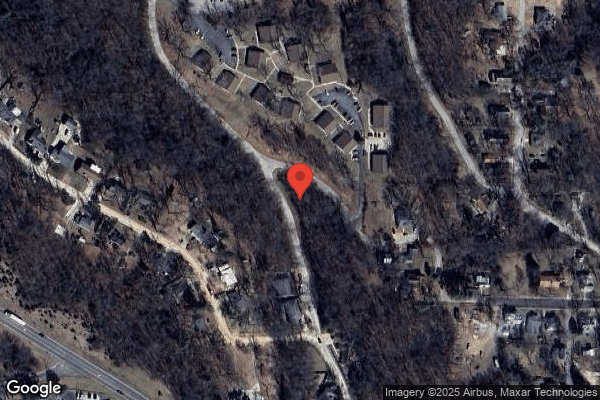
311 N SPRING STREET, STEELVILLE, MO 65565 (573) 260-8850
For profit - Limited Liability company 72 Beds Independent Data: November 2025 1 Immediate Jeopardy citation
Trust Grade
38/100
#205 of 479 in MO
Last Inspection: August 2024

Within standard 12-15 month inspection cycle. Federal law requires annual inspections.

Overview

Steelville Senior Living has received a Trust Grade of F, indicating poor performance with significant concerns in care quality. Ranking #205 out of 479 facilities in Missouri places it in the top half, but there are still many better options available. The facility is improving, having reduced its issues from seven in 2024 to just one in 2025. However, staffing is a weakness, with a below-average rating of 2 out of 5 stars and a concerning RN coverage that is less than 90% of other facilities in the state. Additionally, the facility has faced $87,749 in fines, which is higher than 90% of Missouri facilities, pointing to compliance problems. Specific incidents include a critical failure to properly manage water systems, which put residents at risk of Legionnaire's Disease, and issues with inadequate RN coverage, where there were days without an RN present at all. There were also concerns about expired medications not being discarded properly, risking resident safety. While the facility is showing some signs of improvement, families should weigh these significant weaknesses alongside the overall average ratings and recent trends.

Trust Score
F
38/100
In Missouri
#205/479
Top 42%
Safety Record
High Risk
Review needed
Inspections
Getting Better
7 → 1 violations
Staff Stability
⚠ Watch
55% turnover. Above average. Higher turnover means staff may not know residents' routines.
Penalties
⚠ Watch
$87,749 in fines. Higher than 93% of Missouri facilities. Major compliance failures.
Skilled Nurses
⚠ Watch
Each resident gets only 14 minutes of Registered Nurse (RN) attention daily — below average for Missouri. Fewer RN minutes means fewer trained eyes watching for problems.
Violations
⚠ Watch
15 deficiencies on record. Higher than average. Multiple issues found across inspections.
★★★☆☆
3.0
Overall Rating
★★☆☆☆
2.0
Staff Levels
★★☆☆☆
2.0
Care Quality
★★★☆☆
3.0
Inspection Score
Stable
2024: 7 issues
2025: 1 issues

The Good

  • Full Sprinkler Coverage · Fire safety systems throughout facility
  • No fines on record

Facility shows strength in fire safety.

The Bad

3-Star Overall Rating

Above Missouri average (2.5)

Meets federal standards, typical of most facilities

Staff Turnover: 55%

Near Missouri avg (46%)

Frequent staff changes - ask about care continuity

Federal Fines: $87,749

Well above median ($33,413)

Moderate penalties - review what triggered them

Staff turnover is elevated (55%)

7 points above Missouri average of 48%

The Ugly 15 deficiencies on record

1 life-threatening
May 2025 1 deficiency
CONCERN (E) 📢 Someone Reported This

A family member, employee, or ombudsman was alarmed enough to file a formal complaint

Potential for Harm - no one hurt, but risky conditions existed

Food Safety (Tag F0812)

Could have caused harm · This affected multiple residents

Based on observation, interview and record review, facility staff failed to perform hand hygiene in a manner to prevent cross-contamination in the kitchen during the noon meal service. The facility's ...

Read full inspector narrative →
Based on observation, interview and record review, facility staff failed to perform hand hygiene in a manner to prevent cross-contamination in the kitchen during the noon meal service. The facility's census was 41. 1. Review of the facility's policy tilted Preventing Foodborne Illness-Employee Hygiene and Sanitary Practices, dated 11/2022, showed food and nutrition services employees should follow appropriate hygiene and sanitary procedures to prevent the spread of foodborne illness, and directed staff to wash hands: -Whenever entering or re-entering the kitchen; -Before coming in contact with any food surfaces; -After handling soiled utensils or equipment; -After engaging in other activities that contaminate the hands; -After gloves are removed, hands are washed before gloves are replaced. 2. Observation on 05/19/25 at 12:35 P.M., showed [NAME] B applied gloves, plated a resident's meal, wiped the counter, removed his/her dirty gloves, lifted the trash can lid with his/her bare hand to dispose of the gloves, applied new gloves, and served salad from a container. The cook did not perform hand hygiene between glove changes or after he/she touched the trash can lid to prevent cross-contamination. Observation on 05/19/25 at 12:37 P.M., showed [NAME] B removed his/her gloves, lifted the trash can lid with his/her bare hand to dispose of the gloves, retrieved a container of cottage cheese from the refrigerator and placed the container on the counter, applied new gloves, scooped cottage cheese into a bowl, removed his/her gloves, replaced the cottage cheese inside the refrigerator, lifted the trash can lid with his/her bare hand to dispose of the gloves, walked over to the dry storage room, touched food items with his/her contaminated hands, went to the sink and removed soiled utensils from the water. The cook did not perform hand hygiene between glove changes or after he/she touched the trash can lid to prevent cross-contamination. Observation on 05/19/25 at 12:43 P.M., showed [NAME] B exited the kitchen to the external serving area, re-entered the kitchen, applied gloves and covered food items in the serving area. The cook did not perform hand hygiene when he/she re-entered the kitchen or prior to donning gloves, to prevent cross-contamination. During an interview on 05/19/25 at 12:53 P.M., [NAME] B said staff are expected to wash hands when they enter or re-enter the kitchen, before donning and after they remove gloves, and if hands become soiled. He/She said he/she should have washed his/her hands when he/she re-entered the kitchen, between glove changes, and after he/she touched the trash can lid to prevent cross-contamination and residents potentially getting sick. He/She said he/she did not wash his/her hands because he/she was behind, felt stressed, and in a hurry to get caught up. 3. Observation on 05/19/25 at 12:40 P.M., showed Food Service Assistant (FSA) E entered the kitchen, applied gloves, opened a can, poured a yellow substance into a pitcher, removed his/her gloves, lifted the trash can lid with his/her bare hand to dispose of the gloves, applied new gloves, labeled the pitcher and placed it inside the refrigerator. The FSA did not perform hand hygiene when he/she entered the kitchen, between glove changes or after he/she touched the trash can lid to prevent cross-contamination During an interview on 05/19/25 at 12:55 P.M., FSA E said staff should wash hands when they enter or re-enter the kitchen, before donning and after they remove gloves, and if hands become soiled. He/She said if staff do not perform appropriate hand hygiene, there is a risk for infection and may place residents at risk of getting sick. He/She said he/she did not have a good reason for why he/she did not wash his/her hands. 4. During an interview on 05/19/25 at 12:48 P.M., the Dietary Manager (DM) said staff should wash their hands when they enter or re-enter the kitchen, before and after glove use, if hands are visibly soiled, and after they touch the trash can lid. The DM said he/she is responsible to ensure the dietary staff perform proper hand hygiene, and was not sure why staff were observed to not perform hand hygiene in the kitchen, other than they got nervous. He/She said there is a risk for cross-contamination if staff do not perform hand hygiene in the kitchen. During an interview on 05/19/25 at 2:42 P.M., the administrator said staff should wash their hands when they enter the kitchen, when hands are soiled, when they go from one task to another, and between glove changes. He/She said all staff are trained on proper hand hygiene procedures upon hire and as needed, and the DM is responsible to ensure the dietary staff perform hand hygiene and re-educate staff as needed to prevent cross-contamination and potential illness. MO00254430
Aug 2024 6 deficiencies
CONCERN (D)

Potential for Harm - no one hurt, but risky conditions existed

Deficiency F0657 (Tag F0657)

Could have caused harm · This affected 1 resident

**NOTE- TERMS IN BRACKETS HAVE BEEN EDITED TO PROTECT CONFIDENTIALITY** Based on observation, interview, and record review, facility staff failed to document and update care plans in regard to cathete...

Read full inspector narrative →
**NOTE- TERMS IN BRACKETS HAVE BEEN EDITED TO PROTECT CONFIDENTIALITY** Based on observation, interview, and record review, facility staff failed to document and update care plans in regard to catheters for two (Resident #19 and #22) out of two sampled residents. Facility staff failed to document and update one resident (Resident #11) out of four resident care plans when the resident had a fall. The facility census was 41. 1. Review of the facility's Goals and Objective, Care Plans Policy, revised 04/2009, showed staff are directed to update and revise care plans when there has been a significant change in residents' condition, when the resident has been readmitted to facility, and at least quarterly. 2. Review of the Resident #19's Quarterly Minimum Data Sheet (MDS), a federally mandated assessment tool, dated 05/05/24, showed staff assessed the resident as follows: -Moderate Cognitive impairment; -Dependent of toileting; -Had indwelling catheter. Review of the resident's care plan, dated 07/16/24, showed the plan did not contain documentation of the resident's catheter. 3. Review of the Resident #22's Quarterly MDS, dated [DATE], showed staff assessed the resident as follows: -Cognitively intact; -Independent of toileting. Review of the resident's care plan, dated 07/16/24, showed the plan did not contain documentation of the resident's catheter. Observation on 08/13/24 at 12:58 P.M., showed resident in bed with his/her catheter bag on side of bed. Observation on 08/14/24 at 9:28 A.M., showed resident in bed with his/her catheter bag on side of bed. Observation on 08/16/24 at 9:50 A.M., showed resident in bed with his/her catheter bag on side of bed. 4. Review of Resident #11's quarterly MDS, dated [DATE], showed staff assessed the resident as follows: -Severe cognitive impairment; -No falls since last MDS -Used wheelchair for mobility. Review of the resident's nurses note, dated 07/30/24, showed staff documented the resident found on the floor. Review of the resident's care plan, dated 05/21/24, showed the care plan did not contain documentation of the resident's fall on 07/30/24 or updated fall interventions. 5. During an interview on 08/16/24 at 12:00 P.M., the Care Plan Coordinator said the facility has Interdisciplinary team (IDT) meetings weekly to discuss resident declines and falls to be added to care plans. He/She said fall interventions are immediately implanted by the charge nurse when a fall occurs and then interventions are added to care plan weekly after IDT meetings. He/She said he/she expects catheters and falls to be updated and added to care plans. He/She said he/she is the only one who puts things on the resident's care plans. He/She said he/she is unsure who monitors the care plans after him/her. During an interview on 08/16/24 at 12:38 P.M., the Director or Nursing said care plans are updated with change of condition, hospitalizations, falls, every three months. He/She said he/she expects catheters and falls to be on care plan. He/She said falls are talked about weekly during the IDT meeting. He/She said care plan coordinator updates the care plans. He/She said corporate nurse monitors the care plans and lets the care plan coordinator know if something else needs to be added to care plan. During an interview on 08/16/24 at 12:58 P.M., the administrator said care plans are updated with significant change, fall, diet change, after weekly IDT meetings, and quarterly. He/She said he/she expects falls and catheters to be on care plans. He/She said care plan coordinator updates the care plan and the corporate nurse oversees care plans.
CONCERN (E)

Potential for Harm - no one hurt, but risky conditions existed

Infection Control (Tag F0880)

Could have caused harm · This affected multiple residents

**NOTE- TERMS IN BRACKETS HAVE BEEN EDITED TO PROTECT CONFIDENTIALITY** Based on observation, interview, and record review, facility staff failed to use appropriate infection control procedures to pre...

Read full inspector narrative →
**NOTE- TERMS IN BRACKETS HAVE BEEN EDITED TO PROTECT CONFIDENTIALITY** Based on observation, interview, and record review, facility staff failed to use appropriate infection control procedures to prevent or reduce the risk of spreading bacteria, when staff failed to wash/sanitize hands during wound care and catheter care for one (Resident #1) of one sampled resident. Facility staff failed to change gloves and wash/sanitize hands during perineal care for one (Resident #7) out of two sampled residents. Facility staff failed to follow standard precautions during the performance of routine blood glucose tests for two (Resident #20 and #27) of two sampled residents. The facility census was 41. 1. Review of the facility's policy on Handwashing/Hand Hygiene, dated 2001, showed the facility considers hand hygiene is the primary means to prevent the spread of infections. All personnel shall follow the handwashing/hand hygiene procedures to help prevent the spread of infections to other personnel, residents, and visitors. Staff are instructed: -Wash hands with soap (antimicrobial or non-antimicrobial) and water when hands are visibly soiled; -Use an alcohol-based hand rub containing at least 62% alcohol; or, alternatively, soap and water for the following situations: -Before and after direct contact with residents; -Before handling clean or soiled dressings, gauze pads, etc.; -Before moving from a contaminated body site to a clean body site during resident care; -After contact with blood or bodily fluids; -After handling used dressings, contaminated equipment, etc.; -After removing gloves. 2. Review of Resident #1's quarterly Minimum Data Set (MDS), a federally mandated assessment tool, dated 06/20/24, showed staff assessed the resident as cognitively intact, and received application of non-surgical dressings (with or without topical medications) other than to feet. Review of the resident's care plan, dated 07/09/24, showed staff assessed the resident with pressure ulcer related to immobility, and his/her open areas will show signs of healing and remain free from infection. Observation on 08/14/24 at 3:16 P.M., showed Licensed Practical Nurse (LPN) A entered the resident's room to provide catheter and wound care. The LPN put gloves on, removed the soiled dressing from the resident's genital wound, changed his/her gloves, opened a sterile catheter kit, and performed the catheter treatment. The LPN changed his/her gloves, removed the dressing from the resident's left hip, cleansed the wound, and covered the wound with a dressing. The LPN changed his/her gloves, cleansed the genital wound, applied an ointment, covered the wound with a dressing, changed the glove to his/her right hand, and pulled up the resident's brief. The LPN did not wash/sanitize his/her hands between glove changes during care. During an interview on 08/14/24 at 3:57 P.M., LPN A said he/she should have washed/sanitized his/her hands between glove changes to prevent cross-contamination. The LPN said he/she did not wash/sanitize his/her hands between glove changes because he/she was nervous. 3. Review of Resident #7's Quarterly MDS, dated [DATE], showed staff assessed the resident as follows: -Moderate cognitive impairment; -Substantial/maximal assistance with toileting hygiene; -Frequently incontinent of bowel and bladder. Observation on 08/14/24 at 9:10 A.M., showed Certified Nurses Aide (CNA) E performed peri care on the resident. CNA E did not change his/her gloves after he/she performed peri care to the buttock area or before he/she placed new brief underneath resident, performed frontal peri care, and adjusted the resident up in bed and adjusted bed sheets. During an interview on 08/14/24 at 9:15 A.M., CNA E said he/she should have changed his/her gloves and washed her hands between dirty and clean cares due to risk of infection. He/She said he/she did not because he/she was nervous. During an interview on 08/16/24 at 12:35 P.M., the Director of Nursing (DON) said he/she expects staff to wear gloves when they provide care to residents and when they anticipate contact with bodily fluids. The DON said staff should wash or sanitize their hands between glove changes, and when their hands are soiled, to prevent the spread of infection. During an interview on 08/16/24 at 12:59 P.M., the administrator said he/she expects staff to wear gloves when they provide peri-care, catheter care, wound care, and when they anticipate contact with bodily fluids. The administrator said staff should wash hands/sanitize between glove changes, and when their hands are soiled, to essentially prevent infection and cross-contamination. 4. Review of the facility's Obtaining a Fingerstick Glucose Level, policy, Revised October 2011, showed staff are directed as follows: -Remove gloves and discard into designated container; -Wash hands. Review of Centers for Disease Control and Prevention (CDC) guidance for Considerations for Blood Glucose Monitoring and Insulin Administration, recommended practices in healthcare settings showed: Hand hygiene: -Wear gloves during blood glucose monitoring and during any other procedure that involves potential exposure to blood or body fluids; -Change gloves that have touched potentially blood-contaminated objects or fingerstick wounds before touching clean surfaces; -Preform hand hygiene immediately after removing gloves. 5. Review of Resident #20's quarterly MDS, dated [DATE], showed staff assessed the resident as follows: -Diagnosis of Diabetes (chronic disease that occurs when the body doesn't produce enough insulin or cant use insulin properly); -Received insulin injections seven days of the seven day look back period. Observation on 08/14/24 at 11:06 A.M., showed Certified Medication Technician (CMT) B tested the residents blood glucose level, removed his/her gloves, grabbed the used test strip by the blood soiled end and removed it from the glucometer. CMT B then used a disinfectant wipe to clean his/her hands and glucometer. Observation on 08/15/24 at 11:20 A.M., showed CMT B tested the residents blood glucose level, he/she then grabbed the used test strip by the blood soiled end and removed it from the glucometer, then with the same soiled gloves touched the computer mouse and keyboard before he/she removed the soiled gloves. 6. Review of Resident #27's quarterly MDS, dated /24, showed staff assessed the resident as follows: -Diagnosis of Diabetes; -Received insulin injections 7 days of the 7 day look back period. Observation on 08/14/24 at 11:09 A.M., showed CMT B tested the residents blood glucose level, removed his/her gloves, grabbed the used test strip by the blood soiled end and removed it from the glucometer. CMT B then used a disinfectant wipe to clean his/her hands and glucometer. Observation on 08/15/24 at 11:24 A.M., showed CMT B tested the residents blood glucose level, he/she then grabbed the used test strip by the blood soiled end and removed it from the glucometer, then with the same soiled gloves touched the computer mouse and keyboard before he/she removed the soiled gloves. During an interview on 08/15/24 at 11:30 A.M., CMT B said he/she should have used the glove to take the test strip out of the glucometer, and then thrown both away. The CMT said he/she should have removed the soiled gloves before he/she used the computer to document the blood sugar levels. During an interview on 08/16/24 at 12:40 P.M., the DON said staff should remove the strip out the glucometer with gloved hands, then throw gloves and strip away, sanitize hands and clean glucometer. The DON said staff should wash hands their hands if they touched the test strip where the blood is placed. It is important to wash your hands if it came in contact with blood so it doesn't come in contact with other things such as a machine card or the computer. During an interview on 08/16/24 at 1:05 P.M., the administrator said when blood sugar checks are done by staff she would expect them to wear gloves. The administrator said it is not appropriate to grab the end of the test strip where the blood is collected due to opportunity of coming in contact with the blood. The adminstrator said she would expect staff to wash their hands if they come in contact with blood or bodily fluids.
CONCERN (F)

Potential for Harm - no one hurt, but risky conditions existed

Deficiency F0727 (Tag F0727)

Could have caused harm · This affected most or all residents

Based on interview and record review, facility staff failed to provide the services of a Registered Nurse (RN), for at least eight (8) consecutive hours per day, seven days a week. The facility census...

Read full inspector narrative →
Based on interview and record review, facility staff failed to provide the services of a Registered Nurse (RN), for at least eight (8) consecutive hours per day, seven days a week. The facility census was 41. 1. Review of the facility's policies showed staff did not provide a policy for RN coverage. 2. Review of the facility's RN staff schedule, and payroll detail, dated June 2024, showed the facility did not have an RN in the building the following dates: -Sunday 06/02/24; -Saturday 06/08/24; -Sunday 06/09/24. 3. Review of the facility's RN staff schedule, and payroll detail, dated July 2024, showed the facility did not have an RN in the building the following dates: -Thursday 07/04/24; -Friday 07/05/24. 4. Review of the facility's RN staff schedule, and payroll detail, dated August 2024, showed the facility did not have an RN in the building the following dates: -Saturday 08/03/24; -Sunday 08/04/24; -Monday 08/5/24. 5. During an interview on 08/16/24 at 12:42 P.M., the Director of Nursing (DON) said when there is no RN to cover a shift he/she would come in to cover the shift. The DON said if there was a shift not covered the only reason, would have been because he/she was on vacation. During an interview on 08/16/24 1:09 P.M., the administrator said the DON is available as a backup if there is not an RN on the schedule. The administrator said the DON is also on call every other weekend. The administrator said she is responsible for the schedules, and does the schedule a month ahead for vacation or planned time off. The administrator said, usually as the month goes on things happen, like a call in or no call, no show. The adminisrator when that happens it is posted on a messaging system we use. If no one takes the shift the DON is called. The administrator said when asked why the above dates were not covered by an RN, that she believed the DON came in those days. The administrator said the other RN in the building had surgery within the last few months and that may have been why days were missed.
CONCERN (F)

Potential for Harm - no one hurt, but risky conditions existed

Deficiency F0761 (Tag F0761)

Could have caused harm · This affected most or all residents

**NOTE- TERMS IN BRACKETS HAVE BEEN EDITED TO PROTECT CONFIDENTIALITY** Based on observation, interview, and record review, facility staff failed to discard expired medications from amedication storag...

Read full inspector narrative →
**NOTE- TERMS IN BRACKETS HAVE BEEN EDITED TO PROTECT CONFIDENTIALITY** Based on observation, interview, and record review, facility staff failed to discard expired medications from amedication storage cabinet. Failed to ensure medications were stored in a safe and effective manner, by not ensuring medications were properly labeled and contained in their original package until time of administration for two medication carts. Facility staff placed nonmedication in a medication refrigerator in the storage room. The facility census was 41. 1. Review of the facility's storage of medication policy, revised April 2019, showed it directed staff as follows: -Drugs and biologicals are stored in the packaging, containers or other dispensing systems in which they are received; -The nursing staff is responsible for maintaining medication storage and preparation areas in a clean, safe, and sanitary manner; -Discontinued, outdated, or deteriorated drugs or biologicals are returned to the dispensing pharmacy or destroyed; -Medications requiring refrigeration are stored in a refrigerator located in the drug room at the nurses' station or other secured location. Medications are stored separately from food and are labeled accordingly. 2. Observation on 08/13/24 at 10:12 A.M., showed the cabinet in the medication storage room contained four bottles of Vitamin D 10 micrograms (mcg) with an expiration date of 5/24. Observation on 08/14/24 at 10:00 A.M., showed the cabinet in the medication storage room contained four bottles of Vitamin D 10 mcg with an expiration date of 5/24. During an interview on 08/13/24 at 10:49 A.M., Certified medication technician (CMT) B said it is the CMT's responsibility to check the medication room for expired medications. He/She said there is not a schedule and the CMT's just spot check them. He/She was not aware there were expired medications in the medication storage room cabinet. During an interview on 08/14/24 at 9:29 A.M., Licensed Practical Nurse (LPN) A said he/she is not sure who is in charge of maintaining the medication storage room but he/she believes the Assistant Director of Nursing/Director of Nursing (ADON/DON) do regular checks. He/She said there should not be any expired medications in the medication storage room cabinets. During an interview on 08/14/24 at 9:41 A.M., the ADON said CMT's are responsible for maintaining the medication storage room over the counter medications and they should be looking for expired medications. He/She was not aware there were expired medications in the med storage room. During an interview on 08/14/24 at 9:47 A.M., the DON said LPN D does weekly medication storage checks and pharmacy comes and checks it monthly. He/She said that CMT's should be checking for expired over the counter medication in the medication storage room. He/She said he/she was not aware there were expired medications in the medication storage room. During an interview on 08/14/24 at 1:03 P.M., the Administrator said it is the responsibility of their weekday CMT's to maintain the medication storage room. He/She said they should be checking for expired medications at least weekly. He/She was not aware there were any expired medications in the medication storage room. He/She said pharmacy also comes monthly and usually checks the medication storage room as well. During an interview on 08/15/24 at 8:39 A.M., LPN D said he/she was just recently tasked with being in charge of checking and maintaining the medication storage room. He/She said he/she has only been in charge of the task for the last week. He/She has not observed any concerns with expired medication in the medication room. 3. Observation on 08/13/24 at 10:17 A.M., showed the [NAME] Way hall medication cart contained the following loose pills: -One oval green tablet; -One oval blue tablet. During an interview on 08/13/24 at 10:30 A.M., CMT C said it is the CMT's responsibility to check medication carts. He/She said he/she checks his/her medication cart at least once weekly or as needed for loose pills. He/She said medication carts should not have loose pills. 4. Observation on 08/13/24 at 10:22 A.M., showed the Yadkin Lane hall medication cart contained the following loose pills: -One large circle white tablet; -One small circle yellow tablet; -One small circle white tablet; -One oval yellow tablet. During an interview on 08/13/24 at 10:49 A.M., CMT B said it is the CMT's responsibility to check medication carts for loose pills. He/She said there is not a scheduled time and that he/she just spot checks his/her medication cart. He/She was not aware the medication cart contained loose pills. During an interview on 08/14/24 at 9:29 A.M., LPN A said it is the responsibility of the CMT's to maintain their medication carts and check for loose pills. He/She knows they check the medication carts but he/she is not sure how often the CMT's are doing it. He/She said there should not be any loose in the medication carts. During an interview on 08/14/24 at 9:41 A.M., the ADON said CMT's are responsible for checking their carts for loose pills. He/She expects staff to check carts at least once weekly and as needed. He/She was not aware there were loose pills in medication carts. During an interview on 08/14/24 at 9:47 A.M., the DON said CMT's are responsible for maintaining the medication carts and checking for loose pills. He/She said LPN D does weekly medication cart checks and pharmacy comes and checks them monthly. He/She said he/she was not aware there were loose pills in the medication carts. During an interview on 08/14/24 at 1:03 P.M., the Administrator said the weekday CMT's are responsible for maintaining medication carts. He/She expects the CMT's to check medication carts once weekly and as needed. He/She was not aware there were loose pills in the medication carts. He/She said pharmacy also come once a month and checks medication carts. He/She said the pharmacist usually notifies him/her if he/she finds anything. During an interview on 08/15/24 at 8:39 A.M., LPN D said he/she was just recently tasked with overseeing checking medication carts. He/She said he/she checks them weekly and checks for loose pills. He/She has not observed any issues with loose pills being found in the medication carts. He/She said the facility uses the clear pre-filled pill packs so there is not usually an issue with loose pills being found in the carts. 5. Observation on 08/13/24 at 10:07 A.M., showed the medication room refrigerator with medications contained: -Two bottles of lemon juice; -One energy drink; -One can of cream soda; -Two uncovered containers of pudding; -One fruit dessert; -One opened bottle of water. Observation 08/14/24 at 10:00 A.M., showed the medication room refrigerator with medications contained: -Two uncovered containers of pudding; -Two undated bottles of lemon juice. During an interview on 08/13/24 at 10:30 A.M., CMT C said he/she checks medication refrigerators at least once weekly or as needed. He/She said policy is staff should not place their food or drinks in the medication fridge. He/She said he/she is not sure why it is in there. During an interview on 08/13/24 at 10:49 A.M., CMT B said it is the CMT's responsibility to check the medication refrigerator. He/She said there should not be food in the medication refrigerator. He/She is not sure who put it in there, but policy says it shouldn't be in there. During an interview on 08/14/24 at 9:29 A.M., LPN A said he/she is not sure who is in charge of maintaining the medication storage room refrigerator but he/she believes the ADON/DON do regular checks. He/She does not know why there is food and drinks in the refrigerator, but he/she said there should not be due to the possibility of cross contamination. During an interview on 08/14/24 at 9:41 A.M., the ADON said CMT's are responsible for maintaining the medication storage room refrigerator. He/She said the medication storage room refrigerator is only allowed to have closed pudding, house shakes and juices used for the medication cart. He/She said staff and resident food should not be stored in the medication storage room refrigerator. During an interview on 08/14/24 at 9:47 A.M., the DON said the CMT's are responsible for maintaining the medication storage room refrigerator. He/She said they have a separate fridge for staff and resident food and there should not be food or drinks in the fridge. He/She said he/she was not aware of food in fridge or who put it in there. He/She said this is a risk for cross contamination. During an interview on 08/14/24 at 1:03 P.M., the Administrator said the weekday CMT's are responsible for maintaining the medication storage room refrigerator. He/She expects the CMT's to be checking the refrigerator weekly. He/She said they also do refrigerator temperature checks daily so that should be another observation of the refrigerator as well as monthly pharmacy checks. He/She said there should not be any food or drinks in the refrigerator. He/She said he/she was not aware there was food and drinks in the refrigerator and he/she is not sure why because staff and residents have their own separate refrigerator. During an interview on 08/15/24 at 8:39 A.M., LPN D said he/she was just recently tasked with overseeing the medication storage room refrigerator. He/She said it is checked weekly with the medication storage room. He/She said the only food items allowed in the fridge are the house shakes. He/She said staff should not place personal food or drinks in the refrigerator due to the possibility of cross contamination. He/She was not aware there were food items in the fridge. He/She said he/she has not had that issue in the past. He/She said the facility has an employee fridge and a resident fridge to store personal food and drinks.
CONCERN (F)

Potential for Harm - no one hurt, but risky conditions existed

Food Safety (Tag F0812)

Could have caused harm · This affected most or all residents

Based on observation, interview and record review, facility staff failed to store and serve food at temperatures adequate to prevent food borne illness. Facility staff failed sanitize kitchen wares in...

Read full inspector narrative →
Based on observation, interview and record review, facility staff failed to store and serve food at temperatures adequate to prevent food borne illness. Facility staff failed sanitize kitchen wares in a manner to prevent contamination. These failures have the potential to affect all residents. The census was 41. 1. Review of the instructions for completing daily temperature logs, undated, showed refrigerators should be 40 degrees F or lower. Review showed staff were instructed to circle the date and explain any corrective actions on the back of the chart or separate piece of paper. Review of the facility's refrigerator temperature log, dated August 2024, showed the log contained columns labeled AM, Noon and PM and indicated a maximum allowable temperature of 41 degress F. Review showed the log did not contain any circled dates and there were no attached corrective action notes. Review showed: -On 08/01/24 staff documented a temperature of 52 degrees F in the noon an PM columns; -On 08/02/24 staff documented a temperature of 45 degrees F in the PM column; -On 08/03/24 staff documented a temperature of 42 degrees F in the noon column and 50 degrees F in the PM column; -On 08/04 staff documented a temperature of 50 degrees F in the PM column; -On 08/05/24 staff documented a temperature of 52 degrees F in the PM column; -On 08/06/24 staff documented a temperature of 46 degrees F in the noon column and 47 degrees F in the PM column; -On 08/07/24 staff documented a temperature of 46 egress in the AM column, 49 degrees F in the noon column and 47 degrees F in the PM column; -On 08/10/24 staff documented a temperature of 48 degrees F in the AM column and 50 degrees in the noon column; -On 08/13/24 staff documented a temperature of 51 degrees F in the AM column, 55 degrees F in the noon column and 55 degrees F in the PM column; -On 08/14/24 staff documented a temperature of 50 degrees F in the AM column. Observation on 08/14/24 at 12:19 P.M., showed the exterior thermometer on the walk in refrigerator indicated a temperature of 58 degrees Fahrenheit (F). The facility's thermometer located inside the door of the walk in refrigerator indicated a temperature of 56 degrees F. Observation showed a calibrated digital thermometer, placed next to the facility thermometer inside the door, indicated a temperature of 54 degrees F. Observation on 08/15/24 at 8:54 A.M., showed the interior and exterior thermometers on the walk in refrigerator indicated a temperature of 50 degrees F. Observation on 08/15/24 at 11:37 A.M., showed the interior and exterior thermometers on the walk in refrigerator indicated a temperature of 52 degrees F. During an interview on 08/14/24 at 1:18 P.M., Coog G said the walk in refrigerator temperature should be 41 degrees F or below. [NAME] G said the refrigerator temperature was at 58 degrees F on the outside thermometer. [NAME] G said if the temperature was above 41 degrees F he/she would check to see if anyone had been in the refrigerator, and if not, let maintenance know. During an interview on 08/14/24 at 1:30 P.M., Dietary Aide (DA) I said he/she checked the walk in refrigerator this morning and the temperature was 50 degrees F. DA I said he/she told his/her supervisor the temperature was too high. DA I said he/she checked the walk in refrigerator temperature the day prior but he/she did not remember what the temperature was. During an interview on 08/14/24 at 3:42 P.M., the maintenance director said he/she was not aware of walk in refrigerator not cooling correctly and did not have a TELS work order related to the refrigerator. The maintenance director said he/she did not know what temperature the refrigerator should be since kitchen staff monitored and knew to a put work order in TELS if it was not right. During an interview on 08/15/24 at 8:56 A.M., [NAME] H said he/she checked walk in refrigerator temperature earlier and the temperature was 51 degrees F. [NAME] H said he/she knew the temperature was too high so he/she let the DM know. [NAME] H said he/she thought the temperature was high for the past three days and another staff member had told the DM. During an interview on 08/15/24 at 11:31 A.M., the Dietary Manager (DM) said the dietary aides were responsible for checking refrigerator temperatures. The DM said the aides had a temperature log for refrigerator temperatures which were taken morning, noon and evening. The DM said refrigerator temperatures should be 40 degrees F or below. The DM said if refrigerators were not at the correct temperature the aides should tell him/her so he/she could put a work order in TELS (computerized building management software) and the work order would go to maintenance. The DM said all kitchen staff knew correct refrigerator temperature ranges. The DM said he/she was not aware the walk in refrigerator temperature was too high on the previous couple of days. 2. Observation on 08/15/24 at 9:01 A.M., showed the resident dining room cold table contained pinchers of resident drinks, a partial gallon of milk and a plastic container of pudding. Observation showed the pudding temperature was 45 degrees F. Observation on 08/15/24 at 11:41 A.M., showed the cold table contained six pitchers of resident drinks, a partial gallon of milk, two plastic containers of pudding, and one container of cottage cheese. Observation showed the temperature of the milk was 52 degrees F and the temperature of the pudding was 48 degrees F. Observation showed the residents were served drinks and pudding from the cold table during lunch. During an interview on 08/15/24 at 9:02 A.M., DA J said he/she checked food and drink temperatures on the cold table after every meal but he/she had not checked yet since breakfast was not over. DA J said the pudding temperature should be around 34 degrees F. DA J said he/she had only worked at the facility for three weeks so he/she was still learning how everything worked. During an interview on 08/15/24 at 11:41 A.M., the DM said items on the cold table should be 41 degrees F or less. The DM said the dietary aides were responsible for making sure items on the cold bar were kept at the correct temperature. The DM said he/she did not know when the items were put on the cold table, but they were typically put out after breakfast. The DM said the pudding was prepared with milk and should be kept cold. 3. Review of the facility's Sanitization policy, revised October 2008, showed the instructions for manual washing and sanitizing did not contain direction to fully submerge items in the sanitizer solution. Review of the sanitizer directions for use showed sanitize by immersing articles with a use solution of one to two ounces of this product per four gallons of water (or equivalent dilution) (200-400 pm active quaternary) for at least 60 seconds. Articles too large for immersion should be thoroughly wetted by rinsing, spraying or swabbing. Observation on 08/14/24 at 1:05 P.M., showed the sanitizer sink contained a food processor bowl which was not fully submerged in the sanitizer solution. Observation showed [NAME] G removed the bowl and placed it on the drain board. [NAME] G then hand washed and rinsed a pot, then placed the pot in the sanitizer. Observation showed the pot was not fully submerged. Observation showed the pot remained in the sanitizer for five minutes and was never fully submerged before [NAME] G removed the pot from the sanitizer and placed it on the drain board. Observation on 08/14/24 at 1:12 P.M., showed [NAME] G washed and rinsed a large steam table pan, and placed the pan in the sanitizer. Observation showed the pan was not fully submerged. Observation showed the pan remained in the sanitizer for two minutes and was never fully submerged before [NAME] G removed the pan from the sanitizer and placed it on a shelf to dry. During an interview on 08/14/24 at 1:18 P.M., [NAME] G said staff fully submerge kitchen wares in the sanitizer for at least two minutes before removing to air dry. [NAME] G said he/she thought everything was fully submerged in the sanitizer. During an interview on 08/15/24 at 11:31 A.M., the DM said staff should wash, rinse, then soak items in sanitizer for over 2 minutes. The DM said all items should be fully submerged in the sanitizer. The DM said he/she was not aware of kitchen wares not being fully submerged in the sanitizer.
MINOR (C)

Minor Issue - procedural, no safety impact

Deficiency F0567 (Tag F0567)

Minor procedural issue · This affected most or all residents

**NOTE- TERMS IN BRACKETS HAVE BEEN EDITED TO PROTECT CONFIDENTIALITY** Based on interview and record review, facility staff failed to ensure three residents (Resident #19, #22, and #37) out of twelve...

Read full inspector narrative →
**NOTE- TERMS IN BRACKETS HAVE BEEN EDITED TO PROTECT CONFIDENTIALITY** Based on interview and record review, facility staff failed to ensure three residents (Resident #19, #22, and #37) out of twelve sampled residents have appropriate access to their trust fund account to include on the weekends. The facility census was 41. 1. Review of facility's policies showed staff did not provide a policy for resident funds. 2. Review of Resident #19's Quarterly Minimum Data Set (MDS), a federally mandated assessment tool, dated 05/05/24, showed staff assessed the resident as moderate cognitive impairment. During an interview on 08/14/24 at 2:30 P.M., the resident said he/she cannot get money on the weekends and likes to have cash on the weekends for a soda. He/She said it feels like they are ripping me off, it's my money, not theirs. He/she said he/she should have access to it when he/she needs it. 3. Review of Resident #22's Quarterly MDS, dated [DATE], showed staff assessed the resident as cognitively intact. During an interview on 0/14/24 at 9:29 A.M., the resident said we can't get money on the weekends because no one is here to get it from. He/She said usually they have to ask for money on Fridays or they won't have it for the weekend. He/She said he/she wish money was available on the weekends. 4. Review of Resident #37's Quarterly MDS, dated [DATE], showed staff assessed the resident as cognitively intact. During an interview on 8/14/24 at 8:39 A.M., the resident said no one is here on the weekends to give him/her money. He/She said ff you are not in the office by 4:00 P.M. on Friday, you might as well forget it, because you won't get any money. He/She said he/she would like money to be available on the weekends. 5. During an interview on 08/16/24 at 1:15 P.M., License Practical Nurse (LPN) A said he/she is unsure what he/she would do if a resident asked for money on the weekends. He/She said he/she would call Social Services and ask what he/she needed to do. During an interview on 08/15/24 at 10:09 A.M., the Business Office said he/she is in office Monday-Friday 8:00 A.M.- 4:30 P.M. for the residents if they need money. He/She said we do not have anyone here on the weekends to give cash. He/She said he/she was not aware residents needed to have access to their money on the weekends. He/She said he/she thought it was three banking days. During an interview on 08/16/24 at 12:35 P.M., the Director of Nursing said residents have access to their money Monday-Friday. He/She said he/she was unsure what is done on the weekends if resident asks for money. During an interview on 08/16/24 at 12:58 P.M., the administrator said if residents need money, they go to the business office and get it. He/She said on Fridays we encourage the residents to take more money out in case they need some on the weekend. He/She said ff resident asks for money on the weekends, they can call me, and he/she can come in.
Mar 2024 1 deficiency 1 IJ (1 facility-wide)
CRITICAL (L) 📢 Someone Reported This

A family member, employee, or ombudsman was alarmed enough to file a formal complaint

Immediate Jeopardy (IJ) - the most serious Medicare violation

Infection Control (Tag F0880)

Someone could have died · This affected most or all residents

⚠️ Facility-wide issue

**NOTE- TERMS IN BRACKETS HAVE BEEN EDITED TO PROTECT CONFIDENTIALITY** Based on observation, interview and record review, the facility staff failed to develop and implement complete policies and proc...

Read full inspector narrative →
**NOTE- TERMS IN BRACKETS HAVE BEEN EDITED TO PROTECT CONFIDENTIALITY** Based on observation, interview and record review, the facility staff failed to develop and implement complete policies and procedures for the inspection, testing and maintenance of the facility's water systems to inhibit the growth of waterborne pathogens and reduce the risk of an outbreak of Legionnaire's Disease (LD- a serious type of pneumonia (lung infection) caused by Legionella bacteria). On 02/20/24, one resident (Resident #1) tested positive for Legionella. Failure to develop and implement complete policies and procedures for the inspection, testing and maintenance of the facility's water systems has the potential for the failure of staff to identify and mitigate the presence of waterborne pathogens, which places all residents of the facility at risk of exposure which could lead to illness. The facility census was 48 with a capacity of 72. The administrator was notified on 03/08/24 at 3:30 P.M., of an Immediate Jeopardy (IJ) which began on 02/20/24. The IJ was removed on 02/27/24 as confirmed by the surveyor's onsite verification. 1. Review of the Centers for Medicare and Medicaid Services (CMS) Survey and Certification (S&C) letter 17-30, dated 06/02/17 and revised on 06/09/17; showed: -The bacterium Legionella can cause a serious type of pneumonia called LD in persons at risk. Those at risk include persons who are at least [AGE] years old, smokers, or those with underlying medical conditions such as chronic lung disease or immunosuppression. Outbreaks have been linked to poorly maintained water systems in buildings with large or complex water systems including hospitals and long-term care facilities. Transmission can occur via aerosols from devices such as shower heads, cooking towers, hot tubs, and decorative fountains; -Facilities must develop and adhere to policies and procedures that inhibit microbial growth in building water systems that reduce the risk of growth and spread of Legionella and other opportunistic pathogens in water; -CMS expects Medicare certified healthcare facilities to have water management policies and procedures to reduce the risk of growth and spread of Legionella and other opportunistic pathogens in building water systems. An industry standard calling for the development and implementation of water management programs in large or complex building water systems to reduce the risk of legionellosis was published in 2015 by American Society of Heating, Refrigerating, and Air Conditioning Engineers (ASHRAE). In 2016, the Centers for Disease Control and Prevention (CDC) and its partners developed a toolkit to facilitate implementation of this ASHRAE Standard (https://www.cdc.gov/legionella/maintenance/wmp-toolkit.html). Environmental, clinical, and epidemiological considerations for healthcare facilities are described in this toolkit; -Surveyors will review policies, procedures, and reports documenting water management implementation results to verify that facilities: -Conduct a facility risk assessment to identify where Legionella and other opportunistic waterborne pathogens (e.g. Pseudomonas, Acinetobacter, Burkholderia, Stenotrophomonas, nontuberculous mycobacteria, and fungi) could grow and spread in the facility water system; -Implement a water management program that considers the ASHRAE industry standard and the CDC toolkit, and includes control measures such as physical controls, temperature management, disinfectant level control, visual inspections, and environmental testing for pathogens; -Specify testing protocols and acceptable ranges for control measures, and document the results of testing and corrective actions taken when control limits are not maintained. Observations on 03/01/24 during the facility tour which began at 9:45 A.M., showed signs posted at the entrance of the facility to notify facility occupants not to use the facility water due to a detected presence of Legionella. Observations showed the water turned off to resident accessible water fixtures, except for two water fountains located in the rear common area. Review of the facility's water management program records, updated 03/01/23, showed the records contained documentation of a water management team, a description of the facility's water distribution systems, identified risk areas and control measures for the identified areas, identified systems for monitoring control limits and effectiveness, and a contingency plan for when control measures were not effective. Review showed the facility staff documented the identified areas of concern and the control measures for the identified areas which included: -All incoming main lines due to external hazards such as construction or main breaks. Staff documented the control measure as visual inspection of water and city water test reports; -Sinks and showers due to disinfectant risk and stagnation. Staff documented the control measure as disinfectant levels; -Cooling tower and chiller due to stagnation risk, temperature and conditions for bacteria. Staff documented the control measure as Visual, Disinfectant, Temperature; -Ice Machine due to temperature and conditions for bacteria. Staff documented the control measures as Visual; -Garden Water Fountain due to temperature and conditions for bacteria. Staff documented the control measures as Visual, Disinfectant; -Hot water heaters and boilers due to temperature. Staff documented the control measures as Temperature; -Laundry Facilities due to stagnation and temperature. Staff documented the control measure as Temperature; -Closed loop heating system due to conditions for bacteria and temperature. Staff documented the control measure as Temperature, Disinfectant. Review of the water management program records showed the staff documented the system for monitoring control limits and effectiveness as weekly inspections documented via the facility's computer based preventative maintenance portal (TELS) and bi-monthly inspections by an outside water specialist company, as well as any corrective actions. Review of the facility water management program records showed they did not contain documentation of specified testing protocols, staff responsible for the testing, and acceptable ranges for the control measures identified by the staff for the areas at risk. Review of the CDC's Routine Legionella Testing: A multifactorial approach to performance indicator interpretation (a document which describes various levels of Legionella growth and types of Legionella associated with LD) dated 02/03/21, showed the detection of 1.0 to 9.9 colony forming unit per milliliter (CFU/ml) (the measurement unit for Legionella growth) indicated poorly controlled growth of Legionella in the potable water system. Review of the facility's water inspection and testing records dated, January 2023 through January 2024, showed the records contained documentation of results for Legionella testing of facility water samples conducted by an outside contracted laboratory, dated 01/27/23, 10/20/23 and 01/22/24. Review of the testing record dated 01/27/23, showed the laboratory documented the Legionella detection results as less than 1 CFU/ml (controlled) in six facility water samples. Review of the testing record dated 10/20/23, showed the laboratory documented the Legionella detection results as 1 CFU/ml (poorly controlled growth) in one of six facility water samples and 2 CFU/ml (poorly controlled growth) in one of the five remaining water samples. Review the testing record dated 01/22/24, showed the laboratory documented the Legionella detection results as 4 CFU/ml (poorly controlled growth) in one of six facility water samples and 5 CFU/ml (poorly controlled growth) in one of the five remaining water samples. Review of the facility's water management team quarterly meeting minutes, dated 09/28/23 through 12/29/23, showed the staff did not document any corrective actions taken to the identified growth of Legionella in the facility's water system identified by the laboratory results dated [DATE]. Review of the quarterly meeting minutes dated 12/29/23 showed the staff documented no new concerns. Review showed the records did not contain documentation of another water management team meeting between the dates of 12/30/23 and 03/01/24. Review of the Department of Health and Senior Services (DHSS) Bureau of Environmental Health Services' (BEHS) Sanitation Observation Report dated 02/27/24, showed BEHS staff conducted an environmental Legionella assessment and collected 28 environmental Legionella samples for testing at the facility as a result of a reported case of Legionella in an individual who had an associated stay at the facility. Review showed the report contained documentation the facility staff provided a copy of an established water management plan which appeared to be missing portions of the plan. The Observation Report showed the facility conducted Legionella monitoring water sampling and Legionella detection sample results were reported in October 2023 and January 2024. Review showed BEHS staff recommended the facility immediately vacate residents from room [ROOM NUMBER] as a result of the reported case of Legionella. BEHS staff also recommended the facility to engage the services of a water management company to update the facility's water management plan as the submitted copies appeared to be missing portions of the plan, which included monitoring of chlorine residuals throughout the facility due to the use of in-line chlorination systems and written procedures to direct facility actions when a Legionella detection sample is reported. Review of the facility's Legionella Laboratory Results Reports, dated 03/06/24, showed BEHS staff collected 28 samples from the facility on 02/27/24 and submitted the samples to the state public health laboratory for analysis. The reports showed all of the samples were analyzed by the laboratory on 02/28/24 and the results were released on 03/06/24. The reports showed Legionella detected in 20 of the 28 samples collected from the facility, which included the cold and hot water from the sink in Resident #1's room. During an interview on 03/01/24 at 12:00 P.M., the administrator said he/she did not have any additional documentation for the water management program related to specified testing protocols, staff responsible for the testing, and acceptable ranges for the control measures identified by the staff for the areas at risk. Review of Resident #1's facility medical record showed an admission date of 11/14/2023. Review of the resident's nursing notes, dated 02/18/2024 at 2:15 A.M., showed the resident discharged to the hospital due to shortness of breath and lethargy (sleepiness or deep unresponsiveness). Review of the resident's social services notes, dated 02/20/24 at 2:02 P.M., showed the resident's daughter reported resident will probably expire at the hospital due to health decline. Review of the resident's hospital records, with an admission date of 02/18/24, showed the resident was admitted to the hospital for shortness of breath and tested negative for influenza and Covid on 02/18/24. Review showed the results of a urine specimen, collected on 02/19/24, reported as positive for Legionella on 02/20/24. Review showed the resident passed away on 02/21/24 with a primary cause of death indicated as heart failure and secondary cause of death indicated as pneumonia. During an interview on 03/01/24 at 12:00 P.M. the administrator said Resident #1 had a decline in health between 02/17/24 and 02/18/24. The administrator said the resident complained of rib pain and then he/she developed a fever, had a decrease in his/her oxygen saturation level to 88 percent on room air, had little response to physical stimuli and staff noted wheezing in the resident's lungs, so they sent the resident to the hospital on [DATE]. The administrator said the resident's family member notified the facility on 02/20/24, the resident would likely pass away due to a decline in his/her condition and they were notified the resident passed away on 02/21/24. The administrator said the local health department called and said Resident #1 had tested positive for LD. The administrator said the facility has an outside company test the water for Legionella and after being notified about the resident, he/she reviewed the water management records and found they did not have the results for the samples that were sent for testing in January 2024. The administrator said it usually takes a month to get the testing results from the company, but due to a recent facility domain change, which caused issues with them getting emails, they did not get the results until he/she called them after he/she spoke to the health department. The administrator said when they got the results from the October 2023 testing back from the lab, the company directed the facility to flush their water lines due trace amounts of Legionella detected. The administrator said he/she had a verbal conversation with the company representative and he/she did not have documentation to show their recommended corrective actions. The administrator said they flushed the water lines as directed, but he/she did not have documentation to show their corrective actions. The administrator said the facility had a city water line break in January 2024. The administrator said they contacted the city to fix the break and did not do any increased monitoring, testing or treatment of facility water since it was just a water line and not a water main. The administrator said the facility also has a chlorination system attached to the facility water supply. The administrator said when the facility's contracted water system service provider came to the facility on [DATE], they found one of the three chlorinator pumps was not working appropriately. The administrator said he/she did not know the acceptable ranges for the levels of chlorine in the water, the facility staff only checked the function of the chlorination pumps and staff had not tested for the amount of chlorine in the water prior to this incident. The administrator the facility corporation and the facility's outside water management company are responsible for the development of the facility's water management program. He/She said the current program was developed by the outside water management company. The administrator said he/she did not know the water management program needed parameters for the control measures put in place, he/she did not know what the parameters for the control measures were and he/she did not know the facility's water management plan did not contain all required information. During an interview on 03/01/24 at 2:40 P.M., the maintenance director said he/she forgot about the two fountains in the rear common area. The maintenance director said the facility's water system service provider installed the water chlorination pumps after the facility tested positive for Legionella in 2021. The maintenance director said prior to this incident, he/she did not know what the acceptable levels of chlorine in the water were and facility staff had not tested the chlorine levels. The maintenance director said when they were installed, the service provider told him/her to just check the function of the pumps, which he/she does every Monday, and as long as they were working they would supply the correct amount of chlorine so he/she did not need to test the chlorine levels. The maintenance director said he/she also routinely tests the hot water to maintain the temperatures between 95 and 120 degrees Fahrenheit and he/she flushes the water heater tanks. The maintenance director said the facility has a company that comes in 12 times a year to monitor the closed loop system and cooling tower for the water system, but they do not monitor for the presence of Legionella. The maintenance director said he/she sends off water samples to another company to test for Legionella twice a year and the results of those tests are sent to the administrator about a month later. The maintenance director said the facility's water management team meets quarterly to discuss any issues and possible solutions which includes a review of the water testing records. The maintenance director said he/she flushed the water systems around October to November 2023 as directed and he/she had not seen the January 2024 water sample test results prior to this incident due to an issue with the email system. The maintenance director said, since the administrator is emailed the testing results, the administrator should notify him/her of any abnormal results so they can make corrections as needed. The maintenance director said he/she did not know the facility's water management plan did not contain all required information. During an interview on 03/07/2024 at 2:54 P.M., the maintenance director said he/she did not find out about the positive water samples in October and January until the BEHS staff showed up a couple of weeks ago. The maintenance director said the facility went through an e-mail change and they did not receive the October and January reports until after they got the e-mail issue fixed. He/She said the reports went to the administrator. The maintenance director said during the December water management team meeting, the lack of October results was not addressed. The maintenance director said the last time he/she checked chlorine levels was right after Christmas and the levels were okay, so he/she stopped checking and did not tell anyone. The maintenance director said he/she did not know acceptable ranges for chlorine levels. The maintenance director said he/she was never told to check chlorine levels as a part of chlorine injector maintenance. The maintenance director said he/she would make sure the chlorinator pumps were still pumping by performing visual inspection from outside chlorinator unit. Inspections consisted of looking for leaks and making sure pumps were pumping. The maintenance director said he/she never received training on the units. The maintenance director said in January there was a facility water main line break, which feeds resident showers and sinks. The maintenance director said he/she did not take any actions because he/she did not consider the water line break a hazard because it was on the city side of the shutoff valve. NOTE: At the time of the survey, the violation was determined to be at the immediate and serious jeopardy level L. Based on observation, interview and record review completed during the onsite visit, it was determined the facility had implemented corrective action to remove the IJ violation at the time. A final revisit will be conducted to determine if the facility is in substantial compliance with participation requirements. At the time of exit, the severity of the deficiency was lowered to the F level. This statement does not denote that the facility has complied with State law (Section 198.026.1 RSMo.) requiring that prompt remedial action to be taken to address Class I violation(s). MO000232462
May 2023 3 deficiencies
CONCERN (E)

Potential for Harm - no one hurt, but risky conditions existed

Safe Environment (Tag F0584)

Could have caused harm · This affected multiple residents

**NOTE- TERMS IN BRACKETS HAVE BEEN EDITED TO PROTECT CONFIDENTIALITY** Based on observation and interview, the facility staff failed to provide a clean, homelike, and comfortable environment when sta...

Read full inspector narrative →
**NOTE- TERMS IN BRACKETS HAVE BEEN EDITED TO PROTECT CONFIDENTIALITY** Based on observation and interview, the facility staff failed to provide a clean, homelike, and comfortable environment when staff failed to maintain resident rooms clean and in good repair. The facility census was 47. 1. Review of the facility's policies showed staff did not provide a policy for resident environment. 2. Observation on 5/2/23 at 2:05 P.M., showed room [ROOM NUMBER] had a transition strip on the floor between the hallway and the resident's room that was raised off the floor and prevented easy access between the areas. Observation on 5/3/23 at 1:00 P.M., showed Resident #18 unable to propel his/her wheelchair over the transition strip on the floor as he/she attempted to enter room [ROOM NUMBER]. The resident leaned forward in the wheelchair and attempted again with the wheelchair then moved forward suddenly into the room as it bounced over the floor transition strip. Observation on 5/4/23 at 11:03 A.M., showed staff struggled to push Resident #22 over the floor transition strip in room [ROOM NUMBER]. Once the staff were able to move the wheelchair over the floor transition strip the resident bounced around in his/her wheelchair. Observation on 5/2/23 at 2:20 P.M., showed the transition strip between the hallway and room floor in room [ROOM NUMBER] was raised. Observation on 5/2/23 at 2:07 P.M., showed the 100 hallway had resident wheelchairs and walkers lined up in the hall down one side and not within the residents' rooms. During an interview on 5/2/23 at 2:25 P.M., Resident #37 said both the wheelchair and the walker that he/she and his/her roommate used are left out in the hallway because it is too hard to get them over the flooring strip between the room and hallway. During an interview on 5/4/23 at 11:05 A.M., Certified Nurse Assistant (CNA) B and Nurse Aid (NA) D said the floor trim is so high it takes two staff to push a resident in a wheelchair out or into the resident's room. During an interview on 5/5/23 at 9:44 A.M., the maintenance director said staff were to report damaged items in the TELS computer system, a web-based maintenance software. He/She said they were not aware of the raised floor transition strips. During an interview on 5/5/23 at 9:54 A.M., CNA D said they put a work order into the maintenance department if they noticed damaged items in the facility. Additionally the CNA said the flooring strips were hard to get over but he/she did not know if this was brought to the attention of the maintenance department. During an interview on 5/5/23 at 11:14 A.M., the administrator and the director of nursing said damaged items are to be put into the TELS system by staff or told directly to the maintenance department. They were not aware of transition problems in the rooms. Damages that might impact a resident should be repaired and this did not provide a homelike environment. 3. Observation on 5/2/23 at 2:00 P.M., showed room [ROOM NUMBER] had a large hole in the sheet rock beside the resident's bed with additional gouges on the wall. Observation on 5/2/23 at 2:10 P.M., showed room [ROOM NUMBER] had paint chips stuck to the flooring throughout the room. Observation on 5/2/23 at 2:15 P.M., showed room [ROOM NUMBER] had paint chips stuck to the flooring throughout the room. Observation on 5/2/23 at 2:20 P.M., showed room [ROOM NUMBER] had paint chips stuck to the flooring throughout the room. Observation on 5/3/23 at 8:14 A.M., showed room [ROOM NUMBER] had chipped and missing paint on the wall. Further observation showed the resident's walker had a white debris on the cushion and the mattress on the resident's bed showed wear. Additional observation showed the floor was dirty with debris and dirt build up. Observation on 5/3/23 at 8:26 A.M., showed room [ROOM NUMBER] with missing and chipped paint on the walls and black marks across the bottom of the wall. Further observation showed the drywall by the bathroom was pulled away from the wall and missing trim. Observation on 5/4/23 at 10:43 A.M., showed the room had chipped and missing paint on the wall. Further observation showed the resident's walker had a white debris on the cushion. Additional observation showed the floor was dirty with debris and a dirt build up. Observation on 5/4/23 at 10:46 A.M., showed the room had missing and chipped paint on the walls and black marks across the bottom of the wall. Further observation showed the drywall by the bathroom was pulled away from the wall and missing trim. Additional observation showed the floor was dirty with debris and a sticky substance. During an interview on 5/5/23 at 7:56 A.M., Housekeeper F said rooms are cleansed daily which means all surfaces are wiped down, the trash is emptied, bathrooms are cleaned, and rooms are swept and mopped. He/she said there is a deep cleaning schedule that contains a checkoff sheet that gets filled out and turned into the supervisor if the rooms are in need of repairs or will tell the supervisor directly. During an interview on 5/5/23 at 9:44 A.M., the maintenance director said staff are to report damaged items in the TELS computer system, a web-based maintenance software. He/She said they were aware of the paint chips on the floor. During an interview on 5/5/23 at 9:54 A.M., CNA D said they put a work order into the maintenance department if they noticed damaged items in the facility. During an interview on 5/5/23 at 11:14 A.M., the administrator and the director of nursing said damaged items are to be put into the TELS system by staff or told directly to the maintenance department. Damages that might impact a resident should be repaired and this did not provide a homelike environment.
CONCERN (E)

Potential for Harm - no one hurt, but risky conditions existed

Infection Control (Tag F0880)

Could have caused harm · This affected multiple residents

**NOTE- TERMS IN BRACKETS HAVE BEEN EDITED TO PROTECT CONFIDENTIALITY** Based on observation, interview, and record review, facility staff failed to use appropriate infection control procedures to pr...

Read full inspector narrative →
**NOTE- TERMS IN BRACKETS HAVE BEEN EDITED TO PROTECT CONFIDENTIALITY** Based on observation, interview, and record review, facility staff failed to use appropriate infection control procedures to prevent the spread of bacteria or other infectious causing contaminants when staff failed to use appropriate hand hygiene during the provision of care and failed to use appropriate infection control procedures during incontinence care for one resident (Resident #27). Additionally, facility staff failed to decrease the risk of infection for three residents (Resident #7, #32 and #198) with indwelling catheters by keeping the catheter tubing and catheter bag off the floor to reduce the risk for infection. The facility census was 47. 1. Review of the facility's Handwashing/Hand Hygiene policy, dated 2001, showed: -The facility considers hand hygiene the primary means to prevent the spread of infections; -All personnel shall be trained and regularly in-serviced on the importance of hand hygiene in preventing the transmission of healthcare-associated infections; -Wash hands with soap (antimicrobial or non-antimicrobial) and water when hands are visibly soiled and after contact with a resident with infectious diarrhea including, but not limited to infections caused by norovirus, salmonella, shigella and C. difficile; -Use an alcohol-based hand rub containing at least 62% alcohol; or, alternatively, soap (antimicrobial or non-antimicrobial) and water for the following situations: -Before and after coming on duty; -Before and after direct contact with residents; -Before moving from a contaminated body site to a clean body site during resident care; -After contact with a resident's intact skin; -After contact with blood and bodily fluids; -After handling used dressing, contaminated equipment, etc.; -After removing gloves. 2. Observation on 5/4/23 at 9:17 A.M., showed Nurse Aide (NA) D and Certified Nurse Aide (CNA) B entered Resident #27's room to provide care. NA D removed his/her gloves after he/she transfered the resident to the bed, and did not perform hand hygiene before he/she applied new gloves. NA D removed the resident's soiled incontinence brief and placed it in a bag and did not change his/her gloves or perform hand hygeine before he/she touched the resident's hip to assist with repositioning. CNA B and NA D did not change their gloves or perform hand hygeine after they performed perineal care or before they placed the new brief under the resident, removed the Hoyer sling from under the resident and fastened the resident's brief. CNA B and NA D removed their gloves, but the NA did not perform hand hygiene before he/she touched the remote for the bed and placed a sheet on the resident. During an interview on 5/4/23 at 9:28 A.M., CNA B and NA D said staff are directed to perform hand hygiene and put on gloves when entering the resident's room, after providing perineal care, and before exiting the room. The CNA said he/she did know he/she missed an opportunity to perform hand hygiene and change gloves after providing care and before touching the resident's body, after removing the soiled brief, and before touching the clean brief. CNA B and NA D also realized they should have used hand hygiene after performing the care and before moving onto other tasks. CNA B and NA D said they realized there was a potential for cross contamination and it was an infection control issue when they did not perform hand hygiene and change gloves before moving from a dirty task to a new task. CNA B and NA D said they had to move quickly when providing the resident with care because he/she sometimes urinated when they were providing care, which was why they missed hand hygiene and glove change opportunities. During an interview on 5/5/23 at 8:42 A.M., Licensed Practical Nurse (LPN) E said staff are directed to wash or sanitize their hands when entering a room, when going from dirty to clean areas, between any glove changes and before leaving the room or touching anything with dirty hands. He/She said if staff don't perform hand hygiene, it could spread bacteria. During an interview on 5/5/23 at 11:14 A.M., the Director of Nursing (DON) said staff are expected to wash their hands when entering a room, after dirty areas, between glove changes and before leaving the resident's room or they could risk spreading infections. 4. Review of the facility's Catheter Care, Urinary policy, dated September 2014, showed the purpose is to prevent catheter-associated urinary tract infections. The policy directed staff to keep the catheter tubing and drainage bag off the floor. 5. Review of Resident #7's Significant Change Minimum Data Set (MDS), a federally mandated assessment tool completed by facility staff, dated 3/20/23, showed staff assessed the resident as: -Severe cognitive impairment; -Totally dependent on one staff member for toileting; -Used an indwelling catheter. Review of the resident's physician orders, dated May 2023, showed an order for an indwelling catheter due to urine retention. Observation on 5/3/23 at 10:12 A.M., showed the resident in his/her bed with the catheter bag hooked to the side of the bed. Further observation showed the catheter tubing and bottom of the catheter bag touched the floor. Observation on 5/4/23 at 10:35 A.M., showed the resident in his/her bed with the catheter bag hooked to the side of the bed. Further observation showed the catheter tubing and bottom of the catheter bag touched the fall mat. 6. Review of Resident #32's Quarterly MDS, dated [DATE], showed staff assessed the resident as: -Cognitively intact; -Required total assistance from one staff member for toileting; -Used an indwelling catheter. Review of the resident's physician orders, dated 5/10/23, showed an order for an indwelling catheter due to urine retention. Observation on 5/2/23 at 11:37 A.M., showed a staff member propelled the resident down the hall while the catheter tubing and bottom of the catheter bag touched the floor. Further observation showed the noise of the catheter bag could be heard sliding on the floor. Observation on 5/2/23 at 11:45 A.M., showed the resident sat in his/her wheelchair in the dining room. Further observation showed the catheter tubing and bottom of the catheter bag touched the floor. Observation on 5/3/23 at 8:56 A.M., showed the resident sat in his/her wheelchair in the dining room. Further observation showed the catheter tubing and bottom of the catheter bag touched the floor. Observation on 5/3/23 at 9:06 A.M., showed a staff member propelled the resident down the hall while the catheter tubing and bottom of the catheter bag touched the floor. Observation on 5/3/23 at 10:16 A.M., showed the resident sat in a chair in his/her room. Further observation showed the catheter bag was hooked on the side of the trash can. Observation on 5/4/23 at 10:37 A.M., showed the resident sat in a chair in his/her room. Further observation showed the catheter bag was hooked on the side of the trash can. 7. Review of Resident #198's admission MDS dated [DATE] showed staff assessed the resident as: -Cognitively impaired; -Dependent on two staff for toileting and dressing; -Required extensive assistance of one staff for personal hygiene; -Use of an indwelling catheter. Observation on 5/2/23 at 11:19 A.M., showed the resident in bed with his/her catheter bag on the floor. Observation on 5/3/23 at 8:09 A.M., showed the resident in bed with his/her catheter bag on the floor. Observation on 5/3/23 at 2:49 P.M., showed the resident in bed with his/her catheter bag on the floor. 8. During an interview on 5/4/23 at 4:03 P.M the Nurse Practitioner (NP) said the catheter bag should be located below the bladder and should not touch the floor or be hung on a trash can. He/She said if the catheter bag and/or tubing touched the ground, or the trash can, it could cause the resident to develop an infection, including a Catheter Associated Urinary Tract Infection (CAUTI). During an interview on 5/5/23 at 8:08 A.M, CNA G said catheters should not rest on the floor or it could contaminate the urine and cause infection. He/She said if the bag is seen resting on the floor, staff should change the bag and was not aware of any on the floor. CNA G said there has been no recent education regarding catheters, but knows what to do from being an aide for a long time. During an interview on 5/5/23 at 8:42 A.M., LPN E said catheter bags should be kept off the floor at all times or it could cause infections. During an interview on 5/5/23 at 11:14 A.M., the director of nursing said catheter bags should be kept below the level of the bladder and off the floor. He/she said if the bag or tubing is on the floor it should be reported to the charge nurse and replaced or could risk an infection control issue. The DON was not sure when the last inservice was completed on catheter care and positioning.
CONCERN (F)

Potential for Harm - no one hurt, but risky conditions existed

Food Safety (Tag F0812)

Could have caused harm · This affected most or all residents

Based on observation, interview, and record review facility staff failed to protect, label, and date stored food to prevent cross contamination and outdated use, store dented cans of food separate fro...

Read full inspector narrative →
Based on observation, interview, and record review facility staff failed to protect, label, and date stored food to prevent cross contamination and outdated use, store dented cans of food separate from the in-use food supply. Facility staff failed to ensure the ice machine drained through an air gap, to perform sanitation of a thermometer between use, and to allow clean and sanitized kitchenware to air dry prior to use to prevent the growth of food-borne pathogens. Facility staff also failed to maintain kitchen equipment and flooring in a clean sanitary manner to prevent the potential for cross-contamination. The facility census was 47. 1. Review of the 2017 Food and Drug Administration's (FDA) Food Code showed A primary line of defense in ensuring that food meets the requirements of § 3-101.11 is to obtain food from approved sources, the implications of which are discussed below. However, it is also critical to monitor food products to ensure that, after harvesting and processing, they do not fall victim to conditions that endanger their safety, make them adulterated, or compromise their honest presentation. The regulatory community, industry, and consumers should exercise vigilance in controlling the conditions to which foods are subjected and be alert to signs of abuse. FDA considers food in hermetically sealed containers that are swelled or leaking to be adulterated and actionable under the Federal Food, Drug, and Cosmetic Act. Depending on the circumstances, rusted and pitted or dented cans may also present a serious potential hazard. Review of the facility's Food Storage (Dry/Refrigerated/Frozen) policy, dated 2011, showed: -Food shall be stored on shelves in a clean, dry area, free from contaminants; -All food items will be labeled. The label must include the name of the food and the date by which it should be sold, consumed, or discarded. -Discard food that has passed the expiration date, and discard food that has been prepared in the facility after seven days of storing under proper refrigeration; -Leftover contents of cans and prepared food will be stored in covered, labeled and dated containers in refrigerators and/or freezers; -When freezing food that that has been prepared on site, ensure clear labeling of the item; -Dented cans are set aside in a separate labeled area of the storeroom to avoid using them and discarded according to vendor procedure. Observation on 5/3/23 at 11:30 P.M., showed the dry goods pantry contained: -a Rubbermaid container with pancake mix dated 2/1-3/1; -three unopened package of 5 pounds (lbs) of buttermilk pancake mix undated; -an opened package bag of croutons unsealed and undated; -thirteen unopened package of 24 ounce (oz) of gelatin dessert undated; -nine packaged of 24 oz instant pudding and pie filling undated; -an opened package of 5 lb of basic muffin mix unsealed and undated; -an large plastic container of sugar and flour undated; -eight unopened packages of 20.35 oz of au gratin potatoes undated; -a six lb eight oz can of Anzanas rebanadas (sliced apples) with a large dent on the side of the can; -a six lb eight oz can of Mandarin orange segments with a large dent on the side of the can;, -a forty-six oz can of Sacramento tomato juice with a large dent on the side of the can. Observation on 5/3/23 at 12:00 P.M., showed a sign hung on the storage door, Keep all boxes closed and make sure all items are labeled and dated. During an interview on 5/5/23 at 8:47 A.M., [NAME] I and the DM said all staff are required to unload and stock the food inventory. They said the food should be labeled with what the item is and a date it was received. They said food should be labeled with a date the item was opened. The DM said he/she knows how much to purchase, so items don't expire before use. The DM said he/she is responsible to remove expired items. The DM said he/she did know the items were not dated. He/She said there is a possibility to serve an expired item if it is not labeled with a date. Further, the DM said all dietary staff are responsible to pull dented cans off the shelf. He/She said the dented cans are sent back to the supplier. 2. Observation on 5/3/23 at 11:30 A.M., of the walk-in refrigerator showed a box of Idaho potatoes on the floor. Further observation showed three packages of hamburger meat hung over the box of potatoes. Observation on 5/3/23 at 11:40 A.M., of the walk-in refrigerator showed a box of Idaho potatoes on the floor. Further observation showed three packages of hamburger meat hung over the box of potatoes. During an interview on 5/3/23 at 11:40 A.M., the DM said staff are directed to keep all food items off the floor. He/She said the facility received a shipment on 5/2/23 and someone must have placed the box of potatoes on the ground at that point. He/She said if there are food items on the floor, other items could leak onto the food left on the floor and cause cross contamination. 3. Observation on 5/3/22 at 11:45 A.M., showed the stand up freezer contained: -a bag of cooked chicken, dated 4/14, unsealed and covered with a white crystal substance; -a bag of pork chops, dated 4/25, covered with a white crystal substance; -a bag of cream of chicken soup, dated 4/14, covered with a white crystal substance; -a bag filled with a red substance, dated 4/11, unlabeled and covered with a white crystal substance; -a bag filled with a red substance, dated 3/9, unlabeled and covered with a white crystal substance; -a bag of spaghetti sauce dated 6/20; -four undated bags of frozen waffle sticks. During an interview on 5/5/23 at 8:47 A.M., the DM said he/she cleaned out the freezer weekly and removed expired items according to facility policy. He/She said staff are directed to label the food packages with the date and a description of the food product. 4. Review of the policies provided by the facility staff showed they did not contain a policy for the air gap for the ice machine. Observation on 5/5/23 at 9:32 A.M., showed the ice machine did not have an air gap between the drain pipes and the floor drain. Further observation showed the drain pipes for the ice machine were in the floor drain and the bottom of the pipes had an accumulation of a white and a black substance on the bottom two inches of the pipes. During an interview on 5/5/23 at 9:36 A.M., the DM said he/she did not know the ice machine required an air gap between the drain pipes and the floor drain. He/She said he/she did not know why an air gap was required between the drainage and the drain pipes. He/She said she is responsible for maintaining the air gap and had two days of training. He/She said the trainer educated him/her the pipes should not be touch each other, but did not mention the gap between the drain pipe and the floor drain. He/She did not know what information was included in the facility policy in regard to the air gap requirement. 5. Review of the facility's Serving Temperatures for Hot and Cold Foods, dated 2020, showed the cook will take take temperatures of hot and cold food items using approved food thermometers prior to each meal service. Alcohol swabs and/or sanitizing solution will be used before and after using thermometers. Observation on 5/3/23 at 11:36 A.M., showed [NAME] H tested the temperature of the turkey, then placed the thermometer back in the case. [NAME] H did not sanitize the thermometer after it's use. Further observation showed the [NAME] took the thermometer back out of the case, tested the temperature of the turkey and placed it back into the case and did not sanitize it. During an interview on 5/5/23 at 9:03 A.M., [NAME] I and the DM said staff are directed to use alcohol wipes after checking the temperature of a food item. They said it could potentially cause cross contamination by not sanitizing between uses. 6. Review of the facility's Dishwashing: Manual policy, dated 2016, showed the pots and pans will be drained and air-dried on the drain counter. Observation on 5/3/23 at 11:55 A.M., showed [NAME] I washed the bowl and immediately placed it on the puree machine, right side up, without allowing it to air dry on the drain counter. Further observation showed the [NAME] placed turkey in the wet bowl and pureed the item. During an interview on 5/5/23 at 9:03 A.M., the DM said staff are directed to air dry manually washed dishes and utensils. He/She said there is only one bowl available for the puree machine and they have a lot of resident's who required a puree diet, so there is no time to air dry between uses. He/She said there is a potential for foodborne illness by not allowing the dishes to air dry between uses. 7. Review of the facility's Cleaning Rotation policy, dated 2016, showed: -Equipment and utensils will be cleaned according to the following guideline, or manufacturer's instructions; -Items cleaned daily include the stove top, grill, kitchen and dining room floors, and exterior of large appliances; -Items cleaned monthly include the ice machine. Review of the facility's Cleaning Instructions: Range, dated 2016, showed: -The range will be cleaned and sanitized after each use. Spills and food particles will be wiped up as they occur; -Wipe the outside surface and burner knobs with a cloth soaked in hot, soapy water. -Clean up spills as they occur. Observation on 5/3/23 at 11:18 A.M., of the kitchen, showed: -an excessive accumulation of dirt and debris on the floor around the perimeter of the kitchen; -an excessive accumulation of dried substance on the side and front of the stove and the front of the grill; -an accumulation of a dried substance on the inside ledge and the outside of the lid of the ice machine. During an interview on 5/5/23 at 9:03 A.M., the DM said the floors are cleaned daily and build up scraped off the floor on a weekly basis. He/She said the appliances, including the stove and grill, are cleaned weekly. He/She said he/she cleaned the ice machine on a weekly basis.
Feb 2023 1 deficiency
CONCERN (D) 📢 Someone Reported This

A family member, employee, or ombudsman was alarmed enough to file a formal complaint

Potential for Harm - no one hurt, but risky conditions existed

Notification of Changes (Tag F0580)

Could have caused harm · This affected 1 resident

Based on interview and record review, facility staff failed to notify one resident's (Resident #1)physician of newly identified pressure ulcers (Injury to skin and underlying tissue resulting from pro...

Read full inspector narrative →
Based on interview and record review, facility staff failed to notify one resident's (Resident #1)physician of newly identified pressure ulcers (Injury to skin and underlying tissue resulting from prolonged pressure on the skin). The facility census was 47. 1. Review of Resident #1's Minimum Data Set (MDS), a federally mandated assessment instrument required to be completed by facility staff, dated 1/27/23, showed staff assessed the resident as follows: -Cognitive impairment; -Required extensive assistance from two staff in bed mobility and transferring between surfaces; -Always incontinent of bladder function; -Frequently incontinent of bowel function; -At risk for developing pressure ulcers; -No current pressure ulcers. Review of the resident's plan of care, dated 12/30/22, showed staff assessed the at risk for pressure ulcer. Review of the plan of care showed staff were directed to evaluate, monitor, and providing skin care per facility policy. Review of the resident's progress note, dated 2/16/23 at 4:49 P.M., showed staff documented the resident with two open areas on coccyx (tailbone). Review of the resident's progress note, dated 2/16/23 at 4:51 P.M., showed staff did not document they notified the resident's physician of the pressure ulcers. During an interview on 2/22/23 at 12:33 P.M., the director of nursing (DON) said it appears Licensed Practical Nurse (LPN) A did not call a physician about the resident's wound. During an interview on 2/22/23 at 2:59 P.M., LPN A said he/she did not recall calling any physician about the pressure ulcers on the resident's coccyx. During a telephone interview on 2/24/23 at 3:04 P.M., the physician said he/she did not have record of facility staff notifying him/her of a pressure ulcer identified on the resident on 2/16/23. The physician said he/she expected staff to notify him/her when finding a pressure ulcer on one of his/her patients. MO00213962 .
Dec 2019 3 deficiencies
CONCERN (D)

Potential for Harm - no one hurt, but risky conditions existed

Deficiency F0657 (Tag F0657)

Could have caused harm · This affected 1 resident

**NOTE- TERMS IN BRACKETS HAVE BEEN EDITED TO PROTECT CONFIDENTIALITY** Based on observation, interview, and record review, the facility failed to ensure staff reviewed and revised the care plan to in...

Read full inspector narrative →
**NOTE- TERMS IN BRACKETS HAVE BEEN EDITED TO PROTECT CONFIDENTIALITY** Based on observation, interview, and record review, the facility failed to ensure staff reviewed and revised the care plan to include dialysis (treatment for individuals with kidney disease to remove waste and excess fluid from the body) and wounds for one resident (Resident #1), reflected the correct type of urinary catheter and addressed significant weight loss for one resident (Resident #10), showed the use of a urinary catheter for one resident (Resident #14), and the use of leg wraps for one resident (Resident #31). The facility census was 45. 1. Review of the facility Care Plans Comprehensive Policy, dated December 2010, showed the care plan is based on a thorough assessment that includes, but is not limited to, the Minimum Data Set (MDS), a federally mandated assessment tool. Review showed staff are directed as follows: -Each resident's comprehensive care plan is designed to: -Incorporate identified problem areas; -Incorporate risk factors associated with identified problems; -Identify professional services that are responsible for each element of care; -Aid in preventing or reducing declines in the resident's functional status and/or functional levels; -Enhance the optimal functioning of the resident by focusing on a rehabilitative program; -Reflect currently recognized standards of practice for problem areas and conditions; -Develop interventions that are targeted and meaningful to the resident; -And on-going assessments of residents and revisions as information about the resident and the resident's condition changes; -The Care Planning/Interdisciplinary Team is responsible for the review and updating of care plans: -When there has been a significant change in the resident's condition; -When the desired outcome is not met; -When the resident has been readmitted to the facility from a hospital stay; -And at least quarterly. 2. Review of Resident #1's Significant Change MDS, dated [DATE], showed staff assessed the resident as: -Cognitive; -Received dialysis. Review of the resident's History and Physical, dated 12/5/19, showed the resident has a diagnosis of stage 4 chronic kidney disease (severe kidney damage). Review of the resident's progress notes, dated 11/6/19, showed the resident began dialysis on 11/6/19. Review showed the resident had surgery on 11/12/19 to create a fistula (a surgically made passage between an artery and a vein for dialysis access) in his/her upper left arm for dialysis access. Additional review showed the resident was in a car accident on 11/21/19 leading to a shoulder dislocation, lacerations to both legs, finger fracture, fibula fracture, fistula dehiscence, nasal fracture, and multiple bruises. Review of the resident's Physician Order Sheets (POSs), dated December 2019, showed a physician order for the resident to have dialysis three times a week. Further review showed staff were directed to cleanse the lacerations to both legs every day, apply vaseline and place a dressing over the left lower leg laceration. Review of the resident's care plan, dated 11/27/19, showed staff did not document the resident began dialysis and the wounds sustained from a car accident to include lacerations to both legs, leg fracture, fistula dehiscence, and nasal bone fracture, as well as multiple bruises on legs, around his/her eyes, and sacrum. During an interview on 12/6/19 at 12:22 P.M., the MDS Coordinator said the care plan for Resident #1 has not been updated since his/her motor vehicle accident (MVA) that resulted in multiple wounds. He/She said wounds could be included on the care plan and each wound could have a separate care plan due to the size and significance in the sizes of the wounds. Furthermore, he/she said staff, including the MDS Coordinator, activities director, Director of Nursing, and charge nurse, participate in weekly meetings to discuss changes to resident's conditions. He/she said the care plan for this resident has not been updated since his/her MVA. 3. Review of Resident #10's Quarterly MDS, dated [DATE], showed the staff assessed the resident as: -Cognitively Impaired; -Wears a hearing aid; -Uses a wheelchair for mobility; -Is independent and requires no help, or staff oversight, at any time for eating; -Has an external catheter; -No concerns with swallowing liquids or solids; -Has a weight loss of 5% or more in the last month or loss of 10% or more in the last 6 months, and is not on a physician-prescribed weight loss regimen; -And receives Hospice services. Review of the resident's progress notes, dated 11/29/19, showed staff noted dehydration and spoke with the resident about the possible need for intravenous (IV) fluids if he/she does not drink. Further review of the progress notes, dated 11/30/19, showed tenting skin turgor is present. Review of the resident's plan of care, dated 9/25/19, showed the care plan did not contain: - A change from an indwelling catheter to an external catheter; - A weight loss from 133 pounds (lbs) on June 28, 2019, to 103 lbs on December 1, 2019 (22.56% loss) -Or direction for the staff in regards to the resident's hydration. 4. Review of Resident #14's Quarterly MDS, dated [DATE], showed staff assessed the resident as: -Cognitive; -Used a wheelchair for mobility; -Has an indwelling catheter. Review of the resident's care plan, dated 11/15/19, showed the following: -The foley catheter was discontinued on 2/27/19, and does not reflect the catheter was replaced; -The resident required extensive assist with one staff member for bed mobility, dressing, toileting, personal hygiene, and bathing. Observations on 12/3/19 showed the following: -At 2:03 P.M., the resident was in the hallway and had his/her catheter bag hooked to his/her wheelchair; -At 3:32 P.M., the resident was by the nurse's station and his/her catheter bag was under his/her wheelchair and the catheter tubing was seen wrapped around the resident's leg; -At 5:07 P.M., the resident was in the dining room and his/her catheter bag was under his/her wheelchair. Observations on 12/4/19 showed the following: -At 9:57 A.M., the resident was in the dining area with his/her catheter bag under his/her wheelchair; -At 11:30 A.M., the resident was in the dining area and his/her catheter bag was under his/her wheelchair; -At 1:30 P.M., the resident was near activity office and his/her catheter bag was under his/her wheelchair. Observation on 12/5/19 at 12:04 P.M. showed the resident in the dining room with his/her catheter bag under his/her wheelchair. During an interview on 12/6/19 at 12:22 P.M., The MDS Coordinator said the goal is to update the care plan every three months or with any change. Further he/she said staff should have updated the care plan to show the catheter had been replaced in March after being removed in February. Additionally, he/she said any staff member can provide updates on the care plans in the care plan book. 5. Review of Resident #31's admission MDS, dated [DATE], showed staff assessed the resident as follows: -Cognitive; -Resident did not exhibit behaviors of rejecting evaluation or care; -Required extensive assistance with dressing, including the application of TED hose; -Used a walker and wheelchair for mobility; -And required application of nonsurgical dressings, other than to feet. Review of the resident's POSs, dated December 2019, showed a physician order to apply ace wraps to both lower legs every morning before rising, and to remove the wraps on both legs at bedtime, daily for edema (swelling). Review of the resident's plan of care, dated 10/14/19, showed the plan of care did not contain documentation of the intervention for ace wraps to both of his/her legs. Observations on 12/5/19 showed the following: -At 8:30 A.M., the resident was not wearing his/her ace wraps while he/she was out of the bed; -At 10:15 A.M., the resident was not wearing his/her ace wraps while participating in therapy; -At 12:03 P.M., the resident was not wearing his/her ace wraps while eating lunch in the dining room; -At 1:31 P.M., the resident was not wearing his/her ace wraps while he/she was in his/her recliner. Observations on 12/6/19 showed the following: -At 8:46 A.M. showed the resident did not have his/her wraps on while he/she was in his/her recliner. -At 09:38 A.M. showed that the resident did not have ace wraps on his/her legs while in her wheelchair in her room. During an interview on 12/6/19 at 12:22 P.M., the MDS Coordinator said he/she does not include problems with edema or leg wraps in the care plan, but it probably should be in there.
CONCERN (D)

Potential for Harm - no one hurt, but risky conditions existed

Deficiency F0658 (Tag F0658)

Could have caused harm · This affected 1 resident

**NOTE- TERMS IN BRACKETS HAVE BEEN EDITED TO PROTECT CONFIDENTIALITY** Based on observation, interview and record review, facility staff failed to maintain professional standards when they did not di...

Read full inspector narrative →
**NOTE- TERMS IN BRACKETS HAVE BEEN EDITED TO PROTECT CONFIDENTIALITY** Based on observation, interview and record review, facility staff failed to maintain professional standards when they did not did not follow physician's orders for two resident's with catheters (Resident's #10 and #14) and failed to ensure the tubing did not touch the floor to prevent the spread of infection. Additionally, facility staff failed to follow physician's orders for the application of ace wraps or compression stockings for five residents (#4, #9, #11, #25, #31). The facility census was 45. 1. Review of the facility's Policy and Procedure Manual, revised in 2014, showed staff are directed as follows: -All physician orders must be received, recorded, implemented and signed correctly; - All physician orders must be in writing (or in electronic orders) and signed/dated by the practitioner ordering the service; -Medication orders and treatments will be administered by nursing service personnel as soon as the order has been received, based upon next start date and time available per the order; -All orders must be charted and made a part of the resident's medical record; -And any conflict in treatment or medication must be brought to the attention of the ordering physician, attending physician, and the Director of Nursing Services (DNS) prior to the performance or administration of such treatment or medication. 2. Review of Resident #10's Quarterly MDS, dated [DATE], showed the staff assessed the resident as: -admit date of 6/27/19; -BIMS of 11; -Uses a wheelchair for mobility; -Has an external catheter; -On hospice. Observation on 12/3/19 at 2:41 P.M. showed the resident's catheter tubing laying on the ground under his/her wheelchair with the resident stepping on his/her tubing during ambulation from the bathroom to his/her room and while he/she was in his/her wheelchair in his/her room. Observations on 12/5/19 showed the following: -At 9:26 A.M., the catheter bag was dragging on the floor while the resident was in his/her wheelchair eating breakfast the staff had brought to him/her in his/her room; -At 10:05 A.M., the resident was in his/her room and the catheter bag and tubing were on the floor with the resident stepping on the catheter tubing; -At 12:05 P.M., the resident was taken to the dining room in his/her wheelchair by facility staff and the catheter bag and tubing were on the floor under his/her wheelchair during the locomotion through the hallways and in the dining room; -At 12:39 P.M., the resident was wheeling himself/herself down the hall with his/her catheter bag and tubing dragging on the floor under the wheelchair. Review of the resident's care plan, dated 9/25/19, showed staff documented the resident as having an indwelling catheter. The plan directed staff to monitor catheter tubing for kinks or twists and to change catheter tubing/bag as specified. Review of the hospice notes, dated 10/31/19, showed the facility is responsible for performing the following renal/genitourinary tasks: -Assess catheter; -Perform catheter change every month. Review of the resident's Physician Order Sheet (POS), dated December 2019, shows staff are directed to change the foley catheter every 30 days, with a start date of 8/30/19. Review of the resident's Nurse Medication Administration Record (MAR), dated December 2019, shows staff are directed to change the foley catheter monthly with a beginning date of 8/30/19. The Nurse MAR dated August 2019, directs staff to change the foley catheter monthly with a beginning date of 7/27/19. The Nurse MAR dated June 2019, shows staff are directed to change the foley catheter monthly, with a start date of 7/27/19. Review of the Nurse MAR, dated July, August, September, October, and November 2019, showed changed the catheter on the following days: -7/29/19; -8/29/19, 31 days later; -9/30/19, 32 days later; -11/4/19, 35 days later. Review of the Nurse MAR, dated July, August, September, October, and November 2019, showed facility staff did not contact the physician for notification the catheter had not been changed according to orders. Review of the progress notes from July, August, September, October, and November 2019, showed staff did not contact the physician for notification or additional orders due to the catheter not being changed according to physician orders. Review of the resident matrix provided on 12/3/19 by the facility, showed Resident #10 has an indwelling foley catheter. Review of the progress notes showed the resident had Levofloxacin (antibiotic used to treat urinary tract infections) 500 milligrams (mg) was ordered on 12/2/19 to be administered for seven days ending on 12/9/19. Facility staff failed to change the resident's catheter per physician's orders. 3. Review of Resident #14's Quarterly MDS, dated [DATE], showed staff assessed the resident as: -BIMS of 14; -Uses a wheelchair for mobility; -Has an indwelling catheter. Observations on 12/3/19 showed the following: -At 2:03 P.M., the resident was in the hallway with his/her catheter on the floor on his/her wheelchair; -At 3:32 P.M., the resident was by the nurses's station with his/her catheter bag on the floor under his/her wheelchair and the catheter tubing was wrapped around the resident's right leg; -At 5:07 P.M., the resident was in the dining room eating dinner with his/her catheter bag on the floor under his/her wheelchair; Observations on 12/4/19 showed the following: -At 9:57 A.M., the resident was in the dining area for a resident council meeting with his/her catheter bag on the floor under his/her wheelchair; -At 11:30 A.M., the resident was in the dining area for lunch and his/her catheter bag was under the floor under his/her wheelchair; -At 1:30 P.M., the resident was attending a worship service and his/her catheter bag was on the floor under his/her wheelchair Observation on 12/5/19 at 12:04 P.M. showed the resident in the dining room with his/her catheter bag dragging on the floor under his/her wheelchair. Review of the Treatment Administration Record (TAR), dated December 2019, showed facility staff are ordered to check for catheter bag/dignity bag placement every shift with times for charting at 5:00 A.M., 1:00 P.M., and 9:00 P.M. Further review of the TAR showed staff had initialed and charted for each shift during the month of December showing they performed this task. Review of the progress notes shows the following: -On 7/24/19, the resident complained of genital itching; -On 9/18/19, the resident complained of genital itching, burning, and yellow discharge and said he/she was getting a yeast infection; -On 9/18/19, an order was received for diflucan (used to treat and prevent fungal infections); -On 10/22/19, the resident was started on Macrobid (antibiotic used to treat urinary tract infections) 100 milligrams twice a day for 14 days for treatment of a urinary tract infection and acidophilus (probiotic used to maintain an acidic environment in the body to prevent the growth of harmful bacteria) twice a day for 14 days; -The resident continued on antibiotics for a urinary tract infection until 11/5/19; -On 11/26/19, the resident's foley catheter was changed and the nurse noted moderate blood return when inserting the catheter into the resident's bladder. During an interview on 12/5/19 at 12:52 P.M., CNA B said catheter bags are clipped under the wheelchair and as long as the bag does not drag on the floor, it is good. During an interview on 12/5/19 at 1:33 P.M., RN E said the staff have access to the Certified Nurse's Aide (CNA) book that should include the how-tos for catheter care which is located at the nurses station; RN E attempted to locate the book, but he/she was unable to locate it. RN E said he/she would expect staff to ask the Director of Nursing (DON) for the procedure manual. Additionally, he/she said CNAs provide training to new staff, including Nursing Assistants (NA). RN E said staff have access to computers to check what type of care the residents require, including Smart Chart and Scheduled Care Monitor which includes a care guide. Further, RN E said he/she expects catheter bags to be hooked underneath a resident's wheelchair, if present, placed in a modesty bag and be inconspiucous, and should not touch the ground. Additionally, RN E said hopsice staff are responsible for changing resident's indwelling catheters during their visits to the facility. During an interview of 12/6/19 at 10:59 A.M., LPN F said catheters are to be changed every 30 days. Further, LPN F says staff make sure they have orders for every 30 days for long-term catheter use. Additionally, LPN F said if he/she had noticed there was no order to change a catheter for a resident, he/she would contact the physician to verify orders to change the catheter. During an interview on 12/6/19 at 12:24 P.M., Director of Nursing (DON) said that catheters should be changed according to physicians' orders. He/she said that if we not do not have orders to change them, our medical director would say change them only as needed. The DON said that if a resident with a catheter was getting yeast infections he/she would call the doctor and ask them what should be done especially if we do not have an order to change the catheter. He/she said that hospice usually takes ownership of changing the catheter and provides the supplies. He/she said that staff do check and make sure it is being done. The DON said if a resident always has a catheter we would contact the residents' doctor and get direction on how often to change it. He/she said that if they had an order to change a catheter every 28 days he/she would expect staff to change it 28 days. He/she said that resident #14 does a lot of his/her own care. He/she will call staff if he/she needs assistance with it. The DON said that staff are to provide oversight for residents that are able to change the catheter themselves. The DON said that she expects staff to do treatments as ordered. He/she said that if those treatments are not performed staff should be documenting as to why it was not done. He/she said that if a resident is consistently refusing, staff should contact the doctor to see if the order can be change. He/she said that he/she would expect staff to document in the Treatment Administration Record (TAR) a refusal of care. 5. Review of Resident #4's admission MDS, dated [DATE], showed staff assessed the resident as: -Cognitively Intact; -Resident did not exhibit behaviors of rejecting evaluation or care; -Required extensive assistance with dressing. Review of the POS dated November 2019 and December 2019, showed a current order to apply ace wraps to both lower legs from the toes to above the knee every A.M. before rising and to remove the ace wraps daily at bedtime. Review of the eMAR dated November 2019 and December 2019, showed staff did not document they applied or removed ace wraps to the resident's lower legs as directed by the physician. Review of nurses' notes dated 9/3/19, showed staff documented the ace wraps were not on, and both lower legs had 3+ edema and were weeping (swelling so significant bodily fluids are forced out through the skin). Observation on 12/5/19 03:00 P.M., showed Registered Nurse (RN) E placed the wraps on the resident's legs. Staff did not place the wraps in the morning as directed. During an interview on 12/05/19 at 03:32 P.M., the resident said the ace wraps are supposed to be put on in the morning, but staff have not been doing it. He/She said he/she guessed the staff are busy. He/She said the ace wraps were not applied for at least a week or week and a half until that day. He/She said, And I'm here every day and never refused them. 6. Review of Resident #9's admission MDS, dated [DATE], showed staff assessed the resident as: -Cognitively Intact; -Resident did not exhibit behaviors of rejecting care; -Is totally dependent with dressing. Review of the plan of care updated on 10/30/19, showed it did not address swelling of the lower legs or ace wraps. Review of the resident's POS for November 2019 and December 2019, showed a current order that TED hose (tight fitting stockings that place mild static pressure on the legs to prevent blood from clotting) were to be put on the resident's lower legs daily. Review of the eMAR dated November 2019 and December 2019 showed staff did not document they applied or removed the TED hose to the resident's lower extremities as directed by the physician. During an interview on 12/05/19 12:14 P.M., the resident said staff do not apply the TED hose to his/her legs. During an interview on 12/05/19 12:43 P.M., the resident said he/she does not refuse to have stockings on, it is not offered to him/her. He/She said if there was swelling it would be important to him/her. The resident said his/her daughter brought compression stockings a while back and he/she wore them without any issues. Observations on 12/05/19 showed the following: -At 11:36 A.M., the resident sat in the dining room and did not have TED hose on his/her legs. -At 12:14 P.M., the resident sat in his/her room without the TED hose on his/her legs. Observation on 12/06/19 09:50 A.M., showed the resident wore regular socks. He/She did not have the TED hose on his/her legs. During an interview on 12/06/19 09:50 A.M., the resident said staff did not offer to put on the TED hose and he/she denied refusing them. Observation on 12/06/19 09:50 A.M., showed the resident did not have TED hose on his/her legs. 7. Review of Resident #11's admission MDS, dated [DATE], showed staff assessed the resident as: -Cognitively Intact; -Resident did not exhibit behaviors of rejecting evaluation or care; -Requires assistance with dressing. Review of the (POS) for November 2019 and December 2019, showed a current order to apply ace wraps to both lower legs up to the to knees every A.M. before rising and to remove the ace wraps daily at bed time. Review of the eMAR dated November and December 2019, showed staff did not document they applied or removed ace wraps to the resident's lower legs as directed by the physician. During an interview on 12/04/19 09:37 A.M., resident #11 said his/her legs were wrapped at 4:00 A.M. He/She said, They just do it when they take a notion. I am not sure when it is supposed to be done. They do not do it every day. They probably they wrap them twice a week, maybe three times. Observation on 12/04/19 at 09:37 A.M., showed the ace wraps on the legs of resident with the ace wrap tightly around the ankle of the left leg with a considerable indentation. Observation on 12/04/19 at 02:51 P.M., showed the ace wrap continued to be wrapped tightly around the ankle with the indentation still present. During an interview on 12/05/19 at 12:41 P.M., CNA A said that some residents have TED hose which the CNA's are to apply, and that the nurses put on the ace wraps. If the resident wants TED hose on and the the hose cannot be found, the CNA gets a new pair. He/She said the nurses are to put ace wraps on and the CNA's check them; if they look wrong the CNA tells the nurse and the nurse is to fix any problems. Observation on 12/05/19 at 2:09 P.M., showed the resident had tan socks on, with no ace wraps. During an interview on 12/06/19 at 09:45 A.M., the resident stated he/she was tired because staff got him/her up at 4:00 A.M. to wrap his/her legs and administer thyroid medication. He/She stated, They do not wrap them every morning, but they did this morning. 8. Review of Resident #25's admission MDS, dated [DATE], showed staff assessed the resident as: -Cognitively Intact; -Resident did not exhibit behaviors of rejecting evaluation or care; -Requires extensive assistance with dressing. Review of the plan of care updated on 10/30/19, showed it did not address the resident's edema or ace wraps for his/her legs. Review of the resident's nurses notes dated 11/20/19 and 11/26/19, showed staff documented the resident's lower legs with 4+ edema (a standardized scale from 1-4+ with 4+ being the maximal edema). Review of the Physician Order Sheet (POS) dated November 2019 and December 2019, showed a current order to apply ace wraps to both lower legs every morning before rising and to remove them daily at bedtime. Review of the electronic medication administration record (eMAR) dated November and December 2019 showed staff did not document they applied or removed ace wraps to the resident's lower legs as directed by the physician. During an interview on 12/03/19 02:21 P.M. the resident said, My Legs are swollen, they wrap them part of the time, they have not been wrapped for several days now, and not wrapped today. Observation on 12/03/19 03:36 P.M., showed the resident with did not have the ace wraps on his/her legs as ordered. During an interview on 12/05/19 12:46 P.M., the resident said once in a while nursing offers to apply ace wraps; and if it is offered he/she does not refuse to have them on . Observations on 12/05/19 showed the following: -At 11:36 A.M., the resident sat in the dining room without ace wraps on his/her legs. -At 12:46 P.M., the resident sat in his/her room without ace wraps on his/her legs. During an interview on 12/06/19 09:53 A.M., the resident said staff have not offered to put the ace wraps on for him/her this morning and he/she denied refusing them at any time. Observation on 12/06/19 09:53 A.M., showed the resident did not have ace wraps on his/her legs. 9. Review of Resident #31's admission MDS, dated [DATE], showed staff assessed the resident as: -Cognitively Intact; -Resident did not exhibit behaviors of rejecting evaluation or care; -Requires extensive assistance with dressing including the applicatin of TED hose; -Uses a walker and wheelchair for mobility; -Application of nonsurgical dressings other than to feet. Review of the resident's POS, dated December 2019, showed the resident has an order to apply ACE wraps to both lower legs every morning before rising and to remove the wraps on both legs at bedtime daily for edema (swelling). During an interview on 12/5/19 at 1:31 P.M., the resident said the facility staff did not put the wraps on his/her legs this morning. Additionally, the resident said he/she did not refuse to have the wraps put on his/her legs. Observations on 12/5/19 showed the following: -8:30 A.M., the resident was out of bed and in his/her chair and was not wearing his/her wraps on his/her legs; -At 10:15 A.M., the resident was participating in therapy and did not have his/her wraps on her lower legs; -At 12:03 P.M., the resident was in the dining room eating lunch and did not have his/her wraps on his/her legs; -And at 1:31 P.M., the resident was in his/her room and did not have his/her wraps on his/her legs. During an interview on 12/5/19 at 3:17 P.M., RN E said the night shift staff are supposed to put wraps on the resident's legs in the morning at 5:00 A.M. and he/she was not aware it had not been done. Observation on 12/6/19 at 8:46 A.M. showed the resident in his/her chair and he/she did not have the wraps on his/her legs. During an interview on 12/6/19 at 10:06 A.M., the resident says the facility staff did not offer to place wraps on his/her legs this morning and he/she said he/she did not refuse to have them put on. During an interview on 12/04/19 02:58 P.M., Certified Medical Technician (CMT) A said on evenings, he/she goes around and does all treatments including removal of ace wraps. He/She said he/she signs off on them as they are done. During an interview on 12/05/19 11:48 A.M., Certified Nursing Assistant (CNA) B said the night nurse puts ace wraps on residents in the morning before the CNA's get them up and the CNA's put on the residents' TED hose before the resident gets up. During an interview on 12/05/19 12:50 P.M., Licensed Practical Nurse (LPN) D said nurses are in charge of ace wraps, and they are supposed to be put on in the morning; usually the night shift nurse puts them on between 5 and 6 in the morning and sometimes they have refusals. If residents refuse, it should be documented in the eMAR, there is a place to mark and say refused, or it should be documented on the nurses' notes or the hot list. He/She said it is good practice to return and see if the resident has changed their mind. He/She said the CNA's are really good being the eyes to do the assessments, and they tell the nurses if something does not look right and the nurse will re-wrap the leg if something is wrong. During an interview on 12/05/19 03:49 P.M., Registered Nurse (RN) E said CNAs are responsible to put TED hose on in the morning and take them off in the evening and the nurse is responsible to make sure this is done. He/She said the night shift nurse is responsible for ace wraps. He/She said if someone refuses, the nurse should document on the eMAR, where an x can be made. He/She said the refusal can be further documented in the eMAR, and explain why the treatment was not done. He/She said if a resident refuses, then it should be documented.
CONCERN (D)

Potential for Harm - no one hurt, but risky conditions existed

Deficiency F0761 (Tag F0761)

Could have caused harm · This affected 1 resident

Based on observation, interview, and record review, facility staff failed to store and label medication in a safe and effective manner in one sampled medication cart and one medication storage room. T...

Read full inspector narrative →
Based on observation, interview, and record review, facility staff failed to store and label medication in a safe and effective manner in one sampled medication cart and one medication storage room. The facility census was 45. 1. Review of the facility's storage and labeling of drugs policy, revised April 2007, showed staff are directed to not use discontinued, outdated, or deteriorated drugs or biologicals. All such drugs shall be returned to the dispensing pharmacy or destroyed. 2. Review of the manufacture's website showed the following: -Unopened pens and vials that have been refrigerated (36°F to 46°F / 2°C to 8°C) can be kept until expiration date. Novolog FlexPen and PenFill cartridges that are in use must be kept at room temperature for up to 28 days and must not be refrigerated; -This medicinal product does not require any special temperature storage conditions. Dorzolamide/Timolol eye drops should be used within 28 days after the bottle is first opened. Therefore, you must throw away the bottle 4 weeks after you first opened it, even if some solution is left. Observation on 12/5/19 at 9:02 A.M., showed the medication cart contained: -One Novolog (manufactured insulin used to treat diabetes) flex pen with an open date of 11/1/19; -One bottle of Dorzolamide hcl with an open date of 9/2/19; -Two cards of hydrocodone (pain medication) 5/325 milligram (mg) with a pharmacy order date of 11/2/18; -One card of hydrocodone 5/325 mg with a pharmacy order date of 11/18/18. During an interview on 12/05/19 at 9:22 A.M., Certified Medication Technician (CMT) G said he/she was not aware insulin pens all had different expiration dates after opening. He/She said he/she will need to refer to the chart hanging in the medication room more often. The CMT said he/she was not aware eye drops had an expiration dates after opening. He/She said he/she thought they could administer them until the expiration date printed on the box. We are responsible for making sure our carts do not have expired medications. During an interview on 12/6/19 at 12:24 P.M., Director of Nursing (DON) said insulin pens should be discarded according to manufacturer instructions. He/She said there is a flier hanging in medication room with the discard dates. The DON said some insulin pens need to be discarded 28 days after opening. He/She said sometimes the pharmacy will indicated on the Medication Administration Record (MAR) the discard date. The DON said some eye drops last longer than others. He/She said he/she was not sure if anything is posted in the medication room on when to discard eye drops. The DON said prescription medications should be destroyed when they have been discontinued and when they are expired. He/She said he/she would not expect staff to keep a prescription in the cart if it is over a year old. He/she said if there were a medication in the cart for over a year it should be destroyed.
Understanding Severity Codes (click to expand)
Life-Threatening (Immediate Jeopardy)
J - Isolated K - Pattern L - Widespread
Actual Harm
G - Isolated H - Pattern I - Widespread
Potential for Harm
D - Isolated E - Pattern F - Widespread
No Harm (Minor)
A - Isolated B - Pattern C - Widespread

Questions to Ask on Your Visit

  • "What changes have you made since the serious inspection findings?"
  • "Why is there high staff turnover? How do you retain staff?"
  • "Can I speak with families of current residents?"
  • "What's your RN coverage like on weekends and overnight?"

Our Honest Assessment

Strengths
  • • Licensed and certified facility. Meets minimum state requirements.
Concerns
  • • Multiple safety concerns identified: 1 life-threatening violation(s), $87,749 in fines. Review inspection reports carefully.
  • • 15 deficiencies on record, including 1 critical (life-threatening) violation. These warrant careful review before choosing this facility.
  • • $87,749 in fines. Extremely high, among the most fined facilities in Missouri. Major compliance failures.
  • • Grade F (38/100). Below average facility with significant concerns.
Bottom line: Trust Score of 38/100 indicates significant concerns. Thoroughly evaluate alternatives.

About This Facility

What is Steelville Senior Living's CMS Rating?

CMS assigns STEELVILLE SENIOR LIVING an overall rating of 3 out of 5 stars, which is considered average nationally. Within Missouri, this rating places the facility higher than 99% of the state's 100 nursing homes. This mid-range rating indicates the facility meets federal standards but may have areas for improvement.
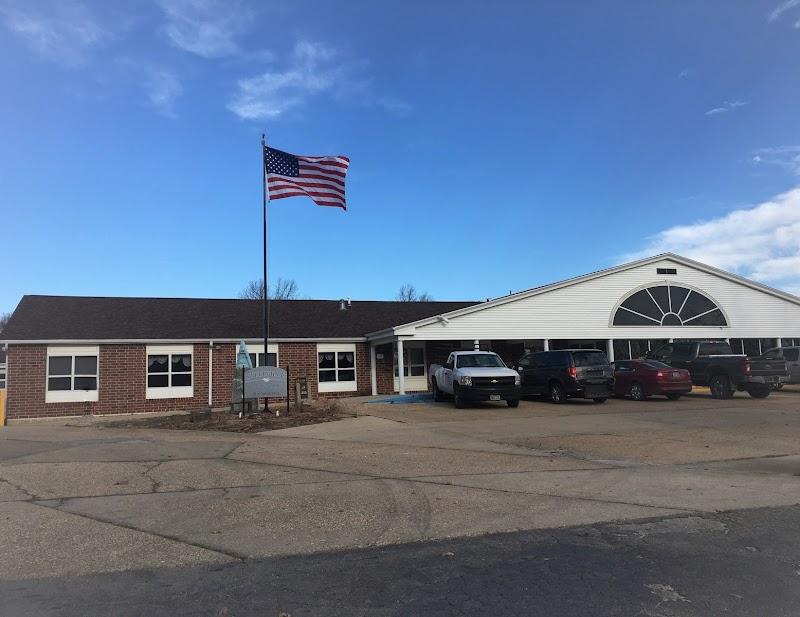
How is Steelville Senior Living Staffed?

CMS rates STEELVILLE SENIOR LIVING's staffing level at 2 out of 5 stars, which is below average compared to other nursing homes. Staff turnover is 55%, which is 9 percentage points above the Missouri average of 46%. High turnover can affect care consistency as new staff learn residents' individual needs.

What Have Inspectors Found at Steelville Senior Living?

State health inspectors documented 15 deficiencies at STEELVILLE SENIOR LIVING during 2019 to 2025. These included: 1 Immediate Jeopardy (the most serious level, indicating potential for serious harm or death), 13 with potential for harm, and 1 minor or isolated issues. Immediate Jeopardy findings are rare and represent the most serious regulatory concerns. They require immediate corrective action.
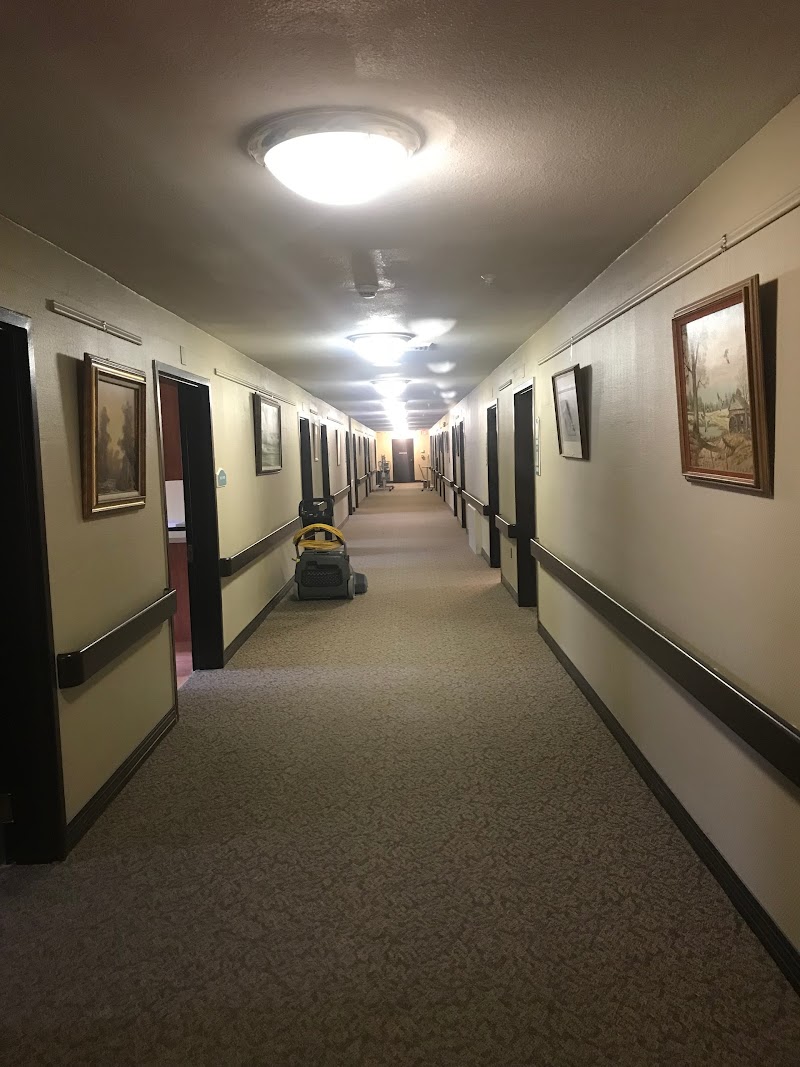
Who Owns and Operates Steelville Senior Living?

STEELVILLE SENIOR LIVING is owned by a for-profit company. For-profit facilities operate as businesses with obligations to shareholders or private owners. The facility operates independently rather than as part of a larger chain. With 72 certified beds and approximately 41 residents (about 57% occupancy), it is a smaller facility located in STEELVILLE, Missouri.
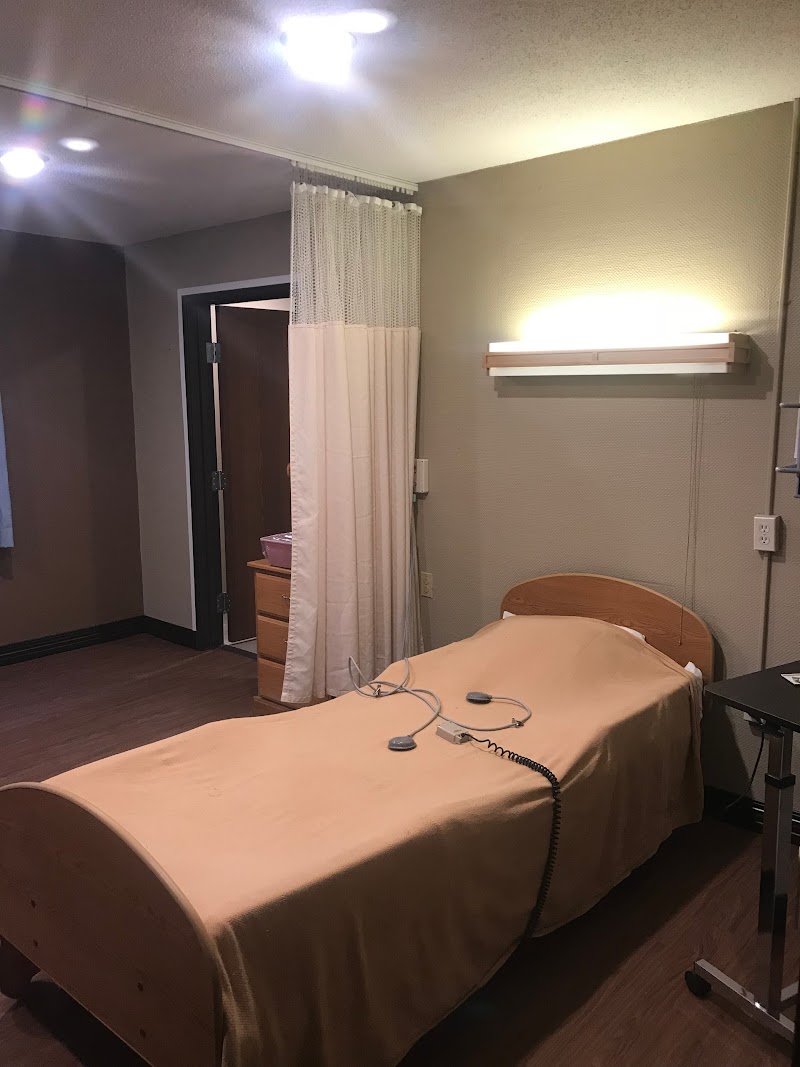
How Does Steelville Senior Living Compare to Other Missouri Nursing Homes?

Compared to the 100 nursing homes in Missouri, STEELVILLE SENIOR LIVING's overall rating (3 stars) is above the state average of 2.5, staff turnover (55%) is near the state average of 46%, and health inspection rating (3 stars) is at the national benchmark.

What Should Families Ask When Visiting Steelville Senior Living?

Based on this facility's data, families visiting should ask: "What changes have been made since the serious inspection findings, and how are you preventing similar issues?" "How do you ensure continuity of care given staff turnover, and what is your staff retention strategy?" "Can you walk me through typical staffing levels on day, evening, and night shifts?" "Can I visit during a mealtime to observe dining assistance and food quality?" These questions are particularly relevant given the facility's Immediate Jeopardy citations, the facility's high staff turnover rate, and the below-average staffing rating.

Is Steelville Senior Living Safe?

Based on CMS inspection data, STEELVILLE SENIOR LIVING has documented safety concerns. Inspectors have issued 1 Immediate Jeopardy citation (the most serious violation level indicating risk of serious injury or death). The facility has a 3-star overall rating and ranks #1 of 100 nursing homes in Missouri. Families considering this facility should ask detailed questions about what corrective actions have been taken since these incidents.

Do Nurses at Steelville Senior Living Stick Around?

Staff turnover at STEELVILLE SENIOR LIVING is high. At 55%, the facility is 9 percentage points above the Missouri average of 46%. High turnover means new staff may not know residents' individual needs, medications, or preferences. It can also be disorienting for residents, especially those with dementia who rely on familiar faces. Families should ask: What is causing the turnover? What retention programs are in place? How do you ensure care continuity during staff transitions?

Was Steelville Senior Living Ever Fined?

STEELVILLE SENIOR LIVING has been fined $87,749 across 1 penalty action. This is above the Missouri average of $33,956. Fines in this range indicate compliance issues significant enough for CMS to impose meaningful financial consequences. Common causes include delayed correction of deficiencies, repeat violations, or care failures affecting resident safety. Families should ask facility leadership what changes have been made since these penalties.

Is Steelville Senior Living on Any Federal Watch List?

STEELVILLE SENIOR LIVING is not on any federal watch list. The most significant is the Special Focus Facility (SFF) program, which identifies the bottom 1% of nursing homes nationally based on persistent, serious quality problems. Not being on this list means the facility has avoided the pattern of deficiencies that triggers enhanced federal oversight. This is a positive indicator, though families should still review the facility's inspection history directly.