GOLDEN AGE LIVING CENTER
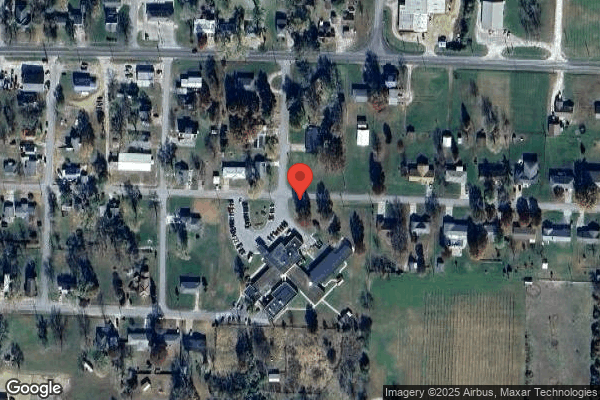
404 E THIRD STREET, STOVER, MO 65078 (573) 377-4521
Non profit - Other 61 Beds Independent Data: November 2025
Trust Grade
90/100
#15 of 479 in MO
Last Inspection: January 2025

Within standard 12-15 month inspection cycle. Federal law requires annual inspections.

Overview

Golden Age Living Center in Stover, Missouri, has received a Trust Grade of A, indicating it is considered excellent and highly recommended for potential residents. It ranks #15 out of 479 facilities in the state, placing it in the top half, and is the best option among the three nursing homes in Morgan County. However, the facility is experiencing a worsening trend, with the number of issues identified increasing from one in 2023 to two in 2025. Staffing is a strength, as the center has a 5/5 star rating and a turnover rate of 44%, which is below the state average of 57%. Notably, there have been no fines reported, but there are some concerns; for example, staff failed to consistently document residents' code status and did not address care areas for several residents, which could impact their individualized care plans.

Trust Score
A
90/100
In Missouri
#15/479
Top 3%
Safety Record
Low Risk
No red flags
Inspections
Getting Worse
1 → 2 violations
Staff Stability
○ Average
44% turnover. Near Missouri's 48% average. Typical for the industry.
Penalties
✓ Good
No fines on record. Clean compliance history, better than most Missouri facilities.
Skilled Nurses
○ Average
Each resident gets 35 minutes of Registered Nurse (RN) attention daily — about average for Missouri. RNs are the most trained staff who monitor for health changes.
Violations
✓ Good
Only 5 deficiencies on record. Cleaner than most facilities. Minor issues only.
★★★★★
5.0
Overall Rating
★★★★★
5.0
Staff Levels
★★☆☆☆
2.0
Care Quality
★★★★★
5.0
Inspection Score
Stable
2023: 1 issues
2025: 2 issues

The Good

  • 5-Star Staffing Rating · Excellent nurse staffing levels
  • Full Sprinkler Coverage · Fire safety systems throughout facility
  • No fines on record
  • Staff turnover below average (44%)

    4 points below Missouri average of 48%

Facility shows strength in staffing levels, fire safety.

The Bad

Staff Turnover: 44%

Near Missouri avg (46%)

Typical for the industry

The Ugly 5 deficiencies on record

Jan 2025 2 deficiencies
CONCERN (D)

Potential for Harm - no one hurt, but risky conditions existed

Deficiency F0698 (Tag F0698)

Could have caused harm · This affected 1 resident

Based on interview and record review, facility staff failed to perform a pre-dialysis (procedure to remove waste products from the blood when the kidneys stop functioning properly) assessment and to h...

Read full inspector narrative →
Based on interview and record review, facility staff failed to perform a pre-dialysis (procedure to remove waste products from the blood when the kidneys stop functioning properly) assessment and to have a system in place for ongoing communication with the dialysis clinic for one (Resident #25) of one sampled resident. Facility census was 45. 1. Review of the facility's dialysis services policy and procedure, dated 04/05/23, showed staff are directed to obtain communication with the dialysis clinic. Review of the facility's memorandum of agreement with the dialysis clinic, undated, showed the facilities responsibilities are: -If the long term care facility is a skilled nursing facility appropriate long term care facility healthcare staff will make an assessment of each patient's physical condition and determine whether the patient is stable enough to be dialyzed; -If it is determined that a patient is sufficiently stable, this assessment will be communicated to the dialysis facility's nurse manager or designee; -This assessment and communication will occur prior to each and every transfer of a patient to the dialysis facility regardless of the number of times any particular patient may be transferred and dialyzed. 2. Review of Resident #25's quarterly Minimum Data Set (MDS), a federally mandated assessment tool, dated 01/04/25, showed staff documented the resident did not receive dialysis services, and diagnoses of renal insufficiency, renal failure, or end stage renal disease. Review of the Physician Order Sheet (POS), dated January 2025, showed an order for dialysis on Monday, Wednesday and Friday. Review of the care plan, dated 01/22/25, showed staff documented the resident attends dialysis every Monday, Wednesday, and Friday. Obtain weight, blood pressure, and pulse prior to leaving for and when returned from dialysis. Review of the medical record showed facility staff did not document they assessed the resident prior to dialysis and did not contain the pre and post dialysis vital sign communication form with required weight, blood pressure, pulse or assessment required from 11/04/24-11/11/24 and from 11/12/24-01/28/25. During an interview on 01/28/25 at 8:48 A.M., the resident said staff do not check his/her vital signs before he/she leaves for dialysis or when he/she returns from dialysis. He/She said the dialysis clinic staff send him/her back to the facility with a piece of paper that has information on it. During an interview on 01/29/2025 at 9:13 A.M., Licensed Practical Nurse (LPN) K said there is no formal continuous communication between the dialysis clinic and the facility. The nurse said he/she can call the clinic if he/she needs to talk to them. The night shift staff check the residents weight before dialysis but do not communicate this with the clinic. The LPN said staff do not complete an assessment before the resident goes to dialysis. During an interview on 01/29/2025 at 9:23 A.M., the Director of Nursing (DON) said the dialysis clinic sends the facility blood work results once a week and the resident sometimes returns from dialysis with a form that lets staff know how much fluid had been removed and what the resident's vital signs were while at the dialysis clinic. Staff check the resident's vital signs after dialysis and document it in the resident treatment record. The staff check the resident's weight prior to dialysis and the resident is responsible for telling the dialysis clinic his/her weight. The facility does not have ongoing communication with the dialysis clinic. The DON said he/she did not know staff were not following the facility policy, and the staff does not have a good system in place. During an interview on 01/30/2025 at 9:36 A.M., the administrator said the resident is alert and oriented and can make decisions and communicate with the dialysis clinic. The administrator said if there are concerns at the facility or the dialysis clinic they would call or send paperwork to communicate the concern. The administrator said he/she is not aware of any regular ongoing communication between the facility and the dialysis clinic. The administrator said he/she did not know if vital signs were communicated between the facilities and did not know the form was not being used.
CONCERN (E)

Potential for Harm - no one hurt, but risky conditions existed

Deficiency F0578 (Tag F0578)

Could have caused harm · This affected multiple residents

**NOTE- TERMS IN BRACKETS HAVE BEEN EDITED TO PROTECT CONFIDENTIALITY** Based on interview and record review, facility staff failed to consistently document the code status as Do Not Resuscitate (DNR)...

Read full inspector narrative →
**NOTE- TERMS IN BRACKETS HAVE BEEN EDITED TO PROTECT CONFIDENTIALITY** Based on interview and record review, facility staff failed to consistently document the code status as Do Not Resuscitate (DNR) or Full Code (Cardiopulmonary resuscitation (CPR)) in the comprehensive care plan for nine residents (Resident #10, #18, #19, #21, #40, #41, #42, #8, and #32), and failed to transcribe or correct code status orders for two residents (Resident #8, and #32) out of 14 sampled residents. The facility census was 45. 1. Review of the facility's policy titled, Cardiopulmonary Resuscitation (CPR/DNR) Policy, dated [DATE], showed when a resident chooses to be a Full Code or a DNR, the order should be approved by the physician and entered into the electronic medical record as such. A DNR paper or Transportable Physician Order for Patient Preferences (TPOPP) must be signed by a physician. Review of the facility's policy titled, Physician Orders per e-Charting, dated [DATE], showed: -Any new order is to be transcribed to the paper physician order form by the physician or the nurse taking the verbal order; -The order is to immediately be entered into the electric chart by the nurse taking off the order; -24 hour chart audits are to be completed daily to ensure that all new orders have been addressed. Review of the facility's policy titled, Care Plan Completion Policy, dated [DATE], showed: -The facility shall use a care plan to provide daily care and treatment to the resident; -The care plan shall be completed and updated according to regulatory requirements; -Care plans shall be reviewed and updated at least upon admission, and quarterly and/or significant change; -For items that need addressed or revised prior to the next care plan meeting, a Care Plan Addendum shall be completed, and copy given to all departments; -The resident has a right to refuse any or all portions of the plan of care; the refusal shall be noted in a progress note by the Minimum Data Set (MDS), a federally mandated assessment tool completed by staff, Coordinator or Social Service Designee (SSD) at the completion of the care plan meeting and/or as needed; -The MDS Coordinator shall initiate care plan addendums at any time an individual presents a need that requires a change or addition to the care plan; -The Director of Nursing (DON) shall ensure that the care plan is completed according to the resident's individual and unique needs and that measurable goals with timeframes are continued throughout the resident's stay. 2. Review of Resident #10's Quarterly MDS, dated [DATE], showed staff documented the resident cognitively intact. Review of the resident's face sheet, undated, showed staff documented the resident's code status as DNR. Review of the Physician Order Sheet (POS), dated [DATE], showed an order for a code statusas DNR. Review of the medical record showed a TPOPP and Out of Hospital DNR (OHDNR) dated [DATE]. Review of the care plan, dated [DATE], showed staff did not document the resident's code status. During an interview on [DATE] at 2:53 P.M., the MDS coordinator said he/she did not know the code status is not listed in the resident's care plan, but saidit should be. 3. Review of Resident #18's Significant Change MDS, dated [DATE], showed staff assessed the resident as significantly cognitively impaired. Review of the resident's Face Sheet, undated, showed staff documented the resident's code status as DNR. Review of the POS, dated [DATE], showed an order for DNR code status dated [DATE]. Review of the care plan, dated [DATE], showed staff did not document the resident's code status. 4. Review of Resident #19's Quarterly MDS, dated [DATE], showed staff assessed the resident with moderate cognitive impairment. Review of the resident's Face Sheet, undated, showed staff documented the resident's code status as DNR. Review of the POS, dated [DATE], showed an order for DNR code status dated [DATE]. Review of the care plan, dated [DATE], showed staff did not document the resident's code status. During an interview on [DATE] at 2:59 P.M., the MDS Coordinator said he/she does not know the resident's code status and the code status should be on the resident's care plan. He/She said he/she does not know why it is not in the care plan. During an interview on [DATE] at 3:38 P.M., the SSD said the resident should have his/her code status on his/her care plan. The SSD said he/she can't remember if he/she told the MDS Coordinator the resident's code status. During an interview on [DATE] at 11:17 A.M., the DON said the resident should have a code status on his/her care plan. 5. Review of Resident #21's Quarterly MDS, dated [DATE], showed staff assessed the resident as cognitively intact. Review of the resident's Face Sheet, undated, showed staff documented the resident's code status as DNR. Review of the POS, dated [DATE], showed an order for DNR code status dated [DATE]. Review of the care plan, dated [DATE], showed staff documented the resident's code status as full code. During an interview on [DATE] at 2:54 P.M., the MDS Coordinator said he/she thinks the resident's code status should be on the care plan. The MDS Coordinator said he/she should update the resident's care plan immediately if the resident's code status changes. The MDS Coordinator said he/she knows the resident had a code status change and to be honest he/she forgot to update the resident's care plan, it should have been updated. During an interview on [DATE] at 3:38 P.M., the SSD said during the resident's care plan meeting, the resident said he/she wanted to be a DNR and signed the forms. The SSD said he/she did not check the resident's care plan. The SSD said the resident's care plan should have been updated. During an interview on [DATE] at 11:17 A.M., the DON said he/she knows the resident switched to a DNR code status. The DON said he/she did not know the resident's care plan had him/her listed as a Full code. The DON said the resident's care plan should be updated immediately with code status change. 6. Review of resident #40's Quarterly MDS, dated [DATE], showed staff assessed the resident with mild cognitive impairment. Review of the resident's face sheet, undated, showed staff documented the resident's code status as full code. Review of the POS, dated [DATE], showed an order for full code status. Review of the TPOPP, undated, showed staff documented the resident's code status as full code. Review of the care plan, dated [DATE], showed staff did not document the resident's code status. 7. Review of Resident #41's Quarterly MDS, dated [DATE], showed staff assessed the resident as rarely/never understood, and with short and long term memory problems. Review of the resident's face sheet, undated, showed staff documented the resident's code status as DNR. Review of the POS, dated [DATE], showed an order for DNR code status dated [DATE]. Review of the resident's care plan, dated [DATE], showed staff did not document the resident's code status. 8. Review of Resident #42's Quarterly MDS, dated [DATE], showed staff assessed the resident as rarely/never understood, and with short and long term memory problems. Review of the resident's face sheet, undated, showed staff documented the resident's code status as DNR. Review of the resident's POS, dated [DATE], showed an order for DNR code status dated [DATE]. Review of the resident's care plan, dated [DATE], showed staff did not document the resident's code status. 9. Review of Resident #8's Significant Change MDS, dated [DATE], showed staff documented the resident had short and long term memory problems. Review of the resident's face sheet, undated, showed staff documented the resident's code status as DNR. Review of the POS, dated [DATE], showed an order for Full Code status dated [DATE]. Review of the resident's TPOPP, dated [DATE] showed to attempt CPR, full code, uploaded to the electronic health record (EHR) on [DATE]. Review of the resident's TPOPP, undated, showed resident to be DNR, uploaded to the EHR on [DATE]. Review of the resident's care plan, dated [DATE], showed staff did not document the resident's code status. During an interview on [DATE] at 9:15 A.M., LPN A said he/she did not know the resident did not have a code status on the care plan, he/she said I guess I didn't pay attention and did not know the code status did not match on the face sheet and POS. During an interview on [DATE] at 11:52 A.M., the administrator said the resident had changed back and forth regarding his/her code status and it should have been changed on the POS to DNR. The administrator said he/she did not know why it had not been updated. 10. Review of Resident #32's admission MDS, dated [DATE], showed staff assessed the resident as severely cognitively impaired. Review of the resident's face sheet, undated, showed staff documented the resident's code status as DNR. Review of the POS, dated [DATE], showed it did not contain an order for code status. Review of the resident's care plan, dated [DATE], showed staff did not document the resident's code status. 11. During an interview on [DATE] at 9:00 A.M., LPN K said he/she reviewed the two full code sheets that were posted on the hallway. The LPN said he/she is unable to determine which full code list is accurate. The LPN said if there are two lists there is a possibility to grab the wrong one and potentially not carry out a resident's code status wishes. During an interview on [DATE] at 2:54 P.M., the MDS Coordinator said he/she thinks code status should go on care plan. The MDS Coordinator said the SSD gives him/her the residents code status, and there should be an order for it. During an interview on [DATE] at 3:38 P.M., the SSD said if the facility does not get anything from the hospital, he/she starts the resident as a full code, until the resident gets to the facility and signs sign the document for the code status wishes. The SSD said nursing will notify him/her, or hospitals will notify him/her, if a resident's code status changes and he/she notifies the MDS Coordinator. The SSD said when he/she gets the code status, he/she takes the TPOPP to the nurses at the nurse's station. If the nurse is not at the nurse's station, he/she will lay it on the nurse's computer keyboard. The SSD said he/she does not follow up after that. The SSD said the resident's care plan should be changed as soon as staff can do it. The SSD said if the code status is wrong on the care plan, there is a risk staff would provide CPR to a resident that is a DNR. There is also a risk staff would not resuscitate a resident that is a full code. During an interview on [DATE] at 8:48 A.M., Licensed Practical Nurse (LPN) K said residents code status should be on the care plan. The LPN said the MDS coordinator is responsible for reviewing code status information and updating the care plan. During an interview on [DATE] at 9:11 A.M., CNA G said he/she would look in the care plan to see the resident's code status. CNA G said it absolutely should be in the care plan, and he/she did not know it was not in the care plan for Residents #8, #18, #32, #41, and #42. CNA G said he/she thinks the office takes care of the code status when they are admitted . During an interview on [DATE] at 9:15 A.M., LPN A said the code status is on the computer on the face sheet. LPN A said usually the nurses put the orders in on admission on the POS and it is based on the baseline care plan and TPOPP or OHDNR sheets. LPN A said the SSD will change the code status on the face sheet, and he/she is supposed to notify the nurses and then the nurses change the order in the computer. LPN A said code status is usually on the care plan, and when he/she has care plan meetings the resident is asked if they want to continue with the same code status. He/she did not know residents #18, #41, and #42 did not have their code status on the care plan. LPN A said the risk of not having an order is doing CPR on someone who is a DNR or not doing anything for someone that is a full code. During an interview on [DATE] at 11:17 A.M., the DON said they would not necessarily expect a code status to be on the care plan. He/she said the code status orders the nurses initially receive for the residents are from the hospital. The DON said if the code status changes, the SSD lets the nursing staff know. The DON said he/she expects the POS to contain a code status order and it should match the residents wishes. The DON said the MDS Coordinator looks at orders that come from the hospital and if there is a change in code status, the SSD should verbally communicate it with the nursing staff and MDS Coordinator. The DON said the MDS coordinator is responsible for updating the care plans, and he/she gets the code status information as it is updated from the SSD. The DON said having the wrong code status could cause confusion a resident may receive care they do not want. The DON said the nurse that the SSD hands the updated code status to, is responsible for getting the updated order. The DON said she is not sure why the resident's code status is not on the care plan. During an interview on [DATE] at 11:52 A.M., the administrator said the SSD is responsible for getting the code status for residents, and once the SSD has it he/she is to take it to the nurse's station and give it to the nurse. The SSD puts the code status on the resident's face sheet. The nurse is responsible for putting the order on the POS when completing the admission paperwork. The administrator said the MDS coordinator is responsible for updating the care plan. The administrator said he/she did not think code status needed to be on the care plan.
Dec 2023 1 deficiency
MINOR (C)

Minor Issue - procedural, no safety impact

Deficiency F0575 (Tag F0575)

Minor procedural issue · This affected most or all residents

Based on observation, interview and record review, facility staff failed to post the telephone number for the Department of Health and Senior Services (DHSS) Adult Abuse and Neglect Hotline (used to r...

Read full inspector narrative →
Based on observation, interview and record review, facility staff failed to post the telephone number for the Department of Health and Senior Services (DHSS) Adult Abuse and Neglect Hotline (used to report allegations of abuse and neglect), the name, address, and phone number for the Long-Term Care Ombudsman (a program serving residents of nursing homes and residential care facilities to provide support and assistance with their problems or complaints), and resident rights in a form and manner accessible to residents and visitors on the secured memory care unit (MCU). The facility census was 46. 1. Review of facility policy titled, Golden Age Living Center Postings, dated August 12, 2018 showed: -Purpose is to provide notices and postings to residents, families, and staff that are required by law; -Postings that should be provided as required: Medicaid posting, Resident Right Postings, Ombudsman posting, Hotline Posting, Grievance Posting, Current Menus, and Smoking Requirements; -The administrator and/or designee shall be responsible for keeping postings current. 2. Observation on 11/28/23 at 11:26 A.M., showed the facility did not post the name, address, and toll free telephone number for the Adult Abuse Hotline or the name, the address and phone number for the Long-Term Care Ombudsman, and the residents rights in the secured MCU. Observation on 11/29/23 at 3:37 P.M., showed the facility did not post the name, address, and toll free telephone number for the Adult Abuse Hotline or the name, the address and phone number for the Long-Term Care Ombudsman, and the residents rights in the secured MCU. Observation on 11/30/23 at 8:22 A.M., showed the facility did not post the name, address, and toll free telephone number for the Adult Abuse Hotline or the name, the address and phone number for the Long-Term Care Ombudsman, and the residents rights in the secured MCU. Observation on 12/01/23 at 10:45 A.M., showed the facility did not post the name, address, and toll free telephone number for the Adult Abuse Hotline or the name, the address and phone number for the Long-Term Care Ombudsman, and the residents rights in the secured MCU. During an interview on 12/01/23 at 11:08 A.M., Resident #8 said he/she has not heard of an ombudsman, but it would nice to know that information. The resident said he/she does not know where to find the hotline number, but he/she should and would like to. During an interview on 12/01/23 at 11:09 A.M., Certified Nursing Aide (CNA) J said the required postings are on the main hall outside the MCU and thinks it is in a book at the nurses' desk. CNA J said the information should be posted on the MCU, it is currently not accessible to residents on the MCU but it should be. During an interview on 12/01/23 at 11:15 A.M., Licensed Practical Nurse (LPN) K said the required postings are in a book at the nurses' desk in the MCU, and in the locked break room, but it is not accessible to residents or visitors. The LPN said residents and visitors should have access to all of that information. During an interview on 12/01/23 at 11:18 A.M., the Director of Nursing (DON) said the required postings are in a case near the front of the building, and he/she did not know the information was not posted on the MCU. The DON said all required postings should be posted on the MCU, and a lot of family who visit do not pass by the locations where they are posted in the main facility. The DON said residents and family members should have access to the ombudsman, resident rights and Abuse and Neglect hotline information. During an interview on 12/01/23 at 11:32 A.M., the Administrator said the required postings are in the glass cased bulletin board near the front entrance of the building. The administrator did not know the required postings were not posted on the MCU, and it should be.
Oct 2022 2 deficiencies
CONCERN (E)

Potential for Harm - no one hurt, but risky conditions existed

Comprehensive Assessments (Tag F0636)

Could have caused harm · This affected multiple residents

Based on record review and interview, facility staff failed to document the date and location of the documentation used to complete the Care Area Assessment (CAA) section (section V0200) of the Minimu...

Read full inspector narrative →
Based on record review and interview, facility staff failed to document the date and location of the documentation used to complete the Care Area Assessment (CAA) section (section V0200) of the Minimum Data Set (MDS), a federally mandated resident assessment tool, for 12 sampled residents (Residents #1, #13, #17, #21, #24, #25, #28, #37, #44, #46, #49, and #56). The facility census was 83. 1. Review of the CAA summary section of the Resident Assessment Instrument (RAI) Manual showed the following: -Check section A (Care Area Triggered) if Care Area is triggered; -For each triggered care area, indicate whether a new care plan, care plan revision, or continuation of current care plan is necessary to address the problem(s) identified in your assessment of the care area. The Care Plan Decision column must be completed within seven days of completing the RAI (MDS and CAAs). Check column B (Care Planning Decision) if the triggered area is addressed in the care plan; -Indicate in the location and date of CAA Documentation column where information related to the CAA can be found. CAA documentation should include information on the complicating factors, risks, and any referrals for this resident for this care area. 2. Review of Resident #1's MDS CAA Summary, completed by facility staff and dated 6/3/22, showed the CAA summary did not contain the location and date of supportive CAA documentation as directed in Section V. 3. Review of Resident #13's MDS CAA Summary, completed by facility staff and dated 7/3/22, showed the CAA summary did not contain the location and date of supportive CAA documentation as directed in Section V. 4. Review of Resident #17's MDS CAA Summary, completed by facility staff and dated 7/4/22, showed the CAA summary did not contain the location and date of supportive CAA documentation as directed in Section V. 5. Review of Resident #21's MDS CAA Summary, completed by facility staff and dated 7/3/22, showed the CAA summary did not contain the location and date of supportive CAA documentation as directed in Section V. 6. Review of Resident #24's MDS CAA Summary, completed by facility staff and dated 7/17/22, showed the CAA summary did not contain the location and date of supportive CAA documentation as directed in Section V. 7. Review of Resident #25's MDS CAA Summary, completed by facility staff and dated 9/16/22, showed the CAA summary did not contain the location and date of supportive CAA documentation as directed in Section V. 8. Review of Resident #28's MDS CAA Summary, completed by facility staff and dated 7/21/22, showed the CAA summary did not contain the location and date of supportive CAA documentation as directed in Section V. 9. Review of Resident #37's MDS CAA Summary, completed by facility staff and dated 8/10/22, showed the CAA summary did not contain the location and date of supportive CAA documentation as directed in Section V. 10. Review of Resident #44's MDS CAA Summary, completed by facility staff and dated 8/3/22, showed the CAA summary did not contain the location and date of supportive CAA documentation as directed in Section V. 11. Review of Resident #46's MDS CAA Summary, completed by facility staff and dated 7/21/22, showed the CAA summary did not contain the location and date of supportive CAA documentation as directed in Section V. 12. Review of Resident #49's MDS CAA Summary, completed by facility staff and dated 8/27/22, showed the CAA summary did not contain the location and date of supportive CAA documentation as directed in Section V. 13. Review of Resident #56's MDS CAA Summary, completed by facility staff and dated 7/24/22, showed the CAA summary did not contain the location and date of supportive CAA documentation as directed in Section V. 14. During an interview on 10/14/22 at 2:07 P.M., the MDS Coordinator said he/she does not use the CAA's for anything. He/She said if something triggered, staff investigates to assure make sure the triggered item is a true problem the resident needs addressed. During an interview on 10/14/22 at 2:18 P.M., the administrator said the MDS Coordinator and the DON are responsible for the MDS information. During an interview on 10/14/22 2:42 P.M., Director of Nursing (DON) said she is in charge of the MDSs triggered CAA. He/She takes information from what LPN C and the MDS coordinator, gives him/her and resident's needs to create care plans. He/She said he/she never uses dates or times in the in the CAAs, and only addresses which document areas the information could be found.
CONCERN (E)

Potential for Harm - no one hurt, but risky conditions existed

Comprehensive Care Plan (Tag F0656)

Could have caused harm · This affected multiple residents

**NOTE- TERMS IN BRACKETS HAVE BEEN EDITED TO PROTECT CONFIDENTIALITY** Based on interview and record review, facility staff failed to address the triggered care areas of the Care Area Assessment (CAA...

Read full inspector narrative →
**NOTE- TERMS IN BRACKETS HAVE BEEN EDITED TO PROTECT CONFIDENTIALITY** Based on interview and record review, facility staff failed to address the triggered care areas of the Care Area Assessment (CAA) for 11 residents (Resident #1, #13, #17, #21, #23, #24, #28, #36, #37, #46, and #49) and failed to provide person-centered care plans with measurable time frames, and goals for four residents (Resident #23, #36, #44, and #56), in order to meet the residents' individual, medical and nursing needs. The facility census was 53. 1. Review of the CAA summary section of the Resident Assessment Instrument (RAI) Manual showed the following: -Check section A (Care Area Triggered) if Care Area is triggered; -For each triggered care area, indicate whether a new care plan, care plan revision, or continuation of current care plan is necessary to address the problem(s) identified in your assessment of the care area. The Care Plan Decision column must be completed within seven days of completing the RAI (MDS and CAA's). Check column B (Care Planning Decision) if the triggered area is addressed in the care plan; -Indicate in the location and date of CAA Documentation column where information related to the CAA can be found. CAA documentation should include information on the complicating factors, risks, and any referrals for this resident for this care area. In addition, review showed the facility did not have a Care Plan Policy with directions for comprehensive, measurable goals, time frames, or interventions. 2. Review of Resident #1's CAA worksheet, dated 6/3/22 showed the following triggered areas: -Cognitive loss/Dementia; -Visual function; -Communication; -ADL Functional/Rehabilitation Potential; -Urinary incontinence and indwelling catheter; -Falls; -Nutritional Status; -Dehydration/Fluid Maintenance; -Dental Care; -Pressure ulcers; -Psychotropic Drug use. Review of the resident's care plan, dated 10/12/22 showed staff did not document that they addressed the following triggered care areas: -Visual function; -Communication; -Urinary incontinence and indwelling catheter; -Falls; -Nutritional Status; -Pressure ulcers; -Psychotropic Drug use. Further review showed staff did not document a rationale for the decision not to proceed with a care plan for all the areas triggered. 3. Review of Resident #13's CAA worksheet, dated 7/3/22 showed the following triggered areas: -Delirium; -Cognitive loss/Dementia; -Communication; -Urinary incontinence and indwelling catheter; -Mood State; -Behavioral Symptoms; -Falls; -Nutritional Status; -Dental Care; -Pressure ulcers; -Psychotropic Drug use. Review of the resident's care plan, dated 9/27/22 showed staff did not document that they addressed the following triggered care areas: -Delirium; -Cognitive loss/Dementia; -Urinary incontinence and indwelling catheter; -Behavioral Symptoms; -Falls; -Nutritional Status; -Pressure ulcers; -Psychotropic Drug use. Further review showed staff did not document a rationale for the decision not to proceed with a care plan for all the areas triggered. 4. Review of Resident #17's CAA worksheet, dated 7/4/22, showed the following triggered areas: -Delirium; -Cognitive loss/Dementia; -Visual function; -ADL Functional/Rehabilitation Potential; -Urinary incontinence and indwelling catheter; -Psychosocial well-being; -Falls; -Nutritional status; -Dehydration/Fluid Maintenance; -Dental Care; -Pressure Ulcers. Review of the resident's care plan, dated 9/19/22 showed staff did not document that they addressed the following triggered care areas: -Urinary incontinence and indwelling catheter; -Psychosocial well-being; -Dehydration/Fluid Maintenance. Further review showed staff did not document a rationale for the decision not to proceed with a care plan for all the areas triggered. 5. Review of Resident #21's CAA worksheet, dated 7/3/22 showed the following triggered areas: -ADL Functional/Rehabilitation Potential; -Urinary incontinence and indwelling catheter; -Falls; -Nutritional Status; -Dehydration/Fluid Maintenance; -Dental Care; -Pressure ulcers; -Psychotropic Drug use. Review of the resident's care plan, dated 8/16/22 showed staff did not document that they addressed the following triggered care areas: -Dehydration/Fluid Maintenance; -Dental Care. Further review showed staff did not document a rationale for the decision not to proceed with a care plan for all the areas triggered. 6. Review of Resident #23's Quarterly MDS, dated [DATE], showed staff assessed the resident as: -Severely cognitively impaired; -Dependent with bed mobility, transfers, dressing, eating, and personal hygiene, dressing, and toilet use; -Required extensive assistance of two staff members for toileting; -Impaired with both lower extremities; -Diagnosed with neurogenic bladder (the name given to a number of urinary conditions in people who lack bladder control due to a brain, spinal cord or nerve problem), diabetes, Hyperlipidemia (a condition in which there are high levels of fat particles in the blood), and cerebral palsy (a condition marked by impaired muscle coordination and/or other disabilities, typically caused by damage to the brain before or at birth). Review of the resident's care plan, updated on 9/27/22, showed the care plan did not address prevention of increased contractures of the resident's legs. In addition, the care plan did not contain measurable goals and time frames. During an interview on 10/12/22 at 11:55 A.M., Certified Nursing Aide (CNA) B said the resident had contractures (a condition of shortening and hardening of muscles, tendons, or other tissue, often leading to deformity and rigidity of joints) in both legs. He/She said the resident was not receiving formal treatment or positioning to prevent the contractures from getting worse. CNA B said the resident screams in pain and becomes combative if staff attempts to stretch the resident's legs, but does allow the staff to stretch and move the resident's legs gently while getting dressed and other daily care. He/She said this is how staff maintains the movement of the resident's legs. 7. Review of Resident #24's CAA worksheet, dated 7/17/2022 showed the following triggered areas: -Cognitive Loss/Dementia; -Visual Function; -Communication; -Urinary Incontinence and Indwelling Catheter; -Falls; -Nutritional Status; -Dehydration/Fluid Maintenance; -Dental Care; -Pressure Ulcer; -Psychotropic Drug Use. Review of the resident's care plan, dated 10/11/22 showed staff did not document that they addressed the following triggered care areas: -Cognitive Loss/Dementia; -Communication; -Dehydration/Fluid Maintenance; -Dental Care; -Pressure Ulcer; -Psychotropic Drug Use. Further review showed staff did not document a rationale for the decision not to proceed with a care plan for all the areas triggered. 8. Review of Resident 28's CAA worksheet, dated 7/21/22 showed the following triggered areas: -Cognitive loss/Dementia; -Communication; -Falls; -Nutritional Status; -Dental Care; -Pressure ulcers. Review of the resident's care plan, dated 1/17/22 showed staff did not document that they addressed the following triggered care areas: -Communication; -Falls; -Nutritional Status; -Pressure ulcers. Further review showed staff did not document a rationale for the decision not to proceed with a care plan for all the areas triggered. 9. Review of Resident #36's Quarterly MDS, dated [DATE], showed staff assessed the resident as: -Moderately cognitively impaired; -Required extensive assistance of two staff members for bed mobility, transfers, dressing, and toileting; -Required extensive assistance of one staff member for personal hygiene; -Impaired with one lower extremity; -Diagnosed with coronary artery disease, high blood pressure, disease of the bowels, Hyperlipidemia, a fracture, dementia, seizure disorder, anxiety, and depression. During an interview on 10/11/22 at 1:33 P.M., the resident's spouse said that rehabilitation and walking were very important for his/her spouse in order to maintain or gain independence. Review of the resident's physician orders, dated 4/29/20, showed an order for a restorative nursing program or functional maintenance program with Occupational Therapy and Physical Therapy and an order dated 4/30/29 for Rehab Nursing Assistant services while remaining in the facility. Review of the resident's care plan, updated on 6/21/22, showed the care plan did not address restorative therapy or rehab nursing assistant services. In addition, the care plan did not contain measurable goals and time frames. 10. Review of Resident #37's CAA worksheet, dated 5/10/22, showed the following triggered areas: -Cognitive loss/Dementia; -ADL Functional/Rehabilitation Potential; -Urinary incontinence and indwelling catheter; -Falls; -Nutritional status; -Dehydration/Fluid Maintenance; -Dental Care; -Pressure Ulcer; -Psychotropic Drug Use. Review of the resident's care plan, dated 8/10/22 showed staff did not document that they addressed the following triggered care areas: -Urinary incontinence and indwelling catheter; -Psychosocial well-being; -Dehydration/Fluid Maintenance. Further review showed staff did not document a rationale for the decision not to proceed with a care plan for all the areas triggered. 11. Review of Resident #44's comprehensive care plan, last updated 10/11/22, showed the record did not contain measurable time frames to address the resident's care area problems. 12. Review of Resident 46's CAA worksheet, dated 7/21/22 showed the following triggered areas: -Delirium; -Cognitive loss/Dementia; -Communication; -Urinary incontinence and indwelling catheter; -Falls; -Nutritional Status; -Dehydration/Fluid Maintenance; -Dental Care; -Pressure ulcers; -Psychotropic Drug use. Review of the resident's care plan, dated 8/18/22 showed staff did not document that they addressed the following triggered care areas: -Delirium; -Cognitive loss/Dementia; -Communication; -Urinary incontinence and indwelling catheter; -Nutritional Status; -Dehydration/Fluid Maintenance; -Dental Care; -Pressure ulcers; -Psychotropic Drug use. Further review showed staff did not document a rationale for the decision not to proceed with a care plan for all the areas triggered. 13. Review of Resident #49's CAA worksheet dated 8/27/22, showed the following triggered areas: -Cognitive loss/Dementia; -ADL Functional/Rehabilitation Potential; -Urinary incontinence and indwelling catheter; -Pressure Ulcer. Review of the resident's care plan, dated 8/29/22 showed staff did not document that they addressed the following triggered care areas: -Cognitive loss/Dementia; -Urinary incontinence and indwelling catheter; -Pressure Ulcer. Further review showed staff did not document a rationale for the decision not to proceed with a care plan for all the areas triggered. 14. Review of Resident #56's comprehensive care plan, last updated 10/12/22, showed the record did not contain measurable time frames to address the resident's care area problems. 15. During an interview on 10/14/22 at 1:40 P.M., Certified Nurses Aid (CNA) D said care plans should be up to date, complete, and accurate. He/She said he/she relies on the care plans to tell him/her how to care for each resident and it is especially important when there are changes or updates that have been made to the residents' care. Not only is it important for staff to know how to take care of the residents, but it is also important when residents are being evaluated for significant changes in health. During an interview on 10/14/22 at 2:07 P.M., Licensed Practical Nurse (LPN) C, the MDS Coordinator said care plans are developed using the hospital discharge papers and after talking with the resident and/or the resident's family about their goals. He/She said the CAAs are not used for the care plans. He/She said if updates are needed, they are added to the Care Plan and staff receive in-services regarding the changes. He/She said the care plan should include all aspects of the residents' care. During an interview on 10/14/22 at 2:18 P.M., the administrator said he/she was involved writing the baseline care plan based on the information from the hospital so all care staff have access to the information before the resident arrives. He/She said further work on the MDS and care plan is the responsibility of the Director of Nursing (DON) and MDS coordinator. During an interview on 10/14/22 02:42 P.M., DON said the MDS Coordinator takes care of the care plans and the care plan reviews, and the team meets about them every quarter. During an interview on 10/20/22 at 11:57 A.M., the administrator said the care plan policy needed updated as it did not address many aspects of care plans.
Understanding Severity Codes (click to expand)
Life-Threatening (Immediate Jeopardy)
J - Isolated K - Pattern L - Widespread
Actual Harm
G - Isolated H - Pattern I - Widespread
Potential for Harm
D - Isolated E - Pattern F - Widespread
No Harm (Minor)
A - Isolated B - Pattern C - Widespread

Questions to Ask on Your Visit

  • "Can I speak with families of current residents?"
  • "What's your RN coverage like on weekends and overnight?"

Our Honest Assessment

Strengths
  • • Grade A (90/100). Above average facility, better than most options in Missouri.
  • • No major safety red flags. No abuse findings, life-threatening violations, or SFF status.
  • • No fines on record. Clean compliance history, better than most Missouri facilities.
  • • Only 5 deficiencies on record. Cleaner than most facilities. Minor issues only.
Concerns
  • • No significant concerns identified. This facility shows no red flags across CMS ratings, staff turnover, or federal penalties.
Bottom line: Generally positive indicators. Standard due diligence and a personal visit recommended.

About This Facility

What is Golden Age Living Center's CMS Rating?

CMS assigns GOLDEN AGE LIVING CENTER an overall rating of 5 out of 5 stars, which is considered much above average nationally. Within Missouri, this rating places the facility higher than 99% of the state's 100 nursing homes. This rating reflects solid performance across the metrics CMS uses to evaluate nursing home quality.

How is Golden Age Living Center Staffed?

CMS rates GOLDEN AGE LIVING CENTER's staffing level at 5 out of 5 stars, which is much above average compared to other nursing homes. Staff turnover is 44%, compared to the Missouri average of 46%. This relatively stable workforce can support continuity of care.

What Have Inspectors Found at Golden Age Living Center?

State health inspectors documented 5 deficiencies at GOLDEN AGE LIVING CENTER during 2022 to 2025. These included: 4 with potential for harm and 1 minor or isolated issues.

Who Owns and Operates Golden Age Living Center?

GOLDEN AGE LIVING CENTER is owned by a non-profit organization. Non-profit facilities reinvest revenue into operations rather than distributing to shareholders. The facility operates independently rather than as part of a larger chain. With 61 certified beds and approximately 46 residents (about 75% occupancy), it is a smaller facility located in STOVER, Missouri.

How Does Golden Age Living Center Compare to Other Missouri Nursing Homes?

Compared to the 100 nursing homes in Missouri, GOLDEN AGE LIVING CENTER's overall rating (5 stars) is above the state average of 2.5, staff turnover (44%) is near the state average of 46%, and health inspection rating (5 stars) is much above the national benchmark.

What Should Families Ask When Visiting Golden Age Living Center?

Based on this facility's data, families visiting should ask: "Can I visit during a mealtime to observe dining assistance and food quality?" "How do you handle medical emergencies, and what is your hospital transfer rate?" "Can I speak with family members of current residents about their experience?"

Is Golden Age Living Center Safe?

Based on CMS inspection data, GOLDEN AGE LIVING CENTER has a clean safety record: no substantiated abuse findings (meaning no confirmed cases of resident harm), no Immediate Jeopardy citations (the most serious violation level indicating risk of serious injury or death), and is not on the Special Focus Facility watch list (a federal program monitoring the lowest-performing 1% of nursing homes). The facility has a 5-star overall rating and ranks #1 of 100 nursing homes in Missouri. While no facility is perfect, families should still ask about staff-to-resident ratios and recent inspection results during their visit.

Do Nurses at Golden Age Living Center Stick Around?

GOLDEN AGE LIVING CENTER has a staff turnover rate of 44%, which is about average for Missouri nursing homes (state average: 46%). Moderate turnover is common in nursing homes, but families should still ask about staff tenure and how the facility maintains care continuity when employees leave.

Was Golden Age Living Center Ever Fined?

GOLDEN AGE LIVING CENTER has no federal fines on record. CMS issues fines when nursing homes fail to meet care standards or don't correct problems found during inspections. The absence of fines suggests the facility has either maintained compliance or corrected any issues before penalties were assessed. This is a positive indicator, though families should still review recent inspection reports for the full picture.

Is Golden Age Living Center on Any Federal Watch List?

GOLDEN AGE LIVING CENTER is not on any federal watch list. The most significant is the Special Focus Facility (SFF) program, which identifies the bottom 1% of nursing homes nationally based on persistent, serious quality problems. Not being on this list means the facility has avoided the pattern of deficiencies that triggers enhanced federal oversight. This is a positive indicator, though families should still review the facility's inspection history directly.