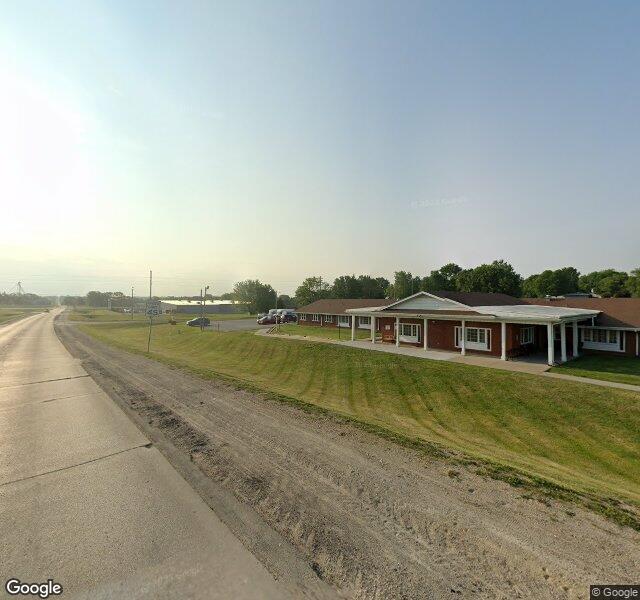
EASTVIEW MANOR CARE CENTER

1622 EAST 28TH STREET, TRENTON, MO 64683 (660) 359-2251
For profit - Limited Liability company 90 Beds RELIANT CARE MANAGEMENT Data: November 2025 6 Immediate Jeopardy citations
Trust Grade
0/100
#375 of 479 in MO
Last Inspection: April 2025

Within standard 12-15 month inspection cycle. Federal law requires annual inspections.

Overview

Eastview Manor Care Center has received a Trust Grade of F, indicating significant concerns about care quality and safety. They rank #375 out of 479 facilities in Missouri, placing them in the bottom half, while they are the only nursing home in Grundy County. The facility is showing improvement, with a decrease in issues from 43 in 2024 to 13 in 2025. Staffing is a weak point, with a rating of 1 out of 5 stars and concerning RN coverage that is less than 88% of state facilities. Families should note $172,367 in fines, which is higher than 95% of Missouri facilities, suggesting ongoing compliance issues. Specific incidents include a resident suffering serious abuse that required hospitalization and failures in wound care that led to severe pressure ulcers. While there is a good turnover rate of 0%, which means staff are staying, the overall safety and care quality raises significant red flags.

Trust Score
F
0/100
In Missouri
#375/479
Bottom 22%
Safety Record
High Risk
Review needed
Inspections
Getting Better
43 → 13 violations
Staff Stability
○ Average
Turnover data not reported for this facility.
Penalties
○ Average
$172,367 in fines. Higher than 69% of Missouri facilities. Some compliance issues.
Skilled Nurses
⚠ Watch
Each resident gets only 9 minutes of Registered Nurse (RN) attention daily — below average for Missouri. Fewer RN minutes means fewer trained eyes watching for problems.
Violations
⚠ Watch
101 deficiencies on record. Higher than average. Multiple issues found across inspections.
★☆☆☆☆
1.0
Overall Rating
★☆☆☆☆
1.0
Staff Levels
★☆☆☆☆
1.0
Care Quality
★☆☆☆☆
1.0
Inspection Score
Stable
2024: 43 issues
2025: 13 issues

The Good

  • Full Sprinkler Coverage · Fire safety systems throughout facility
  • No fines on record

Facility shows strength in fire safety.

The Bad

1-Star Overall Rating

Below Missouri average (2.5)

Significant quality concerns identified by CMS

Federal Fines: $172,367

Well above median ($33,413)

Significant penalties indicating serious issues

Chain: RELIANT CARE MANAGEMENT

Part of a multi-facility chain

Ask about local staffing decisions and management

The Ugly 101 deficiencies on record

6 life-threatening 2 actual harm
May 2025 1 deficiency
CONCERN (D) 📢 Someone Reported This

A family member, employee, or ombudsman was alarmed enough to file a formal complaint

Potential for Harm - no one hurt, but risky conditions existed

Free from Abuse/Neglect (Tag F0600)

Could have caused harm · This affected 1 resident

**NOTE- TERMS IN BRACKETS HAVE BEEN EDITED TO PROTECT CONFIDENTIALITY** Based on interview, observation, and record review, the facility failed to protect one resident (Resident #1) from physical abus...

Read full inspector narrative →
**NOTE- TERMS IN BRACKETS HAVE BEEN EDITED TO PROTECT CONFIDENTIALITY** Based on interview, observation, and record review, the facility failed to protect one resident (Resident #1) from physical abuse when another resident (Resident #2) grabbed Resident #1 by the back of the shirt and hair, causing Resident #1 to lose his/her balance and fall to the ground. Resident #2 then made closed hand contact with Resident #1's face. The facility's census was 81. Review of the facility policy titled, Abuse and Neglect Policy, dated 6/12/24, showed: -It is the policy of the this facility to report all allegations of abuse/neglect/exploitation or mistreatment, including injuries of unknown sources and misappropriation of resident property are reported immediately to the Administrator of the facility and to other appropriate agencies with current state and federal regulations within prescribed time frames; -Abuse is defined as the willful infliction of injury, unreasonable confinement, intimidation or punishment with resulting physical harm, pain or mental anguish, which can include staff to resident abuse and certain resident to resident altercations. Instances of abuse of all residents, irrespective of any mental or physical condition, cause physical harm, pain or mental anguish. In includes verbal, sexual, physical and mental abuse including abuse facilitated or enabled through the use of technology; -Physical abuse is defined as purposefully beating, striking, wounding, or injuring any resident tor any manner whatsoever mistreating or maltreating a resident in a brutal or inhumane manner. Physical abuse also includes, but is not limited to, hitting, slapping, punching, biting and kicking; -Abuse Prevention and Intervention: Resident Assessment. As part of the resident social history assessment, staff will identify residents with increased vulnerability for abuse or who have needs and behaviors that might lead to conflict. Through the care planning process, staff will identify any problems, goals, and approaches that would reduce the chances of mistreatment of these residents. Staff will continue to monitor the goals and approaches on a regular basis; Pattern Assessment. Review accident/incident reports, missing item reports, and safety committee reports to assess possible patterns or trends of suspicious bruising of residents, unexplained accidents, or other occurrences that may constitute abuse, neglect or theft. Based on an assessment of the reports, the Facility will further investigation and/or determine whether a change in Facility practices is warranted; 1. Review of Resident #1's medical record showed the resident has the diagnoses of schizophrenia (a chronic brain disorder that affects a person's ability to think, feel, and behave clearly), diabetes mellitus type 2 (a long-term condition in which the body has trouble controlling blood sugar and using it for energy), adjustment disorder with anxiety (a mental health condition where an individual experiences significant emotional or behavioral difficulty in response to a stressful life event or change), attention deficit hyperactive disorder (a chronic condition including attention difficulty, hyperactivity, and impulsiveness), major depressive disorder (a mental health disorder characterized by persistently depressed mood or loss of interest in activities, causing significant impairment in daily life), anxiety disorder (a mental health disorder characterized by severe, ongoing anxiety that interferes with daily activities), traumatic subarachnoid hemorrhage (a condition where bleeding occurs in the subarachnoid space, the area between the brain and the surrounding membranes, due to head trauma), drug-induced Parkinsonism (a movement disorder that mimics Parkinson's disease and is caused by medications that interfere with dopamine transmission in the brain), psychosis (a mental disorder characterized by a disconnection from reality). Review of the resident's quarterly Minimum Data Set (MDS, a federally mandated assessment completed by staff) dated 5/6/25, showed: -The resident had adequate hearing, clear speech, able to make self understood and understands others. -He/She scored 15 on the Brief Interview for Mental Status (BIMS, a structured evaluation aimed at evaluating aspects of cognition in elderly patients). This score indicates no cognitive impairment. -The resident displayed behaviors including rejection of care. Review of the resident's comprehensive care plan dated 5/9/25 showed: - Interventions related to plans to discharge to the community, guardianship, anxiety, schizophrenia, behaviors/altercation with other resident (resident's separated, allowed to vent feelings, medications reviewed), elopement risk. 2. Review of Resident #2's medical record showed he/she has the diagnoses of anxiety disorder, schizophrenia, bipolar disorder (a mental health condition characterized by periodic, intense emotional states affecting a person's mood, energy, and ability to function), history of traumatic brain injury, falls, borderline intellectual function (a condition that involves limitations on intelligence, learning and everyday abilities necessary to live independently), attention deficit hyperactive disorder, borderline personality disorder (a personality disorder characterized by severe mood swings, impulsive behavior, and difficulty forming stable personal relationships), impulse disorder (a behavioral condition that makes it difficult to control one's actions or reactions), epilepsy (a disorder in which nerve cell activity in the brain is disturbed, causing seizures). Review of the resident's quarterly MDS dated [DATE] showed; -The resident had adequate hearing, clear speech, able to make self understood and understands others; -He/She scored 12 on the BIMS, indicating moderate cognitive impairment. The resident displays delusions, physical and verbal behaviors. Review of the resident's comprehensive care plan dated 5/9/25, showed: -Interventions related to guardianship, elopement risk, behaviors (intense anger, aggression, delusions), post-traumatic stress disorder (PTSD), behavior modification plan (remove self from situation, talk to staff member, request as needed medication, utilize coping skills, use distraction techniques, reduce expectation of situation, offer positive praise, working on skill building strategies to use on a daily basis to assist in learning to control negative behaviors, develop a structured environment, one on one counseling, dialectical behavior therapy (DBT, a form of talk therapy that helps an individual regulate emotions, foster healthy relationships, and tolerate distress)), altercation with another resident (residents separated, Resident #2 placed on one to one supervision, medication review), resident was a smoker, and decreased cognition. Review of Resident #2's progress notes showed: 5/9/25 The resident grabbed Resident #1's back the back of the shirt and hair because the Resident #1 was wearing Resident #2's shirt. Resident #1 lost his/her balance and fell to the floor. Resident #2 then made closed hand contact to the Resident #1's face. The residents were separated and Resident #2 was placed on one to one supervision. The residents were assessed. Resident #1 was found to have an abrasion to his/her neck. Resident #2 had an abrasion to right pinky finger; 5/14/25 The resident continues to be on one to one supervision for safety and oversite. Review of the facility investigation showed on 5/9/25 at 9:20 AM, both residents were sitting in the common sitting area of the dining room. Resident #2 stated to Resident #1 Hey, that's my shirt you have on. Resident #2 stated The laundry person delivered it to me. Resident #2 stated That's my shirt and I want it back now. Resident #1 stated You are such a bitch, you act just like my little nephews. Both residents then ambulated up the hall. Resident #2 grasped Resident #1's hair and shirt. Resident #1 lost his/her balance and slowly went down to the floor on his/her bottom. Resident #2 then made closed hand contact to Resident #1's face. The resident's were immediately separated. Resident #1 was accompanied by staff to his/her room to vent and verbalize frustrations. Resident #2 was placed on one to one supervision. Both residents were given PRN (as needed) medication. Skin assessments were completed on both residents. Resident #1 was found to have a small abrasion to his/her throat. Resident #2 was found to have an abrasion to the right pinky finger. Medication reviews were conducted for both residents with the physician and psychiatric nurse practitioner. Medications adjustments were made for both residents. Resident #1 returned the shirt to Resident #2. Laundry staff were educated on properly identifying resident's clothing. Observation of Resident #2 on 5/14/25 at 2:35 P.M. showed Resident #2 eating lunch in his/her room with the one to one supervision by a staff member. During an interview on 5/14/25 at 2:37 P.M., Resident #2 said: -He/She was doing well and felt safe at the facility; -He/She did not recall the incident with Resident #1. During an interview on 5/14/24 at 2:40 P.M., Resident #1 said: -He/She was doing well and felt safe at the facility; -He/She did not realize the shirt belonged to Resident #2, as it was is Resident #1's closet; -Resident #2 was angry a lot and causes problems on the unit. It can get scary sometimes because Resident#2 yells and throws things. During an interview on 5/14/25 at 4:15 P.M., the physician said: -He/She just deals with the resident's medical needs; -The facility has a psychiatric nurse practitioner and a whole psychiatric team that takes care of any of the psychiatric needs of the residents; -There is a strict separation between what the physician does and what the psychiatric team does; -He/She was last in the facility on 5/15/25 but Resident #2 was not on the list to be seen; -He/She has not been notified of any behaviors or incidents involving Resident #2. However, he/she does not expect to be notified of behaviors due to the separation between the psychiatric team and the physician; -He/She would expect normal protocol to be followed and if Resident #2 is having behavior and being more aggressive, the psychiatric team would be notified and to go from there. During an interview on 5/14/25 at 4:12 P.M., the Corporate Nurse Consultant said: -Resident #2 is constantly escalating and de-escalating. He/She will say I'm going to be good and will turn around and have an altercation; -There is a pattern of when Resident #2 comes off of one on one supervision, he/she will eventually have another altercation; -The resident should stay on one to one supervision. The facility is seeking alternate placement for the resident. During an interview on 5/21/25 at 1:37 P.M., the psychiatric nurse practitioner said: -He/She is very familiar with Resident #2; -Resident #2 is very difficult to treat due to the extent of his/her borderline personality disorder; -When Resident #2 does not get his/her way, he/she will have an outburst; -Resident #2 displays self-sabotaging behaviors. He/She will talk about going to a different facility, then the day before going to visit the facility, he/she will have another altercation. The new facility will then not accept Resident #2 due to behaviors; -When Resident #2 comes off of one to one supervision, he/she does well until he/she does not get his/her way. Then Resident #2 has explosive behaviors unless a staff member is right there to remind him/her to use coping and calming techniques; -Resident #2 should remain on one to one supervision for his/her safety, and the safety of the staff and other residents. During an interview on 5/14/25 at 2:59 P.M., the Administrator said: -He has received direction from corporate leadership to cut back on one on one supervision for Resident #2, to cut back on the cost of staff overtime; - Every time he backs off one on one supervision for Resident #2, the resident gets into a resident to resident altercation with another resident; -There is no plan at this time to remove Resident #2 from one to one supervision; -Resident #2 does well for a while and well be changed to 15 minute checks. Then something will trigger him/her, and then he/she will lash out; -The facility continues to work with the counselor and psychiatric nurse practitioner to support Resident #2 in learning coping skills. MO253985
Apr 2025 11 deficiencies 1 IJ
CRITICAL (J) 📢 Someone Reported This

A family member, employee, or ombudsman was alarmed enough to file a formal complaint

Immediate Jeopardy (IJ) - the most serious Medicare violation

Free from Abuse/Neglect (Tag F0600)

Someone could have died · This affected 1 resident

**NOTE- TERMS IN BRACKETS HAVE BEEN EDITED TO PROTECT CONFIDENTIALITY** Based on interview and record review, the facility failed to protect three residents (Resident #29, #30, and #33) from physical ...

Read full inspector narrative →
**NOTE- TERMS IN BRACKETS HAVE BEEN EDITED TO PROTECT CONFIDENTIALITY** Based on interview and record review, the facility failed to protect three residents (Resident #29, #30, and #33) from physical abuse when Resident #1 strangled and punched Resident #30 in the face to the extent hospitalization was required; strangled and punched Resident #33 in the face resulting in medical evaluation at the local hospital; and took Resident #29's walker away and shoved the resident in the face, causing a fall that required the resident to have an x-ray for a large abrasion sustained to his/her left knee. The facility census was 81. The Administrator was notified on 04/18/2024 at 5:05 PM of the past noncompliance Immediate Jeopardy (IJ) which began on 03/21/2025. The facility administration immediately separated and protected the residents from further abuse by Resident #1. Resident #1, #30, and #33 were sent to the hospital for medical assessment and treatment, staff updated each residents plan of care, and all residents were offered counseling from the mental health provider. When Resident #1 returned to the facility staff implemented one on one supervision. All staff were inserviced on the abuse and neglect policy and procedure, and behavioral emergency plans by 3/25/25. The noncompliance was corrected on 3/25/2025. Review of the facility's Abuse Policy, dated 6/12/24., showed: -The facility will develop and implement operational policies and procedures to screen and train employees for protection of residents and the prevention of abuse and mistreatment. - Abuse is the willful infliction of injury, unreasonable confinement, intimidation, or punishment with resulting physical harm, pain, mental anguish, which can include staff to resident abuse and certain resident to resident altercations. Instances of abuse, irrespective of any mental or physical condition, cause physical harm, pain or mental anguish. It includes verbal abuse, sexual abuse, physical abuse, and mental abuse. - Physical Abuse is defined as purposefully beating, striking, wounding, or injuring any resident or any manner whatsoever mistreating or maltreating a resident in a brutal or inhumane manner. Physical abuse includes, but is not limited to hitting, slapping, punching, biting, and kicking. - Protection of Residents: Residents who allegedly mistreat another resident will be removed from contact with the resident during the course of the investigation. The accused residents shall be immediately evaluated to determine the most suitable therapy, care approaches, and placement considering his or her safety, as well as the safety of other residents. - The facility will identify, correct, and intervene in situations where abuse is likely to occur. - The facility will identify patterns, behaviors, and trends of behaviors that could result in harm to others. - The facility will protect all residents from harm. Review of the facility's Sufficient Staff Policy, dated 5/18/23, showed it was the policy of this facility to provide sufficient staff to assure resident safety and attain the resident's highest practicable, physical, mental, and psychosocial well being. 1. Review of Resident #1's Quarterly MDS (Minimum Data Set), a federally mandated assessment tool completed by facility staff, dated 12/10/24, showed: - Cognition intact; - Diagnoses included: bipolar schizophrenia (a mental health condition characterized by extreme mood swings, ranging from periods of elevated mood (mania or hypomania) to periods of depression), post traumatic disorder (a mental health condition that can develop after a person has experienced or witnessed a traumatic event), anxiety, depression, borderline personality disorder (a mental health condition characterized by significant challenges in regulating emotions, unstable relationships, a distorted self-image, and impulsive behaviors), and obesity; - Independent with ambulation and all mobility, if standing; - Behaviors of acting out and harming others. Review of the resident's care plan, dated 1/31/24, showed: - The resident had behavioral challenges that required protective oversight in a secured setting; - Expresses homicidal ideation towards others and had stated would like to see their blood on the floor; - History of destroying property, screaming, and acting violent towards people; - Required 24 hour nursing oversight to ensure self and others are safe; The care plan did not state how many nursing staff were needed. - One on one staff monitoring of resident as needed. Review of the resident's nursing progress notes for March 2025 showed: - 3/17/25 at 4:06 P.M., resident was removed from one on one monitoring per the approval of Regional Director of Operations. - 3/17/25 was placed on 15 min checks after the one on one monitoring was removed. - 3/18/25 at 11: 41 P.M., as needed Thorazine (antipsychotic medication) 50 milligrams (mg) given at the request of the resident for increased anxiety. - 3/20/25 at 2:14 P.M., Administrator and resident met to discuss how resident was doing, resident reported doing good and utilizing PRN (as needed) medications for anxiety and homicidal ideations. - 3/21/25 at 5:15 P.M., a Code [NAME] (emergency staff intervention for violent behaviors) was announced. Licensed Practical Nurse (LPN) C on the secured unit observed Resident #1 standing over Resident #30's bed strangling with left hand and punching Resident #30 in the face, with the right hand. Then Resident #1 proceeded to Resident #33's room and repeated the exact assault. Resident #33 was laying face down in the bed to protect his/her face from injury. Resident #1 then attempted to assault LPN C and that assault was interrupted by Resident #29 when attempting to get in the middle of Resident #1 and LPN C, Resident #1 took the walker from Resident #29 and threw it down the hall and then pushed Resident #29 by an opened hand to the face causing Resident # 29 to fall and sustain a baseball sized abrasion to the left knee. 2. Review of Resident #30's Quarterly MDS, dated [DATE], showed; - Cognition Intact; - Diagnoses: Bipolar disorder, post traumatic stress disorder, depression, and anxiety; - Ongoing mood and behavioral concerns towards others. - Independent with all mobility and ambulation. Review of the resident's care plan, dated 8/8/23, showed: - Resident is on behavior program: a 5 person assisted resident take down when resident poses a threat to self or others. - Resident had a long history of mental illness and has one on one monitoring when needed for the safety of self and others. Review of the resident's nursing progress notes, dated 3/21/25, showed: -At 5:05 P.M., LPN C heard screaming from Resident #30's room, discovered Resident #30 lying in bed and being strangled by Resident #1 by the use of the left hand and also punching Resident #30 in the face with the right hand. -Resident #30's statement to LPN C was that Resident #1 was asked to leave Resident #30's room and Resident #1 walked over shut the door to the room, climbed on top of Resident#30 and began choking and punching the resident in the face. -Resident #1 was removed from the room and Resident #30 was sent to local emergency room for evaluation. -Resident #30 was admitted to the hospital for monitoring of nasal fracture and neurological trauma. Review of the resident's hospital records, dated 3/21/25, showed Resident #30 was admitted to a local hospital for neurological evaluation, observation, and small nasal fracture. The resident returned to the facility on 3/23/25 with a small nasal fracture, soreness, and bruising. During an observation and interview on 3/23/25 at 3:10 P.M., Resident #30 said: -Resident #1 came into his/her room shortly after smoke break, jumped on top of him/her, choked and punched him/her in the face. It happened so fast, he/she couldn't get out from under Resident #1. -Observation showed a small bruise across the bridge of Resident #30's nose and bruising to the neck and left arm. -He/She was caught off guard because he/she thought Resident #1 was his/her friend. 3. Review of Resident #33's re-admission MDS, dated [DATE]., showed: - Cognition Intact; - Independent with mobility and ambulation; - Diagnoses: Borderline personality disorder, schizophrenia, depression, anxiety, and personally disorders, mood and behavioral disorders. Review of the resident's care plan, dated 2/2/25, showed: - The resident had hallucinations and aggressive behaviors at time towards others. - The resident was impulsive, will self harm and has destructive behaviors and will manipulate others. Review of the resident's nursing progress notes, dated 3/21/25, showed: - At 5:10 P.M., LPN C heard screaming from Resident #33's room, discovered Resident #33 lying in bed face down and being strangled by Resident #1 by use of the left hand, and also punching Resident #33 in the right side of the head with the right hand. - Resident #33's statement to LPN C was that Resident #1 came in and jumped on his/her back and started choking and punching him/her in the side of the face. -Resident #1 was removed from the room and Resident #33 was sent to local emergency room for evaluation. -The resident was not admitted to the hospital and had no injuries. Observation and interviews on the secured unit on 3/23/25 at 11:00 A.M., showed Resident #33, up and about on the secured unit with bruising to his/her left side of neck and face and some bruising noted to his/her left forearm. During an interview on 3/23/25 at 4:00 P.M., Resident #33 said it happened fast, he/she was laying on the bed on his/her stomach and Resident #1 jumped on his/her back and pushed on the back of his/her neck and punched his/her on the side of the face. Someone pulled Resident #1 off him/her. He/She was then taken to local hospital for evaluation on 3/21/25 and came back to the facility that night with no injuries. He/She feels safe now that Resident #1 was gone and would not have to worry about Resident #1 doing that again. 4. Review of Resident #29's Quarterly MDS, dated [DATE], showed: - Cognition intact; - Independent with ambulation and a four wheeled walker; - Diagnoses: Post traumatic stress disorder, anxiety, depression, diabetic, early onset dementia, history of falls. Review of the resident's care plan, undated, showed: - The resident required a secured unit and behavioral monitoring. -The resident must have a walker for ambulation and used a four wheeled walker. - The resident had braces to both lower legs to support limbs for ambulation and stability. - The resident had periods of yelling out and behaviors towards others at times. Review on the resident's nursing progress notes, dated 3/21/25, showed: - Resident heard the fighting going on in Resident #33's room with Resident #1 and with LPN C attempting to remove Resident #1 off Resident #33. - Resident #1 turned on LPN C and kicked LPN C in the knee and punched LPN C in the shoulder. Resident #29 attempted to get in between Resident #1 and LPN C when Resident #1 picked up Resident #29's walker threw it down the hall and then placed his/her hand on Resident #29's face and shoved there resident down causing Resident #29 to fall landing on his/her knees and causing a baseball sized abrasion to the left knee. - X-ray of knees were obtained, no injuries identified. Observation and interview on 3/31/25 at 4:05 P.M., showed Resident #29 with a baseball sized round abrasion to his/her left knee. The resident said it was tender and hurt a bit, but nothing was broke. He/She felt safe knowing Resident #1 won't be returning to the facility, because Resident #1 was known to have behaviors and could get mad easily, and that made here feel uneasy. 5. During an interview on 3/23/25 at 10:45 A.M. CNA C said: - He/She only works Friday through Sunday 7 A.M. to 7 P.M. - On 3/21/25 he/she was outside supervising residents who were smoking and did not witness the assaults. - On 3/21/25, prior to the incident, while outside with the residents, CNA C witnessed Resident #1 blowing smoke in the face of Resident #33, which was a new behavior, but he/she did not think anything about it at the time. - He/She and LPN C were the only staff on the unit at the time the assaults took place. During an interview on 3/23/25 at 11:30 A.M., LPN C said: - On 3/21/25 around 5:00 P.M. CNA C was the only CNA working and the Certified Medication Technician (CMT) had called in for the evening shift that day. - He/She went back to the secured unit to help CNA C. While down there LPN C was at the nurses desk making phone calls to look for an additional person to come in and help on the unit. - Resident #1 had just finished smoke break with CNA C and was at the nurses desk requesting LPN C get coffee creamer. - He/She was on the phone and CNA C had taken the next group of residents to smoke break. He/She hung up the phone and went to obtain the coffee creamer. There was no other staff on the secured unit during this time. When LPN C returned to the desk with the creamer, Resident #1 was not there. Then Resident #33 approached LPN C and said Resident #1 wants you to come down to Resident #30's room. - When approaching Resident #30's room he/she heard screaming and observed Resident #1 on top of Resident #30 holding him/her down by the neck with him/her left hand and punching the resident in the face with his/her right hand. LPN C pulled Resident #1 off of Resident #30 by grabbing a hold of his/her shirt and pulling backwards. -Resident #1 then left the room and headed for Resident #33's room. LPN C called the Director of Nursing (DON) on his/her cell phone because the walkie talkie was lost in the struggle with Resident #1. He/She asked the DON to call a Code [NAME] and that he/she needed help immediately in the unit. He/She went to Resident #33's room where Resident #1 was on top of Resident #33 strangling him/her by the neck with his/her left hand, and punching the resident in the side of the head with the other hand. -Resident #29 attempted to help and Resident #1 took the walker and pushed Resident #29 to the floor. -Multiple staff arrived to the unit to provide assistance. LPN D was placed with Resident #1 for one on one monitoring until police and ambulance arrived. -The DON also arrived to the unit to help. -He/She said the event happened very fast and was done in about 5 minutes. -Resident #1, #30, and #33 sent out to local hospital for evaluations. -He/She did not believe they had enough staff on the secured unit to provide a safe environment for the residents to be free from abuse. During an interview on 3/23/25 at 12:39 P.M., the DON said: - On the evening of 3/21/25 she worked later that day as there were two admissions that had came in that afternoon. - She received a frantic call from LPN C that said Get back here now and call a Code [NAME] (refers to behavioral emergency). - Upon arrival to the unit Resident #1 was sitting on the floor, screaming at LPN C You fat bitch, I am going beat up everyone. - A nurse was assigned to sit with Resident #1 until the resident left the facility via ambulance to the local hospital. - Skin assessments were completed on Resident #1, #30, #33, and #29 and Neuro checks on Resident #30, #33, and #29. - Resident #30 and #33 were transported to local hospital for evaluation. - Resident #30 was transferred to higher level hospital for neurology consult. - Resident #33 was returned without injury. - Resident #29 had portable X-ray of legs and no broken bones, but he/she did sustain a abrasion to left knee. During an interview on 4/2/25 at 1:30 P.M. LPN D said: - A code green was called over the paging system on 3/17/25 at 5:05 P.M. and he/she went to the unit. - He/She was working up front at station one. - He/She sat with Resident #1 until police and the ambulance took the resident. - There are resident's on the unit that are known to have behaviors and can become violent, including Resident #1. During an interview on 4/3/25 at 4:15 P.M. the Administrator said: - He became the administrator of the facility in January of this year. - He was aware of previous resident to resident abuse on the unit. - All resident's should be free from abuse. - The residents in this facility can be challenging and the staff work to try and meet those challenges. MO251511 MO251494
CONCERN (D)

Potential for Harm - no one hurt, but risky conditions existed

Comprehensive Care Plan (Tag F0656)

Could have caused harm · This affected 1 resident

**NOTE- TERMS IN BRACKETS HAVE BEEN EDITED TO PROTECT CONFIDENTIALITY** 3. Review of Resident 50's quarterly MDS, dated [DATE], showed: -No cognitive impairment; -Supervision with ADLs; -Diagnoses inc...

Read full inspector narrative →
**NOTE- TERMS IN BRACKETS HAVE BEEN EDITED TO PROTECT CONFIDENTIALITY** 3. Review of Resident 50's quarterly MDS, dated [DATE], showed: -No cognitive impairment; -Supervision with ADLs; -Diagnoses included, viral hepatitis (can lead to acute or chronic infections, potentially causing serious liver damage), stroke, and respiratory failure. Review of the resident's care plan, dated 01/28/25, showed: -Assistance with ADLs; -The resident had a behavior problem; -The resident had a communication problem related to aphasia (a neurological disorder that affects the ability to communicate and understand language); Review of the resident's POS dated, April 2025 showed a diagnosis of viral hepatitis C. Review of the National Institute for Communicable Diseases website shows Hepatitis C is spread by blood to blood contact. Prevention strategies include practicing safe sex, avoid sharing needles, toothbrushes, razors or nail scissors. Treatment can include combination therapies with direct acting antivirals. Review of the resident's care plan showed it did not address the resident's diagnosis of viral hepatitis. During an interview on 04/02/25 at 1:10 P.M., CNA H said: -He/She was not aware of any residents that had viral hepatitis; -All nursing staff should be aware that a resident had viral hepatitis; -If a resident has viral hepatitis, it should be in their care plan; -No residents that he/she knew of had viral hepatitis in their care plan; -He/She does not updated the care plans; -The nurses updated the care plans. During an interview on 04/02/25 at 1:30 P.M., NA J said: -He/She was not aware of any residents that had viral hepatitis; -All nursing staff should be aware that a resident has viral hepatitis; -He/She does not updated the care plans; -The nurses updated the care plans. -Hepatitis was something that should be care planned. During an interview on 04/02/25 at 1:48 P.M., LPN D said: -He/She was aware the resident had viral hepatitis C; -He/She would expect a diagnosis of viral hepatitis C to be included in the resident's care plan; -When diagnoses are included in the resident's care plan it aids in their care; -The DON updates the care plans. During an interview on 04/03/25 at 04:11 P.M., the DON said: -She would expect a diagnosis of viral hepatitis to be included in the resident's care plan; -She expects the SSD to update the care plan; -The staff look in the care plan to guide them in taking care of the resident. During an interview on 04/03/24 at 04:15 P.M., the Administrator said: -He expected Resident #50's care plan to include viral hepatic; -He expected the staff to be able to know if a resident had hepatitis; -He expected the SSD to ensure the care plans were updated and compressive to each resident. During an interview on 04/02/25 at 2:05 P.M., the Social Services Director (SSD) said: -He is responsible for ensuring the resident care plans were updated and resident specific; -Resident care plans should resident specific. During an interview on 04/03/25 at 8:05 A.M., Certified Nursing Assistant (CNA) F said: - He/She asks the residents in the shower room if they want to be shaved. Some don't want to be shaved, and it's put in the care plan if they don't. - He/She doesn't have tweezers, if residents do not want shaved, he/she would get scissors or electric razor to trim the facial hair. During an interview on 04/03/25 at 11:32 A.M., the Assistant Director of Nursing (ADON) said: - Since the change in MDS Coordinator the nurses are responsible for updating care plans. - Nurses know baseline care plans, but have had no training for updating care plans and we requested people to come in and train. - She communicates with staff as much as possible verbally, face to face, who is on oxygen and what cares to provide. - Oxygen use should be care planned. During an interview on 04/03/25 at 3:30 P.M., the DON said: - Oxygen use and bipap use should be care planned. - If a resident didn't want to be shaved a certain way, and preferred to have tweezers used, the care plan should reflect that. - Oxygen use and resident's preferences should be care planned. Based on observation, interview, and record review, facility staff failed to develop and implement a comprehensive person-centered care plan for three residents (Resident #38, #43, and #50). This affected three of 18 sampled residents. The facility census was 81. Review of the facility's Comprehensive Care Plan Policy, dated 10/31/24, showed: - The facility will develop and implement a comprehensive person-centered care plan for each resident. - The care planning process will include an assessment of the resident's strengths and needs, and will incorporate the resident's personal and cultural preferences in developing goals of care. - The care plan will describe, at a minimum, the services that are furnished to attain or maintain the resident's highest practicable physical, mental, and psychosocial well-being. Review of the facility's Oxygen Administration policy, dated 05/18/24, showed: - The resident's care plan shall identify the interventions for oxygen therapy, based upon the resident's assessment and orders, such as: Type of oxygen delivery system, when to administer, Equipment setting for the prescribed flow rates, Monitoring of the SpO2 (oxygen saturation) levels and/or vital signs as ordered, Monitoring for complications associated with the use of oxygen. Review of the facility's Noninvasive Ventilation - CPAP/BiPAP/AVAPS/Trilogy policy, dated 05/14/24, showed: - The facility will obtain an order for the use of a CPAP/BiPAP/AVAPS/Trilogy device and settings from the practitioner. - The CPAP/BiPAP/AVAPS/Trilogy device must be set up and maintained by the facility's medical equipment vendor (Skilled Medical Solutions comes quarterly per Administrator). - Document the use of the machine, resident's tolerance, any skin, respiratory or other changes and response. - Follow the manufacturer instructions for the frequency of cleaning/replacing filters and servicing the machine. Only the supplier may service the machine. -The policy did not include any guidance related to care planning the devices. 1. Review of Resident #38's Quarterly Minimum Data Set (MDS), a federally mandated assessment tool completed by facility staff, dated 02/25/25, showed: - Was cognitively intact. - Required non-invasive mechanical ventilator. - Required substantial assistance with most cares. - Diagnoses included: heart failure, Diabetes Mellitus, and Asthma. Review of the resident's care plan, revised on 10/26/24, showed: - Resident had Activities of Daily Living (ADL) self-care performance deficit. - Required 1-2 assist with all cares. Review of the resident's Medication Administration Record (MAR), dated 04/02/25, showed no provider orders for oxygen, BIPAP, or the corresponding cares and settings for each. Observation on 03/31/25 at 9:49 A.M., showed: - The resident in his/her room with BIPAP and oxygen in use. Observation on 04/02/25 at 11:06 A.M., showed: - an oxygen concentrator in the resident's room with tubing dated 03/31/25 and flow rate set at 1.5 liters. The resident returned to room and applied his/her nasal cannula. - a BIPAP machine was near the resident's recliner plugged in with mask/hose connected for use as needed. During an interview on 04/02/25 at 11:06 A.M., the resident said: -No one has wiped down or cleaned their BIPAP mask since they received it 3 months ago. -He/She got the BIPAP about 3 months ago. Review of the resident's care plan showed no information listed regarding oxygen or bilevel positive airway pressure (BIPAP) use. 2. Review of Resident #43's Quarterly MDS, dated [DATE], showed: - Cognitively intact. - Required partial/moderate assistance and verbal cues. - No information regarding oxygen use. - Diagnoses included: Heart Failure, Schizophrenia, and Asthma. Review of the resident's care plan, revised on 10/25/24, showed: - The resident had an ADL self-care deficit related to impaired balance. - Required some assistance and encouragement with cares. Observation on 03/31/25 at 10:07 A.M., showed: - The resident in his/her room with an oxygen concentrator on and running at 3 liters. - Oxygen tubing dated 03/26/25. - Substantial hair growth on the resident's chin. - Concentrator set and running at 3 liters. During an interview on 03/31/25 at 10:07 A.M., the resident said: - He/She went without my oxygen machine for a long time when I first got here. - Doesn't want facial hair to be shaved and had asked staff to use tweezers, but they won't. - He/She gets one shower a week and that's it, would like at least two. Observation on 04/01/25 at 7:58 A.M., showed the resident in his/her room with oxygen concentrator on and in use. Observation of on 04/02/25 at 10:22 A.M., showed the resident in his/her room with oxygen concentrator on and in use. Further review of the resident's care plan showed no information listed regarding oxygen use or that he/she wanted his/her facial hair tweezed.
CONCERN (D) 📢 Someone Reported This

A family member, employee, or ombudsman was alarmed enough to file a formal complaint

Potential for Harm - no one hurt, but risky conditions existed

Quality of Care (Tag F0684)

Could have caused harm · This affected 1 resident

Based on observation, interview and record review, the facility failed to obtain a physician order and care plan for hospice services for one sampled resident (Resident #8). The facility census was 81...

Read full inspector narrative →
Based on observation, interview and record review, the facility failed to obtain a physician order and care plan for hospice services for one sampled resident (Resident #8). The facility census was 81 residents. Review of the facility's Comprehensive Care Plan Policy, dated 10/31/24, showed: - The facility will develop and implement a comprehensive person-centered care plan for each resident. - The care planning process will include an assessment of the resident's strengths and needs, and will incorporate the resident's personal and cultural preferences in developing goals of care. - The care plan will describe, at a minimum, the services that are furnished to attain or maintain the resident's highest practicable physical, mental, and psychosocial well-being. 1. Review of the Resident#8's Quarterly (MDS), a federally mandated assessment tool completed by facility staff, dated 01/31/25, showed: -Moderate cognitive impairment; -Dependent with Activities of Daily Living (ADLs); -Frequently incontinent of bowel and bladder; -Diagnoses included: Cancer, depression and schizophrenia (a chronic mental disorder characterized by a breakdown in thought processes and a disconnection from reality); -The MDS did not address hospice care. Review of Resident #8's care plan, dated 03/18/24., showed: -ADL care deficit related to weakness; -Assist of two staff with transfers and ADLs; -Incontinent of bowel. Review of the resident's Physician's Order Sheet (POS), dated April 2025, did not show an order for hospice. Review of the resident's March 2025 nurse's notes showed: -03/19/25 at 03:32 A.M., the resident was admitted to hospice yesterday; -03/19/25 at 08:36 P.M., the resident had started services with hospice this week; -03/28/25 at 11:29 P.M., the resident continued hospice services. Review of the resident's care plan showed it did not address the resident's hospice care. Observation and interview on 03/31/25 at 11:03 A.M., showed: -The resident sat in his/her wheelchair at the table in the dining room; -Hospice nurse A took the resident to his/her room; -The hospice nurse said the resident was admitted to hospice a few weeks ago. During an interview on 04/02/25 at 1:10 P.M., Certified Nurse Aide H said: -The resident was on hospice; -The resident had been on hospice for a while; -Hospice gave the resident showers on certain days of the week; -He/She did not know what days hospice gave the resident showers; -He/She was not sure what else hospice did for the resident; -He/She found out the resident was on hospice from the charge nurse; -If the resident was on hospice, it should be care planned; -He/She did not know if it was on the care plan. During an interview on 04/02/25 at 1:30 P.M., Nurses Aide (NA) J said: -The resident had been on hospice for a while now; -He/She was not sure besides showers what hospice provided for the resident; -He/She said hospice should be in the resident's care plan; -He/she did not know if hospice was care planned for the resident. During an interview on 04/02/25 at 1:48 P.M., Licensed Practical Nurse (LPN) D said: -He/She was aware the resident was on hospice; -He/She would expect hospice to be included in the resident's care plan; -He/She said there should be a physician's order admitting the resident to hospice. During an interview on 04/03/25 at 04:11 P.M., the Director of Nursing said: -She expected Resident #8 to have an order to admit to hospice; -She expected Resident #8's care plan to include hospice care; -The charge nurses are responsible for ensuring the care plans are updated. During an interview on 04/03/24 at 04:15 P.M., the Administrator said: -He expected Resident #8 to have an order to admit to hospice; -He expected Resident #8's care plan to include hospice care; -He expected changes to a resident's care be added to the care plan.
CONCERN (E)

Potential for Harm - no one hurt, but risky conditions existed

Resident Rights (Tag F0550)

Could have caused harm · This affected multiple residents

**NOTE- TERMS IN BRACKETS HAVE BEEN EDITED TO PROTECT CONFIDENTIALITY** 2. Review of Resident #56's annual MDS, dated [DATE], showed: -Moderate cognitive impairment; -Upper and lower body impairment o...

Read full inspector narrative →
**NOTE- TERMS IN BRACKETS HAVE BEEN EDITED TO PROTECT CONFIDENTIALITY** 2. Review of Resident #56's annual MDS, dated [DATE], showed: -Moderate cognitive impairment; -Upper and lower body impairment on one side of the body; -Dependent on staff for toileting; -Diagnoses included: Stroke, diabetes, and depression. Review of the resident's care plan dated 02/27/25, showed: -ADL self-care deficit related to stroke; -Used a wheelchair; -Required assistance of two staff for ADLs; Observation on 04/01/25 at 09:49 A.M., showed: -The resident asleep, in a wheelchair, seated at a table in the dining room; -The resident was not wearing pants; -The resident's bare legs were exposed thigh down to his/her feet, because the resident's blanket was not pulled up; -NA J walked past the resident and did not cover up the resident's exposed areas. Other staff walked by and other residents were seated in the dining room. -The ADON walked by the resident and did cover up the resident's exposed legs During an interview on 04/01/25 at 10:04 A.M., NA J said: -Being uncovered in the dining room is not dignified; -He/She did not notice the resident was exposed from the upper thigh down; -The resident should not be exposed in the dining room; -Any staff passing by should offer to cover the resident up. During an interview on 04/01/25 at 10:18 A.M., the ADON said: -Being uncovered in the dining room is not dignified; -He/She did not notice the resident was exposed from the upper thigh down; -The resident should not be exposed in the dining room; -Any staff passing by should offer to cover the resident up. Observation on 04/01/25 at 12:16 P.M., showed: -CNA H and NA J entered the resident's room; -The resident's roommate lay in bed facing the resident's side of the room; -The window curtain and privacy curtain were open. The windows looked out to the courtyard; -CNA H and NA J removed the resident's brief; -The resident was exposed from the perineal area down; -CNA H and NA J provided perineal care to the resident; -The staff did not close the window curtain before providing perineal care to the resident; -The staff did not close the privacy curtain before providing perineal care to the resident. During an interview on 04/01/25 at 01:09 P.M., CNA H said: -The window curtain and the privacy curtain should be closed before providing cares and just forgot to close the curtain; -The resident being exposed from the waist down when both curtains were not closed was not dignified. During an interview on 04/01/25 at 01:10 P.M., NA J said: -The window curtain and the privacy curtain should be closed before providing cares; -He/she had forgot to close the curtain; -The resident should have privacy when cares are provided; -The resident was exposed to the resident in the next bed; -The resident being exposed from the waist down when both curtains were not closed was not dignified. Observation on 04/01/25 at 3:19 P.M., showed window curtain and privacy curtain open as CNA F, CNA A, and NA I provided peri-care to the resident. During an interview on 04/03/25 at 8:05 A.M., CNA F said nursing staff are to knock, ask permission, pull privacy curtain, close the door, and begin the process of providing cares. During an interview on 04/03/25 at 11:32 A.M., the Assistant Director of Nursing (ADON) said: - She expected staff to knock, announce their name and preferably announce their department, ask permission, wait for a response, and ask resident what help was needed. - She expected staff to always pull privacy curtains, window curtains, and shut the door. During an interview on 04/03/25 at 3:30 P.M., the Director of Nursing (DON) said: - She would expect staff to pull privacy curtain, shut room door, and close window curtains. - If a resident didn't want to be shaved a certain way, and preferred to have tweezers used, the resident could. Based on observation, interview, and record review, facility staff failed to maintain resident dignity by assisting Resident #43 with removal of unwanted facial hair, failed to provide privacy during personal care for two residents (Residents #43 and #56), and failed to fully dress Resident #47 and cover exposed skin while in the dining room. This affected three out of the 18 sampled residents. The facility census was 81. Review of the facility's Resident Rights Policy, dated 12/27/23, showed: - Residents shall be treated with consideration, respect and full recognition of his/her dignity and individuality, including privacy in treatment and care of his/her personal needs. - All persons, other than the attending physician, facility personnel necessary for any treatment or personal care, or the Missouri Department of Health and Senior Services, as appropriate, shall be excluded from observing resident during any time of examination, treatment, or care. 1. Review of Resident #43's Quarterly Minimum Data Set (MDS), a federally mandated assessment tool completed by facility staff, dated 03/26/25, showed the resident: - Was cognitively intact. - Required partial to moderate assistance and verbal cues. - Had diagnoses including heart failure, schizophrenia, and asthma. Review of the resident's Care plan, revised on 10/25/24, showed: - The resident had an activities of daily living (ADL) self-care deficit related to impaired balance. -Required some assistance and encouragement with cares. -The resident did not want to shave arm pits or face. The resident stated he/she preferred to have hair on face tweezed and not shaved. Observation on 03/31/25 at 10:07 A.M., showed: - The resident lay in bed in his/her room with an incontinence brief on; - The resident had a sheet available, but was unable to pull the sheet up on his/her own; - The bathroom door was blocked open with walker. The bathroom was adjoined to the next room; - The window curtains were open and the privacy curtain was pulled back enough to expose the lower half the resident's body. The resident's roommate was also in the room, in bed, in direct view of the exposed resident; - The windows looked out to the roadway; - The resident had substantial hair growth of 1.5 inches inches on chin. During an interview on 03/31/25 at 10:07 A.M., the resident said: - He/She had no privacy. - The staff do not always knock before entering their room. - The resident did not want to be shaved and has asked staff to use tweezers, but the staff has not located tweezers and used them to remove the resident's chin hair. -It did not make him/her feel good to have his/her facial hair not removed. Observation on 04/01/25 at 7:58 A.M., showed: - The resident standing by sink in a brief in his/her room with the door open. - Staff assisted the resident with oral care in view of the public. - The window curtains were open. - The hair growth remained on the resident's chin. During an interview on 04/01/25 at 11:30 A.M., the resident said: - Privacy was not respected at all during oral care and grooming. - The staff don't pull the curtains when they change him/her. - He/She had to ask most of the staff to pull the curtains and some staff leave the door open too. During an interview on 04/03/25 at 8:05 A.M., CNA F said: - Nursing staff are to knock, ask permission, pull privacy curtain, close the door, and begin the process of providing cares. - Nursing staff should ask in the shower if resident wants to be shaved, it's put in the care plan if the residents don't. On a day-to-day basis nursing staff will check and ask. - Nursing staff do not have tweezers if residents don't want to be shaved, but staff will get scissors to trim or use an electric razor to trim. Staff just never have used tweezers. During an interview on 04/03/25 at 11:32 A.M., the Assistant Director of Nursing (ADON) said: - She expected staff to knock, announce their name and preferably announce their department, ask permission, wait for a response, and ask resident what help was needed. - She expected staff to always pull privacy curtains, window curtains, and shut the door. During an interview on 04/03/25 at 3:30 P.M., the Director of Nursing (DON) said: - She would expect staff to pull privacy curtain, shut room door, and close window curtains. - If a resident didn't want to be shaved a certain way, and preferred to have tweezers used, the resident could.3. Review of Resident #47's Quarterly MDS, dated [DATE]., showed: -Cognition intact. -Diagnoses included: Anxiety disorder, Depression, Manic bipolar disease, and Schizophrenia. Review of the resident's care plan, dated 10/26/2024, showed: -The resident was dependent upon nursing staff to anticipate and meet all needs. -The resident required one person to assist with personal hygiene and grooming. -The resident had behaviors and was non-complaint with grooming and hygiene. Observation on 03/31/25 at 08:20 A.M., showed the resident in the dining room with heavily soiled clothing and food stains down the front of his/her shirt and hair dirty and matted. Observation on 04/01/25 at 08:21 A.M., showed the resident in the dining room wearing the same clothing as 3/31/25. The clothing had stains down the front. The resident's hair was greasy, dirty, and matted. Observation on 04/03/25 at 08:30 A.M., showed the resident in the dining room wearing the same clothing as 3/31/25 and 4/1/25. The clothing had heavy stains and his/her hair was unkempt. During an interview on 04/03/25 at 09:00 A.M., the resident said he/she was afraid to take a shower because his/her clothing would be stolen so he/she would not shower. The resident voiced concerns of having one outfit left to wear and that he/she was afraid if clothing was changed his/her clothes would not get returned and it was his/her favorite piece of clothing and the only clothing left. The resident said he/she wanted to shower, but he/she can't so he/she felt angry. Observation on 04/03/25 at 09:05 A.M., showed: -No clothes were found in the resident's closet. During an interview on 04/02/25 at 02:00 P.M., the Social Services Designee said residents should be dressed in clean clothing. During an interview on 04/03/25 at 09:00 A.M., the Housekeeping Supervisor said residents clothing should be clean. During an interview on 04/03/25 at 10:30 A.M., CNA H said he/she helps give showers and they put clean clothing on residents following showers. During an interview with the DON and Administrator on 04/04/25 at 3:30 P.M., they said residents should be in clean clothing.
CONCERN (E) 📢 Someone Reported This

A family member, employee, or ombudsman was alarmed enough to file a formal complaint

Potential for Harm - no one hurt, but risky conditions existed

Employment Screening (Tag F0606)

Could have caused harm · This affected multiple residents

Based on interview and record review, the facility failed to conduct pre-employment screenings per facility policy. The facility failed to check the certified nurse aide (CNA) registry prior to employ...

Read full inspector narrative →
Based on interview and record review, the facility failed to conduct pre-employment screenings per facility policy. The facility failed to check the certified nurse aide (CNA) registry prior to employment to ensure all newly hired employees did not have a Federal Indicator (marker given to individuals who have committed abuse/neglect), and the facility was unable to show they had completed a criminal background check (CBC) or employee disqualification list (EDL) check prior to employment. This affected 7 out of 7 sampled employees hired since March 2024. The facility census was 81. Review of the facility's hiring policy, undated, showed all applicants, employees, volunteers and vendors will have a pre-employment screening completed and will include a Criminal Background Check (CBC), Employee Disqualification Check (EDL), Certified Nursing Assistant (CNA) Registry, Family Care Safety Registry (FCSR), and verification of licensure. Review of randomly selected new employee hire records for March 2024 through March 2025., showed the facility did not have documentation available to show CBC/EDL, CNA, and FCSR screenings had been completed for staff #1, #2, #3, #4, #5, #6, #7. Observation and interview with the Business Office Manager on 4/2/25 at 1:15 P.M., showed when she was provided with a name of an employee who had been hired during the date range, she spent several minutes for each one and was not able to produce all the files requested for review. The Business Office manager said she was unable to locate the requested documentation and the information must be somewhere else in storage. There was no employee records collected from storage or provided. During an interview on 4/3/25 at 4:25 P.M., the Administrator said all verifications through the registries should be completed prior to the new employees start date and documentation of screenings should be available upon request.
CONCERN (E)

Potential for Harm - no one hurt, but risky conditions existed

Deficiency F0657 (Tag F0657)

Could have caused harm · This affected multiple residents

**NOTE- TERMS IN BRACKETS HAVE BEEN EDITED TO PROTECT CONFIDENTIALITY** Based on observation, interview and record review the facility failed to ensure each resident and resident representative, if ap...

Read full inspector narrative →
**NOTE- TERMS IN BRACKETS HAVE BEEN EDITED TO PROTECT CONFIDENTIALITY** Based on observation, interview and record review the facility failed to ensure each resident and resident representative, if applicable, was involved in developing the care plan and making decisions about his or her care. This affected 3 out of 18 sampled residents (Resident #9, #47, and #59). The facility census was 81. Review of the Facility's Comprehensive Care Plan Policy, revised 10/31/2024, showed: The purpose of a care plan is to develop and implement a comprehensive person-centered care plan for each resident, consistent with resident's rights, that includes measurable objectives and time frames to meet a resident's medical, nursing, and mental and psychosocial needs that are identified in the resident's comprehensive assessment. The comprehensive care plan will be prepared by an interdisciplinary team, that includes, but is not limited to: A. The attending physician or non-physician practitioner designee involved in the resident's care, if the physician is unable to participate in the development of the care plan. B. A registered nurse with responsibility for the resident. C. A nurse aide with responsibility for the resident. D. A member of the food and nutrition services staff. E. The resident and the resident's representative, to the extent practicable. F. Other appropriate staff or professionals in disciplines as determined by the resident's needs or as requested by the resident. Examples include, but are not limited to: I. The RAI Coordinator II. Activities Director/Staff. III. Social services director/Social worker. IV. Licensed therapists V. Family members, surrogate or others desired by the resident. VI. Administration VII. Discharge Coordinator. VIII. Mental Health Professional. IX. Chaplain. X. The comprehensive care plan will be reviewed and revised by the interdisciplinary team after each comprehensive and quarterly MDS assessment. 1. Review of Resident #47's MDS, dated [DATE]., showed: -Cognition intact. -Diagnoses included: Anxiety disorder, Depression, Manic bipolar disease, Schizophrenia, Asthma or COPD. Review of the resident's care plan, dated 10/26/2024, showed: -Tendency to self-isolate self. - Provide with activities calendar. -No mention to include guardian in care plan meetings. Review of the resident's Face Sheet showed: - the resident had a guardian. Review of resident's record showed last care plan update was made on 10/26/24 with a target date of 12/28/24. During an interview on 04/03/25 at 8:39 A.M., the resident's guardian said he/she had not been invited to care plan meetings and would like to be included on conversations regarding the resident. He/she had concerns regarding communication from the facility. The resident's guardian stated he/she had never received updates regarding changes in a care plan and would like to be included. During an interview on 04/1/25 at 8:21 A.M., the resident said he/she had not been included in care plan updates or making decisions about care plans. 2. Review of Resident #59's Quarterly MDS, dated [DATE], showed: -Dependent in all activities of daily living. -Diagnoses: diabetes, stroke. Review of the resident's Care Plan, dated 07/11/2024, showed: -The resident was dependent upon staff for meeting all emotional, intellectual, physical and social needs. -Dependent on nursing staff for all ADLS. Record review of an undated care plan for Resident #59, located in the resident's medical record showed: - Ensure guardian's wishes are followed. -The guardian will assist in making decisions for the resident. Review of the electronic medical record showed the resident had a Durable Power of Attorney (DPOA). During an interview on 04/01/2025 at 5:20 P.M., the resident's DPOA said he/she has never been invited to a care planning meeting or been available to attend one in person. The resident's DPOA said he/she would like to be included on conversations over the phone regarding the resident and had not received phone calls from the facility. Communication with the facility was not working and they will not answer calls at the facility. The resident's guardian DPOA stated he/she had never received a written update to a care plan from the facility. During an interview on 4/02/2025 at 2:00 P.M., Social services said that the DPOA of Resident #59 does not answer phone calls. 3. Review of Resident #9's Quarterly Minimum Data Set (MDS), a Federally mandated assessment instrument completed by facility staff, dated 01/30/2025., showed: -Cognition Intact. -Diagnoses included: Migraines, Obsessive compulsive disorder, Bipolar disorder, Open wound of left lower quadrant, Diabetes, Insomnia, Traumatic brain injury, and Cerebral infarction. Review of the resident's care plan, dated 02/11/2025, showed: -Impaired decision making. -Guardian to be included in making decisions. During an interview on 04/1/25 at 8:30 A.M., the resident said his/her guardian had not been included in any care plan meetings or updates. 4. During an interview on 04/03/25 at 2:00 P.M., the Social Service Designee said has tried to include residents guardians in care plan meetings, but the guardians doesn't don't answer their phones. During an interview on 04/04/25 at 3:20 P.M., the Director of Nursing said guardians or resident representatives should be included in the care plan creation and revisions. During an interview on 04/04/25 at 3:30 P.M., the Administrator said guardians or resident representatives should be included in the care plan process.
CONCERN (E)

Potential for Harm - no one hurt, but risky conditions existed

ADL Care (Tag F0677)

Could have caused harm · This affected multiple residents

**NOTE- TERMS IN BRACKETS HAVE BEEN EDITED TO PROTECT CONFIDENTIALITY** Based on observation, interview and record review, the facility failed to ensure dependent residents who were unable to carry ou...

Read full inspector narrative →
**NOTE- TERMS IN BRACKETS HAVE BEEN EDITED TO PROTECT CONFIDENTIALITY** Based on observation, interview and record review, the facility failed to ensure dependent residents who were unable to carry out activities of daily living (ADLs) received the necessary services to maintain good personal hygiene when staff failed to ensure they provided perineal care at least every two hours for three residents (Resident #56, #8, and #59), The facility census was 81. The facility did not provide the requested policy on ADLs. Review of the facility policy Perineal Care, dated 06/29/23, showed: -Ensure residents' perineal area is kept clean to prevent skin breakdown, odor, and infection; -Perineal care is very important to maintaining the comfort of residents; -More frequent care is required for residents who are incontinent and for those who have an indwelling catheter. 1. Review of Resident #56's care plan dated 02/27/24, showed: -ADL self-care deficit related to stroke; -Used a wheelchair; -Required assistance of two staff for ADLs. Review of the resident's annual Minimum Data Set (MDS), a federally mandated assessment instrument completed by facility staff, dated 01/20/25, showed: -Moderate cognitive impairment; -Upper and lower body impairment on one side of the body; -Dependent on staff for toileting; -Diagnoses included: Stroke, diabetes, and depression. During an observation beginning on 03/31/25 at 07:32 A.M. - 10:13 A.M., showed: -07:32 A.M., the resident sat at the table in the dining room in his/her wheelchair; -08:30 A.M., the resident sat at the table in the dining room in his/her wheelchair; -08:50 A.M., the resident sat at the table in the dining room in his/her wheelchair; -09:30 A.M., the resident sat at the table in the dining room in his/her wheelchair; -10:13 A.M., the resident sat at the table in the dining room in his/her wheelchair; -During this time frame the facility staff had not offered to toilet the resident. During an observation beginning on 3/31/25 at 10:59 A.M. - 1:25 P.M. showed: -10:59 A.M., the resident sat in his/her wheelchair at the table with his/her eyes closed; -11:03 A.M., the resident sat in his/her wheelchair at the table. The Assistant Director of Nursing (ADON) walked by the resident and did not provide incontinent care for the resident; -11:17 A.M., the resident sat in his/her wheelchair at the table. Nurses Aide (NA) J and Certified Nurses Aide (CNA) H walked by the resident and did not provide incontinent care for the resident; -11:25 A.M., CNA H walked by the resident in his/her wheelchair at the table and CNA H did not offer to provide incontinent care for the resident; -12:26 P.M., lunch was delivered and the resident still sat in his/her wheelchair at the table with his/her eyes closed; -12:46 P.M., available staff did not offered to reposition or toilet the resident; - 01:01 P.M., the resident finished his/her lunch and sat in his/her wheelchair at the table. Available nursing staff failed to provided incontinent care for the resident; -01:25 P.M., the resident sat at the table in his/her wheelchair. No staff had toileted the resident. - 1:30 P.M., the resident was incontinent of urine with a urine puddle under the wheelchair and strong urine odor on the resident. During an observation beginning on 04/01/25 at 07:20 A.M. until 9:30 A.M., showed: -07:20 A.M., the resident sat at the table in the dining room in his/her wheelchair; -07:39 A.M., the resident sat at the table in the dining room in his/her wheelchair; -07:24 A.M., NA J and CNA H walked by the resident and did not toilet the resident; -08:15 A.M., the resident sat at the table in the dining room in his/her wheelchair. Available staff did not offer to toilet the resident; -08:30 A.M., the resident sat in his/her wheelchair at the table; -09:30 A.M., the resident sat at the table in the dining room in his/her wheelchair. During an observation starting on 4/1/25 at 9:45 A.M - 10:45 A.M., showed: -09:45 A.M., the resident sat at the table in the dining room in his/her wheelchair. Available staff did not offer to toilet the resident; -10:00 A.M., the resident sat at the table in the dining room in his/her wheelchair. Available staff did not offer to toilet the resident; -10:22 A.M., NA J and CNA H walked by the resident setting at the table and did not toilet the resident; -10:45 A.M., the resident sat at the table in the dining room in his/her wheelchair. During an interview on 04/02/25 at 1:10 P.M., NA J said: -He/She tried to toilet the resident at least every two hours; -Several residents are incontinent and things get busy sometimes and he/she does not have time to toilet and change the residents. -Incontinent residents should be toileted at least every two hours including this resident. During an interview on 04/02/25 at 1:30 P.M., CNA H said: -The resident was dependent on staff for transfers and toileting; -The resident was incontinent; -The resident had been setting in his/her wheel since breakfast; -He/She had not provided incontinent care or repositioned since breakfast; -The resident should be provided incontinent care and repositioned at least every two hours; -The facility needed more staff; -He/She did not provide incontinent care and reposition the resident every two hours, because there was not enough staff. During an interview on 04/02/25 at 1:42 P.M., the Assistant Director of Nursing (ADON) said: -He/She expected the resident to have incontinent care every two hours or as needed; -He/She was not aware the resident had not been toileted for over two hours; -Incontinent residents should be toileted at least every two hours. 2. Review Resident #8's care plan, dated 03/18/24, showed: -ADL care deficit related to weakness; -Assist of two staff with transfers and ADLS; -History or pressure injury to buttock; -Uses a urinary catheter; -Incontinent of bowel; -Clean perineal area after each incontinent episode. Review of the resident's quarterly MDS, dated [DATE], showed: -Moderate cognitive impairment; -Dependent with ADLs; -Frequently incontinent of bowel and bladder; -Diagnoses included cancer, depression, and schizophrenia (a chronic mental disorder characterized by a breakdown in thought processes and a disconnection from reality). During an observation beginning on 03/31/25 at 07:32 A.M.-10:59 A.M., showed: -07:32 A.M., the resident sat at the table in the dining room in his/her wheelchair; -08:30 A.M., the resident sat at the table in the dining room in his/her wheelchair; -08:50 A.M., the resident sat at the table in the dining room in his/her wheelchair; -09:30 A.M., the resident sat at the table in the dining room in his/her wheelchair; -10:13 A.M., the resident sat at the table in the dining room in his/her wheelchair. No facility staff around to toilet the resident. -10:59 A.M. the resident sat in his/her wheelchair at the table with his/her eyes closed. During an observation on 3/31/25 starting at 11:03 A.M.-1:25 P.M., showed: -11:03 A.M., the resident sat in his/her wheelchair at the table. The ADON walked by the resident and did not provide incontinent care for the resident; -11:05 A.M., the hospice nurse took the resident to his/her room; -11:07 A.M., the hospice nurse spoke with the resident in his/her room, but did not change or toilet the resident; -11:12 A.M., the hospice nurse took the resident back to the dining room; -11:17 A.M., the resident sat in his/her wheelchair at the table. NA J and CNA H walked by the resident and did not provide incontinent care for the resident; -11:25 A.M., CNA H walked by the resident in his/her wheelchair at the table and CNA H did not offer to provide incontinent care for the resident; -12:26 P.M., Lunch was delivered and the resident continued to sit in his/her wheelchair at the table; -12:46 P.M., Available staff did not offer to reposition or toilet the resident; - 01:01 P.M., The resident finished his/her lunch and sat in his/her wheelchair at the table. No staff were around to provide incontinent care for the resident; -01:25 P.M., the resident sat at the table in his/her wheelchair. Available nursing staff did not toilet the resident. During an observation beginning on 04/01/25 at 07:20 A.M. until 10:45 A.M., showed: -07:20 A.M., the resident sat at the table in the dining room in his/her wheelchair; -07:39 A.M., the resident sat at the table in the dining room in his/her wheelchair; -08:15 A.M., the resident sat at the table in the dining room in his/her wheelchair. Nursing staff did not offer to toilet the resident; -08:30 A.M., the resident sat in his/her wheelchair at the table; -09:30 A.M., the resident sat at the table in the dining room in his/her wheelchair; -09:45 A.M., the resident sat at the table in the dining room in his/her wheelchair. Nursing staff did not offer to toilet the resident; -10:00 A.M., the resident sat at the table in the dining room in his/her wheelchair. Nursing staff did not offer to toilet the resident; -10:45 A.M., the resident sat at the table in the dining room in his/her wheelchair. Nursing staff did not offer toilet the resident and the resident had a strong urine odor. During an interview on 04/02/25 at 1:30 P.M., CNA H said: -The resident was dependent on staff for transfers and toileting; -The resident was incontinent; -The resident should be provided incontinent care and repositioned at least every two hours; -He/She did not provide incontinent care and reposition the resident every two hours, because there was not enough staff. 3. Review of Resident 59's quarterly MDS, dated [DATE], showed: -Severe cognitive impairment; -Dependent on staff with ADLs; -Always incontinent of bowel and bladder; -Diagnoses included, stroke and depression. Review of the resident's care plan, dated 01/14/25, showed: -Limited physical mobility; -Total dependence on staff with ADLs; -Incontinent of bladder; -Clean perineal area after each incontinent episode. Observation beginning on 03/31/25 at 07:32 A.M. until 10:59 A.M., showed: -07:32 A.M., the resident sat at the table in the dining room in his/her wheelchair; -08:30 A.M., the resident sat at the table in the dining room in his/her wheelchair; -08:50 A.M., the resident sat at the table in the dining room in his/her wheelchair; -09:30 A.M., the resident sat at the table in the dining room in his/her wheelchair; -10:13 A.M., the resident sat at the table in the dining room in his/her wheelchair. Available facility staff had not offered to toilet the resident; 10:59 A.M. the resident sat in his/her wheelchair at the table, with his/her eyes closed; Observation on 3/31/25 at 11:03 A.M through 1:25 P.M., showed: -11:03 A.M., the resident sat in his/her wheelchair at the table. The ADON walked by the resident and did not provide incontinent care for the resident; -11:17 A.M., the resident sat in his/her wheelchair at the table. NA J and CNA H walked by the resident and did not provide incontinent care for the resident; -11:25 A.M., CNA H walked by the resident in his/her wheelchair at the table and CNA H did not offer to provide incontinent care for the resident; -12:26 P.M., Lunch was delivered and the resident continued to sit in his/her wheelchair at the table with his/her eyes closed; -12:46 P.M., available staff did not offer to reposition or toilet the resident; - 01:01 P.M., The resident finished his/her lunch and sat in his/her wheelchair at the table. Available facility staff did not provided incontinent care for the resident; -01:25 P.M., The resident sat at the table in his/her wheelchair. Available nursing staff did not offer to reposition or toilet the residents. The resident had a strong urine odor. Observation beginning on 04/01/25 at 07:20 A.M.- 10:45 A.M., showed: -07:39 A.M., the resident sat at the table in the dining room in his/her wheelchair; -08:15 A.M., the resident sat at the table in the dining room in his/her wheelchair. Available nursing staff never offered to toilet the resident; -08:30 A.M., the resident sat in his/her wheelchair at the table; -09:30 A.M., the resident sat at the table in the dining room in his/her wheelchair; -09:45 A.M., the resident sat at the table in the dining room in his/her wheelchair. Staff never offered to toilet the resident; -10:00 A.M., the resident sat at the table in the dining room in his/her wheelchair. Staff never offered to toilet the resident; -10:45 A.M., the resident sat at the table in the dining room in his/her wheelchair. Staff never offered to toilet the resident. -There was a strong smell of urine. During an interview on 04/02/25 at 1:10 P.M., NA J said: -The resident was nonverbal; -He/She liked to toilet in the shower room; -He/She tried to toilet the resident at least every two hours; -The resident should have been toileted at least every two hours, but there was not enough staff. During an interview on 04/02/25 at 1:30 P.M., CNA H said: -The resident was dependent on staff for transfers; -The resident was incontinent; -The resident should be provided incontinent care and repositioned at least every two hours; -He/She did not provide incontinent care and reposition the resident every two hours, because there was not enough staff. 4. During an interview on 04/02/25 at 1:48 P.M., Licensed Practical Nurse (LPN) D said: -The CNAs usually toilet the residents; -He/she expected the residents to have incontinent care every two hours or as needed; -Incontinent residents should be toileted at least every two hours. During an interview on 04/03/25 at 04:11 P.M., the Director of Nursing (DON) said: -He/she expected residents to have incontinence care every two hours or as needed; -He/she was not aware the incontinent residents had not been toileted for over two hours; -Over four hours was too long to wait to change incontinent residents; -He/she expected incontinent residents be provided peri care and changed at least every two hours. During an interview on 04/03/24 at 04:15 P.M., the Administrator said: -He/she expected residents to have incontinence care every two hours or as needed; -He/she was not aware incontinent residents had not been toileted for over two hours; -Over four hours was too long to wait to change incontinent residents; -He/she expected incontinent residents be provided perineal care and changed at least every two hours.
CONCERN (E)

Potential for Harm - no one hurt, but risky conditions existed

Deficiency F0679 (Tag F0679)

Could have caused harm · This affected multiple residents

**NOTE- TERMS IN BRACKETS HAVE BEEN EDITED TO PROTECT CONFIDENTIALITY** Based on observation, interview, and record review, the facility failed to consistently provide a program of meaningful activiti...

Read full inspector narrative →
**NOTE- TERMS IN BRACKETS HAVE BEEN EDITED TO PROTECT CONFIDENTIALITY** Based on observation, interview, and record review, the facility failed to consistently provide a program of meaningful activities in accordance with the resident's preferences for six residents (Resident #59, #47, #48, #78, #43, and #29) of 18 residents. The facility census was 81. The facility Therapeutic Activities policy and scheduled activity calendar was requested and neither were provided. 1. Review of Resident's #59's Annual Minimum Data Set (MDS), a federally mandated assessment instrument completed by facility staff, dated 3/24/24, showed the activity section of the MDS was not completed. Review of Resident #59's Quarterly MDS, dated [DATE], showed: -Cognition severely impaired. -Dependent in all activities of daily living (ADLs). -Diagnoses of Diabetes Mellitus and stroke. Review of the resident's care plan, dated 07/11/2024, showed: -Limited physical mobility. -Unable to communicate needs. -Encourage resident to become engaged in facility life through group activities, meals in dining rooms, and therapeutic groups if applicable to needs. Review of the resident's medical record from February 2025- April 2025 showed no documentation of activities. During an interview on 04/01/2025 at 5:20 P.M., the resident's guardian said he/she has not aware any activities in the facility, and was unsure what activities the resident would like currently, maybe music. The resident was unable to communicate likes or interests. The resident only gets up in their chair and is then left in their chair quite often over 2 hours without changing positions. The resident's activity is the chair to bed, but no therapeutic or meaningful activities are provided. Observation on 04/01/2025 at 3:00 P.M., showed the resident sat up in a chair in the dining room sleeping. No activities were observed. 2. Review of Resident #47's Quarterly MDS, dated [DATE], showed: -Cognition intact. -Diagnoses: Schizophrenia, aphasia, and Bipolar disease. Review of the resident's care plan, dated 12/20/23., showed: -Ensure the activities the resident is attending are: Compatible with physical and mental capabilities; Compatible with known interests and preferences; Adapted as needed, and Compatible with individual needs and abilities, and age appropriate, dated 12/20/23. -Invite the resident to scheduled activities, dated 12/20/23. -Modify daily schedule, treatment plan PRN (as needed) to accommodate activity participation as requested by the resident, dated 12/20/23. -Provide activities calendar. Review of the resident's medical record from February 2025 -April 2025 showed no documentation of activities. During an interview on 04/01/2025 at 8:21 A.M., the resident said he/she was not included in any activities and he/she had nothing to do. During an observation on 04/01/25 from 8:00 A.M. to 10:15 A.M., the resident was observed sitting in a dining room area with no activities provided to the resident. During an observation on 4/1/25 from 10:30 A.M.-11:30 A.M., the resident was observed sitting in dining room chair with no activities being provided to the resident. During an observation on 4/1/25 from 11:35 A.M- 1:00 P.M., the resident was observed sitting in a dining room chair with no activities being provided to the resident. During an observation on 04/02/25 from 8:00 A.M. to 11:17 A.M., the resident was observed sitting in a dining room area with no activity provided to the resident. During an observation on 4/2/25 12:00 P.M. -1:00 P.M., the resident sat in a dining room chair and ate lunch. During an observation on 4/2/25 from 1:00 P.M.-2:00 P.M., the resident sat in a dining room chair with no activities being provided to the resident During an observation on 04/03/25 from 8:00 A.M. to 11:25 A.M., the resident sat in a dining room area eating a meal in a chair with no activities provided to the resident. During an observation on 4/3/25 from 1:00 P.M.-3:15 P.M., the resident sat in a dining room chair with no activities being provided to the resident. 3. Review of Resident #48's admission MDS, dated [DATE], showed: -Cognition intact -Required supervision in self-care. -Diagnoses: Schizophrenia and Diabetes. -Activities are important to resident. -Enjoys books, the news and newspapers, and magazines. -Enjoys music, animals, pets. -Enjoys participating with groups of people. -Likes to go outside and get fresh air. -Important to participate in religious services or practices. Review of the resident's care plan, dated 02/17/2025, showed: -No activities were included in care plan. Record review of the resident's February 2025 Activity Documentation showed: -Participated in playing ring toss for 60 minutes on 2/04/25. -Participated in basketball for 60 minutes on 2/05/25. -Provided new television for room. During an observation of a care plan meeting (with the consent of Resident #48) on 04/02/25 at 2:00 P.M., the resident said he/she was not engaged in any activities. The last activities were weeks ago. The resident said they thought him/her wandering the halls was escalating, but he/she was just trying to walk for exercise. He/She can't go outside without supervision and there was not enough staff to supervise him/her and staff think he/she could cause problems playing basketball, weight lifting, or going outside. He/She requested to lift weights, but was told by the Assistant Director of Nursing (ADON) that he/she can't without occupational therapy (OT) being present and OT was not ordered. The resident said he/she wanted to play PlayStation, but had no one to play against in the games he/she liked to play. Staff are too busy to play and other residents are not able to play anywhere near his/her level. The resident's public administrator said the resident needs for activities were music, listening, talking, walking, daily showers and to use senses 5-4-3-2-1 plan during a care plan meeting. The public administrator told the resident that means identifying 5 things you can see, 4 things you can touch, 3 things you can hear, 2 things you can smell, and 1 thing you can taste in order to minimize his/her stress level. The Public Administrator and the ADON told the resident he/she could have daily showers as part of his/her activities going forward. Observation on 4/01/25 at 09:00 A.M., showed the resident sleeping in bed with no activities provided. Observation on 4/01/25 at 1:00 P.M., showed the resident ate lunch in dining room area with no activities provided. Observation on 4/01/25 at 4:00 P.M., showed the resident laid in bed and said there was nothing to do. Observation on 4/02/25 11:00 A.M., showed the resident was sleeping. There was no activities taking place in the facility. Observation on 4/02/25 at 12:30 P.M., showed the resident ate lunch in dining room area. During an interview on 4/02/25 at 1:00 P.M., the resident said: -There was nothing to do at the facility. - He/she wanted to play basketball, but there was no one to go outside and play with him/her. Observation on 4/02/25 at 4:00 P.M., showed the resident lay in bed. There was ball toss activities taking place in the dining room. Record review for Resident #48 on 04/03/25 at 2:00 P.M., showed activities were not updated on the care plan per meeting on 4/2/25. 4. Review of Resident's #78's Annual MDS, dated [DATE], did not address activity interests. Review of the resident's Quarterly MDS, dated [DATE], showed: -Cognition Intact. -Diabetes Mellitus. -Dependent of nursing staff for mobility and ADLs. Review of the resident's care plan, dated 02/25/2025, showed: -Self care deficit. -There was no information regarding resident activities. During an interview on 03/31/2025 at 10:31 A.M., the resident said the facility did not have any activities. The resident said before he/she was admitted to facility, he/she had a hobby of making miniature statues related to the Lord of the Rings and he/she can't do anything now, There are no crafts, coloring, cards, or games offered. The resident said he/she lays in bed watching television or gets up to eat meals. He/She had requested crafts of some kind to work on, because he/she wasn't mentally challenged, he/she was bored. 5. Review of Resident #29's Annual MDS, dated [DATE]., showed - The resident enjoyed activities and daily activities were in important to him/her. - Enjoyed group activities, reading, books, pets, inside and outdoor activities. Review of the resident's Quarterly MDS, dated [DATE], showed: - Cognition intact; - Independent with ambulation and a four wheeled walker; - Diagnoses: Post traumatic stress disorder, anxiety, depression, diabetic, early onset dementia, and a history of falls; - Behaviors once every 3 days during look back period of the MDS assessment. Review of care plan, undated, showed: - The resident required a secured unit and behavioral monitoring. - The resident must have a walker for ambulation and uses a four wheeled walker. - The resident had braces to both lower legs to support limbs for ambulation and stability. - The resident had periods of yelling out and behaviors towards others at times. -Encourage resident to attend and participate in activities. Resident enjoys socialization. Review of the activity calendars from February 1, 2025 through April 3, 25 showed no documented scheduled activities with the resident other than scheduled/supervised smoke breaks. Review of activity calendars for November and December of 2024 showed the resident enjoyed group activities and music. Observation on 3/31/25 at 10:30 A.M., showed the resident went to the scheduled smoke break. Observation on 4/1/25 at 1:30 P.M., the resident gathered to go outside with group for smoke break. Observation on 4/2/25 at 9:15 A.M., showed the resident went to the scheduled smoke break. Observation on 4/3/25 at 9:30 A.M., showed the resident went to the scheduled smoke break. Observation from 3/31/25 through 4/3/25, showed there were no scheduled or planned activities in the secured unit. Observation and interview on 4/2/25 at 1:15 P.M., showed the activity assistant handing out resident money to the residents on the unit for daily banking. The activity assistant said there was no one in charge of activities at this time and he/she was doing the best he/she can with little to no experience in activities. He/She was trying to focus activities mostly in the main part of the building. During an interview on 4/3/25 at 10:05 A.M., the resident said he/she was bored and there have not been any activities on the unit for weeks. There was no one in charge of activities any more. He/She enjoys group activities and being around people. During an interview on 4/3/25 at 1:45 P.M., the activity assistant said that he/she did not have time to do activities in the unit, as he/she was the only person in activities and was not sure what activities the resident liked, other than smoking. 6. Review of Resident #43's Comprehensive admission MDS, dated [DATE], showed: - All daily preferences marked as very important. - All activity preferences marked as very important. Review of the resident's Quarterly Minimum Data Set (MDS), dated [DATE], showed: - Cognitively intact. - Required partial/moderate assistance and verbal cues. - Diagnoses included: Heart Failure, Schizophrenia, and Asthma. Review of the resident's care plan, revised on 10/25/24, showed: - The resident had an ADL self-care deficit related to impaired balance. - The resident required some assistance and encouragement with cares. - No information listed in care plan regarding activity preferences. Observation on 03/31/25 at 10:07 A.M., showed the resident in bed, in room, not doing activities. Observation on 04/01/25 at 11:26 A.M., showed the resident in bed, in room, not doing activities. Observation on 04/02/25 at 10:22 A.M., showed the resident in bed, in room, not doing activities. During an interview on 04/01/25 at 11:26 A.M., the resident said: - He/She did not participate in activities, because he/she did not like to play bingo just for a little piece of candy. - They never asked him/her what he/she would like to do for activities. 7. Observation on 04/02/25 at 2:00 P.M., showed for hire positions were posted on the bulletin board in the facility for an Activities Director. During an interview on 04/02/25 at 09:00 A.M., the Activities Assistant said activities is short staffed currently and plans to be fully active as soon as hiring is completed for the department. During an interview on 04/04/25 at 3:20 P.M., the Director of Nursing said she expected a variety of activities to be offered to all residents. During an interview on 04/04/25 at 3:30 P.M., the Administrator said he expected a variety of activities to be offered to all residents.
CONCERN (E) 📢 Someone Reported This

A family member, employee, or ombudsman was alarmed enough to file a formal complaint

Potential for Harm - no one hurt, but risky conditions existed

Deficiency F0725 (Tag F0725)

Could have caused harm · This affected multiple residents

**NOTE- TERMS IN BRACKETS HAVE BEEN EDITED TO PROTECT CONFIDENTIALITY** Based on observation, interview and record review the facility failed to provide sufficient nursing staff to assure resident saf...

Read full inspector narrative →
**NOTE- TERMS IN BRACKETS HAVE BEEN EDITED TO PROTECT CONFIDENTIALITY** Based on observation, interview and record review the facility failed to provide sufficient nursing staff to assure resident safety and attain or maintain the highest practicable physical, mental, and psychosocial well-being of each resident: when there was minimal oversight by nursing staff on the secured unit resulting in resident to resident abuse, when one resident (Resident #1) physically assaulted three residents (Resident #30, #33, and #29); the facility failed to ensure the facility had enough staff to provide perineal care at least every two hours to dependent residents who were unable to carry out activities of daily living (ADLs) for three residents (Resident #56, #8, and #59); and when the facility failed to have enough staff to maintain the dining room in a clean and sanitary manner, as well as provide adequate housekeeping and laundry services to meet the needs of the facility and residents. This affected seven of 18 sampled residents. The facility census was 81. Review of the facility's Sufficient Staff Policy, dated 5/18/23, showed it was the policy of this facility to provide sufficient staff to assure resident safety and attain the resident's highest practicable, physical, mental, and psychosocial well being. Review of the facility assessment, dated 02/03/25, showed: -Overall staffing needs: o Registered Nurses (RNs) providing direct care, 0; o Licensed Practical Nurses (LPNs) providing direct care, 3; o RNs available to provide direct care, includes Director of Nursing (DON) and RNs with administrative duties, 1 o LPNs available to provide direct care, i.e., LPNs with administrative duties, 1; o Nurse Aides, Certified Nurses Aides (CNAs), Certified Medication Technicians (CMTs), 12; -Resident acuity affecting Nurse Aides (NAs): o 27 residents provided assistance with dressing; o 49 residents provided assistance with bathing; o 16 residents provided assistance with transfers; o 18 residents provided assistance with toileting; o 18 residents provided assistance with mobility; o Seven residents provided assistance with splints/braces; o 52 residents provide assistance with behavioral symptoms. Review of the facility staffing schedules, dated 03/31/25 through 04/03/25, showed: -03/31/25 Station 1- 07:00 A.M., to 07:00 P.M.: o LPN 1; o CMT 1; o CNAs 2; o Shower Aide 1; o 1:1 staff 1; -07:00 P.M., to 7:00 A.M.: o LPN 1; o CMT 1; o CNAs 3; o 1:1 staff 1; -Station 2 (behavior unit) 7:00 A.M., to 7:00 P.M.: o CMT 1; o CNAs 1; o 1:1 staff 1; -07:00 P.M., to 7:00 A.M.: o LPN 1; o CMT 1 until 10:00 P.M.; o CNAs 2; -03/31/15 from 07:00 A.M., to 07:00 P.M.: o LPN 1; o CMT 1; o CNAs 2; o Shower Aide 1; o 1:1 staff 1; -07:00 P.M., to 07:00 A.M.: o LPN 1; o CMT 1; o CNAs 3; o 1:1 staff 1; -Station 2, 07:00 A.M., to 07:00 P.M.: o CMT 1; o CNAs 1; o 1:1 staff 1; -07:00 P.M., to 07:00 A.M.: o LPN 1; o CMT 1 until 10:00 P.M.; o CNAs 2; -04/01/25 from 07:00 A.M., to 07:00 P.M., station 1: o LPN 1; o CMT 1; o CNAs 2; o Shower Aide 1; o 1:1 staff 1; -07:00 P.M., to 07:00 A.M.,: o LPN 1; o CMT 1; o CNAs 3; o 1:1 staff 1; -Station 2, 7:00 A.M., to 07:00 P.M.,: o CMT 1; o CNAs 1; o 1:1 staff 1; -07:00 P.M., to 07:00 A.M.,: o LPN 1; o CMT 1 until 10:00 P.M.; o CNAs 2; -04/02/25 from 07:00 A.M., to 07:00 P.M., station one: o LPN 1; o CMT 1; o CNAs 2; o Shower Aide 1; o 1:1 staff 1; -07:00 P.M., to 07:00 A.M.,: o LPN 1; o CMT 1; o CNAs 3; o 1:1 staff 1; -Station 2 (behavior unit) 07:00 A.M., to 7:00 P.M.,: o CMT 1; o CNAs 1; o 1:1 staff 1; -07:00 P.M., to 07:00 A.M.,: o LPN 1; o CMT 1 until 10:00 P.M.; o CNAs 2; 04/04/25 from 07:00 A.M., to 07:00 P.M., station one: o LPN 1; o CMT 1; o CNAs 2; o Shower Aide 1; o 1:1 staff 1; -07:00 P.M., to 07:00 A.M.,: o LPN 1; o CMT 1; o CNAs 3; o 1:1 staff 1; -Station 2 (behavior unit) 07:00 A.M., to 7:00 P.M.,: o CMT 1; o CNAs 1; o 1:1 staff 1; -07:00 P.M., to 07:00 A.M.,: o LPN 1; o CMT 1 until 10:00 P.M.; o CNAs 2. Review of the nursing staffing sheets for the women's secured unit showed: - Monday 3/17/25: CMT C working 6 A.M.- 6 P.M., CNA E 6 A.M.- 2 P.M., CNA-C 7 A.M.-7 P.M. -- no one assigned to one on one duties and there was one resident who required 1:1 monitoring. - Wednesday 3/19/25: LPN D was the only nurse to cover the building. - Thursday 3/20/25: LPN C was the only nurse to cover the building. NA E (non certified nursing assistant) 7 A.M.-7 P.M. - Friday 3/21/25: LPN C, one CNA C, and no one was assigned to one on one duties when one resident was assigned a 1:1 person to monitor. - Saturday 3/22/25: RN A was the only nurse to cover the building, no nurse assigned to the unit, CNA C was the only CNA for the secured unit, and no one was assigned to one on one duties when there was one resident who was to be on on 1:1 monitoring. - Sunday 3/23/25: RN A was the only nurse to cover the building, no nurse assigned to the unit. CNA C was the only CNA for the secure unit and no one was assigned to 1:1 duties when one resident required 1:1 monitoring. - Wednesday 3/26/25: LPN D was the only nurse to cover the building, CMT C, and CNA D where the only staff assigned to the secured unit. 1. Review of Resident #1's Quarterly MDS (Minimum Data Set), a mandatory assessment completed by facility staff, dated 12/10/24, showed: - Cognition intact; - Diagnoses included: Bipolar schizophrenia, Post traumatic disorder, Anxiety, Depression, Borderline personality disorder, and Obesity; - Independent with ambulation and all mobility, if standing; - At risk for elopement, required a secured unit; - Behaviors of acting out and harming others. Review of care plan, dated 1/31/24, showed: - The resident had behavioral challenges that required protective oversight in a secured setting; - Expresses homicidal ideation towards others and has stated would like to see their blood on the floor; - History of destroying property, screaming, and acting violent towards people; - Required 24 hour nursing oversight to ensure self and others are safe; The care plan did not state how many nursing staff are needed to ensure this. - One on one staff monitoring of resident as needed. Review of the resident's nursing progress notes, dated 3/21/25 at 5:15 P.M., showed staff documented a Code [NAME] (emergency staff intervention for violent behaviors) was announced. LPN C on the secured unit observed Resident #1 standing over Resident #30's bed strangling Resident #30 with left hand and punching Resident #30 in the face with the right hand. Then Resident #1 proceeded to Resident #33's room and repeated the exact assault on Resident #33. Resident #33 was laying face down in the bed to protect his/her from injury. Resident #1 then attempted to assault LPN C and that assault was interrupted by Resident #29 when attempting to get in the middle of Resident #1 and LPN C. Resident #1 took the walker from Resident #29 and threw it down the hall and then pushed Resident #29 by an opened hand to the face causing Resident # 29 to fall and sustain a baseball sized abrasion to the left knee. 2. Review of Resident #30's Quarterly MDS, dated [DATE], showed; - Cognition Intact; - Diagnoses: Bipolar disorder, post traumatic stress disorder, depression, and anxiety; - Ongoing mood and behavioral concerns towards others. - Independent with all mobility and ambulation. Review of the resident's care plan, dated 8/8/23, showed: -The resident was on behavior program, a 5 person assisted resident take down when resident poses a threat to self or others. -The resident had a long history of mental illness and had one on one monitoring when needed for the safety of self and others. -The resident needed encouragement to participate in life activities. -The resident required a secured living environment for concerns related to elopement. Review of the resident's nursing progress notes, dated 3/21/25, showed: -At 5:05 P.M., LPN C heard screaming from Resident #30's room, discovered resident #30 lying in bed being strangled by Resident #1 by his/her left hand and also punching Resident #30 in the face with the right hand. -Resident #30's statement to LPN C was that Resident #1 was asked to leave Resident #30's room and Resident #1 walked over shut the door to the room, climbed on top of Resident #30 and began choking and punching Resident #30 in the face. -Resident #1 was removed from the room and Resident #30 was sent to local emergency room for evaluation. - The resident was admitted to the hospital for monitoring of nasal fracture and neurological trauma. 3. Review of Resident #33's re-admission MDS, dated [DATE], showed: - Cognition Intact; - Independent with mobility and ambulation; - Diagnoses: Borderline personality disorder, schizophrenia, depression, anxiety, mood and behavioral disorders and personality disorders. Review of the resident's care plan, dated 2/2/25, showed: -The resident had hallucinations and aggressive behaviors at time towards others. -The resident was impulsive, would self harm, and had destructive behaviors, and will manipulate others. -The resident was at risk for elopement and required a secured unit and monitoring. Review of the resident's nursing progress notes, dated 3/21/25, showed at 5:10 P.M. LPN C heard screaming from Resident #33's room, discovered Resident #33 lying in bed face down and being strangled by Resident #1 by use of the left hand and also punching Resident #33 in the right side of the head with the right hand. 4. Review of Resident #29's Quarterly MDS, dated [DATE]., showed: - Cognition intact; - Independent with ambulation and a four wheeled walker; - Diagnoses: Post traumatic stress disorder, anxiety, depression, diabetic, early onset dementia, and history of falls; - Behaviors once in every 3 days during look back period of the MDS assessment. Review of the resident's care plan, undated, showed the resident required a secured unit and behavioral monitoring. Review of the resident's nursing progress notes, dated 3/21/25, showed the resident heard the fighting going on in Resident #33's room with Resident #1 and with LPN C attempting to remove Resident #1 off Resident #33. Resident #1 turned on LPN C and kicked LPN C in the knee and punched LPN C in the shoulder. Resident #29 attempted to get in between Resident #1 and LPN C when Resident #1 picked up Resident #29's walker threw it down the hall, and then placed hand on Resident #29's face and shoved Resident #29 down causing Resident #29 to fall landing on knees and causing a baseball sized abrasion to the left knee. 5. During an interview on 3/23/25 at 10:45 A.M., CNA C said: - He/She only works Friday through Sunday 7 A.M. to 7 P.M. - On 3/21/25 he/she supervising residents smoking and no one was on the halls watching residents. - He/She and LPN C were the only ones on the unit at that time. He/She was often the only CNA watching the hall. During an interview on 3/23/25 at 11:30 A.M., LPN C said: - On 3/21/25 around 5 P.M. CNA C was the only CNA working and the CMT had called in for the evening shift. - He/She went back to the women's unit to help CNA C. While down there LPN C was at the nurses desk making phone calls to look for an additional person to come in and help on the unit. - Resident #1 had just finished smoke break with CNA C and was at the nurses desk requesting LPN C to get coffee creamer. - LPN C was on the phone and CNA C had taken the next group of smokers to their smoke break. LPN C hung up the phone and went to obtain the coffee creamer from the dining room area supply room. There was no other staff on the secured unit during this time. When LPN C returned to the desk with the creamer, Resident #1 was not there. Then Resident #33 approached LPN C and said Resident #1 wants you to come down to Resident #30's room. - When approaching Resident #30's room he/she heard screaming and observed Resident #1 on top of Resident #30 holding him/her down by the neck with his/her left hand and punching the resident in the face with his/her right hand. LPN C pulled Resident #1 off Resident #30 by grabbing a hold of the shirt and pulling backwards. -Resident #1 then left the room and headed for Resident #33's room. LPN C called the Director of Nursing (DON) and asked the DON to call a Code [NAME] and that LPN C needed help immediately in the unit. LPN C went to Resident #33's room where Resident #1 was on top of Resident #33 strangling him/her by the neck with his/her left hand and punching the resident in the side of the head with the other hand. -Resident #29 attempted to help and Resident #1 took the walker and pushed Resident #29 to the floor. -Multiple staff arrived to the unit to provide assistance. LPN D was placed with Resident #1 for one on one monitoring until police and ambulance arrived. - LPN C said the event happened very fast and was done in about 5 minutes. - He/She did not believe they had enough staff on the secured unit. During an interview on 4/2/25 at 1:30 P.M., LPN D said: - A code green was called over the paging system and he/she went to the unit just after 5 P. M. on 3/21/25. - He/She was working up front at station one. - He/She was the resident care coordinator for the women's unit. - He/She was often pulled off the unit to fill in at station one and up front when needed. - He/She sat with Resident #1 until police and the ambulance took the resident. - There are resident's on the unit that are known to have behaviors and can become violent. - He/She did not have any answers regarding if staffing was sufficient on the women's unit. - He/She said he/she was the only person on the secured unit and the only CNA working was outside smoking the residents. During an interview on 4/2/25 at 2:30 P.M., the SSD (Social Service Designee) said: - His office was on the women's unit. - He had already left for the day and was not at the facility when the assaults occurred. - He felt that during 8 A.M. to 5 P.M. there was enough staff in and out of the unit to keep watch on the unit. - He was unable to verify how many staff were scheduled to work on the secured unit that evening. During an interview on 3/23/25 at 12:39 P.M., the DON said there was not enough nursing staff on the women's unit and felt that a nurse should be down there at all times. During an interview on 4/3/25 at 4:15 P.M., the Administrator said: - He was aware of previous resident to resident abuse concerns on the women's unit. - Staffing, especially nurses, had been challenging for the facility. - Staffing for the women's unit and the amount of staffing needed for the unit to reduce resident abuse was continually being evaluated. - He felt that staffing at the time of the resident to resident abuse was sufficient. 6. Observation and interview on 3/31/25 at 8:45 A.M., showed: - Women gathering in the unit dining room awaiting breakfast meal. - CMT C passing medications on the women's unit and telling the resident's to stay in their rooms for their morning blood glucose finger stick. - CNA D assigned to the unit was not visible on the unit hallways. - CNA I assigned to one on one supervision of a resident sitting in the resident's room, and NA E assigned to one on one supervision with another resident, sitting in a chair outside the resident's room. - The only occasional staff observation of the resident hallways or the dining room was from CMT C who was passing meds on the different hallways of the secured unit, and residents walked up and down halls. - Resident #29 said he/she never had to wait in his/her room for a finger stick. He/She was not sure where everyone was and that this was not the normal process for finger sticks. - The Resident Care Coordinator for the unit was working in the main dining room up front passing breakfast trays, leaving just CMT C on the halls of the unit to monitor. During an interview on 3/31/25 at 12:45 P.M., CNA D said that it was normal for staff to leave the unit to help in other areas of the building. Observation on 3/31/25 at 2:45 P.M., showed no changes to the staffing on the secured unit from the morning observation. Residents continually walked up and down the hallway and in and out of each other's rooms, with staff walking in and out of the secured unit. Record review for the staffing sheet on 4/1/25 showed 1 CMT and 1 CNA, with no nurse scheduled for the day shift. During an interview on 4/1/25 at 10:05 A.M., CMT C said he/she could not adequately monitor the secured unit when passing meds in and out of resident rooms. Observation on 4/1/25 at 1:10 P.M., showed: - No nurse designated for the secured unit. - CMT C passed resident medications. - No CNA was visible on the secured unit. - There was 1 staff member, CMT C, on the hall to observe all resident movement and activity on the secured unit. Observation on 4/2/25 at 9:11 A.M., showed CMT C outside the dining room passing medications. There were residents gathering and walking in groups on the unit and no CNA was seen. The business office person was in office on the unit with the door closed. During an interview on 4/2/25 at 1:20 P.M., the transportation person said he/she was often in and out of the unit, most days, transporting residents to appointments, but does not monitor the residents on the unit. Observation on 4/2/25 at 1:30 P.M., showed: - No nurse designated for the secured unit. - The business office manager helping watch the hall during a fire alarm system check. - No CNA was visible on the secured unit. - The CMT was not visible during this time during the fire alarm system check. - Transportation was assisting with door monitoring during the fire alarm system check. - There was no scheduled nursing staff visible on the secured unit during the fire drill. - During this time, fire doors and exit doors remained unlocked. During an interview on 4/2/25 at 1:35 P.M. the business office manager said, she has an office on the unit, can be available when needed like watching the fire doors, but keeps her office door shut at all times and does not monitor the residents activity on the unit. 7. Observation on 3/31/25 at 7:30 A.M., showed upon entry into the facility a strong, pungent (a foul, sharp smell that is very unpleasant) urine smell in the lobby, main dining room, and central hallway leading back to the secured unit. The dining room floor was sticky. Residents #56, #8, and #59 were soiled with urine on the floor under them as they sat waiting for breakfast in the dining room . Staff were observed in the main dining room feeding residents, passing medications, and at the nurses station. Observation on 04/03/25 09:45 A.M.-10:45 A.M showed two residents sat in the common areas with urine pooled under them. Strong urine odors in the building. Two residents sat for a period of greater than 1 hour with urine puddle under them on the floor without available nursing staff assisting the residents to be cleaned or repositioned. Scheduled staff from the secured unit came out to assist station 1 dining room with dining room clean up and removal of residents from the dining room leaving residents on the secured unit with one CMT on the behavioral unit. Resident #47 had a dirty beard and was covered in debris, his/her shirt and pants were covered in multiple stains, dirt, and the resident had a foul odor. Resident #59 sat in the dining room after morning meal with visible dried food on clothes, mouth, hands, legs, floor and lap blanket, with available staff walking by without assisting the resident. Observation and interview on 4/3/25 at 11:15 A.M., showed the receptionist monitoring the residents in the main dining room. The receptionist said it was not his/her normal job duties, but the facility could use more staff in the building to help assist the residents in the dining room. During an interview on 04/03/25 at 1:10 P.M., NA J said the nursing staff allowed Resident #59 to feed him/herself a pureed diet with his/her own hands, and that is why he/she looked they way he/she did. 8. During an interview on 04/03/25 at 11:48 A.M., Housekeeper A said: -There are only two housekeepers during the day. One housekeeper on the locked unit and one housekeeper on the hall; -The dining rooms are cleaned daily and spot cleaning is done after each meal; -The floors on the halls are cleaned daily and as needed; -He/She said the dining room and halls smell like urine, because there are a lot of incontinent residents; -He/She said the halls and dining room should not have a strong smell of urine; -The floors in the dining room and in the halls should be free from dirt and debris. -The housekeeping supervisor is new and is trying to hire more housekeeping staff to take care of the building cleaning needs. During observation and interview on 04/03/25 at 12:12 P.M., Laundry Aide A said: -He/She was aware resident clothes had not been passed out to the residents, due to staffing issues. -He/She was starting to pass out laundry on the hall as he/she could; -He/She was behind because the night shift laundry staff quit; -He/She was trying to come in at night and train new staff; -He/She will be glad when there is more help. 9. Review of Resident #56's care plan, dated 02/27/24, showed: -ADL self-care deficit related to stroke. -Uses a wheelchair. -Assistance of two staff for ADLs. Review of the resident's Annual MDS, dated [DATE], showed: -Moderate cognitive impairment. -Upper and lower body impairment on one side of the body. -Dependent on staff for toileting. -Diagnoses included stroke, diabetes, and depression. Observation beginning on 03/31/25 at 7:32 A.M. until 10:13 A.M., showed: -Available facility staff coming and going from the dining room and did not reposition or toilet the resident during these times. -07:32 A.M., the resident sat at the table in the dining room in his/her wheelchair; -08:30 A.M., the resident sat at the table in the dining room in his/her wheelchair; -08:50 A.M., the resident sat at the table in the dining room in his/her wheelchair; -09:30 A.M., the resident sat at the table in the dining room in his/her wheelchair; -10:13 A.M., the resident sat at the table in the dining room in his/her wheelchair. Facility nursing staff did not offer to toilet the resident. Observation on 3/31/25 at 10:59 A.M through 1:25 P.M., showed nursing staff were available and did not address the needs of the resident: -10:59 A.M. the resident sat in his/her wheelchair at the table with his/her eyes closed; -11:03 A.M., the resident sat in his/her wheelchair at the table. The Assistant Director of Nursing (ADON) walked by the resident and did not provide incontinent care for the resident; -11:17 A.M., the resident sat in his/her wheelchair at the table. NA J and CNA H walked by the resident and did not provide incontinent care for the resident; -11:25 A.M., CNA H walked by the resident in his/her wheelchair at the table and CNA H did not offer to provide incontinent care for the resident; -12:26 P.M., Lunch was delivered and the resident still sat in his/her wheelchair at the table with his/her eyes closed; -12:46 P.M., NA J and CNA H walked by the resident and did not offer to reposition or toilet the resident; - 01:01 P.M., the resident finished his/her lunch and sat in his/her wheelchair at the table. No staff provided incontinent care for the resident; - 01:12 P.M., the resident smelled strongly of urine; - 01:18 P.M., NA J and CNA H walked by the resident and did not offer to reposition or toilet the resident; -01:25 P.M., the resident sat at the table in his/her wheelchair. No staff offered to toilet the resident. Continuous observation beginning on 04/01/25 at 07:20 A.M. 10:45 A.M.,showed: -07:20 A.M., the resident sat at the table in the dining room in his/her wheelchair. Available staff did not reposition the resident; -07:39 A.M., the resident sat at the table in the dining room in his/her wheelchair. Available staff did not reposition the resident; -07:24 A.M., NA J and CNA H walked by the resident and did not toilet the resident; -08:15 A.M., the resident sat at the table in the dining room in his/her wheelchair. No staff offered to toilet the resident; -08:30 A.M., the resident sat in his/her wheelchair at the table; -09:30 A.M., the resident sat at the table in the dining room in his/her wheelchair; -09:45 A.M., the resident sat at the table in the dining room in his/her wheelchair. No staff offered to toilet the resident; -10:00 A.M., the resident sat at the table in the dining room in his/her wheelchair. No staff offered to toilet the resident; -10:22 A.M., NA J and CNA H walked by the resident setting at the table and did not toilet the resident; -10:45 A.M., the resident sat at the table in the dining room in his/her wheelchair. No staff offered to toilet the resident. -10:45 A.M., a strong smell of urine odor from the resident, staff walking around the resident, the staff had not offered to change the resident's position or toilet the resident. During an interview on 04/02/25 at 1:10 P.M., NA J said: -He/She tried to toilet the resident at least every two hours. He/She was aware it had been several hours since the resident had been changed, but he/she had been busy. -Several residents are incontinent and things get busy sometimes and he/she does not have time to toilet or provide incontinent care. -There are not enough staff somedays. He/She was busy and some things do not get. -Incontinent residents should be toileted at least every two hours. During an interview on 04/02/25 at 1:30 P.M., CNA H said: -The resident was dependent on staff for transfers and toileting; -The resident was incontinent; -The resident had been setting in his/her wheelchair since breakfast; -He/She had not provided incontinent care or repositioned since breakfast, because they were too busy caring for other residents on 4/1 and 4/2. -The resident should be provided incontinent care and repositioned at least every two hours; -It would be nice if there were more staff to help; -He/She did not provide incontinent care and reposition the resident every two hours. During an interview on 04/02/25 at 1:42 P.M., the ADON said: -She expected the resident to have incontinent care every two hours or as needed; -She was not aware the resident had not been toileted for over two hours; -She comes in early and stays late to help with cares; -There was not enough staff to keep up with the residents cares. -Incontinent residents should be toileted at least every two hours. 10. Review Resident #8's care plan, dated 03/18/24, showed: -ADL care deficit related to weakness; -Assist of two staff with transfers and ADLs; -History or pressure injury to buttock; -Had a urinary catheter; -Incontinent of bowel; -Clean perineal area after each incontinent episode. Review of the resident's quarterly MDS, dated [DATE], showed: -Moderate cognitive impairment; -Dependent with ADLs; -Frequently
CONCERN (E)

Potential for Harm - no one hurt, but risky conditions existed

Deficiency F0728 (Tag F0728)

Could have caused harm · This affected multiple residents

Based on interview and record review, the facility failed to ensure four nurse aides currently working and providing direct resident care met the minimum qualifications, which included satisfactory pa...

Read full inspector narrative →
Based on interview and record review, the facility failed to ensure four nurse aides currently working and providing direct resident care met the minimum qualifications, which included satisfactory participation in a state-approved nurse aide training and competency evaluation program within four months of hire. The facility census was 81. Review of the facility's policy titled, Nurse Aide (NA) Qualifications and Training Requirements, revised May, 2019, showed: - Nurse Aides must undergo a state-approved training program; - In keeping with the Omnibus Budget Reconciliation Act of 1987 (OBRA), our facility will only employ those nurse aides who meet the requirements set forth in the federal and state statutes concerning the staffing of long-term care facilities; - Our facility will not employ any individual as a nurse aide for more than four months full-time, temporary, per diem, or otherwise, unless: that individual is competent to provide designated nursing care and nursing related services; and that individual has completed a training program and competency evaluation program, or a competency evaluation program approved by the state; or that individual has been deemed competent as provided in 483.150 (a) and (b) of the Requirements of Participation; - Nursing aides failing to successfully complete the required training program within the first four months of their date of employment may be terminated from employment or may be reassigned to non-nursing related services. Review of facility employee list showed the following four Nurse Aides were actively working, not enrolled in a state approved nurse aide training, or had not completed a competency evaluation within four months of hire: - Nurse Aide E was hired on 3/17/24; - Nurse Aide B was hired on 10/22/24; - Nurse Aide C was hired on 9/13/24; - Nurse Aide F was hired on 12/11/24. During an interview on 3/28/25 at 2:30 P.M., the Administrator said the nurse aides who had been employed since March of 2024 through December 2024 should be enrolled in Certified Nurse Aide (CNA) classes within four months of their hire date.
CONCERN (E)

Potential for Harm - no one hurt, but risky conditions existed

Infection Control (Tag F0880)

Could have caused harm · This affected multiple residents

Based on interview and record review, the facility failed to follow infection control policy and procedures when the facility did not complete initial TB skin test procedures (Tuberculosis Testing-A s...

Read full inspector narrative →
Based on interview and record review, the facility failed to follow infection control policy and procedures when the facility did not complete initial TB skin test procedures (Tuberculosis Testing-A skin test to check for active Tuberculosis- a serious bacterial respiratory infection that is highly transmissible) on newly hired employees, failed to read the TB skin test, and failed to document the results in the employee record or facility TB test book. This affected eight newly hired employees from March of 2024 through March of 2025. The facility census was 81. Review of the facility's Tuberculosis Testing policy, dated 4/28/23, showed: upon hire, a new employee will receive a 2 step TB skin test to ensure any possible TB infection can be proactively managed to prevent further spread. If a new hire has had a positive reaction to a TB skin test in the past a chest x-ray will be obtained. All TB skin test and chest X-rays will be kept on file in the employee record. Review of Employee TB Records showed: - Current employee Certified Nurse Assistant (CNA) K: hire date 7/24/24, no documentation to support initial TB skin test was completed. - Current employee Certified Medication Technician (CMT) D: hire date 13/20/24, no documentation to support initial TB skin test was completed. - Previous CNA L: hire date 9/5/24, no documentation to support initial TB skin test was completed. - Previous Hall Monitor: hire date 4/19/24, no documentation to support initial TB skin test was completed. - Previous CNA M: hire date 6/6/24, no documentation to support initial TB skin test was completed. - Current employee CNA L: hire date 12/3/24, no documentation to support initial TB skin test was completed. - Current employee Nursing Assistant (NA) D: hire date 11/19/24, no documentation to support initial TB skin test was completed. - Previous Activity Director: hire date 1/14/25, no documentation to support initial TB skin test was completed. During a Interview on 4/2/25 at 1:10 P.M., the Business Office Manager said nursing completed the TB skin testing and documentation. During a Interview on 4/2/25 at 3:10 P.M., the Director of Nursing (DON) said all new employees must have the initial TB skin test given and read prior working and a follow up with a second TB skin test 1-2 weeks later and documented. The TB skin tests are completed and read by Licensed Practical Nurse (LPN) C. The tests are documented and recorded in a TB documentation book. During a interview on 4/3/25 at 4:20 P.M., the Administrator said all new employees should have a TB skin test completed and documented and the DON oversees TB skin testing.
Mar 2025 1 deficiency
CONCERN (E) 📢 Someone Reported This

A family member, employee, or ombudsman was alarmed enough to file a formal complaint

Potential for Harm - no one hurt, but risky conditions existed

Free from Abuse/Neglect (Tag F0600)

Could have caused harm · This affected multiple residents

**NOTE- TERMS IN BRACKETS HAVE BEEN EDITED TO PROTECT CONFIDENTIALITY** Based on interview and record review, the facility failed to protect the resident's right to be free from physical abuse when fo...

Read full inspector narrative →
**NOTE- TERMS IN BRACKETS HAVE BEEN EDITED TO PROTECT CONFIDENTIALITY** Based on interview and record review, the facility failed to protect the resident's right to be free from physical abuse when four residents were involved in physical altercations (Resident #1, #2, #3 and #4). The facility failed to protect Resident #1 from physical abuse on [DATE] at 12:44 P.M. when Resident #2 open handedly applied for to Resident #1's shoulders causing resident to loose balance and land on bottom. The facility also failed to protect Resident #3 from physical abuse on [DATE] at 5:04 P.M. when Resident #4 open handedly applied force to Resident #3's chest resulting in resident #3 loosing balance and falling to the ground. The facility's census was 83. On [DATE] the Administrator was notified of the past noncompliance which began on [DATE]. The facility administration immediately conducted an investigation and corrective actions were implemented. The noncompliance was corrected on [DATE]. Review of facility policy, abuse and neglect, revised [DATE], showed: -Abuse is the willful infliction of injury, unreasonable confinement, intimidation, or punishment with resulting physical harm, pain or mental anguish, which can include staff to resident abuse and certain resident to resident altercations. Instances of abuse of all residents, irrespective of any mental or physical condition, cause physical harm, pain or mental anguish. It includes verbal abuse, sexual abuse, physical abuse, and mental abuse including abuse facilitated or enabled through the use of technology. -Physical abuse: Purposefully beating, striking, wounding, or injuring any resident or any manner whatsoever mistreating or maltreating a resident in a brutal or inhumane manner. Physical abuse includes handling a resident with any more force than is reasonable for a resident's proper control, treatment, or management. Physical abuse also includes, but is not limited to, hitting, slapping, punching, biting, and kicking. -Prevention: The facility will identify and correct by providing interventions in which abuse, neglect or misappropriation of resident property is more likely to occur. This will include; assessment of physical environment, which may make abuse or neglect more likely to occur, such as more secluded areas in the facility, the deployment of staff on each shift in sufficient numbers to meet the resident's needs and that the staff are knowledgeable of resident care needs. Supervisors should identify inappropriate behaviors such as; derogatory language and neglectful care. Prevention will also include assessment care planning and monitoring of residents with needs or behaviors which may lead to conflict or neglect. The facility will identify events, patterns and trends that may constitute abuse and investigate thoroughly, notifying the administrator and the proper authorities. -The facility desires to prevent abuse, neglect, and theft by establishing a resident sensitive and resident secure environment. This will be accomplished by comprehensive quality management approach involving the following: concern identification and follow-up. -Environmental Assessment: Assess the environment for circumstances which may make abuse, neglect, or misappropriation of resident items more likely to occur. Examples include, but are not limited to, resident's room far from the nurses' station, in a room with all cognitively impaired residents, dimly lit areas. -Resident Assessment: As part of the resident social history assessment, staff will identify residents with increased vulnerability for abuse or who have needs and behaviors that might lead to conflict. Through the care planning process, staff will identify any problems, goals, and approaches which would reduce the changes of mistreatment for these residents. Staff will continue to monitor the goals and approaches on a regular basis. -Pattern Assessment: Review accidents/incident reports, missing item reports, and safety committee reports to assess possible patterns or trends of suspicious bruising of residents, unexplained accidents, or other occurrences that may constitute abuse, neglect or theft. Based on an assessment of the reports, the facility will further investigate and/or determine whether a change in facility practices is warranted. -Staff supervision: On a regular basis, supervisors will monitor the ability of the staff to meet the needs of residents and staffs understanding of individual resident care needs. Situations such as inappropriate language, insensitive handling, or impersonal care will be corrected as they occur. incident short of willful abuse will be handled through counseling, training, and if necessary or repeated, the facility's progressive discipline policy. -Protection of Residents: The facility will take steps to prevent mistreatment while the investigation is underway. Residents who allegedly mistreat another resident will be removed from contact with the resident during the course of the investigation. The accused resident's condition shall be immediately evaluated to determine the most suitable therapy, care approaches, and placement considering his or her safety, as well as the safety of other residents and employees in the facility. 1. Review of Resident #1's Quarterly minimum data set (MDS), a federally mandated assessment tool completed by facility staff, dated [DATE], showed: -Cognitively intact; -He/She made self-understood and had clear comprehension of others; -He/She had behaviors not directed towards others 1 to 3 days; -He/She required supervision or touching assistance with all cares; -He/She had impairment to both lower extremities in range of motion; Diagnoses included: Multiple sclerosis (an autoimmune disease that can breakdown protective covering of nerves causing numbness, weakness, pain, fatigue, and impaired coordination), depression, manic depression (mental health condition characterized by extreme and alternating mood swings between periods of elevated mood and low mood), psychotic disorder (mental health condition characterized by a loss of touch with reality), and borderline personality disorder (a mental health condition characterized by intense, unstable emotions, impulsive behaviors, and difficulty maintaining healthy relationships). Review of care plan, revised [DATE], showed: -Resident had history of behavioral challenges that required protective oversight in secure setting with behaviors including attention seeking, unsubstantiated claims against staff, mood swings, suicidal threats, sexually inappropriate behaviors, emotional liability, attention seeking behaviors; -Resident's emotional distress was triggered by overwhelming emotions or feelings or memories when people told him/her what to do, when people make promises that they did not keep, when people are yelling, screaming, or fighting, name calling, bullying, or when disrespected; -Engage in activities; -Practice self-care washing face with water, shower, sleeping -Relaxation techniques deep breathing, meditation, praying; -Remove trigger from situation; -Provide safe space; -Verbally De-escalate; -Distraction techniques; -Reduce expectations of situation; -Notify law enforcement when needed; -Positive praise and attention when appropriate; -Allow resident to vent and verbalize; -Reduce attention surrounding situation; -After 24 hours meet with him/her to discuss what could have went differently in situation; -Ensure and psychosocial impact was addressed; -Encourage to talk to his/her mother; -Lab monitoring; -PRN medication as needed; Utilizing crisis hotline; -Invite to activities; -Daily behavior tracking; -Provide space to regulate emotions; -Individual counseling sessions. During an interview on [DATE] at 4:02 P.M., Resident #1 said: -Resident #2 always comes out of his/her room and asks him/her for pizza; -Resident #2 was not his/her friend; -He/She had made Resident #2 mad when he/she said she got pizza and Resident #2 was not getting any from him/her; -He/She had promised Resident #2 a piece of pizza; -His/Her mom orders pizza once a month for him/her; -Resident #2 came up and pushed him/her because Resident #2 hates him/her; -CMT A got between him/her and Resident #2 and spread his/her arms; -He/She landed on floor. Review of progress notes showed: -[DATE], skin check was completed and was found normal; -[DATE], Assistant Director of Nursing (ADON) wrote residents were at nurses station and resident said his/her pizza was here and he/she was not sharing with Resident #2. Resident #2 open handed applied force to residents shoulders. Resident's balance lost landing on buttock. Resident again said I told Resident #2 my pizza was here and he/she was not sharing with Resident #2. Resident was immediately separated from Resident #2. A skin assessment and vitals were completed. A medication and lab review was completed. Resident had no complaints of pain or discomfort. Resident verbalized feelings and frustrations. Resident said felt safe in facility and could speak to any staff member. Resident's guardian, primary care provider, psychiatrist, police department, and facility management were notified. No new orders were given. Review of psychosocial post-incident impact questionnaire, dated [DATE], showed: -Resident was the victim; -He/She felt he/she could have not said anything to Resident #2; -He/She felt safe in facility. Review of incident report, dated [DATE], showed: -Nursing description: Residents were at nurses' station and resident said his/her pizza was there but he/she was not sharing with Resident #2. Resident #2 open handed applied force to residents' shoulders. Resident lost balance and landed on buttocks. -Resident description: He/She told Resident #2 his/her pizza was there and he/she was not sharing with Resident #2. -Immediate Action taken: Residents were separated, a skin assessment and vitals were completed, medication and lab reviews were completed, resident had no complaints of pain or discomfort. Resident's guardian, physician, psychiatrist, police department, and management were all notified. No orders were given. -No injuries observed at time of incident; -No predisposing environmental or physiological factors were involved; -Guardian was notified on [DATE] at 1:05 P.M.; -Physician was notified on [DATE] at 1:09 P.M. Review of Resident #2's Quarterly MDS, dated [DATE], showed: -Cognitively mildly impaired; -He/She made self-understood and had clear comprehension of others; -He/She had delusions (misconceptions or beliefs that are firmly held, contrary to reality) -He/She had physical, verbal, and behaviors not directed towards others 1 to 3 days; -He/She required supervision or touching assistance with all cares; -Diagnoses included: traumatic brain injury (TBI) (a brain injury caused by external force, such as a blow or jolt to the head), seizure disorder, schizophrenia (a mental illness that affects how a person thinks, feels, and behaves), post-traumatic stress disorder (PTSD) (a mental health condition developed after a traumatic event causing symptoms of reliving the trauma, avoidance, or hyperarousal), anxiety (an emotion characterized by feelings of fear, worry, and unease), depression (mental health condition characterized by persistent feelings of sadness, loss of interest, and low mood). borderline personality disorder (a mental health condition characterized by intense, unstable emotions, impulsive behaviors, and difficulty maintaining healthy relationships), and schizoaffective disorder (a mental health condition that combines symptoms of schizophrenia and mood disorder). Review of care plan, dated [DATE], showed: -He/She had a history of PTSD, symptoms may flare up without any known trigger. Alterations in reactivity from traumatic event including aggressiveness and self-destructive behaviors; -He/She had history of behavioral challenges that required protective oversight in a secure setting including delusions, paranoia, aggressive, combative, hitting/spitting, self-harm, throwing furniture, intense anger, setting self on fire, breaking a tooth, and other behaviors; -He/She had a history of being triggered by sounds; -Behavior modification plan included removing self from situation, talk to staff, requesting an as needed medication, utilize distress tolerance coping skills, remove trigger from situation, verbally de-escalate, distraction techniques, reduce expectations, reassurance, positive praise and attention, allow to vent, once calm reduce attention surrounding situation, and dialect behavior therapy. -Administer medications as ordered. Monitor/document for side effects; -Anticipate needs of residents; -Monitor behavior episodes and attempt to determine underlying cause. Consider location, time of day, persons involved, and situations. Document behavior and causes. During an interview on [DATE] at 3:13 P.M., Resident #2 said: -Resident #1 continued to use him/her for stuff by using his/her family for money; -He/She no longer has a friendship with Resident #1 but they had been friends; -Resident #1 called his/her aunt for pizza because his/her dad had died. Resident #1 got pizza from her mom and then called his/her aunt for pizza; -Resident #1 would not share his/her pizza with him/her; -Resident #1 was supposed to share his/her pizza with him/her but did not; -He/She pushed Resident #1 in hall in his/her stomach; -Resident #1 was taunting him/her by smiling; -CMT A was there when he/she pushed Resident #1; -Staff put him/her in a room for one on one; -Resident #1 got what he/she wanted, the pizza, breadstick, and cinnasticks; -He/She had not been yelling or fighting with Resident #1 earlier in day; -He/She felt safe living in the facility. Review of progress notes showed: -[DATE], Skin check was completed with normal findings; -[DATE], Assistant Director of Nursing (ADON) wrote residents were at nurses' station. Resident open-handed applied force to peers shoulders. Peer lost balance landing on buttock. Resident stated that Resident #1 had said he was not going to share his/her pizza with him/her so he/she open handed applied force to peers shoulders. Residents were immediately separated. Resident was immediately placed on a one on one protective oversight, a skin assessment was completed, vitals were taken, and resident was able to verbalize feelings of frustration. Resident went over his/her safety plan and coping skills with staff. Resident resided on different hall than Resident #1. Medication and lab reviews were completed. Resident's guardian, primary care physician, management, psychiatric doctor, police department were all notified. No new orders were given by the physician. Review of psychosocial post-incident impact questionnaire, dated [DATE], showed: -Resident was aggressor; -He/She tried to hurt themselves because Resident #1 went off on him/her and he/she just snapped; -He/She felt he/she could have walked away and went to staff to respond differently to situation; -He/She felt safe. Review of incident report involving Resident #1 and Resident #2, dated [DATE], showed: -Physical aggression not involving head; -Nursing description showed: Residents were at nurses station, resident open-handed applied force to peers shoulders. Peer lost balance landing on buttock. -Resident description showed: Resident #1 was not going to share his/her pizza with resident so he/she open-handed applied force to peers shoulders. -Immediate action taken: Resident #1 and Resident #2 were separated. Resident was placed on one on one protective oversight, skin assessment, vitals, resident was able to verbalize feelings of frustration, reviewed safety plan and coping skills, medication and laboratory reviews were completed, and parties notified included police, guardian, physician, and management; -No injury was observed; -Predisposing physiological factors included resident was agitated and anxious. Review of Administrator/RN Investigation, dated [DATE], showed: -Physical aggression not involving the head; -Involved Resident #1 and Resident #2; -Witness to altercation included one staff member, Certified Medication Technician (CMT) A; -Written witness statements was obtained from CMT A; -Guardian was notified by the Assistant Director of Nursing (ADON) on [DATE] at 1:12 P.M; -Physician was notified on [DATE] at 1:16 P.M; -Conclusion of investigation showed: Resident #2 felt Resident #1 was rubbing it in his/her face that he/she got pizza and did not want to share the pizza. Resident #2 open handedly applied force to Resident #1 causing him/her to lose balance. Resident #2 was placed on one on one for protective oversight. Skin assessments were completed on both residents, med review completed with no new orders, labs were reviewed, and a urinalysis was obtained on both residents; -The incident resulted from physical abuse; -This was an observed physical altercation; -The altercation was not accidental; -Steps taken to prevent further occurrence included intensive monitoring. Review of witness statement showed CMT A wrote he/she saw Resident #2 go up to Resident #1 and open handed push Resident #1 by his/her shoulders. Resident #1 fell and landed on her bottom. Review of follow up reporting form, dated [DATE], showed: -The allegation was verified by evidence collected during the investigation. Resident #2 made contact with Resident #1. -Corrective action included both Resident #1 and Resident #2 were verbally de-escalated and allowed to vent their feelings. Resident #2 was placed on one on one, the interdisciplinary team met to implement a positive behavior re-enforcement plan with rewards, both Resident #1 and Resident #2 were enrolled in counseling services, reviewed coping skills and triggers with both residents. During an interview on [DATE] at 3:24 P.M., CMT A said: -Resident #2 got mad that Resident #1 did not share his/her pizza; -Resident #2 had said that Resident #1 had previously told Resident #2 he/she would get a slice of pizza; -Resident #2 had previously been in an upset mood because another resident had screamed at her to get away from the door that Resident #2 was standing at looking out the window; -Resident #2 was triggered by another resident yelling at her thirty minutes prior to Resident #2 shoving Resident #1. -Resident #2 had asked for an as needed (PRN) medication; -Resident #2 pushed Resident #1 fifteen minutes after medication was administered to Resident #2; -Resident #2 had came to him/her and asked for him/her to talk to him/her; -He/She called and obtained approval to administer Resident #2's PRN medication; -He/She was located outside dining room passing medications when Resident #2 and Resident #1 got into the altercation outside of dining room; -He/She called a code green which is the facility behavior code for staff to come immediately and provide assistance; -Resident #1 got up from floor and went to his/her room; -Resident #2 was put on an immediate one on one; -Resident #1 talked it out with the charge nurse; -Resident #2's PRN medication kicked in and Resident #2 was calm the rest of the day. 2. Review of Resident #3's Annual MDS, dated [DATE], showed: -Cognition intact; -He/She made self-understood and had clear comprehension of others; -He/She had verbal behaviors and behaviors not directed towards others occurred 1 to 3 days; -He/She had no physical behavioral symptoms; -He/She required supervision or touching assistance with all cares; -Diagnoses included: arthritis, dementia (a group of brain disorders that causes progressive decline in cognitive function, memory, and behavior), schizophrenia (a mental illness that affects how a person thinks, feels, and behaves), PTSD, extrapyramidal and movement disorder (a drug side effect induced movement disorder causing tremors, stiffness, and restlessness), personality disorder (a mental health condition that disrupts how a person thinks, feels, and behaves or relates to the average person), and bipolar affective disorder (a chronic mental health condition characterized by extreme mood swings between elevated mood and depression). Review of care plan, revised [DATE], showed: -He/She was involved in a one to one altercation with another resident whom applied open hand force to his/her chest causing him/her to lose balance and stumble into a wall. Resident pushed his/her walker away to where he/she was unable to reach it; -Initiate neuros; -Complete skin assessment and take vitals; -Notify physician, guardian, director of nursing, administrator, and police department; -Separate from other resident and place on one on one protective oversight; -He/She had history of behavioral challenges that required protective oversight in a secure settings; -Behavior modification program as needed; -Calm technique as needed; -None pharmaceutical interventions: 1:1 interventions as needed; -He/She was triggered by others yelling and no one was listening to him/her; -He/She had manifestations of behaviors due to his/her mental illness that may create disturbances that affect others include verbal aggression with peers, making false statements about peers, and inappropriate sexual comments to peers. During an interview on [DATE], at 2:50 P.M., Resident #3 said: -He/She had been going to Resident #4's bedroom to play on device with Resident #4; -Resident #4 came up and shoved both his/her shoulders and then kicked wheel of walker; -Resident #4 had been acting strange prior to shoving him/her by calling him/her names and curse words in smoke room; -Staff had been in smoke room with him/her; -He/She hit floor hard when Resident #4 shoved him/her; -He/She had degenerative disk disease and felt his/her spine popped when he/she was shoved down; -Facility staff called a code green which means a fight or blood shed; -Certified Medication Technician (CMT) A was there; -When he/she stood up from being shoved to the floor to obtain his/her walker, Resident #4 kicked wheel of my walker causing him/her to fall a second time;; -Police and ambulance showed up after Resident #4 shoved him/her. Review of progress notes showed: -[DATE], Skin check was completed with no pain and normal findings; -[DATE], at 5:05 P.M., neurological check (a medical assessment that evaluates the function of the brain, spinal cord, and nerves, assessing mental status, motor and sensory functions, reflexes, and coordination to identify potential neurological issues) was completed, showed vitals within normal limits, pain level was at a 4, and pupils were equal, round, and reactive to light and accommodation; -[DATE], at 5:20 P.M., neurological check was completed, vitals were within normal limits, showed pain level was at a 4, pupils were equal, round, and reactive to light and accommodation; -[DATE] at 5:35 P.M., neurological check was completed, vitals were within normal limits, showed pain level at a 4, pupils were equal, round, and reactive to light and accommodation; -[DATE] at 5:55 P.M., ADON wrote resident #3 was ambulating past Resident #4's bedroom doorway and asked Resident #4 if he/she wanted to play cards. Resident #4 voiced that he/she had been playing cards on and off all day. Resident #4 then began shouting at Resident #3. Resident #4 then stepped forward out of his/her room, open handed applied force to Resident #3's chest, causing Resident #3 to lose balance and stumble backwards into the wall. Resident #4 then took Resident #3's wheeled walker and threw it away from Resident #3 so he/she could not reach it. Resident #4 then yelled at staff and got in face of dietary aid using his/her fingers to shove his/her nose and forehead back causing dietary aid's head to hit the wall. A Code green was called, residents were separated from each other. A skin assessment was completed, vitals were taken, and neurological assessments were initiated. Notifications were made to DON, Administrator, Primary Care physician, guardian, police department, psychiatrist. No new orders were received. Police responded to facility. Review of psychosocial post-incident impact questionnaire, dated [DATE], showed: -Resident was the victim; -He/She felt safe; -He/She had no after effects from incident. Review of incident report involving Resident #3 and Resident #4, dated [DATE], showed: -Physical aggression involving head; -Nursing description showed: Resident #3 was ambulating past Resident #4's doorway and asked Resident #4 if he/she wanted to play cards: -Resident description: Residents voiced they had been playing cards off and on all day. Resident #4 started shouting at Resident #3. Resident #4 stepped out of his/her room and open handed applied force to Resident #3's chest, causing Resident #3 to lose balance and stumble backwards into the wall. Resident #4 then took Resident #3's wheeled walker and threw it away from Resident #3 so he/she could not reach the walker. Resident #4 then yelled at staff and got in face of dietary aide using his/her finger to shove dietary aides nose and forehead causing dietary aids head to hit the wall. -Immediate action taken: Resident #3 and #4 were separated, skin assessments, vitals, neurological assessments were implemented. The guardian, physician, DON, Administrator, and psychiatrist were notified. No new orders were received. Police department contacted and responded. Resident #4 taken to hospital for evaluation. -No injury was observed; -Predisposing factors showed no physiological, environmental, or situational factors were none. -Witness statements were obtained from CMT A. Review of Administrator/RN Investigation, dated [DATE], showed: -Physical aggression not involving head; -Involved Resident #3 and #4; -Witness to altercation included one staff member, CMT A; -Witness statement was obtained from CMT A; -Guardian was notified by the ADON on [DATE] at 5:44 P.M.; -Physician was notified by the ADON on [DATE] at 5:25 P.M.; -Conclusion of investigation showed: Code green was called. Resident #3 and #4 were immediately separated. Resident #4 was placed on one on one and sent to hospital for evaluation. Skin assessment was completed on Resident #4 with no findings. Skin assessment was completed on Resident #3 with red marks noted on his/her bilateral chest and left arm. Resident #3 rated his/her pain a 0 on a 0-10 sale. Psychological assessments were completed. Police department was contacted at 5:05 P.M. State agency was notified at 6:20 P.M. -Care plan changes and interventions: Resident #4 place don one on one for protective oversight. Resident #3 and #4 were placed on separate smoke groups. Residents #3 and #4 reside on different halls of facility. Medication reviews were completed by psychiatric nurse practitioner. No new orders were received for Resident #3. Resident #4 received no new orders but his/her medications were adjusted on [DATE] with new order for Ativan .5mg three times a day from previous order of .5 clonazepam three times a day. Labs were reviewed. Resident #4's labs were within normal limits. Counseling referrals were made for both residents. Interdisciplinary team meetings completed with both residents. Resident #4 was placed on resident focused interview two times weekly. Resident #4 returned from hospital with diagnosis of RSV; -The incident resulted from physical abuse; -This was an observed physical altercation; -The altercation was not accidental; -Steps taken to prevent further occurrence included intensive monitoring. Facility did not provide CMT A witness statement for this investigation. Review of follow up reporting form, dated [DATE], showed: -The allegation was reported to outside agency, the police department on [DATE] at 5:05 P.M. -The allegation was verified by evidence collected during the investigation. Resident #4 made contact with Resident #3. -Corrective action included both Resident #3 and Resident #4 were separated, verbally de-escalated, and allowed to vent and verbalized their feelings. Resident #4 was placed on a one on one protective oversight supervision and remained on one on one supervision. Both Resident #3 and #4 were referred to counseling. Resident #4 had referral in for dialect behavioral therapy (DBT). The interdisciplinary team met. Positive behavior reinforcement plan with rewards was put in placed. Reviewed coping skills and triggers on both residents with staff. A medication review was completed with the psychiatry nurse practitioner. Labs were reviewed and no new orders. -Resident #4 to receive resident focused interviews five times weekly. During an interview on [DATE] at 3:11 P.M., Housekeeper A said: -He/She was providing one on one monitoring of resident; -He/She completed a one on one monitoring form while providing monitoring of resident. During an interview on [DATE] at 3:24 P.M., CMT A said: -Resident #4 had been in an irritable mood all day; -Resident #4's irritation had not been directed at any specific person; -He/She had not seen Resident #4 targeting Resident #3 until she heard the altercation; -He/She heard Resident #4 holler get out; -He/She went around corner to observed Resident #4 shove Resident #3 in the shoulder; -Resident #3 stumbled backwards and fell to ground; -Resident #4 continued yelling at Resident #3; -He/She got in the middle of Resident #3 and Resident #4; -Resident #4 reached around me and shoved Resident #3 a second time and Resident #3 fell to ground; -Resident #3 had gotten his/her self up from floor after being shoved by Resident #4 the first time and was in process of walking to his/her room; -He/She called a code green over his/her walkie; -Staff responded to the unit to assist him/her; -Resident #4 also pushed Dietary Aide A in forehead into the wall; -He/She checked Resident #3 over and found no concerns and Resident #3 did not complain of any pain; -Resident #3 complained of pain next morning and he/she notified the Director of Nursing; -Resident #4 was put on one on one supervision; -The police department was notified and responded to the facility and Resident #4 did not speak to police department; -Emergency Medical Services (EMS) also responded and escorted Resident #4 to the ambulance; -Resident #4 was sent back from the emergency room with a diagnosis of Respiratory Syncytial Virus (RSV) (an infection of the lungs and respiratory tract). -He/She did not know how long resident #4 would be on one on one supervision. Review of facility documentation showed on [DATE] an in-service was held with fifty-five facility staff participating which included abuse and neglect policy, one on one protective oversight monitoring expectations, verbal de-escalation, residents not to stand in lines to prevent possible altercations. During an interview on [DATE] at 3:24 P.M., CMT A said the facility went over abuse and neglect policy with staff on [DATE]. During an interview on [DATE] at 4:40 P.M., Administrator said he expected residents to be free from abuse while residing in facility. During an interview on [DATE] at 4:40 P.M., Director of Nursing said she expected residents to be free from any abuse while residing in facility MO250388 and MO250655
Nov 2024 1 deficiency
CONCERN (D) 📢 Someone Reported This

A family member, employee, or ombudsman was alarmed enough to file a formal complaint

Potential for Harm - no one hurt, but risky conditions existed

Deficiency F0740 (Tag F0740)

Could have caused harm · This affected 1 resident

**NOTE- TERMS IN BRACKETS HAVE BEEN EDITED TO PROTECT CONFIDENTIALITY** Based on interview and record review, the facility failed to provide appropriate treatment and services for one out of three res...

Read full inspector narrative →
**NOTE- TERMS IN BRACKETS HAVE BEEN EDITED TO PROTECT CONFIDENTIALITY** Based on interview and record review, the facility failed to provide appropriate treatment and services for one out of three residents (Resident #1) with behavioral health needs, including verbal aggression toward residents and staff, threatening other residents, physical altercations, and throwing objects. On 11/2/24 , the resident required one on one supervision after an incident of aggression. The resident was removed from one-on-one supervision, without input of the Interdisciplinary Team (IDT) on 11/4/24, and placed on 15 minute checks. No other interventions were put into place and on 11/9/24 the resident had another aggressive outburst- striking another resident. The facility census was 82 Review of the Facility Assessment, dated 11/15/24, showed: -The facility had the ability to treat Psychiatric/Mood Disorders such as psychosis (a collection of symptoms that can affect the mind, causing a person to lose touch with reality) hallucinations (seeing, hearing, feeling, tasting, or smelling things that aren't there) and delusions (believing things that aren't true, such as thinking someone is plotting against you) , mental disorders (a mental, behavioral, or emotional disorder that can impact a person's thinking, feeling, behavior, or mood), bi-polar disorder (a serious mental illness that causes extreme mood shifts, including periods of mania and depression), schizophrenia (a chronic mental disorder that affects how people think, perceive reality, and interact with others), PTSD, anxiety disorder (a feeling of fear, dread, or uneasiness ), personality disorders (a mental health condition where people have a lifelong pattern of seeing themselves and reacting to others in ways that cause problems), and schizoaffective disorder (a chronic mental illness that involves symptoms of both schizophrenia and a mood disorder); -The facility assessment will be used to inform staffing decisions to ensure that there are a sufficient number of staff with the appropriate competencies and sill sets necessary to care for it's residents needs as identified through resident assessments and plans of care. Review of the facility provided Abuse and Neglect Policy dated 6/12/24 showed: -As part of the resident social history assessment, staff will identify residents with increased vulnerability, who have needs and behaviors that might lead to conflict. Through the care planning process, staff will identify any problems,goals and approaches which would reduce the chances of mistreatment. Staff will continue to monitor the goals and approaches on a regular basis; -Review of accident and incident reports will be completed to assess possible patterns or trends. Based on an assessment of the reports, the facility will further investigate and/or determine whether a change in practices is warranted. Review of the facility's Behavioral Emergency Policy, dated 9/17/24, showed: -The purpose of this policy is to provide safe treatment and humane care to the resident in a behavioral crisis, to outline steps to follow to correctly care for the resident in a behavioral crisis, to ensure that the resident is not being coerced, punished, or disciplined for staff convenience; -It is the policy to provide a safe environment and provide humane care to all residents. The facility's approved early intervention crisis prevention techniques will be used to de-escalate conflict when possible. Care will be guided by resident's plan of care and will help to respond to difficult behaviors in the safest and most effective way possible; -Proactive management for our residents is the best plan. All staff should recognize when the resident has become or can become a danger to themselves or someone else. De-escalation techniques should be utilized as first resort; -The licensed nursing staff and/or nursing administration will assess the resident who is displaying signs of crisis, ensuring that safety of resident and others is the priority. Monitoring of the resident will be initiated, if appropriate; -The Facility's Administrative Team will assess to see if the resident's needs can continue to be met safely or whether the resident continues to be appropriate for placement at the facility; -The Licensed Nurse will document the behavioral emergency in the medical chart; -The Interdisciplinary Team will ensure the care plan is updated if appropriate. Review of Resident #1's Preadmission Screening and Resident Review (PASRR) assessment, completed 01/04/2024, showed: - Almost daily episodes of aggressive behavior, including verbal aggression toward residents and staff, threatening other residents, physical altercations, throwing objects, or hitting hand on the wall. Review of Resident #1's Quarterly Minimum Data Set (MDS a federally mandated assessment tool completed by facility staff) dated 10/31/24 showed: -Brief Interview of Mental Status (BIMS) of 11, indicating slight cognitive deficits; -Physical Behaviors directed towards others, such as hitting, kicking, screaming, etc, occurred 1-3 of seven days; -Other physical symptoms such as, pacing, scratching self, and rummaging, occurred 1-3 of seven days; -Diagnoses of Anxiety, Bipolar Disorder, Schizoaffective Disorder, PTSD, Traumatic Brain Injury, Mild Intellectual Disability, Attention Deficit Hyperactive Disorder. Review of Resident #1's undated Comprehensive Care Plan showed: -He/She has behavioral problems: discuss behaviors, intervene as necessary, approach and speak calmly; -His/Her safety plan was to learn to keep his/her hands off of others, and communicate better; -Warning signs for him/her include: breathing hard, feeling trapped and feeling agitated; -Distract him/her with music, coloring, television, movies, and games with friends. Review of Resident #1's October Physician Order Sheets showed: -Prozac (an antidepressant medication) 40 milligrams (mg) daily for depression. Order date of 11/9/24; -Depakote (medication used to treat the manic phase of bipolar disorder) 250 mg at noon daily. Order date of 11/9/24; -Hydroxyzine (a medication used to help control anxiety) 50 mg every 12 hours as needed for agitation. Order date of 11/11/24; -Chlorpromazine (a medication used to treat schizophrenia) 25 mg every 12 hours as needed for agitation. Order date of 11/11/24. Review of Resident #2 Annual MDS dated [DATE] showed: -BIMS of 15, indicated no cognitive defecits; -Verbal behaviors such as yelling out, screaming, and cursing occured 4-6 of seven days; -Other behaviors such as scratching self, kicking, and hitting occured 4-6 of seven days; -Independent for ADLs; -Diagnoses of Multiple Sclerosis (a chronic disease that damages the protective coating of nerve cells in the central nervous system) Bipolar Disorder (a mental illness that causes extreme mood swings, along with changes in energy, sleep, thinking, and behavior), Depression, Psychosis (a condition that causes a person to lose touch with reality, making it difficult to distinguish what's real and what's not), Borderline Personality Disorder (a mental illness that causes people to have unstable emotions and difficulty managing them), Mild Intellectual Disability (a condition that involves limitations on intelligence, learning and everyday abilities necessary to live independently). Review of Resident #1's electronic health record progress notes showed: -On 11/2/24 the resident was placed on 1:1 (1 staff to 1 resident) observation after an altercation with a peer; -On 11/3/24 the resident remained on 1:1 observation; -On 11/4/24 at 12:46 A.M. the resident said he/she had a good day on 1:1 observation; -On 11/4/24 at 9:50 P.M. The resident was placed on on 15 minute checks by the facility staff; -On 11/6/24 a call was placed to area mental health resource center A; -On 11/7/24 at 12:19 A.M. the resident became agitated when he/she was unable to dress the lower half of his/her body. He/She remained on 15 minute checks; -On 11/7/24 a call was placed to an area mental health resource center B; -On 11/8/24 at 12:50 A.M. He/She remained on 15 minute checks. He/She was agitated by a peer. He/She was told to walk away, and was easily redirected; -11/8/24 Area mental health resource center B was called; -11/9/24 at 10:50 A.M. He/She was walking in the hallway, Resident #2 was walking the opposite way. Resident #1 asked Resident #2 what he/she was looking at, then struck out and punched Resident #2 in the face. Resident #1 then went to his/her room. He/She was placed 1:1 observation: -On 11/9/24 the resident was sent to an area hospital for evaluation around 9:00 P.M.; -No IDT review of removal of the 1:1 intervention on 11/4/24; -No updates to the resident's care plan between 11/4/24 and 11/9/24. Review of Resident #1 Incident Report dated 11/9/24 at 10:30 A.M. showed: -The resident was joking with staff, staff left the area and the resident turned around striking a peer on the left side of the face. Upon interview the resident believed he/she heard voices that people wanted to hurt him/her. And the voices would get so loud his/her head would explode. During an interview on 11/09/24 at 5:00 P.M. the local hospital Registered Nurse A said: -Resident #2 said Resident #1 grabbed him/her by the hair, pulled him/her down on the ground and began beating him/her in the face. -Resident #2 said he/she had to yell for staff to help him/her. -Resident #2 said he/she was afraid of Resident #1 and did not want to return to the facility. -Staff at the facility reported Resident #1 was on 1:1 observation after the incident. -Resident #2 had returned to the facility. During an interview on 11/14/24 at 2:32 P.M. Mental Health Resource Center A staff said: -There was not a referral made for Resident #1; -Resident #1 did not have any intake information under his/her name or date of birth in their electronic system. During an interview on 11/14/24 at 2:57 P.M. the Administrator said: -She and the Director of Nursing (DON) discussed moving the resident from 1:1 to 15 minute checks; -She did not document the switch from 1:1 to 15 minute checks and is unsure if the DON did; -1:1 and 15 minute check observations are determined by the IDT and are variable by each resident; -She was not aware Resident #1 had episodes of increased agitation over the past week; -Resident #1 reported he/she was unable to control his/her feelings and struck out because of the voices; -The resident had not told her of hearing voices, and she was not aware of hearing voices previously; -Area mental health services have been contacted to see Resident #1; -Resident #1 has no new appointments with mental health providers; -Education with staff was started and planned on the calendar prior to Resident #1's event on 11/9/24 and that education will continue through out the year; -No new education had been completed. During an interview on 11/14/24 at 3:01 P.M. the Corporate Liaison said: -The Administrator and she discussed moving Resident 1 off 1:1 to 15 minute checks; -Resident #1 had requested to come off the 1:1 intervention; -She obtained approval from the Director of Operations to move the resident to 15 minute checks on 11/9/24; -The incident on 11/9/24 was the first time the resident complained of hearing voices. During an interview on 11/14/24 at 3:08 P.M. the DON said: -She did not document the switch from 1:1 to 15 minute checks for Resident #1 on 11/4/24; -Changes in care should be documented; -She was not aware that Resident #1 had any agitation or aggression during the week leading to the incident on 11/9/24; -She had never heard the resident complain of hearing voices before; -The resident was sent to an area hospital on [DATE] and was returned with no new orders and a report that they were unable to help the resident. During an interview and observation on 11/14/24 at 3:21 P.M. Resident #2 said: -Resident #1 had hit him/her twice in the face and he/she did not know why; -He/She felt safe since Resident #1 had staff with him/her; -If Resident #1 tried to come after him/her again he/she would scream; -Observation showed Resident #2 had very light yellow area to the upper forehead. No other injures, bruising, bleeding or swelling. During an interview and observation on 11/14/24 at 3:47 P.M. Resident #1 said: -He/She was feeling good; -He/She could not control how he/she felt and just had to hit Resident #2; -He/She apologized to Resident #2 and they were friends again; -Observation showed the resident was 1:1 with Housekeeping Staff A. He/She was lying in bed, talking frantically, stumbling over his/her words while playing with a plastic soda bottle. MO244898
Oct 2024 7 deficiencies 2 IJ
CRITICAL (J) 📢 Someone Reported This

A family member, employee, or ombudsman was alarmed enough to file a formal complaint

Immediate Jeopardy (IJ) - the most serious Medicare violation

Pressure Ulcer Prevention (Tag F0686)

Someone could have died · This affected 1 resident

**NOTE- TERMS IN BRACKETS HAVE BEEN EDITED TO PROTECT CONFIDENTIALITY** Based on interview and record review, the facility failed to follow the facility's policies to notify the physician and obtain p...

Read full inspector narrative →
**NOTE- TERMS IN BRACKETS HAVE BEEN EDITED TO PROTECT CONFIDENTIALITY** Based on interview and record review, the facility failed to follow the facility's policies to notify the physician and obtain physician orders when pressure ulcers were found, continue to conduct and document assessments of the wounds, and notify the physician of accurate descriptions and deterioration of the wounds for one resident (Residents #1) who developed a large unstageable pressure ulcer. Additionally, the facility failed to notify the physician and obtain orders for an open area over the bony prominence of one resident's (Resident #2) coccyx and conduct and document assessments of the resident's wound per policy. The facility census was 84. The Administrator was notified on 10/25/24 at 5:54 P.M. of an Immediate Jeopardy (IJ) which began on 10/02/24. The IJ was removed on 10/31/24 as confirmed by surveyor onsite verification. Review of the facility's undated Wound Treatment Management Policy showed: -The purpose of the policy is to promote wound healing of various types of wounds, it is the policy of this facility to provide evidence-based treatments in accordance with current standards of practice and physician orders. 1. Wound treatments will be provided in accordance with physician orders, including the cleansing method, type of dressing, and frequency of dressing change. 2. In the absence of treatment orders, the licensed nurse will notify the physician to obtain treatment orders. This may be the treatment nurse or the assigned licensed nurse. 7. Treatments will be documented on the Treatment Administration Record or in the electronic health record. 8. The effectiveness of treatments will be monitored through ongoing assessment of the wound. -Review of the facility's undated Documentation of Wound Treatments Policy showed: -The purpose of this policy is that the facility completes accurate documentation of wound assessments and treatments, including response to treatment, change in condition, and changes in treatment. 1. Wound assessments are documented upon admission, weekly, and as needed if the resident or wound condition deteriorates. 2. The following elements are documented as part of a complete wound assessment: a. Type of wound and location. b. State of wound or degree of skin loss. c. Measurements d. Description of wound characteristics. 3. Wound treatments are documented at the time of each treatment. If no treatment is due, an indication on the status of the dressing shall be documented each shift. Review of the facility's undated Special Wound Investigation policy showed: -The purpose of this policy is to ensure there is a process in place for a thorough investigation to be conducted in the event when there is an identified deterioration or progression in the stage of a pressure ulcer or the identification of a new pressure ulcer that may be determined as avoidable or unavoidable. 1. Upon notification of any deterioration of an existing pressure ulcer or the identification of a new pressure ulcer, the Director of Nursing will complete a Special Wound Investigation including completion of the Facility Acquired Investigation Tool and/or the Pressure Ulcer Letter of Unavoidability and immediately notify the Regional Director, Premier Nurse Consultant and primary care physician. This investigation will be completed within 24 hours. 2. The Special Wound Investigation will consist of any pertinent information describing the deterioration of the wound or change in staging of the pressure ulcer including the identification of unavoidable risk factors that have increased the resident's susceptibility to develop wound deterioration.; 3. After reviewing the Special Wound Investigation, the Director of Nursing will analyze the date and initiate a Pressure Ulcer Letter of Unavoidability if indicated after consultation with the primary care physician. The Director will notify the guardian, physician and family members. 4. An immediate review of the regulatory requirement and identification of any deficient practices will be determined. An immediate action plan shall be put into place including physician notification, wound care documentation, care plan documentation, and completion of the wound assessment sheet. 5. Weekly (or more frequent) wound assessment will be completed by nurses providing wound care and reviewed by the Director of Nursing. 6. The interventions put in place for the pressure ulcer will be monitored daily by the Director of Nursing/designee. 1. Review of Resident #1's Annual Minimum Data Set (MDS, a federally mandated assessment completed by staff), dated 9/22/24, showed: -Diagnoses of bradycardia (excessively low heart rate), osteoarthritis (a chronic degenerative joint disease that causes cartilage in the joints to break down over time), repeated falls, weakness and anemia (a condition in which the blood doesn't have enough healthy red blood cells and hemoglobin, a protein found in red blood cells, to carry oxygen all through the body). -Scored a 4 on the Brief Interview for Mental Status (BIMS, a structured evaluation aimed at evaluating aspects of cognition in elderly patients). A score of 4 indicates severely impaired cognitive abilities. -Had no impairment to arms or legs and used a manual wheelchair for ambulation. -Required partial to extensive assistance with activities of daily living, including bathing, toileting, dressing and personal hygiene. -Occasionally incontinent of bowel and bladder. -Was not at risk and did not have any unhealed pressure ulcers/injuries. Review of the resident's comprehensive care plan, dated 3/18/24, showed no problems or interventions related to skin integrity. Review of the resident's medical record showed no Braden scale assessment (an assessment to determine the risk to develop pressure ulcers) in the resident's medical record. Review of the resident's facility Skin Check, dated 9/26/24, showed the resident had no skin issues. Review of the resident's shower sheet, dated 10/2/24, showed: -During a shower, the resident was noted to have two small blisters, approximately the size of a pencil eraser, at the top of his/her buttocks. Licensed Practical Nurse (LPN) A documented he/she notified the Wound Nurse (WN), Director of Nursing (DON), primary care provider (PCP) and Administrator of the new skin area. LPN A also documented he/she applied a silicone bandage to the area above the resident's buttocks. Review of the resident's electronic medical record (EMR) from 10/2/24 through 10/10/24, showed: - No documentation of the physician being notified of the blisters found on the resident on 10/2/24. -No wound assessments. Review of Resident #1's physician orders dated October 2024 showed no orders for wound treatments for the blisters found on 10/2/24. During an interview on 10/24/24 at 9:46 A.M., LPN A said: -On 10/2/24, he/she noted two small blisters, approximately the size of a pencil eraser at the top of Resident #1's buttocks. The two blisters were not open at that time. The skin surrounding the blisters was red. -LPN A notified the WN of the blisters and asked what treatment LPN A should do for the blisters. The WN instructed him/her to do what ever treatment was being done for another resident. He/she asked the WN for clarification, as the other resident has had multiple different skin treatments. The WN instructed him/her to do whatever he/she felt was the best for the treatment of the wound. -He/She applied a silicone pad over the blistered area for protection. -He/She then notified the DON and Administrator of the blistered areas. -He/She did not notify the physician of the wound or get orders, because he/she began to care for other residents and it slipped his/her mind. Review of the resident's facility October 2024 Skin Checks showed: -10/9/24: The resident had no skin issues. -10/15/24: New laceration to forehead, resulting from a fall. No other skin issues noted. During an interview on 10/22/24 at 11:34 A.M., Certified Nursing Assistant (CNA) A said: -He/she was first aware the resident had a wound on his/her coccyx on 10/11/24. -The wound was approximately the size of a golf ball. CNA A was unsure if the wound had an odor. -He/She did not notify anyone of the wound. Further review of the resident's medical record from 10/11/24 - 10/15/24, showed no documentation or assessments of the wound on the resident's coccyx. Review of the resident's medical records from a local hospital, dated 10/15/24, showed: -The resident was sent to the hospital after experiencing a fall at the facility. -Upon being admitted to the hospital, Hospital Registered Nurse (HRN) A found a large, unstageable wound on the resident's coccyx. The wound had foul smelling drainage. During an interview on 10/25/24 at 9:14 A.M., HRN A said: -Upon admission to the hospital, HRN A removed a bandage from the area above the resident's buttocks. The bandage was approximately four inches by four inches and was curling up on itself and not covering the wound. The wound had a strong, foul odor and had a large amount of yellow drainage. The wound was approximately the size of a baseball with multiple black areas. During an interview on 10/22/24 at 11:53 A.M., Nursing Assistant (NA) A, said: -NA A first noted the area above the resident's buttocks on 10/15/24 when the he/she and CNA A got the resident up to change his/her linens. -He/She was unsure of how large the wound was. It had black areas and smelled of rotting meat. -He/She did not notify the charge nurse of the wound, as shortly after noting the area, the resident fell and was sent out to the hospital. During an interview on 10/22/24 at 3:45 P.M., the WN said: -He/She was notified of Resident #1's wound above his/her buttocks on 10/11/24. -LPN C told the WN, he/she had notified the Primary Care Provider (PCP) of the wound. He/She is unsure if the PCP gave LPN C any treatment orders. -He/She observed the wound on 10/11/24. It was about the size of a golf ball and had no odor or drainage. There was a black area at the top of the wound, about the size of a nickel. -He/She has had no formal education or training regarding wounds. He/She does rounds with the wound team that comes to the facility and takes pictures of the wounds. -He/She did not take pictures of the resident's wounds as he/she was in too much pain. The WN put a patch on the wound and laid the resident back down. -On 10/11/24, the WN did not document the wound assessment. He/She was more concerned with keeping the resident comfortable. -The charge nurse is responsible for notifying the DON, Administrator, and PCP of any new wounds. If the WN is not working, the charge nurse should call him/her to inform him/her of the any new wounds. -He/she does not recall LPN A informing him/her of Resident#1's wound. He/she is unsure who instructed LPN A to apply the silicone patch to the resident's wound. During an interview on 10/23/24 at 4:49 P.M., LPN C said: -He/she was the charge nurse on 10/11/24. He/she assisted staff in transferring the resident to his/her bed from the recliner. -The resident had been incontinent and he/she assisted staff in changing the resident's brief and gown. -He/She noted the wound to the resident's bottom. -He/She spoke to the PCP's nurse about the resident's wound. He/she doesn't recall how he/she described the wound. The PCP or nurse did not give treatment orders regarding the wound, but the PCP would see the resident on rounds on 10/15/24. -He/She put a dry dressing to the wound. It had some slough (tissue coming off of the wound) and a dark area, possibly on the left buttock. The wound was slightly bigger than a quarter. He/She did not notice any odor or drainage from the wound. -If a resident has any wounds or skin issues, the WN and PCP are to be notified. -He/She thought he/she notified the WN. During an interview on 10/22/24 at 4:49 P.M., CNA B said: -He/she was first aware of Resident #1's wound on 10/14/24 when CNA B gave the resident a shower. -The wound was approximately the size of a grapefruit, black with red around the edges and smelled strongly of rotting flesh. -CNA B did not notify anyone of the wound, as he/she thought the charge nurse was already aware. During an interview on 10/24/24 at 11:44 A.M., the resident's PCP said: -He/she was not notified of the resident's wound until 10/11/24, when LPN C notified the PCP's nurse. -The PCP intended on seeing the resident when he/she was in the facility for rounds on 10/15/24, but the resident was sent to the hospital that day. - The PCP did not give any treatment orders for the wound. He planned to assess it himself on rounds on 10/15/24. -The PCP said LPN C said the resident had an open area on his/her coccyx, but did not provide further detail. During an interview on 10/22/24 at 4:45 P.M., the Assistant Director of Nursing (ADON)/Interim DON said: -He/she was notified of Resident #1's wound on 10/15/24. -The wound was oval shaped, approximately the size of a computer mouse. The middle of the wound was black with an approximately one centimeter red edge around the wound. The wound had a very foul odor of rotting meat that the ADON noticed upon entering Resident #1's room. -The ADON said he/she and the WN were trying to get the resident sent out to the hospital due to a fall with a head injury. The ADON became aware of the wound when he/she went into the resident's room to assess him/her after the fall. 2. Review of Resident #2's quarterly MDS, dated [DATE], showed: -Diagnoses of cellulitis of the right lower leg (a common and potentially serious bacterial skin infection), diabetes mellitus type 2 (a long-term condition in which the body has trouble controlling blood sugar and using it for energy), lymphedema (swelling, most often in an arm or leg, caused by a lymphatic system blockage), heart failure, bipolar disorder (a mental health condition characterized by periodic, intense emotional states affecting a person's mood, energy, and ability to function), and major depressive disorder (a mental health disorder characterized by persistently depressed mood or loss of interest in activities, causing significant impairment in daily life). -Scored a 15 on the BIMS exam. A score of 15 indicates no cognitive impairment. -Was dependent on staff for all activities of daily living, including bathing, dressing, toileting, and personal hygiene. - The resident was at risk for the development of pressure ulcers; - The resident did not have any pressure ulcers. Review of the resident's comprehensive care plan, dated 6/17/24, showed: -The resident had limited physical mobility and prefers to sleep in his/her recliner. He/she will frequently refuse showers and other care. -The resident was at risk for development of pressure ulcers. Apply treatments as ordered, follow facility wound care policy, staff to do weekly treatment documentation and assessment. Review of the resident's Braden Risk Assessment, dated 9/14/24, showed the resident to be a high risk for skin breakdown. Review of the resident's physician orders showed: -6/24/24: Wound Care Plus to evaluate and treat. -9/17/24: Buttocks-cleanse with foam cleanser and pat dry. Apply triad (a zinc-oxide based cream used for wound care) every shift and evening soilage, and leave open to air. Continue pressure reduction with moisture prevention protocol. One time a day for wound care. -There was no documentation in the resident's record as to why this treatment was ordered. Review of the resident's weekly skin checks showed: -9/26/24: The resident's skin is warm and dry, turgor was within normal limits. The resident has a rash on right and left inguinal (groin) regions. -10/3/24: The resident's skin is warm and dry, turgor was within normal limits. The resident has a rash on right and left inguinal regions. -10/10/24: The resident's skin is warm and dry, turgor was within normal limits. The resident has a rash on right and left inguinal regions. -10/17/24: The resident's skin is warm and dry, turgor was within normal limits. The resident has a rash on right and left inguinal regions. Review of the resident's Monthly Nurses Note, dated 10/16/24 completed by LPN D, showed no ulcers or other skin issues were noted. Observation on 10/22/24 at 10:15 A.M., showed the resident had a crack that had peeling skin about the size of a nickel at the top of his/her buttocks over his/her coccyx, and then a cracked crease on the right buttock. During an interview on 10/22/24 at 10:45 A.M., CNA B said: -He/she was not aware Resident #2 had open areas on his/her bottom. -He/she knew the staff were to put cream on resident's bottom, and he/she did apply the cream after the resident's shower. However, CNA B did not pull the resident's skin folds apart or look closely at his/her bottom to see if there was an open area. He/she thought the cream was for preventative measures. During an interview on 10/22/24 at 10:50 A.M., the resident said: -He/she has had the area on his/her bottom for a few weeks. -The area was really sore. Staff put some type of cream on it. He/she was unsure what type of cream it was. During an interview on 10/24/24 at 9:46 A.M., LPN A said: -He/she was aware the resident had an open area on his/her bottom when he/she worked on 10/16/24. He/she was not aware the resident had a second open area in a crease on his/her buttock. -He/she told the WN on 10/16/24 of the open area on the resident's coccyx. -He/she did not notify the physician of the open area because he/she thought it was the WN's duty to notify the physician of new areas and get treatment orders. During an interview on 10/23/24 at 4:49 P.M., LPN C said: -He/she knew Resident #2 had redness to his/her bottom. He/she did not know that he/she had an open area on his/her bottom. -Resident #2 had an order for Nystatin as needed (a medication used to treat fungal infections). -LPN C was unsure if the WN was aware of the open area. During an interview on 10/22/24 at 4:45 P.M., the ADON/Interim DON said: -He/she did not know the resident had an open area. -He/she would expect the WN to do a full body assessment, staging, pictures, what treatments are put in place. At least follow up on orders to ensure they were done. The WN is the nurse who does rounds with the wound care provider. -He/she expected the charge nurse or WN to notify the DON, Administrator, and PCP of any new or worsening wounds. During an interview on 10/23/24 at 5:33 P.M., the WN said Resident #2 does not have any open areas that he/she is aware of. 3. During an interview on 10/24/24 at 5:30 P.M., the Administrator said: -He/she did not know either Resident #1 or Resident #2 had wounds. -It is his/her expectation the WN or charge nurse notify the DON, Administrator and physician of any new wounds. -It is also his/her expectation that the WN assess the wound, take measurements, and get physician orders for treatment to the wound. NOTE: At the time of the abbreviated survey, the violation was determined to be at the immediate and serious jeopardy level J. Based on observation, interview and record review completed during the onsite visits, it was determined the facility had implemented corrective action to remove the IJ violation at the time. A final revisit will be conducted to determine if the facility is in substantial compliance with participation requirements. At the time of exit, the severity of the deficiency was lowered to the D level. This statement does not denote that the facility has complied with State law (Section 198.026.1 RSMo.) requiring that prompt remedial action to be taken to address Class I violation. MO243716, MO243656, MO243662, MO243797
CRITICAL (J) 📢 Someone Reported This

A family member, employee, or ombudsman was alarmed enough to file a formal complaint

Immediate Jeopardy (IJ) - the most serious Medicare violation

Accident Prevention (Tag F0689)

Someone could have died · This affected 1 resident

**NOTE- TERMS IN BRACKETS HAVE BEEN EDITED TO PROTECT CONFIDENTIALITY** Based on interview and record review, the facility failed to provide supervision to prevent an accident for one resident (Reside...

Read full inspector narrative →
**NOTE- TERMS IN BRACKETS HAVE BEEN EDITED TO PROTECT CONFIDENTIALITY** Based on interview and record review, the facility failed to provide supervision to prevent an accident for one resident (Resident #1), when on [DATE] staff transferred the resident into a transport wheelchair (a wheelchair designed for short-term use) and left the resident unsupervised. Approximately ten minutes later, the resident was found face down on the floor in a pool of blood with his/her bottom sitting on his/her feet and forehead against the floor. The resident was sent to the hospital, sustained bleeding in his/her brain and was placed on end of life care on [DATE]. The resident passed away while at the hospital on [DATE]. In addition, the facility failed to keep resident's safe when, on [DATE], the Housekeeping Supervisor (HS) used toilet bowl cleaner to clean a stain on the floor of the beauty shop, causing a chemical reaction, resulting a smoky haze in the facility and setting off the fire alarm. The facility census was 84. The Administrator was notified on [DATE] at 6:55 P.M. of an Immediate Jeopardy (IJ) which began on [DATE]. The IJ was removed on [DATE] as confirmed by surveyor onsite verification. Review of the facility's undated Fall Prevention Program policy showed: -Each resident will be assessed for fall risk and will receive care and services in accordance with their individualized level of risk to minimize the likelihood of falls. -A fall is an event in which an individual unintentionally comes to rest on the ground, floor, or other level, but not as a result of an overwhelming external force. The event may be witnessed, reported, or presumed when a resident is found on the floor or ground, and can occur anywhere. -The facility utilizes a standardized risk assessment for determining a resident's fall risk. The assessment categorizes the residents according to low, moderate or high risk. For program identification purposes, the facility utilizes high risk and low/moderate risk, using the scoring method designated on the risk assessment. -Upon admission, the nurse will complete the resident's fall risk assessment along with the admission assessment to determine the resident's level of fall risk. -The nurse will refer to the facility high risk or low/moderate risk protocols when determining primary interventions. -When a resident who does not have a history of falling experiences a fall, the resident will be placed on the facility's Fall Prevention Program. -When any resident experiences a fall the facility will: a. assess the resident b. complete a post-fall assessment c. complete an incident report d. notify the physician and family e. review the resident's care plan and update as indicated f. document all assessments and actions g. obtain witness statements in the case of injury. Review of the facility's Fall Risk Protocol dated 2022, showed: Low/Moderate: -Fall Risk Assessment score of 5-11. -Implement universal environmental interventions: A clear pathway to the bathroom and bedroom doors; Bed is locked and lowered to a level that allows the resident's feet be flat on the floor when the resident is sitting on the side of the bed; Call light and frequently used items are within reach; Adequate lighting; Wheelchairs and assistive devices are in good repair; -Implement routine rounding schedule. -Monitor for changes in resident's condition, gait, ability to rise/sit, and balance. -Encourage residents to wear shoes or slippers with non-slip soles when ambulating. -Ensure eye glasses, if applicable, are clean and the resident wears them when ambulating. -Complete a Fall Risk Assessment every 90 days and as indicated when the resident's condition changes. High Risk: -Fall risk assessment score of 16-20, or recent change in functional status, or dizziness/postural hypotention (low blood pressure) or experiences a fall in the facility. -Implement interventions from the Low/Moderate Fall Risk Assessment. -Place resident on the Fall Prevention Program. Indicate fall risk on care plan. Place Fall Prevention Indicator on the name plate to the resident's room. Place Fall Prevention Indicator on resident's wheelchair. -Provide interventions that address unique risk factors: medications, phsychological, cognitive status, recent change in functional status, or root causes of recent falls. -Consider additional interventions as directed by the resident's assessment: Assistive devices, increased frequency of rounds, sitter/one on one observation, medication regimen review, low bed, alternate call system access, scheduled ambulation or toileting assistance, family/caregiver or resident education, therapy services referral. Review of the owner's manual for the Drive Fly-Lite Transport Chair showed: -The transport chair should not be operated without the assistance of an attendant. -Before entering or leaving the chair, engage the dual wheel locks against the tires on both rear wheels. -Do not move forward on the seat while leaning forward in the chair. Leaning out of the transport chair without proper assistance could cause tipping. 1. Review of Resident #1's Annual Minimum Data Set (MDS, a federally mandated assessment completed by staff), dated [DATE], showed: -Diagnoses of bradycardia (excessively low heart rate), osteoarthritis (a chronic degenerative joint disease that causes cartilage in the joints to break down over time), repeated falls, weakness and anemia (a condition in which the blood doesn't have enough healthy red blood cells and hemoglobin, a protein found in red blood cells, to carry oxygen all through the body). -Scored a 4 on the Brief Interview for Mental Status (BIMS, a structured evaluation aimed at evaluating aspects of cognition in elderly patients). A score of 4 indicates severely impaired cognitive abilities. -No impairment to arms or legs and uses a manual wheelchair for ambulation. -Required partial to extensive assistance with activities of daily living, including bathing, toileting, dressing and personal hygiene. -Occasionally incontinent of bowel and bladder. -Had two or more falls since admission to the facility. -Had falls prior to admission to the facility and two or more falls at the facility since admission. Review of the resident's comprehensive care plan, dated [DATE], showed: -He/she was a high fall risk. -Interventions in place include anticipating the resident's needs, make sure call light is within reach and encourage the resident to use it, encourage the resident to participate in physical activities, make sure the resident is wearing appropriate footwear, follow facility fall protocol, review information from previous falls and determine cause and remove cause if possible, and educate family and care givers of fall risks and interventions. Review of the resident's progress note, dated [DATE], showed the resident tested positive for COVID (a respiratory infection). He/she was displaying increased weakness, not eating as much, and requiring increased assistance with care. Review of the resident's the progress note, dated [DATE], showed fall assist was called to resident's room. Upon entering the room, resident noted to be laying prone (face down) on the floor. Assistant Director of Nursing (ADON) and Wound Nurse (WN) rolled resident and noticed blood. The resident was assessed for injuries. The resident was noted to be bleeding from forehead, left hand, and bilateral elbows. The resident's vitals were taken. WN called Emergency Medical Services (EMS) for resident to be sent to the local hospital for evaluation and treatment. Director of Nursing (DON), Administrator, Primary Care Physician (PCP) notified of fall. Review of the resident's medical record from the local hospital, dated [DATE] at 8:10 A.M., showed: -The resident was seen in the emergency room on [DATE] after falling forward from his/her wheelchair at the facility, and hitting his/her head. He/she sustained a large laceration to the left side of the forehead and skin tears to both arms. Computed Technology (CT) scan showed the resident sustained a head injury that resulted in bleeding in the front and back of the brain. The resident was unresponsive and admitted to the hospital to receive end of life care. Review of the resident's undated medical record from the local hospital showed: -The resident died at the hospital on [DATE] at 11:34 P.M.; -The preliminary cause of death was traumatic subarachnoid hemorrhage resulting from a fall from non-moving wheelchair. Review of the resident's facility electronic medical record showed: -[DATE] at 6:45 P.M., Fall Risk Assessment, showed the resident is a high risk for falls. -There were no other Fall Risk Assessments found in the resident's medical record. Observation of the resident's wheelchair on [DATE] at 10:15 A.M., showed the wheelchair was a Drive Fly-Lite Transport Chair. During an interview on [DATE] at 11:53 A.M., Nurse Aide (NA) A said: -He/she was aware Resident #1 was a fall risk. He/she was unsure what fall prevention interventions should have been in place for the resident, only that the resident was to have two staff members to provide care. NA A was not sure where to find what interventions needed to be in place. -Since testing positive for COVID earlier in the month, the resident needed more help with care, like increased incontinence and needing more help with eating and drinking. The resident seemed weaker. -On [DATE], around breakfast time, NA A and Certified Nurse Aide (CNA) A went into Resident #1's room to provide care. The resident was found to have wet the bed and needed his/her clothing and bed linens changed. NA A and CNA A transferred the resident to the wheelchair and stripped the linens from the bed. NA A and CNA A then left the room, leaving the resident sitting in the wheelchair next to the bed. NA A went to get clean linens and was unsure what CNA A was doing after they left the room. -Approximately ten minutes later, NA A heard a commotion in the hall and saw staff running toward the resident's room. A staff member told him/her the resident had fallen, but NA A did not enter the resident's room again that day. During an interview on [DATE] at 11:34 A.M., CNA A said: -CNA A was aware the resident was a fall risk. He/she did not know what interventions the resident should have in place. CNA A said the interventions could be found on the care plan. -CNA A would try to make sure the resident's bed was in the lowest position and have a fall mat on the floor next to the bed. The resident had a chair and bed alarm at one time, but he/she kept taking it off, so the staff quit using it. - On [DATE], CNA A and another staff member entered the resident's room shortly after breakfast to provide care. CNA A thinks the other staff member may have been Licensed Practical Nurse (LPN) C. The resident had urinated in the bed and needed his/her clothing and bed linens changed. CNA A and the other staff member transferred the resident to the wheelchair and stripped the bed. CNA A left the room to get supplies and to let housekeeping know the bed needed to be cleaned. The other staff member also left the room, but CNA A was not sure what that staff member went to do. -While in the hall, CNA A saw other staff members running towards the resident's room and someone told him/her the resident was on the floor. CNA A reentered the resident's room and observed the resident on the floor. He/she was laying on his/her side on the floor, one arm under him/her and one arm beside him/her. His/her legs were bent to the side. The WN and LPN C were in the room and picked the resident up off the floor and placed him/her back in the wheelchair. The resident had scrapes on his/her left hand and a cut to the forehead. The WN instructed CNA A to hold a bandage to the resident's forehead. The WN and LPN C left the room to call EMS and get the paperwork ready. The ADON took over holding the bandage to the resident's forehead and stayed in the room with the resident until EMS arrived and CNA A left the room. During an interview on [DATE] at 3:45 P.M., the WN said: -Two staff members went into the resident's room to check on him/her and to provide care around 7:45 and 8:00 A.M. The staff found the bed was wet. He/She is unsure of who the two staff members were but thinks it may have been CNA A and NA A. He/She instructed the staff to get the resident up, put clean linens on the bed and clean the resident up. He/She then left the room to assist another resident. While in the other resident's room, the ADON informed him/her Resident #1 was on the floor. -He/She returned to the resident's room. The resident was on the floor, with his/her head on the floor and knees under him/her. He/she was between the bed and the wall. The WN observed blood on the resident's left hand from a skin tear. There were linens on the floor near the resident's head. When staff moved the linens, he/she noted additional blood on the floor. He/She and the ADON made the decision to move the resident from the floor to the wheelchair. After the resident was transferred to the wheelchair, he/she and the ADON assessed the resident. He/she was found to have two skin tears to the left hand, one skin tear to the left elbow and one skin tear to the right hand. He/she was also noted to have a laceration to the left side of the forehead. The WN conducted vitals on the resident. -The WN then left the room to call EMS and get the paperwork ready for the resident's transfer. During an interview on [DATE] at 4:45 P.M., CNA B said: -He/She entered the resident's room after he/she was told of the resident's fall. The resident was already in the wheelchair. CNA B observed the resident had an injury to the forehead and some skin tears to his/her arms. He/she sat with the resident to help keep him/her calm while the ADON and WN assessed the resident. After the assessment, the ADON and CNA B left the room. The WN and CNA A were still in the room with the resident. During an interview on [DATE] at 4:49 P.M., LPN C said: -LPN C was not working the day the resident fell. -The resident tested positive for COVID on [DATE]. After testing positive, he/she became weaker and needed more assistance with cares. During an interview on [DATE] at 6:14 P.M., the ADON said: -He/she believed the resident was a fall risk. He/she is unsure what exact interventions the resident should have had in place. He/She believes the interventions in place should have included proper footwear, bed in lowest position, and a fall mat by bed. -He/she did not witness the fall on [DATE]. The resident's roommate yelled out the door of their room that the resident had fallen. He/She instructed CNA B to go get the WN, who was also the charge nurse that day. This was about 7:40 A.M. The WN and ADON entered the resident's room. The resident was on the floor, face down, with his/her head on the floor. The resident was squirming on the floor, and the ADON noted blood on the resident's right arm. The resident was between the bed and wall. His/her arms were under him/her. The resident's head was on a pile of folded bed linens. The linen had no blood on them when the ADON and WN moved the resident. The ADON did not believe at that time the resident had a head wound. When the resident was rolled to rest on his/her back, the ADON noted the resident had skin tears to both arms and also had an injury to his/her forehead. The ADON and WN decided to transfer the resident to the wheelchair so they may better assess the injuries. Either CNA A or CNA B stayed in the room with the resident while the ADON and WN went to the desk to call EMS and get the paperwork together. -As the resident was weak from COVID, the ADON believes the resident should not have been left alone in the wheelchair. During on interview on [DATE] at 10:40 A.M., Emergency Medical Technician (EMT) A said: -EMS was called to the facility the morning of [DATE] for a resident who had fallen out of a wheelchair and hit his/her head. -When EMS arrived at the resident's room, the resident was in the bed. -The resident had lacerations to both forearms and left hand. He/she also had a laceration to the forehead. -Facility staff in the room where unable to tell EMS when the resident fell. -EMS transferred the resident to the stretcher and transported him/her to the local hospital. During an interview on [DATE] at 5:35 P.M., the DON, said: -He/she believes that Resident #1 was a high fall risk. -It is his/her expectation that at least one staff member remain with the resident while he/she was up in the wheelchair, due to the resident's decline in condition. During an interview on [DATE] at 5:30 P.M., the Administrator said: -He/she believed that Resident #1 was a fall risk due to his/her recent decline. -He/she expects that a staff member should have stayed with the resident when he/she was up in the transport wheelchair, as the resident was COVID positive and in a weakened state. 2. Review of the Material Safety Data Sheet (MSDS), [DATE], for the cleaner showed: -The cleaning product's name is Acid Bowl Clean. -It's recommended use is as a clinging toilet bowl cleaner. -It has the hazards of skin corrosion, serious eye damage/irritation, and is corrosive to metal. -Users should not breathe fumes/gas/vapors/spray of the product. Users must wash face, hands and any exposed skin after handling. Users should wear protective gloves/protective clothing/eye protection/face protection when using the product. -If inhaled, remove the person to fresh air and keep at rest in a position comfortable for breathing. Immediately call a poison control center or doctor/physician. -The cleaner is incompatible with Acids, Bases, Oxidizing Agents, and uncontrolled contact with water. Observation of the facility on [DATE] at 11:45 A.M., showed: -The fire alarm sounded. -A white, smoke-like haze was in hallways and dining room. This was accompanied with a strong chemical smell. -The DON said the Housekeeping Supervisor (HS) was using a chemical to clean a stain on the floor of the beauty shop and it started to smoke. They were opening the windows and doors to the facility to help air out the smoke. During an interview on [DATE], at 3:22 P.M., the HS said: -He/she has been the HS since February 2024. -He/she was cleaning the floor today in the beauty shop. He/she put a fresh mop head on the mop and ran it under water. He/she then squeezed the water out with the mop wringer. He/she then put some of the acid toilet bowl cleaner on a spot on the floor, mopped it up and then put some more of the cleaner on the spot and used a paper towel to wipe it up. Then it began to smoke. -He/She did not think anything else was on the floor. The HS said he/she did not mix it with anything, only the water on the mop -He/she had used this cleaner in the same way many times and it had never reacted this way. -He/she worked in housekeeping before becoming a supervisor. -The facility has had the cleaner as long as the HS has worked at the facility. He/she has not received education on safe chemical usage. The old housekeeping supervisor trained him/her before he/she took over. No one had instructed the HS to use the cleaner on the floor. During an interview on [DATE] at 5:35 P.M., the DON, said: - He/she had told the HS not to use toilet bowl cleaner on surfaces other than the toilet. -Residents were present in the dining room and hallways when the smoke was observed. -It is his/her expectation that all chemicals in the facility be used appropriately and safely. During an interview on [DATE] at 5:30 P.M., the Administrator said: -It is his/her expectation that all chemicals be used safely and appropriately within the facility. NOTE: At the time of the abbreviated survey, the violation was determined to be at the immediate and serious jeopardy level J. Based on observation, interview and record review completed during the onsite visits, it was determined the facility had implemented corrective action to remove the IJ violation at the time. A final revisit will be conducted to determine if the facility is in substantial compliance with participation requirements. At the time of exit, the severity of the deficiency was lowered to the D level. This statement does not denote that the facility has complied with State law (Section 198.026.1 RSMo.) requiring that prompt remedial action to be taken to address Class I violation. MO243716, MO243656, MO243662, MO243797
CONCERN (D) 📢 Someone Reported This

A family member, employee, or ombudsman was alarmed enough to file a formal complaint

Potential for Harm - no one hurt, but risky conditions existed

Report Alleged Abuse (Tag F0609)

Could have caused harm · This affected 1 resident

Based on interview and record review, the facility staff failed to follow policy and report an injury of unknown origin to the administrator or state survey agency when Licensed Practical Nurse (LPN) ...

Read full inspector narrative →
Based on interview and record review, the facility staff failed to follow policy and report an injury of unknown origin to the administrator or state survey agency when Licensed Practical Nurse (LPN) A discovered one resident (Resident #1) to have multiple bruises of unknown origin on or about 10/13/2024 on the resident's sides and lower breasts. The facility census was 84. Review of the facility's Abuse and Neglect policy, dated 9/17/2024, showed: -It is the policy of this facility to report all allegations of abuse/neglect/exploitation or mistreatment, including injuries of unknown sources and misappropriation of resident property are reported to the Administrator of the facility and to other appropriate agencies in accordance with current state and federal regulations within prescribed timelines. -Injuries of an unknown source includes circumstances when both the following conditions are met: --The source of the injury was not observed by any person or could not be explained by the resident. --The injury is suspicious because of the extent of the injury, location of the injury, the number of injuries observed at one particular point in time, or the incidence of injuries over time. -Guidelines: --The facility will develop and operationalize policies and procedures for screening and training employees, protection or residents and for the prevention, identification, investigation, and reporting of abuse, neglect, mistreatment, and misappropriation of property. The purpose is to assure the the facility is doing all that is within its control to prevent occurrences. --Training: New employees will be educated by the department manager, or designee, on issues related to abuse prohibition, practices and abuse reporting requirements during initial orientation. Annual education and training will be provided to all existing employees. Front line supervisors will provide education as situations arise. --Prevention: The facility will provide residents, families, and staff information on how and to whom they may report concerns, incidents and grievances without the fear of retribution, and will provide feedback regarding the concerns that have been expressed. The facility will identify, correct and intervene in situations in which abuse, neglect and/or misappropriation of resident property is more likely to occur. --Identification: The facility will identify events, occurrences, patterns and trends that may constitute mistreatment, exploitation, neglect, or abuse, including injuries of unknown source, and misappropriation of resident property as defined above. 1. Review of Resident #1's Annual Minimum Data Set (MDS, a federally mandated assessment completed by staff), dated 9/22/24, showed: -He/she had diagnoses of bradycardia (excessively low heart rate), osteoarthritis (a chronic degenerative joint disease that causes cartilage in the joints to break down over time), repeated falls, weakness and anemia (a condition in which the blood doesn't have enough healthy red blood cells and hemoglobin, a protein found in red blood cells, to carry oxygen all through the body). -He/she scored 4 on the Brief Interview for Mental Status (BIMS, a structured evaluation aimed at evaluating aspects of cognition in elderly patients). A score of 4 indicates severely impaired cognitive abilities. -No impairment to arms or legs and used a manual wheelchair for ambulation. -He/she required partial to extensive assistance with activities of daily living, including bathing, toileting, dressing and personal hygiene. -He/she had two or more falls since being admitted to the facility. -He/she was not at risk or had any unhealed pressure ulcers/injuries. Review of the resident's comprehensive care plan, dated 3/18/24, showed no problems or interventions related to skin integrity. Review of the resident's facility Skin Checks showed: -9/26/24: The resident's skin was warm and dry, turgor (skin's elasticity) was within normal limits. The resident had no skin issues. -10/9/24: The resident's skin was warm and dry, turgor was within normal limits. The resident had no skin issues. -10/15/24: New laceration to forehead, resulting from a fall. No other skin issues noted. Review of the resident's medical records from a local hospital, dated 10/15/24, showed: -The resident was sent to the hospital after experiencing a fall at the facility. -Upon admission to the hospital, emergency room staff noted the resident had large bruises to each side of his/her body, just below the armpit, and to the lower part of each breast. The bruises varied in color from dark purple to yellowing. During an interview on 10/24/24 at 9:46 A.M., LPN A said: -LPN A worked the overnight shift from 10/13/24 into 10/14/24 and had gone into the resident's room to check on the resident. -LPN A noted large bruises to each of the resident's sides, just below the armpit and the bottom of the resident's breasts. -The bruises were not there when LPN A worked on 10/10/24. LPN A asked the staff working the night of 10/13/24, but no one had any information of how the bruises occurred. -LPN A did not document the bruises or notify the Director of Nursing (DON) or Administrator of the bruises. He/she did not notify administration of the bruising as LPN A got busy caring for other residents and it slipped his/her mind. During an interview on 10/22/24 at 11:34 A.M., Certified Nursing Assistant (CNA) A said: -He/she was not aware of any bruising on the resident. -If CNA A were to observe any bruises or injuries to a resident, he/she would notify the charge nurse, DON, or Administrator. -He/she received education from the facility regarding abuse and neglect, and reporting injuries during orientation. During an interview on 10/22/24 at 11:53 A.M., Nursing Assistant (NA) A said: -Bruises should be reported to the charge nurse or administrator as soon as possible. -On 10/15/24, NA A and CNA A were providing care to the resident. NA A took off the resident's soiled gown and noted bruising to the resident's sides and breasts. -NA A had not noticed the bruises before and did not know how the resident received these bruises. -NA A did not report the bruising to the charge nurse or administration. During an interview on 10/22/24 at 3:45 P.M., the Wound Nurse (WN) said: -The resident had fallen on the morning of 10/15/24 and the WN and Interim DON transferred the resident from the floor back to the wheelchair. -At that time, the WN noted the resident had bruising to one of the resident's breasts. He/she did not note any bruising to the other breast. The WN had no knowledge of the bruising before the morning of 10/15/24 and did not know where the bruises came from. -He/she did not report the bruising to administration as the staff were busy caring for Resident #1 and getting him/her sent to the hospital. -He/she received education regarding abuse and neglect and reporting bruising and injuries during orientation. -Staff are to report injuries to the charge nurse, DON, or administrator immediately. During an interview on 10/25/24 at 9:14 A.M., Hospital Registered Nurse (HRN) A said upon admission to the hospital, HRN A noted large bruises to either side of the resident's upper body, from just below either armpit to the lower area of each breast. The bruising varied in color from dark purple to yellowing. During an interview on 10/22/24 at 4:45 P.M., the Assistant Director of Nursing (ADON)/Interim DON said: -He/she noted the bruising to Resident #1 on 10/15/24, after the resident fell and the WN and ADON were transferring the resident from the floor to the wheelchair. -The ADON did not know how the resident got the bruises. -They did not make a report to the state agency for the bruises of unknown origin. -It is his/her expectation that anytime a staff member notes bruises or injuries to a resident, the staff member notifies the charge nurse, ADON or Administrator. -The ADON, DON or Administrator should make a report to the State as soon as possible. During an interview on 10/24/24 at 11:44 A.M., the resident's Primary Care Physician said he/she had not been notified of the resident's bruising until he/she read the hospital records on 10/15/24. During an interview on 10/24/24 at 5:30 P.M., the Administrator said: -He/she did not know Resident #1 had bruises to his/her sides and breasts. -It is his/her expectation that staff report any injuries or bruises to the charge nurse or administration so the injuries can be reported to the state survey agency. -The ADON, DON or Administrator should make a report to the State as soon as possible. MO243716, MO243656, MO243662, MO243797
CONCERN (D) 📢 Someone Reported This

A family member, employee, or ombudsman was alarmed enough to file a formal complaint

Potential for Harm - no one hurt, but risky conditions existed

Investigate Abuse (Tag F0610)

Could have caused harm · This affected 1 resident

Based on interview and record review, the facility failed to follow facility policy and investigate an injury of unknown origin when staff discovered one resident, (Resident #1) with multiple bruises ...

Read full inspector narrative →
Based on interview and record review, the facility failed to follow facility policy and investigate an injury of unknown origin when staff discovered one resident, (Resident #1) with multiple bruises of unknown origin on the resident's sides and lower breasts. The facility census was 84. Review of the facility's Abuse and Neglect policy, dated 9/17/2024, showed: -Injuries of an unknown source includes circumstances when both the following conditions are met: The source of the injury was not observed by any person or could not be explained by the resident. The injury is suspicious because of the extent of the injury, location of the injury, the number of injuries observed at one particular point in time, or the incidence of injuries over time. -Guidelines: The facility will develop and operationalize policies and procedures for screening and training employees, protection or residents and for the prevention, identification, investigation, and reporting of abuse, neglect, mistreatment, and misappropriation of property. The purpose is to assure the the facility is doing all that is within its control to prevent occurrences. Training: New employees will be educated by the department manager, or designee, on issues related to abuse prohibition, practices and abuse reporting requirements during initial orientation. Annual education and training will be provided to all existing employees. Front line supervisors will provide education as situations arise. Prevention: The facility will provide residents, families, and staff information on how and to whom they may report concerns, incidents and grievances without the fear of retribution, and will provide feedback regarding the concerns that have been expressed. The facility will identify, correct and intervene in situations in which abuse, neglect and/or misappropriation of resident property is more likely to occur. Identification: The facility will identify events, occurrences, patterns and trends that may constitute mistreatment, exploitation, neglect, or abuse, including injuries of unknown source, and misappropriation of resident property as defined above. -This facility is committed to protecting our residents from abuse by anyone including but not limited to facility staff, other residents, consultants, volunteers, and staff from other agencies providing services to the individual, family members or legal guardians, friends or any other individuals. -Employees are trained through orientation and ongoing training on issues related to abuse prohibition practices. -Protection of Residents: The facility will take steps to prevent mistreatment while the investigation is underway. -Investigation: The facility will investigate all allegations and types of of incidents as listed above in accordance to facility procedure for reporting/response as described below. -The administrator or designee will: --Complete an administrative investigation to include personal statements from staff and residents involved in a situation that has any type of accusations of abuse either staff or resident abuse, any unexpected medical emergency, or when the administrative staff feel uncomfortable in any situation involving resident care or treatment or staff treatment. --The administrative investigation will consist of any pertinent information describing the situation being investigated, the names of all staff and residents involved, the root cause of the incident, the recommendations from the investigation including facts that prove or disprove the alleged situation occurred, the plan of correction or action by the Administrative staff, all statements attached from the residents and staff involved and any training or education that the administration feels needs to be provided to staff or residents to ensure education has been provided to prevent future similar situation. The administrative investigation will also include a review of the resident's record to ensure that the documentation reveals that the legal guardian and/or responsible party was notified, the physician was made aware the resident was fully assessed, interventions and physician's orders were followed, the resident was re-evaluated, and the Plan of Care was updated to reflect the change in medical or behavioral status. 1. Review of Resident #1's Annual Minimum Data Set (MDS, a federally mandated assessment completed by staff), dated 9/22/24, showed: -He/she had diagnoses of bradycardia (excessively low heart rate), osteoarthritis (a chronic degenerative joint disease that causes cartilage in the joints to break down over time), repeated falls, weakness and anemia (a condition in which the blood doesn't have enough healthy red blood cells and hemoglobin, a protein found in red blood cells, to carry oxygen all through the body). -He/she scored 4 on the Brief Interview for Mental Status (BIMS, a structured evaluation aimed at evaluating aspects of cognition in elderly patients). A score of 4 indicates severely impaired cognitive abilities. -He/she had no impairment to arms or legs and uses a manual wheelchair for ambulation. -He/she required partial to extensive assistance with activities of daily living, including bathing, toileting, dressing and personal hygiene. -He/she had two or more falls since being admitted to the facility. -He/she was not at risk or had any unhealed pressure ulcers/injuries. Review of the resident's comprehensive care plan, dated 3/18/24, showed no problems or interventions related to skin integrity. Review of the resident's facility Skin Checks showed: -9/26/24: The resident's skin was warm and dry, turgor (skin's elasticity) was within normal limits. The resident had no skin issues. -10/9/24: The resident's skin was warm and dry, turgor was within normal limits. The resident had no skin issues. -10/15/24: New laceration to forehead, resulting from a fall. No other skin issues noted. Review of the resident's medical records from a local hospital, dated 10/15/24, showed: -The resident was sent to the hospital after experiencing a fall at the facility. -Upon admission to the hospital, emergency room staff noted the resident had large bruises to each side of his/her body, just below the armpit, and to the lower part of each breast. The bruises varied in color from dark purple to yellowing. Review of the resident's facility record on 10/21/24 showed: -No investigation was completed in relation to the bruising found on the resident. During an interview on 10/24/24 at 9:46 A.M., Licensed Practical Nurse (LPN) A said: -LPN A worked the overnight shift from 10/13/24 into 10/14/24 and had gone into the resident's room to check on the resident. -LPN A observed large bruises to each of the resident's sides, just below the armpit and the bottom of the resident's breasts. -The bruises were not there when LPN A worked on 10/10/24. LPN A asked the staff working the night of 10/13/24, but no one had any information of how the bruises occurred. -LPN A did not document the bruises or notify the Director of Nursing (DON) or Administrator of the bruises. - He/she did not notify the Administrator of the bruising as he/she got busy caring for other residents and it slipped his/her mind. -He/she should have reported the injuries of unknown origin. - The DON or the Administrator would conduct the investigation into the injuries. During an interview on 10/22/24 at 11:53 A.M., Nursing Assistant (NA) A, said: -On 10/15/24, NA A and CNA A were providing care to the resident. NA A took off the resident's soiled gown and noted bruising to the this time and did not know how the resident received the bruises. -NA A did not report the bruising to the charge nurse or administration. During an interview on 10/22/24 at 3:45 P.M., the Wound Nurse (WN) said: -The resident had fallen on the morning of 10/15/24 and the WN and Interim DON transferred the resident from the floor back to the wheelchair. -At that time, the WN noted the resident had bruising to one of the resident's breast. The WN had no knowledge of the bruising before the morning of 10/15/24 and did not know where the bruises came from. -He/she did not report the bruising to administration as the staff were busy caring for Resident #1 and getting him/her sent to the hospital. -He/she had received education during orientation, regarding abuse and neglect and reporting injuries of unknown origin for investigation and should have notified the administrator or DON. During an interview on 10/22/24 at 4:45 P.M., the Assistant Director of Nursing (ADON)/Interim DON said: -He/she observed the bruising on Resident #1 on 10/15/24, after the resident fell and the WN and ADON were transferring the resident from the floor to the wheelchair. -The ADON did not know the cause of the residents bruises and staff had not reported the bruising to him/her for investigation. -It is his/her expectation that anytime a staff member finds a resident to have bruising or an injury of unknown origin, for the staff member to notify the charge nurse, ADON or Administrator. -He/she knows he Administrator or DON should do an investigation of reported abuse, neglect or injuries of unknown origin. During an interview on 10/24/24 at 5:30 P.M., the Administrator said: -He/she did not know Resident #1 had bruises to his/her sides and breasts. -It is his/her expectation that staff report any injuries of unknown origin including bruises to charge nurse or administration so the injuries can be investigated. -He/she knows that any reporter accounts of injuries of unknown origin are to be investigated by the Administrator or DON. MO243716, MO243656, MO243662, MO243797
CONCERN (E) 📢 Someone Reported This

A family member, employee, or ombudsman was alarmed enough to file a formal complaint

Potential for Harm - no one hurt, but risky conditions existed

Notification of Changes (Tag F0580)

Could have caused harm · This affected multiple residents

**NOTE- TERMS IN BRACKETS HAVE BEEN EDITED TO PROTECT CONFIDENTIALITY** Based on interview and record review, the facility failed to notify the responsible party or physician of a change in condition ...

Read full inspector narrative →
**NOTE- TERMS IN BRACKETS HAVE BEEN EDITED TO PROTECT CONFIDENTIALITY** Based on interview and record review, the facility failed to notify the responsible party or physician of a change in condition for four residents (Residents #1, #3, #4, and #5). The facility census was 84. Review of the facility Notification of Changes policy, dated 2023, showed: -The purpose of the policy is to ensure the facility promptly informs the resident, consults the resident's physician and notifies, consistent with his/her authority, the resident's representative when there is a change requiring notification. -The facility must inform the resident, consult with the resident's physician and/or notify the resident's family member/legal representative when there is a change requiring notification, such as: --Accidents resulting in injury or have the potential to require physician intervention; --Significant change in the resident's physical, mental or psychosocial condition such as deterioration in health, mental or psychosocial status; --Circumstances that require a need to alter treatment, including new treatments or discontinuation of current treatment. 1. Review of Resident #1's Annual Minimum Data Set (MDS, a federally mandated assessment completed by staff), dated 9/22/24, showed: -Diagnoses of bradycardia (excessively low heart rate), osteoarthritis (a chronic degenerative joint disease that causes cartilage in the joints to break down over time), repeated falls, weakness and anemia (a condition in which the blood doesn't have enough healthy red blood cells and hemoglobin, a protein found in red blood cells, to carry oxygen all through the body). -He/she scored 4 on the Brief Interview for Mental Status (BIMS, a structured evaluation aimed at evaluating aspects of cognition in elderly patients). A score of 4 indicates severely impaired cognitive abilities. -He/she had no impairment to arms or legs and uses a manual wheelchair for ambulation. -He/she required partial to extensive assistance with activities of daily living, including bathing, toileting, dressing and personal hygiene. -He/she had two or more falls since admitting to the facility. -He/she had falls prior to admission to the facility and two or more falls at the facility since admission. Review of the resident's electronic progress note, dated 10/15/24, showed a fall assist was called to resident's room. Upon entering the room resident noted to be laying prone on the floor. Assistant Director of Nursing (ADON) and Wound Nurse (WN) rolled resident and noticed blood. Resident assessed for injuries after blood noted. Resident noted to be bleeding from forehead, left hand, and bilateral elbows. Resident's vitals taken. WN called EMS for resident to be sent to the local hospital for evaluation and treatment. Director of Nursing (DON), Administrator, Primary Care Physician (PCP) notified of fall. During an interview on 10/23/24 at 11:44 A.M., the resident's PCP said: -He/she was not notified of the fall on 10/15/24. -He/she was not aware the resident had fallen until he/she read it in the emergency room records. -It is his/her expectation that he/she be notified of any falls and injuries a resident sustains at the facility. During an interview on 10/22/24 at 3:45 P.M., the WN said: -He/she was charge nurse the morning of 10/15/24. -Although he/she documented in the resident's progress notes on 10/15/24 the PCP was notified of fall, he/she did not notify the PCP. He/she forgot because he/she was concerned about getting the resident to the hospital. 2. Review of Resident #3's admission Minimum Data Set (MDS, a federally mandated assessment completed by staff), dated 8/9/2024, showed: -He/she has adequate hearing, clear speech. He/she was able to make self understood and understand others. -He/she scored 11 on the BIMS. A score of 11 indicates moderately impaired cognitive skills. Review of the resident's electronic medical record showed: -The resident had a legal guardian. - The resident tested positive for COVID (a respiratory infection) on 10/1/24. -There was no documentation noting the resident's legal guardian was notified the resident tested positive. During an interview on 10/21/24 at 12:15 P.M., Resident #3's legal guardian said he/she was not notified the resident had tested positive for COVID. 3. Review of Resident #4's quarterly MDS, dated [DATE], showed: -He/she had clear speech, adequate hearing. He/she is able to make self understood and understand others. -He/she scored 11 on the BIMS. A score of 11 indicates moderately impaired cognitive skills. Review of Resident #4's electronic medical record showed: -The resident had a legal guardian. -He/she tested positive for COVID on 10/14/24. -There was no documentation noting the resident's legal guardian was notified the resident tested positive. During an interview on 10/21/24 at 12:21 P.M., Resident #4's legal guardian said he/she was not notified the resident had tested positive for COVID. 4. Review of Resident #5's quarterly MDS, dated [DATE], showed: -He/she had adequate hearing, clear speech. He/she was able to make self understood and understand others. -He/she scored 15 on the BIMS. A score of 15 indicates no cognitive impairment. Review of Resident #5's electronic medical record showed: -The resident had a legal guardian. -The resident tested positive for COVID on 10/1/24. -There was no documentation noting the resident's legal guardian was was notified the resident tested positive for COVID. During an interview on 10/21/24 at 10:40 A.M., Resident #5's legal guardian said he/she was not notified the resident tested positive for COVID. 5. During an interview on 10/31/24, the Interim DON said it was his/her expectation that anytime a resident has a change in condition, the resident's family and physician are to be notified. During an interview on 10/31/24, the Administrator said it is his/her expectation that when a resident has a change in care, change in treatment or decline, the staff are to notify the resident's family/responsible party and physician. MO242987
CONCERN (E) 📢 Someone Reported This

A family member, employee, or ombudsman was alarmed enough to file a formal complaint

Potential for Harm - no one hurt, but risky conditions existed

Deficiency F0726 (Tag F0726)

Could have caused harm · This affected multiple residents

Based on interview and record review, the facility failed to ensure the wound nurse had the appropriate competency and skill set, when one resident's (Resident #1) wound was not appropriately identifi...

Read full inspector narrative →
Based on interview and record review, the facility failed to ensure the wound nurse had the appropriate competency and skill set, when one resident's (Resident #1) wound was not appropriately identified, assessed, and treated. The facility census was 84. The facility did not provide a job description or requirements for the Wound Nurse (WN). Review of the facility's undated Wound Treatment Management Policy showed: -The purpose of the policy is to promote wound healing of various types of wounds, it is the policy of this facility to provide evidence-based treatments in accordance with current standards of practice and physician orders. 1. Wound treatments will be provided in accordance with physician orders, including the cleansing method, type of dressing, and frequency of dressing change. 2. In the absence of treatment orders, the licensed nurse will notify the physician to obtain treatment orders. This may be the treatment nurse or the assigned licensed nurse. 7. Treatments will be documented on the Treatment Administration Record or in the electronic health record. 8. The effectiveness of treatments will be monitored through ongoing assessment of the wound. -Review of the facility's undated Documentation of Wound Treatments Policy showed: -The purpose of this policy is that the facility completes accurate documentation of wound assessments and treatments, including response to treatment, change in condition, and changes in treatment. 1. Wound assessments are documented upon admission, weekly, and as needed if the resident or wound condition deteriorates. 2. The following elements are documented as part of a complete wound assessment: a. Type of wound and location. b. State of wound or degree of skin loss. c. Measurements d. Description of wound characteristics. 3. Wound treatments are documented at the time of each treatment. If no treatment is due, an indication on the status of the dressing shall be documented each shift. Review of the WN's employee file on 10/23/24 showed: -WN obtained his/her Licensed Practical Nurse (LPN) license on 4/20/18. -WN was hired by the facility on 11/27/19. -Certificate that the WN had completed a 0.5 hour online Skin and Wound eCourse on 3/20/21. 1. Review of Resident #1's Annual Minimum Data Set (MDS, a federally mandated assessment completed by staff), dated 9/22/24, showed: -Diagnoses of bradycardia (excessively low heart rate), osteoarthritis (a chronic degenerative joint disease that causes cartilage in the joints to break down over time), repeated falls, weakness and anemia (a condition in which the blood doesn't have enough healthy red blood cells and hemoglobin, a protein found in red blood cells, to carry oxygen all through the body). -He/she scored 4 on the Brief Interview for Mental Status (BIMS, a structured evaluation aimed at evaluating aspects of cognition in elderly patients). A score of 4 indicates severely impaired cognitive abilities. -He/she had no impairment to arms or legs and used a manual wheelchair for ambulation. -He/she required partial to extensive assistance with activities of daily living, including bathing, toileting, dressing and personal hygiene. -He/she was occasionally incontinent of bowel and bladder. -He/she was not at risk and did not have has any unhealed pressure ulcers/injuries. Review of the resident's comprehensive care plan, dated 3/18/24, showed no problems or interventions related to skin integrity. During an interview on 10/22/24 at 3:45 P.M., the WN said: -He/she had not had adequate training or education regarding wound care. He/She only had wound training that was received in nursing school and the online wound training. He/she goes around with the wound care team and they give him/her treatment orders. He/She takes photos of the residents wounds. The pictures are to be uploaded into the electronic medical record. -He/She became aware of Resident #1's wound on 10/11/2024. He/She did not assess, document, or take any pictures of the resident's wound as the resident appeared to be in pain, so the WN instructed the staff to put a patch on it and lay the resident back down. He/She did not attempt to obtain pictures later in the day. -He/She did not inform the Director of Nursing (DON) or physician of the wound. During an interview on 10/22/24 at 4:45 P.M., the Assistant Director of Nursing (ADON)/Interim DON said: -It is his/her expectation the WN do a full body assessment of residents, stage the wounds, take photos of wounds, and document what treatments are in place. He/she also expects the WN follow up on physician orders to ensure they are being done. -The WN is the staff member that goes on rounds with the wound team. -The ADON does not know what education the WN has had regarding wound care. During an interview on 10/25/24 5:54 P.M., the Administrator said: -He/she did not know what education the WN had or training that had been provided to perform his/her duties. -It is his/her expectation the WN be provided with the education and training needed to perform her duties as the wound nurse. MO243716, MO243656, MO243662, MO243797
CONCERN (E) 📢 Someone Reported This

A family member, employee, or ombudsman was alarmed enough to file a formal complaint

Potential for Harm - no one hurt, but risky conditions existed

Deficiency F0728 (Tag F0728)

Could have caused harm · This affected multiple residents

Based on interview and record review, the facility failed to ensure three of three sampled nurse aides (NA) were enrolled in a state-approved training and competency evaluation program and completed a...

Read full inspector narrative →
Based on interview and record review, the facility failed to ensure three of three sampled nurse aides (NA) were enrolled in a state-approved training and competency evaluation program and completed a nurse aide training program within four months of his/her employment in the facility. The census was 84. The facility did not provide a policy on education and Certified Nurse Aide (CNA) training. The facility did not provide a policy for the Hall Monitor position. Review of the facility's Hall Monitor Job Description, dated 9/17/24, showed: -The Hall Monitor position is a way to ensure there is extra support within the facility to help assist with non-nursing duties. -Duties: Walking rounds, intensive monitoring (frequent checks and 1:1 monitoring, assisting with smoking breaks for residents, cleaning of facility/resident equipment, assist with transportation of residents throughout the unit, facility or outings that do not require hands on care, and assist with activities. -Items the Hall Monitor may not assist with on their assigned units include: Direct patient care, vital signs, bathing, dressing, grooming, turn and repositioning, feeding, passing snacks, hands on assistance of residents found on the floor or witnessed falls, activities of daily living cares, peri-care, catheter care, passing of fluids, and intake/output measuring/documenting. 1. Review of NA A's facility employment file showed: -He/she was hired on 4/19/24, initially in the maintenance department as a floor tech. -He/she was now employed as a Hall Monitor. -There was no record of enrollment or completion of a CNA course. Observation on 10/21/24 at 12:35 P.M. showed NA A assisted the resident in the dining room with eating and drinking. During an interview on 10/22/24 at 11:53 A.M., NA A said: -He/she has been working at the facility since April 2024. -He/she was initially a floor tech. -When he/she was done with the floor work, he/she would jump in and assist the NAs on the floor with resident care. -He/she switched to the nursing department about four months ago. -He/she has not participated in a NA class. He/she was with another NA for a couple days on the floor training. He/she is unsure if that NA was a CNA. -He/she provided care independently to residents, including bathing, dressing, transferring, and personal hygiene. -He/she has not been approached by anyone from the facility about enrolling in a CNA class. Observation on 10/24/24 at 3:45 P.M., showed NA A assisted another staff member in changing a resident into clean clothing. 2. Review of NA B's facility employee file showed: -He/she was hired on 3/17/2021 as a Hall Monitor. -There was no record of enrollment or completion of a CNA course. During an interview on 10/25/24 11:30 A.M., NA B said: -He/she had worked at the facility for about 3 years. -He/she had not been enrolled in a CNA course. -He/she worked with another staff member for a few days on the floor before working alone. -He/she assisted residents in bathing, dressing, transferring, changing soiled briefs, and things like brushing their hair. 3. Review of NA C's facility employee file showed: -He/she was hired on 10/3/2024 as a Hall Monitor. -There was no record of enrollment in a CNA course or any education or training. During an interview on 10/25/24 at 11:50 A.M., NA C said: -He/she had worked at the facility for a couple of weeks. -He/she had no training or classes regarding NA skills. -He/she spent a day or two on the floor with another staff member learning what to do. -No one had approached NA C about enrolling in a CNA course. -He/she assisted residents in bathing, dressing, transferring, changing soiled briefs, and things like brushing their hair. 4. During an interview on 10/22/24 at 4:45 P.M., the Assistant Director of Nursing/Interim Director of Nursing said: -There are NAs or hall monitors working in the building, but he/she is unsure how many. -He/She was not sure why NA A, NA B, and NA C were not in training. -He/she knows that NAs are supposed to complete a CNA course, but is unsure what timeframe that needs to be done. -He/she did not know who was responsible for enrolling NAs in the course. -NAs work with a CNA on the floor when they first start at the facility to learn what to do. During an interview on 10/31/24 at 10:45 A.M., the Administrator said: -He/she was unaware there were NAs working on the floor who were not certified or not enrolled in a CNA class. -He/She was not sure why NA A, NA B, and NA C were not in training. -It is his/her expectation that all NAs are enrolled and complete a CNA course within four months of starting employment.
Sept 2024 8 deficiencies 3 IJ
CRITICAL (J) 📢 Someone Reported This

A family member, employee, or ombudsman was alarmed enough to file a formal complaint

Immediate Jeopardy (IJ) - the most serious Medicare violation

Free from Abuse/Neglect (Tag F0600)

Someone could have died · This affected 1 resident

**NOTE- TERMS IN BRACKETS HAVE BEEN EDITED TO PROTECT CONFIDENTIALITY** Based on observation, interview and record review, the facility failed to protect two residents (Resident #3 and Resident #5) th...

Read full inspector narrative →
**NOTE- TERMS IN BRACKETS HAVE BEEN EDITED TO PROTECT CONFIDENTIALITY** Based on observation, interview and record review, the facility failed to protect two residents (Resident #3 and Resident #5) that reside on the secure unit from abuse by Resident #1. Residents #3 and #5 were hit in the head by Resident #1. Resident #2 said residents feel they have to walk on eggshells on the unit, because they do not know when Resident #1, will become upset and lash out verbally or physically. Resident #2 stated he/she feels staff are unable to protect others from Resident #1. Resident #3 said he/she does not feel safe in the facility due to Resident #1's verbal and physical abuse to him/her and the other residents. Resident #4 said he/she does not feel safe because the other residents on the secure unit have too many behaviors and do whatever they want on the unit. Resident #5 said he/she does not feel safe as he/she has gotten beaten up, had multiple physical altercations with Resident #1, and is scared of Resident #1. Resident #5 said Resident #1 has hit him/her in the face and also slammed his/her head on the ground. The facility census was 87. The Director of Nursing was notified on September 13, 2024 at 3:47 P.M. of an Immediate Jeopardy (IJ) which began on September 3, 2024. The IJ was removed on September 17, 2024, as confirmed by surveyor onsite verification. Review of the facility's Abuse and Neglect policy, dated 9/17/2024, showed: -It is the policy of this facility to report all allegations of abuse/neglect/exploitation or mistreatment, including injuries of unknown sources and misappropriation of resident property are reported to the Administrator of the facility and to other appropriate agencies in accordance with current state and federal regulations within prescribed timelines. -Abuse is the willful infliction of injury, unreasonable confinement, intimidation or punishment, which can include staff to resident abuse and certain resident to resident altercations. It includes verbal abuse, sexual abuse, physical abuse and mental abuse. -Physical abuse is the purposefully beating, striking, wounding, or injuring any resident or any manner whatsoever mistreating or maltreating a resident in a brutal or inhumane manner. Physical abuse also includes, but is not limited to, hitting, slapping, punching, biting, and kicking. -Guidelines: The facility will develop and operationalize policies and procedures for screening and training employees, protection or residents and for the prevention, identification, investigation, and reporting of abuse, neglect, mistreatment, and misappropriation of property. The purpose is to assure the the facility is doing all that is within its control to prevent occurrences. Training: New employees will be educated by the department manager, or designee, on issues related to abuse prohibition, practices and abuse reporting requirements during initial orientation. Annual education and training will be provided to all existing employees. Front line supervisors will provide education as situations arise. Prevention: The facility will provide residents, families, and staff information on how and to whom they may report concerns, incidents and grievances without the fear of retribution, and will provide feedback regarding the concerns that have been expressed. The facility will identify, correct and intervene in situations in which abuse, neglect and/or misappropriation of resident property is more likely to occur. Identification: The facility will identify events, occurrences, patterns and trends that may constitute mistreatment, exploitation, neglect, or abuse, including injuries of unknown source, and misappropriation of resident property as defined above. -This facility is committed to protecting our residents from abuse by anyone including but not limited to facility staff, other residents, consultants, volunteers, and staff from other agencies providing services to the individual, family members or legal guardians, friends or any other individuals. -Employees are trained through orientation and ongoing training on issues related to abuse prohibition practices, such as dealing with aggressive residents. During orientation of new employees, the facility will cover at least the following topics: How to assess, prevent and manage aggressive, violent, and/or catastrophic reactions of residents in a way that protects both residents and staff. -As part of the resident social history assessment, staff will identify residents with increased vulnerability for abuse or who have needs and behaviors that might lead to conflict. Through the care planning process, staff will identify any problems, goals and approaches which would reduce the changes of mistreatment for these residents. Staff will continue to monitor the goals and approaches on a regular basis. -Protection of Residents: The facility will take steps to prevent mistreatment while the investigation is underway. Residents who allegedly mistreat another resident will be removed form contact with the resident during the course of the investigation. The accused resident's condition shall be immediately evaluated to determine the most suitable therapy, care approaches, and placement considering his or her safety, as well as the safety of other residents and employees in the facility. 1. Review of Resident #1's quarterly Minimum Data Set (MDS, a federally mandated assessment conducted by staff), dated 4/11/24, showed: -The resident admitted to the facility on [DATE]. -Diagnoses of chronic Post Traumatic Stress Disorder (PTSD-a disorder in which a person has difficulty recovering after experiencing or witnessing a terrifying event, accompanied by intense emotional and physical reactions), Borderline Intellect (a condition that involves limitations on intelligence, learning and everyday abilities necessary to live independently), chronic pain, Bipolar Disorder (a mental health condition characterized by periodic, intense emotional states affecting a person's mood, energy, and ability to function), Generalized Anxiety Disorder (a condition that involves limitations on intelligence, learning and everyday abilities necessary to live independently), Attention Deficit Hyperactive Disorder (a chronic condition including attention difficulty, hyperactivity, and impulsiveness), Binge Eating Disorder (an eating disorder characterized by frequent and recurrent binge eating episodes with associated negative psychological and social problems), Borderline Personality Disorder (a personality disorder characterized by severe mood swings, impulsive behavior, and difficulty forming stable personal relationships), and Disruptive Mood Dysregulation Disorder (a mental disorder characterized by a persistently irritable or angry mood and frequent temper outbursts that are disproportionate to the situation and significantly more severe than the typical reaction of peers). -Has adequate hearing, clear speech, and is able to make self understood and understand others. -A score of 15 on the Brief Interview for Mental Status (BIMS, a structured evaluation aimed at evaluating aspects of cognition in elderly patients), indicating no cognitive impairment. -Has physical, verbal and other behaviors (including pacing, throwing things, and yelling/screaming). Review of Resident #1's Level II screening, dated 9/5/2023, showed: -Diagnoses of chronic PTSD, Borderline Intellect, chronic pain, Bipolar Disorder, Generalized Anxiety Disorder, Attention Deficit Hyperactive Disorder, Binge Eating Disorder, Borderline Personality Disorder, and Disruptive Mood Dysregulation Disorder. -He/she can be supported in a nursing facility with the following interventions: Behavioral Support System and Plan, Structured Environment, Medication Therapy, Activities of Daily Living Program, Crisis Intervention Services, and Personal Support Network. Review of Resident #1's Comprehensive Care Plan, dated 5/17/24 showed: -He/she has a long history of mental illness with behaviors and history of being discharged from previous facility for physical behaviors and property damage. -Interventions of behavior modification plan as needed, calming techniques as needed, one on one intervention as needed, pharmaceutical interventions as needed, implement plans to change inappropriate behavior, encourage relaxation techniques (deep breathing, meditation, guided imagery), set the resident up with a counselor or psychologist as needed. Review of the resident's medical record showed: -On 9/3/24, while at the nurses' station, Resident #3 told Resident #1 you fake all your seizures. Resident #1 became upset and hit Resident #3 in the back of the head with a closed fist. Neither resident had injuries. Resident #1 was placed on one-to-one supervision; -On 9/9/24, while on one-to-one supervision, Resident #1 walked into the dining room for dinner and saw Resident #5 sitting at a table. Resident #1 said I can't eat with that bitch pushed through the staff member providing him/her direct one-on-one supervision and hit Resident #5 with closed hands. Neither resident was injured; -On 9/11/12, while on one-to-one supervision, Resident #1 attempted to break up an altercation in the hall between Resident #4 and Resident #5. Resident #5 began calling Resident #1 names. Resident #1 became upset and hit Resident #5 in the face. Resident #5 received a scratch to the face. During an interview on 9/12/24 with Certified Nurses Assistant (CNA) A said: -He/she is the staff providing one-to-one supervision to Resident #1; -He/she had not received formal training but the charge nurse told him/her to be within an arms distance of Resident #1 and keep the resident out of trouble; -He/she is not aware of interventions on Resident #1's care plan to assist the resident in de-escalation and to redirect the resident from engaging in behaviors. During an interview on 9/12/24, Licensed Practical Nurse (LPN) A said Resident #1 is usually triggered by believing other residents are talking about him/her or when the other residents comment about Resident #1's seizures. During an interview on 9/12/24, Resident #2 said he/she and the other residents feel they have to walk on eggshells on the unit, because they do not know when Resident #1, will become upset and lash out verbally or physically. He/she does not feel safe at the facility because Resident #1 has hurt him/her and other residents and staff are unable to protect others from Resident #1. During an interview on 9/12/24, Resident #3 said he/she does not feel safe in the facility due to Resident #1's verbal and physical abuse to him/her and the other residents. During an interview on 9/12/24, Resident #4 said he/she does not feel safe because the other residents on the secure unit have too many behaviors. The staff are always busy with residents and residents do whatever they want on the unit. During an interview on 9/12/24, Resident #5 said he/she does not feel safe as he/she has gotten beaten up by Resident #1 and is scared of Resident #1. Resident #5 said he/she has had multiple physical altercations with Resident #1, where Resident #1 has hit him/her in the face and also slammed his/her head on the ground. During an interview on 9/12/24 at 1:42 P.M., the Director of Nursing (DON) said: -Resident #1 has been on one to one direct supervision since he/she hit Resident #3 on 9/3/24; -It is his/her expectation that when a resident has a physical behavior directed toward another resident, the staff should separate the residents and notify the charge nurse. The charge nurse should assess the involved residents for injuries and safety. The charge nurse should inform the DON and the Administrator, residents' responsible parties, and the residents' physician. The resident who is the aggressor should be sent to the hospital for a psychiatry assessment and possible treatment; -It is his/her expectation that if a resident is having repeated physical behaviors directed toward other residents, the resident should be assessed to determine if the resident's needs could be met in the facility or possibly find other placement for the resident. During an interview on 9/19/24 at 10:36 A.M., the Administrator said: -It is his/her expectation that residents are safe in the facility; -When a resident has physical behaviors directed toward other residents, the residents should be immediately separated and assessed for injury and safety; -The resident who is the aggressor should immediately be placed on one to one supervision. The physician should be notified, as should the resident's responsible parties. The resident who is the aggressor should be sent to the hospital for evaluation. NOTE: At the time of the abbreviated survey, the violation was determined to be at the immediate and serious jeopardy level J. Based on observation, interview and record review completed during the onsite visits, it was determined the facility had implemented corrective action to remove the IJ violation at the time. A final revisit will be conducted to determine if the facility is in substantial compliance with participation requirements. At the time of exit, the severity of the deficiency was lowered to the D level. This statement does not denote that the facility has complied with State law (Section 198.026.1 RSMo.) requiring that prompt remedial action to be taken to address Class I violation. MO241916, MO241881, MO241860, MO241820, MO241633, MO241504
CRITICAL (J) 📢 Someone Reported This

A family member, employee, or ombudsman was alarmed enough to file a formal complaint

Immediate Jeopardy (IJ) - the most serious Medicare violation

Deficiency F0741 (Tag F0741)

Someone could have died · This affected 1 resident

**NOTE- TERMS IN BRACKETS HAVE BEEN EDITED TO PROTECT CONFIDENTIALITY** Based on observation, interview, and record review, the facility failed to provide appropriate education and ensure staff were c...

Read full inspector narrative →
**NOTE- TERMS IN BRACKETS HAVE BEEN EDITED TO PROTECT CONFIDENTIALITY** Based on observation, interview, and record review, the facility failed to provide appropriate education and ensure staff were competent to provide care and protection to residents with mental and behavioral health diagnoses, when Resident #1, who resided on the secured special care unit, had multiple physical altercations with other residents, causing physical injury and emotional distress to other residents. Additionally, Resident #6 engaged in self-harming behaviors, causing lacerations to his/her forearms and upper legs. Staff were unaware of non-pharmacological interventions, individual care plan interventions, and were unable to provide appropriate protection, as no education was provided to them prior to assignment on the special care unit for behavioral health. The facility failed to ensure a process was in place to ensure employees had the knowledge and training necessary to support individuals with a history of trauma and behavioral health diagnoses. The facility census was 87. The Director of Nursing was notified on September 13, 2024 at 3:47 P.M. of an Immediate Jeopardy (IJ) which began on September 3, 2024. The IJ was removed on September 17, 2024, as confirmed by surveyor onsite verification. Review of the facility's Abuse and Neglect Policy, dated 9/17/24, showed: -Guidelines: Training: New employees will be educated by the department manager, or designee, on issues related to abuse prohibition practices and abuse reporting requirements during initial orientation. Annual education and training will be provided to all existing employees. Front line supervisors will provide education as situations arise. Review of the facility's Behavioral Emergency Policy, dated 9/17/24, showed: -Interventions: Non-Physical and Proactive: It is the policy of the facility to provide a safe environment and provide humane care to all residents. Non-physical interventions are the first choice as an intervention unless safety issues demand immediate physical intervention. The facility's approved early intervention crisis prevention techniques will be used to de-escalate conflict when possible. Care will be guided by resident's plan of care and based on the strategies taught by Crisis Prevention Institute non-violent crisis intervention, or the current facility guidance, and will help to respond to difficult behaviors in the safest and most effective way possible. The facility shall maintain continuous efforts to reduce the use of physical holds and the administration of medication which poses traumatic effects associated with their application by prominently reflecting such efforts in strategic initiatives and performance improvement processes. 1. Review of Resident #1's quarterly Minimum Data Set (MDS, a federally mandated assessment conducted by staff), dated 4/11/24, showed: -The resident admitted to the facility on [DATE] with diagnoses including: -chronic Post Traumatic Stress Disorder (PTSD-a disorder in which a person has difficulty recovering after experiencing or witnessing a terrifying event, accompanied by intense emotional and physical reactions), -Borderline Intellect (a condition that involves limitations on intelligence, learning and everyday abilities necessary to live independently), -chronic pain, -Bipolar Disorder (a mental health condition characterized by periodic, intense emotional states affecting a person's mood, energy, and ability to function), -Generalized Anxiety Disorder (a condition that involves limitations on intelligence, learning and everyday abilities necessary to live independently), -Attention Deficit Hyperactive Disorder (a chronic condition including attention difficulty, hyperactivity, and impulsiveness), -Binge Eating Disorder (an eating disorder characterized by frequent and recurrent binge eating episodes with associated negative psychological and social problems), -Borderline Personality Disorder (a personality disorder characterized by severe mood swings, impulsive behavior, and difficulty forming stable personal relationships), and -Disruptive Mood Dysregulation Disorder (a mental disorder characterized by a persistently irritable or angry mood and frequent temper outbursts that are disproportionate to the situation and significantly more severe than the typical reaction of peers); -Resident has adequate hearing, clear speech, and is able to make self understood and understand others; -Score of 15 on the Brief Interview for Mental Status (BIMS, a structured evaluation aimed at evaluating aspects of cognition in elderly patients), indicating no cognitive impairment; -Has physical, verbal and other behaviors (including pacing, throwing things, and yelling/screaming). Review of Resident #1's Level II screening, dated 9/5/2023 showed: -He/she can be supported in a nursing facility with the following interventions: Behavioral Support System and Plan, Structured Environment, Medication Therapy, Activities of Daily Living Program, Crisis Intervention Services, and Personal Support Network. Review of Resident #1's Comprehensive Care Plan, most recently dated 5/17/24 showed: -He/she has a long history of mental illness with behaviors and history of being discharged from previous facility for physical behaviors and property damage. He/she requires behavior modification programs as needed, long term psychiatric management and counseling as needed, non-pharmaceutical interventions and one to one interventions as needed, pharmaceutical interventions as needed; -He/she has a history of behavioral challenges that require protective oversight in a secure setting per the resident's Level II screening. Staff should implement plans to change inappropriate behavior as needed. The resident needs daily living skills training, develop personal support network, drug therapy as needed, implement activities of daily living program as needed, provisions of a structured environment, and structured socialization; -He/she has a history of PTSD. The resident is triggered by loud noises, if people are touchy/feely, crowds, yelling. He/she has bad coping skills and agreed to try coloring as a coping skill. Engage the resident in coloring, crafts, journaling, puzzles, groups, listening to music, talking, going to quiet places and resting. Practice sensory interaction in a moment of crisis to ground self to the present, such as describe a happy place and focus on that. Relaxation techniques such as deep breathing, meditation, progressive muscle relaxation, guided imagery. Seek professional help from a counselor or psychologist; -The resident is triggered by the smell of men's cologne and families fighting in a movie; -The resident has a safety plan. His/her warning signs are making a fist, grinding teeth, deep tone in voice. He/she can be distracted and comforted by socializing with friends. Steps to keeping the resident's environment safe include stay away from negativity, walking away, talking to staff and venting. Review of the resident's medical record showed: -On 9/3/24, while at the nurses' station, Resident #3 told Resident #1 you fake all your seizures. Resident #1 became upset and hit Resident #3 in the back of the head with a closed fist. Neither resident had injuries. Resident #1 was placed on one-to-one supervision at this time; -On 9/9/24, while on one-to-one supervision, Resident #1 walked into the dining room for dinner and saw Resident #5 sitting at a table. Resident #1 said I can't eat with that bitch pushed through the staff member providing supervision and hit Resident #5 with closed hands. Neither resident was injured; -On 9/11/12, while on one-to-one supervision, Resident #1 attempted to break up an altercation in the hall between Resident #4 and Resident #5. Resident #5 began calling Resident #1 names. Resident #1 became upset and hit Resident #5 in the face. Resident #5 received a scratch to the face. 2. Review of Resident #6's Annual MDS, dated [DATE], showed: -diagnoses of Bipolar Disorder, PTSD, polysubstance abuse, major depressive disorder, ADHD, generalized anxiety disorder, adjustment disorder (excessive reactions to stress that involve negative thoughts, strong emotions and changes in behavior), borderline personality disorder (a personality disorder characterized by severe mood swings, impulsive behavior, and difficulty forming stable personal relationships). -adequate hearing and clear speech and is able to make self understood and understand others. -Scored 15 on the BIMS, indicating no cognitive impairment. -Has displayed other behavioral symptoms, such as self-harm and yelling. Review of the resident's Level II screening, dated 6/11/15, showed: -He/she can be supported in a nursing facility with the following interventions: secured unit, art/music/recreation therapy, psychological testing and evaluation, individual counseling/psychotherapy, group counseling, grief/loss/adjustment counseling, medication education/counseling, and a 12-step substance abuse program. -Review of the resident's medical record showed he/she did not have orders for or was involved in individual counseling, group counseling, grief/loss/adjustment counseling, medication education/counseling or a 12-step substance abuse program. Review of the resident's comprehensive care plan, dated 7/25/24: -The resident has a long history of mental illness and frequent psychiatric hospital admissions. Behavior modification programs as needed. Long-term psychiatric management and counseling if needed; -At the time of the Level II screening, the resident is deemed to be safe for admission to a skilled facility. The resident has interventions for daily living skills training, drug therapy, implement activities of daily living programs as needed and a structured environment; -The resident has a history of behavioral challenges that require protective oversight in a secure setting. Staff should implement plans to change inappropriate behavior as needed. Staff should use non-pharmaceutical interventions and one to one interventions as needed; -The resident's safety plan includes: Warning signs are silence, reclusive, paranoia, difficulty concentrating, sleep depravation, muscle tension. His/her past crisis moments include past hospitalization due to self-harm, being suicidal and eating disorder. The ways to distract or comfort the resident is left blank on the care plan. The ways to make the resident's environment safer was left blank. Observation of Resident #6 on 9/12/24 showed: -He/she had one white bandage on each of his/her forearms; -He/she said it was from self-harming behaviors, by scratching/cutting him/herself with the clip from a cap from a writing pen; -He/she lifted his/her short legs and scratches and scarring were observed to both upper legs; -He/she then presented a small bag, saying that he/she had multiple pieces of pen caps, of which he/she intended to continue self-harming behaviors; -Resident #6 stated he/she needs help to stop these behaviors, and he/she has informed facility staff he/she is needing this help. The facility staff are not doing anything to help. Review of staffing records for September 01-11, 2024 showed: -Certified Medication Technician (CMT) A worked on the secure unit on 9/1/24, 9/2/24, 9/3/24, 9/5/24, 9/6/24, 9/9/24 and 9/10/24. Review of CMT A's employee file showed: -No documentation CMT A received education of providing care for resident's with mental and behavioral health diagnoses, including non pharmacological interventions, individual care plan interventions and providing appropriate protection of residents. Review of staffing records for September 01-11, 2024 showed: -Hall Monitor (HM) A worked at the facility on 9/2/24, 9/3/24, 9/4/24, 9/5/24, 9/8/24, and 9/10/24. Review of HM A's employee file showed: -No documentation HM A received education of providing care for resident's with mental and behavioral health diagnoses, including non pharmacological interventions, individual care plan interventions, and providing appropriate protection of residents. During an interview on 9/12/24 Certified Nurse Aide A said he/she had worked for the facility for four months. He/she did not receive any education on working with residents on the special care unit, providing 1:1 support, or care of individuals with mental health and behavioral diagnoses. During an interview on 9/12/24, Laundry Aide A said: -He/she had received some training in de-escalation years ago. -He/she had not received any training from the facility on working with residents with mental or behavioral health diagnoses, working on the secure unit, or responding to a behavioral emergency. -He/she is on the secure unit frequently picking up and delivering laundry. During an interview on 9/12/24, Housekeeper A said: -He/she had not received any training from the facility on working with residents with mental or behavioral health diagnoses, working on the secure unit, or responding to a behavioral emergency. -He/she is on the secure unit frequently to perform housekeeping tasks. During an interview on 9/13/24 at 10:49 A.M., the Staffing Coordinator/Receptionist said: -He/she had never received training from the facility on working with residents with mental or behavioral health diagnoses, working on the secure unit, or responding to a behavioral emergency. During an interview on 9/12/24 the Director of Nursing (DON) said: -There is not enough staff and it is not safe for staff to work on the secured care unit without training. -If staff are working on the floor on the secure unit or up front, they work with another staff member for three days. If the staff do one to one supervision, a supervisor will ask if the staff member feels comfortable doing the one to one supervision. -The facility used to train staff using the CALM training (de-escalation techniques), but no longer uses this training. The DON and the Dietary Manager were certified to teach the CALM training but their certification has lapsed. The facility is supposed to start using a new training for working with residents with behavioral health diagnoses, but he/she is not sure when this is starting. He/she is unsure when the certification lapsed, but it has been several months. -The sign in sheet for a training/in-service should be copied and kept in the employee HR file. -Crisis Prevention Institute training had not been started. The DON and dietary manager have not been trained or certified in this program. The Corporate Trainer assigned to their community is certified to train CPI, however had not been to the facility to train employees. The Corporate Trainer is also the current administrator of a facility in this corporation and had not had time to get to this facility During an interview on 9/19/24 at 10:38 A.M., the Administrator said: -It is his/her expectation staff receive appropriate training when working with residents who have mental and behavioral health diagnoses. He/she expects staff to be trained on crisis intervention/de-escalation techniques, however, no one in the facility is certified to train staff on these techniques. NOTE: At the time of the abbreviated survey, the violation was determined to be at the immediate and serious jeopardy level J. Based on observation, interview and record review completed during the onsite visits, it was determined the facility had implemented corrective action to remove the IJ violation at the time. A final revisit will be conducted to determine if the facility is in substantial compliance with participation requirements. At the time of exit, the severity of the deficiency was lowered to the D level. This statement does not denote that the facility has complied with State law (Section 198.026.1 RSMo.) requiring that prompt remedial action to be taken to address Class I violation. MO241916, MO241881, MO241860, MO241820, MO241633, MO241504
CRITICAL (J) 📢 Someone Reported This

A family member, employee, or ombudsman was alarmed enough to file a formal complaint

Immediate Jeopardy (IJ) - the most serious Medicare violation

Deficiency F0742 (Tag F0742)

Someone could have died · This affected 1 resident

**NOTE- TERMS IN BRACKETS HAVE BEEN EDITED TO PROTECT CONFIDENTIALITY** Based on observation, interview and record review, the facility failed to provide appropriate treatment and services to address ...

Read full inspector narrative →
**NOTE- TERMS IN BRACKETS HAVE BEEN EDITED TO PROTECT CONFIDENTIALITY** Based on observation, interview and record review, the facility failed to provide appropriate treatment and services to address the behavioral health needs of two residents (Resident #1 and #6) to attain the highest practicable mental and psychosocial well-being. This is evidenced by Resident #1, who requires behavioral health support needs and has a history of physically abusive behaviors, abusing two residents (Residents #3 and #5) on the secure care community, as a result of the facility failure to assess and implement appropriate interventions to address their behavioral health needs. Additionally, Resident #6 displayed self-harming behaviors and the facility failed to assess behavioral support needs and implement appropriate interventions to address the self-harming behaviors and ensure their safety. The facility also failed to ensure one resident (Resident #6) received care planned support and supervision during medication administration by failing to crush the residents medications and checking the resident's mouth to ensure they were swallowed. The facility census was 87. The Director of Nursing was notified on September 13, 2024 at 3:47 P.M. of an Immediate Jeopardy (IJ) which began on September 3, 2024. The IJ was removed on September 17, 2024, as confirmed by surveyor onsite verification. Review of the facility's Abuse and Neglect policy, dated 9/17/2024, showed: -It is the policy of this facility to report all allegations of abuse/neglect/exploitation or mistreatment, including injuries of unknown sources and misappropriation of resident property are reported to the Administrator of the facility and to other appropriate agencies in accordance with current state and federal regulations within prescribed timelines. -Abuse is the willful infliction of injury, unreasonable confinement, intimidation or punishment, which can include staff to resident abuse and certain resident to resident altercations. It includes verbal abuse, sexual abuse, physical abuse and mental abuse. -Physical abuse is the purposefully beating, striking, wounding, or injuring any resident or any manner whatsoever mistreating or maltreating a resident in a brutal or inhumane manner. Physical abuse also includes, but is not limited to, hitting, slapping, punching, biting, and kicking. -Guidelines: The facility will develop and operationalize policies and procedures for screening and training employees, protection or residents and for the prevention, identification, investigation, and reporting of abuse, neglect, mistreatment, and misappropriation of property. The purpose is to assure that the facility is doing all that is within its control to prevent occurrences. Training: New employees will be educated by the department manager, or designee, on issues related to abuse prohibition, practices and abuse reporting requirements during initial orientation. Annual education and training will be provided to all existing employees. Front line supervisors will provide education as situations arise. Prevention: The facility will provide residents, families, and staff information on how and to whom they may report concerns, incidents and grievances without the fear of retribution, and will provide feedback regarding the concerns that have been expressed. The facility will identify, correct and intervene in situations in which abuse, neglect and/or misappropriation of resident property is more likely to occur. Identification: The facility will identify events, occurrences, patterns and trends that may constitute mistreatment, exploitation, neglect, or abuse, including injuries of unknown source, and misappropriation of resident property as defined above. -This facility is committed to protecting our residents from abuse by anyone including but not limited to facility staff, other residents, consultants, volunteers, and staff from other agencies providing services to the individual, family members or legal guardians, friends or any other individuals. -Employees are trained through orientation and ongoing training on issues related to abuse prohibition practices, such as dealing with aggressive residents. During orientation of new employees, the facility will cover at least the following topics: How to assess, prevent and manage aggressive, violent, and/or catastrophic reactions of residents in a way that protects both residents and staff. -As part of the resident social history assessment, staff will identify residents with increased vulnerability for abuse or who have needs and behaviors that might lead to conflict. Through the care planning process, staff will identify any problems, goals and approaches which would reduce the changes of mistreatment for these residents. Staff will continue to monitor the goals and approaches on a regular basis. -Protection of Residents: The facility will take steps to prevent mistreatment while the investigation is underway. Residents who allegedly mistreat another resident will be removed form contact with the resident during the course of the investigation. The accused resident's condition shall be immediately evaluated to determine the most suitable therapy, care approaches, and placement considering his or her safety, as well as the safety of other residents and employees in the facility. Review of the facility's Behavioral Emergency Policy, dated 9/17/24, showed: -The purpose of this policy is to provide safe treatment and humane care to the resident in a behavioral crisis, to outline steps to follow to correctly care for the resident in a behavioral crisis, to ensure that the resident is not being coerced, punished, or disciplined for staff convenience. -1. Background: While some of the individuals we serve have high rates of violence toward themselves and others, there is recognition that many of the individuals we serve also had a high incidence of exposure to sexual, physical, and emotional abuse. Consequently, we recognize that any emergency interventions have the potential for (re)traumatizing such individuals. Further, we recognize that despite best intentions, decisions concerning the use of physical holds and the administration of medication are necessarily made under less-than-ideal circumstances (i.e. emergencies), and involve the urgent weighing of significant risks versus the benefits of physical safety. Therefore, such emergency interventions such as the use of physical holds and the administration of medication are to be avoided as possible. -3. Non-Physical and Proactive: It is the policy to provide a safe environment and provide humane care to all residents. Non-physical interventions are the first choice as an intervention unless safety issues demand immediate physical intervention. The facility's approved early intervention crisis prevention techniques will be used to de-escalate conflict when possible. Care will be guided by resident's plan of care and based on the strategies taught by non-violent crisis intervention or current company guidance, and will help to respond to difficult behaviors in the safest and most effective way possible. Proactive management for our residents is the best plan. All staff should recognize when the resident has become or can become a danger to themselves or someone else. De-escalation techniques should be utilized as first resort. -Steps for Crisis Intervention: Should the extreme behaviors such as suicidal, homicidal, self-mutilation, elopement, or resident to resident altercations which did not respond to the non-violent crisis intervention, the following steps will occur: A. The licensed nursing staff and/or nursing administration will assess the resident who is displaying signs of crisis, ensuring that safety of resident and others is the priority. Monitoring of resident will be initiated, if appropriate. B. The Facility's Administrative Team will assess the see if the resident's needs can continue to be met safely or whether the resident continues to be appropriate for placement at the facility. C. The facility will notify the Physician and/or Psychiatrist of the behavioral emergency. Should the resident require additional hospitalization,coordination of care will occur with the Physician and/or Psychiatrist with receiving hospital to ensure transfer of patient specifics. D. If the resident is unable to be redirected or is personally requesting a PRN (as needed) medication for mood stabilization, the resident will be given a PRN per physician's orders. If the resident receives a by mouth or injection mood stabilizing medication, the licensed nurse will document the administration and effectiveness. E. The Licensed Nurse will document the behavioral emergency in the medical chart. G. The Interdisciplinary Team will ensure the care plan is updated if appropriate. 1. Review of Resident #1's quarterly Minimum Data Set (MDS, a federally mandated assessment conducted by staff), dated 4/11/24, showed: -The resident was admitted to the facility on [DATE] with diagnoses of: -chronic Post Traumatic Stress Disorder (PTSD-a disorder in which a person has difficulty recovering after experiencing or witnessing a terrifying event, accompanied by intense emotional and physical reactions), -Borderline Intellect (a condition that involves limitations on intelligence, learning and everyday abilities necessary to live independently), -chronic pain, -Bipolar Disorder (a mental health condition characterized by periodic, intense emotional states affecting a person's mood, energy, and ability to function), -Generalized Anxiety Disorder (a condition that involves limitations on intelligence, learning and everyday abilities necessary to live independently), -Attention Deficit Hyperactive Disorder (a chronic condition including attention difficulty, hyperactivity, and impulsiveness), -Binge Eating Disorder (an eating disorder characterized by frequent and recurrent binge eating episodes with associated negative psychological and social problems), -Borderline Personality Disorder (a personality disorder characterized by severe mood swings, impulsive behavior, and difficulty forming stable personal relationships), and -Disruptive Mood Dysregulation Disorder (a mental disorder characterized by a persistently irritable or angry mood and frequent temper outbursts that are disproportionate to the situation and significantly more severe than the typical reaction of peers); -Resident has adequate hearing, clear speech, and is able to make self understood and understand others; -Score of 15 on the Brief Interview for Mental Status (BIMS, a structured evaluation aimed at evaluating aspects of cognition in elderly patients), indicating no cognitive impairment; -Has physical, verbal and other behaviors (including pacing, throwing things, and yelling/screaming). Review of Resident #1's Level II screening, dated 9/5/2023 showed: -He/she can be supported in a nursing facility with the following interventions: Behavioral Support System and Plan, Structured Environment, Medication Therapy, Activities of Daily Living Program, Crisis Intervention Services, and Personal Support Network. Review of Resident #1's Comprehensive Care Plan, most recently dated 5/17/24 showed: -He/she has a long history of mental illness with behaviors and history of being discharged from previous facility for physical behaviors and property damage. He/she requires behavior modification programs as needed, long-term psychiatric management and counseling as needed, non-pharmaceutical interventions and one to one interventions as needed, pharmaceutical interventions as needed; -He/she has a history of behavioral challenges that require protective oversight in a secure setting per the resident's Level II screening. Staff should implement plans to change inappropriate behavior as needed. The resident needs daily living skills training, develop personal support network, drug therapy as needed, implement activities of daily living program as needed, provisions of a structured environment, and structured socialization; -He/she has a history of PTSD. The resident is triggered by loud noises, if people are touchy/feely, crowds, yelling. He/she has bad coping skills and agreed to try coloring as a coping skill. Engage the resident in coloring, crafts, journaling, puzzles, groups, listening to music, talking, going to quiet places and resting. Practice sensory interaction in a moment of crisis to ground self to the present, such as describe a happy place and focus on that. Relaxation techniques such as deep breathing, meditation, progressive muscle relaxation, guided imagery. Seek professional help from a counselor or psychologist; -The resident is triggered by the smell of men's cologne and families fighting in a movie; -The resident has a safety plan. His/her warning signs are making a fist, grinding teeth, deep tone in voice. He/she can be distracted and comforted by socializing with friends. Steps to keeping the resident's environment safe include stay away from negativity, walking away, talking to staff and venting. Review of the resident's medical record showed: -No counseling, group or individual.interventions from the resident's Level II evaluation had been put in place to support the resident and minimize continuing behaviors. -On 9/3/24, while at the nurses' station, Resident #3 told Resident #1 you fake all your seizures. Resident #1 became upset and hit Resident #3 in the back of the head with a closed fist. Neither resident had injuries. Resident #1 was placed on one-to-one supervision at this time; -On 9/9/24, while on one-to-one supervision, Resident #1 walked into the dining room for dinner and saw Resident #5 sitting at a table. Resident #1 said I can't eat with that bitch pushed through the staff member providing supervision and hit Resident #5 with closed hands. Neither resident was injured; -On 9/11/12, while on one-to-one supervision, Resident #1 attempted to break up an altercation in the hall between Resident #4 and Resident #5. Resident #5 began calling Resident #1 names. Resident #1 became upset and hit Resident #5 in the face. Resident #5 received a scratch to the face. 2. Review of Resident #6's annual MDS, dated [DATE], showed: -The resident has the diagnoses of Bipolar Disorder, PTSD, polysubstance abuse, major depressive disorder, ADHD, generalized anxiety disorder, adjustment disorder (excessive reactions to stress that involve negative thoughts, strong emotions and changes in behavior), borderline personality disorder (a personality disorder characterized by severe mood swings, impulsive behavior, and difficulty forming stable personal relationships); -Has adequate hearing and clear speech and is able to make self understood and understand others; -Scored 15 on the BIMS, indicating no cognitive impairment; -Has displayed other behavioral symptoms, such as self-harm and yelling. Review of the resident's Level II screening, dated 6/11/15, showed: -He/she can be supported in a nursing facility with the following interventions: secured unit, art/music/recreation therapy, psychological testing and evaluation, individual counseling/psychotherapy, group counseling, grief/loss/adjustment counseling, medication education/counseling, and a 12 step substance abuse program; -Review of the resident's medical record showed that he/she did not have orders for nor was involved in individual counseling, group counseling, grief/loss/adjustment counseling, medication education/counseling, or a 12-step substance abuse program. -He/She had a history of self-harming behaviors. Review of the resident's comprehensive care plan, dated 7/25/24: -The resident has a long history of mental illness and frequent psychiatric hospital admissions. Behavior modification programs as needed. Long term psychiatric management and counseling if needed; -At the time of the Level II screening, the resident is deemed to be safe for admission to a skilled facility. The resident has interventions for daily living skills training, drug therapy, implement activities of daily living programs as needed and a structured environment; -The resident has a history of behavioral challenges that require protective oversight in a secure setting. Staff should implement plans to change inappropriate behavior as needed. Staff should use non-pharmaceutical interventions and one to one interventions as needed; The care plan did not include specific interventions for staff to use related to non-pharmalogical interventios, plans to change behaviors, or criteria for using one to one interventions. -The resident's safety plan includes: Warning signs are silence, reclusive, paranoia, difficulty concentrating, sleep depravation, muscle tension. His/her past crisis moments include past hospitalization due to self-harm, being suicidal and eating disorder. The ways to distract or comfort the resident was left blank. The ways to make the resident's environment safer was left blank on the care plan. -Interventions including group and individual counseling, from the resident's Level II evaluation, were not put in place to support the resident and aid in decreasing continuing behaviors. -The care plan did not address the resident's needs related to self-harming behaviors or interventions for the staff to utilize in addressing the resident's self-harming behaviors. Observation of Resident #6 on 9/12/24 showed: -He/she had one white bandage on each of his/her forearms; -He/she said it was from self-harming behaviors, by scratching/cutting him/herself with the clip from a cap from a writing pen; -He/she lifted his/her short's legs and scratches and scarring were observed to both upper legs; -He/she then presented a small bag, saying that he/she had multiple pieces of pen caps, of which he/she intended to continue self-harming behaviors. During an interview 9/12/24 at 10:50 A.M., Resident #6 said he/she needs help to stop these behaviors, and he/she has informed the facility staff he/she needs this help. The facility staff are not doing anything to help him/her. During an interview on 9/12/24, Licensed Practical Nurse (LPN A) said: -He/she was aware the resident has self-harming behaviors; -LPN A showed a clip from a pen cap that Resident #6 had given him/her; -Resident #6's injuries were noted the weekend of September 6, 2024; -LPN A said, in regards to interventions staff put into place to address the resident's behavior, Resident #6 is scheduled to be seen by a wound care provider on 9/13/24. No other interventions have been put in place. During an interview on 9/17/24 at 1:05 P.M., the Social Services person said: -He/she does not schedule the residents to be seen by the psychiatrist. The nurse does that. -He/she has scheduled residents for counseling at the local mental health services, but Resident #1 or #6 have not been scheduled for counseling. He/she has not been asked to schedule those residents. During an interview on 9/17/24, the Director of Nursing (DON) said: -He/she was aware Resident #6 has self-harming behaviors; -He/she expects staff monitor the resident for self-harming/abusive behaviors, document the behaviors, and notify the physician and psychiatrist of the behaviors; -He/she is aware Resident #1 has physically aggressive/abusive behaviors toward other residents. The facility has sent the resident to the hospital for evaluation, but the hospital did not admit the resident and sent him/her back to the facility. The resident has been on one-to-one supervision since a resident to resident altercation on 9/3/24. He/she has had two additional resident to resident altercations since being placed on one to one supervision; -It is his/her expectations that residents are safe in the facility. During an interview on 9/19/24, at 10:38 A.M., the Administrator said: -He/she was aware Resident #6 had self-harming behaviors; -It is his/her expectation the staff monitor the resident's safety and notify the DON, Administrator, and physician of the behaviors. Staff should also put interventions in place to assist the resident in de-escalation before beginning the self-harming behaviors; -He/she was aware Resident #1 has had physically aggressive behaviors toward other residents; -It is his/her expectation that all residents are safe in the facility and each resident receives the appropriate care. Staff should practice de-escalation techniques to prevent resident to resident altercations. 3. Review of the facility's Medication Administration Policy, dated 7/30/24 showed: -Medications are administered by licensed nurses, or other staff who are legally authorized to do so in this state, as ordered by the physician and in accordance with professional standards of practice, in a manner to prevent contamination or infection. It is the policy of this facility to ensure the safe and effective administration of all medications by utilizing best practice guidelines. -General Medication Administration Process: O. Administer medication as ordered in accordance with manufacturer specifications. 1. Provide appropriate amount of food and fluid. 2. Shake well to mix suspensions. 3. Crush medications as ordered. Do not crush medications with do not crush instruction. 4. Observe resident consumption of medication. Review of Resident #6's Annual Minimum Data Set (MDS, a federally mandated assessment conducted by staff), dated 8/9/24, showed: -The resident had diagnoses of Bipolar Disorder, Post Traumatic Stress Disorder, polysubstance abuse, major depressive disorder, ADHD, generalized anxiety disorder, adjustment disorder (excessive reactions to stress that involve negative thoughts, strong emotions and changes in behavior), borderline personality disorder (a personality disorder characterized by severe mood swings, impulsive behavior, and difficulty forming stable personal relationships). -Has adequate hearing and clear speech and is able to make self understood and understand others. -Scored 15 on the BIMS, indicating no cognitive impairment. -Displayed other behavioral symptoms, such as self-harm and yelling. Review of the resident's comprehensive care plan, dated 7/25/24: -The resident has a long history of mental illness and frequent psychiatric hospital admissions. Behavior modification programs as needed. Long term psychiatric management and counseling if needed. -The resident has a potential for behavior problems related to bipolar disorder, post traumatic stress disorder, and anxiety disorder. Administer medications as ordered and observe for side effects and effectiveness. Review of the resident's physician orders dated September 12, 2024 showed: -Order to check mouth after giving medication to observe for cheeking meds. -Order to crush medications as needed. -Order for hydroxyzine HCl (a medication used to treat anxiety, nausea, vomiting, allergies, skin rash, hives, and itching. Also known as Atarax) oral tablet 50 milligrams (mg) every eight hours as needed for itching related to bipolar disorder. Review of the resident's electronic medical chart showed: -On 9/5/24 at 5:25 P.M., staff were called to Resident #6's room. The resident reported to staff Certified Medication Technician (CMT) A does not crush the resident's medication and he/she cheeks the medication and saves them. Review of facility staffing dated 9/1/24 to 9/11/24 showed: -CMT A worked on the secure unit as the CMT on 9/1/24, 9/2/24, 9/3/24, and 9/5/24. CMT A worked from 7:00 P.M. to 7:00 A.M. Review of the facility's investigation on 9/13/23 showed: -CMT A confirmed he/she had not crushed the medication before administering it to Resident #6. During an interview on 9/12/24 at 1:42 P.M., Resident #6 said: -CMT A never crushed the resident's medication or checked to make sure the resident swallowed the medication. During an interview on 9/16/24, the DON said: -It is his/her expectation that staff follow physician orders and standards of practice, including crushing the medications of residents on the secure unit and always checking to make sure the residents are not cheeking the medication. During an interview on 9/19/24 at 10:38 A.M., the Administrator said: -It is his/her expectation staff crush medications that can be crushed and check to make sure residents have swallowed the medication. -Staff should always follow physician orders and not administer more medication than ordered. Review of CMT A's employee file showed: -He/she was hired by the facility on 11/7/23 as a CMT. -He/she participated in a Medication Pass Audit on 3/26/24 at 3:15 P.M. During the audit, he/she observed the resident to ensure the medication was swallowed. -On 7/30/24, CMT A received education on medication administration, and signed verifying he/she received the education. The education included: All medications that can be crushed are to be crushed. If they can not be crushed, those medications are to be administered first, then a drink, then crushed medications are to be given in pudding or applesauce and a drink after administration. All residents' mouths are to be checked after administration. This is not an option. If there are not crush pouches, there are alternate ways to crush medication. It is never an option on the secure unit to not crush medication. -CMT A's employment was terminated on 9/6/24 due to gross negligence in performance of job duties and serious violation of safety rules, related to medication administration. NOTE: At the time of the abbreviated survey, the violation was determined to be at the immediate and serious jeopardy level J. Based on observation, interview and record review completed during the onsite visits, it was determined the facility had implemented corrective action to remove the IJ violation at the time. A final revisit will be conducted to determine if the facility is in substantial compliance with participation requirements. At the time of exit, the severity of the deficiency was lowered to the D level. This statement does not denote that the facility has complied with State law (Section 198.026.1 RSMo.) requiring that prompt remedial action to be taken to address Class I violation. MO241916, MO241881, MO241860, MO241820, MO241633, MO241504
CONCERN (D) 📢 Someone Reported This

A family member, employee, or ombudsman was alarmed enough to file a formal complaint

Potential for Harm - no one hurt, but risky conditions existed

Accident Prevention (Tag F0689)

Could have caused harm · This affected 1 resident

**NOTE- TERMS IN BRACKETS HAVE BEEN EDITED TO PROTECT CONFIDENTIALITY** Based on observation, interview, and record review, the facility failed to ensure one resident (Resident #7) had safe and well-m...

Read full inspector narrative →
**NOTE- TERMS IN BRACKETS HAVE BEEN EDITED TO PROTECT CONFIDENTIALITY** Based on observation, interview, and record review, the facility failed to ensure one resident (Resident #7) had safe and well-maintained assistive devices to prevent accidents. The resident used a manual wheelchair for independent mobility. The wheelchair was not safe and functional. The resident could not lean back in it for fear of falling over due to the back support being worn out. The facility census was 87. The facility did not provide a policy regarding ensuring resident's assistive devices are well maintained and safe. 1. Review of Resident #7's admission Minimum Data Set (MDS, a federally mandated assessment completed by staff), dated 6/27/24, showed: -The resident was originally admitted to the facility on [DATE]; -Diagnoses of hypertension (high blood pressure), seizures (a disorder in which nerve cell activity in the brain is disturbed), anxiety disorder (a mental health disorder characterized by severe, ongoing anxiety that interferes with daily activities), schizophrenia (a chronic brain disorder that affects a person's ability to think, feel, and behave clearly), Attention Deficit Hyperactive Disorder (ADHD, a chronic condition including attention difficulty, hyperactivity, and impulsiveness), legal blindness and pain; -Scored 15 on the Brief Interview for Mental Status (BIMS, a structured evaluation aimed at evaluating aspects of cognition in elderly patients), indicating no cognitive impairment; -Displayed no behaviors or rejection of care; -Adequate hearing, clear speech, understands others and makes self understood; -Independent with activities of daily living (ADLs), including dressing, bathing and personal hygiene; -Uses a manual wheelchair to ambulate and is able to transfer self. Review of the resident's comprehensive care plan, dated 7/3/24, showed: -The resident is independent with ADLs; -He/she uses a manual wheelchair to ambulate. He/she is able to transfer self. Observation on 9/13/24 at 9:38 A.M. showed: -Resident #7 sitting in his/her wheelchair in the hall. The resident was leaning forward in the chair; -The back support of the wheelchair was drooping and appeared not able to support the resident if they leaned back. During an interview 9/13/24 at 12:10 P.M., the resident said he/she does not feel safe in the wheelchair. If he/she were to lean back in the wheelchair, there is no support and he/she would tip over backwards. He/she is scared to use the wheelchair, but feels he/she has no choice as he/she needs it to get around. He/she also experiences back pain as he/she cannot sit appropriately in the chair for fear of falling over backwards; -He/she has spoken to staff, including the Director of Nursing (DON), multiple times but has yet to received a new wheelchair. During an interview on 9/16/24, the DON said: -He/she was aware the resident requested a new wheelchair, but is unsure of why he/she had not received it yet - He/she thought it had been ordered; - He/she is responsible for following up and ensuring the residents have safe equipment. -It is his/her expectation that all residents have the assistive devices they need to safely and effectively navigate the facility. During an interview on 9/19/24, at 10:38 A.M., the Administrator said: -He/she was not aware the resident needed a new wheelchair; -It is his/her expectation that all equipment be in good condition and safe for the resident to use.
CONCERN (E) 📢 Someone Reported This

A family member, employee, or ombudsman was alarmed enough to file a formal complaint

Potential for Harm - no one hurt, but risky conditions existed

Deficiency F0602 (Tag F0602)

Could have caused harm · This affected multiple residents

**NOTE- TERMS IN BRACKETS HAVE BEEN EDITED TO PROTECT CONFIDENTIALITY** Based on interview and record review, the facility failed to ensure three residents (Residents #14, #15, #16) were free from mis...

Read full inspector narrative →
**NOTE- TERMS IN BRACKETS HAVE BEEN EDITED TO PROTECT CONFIDENTIALITY** Based on interview and record review, the facility failed to ensure three residents (Residents #14, #15, #16) were free from misappropriation when a staff member (Hall Monitor A) took their medications. Law enforcement found the medications in Hall Monitor A's possession when they executed a search warrant at his/her home. The facility census was 87. Review of the facility's Abuse and Neglect policy, dated 9/17/2024, included: Misappropriation of Resident Property: The deliberate misplacement, exploitation, or wrongful, temporary or permanent, use of a resident's belongings or money without the resident's consent, including resident's medication. The facility will develop and operationalize policies and procedures for screening and training employees, protection or residents and for the prevention, identification, investigation, and reporting of abuse, neglect, mistreatment, and misappropriation of property. The purpose is to assure that the facility is doing all that is within its control to prevent occurrences. Training: New employees will be educated by the department manager, or designee, on issues related to abuse prohibition, practices and abuse reporting requirements during initial orientation. Annual education and training will be provided to all existing employees. Front line supervisors will provide education as situations arise. Prevention: The facility will provide residents, families, and staff information on how and to whom they may report concerns, incidents and grievances without the fear of retribution, and will provide feedback regarding the concerns that have been expressed. The facility will identify, correct and intervene in situations in which abuse, neglect and/or misappropriation of resident property is more likely to occur. Identification: The facility will identify events, occurrences, patterns and trends that may constitute mistreatment, exploitation, neglect, or abuse, including injuries of unknown source, and misappropriation of resident property as defined above. Review of the facility's Medication Storage Policy, dated 9/17/24, showed: -It is the policy of this facility to ensure all medications are housed on our premises will be stored in the medication rooms according to the manufacture's recommendations and sufficient to ensure proper sanitation, temperature, light, ventilation, moisture control, segregation and security. -General Guidelines: 1. All drugs and biologicals will be stored in locked compartments (i.e., medication carts, cabinets, drawers, refrigerators, medication rooms) under proper temperature controls. 2. Only authorized personnel will have access to the keys to locked compartments. 3. During a medication pass, medications must be under direct observation of the person administering medications or locked in the medication storage area/cart. -Narcotics and Controlled Substances 1. Schedule II drugs and back-up stock of Schedule II, IV and V medications are stored under double lock and key. 2. Schedule II controlled medications are to be stored within a separately locked permanently affixed compartment when other medications are stored in the same area, such as in refrigerator. 3. Any discrepancies which cannot be resolved must be reported immediately as follows: i. Notify the Director of Nursing (DON), charge nurse, or designee and the pharmacy; ii. Complete an incident report detailing the discrepancy, steps taken to resolve it, and the names of all licensed staff working when the discrepancy was noted; iii. The DON, charge nurse or designee must also report any loss of controlled substances where theft is suspected to the appropriate authorities such as local law enforcement, Drug Enforcement Agency, State Board of Nursing, State Board of Pharmacy, and possibly the State Licensure Board for Nursing Home Administrators. 4. Staff may not leave the area until discrepancies are resolved or reported as unresolved discrepancies. -Unused Medications: The pharmacy and all medication rooms are routinely inspected by the consultant pharmacist for discontinued, outdated, defective, or deteriorated medications with worn, illegible, or missing labels. These medications are destroyed in accordance with facility policy. The facility did not provide a policy regarding safeguarding of keys and what staff members may have access to keys. 1. During an interview on 9/12/24, Officer A of local law enforcement said: -During a search warrant executed by local law enforcement at the home of Hall Monitor (HM) A, medications labeled with the the name of the facility and resident's names, were found. A set of keys were also found. The keys were labeled Station 1, Station 2, and Office; -Officer A confirmed the medications were labeled with the names of Resident #14, Resident #15, and Resident #16. The medications were in both bubble packs and bottles; (Note: The police report, including the list of medications, has been requested from the police department and as of 10/7/24 has yet to be received.) During an interview on 9/16/24, the Executive Director of Development and Education ([NAME]) said: -He/she was unaware a set of keys were missing or that resident medications were found by law enforcement; -All staff have been made to account for their keys; -It was discovered today the keys to the fire panel cabinet were missing. This set of keys includes keys to offices and both nurses stations; -Medication audits were completed for Residents #14, #15, and #16 on 9/17/24. No current medications were noted missing for any resident. During an interview on 9/16/24, the DON said: -He/she was unaware a set of keys was missing from the facility or tthat medications belonging to facility residents were found in Hall Monitor A's home; -It is his/her expectation facility keys and medications be secure and only accessed by staff authorized to do so. During an interview on 9/19/24 at 10:38 A.M., the Administrator said: -He/she was unaware a set of keys were missing and medications belonging to three residents were found in Hall Monitor A's home by law enforcement; -It is his/her expectation that all medications be kept secure and only appropriate staff are to access them; -All keys to the facility are to be accounted for and kept secure only by staff approved to have keys. MO241916
CONCERN (E) 📢 Someone Reported This

A family member, employee, or ombudsman was alarmed enough to file a formal complaint

Potential for Harm - no one hurt, but risky conditions existed

Deficiency F0676 (Tag F0676)

Could have caused harm · This affected multiple residents

**NOTE- TERMS IN BRACKETS HAVE BEEN EDITED TO PROTECT CONFIDENTIALITY** Based on observation, interview, and record review, facility staff failed to provide appropriate treatment and services to maint...

Read full inspector narrative →
**NOTE- TERMS IN BRACKETS HAVE BEEN EDITED TO PROTECT CONFIDENTIALITY** Based on observation, interview, and record review, facility staff failed to provide appropriate treatment and services to maintain or improve resident abilities to carry out activities of daily living, including dressing, shaving, grooming, and bathing for four of 13 sampled residents (Residents #7, #10, #11, and #13). Each of the residents were assessed and care planned as independent with activities of daily living, however, residents were observed with greasy hair, dirty clothing, body odor, and long, dirty nails.The facility census was 87. Review of the facility's Activities of Daily Living (ADL) Policy, dated 9/17/24, showed: -The facility will, based on the resident's comprehensive assessment and consistent with the resident's needs and choices, ensure a resident's abilities in ADLs do not deteriorate unless deterioration is unavoidable. -Care and services will be provided for the following activities of daily living: 1. Bathing, dressing, grooming and oral care; 2. Transfer and ambulation; 3. Toileting; 4. Eating to include meals and snacks; 5. Using speech, language or other functional communication systems. Policy: 3. A resident who is unable to carry out activities of daily living will receive the necessary services to maintain good nutrition, grooming, and personal and oral hygiene. 4. The facility will identify triggers through the Care Area Assessment (CAA) process to assess causal factors for decline, potential decline, or lack of improvement. 5. The facility will maintain individual objectives of the care plan and periodic review and evaluation. Review of the Substance Abuse and Mental Health Services Administration (SAMHSA) website showed: - Schizophrenia can be extremely disruptive to a person ' s life, making it hard to go to school or work, keep a schedule, socialize, complete daily tasks, or take care of oneself. However, with consistent treatment-a combination of medication, therapy, and social support-people with schizophrenia can manage the disease and lead fulfilling lives. - People with schizophrenia can experience a reduced ability to function normally, such as ignoring personal hygiene or not showing emotion. 1. Review of Resident #7's admission Minimum Data Set (MDS, a federally mandated assessment completed by staff), dated 6/27/24, showed: -The resident was originally admitted to the facility on [DATE]; -Has diagnoses of anxiety disorder (a mental health disorder characterized by severe, ongoing anxiety that interferes with daily activities), schizophrenia (a chronic brain disorder that affects a person's ability to think, feel, and behave clearly), Attention Deficit Hyperactive Disorder (ADHD, a chronic condition including attention difficulty, hyperactivity, and impulsiveness), legal blindness, and pain; -Scored 15 on the Brief Interview for Mental Status (BIMS, a structured evaluation aimed at evaluating aspects of cognition in elderly patients), indicating no cognitive impairment; -Has displayed no behaviors or rejection of care; -Has adequate hearing, clear speech, understands others and makes self understood; -Is independent with ADLS, including dressing, bathing and personal hygiene. Review of the resident's comprehensive care plan, dated 7/3/24, showed the resident is independent with ADLs. Observation of residents in the dining room on 9/17/24 at 12:46 P.M., showed: -Resident #7 sat in his/her wheelchair at the dining table. His/her hair was greasy in appearance and disheveled. He/she had approximately a quarter inch of growth of beard on his/her face. His/her nails were long and had a dark substance underneath the nails. He/she had a dark stain with food particles on the front of his/her shirt. During an internew, Resident #7 said staff do not assist him/her, or encourage him/her to complete ADLs. 2. Review of Resident #10's Quarterly MDS, dated [DATE], showed: -The resident was initially admitted to the facility on [DATE]. -Diagnoses of schizophrenia (a chronic brain disorder that affects a person's ability to think, feel, and behave clearly), psychotic disorder (a mental disorder characterized by a disconnection from reality), pain, obesity, and hallucinations (a perception of having seen, heard, touched, tasted, or smelled something that wasn't actually there); -Has adequate hearing, clear speech, usually able to make self understood, and understands others; -Scored 4 out of 15 on the BIMS, indicating severely impaired cognitive skills; -Has behaviors 1-3 days per week, but does not reject care; -Is independent with ADLs. Review of the resident's Comprehensive Care Plan, dated 8/30/24, showed: -The resident is independent with ADLs, including bathing, dressing, toileting, and personal hygiene. Observation of residents in the dining room on 9/17/24 at 12:46 P.M., showed: -Resident #10 sat in a dining room chair at the table. His/her feet were bare. His/her toenails were long and there was a light brown/gray substance on the toes. His/her hair was disheveled and greasy in appearance. The resident had significant body odor. During an interview, Resident #10 said the staff do not assist him/her, or encourage him/her to complete ADLs. 3. Review of Resident #11's Quarterly MDS dated [DATE], showed: -The resident initially admitted to the facility on [DATE]. -Diagnoses of anxiety disorder (a mental health disorder characterized by severe, ongoing anxiety that interferes with daily activities), depression (a mental health disorder characterized by persistently depressed mood or loss of interest in activities, causing significant impairment in daily life), psychotic disorder (a mental disorder characterized by a disconnection from reality), Parkinson's (a disorder of the central nervous system that affects movement, often including tremors), and weakness; -Adequate hearing, clear speech, makes self understood and understands others; -Scored 15 on the BIMS, indicating no cognitive impairment; -He/she does not display behaviors; -Is independent with ADLs, including bathing, dressing, toileting, and personal hygiene. Review of the resident's comprehensive care plan, dated 8/21/24, showed the resident is independent with ADLs, including bathing, dressing, toileting, and personal hygiene. Observation of residents in the dining room on 9/17/24 at 12:46 P.M., showed: -Resident #11 sat in a dining chair at the table. His/her hair was greasy in appearance and disheveled. He/she had approximately a half inch growth of beard on his/her face. His/her fingernails were long with a dark substance underneath the nails. The resident had noticeable body odor. During an interview, Resident #11said the staff do not assist him/her, or encourage him/her to complete ADLs. 4. Review of Resident #13's admission MDS, dated [DATE], showed: -The resident initially admitted to the facility on [DATE]. -Diagnoses of dementia (a group of thinking and social symptoms that interferes with daily functioning), anxiety disorder (a mental health disorder characterized by severe, ongoing anxiety that interferes with daily activities), schizophrenia (a chronic brain disorder that affects a person's ability to think, feel, and behave clearly), pseudobulbar affect (inappropriate involuntary laughing and crying due to a nervous system disorder), and paranoid personality disorder (a mental disorder characterized by paranoia, and a pervasive, long-standing suspiciousness and generalized mistrust of others). -Adequate hearing, clear speech, makes self understood and is able to understand others; -Scored 13 on the BIMS, indicating cognition is intact; -Displays verbal behaviors 1-3 days of the week, but does not reject care; -Is independent with ADLs, including bathing, dressing, toileting and personal hygiene. Review of the resident's comprehensive care plan, dated 6/27/24, showed: -The resident is independent with ADLs, including dressing, bathing, toileting and personal hygiene. Observation of residents in the dining room on 9/17/24 at 12:46 P.M., showed: -Resident #13 stood outside the dining room. His/her hair was disheveled and greasy in appearance and brown stains on his/her shirt. He/she had approximately quarterly inch growth of beard on his/her face and noticeable body odor. During an interview, Resident #13 said the staff do not assist him/her, or encourage him/her to complete ADLs. During an interview on 9/13/24 at 2:39 P.M., Certified Nurses Assistant (CNA) B said: -Many residents are able to do their ADLs themselves, but choose not to or need to be reminded to shower or change their clothes. -Staff focus on assisting the residents who need them to do ADLs for them. If staff have time, they will ask the residents who are independent if they would like help. During an interview on 9/16/24, the Director of Nursing said: -It is his/her expectation all residents are clean, well-groomed and odor free; -It is also his/her expectation that, even if a resident is independent with ADLs, if the resident appears dirty or has an odor, the staff should respectfully ask the resident if they would like to complete ADLs, of ask if the resident needs assistance. During an interview on 9/19/24 at 10:36 A.M., the Administrator said: -It is his/her expectation that all residents are clean, odor free and well cared for; -If a resident is dirty, has an odor, or needs assistance, staff should kindly ask the resident if they would like help with his/her ADLs; -If the resident declines ADLs, staff should re-approach at a later time or have a different staff member encourage the resident to perform ADLs or offer to help the resident. MO241916
CONCERN (E) 📢 Someone Reported This

A family member, employee, or ombudsman was alarmed enough to file a formal complaint

Potential for Harm - no one hurt, but risky conditions existed

ADL Care (Tag F0677)

Could have caused harm · This affected multiple residents

**NOTE- TERMS IN BRACKETS HAVE BEEN EDITED TO PROTECT CONFIDENTIALITY** Based on observation, interview, and record review, the facility failed to provide assistance with activities of daily living to...

Read full inspector narrative →
**NOTE- TERMS IN BRACKETS HAVE BEEN EDITED TO PROTECT CONFIDENTIALITY** Based on observation, interview, and record review, the facility failed to provide assistance with activities of daily living to three of 13 sampled residents (Resident#8, #9, and #12 ), who were unable to perform their own in order to maintain good personal hygiene. Each of the residents were assessed and care planned as dependent on staff for activities of daily living, however, residents were observed with greasy hair, dirty clothing, body odor, and long, dirty nails,and ungroomed facial hair. The facility census was 87. Review of the facility's Activities of Daily Living (ADL) Poliy, dated 9/17/24, showed: -The facility will, based on the resident's comprehensive assessment and consistent with the resident's needs and choices, ensure a resident's abilities in ADLs do not deteriorate unless deterioration is unavoidable. -Care and services will be provided for the following activities of daily living: 1. Bathing, dressing, grooming and oral care; 2. Transfer and ambulation; 3. Toileting; 4. Eating to include meals and snacks; 5. Using speech, language or other functional communication systems. Policy: 1. Conditions which may demonstrate unavoidable decline in ADLs include: a. Natural progression of the resident's disease state with known functional decline. b. Deterioration of the resident's physical condition associated with the onset of an acute physical or mental disability while receiving care to restore or maintain functional abilities. c. Refusal of care and treatment by the resident or his/her representative to maintain functional abilities after efforts by the facility to inform and educate about the benefits/risks of the proposed care and treatment; counsel and/or offer alternatives to the resident or representative. 3. A resident who is unable to carry out activities of daily living will receive the necessary services to maintain good nutrition, grooming, and personal and oral hygiene. 4. The facility will identify triggers through the Care Area Assessment (CAA) process to assess causal factors for decline, potential decline, or lack of improvement. 5. The facility will maintain individual objectives of the care plan and periodic review and evaluation. 1. Review of Resident #8's quarterly Minimum Data Set (MDS, a federally mandated assessment completed by staff) dated 8/1/24, showed: -Diagnoses of aphasia (a language disorder that affects a person's ability to communicate), cerebralvascular accident (CVA, a medical condition in which poor blood flow to the brain causes cell death), malnutrition (lack of sufficient nutrients in the body), and muscle weakness; -Adequate hearing, unclear speech, is sometimes able to make self understood, and usually understands others; -Scored zero on the Brief Interview for Mental Status (BIMS, a structured evaluation aimed at evaluating aspects of cognition in elderly patients), indicating severely impaired cognitive skills; -Displays verbal behaviors 1-3 days per week, but does not reject care; -Dependent on staff for all ADLs, including bathing, dressing, and personal hygiene. Review of the resident's comprehensive care plan dated 8/8/24, showed: -The resident is dependent on staff for all ADLs, including bathing, dressing, personal hygiene, transfers and ambulation. Observations of residents on 9/17/24 at 12:46 P.M., showed: - Resident #8 sat in a wheelchair at the dining table, waiting for the lunch meal. His/her hair was disheveled and greasy in appearance. Approximately a quarter inch of beard growth on his/her face. His/her nails were long with a dark substance under the nail. There were food particles on his/her shirt. He/she had notable body odor. 2. Review of Resident #9's admission MDS, dated [DATE], showed: -The resident initially admitted to the facility on [DATE]; -Has diagnoses of aphasia (a language disorder that affects a person's ability to communicate), CVA, seizures (a disorder in which nerve cell activity in the brain is disturbed), and Chronic Obstructive Pulmonary Disease (COPD, a group of lung diseases that block airflow and make it difficult to breathe); -Adequate hearing, unclear speech, never makes self understood and usually understands others; -Scored zero on the BIMS, indicating severely impaired cognitive skills; -Displays no behaviors; -Dependent on staff for all ADLs, including bathing, dressing, and personal hygiene. Review of the resident's comprehensive care plan, dated 7/18/24, showed: -The resident is dependent on staff for all ADLs, including bathing, dressing, personal hygiene, transfers and ambulation. Observations of residents on 9/13/24 at 2:30 P.M, showed: -Resident #9 sat in a reclining wheelchair, in the dining room. His/her hair was disheveled. There was approximately a quarter inch of beard growth on his/her face. His/her nails were long and had a dark substance under the nails. He/she had significant body odor and his/her shirt was dirty with dark stains and food particles. Observations of residents on 9/14/24 at 10:00 A.M., showed: -Resident #9, sat in a reclining wheelchair in the dining room. His/her hair was disheveled. He/she was unshaven, with approximately a quarter inch of beard growth on his/her face. His/her nails were long and had a dark substance under the nail. He/she had a significant body odor. Observations of residents on 9/17/24 at 12:46 P.M., showed: -Resident #9 was sitting in his/her reclining wheelchair, waiting for the lunch meal. His/her hair was disheveled. There was approximately a quarter inch growth of beard on his/her face. His/her nails were long with a dark substance under the nails. He/she had significant body odor. 3. Review of Resident #12's admission MDS, dated [DATE], showed: -The resident was initially admitted to the facility on [DATE]; -Diagnoses of dementia ( a group of thinking and social symptoms that interferes with daily functioning), depression (a mental health disorder characterized by persistently depressed mood or loss of interest in activities, causing significant impairment in daily life), respiratory failure (inadequate gas exchange by the respiratory system); -adequate hearing, clear speech, makes self understood and understands others; -scored zero on the BIMS, indicating severely impaired cognitive skills; -Displays verbal behaviors 1-3 days per week, but does not reject care; -Dependent on staff for ADLs, including dressing, bathing, toileting, transfers, and personal hygiene. Review of the resident's comprehensive care plan, dated 8/15/24, showed: -The resident is dependent on staff for all ADLs, including bathing, dressing, toileting, transfers and personal hygiene. Observation of residents on 9/13/24 at 2:30 P.M., showed: -Resident #12, sat in a wheelchair in the dining room. His/her sweater had brown stains and food particles on it. His/her hair was disheveled. A small bandage with a dark red substance, was not attached to the skin but was stuck in the resident's hair. He/she had approximately quarter inch of whiskers on his/her chin. Observation of residents on 9/14/24 at 10:00 A.M., showed: -Resident #12, sat in a wheelchair in the dining room. He/she was wearing the same sweater as on 9/13/24. The sweater was dirty with brown stains and food particles. His/her hair was disheveled. The resident had a small bandage with dark red substance not attached to the skin but stuck in the resident's hair. He/she had approximately a quarter inch of growth of hair on his/her chin. Observations of residents on 9/17/24 at 12:46 P.M., showed: -Resident #12 sat in his/her wheelchair at the dining table, waiting for the lunch meal. There resident's sweater had several brown stains and food particles on it. He/she had approximately quarter inch growth of facial hair on his/her chin. His/her hair was disheveled. There was a small bandage, approximately one inch in length with a dark red substance, that was not attached to his/her skin but was stuck in his/her hair. During an interview on 9/13/24 at 2:39 P.M., Certified Nurses Assistant (CNA) B said: -Staff focus on assisting the residents who need them to do ADLs for them. Sometimes the residents will refuse care and the staff won't have time to go back and try again. If a resident refuses, staff should tell the charge nurse. During an interview on 9/16/24, the Director of Nursing said: -It is his/her expectation all residents are clean, appear well groomed and are odor free; -It is also his/her expectation that if the resident appears dirty or has an odor, the staff should respectfully ask the resident if they would like to complete ADLs, of ask if the resident needs assistance. During an interview on 9/19/24 at 10:36 A.M., the Administrator said: -It is his/her expectation that all residents are clean, odor free and well cared for; -If a resident is dirty, has an odor, or needs assistance, staff should kindly ask the resident if they would like help with his/her ADLs; -If the resident declines ADLs, staff should reapproach at a later time or have a different staff member offer to help the resident.
CONCERN (E) 📢 Someone Reported This

A family member, employee, or ombudsman was alarmed enough to file a formal complaint

Potential for Harm - no one hurt, but risky conditions existed

Safe Environment (Tag F0921)

Could have caused harm · This affected multiple residents

**NOTE- TERMS IN BRACKETS HAVE BEEN EDITED TO PROTECT CONFIDENTIALITY** Based on observation and interview, the facility failed to provide a clean, odor free and comfortable environment. Strong odors ...

Read full inspector narrative →
**NOTE- TERMS IN BRACKETS HAVE BEEN EDITED TO PROTECT CONFIDENTIALITY** Based on observation and interview, the facility failed to provide a clean, odor free and comfortable environment. Strong odors of urine and body odor were present, floors in entry way and dining rooms were sticky and had spilled drinks and food on them, and there was evidence of flies and mice. A resident's air conditioner had dark colored mold on it. The facility census was 87. Review of the facility's Nursing Environmental Inspection Policy, dated 9/17/24, showed: -It is the policy of this facility to regularly monitor the nursing services environment to ensure the facility is maintained in a safe and sanitary manner. -1. The Director of Nursing or designee will perform random and/or routine inspections of the nursing environment. These areas of inspection will consist of, but is not limited to: a. Resident Rooms b. Medications rooms and medications carts c. Resident Common Areas d. Clean and Soiled Utility Rooms e. Nurses Stations f. Shower Rooms -2. Environmental inspections should include the cleanliness of the area as well as ensuring the areas are free of any potentially dangerous risks/items. -3. All areas of concern will be corrected at the Director of Nursing or designee themselves or delegate the task. -4. Follow up inspections or spot checks will be conducted as needed to ensure that corrections have been made. Review of the facility's Pest Control Program Policy, dated 9/17/24, showed: -It is the policy of this facility to maintain an effective pest control program that eradicates and contains common household pests and rodents (e.g., bed bugs, roaches, ants, mosquitoes, flies, mice, and rats). 1. The facility will maintain a written agreement with a qualified outside pest services to provide comprehensive pest control services on a regular and scheduled basis. 2. Facility will ensure that appropriate chemicals are used to control pests but can be used safely inside the building without compromising resident health. 3. Facility will maintain a report system of issues that may arise in between scheduled visits with the outside pest service and treat as indicated. 4. Facility will utilize a variety of methods in controlling certain seasonal pests, i.e. flies. These will involve indoor and outdoor methods that are deemed appropriate by the outside pest services and state and federal regulations. 5. Facility will ensure that the outside pest service also treats the exterior perimeter of the facility and any outlying buildings or structures, i.e. dumpster area, etc. Observations of the facility on 9/12/24 showed: -Upon entering the facility, a strong odor of urine and body odor was noted. -The floors of the entry way and in the main dining room were sticky. -A large amount of flies in the resident common areas. -The dining room floor on the secure unit was sticky and had dried drink spills and food particles from breakfast and lunch. The tables had spilled drinks and food particles on them. -Observation of the air conditioning unit in room [ROOM NUMBER] on the secure unit showed a black mold-like substance on the vent. -Rodent droppings were noted on the administrator's desk and a rodent could be heard squeaking and scratching in the 2-drawer cabinet under the desk. Observations of the facility on 9/13/24 showed: -The floor of room [ROOM NUMBER] on the open unit was dirty with multiple dried red and brown substances. The floor was sticky and there were multiple flies in the room. -Multiple vents in the halls were dirty with a fuzzy substance. -The floor of room [ROOM NUMBER] on the open unit was dirty with a gray substance and was sticky. Multiple tiles had a gray/black substance around the edges. There were multiple flies in the room. -The floors of the halls were sticky. There was a black substance around the edges of several tiles in the halls. -A strong odor of urine and body odor was noted throughout the facility. -A rodent was heard scratching and squeaking in the 2-drawer cabinet under the Administrator's desk. Observations of the facility on 9/17/24 showed: -The facility had a strong odor of urine. -The floor in the main dining room was sticky and had areas of dried brown and red substances. -There were multiple flies in the main dining room. During an interview on 9/12/24 at 10:42 A.M., Housekeeper A said: -He/she has worked at the facility since 6/1/24; -He/she cleans on the secure unit and the open unit; -The resident in room [ROOM NUMBER] told him/her there was mold in the air conditioning unit; -He/she does not know if the facility has the correct cleaner for it; -He/she is responsible for cleaning the floors after meals, cleaning resident rooms, wiping hand rails, and emptying trash. During an interview on 9/16/24, the Director of Nursing said: -He/she had not been doing formal environmental investigations or documenting. He/she lets housekeeping or other staff know if something in the facility needs attention; -It is his/her expectation the facility be maintained in a clean and sanitary manner; -The floors should be clean and not sticky; -All staff should be monitoring the cleanliness of the facility and are responsible for notifying housekeeping or someone in administration if an area needs attention. During an interview on 9/19/24 at 10:38 A.M., the Administrator said: -The facility should be clean with no odor; -There should be an effective pest management program in place; -The floors should be clean and not sticky; -The air conditioners should be clean; -All staff are responsible for monitoring the cleanliness of the facility.
Aug 2024 2 deficiencies
CONCERN (E) 📢 Someone Reported This

A family member, employee, or ombudsman was alarmed enough to file a formal complaint

Potential for Harm - no one hurt, but risky conditions existed

Deficiency F0557 (Tag F0557)

Could have caused harm · This affected multiple residents

Refer to Event ID N5TM12 Based on observation, interview and record review, the facility failed exercise reasonable care for the protection of resident's property to prevent loss or theft when staff d...

Read full inspector narrative →
Refer to Event ID N5TM12 Based on observation, interview and record review, the facility failed exercise reasonable care for the protection of resident's property to prevent loss or theft when staff did not ensure resident property was accounted for, labeled and/or returned to the resident. This impacted six of six surveyed residents (Residents #1, #2, #3 and #5) The facility census was 88. Review of facility policy, Safe and Homelike Environment Policy, dated 2024, showed: -In accordance with resident's rights, the facility will provide a safe, clean, comfortable, and homelike environment, allowing the residents to use his or her personal belongings to the extent possible. - The facility staff should exercise reasonable care for the protection of the resident's property from loss or theft. Review of facility policy, resident rights, dated 2024, showed: -Resident has the right to retain and use personal possessions, including some furnishings, and appropriate clothing, as space permits, unless to do so would infringe upon the rights or health and safety of other residents. -Resident may retain and use personal clothing and possessions as space permits. 1. Review of Resident #1's quarterly minimum data set (MDS), a federally mandated assessment tool completed by facility staff, dated 7/26/24, showed: -He/She had clear speech, was able to make self-understood and understand others. -He/She had intact cognition. -He/She had impairment on one side of upper and lower extremities. -He/She was dependent on a wheelchair. -He/She was dependent on staff for dressing, and transfers. Review of personal effects inventory, dated 10/28/23, showed: -Resident had no shirts, socks, undergarments, socks/stockings that were inventoried. -He/She had only inventoried 5 pairs of pants. During an interview on 8/3/24 at 2:21 P.M., Resident said: -He/She was missing laundry. -He/She was missing a jacket with showed sunrise masonry with long sleeves. -He/She was missing a red and black sweater that he/she saw on another resident in facility and then he/she never saw it again. -His/Her charger for his/her razor. -His/Her cologne. -He/She had talked to multiple administrators about the issue including current administrator and previous administrator. -He/She cannot locate his/her long pants. -He/She had pants return with cigarette burns and he/she does not smoke. 2. Review of Resident #2's quarterly minimum data set (MDS), a federally mandated assessment tool completed by facility staff, dated 6/29/24, showed: -He/She had clear speech, was able to make self-understood and understand others. -He/She had intact cognition. -He/She had impairments on both sides of lower extremities. -He/She was dependent on a wheelchair. -He/She was independent with toileting and mobility. Review of personal effects inventory, dated 5/8/23, showed: -He/She had 9 tops on his/her inventory, 2 pairs of slippers, 1 brown coat. -He/She had no pants/bottoms that were included on the inventory. During an interview on 8/3/24 at 2:33 P.M., resident said: -He/She sometimes was missing personal items from laundry. -He/She was missing Capri including colors of gray, navy, brown and black. -He/She has told staff about missing items. 3. Review of Resident #3's quarterly minimum data set (MDS), a federally mandated assessment tool completed by facility staff, dated 6/16/24, showed: -He/She had clear speech, was able to make self-understood and understand others. -He/She had intact cognition. During an interview on 8/3/24 at 2:45 P.M., Resident said: -He/She had lost clothes. -He/She notified housekeeping of missing items, and they told him/her they would look for items. -He/She was missing socks. -He/She was missing a shirt that was white with black print of a goat on it. -He/She was not sure if his clothes had his/her name in them. -Facility did not offer to replace his/her missing items. 4. Review of Resident #5's quarterly minimum data set (MDS), a federally mandated assessment tool completed by facility staff, dated 8/4/24, showed: -He/She had clear speech, was able to make self-understood and understand others. -He/She had intact cognition. -He/She was independent with dressing, eating, and mobility. Review of personal effects inventory, dated 11/10/23, showed: -He/She had a blue and gray T-shirt. -He/She had black sweat pants, did not show how many residents had. -He/She had white tennis shoes, did not show brand or size. -He/She had maroon winter coat, did not show brand or size. -Did not include the description of or number of pairs of socks. During an interview on 8/3/24 at 2:55 P.M., Resident said: -He/She was missing a pair of black pants. -He/She could not keep socks while living in facility as they never came back from laundry. -He/She had limited clothing items and did not have full outfit sets because of missing items. -Facility staff said they would order clothes, but nobody ever did. During an interview on 8/4/24 at 3:00 P.M., CNA A said: -There was not anyone working in laundry for a long time period until recently. -He/She was aware that laundry was going down the laundry chute with no resident's name on their personal items which is why resident's laundry was not being returned to them. During an interview on 8/4/24 at 3:20 P.M., Laundry Aide said: -He/She had found that missing personal items were a big issue in the laundry department. -The facility had no form or structure when he/she started working in laundry department a month ago. -New residents' personal items should go directly to be inventoried. -Staff are supposed to put all personal items into shower room so that staff can label all personal items. -Night shift staff were supposed to be completing personal laundry and hanging them so he/she can return items to residents during the day shift, but that was not occurring currently. -Facility did not have hangars to provide for resident personal items, so items just stayed in basement. -Facility had a no name rack in basement laundry department and a cart full of no named personal items in the basement. -He/She requested a laser label maker to mark all personal items from the administrator. -He/She received a new labeler two weeks ago. During an interview on 8/4/24 at 4:41 P.M., Administrator said: -He/She had obtained a labeler for personal items to be tagged. -The laundry aide had been trying to get everyone's personal items labeled. -He/She was aware of three racks of clothes in the basement that were unlabeled resident personal items. -He/She expected new residents personal belongings to be labeled, washed, and inventoried upon admission. -His/Her expectation was when a resident was missing personal items for staff to go to laundry and sift through the three racks of unlabeled personal items. MO238107
CONCERN (E) 📢 Someone Reported This

A family member, employee, or ombudsman was alarmed enough to file a formal complaint

Potential for Harm - no one hurt, but risky conditions existed

ADL Care (Tag F0677)

Could have caused harm · This affected multiple residents

Refer to event ID N5TM12 Based on observation, interview, and record review, the facility failed to ensure residents received the necessary services to maintain good grooming and personal hygiene when...

Read full inspector narrative →
Refer to event ID N5TM12 Based on observation, interview, and record review, the facility failed to ensure residents received the necessary services to maintain good grooming and personal hygiene when showers were not provided twice a week which affected four residents (Resident #1, #2, #5, and #6) of six sampled residents. The facility census was 88. Review of facility policy, activities of daily living (ADL), dated 2024, showed: -The facility will, based on the resident's comprehensive assessment and consistent with resident's needs and choices, ensure a resident's abilities in ADLS do not deteriorate unless deterioration is unavoidable. -Care and services will be provided for the following activities of daily living: 1. Bathing, dressing, grooming and oral care -A resident who is unable to carry out activities of daily living will receive the necessary services to maintain good nutrition, grooming, personal, and oral hygiene. Review of facility policy, resident's rights, dated 2024, showed resident has the right to a dignified existence. 1. Review of Resident #1's quarterly minimum data set (MDS), a federally mandated assessment tool completed by facility staff, dated 7/26/24, showed: -He/She had clear speech, was able to make self-understood and understand others; -He/She had intact cognition; -He/She had impairment on one side of upper and lower extremities; -He/She was dependent on a wheelchair; -He/She required substantial/maximal assistance with toileting, bathing, personal hygiene -He/She was dependent for dressing, and transfers -Diagnoses included stroke (a condition resulting in damage to the brain from interruption of its blood supply), diabetes (condition resulting in too much sugar in the blood), stroke, hemiplegia (a condition that involves muscle weakness or partial paralysis on one side of the body that can affect the arms, legs, and facial muscles), anxiety, and depression Review of care plan, dated 10/10/23, showed the resident had an ADL self-care performance deficit due to stroke and uses wheelchair. Review of one page shower log provided by facility staff during on site visit showed resident received showers on 7/2, 7/6, 7/12, 7/19, and 7/22. Review of shower log book in shower room showed: -He/She was scheduled to receive showers on Mondays and Thursdays; -Shower was received on 6/6, 6/14, 6/17, 7/1, 7/8, 7/12, 7/22, and 8/1. -He/She did not receive schedule shower on 6/3, 6/10, 6/20, 6/24, 6/27, 7/4, 7/15, 7/18, 7/25, and 7/29; -He/She received a shower only eight of eighteen opportunities from June 1, 2024-August 2, 2024. During an interview on 8/3/24 at 2:21 P.M., resident said: -He/She was supposed to get two showers per week; -He/She had only received one shower per week in July, two in June, and one in May; -The shower aide was pulled to other jobs so showers were not getting done; -He/She felt dirty, scroungy (messy or unkempt) and it lowered his/her self-esteem when he/she did not receive his/her showers on a regular basis. 2. Review of Resident #2's quarterly minimum data set (MDS), a federally mandated assessment tool completed by facility staff, dated 6/29/24, showed: -He/She had clear speech, was able to make self-understood and understand others; -He/She had intact cognition; -He/She had impairments on both sides of lower extremities; -He/She was dependent on a wheelchair; -Diagnoses included chronic obstructive pulmonary disease (a lung disease that blocks airflow making it difficult to breathe), heart failure, high blood pressure, seizure disorder, schizophrenia (a disorder that affects a person's ability to think, feel, and behave clearly). Review of care plan, dated 6/21/23, showed: -Resident had an ADL self-care performance deficit due to history of broken right ankle. Resident uses wheelchair but may ambulate to and from meals with walker. -Assist resident with ADLS and ambulation as needed. Watch for shortness of breath and match level of assistance to residents current energy level. Review of one page shower log provided by facility staff during on site visit showed resident received showers on 7/5, 7/9, 7/12, 7/23 and 7/30. Review of shower log book in shower room showed: -He/She was scheduled to receive showers on Tuesdays and Fridays; -Shower was received on 6/5, 6/7, 6/12, 6/22, 7/5, 7/9, 7/23, and 7/30; -Shower was not received on 6/14, 6/18, 6/25, 6/28, 7/2, 7/12, 7/16, 7/19, 7/26, and 8/2 -He/She received eight of eighteen opportunities for showers from June 1, 2024 to August 2, 2024. During an interview on 8/3/24 at 2:33 P.M., resident said: -Every time it was his/her shower day they pulled the shower aide to help cover staffing on the floor; -His/Her last shower was in June; -During the week of June 12, 2024-June 22, 2024 he/she had no showers; -Certified Nurse Aide (CNA) A was staff member whom usually did his/her showers; -He/She felt terrible when he/she did not get his/her showers; -During the month of July he/she received maybe one shower per week; -He/She would like to receive two to three showers per week. 3. Review of Resident #5's quarterly minimum data set (MDS), a federally mandated assessment tool completed by facility staff, dated 8/4/24, showed: -He/She had clear speech, was able to make self-understood and understand others; -He/She had intact cognition; -He/She required supervision or touching assistance with baths and personal hygiene; -He/She was independent with dressing, eating, and mobility; -Diagnoses included, high blood pressure, renal insufficiency (condition resulting in the kidneys loosing the ability to remove waste and balance fluids), Parkinsons disease (a disorder of central nervous system that affects movement and often includes tremors), schizophrenia, obesity, sleep apnea, and mild cognitive impairment (condition in which people have more memory or thinking problems than other people their age). Review of care plan, dated 10/27/23, showed: -Provide opportunities for the resident to make simple choices with ADL care; -Resident was independent with ADL's; -Provide protective oversight and assist where needed. -Resident had impaired cognitive function; -Keep resident's routine consistent and try to provide consistent care givers as much as possible to decrease confusion. Review of one page shower log provided by facility staff during on site visit showed resident received showers on 7/9, 7/19, 7/23, and 7/30. Review of shower log book in shower room showed: -Shower was received on 6/5, 6/7, 6/12, 6/15, 7/23 and 7/30. -Review of shower schedule showed resident was scheduled Tuesday and Fridays; -Review of shower schedule highlighted weekly pages showed he/she did not receive a shower on 6/18, 6/20, 6/25, 6/28, 7/2, 7/5, 7/9, 7/12, 7/15, 7/26, and 8/2. -He/She received shower only six of eighteen opportunities from 6/1/24 to 8/2/24. During an interview on 8/3/24 at 2:55 P.M., resident said: -He/She was not receiving his/her showers as scheduled; -CNA A said he/she was going to get him/her shower then he/she was pulled to floor to work and did not give him/her a shower; -His/Her last shower was on 7/30/24; -He/She had to go without receiving showers some weeks; -He/She felt stinky when he/she did not receive his/her shower; -He/She may go ten days without shower. 4. Review of Resident #6's quarterly minimum data set (MDS), a federally mandated assessment tool completed by facility staff, dated 7/22/24, showed: -He/She had unclear speech; -He/She was usually understood and had clear comprehension of others; -He/She had severe cognitive impairment; -He/She had impairment to one side of upper and lower extremities; -He/She was dependent for toileting, bathing, dressing, personal hygiene, and transfers; -Diagnoses included renal insufficiency insufficiency (condition resulting in the kidneys losing the ability to remove waste and balance fluids) , diabetes (a condition resulting in too much sugar in the blood), hemiplegia (condition resulting in muscle weakness or partial paralysis on one side of the body), anxiety disorder, schizophrenia, and asthma (a condition in which a person's airways become inflamed, narrow and swell, and produce extra mucus which makes it difficult to breathe). Review of care plan, 1/26/23, showed: -The resident has an ADL self-care performance deficit due to /T Stroke. Resident uses broda chair and is currently a 2 assist for all ADLs/Hoyer lift for transfers; -The resident requires 2 assist by staff to move between surfaces. Review of one page shower log provided by facility staff during on site visit showed resident received showers on 7/1, 7/8, and 7/25. During an interview on 8/3/24 at 3:01 P.M., the resident said: -Staffing was low in the facility and it made it really hard for staff to get anything done for him/her; -He/She had received some bed baths, but he/she preferred to receive showers; -He/She would get a bed bath once a week, but would prefer to get showers or bath two times a week; -The shower aide who assisted with his/her shower often gets pulled to the floor and could not do the showers. Review of the shower log book in shower room showed, CNA A hand wrote: -No showers were given 5/27 due to being pulled to floor; -He/She was off work on 6/3 and 6/4 and no showers were given; -He/She worked night shift on 6/18, 6/20, and 6/21 so no showers were given; -No showers were completed July 15, 2023 to July 19, 2023 due to shower aide being pulled to floor; -No showers were give 8/2/24 due to being pulled to floor by administrator. During an interview on 8/3/24 at 4:45 P.M., Certified Medication Technician (CMT) A said: -There was days when residents showers were missed; -If staff did not get to provide showers for residents then those showers were made up the next day; -The shower aide had been pulled to help cover floor due to facility being short staffed. During an interview on 8/4/24 at 3:00 P.M., CNA A said: -He/She worked in facility as primary shower aide; -Facility was short staffed and as a result he/she got pulled to work on floor 1-2 times every week; -He/She maintained shower logs in the shower rooms of facility which included a skin assessment form; -He/She had residents on a rotation of Mondays and Thursdays or Tuesdays and Fridays or some residents who were a heavy assist were scheduled for Wednesdays; -He/She usually got pulled to the floor on Mondays and Thursdays, so residents scheduled on Mondays or Thursdays typically only received one shower per week; -He/She completed two different shower sheets that could be found in shower book in shower room. During an interview on 8/4/24 at 3:12 P.M., CNA B said: -He/She had residents state they did not get their shower; -Showers are documented on shower sheet; -He/She was aware that some residents were not receiving their showers. During an interview on 8/4/24 at 4:41 P.M., Administrator said: -He/She expected that residents should receive two showers a week at minimum; -He/She was not aware that residents were not receiving showers twice weekly; -He/She pulled the shower aide on 8/2/24 to cover floor due to staffing; -The shower aide was pulled from doing showers sometimes one time weekly; -He/She expected staff to try to make up showers that were missed; -He/She expected the aides to help out and complete showers if the shower aide was off work. MO238107
Jun 2024 4 deficiencies
CONCERN (D) 📢 Someone Reported This

A family member, employee, or ombudsman was alarmed enough to file a formal complaint

Potential for Harm - no one hurt, but risky conditions existed

Accident Prevention (Tag F0689)

Could have caused harm · This affected 1 resident

**NOTE- TERMS IN BRACKETS HAVE BEEN EDITED TO PROTECT CONFIDENTIALITY** Based on observation, interviews, and record review, the staff failed to ensure residents remained free from accident hazards an...

Read full inspector narrative →
**NOTE- TERMS IN BRACKETS HAVE BEEN EDITED TO PROTECT CONFIDENTIALITY** Based on observation, interviews, and record review, the staff failed to ensure residents remained free from accident hazards and failed to provide adequate supervision to prevent accidents when a dedicated staff member who was responsible for providing one on one supervision to one resident (Resident #1) did not keep resident within eyesight and he/she was able to tie a string around his/her neck while using the bathroom. The facility census was 85. Review of facility policy, accidents and supervision policy, dated 2024, includes the resident environment will remain as free of accident hazards as possible. Each resident will receive adequate supervision and assistive devices to prevent accidents. Review of facility policy, intensive monitoring, dated 2024, showed: -Residents who require more intensive monitoring due to crisis, behavioral/psychiatric symptoms will be monitored by facility staff. -One on one monitoring a designated employee assigned by a facility supervisor. Residents who require intensive monitoring of one to one will have a dedicated staff member within eyesight. -Residents who require intensive monitoring of one to one will have an assigned employee within eyesight until resident had stabilized or returned to prior level of function. Educated on the reasoning for the intensive monitoring, including triggers and interventions for the specific resident. The employee will interact with the resident throughout to receive therapeutic interventions. 1. Review of resident #1's quarterly minimum data set (MDS), a federally mandated assessment tool completed by facility staff, dated 4/11/24, showed: -He/She was cognitively intact; -He/She had clear speech, was able to make self-understood and understand others; -He/She had delusions; -He/She had physical, verbal, and other behavioral symptoms targeted towards others 1-3 days; -He/She was independent with toileting; -Diagnoses included post traumatic stress disorder (a condition in which a person had difficulty recovering after experiencing or witnessing a terrifying event), bipolar disease (disorder associated with episodes of mood swings ranging from depressive lows to manic highs), borderline personality disorder (a condition characterized by unstable moods, behavior, and relationships). Review of care plan, dated 6/7/24, showed: -Resident had long history of mental illness and frequent psychiatric hospitalizations; He/She was kicked out of facility due to aggressive property damage and cutting self; -Resident had history of behavioral challenges that require protective oversight in a secure setting; -Resident had 15 acute psychiatric hospitalizations due to non-suicidal self harm behaviors; -Resident had history of actual suicide attempts by cutting self and overdosing on pills; -Resident had history of self-injurious behaviors; -Assess resident for suicidal or homicidal ideations to ensure safety of self and others; -Resident [NAME]-suicide severity rating scale assessment deemed he/she was low risk for suicide; -Begin behavior monitoring; -Resident had altercation with peer in dining room. Resident placed on one on one for protective oversight; Review of [NAME]-suicide severity rating scale (a questionnaire used for suicide assessment), dated 6/13/24, showed: -In past month he/she did wish he/she was dead or wished he/she could go to sleep and not wake up; -He/She had not thought about killing self in last month; -He/She had never done anything, started to do anything, or prepared to do anything to end his/her life; -Low risk score was 0-4, resident scored a 2 which indicated he/she was a low risk to suicide. Review of progress notes, dated 5/1/24 to 6/18/24, showed: -6/7/24, resident had altercation with peer in dining room. Resident was placed on one on one for protective oversight; -6/8/24, resident remained on protective oversight; -6/9/24, resident remained on protective oversight; -6/10/24, resident remained on protective oversight; -6/11/24, resident expressed wanted to go off protective oversight, resident advised he/she needed to go longer of being behavior free before he/she could go off one on one supervision, resident remained on one on one supervision; -6/11/24 at 7:02 P.M., Licensed Practical Nurse (LPN) A wrote a code green called to resident's room. When nurse arrived resident was laying on his/her left side in bathroom and CMT A was trying to pull resident out of bathroom. CMT A stated that resident had a string around his/her neck and the nurse took a scissors out of his/her pocket and cut string off of resident's neck. Resident noted to have blood on his/her nose and red mark around his/her neck. Resident never stopped breathing or lost consciousness. String removed and full assessment was done. Review of facility investigation showed: -On 6/7/24 resident had an altercation in the dining room where he/she started hitting peer with closed fist. -Resident was separated and escorted to room where he/she was placed on one on one protective oversight During an interview on 6/18/24 at 9:38 A.M., Director of Nursing (DON) said the Resident was placed on one on one staffing as a result of behaviors that occurred on 6/7/24 with altercation with his/her peer; During an interview on 6/18/24, Certified Nurse Aide A said: -He/She was providing one on one supervision to resident on 6/11/24 from 3:00 P.M.-7:15 P.M.; -Resident went into the bathroom and did not turn on light; -Resident's bathroom door was left open; -His/Her chair was positioned right in front of doorway of the bathroom in resident's room; -He/She looked away at resident's roommate and did not have his/her eyes on resident in bathroom; -He/She heard resident hit the wall in bathroom and turned around and found resident was in front of toilet and wedged between wall and toilet; -Resident had tied a string completely around his/her neck; -He/She notified facility staff of emergency and Certified Medication Technician (CMT) A responded to the room; -He/She and CMT A tried pulling resident out of bathroom; -Resident did not turn blue or any colors with string around his/her neck; -Once resident was got up off the floor resident started responding to staff; -Resident was not sent to the hospital. During an interview on 6/18/24 at 4:08 P.M., DON said: -He/She expected staff on one on one supervision to be right next to resident within an arm length to resident; -He/She expected staff to maintain a visual eye contact of resident; -Bathroom door was to remain open for staff to be able to monitor resident while on one on one supervision; -CNA A had said he/she had turned around to talk to resident's roommate about something when resident was able to tie string around his/her neck unobserved; During an interview on 6/18/24 at 4:23 P.M., Licensed Practical Nurse (LPN) A said: -He/She responded to resident's room on 6/11/24; -He/She found resident was laying in bathroom on his/her right side; -He/She used her scissors to cut the cord loose from neck; -String was tied tight enough in a knot that he/she had to stick his/her fingers under the string in order to cut the string loose from resident's neck; -The string left a red mark around resident's neck and turned his/her neck pink; -Resident was observed breathing during incident; -Resident was on a one on one supervision during time of tying string around his/her neck;; -He/She notified resident's guardian, Director of Nursing, and Administrator at time of incident; -He/She completed a full set of vitals on resident; -Resident was able to move his/her neck; -Resident stated he/she would not go to the hospital. During an interview on 6/18/24 at 4:43 P.M., Administrator said: -He/She expected staff to be within arms length reach of resident who are on protective oversight at all times; -Resident should never be left alone long enough to tie a string around his/her neck; MO237756
CONCERN (E) 📢 Someone Reported This

A family member, employee, or ombudsman was alarmed enough to file a formal complaint

Potential for Harm - no one hurt, but risky conditions existed

Deficiency F0557 (Tag F0557)

Could have caused harm · This affected multiple residents

Based on observation, interview and record review, the facility failed exercise reasonable care for the protection of resident's property to prevent loss or theft when staff did not ensure resident pr...

Read full inspector narrative →
Based on observation, interview and record review, the facility failed exercise reasonable care for the protection of resident's property to prevent loss or theft when staff did not ensure resident property was accounted for, labeled and/or returned to the resident. This impacted six of six surveyed residents (Residents #1, #2, #3 and #5) The facility census was 88. Review of facility policy, Safe and Homelike Environment Policy, dated 2024, showed: -In accordance with resident's rights, the facility will provide a safe, clean, comfortable, and homelike environment, allowing the residents to use his or her personal belongings to the extent possible. - The facility staff should exercise reasonable care for the protection of the resident's property from loss or theft. Review of facility policy, resident rights, dated 2024, showed: -Resident has the right to retain and use personal possessions, including some furnishings, and appropriate clothing, as space permits, unless to do so would infringe upon the rights or health and safety of other residents. -Resident may retain and use personal clothing and possessions as space permits. 1. Review of Resident #1's quarterly minimum data set (MDS), a federally mandated assessment tool completed by facility staff, dated 7/26/24, showed: -He/She had clear speech, was able to make self-understood and understand others. -He/She had intact cognition. -He/She had impairment on one side of upper and lower extremities. -He/She was dependent on a wheelchair. -He/She was dependent on staff for dressing, and transfers. Review of personal effects inventory, dated 10/28/23, showed: -Resident had no shirts, socks, undergarments, socks/stockings that were inventoried. -He/She had only inventoried 5 pairs of pants. During an interview on 8/3/24 at 2:21 P.M., Resident said: -He/She was missing laundry. -He/She was missing a jacket with showed sunrise masonry with long sleeves. -He/She was missing a red and black sweater that he/she saw on another resident in facility and then he/she never saw it again. -His/Her charger for his/her razor. -His/Her cologne. -He/She had talked to multiple administrators about the issue including current administrator and previous administrator. -He/She cannot locate his/her long pants. -He/She had pants return with cigarette burns and he/she does not smoke. 2. Review of Resident #2's quarterly minimum data set (MDS), a federally mandated assessment tool completed by facility staff, dated 6/29/24, showed: -He/She had clear speech, was able to make self-understood and understand others. -He/She had intact cognition. -He/She had impairments on both sides of lower extremities. -He/She was dependent on a wheelchair. -He/She was independent with toileting and mobility. Review of personal effects inventory, dated 5/8/23, showed: -He/She had 9 tops on his/her inventory, 2 pairs of slippers, 1 brown coat. -He/She had no pants/bottoms that were included on the inventory. During an interview on 8/3/24 at 2:33 P.M., resident said: -He/She sometimes was missing personal items from laundry. -He/She was missing Capri including colors of gray, navy, brown and black. -He/She has told staff about missing items. 3. Review of Resident #3's quarterly minimum data set (MDS), a federally mandated assessment tool completed by facility staff, dated 6/16/24, showed: -He/She had clear speech, was able to make self-understood and understand others. -He/She had intact cognition. During an interview on 8/3/24 at 2:45 P.M., Resident said: -He/She had lost clothes. -He/She notified housekeeping of missing items, and they told him/her they would look for items. -He/She was missing socks. -He/She was missing a shirt that was white with black print of a goat on it. -He/She was not sure if his clothes had his/her name in them. -Facility did not offer to replace his/her missing items. 4. Review of Resident #5's quarterly minimum data set (MDS), a federally mandated assessment tool completed by facility staff, dated 8/4/24, showed: -He/She had clear speech, was able to make self-understood and understand others. -He/She had intact cognition. -He/She was independent with dressing, eating, and mobility. Review of personal effects inventory, dated 11/10/23, showed: -He/She had a blue and gray T-shirt. -He/She had black sweat pants, did not show how many residents had. -He/She had white tennis shoes, did not show brand or size. -He/She had maroon winter coat, did not show brand or size. -Did not include the description of or number of pairs of socks. During an interview on 8/3/24 at 2:55 P.M., Resident said: -He/She was missing a pair of black pants. -He/She could not keep socks while living in facility as they never came back from laundry. -He/She had limited clothing items and did not have full outfit sets because of missing items. -Facility staff said they would order clothes, but nobody ever did. During an interview on 8/4/24 at 3:00 P.M., CNA A said: -There was not anyone working in laundry for a long time period until recently. -He/She was aware that laundry was going down the laundry chute with no resident's name on their personal items which is why resident's laundry was not being returned to them. During an interview on 8/4/24 at 3:20 P.M., Laundry Aide said: -He/She had found that missing personal items were a big issue in the laundry department. -The facility had no form or structure when he/she started working in laundry department a month ago. -New residents' personal items should go directly to be inventoried. -Staff are supposed to put all personal items into shower room so that staff can label all personal items. -Night shift staff were supposed to be completing personal laundry and hanging them so he/she can return items to residents during the day shift, but that was not occurring currently. -Facility did not have hangars to provide for resident personal items, so items just stayed in basement. -Facility had a no name rack in basement laundry department and a cart full of no named personal items in the basement. -He/She requested a laser label maker to mark all personal items from the administrator. -He/She received a new labeler two weeks ago. During an interview on 8/4/24 at 4:41 P.M., Administrator said: -He/She had obtained a labeler for personal items to be tagged. -The laundry aide had been trying to get everyone's personal items labeled. -He/She was aware of three racks of clothes in the basement that were unlabeled resident personal items. -He/She expected new residents personal belongings to be labeled, washed, and inventoried upon admission. -His/Her expectation was when a resident was missing personal items for staff to go to laundry and sift through the three racks of unlabeled personal items. MO238107
CONCERN (E) 📢 Someone Reported This

A family member, employee, or ombudsman was alarmed enough to file a formal complaint

Potential for Harm - no one hurt, but risky conditions existed

ADL Care (Tag F0677)

Could have caused harm · This affected multiple residents

Based on observation, interview, and record review, the facility failed to ensure residents received the necessary services to maintain good grooming and personal hygiene when showers were not provide...

Read full inspector narrative →
Based on observation, interview, and record review, the facility failed to ensure residents received the necessary services to maintain good grooming and personal hygiene when showers were not provided twice a week which affected four residents (Resident #1, #2, #5, and #6) of six sampled residents. The facility census was 88. Review of facility policy, activities of daily living (ADL), dated 2024, showed: -The facility will, based on the resident's comprehensive assessment and consistent with resident's needs and choices, ensure a resident's abilities in ADLS do not deteriorate unless deterioration is unavoidable. -Care and services will be provided for the following activities of daily living: 1. Bathing, dressing, grooming and oral care -A resident who is unable to carry out activities of daily living will receive the necessary services to maintain good nutrition, grooming, personal, and oral hygiene. Review of facility policy, resident's rights, dated 2024, showed resident has the right to a dignified existence. 1. Review of Resident #1's quarterly minimum data set (MDS), a federally mandated assessment tool completed by facility staff, dated 7/26/24, showed: -He/She had clear speech, was able to make self-understood and understand others; -He/She had intact cognition; -He/She had impairment on one side of upper and lower extremities; -He/She was dependent on a wheelchair; -He/She required substantial/maximal assistance with toileting, bathing, personal hygiene -He/She was dependent for dressing, and transfers -Diagnoses included stroke (a condition resulting in damage to the brain from interruption of its blood supply), diabetes (condition resulting in too much sugar in the blood), stroke, hemiplegia (a condition that involves muscle weakness or partial paralysis on one side of the body that can affect the arms, legs, and facial muscles), anxiety, and depression Review of care plan, dated 10/10/23, showed the resident had an ADL self-care performance deficit due to stroke and uses wheelchair. Review of one page shower log provided by facility staff during on site visit showed resident received showers on 7/2, 7/6, 7/12, 7/19, and 7/22. Review of shower log book in shower room showed: -He/She was scheduled to receive showers on Mondays and Thursdays; -Shower was received on 6/6, 6/14, 6/17, 7/1, 7/8, 7/12, 7/22, and 8/1. -He/She did not receive schedule shower on 6/3, 6/10, 6/20, 6/24, 6/27, 7/4, 7/15, 7/18, 7/25, and 7/29; -He/She received a shower only eight of eighteen opportunities from June 1, 2024-August 2, 2024. During an interview on 8/3/24 at 2:21 P.M., resident said: -He/She was supposed to get two showers per week; -He/She had only received one shower per week in July, two in June, and one in May; -The shower aide was pulled to other jobs so showers were not getting done; -He/She felt dirty, scroungy (messy or unkempt) and it lowered his/her self-esteem when he/she did not receive his/her showers on a regular basis. 2. Review of Resident #2's quarterly minimum data set (MDS), a federally mandated assessment tool completed by facility staff, dated 6/29/24, showed: -He/She had clear speech, was able to make self-understood and understand others; -He/She had intact cognition; -He/She had impairments on both sides of lower extremities; -He/She was dependent on a wheelchair; -Diagnoses included chronic obstructive pulmonary disease (a lung disease that blocks airflow making it difficult to breathe), heart failure, high blood pressure, seizure disorder, schizophrenia (a disorder that affects a person's ability to think, feel, and behave clearly). Review of care plan, dated 6/21/23, showed: -Resident had an ADL self-care performance deficit due to history of broken right ankle. Resident uses wheelchair but may ambulate to and from meals with walker. -Assist resident with ADLS and ambulation as needed. Watch for shortness of breath and match level of assistance to residents current energy level. Review of one page shower log provided by facility staff during on site visit showed resident received showers on 7/5, 7/9, 7/12, 7/23 and 7/30. Review of shower log book in shower room showed: -He/She was scheduled to receive showers on Tuesdays and Fridays; -Shower was received on 6/5, 6/7, 6/12, 6/22, 7/5, 7/9, 7/23, and 7/30; -Shower was not received on 6/14, 6/18, 6/25, 6/28, 7/2, 7/12, 7/16, 7/19, 7/26, and 8/2 -He/She received eight of eighteen opportunities for showers from June 1, 2024 to August 2, 2024. During an interview on 8/3/24 at 2:33 P.M., resident said: -Every time it was his/her shower day they pulled the shower aide to help cover staffing on the floor; -His/Her last shower was in June; -During the week of June 12, 2024-June 22, 2024 he/she had no showers; -Certified Nurse Aide (CNA) A was staff member whom usually did his/her showers; -He/She felt terrible when he/she did not get his/her showers; -During the month of July he/she received maybe one shower per week; -He/She would like to receive two to three showers per week. 3. Review of Resident #5's quarterly minimum data set (MDS), a federally mandated assessment tool completed by facility staff, dated 8/4/24, showed: -He/She had clear speech, was able to make self-understood and understand others; -He/She had intact cognition; -He/She required supervision or touching assistance with baths and personal hygiene; -He/She was independent with dressing, eating, and mobility; -Diagnoses included, high blood pressure, renal insufficiency (condition resulting in the kidneys loosing the ability to remove waste and balance fluids), Parkinsons disease (a disorder of central nervous system that affects movement and often includes tremors), schizophrenia, obesity, sleep apnea, and mild cognitive impairment (condition in which people have more memory or thinking problems than other people their age). Review of care plan, dated 10/27/23, showed: -Provide opportunities for the resident to make simple choices with ADL care; -Resident was independent with ADL's; -Provide protective oversight and assist where needed. -Resident had impaired cognitive function; -Keep resident's routine consistent and try to provide consistent care givers as much as possible to decrease confusion. Review of one page shower log provided by facility staff during on site visit showed resident received showers on 7/9, 7/19, 7/23, and 7/30. Review of shower log book in shower room showed: -Shower was received on 6/5, 6/7, 6/12, 6/15, 7/23 and 7/30. -Review of shower schedule showed resident was scheduled Tuesday and Fridays; -Review of shower schedule highlighted weekly pages showed he/she did not receive a shower on 6/18, 6/20, 6/25, 6/28, 7/2, 7/5, 7/9, 7/12, 7/15, 7/26, and 8/2. -He/She received shower only six of eighteen opportunities from 6/1/24 to 8/2/24. During an interview on 8/3/24 at 2:55 P.M., resident said: -He/She was not receiving his/her showers as scheduled; -CNA A said he/she was going to get him/her shower then he/she was pulled to floor to work and did not give him/her a shower; -His/Her last shower was on 7/30/24; -He/She had to go without receiving showers some weeks; -He/She felt stinky when he/she did not receive his/her shower; -He/She may go ten days without shower. 4. Review of Resident #6's quarterly minimum data set (MDS), a federally mandated assessment tool completed by facility staff, dated 7/22/24, showed: -He/She had unclear speech; -He/She was usually understood and had clear comprehension of others; -He/She had severe cognitive impairment; -He/She had impairment to one side of upper and lower extremities; -He/She was dependent for toileting, bathing, dressing, personal hygiene, and transfers; -Diagnoses included renal insufficiency insufficiency (condition resulting in the kidneys losing the ability to remove waste and balance fluids) , diabetes (a condition resulting in too much sugar in the blood), hemiplegia (condition resulting in muscle weakness or partial paralysis on one side of the body), anxiety disorder, schizophrenia, and asthma (a condition in which a person's airways become inflamed, narrow and swell, and produce extra mucus which makes it difficult to breathe). Review of care plan, 1/26/23, showed: -The resident has an ADL self-care performance deficit due to /T Stroke. Resident uses broda chair and is currently a 2 assist for all ADLs/Hoyer lift for transfers; -The resident requires 2 assist by staff to move between surfaces. Review of one page shower log provided by facility staff during on site visit showed resident received showers on 7/1, 7/8, and 7/25. During an interview on 8/3/24 at 3:01 P.M., the resident said: -Staffing was low in the facility and it made it really hard for staff to get anything done for him/her; -He/She had received some bed baths, but he/she preferred to receive showers; -He/She would get a bed bath once a week, but would prefer to get showers or bath two times a week; -The shower aide who assisted with his/her shower often gets pulled to the floor and could not do the showers. Review of the shower log book in shower room showed, CNA A hand wrote: -No showers were given 5/27 due to being pulled to floor; -He/She was off work on 6/3 and 6/4 and no showers were given; -He/She worked night shift on 6/18, 6/20, and 6/21 so no showers were given; -No showers were completed July 15, 2023 to July 19, 2023 due to shower aide being pulled to floor; -No showers were give 8/2/24 due to being pulled to floor by administrator. During an interview on 8/3/24 at 4:45 P.M., Certified Medication Technician (CMT) A said: -There was days when residents showers were missed; -If staff did not get to provide showers for residents then those showers were made up the next day; -The shower aide had been pulled to help cover floor due to facility being short staffed. During an interview on 8/4/24 at 3:00 P.M., CNA A said: -He/She worked in facility as primary shower aide; -Facility was short staffed and as a result he/she got pulled to work on floor 1-2 times every week; -He/She maintained shower logs in the shower rooms of facility which included a skin assessment form; -He/She had residents on a rotation of Mondays and Thursdays or Tuesdays and Fridays or some residents who were a heavy assist were scheduled for Wednesdays; -He/She usually got pulled to the floor on Mondays and Thursdays, so residents scheduled on Mondays or Thursdays typically only received one shower per week; -He/She completed two different shower sheets that could be found in shower book in shower room. During an interview on 8/4/24 at 3:12 P.M., CNA B said: -He/She had residents state they did not get their shower; -Showers are documented on shower sheet; -He/She was aware that some residents were not receiving their showers. During an interview on 8/4/24 at 4:41 P.M., Administrator said: -He/She expected that residents should receive two showers a week at minimum; -He/She was not aware that residents were not receiving showers twice weekly; -He/She pulled the shower aide on 8/2/24 to cover floor due to staffing; -The shower aide was pulled from doing showers sometimes one time weekly; -He/She expected staff to try to make up showers that were missed; -He/She expected the aides to help out and complete showers if the shower aide was off work. MO238107
CONCERN (F) 📢 Someone Reported This

A family member, employee, or ombudsman was alarmed enough to file a formal complaint

Potential for Harm - no one hurt, but risky conditions existed

Food Safety (Tag F0812)

Could have caused harm · This affected most or all residents

Based on observation, record review, and interview the facility failed to prepare and serve food in accordance with professional standards for food service safety when staff failed to keep a clean kit...

Read full inspector narrative →
Based on observation, record review, and interview the facility failed to prepare and serve food in accordance with professional standards for food service safety when staff failed to keep a clean kitchen, failed to temperature check foods, failed to maintain foods at a safe holding temperature during food service, failed to store pitchers inverted, failed to keep food preparation surface free from staff personal items, failed to maintain the faucet temperature at a comfortable temperature, and failed to ensure staff washed their hands when contaminated. The facility census was 85. 1. Review of facility policy, food temperatures, dated 2024, showed: -Foods will be served at proper temperature to ensure food safety; -Record reading on food temperature chart form at the beginning of the tray line and during the tray line if temperatures do not meet acceptable serving temperatures, reheat the product or chill the product to proper temperature. Take the temperature of each pan before serving; -If temperatures are not at acceptable levels and cannot be corrected in time for meal service, make an appropriate menu substitution and discard out of temperature range foods; -Cold food needs to be put in the freezer ½ hour to ¾ hour prior to meal service. Put cold food on ice; -Foods can only be on steam table for two hours. Observation in kitchen on 6/18/24 at 9:52 A.M. showed the breakfast temperature logs were not documented. Observation showed [NAME] A preparing to write down temperatures on log when he/she noted they had not been filled in. During an interview on 6/18/24 at 9:52 A.M. [NAME] A said: -He/She had not written down breakfast temperatures anywhere; -He/She did not remember the temperatures; -He/She should temperature check food items thirty minutes before service to ensure food was at right temperature, when he/she took food out of the oven. Observation in kitchen on 6/18/24 at 11:55 A.M. showed food temperatures were taken: -Corn casserole 182.0 Fahrenheit (F); -Pulled pork 201 degrees F; -Baked beans 164.7 degrees F; -Creamed corn 163.7 degrees F; -Chopped pulled pork 152.3 degrees; -Pureed pulled pork 126.1 degrees, puree was placed back in oven; -Food temperatures were not recorded on log. Continuous observation in kitchen on 6/18/24 showed: -12:01 P.M. corn casserole added to robot coupe and milk added; -12:11 P.M., pureed corn casserole remained in robot coupe; -12:15 P.M., hamburgers removed from oven, set on top of stove, were not temperature checked; -12:22 P.M., hamburgers remain sitting on top of oven, were not temperature checked; -12:27 P.M., pureed corn removed from robot coupe and added to oven; -12:29 P.M., baked beans added to robot coupe; -12:38 P.M., Dietary Aide C dishes up first plate for meal service, he/she did not temperature check food on steam table, food was last temperature checked at 11:55 A.M.; -12:42 P.M., fruit added to robot coupe; -12:45 P.M., fruit removed from robot coupe; -1:07 P.M., food had not been temperature checked; -1:09 P.M., hall trays were started; -1:24 P.M., steam table moved to the unit. Observation of test tray on 6/18/24 at 1:49 P.M., showed: -Corn casserole 133.2 degrees F; -Pulled pork 106.6 degrees F; -Baked beans 119.2 degrees F; -Corn bread 76.0 degrees F; -Fruit salad 56.8 degrees F. During an interview on 6/18/24 at 3:50 P.M., Dietary Manager said: -Food service should not serve any food below 135 degrees; -He/She expected food to be cooked to temperature; -He/She expected food to be temperature checked when it came out of oven, and temperature checked again to ensure food stayed above 135 degrees; -He/She was not aware of food temperature issues; -Food temperatures should be documented after the temperature was taken; -He/She expected food that was not at proper temperature should be reheated back to appropriate holding temperature. During an interview on 6/18/24 at 4:58 P.M., Administrator said: -He/She expected staff to temperature check foods after cooking and on steam table; -He/She expected food temperatures to be logged right away. 2. Review of facility policy, operation, and sanitation of equipment, dated 2024, showed: -all surfaces and equipment shall be washed with a sanitizing solution; -Dish machine: after each meal, clean machine according to cleaning procedure. -Remove debris and rinse interior of machine; -Wipe exertion of machine. Dry and polish with cloth; Weekly: -Clean dish machine interior and exterior with de-liming solution. -Dishwashing procedure: -Scrape food garbage from dishes into garbage disposal; -Spray dishes with pre-rinse sprayer. Pre-rinsing of all dishes and utensils is an important part of the dishwashing operation to prevent food soil in the wash water. -Freezer: defrost freezer frequency as necessary; -Garbage and Trash cans; -All food waste must be placed in covered garbage and trash cans; -Oven: Sanitation frequency: daily -Wipe cool over exterior and interior with wet cloth; -Remove and scrape drip pans, send through dishwasher cycle and allow to air dry; Frequency: weekly: -Wipe oven exterior -Use oven cleaner, spray sides, interior and oven doors; -Sanitation of equipment: Frequency: daily: -Wipe up spills on shelves, sides, and floors of refrigerator; -use clean sanitizing solution and clean cloth; -Wash doors, inside and out doorframe and front, and gaskets. -Counters: use a mild detergent and water. Rinse shelves with a clean rag and dry. -Floor: thoroughly sweep and mop all areas and corners; -Stove Top: After each meal: when cool, wipe off burner grids using clean cloth and detergent; -Walls and Ceilings: walls and ceilings must be free of chipped and peeling paint; -Walls and ceilings must be washed thoroughly at least twice a year. Heavily soiled surfaces must be cleaned more frequently and as required. It is important to repair peeling paint areas as soon as they appear. Review of facility pest treatments showed treatment was provided on 5/10/24, 5/3/24 with cockroach gel bait placed, 4/12/24, 3/8/24, 2/9/24, and 1/19/24. Observation on 6/18/24 at 9:55 A.M. showed: -Dead roach was lying on top of low temperature rinse solution underneath the dish sanitizer area; -Clean dish racks that were used in dishwasher were sitting directly on floor; -Walls behind dish sanitizer had pink substance across wall, spilled food caked to wall; -Ceiling above dishwasher was cracked and peeling; -Top of dish washer had dust, and caked on food residue sitting on it; -Floors of kitchen and around dish washer had food on them and had not been swept; -Food preparation table had pieces of lettuce on it; -Food preparation surfaces had food particles and crumbs; -Dust and food particles were caked to top of sugar and flour containers that were on shelf below food preparation area; -Food was caked to bottom of oven; -Handles of stove and oven were greasy and coated with grime; -Laminated menus and a three hole punch on the food preparation area beside oven were coated in grime and grease; -Bottom of freezer had food crumbs and pieces of broccoli; -Ice was coming out of two doors of freezer and needed to be thawed. Observation on 6/18/24 at 11:59 A.M. showed an empty box was sitting on top of trash can by hand washing sink. Observation in kitchen on 6/18/24 at 12:29 P.M. showed cigarettes and keys laying on counter by toaster oven. Observation in kitchen on 6/18/24 at 12:42 P.M., showed [NAME] B sat box full of food directly on top of griddle of stove top. Observation in kitchen on 6/18/24 at 12:53 P.M. showed food was stuck to serving spoon that had already been ran through dishwasher. Observation in kitchen on 6/18/24 at 1:17 P.M. showed trash was being added to box that sat on top of trash can beside hand washing sink. During an interview on 6/18/24 at 3:50 P.M., Dietary Manager said: -He/She had issues with roaches in the kitchen; -Facility had been treating bug issues with a pest control company coming out to spray; -He/She required staff to send him/her pictures every day of kitchen to ensure cleanliness; -He/She expected kitchen to be cleaned in between meals and before staff leave their shifts; -Dish racks have been stored on floor ever since he/she became dietary manager; -He/She did not have shelving to store dish racks on; -Items should not be stacked on top of trash cans; -Trash should be taken out immediately. During an interview on 6/18/24 at 4:58 P.M., Administrator said: -He/She expected the kitchen to be maintained in sanitary conditions; -No items should be stored on floor; -Items should not be stacked on top of trash can. 3. Review of facility policy, dry storage -dishes and utensils, dated 2024, showed: -Bowls, pans, cups, and steam table pans will be stored upside down when not in use. Observation on 6/18/24 at 9:59 A.M. showed pitchers were stored up right and were not inverted to protect from dust and debris. During an interview on 6/18/24 at 3:50 P.M., Dietary Manager said: -Pitchers should be stored inverted. During an interview on 6/18/24 at 4:58 P.M., Administrator said: -He/She expected the kitchen to be maintained in sanitary conditions. 4. No policy was obtained on hot water temperatures. Observation in kitchen on 6/18/24 at 11:55 A.M. showed hand washing sink had a temperature of 149.0 Observation on dining room of special care unit on 6/18/24 at 1:45 P.M. showed multiple staff complaining that water was burning hot when they washed their hands. During an interview on 6/18/24 at 1:45 P.M., Housekeeping supervisor said water was burning hot. During an interview on 6/18/24 at 1:46 P.M., Certified Medication Technician (CMT) A said water was too hot and burned his/her hands. During an interview on 6/18/24 at 3:50 P.M., Dietary Manager said: -He/She was not aware of water temperatures being too hot. 5. Review of facility policy, hand washing and glove use, dated 2024, showed: -Hand washing was a priority for infection control; -Hands must be washed prior to beginning work, after using restroom, after smoking, when working with different food substances, following contact with unsanitary surface. Observation in kitchen on 6/18/24 at 12:14 P.M., showed dietary manager entered kitchen did not wash his/her hands. MO237394
Feb 2024 21 deficiencies
CONCERN (D)

Potential for Harm - no one hurt, but risky conditions existed

ADL Care (Tag F0677)

Could have caused harm · This affected 1 resident

Based on observations, interviews, and record review the facility failed to ensure dependent residents who were unable to carry out activities of daily living (ADL) received the proper care to maintai...

Read full inspector narrative →
Based on observations, interviews, and record review the facility failed to ensure dependent residents who were unable to carry out activities of daily living (ADL) received the proper care to maintain good personal hygiene when facility staff did not provide complete and thorough perineal care, as well as provide fingernail hygiene. This affected one resident (Resident #8) of five sampled residents. The facility census was 83. The facility did not provide a policy for ADL care for the dependent resident. 1. Review of Resident #8's Quarterly Minimum Data Set (MDS), a federally mandated assessment completed by facility staff, dated 1/13/24, showed: -Dependent on staff for personal hygiene, transfers, dressing and eating. -Incontinent of bladder. -Colostomy (a surgical operation in which a piece of the colon is diverted to an artificial opening in the abdomen to bypass a damaged part of the colon). -Diagnoses included: Multiple Sclerosis (a chronic, typically progressive disease involving damage to the sheaths of the nerve cells in the brain and spinal cord, whose symptoms may include numbness, impairment of speech and of muscular coordination, blurred vision, and severe fatigue), anxiety (the feeling of worry, nervousness, or unease), depression (lowering of a person's mood), schizophrenia (a serious mental condition involving a breakdown in the relation between thought, emotion, and behavior leading to faulty perception, inappropriate actions and feelings, withdrawal from reality and personal relationships into fantasy and delusion). Review of Resident #8's Care plan, revised on 7/27/22., showed: -He/She is dependent on staff for meeting emotional, intellectual, physical, and social needs related to disease process. -ADL self-care performance deficit related to multiple sclerosis and dementia. Resident requires a Hoyer lift for transfers. - Resident is dependent upon staff assist of two for transfers and personal cares. -Impaired cognitive function related to multiple sclerosis and dementia. -Bladder and bowel incontinence. -Use of disposable briefs at night that should be changed as needed. -Staff are to clean perineal area with each incontinence episode. During a continuous observation on 2/6/24 from 12:20 P.M. through 3:40 P.M., showed: Resident #8 in the dining room seated in a Broda chair (A wheelchair that provides supportive positioning through a combination of tilt and recline.) with head tilted down and eyes appeared closed. Fingernails appeared discolored and brown matter was noted under the nails. At 3:40 P.M. the Resident was transferred to bed via Hoyer lift and assist of two staff. Pants visibly wet as well as the Hoyer (mechanical lift) pad. The wet pants and brief removed by CNA C and a strong urine smell coming from the resident. The Broda chair was saturated with urine, and a very strong urine smell noted while standing by the resident's chair. Observed CNA A remove the urine soaked Hoyer pad from under the resident and CNA A did not clean the perineal folds. Resident #8's perineal area was red. CNA A stated that the resident itches a lot in perineal area, and he/she would let the nurse know. Observation on 2/8/24 at 9:10 A.M., showed: Resident #8 in dining area with head down and eyes appeared closed. At 10:00 A.M., CNA D took the resident to his/her room. The resident said he/she has been up since 5:00 A.M., waiting for a shower; is wet and has not been changed. CNA D and CNA B transferred resident to bed with Hoyer lift. The residents pants and Hoyer pad were saturated. A strong urine odor was present. Perineal care was provided with disposable incontinent wipes. Perineal folds were not thoroughly separated and cleaned front to back. Coccyx area (the very bottom of the spine) noted to have a macerated(softening and breaking down of skin resulting from prolonged exposure to moisture) area the size of a dime with open area in the middle. Observation on 2/8/24 at 3:30 P.M., showed: Resident #8 lying flat on back and strong smell of urine coming from the residents bedside. Observation on 2/8/24 at 4:00 P.M., showed: Resident #8 yelling from his/her room for help. The call light lying on floor in resident's room, and out of resident's reach. A strong odor of urine was present. Fingernails appear discolored and brown matter still remain under the nail bed as seen during the observation on 2/6/24. Observation on 2/9/24 at 10:22 A.M, showed: Resident #8 in room sitting in Broda chair. A strong urine odor is present. Observation on 2/9/24 at 10:57 A.M., showed: Resident # 8 sitting in room in Broda chair. CNA B and NA A transferred resident to bed by Hoyer lift and the Hoyer pad was visibly soaked up the resident's back and down to mid-thigh area. The residents chair pad was visibly saturated and a very strong urine smell present. During personal care CNA B and NA A did not clean the residents' thighs or back. The resident's shirt appeared visibly saturated and was left on the resident. Fingernails remain discolored with brown matter visible under the nail bed since 2/6/24. During an interview on 2/6/24 at 10:00 A.M., CNA D said the staff should check on the reisdent and provide care as needed every two hours. During an interview on 2/9/24 at 12:10 P.M., LPN A said staff should check on and provide care for dependent residents every two hours. During an interview on 2/9/24 at 3:33 P.M., CNA B said staff should checked on and provide care to dependant residents every two hours. During an interview on 2/9/24 at 5:45 P.M., Director of Nursing said staff should check on dependent residents every two hours or more as needed.
CONCERN (D)

Potential for Harm - no one hurt, but risky conditions existed

Pressure Ulcer Prevention (Tag F0686)

Could have caused harm · This affected 1 resident

Based on observation, interview, and record review, the facility failed to prevent the development of pressure ulcers, failed to identify pressure ulcers, as well as address risk factors for the devel...

Read full inspector narrative →
Based on observation, interview, and record review, the facility failed to prevent the development of pressure ulcers, failed to identify pressure ulcers, as well as address risk factors for the development of pressure ulcers and failed to provide interventions to prevent pressure ulcers for one resident (Resident #8) of the five sampled residents. The facility census was 83. Review of the facility Pressure Ulcer Policy, dated 6/29/23 showed: A pressure ulcer is defined as an area of skin breakdown that develops when the skin and sort tissue is squeezed between the bones and the surface that is within contact of the body. This process reduces the flow of blood to the area and causes the area to lose necessary blood and oxygen vital for the body tissue to thrive. -The most common area for pressure ulcers to develop are boney prominences (bones close to the skin), which can include the hip, heel, buttocks, elbow, shoulder and the back of the head. Several factors that can increase the risk for pressure ulcers are: -Being bedridden or confined to a wheelchair for long periods of time. -Fragile skin -Chronic condition/diagnosis that prevents area of the body from receiving proper blood flow. -An inability to move certain part of your body without assistance, such after an injury or if a neuromuscular disease is present. -Older age -Urinary/bowel incontinence 1. Review of Resident #8's quarterly Minimum Data Set (MDS), a federally mandated assessment completed by facility staff, dated 1/13/24, showed: -Dependent on staff for personal hygiene, transfers, dressing and eating. -Incontinent of bladder. -Colostomy (a surgical operation in which a piece of the colon is diverted to an artificial opening in the abdomen to bypass a damaged part of the colon). -Diagnoses included: Multiple Sclerosis (a chronic, typically progressive disease involving damage to the sheaths of the nerve cells in the brain and spinal cord, whose symptoms may include numbness, impairment of speech and of muscular coordination, blurred vision, and severe fatigue), anxiety (the feeling of worry, nervousness, or unease), depression (lowering of a person's mood), schizophrenia (a serious mental condition involving a breakdown in the relation between thought, emotion, and behavior leading to faulty perception, inappropriate actions and feelings, withdrawal from reality and personal relationships into fantasy and delusion). Review of Resident #8's care plan, revised on 7/27/22., showed: -He/She is dependent on staff for meeting emotional, intellectual, physical, and social needs related to disease process. -ADL self-care performance deficit related to multiple sclerosis and dementia. Resident requires a Hoyer (mechanical) lift. - Resident is dependent upon staff assist of two for transfers and personal cares. -Impaired cognitive function related to multiple sclerosis and dementia. -Bladder and bowel incontinence. -The resident was high risk for skin injury -No risks for skin injury or positioning interventions were found in the resident's care plan. -Use of disposable briefs at night that should be changed as needed. -Staff are to clean perineal area with each incontinence episode. -The resident was high risk for skin injury and -No risks for skin injury or positioning interventions were found in the resident's care plan. Review of the resident's completed skin assessment and nurse's note on 2/8/24., showed: -The resident skin assessment was completed with no skin concerns identified. -The nurses monthly progress note for February showed no skin concerns. A continuous observation on 2/6/24 from 12:20 P.M. through 3:40 P.M., showed: Resident #8 in the dining room seated in a Broda chair (A wheelchair that provides supportive positioning through a combination of tilt and recline.) with head tilted down and eyes appeared closed. At 3:40 P.M. the Resident was transferred to bed via Hoyer lift and assist of two staff. Pants visibly wet as well as Hoyer (mechanical lift) pad. Wet pants and brief removed by CNA C. Very strong urine odor noted. Broda chair saturated heavy with urine, and a very strong urine smell noted while standing by the resident's chair. Observed CNA A remove the urine-soaked Hoyer pad from under the resident and CNA A did not clean the perineal folds. Resident #8's perineal area was red. CNA A states that the resident itches a lot, and he/she will let the nurse know. Observation on 2/8/24 at 9:10 A.M., showed: Resident #8 in dining area with head down and eyes appeared closed. At 10:00 A.M., CNA D took the resident to his/her room. Resident said he/she has been up since 5:00 A.M., waiting for a shower; is wet and has not been changed. CNA D and CNA B transferred resident to bed with Hoyer lift. Pants and Hoyer pad was saturated. A strong urine odor was present. Perineal care was provided with disposable incontinent wipes. Perineal folds were not thoroughly separated and cleaned. Coccyx area (the very bottom of the spine) noted to have a macerated (softening and breaking down of skin resulting from prolonged exposure to moisture) area the size of a dime with open area in the middle. Observation on 2/8/24 at 3:30 P.M., showed: Resident #8 lying flat on his/her back with no off loading or positioning devices utilized to relieve pressure and strong smell of urine coming from the resident's bedside. Observation on 2/8/24 at 4:00 P.M., showed: Resident #8 yelling from his/her room for help. Call light lying on floor in resident's room, and out of resident's reach. Resident lying flat on his/her back with no off loading or positioning devices utilized to relieve pressure. Strong odor of urine in resident's room Observation on 2/9/24 at 7:30 A.M., showed: Resident #8 in dining room sitting in Broda chair. Observation on 2/9/24 at 10:22 A.M, showed: Resident #8 in room sitting in Broda chair. Strong urine odor is noted in hallway outside of room. Further observation showed staff did not reposition resident in chair from 7:30 A.M., through 10:57 A.M. Observation on 2/9/24 at 10:57 A.M., showed: Resident # 8 sitting in room in Broda chair. CNA B and NA A transferred resident to bed by Hoyer lift. Hoyer pad was visibly soaked up the resident's back and down to mid-thigh area. Chair pad was visibly saturated with a very strong urine smell. During personal care CNA B and NA A did not clean the residents' thighs or back. The perineal folds were not thoroughly separated and cleaned. The resident's shirt appeared visibly saturated and was left on the resident. Macerated skin area on coccyx was the size of a dime with an open area in the center. LPN A provided care to the resident. Area on coccyx measured 0.5 x 0.3 x 0.2 centimeters. LPN A said she would call the area macerated and will call the physician. During an interview on 2/6/24 at 10:00 A.M., CNA D said: Residents should be turned, and cares should be provided every two hours. During an interview on 2/9/24 at 12:10 P.M., LPN A said: - Dependent residents should be changed and repositioned every two hours. - He/She was not aware that resident had a pressure ulcer. During an interview on 2/9/24 at 3:33 P.M., CNA B said: Dependent residents should be turned every two hours and incontinent residents should be provided cares after meals and every two hours between meals. Creams or powders are sometimes applied to residents if directed by a nurse. CNA B stated that there are no specific instructions regarding Resident #8. During an interview on 2/9/24 at 5:45 P.M., Director of Nursing said: - Dependent residents should be repositioned every two hour or more as needed. -She was unaware that the resident had a pressure ulcer.
CONCERN (D) 📢 Someone Reported This

A family member, employee, or ombudsman was alarmed enough to file a formal complaint

Potential for Harm - no one hurt, but risky conditions existed

Deficiency F0697 (Tag F0697)

Could have caused harm · This affected 1 resident

Based on observation, interview and record review, the facility failed to assess pain and failed to provide pain management in accordance with the resident's physician orders for one resident (#13) of...

Read full inspector narrative →
Based on observation, interview and record review, the facility failed to assess pain and failed to provide pain management in accordance with the resident's physician orders for one resident (#13) of five sampled residents. The facility census was 83. Review of the facility's Pain Management policy, reviewed 7/5/22, showed: Purpose: The purpose of this policy is to ensure that all residents who are receiving routine scheduled pain medication or PRN (as needed) pain medication on a frequent basis have their pain evaluated and assessed prior to pain medication and within one hour after the medication was given to determine if the current pain medication regimen is effective to adequately manage the resident's acceptable pain level. Procedure- When dispensing any scheduled routine or PRN pain medication, the Certified/Licensed/Registered Nursing staff administering the pain medication must do the following: Assess the resident, Determine the location and intensity of the pain. Pain should by rated on a 0-10 scale. 0 being no pain and 10 being the worst pain imaginable, Mild pain: 1-Moderate Pain: 6-8 and Severe Pain: 9-10. If the resident's pain is evaluated to be greater than a 5, then the Licensed/Registered Nurse will be responsible for ensuring the administration of the pain medication and completing the follow through documentation and re-evaluation of pain. -Determine the appropriate intervention, Document for any PRN medication must be signed off in the following areas: Front of the MAR (medication administration record), Back of MAR, Narcotic count sheet (if the medication is a narcotic), End of shift report sheets to supervisor, E-MAR (for facilities using electronic charting), Re-evaluate the resident's pain intensity within one hour for effectiveness. -The Certified/Licensed /Registered staff must notify their supervisor in the event that a resident is requesting a PRN pain medication. -The Licensed/Registered Charge Nurse will review all pain medications that were administered on their shift for accuracy and completion of documentation and evaluation with the CMT prior to the exit of their shift. -The Licensed/Registered Charge Nurse and CMT will be responsible to sign off with the Nursing Supervisor to indicate that all pain medications that were administered on their shift were reviewed for accuracy and completeness and were appropriately re-evaluated for effectiveness before the end of their scheduled shift. -Pain medication management documentation will be reviewed by the designated nursing supervisor. This will include: -The front of the MAR-The back of the MAR-The Nurses Notes-The Narcotic Count record, -E-MAR (for electronic documentation-All PRN pain medications that are given on the Certified/Licensed/Registered Nursing Staff's scheduled shift report. -End of shift report will include: - Any PRN medication given for pain including evaluation, location, intensity and any other interventions. 1. Review of Resident #13's quarterly Minimum Data Set (MDS), a federally mandated assessment completed by facility staff, dated 1/13/24, showed: - BIMS (brief interview for mental status) score of 15(cognition intact). -Diagnosis of coronary artery disease (damage or disease in the heart's major blood vessels), heat failure (a chronic condition in which the heart doesn't pump blood as well as it should),seizure disorder(a disorder of the brain),chronic obstructive pulmonary disorder(Lung disease that blocks airflow and make it difficult to breathe) Cellulitis (a potentially serious bacterial skin infection), atrial fibrillation (an irregular, often rapid heart rate that commonly causes poor blood flow), pressure ulcer(injury to skin and underlying tissue resulting from prolonged pressure on the skin). - Frequent pain. - Frequent effect on sleep due to pain. - Frequent interference in day-to-day activities due to pain. - Pain intensity at time of MDS assessment was 7 (0-10 scale, O being no pain and 10 being the worst pain imaginable). -MDS did not accurately reflect mobility. Review of Resident 13's care plan, revised on 1/2/24, showed: -ADL (activities of daily living) self-care performance deficit related to pressure ulcers on feet and legs. He/She requires assist x two staff for all ADL's. -He/She requires a Hoyer (mechanical lift) lift for transfers. -He/She has pain. Staff are to administer analgesia as ordered before treatments or care. -Staff are to anticipate the resident's need for pain relief and respond immediately to any complaint of pain as well as monitor/record/report resident complaints of pain or requests for pain treatment. Review of Resident 13's physicians orders, active as of 2/8/24, showed: -Physical therapy/Occupational therapy to evaluate and treat. -Assess for pain every shift -Oxycodone oral tablet 5 mg (milligram)- give one tablet by mouth every 8 hours as needed for pain-max dose of 30 mg per day -Oxycodone oral tablet 5 mg- give two tablets by mouth every eight hours as needed for pain-max of 30 mg per day -Acetaminophen tablet 325 mg- give two tablets by mouth every four hours as needed for pain/temp to equal 650 mg- Max of three mgs in 24 hours Review of Resident 13's MAR (medication administration record) and TAR (treatment administration record) for the month of December 2023, showed: -No PRN (as needed) acetaminophen was given for pain. -Oxycodone- one five mg tablet was given once on 12/6/23 and once on 12/7/23. Review of Resident 13's MAR and TAR for the month of January 2024, showed: -No PRN acetaminophen was given for pain. -Oxycodone- two five mg tablets were given once on 1/31/23. Review of Resident 13's MAR and TAR for the month of February 2024, showed: -No PRN acetaminophen was given for pain. -No Oxycodone was given for pain. Observation on 2/6/24 at 2:00 P.M., showed Resident # 13 lying in his/her bed on back with no positioning devices in place. Regular mattress on bed. Resident's right foot pressed against footboard. Observation and interview on 2/7/24 at 7:38 A.M., showed: - Resident # 13 in his/her bed on back with no positioning devices in place. Resident said that he/she is in pain in the foot and hip and said this happens every morning. - He/She would like to get pain medication in the early mornings, current pain rated a 5-7 on a 0-10 scale. -States the pain hurts and is holding his/her right hip. Observation and interview on 2/8/24 at 10:00 A.M., showed Resident #13 receiving wound care by nurse from Wound Care Plus (an outside contracted wound company), on his/her left lower extremity. Resident was grimacing and moaning as well as breathing heavily during dressing change. LPN (licensed practical nurse) A, who was assisting wound care nurse stated resident had orders for PRN pain medication and thinks it is oxycodone. Stated he/she gave him pain medication one and a half hours before wound treatment. Observation of the medication administration record did not reflect that pain medication was administered that morning. During an interview with Resident #13 on 2/9/24 at 08:10 A.M., Resident said that the staff does not ever ask him/her about pain. When asked to rate pain at this time, Resident said pain in left leg was a seven on a 0-10 scale. Resident said they never give him/her pain meds. Resident said he/she could get out of his/her bed at home before admission to facility. Resident said he/she could not get out of bed now. Resident stated he/she wanted to go home, but no one at the facility was helping. During an interview on 2/9/24 at 12:10 P.M. LPN A., said: Resident #13 reported pain daily. He/she provided pain medication when resident had pain. He/she believed that pain medication was given that morning but it and had not been charted because he/she was busy. During an Interview on 2/9/24 at 02:13 P.M., the Social Service Director., said: She did not know if discharge planning was completed. Resident did therapy when he/she first arrived at the facility, but it was too painful, and he/she was unable to continue due to pain not being controlled. During an Interview on 2/9/24 at 2:26 P.M., The Physical Therapy Assistant A said Resident #13 had previously had physical therapy but was unable to continue therapy due to pain with leg wounds. Is unsure why resident is not receiving therapy now. During an Interview on 2/9/24 at 5:45 P.M., the DON (Director of Nursing) said pain should be assessed and addressed as ordered by the physician. She would expect that PRN pain medication would be given as prescribed. MO00229994
CONCERN (E)

Potential for Harm - no one hurt, but risky conditions existed

Resident Rights (Tag F0550)

Could have caused harm · This affected multiple residents

Based on observation, interview, and record review, the facility failed to ensure they cared for residents in a dignified manner when staff failed to change a resident's (Resident #44) clothes for fou...

Read full inspector narrative →
Based on observation, interview, and record review, the facility failed to ensure they cared for residents in a dignified manner when staff failed to change a resident's (Resident #44) clothes for four days. The facility also failed to serve all resident's meals in a dignified manner by leaving all meals on meal trays during each observed dining experience. This had the potential to affect all sampled residents. The facility census was 83. Review of the facility's Dignity and Respect policy, dated 6/29/23 showed: - The purpose of the policy was to ensure that every resident is treated with dignity and respect; - All staff will speak to and treat all residents with dignity and respect. 1. Review of Resident # 44's annual Minimum Data Set (MDS), a federally mandated assessment instrument completed by facility staff, dated 12/11/23 showed: - Brief interview of mental status (BIMS) score of 15, which indicates intact cognition; - The resident was independent for eating, oral hygiene, toileting hygiene, bathing, upper, and lower body dressing, putting on and taking off footwear, personal hygiene, rolling left and right, and sitting to lying; - The resident required supervision from lying to sitting, sitting to standing, chair and bed transfers, toilet transfers, and tub shower transfers; - Diagnoses of atrial fibrillation (an irregular and often very rapid heart rhythm), heart failure, high blood pressure, diabetes mellitus (a metabolic disease, involving inappropriately elevated blood glucose levels, bipolar disease (a mental illness that causes unusual shifts in a person's mood, energy, activity levels, and concentration), severe obesity due to excess calories, and lymphedema (the build-up of fluid in soft body tissues when the lymph system is damaged or blocked). Review of Resident # 44's care plan, dated 2/5/24 showed: - The resident has an activities of daily living (ADL) self-care performance deficit; - The resident is a one to two person assist for all ADLs; - The resident has limited physical mobility and uses a wheelchair. Review of electronic medical records for the days of 2/6/24, 2/7/24, 2/8/24, and 2/9/24 showed: - No documented refusals to change clothes from Resident #44. Observation on 2/6/24 at 12:01 P.M. showed: - The resident sitting in a reclining chair in his/her room; - The resident wearing dark green shorts and a dark navy blue shirt with food debris on the front; - A strong odor coming from the resident. Observation on 2/7/24 at 8:51 A.M. showed: - The resident sitting in a reclining chair in his/her room; - The resident wearing the same dark green shorts and dark navy blue shirt as the day prior; - A strong odor coming from the resident. During an interview on 2/7/24 at 8:51 A.M., the resident said: - He/She would like his/her clothes changed; - The facility staff assist him/her to get changed; - He/She does not get changed into fresh clothes as often as he/she would prefer. Observation on 2/8/24 at 12:52 P.M. showed: - The resident in the dining area of the facility; - The resident wearing the same dark green shorts and dark navy blue shirt as the two days prior; - A strong odor coming from the resident. During an interview on 2/8/24 at 12:52 P.M., the resident said: - He/She would like his/her clothes changed; - He/ She has not been offered to have his/her clothes changed. Observation on 2/9/24 at 8:14 A.M. showed: - The resident sitting in a reclining chair in his/her room; - The resident wearing the same dark green shorts and dark navy blue shirt as the three days prior; - A strong odor coming from the resident. During an interview on 2/9/24 at 8:56 A.M. the resident said: - He/She wanted to be changed into clean clothes; - He/She has not been changed all week; - Being left in same clothes all week does not make him/her feel good. Observation on 2/6/24 at 12:45 P.M. showed: - Staff serving meals to residents on front dining hall; - All residents who were eating in the dining area were served meals that were left on top of lunch trays. Observation on 2/7/24 at 1:27 P.M. showed: - Staff serving meals to residents on rear dining hall in locked unit; - All residents who were eating in the dining area were served meals that were left on top of lunch trays. During an interview on 2/9/24 at 2:50 P.M., Dietary Aide A said: - Each resident's dining experience should be homelike; - The facility does leave meals on top of served meal trays; - He/She has always done it that way and had not thought about it being a dignity concern. During an interview on 2/9/24 at 3:07 P.M., the Dietary Manager said: - Each resident's dining experience should be homelike; - The facility does leave meals on top of served meal trays; - Staff have always left meals on trays; - He/She had not thought about meals being served on food trays as a dignity concern. During an interview on 2/9/24 at 4:24 P.M. Certified Nursing Assistant A said: - Each resident's clothing should be changed daily or more if needed; - Resident refusal to change clothing should be documented; - Resident's clothing should be changed if they wanted to be changed. During an interview on 2/9/24 at 4:38 P.M., Licensed Practical Nurse A said: - Each resident's clothing should be changed as needed; - Residents should not be wearing the same clothes of four days if they did not want to. During an interview on 2/9/24 at 5:45 P.M., the Director of Nursing said: - Meals have always been served on trays; - Meals served on trays are not homelike; - Resident clothing should be changed daily and as needed; - Refusals should be documented in progress notes.
CONCERN (E)

Potential for Harm - no one hurt, but risky conditions existed

Deficiency F0557 (Tag F0557)

Could have caused harm · This affected multiple residents

**NOTE- TERMS IN BRACKETS HAVE BEEN EDITED TO PROTECT CONFIDENTIALITY** Based on observation, interview, and record review, facility staff failed to respect the dignity of six sampled residents (Resid...

Read full inspector narrative →
**NOTE- TERMS IN BRACKETS HAVE BEEN EDITED TO PROTECT CONFIDENTIALITY** Based on observation, interview, and record review, facility staff failed to respect the dignity of six sampled residents (Residents #12, Resident #14, Resident #18, Resident #45, Resident #54 and Resident #70) when dietary staff yelled out to the residents in an undignified manner during lunch, and when the staff did not ask the residents if they would like to have their plates removed from the serving tray before eating and when the facilty made the residents set at at assigned tables. The facility census was 83. Review of the facility's Resident Rights policy, revised, 7/5//23, showed: -The resident has the right to a dignified exorbitance, self-determination; -The facility must protect and promote rights of each resident. 1. Observation on 2/6/24 at 1:10 P.M., showed: - The residents sat at assigned tables in the dining room on Station 2; - The dietary staff frequently yelled out to various residents, What do you want to drink? or What do you want to eat. - Staff served the residents' plates on trays and did not ask them if they wanted the plates left on the trays. Review of Resident #14's quarterly MDS, dated [DATE], showed: - Cognitive skills intact; - Supervision with eating; - Diagnoses included anxiety, depression, bipolar (a disorder associated with episodes of mood swings ranging from depressive lows to manic highs), and schizophrenia (a disorder that affects a person's ability to think, feel and behave clearly). During an interview on 2/7/24 at 7:30 A.M., the resident said: - He/she did not like it when the staff were yelling in the dining room; - He/she would prefer if the staff came over to their table and asked them what they wanted. 2. Review of Resident #70's quarterly MDS, dated [DATE] showed: - Cognitive skills intact; - Supervision with eating; - Diagnosis included depression. During an interview on 2/7/24 at 9:23 A.M., Resident #70 said: - He/she did not like the staff yelling out in the dining room; - He/she said it was very irritating and it made his/her mood fluctuate. 3. Review of Resident #54's quarterly MDS, dated [DATE], showed: - Cognitive skills intact; - Supervision with eating; - Diagnoses included anxiety, depression and bipolar. During an interview on 2/7/23 at 1:10 P.M., the resident said when staff served their plates on trays and left the plates on the trays, it made him/her feel like a little kid in school. 4. Review of Resident #12's annual MDS, dated [DATE], showed: - Cognitive skills intact; - Supervision with eating; - Diagnoses included anxiety and depression. During an interview on 2/7/23 at 1:10 P.M., the resident said when the staff served his/her plate on the tray and left it on the tray, it made him/her feel like he/she was in prison. 5. Review of Resident #18's quarterly MDS, dated [DATE] showed: - Cognitive skills intact; - Supervision with eating; - Diagnoses included anxiety and schizophrenia. During an interview on 2/7/24 at 1:10 P.M., the resident said: - He/she did not like it when the staff left his/her plate on the tray; - It made him/her feel like he/she was in a jail cell. 6. Review of Resident #45's quarterly MDS, dated [DATE], showed: - Cognitive skills intact; - Supervision with eating; - Diagnoses included anxiety, depression, bipolar and post traumatic stress disorder (PTSD, a disorder in which a person has difficulty recovering after experiencing or witnessing a terrifying event). During an interview on 2/8/24 at 5:13 P.M., the resident said he/she did not like it when staff were yelling at them at meal times. 7. During a group interview on 2/7/24 at 10:30 A.M., the residents said: - They did not like the staff yelling out things in the dining room at meal time; - It made the residents feel like the staff were yelling at them; - It made the residents feel embarrassed and felt like they were little kids. During an interview on 2/9/24 at 5:45 P.M., the Director of Nursing (DON) said staff should not be yelling at the residents during meal times. During an interview on 2/9/24 at 5:45 P.M., the Administrator said the Dietary Manager has always served and left the plates on the trays, but it doe not look very homelike.
CONCERN (E)

Potential for Harm - no one hurt, but risky conditions existed

Deficiency F0561 (Tag F0561)

Could have caused harm · This affected multiple residents

**NOTE- TERMS IN BRACKETS HAVE BEEN EDITED TO PROTECT CONFIDENTIALITY** Based on observations, interviews, and record review, the facility failed to create an environment respectful of the rights of e...

Read full inspector narrative →
**NOTE- TERMS IN BRACKETS HAVE BEEN EDITED TO PROTECT CONFIDENTIALITY** Based on observations, interviews, and record review, the facility failed to create an environment respectful of the rights of each resident to make choices about significant aspects of their lives. Facility staff failed to allow non-smoking residents to go outside and get exercise separately from the residents who smoked, which affected three of 18 sampled residents, (Resident #27, Resident #45 and Resident #70) and the facility staff only allowed residents who reside on the secure unit to have three drinks at a meal which affected all 38 residents on the secure unit. The facility census was 83. The facility did not provide a policy for resident's preferences. 1. Review of Resident #70's quarterly Minimum Data Set (MDS), a federally mandated assessment instrument completed by facility staff, dated 12/31/23, showed: - Cognitive skills intact; - Did not indicate the resident smoked; - Diagnosis included depression. During a group meeting on 2/7/24 at 10:30 A.M., Resident #70 said: - He/she did not smoke; - He/she could only go outside when the residents who smoked went out; - The cigarette smoke made him/her sick, so he/she did not go out with the residents when they smoked. During an interview on 2/9/24 at 8:00 A.M., the Resident Care Coordinator (RCC) A said: - He/she had been in the current position for a little over a year; - The non-smokers do not get to go outside unless it is with the residents who smoke. During an interview on 2/9/24 at 5:45 P.M., the Director of Nursing (DON) said: - The non-smokers can go out with the residents who smoke but the non-smokers should not have to if they don't want to; - The door used to be open but the facility had an elopement and now the doors remain locked. 2. Review of Resident #27's MDS, dated [DATE] showed: - Cognitive skills intact; - Supervision with eating; - Diagnoses included anxiety, depression, psychotic disorder (severe mental disorders that cause abnormal thinking and perceptions) and schizophrenia ( a disorder that affects a person's ability to think, feel and behave clearly). Observation on 2/6/24 at 1:10 P.M., showed: - The resident asked dietary staff for another drink; - He/she already had three drinks on his/her tray; - Dietary staff told the resident he/she was only allowed to have three drinks. 3. Review of Resident #45's quarterly MDS, dated [DATE] showed: - Cognitive skills intact; - Supervision with eating; - Diagnoses included anxiety, depression, bipolar (a disorder associated with episodes of mood swings ranging from depressive lows to manic highs), and post traumatic stress disorder (PTSD, a disorder in which a person has difficulty recovering after experiencing or witnessing a terrifying event). During an interview on 2/8/24 at 5:13 P.M., the resident said; - He/she would like to have more than three drinks at meal times, maybe not every meal but it would be nice every once in a while. 4. During a group interview on 2/7/24 at 10:30 A.M., the ten residents who were present said they only get three drinks with their meals. If they wanted another drink, they would not get it. 5. During an interview on 2/9/24 at 8:00 A.M., the RCC A said: - He/she did not know why the residents were only allowed three drinks at meals; - He/she did not know where the rule came from. During an interview on 2/9/24 at 5:45 P.M., the Administrator said: - He did not know why the residents could only have three drinks at meals, the residents should have what they want.
CONCERN (E)

Potential for Harm - no one hurt, but risky conditions existed

Deficiency F0565 (Tag F0565)

Could have caused harm · This affected multiple residents

Based on interviews and record review, the facility failed to act promptly and resolve resident grievances voiced during the resident council meetings. The facility did not maintain documentation of r...

Read full inspector narrative →
Based on interviews and record review, the facility failed to act promptly and resolve resident grievances voiced during the resident council meetings. The facility did not maintain documentation of resident concerns, attempts to resolve concerns or follow up actions. The facility census was 83. Review of the facility's residents grievance policy, revised 9/25/23, showed, in part: - The facility wants to hear and address any concerns of a resident. A resident or their legal representative can bring concerns to a staff member, the resident concern group, or call the compliance hotline; - Every resident has the right to voice their grievance with the facility or other agency. Grievances could include care and treatment that was not provided, behavior or staff or other residents, or any other concerns regarding their stay; - A grievance is a formal complaint, not a question or concept brought to a staff member or a call to the Compliance Hotline; - No resident shall be retaliated against in any way for voicing a grievance; - The Social Service Director shall serve as the Grievance Officer and may be reached at the facility address and phone number; - A resident may voice their grievance orally to the Grievance Officer or in writing. Written grievances can be given to any employee who will take them tot he Grievance Officer. A form will be provided to residents to assist them in documenting their grievance but use of that form is not required; - Grievances may be filed anonymously. If the grievance e is a reportable event event under any rule or regulation, the facility is unable to honor the request to be anonymous; - If the resident has a guardian, the guardian shall be notified of the grievance within five business days; - The Grievance Officer shall track all grievances received; - The Grievance Officer shall endeavor to complete an investigation as soon as reasonable and with seven to 14 days; - If requested by the resident or legal representative or family, the response to grievance shall be put in writing. 1. Review of the resident council meeting notes, dated 10/27/23, showed: - Old business - resolved; - New business: Maintenance- bed lock broke, sink broke - all have been resolved; Dietary: more fruit and seconds at meals - dietary notified and all was resolved; Activities: more journal days, holiday cards and more activities-all resolved; - Resident rights reviewed: was reviewed; - How to report abuse and neglect: was reviewed; - The resident council notes did not indicate how the issues were resolved, if it was discussed with the residents or if the resolution was satisfactory with the residents. The notes did not indicate what resident rights were reviewed or how the resident was supposed to report abuse and neglect. 2. Review of the resident council meeting notes, dated 11/24/23, showed: - Old business - resolved; - New Business: Administration: resident would like a meeting. Had a meeting and issue resolved; - Resident rights reviewed: was reviewed; - How to report abuse and neglect: was reviewed; - The resident council notes did not indicate how the issues were resolved, if it was discussed with the residents or if the resolution was satisfactory with the residents. The notes did not indicate what resident rights were reviewed or how the resident was supposed to report abuse and neglect. 3. Review of the resident council meeting notes, dated 12/29/23, showed: - Old business - resolved; - New Business: Administration: three residents would like a meeting. Had a meeting and issue was resolved; - Maintenance: resident had a mini refrigerator coming, would need it set up, checked out and placed in the resident's room; - Activities: resident wanted to shop online- was resolved. Another resident wanted to buy his/her own cigarettes- was resolved; - Resident rights reviewed: was reviewed; - How to report abuse and neglect: was reviewed: - The resident council notes did not indicate how the issues were resolved, if it was discussed with the residents or if the resolution was satisfactory with the residents. The notes did not indicate what resident rights were reviewed or how the resident was supposed to report abuse and neglect. 4. Review of the resident council meeting notes, dated 12/29/23, showed: - Old business - resolved; - New Business: Administration: a resident wanted a meeting. Had a meeting and issues resolved; - Nursing: resident wanted a coloring group, resolved, colored with the residents; - Maintenance: mini fridge iced over. Defrosted it and all issues resolved; - Resident rights reviewed: was reviewed; - How to report abuse and neglect: was reviewed; - The resident council notes did not indicate how the issues were resolved, if it was discussed with the residents or if the resolution was satisfactory with the residents. The notes did not indicate what resident rights were reviewed or how the resident was supposed to report abuse and neglect. 5. During the group meeting on 2/7/24 at 10:30 A.M., the ten residents who attended the group meeting said: - The staff do not follow up with them on any concerns or grievances; - The residents said they knew how to file a grievance but it got lost between the grievance box on the secure unit and the Administrator's office; - The residents never know if their concerns have been addressed or not . During an interview on 2/9/24 at 9:37 A.M., the Social Services Designee said: - He/she emptied the grievance box on the secure unit daily; - If there was a nursing issue, he/she would give it to the Director of Nursing (DON) and she would follow up with the residents; - He/she did not document any follow up results from the concerns or grievances. During an interview on 2/9/24 at 9:59 A.M., the Activity Director said: - He/she sets up the resident council meetings and will stay if that's what the residents want him/her to do; - If a resident brought up a concern, he/she would write it on a concern paper and give it to the appropriate department. The issue should be fixed and the department head would talk to the resident and have them sign off on it if it was satisfactory; - A week later there's supposed to be a follow up; - He/she did not go over any of it in the resident council meetings. During an interview on 2/9/24 at 5:45 P.M., the DON said concerns brought up in the resident council meeting should be addressed at the next meeting.
CONCERN (E)

Potential for Harm - no one hurt, but risky conditions existed

Deficiency F0570 (Tag F0570)

Could have caused harm · This affected multiple residents

**NOTE- TERMS IN BRACKETS HAVE BEEN EDITED TO PROTECT CONFIDENTIALITY** Based on record review and interviews, the facility failed to ensure they maintained a surety bond in an amount to cover any los...

Read full inspector narrative →
**NOTE- TERMS IN BRACKETS HAVE BEEN EDITED TO PROTECT CONFIDENTIALITY** Based on record review and interviews, the facility failed to ensure they maintained a surety bond in an amount to cover any loss of theft to residents money held in the facility resident trust fund account which affected all residents who had money held in their Resident Trust Fund account. The facility census was 83. Review of the facility's approved Bond letter dated 9/20/23., included: - The Bond provides coverage in the amount of $75,000.00. The surety bond is required to be in an amount equal to one and one-half times the average monthly balance or average total of the balances, rounded to the nearest one thousand dollars, in the residents' personal funds accounts for the preceding year. Review of the facility's 12 month resident interest bearing trust account on 2/9/24., showed: -[DATE]-ending balance of $45,811.57 -March 2023-ending balance of $67,23.71 -April 2023-ending balance of $46,249.97 -May 2023-ending balance of $57,520.05 -June 2023-ending balance of $57,550.05 -July 2023-ending balance of $64,846.98 -August 2023-ending balance of $51,526.30 -September 2023-ending balance of $54, 982.89 -October 2023-ending balance of $60,444.34 -November 2023-ending balance of $60,480.85 -December 2023-ending balance of $56,650.68 - January 2024-ending balance of $60,574.44 -Total = $679, 670.83 divided by 12 months = $57,000.00 X 1.5= $ 85,500.00 for the required bond amount. -The facility's current approved Bond amount is $75,000.00 -The facility's Bond amount is $10, 500.00 short and does not meet the bond requirement. During an interview on 2/9/24 at 3:00 P.M., the Administrator said the Social Services Director is responsible for resident funds. During an interview on 2/9/24 at 4:10 P.M., the Social Services Director said the facility's accountant reconciles accounts monthly and is unsure if they meet the required bond amount.
CONCERN (E)

Potential for Harm - no one hurt, but risky conditions existed

Deficiency F0576 (Tag F0576)

Could have caused harm · This affected multiple residents

**NOTE- TERMS IN BRACKETS HAVE BEEN EDITED TO PROTECT CONFIDENTIALITY** Based on observations and interviews the facility failed to ensure the residents had access to a telephone where the residents c...

Read full inspector narrative →
**NOTE- TERMS IN BRACKETS HAVE BEEN EDITED TO PROTECT CONFIDENTIALITY** Based on observations and interviews the facility failed to ensure the residents had access to a telephone where the residents could make and receive calls in private. This affected three of 18 sampled residents, Residents #42, Resident #53, and Resident #69. The facility census was 83. Review of the facility's Resident Rights Policy dated 2024, showed: -The residents have the right to reasonable access to the use of a telephone, where calls can be made without being overheard. 1. Review of Resident #42's admission Record, Face Sheet dated 9/8/23/, showed: - Age-28; - Under Guardianship through [NAME] County Public Administrator Office; - Diagnoses: Schizophrenia (A disorder that affects a person's ability to think, feel, and behave clearly.), anxiety, depression, history of illegal drug use. Review of Resident #42's revised care plan, dated 11/14/23., showed: - Resident has a guardian but resident is to be included in decision making and care planning. - Staff are to encourage resident to engage in normal life activities and socialization and may leave the facility per the physician's orders. - Resident has significant mental health history to include attempted suicide and homicidal ideation ( A feeling of wanting to kill/hurt others) with staff interventions in place for structural socialization. - The resident is independent of all activities of daily living, behaviors may impact the resident's wish to participate in daily hygiene, grooming, and clothing changes. Observed each day 2/6/24-2/9/24 Resident #42 at the nurses station talking on the nurse desk phone with staff and residents sitting within hearing of the resident's phone call. During an interview on 2/7/24 at 10:05 A.M., Resident #42 said the resident's used to have an area to make private phone calls, the phone broke and never replaced and that was some time ago. It would be nice to have a quiet place to talk. 2. Review of Resident #53's Quarterly MDS (Minimum Data Set, A federally mandated assessment completed by facility staff), dated 12/9/23., showed: -Resident has intact cognition. -Independent with ambulation. -One person standby assist with showers and dressing for safety. Review of Resident #53's Care plan, dated, 9/12/23., showed: - The resident enjoys visiting and socializing with friends and peers. During the resident counsel meeting on 2/7/24 at 10 A.M., Resident #53 said: -I am the president of resident counsel. -There used to be a phone we could use privately, but it broke, and never was replaced. -If residents need to make a phone call, it can only be done at the nurse's desk. -I would prefer to have privacy when using the phone. Observation on 2/8/24 at 10:45 A.M., showed Resident #53 standing on the other side of the nurses desk, leaning on the desk, standing and talking on the phone while staff members were working at the desk. 3. Review of Resident # 69's Annual MDS completed on 1/20/24., showed: -Cognition intact and able to make all needs known. -Total care for mobility, transfers with assistance of 2. -Independent with eating. Observation on 2/7/24 at 2:22 P.M., showed resident #69 sitting in the dining room with eyes closed and yelling out for other resident's to stop talking on the phone at the nurses desk. Resident was then removed from the dining room and placed in his/her room. During an interview on 2/9/24 at 3:11 P.M., Resident #69 said: -We use to be able to use the vacant cubby area up front by the office to make phone calls, it was quiet there. - I don't like hearing other people's conversations on the phone. -We have no working phone for us to use, except for the nurses desk phone. - I don't understand why the broke phone was not ever replaced. During an interview on 2/8/24 at 6:20 P.M., the Administrator said: - He agreed that all residents should have access to make a phone call in private. - He had purchased a new phone for the residents to use some time ago, but had not set it up.
CONCERN (E) 📢 Someone Reported This

A family member, employee, or ombudsman was alarmed enough to file a formal complaint

Potential for Harm - no one hurt, but risky conditions existed

Safe Environment (Tag F0584)

Could have caused harm · This affected multiple residents

**NOTE- TERMS IN BRACKETS HAVE BEEN EDITED TO PROTECT CONFIDENTIALITY** Based on observation and interviews, the facility failed to maintain a clean and comfortable homelike environment when staff fai...

Read full inspector narrative →
**NOTE- TERMS IN BRACKETS HAVE BEEN EDITED TO PROTECT CONFIDENTIALITY** Based on observation and interviews, the facility failed to maintain a clean and comfortable homelike environment when staff failed to properly clean resident room floors, prevent strong odors in resident rooms and halls, clean visible debris from exposed plumbing, replace cracked glass at the end of a resident hall way, maintain and clean flooring in the front dining area, replace and repaint areas of missing paint in resident rooms, ensure all resident lighting fixtures had a globe, and provide a furnished common area on a locked unit. This had the potential to affect all residents. The facility census was 83. Review of the facility's Housekeeping- Deep cleaning policy, dated 6/29/23 showed: - The purpose of the policy is to ensure all rooms are clean; - Deep cleaning was to be completed) as scheduled; - Deep cleaning included complete pull-outs of furniture in rooms, wall cleaning, floor cleaning (scrubbing and waxing included), restrooms cleaned and disinfected, cob webs removed, beds and rails cleaned, sprinkler heads cleaned, light covers cleaned, and floors, closets, and doorways are to be free from wax/dirt build up; - All areas should be monitored on a daily basis and all resident living areas and non-living areas should be clean and odor free. 1. Review of Resident # 60's quarterly Minimum Data Set (MDS), a federally mandated assessment instrument completed by facility staff, dated 1/26/24 showed: - Brief interview of mental status (BIMS) score of 15, which indicated intact cognition; - The resident is independent for oral hygiene; - The resident requires supervision for eating and upper body dressing; - The resident requires moderate assistance for toileting hygiene, bathing, lower body dressing, putting on and taking off footwear, personal hygiene, rolling left and right, lying to sitting, sitting to standing, chair and bed transfers, toilet transfers, and shower transfers; - Diagnoses of stroke, anemia (a condition that develops when your blood produces a lower-than-normal amount of healthy red blood cells), diabetes mellitus (a metabolic disease, involving inappropriately elevated blood glucose levels), anxiety, depression, sleep apnea (a potentially serious sleep disorder in which breathing repeatedly stops and starts), dysphasia (a condition that affects your ability to produce and understand spoken language, and gastroesophageal reflux disease (GERD) (which occurs when stomach acid repeatedly flows back into the tube connecting your mouth and stomach). Review of the residents care plan, dated 7/24/23 showed: - The resident has an activities of daily living (ADL) self-care deficit related to his/her diagnoses of stroke; - The resident uses a wheelchair. Observation on 2/6/24 at 10:42 A.M., showed: - The strong smell of body odor at the end of front west hallway; - A window with two cracks on both sides of the window approximately two inches in length by one inch in width at the end of the front west hallway. During observation in room [ROOM NUMBER] and interview on 2/7/24 at 7:42 A.M., the following information was identified: - The resident said he/she has concerns about the facility not being clean; - He/She said the floors are dirty and not being cleaned: - He/She said the facility smells gross; - The resident pointed out a large stain on the floor behind his/her reclining chair; - The resident said the stain was multiple months old spilled kool-aid; - The stain was red and approximately two feet by one foot in length and width along the cove base; - He/She said he/she has complained about the state of the plumbing under the room's sink; - The plumbing was white plastic pipe covered in dark drown dried debris and a brown viscous substance that was coagulated around the plumbing's joints; - He/She said he/she was tired of looking at the mess of the plumbing. Observation on 2/8/24 at 8:32 A.M., showed: - The end of the front west hall smells strongly of strong body odor; - The stains and dirty pipes persisted in room [ROOM NUMBER]; - The window's glass at the end of the hall was still cracked. Observation on 2/9/24 at 10:04 A.M., showed: - The end of the front west hall smells strongly of strong body odor; - The stains and dirty pipes persisted in room [ROOM NUMBER]; - The window's glass at the end of the hall was still cracked. During an interview on 2/9/24 at 11:20 A.M., the Housekeeping Supervisor said: - Residents rooms, halls, and dining area should be safe, clean, comfortable, and homelike; - Floors should be clean; - Staff should clean toilets and area around toilets, perform proper hand hygiene, wipe down all touch surfaces, sanitize stripped beds , restock toilet paper, restock [NAME] towels and soaps, then sweep from restroom door to front door, mop in the same manner, and place wet floor sign; - Mopping and sweeping should be done to all visible floor areas, including under and around furniture; - Resident halls and rooms should be free of odors; - The visible plumbing should not have debris or other substances left uncleaned; - Maintenance should clean it if they had done work on the plumbing, and if maintenance did not clean it, then housekeeping staff should have cleaned it; - Missing paint and cracked glass are maintenance department's responsibility; - All facility floors were stripped and waxed approximately two years prior, and some spot refinishes have been done in rooms over the past year. During an interview on 2/9/24 at 11:48 A.M., the Maintenance Supervisor said: - Residents rooms, halls, and dining area should be safe, clean, comfortable, and homelike; - The visible plumbing should not have debris or other substances left uncleaned; - Maintenance should clean it if they had done work on the plumbing, and if maintenance did not clean it, then housekeeping staff should have cleaned it; - Glass windows in the facility should not be cracked or broken. During an interview on 2/9/24 at 4:01 P.M., Housekeeper A said: - Residents rooms, halls, and dining area should be safe, clean, comfortable, and homelike; - Floors should be clean; - Resident halls and rooms should be free of odors; - The visible plumbing should not have debris or other substances left uncleaned; - Maintenance should clean it if they had done work on the plumbing, and if maintenance did not clean it, then housekeeping staff should have cleaned it; - All visible areas on floor should be clean including behind furniture: - If a resident is using the furniture, he/she should come back later and move the furniture to get behind it and clean. During an interview on 2/9/24 at 4:24 P.M., Certified Nursing Assistant A said: - Residents rooms, halls, and dining area should be safe, clean, comfortable, and homelike; - Floors should be clean; - Resident halls and rooms should be free of odors; - The end of the west front hall does smell; - A resident at the end of the hall refuses most showers; - Other resident should not have to smell odors from other residents. During an interview on 2/9/24 at 5:45 P.M., the Director of Nursing said: - Dining room curtains should be cleaned; - There is not any couches or chairs on the locked unit because the old furniture was urine soaked; - Staff got rid of old furniture and it had not been replaced; - Residents should have a safe, clean, comfortable and homelike environment; - Residents should not have to experience strong odors in public areas that originate from other residents. During an interview on 2/9/24 at 5:45 P.M., the Administrator said: - Cove base should be installed; - The dining room on the secure unit could be more homelike. During an interview on 2/8/24 at 10:24 A.M., the Maintenance Supervisor said he did not know they were required to have a globe on all the residents' light fixtures. During an interview on 2/9/24 at 9:59 A.M., the Activity Director said the dining room on the secure unit would be the only common area for the residents and he/she did not think it was very comfortable or home-like for the residents. MO229316 MO228854 Observation on 2/8/24 at 10:57 A.M. showed: - The residents who resided on the secured unit did not have a common area to sit comfortably and socialize; - The only place for the residents to socialize besides their rooms was to sit in the dining room at the tables. 2. Review of Resident #45's quarterly MDS, dated [DATE] showed: - Cognitive skills intact; - Supervision with eating; - Independent with oral hygiene, toilet use, dressing, personal hygiene and transfers; - Diagnoses included anxiety, depression, bipolar (a disorder associated with episodes of mood swings ranging from depressive lows to manic highs), and post traumatic stress disorder (PTSD, a disorder in which a person has difficulty recovering after experiencing or witnessing a terrifying event). During an interview on 2/8/24 at 5:13 P.M., the resident said: - He/she would like to go and watch TV but there was not a comfortable place for him/her to sit. 3. Review of Resident #70's quarterly MDS, dated [DATE], showed: - Cognitive skills intact; - Did not indicate the resident smoked; - Independent with oral hygiene, toilet use, dressing, personal hygiene and transfers; - Diagnosis included depression. During an interview on 2/7/24 at 9:23 A.M., the resident said: - He/she wished they could have some sofas in the dining room to sit on because he/she would be spending more time there instead of being in his/her room. 4. Review of Resident #136's quarterly MDS, dated [DATE], showed: - Cognitive skills intact; - Independent with oral hygiene, toilet use, dressing, personal hygiene and transfers; - Diagnoses included anxiety, depression, bipolar and PTSD. During an interview on 2/8/24 at 1:56 P.M., the resident said: - He/she would like some comfortable furniture to sit on. During an interview on 2/7/24 at 8:10 A.M., the Resident Care Coordinator (RCC) A said: - The residents on the secure unit do not have an area where they can socialize; - The room they used to have is being changed into an office; - They took the sofas out of the dining room because the residents who were incontinent were urinating on them. Observation on 2/6/24 at 10:33 A.M., in room [ROOM NUMBER]B of the secure unit showed: - The wall had paint missing and the plaster was showing. Observation on 2/6/24 at 11:12 A.M., in room [ROOM NUMBER] of the secure unit showed: - The baseboard or cove base was missing by the door. Observation on on 2/6/24 at 11:30 A.M., in room [ROOM NUMBER]B of the secure unit showed: - The resident had attempted to hang his/her own personal curtain up because the facility did not provide one; - Did not have a curtain rod for the curtain. Observation on 2/6/24, starting at 12:20 P.M., showed: - No globe on the bathroom light in room [ROOM NUMBER]; - No globe on the bathroom light in room [ROOM NUMBER]; - No globe on the bathroom light in room [ROOM NUMBER] - No globe on the vanity sink light in room [ROOM NUMBER]; - No globe on the bathroom light in room [ROOM NUMBER]; - One light bulb missing in the fixture in room [ROOM NUMBER]; Observation on on 2/6/24 at 12:47 P.M., in room [ROOM NUMBER]A of the secure unit showed: - The baseboard or cove base was missing by the door. Observation on on 2/6/24 at 1:06 P.M., in the dining room of the secure unit showed: - The curtains hanging over the windows were dirty; - The area on the ceiling above the ceiling fan had black dust; - Multiple floor tiles were stained, had black scuff marks and the entire dining room floor was dull. Observation and interview on 2/8/24 at 8:42 A.M., of room [ROOM NUMBER] on the secure unit in the shared bathroom showed: - The front left side of the faucet base was broken and missing; - He/she had reported it to various staff but it still was not repaire
CONCERN (E)

Potential for Harm - no one hurt, but risky conditions existed

Deficiency F0620 (Tag F0620)

Could have caused harm · This affected multiple residents

Based on interview and record review, the facility failed to ensure the admissions policy did not require residents or potential residents to waive potential facility liability for losses of personal ...

Read full inspector narrative →
Based on interview and record review, the facility failed to ensure the admissions policy did not require residents or potential residents to waive potential facility liability for losses of personal property. The facility census was 83. Review of the facility's admission policy showed a section titled Personal Possessions on page 13 which contained the following the facility shall under no circumstances be held responsible for or have any liability of any nature whatsoever for loss or damage to valuables, personal property or money brought to facility. During an interview on 2/9/24 at 5:45 P.M., the Administrator said he was aware the admission agreement contained this stipulation. The Administrator said he did not realize this was related to a regulation.
CONCERN (E)

Potential for Harm - no one hurt, but risky conditions existed

Deficiency F0658 (Tag F0658)

Could have caused harm · This affected multiple residents

**NOTE- TERMS IN BRACKETS HAVE BEEN EDITED TO PROTECT CONFIDENTIALITY** Based on observation, interviews and record review, the facility failed to meet professional standards of care when the facility...

Read full inspector narrative →
**NOTE- TERMS IN BRACKETS HAVE BEEN EDITED TO PROTECT CONFIDENTIALITY** Based on observation, interviews and record review, the facility failed to meet professional standards of care when the facility staff failed to obtain and update orders for Prothrombin Time Tests (PT) (a test that measures how long it takes for a clot to form in a blood sample and international normalized ratio (INR) (a type of calculation based on PT test results) checks for a resident receiving Coumadin (Resident #44), obtain clear orders for a resident (Resident #44) receiving Coumadin (a blood thinner), and set up a follow up appointment as prescribed by a nurse practitioner for Resident # 52. This affected 2 of 18 sampled residents. The facility census was 83. Review of the facility's Transcription of Orders/Following Physician's Orders policy. Dated 9/20/23 showed: - The purpose of the policy was to outline procedures in accurately transcribing physician's orders and to ensure that all physicians' orders are followed; - The purpose of the policy was to ensure that a process was in place to monitor nurses inaccurately transcribing and following physician's orders; - Upon receiving a physician's order via telephone, fax, written order, verbal order, transcribed order or other, it will be documented in residents electronic medical record in the orders section; - After laboratory testing, diagnostic testing or other services are ordered, the nurse will document orders in residents electronic medical record and fill out the corresponding requisition for the specific services to be obtained; - Clarification of physician's orders will be obtained in the event that the order Is either unclear or the nurse is uncomfortable in implementation of the physician's orders; - A designee will audit all physicians' orders [NAME] to ensure all new physician's orders are recapped and followed completely and accurately; - On weekends, the RN Supervisor will check all charts in the facility to ensure that all new orders received have been transcribed accurately and implemented; - The designated nurse will review electronic Medication Administration Records (MARs) & electronic Treatment Administration Records (TARs) daily to monitor for medications that were not administered to the resident due to unavailability, refusal, omission, or etcetera. 1. Review of Resident #44's annual Minimum Data Set (MDS), A federally mandated assessment instrument completed by facility staff, dated 12/11/23 showed: - Brief interview of mental status (BIMS) score of 15, which indicates intact cognition; - The resident was independent for eating, oral hygiene, toileting hygiene, bathing, upper, and lower body dressing, putting on and taking off footwear, personal hygiene, rolling left and right, and sitting to lying; - The resident required supervision for lying to sitting, sitting to standing, chair and bed transfers, toilet transfers, and tub shower transfers; - Diagnoses of atrial fibrillation (an irregular and often very rapid heart rhythm), congestive heart failure (CHF) (a long-term condition in which your heart can't pump blood well enough to meet your body's needs), high blood pressure, diabetes mellitus (a metabolic disease, involving inappropriately elevated blood glucose levels, bipolar disease (a mental illness that causes unusual shifts in a person's mood, energy, activity levels, and concentration), severe obesity due to excess calories, and lymphedema (the build-up of fluid in soft body tissues when the lymph system is damaged or blocked). Review of the resident's care plan, dated 2/5/24 showed: - The resident has hypertension (high blood pressure); - An intervention to give anti-hypertensive medication as ordered; - Instructions to monitor to side effects such as orthostatic hypotension and increased heart rate; - An intervention to monitor and record use and side effects of medication; - The resident has CHF; - The resident has altered cardiovascular status related to atrial fibrillation (an abnormal heartbeat); - The resident is on anticoagulant therapy; - An intervention to administer anticoagulant medications as ordered by physician and monitor for side effects four times a shift; - An intervention for labs as ordered. Review of the resident's Physician Orders Sheet (POS), dated 2/8/24 showed: - One order to check Protime on 11/25/23 with an order date of 11/22/23 - One order for Coumadin oral tablet 7.5 milligrams (MG), give 16 MG by mouth in the evening for anticoagulation with an order date of 11/25/23. Review of the resident's Medication Administration Record (MAR) and Treatment Administration record (TAR) dated January 2024 showed: - The resident received 16 MG of Coumadin by mouth via 7.5 MG tablets daily; - No documented order for PT/INR checks for the resident. Review of the resident's MAR and TAR for the dates of 2/1/24 to 2/7/24 showed - The resident received 16 MG of Coumadin by mouth via 7.5 MG tablets daily; - No documented order for PT/INR checks for the resident. Review of facility provided lab results for the resident showed: - PT/INR checks completed on 10/22/23, 10/30/23, 11/6/23, 11/20/23, 12/18/23, 12/27/23, 1/1/5/24, 1/29/24, and 2/5/24. During an interview on 2/9/24 at 4:38 P.M., Licensed Practical Nurse (LPN) A said: - The facility has 1 MG tablets that are given to the resident with other tablets to obtain to prescribed dosage of 16 MG of Coumadin; - The order for two 7.5 MG tablets for 16 MG of Coumadin should have been clarified and transcribed; - The resident gets PT/INR check done weekly on Mondays; - When lab results come back from PT/INR check, staff should call the physician and get clarification on if new order is needed or instructions to continue order; - The orders should be put on the POS and a progress note should be documented; - There should be an order for PT/INR checks on the POS. During an interview on 2/9/24 at 5:45 P.M., the Director of Nursing (DON) said: - Orders should be transcribed and clear; - Clarification should be obtained if the order is not clear; - A resident who receives Coumadin should have an order for PT/INR checks. 2. Review of Resident #52's physician notes, dated 10/31/23 showed: - History of present illness: [AGE] year old resident seen today for nodule in right breast; - Resident stated he/she felt the lump in his/her breast about a month ago; - The resident's sister and maternal aunt had breast cancer in their 30's; - Discussed doing a self breast exam monthly; - Right breast nodule at 7 o'clock, position outer breast, mildly tender; - Staff is setting up ultrasound (US, a procedure that uses high-energy sound waves to look at tissues and organs inside the body) of right breast due to nodular area. Review of the resident's POS, dated October, 2023 showed: - Did not have an order for an ultrasound and did not have an order for a mammogram (an x-ray picture of the breast). Review of the resident's Nurse Practitioner (NP) A encounter note, dated 11/7/23 showed: - Right breast nodule 7 o'clock position, outer breast mildly tender; - The NP A discussed the appointment with staff and they are working on setting setting up the ultrasound and the mammogram. Review of the resident's quarterly MDS, dated [DATE] showed: - Cognitive skills intact; - Supervision with eating; - Independent with oral and personal hygiene, toilet use, showers, dressing and transfers; - Diagnoses included anxiety and schizophrenia ( a disorder that affects a person's ability to think, feel and behave clearly). Review of the resident's POS, dated November, 2023 showed: - Did not have an order for an ultrasound and did not have an order for a mammogram. Review of the resident's NP A encounter note, dated 12/5/23 showed: - The resident said he/she never had his/her mammogram or ultrasound of his/her breast completed; - He/she still felt the fullness on the bottom part of his/her breast; - The NP A discussed the appointment with LPN A and they were working on setting up the ultrasound and mammogram. Review of the resident's POS, dated December, 2023 showed: - Did not have an order for an ultrasound and did not have an order for a mammogram. Review of the resident's NP A encounter note, dated 1/12/24 showed: - NP A discussed the resident's appointment for right breast mammogram and ultrasound with Resident Care Coordinator (RCC) A; - The resident said it feels more like a ridge of tissue in her breast. Review of the resident's POS, dated January, 2024 showed: - Did not have an order for an ultrasound and did not have an order for a mammogram. During an interview on 2/6/24 at 11:19 A.M., the resident said: - He/she has had a lump in his/her breast for about six months; - The NP ordered a mammogram and US but staff have not taken him/her to have it done; - The lump is bigger and it hurts; - His/her sister had breast cancer and a maternal aunt. During an interview on 2/8/24 at 9:06 A.M., NP A said: - The resident had an order for a mammogram and ultrasound of his/her breast since October 31, 2023 and it still hasn't been completed; - The expectation would be for the staff to call to set the appointment up within a day or two of receiving the order and it should be completed within two weeks; - Since the resident had a family history of breast cancer, he/she felt it would be very important to have the mammogram and US completed, plus the resident had been worrying about it; - The staff need to set up a better way to ensure appointments are not missed or delayed; - He/she writes the order and goes over it with the nurse, signs off on it in the computer and then monitors to see if the order has been completed. During an interview on 2/8/24 at 12:37 P.M., the Social Services Designee said: - The nurses take the order from the physicians or NPs, write them on a physician's order form and give him/her a copy of it, but that does not always happen; - If he/she does not get a copy of the order, then he/she cannot schedule the appointment; - If he/she gets the order, he/she faxes the hospital to set up the appointment; - He/she was not aware of resident's appointment until 1/12/24; - He/she has not been documenting when the appointments get set up. During an interview on 2/9/24 at 8:00 A.M., RCC A said: - He/she has been in the current position for a little over a year; - Normally, he/she had to work up front and was only on the secure unit once or twice every two weeks; - He/she was made aware of the mass in the resident's breast a couple of weeks ago; - The NP usually rounded by him/herself, writes the orders and gives them to him/herself or LPN A and goes over the orders with them. He/she enters the orders in the computer, and if an appointment needs made, fills out the physicians order sheet and gives it to Social Services; - The information should be documented in the resident's medical chart. During an interview on 2/9/24 at 5:45 P.M., the DON said: - She was not aware the resident had an appointment for the US and mammogram in October; - The nurses round with the physician but not with the NP; - The orders with appointments is written on a sheet and given to Social Services; - The time frame for the appointment from October, 2023 to current is not acceptable.
CONCERN (E)

Potential for Harm - no one hurt, but risky conditions existed

Deficiency F0679 (Tag F0679)

Could have caused harm · This affected multiple residents

**NOTE- TERMS IN BRACKETS HAVE BEEN EDITED TO PROTECT CONFIDENTIALITY** Based on interviews and record review the facility failed to provide meaningful activities, including religious services and out...

Read full inspector narrative →
**NOTE- TERMS IN BRACKETS HAVE BEEN EDITED TO PROTECT CONFIDENTIALITY** Based on interviews and record review the facility failed to provide meaningful activities, including religious services and outdoor activities to three sampled residents, Resident #60, Resident 52 and Resident #136, that reside on the Special Care Unit. In addition, 10 of 10 residents in a group meeting reported meaningful activities were not being provided. The facility census was 83. Review of the Activity policy with a revision date of July 19, 2023 includes; - The purpose of this policy is to ensure that all residents in the facility are provided an ongoing program of activities designated to meet, in accordance with comprehensive assessment, their interests and their physical , mental and psychosocial-social well-being. - The activity calendar will be posted at each unit and will include activities that are appropriate for the general therapeutic milieu population that meets the specific needs, cognitive impairments, interests and supports the quality of life while enhancing self- esteem and dignity. Review of the admission agreement with a retrieved date of 2/8/2024 regarding Participation in Groups and Activities includes the Resident has the right to participate in social, religious and community activities that do not interfere with the rights of other reisdent's in the facility. 1. Review of Resident # 60's quarterly MDS, dated [DATE] showed: - BIMS score of 15, which indicated intact cognition; - The resident is independent for oral hygiene; - The resident requires supervision for eating and upper body dressing; - The resident requires moderate assistance for toileting hygiene, bathing, lower body dressing, putting on and taking off footwear, personal hygiene, rolling left and right, lying to sitting, sitting to standing, chair and bed transfers, toilet transfers, and shower transfers; - No documentation for resident preferences for routine or activities; - Diagnoses of stroke, anemia (a condition that develops when your blood produces a lower-than-normal amount of healthy red blood cells), diabetes mellitus (a metabolic disease, involving inappropriately elevated blood glucose levels), anxiety, depression, sleep apnea (a potentially serious sleep disorder in which breathing repeatedly stops and starts), dysphasia (a condition that affects your ability to produce and understand spoken language, and gastroesophageal reflux disease (GERD) (which occurs when stomach acid repeatedly flows back into the tube connecting your mouth and stomach). Review of the resident's care plan, dated 7/24/23 showed: - The resident has an activities of daily living (ADL) self-care deficit related to his/her diagnoses of stroke; - The resident uses a wheelchair. During an interview on 2/07/24 at 7:26 A.M., the resident said: - Staff do not do activities with the residents; - He/She is not notified or assisted with getting to activities; - Documented activities on the calendar are a not actually done; - None of the activities are enjoyable or fulfilling; - No activities are completed on the weekends; - The only thing staff consistently does is give resident smoke breaks; - He/She feels frustrated that residents who smoke are the only ones that get to go outside; - He/She feels smokers have more rights than him. During an interview on 2/08/24 at 2:23 P.M., the Activities Director said: - Residents should have access to activities that suit their needs and preferences; - Residents cannot go outside because it takes two staff to watch residents outside; - The two activities staff do activities on both sides of the building and cant always both be together; - Staffing doesn't allow for them to use other nursing staff that are working with residents for outside activities; - The documented activities provided to the residents are not enough to maintain or improve their physical, mental, and psychosocial well-being; - He/She and other staff try to do other fun things and activities with residents throughout the day, however nothing is documented; - The information documented for activities is not enough to promote meaningful interaction between residents and staff, especially for residents on the unit who would prefer more group activities; - The documented activities of banking and mail are resident rights and not activities. Review of documented scheduled activities for the days of 2/6/24, 2/7/24, 2/8/24, and 2/9/24 showed: - 2/6/24- Morning- word search and making valentine day cards; - 2/6/24- Evening- resident group, bank, and mail; - 2/7/24- Morning- trivia with coffee; - 2/7/24- Evening- resident group, bank, and mail; - 2/8/24- Morning- puzzles and crosswords; - 2/8/24- Evening- resident group, bank, and mail; - 2/9/24- Morning- coloring and journaling; - 2/9/24- Evening- resident group, bank, and mail. During an interview on 2/9/24 at 4:24 P.M., Certified Nursing Assistant A said: - Activities are conducted by activities staff; - He/She can help resident get to activities if needed; - He/She normally works night shift and does not know what activities normally occur. During an interview on 2/9/24 at 5:45 P.M., the Administrator said: - Residents should have more activities than what is being provided; - Banking and mail are resident rights, not an activity; - He/She was unaware of any weekend activities being completed; - Weekend activities should be documented but are not currently being documented. 2. Review of Resident #52's quarterly MDS, dated [DATE] showed: - Cognitive skills intact; - Supervision with eating; - Independent with oral and personal hygiene, toilet use, showers, dressing and transfers; Diagnoses included anxiety and schizophrenia ( a disorder that affects a person's ability to think, feel and behave clearly); - Did not address the resident's activity preferences. Review of the resident's care plan, initiated on 1/3/24 showed: - The resident enjoys coloring, listening to music, visiting with peers and going out with family; - Ensure the activities the resident is attending are; compatible with physical and mental capabilities; compatible with known interests and preferences adapted as needed and age appropriate. Observation and interview on 2/6/24 at 11:22 A.M., showed: - The resident did not have an activity calendar in his/her room - The resident said on the secure unit, they do not do any activities; - He/she would like to do crafts and bingo. 3. Review of Resident #136's care plan, revised 10/12/23 showed the plan did not address the resident's activity preferences. Review of the resident's quarterly MDS, dated [DATE] showed: - Cognitive skills intact; - Supervision with eating; - Independent with oral and personal hygiene, toilet use, showers, dressing and transfers; - Diagnoses included anxiety, depression, bipolar (a disorder associated with episodes of mood swings ranging from depressive lows to manic highs), and post traumatic stress disorder (PTSD, a disorder in which a person has difficulty recovering after experiencing or witnessing a terrifying event). During an interview on 2/8/24 at 1:56 P.M., the resident said: - They do not have any meaningful activities on the secure unit; - He/she would like to do activities, such as art and bingo. 4. During the group meeting on 2/7/24 at 10:30 A.M. the ten residents who attended said: - They would like to have activities on the secure unit; - They would like to have arts, crafts, bible study and church services; - They have told the Administrator and the Dietary Manager but nothing has been done. During an interview on 2/9/24 at 8:00 A.M., the Resident Care Coordinator (RCC) A said he/she did not know what they were doing for activities on the secure unit because he/she was not on the secure unit very much. During an interview on 2/9/24 at 5:45 P.M., the DON said there should be more activities on the unit than the paper word search puzzles.
CONCERN (E)

Potential for Harm - no one hurt, but risky conditions existed

Deficiency F0699 (Tag F0699)

Could have caused harm · This affected multiple residents

**NOTE- TERMS IN BRACKETS HAVE BEEN EDITED TO PROTECT CONFIDENTIALITY** Based on observation, record review, and interview, the facility failed to provide trauma informed care to three sampled residen...

Read full inspector narrative →
**NOTE- TERMS IN BRACKETS HAVE BEEN EDITED TO PROTECT CONFIDENTIALITY** Based on observation, record review, and interview, the facility failed to provide trauma informed care to three sampled residents (Resident #45, Resident #71 and Resident #83) with a diagnosis of Post-Traumatic Stress Disorder (PTSD, a mental health condition that is triggered by a terrifying event). The facility census was 83. The facility did not provide the requested Trauma Informed Care policy. 1. Review of Resident #45's quarterly Minimum Data Set (MDS), a federally mandated assessment instrument completed by facility staff, dated [DATE], showed: -No cognitive impairment; -The resident is independent with Activities of Daily Living (ADLs): -Doing things with groups of people is very important to the resident; -Doing favorite activities is very important to the resident; -Diagnoses included, PTSD, Bipolar (a mental illness that causes unusual shifts in a person's mood, energy, activity levels, and concentration), and anxiety. Review of the resident's care plan dated, [DATE], showed: -The resident is independent with ADL's; -The resident has a history of PTSD; -The care plan did not address the resident's specific triggers. Review of the resident's medical record showed: -[DATE] the resident was found unresponsive on his/her bathroom floor with the call light wrapped around his/her neck and Cardiopulmonary Resuscitation (CPR, an emergency lifesaving procedure performed when the heart stops beating) was administered; -[DATE] the resident displayed verbal and physical aggression towards residents and staff; -[DATE] the resident was verbally aggressive with staff and yelling obscenities; -[DATE] the resident was sent to the hospital with suicidal ideation; -[DATE] the resident displayed verbal and physical aggression towards resident's and staff; -No trauma screening had been completed. Observation and interview on [DATE] at 09:50 A.M., showed: -The resident was in his/her room with staff; -Certified Nurses Aide (CNA) A said he/she is with the resident at all times because of repeated suicide attempts; -CNA A if he/she is not with the resident another staff member is with the resident. During an interview on, [DATE] at 10:50 A.M. CNA A said: -The resident has a diagnosis of PTSD; -He/she did not know what the resident's specific triggers are; -He/she did not know what trauma informed care was and said he/she has not been educated on it; -He/she said it is important to know what triggers a resident so staff do not do something to cause a behavior. Review of CNA A's personnel file showed: -Hire date of [DATE]; -No training for trauma informed care was found. 2. Review of Resident #71's quarterly MDS, a federally mandated assessment instrument completed by facility staff, dated [DATE], showed: -No cognitive impairment; -Independent with ADLs -Diagnoses included, PTSD, Schizophrenia (a serious mental illness that affects how a person thinks, feels, and behaves), and anxiety. Review of the resident's care plan dated, [DATE], showed: -The resident is independent with ADL's; -The resident has a history of PTSD; -The resident's specific triggers are yelling; -The care plan did not identify resident-specific interventions to address the resident's triggers. Review of the resident's medical record showed: -[DATE] verbal aggression to other residents; -[DATE] verbal aggression with another resident; -No trauma screening was found. Observation on, [DATE] at 11:01 A.M. showed: -The resident was laying on the bed in his/her room; -The resident was talking and cussing out loud; -No residents or staff were around the resident. During an interview on, [DATE] at 11:07 A.M. Certified Medical Technician (CMT) A said: -He/she did know what PTSD or trauma informed care is; -He/she did not if the resident had a diagnosis of PTSD; -He/she did not know what the resident's specific triggers or coping skills are; -He/she said he/she did not she has not been educated on it PTSD or trauma informed care; -He/she the resident can be verbally and physically aggressive at times. Review of CMT A's personnel filed showed: -Hire date of [DATE]; -No training for trauma informed care was found. 3. Review of Resident #83's admission MDS dated , [DATE], showed: -No cognitive impairment; -Independent with ADLs -The resident has hallucinations (things that appear to be real but only exist in the mind); -Diagnoses included, PTSD, bipolar disorder, and diabetes mellitus (a disorder in which the body does not produce enough insulin, causing blood sugar levels to be abnormally high). Review of the resident's care plan dated, [DATE], showed: -The resident has a history of PTSD; -The resident has self-destructive behaviors; -Interventions for the resident are music, walking and deep breathing. Review of the resident's medical record showed: -The resident has a history of angry outbursts and aggressive behaviors; -No trauma screening was found. Observation on, [DATE] at 11:22 A.M. showed: -The resident walking around the halls; -The resident was talking to himself/herself. During an interview on, [DATE] at 11:38 A.M. Resident Care Coordinator (RCC) A said: -He/she coordinates the care on the behavioral unit; -He/she did not know if the resident had a diagnosis of PTSD; -He/she did not know the resident's specific triggers; -He/she did not know what trauma informed care was; -He/she did not do a trauma informed care screening on the resident; -He/she has not been educated on trauma informed care. Review of RCC A's personnel filed showed: -Hire date of 6/21//04; -No training for trauma informed care was found. During an interview on, [DATE] at 11:48 A.M., the Social Services Director (SSD) said; -He/she had a webinar on trauma informed care last week; -The facilty has not implemented trauma informed care at this time; -No trauma screenings have been completed; -The staff should know the specific triggers of residents with PTSD to avoid behaviors; -He/she does not know who should be responsible for doing the trauma screenings. During an interview on, [DATE] at 11:48 A.M., the Director of Nursing (DON) said: -The facility is not doing trauma informed care screenings; -The facilty has not educated staff on trauma informed care; -He/she did not know the specific triggers of the resident's with PTSD; -He/she expects staff to know which residents have a diagnosis of PTSD by looking on the care plan; -He/she expects staff to know the specific triggers of resident's with PTSD; -He/she said it is important for the staff to know the triggers so they do not re-traumatize the resident; -He/she expects staff to be educated on trauma informed care. During an interview on, [DATE] at 05:45 P.M., the Administrator said: -The facilty is not doing trauma informed care yet; -Trauma informed care should be implemented at the facilty.
CONCERN (E)

Potential for Harm - no one hurt, but risky conditions existed

Unnecessary Medications (Tag F0759)

Could have caused harm · This affected multiple residents

**NOTE- TERMS IN BRACKETS HAVE BEEN EDITED TO PROTECT CONFIDENTIALITY** Review of the facility's policy for guidance for using insulin products, dated 2021, showed, in part: - To minimize air bubbles ...

Read full inspector narrative →
**NOTE- TERMS IN BRACKETS HAVE BEEN EDITED TO PROTECT CONFIDENTIALITY** Review of the facility's policy for guidance for using insulin products, dated 2021, showed, in part: - To minimize air bubbles in pen-like devices prime the pen prior to each and every injection by pushing two units into the air until a drop of insulin is seen at the top of the needle. Review of the manufacturer's guidelines for Lantus (long acting) flexpen insulin, revised 2022, showed; - Dial a test dose of two units; -Press the injection button all the way in and check to see that insulin comes out of the needle; -The dial will automatically go back to zero a ER you perform the test. Review of the manufacturer's guidelines for Novolog (fast acting) flexpen insulin, revised 8/22 showed; - Turn the knob on the pen to a dose of two units; - Hold the pen with the needle straight up. Tap the side of the pen to get rid of any air bubbles; - Push the injection button until you see 0 in the dose window. You should see a drop or stream of liquid at the end of the needle. This means your pen is ready to use. 4. Review of Resident 54#'s quarterly Minimum Data Set (MDS), a federally mandated assessment instrument completed by facility staff, dated 12/25/23, showed: -No cognitive impairment; -Independent with Activities of Daily Living (ADLs); -Diagnoses included, diabetes mellitus (a disorder in which the body does not produce enough insulin, causing blood sugar levels to be abnormally high), anxiety and depression. Review of the resident's care plan dated, 11/15/23, showed: -The resident is independent with ADLs; -The resident is at risk for high and low blood sugars due to diabetes mellitus; -Diabetes medications will be given as order by the physician. Review of the resident's physician order sheet, (POS), dated January 2024, showed: - Order date: 10/26/22 - Lantus Flexpen 100 units/ milliliter (ml), give 35 units in the morning; - Order date: 3/8/23 - Novolog Flexpen give 10 units before meals; - Order date: 3/8/23 - Novolog give per sliding scale; -sliding scale: 151 - 200 give 2 units, 201 - 250 give 4 units, 251 - 300 give 6 units, 301 - 350 give 8 units, 351 - 400, give 10 units, 401 and above give 12 units, if blood sugar is over 450 call the physician. Review of the resident's medication administration record (MAR), dated January 2024, showed: - Order date: 10/26/22 - Lantus 100 units/ml, give 35 units in the morning; - Order date: 3/8/23 - Novolog give 10 units before meals; - Order date: 3/8/23 - Novolog give per sliding scale; -sliding scale: 151 - 200 give 2 units, 201 - 250 give 4 units, 251 - 300 give 6 units, 301 - 350 give 8 units, 351 - 400, give 10 units, 401 and above give 12 units, if blood sugar is over 450 call the physician. Observation on 2/9/24 at 9:03 A.M. showed: -Certified Medical Technician (CMT) A obtained the resident's blood sugar and it was 129; -CMT A did not prime the Lantus insulin pen and dialed the pen to 35 units; -At 9:06 A.M., CMT A administered the Lantus insulin in the resident's right abdomen. Observation on 2/9/24 at 9:12 A.M. showed: -CMT A did not prime the Humolog insulin pen and dialed the pen to 10 units; -At 9:15 A.M., CMT A administered the Lantus insulin in the resident's left abdomen; -CMT A did not prime the Humolog insulin pen with 2 units of insulin before the insulin was administered. During an interview on 2/9/24 at 09:42 A.M., CMT A said: - He /she should have primed the resident's Lantus and Humalog insulin pens with one two units of insulin before administering them. 5. Review of Resident #83's admission MDS, dated [DATE], showed: -No cognitive impairment; -Independent with ADLs -The resident has hallucinations (things that appear to be real but only exist in the mind); -Diagnoses included, PTSD, bipolar disorder, and diabetes mellitus. Review of the resident's care plan dated, 1/5/24, showed: -The resident is independent with ADLs; -The resident is at risk for high and low blood sugars due to diabetes mellitus; -Diabetes medications will be given as order by the physician. Review of the resident's POS, dated January 2024, showed: - Order date: 12/29/23 - Humalog Flexpen inject per sliding scale four times a day; - sliding scale: 151 - 200 give 2 units, 201 - 250 give 4 units, 251 - 300 give 6 units, 301 - 350 give 8 units, 351 - 400, give 10 units, 401 - 450 give 12 units, if blood sugar is over 450 call the physician. Review of the resident's MAR, dated January 2024, showed: - Humalog insulin, give per sliding scale four times a day; - sliding scale: 151 - 200 give 2 units, 201 - 250 give 4 units, 251 - 300 give 6 units, 301 - 350 give 8 units, 351 - 400, give 10 units, 401 - 450 give 12 units, if blood sugar is over 450 call the physician. Observation on 2/9/24 at 10:12 A.M. showed: -CMT A obtained the resident's blood sugar and it was 250; -CMT A did not prime the Humalog insulin pen and dialed the pen to 4 units; -At 10:14 A.M., CMT A administered the Humalog insulin in the resident's right abdomen. During an interview on 2/9/24 at 10:25 A.M., CMT A said: - He /she should have primed the resident's Humalog insulin pen with two units of insulin before administering it. During an interview on, 02/9/24 at 05:45 P.M., the Director of Nursing (DON) said: - She would expect staff to prime the insulin pen with one or two units of insulin, then dial it to the amount to be administered. Based on observations, interviews, and record review, the facility failed to ensure staff administered medications with a medication rate of less than five percent (5%). Facility staff made seven medication errors out of 25 opportunities for error resulting in a medication error rate of 28% which affected five of 18 sampled residents, (Resident #19, Resident #30, Resident #31, Resident #54 and Resident #83). The facility census was 83. Review of the facility's policy for medication administration and monitoring, revised 9/20/23, showed, in part: - The purpose is to ensure a process is in place for proper administration of medications, techniques of administering medications, effective monitoring of residents for adverse consequences associated with side effects to medications. To provide guidelines and systems for following procedures for medication errors including defining a medication error and the levels of medication errors; - Medications are to be given per doctors' orders; - It is imperative that all medications are given using the seven rights to medication administration and that the professional caregiver ensures that medications are swallowed: right resident, right medication, right dose, right route, right time, right documentation and right dosage form. The facility did not provide a policy for the administration of nasal sprays or for inhalers. Review of the package leaflet for Flonase nasal spray, revised March 2016, showed, in part: - Shake the bottle gently; - blow your nose to clear the nostrils; - Close one side of the nostril. tilt your head forward slightly and carefully insert the nasal applicator into the other nostril; - Start to breath in through your nose, and while breathing in press firmly and quickly down one time on the applicator to release the spray; - Repeat in the other nostril; - Wipe the nasal applicator with a clean tissue and replace the cap. Review of the website https://www.advair.com for Advair Diskus showed: - Rinse your mouth with water without swallowing after each dose of Advair Diskus. 1. Review of Resident # 31's physician order sheet (POS) dated February, 2024 showed: - Order date: 9/25/23 - Flonase 50 micrograms (mcg.) two sprays in both nostrils in the morning related to allergies. Review of the resident's medication administration record (MAR), dated February, 2024 showed: - Flonase 50 mcg. two sprays in both nostrils in the morning related to allergies. Observation on 2/9/24 at 7:03 A.M., showed: - Certified Medication Technician (CMT) A handed the bottle of Flonase to the resident; - The resident gave him/herself two sprays in the right nostril and two sprays in the left nostril; - The resident did not blow his/her nose, did not hold one side of his/her nostril closed and CMT A did not give the resident any instructions. 2. Review of Resident #19's POS, dated February, 2024 showed: - Order date: 11/29/23 - Flonase 50 mcg. , two sprays in both nostrils twice daily for allergies. Review of the resident's MAR, dated February, 2024 showed: - Flonase 50 mcg. , two sprays in both nostrils twice daily for allergies. Observation on 2/9/23 at 7:30 A.M., showed: - CMT A placed the Flonase bottle on a Kleenex; - The resident picked the bottle up and gave him/herself two sprays in each nostril; - The resident did not shake the bottle, did not blow his/her nose and did not close one side of his/her nostril. 3. Review of Resident #30's POS, dated February, 2024 showed: - Order date: Flonase 50 mcg. two sprays in both nostrils in the morning related to nasal congestion; - Order date: 4/25/23 - Symbicort aerosol 160-4.5 mcg. two inhalations inhale orally twice daily for wheezing. Rinse mouth after use. Review of the resident's MAR, dated February, 2024 showed: - Flonase 50 mcg. two sprays in both nostrils in the morning related to nasal congestion; - Symbicort aerosol 160-4.5 mcg. two inhalations inhale orally twice daily for wheezing. Rinse mouth after use. Observation on 2/9/24 at 7:46 A.M., showed: - CMT A instructed the resident to wait two minutes between sprays but the resident took the two inhalations and did not wait; - CMT A instructed the resident to rinsed his/her mouth but did not instruct the resident to spit the water out; - The resident swallowed the water instead of spitting it out. During an interview on 2/9/24 at 2:24 P.M., CMT A said: - He/she should have given instructions to the resident on how to use the Flonase and the Advair Diskus; - Should follow the manufacturer's guidelines for administering the Flonase nasal spray and the Advair Diskus; - The resident should have rinsed his/her mouth out with water instead of swallowing the water. During an interview on 2/9/24 at 5:45 P.M., the Director of Nursing said: - The staff should make sure they follow the manufacturer's guidelines for the use of the nasal spray (shake the bottle, blow their nose and close one side of the nostril); - The staff should make sure the residents rinse and spit after using a steroid inhaler and do not swallow the water.
CONCERN (E)

Potential for Harm - no one hurt, but risky conditions existed

Deficiency F0760 (Tag F0760)

Could have caused harm · This affected multiple residents

**NOTE- TERMS IN BRACKETS HAVE BEEN EDITED TO PROTECT CONFIDENTIALITY** Based on observations, interviews, and record review, the facility failed to ensure staff provided a safe and effective medicati...

Read full inspector narrative →
**NOTE- TERMS IN BRACKETS HAVE BEEN EDITED TO PROTECT CONFIDENTIALITY** Based on observations, interviews, and record review, the facility failed to ensure staff provided a safe and effective medication administration system that was free of significant medication errors when staff failed to prime the insulin pens prior to administering the insulin which affected two residents, (Resident #54 and Resident #83). The facility census was 83 Review of the facility's policy for guidance for using insulin products, dated 2021, showed, in part: - To minimize air bubbles in pen-like devices prime the pen prior to each and every injection by pushing two units into the air until a drop of insulin is seen at the top of the needle. Review of the manufacturer's guidelines for Lantus (long acting) flexpen insulin, revised 2022, showed; - Dial a test dose of two units; -Press the injection button all the way in and check to see that insulin comes out of the needle; -The dial will automatically go back to zero after you perform the test. Review of the manufacturer's guidelines for Novolog (fast acting) flexpen insulin, revised 8/22 showed; - Turn the knob on the pen to a dose of two units; - Hold the pen with the needle straight up. Tap the side of the pen to get rid of any air bubbles; - Push the injection button until you see 0 in the dose window. You should see a drop or stream of liquid at the end of the needle. This means your pen is ready to use. 1. Review of Resident 54#'s quarterly Minimum Data Set (MDS), a federally mandated assessment instrument completed by facility staff, dated 12/25/23, showed: -No cognitive impairment; -Independent with Activities of Daily Living (ADLs); -Diagnoses included, diabetes mellitus (a disorder in which the body does not produce enough insulin, causing blood sugar levels to be abnormally high), anxiety and depression. Review of the resident's care plan dated, 11/15/23, showed: -The resident is independent with ADLs; -The resident is at risk for high and low blood sugars due to diabetes mellitus; -Diabetes medications will be given as order by the physician. Review of the resident's physician order sheet, (POS), dated January 2024, showed: - Order date: 10/26/22 - Lantus Flexpen 100 units/ milliliter (ml), give 35 units in the morning; - Order date: 3/8/23 - Novolog Flexpen give 10 units before meals; - Order date: 3/8/23 - Novolog give per sliding scale; -sliding scale: 151 - 200 give 2 units, 201 - 250 give 4 units, 251 - 300 give 6 units, 301 - 350 give 8 units, 351 - 400, give 10 units, 401 and above give 12 units, if blood sugar is over 450 call the physician. Review of the resident's medication administration record (MAR), dated January 2024, showed: - Order date: 10/26/22 - Lantus 100 units/ml, give 35 units in the morning; - Order date: 3/8/23 - Novolog give 10 units before meals; - Order date: 3/8/23 - Novolog give per sliding scale; -sliding scale: 151 - 200 give 2 units, 201 - 250 give 4 units, 251 - 300 give 6 units, 301 - 350 give 8 units, 351 - 400, give 10 units, 401 and above give 12 units, if blood sugar is over 450 call the physician. Observation on 2/9/24 at 9:03 A.M. showed: -Certified Medical Technician (CMT) A obtained the resident's blood sugar and it was 129; -CMT A did not prime the Lantus insulin pen and dialed the pen to 35 units; -At 9:06 A.M., CMT A administered the Lantus insulin in the resident's right abdomen. Observation on 2/9/24 at 9:12 A.M. showed: -CMT A did not prime the Humolog insulin pen and dialed the pen to 10 units; -At 9:15 A.M., CMT A administered the Lantus insulin in the resident's left abdomen; -CMT A did not prime the Humolog insulin pen with 2 units of insulin before the insulin was administered. During an interview on 2/9/24 at 09:42 A.M., CMT A said: - He /she should have primed the resident's Lantus and Humalog insulin pens with one two units of insulin before administering them. 2. Review of Resident #83's admission MDS, dated [DATE], showed: -No cognitive impairment; -Independent with ADLs -The resident has hallucinations (things that appear to be real but only exist in the mind); -Diagnoses included, PTSD, bipolar disorder, and diabetes mellitus. Review of the resident's care plan dated, 1/5/24, showed: -The resident is independent with ADLs; -The resident is at risk for high and low blood sugars due to diabetes mellitus; -Diabetes medications will be given as order by the physician. Review of the resident's POS, dated January 2024, showed: - Order date: 12/29/23 - Humalog Flexpen inject per sliding scale four times a day; - sliding scale: 151 - 200 give 2 units, 201 - 250 give 4 units, 251 - 300 give 6 units, 301 - 350 give 8 units, 351 - 400, give 10 units, 401 - 450 give 12 units, if blood sugar is over 450 call the physician. Review of the resident's MAR, dated January 2024, showed: - Humalog insulin, give per sliding scale four times a day; - sliding scale: 151 - 200 give 2 units, 201 - 250 give 4 units, 251 - 300 give 6 units, 301 - 350 give 8 units, 351 - 400, give 10 units, 401 - 450 give 12 units, if blood sugar is over 450 call the physician. Observation on 2/9/24 at 10:12 A.M. showed: -CMT A obtained the resident's blood sugar and it was 250; -CMT A did not prime the Humalog insulin pen and dialed the pen to 4 units; -At 10:14 A.M., CMT A administered the Humalog insulin in the resident's right abdomen. During an interview on 2/9/24 at 10:25 A.M., CMT A said he /she should have primed the resident's Humalog insulin pen with two units of insulin before administering it. During an interview on, 02/9/24 at 05:45 P.M., the Director of Nursing (DON) said she would expect staff to prime the insulin pen with one or two units of insulin, then dial it to the amount to be administered.
CONCERN (E)

Potential for Harm - no one hurt, but risky conditions existed

Deficiency F0804 (Tag F0804)

Could have caused harm · This affected multiple residents

**NOTE- TERMS IN BRACKETS HAVE BEEN EDITED TO PROTECT CONFIDENTIALITY** Based on observation, interview and record review, the facility failed to prepare food by methods that conserve flavor and appea...

Read full inspector narrative →
**NOTE- TERMS IN BRACKETS HAVE BEEN EDITED TO PROTECT CONFIDENTIALITY** Based on observation, interview and record review, the facility failed to prepare food by methods that conserve flavor and appearance when residents were served hamburgers and cheeseburgers that failed to maintain palatable flavor and appetizing appearance. This had the potential to affect all residents. The facility census was 83. Review of the facility's Dietary Food Preparation policy, dated 7/5/23 showed: - Standardized recipes will be used for all products prepared; - The cook and/or the dietary manager will taste food prepared before serving; - Foods will be served at proper temperature to insure food safety; - No instructions to ensure food is cooked in a manor to conserve flavor and appearance. 1. Review of Resident # 44's annual Minimum Data Set (MDS), a federally mandated assessment instrument completed by facility staff, dated 12/11/23 showed: - Brief interview of mental status (BIMS) score of 15, which indicates intact cognition; - The resident was independent for eating, oral hygiene, toileting hygiene, bathing, upper, and lower body dressing, putting on and taking off footwear, personal hygiene, rolling left and right, and sitting to lying; - The resident required supervision for lying to sitting, sitting to standing, chair and bed transfers, toilet transfers, and tub shower transfers; - Diagnoses of atrial fibrillation (an irregular and often very rapid heart rhythm), heart failure, high blood pressure, diabetes mellitus (a metabolic disease, involving inappropriately elevated blood glucose levels, bipolar disease (a mental illness that causes unusual shifts in a person's mood, energy, activity levels, and concentration), severe obesity due to excess calories, and lymphedema (the build-up of fluid in soft body tissues when the lymph system is damaged or blocked). Review of Resident # 44's care plan, dated 2/5/24 showed: - The resident has an activities of daily living (ADL) self-care performance deficit; - The resident is a one to two person assist for all ADLs; - The resident has congestive heart failure; - An intervention to encourage adequate nutrition; - The resident is on a regular diet. During an interview on 0/06/24 at 12:11 P.M., the resident said: - The food at the facility is horrible; - Staff do not know how to cook; - The facility has substitutions, like cheeseburgers, if he/she does not like the main course; -The substitutions are worse than the normal food; - The cheeseburger substitution tastes nasty. Observation on 2/7/24 at 10:37 A.M., showed: - Baking sheet of hamburger patties was placed in the oven. Observation on 2/7/24 at 11:16 A.M., showed: - Hamburger patties pulled out of oven and temperature checked at 180 degrees Fahrenheit; - Dietary Aide B placed all hamburger patties in metal container; - Dietary Aide B filled the hamburger patty container with water; - Dietary Aide B said the water keeps the meat from drying out and at good temperature; - Dietary Aide B placed the hamburgers in water on steam table. Observation on 2/7/24 at 12:31 P.M., showed: - Meal service began on front half of building; - Hamburger patties in water being served had lost color, were gray, and rubbery in appearance. Observation on 2/7/24 at 1:27 P.M., showed: - Meal service began on back half of facility; - Hamburger patties in water being served; - Hamburger patties were entirely gray; - Dietary Aide B used tongs to pick up patties; - Patties fell apart while being picked up; - Dietary Aide B apologized to residents who received cheeseburger substitution due to them falling apart. During an interview on 2/9/24 at 2:50 P.M., Dietary Aide A said: - Food be prepared and held on steam table in such a manor to conserve flavor and appearance; - Food should be served in a manner that is palliative and attractive; - Hamburger patties should not be gray or falling apart. During an interview on 2/9/24 at 3:07 P.M., the Dietary Manager said: - Food should be prepared and held on steam table in such a manor to conserve flavor, nutritional value, and appearance; - Food should be served in a manner that is palliative and attractive. 2. Review of Resident #52's quarterly MDS, dated [DATE] showed: - Cognitive skills intact; - Supervision with eating; - Independent with oral and personal hygiene, toilet use, showers, dressing and transfers; - Diagnoses included anxiety and schizophrenia ( a disorder that affects a person's ability to think, feel and behave clearly). Review of the resident's care plan, date initiated 1/3/24 showed: - The resident was on a regular diet; - Please notify dietary and charge nurse of any new likes/dislikes. During an interview on 2/6/24 at 11:23 A.M., the resident said: - He/she did not like the food; - The cheeseburgers were pink on the inside, gray on the outside and did not taste good. Review of the resident's POS, dated February 2024 showed: - Order date: 6/28/21 - regular diet, regular texture. Thin, regular consistency. May have holiday meal. 3. During the group meeting on 2/7/24 at 10:30 A.M. two of the ten residents who attended said the hamburgers gray on the outside and sometimes are pink on the inside.
CONCERN (E)

Potential for Harm - no one hurt, but risky conditions existed

Food Safety (Tag F0812)

Could have caused harm · This affected multiple residents

Based on observation, interviews, and record review, the facility failed prepare and serve food in accordance with professional standards for food service safety when staff failed to store food in a s...

Read full inspector narrative →
Based on observation, interviews, and record review, the facility failed prepare and serve food in accordance with professional standards for food service safety when staff failed to store food in a sanitary manner and failed to maintain the kitchen in a sanitary manner. This has the potential to affect all residents residing in the facility. The facility census was 83. Review of the facility's Dietary Equipment Operations, Infection Control, and Sanitation Policy, dated 2/2/24 showed: - The dietary staff shall maintain the sanitation of the dietary department through compliance with written, comprehensive cleaning schedules developed for the facility by the dietary manager; - All surfaces and equipment shall be washed with a sanitizing solution; - The dish machine will be cleaned after each meal; - Weekly cleaning of dish machine interior and exterior with de-liming solution; - Sanitation should be completed after each use gas grills, cooking surfaces, and stove tops. Observation on 2/6/24 at 10:00 A.M., showed: - A six pound ten ounce can of golden whole kernel corn dented in dry storage area; - The dent was on the side of the can nearest the nutritional label; - The dent was approximately one and half inches in depth and ran the full height of the can. Observation on 2/6/24 at 10:05 A.M., showed: - Red tile floor in front of spice rack and oven is dirty and showing scattered food debris; - Staff cellphone and keys on stainless steel food prep table in front of spice rack; - Food debris consisting of brown burnt food particulate ranging from pea to marble sized on top of gas stove cooktop; - Burnt food debris solidified to inlet between gas flow knobs on flat top griddle; - [NAME] sized flakes of light brown debris stuck on top and around edges of low temperature dish washer. Observation on 2/7/24 at 9:48 A.M. showed: - Red tile floor in front of spice rack and oven is dirty and showing scattered food debris; - Staff cellphone and keys on stainless steel food prep table in front of spice rack; - Food debris consisting of brown burnt food particulate ranging from pea to marble sized on top of gas stove cooktop; - Burnt food debris solidified to inlet between gas flow knobs on flat top griddle; - [NAME] sized flakes of light brown debris stuck on top and around edges of low temperature dish washer. During an interview on 2/9/24 at 2:50 P.M., Dietary Aide A said: - Food cooking equipment, dish washers, kitchen floors, and all areas of the kitchen should be clean; - Food cooking equipment and dish washers should be free of old food debris; - Dented food cans should not be used. During an interview on 2/9/24 at 3:07 P.M., the Dietary Manager said: - Dented food cans should not be used: - Dented food cans should get sent back on truck they came on, and if they are not found immediately, they should be taken out of kitchen, and moved into the basement, to await shipment back on next truck; - Food cooking equipment, dish washers, kitchen floors, and all areas of the kitchen should be clean; - Food cooking equipment and dish washers should be free of old food debris.
CONCERN (E)

Potential for Harm - no one hurt, but risky conditions existed

Deficiency F0865 (Tag F0865)

Could have caused harm · This affected multiple residents

Based on observation, interview and record review, the facility failed to provide documentation that the Quality Assessment and Assurance (QAA) met on a quarterly basis and included the appropriate at...

Read full inspector narrative →
Based on observation, interview and record review, the facility failed to provide documentation that the Quality Assessment and Assurance (QAA) met on a quarterly basis and included the appropriate attendees; failed to identify, develop, implement, monitor and evaluate system problems. This had the potential to affect all residents. The facility census was 83. Review of the facility's undated Quality Assurance Performance Improvement (QAPI) plan showed: - Purpose: to provide quality excellence in resident care and do a root cause analysis for identified areas of concern and improvement; - The QAA committee will review data from areas the facility believes it needs to monitor on a monthly basis to assure systems are being monitored and maintained to achieve the highest level of quality for our organization. - The administrator has responsibility and is accountable to our facility and corporation for ensuring that QAPI is implemented throughout the organization. - All department managers, the administrator, the Director of Nursing (DON), antibiotic steward, the infection control and prevention officer, medical director, consulting pharmacist, resident and/or family representative, and three additional staff will provide QAPI leadership by being on the QAA committee. - The administrator will facilitate discussion on QAPI activities at the quarterly QAA meetings. - The organization will conduct performance improvement projects (PIP) that are designed to take a systematic approach to revise and improve care or services in areas that we identify as needing attention. During an interview on 2/9/24, at 2:50 P.M., the Director Of Nursing (DON) said: - QAA should meet monthly and quarterly with the interdisciplinary team (IDT), medical director, pharmacist, and certified nursing assistant. - They had met to go over some of the QAPI but have no documentation. - There is no documentation from the meeting or signature sheet of who attended. - The DON stated falls have been an issue they are going to address it through the QAA, but no documentation. - The DON stated the committee should be identifying, developing, implementing, monitoring, evaluating, and documenting issues and care areas to provide quality of care. - The DON had no identified process improvements in place. - The DON was not sure how to provide the information regarding QAPI or the how to access the reports from Computer program. During an interview on 2/9/24 at 6:00 P.M., the Administrator said: - QAA and QAPI meeting should be done monthly. - Was not sure when the last meeting was.
CONCERN (E)

Potential for Harm - no one hurt, but risky conditions existed

Infection Control (Tag F0880)

Could have caused harm · This affected multiple residents

Based on observation, interview and record review, the facility failed to follow acceptable infection prevention and control practices to help prevent the development the transmission of communicable ...

Read full inspector narrative →
Based on observation, interview and record review, the facility failed to follow acceptable infection prevention and control practices to help prevent the development the transmission of communicable diseases and infections when staff failed to change gloves and failed to sanitize shared medical equipment using acceptable standards of practice effecting two residents (Resident #8 and Resident #13) of the 18 sampled residents, and failed to follow their new employee policy regarding infection control practices and Tuberculosis Screening for eight of the 10 sampled new hires. The facility census was 83. Facility policy regarding Handwashing, dated 6/29/23, showed: -Purpose: To provide guidelines to employees for proper and appropriate handwashing techniques that will aid in the prevention of the transmission of infection. Handwashing is indicated and should be performed when: -Whenever hands are visibly soiled. -Before performing invasive procedures. -After having prolonged contact with a resident. -After handling used dressings, specimen containers, contaminated tissues, linens, etc. -After contact with blood, body fluids, secretions, excretions, mucous membranes, or broken skin. -After handling items potentially contaminated with a resident's blood, body fluids, excretions, and secretions. -After removing gloves. -After using the toilet, blowing or wiping the nose, smoking, combing the hair, etc. -Before and after eating. -Whenever is doubt. -Upon completion of duty. 1. Review of Resident #8's Quarterly Minimum Data Set (MDS), a federally mandated assessment completed by facility staff, dated 1/13/24, showed: -Dependent on staff for personal hygiene, transfers, dressing and eating. -Incontinent of bladder. -Colostomy (a surgical operation in which a piece of the colon is diverted to an artificial opening in the abdomen to bypass a damaged part of the colon). -Diagnoses included: Multiple Sclerosis (a chronic, typically progressive disease involving damage to the sheaths of the nerve cells in the brain and spinal cord, whose symptoms may include numbness, impairment of speech and of muscular coordination, blurred vision, and severe fatigue), anxiety (the feeling of worry, nervousness, or unease), depression (lowering of a person's mood), schizophrenia (a serious mental condition involving a breakdown in the relation between thought, emotion, and behavior leading Review of Resident #8's care plan, revised on 7/27/22., showed: -He/She is dependent on staff for meeting emotional, intellectual, physical, and social needs related to disease process. -ADL self-care performance deficit related to multiple sclerosis and dementia. Resident requires a Hoyer (mechanical) lift. - Resident is dependent upon staff assist of two for transfers and personal cares. -Impaired cognitive function related to multiple sclerosis and dementia. -Bladder incontinence. -Use of disposable briefs at night that should be changed as needed. -Staff are to clean perineal area with each incontinence episode -The resident was high risk for skin injury. -No risks for skin injury or positioning interventions were found in the resident's care plan. -Resident has a colostomy. -He/She has a history of urinary tract infection. 2. Review of Resident #13's quarterly Minimum Data Set (MDS), a federally mandated assessment completed by facility staff, dated 1/13/24, showed: - BIMS (brief interview for mental status) score of 15 (cognition intact). -Diagnosis of coronary artery disease (damage or disease in the heart's major blood vessels), heat failure (a chronic condition in which the heart doesn't pump blood as well as it should),seizure disorder(a disorder of the brain),chronic obstructive pulmonary disorder(Lung disease that blocks airflow and make it difficult to breathe) Cellulitis (a potentially serious bacterial skin infection), atrial fibrillation (an irregular, often rapid heart rate that commonly causes poor blood flow), pressure ulcer(injury to skin and underlying tissue resulting from prolonged pressure on the skin). - Frequent pain. -MDS did not accurately reflect mobility. Review of Resident 13's care plan, revised on 1/2/24, showed: -ADL (activities of daily living) self-care performance deficit related to pressure ulcers on feet and legs. He/She requires assist x two staff for all ADL's. -He/She requires a Hoyer (mechanical lift) lift for transfers. -He/She has pain. Staff are to administer analgesia as ordered before treatments or care. -He/She has a venous ulcer in front of right lower leg and an arterial wound on left dorsal foot. Staff are to monitor wounds for signs and symptoms of infection. -He/She has a history of sepsis (a life-threatening complication of an infection when chemicals released in the bloodstream to fight an infection trigger inflammation throughout the body). Observations for Resident #8 and #13 are as follows: -Observation on 2/6/24 at 12:00 P.M., showed: The Hoyer lift was in the hallway outside of Resident #8's room with visible brown substance and debris. The legs of the lift had a large accumulation of brown debris. -Observation on 2/6/24 at 12:29 P.M., showed: Staffing Coordinator carrying dirty linens down the hall that were not in a bag and placing the linens up against his/her clothing and two of the blankets were dragging the ground. -Observation on 2/7/24 at 3:40 P.M., showed: Hoyer lift was brought in Resident #8's room by CNA A with brown debris present on sling bar and control handles, as well as bilateral base legs of lift. Peri care was provided by CNA A and CNA B. CNA B both did not was his/her hands following peri care and prior to emptying colostomy bag. Hoyer lift was taken to the hallway by CNA A. Lift was not cleaned or wiped. -Observation on 2/8/24 at 10:00 A.M., showed: Hoyer lift was brought in Resident #8's room by CNA D with visible brown debris present on sling bar and control handles as well as bilateral base legs on the lift. Resident was transferred to bed with the urine saturated Hoyer pad being placed on top of the clean linens during cares by CNA B. Resident remained left on the wet linens. Hoyer lift was taken to the hallway by CNA D. Lift was not cleaned or wiped. -Observation on 2/9/24 at 9:40 A.M. showed: LPN A providing wound care to Resident #13. LPN A did not wash his/her hands or change gloves after cleansing Resident #13's leg wound prior to applying treatment and clean dressing to wound. LPN A left Resident #13's room following wound care and placed unclean scissors used to cut dressing for wound back on treatment cart. LPN A then opened a drawer on treatment cart with dirty hand that was holding dirty scissors to find a cleansing product. During an interview on 2/8/24 AT 4 P.M., CNA D said he/she should have washed hands following peri care and cleaned of the Hoyer lift. During an interview on 2/9/24 at 10:00 A.M., LPN A said he/she should have cleaned dirty scissors before placing them on treatment cart. During an interview on 2/9/24 at 5:45 P.M., DON said she expects residents to have proper peri care and for staff to practice handwashing as well as clean equipment. Review of the facility's policy, titled Tuberculosis (a contagious infection that most often affects the lungs) Testing, revised 6/29/23, showed the following: -Purpose: to ensure each resident and employee of the facility is tested for tuberculosis (TB) after entering the facility to prevent the spread of infection; -Upon hire, a new employee will receive a two step Purified Protein Derivative (PPD) skin test (a skin test used to determine if a person has developed an immune response to the bacteria that causes TB and requires further testing); -Each employee will also have an annual one step TB test to ensure that any possible infections can be triggered proactively to prevent further spread; -All TB tests and chest X-ray records will be kept on file in the according areas (employee files). Review of a sampled of newly hired employees showed staff did not complete a two step TB test for eight of ten sampled employees: -Review of CNA E's personnel files showed a hire date of 9/10/21. Review showed staff placed a TB skin test on 4/14/20 and read it on 4/17/20. Staff did not place or read a second TB skin test and did not conduct a one step skin test annually; -Review of Activity Aide A's personnel files showed a hire date of 10/13/21. Review showed staff placed a TB skin test on 1/13/21 and read it on 1/17/21. Staff did not place or read a second TB skin test and did not conduct a one step skin test annually; -Review of LPN B's personnel files showed a hire date of 10/25/21. Review showed staff placed a TB skin test on 4/7/21 and read it on 4/12/21. Staff did not place or read a second TB skin test and did not conduct a one step skin test annually; -Review of LPN C's personnel files showed a hire date of 1/25/22. Review showed staff placed a TB skin test on 1/26/22 and read it on 1/28/22. Staff did not place or read a second TB skin test and did not conduct a one step skin test annually; -Review of RN A's personnel files showed a hire date of 8/5/22. Review showed a TB skin test placed on 8/3/18 and read on 8/6/18. Staff did not place or read a second TB skin test and did not conduct a one step skin test annually; -Review of Dietary Aide A's personnel files showed a hire date of 11/1/22. Review showed staff placed a TB skin test on 10/26/22 and read it on 10/28/22. Staff did not place or read a second TB skin test; -Review of Transport Staff A's personnel files showed a hire date of 9/22/23. Review showed staff placed a TB skin test on 9/22/23 and read it on 9/24/23. Staff did not place or read a second TB skin test; -Review of Laundry Aide A's personnel files showed staff placed a TB skin test on 1/11/24 and read it on 1/14/24. Staff did not place or read a second TB skin test. During an interview on 2/9/24 at 9:48 A.M., the Environmental Supervisor said she is transitioning into the Human Resources role and said she did not conduct the screenings for the employees sampled. The DON said she does the TB skin tests for new employees but does not track the timing or follow up for a second test. The Environmental Supervisor and the DON said staff at a sister facility and corporate staff assist with the new employee onboard process but they did not know if anyone tracked the follow up TB testing for new employees.
MINOR (C)

Minor Issue - procedural, no safety impact

Deficiency F0575 (Tag F0575)

Minor procedural issue · This affected most or all residents

Based on observations,record review, and interviews, the facility failed to ensure they posted in a conspicuous location and in a manner accessible to residents, resident representatives and vistors, ...

Read full inspector narrative →
Based on observations,record review, and interviews, the facility failed to ensure they posted in a conspicuous location and in a manner accessible to residents, resident representatives and vistors, a copy of the most current state licensure and annual certification survey results. The facility census was 83. Review of the facility's undated Resident Rights Policy., showed: -The residents of the facility have the right to examine the results of the most recent survey results conducted in the facility by Federal and State surveyors and any plan of correction in effect. During a Resident Council meeting on 2/7/24 at 10:00 A.M., the residents were unaware of the location of the last survey results for the facility. The residents in the secured female unit, were unaware of the survey results book or what is was. Observations throughout the survey from 2/6/24 through 2/9/24, showed the survey results book was not accessible to residents or the public. Observation on 2/6/24 the all female secured unit survey book did not contain the most current survey information in the book. Observation on 2/7/24 the current survey results book was located on a shelf behind the receptionists desk by the front door, and not in direct view of the residents or the public. During an interview on 2/9/24 at 6:30 P.M., the Administrator/Director of Nursing said: -The Administrator said he agreed that the survey results book should be in plain view of the residents and public to view. -The Director of Nursing was unaware that the survey results on the women's secured unit, was not up to date, but stated it should be.
Aug 2023 1 deficiency
CONCERN (D) 📢 Someone Reported This

A family member, employee, or ombudsman was alarmed enough to file a formal complaint

Potential for Harm - no one hurt, but risky conditions existed

Pressure Ulcer Prevention (Tag F0686)

Could have caused harm · This affected 1 resident

**NOTE- TERMS IN BRACKETS HAVE BEEN EDITED TO PROTECT CONFIDENTIALITY** Based on interview and record review the facility staff failed to provide wound care to one resident (Resident #1) for approxima...

Read full inspector narrative →
**NOTE- TERMS IN BRACKETS HAVE BEEN EDITED TO PROTECT CONFIDENTIALITY** Based on interview and record review the facility staff failed to provide wound care to one resident (Resident #1) for approximately three days after the facility staff identified the resident had wounds that required wound care. The resident developed an infection in his/her wound and required hospitalization and antibiotics. The deficient practice affected one of two sampled residents. The facility census was 84. Review of the wound management policy dated 4/9/21 showed: - The purpose of this policy to to ensure all wounds are being monitored and treated by the physician or wound care consultant. - Wound care treatments will be completed per physician's orders. - The nurse or designee will review the treatment orders and notify the physician or wound care consultant as needed for changes. Review of the admission process policy dated 12/1/22 showed: - The purpose of the policy in part is to, ensure the admission process provided continuity of resident care and that the facility is able to meet the resident's needs. - A licensed and/or registered nurse will ensure that all admission paperwork, including physician's orders, are followed. 1. Review of Resident #1's medical record showed the following: - Diagnoses included: Stage four (wound with exposed bone or muscle) pressure ulcer (a wound that is caused by persistent pressure to one area of the body), paraplegia (paralysis in the lower body and legs), and neurogenic bladder (he/she was not able to control his/her bladder function). Review of Hospital A records dated 8/17/23 at 3:59 P.M. showed: - An order to discharge the resident from the hospital to the facility. - An order to consult wound care. The resident's medical recorded continued to show: - Registered Nurse (RN) A documented on 8/17/23 the resident was admitted to the facility on [DATE] from a local hospital and the resident was complaining of pain from his/her coccyx (very low back top of buttocks area) wound. There was no wound treatment orders documentation. - The physician's order sheet (POS) did not show wound treatment orders. - The treatment administration record (TAR) did not show wound treatment orders. - Licensed Practical Nurse (LPN) A documented on a nurses note on 8.17/23 at 11:42 P.M. the resident was admitted to the facility with four wounds: Wound his/her left heel that measured approximately 1.9 centimeters (cm) long by 0.3 cm wide, wound to the coccyx 2.4 cm long that had a tunnel to a wound on the upper buttock wound 6 cm long and the fourth finger of his/her left hand wound that measured 3.1 cm long by 2.4 cm wide. LPN A did not document orders to treat the resident's wounds. - LPN B documented on 8/18/23 at 11:10 P.M. the resident continued to have wounds to his/her coccyx, right buttock, left hip and left heel. Dressings changed during the shift. LPN B did not document obtaining wound treatment orders. - He/She was taken out of the facility on a pass by friends during the afternoon of 8/19/23. Review of Hospital B records dated 8/19/23 showed: - The resident was admitted on [DATE] and discharged on 8/25/23. - The resident's admitting diagnosis was wound infection. His/Her complaint was the facility staff did not change his/her coccyx wound dressing for three days and he/she had increased pain. - His/Her wound dressing and packing of the coccyx wound was saturated with thick, purulent drainage. - His/Her white blood cell count (WBC) was 13.1 and elevated above the normal range of 4.5 to 11.0, indicating an infection. - His/Her erythrocyte sedimentation rate (SED) rate was elevated at 47 with the normal range 0-15, indicating inflammation in his/her body. - He/She received Vancomycin and Zosyn (strong antibiotics) through intravenous (IV) delivery while he/she was in the hospital to treat the wound infection. During an interview on 8/31/23 at 12:55 P.M. RN A said: - He/She completed the resident's admission on [DATE]. - The resident did not have wound care orders at the time of admission; he/she did not obtain wound care orders because the resident arrived to the facility at 5:00 P.M. and his/her shift ended at 6:00 P.M. - LPN A was to do a skin assessment and request wound care orders for the resident's physician. - He/She should have ensured wound care orders were obtained until the wound team consultation could have been completed. During an interview on 9/1/23 at 8:23 A.M. LPN B said: - He/She took care of the resident on 8/18/23. - He/She cleaned the resident coccyx wound and applied a new top dressing because it was saturated with drainage. - He/She saw the wound was packed with wound packing and did not disturb the packing. - He/She did not have an order to provide wound treatment. - He/She did not contact the resident's physician to obtain wound treatment orders. - He/She should have obtained an order to provide wound care. During an interview on 8/31/23 at 1:45 P.M. the Director of Nursing (DON) said: - She expected the facility staff to obtain physicians orders for wound treatments when the facility staff identified there was no orders. During an interview on 8/31/23 at 1:54 P.M. the Administrator said: - She expected the facility staff would have all of the resident's orders in place. - She expected the facility nurses to obtain wound treatment orders form the resident's physician until the wound team consultation could be completed. During an interview on 9/5/23 at 3:00 P.M. Nurse Practionioner (NP) A said: - He/She expected the facility staff to obtain wound care orders within 24 hours of discovering the resident did not have wound care orders. - He/She would not expect wound care to not be completed for three days. MO223194
May 2023 1 deficiency
CONCERN (E) 📢 Someone Reported This

A family member, employee, or ombudsman was alarmed enough to file a formal complaint

Potential for Harm - no one hurt, but risky conditions existed

Deficiency F0660 (Tag F0660)

Could have caused harm · This affected multiple residents

**NOTE- TERMS IN BRACKETS HAVE BEEN EDITED TO PROTECT CONFIDENTIALITY** Based on interviews and record review, the facility staff failed to provide discharge planning for two (Resident #1 and #2) of t...

Read full inspector narrative →
**NOTE- TERMS IN BRACKETS HAVE BEEN EDITED TO PROTECT CONFIDENTIALITY** Based on interviews and record review, the facility staff failed to provide discharge planning for two (Resident #1 and #2) of three sampled residents. Resident #1 had two wounds to his/her right leg and expected the facility staff to set up home health services (HHS) for wound management before he/she was discharged to her home. Resident #2 had an order by his/her physician to be discharged home with (HHS). The facility staff failed to set up HHS for both resident. The census was 82. The facility staff did not provide a discharge planning policy. 1. Review of Resident #1's quarterly Minimum Data Set (MDS, a federally mandated assessment tool that is completed by the facility staff), dated 4/15/23 showed: - He/She had a Brief Interview for Mental Status (BIMS) score of 15, indication no cognitive impairment. - Diagnoses included: Heart disease, depression and Chronic Obstructive Pulmonary Disease (COPD, a disease in which the lungs to not work properly). - He/She had two venous ulcers, ( wound caused by abnormal circulation in the veins). - He/she required the assistance of two staff to transfer, walk, get dressed, and use the toilet. Review of the resident's venous ulcer care plan dated 10/7/22 showed: - He/she had two venous ulcers to his/her right lower leg. - The facility staff were to provide wound care and medications as the physician ordered. Review of the resident's record showed the following: - The Physician's Order Sheet (POS) dated May 2023 had an order to cleanse the wounds with wound cleanser, apply collegen powder to the wounds, cover with calcium alginate (Wound treatment to promote healing), (wound treatment) and wrap with Unna Boot (wound treatment wrap) and elastic wraps. Change every Tuesday and Friday. - The Treatment Administration Record (TAR) showed the wound treatment was completed by Licensed Practical Nurse (LPN) B on Tuesday 5/9/23. - The POS showed an order to discharge the resident to his/her home on 5/10/23 with discharge instructions and his/her medications. - LPN B document on 5/10/23 at 10:40 A.M. the resident was discharged to home with his/her personal belongings and medications. - The facility staff did not document a discharge plan, or obtain clarification form the resident Primary Care Physician (PCP) requesting HHS for wound management. During an interview on 5/17/23 at 2:15 P.M. the resident said: - He/She was discharged form the facility on 5/10/23 to his/her private residence. - The facility staff did not set up HHS. - He/She requested HHS to manage his/her wound care before he/she was discharged from the facility. - He/She attempted to speak to the Social Service Director (SSD) verbally and was but the SSD did not return his/her message. He/She requested a discharge plan from the SSD by an email sent on 5/3/23. The SSD did not respond to his/her email. - He/She was no able to change his/her wound dressing and did not have a caregiver to change the wound dressing. - The wound dressing was last changed on 5/9/23. The dressing had drainage on it and was dried out. - He/she expected the SSD to communicate with him/her the discharge plan and set up HHS for wound care. During an interview on 5/16/23 at 3:36 P.M. LPN A said he/she did not discharge the resident, LPN B discharged him/her, but the resident should have had HHS set up to provide wound care. During an interview on 5/18/23 at 9:39 A.M. LPN B said: - During the discharge planning process, the nurse was supposed obtain all needed orders. If the resident had an order for HHS, the nurse was supposed to verbally tell the SSD so the services could be arranged. - He/she discharged the resident on 5/10/23. - The resident had wounds to his/her legs that required bi-weekly dressing changes. - He/she should have obtained a clarification order from the PCP to address HHS for the resident's wound dressing changes. During and interview on 5/16/23 at 3:42 P.M. the SSD said: - The nurse obtains an order from the physician when HHS are needed for the resident being discharged to their home. - She arranges the HHS once the order has been obtained. - She knew the resident was going to be discharged to home and the residnet required wound care. - She did not set up HHS for the resident and should have. 2. Review of Resident #2's admission MDS dated [DATE] showed: - He/She had a BIMS score of 15, indicating no cognitive impairment. - Diagnoses included: Diabetes type 2 (a disease in which the body does not process blood sugar properly), and kidney disease. - He/she was independent with getting dressed, using the toilet, and personal hygiene. Review of the resident's activities of daily living (ADL) care plan dated 3/2/23 showed: - He/she was independent with his/her ADL's. Review of the diabetes type 2 care plan dated 3/2/23 showed: - The staff was to administer the resident's diabetes medication as the physician ordered and watch for signs and symptoms of hypoglycemia (low blood sugar), such as: Sweating, tremors (uncontrolled shaking), and increased heart rate. Review of the resident's medical record showed the following: - An order on the May 2023 POS showed an order dated 5/11/23 to discharge the resident to his/her home with HHS and his/her current medications. - AN order dated 2/27/23 to check his/her blood sugar before each meal and at bedtime. - An order dated 4/27/23 for Novolog Flexpen insulin (medication that is given with a needle under the skin to treat high blood sugar), inject three units under the skin with his/her meals. - An order dated 4/27/23 for Novolog Flexpen insulin inject per sliding scale (what the blood sugar is) with each meal, inject 2 units if the blood sugar is 151-200, inject 3 units if the blood sugar is 201-250, inject 4 units if the blood sugar is 251-300, inject 5 units if the blood sugar is 301-350, inject 6 units if the bl;ood sugar is 351-400, inject 7 units if the blood sugar is 401-500, call the physician if his/her blood sugar was over 350. - LPN A documented a note on 5/11/23 at 5:07 P.M. the resident was discharged to his/her home with home health services and medications. - The facility staff did not document providing instructions to the resident and did not document HHS were established for the resident. During an interview on 5/17/23 at 4:30 P.M. Caregiver (CG) A said: - He/she lived with the resident, but worked during the daytime hours leaving the resident at home alone. - He/she expected the facility staff to set up HHS for the resident to help manage his/her diabetes so the resident did not return to the hospital. - The resident was admitted to the facility because the resident was not able to manage his/her blood sugar at home and it was very low. The resident had to go to the hospital and then to the facility. During an interview on 5/18/23 at 9:30 A.M. LPN A said: - He/she received an order form the resident's physician to discharge to home with HHS and his/her medications. - CG A arrived at the facility to take the resident home just after he/she obtained the physician's order and did not set up the HHS. - He/She verbally told the SSD the resident had an order for HHS. - He/She did not follow up to see if the resident's HHS had been set up since he/she was discharged and probably should have. During an interview on 5/18/23 at 9:33 A.M. the SSD said: - She was aware that the resident had an order for HHS. - She did not set up the HHS for the resident, but he/she thought LPN A set up the HHS. - She should have followed up to determine if the services were set up. During an interview on 5/18/23 at 9:48 A.M. the Administrator said: - She expected Resident #1 to have HHS set up prior to discharge because the resident required wound care. - She expected the staff to follow physicians orders and set up HHS for Resident #2. During an interview on 5/18/23 at 9:53 A.M. Primary Care Physician (PCP) A said: - She expected the facility staff to follow physician's orders and set up HHS for Resident #2 because the resident had trouble managing his/her diabetes medications alone. MO218620
Dec 2022 1 deficiency
CONCERN (D) 📢 Someone Reported This

A family member, employee, or ombudsman was alarmed enough to file a formal complaint

Potential for Harm - no one hurt, but risky conditions existed

Medication Errors (Tag F0758)

Could have caused harm · This affected 1 resident

**NOTE- TERMS IN BRACKETS HAVE BEEN EDITED TO PROTECT CONFIDENTIALITY** Based on observation, interview, and record review, the facility failed to ensure residents did not receive unneccessary medicat...

Read full inspector narrative →
**NOTE- TERMS IN BRACKETS HAVE BEEN EDITED TO PROTECT CONFIDENTIALITY** Based on observation, interview, and record review, the facility failed to ensure residents did not receive unneccessary medications when the facility failed to follow physician orders and Resident #1's antipsychotic medication (class of psychotropic medications primarily used to manage psychosis, and can also be used with mood stabilizers in the treatment of bipolar disorder) was not stopped. Facility census was 85. Review of facility policy, Medication Administration and Monitoring, dated September 2021, showed: -To ensure a process is in place for proper administration of medications. -To provide guidelines and systems for following procedures for medication errors. -Medications are to be given per doctors' orders. -All medications are recorded on the medication administration record (MAR). The nurse or certified medication technician (CMT) will check each medication to the MAR noting correct medication, dose, and time. -It is imperative that all medications are given using the seven rights of medication administration. -The facility will confer the pharmacist consultant and utilize drug reference guideline sources to ensure that residents receive medications safely without negative outcomes. -Each resident's drug regimen will be reviewed monthly by a licensed pharmacist. Any irregularities or concerns will be given to the physician and director of nursing (DON). All pharmacy consultant recommendations will be addressed and followed up with by nursing or the physician. -The policy did not address specifically stop dates. 1. Review of Resident #1's quarterly minimum data set (MDS, a federally mandated assessment completed by facility staff), dated 12/12/22, showed: -Brief interview for mental status score 15. This indicates no cognitive impairment. -Has delusions (misconceptions or beliefs that are firmly held, contrary to reality). -Diagnosis include: depression, anxiety, epilepsy (seizure disorder), and manic depression. -Routinely takes antipsychotic medications; During an interview on 12/27/22 at 10:10 A.M. the resident said: -He/she does not know what medications he/she is on; -He/she has endured several medication changes lately. Review of the December 2022 physician order sheet (POS) showed: -Latuda (antipsychotic) 20 milligrams (mg) daily for delusions for one week then discontinue; start date 12/5/22; -Haldol (antipsychotic) 75 mg intramuscular (IM) every fourteen days; start date 12/26/22. Review of the December 2022 MAR showed: -Latuda 20mg administered daily from 12/5/22 through 12/27/22; -Haldol 75mg administered on 12/26/22. Review of progress notes showed: -11/14/22 encounter, provider signed on 12/3/22: Resident seen for follow up medication management. Resident is paranoid and delusional. No medication changes last visit. Plan to start haldol, decrease and discontinue latuda; -12/5/22 pharmacy note: Please add stop date for Latuda seven day order on current POS/MAR; -12/15/22 behavior note: Resident called 911 and was delusional; said staff were trying to cut off his/her legs and send him/her to Fort [NAME]. During an interview and observation on 12/27/22 at 12:25 P.M. CMT A said: -He/she uses the MAR to administer medications. -The medication will have a stop date when it is time to discontinue. The order will show the number of days with the stop date. -If there is no stop date, the nurse should be notified. -Resident #1 is still receiving Latuda 20mg. -The stop date did not appear on the MAR for Resident #1's Latuda; order information once clicked on showed Latuda 20mg for seven days then discontinue. He/she said the stop date will appear when it is time. -He/she did not know when that order started and he/she cannot see the POS. -He/she did not notify the nurse. During an interview and observation on 12/27/22 at 12:34 P.M. Licensed Practical Nurse (LPN) A / Resident Care Coordinator (RCC) A said: -When orders are entered, the stop date should also be entered. -If there is no stop date, nursing would call the provider and update the order to show a stop date. -Records show that Resident #1 is still receiving latuda daily when it should have been stopped. -He/she learned that the provider entered the order without a stop date, called the provider and was given the order to stop the latuda now. -He/she is responsible for December 2022's pharmacy reviews. -Due to staffing, he/she had not reviewed all the pharmacy reviews yet. -He/she has not reviewed Resident #1's pharmacy review yet. During an interview on 12/27/22 at 1:00 P.M. the Administrator said: -Staff should follow physician orders for medication administration and follow up as needed. -If a medication is scheduled for reduction to stop, it should be documented clearly. -Nurses, RCC's, and the DON are all responsible for stop dates. During an interview on 12/27/22 at 3:30 P.M. the DON said: -Staff should follow physician orders for medications. -Stop dates should be entered with orders. -He/she does not know when new orders are entered unless it is communicated with him/her. -He/she did not realize the providers ever put their own orders in; typically it is the RCC or DON. -If there is not a stop date entered, the medication order will continue to populate to be administered. MO211764
May 2021 42 deficiencies 2 Harm
SERIOUS (G)

Actual Harm - a resident was hurt due to facility failures

Quality of Care (Tag F0684)

A resident was harmed · This affected 1 resident

**NOTE- TERMS IN BRACKETS HAVE BEEN EDITED TO PROTECT CONFIDENTIALITY** MO184958 Based on record review and interview, the facility failed to assess, contact the physician, and treat timely one sample...

Read full inspector narrative →
**NOTE- TERMS IN BRACKETS HAVE BEEN EDITED TO PROTECT CONFIDENTIALITY** MO184958 Based on record review and interview, the facility failed to assess, contact the physician, and treat timely one sampled resident (Resident #64) when he/she voiced complaints of being in pain from constipation and reported seeing blood when trying to have a bowel movement. The facility census was 83. 1. Review of Resident #64's quarterly Minimum Data Set (MDS), a federally mandated assessment completed by facility staff, dated 3/18/21, included the following: - Date admitted [DATE]; - Cognitively intact; - Independent with toilet use; - Constipation section was not completed. Review of the resident's care plan, dated 4/4/21, did not show any information regarding a history of constipation. Review of the resident's May 2021 Physician Order Sheet included the following order: - Check for fecal impaction and remove as needed, order date 2/16/21; - There were no orders for treating constipation. Review of the resident's medical records showed the following: - Nurses' note, dated 5/5/21 by Licensed Practical Nurse (LPN) C, showed the resident returned to the facility from the hospital at 8:15 P.M. after being treated for constipation and urinary retention; - There was no other note regarding the resident being constipated or that the resident was sent to the hospital; - The resident's last bowel movement before 5/5/21 was on 5/3/21 (2 bowel movements were documented as medium). Review of the hospital records, dated 5/5/21, included the following: - Reason for visit- urinary retention and unable to void bowel; - Diagnosis- constipation; - Fleet enema was performed; - History present illness: Patient presents to the emergency department with a chief complaint of pain. The patient has not had a bowel movement for about a week. Today he/she found it difficult to urinate. He/she strained at the stool and sometimes had a little bit of blood. He/she is on Eliquis (blood thinner). It hurts in his/her lower abdomen and in his/her back; - Reports having diarrhea last week. He/she took two doses of Imodium (used to treat diarrhea) at that time. No bowel movement since, reports very little amount coming out that is solid after sitting on toilet for a long time. Unable to fully void out bladder for over 24 hours. Noting blood when wiping and dripping into stool. Straining a lot. Has history of hemorrhoids; -Gastrointestinal: Positive for abdominal pain, anal bleeding, constipation and rectal pain. Negative for diarrhea, nausea and vomiting; - Rectal exam done with nurse present. There is a large amount of stool. Was able to disimpact a fairly large piece of stool that appeared tannish-brown without evidence of blood; - Patient responded well to a fleets enema with good results and now feels better; - Abdomen x-ray findings- Nonobstructive bowel gas pattern. Increased volume of formed fecal matter in the transverse and left colon. No evidence of sub diaphragmatic free air. Stable appearance of surgical clips in right abdomen. No suspicious calcifications, organomegaly or focal osseous abnormality. Impression: No evidence of mechanical bowel obstruction or free aid, probably component of constipation, stable postoperative changes without additional acute process. During an interview on 5/6/21 at 8:07 A.M., the resident said he/she: - Was really constipated yesterday; - Told nursing staff yesterday morning but LPN A did not feel comfortable giving an enema so the facility sent him/her out to the hospital; - Asked for Magnesium Citrate (used to treat constipation) yesterday morning but LPN A was so busy he/she could not get the order for it; - Also asked LPN A to use a straight catheter (is a soft, thin tube used to pass urine from the body) because he/she could not urinate, but LPN A did not; - Went out to the hospital around 4:30 P.M. on 5/5/21; - He/she was up all night the night before (5/4/21) because he/she could not have a bowel movement. He/she was on and off the toilet an hour and a half at a time. He/she was bleeding. LPN B, the night nurse, knew about it. He/she was not sure if LPN B called the doctor; - He/she believed the constipation was caused from taking a medication twice the previous week to treat diarrhea; - He/she had not had a bowel movement since last week, but he/she did not tell anyone. Staff found out about it two nights ago. Staff chart on his/her bowel movements but they do not ask him/her, they chart whatever they want; - Typically he/she had two to three bowel movements per day. During an interview on 5/11/21 at 8:28 A.M., Transportation Staff said: - That morning (that the resident went to the hospital) he/she heard the resident was light headed, but he/she she got light headed occasionally. That afternoon, the resident was doubled over at the dining room table, and staff said he/she needed to be taken out, so he/she took him/her to the hospital. During an interview on 5/11/21 at 9:29 A.M., LPN A said he/she: - Believed it was unsafe to do an enema (used to clear the bowels) because the resident said it was right there and his/her fear was it would cause a bowel rupture; - Assessed the resident and told the Director of Nursing (DON) he/she felt unsafe about giving an enema because he/she did not want to cause bowel rupture; - The resident had requested the Magnesium Citrate that morning. She was going to request an order for Magnesium Citrate, but there was a fall with another resident and he/she did not get to it. That was the first day he/she had heard about the resident being constipated. He/she heard it from the resident. He/she sent the resident out around 4:00 P.M. During an interview on 5/11/21 at 9:35 A.M., Certified Nurse Aide (CNA) B said bowel movements were charted on all residents daily each shift. During an interview on 5/11/21 at 9:36 A.M., LPN A said: - If a resident went three days without a bowel movement, the electronic health record would populate a notification for the nurse; - The resident did not have a history of constipation; - The resident had diarrhea a couple days last week and got a one time order for Imodium; - The resident was on narcotic medications which can cause constipation; - He/she told the resident to get up and walk to help with the process but he/she wanted to lay in bed. The resident did complain that he/she could not urinate but did not say anything about wanting to use a straight catheter. He/she encouraged the resident to bare down and try to pee, this was around lunch time on 5/5/21. At approximately 4:00 P.M., he/she called the physician because that was when he/she had the time, that day was really hectic. During an interview on 5/11/21 at 11:25 A.M., LPN A said: - He/she would usually contact a physician within 30 minutes to 1 hour when a resident complained of constipation. He/she was in the process of contacting the physician, but he/she had more than one fall occur; - The resident complained of constipation at approximately 8:30 A.M. He/she talked to the DON about his/her concerns at 3:15 P.M., then contacted the physician at approximately 4:00 P.M. He/she thought he/she documented the incident, but it did not save. Typically a note was entered as a transfer to hospital note. During an interview on 05/11/21 at 3:12 P.M., LPN B said: - The resident mentioned being constipated to the aide and he/she went and assessed the resident; - There were no interventions for constipation that he/she was aware of; - He/she monitored the resident and asked another nurse what to do about it, he/she thought it was LPN A. The resident fell asleep and that was the end of it; - He/she was not sure if it was documented, it was busy. He/she would normally make a note about the resident complaining of constipation; - The resident had mentioned bleeding, but it was nothing major because it was nothing he/she had seen, he/she noted hemorrhoids when he/she talked to the resident. He/she did not call the physician and did not remember what time it was when the resident was complaining, but it was late at night on 5/4/21 or early in the morning on 5/5/21; - The resident did not ask for any medications; - He/she did not remember who the aide was who told him/her that the resident was complaining of constipation. During an interview on 5/12/21 at 4:34 P.M., the DON said: - LPN A called her in the afternoon and told her they were going to send the resident to the hospital. The resident was crying and unable to have a bowel movement, they had called the physician and got permission to send him/her out; - She had not heard prior to that about the resident being constipated; - Normally they would try to take care of it in house by giving Magnesium Citrate or get an order from physician but she was told the resident was in tears and hurt and the resident requested to be sent out; - If a resident is in pain due to being unable to have a bowel movement, she would expect the physician to be called immediately or she has sent residents out and got the order later. The resident's care came first; - She would expect the nurse to take immediate action. Review of the Medical Director's expectations regarding a resident complaining of constipation, dated 5/21/21, showed the following: - Her expectation of nursing staff was when a resident complained of constipation and rectal bleeding to assess the resident at the time of the complaint, do an examination with vital signs and examination of the abdomen and the rectum. If there were clear signs of bleeding, the physician should have been notified at that time. If there were any significant concerns with the examination or vital signs, then the physician should have been contacted. If there was no evidence of bleeding and if examination was stable, the physician should have been sent a fax notification for their review the next day. If there were no abnormal findings on examination and the patient had a PRN (as needed) order for constipation, then it should have been administered. If they did not have a PRN order for constipation then again this should have been requested by fax. The night nurse should have addressed this rather than just passing it on to the day nurse. During a telephone interview on 5/25/21 at 10:30 A.M., Physician A (the resident's primary physician) said: - Usually a resident has a PRN for stool softener or a medication to treat constipation, he/she would expect that to be given and to be contacted within 24 hours. If the resident was complaining of pain and doubled over, then he/she should have been contacted immediately and the resident should have been sent out immediately; - If a person was constipated for an extended period of time it could cause the abdomen to be distended and could cause a lot of discomfort. Also, a person can become impacted due to being constipated for an extended period of time.
SERIOUS (G)

Actual Harm - a resident was hurt due to facility failures

Pressure Ulcer Prevention (Tag F0686)

A resident was harmed · This affected 1 resident

**NOTE- TERMS IN BRACKETS HAVE BEEN EDITED TO PROTECT CONFIDENTIALITY** Based on observations, interview and record review, the facility failed to identify, assess and document, accurately and timely,...

Read full inspector narrative →
**NOTE- TERMS IN BRACKETS HAVE BEEN EDITED TO PROTECT CONFIDENTIALITY** Based on observations, interview and record review, the facility failed to identify, assess and document, accurately and timely, a sacral pressure ulcer (PU), when the ulcer was first identified as a Stage 3 PU (Stage 3 is a full thickness tissue loss. Subcutaneous (the tissue between the fat layer just under the skin and over the top of the muscles) fat may be visible but bone, tendon or muscle is not exposed. Slough (dead tissue) may be present but does not obscure the depth of tissue loss. May include undermining (when the tissue under the wound edges becomes eroded, resulting in a a pocket beneath the skin at the wound's edge) and tunneling (channels that extend from a wound into and through subcutaneous tissue or muscle)and failed to follow physician's orders for treatment of sacral ulcer and right heel ulceration for one resident (Resident #7) of 22 sampled residents . The facility census was 82. Review of Pressure Ulcer Policy, dated 4/6/2017, showed: -The purpose of this policy is to provice a description of pressure ulcers and give protocols for providing care and treatment to the Resident with a pressure ulcer. -Upon admission, weekly and as needed (PRN) the resident will have a skin assessment completed by licensed nursing personnel or designee; -Once it is determined the resident has a skin integrity issue or is at a potential of having skin integrity concerns, they will be placed on a turn and reposition schedule: documented on the Certified Nurse Aide (CNA) Activities of Daily Living (ADL) sheets, or turn and repositioning sheets. 1. Review of Resident #7's Significant Change Minimum Data Set (MDS), a federally mandated assessment instrument completed by facility staff, dated 1/11/21, showed: - Brief Interview of Mental Status (BIMS) of 2. This indicates severe cognitive deficit; - Extensive assistance from staff for eating, toilet use, hygiene, bed mobility and dressing; - Dependent on staff for locomotion on and off unit; - Incontinent of bowel and bladder; - At risk for the development of PU; - No pressure ulcers; - Weight 145 pounds; - No use of pressure relieving devices for bed or chair; - No turning and repositioning program. Review of the residents medical record from 1/11/21 through 3/16/21 showed no skin assessments or documentation of the resident's skin, care plan for the PU's or interventions to prevent PU's, and turn/reposition program. Review of the resident's Wound Assessment Reports completed by the Wound Nurse, dated 3/16/2021, showed: - Sacral (the triangular area just above the tail bone) wound identified on 3/15/21; - 50% of wound bed is covered with slough (dead tissue that needs to be removed from the wound for healing to take place varying from wet, yellow stringy to dry, hard crusts); - Identified at Stage 3; - Measured 3.5 centimeters (cm) long by 4 cm wide by 0.1 cm depth; - Small amount of serous drainage (the mostly clear or slightly yellow thin plasma drainage that is just a bit thicker than water); - Surrounding skin is normal; - No odor noted; - The physician was notified. Order to cleanse wound with wound cleanser (solutions used to remove contaminants, foreign debris and drainage from the wound surface), apply pixie dust (medicated prescription powder used to treat wounds), cover with hydrophilic (moisturizing cream for dry skin) cream and allevyn (soft sponge covering) dressing daily and as needed; - Current weight 131 pounds; - Right heel wound identified on 2/24/01; - Identified as blister; - Measured 2 cm in length, 1.5 cm in width and 0.1 cm in depth; - Small amount serous drainage; - Order to cleanse wound with wound cleanser, apply pixie dust, cover with hydrophilic cream and cover with boarder gauze (gauze dressing with adhesive at edges) daily and as needed. Review of the resident's Nurse Practitioner progress Notes, dated 3/17/21, showed: - Wound wrapped on lower extremity; - No documentation of the Stage 3 PU to the sacral area or the wound to the right heel. Review of the resident's Wound Assessment Reports completed by the Wound Nurse, dated 3/30/2021, showed: - Sacral Wound: - Stage 3; - Measured 5.5 cm length by 6.7 cm width by 0.1 cm depth; - 75% slough; - 25% eschar (dead tissue that is typically tan, brown or black); - Surrounding skin is normal; - Area is declining; - Foul smell; - Small amount of drainage; - Family and physician aware; - Current weight 131 pounds. -Right heel wound: - Area declining; - No measurements noted; - No descriptions noted. Review of the quarterly MDS, dated [DATE], showed: - Brief Interview of Mental Status (BIMS) of 2; - Extensive assistance from staff for eating, toilet use, hygiene, bed mobility and dressing; - Dependent on staff for locomotion on and off unit; - Incontinent of bowel and bladder; - Two unstageable pressure ulcerations (an ulcer that has full thickness tissue loss but is either covered by extensive necrotic tissue or by an eschar (dead tissue). - Weight 130 lbs; - Pressure relieving devices for bed; - Turning and repositioning program. Review of the April 2021 Physician's order sheet showed: - Cleanse wound with wound cleanser, apply pixie dust, cover with hydrophilic cream and cover with dressing daily, dated 4/28/21. - No physician's order for wound to be packed. Observation on 5/3/21 at 2:51 P.M., showed: - The resident was incontinent of urine. Perineal care provided by CNA B and Nurse Aide (NA) A; - The dressing on the sacral wound was attached to the skin on one side of the wound, most of the wound was exposed with no dressing; - The dressing was saturated with dark yellow brown drainage; - CNA B removed dressing with soiled gloves from perineal care; - Registered Nurse (RN) A completed the following wound care with directions given from Resident Care Coordinator (RCC) B/Wound Nurse: -RN A and RCC B/Wound Care nurse entered the resident's room with a medicine cup filled with a white cream, swabs, wound cleanser and gauze; -RN A measured the wound at 9 cm length by 8.7 cm width, and 2 cm depth at 9 o'clock, 3.5 cm depth and at 5 o'clock, and 3 cm depth at 12 o'clock; -He/she sprayed the wound with wound cleanser, and used a gauze sponge to wipe the wound cleanser off the wound, then applied the white cream to area with a swab; -He/she then packed dry gauze into the wound using the same swab that was used to apply the white cream; -Without washing hands and changing gloves, he/she then used the same white cream on the ankle wound using his/her soiled gloved finger; -He/she then covered sacral wound with Allevyn dressing (a soft sponge dressing used to absorb drainage) and covered the ankle wound with gauze and tape. -Pixie dust was not applied to the sacral or heel wound as ordered. - There was a regular mattress on bed. During interview on 5/3/21 at 2:51 P.M., RN A said: - The cream he/she was applying from the medicine cup was hydrophilic cream; - He/she asked the RCC/wound nurse to assist with wound care as he/she does not usually do wound treatments. Review of the resident's Individual Care plan, dated 5/5/21, showed: -Resident has pressure ulcer on his/her coccyx and potential for pressure ulcer development due to disease process and immobility; - Desired outcome is for Resident's pressure ulcer to show signs of healing and no infection; - Approaches include: -The resident requires the bed as flat as possible to reduce shear. The resident prefers to be repositioned with (SPECIFY: 2 people, lifter, slider); -Administer treatment as ordered and monitor for effectiveness; -Assess, record, monitor wound healing (SPECIFY FREQUENCY). Measure length, width and depth where possible. Assess and document status of wound perimeter, wound bed and healing process. Report improvements and declines to the MD; -Avoid positioning resident on (SPECIFICY location); -Educate resident/family/caregiver as to causes of skin breakdown; including: transfer/positioning requirements; importance of taking care during ambulating/mobility; good nutrition and frequent repositioning. Review of the resident's care plan for Pressure Ulcers showed no specific time for assessing and recording the wound, no specific methods of repositioning and did not address the wound to the right heel. Review of the resident's Wound Assessment Reports completed by the Wound Nurse, dated 5/5/21, showed: - Sacral Wound: - Unstageable; - Measured 8.1 cm length by 8.39 cm width and 2.8 cm deep; - Tunneling (tunneling is the channels which extend from the wound, into or through tissue or muscle.) noted at 2.8 cm at 10 0' clock (from top of head to feet for clock method); -Undermining (tissue under the wound edges becomes eroded, resulting in a a pocket beneath the skin at the wound's edge) of 2.8 cm over 100% of the wound; - 80% slough; - 20% eschar; - Heavy amount of purulent drainage (drainage that contains or consists of pus); - Moderate Odor; - Surrounding skin with 3 cm erythema (redness caused by injury or irritation) and warmth; - Right heel wound: - Pressure area unstagable; - Measures 1.51 cm length by 1.23 cm width and 0.2 cm depth; - 100% slough; - Light drainage; - Documentation from Nurse Practitioner states non healing related to end of life and malnutrition. During an interview on 5/6/21 at 10:14 A.M., CNA F said: - Skin assessment should be completed with baths; - If there is a change in the resident's skin, the charge nurse should be notified. During an interview on 5/6/21 at 2:44 P.M., CNA E said: - The resident should be turned every every 2 hours; - The staff try to keep him/her off of his/her back. During an interview on 5/3/21 2:50 P.M., RCC B/Wound Nurse said: - Skin assessments should be done with baths; - The Charge Nurse should be notified of any new areas; - Treatments are completed by the wound nurse daily; - The Charge Nurse will complete if RCC/wound nurse is not in the facility; - Measurements should be obtained weekly; - The resident is on Hospice; - There are no orders for packing the sacral wound.
CONCERN (D)

Potential for Harm - no one hurt, but risky conditions existed

Deficiency F0562 (Tag F0562)

Could have caused harm · This affected 1 resident

Based on interviews, the facility failed to provide resident representatives, Ombudsman representatives, and other healthcare professionals access to residents when the facility failed to ensure phone...

Read full inspector narrative →
Based on interviews, the facility failed to provide resident representatives, Ombudsman representatives, and other healthcare professionals access to residents when the facility failed to ensure phone calls to the main phone line were answered and/or messages returned timely. Facility census was 82. Review of facility policy, Resident's Rights, dated 4/29/21, showed: -Facility must provide immediate access to any resident by the State ombudsman. -Facility must provide reasonable access to any resident by any entity or individual that provides health, social, legal, or other services to resident. During an interview on 5/3/21 at 1:02 P.M. the Resident Care Coordinator B and Infection Control Nurse said with the Administrator and Director of Nursing present: -Phone calls will ring in all offices. There is not a designated receptionist. -Phones do not get answered appropriately especially on nights and weekends, staff are busy. -If the caller does not designate where to leave a message, messages are routed to the nurses station voicemail. The nurse would be responsible for returning calls. During an interview on 5/4/21 at 8:39 A.M. Family Guardian A said: -Frequently calls the facility and it either goes unanswered or no one will return his/her calls. During an interview on 5/11/21 at 8:07 A.M. Ombudsman A said: -At least ten times has tried to call the facility and no one answers the phone. During an interview on 5/17/21 at 8:54 A.M. Outside Facility Staff Member A said: -Between six and ten attempts to call the facility have went unanswered. Messages are left and calls are not returned.
CONCERN (D)

Potential for Harm - no one hurt, but risky conditions existed

Deficiency F0567 (Tag F0567)

Could have caused harm · This affected 1 resident

**NOTE- TERMS IN BRACKETS HAVE BEEN EDITED TO PROTECT CONFIDENTIALITY** Based on record review and interview, the facility failed to ensure one of 20 sampled residents (Resident #8), had access to the...

Read full inspector narrative →
**NOTE- TERMS IN BRACKETS HAVE BEEN EDITED TO PROTECT CONFIDENTIALITY** Based on record review and interview, the facility failed to ensure one of 20 sampled residents (Resident #8), had access to their funds at all times, including weekends. The facility census was 82. Review of the facility policy Personal Items/Personal Funds, dated 4/6/17, included the following: - Purpose: to ensure that Resident Trust Fund are managed accurately and do outline duties and responsibility; - All residents will have access to funds family excluding weekends and Holidays. Review of the facility policy titled Resident Trust, dated 3/1/17, included the following: - The facility shall allow the residents access to their personal possessions and funds during regular business hours, Monday through Friday. 1. Review of Resident #8's quarterly MDS, dated [DATE], included the following: - Date admitted [DATE]; - Cognitively intact. During an interview on 5/04/21 at 11:44 A.M. the resident said: - It took almost all month last month to get his/her personal spending money. - He/she talked to the administrator who talked to the Business Office Manager (BOM) and she stalled on it; - He/she found out that the BOM did not know how to transfer those funds over to give him/her access. During an interview on 5/10/21 at 10:54 A.M. the BOM said: - Resident #8's money is direct deposited. The Social Services Director used to do all that and she left in March; - She did not have access to the bank account electronically until a couple weeks ago. Once she got access to the online banking to post it in to electronic banking system the facility, used the resident she was given the money; - She had around 6 people that she did not have access to see their account information. The month of April was the affected month; - The facility did not do banking on weekends. She was not sure why not. It was has been like that since she started working at the facility in mid November. - Typically guardians allow more to be taken out of Friday to get the residents through the weekend.
CONCERN (D)

Potential for Harm - no one hurt, but risky conditions existed

Deficiency F0576 (Tag F0576)

Could have caused harm · This affected 1 resident

**NOTE- TERMS IN BRACKETS HAVE BEEN EDITED TO PROTECT CONFIDENTIALITY** Based on observations and interviews, the facility failed to provide residents with reasonable access to a telephone when a resi...

Read full inspector narrative →
**NOTE- TERMS IN BRACKETS HAVE BEEN EDITED TO PROTECT CONFIDENTIALITY** Based on observations and interviews, the facility failed to provide residents with reasonable access to a telephone when a resident broke the telephone, This affected the residents who resided on Station Two. The facility census was 82. 1. Review of the facility's resident's rights policy, revised 4/29/21, showed, in part: - Resident has the right tot have reasonable access tot he use of a telephone where calls can be made without being overheard. 2. Observation on 5/3/21 at various times throughout the day showed: - The private area for the residents on Station Two to make telephone calls did not have a telephone. 3. During the resident council meeting on 5/4/21 at 10:23 A.M., the residents said: - They did not have a telephone to use for private telephone calls, it was removed. 4. Review of Resident #14's admission MDS, dated [DATE], showed: Cognitive skills moderately impaired; - Independent with bed mobility, transfers, dressing, toilet use and personal hygiene; - It was very important for the resident to be able to use the telephone privately, to be around animals, to participate in group activities, to go outside when weather permitted and to participate in favorite activities; - Diagnoses included schizophrenia (a disorder that affects a person's ability to think, feel, and behave clearly), anxiety, and high blood pressure. During an interview on 5/6/21 at 10:49 A.M., the resident said: - The residents on Station Two have not had a telephone to use to make a private telephone call for the last two - three weeks; - The staff just put a new telephone back in the private room last night. During an interview on 5/13/21 at 3:23 P.M., the Director of Nursing (DON) said: - The residents on Station Two break the telephone when they get mad.
CONCERN (D)

Potential for Harm - no one hurt, but risky conditions existed

Deficiency F0604 (Tag F0604)

Could have caused harm · This affected 1 resident

**NOTE- TERMS IN BRACKETS HAVE BEEN EDITED TO PROTECT CONFIDENTIALITY** Based on observation, record review, and interview, the facility failed to ensure they received authorization from the resident/...

Read full inspector narrative →
**NOTE- TERMS IN BRACKETS HAVE BEEN EDITED TO PROTECT CONFIDENTIALITY** Based on observation, record review, and interview, the facility failed to ensure they received authorization from the resident/representative before utilizing bed alarms and placing a bed in low position, noting the understanding of the risks and the benefits of the interventions. The facility also failed to conduct ongoing assessments of the interventions. This affected one sampled resident (Resident #69) out of 20 sampled residents. The facility did not provide a policy regarding restraints. Review of the facility policy titled Resident Rights, dated 4/29/21, included the following: Freedom from Abuse - Resident has the right to be free from any physical or chemical restraints imposed for purposes of discipline or convenience and not required to treat Resident's medical symptoms. Restraints may only be imposed: o To ensure the physical safety of the resident or other residents, and o Only upon the written order of a physician that specified the duration and circumstances under which the restraints are to be used. 1. Review of Resident #69's care plan dated 4/5/21 showed the resident was at risk for falls. The plan did not show bed/chair alarms or the resident's bed in low position to be used as an intervention. Review of the resident's Minimum Data Set (MDS), dated [DATE], included the following: - Date admitted [DATE]; - Severe cognitive impairment; - Had not had any falls since the last quarterly MDS; - No restraints, including bed alarms or chair alarms were used; Review of the resident's medical record showed the following: - December 2020 and January 2021 Physician Orders Sheets showed a written order for low bed, motion alarm, chair/bed alarm for safety. The order was not dated and did not give a duration the order was to stand. - Physical Therapy (PT) Evaluation dated 1/29/21 that stated nursing staff have requested a PT evaluation only to assess whether the patient is able to get out of current bed height and whether or not he/she would be able to achieve sit to stand by any other method placing his/herself at increase risk of falling. The patient is with a personal alarm for in his/her room to alert staff should he/she get up. PT is necessary to assess the patient's mobility skills in order to ascertain if the low bed height will contribute to reducing fall risk for this patient. Following assessment, it is ascertained the patient is unlikely to be able to stand up from the current low height bed at 12 inches from top of alternative means to achieve standing from the low height bed. Residential Care Coordinator (RCC) informed; - PT daily treatment note dated 1/29/21- Examination of body systems addresses total of four or more elements from body structure and functions, activity limitations and/or limitations and/or participation restrictions including cervical mobility, bed mobility, ability to sit to stand, ability to be able to problem solve an alternative method of achieving sit to stand from low height bed currently 12 inches from top of foam fall mat. Following assessment, it is ascertained the patient is unlikely to be able to stand up from the current low height bed at 12 inches from top of the foam fall mat by the side of his/her bed using conventional sit to stand method. The patient was not able to problem solve on this date any alternative means to achieve standing from the low height bed; - Nurse note dated 10/3/20 that an alarm was placed on the resident when he/she was in his/her chair for protective oversight; - Fall assessment dated [DATE] was the first assessment that showed a body alarm as an assistive device being used; - Fall assessment dated [DATE] was the first assessment that showed a bed alarm as an assistive device being used; - Fall assessment dated [DATE] was the first assessment that showed a low bed being used as an assistive device; - There was no documentation that the resident/representative was included in the planning process for the interventions being used or of written approval from the representative acknowledging the facility had discussed the benefits and risks of utilizing the alarms and low bed. Review of the resident's May 2021 physician orders did not show any orders for bed/chair alarms, or the resident's bed in the lowest position. Observation on 5/11/21 at 12:01 P.M. showed there was an alarm on the resident's recliner while the resident was sitting in the recliner. During an interview on 5/11/21 at 12:01 P.M. Certified Medication Technician (CMT) C said the resident had multiple falls and was put on one on one for 30 days. The resident fell again so he/she was evaluated for a chair alarm. He/she was not sure if there was an order for it, that was a RCC question. During an interview on 5/11/21 at 1:52 PM RCC B said: - When a resident falls a new fall assessment was completed and it was are re-evaluate after 30 days. Fall assessments were also completed every 90 days; - Resident #69 had a chair and bed alarm. He/she had a fall with a significant injury so he/she was a on one on one red star (high fall risk. He/she had been falling every day, every other day. When the resident came back from hospital he/she was on one on one and he/she got better. - Therapy evaluated him/her and if the bed was in the lowest position then the resident cannot get up; - The resident was also evaluated for a motion alarm and he/she did really well. When in dining room staff sit with her/her. When he/she is in his/her recliner then he/she does not typically get up. - The bed was in the low position because the resident cannot get in standing position, he/she will roll out of bed and the alarm will go off; - At one time there was an order but there was not one currently; - Normally there is an order to use a low bed; - There was a department head meeting daily and they will talk about residents who were high risks. The Director of Nursing (DON) and Social Services Director (SSD) was involved. They also talked to the guardian about what they want to do. The interventions being used should also be in the care plan. A physician comes in weekly and the resident's physician comes in monthly for updates and the facility was contacting them every two weeks when the resident was falling often when he/she was on one on one. During an interview on 5/11/21 2:25 P.M. Certified Medication Technician (CMT) C said:- - The fall interventions for Resident #69 included a chair alarm, the chair alarm was also the same alarm put in the resident's bed, fall mat, and his/her bed set to the lowest setting. The bed was set to the lowest setting in case he/she were to roll out, it would only a few inches versus falling a foot or more; - He/she was not sure if she could actually get out of bed with in sat at the lowest setting During an interview on 5/12/21 at 12:04 P.M. RCC B said: - Therapy re-evaluates alarms and low beds every 3-6 months; - They had discussed utilizing the alarms and low bed with the resident's representative verbally but they do not have anything in writing; - She did not realize it was considered a restraint because she had seen her get up before, thinks she used her chair to get up; - They did not get an evaluation for the bed alarms because she did not know it could be considered a restraint. During an interview on 5/12/21 at 4:42 P.M. the DON said: - She did not consider low bed a restraint prior to yesterday when it was brought by the surveyor; - They were doing it for the resident's safety avoid injuries; - She knows bed alarm was a restraint because was listed as a restraint on the MDS but she never understood why. It should be in care plan and MDS; - The resident should be assessed and but she did not realize she needed written approval from the resident's representative.
CONCERN (D)

Potential for Harm - no one hurt, but risky conditions existed

Transfer Requirements (Tag F0622)

Could have caused harm · This affected 1 resident

Based on record review and interviews, the facility failed to sure they contacted the guardian for one additionally sampled resident (Resident #45). Staff moved the resident to a sister facility witho...

Read full inspector narrative →
Based on record review and interviews, the facility failed to sure they contacted the guardian for one additionally sampled resident (Resident #45). Staff moved the resident to a sister facility without the guardian's approval, without providing a 30-day discharge notice to the guardian spelling out their right to appeal the discharge, the reason for the discharge, why they planned to discharge him/her, and where he/she would be transferred to after the discharge. The facility census was 82. Review of the Resident Transfer/Discharge, Immediate Discharge and Therapeutic Leave Policy, last revised on 4/29/21, showed: - The facility may discharge or transfer a resident as a facility initiated transfer or discharge for the following reasons: Resident's welfare and needs cannot be met by the facility. - Before any resident is transferred or discharged under a facility initiated transfer or discharge, the facility must notify the resident and resident representative the reason for the transfer or discharge in writing in a manner they understand; - The written notice shall include the reason for the transfer or discharge, effective date, location to which the resident is being transferred or discharged , including specific address; the resident's right to appeal the transfer or discharge, that if the resident files an appeal, the can remain in the facility unless and until the hearing officer finds otherwise, the name/address/email/telephone number of the designated regional long-term care ombudsman office, for residents with mental disorders or related disabilities the mailing address/email/telephone number of the agency responsible for the protection and advocacy of individuals with a mental disorder; - The notice of transfer or discharge shall be given at least thirty days prior to the transfer or discharge. In case of an emergency or immediate transfer or discharge, the notice shall be as soon as practicable before the transfer/discharge. Emergency or immediate discharge is permitted if it specifically alleged in the notice that safety of individuals in the facility would be endangered or the specific facts are alleged in the letter; the health of individuals in the facility would be endangered and specific facts are alleged in the letter; resident's health as improved sufficiently to allow a more immediate transfer or discharge; immediate transfer discharge is required by resident's urgent medical needs; or the resident has not resided in the facility for 30 days. - Any decision to immediately discharge a resident, must be approved by the administrator or his/her designee. Immediate discharge may be appropriate in the following circumstances: suicide attempt; actual harm to self or others; non-compliance with medications which lead to severe behaviors; sexual acing out with potential harm for harming self or others; alcohol/drug/weapons brought into the facility; leaving against medical advice; repeat and total disregard/destruction of facility or others' property. - The administrator, social services manager or their designee are responsible for drafting the transfer/discharge letter. The letter shall be sent to the corporate counsel for review. Review of Resident #45's nurses' notes for 5/14/21 showed staff documented the resident discharged to a sister facility. Resident sent with all personal belongings and medications. Resident left with transport driver and activity aide. The documentation did not indicate they provide a discharge/transfer notice and did not indicate they contacted the resident's legal guardian prior to discharging him/her. During a telephone interview on 5/18/21 at 1:25 P.M., the resident's guardian said she received a call from the social services staff at another facility this morning asking her to sign admission paperwork for the resident. She asked him when she was supposed to be transferred and the social services staff told her the resident had already been placed at the new facility as of 5/14/21. She immediately hung up and called the facility and spoke with the facility's Director of Nursing (DON). The DON told her the State had been in and told them they needed to move the resident. She did not believe that had actually been said. Several weeks ago social services had contacted her about possibly moving the resident, but nothing else had been said about moving. She just wanted the resident moved closer to home and to his/her mother and child. During an interview on 5/20/21 at 3:30 P.M., the DON said they dropped the ball. The State said the resident needed a new placement so they moved her to a sister facility. Social Services should have sent a discharge letter and contacted the guardian. Maybe the survey team did not specifically say they needed to move the resident immediately, but they listened to what all the team said. She should have called the guardian and ensured the discharge letter was in order and sent as soon as they secured a placement for the resident. MO185447
CONCERN (D)

Potential for Harm - no one hurt, but risky conditions existed

Assessment Accuracy (Tag F0641)

Could have caused harm · This affected 1 resident

**NOTE- TERMS IN BRACKETS HAVE BEEN EDITED TO PROTECT CONFIDENTIALITY** Based on record review and interviews, the facility failed to ensure each resident received an accurate assessment, reflective o...

Read full inspector narrative →
**NOTE- TERMS IN BRACKETS HAVE BEEN EDITED TO PROTECT CONFIDENTIALITY** Based on record review and interviews, the facility failed to ensure each resident received an accurate assessment, reflective of the resident's status at the time of the assessment, by staff qualified to assess relevant care areas and knowledgeable about the resident's status, needs, strengths, and areas of decline when one of 20 sampled residents (Resident #385) was placed on Hospice and the MDS (Minimum Data Set, a federally mandated assessment completed by facility) and care plan did not reflect the decline. One sampled resident's (Resident #69) MDS did not accurately show the resident's bowel and bladder functions or restraints. The facility census was 82. Review of the facility on policy on MDS on 4/6/21 showed: -Purpose- to understand the changes presented by Centers for Medicare and Medicaid Services (CMS) for the MDS 3.0, to define the intent of each section of the MDS 3.0 and to ensure that the MDS 3.0 sections are competed accurately and in a timely manner by the assigned responsible parties. -The MDS 3.0 with the care area assessment summaries is a much more user friendly assessment tool that addresses the holistic person, including functional status, quality of life, and individual plan of care to address the individual resident. -Section J is to be completed by nursing staff. This section addresses any condition that impacts the residents quality of life and functional status. 1. Review of Resident #385's MDS, dated [DATE], showed: -Brief interview for mental status (BIMS) score 14, which indicates no cognitive impairment; -No hospice services documented; -A full code status; -Independent, no help or staff oversight at any time, with Activities of Daily Living (ADL's); -Diagnosis include cancer (bone), liver failure, cirrhosis of the liver, schizophrenia, anxiety, chronic pain syndrome. Review of the resident's physician orders showed an order to admit to hospice on 4/24/21. Review of the resident's MDS, dated [DATE], showed no hospice services documented. Review on 5/5/21 of the resident's Care Plans showed: -Initial care plan dated 4/24/21; -Revised care plan dated 4/24/21; -No care plan for hospice services. During an interview on 5/5/21 at 1:30 P.M., the resident's hospice nurse said the resident was placed on hospice on 4/24/21. During an interview on 5/5/21 at 11:45 A.M., the Director of Nursing (DON) said: -He/She was in charge of completing the MDS for each resident; -The MDS should be updated when a resident is admitted to hospice. -MDS should be completed on admission, every three months, or with a change in condition.2. Review of Resident #69's care plan, dated 4/4/21, showed the resident was independent with ADL's, with supervision, and did not show any assistance was needed with toileting or if the resident was continent or incontinent. Review of the resident's MDS, dated [DATE], included the following: -Date admitted [DATE]; -Severe cognitive impairment; -Always continent of bowel and bladder; -No restraints, including bed alarms, or chair alarms were used. Observation on 5/6/21 at 11:22 A.M., showed the resident in his/her room and was visibly soiled. During an interview on 5/6/21 at 11:22 A.M., Licensed Practical Nurse (LPN) A said the resident was incontinent all the time. During an interview on 5/11/21 at 2:25 P.M., Certified Medication Technician (CMT) C said: - The resident was incontinent all the time. The resident was checked every two hours, before and after each meal, in between meals, and before he/she gets laid down for bed. Review of the resident's medical record showed the following: - December 2020 and January 2021 Physician Orders Sheets showed a written order for low bed, motion alarm, chair/bed alarm for safety. The order was not dated and did not give a duration the order was to stand; - Physical Therapy (PT) Evaluation, dated 1/29/21, that stated nursing staff have requested a PT evaluation only to assess whether the patient is able to get out of current bed height and whether or not he/she would be able to achieve sit to stand by any other method placing his/herself at increase risk of falling. The patient is with a personal alarm in his/her room to alert staff should he/she get up. PT is necessary to assess the patient's mobility skills in order to ascertain if the low bed height will contribute to reducing fall risk for this patient. Following the assessment, it is ascertained the patient is unlikely to be able to stand up from the current low height bed at 12 inches from top of alternative means to achieve standing from the low height bed. Residential Care Coordinator (RCC) informed; - PT daily treatment note, dated 1/29/21, showed examination of body systems addresses total of four or more elements from body structure and functions, activity limitations and/or limitations and/or participation restrictions including cervical mobility, bed mobility, ability to sit to stand, ability to be able to problem solve an alternative method of achieving sit to stand from low height bed currently 12 inches from top of foam fall mat. Following assessment, it is ascertained the patient is unlikely to be able to stand up from the current low height bed at 12 inches from top of the foam fall mat by the side of his/her bed using conventional sit to stand method. The patient was not able to problem solve on this date any alternative means to achieve standing from the low height bed; - Nurse note, dated 10/3/20, an alarm was placed on the resident when he/she was in his/her chair for protective oversight; - Fall assessment, dated 10/3/20, was the first assessment that showed a body alarm as an assistive device being used; - Fall assessment, dated 11/24/20, was the first assessment that showed a bed alarm as an assistive device being used; - Fall assessment, dated 1/11/21, was the first assessment that showed a low bed being used as an assistive device; - There was no documentation that the resident/representative was included in the planning process for the interventions being used or of written approval from the representative acknowledging the facility had discussed the benefits and risks of utilizing the alarms and low bed. Review of the resident's May 2021 physician orders did not show any orders for bed/chair alarms, or the resident's bed in the lowest position. Observation on 5/11/21 at 12:01 P.M., showed there was an alarm on the resident's recliner while the resident sat in it. During an interview on 5/11/21 at 12:01 P.M., CMT C said the resident had multiple falls and was put on one-on-one monitoring for 30 days. The resident fell again so he/she was evaluated for a chair alarm. He/She was not sure if there was an order for it. During an interview on 5/11/21 at 1:52 P.M., RCC B said: -The resident had a chair and bed alarm. He/She had a fall with a significant injury so he/she was a on one-on-one red star (high fall risk). He/She had been falling every day, every other day. When the resident came back from hospital he/she was on one-on-one and he/she got better; -Therapy evaluated him/her and if the bed was in the lowest position then the resident cannot get up; -The resident was also evaluated for a motion alarm and he/she did really well. When in the dining room, staff sit with him/her. When he/she is in his/her recliner, he/she does not typically get up; -The bed was in the low position because the resident cannot get in a standing position, he/she will roll out of bed and the alarm will go off. During an interview on 5/11/21 2:25 P.M., CMT C said: -The fall interventions for the resident included a chair alarm, the chair alarm was also the same alarm put in the resident's bed, fall mat, and his/her bed set to the lowest setting. The bed was set to the lowest setting in case he/she were to roll out, it would only be a few inches versus falling a foot or more; -He/She was not sure if the resident could actually get out of bed with it at the lowest setting. During an interview on 5/12/21 at 12:04 P.M., RCC B said: -The resident was incontinent; -He/She did not realize a low bed was considered a restraint because he/she had seen the resident get up before, and thinks the resident used his/her chair to get up; -He/She did not know the bed alarm could be considered a restraint. During an interview on 5/11/21 at 8:44 A.M. the DON said the facility did not currently have a MDS Coordinator, he/she was in charge of completing MDS. During an interview on 5/12/21 at 4:42 P.M., the DON said: -The resident was incontinent all the time, he/she needed to look through his/her MDS again to ensure it was accurate; - The MDS should show the resident was incontinent; -He/She did not consider a low bed a restraint prior to yesterday when it was brought to his/her attention by the surveyor; -They were doing it for the resident's safety and to avoid injuries; -He/She knows bed alarm was a restraint because it was listed as a restraint on the MDS, but he/she never understood why; -The restraints should be in the care plan and MDS. During an interview on 5/13/21 at 2:42 P.M., the DON said he/she went back and looked at the resident's MDS and saw that a previous MDS coordinator completed the MDS. He/She also checked and noted several people continent when they were actually incontinent.
CONCERN (D)

Potential for Harm - no one hurt, but risky conditions existed

Deficiency F0660 (Tag F0660)

Could have caused harm · This affected 1 resident

Based on observation, interview, and record review, the facility failed to implement an effective discharge planning process and failed to have a complete discharge summary for one of two sampled resi...

Read full inspector narrative →
Based on observation, interview, and record review, the facility failed to implement an effective discharge planning process and failed to have a complete discharge summary for one of two sampled residents (Resident #85) when the facility failed to have a discharge planning care plan, failed to document a final summary of the resident's status, failed to document a recapitulation of the resident's stay timely, and failed to show that all necessary information was provided to the receiving facility. Facility census was 82. Review of facility policy, Resident Transfer/Discharge, Immediate Discharge, and Therapeutic Leave policy, dated 4/29/21, showed: -Purpose: Establish policy and procedure regarding the transfer/discharge of residents. -When a resident is discharged of transferred the Interdisciplinary Discharge Summary must be completed. -When the facility transfers or discharges the resident to another care facility or provider, the following information at a minimum shall be provided to the new facility or provider: contact information for the physician responsible, resident's representative, advance directive information, all special instructions or precautions for ongoing care, as appropriate, comprehensive care plan goals, all other necessary information, including a copy of the resident's discharge summary, to ensure safe and effective transition of care. The facility shall complete the Transfer/Discharge Summary and send the summary with the resident as it contains the information required. Review of Resident #85's closed physical paper record and electronic medical record on 5/06/21 at 02:44 P.M. showed: -No nurses notes documenting the time or location of transfer/discharge. -No documentation regarding what information was sent to receiving facility. -No discharge planning care plan. -Facesheet showed a discharge date of 2/17/21. -No Transfer/Discharge summary. Review of additional information provided by the facility regarding the discharge/transfer on 5/6/21 at 5:37 P.M. showed: -A interdisciplinary discharge summary for Resident #85 with the following information: physician, active diagnoses, admission date, discharge date , reason for admission, reason for discharge, treatment provided which stated medication oversight and administration, routine labs, and medical and psychiatric follow ups, progress which stated resident has had a few outbursts, additional social services notes in departmental notes, general activity information, general dietary information, general nursing services, and no documentation under final summary of status. -The interdisciplinary Discharge summary dated completed on 3/1/21 at 1:02 P.M. During an interview on 5/11/21 at 10:33 A.M. the Director of Nursing (DON) said: -No other information was located in Resident #85's chart regarding the transfer/discharge. -Discharge documentation should include destination, who transported, if medications were sent, guardian notifications, and referral packet sent.
CONCERN (D)

Potential for Harm - no one hurt, but risky conditions existed

Deficiency F0688 (Tag F0688)

Could have caused harm · This affected 1 resident

**NOTE- TERMS IN BRACKETS HAVE BEEN EDITED TO PROTECT CONFIDENTIALITY** 2. Review of Resident #59's quarterly MDS dated [DATE] showed: -Brief interview for mental status (BIMS) score 9. This indicates...

Read full inspector narrative →
**NOTE- TERMS IN BRACKETS HAVE BEEN EDITED TO PROTECT CONFIDENTIALITY** 2. Review of Resident #59's quarterly MDS dated [DATE] showed: -Brief interview for mental status (BIMS) score 9. This indicates no moderate cognitive impairment. - Extensive assistance with dressing, toilet use and hygiene. - Limited assistance with eating. - Functional limitation on both sides of upper extremities - Diagnosis of Multiple Sclerosis (a disease that effects the protective sheath that covers nerve fibers and causes communication problems between your brain and the rest of your body. Characterized by difficulty walking, tremors, and muscle spasticity), Review of the resident current physician orders showed: -1/31/21: Rehab potential good. Review of Resident #59's electronic medical record showed: - Occupational Therapy notes on 12/30/20 state Resident performed exercises to right upper extremity (arm) to increase range of motion and decrease chance for contracture. - Occupational Therapy Notes on 1/14/21 stated Restorative Nurse Program (RNP) established with patient and Restorative Nurse Aide (RNA). - Care Plan dated 3/29/21 showed to provide gentle Range of Motion (ROM) ( ROM is the full extension and flexion of a joint) with daily cares. - No documentation of Restorative program . - No documentation of right hand contracture. Observation on 5/3/21 at 10:33 AM - Resident stiff, both hands in fists. - He/She unable to fully extend right 4th and 5th fingers. - No range of motion given by staff Interview on 5/3/21 at 10:33 AM with CNA E stated: - Resident is stiff and will yell out with cares; - Resident is not currently on Restorative Caseload; - Resident is not on Skilled Therapy Services. Interview with CNA B on 5/6/21 at 3:30 stated: -Performs range of motion when providing care. - Unsure if anyone else provides range of motion; - Does not know what is in care plan. Interview on 5/6/21 at 3:17 PM DON stated: - Expects Restorative Nursing to pick up the Resident when discharged from Therapy or not on Medicare B. - Process for transition: Therapy gives a communication form to DON, DON signs and forwards to RA. - Aware of contracture. - He/She should have a Restorative program. - Unsure why there is no Restorative program. - Unable to provide communication form. Based on observation, interviews, and record review, the facility failed to ensure residents with limited range of motion received appropriate services to increase range of motion and/or prevent further decrease in range of motion when staff failed to ensure two out of two sampled residents (Residents #2 and #59) received Restorative Nursing as indicated by therapy and failed to care plan the services. Facility census was 82. The facility did not provide a policy for Restorative Nursing. Review of Facility's Dietary Resident Rights Policy dated 10/23/19 showed: -Restorative Care: The resident has the right to restorative care to attain their highest physical and mental functioning. 1. Review of Resident #2's quarterly minimum data set (MDS, a federally mandated assessment completed by facility staff), dated 1/5/21, showed: -Brief interview for mental status (BIMS) score 13. This indicates no cognitive impairment. During an interview on 5/3/21 at 3:18 P.M. Resident #2 said: -He/she does not receive restorative nursing services as intended. Review of Resident #2's current physician orders showed: -4/14/21: Rehab potential good. Review of Resident #2's electronic medical record showed: -Nurses note on 4/4/21 late entry for 3/3/21. Review of therapy services as of 3/3/21. Anticipated discharge in four to six weeks to restorative nursing program and will continue with current plan of care. -No restorative nursing documentation. -No current care plan that addressed restorative nursing services. During an interview on 5/6/21 at 9:06 A.M., the Physical Therapy Supervisor said: -Resident #2 was discharged on March 31, 2021 from physical therapy and occupational therapy. Resident was discharged onto the restorative nursing program. During an interview on 5/06/21 at 10:33 A.M. the Restorative Nurse showed and said with the Director of Nursing (DON) present: -On 4/13/21 restorative nursing was initiated for Resident #2. Frequency ordered was three times a week for four to six weeks minimum. -Restorative nursing services should be documented in the electronic chart. During an interview on 05/11/21 at 10:33 A.M., the DON said: -Restorative nursing should be care planned.
CONCERN (D)

Potential for Harm - no one hurt, but risky conditions existed

Deficiency F0692 (Tag F0692)

Could have caused harm · This affected 1 resident

**NOTE- TERMS IN BRACKETS HAVE BEEN EDITED TO PROTECT CONFIDENTIALITY** Based on observation, interview, and record review, the facility failed to provide access or offer one resident (Resident #7), w...

Read full inspector narrative →
**NOTE- TERMS IN BRACKETS HAVE BEEN EDITED TO PROTECT CONFIDENTIALITY** Based on observation, interview, and record review, the facility failed to provide access or offer one resident (Resident #7), who is dependent on staff for accessing nutrition and hydration, sufficient fluid and food intake to maintain proper hydration and health. The facility census was 82. 1. Review of the facility policy for Dietary Meal Service dated 2/26/21 showed: The usual routine for total assist trays is to prepare and deliver them last. This allows nursing attendants to feed individual residents after all other trays have been delivered (unless there is extra staff to help feed residents.) The nursing department is responsible for distributing food trays to all residents in the facility that are served in their rooms or dining rooms. The nursing department is responsible for documenting resident intake by percentages. Review of the facility policy for Supervision of Dining dated 3/4/2020 showed: Meal intake must be observed by approved trained employees/nursing employees at each meal. Percentage of food consumed must be charted accurately and reported to the charge nurse. Any deviation from the resident's normal eating pattern must be documented and the Director of Nursing (DON), Director of Dietary and physician must be made aware. Report any issues or refusals of meals to the charge nurse or nursing supervisor immediately. Review of Resident #7's quarterly Minimum Data Set (MDS), a federally mandated assessment instrument completed by facility staff, dated 1/11/21, showed: - Brief Interview of Mental Status (BIMS) of 2. This indicates severe cognitive deficit. - Extensive assistance from staff for eating. - Dependent on staff for locomotion on and off unit. -No pressure ulcers. - Weight 145 pounds (lbs). Review of Resident #7's quarterly MDS dated [DATE], showed: - BIMS of 2. This indicates severe cognitive defect. - Extensive assistance from staff for eating. - Dependent on staff for locomotion on and off unit. - 2 pressure ulcerations - Nutrition and hydration program. - Weight 130 lbs. - No significant weight loss. Facility did not provide May intake sheets for Resident #7. January 1, 2021 to April 21, 2021 meal intake sheets showed: - average oral intake of 10-15% of each meal. - No snacks documented Review of Physician's Order Sheet dated May 2021 showed: - Health Shake (nutritional supplement in liquid form) three times a day for supplement - Boost Glucose (nutritional supplement in liquid form) three times a day for supplement Review of Medication Administration Record and Treatment Administration Record dated May 2021 showed: - No documentation of Sugar Free Health Shake - No documentation of Boost Glucose During an interview on 5/3/21 at 2:50 P.M. the Resident Care Coordinator (RCC) B stated: - Resident #7 would not eat; -Staff have tried everything; -He/she is on hospice care. During interview on 5/3/21 at 2:50 P.M., Certified Nurse Aide (CNA) B stated: -Resident #1 has poor nutrition; -He/she would not eat or drink anything for family; -Nursing staff do room trays for residents in bed. Observation on 05/04/21 at 12:37 P.M. to 2:00 P.M. showed: - Resident in bed; - Staff were in the main dining room serving meals at 12:37 P.M.; - Resident does not have his/her meal tray; - Resident's water pitcher was on night stand; - Resident unable to reach his/her water pitcher; - Staff did not bring or offer a meal tray to the resident as of 2:00 P.M.; - Staff did not bring or offer fluids to the resident as of 2:00 P.M.; - Staff did not provide a Health shake or Boost supplement to the resident. Observation on 5/6/21 at 2:44 P.M. showed: - Resident crying out for water. - Licensed Practical Nurse (LPN) A gave the resident a drink from the bedside pitcher. The water pitcher was on the resident's bedside table out of his/her reach; - The resident's call light was across room on the dresser. - He/she was unable to reach the call light. - Resident's skin was dry and his/her lips were dry and peeling During interview on 5/12/21 2:09 P.M. CNA B stated: -Anyone can feed Resident #1 that is a CNA and Cardiopulmonary Resuscitation (CPR) certified. -It depends on how he/she is feeling and if he/she is having pain on intake percentage. -He/she might eat all three meals and sometimes only eat breakfast and dinner. -He/she assisted him/ her today and he/she ate 50%. -He/she usually eats in the dining room; He/she assists him/her with everyone else. -The resident pockets food at times -He/she tries to encourage him/her to drink in between bites. -He/she receives a sugar free drink and boost. During interview on 05/12/21 02:21 P.M., the DON stated: - Resident receives meal in the dining room; - Staff should supervise him/her if he/she eats in his/her room; - If he/she is sleeping, staff will not wake him/her up but they save him/her a meal back.
CONCERN (D)

Potential for Harm - no one hurt, but risky conditions existed

Respiratory Care (Tag F0695)

Could have caused harm · This affected 1 resident

**NOTE- TERMS IN BRACKETS HAVE BEEN EDITED TO PROTECT CONFIDENTIALITY** 2. Review of Resident #28 comprehensive MDS dated [DATE] included the following: - Date admitted [DATE]; - Cognitively intact; -...

Read full inspector narrative →
**NOTE- TERMS IN BRACKETS HAVE BEEN EDITED TO PROTECT CONFIDENTIALITY** 2. Review of Resident #28 comprehensive MDS dated [DATE] included the following: - Date admitted [DATE]; - Cognitively intact; - Diagnoses included Asthma, Chronic Obstructive Pulmonary Disease (COPD), is a chronic inflammatory lung disease that causes obstructed airflow from the lungs, or Chronic Lung Disease, and respiratory failure; - Was not on oxygen therapy. Review of the resident's care plan, dated 4/6/21, did not show that the resident received oxygen therapy. Review of the resident's May 2021 physician orders included the following: - Oxygen at two liters (2L) per minute per nasal cannula continuously for shortness of breath, every day and night shift. Order date 2/16/21. Observation on 5/4/21 at 9:10 AM showed the following in the resident's room: - The resident was wearing the nasal cannula, the oxygen concentrator's filter was caked with dust. Observation on 5/6/21 at 8:04 AM showed the following in the resident's room: - The oxygen concentrator's filter was still caked with dust. During an interview on 5/6/21 at 8:42 AM Certified Medication Technician (CMT) B said: - Night shift Certified Nurse Aides change out tubing and clean oxygen concentrator filters one time per week but he/she was not sure if was documented. During an interview on 5/6/21 at 8:45 A.M. the Director of Nursing (DON) said: - The night shift Nurse has his/her own tracking system to ensure its done filters are cleaned an tubing is changed. During an interview on 5/11/21 at 4:46 P.M. Licensed Practical Nurse (LPN) B said: - Night shift aides change oxygen tubing weekly, he/she believed it was on Wednesdays. He/she believed the filters were wiped down at the same time by the aides; - They used to have piece of paper that was kept up front to be used to track the cleaning/changing but it was not there anymore and he/she was not sure if it was being tracked. Based on observations, interviews and record review, the facility failed to assure staff provided proper respiratory care when they failed to date oxygen tubing and failed to properly clean the oxygen concentrator filter which affected two of 20 sampled residents, (Resident #22 and #28). The facility census was 82. The facility did not provide a policy for dating oxygen tubing and cleaning the oxygen filters. 1. Review of Resident #22's quarterly Minimum Data Set (MDS), a federally mandated assessment instrument completed by facility staff, dated, 2/5/21, showed: - Cognitive skills intact; - Independent with bed mobility, transfers, dressing, toilet use and personal hygiene; - Diagnoses included schizophrenia (a disorder that affects a person's ability to think, feel, and behave clearly), bipolar disease (a disorder associated with episodes of mood swings ranging from depressive lows to manic highs), post traumatic stress disorder (PTSD) with panic disorder, a disorder in which a person has difficulty recovering after experiencing or witnessing a terrifying event), allergies and asthma (respiratory condition marked by spasms in the bronchi of the lungs, causing difficulty in breathing). Review of the resident's care plan, revised 4/1/21, showed it did not address the resident's use of oxygen. Review of the resident's physician order sheet (POS), dated May, 2021, showed: - Order date: 4/21/21 - oxygen at 2 liters/per nasal cannula (2L/NC) as needed for shortness of breath; - Order date: 4/21/21 - oxygen up to 4L/NC as needed for shortness of breath to keep oxygen saturation (amount of oxygen in the blood) greater than 92%. Observation on 5/3/21 at 10:41 A.M., showed: - The resident's oxygen tubing had tape with two dates on it, 4/2/21 and 4/9/21; - The filter on the oxygen concentrator was covered in gray lint. During an interview on 5/12/21 at 1:59 P.M., Resident Care Coordinator (RCC) A said: - The oxygen tubing should be changed weekly and placed in a bag and stored; - The filter should be cleaned at least monthly. During an interview on 5/13/21 at 3:23 P.M., the Director of Nursing (DON) said: - The oxygen tubing should be changed weekly on Wednesday and dated; - The filters should be cleaned weekly.
CONCERN (D)

Potential for Harm - no one hurt, but risky conditions existed

Deficiency F0740 (Tag F0740)

Could have caused harm · This affected 1 resident

**NOTE- TERMS IN BRACKETS HAVE BEEN EDITED TO PROTECT CONFIDENTIALITY** Based on observation, record review, and interview, the facility failed to assure one additionally sampled resident (Resident #4...

Read full inspector narrative →
**NOTE- TERMS IN BRACKETS HAVE BEEN EDITED TO PROTECT CONFIDENTIALITY** Based on observation, record review, and interview, the facility failed to assure one additionally sampled resident (Resident #45) with a diagnosis of disorders of the brain, received appropriate services. Staff failed to accurately document observed behaviors exhibited by the resident and other residents' responses to those behaviors. Staff did not develop interventions to address the resident's attention-seeking behaviors, including urinating on others beds/recliners, taking non-food items from other resident's rooms and placing them in his/her mouth, smearing feces in other's bathrooms, taking and breaking items from other residents, the level of supervision needed for the resident's health and safety, or any guidance for staff related to behavior modification for the resident. The facility's census was 82. Review of the facility's undated World of Focus Covenant Guidelines showed: - Residents are not allowed in other residents' rooms unless the other resident has invited them. Residents are not allowed in other residents' rooms between 10:00 P.M. and 10:00 A.M. Sunday through Saturday. Residents may visit in the common area after 10:00 P.M. if they are not disrupting others. - Residents are encouraged to be mindful of other residents' personal space and boundaries. No inappropriate touching or horseplay should take place. Handshakes, hi-[NAME] or a pat on the shoulder are all respectable ways of showing concerns / affection if both residents' in agreement. - Residents' are welcome to keep their personal food items locked up in the snack room. Any food or drinks kept in the residents' rooms need to be sealed in a Ziploc bag or plastic container. Administration will not be responsible for replacing stolen, spoiled, or lost items that are kept in residents' rooms. - Residents are encouraged to exhibit proper hygiene, including showering at least two times per week, regular changing of clothing, brushing teeth on a daily basis, wearing deodorant, and changing bedding on shower days and as needed. - Rooms should be kept clean with beds made by the time you leave your room for the day. Staff will assist as needed or upon request. Review of the facility's Intensive Monitoring/Visual Checks policy, last revised on 2/26/21, showed a purpose of ensuring a system is in place for residents who require increased monitoring for behavioral/psychiatric and medical issues. The procedures included: - Residents who require more intensive monitoring due to medical behavioral/psychiatric symptoms will be monitored on visual face checks by the licensed nurse, defined as hourly checks by a licensed nurse or one-to-one (1:1) monitoring by the designated employee as assigned by the licensed nurse and a face to face check is defined by the employee visually seeing the face of the resident. - Residents may require more intensive monitoring based on their medical and behavioral/psychiatric needs. - Residents who are showing poor impulse control including verbal/physical aggression, elopement ideations, suicidal/homicidal ideations, decompensation mentally or medically may be placed on 1:1 or two to one (2:1, within eyesight of staff at all times) monitoring at the discretion of the administrative staff. - A 1:1 or 2:1 will be determined at the severity of the behavior or medical condition and at the discretion of the chief operating officer, regional director, administrator, director of nursing (DON), management team and physician. - Residents who require intensive monitoring of 1:1 will have a dedicated staff member at all times within eyesight. - When the regional director requests or approves that a resident is placed on 1:1, that regional director must be informed when the facility believes the resident should be removed from 1:1. The regional director will then confer with the executive vice president and chief operating officer who will approve the resident being taken off of the 1:1 intensive monitoring. The regional director will inform the facility when the resident may be removed from 1:1. - Residents may require, based on behavior/medical issues, a more intensive monitoring which would require the licensed nurse to visually check the resident more often than every two hours. - All resident on each unit will be monitored by visual checks at least every two hours. - All residents on each unit will be monitored by visual checks at least every two hours by a licensed nurse or may be provided more intensive monitoring by the licensed nurse every hour. - Special units will not be left unattended at any time. Review of the facility's Behavioral Emergency Policy, last reviewed and approved on 2/26/21, showed the purpose of the policy was to provide safe treatment and humane care to the resident in a behavior crisis, to ensure that the resident is not being coerced, punished, or disciplined for staff convenience. It is the policy of the facility to provide a safe environment and provide humane care to all residents. If the resident exhibits extreme behaviors such as suicidal, homicidal, self-mutilation, elopement, or resident-to-resident altercations the following steps will occur: - The licensed nurse/resident care coordinator (RCC) will assess the resident who is exhibiting such behaviors, ensuring that safety of the resident and others is the first priority. A 1:1 monitoring of the resident will be initiated at this time under the direction of the license nurse. - Each resident who has an increased potential for aggressive behavior toward self and others or shows a history of harm to self or others will have an assessment completed upon admission or prior to the use of approved supportive C.A.L.M. (crisis, aggression, limitation, and management) take down techniques. The resident who displays or is assessed as having physical/medical limitation and is assessed to be clinically inappropriate to use approved C.A.L.M. supportive take down techniques will be placed on the Behavior Management/Care List with the acronym STOP (supportive techniques oversight protection). Other supportive methods to control behaviors will be outlined in the plan of care individually for those residents in a behavior emergency crisis. - The DON or designee and the administrator or designee and management team member on call will be notified regarding assessment findings. The management team member on call with input from the administrator and DON will decide given the assessment finding as to whether the resident's needs can continue to be met safely, and whether the resident continues to be appropriate for placement at the facility. The licensed nurse/RCC will follow direction from the management team member on call, RCC and the administrator or designee. - The DON will complete a registered nurse (RN) investigation within 24 hours of the behavioral emergency. This may include a PRN (as needed) Intervention Form and notification of state agencies in the event that criteria are met. - The licensed nurse will document the behavioral emergency in the medical record by utilizing the BIRPEEEE documentation guidelines; B = Behavior Emergency - define behavior; I = Intervention - document interventions, note behavior emergency policy and document interventions from the behavioral emergency policy; R = Reaction/Response - document reaction and response of resident after interventions; P = Plan - continue current plan of care, continue observation/monitoring of resident; E = Evaluation; E = Evaluation; E = Evaluation; E = Evaluation; - Documentation of the Behavior Emergency in the RN investigation will include evaluation of the resident's behavior, including consideration for precipitating events or environmental triggers, and other related factors in the medical record with enough specific detail of the actual situation to permit underlying cause identification to the extent possible, not identifying or attempting to identify the root causes of the behaviors and not revising the plan of care with measurable goals and interventions to address the care and treatment for a resident with behavioral and/or mental/psychosocial symptoms. The facility did not provide a policy addressing behavior monitoring or implementing interventions to protect residents who exhibited behaviors other than C.A.L.M. take down techniques. 1. Review of the discharge summary from Resident #45's previous facility, dated 8/18/20, showed: - Discharge notes: transferring to the facility for more 1:1 care; - Up ad lib, can be intrusive with staff and other residents; - Likes to take showers; asks multiple times a day and staff do give him/her showers a couple of times a day; - Has a pureed diet with regular thin liquids; eats quickly and requires to be fed due to that reason; - He/she attempts to take food from others and sits 1:1 in the dining room with aspiration risk residents; - He/she needs to be toileted every two hours and is still incontinent; - Assistance of one staff for bathing, dressing, toileting, and eating. Review of the resident's admission Minimum Data Set (MDS), a federally mandated assessment completed by facility staff, dated 8/30/20, showed: - Unclear speech; sometimes understands and is understood, responds adequately to simple, direct communication only; - Has short- and long-term memory problems; severely impaired cognitive skills for daily decision-making; does have inattention and disorganized thinking; - No behaviors; - Independent with bed mobility, transferring, walking, eating; - Extensive assistance from staff for dressing, toilet use and personal hygiene; - Frequently incontinent of bladder; occasionally incontinent of bowel; - Diagnoses included traumatic brain injury (TBI), bipolar disease, psychotic disorder, seizures; - No swallowing disorders. Review of the resident's quarterly MDS, dated [DATE], showed: - Rarely is understood or understands; - A Brief Interview for Mental Status (BIMS) score of 00, indicating severe cognitive impairment; did not exhibit inattention or disorganized thinking; - No behaviors including wandering. Review of a telemedicine visit, dated 12/2/20, showed: - Chief complaint: staff report patient goes in and out of others' rooms and occasionally will put clay or finger paint in his/her mouth. Has a problem with feeding self due to neurological deficits related to trying to hang self; no inappropriate sexual behavior noted; - Patient seen for a follow up visit and medication review and management; was admitted from another facility, has severe neurocognitive impairment due to trying to hang self in 2018; - Plan: monitor mood, behaviors and side effects of medications. Review of the departmental notes showed: - 12/2/20 at 2:04 P.M., resident seen via telemedicine for psych; reviewed behaviors of no personal boundaries, attempts to be inappropriate i.e. kissing peers or staff and can be redirected; resident is intrusive at times and walks in and out of other residents' room and can be redirected by peers and staff. Reviewed medications and labs, no new orders received. - 12/4/20 at 4:52 A.M., resident restless; up and down multiple times during night. Complaining of hunger. Resident has pureed diet due to aspiration precautions. Fed jello, watched cartoons. Bathroom with assistance; low bed and safety mat, continues to be restless. - 12/31/20 at 7:11 P.M., resident was horse-playing with a peer at the nurses' station and pulled peer's hair. Peer asked him/her to stop and he/she stopped. Resident educated on keeping personal boundaries; he/she replied ok; - 2/1/21 at 11:27 A.M., resident has been intrusive by example of entering peers' rooms and exiting their rooms. Resident does redirect at times and other times not easily redirected. Review of the quarterly MDS, dated [DATE], showed: - Sometimes understands and sometimes understood; - BIMS score of 00; no inattention or disorganized thinking; - No behaviors including wandering exhibited; - No swallowing disorders. Review of the departmental notes showed: - 3/2/21 at 5:17 A.M. resident restless all night. Up ad lib, wandering halls and others' rooms. Complaining of hunger, fed snack pudding, no seizure like activity during night, continues to be restless; very talkative with complete sentences. Review of the resident's care plan, developed on 4/5/21, showed: - I am on a pureed diet; am an aspiration risk and have a history of going in peers' rooms looking for food and trying to get peers to give me food, try to lay in their beds; I will have no loss or gain throughout the next review. Provide diet as ordered; staff provided education on checking rooms for food that resident might ingest; staff education to redirect resident out of peers' rooms when peer not wanting him/her there; nurse checked tray and sits with resident during meals; residents educated about risks and diet of this resident and not to give him/her anything; staff to monitor halls when trays served; staff help redirect resident at mealtimes to keep him/her out of peers' rooms. - I am incontinent of bowel and bladder at times; Staff will check resident and help with toilet hygiene and help change clothes as needed. - I have a history of going in peers' rooms when I am not invited and peers at times try to redirect me. I touch peers in an inappropriate way with no sexual intent. I went in to a peer's room and got in a bathtub. Sometimes peers try to help me with my care. I have a diagnosis of organic brain syndrome (a state of diffuse cerebral dysfunction associated with a disturbance in consciousness, cognition, mood, affect, and behavior in the absence of drugs, infection, or a metabolic cause) and possible receptive asphasia (when someone is able to speak well and use long sentences, but what they say may not make sense). I will have no increase in behaviors throughout the next review. Residents will be educated on getting staff to redirect resident when he/she comes in their rooms; maintenance put child covers on bathroom door handles to prevent resident from going in bathroom; staff will take resident to his/her room and put Dora the Explorer on DVD player; residents educated on getting staff to help with resident care; resident is easily redirected but does not always comprehend and goes back into peers' rooms. - I need assistance with all activities of daily living (ADL) at this time. I have a habit of wandering into peers' rooms; I have a history of going into peers' rooms that have a bathtub and trying to take a bath. I cannot always tell the difference between hot and cold water and will turn hot on with no cold. Approaches were to assist with all my ADLs such as personal care, dressing, brushing teeth or cleaning my dentures; check my weight and vital signs at least monthly and report findings to charge nurse; monitor me for signs or symptoms of pain and inform the nurse; locks placed on bathrooms with tubs; resident redirected out of room easily. - I have a diagnosis of TBI . I have a history of physical and verbal aggression as in yelling and demanding behaviors. I have a history of substance abuse. I wander around and go in and out of peers' rooms, try fire pulls, and loiter around doors. I can read but unable to put into meaningful words or thoughts. I am unable to make clear sentences. I speak in 1-2 word sentences and can say yes and no. I have a poor attention span. Approaches included: staff will attempt to redirect when having a behavior; redirect resident when making inappropriate comments; activities to provide 1:1 visits when resident refuses to attend activities. The care plan did not include behaviors including urinating on others beds/recliners, taking non-food items from other resident's rooms and placing them in his/her mouth, smearing feces in other's bathrooms, taking and breaking items from other residents, the level of supervision needed for the resident's health and safety, or any guidance for staff related to behavior modification for the resident. The facility could not provide any evidence of behavior monitoring from admission to April 2021. Review of the Behavior Monitoring and Interventions Report for May 2021, showed: - Staff documented no observed behaviors for one shift on 5/1/21 and 5/2/21; - One staff documented rummaging and wandering on one shift on 5/3/21; - No other staff documented any behavior monitoring for the resident. Review of the resident's order summary report, dated 5/5/21, of the current orders showed: - Behaviors- monitor for behaviors every shift. During a group meeting on 5/4/21, at 10:23 A.M., alert and oriented residents who resided on Station 2 said the following: - Resident#35 said Resident #45 comes into his/her room and urinates on his/her bed. He/she had to clean his/her own bed after the resident urinated on it. He/she had also assisted the resident to change his/her brief and clothes because staff were not available to do it. Resident #45 takes snack food out of other residents' room whenever they leave their rooms, eats it and then chokes on it. Residents have had to put their fingers in his/her mouth to remove food because no staff are around. - Resident #18 said Resident #45 comes in and out of other residents' rooms. One night, the resident kept him/her up most all night because he/she was in his/her room seven times in one night. Staff do not take the resident out of their rooms; they have to get up and do it themselves. Resident #45 puts things (widgets and Wonder Dough) in his/her mouth then staff get mad at him/her. While at he/she was out of the facility at an appointment one day, Resident #45 got in his/her room, turned on his/her Netflix and used the bathroom. He/she smeared feces all over the toilet last Thursday. Staff did not clean it; he/she had to. - Resident #33 said sometimes Resident #45 comes into his/her room, sticks his/her hand down inside his/her brief, then pulls his/her hand out and licks it. During an interview on 5/3/21 at 10:57 A.M., Resident #54 said Resident #45 comes into his/her room to lay down on his/her bed when he/she is not in his/her bed. Resident #54 said he/she did not think that should be allowed. Observation on 5/4/21 at 11:30 A.M., showed Resident #45 standing by the entrance to Station 2. Upon entering the unit, the resident grabbed the surveyor by the hand and began to lead the surveyor down the hall attempting to go into other residents' rooms. Residents redirected the resident from the rooms, telling him/her that was not his/her room. Resident #45 attempted to open the shower room door to go inside saying bathroom as he/she pushed on the door. Resident #51 said the resident needed to go to the bathroom then said come on and took Resident #45 by the hand and lead him/her back down the hall toward his/her room. About 10 minutes later, Resident #45 walked back out into the common area by the nurses' station wearing different clothing. Resident #51 said to the surveyor, he/she just needed to be changed and I'm always afraid of what someone else might do to him/her. During an interview on 5/4/21 at 3:26 P.M., License Practical Nurse (LPN) D said Resident #14's room is locked and they keep it locked while he/she is out of the facility to keep Resident #45 out. During an interview on 5/5/21 at 9:50 A.M., Resident #17 said he/she puts a hand on Resident #45's back and pushes him/her out of the their room. He/she has gone through his/her drawers before looking for food. During an interview on 5/5/21 at 2:50 P.M., Resident #4 said Resident #45 goes in everyone's rooms. They need to get him/her out of the facility because some day somebody is going to smack him/her and get rid of him/her that way. Resident #45 eats everyone's food. He/she has a new recliner and Resident #45 came in and urinated in it. Staff say they will clean it but no one has done anything yet. Resident #45 still comes in. Observation on 5/6/21 during the noon meal service showed: - As of 1:48 P.M., no noon meals had been served and Resident #45 entered the dining room, sat in another resident's spot and yelled out I am hungry! - The Activity Aide started walking with him/her in the halls to keep him/her from going into the dining room and stayed with her until the trays arrived on the hall. Staff did not serve Resident #45 his/her meal tray until 2:21 P.M. Observation on 5/6/21 at 10:41 A.M., showed Resident #18 laid on his/her bed, music was playing. The resident said: - Resident #45 came into his/her room yesterday and took some of his/her Wonder Dough that he/she uses to squeeze and form shapes as a coping mechanism; - He/she was afraid the resident might try to eat it; - About two weeks ago, Resident #45 urinated on his/her weighted blanket, which helps with his/her anxiety; - They could not wash the blanket at the facility so finally a staff member took it home with them and washed it for him/her. - Resident #45 crawled in to bed with him/her one night. He/she was a sleep. When he/she felt someone in his/her bed, it startled him/her. He/she stopped his/her self from striking out at Resident #45. - He/she had to take a hold of the resident and forcefully remove him/her from my room. - He/she also hits and scratches the rest of the residents. - There are usually one certified nurse aide (CNA) on Station 2. If there is a resident on 1:1, they pull a CNA from the front. There is usually not a nurse on Station 2, only the RCC. - Residents have no one to talk to and have to throw a code (green) to get attention and have someone to talk to. - Resident #45 might smell funky for three days and might not take a shower for a week. He/she is not being taken care of like he/she should be. He/she is not acting like he/she normally does. During an interview on 5/10/21 at 3:03 P.M., Resident #52 said Resident #45 came up and touched his/her chest with both hands. It made him/her feel comfortable and he/she did not like it. He/she believes the resident knows what he/she is doing and it is on purpose. During an interview on 5/10/21 at 3:03 P.M., Resident #18 said: - Resident #45 came in on Friday night and got into his/her practically new bottle of lotion and squirted it all over the floor. - He/she cleaned the lotion up off the floor, but it was still a little slick in places. - He/she liked that lotion and now did not hardly have any of it left. - Resident #45 also got a hold of the 10 foot charger for his/her tablet and broke the end off of it. - He/she called and told the Administrator about it and he said he would replace it; in the meantime, he/she would have to go without his/her tablet or try and borrow a short cord. Observation and interview on 5/10/21 at 3:20 P.M., showed Resident #51 sat on his/her bed. The resident said he/she thought Resident #45 was supposed to have been moved off Station 2. He/she goes in and out of resident rooms. A few months ago, while Resident #45 was in his/her room, he/she broke his/her PlayStation controller. The Administrator said he would replace it but he has not yet. Resident # 45 came in his/her room, took all of his/her movies out of their cases and had them spread all over the floor. He/she broke the piggy bank that Resident #51 had painted for his/her grandson. In their bathroom, Resident #45 takes the panty liners that belong to his/her roommate and stuffs them down inside his/her brief. Resident #45 gets in his/her bed and urinates. These are his/her personal sheets and comforters that Resident #45 is urinating on. They washed once in their washers here and it ruined the comforter. Again, the Administrator said he would replace the comforter but he has not. He/she has to hide his/her tennis shoes and boots because Resident #45 comes in his/her room and wears them in the building and outside during smoke breaks. The staff see the resident has his/her boots on and laugh because they think it is cute; they would not think it was cute if they paid for them. Observation and interview on 5/10/21 at 1:47 P.M., showed Resident #35 walking in the hallway. The resident said: - He/she was walking fast today, because he/she felt anxious. - Walking helped him/her to cope with stresses he/she felt from other residents on Station 2; - He/she could not even have his/her own things out in his/her room because Resident #45 liked to go in out of residents' rooms basically destroying things; - Resident #45 enters rooms whenever he/she wanted, went through things, ate snacks, urinated on the bed and sometimes smeared feces in residents' rooms and bathrooms; - Resident #45 added to the stress of living on Station 2. During an interview on 5/10/21 at 2:33 P.M., Resident #35 said: - The facility has no one on the unit who listens and hears them; - The nursing staff on Station 2 do not do anything for Resident #45 that helps the rest of us. During an interview on 5/11/21 at 10:29 A.M., Resident #18 said: - If residents complain to staff about Resident #45, staff do not take them seriously. - It makes him/her nervous when Resident #45 comes in to his/her room because the resident will not leave the room by just telling him/her to, he/she has to be physically removed. - One of these days, he/she was afraid one of the residents might be over aggressive with Resident #45 because of what he/she has done and they might go off on him/her. Observation on 5/11/21 at 3:19 P.M., showed Resident #45 asleep on the sofa in the activity room. He/she then got up and went to lay on Resident #39's bed. During an interview on 5/12/21 at 10:21 A.M., CNA E said Resident #45 is in and out of residents' rooms. Right now, he/she is on 1:1. He/she stopped him/her from going into another resident's room and the RCC just made the call to put him/her on 1:1. He/she did not know why they fed Resident #45 last. He/she grabs other residents' food if he/she is in the dining room and then chokes. He/she has never heard that residents have had to remove food from Resident #45's mouth, has never heard that other residents are toileting or changing him/her. He/she has not heard that the resident crawls in bed with other residents and he/she has never seen any residents in bed together. During an interview on 5/12/21 at 1:59 P.M., the RCC said: - On days, they staff him/her, a certified medication technician (CMT) and one CNA, sometimes two, but mainly just one. It is not enough staff and he/she had told management that. These residents crave a lot of attention and when they do not get it they start to have behaviors. - CNAs do not do the behavior charting. The charge nurse documents behaviors depending on the behavior because we do not document verbal behaviors. - Staff document physical aggression, self-harm and suicide ideations. Their new electronic medical record system has a place for CMTs and nursing to document behaviors and the nurses document the Code Greens. - They do have some residents who are intrusive and get involved in other residents' care. - They monitor Resident #45 to ensure his/her safety. He/she is very intrusive, goes into others' rooms and through their things. If the residents tell us, they address it. There are not enough staff to monitor. - Today, Resident #45 is 1:1 and for his/her safety, he/she needs to be 1:1. If one of the residents is having a bad day, it would just take him/her barreling through them for one of them to hurt him/her. - Resident #45 requires a lot of attention and assistance with ADLs. At first he/she was able to change his/her own briefs and now he/she would not be able to properly perform personal hygiene. - Other residents have said they have changed him/her and mothered him/her. Some invite him/her into their rooms befriending him/her but he/she does not fully understand them. - He/she knew Resident #45 had urinated in a recliner and on a resident's bed. Staff have told residents to wait and let them take care of the bedding. - Resident #45 gets pureed snacks, yogurt or ice cream. He/she will take other residents' food and he/she has seen him/her cough but not choke. He/she knew one resident stuck their finger in Resident #45's mouth to remove a piece of cotton candy. It should be staff's responsibility to help the resident in that situation. - They have tried to find a new placement for him/her for about 2 ½ months but the resident cannot be placed in a coed facility and the guardian does not want him/her placed too far away. During an interview on 5/13/21 at 3:23 P.M., the DON said: - Residents should not be caring for other residents. They all think they can take care of Resident #45. One or two of them take it upon themselves to do that. Residents should not have to clean up after another resident. There should have been staff somewhere to clean up messes. - When they have to place a resident on 1:1, the CNA gets pulled and sometimes the department heads will do 1:1. - The resident has a behavior modification plan, it is just not written on paper. As of right now, only one resident on Station 2 has a plan. - For a while, staff could hand a pull-up to Resident #45 and be with him/her while he/she change it but now the CNAs say they have to do it for him/her. - It is not acceptable for him/her to go into other residents' room. Residents should put on their call lights when he/she comes in and staff should be taking him/her to the bathroom every two hours. The charge nurse should monitor and document. - Resident #45 is not properly placed and should not have been placed there. - They finally obtained consent from the guardian and sent out referrals this week. - He/she needs a lot more than what we can do and it is not fair to him/her or the other residents. - The only way to protect the other residents' rights on Station 2 from Resident #45's behaviors is to move him/her and educating residents to turn on call lights. - She did not know why Resident #45 was not a 1:1 or why staff fed him/her last. - There are not enough staff on Station 2. If they had more staff, activities and food, the number of Code Greens would go down significantly. They just do not have enough staff to meet behavioral needs of the residents. - Behaviors are documented in the nurses' notes as well as the CMTs have a place to document behaviors when they administer medications. During an interview on 5/18/21 at 1:25 P.M., the resident's guardian said several weeks ago the social services person called and said they were having some issue with Resident #45 and needed to move him/her and asked if they can start looking. She never heard anything back after that about moving the resident to a different facility. No one communicated with him/her that the resident had been urinating in other residents' beds, taking other residents' food, or any of the other behaviors the other residents were reporting, only that he/she wandered in and out of other residents rooms.
CONCERN (D)

Potential for Harm - no one hurt, but risky conditions existed

Deficiency F0742 (Tag F0742)

Could have caused harm · This affected 1 resident

**NOTE- TERMS IN BRACKETS HAVE BEEN EDITED TO PROTECT CONFIDENTIALITY** Based on observation, record review, and interviews the facility failed to assure one of 20 sampled residents (Resident #35) wit...

Read full inspector narrative →
**NOTE- TERMS IN BRACKETS HAVE BEEN EDITED TO PROTECT CONFIDENTIALITY** Based on observation, record review, and interviews the facility failed to assure one of 20 sampled residents (Resident #35) with a diagnosis of a bipolar disorder, schizoeffective disorder and anxiety received appropriate services to aide in moving to a less restrictive environment. The facility's census was 82. 1. Review of Resident #35's MDS, dated [DATE], showed: - Cognitively able to make daily decisions; - Independent with activities of daily living; - Very important to him/her to do favorite activities, to go outside to get fresh air when weather permits. Review of the resident's care plan, dated 4/5/21, showed: - Ensure that the activities the resident is attending are compatible with physical and mental capabilities and are compatible with known interests and preferences; - Provide a program of activities that is of interest and empowers the resident by encouraging/allowing choice, self-expression and responsibility. Observation and interview on 5/4/21 at 3:04 P.M., showed the resident sitting on his/her bed. The resident said: - There was not anything to do this afternoon; - You have probably seen me walking the halls, that is how I get exercise, walk in circles in this hallway; - They do not offer any activities back here anymore. Observation and interview on 5/10/21 at 1:47 P.M., showed the resident walking in the hallway. The resident said: - He/She was walking fast today, because he/she felt anxious; - Walking helped him/her to cope with stresses he/she felt from other residents on Station Two; - He/She was not able to choose to exercise as he/she would like; - He/She could not even have his/her own things out in his/her room because of another resident that liked to go in out of resident's rooms basically destroying things; - So he/she had to keep his/her things locked away from the other resident this added to the stress of living on Station Two. During an interview on 5/10/21 at 2:33 P.M., the resident said: - The facility has no one on the unit who listens and hears them; - The nursing staff back here do nothing that helps us; - There is nothing back here to help us gain a less restrictive environment; - There are no group discussions, no counselors, no psych physicians other than telepsyche. During an interview on 5/12/21 at 1:59 P.M., the Resident Care Coordinator (RCC) said: - Station Two had not had any programs for a while to help the resident advance to a lesser restrictive environment; - Some of the residents get telepschye with a nurse practitioner; - The residents need to have programs that are individualized specific to each resident, however there is no program for the residents to work through here; - The residents come to me for emotional support. -The guardian makes the decision when a resident can move to the less restrictive environment. A care plan meeting is required. The Director of Nursing does not have time to conduct care plan meetings with the guardians and residents. -Residents need to be behavior free for a certain amount of time to go up front to the less restrictive environment. There is no program for residents to work through to move up front. During an interview on 5/13/21 at 3:23 P.M., the Director of Nurses said: - We used to do groups before COVID, we have not started it back up yet on Station Two. -Residents ask during care plan meetings about moving up front, and it is discussed how to move off Station Two. There is no formal plan unless the guardian had something specific for the resident.
CONCERN (E)

Potential for Harm - no one hurt, but risky conditions existed

Resident Rights (Tag F0550)

Could have caused harm · This affected multiple residents

**NOTE- TERMS IN BRACKETS HAVE BEEN EDITED TO PROTECT CONFIDENTIALITY** 6. Review of Resident #7's quarterly MDS, dated [DATE], showed: - Brief Interview of Mental Status (BIMS) of 2. This indicates s...

Read full inspector narrative →
**NOTE- TERMS IN BRACKETS HAVE BEEN EDITED TO PROTECT CONFIDENTIALITY** 6. Review of Resident #7's quarterly MDS, dated [DATE], showed: - Brief Interview of Mental Status (BIMS) of 2. This indicates severe cognitive deficit. - Extensive assistance from staff for eating, toilet use, hygiene and dressing. - Dependent on staff for locomotion on and off unit. - Incontinent of bowel and bladder; - Two pressure ulcers: unstageable. Review of the resident's care plan on 5/6/21 showed: - The care plan did not address the resident disrobing and trying to crawl out of bed. - The care plan did not address the resident's preference on how staff should address him/her or if he/she wanted to be called momma by those who were not his/her children. Observation on 5/3/21 at 10:00 A.M., showed: - The resident was lying in bed partially exposed from waist up. - The resident could be seen from the hallway. - The resident lay sideways in the bed and pulled on window curtain, yelling, I'm cold. - CNA B entered the room and when he/she addressed the resident, he/she called him/her Mama. Observation on 5/3/21 at 2:50 P.M. showed: - The resident had been incontinent. - Staff removed the covers and fully exposed the resident. - As they provided incontinent care to the resident, both CNA B and LPN B called the resident Mama multiple times. Observation on 5/4/21 at 10:16 A.M., showed: - The resident lying in his/her bed disrobing. - He/she had removed all of his/her clothing from the waist up. - The resident could be seen, fully exposed from the waist up, from the hall. - Staff entered the room and assisted the resident with putting his/her clothing back on and did not close the door or pull a privacy curtain. - No privacy curtain in room. - CNA E called the resident Mama as they provided care. Observation on 5/4/21 at 2:34 P.M., showed: - The resident lay in bed completely naked with his/her bikini area exposed and visible from the hallway as the door stood wide open. - The room did not have a privacy curtain to pull to help shield the resident from being seen in the hallway. - The resident had visible goose bumps on his/her exposed body and yelled I'm cold! During an interview on 5/6/21 at 2:44 P.M., CNA E said: - Staff called the resident mama because his/her son works here. - He/she did not know if the care plan directed them to call him/her Mama. 7. Observations on all days of the survey, 5/3/21 through 5/6/21 and 5/10/21 through 5/13/21, showed a snack room which also was used as a smoke room for staff and residents during inclement weather on Station 2. Station 2 housed residents who suffered from mental health issues. Inside the snack/smoke room was a sign which leaned up against the closed window and was visible as soon as one walked into the room and from the hallway if the door was left open. The sign said You don't have to be crazy to work here. We will train you. During an interview on 5/13/21 at 3:23 P.M., the Director of Nursing said the sign probably should not be on Station 2. She thought it was there to hold the window open. MO183308, MO184337 5. Review of Resident #69's quarterly MDS dated [DATE], showed the following: - Date admitted [DATE]; - Severe cognitive impairment. Review of Resident #34's quarterly MDS dated [DATE] showed the following: - Date admitted [DATE]; - Cognitively intact; - Frequently incontinent of urine, always continent of bowel. Review of Resident #34's care plan, dated 4/6/21, showed the following: - The resident was incontinent of urine and wore adult depends. - The resident did not want to aides doing incontinence care and did not want them to change his/her clothes. The resident refuses to let aides change him/her during night time hours. Observation and interview on 5/3/21 at 11:20 A.M. Resident #34 said: - The resident said he/she hated his/her roommate; his/her roommate hated him/her. Staff will not move him/her; - Resident #34 told Resident #69 to shut up and that he/she was obnoxious. Observation throughout the survey, 5/3/21 through 5/6/21 and 5/10/21 through 5/13/21, showed Resident #34 and #69 in their room. The room and hallway outside of the room had a strong smell of urine. During an interview on 5/11/21 at 2:25 P.M. Certified Medication Technician (CMT) C said: - Resident #69 was incontinent all the time. The resident was checked every 2 hours, before and after each meal and in between meals and before staff laid him/her down for bed; - His/her roommate, Resident #34, can be continent but was usually incontinent too. - The urine odor was coming from Resident #34. - During the night shift, Resident #34 will refuse care because he/she was picky about who provided the care. - He/she could be very noncompliant with care. - To combat the odors, when the resident gets up each day they get housekeeping in to strip the bed, change linens and the room was cleaned daily. During an interview on 5/12/21 at 9:13 A.M. the Resident Care Coordinator (RCC) B said the urine odor was coming from Resident #34 because he/she was noncompliant with care and will not allow staff to change him/her. During an interview on 5/12/21 at 9:02 A.M. the Social Services Director said: - Room changes are made through the RCC B; - Resident #34 did not get along with anybody. He/she has had multiple roommates and did not get along with anyone. - Due to Resident #69's dementia, he/she just sits in his/her chair. During an interview on 5/12/21 at 9:05 A.M. RCC B said: - Resident #34 and 69 have been roommates for about three months. - They have tried Resident #34 with other alert and oriented residents. He/she was super noncompliant and was hard to place with anyone; - She thought of putting the two together, Resident #69 would sit in his/her recliner and talk to him/herself; - Resident #34 had complained to her the other day about Resident #69, calling him/her ugly but Resident #69 did not know what was going on. During an interview on 5/12/21 at 4:42 P.M. the Director of Nursing (DON) said: - They have had a ton of people in with Resident #34. She was going to get the resident out of hall and put him/her in his/her own room; - Resident #34 did not really like any of his/her roommates; - Resident #34 thinks if he/she did not let staff take care of his/her then they will send him/her home; - She agreed a reasonable person would have an issue with odor in the room caused from Resident #34. Based on observations, interview and record review, the facility failed to ensure staff treated residents in a manner to maintain their dignity when staff failed to maintain a covering for one sampled resident, (Resident #7), who was exposed from the waist up and visible from the hallway, failed to remove facial hair per the resident's preference for Resident #54, spoke to Residents #74 and #7 in a disrespectful manner, and failed to serve meals to residents at each table at the same time so they could enjoy their meal in a home-like atmosphere, which affected the female residents on the secure unit and failed to provide a dignity bag over the drainage bag for Resident #14. The facility also failed to ensure roommates were compatible with each other and ensure they used the reasonable person concept was when pairing roommate which affected two sampled residents (Resident #69 and #34) and failed to ensure residents on Station 2 were not exposed to an inappropriate sign in the snack/smoke room. The total number of sampled residents were 20. The facility census was 82. Review of the facility's policy for Resident's Rights, last revised 4/29/21, showed: - Resident is treated with consideration, respect, and in full recognition of his/her dignity and individually, including privacy in treatment and care for his/her personal needs. The facility did not provide a policy for shaving the residents. The DON stated the that shaving was covered in Resident Rights. Review of Resident Rights, last revised 4/29/21, showed: - Participate in Care: Resident will be informed by his physician of his/her health and medical condition and will be given the opportunity to participate in his/her care. 1. Review of Resident #74's admission Minimum Data Set (MDS), a federally mandated assessment instrument completed by facility staff, dated 3/31/21, showed: - Cognitive skills for daily decision making moderately impaired; - Behaviors included screaming and threatening others occurred 1 - 3 days; - Behaviors not directed at others occurred 1 -3 days; - Diagnoses included schizophrenia (a disorder that affects a person's ability to think, feel, and behave clearly), bipolar disease (a disorder associated with episodes of mood swings ranging from depressive lows to manic highs), post traumatic stress disorder (PTSD, a disorder in which a person has difficulty recovering after experiencing or witnessing a terrifying event) and high blood pressure. Review of the resident's care plan, revised 3/23/21, showed: - The resident is on a regular diet; - Provide diet as ordered; - Serve meals in pleasant and odor free environment. Observation on 5/3/21, at 1:49 P.M., showed: - Resident #74 asked to have a glass of Kool Aide; - In a a very harsh tone, Resident Care Coordinator (RCC) A looked at the resident's menu, pointed his/her finger at the resident and told him/her he/she did not circle it on the menu and could not have any per the Dietary Manager's instructions. During an interview on 5/12/21 at 1:05 P.M., RCC A said: - Staff should speak to residents in a respectful manner; - The Dietary Manager had told him/her if the resident did not circle the item on the menu the resident would not get it. During an interview on 5/13/21 at 3:23 P.M., the Director of Nursing (DON) said: - Staff should watch their tone of voice and not be rude or disrespectful to the residents. 2. Review of the facility's suprapubic catheter (a catheter which enters the bladder through the lower abdomen) care policy, revised 4/6/17, showed, in part: - The purpose of this policy is to define what a suprapubic catheter is, how to use proper aseptic technique with cleansing around a suprapubic catheter and how to change a suprapubic catheter; - The policy did not address having a dignity bag over the drainage bag. Review of Resident #14's admission MDS, dated [DATE], showed: - Cognitive skills moderately impaired; - Independent with bed mobility, transfers, dressing, toilet use and personal hygiene; - Always continent of bowel and bladder; - Diagnoses included schizophrenia, anxiety, and high blood pressure; - The MDS did not address the resident's catheter. Review of the resident's care plan, revised 4/10/21, showed: - The care plan did not address the resident's supra pubic catheter. Observation on 5/6/21 at 10:49 A.M., showed: - The resident was in his/her room and the catheter drainage bag hung on the side of the resident's bed and did not have a dignity cover over it. During an interview on 5/13/21 at 3:23 P.M., the DON said: - The resident would not use a dignity bag; - The resident preferred the drainage bag in a onsite because the resident called it his/her baby. 3. Review of the facility's policy for supervision of dining rooms, cleanliness and preparedness of dining, revised 3/4/20, showed, in part: - The purpose is to ensure the dining room has esthetic value and is prepared to serve residents. To ensure that universal precautions and safety precautions are utilized while serving and assisting residents in meeting their nutritional needs. To ensure that all residents are provided the prescribed diet by the physician and that accurate intakes of food are recorded; - Serve trays in an order to ensure all residents seated at the same table are served at the same time, similar to a restaurant with table service to reduce the chance of some residents waiting for serving trays while others at the table are eating; - The dietary department will ensure that residents are treated with courtesy and respect for their individuality by all dietary staff; - All dietary requests and concerns will be addressed in a courteous manner; - Any request given to a dietary staff member by any resident will be promptly addressed. Observation on 5/3/21 at 1:26 P.M., showed: - The residents were in the dining room and ready for their lunch; - Staff did not pass trays to all the residents at a table; - Only one or two residents would have their meal and the other two residents would have to watch the residents eat. During the resident council meeting on 5/4/21 at 10:23 A.M., eight of the residents said: - It bothered them that they do not get served at the same table at the same time; - It made the residents feel impatient and hungry when the whole table was not served; - They did not want to be rude by going ahead and eating but if they waited, then their food was cold. During an interview on 5/12/21 at 11:30 A.M., the Dietary Manager said: - They just started using the dining rooms on the first day of the survey so it is a work in progress; - It is difficult to serve the residents at the same table because they do not have assigned seating but they typically sit at the same table. During an interview on 5/13/21 at 3:23 P.M., the DON said: - It is hard to serve one table at a time because they do not have assigned seating; - The staff should serve all residents seated at the table before serving someone else; - The table should all eat together. 4. Review of Resident #54's MDS, dated [DATE], showed: - Cognitively able to make daily decisions; - Independent with personal hygiene and bathing. Review of the resident's care plan, dated 4/1/21, showed: - The resident is independent with activities of daily living, but needs supervision related to mental illness; - Uses shaving cream and razor for facial hair; - Provide protective oversight and assist where needed. Observation on 5/3/21 at 10:11 AM., showed the resident in his/her room, seated on his/her bed with a table with two open Bibles in front of him/her. The resident said church was very important to him/her. The resident had a full, gray, black and white goatee that ran down from both sides of his/her lips down to and under his/her chin at least 1/8 of an inch long. Throughout the day on 5/4/21, the resident continued with the same facial hair. Observation and interview on 5/12/21 at 9:30 A.M., showed the resident walked in the hall. He/she continued with a full goatee of facial hair. As the resident walked to his/her room, he/she said: -He/she had got a shower that morning and asked to be shaved, but staff would not shave him/her because they were too busy; - He/she would be going to church that evening. He/she did not like going to church with the chin whiskers, it is embarrassing to have these like this, as he/she rubbed his/her hand over his/her chin; - He/she used to shave the whiskers every day and would like that now; - The staff would not let him/her have a razor to shave with. During an interview on 5/12/21 at 10:20 A.M., Licensed Practical Nurse (LPN) A said: - Staff had not shaved the resident because the resident did not ask to be shaved. - Whenever a resident asked the staff to shave them, staff did. During an interview on 5/12/21 at 10:28 A.M., CNA E said: - 90% of the residents on Station Two were independent bathers; - If a resident wanted help with shaving, they should come ask; - Anytime staff saw obvious chin whiskers, they should shave them; - He/she had not read the resident's care plan. During an interview on 5/13/21 at 3:23 P.M., the DON said: - [NAME] whiskers should be removed any time the resident wants them removed; - With me, it would be every day and that is okay; - [NAME] whiskers should be removed with every shower; - A resident should not have to ask more than once to have the chin whiskers removed.
CONCERN (E)

Potential for Harm - no one hurt, but risky conditions existed

Deficiency F0553 (Tag F0553)

Could have caused harm · This affected multiple residents

**NOTE- TERMS IN BRACKETS HAVE BEEN EDITED TO PROTECT CONFIDENTIALITY** 3. Review of Resident #42's annual MDS, dated [DATE] showed: -Brief interview for mental status (BIMS) score 15. This indicates ...

Read full inspector narrative →
**NOTE- TERMS IN BRACKETS HAVE BEEN EDITED TO PROTECT CONFIDENTIALITY** 3. Review of Resident #42's annual MDS, dated [DATE] showed: -Brief interview for mental status (BIMS) score 15. This indicates no cognitive impairment; -Very important to have family involved in discussions about his/her care; -Diagnosis include Chronic Obstructive Pulmonary Disease (COPD), Congestive Heart Failure (CHF), hypertension, schizophrenia, anxiety, chronic pain syndrome. Review of the resident's Care Plans showed: -admit date [DATE]; -Initial care plan dated 4/12/2021; -Revised care plan dated 4/12/2021; -Care plan problem -The resident has a guardian (with a phone number) to assist in decision making due to mental illness; -Desired outcomes-The guardian will assist in making decisions for the resident; -Interventions/Tasks -Ensure guardians wishes are followed. During an interview on 5/5/21 at 2:40 P.M., the resident said: -He/she has not been invited by the facility staff to any care plan meetings; -He/she would like to be involved in his/her care while at the facility. During an interview on 5/5/21 at 3:15 P.M., the resident's family member A said: -Family have never been invited to help with planning the resident's care at the facility; -He/she would like to be involved in the residents care planning. During an interview on 5/5/21 at 4:58 P.M., the resident's family member B said: -The facility staff have never tried to involve him/her in any Care Plan meetings; -It would be beneficial for the resident if the facility invited the resident and a family member to help with planning the care provided. 4. Review of Resident #385's MDS, dated [DATE], showed: -Brief interview for mental status (BIMS) score 14, which indicates no cognitive impairment; -Independent, no help or staff oversight at any time, with Activities of Daily Living (ADL's); -Diagnosis include cancer (bone), liver failure, cirrhosis of the liver, schizophrenia, anxiety, chronic pain syndrome.; -Very important to have family involved in discussions about his/her care; Review the resident's Care Plans showed: -Initial care plan dated 4/24/2021; -Revised care plan dated 4/24/2021. During an interview on 5/6/21 at 1:55 P.M., the resident said: -The facility staff have not asked him/her what he/she would or would not like while staying at the facility; -He she would love to have a phone and has the money for one but he/she does not know how to get one; -My Responsible Party (RP) would like to be involved in my care; -He/she was very unhappy while at the facility and did not feel that staff cared about his/her needs. During an interview on 5/6/21 at 2:15 P.M., the resident's RP said: -The facility has not contacted him/her to help with planning the residents care while at the facility; -The resident might be happier if he/she had a small radio in his/her room as he/she has always enjoyed music; -The resident might eat better if the facility would offer the resident different foods; -He/she would like to be involved in the residents care plan. 5. Review of Resident #22's quarterly MDS, dated [DATE], included the following: - Date admitted [DATE]; - Very important to have family involved in his/her plan of care; - Cognitively intact. During an interview on 5/3/21 at 3:43 P.M., the resident said he/she had not had a care plan meeting since admission. Review of the resident's medical record did not show documentation of a recent care plan meeting. During an interview on 5/11/21 at 3:26 P.M., the DON said: - The resident has not had a care plan meeting since his/her admission; - He/she has not had time to do the care plan meeting. 6. During an interview on 5/5/21 at 3:20 P.M., the Director of Nursing (DON) said: -He/she was in charge of Care Plans for all residents; -He/she had only worked at the facility since February 2021; -He/ she had been very busy with several different job duties and had not invited residents or staff to assist with care plans; -All residents and their responsible party or guardian should be invited to be involved in the planning of the residents' care. During an interview on 5/11/21 8:44 A.M., the DON said: - She had last held care plan meetings February 17, 2021; - Resident #28 had not had a care plan meeting since August 2020; - Care plan meetings should be held every three months; - She was not sure when Resident #8's last care plan meeting was. The resident's guardian quit and they did not have one for awhile so it was probably December 2020; - She has been having the meetings as the residents request them until she gets an MDS/care plan coordinator; - She did not have the time; - The care plan meetings should be documented. Based on observation, interview, and record review, the facility failed to ensure residents or their representatives had the right to participate in the development and implementation of the residents' person-centered plan of care when staff did not invite five of 20 sampled residents (Residents #8, #22, #28, #42 and #385) and/or their families to attend scheduled meetings to develop a plan of care based on the residents' comprehensive assessments. The facility census was 82. The facility did not provide a policy on involving residents or their family/Guardians to participate in resident care plan meetings. 1. Review of Resident #28's comprehensive Minimum Data Set (MDS), a federally mandated assessment instrument completed by staff, dated 2/8/2, included the following: - Date admitted [DATE]; - Cognitively intact. During an interview on 5/4/21 at 11:46 A.M., the resident said he/she had not been invited to a care plan meeting since last year. Review of the resident's medical record did not show documentation of a recent care plan meeting. 2. Review of Resident #8's quarterly MDS, dated [DATE], included the following: - Date admitted [DATE]; - Cognitively intact. Review of the resident's medical record showed the last care plan meeting was documented on 7/23/20. During an interview on 5/4/21 at 11:46 A.M., the resident said he/she had not been invited to a care plan meeting since last year.
CONCERN (E)

Potential for Harm - no one hurt, but risky conditions existed

Deficiency F0561 (Tag F0561)

Could have caused harm · This affected multiple residents

**NOTE- TERMS IN BRACKETS HAVE BEEN EDITED TO PROTECT CONFIDENTIALITY** Based on observation, interviews, and record review, the facility failed to promote self-determination for two of twenty residen...

Read full inspector narrative →
**NOTE- TERMS IN BRACKETS HAVE BEEN EDITED TO PROTECT CONFIDENTIALITY** Based on observation, interviews, and record review, the facility failed to promote self-determination for two of twenty residents when staff failed to help two of 20 sampled residents (Resident #16 and #54) shave at least every other day, a choice about aspects of life he/her deemed significant and have those preferences care planned, failed to allow two sampled residents (Resident #35 and Resident #50) to go outside to get exercise, failed to assist one sampled resident (Resident #4) who wished to live in a less restrictive environment, and failed to provide seconds at meal times for the four sampled residents (Resident #14, #21, #84, and #74,). Facility census was 82. 1. The facility did not provide a policy for Activities of Daily Living (ADL). 2. Review of Resident #16's annual minimum data set (MDS, a federally mandated assessment completed by facility staff), dated 5/5/21 showed: -Brief interview for mental status (BIMS) score 15. This indicates no cognitive impairment. -Making choices for daily preferences is very important to resident. Observation and interview on 05/03/21 at 11:51 A.M. showed and Resident #16 said: -Facial hair between two and five millimeters long in chin area. -He/she prefers to shave at least every other day. -He/she wants to be clean shaven. -He/she is not allowed to keep a razor and frequently has to wait a week before staff will assist to shave. Review of Resident #16's current care plan showed: - Resident is independent with ADL's. Does need shower assistance. Resident will have no decline in ADL performance through next review. Provide protective oversight and assist where needed. -No documentation for shaving preferences. During an interview on 05/05/21 at 10:30 A.M. Certified Nurse Aide (CNA) F said: -Residents just have to ask to be shaved and staff will shave them. -Residents are always shaved at least (if desired) on shower day. During an interview on 5/11/21 at 10:33 A.M. the Director of Nursing (DON) said: -Care plans should include how often a resident wants to be shaved. 7. Review of Resident #14's admission MDS, dated [DATE], showed: - Cognitive skills moderately impaired; - Independent with eating; - It was very important for the resident to be able to go outside, weather permitting and to have snacks between meals; - Diagnoses included schizophrenia (a disorder that affects a person's ability to think, feel, and behave clearly) and anxiety. During an interview on 5/6/21 at 10:49 A.M., the resident said: - Last Friday he/she forgot to circle the drinks on the menu so he/she did not have anything to drink with his/her meal; - It did not matter if you were hungry or not, you could not have seconds at meal time; - The Dietary Manager told the resident he/she could not have seconds because the Dietary Manager was worried about the resident gaining weight; - When he/she tried to bring food concerns up at the resident council meetings, the Dietary Manager would tell him/her to deal with it; - He/she did not know why all the department heads were at the resident's council meetings because he/she felt like they couldn't talk freely; - The residents have to purchase their snacks from the vending machine and that's where all their money goes; - Prison would be better because they have an out date, have activities, can go out in the yard and even get steak to eat occasionally. 8. Review of Resident #21's annual MDS, dated [DATE], showed: - Cognitive skills intact; - Independent with eating; - Very important for the resident to have snacks between meals; - Diagnoses included schizophrenia. During an observation and interview on 5/4/21 at 2:19 P.M., the resident said: - He/she ate what was on his/her plate but was still very hungry; - He/she was afraid to ask for seconds because he/she knew they couldn't have any more food. 9. Review of Resident #84's quarterly MDS, dated [DATE], showed: - Cognitive skills intact; - Independent with eating; - It was very important for the resident to have snacks between meals; - Diagnoses included anxiety, depression and schizophrenia. Observation and interview on 5/4/21 at 2:19 P.M., showed: - The resident sat at the table with his/her empty plate; - The resident yelled to CNA H and Licensed Practical Nurse (LPN) D and said he/she was still hungry and both staff ignored the resident; - The resident raised his/her hand and the staff did no acknowledge him/her; - At 2:22 P.M., the resident yelled at the RCC A who ignored the resident; - The resident yelled loudly again to the RCC A who continued to ignore the resident; - The resident had his/her hand raised and told the RCC A he/she was still hungry, and the RCC A continued to ignore the resident; - The RCC A finally went to the resident's table and told the resident he/she was sorry but the resident knew the Dietary Manager did not allow the residents to have second helpings; - The resident repeated to the RCC A he/she was still hungry and the RCC A just turned and walked away. During an interview on 5/12/21 at 10:21 A.M., CNA E said: - He/she did not know why the residents on Station Two did not get seconds if they were still hungry; - He/she did not go over his/her bosses head, he/she just did what he/he was told to do. 10. Review of Resident #74's admission MDS dated [DATE], showed: -Cognitive skills for daily decision making moderately impaired; - Behaviors included screaming and threatening others occurred 1 - 3 days; - Behaviors not directed at others occurred 1 -3 days; - Diagnoses included schizophrenia, bipolar disease (a disorder associated with episodes of mood swings ranging from depressive lows to manic highs), post traumatic stress disorder (PTSD, a disorder in which a person has difficulty recovering after experiencing or witnessing a terrifying event) and high blood pressure. Observation on 5/3/21, at 1:49 P.M., showed: - Resident #74 asked to have a glass of Kool Aide; - In a a very harsh tone, RCC A looked at the resident's menu, pointed his/her finger at the resident and told him/her he/she did not circle it on they menu and could not have any per the Dietary Manager's instructions. 11. During the resident council meeting on 5/4/21 at 10:23 A.M., the residents said: - They are not allowed to have seconds at meal times since COVID (an acute respiratory illness caused by a coronavirus). Eight of the residents said they would like to have seconds; - When the residents try to complain about the food during their resident council meetings, the dietary manager shuts them down. - Ten of the residents would prefer to have facility funded snacks instead of having to use their personal money to buy snacks from the vending machines. The residents did not want to spend all their money on the vending machine because then they would not have any money left to spend on the five items they could get on the two shopping days per month; - If the resident did not circle an item on the menu, they did not get it, including salt or pepper; - If the staff decided the resident could have a condiment, they had to wait until all the other residents were served, which by then the resident would have finished their meal; - If a resident wanted Kool Aide and did not circle it on the menu, they could not have it. During an interview on 5/12/21 at 11:30 A.M., the Dietary Manager said: - The residents determine if they want seconds; - At the resident council meetings, they never bring up getting seconds; - If a resident asked for seconds and it was still available, they could have it; - He/she was not aware of the residents or staff thinking he/she had rules or instructions and did not know why anyone would say that; - The diabetics get get snacks in the daytime and a bedtime snack is provided for all the residents; - The facility did not provide daytime snacks to all the residents and did not know when it had changed; - He/she did not know why the residents would not speak up at the resident council meetings During an interview on 5/12/21 at 1:59 P.M., RCC A said: - The Dietary Manager had told him/her if the resident did not circle an item on the menu, they did not get it; - When COVID happened, the facility had trouble getting supplies from their supplier and the residents were told they could not have seconds anymore; -The residents could bring it up at the resident council if they wanted to get seconds. During an interview on 5/12/21 at 4:29 P.M., the Activity Director said: - The activity board should be filled out and the residents should have an activity calendar in their rooms; - The activity fund had two budgets, one for food and one for activities; - The facility did not do anything special for the non smoking residents. During an interview on 5/13/21 at 3:23 P.M., the DON said: - The facility provided snacks for the diabetic residents during the day and a snack for all the residents at bedtime; - She did not know why the residents could not have seconds if they wanted them; - She did not know if they were the Dietary Manager's rules or dietary rules; - The residents cannot go outside and walk without staff. The facility had a resident elope last July so none of the residents are allowed outside unless it is at smoke break time. 3. Review of Resident #54's MDS, dated [DATE], showed: - Cognitively able to make daily decisions; - It was very important for the resident to attend church activities and practices Observation and interview on 5/3/21 at 10:11 AM showed the resident in his/her room, seated on his/her bed with a table with two open Bibles in front of him/her. The resident said church was very important to him/her. The resident had a full, gray, black and white goatee that ran down from both sides of his/her lips down to and under his/her chin at least 1/8 of an inch long. The resident said: - If he/she did not eat enough, or what the nurses thought was enough, they would keep him/her from going to church; - He/she ate all he/she wanted and thought he/she weighed enough; - He/she had a ride to get to church and back to the facility; - He/she felt a lot of conflict and over-powerment from the nurses and did not want them to retaliate because he/she said something; - If he/she did not do things the nurses way, he/she could not do what he/she wanted to do; - He she was afraid of the nurses. During an interview on 5/12/21 at 9:30 A.M., the resident said: -He/she had got a shower that morning and asked to be shaved. but staff would not shave him/her because they were too busy; - He/she would be going to church that evening. He/she did not like going to church with the chin whiskers, it is embarrassing to have these like this, as he/she rubbed his/her hand over his/her chin. 4. Review of Resident #35's MDS, dated [DATE], showed: - Cognitively able to make daily decisions; - Independent with activities of daily living; - Very important to him/her to do favorite activities, to go outside to get fresh air when weather permits. Observation and interview on 5/4/21 at 3:04 P.M., showed the resident sitting on his/her bed. The resident said: - You have probably seen me walking the halls, that is how I get exercise, walk in circles in this hallway; - If you are a smoker you get to go outside to smoke; - If you are not a smoker, you still have to go out at smoke break times; - He/she liked to walk but did not want to walk through the cigarette smoke. Observation and interview on 5/10/21 at 1:47 P.M., showed the resident walking in the hallway. The resident said: - He/she was walking fast today, because he/she felt anxious; - Walking helped him/her to cope with stresses he/she felt from other residents on Station Two; - He/she was not able to choose to exercise as he/she would like; - He/she just wanted to go outside to the courtyard in nice weather and walk, just be able to get a breath of fresh air would be nice. During an interview on 5/12/21 at 1:59 P.M., RCC A said: - If non-smoking residents wanted to go outside to walk around or get some fresh air, they needed to go out with the residents on the scheduled smoke breaks. 5. Review of Resident #50's annual MDS, dated [DATE] showed: - Cognitive skills intact; - No behaviors; - It was very important for the resident to have snacks between meals and to go outside when weather permits; - Diagnoses included depression, bipolar disease, schizophrenia and psychotic disorder (severe mental disorders that cause abnormal thinking and perception). Review of the resident's quarterly MDS, dated [DATE], showed: - Cognitive skills intact; - No behaviors; - Diagnoses; depression, bipolar disease, schizophrenia and psychotic disorder. During an interview on 5/4/21 at 2:31 P.M., the resident said: - He/she would like to have some activities; - He/she would like to have the door open to go outside when the residents who smoke are not outside so he/she could just get some fresh air. The Administrator said he would talk to his boss about the residents going outside again; - The towels are stained from cleaning up spills. 6. Review of Resident #4's MDS, dated [DATE], showed: - Cognitively able to make daily decisions; - Independent with activities of daily living; - Activities are somewhat important to him/her; - Diagnoses included anxiety, depression and schizophrenia. Review of the resident's care plan, dated 4/5/21, showed: - Per my PASRR (Preadmission Screening and Resident Review (PASRR) is a federal requirement to help ensure that individuals are not inappropriately placed in nursing homes for long term care), I have a history of depression, suicide attempts, hearing voices and hallucinations; - I have not exhibited any of this at this facility; - The resident resides in secure and structured facility. Review of the resident's care plan, dated 4/23/32, showed: - Resident will reside in least restrictive environment possible, dependent on physical, emotional psychosocial needs and goals being set for discharge; - Resident, guardian/family will be asked about return to community and discharge goal plans with comprehensive care plan meeting. Observation and interview on 5/3/21 at 3:46 P.M., showed the resident in his/her room seated on his/her bed coloring pictures on a table by the bed. The resident said: - He/she had been at the facility, in the locked side, for five years; - He/she asked the nurses and Resident Care Coordinator (RCC) A about what to do to be able to move over to the unlocked front side of the facility; - They do not respond back to me what I should be doing to make that move possible; - They do not offer us any educational opportunity or groups for us back here; - We get to send a five item list for shopping twice a month and staff go to the stores; - He/she wanted to be able to go shopping and just see new clothing; - He/she did not know what he/she needed to do to be able to move forward with his/her life. During an interview on 5/12/21 at 1:59 P.M., RCC A said: - We do not have any programs in place so the residents can work on moving to a lesser restrictive environment; - Some residents get counseling on teleskype; - He\she had been at the facility four years and did not know how long it took before someone could move to the unsecured part of the facility; - Right now there were no programs being offered and all guardian limitations are expired.
CONCERN (E)

Potential for Harm - no one hurt, but risky conditions existed

Deficiency F0565 (Tag F0565)

Could have caused harm · This affected multiple residents

**NOTE- TERMS IN BRACKETS HAVE BEEN EDITED TO PROTECT CONFIDENTIALITY** Based on interviews and record reviews, the facility failed to act promptly and resolve resident grievances voiced during the re...

Read full inspector narrative →
**NOTE- TERMS IN BRACKETS HAVE BEEN EDITED TO PROTECT CONFIDENTIALITY** Based on interviews and record reviews, the facility failed to act promptly and resolve resident grievances voiced during the resident council meetings which were held by the Department Heads. The facility did not maintain documentation of resident concerns, attempts to resolve concerns or follow up actions. The facility census was 82. The facility did not provide a policy regarding resident council meetings. Review of the facility's grievance policy for residents, last revised 4/29/21, included: - The purpose is to set forth the resident's right to file a grievance and the process to be followed; - The facility wants to hear and address any concern of a resident. A resident or their legal representative can bring concerns to a staff member, the resident concern group, or call the compliance hotline. Additionally each resident has the right to use the formal grievance process; - Every resident has the right to voice their grievance with the facility or other agency. Grievances could include care and treatment that was not provided, behavior or staff or to other residents or any other concerns regarding their stay; - The Social Service Director shall serve as the Grievance Officer; - A resident may voice their grievance orally to the Grievance Officer or in writing. - The Grievance Officer shall track all grievances received. The is should include name of resident (if not anonymous), date of grievance, manner received, investigation and resolution. - All documentation of grievances shall be maintained for three years from the date of the grievance; 1. Review of the resident council meeting notes, dated 2/17/21, showed: - New business - none - Old business- all concerns from the January meeting have been resolved; - The notes did not indicate what the old business concerns were, how they were resolved and if the resolution was satisfactory with the resident. 2. Review of the resident council meeting notes, dated 3/24/21, showed: - New business - none; - Old business - all concerns form the February meeting were addressed and resolved; - The notes did not indicate what the old business concerns were, how they were resolved and if the resolution was satisfactory with the resident. 3. Review of the resident council meeting notes, dated 4/27/21, showed: - New business - none; - Old business - all concerns from the March meeting were addressed; - The notes did not indicate what the old business concerns were, how they were resolved and if the resolution was satisfactory with the resident. 4. During the resident council meeting on 5/4/21 at 10:23 A.M., the residents on station 2 said: - They did not know they could meet without the staff attending and the staff should ask permission to attend their resident council meeting; - They did not know the staff should ask for permission or be invited to attend their meeting; - When food complaints were voiced the Dietary Manager shuts the residents down; - When a resident complained to the Dietary Manager about an undercooked hamburger, the Dietary Manager told the resident it temped out okay; - The Dietary Manager does not follow up when complaints are made about the food; - No one follows up with them at the next resident council meeting about their concerns and if they can or cannot be resolved. 5. Review of Resident #14's admission Minimum Data Set (MDS), a federally mandated assessment completed by facility staff, dated 1/29/21, showed: - Cognitive skills moderately impaired; - Independent with bed mobility, transfers, eating, dressing, toilet use and personal hygiene; - No weight loss or weight gain; - Diagnoses included schizophrenia (a disorder that affects a person's ability to think, feel, and behave clearly), anxiety, and high blood pressure. During an interview on 5/6/21 at 10:49 A.M., the resident said: - He/she had tried to talk to the Dietary Manager about food issues at a resident council meeting and the Dietary Manager told him/her to deal with it; - He/she did not like having the department heads at their meetings because he/she felt like he/she could not talk freely and they shut them down. 6. Review of Resident #21's annual MDS, dated [DATE], showed: - Cognitive skills intact; - Independent with bed mobility, transfers, eating, dressing, toilet use and personal hygiene; - Diagnoses included thyroid disorder and schizophrenia. Observation and interview on 5/3/21 at 1:49 A.M., showed: - The resident said his/her hamburger was pink in the middle and showed it to the surveyor; - The resident said he/she did not want to ask for another hamburger because the food is always bad. 7. During an interview on 5/5/21 at 2:32 P.M., the Activity Director said: - He/she was the Activity Director for Station One and Station Two; - Social Services showed him/her how to conduct the resident council meetings; - He/she starts the resident council meeting by asking the residents if they have any questions for each department; - To his/her knowledge the residents know they can have a meeting without the department heads in attendance. During an interview on 5/5/21 at 2:50 P.M., Social Services said: - All department heads are there for every resident council meeting; - The time of the meeting is announced ahead of time; - Each department writes down the resident's concerns; - The department heads tell him/her they have addressed the resident's concerns but he/she does not know how they addressed it; - He/she shreds the old notes with the resident's concerns; - They do not go over the old business or the resident rights with the residents at the council meetings During an interview on 5/12/21 at 11:30 A.M., the Dietary Manager said: - He/she attended all the resident council meetings on Station Two; - The residents never bring up about having seconds at the resident council meeting; - He/she did not know why the residents would not speak up during the resident council meetings; - He/she did not keep any notes from resident council meetings. During an interview on 5/13/21 at 3:23 P.M., the Director of Nursing (DON) said: - She did not know why the department heads were at the resident council meetings.
CONCERN (E)

Potential for Harm - no one hurt, but risky conditions existed

Deficiency F0568 (Tag F0568)

Could have caused harm · This affected multiple residents

**NOTE- TERMS IN BRACKETS HAVE BEEN EDITED TO PROTECT CONFIDENTIALITY** Based on record review and interview, the facility failed to ensure they kept resident funds separate from the facility's operat...

Read full inspector narrative →
**NOTE- TERMS IN BRACKETS HAVE BEEN EDITED TO PROTECT CONFIDENTIALITY** Based on record review and interview, the facility failed to ensure they kept resident funds separate from the facility's operating account. This affected three additionally sampled residents. (Residents #26, #339, and #341). The facility also failed to provide quarterly statements to residents or legal representatives which affected three of 20 sampled resident (Resident #8, #68 and #84). The facility census was 82. Review of the facility policy titled Personal Items/Personal Funds, dated 4/6/17 included the following: - Purpose: to ensure that Resident Trust Fund are managed accurately to outline duties and responsibility; - Quarterly statements will be sound out to guardians by Social Service Director and hand delivered to the resident if they are responsible for self; Review of the facility policy titled Resident Trust, dated 3/1/2017, included the following: - The facility shall keep and accurate and maintained accounting system for the residents that choose to have their personal funds managed. These funds shall be safeguarded by the facility, using complete and separate accounting principle, which precludes any commingling of resident funds with facility funds; - The individual financial record shall be made available by statements on a quarterly basis; - The Resident Trust Clerk is responsible for sending out quarterly statements; - Make copies of all statements and date stamp them with the date they were mailed. Retain the copies for your files; - Statements should be sent to the resident and his/her guardian or legal representative. Review of the facility's Accounts Receivable report dated April 2021 showed the following residents had money in the facility's operating account: - Resident #26 had $2,394.64; - Resident #339 had 1228.80; - Resident #341 discharged [DATE]. The resident had $3,921.34. During an interview on 5/10/21 at 10:54 A.M. the Business Office Manager (BOM) said: - She was not sure why Resident # 341 had money in the operating account; - Resident #339 was at a different facility and her they were trying to find out what facility he/she was in then she will send a check; - She was not sure why Resident #26 had money in the operating account; - The Accounts receivable reports were reviewed every Thursday but they only go over active residents - She just took over the BOM position in January/February; - She agreed that resident funds should not be in the facility's operating account; - Statements were provided if the guardians requested it but she did not know she needed to send out quarterly statements. She did not have quarterly statements to show for Residents #8, #68, or #84.
CONCERN (E)

Potential for Harm - no one hurt, but risky conditions existed

Deficiency F0569 (Tag F0569)

Could have caused harm · This affected multiple residents

**NOTE- TERMS IN BRACKETS HAVE BEEN EDITED TO PROTECT CONFIDENTIALITY** Based on interview and record review, the facility failed to provide personal funds and a final accounting within thirty days up...

Read full inspector narrative →
**NOTE- TERMS IN BRACKETS HAVE BEEN EDITED TO PROTECT CONFIDENTIALITY** Based on interview and record review, the facility failed to provide personal funds and a final accounting within thirty days upon discharge. This affected one additional sampled resident (Resident #340). Facility census was 82. Review of the facility polity titled Resident Trust, dated 3/1/17, included the following: - Handling the Funds of discharged Residents: Upon the discharge of a resident, the facility shall provide an up-to-date accounting of the resident's trust account balance and personal possessions; - The resident shall be issued a check for all remaining personal funds in his/her account within five (5) days of discharge. The Resident Trust Clerk shall provide a complete accounting record of the funds along with the check; - Checks received after a resident is discharged should either be forwarded to the resident or returned to the sender. If checks are made payable to the facility for the resident, they must be returned to the sender with written explanation; - If the facility is Representative Payee, any unspent Social Security or SSI funds that are held on behalf of a beneficiary belong to that beneficiary. When facility is no longer payee for the beneficiary, facility must immediately return all conserved funds, including interest, as well as any cash on hand to Social Security so that they can transfer the finds to a new payee or to the beneficiary directly if he or she no longer needs a payee. Review of Resident #340's discharge assessment minimum data set (MDS, a federally mandated assessment completed by facility staff) was dated 10/12/20. Review of the facility's Open Balance Report, dated 5/10/21 showed: -Resident #340 discharged [DATE]. Balance of $690.73. During an interview on 5/17/21 at 8:54 A.M. Outside Facility Staff Member A said: -Resident #340's $600 stimulus money had not been received from facility. -Resident #340 discharged from facility and arrived in December 2020. During an interview on 5/17/21 at 10:28 A.M. Social Services said: -Human Resources issued a check and sent a card with Resident #340 after discharge to the receiving facility. During an interview on 5/17/21 at 10:31 A.M. Human Resources said: -The previous social services designee would have handled Resident #340's discharge and fund conveyance. -Resident #340 discharged prior to him/her overseeing funds. -Resident #340's funds should have been sent to new facility. During an interview on 5/18/21 at 11:00 A.M. Human Resources said: -Facility records showed Resident #340 had over $600 in account balance. MO184275
CONCERN (E)

Potential for Harm - no one hurt, but risky conditions existed

Deficiency F0570 (Tag F0570)

Could have caused harm · This affected multiple residents

Based on record review and interview, the facility failed to purchase a surety bond in a sufficient amount to assure the security of all residents' personal funds deposited with the facility. The faci...

Read full inspector narrative →
Based on record review and interview, the facility failed to purchase a surety bond in a sufficient amount to assure the security of all residents' personal funds deposited with the facility. The facility census was 82. 1. Review of the facility policy titled Resident Trust, dated 3/1/17, showed the following: - The facility shall provide assurance of financial security by means of a surety bond. The bond shall be in an amount equal to at least one and one-half times the average total of the reconciled monthly balances. Review of the facility's surety bond dated September 2020 showed the bond was increased from $25,000 to $30,000. There was no approval letter from the Missouri Department of Health and Senior Services (DHSS) for this increased bond. Review of the DHSS approval letter dated 5/21/20 showed the approval for the $25,000 bond dated 3/9/20. Review of the Resident Funds Worksheet on 5/10/21 , completed with the last 12 months of reconciled bank statements showed the required bond amount of $52,500. During an interview on 5/10/21 at 10:54 P.M. the Business Office Manager (BOM)/Human Resources (HR) said she took over as the BOM in January or February. Her support staff anticipated that they would need to increase their bond.
CONCERN (E)

Potential for Harm - no one hurt, but risky conditions existed

Deficiency F0572 (Tag F0572)

Could have caused harm · This affected multiple residents

Based on observation, record review and interviews, the facility failed to inform residents of their rights prior to or during admission and during the residents' stay. This affected all the residents...

Read full inspector narrative →
Based on observation, record review and interviews, the facility failed to inform residents of their rights prior to or during admission and during the residents' stay. This affected all the residents who resided on Station Two. The facility census was 82. Review of the resident council meeting notes, dated 3/24/21, showed there were no documentation regarding rights reviewed with the residents. Observation on 5/3/21 at various times showed: - The residents' rights were not posted on Station Two. During a group interview on 5/4/21 at 10:23 A.M., the residents said the following: - The residents rights are not reviewed; - They thought their rights should be posted on the wall. During an interview on 5/5/21 at 2:50 P.M., Social Services said: - They did not go over the residents' rights during the resident council meetings. During an interview on 5/13/21 at 3:23 P.M., the Director of Nursing (DON) said: - The residents' rights should be posted on Station Two.
CONCERN (E)

Potential for Harm - no one hurt, but risky conditions existed

Deficiency F0574 (Tag F0574)

Could have caused harm · This affected multiple residents

Based on observation and interview, the facility failed to provide accessible information regarding the State Survey Agency that was readily available to residents who resided on Station Two. The cens...

Read full inspector narrative →
Based on observation and interview, the facility failed to provide accessible information regarding the State Survey Agency that was readily available to residents who resided on Station Two. The census was 82. Review of resident's rights policy, revised 4/29/21, showed: - The purpose was to ensure resident rights are protected; - The facility must post the names, addresses, ant telephone numbers of all pertinent State client advocacy groups such as the State Survey and Certification agency, the State Licensure office, the State Ombudsman program, the Protection and Advocacy network, and the Medicaid fraud control unit; - This posting must include a statement that the Resident may file a complaint with the State Survey and Certification agency concerning resident abuse, neglect, misappropriation of resident property in the facility and noncompliance with the advance directive requirements. During the resident council meeting on 5/4/21 at 10:23 A.M., the residents said: - The telephone number for the State Survey Agency was not posted on Station Two; - An unknown resident had written the State Survey Agency telephone number on the wall in the resident's private phone room. During an interview on 5/13/21 at 3:23 P.M., the Director of Nursing (DON) said: - The State Survey Agency telephone number should be posted on Station Two.
CONCERN (E)

Potential for Harm - no one hurt, but risky conditions existed

Deficiency F0578 (Tag F0578)

Could have caused harm · This affected multiple residents

**NOTE- TERMS IN BRACKETS HAVE BEEN EDITED TO PROTECT CONFIDENTIALITY** Based on observation, interview, and record review, the facility failed to ensure they updated the code status for two of 20 sam...

Read full inspector narrative →
**NOTE- TERMS IN BRACKETS HAVE BEEN EDITED TO PROTECT CONFIDENTIALITY** Based on observation, interview, and record review, the facility failed to ensure they updated the code status for two of 20 sampled residents (Residents #7 and #385) in order to ensure staff would respond appropriately in the event one of the residents was found unresponsive with no heartbeat, breathing, or pulse. Resident #385's medical record contained a signed Outside the Hospital Do Not Resuscitate (OHDNR) form and staff did not know this to be the resident's wishes and Resident #7 did not have the identifying black dot on his/her room door indicating to staff, the resident had a signed OHDNR. The facility census was 82. The facility did not provide a policy on Code Status. 1. Review of Resident #385's annual Minimum Data Set (MDS), a federally mandated assessment completed by facility staff, dated [DATE], showed: -Brief interview for mental status (BIMS) score of 14, which indicated no cognitive impairment; -Full code status; -No hospice services documented; -Diagnosis included cancer (bone), liver failure, cirrhosis of the liver, schizophrenia, anxiety, chronic pain syndrome; -Independent, no help or staff oversight at any time with Activities of Daily Living (ADL's). Review on [DATE] of the resident's Care Plans showed: -Initial care plan dated [DATE]; -Revised care plan dated [DATE]; -No care plan for hospice service; -Problem dated [DATE]- the facility will follow the resident's advanced directives for Full Code status; -Desired Outcomes dated [DATE]- staff will comply with the residents wishes and physicians order regarding code status; -Interventions dated [DATE]-activate 911 for advanced assistance and CPR. Review of the resident's facility paper chart showed the resident was a full code. Review of the resident's electronic chart showed the resident as a full code. Review of the resident's physicians order sheet (POS) showed the resident was a full code. Observation on [DATE] of the resident's hospice nurse's hospice tablet showed: -A DNR signed by the physician and the resident's Responsible Party (RP) dated [DATE]; -An alert on the resident's face sheet warning he/she was a DNR. During an interview on [DATE] at 1:55 P.M., the resident said he/she did not want to be resuscitated if he/she was found unresponsive, had no pulse, and no respirations. During an interview on [DATE] at 2:15 P.M., the resident's RP said: -The resident was a DNR; -The RP signed the DNR sometime in [DATE] at the resident's request. During an in person interview on [DATE] at 1:30 P.M., the resident's hospice nurse said: -The resident's code status was a DNR as of [DATE]; -The resident does not have a hospice chart at the facility yet; -When the hospice chart is brought to the facility, it will have a copy of the DNR in it; -The facility staff had been made aware of the DNR order by the hospice company. 2. Review of Resident #7's facility chart, Care Plan, and POS showed the resident was a DNR. Observation on [DATE] of Resident #7's door to his/her room, showed no black dot indicating the resident was a DNR. 3. During an interview on [DATE] at 11:45 A.M., the Director of Nursing (DON) said: -Resident #385 was a Full Code; -Resident #7 was a DNR; -Resident #7 should have had a black dot on his/her room door informing all staff that he/she was a DNR: -Staff would start CPR on any resident that was a full code if they were found unresponsive with no pulse or respirations; -On all full code residents, staff should start chest compressions immediately and continue until the paramedics arrive; -Any resident that was a DNR had a black dot on or near their door and name plate;. -The black dot was an indicator to all staff that the resident was a DNR and they were not to perform CPR if the resident was found unresponsive, no pulse, and no respirations in the event of an emergency and the resident's chart was not in reach; -The code status was in writing located in the resident's chart and in the care plans; -If a resident was on hospice, the code status should match with the facility.
CONCERN (E)

Potential for Harm - no one hurt, but risky conditions existed

Grievances (Tag F0585)

Could have caused harm · This affected multiple residents

Based on observations, interviews, and record review the facility failed to maintain complete records of resident council meetings, failed to provide anonymous easy access to the grievance forms on St...

Read full inspector narrative →
Based on observations, interviews, and record review the facility failed to maintain complete records of resident council meetings, failed to provide anonymous easy access to the grievance forms on Station Two and the dietary manager failed to respond to verbal dietary concerns voiced by the residents on Station 2. This affected all the residents who reside on Station Two. The facility census was 82. 1. Review of the facility's grievance policy for residents, last revised 4/29/21, showed, in part: - The purpose is to set forth the resident's right to file a grievance and the process to be followed; - The facility wants to hear and address any concern of a resident. A resident or their legal representative can bring concerns to a staff member, the resident concern group, or call the compliance hotline. Additionally each resident has the right to use the formal grievance process; - Every resident has the right to voice their grievance with the facility or other agency. Grievances could include care and treatment that was not provided, behavior or staff or to other residents or any other concerns regarding their stay; - No resident shall be retaliated against in any way for voicing a grievance; - The Social Service Director shall serve as the Grievance Officer; - A resident may voice their grievance orally to the Grievance Officer or in writing. Written grievances can be given to any employee who will take them to the Grievance Officer. A form will be provided to residents to assist them in documenting their grievance, but use of that form is not required; - Grievances may be filed anonymously. If a resident requests to be anonymous, the Grievance Officer shall respect that request and will not disclose the resident's name to anyone else; - If the resident has a guardian, the guardian shall be notified of the grievance within five business days; - The Grievance Officer shall track all grievances received. The is should include name of resident (if not anonymous), date of grievance, manner received, investigation and resolution. - All documentation of grievances shall be maintained for three years from the date of the grievance; 2. Review of the facility's dietary resident rights policy, revised 10/23/19, showed: - The Dietary department will welcome comments and suggestions to improve or change food and nutritional services provided; - The Dietary Manager will maintain written records of comments, concerns and suggestions; - Written reports of solutions and corrective action will also be maintained. 3. During the resident council meeting on 5/4/21 at 10:23 A.M., the residents said: -It was difficult to get the grievance forms to fill out; - Sometimes the staff give them blank pieces of paper because they don't have any forms; - The staff do not follow up on any grievances; - The Dietary Manager shuts the residents down when they voice concerns about the food; - The Dietary Manager does not follow up with the residents about any food complaints; - The residents get punished for filling out a grievance or feel like they are in trouble; - The staff retaliate in various ways, they get snappy and use profanity. 4. During an interview on 5/12/21 at 11:30 A.M., the Dietary Manager said: - He/she attended all the resident council meetings; - At the resident council meetings the residents did not bring up anything about getting seconds at meal times; - He/she does not know why the resident's don't voice any concerns during the resident council meetings; - He/she did not save any notes from the resident council meetings. During an interview on 5/12/21 at 1:59 P.M., the Resident Care Coordinator (RCC) A said: - He/she had blank grievance forms in his/her office which was behind two locked doors; - If the residents asked for a grievance form, he/she would get one for the resident; - If the resident turned a grievance form in, he/she would turn them into Social Services. During an interview on 5/13/21 at 3:07 P.M., Social Services said: - The grievance forms are located at the nurse's station; - The residents can ask any staff member for a grievance form;- - Once he/she received the grievance form, it was reviewed with the Director of Nursing (DON) and the bottom part of the form is filled out; - Social Services or the DON follow up with the residents within that week and let them know how it was resolved. -She does not log or track the grievances. During an interview on 5/13/21 at 3:23 P.M., the DON said: - Grievance forms should be available to the residents without them having to ask for it; - Grievances should be followed by the end of the week. MO180610
CONCERN (E)

Potential for Harm - no one hurt, but risky conditions existed

Abuse Prevention Policies (Tag F0607)

Could have caused harm · This affected multiple residents

Based on record review and interview, the facility failed to run criminal background checks (CBC) and check the Nurse Aide (NA) Registry prior to hire. This affected four sampled staff. The facility c...

Read full inspector narrative →
Based on record review and interview, the facility failed to run criminal background checks (CBC) and check the Nurse Aide (NA) Registry prior to hire. This affected four sampled staff. The facility census was 82. Review of the facility policy titled Screening- Applicant, Employee, Volunteer and Vendor (Missouri), dated 4/29/21, included the following: Pre-employment Screening: - Human Resources department (HR) will conduct pre-employment screens on applicants to determine whether the applicant has committed any disqualifying crime, is an excluded provider of any Federal or State healthcare programs, is eligible to work in the United States, and, if applicable, is duly licensed or certified to perform the duties of the position for which they applied; - HR will conduct the following screens on potential employees prior to hire (to include) o Criminal History- Using the Request for Criminal Records Check, a criminal background check should be done through the Missouri Highway Patrol's Missouri Automated Criminal History Site. A Copy of the results must be printed with the original initiated and dated by the person who conducted the check. If a check is made through the Family Care Safety Registry (FCSR) showing that the applicant is registered and a no finding letter is received and printed, that will satisfy the Missouri Criminal background check requirement and no check needs to be done with the Missouri Highway Patrol; o Employee Disqualification List (EDL), a list maintained by the Department of Health and Senior Services listing of individuals who have been determined to have abused or neglected a resident, patient, client, or consumer, misappropriated funds or property belonging to a resident, patient, client, or consumer; or falsified documentation verifying delivery of services to an in-home services client or consumer. The Missouri EDL must be checked for every applicant; o Certified Nursing Aide (CNA) Registry- The CNA registry must be checked for all applicants regardless of the position which they are applying. 1. Review of Dietary Aide A's employee file showed: - Date hired 4/14/21; - There was no CBC or EDL check in the file. 2. Review of Dietary Aide B's employee file showed: - Date hired 12/29/20; - There was no CBC, EDL check or NA registry check in the file. 3. Review of the Administrator's employee file showed: - Date hired 10/14/20; - NA check dated 5/6/21; 4. Review of RN A's employee file showed: - Date hired 3/1/21; - No NA registry check was found in the file. 5. Review of Nurse Aide C's employee file showed: - Date hired 1/18/20; - There was no CBC, EDL check, or NA registry check in the file. 6. During an interview on 5/6/21 at 11:56 A.M. Human Resources (HR) said: - She did not know all staff needed a NA Registry check; - The Administrator started when they did not have an HR staff, his papers came from a sister facility; - Her process was to check the FCSR and the EDL prior to hire; - She needed to do a full file audit, but just did not have the time.
CONCERN (E)

Potential for Harm - no one hurt, but risky conditions existed

Comprehensive Care Plan (Tag F0656)

Could have caused harm · This affected multiple residents

**NOTE- TERMS IN BRACKETS HAVE BEEN EDITED TO PROTECT CONFIDENTIALITY** 4. Review of Resident #7's MDS, dated [DATE], showed: - Brief Interview of Mental Status (BIMS) of 2; - Extensive assist of sta...

Read full inspector narrative →
**NOTE- TERMS IN BRACKETS HAVE BEEN EDITED TO PROTECT CONFIDENTIALITY** 4. Review of Resident #7's MDS, dated [DATE], showed: - Brief Interview of Mental Status (BIMS) of 2; - Extensive assist of staff for toileting, hygiene, dressing, eating, and transfers; - Dependent for locomotion on and off the unit; - Incontinent of bowel and bladder; - Two unstagable pressure ulcerations (Full thickness tissue loss in which the base of the ulcer is covered by slough (yellow, tan, gray, green or brown) and/or eschar (tan, brown or black) in the wound bed. -Bed and chair alarm daily. Review of Care plan, dated 4/5/21, showed no plan of care for: - The use of a bed and chair alarm; - Resident preferences for the staff to call the resident a name other than his/her given name or Mama; - The behavior of disrobing; -The need for assistance with bathing, nail care, toileting. During an observation on 5/3/21 at 10:00 A.M.,: -Resident lying in bed partially exposed from waist up; -Certified Nurse Aide (CNA) B called resident Mama; - Bed alarm in place. During an observation on 5/3/21 at 2:50 P.M.,: -CNA B and LPN B called resident Mama multiple times; -Bed alarm in place; -Debris and dirt under fingernails. During an observation on 05/04/21 at 10:16 A.M.,: -The Resident disrobing self and had clothes removed from waist up; - CNA E called resident Mama; - Bed alarm in place. During an observation on 05/04/21 2:34 P.M.,: - Resident lying in bed completely disrobed with bikini area exposed; - Bed alarm lying in bed attached to gown in bed with him/her. During an interview with staff on 5/6/21 at 2:34 P.M., CNA E stated: - The resident is called Mama because a family member works at facility; -He/she is unsure if it's care planned; - He/she does not look at the Care plans. - The bed alarm is used to notify staff if resident rolls over, fell out or slipped too far over. -Alarm doesn't prevent falls. 5. During an interview on 5/13/21 at 3:23 P.M., the DON said: - She was also the MDS and Care Plan Coordinator; - Comprehensive assessments should be done on all the residents; - Care plans should be individualized, updated quarterly, and as needed; - Nurses can update the care plans. 3. Review of resident #69's care plan, dated 4/4/21, showed: - The resident was independent with Activities of Daily Living with supervision and it did not show any assistance was needed with toileting or if the resident was continent or incontinent; - The care plan showed the resident was a fall risk, but did not have bed/chair alarms or low bed as interventions listed. Review Resident #69's MDS dated [DATE], included the following: -Date admitted [DATE]; - Severe cognitive impairment; - Always continent of bowel and bladder; - No restraints, including bed alarms or chair alarms were used. Observation on 5/6/21 at 11:22 A.M., showed the resident in his/her room and was visibly soiled. During an interview on 5/6/21 at 11:22 A.M., Licensed Practical Nurse (LPN) A said the resident was incontinent all the time. During an interview on 5/11/21 at 2:25 P.M. Certified Medication Technician (CMT) C said: -The resident was incontinent all the time. The resident was checked every 2 hours, before and after each meal and in between meals and before he/she gets laid down for bed. Review of the resident's medical record showed the following: - December 2020 and January 2021 Physician Orders Sheets showed a written order for low bed, motion alarm, chair/bed alarm for safety. The order was not dated and did not give a duration the order was to stand. - Physical Therapy (PT) Evaluation, dated 1/29/21, stated nursing staff have requested a PT evaluation only to assess whether the patients is able to get out of current bed height and whether or not he/she would be able to achieve sit to stand by any other method placing his/herself at increase risk of falling. The patient is with a personal alarm for in his/her room to alert staff should he/she get up. PT was necessary to assess the patient's mobility skills in order to ascertain if the low bed height will contribute to reducing fall risk for this patient. Following assessment, it is ascertained the patient is unlikely to be able to stand up from the current low height bed at 12 inches from top of alternative means to achieve standing from the low height bed. Residential Care Coordinator (RCC) informed; - PT daily treatment note, dated 1/29/21, showed staff documented examination of body systems addresses total of four or more elements from body structure and functions, activity limitations and/or limitations and/or participation restrictions including cervical mobility, bed mobility, ability to sit to stand, ability to be able to problem solve an alternative method of achieving sit to stand from low height bed currently 12 inches from top of foam fall mat. Following assessment, it is ascertained the patient is unlikely to be able to stand up from the current low height bed at 12 inches from top of the foam fall mat by the side of his/her bed using conventional sit to stand method. The patient was not able to problem solve on this date any alternative means to achieve standing from the low height bed; - Nurse note, dated 10/3/20, showed staff documented that an alarm was placed on the resident when he/she was in his/her chair for protective oversight; - Fall assessment, dated 10/3/20 was the first assessment that showed a body alarm as an assistive device being used; - Fall assessment, dated 11/24/20, was the first assessment that showed a bed alarm as an assistive device being used; - Fall assessment, dated 1/11/21, was the first assessment that showed a low bed being used as an assistive device; - There was no documentation that the resident/representative was included in the planning process for the interventions being used or of written approval from the representative acknowledging the facility had discussed the benefits and risks of utilizing the alarms and low bed. Review of the resident's May 2021 physician orders did not show any orders for bed/chair alarms, or the resident's bed in the lowest position. Observation on 5/11/21 at 12:01 P.M. showed there was an alarm on the resident's recliner while the resident was sitting in the recliner. During an interview on 5/11/21 at 12:01 P.M., Certified Medication Technician (CMT) C said the resident had multiple falls and was put on one on one for 30 days. The resident fell again so he/she was evaluated for a chair alarm. He/she was not sure if there was an order for it, that was a RCC question. During an interview on 5/11/21 at 1:52 P.M., RCC B said: - Resident #69 had a chair and bed alarm. He/she had a fall with a significant injury so he/she was a on one on one red star (high fall risk). He/she had been falling every day, every other day. When the resident came back from hospital he/she was on one on one and he/she got better. - Therapy evaluated him/her and if the bed was in the lowest position then the resident cannot get up; - The resident was also evaluated for a motion alarm and he/she did really well. When in dining room staff sit with her/her. When he/she was in his/her recliner then he/she does not typically get up. - The bed was in the low position, because the resident cannot get in standing position, he/she will roll out of bed and the alarm will go off; During an interview on 5/11/21 2:25 P.M., Certified Medication Technician (CMT) C said:- - The fall interventions for Resident #69 included a chair alarm, the chair alarm was also the same alarm put in the resident's bed, fall mat, and his/her bed set to the lowest setting. The bed was set to the lowest setting in case he/she were to roll out, it would only a few inches versus falling a foot or more; - He/she was not sure if she could actually get out of bed with in sat at the lowest setting. During an interview on 5/12/21 at 12:04 P.M., RCC B said: - The resident was incontinent; - She did not realize a low bed was considered a restraint, because she had seen her get up before, thinks he used her chair to get up; - She did not know the bed alarm could be considered a restraint. During an interview on 5/12/21 at 4:42 P.M., the Director of Nursing (DON) said: -The resident was incontinent all the time, she needed to look through her MDS again to ensure it was accurate; - She did not consider low bed a restraint prior to yesterday when it was brought by the surveyor; - They were doing it for the resident's safety avoid injuries; - She knows the bed alarm was a restraint, because was listed as a restraint on the MDS but she never understood why. It should be in care plan and MDS. Based on observations, interviews, and record review, the facility failed to ensure staff developed, implemented, and updated a comprehensive, person centered care plan that included measurable objectives to meet the resident's needs, conditions, and risks for three residents (Resident #14, #69, #7) out of 22 sampled residents. The facility census was 82. 1. Review of the facility's comprehensive care plans and baseline care plans policy, revised 2/1/2020, showed, in part: - The purpose of this policy is to ensure that the facility must develop a comprehensive care plan for each resident that includes measurable objectives and timetables to meet a resident's medical, nursing, and mental and psychosocial needs that are identified in the comprehensive assessment; - The comprehensive care plan must be completed within 14 days of admission; - The baseline care plan must be started upon admission and completed within 48 hours of admission; - Information that will be gathered to assure accuracy of MDS are but may not be all inclusive are: direct observation, communication with the resident/responsible party, direct care staff from all shifts, resident's physician, resident's medical record, weight logs, incident logs, committee meetings, morning nursing meetings, department head meetings, and Quality Assurance (QA) meetings; - Interdisciplinary Team (IDT) will discuss realistic ways to revise care plans on a timely basis and tools needed to revise care plans to be accurate and individualized. 2. Review of Resident #14's admission Minimum Data Set (MDS), a federally mandated assessment instrument completed by facility staff, dated 1/29/21, showed: - Cognitive skills moderately impaired; - Independent with bed mobility, transfers, dressing, toilet use and personal hygiene; - Always continent of bowel and bladder; - Diagnoses included schizophrenia, anxiety, and high blood pressure; - The MDS did not address the resident's catheter. Review of the resident's care plan, revised 4/10/21, showed: - The care plan did not address the resident's supra pubic catheter.
CONCERN (E)

Potential for Harm - no one hurt, but risky conditions existed

Deficiency F0658 (Tag F0658)

Could have caused harm · This affected multiple residents

**NOTE- TERMS IN BRACKETS HAVE BEEN EDITED TO PROTECT CONFIDENTIALITY** Based on observation, interview and record review, the facility failed to follow up on physician's pre-op orders to hold medicat...

Read full inspector narrative →
**NOTE- TERMS IN BRACKETS HAVE BEEN EDITED TO PROTECT CONFIDENTIALITY** Based on observation, interview and record review, the facility failed to follow up on physician's pre-op orders to hold medications prior to a procedure for one resident (Resident #18) resulting in the procedure being re-scheduled. Facility staff failed to follow manufacturer's guidelines while administering Flonase to one resident (Resident #2). Facility staff did not obtain physician orders for accuchecks (blood glucose monitoring system) for one resident (Resident #8) or physician orders to clean or when to change a suprapubic catheter (a hollow flexible tube used to drain urine from the bladder, inserted into the bladder through a cut in the abdomen), for one resident (Resident#14). The facility census was 82. 1. Review of Resident #18's Minimum Data Set, (MDS a federally mandated assessment instrument completed by staff), dated 2/2/21, showed: - Cognitively intact to make daily decisions. Review of the resident's telephone order, dated 4/27/21, showed: - Hold Naproxen and Ibuprofen (NSAIDS, Non-steroidal anti-inflammatory drugs are medicines that are widely used to relieve pain, reduce inflammation, and bring down a high temperature) one week prior to 5/4/21 procedure; - Hold Naltrexone (narcotic) three days prior to 5/4/21 procedure; - Hold Metformin (diabetic med) on Sunday prior to 5/4/21 procedure. During an interview on 5/3/21 at 10:57 A.M., the resident said: - He/she was having his/her ovaries taken out the next day; - It would be an in and out procedure. During an interview on 5/4/21 at 9:35 A.M., the resident said: - He/she was upset the staff did not do what the physician ordered and no his/her surgery is postponed to next week; - He/she knew staff were aware the physician wanted the Naproxen and Ibuprofen held for a week prior to the surgery and the Naltrexone held three days before the surgery; - The staff tied to give him/her all his/her medication; - The resident refused when staff tried to give him/her the Naproxin and Ibuprofen, but he/she took the Naltrexone; - When the hospital found out about the medication, they would not do the surgery, so it is going to be rescheduled next week; - He/she hoped the facility staff could get it right next week so the surgery would go as planned. During an interview on 5/13/21 at 3:23 P.M., the Director of Nurses (DON) said: - Nursing staff should have followed through with Resident #18's first set of pre-op orders, the surgery should not have had to be rescheduled; - Nursing staff should follow physicians orders. 2. Review of the Flonase manufacturer's guideline that came inside the box of the resident's medication, showed: - Close one nostril; - Tilt your head forward slightly and keeping the bottle upright, carefully insert the nasal applicator into the other nostril; - Start to breathe in through your nose and WHILE BREATHING IN press firmly and quickly once on the applicator to release the spray. 3. Review of Resident #2's current, May 2021, physician order sheet, showed the physician ordered: - Flonase 50 micrograms (mcg)/actuation (ACT). one spray in both nostrils one time daily, for allergies. Observation on 5/11/21 at 11:19 A.M., showed Certified Medication Technician (CMT) B without telling the resident to begin breathing in or occluding the opposite nostril, sprayed one spray up each nostril. During an interview on 5/11/21 at 3:33 P.M., CMT B said: - He/she stuck the applicator up the resident's nose and asked if he/she was ready; - If the resident said yes, he/she sprayed the Flonase up the resident's nose; - He/she knew the resident should inhale while he/she administered the spray into each nostril; - The resident did not like for him/her to push on his/her nose, so he/she did not do it. During an interview on 5/13/21 at 3:23 P.M., the Director of Nurses (DON) said: - Staff should follow the manufacturer's guideline when they administer Flonase. 4. Review of Resident #14's admission MDS, dated [DATE], showed: - Cognitive skills moderately impaired; - Independent with bed mobility, transfers, dressing, toilet use and personal hygiene; - Always continent of bowel and bladder; - Diagnoses included schizophrenia (a disorder that affects a person's ability to think, feel, and behave clearly) and anxiety; - The MDS did not address the resident's suprapubic catheter. Review of the resident's care plan, revised 4/10/21, did not address the resident's suprapubic catheter. Review of the physician's order sheet (POS), dated May, 2021, showed: - Did not have an order to clean the suprapubic catheter or when to change the suprapubic catheter. During an interview on 5/10/21 at 3:19 P.M., the resident said: - He/she has had the suprapubic catheter for quite a while; - The staff very seldom clean it and did not know when it was changed last; - He/she has had multiple urinary tract infections (UTI, an infection in any part of the urinary system, the kidneys, bladder, or urethra). 5. Review of Resident #8's current POS, dated May 2021, did not show an order for accu checks, but did show: - Novolog Flexpen Solution (rapid acting insulin)100 units/milliliter (ml). Inject 10 units subcutaneous before meals; - Novolog Flexpen Solution 100 units/milliliter (ml). Inject per sliding scale 401 and above give 12 units. Observation on 5/11/21 at 11:44 A.M., Licensed Practical Nurse (LPN) A administered 22 units of Novolog insulin to the resident for an accu check of 428. During an interview on 5/11/21 at 1:50 P.M., LPN A said: - He/she did not know why there was not an order for the accu checks on the POS; - There was a place to record the accucheck results for the sliding scale insulin on the new system they started in May. During an interview on 5/13/21 at 3:23 P.M., the Director of Nurses (DON) said: - Staff should obtain and follow orders.
CONCERN (E)

Potential for Harm - no one hurt, but risky conditions existed

ADL Care (Tag F0677)

Could have caused harm · This affected multiple residents

**NOTE- TERMS IN BRACKETS HAVE BEEN EDITED TO PROTECT CONFIDENTIALITY** Based on observation, interview and record review, the facility failed to ensure residents who were unable to carry out their ow...

Read full inspector narrative →
**NOTE- TERMS IN BRACKETS HAVE BEEN EDITED TO PROTECT CONFIDENTIALITY** Based on observation, interview and record review, the facility failed to ensure residents who were unable to carry out their own activities of daily living (ADLs) received the necessary services to maintain good personal hygiene when staff did not provide appropriate care of facial hair for Resident #54, clean fingernails for Resident #7 and provide oral care for Resident #59. The facility census was 82. The facility did not provide a policy for shaving the residents. The Director of Nursing (DON) stated that shaving was covered in Resident Rights. Review of Resident Rights, last revised 4/29/21, showed: Participate in Care: Resident will be informed by his physician of his/her health and medical condition and will be given the opportunity to participate in his/her care. 1 Review of Resident #54's Minimum Data Set (MDS), a federally mandated assessment instrument completed by facility staff, dated 3/10/21, showed: - Cognitively able to make daily decisions; - Independent with personal hygiene and bathing. Review of the resident's care plan, dated 4/1/21, showed: - The resident is independent with activities of daily living, but needs supervision related to mental illness; - Uses shaving cream and razor or facial hair: - Provide protective oversight and assist where needed. Observation on 5/3/21 at 10:11 AM showed the resident in his/her room, seated on his/her bed. The resident had a full, gray, black and white goatee that ran down from both sides of his/her lips down to and under his/her chin at least 1/8 of an inch long. Throughout the day on 5/4/21 the resident continued with the same facial hair. Observation on 5/12/21 at 9:30 A.M., the resident walked in the hall. He/she continued with a full goatee of facial hair. As the resident walked to his/her room, he/she said: -He/she had got a shower that morning and asked to be shaved. but staff would not shave him/her because they were too busy; - He/she used to shave the whiskers every day and would like that now; - The staff would not let him/her have a razor to shave with. During an interview on 5/12/21 at 10:20 A.M., LPN A said: - Staff had not shaved the resident because the resident did not ask to be shaved. - Whenever a resident asked the staff to shave them, staff did. During an interview on 5/12/21 at 10:28 A.M., CNA E said: - 90 % of the residents on Station Two were independent bathers; - If a resident wanted help with shaving, they should come ask; - Anytime staff saw obvious chin whiskers, they should shave them; - He/she had not read the resident's care plan. During an interview on 5/13/21 at 3:23 P.M., the DON said: - [NAME] whiskers should be removed any time the resident wants them removed; - [NAME] whiskers should be removed with every shower; - A resident should not have to ask more than once to have the chin whiskers removed. 2. Review of Resident #7's MDS dated [DATE] showed: -Brief Interview for Mental Status (BIMS) 02 (indicates severe cognitive impairment) -Extensive staff assistance with bed mobility, transfers, dressing, eating, hygiene and toilet use, -Dependent for bathing activity. -No behaviors. -Hospice care. Review of Resident's Care plan dated 4/5/21 showed: -I will have needs met through the next review. During observation on 5/3/21 at 2:50 PM: - The Resident was in the bed and had been incontinent of bladder; -Dark debris was under his/her nails. During observation on 5/6/21 at 2:44 PM showed: -The Resident was in the bed, crying out asking for water -Dark debris was under the nails. During an interview on 5/6/21 at 10:14 AM CNA F stated: -Resident receives bed bath if he/she is in pain or restless. -Hospice provides bath on Wednesday; -Facility staff provide bath on Tuesday and Thursday; - He/she received a bath on 5/4/21; -Nail Care is provided with baths; - He/she is unsure why the resident's nails are dirty. During Interview on 5/6/21 at 3:35 PM DON stated: -Nail care is done with baths and as needed; -Expects mail care to be completed with each bath and as needed. 3. Review of Resident #59's MDS dated [DATE] showed: -BIMS of 9. (moderate cognitive impairment); -Extensive staff assistance with dressing, locomotion, toileting and hygiene. -Dependent for bathing. During observation on 5/3/21 at 11:05 AM showed: -The resident was incontinent of bladder; -His/her toenails were long and thick with debris under nails; -His/her mouth had white stringy debris on lips and tongue; - Oral care was not completed by staff when assisting him/her up for the day. During interview on 5/3/21 at 11:05 CNA C stated: -Oral care is done with morning cares; -He/she is unsure why oral care was not completed. During Interview on 5/6/21 at 3:35 PM DON stated: -Nail care is done with baths and as needed; -She expects nail care to be completed with each bath and as needed; -She expects oral care is done daily and as needed; -She expects oral care to be done at least daily. MO183308, MO184337
CONCERN (E)

Potential for Harm - no one hurt, but risky conditions existed

Deficiency F0679 (Tag F0679)

Could have caused harm · This affected multiple residents

**NOTE- TERMS IN BRACKETS HAVE BEEN EDITED TO PROTECT CONFIDENTIALITY** 9. Review of Resident #7's Significant change Minimum Data Set (MDS), a federally mandated assessment instrument completed by fa...

Read full inspector narrative →
**NOTE- TERMS IN BRACKETS HAVE BEEN EDITED TO PROTECT CONFIDENTIALITY** 9. Review of Resident #7's Significant change Minimum Data Set (MDS), a federally mandated assessment instrument completed by facility staff, dated 1/11/21, showed: - Brief Interview of Mental Status (BIMS) of 2. This indicates severe cognitive deficit; - Extensive assistance from staff for eating, toilet use, hygiene and dressing; - Dependent on staff for locomotion on and off unit; - Incontinent of bowel and bladder; - Activity section areas listed as very important: listening to music; keeping up with news; being around animals; doing things with groups of people; going outside; keeping up with religious practices/services; Review of the resident's care plan, dated 4/5/21, showed: -Resident enjoys bingo and will go to activity of choice; -Remind of daily events; - Place calendar in room where he/she can see it; - Remind me of upcoming events. Review of Resident's Activity logs, completed by facility staff, for February, March and April 2021 showed: - TV/Movies checked Monday through Friday. - No activities documented for Saturday and Sunday. Observation on 5/3/21 at 10:00 A.M., showed: - The resident in bed, pulling on the window curtain and yelling out. Observation on 5/4/21 at 12:37 P.M., showed: - The resident in bed. Observation on 05/06/21 at 10:19 A.M., showed: - The resident lying in bed with the TV on, the screen of the TV was parallel to the head of the resident's bed; - No activity calendar in room; -No interaction with Activity Staff. Observation on 05/06/21 at 3:30 P.M., showed: - Bingo being played in dining area; - The resident was not in attendance. Observation on 05/06/21 at 3:46 P.M., showed: -The TV was on. The screen of the TV was parallel to head of Resident's bed; -No interaction with Activity Staff. During Interview on 5/6/21 at 3:20 P.M. with Activity Staff A stated: -Activity Staff spend one on one time with the resident; -The resident does not want to do anything. During Interview on 5/6/21 at 3:30 P.M., CNA B stated: - The resident does not attend activities; - Staff talk to him/her when providing care; -He/She had not had any activity staff spend time with him/her. During an interview on 5/5/21 at 2:32 P.M., the Activity Director said: -He/She started as the Activity Director the middle of April 2021 for the entire facility. The residents should have a calendar in their rooms and the activity board should be completed on both halls with activities. He/She had not done any activity calendars or filled out the activity boards. During an interview on 05/11/21 at 10:33 A.M. the Director of Nursing (DON) said: -Activities should be available; -Residents should have something to do to not be bored; -The activity calendar should be posted in the hallway and each resident given a copy; - Activities used to be part of the Certified Nurse Aide (CNA) Care Plans before the facility changed to electronic health records; - Due to COVID-19 restricting in the past, they could not congregate so residents would sit in their doorway to play bingo; - She would like to see more activities. During an interview on 5/12/21 at 10:28 A.M., CNA E said: - Residents are not allowed out in the locked courtyard without staff present. Staff go out with the smokers, but do not have time to just go out because someone wants to go out for fresh air; - Here on Station Two we used to have Bingo and coffee maybe two to three times a week; - Activities are definitely lacking back here and that is one of the resident's biggest complaints. There is nothing for them to do and nothing to keep them busy. During an interview on 5/12/21 at 2:21 P.M. the Social Services Director (SSD) said: - The resident did not participate in group activities; - If a resident who resides on the locked unit have no code greens (behavioral emergency) all week then on Friday they get a choice of soda or a snack. They did not do this for the residents who do not reside on the locked unit; - The resident self-initiated activities, he/she liked diamond dot crafts; - They were working on getting crafts groups together; - Some of the residents off the locked unit wanted to play bingo more so they offered to donate personal belongings on a Saturday so they could play bingo; - The locked unit played bingo on Tuesdays and Thursdays and the residents off the locked unit played Monday, Wednesdays and Fridays; - He/She had heard complaints of the lack of activities; - Activities was a work in progress. During an interview on 5/12/21 at 2:21 P.M. the Life Enhancement Director (LED)/Activities Director said: - Resident #8 did not attend a lot of activities. He/She will do coffee in the mornings, but he/she was on his/her phone more than anything; -He/She had been the LED/Activities for about a month and was working on making activates better. Some residents like to do bubbles, sidewalk chalk and some like to color. She knew what activities residents liked; - He/She did not have an activities assessment for the residents to determine what activities they enjoyed; - He/She had not asked the resident what he/she would be interested in; - Bingo [NAME] get a 1 liter of soda when they win the blackout game; - Had heard complaints about the lack of bingo specifically, they would play all day if they could; -The residents on Station 2 would benefit from more activities to keep them busy. More activities would help reduce the amount of Code [NAME] (for behaviors). There really hasn't been any activities here for quite awhile. During an interview on 5/12/21, at 4:29 P.M., the Activities Director said: - He/She had been in the position for about three weeks, prior to that he/she was the activity assistant; - The activity board in the hallway on station 2 should be filled out; - The residents should have an activity calendar in their room and it should have the date and time of the activities; - He/She also had to fill the cigarette boxes for the residents, shopped for the residents, did the banking for the residents daily, and visited with each resident to see if they had any concerns which he/she then passed on to the appropriate department head. Based on observation, interviews, and record review the facility failed to provide an ongoing program to support residents in their choice of activities designed to meet the interests of and support the physical, mental, and psychosocial well-being of each resident when residents were not offered activities. This affected specifically eight out of twenty sampled residents (Residents #12, #14, #22, #78, #83, #35, #8, and #7). The facility census was 82. Review of the facility's Activity policy, revised 2/26/21, showed: - The purpose of this policy is to ensure that all residents in the facility are provided an ongoing program of activities designed to meet, in accordance with comprehensive assessment, their interests and their physical, mental and psychosocial well-being; - The Life Enhancement Director coordinates section F of the comprehensive assessment and ensures that activities are designed to promote and enhance the emotional health, self esteem, pleasure, comfort, education, creativity, success, and independence for all residents, based on interview and assessing the resident's likes and dislikes; - If the resident requires more intensive interventions for activities, 1:1 programming that is relevant to the resident's specific needs, interests, culture, and history/background, than an individualized activity plan of care will be developed to enhance their psychosocial well-being; - To ensure that an ongoing program of activities is designed, The Life Enhancement Director will monitor large and small group activities, 1:1 programming and self directed activities. The Life Enhancement Director will modify the care plan intervention to resident centered approaches to promote self expression; - The activity calendar will be posted on each unit and will include activities that are appropriate for the general therapeutic milieu population that meets the specific needs, cognitive impairments, interests and supports the quality of life while enhancing self-esteem and dignity; - Section F of the MDS 3.0 comprehensive assessment will be reviewed on all residents to ensure that the facility identifies resident's interests and needs and has a plan in place for individual 1:1 and self directed activities. Review of facility policy, Resident's Rights, dated 4/29/21, showed: -Resident has the right to participate in social, religious, and community activities. 1. Review of Resident #78's admission Minimum Data Set (MDS, a federally mandated assessment completed by facility staff), dated 4/7/21, showed: -Brief Interview for Mental Status (BIMS) score of 4. This indicates severe cognitive impairment. During an observation and interview on 5/3/21 at 11:00 A.M., Resident #78 said and showed: -Resident laying in bed with only the sink light on. -He/She said there is nothing to do. -He/She said they sometimes play a card game, but he/she does not like it. 2. Review of Resident #12's annual MDS, dated [DATE], showed: -BIMS score of 15. This indicates no cognitive impairment. During an interview on 5/04/21 at 11:15 A.M. Resident #12 said: -They have not had any activities recently. Review of Resident #12's care plan on 5/6/21 at 9:44 A.M., dated 4/2/21 showed: -Encourage resident to become engaged in facility life through group activities, meals in dining rooms, and therapeutic groups if applicable to needs. Provide in room activities of choice, as able. 8. Review of Resident #8's quarterly MDS, dated [DATE], included the following: - Date admitted [DATE]; - Cognitively intact; - Section F was not competed on this MDS. Review of the resident's annual MDS, dated [DATE], included the following in Section F: - It was somewhat important to listen to music he/she liked, somewhat important to do things with groups of people, somewhat important to do his/her favorite activities, and very important to go outside to get fresh air when the weather is good. Review of the resident's Care Plan, dated 4/6/21, showed the following: - Under the nutritional problem section, it showed to develop an activity program that included exercise and mobility. Offer activities of choice to help divert attention from food. - There was no other information in the care plan about activities or the resident's interests. Observation throughout the survey did not show the resident participate in any activities. During an interview on 5/04/21 at 11:29 A.M., the resident said: - The facility did not really have activities. They have bingo two times per week, but he/she did not play because they did not offer prizes, residents have put their own items up as prizes in the past. They may offer a snack as a prize, but he/she was diabetic and could not eat some of the snacks given; - He/She liked Popsicle sticks and other craft activities. He/She would like to do more crafts. They have done crafts on the locked unit, but since he/she had been off the unit (about three weeks) they had not done any crafts; - He/She did things on his/her own. 3. Review of Resident #14's admission MDS, dated [DATE], showed: -Cognitive skills moderately impaired; - Independent with bed mobility, transfers, dressing, toilet use and personal hygiene; - It was very important for the resident to be around animals, to participate in group activities, to go outside when weather permitted and to participate in favorite activities; - Diagnoses included schizophrenia (a disorder that affects a person's ability to think, feel, and behave clearly), anxiety, and high blood pressure. Review of the resident's care plan, revised 4/10/21, showed: - The resident was admitted to facility for long term care (LTC); resident will have support with transition to LTC while having routine opportunity for self/family/guardian to choose to choose LTC vs. community return; - Encourage resident to become engaged in facility life through group activities, meals in dining rooms and therapeutic groups if applicable to needs. During an interview on 5/6/21 at 10:49 A.M., the resident said: - The activities person said he/she can't do his/her job because he/she's doing someone else's job; - Have not had any activities since his/her admission in January; - Occasionally have bingo; - Feels like it would help to have something to do. 4. Review of Resident #22's quarterly MDS, dated [DATE], showed: - Cognitive skills intact; - Independent with bed mobility, transfers, dressing, toilet use and personal hygiene; - Diagnoses included depression, schizophrenia, bipolar disease (a disorder associated with episodes of mood swings ranging from depressive lows to manic highs), and borderline personality (a mental disorder characterized by unstable moods, behavior and relationships); - Review of subsequent quarterly MDS's revealed staff did not code resident's preferences in activities. Review of the resident's care plan, revised 4/1/21, showed: - The resident had a behavior problem of verbal and physical altercations that has resulted in code green (behavioral emergency) being called related to diagnoses of schizophrenia, bipolar disorder, and borderline personality disorder; - Provide a program of activities that is of interest and accommodates resident's status; - Resident admitted to facility for LTC. Resident will have support with transition to LTC while having routine opportunity for self/family/guardian to choose to choose LTC vs. community return; - Encourage resident to become engaged in facility life through group activities, meals in dining rooms and therapeutic groups if applicable to needs. During an interview on 5/3/21 at 3:30 P.M., the resident said: - Only have bingo a couple of times a week; - He/She would attend activities if more were offered; - Would like to do a book club but was told the facility did not have the money; - The residents do not have any activities in the evening or on the weekends. 5. Observations during the survey from 5/3/21 to 5/13/21 at various times showed: - The activity board in the hallway on station 2 had not been filled out; - The residents did not have an activity calendar in their rooms; - No formal activities being conducted. During an interview on 5/12/21 at 1:59 P.M., Resident Care Coordinator (RCC) A said: - Activities would be a big factor in possibly reducing code greens; - We have not had any programs; - Some of the residents get counseling but it's telepsych (delivery of psychiatric assessment and care through telecommunications technology, usually videoconferencing). 6. Review of Resident #83's admission MDS, dated [DATE], showed: - Resident able to make daily decisions; - It was somewhat important to join in activities with groups of people; - It was very important to go outside when weather permitting; - It was very important to do his/her favorite activities; - Diagnoses included anxiety, depression, Bi-polar disorder and post-traumatic stress disorder (PTSD); Review of subsequent quarterly MDSs revealed staff did not code resident preferences in Activities. Review of the resident's care plan, dated 4/3/21, showed: - Resident will reside in least restrictive environment possible dependent on physical, emotional, psychosocial needs; - Encourage resident to become engaged in facility life through group activities, meals in dining room, and therapeutic groups if applicable to needs. There was not a care plan that expressly related to the meaningful activities to meet the resident's needs. Observation on 5/11/21 at 8:42 A.M., showed the resident standing in the hallway by his/her room. The resident said: - Do you know how calm it would be here if we just had something to do? Something to keep our hands and minds busy. - We are allowed to crochet up at the nurse's station but not in our rooms, not even with a plastic crochet hook; - He/She enjoyed pulling up different crochet patterns and then tried to copy them with his/her yarn; - They don't do Bingo or crafts back here on Station Two; - Some of us just need something to do, back here there is nothing to do. 7. Review of Resident #35's MDS, dated [DATE], showed: - Cognitively able to make daily decisions; - Independent with activities of daily living; - Very important to him/her to do favorite activities, to go outside to get fresh air when weather permits. Review of the resident's care plan, dated 4/5/21, showed: - Ensure that the activities the resident is attending are compatible with physical and mental capabilities; - Compatible with known interests and preferences; - Provide a program of activities that is of interest and empowers the resident by encouraging/allowing choice, self-expression and responsibility; - Provide with activity calendar. Observation and interview on 5/4/21 at 3:04 P.M., showed the resident sitting on his/her bed. The resident said: - There was not anything to do this afternoon; - You have probably seen me walking the halls, that is how I get exercise, walk in circles in this hallway; - They do not offer any activities back here anymore. They used to do Bingo. - If you are a smoker you get to go outside to smoke; - If you are not a smoker, you still have to go out at smoke times; - He/She liked to walk, but did not want to walk through the cigarette smoke. Observation and interview on 5/10/21 at 1:47 P.M., showed the resident walking in the hallway. The resident said: - He/She was walking fast today, because he/she felt anxious; - Walking helped him/her to cope with stresses he/she felt from other residents on Station Two; - He/She was not able to choose to exercise as he/she would like; - He/She wished the facility could have a walking trail out in the courtyard, and on nice days he/she could go outside and just walk that trail; - He/she had to keep his/her things locked away from another resident this added to the stress of living on Station Two. During an interview on 5/12/21 at 1:59 P.M., RCC A said: - If non-smoking residents wanted to go outside to walk around or get some fresh air, they needed to go out with the residents on the scheduled smoke breaks.
CONCERN (E)

Potential for Harm - no one hurt, but risky conditions existed

Unnecessary Medications (Tag F0759)

Could have caused harm · This affected multiple residents

Based on observation, interview and record review, the facility failed to ensure staff administered medications with a medication error rate of less than 5%. Facility staff made three medication error...

Read full inspector narrative →
Based on observation, interview and record review, the facility failed to ensure staff administered medications with a medication error rate of less than 5%. Facility staff made three medication errors out of 26 opportunities for error, resulting in a medication error rate of 11.54%. This affected (Resident #39, #8 and #53). The facility census was 82. Review of the facility's Medication Administration and Monitoring Policy, dated 2/26/21, showed: - Medication is to be given per physician's order; - It is imperative that all medications are given using the seven rights to medication administration which includes: Right Medication, Right Dose and Right Dosage Form. The facility did not provide a policy for administration of rapid acting insulin in relationship to time of meal service. Review of the Flexpen manufacturer's guideline, dated May 2016 showed: - NovoLog is a fast acting insulin. A meal should be served in five to ten minutes from administration of insulin. 1. Review of Resident #53's current Physician Order Sheet (POS) for May, 2021 showed the physician ordered: - Aspirin Enteric Coated (EC) delayed release, (a prophylactic) 81 milligram (MG) one tablet daily. - Potassium CL ER (extended release) (a supplement) 20 Meq (millequivalent) one tablet daily; - Levothyroxine (to treat hypothyroidism)112 Mcg (Microgram) one time daily. GIVE ON EMPTY STOMACH WITH NO OTHER MEDS. Observation and interview on 5/11/21 at 8:45 A.M., showed the resident sat in the dining room finishing his/her breakfast. Certified Medical Technician (CMT) B administered medication in the following way: - Opened a small plastic bag that contained an Aspirin 81 mg chewable and dumped into a plastic medication cup; - Opened a small plastic bag that contained Potassium Chloride 20 meq and emptied it into the plastic medication cup; - Opened a small plastic bag that contained a Levothyroxine 112 Mcg tablet and emptied into the plastic medication cup with the Aspirin and Potassium Chloride; - CMT B also put the following pills in the medication cup: correg (used to treat heart failure and hypertension (high blood pressure), lasix (used to reduce extra fluid in the body), amlodipine (treat high blood pressure), fluoxitine HCL (used to treat depression) and lisenipril (used to treat high blood pressure). - CMT B walked up to the resident at the breakfast table and handed him/her the plastic medication cup with all of the resident's morning medications. The resident swallowed all the medications with a drink of water. CMT B said: - He/she knew the levothyroxine should be given on an empty stomach, it was scheduled for 6:00 A.M.; - He/she had always given the resident a chewable 1 mg aspirin; - He/she did not know the medication administration record showed an ER after the Potassium Chloride; The pharmacy sent the meds this way and he/she gave them. He/she thought there was something wrong with the new software program the facility recently switched over to. 2. Review of Resident #8's current POS, dated May 2021, did not show an order for accu checks, but did show: - Novolog Flexpen Solution (rapid acting insulin)100 units/milliliter (ml). Inject 10 units subcutaneous before meals; - Novolog Flexpen Solution 100 units/milliliter (ml). Inject per sliding scale 401 and above give 12 units. Observation on 5/11/21 at 11:44 A.M., Licensed Practical Nurse (LPN) A administered 22 units of Novolog insulin to the resident for an accu check of 428. Observation at 12:29 P.M., (45 minutes later) showed the resident had not yet been served his/her meal. During an interview on 5/11/21 at 1:50 P.M., LPN A said he/she thought the meal should be no more than 30 minutes after the resident received his/her Novolog injection. 3. Review of Resident #39's POS, dated May, 2021 showed: - Start date: 4/13/21 - Levothyroxine 112 mcg. one time daily on an empty stomach and with no other medications for hypothyroidism (abnormally low activity of the thyroid gland). Observation on 5/11/21 at 9:24 A.M., showed: - CMT A administered the resident's Levothyroxine along with six of his/her other morning medications. During an interview on 5/11/21 at 11:36 A.M., the resident said: - He/she ate breakfast about 10 minutes before he/she took his/her morning medications. During an interview on 5/13/21 at 8:20 A.M., CMT A said: - The previous computer program flagged if a medication was to be administered with food or on an empty stomach; - The current program did not do that and he/she was not for sure which medication should be given on an empty stomach. During an interview on 5/13/21 at 3:23 P.M., the Director of Nursing (DON) said: - If the physician ordered extended release or enteric coated, that's what the staff should administer; - Staff should administer Levothyroxine before other medications and on an empty stomach. Staff should wait an hour or more after the resident had ate before the Levothyroxine was administered; - The resident should eat no longer than 20 - 30 minutes after fast acting insulin was administered.
CONCERN (E)

Potential for Harm - no one hurt, but risky conditions existed

Deficiency F0761 (Tag F0761)

Could have caused harm · This affected multiple residents

**NOTE- TERMS IN BRACKETS HAVE BEEN EDITED TO PROTECT CONFIDENTIALITY** Based on observation, interview, and record review, the facility failed to store drugs and biologicals in accordance to professi...

Read full inspector narrative →
**NOTE- TERMS IN BRACKETS HAVE BEEN EDITED TO PROTECT CONFIDENTIALITY** Based on observation, interview, and record review, the facility failed to store drugs and biologicals in accordance to professional principles when prescription and over the counter expired medications for five residents (Residents #70, 6, 8, 29, and 38) were not removed from medication and treatment carts. All residents who took the over the counter medications were at risk as well. Facility census was 82. Review of facility policy, Monthly Inspections - Medications, dated 2/26/21, showed: -The purpose of this policy is to ensure that the facility is monitoring the labeling and storage of all medications within the facility on a routine monthly basis. -The facility will utilize a pharmacy consultant to review the facility's storage of medications. This will include inspections of the medication carts, treatment carts, and medication rooms. -The charge nurse on night shift will complete a monthly review of all medication carts, treatment carts, and medication rooms on the last Saturday of every month. -The medication carts, treatment carts, and medication rooms will be reviewed for the following areas: Refrigerator checks for temperature, cleanliness, content, controlled medications, and opened food; to be destroyed cabinet for lock and no other medications inappropriately stored with those to be destroyed; the medication/treatment carts for condition, storage and separation of different drug forms, cleanliness, correct labeling, expiration dates, open dated items, controlled medications, availability of disinfectant wipes, sharps container condition, and organization; and medication room for cleanliness, organization, no personal belongings, door locks, correct labeling, expiration dates, open dated items, and Ekit lock. 1. Observation and interview on 5/4/21 at 2:43 P.M., of the medication room on Station 2 showed: - A round white pill on the floor; - An opened vial of tuberculin (TB) purified protein derivative which did not have a date when it was opened; - An opened vial of sterile water did not have a date when it was opened; - An opened bottle of risperdol did not have a date when it was opened; - Certified Medication Technician (CMT) A said the vials and bottle should be dated when opened. He/she did not know who checked the medication room for expired medications. Observation and interview of the front unit nurse cart on 5/05/21 at 1:30 P.M. showed and Licensed Practical Nurse A said: - One bottle of over the counter Packing Strip Isodoform expired June 2020. - One unopened pen of Resident #70's Insulin Lispro Kwikpen (a medication used in diabetics to lower blood sugar levels). -He/she said new insulin pens should be stored in the refrigerator. - One tube of Resident #29's Proctozone (hydrocortisone cream, used to treat pain/itching) 2.5% expired April 2021. - One tube of Resident #6's Proctozone (hydrocortisone cream) 2.5% expired July 2020. - One bottle of Resident #8's [NAME] Camphor .5%, Menthol .5%, External Analgesic Lotion (used to treat pain) expired June 2020. - One tube of Resident #38's Mupirocin 2% ointment (bactroban, used to treat skin infections) expired February 2021. - One tube of over the counter aloe vesta expired April 2020. - He/she said outdated meds are checked once a week by night shift. Review of residents current physician orders showed: -Resident #29's order for proctozone cream, apply to affected areas topically every four hours as needed for healing related to hemorrhoids; order date 4/13/2021 -Resident #6's order for proctozone cream, apply to rectum topically as needed for pain/itching twice daily as needed; order date 4/19/2021 -Resident #8's order for pain relieving cream (Menthol-Methyl Salicylate), apply to affected area topically as needed for pain affected area(s) three times a day; order date 4/16/2021 -Resident #38 had no order for mupirocin. During an interview on 5/06/21 at 10:33 A.M. the Director of Nursing (DON) said: -Medication storage is checked at least once a month. -Pharmacy used to check all medication storage but has not been onsite since COVID. -One of the certified medication technicians (CMT) checks the CMT carts and medication rooms. -She did not know who checked the nurse treatment carts. -Loose pills should not on the floor. -Tuberculin vials should be dated when opened. -Any bottles/vials should be dated when opened.
CONCERN (E)

Potential for Harm - no one hurt, but risky conditions existed

Deficiency F0805 (Tag F0805)

Could have caused harm · This affected multiple residents

Based on observation, record review and interview, the facility failed to provide food in a form designed to meet individual needs when they did not ensure puree foods were at an appropriate consisten...

Read full inspector narrative →
Based on observation, record review and interview, the facility failed to provide food in a form designed to meet individual needs when they did not ensure puree foods were at an appropriate consistency and failed to follow the recipe when making puree foods. The facility census was 82. Review of the facility policy titled Diets Policy, dated 10/23/19, included the following: - The facility will provide each resident with a regular or therapeutic diet, as ordered by the physician, in order to ensure that each resident receives the diet prescribed by the physician. The consistency of the diet shall also be ordered; - Dysphagia Puree- all foods shall be mixed in the blender to a pudding like consistency including breads and bakery products. Cream of rice is used in place of rice. Corn is avoided; - Regular Puree- Regular diet will be pureed meats, starches, vegetables, salads, and desserts. Products such as bread, cake, and cookies can be blended or slurred. Review of the dietary's list of diets showed three residents were on puree (texture modified diet in which all foods have a soft, pudding-like consistency) diets. Review of the puree lunch menu for 5/6/21 showed the following: - Resident's choice which was A1 burger, fried okra, and green beans. Review of the recipe for Pureed [NAME] beans included the following: - If the product needs thinning, gradually add an appropriate amount of liquid (NOT WATER) to achieve a smooth, pudding or soft mashed potato consistency. Review of the recipe for Pureed Fried Okra included the following: - If the product needs thinning, gradually add an appropriate amount of liquid (NOT WATER) to achieve a smooth, pudding or soft mashed potato consistency. 1. Observation on 5/6/21 at 12:00 P.M. showed [NAME] A added water to both, the fried okra and green beans when pureeing the foods. 2. Observation of the test tray on 5/6/12 at 1:15 P.M., after the last resident on a puree diet was served, showed there were chunks of meat in the hamburger and there were large chunks of okra in the pureed okra. During an interview on 5/6/12 at 1:15 P.M. the Dietary Manager said puree food should be an apple sauce consistency unless otherwise ordered. He thought the burger was smooth. 3. During an interview on 5/10/21 at 9:42 A.M. [NAME] A said pureed foods should be a pudding consistency. He/she figured the okra was not smooth. 4. During an interview on 5/10/21 at 9:56 A.M. the Dietary Manager said: - Puree food should be a applesauce/mashed potato consistency; - [NAME] A should have used a base or whatever the recipe said to use to thin the food.
CONCERN (E)

Potential for Harm - no one hurt, but risky conditions existed

Medical Records (Tag F0842)

Could have caused harm · This affected multiple residents

Based on observation, interviews, and record review, the facility failed to maintain medical records on each resident that are complete, organized, and readily accessible when a closed record for one ...

Read full inspector narrative →
Based on observation, interviews, and record review, the facility failed to maintain medical records on each resident that are complete, organized, and readily accessible when a closed record for one out of two sampled residents (Resident #85) included records pertaining to at least thirty-eight other residents. Facility census was 82. Observation of the closed record review for Resident #85 pulled from storage located in the basement of the facility on 5/6/21 at 4:09 P.M. showed: -Fourteen other residents' consumption sheets for February 2021. -The February 2021 daily fridge temperature log for the medication room on unit 2. -Two other residents' individual patient narcotic records between January to March 2021. -Thirty-eight other residents' activities of daily living (ADL) sheets for February 2021 and ADL support provided documentation forms for February 2021. During an interview on 5/6/21 at 5:00 P.M. the Director of Nursing (DON) said: -Resident #85's closed record should not have contained those records. -The records must have accidentally been picked up together and filed together.
CONCERN (E)

Potential for Harm - no one hurt, but risky conditions existed

Deficiency F0849 (Tag F0849)

Could have caused harm · This affected multiple residents

Based on observation, interview, and record review, the facility failed to ensure that each resident's written plan of care includes both the most recent hospice plan of care and a description of the ...

Read full inspector narrative →
Based on observation, interview, and record review, the facility failed to ensure that each resident's written plan of care includes both the most recent hospice plan of care and a description of the services furnished by the long term care (LTC) facility to attain or maintain the resident's highest practicable physical, mental, and psychosocial well-being, as required when there was not a care plan created specifically for Hospice services and a Hospice chart was not in the facility for one of 20 sampled residents (Resident #385). The facility census was 82. The facility did not provide a policy on Hospice. 1. Review of Resident #385's annual Minimum Data Set (MDS, a federally mandated assessment completed by facility staff), dated 4/6/21 showed: -Brief interview for mental status (BIMS) score 14. This indicates no cognitive impairment. -Full code status; -No hospice services documented; -Diagnosis include Cancer (bone), Liver failure,Cirrhosis of the Liver, Schizophrenia, Anxiety, Chronic pain syndrome. Review on 5/5/21 of Resident #385's Care Plans showed: -Initial care plan dated 4/24/2021; -Revised care plan dated 4/24/2021; -No care plan for hospice services. Observation on 5/5/21 of the chart room showed no Hospice chart for Resident #385. During an interview on 05/06/21 at 1:55 P.M., Resident #385 said he/she was on Hospice. During an interview on 05/06/21 at 2:15 P.M., Resident #385's Responsible Party (RP) said: -Resident #385 was admitted to Hospice sometime in April 2021. During an interview on 5/5/21 at 1:30 P.M., Resident # 385's Hospice nurse said Resident #385 was placed on Hospice on 4/24/21. During an interview on 05/05/21 at 11:45 A.M., the Director of Nursing (DON) said: -Resident #385 was on Hospice; -There should have been a hospice chart for the Resident #385; -He/she was in charge of the care plans; -There should be a care plan for every resident receiving Hospice services; -Care plans should have been completed on admission, every 3 months, or with a change in condition.
CONCERN (E)

Potential for Harm - no one hurt, but risky conditions existed

Infection Control (Tag F0880)

Could have caused harm · This affected multiple residents

**NOTE- TERMS IN BRACKETS HAVE BEEN EDITED TO PROTECT CONFIDENTIALITY** Based on observation, interview, and record review, the facility failed to maintain an infection prevention and control program ...

Read full inspector narrative →
**NOTE- TERMS IN BRACKETS HAVE BEEN EDITED TO PROTECT CONFIDENTIALITY** Based on observation, interview, and record review, the facility failed to maintain an infection prevention and control program designed to provide a safe and sanitary environment when staff failed to clean the COVID-19 (Coronavirus disease 2019, a contagious disease caused by severe acute respiratory syndrome coronavirus 2, symptoms may include fever, chills, fatigue, difficulty breathing, headache, loss of taste or smell, sore throat) screening tools which included a thermometer and pulse oximeter (a device placed on the finger that measure oxygen levels and heart rate) in between surveyors, failed to properly clean glucometer (blood glucose meter used to measure blood sugars) which affected Resident #47 and #65. The facility also failed to keep the facility isolation room clean when the staff allowed Resident #384's biohazard trash can with contaminated Personal Protective Equipment (PPE) to overflow on to the floor in the resident's room, donned PPE without sanitizing hands, administered medications without changing gloves or sanitizing hands, did not ensure all staff had sanitizer or a wash area to disinfect hands when entering and leaving the isolation room, did not have signs to inform staff or visitors what precautions the resident was on or what PPE was required, and failed to follow infection control standards when staff threw wipes on the floor and did not change gloves and perform hand hygiene appropriately while providing perineal care for one of two sampled residents (Resident #7). The facility census was 82. Review of facility policy on Pandemic Coronavirus and prevention, revised 4/9/21, showed: -Wash hands often with soap and water; -If unable to wash hands, use hand sanitizer with at least 60% alcohol; -Ensure employees clean their hands according to Centers for Disease Control (CDC) guidelines, including before and after contact with residents, after contact with contaminated surfaces or equipment, and after removing PPE. -Make available PPE, including face masks, eye protection, gowns, and gloves immediately outside of the resident room; -Post signs on the door or wall outside of the resident room that clearly describe the type of precautions needed and required PPE; -COVID spreads person to person: Transmission between humans happens when someone comes into contact with an infected person's secretions, such as droplets in a cough or sneeze, but can also be spread through contact such as a handshake; -Employees should be limited to one part of the facility. If they go to another part of the facility, they should sanitize or wash their hands; -Disinfectant should be liberally applied to all common areas. 1. Review of Resident #384's face sheet showed: -admit date [DATE]; -Diagnosis Cellulitis (serious bacterial skin infection), depression, Chronic Obstructive Pulmonary Disease (COPD, a type of lung disease that blocks airflow and makes it difficult to breathe), Hypertension (high blood pressure), Psoriasis (a skin condition that causes skin cells to build up and form scales and itchy, dry patches), Iron deficiency, other Vitamin B 12 anemia's (a decrease in red blood cells when the body can't absorb enough vitamin b-12); -No diagnosis of Methicillin-resistant Staphylococcus aureus (MRSA, a staph infection that is difficult to treat because of resistance to some antibiotics; MRSA is transmitted by direct skin to skin contact or contact with shared items or surfaces) was found. Review of the resident's Care plan showed: -Problem-Resident at risk for signs and symptoms of COVID -19 infection; -Interventions- Follow facility protocol for COVID -19 screenings/precautions. Observation on 5/4/21 at 4:10 P.M., of the isolation room for the resident showed: -A biohazard trash can was full and the lid was propped open with used PPE hanging off the sides; -A used plastic gown and three used plastic gloves were on the floor near the biohazard trash can; -No sanitizer wipes, hand sanitizer, or a hand wash area was found near the isolation area for staff to use; -No sign outside the isolation room to inform staff or visitors what precaution the resident was on; -No sign was found near the isolation area guiding staff what specific PPE to don (apply) before entering the room; -A dispenser filled with hand sanitizer hung on the wall at the opposite end of east hall to the isolation room. During an observation on 5/4/21 at 4:15 P.M., Registered Nurse (RN) A did the following: -He/She donned PPE that included gloves, gown, and a surgical face mask without washing or sanitizing hands; -He/She administered medications to the resident: -He/She removed the contaminated PPE and placed the used PPE in the biohazard trash. He/She exited the isolation room and did not sanitize or wash hands before using the key code pad to open the exit door near the isolation room. During an interview on 5/4/21 at 4:15 P.M., RN A said: -He/She did not have any sanitizer to use when entering or exiting the isolation room; -He/She would use hand sanitizer when he/she returned to the nurses' station; -The resident was on COVID-19 isolation protocol because he/she was a new admit and had not been confirmed to be COVID-19 negative or vaccinated. Observation on 05/06/21 at 10:35 A.M., of the resident's isolation room showed: -A biohazard trash can lid was propped open and full with used PPE; -Used PPE was hanging off the sides of the biohazard trash can; -Two used plastic gowns, three used plastic gloves were on the floor near the biohazard trash can; -No sanitizer wipes, hand sanitizer, or a hand wash area was found near the isolation area for staff to use; -No sign outside the isolation room showing staff and visitors what precaution the resident was on; -No sign outside the isolation area showing staff what specific PPE to don before entering the room. During an interview on 05/06/21 at 11:27 A.M., Nurse Aide (NA) B said: -He/She was working the east hall. He/She had been in the isolation room three times on 5/6/21; -The resident was in isolation because he/she had MRSA; -He/She wore a mask and face shield when entering the isolation room, but was not sure what was mandatory; -He/She did not know what type of isolation the resident was on; -He/She used his/her own personal hand sanitizer when exiting the isolation room on his/her shift; -Housekeeping was in charge of cleaning the isolation room and emptying the biohazard trash cans. During an interview on 05/06/21 at 11:29 A.M., Certified Nurse Assistant (CNA) G said: -He/She was working on the east hall; -The resident was in isolation because he/she is a new admit and also had MRSA; -He/She did not know what type of isolation the resident was on; -He/She used his/her own hand sanitizer when assisting all residents. During an interview on 05/06/21 at 11:38 A.M., Licensed Practical Nurse (LPN) A said: -He/She was the nurse for the east hall; -The resident was on contact precaution for MRSA; -He/She told staff to wear gowns, masks, face shields, or goggles, and gloves before entering the isolation room. -Housekeeping was in charge of cleaning the isolation room including emptying the biohazard trash can. During an interview on 05/06/21 11:45 A.M., the Director of Nursing (DON) said: -Housekeepers are in charge of cleaning the isolation room including emptying the biohazard trash can; -He/She was unsure how often the isolation room was scheduled to be cleaned; -Housekeeping should empty the trash at least once a day or as needed in the isolation room and contaminated PPE should not be on the floor including the biohazard can, -There was a wall dispenser hand sanitizer on the east hall by the nurses station, but not by the isolation room; -The staff should carry hand sanitizer on them because sanitizer was not left on the cart outside the isolation room; -Signs should have been posted outside the isolation room to inform all staff and visitors what PPE they should don before entering the room and what precaution the resident is on.2. Review of the facility policy and procedure on Infection Control, Cross Contamination of Equipment, updated 5/5/20 showed: -Purpose of the policy is to define procedures to prevent the spread of infection/diseases when utilizing multiple use equipment. -Examples of multiple use equipment included: pulse oximetry, accucheck machine, thermometer, scissors. -Multiple use equipment will be cleaned after each use and allowed to dry before being placed back into its place of storage. -All multiple use equipment will be cleaned with a disinfectant wipe, bleach wipe and/or as recommended by the Manufacturer. 3. Observation on 5/3/21 at 10:15 A.M., showed RN A: -Did not clean the thermometer or pulse oximeter in between screening ten state surveyors prior to entry into the facility. Each state surveyor had the pulse oximeter placed onto his/her finger and the thermometer touched his/her forehead without being cleaned first. During an interview on 5/11/21 at 10:24 A.M., Resident Care Coordinator (RCC) B and Infection Control Nurse said: -The thermometer and pulse oximeter should be cleaned in between each use and laid on a paper towel to dry. During an interview on 5/11/21 at 10:33 A.M., the DON said: -The thermometer and pulse oximeter should be cleaned in between each use. 5. Review of the back of the package of wipes plus disinfecting wipes, showed: - For best results, leave surface wet for 10 minutes. Observation on 5/11/21 at 8:37 A.M., showed: - RCC A cleaned the glucometer with a wipe plus disinfecting wipe. RCC A did not leave the glucometer wet for 10 minutes; - At 8:42 A.M., used the glucometer and obtained Resident #47's blood sugar; - At 8:52 A.M., RCC A cleaned the glucometer with a wipe plus disinfecting wipe. RCC A did not leave the glucometer wet for 10 minutes; - At 8:57 A.M., RCC A used the glucometer and obtained Resident #65's blood sugar. During an interview on 5/13/21 at 3:23 P.M., the DON said: - Staff should use disinfecting wipes to clean the glucometer and should follow the guidelines on the package. 4. Review of Resident #7's quarterly Minimum Data Set (MDS), a federally mandated assessment instrument completed by facility staff, dated 4/12/21, showed: - Brief Interview of Mental Status (BIMS) of 2 (indicating severe cognitive deficit); - Extensive assistance from staff for toilet use and hygiene; - Incontinent of bowel and bladder; - Two unstageable pressure ulcers: sacrum (bone in the lower back formed from fused vertebrae and situated between the two hip bones of the pelvis) and inner ankle. During observation on 05/03/21 at 2:51 P.M., showed: -Resident in his/her bed, incontinent of urine; - CNA B and NA A assisted the resident to bedside commode; - CNA B removed a urine soiled adult brief; - NA A supported resident to stand; - CNA B wiped the resident's groin area from front genital area. Wiped left thigh with second wipe then wiped right thigh with same wipe, threw wipe onto floor; - Wiped with 3rd wipe; Threw it on the floor; - Wiped buttocks with wipe, threw it on floor; - CNA B removed soiled pressure wound dressing with soiled gloves; - CNA B did not remove his/her gloves or wash his/her hands before he/she touched the resident's arm, multiple dresser drawers, closet, clothes in closet, wipes container, wipes, and clean brief; - CNA B and NA A applied clean brief with same gloves and assisted resident to bed; - Removed gloves and applied new gloves without performing hand hygiene. During an interview on 05/03/21 at 2:51 P.M., CNA B and NA A said: - They should change gloves as needed; when soiled. - Hand hygiene should be done before care and after care.
CONCERN (E)

Potential for Harm - no one hurt, but risky conditions existed

Deficiency F0923 (Tag F0923)

Could have caused harm · This affected multiple residents

**NOTE- TERMS IN BRACKETS HAVE BEEN EDITED TO PROTECT CONFIDENTIALITY** Based on observation and interview, the facility failed to maintain the exhaust system to remove bathroom odors. The facility ce...

Read full inspector narrative →
**NOTE- TERMS IN BRACKETS HAVE BEEN EDITED TO PROTECT CONFIDENTIALITY** Based on observation and interview, the facility failed to maintain the exhaust system to remove bathroom odors. The facility census was 82. 1. Observation on 5/03/21 beginning at 11:10 A.M. showed the following rooms' bathrooms had exhaust vents that were caked with dust, dirt, and debris: - room [ROOM NUMBER], #24 and #25. The fan also made a loud noise when running in room [ROOM NUMBER]. - Exhaust vents in resident rooms 2, 9, 16, 26, and 32 were caked with dust, dirt and debris, as well as the vents in the 100 east shower room and the copyroom located on center hall. During an interview on 5/13/21 at 8:55 A.M. the Housekeeping Supervisor said maintenance used to vacuum the exhaust vents and the housekeeping would keep up with them. He/she was not sure who does them now. During an interview on 5/13/21 at 11:37 A.M. the Maintenance Supervisor said: - Work order forms for maintenance requests were kept at each nurses' station. The Maintenance Assistant would check them daily and work on them that day. The Life Enhancement Director (LED) also has a daily concerns form that they address by the end of they day if they have a maintenance issue; - 90 percent of the time staff do not fill out a work order, but verbally tell him instead, he tried to remember them but he tells staff to fill out a cork order; - He had not received any complaints of cleanliness of the facility as that would be a housekeeping issue, and he gets complaints about maintenance issues all the time; - The facility did not have a policy regarding maintenance of the building.
CONCERN (E)

Potential for Harm - no one hurt, but risky conditions existed

Deficiency F0924 (Tag F0924)

Could have caused harm · This affected multiple residents

**NOTE- TERMS IN BRACKETS HAVE BEEN EDITED TO PROTECT CONFIDENTIALITY** Based on observation and interview, the facility failed to ensure handrails were firmly affixed to the wall. The facility census...

Read full inspector narrative →
**NOTE- TERMS IN BRACKETS HAVE BEEN EDITED TO PROTECT CONFIDENTIALITY** Based on observation and interview, the facility failed to ensure handrails were firmly affixed to the wall. The facility census was 82. 1. Observation on 5/3/21 at 11:10 A.M. showed the handrail outside of room [ROOM NUMBER] was loose when it was grabbed. Observation on 5/3/21 at 11:47 A.M. showed the handrail outside of room [ROOM NUMBER] was loose when it was grabbed. Observation on 5/5/21 at 9:54 A.M. showed the handrails outside the following rooms were loose when they were grabbed: - room [ROOM NUMBER], #5 (the end came apart from rail), #6, the room where the hard copy charts were being stored, outside Director of Nursing Office, #14, and #16. During an interview on 5/13/21 at 11:37 A.M. the Maintenance Supervisor said: - Work order forms for maintenance requests were kept at each nurses' station. The Maintenance Assistant would check them daily and work on them that day. The Life Enhancement Director (LED) also has a daily concerns form that they address by the end of they day if they have a maintenance issue; - 90 percent of the time staff do not fill out a work order, but verbally tell him instead, he tried to remember them but he tells staff to fill out a work order; - He gets complaints about maintenance issues all the time; - The facility did not have a policy regarding maintenance of the building.
CONCERN (F)

Potential for Harm - no one hurt, but risky conditions existed

Safe Environment (Tag F0584)

Could have caused harm · This affected most or all residents

**NOTE- TERMS IN BRACKETS HAVE BEEN EDITED TO PROTECT CONFIDENTIALITY** Based on observation, record review, and interviews, the facility failed to provide a safe, clean, comfortable and homelike envi...

Read full inspector narrative →
**NOTE- TERMS IN BRACKETS HAVE BEEN EDITED TO PROTECT CONFIDENTIALITY** Based on observation, record review, and interviews, the facility failed to provide a safe, clean, comfortable and homelike environment for all residents of the facility, when staff did not keep rooms clean, floors throughout the building clean and in good repair, left dead mice in an empty cabinet on Station 2, shower rooms dirty with mold-like substances on the floors and walls, doors and walls in all the hallways and in resident rooms scuffed with missing paint, missing closet doors, cabinet drawers that did not close, failed to remove a dead and decaying bird from the main entrance walkway into the facility where visitors and residents entered and exited the building, and an overall uncleanliness about the building which affected all of the facility's five residence halls, all common areas of the facility and outside around the entire building. The facility census was 82. The facility did not provide a policy regarding housekeeping or their daily cleaning check list. Review of the facility's pest Summary of Services showed the following: - Two mice were caught in January. February, March, April and May's summaries showed no mice were caught. 1. Observations beginning on 5/3/21 at 9:30 A.M., and continuing through the last date of onsite, 5/13/21, showed the following: - A dead bird laying on the concrete sidewalk in the front of the facility. The bird remained on the concrete until sometime after 5:00 P.M., on 5/4/21, when someone scooted the dead bird to the grass next to the front entrance where it remained until after 5:00 P.M. on 5/6/21; - Three dead mice inside a cabinet on Station 2 in the residents' dining room; the mice had been dead long enough that their bodies had begun to decompose and were almost completely flat on the bottom of the cabinet. Observations on the 100 [NAME] hall starting on 5/3/21 at 9:30 A.M., showed occupied resident rooms: - In room [ROOM NUMBER], a resident room used by the state surveyors for the duration of the survey, a floor tile under the sink was broken and missing; the counter top was jagged with sharp edges and damaged along the bottom of the lip; the baseboard heater was broken, sagged in the middle and was pulled away from the wall; one of the two crank windows would not open because the crank fell off whenever it was touched. On one of the resident beds in the room were two pillows without pillow cases. A black mold-like substance covered one of the pillows as well as the privacy curtain which hung closest to the corridor door; - room [ROOM NUMBER], the baseboard heater was not fully connected to the wall, the floors were sticking with scuffs and scratches throughout, and several lightbulbs in the room were burnt out. - room [ROOM NUMBER], built-in drawers did not close, the walls were scuffed with paint missing and the floors appeared dirty; none of the lights in the room illuminated, including the nightlight; - room [ROOM NUMBER], the light over the built-in drawers did not light when the switch was flipped, tape held the brown baseboard to the wall, walls and floors appeared dirty, scuffed, with missing finish and paint. - room [ROOM NUMBER], a broken baseboard heater, sticky scuffed floors; walls, cabinet, and door casings with scuffs and scrapes and missing paint; - room [ROOM NUMBER], the walls were scuffed with missing paint and the floors were missing finish with scuffs and scrapes; - room [ROOM NUMBER], a broken baseboard heater, missing paint and scuff marks on the walls and bathroom door, and the floors were sticky with scuff marks. - room [ROOM NUMBER], walls with missing paint and scuffed, only one bulb working in the overhead light, floors with scuffs and felt sticky; the built-in drawers were scuffed with missing finish and did not close. Observation on the 100 East hall common areas starting on 5/3/21 at 9:30 A.M., showed: - The shower room on this wing had an out of order sign on the door. Two chart racks were inside the room. The racks had to be moved to get into the room. Trash covered the floor behind the toilet area which included rubber gloves, sani-cloths, shredded paper, a tissue with dried blood and dark colored mucus, disposable gloves lay on the floor between the baseboard heater and a plastic three-drawer Sterilite container, and thick, dark dirt and grime covered the floor under the baseboard heater. A used toothbrush and an open container of toothpaste sat on the sink and a new tube of toothpaste lay on the floor beside the sink. Gloves lay all over the floor in the shower area. Trash and used facemasks covered the counter in the room. Purple paint chips covered the floor by the toilet area of the room. - In the corridor, the floors were dirty, stained and sticky to walk on. The drain cover outside the men's restroom was loose and would move when stepped on. An electrical receptacle outside room between rooms [ROOM NUMBERS] had a brown substance smeared on bottom plug. - All of the resident rooms on 100-110 were cold, and residents had no way to change temperatures. - Baseboard by resident room [ROOM NUMBER] pulled away from the wall. Observation starting on 5/3/21 at 9:30 A.M., of the Station 1 dining room and nurses' station, showed: - Paint in the alcove where the kitchen door was had two different colors of paint, with one color painted in a square, chipped and scuffed, and another darker color around the corners and trim, as if someone started painting the walls and did not finish; - Paint on all the walls of the dining room were scuffed with missing paint; - The baseboard heaters were rusted, scuffed and large amounts of dirt on the floors under them; - All of the floors in the dining room, front entrance and nurses' station were sticky even after being mopped, dirty, scuffed with missing finish. Observation starting on 5/3/21 at 9:30 A.M., of the 100 west hall shower room showed: - The toilet seat was not attached and slid to the side; - Linens and towels were dingy and dirty looking with multiple stains; - Thick dirty and fuzz covered the floor along the wall by the baseboard heater. The dirt stuck to the floor tiles and could be scrapped up with a foot; - A black mold-like substance covered the tiles and grout in the shower area that could be scrapped up by the tip of an ink pen; - The baseboard was pulled away from the wall in the corner of the room; - Along the wall, on the corner was missing chunks of paint; - The curtain over the window to the outside was not on the hooks and left gaps at the top where the curtain hung down and the room could be seen from the outside. - The towel bar in the shower room was falling off the wall. Observations starting on 5/3/21 at 9:30 A.M., of the 100 west hall showed occupied resident rooms: - room [ROOM NUMBER], paint was missing from the built-in drawers; walls were scuffed with missing paint; the floors appeared dirty, scuffed, stained and were missing finish. - room [ROOM NUMBER], the closet door was scrapped along the top with missing finish in three lines all the way across; the walls had missing paint and were scuffed; the floors appeared dirty, stained and scuffed; cobwebs covered the windows to the outside; paint covered the baseboard heater; the bedframe was covered in dirt; in the wall above the resident's small refrigerator were two holes, one on top of the other and light could be seen from the room next door through the wall. - room [ROOM NUMBER], the windows had a large accumulation of leaves, fuzz and cobwebs between the window and screen which gave the appearance of a small bird's nest; light could be seen through the two holes looking into room [ROOM NUMBER]; the walls were scuffed with missing paint and the floors were sticky, scuffed, and missing finish. - room [ROOM NUMBER], the baseboard heater was pulled off the wall, and laying on the floor; the screen in the window was popped out and the floors were dirty, sticky, scuffed and missing finish. - room [ROOM NUMBER], the cover on the toilet was not setting on the toilet, the vent in the bathroom was covered with a thick layer of dirt and dust; water stains covered the ceiling around the light fixture; the floors were dirty, sticky, and scuffed with missing finish; the walls were scuffed with missing paint; - room [ROOM NUMBER] had a strong urine odor; the baseboard heater was scuffed with paint drips all across it; thick brown dirt covered the floor under the baseboard heater; fecal material covered the toilet seat and the trash can; floors were discolored and sticky; the walls were scuffed and had missing paint. - room [ROOM NUMBER] had a window screen missing and the crank on the window did not work to open the window; the floors were sticky and scuffed; the walls, doors and door casings were scuffed with paint and finish missing on all. - room [ROOM NUMBER], the floors were sticky and scuffed and the walls were missing paint and scuffed. Observation on 5/12/21 at 1:46 P.M., in the dirty utility room on center hall showed a small dorm-sized refrigerator with a large build-up of ice inside. The temperature log was for March and was blank, indicating no staff had checked the temperature. Observation on 5/12/21 at 1:52 P.M., showed the linen closet on the center hall with soiled towels and blankets on the floor. All of the linens in the room appeared to be dingy and stained and gave the appearance of being a dirty gray rather than white in color. In the copy room right next door to the linen closet, the vent in the ceiling was dirty with a thick layer of dirt and dust covering the leavers. Observation of the resident rooms on Center hall, beginning on 5/3/21 at 9:30 A.M., showed occupied resident rooms: - room [ROOM NUMBER] there was a black colored stain on the floor that could be removed with a wet paper towel. Dirt was caked in the corners of the room, the sink had rust stains on the overflow drain, the counter top around the sink was discolored a grayish color from the original brown. The caulk around the counter top discolored. Cobwebs were on the two window screens in the room. The base of the toilet was dirty with an orange stain around the base. - room [ROOM NUMBER], the floors were covered with dirt, scuffed and sticky, and the walls were scuffed with missing paint - room [ROOM NUMBER], dirt and debris was on floor which could be removed with a damp paper towel. Dust was caked on the window sill, cobwebs in the window screens. There were two towels between both screens and the glass windows. The dresser door knobs all loose. Scratches and scrapes on the closet doors, and the doors were difficult to operate. - room [ROOM NUMBER], the window glass had a crack in it and cobwebs in the window screens. The vent in the bathroom was caked with dust inside the grates and dirt was caked around the edges of the room on the floor. The bottom edge of the countertop in the room was serrated. Several drawer knobs were loose and one knob was missing. - room [ROOM NUMBER], the bathroom vent was caked with dust. Dirt was on the floor which could be removed with wet paper towel. The window sill had dust and cobwebs were in the window screens. Paint was pealing on dresser. There were four penny sized holes and 2 pea size holes in the wall; two brownish discolored pillows on the resident's bed. - room [ROOM NUMBER], the exhaust fan dusty and made a loud noise when running. The floor was dirty, there were holes in the bottom of the closet door. One window was missing the handle to open it. The window sill was dusty and there were cobwebs in the window screens. There was an patch in ceiling which had not been retextured/painted. There were two nickel sized holes in wall above vanity. - room [ROOM NUMBER], the fall mat on the floor was ripped, the sink discolored to a grayish color. There was a patched hole in bathroom that had not been retextured/unpainted. - room [ROOM NUMBER], the vanity was discolored, cobwebs were on the window sills. The bathroom door and closet doors were damaged. In the bathroom there was patch on ceiling that had not been retextured/painted. There were rust stains in the sink. - room [ROOM NUMBER], two nickel sized holes were in the wall. The closet doors were damaged. There was a hole patched in ceiling in bathroom that was not retextured/painted. - To door to the locked unit had several black marks, and was dark and dirty colored which could be removed with paper towel. - The metal was broken and dented on a baseboard heater in the hallway outside of room [ROOM NUMBER]; - In the hallway, green tape ran along the baseboard outside the doors to the locked unit, Station 2; the baseboards were missing in the corner by the door and the paint was chipped off and missing; the ceiling was stained with brown water marks. - A strong urine smell in the hallway outside and inside room [ROOM NUMBER]. Observation on Station 2, beginning on 5/3/21 at 11:00 A.M., showed: - room [ROOM NUMBER], walls scuffed and missing paint, floors dirty with debris and grime covering them as well as scuffs; fecal material covering the toilet; dirt around the corners of the bathroom on the floor; spills and stains covered the sink and the floor underneath; - room [ROOM NUMBER], sticky, scuffed floors; walls with scuffs and missing paint; towels were dirty looking and stained; - room [ROOM NUMBER], floors were sticky, scuffed with missing finish and covered with debris and grime; walls were scuffed with missing paint; - room [ROOM NUMBER], toilet seat in the bathroom was worn and the white was gone around the edges exposing the brown underneath; floors were dirty with debris, scuffs and grime; walls were scuffed with missing paint; - room [ROOM NUMBER], the curtains had been taped with duct tape to the wall, there was not rod in place to hold the curtains up; the drawer handles had been removed; - room [ROOM NUMBER], the floors were scuffed, covered with debris and grime and sticky; the walls were scuffed with missing paint; - room [ROOM NUMBER], the metal door frame of the corridor door was broken and separated in the corner outside the room; the floors were scuffed, sticky and covered with debris; the walls were scuffed with missing paint; - room [ROOM NUMBER], holes could be seen in the wall by the resident bathroom; one of the built-in drawers was missing the drawer face; the floors were scuffed, sticky and covered with debris; - room [ROOM NUMBER], an osculating fan covered with thick dust and fuzz; walls with a hole by the closet door and scuffed and missing paint; the cover on the call light out in the hall was missing, with wires exposed; - room [ROOM NUMBER], the floors were dirty with grime and debris, scuffed with missing finish and sticky; the walls were scuffed and had missing paint; - room [ROOM NUMBER], the floors were dirty with grime and debris, scuffed with missing finish and sticky; the walls were scuffed and had missing paint; - room [ROOM NUMBER], no curtains hung over the windows which would expose the residents to anyone on the outside; the toilet had a padded seat that was torn with sharp edges and foam exposed; a catheter bag lay in the trash can; - room [ROOM NUMBER], the floors were dirty with grime and debris, scuffed with missing finish and sticky; the walls were scuffed and had missing paint; one of the drawers was missing from the built-in cabinet; - room [ROOM NUMBER], the floors were dirty with grime and debris, scuffed with missing finish and sticky; the walls were scuffed and had missing paint; - room [ROOM NUMBER], the floors were dirty with grime and debris, scuffed with missing finish and sticky; the walls were scuffed and had missing paint; the door frame on the outside in the corridor was broken, with a gap between the metal pieces; - room [ROOM NUMBER] the floors were dirty with grime and debris, scuffed with missing finish and sticky; the walls were scuffed and had missing paint; the door frame on the outside in the corridor was broken, with a gap between the metal pieces; - room [ROOM NUMBER], the floors were dirty with grime and debris, scuffed with missing finish and sticky; the walls were scuffed and had missing paint; the resident's recliner had a smell of urine coming from the cushions; - room [ROOM NUMBER], the floors were dirty with grime and debris, scuffed with missing finish and sticky; the walls were scuffed and had missing paint; - room [ROOM NUMBER], the floors were dirty with grime and debris, scuffed with missing finish and sticky; the walls were scuffed and had missing paint; an arm chair in the room had a split in the vinyl of the seat cushion; - room [ROOM NUMBER], the floors were dirty with grime and debris, scuffed with missing finish and sticky; the walls were scuffed and had missing paint; - room [ROOM NUMBER], the floors were dirty with grime and debris, scuffed with missing finish and sticky; the walls were scuffed and had missing paint; - room [ROOM NUMBER], the floors were dirty with grime and debris, scuffed with missing finish and sticky; the walls were scuffed and had missing paint; the door frame on the outside in the corridor was broken, with a gap between the metal pieces. Observation of the common areas on Station 2, starting on 5/6/21 at 11:46 A.M., showed: - Shower room east side, has several towels and wash cloths which were dingy and stained. The shower curtain was falling down. Tiles were missing from around the drain in the shower; paint from the ceiling was peeling off the sheetrock and hanging down in sheets; the vent above the toilet was dirty with thick dust and grime; - The round silver drain cover on the floor in front of the laundry room was loose and moved when stepped on. - In the inside smoke room, used by staff and residents, thick, dark dirt and grime covered the floor around the trash can next to the corridor door by the red metal smoke can which could be scrapped off easily with the edge of a binder clip. The exhaust fan in the room which pulls the air outside was covered with thick dust and grime and was yellowed from smoke. Paper towels stuck had been stuck around the vent pipe to plug up the space between the pipe and window filler. Black, thick grungy dirt covered the corners outside the smoke room; the resident use refrigerator had no thermometer in the freezer or refrigerator. - In the west shower room, the drain in the shower did not have a cover. An osculating fan was covered in thick dust and grime with a loose wire hanging down. The call light chains were approximately six inches long and about four feet away from the toilet and the tub. The room did not have a cabinet to store clean linens. A black mold-like substance covered the floor around the edge of the shower room and was approximately 1 1/2 inch thick. The shower curtains were falling down. The ceiling tiles were peeling and falling apart. Several chairs in the room were vinyl, which was ripped and torn on the cushions with the foam padding underneath exposed. - In the activity room, the cushions on the sofa were cracked, peeling with tan cloth and foam showing and smelled like urine. The curtain behind the sofa was torn, the walls were scuffed with white patching over it. [NAME] plastic trim around door is loose, torn and pulled away from the door. Under the sofa was loose dirt, stains, and trash. The floor was dirty, stained and scratched. - All of the floors on Station 2 were stained, scuffed, and appeared dirty with missing finish. 2. During an interview on 5/3/21 at 11:10 A.M., Resident #30 said residents have to ask staff to clean their rooms. During an interview on 5/3/21 at 11:46 A.M., Resident #72 said clean his/her room everyday, but do not necessarily clean well enough. During an interview on 5/3/21 at 12:06 P.M., Resident #5 said he/she would like new pillows but was told there was a pillow shortage. During an interview on 5/3/21 at 3:46 P.M., Resident #4 said he/she had a new recliner and another resident who also resided on Station 2, came into his/her room and urinated in the recliner. Everyone told him/her they would clean the chair, but no one has done anything. During an interview on 5/4/21 at 9:40 A.M., Resident #33 said the dining room floor is disgusting. There are always lots of dried liquids on the floor, food and trash covered the floor. No one ever wipes the dining room tables down; they are never cleaned. He/She had seen mice go under the baseboard heater in the dining room and had seen ants before. During a group interview on Station 2, on 5/4/21 at 10:23 A.M., the residents said there is a resident on Station 2 who urinates in their beds, in recliners, and on the couches. They have to clean up their own beds when that happens. The residents would like to see clean floors or new floors. Staff normally clean the dining room after lunch, not after breakfast so food is left for hours during the day. Mice have been seen going across the hall. One resident thought it was as big as a rat. Eight out of nine residents present reported having seen mice. The facility will give the residents mouse traps to catch the mice. One resident said another resident was bitten by a mouse on the knee about six months ago. During an interview on 5/6/21 at 10:38 A.M., Resident #14 said the mattress on the bed frame is too small for the bedframe and it has been like that for over a month. Staff said they were going to get him/her a bariatric bed in January and have not seen one yet. He/She had rolled out of bed three times. The bottom drawer of side table is broken and hanging down on one side. The right side of the window is stuck open, the lever is loose and the window is open approximately an inch, the window curtain is falling down. Bugs come in his/her window because it will not shut. The floor is dirty, even after they clean it. He/She can take a wet wash cloth, wipe it on the supposedly clean floor and the wash cloth had black areas on it. The towels are dingy from wiping the residents' bottoms and they are stained. Staff also cut towels up and let us use them for wash cloths. Staff have been told they will be getting new pink towels and washcloths but they have not seen them yet. During an interview on 5/11/21, at 9:06. A.M., Resident #51, who resided on Station 2, said after their 4:30 smoke break the previous day, he/she went to take a shower and the room was disgusting. A glob of hair came out of the bathtub drain and a glob of hair on the wall. He/She thought it had been there for two days. He/She asked if someone cold clean the tub. He/She splashed some water on it. There was pink slime on the tub that would not come off. He/She took a washcloth and scrubbed it until it came off. People leave dirty towels on the floor and no one picks them up. Staff give residents plastic cups with shampoo when they go shower and they just get thrown all over the floor. There is a sign that says to clean the room after each use and he/she did not mind cleaning it but not everyone does. He/She did not know who made the messes or what they might have so he/she did not want to put his/her hands in their ick. 3. During an interview on 5/5/21 at 2:32 P.M., the Activity Director said she does environmental rounds each morning. She fills out any concerns she finds and gives them to the appropriate department heads. During an interview on 5/12/21 at 1:59 P.M., Resident Care Coordinator (RCC) A said she knew a resident had urinated on a recliner and a lot of residents' have urinated on the couch on Station 2. They use disinfectant wipes for the couch when someone tells them. During an interview on 5/13/21 at 8:55 A.M., the Housekeeping Supervisor said: - Resident rooms were cleaned daily; - There was a checklist for staff to use and each room had its own page; - Maintenance used to vacuum the exhaust vents and the housekeeping would keep up with them, not sure who does them now; - She was not sure who was responsible for window screens; - She had been in position for four weeks; - Bedding and mattresses got washed weekly; - Maintenance request slips were kept behind nurses' station. Housekeeping staff will tell her and she will determine if she can address it or if it was for maintenance to address; - She had not received any complaints from residents. - The facility had two deodorizers they used and they sweep and mop the floor to combat unpleasant odors. During an interview on 5/13/21 at 11:37 A.M., the Maintenance Supervisor said: - Work order forms for maintenance requests were kept at each nurses' station. The Maintenance Assistant would check them daily and work on them that day. The Life Enhancement Director (LED) also has a daily concerns form that they address by the end of they day if they have a maintenance issue; - 90 percent of the time staff do not fill out a work order, but verbally tell him instead, he tried to remember them but he tells staff to fill out a work order; - He had not received any complaints of cleanliness of the facility as that would be a housekeeping issue, and he gets complaints about maintenance issues all the time; - The facility did not have a policy regarding maintenance of the building. During an interview on 5/13/21 at 3:00 P.M., the Maintenance Supervisor said: - The facility was treated for pests. They treat for mice and last week they treated for gnats and sprayed the whole outside of the facility last month; - He was not aware of any issues with mice in the facility. During an interview on 5/13/21 at 2:10 P.M., the Administrator said he had not received any complaints about the condition of the building. He had only received one complaint about staff not cleaning a sink well enough but he had not received any other complaints about the cleanliness of the facility. MO174118 MO183308 MO184337
CONCERN (F)

Potential for Harm - no one hurt, but risky conditions existed

Food Safety (Tag F0812)

Could have caused harm · This affected most or all residents

**NOTE- TERMS IN BRACKETS HAVE BEEN EDITED TO PROTECT CONFIDENTIALITY** Based on observation, record review and interviews, the facility failed to prepare and serve food in accordance with professiona...

Read full inspector narrative →
**NOTE- TERMS IN BRACKETS HAVE BEEN EDITED TO PROTECT CONFIDENTIALITY** Based on observation, record review and interviews, the facility failed to prepare and serve food in accordance with professional standards for food service safety when staff failed keep a clean kitchen, failed to label food when it was opened, failed ensure each refrigerator and freezer had working thermometers and failed to ensure staff washed their hands as often as necessary. The facility also failed to ensure foods were refrigerated according to the manufacturer's recommendations. The facility census was 82. Review of the facility policy titled Dietary- Sanitary Procedures, dated 10/23/29, included the following: - Hand Washing and Glove Use: Hand washing is a priority for infection control. Hands must be washed prior to beginning work, after using the restroom, after smoking, when working with different food substances, for example raw chicken to fresh fruit, following contact with any unsanitary surface for example touching hair, sneezing, opening doors, etcetera. Review of the facility policy titled Dietary- Receiving and Storing Food and Supplies, dated 10/23/19, included the following: - Food items will be received and handled in accordance with good sanitary practice; - Dry storage: Any opened products shall be placed in a seamless plastic or glass containers with tight-fitting lids or Ziploc bags. Open products may also be sealed utilizing plastic film or tape; - Label and date all storage containers as follows: The received date should already be on it, date opened, date the item expires; - Tray Line Refrigerated Leftover Storage- date the container was listed under the procedures. Review of the undated Daily Cleaning List included the following: - Microwave area; - Grill; - Puree Area; - Top of stove; - Sweep; - Mop - Pantry; - Dates; - shelves cleaned off; - Air filter and vent; - Ceiling and ceiling vents; - Heater and air conditioner vents. 1. Observation on 5/3/21 at 9:52 A.M. showed the following: - In the dry food storage there were two packages of opened Saltine crackers in a zip lock with no date; - Three and one half sandwiches in a refrigerator with no date; - Several boiled eggs were in the refrigerator with no date on; The Dietary Manager said the eggs were from this morning; - The vent over hand washing sink was caked with dust. The DM said Maintenance was responsible; - The clean dish drying rack had a greasy/sticky substance all over the rack; - Several food particles were on the floor behind the drying rack; - The vent over the door next to the dishwasher was caked with dust; - Dust was hanging from the ceiling throughout the kitchen area; - Several plashes of dried liquid were on hood vent; - The window sill caked with food, greasy substance that was removable with a damp paper towel; - Food particles were caked on the floor under the oven/range; - Wire rack with cleaning chemicals and a putty knife was caked with food particles; - The shelf under food preparation table was caked with food particles; - Two cut resistant gloves hanging, next to clean pots and pans, the gloves had food particles on them; - Clean baking pans under food preparation table had food particles on then and one had food caked to it; - An unsealed hole was in the ceiling by the drying rack where sprinkler head had been removed. During an interview on 5/3/21 at 9:52 A.M. the Dietary Manager (DM) said: - The eggs were from this morning; - Maintenance was responsible for the vents but he cleaned them if needed; 2. Observation on 5/6/21 at 9:16 A.M. showed the following: - The rack above coffee the makers was caked with dust. Clean coffee pitchers on the rack were visibly dusty - One opened 24 oz bottle of chocolate syrup was on the shelf next to the coffee creamer and sweeteners, on the label showed it should be refrigerated after opening; - 1.38 ounce (oz) Freeze dried chives with 3/1/19 written on it; - 28 oz opened container of lemon pepper with no date; - 16 oz opened container of course black pepper with no date; - 30 oz container of celery salt with 4/2319 written on the container; - 18 oz opened container of white pepper with no date; - Multiple seasonings caked with an oily greasy substance sticky on lids and bottles; - The plastic container of multiple seasonings caked with dust and food particles; - Can opener caked with food particles and had strands of hair or string fabric. 3. Review of the May refrigerator temperature log showed room [ROOM NUMBER] temperatures were within acceptable temperatures. Observation on 5/3/21 at 3 :01 P.M. in room [ROOM NUMBER] showed the thermometer in the personal refrigerator read 80 degrees which appeared to not be working because the food in the refrigerator was cold. 4. Review of the April and May refrigerator/freezer monitoring log showed the freezers and refrigerators were operating within acceptable temperatures. Observation on 5/06/21 at 10:15 A.M. showed: - The thermometer in the bread freezer was broken and food particles were in the bottom; - Freezer #2 in the basement showed the thermometer was broken and the bottom of the freezer was dirty; - Freezer #3 the thermometer was broken; - Refrigerator #1 in the basement was dirty with food particles on the shelves and the bottom of the refrigerator; - Refrigerator #2 dirt dust and debris on the shelves in the refrigerator. During an interview on 5/6/21 at 10:15 A.M. the DM said: - The refrigerator and freezer temperatures were monitored and logged; - People drop boxes on the thermometers causing them to break. 5. Observation on 5/06/21 at 12:51 P.M. showed [NAME] A: - With gloved hands, touched his/her face mask, grabbed sliced cheese, got out a plate, and prepared several plates of food; - Touched his/her face mask again, and prepared another plate of food using his/her gloved hands to grab the burger bun; - Touched his/her face mask again and prepared several more plates using his/her gloved hands to grab the burger bun. [NAME] A also handled sliced cheese twice with his/her gloved hands. 6. During an interview on 5/10/21 at 9:42 A.M. [NAME] A said: - He/she changed gloves and washed his/her hands each time he/she touched something different. He/she should have changed gloves after touching his/her facemask; - Food was labeled when the food was opened or prepared; - The kitchen was cleaned daily, staff have daily checklists; - Vents were supposed to be cleaned by maintenance. 7. During an interview on 5/10/21 at 9:56 A.M. The DM said: - The kitchen was cleaned daily and deep cleaned about every three months. The cleaning tasks were broken down by position; - The vents were washed as needed, he had been told different things about who was responsible for keeping the vents cleaned but ultimately the blame fell on him; - The facility should have working thermometers in the freezers and refrigerators, including resident personal; - Staff should wash their hands when switching gloves, messing with different produce and anytime they question touching something dirty. [NAME] A should have changes gloves and washed hands after touching his/her face mask; - Food items should be labeled with the date they opened it, same with seasonings; - Food that says refrigerate after opening should be refrigerated after being opened. MO183308
CONCERN (F)

Potential for Harm - no one hurt, but risky conditions existed

Safe Environment (Tag F0921)

Could have caused harm · This affected most or all residents

**NOTE- TERMS IN BRACKETS HAVE BEEN EDITED TO PROTECT CONFIDENTIALITY** Based on observation and interviews, the facility failed to provide a safe, functional, sanitary and comfortable environment for...

Read full inspector narrative →
**NOTE- TERMS IN BRACKETS HAVE BEEN EDITED TO PROTECT CONFIDENTIALITY** Based on observation and interviews, the facility failed to provide a safe, functional, sanitary and comfortable environment for residents, staff and the public when they failed to keep areas around the facility free of trash, personal protective equipment (PPE), and other debris, and failed to maintain the lawn in the fenced in courtyard off Station 2. The facility census was 88. Observation on 5/3/21, starting at 9:30 A.M., showed a dead bird laying on the sidewalk leading into the main front entrance of the facility. The dead bird remained on the sidewalk until sometime after 11:30 A.M., on 5/4/21, when someone had scooted it out into the grass beside the sidewalk, about 6 inches from the walkway. Observations on 5/12/21, starting at 2:45 P.M., of the outside perimeter of the building showed: - Outside in the front resident smoking area, trash covered the grass around the area; cigarette butts were all over the ground on the concrete as well as the grass; - Three 2x4 pieces of wood were nailed across the outside of resident room [ROOM NUMBER]'s window; - On the east side of the building, outside the staff entrance, paper facemasks, trash and cigarette butts covered the ground in the designated staff smoking area, on both sets of concrete stairs leading to the basement; - On the sidewalk outside the Station 2 dining room was trash, pool noodles, power wheelchair batteries, a power wheelchair and boxes of Christmas decorations. - In the back southeast corner of fencing, a surgical mask and purple glove in the grass, beside the back southeast exit of the fencing/corner of facility, blue and white debris from a surgical mask in the grass, behind the storage sheds adjoining to the church was a tote lid with act Christmas items written on it on the property line, a tote lid behind the storage shed still on facility grounds with a resident's name and room number, - On the east side of the dumpster were multiple white gloves in the grass and N95 mask, and further east towards over onto the church property were more gloves and a mask in the grass. Cigarette butts also covered the ground around the dumpster. During an interview on 5/13/21 at 11:37 A.M. the Maintenance Supervisor said: - Work order forms for maintenance requests were kept at each nurse station. The Maintenance Assistant would check them daily and work on them that day. The Life Enhancement Director (LED) also has a daily concerns form that they address by the end of they day if they have a maintenance issue; - 90 percent of the time staff do not fill out a work order, but verbally tell him instead, he tried to remember them but he tells staff to fill out a cork order; - He had not received any complaints of cleanliness of the facility as that would be a housekeeping issue, and he gets complaints about maintenance issues all the time; - He tried to walk around outside the building in the mornings. He has had an in-service with staff to not to treat the parking lot like a trash can. Trash should not be blowing around. - The facility did not have a policy regarding maintenance of the building.
MINOR (C)

Minor Issue - procedural, no safety impact

Deficiency F0577 (Tag F0577)

Minor procedural issue · This affected most or all residents

Based on observations and interviews, the facility failed to notify all the residents of the availability and location of the most recent survey results and did not post the most recent survey results...

Read full inspector narrative →
Based on observations and interviews, the facility failed to notify all the residents of the availability and location of the most recent survey results and did not post the most recent survey results in an accessible location to the residents without having to ask staff. This affected all residents on the secured Station One unit and on the secured Station Two unit. The facility census was 82. Review of facility policy, Resident's Rights, dated 4/29/21, showed: -Residents have the right to examine the results of the most recent survey conducted by Federal or State surveyors and any plan of correction in effect. The results must be made available in a place readily accessible to residents and post a notice of their availability. 1. Observation on 5/3/21 at 9:15 A.M., showed: - The survey book was located in the front entry behind a locked door, not accessible by residents freely, and was not updated with current survey information. Observation on 5/3/21 at 11:00 A.M., of the women's secured unit showed no copy of the federal survey results accessible to the residents who lived on this unit. During an interview on 5/4/21 at 11:15 A.M., Resident #12, who is also the Station 1 Resident Council President, said: -He/she did not know where the survey book was located. During the resident council meeting on 5/5/21, at 10:23 A.M., showed: - The female residents on the secured unit did not know the location of the state survey book. During an interview on 5/11/21 at 10:33 A.M. the Director of Nursing (DON) said: -The survey book should be available to residents. -He/She did not know it needed to be available to residents without having to ask staff to obtain.
Understanding Severity Codes (click to expand)
Life-Threatening (Immediate Jeopardy)
J - Isolated K - Pattern L - Widespread
Actual Harm
G - Isolated H - Pattern I - Widespread
Potential for Harm
D - Isolated E - Pattern F - Widespread
No Harm (Minor)
A - Isolated B - Pattern C - Widespread

Questions to Ask on Your Visit

  • "What changes have you made since the serious inspection findings?"
  • "What safeguards are in place to prevent abuse and neglect?"
  • "Can I speak with families of current residents?"
  • "What's your RN coverage like on weekends and overnight?"

Our Honest Assessment

Strengths
  • • Licensed and certified facility. Meets minimum state requirements.
Concerns
  • • Multiple safety concerns identified: Federal abuse finding, 6 life-threatening violation(s), 2 harm violation(s), $172,367 in fines, Payment denial on record. Review inspection reports carefully.
  • • 101 deficiencies on record, including 6 critical (life-threatening) violations. These warrant careful review before choosing this facility.
  • • $172,367 in fines. Extremely high, among the most fined facilities in Missouri. Major compliance failures.
  • • Grade F (0/100). Below average facility with significant concerns.
Bottom line: This facility has a substantiated abuse finding. Extreme caution advised. Explore alternatives.

About This Facility

What is Eastview Manor's CMS Rating?

CMS assigns EASTVIEW MANOR CARE CENTER an overall rating of 1 out of 5 stars, which is considered much below average nationally. Within Missouri, this rating places the facility higher than 0% of the state's 100 nursing homes. A rating at this level reflects concerns identified through health inspections, staffing assessments, or quality measures that families should carefully consider.

How is Eastview Manor Staffed?

CMS rates EASTVIEW MANOR CARE CENTER's staffing level at 1 out of 5 stars, which is much below average compared to other nursing homes.

What Have Inspectors Found at Eastview Manor?

State health inspectors documented 101 deficiencies at EASTVIEW MANOR CARE CENTER during 2021 to 2025. These included: 6 Immediate Jeopardy (the most serious level, indicating potential for serious harm or death), 2 that caused actual resident harm, 91 with potential for harm, and 2 minor or isolated issues. Immediate Jeopardy findings are rare and represent the most serious regulatory concerns. They require immediate corrective action.

Who Owns and Operates Eastview Manor?

EASTVIEW MANOR CARE CENTER is owned by a for-profit company. For-profit facilities operate as businesses with obligations to shareholders or private owners. The facility is operated by RELIANT CARE MANAGEMENT, a chain that manages multiple nursing homes. With 90 certified beds and approximately 81 residents (about 90% occupancy), it is a smaller facility located in TRENTON, Missouri.

How Does Eastview Manor Compare to Other Missouri Nursing Homes?

Compared to the 100 nursing homes in Missouri, EASTVIEW MANOR CARE CENTER's overall rating (1 stars) is below the state average of 2.5 and health inspection rating (1 stars) is much below the national benchmark.

What Should Families Ask When Visiting Eastview Manor?

Based on this facility's data, families visiting should ask: "What changes have been made since the serious inspection findings, and how are you preventing similar issues?" "What safeguards and monitoring systems are in place to protect residents from abuse or neglect?" "Can you walk me through typical staffing levels on day, evening, and night shifts?" "Can I visit during a mealtime to observe dining assistance and food quality?" These questions are particularly relevant given the facility's Immediate Jeopardy citations, the substantiated abuse finding on record, and the below-average staffing rating.

Is Eastview Manor Safe?

Based on CMS inspection data, EASTVIEW MANOR CARE CENTER has documented safety concerns. The facility has 1 substantiated abuse finding (meaning confirmed case of resident harm by staff or other residents). Inspectors have issued 6 Immediate Jeopardy citations (the most serious violation level indicating risk of serious injury or death). The facility has a 1-star overall rating and ranks #100 of 100 nursing homes in Missouri. Families considering this facility should ask detailed questions about what corrective actions have been taken since these incidents.

Do Nurses at Eastview Manor Stick Around?

EASTVIEW MANOR CARE CENTER has not reported staff turnover data to CMS. Staff turnover matters because consistent caregivers learn residents' individual needs, medications, and preferences. When staff frequently change, this institutional knowledge is lost. Families should ask the facility directly about their staff retention rates and average employee tenure.

Was Eastview Manor Ever Fined?

EASTVIEW MANOR CARE CENTER has been fined $172,367 across 2 penalty actions. This is 5.0x the Missouri average of $34,803. Fines at this level are uncommon and typically indicate a pattern of serious deficiencies, repeated violations, or failure to correct problems promptly. CMS reserves penalties of this magnitude for facilities that pose significant, documented risk to resident health or safety. Families should request specific documentation of what issues led to these fines and what systemic changes have been implemented.

Is Eastview Manor on Any Federal Watch List?

EASTVIEW MANOR CARE CENTER is not on any federal watch list. The most significant is the Special Focus Facility (SFF) program, which identifies the bottom 1% of nursing homes nationally based on persistent, serious quality problems. Not being on this list means the facility has avoided the pattern of deficiencies that triggers enhanced federal oversight. This is a positive indicator, though families should still review the facility's inspection history directly.