TROY MANOR

200 THOMPSON DRIVE, TROY, MO 63379 (636) 528-8446
For profit - Limited Liability company 130 Beds JAMES & JUDY LINCOLN Data: November 2025 4 Immediate Jeopardy citations
Trust Grade
0/100
#470 of 479 in MO
Last Inspection: April 2024

Within standard 12-15 month inspection cycle. Federal law requires annual inspections.

Overview

Troy Manor has received a Trust Grade of F, which indicates significant concerns about the facility's quality of care. Ranking #470 out of 479 in Missouri means it is in the bottom half of all nursing homes in the state, and it is ranked #3 out of 3 in Lincoln County, suggesting there are no better local options. While the facility is reportedly improving, with issues decreasing from 26 in 2024 to just 3 in 2025, the overall situation remains troubling, as they have a high number of fines totaling $207,902, which is concerning and higher than 93% of Missouri facilities. Staffing is a weak point, with a low rating of 1 out of 5 stars and a turnover rate of 53%, which is below the state average but still indicates instability. Specific incidents include failure to follow proper infection control practices for multiple residents, incorrect medication transcription leading to a hospital transfer for one resident, and the administration of incorrect medications to another resident, all of which highlight serious issues in care quality.

Trust Score
F
0/100
In Missouri
#470/479
Bottom 2%
Safety Record
High Risk
Review needed
Inspections
Getting Better
26 → 3 violations
Staff Stability
⚠ Watch
53% turnover. Above average. Higher turnover means staff may not know residents' routines.
Penalties
○ Average
$207,902 in fines. Higher than 65% of Missouri facilities. Some compliance issues.
Skilled Nurses
○ Average
RN staffing data not reported for this facility.
Violations
⚠ Watch
74 deficiencies on record. Higher than average. Multiple issues found across inspections.
★☆☆☆☆
1.0
Overall Rating
★☆☆☆☆
1.0
Staff Levels
★★☆☆☆
2.0
Care Quality
★☆☆☆☆
1.0
Inspection Score
Stable
2024: 26 issues
2025: 3 issues

The Good

  • Full Sprinkler Coverage · Fire safety systems throughout facility
  • No fines on record

Facility shows strength in fire safety.

The Bad

1-Star Overall Rating

Below Missouri average (2.5)

Significant quality concerns identified by CMS

Staff Turnover: 53%

Near Missouri avg (46%)

Higher turnover may affect care consistency

Federal Fines: $207,902

Well above median ($33,413)

Significant penalties indicating serious issues

Chain: JAMES & JUDY LINCOLN

Part of a multi-facility chain

Ask about local staffing decisions and management

The Ugly 74 deficiencies on record

4 life-threatening 4 actual harm
May 2025 3 deficiencies
CONCERN (D) 📢 Someone Reported This

A family member, employee, or ombudsman was alarmed enough to file a formal complaint

Potential for Harm - no one hurt, but risky conditions existed

Free from Abuse/Neglect (Tag F0600)

Could have caused harm · This affected 1 resident

Based on interview and record review, the facility failed to ensure one resident (Resident #1), who resided on the dementia care unit, in a review of ten sampled residents, was free from verbal abuse ...

Read full inspector narrative →
Based on interview and record review, the facility failed to ensure one resident (Resident #1), who resided on the dementia care unit, in a review of ten sampled residents, was free from verbal abuse when Certified Nurse Assistant (CNA) A used derogatory language including cursing at the resident, while providing personal care and assisting the resident. This incident was witnessed by CNA B and CNA C. The facility census was 97. The administrator was notified of the past noncompliance on 05/30/25, which occurred on 05/03/25. On 05/05/25, the administrator became aware of a staff to resident abuse allegation involving Resident #1. Upon discovery, the facility began an investigation and terminated the staff member. In-servicing of staff members had begun on the facility abuse policy, including the different forms of abuse, when to report abuse and who to report allegations of abuse to. This deficiency was corrected on 05/05/25. Review of the facility's policy, Abuse Prohibition, dated November 2016, showed the following: -It is the purpose of this facility to prohibit mistreatment and abuse. To assist the facility staff members in recognizing incident of abuse, the following definitions of abuse are provided. -Abuse is the willful infliction of injury, intimidation, or punishment with resulting physical harm, pain or mental anguish. It includes verbal abuse, and mental abuse; -Verbal abuse is defined as any use of oral, written or body language that includes disparaging or derogatory terms to a resident or their families, or within their hearing-distance, regardless of their age, ability to comprehend or disability. 1. Review of Resident #1's undated face sheet showed diagnoses included schizophrenia (a serious mental health condition that affects how people think, feel and behave) and unspecified dementia, unspecified severity without behavioral disturbance, psychotic disturbance, mood disturbance and anxiety (a type of dementia-a progressive decline in cognitive function, including memory, thinking, and reasoning, severe enough to affect a person's daily life-where the specific cause is unknown or unspecified). Review of the resident's annual Minimum Data Set (MDS), a federally mandated assessment instrument required to be completed by facility staff, dated 04/09/25, showed the following: -Hearing: moderate difficulty; -Sometimes understands; -The resident was rarely understood; -No behaviors or rejection of cares; -Dependent on staff for personal hygiene; -Substantial to maximal assistance for mobility. Review of the resident's care plan, dated 04/30/24, showed the following: -Problem: behavioral symptoms; -Approach: maintain a calm, slow, understandable approach with the resident; -Activities of Daily Living (ADLs): resident is a stand-by assist (SBA) by one person for transfers, toileting, and personal hygiene. - The care plan included no information the resident rejected cares other than the resident would refuse medications at times. 2. Review of an undated facility investigation showed the administrator documented the following: -Investigation for incident on 05/03/25 at 4:00 P.M.; -Two CNAs reported CNA A had sworn at Resident #1 while attempting to provide care to the resident; -When asked to come in (to the facility) and give a statement, CNA A said yes, he/she had sworn, but not at Resident #1 directly, but as a response to being attacked by the resident; -CNA A's actions were unacceptable and he/she was terminated from the facility. 3. During an interview on 05/14/25 at 10:20 A.M., CNA B said the following: -He/She worked on the dementia unit on the evening of 05/03/25; -He/She attempted to redirect another resident out of Resident #1's room when he/she saw CNA A trying to change Resident #1's incontinence brief while Resident #1 lay in bed; -Resident #1 yelled at CNA A and said No, leave me alone!; -CNA A said Son of a mmmmm; -He/She (CNA B) directed the unnamed resident out of Resident #1's room when he/she heard CNA A say, You fucking bitch to Resident #1; -CNA A left Resident #1's room and said Resident #1 ripped his/her glasses off, scratched CNA A, and bit his/her shoulder; CNA A then left the unit; -He/She (CNA B) went back into Resident #1's room and the resident was on the floor by his/her bed but did not appear hurt; -He/She stayed with the resident until CNA A and CNA C returned; -He/She (CNA B) left the dementia unit to get the charge nurse (Registered Nurse (RN) D); -He/She told RN D that Resident #1 bit and scratched CNA A, and the resident was on the floor by his/her bed; -He/She told RN D that CNA A had cussed at Resident #1 when RN D asked what had happened; -He/She had never seen the resident be aggressive like that before with staff. Review of a facility statement, dated 05/03/25, showed CNA B wrote the following: -CNA A went into Resident #1's room to change the resident's brief and was rough (talking loudly and harshly) with Resident #1; Resident #1 was a little combative; -CNA A continued to be rough with Resident #1 as CNA B tried to help another resident out of Resident #1's room; -When he/she walked out of Resident #1's room, he/she heard CNA A call Resident #1 a fucking bitch and Resident #1 was yelling; -CNA A came out of Resident #1's room and said the resident bit him/her; -CNA A left the unit but then returned with CNA C; -The resident was on the floor when he/she went back into the room; -CNA A called the resident a fucking bitch more than once. During an interview on 05/13/25 at 3:50 P.M., CNA C said the following: -Resident #1 would yell Mom sometimes or get loud when staff changed him/her, but the resident had never bitten or yelled at a staff person before that he/she was aware of; -He/She worked on another hall on the evening of 05/03/25 when he/she saw CNA A sitting across from the nurses' station; -CNA A said he/she needed help with Resident #1 because the resident scratched and bit him/her when CNA A was trying to change the resident's brief; -He/She went with CNA A to Resident #1's room where the resident was on the floor by his/her bed; -When the resident saw CNA A, the resident said, You're a monster and CNA A hurt him/her and to not touch him/her; -CNA A said to the resident, You're a fucking witch, and kept repeating this; -He/She would consider CNA A's behavior (yelling and cursing at Resident #1) as verbal abuse. Review of a facility statement, dated 05/03/25, showed CNA C wrote the following: -CNA A said he/she was scratched and bitten by Resident #1 and CNA A needed help; -He/She went with CNA A back to Resident #1's room and he/she saw the resident on the floor and CNA B was with the resident; -While he/she told CNA B to go get the charge nurse, CNA A called Resident #1 a fucking witch multiple times. During an interview on 05/13/25 at 3:05 P.M. and 05/14/25 at 10:00 A.M., the Director of Nurses (DON) said the following: -She was made aware that CNA A yelled and cussed at Resident #1 on the evening of 05/03/25 by the administrator, following her return from vacation on or about 5/5/25; -CNA A was terminated by telephone on 05/05/25, for reported cursing at the resident; -CNA A had had many inservices on A/N; -CNA A usually worked the dementia unit; -Yelling and cursing at a resident was a form of abuse; -Resident #1 did not typically have any behaviors, but he/she would shake his/her head no if he/she wanted to be left alone. During an interview on 05/13/25 at 5:20 P.M., the Administrator said the following: -He found a written statement from CNA B and CNA C under his door the morning of 05/05/25; -He began an investigation on the morning of 05/05/25; -Both CNA B and CNA C said they heard CNA A curse at Resident #1; -CNA A should have stepped away when the resident became agitated; -CNA A had been counseled in the past about speaking gruffly to others; some residents and staff had complained before; -Yelling and cursing at a resident was considered a form of abuse. MO00253797
CONCERN (D) 📢 Someone Reported This

A family member, employee, or ombudsman was alarmed enough to file a formal complaint

Potential for Harm - no one hurt, but risky conditions existed

Report Alleged Abuse (Tag F0609)

Could have caused harm · This affected 1 resident

Based on interview and record review, the facility failed to report a staff to resident allegation of verbal abuse to the State Agency per regulation and facility policy for one resident (Resident #1)...

Read full inspector narrative →
Based on interview and record review, the facility failed to report a staff to resident allegation of verbal abuse to the State Agency per regulation and facility policy for one resident (Resident #1), who resided on the dementia care unit, in a review of ten sampled residents. Certified Nurse Assistant (CNA) B and CNA C witnessed CNA A yell and use demeaning and derogatory language, including cursing directed at the resident, while providing care. CNA B and CNA C left written statements under the administrator and Director of Nurses (DON) office door on 05/03/25, but did not report the abuse to the registered nurse (RN) D on duty. The administrator did not find the written statements until two days later, at which time it was reported to the State Agency, at least 40 hours following the occurrence of the alleged event. The facility census was 97. The administrator was notified of the past noncompliance on 05/30/25, which occurred on 05/03/25. On 05/05/25, the administrator became aware of a staff to resident abuse allegation involving Resident #1. Upon discovery, the facility began an investigation and terminated the staff member. In-servicing of staff members had begun on the facility abuse policy, including the different forms of abuse, when to report abuse and who to report allegations of abuse to. This deficiency was corrected on 05/05/25. Review of the facility's policy, Abuse Prohibition, dated November 2016, showed the following: -It is the purpose of this facility to prohibit abuse of any resident. To assist the facility staff members in recognizing incident of abuse, the following definitions of abuse are provided. -Abuse is the willful infliction of injury, unreasonable confinement, intimidation, or punishment with resulting physical harm, pain or mental anguish; -Verbal abuse is defined as any use of oral, written or body language that includes disparaging or derogatory terms to a resident or their families, or within their hearing-distance, to describe residents, regardless of their age, ability to comprehend or disability. A review of the facility document, Guidelines for Facility Self-Reporting, dated November 28, 2016, showed the following: -It is the policy of this facility that abuse allegations are reported per Federal and State law. The facility will ensure that all alleged violations involving abuse are reported immediately, but not later than 2 hours after the allegation is made, if the events that cause the allegation involve abuse or result in bodily injury; -Employees must always report any abuse or suspicion of abuse immediately to the administrator, if the administrator is not there, report to the Director of Nurses or the immediate supervisor and they will report to the administrator; -The administrator will involve key leadership personnel as necessary to assist with reporting, investigation and follow-up; -Initial reporting of allegations: If an incident or allegation is considered reportable, the administrator or designee will make an initial (immediate-within 2 hours for allegations of abuse or an incident which results in serious bodily injury) to the State Agency. A follow-up investigation will be submitted to the State Agency within five (5) working days. 1. Review of Resident #1's undated face sheet showed diagnoses included schizophrenia (a serious mental health condition that affects how people think, feel and behave) and unspecified dementia, unspecified severity without behavioral disturbance, psychotic disturbance, mood disturbance and anxiety (a type of dementia-a progressive decline in cognitive function, including memory, thinking, and reasoning, severe enough to affect a person's daily life-where the specific cause is unknown or unspecified). Review of the resident's annual Minimum Data Set (MDS), a federally mandated assessment instrument required to be completed by facility staff, dated 04/09/25, showed the following: -Hearing: moderate difficulty; -Sometimes understood; -The resident was rarely understood; -No behaviors or rejection of cares; -Dependent on staff for personal hygiene; -Substantial to maximal assistance for mobility. Review of the undated facility investigation showed the administrator documented the following: -Investigation for incident on 05/03/35 at 4:00 P.M.; -Two CNAs reported that CNA A had sworn at Resident #1 while attempting to provide care to the resident; -CNA A said yes, he/she had sworn, but not at Resident #1 directly, but as a response to being attacked by the resident; -CNA A's actions were unacceptable, and he/she was terminated from the facility. During an interview on 05/14/25 at 10:20 A.M., CNA B said the following: -He/She worked on the dementia unit on the evening of 05/03/25; -He/She attempted to redirect another resident out of Resident #1's room when he/she saw CNA A trying to change Resident #1's (incontinence) brief while Resident #1 lay in bed; -Resident #1 yelled at CNA A and said No, leave me alone!; -CNA A said Son of a mmmmm; -He/She directed the unnamed resident out of Resident #1's room when he/she heard CNA A say, You fucking bitch to Resident #1; -CNA A left the dementia unit; -He/She (CNA B) went back into Resident #1's room and the resident was on the floor by his/her bed; -He/She stayed with the resident until CNA A and CNA C returned; -He/She (CNA B) left the dementia unit to get the charge nurse, Registered Nurse (RN) D; -He/She told RN D that CNA A had cussed at Resident #1 when RN D asked what had happened; -He/She (CNA B) completed a written statement on a facility form that CNA C gave him/her, then gave the paper back to CNA C; -He/She did not speak with RN D anymore that shift. Review of a facility statement, dated 05/03/25, showed CNA B documented the following: -CNA A went into Resident #1's room to change the resident's (incontinence) brief and was rough (talking loudly and harshly) with Resident #1; -CNA A continued to be rough with Resident #1 as he/she (CNA B) tried to help another resident out of Resident#1's room; -When CNA B walked out of Resident #1's room, he/she heard CNA A call Resident #1 a fucking bitch and Resident #1 was yelling; -CNA A left the unit but then returned with CNA C; -The resident was on the floor when he/she went back into the room; -CNA A called the resident a fucking bitch more than once; -Review of CNA B's written facility statement did not show that he/she reported to RN D that he/she (CNA B) heard CNA A yell and curse at Resident #1. During an interview on 05/13/25 at 3:50 P.M., CNA C said the following: -He/She worked on another hall on the evening of 05/03/25 when he/she saw CNA A sitting across from the nurses' station; -CNA A said he/she needed help with Resident #1 because the resident scratched and bit him/her when CNA A was trying to change the resident's (incontinence) brief; -He/She went with CNA A to Resident #1's room where they found the resident on the floor by his/her bed; -When the resident saw CNA A, the resident said, You're a monster and that CNA A hurt him/her and to not touch him/her; -CNA A told the resident, You're a fucking witch, and kept repeating it; -He/She started to write out a statement about what had happened on a plain piece of paper; -Licensed Practical Nurse (LPN) E came on duty and gave CNA C a facility statement paper to use instead of a piece of plain paper; -He/She completed the written statement and left it under the administrator and Director of Nursing's (DON's) office doors; -He/She did not tell RN D that CNA A had yelled and cursed at Resident #1; -Yelling and/or cursing at a resident was a form of abuse and should be reported to the charge nurse right away. Review of a facility statement, dated 05/03/25, showed CNA C documented the following: -He/She (CNA C) went with CNA A back to Resident #1's room and he/she saw the resident on the floor, and CNA B was with the resident; -While he/she told CNA B to go get the charge nurse, CNA A called Resident #1 a fucking witch multiple times; -Resident #1 called CNA A a monster and did not want anyone touching him/her; -Review of CNA C's written facility statement did not show that he/she reported to RN D that he/she (CNA C) heard CNA A yell and curse at Resident #1. During an interview on 05/14/25 at 11:32 A.M., LPN E said the following: -He/She worked the evening shift on 05/03/25; -RN D did not tell him/her about any alleged verbal abuse of Resident #1 by CNA A during shift report; -CNA C asked him/her for two facility statement forms, but did not tell him/her why he/she (CNA C) wanted it; -He/She gave CNA C two facility statement forms and did not ask CNA C why he/she wanted them because he/she didn't think it was his/her business; -He/She was not aware that CNA A had yelled and cursed at Resident #1 until a couple of days later when he/she heard that CNA A had been terminated; -Yelling and cursing at a resident was a form of abuse; -Any abuse or neglect allegation should be reported to administration immediately. During an interview on 05/13/25 at 3:05 P.M., and 05/14/25 at 10:00 A.M., the DON said the following: -She was unaware that CNA A yelled and cussed at Resident #1 on the evening of 05/03/25 until the administrator made her aware following her return from vacation on or about 05/05/25; -She was not sure why RN D did not report this event to administration when it occurred (if CNA B had reported the allegation to him/her); there was always an on-call weekend nursing manager available; -She would expect facility staff to report any allegation of abuse or neglect immediately so administration could start an investigation; -Yelling and cursing at a resident was a form of abuse; -CNA A completed his/her shift after the event with Resident #1 occurred, and then returned for his/her next shift the following day, where he/she worked on the dementia unit again and had continued contact with Resident #1; -If administration had been made aware of the allegations of verbal abuse by CNA A towards Resident #1, he/she (CNA A) would have been suspended and an investigation started. During an interview on 05/13/25 at 5:20 P.M. and 05/29/25 at 11:15 A.M., the Administrator said the following: -He was not made aware that CNA A had yelled or cursed at Resident #1 on 05/03/25; he was only made aware after he had come to work on the morning of 05/05/25 and found a written statement from CNA B and CNA C under his door; -Written statements by both CNA B and CNA C said they heard CNA A curse at Resident #1 but did not show that they reported it to RN D when it occurred; -CNA B and CNA C failed to report the incident to the administrative staff; -He expected all facility staff to report allegations of abuse immediately to the administrative staff; -He was not sure why CNA B and CNA C did not tell RN D that CNA A yelled and cursed at Resident #1; -A written statement about an alleged abuse event, placed under his office door, was not an acceptable means of reporting an abuse allegation; -RN D was the charge nurse on 05/03/25 and RN D told him that he/she was not aware that CNA A had yelled or cursed at Resident #1 on the evening of 05/03/25; -If RN D was aware that CNA A yelled and cursed at Resident #1, he/she (RN D) should have removed CNA A from his/her duties and reported the event immediately to administration. MO00253797
CONCERN (D) 📢 Someone Reported This

A family member, employee, or ombudsman was alarmed enough to file a formal complaint

Potential for Harm - no one hurt, but risky conditions existed

Investigate Abuse (Tag F0610)

Could have caused harm · This affected 1 resident

Based on interview and record review, the facility failed to conduct a timely and thorough investigation of reported abuse for one resident (Resident #1), who resided on the dementia care unit, in a r...

Read full inspector narrative →
Based on interview and record review, the facility failed to conduct a timely and thorough investigation of reported abuse for one resident (Resident #1), who resided on the dementia care unit, in a review of ten sampled residents, when certified nurse assistants (CNA) B and CNA C witnessed CNA A use demeaning and derogatory language including cursing directed at the resident while providing personal care. CNA B and CNA C left written statements under the administrator and Director of Nurses (DON's) door on 05/03/25. The administrator did not find the written statements until two days later. CNA A continued to work on the dementia unit with Resident #1 for the remainder of his/her shift on 05/03/25 and worked on 05/04/25 where CNA A had continued contact with Resident #1 and other residents on the dementia unit. The administrator did not conduct a thorough investigation, per facility policy, when he did not interview all involved staff, did not interview or obtain a statement from Resident #1, or interview three to four residents who received care from the alleged staff per facility policy. The facility census was 97. Review of the facility's policy, Abuse Prohibition, dated November 2016, showed the following: -It is the purpose of this facility to prohibit mistreatment, abuse, of any resident. To assist the facility staff members in recognizing incident of abuse, the following definitions of abuse are provided; -Abuse is the willful infliction of injury, unreasonable confinement, intimidation, or punishment with resulting physical harm, pain or mental anguish. It includes verbal abuse, and mental abuse; -Verbal abuse is defined as any use of oral, written or body language that includes disparaging or derogatory terms to a resident or their families, or within their hearing-distance, to describe residents, regardless of their age, ability to comprehend or disability. Review of the facility's policy, Abuse Investigation, undated, showed the following: -It is the policy of this facility that reports of abuse are promptly and thoroughly investigated; -The investigation is the process used to try to determine what happened. The designated facility personnel will begin the investigation immediately. A root cause investigation and analysis will be completed. The information gathered is given to administration; -When an incident or suspected incident of abuse is reported, the administrator or designee will investigate the incident with the assistance of appropriate personnel. The investigation will include: -Who was involved; -Residents' statements; -For non-verbal residents, cognitively impaired residents or residents who refuse to be interviewed, attempt to interview resident first. If unable, observe resident, complete an evaluation of resident behavior, affect and response to interaction, and document findings; -Resident's roommate statements (if applicable); -Interviews obtained from three to four residents who received care from the alleged staff; -Interviews obtained from three to four different department staff, (if applicable); -Involved staff and witness statements of events; -A description of the resident's behavior and environment at the time of the incident; -Injuries present including a resident assessment; -Observation of resident and staff behaviors during the investigation; -Environmental considerations. 1. Review of Resident #1's undated face sheet showed the resident with diagnoses including schizophrenia (a serious mental health condition that affects how people think, feel and behave) and unspecified dementia, unspecified severity without behavioral disturbance, psychotic disturbance, mood disturbance and anxiety (a type of dementia-a progressive decline in cognitive function, including memory, thinking, and reasoning, severe enough to affect a person's daily life-where the specific cause is unknown or unspecified). Review of the resident's annual Minimum Data Set (MDS), a federally mandated assessment instrument required to be completed by facility staff, dated 04/09/25, showed the following: -Hearing: moderate difficulty; -Sometimes understands; -The resident was rarely understood; -No behaviors or rejection of cares; -Dependent on staff for personal hygiene; -Substantial to maximal assistance for mobility. 2. Review of an undated facility investigation showed the administrator documented the following: -Investigation for incident on 05/03/35 at 4:00 P.M.; -Two CNAs reported that CNA A had sworn at Resident #1 while attempting to provide care to the resident; -CNA A's actions were unacceptable, and he/she was terminated from the facility. 3. During an interview on 05/14/25 at 10:20 A.M., CNA B said the following: -He/She worked on the dementia unit on the evening of 05/03/25; -He/She attempted to redirect another resident out of Resident #1's room when he/she saw CNA A trying to change Resident #1's (incontinence) brief while Resident #1 lay in bed; -Resident #1 yelled at CNA A and said No, leave me alone!; -CNA A said Son of a mmmmm; -He/She directed the unnamed resident out of Resident #1's room when he/she heard CNA A say, You fucking bitch to Resident #1; -CNA A left Resident #1's room and told him/her (CNA B) that Resident #1 ripped his/her glasses off, scratched CNA A, and bit CNA A's shoulder; -CNA A left the dementia unit; -He/She (CNA B) went back into Resident #1's room and the resident was on the floor by his/her bed but did not appear hurt; -He/She stayed with the resident until CNA A and CNA C returned; -CNA A continued to work that shift and care for Resident #1; -He/She (CNA B) completed a written statement on a facility form that CNA C gave him/her, then gave the paper back to CNA C. Review of a facility statement, dated 05/03/25, showed CNA B documented the following: -CNA A went into Resident #1's room to change the resident's (incontinence) brief and was rough (talking loudly and harshly) with Resident #1; -CNA A continued to be rough with Resident #1 as he/she (CNA B) tried to help another resident out of Resident #1's room; -When CNA B walked out of Resident #1's room, he/she heard CNA A call Resident #1 a fucking bitch and Resident #1 was yelling; -CNA A left the unit but then returned with CNA C; -The resident was on the floor when he/she went back into the room; -CNA A called the resident a fucking bitch more than once. During an interview on 05/13/25 at 3:50 P.M., CNA C said the following: -He/She worked on another hall on the evening of 05/03/25 when he/she saw CNA A sitting across from the nurses' station; -CNA A said he/she needed help with Resident #1 because the resident scratched and bit him/her when CNA A was trying to change the resident's (incontinence) brief; -He/She went with CNA A to Resident #1's room where they found the resident on the floor by his/her bed; -When the resident saw CNA A, the resident said, You're a monster and the resident said that CNA A hurt him/her and to not touch him/her; -CNA A told the resident, You're a fucking witch, and kept repeating it; -He/She (CNA C) put a gait belt on the resident and both he/she and CNA A assisted the resident back to bed; -CNA A proceeded to change Resident #1's (incontinence) brief; -CNA A continued to work on the dementia unit that night; -He/She started to write out a statement about what had happened on a plain piece of paper; -Licensed Practical Nurse (LPN) E came on duty and gave CNA C a facility statement paper to use instead of a piece of plain paper; -He/She completed the written statement and slipped it under the administrator and DON's door; -He/She thought CNA A also worked on the dementia unit the next day. Review of a facility statement, dated 05/03/25, showed CNA C documented the following: -CNA A said he/she was scratched and bitten by Resident #1 and CNA A needed help; -He/She (CNA C) went with CNA A back to Resident #1's room and he/she saw the resident lying on the floor, and CNA B was with the resident; -While he/she told CNA B to go get the charge nurse, CNA A called Resident #1 a fucking witch multiple times; -Resident #1 called CNA A a monster and did not want anyone touching him/her. Review of the facility electronic timecard for CNA A, dated 05/01/25 through 05/15/25, showed the following: -On 05/03/25, CNA A clocked in at 02:00 P.M., and clocked out at 09:00 P.M.; -On 05/03/25, CNA A clocked in at 09:30 P.M., and clocked out at 06:54 A.M. on 05/04/25; -On 05/04/25, (the day after the alleged abuse), CNA A clocked in at 02:00 P.M., and clocked out at 09:00 P.M.; -On 05/04/25, CNA A clocked in at 09:30 P.M. and clocked out at 06:43 A.M. on 05/05/25. During an interview on 05/28/25 at 10:23 A.M., CNA A said the following: -He/She went to Resident #1's room around 3:00 P.M. on 05/03/25 and the resident lay in bed; -He/She told Resident #1 it was time for a shower and the resident said No, so he/she (CNA A) left the room; -He/She went back into Resident #1's room around 4:30 P.M. to assist the resident up for supper; -Resident #1 required one to two staff for transfers; -The resident allowed him/her to assist him/her up out of bed and he/she (CNA A) began to transfer Resident #1 across the floor when the resident bit down on his/her (CNA A's) left shoulder and scratched his/her face with his/her fingernails, knocking his/her glasses off and onto the floor; -No other staff or residents were present in Resident #1's room when this incident occurred; -He/She lowered Resident #1 to the floor since he/she was combative, to provide for the resident's safety; -He/She left Resident #1's room and told CNA B (who was in the hallway) to stay with Resident #1 because he/she had to lower the resident to the floor; -He/She left the dementia unit and went to another hall of the facility to get the charge nurse (RN D); -He/She, RN D and CNA C went back to the dementia unit; -CNA C used a gait belt and transferred Resident #1 back to bed; -He/She and CNA C assisted the resident to reposition in bed, and he/she changed the resident's (incontinence) brief; -CNA C left the resident's room; -He/She served Resident #1 supper in the resident's room and continued working on the dementia unit; -He/She went to Resident #1's room around 8:30 P.M. on 05/03/25 because the resident still needed a shower; -He/She had CNA B accompany him/her to the resident's room, because he/she was not sure if Resident #1 would become combative again; -He/She assisted Resident #1 to get up on the morning of 05/04/25 without the help of CNA B; -He/She returned for another 16-hour shift on the dementia unit at 02:00 P.M. on 05/04/25 and continued to care for Resident #1 and other residents; -He/She clocked out on the morning of 05/05/25 around 06:00 A.M. and left the facility. During an interview on 05/14/25 at 11:32 A.M., LPN E said the following: -He/She worked the evening shift on 05/03/25; -CNA C asked him/her for two facility statement forms, but did not tell him/her why he/she wanted them; -He/She gave CNA C two facility statement forms and did not ask CNA C why he/she wanted them because he/she didn't think it was his/her business; if CNA C wanted him/her to know something had happened, CNA C would have told him/her; -CNA A continued to work his/her shift on the dementia unit on 05/03/25 and returned for his/her next shift on the dementia unit on 05/04/25; -He/She was not aware that CNA A had yelled and cursed at Resident #1 until a couple of days later when he/she heard that CNA A had been terminated; -Yelling and cursing at a resident was a form of abuse; During an interview on 05/13/25 at 3:05 P.M. and 05/14/25 at 10:00 A.M., the Director of Nurses (DON) said the following: -She was unaware that CNA A yelled and cussed at Resident #1 on the evening of 05/03/25 until the administrator made her aware following her return from vacation on or about 05/05/25; -She thought CNA A was terminated by telephone on 05/05/25 by the administrator; -When she was made aware of this event, she reviewed what employees had been in-serviced on abuse and neglect, but could not say for sure that every employee had been in serviced immediately following the incident; -CNA A usually worked the dementia unit but had worked on the other facility halls in the past; -Yelling and cursing at a resident was a form of abuse; -If administration had been made aware of the report that CNA A had yelled and cussed at Resident #1, CNA A would have been immediately sent home and an investigation started; -CNA A completed his/her shift after the event with Resident #1 occurred, and then returned for his/her next shift the following day, where he/she worked on the dementia unit again and had contact with Resident #1; -Administration (to include the administrator or his designee, the DON, or the on-call weekend nursing manager) were responsible for abuse investigations; -Investigation of abuse would include interviews and written statements from the resident(s) and staff involved or who may have witnessed the incident, interviews with other residents that may have had contact with the staff accused of abuse, and an assessment of the resident(s) involved; -An employee accused of resident abuse would immediately be suspended pending an investigation of the alleged abuse; -A resident who may have been abused would be assessed for any physical or mental changes immediately with follow-up assessments completed as necessary to make sure the resident was at or returned to his/her baseline. During an interview on 05/13/25 at 5:20 P.M., the Administrator said the following: -He was not made aware that CNA A had yelled or cursed at Resident #1 on 05/03/25 until he came to work on the morning of 05/05/25 and found a written statement from CNA B and CNA C under his door; -He began an investigation on 05/05/25; RN D was the charge nurse on 05/03/25 and RN D told him that he/she was not aware that CNA A had yelled or cursed at Resident #1 on the evening of 05/03/25; -Both CNA B and CNA C said (based on written statement provided under his door) they heard CNA A curse at Resident #1; -CNA A had worked on other halls in the facility, but for the past several months, had primarily worked on the dementia unit; -He spoke with CNA A for the first time about the event on the morning of 05/05/25; -CNA A had been counseled in the past about speaking gruffly to others; some residents and staff had complained before; -CNA A completed his/her shift the night that he/she yelled and cursed at Resident #1 and returned the following day to work another shift on the dementia unit where Resident #1 resided; -Yelling and cursing at a resident was considered abuse; -He expected all facility staff to report allegations of abuse or neglect immediately if they occur so an investigation could be started; -He did not speak with CNA B or CNA C after he reviewed their written statements; -He did not interview LPN E; (facility policy directs all involved staff were to be interviewed); -He did not attempt to interview Resident #1 or any of the residents on the dementia unit where the incident took place; (facility policy directs a statement from the resident as well as interview should be obtained if possible); -He did not interview any other residents or staff on the other halls of the facility, even though CNA A had worked in some of those areas in the past; (facility policy directs interviews should be obtained from three to four residents who received care from the alleged staff); -He started an in-service on abuse and neglect for the day and evening shifts on 05/05/25, after he was made aware of the verbal abuse allegations, but he did not offer an in-service to the incoming night shift; -He was not sure what his plan was to in-service the night shift employees on abuse and neglect; -Some employees had still not been in-serviced since this abuse allegation occurred; -The DON had been on vacation and he relied on her to help with investigations, so there were likely some things missed. MO00253797
Nov 2024 1 deficiency
CONCERN (E) 📢 Someone Reported This

A family member, employee, or ombudsman was alarmed enough to file a formal complaint

Potential for Harm - no one hurt, but risky conditions existed

Deficiency F0804 (Tag F0804)

Could have caused harm · This affected multiple residents

Refer to QPGW12. Based on observation, interview and record review, the facility failed to provide food items at a safe and appetizing temperature. The facility census was 87.

Read full inspector narrative →
Refer to QPGW12. Based on observation, interview and record review, the facility failed to provide food items at a safe and appetizing temperature. The facility census was 87.
Oct 2024 8 deficiencies 1 Harm
SERIOUS (G) 📢 Someone Reported This

A family member, employee, or ombudsman was alarmed enough to file a formal complaint

Actual Harm - a resident was hurt due to facility failures

Free from Abuse/Neglect (Tag F0600)

A resident was harmed · This affected 1 resident

**NOTE- TERMS IN BRACKETS HAVE BEEN EDITED TO PROTECT CONFIDENTIALITY** Based on interview and record review, the facility failed to ensure three residents (Residents #3, #5 and Resident #11), in a re...

Read full inspector narrative →
**NOTE- TERMS IN BRACKETS HAVE BEEN EDITED TO PROTECT CONFIDENTIALITY** Based on interview and record review, the facility failed to ensure three residents (Residents #3, #5 and Resident #11), in a review of seven sampled residents, were free from abuse when Resident #1 caused physical harm to Resident #5 when he/she pulled him/her out of his/her wheelchair, resulting in a left shoulder fracture, and when he/she hit an additional resident, Resident #11, in the face and grabbed Resident #3's arm, causing the resident pain. The census was 85. Review of the facility policy, Abuse Prohibition, dated 11/2016, showed the following: -The purpose of the facility policy is to prohibit mistreatment, neglect or abuse of any resident; -Abuse is the willful infliction of injury with resulting physical harm, pain or mental anguish. Willful means the individual must have acted deliberately, not that the individual must have intended to inflict injury or harm. Review of the undated facility policy, Resident Rights, showed residents have the right to be free from abuse. 1. Review of Resident #1's progress notes, dated 05/29/24 at 6:30 A.M., showed staff documented the nurse was called to the main dining room related to an incident where this resident punched another resident (Resident #11) in the face. Resident #1 said Resident #11 was cussing and would not stop so he/she hit Resident #11. Review of the resident's quarterly Minimum Data Set (MDS), a federally mandated assessment instrument completed by facility staff, dated 08/28/24 showed the following: -Severely impaired cognition; -No hearing impairment; -Able to understand others and make self understood; -No psychosis; -Verbal behavioral symptoms occurred one to three days of look back period; -No behaviors impacting residents or others; -Independent with transfers and ambulating ten feet; -Used a manual wheelchair. Review of the resident's progress notes, dated 09/19/24 at 2:44 A.M., showed staff documented the resident hit another resident (his/her roommate, Resident #3) at the 100 nurse station saying Resident #3 took his/her money. Review of the resident's progress notes, dated 09/22/24, showed staff documented the following: -At 2:00 A.M., the resident was walking up the hallway yelling at staff and when approached, stated don't you touch me! and started swinging his/her fists at staff threatening to hit them. Resident sat in a wheelchair and propelled his/herself in the hallway, pulled the alarm on the 100 hall and pushed on the door; -At 2:28 A.M., new order received for Haldol (antipsychotic) five milligram (mg) intramuscularly (IM). Three staff stabilized the resident and injection administered; -At 3:06 A.M., resident a little calmer but made threats at anyone that approached him/her; -At 4:27 A.M., resident grabbed another resident (Resident #5) by the arm and pulled him/her out of his/her chair in the dining room. New order obtained to send Resident #1 to the emergency room for evaluation. Review of the resident's care plan, last revised 09/25/24, showed the following: -Behavioral symptoms: Potential for reoccurrence of agitation/physical aggression. Resident will not harm self or others. Assess whether the behavior endangers resident or others. Intervene if necessary and report to nurse. Redirected by staff and 15 minute checks done as needed at nurse's discretion if he/she becomes agitated or aggressive towards others; -On 09/19/24, the resident grabbed/hit another resident's forearm and accused him/her of stealing money; -On 09/22/24 the resident pulled another resident out of his/her chair by the arm in the dining room. The other resident was sent to the emergency room (ER) and found to have a left shoulder fracture. Review of the resident's Physician Order Sheet, dated 10/2024, showed the following: -Diagnoses included vascular dementia (memory loss) with other behavioral disturbances and Alzheimer's disease (memory loss and confusion) with late onset; -Behavior monitoring every shift (06/23/23). 2. Review of Resident #5's significant change MDS, dated [DATE], showed the following: -Moderately impaired cognition; -Independent with transfers and ambulation. Review of the resident's care plan, last revised 09/25/24, showed the following: -Diagnoses included pain in left arm, shoulder and hand; -Resident to resident altercation on 09/22/24 at 4:40 A.M. when another resident (Resident #1) pulled the resident out of his/her chair onto the floor in the dining room. Resident complained of pain and found to have a left shoulder fracture. Observation on 10/02/24 at 12:35 P.M., showed the resident lay in his/her bed and wore a sling to his/her left arm. During an interview on 10/02/24 at 12:35 P.M., the resident said he/she remembered when (Resident #1) pulled him/her out of his/her chair and that it had hurt. His/Her arm was painful, but pain medicine helped. 3. Review of Resident #3's quarterly MDS, dated [DATE], showed the following: -Cognitively intact; -No behaviors; -Independent with transfers/ambulation; -Used a manual wheelchair. During an interview on 10/02/24 at 11:09 A.M., the resident said the following: -Resident #1 used to be his/her roommate; -He/She recalled an altercation with Resident #1 which occurred about two weeks ago in the evening; -He/She was going down the hall and said hello to Resident #1 who grabbed his/her (Resident #3's) forearm with one hand, balled up his/her fist and drew it back in an attempt to hit him/her in the face and said, You son-of-a-bitch, you stole my money; -He/She had just had abdominal hernia surgery and had a plate in the arm the resident grabbed, so it hurt when Resident #1 did this. His/Her arm was sore from the wrist half-way up to the elbow. During an interview on 10/09/24 at 3:24 P.M., Nurse Assistant (NA) E said the following: -He/She had worked on 09/19/24 when Resident #1 had grabbed Resident #3's arm and attempted to hit him/her. He/She and another staff separated the two residents; -He/She worked on 09/22/24 when Resident #1 had multiple behaviors. Around 1:15 A.M., he/she went to perform the (already in place) 15 minute check on the resident and the resident came running towards him/her and swung at him/her multiple times. He/She yelled for help, kept his/her distance and watched the resident. The resident went down the hall and chased another co-worker around the table in the conference room. He/She hit another co-worker who was working 600 hall and a nurse who was working the lower 300 hall. He/She (NA E) saw the resident go towards the dining room in his/her wheelchair and then heard Resident #5 scream and found Resident #5 on the floor. He/She did not see Resident #1 pull Resident #5 out of his/her chair. During an interview on 10/10/24 at 11:52 A.M., NA H said the following: -He/She had worked 10:30 P.M. to 6:30 A.M. starting on 09/21/24 into 09/22/24; -Resident #1 was sitting in his/her usual spot in the dining room and he/she saw Resident #1 get up as he/she went to answer a call light. As he/she was returning to the area, he/she saw Resident #1 grab Resident #5's chair and pull him/her over. During an interview on 10/03/24 at 9:40 A.M., Licensed Practical Nurse (LPN) I said the following: -He/She was called in around 12:30 A.M. the morning of 09/22/24; -Resident #1 was really agitated, trying to get into rooms and chasing around an aide; -Around 3:30 A.M., staff felt the resident was calming down and took their eyes off of him/her for a minute or two; that was when he/she (Resident #1) got to Resident #5. During an interview on 10/03/24 at 12:29 P.M., LPN A said the following: -He/She was the charge nurse for Residents #1 and #5 the early morning of 09/22/24; -He/She was in the middle of passing medications when the altercation between Resident #1 and Resident #5 occurred, about 4:05 A.M.; -Resident #1 had been in and out of bed all night. He/She had had quite a few incidents with other residents in the past; -Resident #5 sits up at night in the dining room and colors. He/She did not have behaviors; -NA E came down the hall and said Resident #1 had pulled Resident #5 out of his/her chair; -NA H was already present in the dining room with the residents when he/she arrived. Resident #5 had already been assisted back into his/her chair. During an interview on 10/03/24 at 4:15 P.M., the Director of Nursing (DON) said the following: -Residents should be free from abuse; -The incidents with Resident #1 constituted resident to resident abuse. During an interview on 10/03/24 at 4:30 P.M., the Administrator said the following: -Residents should be free of abuse; -Resident #1's actions toward Residents #3, #5, and #11 constituted abuse. MO242564
CONCERN (D) 📢 Someone Reported This

A family member, employee, or ombudsman was alarmed enough to file a formal complaint

Potential for Harm - no one hurt, but risky conditions existed

Deficiency F0557 (Tag F0557)

Could have caused harm · This affected 1 resident

**NOTE- TERMS IN BRACKETS HAVE BEEN EDITED TO PROTECT CONFIDENTIALITY** Based on interview and record review, the facility failed to ensure staff treated one resident (Resident #4), in a review of sev...

Read full inspector narrative →
**NOTE- TERMS IN BRACKETS HAVE BEEN EDITED TO PROTECT CONFIDENTIALITY** Based on interview and record review, the facility failed to ensure staff treated one resident (Resident #4), in a review of seven sampled residents, and one additional resident (Resident #8) with dignity and respect. Without saying anything, staff pulled back the covers and yanked on Resident #4's arm and it hurt and scared him/her. Staff yelled Resident #8's name and spoke angrily toward the resident, frightening the resident. The census was 85. Review of Resident Rights, found in the employee handbook, last revised 10/01/17, showed treating residents with dignity and respect was not only the facility's policy, but also the law. Treat all residents with consideration, respect and dignity at all times. Your behavior must reflect your beliefs in this right in your daily interactions with the residents, families and visitors to our facility. Review of the undated facility policy, Resident Rights, showed the resident has a right to a dignified existence. The resident had the right to privacy and respect. 1. Review of Resident #4's face sheet showed his/her diagnoses included legal blindness and dementia. Review of the resident's quarterly Minimum Data Set (MDS), a federally mandated assessment instrument completed by the facility, dated 09/11/24, showed the following: -Mildly impaired cognition; -Severely impaired vision (no vision or only sees light, color or shapes); -No corrective lenses; -No delirium, behaviors, mood or rejection of cares. During an interview on 10/02/24 at 12:40 P.M., the resident said an unknown staff member entered his/her room early in the morning, and without saying anything, pulled back the covers and yanked on his/her arm. It hurt and scared him/her. It could have pulled his/her arm out of socket. He/She could not describe the staff as he/she could not see. Review of the resident's Care Plan, last revised 10/03/24, showed the resident's vision was highly impaired and to provide verbal and physical cues to enhance independence. During an interview on 10/03/24 at 11:51 A.M., Certified Medication Technician (CMT) B said he/she was in the dining room on 09/30/24 around 6:30 A.M. when Resident #4 and his/her roommate (Resident #12) were upset. Resident #4 was crying and too upset to speak, so his/her roommate told him/her (CMT B) that a staff member had been rough and mean with Resident #4 when getting him/her out of bed that morning. The residents described the staff. The two residents asked if he/she could help and he/she reported it first to the Assistant Director of Nursing (ADON) when she arrived at work between 7:30 A.M. and 8:00 A.M. and then the Director of Nursing (DON) when she arrived around 15 minutes later. 2. Review of Resident #8's quarterly MDS, dated [DATE], showed the following: -Severely impaired cognition; -Adequate hearing and vision; -Physical (kicking, hitting, grabbing) and verbal (threatening, screaming and cursing) behavior directed at others one to three days of the seven day look back period; -Supervision or touch assist for bed mobility. During an interview on 10/03/24 at 12:05 P.M., Nurse Assistant (NA) G said the following: -He/She went to relieve an aide on the 300 hall early on 09/30/24; -The other aide and Certified Nurse Assistant (CNA) F had been helping to get Resident #8 out of bed when he/she entered the room to take over; -The resident was not wanting to cooperate and roll over; -CNA F yelled the resident's name and said angrily, We're not doing this!; -CNA F's face was bright red; -He/She told CNA F to leave and he/she would finish cares; -The resident was quiet after that and told him/her that CNA F had been coming into his/her room causing problems; -He/She told had told a medication technician or a nurse. During an interview 10/03/24 at 4:00 P.M., the resident said CNA F yelled at him/her and it scared him/her. 3. During an interview on 10/02/24 at 1:30 P.M., the ADON said the following: -On the morning of 9/30/24, CMT B reported the incident involving Resident #4; -She visited with the resident and his/her roommate and filled out their statements; -He/She was not aware of CNA F yelling at Resident #8. During an interview on 10/03/24 at 8:25 A.M. and 4:15 P.M., the DON said the following: -She was aware of a staff being rough with Resident #4; -Staff should not yell at a resident; -Staff should announce their presence, explain the cares they are going to provide and be patient with the resident; -Residents were to be treated with dignity and respect. During interview on 10/03/24 at 12:15 P.M. and 4:30 P.M., the Administrator said it was a resident's right to be treated with dignity and respect at all times. MO239725
CONCERN (D) 📢 Someone Reported This

A family member, employee, or ombudsman was alarmed enough to file a formal complaint

Potential for Harm - no one hurt, but risky conditions existed

Report Alleged Abuse (Tag F0609)

Could have caused harm · This affected 1 resident

**NOTE- TERMS IN BRACKETS HAVE BEEN EDITED TO PROTECT CONFIDENTIALITY** Based on interview and record review, the facility failed to report a staff to resident allegation of abuse to the state agency ...

Read full inspector narrative →
**NOTE- TERMS IN BRACKETS HAVE BEEN EDITED TO PROTECT CONFIDENTIALITY** Based on interview and record review, the facility failed to report a staff to resident allegation of abuse to the state agency for one resident (Resident #4), in a review of seven sampled residents. Resident #4 alleged, and Resident #12 witnessed and reported, an allegation of abuse by a staff member that occurred on 9/30/24 to the Assistant Director of Nursing (ADON) on 9/30/24. Certified Medication Technician (CMT) B reported the allegation of abuse to the Director of Nursing (DON) on 9/30/24. Neither the ADON or the DON reported this allegation to the administrator or state agency per facility policy. The census was 85. Review of the undated facility policy, Abuse Reporting Guidelines, showed all alleged violations involving abuse or mistreatment are reported immediately, but not later than two hours after the allegation is made, if the events that cause the allegation involve abuse or result in bodily injury or not later than 24 hours if the events that cause the allegation do not involve abuse and do not result in serious bodily injury, to the administrator of the facility and to other officials (including the state survey agency). Investigation guidelines: At such time that the Administrator and/or Director of Nursing believe that abuse occurred, the Administrator or DON will notify the appropriate personnel. These may include the appropriate state agencies. Review of the facility policy, Abuse Prohibition, dated 11/2016, showed the following: -The purpose of the facility policy is to prohibit mistreatment, neglect or abuse of any resident; -Abuse is the willful infliction of injury with resulting physical harm, pain or mental anguish. Willful means the individual must have acted deliberately, not that the individual must have intended to inflict injury or harm; -Examples of abuse include rough handling during care or when moving a resident. 1. Review of Resident #4's face sheet showed he/she had diagnoses that included legal blindness and unspecified dementia. Review of the resident's quarterly Minimum Data Set (MDS), a federally mandated assessment instrument completed by the facility, dated 09/11/24, showed the following: -Mildly impaired cognition; -Severely impaired vision-(no vision or only sees light, color or shapes); -No corrective lenses; -No delirium, behaviors, mood or rejection of cares; -Independent with transfers; -Supervision or touch assist to ambulate. Review of a statement written by an unknown staff member and dated 9/30/24 at 7:30 A.M. read, They yanked me out of my chair and rushed me around. No one likes to be yanked around. The statement was initialed by the resident. During an interview on 10/02/24 at 12:40 P.M., the resident said an unknown staff member entered the room early in the morning and without saying anything, pulled back the covers and yanked on his/her arm. It hurt and scared him/her. It could have pulled his/her arm out of socket. He/She could not describe the staff as he/she could not see and he/she did not know if the staff member had ever provided care to him/her before or not. Review of the resident's care plan, last revised 10/03/24 showed the following: -Vision highly impaired, provide verbal and physical cues to enhance independence; -On 09/30/24, resident reported a Certified Nurse Assistant (CNA) pulled on his/her arm and was disrespectful with rushing him/her around early in the morning. 2. Review of Resident #12's significant change MDS, dated [DATE] showed the following: -Mildly impaired cognition; -Adequate hearing, vision and wore glasses; -Understood others. Review of the a written statement, dated 9/30/24 7:40 A.M. and documented by an unknown staff showed, Girl came in and said I'm running late. Went to Resident #4, grabbed his/her arm and pulled him/her up. The document was signed by Resident #12. During an interview on 10/02/24 at 12:40 P.M., Resident #4's roommate, Resident # 12 said that on Monday, (9/30/24), he/she was in the room when a short, blonde haired staff member, who wore a ponytail, entered their dark room. The staff member said, I'm behind, and without saying a word to his/her roommate, he/she yanked the resident by the arm to get him/her out of bed and walked the resident to the bathroom. He/She reported this to the Assistant Director of Nursing (ADON) that morning who wrote it down and interviewed him/her and Resident #4. During an interview on 10/03/24 at 11:51 A.M., Certified Medication Technician (CMT) B said the following: He/She was in the dining room on 9/30/24 around 6:30 A.M., when Resident #4 and his/her roommate were upset. Resident #4 was crying and too upset to speak, so the roommate told him/her a staff member had been rough and mean with Resident #4 when getting him/her out of bed that morning. The residents described the staff member appearance and voice. The two residents asked if he/she could help and he/she reported it first to the ADON when she arrived to work between 7:30 and 8:00 A.M. and then to the Director of Nursing (DON) when she arrived around 15 minutes later. During an interview on 10/2/24 at 1:30 P.M. the ADON said the following: -The incident was reported to her by CMT B the morning of 09/30/24; -She visited with the resident and his/her roommate and filled out their statements, turning them in to the DON; -She gave the DON the description of the staff that the roommate had reported to her; -They were looking at staffing to see who fit the description; -She had not reported it to the state agency as she had been told by the Administrator in the past that the DON or Administrator were responsible for reporting. During an interview on 10/03/24 at 8:25 A.M. and 4:15 P.M., the DON said the following: -She said she was made aware on 9/30/24 between 7:30 and 8:30 A.M. upon arriving at work. There were two written statements under her door; -She did not report this concern of an incident involving staff being rough with Resident #4, as the resident's statement said she had been rushed. She did not know about the yanking on the arm; -She had not spoken with Resident #4 or Resident #12; -She had not reported it to the administrator; -She said the allegation should have been reported to the state agency within two hours. During interview on 10/03/24 at 12:15 P.M. and 4:30 P.M., the Administrator said the following: -She said she was not aware of any staff to resident roughness and she felt staff would have reported it to her if there was an issue; -The DON had not reported it to her but she would have expected her to; -Staff should follow their policy on reporting abuse allegations; -The DON or Administrator was responsible for reporting to the state agency; -An allegation of yanking on a resident's arm would be considered abuse; -An allegation of abuse should be reported within two hours; MO242564
CONCERN (D) 📢 Someone Reported This

A family member, employee, or ombudsman was alarmed enough to file a formal complaint

Potential for Harm - no one hurt, but risky conditions existed

Investigate Abuse (Tag F0610)

Could have caused harm · This affected 1 resident

**NOTE- TERMS IN BRACKETS HAVE BEEN EDITED TO PROTECT CONFIDENTIALITY** Based on interview and record review, the facility failed to investigate an allegation of abuse for one resident (Resident #4) i...

Read full inspector narrative →
**NOTE- TERMS IN BRACKETS HAVE BEEN EDITED TO PROTECT CONFIDENTIALITY** Based on interview and record review, the facility failed to investigate an allegation of abuse for one resident (Resident #4) in a review of seven sampled residents. The census was 85. Review of the facility policy, Abuse Prohibition Protocol Manual, dated 03/2012 showed the following: Investigation Guidelines: -It is the purpose of this facility to investigate events that may indicate abuse; -All events listed under the Identification section of this manual will be initially investigated on the facility's incident report forms. This is done by the charge nurse, Assistant Director of Nursing (ADON), Director of Nursing (DON) and the Administrator; -Review of an investigation form, that was to be completed with an investigation, showed it was to include: date and time of incident, person and title conducting the investigation, type of abuse, injury, medical attention, names of witnesses and alleged perpetrator, what happened, list of statements, resident physical condition report, review of physician order sheet (POS), medication administration record (MAR), behaviors, nurses notes for last 14 days, summary of interviews with staff members, resident's roommate(s), resident family members and investigators findings, including if it indicated abuse, corrective action taken and dates and times of findings and corrective actions. Review of the facility policy, Abuse Prohibition, dated 11/2016, showed the following: -The purpose of the facility policy is to prohibit mistreatment, neglect or abuse of any resident; -Abuse is the willful infliction of injury with resulting physical harm, pain or mental anguish. Willful means the individual must have acted deliberately, not that the individual must have intended to inflict injury or harm; -Examples of abuse include rough handling during care or when moving a resident. 1. Review of Resident #4's face sheet showed he/she had diagnoses that included legal blindness and unspecified dementia. Review of the resident's quarterly Minimum Data Set (MDS), a federally mandated assessment instrument completed by the facility, dated 09/11/24, showed the following: -Mildly impaired cognition; -Severely impaired vision-(no vision or only sees light, color or shapes); -No corrective lenses; -No delirium, behaviors, mood or rejection of cares; -Independent with transfers; -Supervision or touch assist to ambulate. Review of a statement written by an unknown staff member and dated 9/30/24 at 7:30 A.M. read, They yanked me out of my chair and rushed me around. No one likes to be yanked around. The statement was initialed by the resident. During an interview on 10/02/24 at 12:40 P.M., the resident said an unknown staff member entered the room early in the morning and without saying anything, pulled back the covers and yanked on his/her arm. It hurt and scared him/her. It could have pulled his/her arm out of socket. He/She could not describe the staff as he/she could not see and he/she did not know if the staff member had ever provided care to him/her before or not. Review of the resident's care plan, last revised 10/03/24 showed the following: -Vision highly impaired, provide verbal and physical cues to enhance independence; -On 09/30/24, resident reported a Certified Nurse Assistant (CNA) pulled on his/her arm and was disrespectful with rushing him/her around early in the morning. 2. Review of Resident #12's significant change MDS, dated [DATE] showed the following: -Mildly impaired cognition; -Adequate hearing, vision and wore glasses; -Understood others. Review of the a written statement, dated 9/30/24 7:40 A.M. and documented by an unknown staff showed, Girl came in and said I'm running late. Went to Resident #4, grabbed his/her arm and pulled him/her up. The document was signed by Resident #12. During an interview on 10/02/24 at 12:40 P.M., Resident #4's roommate, Resident # 12 said that on Monday, (9/30/24), he/she was in the room when a short, blonde haired staff member, who wore a ponytail, entered their dark room. The staff member said, I'm behind, and without saying a word to his/her roommate, he/she yanked the resident by the arm to get him/her out of bed and walked the resident to the bathroom. He/She reported this to the Assistant Director of Nursing (ADON) that morning who wrote it down and interviewed him/her and Resident #4. During an interview on 10/03/24 at 11:51 A.M., Certified Medication Technician (CMT) B said the following: He/She was in the dining room on 9/30/24 around 6:30 A.M., when Resident #4 and his/her roommate were upset. Resident #4 was crying and too upset to speak, so the roommate told him/her a staff member had been rough and mean with Resident #4 when getting him/her out of bed that morning. The residents described the staff member appearance and voice. The two residents asked if he/she could help and he/she reported it first to the ADON when she arrived to work between 7:30 and 8:00 A.M. and then to the Director of Nursing (DON) when she arrived around 15 minutes later. 3. Request for a facility investigation regarding this incident was made of the facility on 10/03/24. They provided two statements (from the two residents). An interview with CNA F was received from the facility on 10/04/24. As of 10/07/24, the facility had not provided the state agency with an investigation within five working days of the incident and did not provide evidence that the alleged violation had been thoroughly investigated. The facility had not provided a completed investigation form with the required elements per their policy. During an interview on 10/2/24 at 1:30 P.M. the ADON said the following: -The incident was reported to her by CMT B the morning of 09/30/24; -She visited with the resident and his/her roommate and filled out their statements, turning them into the DON; -She gave the DON the description of the staff that the roommate had reported to her; -The facility typically suspend staff pending an investigation but they had not suspended anyone yet; -They were looking at staffing to see who fit the description, even though CMT B identified the staff member Resident #12 identified. During an interview on 10/03/24 at 8:25 A.M. and 4:15 P.M. and on 10/17/24 at 1:35 P.M. the DON said the following: -She was made aware of an incident between a staff being rough with Resident #4 upon arrival to work on 09/30/24 after discovering two written statements under her door; -She was not aware that CMT B knew anything about the incident and had not questioned him/her. CMT B did not report the incident to her; -She and the Administrator were responsible for investigating allegations of abuse; -She had not interviewed the night aides who had worked; -She was not sure if she interviewed the night nurse; -The only interviews documented were those of the resident and his/her roommate; -She did not fill out the investigation forms as per the policy. During interview on 10/03/24 at 12:15 P.M. and 4:30 P.M., the Administrator said the following: -She was not aware of any staff to resident roughness and she felt staff would have reported it to her if there was an issue; -It is a residents' right to be free from abuse and the facility should follow their policy on abuse allegations and investigating; -She and the DON would be responsible for investigating an allegation of abuse. MO242564
CONCERN (D) 📢 Someone Reported This

A family member, employee, or ombudsman was alarmed enough to file a formal complaint

Potential for Harm - no one hurt, but risky conditions existed

Accident Prevention (Tag F0689)

Could have caused harm · This affected 1 resident

Based on observation, interview and record review, the facility failed to ensure staff repositioned one resident appropriately (Resident #9), in a review of seven sampled residents. The census was 85....

Read full inspector narrative →
Based on observation, interview and record review, the facility failed to ensure staff repositioned one resident appropriately (Resident #9), in a review of seven sampled residents. The census was 85. Review of the facility policy, Positioning the Resident, dated 03/2015, showed the following: -To move the resident up in bed when a resident is helpless with two staff lifting: -A nurse stands on each side of the bed or both on the same side; - Flex the residents' knees; -One nurse supports the head, shoulders and back by placing one arm across the back to the opposite axilla (arm pit). With the nurse's free hand, he/she lifts and arranges the resident's head so that it rests comfortably on his/her arm. Nurse places his/her arm across the small of the resident's back; -The second nurse places one arm across the back, the other under the thighs. If nurses are on the opposite sides of the bed, head and shoulders may be supported with a pillow; -Both nurses lift the resident into position desired; -When using a pull sheet under the resident use two staff with one staff on each side of the bed. Grasp the firmly at the shoulder and hips; on signal, move the resident up to the head of the bed. 1. Review of Resident #9's care plan, last revised 08/14/24 showed the following: -Diagnoses included pain in the right arm and Alzheimer's disease; -Resident has a U-bar placed on both sides of his/her bed to aid with positioning. Encourage and re-educate resident on properly utilizing the U-bar for repositioning self; -Use assist of one staff for bed mobility and a mechanical lift with two staff assist with transfers. Review of the resident's quarterly Minimum Data Set (MDS), a federally mandated assessment instrument completed by the facility, dated 09/20/24, showed the following: -Severely impaired cognition; -No range of motion impairment; -Partial to moderate assist with rolling in bed, sit to lying and lying to sitting transfers (helper did more than half of the effort). Observation on 10/03/24 at 8:38 A.M. showed the following: -Resident #9 lay on his/her back on a a disposable, absorbent pad in bed; -Certified Nurse Assistant (CNA) C and Nurse Assistant (NA) D entered the room, put the head of the bed down and prepared to move the resident up in the bed; -CNA C and NA D stood on opposite sides of the bed, placed their arms under the resident's axilla area (armpits), and pulled the resident up in bed. During an interview on 10/03/24 at 10:33 A.M., the resident said the following: -His/Her shoulders always hurt; -It pulled his/her arms and did not feel good when staff pulled him/her up in bed by pulling under his/her arms. During an interview on 10/3/24 at 2:25 P.M., CNA C said the following: -He/She repositioned the resident by placing his/her arms under the resident's, locking his/her arms with the resident's and then pulled the resident up in the bed; -He/She used the cloth pads to reposition residents when they had them; -No one had educated him/her to reposition a resident by hooking pulling them up under their arms, that was just the way he/she did it. During an interview on 10/03/24 at 2:30 P.M., NA D said the following: -He/She was taught to put his/her arm under the resident's arm to reposition a resident in bed but could not recall who taught him/her this. He/She was told if it was done a certain way, it would not hurt the resident; -He/She was not sure what a draw sheet was; -He/She should reposition a resident up in bed with a pad. During an interview on 10/03/24 at 11:35 A.M., the Director of Therapy said the following: -He/She would expect staff to reposition residents up in bed using a pad; -He/She would not recommend pulling a resident up in bed by lifting under the resident's arms; -There were a lot of nerves under the arms and it could hurt the resident. During an interview on 10/03/24 at 4:15 P.M., the Director of Nursing said she had not educated any staff to reposition a resident by pulling the resident under the arms. Staff should stand on either side of the bed, communicate with each other, count and lift the resident with a pad. During an interview on 10/03/24 at 4:30 P.M., the Administrator said she would not expect staff to lift a resident up in bed by locking their arms under a resident's arms and pulling the resident up in bed. She would expect staff to use a draw sheet to reposition a resident up in the bed. MO239725
CONCERN (E) 📢 Someone Reported This

A family member, employee, or ombudsman was alarmed enough to file a formal complaint

Potential for Harm - no one hurt, but risky conditions existed

Safe Environment (Tag F0584)

Could have caused harm · This affected multiple residents

**NOTE- TERMS IN BRACKETS HAVE BEEN EDITED TO PROTECT CONFIDENTIALITY** Based on observation, interview and record review, the facility failed to ensure residents on the 200 hall (Room #'s 211, 212 an...

Read full inspector narrative →
**NOTE- TERMS IN BRACKETS HAVE BEEN EDITED TO PROTECT CONFIDENTIALITY** Based on observation, interview and record review, the facility failed to ensure residents on the 200 hall (Room #'s 211, 212 and 200) had access to hot water in their rooms, including two residents (Resident #9 and #13) in a review of seven sampled residents. The census was 85. During an interview on 10/17/24 at 12:55 P.M. the Administrator said she could not locate a policy on hot water temperatures but the temperature range should be between 105-120 degrees Fahrenheit. 1. Review of Resident #9's care plan, last revised 08/14/24, showed the following: -Incontinent of bladder and bowel; -Provide peri-care routinely and as needed. Review of the resident's quarterly Minimum Data Set (MDS), a federally mandated assessment instrument completed by the facility, dated 09/20/24, showed the following: -Partial to moderate assist with bed mobility; -Always incontinent of bladder and bowel. Observation on 10/03/24 at 8:38 A.M., showed the following: -Certified Nurse Assistant (CNA) C entered the room and prepared to perform incontinent care on the resident; -Before beginning perineal care, CNA C told the resident there was no hot water and warned the resident it was going to be cold. During an interview on 10/03/24 at 9:00 A.M., CNA C said the 200 hall had not had hot water for two or three months. The water was cold. If he/she had to give a bed bath, he/she would fill a basin with warm water from the 100 hall. Observation on 10/03/24 at 10:33 A.M., showed the hot water temperature from the faucet in the resident's room (room [ROOM NUMBER]), measured with an electronic thermometer, was 90.1 degrees Fahrenheit. During an interview on 10/03/24 at 10:33 A.M., the resident said he/she had gotten used to the water being cold, but it was a shock. 2. Review of Resident #13's care plan, last revised 04/11/24, showed to provide incontinence care after each incontinent episode. Review of the resident's annual MDS, dated [DATE], showed the following: -Always incontinent of bladder and bowel; -Dependent for toileting and perineal care. Observation on 10/02/24 at 5:15 P.M. showed CNA L and Nurse Assistant (NA) E entered room [ROOM NUMBER] and performed incontinent care on the resident. Staff informed the resident the cloths would be cold. During an interview on 10/03/24 at 10:35 A.M., the resident said the water was cold and it bothered him/her when staff cleaned him/her up. Observation on 10/03/24 at 10:43 A.M. showed the hot water temperature from the faucet in the resident's room was 97.1 degrees Fahrenheit. 3. Observation on 10/03/24 at 10:35 A.M. showed the hot water temperature from the faucet in room [ROOM NUMBER] (a resident occupied room) was 69.4 degrees Fahrenheit. During an interview on 10/03/24 at 2:00 P.M., the maintenance director said the following: -Halls 300 and 400 each had their own water heaters; -Halls 100 and 200 share a water heater; -He had had complaints from staff about not having hot water; -This had been an issue for a long time, at least two- three months; -The 100 hall had adequate hot water but if turned up enough to allow 200 hall the same temperatures, it would make the water on 100 hall too hot; -He had spoken with corporate at some point, but had not informed the administrator; -He did take water temperatures bi-weekly and it could take up to five minutes to get hot water; -He had measured temperatures of up to 100 degrees Fahrenheit in room [ROOM NUMBER]. During an interview on 10/03/24 at 4:15 P.M., the Director of Nursing (DON) said the following: -Residents should have access to hot water; -She was not aware of the 200 hall did not have hot water; -She had had complaints from staff that it could take up to 30 seconds to get water but thought it then got warm. During an interview on 10/03/24 at 4:30 P.M., the Administrator said the following: -She had not had any reports of 200 hall not having hot water; -She had heard it took a long time to get hot water on the 200 hall. -She had not looked into it or inquired with maintenance until today.
CONCERN (E) 📢 Someone Reported This

A family member, employee, or ombudsman was alarmed enough to file a formal complaint

Potential for Harm - no one hurt, but risky conditions existed

Deficiency F0804 (Tag F0804)

Could have caused harm · This affected multiple residents

Based on observation, interview and record review, the facility failed to provide food items at a safe and appetizing temperature. The facility census was 87. Review of the facility policy, Food Temp...

Read full inspector narrative →
Based on observation, interview and record review, the facility failed to provide food items at a safe and appetizing temperature. The facility census was 87. Review of the facility policy, Food Temperatures, dated April 2011, showed the following: -The Dietary Services Manager (DSM) or designee is responsible for seeing that all food is the proper temperature before trays are assembled; -Hot food should be at least 120 degrees Fahrenheit (F) when served to the resident; -Hot/cold foods should not be placed together on the same plate. During an interview on 11/18/24 at 11:40 A.M., Resident #5 said he/she always eats in his/her room and the food was never hot. During an interview on 11/18/24 at 2:10 P.M., Resident #6 said he/she always eats in his/her room and the food was not always hot when it should be, he/she just figured it was cold because the facility had so many people to feed. During an interview on 11/19/24 at 9:30 A.M., Resident #8 said he/she always eats in his/her room and the food was always cold. Review of the Dietary Manager's, food temperatures-hall trays, showed she documented the following temperatures: -On 09/10/24 200 hall tray, protein temperature 94 degrees F; -On 09/27/24 200 hall tray, protein temperature 98 degrees F; -On 10/21/24 200 hall tray, protein temperature 94 degrees F; -On 10/30/24 300 hall tray, soup temperature 86 degrees F; -On 11/14/24 200 hall tray, protein temperature 97 degrees F. Review of the facility lunch menu for 11/19/24, showed the lunch meal included chili, hot dogs, and a lettuce salad. Review of the facility's temperature log, dated 11/19/24, showed staff documented the holding temperature of the lunch meat (protein) at 175 degrees F. Observation on 11/19/24 at 1:00 P.M., of the test tray obtained after staff served the last resident on the 200 Hall, showed the following: -The test tray showed a plate with a cold salad (lettuce), a hot dog on a hot dog bun, and a bowl of chili; -The temperature of the hot dog was 90 degrees F, and the temperature of the chili 110 degrees F. During an interview on 11/19/24 at 2:00 P.M., the Dietary Manager said the following: -She was not aware that any residents had complained that their food was cold; -She realized the temperature of food would decrease the minute it was plated and sent to the residents who ate in their rooms; -She will temp test one tray each week from each hallway in the facility where staff served residents meals in their rooms; -The plate warmer will hold the heat of the plate to 125 degrees F; she would like to see it at 135 degrees F, but the kitchen staff complained the plates were too hot to hold; -The cold salad (lettuce) plated with the hot dog probably reduced the temperature of the hot dog; -Food should be served at an appropriate and appetizing temperature. During an interview on 11/19/24 at 3:15 P.M., the administrator said the following: -She was not aware any resident had complained of their food being cold; -Food should be served at an appropriate and appetizing temperature. MO00243111
CONCERN (E) 📢 Someone Reported This

A family member, employee, or ombudsman was alarmed enough to file a formal complaint

Potential for Harm - no one hurt, but risky conditions existed

Infection Control (Tag F0880)

Could have caused harm · This affected multiple residents

**NOTE- TERMS IN BRACKETS HAVE BEEN EDITED TO PROTECT CONFIDENTIALITY** Based on observation, interview and record review, the facility failed to ensure staff used appropriate infection control proced...

Read full inspector narrative →
**NOTE- TERMS IN BRACKETS HAVE BEEN EDITED TO PROTECT CONFIDENTIALITY** Based on observation, interview and record review, the facility failed to ensure staff used appropriate infection control procedures, including handwashing and gloving, while providing resident care for two additional residents (Residents #9 and #10). The census was 85. Review of the facility policy, Implementing the Body Substance Precautions, dated 06/2006, showed the following: -Handwashing remains the single most effective means of preventing disease transmission. Wash hands often and well, paying particular attention to around and under the fingernails and between fingers. Wash hands whenever they are soiled with body substances, after using the toilet, before performing invasive procedures and when each resident's care is completed; -Dirty gloves are worse than dirty hands because microorganisms adhere to the surface of a glove easier than to the skin on your hands. Handling medical equipment and devices with contaminated gloves is not acceptable; -Change gloves between contacts with different residents or with different body sites of the same resident. 1. Review of Resident #9's care plan, last revised 08/14/24 showed the following: -Bladder incontinence at times; -Provide toileting assistance and peri-care routinely and as needed. Review of the resident's quarterly Minimum Data Set (MDS), a federally mandated assessment instrument completed by the facility, dated 09/20/24, showed the following: -Partial to moderate assist with bed mobility; -Always incontinent of bladder and bowel. Observation on 10/03/24 at 8:38 A.M., showed the following: -The resident lay on his/her back in the bed; -Certified Nurse Assistant (CNA) C entered the room and prepared to perform incontinent care on the resident; -Nurse Assistant (NA) D entered the room and without washing his/her hands, donned gloves; -CNA C untaped and pulled down the urine soiled incontinent brief, sprayed a washcloth with perineal wash, cleaned the resident's front perineum and tucked the soiled incontinent brief and pad under the resident; -NA D rolled the resident and CNA C used two more cloths wiping feces from the resident's buttocks. Without changing gloves, CNA C placed a clean disposable, absorbent pad under the resident and an incontinent brief with his/her soiled gloves; -NA D rolled the resident to his/her right side, while CNA C held the resident, touching the resident's left hip and buttock with soiled gloves, as NA D pulled the soiled brief and pad out followed by the clean pad and brief; -NA D and CNA C, without changing soiled gloves, assisted the resident to his/her back and secured the brief; -CNA C removed his/her gloves and without washing his/her hands lowered the head of the resident's bed. NA D removed his/her gloves; -CNA C and NA D, without washing their hands, positioned the resident up in bed; -Without washing hands, CNA D exited the room with a trash bag that held the soiled brief and wipes; -Without washing hands, NA D picked up a bag holding linens, covered the resident, raised the head of the resident's bed, and exited the room. During an interview on 10/03/24 at 2:25 P.M., CNA C said hands should be washed before cares, after cares and before exiting a resident room. Gloves should be changed if they become soiled with feces or urine. During an interview on 10/03/24 at 2:30 P.M., NA D said hands should be washed before and after cares and with glove changes. Gloves should be changed when they become soiled and hands washed or sanitized. Staff should not touch anything clean with soiled hands or gloves. 2. Review of Resident #10's care plan, last revised 08/14/24, showed the following: -Bladder incontinence at times; -Provide toileting assistance and peri-care routinely and as needed. Review of the resident's quarterly MDS, dated [DATE], showed the following: -Partial to moderate assist with toileting and hygiene; -Independent with bed mobility; -Always incontinent of bowel and bladder. Observation on 10/02/24 at 1:12 P.M., showed the following: -The resident sat in a wheelchair in his/her room. NA J and CNA K entered the room, transferred the resident to bed and prepared to perform incontinent care on the resident; -CNA K untaped the resident's urine soiled incontinence brief and used a washcloth to clean the resident's front peri area, placed the washcloth in a bag, and with the same soiled gloves, tucked the soiled brief under the resident and assisted the resident to roll again, touching the resident's back and hip area with his/her soiled gloves; -NA J wiped soft feces from the resident's anal area, folded the cloth and wiped again. He/She picked up a clean towel, sprayed it with perineal spray and wiped the resident's buttocks; -Without washing hands or changing gloves, NA J assisted the resident to roll, touching the resident's back and leg with his/her soiled gloves, and removed the soiled brief; -NA J and CNA K, without changing gloves and washing hands, placed their arms under the resident's arms and lifted the resident up in bed. Using soiled gloves, CNA A handed the resident his/her call light. During an interview on 10/03/24 at 1:10 P.M., NA J said the following: -Hands should be washed before gloving and when removing gloves; -Gloves should be changed when they become soiled; -Clean items and areas should only be touched after gloves are removed and hands are cleaned. During an interview on 10/03/24 at 4:15 P.M., the Director of Nursing said the following: -Staff should wash their hands before and after perineal care and when going from a dirty to clean tasks; She would expect staff to change gloves and wash hands after cleaning feces, even if no feces were visible on gloves; -Gloves should be changed after perineal care and anytime they are soiled; -Clean areas/items should not be touched with soiled hands. MO239725 MO241048
Apr 2024 17 deficiencies 1 IJ (1 affecting multiple)
CRITICAL (K)

Immediate Jeopardy (IJ) - the most serious Medicare violation

Infection Control (Tag F0880)

Someone could have died · This affected multiple residents

**NOTE- TERMS IN BRACKETS HAVE BEEN EDITED TO PROTECT CONFIDENTIALITY** Based on observation, interview and record review, the facility failed to ensure proper infection control techniques were follow...

Read full inspector narrative →
**NOTE- TERMS IN BRACKETS HAVE BEEN EDITED TO PROTECT CONFIDENTIALITY** Based on observation, interview and record review, the facility failed to ensure proper infection control techniques were followed for five residents (Resident #27, #29, #59, #501, #502 and #503) in a sample of 23 residents. The facility failed to follow infection control practices while performing blood glucose monitoring (a procedure where a drop of blood is obtained to test the amount of sugar in the blood) for Resident #27 and #29 when staff failed to appropriately sanitize the glucometer machine (machine that tests a drop of blood for the amount of sugar it contains) after use. Review showed Resident #29 had Hepatitis C (a virus that attacks the liver and leads to inflammation and is spread by contact with contaminated blood). Staff documented performing an accucheck on one resident, Resident #59, with the same glucometer that was not properly disinfected, after using it on Resident #29. The facility identified staff utilized this multi-resident use glucometer for five residents who resided on the 300 hall. Additionally, staff failed to use appropriate infection control procedures for hand hygiene and changing gloves, to prevent the spread of bacteria or other infection causing contaminants, and when indicated by professional standards of practice, during incontinence care for two residents (Resident #12 and #27). The facility census was 95. The administrator was notified on 04/04/24 at 2:55 P.M. of an Immediate Jeopardy (IJ) which began on 03/20/24. The IJ was removed on 4/5/24 as confirmed by surveyor on-site verification. Review of the facility's policy for Standard and Transmission Based Precautions from the Nursing Guidelines Manual dated 2007 showed the following: -Standard precautions would be used in the care of all residents regardless of their diagnoses or suspected and/or confirmed infection status. Standard precautions presume all blood, body fluids, secretions, and excretions, non-intact skin, and mucous membranes that may contain transmissible infectious agents; -Hand hygiene referred to handwashing with soap or using alcohol-based hand rubs that do not require access to water; -Hands should be washed with soap and water whenever visibly soiled with dirt, blood, or body fluids, or after direct or indirect contact with such, and before eating and after using the restroom; -In the absence of visible soiling of hands, alcohol-based hand rubs were preferred for hand hygiene; -Wash hands after removal of gloves; -Wear gloves when you anticipate direct contact with blood, body fluids, mucous membranes non-intact skin, and other potentially infected materials; -Wear gloves when handling or touching resident-care equipment that is visibly soiled or potentially contaminated with blood, body fluids, or infectious organisms; -Change gloves as necessary during the care of a resident to prevent cross-contamination from one body site to another (when moving from a dirty site to a clean one); -Remove gloves promptly after use, before touching non-contaminated items and environmental surfaces, and before going to another resident and wash hands immediately to avoid transfer of microorganisms to other residents or environments. Review of the facility's undated policy, Blood Glucometer Disinfecting, showed the following: -Purpose: to prevent the spread of infection; -Equipment: approved wipes with 10% bleach or comparable product; -Wash hands and put on gloves; -Provide a clean field in which to place the glucose meter (a paper towel worked well); -Clean the blood glucose meter prior to using with approved wipes with 10% bleach or comparable product, place on clean field and let air dry according to the manufacturer's directions. Do not touch the clean field with gloves including the test port. Glucometer may be wrapped in another wipe and stored; -Remove gloves and wash hands. Review of the Centers for Disease Control (CDC) and Centers for Medicare and Medicaid (CMS) recommendations, dated August 2010, showed the following: -Blood contamination is often evident on glucometers even if one cannot see it; -Facilities must use an EPA-registered disinfectant to clean glucometers; -Rubbing alcohol is not an effective disinfectant against Hepatitis B and should not be used; -It is important to use a glucose monitoring device designed for institutional use that can be disinfected frequently; -The manufacturer's instructions should say which cleaning solution a device can withstand; -If the manufacturer's instructions do not specify steps for cleaning and disinfecting between uses of glucose monitoring devices, the devices generally should not be shared among residents according to CMS; -Environmental surfaces such as glucometers should be decontaminated regularly and anytime contamination with blood or body fluids occurs or is suspected; -Glucometers should be assigned to individual patients. If a glucometer that has been used for one patient must be reused for another patient, the device must be cleaned and disinfected. Review of the Evencare G3 blood glucose monitoring guidelines from medline.com showed the following: -Cleaning and Disinfecting Procedures: -The meter should be cleaned and disinfected between each patient; -The following products have been approved for cleaning and disinfecting the meter: Dispatch® Hospital Cleaner Disinfectant Towels with Bleach (EPA Registration Number: 56392-8), Medline Micro-Kill+ (Trademark) Disinfecting, Deodorizing, Cleaning Wipes with Alcohol (EPA Registration Number: 59894-10), Clorox Healthcare® Bleach Germicidal and Disinfectant Wipes (EPA Registration Number: 67619-12), Medline Micro-Kill (Trademark) Bleach Germicidal Bleach Wipes (EPA Registration Number: 37549-1); -Steps to cleaning/disinfecting a meter: -Step 1. Wash hands with soap and water; -Step 2. Put on single-use medical protective gloves; -Step 3. Inspect for blood, debris, dust, or lint anywhere on the meter. Blood and bodily fluids must be thoroughly cleaned from the surface of the meter; -Step 4. To clean the meter, use a moist (not wet) lint-free cloth dampened with a mild detergent. Wipe all external areas of the meter including both the front and back surfaces until visibly clean. Avoid wetting the meter test strip port; -Step 5. To disinfect your meter, clean the meter surface with one of the approved disinfecting wipes. Allow the surface of the meter to remain wet at room temperature for the contact time listed on the wipe's directions for use; -Caring for the meter: -Wipe all external areas of the meter including both front and back surfaces until visibly wet. Avoid wetting the meter test strip port. Wipe meter dry, or allow to air dry; -Step 6. Remove gloves. Review of the EvenCare G3 (glucometer) manufacturer guidelines from medline.com, testing a resident's glucose, showed the following: -Users need to adhere to standard precautions when handling or using this device; -All parts of the glucose monitoring system should be considered potentially infectious and are capable of transmitting blood-borne pathogens between patients and healthcare professionals. Review of a resident list, provided by the facility, showing which residents used the multi-resident use glucometer for the 300 hall, showed the list included Resident #29, #59, #501, #502, and #503. 1. Review of Resident #29's face sheet showed the following: -He/She resided on the 300 hall; -His/her diagnoses included Type 2 diabetes mellitus with hyperglycemia (elevated blood sugar (the amount of sugar in the blood)), and chronic viral Hepatitis C. Review of the resident's physician orders, dated March 2024, showed an order for accuchecks (finger stick procedure where a droplet of blood is obtained for sampling to determine the amount of sugar in the blood) two times a day and as needed (PRN). Observation on 3/20/24 at 7:03 A.M. showed the following: -Licensed Practical Nurse (LPN) H removed a universal (multi-resident shared) blood glucose monitoring machine from the locked 300 hall medication/treatment cart and cleaned it with an alcohol wipe; -LPN H washed his/her hands and applied gloves; -LPH N placed a glucose test strip into the glucometer; -LPN H cleaned the resident's finger with an alcohol wipe and used a lancet to stick the resident's finger to obtain a blood droplet; -LPN H wiped the first drop of blood from the resident's finger and then obtained another drop of blood from the resident's finger and drew it up into the glucometer test strip to check the resident's blood sugar; -LPN H removed his/her gloves and washed his/her hands; -With his/her bare hands, LPN H cleaned the glucometer with an alcohol wipe and laid the glucometer on a tissue on top of the medication/treatment cart to dry. -LPN H did not disinfect the multi-resident shared blood glucose monitor with the proper disinfectant wipes. During an interview on 3/20/24 at 7:03 A.M. and 7:30 A.M. and 4/4/24 at 2:30 P.M., LPN H said the following: -He/She was taught to clean the multi-resident use glucometers with alcohol wipes; -He/She used this glucometer on all residents requiring blood glucose checks assigned to that cart (300 hall); -The way he/she cleaned the glucometer was how the facility instructed him/her to do so; -He/She was taught years ago to clean with alcohol wipes and that's the way he/she has always done it; -He/She could have found bleach wipes to use and didn't; -The bleach wipes were available for use; -He/She was aware Resident #29 had Hepatitis C. 2. Review of Resident #59's face sheet showed the following: -He/She resided on the 300 hall; -His/Her diagnoses included diabetes mellitus. Review of the resident's physician orders, dated March 2024, showed an order for accuchecks three times daily with meals. Review of the resident's electronic medical record, specifically vital sign results, showed LPN H documented he/she obtained the resident's accucheck on 3/20/24 at 7:30 A.M. 3. Review of Resident #501's face sheet showed the following: -He/She resided on the 300 hall; -His/Her diagnoses included diabetes mellitus. Review of the resident's physician orders, dated March 2024, showed an order for accuchecks twice daily, before breakfast and at bedtime. 4. Review of Resident #502's face sheet showed the following: -He/She resided on the 300 hall; -His/Her diagnoses included diabetes mellitus. Review of the resident's physician orders, dated March 2024, showed an order for daily accuchecks. 5. Review of Resident #503's face sheet showed the following: -He/She resided on the 300 hall; -His/Her diagnoses included diabetes mellitus. Review of the resident's physician orders, dated March 2024, showed an order for accuchecks twice daily with meals. 6. Review of Resident #27's undated continuity of care document (CCD) showed his/her diagnoses included diabetes (elevated blood sugars), dementia, and urinary tract infections (UTI). He/She resided on the 400 hall. Review of the resident's quarterly Minimum Data Set (MDS), a federally mandated assessment instrument, dated 2/20/24, showed the following: -Cognition was severely impaired; -He/She was always incontinent of bowel and bladder; -He/She was dependent on staff for toileting hygiene. Review of the resident's physician's orders, dated March 2024, showed an order for accuchecks three times a day. Review of the resident's care plan, last reviewed/revised on 3/20/24, showed the following: -He/She required assistance with toileting and personal hygiene; -Provide incontinence care after each incontinent episode. Observation on 3/20/24 at 6:30 A.M. showed the Nurse Aide (NA) A and NA E entered the resident's room to assist the resident with morning cares. Without performing hand hygiene, NA D and NA E put on gloves and walked over to the resident. The resident was incontinent of bladder. NA D cleaned the resident's perineal area, assisted the resident onto his/her left side and NA E cleaned the resident's buttocks. Without changing gloves and performing hand hygiene after providing incontinence care, NA E placed a clean bed pan under the resident, rolled the resident to his/her right side and NA D removed the soiled linens from under the resident, pulled the clean bed pad under the resident, removed the resident's soiled gown, obtained a clean shirt from the resident's closet, and placed it on the resident. Without removing his/her gloves and performing hand hygiene after providing incontinence care, NA E opened the door and exited the room to discard the soiled linens to the dirty utility room. NA E returned to the resident's room with a new package of incontinence briefs. NA E did not wear gloves when he/she returned to the room. During an interview on 3/20/24 at 7:10 A.M., NA E said he/she was to wash and/or sanitize his/her hands between gloves changes, when entering a room, before exiting a room, and anytime gloves became contaminated. He/She should not touch anything clean with contaminated gloves and/or hands. Observation on 3/20/24 at 7:30 A.M. showed LPN H removed the glucometer from the treatment cart, cleaned it with an alcohol wipe, obtained the blood sample from the resident and then placed it on the strip in the glucometer, returned to the treatment cart, placed hand sanitizer on a tissue and wiped the glucometer with the tissue, removed his/her gloves, sanitized his/her hands, and finished cleaning the glucometer with an alcohol wipe. 7. Review of Resident #12's MDS, dated [DATE], showed the following: -Dependent for personal hygiene; -Always incontinent of bladder and bowel. Review of the resident's progress notes, dated 3/14/24 at 3:38 P.M., showed the resident had a new order to insert a 16 French/10 cubic centimeter (cc) urinary catheter due to wound on the coccyx (tailbone). Review of the resident's care plan, last revised 3/20/24 showed the following: -Poor mobility and incontinence; -Provide incontinence care after each incontinent episode. Observation on 3/20/24 at 8:30 A.M. showed the following: -The resident lay on his/her back in the bed; -Certified Nurse Assistant (CNA) W entered the room, donned gloves, emptied the resident's urinary drainage bag into a urinal and emptied it into the toilet; -Without removing his/her gloves, CNA W pulled the bed linens down from the resident and assisted the resident to turn onto his/her right side, touching the linens and the resident's hip with contaminated gloves; -Using a wet washcloth, he/she removed formed feces from between the resident's buttocks, threw this in the trash can nearby, and used a clean cloth to clean the resident's buttocks. He/She removed his/her gloves, and without performing hand hygiene, put on new gloves; -He/She tucked the soiled pad under the resident, placed a clean, cloth pad under the soiled pad and rolled the resident onto his/her left side; -He/She pulled the soiled linens out from under the resident, placed them in a plastic bag on the bed and pulled the clean linens through and beneath the resident; -Without removing his/her gloves, CNA W used a wet, clean cloth and wiped the large urinary catheter drainage tubing and then used the same area of the cloth to wipe the resident's groin area. With the same cloth, he/she wiped from the urinary catheter insertion site outward three times with the same area of the cloth. 8. During an interview on 3/21/24 at 7:35 A.M., 4/4/24 at 11:27 A.M., the Director of Nurses (DON) said the following: -Staff were to clean the glucometer with bleach wipes because they were a better disinfectant. Alcohol wipes were not good enough; -She would expect staff to clean the glucose monitor after each use with bleach wipes; -She was unaware of any resident having Hepatitis C or any bloodborne virus that received routine accuchecks; -The facility has one glucose monitor for each hall, so one at each nurse's station/cart; -There are approximately five to ten residents that received accuchecks on each hall; -Staff identify that a resident has a bloodborne virus by it being listed on their diagnoses list with ICD-10 codes; -She would expect the following measures to be in place if a resident has a bloodborne virus and is receiving accuchecks: gloves/proper PPE, handwashing and ideally, they would have their own glucose monitor; -Staff were to wash their hands and change their gloves when they become contaminated; -Staff were to wash hands when entering a resident's room, exiting a resident's room, and in between dirty to clean surfaces. Staff should not touch clean surfaces with contaminated gloves and/or hands; -Staff were to remove soiled gloves and wash hands after emptying a urinary drainage bag and before beginning perineal/catheter care. During an interview on 4/4/24 at 11:37 A.M., the Administrator said the following: -There were five glucose monitors in the building; -There are five residents on the 300 hall that receive accuchecks from the same multi-resident use glucose monitor (Residents #29, #59, #501, #502, and #503); -She expected the DON and nurse managers to do walking rounds to ensure staff are cleaning the glucose monitors properly; -The infection preventionist can pull a report with those residents having a diagnosis of any bloodborne virus; -She would expect staff to manage a resident with Hepatitis C and accuchecks with proper PPE including gloves and to clean the blood glucose monitor properly with bleach wipes and according to manufacturer's guidelines; -She was not aware the resident had Hepatitis C and received routine accuchecks. NOTE: At the time of the abbreviated survey, the violation was determined to be at the immediate jeopardy level K. Based on observation, interview and record review completed during the onsite visit, it was determined the facility had implemented corrective action to remove the IJ violation at the time. A final revisit will be conducted to determine if the facility is in substantial compliance with participation requirements. At the time of exit, the severity of the deficiency was lowered to the E level. This statement does not denote that the facility has complied with State law (Section 198.026.1 RSMo.) requiring that prompt remedial action to be taken to address Class I violation(s).
CONCERN (D)

Potential for Harm - no one hurt, but risky conditions existed

Deficiency F0558 (Tag F0558)

Could have caused harm · This affected 1 resident

**NOTE- TERMS IN BRACKETS HAVE BEEN EDITED TO PROTECT CONFIDENTIALITY** Based on observation, interview, and record review, the facility failed to provide reasonable accommodation of individual needs ...

Read full inspector narrative →
**NOTE- TERMS IN BRACKETS HAVE BEEN EDITED TO PROTECT CONFIDENTIALITY** Based on observation, interview, and record review, the facility failed to provide reasonable accommodation of individual needs by ensuring call lights were in reach at all times for two residents (Resident #31 and #70), in a review of 23 sampled residents, and failed to accommodate Resident #31's need for an alternative means to contact staff when the resident could not physically use the type of call light provided in his/her room. The facility census was 95. Review of the facility's undated policy, Use of Call Light, showed the following: -When providing care to residents, be sure to position the call light conveniently for the resident's use; -Be sure all call lights are placed on the bed at all times, never on the floor or bedside stand. 1. Review of Resident #31's quarterly Minimum Data Set (MDS), a federally mandated assessment instrument completed by facility, dated 12/19/23, showed the following: -The resident was cognitively intact; -He/She had functional limited range of motion to bilateral upper extremities; -He/She was dependent on staff for bed mobility and transfers. Review of the resident's care plan, last updated 1/25/24, showed the staff were to keep the resident's call light accessible when in the room. Observation on 3/19/24 at 8:22 A.M., showed the following: -The resident lay in bed with carrot cones in both of his/her contracted hands; -The resident's call light lay on the floor on the left side of the bed out of the resident's reach. Observation on 3/19/24 at 11:03 A.M., showed the following: -The resident lay in bed with carrot cones in bilateral contracted hands; -The resident's call light lay on the floor out of the resident's reach. During an interview on 3/19/24 at 11:03 A.M., the resident said the following: -He/She cannot use the call light due to his/her hands being contracted, so he/she had to holler out for staff and wait for hours for help; -He/She would prefer to do something other than hollering, because it did not work well. Observation on 3/20/24 at 8:20 A.M., showed the following: -The resident lay in bed with carrot cones in bilateral contracted hands; -The call light was on the floor next to the wall out of the resident's reach. During an interview on 3/21/24, Licensed Practical Nurse (LPN) A said the following: -The resident was unable to use a traditional call light, because of contractures in bilateral hands; -He/She didn't know if the resident would use a different type of call light because the resident preferred to yell for staff when he/she needed something. 2. Review of Resident #70's care plan, updated 11/28/23, showed the following: -He/She required assistance from two staff for bed mobility and transfers; -He/She was at risk for falling and staff should continue to round on resident frequently for safety and ensure call light is within reach; -Keep call light in reach at all times. Review of the resident's quarterly MDS, dated [DATE], showed the following: -The resident was cognitively intact; -He/She was dependent on bed mobility and transfers. Observation on 3/20/24 at 4:45 A.M. showed the following: -The resident sat in his/her geri chair in his/her room; -The resident's call light lay on the floor near the foot of the bed and was not within the resident's reach. Observation on 3/20/23 at 7:45 A.M. showed the following: -The resident lay in bed; -The resident's call light lay on the floor near the foot of the bed and was not within the resident's reach. Observation on 3/20/24 at 3:35 P.M. showed the following: -The resident lay in bed; -The resident's call light lay on the floor near the foot of the bed and was not within the resident's reach. During interview on 3/20/24 at 4:45 A.M., the resident said he/she can use the call light if and when staff leave it within his/her reach. During interview on 3/21/24 at 6:00 P.M., LPN H said the following: -The resident was able to use his/her call light and was able to let staff know his/her needs; -All call lights should be within the resident's reach at all times, even if the resident was unable to use it. 3. During an interview on 3/21/24 at 7:35 P.M., the Director of Nursing said the following: -The call light should be within the resident's reach at all times; -Residents should have a call light they can use; -Resident #31 should have a soft touch call light due to contractures on both of his/her hands.
CONCERN (D)

Potential for Harm - no one hurt, but risky conditions existed

Comprehensive Care Plan (Tag F0656)

Could have caused harm · This affected 1 resident

**NOTE- TERMS IN BRACKETS HAVE BEEN EDITED TO PROTECT CONFIDENTIALITY** Based on observation, interview, and record review, the facility failed to develop a person-centered comprehensive care plan, sp...

Read full inspector narrative →
**NOTE- TERMS IN BRACKETS HAVE BEEN EDITED TO PROTECT CONFIDENTIALITY** Based on observation, interview, and record review, the facility failed to develop a person-centered comprehensive care plan, specific to the resident, for one resident (Resident #27), in a review of 23 residents. The facility census was 95. Review of the facility undated policy for comprehensive care plans showed the following: -An individualized comprehensive care plan that included measurable goals and time frames would be developed to meet the resident's highest practicable physical, mental, and psychosocial well-being; -The comprehensive care plan would be based on a thorough assessment that included, but was not limited to, the minimum data set (MDS; a federally mandated assessment to be completed by the facility); -A well developed care plan was designed to prevent avoidable declines in functioning or functional levels or otherwise clarifying why another goal takes precedence, manage risk factors to the extent possible or indicating the limits of such interventions, addressing ways to try to preserve and build upon resident strengths, applying current standards of practice in the care planning process, evaluating treatment of measurable goals, timetables and outcomes of care, respecting the resident's right to decline treatment, offering alternative treatments, as applicable, using an appropriate interdisciplinary approach to care plan development to improve the resident's functional abilities, involving resident, resident's family, and other resident representative as appropriate, assessing and planning for care to meet the resident's medical, nursing, mental, and psychosocial needs, involving the direct care staff with the care planning process relating to the resident's expected outcomes, and addressing additional care planning areas that are relevant to meeting the resident's needs in long-term care setting; -The interdisciplinary care plan team was responsible for the periodic review and updating of care plans when a significant change in the resident's condition has occurred, at least quarterly, and when changes occur that impact the resident's care. 1. Review of Resident #27's undated continuity of care document (CCD) showed the following: -Diagnoses included dementia and depression; -He/She would have social needs met by staff or directed by staff. Review of the resident's admission Minimum Data Set (MDS), a federally mandated assessment instrument completed by facility staff, dated 4/26/23, showed the following: -Cognition was severely impaired; -He/She was depressed one-half or more of the days during the previous seven day look back period. Review of the resident's physician's orders, dated 2/15/24, showed an order for Zoloft (antidepressant) 100 milligrams (mg), two tablets every evening for treatment of depression. Review of the resident's quarterly MDS dated [DATE] showed the following: -Cognition was severely impaired; -He/She felt or appeared down, depressed, or hopeless nearly every day of the previous seven day look back period; -He/She required the use of an antidepressant. Observation on 3/18/24 at 12:45 P.M., showed the resident was crying and said nobody cared about him/her. During an interview on 3/18/24 at 12:45 P.M., Activity Aide J said the resident cried all day, every day and said that nobody wanted him/her. Staff tried to provide reassurance that everything was okay and to keep him/her distracted by including him/her in activities, but these interventions did not work. The resident continued to cry and act depressed. During an interview on 3/18/24 at 1:04 P.M., the resident's family member said the resident was more tearful the last week and he/she thought the resident was giving up, but the resident seemed a bit better this week. The nurse told him/her the resident's depression medication was increased and it took a bit to get into the resident's system. Observation on 3/18/24 at 3:00 P.M., showed the resident appeared upset and was tearful as he/she said, nobody cared. During interview on 3/18/24 at 3:00 P.M., the resident was unable to communicate why he/she was upset and tearful. Review of resident's nursing progress note, dated 3/19/24 at 6:11 A.M., showed the resident continued to resist staff care and was crying earlier that morning while he/she clenched his/her hands together and repeated the word no over and over. He/She refused medication during administration attempt. Observation on 3/20/24 at 10:20 A.M., showed the resident sat in his/her wheelchair crying. No staff was present. Observation on 3/20/24 at 10:40 A.M., showed the resident began to cry. Observation on 3/20/24 at 11:43 A.M., showed the resident sat in his/her wheelchair at the end of the hall, near the nursing station/shower room area. The resident was crying. Observation on 3/20/24 at 12:00 P.M., showed Nurse Aide (NA) E and NA K attempted to provide incontinence care for the resident, but the resident became combative and rejected the care; -Licensed Practical Nurse (LPN) H entered the resident's room to encourage the resident, but the resident continued to be combative and reject the care; -LPN H instructed NA E and NA K to leave the resident alone and try again later after the resident had calmed down. Review of the resident's care plan, last reviewed/revised 3/20/24, showed no documentation to address the resident's depression, rejection of care, or the use of an antidepressant. During an interview on 4/2/24 at 2:52 P.M., the Care Plan Coordinator said the resident's behaviors, including crying, should be documented on the care plan. She did not realize it was not on his/her care plan. Use of antipsychotic/antidepressant medications should be addressed on the care plan, but she did not realize the resident was on any of these medications. During an interview on 3/20/24 at 3:51 P.M., the Director of Nursing said the resident was always tearful. The resident's behaviors including crying and rejection of care, and use of antidepressants for treatment of depression should be on the resident's care plan.
CONCERN (D)

Potential for Harm - no one hurt, but risky conditions existed

Respiratory Care (Tag F0695)

Could have caused harm · This affected 1 resident

**NOTE- TERMS IN BRACKETS HAVE BEEN EDITED TO PROTECT CONFIDENTIALITY** Based on observation, interview, and record review, the facility failed to obtain an order for oxygen use and maintain equipment...

Read full inspector narrative →
**NOTE- TERMS IN BRACKETS HAVE BEEN EDITED TO PROTECT CONFIDENTIALITY** Based on observation, interview, and record review, the facility failed to obtain an order for oxygen use and maintain equipment according to the facility policy for two residents (Residents #28 and #54), in a review of 23 sampled residents. The facility census was 95. Review of the undated facility policy, Physician Orders, showed the oxygen orders include the specific rate of flow, route, and rationale. Review of the undated facility policy, Cleaning Guidelines-Oxygen Equipment, showed tubing, masks, and cannulas used with oxygen therapy should be replaced monthly and PRN (as needed) and marked with date and initials. Review of the undated facility policy, Oxygen Administration, showed the following: -Set the flow meter to the rate ordered by the physician, then place the oxygen cannula on the resident; -At regular intervals, check and clean oxygen equipment, masks, tubing and cannulas; -At regular intervals, check liter flow contents of oxygen cylinder and fluid level in humidifier. 1. Review of Resident #54's Continuity of Care Document (CCD), showed he/she had a diagnosis of systolic congestive heart failure (inability of the heart to contract effectively and distribute blood flow to meet the needs of the body). Review of the resident's nurse note, dated 11/7/23, showed the following: -A certified nurse aide (CNA) notified the nurse the resident was not at baseline: -The resident's oxygen saturation was 78% (normal range is between 92% and 100%) on room air; -The nurse administered oxygen at 2 liters/minute, which increased the resident's oxygen saturation to 88%; -The nurse was unable to maintain the oxygen saturation level as it continued to decrease despite oxygen administration; -The physician's office was called and orders given to send the resident to the hospital emergency department. Review of the resident's nurse notes, dated 11/17/23 at 7:56 P.M., showed the following: -The resident returned from the hospital on oxygen at 3 liters/minute via nasal cannula; -He/She was supposed to have oxygen continuously. Review of the resident's quarterly Minimum Data Set (MDS), a federally mandated assessment instrument completed by facility, dated 12/29/23, showed the following: -The resident had severe cognitive impairment; -The MDS did not identify the resident received oxygen therapy or experienced shortness of breath. Review of the resident's physician orders, dated March 2024, showed no orders for oxygen frequency, liter flow, indication or changing tubing/cannulas. Review of the resident's care plan, last updated 3/8/24, showed no documentation the resident received oxygen therapy or interventions regarding oxygen therapy. Review of the resident's nurse note, dated 3/14/24 at 7:56 P.M., showed the following: -The nurse entered the resident's room to find the resident was not wearing the oxygen cannula; -The resident's oxygen saturation on room air was 82%, so the nurse put the oxygen cannula back on the resident; -The resident's oxygen saturation came back up to 92%, lung sounds were diminished, no cough, and no congestion found. Observation on 03/20/24 at 8:01 A.M., showed the following: -The resident had an oxygen cannula in his/her nose, but not around his/her ears to keep it in place; -The liter flow on the oxygen tank regulator on the back of the resident's wheelchair was set to 0 liters/minute; -Nurse Aide (NA) B walked by the resident, looked at the regulator, then walked down the hall to another staff member; -He/She asked the certified medication technician (CMT) about the liter flow and was told 2 liters/minute; -No staff members set the regulator to 2 liters per minute on the regulator; -The resident continued down the hallway to his/her room. Once in the room, the resident took off the cannula to the oxygen tank and put on the cannula to the oxygen concentrator that was set on 2 liters per minute/nasal cannula. During an interview on 3/21/24 at 10:02 A.M., NA B said the following: -He/She saw the liter flow was not set and didn't think he/she was allowed to set the liter flow; -He/She said something to the certified medication technician, but decided to look for the nurse instead; -After he/she found the nurse, the resident was in bed with the cannula on the oxygen concentrator. Observation on 03/21/24 at 10:45 A.M., showed the resident propelled in his/her wheelchair in the hallway towards the dining room. The resident had the nasal cannula in place in his/her nostrils. The nasal cannula was connected to the oxygen tank, secured to the back of his/her wheelchair, however the oxygen tank was empty. Observation in the dining room on 3/21/24 at 11:40 A.M., showed the resident sat at the dining room in his/her wheelchair with oxygen cannula in place. The oxygen tank regulator showed the tank was empty. Observation in the television common area on 3/21/24 at 1:20 P.M. and 1:50 P.M., showed the resident sat in his/her wheelchair with oxygen cannula in place and his/her eyes closed. The oxygen regulator showed the oxygen tank was empty. Observation in the television common area on 03/21/24 at 3:10 P.M., showed the following: -The resident sat in wheelchair performing purse lip breathing (technique that allows people to control their oxygenation and ventilation when they experience shortness of breath). The oxygen cannula was in his/her nose; -The oxygen regulator showed the oxygen tank was empty; -Licensed Practical Nurse (LPN) F asked the resident if he/she would go with him/her to get a new oxygen tank; -The nurse pushed the resident to the empty oxygen tank room, took the regulator off the empty tank, put it in the empty tank room, went to a separate room to obtain a new tank, connected the regulator, and set the liter flow to two liters/minute; -The nurse asked the CMT for a pulse oximeter. The CMT took one out of medication card and said it needed batteries, so the nurse had to go to another room to get batteries. During an interview on 3/21/24 at 3:25 P.M., LPN F said the following: -He/She had not checked the resident's oxygen saturation yet, because he/she had just come on shift and didn't have an oximeter; -Once batteries were in the device, the nurse checked the resident oxygen saturation, and it was 93%; -He/She was unaware the resident didn't have an order for oxygen. 2. Review of Resident #28's quarterly MDS, dated [DATE], showed the following: -Cognition was moderately impaired; -He/She required oxygen therapy. Review of the resident's care plan, last reviewed/revised 3/20/24, showed the following: -He/She used an oxygen concentrator in his/her room and portable oxygen tanks when out of the room; -Administer oxygen and change tubing as ordered on physician order sheets; -Store oxygen tubing in bag when not in use. Review of the resident's February 2024 physician orders showed the following: -Oxygen 2 to 3 liters continuous to keep saturation (oxygen saturation; the amount of oxygen circulating in the blood) above 90 out of 100; -Change oxygen tubing weekly on Tuesday. Review of the resident's Medication Administration Record (MAR), dated February 2024, showed the following: -Change oxygen tubing weekly on Tuesday; -Staff documented changing the tubing on 2/27/24. Review of the resident's MAR, dated March 2024, showed the following: -Change oxygen tubing weekly on Tuesday; -Staff documented changing the tubing on 3/5/24 and 3/12/24. Observation on 3/18/24 at 1:05 P.M. showed the resident lay in bed awake with an oxygen nasal cannula in his/her nose. The oxygen tubing was dated 2/28. During an interview on 3/21/24 at 9:30 A.M., LPN A said the following: -Staff should change oxygen cannulas/tubing either weekly or monthly; -The changing schedule was on the electronic treatment administration section for the nurse to check off it was completed; -Staff could change cannulas/tubing as needed when dirty; -Staff should label the supplies with the date when changed. 3. During an interview on 3/21/24 at 7:35 P.M., the Director of Nursing said the following: -Oxygen tubing should be labeled and stored in a bag; -Tubing was changed weekly and as needed; -She expected staff to get an order for oxygen.
CONCERN (D)

Potential for Harm - no one hurt, but risky conditions existed

Deficiency F0760 (Tag F0760)

Could have caused harm · This affected 1 resident

Based on observation, interview, and record review, the facility failed to ensure one resident (Resident #59), in a review of 23 sampled residents, was free of significant medication errors when staff...

Read full inspector narrative →
Based on observation, interview, and record review, the facility failed to ensure one resident (Resident #59), in a review of 23 sampled residents, was free of significant medication errors when staff failed to transcribe a new order to increase the resident's trazodone (a sedative/anti-depressant medication) and administered the incorrect dose for ten days. The facility census was 95. Review of the facility undated policy, Medication Administration Guidelines, showed residents are to receive their medications on a timely basis and in accordance with established policies. Drug administration shall be defined as an act in which an authorized person, in accordance with all laws and regulations governing such acts, gives a single dose of a prescribed drug or biological to a resident. The complete act of administration entails removing an individual dose from a previously dispensed, properly labeled container (including a unit dose container), verifying it with the physician's orders, giving the individual dose to the proper resident, and promptly recording the information. 1. Review of Resident #59's quarterly Minimum Data Set (MDS), a federally mandated assessment instrument to be completed by the facility, dated 2/26/24, showed the following: -Severely impaired cognition; -Feeling down depressed or hopeless two to six days (of the 14 day look back period); -Verbal behaviors one to three days; -Rejection of care one to three days. Review of the resident's Physician Order Sheet (POS), dated March 2024, showed the following: -Diagnoses included depression and insomnia (difficulty sleeping); -Trazodone (sedative/anti-depressant) 50 milligrams (mg) by mouth. Special instructions to give one half tablet (original order dated 3/23/22). Review of the resident's progress notes, dated 3/11/24 at 12:57 P.M., showed the nurse practitioner with psych saw the resident. New order to increase trazodone from 25 mg to 50 mg at bedtime for insomnia. Review of the resident's POS, dated March 2024, showed an new order dated 3/11/24 for trazodone 50 mg one tablet at bedtime. Review of the resident's Electronic Medication Administration Record (EMAR) for March 2024 showed the following: -Trazodone 50 mg (special instructions: give 1/2 tab to equal 25 mg) at bedtime; -Documentation showed staff administered trazodone 50 mg (1/2 tab) from 3/11/24 to 3/20/24. (The resident received the incorrect dose for ten days.) Observation on 3/21/24 at 2:30 P.M. of the resident's trazodone bubble pack, store in the medication cart, showed it was filled on 2/20/24 and read trazodone 50 mg, give one half tab by mouth at bedtime. The individual bubble packs were packed with one half tab (25 mg). Observation on 3/21/24 at 2:45 P.M., showed Certified Medication Technician (CMT) CC pulled the card of trazodone 50 mg (1/2 tab) from the medication cart. CMT CC said he/she passed medications in the evening to the resident, and he/she had been administering trazodone 50 mg 1/2 tab. Observation on 3/21/24 at 2:47 P.M., showed Licensed Practical Nurse (LPN) H pulled the trazodone 50 mg (1/2 tab) card from the medication cart and placed a new card of trazodone 50 mg whole tablets in the medication cart for the resident. During an interview on 3/21/24 at 2:48 P.M., LPN H said the following: -The new card of trazodone should have been placed in the medication cart and the old card removed when the order was changed (on 3/11/24); -Nurses get the new order, enter it into the computer and send the order to the pharmacy, either by fax or computer; -Medications were delivered nightly between 6:30 P.M. and 8:00 P.M. Either a CMT or nurse receive the medications and place them in the medication room; -The CMT assigned to that cart should go to the medication room and place the new card in the cart and remove the old one; -The night nurse goes through and does chart checks and should have caught that there was a new order. During an interview on 3/21/24 at 4:20 P.M., the resident said he/she still had trouble sleeping and hoped it would get better. During an interview on 3/21/24 at 4:03 P.M., the Director of Nursing (DON) said the following: -He/She transcribed the trazodone order received on 3/11/24 (on 3/11/24), but missed removing the special instruction section on the computer which read to give 1/2 tab; -He/She corrected the order today and ensured the new card with the correct dose was in the medication cart. During an interview on 4/9/24 at 11:00 A.M. the Nurse Practitioner said he/she would have expected the new dosage to begin within two days of the new order.
CONCERN (D)

Potential for Harm - no one hurt, but risky conditions existed

Deficiency F0805 (Tag F0805)

Could have caused harm · This affected 1 resident

Based on observation, interview, and record review, the facility failed to ensure residents on a pureed diet received food in the proper form in accordance with their physician's orders. The facility ...

Read full inspector narrative →
Based on observation, interview, and record review, the facility failed to ensure residents on a pureed diet received food in the proper form in accordance with their physician's orders. The facility census was 95. Review of the facility policy, Types of Diets, dated May 2015, showed the following: -Pureed Diet: This diet is for the edentulous resident and residents with swallowing difficulties; -Foods are blended to mashed potato consistency or altered to meet the needs of the resident, using as little liquid as possible. Review of the facility's Order Report by Category from 2/18/24 through 3/18/24, printed by staff on 3/18/24, showed two residents had a physician-ordered pureed diet. Review of the Diet Spreadsheet menu for the lunch meal on 3/18/24 showed staff were to serve residents on a pureed diet the following items: -Pureed roasted new potatoes; -Pureed corn O'Brien; -Smooth thick gravy. Observation on 3/18/24 at 10:55 A.M. showed Dietary [NAME] G began to puree the corn. He/She placed an unmeasured amount of corn into the food processor. He/She obtained an unmeasured amount of hot water from the hot water dispenser on the coffee pot into a plastic pitcher and poured it into the food processor. He/She started the food processor and let it run for several minutes. Dietary [NAME] G stirred the mixture and restarted the food processor and let it run for another minute. The texture of the mixture was chunky and not smooth. He/She removed the mixture from the food processor and placed it in a steam table pan, covered it with foil and put it in the oven. Observation on 3/18/24 between 11:44 A.M. and 1:27 P.M. during the lunch meal service, showed the Dietary Manager served pureed corn with visible chunks and pureed potatoes with visible red chunks to residents on a pureed diet. The Dietary Manager did not prepare or serve gray with any of the pureed items. Observation on 3/18/24 at 1:31 P.M. of the sample test tray showed the following: -The pureed corn had visible chunks of corn and the mixture was chunky and not smooth; -The pureed roasted potatoes had large visible red chunks and the mixture was not smooth; -No gravy was served with any pureed food item. During an interview on 3/19/24 at 3:38 P.M., the Dietary Manager said the following: -A pureed food item should be pudding thick and should be smooth; -Staff should follow the menu and use the diet spreadsheet to ensure all food items are prepared.
CONCERN (E)

Potential for Harm - no one hurt, but risky conditions existed

Deficiency F0561 (Tag F0561)

Could have caused harm · This affected multiple residents

**NOTE- TERMS IN BRACKETS HAVE BEEN EDITED TO PROTECT CONFIDENTIALITY** Based on observation, interview, and record review, the facility failed to create an environment respectful of the rights of eac...

Read full inspector narrative →
**NOTE- TERMS IN BRACKETS HAVE BEEN EDITED TO PROTECT CONFIDENTIALITY** Based on observation, interview, and record review, the facility failed to create an environment respectful of the rights of each resident to make choices about significant aspects of their life for four residents (Residents #6, #34, #58, and #70), in a review of 23 sampled residents, and for one additional resident (Resident #89), who were cognitively impaired and dependent on staff for assistance with activities of daily living. Staff woke and dressed the residents early in the morning based on a get up list without consideration of the resident's preferences for waking and for staff convenience. The facility census was 95. Review of the facility's undated Policy for Resident Rights showed the following: -It was the intent of the facility to promote and ensure that highest standards of conduct and reliability by it's employees and consultants to in turn produce environments in the facility that promoted the highest standards of care and security for the residents and the families of who they served; -Residents would be provided with the highest level of care and services; -Each resident shall be afforded the opportunity to participate in their own care planning and allowed to refuse treatment; -Each resident shall be treated with consideration, respect a full recognition of his/her dignity and individuality; Review of Patient [NAME] of Rights provided by the Long Term Care Ombudsman Program showed the nursing home resident had the right to the following: -Participate in their care; residents are entitled to take part in planning care and being informed of all aspects of care; -Residents may refuse any treatment they do not want. 1. Review of Resident #34's undated continuity of care document (CCD) showed the following: -The resident had a legal guardian; -Medical diagnoses included Alzheimer's disease, anxiety disorder, dementia, unspecified lack of coordination, and cognitive communication deficit; -His/Her wishes would be followed. Review of the resident's annual Minimum Data Set (MDS), a federally mandated assessment instrument, dated 3/9/24, showed the following: -Cognitively impaired; -Required supervision or touching/steadying with bed to chair transfers, dressing upper and lower body, and putting/taking off footwear. Review of the resident's care plan, last reviewed/revised on 3/20/24, showed the following: -The resident required assistance of one staff with dressing; -The resident required set up assistance with bed mobility and transfers. (The resident's care plan did not include his/her preference for wake-up time.) Observation on 3/20/24 at 5:15 A.M. showed the following: -The resident lay in his/her bed with his/her eyes closed; -Nurse Aide (NA) D entered the room, turned on the light, and told the resident, We are going to get up, okay. -The resident mumbled, but did not wake up or open his/her eyes; -NA D asked the resident if he/she was ready to get up and the resident again mumbled with his/her eyes closed; -NA D sat the resident up on the side of the bed, dangled the resident's legs, and placed a shirt and gait belt on the resident; -With the resident's eyes closed, NA D dressed the resident; -NA D assisted the resident to his/her wheelchair and pushed the resident to the activity/TV room. During an interview on 3/20/24 at 5:15 A.M., NA D said sometimes the resident did not like to get up in the morning. Observation on 3/20/24 at 5:38 A.M. showed the resident sat in the activity/TV room with his/her head resting on the table and his/her eyes closed. 2. Review of Resident #89's admission MDS, dated [DATE], showed the following: -Cognition was severely impaired; -He/She was independent with transfers, ambulation, dressing, and personal hygiene. Review of the resident's care plan, last revised on 10/9/23, showed the care plan did not include the resident's preference for wake-up time. Review of the resident's undated CCD showed the following: -His/Her diagnoses included dementia, major depressive disorder and pain; -His/Her wishes would be honored. Observation on 3/20/24 at 5:30 A.M. showed NA D entered the resident's room, told the resident it was time to get up and exited the room (because the resident was able to get him/herself dressed without assistance). During an interview on 3/20/24 at 5:46 A.M., the resident said he/she did not necessarily like to get up early. He/She got up early because of his/her living location and was forced to get up. He/She did not normally sleep late, but did not like to get up this early before he/she came to this facility. During an interview on 3/20/24 at 6:13 A.M., NA D said the evening staff told him/her that all the residents needed to get up before day shift got there. The day shift staff liked to have everyone up by the time they got there at 6:30 A.M. He/She started waking residents up around 5:15 A.M. 3. Review of Resident #70's care plan, last reviewed on 11/28/23, showed the following: -The resident required assistance of two staff for transfers, toileting, bed mobility, and dressing; -Encourage resident to voice preferences with daily care; -Invite resident to care plans to assess preferences of care. Review of the resident's quarterly MDS, dated [DATE], showed the following: -Cognitively intact; -Dependent on staff for bed mobility, transfers, and dressing. During an interview on 3/18/24 at 12:05 P.M., the resident said the following: -He/She had been sitting out in the main TV room since 6:00 A.M. or so; -Staff get him/her up by 5:00 A.M. every morning, and he/she doesn't like to get up that early; -He/She would prefer to sleep in until closer to 8:00 A.M. when it's time for breakfast; -He/She has told staff and staff told him/her that they have several other residents to get up and get ready, so that's why they have to get him/her up so early. Observation on 3/20/24 at 4:45 A.M. showed the resident was awake and fully dressed. He/She sat in his/her geri chair in his/her room. During an interview on 3/20/24 at 4:45 A.M., the resident said the following: -He/She was sleepy and didn't like to get up this early; -He/She would prefer to sleep in and get up at 7:00 A.M. at the earliest. During an interview on 3/20/24 at 5:00 A.M., Certified Medication Technician (CMT) I said he/she was taking the resident down to the dining room. The resident didn't mind getting up this early. During an interview on 3/20/24 at 5:30 A.M., CMT I said night staff usually get the residents up who use the Hoyer lift (mechanical lifting device) and require assistance of two staff members. He/She has to go to another hall to find someone to assist him/her on the 100 hall which takes a lot of time when he/she is trying to get people up. 4. Review of Resident #58's quarterly MDS, dated [DATE], showed the following: -Moderately impaired cognition; -Dependent on staff for bed mobility, transfers, and dressing. Review of the resident's care plan, last reviewed on 3/20/24, showed the following: -Anticipate needs such as comfort, perineal care, warmth, positioning: address timely; -Allow sufficient uninterrupted rest periods. Observation on 3/20/24 at 5:00 A.M. showed the resident was fully dressed and sat in his/her geri chair. NA B pushed the resident in the geri chair to the dining room. During interview on 3/21/24 at 12:30 P.M., the resident said staff get him/her up really early and he/she would prefer to sleep in later. During an interview on 3/21/24 at 8:58 A.M., Certified Nurse Assistant (CNA) P said the following: -He/She gets a run down from night shift on any resident who still needs to get up if they are not already up for day shift; -Day shift begins at 6:00 A.M. 5. Review of Resident #6's care plan, last updated 11/28/23, showed the following: -The resident was able to make his/her needs known; -He/She had muscle weakness and left sided hemiparesis (weakness or the inability to move on one side of the body); -He/She required assistance of one staff member for transfers, walking, dressing, grooming, and personal hygiene; -Remind resident not to transfer without assistance. (The resident's care plan did not identify the resident's preference for wake-up time.) Review of the resident's quarterly MDS, dated [DATE], showed the following: -The resident had moderately impaired cognition; -He/She had functional limitations in range of motion to one side of upper and lower extremities; -He/She was independent with upper body dressing and chair/bed-to-chair transfers; -He/She required supervision for lower body dressing. Observation on 3/20/24 at 4:45 A.M., showed the resident sat at the dining room table in his/her wheelchair with his/her eyes closed. During an interview on 3/20/24 at 4:45 A.M., the resident said he/she didn't want to get up this early, but the staff came in his//her room this morning and told him/her it was time to get up. During an interview on 3/20/24 at 5:32 A.M., NA B said the following: -The staff were supposed to get everyone up; -If a resident didn't want to get up, then the staff would return upon the resident's request; -The resident said he/she didn't want to get up this morning, so NA B left the room and returned later to get him/her up. During an interview on 3/20/24 at 5:35 A.M., CNA C said the following: -The facility had a cheat sheet for staff showing when residents get up; -The resident was on the list to get up; -The resident didn't want to get up this morning, so they left and returned to get him/her up. 6. During an interview on 3/21/24 at 7:35 P.M., the Director of Nursing said the following: -Residents' rights should be honored regarding when a resident gets up in the morning: -If the guardian specifies the resident's get up time, then it should be placed on the care plan; -4:30 A.M. was too early for staff to get residents up for breakfast.
CONCERN (E) 📢 Someone Reported This

A family member, employee, or ombudsman was alarmed enough to file a formal complaint

Potential for Harm - no one hurt, but risky conditions existed

ADL Care (Tag F0677)

Could have caused harm · This affected multiple residents

**NOTE- TERMS IN BRACKETS HAVE BEEN EDITED TO PROTECT CONFIDENTIALITY** Based on observation, interview, and record review, the facility failed to ensure five residents (Resident #1, #4, #34, #27 and ...

Read full inspector narrative →
**NOTE- TERMS IN BRACKETS HAVE BEEN EDITED TO PROTECT CONFIDENTIALITY** Based on observation, interview, and record review, the facility failed to ensure five residents (Resident #1, #4, #34, #27 and #28) who required assistance with activities of daily living (ADL), in a review of 23 sampled residents, received the amount of assistance needed to complete ADL tasks. The facility census was 95. Review of the facility undated oral hygiene policy showed the following: -Purpose was to cleanse the mouth, teeth, and dentures; -Staff was expected to offer oral hygiene before breakfast, after each meal, and at bedtime. Review of the undated facility shower policy, showed the following: -Purpose was to maintain skin integrity, comfort and cleanliness; -Staff was expected to offer showers and encourage the resident to do as much of his/her own care as possible and supervise and assist as necessary. 1. Review of Resident #28's undated face sheet showed the resident's diagnoses included urinary tract infection, candidiasis (yeast infection), overactive bladder and panic disorder (anxiety disorder characterized by unexpected and repeated episodes of intense fear accompanied by physical symptoms that may include chest pain, heart palpitations, shortness of breath, dizziness, or abdominal distress.) Review of the resident's quarterly Minimum Data Set (MDS), a federally mandated assessment instrument, dated 2/7/24, showed the following: -Cognition was moderately impaired; -He/She required substantial to maximum assistance from staff for showering/bathing and for toileting; -He/She was frequently incontinent of bladder and was occasionally incontinent of bowel; -He/She rejected care one to three days of the seven day look back period. Review of the resident's care plan, last reviewed/revised 3/20/24, showed the following: -He/She will have positive experiences in daily routine without overly demanding tasks and without becoming overly stressed; -He/She is incontinent of urine at all times; -Keep clean and dry as possible, and minimize skin exposure to moisture; -Use absorbent, skin-friendly pads/briefs to maintain personal hygiene and dignity; -He/She requires extensive assist with toileting, personal hygiene and bathing. Record review of the facility shower sheet binder showed the resident was to receive a shower on Wednesdays and Sundays (twice a week). Record review of shower sheets for January 2024 showed the resident received a shower on 1/27/24. Record review of shower sheets for February 2024 showed the following: -No documentation the resident received or refused a shower on 2/1/24 through 2/12/24; -The resident refused a shower on 2/13/24; -No documentation the resident received or refused a shower on 2/14/24 through 2/27/24; -The resident received a shower on 2/28/24 (32 days after his/her last documented shower on 1/27/24). Record review of shower sheets for March 2024 showed the following: -No documentation the resident received or refused a shower on 3/3/24 through 3/8/24; -The resident received a shower on 3/9/24 (nine days after his/her last documented shower on 2/28/24); -No documentation the resident received or refused a shower on 3/10/24 through 3/18/24. Observation on 3/18/24 at 1:05 P.M., showed the following: -The resident lay in bed on top of two layers of urine-soaked chucks (absorbent pads) that lay on top of a sheet; a large, brown, urine stained ring was on the sheet; -The resident's hair was greasy and unkempt. During an interview on 3/18/24 at 1:05 P.M., the resident said the following: -He/She hasn't had a shower for two weeks; -He/She told the night shift aide last night that his/her bed was wet. Rather than change his/her sheets, the aide applied more pads over the top of the wet sheets; -He/She sits in urine all day; -Staff won't assist him/her with a sponge bath and tell him/her, You can do it; -He/She gets upset that staff think he/she is able to clean himself/herself and he/she needs staff help. During an interview on 3/19/24 at 9:55 A.M., Licensed Practical Nurse (LPN) A said the following: -Staff encourage the resident to do things on his/her own; -Staff offers the resident showers, but the resident has behaviors and often refuses; -The resident was fully capable of doing things and would refuse. Observation on 3/21/24 at 2:35 P.M. showed the resident's hair was greasy and unkempt. During an interview on 3/21/24 at 2:43 P.M., the resident said the following: -He/She asked the aide for a shower and aide told him/her, It's going to be a while, and never gave him/her a shower; -He/She had never refused a shower. Review of the resident's shower sheets showed no documentation the resident received a shower on 3/19/24 through 3/21/24. During an interview on 3/21/24 at 2:47 P.M., Certified Nurse Assistant (CNA) R said the following: -He/She was the assigned shower aide yesterday; -The resident did not ask him/her for a shower yesterday; -He/She did not give the resident a shower on 3/20/24; -The resident often refused showers; -Staff were supposed to fill out a shower sheet and mark Refused if the resident refuses. 2. Review of Resident #4's undated continuity of care document (CCD) showed the following diagnoses: -Schizophrenia (a severe, lifelong brain disorder that causes people to interpret reality abnormally); -Dementia; -Need for assistance with personal care; -Dystonia (a movement disorder that causes the muscles to contract involuntarily). Review of the resident's quarterly MDS, dated [DATE], showed the following: -Cognition was severely impaired; -He/She required supervision, verbal cues, or touching/steadying assistance with oral hygiene. Observation on 3/18/24 12:15 P.M. showed the resident had missing and broken teeth. Review of the resident's care plan, last reviewed/revised on 3/20/24, showed the following: -The resident required assistance from one staff with personal hygiene and dressing; -Staff were to encourage him/her to participate in ADLs to the best of his/her ability; (The care plan did not address the resident's dental status or assistance needed for dental care.) Observation on 3/20/24 at 6:05 A.M. showed Nurse Aide (NA) D and NA E entered the resident's room to wake him/her and told him/her it was time for breakfast. The resident asked if he/she could eat in his/her room. Staff did not provide oral care for the resident prior to leaving the resident's room. Observation on 3/20/24 at 8:20 A.M. showed the resident sat in his/her wheelchair eating breakfast. The resident had poor oral hygiene with a white substance on his/her mouth and missing/broken teeth. 3. Review of Resident #34's undated CCD, showed the resident's diagnoses included Alzheimer's disease, dementia, unspecified lack of coordination, and cognitive communication deficit. Review of the resident's annual MDS, dated [DATE], showed the following: -Cognitively impaired; -The resident required supervision, verbal cues, or touching/steadying assistance with oral hygiene. Review of the resident's care plan, last reviewed/revised on 3/20/24, showed the resident required assistance of one staff with personal hygiene. Observation on 3/20/24 at 5:15 A.M. showed NA D assisted the resident to dress and then took the resident into the activity room. NA D did not provide oral care for the resident. Observation on 3/20/24 at 5:30 A.M. showed the resident had a white/yellow substance on his/her teeth and a crusted white substance around his/her mouth. 4. Review of Resident #27's undated CCD showed his/her diagnoses included dementia. Review of the resident's quarterly MDS, dated [DATE], showed the following: -Cognition was severely impaired; -He/She required substantial/maximal assistance with oral care; -He/She did not have any dental concerns. Review of the resident's care plan, last reviewed/revised on 3/20/24, showed the care plan did not address the resident's dental status or assistance needed for dental care. Observation on 3/20/24 at 6:30 A.M. showed NA D and NA E assisted the resident with incontinence care, dressed the resident and transferred him/her to the wheelchair. The resident had dentures in his/her mouth. Staff did not remove the dentures to brush them and did not provide oral care before assisting the resident out of his/her room for breakfast. During interview on 3/20/24 at 7:00 A.M., NA D said the resident's dentures should have been removed last night and placed in a denture cup. He/She did not know why the resident's dentures were in his/her mouth this morning as the resident was already in bed when he/she started his/her shift last night. Staff should have removed the resident's dentures this morning and brushed, rinsed, and placed them back in the resident's mouth. During interview on 3/20/24 at 7:00 A.M., NA E said the resident's dentures should be removed at night and placed in denture cups. Staff should rinse and brush dentures before placing them in the resident's mouth. Oral hygiene should be offered/provided to all residents when they get up in the morning. The resident had dentures and staff might not have been able to remove them last night. He/She was unaware that oral care had not been provided before staff took the resident to the activity room. 5. Review of Resident #1's undated face sheet showed the resident's diagnoses included severe intellectual disabilities, dysphagia (difficulty swallowing) following other cerebrovascular disease, disorder of teeth and supporting structures, and quadriplegia (a symptom of paralysis that affects all of a person's limbs and body from the neck down). Review of the resident's quarterly MDS, dated [DATE], showed the following: -Cognition was severely impaired; -He/She was dependent on staff for oral hygiene; -He/She did not have a swallowing disorder; -His/Her oral/dental status was not assessed. Review of the resident's care plan, last reviewed/revised on 3/20/24, showed staff was to provide frequent oral care, and lubricate the resident's lips. Observation of the resident on 3/19/24 at 5:20 A.M. showed the following: -He/She lay asleep in bed in a gown; -The resident's lips were dry and cracked; -His/Her teeth were covered in plaque. Observation on 3/19/24 at 3:40 P.M., showed the following; -The resident lay in bed and wore the same gown he/she wore at 5:20 A.M.; -His/Her lips were dry and cracked; -His/Her teeth were covered in plaque; -His/Her hair was uncombed. Observation on 3/21/24 at 3:50 P.M. showed the following: -He/She lay in bed awake in a gown; -His/Her lips were dry and cracked with chunks of dry skin on them; -His/Her teeth were covered in plaque; -His/Her hair was uncombed. During interview on 3/21/24 at 4:05 P.M., LPN S said staff should be providing oral care for the resident every two hours or more often if needed. 6. During an interview on 3/21/24 at 7:35 P.M., the Director of Nursing said the following: -Staff was to perform oral care with morning cares, twice a day, and as needed; -Staff was expected to provide showers two days a week per the shower schedule and per the resident's request; -Staff should not place a clean pad over soiled sheets.
CONCERN (E)

Potential for Harm - no one hurt, but risky conditions existed

Deficiency F0679 (Tag F0679)

Could have caused harm · This affected multiple residents

**NOTE- TERMS IN BRACKETS HAVE BEEN EDITED TO PROTECT CONFIDENTIALITY** Based on observation, interview, and record review, the facility failed to provide an ongoing program of meaningful activities o...

Read full inspector narrative →
**NOTE- TERMS IN BRACKETS HAVE BEEN EDITED TO PROTECT CONFIDENTIALITY** Based on observation, interview, and record review, the facility failed to provide an ongoing program of meaningful activities on a daily basis to meet the interests and the physical, mental, and psychosocial well-being for three residents (Resident #4, #34, and #82) who resided in the facility's special care unit (SCU) and two residents who resided in the general population (Resident #1 and #58), of 23 sampled residents. The facility census was 95. Review of the facility policy, Activity, Volunteer, and Recreational Services, dated March 2012, showed the following: -The activity director, assistants and volunteers of this facility, believe that everyone has the right to achieve the maximum of his or her potential; have opportunities for social involvement on an individual or group basis; and have outlets for creative abilities offering opportunities for self-development that would afford personal interest, enjoyment and satisfaction provided through an ongoing activity program; -The facility provides an ongoing program of activities designed to meet, in accordance with the comprehensive assessment, the interests and the physical, mental, and psychosocial well-being of each resident. The activity program must be directed by a qualified professional who is directly responsible to the Administrator; -Religious, recreational, diversions, intellectual and educational activities are to be available to all residents. If a resident wishes to participate in an activity, the physician must state on the resident's chart if there were limitations to their participation. 1. Review of an activity calendar provided by the activity director, showed the planned activities for the month of March (dated 3/1/24 to 3/31/24) as follows: -On 3/18/24, writing, craft, show bucket, and music; -On 3/19/24 craft, math, and music; -On 3/20/24 craft, color, and music; -There were no times noted to show when each activity was scheduled. 2. Review of Resident #1's undated face sheet showed the following: -He/She resided in the general population of the facility; -He/She had diagnoses that included severe intellectual disabilities and quadriplegia (a symptom of paralysis that affects all of a person's limbs and body from the neck down). Review of the resident's quarterly Minimum Data Set (MDS), a federally mandated assessment instrument, completed by facility staff, dated 2/20/24, showed the following: -Cognition was severely impaired; -Activity preferences and importance not assessed. Review of the resident's care plan, last reviewed/revised on 3/20/24, showed the following: -Potential for increased sense of positivity/pleasure with restorative activity; -He/She enjoys sitting in recreational area by the window and having the TV on for viewing and listening pleasure; -Mix in physical restorative with the sensor stimulation; -Use sensory stimulating items including a night light with soft bright colors and a collection of small textured balls for him/her to hold and squeeze. Observation of the resident's room on 3/20/24 at 5:20 A.M. showed the resident in bed with a bright, overhead room light and a bright light over his/her bed both turned on. Observation of the resident and his/her room on 3/21/24 at 3:50 P.M. showed the resident awake in bed and holding a teddy bear; a bright, overhead room light and a bright light above his/her bed were both turned on. During the survey process, there was no observation of staff providing activities for the resident or as the care plan directed including: -Sitting in the recreational area by the window and having the TV on for viewing and listening pleasure; -Physical restorative with the sensor stimulation; -Sensory stimulating items including a night light with soft bright colors and a collection of small textured balls for him/her to hold and squeeze. During an interview on 3/21/24 at 4:35 P.M., the Activity Director said he/she will take a stuffed animal into the resident's room and sing or read to him/her for an activity. 3. Review of Resident #58's face sheet showed the following: -He/She resided in the general population of the facility; -He/She had diagnoses that included cerebral infarction (stroke), contracture (permanent tightening of the muscles, tendons and skin that causes the joints to shorten and become stiff), muscle weakness, reduced mobility and major depressive disorder. Review of the resident's quarterly MDS, dated [DATE], showed the following: -Moderately impaired cognition; -Preference for activities was not assessed; -Dependent on staff for bed mobility, transfers, and dressing. Review of the resident's care plan, last reviewed on 3/20/24, showed the following: -He/She enjoys activities directed by self or one on one; -He/She will have social needs met by staff or directed by staff; -Anticipate needs, address timely. Observation of the resident on 3/20/24 at 11:25 A.M., showed the resident in bed, with head of bed elevated 30 degrees, staring at the wall. During an interview on 3/21/24 at 12:30 P.M., the resident said the following: -Staff do not provide any in room, one on one activities; -He/She prefers 1:1 activities and staff never do that; -He/She would prefer more activities. During an interview on 3/21/24 at 4:35 P.M., the Activity Director said the resident did come to happy hour last Friday. When asked if any in room, one on one activities were offered, she said they sing and bring activity pages to residents in their rooms, and that was about it. 4. Review of the large activity board, posted in the special care unit's (SCU) activity room, dated March 2024, showed the following: -Bingo scheduled as the activity on 3/18/24 at 2:00 P.M.; -Café scheduled on 3/19/24 at 10:00 A.M.; -Craft scheduled on 3/19/24 at 2:00 P.M.; -Meet the author scheduled for 3/20/24 with no time for the activity provided; -Exercise scheduled on 3/21/24 at 11:00 A.M.; -Special guest scheduled for 3/21/24 at 12:00 P.M. 5. Review of Resident #82's undated continuity of care document (CCD) showed the following: -The resident resided in the SCU portion of the facility; -Diagnoses included vascular dementia, delusional disorder, depression and personal history of other mental and behavioral disorders; -He/She would receive socialization and activities to promote psychosocial well-being. Review of the resident's annual MDS, dated [DATE], showed the following: -Cognition was severely impaired; -It was somewhat important to him/her to do things with groups of people; -It was somewhat important to him/her to do his/her favorite activities. Review of the resident's quarterly MDS, dated [DATE], showed the following: -Cognition was severely impaired; -He/She showed verbal behaviors toward others one to three days out of the previous seven day look back period; -Preferences were not assessed. Review of the resident's care plan, last reviewed/revised on 3/20/24, showed the following: -He/She enjoyed activities in a group setting, watching TV and socializing with staff and residents; -He/She enjoyed bingo, coloring, arts and crafts, exercise, church, outings and ice cream social; -Ensure he/she has a monthly calendar available in room for activities and activities are posted on the large calendar. Observation of the resident on 3/19/24 at 2:15 P.M., showed he/she sat in the activity room and became upset and verbally aggressive with a peer. There was no activity in progress in the activity room at this time (the large activity board showed at 2:00 P.M. there was to be a craft activity; there was no math or music activity being done as the calendar provided by the activity director). Observation of the resident on 3/19/24 at 2:30 P.M., showed he/she walked up and down the hall and sat in the activity room. There was no activity taking place in the activity room except the TV was on for residents to watch (the large activity board showed at 2:00 P.M. there was to be a craft activity; there was no math or music activity being done as the calendar provided by the activity director showed). Observation of the resident on 3/20/24 at 10:00 A.M., showed he/she walked up and down the hall of the unit and then sat in the activity room. There was no activity taking place in the activity room except the TV was on for residents to watch (there was no meet the author activity, no craft, color or music activity being completed or offered as the large activity board or calendar indicated). 6. Review of Resident #34's undated CCD showed the following: -The resident resided in the SCU portion of the facility; -Diagnoses included Alzheimer's Disease, anxiety disorder and cognitive communication disorder: -He/She would receive socialization and activities to promote psychosocial well-being. Review of the resident's annual MDS, dated [DATE], showed the following: -Cognition was severely impaired; -It was important to him/her to do things with groups of people; -It was important for him/her to participate in his/her favorite activities. Review of the resident's care plan, last reviewed/revised on 3/20/24, showed the following: -He/She enjoyed activities directed by self or one to one; -He/She would have his/her social needs met by staff and/or directed by self; -Provide an activity calendar in his/her room and posted by salon (resident resided in the SCU and did not have access to the salon); -Provide one to one visits; he/she enjoyed watching TV (news game shows, cooking shows) and reading magazines/newspapers; have books available in the activity room; -Activity director is setting up resident with an activity board as a distraction activity related to resident's impulsiveness to get up out of his/her wheelchair frequently. Observation of the resident on 3/20/24 at 11:01 A.M., showed he/she self-propelled in the hall in his/her wheelchair, up and down the hall of the special care unit. He/She stood up and began to walk across the hall. Nurse aide (NA) K redirected him/her to sit back in his/her wheelchair and pushed him/her to the dining room. There was no activity taking place in the activity room; the TV was on for the residents to watch. There was no meet the author activity, no craft, color or music activity being completed or offered as the large activity board or calendar indicated. 7. Review of Resident #4's undated CCD showed the following: -The resident resided in the SCU portion of the facility; -Diagnoses included schizophrenia (a severe, lifelong brain disorder that causes people to interpret reality abnormally), dementia; -He/She would receive socialization and activities to promote psychosocial well-being. Review of the resident's annual MDS, dated [DATE], showed the following: -Cognition was severely impaired; -Preferences were not assessed because he/she was rarely/never understood and he/she did not have family available to assist with assessment. Review of the resident's care plan, last reviewed/revised 3/20/24, showed the following: -He/She enjoyed one to one activities and self-directed activities and was not at ease in joining other residents in activities; -Staff would provide one to one activities while he/she was awake and alert. Observation of the resident on 3/19/24 at 3:15 P.M., showed he/she was in bed with eyes open. There were no staff on the unit conducting one on one activities. 8. Observation of the SCU on 3/18/24 at 2:00 P.M. showed Bingo was not played per the activity schedule. 9. Observation of the SCU on 3/19/24 from 9:00 A.M. until 4:30 P.M. showed there were no activities that took place as scheduled. Residents sat around a table in the dining room or in their wheelchairs with the TV on. There was no activity staff on the unit as scheduled. There was no music for the residents to listen to or snacks provided during this time. 10. Observation of the SCU on 3/20/24 from 8:00 A.M. until 3:00 P.M. showed there were no activities that took place as documented on the activity calendar. Residents sat around a table or in their wheelchairs in the activity room with the TV on. There was no activity staff on the unit as scheduled. There was no music for the residents to listen to and/or snacks provided during this time. During an interview on 3/20/24 at 10:40 A.M. NA E said activities were completed when there was activity staff on the unit. Activity staff were not on the unit to conduct activities on 3/19/24 or 3/20/24. He/She would try to conduct activities with the residents when time allowed, but didn't have a lot of time because they were too busy. During an interview on 3/20/24 at 10:45 A.M., NA K said there was no activity staff to conduct activities on 3/19/24 or 3/20/24, therefore none of the scheduled activities were completed. He/She tried to assist residents with activities when time allowed, but they did not have a lot of time because they were too busy with other tasks. During an interview on 3/20/24 at 1:45 P.M., the Activity Director said there was no activity aide/assistant on the unit at this time, therefore no scheduled activities were being completed. There was an activity aide scheduled from 10:00 A.M. until 4:00 P.M., but he/she did not show up for the shift. She scheduled one full time activity aide on the SCU and one full time for all the other residents. She was unaware that the activity aide scheduled yesterday did not come to work and activities were not conducted. She expected staff to complete the same activities on the SCU as they do with all other residents. The SCU activity aide was supposed to complete a new calendar with daily activities for the residents, but he/she did not do as he/she was instructed. There were residents who were to have one to one visits, but they were not being conducted because they did not have the staff to complete them. During an interview on 3/21/24 at 7:35 P.M., the Director of Nursing said activity staff should always be staffed in the SCU. Residents should have one to one activities in their room if indicated. During an interview on 3/21/24 at 7:35 P.M., the Administrator said there should be activity staff scheduled on the SCU every day. One to one visits should be completed as indicated on the resident's plan of care.
CONCERN (E) 📢 Someone Reported This

A family member, employee, or ombudsman was alarmed enough to file a formal complaint

Potential for Harm - no one hurt, but risky conditions existed

Accident Prevention (Tag F0689)

Could have caused harm · This affected multiple residents

**NOTE- TERMS IN BRACKETS HAVE BEEN EDITED TO PROTECT CONFIDENTIALITY** Based on interview, observation, and record review, the facility failed to ensure the safety of six residents (Resident #2, #4, ...

Read full inspector narrative →
**NOTE- TERMS IN BRACKETS HAVE BEEN EDITED TO PROTECT CONFIDENTIALITY** Based on interview, observation, and record review, the facility failed to ensure the safety of six residents (Resident #2, #4, #19, #34, #56, and #79), of 23 sampled residents. Staff failed to follow care plan interventions for fall prevention, including placement of proper footwear and fall mat use, and failed to ensure residents were transported safely in their wheelchairs when staff failed to place foot pedals on the wheelchair prior to transport. Staff also failed to prevent an elopement by not ensuring staff provided protective oversight for one resident (Resident #56), and failed to protect two residents (Residents #2 and #300) from Resident #79, who had a history of verbal and physical aggression toward other residents. The facility's census was 95. 1. Review of the facility Resident Elopement policy undated showed the facility provides 24 hour protective oversight and maintains the quality of life for each resident. Guidelines: 3. If a resident is admitted with no previous elopement potential, but verbalizes or attempts to leave the facility, the following criteria should be followed: a. Evaluate the resident to see if they meet the criteria for a locked unit; b. Director of Nursing (DON) must notify the resident's physician as soon as possible; c. Have the Social Service Director (SSD) notify the resident's family for assistance and information; d. Address the potential in a care plan and implement the interventions listed on the care plan; e. Place resident in a room that is in the line of sight of the nurse's station; f. Instruct one CNA per shift in the care of the resident. The CNA must observe the resident at all times but especially during meal times, medication administration times, scheduled ADL, every time the door alarm sounds, and as indicated in the care plan. The charge nurse must indicate on the assignment sheet which CNA is responsible. Review of Resident #56's elopement risk assessment, dated 8/24/23, showed a score of 0.0 (not at risk for elopement). Review of the resident's annual Minimum Data Set (MDS), a federally mandated assessment instrument to be completed by the facility, dated 2/20/24, showed the following: -Severely impaired cognition; -No behaviors or wandering; -Moderate to maximum assist for transfers; -Very important to go outside for fresh air; -Manual wheelchair for mobility; -Somewhat important to do things with group of people and do his/her favorite activities; -No wander/elopement alarm. Review of the resident's elopement risk assessment, dated 2/21/24, showed a score of 2.0 (low risk). Review of the resident's Physician Order Sheet (POS) dated March 2024, showed the following: -Diagnoses included schizo-affective disorder (chronic mental health condition consisting of hallucinations (sensing things such as visions, sounds, or smells that seem real but are not) or delusions (false belief about reality) and mood disorders), depression, disorientation, shortness of breath, and history of falls; -admitted due to need for continuous care due to inability to live independently and the need for 24 hour assistance, observation and planning (11/15/18). Review of the resident's care plan, dated as last revised 3/5/24, showed the following: -Wandering: Resident is not at risk of wandering/elopement based on observation. He/She scored a zero; -The resident will remain within safe areas of facility; -Call Code [NAME] if unable to locate resident and elopement is suspected; -Provide distractive activities to deter resident from wandering when noted. Review of the resident's elopement risk assessment, dated 3/10/24, showed a score of 0.0 (not at risk). Further review showed the assessment was scored incorrectly. The resident actually scored a 3 (one point for each of the following: disorientation, depression, and taking medications that suppress the thought process (narcotics, sedatives, anti-seizure, psychotropics, hypnotics, tranquilizers and anti-depressants). Review of the resident's progress notes, dated 3/10/24 at 6:30 P.M., showed the resident left the facility with another resident without approval. Both residents returned to the facility without incident. Director of Nursing and Power of Attorney informed. During an interview on 3/18/24 at 1:30 P.M. the resident said he/she asked a person (who lived in the attached Assisted Living Facility (ALF) to take him/her for a walk and they went outside and down the road. During an interview on 3/21/24 at 10:35 A.M. Certified Medication Technician (CMT) Y said the following: -He/She had worked the day shift on 3/10/24 on the 600 hall (attached ALF); -He/She was the only staff on the 600 hall; -He/She had never been told he/she could not leave the desk, but was told the 600 staff had to answer the phone; -He/She had left the 600 desk to go look for a resident's medication, in the 300 medication room; -While on the 300 unit a new nurse asked for assistance in finding medications; -He/She was gone from the desk about 15- 20 minutes; -He/She had not seen the resident or the ALF resident by the front door; -He/She knew the resident as he/she had passed medications on the unit where the resident resided; -At the time of the incident, the ALF resident was allowed to go outside on walks and knew the door code with facility approval; -He/She first learned of the missing residents when an unknown Certified Nurse Assistant (CNA) told him/her after he/she found the resident. During an interview on 3/21/24 at 12:07 P.M., the Business Office Manager said the following: -He/She had worked on 3/10/24 and was outside with the dietary manager on break when staff came out and informed them that an RCF resident had the resident at the bridge (over the highway); -CMT Y had worked the 600 desk that day, but had left to help a new nurse finds medications; -He/She had last seen the resident at lunch in the dining room around 12:00 or 12:15 P.M. During an interview on 4/3/24 at 2:24 P.M. CNA BB said the following: -Upon learning of the missing residents and the residents' location, he/she, CMT AA and CMT Z, drove his/her car to the duck pond (located across the highway approximately one mile away); -The ALF resident was still pushing the resident in his/her wheelchair; -The residents were not in any distress; -CMT AA and CMT Z walked and pushed the resident in his/her wheelchair back to the facility; -Upon re-entering the building, he/she did not know if CMT Y was at the 600 desk or not; -All staff had been educated (prior to this incident) that if you worked the 600 hall, you did not leave the unit. During an interview on 4/9/24 at 10:41 A.M. CMT Z said the following: -He/She helped search for the missing resident outside the facility before traveling in a car with co-workers to the duck pond where they were found; -Upon finding the resident, he/she sat in his/her wheelchair and was dressed with pants, a hoodie, a light jacket and a knit-like cap; -He/She and CMT AA walked the resident (in his/her wheelchair) back to the facility which took approximately 30-40 minutes. Observation of the area traveled from the facility to the duck pond in the park showed the road from the facility to the main road was two lanes and went past a church and school and led to a stop sign. The residents turned right crossing over abridge spanning a highway. They walked down a busy two lane road which did not have shoulders or sidewalks and walked until they would have approached a four way stop. There they crossed two lanes of traffic and entered the park. The distance was approximately one mile from the facility. The weather was sunny, 65 degrees Fahrenheit and windy at the time the residents were out of the facility. During an interview on 3/21/24 at 7:35 PM, the Director of Nursing (DON) said staff had been educated if they worked the 600 hall that they could not leave that hall. If they had to leave the hall they would be expected to find someone to cover the hall. They would not have expected the scheduled staff to leave the 600 hall. 2. Review of email communication with the administrator on 4/11/24 at 12:28 P.M. showed the facility does not have a policy regarding behavioral and resident safety. Review of Resident #79's quarterly MDS, dated [DATE] showed the following: -Moderately impaired cognition; -No delirium, behaviors or rejection of care; -Partial to moderate assist with transfers; -Walker and wheelchair used. Review of the resident's progress notes, dated 2/26/24 at 4:42 P.M. showed the resident had an altercation with another resident in the dining room. The resident wanted coffee out of the community coffee dispenser and Resident #300 was blocking access. He/She first yelled at the resident (Resident #300) to get out of the way and then began to slap/hit him/her in the arm. The residents were separated and on 15 minute checks. During an interview on 3/20/24 at 11:35 A.M., Resident #300 said he/she recalled the incident between him/her and Resident #79. He/She had walked to the smoke room and as he/she approached, Resident #79 stuck his/her foot out in front of him/her. When he/she exited the smoke room, Resident #79 stood up and said, You think I'm messin' around and started throwing punches. Resident #79 punched him/her in the nose, arm, hand and chest. His/Her hand hurt for a while and he/she reported it to staff. There were no witnesses. Staff told them to stay away from each other. Review of the resident's care plan dated 9/12/23 showed the following: Problem: 2/26/24 -behavioral symptoms-resident has physical behavioral symptoms toward others including yelling, cursing, hitting and pushing. Resident is to be seen by psych nurse practitioner on 3/1/24, physician and psych aware of behaviors; -Goal: Resident will not harm others secondary to physical or verbal abusive behavior; -2/26/24 - when physically abusive, move to a quiet, calm environment; allow distance in seating other residents around resident; allow resident to discuss anger, avoid over-stimulation, crowds and other physically aggressive residents, provide consistent staff. Obtain psych consult, praise appropriate behavior, use calm approach. -3/1/24 - both residents seen by psych Nurse Practitioner (NPA) for evaluations. Review of the resident's POS, dated 3/2024 showed the following: -Diagnoses included dementia (thinking and social symptoms that interfere with daily functioning) and cerebral vascular accident (CVA-stroke- interruption in the flow of blood to the brain); -Urinalysis ordered (2/22/24); -Lexapro (anti-depressant) 10 milligrams (mg) one tablet by mouth daily (3/8/24); -Rexulti (major depressive disorders) 0.5 mg by mouth daily (3/16/24-3/23/24); -Terrazzo (antidepressant/sedative)50 mg (1/2 tablet) two times daily (10/19/23). Review of the resident's progress notes, dated 3/11/24 at 8:45 P.M. showed another resident accused Resident #79 of hitting him/her. The altercation occurred when both residents were by the smoking door. The other resident was attempting to go around the resident when Resident #79 hit Resident #2 three times. During an interview on 3/19/24 at 9:30 A.M., Resident #79 said he/she was going to the smoke room, Resident #2 was behind him/her and hit him/her with Resident #2's wheelchair and was trying to cut in front of him/her. Resident #2 went into smoke and he/she waited outside the room. When Resident #2 came out, he/she said, Are you ready? Resident #2 said, What? He/She repeated, Are you ready? and then swung at Resident #2 three times, hitting him/her in the nose one time. Review of the resident's care plan dated 9/12/23 showed the following: -3/11/24 -residents separated and placed on 15 minute checks, state agency and police phoned. All parties notified. Resident will not have behaviors that could be harmful to themselves or others During an interview on 3/21/24 at 7:35 PM, the DON said they had not implemented any interventions for Resident #79 and #300 other than to stay away from each other to prevent further aggression among residents. Resident #79 had not been evaluated by psychiatry. 3. Review of the facility's undated policy for wheelchair use showed the following: -Purpose was to provide mobility for the non-ambulatory resident with a safety and comfort and to provide mobility for residents learning to become independent in activities of daily living; --Fold footrests up out of the resident's way for safety. Do not remove footrests unless resident use feet on floor to enable mobility; -Lower footrests and place resident's feet on the footrests if used; -The policy failed to instruct staff to ensure foot pedals were properly in place with resident's feet on them prior to transport. 4. Review of Resident #34's undated continuity care document (CCD) showed he/she had the following diagnoses: -Alzheimer's Disease, -Lack of coordination; -Cognitive communication deficit; -Difficulty walking. Review of the resident's annual MDS dated [DATE] showed the following: -Cognition was severely impaired; -His/Her mobility devices included wheelchair and walker; -He/She required partial to moderate assistance with putting on and taking off socks and shoes, or other footwear that was appropriate for safe mobility; -He/She required supervision or touch assist with sitting to standing position and from chair to bed transfers; -He/She was independent with wheeling at least 150 feet in the corridor or similar area; -He/She had two or more falls with no injury; -He/She had two or more falls with injury. Review of the resident's fall risk assessment dated [DATE] showed he/she was at high risk for falls. Review of the resident's care plan last reviewed/revised on 3/20/24 showed the following: -He/She was at risk for falls related to history of falls within the last six months prior to admission, medications, Alzheimer's Disease, history of wandering, incontinence, and requiring assistance with activities of daily living (ADLs); -He/She used a wheelchair for most locomotion and required assistance of one staff; -He/She was impulsive at times and would get out of his/her wheelchair without assistance; -Provide resident with proper, well-maintained footwear; -Resident had a fall on 11/8/23, intervention put into place after the fall included staff instruction to ensure resident had non-skid socks on when out of bed. Observation of the resident on 3/19/24 at 12:43 P.M., showed the resident sat at the dining room table in his/her wheelchair eating lunch without shoes or socks with grippers. He/She wore white socks without grippers. Observation of the resident on 3/20/24 at 5:15 A.M., showed Nurse Aide (NA D) assisted the resident with dressing. NA D placed white socks without grippers on the resident's feet without shoes and pushed the resident to the dining room in his/her wheelchair without placing foot pedals on the wheelchair. The resident's socked feet brushed the carpeted floor as he/she was transported from his/her room to the activity room. During an interview on 3/20/24 at 6:13 A.M. NA D said he/she did not put foot pedals on the resident's chair because the resident was able to self-propel him/herself. Observation of the resident on 3/20/24 at 10:30 A.M., showed NA E transferred the resident from his/her wheelchair to the bed without proper footwear. The resident wore white socks without grippers and was not wearing any shoes during the transfer. During an interview on 3/20/24 at 7:00 A.M., NA E said the resident fell all of the time. The resident would stand up next to the rail or table and/or grab something not stable like a wheelchair. The resident could walk but would get tired, lower him/herself to the floor or fall. The resident wore normal socks and never wore shoes. Observation of the resident on 3/20/24 at 7:05 A.M. showed he/she attempted to stand at the end of the hall by the nurses station without proper footwear in place. He/She wore white socks without grippers. Observation of the resident on 3/20/24 at 11:12 A.M. showed he/she attempted to stand without proper footwear in place. He/She wore white socks without grippers. During an interview on 3/21/24 at 11:08 A.M., Certified Nurse Assistant (CNA) Q said the resident had tennis shoes he/she supposed to wear. 5. Review of Resident #19's undated face sheet showed he/she had the following diagnoses: -Cellulitis (infection) of right lower limb; -Laceration without foreign body, right lower leg; -Fracture of unspecified part of neck of left femur, initial encounter for closed fracture; -Alzheimer's disease; -History of falling; -Dementia. Review of the resident's quarterly MDS, dated [DATE] showed the following: -Cognition was severely impaired; -His/Her mobility devices included wheelchair; -He/She was independent with wheeling at least 150 feet in the corridor or similar area; -He/She required partial to moderate assistance with putting on and taking off socks and shoes or other footwear that was appropriate for safe mobility; -He/She had two or more falls with no injury. Review of the resident's care plan, last reviewed/revised on 3/18/24, showed the following: -He/She required limited assistance with wheelchair transfers; -He/She was independent with locomotion on/off unit in wheelchair; -Licensed nursing staff to determine his/her capabilities for transfers on a day to day basis using their judgment of his/her mood, physical ability at the time of care; re-evaluate for any change in safety/ability. Observation of the resident on 3/20/24 at 5:05 A.M. showed the following: -The resident sat at the dining room table with no foot pedals on his/her wheelchair; -The resident was not wearing any socks or shoes on his/her feet. Observation on 3/20/24 at 6:05 A.M. showed the following: -The resident propelled himself/herself down the hallway and asked staff to give him/her a shove; -CMT I pushed the resident down the hall to the dining room with no foot pedals on the wheelchair. During an interview on 3/20/24 at 5:35 A.M., CNA T said the resident should not be pushed in a wheelchair without foot pedals. 6. Review of Resident#4's undated CCD showed the following diagnoses: -Schizophrenia (a severe, lifelong brain disorder that causes people to interpret reality abnormally); -Dementia; -Abnormalities of gait and mobility; -Muscle weakness; -Unsteadiness on feet; -Need for assistance with personal care; -Dystonia (a movement disorder that causes the muscles to contract involuntarily). Review of the resident's progress notes dated 1/09/2024 at 1:33 P.M. showed the resident was observed on the floor next to his/her bed after he/she attempted to self-transfer and slid to the floor. Review of the resident's quarterly MDS dated [DATE] showed the following: -Cognition was severely impaired; -He/She had one non-injury fall since the previous assessment. Review of the resident's care plan last reviewed/revised on 3/20/24 directed staff to keep floor mat in place with bed in lowest/locked position. Observation of the resident on 3/20/24 at 5:00 A.M., showed he/she lay in his/her bed without a fall mat beside the bed. There was no fall mat located in the resident's room for use. Observation on 3/21/24 at 11:05 A.M. showed resident lay in his/her bed without fall mat next to the bed. There was no fall mat located in the resident's room for use. During an interview on 3/21/24 at 11:08 A.M., CNA Q said the resident did not use a fall mat. He/she followed the resident's care plan or asked the nurse for direction of care. He/She was unaware the resident was to use a fall mat when in bed. During an interview on 3/20/24 at 5:35 A.M., CNA T said the resident should not be pushed in a wheelchair without foot pedals. 7. During an interview on 3/21/24 at 7:35 PM, the Director of Nursing said she expected staff to follow interventions as directed on the resident's care plan, including placement of proper footwear. She expected staff to place foot pedals on the resident's wheelchair before transporting them. Foot pedals should be readily available in a bag on the back of resident's wheelchairs for use when needed.
CONCERN (E)

Potential for Harm - no one hurt, but risky conditions existed

Deficiency F0700 (Tag F0700)

Could have caused harm · This affected multiple residents

**NOTE- TERMS IN BRACKETS HAVE BEEN EDITED TO PROTECT CONFIDENTIALITY** Based on observation, interview, and record review, the facility failed to assess resident's need for bed rail use and and obtai...

Read full inspector narrative →
**NOTE- TERMS IN BRACKETS HAVE BEEN EDITED TO PROTECT CONFIDENTIALITY** Based on observation, interview, and record review, the facility failed to assess resident's need for bed rail use and and obtain informed consent with description of the risks of bed rail use prior to installing and using bed rails for three residents (Residents #25, #58, and #62), in a review of 23 sampled residents. The facility census was 95. Review of the facility's undated policy, Bed Rails, showed the following: -Once the bed rail observation is completed, the facility will print the observation and review associated risks and benefits with the resident and/or resident representative; -After the review is complete, the resident and/or resident representative will sign the consent line and the nurse will sign as well; (The policy did not address the frequency of bed rail assessments.) 1. Review of Resident #25's face sheet showed the following: -The resident had a responsible party; -Diagnoses included Alzheimer's disease (type of dementia that affects memory, thinking and behavior), falls, and weakness. Review of the resident's nurse note, dated 8/28/23 at 10:39 A.M., showed the following: -The staff completed an assessment of the resident's U-bar (assist bar/bed rail) use; -The resident's physical condition declined around Coronavirus disease 2019 (COVID-19)(highly contagious viral illness caused by severe acute respiratory syndrome Coronavirus 2) infection resulting in more staff physical assistance with mobility and the resident not using U-bar effectively during transfers/turns in bed; -The staff was supposed to remove the U-bar with a re-evaluation if the resident returned to previous physical health. Review of the resident's quarterly Minimum Data Set (MDS), a federally mandated assessment instrument completed by facility, dated 1/15/24, showed the following: -The resident had moderately impaired cognition; -He/She was independent with rolling right and left in bed; -He/She required maximal assistance with lying to sitting on the side of bed; -Chair/bed-to-chair transfers was not attempted due to medical condition or safety concerns; -He/She had one fall without injury since last quarterly assessment. Review of the resident's care plan, last updated 2/14/24, showed the following: -The resident required assistance with activities of daily living (ADL) and mobility due to pain and weakness; -Assist with one staff with bed mobility and transfers; -Limited use of left side due to pain and weakness related to previous fall; -No documentation the resident used an assist bar or U-bar on the resident's bed. Observation on 3/19/24 at 9:23 A.M., showed the resident lay in bed with U-bars/assist bars on both sides of the bed. Observation on 3/20/24 at 7:00 A.M., showed the resident lay in bed with U-bars/assist bars on both sides of the bed. During an interview on 3/21/24 at 9:30 A.M., Licensed Practical Nurse (LPN) A said the following: -The resident used the U-bars/assist bar on his/her bed; -When staff repositioned/turned the resident in bed, the resident held onto the bar when staff cued him/her. During an interview on 3/21/24 at 10:02 A.M., Nurse Aide (NA) B said the resident used the U-bar to assist staff with moving in bed. Review of the resident's electronic medical record showed there was no documentation to show staff completed a bed rail assessment or obtained consent for use of the U-bars (assist bars/bed rail). 2. Review of Resident #62's side rail assessment and consent, dated 8/5/22, showed the following: -Medical symptoms that required the use of side rails included generalized weakness, need for assistance with personal care, ataxic gait (difficulty walking in a straight line, lateral veering, poor balance, a widened base of support, inconsistent arm motion, and lack of repeatability), history of falls, and dementia; -He/She required the use of a U-bar side rail to assist with positioning and transfers. Review of the resident's quarterly MDS, dated [DATE], showed the following: -Cognition was severely impaired; -He/She was independent with mobility, transfers, and positioning. Review of the resident's physician's orders, dated March 2024, showed an order for placement of a U-bar to the left side of bed for increased bed mobility/leverage in position changes, and transfers related to chronic pain (start date was 5/5/23). Review of the resident's care plan, last reviewed/revised on 3/20/24, showed the following: -He/She had a left sided U-bar placed on his/her bed for aid with transfers and positioning of which he/she continued to use effectively; -Complete assessments quarterly and with any change in condition. Observation on 3/21/24 at 1:00 P.M. showed the presence of a U-Bar assist rail located on the left side of the bed. Review of the resident's electronic medical record showed there was no documentation to show staff completed a bed rail assessment since 8/5/22. 3. Review of Resident #58's face sheet showed the following: -Diagnoses included cerebral infarction (stroke), contracture, muscle weakness (generalized), reduced mobility and seizures; -The resident's responsible party was a family member. Review of the resident's quarterly MDS dated [DATE], showed the following: -Moderately impaired cognition; -Dependent on staff for bed mobility, rolling left to right, and transfers. Review of the resident's care plan, last reviewed on 3/20/24, showed the following: -He/She had self care deficits with ADLs with impairment of physical abilities; -Adapt environment to maximize resident's safety. Observation on 3/18/24 at 1:40 P.M. showed the the resident lay in bed asleep with U-bar assist rails in the upright position on both sides of his/her bed. Observation on 3/20/24 at 5:00 A.M. showed the resident lay in bed awake with U-bar assist rails in the upright position on both sides of his/her bed. Review of the resident's medical record showed no evidence of a bed rail assessment or consent for use of the U-bar assist rails (bed rails). During an interview on 4/3/24 at 3:23 P.M., the resident's responsible party said the following: -The facility did not have him/her sign a consent for the use of U-bar assist rails; -He/She was aware there were rails on the resident's bed; -He/She did not think the resident even uses the rails because he/she had no movement on the left side. 4. During an interviews on 3/21/24 at 7:35 P.M. and on 4/2/24 at 3:32 P.M., the Director of Nursing (DON) said the following: -Management staff was to complete bed rail assessments quarterly; -The MDS Coordinator responsible for obtaining bed rail consents, although nurses could obtain consent as well. This should be completed prior to the placement of bed rails and quarterly. During an interview on 03/21/24 02:00 P.M., the Administrator said the DON and/or management staff was to complete assessments at least quarterly.
CONCERN (E)

Potential for Harm - no one hurt, but risky conditions existed

Deficiency F0725 (Tag F0725)

Could have caused harm · This affected multiple residents

Based on observation, interview, and record review, the facility failed to ensure adequate amount of staff to provide care and protective oversight for residents on the special care unit (SCU). Reside...

Read full inspector narrative →
Based on observation, interview, and record review, the facility failed to ensure adequate amount of staff to provide care and protective oversight for residents on the special care unit (SCU). Residents on the unit had impaired cognition, were at risk for falls and behaviors including resident to resident altercations. The facility utilized nurse aides (NAs) on the unit with no certified nurse assistant (CNA) to work with the uncertified NA. The facility census was 95. Review of an electronic notification from the administrator on 3/26/24 at 7:22 A.M. showed she was unable to locate the facility's staffing policy. Observation of the SCU on 3/18/24 at 11:47 A.M. (day shift starts at 6:00 A.M.) showed the following: -The census of the SCU was 15; -Two NAs and one activity aide were present on the unit. The unit was staffed with two NAs (NA E and NA L) and one activity aide. Observation of the SCU on 3/19/24 from 7:00 A.M. until 3:00 P.M. showed the following: -Two NA's (NA E and NA K) worked the unit; -There was no activity aide on the unit. -Residents were left unattended in the TV room while NA E and NA K provided care to other residents. Observation on 3/19/24 at 1:35 P.M., showed Resident #82 became verbally aggressive, walked up to Resident #51 and yelled at him/her, These are my glasses! Resident #82 become upset and started to walk toward Resident #51. NA E and NA K were down the hall caring for another resident with the door closed. NA E heard the yelling with the door closed, and came down the hall to redirect Resident #82. During an interview on 3/19/24 at 1:40 P.M., NA E said Resident #82 and Resident #51 did not get along and had a history of altercations, staff have to monitor the residents. The residents should not be left unattended. There was usually an activity aide to assist with monitoring, but there was not one on the unit and he/she did not know why. Observation of the SCU on 3/20/24 at 4:50 A.M. (night shift) showed the following: -The unit was staffed with one NA (NA D); -Resident #74 sat in the hallway outside of his/her room in his/her wheelchair. During an interview on 3/20/24 at 4:50 A.M., NA D said the following: -This was the first time he/she had worked night shift on the unit; -Resident #74 woke up and rolled out of bed earlier that morning, and the charge nurse instructed him/her to leave the resident up in his/her chair; -Resident #74 required two staff assist with the use of a Hoyer lift. He/She had to ask another staff from another unit to assist with transferring the resident; -He/She could not watch over all the residents when he/she was in another resident's room with the door closed. Observation of the SCU on 3/20/24 at 5:05 A.M. showed NA D asked Licensed Practical Nurse (LPN) F to come to the unit to watch over Resident #74 who was up in his/her wheelchair while he/she went to assist other residents with morning care. LPN F came to the unit. During an interview on 3/20/24 at 5:10 A.M. LPN F said the SCU was staffed with one or two staff on the night shift, but generally just one. There should be more than one staff on the SCU because residents wandered and staff were not able to appropriately monitor the residents. One staff could not see everyone who was up when the door was closed while caring for others. Observation of the SCU on 3/20/24 at 5:15 A.M. showed LPN F exited the unit while NA D was in Resident #82's room with the door closed. NA D came out and asked if the charge nurse left, because the charge nurse was going to stay on the unit and watch over Resident #74 while he/she got other residents up. Resident #74 remained at the end of the hallway in his/her wheelchair. Observation on 3/20/24 at 5:35 A.M. showed Resident #74 leaned over in his/her wheelchair to touch his/her feet and almost fell forward out of his/her chair. NA D was in another resident's room with the door closed. NA D came out of the room and assisted Resident #74 to the TV room, then returned to the room where he/she was previously assisting another resident. Observation on 3/20/24 at 5:45 A.M. showed Resident #74 sat in his/her wheelchair in the TV room with no staff present. Observation of the SCU on 3/20/24 from 6:00 A.M. until 3:00 P.M. showed the unit staffed with two NAs (NA E and NA K). There was no activity staff on the unit during this time frame. There were no activities conducted during this time. Staff left residents unattended to care for other residents. During an interview on 3/20/24 at 7:25 A.M., NA K said said he/she normally worked on another hall with a CNA and not with another NA. He/She wasn't sure why they put him/her on the SCU with another NA. During an interview on 3/20/24 at 12:30 P.M., LPN H said there should be a CNA on the SCU working with the NAs. He/She did not realize that both staff working on the SCU were NAs. There was no certified staff on the SCU at this time. During an interview on 3/20/24 at 1:43 P.M. the staffing coordinator said he/she scheduled two CNAs per hall except the 100 hall (this hall was not the SCU), and they had one. The staff on the SCU were responsible for giving the residents their showers. The SCU had two CNA/NAs during the day and evening shifts and one on the night shift because of the staff ratio requirements at night. Normally, the facility had a CNA on the SCU and tried not to staff NAs by themselves, but NA E had been on the SCU a while and was familiar with the residents. She normally did not put two NAs together. He/She felt this was sufficient staff, but care seemed to go smoother when activity staff was scheduled on the SCU to help monitor the residents. When activity staff was not on the SCU, the CNA/NA had to do activities along with care of the residents. There were a couple of residents on the SCU who required two staff to assist and night staff were encouraged to keep the room doors open and the curtains closed when providing care so they could still hear what was going on. She was not sure if staff could get to Resident #34, who was impulsive and frequently fell to prevent him/her from falling if staff was in a room with the curtain closed. During an interview on 3/20/24 at 3:51 P.M., the Director of Nursing (DON) said the following: -The staffing coordinator tried to staff a CNA with an NA and to keep consistent staff on the SCU, but NA E had worked on the unit and was familiar with the residents. The facility had several new NAs that were either ready to take their test to become certified and/or were currently enrolled in CNA classes; -Having only one staff on the SCU at night was normally not a problem after residents were in bed at night; -It would be better to have extra staff on the SCU to monitor residents if both staff were in a resident's room providing care and residents were unattended to prevent accidents/incidents. During an interview on 3/21/24 at 11:50 A.M., the Administrator said ideally NAs should not be working alone and should be scheduled with a CNA . It did not depend on whether the NA had worked for an extended period and was familiar with the residents. Also, it was not ideal to have an NA working alone at night on the SCU. Generally, not much was going on on the SCU at night, but the facility should readjust the times to have staff come in early so residents were not left unattended when staff was assisting residents with morning care. Staff on the SCU have been told to ask the nurse to come the the SCU if needed. LPN F should not have left when an NA asked for him/her to be on the unit.
CONCERN (E)

Potential for Harm - no one hurt, but risky conditions existed

Deficiency F0728 (Tag F0728)

Could have caused harm · This affected multiple residents

Based on interview and record review, the facility failed to ensure three nurse aides (NA) completed a certified nurse aide (CNA) training program within four months of their employment. The facility ...

Read full inspector narrative →
Based on interview and record review, the facility failed to ensure three nurse aides (NA) completed a certified nurse aide (CNA) training program within four months of their employment. The facility census was 95. Review of an electronic mail communication on 3/22/24 at 7:22 A.M., the Administrator said she could not locate a policy on Nursing Assistant and Certified Nursing Assistant training program. 1. Review of the facility provided list of employees hired since last annual survey showed NA E's date of hire was 7/5/21. Review of NA E's employee file showed no documentation he/she completed a CNA training program within four months of his/her hire date. Review of the staffing schedule dated March 2024 showed NA E was scheduled to work as an NA on 3/1/24, 3/2/24, 3/3, 3/4/24, 3/5/24, 3/6/24, 3/8/24, 3/11/24, 3/12/24, 3/13/24, 3/15/24, 3/16/24, 3/17/24, 3/17/24, and 3/19/24. During an interview on 3/18/24 at 11:47 A.M., NA E said she had been an NA since June of last year (2023) but had just finished classes. He/She was scheduled to take the knowledge portion of the certification test on 3/29/24 but will still have to schedule the skills test. He/She had not taken the test because he/she did not realize, he/she had to schedule it himself/herself. 2. Review of the facility provided list of employees hired since last annual survey showed NA N's date of hire was 1/16/23. Review of NA N's employee file showed no documentation he/she completed a CNA training program within four months of his/her hire date. Review of the staffing schedule dated March 2024 showed NA N was scheduled to work as an NA on 3/1/24, 3/4/24, 3/5/24, 3/6/24, 3/7/24, 3/8/24, 3/11/24, 3/12/24, 3/13/24, 3/14/24, 3/15/24, 3/18/24, 3/19/24, 3/20/24, and 3/21/24. 3. Review of the facility provided list of employees hired since last annual survey showed NA O's date of hire was 2/13/23. Review of NA O's employee file showed no documentation he/she completed a CNA training program within four months of his/her hire date Review of the staffing schedule dated March 2024 showed NA O was scheduled to work as an NA on 3/1/24, 3/4/24, 3/5/24, 3/6/24, 3/7/24, 3/8/24, 3/11/24, 3/12/24, 3/13/24, 3/14/24, 3/15/24, 3/18/24, 3/19/24, 3/20/24, and 3/21/24. 4. During an interview on 3/20/24 at 1:43 P.M., the staffing coordinator said the following: -NA E was hired on 7/5/21 and was scheduled to test on 3/29/24; -NA N was hired on 1/16/23. NA N failed his/her previous test and was waiting for a retest date; -NA O was hired on 2/13/23. NA N failed his/her previous test and was waiting for a retest date; -These staff should have been moved to another department after four months and until they could pass the test. During an interview on 3/21/24 at 11:50 A.M., the nurse educator/CNA instructor said per regulation NAs should be certified within four months. There had been some delay with testing because of scheduling from the testing site. NA E had not tested because he/she was scared to test, but was scheduled for the knowledge test on 3/29/24. NA O and NA N did not pass and needed to retest. Technically, the NAs should not be working until they pass the CNA test. During an interview on 3/21/24 at 12:00 P.M., the Administrator said NAs should be certified within four months and should not be working after four months if they had not tested and/or passed the certification test.
CONCERN (E)

Potential for Harm - no one hurt, but risky conditions existed

Food Safety (Tag F0812)

Could have caused harm · This affected multiple residents

Based on observation, interview, and record review, the facility failed to ensure scoops were not stored inside bulk containers with food items, failed to ensure food items were sealed when not in use...

Read full inspector narrative →
Based on observation, interview, and record review, the facility failed to ensure scoops were not stored inside bulk containers with food items, failed to ensure food items were sealed when not in use, failed to maintain the exhaust vent over the dish machine to be free of a buildup of debris, failed to ensure two microwaves were easily cleanable and free of a buildup of debris, and failed to ensure the light bulb in the walk-in freezer was shielded. The facility census was 95. 1. Review of the facility policy, Receiving and Storage of Food, dated May 2015, showed the following: -The dining services manager is responsible for receiving and storing food and nonfood items; -Keep all foods in clean, undamaged wrappers or packages. Reseal open boxes effectively. Observation on 3/18/24 at 10:41 A.M. showed a large clear plastic storage tub with a green lid contained what appeared to be sugar (fine white crystals). The tub was not labeled. A blue measuring cup was stored inside the tub. Observation on 3/18/24 at 10:50 A.M. showed a metal scoop stored inside a bulk container of oats. The lid sat loosely on top of the container and was not secure. Observation on 3/18/24 at 10:53 A.M. showed a metal measuring cup stored inside a large plastic container of breadcrumbs stored over the recipe books. Observation on 3/18/24 at 11:10 A.M. showed an 18-ounce container of ground white pepper and a 28-ounce container of lemon and pepper seasoning salt sat on the shelf with the lids open and unsealed. 2. Review of the facility policy, Work Spaces and Storage, dated May 2015, showed the following: -Walls, doors, vents and ceiling must be washed thoroughly at least twice a year. Heavily soiled surfaces must be cleaned more frequently; -The type of surface will determine the type of detergent and cleaning method. Ceramic tile, stainless steel, and other surfaces must be cleaned according to the manufacturer's instructions. Observation on 3/18/24 at 2:50 P.M. showed a heavy buildup of dark fuzzy debris inside the metal exhaust vent over the dish machine in the kitchen. 3. Review of the facility policy, Stoves, Ovens and Microwaves, dated May 2015, showed the following guidelines for cleaning the microwave: -Wash out spills and splatters as they occur, using a detergent solution; -Sanitize with appropriate strength solution. Observation on 3/18/24 at 2:52 P.M. showed a microwave sat on a metal preparation counter in the kitchen. The interior of the microwave, along the bottom and sides, had a buildup of what appeared to be melted, burnt and peeling of the black coating of the microwave door. Areas of brownish rusty debris was visible where the black coating was missing. Observation on 3/19/24 at 9:35 A.M. showed a microwave sat inside a storage room (inside the nurse's station area) on the 400 hall. The interior of the microwave had a heavy buildup of food debris on the door and on the glass plate inside. During an interview on 3/19/24 at 4:54 P.M., Nurse Aide (NA) L said nursing staff or maintenance staff was supposed to clean the microwave on the 400 hall. He/She was unsure how often the unit should be cleaned. 4. Observation on 3/19/24 at 12:51 P.M. showed a light bulb, located above the walk-in freezer door on the inside of the unit, was not shielded or protected from breakage. 5. During an interview on 3/19/24 at 3:38 P.M., the Dietary Manager said the following: -Food scoops should not be stored inside food containers. Scoops should be stored outside the food item in a clean container or in a drawer; -Lids on spices should be sealed after being used; -Maintenance staff was supposed to clean the vent over the dish machine monthly; -The damage to the microwave in the kitchen had been present for the last three years. She was unsure how the damage occurred. The microwave was not easy to clean with the damage to the door. Staff should clean the microwave daily. The microwave needed to be replaced; -Nursing unit aides should clean the microwave on the 400 hall daily. Dietary staff was not responsible for cleaning this particular microwave; -The walk-in freezer light bulb shield had been missing for three years and needed to be replaced. During an interview on 3/20/24 at 10:10 A.M., the Maintenance Supervisor said the following: -Maintenance or housekeeping staff should clean the vent above the dish machine monthly; -He was unaware the glass globe that should cover the light bulb in the freezer was missing; -He was unaware of the damage to the microwave in the kitchen. The microwave needed to be replaced.
CONCERN (E)

Potential for Harm - no one hurt, but risky conditions existed

Deficiency F0909 (Tag F0909)

Could have caused harm · This affected multiple residents

**NOTE- TERMS IN BRACKETS HAVE BEEN EDITED TO PROTECT CONFIDENTIALITY** Based on observation, interview, and record review, the facility failed to complete inspections of bed frames, mattresses, and b...

Read full inspector narrative →
**NOTE- TERMS IN BRACKETS HAVE BEEN EDITED TO PROTECT CONFIDENTIALITY** Based on observation, interview, and record review, the facility failed to complete inspections of bed frames, mattresses, and bed rails as part of a regular maintenance program to identify areas of possible entrapment for three residents (Resident #25, #58, and #62), in a review of 23 sampled residents who used bed rails/assist bars. The facility census was 95. Review of the facility's undated Bed Rails policy, showed the following: -Overview of FDA potential zones of entrapment with FDA dimension recommendations; 1. Zone 1: Within the rail; a. Any open space between the perimeters of the rail can present a risk of head entrapment; b. FDA recommended space: less than 4 ¾ inches; 2. Zone 2: Under the rail, between the rail supports or next to a single rail support a. The gap under the rail between the mattress, may allow for dangerous head entrapment; b. FDA recommended space: less than 4 ¾ inches; 3. Zone 3: Between the rail and the mattress; a. This area is the space between the inside surface of the bed rail and the mattress and if too big it can cause a risk of head entrapment; b. FDA recommended space: less than 4 ¾ inches; 4. Zone 4: Under the rail at the ends of the rail a. A gap between the mattress and the lowermost portion of the rail poses a risk of neck entrapment; b. FDA recommended space is less than 2 3/8 inches; 5. Zones 5-7: The FDA has not provided dimension recommendations for Zones 5-7. These zones should be assessed for entrapment risk. The facility should refer to manufacturer guidelines for the bed rails, mattresses, and beds; 6. Zone 5: Between split bed rails; a. When partial length head and split rails are used on the same side of the bed, the space between the rails may present a risk of either neck or chest entrapment; 7. Zone 6: Between the end of the rail and side edge of the head or foot board; a. A gap between the end of the bed rail and the side edge of the headboard or footboard can present the risk of resident entrapment; 8. Zone 7: Between the head or foot board and the end of the mattress; a. When there is tool large of a space between the inside surface of the headboard or footboard and the end of the mattress, the risk of head entrapment increases; -Staff will conduct regular inspections of all bedframes, mattresses, and bed rails, to identify areas of possible entrapment. 1. Review of Resident #25's quarterly Minimum Data Set (MDS), a federally mandated assessment instrument completed by facility, dated 1/15/24, showed the following: -The resident had moderately impaired cognition; -He/She was independent with rolling right and left in bed; -He/She required maximal assistance with lying to sitting on the side of bed. Review of the resident's care plan, last updated 2/14/24, showed the following: -Assist with one staff member with bed mobility and transfers; -Limited use of left side due to pain and weakness related to previous fall. Observation on 3/19/24 at 9:23 A.M., showed the resident lay in bed with assist bars on both sides of the bed. Observation on 3/20/24 at 7:00 A.M., showed the resident lay in bed with assist bars on both sides of the bed. Review of the resident's medical record showed no evidence staff conducted an inspection of the resident's bed frame, mattress, or assist bars to identify areas of possible entrapment. 2. Review of Resident #62's side rail assessment and consent, dated 8/5/22, showed the following: -Medical symptoms that required the use of side rails included generalized weakness, need for assistance with personal care, ataxic gait (difficulty walking in a straight line, lateral veering, poor balance, a widened base of support, inconsistent arm motion, and lack of repeatability), history of falls, and dementia; -He/She required the use of a U-bar side rail to assist with positioning and transfers; -Entrapment zones were measured with this assessment. Review of the resident's quarterly MDS, dated [DATE], showed the following: -Cognition was severely impaired; -He/She was independent with mobility, transfers, and positioning. Review of the resident's physician's orders, dated March 2024, showed an order for placement of a U-bar to left side of bed for increased bed mobility/leverage in position changes, and transfers related to chronic pain (start date was 5/5/23). Review of the resident's care plan, last reviewed/revised on 3/20/24, showed the following: -He/She had a left sided U-bar placed on his/her bed for aid with transfers and positioning of which he/she continued to use effectively; -Complete assessments quarterly and with any change in condition. Observation on 3/21/24 at 1:00 P.M. showed a U-bar assist rail was attached to the left side of the resident's bed. Review of the resident's electronic medical record showed no documentation bed rail assessments, including entrapment zone measurements, had been completed since 8/5/22. 3. Review of Resident #58's quarterly MDS, dated [DATE], showed the following: -Moderately impaired cognition; -Dependent on staff for bed mobility, rolling left to right, and transfers. Review of the resident's care plan, last reviewed on 3/20/24, showed the following: -He/She had self care deficits with activities of daily living with impairment of physical abilities; -Adapt environment to maximize resident's safety. Observations on 3/18/24 at 1:40 P.M. and on 3/20/24 at 5:00 A.M., showed the resident lay in bed with assist rails in the upright position on both sides of his/her bed. Review of the resident's medical record showed no evidence staff conducted an inspection of the resident's bed frame, mattress, or assist bars to identify areas of possible entrapment. 4. During an interview on 03/21/24 at 2:00 P.M., the Administrator said the Director of Nursing and/or the management team were to complete the bed rail assessments, including entrapment zone measurements, at least quarterly.
MINOR (B)

Minor Issue - procedural, no safety impact

Transfer Notice (Tag F0623)

Minor procedural issue · This affected multiple residents

**NOTE- TERMS IN BRACKETS HAVE BEEN EDITED TO PROTECT CONFIDENTIALITY** Based on interview and record reviews, the facility failed to notify three residents (Resident #4, #24, and #48), in a review of...

Read full inspector narrative →
**NOTE- TERMS IN BRACKETS HAVE BEEN EDITED TO PROTECT CONFIDENTIALITY** Based on interview and record reviews, the facility failed to notify three residents (Resident #4, #24, and #48), in a review of 23 sampled residents, or their representatives in writing of transfer to the hospital, including the reasons for the transfer. The facility failed to send a copy of the transfer notice to a representative of the Office of State Long-Term Care Ombudsman. The facility census was 95. Review of the facility's undated policy, Discharge/Transfer of Resident, showed the following: -Explain transfer and reason to the resident and/or representative and give copy of signed transfer or discharge notice to the resident and/or representative or person responsible for care; -If emergency transfer, transfer or discharge notice form may be completed later, but as soon as possible; -Explain and give copy of bed hold form to the resident and/or representative. 1. Review of Resident #48's face sheet showed his/her family member was his/her responsible party. Review of the resident's nurse notes, dated 11/17/22 at 2:43 P.M., showed the following: -The resident was very lethargic and was not able to respond like baseline; -The nurse checked his/her blood sugar and it was 405 (normal random adult blood sugar is less than 140 milligrams/deciliter), oxygen saturation was 87% (normal range is between 92% and 100%), respirations were 19 breaths per minute (normal range is 12-18 breaths per minute), pulse was 105 beats per minute (normal range is between 60 to 100 beats per minute); blood pressure was 142/78 millimeters of mercury (mm/Hg); -Insulin (hormone that lowers the level of sugar in the blood) was given and oxygen was put on at 3 liters per minute via cannula. Oxygen saturation came up to 94% and the resident opened his/her eyes a little more; -The resident had no urine output all night shift nor this morning; -At 10:45 A.M., the nurse checked the resident again and his/her oxygen saturation had dropped to 85% and his/her blood sugar was 400. The oxygen liter flow was bumped up to 5 liters per minute; -The physician's office was contacted, who ordered give two DuoNeb (medication used to treat wheezing, shortness of breath, and other breathing problems) back-to-back and give 9 units of regular insulin, recheck the resident in one hour; -At 12:10 P.M., the nurse checked the resident again and his/her oxygen saturation was at 82% and his/her blood sugar was 422. Called the physician's office again and the physician gave the order to send the resident to the emergency department. Review of the resident's medical record showed no documentation facility staff provided the resident and/or resident representative a written notice of transfer when the resident was transferred to the hospital on [DATE]. Review of the resident's census showed the resident returned to the facility on [DATE]. Review of the resident's nurse notes, dated 6/3/23 at 11:51 AM, showed the resident's temperature was 98.8 degrees Fahrenheit (normal range is 96.4 to 98.5 degrees Fahrenheit), oxygen saturation of 85% on room air. The resident sounded congested, lungs were coarse throughout, but no coughing. Review of the resident's nurse notes, dated 6/4/23 at 1:45 PM, showed the following: -The resident was afebrile (no fever) with temperature of 97.7 degrees Fahrenheit and has been lethargic; -The resident kept falling asleep repeatedly and hand hanging in food; -His/Her oxygen saturation was 82- 86% on 4 liters per minute of oxygen; -He/She was very confused with arms and hands shaking; -The nurse received a new order to send the resident to the hospital emergency department for evaluation. Review of the resident's medical record showed no documentation facility staff provided the resident and/or resident representative a written notice of transfer when the resident was transferred to the hospital on 6/4/23. 2. Review of Resident #24's face sheet showed his/her family member was his/her responsible party for health care, and the resident was his/her own responsible party for finances. Review of the resident's progress note, dated 7/1/23 at 8:10 A.M., showed the following: -The resident was assisted up for breakfast. Once in the wheelchair and stable, nursing staff noted he/she was leaning to the right in his/her wheelchair. He/She was having trouble with eating/taking pills, appeared drowsy, and his/her facial expression appeared to droop slightly to the right. When asked to smile, facial features appeared symmetrical; -The resident was arousable when talked to but drowsy while sitting. He/She was able to hold both arms out with slight resistance, hand grips strong, pedal push strong, pedal pull moderate/weak, speech slightly slurred; -Paged the resident's physician with update and order to send to emergency room (ER) for evaluation; -Will place call to family member for update; -Emergency medical services (EMS) is taking resident to hospital for evaluation. Review of the resident's progress note, dated 7/1/23 at 8:20 A.M., showed staff left a voicemail with the resident's family member with update on the resident's condition, why he/she is being transported and that he/she is going to hospital for a stroke workup. Review of the resident's medical record showed no documentation facility staff provided the resident and/or resident representative a written notice of transfer when the resident was transferred to the hospital on 7/1/23. Review of the resident's progress note, dated 7/6/23 at 10:26 P.M., showed the the resident returned from the hospital via ambulance. 3. Review of Resident #4's face sheet showed he/she was his/her own responsible party. Review of the resident's nurse notes, dated 12/29/23 at 11:33 P.M., showed the following: -At approximately 8:45 P.M., the resident had a sudden change in condition. He/She become short of breath with decreased oxygen saturation level, mucus coming from his/her nose and mouth, and audible congestion and wheezing; -The physician was contacted and an order was obtained to send him/her to the emergency room for evaluation and treatment; -He/She was transported to the hospital via ambulance at 9:00 P.M. Review of the resident's medical record showed no documentation the facility staff provided the resident a written notice of transfer when the resident was transferred to the hospital on [DATE]. Review of resident's nursing progress note dated 1/1/23 at 6:12 P.M. showed he/she returned to the facility. 4. During an interview on 3/21/24 at 1:00 P.M., the administrator said she could not locate transfer notices. The charge nurses were supposed to provide the transfer notice upon transfer. The Social Service Director (SSD) was supposed to follow up to ensure they were completed. The SSD was also responsible for notifying the State Ombudsman of transfer/discharges. During an interview on 3/21/24 at 11:22 A.M., the SSD said she was not aware she was to follow up with transfer notices. She was unaware she was responsible for notifying the State Ombudsman of transfer/discharges.
MINOR (B)

Minor Issue - procedural, no safety impact

Deficiency F0625 (Tag F0625)

Minor procedural issue · This affected multiple residents

**NOTE- TERMS IN BRACKETS HAVE BEEN EDITED TO PROTECT CONFIDENTIALITY** Based on interview and record review, the facility failed to provide a written notice of bed hold with required information to t...

Read full inspector narrative →
**NOTE- TERMS IN BRACKETS HAVE BEEN EDITED TO PROTECT CONFIDENTIALITY** Based on interview and record review, the facility failed to provide a written notice of bed hold with required information to the resident and/or resident representative when the facility initiated a transfer to the hospital for three residents (Resident #4, #24, and #48), in a review of 23 sampled residents. The facility census was 95. Review of the facility's undated policy, Discharge/Transfer of Residents, showed staff was to explain and give a copy of the bed hold form to the resident and/or representative. 1. Review of Resident #48's face sheet showed his/her family member was his/her responsible party. Review of the resident's nurses notes, dated 11/17/22 at 2:43 PM, showed the physician gave the order to send the resident to the emergency department. Review of the resident's census showed the resident returned to the facility from the hospital on [DATE]. Review of the resident's nurse notes, dated 6/4/23 at 1:45 PM, showed the nurse received a new order to send the resident to the hospital emergency department for evaluation. Review of the resident's census showed the resident returned to the facility from the hospital on 6/14/23. Review of the resident's medical record showed no documentation the facility provided the resident or his/her representative with a bed hold policy when the resident was transferred to the hospital on [DATE] or 6/4/23. 2. Review of Resident #24's face sheet showed his/her family member was his/her responsible party for health care, and the resident was his/her own responsible party for finances. Review of the resident's progress note dated 7/1/23 at 8:10 A.M. showed the following: -The resident was assisted up for breakfast. Once in the wheelchair and stable, nursing staff noted he/she was leaning to the right in his/her wheelchair. He/She was having trouble with eating/taking pills, appeared drowsy, and his/her facial expression appeared to droop slightly to the right. When asked to smile, facial features appeared symmetrical; -The resident was arousable when talked to but drowsy while sitting. He/She was able to hold both arms out with slight resistance, hand grips strong, pedal push strong, pedal pull moderate/weak, speech slightly slurred; -Paged the resident's physician with update and order to send to emergency room (ER) for evaluation ; -Will place call to family member for update; -Emergency medical services (EMS) is taking resident to the hospital for evaluation. Review of the resident's progress note, dated 7/1/23 at 8:20 A.M., showed staff left a voicemail with the resident's family member with an update on the resident's condition, why he/she was being transported and that he/she was going to the hospital for a stroke work-up. Review of the resident's medical record showed no documentation the facility provided the resident or his/her representative with a bed hold policy when the resident was transferred to the hospital on 7/1/23. Review of the resident's progress note, dated 7/6/23 at 10:26 P.M., showed the resident returned from the hospital via ambulance. 3. Review of Resident #4's face sheet showed he/she was his/her own responsible party. Review of the resident's nurse notes, dated 12/29/23 at 11:33 P.M., showed the following: -At approximately 8:45 P.M., the resident had a sudden change in condition. He/She become short of breath with decreased oxygen saturation level, mucus coming from his/her nose and mouth, and audible congestion and wheezing; -Physician was contacted and an order was obtained to send him/her to the emergency room for evaluation and treatment; -He/She was transported to the hospital via ambulance at 9:00 P.M. Review of the resident's medical record showed no documentation facility staff provided the resident a bed hold policy when he/she was transferred to the hospital on [DATE]. Review of resident's nursing progress note dated 1/1/23 at 6:12 P.M. showed he/she returned to the facility. 4. During an interview on 3/21/24 at 11:22 A.M., the Social Services Director (SSD) said she was not aware that she was to follow up to ensure bed hold notices were provided to residents and/or resident representatives upon transfer. During an interview on 3/21/24 at 1:00 P.M., the administrator said she could not locate documentation to show residents and/or resident representatives were provided bed hold notices upon transfer. The charge nurses were supposed to provide bed hold policies when sent to the hospital and the SSD was supposed to follow up to ensure they were completed.
Sept 2023 1 deficiency 1 Harm
SERIOUS (G) 📢 Someone Reported This

A family member, employee, or ombudsman was alarmed enough to file a formal complaint

Actual Harm - a resident was hurt due to facility failures

Pressure Ulcer Prevention (Tag F0686)

A resident was harmed · This affected 1 resident

**NOTE- TERMS IN BRACKETS HAVE BEEN EDITED TO PROTECT CONFIDENTIALITY** Based on interview, and record review, the facility failed to provide necessary treatment and services consistent with standards...

Read full inspector narrative →
**NOTE- TERMS IN BRACKETS HAVE BEEN EDITED TO PROTECT CONFIDENTIALITY** Based on interview, and record review, the facility failed to provide necessary treatment and services consistent with standards of practice to promote healing of existing pressure ulcers (a localized injury to the skin and/or underlying tissue usually over a bony prominence, as a result of pressure, or pressure in combination with shear and /or friction), when the facility failed to consistently and accurately assess and monitor pressure ulcers, provide routine dressing changes and prevent new ulcers from developing for two residents (Resident #5 and #7) in a review of nine sampled residents. Facility staff failed to implement and follow new orders for Resident #5 for seven days, causing the resident's wound to increase in size. Facility staff also failed to change a dressing for Resident #. The dressing was saturated with yellow to tan drainage. The facility census was 91. Review of the National Pressure Ulcer Advisory Panel (NPUAP) guidelines, dated September 2016, showed the following definitions: -Stage I pressure ulcer is intact skin with localized area of non-blanchable (when you press on the area of redness the redness does not go away) erythema (redness). Presence of blanchable erythema changes in sensation, temperature, or firmness may precede visual changes; -Stage II pressure ulcer is a partial-thickness loss of skin with exposed dermis (the thick layer of living tissue below the top layer of skin that forms the true skin). The wound bed is viable, visible and deeper tissue are not visible. Granulation tissue (new connective tissue), slough (dead tissue in the process of separating from the body which is usually light colored, soft, moist, or stringy), and eschar (dead tissue that sheds or falls off from health skin) are not present; -Stage III pressure ulcer is a full thickness loss of skin, where adipose (fat) is visible in the ulcer and granulation tissue and rolled wound edges are often present. Slough and eschar may be visible, but do not obscure the extent of tissue loss. The depth of tissue damage varies by the location on the body. Undermining and tunneling may occur. Fascia (a thin sheath of fibrous tissue), muscle, tendon, ligament, cartilage or bone are not exposed; -Stage IV pressure ulcer is a full-thickness skin and tissue loss with exposed or directly palpable fascia, muscle, tendon, ligament, cartilage or bone in the ulcer. Slough and or eschar may be visible, but do not obscure the extent of tissue loss. Rolled edges, undermining and or tunneling often occur. Depth varies by location; -Unstageable pressure ulcer is a full thickness skin and tissue loss in which the extent of tissue damage within the ulcer cannot be confirmed because it is obscured by slough or eschar; -Deep Tissue Pressure Injury is an intact or non-intact skin with localized area of persistent non-intact skin with localized area of persistent non-blanchable deep red, maroon, purple discoloration or epidermal separation revealing a dark wound bed or blood filled blister. This injury results from intense and/or prolonged pressure and shear forces at the bone-muscle interface. The wound may evolve rapidly to reveal the actual extent of tissue injury, or may resolve without tissue loss. If necrotic tissue, subcutaneous tissue, granulation tissue, fascia, muscle, or other underlying structures are visible, this indicates a full thickness pressure ulcer (unstageable, Stage III or Stage IV pressure ulcer). Review of the facility policy, Pressure Ulcer Care and Prevention, dated March 2015, showed the following: -Purpose: To prevent and treat further breakdown of pressure ulcers; -Treatment of pressure ulcers will vary depending on the order of the attending physician. The nurse is responsible for carrying out the treatment as ordered by the attending physician and for implementing measures to prevent pressure ulcers; -Prevention strategies: Ongoing skin assessment with weekly documentation of status and positioning and pressure reduction; -Consultations: Obtain suggestions on needed dietary modifications and/or protein caloric supplementation, assess need for house vitamin when wound is present and resident is losing weight, Quality Assurance (QA) nurse: obtain consultation when the following exist: Multiple (three or more) stage II pressure wounds, stage III or greater, non-improvement in existing wounds following 2-3 week plan of care. 1. Review of Resident #5's undated face sheet showed the following: -The resident was admitted to the facility on [DATE]; -Diagnoses included pressure ulcer of the right heel and a pressure ulcer of the right buttock, unspecified stage. Review of the resident's admission assessment observation, dated 6/9/23 at 3:15 P.M. and completed on 6/13/23 at 11:07 A.M., showed the following: -Staff documented the resident had a new skin issue; -Decreased activity level and immobility and predisposing diseases; -Dry and scaly bilateral lower legs, purple blister on left heel (size of two quarters) and greenish quarter size discoloration on the right heel. Review of the resident's physician order sheet (POS), dated 6/9/23, showed skin prep to left and right heel at bedtime. Review of the resident's weekly skin assessment, dated 6/14/23 at 8:16 A.M., showed the following: -Existing skin issue; -Pressure ulcers to bilateral heels, right heel was open and left heel was closed. Open area to right buttock. Surgical incision to the left hip that was closed and scabbed over. Review of the resident's POS, dated 6/14/23, showed skin prep to the left and right heel three times a day. Review of the resident's admission Minimum Data Set (MDS), a federally mandated assessment instrument required to be completed by facility staff, dated 6/15/23, showed the following: -Extensive assistance of two staff members with transfers, walking in room and toileting; -Dependent on one staff member with locomotion on and off the unit; -Occasionally incontinent of bladder; -Always continent of bowels; -The resident was at risk for pressure ulcers; -The resident had one or more stage I or higher pressure ulcers; -The resident had one stage II pressure ulcer upon admission; -The resident had two unstageable pressure ulcers upon admission. Review of the POS, dated 6/15/23, showed the following: -Apply betadine to left and right heel, cover with foam, wrap with gauze, secure in place; -Skin- Buttocks: cleanse with cleanser of choice, nurse to apply zinc every shift and the CNAs may apply as needed. Review of the resident's Braden Scale assessment form, dated 6/16/23, showed the following: -Sensory perception- slightly limited; -Moisture- rarely moist; -Activity-walks occasionally; -Mobility- slightly limited; -Nutrition- adequate -Friction and Sheer- no apparent problem; -The resident had a total score =19, indicating the resident was not at risk for pressure ulcer development. Review of the resident's care plan, last revised 6/20/23, showed the following: -Unstageable pressure ulcer to right and left heel. Stage III pressure ulcers to right and left buttocks; -Delay in healing factors included impaired mobility and incontinence; -Treatment will be completed as ordered per the physician's orders; -Assess and record the condition of the skin surrounding the pressure ulcer; -Assess the pressure ulcer for location stage, size (length, width and depth), presence/ absence of granulation tissue (the healing process lumpy pink tissue that forms around the edges of the wound) and epithelization (refers to the development of new epidermis (outermost layer of the skin) and granulation tissue; -Assess for signs and symptoms of osteomyelitis (a serious infection of the bone with symptoms of pain, redness and swelling in the affected joint) muscle spasms, chills, fever, restlessness, and irritability. Review of the resident's record showed no documentation staff assessed the resident's pressure ulcers for size, including the length, width and depth, presence or absence of granulation tissue and epithelization as directed by the care plan from admission on [DATE] through 7/6/23. Review of the resident's weekly wound documentation, dated 7/7/23 at 2:22 P.M., showed the following: -Unstageable pressure ulcer to left heel that was present on admission on [DATE]; -Left heel measurement: 5.5 centimeters (cm) by 5.5 cm; -Unstageable pressure ulcer to right heel present on admission on [DATE]; -Right heel measurement: 5.0 cm by 6.0 cm; -No exudate or odor, periwound intact and healthy; -Continue current plan of care. The resident's wound documentation, dated 7/7/23, did not include any measurements or assessments of the two stage III pressure ulcers to the right and left buttocks as identified on the resident's care plan, dated 6/20/23. Review of the resident's POS, dated 7/12/23, showed an order to cleanse buttocks with cleanser of choice. Nurse to apply zinc every shift and the CNAs may apply as needed. Review of the resident's weekly skin assessment, dated 7/15/23 at 12:25 P.M., showed the following: -Right and left heels were unchanged; -Left heel measurement: 5.0 cm by 5.0 cm; -Right heel measurement: 5.0 cm by 6.0 cm right; -Treatment change: skin prep twice a day and leave open to air. Review of the resident's POS, dated 7/15/23, showed skin prep to right and left heel allow to dry and leave open to air. Review of the resident's weekly wound documentation, dated 7/20/23 2:02 P.M., showed the following: -Unstageable pressure ulcer to right heel had deteriorated and measured 6.0 cm by 7.0 cm; -Prior week measurement was 5.0 cm x 6.0 cm; -Physician updated; -Continue current plan of care. The resident's wound documentation, dated 7/20/23, did not include any measurements or assessments of the two stage III pressure ulcers to the right and left buttocks as identified on the resident's care plan, dated 6/20/23, and no measurements or assessments of the unstageable pressure ulcer to the left heel. Review of the resident's record showed no documentation staff assessed the resident's pressure ulcers for size, including the length, width and depth, presence or absence of granulation tissue and epithelization as directed by the care plan from 7/21/23 until 8/16/23 when the resident was evaluated by the consultant wound care company. Review of the resident's POS, dated 8/10/23, showed an order for consultant wound care company to evaluate and treat the resident's wounds. Review of the resident's POS, dated 8/14/23, showed to cleanse wound to right and left sacral area (the area of the buttock surrounding the bone at the bottom of the spine) with wound cleanser, apply hydrogel (provides a moist environment and promotes healing) to wound bed, cover with foam dressing and secure daily and as needed (start date 8/14/23). Review of the resident's consultant wound care company note, dated 8/16/23, showed the following: -Wound #1, left buttock, was a chronic, stage III pressure ulcer; measurements are 0.5 cm by 1 cm by 0.2 cm depth. There was a small amount of serosanguinous drainage (a thin watery drainage that contains a small amount of blood) with no odor; -Wound #2, right buttock, was a chronic, stage III pressure ulcer; measurements are 0.8 cm by 0.5 cm by 0.2 cm. There was scant serosanguinous drainage with no odor; -Wound #3, left heel, was an unstageable pressure ulcer; measurements are 3.8 cm by 4 cm by 0.1 cm. There was a small amount of serosanguinous drainage with mild odor; -Wound #4, right heel, was an unstageable pressure ulcer; measurements are 3.5 cm by 4.2 cm by 0.1 cm. There was a small amount of serosanguinous drainage with mild odor; -A skin surgical debridement (the removal of damaged tissue) was completed of the left heel. Post debridement measurements were 3.8 cm by 4 cm by 0.5 cm; -A skin surgical debridement was completed of right heel. Post debridement measurements were 3.5 cm by 4.2 cm by 0.7 cm; -Wound orders: Left and right buttock cleanse wound with saline, use to irrigate or scrub the wound bed. Protect periwound with skin protectant. Apply santyl (removes dead tissue from wounds so they can start to heal) nickel thick to entire wound bed, edge to edge. Apply calcium alginate (highly absorbent antibacterial dressing) to wound base. Self-adherent super absorbent dressing. Change dressing daily and as needed for soiling, saturation or unscheduled removal; -Left and right heel: cleanse wound with saline irrigate or scrub the wound bed. Protect peri wound with skin protectant. Apply santyl nickel thick to entire wound bed edge to edge. Apply bactroban (used to treat skin infections) to wound bed daily. Apply calcium alginate to wound base. Self-adherent super absorbent dressing change dressing daily and as needed for soiling, saturation and unscheduled removal; -Bedside nurse was instructed on proper dressing changes/techniques to enhance wound healing. Review of the resident's POS, dated 8/16/23, showed no documentation the new orders for wound care as ordered by the wound care consultant on 8/16/23 were added to the resident's POS. Review of the resident's Treatment Administration Record (TAR) dated 8/16/23 to 8/23/23, showed the following: -On 8/17/23 through 8/23/23, staff documented they cleansed the wound to right and left sacral area (buttocks) with wound cleanser, applied hydrogel to wound bed, covered with foam dressing and secured daily and as needed (original order dated 8/14/23); -On 8/17/23 through 8/23/23, staff documented they applied skin prep to the left and right heel (original order dated 7/24/23); -There was no documentation to show staff implemented the new orders following the wound care consultation on 8/16/23. (Staff failed to complete the wound treatments as ordered for seven days.) Review of the resident's consultant wound care company note, dated 8/23/23, showed the following: -The resident was seen for evaluation and management of multiple wounds; -Wound #1, left buttock, was a chronic, stage III pressure ulcer and has received a status of not healed. Measurements are 1.0 cm by 1.0 cm by 0.1 cm depth. There was a small amount of serosanguionous drainage which had no odor. The periwound skin was friable (the tissue is pale, unhealthy granulation), shiny and moist; -Wound #2, right buttock, was a chronic, stage III pressure ulcer injury pressure ulcer. Measurements are 0.8 cm by 1 cm by 0.1 cm. There was a small amount of sersanguinous drainage noted which had no odor. The periwound was friable and moist; -Wound #3, left heel, was a chronic, unstageable pressure injury, obscured full-thickness skin and tissue loss pressure ulcer and received a status of not healed. Measurements were 6.0 cm by 5.0 cm by 0.1 cm. There was no drainage and the peri-wound exhibited edema, scarring and erythema. The periwound skin was friable; -Wound #4, right heel, was a chronic, unstageable pressure ulcer obscured full-thickness skin and tissue loss and has received a status of not healed. Measurements are 5.5. cm by 5.0 cm by 0.1 cm. There was a small amount of serosanguinous drainage noted which had a mild odor. Facility staff did not provide wound care for the resident as ordered by the consultant wound care company on 8/16/23 through 8/23/23. The wound to the left heel measured 3.8 cm by 4.0 cm by 0.1 cm depth on 8/16/23. The measurements increased in size to 6.0 cm by 5.0 cm by 0.1 cm. on 8/23/23. The right heel measured 3.5 cm by 4.2 cm by 0.1 cm on 8/16/23. The measurements increased in size to 5.5 cm by 5.0 cm by 0.1 cm on 8/23/23. During an interview on 10/2/23 at 10:26 A.M., the assistant director of nursing said the orders from the consultant wound care company from 8/16/23 were not put on the resident's POS or the TAR. The new wound care orders were not followed. The charge nurse was responsible to transcribe the wound care orders to the residents electronic record when they were received. He/She would expect staff to follow the wound care orders from wound care plus. During an interview on 10/2/23 at 3:25 P.M., the consultant wound care company nurse practitioner said the resident's wounds increased in size from 8/16/23 to 8/23/23. He/She was not aware staff did not complete the dressing changes as ordered during that time frame. The wounds could deteriorate if the dressing changes were not completed as ordered. 2. Review of Resident #7's undated face sheet showed the following: -The resident was readmitted to the facility on [DATE]; -Diagnoses included pressure ulcer of sacral region (the triangle shaped bone located at the bottom of the spine), unspecified stage. Review of the resident's Braden Scale assessment form, dated 8/26/23, showed the following: -Sensory perception - ability to respond meaningfully to pressure-related discomfort: slightly limited; -Moisture - he/she was occasionally moist; -Activity - chair fast, ability to walk severely limited or non-existent; -Mobility - very limited, makes occasional slight changes in body or extremity position; -Friction and Sheer - requires moderate to maximum assist in moving. Complete lifting without sliding against sheets is impossible, frequently slides down in bed or chair; -Score=12, indicating the resident was at high risk for pressure ulcer development. Review of the resident's admission clinical assessment, dated 8/26/23 at 4:30 P.M., showed the following: -The resident had a pressure ulcer present on admission; -Abnormal feet findings indicated allevyn (a soft silicone gel adhesive which minimizes trauma to wound) to bilateral heels. Review of the resident's nurse's note, dated 8/26/23, showed no documentation regarding the resident's wound. Facility staff did not provide any assessments or measurements regarding the pressure ulcer to the sacral region that was present on admission on [DATE]. Review of the resident's POS dated 8/27/23, showed the following: -Hospice services; -Wet to dry dressing (a saline moistened dressing which is placed in the wound bed) to coccyx, cover wound with abdominal gauze pad dressing, and tape as the resident picks at the wound (start date 8/27/23); -There was no order for allevyn dressing for bilateral heels as listed on the resident's admission assessment. Review of the resident's TAR, dated August 2023, showed the following: -Order for wet to dry dressing to coccyx, cover wound with abdominal gauze pad dressing and tape as the resident picks at the wound, start date 8/27/23. Record review of the resident's significant change MDS, dated [DATE], showed the following: -The resident required extensive assistance of two staff members with bed mobility, transfers, and toilet use; -The resident was dependent of one staff member with locomotion on and off the unit, personal hygiene and bathing; -The resident was always incontinent of bowels; -The resident was at risk for developing pressure ulcers; -The resident had a stage one or more unhealed pressure ulcers; -The resident had one unstageable pressure ulcer, suspected deep tissue injury; -The unstageable pressure ulcer was present upon admission. Review of the resident's care plan, last revised 8/28/23, showed the following: -Skin impairment: readmitted from the hospital with a stage III pressure ulcer and thin yellow slough, 75% and brown slough 25% to saccrococcygeal bone (triangle shaped bone that is found at the bottom of the spine) region. Stage II pressure ulcer to the right buttock and stage II pressure ulcer to left buttock, complicated by immobility and incontinence, inability to retain education or direction due to severe cognitive impairment and inadequate nutrition and hydration; -Avoid friction and shearing forces during transfer and position changes, keep clean and dry as possible, incontinence care every two hours as needed, keep bony prominence's with direct contact with one another with pillows, pads and other foam wedges, keep clean and dry as possible; -Treatment as ordered and monitor for effectiveness. Turn and reposition every two hours while in bed; -Provide incontinence care after each incontinent episode, report any signs of skin breakdown (sore, tender, red or broken areas). Review of the resident's record showed no documentation staff measured the resident's wounds that were present on admission between 8/26/23 and 8/30/23. Review of the resident's initial and weekly wound documentation, dated 8/31/23, showed the following: -Stage III pressure ulcer to coccyx measured 3.8 cm by 2.1 cm by 0.7 cm that was present on admission on [DATE]; -Slough was present; -Exudate (fluid that leaks out of blood vessels into nearby tissues), scant serosanguinous (a type of wound drainage containing blood and serous (clear or yellow) fluid; -Treatment changed, physician notified and initiated plan of care; -Stage II pressure ulcer to right buttock measured 0.9 cm by 0.9 cm by 0.1 cm that was present on admission on [DATE]. (Review of the resident's medical record showed no documentation of this area upon readmission on the clinical assessment); -Granulation tissue present (pink or red tissue with shiny, moist appearance); -Exudate: minimal and clear; -Continue plan of care, no change, physician notified. -Stage II pressure ulcer to left buttock measured 1.3 cm by 1.2 cm by 0.1 cm that was present on admission on [DATE]. (Review of the resident's medical record showed no documentation of this area upon admission on the clinical assessment); -Granulation tissue pink or red tissue with shiny, moist, granular appearance; -Exudate: minimal and clear; -Treatment change, physician notified and initiate plan of care. Review of the resident's physician orders, dated 8/31/23, showed the following: -Cleanse wound to coccyx with wound cleanser, apply santyl (ointment that removes dead tissue from a wound so that it can start to heal) to wound bed, cover with foam dressing and secure daily and as needed (start date 8/31/23); -Cleanse wound to right buttock with wound cleanser, apply medihoney (decreases bacterial growth within the wound) to wound bed, cover with foam dressing and secure daily and as needed (start date 8/31/23); -Cleanse wound to left buttock with wound cleanser, apply medihoney to wound bed, cover with foam dressing and secure daily and as needed (start date 8/31/23). Review of the resident's hospice note, dated 9/6/23 at 10:30 A.M., showed the following: -New ulcers noted to bilateral heels. Skin prep ordered and applied to the resident's feet; -Stage I pressure ulcer to right heel measured 3.0 cm by 2.0 cm; -Stage I pressure ulcer to left heel measured 0.9 cm by 1.0 cm; -Stage I to left outer aspect of the left foot measured 2.0 cm by 1.1 cm; -Sacral spine ulceration, dressing loose/moist, with moderate amount of brown drainage and foul odor. The wound was irregular shaped with yellow slough to the base, periwound was moist and pink. The wound measured 3.2 cm by 3.9 cm. The hospice nurse changed the dressing. Review of the resident's POS, dated 9/6/23, showed to cleanse wound to coccyx with wound cleanser, apply santyl to wound bed, barrier paste to surrounding skin cover with a 4x4 (gauze pad) then ABD pad daily and as needed. Review of the resident's weekly skin assessment, dated 9/7/23 at 11:55 P.M., completed by LPN I, showed the following: -Existing pressure ulcers to bilateral buttocks and coccyx (facility staff did not document any further assessment of these pressure ulcers); -Treatment in place: effective. Review of the resident's TAR for September 2023 showed on 9/7/23 LPN I documented he/she completed the dressing change to the resident's coccyx wound. Review of the resident's hospice wound assessment, dated 9/8/23, showed the following: -Worsening coccyx wound; -Wound tunneling (the wound has progressed to form passageways underneath the surface of the skin) was now noted and the dressing was still in place from 9/6/23 when last changed by the hospice nurse; -The dressing was loose with copious (large amount) brown/yellow drainage, strong odor, irregular shaped and the wound base was reddened with yellow slough; -The periwound (tissue surrounding a wound) area had redness with satellite lesions (a smaller lesion accompanying a main one); -Hospice nurse provided wound care. Coccyx wound dressing saturated with strong odor from 9/6/23. Dressing saturated with tan/yellow drainage, soaking the resident's brief; -LPN I said he/she did not change the dressing yesterday. During an interview on 9/19/23 at 2:15 P.M., the hospice nurse said the following: -The resident was admitted to hospice care on 8/26/23; -The resident had one unstageable pressure ulcer to the coccyx upon admission and the order was for a wet to dry dressing to be changed daily; -He/She changed the resident's coccyx dressing on 9/6/23, dating the dressing after it was completed; -He/She wrote out specific orders for the resident's wound care for LPN I on 9/6/23; -On 9/8/23, he/she made a hospice visit to see the resident in the afternoon. The same dressing was still in place from 9/6/23. The wound had extensive periwound break down (damage to the skin) and the pressure ulcer had become larger with tunneling and more drainage present. During an interview on 9/20/23 at 1:08 P.M., LPN I said the following: He/She worked as the charge nurse on 9/6/23, 9/7/23, and 9/8/23; -He/She was responsible to complete Resident #7's dressing change; -He/She may have missed the resident's dressing change, because of communication issues with the hospice nurse. LPN I thought the hospice nurse completed the dressing change on 9/7/23; -On occasion, LPN I documented that wound care was completed assuming the hospice nurse completed it, but he/she actually did not complete the dressing change; -He/She should follow up to make sure the hospice nurse provided the dressing change, then document the hospice nurse changed the dressing (under the notes section); -He/She had found the resident without a dressing in place on occasion. The CNAs should report if the dressing was off so LPN I could replace it; -He/She did not measure wounds; -The wound nurse measured the wounds. During an interview on 9/20/23 at 3:15 P.M. the resident's nurse practitioner said he/she would expect staff to provide wound care as ordered. The facility did notify him/her the resident's coccyx wound had gotten larger with increased drainage. 3. During an interview on 9/20/23 at 2:00 P.M., LPN C said the following: -The charge nurses did not measure pressure ulcers or wounds upon admission or with weekly skin assessments; -The wound nurse measured the wounds when he/she worked; -The nursing staff notified the physician if there were concerns with a wound. During an interview on 9/20/23 at 9:45 A.M., LPN A/acting wound nurse said the following: -He/She was one of the charge nurses in the facility, but was currently acting as the wound nurse; -He/She worked weekly on Thursdays; -If a resident had a new wound, he/she followed and assessed the wounds for those residents; -The charge nurses did their own weekly skin assessments on each resident and were to obtain any orders if there were concerns with the wound status or new wounds were identified; -He/She completed an assessment of Resident #7's skin on 8/31/23 (the resident was admitted on [DATE] with pressure ulcers present); -He/She went by what another nurse told him/her; that the resident had three wounds on the coccyx at admission; -There was nothing identified in the resident's nurse's notes or admission assessment except for a coccyx wound. During an interview on 9/20/23 at 3:45 P.M. and 9/28/23 at 10:52 A.M. the Director of Nursing (DON) said the following -She expected the admitting nurse to assess the resident's skin and give a description of all pressure ulcers, but not necessarily measure the wounds; -The charge nurses did the weekly skin assessments, but did not measure any wounds; -She wanted the nurse who measured the wounds to be the same nurse; one consistent staff member; -The wound nurse would measure any wounds when he/she was scheduled to work next at the facility; -The current wound nurse was on medical leave, so a floor nurse (LPN A) was measuring the wounds weekly on Thursdays; -She (the DON) filled in as the wound nurse for a couple weeks in August 2023, but had to be off and wound assessments did not get completed during that time; -The consultant wound care company typically followed residents with a stage III pressure ulcer or a wound the facility just couldn't get to heal; -She would expect weekly skin assessments to be completed on all residents; -She would expect staff to complete dressing changes as ordered. If not completed as ordered, the wounds could deteriorate or worsen. During an interview on 9/20/23 at 3:35 P.M., the administrator said he expected staff to follow physician's orders regarding wound care and dressing changes. MO224182 MO224419
Aug 2023 2 deficiencies
CONCERN (D) 📢 Someone Reported This

A family member, employee, or ombudsman was alarmed enough to file a formal complaint

Potential for Harm - no one hurt, but risky conditions existed

Transfer Notice (Tag F0623)

Could have caused harm · This affected 1 resident

**NOTE- TERMS IN BRACKETS HAVE BEEN EDITED TO PROTECT CONFIDENTIALITY** Based on interview and record review, the facility failed to provide a written notice of discharge with required information to ...

Read full inspector narrative →
**NOTE- TERMS IN BRACKETS HAVE BEEN EDITED TO PROTECT CONFIDENTIALITY** Based on interview and record review, the facility failed to provide a written notice of discharge with required information to the resident and/or resident representative for one additional resident (Resident #16), in a review of 13 sampled residents, when the facility initiated a transfer to the hospital and denied the resident re-admission to the facility. The facility census was 86. Review of the facility's undated policy Discharge/Transfer of Resident showed the following: -Purpose: To provide safe departure from the facility and to provide sufficient information for aftercare of the resident; -Explain discharge guidelines and reason to resident and give copy of transfer and discharge notice as required, include resident representative; -The attending physician is required to write a discharge order, telephone orders are acceptable; -If transfer, obtain a physician order for transfer unless it is a 911 emergency; -Call ambulance for transfer; -Explain transfer and reason to the resident and/or representative and give copy of signed transfer or discharge notice to the resident and/or representative or person responsible for care - if emergency transfer, transfer or discharge notice form may be completed later, but as soon as possible. 1. Review of Resident #16's face sheet showed the following: -admission on [DATE]; -Diagnoses include visual hallucinations (seeing images when there is nothing in the environment to account for it), major depressive disorder with psychotic symptoms (a mental disorder in which a person had depression along with loss of touch with reality), generalized anxiety disorder (severe ongoing anxiety that interferes with daily activities), and Alzheimer's disease (a progressive disease that destroys memory and other important mental functions). Review of the resident's census report showed admission on [DATE] at 2:00 P.M. and discharge on [DATE] at 6:10 P.M. Review of the resident's progress notes for 7/14/23 at 2:22 P.M., showed the following: -admit: Resident sitting up in the dining room; -Resident is pleasant and has no complaints of pain at this time. Review of the resident's medical record, event report for 7/14/23 at 3:26 P.M., showed the following: -The resident was admitted today; -He/She has known behavioral issues; -He/She will be on 72 hour charting today and ending Monday 7/17/23. Review of the resident's progress notes for 7/14/23 at 7:10 P.M., showed the following: -The resident approached the nursing cart trying to get into the drawers; -Staff asked the resident to step away from the cart; -The resident proceeded to the side of the cart and started to take the side off the cart which contained the medication cups and spoons; -Staff tried to get the resident's hands off the side of the cart and attempted to explain why; -The resident then raised his/her left arm and punched Registered Nurse (RN) P in the right side of the face knocking his/her glasses off; -The Director of Nursing (DON) was notified and it was decided that the resident was to be sent out for a psychological evaluation; -The resident left the facility via Emergency Medical Services (EMS) at approximately 6:00 P.M.; -Responsible party was notified of the incident and transfer for evaluation. Review of the resident's progress notes for 7/14/23 at 7:16 P.M., showed the following: -Resident was sent to local psychiatric hospital related to aggression and punched RN P in the jaw without warning; -Call placed to emergency room and spoke to physician and notified the receiving facility that the sending facility would not be able to accept this resident back related to aggression/impulsiveness/explosive behaviors. During interview on 9/07/23, at 1:09 P.M., RN P said the following: -The resident was admitted earlier in the day before his/her shift began; -The admission assessment was completed and medications were double checked; -The resident was trying to get into the medication cart and was trying to take the side off of the medication cart; -RN P tried to redirect the resident and the resident hit him/her in the side of the face; -The resident was sent to the hospital for evaluation due to his/her behavior; -Initially it was said the resident would not be able to come back to the facility; -He/She did not give the resident a discharge/transfer agreement, social services was responsible for that; -He/She was unsure if the resident was given an emergency discharge or 30 day discharge notice, social services would have done that as well. Review of the resident's medical record showed no emergency transfer/discharge or 30 day discharge notice given to or mailed to resident or the resident's representative when the resident transferred to the hospital. During an interview on 9/05/23, at 11:33 A.M., the resident's responsible party said the following: -The resident was admitted to the facility and was only there for four hours; -The resident was sent to the emergency room due to an altercation with a staff member; -The social services director and social services director's assistant told him/her that the resident would not be allowed to return to the facility due to the altercation; -The facility did not give him/her a discharge notice or an emergency discharge notice; -He/She had to find alternative placement for the resident. During an interview on 8/31/23, at 9:33 A.M., the Ombudsman's office reported they did not have record of a discharge given to the resident by the facility. The facility would have been required to issue a discharge if not willing to receive the resident back to the facility after the hospital transfer. During an interview on 8/31/23, at 12:59 P.M., the Social Services Director said the following: -It was debated as to whether the resident was even completely admitted to the facility; -There was some miscommunication between staff as to what conditions needed to be met to accept the resident back; -The facility was going to take the resident back if those conditions were met. The conditions included being free from sitters (one on one monitoring), restraints and as needed medication for 72 hours; -The resident/resident's responsible party was not given an emergency discharge notice or 30 day discharge notice; -A discharge notice should be given to a resident if the facility was initiating the discharge. During an interview on 8/31/23, at 1:42 P.M., the Director of Nursing (DON) said the following: -Resident #16 was transferred to the emergency room a few hours after he/she arrived at the facility due to the resident striking a staff member; -Other than that first day, the facility did not say the resident could not come back; -There was miscommunication that first day; -An emergency discharge was not issued to the resident; -Any time a resident would not be able to come back to the facility a discharge notice should be issued; -She did tell the hospital staff, on the day the resident was transferred, that the facility would not take the resident back; -The resident was discharged from the hospital to another facility. During an interview on 8/31/23, at 2:15 P.M., the administrator said the following: -As far as he knew the hospital that received the resident was not told the resident could not come back, but some requirements needed to be met before the resident could come back, such as no as needed medication for 72 hours; -He was not sure if the responsible party was made aware that the resident could not come back to the facility; -It was facility policy to issue a discharge notice for a facility initiated discharge; -The resident was not issued an emergency discharge or a 30 day discharge notice; -The ombudsman was not contacted related to the discharge; -The facility reached out to the hospital for additional records for the resident and did not receive any; -The resident discharged to another facility before they received any updates; -The facility should have documented a clarification or issued a 30 day emergency discharge notice. MO221929
CONCERN (F) 📢 Someone Reported This

A family member, employee, or ombudsman was alarmed enough to file a formal complaint

Potential for Harm - no one hurt, but risky conditions existed

Infection Control (Tag F0880)

Could have caused harm · This affected most or all residents

Based on observation, interview and record review, the facility failed to ensure staff changed gloves and washed hands as indicated during the provision of care for two residents (Residents #11 and #1...

Read full inspector narrative →
Based on observation, interview and record review, the facility failed to ensure staff changed gloves and washed hands as indicated during the provision of care for two residents (Residents #11 and #12 ), in a review of 13 sampled residents and failed to implement a surveillance plan for identifying, tracking and monitoring communicable diseases and outbreaks among residents and staff. The facility failed to ensure staff were tracking and trending residents that were positive for COVID-19 (coronavirus disease, caused by the SARS-CoV-2 virus) and failed to use proper personal protective equipment (PPE) during resident testing. The facility failed to ensure staff wore masks according to facility policy. The facility failed to ensure unvaccinated staff were screened upon entrance to the facility at the beginning of their work shifts, and failed to monitor and track the screenings. The facility failed to ensure staff testing was completed according to the facility policy for COVID-19 during an outbreak. The facility also failed to ensure proper infection control procedures were followed during a COVID-19 outbreak by disposing of biohazardous materials (PPE) in the regular trash/dumpster. The facility census was 86. Review of the facility's undated Perineal (washing genital and rectal areas of the body) policy, showed the following: -Put on disposable gloves; -Wet washcloth and make a mitt with it. Apply soap lightly; -Use one gloved hand to stabilize and separate the genitalia and use the other hand to wash from front to back; -Rinse and pat dry; -Turn the resident on their side and use a new washcloth to wash around the anus. Rinse and dry; -Remove gloves and wash hands. Review of the facility policy, Gloves, dated March 2015, showed the following: -Wear gloves when it can be reasonably anticipated that hands will be in contact with mucous membranes, non-intact skin, and moist body substances (blood, urine, feces, wound drainage, oral secretions, sputum, vomitus, or items/surfaces soiled with these substances) and/or person with a rash; -Gloves must be changed between residents and between contacts with different body sites of the same resident. Review of the facility's policy, Surveillance, Routine Infection Control Surveillance in Long Term Care, dated April 2012, showed the following: -The primary purpose of infection control surveillance is the collection of information for action; -It is more than just evaluation of laboratory reports, including cultures; -Infection control includes routine surveillance of residents, surveillance of staff, and surveillance of the environment; -It is important to track and follow trends of infection data related to both residents and staff on a monthly basis. This information should then be presented to the appropriate committee on at least a quarterly basis. Review of the facility's policy Outbreak Management, SARS-CoV-2 for Long Term Care Facilities, revised 05/15/2023 showed the following: -The strategies Center for Disease Control (CDC) recommends to prevent the spread of SARS-CoV-2 in long term communities are the same strategies used every day to detect and prevent the spread of other respiratory viruses like influenza; -Prevention and control: Ensure facility staff are educated, trained, and have practiced the appropriate use of PPE prior to caring for a resident, including attention to correct use of PPE and prevention of contamination of clothing, skin, and environment during the process of removing such equipment; -SARS-CoV-2 Environmental Infection Control: Management of laundry, food service utensils, and medical waste should also be performed in accordance with routine procedures; high touch surfaces such as hand rails, door handles, facility phones, etc. should be cleaned at least daily; -Source control refers to use of respirators or well-fitting facemask or cloth masks to cover a person's mouth and nose to prevent spread of respiratory secretions when they are breathing, talking, sneezing, or coughing. Source control options for healthcare personnel include: a. A NIOSH (National Institute for Occupational Safety and Health) approved particulate respirator with N95 filters or higher; b. A respirator approved under standards used in other countries that are similar to NIOSH approved N95 filtering face piece respirators; c. A well-fitting mask; -SARS-CoV-2 Surveillance: Identify the symptomatic residents and begin line-listing cases, including resident identifiers, room, wing, test positive date, and symptoms onset date; -PPE usage for SARS-CoV-2 testing: Employees conducting SARS-CoV-2 testing should wear an N95 facemask, eye protection (i.e., goggles or disposable face shield that covers the front and sides of the face), gowns and gloves; -Documentation of testing: Facilities must demonstrate compliance with testing requirements. To do so, facilities should do the following: a. For symptomatic residents and staff, document the date(s) and time(s) of the identification of signs or symptoms, when testing was conducted, when results were obtained, and the actions the facility took based on the results; b. Upon identification of a new COVID-19 case in the facility, document the date the case was identified, the date that other residents and staff members were tested, the dates that staff and residents who tested negative are retested, and the results of all tests; c. Document the facility's procedures for addressing residents and staff that refuse testing or are unable to be tested, and document any staff or residents who refused or were unable to be tested and how the facility addressed those cases. Review of the facility policy, Outbreak Management, SARS-CoV-2 for Long Term Care Facilities, updated 05/15/2023 did not address disposal of used personal protective equipment. 1. Observation on 8/29/23 at 1:10 P.M. of perineal care provided by certified nurse aide (CNA) Q and CNA I for Resident #11 showed the following: -CNA Q wet two wash cloths, put body cleanser on the cloths then placed the cloths on the edge of the sink; -CNA Q and CNA I washed their hands, dried them with disposable towels and put on gloves; -CNA Q took the wash cloths to the resident's bed and placed them on the Hoyer pad (pad used to help lift the resident with the mechanical lift) that was underneath the resident; -CNA Q removed the tabs on the resident's incontinence brief that was wet with urine, and pulled it between the resident's legs then used one wash cloth and wiped down one side of the resident's groin, turned the wash cloth over and repeated on the other side. CNA Q then used the wash cloth (without turning it to a clean area) to pat around the end of the resident's genitalia; -Without changing his/her gloves, CNA Q used his/her gloved hands to help turn the resident by placing his/her gloved hands on the resident's right side; -CNA Q and CNA I rolled the resident to his/her left side and CNA I used the other wash cloth on the Hoyer lift pad, to clean the resident's buttocks; -Without changing his/her gloves, CNA I applied barrier cream to the resident's buttocks; -CNA I and CNA Q removed their gloves, washed their hands and then put a clean incontinence brief on the resident. During an interview on 8/31/23 at 10:30 A.M. CNA I said the following: -He/She should have used a barrier for the wash cloths and not put them on the Hoyer pad; -He/She should have changed gloves and washed his/her hands between the times of dirty and clean cares for the resident. During an interview on 9/7/23 at 3:32 P.M. CNA Q said the following: -He/She should have used a barrier for the wash cloths used for cleaning the resident; -He/She should have changed gloves between dirty and clean parts of providing care for the resident. 2. Observation on 8/30/23 at 2:26 P.M. of perineal care provided by CNA M and nurse aide (NA) N for Resident #13 showed the following: -CNA M and NA N entered the resident's room and washed their hands at the sink. There were no paper towels so they both used the same towel that was folded up on a chair beside the sink; -CNA M and NA N applied gloves; -NA N wet a wash cloth at the sink and placed it on the resident's bed without a barrier; -CNA M removed the tabs on the resident's urine saturated incontinence brief (that also saturated the bed sheet and mattress) and started to remove the sheet on the bed, rolled it and tucked it under the resident's right side. CNA M placed a clean sheet and bed pad on the bed and put it on the bed on the resident's right side; -CNA M pulled the fully soaked incontinence brief down between the resident's legs; -The resident rolled to the right and NA N pulled the incontinence brief off the resident and pulled the clean sheet to cover the bed; -The resident rolled to his/her back and NA N used the wet wash cloth and wiped across the resident's lower abdomen; -The resident rolled to the left and CNA M (without washing hands or changing gloves) put a clean incontinence brief underneath the resident's buttocks. The resident rolled to the right and CNA M continued to pull the incontinence brief up through the resident's legs and attach the tabs; -CNA M (without washing hands or changing gloves) picked up the resident's clean sheet and blanket and NA N helped (without washing hands or changing gloves) place the sheet and blanket on the resident. During an interview on 8/30/23 at 2:53 P.M. CNA M said the following: -He/She knew it wasn't right to use the towel to dry his/her hands, but there were no paper towels in the room; -He/She should have changed gloves when he/she went from dirty to clean, but the CNA was very frustrated when the resident would not get out of bed to be changed and he/she had to change the resident in the bed. During an interview on 8/30/23 at 2:53 P.M. NA N said the following: -He/She should have cleaned the resident better but the resident kept turning side to side and he/she couldn't do it; -He/She did not ask the resident to stop rolling so NA N could get the resident clean; -He/She should have washed his/her hands and changed gloves before putting a clean brief on the resident. 3. Review of the infection/antibiotic control log for 2022 and 2023 showed and entry dated August 2023 with no tracking of COVID positive residents documented. The facility was in a current outbreak of COVID-19 with one resident in isolation and two staff members positive. The outbreak began with a staff member testing positive at an urgent care clinic on August 6, 2023 and the facility conducted testing after the employee informed the facility of his/her positive COVID-19 status. Historically with the current outbreak total of 65 positive cases, 41 residents and 24 staff members. During interview on 09/07/23, at 11:57 A.M., the co-infection preventionist (IP) said the following: -She has been the co-IP for about the last year and half; -She had tracked COVID in the past, but was told by corporate staff that viral infections did not have to be tracked on the infection/antibiotic control log, since no antibiotics were used and only antibiotics were tracked on that log; -To her knowledge social services was responsible for tracking COVID-19 cases and was responsible for staff testing; -There would be a benefit of tracking the COVID-19 cases to identify trends, patterns and clusters of the virus; -She tests every time she is in the building and makes a copy of her test for social services on the copier machine, and throws the test away in a sharps container; -She was not sure if anyone cleaned the copier after copies of COVID-19 tests (a card, activated with drops, used to test for COVID-19. Staff completed a nasal swab and placed the swab in the card to determine if COVID-19 virus is detected) were made. 4. Observation on 08/29/23 at 12:20 P.M. showed Certified Medication Technician (CMT) F wearing his/her N95 mask with the bottom strap broken and the lower portion of his/her mask loose on his/her chin with no seal. During interview on 8/29/23, at 12:50 P.M., and 8/31/23, at 11:43 A.M., CMT F said the following: -He/She has to wear an N95 all of the time; -The N95 mask does not fit well and the bottom strap always breaks; -If the bottom strap breaks, the mask is loose and will not provide full protection; -He/She should have gotten a new N95 mask, but would have to replace it two or three times a day; -He/She was not vaccinated and had not completed any screening since working at the facility; -During outbreak testing, the staff test themselves, make a copy of the test with the copier that all staff use, and throw the used COVID-19 test away in the trash can in the copy room; -He/She was not sure if anyone cleaned the copier used for documenting the testing, he/she had not cleaned it after using it; -He/She had not seen any additional cleaning by housekeeping. Nursing typically does the cleaning on the unit; -He/She had not attended any in-services related to COVID-19 since he/she had been working at the facility. Observation on 08/31/23, at 1:21 P.M., showed Licensed Practical Nurse (LPN) A sitting with an N95 mask in place with only the top strap worn. The bottom strap was hanging loose under his/her chin and the bottom of the mask was hanging loose not making a complete seal over the staff member's mouth and nose. During interview on 8/31/23, at 1:21 P.M., LPN A said he/she is supposed to wear an N95 mask at all times and both straps should be worn properly. He/She did not have the second strap attached because it was hard to breath with both straps attached. He/She was aware that both straps should be attached to protect both the staff and residents. 5. Review of facility COVID-19 screening book, located at the front lobby nursing station showed completion of only seven screenings from 06/12/23 through 08/21/23. No screening equipment, such as a pulse oximeter or thermometer was present with the screening book. During an interview on 8/31/23 at 11:28 A.M. the maintenance director said the following: -He/She was not vaccinated; -He/She would test him/herself for COVID-19, make a copy of the testing card on the copier at the 100/200 hall and then throw the testing card in the trash can in the copy room; -He/She did not clean the copier after making a copy of the testing card but that would be a good thing to do. That is the copier the staff use to fax to the pharmacy; -He/She was supposed to screen each day at the beginning of his/her work shift. He/She used to take a temperature reading each time but the thermometer was not there anymore and hadn't been for some time; -He/She did not screen every day and no one had complained to him/her that it hadn't been done. Observation on 8/31/23 at 12:14 P.M. of the 100/200 hall copy room showed the following: -One completed COVID-19 testing card lay on the counter; ; -Three completed COVID-19 testing cards in the trash can beside the copier; -A bedside table with an empty, small red biohazard bag taped to the table; -No observation of any cleaning/disinfecting wipes in the copy room. During interview on 8/30/23, at 4:23 P.M., Nursing Assistant (NA) D, said the following: -N95 masks are worn all of the time during COVID-19 outbreaks; -When not in outbreak the staff wear a surgical mask; -With COVID in the building staff tested on Tuesdays and Thursdays; -Staff test themselves, make a copy of the test in the copier room, and turn the copy into social services; -After testing the used test is thrown in the trash can in the copy room; -He/She does not clean the copy machine; -Housekeeping sprayed something in the unit hallway during the outbreak on 400 hall; -Nursing staff usually cleaned the tables and handrails. During interview on 8/31/23, at 9:53 A.M., Licensed Practical Nurse (LPN) C, said the following: -He/She had to wear an N95 mask all of the time due to not being vaccinated; -He/She had to do a COVID-19 test weekly all of the time; -He/She did not do any screening when coming in to work; -He/She would complete the test, make a copy on the copy machine in the copy room and turn the copy into the box outside the social services office; -He/She would throw his/her test away in the regular trash can in the copier room unless the test is positive, then it goes in a biohazard bag; -He/She did not clean the copy machine after making a copy of his/her test. During interview on 8/30/23, at 4:24 P.M., Certified Nursing Assistant (CNA) E, said the following: -N95 masks are worn all of the time during COVID-19 outbreaks; -When not in outbreak the staff wear a surgical mask; -With COVID in the building staff tested on Tuesdays and Thursdays; -Staff test themselves, make a copy of the test in the copier room, and turn the copy into social services; -After testing the used test is thrown in the trash can in the copy room; -He/She did not clean the copy machine. During an interview on 8/31/23 at 9:13 A.M. Licensed Practical Nurse (LPN) J said the following: -He/She worked once a week on Thursdays; -He/She tested for COVID-19 on the days it was posted at the facility; -He/She tested himself/herself, made a copy of the testing card in the 100/200 copy room and put the completed testing card in the regular trash in the copy room; -He/She did not clean the copier after he/she copied the completed testing card -He/She only worked as needed and if things changed he/she sometimes missed it. 6. During an interview on 8/30/23 at 4:20 P.M. Resident #12 said the following: -He/She had COVID-19 and has been isolated; -When staff come in his/her room they always wear a gown, gloves, mask and sometimes a face shield; -The staff throw their gowns, gloves and any used personal protective equipment (PPE) in the clear trash bag hanging in his/her room; -Staff always used a clear trash bag, never a red trash bag (biohazard bag). Observation on 8/30/23 at 4:20 P.M. of Resident #12's room showed the following: -A clear trash bag was tied to the towel bar; -The clear trash bag contained used PPE (gowns, gloves, masks and face shields). During an interview on 8/31/23 at 9:55 A.M. housekeeping/floor tech O said the following: -He/She was filling in for housekeeping staff and cleaning rooms today; -He/She wears an N95 mask, gown and gloves when he/she cleans resident #12's room (COVID-19 positive); -He/She dusts the furniture, cleans the bathroom, sink, mops the bathroom floor and vacuums the carpet. There is nothing extra he/she had to do just because it was a COVID-19 positive room; -He/She emptied the trash that had the used PPE in it and either puts it in the housekeeping cart trash or takes it to the dumpster; -He/She did not use a red biohazard bag for the used PPE. During an interview on 8/31/23 at 11:55 A.M. the housekeeping and laundry supervisor said the following: -He would expect staff to disinfect and clean resident #12's or any COVID positive room. He would expect the bed frame and head board to be wiped down, the bathroom cleaned and moped and the sink cleaned once a day; -Resident #12's trash can be put in the housekeeping cart trash and in a regular trash bag; -When the facility had a COVID hall, housekeeping staff was able to put trash all in one place and treat it as biohazard, but now they can't and the trash from COVID positive rooms can just go in a regular trash bag to the dumpster. If there were residents on radiation or antibiotics, then their trash would be in biohazard bags. During an interview on 9/7/23 at 3:32 P.M. CNA Q said the following: -He/She tested himself/herself for COVID, made a copy on the copier in the 100/200 copy room, and then threw away the completed test in the regular trash; -There were never red bags in the copy room to dispose of their used COVID tests; -There were always disinfectant wipes to clean the copier, either in the copy room or at the nurses station. 7. Observation on 8/31/23 at 9:00 A.M. showed LPN H tested residents for COVID-19 wearing an N95 mask and gloves. He/She did not wear a gown or a face shield. During an interview on 8/31/23 at 9:00 A.M. LPN H said the following: -He/She had been testing all required residents for COVID-19 every other day on the 100 and 200 halls; -He/She performed the test and only wore gloves and mask. During an interview on 8/31/23 at 1:20 P.M. LPN B said the following: -He/She wore a mask and gloves when he/she tested residents for COVID-19; -If the facility was not in an outbreak then he/she wouldn't have to wear a mask to test the residents, but if a resident did have extreme symptoms he/she would wear a mask. 8. During interview on 8/31/23, at 1:42 P.M., the Director of Nurses (DON) said the following: -She expects staff to wash their hands before and after providing resident care and during resident care if their hands become soiled; -She expects staff to wear gloves when providing resident care and to change their gloves if they become soiled and between clean and dirty processes; -COVID-19 testing during outbreak status occurs for residents and staff every three days; -Staff performs their own COVID-19 test and they then make a copy of the test and give the copy to social services; -She was not sure if the used COVID-19 tests should be in a biohazard bag or not; -She would expect staff to clean the copy machine after each copy of the test is made; -Social services assistant has been keeping copies of the staff testing in a book, she was not aware if there is any system of tracking to ensure all staff are tested; -It would be beneficial to have a tracking system of staff testing to ensure everybody is testing; -Unvaccinated staff members are not expected to screen, that guidance changed some time ago; -Symptomatic staff are expected to screen themselves and test for COVID-19 before having contact with residents; -She expects masks to be worn appropriately in resident care areas, with both straps attached and the mask fitting snug on the face and not below the nose; -She would expect the other infection preventionist to be tracking COVID-19 positive residents; -She was unaware that the co-infection preventionist was not tracking COVID-19 positive residents on the infection surveillance log; -It would have been beneficial to track all infections to identify trends and patterns; -Staff should wash their hands and wear a mask when they test residents for COVID-19. She would not expect the staff to wear a gown or gloves. She would expect the staff to follow the facility policy for testing residents; -She would expect Resident #12's PPE/trash to be disposed of in a biohazardous red bag. 9. During an interview on 8/29/23 at 3:12 P.M. the Social Services Director (SSD) assistant said the following: -Staff that are not vaccinated should screen upon entrance to the facility at the beginning of each shift; -The facility used the honor system with staff testing themselves on specified days at the facility; -She did not have a flow sheet that tracked staff COVID-19 screenings or COVID-19 tests because it was too much to keep up with and it was physically impossible. 10. During interview on 09/11/2023, at 10:01 A.M., the corporate quality assurance nurse consultant said the following: -She could not remember specifically one way or the other if she had advised the co-IP related to infection/antibiotic usage log tracking; -COVID-19 is an infection, and all infections regardless if viral or bacterial should be tracked on the infection/antibiotic usage log; -She would expect COVID-19 positive residents to be tracked by the facility IP on the infection tracking log. 11. During interview on 8/30/23 at 1:34 P.M. and 8/31/23 at 2:15 P.M., the administrator said the following: -He expects staff to wear the required mask at all times when within six feet of a resident or when providing resident care as per company policy; -He would expect the required mask to be worn properly, not below the nose and with both straps fully in place and intact to protect both the staff and resident from infections; -COVID-19 testing for staff and residents should be tracked but he does not have a good answer as to who is responsible for the tracking; -He expects all unvaccinated staff to self screen and document it in the book at the front of the building each shift before starting work; -No one was responsible for monitoring the completion of the pre-work screening sheets; -The DON is responsible for monitoring COVID-19 status of residents and staff; -He would not expect a formal tracking of COVID-19 on the infection/antibiotic surveillance because the co-infection preventionist was told by the corporate nurse that it was not necessary to track since the infection was not a bacterial infection; -He would expect staff to wear a mask and use standard precautions when testing residents for COVID-19. Staff would not need to wear gloves unless they touched or handled the residents; -Medical waste, such as PPE, should be disposed of in biohazardous red bags. MO183854 MO186317 MO185468 MO188939
Apr 2023 1 deficiency 1 IJ
CRITICAL (J) 📢 Someone Reported This

A family member, employee, or ombudsman was alarmed enough to file a formal complaint

Immediate Jeopardy (IJ) - the most serious Medicare violation

Deficiency F0760 (Tag F0760)

Someone could have died · This affected 1 resident

**NOTE- TERMS IN BRACKETS HAVE BEEN EDITED TO PROTECT CONFIDENTIALITY** Based on interview and record review, the facility failed to ensure two residents (Residents #1 and #12), in a sample of 16 resi...

Read full inspector narrative →
**NOTE- TERMS IN BRACKETS HAVE BEEN EDITED TO PROTECT CONFIDENTIALITY** Based on interview and record review, the facility failed to ensure two residents (Residents #1 and #12), in a sample of 16 residents, were free from significant medication errors. Staff failed to correctly transcribe an admission order for metoprolol tartrate (a medication used to treat high blood pressure), writing instead the order as haloperidol (an antipsychotic medication used to treat mental health disorders) for Resident #1. Staff administered the incorrect medication, haloperidol, to the resident for 97 days, with no doses of metoprolol tartrate administered. As a result of the error, the resident experienced difficulty swallowing, excessive drooling and pocketing food, lethargy (drowsiness and an unusual lack of energy and mental alertness), and slurred speech which required a hospital transfer to evaluate his/her condition. Additionally, staff failed to correctly transcribe an order for Ozempic (a medication used to treat diabetes) correctly, which resulted in Resident #12 receiving two additional doses in error when the medication was to be administered weekly and was administered daily. The facility census was 87. The administrator was notified on 4/25/23, at 4:20 P.M., of an Immediate Jeopardy (IJ), which began on 1/6/23. The IJ was removed on 4/25/23 as confirmed by the surveyor's on-site verification. On 5/1/23, at 2:23 P.M., the administrator reported via email, the facility did not have a policy for following physician orders or transcribing physician orders. Review of the facility policy, Medication Administration Guidelines, dated March 2015, showed the following: -It is the purpose of this facility that residents receive their medications on a timely basis and in accordance with established policies; -Drug administration shall be defined as an act in which an authorized person, in accordance with all laws and regulations governing such acts, gives a single dose of a prescribed drug or biological to a resident; -The complete act of administration entails removing an individual dose from a previously dispensed, properly labeled container, verifying it with the physician orders, giving the individual does to the proper resident, and promptly recording the information; -If there is doubt concerning the administering of medications, the physician's order must be verified before the medication is administered; - A current drug reference is available at each nurse's station. Review of the online reference Drugs.com showed the following regarding haloperidol (Haldol): -Haldol is an antipsychotic medication that is used to treat schizophrenia (a mental health disorder in which people may interpret reality abnormally and may result in some combination of hallucinations, delusions, paranoia and extremely disordered thinking and behavior that impairs daily functioning, and can be disabling); -The average dose of this medication for oral forms for mental conditions for older adults at first is 0.5 milligrams (mg) to 2 mgs, two or three times a day; the physician may increase the dose if needed, however the dose is not usually more than 100 mgs a day; -Side effects of Haldol can include difficulty with speaking or swallowing, dizziness, and confusion and unusual tiredness or weakness. 1. Review of Resident #1's face sheet showed the following: -admission date 1/6/23 at 1:10 P.M.; -Diagnoses include paranoid schizophrenia and essential primary hypertension (high blood pressure). Review of the resident's order summary report, dated 1/5/23, from a receiving facility, showed the following medication orders: -Metoprolol Tartrate 50 mg by mouth two times a day related to essential hypertension; -No order noted for haloperidol 50 mg twice a day. Review of the resident's January 2023 physician order sheets (POS) showed an order for haloperidol 10 mg twice a day with a start date of 1/6/23 and haloperidol 20 mg, 2 tablets, twice a day with a start date of 1/6/23 for a total of haloperidol 50 mg twice a day. Review of the resident's January 2023 Medication Administration Record (MAR) showed staff documented they administered Haldol 50 milligrams twice a day, between 6:30 A.M. to 10:00 A.M. and 3:00 P.M. to 6:00 P.M., to the resident from 1/8/23 through 1/20/23. Review of the resident's quarterly Minimum Data Set (MDS), a federally mandated assessment instrument completed by facility staff, dated 1/20/23, showed the resident was cognitively intact. Daily antipsychotic given seven of seven days during observation period. Review of the resident's pharmacy medication review, dated 1/20/23, showed based upon the information available, at the time of the review, and assuming the accuracy and completeness of such information, it was the pharmacist's professional judgement that at such time, the resident's medication regimen contained no new irregularities. Review of the resident's January 2023 MAR showed staff documented they administered Haldol 50 milligrams twice a day, between 6:30 A.M. to 10:00 A.M. and 3:00 P.M. to 6:00 P.M., to the resident from 1/21/23 through 1/22/23. Review of the resident's history and physical, dated 1/22/23 showed the following: -History/Medication List: reviewed, updated and signed in POS or computer record in nursing home electronic medical record (EMR); -Follow-up on any medical complications related to current psychiatric medications and the patient is also followed by psychiatry; -He/She will need psychiatry to continue following up since he/she is on high doses of Haldol which has been routine for him/her. Review of the resident's January 2023 MAR showed staff documented they administered Haldol 50 milligrams twice a day, between 6:30 A.M. to 10:00 A.M. and 3:00 P.M. to 6:00 P.M., to the resident from 1/23/23 through 1/31/23. Review of the resident's February 2023 POS showed an order for haloperidol 10 mg twice a day with a start date of 1/6/23 and haloperidol 20 mg, 2 tablets, twice a day with a start dated of 1/6/23 for a total of haloperidol 50 mg twice a day. Review of the resident's February 2023 MAR showed staff documented they administered Haldol 50 milligrams twice a day, between 6:30 A.M. to 10:00 A.M. and 3:00 P.M. to 6:00 P.M., to the resident from 2/1/23 through 2/9/23. Review of the resident's interdisciplinary team (IDT) meeting progress note on 2/9/23 showed the resident is on a significant dose of Haldol, no overt signs or symptoms of over sedation or adverse effects. Review of the resident's February 2023 MAR showed staff documented they administered Haldol 50 milligrams twice a day, between 6:30 A.M. to 10:00 A.M. and 3:00 P.M. to 6:00 P.M., to the resident from 2/10/23 through 2/14/23. Review of the resident's pharmacy medication review, dated 2/14/23, showed based upon the information available at the time of the review, and assuming the accuracy and completeness of such information, it was the pharmacist's professional judgement that at such time, the resident's medication regimen contained no new irregularities. Review of the resident's February 2023 MAR showed staff documented they administered Haldol 50 milligrams twice a day, between 6:30 A.M. to 10:00 A.M. and 3:00 P.M. to 6:00 P.M., to the resident from 2/15/23 through 2/28/23. Review of the resident's March 2023 POS showed an order for Haloperidol 10 mg twice a day with a start date of 1/6/23 and Haloperidol 20 mg, 2 tablets, twice a day with a start dated of 1/6/23 for a total of Haloperidol 50 mg twice a day. Review of the resident's March 2023 MAR showed staff documented they administered Haldol 50 milligrams twice a day, between 6:30 A.M. to 10:00 A.M. and 3:00 P.M. to 6:00 P.M., to the resident from 3/1/23 through 3/21/23. Review of the resident's pharmacy medication review, dated 3/21/23, showed based upon the information available at the time of the review, and assuming the accuracy and completeness of such information, it was the pharmacist's professional judgement that at such time, the resident's medication regimen contained no new irregularities. Review of the resident's 3/21/23 physician progress note showed the following: -History/Medication list: reviewed, updated and signed in POS or computer record in nursing home EHR (electronic health record); -Resident has underlying schizophrenia, there have been no behavioral reports since he/she has been at the facility; -He/She does remain on Seroquel (quetiapine) and Haldol as well as Depakote (a medication used to treat certain psychiatric conditions). Review of the resident's March 2023 MAR showed staff documented administering Haldol 50 milligrams twice a day, between 6:30 A.M. to 10:00 A.M. and 3:00 P.M. to 6:00 P.M., to the resident from 3/22/23 through 3/31/23. Review of the resident's April 2023 POS showed the following: -Haloperidol 10 mg twice a day with a start date of 1/6/23; -Haloperidol 20 mg, 2 tablets, twice a day with a start dated of 1/6/23. Review of the resident's April 2023 MAR showed staff documented they administered Haldol 50 milligrams twice a day, between 6:30 A.M. to 10:00 A.M. and 3:00 P.M. to 6:00 P.M., to the resident from 4/1/23 through 4/6/23. Review of the resident's IDT progress noted, dated 4/6/23, showed the resident is more lethargic, eating less, and spends most of the time in bed. Review of the resident's April 2023 MAR showed staff documented they administered Haldol 50 milligrams twice a day, between 6:30 A.M. to 10:00 A.M. and 3:00 P.M. to 6:00 P.M., to the resident from 4/7/23 through 4/11/23. Review of the resident's nursing progress note, dated 4/11/23, showed the resident appeared lethargic; slow to respond. Blood pressure 87/68 (normal blood pressure range -systolic: less than 120 mm Hg diastolic: less than 80 mm Hg) and pulse was 62 (normal range between 60-100 beats per minute) beats per minute. Contacted psych for medication evaluation related to increased drowsiness and lethargy. Review of the resident's April 2023 MAR showed staff documented they administered Haldol 50 milligrams twice a day, between 6:30 A.M. to 10:00 A.M. and 3:00 P.M. to 6:00 P.M., to the resident from 4/12/23 through 4/15/23. Review of the resident's nursing progress note, dated 4/15/23, showed the following: -Medication Error Documentation; -On 4/14/2023 at approximately 10:45 P.M., the nurse received in report that the resident said he/she has been very tired and believes he/she is being over medicated. Nurse then updated another nurse it was probably the Haldol resident is on. Nurse had passed medications before on evenings and remembered the high dosage. Resident has been taking 100 mg a day since arrival. Upon investigation, nurses both found the resident never had an order for Haldol but had another order for metoprolol for the same dosage; -In the resident chart, the resident never had an order for metoprolol in which the resident should have been on. Nurses did note no order had been put in for metoprolol tartrate. The medications on the paper showed they were verified with the medical director (MD) (also the resident's physician) on the day of admission on the paperwork provided by a different nurse than the nurse putting in the Haldol order; -Nurses both noted that resident never had the order for Haldol. Nurses called the Director of Nursing (DON) and asked for advice. Nurses then saw that the resident did have a medication error and nursing has been giving this medication for three months now; -Nurses called the on call physician regarding the medication error. On call Nurse Practitioner (NP) said that was too much Haldol for an elderly person to receive every day; nursing is to monitor vital signs every shift and stop medications immediately; -Nurse asked if the facility should taper the dosage; our DON would like a tapering of the dosage; -NP said, No, the resident is not even supposed to be on that medication and there was too much psychiatric medication he/she was on anyway. Hold the medication and clarify the order as soon as the resident's physician gets in his office on Monday. Review of the resident's April 2023 POS showed the following: -Haloperidol 10 mg twice a day with a start date of 1/6/23 and a discontinue date of 4/15/23; -Haloperidol 20 mg, 2 tablets, twice a day with a start dated of 1/6/23 and a discontinue date of 4/15/23. Review of the resident's pharmacy medication review, dated 4/17/23, showed based upon the information available at the time of the review, and assuming the accuracy and completeness of such information, it was the pharmacist's professional judgement that at such time, the resident's medication regimen contained no new irregularities. Review of the resident's progress notes, dated 4/21/23 at 2:22 P.M., showed the nurse was informed by the speech therapist, the assistant director of nursing (ADON), as well as certified nursing assistants (CNAs) this shift, that the resident has had a major decline in condition as of today. Resident was lethargic, unable to swallow, pocketing food, has excessive saliva and is unable to hold self up in his/her wheelchair. Assessment of the resident showed he/she was not responding well and was lethargic. Message left with the group providing medical services for the facility. Review of the resident's progress note, dated 4/21/23 at 4:09 P.M., showed the resident's physician was made aware of the medication error this shift. After giving an update on the resident's current well-being, the physician sent the resident to the emergency room for evaluation and treatment related to his/her change in condition. Resident has been slurring words more than normal. Resident having trouble with swallowing saliva and even voiced difficulties. Resident was noticed pocketing lunch this shift. Review of the resident's hospital emergency room notes shows the resident presented with slurred speech and weakness. Review of the resident's progress note, dated 4/23/23 at 1:06 A.M., showed the resident remains in a trance state this shift. Resident will look at staff members and tried to mumble words. Resident was seen by emergency room (ER) staff yesterday. This is not the resident's normal. Resident is able to talk clearly. Resident is now declining. Resident has not been asleep so far this shift. Nursing noted his/her blood pressure (BP) being 106/68, CNAs have been updating nurse worrying about the resident. Physician is made aware. Psychiatric NP was here this morning and said if the resident continues getting worse, she will call the physician and ask for another hospital evaluation. Review of the resident's progress note, date 4/23/23 at 7:18 A.M., showed nurse giving report and nurses went to check on resident. Resident is now alert and oriented to self. Resident still tries to talk to staff but only comes in mumbles. Resident will be closely monitored at this time. Nurse contacted resident's physician regarding resident and condition. Resident has a new order for Haldol 10 mg twice a day for five days and then decrease to Haldol to 10 mg daily. Review of the resident's April 2023 POS showed the following: -Haloperidol 10 mg twice a day from 4/23/23 through 4/27/23; -Haloperidol 10 mg daily with a start date of 4/28/23. During an interview on 4/25/23, at 12:06 P.M., the resident said the following: -Staff gave him/her quite a bit of Haldol but he/she doesn't remember for how long; -The Haldol was discontinued after staff found out he/she was taking too much of it; -He/She does not think he/she has taken Haldol in the past; -Quite a few of the nurses gave him/her the wrong medication, he/she thinks it was given for about three months or so; -He/She was feeling better now and was not as sleepy since not taking the Haldol. During an interview on 4/25/23, at 1:07 P.M., Licensed Practical Nurse (LPN) E said the following: -The resident was noted to have excessive saliva and was pocketing food, head leaning to the side that was not his/her normal baseline and was not remembering specific dates; -He/She was aware of a medication error related to the resident receiving Haldol that he/she was not supposed to ever get; -He/She had not seen a Haldol dose of 50 mg and does not specifically remember seeing the Haldol order; -He/She would notify a physician if he/she had a question about a medication, but did not question the Haldol order for the resident. During an interview on 4/25/23, at 1:16 P.M. and 1:45 P.M., LPN D said the following: -The resident was noted to be very lethargic and was sent to the emergency room due to a change in condition at the change of shift on April 15th; -The resident had a transcription error that resulted in a medication error for Haldol; -He/She was unsure how the error happened; -He/She did notice the resident had a high dose of Haldol and reported it to the Director of Nurses (DON) but he/she wasn't sure when he/she had reported it; -He/She did admit the resident and verified the orders against pending orders; -He/She did not feel comfortable putting the Haldol order in and told the DON; -He/She called the nurse practitioner with psychiatry to verify the medication and was told the resident was not his/her patient and to fax the face sheet and Continuity of Care (CCD) document to psychiatry; -The CCD and face sheet was faxed to psychiatry; -He/She did not feel comfortable about the Haldol order from day one but did not approach the DON again. During an interview on 4/25/23, at 1:35 P.M., LPN A said the following: -When a resident is admitted to the facility, after hospitalization or new admission, orders are compared and put into the computer as pending; -The admitting nurse will check the pending orders for comparison, activate and send to the pharmacy; -He/She put in the pending orders for the resident; -New admission medication should be checked by two nurses; -He/She made a transcription error and entered Haloperidol 50 mg twice a day and it should have been metoprolol tartrate 50 mg twice a day; -He/She put the orders in the computer; -He/She was not sure who the admitting nurse was; -A normal dose of Haldol is a lot lower, more like 5 mg, it triggered in his/her mind to verify the order but he/she did not go back and check the order; -There should have been a Registered Nurse (RN) that did an audit of the orders and should have caught the error; -He/She was not sure if the audit was done; -There are a whole lot of fail safes or double checks that are supposed to be put in place to prevent errors, like two nurses checking the admission medications, an RN audit, physician reviews and pharmacy reviews; they all failed. During an interview on 4/25/23, at 5:22 P.M., LPN H said the following: -He/She was the second nurse the day the resident was admitted ; -He/She did not recall doing any of the orders and did not send anything to pharmacy; -He/She did not recall any specifics about the resident's Haldol order. During an interview on 4/26/23, at 9:58 A.M., LPN I said the following: -He/She was made aware that the resident was more lethargic during report on 4/14/23; -He/She, along with Registered Nurse (RN) K, investigated the resident's medications and noted there was not supposed to be an order for Haldol, but should have been Metoprolol. During an interview on 4/25/23, at 6:05 P.M., RN K said the following: -Haldol dosage is usually less than 10 mg; -On 4/15/23 he/she first noticed the Haldol dose for the resident being a large dose; -He/She, along with LPN I, investigated the resident's medication orders and found a medication error for the resident's Haldol. During interview on 4/26/23, at 11:23 A.M., RN F said the following: -He/She was made aware of the Haldol error for the resident on 4/25/23; -A typical dose of Haldol should be 20-30 mg twice a day and feels like 50 mg twice a day would be a large dose; if he/she found that order, he/she would question it with the DON. During interview on 4/26/23, at 10:39 A.M., the Quality Assurance Nurse said the following: -The IDT (interdisciplinary team) progress notes for 2/6/23 identified the resident was on a significant does of Haldol; -She did not notify the physician due to the fact the resident was exhibiting paranoid symptoms and was not showing adverse effects from the Haldol dose; -The dose appeared reasonable to her due to the residents' behavior; -For some residents 100 mg a day of Haldol is a normal dose; -She knew that ultimately the physician did not have any concerns with the dose due to the physician not changing anything with the medications; -She had not talked to the physician about the Haldol orders. During interview on 4/25/23, at 4:34 P.M., the consultant pharmacist said the following: -She completed the resident's pharmacy reviews in January, February, March and the last review of the resident's medications was on 4/17/23; that would have included the Haldol order; -She had not asked for a gradual dose reduction yet due to the resident being a new resident; -Haldol 50 mg twice a day is considered a high dose, but not over the maximum dose allowed. 2. Review of Resident #12's Continuity of Care (CCD) document showed a diagnosis of diabetes (a medical condition with too much sugar in the blood system). Review of the resident's quarterly MDS, dated [DATE], showed the resident had moderately impaired cognition. Review of the resident's April 2023 POS showed an order for Ozempic (a once-weekly injection given to residents with type 2 diabetes) 0.25 mg subcutaneous injection daily with an order start date of 4/20/23. Review of the resident's April 2023 MAR showed staff documented administering the following: -On 4/22/23, 6:30 A.M., Ozempic 0.25 mg by RN F; -On 4/23/23, 6:30 A.M., Ozempic 0.25 mg by LPN J; -On 4/24/23, 6:30 A.M., Ozempic 0.25 mg by LPN J. Review of the resident's April 2023 POS showed the following: -Ozempic 0.25 mg subcutaneous injection daily with an order start date of 4/20/23 and a discontinue date of 4/25/23; -Ozempic 0.25 mg subcutaneous injection weekly on Monday with an order start date of 4/25/23. During an interview on 4/26/23 at 12:00 P.M., the resident said the following: -He/She was started on a new medication for diabetes; -He/She thinks the medication is Ozempic; -He/She got a shot two mornings in a row by LPN J. During an interview on 4/26/23, at 12:10 P.M., LPN A said the following: -He/She took the Ozempic order off for the resident and marked the weekly administration; -He/She must have hit a wrong button and the weekly order did not get saved; -He/She made a mistake. During an interview on 4/26/23, at 2:00 P.M., LPN J said the following: -He/She recalls giving the resident Ozempic on 4/23/23 and 4/24/23; -He/She had seen Ozempic orders for daily and weekly dosing so he/she did not question the order; -He/She thinks Ozempic was generally given weekly and he/she should have questioned the order. During an interview on 4/26/23, at 11:23 A.M., RN F said the following: -A few days ago he/she found a transcription error for the resident, where Ozempic was entered daily and should have been weekly; -He/She did not make the DON aware of the error and should have; he/she just corrected it. 3. During an interview on 4/26/23, at 12:50 P.M., the medical director/physician for Resident #1 and Resident #12 said the following: -He was aware of the medication errors for both residents; -He felt like the Haldol dose for Resident #1 was being monitored by psychiatry and was aware the dose was a high dose; -He felt like the high dose of Haldol should have been addressed by nursing, pharmacy, psychiatry and himself but it was not; -He was aware Resident #1 had a slight urinary tract infection (UTI) that was diagnosed at the resident's recent emergency room visit; -He felt the symptoms Resident #1 exhibited when he sent the resident to the emergency room were related to his/her increased dose of Haldol and could potentially been a little bit of both, the UTI and Haldol; -Resident #12 did receive two extra doses of Ozempic, but the dose was small enough to not cause negative side effects; -He would expect physician orders to be followed as written. During an interview on 4/26/23, at 11:15 A.M. and 2:04 P.M., the DON said the following: -A transcription error resulted in Resident #1 receiving Haldol 50 mg twice a day since 1/6/23; -Resident #1 was supposed to receive metoprolol tartrate 50 mg twice a day and was transcribed as haloperidol 50 mg twice a day; -She was not made aware of staff concerns related to haloperidol for Resident #1; -Haloperidol 50 mg twice a day was a big dose; -Long Term Psych Management (LTPM) was sent an email regarding the resident's Haldol dose on 4/6/23, related to lethargy and eating less, with no response to the email, but LTPM came in on 4/20/23; -She was made aware of another transcription error that resulted in a medication error for Resident #12's Ozempic order; -She was not sure how the transcription errors occurred, there are fail safes put in place between nursing, pharmacy, physician, nurse practitioner and herself; -The fail safes failed with Resident #1 and Resident #12. During an interview on 4/25/23 at 2:17 P.M., and 4/26/23 at 1:30 P.M., the administrator said the following: -He was made aware of the medication error for Resident #1, and that it had something to do with Haldol; -The Haldol order was too high or not supposed to be given at all; -He was aware the resident was sent to the emergency room after being lethargic and has recovered since the medication had been removed; -He would have expected the pharmacist to catch the error; -He was made aware of an additional medication error for Resident #12 that was discovered on 4/26/23 when an order was put in the computer incorrectly. NOTE: At the time of the survey, the violation was determined to be at the immediate and serious jeopardy level J. Based on observation, interview, and record review completed during the onsite visit, it was determined the facility had implemented corrective action to address and lower the violation at the time. A final revisit will be conducted to determine if the facility is in substantial compliance with participation requirements. At the time of exit, the severity of the deficiency was lowered to the D level. This statement does not denote that the facility has complied with State law (Section 198.026.1 RSMo.) requiring that prompt remedial action be taken to address Class I violations(s).
Apr 2023 1 deficiency
CONCERN (D) 📢 Someone Reported This

A family member, employee, or ombudsman was alarmed enough to file a formal complaint

Potential for Harm - no one hurt, but risky conditions existed

Deficiency F0658 (Tag F0658)

Could have caused harm · This affected 1 resident

**NOTE- TERMS IN BRACKETS HAVE BEEN EDITED TO PROTECT CONFIDENTIALITY** Based on interview and record review the facility failed to assess and document assessments according to professional standards ...

Read full inspector narrative →
**NOTE- TERMS IN BRACKETS HAVE BEEN EDITED TO PROTECT CONFIDENTIALITY** Based on interview and record review the facility failed to assess and document assessments according to professional standards for one resident (Resident #3), in a review of nine residents when the resident had a change in condition resulting in hospitalization for sepsis (systemic infection). The facility census was 84. Review of the facility Charting and documentation policy, dated March 2015, showed the following: -The purpose was to provide a complete account of the resident's care, treatment, response to the care, signs, symptoms, as well as the resident's progress, guidance to the physician in prescribing appropriate medications and treatments, a tool for measuring the quality of care provided to the resident, record of the physical and mental status of each resident, assistance in the development of a plan of care for each resident, elements of quality medical nursing care, and a legal record that protected the resident, physician, nurse and facility; -Staff should chart all pertinent changes in the resident's condition, reaction to treatments, medications as well as routine observations, be concise, accurate and complete and use objective terms, document only the facts, chart as often as necessary and as the need arose, and document daily treatments and vital signs. 1. Review of Resident #3's quarterly Minimum Data Set (MDS) a federally mandated assessment instrument, completed by facility staff, dated 1/10/23 showed the following: -Cognitively intact; -Independent in bed mobility; -Required staff supervision with transfers and to walk in the room; -Required stand by assistance of one staff member with dressing and toileting; -Always continent of bowel and bladder. Review of the resident's Physician Order Sheet (POS) dated 3/1/23 showed the following; -Diagnosis of chronic kidney disease stage 3 (failure of kidneys), edema (swelling of the lower legs), chronic pain, wheezing, anxiety, and chronic obstructive pulmonary disease (COPD) (lung disease that caused constriction of the airways and difficulty breathing); -Hydrocodone/acetaminophen (narcotic pain medication) 5-325 milligrams (mg) one tablet twice daily between 5:00 A.M. and 8:00 A.M. and between 3:00 P.M. and 6:00 P.M. for pain; -Supplemental oxygen as needed at 2 liters/minute per nasal cannula (tube inserted inside the nose for delivery of oxygen) for shortness of breath; -Check oxygen saturation (level of oxygen circulating in the blood) as needed and notify physician if less than 90 percent (normal value is greater than 92 percent). Review of the resident's care plan, updated 3/3/23, showed the following: -At risk for shortness of breath related to longstanding history of COPD and smoking history until the last few months. Staff should administer oxygen as needed and report to physician if onset of shortness of breath worsened, assess for change in level of consciousness, cognition and report change if did not return to normal with use of oxygen as ordered, monitor lung sounds and report signs of respiratory distress; -Presence of chronic pain. Staff should administer medications as ordered and monitor effectiveness. Monitor and record any complaints of pain. Review of the resident's Medication Administration Record dated 3/18/23 showed staff documented the following: -Ibuprofen 200 mg administered at 4:51 A.M. for pain; -Norco (narcotic pain medication) 5/325 mg one tablet administered between 5:00 A.M. and 8:00 A.M. (no staff documentation indicating the exact time of administration). Review of the resident's nurses' notes dated 3/18/23 showed staff documented the following: -At 8:15 A.M. the resident yelled out Help frequently, complained of pain in the upper left leg. The resident denied falling or bumping the left leg on something. The resident rated the pain a 10 out of 10. He/She video chatted with family member. Blood pressure (measurement of pressure in the arteries) 168/68 (normal 120/80), pulse (heart rate) 57 beats per minute (bpm) (normal 60 to 80 bmp), respirations 24 breaths per minute (normal 10-16 breaths per minute), temperature 97.5 degrees (normal 98.6 degrees) and oxygen saturation 95 percent without supplemental oxygen. Pain medication was administered at approximately 5:00 A.M. that morning. The resident's family member called the charge nurse and requested the resident be sent to the emergency room. The physician was notified of the request and directed the resident be sent to the emergency room. Staff arranged ambulance transport to the hospital; -At 12:32 P.M. the resident returned to the facility by ambulance with new physician orders for a Medrol Dosepak (steroid medication used to reduce inflammation administered by titrating dose) and increase Norco to 5/325 mg to two tablets twice daily. Review of the resident's record showed no documentation staff contacted the physician prior to the family member calling and requesting the emergency room visit. Review of the physician's order sheet dated 3/18/23 showed the following: -Hydrocodone/acetaminophen (Norco) 5-325 mg two tablets, twice daily between 5:00 A.M. and 8:00 A.M. and between 3:00 P.M. and 6:00 P.M. for pain; -Medrol Dosepak 4 mg tablets administer 6 tablets on 3/19/23, 5 tablets on 3/20/23, 4 tablets on 3/21/23, 3 tablets on 3/22/23, 2 tablets on 3/23/23 and one tablet on 3/24/23 then discontinue. Review of the physician's progress note dated 3/21/23 showed the physician documented the following: -emergency room visit on 3/18/23 and returned the same day with increase in Norco to 5/325 mg two tablets twice daily, start Medrol Dosepak with diagnosis of sciatica (inflammation or pinching of the nerve causing pain radiating from the spine down the leg); -Hospital laboratory results with [NAME] Blood Cell (WBC) (laboratory test indicating number of WBC in the blood, WBC fight infection and when elevated indicate infection) count 6.6 (normal 4.0 to 11.0); -X-Ray of right femur (upper leg bone) with no acute fracture; -Diagnosis included lumbar (low back) pain, left sided sciatica, chronic kidney disease, stage 3, and COPD; Plan to obtain additional testing of the lumbar spine, x-ray showed no fracture and he/she had sciatic issues treated with steroids. Record review showed no documentation staff assessed the resident's response to the increase in hydrocodone/acetaminophen (Norco) or the addition of Medrol Dosepak. Review of the resident's nurses' notes showed staff documented the following: -On 3/24/23 at 12:45 P.M. staff witnessed the resident slid out of the recliner to the floor. The responsible party and physician were notified. Blood pressure 116/56, pulse 60 beats per minute, respirations 18 breaths per minute and oxygen saturation 97 percent without supplemental oxygen; -On 3/24/23 at 9:44 P.M. the resident was awake and alert, no distress, vital signs within normal limits, no obvious signs of new injury or change in condition related to recent fall; -On 3/27/23 at 2:10 P.M. resident complained of having difficulty holding onto items at lunch, resident assessed and in room with family member. Record review showed no documentation staff assessed the resident from 3/24/23 at 9:44 P.M. through 3/27/23 at 2:10 P.M. following the fall and no documentation staff assessed the resident's response to the increase in hydrocodone/acetaminophen or the addition of the Medrol Dosepak. Review of the resident's vital signs record dated 3/27/23 at 2:39 P.M. showed staff documented temperature 98.4 degrees, pulse 72 beats per minute, respirations 20 per minute, blood pressure 99/55 (decline in blood pressure) and oxygen saturation 90 percent (abnormal level). Record review showed no documentation staff notified the resident's physician of the resident's decline in blood pressure and abnormal oxygen saturation level. Review of the resident's nurses' notes showed staff documented the following: -On 3/27/23 at 5:00 P.M. the responsible party called and requested Norco decreased to one tablet three times daily. Family thought the resident might have occasional disorientation, physician was notified and agreed to the request, new orders implemented; -On 3/27/23 at 10:05 P.M., staff found the resident sleeping on the floor. The resident said he/she placed his/herself on the floor because the floor was bigger. The resident denied pain, vital signs were within normal limits (the record did not include the resident's vital sign measurements). The resident said the floor looked comfortable to sleep, this was ridiculous, he/she was fine and did not fall. The resident's responsible party was notified and expressed concern and would like new laboratory tests done. A message was left for the physician regarding the request (no documentation the physician was notified of the resident's fall and behavior); -On 3/28/23 at 9:51 A.M. the restorative assistant documented the resident complained of leg pain and appeared more confused than usual. The charge nurse was informed. Review of the resident's vital signs record dated 3/28/23 at 12:32 P.M. showed staff documented the following: -At 12:32 P.M. temperature 96.8 degrees, pulse 71 beats per minute, blood pressure 213/93 (elevated blood pressure), oxygen saturation 80 percent (abnormally low level indicating limited oxygen circulating in the blood); -At 2:42 P.M. blood pressure 102/56. Review of the resident's nurses' notes dated 3/28/23 showed staff documented the following: -At 1:00 P.M. the resident's responsible party called the facility and notified staff the resident was not communicating as normal. Upon assessment, the resident was lethargic and unable to respond to simple questions. Vital signs taken and recorded. The physician was called and orders received to send the resident to the emergency room for evaluation and treatment. Supplemental oxygen administered, responded to simple questions prior to transport; -At 6:15 P.M. staff called and spoke with the hospital. The resident was admitted to the hospital with hypotension and sepsis. Review of the emergency room record dated 3/28/23 showed the following: -Diagnosis of acute cystitis (inflammation/infection of the bladder) with hematuria (blood in the urine), acute diarrhea, hypoxia (low oxygen saturation), and sepsis (serious condition resulting from the presence of infection in the blood potentially leading to malfunctioning of various organs); -Presented to the emergency department with diarrhea and abdominal pain, found to be hypotensive (low blood pressure); -Blood pressure 53/40. During interview on 4/20/23 at 9:50 A.M. the Restorative Assistant (RA) said on 3/28/23 the resident had leg pain and was not himself/herself, was not responsive as usual, and did not want to move. He/She stopped working with the resident and notified the charge nurse of the resident's condition. He/She did not know if the charge nurse checked on the resident at that time or not. During interview on 4/20/23 at 10:00 A.M. Licensed Practical Nurse (LPN) A said the following: -He/She was the resident's charge nurse on 3/28/23 and came to work at 6:30 A.M.; -The resident was tired, responded to questions, and ate breakfast. The resident was not his/her normal self; -The RA reported around 10:00 A.M. the resident was not responding as usual. LPN A checked on the resident and noted the resident was not responding normally. LPN A continued to monitor the resident; -Shortly after lunch he/she checked the resident's vital signs. It took approximately 20 minutes to obtain the resident's blood pressure. He/She used several different blood pressure cuffs. The resident was incontinent of bowel and bladder. The resident's blood pressure was 213/93 and he/she was not responding. The resident's oxygen saturation was 80 percent. LPN A found a portable oxygen tank and administered supplemental oxygen; -From 12:30 P.M. to 1:00 P.M. he/she was in the process of assessing the resident and called the physician. He/She thought the pain medication dosage change was the cause of the resident's problems. During interview on 4/20/23 at 2:30 P.M. the Director of Nursing (DON) said the following: -Staff should assess the resident's condition and document findings in the medical record. If a change in condition occurred staff should assess the resident, call the physician, implement the new physician orders and continue to assess the resident's condition; -The resident had an overall decline in one week prior to hospital admission on [DATE]; -Staff should have assessed and notified the physician regarding the resident's changes in vital signs, and condition and obtained treatment quickly. Staff should not delay treatment or emergent care and should have obtained emergent care sooner for the resident as his/her condition declined. During interview on 4/20/23 at 2:40 P.M. the Administrator said staff should document in the resident's record assessments following a fall and change in condition, notify the physician and family, obtain treatment plan and implement with follow up assessments documented in the medical record. Staff should obtain emergent care when indicated. During interview on 4/20/23 at 1:40 P.M. the resident's physician said the resident had an overall decline and was septic on hospital admission. Staff should assess the resident's condition and document communication, orders, condition and assessments in the resident's record. #MO216217
Dec 2022 1 deficiency 1 IJ
CRITICAL (J) 📢 Someone Reported This

A family member, employee, or ombudsman was alarmed enough to file a formal complaint

Immediate Jeopardy (IJ) - the most serious Medicare violation

Accident Prevention (Tag F0689)

Someone could have died · This affected 1 resident

Based on interview and record review, the facility failed to provide one resident (Resident #1), who had diagnosis of schizophrenia (mental illness) and a history of elopement and exit seeking behavio...

Read full inspector narrative →
Based on interview and record review, the facility failed to provide one resident (Resident #1), who had diagnosis of schizophrenia (mental illness) and a history of elopement and exit seeking behaviors from the facility, with sufficient supervision and monitoring to ensure the resident did not leave the facility grounds without staff knowledge. Staff said they last saw the resident on 12/2/22 at approximately 9:45 P.M. in the resident smoking area outside the facility. Housekeeper A, who was responsible to supervise the residents' smoke break, did not ensure the resident returned inside the facility on 12/2/22 after the 9:30 P.M. scheduled smoke time. The resident said he/she walked away from the facility on 12/2/22 during the 9:30 P.M. smoke break. Facility staff identified the resident was missing on 12/2/22 at approximately 10:30 P.M. Staff contacted the police who located the resident on 12/2/22 at approximately 11:30 P.M. walking down a busy four lane divided highway. The facility census was 92. The administrator was notified of the Immediate Jeopardy (IJ) on 12/12/22 at 3:46 P.M. which began on 12/2/22. The IJ was removed on 12/13/22 as confirmed by surveyor onsite verification. Review of the facility's undated Smoking Policy showed the following: -Residents are supervised at all times when smoking; -An enclosed courtyard is available for residents to smoke during good weather. A staff person will supervise them; -Smoking times were 8:30 A.M. supervised by housekeeping staff, 11:00 A.M. supervised by activity staff, 1:30 P.M. supervised by dietary staff, 3:30 P.M. supervised by nursing staff, 7:00 P.M. supervised by the floor technician, and 10:00 P.M. supervised by night shift laundry staff. 1. Review of Resident #1's face sheet showed the following: -Original admission date of 7/28/22; -Diagnoses included anxiety, seizures, altered mental status, schizophrenia, major depressive disorder, and stroke. Review of the resident's care plan, dated 8/20/22, showed the following: -The resident had impaired decision making related to schizophrenia; -Calm the resident if signs of distress develop during the decision making process; -Determine if decisions made by the resident endanger the resident or others; -Encourage the resident to verbalize feelings, concerns, and fears, and clarify misconceptions; -Give objective feedback when inappropriate decisions are made; -Set expectations and limits; -Support and reassure the resident in new situations; -The resident was a supervised smoker. He/She would smoke in a safe environment with supervision. Review of the resident's care plan, updated 10/11/22, showed the following: -On 10/11/22 at 1:23 A.M. the Certified Nurse Aide (CNA) alerted the nurse the resident was not on the special care unit and the exit door at the end of the hall was alarming; -The facility contacted the police who assisted in searching for the resident; -On 10/11/22 the resident was located at the church next to the facility; -Assess the resident for signs of restlessness, anger, or distress, and report to the physician; -The resident would reside on the secured unit with monitoring of whereabouts; -Possible evaluation for discharge to a more appropriate and secure environment. Review of the resident's smoking assessment, dated 10/30/22, showed the resident required supervision from staff while smoking. Review of the resident's Minimum Data Set (MDS, a federally mandated assessment instrument required to be completed by facility staff), dated 11/10/22, showed the following: -Diagnoses included non-traumatic brain dysfunction, stroke, seizure disorder, and schizophrenia; -Cognition was intact; -Independent with activities of daily living. Review of the resident's elopement risk assessment, dated 11/22/22, showed the resident was at high risk for elopement. Review of the facility's undated investigation showed the following: -Elopement 12/2/22; -The resident managed to escape the facility and was found by police walking down the road; -Staff realized the resident was missing right after change of shift (2nd to 3rd shift) and they started elopement procedures; -The resident was last seen during resident supervised smoking (approximately 9:45 P.M.) by Housekeeper A; -Housekeeper A did not recall seeing the resident after smoking due to another resident causing a disturbance during the break; -Summary: During or after resident supervised smoking, the resident managed to get away from supervision unnoticed. The resident claims to have left during smoking time. Review of a written statement from Housekeeper A, obtained by the facility, dated 12/6/22 at 9:30 P.M. showed the following: -Housekeeper A took the smokers out for smoke break; -Housekeeper A did not remember if Resident #1 came back inside. During an interview on 12/12/22 at 1:35 P.M. Housekeeper A said he/she took residents out to smoke like he/she usually did on 12/2/22 around 9:30 P.M. There were about seven or eight residents, including Resident #1, outside during the smoke break. Housekeeper A had to assist some of the residents in wheelchairs over the threshold of the door and then pass out cigarettes and ensure residents who needed smoking vests had them on. Housekeeper A also had to assist residents back into the facility as they finished smoking. Resident #1 would have had plenty of time to walk off undetected while Housekeeper A was assisting others. Housekeeper A was not aware Resident #1 was at risk for elopement. Housekeeper A did not recall Resident #1 coming back inside after the smoke break. Housekeeper A said he/she should have double checked, but got busy with something else and forgot. Typically, Housekeeper A would watch the residents walk back to the unit and let themselves in through the unit doors which did not require a code. Review of a written statement from CNA B, obtained by the facility and dated 12/8/22 at 3:44 P.M., showed the following: -Around 9:30 P.M., Housekeeper A came back (to the special care unit) to clean and took Resident #1 out to smoke; -CNA B assisted Resident #1's roommate at approximately 10:15 P.M. While assisting the roommate, CNA B heard the toilet and figured Resident #1 was in the bathroom. CNA B did not open the bathroom door due to privacy; -CNA B gave report to the oncoming aide and left. During an interview on 12/12/22 at 3:00 P.M. CNA B said he/she saw Housekeeper A take Resident #1 off the unit to go out and smoke about 9:45 P.M. CNA B never saw the resident come back to the unit. CNA B assisted the resident's roommate about 10:15 P.M. and could hear the toilet running and assumed Resident #1 was in the bathroom. CNA B did not open the door to the bathroom to verify the resident was in the bathroom. CNA C arrived about 10:20 P.M. CNA B gave report and left. CNA B got a call about 11:00 P.M. from staff saying the resident was missing. The last time CNA B saw the resident was when Housekeeper A had taken him/her outside to smoke at 9:45 P.M. CNA B said he/she should have gone back to check to ensure Resident #1 was actually back on the unit, but didn't. CNA B felt there should be better communication between the aides and the staff who supervise the smokers when they take residents off the unit and when they bring them back. It would be nice to know when the residents leave the unit and when they come back because the staff on the unit don't always see this happen if they are in a room with another resident. During an interview on 12/12/22 at 1:30 P.M. CNA C said he/she arrived at the facility around 10:20 P.M. on 12/2/22. The evening shift aides told CNA C they had just done rounds and everything was fine. CNA C noticed Resident #1's room door was open, which was unusual, about 10:30 P.M. CNA C looked and did not see the resident in his/her room or anywhere else on the unit. CNA C alerted the charge nurse who looked for the resident off the unit and did not find him/her. The charge nurse contacted the off going aide staff to find out when they had last seen the resident and contacted the police. The police located the resident and returned him/her to the facility around 11:40 P.M. The resident told CNA C he/she walked off during the smoke break. The resident was calm at that time, but it appeared he/she had been crying. During an interview on 12/12/22 at 3:45 P.M. Registered Nurse (RN) D said Resident #1 went out for a smoke break on 12/2/22 around 9:30 P.M. After shift change, CNA C reported the resident was missing. RN D notified the administrator and Director of Nursing (DON) and called 911. The police located the resident walking down the highway. It was typically housekeeping and dietary staff that took the residents to smoke. RN D said all residents who required supervision for smoking should be monitored closely, regardless of their elopement risk, during smoke times to ensure everyone who goes outside comes back in to the facility. During an interview on 12/12/22 at 1:18 P.M. the resident said he/she walked away during the smoke break. The resident did not want to be in this facility or any facility. Housekeeper A was outside with the resident during the smoke break and must not have seen him/her walk off. The resident said he/she walked down to the highway, but did not remember how far he/she walked. The police picked the resident up and returned him/her to the facility. The resident said he/she did not have a plan in place when he/she left. The resident just wanted to get away from the facility. During an interview on 12/27/22 at 3:30 P.M. police department staff said the call log showed officers picked up the resident on 12/2/22 who was walking north bound along the highway approximately a half mile away from the facility. Review of www.wunderground.com showed the weather on 12/2/22 at 11:00 P.M. in the town the facility is located the temperature was 56 degrees Fahrenheit and there was no precipitation. The sun set at 5:11 P.M. The sky was overcast with low visibility. Observation on 12/12/22 at 4:30 P.M. showed the highway where the resident was located was a high traffic, four lane, divided highway. The speed limit was 60 miles per hour. There was a grassy slope with a slight decline that led to the highway, approximately an eighth of a mile from the facility. Observation on 12/12/22 at 1:50 P.M. showed dietary staff E was outside with residents during the scheduled smoke times. During an interview on 12/12/22 at 1:50 P.M. dietary staff E said he/she was not aware of which residents were at risk for elopement. During an interview on 12/12/22 at 3:40 P.M. the DON said anyone from the special care unit should be considered at risk for elopement. The DON expected staff who took residents off the unit to escort them back to the unit and they should also communicate with staff on the unit when leaving with residents and upon returning them to the unit. The DON expected staff to lay eyes on the residents during rounds to ensure there whereabouts. It was most likely that Resident #1 walked off during the smoke break undetected by staff. Police did locate the resident walking down the highway and returned him/her to the facility. During an interview on 12/12/22 at 12:40 P.M. and 3:10 P.M. the administrator said the resident went out for smoke break on 12/2/22 at 9:30 P.M. with Housekeeper A. There was another resident causing a disturbance about wanting to be an unsupervised smoker. Resident #1 said he/she snuck away during the smoke break. Staff realized the resident was missing at shift change between second and third shifts (10:30 P.M.). Staff contacted the police who found the resident walking along the highway, and returned the resident to the facility before midnight. Housekeeping and dietary staff usually supervised the resident's smoking as not to pull nursing staff away from their duties. The administrator expected any staff supervising residents' smoking to monitor them closely and ensure the residents come back inside the facility. The administrator figured everyone knew Resident #1 was at risk for elopement because of his/her history of elopement. The administrator expected Housekeeper A to ensure Resident #1 came back inside and expected Housekeeper A to walk with the resident back to the special care unit. The administrator said staff who supervise smoking should communicate with the staff working on the special care unit when they take residents off the unit and when they bring them back. Staff should also visually see residents when conducting rounds. NOTE: At the time of the abbreviated survey, the violation was determined to be at the immediate jeopardy level J. Based on observation, interview and record review completed during the onsite visit, it was determined the facility had implemented corrective action to remove the IJ violation at the time. A final revisit will be conducted to determine if the facility is in substantial compliance with participation requirements. At the time of exit, the severity of the deficiency was lowered to the D level. This statement does not denote that the facility has complied with State law (Section 198.026.1 RSMo.) requiring that prompt remedial action to be taken to address Class I violation(s). MO210789
Oct 2020 27 deficiencies 1 IJ (1 affecting multiple)
CRITICAL (K)

Immediate Jeopardy (IJ) - the most serious Medicare violation

Free from Abuse/Neglect (Tag F0600)

Someone could have died · This affected multiple residents

**NOTE- TERMS IN BRACKETS HAVE BEEN EDITED TO PROTECT CONFIDENTIALITY** 3. Review of Resident #51's admission MDS, dated [DATE], showed the following: -admitted to the facility on [DATE]; -Cognitively...

Read full inspector narrative →
**NOTE- TERMS IN BRACKETS HAVE BEEN EDITED TO PROTECT CONFIDENTIALITY** 3. Review of Resident #51's admission MDS, dated [DATE], showed the following: -admitted to the facility on [DATE]; -Cognitively intact; -Delusions (misconceptions or beliefs that are firmly held, contrary to reality); -Verbal behavioral symptoms directed towards others two to four days out of seven; -Independent with mobility. Review of the resident's Physician Orders Sheet, dated 9/14/19, showed the physician prescribed Provera (a hormone used for sexual behaviors) 5 milligram (mg) three times a day for sexual dysfunction not due to a substance or known physiological condition. Review of the resident's care plan, dated 9/27/19, showed the following: -Resident has impaired decision making and low cognitive score; -Goal: the resident will have positive experiences in daily routine without overly demanding tasks and without becoming overly stressed; -Calm the resident if signs of distress develop during the decision-making process (feeling overwhelmed, fatigue, agitation, restlessness, withdrawal); -Determine if decisions made by the resident endanger him/herself or others. Intervene if necessary; -Clarify misconceptions; -Give objective feedback when inappropriate decisions are made; -Discuss future options to improve decision making skills; -Respect resident's rights to make decision(s). Review of Resident #51's nurses notes, dated 10/01/19, showed staff documented the resident is in the dining room sitting with another resident. Resident was seen by this nurse putting his/her hands near the other resident's genitalia. Staff intervened, redirected the resident to his/her room and informed resident that it was inappropriate to do that in the dining room. Social Services notified. Review of the resident's Social Services note, dated 10/08/19, showed staff documented a police detective called and informed this social worker that charges were pressed against the resident regarding inappropriate touching. Needed to make sure resident was here in case anything came of it. Said he would keep us informed of all changes in the case. Review of the resident's nurses notes, dated 10/28/19, showed staff documented a staff member observed inappropriate behavior with another resident in the dining room. Review of the resident's significant change MDS, dated [DATE], showed: -Moderate cognitive impairment; -Delusions; -Verbal behaviors directed towards others three to six days out of seven. Review of the resident's nurses notes, dated 12/04/19, showed staff documented the resident was noted to be seen by staff members having his/her genitalia touched by another resident in the hallway. Educated both residents on finding a private area in one of their rooms to perform sexual acts. Redirected easily. Both residents alert, consenting. Review of the resident's POS, dated 1/16/20, showed the physician increased the resident's Provera to 25 mg once a day. Review of the resident's POS, dated 1/30/20, showed the physician increased the resident's Provera to 30 mg once a day. Review of the resident's nurses notes, dated 3/07/20, showed staff documented the resident was in hallway by the smoking area while another resident touched his/her genitalia. Both residents were consenting, but in a public area. Redirected. Review of the resident's care plan, last revised 5/14/20, showed the resident has behaviors of yelling, cursing, acting like may kick, hit, refusing personal hygiene needs, and use of Provera for sexually inappropriate behaviors. Restrict access to potentially harmful items (e.g., glass, scissors, needles, razors, lighters, knives, medications). The care plan did not define any further direction for sexual behaviors, or sexual relationships for the resident. Review of the resident's quarterly MDS, dated [DATE], showed: -Severe cognitive impairment; -Behavior of inattention, comes and goes; -Physical, verbal, and other behaviors towards others one to three days out of seven. Review of the resident's POS, dated 7/24/20, showed the physician decreased the resident's Provera to 20 mg once a day. Review of the resident's quarterly MDS, dated [DATE], showed: -Severe cognitive impairment; -Behavior inattention, comes and goes; -Physical, verbal, and other behaviors towards others one to three days out of seven. Review of the resident's nurses notes, dated 8/26/20, showed staff documented the resident was in the television room touching another resident. It was unclear what body part he/she was touching, redirected the resident to the dining room. The resident said he/she was poking the other resident's arm. Review of the resident's nurses notes, dated 8/26/20, showed staff documented the resident has to be redirected multiple times during the meal. The resident was attempting to touch other residents. 4. Review of Resident #109's quarterly MDS, dated [DATE], showed: -Moderate cognitive impairment; -Delusions. Review of the resident's nurses notes, dated 10/28/19, showed the resident put his/her hands down another resident's pants while in the dining room. Both residents consented and agreeable. Review of the resident's nurses notes, dated 12/4/19 showed the resident put his/her hands down another resident's pants while in the hallway. Both residents are alert, consenting adults. Review of the resident's quarterly MDS, dated [DATE], showed: -Moderate cognitive impairment; -Delusions. Review of the resident's nurses notes, dated 3/7/20 showed the resident put his/her hands down another resident's pants while in the hallway. Both residents are alert, consenting adults. Review of the resident's quarterly MDS, dated [DATE], showed: -Moderate cognitive impairment; -Delusions. Review of the resident's Care Plan, last revised on 7/3/20, showed the following: -Uses psychotropics for: anxiety and depression. -Followed by a psychiatric counseling service. During an interview on 10/19/20, at 9:59 A.M., Social Services (SS) P said Resident #51 and Resident #109 were in a relationship. He/She thought the residents' were consensual with the relationship. He/She did not report their relationship to the administrator or DON. He/She did not know if the residents were able to consent for sure, but he/she thought they were. He/She was contacted by the sheriff's office and Resident #51 did have charges pressed for inappropriate touching at another facility. During an interview on 10/19/20 at 10:50 A.M., LPN R said Resident #51 had a consensual relationship with Resident #109. He/She said that the incident he/she charted on 12/4/19, and 3/7/20 involved Resident #109 performing tactile sexual acts on Resident #51 in the hallway, in front of other residents. He/She did not know of any other sexual behavior for either resident with any other resident. He/She did not know if a physician deemed the residents competent to make decisions about a sexual relationship. He/She did not report the sexual actions to the administrator, Social Services or the DON. During an interview on 10/19/20 at 11:28 A.M., LPN K said on the 10/1/20 nursing note Resident #51 was touching Resident #109's genitalia, and he/she was told both the residents were consenting adults. During an interview on 10/21/20, the resident's family member said the resident would have been embarrassed if he/she was doing sexual acts in public. When the resident was in his/her right mind, he/she would have never done anything like that in public, he/she was mild mannered, kind and shy. He/She may want companionship, but not sexual behavior for all to see. 5. During an interview on 10/19/20 at 11:28 A.M., LPN K said on 8/26/20, Resident # 51 was touching Resident #45's chest. He/She said he/she could not see exactly the point of contact from the angle he/she was at, but it looked like he/she was touching Resident #45's breast. Resident #51 denied touching Resident #45's breast and said he/she was poking Resident #45's arm, but Resident #51 was not poking Resident #45's arm. At lunch, the same day, Resident #51 was going up to residents of the opposite sex in the dining room, and reached to touch Resident #33 and Resident #70 between their legs, in their groin areas in a sexual way. He/She stopped Resident #51. He/She does not work on Resident #51's hall, but he/she knows to keep an eye on him/her in the dining room and living room area. He/She said Residents #33, #45, and #70 were not able to give consent for sexual contact, they were all unable to make decisions. During an interview on 10/24/20 at 12:24 P.M., Social Services staff Q said he/she did not know of Resident #51 engaging in any sexual, or sexually inappropriate behavior. He/She did not know the resident had charges against him/her regarding inappropriate touching. He/She did not know any of these incidents occurred including incidents on 10/1/19, 10/28/20, 12/4/19, 3/7/20, 8/26/20 in the living room or the dining room. He/She would have contacted all the families, checked to see if the residents were able to consent, if the residents who could, did consent, or if it is a possible sexual abuse. Any time there was a sexual situation, the process should be followed to ensure both parties were able to consent to ensure abuse did not occur. During an interview on 10/19/20 at 10:10 A.M. and 11:39 A.M., the DON said she did not know about any resident to resident sexual alleged incidents involving Resident #51. She had not investigated any reports with Resident #51 being sexually inappropriate with any residents and he/she did not know any of these incidents occurred. She said if it was reported she would have had Social Services look into if the residents were able to consent and talked to their physicians and families. She did not know Resident #51 had charges pressed at a previous facility for sexually touching another resident. Review of Resident #45's Care plan, last updated 6/20/20, showed the following: -Progressed Alzheimer's dementia with hallucinations, delusions, with anxiety and occasional aggressive behaviors; -Difficulty focusing attention and communicating discomforts and needs related to Alzheimer's disease; -Yells out in German/English, wandering, disruptive sounds, cursing, hitting, kicking, biting, throwing body waste, inappropriate urination, etc.; -Rejecting of care at times; -Receives psychotropic medications; -Provide a quiet, well-lit, calm environment; -Surround the resident with familiar objects. Review of the resident's quarterly MDS, dated [DATE], showed: -Diagnosis of Alzheimer's disease; -Severe cognitive impairment; -Dependent on staff for bed mobility, transfers, and locomotion on the unit; -Uses a wheelchair. Review of the resident's medical record did not show any documentation about an alleged incident on 8/26/20. During an interview on 11/10/20, at 8:45 A.M., the resident's guardian said the resident would have been very angry if someone touched his/her chest or anywhere on his/her body. He/She did not like people to touch him/her without his/her permission. He/She said the facility did not notify him/her, but he/she expects them to always notify him/her so that he/she can make sure the resident is alright. 6. Review of Resident #70's annual MDS, dated [DATE], showed: -Severe cognitive impairment; -Diagnosis of Alzheimer's; -Limited physical assistance of one staff member for bed mobility and locomotion; -Extensive physical assistance of one staff member for transfers. Review of the resident's care plan, last updated 8/20/20, showed the following: -Cognitive decline related to a stroke; -Resident has a court appointed guardian. Review of the resident's medical record did not show any documentation about an alleged incident on 8/26/20. During an interview on 10/21/20, the resident's guardian said he/she was not notified of an incident on 8/26/20 that another resident attempted to touch the resident. 7. Review of Resident #40's (undated) care plan, showed on 5/19/18, the facility identified staff was to engage the resident in conversation that was meaningful to the resident. Review of the resident's quarterly MDS, dated [DATE], showed the following: -Adequate hearing; -Makes self understood; -Understands others; -Cognitively intact; -No issues with memory recall; -No documented behaviors; -Required extensive assistance of one staff for bed mobility; -Required total dependence of two staff for transfers; -Functional limitation in range of motion in the lower extremities; impairment on both sides; -Diagnoses included paraplegic, depression and manic depression. During interview on 10/11/20 at 4:45 P.M., the resident said the following: -CMT U came into his/her room on 10/8/20 around 8:00 P.M. to 9:00 P.M. and was yelling at him/her about talking about him/her and causing rumors; -CMT U was saying things that were not true; -CMT U looked mean and mad; -The incident with CMT U made him/her mad and scared at the same time; -He/She was fearful of CMT U; -While standing close to his/her bed, CMT U reached his/her arm out, pointing and acted like he/she was going to strike out and hit or slap him/her; -CMT U was forceful with his/her hand motion; -He/She was scared, because he/she could not defend him/herself; -LPN V protected him/her from CMT U the evening of 10/8/20; LPN V blocked CMT U's arm with his/her arm; -LPN V told CMT U to leave the room and stop yelling and arguing with him/her several times before CMT U finally left the room; -LPN V sent CMT U home after the incident. Review of the resident's written statement, obtained by the facility, dated 10/11/20 (no time) showed the following: -The evening of 10/8/20, around 8:30 - 9:00 P.M., CMT U came into his/her room and was yelling at him/her, because other staff told him/her he/she was bad mouthing CMT U; -LPN V was in the room when this happened; -LPN V and CMT U were standing at the end of his/her roommate's bed; (the foot of the roommate's bed was observed to be near the head of the resident's bed); -LPN V was trying to turn CMT U to leave the room and CMT U brushed LPN V off and came closer to him/her; -CMT U was talking fast and loud; -CMT U was flailing his/her hands around. During interview on 10/11/20 at 4:32 P.M., LPN V said the following: -On 10/8/20, he/she was the charge nurse and CMT U was assigned to work Resident #40's hall; -Resident #40 had voiced a concern to him/her that CMT U had not cared for his/her roommate properly; -He/She called CMT U to the resident's room to check on Resident #40's roommate; -While in the resident room, CMT U was yelling, saying Resident #40 was a nosey person and always on everyone's case; -At some point, CMT U raised his/her hand/arm and stretched it out, pointing in Resident #40's direction; -He/She could recall blocking CMT U's arm with his/her arm, or got hold of it, and was telling CMT U to leave the room; -He/She had tried to get CMT U to leave the room verbally multiple times because CMT U was yelling and being inappropriate; -CMT U was calling the resident a liar, saying he/she needed to mind his/her own business and stay out of his/hers and other residents' business; he/she was sick and tired of Resident #40 reporting him/her for stuff he/she had not done; -He/She considered CMT U's behavior to be verbally abusive; -Resident #40 seemed shook up about the incident and thanked him/her for protecting him/her and making CMT U leave the room and said he/she did not want CMT U to ever be in his/her room again. Review of LPN V's written statement, obtained by DHSS, dated 10/12/20, showed the following: -On 10/8/20, he/she was the charge nurse on evening shift and CMT U was the aide for the 100 hall (the hall Resident #40 resided on); -He/She and CMT U were in Resident #40's room when CMT U and Resident #40 were yelling at each other. During interview on 10/13/20 at 12:00 P.M., CMT U said the following: -He/She worked the evening of 10/8/20 on the 100 hall; -That night there was a situation between him/her and Resident #40; -Resident #40 had accused him/her of not taking care of his/her roommate; -That made him/her mad, because he/she had taken care of the roommate; -Resident #40 was bossy and always in everyone's business; -Resident #40 makes up lies about him/her and needs to be kicked out of the facility; -He/She did not need to put up with that; -Resident #40 was yelling at him/her and accusing him/her of not doing his/her job; -That was the last straw; he/she got mad; -LPN V did tell him/her to leave Resident #40's room several times before he/she actually did; -Resident #40 tells lies. During interview on 10/11/20 at 4:00 P.M., Registered Nurse (RN) AA said the following: -He/She had worked with CMT U before; -Safety of the residents in his/her care was concerning. During interview on 11/6/20 at 1:42 P.M., the administrator said the following: -From the information he received, through speaking with Resident #40 and CMT U, he felt like CMT U's behavior was inappropriate; -CMT U was out of line to go into Resident #40's room and argue with him/her about anything and act (flailing his/her arms) like he/she did. MO#00173897, MO#00176562 NOTE: At the time of the survey, the violation was determined to be at the immediate and serious jeopardy K level. Based on observation, interview, and record review completed during the onsite visit, it was determined the facility had implemented corrective action to address and lower the violation at the time. A final revisit will be conducted to determine if the facility is in substantial compliance with participation requirements. At the time of exit, the severity of the deficiency was lowered to an E level. This statement does not denote that the facility has complied with State law (Section 198.026.1 RSMo.) requiring that prompt remedial action be taken to address Class I violation(s). Based on observation, interview and record review, the facility failed to ensure one resident (Resident #33) of 27 sampled residents was free from sexual abuse when resident (Resident #92) sexually abused the resident on three known occasions. The facility also failed to implement measures to ensure facility staff were educated and able to identify sexual abuse, and prevent additional sexual abuse from occurring. As a result one additional resident (Resident #51) sexually abused four residents (Resident #33, #70, #45 and #109) when facility staff witnessed the resident attempting to grope all four residents' genital areas and Resident #51 participated in a sexual act with Resident #109 in the hallway. The facility failed to assess both residents' competence and ability to consent to sexual activity. Further review showed Certified Medication Technician (CMT) U intimidated by yelling, making belittling and demeaning remarks, and gesturing in a threatening manner one resident (Resident #40), within his/her hearing distance. CMT U's behaviors and comments made Resident #40 mad, scared and fearful of CMT U. The facility census was 111. The administrator was notified on 10/21/20 at 4:53 P.M. of an Immediate Jeopardy (IJ) which began on 10/21/20. The IJ was removed on 10/27/20, as confirmed by surveyor onsite verification. Review of the undated facility policy, titled Abuse Prohibition Protocol Manual showed the following: -It was the policy of the facility that each resident would be free from abuse. Abuse could include verbal, mental, sexual, or physical abuse, misappropriation of resident property and exploitation, corporal punishment or involuntary seclusion. Additionally, resident would be protected from abuse, neglect and harm while they were residing at the facility. No abuse or harm of any type would be tolerated and residents and staff would be monitored for protection. The facility would strive to educate staff and other applicable individuals in techniques to protect all parties; -Abuse is defined as the willful infliction of injury, unreasonable confinement, intimidation, or punishment with resulting physical harm, pain or mental anguish. Abuse also includes the deprivation by an individual, including a caretaker, of goods or services that are necessary to attain or maintain physical, mental and psychosocial well-being. Instances of abuse of all residents, irrespective of any mental or physical condition, cause physical harm, pain or mental anguish. It includes verbal abuse, sexual abuse, physical abuse and mental abuse including abuse facilitated or enabled through the use of technology. Willful, as used in this definition of abuse, means the individual must have acted deliberately, not that the individual must have intended to inflict injury or harm; -Verbal abuse is defined as the use of oral, written or gestured language that willfully includes disparaging and derogatory terms to residents or their families, or within their hearing distance, regardless of their age, ability to comprehend, or disability; -Mental abuse includes but is not limited to, humiliation, harassment, threats of punishment or deprivation. Examples of mental abuse include but are not limited to: demeaning remarks; - Accused residents would be isolated and monitored; -Allegations involving a sexual event (even if the event that caused the reasonable suspicion did not result in serious bodily injury), must be considered as serious bodily injury and reported to law enforcement agency and the State Survey Agency- Immediately. All precautions would be put in place to secure and protect the resident and /or items as to not interfere with or contaminate and allow for a thorough investigation by said entities; - Abuse prohibition alone did not relieve the nursing home of its reasonability to assure the resident was free from abuse. The nursing home must provide ongoing oversight and supervision of staff in order to assure that its policies were implemented as written; -Identification section in part. All staff were to monitor residents and would know how to identify potential signs and symptoms of abuse. Occurrences, patterns and trends that might constitute abuse would be investigated. All staff would receive education about how to identify signs and symptoms of abuse. Residents would be monitored for possible signs of abuse. Because some cases of abuse were not directly observed, understanding resident outcomes of abuse could assist in identifying whether abuse was occurring or had occurred; - It was the policy of the facility that the residents would be protected from the alleged offender. Immediately upon receipt of a report of alleged abuse, the Administrator and or designee would coordinate delivery of appropriate medical and/or psychological care and attention. Ensuring safety and support to the resident, their roommate, if applicable and other residents with the potential to be affected would be provided. Procedures must be in place to provide the resident with a safe, protected environment during the investigation. If the alleged perpetrator was a facility resident, the staff member would immediately remove the perpetrator from the situation and another staff member would stay with alleged perpetrator and wait for further instruction from administration, if possible. 1. Review of Resident #33's quarterly Minimum Data Set (MDS), a federally mandated assessment instrument completed by facility staff, dated 8/6/20 showed the following: -Diagnosis of Alzheimer's disease, anxiety disorder and depression; -Severely impaired cognition; -No behavioral symptoms; -Independent in Activities of Daily Living (ADLs), required set up help with dressing and personal hygiene. Review of the resident's nurses' notes showed the following: -On 8/11/20 at 2:19 A.M. another resident was caught in Resident #33's room with his/her hand down Resident #33's pants; -On 8/12/20 at 2:12 A.M. staff documented Certified Nurse Aide (CNA) staff came to the desk and informed the nurse he/she heard a banging noise coming from the resident's room and when he/she went into the room he/she found the resident under another resident attempting to have sex. Resident #33's pants were partly down and the other resident's pants were partly down. The other resident was rubbing his/her genitals on Resident #33 perineal area/genitals. Two CNA staff separated the two residents. When asked about the incident, Resident #33 stated I don't know what you're talking about. You are thinking of someone else, when asked if the contact was consensual. The resident's physician was notified and the resident's responsible party. Staff documented the responsible party said the resident had never behaved in this manner. The resident was moved to the 100 hall. Review of the resident's care plan dated 8/12/20 showed the following: -Diagnosis of Alzheimer's disease, anxiety disorder, and depressive disorder; -The resident had behaviors of hoarding, sitting personal items on the floor in a pattern and rearranging them throughout the day. Confused at times and anxious. Goal was the resident would not harm self or others. Staff should assess if behavior endangered others and intervene, assist with effective coping mechanisms, maintain a calm environment and calm approach. He/She no longer resided on the secure Special Care Unit to remove him/her from another resident; -The resident was independent with ADLs and required supervision with showers; -The resident had memory and recall problems related to Alzheimer's disease. Goal was the resident would remain safe from injuries from cognitive loss; -The resident's care plan did not include any documentation regarding another resident attempting to have sexual intercourse with the resident. 2. Review of Resident #92's quarterly Minimum Data Set (MDS) a federally mandated assessment instrument, completed by facility staff, dated 6/9/20 showed the following: -Moderately impaired cognition; -Independent in all activities of daily living; -Delusional; -Verbal behavioral symptoms directed toward others (threatening others, screaming at others, cursing at others). Review of the resident's care plan updated 8/12/20 showed the following: -Diagnosis of Alzheimer's disease, bipolar disease (psychiatric disease of severe mood swings), and dementia; -The resident had behaviors of staff manipulation, attempting to elope, aggression towards others, yelling at others, obsession over smoke breaks and making inappropriate sexual remarks to staff members without physical attempts. Complexity of mental condition was severe. Staff should monitor for increased anxiety, depression and for adverse effects of medications. Staff should monitor for behaviors, (yelling, physical aggression, sexually inappropriate, wandering affecting others, delusions, hallucinations) and chart if occurred; -The resident had behaviors of wandering, yelling, cursing, hitting at times, inappropriate sexual comments towards female staff and manipulation of staff or attempts to intimidate. Attempted physical sexual contact with female resident on 8/12/20. Goal was resident would not harm self and/or others. If occurred would be reviewed for cause and interventions. Staff should provide new order for Provera (female hormone medication), assess if behaviors endanger others, intervene if necessary, assist to identify effective coping mechanisms, maintain a calm environment and approach, provide outlets for expression of hostility and anger, and reside on locked unit (Special Care Unit) for smaller environment to decrease crowds, noise and availability to exit doors. Review of the resident's nurses' notes showed the following: -On 8/11/20 at 2:19 A.M. staff documented the resident was caught in another resident's room with his/her hand down the other resident's pants. The resident was told not to enter the other resident's room again; -On 8/12/20 at 12:31 A.M. staff documented a CNA came to the desk and said he/she heard a banging noise coming from the other resident's room and when he/she went into the room he/she found the resident on top of the other resident attempting to have sex. Resident #92's pants were down and the other resident's pants were partly down. Resident #92 was rubbing his/her genitals on the other resident's perineal area/genitals. Two CNA staff separated the two residents. When asked about the incident, Resident #92 said we never discussed it, when asked if the contact was consensual. The physician was notified, and every ten minute checks were started on the resident to ensure the safety of the resident and others. Provera (female hormone medication) 10 milligrams daily was scheduled for administration when arrived from the pharmacy; -On 8/12/20 at 12:19 P.M. staff documented they spoke with Registered Nurse/Nurse Practitioner (RN/NP) W regarding the event that occurred last night. RN/NP W said he/she would speak with the resident's family regarding the new medication order of Provera to curb sexual behaviors. RN/NP was agreeable with use of the medication pending family consultation. RN/NP W said medication may be held per the responsible party's preference until a consultation was completed by telehealth visit; -On 8/12/20 and 3:41 P.M. staff documented RN/NP W spoke with the resident's responsible party and Provera administration was refused. The responsible party said staff just needed to do more checks on Resident #92 and make sure he/she was not in other residents' rooms. Staff documented the resident was difficult to monitor due to history of elopement, impulsiveness, manipulation of staff, and self-ambulating. The resident's physician and medical director were made aware of the resident's responsible party refusal of Provera 10 mg daily. The physician said it would be appropriate to look for discharge to a facility that could accommodate sexual behaviors. Review of the resident's annual MDS dated [DATE] showed the following: -Moderately impaired cognition; -Independent in all activities of daily living; -Delusional; -Physical and verbal behavioral symptoms directed toward other (hitting, kicking, pushing, scratching, grabbing, abusing others sexually, threatening others, screaming at others and cursing at others) occurred and put others at risk for physical injury, significantly intruded on the privacy or activity of others and significantly disrupted care or living environment; -The change in behavior status, care rejection or wandering was worse when compared to previous assessments. Review of the resident's care plan showed no additional update regarding the resident's sexual behaviors and interventions to prevent additional sexual behaviors. Observation of the Special Care Unit (SCU) on 10/13/20 showed Resident #92 in the common areas, walking independently in the hallways and back and forth to his/her room without staff supervision. Observation of the SCU on 10/14/20 showed the following: -At 12:20 P.M. Resident #92 sat in the common area with three additional residents without staff supervision. The resident ate lunch independently, walked around the common area without assistance or staff supervision and watched television; -At 8:45 P.M. Resident #92 sat outside smoking with numerous residents from the SCU and general population of the facility. Nurse Aide (NA) D and CNA JJ were on the SCU hallway talking. NA D left the hall; -At 8:55 P.M. Resident #92 returned to the SCU from smoking outside, walked independently down the hallway into his/her room; -At 9:30 P.M. CNA JJ remained the only staff member on the SCU hall. During interview on 10/13/20 at 7:55 P.M. NA D said the following: -He/She worked the evening and night shifts usually on the 300 hall or the SCU; -On 8/12/20 at about 8:30 P.M. or 9:00 P.M. he/she and CNA X sat in the SCU office room and heard a banging noise from the room next door (Resident #33's room ). Resident #92 was on top of Resident #33 b[TRUNCATED]
SERIOUS (G)

Actual Harm - a resident was hurt due to facility failures

Deficiency F0604 (Tag F0604)

A resident was harmed · This affected 1 resident

Based on observation, interview and record review, the facility failed to ensure one additional resident (Resident #74) was free from physical restraints when staff held the resident's wrists with arm...

Read full inspector narrative →
Based on observation, interview and record review, the facility failed to ensure one additional resident (Resident #74) was free from physical restraints when staff held the resident's wrists with arms out stretched over the resident's head while staff provided personal cares. The resident reacted and resisted by yelling out at staff, moving his/her legs and attempted to move his/her arms that staff held down. The facility census was 111. Review of the facility policy Resident Rights undated showed the intent of the facility is to promote and ensure that highest standards of conduct and reliability by its employees and consultants to in turn produce environments in the facility that promote the highest standards of care and security for our residents and families we serve. Our residents will always be provided with the highest level of care and service, and if for any reason a resident, and or responsible party feel that such needs are not being met by their facility staff, they are entitled to a variety of avenues in which to resolve their concerns. Each resident shall be afforded the opportunity to refuse treatment. Any refusals shall be documented and resident/guardian and/or responsible party shall be informed of possible consequences of not receiving treatment. The exercise of resident rights shall be free from restraint, interference and coercion, each resident shall be free from mental and physical abuse. Residents have the right to be free from any physical or chemical restraint except as follows: When used to treat a specified medical symptom as a part of a total program of care to assist the resident in attaining and maintaining highest practicable level of physical, mental or psychosocial well-being. The use of restraints must be authorized in writing by physician for a specified period of time or when necessary in an emergency to protect resident from injury to self or others, in which case restraints may be authorized by professional personnel so designated by facility. The action shall be reported immediately to resident's physician and an order obtained which shall increase reason for restraint, when restraint shall be removed, type of restraint and any other actions required. Each resident shall be treated with consideration, respect, a full recognition of his/her dignity and individuality, including privacy in treatment and care of his/her personal needs. 1. Review of Resident #74's annual Minimum Data Set (MDS) a federally mandated assessment instrument, completed by facility staff, dated 7/21/20 showed the following: -Diagnosis of stroke, dementia and seizures; -Severely impaired cognition; -Delusional; -Physical and verbal behavioral symptoms directed toward other (hitting, kicking, pushing, scratching, grabbing, abusing others sexually, threatening others, screaming at others and cursing at others) occurred, significantly interfered with the resident's care, significantly intruded on the privacy or activity of others and significantly disrupted care or living environment); -Required extensive assistance of two staff members with bed mobility; -Required extensive assistance of one staff member with dressing; -Required total assistance of one staff member with toileting and personal hygiene; -Functional limitation in range of motion with impairment of all extremities; -Always incontinent of bowel and bladder; -No restraints required. Review of the resident's physician progress note dated 8/7/20 showed the following: -Staff reported the resident was combative, biting, kicking and could not provide adequate care for the resident; -Health history of anoxic brain injury (harm to the brain due to lack of oxygen) with seizures, aggressive behavior; -Plan was continue current medications and call when resident has behaviors. These behaviors were common for the resident. Explained to new nursing staff sometimes you just have to come back in a minute and redirect the resident. Review of the resident's care plan dated 8/20/20 showed the following: -The resident had impaired memory related to history of stroke and dementia. Goal was the resident would not have aggressive behaviors related to confusion. Staff should explain tasks to be performed before starting, provide cues and reminders for Activities of Daily Living (ADLs) and activities as needed, provide reassurance when confused and minimize distractions and not rush the resident; -The resident had difficulty understanding others at times related to cognitive loss. Staff should obtain the resident's attention before speaking, speak clearly and adjust tone as needed. Staff should provide a quiet, no-hurried environment free of background noises and distractions when needed; -The resident required staff assistance with ADLs. Staff should encourage the resident to participate in ADLs to best of ability; -The resident had behaviors of aggression. Staff should assess if the resident's behavioral symptoms presented a danger to the resident and/or others, monitor behaviors, try non-pharmacological interventions before initiating drug therapy and when the resident was agitated try talking to him/her about family. Review of the resident's Physician's Order Sheet dated October 2020 showed no physician orders for restraints. Observation on 10/14/20 at 8:35 P.M. showed the following: -Nursing Assistant (NA) D stood at the head of the resident's bed and held the resident's wrists with arms out stretched over the resident's head while Certified Nurse Assistant (CNA) LL provided the resident perineal care. The resident was unable to move his/her arms; -The resident yelled at NA D and CNA LL and moved his/her legs and attempted to pull his/her arms away from NA D's hold; -NA D released the resident's arms when he/she realized he/she was seen from the hallway. Observation on 10/14/20 at 8:45 P.M., showed the following: -The resident lay in his/her bed; -The resident had contractures of his/her hand with fingers in a flexed position, he/she could not fully move at his/her wrist; -The resident moved his/her arms around; -The resident was unable to independently straighten his/her arms at his/her elbows as they were fixed at a 90 degree angle; -Limited range of motion of his/her shoulders, could not actively raise his/her arms over his/her head. During an interview on 10/14/20 at 8:45 P.M., the resident said, He/She hurt my arm, they hurt my arm and hit my head. During interview on 10/14/20 at 9:40 P.M., the resident said the staff member was not good, people were mean to him/her. The resident glanced over his/her shoulder toward the door as he/she spoke. Observation on 10/14/20 at 9:58 P.M., showed the following: -NA D entered the resident's room. The resident yelled at NA D and said Get out of here; -CNA LL entered the resident's room. The resident yelled and said get out of here; -The resident was visibly agitated. During interview on 10/14/20 at 10:30 P.M., NA D said the following: -The resident sometimes refused care, became soiled with urine and feces and staff have to clean him/her up; -He/She held the resident's arms so care could be provided. Holding the resident's arms was not abusive. He/She was not abusive to the resident; -Holding the resident's arms above the resident's head was not appropriate, but was controlling the situation and allowed staff to provide cares. During interview on 10/14/20 at 10:00 P.M., CNA LL said the following: -NA D held the resident's arms over the resident's head to keep the resident from hitting him/her while changing the resident's incontinence brief and providing perineal care; -It probably was not appropriate to hold the resident's arms over his/her head. NA D helped with changing the resident two other times on the shift and held the resident's arms while he/she provided perineal care. During interview on 10/14/20 at 10:10 P.M. Licensed Practical Nurse (LPN) OO said the following: -He/She was the charge nurse for the 300 hall; -It was not appropriate to hold a resident's arms over the resident's head while another staff member provided the resident incontinence care; -He/She heard the resident yelling out and was unaware staff were holding the resident's arms by the wrists over the resident's head while providing cares; -Staff should not restrain the resident. During interview on 10/14/20 at 9:42 P.M. and 11:20 P.M., the Director of Nursing said the following: -The resident required a lot of care, was resistive to care at times, yelled a lot, and cussed at staff; -The resident was combative and difficult. Staff had difficulty providing the resident cares; -NA D and no other staff should hold the resident's arms above the resident's head while another staff provided cares. Staff should walk away, get additional help, inform the charge nurse and try different approaches to care; -Staff needed additional education; -Staff should never hold the resident down or restrain him/her.
SERIOUS (G)

Actual Harm - a resident was hurt due to facility failures

Deficiency F0692 (Tag F0692)

A resident was harmed · This affected 1 resident

**NOTE- TERMS IN BRACKETS HAVE BEEN EDITED TO PROTECT CONFIDENTIALITY** Based on observation, interview, and record review, the facility failed to consistently monitor a resident's weight, ensure inte...

Read full inspector narrative →
**NOTE- TERMS IN BRACKETS HAVE BEEN EDITED TO PROTECT CONFIDENTIALITY** Based on observation, interview, and record review, the facility failed to consistently monitor a resident's weight, ensure interventions to address weight loss, including supplements and snacks, were consistently implemented, re-evaluate interventions for effectiveness, and ensure meals were set up for one resident (Resident #51), with a significant weight loss (18.9% loss), of 27 sampled residents. The facility census was 111. Review of the facility's policy for nutrition from Nursing Guidelines manual dated March, 2015 showed the following: -The facility would provide nutrition as determined by the physician and in cooperation with the dietician for all residents according to state and federal guidelines; -Residents would be provided meals three times a day at the facility's determined times; -Diet orders by the physician would be followed and if a resident did not like the meal offered, they would be given an alternative choice; -Staff would feed all residents who were unable to feed themselves; -Residents would be assessed for adaptive devices to promote the highest level of independence. Residents with swallowing problems would be provided nutrition as directed by physician in accordance with state and federal guidelines and under the direction of the dietician; -Residents would be offered bed time snacks unless contraindicated. 1. Review of Resident #51's Face Sheet, showed the resident was admitted on [DATE]. The resident's diagnosis include aspiration pneumonia ( occurs when food, saliva, liquids, or vomit is breathed into the lungs or airways leading to the lungs, instead of being swallowed), abnormal weight loss and nausea. Review of the resident's care plan, dated 9/27/19, showed the following: -At risk for weight loss; -Goal: Resident will not have weight loss, if occurs will be monitored; -Regular diet; -Does not eat breakfast, will get coffee or juice in place of breakfast; -Offer alternatives when food is disliked; -Weigh weekly if having significant weight loss; -Update on 11/27/19 showed fortified (nutrients added to a food or drink) orange juice in the morning; -Update on 12/19/19 showed daily snack, ice cream with meals; -Update on 3/12/20 showed two desserts with lunch and supper. Review of the resident's Physician's Orders, dated 5/1/20, showed the following: -Regular diet; -Ice cream with meals three times a day; -VHC (Very high calorie nutritional supplement) 60 ml two times a day. Review of the resident's quarterly minimum data set (MDS), a federally mandated assessment completed by staff, dated 5/20/20, showed the following: -Severe cognitive impairment; -Diagnosis of Alzheimer's disease, depression, asthma, and stroke; -Behavior of inattention, comes and goes; -Requires set up help for eating; -Weight 151 lbs. (pounds); -Fever and vomiting. Review of the resident's Registered Dietician Progress Notes, dated 5/22/20 showed the following: -Regular diet; -Current Weight 150.2 lbs. -Supplement or snack orders include: - VHC 60 milliliters (ml) two times daily; -Two desserts at lunch and dinner; -Ice Cream three times daily; -Fortified orange juice at breakfast; -Snack at 10 A.M.; -May weight is pending; -No changes to plan of care. Review of the resident's Weight Record showed no weight for the month of June 2020. Review of the resident's Physician's Orders, dated 7/15/20, showed the following: -Increase VHC to 120 ml three times a day; -Nutritional orange juice with breakfast. Review of the resident's care plan, updated 7/15/20, showed the following updates: -Significant weight loss; -Nutritional orange juice with breakfast; -VHC 60 ml two times daily increased to 120 cc three times daily on 7/15/20. Review of the resident's Registered Dietician Progress Notes, dated 7/20/20, showed the following: -Resident experienced a significant weight loss over three months (10.9%); -Current weight: 133.8 pounds; -Diet: regular, nutritional interventions include: -VHC 120 ml three times a day; -Two desserts with lunch and supper; -Ice cream with meals; -Nutritional orange juice daily; -Snacks twice a day; -VHC and fortified orange juice added on 7/15 in response to significant weight loss; -No further changes at this time, will continue to monitor. Review of the resident's care plan, updated 8/6/20, showed staff updated the care plan to include staff to encourage the resident to come to the dining room for meals. Review of the resident's nurses notes, dated 8/13/20, showed the following: -Inter-disciplinary team reviewed the resident's weight loss; -Weight is 133.8 lbs; -Diet regular; -Nutritional interventions include: -VHC 120 ml three times a day; -Two desserts with lunch and supper; -Ice cream with meals; -Nutritional orange juice daily; -Snacks twice a day; -Eats 25-50% of meals requested; -No further changes at this time, will continue to monitor; -Will educate staff to encourage the resident to come to dining room for meals. Review of the resident's quarterly MDS, dated [DATE], showed the following: -Severe cognitive impairment; -Behavior of inattention, comes and goes; -Requires set up help for eating; -Weight 134, (11% weight loss, and weight loss was not marked); -Fever and vomiting. Review of the resident's nurses notes, dated 8/20/20, showed the following: -Inter-disciplinary team reviewed the resident's weight loss; -Weight is 133.8 lbs; -Diet regular; -Nutritional interventions include: -VHC 120 ml three times a day; -Two desserts with lunch and supper; -Ice cream with meals; -Nutritional orange juice daily; -Snacks twice a day; -Eats 25-50% of meals requested; -No further changes at this time, will continue to monitor; -Will educate staff to encourage resident to come to dining room for meals. Review of the resident's Medication Administration Record, dated 10/1/20-10/31/20, showed the following: -Staff circled the resident's nutritional orange juice 13 times as not taken, the document did not include a reason; -Staff did not document the administration of the resident's VHC supplement 12 times, the document did not include a reason, and documented 0% taken 14 times; -Staff did not document the administration of the resident's snack two days, and documented 0% consumed for seven days. Review of the resident's Weight Record, dated 10/15/20, showed staff had not documented a weight for the resident since 9/5/20. Observation on 10/15/20 at 1:48 P.M., showed the following: -The resident lay in bed. He/She appeared emaciated (abnormally thin and weak); -The resident's lunch tray sat on his/her bedside table and contained two desserts wrapped in foil, mashed potatoes, sauerkraut and bread; -The resident consumed his/her polish sausage; -The resident's tray did not include ice cream, and his/her food items had not been unwrapped or set up for the resident; -The resident's tray did not include a meal ticket. During an interview on 10/15/20 at 2:00 P.M., Certified Nurse Assistant (CNA) H said: -He/She did not know if the resident has had weight loss; -He/She did not pass his/her tray; -Staff are responsible for unwrapping the resident's desserts; -The resident occasionally eats desserts, but not very often; -Breakfast was his/her best meal; -The resident used to get up and around, now he/she just lays in bed; -The resident does not do much of anything. During an interview on 10/20/20 at 2:00 P.M. and 10/20/20 at 11:45 A.M., CNA/Restorative aide (RA) L said: -He/She does all the residents' weights; -He/She had been pulled from restorative nursing to the floor and had not been able to do the October weights, or the weekly weights; -The resident had weight loss; -The resident was to receive fortified orange juice, ice cream, and two desserts; -He/She does not know where the resident's ice cream was; -The resident needs his/her meals set up and all food and drinks unwrapped; -The resident sits on the side of the bed, but cannot tolerate it long, so staff have to have everything ready for him/her or he/she will not eat well; -He/She weighed the resident on 10/16/20 and the resident weighed 122.4 lbs. Observation on 10/20/20 at 1:15 P.M., in the resident's room showed: -The resident lay in bed; -Staff served the resident chicken, mashed potatoes, carrots, a roll, one dessert, a red drink and ice cream; -Staff did not uncover the dessert or the resident's drink; -The resident consumed the chicken and the ice cream; -Staff did not serve the resident two desserts, or open all of the items on his/her tray; -The resident's tray did not include a meal ticket. During an interview on 11/9/20 at 10:00 A.M., the dietary manager said: -Residents' diets were written on a paper ticket which was sent with each meal tray; -Nursing staff should let dietary know if food/drink items are missing; -Supplements and extra food sent by dietary should be on the paper ticket; -CNAs passed the trays and should set trays up for the residents including opening items, buttering bread, ensuring everything was in reach; -He/She did not know if the resident had a current weight loss. During an interview on 11/9/20 at 4:00 P.M., the registered dietitian (RD) said: -During COVID he/she had done the kitchen inspections, and tried to stay out of the way of the staff; -Meal service had not been evaluated due to COVID; -He/She reviewed residents' nutrition information from his/her home; -The facility should have a process in place to ensure residents get appropriate portions, ordered snacks and supplements; -He/She did not receive the resident's October weight of 122.4 lbs.; -When the resident had further weight loss, he/she would have recommended looking at effectiveness of current interventions and seeing what he/she had not tried; -He/She would expect staff to notify him/her with further weight loss; -The resident's weight loss was significant and new or revised interventions needed to be attempted. During an interview on 10/20/20, at 2:00 P.M., licensed practical nurse (LPN) XX said: -The resident had weight loss; -CNAs pass the trays, which includes opening/uncovering all items on their tray; -CNAs should ask dietary if something was missing on the printed meal ticket; -Weight loss was discussed weekly in the interdisciplinary team (IDT) meeting; -The IDT meeting should review and discuss weekly weights on residents with weight loss; -He/She did not know if anyone was currently able to do the residents' weights because of staffing. During an interview on 11/5/20 at 11:00 A.M., and 11/9/20 at 10:10 A.M., the director of nursing (DON) said: -The IDT monitors weight loss, 5% loss in one month, 7.5% loss in three months, 10% loss in six months; -The RD monitored residents from his/her home during the COVID 19 pandemic; -Weekly weights were done when weight loss was identified; -When weight loss was identified, the IDT looks at the resident's diet, talks to the resident about chewing, consistency, if they are getting what they are asking for, add interventions that they like or supplements they like, or add desserts with the meal, super cereal for some; -Dietary gets the notifications and adds the interventions to the resident's meal cards, so staff knows what they need; -The charge nurse should make sure residents get the items on their meal ticket; -CNAs deliver the tray and need to ensure items are open and in reach of the resident, butter their bread, cut up anything they need cut up; -Paper dietary cards are sent with the meals trays, if something is missing staff should let the dietary staff know; -Food items are to be opened and uncovered for residents who need assistance and have weight loss; -Proper portion sizes are important for residents with weight loss. -The restorative aide does the weights for all residents; -He/She has not received weights for November; -The last weight she received for the resident was 122.4 lbs. on the October weight list; -The resident should be a weekly weight, she was not sure why she had not received the weights or if they have been done; -She does not know if the resident had any new or revised interventions with his/her further weight loss. During an interview on 11/11/20 at 7:48 A.M., the resident's physician said the following: -He was aware of the resident's weight loss in September; -He did not see the weight of 122.4 lbs in October; -If the new weight was accurate he would have looked at adjusting the resident medications, and evaluate all of the resident's interventions to see what was going on and what else could be tried; -He expected the facility to serve the resident a nutritional diet with all the supplements or interventions that were currently in place; -He expected the facility to verify weight loss and notify him with weight loss or make alerts in the medical record timely; -He expected the facility to monitor weekly weights with weight loss residents.
CONCERN (D)

Potential for Harm - no one hurt, but risky conditions existed

Notification of Changes (Tag F0580)

Could have caused harm · This affected 1 resident

Based on interview and record review the facility did not make notification to responsible parties, including next of kin and the primary care physician, for one resident (Resident #13) in a review of...

Read full inspector narrative →
Based on interview and record review the facility did not make notification to responsible parties, including next of kin and the primary care physician, for one resident (Resident #13) in a review of 27 sampled residents. The facility census was 111. Review of the facility policy Condition Change, Resident dated 3/15 showed the purpose was to observe, record and report any condition change to the attending physician so that proper treatment can be implemented. Guidelines: After all resident falls, injuries or changes in physical or mental function, monitor. Have someone stay with the resident while the nurse is calling the attending physician, if necessary. Complete an incident, accident or risk management report per facility guidelines. Notify resident's responsible party. Monitor resident's condition frequently until stable. Notify physician of condition change, need for treatment orders and/or medication order changes. 1. Review of Resident #13's quarterly Minimum Data Set (MDS), a federally mandated assessment instrument completed by facility staff, dated 2/5/20 showed the following: -Cognitively intact; -Independent with bed mobility, transfers, locomotion, dressing, and personal hygiene; -Diagnoses included Diabetes Mellitus II (chronic condition that affects the way the body processes blood sugar), conversion disorder with seizures, non-traumatic subarachnoid hemorrhage (bleeding into the space between the surface of the brain and the archnoid, one of the three coverings of the brain). Review of the resident's care plan dated 6/12/20 showed no documentation regarding who to contact in case of an emergency. Review of the resident's face sheet showed the first emergency contact to be the Durable Power of Attorney for healthcare which was also the resident's family member. Review of the resident's nurse's notes showed the following: -On 3/29/20 at 12:56 P.M. Resident lay in bed this morning, not able to be made fully awake, vitals taken, blood sugar 283 (normal 70-99 milligram/deciliter) insulin given-no emesis this morning. Resident not aware breakfast is in front of him/her, body cold and not able to carry on conversation. Condition report phoned to resident's primary care physician and new order received to send resident to the hospital. Call to the Medical Director (MD) to confirm. MD gave order to re-stimulate by pressing hard at the nail bed-resident started talking and was awake-said he/she was tired-vital signs taken with blood pressure 84/42 millimeters of mercury (mmHg)(normal 135/85 to 120/80 mmHg). MD gave order for resident to stay at facility; (No evidence facility staff notified the resident's family of change of condition or notified the resident's primary care physician of the order received from the Medical Director to keep the resident at the facility; -On 3/30/20 at 8:57 A.M. resident lethargic and unable to answer questions, opens eyes but does not voice any words. Vital signs taken. Medical Director notified with no new orders, but instructed to press on nail bed to further arouse resident; effective. Resident transferred from bed to wheelchair using slide board which aroused resident more. Dialysis clinic notified of condition and will do labs and assess further. Resident able to sit in manual wheelchair. (No evidence facility staff notified the resident's family of change of condition.) Review of the resident's progress notes from dialysis dated 3/30/20 showed: -At 12:32 P.M. facility nurse called and condition report given on resident. Resident alert and oriented times one, lethargic and easily aroused with hypertension present. Assess post treatment for need of sending to emergency room; -At 2:05 P.M. two hours into treatment resident became unarousable and started agonal breathing (gasping, struggling to breathe). Emergency Medical Services called and resident sent out to the hospital. Medical Director aware and facility updated as well. During interview on 10/19/20 at 1:20 P.M. Licensed Practical Nurse (LPN) KK said the following: -He/She was the charge nurse on 3/29/20; -The resident was usually alert and oriented times four; -It would be unusual for the resident not to verbally respond; -He/She would have documented in the nurse's notes if he/she had phoned anyone. During interview on 10/20/20 at 2:00 P.M. LPN K said the following: -He/She was the nurse who documented the entry for the resident on 3/30/20 at 8:57 A.M.; -The resident was usually alert and oriented times four; -When he/she arrived at work on 3/30/20 he/she was informed the resident had increased lethargy; -When he/she assessed the resident he/she was unable to verbalize or follow him/her with his/her eyes. During interview on 10/14/20 at 8:54 P.M. the resident said his/her first listed emergency contact was the person to be notified of any changes in condition. During interview on 10/21/20 at 10:07 A.M. the resident's family member said he/she had not been contacted by facility staff about the resident's change of condition on 3/29 or 3/30/20. He/She was notified by the hospital that the resident was in the intensive care unit the following day. During interview on 11/5/20 at 11:00 A.M. and 11/6/20 at 10:37 A.M. the Director of Nurses (DON) said the following: -Responsible parties and next of kin should be notified as soon as possible in an emergency situation; -She would expect staff to notify a resident's physician if the Medical Director gave a different order so that they would know the status and could ask questions; -She would expect notification attempts, as well as notifications made to be documented either under the resident's electronic medical record progress note tab or events tab. MO#00172262
CONCERN (D)

Potential for Harm - no one hurt, but risky conditions existed

Accident Prevention (Tag F0689)

Could have caused harm · This affected 1 resident

**NOTE- TERMS IN BRACKETS HAVE BEEN EDITED TO PROTECT CONFIDENTIALITY** Based on observation, interview and record review, the facility failed to monitor one resident (Resident #98) in a sample of 27 ...

Read full inspector narrative →
**NOTE- TERMS IN BRACKETS HAVE BEEN EDITED TO PROTECT CONFIDENTIALITY** Based on observation, interview and record review, the facility failed to monitor one resident (Resident #98) in a sample of 27 residents, who the facility identified as wandered and at risk for elopement, who exited the facility without staff knowledge. Another resident heard Resident #98 yelling for help from outside and alerted staff. The resident was found on the ground in a puddle and cold. The facility census was 111. Review of the facility policy Elopement-Missing Resident dated 3/15 showed staff were to determine when resident was last seen and by whom, description of clothing and where they were last seen. Notify all departments and begin a thorough search of the facility and grounds, including bathrooms, closets, storage areas and crawl spaces. Search streets and neighborhood adjacent to the facility. Notify the Director of Nursing and Administrator, attending physician. Notify the responsible party and request notification if resident makes contact with them. If absence exceeds 30 minutes, notify local law enforcement agency and give the following information: Resident's name, age, sex, time discovered missing, where last seen, physical description, mental condition, description of clothing, if harmful to self or others, home address, address of known relatives and friends and photograph of resident. When located, be certain to notify all appropriate people/agencies. Assess for injuries. Review of the facility's policy, Code [NAME] Guidelines, from Nursing Guidelines Manual, March 2015 shoed the following: -It is the purpose of this facility to assure that resident safety and security are maintained; -Identification of residents at risk for wandering or elopement is imperative; -Every resident will be assessed, using the Wander and/or Elopement Assessment Form, upon admission, readmission, annually, and with significant change; -If the resident is determined to be at risk, the resident will be placed on the At Risk list and added to the Code [NAME] Program; -If the resident is a high risk for elopement, the resident will be placed in the Special Care Unit; -If the resident is placed on the Code [NAME] Program, the resident will be observed carefully for increased fatigue, pacing, anxiety, listlessness, verbalization of discontent, or desire to leave; -Intervention will include: charge nurse rounds at least every four hours, social services will increase the frequency of one-on-one visits and make appropriate intervention, the activities director will encouraged group interaction and make one-on-one visits, and Certified Nursing Assistants (CNA) will be responsible for encouraged toileting, activities of daily living (ADL's), and nutrition/hydration on their two hour rounds; -The charge nurse will assign visual location observation to a staff member; -If, at any time, the resident in not located on rounds, the staff member must page over the intercom, Code [NAME] #__. At that time, all staff members are to immediately make an assessment of their work area, closets, bathrooms, and outside of exterior doorways. 1. Review of Resident #98's nurses' notes showed the following: -On 3/6/20 at 4:23 P.M. the Director of Nursing (DON) documented CNA staff reported he/she heard a noise, went into the resident's room and another resident was in the room and said he/she pulled his/her hair. The resident confirmed he/she pulled the other resident's hair. Social Services was notified the resident would need to be moved out of the secured Special Care Unit, was not a wander risk anymore and that the resident pulled another resident's hair. -On 3/6/20 at 5:59 P.M. staff documented the resident was moved to room [ROOM NUMBER] (general population hall-unsecured). Review of the resident's care plan updated 3/6/20, showed the resident had behaviors of wandering, delusions and pulled another resident's hair on 3/2/20 when he/she came into the resident's room. On 3/6/20 staff heard a noise, another resident was in the resident's room and the resident pulled the other resident's hair. Goal was the resident would not place self at risk of harm by eloping. Staff should move the resident off the secure Special Care Unit. Review of the resident's Elopement/Wandering Assessment Form completed by staff on 3/6/20 showed the following: -Diagnosis of stroke, Alzheimer's disease, major depressive disorder and bipolar disorder (psychiatric illness with severe mood swings); -Staff documented the resident was ambulatory or self-mobile in a wheelchair; -Check each applicable box. Each box checked resulted in 1 point. Total points and risk level calculated as 0-2 = low risk, 3-4 = at risk, 5 or more = high risk History of wandering Slow or resistant to adjusting to admission Voices desire to leave the facility or go Home Paces Confusion Disorientation Cognitively impaired (including diagnosis of Alzheimer's or dementia) Restlessness Depression Agitation Took medications that suppressed the thought process (narcotics, sedatives, anti-seizure, psychotropic, hypnotics, tranquilizer, and anti-depressants) None of these apply -Staff documented the resident took medications that suppressed the thought process and calculated the resident's elopement risk score was 1 (low risk); -Staff did not score the resident as history of wandering, confused, cognitively impaired (diagnosis of Alzheimer's disease) or agitated (pulled residents' hair). Review of the resident's annual Minimum Data Set (MDS), a federally mandated assessment instrument completed by facility staff, dated 3/17/20 showed the following: -Cognitively intact; -Delusions; -No behaviors or wandering; -Required set up assistance with dressing, toileting and personal hygiene; -No impairment in range of motion; -Required no mobility devices. Review of the resident's care plan updated 3/18/20 showed the following: -The resident had behaviors of increased sexual advances, minimal wandering, and delusions. Request was made for Long Term Care Psychiatric consult with increase in Trintellix (antidepressant medication) to 15 milligrams daily due to exit seeking behavior and feeling down; -The resident had behavior of wandering, yelling, disruptive sounds, cursing, hitting, kicking, biting, and increased amorous nature. Goal was the resident would not harm his/her self. Staff should assess if behavior endangered others, intervene if necessary, and maintain a calm environment and approach; -The resident had self-care deficit in understanding/processing spoken words at times related at a stroke. Poor memory with worsening confusion in the evening. Poor impulse control and safety awareness. Staff should repeat phrases as needed, obtain his/her attention and face the resident when speaking and speak clearly and adjust tone as needed. Review of the resident's Elopement/Wandering Assessment Form completed by staff on 3/24/20 showed the following: -Staff documented the resident was ambulatory or self-mobile in a wheelchair; -Staff documented none of these apply, elopement risk score of zero, low risk; -Staff did not score the resident as history of wandering, confused, cognitively impaired (diagnosis of Alzheimer's disease), agitated (pulled a residents hair), and took medications that suppressed the thought process. Review of the resident's nurses' notes dated 5/1/20 showed a resident from the 600 hall came out of his/her room and said, I hear someone outside my window yelling for help, but I am afraid to open my blinds and look. Staff member went to the resident's room and looked out and could not see anyone, but heard someone yelling for help and staff recognized the voice as Resident #98. Staff member ran down the hall, gathered additional staff and went out into the smoking courtyard and began calling the resident's name. The resident was found in the yard between the 600 hall and 200 hall. The resident was assisted back into the facility and into bed on the 400 hall. Review of the resident's care plan updated 5/1/20 showed the resident went into enclosed courtyard. Staff moved the resident back into the secured unit (Special Care Unit) to deter access to outside doors. Review of Registered Nurse (RN) VV's written statement dated 5/2/20 showed on 4/30/20 he/she worked from 2:30 P.M. to 11:00 P.M. At approximately 9:30 P.M. to 10:00 P.M. staff told him/her the resident went into the Alzheimer's Unit (Special Care Unit) and said he/she was looking for a door to escape. The resident was right inside the Special Care Unit (SCU) door looking out. RN VV opened the SCU door and the resident came out and walked with RN VV to the 100-200 hall nurses' desk. RN VV instructed the resident where his/her room located and the resident voiced he/she knew where his/her room was and sat down in a chair across from the 100-200 hall nurses' desk. RN VV informed Licensed Practical Nurse (LPN) C, the 100-200 hall charge nurse, who was sitting at the desk, what happened and what the resident said. RN VV went back to the 300-400 hall area where he/she was assigned to work. During interview on 10/15/20 at 5:12 P.M. RN VV said the following; -SCU staff told him/her the resident wanted to escape around 10:30 P.M.; -The resident was an elopement risk; -He/She brought the resident to the 100/200 hall nurses' desk and informed LPN C what the resident said and then he/she returned to the 300/400 hall nurses' desk. The resident sat in a chair across from the 100/200 hall nurses' desk when he/she left; -He/She heard no door alarms and no Code [NAME] was implemented that night. Review of LPN CC's written statement dated 5/1/20 showed on 4/30/20 he/she received report the resident was okay. While speaking to the 300 hall charge nurse later, he/she briefly mentioned in conversation the resident was moved into the SCU for trying to elope. LPN CC was not aware of this. At 12:00 A.M. CNA staff was looking for the resident room to room and asked where the resident was. After a few minutes of looking, LPN CC remembered the resident was in the SCU. At approximately 12:30 A.M. to 12:40 A.M. LPN CC was on the 500 hall when a resident on the 600 hall came out of his/her room and said a person was outside his/her window calling for help. LPN CC went to the resident's room and looked out the window. LPN CC could not see but heard, Help me, I need help and recognized the resident's voice. LPN CC ran to the back door with staff and found the resident outside in between the 600 hall and 200 hall wings. During interview on 10/15/20 at 4:40 P.M. LPN CC said the following: -RN VV brought the resident to the 100/200 hall nurses' desk around 10:30 P.M. and said the resident wanted to escape. The resident sat in a chair across from the desk; -He/She did not know when the resident got up from the chair; -He/She had not seen the resident from 10:30 P.M to approximately 12:00 A.M. on the night of 4/30/20; -Staff went up and down the halls looking for the resident and thought the resident was in the SCU. Staff stopped looking for the resident; -He/She did not turn the 200 hall door alarm off. He/She did not hear the 200 hall door alarm sounding; -If a resident was missing he/she should implement the Code [NAME] procedure for missing residents and start the elopement procedure. He/She did not implement the Code [NAME] procedure; -The resident was gone for two hours and staff did not know where he/she was; -Staff found the resident outside, it had rained and the resident was cold and wet. Review of CNA JJ's written statement dated 5/1/20, showed on 4/30/20 at 10:34 P.M. he/she clocked into work and had not seen the resident. He/She began report on the 200 hall at about 10:40 P.M., went in and out of resident rooms and up and down the hall with no encounter with the resident. He/She finished report at about 11:00 P.M. to 11:15 P.M. After that he/she was in and out of rooms until about 12:00 A.M. when CNA SS asked if he/she had seen the resident. At about 12:05 A.M. staff did a room to room search on the 100, 200, 500 and 600 halls when charge nurse LPN CC said he/she remembered being told the resident was put into the SCU for attempt of elopement. At 12:20 A.M. CNA JJ did rounds on his/her hall when LPN CC came running down the hall and said one of the Assisted Living Facility (ALF) residents could hear someone outside calling for help. When staff looked someone was seen outside the window on the ground. Staff ran outside to search for the resident and found the resident on the ground on a blanket in a puddle soaking wet. This occurred at 12:45 A.M. Review of CNA SS' written statement dated 5/1/20 showed on 4/30/20 he/she clocked in at 10:31 P.M., obtained report from the 100 hall evening shift and noticed the resident was not in his/her room. The resident's dinner tray was still in the resident's room so he/she assumed the resident was in the bathroom or walking around. At midnight CNA SS made rounds and the resident was not in his/her bed. CNA SS and CNA JJ started going room to room and after a few minutes were told the resident was moved to the SCU so he/she and CNA JJ stopped searching. At approximately 12:30 A.M. to 12:40 A.M. LPN CC came running and said that a resident heard someone outside his/her window. Staff went outside and found the resident between the 200 hall and 600 hall wings at 12:45 A.M. During interview on 10/15/20 at 1:40 P.M. an assisted living resident said on 5/1/20 he/she woke up at 12:00 A.M. or 1:00 A.M. and went to the bathroom. He/She heard someone saying help me. He/She went back to bed and heard help me again over and over. He/She peeked outside and it was dark, he/she went to the hallway and LPN CC was in the hall. LPN CC came to his/her room and heard someone saying help me. LPN CC ran outside and he/she could see from his/her window staff with flashlights and a resident lay on the ground. During interview on 10/14/20 at 11:55 A.M. the resident said he/she tried to get out once. He/She went out the side door, the door beeped. He/she took a blanket and shoes. No one followed him/her. He/She fell in a rut and remained outside for three hours. He/She hollered for help, it got cold. Review of the SCU undated Code [NAME] log on 10/20/20 showed the resident was high risk for elopement. Review of the facility In-Service logs on 10/20/20 showed no documentation of Code [NAME] or resident elopement protocol education provided to staff since 5/1/20. Observation of the 200 hall on 10/15/20 at 1:13 P.M. showed the following: -The exit door had a 15 second delay for the door to open when the door handle was pushed. A high pitched alarm sounded when the door opened. A second alarm was attached at the top of the door that alarmed when the door was opened. The top of the door alarm required a key to turn the alarm off; -Outside the door was a sidewalk that to the right lead to a U shaped grassy area between the 200 hall and 600 hall wings with noted tire track ruts in the ground. The area was approximately 30 feet wide from one wall of the building to the other and approximately 100 feet long. Multiple resident room windows from each hall looked out into the grassy area including the assisted living wing (600 hall); -Directly out the 200 hall exit door was a parking lot that extended to the edge of the property. During interview on 10/15/20 at 1:13 P.M. the maintenance director said the door alarms sounded when opened and would continue to alarm until staff entered a code into the key pad and turned the above the door alarm off with a key. Staff had access to the key pad door alarm code at the nurses' desk. Only the charge nurses had a key for the above the door alarm. During interview on 10/15/2020 at 12:30 P.M. and 11/6/2020 at 10:50 A.M. the DON said the following: -Staff found the resident between the 200 hall and 600 hall wings outside on the ground. From 10:30 P.M. to 12:30 A.M. staff did not know where the resident was. He/She expected staff to keep looking until the resident was found and ensure the resident was safe. Staff should have monitored the resident; -The nurse who knew the resident was exit seeking should have called and informed her and the administrator what was happening. Staff should also have moved the resident directly to the SCU for safety; -If staff had acted on the resident looking to escape, it could have prevented the resident from getting outside for an unknown period of time. During interview on 11/6/20 at 1:42 P.M., the administrator said the following: -He would expect staff to implement a Code White in the event of a resident eloping; -He would expect staff to act on and ensure a resident's safety and whereabouts for a resident who was saying they were looking for a way to escape; -If staff was unable to locate a resident, he would expect staff to look for that resident until they were found; he would expect staff to actually lay eyes on that resident to ensure they had been found; that was what the Code White directed. MO169670, MO 171896, MO176685 and MO176562
CONCERN (D)

Potential for Harm - no one hurt, but risky conditions existed

Deficiency F0698 (Tag F0698)

Could have caused harm · This affected 1 resident

Based on interview and record review, the facility failed to follow professional standards of practice for one dialysis resident (Resident #13) in a review of three sampled dialysis residents, by not ...

Read full inspector narrative →
Based on interview and record review, the facility failed to follow professional standards of practice for one dialysis resident (Resident #13) in a review of three sampled dialysis residents, by not completing and documenting a daily weight as ordered by the physician and failing to properly assess and document the resident's dialysis access site. The facility census was 111. Review of facility policy for care of a resident receiving dialysis from the Nursing Guidelines Manual dated March, 2015 showed the following: -Staff would utilize the following guidelines to provide care for a resident that was receiving dialysis; -Care for the AV shunt/fistula/graft (connection between an artery and a vein that is made for dialysis access) included to feel for the thrill sensation (rumbling sensation that can be felt to determine good blood flow rate) daily, monitor for signs of infection, watch for bleeding after dialysis, and inspection of the access for redness, swelling, or warmth; -At the AV site, feel for a pulse. The pulse is the blood flow through the access; -Nursing staff would check thrill daily and document in resident's treatment record; -Notify resident's physician if no thrill is felt; -There was no documentation to show staff should monitor and assess dialysis shunt/fistula post dialysis treatment. 1. Review of Resident #13's care plan dated 6/12/20 showed the following: -Dialysis outside of facility three times weekly; -The care plan did not address the presence of a dialysis fistula or the assessment of the site; -Daily weight. Review of the resident's quarterly Minimum Data Set (MDS), a federally mandated assessment instrument to be completed by facility staff dated 7/16/20 showed the following: -Cognitively intact; -Received dialysis. Review of the resident's Physician Order Sheet (POS) dated 9/20 showed an order for dialysis three times weekly and daily weights. Review of the resident's Treatment Administration Record (TAR) dated 9/1/30 through 9/31/20 showed it did not include assessment or documentation of the resident dialysis fistula or daily weights. Review of the resident's nurse's notes dated 9/1/30 through 9/31/20 showed it did not include assessment or documentation of the resident's dialysis fistula or daily weights. Review of the resident's POS dated 10/20 showed the following: -Dialysis three times weekly; -Daily weight every morning at 6:00 A.M. Review of the resident's TAR dated 10/1/20 through 10/20/20 showed it did not include assessment or documentation of the resident dialysis fistula or daily weights. Review of the resident's nurses notes dated 10/1/20 through 10/20/20 showed it did not include assessment or documentation of the resident dialysis fistula or daily weights. During interview on 10/13/20 at 9:12 A.M. the resident said he/she had outpatient surgery on 9/29/20 and had to be isolated to his/her room for 14 days but did not have to move to the end of the hall because he/she already resided in a private room. Observation and interview on 10/20/20 at 5:15 P.M. showed a dialysis fistula present in the residents right upper arm. The resident said staff did not always assess his/her dialysis access and they were supposed to assess it daily. During interview on 11/5/20 at 9:00 A.M. Certified Nurse Aide (CNA) Y said CNAs were responsible for obtaining weights in the morning before breakfast and the facility had a Hoyer lift (full body mechanical lift) which could be used to weigh residents. During interview on 11/5/20 at 9:10 A.M. Licensed Practical Nurse (LPN) R said the following: -The dialysis fistula assessment should de done daily and include checking for a thrill and bruit and checking for redness and drainage at the site; -Nursing should be aware of the presence of the site, how to assess it and should document the assessment on the TAR even if it was not noted on the physician order sheet; -The charge nurse would be responsible for the assessment and documentation; -He/She was not sure if the resident's TAR included the assessment of the fistula. During interview on 10/20/20 at 2:10 P.M. LPN K said weights should be obtained daily before breakfast if ordered daily. During interview on 11/5/20 at 11:30 A.M. the Director of Nurses (DON) said the following: -Assessment and documentation of a resident's dialysis fistula/site should be part of professional standards; -If the assessment was not documented on the TAR, there should be a note in the electronic health record (EHR); -If a physician ordered a daily weight, it should be done daily and should be documented in the EHR or the TAR; -The Quality Assurance nurse with corporate had said not to weigh residents in quarantine. During interview on 10/20/20 at 11:09 A.M. the resident's physician said he/she would expect physician orders to be followed.
CONCERN (D)

Potential for Harm - no one hurt, but risky conditions existed

Deficiency F0800 (Tag F0800)

Could have caused harm · This affected 1 resident

Based on observation, interview, and record review, the facility failed to provide one resident (Resident #10) on a vegetarian diet (regular with no meat) with nourishing and palatable food items in a...

Read full inspector narrative →
Based on observation, interview, and record review, the facility failed to provide one resident (Resident #10) on a vegetarian diet (regular with no meat) with nourishing and palatable food items in accordance with the spreadsheet menu. The facility census was 111. Review of the facility's policy, Dining Service, dated May 2015, showed this facility will serve each resident nutritious food properly prepared and appropriately seasoned, in accordance with the physician's order and as recommended by the National Research Council. Review of the facility's policy, Dining Services Department, dated May 2015, showed the following: -The purpose of the department is to provide a program that meets the nutritional needs of all residents. Standardized methods are practiced in the preparation and presentation of regular, texture altered and/or therapeutic diets in accordance with the attending physician's orders; -Consideration is given to the resident's physical, psychological and social needs. Recognition is also given to the resident's individual eating habits, which are sometimes influenced by cultural or religious background. Review of the facility's policy, Tray Assembly for In Room Dining, dated May 2015, showed the following: -The dining service manager or designee is responsible for seeing that all individual resident meals assembled meet the therapeutic requirements of the diet prescriptions, consistency and personal preferences noted on the meal card; -The menu must be available on the tray line and visible to all servers for reference. 1. Review of the Diet Order Report by Category, dated 9/12/20-10/12/20, showed Resident #10 had a physician order for a regular vegetarian diet with no meat. Review of the facility diet spreadsheet for dinner on 10/12/20 showed the following: -Residents on a vegetarian diet were to receive tofu stir fry, fried rice, seasoned broccoli, one slice of bread, and a fresh fruit cup; -Residents on a regular diet were to receive sweet and sour chicken, fried rice, seasoned broccoli, egg roll and fruit cup. Observation and interview on 10/12/20 at 3:39 P.M., showed Dietary Staff FF asked, What am I supposed to do for him/her? to no one in particular in the kitchen and pointed at the vegetarian portion of the spreadsheet menu. He/She said Resident #10 was on a vegetarian diet. Dietary Staff FF said the facility did not have any tofu and so he/she was unable to prepare the item. Review of the resident's diet slip for dinner 10/12/20 showed the resident was on a regular diet, no meat. Further review showed handwritten comments, grilled cheese, +2 sides, milk and coffee. During an interview on 10/12/20 at 3:39 P.M., Dietary Staff FF said he/she would serve the resident a grilled cheese sandwich, broccoli and fried rice for the evening meal. Review of the diet spreadsheet for lunch on 10/13/20 showed the following: -Residents on a vegetarian diet were to receive a fruit and cottage cheese plate with potato chips, green peas, a dinner roll, and frosted angel food cake. -Residents on a regular diet were to receive smothered steak with onions, mashed potatoes, green peas, dinner roll and angel food cake. Observation on 10/13/20 at 12:17 P.M. showed the resident's diet slip for lunch showed the resident selected PB and J with sides. During an interview on 10/13/20 at 12:26 P.M., Certified Nurse Assistant (CNA) H said staff asked the residents at breakfast what they wanted to eat for breakfast and lunch for that day. Staff looked at the typed menu at the 100/200 nurse's station to see what the menu was for lunch and then told the residents what was on the menu. A list of the alternates for the meal was also located at the 100/200 nurse's station for staff to reference. The dietary manager told staff approximately two months ago there would be no alternate food items at meal times except for peanut butter and jelly or grilled cheese sandwiches, and if the residents didn't like it, then that was too bad. He/She was not aware if there was a vegetarian option available for Resident #10 and did not know how to find out what the vegetarian option was. Resident #10 was able to choose what he/she wanted to eat. For lunch today 10/13/20, CNA H took Resident #10's lunch order and told the resident the main entree was smothered steak with onions, but he/she knew the resident couldn't have that entrée because it was not a vegetarian item. CNA H discussed the alternative choice for today, which was a hotdog, but the resident couldn't have that option either. The only thing the resident could choose was a peanut butter and jelly sandwich with the side items from the regular menu. During an interview on 10/13/20 at 1:05 P.M., Dietary Staff FF said he/she had been told not to use the recipe books or the spreadsheet to prepare food items because the facility did not have all the ingredients available to make all the items on the spreadsheet menu. During an interview on 10/13/20 at 2:10 P.M., the consultant dietician said the following: -Resident #10 was very particular when it came to food. The resident had been a vegetarian for decades; -Since Resident #10 was the only resident on the vegetarian diet, it was just easier for staff to ask the resident what he/she wanted to eat and try to accommodate the resident's wishes. In the past, staff offered the resident salads, veggie burgers, etc.; -There used to be a list of food items to offer the resident at meal times. Today for lunch on the vegetarian menu, the cottage cheese and fruit plate and chips was totally do-able for the resident and staff should have attempted to offer him/her this option for lunch; -Resident #10 was losing weight and was not eating well; -Staff should use order guides to ensure they have all ingredients needed to prepare a recipe or food item. During an interview on 10/13/20 at 3:03 P.M., the dietary manager said the following: -Staff should use the spreadsheet menu to ensure all food items were prepared for meals; -Resident #10 wouldn't eat most of the items on the vegetarian menu; -He/She purchased meatless meals for the resident in the past, but the resident wouldn't eat them; -The alternates change every day. There were two options to choose from besides the main meal daily. During an interview on 10/14/20 at 10:18 A.M., Resident #10 said he/she would have like to have had the cottage cheese and fruit plate yesterday for lunch. He/She didn't eat much, but that meal sounded good to him/her. During an interview on 10/14/20, at 1:00 P.M., CNA H said the dietary staff sometimes refuse to make the resident a grilled cheese; they say they don't want to turn on the grill. The resident is a vegetarian and staff do not make him/her vegetarian food, and he/she gets tired of peanut butter. The resident ate peanut butter for 30 days in a row for lunch and supper, and the dietary staff would not make him/her a grilled cheese. CNA T felt sorry for the resident and went to a fast food restaurant to get the resident a grilled cheese. The resident is not picky; he/she will not eat meat. During an interview on 11/5/20 at 2:44 P.M., the dietary manager said the nurse's aides were responsible for communicating the meal menu and alternate choices to the residents. She placed each resident's diet slip at the nurses' station along with the main menu for the meal and a separate sheet listing the alternate meal choices. The nurse's aides picked up the diet slips at the nurses' station, reviewed the menu and alternate choices and went room to room on their respective hallways asking each resident what they would like to eat for that meal. The diet slip contained the resident's name, diet order and likes/dislikes. Staff returned the diet slips to the kitchen so any alternates or sandwiches would be ready at meal time. There was not currently a method in place to communicate the appropriate meal option for those residents on a special diet (such as renal, heart healthy, or vegetarian). She made sure one of the two alternate choices was always a vegetarian option. If a resident was a vegetarian and the entree (on the main menu) contained meat, the resident would need to choose the alternate option in order to receive a vegetarian entree. MO#00168386
CONCERN (E)

Potential for Harm - no one hurt, but risky conditions existed

Report Alleged Abuse (Tag F0609)

Could have caused harm · This affected multiple residents

**NOTE- TERMS IN BRACKETS HAVE BEEN EDITED TO PROTECT CONFIDENTIALITY** 3. Review of Resident #51's admission MDS, dated [DATE], showed the following: -admitted to the facility on [DATE]; -Cognitively...

Read full inspector narrative →
**NOTE- TERMS IN BRACKETS HAVE BEEN EDITED TO PROTECT CONFIDENTIALITY** 3. Review of Resident #51's admission MDS, dated [DATE], showed the following: -admitted to the facility on [DATE]; -Cognitively intact; -Delusions (misconceptions or beliefs that are firmly held, contrary to reality); -Verbal behavioral symptoms directed towards others two to four days out of seven; -Independent with mobility. Review of the resident's nurses notes, dated 10/01/19, showed staff documented the resident was in the dining room sitting with another resident. Resident was seen by this nurse putting his/her hands near the other resident's genitalia. Staff intervened and redirected the resident to his/her room, and informed resident that it was inappropriate to do that in the dining room. Social Services notified. Review of the resident's nurses notes, dated 10/28/19, showed staff documented a staff member observed inappropriate behavior with another resident in the dining room. Review of the resident's Nurses Notes, dated 12/04/19, showed staff documented the resident was noted to be seen by staff having his/her genitalia touched by another resident in the hallway. Review of the resident's Nurses Notes, dated 3/07/20, showed staff documented the resident was in hallway by smoking area while another resident was touching his/her genitalia. Review of the resident's quarterly MDS, dated [DATE], showed: -Severe cognitive impairment; -Behavior of inattention, comes and goes; -Physical, verbal, and other behaviors towards others one to three days out of seven. Review of the resident's quarterly MDS, dated [DATE], showed: -Severe cognitive impairment; -Behavior inattention, comes and goes; -Physical, verbal, and other behaviors towards others one to three days out of seven. Review of the resident's Nurses Notes, dated 8/26020, showed staff documented the resident was in the television room touching another resident of the opposite sex. It was unclear what body part he/she is touching, redirected the resident to the dining room. The resident said he/she was poking the other resident's arm. 4. Review of Resident 109's quarterly MDS, dated [DATE], showed: -Moderate cognitive impairment; -Delusions. Review of the residents Nurses Notes, dated 10/28/19, showed the resident put his/her hands down another resident's pants while in the dining room. Review of the resident's Nurses Notes, dated 12/4/19, showed the resident put his/her hands down another resident's pants while in the hallway. Review of the resident's Nurses Notes, dated 3/7/20 showed the resident put his/her hands down another resident's pants while in the hallway. 5. Review of Resident #45's quarterly MDS, dated [DATE], showed: -Diagnosis of Alzheimer's disease; -Severe cognitive impairment; -Dependent on staff for bed mobility, transfers, and locomotion on the unit; -Uses a wheelchair. Review of the resident's record did not show any documentation about the alleged incident on 8/26/20. 6. Review of Resident #70's annual MDS, dated [DATE], showed: -Severe cognitive impairment; -Diagnosis of Alzheimer's; -Limited physical assistance of one staff member for bed mobility and locomotion; -Extensive physical assistance of one staff member for transfers. Review of the resident's record did not show any documentation about the alleged incident on 8/26/20. Review of the state agency records showed the facility did not report the allegations of resident to resident sexual abuse. During an interview on 10/19/20, at 9:59 A.M., Social Services (SS) P said Resident #51 and Resident #109 were in a relationship. He/She thought the residents' were consensual. He/She did not report their relationship to the administrator (ADM) or DON. During an interview on 10/19/20, at 10:50 A.M., LPN R said the incident he/she charted on 12/4/19 and 3/7/20 involved Resident #109 performing tactile sexual acts on Resident #51 in the hall way, in front of other residents. He/She did not report the sexual actions to the administrator, social services or to the DON. During an interview on 10/19/20, at 11:28 A.M., LPN K said on the 10/1/20 nursing note Resident #51 was touching Resident #109's genitalia, and he/she was told both the residents were consenting adults. On 8/26/20 Resident # 51 was touching Resident #45's chest. He/She said he/she could not see exactly the point of contact from the angle he/she was at, but it looked like he/she was touching Resident #45's breast. Resident #51 denied touching Resident #45's breast and said he/she was poking Resident #45's arm, but Resident #51 was not poking Resident #45's arm. Then at lunch, the same day, Resident #51 was going up to residents of the opposite sex in the dining room, and reached to touch Resident #33 and Resident #70 between the legs in their groin areas in a sexual manner. He/she did not report it because he/she was busy, as the facility was so short staffed. During an interview on 10/19/20 at 10:10 A.M. and 11:39 A.M., the DON said she did not know about any resident to resident alleged sexual incidents involving Resident # 51. She had not investigated any reports with Resident #51 being sexually inappropriate with any residents and she did not know any of these incidents occurred including incidents on 10/1/19, 12/4/19, 3/7/20, 8/26/20 or 10/28/20 in the living room or the dining room. 7. Review of Resident #59's face sheet showed the following: -admission date of 6/29/09; -Diagnoses included Parkinson's disease (degenerative disorder of the central nervous system that affects the motor system) and generalized anxiety disorder. Review of the resident quarterly MDS dated [DATE] showed the following: -Cognitively intact; -Able to make self understood, understood others; -Rejection of care one to three days of the last seven days. During interview on 9/30/20 at 1:43 P.M., CNA MM said the following: -The evening of 9/28/20 he/she was working and as he/she was walking down the 100 hall (the hallway Resident #59 resided), he/she saw LPN I punch the resident's shoulder (not specific) with his/her right fist; -The resident was standing in his/her room when this happened; -He/She heard a smacking sound and heard LPN I say something about hitting the resident; -LPN I saw him/her in the hallway and immediately shut the resident's door, staying behind the door with the resident; -He/She reported this concern through text to the lead CNA, CNA NN; -The incident happened around 10:00 P.M. During interview on 9/29/20 at 3:12 P.M., CNA NN said the following: -He/She had received a text from CNA MM around midnight on 9/28/20 saying he/she had witnessed LPN I slap Resident #59; -He/She did not get the message until around 5:00 A.M. on 9/29/20; -He/She messaged LPN I to inquire if there was an issue between him/her and the resident; -LPN I denied there was a concern or that he/she had slapped the resident; -He/She did not report this incident to the facility DON or administrator. During interview on 9/29/20 at 11:05 A.M. and 11/6/20 at 10:37 A.M., the DON said the following: -LPN I had called her at 7:00 A.M. the morning of 9/29/20 to report he/she had heard CNA MM had told CNA NN that he/she (LPN I) had slapped Resident #59; -She would consider an allegation of a staff member hitting a resident to be an allegation of abuse; -She thought she had reported this allegation while a surveyor was on site 9/29/20. During interview on 10/27/20 at 1:55 P.M., the administrator said the following: -On 9/29/20, LPN I had called the DON to report he/she was told by CNA NN that CNA MM was accusing him/her of slapping or punching Resident #59; -Slapping or punching a resident would be considered abuse; -He thought the DON had spoken with the aide (was not specific as to which aide) and Resident #59 and found the allegation to be unsubstantiated; -If the allegation would have been validated, he or the DON would have made a self-report to the state agency; -He did not know he needed to report this allegation of abuse to the state agency since it was found to be unsubstantiated. Review of the DHSS records showed the facility did not report this allegation of staff to resident physical abuse to DHSS. During interview on 10/14/20 at 2:30 P.M. the administrator said he expected staff to inform him of all allegations of abuse. Staff did not always inform him of abuse allegations or when things happened. They should inform him anytime abuse allegations occurred so the state agency was notified in the required time frames. Based on interview and record review the facility failed to report to the state survey agency three known incidents of resident to resident sexual abuse as required within two hours of the alleged sexual abuse allegation when staff witnessed resident (Resident #92) on top of a resident (Resident #33) attempting to have sexual intercourse, failed to report the resident groped another resident's breasts and placed his/her hands down the resident's pants. The facility also failed to report multiple staff witnessed incidents of one resident (Resident #51), groping one resident (Resident #33) in a sample of 27 residents and two additionally sampled residents (Resident#70, and #45). Further review showed the facility failed to report an allegation of staff to resident abuse within two hours of the reported allegation to the state survey agency for one resident (Resident #59). The facility certified census was 111. Review of the facility undated facility policy, titled Abuse Prohibition Protocol Manual showed the following: -It was the policy of the facility that each resident would be free from abuse. Abuse could include verbal, mental, sexual, or physical abuse, misappropriation of resident property and exploitation, corporal punishment or involuntary seclusion. The resident would also be free from physical or chemical restraints imposed for purposes of discipline or convenience and that were not required to treat the resident's medical symptoms. Additionally, resident would be protected from abuse, neglect and harm while they were residing at the facility. No abuse or harm of any type would be tolerated and residents and staff would be monitored for protection. The facility would strive to educate staff and other applicable individuals in techniques to protect all parties; -The nursing home administrator or designee would report abuse to the state agency per State and Federal requirements; -All allegations of abuse, neglect, exploitation, mistreatment, injuries of unknown sources and misappropriation of resident property by facility employees, contract employees, volunteers, contract services, consultants, physicians, visitors, family members or other individuals would be reported immediately but no later than the following time frames. If abuse was alleged or the allegation resulted in serious bodily injury, the allegation must be reported within two hours after the allegation was made. If the allegation did not allege abuse or result in serious bodily injury, the report must be made within 24 hours after the allegation was made; -All employees of the facility were mandated reporters; -Allegations involving a sexual event (even if the event that caused the reasonable suspicion did not result in serious bodily injury) must be considered as serious bodily injury and reported to law enforcement agency and the State Survey Agency- Immediately; -Reporting and Response section, in part, internal reporting procedure. Employees must always report any abuse or suspicion of abuse immediately to the Administrator, if Administrator was not there, report to the Director on Nursing or your immediate supervisor and they would report to the Administrator. NOTE: Failure to report could make employee just as responsible for the abuse in accordance with State Law. The Administrator or designee would inform the resident or resident's representative of the report of an incident and that an investigation was being conducted; -An attached Memo, dated effective 11/28/16, per regulation, the administrator or designee must report to the State Survey agency no later than two hours after the allegation is made if the event that caused the allegation involved abuse or resulted in serious bodily injury, or no later than 24 hours if the event that caused the allegation did not involve abuse and did not result in serious bodily injury; -The facility will ensure that all reports are made within two hours (abuse or serious bodily injury) or 24 hours (non-abuse). The two hour time frame must be met even during the night shift or during the weekend. Failure to meet these timeframes will cause the facility to be cited by the state and will damage the facility's star score. You may use the After hours/weekend self-report form to fax in a report to meet the time frames. A follow up call must take place as soon as the hotline or regional office is available to take the report. 1. Review of Resident #33's quarterly Minimum Data Set (MDS), a federally mandated assessment instrument completed by facility staff, dated 8/6/20 showed the following: -Diagnosis of Alzheimer's disease, anxiety disorder and depression; -Severely impaired cognition; -No behavioral symptoms; -Independent in Activities of Daily Living (ADLs), required set up help with dressing and personal hygiene. Review of the resident's nurses' notes showed the following: -On 8/11/20 at 2:19 A.M. another resident was caught in the resident's room with his/her hand down the resident's pants; -On 8/12/20 at 2:12 A.M. staff documented Certified Nurse Aide (CNA) staff came to the desk and informed the nurse he/she heard a banging noise coming from the resident's room and when he/she went into the room he/she found the resident under another resident attempting to have sex. The resident's pants were partly down and the other resident's pants were partly down. The other resident was rubbing his/her genitals on the resident's perineal area/genitals. Two CNA staff separated the two residents. 2. Review of Resident #92's quarterly MDS dated [DATE] showed the following: -Moderately impaired cognition; -Independent in all activities of daily living; -Delusional; -Verbal behavioral symptoms directed toward other (threatening others, screaming at others, cursing at others). Review of the resident's nurses' notes showed the following: -On 8/11/20 at 2:19 A.M. staff documented the resident was caught in another resident's (Resident #33's) room with his/her hand down the other resident's pants; -On 8/12/20 at 12:31 A.M. staff documented a CNA came to the desk and said he/she heard a banging noise coming from another resident's (Resident #33's), room and when he/she went into the room he/she found the resident on top of the other resident attempting to have sex. The resident's pants were down and the other resident's pants were partly down. The resident was rubbing his/her genitals on the other resident's perineal area. Two CNA staff separated the two residents. Review of the resident's annual Minimum Data Set (MDS) a federally mandated assessment instrument, completed by facility staff, dated 9/9/20 showed the following: -Moderately impaired cognition; -Independent in all activities of daily living; -Delusional; -Physical and verbal behavioral symptoms directed toward other (hitting, kicking, pushing, scratching, grabbing, abusing others sexually, threatening others, screaming at others and cursing at others) occurred and put others at risk for physical injury, significantly intruded on the privacy or activity of other and significantly disrupted care or living environment; During interview on 10/13/20 at 7:55 P.M. Nurse Aide (NA)D said the following: -On 8/12/20 at about 8:30 P.M. or 9:00 P.M. he/she and CNA X sat in the SCU office room and heard a banging noise from the room next door (Resident #33's room ). Resident #92 was on top of Resident #33 banging against Resident #33's groin area with his/her bare genitals. Resident #92's pants were down. Resident #33's jeans were unzipped but not pulled down and his/her legs were together; -He/She and CNA X pulled Resident #92 off of Resident #33. -He/She told the charge nurse at the change of shift around 10:30 P.M. (1 1/2 to 2 hours after the incident occurred); -He/She was supposed to report to the charge nurse within two hours of any incident involving abuse and the charge nurse would take it from there. During interview on 10/13/20 at 3:30 P.M. Certified Nurse Aide (CNA) X said the following: -On 8/12/20 just before 9:00 P.M. he/she and NA D were in the room next door and heard banging noises in Resident #33's room. They found Resident #92 on top of Resident #33 in Resident #33's bed with Resident #92's pants down to the knees and Resident #33's pants were open and down around the hip area. Resident #33 wore a shirt and jeans. Resident #92 was thrusting his/her bare genitals against Resident #33 groin area, rocking the headboard and bed into the wall; -He/She and NA D separated the two residents. Resident #92 pulled up his/her pants and left the room; -At approximately 10:30 P.M. during report, he/she reported the incident to LPN I; -He/She should have told the charge nurse immediately about the incident. During interview on 10/13/20 at 2:48 P.M. CNA Y said the following: -On 8/11/20 he/she heard Resident #33 talking, entered the resident's room and found Resident #92 groping Resident #33's breasts while Resident #33 lay on the bed and Resident #92 sat on the Resident #33's bed; -Resident #92 told him/her Resident 33's pants were too tight and he/she was unable to put his/her hands down Resident #33's pants; -He/She did not report Resident #92 groped Resident #33's breasts to the charge nurse or anyone else. During interview on 10/13/20 at 5:30 P.M., LPN I said on 8/11/20 he/she documented in Resident #92's nurses' notes CNA staff reported Resident #92 had his/her hands down Resident #33's pants. This incident was not reported to the administrator or the Director of Nursing (DON). This incident should have been reported to the administrator, DON and the state agency. During interview on 10/13/20 at 2:20 P.M. the DON said the following; -On 8/12/20 CNA X and NA D found Resident #92 on top of Resident #33 and thought they were attempting to have sex at approximately 9:00 P.M. and notified the charge nurse at the change of shift, at approximately 10:30 P.M.; -The charge nurse called and informed her of the abuse allegation around 11:00 P.M.; -She expected staff to notify her immediately after any allegation or incident of abuse; She was not aware staff observed Resident #92 groping Resident #33's breasts on 8/11/20 and was also not aware staff documented on 8/11/20 Resident #92 had his/her hands down another resident's pants (Resident #33's). -Staff should have reported the previous incidents to the administrator or to her. Staff should report all incidents of abuse to the SA as required within the required time frames and was not.
CONCERN (E)

Potential for Harm - no one hurt, but risky conditions existed

Investigate Abuse (Tag F0610)

Could have caused harm · This affected multiple residents

**NOTE- TERMS IN BRACKETS HAVE BEEN EDITED TO PROTECT CONFIDENTIALITY** 3. Review of Resident 109's quarterly MDS, dated [DATE], showed: -Moderate cognitive impairment; -Delusions. Review of the resid...

Read full inspector narrative →
**NOTE- TERMS IN BRACKETS HAVE BEEN EDITED TO PROTECT CONFIDENTIALITY** 3. Review of Resident 109's quarterly MDS, dated [DATE], showed: -Moderate cognitive impairment; -Delusions. Review of the resident's Nurses Notes, dated 10/28/2019, showed the resident put his/her hands down another resident's pants while in the dining room. Both residents consensual and agreeable. Review of the residents Nurses Notes, dated 12/4/2019 showed the resident put his/her hands down another resident's pants while in the hallway. Both residents are alert, consenting adults. Review of the resident's quarterly MDS, dated [DATE], showed: -Moderate cognitive impairment; -Delusions. Review of the residents Nurses Notes, dated 3/7/2020 showed the resident put his/her hands down another resident's pants while in the hallway. Both residents are alert, consenting adults. 4. Review of Resident #51's admission MDS, dated [DATE], showed the following: -admitted to the facility on [DATE]; -Cognitively intact; -Delusions (misconceptions or beliefs that are firmly held, contrary to reality); -Verbal behavioral symptoms directed towards others two to four days out of sever; -Independent with mobility. Review of the resident's nurses notes, dated 10/01/2019, showed staff documented the resident is in the dining room sitting with another resident. Resident is seen by this nurse putting his/her hands near the other resident's genitalia. Staff intervened and redirected the resident to his/her room, and informed resident that it was inappropriate to do that in the dining room. Social Services notified. Review of the resident's nurses notes, dated 10/28/2019, staff documented a staff member observed inappropriate behavior with another resident in the dining room. Review of the resident's significant change MDS, dated [DATE], showed: -Moderate cognitive impairment; -Diagnosis of a stroke, and asthma; -Delusions; -Verbal behaviors directed towards others three to six days out of seven. Review of the resident's Nurses Notes, dated 12/04/2019, staff documented the resident was noted to be seen by staff members having his/her genitalia touched by another resident in the hallway. Educated both residents on finding a private area in one of their rooms to perform sexual acts. Redirected easily. Both residents alert, consenting. Review of the resident's Nurses Notes, dated 3/07/2020, showed staff documented the resident was in hallway by smoking area while another resident was touching his/her genitalia. Both residents were consenting, but in a public area. Redirected. Review of the resident's Care Plan, last revised 5/14/20, showed the resident has behaviors of yelling, cursing, acting like may kick, hit, refusing personal hygiene needs, and use of Provera for sexually inappropriate behaviors. The care plan did not define any further direction for sexual behaviors, or sexual relationships for the resident. Review of the resident's quarterly MDS, dated [DATE], showed: -Severe cognitive impairment; -Behavior of inattention, comes and goes; -Physical, verbal, and other behaviors towards others one to three days out of seven. Review of the resident's quarterly MDS, dated [DATE], showed: -Severe cognitive impairment; -Behavior inattention, comes and goes; -Physical, verbal, and other behaviors towards others one to three days out of seven. Review of the resident's Nurses Notes, dated 8/26/2020, showed staff documented the resident was in the television room touching another female resident. It is unclear what body part he/she is touching, redirected the resident to the dining room. The resident said he/she was poking the other resident's arm. Review of the resident's Nurses Notes, dated 8/26/2020, showed staff documented the resident has to be redirected multiple times during the meal. The resident is attempting to touch other residents. 5. Review of Resident #45's quarterly MDS, dated [DATE], showed: -Diagnosis of Alzheimer's disease; -Severe cognitive impairment; -Dependent on staff for bed mobility, transfers, and locomotion on the unit; -Uses a wheelchair. Review of the resident's chart did not show any documentation about the alleged incident on 8/26/20. 6. Review of Resident #70's annual MDS, dated [DATE], showed: -Severe cognitive impairment; -Diagnosis of Alzheimer's; -Limited physical assistance of one staff member for bed mobility and locomotion; -Extensive physical assistance of one staff member for transfers. Review of the resident's chart did not show any documentation about the alleged incident on 8/26/20. During an interview on 10/24/20, at 12:24 P.M., SS Q said he/she did not know of Resident #51 engaging in any sexual, or sexually inappropriate behavior. He/She did not know any of these incidents occurred: 10/1/19, 10/28/20, 12/4/19, 3/7/20, 8/26/20 in the living room or the dining room. He/she would have contacted all the families, checked to see if the residents were able to consent, if the resident's who could, did consent, or if it is a possible sexual abuse. Any time there is a sexual situation, the process should be followed to ensure both parties are able and consenting to ensure abuse does not occur. During an interview on 10/19/20 at 10:10 A.M. and 11:39 A.M., the DON said she did not know about any resident to resident sexual alleged incidents involving Resident # 51. She did not investigate any reports with Resident #51 being sexually inappropriate with any residents and he/she did not know any of these incidents occurred: 10/1/19, 10/28/20, 12/4/19, 3/7/20, 8/26/20 in the living room or the dining room. If it was reported she would have had Social Services look into if the residents were able to consent and spoke to their physicians and families. Review of the DHSS records showed the facility did not investigate the allegations of resident to resident sexual abuse. 6. Review of Resident #40's face sheet showed the following: -Date of admission was 9/28/10; -Diagnoses included paraplegia (paralysis of the legs and lower body, typically caused from a spinal injury or disease) and major depressive disorder. Review of the resident's (undated) care plan, showed on 5/19/18, the facility identified staff was to engage the resident in conversation that was meaningful to the resident. During interview on 10/11/20 at 4:45 P.M. and 5:25 P.M., the resident said the following: -CMT U came into his/her room on 10/8/20 around 8:00 P.M. to 9:00 P.M. and was yelling at him/her about talking about him/her and causing rumors; -CMT U looked mean and mad; -He/She was fearful of CMT U; -While standing close to his/her bed, CMT U reached his/her arm out, pointing and acted like he/she was going to strike out and hit or slap him/her; -CMT U was forceful with his/her hand motion; -He/She was scared because he/she could not defend herself. Review of the resident's written statement, obtained by the facility, dated 10/11/20 (no time) showed the following: -The evening of 10/8/20, around 8:30 - 9:00 P.M., CMT U came into his/her room and was yelling at him/her because other staff told him/her he/she was bad mouthing CMT U; -LPN V was in the room when this happened; -LPN V and CMT U were standing at the end of his/her roommates bed; (the foot of the roommate's bed was observed to be near the head of the resident's bed); -LPN V was trying to turn CMT U to leave the room and CMT U brushed LPN V off and came closer to him/her; -CMT U was talking fast and loud; -CMT U was flailing his/her hands around. During interview on 10/11/20 at 4:32 P.M. and 10/20/20 at 2:00 P.M., LPN V said the following: -On 10/8/20, he/she was the charge nurse and CMT U was assigned to work Resident #40's hall; -While in the resident room, CMT U was yelling, stating Resident #40 was a nosey person and always on everyone's case; -At some point, CMT U raised his/her hand/arm and stretched it out, pointing in Resident #40's direction maybe; -He/She could recall blocking CMT U's arm with his/her arm, or got hold of it, and was telling CMT U to leave the room; -He/She had tried to get CMT U to leave the room verbally multiple times because CMT U was yelling and being inappropriate; -He/She considered CMT U's behavior to be verbally abusive. During interview on 11/6/20 at 10:37 A.M., the DON said the following: -A facility investigation should include a statement from who is making the accusation, statements from anyone involved, statement from a roommate if applicable and the facility form for investigations was to be completed; -The administrator should have all of these forms or documents in a file; -She had completed a facility investigation regarding Resident #40's allegation against CMT U; -The investigation included obtaining a written statement from Resident #40 while interviewing him/her, an interview with CMT U and an interview with LPN V; this is all the administrator had asked her to do; -She had not documented the interviews she completed; -She had not conducted any other resident or staff interviews; -She thought the administrator had completed those or sometimes he asks social services to conduct those interviews; -The written statement she had for CMT U she had received via email from CMT U; she had not provided CMT U with the written statement form; -The written statement she had for LPN V she had obtained when LPN V came to the facility to complete the form for the state agency that was provided by the state agency. 7. Review of Resident #59's face sheet showed the following: -admission date of 6/29/09; -Diagnoses included Parkinson's disease (degenerative disorder of the central nervous system that affects the motor system) and generalized anxiety disorder. Review of the resident's quarterly MDS dated [DATE] showed the following: -Cognitively intact; -Able to make self understood, understood others. During interview on 9/30/20 at 1:43 P.M., CNA MM said the following: -The evening of 9/28/20 he/she was working and as he/she was walking down the 100 hall (the hallway Resident #59 resided), he/she saw LPN I punch the resident's shoulder (not specific) with his/her right fist; -Resident #59 was standing in his/her room when this happened; -He/She heard a smacking sound and heard LPN I say something about hitting the resident; -LPN I saw him/her in the hallway and immediately shut the resident room door, staying behind the door with the resident; -He/She reported this concern through text to the lead CNA, CNA NN; -The incident happened around 10:00 P.M.; -No one at the facility had talked to him/her to ask what he/she had seen. During interview on 9/29/20 at 3:12 P.M., CNA NN said the following: -He/She had received a text from CNA MM around midnight on 9/28/20 stating he/she had witnessed LPN I slap Resident #59; -No one at the facility had talked to him/her to ask him/her about the text messages. During interview on 9/29/18 at 11:05 A.M. and 11/6/20 at 10:37 A.M., the DON said the following: -LPN I had called her at 7:00 A.M. the morning of 9/29/20 to report he/she had heard CNA MM had told CNA NN that he/she (LPN I) had slapped Resident #59; -She had only talked to Resident #59 who denied being slapped by LPN I. During interview on 9/29/20 at 11:00 A.M., 10/11/20 at 5:31 P.M., 10/27/20 at 1:55 P.M., and 11/6/20 at 1:42 P.M., the administrator said the following: -The facility did not do any type of formal investigation or open a file for the allegation regarding Resident #59; -He did not see that the DON had documented anything for this particular allegation; he only knew of verbal conversations; -The file for Resident #40's allegation only included the resident statement, the DHSS statement obtained from CMT U and the DHSS statement obtained from LPN V; -There was no documentation to show the facility had completed a facility investigation that included all of the elements outlined in the facility policy; -A facility investigation should include interviews and statements from the specific resident involved, if able, and interviews with other involved staff and residents; -Attempts to interview other residents and staff on the specific resident's hall should also be completed but he would not expect those interviews to include specific questions about specific staff, rather he would just ask generic questions on the allegation; -All interviews and attempts to interview should be documented; -All documents should be kept in a file in his office; -Social Services could also conduct interviews, but he had not asked them to conduct any interviews in the case of Resident #40 and CMT U. Based on interview and record review, the facility failed to complete investigations as the facility policy directed for allegations of abuse, that failed to prevent further abuse involving eight residents (Resident #33, #40, #45, #51, #59, #70, #92, and #109) in a review of 27 sampled residents, for the protection of the residents'. The facility census was 111. Review of the facility undated facility policy, titled Abuse Prohibition Protocol Manual showed the following: -It was the policy of the facility that each resident would be free from abuse. Abuse could include verbal, mental, sexual, or physical abuse, misappropriation of resident property and exploitation, corporal punishment or involuntary seclusion. The resident would also be free from physical or chemical restraints imposed for purposes of discipline or convenience and that were not required to treat the resident's medical symptoms. Additionally, resident would be protected from abuse, neglect and harm while they were residing at the facility. No abuse or harm of any type would be tolerated and residents and staff would be monitored for protection. The facility would strive to educate staff and other applicable individuals in techniques to protect all parties; -The objective of the abuse policy was to comply with the seven-step approach to abuse and neglect detection and prevention. The seven components were reporting and response, screening, training, prevention, identification, investigation and protection; -All employees who had been alleged to commit abuse would be suspended immediately pending investigation. Accused residents would be isolated and monitored; -The administrator or designee would inform the resident or resident's representative of the report of an incident and that an investigation was being conducted; -All staff were to monitor residents and would know how to identify potential signs and symptoms of abuse. Occurrences, patterns and trends that night constitute abuse would be investigated. Procedures must be in place to provide the resident with a safe, protected environment during the investigation. -Investigation section in part. It was the policy of the facility that reports of abuse were promptly and thoroughly investigated. The designated facility personnel would begin the investigation immediately. A root cause investigation and analysis would be completed. Review of the facility's Abuse Prohibition Protocol Manual showed the following for Section 7, Investigation: -The investigation is the process used to try and determine what happened. The designated facility personnel will begin the investigation immediately. A root cause investigation and analysis will be completed, The information gathered will be given to the administration; -When an incident or suspected incident of abuse is reported, the Administrator or designee will investigate the incident with the assistance of appropriate personnel. The investigation will include: who was involved, resident statements, resident's roommates statements, interviews obtained from three to four residents who received care from the alleged staff, interviews obtained from three to four different department staff, involved witness statements of events, a description of the resident's behavior and environment at the time of the incident, injuries present including an assessment, observation of the resident and staff behaviors during the investigation; -All staff must cooperate during the investigation to assure the resident is fully protected; -The results of the investigation will be recorded and attached to the report. 1 Review of Resident #33's quarterly Minimum Data Set (MDS), a federally mandated assessment instrument completed by facility staff, dated 8/6/20 showed the following: -Diagnosis of Alzheimer's disease, anxiety disorder and depression; -Severely impaired cognition; -No behavioral symptoms. Review of the resident's nurses' notes showed the following: -On 8/11/20 at 2:19 A.M. another resident was caught in the resident's room with his/her hand down the resident's pants; -On 8/12/20 at 2:12 A.M. staff documented Certified Nurse Aide (CNA) staff came to the desk and informed the nurse he/she heard a banging noise coming from the resident's room and when he/she went into the room he/she found the resident under another resident attempting to have sex. The resident's pants were partly down and the other resident's pants were partly down. The other resident was rubbing his/her genitals on the resident's perineal area/genitals. Two CNA staff separated the two residents. 2. Review of Resident #92's care plan updated 8/12/20 showed the following: -Diagnosis of Alzheimer's disease, bipolar disease, and dementia; -The resident had behaviors of staff manipulation, attempting to elope, aggression towards others, yelling at others, obsession over smoke breaks and making inappropriate sexual remarks to staff members without physical attempts. Complexity of mental condition was severe. Staff should monitor for increased anxiety, depression and for adverse effects of medications. Staff should monitor for behaviors, (yelling, physical aggression, sexually inappropriate, wandering affecting others, delusions, hallucinations) and chart if occurred; -The resident had behaviors of wandering, yelling, cursing, hitting at times, inappropriate sexual comments towards female staff and manipulation of staff or attempts to intimidate. Attempted physical sexual contact with female resident on 8/12/20. Goal was resident would not harm self and/or others. If occurred would be reviewed for cause and interventions. Staff should assess if behaviors endanger others. Review of the resident's nurses' notes showed the following: -On 8/11/20 at 2:19 A.M. staff documented the resident was caught in a another resident's room with his/her hand down the other resident's pants. The resident was told not to enter the other resident's room again; -On 8/12/20 at 12:31 A.M. staff documented a CNA came to the desk and said he/she heard a banging noise coming from a resident's room and when he/she went into the room he/she found the resident on top of another resident attempting to have sexual intercourse. Resident #92's pants were down and the other resident's pants were partly down. Resident #92 was rubbing his/her genitals on the other resident's perineal area. Two CNA staff separated the two residents. Ten minute checks were started on the resident to ensure the safety of the resident and others. During interview on 10/13/20 at 2:48 P.M. CNA Y said the following: -He/She worked evening and night shift usually on the Special Care Unit (SCU); -On 8/11/20 he/she heard Resident #33 talking, entered the resident's room and found Resident #92 groping Resident #33's breasts while Resident #33 lay on the bed and Resident #92 sat on the resident's bed; -Resident #92 told him/her Resident 33's pants were too tight and he/she was unable to put his/her hands down Resident #33's pants. During interview on 10/13/20 at 3:30 P.M. CNA X said the following: -On 8/12/20 just before 9:00 P.M. he/she and Nurse Aide (NA) D were in the room next door and heard banging noises in Resident #33's room. They found Resident #92 on top of Resident #33 in Resident #33's bed with Resident #92's pants down to the knees and Resident #33's pants were open and down around the hip area. Resident #33 wore a shirt and jeans. Resident #92 was thrusting his/her bare genitals against Resident #33 groin area, rocking the headboard and bed into the wall; -He/She and NA D separated the two residents. Resident #92 pulled up his/her pants and left the room. During interview on 10/13/20 at 5:30 P.M. Licensed Practical Nurse (LPN) I said the following: -On 8/11/20 he/she documented in Resident #92's nurses' notes CNA staff reported Resident #92 had his/her hands down Resident #33's pants. This incident was not reported to the administrator or the Director of Nursing and nothing was put into place to monitor Resident #92 and prevent additional sexual incidents from occurring. -On 8/12/20 he/she came work at 7:00 P.M. At approximately 10:30 P.M. he/she received report from the 300 hall staff and was informed earlier in the evening, staff heard a noise from Resident #33's room. CNA X and NA D found Resident #92 on top of Resident #33 trying to have sex in Resident #33's bed. Both resident's pants were unzipped and partially down. CNA staff said there was no penetration; -He/She notified the Administrator and the Director of Nursing (DON). During interview on 10/13/20 at 2:20 P.M. the DON said the following; -CNA X and NA D found Resident #92 on top of Resident #33 and thought they were attempting to have sex; -He/She was unaware staff observed Resident #92 groping Resident #33's breasts on 8/11/20 and unaware of staff documentation on 8/11/20 Resident #92 had his/her hands down another resident's pants (Resident #33). Staff should have reported the previous incidents to the administrator or to her. They should have completed a full investigation and moved Resident #33 off the SCU on 8/11/20, implemented every 15 minute monitoring of Resident #92 after the first witnessed incident and prevented any additional incidents from occurring; -No separate investigations regarding Resident #92 having his/her hands down Resident #33's pants or of Resident #92 groping Resident #33 were completed by staff. Staff should have reported this incident, completed a thorough investigation, protected Resident #33 and all the other residents on the SCU and reported to the State Agency. During interview on 10/14/20 at 2:30 P.M. the administrator said he expected staff to inform him of all allegations of abuse. Staff did not always inform him of abuse allegations or when things happen. They should inform him anytime abuse allegations occurred so an investigation could be completed.
CONCERN (E)

Potential for Harm - no one hurt, but risky conditions existed

Transfer Notice (Tag F0623)

Could have caused harm · This affected multiple residents

Based on interview and record review, the facility failed to provide a written notice of transfer with required information to the resident and/or resident representative for one resident (Resident #9...

Read full inspector narrative →
Based on interview and record review, the facility failed to provide a written notice of transfer with required information to the resident and/or resident representative for one resident (Resident #93) in a review of 27 sampled residents, two additional residents (Residents #114, and #216), and one closed record (Resident #117) when the facility initiated transfer to the hospital. The facility also failed to notify the ombudsman of facility initiated transfer/discharges to the hospital from March through October 2020. The facility census was 111. Review of the facility document Emergency Transfer Notice showed an example of a written letter which read in part: This letter is to serve as your emergency notice of transfer from (facility name) due to your need for urgent medical care which cannot be met in the facility. Federal Regulation states in relevant part that Notice must be made as required by the resident's urgent medical needs. You can receive more information on the discharge process from the State Long Term Care Ombudsman listed below. Example had space for facility to enter the ombudsman contact information and to cc (carbon copy) the ombudsman the notice. Review of the facility admission Agreement, undated showed the facility may terminate admission agreement and transfer or discharge the resident in accordance with the applicable state and federal regulations. The facility shall give the resident, responsible party and legal representative advance notice of any reasons for transfer or discharge as required by law. 1. Review of Resident #93's Face Sheet showed his/her admission to the facility on 5/25/18. Review of the resident's nurses notes, dated 3/26/20, showed the following: -The resident was shaking while in bed; -The resident was confused; -His/her oxygen saturation was 73% (normal range >90%) on room air; -His/her temperature was elevated 100.4 (98.6 Fahrenheit), pulse 118 (60-100), respirations 22 (12-16), blood pressure 160/90 (120/80 millimeters of mercury); -Lung sounds wheezing (normal lung sounds clear); -His/her urine was amber (normal straw yellow) in color, cloudy (normal clear) and had a strong odor (normal no odor); -The resident was sent to the hospital via ambulance. -The documentation did not include any resident representative notification of transfer. Review of the resident's discharge notice, dated 3/26/20, showed the notice given did not include the reason for transfer or discharge, the resident's appeal rights, contact information for the Ombudsman or required advocacy groups. Review of the resident's nurses notes, dated 8/24/20, showed the following: -Attempted to get out of bed and slid off edge of bed; -Unable to bear any weight when staff attempted to get up and had to lower resident to floor; -Resident declined; -Resident then began to cough an audible wet congested cough; -Lung sounds are course; -Resident's O2 saturation dropped to 68% with O2 at 2 L/nasal cannula (NC); -Resident was noted to have purple discoloration to lips and left hand; -911 activated and ambulance staff transferred the resident to the hospital; -Significant other and family notified. Review of the resident's medical record showed no evidence the facility gave a written discharge notice to the resident or resident's representative. 2. Review of Resident #114's medical record showed an admission date of 6/3/20. Review of the resident's progress notes dated 10/2/20 at 1:24 P.M. showed the resident refused medications and was hitting, kicking at staff, ripped face mask off staff, yelling and striking out at room-mate. After attempts to calm resident unsuccessful, Call to nurse practitioner with new order to send resident out for psychiatric evaluation. Ambulance was called. Resident transferred to hospital. Review of the resident's medical record showed the following: -No documentation the facility provided notice to the resident or the resident's representative notifying them of the resident's transfer to the hospital; -No documentation to show the facility notified the Office of the State Long-Term Care Ombudsman. 3. Review of Resident #216's medical record showed an admission date of 5/22/19. Review of the resident's progress notes dated 6/16/20 showed the following: -At 2:28 A.M. resident yelling and using profanity towards staff and others. Ran after staff and threatened them; -At 2:54 A.M. threatening to hurt other residents; -At 3:28 A.M. Spoke with physician order to phone police and ambulance to have resident sent for psychiatric evaluation; -At 3:56 A.M. Resident left with Emergency Medical Services. Review of the resident's medical record showed the following: -No documentation the facility provided notice to the resident and/or the resident's representative notifying them of the resident's transfer to the hospital; -No documentation to show the facility notified the Office of the State Long-Term Care Ombudsman. 3. Review of Resident #117's medical record showed an admission date of 7/27/20. Review of the resident's progress notes dated 7/27/20 showed the following: -Staff witnessed a fall at 6:00 P.M.; -Orders received to send resident to hospital for evaluation related to frequent falls; -Resident transferred to the hospital on 9:47 P.M. by ambulance for evaluation and treatment related to multiple falls. Review of the resident's medical record showed the following: -No documentation the facility provided notice to the resident and/or the resident's representative notifying them of the resident's transfer to the hospital; -No documentation to show the facility notified the Office of the State Long-Term Care Ombudsman. During an interview on 10/29/20, at 10:38 A.M., the facility Ombudsman said he/she had not received any discharge notices, or logs of facility initiated discharges since mid March 2020. He/She said he/she called the facility for the discharges but never received them. During an interview on 10/20/20, at 1:25 P.M., social services (SS) P said he/she sends the ombudsman a copy if an emergency discharge is issued but he/she does not do a monthly log. He/She does not give discharge notice to the resident and responsible party for facility initiated discharges. During an interview on 10/20/20, at 2:14 P.M., the business office manager said he/she only found Resident #93's March discharge notice. He/She was new and does not know who is responsible for completing the discharge notice or ensuring the resident/responsible party gets a written copy. He/She found blank forms, but could not find a policy. He/She does not know what was required on the forms. During an interview on 10/20/20, at 1:07 P.M. and 11/5/20 at 11:00 A.M. showed the director of nursing (DON) said Social Services should complete the discharge notice to the resident/responsible party, and a monthly log of facility initiated discharges to the ombudsman. The front office staff gives the discharge notice for facility initiated discharges as soon as possible after discharges. MO168386
CONCERN (E)

Potential for Harm - no one hurt, but risky conditions existed

Deficiency F0625 (Tag F0625)

Could have caused harm · This affected multiple residents

**NOTE- TERMS IN BRACKETS HAVE BEEN EDITED TO PROTECT CONFIDENTIALITY** Based on interview and record review, the facility failed to inform residents and resident representatives of their bed hold pol...

Read full inspector narrative →
**NOTE- TERMS IN BRACKETS HAVE BEEN EDITED TO PROTECT CONFIDENTIALITY** Based on interview and record review, the facility failed to inform residents and resident representatives of their bed hold policy, or the duration of their bed hold at the time of transfer to the hospital for one resident (Resident #93) in a review of 27 sampled residents, three additional residents (Resident #114 and #216). The facilty census was 111. Review of the facility policy Bed Hold Guidelines, undated, showed: This facility will notify all residents, and /or their representative of the bed hold policy guidelines. This notification shall be given: 1. Upon admission to the facility, 2. At the time of the transfer to the hospital or leave; and 3. At the time of non-covered therapeutic leave. It is strictly voluntary for the resident or resident representative to reserve the room and pay a bed hold. If the resident or resident representative wants to hold the bed, a signed authorization of the Bed Hold Selection Notice must be obtained with each physician approved hospitalization or therapeutic leave of absence. Signed authorization must be received within 48 hours of the transfer or leave, if it occurs during the week. Signed authorization must be received by the first business day following the transfer or leave if it occurs on weekend or holiday. 1. Review of Resident #93's medical record showed the following: -admission to the facility on 5/25/18; -Discharge to the hospital on 3/26/20; -Discharge to the hospital on 8/24/20 -No documentation the facility notified the resident and/or resident's legal representative in writing of the facility's bed hold policy, or the duration of the bed hold at the time of transfer on 3/26/20 or 8/24/20 2. Review of Resident #114's medical record showed the following: -He/She admitted to the facility on [DATE]; -He/She transferred to the hospital on [DATE]; -No documentation the facility notified the resident and/or resident's legal representative in writing of the facility's bed hold policy, or the duration of their bed hold at the time of transfer on 10/2/20. 3. Review of Resident #216's medical record showed the following: -He/She admitted to the facility on [DATE]; -He/She transferred to the hospital on 6/30/20; -No documentation the facility notified the resident and/or resident's legal representative in writing of the facility's bed hold policy or the duration of their bed hold at the time of transfer on 6/30/20. During an interview on 10/20/20, at 1:07 P.M., the director of nursing (DON) said Social Services was responsible for the discharge notice and the bed hold notice to the resident/responsible party. During an interview on 10/20/20, at 1:25 P.M., social services (SS) P said he/she does not give bed hold notices to the resident/responsible party for discharges. The admission packet explained a bed hold. During an interview on 10/20/20, at 2:14 P.M., the business office manager said he/she does not give a bed hold notice at discharge. During an interview on 11/5/20, at 11:00 A.M., the DON said Social Services gives the bed hold notice for discharges in the admission paperwork, the facility does not give a bed hold notice when the resident goes to the hospital.
CONCERN (E)

Potential for Harm - no one hurt, but risky conditions existed

Comprehensive Care Plan (Tag F0656)

Could have caused harm · This affected multiple residents

**NOTE- TERMS IN BRACKETS HAVE BEEN EDITED TO PROTECT CONFIDENTIALITY** Surveyor: [NAME], [NAME] Based on observation, interview, and record review, the facility failed to implement, develop, maintain...

Read full inspector narrative →
**NOTE- TERMS IN BRACKETS HAVE BEEN EDITED TO PROTECT CONFIDENTIALITY** Surveyor: [NAME], [NAME] Based on observation, interview, and record review, the facility failed to implement, develop, maintain, and update a plan of care consistent with residents' specific condition, needs, and risks for four of 27 sampled residents (Resident #60, #73, #97, and #463) and one additional resident (Resident #13). The facility census was 111. Review of the facility's policy Care Plan Comprehensive, from Nursing Guidelines Manual, March, 2015 showed the following: -An individualized comprehensive care plan that includes measurable goals and time frame will be developed to meet he resident's highest practicable physical, mental, and psychosocial well-being; -The comprehensive care plan will be based on a thorough assessment that includes, but is not limited to, the Minimum Data Set (MDS), a federally mandated assessment instrument, completed by facility staff; -Assessment of each resident is an ongoing process and the care plan will be revised as changes occur in the resident's condition; -The IDT is responsible for the periodic review and updating of care plans when a significant change in the resident's condition has occurred, at least quarterly, and when changes occur that impact the resident's care. Review of the Long Term Care Facility Resident Assessment Instrument (RAI) 3.0 User's Manual, Version 1.17.1, Chapter 4, dated October 2019, showed the following: -The comprehensive care plan is an interdisciplinary communication tool; -It must include measurable objectives and time frames and must describe the services that are to be furnished to attain or maintain the resident's highest practicable physical, mental, and psychosocial well-being; -The care plan must be reviewed and revised periodically, and the services provided or arranged must be consistent with each resident's written plan of care; -A care plan that is based on a thorough assessment, effective clinical decision making, and is compatible with current standards of clinical practice can provide a strong basis for optimal approaches to quality of care and quality of life needs of individual residents; -A well developed and executed assessment and care plan: 1. Looks at each resident as a whole human being with unique characteristics and strengths; 2. Views the resident in distinct functional areas for the purpose of gaining knowledge about the resident's functional status; 3. Gives the IDT (Interdisciplinary team) a common understanding of the resident; 4. Re-groups the information gathered to identify possible issues and/or conditions that the resident may have; 5. Provides additional clarity of potential issues and/or conditions by looking at possible causes and risks; 6. Develops and implements an interdisciplinary care plan based on the assessment information gathered throughout the RAI process, with necessary monitoring and follow- up; 7. Reflects the resident's/resident representative's input, goals, and desired outcomes; 8. Provides information regarding how the causes and risks associated with issues and/or conditions can be addressed to provide for a resident's highest practicable level of well- being; 9. Re-evaluates the resident's status at prescribed intervals (quarterly, annually, or if a significant change in status occurs) using the RAI and then modifies the individualized care plan as appropriate and necessary; 10. Review and revise the current care plan, as needed; and 11. Communicate with the resident or his/her family or representative regarding the resident, care plans, and their wishes. -By statute, the RAI must be completed within 14 days of admission; -Facilities have 7 days after completing the RAI assessment to develop or revise the resident's care plan; -The 7-day requirement for completion or modification of the care plan applies to the Admission, SCSA (Significant change in status assessment), SCPA (Significant Change in Prior Comprehensive Assessment), and/or Annual RAI assessments; -A new care plan does not need to be developed after each SCSA, SCPA, or Annual reassessment, instead, the nursing home may revise an existing care plan using the results of the latest comprehensive assessment. 1. Review of Resident #13's care plan dated 6/12/20 showed the following: -Dialysis outside of facility three times weekly; -The care plan did not address the presence of a dialysis fistula assessment of the dialysis access. Review of the resident's quarterly MDS, dated [DATE] showed the following: -Cognitively intact; -Received dialysis. 2. Review of Resident #60's baseline care plan dated 3/18/20 did not include the resident had a urostomy. Review of the resident's quarterly MDS dated [DATE] showed the following: -Cognitively intact; -Indwelling catheter or urostomy (artificial opening of the urinary tract). Review of the resident's nurse's notes, dated 9/8/20 showed the nurse changed the urostomy bag due to the other being soiled. Review of the resident's POS dated 10/20 showed the following: -Diagnoses included renal insufficiency, chronic kidney disease (renal failure) and other artificial openings of the urinary tract status; -Urostomy wafer/pouch, change every week and as needed (PRN) soiling/dislodging daily (9/22/20). Review's of the resident's care plan dated 3/4/20 and last revised 9/3/20 did not include the presence or care of the urostomy. 3. Review of Resident #73's physician's order showed an order for Do Not Resuscitate (DNR) dated 4/20/19. Review of resident's POS dated 10/30/19 showed following: -Levetiracetam (medication for treatment of seizure disorder) 250mg twice a day, ordered 10/30/2019; -Diclofenac Sodium 1% (topical pain relieving gel) twice a day to left shoulder, ordered 10/30/2019; -Acetaminophen (pain reliever) 650mg every 4 hours as needed, ordered 10/30/2019. Review of resident's December 2019 POS showed the following: -Norco 5-325mg (narcotic pain reliever) 1 tab every 4 hours as needed, ordered 12/31/2019; -Patient discharged from therapy services on 12/17/2019. Review of the resident's care plan dated 1/29/20 showed the following: -His/Her diagnosis included metabolic encephalopathy (a problem in the brain caused by a chemical imbalance in the blood), convulsions (seizures), delusional disorders (a mental illness in which a person cannot tell what is real from what is imagined), anxiety disorder (a mental health disorder characterized by feelings of worry, anxiety, or fear), heart failure, chronic kidney disease stage 3 (gradual loss of kidney function), dysphagia (difficulty swallowing), anemia (low iron level in blood), major depressive disorder (a mental health disorder characterized by persistently depressed mood), spastic hemiplegia affecting left nondominant side (a neuromuscular condition that results in the muscles on one side of the body being in a constant state of contraction), urinary tract infection; -The resident was treated for a urinary tract infection (UTI) 5/22/20 and 10/2/20, care plan indicated a urinalysis for a UTI in December 2019 with no interventions or indications for May or October occurrences; -The care plan indicated the resident was a full code, the physician order sheet indicated a Do Not Resuscitate order as code status; -He/She had a diagnosis of convulsions and takes medication daily with no problem, goal or interventions noted on the care plan; -He/She had orders for pain relievers with no problem, goal or interventions noted on the care plan; -He/She had a restorative therapy approach for passive range of motion three times a week dated 12/6/19 with no indication on physicians order sheet for restorative therapy. Review of Resident #73's Annual MDS, dated [DATE], showed the following: -He/She required extensive assistance of one staff member for bed mobility and bathing; -He/She required limited assistance of one staff member for locomotion on and off the unit, dressing and personal hygiene; -He/She was totally dependent on two staff members for transfers; -He/She was totally dependent on one staff member for toileting; -He/She had an indwelling catheter and was always incontinent of bowel; -He/She received daily and as needed medication for pain; -He/She received daily non-medication interventions for pain; -He/She received daily medication for depression and anxiety. Review of the resident's quarterly MDS dated [DATE] showed the following: -He/She required extensive assistance of one staff member for bed mobility, locomotion on and off the unit, dressing and bathing; -He/She required total assistance of one staff member for toilet use and personal hygiene; -He/She required total assistance of two staff members for a hoyer lift transfers; -He/She had an indwelling foley catheter and is incontinent of bowel at all times; -He/She received daily scheduled and as needed pain medication; -He/She received daily non-medication interventions for pain; -He/She received daily medication for anxiety and depression. 4. Review of Resident #97's significant MDS dated [DATE] showed the following: -He/She had mild depression; -He/She required extensive assistance of one staff member for bed mobility, dressing, toilet use, and bathing; -Totally dependent on two staff members for transfers; -Totally dependent on one staff member for locomotion on and off the unit; -Always incontinent of urine and frequently incontinent of bowel; -He/She had been treated for a urinary tract infection in the last 30 days; -He/She had two unhealed Stage II pressure ulcers (an injury to the skin and underlying tissue) and one unstageable pressure ulcer (a full thickness tissue loss in which the base of the wound is unable to be viewed); -He/She had one fall with injury. Review of the resident's care plan last revised 4/30/20 shows the following: -Diagnosis include Parkinson's disease, urinary tract infection, depression, heart failure, and diabetes; -The resident was treated with antibiotic therapy for an eye infection, problem dated 7/25/19; -The resident has chronic pain related to pressure ulcers, problem dated 7/25/19; -The resident is at risk for falls related to foley/incontinence, problem dated 7/25/19. Review of the resident's quarterly MDS dated [DATE] showed the following: -He/She had mild depression; -He/She required extensive assistance of one staff member for bed mobility, dressing, toilet use, and bathing; -He/She was totally dependent on two staff members for transfers; -He/She was totally dependent on one staff member for locomotion on and off the unit; -He/She was always incontinent of urine and frequently incontinent of bowel; -He/She is at risk for pressure ulcers with no unhealed ulcers; -He/She had one fall with injury. Review of the resident's care plan showed no indication of issues with urinary tract infections, did not resolve pressure ulcer, did not resolve antibiotic therapy for laceration to right lower leg, did not resolve antibiotic therapy for eye infection, and did not address falls with injury. 5. Review of Resident #463's admission baseline care plan dated 9/23/20 showed the following: -He/She indicated pain as a concern; -He/She had skin/wound treatment orders. Review of the resident admission MDS dated [DATE] showed the following: -He/She was admitted on [DATE]; -Cognition moderately impaired; -Required supervision of one staff member for transfers and hygiene; -Required limited assistance of one staff member for dressing, ambulation and bathing; -History of falls; -Takes scheduled medication for pain management. Review of the resident's face sheet showed diagnosis of major depression, anxiety disorder, contusion (a region of injured tissue) of the right great toe, chronic pain, left leg pain, and right leg pain. Review of the resident's comprehensive care plan dated 10/1/2020 did not address the problems of pain, skin condition and treatments, level of assistance needed for activities of daily living or anxiety disorder. During interview on 10/20/20 at 1:30 P.M., Licensed Practical Nurse (LPN) XX said any charge nurse has the ability to update the care plan with changes as needed. During interview on 11/4/20 at 9:10 A.M. LPN R said the presence and care of a dialysis fistula and a urostomy should be care planned. During interview on 11/4/20 at 2:00 P.M. the Director of Nurses said the following: -She would expect a urostomy to be care planned; -She would expect pain to be care planned if the resident has multiple diagnosis of pain; -She would expect falls, antibiotics and urinary tract infections to be careplanned; -She would expect resolved issues to be updated when the care plan is revised; -The MDS coordinator, IDT and charge nurses are all responsible for updating the careplan; -She would expect staff to look at care plans for guidance on what and how to provide resident care.
CONCERN (E)

Potential for Harm - no one hurt, but risky conditions existed

Deficiency F0658 (Tag F0658)

Could have caused harm · This affected multiple residents

Based on observation, interview, and record review, the facility failed to follow professional standards of practice for five residents (Residents #10, #13, #79, #85, and #302), in a review of 23 samp...

Read full inspector narrative →
Based on observation, interview, and record review, the facility failed to follow professional standards of practice for five residents (Residents #10, #13, #79, #85, and #302), in a review of 23 sampled residents. The facility failed to administer medications according to physician orders for Residents #10, #13, #79, and #85; failed to follow instructions to rinse Resident #302's mouth following administration of a steroid inhaler; and failed to ensure extended release medication was not broken or crushed prior to administration to Resident #79. The facility census was 95. Record review of the facility's undated policy for personalized medication schedule showed the following: -The facility should support safe and accurate medication administration for residents who elect to choose the time they take their medications and participate in the facility's Personalized Medication Schedule Program (the program); -The medication frequency and administration window: Three times per day (TID) minimum 4 hours apart from 4:00 A.M. to 10:00 P.M.; -The nurse or medication assistant should document the time the medication dose is taken on the medication administration record (MAR); -Time-sensitive medications should be administered or taken according to the standard administration times established by the facility. Review of the Certified Medication Technician (CMT) manual, dated 2008 revision, section IV Medication Preparation and Administration, showed to prepare, administer and record medications within one hour before or after the scheduled time. If unable to complete the medication pass in the time permitted, notify the charge nurse immediately. Record review of the facility policy for medication administration, dated March 2015, showed the following: -Certain medications should never be crushed; -Refer to pharmacy manual if you are unsure if a medication can be crushed. 1. Record review of Resident #85's care plan, dated 6/20/20, showed the resident has chronic pain related to right knee. Attempt to identify frequency and time of pain onset to determine need for routine pain medication. Record review of the resident's physician order sheets (POS), dated 12/1/20-12/31/20, showed the following: -The resident's diagnoses included heartburn; -Omeprazole (antacid) DR 20 milligrams (mg) twice a day (BID); -Salonpas (pain relieving patch) adhesive patch 4%, one patch to left knee daily; -A order dated 12/16/20 to discontinue Salonpas adhesive patch 4%. Record review of the resident's Medication Administration Record (MAR), dated 12/1/20-12/31/20, showed the following: -Salonpas adhesive patch 4%, one patch to left knee daily; -No evidence staff applied the patch for the resident on 12/1/20 through 12/16/20. -No documentation to show why staff did not apply the medication. Record review of the resident's MAR, dated 12/1/20-12/31/20, showed the following: -Omeprazole 20 mg BID; -Staff documented the medication was not administered BID on 12/26/20 through 12/31/20 due to the medication was not available. During interviews on 12/30/20 at 10:43 A.M. and 1/20/21 at 2:00 P.M., the director of nursing (DON) said the following: -Staff should reorder medications from the pharmacy when the resident has two or three doses remaining; -If the medication was not in house, staff could call the pharmacy and the DON would approve the order or obtain the medication from a local pharmacy. During interview on 1/20/21 at 4:20 P.M., the administrator said staff should reorder a residents' medications timely. If a resident runs out of medication, the staff order the medication through the pharmacy and the medications are delivered Monday through Saturday. 2. Record review of Resident #79's quarterly Minimum Data Set (MDS), a federally mandated assessment instrument required to be completed by facility staff, dated 9/9/20, showed the resident's diagnosis included anemia, heart failure and renal failure. Record review of the resident's POS, dated 12/1/20-12/31/20, showed the following: -Potassium chloride (electrolyte) 20 milliequivalents (meq), one tablet daily; -Potassium chloride 10 meq, one tablet daily; -Metoprolol succinate ER (medication used to treat high blood pressure and heart failure) 25 mg, ½ tab daily. Hold if systolic blood pressure is below 100 or diastolic blood pressure is below 60. Record review of the resident's MAR, dated 12/1/20-12/31/20, showed the following: -Metoprolol succinate ER 25 mg, ½ tab daily. Hold if systolic blood pressure is below 100 or diastolic blood pressure is below 60; -Staff documented holding the medication on 12/11, the resident's BP was 100/88; -Staff documented holding the medication on 12/21, the resident's BP was 104/72; -Staff documented holding the medication on 12/27, the resident's BP was 105/70; -No documentation to indicate the reason staff did not administer the medication when the resident's blood pressure was within the parameters to administer the medication. Record review of the resident's MAR, dated 12/1/20-12/31/20, showed the following: -Potassium chloride ER 20 meq daily; -Potassium chloride ER 10 meq daily. Give with 20 meq to equal 30 meq. Review of Drugs.com for potassium chloride extended release (ER) showed the following: -Do not crush, chew, break or suck on an extended release tablet; -Swallow the pill whole; -Breaking or crushing the pill may cause too much of the medication to be released at one time. Observation on 12/31/20 at 9:00 A.M. showed Certified Medication Technician (CMT) H broke the potassium 20 meq tablet in half and administered both broken pieces of the tablet to the resident. During interview on 1/8/21 at 10:45 A.M., CMT H said he/she should not crush or break potassium medications. Sometimes residents requested the potassium broken because the tablet was so large. During interview on 1/20/21 at 4:20 P.M., the administrator said the nurse should follow the instructions from the physician when administering anti-hypertensive medications, and give the medication as it is ordered. The staff should not break or crush an enteric coated tablet. 3. Record review of Resident #10's POS, dated 12/1/20-12/31/20, showed an order for Aspirin 81 mg BID for 28 days (order start date 10/6/20). Record review of the resident's MAR, dated 12/1/20-12/31/20, showed the following: -Aspirin 81 mg BID for 28 days, start 10/6/20; -Staff documented administering the medication BID on 12/1/20 through 12/8/20. During interview on 1/20/21 at 2:00 P.M., the DON said the resident's order for aspirin 81 mg (ordered on 10/6/20) should have been discontinued 28 days after it was ordered. 4. Record review of Resident #302's quarterly Minimum Data Set (MDS), a federally mandated assessment, dated 12/7/20, showed the resident's diagnosis included chronic obstructive pulmonary disease (COPD). Record review of the resident's POS, dated 12/1/20-12/31/20, showed the resident's medications included fluticasone proprion-salmeterol (Advair; inhaled steroid medication used to treat COPD) blister with device 250-50 mcg. Dose one puff. Rinse mouth after use. Review of Drugs.com for fluticasone proprion-salmeterol showed to rinse your mouth with water without swallowing after each use of the inhaler. Observation on 12/31/20 at 9:10 A.M. showed CMT H administered one puff of the fluticasone proprion-salmeterol into the resident's mouth. The resident did not rinse his/her mouth after CMT administered the medication, and CMT I did not instruct the resident to rinse his/her mouth after administration. During interview on 1/8/21 at 10:45 A.M., CMT H said he/she should rinse the resident's mouth following Advair inhaler administration. During interview on 1/15/21 at 1:30 P.M., the medical director said rinsing the mouth after steroid use was recommended. During interview on 1/20/21 at 4:20 P.M. the administrator said staff should instruct residents to rinse their mouths after using a steroidal inhaler. 5. Review of Resident #13's Physician Order Sheet (POS), dated 10/10/20 through 1/5/21, showed the resident's medication included the following: -Calcium acetate (medication for kidney disease) 667 milligrams (mg), one tablet by mouth TID (A.M., Noon, P.M.); -Phenytoin sodium extended release capsule (anticonvulsant) 100 mg, one capsule by mouth TID (A.M., P.M., bedtime). Review of the resident's Medications Flowsheet for 12/28/20 showed staff initialed block times they administered the medications. There was no documentation to show the exact time the medications were given on this day. During an interview on 12/30/20 at 11:35 A.M., the resident said he/she she did not receive his/her afternoon medications on 12/28/20 until 9:00 P.M. with his/her evening/bedtime medications. The resident went looking for a nurse on the 200 hall to get his/her medications and could not find anyone. He/She then went back to the 300 hall and sat by the medication cart so CMT I would know he/she was ready for his/her medicine. When the resident asked CMT I about his/her medications, CMT I told him/her to ask the nurse to give them to him/her if he/she wanted them right then. The resident asked Licensed Practical Nurse (LPN) C about his/her late medications. The resident said LPN C got the keys from CMT I and gave the resident all of his/her late afternoon medications with his/her evening and bedtime medications. During an interview on 12/30/20 at 5:10 P.M., CMT I said there was not enough time to get all the medications passed to residents in the time scheduled. CMT I said he/she was focused on accuracy, not the speed of getting medications passed. CMT I said he/she did not pass medications to Resident #13 on the night of 12/28/20. CMT I said LPN C got the medication cart keys from him/her and gave the resident his/her medications. During an interview on 12/30/20 at 5:25 P.M., LPN C said he/she passed medications on the 300 hall on 12/28/20. LPN C said Resident #13 was upset about not getting his/her medications on time. LPN C said he/she was tired of listening to the resident complain so he/she got the keys from CMT I and got out all of the resident's medications for the afternoon and evening. LPN C said he/she gave the resident all his/her missed and scheduled medications and watched him/her take them before leaving his/her room. LPN C did not know the exact time he/she gave the medications to the resident, but he/she knew it was late in the evening. 6. During interview on 12/30/20 at 1:25 P.M., LPN H said the following: -The medication pass was a problem on the 200 and 300 halls due to having only one CMT; -A lot of times, there was only one CMT for the 200 and 300 hall medication pass; -There was no way to get the medication pass done in the allotted time; -Management was aware this is a problem; it's a staffing issue; -The noon medication pass is between 11:00 A.M. and 2:00 P.M.; -The 4:00 P.M. medication pass is between 3:00 P.M. to 6:00 P.M.; -Evening medication pass starts at 3:00 P.M. until 7:00 P.M.; -There was one day when the evening medication pass was not completed until 12:00 A.M. During interview on 12/31/20 at 12:20 P.M., LPN J said the following: -One CMT was assigned the 200 hall and 300 hall for the morning and noon medication passes. There was no way to complete the medication passes on time, and many residents received their medications late every day; -The facility block time medication pass was written on the MAR. Staff should pass residents' medications according to the block times. The morning dose administration time frame was from 6:30 A.M. to 10:00 A.M., noon dose from 11:00 A.M. to 2:00 P.M., 4:00 P.M. dose from 3:00 P.M. to 6:00 P.M. and evening dose from 6:00 P.M. to 9:00 P.M.; -He/She was unable to pass residents' morning medications on the 200 hall and 300 hall on time. The DON was aware staff passed residents' medications late. During interview on 12/30/20 at 3:30 P.M., CMT J said the following: -It was very difficult to get medication pass done timely; -He/She starts the medication pass at 6:30 A.M. and still can't get done until 12:30 P.M.; -He/She has talked to management about this. During interview on 12/31/20 at 10:10 A.M., CMT H said the following: -The morning medication pass was always late. He/She was responsible for passing medications to the residents on the 200 hall and the 300 hall. He/She had not yet passed morning medications to four or five residents on the 300 hall, and none of the residents on the 200 hall had received their morning medications. All of those medications were now late; -The DON was aware the 300 hall and 200 hall morning. medication pass was always late; -He/She started the morning medication pass at 6:30 A.M. and usually finished both the 300 and 200 hall medication pass at noon or after. During interview on 1/6/20 at 10:43 A.M., the DON said the following: -Staff were to give medications ordered BID, TID and QID between 4:00 A.M. and 10:00 P.M. Staff should administer the doses four hours apart; -Staff had not complained about being unable to complete the medication passes timely; -If a medication was given outside the ordered parameters, the staff should tell the DON, make a note on the MAR and notify the physician. Complaints MO177563, MO178303, MO180021, MO180044
CONCERN (E)

Potential for Harm - no one hurt, but risky conditions existed

ADL Care (Tag F0677)

Could have caused harm · This affected multiple residents

**NOTE- TERMS IN BRACKETS HAVE BEEN EDITED TO PROTECT CONFIDENTIALITY** Based on observation, interview and record review, the facility failed to ensure facility staff provided 14 residents (Resident ...

Read full inspector narrative →
**NOTE- TERMS IN BRACKETS HAVE BEEN EDITED TO PROTECT CONFIDENTIALITY** Based on observation, interview and record review, the facility failed to ensure facility staff provided 14 residents (Resident #4, #18, #26, #43, #52, #56, #58, #69, #73, #80, #90, #93, #97 and #463) of 27 sampled residents that were unable to perform their own activities of daily living (ADL), the necessary care and services to maintain good personal hygiene and prevent body odor. The facility census was 111. Review of the facility's policy for ADLs from Nursing Guidelines Manual dated March of 2015 showed no documentation that directed staff when to assist residents with ADLs such as bathing, shaving, oral hygiene, and basic grooming. Review of the facility's policy for bathing (tub/whirlpool) from Nursing Guidelines Manual dated March of 2015 showed the purpose of bathing was to maintain skin integrity, comfort, and cleanliness. Review of the facility policy, Nails, Care of (fingers and toes) dated 3/15 showed the purpose was to provide cleanliness, comfort and prevent the spread of infection. Note: The nursing assistants may perform nail care on the residents who are not at risk for complications of infection. The licensed nurse or podiatrist must perform nail care on residents suffering from diabetes or vascular disease. Equipment: nail clippers, nail file, basin with warm water and soap, nail brush, towel and lotion. Guidelines Soak hands for five minutes in basin of warm water, temperature not to exceed 110 degrees Fahrenheit. Scrub nails gently with brush if necessary. Put hands on towel, trim and clean nails and file smooth. Discard water, clean equipment and wash your hands. Obtain clean water and soak resident's feet. Scrub nails gently with brush and remove from basin. Put feet on clean towel. Trim and clean nails and file smooth. Apply lotion to hands and feet. 1. Review of Resident #4's quarterly Minimum Data Set (MDS) a federally mandated assessment instrument to be completed by the facility and dated 10/8/20 showed the following: -Cognitively intact; -Independent with set up only for personal hygiene; -Extensive assist of one staff for bathing. Review of the facility shower schedule showed the resident was to receive his/her showers on Wednesdays and Saturdays. Review of the resident shower sheets dated 9/15 through 10/9/20 showed the following: -The resident received showers on 9/15, 9/19, 9/25, 9/29 and 10/7/20; -The resident received five showers of the scheduled eight showers; -The resident did not receive his/her scheduled shower on 10/9/20. Review of the resident's care plan dated 10/9/20 showed: -Resident required assist with bathing for safety and set up for hygiene; -Resident will be well groomed; -Showers three times weekly and as needed (PRN) with assist of one and set up for shaving. Observation on 10/12/20 at 4:01 P.M. showed the resident sat in his/her wheelchair in his/her room. His/Her face was unshaven with gray stubble noted. During interview on 10/12/20 at 4:01 P.M. the resident said said he/she had not had a shower in a week, but was supposed to get one that night. Observation on 10/13/20 at 9:05 A.M. showed the resident sat in his/her recliner with gray facial stubble covering his/her cheeks, chin and neck. He/She said he/she did not get a shower last night. He/She preferred to be shaved daily; staff shaved him/her with his/her shower. Observation on 10/13/20 at 11:56 A.M. showed the resident remained in the same clothes and his/her face remained unshaven. During interview on 10/13/20 at 12:10 P.M. Certified Nurse's Aide (CNA) H said CNAs were responsible for showers and that he/she had the resident listed for a shower today. During interview on 10/13/20 at 4:30 P.M. the resident said he/she had not been showered or shaved. 2. Review of Resident #18's quarterly MDS, dated [DATE], showed the following: -Cognitively intact; -Diagnosis history includes a stroke with hemiplegia (paralysis on one side); -Supervision, and set up help during bathing. Review of the resident's care plan, last updated 8/13/20, showed the resident requires assist of one staff member with bathing. Review of the resident's Shower Sheets, dated 9/1/20-10/15/20, and the resident's shower schedule showed staff documented the resident received five of 12 scheduled showers. The shower schedule showed the resident was scheduled for two showers per week. During an interview on 10/13/20, at 11:06 A.M., the resident said: -He/She has not had a shower in two or more weeks; -Today was his/her shower day and he/she has not had a shower; -He/She wanted a shower two times a week; -He/She feels like he/she stinks, he/she was itchy, and he/she was embarrassed if he/she is around people; -He/She has a problem with odor and can often smell him/herself; -He/She asks for a shower and the staff say they do not have enough time, or they do not have a shower aide today. Observation on 10/13/20, at 11:06 A.M., showed the following: -The resident's hair was greasy & unkempt; -The skin on the resident's face was oily; -The resident's arms had visible dry flaky skin. 3. Review of Resident #26's quarterly MDS dated [DATE] showed the following: -Short and long term memory problem; -Severely impaired cognitive skill for daily decision making. Never/rarely made decision; -Required extensive assistance of one staff member with dressing, toileting, personal hygiene and bathing; -Always incontinent of bowel and bladder. Review of the resident's care plan dated 8/14/20 showed the following: --The resident had difficulty understanding other related to advanced dementia. He/She was nonverbal, communicated through groans/grunts and rarely made decisions. The resident would have all needs met. Staff should approach in a calm manor, explain tasks before performing them, and provide a quiet, non-hurried environment; -The resident required assistance with dressing, bathing, incontinence care, personal hygiene. The resident's need would be met and staff should report decline in condition to the charge nurse. Review of the Special Care Unit shower schedule showed staff scheduled the resident's shower for every Monday and Thursday. Review of the resident's shower sheets showed staff documented the resident received four showers during the month of September, on 9/3/20, 9/10/20, 9/24/20 and 9/29/20. There was no documentation to show staff provided the resident's shower twice weekly. Review of the resident's shower sheets showed no documentation staff provided the resident a shower from 10/1/20 through 10/12/20. Observation on 10/12/20 at 11:30 A.M. showed the resident sat in the dining area with greasy, uncombed hair, facial hair and dirty nails and nail beds. Review of the resident's shower sheets showed staff documented the resident received a shower on 10/13/20. Observation of the resident on 10/14/20 at 12:10 P.M. showed the resident sat in the dining area and ate lunch of pureed foods. The resident had food on his/her hands and shirt, his/her hair was unkempt and he/she had facial hair. Review of the resident's shower sheets showed no documentation the resident received a shower on 10/14/20. Observation of the resident on 10/15/20 at 5:22 P.M. showed the resident sat in the dining room with greasy unkempt and dried food stains on his/her shirt. Review of the resident's shower sheets showed no documentation the resident received a shower on 10/15/20 or 10/16/20. Staff documentation showed the resident received one shower from 10/1/20 through 10/16/20. 4. Review of Resident #43's quarterly MDS, dated [DATE], showed the following: -Severe cognitive impairment; -Diagnosis of dementia; -Requires extensive physical assistance of one staff member for bed mobility; -Dependent on staff for transfers, toileting, and bathing. Review of the resident's care plan, last updated 9/23/20, showed the following: -Assist of two staff members with transfers with a mechanical lift; -Assist of one staff member with toileting, bed mobility, personal hygiene, and bathing. Review of the resident's shower sheets, dated 9/1/20-10/15/20, and the resident's shower schedule showed staff documented the resident received four of 12 scheduled showers. The shower schedule showed the resident was scheduled for two showers per week. Observation in the dining room on 10/12/20, at 1:08 P.M., showed the following: -The resident had long facial hair; -His/Her hair was uncombed and greasy, his/her hair stuck up in several directions; -His/Her fingernails were long and had brown debris under them. Observation in the living room area on 10/13/20, at 11:55 A.M. showed the following: -The resident's hair was greasy and uncombed; -The resident had long, unkempt facial hair; -His/Her fingernails were long and had brown debris under them. 5. Review of Resident #52's quarterly MDS, dated [DATE], showed the following: -Severe cognitive impairment; -Diagnosis of Alzheimer's disease, depression, asthma, and a stroke; -Requires physical assistance of one staff member for bathing; -Indwelling urinary catheter, frequently incontinent of bowel. Review of the resident's Care Plan, last updated 9/23/20, showed the resident required assist of one staff member with transfers, toileting and bathing. Review of the resident's Shower Sheets, dated 9/1/20-10/15/20, and the resident's shower schedule showed the staff documented the resident received two, and refused two out of 12 scheduled showers. The shower sheet on 9/26/20 noted the resident needed his/her toenails cut. The shower schedule showed the resident was scheduled for two baths per week. Observation on 10/13/20 at 12:00 P.M., showed the following: -Resident in his/her bed under the covers; -Hair greasy and unkempt; -Long facial hair with dried substances around his/her mouth. Observation on 10/14/20 at 2:24 P.M., showed the following: -Resident in his/her bed -Hair long, greasy, unkempt; -Long facial hair with dried food around his/her mouth; -Fingernails long with brown substance under them. Observation on 10/15/20 at 1:48 P.M., showed the following: -Resident in his/her bed -Hair long, greasy, unkempt; -Long facial hair with dried food around his/her mouth in his/her facial hair; -Fingernails long with brown debris under them. -Supra pubic catheter (urinary catheter inserted through the lower abdomen) site red bloody drainage, with dried particles around drainage, and stoma appears red and raw; -Toenails grown over tops of toes over an inch of growth on every toe, toenails reached the ball of the resident's foot, toenails on big toes go out from toe side-ways. The resident has dried food in his/her facial hair. 6. Review of Resident #56's care plan, last updated 6/12/20, showed the following -Resident requires total assistance with all ADL's related to severe mental retardation and quadriplegia paralysis of all four limbs); -Resident will have his/her needs anticipated and met by staff. Review of the resident's annual MDS, dated [DATE], showed the following: -Severe cognitive impairment; -Diagnosis include quadriplegia, seizure disorder, and aphasia (inability to express or understand speech); -Did not include behaviors of rejection of care; -Total dependence on two or more staff members for transfers, bed mobility, toileting and bathing; -Limited range of motion in both upper and lower extremities. Review of the resident's Shower Sheets, dated 9/1/20-10/15/20, and the resident's shower schedule showed staff documented the resident received four of 12 scheduled showers. The shower schedule showed the resident was scheduled for two showers per week. Observation of the resident on 10/12/20, at 12:03 P.M., showed the following: -The resident lay in bed; -Greasy hair that was uncombed; -Dry cracked lips with white buildup on his/her teeth and tongue; -Resident keeps his/her thumb and fingers in his/her mouth, and the white substance on his/her mouth was also on his/her thumb; -Fingernails that were visible were long and had dark debris under the nails. Observation of the resident on 10/14/20, at 12:45 P.M., showed the following: -The resident in his/her bed: -Fingernails long with brown debris under the nails; -Stoma around his/her gastrostomy tube (tube placed in the stomach for feeding) was bright red/excoriated with dried red particles around the excoriated area; -Hair greasy and unkempt; -Mouth with dry cracked lips and white substance built up on and around his/her lips. 7. Review of Resident #58's care plan revised 6/24/20 showed the following: -Diagnosis of dermatitis (inflammation of the skin), diabetes, depression, stroke, and need for assistance with personal care; -Assist of one staff for transfers to toileting, bed mobility, dressing and bathing. Goal was to maintain current ADL ability; -Set up assistance for personal hygiene; -History of stroke with right sided weakness; -At risk for impaired skin integrity due to occasional urinary incontinence. -At risk for reddened abdomen/groin folds due to excessive weight. Goal was to not develop impaired skin integrity. Review of the resident's annual MDS dated [DATE], showed the following: -Moderately impaired cognition; -Extensive assistance required by one staff member for toileting, transfers, dressing, and bathing; -Limited assistance required by one staff member for hygiene; -Occasionally incontinent of bladder. Review of the facility shower schedule for the resident indicated showers to be given on Wednesday and Saturday. Review of the resident's completed shower sheets showed staff documented the resident received nine showers for the time period of 9/2/20 through 10/15/20. Observation on 10/12/20 at 10:57 A.M., showed the resident sat in his/her wheelchair reading the paper. The resident's facial hair was approximately 1/8 inch long. His/Her shirt had dried food debris on the chest area. During interview on 10/12/20 at 10:57 A.M., the resident said he/she had not had his/her toenails trimmed for six months despite asking numerous staff members to trim them. This past week was the first time he/she had gotten two showers in months. The weekend showers don't typically get done. He/She would like to receive his/her showers as scheduled. Observation on 10/13/20 at 10:00 A.M. showed the resident sat in his/her wheelchair watching TV. The resident's facial hair was approximately 1/4 inch long. Observation on 10/20/20 at 3:01 P.M. showed the resident sat in his/her wheelchair watching TV. The resident's facial hair was approximately 1/8 inch long. His/her shirt had dried food debris on the chest area. During interview on 10/20/20 at 03:01 P.M., the resident he/she did not get shaved. He/She had his/her own electric razor but needed help completing the task. 8. Review of Resident #69's annual MDS dated [DATE], showed the following: -Cognitively intact; -Limited assistance of one staff for transfers, dressing, bathing and toileting; -Independent personal hygiene; -Occasionally incontinent of bladder. Review of the resident's care plan revised on 8/4/20 showed the following: -Diagnosis of depression, chronic pain, peripheral autonomic neuropathy (damage to the nerves that manage every day body functions), and generalized weakness; -He/She requires stand by assistance for toileting, transfers, and bathing; -He/She is independent with personal hygiene. Goal of resident will maintain current ADL ability. Approaches include encourage to participate in ADL's to best of ability. Review of the facility shower schedule showed the resident was to receive showers on Monday and Thursday. Review of the resident's completed shower sheets showed staff documented the resident received three showers for the time period of 9/3/20 through 10/15/20. Observation on 10/12/20 at 12:00 P.M. showed the resident sat in his/her recliner watching TV. The resident had approximately 1/8 inch of stubble on his/her face. During interview on 10/12/20 at 12:00 P.M., the resident said things were not going too smoothly at the facility. He/She used to get showers on Monday, Wednesday and Friday. That lasted for about four months, then the frequency decreased to Monday and Thursday. That lasted for about four months and now he/she just went three weeks without a shower at all and when he/she get one it was only one a week. This was not acceptable to him/her. He/She had a shower and clean clothes today because he/she was going to have an outside visit that afternoon. He/She would like to get his/her two baths per week at the minimum. He/She was used to taking a daily shower and just doesn't feel clean without showers. 9. Review of Resident #73's care plan revised on 7/7/20 showed the following: -His/Her diagnosis included anxiety disorder (a mental health disorder characterized by feelings of worry, anxiety, or fear), major depressive disorder (a mental health disorder characterized by persistently depressed mood), spastic hemiplegia affecting left nondominant side (a neuromuscular condition that results in the muscles on one side of the body being in a constant state of contraction), urinary tract infection; -Assist of one staff member for bed mobility, dressing, bathing, personal hygiene with goal of resident will maintain current ADL ability. Approach is to encourage the resident to participate in ADL's to the best of ability. Review of the resident's quarterly MDS dated [DATE] showed the following: -Cognitively intact; -Extensive assistance of one staff member for bed mobility, dressing and bathing; -Total assistance of one staff member for toilet use and personal hygiene; -He/She had an indwelling urinary catheter and was incontinent of bowel at all times. Review of the facility shower schedule for the resident showed the resident was to receive showers on Monday and Thursday. Review of the resident's completed shower sheets showed staff documented the resident received three showers for the time period of 9/3/20 through 10/15/20. Observation on 10/13/20 at 10:15 A.M. showed the resident lay in his/her bed watching TV. His/Her hair was disheveled. 10. Review of Resident #80's annual MDS, dated 3/20 showed it was somewhat important to the resident to choose between a tub bath, shower, bed bath or sponge bath. Review of the resident's care plan dated 6/12/20 showed: -Incontinent; -Assist of two staff for bathing, personal hygiene. Review of the resident's quarterly MDS dated [DATE] showed the following: -Cognitively intact; -Extensive assist of one staff for personal hygiene and bathing; -Always incontinent of bladder; -Ostomy for bowel. Review of the resident's nurse's notes showed the resident was in the hospital from 9/25 to 10/1/20. Review of the resident's POS dated 10/20 showed diagnoses included heart failure, multiple sclerosis (nerve damage which disrupts communication between the brain and the body) and hemiplegia (paralysis of one side of the body); Review of the facility shower schedule showed the resident was scheduled for showers on Wednesdays and Saturdays. Review of the resident's shower sheets dated 9/12/20 to 10/10/20 showed the following: -Sheets dated 9/12/20 and 9/16/20 did not identify type of bathing; -Sheets dated 9/19 showed a bed bath was performed; -On 9/30/20 resident in hospital as indicated on sheet; -On 10/7/20 bed bath given. Hair was not washed. There were no shower sheets after 10/7. Review of the resident's shower sheet dated 10/10/20 showed it was blank. Observation on 10/12/20 at 1:10 P.M. showed the resident on the isolation unit at the end of 500 hall. The resident lay in bed with his/her head elevated eating lunch. The resident's hair was disheveled and greasy. Observation on 10/14/20 at 02:26 P.M. showed CNA TT and CNA L entered the resident's room through the zipped plastic door and performed incontinent care on the resident who was soiled through to the linens. The resident's hair was matted and greasy and the resident said he/she had not had a bath since he/she had been back here on the isolation hall. CNA TT said he/she had given the resident a bed bath that morning. The resident said he/she must have forgot, but that it would feel good when he/she got his/her hair washed. During interview on 10/14/20 at 2:45 P.M. CNA TT said this was his /her first day on the hall. CNA L said there was a shower in each resident room. There was no reason why staff could not give showers. During interview on 10/15/20 at 12:14 P.M. the resident said his/her hair felt grimy and he/she would probably not get a shower until he/she went back to his/her old room. There was a lady who washed his/her hair in bed before so he/she didn't know why staff could not do that. He/She would feel a lot better if he/she could have his/her hair washed. During interview on 10/15 at 12:40 P.M. CNA UU said they do not always get to complete showers due to staffing and it would be better if they had another aide or scheduled shower aide. He/She was not able to complete showers on his/her assigned hall if there was not a second person as not all the charge nurses would help. Residents on the isolation hall should be getting showers. Observation on 10/20/20 at 12:45 P.M. showed the resident lay in bed in his/her old room (off of the isolation hall). His/Her hair was matted and greasy. During interview on 10/20/20 at 12:45 P.M. the resident said he/she still had not had a shower or his/her hair washed and his/her hair felt awful. 11. Review of Resident #90's care plan last revised on 7/3/20 showed the following: -Diagnosis include blindness, major depressive disorder, and diabetes; -Occasional urinary incontinence related to diuretic use, mobility and vision. -Assist of one staff member for transfers, toileting, bed mobility, personal hygiene, and bathing. Review of the resident's quarterly MDS, dated [DATE], showed the following: -Cognition intact; -Limited assistance of one staff for transfers, dressing, and hygiene; -Extensive assistance of one staff for toileting and bathing. Review of the facility shower schedule showed showers were to be given on Tuesday and Friday. Review of the resident's completed shower sheets showed staff documented the resident received five showers for the time period of 9/1/20 through 10/15/20. Observation on 10/12/20 at 11:48 A.M. showed the resident lay in his/her bed. He/she had a full beard. During interview on 10/12/20 at 11:48 A.M., the resident said he/she gets a bath about weekly and was supposed to get two a week. He/She never gets two baths a week. He/she has a a lot of facial hair and does not like it, he/she was used to being clean shaven but does not get shaved. 12. Review of Resident #93's annual MDS, dated [DATE], showed the following: -Severe cognitive impairment; -Diagnosis include a history of a stroke, and seizures; -Requires limited physical assistance of one staff member for transfers and toilet use; -Requires extensive physical assistance of on staff member for bathing; -Limited range of motion in one upper and one lower extremity. Review of the resident's Care plan, last updated 9/29/20, showed the resident requires physical assist of one with dressing, toileting, transfer, and bathing. Review of the resident's Shower Sheets, dated 9/1/20-10/15/20, and the resident's shower schedule showed staff documented the resident received five out of 12 scheduled baths. The shower schedule showed the resident was scheduled for two baths per week. During an interview on 10/15/20 at 4:45 PM, the resident said the following: -He/She cannot get his/her bath; -He/She asks and staff say later; -His/Her fingernails are too long and not clean because he/she could not do it him/herself; -My hair is not clean, my body is not clean, it makes me feel very bad and dirty; -I smell and I do not like to smell; -I have had accidents when I needed to go to the bathroom because they take too long to get to me, most of the time I can do it myself but sometimes I cannot. 13. Review of Resident #97's care plan last revised 4/30/20 shows the following: -Diagnosis include Parkinson's disease (disease causing abnormal movements), depression, heart failure, and diabetes; -ADL problem indicated assist of 1-2 staff for transfers, toileting, personal hygiene, and bathing. Goal is to maintain current ADL ability. Approaches include encourage resident to participate in ADLs to the best of ability. Review of the resident's quarterly MDS dated [DATE] showed the following: -Vision is moderately impaired; -Cognitively intact; -Extensive assistance of one staff member for bed mobility, dressing, toilet use, and bathing; -Limited assist of one staff for hygiene; -Always incontinent of urine and frequently incontinent of bowel. Review of the facility shower schedule indicated showers were to be given on Tuesday and Friday. Review of the resident's completed shower sheets showed staff documented the resident received two showers for the period of 9/1/20 through 10/15/20. Observation on 10/12/20 at 2:30 P.M. showed the resident sat in his/her wheelchair watching TV. His/Her hair appeared greasy. During interview on 10/12/20 at 2:30 P.M., the resident said he/she gets mostly bed baths, weekly he/she thinks. He/She occasionally got a showers. 14. Review of Resident #463's care plan dated 10/1/20 showed the following: -Resident was admitted on [DATE]; -Diagnosis include depression, chronic pain, and need for assistance with personal care; -The care plan did not address the level of assistance needed for ADLs. Review of the resident's admission MDS dated [DATE] showed the following: -Cognition is moderately impaired; -Supervision of one staff member for transfers and hygiene; -Limited assistance of one staff member for dressing and bathing. Review of the facility shower schedule for the resident indicated showers were to be given on Tuesday and Friday. Review of the resident's shower sheets dated 9/22/20 through 10/15/20 showed only one shower sheet dated 10/13/20 which indicated the resident refused his/her shower. Observation on 10/12/20 at 2:07 P.M. showed the resident lay in his/her bed. The resident's hair was long, unkempt and appeared greasy. Observation on 10/13/20 at 11:54 A.M. noted resident in the same clothes as 10/12/20 with hair uncombed. During an interview on 10/14/20, at 1:00 P.M., CNA T said the following: -The 300 hall was such a heavy care hall that they need three CNA's. Usually there were two but at times there was just one; -Aides do not have time to do a showers, shaves, or nail care for any of the residents because they do not have enough staff; -The restorative aides and shower aides have been pulled most shifts since September. During an interview on 10/14/20, at 1:15 P.M., CNA H said the following: -The aides do not have time to do a showers, shaves, or nail for any of the residents because they do not have enough staff; -The restorative aides and shower aides have been pulled most shifts for the last two months; -Staff try the best they can but there is only so much you can do when only half the people scheduled show up. During an interview on 10/19/20, at 1:32 P.M., Licensed Practical Nurse (LPN) K said the following: -The facility was short staffed; -There are supposed to be at least 8 CNA's on the floor; -The nurses try to help but there is so much to do; -Charge nurses assign showers but the CNA's don't have time to do them because we are so short all the time; -The CNA's are not able to get to showers, shaving or nail care done; During interview on 10/20/20 at 4:30 P.M., the Director of Nurses (DON) said the following: -She would expect the residents to get showers/baths as scheduled; -She would expect facial hair to be shaved if that was the resident's preference; -She would expect the residents' clothes to be changed daily; -She would expect toenails to be trimmed routinely. If a resident was diabetic the licensed nurse or podiatrist should trim those resident's toenails. MO173553, MO175281, MO176411
CONCERN (E)

Potential for Harm - no one hurt, but risky conditions existed

Deficiency F0688 (Tag F0688)

Could have caused harm · This affected multiple residents

**NOTE- TERMS IN BRACKETS HAVE BEEN EDITED TO PROTECT CONFIDENTIALITY** Based on observation, interview and record review, the facility failed to ensure four residents ( Resident #13, #43, #56, #110) ...

Read full inspector narrative →
**NOTE- TERMS IN BRACKETS HAVE BEEN EDITED TO PROTECT CONFIDENTIALITY** Based on observation, interview and record review, the facility failed to ensure four residents ( Resident #13, #43, #56, #110) in a review of 27 sampled residents, who had orders for restorative therapy received therapy as ordered. The facility census was 111. During interview on 10/20/20 at 5:30 P.M. the Director Of Nursing (DON) said the facility did not have a policy for the restorative nursing program, or a policy for prevention of contractures (shortening or hardening of muscles, tendons, or other tissue, often leading to deformity and rigidity of joints). 1. Review of Resident #43's Face Sheet, showed the resident admitted to the facility on [DATE]. Review of the resident's Functional Maintenance Program, dated 6/26/19, showed the following: - Maintain range of motion and mobility of BUE(bilateral upper extremities) and BLE (bilateral lower extremities); -Sustained stretching of hamstrings and gastrocs 2 sets of 10 holding for 30 seconds each; -Balloon volley or card reaching at various heights; -Three times a week. Review of the resident's quarterly Minimum Data Set (MDS), a federally mandated assessment completed by staff, dated 2/26/20, showed the following: -Severe cognitive impairment; -Diagnosis of dementia; -Requires extensive physical assistance of one staff member for bed mobility; -Dependent on staff for transfers, toileting, and bathing; -No limited range of motion in his/her lower extremities; -Did not receive restorative nursing services. Review of the resident's quarterly MDS, dated [DATE], showed the following: -Severe cognitive impairment; -Diagnosis of dementia; -Requires extensive physical assistance of one staff member for bed mobility; -Dependent on staff for transfers, toileting, and bathing; -Limited range of motion in both lower extremities; -Did not receive restorative nursing services. Documentation showed a decline in the resident's range of motion from the previous assessment. Review of the resident's care plan, last updated 9/23/20, showed the following: -Assist of two staff members with transfers with a mechanical lift; -Assist of one staff member with toileting, bed mobility, personal hygiene and bathing. -Becomes combative with activities of daily living (ADLs) involving moving lower extremities; -Restorative nursing: active range of motion (AROM) to BUE and BLE for strengthening three times a week. Review of the resident's Physician's Orders, dated October 2020, showed an order for restorative nursing: AROM BUE and PROM (passive range of motion) BLE for strengthening and range of motion three times per week. Review of the resident's Restorative Nursing Report, dated 9/1/20-10/15/20, showed staff documented the resident received restorative nursing three times in September and one time in October. Observation on 10/13/20, at 1:13 P.M., showed the resident sat in the dining room with his/her legs extended at a 70 degree angle. Observation on 10/14/20, at 9:00 P.M., showed certified nurse assistant (CNA) LL turned and repositioned the resident in bed. The resident did not bend at his/her hips or knees, and moaned when the CNA moved his/her legs apart. The CNA could only move the resident's legs far enough apart to wipe the resident. 2. Review of Resident #56's Face Sheet showed the resident admitted to the facility on [DATE]. Review of the resident's Functional Maintenance Program, dated 4/9/19, showed the following: -Maintain range of motion BUE and BLE; -AROM with application of stimuli as needed, BUE as tolerated three times weekly; -Passive range of motion (PROM) to BLE as tolerated three times weekly. Review of the resident's care plan, last updated 6/12/20, showed the following -Resident requires total assistance with all ADL's related to severe mental retardation, quadriplegia (paralysis of all four limbs), seizure disorder, and aphasia (inability to express self). -Resident will have his/her needs anticipated and met by staff. -Restorative AROM BUE, PROM BLE three times per week. Review of the resident's annual MDS, dated [DATE], showed the following: -Severe cognitive impairment; -Diagnosis include quadriplegia, seizure disorder, and aphasia; -Did not include behaviors of rejection of care; -Total dependence on two or more staff members for transfers, bed mobility, toileting and bathing; -Limited range of motion in both upper and lower extremities; -Resident did not receive restorative nursing services. Review of the resident's Restorative Nursing Report, dated 9/1/20-10/15/20, showed staff documented the resident received 15 minutes of AROM and 15 minutes of PROM on 9/22/20. Review of the resident's Physician's Orders, dated October 2020, showed an order for restorative nursing: AROM BUE and PROM BLE for range of motion three times per week. Observation on 10/14/20, at 12:45 P.M., showed the following: -The resident lay in his/her bed; -His/Her hands were clenched into fists; -His/Her hips were flexed at a 90 degree angle; -His/Her knees were flexed at a 90 degree angle; -CNA T opened the resident's hands. There were deep indentions into the resident's palms of both hands from the resident's fingernails; -The resident did not have hand splints or pillows for positioning. During an interview on 10/14/20, at 12:50 P.M., CNA T said he/she thought the resident was supposed to be on restorative. He/She was not sure who was on restorative and the RA was pulled to the floor most of the time. 3. Review of Resident #13's functional maintenance program document dated 5/29/20 showed the following: -discharged from Physical Therapy (PT) and Occupational Therapy (OT) effective 5/29/20; -Goals: maintain mobility and strength and maintain upper extremity strength, range of motion and Fine Motor Coordination (FMC); -Approaches: Ambulate with Front Wheeled [NAME] (FWW) and supervision for 50 feet (ft.); -Sci-fit as tolerated (only one in gym during Covid-19); -FMC tasks: beads, tokens etc .; -Two pound dumb bell exercises and hand exercises as tolerated. Review of the resident's care plan dated 6/12/20 showed the following: -Activities of Daily Living/Rehabilitation Potential: No goals or approaches listed; -Falls: At risk for falls due to weakness; Implement exercise program that targets strength, gait and balance. Review of the resident's quarterly MDS, dated [DATE] showed the following: -Cognitively intact; -Limited assist of one staff for transfers; -Ambulation in room or corridor did not occur; -No restorative therapy. Review of the resident's POS dated 10/20 showed the following: -Diagnosis included: Cerebral infarction (loss of oxygen to the brain resulting in tissue damage); -May participate in activities as tolerated. Review of the resident's medical record showed staff documented the resident received 15 minutes of restorative therapy from 9/21/20 to 10/21/20. 4. Review of Resident #110's care plan dated 2/28/20 showed the following: -At risk for falls related to Left Below Knee Amputation (LBKA) with prosthetic training; -Falls: On 8/25/20 slid off bed; on 9/8/20 fell out of wheelchair; on 9/9/20 attempted to transfer self from bed to wheelchair to go to the bathroom and fell; on 10/7/20 found on floor; on 10/9/20 self transferred and wheelchair moved; -Resident planned to discharge to home following skilled therapy; -Resident will meet goals with therapy and discharge home; -Plan with therapy, social services and nursing to identify potential barriers and goals. Review of the resident's admission MDS dated [DATE] showed the following: -Limited assist of one staff for bed mobility, dressing and personal hygiene; -Extensive assist of one staff for transfers. Review of the resident's functional maintenance program document signed 9/16/20 showed the following: -discharged from PT effective 9/16/20; -Goals: maintain strength, ROM, core strength and bilateral upper extremity (BUE) strength; -Approaches: Resident to perform supine bilateral lower extremity strength (two sets of ten in all planes), sit on edge of bed as tolerated, Active ROM of BUE as tolerated; -Precautions: LBKA; -Signed by PT, DPT (director of physical therapy). Review of Resident's POS dated 10/20 showed the following: -Restorative three times weekly to maintain strength and range of motion (ROM), maintain core strength and bilateral upper extremity. Review of the resident's medical record showed no documentation the resident received any restorative therapy from 9/16 to 10/21/20. During interview on 11/5/20 at 9:00 A.M. CNA Y said the Restorative Aide (RA)/CNA S was frequently pulled to work the floor. During an interview on 10/15/20, at 2:09 P.M., restorative aide(RA)/CNA S said the following: -He/She gets pulled from the restorative nursing assignment most days to work a floor assignment; -He/She does not ever have more than 1-2 days a week to do restorative and usually he/she weighed residents on those days; -Residents on restorative ideally would get restorative nursing three times a week. During an interview on 10/15/20, at 2:33 P.M., licensed practical nurse (LPN) XX said the following; -Staffing has been really tight; -The RA has been working as a CNA on the floor; -He/She did not know if the RA assignments are assigned to anyone else; -He/She did not know if the charge nurses or other CNAs even know which residents were on the restorative nursing program; -Residents who could not move well or who had contractures were supposed to receive range of motion to prevent new contractures, or worsening of current contractures. During an interview on 11/5/20, at 11:00 A.M., the director of nursing (DON) said the following: - The RA provides the residents' restorative nursing program; -The RA had been working as a CNA on the floor because of staffing issues; -CNAs on the floor would have to pick up the RA duties; -She did not know if the aides had access to the restorative book; -CNAs would have to ask for the RA book, it was not assigned, but they know who is supposed to walk or have a splint; -Therapy oversees the restorative nursing programs are completed; -If a resident was having balance, gait, or falls issues staff would refer the resident to therapy to set up a program; -For residents with contractures, staff would have therapy evaluate the resident and and see what their recommendation would be; -Therapy would be in charge of preventing new or worsening contractures. During an interview on 11/12/20, at 10:25 A.M., the director of therapy said the following: -Therapy staff initiate restorative service plans to maintain any gain the residents make in therapy; -Nursing refers some residents to therapy to initiate RA programs to maintain the residents' abilities, or prevent worsening of things like contractures; -The Interdisciplinary team (IDT) reviews residents and may make recommendation to start, stop, or modify RA services; -He/she and the RA review the residents to see if a resident's restorative plan needs to be adjusted or if therapy needs to evaluate them again; -Nursing monitors if the RA program is completed as ordered, therapy is a contracted service and does not oversee the nursing department's staffing; -Therapy does not monitor the RA to ensure the programs are completed; -Residents with contractures need restorative services to ensure their contractures do not worsen. If contractures worsen it can cause problems with skin integrity, pain, loss of movement, or loss of the ability to effectively provide resident hygiene; -The RA should provide stretching, cleaning and monitoring of Resident #56's hand, and ensure the resident was not developing skin issues, and his/her hands were clean and nails trimmed. The resident will not keep rolled wash cloth or splint in his/her hand; -The RA plan for Resident #43 focused on his/her lower legs to maintain movement; -All residents on a RA program have been identified to need help maintaining, or prevent worsening of a condition.
CONCERN (E)

Potential for Harm - no one hurt, but risky conditions existed

Deficiency F0700 (Tag F0700)

Could have caused harm · This affected multiple residents

**NOTE- TERMS IN BRACKETS HAVE BEEN EDITED TO PROTECT CONFIDENTIALITY** Based on observation, interview, and record review, the facility failed to appropriately assess and reassess the safety and effe...

Read full inspector narrative →
**NOTE- TERMS IN BRACKETS HAVE BEEN EDITED TO PROTECT CONFIDENTIALITY** Based on observation, interview, and record review, the facility failed to appropriately assess and reassess the safety and effectiveness of 1/8th length bed rails in use for three residents (Resident #52, #93, and #97) and 1/4 length bed rail for one resident (Resident #56) in a review of 27 sampled residents who had bed rails in place on their beds. The facility census was 111. During interview on 10/20/20 at 5:30 P.M., the Director of Nursing said the facility did not have a side rail policy. Review of the Food and Drug Administration's Guide to Bed Safety, Bed Rails in Hospitals, Nursing Homes and Home Health Care: The Facts, revised April 2010, showed the following: -Patients who have problems with memory, sleeping, incontinence, pain, uncontrolled body movement, or who get out of bed and walk unsafely without assistance, must be carefully assessed for the best ways to keep them from harm; -Assessment by the health care team will help to determine how best to keep the patient safe; -Potential risks of bed rails may include strangulation, suffocation, bodily injury or death when patients or parts of their body are caught between rails and mattress, more serious injury from falls when patients climb over rails, skin bruising, cuts and scrapes, feeling isolated or unnecessarily restricted, and preventing patients, who are able to get out of bed, from performing routine activities such as going to the bathroom or retrieving something from a closet; -When bed rails are used, perform an ongoing assessment of the patient's physical and mental status and closely monitor high-risk patients; -Use a proper size mattress or mattress with raised foam edges to prevent patients from being trapped between the mattress and rail; -Reduce the gaps between the mattress and side rails; -A process that requires ongoing patient evaluation and monitoring will result in optimizing bed safety; -Reassess the need for using bed rails on a frequent, regular basis. 1. Review of Resident #52's annual Minimum Data Set (MDS), a federally mandated assessment instrument completed by facility staff, dated 8/20/20, showed the following: -Diagnosis includes Huntington's disease, Alzheimer's disease, and depression; -Moderate cognitive impairment: -Unclear speech or mumbled words; -Requires physical assistance of one staff member for bathing. Review of the resident's care plan, last updated 9/23/20, showed the following: -Resident requires physical assist of one staff with bathing, ambulation, and dressing; -Requires set up and stand by assist from staff for transfers, eating, and toileting; -Decline is unpreventable with progression of Huntington's; -Spastic movement present; - U-bar applied to bed (slim bed rail attached to the bed frame, that covers approximately 1/8 of the side of the bed). Review of the resident's medical record showed no documentation the facility completed an assessment to indicate the use of an 1/8th length side rail (U Bar) on the resident's bed or evaluate entrapment risk. 2. Review of Resident #56's annual MDS, dated [DATE], showed the following: -Severe cognitive impairment; -Diagnosis include quadriplegia (paralysis of all four limbs), seizure disorder, and aphasia (inability to express or understand speech); -Did not include behaviors of rejection of care; -Total dependence on two or more staff members for transfers, bed mobility, toileting and bathing; -Limited range of motion in both upper and lower extremities; -Two falls with injury (not major). Review of the resident's care plan, last updated 6/12/20, showed the following -Resident requires total assistance with all ADL's related to severe mental retardation, quadriplegia, seizure disorder, and aphasia. -Resident will have his/her needs anticipated and met by staff. Review of the resident's medical record showed no documentation the facility completed an assessment to indicate the use of an 1/4 length side rail on the resident's bed or evaluate entrapment risk. Review of the resident's Nurses Notes, dated 3/10/20, showed the following: -Found on floor next to the bed; -Second entry: Resident rolled of his/her bed, left knee was stuck under the air unit with a bruise to the left knee, placed in bed via mechanical lift. Observation on 10/12/20, at 12:03 P.M., showed the resident in bed, the resident had a ¼ bed rail in the raised position on the resident's right side of the bed. Review of the resident's Nurses Notes, dated 10/13/20, showed the resident had a fall with injury. Observation on 10/14/20, at 12:09 P.M., showed the resident in bed, the resident had a ¼ bed rail in the raised position on the resident's right side of the bed. During an interview on 10/14/20, at 12:45 P.M., certified nurse assistant (CNA) T said the following: -Resident has a ¼ rail on the bed; -The resident could not use the rail or help with care in any way; -He/she did not know why the resident had a bed rail. 3. Review of Resident #93's annual MDS, dated [DATE], showed the following: -Severe cognitive impairment; -Diagnosis include a history of a stroke, and seizures; -Requires limited physical assistance of one staff member for transfers and toilet use; -Requires extensive physical assistance of on staff member for bathing; -Limited range of motion in one upper and one lower extremity. Review of the resident's Care plan, last updated 9/29/20, showed the following: -Requires physical assist of one with dressing, toileting, transfer, and bathing; -At risk for falling related to history stroke, on seizure medications, shortness of breath, on psychotropic medications; Resident -Falls on: 10/4/19: 10/5/19: 10/22/19: 11/9/19, 2/26/20, 3/11/20, 7/1/20, 8/4/20, 8/18/20: slid out of bed 12/27/19, 12/28/19, and 1/6/20, 4/2/20, 4/11/20, 8/7/20, 8/14/20, 9/28/20 -Goal: remain free from falls with major injury. -Bed rail was not included on the resident's care plan. Review of the resident's medical record showed no documentation the facility completed an assessment to indicate the use of an 1/8th length side rail (U Bar) on the resident's bed or evaluate entrapment risk. Observation on 10/15/20, at 2:14 P.M., showed the following: -U-bar bed rail (u-bar style) on the upper left side of the resident's bed; -Scoop mattress (mattress with raised sides) on the resident's bed; -Large gap (greater than 6 inches) between the mattress and the U-bar bed rail. 4. Review of Resident #97's care plan, revised 4/30/20, showed the following: -Diagnosis of Parkinson 's disease, unsteadiness on feet and difficulty walking; -Poor balance and risk for falls; -Remain free from injury; -Safety device/appliance: Grabber, U-bar; -Fall mat. Review of the resident's quarterly MDS dated [DATE] showed the following: -He/She was cognitively intact; -He/She required extensive assistance of one staff member for bed mobility; -He/She was totally dependent on two staff members for transfers; -He/She had falls with injury in last three to six months. Observation on 10/12/20 at 2:30 P.M. showed bilateral 1/8th length side rails (U Bar) attached to the resident's bed frame near the head of the bed. Observation on 10/14/20 at 1:03 P.M. showed the resident lay in bed with bilateral 1/8th length side rails near the head of the bed. The resident said he/she used the rails to position himself/herself in bed. Review of the resident's medical record showed no documentation the facility completed an assessment to indicate the use of an 1/8th length side rail (U Bar) on the resident's bed or evaluate entrapment risk. During interview on 10/15/20 at 12:07 P.M., the DON said the following: -The facility does not complete bed rail or entrapment assessments because the residents do not have bed rails; -The facility only uses U-Bars, there were no 1/4 rails on any of the beds; -She did not know Resident #56 had 1/4 rails.
CONCERN (E)

Potential for Harm - no one hurt, but risky conditions existed

Deficiency F0725 (Tag F0725)

Could have caused harm · This affected multiple residents

**NOTE- TERMS IN BRACKETS HAVE BEEN EDITED TO PROTECT CONFIDENTIALITY** MO#00171896, MO#00172103, MO#00173330, MO#00173553, MO#00177333, MO#00177375 Based on observation, interview, and record review,...

Read full inspector narrative →
**NOTE- TERMS IN BRACKETS HAVE BEEN EDITED TO PROTECT CONFIDENTIALITY** MO#00171896, MO#00172103, MO#00173330, MO#00173553, MO#00177333, MO#00177375 Based on observation, interview, and record review, the facility failed to provide sufficient nursing staff to meet residents' needs for 14 residents (Resident #4, #18, #26, #43, #56, #58, #69, #73, #90, #93, #97, #104 #110 and #463), in a review of 27 sampled residents and for one additional resident (Resident #13). Staff failed to provide routine showers to ensure good personal hygiene and prevent body odors, failed to respond timely to call lights, and failed to provide restorative therapy when the restorative aide (RA) was pulled to work as a Certified Nurse Aide (CNA) and was unable to complete duties for the restorative therapy nursing program. The facility census was 111. Review of the Facility Assessment, dated January 2020, showed it did not address the number of staff needed to meet resident needs. Review of the Facility Staffing Sheet, undated, showed the following staff needed: -Day shift- 3 licensed or registered nurses, 2 CMT's, 11 CNA's, 2 Restorative CNAs, 2 CNA's assigned to showers; -Evening shift- 3 licensed or registered nurses, 2 CMT's, and 9 CNA's; -Night shift- 3 licensed or registered nurses, and 8 CNA's. 1. During an interview on 10/12/20 at 10:25 A.M. and 10/20/20, at 11:10 A.M., the Director of Nursing (DON) said: -The facility had not activated their emergency staffing plan and they did not allow the use of agency staff; -The staffing goal was: a. Day shift- 3 licensed or registered nurses, 2 certified medication technicians (CMT's), 9 certified nurses aides (CNA's), 1 Restorative CNA, and 2 CNA's assigned to showers; b. Evening shift- 3 licensed or registered nurses, 1 CMT, and 8 CNA's; c. Night shift- 2 licensed or registered nurses, 6 CNA's During an interview on 10/27/20, at 1:30 P.M., the administrator said the Facility Assessment did not address the minimum staffing levels that are needed. The facility used the Staffing Sheets; these listed the number of staff that were required. 2. Review of Resident #18's quarterly Minimum Data Set (MDS), a federally mandated assessment instrument completed by facility staff, dated 7/22/20, showed the following: -Cognitively intact; -Diagnosis history includes a stroke with hemiplegia (paralysis on one side); -Supervision, and set up help during bathing. Review of the resident's care plan, last updated 8/13/20, showed the resident required assist of one staff member with bathing. Review of the resident's Shower Sheets, dated 9/1/20-10/15/20, and the resident's shower schedule showed staff documented the resident received five of 12 scheduled showers. The shower schedule showed the resident was scheduled for two showers per week. During an interview on 10/13/20, at 11:06 A.M., the resident said: -He/She had not had a shower in two or more weeks; -Today was his/her shower day and he/she had not had a shower; -He/She asks for a shower and the staff say they do not have enough time, or they do not have a shower aide that day. Observation on 10/13/20, at 11:06 A.M., showed the following: -The resident's hair was greasy & unkempt; -The skin on the resident's face was oily; -The resident's arms had visible dry flaky skin. 3. Review of Resident #26's quarterly MDS dated [DATE] showed the following: -Short and long term memory problem; -Severely impaired cognitive skill for daily decision making. Never/rarely made decision; -Required extensive assistance of one staff member with transfers, dressing, toileting and bathing; -Required supervision of one staff member with walking in room and in corridor; -Required extensive assistance of two staff members with locomotion on the unit -Always incontinent of bowel and bladder. Review of the resident's care plan dated 8/14/20 showed the following: -Diagnosis of schizoaffective disorder bipolar type (psychiatric disease with severe mood swings), dementia with behavioral disturbance; -The resident required assistance with dressing, bathing, incontinence care, personal hygiene. The resident's need would be met and staff should report decline in condition to the charge nurse. Review of the Special Care Unit (SCU) shower schedule showed staff scheduled the resident's shower for every Monday and Thursday. Review of the resident's shower sheets showed staff documented the resident received four showers during the month of September, on 9/3/20, 9/10/20, 9/24/20 and 9/29/20. There was no documentation to show staff provided the resident's shower twice weekly. Review of the resident's shower sheets showed no documentation staff provided the resident a shower from 10/1/20 through 10/12/20. Observation on 10/12/20 at 11:30 A.M. showed the resident sat in the dining area with greasy, uncombed hair, facial hair and dirty nails and nail beds. Observation of the resident on 10/14/20 at 12:10 P.M. showed the resident sat in the dining area and ate a lunch of pureed foods. The resident had food on his/her hands and shirt, his/her hair was unkempt and he/she had facial hair. Review of the resident's shower sheets showed no documentation the resident received a shower on 10/14/20. During interview on 10/14/20 at 12:50 P.M. CNA NN said the following: -Adequate staffing was a big issue, they usually only had one CNA staff assigned to the SCU. Sixteen residents resided in the SCU; -Staff were unable to provide the residents' showers and were unable to observe residents that wandered in and out of other residents' rooms; -The resident required two staff member assistance with ambulating especially later in the day when he/she was tired; -He/She stayed over and helped the evening shift through supper sometimes. When he/she left, only one CNA remained on the unit for remainder of the evening shift. Observation of the resident on 10/15/20 at 5:22 P.M. showed the resident sat in the dining room with hair unkempt and greasy appearance and dried food stains on his/her shirt. Review of the resident's shower sheets showed no documentation the resident received a shower on 10/15/20 or 10/16/20. Staff documentation showed the resident received one shower from 10/1/20 through 10/16/20. Observation of the SCU on 10/20/20 at 1:40 P.M. showed one CNA staff on the hall while numerous residents wandered unsupervised in the halls either in wheelchairs or ambulating. One resident sat in the dining room eating with one CNA supervising. Two residents sat in the common area. 4. Review of Resident #58's care plan revised 6/24/20 showed the following: -Diagnosis of dermatitis (inflammation of the skin), diabetes, depression, stroke, and need for assistance with personal care; -Assist of one staff for transfers to toileting, bed mobility, dressing and bathing. Goal was to maintain current ADL ability; -Set up assistance for personal hygiene; -History of stroke with right sided weakness; -At risk for impaired skin integrity due to occasional urinary incontinence; -At risk for reddened abdomen/groin folds due to excessive weight. Review of the resident's annual MDS dated [DATE], showed the following: -Moderately impaired cognition; -Extensive assistance required by one staff member for toileting, transfers, dressing, and bathing; -Limited assistance required by one staff member for hygiene; -Occasionally incontinent of bladder. Review of the facility shower schedule for the resident indicated showers to be given on Wednesday and Saturday. Review of the resident's completed shower sheets showed staff documented the resident received nine showers for the time period of 9/2/20 through 10/15/20. Observation on 10/12/20 at 10:57 A.M., showed the resident sat in his/her wheelchair reading the paper. The resident's facial hair was approximately 1/8 inch long. His/her shirt had dried food debris on the chest area. Observation on 10/13/20 at 10:00 A.M. showed the resident sat in his/her wheelchair watching TV. The resident's facial hair was approximately 1/4 inch long. Observation on 10/20/20 at 3:01 P.M. showed the resident sat in his/her wheelchair watching TV. The resident's facial hair was approximately 1/8 inch long. His/her shirt had dried food debris on the chest area. During interview on 10/12/20 at 10:57 A.M., the resident said he/she had not had his/her toenails trimmed for six months despite asking numerous staff members to trim them. This past week was the first time he/she had gotten two showers in months. The weekend showers don't typically get done. He/She would like to receive his/her showers as scheduled. Sometimes there was only one staff member on his/her hall for the evening and night shifts. It takes 30 minutes or longer for staff to answer his/her call light on the evening and night shift. Sometimes staff just walk by and don't answer the call lights. Observation andinterview on 10/20/20 at 03:01 P.M., showed the resident was noted to have facial hair approximately 1/8 inch long. He/She said he/she did not get shaved and has his/her own electric razor but needs help completing the task. He/She also said on Sunday (10/18/20) no staff showed up to work the evening shift. 5. Review of Resident #69's annual MDS dated [DATE], showed the following: -Cognitively intact; -Limited assistance of one staff for transfers, dressing, bathing and toileting; -Independent personal hygiene; -Occasionally incontinent of bladder. Review of the resident's care plan revised on 8/4/20 showed the following: -Diagnosis of depression, chronic pain, peripheral autonomic neuropathy (damage to the nerves that manage every day body functions), and generalized weakness; -He/She requires stand by assistance for toileting, transfers, and bathing; -He/She is independent with personal hygiene. Review of the facility shower schedule showed showers were to be given on Monday and Thursday. Review of the resident's completed shower sheets showed staff documented the resident received three showers for the time period of 9/3/20 through 10/15/20. Observation on 10/12/20 at 12:00 P.M. showed the resident sat in his/her recliner watching TV. The resident hadapproximately 1/8 inch of stubble on his/her face. During interview on 10/12/20 at 12:00 P.M., the resident said things were not going to smoothly at the facility. He/She used to get showers on Monday, Wednesday and Friday. That lasted for about four months, then the frequency decreased to Monday and Thursday. That lasted for about four months and now he/she had just gone three weeks without a shower at all and when he/she gets one it is only one a week. This was not acceptable to him/her. He/She was used to taking a daily shower and just doesn't feel clean without showers. The call lights are not answered like they should be, it just depends on the shift though. It is worse on evening shift. 6. Review of Resident #73's care plan revised on 7/7/20 showed the following: -His/Her diagnosis included anxiety disorder (a mental health disorder characterized by feelings of worry, anxiety, or fear), major depressive disorder (a mental health disorder characterized by persistently depressed mood), spastic hemiplegia affecting left nondominant side (a neuromuscular condition that results in the muscles on one side of the body being in a constant state of contraction), urinary tract infection; -Assist of one staff member for bed mobility, dressing, bathing, personal hygiene. Review of the resident's quarterly MDS dated [DATE] showed the following: -Cognitively intact; -Extensive assistance of one staff member for bed mobility, dressing and bathing; -Total assistance of one staff member for toilet use and personal hygiene; -He/She had an indwelling foley catheter and was incontinent of bowel at all times. Review of the facility shower schedule for the resident indicated showers to be given on Monday and Thursday. Review of the resident's completed shower sheets showed staff documented the resident received three showers for the time period of 9/3/20 through 10/15/20. Observation on 10/13/20 at 10:15 A.M. showed the resident lay in his/her bed watching TV. His/Her hair was disheveled. During interview on 10/12/20 at 3:30 P.M. the resident said the call lights take forever to get answered. This was a problem for all shifts. 7. Review of Resident #90's care plan last revised on 7/3/20 showed the following: -Diagnosis include blindness, major depressive disorder, and diabetes; -Occasional urinary incontinence related to diuretic use, mobility and vision. -Assist of one staff member for transfers, toileting, bed mobility, personal hygiene, and bathing. Review of the resident's quarterly MDS, dated [DATE], showed the following: -Cognition intact; -Limited assistance of one staff for transfers, dressing, and hygiene; -Extensive assistance of one staff for toileting and bathing. Review of the facility shower schedule showed showers were to be given on Tuesday and Friday. Review of the resident's completed shower sheets showed staff documented the resident received five showers for the time period of 9/1/20 through 10/15/20. Observation on 10/12/20 at 11:48 A.M. showed the resident lay in his/her bed. He/she had a full beard. During interview on 10/12/20 at 11:48 A.M., the resident said he/she gets a bath about weekly and was supposed to get two a week. He/She never gets two baths a week He/she is used to being cleaned shaven but does not get shaved. Call lights take longer to answer in the evenings, they are short staffed on evenings. 8. Review of Resident #93's annual MDS, dated [DATE], showed the following: -Severe cognitive impairment; -Diagnosis include a history of a stroke, and seizures; -Requires limited physical assistance of one staff member for transfers and toilet use; -Requires extensive physical assistance of on staff member for bathing; -Limited range of motion in one upper and one lower extremity. Review of the resident's care plan, last updated 9/29/20, showed the resident required physical assist of one with dressing, toileting, transfer, and bathing. Review of the resident's Shower Sheets, dated 9/1/20-10/15/20, and the resident's shower schedule showed staff documented the resident received five out of 12 scheduled baths. The shower schedule showed the resident was scheduled for two baths per week. During an interview on 10/15/20 at 4:45 PM, the resident said the following: -He/She cannot get his/her bath; -He/She asks and staff say later; -His/Her fingernails were too long and not clean because he/she could not do it him/herself; -His/her hair was not clean, his/her body was not clean, it made him/her feel very bad and dirty; -He/she had had accidents when he/she needed to go to the bathroom because staff take too long to get to him/her, most of the time he/she can do it him/herself but sometimes he/she cannot. 9. Review of Resident #97's care plan last revised 4/30/20 shows the following: -Diagnosis include Parkinson's disease, depression, heart failure, and diabetes; -ADL problem indicated assist of 1-2 staff for transfers, toileting, personal hygiene, and bathing. Review of the resident's quarterly MDS dated [DATE] showed the following: -Vision is moderately impaired; -Cognitively intact; -Extensive assistance of one staff member for bed mobility, dressing, toilet use, and bathing; -Limited assist of one staff for hygiene; -Always incontinent of urine and frequently incontinent of bowel. Review of the facility shower schedule indicated showers were to be given on Tuesday and Friday. Review of the resident's completed shower sheets showed staff documented the resident received two showers for the period of 9/1/20 through 10/15/20. Observation on 10/12/20 at 2:30 P.M. showed the resident sat in his/her wheelchair watching TV. His/Her hair appeared greasy. During interview on 10/12/20 at 2:30 P.M., the resident said he/she gets mostly bed baths, weekly he/she thinks. He/she occasionally gets showers. Call lights are not answered timely, one time it took 2 1/2 hours for staff to answer his/her call light on evenings. 10. Review of Resident #463's admission MDS dated [DATE] showed the following: -Cognition is moderately impaired; -Supervision of one staff member for transfers and hygiene; -Limited assistance of one staff member for dressing and bathing. Review of the resident's care plan dated 10/1/2020 showed the following: -Diagnosis include depression, chronic pain, and need for assistance with personal care; -The care plan did not address the level of assistance needed for ADLs. Review of the facility shower schedule for the resident indicated showers were to be given on Tuesday and Friday. Review of the resident's shower sheets dated 9/22/20 through 10/15/20 showed only one shower sheet dated 10/13/20 which indicated the resident refused his/her shower. Observation on 10/12/20 at 2:07 P.M. showed the resident lay in his/her bed. The resident's hair was long, unkempt and appeared greasy. Observation on 10/13/20 at 11:54 A.M. showed the resident up and at the sink in his/her room. He/She wore the same clothes as 10/12/20, hair uncombed and unkempt. 11. Review of Resident #43's Face Sheet, showed the resident admitted to the facility on [DATE]. Review of the resident's Functional Maintenance Program, dated 6/26/19, showed the following: - Maintain range of motion and mobility of BUE and BLE; -Sustained stretching of hamstrings and gastrocs 2 sets of 10 holding for 30 seconds each; -Balloon volley or card reaching at various heights; -Three times a week. Review of the resident's quarterly MDS dated [DATE], showed the following: -Severe cognitive impairment; -Diagnosis of dementia; -Requires extensive physical assistance of one staff member for bed mobility; -Dependent on staff for transfers, toileting, and bathing; -No limited range of motion in his/her lower extremities; -Did not receive restorative nursing services. Review of the resident's quarterly MDS, dated [DATE], showed the following: -Severe cognitive impairment; -Diagnosis of dementia; -Requires extensive physical assistance of one staff member for bed mobility; -Dependent on staff for transfers, toileting, and bathing; -Limited range of motion in both lower extremities; -Did not receive restorative nursing services. Documentation showed a decline in the resident's range of motion from previous assessment. Review of the resident's care plan, last updated 9/23/20, showed restorative nursing: active range of motion (AROM) to bilateral upper extremities (BUE) and bilateral lower extremities (BLE) for strengthening three times a week. Review of the resident's Physician's Orders, dated October 2020, showed an order for restorative nursing: AROM BUE and PROM BLE for strengthening and range of motion three times per week. Review of the resident's Restorative Nursing Report, dated 9/1/20-10/15/20, showed staff documented the resident received restorative nursing three times in September and one time in October. Observation on 10/13/20, at 1:13 P.M., showed the resident sat in the dining room with his/her legs extended at a 70 degree angle. Observation on 10/14/20, at 9:00 P.M., showed certified nurse assistant (CNA) LL turned and repositioned the resident in bed. The resident did not bend at his/her hips or knees, and moaned when the CNA moved his/her legs apart. 12. Review of Resident #56's Face Sheet showed the resident admitted to the facility on [DATE]. Review of the resident's Functional Maintenance Program, dated 4/9/19, showed the following: - Maintain range of motion BUE and BLE; -AROM with application of stimuli as needed, BUE as tolerated three times weekly; -Passive range of motion (PROM) to BLE as tolerated three times weekly. Review of the resident's care plan, last updated 6/12/20, showed the following -Resident requires total assistance with all ADL's related to severe mental retardation, quadriplegia, seizure disorder, and aphasia. -Resident will have his/her needs anticipated and met by staff. -Restorative AROM BUE, PROM BLE three times per week. Review of the resident's annual MDS, dated [DATE], showed the following: -Severe cognitive impairment; -Diagnosis include quadriplegia (paralysis of all four limbs), seizure disorder, and aphasia (inability to express or understand speech); -Did not include behaviors of rejection of care; -Total dependence on two or more staff members for transfers, bed mobility, toileting and bathing; -Limited range of motion in both upper and lower extremities; -Resident did not receive restorative nursing services. Review of the resident's Restorative Nursing Report, dated 9/1/20-10/15/20, showed staff documented the resident received 15 minutes of AROM and 15 minutes of PROM on 9/22/20. Review of the resident's Physician's Orders, dated October 2020, showed an order for restorative nursing: AROM BUE and PROM BLE for range of motion three times per week. Observation on 10/14/20, at 12:45 P.M., showed the following: -The resident lay in his/her bed; -His/her hands were clenched into fists; -His/her hips were flexed at a 90 degree angle; -His/her knees were flexed at a 90 degree angle; -CNA T opened the resident's hands. There were deep indentions into the resident's palms of both hands from the resident's fingernails; -The resident did not have hand splints or pillows for positioning. During an interview on 10/14/20, at 12:50 P.M., CNA T said he/she thought the resident was supposed to be on restorative. He/She was not sure who was on restorative and the RA was pulled to the floor most of the time. 13. Review of Resident #13's functional maintenance program document dated 5/29/20 showed the following: -discharged from Physical Therapy (PT) and Occupational Therapy (OT) effective 5/29/20; -Goals: maintain mobility and strength and maintain upper extremity strength, range of motion and Fine Motor Coordination (FMC); -Approaches: Ambulate with Front Wheeled [NAME] (FWW) and supervision for 50 feet (ft.); -Sci-fit as tolerated (only one in gym during Covid-19); -FMC tasks: beads, tokens etc .; -Two pound dumb bell exercises and hand exercises as tolerated. Review of the resident's care plan dated 6/12/20 showed the following: -Activities of Daily Living/Rehabilitation Potential: No goals or approaches listed; -Falls: At risk for falls due to weakness; Implement exercise program that targets strength, gait and balance. Review of the resident's quarterly MDS, dated [DATE] showed the following: -Cognitively intact; -Limited assist of one staff for transfers; -Ambulation in room or corridor did not occur; -No restorative therapy. Review of the resident's POS dated 10/20 showed the following: -Diagnosis included: Cerebral infarction (loss of oxygen to the brain resulting in tissue damage); -May participate in activities as tolerated. Review of the resident's medical record showed staff documented the resident received 15 minutes of restorative therapy from 9/21/20 to 10/21/20. 14. Review of Resident #110's care plan dated 2/28/20 showed the following: -At risk for falls related to Left Below Knee Amputation (LBKA) with prosthetic training; -Falls: On 8/25/20 slid off bed; on 9/8/20 fell out of wheelchair; on 9/9/20 attempted to transfer self from bed to wheelchair to go to the bathroom and fell; on 10/7/20 found on floor; on 10/9/20 self transferred and wheelchair moved; -Resident planned to discharge to home following skilled therapy; -Resident will meet goals with therapy and discharge home; -Plan with therapy, social services and nursing to identify potential barriers and goals. Review of the resident's admission MDS dated [DATE] showed the following: -Limited assist of one staff for bed mobility, dressing and personal hygiene; -Extensive assist of one staff for transfers. Review of the resident's functional maintenance program document signed 9/16/20 showed the following: -discharged from PT effective 9/16/20; -Goals: maintain strength, ROM, core strength and bilateral upper extremity (BUE) strength; -Approaches: Resident to perform supine bilateral lower extremity strength (two sets of ten in all planes), sit on edge of bed as tolerated, Active ROM of BUE as tolerated; -Precautions: LBKA; -Signed by PT, DPT (director of physical therapy). Review of Resident's POS dated 10/20 showed an order for restorative three times weekly to maintain strength and range of motion (ROM), maintain core strength and bilateral upper extremity. Review of the resident's medical record showed no documentation the resident received any restorative therapy from 9/16 to 10/21/20. During interview on 11/5/20 at 9:00 A.M. CNA Y said the Restorative Aide (RA)/CNA S was frequently pulled to work the floor. During an interview on 10/15/20, at 2:09 P.M., the Restorative aide(RA)/CNA S said the following: -He/She gets pulled from the restorative nursing assignment most days, to work a floor assignment; -He/She does not ever have more than 1-2 days a week to do restorative and usually he/she was obtaining residents' weights those days; -Residents on restorative ideally would get restorative nursing three times a week. During an interview on 10/15/20, at 2:33 P.M., licensed practical nurse (LPN) XX said the following; -Staffing has been really tight; -The RA has been working as a CNA on the floor. During an interview on 11/5/20, at 11:00 A.M., the director of nursing (DON) said the following: - The RA provides the residents' restorative nursing program; -The RA had been working as a CNA on the floor because of staffing issues. 15. During group interview on 10/13/20, at 1:57 P.M., the following concerns were voiced: -Call lights are a problem at times. It seems like ther was never enough help to answer the call lights on the evening shift; -Complaints of showers not given on the weekend and showers not given as scheduled. The day shift only had one aide and cannot get the showers done. The residents voiced the facility was staffing according to fire code and not patient acuity. 16. Review of Resident #4's quarterly MDS dated [DATE] showed the following: -Cognitively intact; -Limited assist of one for toileting and dressing; -Diagnosis of diabetes and depression. During interview on 10/12/20 at 4:01 P.M. the resident said day shift was short staffed. He/She waited for two hours (a few days ago) for his/her call light to be answered and it was on for two hours. He/she was wet and it got pretty cold. 17. Review of the Resident #104's quarterly MDS, dated [DATE], showed the resident was cognitively intact. During an interview on 10/14/20, at 9:15 P.M., the resident said the following: -He/She can not move his/her legs; -The facility is short staffed; -Staff try their best but there is not enough of them; -He/She watches the resident across the hall because he/she will try to get up without help and fall; -Staff can not watch the resident across the hall; -When the resident across the hall tries to get up Resident #104 transfers himself/herself to his/her wheel chair to go find staff; -He/She worries about the residents who cannot speak for themselves, or are confused because the staffing is so short. During an interview on 10/14/20, at 1:00 P.M., CNA T said the following: -300 hall was such a heavy care hall they need three CNAs to provide care, usually there were two but at times there was just one CNA; -Staff doesn't have time to do showers, shaves, or nails for any of the residents because there was not enough staff; -The restorative aides and shower aides were pulled to the floor most shifts since September; -On the weekends the staffing was even worse, there was only one aide for the whole hall and staff try their best to keep the residents dry and changed. Staff aren't even done with a round and are behind on another round to check and change the residents. -Staff do the best they can to toilet or change the residents every two hours but sometimes staff can't even get that done; -The assignment sheet shows there are supposed to be three CNAs on the hall and a shower aide but usually there are only 4-6 aides in the entire building. Full staffing would be 12 aides with the restorative and shower aides. During interview on 10/13/20, at 11:58 P.M., CNA E said the following: -He/She would love to give the residents their showers, shave them and cut their hair, but he/she simply does not have time when they are the only staff member on the hall; -Being the only staff member for a full hall happens a lot. During an interview on 10/14/20, at 1:15 P.M., CNA H said the following: -Staff do not have time to do showers, shave, or nails for any of the residents because they do not have enough staff; -The restorative aides and shower aides have been pulled most shifts for the last two months; -Staff try the best they can but there is only so much staff can do when only half the people scheduled show up; -There are names of people who haven't worked here for three months on the schedule, and of course they never show up. During interview on 10/14/20, at 9:35 P.M., CNA G said the following: -They do not have enough staff and working 16 hour shifts happen a lot; -Many times there was only one person per hall on the midnight shift; -There were not enough staff members to provide good resident care; -It is a constant battle to get one CNA for each hall. During an interview on 10/14/20, at 10:15 P.M., CNA PP said the following: -Thre is not have enough staff on nights; -They are supposed to have two CNA's on 300 hall, and most of the time they only have one; -They never have two CNAs on the weekends; -Usually he/she is by him/herself so he/she starts at one end and changes and turn everyones, and starts over, it takes more than 2 hours most of the time; -Residents that require two staff members he/she tries to do by him/herself, or the residents may have to wait a long time if he/she can not take care of them by him/herself; -He/she tries to do his/her best, but it never feels like he/she is able to do enough. During interview on 10/15 at 12:40 P.M. CNA UU said they do not have enough staff. They do not always get to complete showers due to staffing and it would be better if they had another aide or scheduled shower aide. He/She was not able to complete showers on his/her assigned hall if there was not a second person as not all the charge nurses would help. The evening shift would only be staffed with enough help if the day shift stayed over. There were times on night shift when there was only one aide for 500 and 600 hall with no nurse scheduled. There are times there is only one CNA on nights in the Alzheimer's unit. During an interview on 10/14/20, at 10:25 P.M., LPN YY said the following: -There are not enough staff to ensure residents are changed every two hours, much less any extra; -He/She helps the CNAs when he/she can but there aren't enough nurses either; -Staff do the best they can but some days they feel defeated. During an interview on 10/19/20, at 1:32 P.M., and 10/20/20 at 1:20 P.M. LPN K said the following: -The facility was short staffed; -[TRUNCATED]
CONCERN (E)

Potential for Harm - no one hurt, but risky conditions existed

Deficiency F0730 (Tag F0730)

Could have caused harm · This affected multiple residents

Based on interview and record review, the facility failed to ensure each certified nurse aide (CNA) had no less than 12 hours of in-service education per year based on their individual performance rev...

Read full inspector narrative →
Based on interview and record review, the facility failed to ensure each certified nurse aide (CNA) had no less than 12 hours of in-service education per year based on their individual performance review, calculated by hire date. The facility identified 14 CNA's employed by the facility for more than a year. Four CNAs were sampled and four out of four did not have the required 12 hours of in-service education. The facility census was 111. Review of the Facility Assessment, dated January 2020, showed the CNAs, at the least, required the mandated twelve in-service hours per year. 1. Review of CNA X's employee file and training log, showed the following: -Date of hire (DOH) 3/27/19 ; -Did not include evidence of any completed education. 2. Review of CNA E's employee file and training log, showed the following: -DOH 5/29/19; -Did not include evidence of any completed education. 3. Review of CNA F's employee file and training log, showed the following: -DOH 4/4/17 ; -Did not include evidence of any completed education. 4. Review of CNA H's employee file and training log, showed the following: -DOH 2/28/19 ; -Did not include evidence of any completed education. During an interview on 10/20/20, at 11:10 A.M., the director of nursing (DON) said the following: -CNAs are required to have 12 hours of training per year; -Human Resources (HR) staff was responsible for tracking the CNA in-service hours; -When it is time for the CNA's employee evaluation HR lets her know if their education is not completed; -CNAs must complete 2 hours of education. During an interview on 10/27/20, at 11:49 A.M., the Corporate registered nurse (RN) said the following: -There was a schedule of in-services that needed to be completed by the CNAs; -After in-services are completed they are to be sent to the HR department to be tracked on a spread sheet; -The facility was required to ensure 12 hours of education was completed with the staff's annual review. During an interview on 10/27/20, at 12:45 P.M., human resources (HR) staff said the following: -He/She tracks the education for non certified nurse assistants; -He/She did not know if the CNA education was tracked; -He/She had not been shown or told to track the CNA education, he/she just started at the facility in September 2020; -He/She had not completed a spread sheet with CNA education hours; -If CNA in-service hours were tracked previously he/she did not know where those records were.
CONCERN (E)

Potential for Harm - no one hurt, but risky conditions existed

Unnecessary Medications (Tag F0759)

Could have caused harm · This affected multiple residents

Based on observation, interview, and record review, the failed to administer medication with an error rate of less than five percent (%) for one resident (Resident #97) of 27 sampled residents and two...

Read full inspector narrative →
Based on observation, interview, and record review, the failed to administer medication with an error rate of less than five percent (%) for one resident (Resident #97) of 27 sampled residents and two additional residents (Resident #102 and #271). There were 27 opportunities for errors with three errors, which resulted in an error rate of 11.11%. The facility census was 111. Review of the facility's policy, Medication Administration from Nursing Guidelines Manual, dated March of 2015 showed the following: -Medications are given to benefit a resident's health as ordered by the physician; -Read the label three times before administering medication to the resident: first when comparing the label with the medication sheet, second when setting up the medication, and third when preparing to administer medication to the resident; -Administer medication; -Record the medication given on the medication sheet. 1. Review of Resident #97's Physician Order Sheets (POS), dated October 2020, showed an order for FreshKote 2.7-2%, (a lubricating eye drop for dry eye syndrome) instill 1 drop (unspecified eye/s) at noon. Observation on 10/14/20 at 11:24 A.M. showed the following: -Certified Medication Technician (CMT) J prepared the resident's noon medication; -CMT J was unable to locate the FreshKote eye drops in the medication cart; -CMT J did not administer the FreshKote eye drops during the medication pass; -CMT J initialed the medication as given in the Medication Administration Record (MAR). 3. Review of Resident #102's POS, dated October 2020, showed an order for Artificial Tears instill one drop to both eyes at noon. Observation on 10/14/20 at 11:49 A.M., showed the following: -CMT J prepared the resident's noon medication; -CMT J was unable to locate the Artificial Tears in the medication cart; -CMT J did not administer the ordered Artificial Tears during the medication pass; -CMT J initialed the medication as given in the MAR. 4. Review of Resident #271's POS, dated October 2020, showed an order for Artificial Tears, instill one drop (unspecified eye/s) at noon. Observation on 10/14/20 at 11:13 A.M., showed the following: -CMT J prepared the resident's noon medication; -CMT J was unable to locate the Artificial Tears in the medication cart; -CMT J did not offer the ordered Artificial Tear during the medication pass; -CMT J initialed the medication as given in the MAR. During interview on 10/14/20 at 1:30 P.M., CMT J said the following: -Resident #102 has not taken his/her artificial tears for months; -Resident #271 normally refuses his/her artificial tears; -If a resident refuses medication his/her initials are circled and explained on the MAR why circled; -He/she did not find eye drops for Resident #97, #102 or #271 in the medication room; -He/She did not give Resident #97, #102 or #271 the prescribed eye drops during the noon pass on 10/14/20. During interview 10/20/20 at 4:30 P.M., the Director of Nursing said the following: -She expected medication to be given as ordered by the physician; -If a resident has not taken a medication or refused the medication the physician should be consulted to clarify and see what needs to be done, such as discontinuing the medication if necessary; -If a resident refuses a medication it should be documented on the MAR as a refusal.
CONCERN (E)

Potential for Harm - no one hurt, but risky conditions existed

Menu Adequacy (Tag F0803)

Could have caused harm · This affected multiple residents

Based on observation, interview, and record review, the facility failed to ensure staff served the correct portion sizes for residents on regular, mechanical soft, and pureed diets as directed by the ...

Read full inspector narrative →
Based on observation, interview, and record review, the facility failed to ensure staff served the correct portion sizes for residents on regular, mechanical soft, and pureed diets as directed by the dietary spreadsheet for the lunch meal on 10/12/20. The facility census was 111. Review of the facility policy, Dining Services Department, dated May 2015, showed the purpose of the department is to provide a program that meets the nutritional needs of all residents. Standardized methods are practiced in the preparation and presentation of regular, texture altered and/or therapeutic diets in accordance with the attending physician's orders. Review of the facility policy, Food Preparation and Distribution, dated May 2015, showed measured utensils are used to serve proportions as described on menu. 1. During an interview on 10/12/20, at 11:30 A.M., Resident #91 said he/she did not get enough food. He/She said the portion sizes were so small. If he/she ordered the alternate, half the time staff would not give him/her the sides, so he/she just got a sandwich or hot dog for his/her entire meal. Most residents complained they were hungry. During an interview on 10/13/20, at 11:20 A.M., Resident #18 said once or twice a week, he/she was still really hungry after his/her meals. He/She has asked for seconds, but the staff say they are out of food. During an interview on 10/13/20 at 2:00 P.M., Resident #13 said he/she was not getting enough food to fill him/her up. If the residents wanted more food, they had to wait until everyone was fed, and then sometimes staff run out of the main food and the residents get only what staff can scrounge up. During an interview on 10/12/20, at 12:00 P.M., Resident #69 said he/she doesn't get enough food at meals. During an interview on 10/12/20, at 12:17 P.M., Resident #90 said he/she doesn't get enough food. He/She does not get extra food at any meal when he/she requests. He/She only gets what is on the plate. Meals more often than not are a sandwich and you cannot get a second one. 2. Review of the Diet Order Report by Category, dated 9/12/20-10/12/20, showed 101 residents were on a regular diet, six residents were on a mechanical soft diet (moist and minced), and four residents were on a pureed diet. Review of the dietary spreadsheet for lunch on 10/12/20 showed the following: -Residents on a regular diet were to receive a 7-ounce (3/4 cup to 1 cup) serving utensil of ham and beans; -Residents on a mechanical soft diet were to receive two #10 scoops (3 to 4 ounces or 1/3 cup to 1/2 cup each) serving utensil of ham and beans; -Residents on a pureed diet were to receive two #8 scoops (1/2 cup each) serving utensil of ham and beans. Observation on 10/12/20 between 11:56 A.M. and 1:33 P.M., during the lunch meal, showed the following: -Dietary Staff DD served one home-type ladle (with no graduations to indicate ounces or cups) of ham and beans to residents on a regular diet instead of 7-ounces of ham and beans as directed by the diet spreadsheet; -Dietary Staff DD served one home-type ladle of ham and beans to residents on a mechanical soft diet instead of two #10 scoops as directed by the diet spreadsheet; -Dietary Staff DD served one #10 scoop of pureed ham and beans to residents on a pureed diet instead of two #8 scoops as directed by the diet spreadsheet. During an interview on 10/12/20 at 1:36 P.M., Dietary Staff DD said he/she thought the ladle was an 8-ounce size but that was an estimate, because it wasn't marked with a serving size. Observation on 10/13/20 at 4:12 P.M., showed the dietary manager filled the home-type ladle full with tap water and poured the water into a measuring cup. The ladle held a volume of approximately 1/3 cup (2.7 ounces). During an interview on 10/13/20 at 4:12 P.M., the dietary manager said the black ladle was her ladle she brought from home. Dietary staff were supposed to be use the black ladle to serve staff and not residents. 3. Review of the Diet Order Report by Category, dated 9/12/20-10/12/20, showed four residents were on a pureed diet. Review of the dietary spreadsheet for lunch on 10/12/20 showed residents on a pureed diet were to receive the following: -A #8 scoop (4-5 ounces) of pureed mashed potatoes; -A #10 scoop (3-4 ounces) of seasoned country cabbage; -A #8 scoop (4-5 ounces) of pureed cornbread. Observation on 10/12/20 between 11:56 A.M. and 1:33 P.M., during the lunch meal, showed the following: -Dietary Staff DD served one #10 scoop of pureed mashed potatoes instead of one #8 scoop of pureed mashed potatoes as directed by the diet spreadsheet; -Dietary Staff DD served one #12 scoop of pureed seasoned country cabbage instead of one #10 scoop as directed by the diet spreadsheet. -Dietary Staff DD served one #10 scoop of pureed cornbread instead of one #8 scoop as directed by the diet spreadsheet. 4. During an interview on 10/13/20 at 2:10 P.M., the consultant dietician said staff should use the diet spreadsheet (extension) or recipes to know what serving utensils to use when serving a meal. During an interview on 10/13/20 at 3:03 P.M., the dietary manager said the following: -Staff should not use a home-type ladle for serving residents. Staff should serve the residents with an actual utensil with a labeled portion size; -Staff should use the diet spreadsheet to know what utensils to use when serving.
CONCERN (E)

Potential for Harm - no one hurt, but risky conditions existed

Deficiency F0806 (Tag F0806)

Could have caused harm · This affected multiple residents

Based on observation, interview, and record review, the facility failed to provide residents with nourishing, well-balanced diet, taking into consideration each resident's preferences. The facility fa...

Read full inspector narrative →
Based on observation, interview, and record review, the facility failed to provide residents with nourishing, well-balanced diet, taking into consideration each resident's preferences. The facility failed to respect each resident's right to make choices about his/her diet and be provided with acceptable alternative choices or substitutions. The facility census was 111. Review of the facility policy, Dining Service, dated May 2015, showed this facility will serve each resident nutritious food properly prepared and appropriately seasoned, in accordance with the physician's order and as recommended by the National Research Council. Review of the facility policy, Dining Services Department, dated May 2015, showed the following: -The purpose of the department is to provide a program that meets the nutritional needs of all residents. Standardized methods are practiced in the preparation and presentation of regular, texture altered and/or therapeutic diets in accordance with the attending physician's orders; -Consideration is given to the resident's physical, psychological and social needs. Recognition is also given to the resident's individual eating habits, which are sometimes influenced by cultural or religious background. Review of the facility policy, Dining Services Department, Department Supervision, dated May 2015, showed the dining services manager is to make sure that procurement and production of food products is carried out to ensure the resident a sufficient quantity of wholesome and nourishing food of acceptable variety and quality. Review of the facility policy, Food Preparation and Distribution, dated May 2015, showed the following: -The dining services department will prepare foods by methods that are safe and sanitary while conserving nutritive value as well as enhancing flavor; -Foods are prepared by methods that conserve nutritive value, flavor and appearance; -Recipes should be followed on each item prepared; -Substitutions must be made available at each meal for residents who refuse foods served. Review of the facility policy, Tray Assembly for In Room Dining, dated May 2015, showed the following: -The dining service manager or designee is responsible for seeing that all individual resident meals assembled meet the therapeutic requirements of the diet prescriptions, consistency and personal preferences noted on the meal card; -Guidelines: The menu must be available on the tray line and visible to all servers for reference. 1. During an interview on 10/12/20 at 10:57 A.M., Resident #58 said he/she does not get the food he/she orders for meal times. He/She used to be able to request food choices but that does not happen any longer. He/She used to be able to get a bacon, lettuce and tomato sandwich but the dietary manager took that away because too many residents were ordering them. Side salads have been taken away also. If residents ask for an alternative, it is a peanut butter and jelly sandwich or a grilled cheese, and the grilled cheese is cold. During an interview on 10/12/20 at 11:30 A.M., Resident #91 said staff never asks him/her what he/she wants before the meal, and after staff serve him/her it is almost impossible to get an alternate. During an interview on 10/12/20, at 12:17 P.M., Resident #90 said he/she does not get choices for meals. He/She only gets what is on his/her plate. The potato side dish is often potato chips. He/She does not like potato chips and has told staff this many times. During an interview on 10/13/20 at 11:20 A.M., Resident #18 said staff do not give the residents a list of alternates. Residents can only get grilled cheese or a peanut butter sandwich (as alternates). If he/she does not like how staff prepared something and asks for a grilled cheese or peanut butter sandwich, staff will not get him/her one. The residents have to know before the meal if they want an alternate or they go hungry. During interview on 10/13/20 at 2:00 P.M., Resident #5 said staff serve the same foods over and over with no variety. If the residents do not like what they are having, they may get a peanut butter and jelly or a grilled cheese and/or maybe a hot dog. There are no vegetable or hot meal substitutes. The facility used to have many different options, but since COVID-19 hit, there are not many options. During an interview on 10/14/20 at 1:23 P.M., Certified Nurse Assistant (CNA) T said the dietary manager tells the residents, You get what you get so don't throw a fit. If resident gets their meal and do not like something, the dietary staff will not serve them anything else. During an interview on 10/15/20 at 4:42 P.M., Resident #93 said he/she does not get to choose his/her food. If he/she does not like something, there was no choice or alternate. During an interview on 10/20/20 at 3:03 P.M., Resident #58 said he/she ordered ham salad for lunch and got a ham sandwich with two little pieces of ham. He/She was really looking forward to the ham salad. During an interview on 10/12/20 at 3:13 P.M., Dietary Staff FF said the residents can only order a grilled cheese sandwich or a peanut butter and jelly sandwich as alternate choices if they don't like the entree for that meal. The resident was allowed to order one of the two sandwiches and could still get the scheduled side dishes if they desired. There were usually no other side dishes available except for what was on the menu and there was no alternate vegetable that residents could request. The residents were not allowed to order the main meal and a sandwich, and could only order one or the other. During an interview on 10/12/20 at 3:55 P.M., the dietary manager said residents could have a grilled cheese sandwich or a peanut butter and jelly sandwich instead of the main entree. She tried to have tuna salad once a week and chicken salad every two weeks. They used to have hamburgers and hot dogs as alternate choices, but administration cut food items from the order due to the pandemic. During an interview on 10/13/20 at 12:26 P.M., Certified Nurse Assistant (CNA) H said staff asked the residents at breakfast what they wanted to eat for breakfast and lunch for that day. The staff looked at the typed menu at the 100/200 nurse's station to see what the menu was for lunch and then told the residents what was on the menu. A list of the alternates for the meal was also located at the 100/200 nurse's station for staff to reference. The dietary manager told staff approximately two months ago that there would be no alternate food items at meal times except for peanut butter and jelly or grilled cheese sandwiches, and if the residents didn't like it, then that was too bad. Observation on 10/13/20 at 12:11 P.M. showed a yellow piece of paper at the 100/200 hall nurse's station counter read Alts (alternates) Tuesday Peanut Butter and Jelly or Hot Dog. During an interview on 10/13/20 at 3:03 P.M., the dietary manager said the alternates change every day. There were two options to choose from besides the main meal daily. During an interview on 11/9/20 at 11:000 A.M., the administrator said the alternates/substitutes menu used to be pretty extensive with four or five items. The facility chose to decrease the number of alternates due to the inability to get many food items in from the vendor. He wanted to ensure the facility was able to consistently get the same items. He said the facility had a supply line problem so they cut the alternates down to two choices. There was one item that was always available and that item was either a grilled cheese sandwich or a hamburger. The cut in alternates had not been received well by the residents. Administration explained the situation to them and hope they would be able to return to the normal menus after the pandemic. The vendor had shortages with different cuts of meats and some produce items. The facility tried to provide equivalent substitutions for the items they could not obtain.
CONCERN (E)

Potential for Harm - no one hurt, but risky conditions existed

Deficiency F0849 (Tag F0849)

Could have caused harm · This affected multiple residents

**NOTE- TERMS IN BRACKETS HAVE BEEN EDITED TO PROTECT CONFIDENTIALITY** Based on observation, interview and record review, the facility failed to permit entry of hospice providers into the facility to...

Read full inspector narrative →
**NOTE- TERMS IN BRACKETS HAVE BEEN EDITED TO PROTECT CONFIDENTIALITY** Based on observation, interview and record review, the facility failed to permit entry of hospice providers into the facility to provide direct care for one resident (Resident #52), who was to receive hospice services and did not allow new contracts for provision of hospice care for any other resident considering hospice. The facility census was 111. 1. Observation on 10/12/20, at 10:10 A.M., showed a sign at the facility's designated COVID (Coronavirus Disease 2019 - COVID-19, an infectious disease caused by severe acute respiratory syndrome Coronavirus 2 (SARS-CoV-2) entrance screening station, that read, Hospice staff is not allowed in the building without approval. During an interview on 10/15/20 at 12:07 P.M., the Director of Nursing (DON) said hospice services were not allowed in the facility due to COVID and the facility was not allowing any new hospice contracts (for additional residents to receive services). There were currently three residents at the facility that were on hospice from before COVID. 2. Review of Resident #52's medical record showed the resident admitted to the facility on [DATE]. Review of the resident's Health Care Services Agreement, dated 1/19/19, between the facility and hospice showed the following: -Hospice Patient means an individual who has elected directly or through such individual's legal representative, to receive Hospice Services and is accepted by Hospice to receive Hospice Services; -Hospice Services means those services that are reasonable and necessary for the palliation and management of terminal illness; -Hospice Services include but are not limited to: 1. Nursing care and services by or under the supervision of a registered nurse; 2. Medical services provided by a qualified social worker under the direction of a physician; 3. Physician services to the extent are not provided by a the primary physician; 4. Counseling services including bereavement, dietary and spiritual counseling; 5. Physical, respiratory, occupation and speech therapy services; 6. Home health aide/homemaker services; 7. Medical supplies; 8. Drugs and biological's; 9. Durable medical equipment and appliances; 10. Medical direction and management of the Hospice Patient; 11. All other hospice services that are necessary for the care of the resident's terminal illness and related conditions. Review of the resident's annual minimum data set (MDS), a federally required assessment, dated 8/20/20, showed the following: -Diagnosis includes Huntington's disease, Alzheimer's disease, and depression; -Moderate cognitive impairment: -Unclear speech or mumbled words; -Mild depression (previous assessment did not have depression symptoms); -Requires physical assistance of one staff member for bathing; -Receives antianxiety and antidepressant medication every day; -Receives hospice care. Review of the resident's Care Plan, last updated 9/23/20, showed the following: -Hospice services started on 12/06/2018; -Resident chose hospice services for diagnosis of Huntington's disease; -Goal: resident will be comfortable; -Hospice will work with the facility to ensure goals and approach are appropriate and will work as a team to meet the resident's needs, and that the resident has peaceful/comfortable end of life. -Resident requires physical assist of one staff with bathing and dressing; -Decline is unpreventable with progression of Huntington's; -Spastic movement present; -Resident will have all needs met as progression of Huntington's occurs. Review of the resident's Physician's Orders, dated October 2020, showed the resident was on hospice services for Huntington's disease. Observation on 10/13/20 at 12:53 P.M., showed the following: -The resident in the dining room in his/her wheelchair: -Hair greasy and unkempt; -Fingernails long with brown debris under the nails; -Spastic uncontrollable movements of all his/her limbs; -Uncontrollable movements of his/her head. Review of the resident's Shower Sheets, dated 9/1/20-10/15/20, and the resident's shower schedule, showed staff documented the resident received two out of 12 scheduled baths (one on 9/9/20 and one on 9/12/20). The shower schedule showed the resident was scheduled for two baths per week. During an interview on 10/14/20, at 1:15 P.M., Certified Nurse Aide (CNA) H said the following: -Hospice had not been allowed to come in the building for Resident #52. Hospice would provide the resident's bath and and extra care before they were not allowed to enter the building. Facility staff did not have time to provide the care; -Staff did not have time to do a showers, shaves, or nail care for any of the residents. During an interview on 10/26/20, at 9:41 A.M., hospice registered nurse (RN) WW (company that provided hospice service to Resident #52) said the following: -Hospice had been doing phone visits and order recommendations for the resident; -The facility has not allowed hospice to come in to do direct care visits with the resident; -The hospice aide has not been in the facility since March; -The facility had not notified hospice they could resume visits. During an interview on 10/27/20, at 1:30 P.M., the administrator said the following: -The facility was not allowing hospice in the building at this time; -He had not had time to put together guidelines/develop a policy to permit hospice in the building; -Since COVID the facility had not allowed hospice to come in the building. During an interview on 11/11/20, at 7:48 A.M., the medical director said the following: -He did not allow hospice in the building because hospice would not designate staff that would only come to this facility, he did not want hospice staff to go from facility to facility because of the risk to spread COVID; -Hospice would not provide a list of the staff's assignments so he could make sure they were not going from facility to facility; -He did not know if the facility had worked with hospice about starting visits.
CONCERN (E)

Potential for Harm - no one hurt, but risky conditions existed

Infection Control (Tag F0880)

Could have caused harm · This affected multiple residents

**NOTE- TERMS IN BRACKETS HAVE BEEN EDITED TO PROTECT CONFIDENTIALITY** Based on observation, interview and record review, the facility failed to maintain an infection control program during a Coronav...

Read full inspector narrative →
**NOTE- TERMS IN BRACKETS HAVE BEEN EDITED TO PROTECT CONFIDENTIALITY** Based on observation, interview and record review, the facility failed to maintain an infection control program during a Coronavirus Disease 2019 (COVID-19, an infectious disease caused by severe acute respiratory syndrome Coronavirus 2 (SARS-CoV-2) pandemic, by not providing a safe environment for residents. The facility failed to maintain a surveillance log monitoring symptoms and testing for residents and staff. The facility also failed to complete a COVID-19 assessment on one resident (Resident #22), who was exhibiting symptoms that were not identified by the facility and subsequently tested positive for COVID-19. The facility also failed to follow transmission based precautions for one resident (Resident #35) and one additional resident (Resident #7) who were exhibiting respiratory symptoms and were tested for COVID-19. The facility failed to perform appropriate hand hygiene after direct resident contact and change gloves during direct resident personal care for three additional residents (Resident #107, #74, and #104). The facility census was 111. Review of the facility policy Outbreak Management, Crisis Standards of Management for COVID-19, dated 9/2/20, showed the following: -Potential symptoms of COVID-19 can include: fever, chills, cough, shortness of breath, sore throat, diarrhea, nausea/vomiting, headache and loss of taste or smell; -Monitor residents for fever and/or respiratory symptoms; -Restrict residents with fever or acute respiratory symptoms to their room; -Residents should wear a cloth face covering or facemask (if tolerated) whenever they leave their room; -COVID-19 surveillance: identify the symptomatic residents and begin line-listing cases, including resident identifiers, room, wing, onset date, and symptoms; -COVID-19 control: if a case of COVID-19 is known or suspected, immediately implement standard, contact and droplet precautions; -When possible in cases of known or suspected COVID-19, place the resident in the designated isolation unit. Review of the facility's hand washing policy from the Nursing Guidelines Manual dated March, 2015 showed the following: -Purpose of the policy was to reduce transmission of organisms from resident to resident, nursing staff to resident, and resident to nursing staff; -Equipment needed include; soap, comfortably hot water, and disposable hand towel; -Turn on water and adjust temperature; -Soap hands well; Rub hands briskly, paying special attention to area between fingers; -Use brush to clean under nails as necessary; -Rinse with hands lowered to allow soiled water to drain directly into sink; -Do not splash water onto clothing; -Do not allow hands to touch sink; -Use disposable hand towel to turn off faucet and dry hands well, especially between fingers; -Apply moisture barrier if desired; -There was no documentation that directed staff when to perform hand hygiene. Review of the Center for Disease Control and Prevention's (CDC) Interim Infection Prevention and Control Recommendations for Healthcare Personnel During the Coronavirus Disease 2019 (COVID-19) Pandemic, updated November 4, 2020 showed the following: -To the extent possible, residents with suspected or confirmed SARS-CoV-2 (virus causing COVID-19), infection should be housed in the same room; -Limit transport or movement of the resident outside of the room to medically essential purposes; -Patients should wear a facemask or cloth mask during transport outside of their room; -Healthcare personnel who enter a room of a resident with suspected or confirmed SARS-CoV-2 infection should adhere to Standard Precautions and apply an N95 or higher-level respirator, gown, gloves and eye protection as personal protective equipment (PPE) prior to entering the room; -When possible physical distancing of six feet is an important strategy to prevent SARS-CoV-2 transmission and should be practiced during group sessions, dining, family meetings and any time the mask is removed; -Transmission based precautions (the use of PPE) should be followed any time SARS-CoV-2 is suspected or confirmed for the duration of contact with the resident, and would include N95 or higher mask and eye protection; -Special Care or Dementia units should also limit the number of residents or space residents at least six feet apart as much as possible in common areas and gently redirect residents who are ambulatory and are in close proximity to other residents or personnel; -As it may be challenging to restrict residents to their rooms in a special care unit, implement universal use of eye protection and N95 or other respirators for all personnel on the unit to address the potential for encountering a wandering resident who might have COVID-19. 1. During interview on 10/12/20 at 10:39 A.M., the Director of Nursing said the medical director ordered COVID 19 tests for two residents who resided on the Special Care Unit (SCU). Both residents developed a cough and wheezing. 2. Review of Resident #22's quarterly Minimum Data Set (MDS), a federally mandated assessment instrument completed by facility staff, dated 7/27/20, showed: -Cognitively intact; -Diagnosis of heart failure and high blood pressure. Review of the resident's COVID Screening tool, dated 10/23/20, showed staff documented the resident did not have any new symptoms of COVID. Review of the resident's COVID Screening tool, dated 10/24/20, showed staff documented the resident did not have any new symptoms of COVID. Review of the resident's medical record showed no documentation of the resident's COVID Screening tool for 10/25/20 and 10/26/20. Review of the resident's COVID Screening tool, dated 10/27/20, showed staff documented the resident did not have any new symptoms of COVID. During an interview on 10/27/20 at 10:30 A.M., the administrator said all the residents were tested for COVID on 10/24/20 and they were waiting for the results. Observation on 10/27/20 at 4:30 P.M., showed the resident lay in bed in his/her room. The resident's room did not have a sign requiring special PPE or isolation. During an interview on 10/27/20, at 4:30 P.M., the resident said he/she had been very sick since 10/23/20. He/She said his/her nausea, vomiting, and loose stools had been so bad he/she couldn't eat. He/She was only able to eat a bowl of cereal on the evening of 10/25/20. Today, he/she couldn't even look at food. He/She felt so tired, he/she could barely make himself/herself get out of bed. The staff did not ask him/her if he/she had nausea, vomiting, loose stools, a sore throat or fatigue. During an interview on 10/27/20 at 3:17 P.M., the resident's family member said the resident had been sick for a few days. During an interview on 10/27/20 at 4:40 P.M., licensed practical nurse (LPN) XX said the charge nurses are assigned residents to assess for COVID every shift and document in the resident's medical record on the COVID screening form. The nurses are supposed to take the resident's temperature and ask the resident if they are having any symptoms. He/She did not know the resident was experiencing symptoms, and had been since 10/23/20. If a resident was exhibiting symptoms of COVID, they should be isolated and tested for COVID. Staff should notify the physician. The resident was not placed on isolation, and the staff did not identify the resident's symptoms. During an interview on 10/28/20 at 1:00 P.M., the administrator said the resident's COVID test from 10/24/20 showed the resident was positive for COVID. 3. Review of Resident #7's care plan dated 6/12/20 showed the following: -Diagnosis of schizophrenia, cough, Alzheimer's disease and stroke; -The resident required preventative precautions and other monitoring related to possible COVID 19 infection and prevention due to residing in a Long Term Care facility. Goal was resident would not display signs and symptoms of COVID 19 infection. If so, staff would move the resident to an isolation area and symptoms would be managed per the physician directives. Staff should assess lung sounds when new persistent cough or new shortness of breath was noted, noting areas of decreased or absent ventilation and yelling. Staff should assess if behaviors endangered others. The resident liked to pace and smoke to help alleviate stress/anxiety. Maintain a calm environment. Allow to smoke with supervised smokers, allow to pace in the hallways of the unit. Review of the resident's quarterly MDS dated [DATE] showed the following: -Cognitively intact; -No behaviors; -Independent in Activities of Daily Living (ADLs). Review of the resident's COVID 19 resident screening tool dated 10/11/20 showed the following: -Staff documented temperature of 99.5 degrees (normal 98.6 degrees); -No cough, shortness of breath new onset of fatigue, diarrhea, sore throat or other symptoms outside of baseline; -Asymptomatic for COVID 19; -Late entry dated 10/13/20 at bottom of screening tool staff documented resident was seen by physician on 10/12/20 and gave order for resident to be tested for COVID due to resident had a dry non-productive cough. The resident was afebrile and lungs were clear throughout. COVID screening was done. Review of the resident's nurses' note dated 10/12/20 showed a physician order for chest x-ray and COVID test. Review of the resident's chest X-ray report dated 10/12/20 showed chest x-ray for cough. Findings were lungs clear with no acute cardiopulmonary disease. Record review showed on 10/12/20 no documentation staff completed a COVID 19 resident screening tool. Observations of the SCU on 10/13/20 from 11:45 A.M. through 2:00 P.M. showed the following: -Residents wandered in and out of their rooms, gathered in the dining room and common areas, ate lunch together and watched television; -Staff wore N 95 masks; -The resident sat in the SCU dining room and ate lunch with multiple residents at other tables. He/She finished eating and walked down the hallway to his/her room, passed other residents in the hallway and sat in the common area with other residents. The resident wore a paper mask part of the time and pulled the mask down below his/her chin with nose and mouth exposed while he/she talked to residents and staff. The resident was less than three feet from other residents and staff when he/she walked in the hallway and talked with other residents and staff; -Staff did not attempt to redirect the resident to his/her room or maintain the resident at a six foot distance from other residents and staff. During interview on 10/13/20 at 12:45 P.M., the Director of Nursing (DON) said the resident's physician ordered a COVID-19 test on 10/12/20 because the resident developed a cough. The resident's COVID 19 test results were not back yet from the laboratory. She expected the results on 10/14/20. The resident was not on transmission based precautions. Record review showed no documentation staff completed a COVID 19 resident screening tool on 10/13/20 for the resident. Observation of the SCU on 10/14/20 showed the following: -At 11:55 A.M. the resident sat in his/her room on the bed with no mask and no transmission based precautions in place; -At 12:28 P.M. the resident sat in the dining room with multiple other residents and ate lunch. He/She left the dining area and walked in the hallway and common television area with his/her facemask pulled down under his/her chin with mouth and nose exposed. The resident sat in the common television area and drank coffee with other residents at the same table. He/She coughed occasionally; -At 12:42 P.M. the resident walked down the hallway, passing other residents and staff in the hallway with his/her facemask pulled down under his/her chin with mouth and nose exposed; -Staff did not attempt to redirect the resident to his/her room or maintain the resident at a six foot distance from other residents and staff. Staff did not direct the resident on proper mask use. During interview on 10/14/20 at 3:30 P.M., CNA NN said he/she worked the SCU and was not informed residents were tested for COVID 19 and waiting for results. He/She had a facemask, but no access to additional Personal Protective Equipment (PPE) (face shield/goggles, gowns). Observation on 10/14/20 showed the following: -At 3:40 P.M. the administrator delivered a box of PPE (gowns and face shields) to SCU staff; -At 8:45 P.M. numerous residents sat outside in the courtyard area smoking, including the resident. No residents were social distancing (maintaining six foot apart) and no resident including Resident #7, wore masks. Observation on 10/14/20 at 8:45 P.M. showed the following: -Numerous residents sat outside in the courtyard area smoking, including Resident #7. No residents were social distancing and no resident including Resident #7 wore masks. During interview on 10/14/20 at 8:47 P.M., CNA JJ said two residents, Resident #7 and Resident #92, from the Special Care Unit were outside smoking with other residents who lived on different halls in the general population. Observation on 10/14/20 at 8:55 P.M., showed the following: -CNA JJ opened the SCU exit door at the end of the hallway and Housekeeper RR entered with Resident #7 and Resident #92 from outside. Neither resident wore a facemask. CNA JJ asked why are you coming in this door? Housekeeper RR said another nurse came and told him/her to bring the two residents back inside through the back door of the SCU. During interview on 10/14/20 at 9:00 P.M., CNA JJ said the following: -He/She worked the SCU and did not know any residents were tested for COVID 19 on 10/12/20 and waiting for test results. Staff did not have access to PPE except for facemasks until this afternoon. He/She was not informed of any transmission based precautions in place on the SCU for any residents; -The residents went out the front hallway exit door to the courtyard to smoke with all the other residents. During interview on 10/14/20 at 9:02 P.M., Housekeeper RR said he/she supervised the residents' smoke break and brought Resident #7 and Resident #92 back into the building through the back exit door. He/She took the residents out to smoke through the regular exit door with all the other residents from throughout the building. The residents smoked outside without social distancing with residents from the general population and did not wear facemasks. Record review showed no documentation staff completed a COVID 19 resident screening tool on 10/14/20 for Resident #7. 4. Review of Resident #35's care plan dated 6/12/20 showed the following: -Diagnosis of dementia and disease of the upper respiratory tract; -The resident required preventative precautions and other monitoring related to possible COVID 19 infection and prevention due to residing in a Long Term Care facility. Goal was resident would not display signs and symptoms of COVID 19 infection. If so, staff would move the resident to an isolation area and symptoms managed per the physician directives. Staff should assess lung sounds when new persistent cough or new shortness of breath was noted, noting areas of decreased or absent ventilation and presence of abnormal chest sounds. Encourage fluid intake, encourage to cover mouth and nose when coughing or sneezing. Provide reminders to wear mask when out of room. Encourage to stay in room, away from other people as much as possible. Staff to wear mask while inside building. Monitor temperature at least daily. Observe for cough, shortness of breath, fever, wheezing, aching all over, diarrhea, and inform physician of change in baseline. The resident resided on the SCU and was forgetful with wearing a mask. Others on the memory care unit were forgetful and needed frequent redirection for social distancing; -The resident had behaviors of wandering. Staff should assess if behaviors endangered other, maintain a calm environment. Review of the resident's quarterly MDS dated [DATE] showed the following: -Severely impaired cognition; -No behaviors; -Required limited assistance of one staff member with dressing; -Required supervision of one staff member with toileting and personal hygiene. Review of the resident's COVID 19 resident screening tool dated 10/11/20 showed the following: -Staff documented temperature of 98.0 degrees (normal 98.6 degrees); -No cough, shortness of breath, new onset of fatigue, diarrhea, sore throat or other symptoms outside of baseline; -Asymptomatic for COVID 19. Observation of the resident on 10/12/20 at 2:06 P.M., showed the resident had a loose/congested cough. No transmission based precautions were in place and the resident wandered in and out of the common areas and hallways. The resident wore a mask pulled down under his/her chin with his/her nose and mouth exposed. Review of the resident's nurses' notes dated 10/12/20 showed a new physician order for prednisone taper (steroid medication), chest x-ray and COVID 19 test. Review of the resident's chest X-ray report dated 10/12/20 showed findings with no acute cardiopulmonary disease. Record review showed no documentation staff completed a COVID 19 resident screening tool on 10/12/20. During interview on 10/13/20 at 12:45 P.M., the Director of Nursing said the resident's physician ordered the COVID-19 test because the resident developed a cough and wheezing. The resident's COVID 19 test results were not back yet from the laboratory. She expected the results on 10/14/20. The resident was not on transmission based precautions. Observation on 10/13/20 at 4:40 P.M., showed the resident with a loose, congested cough. The resident walked around his/her room and wandered in and out of the hallway with no mask. The resident walked directly past his/her roommate and shared a bathroom area and sink area within the same room. No transmission based precautions were in place. Review of the resident's COVID 19 resident screening tool dated 10/13/20 showed the following: -Staff documented temperature of 97.7 degrees (normal 98.6 degrees); -No cough, shortness of breath, new onset of fatigue, diarrhea, sore throat or other symptoms outside of baseline; -Asymptomatic for COVID 19; -Late entry dated 10/13/20 at bottom of screening tool staff documented resident was seen by physician on 10/12/20 and gave order for resident to be tested for COVID due to resident had a dry non-productive cough. The resident was afebrile and lungs were clear throughout. COVID screening was done. Observation of the SCU on 10/14/20 showed the following: -At 11:55 A.M. the resident sat in his/her room with no mask and no transmission based precautions in place. The resident's roommate was in the room and in bed; -At 12:28 P.M. the resident ate lunch in his/her room. Record review showed no documentation staff completed a COVID 19 resident screening tool on 10/14/20. During interview on 10/14/20 at 3:45 P.M., the administrator said two residents on the SCU were tested for COVID 19 on 10/12/20 and were waiting for the results. Staff should have access to PPE and should be aware of residents with COVID 19 symptoms and be aware of residents tested for COVID 19. During interview on 10/14/20 at 2:30 P.M., the Director of Nursing said the following: -The physician ordered a COVID 19 test when the resident developed symptoms; -Staff should quarantine residents tested for COVID 19 in their room until results were received; -Staff should not bring residents off the SCU if any of residents on the unit were tested for COVID 19. Many of those residents wandered and staff would be unable to keep the residents in their rooms. If any of the residents who live on the SCU tested positive, all of the residents on the SCU would be tested; -Staff should wear the N95 facemask at all times and wear additional PPE (gown/face shield/goggles) while providing resident care for residents who were coughing; -PPE of gowns, goggles was stored for staff use on the 500 hall. He/She did not know if PPE was available for staff use on the SCU; -Staff should wear PPE and a N95 facemask if any chance of transmission; -Any resident tested for COVID 19 who lived on the SCU should remain on the unit at all times until test results came back and contact tracing completed; -Staff should not take residents tested for COVID 19 or residents with symptoms of COVID 19 outside to smoke with all the other residents. Staff should attempt to maintain social distancing between all the residents the best they could. During interview on 10/14/20 at 3:45 P.M., the medical director said he tested two residents on the SCU because they developed a cough. Some individuals have COVID and were asymptomatic. Resident's should be screened daily if signs or symptoms of COVID, and report any symptoms. During interview on 10/27/20 at 11:05 A.M., the administrator said the following: -He has been keeping track of the positive COVID-19 resident numbers and staff numbers; -He keeps the test results in a binder in his office; -He does not have a specific surveillance log for resident or staff results. During interview on 10/27/20 at 12:16 P.M., Licensed Practical Nurse (LPN) M said the following: -Each resident has their temperature monitored every shift; -Each resident has a daily COVID-19 screening with each shift responsible for a specific number of assessments; -COVID-19 screenings are documented daily in the computer. During interview on 10/27/20 at 2:31 P.M., Registered Nurse (RN) N said the following: -He/She was the Infection Preventionist in the absence of the DON; -There was no specific surveillance log of resident symptoms related to COVID-19; -There was no specific surveillance log of staff members who have tested positive for COVID-19; -There was no specific surveillance log of staff members who call in with COVID-19 related symptoms; -Currently the administrator keeps track of the staff and residents who have tested positive for COVID-19. 5. Review of Resident #107's quarterly MDS, dated [DATE], showed the following: -Cognitively intact; -Required extensive assistance from two staff members for bed mobility and toileting; -Occasionally incontinent of bowel and bladder. Review of the resident's care plan, last reviewed 7/3/20, directed staff to provide incontinence care after each incontinent episode. Observation on 10/14/2020 at 9:00 P.M., showed the following: -The resident used the bedpan for a bowel movement and was continent of urine; -With gloved hands, CNA F removed a bedpan from beneath the resident and disposed of the liner in a trash bag; -CNA F changed his/her gloves and without washing his/her hands applied clean gloves; -CNA F performed front perineal care with wet wash cloths; -CNA F performed rectal perineal care and ran out of wet wash cloths; -With the same soiled gloves, CNA F went to the sink, turned on the faucet and wet additional wash clothes; -Without removing his/her soiled gloves or washing his/her hands, CNA F assisted the resident to turn by touching the resident's hip and shoulder. With the same soiled gloves, CNA F picked up a tube of barrier cream, opened it and applied the cream to the resident's bilateral groin and buttocks. Without changing gloves or washing his/her hands, CNA F pulled the sheet up over the resident. During interview on 10/14/2020 at 9:28 P.M., CNA F said the following: -Staff should wash hands before putting on gloves, when different resident areas are touched and in between pairs of gloves; -Gloves are soiled after providing perineal care. 6. Review of the Resident #104's quarterly MDS, dated [DATE], showed the following: -Cognitively intact; -Diagnosis of neurogenic bladder (condition in which problems in the nervous system affect the bladder and urination); -Indwelling urinary catheter. During an interview on 10/14/20 at 9:15 P.M., the resident said staff only empty his/her catheter for him/her. He/She said staff that come in his/her room do not wash their hands or wear gloves like they should. Observation on 10/14/20 at 9:45 P.M., showed the following: -CNA PP entered the resident's room; -CNA PP did not wash his/her hands or don gloves when he/she entered the room; -CNA PP, with ungloved, unwashed hands, picked up graduate cylinder (container used to measure) and emptied the resident's catheter; -CNA PP emptied and cleaned the graduate cylinder, then washed his/her hands and left the room. During an interview on 10/14/20 at 10:00 P.M., CNA PP said he/she should have washed his/her hands when he/she entered the room, and should have worn gloves to empty the catheter. 7. Review of Resident #74's annual MDS, dated [DATE] showed the following: -Diagnosis of stroke, dementia and seizures; -Severely impaired cognition; -Required extensive assistance of two staff members with bed mobility; -Required extensive assistance of one staff member with dressing; -Required total assistance of one staff member with toileting and personal hygiene; -Always incontinent of bowel and bladder. Observation on 10/14/20, at 8:35 P.M., showed the following: -The resident lay in bed; -The resident was incontinent of urine; -CNA LL removed the resident's urine soiled brief with ungloved hands and placed it in the trash can; -With ungloved hands, CNA LL provided perineal care; -CNA LL removed the liner from the trash can and without washing his/her hands, touched the resident's sheet and blanket and covered the resident. During an interview on 10/14/20 at 8:45 P.M., CNA LL said he/she should have washed his/her hands before and after care of the resident, worn gloves while providing perineal care, and shouldn't have touched clean items such as linens after perineal care before he/she washed his/her hands. During interview on 11/5/20 at 11:00 A.M., the DON said the following: -She would expect staff to wash their hands when entering the resident room, before putting on gloves, between changing gloves and when resident care is completed; -She would not expect staff to provide care with soiled gloves; -Gloves should be worn by staff when in contact with any bodily fluids. MO#00177375
CONCERN (E)

Potential for Harm - no one hurt, but risky conditions existed

Deficiency F0909 (Tag F0909)

Could have caused harm · This affected multiple residents

**NOTE- TERMS IN BRACKETS HAVE BEEN EDITED TO PROTECT CONFIDENTIALITY** Based on observation, interview, and record review, facility staff failed to complete inspection of bed frames, mattresses, and ...

Read full inspector narrative →
**NOTE- TERMS IN BRACKETS HAVE BEEN EDITED TO PROTECT CONFIDENTIALITY** Based on observation, interview, and record review, facility staff failed to complete inspection of bed frames, mattresses, and bed rails as part of a regular maintenance program to identify areas of possible entrapment for four residents (Resident #52, #56, #93, and #97) of 27 sampled residents. The facility census was 111. During interview on 10/20/20 at 5:30 P.M., the Director of Nursing said the facility did not have a side rail policy. Review of the Food and Drug Administration's (FDA) Guide to Bed Safety, Bed Rails in Hospitals, Nursing Homes and Home Health Care: The Facts, revised April 2010, showed the following: -Between 1985 and January 1, 2009, 803 incidents of patients caught, trapped, entangled or strangled in beds with rails were reported to the U.S. FDA; -Of those reported 480 died and 138 had non-fatal injuries; -Most patients were frail, elderly or confused; -Potential risks of bed rails may include strangulation, suffocation, bodily injury or death when patients or parts of their body are caught between rails and mattress, more serious injury from falls when patients climb over rails, skin bruising, cuts and scrapes, feeling isolated or unnecessarily restricted, and preventing patients, who are able to get out of bed, from performing routine activities such as going to the bathroom or retrieving something from a closet. 1. Review of Resident #52's annual minimum data set (MDS), a federally required assessment instrument completed by facility staff, dated 8/20/20, showed the following: -Diagnosis includes Huntington's disease (rare, inherited disease that causes the progressive breakdown of nerve cells in the brain), Alzheimer's disease, and depression; -Moderate cognitive impairment. Review of the resident's care plan, last updated 9/23/20, showed the following: -Resident requires physical assist of one staff with bathing, ambulation, and dressing; -Requires set up and stand by assist from staff for transfers, eating, and toileting; -Decline is unpreventable with progression of Huntington's; -Spastic movement present; - U-bar applied to bed (slim bed rail attached to the bed frame, that covers approximately 1/8 of the side of the bed). Review of the resident's medical record showed no evidence of measurements or evaluation for entrapment zones on the resident's bed. 2. Review of Resident #56's care plan, last updated 6/12/20, showed the following -Resident requires total assistance with all ADL's related to severe mental retardation, quadriplegia (paralysis of all four limbs), seizure disorder, and aphasia (inability to express or understand speech); -Resident will have his/her needs anticipated and met by staff. Review of the resident's annual MDS, dated [DATE], showed the following: -Severe cognitive impairment; -Diagnosis include quadriplegia, seizure disorder, and aphasia; -Total dependence on two or more staff members for transfers, bed mobility, toileting and bathing; -Limited range of motion in both upper and lower extremities; -Two falls with injury (not major). Review of the resident's medical record showed no evidence of measurements or evaluation for entrapment zones on the resident's bed. Review of the resident's nurses notes, dated 3/10/20, showed the following: -Found on floor next to the bed; -Second entry: Resident rolled of his/her bed, left knee was stuck under the air unit with a bruise to the left knee, placed in bed via mechanical lift. Observation on 10/12/20, at 12:03 P.M., showed the resident in bed, the resident had a quarter bed rail in the raised position on the resident's right side of the bed. Review of the resident's nurses notes, dated 10/13/20, showed the resident had a fall with injury. Observation on 10/14/20, at 12:09 P.M., showed the resident in bed, the resident had a quarter bed rail in the raised position on the resident's right side of the bed. During an interview on 10/14/20, at 12:45 P.M., certified nurse assistant (CNA) T said he/she did not know why the resident had a bed rail, he/she had a low bed, but it is a rental. The bed rail probably came with the bed. 3. Review of Resident #93's annual MDS, dated [DATE], showed the following: -Severe cognitive impairment; -Diagnosis include a history of a stroke, and seizures; -Requires limited physical assistance of one staff member for transfers and toilet use; -Requires extensive physical assistance of on staff member for bathing; -Limited range of motion in one upper and one lower extremity. Review of the resident's care plan, last updated 9/29/20, showed the following: -Requires physical assist of one with dressing, toileting, transfer, and bathing; -At risk for falling related to history stroke, on seizure medications, shortness of breath, on psychotropic medications; Resident -Falls on: 10/4/19: 10/5/19: 10/22/19: 11/9/19, 2/26/20, 3/11/20, 7/1/20, 8/4/20, 8/18/20: slid out of bed 12/27/19, 12/28/19, and 1/6/20, 4/2/20, 4/11/20, 8/7/20, 8/14/20, 9/28/20; -Goal: remain free from falls with major injury. -Bed rail use was not included on the resident's care plan. Review of the resident's medical record showed no evidence of measurements or evaluation for entrapment zones on the resident's bed. Observation on 10/15/20, at 2:14 P.M., showed the following: -U-bar bed rail (u-bar style) on the upper left side of the resident's bed; -Scoop mattress (mattress with raised sides) on the resident's bed; -Large gap (greater than 6 inches) between the mattress and the U-bar bed rail. 4. Review of Resident #97's care plan, revised 4/30/20, showed the following: -Diagnosis of Parkinson's disease, unsteadiness on feet and difficulty walking; -Poor balance and risk for falls; -Remain free from injury; -Safety device/appliance: Grabber, U-bar; -Fall mat. Review of the resident's quarterly MDS dated [DATE] showed the following: -He/She was cognitively intact; -He/She required extensive assistance of one staff member for bed mobility; -He/She was totally dependent on two staff members for transfers; -He/She had falls with injury in last three to six months. Observation on 10/12/20 at 2:30 P.M. showed bilateral 1/8th length side rails (U Bar) attached to the resident's bed frame near the head of the bed. Observation on 10/14/20 at 1:03 P.M. showed the resident lay in bed with bilateral 1/8th length side rails near the head of the bed. The resident said he/she used the rails to position himself/herself in bed. Review of the resident's medical record showed no documentation the facility completed an entrapment assessment or measurements of entrapment zones. During interview on 10/15/20 at 12:07 P.M., the DON said the facility does not do bed rail or entrapment assessments because the facility did not have bed rails. During an interview on 10/15/20, at 12:35 P.M., the maintenance director said he/she does not know anything about doing measurements or assessments for any bed rails.
CONCERN (F)

Potential for Harm - no one hurt, but risky conditions existed

Deficiency F0804 (Tag F0804)

Could have caused harm · This affected most or all residents

Based on observation, interview, and record review, the facility failed to ensure staff prepared and served food at a safe and appetizing temperature. The facility census was 111. Review of the facili...

Read full inspector narrative →
Based on observation, interview, and record review, the facility failed to ensure staff prepared and served food at a safe and appetizing temperature. The facility census was 111. Review of the facility policy, In Room Dining Distribution, dated May 2015, showed at the time of service to the resident, food must be at least 120 degrees Fahrenheit (F). (Inappropriate food temperatures are cause for a deficiency.) 1. During an interview on 10/12/20 at 10:57 A.M., Resident #58 said the food is always delivered cold; this is a consistent problem. During interview on 10/12/20 at 11:00 A.M., Resident #40 said the food was cold most of the time, especially breakfast. During an interview on 10/12/20 at 11:48 A.M., Resident #90 said the food was frequently served cold. During interview on 10/13/20 at 2:00 P.M., Resident #5 said the food frequently did not come to residents warm. During an interview on 10/13/20 at 11:20 A.M., Resident #18 said the food was never hot. Often the food was undercooked or burnt. During an interview on 10/14/20 at 8:46 P.M., Resident #85 said the baked potato for supper wasn't done and he/she couldn't eat it. The chicken strips were also hard and he/she couldn't chew them. 2. Observation on 10/12/20 at 11:52 A.M. showed Dietary Staff DD prepared to start the meal service and uncovered the steam table pans. The steam table contained pans of ham and beans, American fried potatoes, cabbage, pureed ham and beans, pureed cabbage, mashed potatoes, and pureed cornbread. The steam table was turned on and warm to touch. Observation on 10/12/20 at 11:56 A.M. showed Dietary Staff DD began plating trays for lunch meal service. Observation on 10/12/20 at 1:23 P.M. showed Dietary Staff DD began plating the trays for the residents on the last hallway (100 hall). Dietary Staff DD asked Dietary Staff EE if he/she could turn off the steam table. Dietary Staff EE said he/she could turn it off since they only have one hall of residents left to serve. Dietary Staff DD turned off the steam table. All pans of food were uncovered at this time and remained uncovered. Observation on 10/12/20 at 1:33 P.M. showed Dietary Staff DD plated the last resident's meal tray. Observation on 10/12/20 at 1:36 P.M. showed the steam table remained turned off. Dietary Staff DD measured temperatures of food items on the steam table, which showed the following: -Country cabbage, 120 degrees F; -Pureed country cabbage, 105 degrees F; -Pureed mashed potatoes, 128 degrees F; -Pureed bread, 120 degrees F. During an interview on 10/12/20 at 11:51 A.M., Dietary Staff EE said food on the steam table should measure 174-180 degrees F and should be hot prior to a meal service. During an interview on 10/13/20 at 11:50 A.M., Dietary Staff EE said he/she made a mistake yesterday and shouldn't have told Dietary Staff DD to turn the steam table off until all the trays were completed. He/She said the steam table was just easier to clean when it's not so hot. During an interview on 10/13/20 at 2:10 P.M., the facility's consultant dietician said the following: -Hot food items held on the steam table needed to be 135 degrees F, and should be 120 degrees F when served to residents; -If the holding temperature measured less than 135 degrees F, the item would need to be reheated to bring it back up to an appropriate temperature by placing it in oven or microwave. -Training was needed because it had been awhile and there was some new staff in the kitchen. During an interview on 10/13/20 at 3:03 P.M., the dietary manager said the following: -Steam table holding temperatures should be 120-130 degrees F; -The temperature of the food on the residents' tray when served should be 120 degrees F; -The steam table should be turned on during the meal service. MO#00173330, MO#00173553
CONCERN (F)

Potential for Harm - no one hurt, but risky conditions existed

Food Safety (Tag F0812)

Could have caused harm · This affected most or all residents

Based on observation, interview, and record review, the facility failed to ensure food items were not stored directly on the floor, failed to label, date, and cover food items, failed to keep trash ca...

Read full inspector narrative →
Based on observation, interview, and record review, the facility failed to ensure food items were not stored directly on the floor, failed to label, date, and cover food items, failed to keep trash cans covered when not in use, failed to wear hair restraints in the kitchen, failed to maintain floors to be free of an accumulation of debris, failed to use sanitary practices when handling eating utensils, failed to use sanitary practices when preparing and serving ready to eat food items, failed to ensure food items were not prepared on the steam table, failed to hold food at the proper temperature on the steam table, failed to utilize proper handwashing procedures, failed to maintain a freezer at 0 degrees or colder (to keep food items frozen solid) and failed to ensure the ice machine was properly maintained. The facility census was 111. Review of the facility's policy, Dietary Personnel Guidelines, dated May 2015, showed the following: -Personal Appearance: Employees of the dietary department handle the food that is eaten by everyone. For this reason, be conscious of clean and sanitary habits; -Hairnets or bouffant disposable caps should be worn at all times and should cover the entire head of hair; -Personal Conduct- Hands should be washed before beginning shift, after breaks, after using the restroom, after smoking or eating, after blowing nose, after disposing of trash or food, after handling dirty dishes, after handling raw meat, poultry or eggs, after picking up anything from the floor, any other time deemed necessary; -Handle silverware by the handle. Review of the facility's policy, Receiving and Storage of Food, dated May 2015, showed the following: -All perishable items are stored in either refrigerators (at a temperature of 40 degrees Fahrenheit (F) or below) or freezers (at a temperature of 0 degrees F or below); -Thermometers should be placed in all refrigerators and freezers; -Recommended temperature of frozen foods: 0 degrees F to -10 degrees F. 1. Observation on 10/12/20 at 11:30 A.M. showed Dietary Staff EE prepared pureed cabbage in the food processor. He/She rinsed the food processor bowl in the dishroom and did not properly clean the bowl. The inside of the bowl still contained remnants of pureed cabbage. Dietary Staff EE began a puree of ham and beans using the same bowl. He/She then placed the pureed ham and beans on the steam table for the lunch meal. Observation on 10/12/20 at 11:36 A.M. showed Dietary Staff DD adjusted his/her hair net with his/her gloved hands. He/She did not change gloves or wash his/her hands and opened a 6.6-pound can of mandarin oranges with the can opener. He/She held the lid in place on the can with his/her gloved hand, drained the juice over the sink. The juice from the draining can ran down his/her wrist and arm and into his/her glove. Pieces of mandarin oranges fell into the sink well during the draining process. A milky white liquid stood in the bottom of the sink well; the mandarin orange pieces landed in the milky liquid. Dietary Staff DD picked up the pieces of mandarin oranges from the sink well with his/her gloved hand and put the oranges back into the can. He/She rinsed his/her glove with tap water. He/She did not change gloves or wash his/her hands and began dipping the oranges from the can into small plastic bowls with a utensil. Observation at 10/12/20 at 12:00 P.M. showed Dietary Staff DD wore gloves and plated lunch trays for residents. He/She handled serving utensils by the handles, touched paper diet slips, and then picked up pieces of cornbread with his/her soiled gloves. A spatula sat in the pan of cornbread, but Dietary Staff DD did not utilize the utensil to serve the cornbread. Observation on 10/12/20 at 12:06 P.M. showed Dietary Staff EE used a metal spreader to scrape peanut butter off the metal countertop. He/She flipped the peanut butter off the spreader into the garbage can. He/She used the same spreader to remove more peanut butter from a bulk container and prepared another peanut butter and jelly sandwich. Dietary Staff EE did not clean or sanitize the counter prior to or during the sandwich preparation. Observation on 10/12/20 at 12:08 P.M. showed Dietary Staff DD rubbed his/her nose through his/her face mask with his/her gloved left hand and then picked up a piece of cornbread with soiled gloves and placed the cornbread on a resident's meal tray. Observation on 10/12/20 at 12:13 P.M. showed Dietary Staff DD's cell phone sat on the metal food preparation counter and began to ring. Dietary Staff FF wore a glove on one hand and the other hand was bare. He/She picked up the cell phone and attempted to silence the ringing phone using both hands. He/She put the phone back on the counter, walked into the walk-in cooler, removed a box of fully cooked chicken cubes and brought the box to the preparation counter. Dietary Staff FF touched the spreadsheet menu binder and papers, touched his/her face mask and pulled his/her face mask back up over his/her nose, scooped dry rice out of a box with a measuring cup and then removed the one glove on his/her hand. Dietary Staff FF did not wash his/her hands and readjusted his/her face mask with his/her bare hands and then opened the bag of cubed chicken. Dietary Staff FF dumped the bag of chicken in a large steam table pan by holding his/her hands near the opening in the bag. Observation on 10/12/20 at 2:21 P.M. showed Dietary Staff EE scratched his/her face with his/her bare hand and did not wash his/her hands. He/She put on gloves with soiled hands and placed individual slices of bread in paper sleeves. Observation on 10/12/20 at 12:38 P.M. showed a paper diet slip sat on the serving window ledge and blew off into a pan of cabbage on the steam table. Dietary Staff DD used his/her soiled gloves to remove the slip of paper from the pan and placed the wet paper back in the serving window. Observation on 10/12/20 at 1:00 P.M. showed Dietary Staff DD wore soiled gloves and placed a paper diet slip directly underneath and touching one of two grilled cheese sandwiches on a resident's plate for the 500 hall cart. Observation on 10/12/20 at 1:10 P.M. showed Dietary Staff DD wore soiled gloves and used a ladle to dip ham and beans out of the steam table pan. The ladle fell inside the pan and was mostly submerged in the ham and beans. Dietary Staff DD reached inside the pan of ham and beans and retrieved the ladle with a soiled gloved hand. Observation on 10/12/20 at 1:27 P.M. showed the ladle fell into the pan of ham and beans again. Dietary Staff DD reached into the pan of ham and beans with his/her soiled glove and leaned the utensil against the side of the pan. Observation on 10/12/20 at 1:28 P.M. showed the ladle fell into the pan of ham and beans two more times in a row. Dietary Staff DD retrieved the ladle both times while wearing a soiled gloved hand. Observation on 10/12/20 at 1:32 P.M. showed Dietary Staff DD reached into the pan of ham and beans again with a soiled gloved hand to retrieve the black ladle. He/she then placed the utensil on the top of the steam table. During an interview on 10/13/20 at 2:10 P.M., the consultant dietician said the following: -Staff should properly wash and clean the food processor in between food preparation of different food items; -Staff should drain canned food items by using a strainer/colander and should not place food that fell into the sink well back into the can; -Staff should use utensils to serve ready to eat food items and not use soiled gloves; -Staff should use sanitary methods when handling food items and utensils. During an interview on 10/13/20 at 3:03 P.M., the dietary manager said the following: -Staff should completely wash the food processor in between food preparation of different food items; -Staff should place diet slips next to the plate/item. Diet slips should not touch any food items; -Staff should not fish out a submerged utensil with soiled gloves and should use another utensil to retrieve the submerged utensil in the pan. 2. Observation on 10/12/20 at 11:13 A.M. showed a large clear plastic storage bin sat on a black rolling cart below the microwave and contained a 25-pound open bag of brown sugar and a 25-pound open bag of granulated white sugar. The bin was not covered. Observation on 10/12/20 at 11:32 A.M. showed a large clear plastic storage bin sat on a wooden rolling cart directly below the convection oven. The bin contained one open bag of instant non-fat dry milk. The bin was not covered and no lid was visible in this area. Observation on 10/12/20 at 3:17 P.M. showed the storage bin underneath the oven remained uncovered. The bin contained an open 25-pound bag of instant non-fat dry milk. Observation on 10/12/20 at 3:23 P.M. of the walk-in cooler in the kitchen showed the following: -A clear container with a green lid contained cooked hash brown potatoes that was not dated; -A clear container with a clear lid contained a thick creamy substance that was not labeled or dated; -A large clear container with a red lid contained a thick yellow substance that was not labeled or dated; -A clear container with a clear lid contained a yellow creamy substance that was not labeled or dated; -A large clear container with a red lid contained a cream-colored substance mixed with cooked meat that was not labeled or dated; -A zipper bag with flat bread/biscuits that was not dated; -A clear container with a green lid contained cooked sausage patties that was not dated; -A clear container with a green lid contained chopped ham that was not dated; -A large metal steam table pan of pancakes covered with foil and not dated. Observation on 10/12/20 at 3:23 P.M. showed the following items on a rolling cart inside the walk-in cooler: -A clear container with a clear lid contained sliced mushrooms that was not dated; -A clear container with a red lid contained sliced tomatoes that was not dated and the lid was not secured; -A clear container with a red lid contained shredded cheese that was not dated and the lid was not secured; -A zipper bag containing round slices of lunch meat that was not labeled or dated; -A clear container with a red lid containing sliced onions that was not dated. Observation on 10/12/20 at 3:33 P.M. of the metal food preparation counter showed a large clear container of leftover ham and beans from the lunch meal. The contained was not covered and not stored in the refrigerator. In addition, a medium sized steam table pan of leftover mashed potatoes sat on the counter and was covered with foil but was not stored in the refrigerator. During an interview on 10/13/20 at 2:10 P.M., the consultant dietician said the following: -Staff should label and date leftover food items and discard them after three days; -Staff should cover bulk storage bins with lids. During an interview on 10/13/20 at 3:03 P.M., the dietary manager said the following: -Staff should label and date leftover food in the refrigerator. Leftover food was good for three days, and then staff should discard it; -Lids should be on bulk storage bins. They found the lid for the bin underneath the oven, and she was not sure how long it had been there. 3. Observation on 10/12/20 at 11:13 A.M. showed Dietary Staff GG did not wash his/her hands and did not wear gloves. He/She removed clean metal silverware from the dish machine rack, handled the eating portions of the silverware (not by the handles), and placed them into individual paper sleeves. He/She continued handling silverware in this manner until all the silverware was placed in the paper sleeves. Observation on 10/12/20 at 3:58 P.M. showed Dietary Staff HH did not wash his/her hands and did not wear gloves. He/She handled clean silverware by touching the eating surfaces and placed them in paper sleeves. During an interview on 10/13/20 at 2:10 P.M., the consultant dietician said staff should wear gloves and/or wash their hands prior to handling clean silverware. Staff should only touch the handles of the silverware and not the eating surfaces. During an interview on 10/13/20 at 3:03 P.M., the dietary manager said staff should wash their hands and wear gloves when handling clean silverware. Staff should hold the silverware by the handles and not by the eating surfaces. 4. Observation on 10/12/20 at 11:02 A.M. showed Dietary Staff DD wore his/her hair in a ponytail and did not wear a hair restraint. He/She entered the kitchen from the dining room door, walked past a metal food preparation counter and into the back of the kitchen near the walk-in freezer. He/She then walked over to the dietary manager's office area and out the side door into the staff service hallway. Observation on 10/12/20 at 3:16 P.M. showed Dietary Staff GG wore his/her hair partially pulled back with a hair tie and loose long strands of his/her hair hung down his/her back. Dietary Staff GG did not wear a hair restraint. He/She placed clean plates inside the plate warmer located behind the steam table. He/She walked past a pan of broccoli and a pan of chicken stir fry cooking on the stove top in order to reach the plate warmer. During an interview on 10/13/20 at 2:10 P.M., the consultant dietician said the following: -Staff should wear hairnets when they are in the kitchen; -Hair nets were available outside the kitchen in the back (staff service) hallway. During an interview on 10/13/20 at 3:03 P.M., the dietary manager said the following: -Staff should wear hairnets when they were in the kitchen; -Hairnets were located outside the service hall doorway for staff to put on prior to entering the kitchen. 5. Observation on 10/12/20 at 11:06 A.M. showed a heavy accumulation of food debris and crumbs over the entire kitchen floor. The heaviest areas of debris were located in front of the stove and food preparation counters as well as in the dish room area of the kitchen. Observation on 10/12/20 at 4:00 P.M. showed a heavy buildup of food debris and crumbs on the kitchen floor in between the stove and the food preparation counter as well as a heavy buildup of food debris and crumbs on the dish room floor. Observation on 10/13/20 at 11:41 A.M. showed the kitchen floors were dirty with an accumulation of crumbs and food debris. During an interview on 10/12/20 at 3:39 P.M., Dietary Staff FF said he/was the only one who swept and mopped the floors and no one else performed this task except him/her. He/She was always left to clean up everyone's mess. During an interview on 10/13/20 at 2:10 P.M., the consultant dietician said staff should clean the floors after meals or at least daily. During an interview on 10/13/20 at 3:03 P.M., the dietary manager said staff should sweep and mop the floors at the end of each shift or at least twice daily. 6. Observation on 10/12/20 at 11:50 A.M. showed Dietary Staff EE measured the holding temperature of the pureed cabbage on the steamtable. The temperature of the pureed cabbage was 130 degrees Fahrenheit (F). The item remained on the steam table and staff did not reheat the pureed cabbage to an acceptable temperature. Observation on 10/12/20 at 1:23 P.M. showed Dietary Staff DD began plating meal trays for the residents on the last hallway (100 hall). Dietary Staff DD turned off the steam table. All pans of food were uncovered at this time and remained uncovered. Observation on 10/12/20 at 1:36 P.M. of the steam table at the conclusion of the lunch meal service showed the following: -Pureed cabbage was 105 degrees F; -Regular diet cabbage was 120 degrees F; -Pureed ham and beans 130 degrees F; -Pureed mashed potatoes 128 degrees F. -The steam table remained turned off. During an interview on 10/12/20 at 11:50 A.M., Dietary Staff EE said temperatures of food items held on the steam table prior to serving should be hot and between 174-180 degrees F. During an interview on 10/13/20 at 2:10 P.M., the consultant dietician said the following: -Hot food items held on the steam table needed to be 135 degrees F; -If the holding temperature measured less than 135 degrees F, staff needed to reheat the item in the oven or microwave to an appropriate temperature; -Training was needed because it had been awhile and there was some new staff in the kitchen. 7. Observation on 10/12/20 at 10:59 A.M. of the dish room showed the trash can in the dish room was uncovered and half full of food waste and paper trash. No dishes were being washed in the dishwasher and no staff was present in the dish room. Observation on 10/12/20 at 4:00 P.M. showed the trash can in the dish room was uncovered and full of food waste and paper trash. No dishes were being washed in the dishwasher and no staff was present in the dish room. During an interview on 10/13/20 at 2:10 P.M., the consultant dietician said trash cans should be covered when not in use. During an interview on 10/13/20 at 3:03 P.M., the dietary manager said trash cans should be covered when not in use. 8. Observation on 10/12/20 at 10:48 A.M. showed a reach-in (ice cream) freezer stood in the kitchen dry storage room. No thermometer was visible inside the freezer. The external display of the internal temperature of the freezer showed -1 degrees F. Individual ice cream cups inside the freezer were extremely soft to touch and approximately 15+ plastic bags of hot dog and hamburger buns were very soft to touch. Observation on 10/13/20 a 12:02 P.M. of the reach-in (ice cream) freezer in the dry storage room showed ice cream cups remained soft to touch and the numerous bags of hotdog and hamburger buns were not frozen and were soft to touch. The external display of the internal temperature showed -3 degrees F. No thermometer was visible inside the unit. Observation on 10/13/20 at 4:12 P.M. showed the dietary manager searched for a thermometer inside the ice cream freezer and was unable to locate one. Review of the ice cream freezer log, dated October 2020, showed staff documented an A.M. and P.M. temperature for the entire month to date between -1 degrees F and -4 degrees F. During an interview on 10/13/20 at 2:10 P.M., the consultant dietician said food stored in the freezer needed to be frozen solid. A thermometer should be located inside the freezer to measure temperatures. During an interview on 10/13/20 at 3:03 P.M., the dietary manager said the following: -The ice cream freezer wasn't keeping things cold last month and ran around +50 degrees F, but the freezer had been repaired; -She was not aware of any current issues with the freezer; -Freezer temperatures usually ran between -1 and -5 degrees F; -There should be a thermometer inside the freezer. 9. Observation on 10/12/20 at 3:21 P.M. showed brown crusty and rust-colored debris on the inside lip of the ice machine located in the kitchen. The filter on the back of the ice machine was labeled as being changed previously on 4/7/19. During an interview on 10/15/20 at 9:51 A.M., the dietary manager said the following: -Maintenance staff was supposed to clean the inside of the ice machine monthly; -Dietary staff cleaned the exterior weekly; -The vendor changed the water filter. He/She was unsure how often this should be done; -Maintenance staff did not change the water filter. During an interview on 10/15/20 at 10:12 A.M., the maintenance supervisor said the following: -Maintenance was not responsible for cleaning the inside or the outside of the ice machine; -Dietary staff was responsible for cleaning the ice machine; -He ordered filters for the ice machine in the past and changed them before; -He was unaware the water filter had not been changed since April 2019 and he was unsure how often the filter should be changed. 10. Observation on 10/12/20 at 11:43 A.M. showed Dietary Staff EE prepared mashed potatoes in the steam table by adding hot water from the coffee maker to instant potatoes in a steam table pan. He/She stirred the mixture and covered the pan with a lid. During an interview on 10/13/20 at 2:10 P.M., the consultant dietician said staff should prepare mashed potatoes according to the recipe and prepare the item on the stovetop and not on the steam table. During an interview on 10/13/20 at 3:03 P.M., the dietary manager said staff should prepare mashed potatoes on the stovetop and not in the steamtable. 11. Observation on 10/12/20 at 10:48 A.M. showed three boxes stacked on top of each other with the bottom box directly on the floor. The boxes contained 60 individual bags of potato chips. An additional box of six large cans of canned stewed tomatoes sat directly on the floor. During an interview on 10/13/20 at 3:03 P.M., the dietary manager said the delivery drivers set food items/boxes on the floor. Food should not be stored on the floor and these items had not yet been stored away.
CONCERN (F)

Potential for Harm - no one hurt, but risky conditions existed

Garbage Disposal (Tag F0814)

Could have caused harm · This affected most or all residents

Based on observation and interview, the facility failed to ensure garbage dumpsters were covered at all times. The facility census was 111. Observation on 10/12/20 at 10:20 A.M. showed the following: ...

Read full inspector narrative →
Based on observation and interview, the facility failed to ensure garbage dumpsters were covered at all times. The facility census was 111. Observation on 10/12/20 at 10:20 A.M. showed the following: -The facility had two garbage dumpsters located outside the facility; -One of two dumpsters was uncovered and both lids were open; -The open dumpster contained garbage bags of trash and was mostly full. Observation on 10/12/20 at 2:56 P.M. showed the following: -The facility had two garbage dumpsters located outside the facility; -One of two dumpsters was uncovered and both lids were open; -The open dumpster was mostly full and contained garbage bags of trash. Observation on 10/15/20 at 8:15 A.M. showed the following: -One of two dumpsters was uncovered and one of two lids was open; -The open dumpster contained garbage bags and boxes piled high up over the edges of the dumpster; -The lid would not properly close due to the large amount of garbage inside. During an interview on 10/13/20 at 2:10 P.M., the facility's consultant dietician said the dumpster lids should be closed when not in use. During an interview on 10/13/20 at 3:03 P.M., the dietary manager said the following: -Dishwasher aides were responsible for taking the trash out to the dumpster; -Dumpster lids should be closed when not in use; -The whole building used the dumpsters, not just the dietary department.
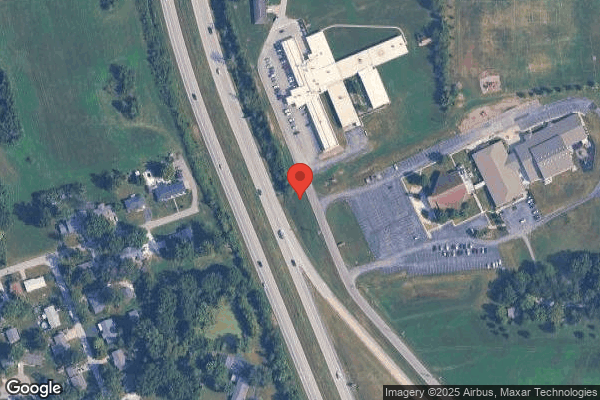
Jan 2019 12 deficiencies
CONCERN (D)

Potential for Harm - no one hurt, but risky conditions existed

Deficiency F0760 (Tag F0760)

Could have caused harm · This affected 1 resident

Based on observation, interview, and record review, the facility failed to administer insulin according to the manufacturer's recommendations for three different types of insulin pens, for two residen...

Read full inspector narrative →
Based on observation, interview, and record review, the facility failed to administer insulin according to the manufacturer's recommendations for three different types of insulin pens, for two residents (Residents #24 and #84 ), in a review of 23 sampled residents. The failure had the potential to result in residents not receiving their full dose of ordered insulin. The facility census was 107. 1. Review of the manufacturer's instructions for use for the Novolog (insulin) FlexPen (injection cartridge device) showed the following: -Before each injection, small amounts of air may collect in the cartridge during normal use; -To avoid injection air and to ensure proper dosing, turn the dose selector to two units; -Hold the Novolog FlexPen with the needle pointing up; -Tap the cartridge gently with your finger a few times to make any air bubbles collect at the top of the cartridge; -Keep the needle pointing upwards and press the push button all the way in; -A drop of insulin should appear at the needle tip, if not, change the needle and repeat the procedure no more than six times; -If you do not see a drop of insulin after six times, do not use the Novolog FlexPen; -The dose selector returns to zero; -Turn the dose selector to the number of units of insulin you need to inject; -Insert the needle into the skin and inject the dose by pressing the push button all the way down until the dose selector returns to zero. 2. Review of the manufacturer's instructions for the use of the Toujeo (insulin) SoloStar Pen showed the following: -Remove the cap; -Air bubbles inside the window are normal; -Attach a new needle; -Select three units by turning the dose selector to three; -Press the injection button all the way in; -If no insulin comes out of the needle, repeat this step a few times; -If nothing changes after three to six attempts, change the needle and try again; -If still no insulin comes out of the needle, the pen may be damaged so use a new one; -Insert the needle into the skin and inject the dose by pressing the push button all the way down until the dose selector returns to zero. 3. Review of the manufacturer's instructions for the use of the Novolin R (short acting insulin) FlexPen showed the following: -Before each injection, small amounts of air may collect in the cartridge during normal use; -To avoid injection air and to ensure proper dosing, turn the dose selector to two units; -Hold the Novolin R FlexPen with the needle pointing up; -Tap the cartridge gently with your finger a few times to make any air bubbles collect at the top of the cartridge; -Keep the needle pointing upwards and press the push button all the way in; -A drop of insulin should appear at the needle tip, if not, change the needle and repeat the procedure no more than six times; -If you do not see a drop of insulin after six times, do not use the Novolog FlexPen; -The dose selector returns to zero; -Turn the dose selector to the number of units of insulin you need to inject; -Insert the needle into the skin and inject the dose by pressing the push button all the way down until the dose selector returns to zero. 4. Review of Resident #84's Physician Order Sheet for January 2019, showed the following orders: -Novolin R two units subcutaneous (SQ) before meals; -Novolin R, if before meal blood sugar result is greater than 200 milligrams per deciliter (mg/dl), give 4 units SQ. If greater than 300 mg/dl, give 6 units SQ; -Toujeo Solostar 22 units SQ every morning. Observation on 1/9/19 at 6:10 A.M. showed the following: -Licensed Practical Nurse (LPN) S checked the resident's blood sugar which was 241 mg/dl; -LPN S dialed the dose selector of the resident's Novolin R Flex Pen to 6 units (2 scheduled units and 4 units per the sliding scale); -LPN S dialed the dose selector of the resident's Toujeo Solostar pen to 22 units; -LPN S did not give an air shot through either insulin pen prior to selecting the desired dose; -LPN S administered the Novolin R he/she prepared into the resident's right abdomen without priming the insulin pen; -LPN S administered the Toujeo insulin he/she prepared into the resident's left abdomen without priming the insulin pen. 5. Review of Resident #24's Physician Order Sheet for January 2019, showed the following orders: -Check blood sugar level and administer Novolog insulin per sliding scale before meals and at bedtime; -For blood sugar of 150 mg/dl through 200 mg/dl, administer 3 units of Novolog SQ; -For blood sugar of 201 mg/dl through 250 mg/dl, administer 6 units of Novolog SQ; -For blood sugar of 251 mg/dl through 300 mg/dl, administer 9 units of Novolog SQ; -For blood sugar of 301 mg/dl through 350 mg/dl, administer 12 units of Novolog SQ; -For blood sugar of 351 mg/dl through 400 mg/dl, administer 15 units of Novolog SQ; For blood sugar greater than 400 mg/dl call the physician. Observation on 1/9/19 at 6:22 A.M. showed the following: -LPN S checked the resident's blood sugar which was 212 mg/dl; -LPN S dialed the dose selector of the resident's Novolog FlexPen to 6 units; -LPN S did not give an air shot through the Novolog FlexPen prior to selecting the desired dose; -LPN S administered the Novolog he/she prepared into the resident's right upper arm without priming the insulin pen. 6. During an interview on 1/9/19 at 7:35 A.M., LPN S said he/she was not aware of having to prime the insulin pens with air prior to administration when the insulin pens were new. LPN S said he/she thought the insulin pens only had to be primed with air after their first use. LPN S said he/she thought he/she had primed the insulin pens earlier that day for Resident #84 and Resident #24. LPN S said he/she was not sure how much air was required to be pushed through the insulin pens and was not sure how much air he/she pushed through the insulin pens that morning to prime them. LPN S said he/she must not of pushed any air through the insulin pens that morning and that is why he/she could not remember how much air should be used to prime the pens. 7. During an interview on 1/15/19 at 4:10 P.M., the Director of Nursing (DON) said staff should prime the insulin pens per the manufacturer's guidelines. Not priming the insulin pens with air prior to administration could result in the resident not receiving the ordered dose of insulin.
CONCERN (D)

Potential for Harm - no one hurt, but risky conditions existed

Deficiency F0806 (Tag F0806)

Could have caused harm · This affected 1 resident

Based on observation, interview, and record review, the facility failed to provide meals in accordance with one resident's (Resident #208) preferences. The facility census was 107. 1. Review of the fa...

Read full inspector narrative →
Based on observation, interview, and record review, the facility failed to provide meals in accordance with one resident's (Resident #208) preferences. The facility census was 107. 1. Review of the facility diet orders, dated 1/7/19, showed Resident #208 had a physician's order for a regular vegan diet (a diet consisting of all plant based foods; consuming no animal or animal byproducts including egg or dairy). Review of the posted facility menu showed the meal for 1/7/19 was meatloaf, gravy, baked potato, buttered spinach, and a dinner roll. No vegan substitute was posted. Review of the facility spreadsheet for 1/7/19 showed residents on a vegan diet were to receive one cup of vegetable chili. Observations on 1/7/19 between 12:56 P.M. and 1:25 P.M. during meal service showed staff served Resident #208 a grilled cheese sandwich. During interview on 1/7/19 at 1:40 P.M., the dietary supervisor said residents on a vegan diet can have a grilled cheese or a salad with egg on it as a meal and protein substitute. During interview on 1/8/19 at 1:55 P.M., Dietary B said staff does not prepare the vegan meal because the Resident #208 orders a grilled cheese sandwich for meals. During interview on 1/8/19 at 02:06 P.M., Resident #208 said he/she was not aware there was a vegan menu offered and it was not explained to him/her. He/she was not given a vegan option when asked what he/she wants for his/her meal which is why he/she orders grilled cheese, which is not vegan and he/she doesn't even want to eat grilled cheese. During interview on 1/8/19 at 2:08 P.M., the dietary supervisor said he/she doesn't know why staff doesn't make the vegan meals.
CONCERN (E)

Potential for Harm - no one hurt, but risky conditions existed

Safe Environment (Tag F0584)

Could have caused harm · This affected multiple residents

**NOTE- TERMS IN BRACKETS HAVE BEEN EDITED TO PROTECT CONFIDENTIALITY** Based on observation and interview, the facility failed to ensure housekeeping and maintenance services were provided to maintai...

Read full inspector narrative →
**NOTE- TERMS IN BRACKETS HAVE BEEN EDITED TO PROTECT CONFIDENTIALITY** Based on observation and interview, the facility failed to ensure housekeeping and maintenance services were provided to maintain a clean and comfortable environment for residents. The facility census was 107. 1. Observation on 01/07/19 from 10:00 A.M. through 2:15 P.M. showed the following: -The main dining area had a persistent urine odor; -A round ceiling vent, in shower room [ROOM NUMBER] by the front nurse's station, had a heavy buildup of a black mold-like substance. A 4 inch by 6 inch ceiling vent was covered in a thick layer of dust; -A round ceiling vent in the 300 hall dirty utility room was covered with a black mold-like substance; -room [ROOM NUMBER] had a strong urine odor (no residents were in the room at the time of the observation); -room [ROOM NUMBER] had a strong feces smell (no residents were in the room at the time of the observation); -The bathroom light in room [ROOM NUMBER] did not turn on. Observation on 01/08/19 from 7:34 A.M. through 12:00 P.M. showed the following: -The ceiling vent in the housekeeping supply room on 100 hall was covered with a thick layer of dust; -The wall vent in the 100 hall shower room was covered in a thick layer of dust; -The wall vent in the housekeeping storage room by the front nurse's station was covered in a thick layer of dust; -A strong urine odor was observed throughout the 200 hall; -In the main dining room, three 4 feet by 2 feet ceiling light fixtures did not have a cover under the light bulbs; -A ceiling vent in the front medication room was covered with a thick layer of dust. Four ceiling tiles in the room were stained brown; -Two ceiling vents in the main business office were covered in a thick layer of dust; -A ceiling vent in the kitchenette in the front of the building was covered in a thick layer of dust; -Two ceiling vents in the main kitchen pantry were covered in a thick layer of dust. Observation on 01/09/19 at 10:15 A.M. showed the exit sign by the main dining door, two exit signs by the front nurse's station, and one exit sign by the activity room were soiled with a brown spotty buildup, resembling fly feces. During interview on 01/09/19 at 1:33 P.M., the maintenance worker said maintenance was responsible for ensuring the vents and signs were clean and dust free. He was not aware of all the vents that were found on inspection that were dusty. During interview on 01/09/19 at 1:59 P.M., the administrator said she expected all vents and signs to be cleaned or replaced. 4. Observation throughout the survey from 1/7/19 through 1/15/19 showed the recliner in the occupied resident room [ROOM NUMBER] had large areas of dried crusty material on the seat and both arms of the chair. Observation on 1/8/19 at 7:40 A.M., showed the floor tiles in the bathroom in occupied resident room [ROOM NUMBER] were stained and discolored, especially around the base of the toilet. 5. Observation on 1/8/19 from 7:34 A.M. through 10:30 A.M., showed there was a strong, foul, persistent, odor present throughout the 300 hall and around the 300 hall nurse's station. Observation on 1/9/19 showed the following: -From 11:00 A.M. through the noon meal, there was a strong odor of urine and feces in the television common area and throughout the front dining room near the front entrance of the facility; -From 11:30 A.M. through 2:30 P.M., there was a strong, foul, sewage smell present at and around the 100/200 hall nurse's station and the 500/600 hall nurse's station. During an interview on 1/9/19 at 1:12 P.M., Resident #4's family member said there was usually a foul odor present in the front entrance of the facility that seemed to dissipate as you walked down the hallway. During an interview on 1/15/19 at 4:00 P.M., the administrator said she had received complaints about odors in the facility in the past but none recently. Complaint MO151327
CONCERN (E)

Potential for Harm - no one hurt, but risky conditions existed

Grievances (Tag F0585)

Could have caused harm · This affected multiple residents

**NOTE- TERMS IN BRACKETS HAVE BEEN EDITED TO PROTECT CONFIDENTIALITY** Based on observation, interview, and record review, the facility failed to develop a grievance policy and procedure that include...

Read full inspector narrative →
**NOTE- TERMS IN BRACKETS HAVE BEEN EDITED TO PROTECT CONFIDENTIALITY** Based on observation, interview, and record review, the facility failed to develop a grievance policy and procedure that included all required components; failed to act promptly upon the grievances identified by the resident council; failed to provide the members of the resident council with responses, actions and rationale taken regarding their concerns; and failed to document and communicate their response to formal written grievances submitted by two residents (Resident #2 and #87), in a review of 23 sampled residents. The facility census was 107. 1. Review of the facility's policy Resident Grievances, dated April 2006, showed the following: -A complaint must be in writing and contain the name and address of the person filing it; -The Section 504 Coordinator (or designee) shall conduct an investigation of the complaint to determine validity. This investigation may be informal, but it must be thorough, affording all interested persons an opportunity to submit evidence relevant to the complaint. The Section 504 Coordinator will maintain files and records in the facility, relating to such grievances; -The Section 504 Coordinator will issue a written decision on the grievance no later than 30 days after its filing. (The facility's grievance policy did not include ensuring all written grievance decisions include a summary statement of the resident's grievance, the steps taken to investigate the grievance, a summary of the pertinent findings or conclusions regarding the resident's concerns, any corrective action taken or to be taken by the facility as a result of the grievance, and the date the written decision was issued.) 2. Review of Resident #2's quarterly Minimum Data Set (MDS), a federally mandated assessment instrument required to be completed by facility staff, dated 2/13/18, showed the resident's cognition was intact. Review of the resident's Concern/Grievance Report, dated 3/28/18, showed the following: -Individual initiating the complaint: The resident; -Concern reported to Social Service Director (SSD), Bookkeeper, and Director of Nursing; -Staff Member Completing the Form: SSD; -Concern: Certified Nurse Aide (CNA) R pulled the resident out of an activity for a shower. The resident left the activity with some reluctance. CNA R pushed the resident's buttons and complained about shaving the resident. The resident said CNA R was rough as he/she cleaned the resident's private parts and roughly handled his/her shoulder which had been injured for the past 40 years. The resident said CNA R had been rough with him/her in the shower before and the resident did not report it. After the last incident, which was worse than the time before, the resident decided to file a complaint; -The statement written by the resident was signed on 3/24/18; -Individual designated to take action about this concern: Blank; -Results of Action: Blank; -Was the Grievance/complaint resolved: Blank; -Identify the methods used to notify the resident and/or representative of the resolution: Blank. During an interview on 1/7/19 at 2:42 P.M., the resident said he/she had reported concerns about staff not helping him/her in the past. There was an issue quite a while back when an aide was rough with the resident during a shower. The resident was not certain who he/she told about the issue or what was done. The resident did not think the staff member worked in the facility any longer. 3. Review of Resident #87's quarterly MDS, dated [DATE], showed the resident's cognition was intact. Review of the resident's Concern/Grievance Report, dated 3/29/18 showed the following: -Individual initiating the complaint: The resident; -Concern reported to Social Service Director (SSD), MDS Coordinator, and the Director of Nursing; -Staff Member Completing the Form: SSD; -Concern: (Typed statement by the resident) CNA R entered the resident's room and saw two paper towels and two small pieces of feces on the floor. The resident reported being incontinent of bowel but not being able to clean it up at the time due to dizziness. CNA R yelled at the resident from the doorway, We can't have this mess on the floor. You better pick up this poop and you got to start going to the bathroom to change that diaper. CNA R then took two steps into the room and asked the resident, Did you hear me? The resident responded, yes. CNA R then took two more steps into the room and yelled at the resident again, Did you hear me? The resident again responded, yes. The resident then picked up the feces from the floor and put on a clean incontinent brief and dry pants; -The statement written by the resident was signed on 3/29/18; -Individual designated to take action about this concern: Blank; -Results of Action: Blank; -Was the Grievance/complaint resolved: Blank; -Identify the methods used to notify the resident and/or representative of the resolution: Blank. 4. During an interview on 1/9/19 at 11:55 A.M., the SSD said he/she currently handled the grievances in the facility. The SSD was not working in the facility in March 2018 when Resident #2 and Resident #87 filed their grievances. The SSD reviewed both residents' grievance forms with the surveyor and could not determine what, if anything had been done regarding the issues for either resident because the form was blank, except for the residents' statements of events. The SSD expected a written response or investigation to be started by the appropriate department head either the day or the day after the grievance was received. During an interview on 1/15/19 at 10:52 A.M., the administrator said the director of nursing at the time investigated the concern Resident #2 filed regarding CNA R. The allegation was reported to the resident's guardian and to the state agency and determined not to be substantiated as abuse. CNA R was issued a written warning on 3/29/18 and was suspended for three days on 3/30/18, 3/31/18, and 4/1/18, due to continued complaints from other residents about CNA R's attitude. CNA R was eventually terminated on 4/15/18. The administrator could not locate any further documentation regarding any investigation of Resident #87's grievance. The administrator said when a resident reported a grievance to a staff member, the staff member was responsible to provide the grievance form for the resident and assist the resident to complete the form if needed. The grievance form then went to the SSD. The SSD reviewed the grievance form and sent it on to the appropriate department manager. The department manager should complete and document an investigation, what they found out and what was done, etc. Once the process was finished, the department manager should communicate with whomever filed the grievance and document if the issue was resolved or not. The grievance form then came to the administrator and she would follow up if the grievance had not been resolved. 5. Review of the Resident Council Minutes, dated 10/4/18, showed staff were not passing bedtime snacks. This issue was unresolved. Review of the Resident Council Minutes, dated 11/1/18, showed staff were not passing bedtime snacks. This issue was unresolved. Review showed no evidence staff addressed the residents' concerns regarding bedtime snacks. Review of the Resident Council Minutes, dated 12/6/18, showed staff were not passing bedtime snacks. This issue was unresolved. Review showed no evidence staff addressed the residents' concerns regarding bedtime snacks. During the group interview on 1/8/19 at 3:00 P.M., Resident #84 said staff bring the snacks to the nurses station but do not pass them to the residents. He/she said the members of the resident council complain at each meeting about the snacks and nothing is done. Staff tell the residents staff should pass the snacks. During an interview on 1/15/19 at 4:00 P.M., the administrator said the activity director brought the resident council minutes to her every month. Usually the department head from the appropriate department would attend the next month's resident council meeting and explain what they were doing to resolve any issues the residents expressed. There was no written documentation of these exchanges, only verbal communication. During a telephone interview on 1/24/19 at 9:50 A.M., the activity director said he/she wrote up and delivered the resident council minutes to each department head. Each department was responsible for addressing issues expressed by the council for their department. The department head from the appropriate department should follow up and make sure the issue had been addressed. The activity director asked about old business at every council meeting to get input from the residents about whether or not previous concerns had been resolved. If the issue had not been resolved, the activity director included the concern again in the council minutes. Not receiving bedtime snacks had been a repeated concern from the resident council for several months. It should have been the nursing department to follow up on the repeated complaints in resident council regarding bedtime snacks. The activity director was not sure what, if anything was done about the resident's continued complaints about not receiving snacks at bedtime.
CONCERN (E)

Potential for Harm - no one hurt, but risky conditions existed

ADL Care (Tag F0677)

Could have caused harm · This affected multiple residents

**NOTE- TERMS IN BRACKETS HAVE BEEN EDITED TO PROTECT CONFIDENTIALITY** Based on observation, interview, and record review, the facility failed to ensure provision of necessary care and services to ma...

Read full inspector narrative →
**NOTE- TERMS IN BRACKETS HAVE BEEN EDITED TO PROTECT CONFIDENTIALITY** Based on observation, interview, and record review, the facility failed to ensure provision of necessary care and services to maintain good personal hygiene, prevent body odor, oral (mouth) care and showers for seven of 23 sampled residents (Residents #4, #5, #50, #58, #60, #63 and #100), who were unable to perform their own activities of daily living. The facility census was 107. 1. Review of the facility's Perineal Care policy from the Nursing Guidelines Manual, dated March 2015, showed the following: -Purpose: To cleanse the perineum and prevent infection and odor; -For female perineal care: Wet a washcloth and make a mitt with it. Apply soap lightly. Use one gloved hand to stabilize and separate the labia, with the other hand wash front to back. Rinse and pat dry; -For male perineal care: Follow the above instructions for female perineal care but instead wash the pubis and penis. If uncircumcised, pull back foreskin of penis and wash. Carefully dry and return foreskin to normal position. Make sure the shaft of the penis is dry; -Turn the resident away from you. Use a new washcloth and wash around the anus. Rinse and dry. 2. Review of the facility policy on oral hygiene, dated March 2015, showed the following: -Purpose: To cleanse the mouth, teeth, and dentures; -Offer oral hygiene before breakfast, after each meal and at bedtime. 3. Review of the 2001 revision of the Nurse Assistant in a Long Term Care Facility manual, showed the following: -The purpose of peri-care is to clean the peri area for the resident who is unable to or has difficulty with adequately cleaning self, prevents itching, burning, and odor, and prevents infections. -Procedures staff was to follow when they provided peri care for a male included: -Expose the perineal areas, wash the penis from the tip downward, rinse, and dry (specific instructions for uncircumcised); -Wash and rinse the scrotum; -Wash and rinse other skin areas between the legs (perineum, the area between the scrotum and rectum in a male); -Wash and rinse the anal area; and -Pat the area dry. -For the female resident included: -Expose the peri area, wash the inner legs and outer peri area along the outside of the labia (Labia Majora); -Use a clean area of the washcloth for each wipe of the peri area (Perineum the area between the vulva (external female genitals) and the anus in a female); -Wash the outer skin folds from front to back; -Wash the inner labia (Labia Minora) from front to back; -Gently open all the skin folds and wash the inner area (urinary meatus and vaginal area) from front to back; -Rinse the area well, start from the innermost area and proceed outward; -Wash and rinse the anal area; and -Pat the peri area dry. -Purposes of oral hygiene (mouth care) were to prevent infections in mouth, remove food particles and plaque, stimulate circulation of gums, and eliminate bad taste in mouth thus food is more appetizing; -Give oral care before breakfast, after meals, and also at bedtime; -Purpose of bathing and showers is to promote cleanliness and comfort for the resident; -If the resident is continent and without odor problems, bathe (shower) at least twice a week or more often as the resident desires. 4. Review of Resident #60's annual Minimum Data Set (MDS), a federally mandated assessment instrument required to be completed by facility staff, dated 11/16/18, showed the following: -Cognition was severely impaired; -Required limited assistance of one staff for hygiene; -Required physical assistance of one staff for bathing; -Occasionally incontinent of bowel and bladder. Review of the resident's care plan, dated 11/16/18, showed the following: -The resident required assistance with activities of daily living related to pain and weakness; -The resident was incontinent; -Provide incontinence care after each incontinent episode; -Keep as clean and dry as possible. Review of the resident's shower sheets for November 2018 showed the following: -The resident received a shower on 11/2 and 11/6; -No evidence the resident received a shower 11/7 through 11/19 (13 days); -The resident received a shower on 11/20 and 11/23; -No evidence the resident received a shower 11/24 through 11/29 (six days); -The resident received a shower on 11/30. Review of the resident's shower sheets for December 2018 and January 2019 (1/1/19 through 1/10/19) showed the following: -The resident received a shower on 12/4, 12/7, and 12/11; -No evidence the resident received a shower 12/12 through 12/17 (six days); -The resident received a shower on 12/18 and 12/21; -No evidence the resident received a shower 12/22 through 12/27 (six days); -The resident received a shower on 12/28; -No evidence the resident received a shower 12/29 through 1/3 (six days); -The resident received a shower on 1/4/19; -No evidence the resident received a shower 1/5 through 1/7. Observation on 1/7/19 at 11:30 A.M. showed the resident lay in bed in his/her room. There was a strong urine odor present near the resident. Review of the shower sheets showed no evidence the resident received a shower on 1/7/19 through 1/10/19 (six days since his/her last documented shower on 1/4/19). Observation on 1/10/19 at 6:50 A.M. showed the following: -The resident lay in bed in his/her room; -Certified Nurse Aide (CNA) F and CNA G entered the room to provide care for the resident and verified the resident had been incontinent and his/her bed was wet with urine; -CNA G used washcloths and perineal wash to cleanse the resident's front perineal area and inner thighs; -CNA G removed the soiled linen from under the resident; -CNA F and CNA G secured the resident's incontinence brief without providing any cleansing to the resident's buttocks or outer thighs that been in contact with urine; -CNA F and CNA G dressed the resident and assisted him/her to transfer to the wheelchair; -The resident had his/her own teeth. There was a build-up of debris on the resident's gums; -CNA F brushed the resident's hair, washed his/her face, and took the resident to the dining room for breakfast. Staff did not provide oral care for the resident. During an interview on 1/10/19 at 1:26 P.M., CNA G said the resident had been incontinent that morning prior to CNA F and CNA G providing care. CNA G did not cleanse the resident's buttocks or outer thighs that had been in contact with urine because CNA G only had one wash cloth and therefore only washed the resident in the front. CNA G was not certain if the resident had his/her own teeth. CNA F and CNA G had not provided any oral care for the resident. 5. Review of Resident #4's care plan, dated 9/13/18, showed the following: -The resident required assistance with activities of daily living; -The resident had limited mobility and was incontinent of urine; -Staff to provide incontinent care after each incontinent episode. Avoid hot water, and use a mild cleansing agent that minimizes irritation and dryness of the skin. Use moisture barrier products to the perineal area. Review of the resident's quarterly MDS, dated [DATE], showed the following: -Cognition was severely impaired; -Required supervision for personal hygiene; -Always incontinent of bowel and bladder. Observation on 1/10/19 showed the following: -At 8:25 A.M., the resident lay in bed sleeping; -At 8:40 A.M., Certified Nurse Aide (CNA) H served the resident a breakfast tray as he/she lay in bed; -CNA H did not offer or provide any oral care prior to serving the resident his/her meal; -At 10:33 A.M., CNA H entered the resident's room to provide care; -The resident lay in bed wearing a gown; -CNA H wet wash cloths in the sink with water only; -The resident continuously scratched at his/her front perineal area with his/her right hand; -The resident said he/she was itchy; -CNA H wiped the resident's right hand with a wet wash cloth; -Using the same cloth used to wipe the resident's hand, CNA H wiped the resident's front perineal area in a downward motion, two times, using the same area of the cloth for each wipe; -CNA H rolled the resident to the right side and used a new cloth to wipe the resident's rectum and buttocks. Bowel movement smeared on the cloth; -CNA H placed a clean incontinent brief under the resident; -The resident continued to scratch at his/her front perineal area with his/her right hand; -CNA H secured the resident's brief and dressed the resident; -CNA H assisted the resident to dress and transfer out of bed to his/her wheelchair. There was a build up of debris on the resident's teeth and gums. The resident's mouth had a foul odor. CNA H assisted the resident in his/her wheelchair to the beauty shop. CNA H did not offer or provide any oral care for the resident. During an interview on 1/10/19 at 10:40 A.M., CNA H said he/she only used water on the cloths when washing the resident because there was no perineal wash available in the resident's room. CNA H was not not certain if the resident had his/her own teeth. CNA H had not provided any oral care for the resident. 6. Review of Resident #5's quarterly MDS, dated [DATE], showed the following: -Required limited assistance of one staff for personal hygiene; -Required physical assistance of one staff for bathing; -Occasionally incontinent of bowel and bladder. Review of the resident's care plan, dated 9/24/18, showed the following: -The resident had self-care deficits with all activities of daily living related to weakness and pain; -Occasionally incontinent of urine; -Requires the assistance of one staff for hygiene. Review of the resident's shower sheets for November 2018 showed the following: -The resident received a shower on 11/1, 11/5, and 11/7; -No evidence the resident received a shower 11/8 through 11/14 (seven days); -The resident received a shower on 11/15, 11/19 and 11/22; -No evidence the resident received a shower 11/23 through 11/28 (six days); -The resident received a shower on 11/29. Review of the resident's shower sheets for December 2018 showed the following: -The resident received a shower on 12/3 and 12/6; -No evidence the resident received a shower 12/7 through 12/12 (six days); -The resident received a shower on 12/13, 12/17, 12/20, and 12/24; -No evidence the resident received a shower 12/25 through 12/30 (six days); -The resident received a shower on 12/31/18. Observation on 1/10/18 at 8:57 A.M. showed the following: -CNA H prepared wash cloths with water only in the resident's bathroom sink; -CNA H removed the resident's pants and incontinence brief, which was smeared with fecal material; -CNA H wiped the resident's front perineal area with a wet cloth one time. CNA H did not use soap or perineal cleanser to cleanse the resident's soiled skin; -CNA H turned the resident to the side and wiped the resident's rectum which smeared the cloth with fecal material; -With the same cloth and without turning the cloth to a clean surface, CNA H continued to wipe the resident's buttocks. During an interview on 1/10/19 at 9:05 A.M., CNA H said he/she only used water on the washcloths because there wasn't any perineal cleanser available in the resident's room. The resident had been incontinent of a small amount of bowel movement. 6. Review of Resident #63's annual MDS, dated [DATE], showed the following: -Cognition was intact; -Required physical assistance from staff for bathing. Review of the resident's shower sheets for November 2018, December 2018, and January 2019 (1/1/19 through 1/10/19), showed the following: -The resident received a shower on 11/3, 11/7, and 11/11; -No evidence the resident received a shower 11/12 through 11/16 (five days); -The resident received a shower on 11/17 and 11/21; -No evidence the resident received a shower 11/22 through 11/27 (six days); -The resident received a shower on 11/28; -No evidence the resident received a shower 11/29 through 12/6 (eight days); -The resident received a shower on 12/7; -No evidence the resident received a shower 12/8 through 12/18 (11 days); -The resident received a shower on 12/19; -No evidence the resident received a shower 12/20 through 12/25 (six days); -The resident received a shower on 12/26; -No evidence the resident received a shower 12/27 through 1/1/19 (six days); -The resident received a shower on 1/2; -No evidence the resident received a shower 1/3 through 1/10 (eight days). During an interview on 1/9/18 at 7:42 A.M., the resident said it had been over two weeks since he/she had received a shower. The resident said he/she typically only received one shower a week and he/she had to keep after the staff to get that. The resident said his/her scheduled showers kept getting pushed off to the next staff member again and again. There were too many showers for the staff to complete and they could not keep up. The resident would like to have at least two showers a week to feel clean. The resident said his/her last shower was around Christmas time. The resident said he/she was certain he/she did not receive a shower on 1/2/19. 7. Review of Resident #100's quarterly MDS, dated [DATE], showed the following: -No cognitive impairment; -Required oversight with setup for bathing. Review of resident's care plan, last updated 10/2/18, showed he/she needed assistance with some of his/her ADLs, like bathing, and at times help with transfers. Review of the resident's shower sheets for November 2018, December 2018, and January 2019 (1/1/19 through 1/7/19) showed the following: -The resident received a shower on 11/28; -No evidence the resident received a shower 11/29 through 12/4 (six days); -The resident received a shower on 12/5; -No evidence the resident received a shower 12/6 through 12/11 (six days); -The resident received a shower on 12/12; -No evidence the resident received a shower 12/13 through 12/18 (six days); -The resident received a shower on 12/19; -No evidence the resident received a shower 12/20 through 1/1/19 (13 days); -The resident received a shower on 1/2; -No evidence the resident received a shower 1/3 through 1/7. During an interview on 01/07/19 at 10:06 A.M., the resident said he/she doesn't always get a shower. He/she should get a shower twice a week, on Saturday and Wednesday. He/she would like a shower more often, but would be fine with at least twice a week. Review of the resident's shower sheets for January 2019, showed no evidence the resident received a shower 1/7/19 through 1/9/19. During an interview on 01/10/19 at 10:24 A.M., the resident said he/she should have received a shower yesterday (1/9/19), but did not. None of the staff told him/her why they did not give him/her a shower. He/she hasn't had a shower on a Saturday for several weeks. He/she got a shower a week ago on Wednesday (1/2/19). The week prior, he/she didn't get a shower at all. During an interview on 01/10/19 at 12:09 P.M., the resident said not getting showers makes him/her feel gross and disgusting. Review of the resident's shower sheets for January 2019, showed no evidence the resident received a shower on 1/10 and 1/11 (nine days since his/her last documented shower on 1/2/19); 8. Review of Resident #58's quarterly MDS, dated [DATE], showed the following: -Cognition intact; -Required extensive assistance of one staff for bathing. Review of the resident's care plan, last updated 11/16/18, showed the resident was to receive two showers a week and as needed (PRN) with assist of one staff. Review of the resident's shower sheets for November 2018 showed the following: -The resident received a shower on 11/2 and 11/6; -No evidence the resident received a shower 11/7 through 11/22 (16 days); -The resident received a shower on 11/23/18; -No evidence the resident received a shower 11/24 through 11/29 (six days); -The resident received a shower on 11/30. During interview on 1/10/19 at 9:50 A.M., the resident said he/she likes to take a shower twice a week on Tuesday and Friday. It makes him/her feel cruddy when he/she misses showers. He/she likes to be clean. 9. Review of Resident #50's quarterly MDS, dated [DATE], showed the following: -Cognition severely impaired; -No rejection of care; -Required extensive assistance from one staff for personal hygiene; -Required total assistance from two staff for bathing; -Always incontinent of bowel and bladder. Review of the resident's care plan, last updated 11/8/18, showed the resident requires staff assistance for all ADLs. Review of the resident's shower sheets for November 2018 and December 2018 showed the following: -The resident received a shower on 11/1, 11/6 and 11/8; -No evidence the resident received a shower 11/9 through 11/21 (13 days); -The resident received a shower on 11/22 and 11/26; -No evidence the resident received a shower 11/27 through 12/2 (six day); -The resident received a shower on 12/3 and 12/6; -No evidence the resident received a shower 12/7 through 12/12 (six days); -The resident received a shower on 12/13, 12/17 and 12/20; -No evidence the resident received a shower 12/21 through 12/27 (seven days). 10. During interview on 1/10/19 at 9:52 A.M., CNA I said the following: -Due to short staffing, staff do not always get all the residents' showers completed; -Staff try to complete missed showers on next shift. During interview on 1/15/19 at 12:05 P.M., CNA G said the following: -Staff do not always get all the residents' showers completed due to short staffing; -The 300 hall has two aides and 15 residents who require a shower each day; -There usually isn't a shower aide to complete the residents' showers; -Showers get missed and staff do not have time to do them on the next shift or next day. 11. During an interview on 1/15/19 at 4:10 P.M., the director of nursing (DON) said staff should cleanse all areas of a resident's skin that had been in contact with urine or fecal material when providing perineal or incontinent care. Staff should offer and assist residents with oral care every morning before breakfast, after meals, at bedtime, and any other time it was needed or requested. The DON said residents were scheduled to receive two showers a week. When staff completed a shower, they filled out a shower sheet and turned it in to the charge nurse. The charge nurse signed the shower sheet and then turned it in to the DON and she filed them. If a resident missed a shower for whatever reason, staff should try and get the shower completed the following shift or the next day. If a resident refused a shower, staff should document this in a nurse's note. It would not be acceptable for a resident to go a week without a shower unless they wanted to. The DON expected residents to receive as many showers as they want each week. During a telephone interview on 1/24/19 at 10:00 A.M. the DON said she heard complaints from one or two residents in the past about not receiving their scheduled showers. The DON did not think it was a consistent problem and these were isolated incidents. The DON filed the shower sheets for residents once staff had completed them. The DON had not been monitoring to ensure residents received their scheduled showers and relied on word of mouth from residents and staff members about showers not being completed. It was not until the DON began going through the shower sheets during the survey that she realized it was a larger issue than the couple of complaints she had received previously. The DON did not feel resident showers were not getting done due to a lack of staff, but because some residents had refused a shower and staff did not document the refusal. There was usually a scheduled shower aide for the 100 and 200 halls. There was a scheduled shower aide for the 300, 400 and 500 halls as staffing allowed. If there was no scheduled shower aide or no shower aide available, the staff on the floor as well as the DON and other nursing management members would chip in to get the showers completed. Showers were scheduled by room number. The residents in each of these rooms was assigned to receive showers two days a week. If all rooms were occupied, there would be approximately ten showers scheduled for the 100 hall, ten showers scheduled for the 200 hall, 14 showers scheduled for the 300 hall, five showers scheduled for the 400 hall, and six showers scheduled for the 500 hall each day of the week.
CONCERN (E)

Potential for Harm - no one hurt, but risky conditions existed

Pressure Ulcer Prevention (Tag F0686)

Could have caused harm · This affected multiple residents

**NOTE- TERMS IN BRACKETS HAVE BEEN EDITED TO PROTECT CONFIDENTIALITY** Based on observation, interview, and record review, the facility failed to turn and reposition two residents (Residents #5 and #...

Read full inspector narrative →
**NOTE- TERMS IN BRACKETS HAVE BEEN EDITED TO PROTECT CONFIDENTIALITY** Based on observation, interview, and record review, the facility failed to turn and reposition two residents (Residents #5 and #60), who were at risk for developing pressure ulcers; failed to provide care, consistent with professional standards of practice, to a promote healing and prevent infection for one resident with a pressure ulcer (Resident #5); and failed to report newly identified pressure ulcers and obtain treatment orders for one resident (Resident #40), in a review of 23 sampled residents. The facility census was 107. 1. Review of the National Pressure Ulcer Advisory Panel (NPUAP), Prevention and Treatment of Pressure Ulcers; quick reference guide, Washington DC: National Pressure Ulcer Advisory Panel: 2009 showed the following: -Ongoing assessment of the skin is necessary to detect early signs of pressure damage; -Repositioning should be considered in all at-risk individuals, repositioning should be undertaken to reduce the duration and magnitude of pressure over vulnerable areas of the body; -In order to lessen the individual's risk of pressure ulcer development, it is important to reduce the time and the amount of pressure he/she is exposed to; -When an individual is seated in a chair, the weight of the body causes the greatest exposure to pressure to occur over the ischial tuberosities. As the loaded area in such cases is relatively small, the pressure will be high, therefore, without pressure relief, a pressure ulcer will occur very quickly. 2. Review of the Nurse Assistant in a Long-Term Care Facility manual, 2001 Revision, Lesson Plan 11, Preventing and Caring for Pressure Ulcers, showed the following: -Elderly residents and residents who are incontinent are prone to forming pressure ulcers, due to sluggish circulation, poor hydration, poor nutrition, lack of exercise/mobility, and constant wetness irritates the skin; -A pressure ulcer is an inflammation, sore or lesion that develops over areas where the skin and tissue underneath are injured due to lack of blood flow and oxygen supply to an area of the body; -This lack of circulation usually happens because of continuous pressure on the skin over a bony prominence resulting from the way or length of time a resident is positioned; -Pressure is the main cause. Other things such as moisture, stool, and urine can hasten the development of sores; -Change the resident's position at least every two hours. Encourage resident sitting in a wheelchair to raise themselves every 10 to 15 minutes. 3. Review of the facility's policy Care and Prevention of Pressure Ulcers, from the Nursing Guidelines Manual, dated March 2015, showed the following: -Treatment of pressure ulcers will vary depending on the orders of the attending physician. The nurse is responsible for carrying out the treatment as ordered by the attending physician and for implementing measure to prevent pressure ulcers; -Guidelines, -Observe skin. Any persistent reddened area that remains after pressure is relieved is a high risk area for a pressure ulcer to begin; -Apply skin lotion gently to dry skin; -Change bed linen promptly whenever wet or soiled; -Keep sheets dry, free of wrinkles and free of debris; -Use pressure-reducing devices to relieve pressure; -Turn the resident every two hours and position with pads or pillows to protect bony prominences; -Active and passive range of motion may be ordered by the physician to improve circulation; -Whenever possible, teach the resident to change his/her own position at regular intervals and shift his/her weight in wheelchair; -Use elbow and heel protectors if needed; -Use bed cradle to relieve pressure of bed clothing, if needed; -Assist resident at mealtime to assure adequate nutrition; -Offer fluids frequently for adequate hydration; 4. Review of Resident #40's annual Minimum Data Set (MDS), a federally mandated assessment instrument required to be completed by facility staff, dated 11/1/18, showed the following: -Cognition intact; -Always incontinent of bowel and bladder; -Requires extensive assist of one staff for bed mobility and personal hygiene; -Requires extensive assistance of two staff for transfers and toilet use; -At risk for pressure ulcers. Review of the resident's care plan, dated 11/1/18, showed the following: -The resident is incontinent of bowel and bladder; -He/she requires assistance from two staff with activities of daily living (ADLs); -Report any signs of skin breakdown; -Turn and reposition every two hours; -At risk for pressure ulcers related to limited mobility and incontinence. Review of the resident's Braden Scale, dated 11/16/18, showed a score of 16, indicating the resident was at low risk for developing pressure ulcers. Observation on 1/8/19 at 8:58 A.M., showed Certified Nurse Assistant (CNA) J and CNA H provided perineal care for the resident. No open areas were observed on the resident's coccyx (a small bone at the base of the spine). Observation on 1/10/19 at 7:36 A.M., showed CNA F and CNA G provided perineal care for the resident. An open area approximately 0.1 cm x 0.1 cm with a pink base and no drainage was located on the resident's left buttock. CNA G verified there was an open area on the resident's left buttock. Observation on 1/15/19 at 11:54 A.M., showed CNA F and CNA G provided perineal care for the resident. The open area on the resident's left buttock was still present. No dressing was on the open area. CNA G verified there was an open area on the resident's left buttock. During interview on 1/15/19 at 12:05 P.M., CNA G said he/she told staff about the open area last Thursday (1/10/19). He/she did not remember who he/she told. During interview on 1/15/19 at 12:20 P.M., Licensed Practical Nurse (LPN) P, charge nurse, said no staff had told him/her about an open area on the resident's buttock. During interview on 1/15/19 at 1:08 P.M., LPN O said CNA G did not tell him/her about an open area on the resident's buttock last week. CNA G told him/her today the resident had a small open area on his/her left buttock. During interview on 1/15/18 at 1:43 P.M., Registered Nurse (RN) M said the following: -He/she is responsible for completing skin assessments and measuring wounds; -He/she was not aware the resident had an open area on his/her left buttock; -He/she expected staff to notify nurses and him/her of open areas. Review of the resident's Initial Wound Documentation, dated 1/15/19 at 2:31 P.M., showed the following: -Left buttock stage II pressure ulcer (partial thickness loss of dermis presenting as a shallow open ulcer with a red or pink wound bed). Area measures 0.1 centimeters (cm) by 0.1 cm with depth less than 0.1 cm; -Right buttock/posterior thigh stage II pressure ulcer measures 0.1 cm by 0.4 cm with depth less than 0.1 cm. Review of the resident's physician orders showed an order dated 1/15/18 for zinc oxide (topical cream for the skin used to treat diaper rash, minor burns, severely chapped skin, or other minor skin irritations) to the pressure ulcers. During interview on 1/15/19 at 4:10 P.M., the director of nursing (DON) said she expected staff to notify a nurse of any new open areas. 5. Review of Resident #5's quarterly MDS, dated [DATE], showed the following: -Required limited assistance of one staff for bed mobility, transfers, locomotion, and personal hygiene; -Required extensive assistance of one staff for toilet use; -Occasionally incontinent of bowel and bladder; -At risk for pressure ulcers; -No current unhealed pressure ulcers. Review of the resident's care plan, dated 9/24/18, showed the following: -The resident had self-care deficits with all activities of daily living related to weakness and pain; -Occasionally incontinent of bladder; -Assess and record the condition of the resident's skin; -Avoid friction and shearing forces during transfers or position changes; -Assist the resident to reposition every two hours and as needed; -Report any changes in skin integrity promptly. Review of the resident's Braden Scale, dated 12/17/18, showed a score of 16, indicating the resident was at low risk for developing pressure ulcers. Review of the resident's nurse's note, dated 1/4/19, showed staff found two, new stage II pressure ulcers on the right side of his/her coccyx. The wounds measured 1.0 centimeter (cm) by 0.6 cm by 0.1 cm and 0.4 cm by 0.1 cm by 0.1 cm. Staff obtained an order for zinc oxide cream (topical cream for the skin used to treat diaper rash, minor burns, severely chapped skin, or other minor skin irritations) every shift. The resident would be placed on schedule to lay down and staff should encourage the resident to lay on his/her side. Review of the resident's care plan showed an update on 1/4/19, which showed the following: -Open areas to the resident's coccyx on the right side inner fold; -Provide treatment as ordered and monitor for effectiveness; -Encourage the resident to lay down on his/her side between meals; -Provide incontinent care every two hours and as needed. Observation on 1/10/19 showed from 6:30 A.M. until 8:57 A.M., the resident sat in a wheelchair at a table in the dining room. Observation on 1/10/19 at 8:57 A.M. showed the following: -Certified Nurse Aide (CNA) H pushed the resident in the wheelchair to his/her room and transferred the resident from the wheelchair to the bed; -CNA H prepared wash cloths in the sink with water only; -CNA H removed the resident's pants and incontinent brief which was smeared with fecal material; -The resident's bilateral buttocks were bright red; -There was an open area present on the resident's right buttock near the coccyx; -There was no cream observed on the resident's bilateral buttocks or open area; -CNA H turned the resident to his/her side and wiped the resident's rectum with a wet cloth without any soap or perineal cleanser; -Bowel movement smeared on the cloth; -With the same cloth and without turning the cloth to a clean surface, CNA H continued to wipe the resident's buttocks, wiping across the top of the resident's open area; -Without removing gloves or washing his/her hands, CNA H applied a topical barrier cream (not zinc oxide) which lay next to the resident's bed, with his/her finger, directly to the open are on the resident's right buttock; -CNA H instructed the resident to lay on his/her back and covered the resident. During an interview on 1/10/19 at 9:05 A.M., CNA H, who was responsible for providing care to the resident, said he/she only used water on the cloths to provide perineal care for the resident because there was no perineal wash available in the resident's room. CNA H said he/she was not aware the resident had any open areas prior to the surveyor pointing it out during care that morning. CNA H had not been given any special instructions to lay the resident down between meals or regarding his/her positioning. CNA H applied the moisture barrier cream in the resident's room to his/her open wound only and not to the surrounding skin to protect the wound. The resident was already up and dressed that morning at 5:55 A.M. when CNA H arrived to the facility. The resident sat in his/her wheelchair for at least three hours without a change in position. Observation on 1/10/19 from 9:00 A.M. until 12:40 P.M. showed the resident lay in bed on his/her back for three hours and 40 minutes without a change in position. 6. Review of Resident #60's annual MDS, dated [DATE], showed the following: -Cognition was severely impaired; -Independent with bed mobility and transfers; -Required limited assistance of one staff for hygiene; -Occasionally incontinent of bowel and bladder; -At risk to develop pressure ulcers; -No current unhealed pressure ulcers. Review of the resident's care plan, dated 11/16/18, showed the following: -The resident required assistance with activities of daily living related to pain and weakness; -The resident was at risk for pressure ulcers due to incontinence; -Provide incontinence care after each incontinent episode; -Minimize skin exposure to moisture; -Keep as clean and dry as possible; -Use a moisture barrier product to the perineal area. Review of the resident's Braden Scale, dated 11/16/18, showed a score of 17, indicating the resident was at low risk for developing pressure ulcers. Observation on 1/8/19 at 7:49 A.M. showed the resident sat in a wheelchair in the dining room. There was no cushion or pressure relieving device present in the resident's wheelchair. Further observation on 1/8/19 showed the following: -From 1:25 P.M. until 4:15 P.M., the resident sat in a wheelchair at the 300 hall nurse's station. There was no cushion present in the resident's wheelchair; -At 4:15 P.M., the resident propelled himself/herself up the 300 hall towards the dining room; -At 4:30 P.M., the resident sat in a wheelchair in the dining room. There was no cushion present in the resident's wheelchair. (The resident remained in his/her wheelchair for at least three hours and five minutes without a change in position and without a cushion in his/her wheelchair.) Observation on 1/9/19 showed the following: -At 9:50 A.M., the resident propelled himself/herself in a wheelchair near and around the 300 hall nurse's station. There was no cushion in the wheelchair; -At 10:08 A.M., the resident propelled himself/herself in his/her wheelchair to the 100/200 hall nurse's station: -From 10:08 A.M. until 10:55 A.M., the resident remained near the 100/200 hall nurse's station; -At 10:55 A.M., staff took the resident in his/her wheelchair to the television area and gave him/her ice cream. During an interview on 1/9/19 at 11:00 A.M., the resident said his/her wheelchair was uncomfortable and it hurt his/her bottom. Further observation on 1/9/19 showed the following: -From 11:00 A.M. until 12:00 P.M., the resident sat in the television area in a wheelchair without a cushion; -At 12:00 P.M., staff pushed the resident in the wheelchair from the television room to the dining room; -From 12:00 P.M. until 1:20 P.M., the resident remained seated in the dining room in the wheelchair without a cushion. (The resident remained in his/her wheelchair for at least three hours and 30 minutes without a change in position and without a cushion in his/her wheelchair.) Observation on 1/10/19 at 6:50 A.M. showed the following: -The resident lay in bed in his/her room; -Certified Nurse Aide (CNA) F and CNA G entered the room to provide care for the resident and verified the resident had been incontinent and his/her bed was wet with urine; -The resident's bilateral buttocks were reddened; -CNA G cleansed the resident's front perineal area and inner thighs and removed the soiled linen from under the resident; -CNA F and CNA G secured the resident's incontinence brief without providing any cleansing to the resident's buttocks or outer thighs which had been in contact with urine and without applying any moisture barrier cream to the resident's perineal area (as directed in the resident's care plan); -CNA F and CNA G dressed the resident and assisted him/her to transfer to the wheelchair. Further observation on 1/10/19 showed the following: -At 7:00 A.M., CNA F took the resident in his/her wheelchair to the dining room. There was no cushion in the resident's wheelchair; -From 7:00 A.M. until 8:10 A.M.; the resident sat in a wheelchair at a dining room table with a cup of coffee; -At 8:10 A.M., staff served the resident his/her breakfast tray; -From 8:10 A.M. until 9:20 A.M., the resident sat in a wheelchair at a table in the dining room eating; -From 9:20 A.M. until 10:30 A.M., the resident propelled himself/herself in his/her wheelchair between the dining room, the 300 hall nurse's station, and the 100/200 hall nurse's station. The resident remained in his/her wheelchair for at least three hours and 30 minutes without a change in position and without a cushion in his/her wheelchair. During an interview on 1/10/19 at 1:26 P.M., CNA G said the resident had been incontinent that morning prior to CNA F and CNA G providing care. CNA G did not cleanse the resident's buttocks or outer thighs that had been in contact with urine because CNA G only had one wash cloth and therefore only washed the resident in the front. CNA G said the resident had declined in his/her physical ability over the last few weeks and required at least one staff for transfers and to help him/her change positions. The resident also required a wheelchair, as he/she could no longer walk. CNA G was not aware the resident did not have a cushion in his/her wheelchair. 7. During an interview on 1/15/19 at 1:50 P.M., Registered Nurse (RN) M said he/she managed the residents' wounds in the facility. Staff should avoid ever getting urine or fecal material into an open wound when providing care. Staff should remove their gloves and wash their hands after cleansing bowel movement before touching any clean skin or open areas. The CNA should have checked with the charge nurse before applying any ointment to Resident #5's pressure ulcer. The moisture barrier cream kept at the resident's bedside was not the same thing as the ordered treatment for zinc oxide to Resident #'5's pressure ulcer. Staff should encourage Resident #5 to lay on his/her side to keep pressure of the wound on his/her right buttocks. Residents who were at risk to develop pressure ulcers should have a pressure relieving cushion in their wheelchairs. 8. During an interview on 1/15/19 at 4:10 P.M., the DON said she would expect staff to cleanse all areas of a resident's skin that had been in contact with urine or fecal material when providing perineal care. Staff should use soap or a perineal cleanser and not just water and a wash cloth when providing perineal care. Staff should communicate any open areas or other changes with a resident during change of shift report. If staff discovered an open area they were not aware of, they should inform their charge nurse immediately for further instructions. Residents at risk for pressure ulcers should be assisted with turning and repositioning at least every two hours and more often if needed. If the resident refused to be turned or repositioned it should be documented in the nurse's notes. Residents at risk for pressure ulcers should have a pressure relieving cushion in their wheelchairs unless they refuse.
CONCERN (E)

Potential for Harm - no one hurt, but risky conditions existed

Accident Prevention (Tag F0689)

Could have caused harm · This affected multiple residents

**NOTE- TERMS IN BRACKETS HAVE BEEN EDITED TO PROTECT CONFIDENTIALITY** Based on observation, interview, and record review, facility staff failed to consistently implement and modify interventions as ...

Read full inspector narrative →
**NOTE- TERMS IN BRACKETS HAVE BEEN EDITED TO PROTECT CONFIDENTIALITY** Based on observation, interview, and record review, facility staff failed to consistently implement and modify interventions as necessary, in accordance with current standards of practice, to reduce the risk of falls for three residents (Residents #4, #5, and #47), who had a history of falls. Facility staff failed to use appropriate transfer technique with a gait belt during a transfer for one resident (Resident #60), in a review of 23 sampled residents. The facility census was 107. 1. Review of the facility's Fall Prevention Policy, dated June 2006, showed the following: -A resident fall occurs when the resident unexpectedly or in an unplanned manner sustains bodily contact with the floor. A fall may occur during transfers assisted by nursing personnel who are unable to maintain control of the transfer, therefore slipping the resident to the floor; -When a resident is found on the floor and there is no witness to the event, it must be assumed that the resident fell; -If a resident is determined to be at ongoing risk for falls, extrinsic and intrinsic causes of falls should be reviewed to see which factors might apply; -After identifying particular potential causes of falls for a resident, the team, which should include information from the resident or surrogate, will choose interventions likely to prevent a fall or serious injury for the resident; -The team will review and adjust the plan of care following each resident fall. 2. Review of the Nurse Assistant in a Long-Term Care Facility student reference manual, dated 2001, showed the following: -The purpose of the gait belt included to minimize the risk of injury to the resident and/or nurse assistant, to facilitate proper body mechanics of the nurse assistant, and allow for better control of the resident while transferring; -The nurse assistant should never transfer or ambulate residents by grasping their upper arms or under their arms; -Such a transfer could result in skin tears, damage to nerves and arteries, and possible dislocation of the shoulder; -The gait belt increases the comfort and safety of the resident during the transfer procedure; -The gait belt prevents injury to the resident that could be caused by pulling on his/her arms, shoulders, or wrist. 3. Review of Resident #5's quarterly Minimum Data Set (MDS), a federally mandated assessment instrument required to be completed by facility staff, dated 9/24/18, showed the following: -Diagnoses included heart failure and other fracture; -Required limited assistance of one staff for bed mobility, transfers, walking, dressing, and personal hygiene; -Required extensive assistance of one staff for toilet use; -Occasionally incontinent of bowel and bladder; -Balance was not steady, only able to stabilize with human assistance; -One fall without injury since the previous assessment; -One fall with injury since the previous assessment; -No therapy or restorative services received. Review of the resident's care plan, dated 9/24/18, showed the following: -Cognition was moderately impaired; -The resident had a history of falling; -Analyze the resident's falls to determine a pattern/trend; -Give the resident verbal reminders not to ambulate or transfer without assistance; -Keep the bed in the lowest position with the brakes locked; -Keep personal and frequently used items within reach; -Provide proper, well maintained footwear. Review of the resident's nurse's note, dated 10/1/18 at 2:02 A.M., showed the following: -The resident was going to the bathroom, lost his/her balance and fell; -The resident sustained a skin tear to the back of the right hand, left eyebrow, and right thumb; -Staff cleansed and dressed the resident's injuries; -Staff reminded the resident to use the call light whenever he/she needed assistance. Review of the resident's fall summary sheet showed the following: -The resident lost his/her balance and fell in his/her room on 10/1/18; -New Intervention: Staff to frequently ask if the resident needs assistance. (Review of the resident's care plan, dated 9/24/18, showed this intervention was in place at the time of the resident's fall on 10/1/18.) Review of the resident's care plan showed an update on 10/1/18 which included the following: -The resident fell while walking to the bathroom without assistance; -The resident was encouraged to use the call light to request assistance from staff; -Staff should ask the resident frequently if he/she needed assistance to the bathroom. Review of the resident's fall risk assessment, dated 10/3/18, showed a score of 22, indicating the resident was at high risk for falls. Review of the resident's nurse's note, dated 10/24/18 at 11:04 P.M., showed the following: -Staff found the resident sitting on the floor of his/her room; -The resident said he/she lowered himself/herself to the floor to work a kink out of his/her back; -The resident said he/she thought he/she could get himself/herself back into bed but guessed he/she got caught. Review of the resident's fall summary sheet showed the resident said he/she lowered himself/herself to the floor on 10/24/18 at 2:15 P.M. (The fall summary sheet did not include any new interventions following this fall.) Review of the resident's care plan showed no update to show the resident was found on the floor on 10/24/18. Review of the resident's nurse's note, dated 12/12/18 at 1:00 P.M., showed the following: -Staff found the resident lying on the floor on his/her right side; -The resident said he/she was trying to get dressed; -There was no injury found. Review of the resident's fall summary sheet showed the following: -The resident fell on [DATE] at 11:30 A.M. in his/her room while changing clothes; -New intervention: Restorative Program. Review of the resident's care plan, updated 12/12/18, showed the following: -Staff found the resident on the floor on 12/12/18; -The resident was changing his/her clothes; -Restorative Program. During an interview on 1/15/19 at 12:12 P.M., the Restorative Aide (RA) said he/she did not think the resident had ever received restorative services in the past and did not recall ever working with the resident. The RA reviewed his/her restorative documentation and verified the resident had never received restorative services. (Staff identified restorative services as an intervention to prevent falls after the resident fell on [DATE].) Review of the resident's fall risk assessment, dated 12/13/18, showed a score of 15, indicating the resident was at high risk for falls. Review of the resident's nurse's note, dated 12/17/18, showed the following: -At 6:55 A.M., staff found the resident lying on his/her right side on the floor of his/her room; -The resident was confused and complained of pain in his/her right hip and shoulder; -Staff contacted the physician and received orders to transfer the resident to the emergency room; -At 11:32 A.M., the resident returned to the facility from the hospital and no injuries were found. Review of the resident's fall risk assessment, dated 12/17/18, showed a score of 24, indicating the resident was at high risk for falls. Review of the resident's nurse's note, dated 12/19/18 at 7:11 P.M., showed the following: -Staff found the resident on the floor of his/her room in front of the bathroom; -The resident was incontinent of urine; -No injury was found. Review of the resident's fall summary sheet showed the following: -The resident fell in his/her room on 12/19/18 at 6:35 P.M. while walking himself/herself to the bathroom; -New Intervention: Diuretic medication put on hold. Review of the resident's care plan showed there was no update to show the resident fell on [DATE]. Review of the resident's nurse's note, dated 1/14/19 at 2:36 A.M., showed the following: -Staff found the resident on the floor; -The resident sustained a skin tear to the bridge of his/her nose and an abrasion to the forehead; -The resident said he/she was trying to walk and must have fallen; -Staff controlled the resident's bleeding with direct pressure. Review of the resident's fall summary sheet showed no fall listed for 1/14/19. Review of the resident's care plan showed there was no update to show the resident fell on 1/14/19. Observation on 1/15/19 at 12:58 P.M. showed the resident sat in a wheelchair in the dining room. The resident had a dressing with dried blood in place on his/her forehead and two steri strips with dried blood to the bridge of his/her nose. Both of the resident's eyes were black with bruising extending from the resident's right eye to under his/her right chin. During an interview on 1/15/19 at 1:00 P.M., the resident said he/she had fallen trying to stand up from his/her bed to get to the bathroom. The fall scared him/her, caused him/her pain, and he/she cried. The resident said he/she did not want to be a bother and wanted to be independent. 4. Review of Resident #4's care plan, dated 6/13/18, showed the following: -The resident was at risk for falls related to medical conditions; -Analyze the resident's falls to determine a pattern/trend; -Give verbal reminders not to walk or transfer without assistance; -Keep the bed in the lowest position with the brakes locked; -Keep call light within reach at all times; -Provide proper, well maintained footwear; -Provide toileting assistance before and after meals, at bedtime, and as needed. Review of the resident's admission MDS, dated [DATE], showed the following: -Diagnoses included high blood pressure and Alzheimer's; -Cognition was severely impaired; -Required limited assistance of one staff member for bed mobility, transfers, and toilet use; -Required extensive assistance of two or more staff for walking; -Balance was not steady, only able to stabilize with human assistance; -Fell in the last month prior to admission; -Fell in the last two to six months prior to admission; -Fracture related to a fall in the last six months prior to admission; -Always incontinent of bowel and bladder. Review of the resident's fall risk assessment, dated 6/13/18, showed a score of 21, indicating the resident was at high risk for falls. Review of the resident's nurse's note, dated 6/13/18 at 1:25 A.M., showed the following: -Staff found the resident on the floor next to the bed; -Staff assisted the resident back to bed; -The resident had swelling above the right eye and a laceration to the bottom lip. Review of the resident's fall summary sheet showed the following: -Staff found the resident on the floor of his/her room on 6/13/18 at 12:15 A.M.; -The resident had gotten up on his/her own; -New Intervention: Increased monitoring. Review of the resident's care plan showed no evidence the resident fell on 6/13/18. Review of the resident's nurse's note, dated 8/23/18 at 8:39 A.M., showed the following: -Staff heard the resident arguing with another resident in the dining room; -Staff found the resident lying on the dining room floor next to his/her wheelchair. Review of the resident's fall summary sheet showed the resident fell on 8/23/18 at 8:23 A.M. in the dining room when the resident got up on his/her own. (There was no new intervention listed on the fall summary sheet for this fall.) Review of the resident's care plan showed an update on 8/23/18. The resident fell in the dining while standing on his/her own. (There was no new intervention listed on the care plan related to this fall.) Review of the resident's nurse's note, dated 8/26/18 at 6:34 P.M., showed the following: -The resident sat in the dining room holding another resident's hand when he/she tried to stand up and fell; -No injury was found. Review of the resident's fall summary sheet showed the following: -The resident fell in the dining room on 8/26/18 at 6:34 P.M. when he/she tried to stand up on his/her own; -New Intervention: Automatic locks on the wheelchair. Review of the resident's care plan showed an update on 8/26/18. The resident fell in the dining room when he/she tried to stand up on his/her own. Automatic locks were placed on the wheelchair. Review of the resident's nurse's note, dated 8/29/18 at 2:15 A.M., showed the following: -Staff found the resident on the floor of his/her room; -The resident had stood up unattended, urinated on the carpet, and then sat on the floor; -No injury was found. Review of the resident's nurse's note, dated 1/3/19 at 1:34 A.M., showed staff heard the resident yell out and found the resident on the floor on his/her bottom. The resident's bed was wet and staff suspected he/she was trying to get out of bed because it was wet. The resident could not say how he/she ended up on the floor. There was no injury found. Review of the resident's fall summary sheet showed the following: -The resident fell on 1/3/19 at 2:30 A.M. in his/her room attempting to transfer himself/herself; -New Intervention: Check and change the resident more frequently during the night (repeated intervention from 8/29/18). Review of the resident's care plan showed no update regarding the fall on 1/3/19. Observations during the survey from 1/7/19 through 1/15/19 showed there were no automatic locks on the resident's wheelchair. (Staff identified this as an intervention to prevent falls after the resident fell on 8/26/18.) During interview and observation on 1/15/19 at 1:05 P.M., Certified Nurse Assistant (CNA) D verified the resident did not have automatic locks in place on his/her wheelchair. CNA D was not aware of the resident ever having automatic locks on his/her wheelchair. CNA D said the resident was confused and attempted to get up frequently on his/her own. During an interview on 1/15/19 at 4:10 P.M., the director of nursing (DON) said the resident should have automatic locks on his/her wheelchair and thought direct care staff may have changed out his/her wheelchair for some reason and that's why the automatic locks were not currently on his/her chair. 5. Review of Resident #47's care plan, dated 10/24/18, showed the following: -The resident was at risk for falls related to bowel and bladder incontinence and medical issues; -Observe the resident frequently and place in supervised areas when out of bed; -Place the resident on a fall prevention program. Review of the resident's nurse's note, dated 10/29/18 at 10:07 P.M., showed the following: -The resident was in the dining room prior to bed time and attempted to sit in an unused wheelchair; -The resident attempted to stand back up and began to slide out of the wheelchair; -Staff assisted the resident to the floor. Review of the resident's fall summary sheet showed the following: -Staff lowered the resident to the floor in the dining room on 10/29/18 at 10:07 P.M. The resident tried to sit in a wheelchair; -New Intervention: Wheelchair removed. Review of the resident's care plan showed no update to show the resident fell on [DATE] and no documentation of interventions identified following the fall on 10/29/18. Review of the resident's nurse's note, dated 10/30/18 at 6:35 A.M., showed staff found the resident lying on the floor of his/her room. The mattress was partially off the bed. The resident was unable to describe how he/she fell. The resident had no regard to safety. There was no injury found. Staff would provide assistance with toileting every two hours. Review of the resident's fall summary sheet showed the following: -The resident fell in his/her room on 10/30/18 at 6:35 A.M. The mattress was partially off the bed; -New intervention: Staff to assist the resident to the bathroom frequently during the night. Review of the resident's care plan showed no update to show the resident fell on [DATE] and no documentation of interventions identified following the fall on 10/30/18. Review of the resident's nurse's note, dated 11/4/18 at 10:00 A.M., showed the resident fell to the floor in the television room on his/her right side. Staff attempted to catch the resident before he/she fell on the floor. The resident sustained a skin tear to the right arm. Staff instructed to keep nonskid socks on the resident and to lay the resident down in bed when he/she was tired. Review of the resident's fall summary sheet showed the following: -The resident fell on the floor of the television room on 11/4/18 at 10:00 A.M.; -New Intervention: Nonskid socks and orthostatic blood pressures times three days. Review of the resident's care plan showed no update to show the resident fell on [DATE] and no documentation of interventions identified following the fall on 11/4/18. Review of the resident's admission MDS, dated [DATE], showed the following: -Diagnosis of dementia; -Cognition was severely impaired; -Required supervision for transfers and walking; -Required limited assistance of one staff for toilet use and personal hygiene; -Balance was not steady but able to stabilize without human assistance; -The resident had fallen in the last month prior to admission; -Occasionally incontinent of bowel and bladder. Review of the resident's nurse's note, dated 11/19/18 at 2:20 P.M., showed the resident attempted to stand by himself/herself out of the wheelchair, and when he/she pushed off, the wheelchair rolled out from under him/her and the resident fell. Review of the resident's fall summary sheet showed the following: -The resident fell in the television room on 11/19/18 at 1:35 P.M. when transferring himself/herself out of the wheelchair; -New intervention: The wheelchair was removed from the unit. (Staff documented on the fall summary sheet, not on the resident's care plan, to remove the wheelchair from the dining room after the resident fell on [DATE]). Review of the resident's care plan showed an update on 11/19/18. The resident fell while attempting to transfer self. The resident was up as he/she wished and had no need for a wheelchair. Review of the resident's nurse's note, dated 12/28/18 at 10:28 P.M., showed the resident received an abrasion to the right upper eyebrow and the right side of the face. The resident also had a small abrasion to the right ring finger. The physician and family member agreed the resident's slippers were unsafe. Review of the resident's fall summary sheet showed the following: -The resident fell in the television room on 12/28/18 at 10:14 P.M. while transferring himself/herself; -New Intervention: Removed slippers from the resident. (Intervention for nonskid socks was identified as an intervention to prevent falls after the resident fell on [DATE].) Review of the resident's care plan showed no update to show the resident fell on [DATE] and no documentation of interventions identified following the fall on 12/28/18. Review of the resident's nurse's note, dated 1/7/19 at 11:02 P.M., showed staff found the resident on the dining room floor. No injury was found. Review of the resident's fall summary sheet showed the following: -The resident fell in the dining room while transferring himself/herself on 1/7/19 at 10:58 P.M.; -New Intervention: Resident not to be left unattended in the dining room. Review of the resident's care plan showed no update to show the resident fell on 1/7/19 and no documentation of interventions identified following the fall on 1/7/19. During an interview on 1/9/19 at 5:32 A.M., CNA E said he/she tried to check on the residents every 15 to 30 minutes to ensure they were safe. CNA E assumed all residents were at risk for falls. The resident's care plan would say whether or not they were at risk for falls and interventions to prevent falls. Residents at risk for falls were not to be left alone when they were standing up. During a telephone interview on 1/24/19 at 10:20 A.M., Nurse Aide (NA) DD said he/she typically worked on Resident #47's unit. NA DD said staff should find out if a resident fell in the change of shift report but several times he/she would find an injury on a resident, such as a bruise, and when he/she reported this to the nurse he/she would then be informed the resident had fallen. NA DD felt communication could improve in the facility. NA DD said he/she refers to a resident's care plan to find out about the details of a fall and any interventions that should be in place to prevent further falls. NA DD was aware Resident #47 had fallen several times in the past. Interventions in place to prevent falls for Resident #47 were to use a gait belt for transfers, a foot board on the footrests of his/her wheelchair, and not to let the resident get up on his/her own. NA DD said he/she had not been given any special instructions by anyone not to leave Resident #47 unattended when he/she was in the dining room (this was an intervention identified on the fall summary sheet, not the resident's care plan, following the resident's fall on 1/7/19). NA DD said because Resident #47 attempted to get up frequently on his/her own, staff tried to keep him/her in line of sight. There were two nurse aides scheduled to work on Resident #47's unit. If both staff needed to be involved assisting another resident, NA DD tried to place Resident #47 outside the room door they were in, with the curtain drawn so he/she could still see the resident's feet. 6. Review of Resident #60's annual MDS, dated [DATE], showed the following: -Diagnoses of Alzheimer's and depression; -Cognition was severely impaired; -Independent with transfers. Review of the resident's care plan, dated 11/16/18, showed the following: -The resident had limited ability to walk due to pain and weakness; -Teach the resident safety measures. Observation on 1/10/19 at 6:50 A.M. showed the following: -The resident sat on the side of the bed in his/her room; -CNA G applied a gait belt around the resident's waist; -CNA F and CNA G stood on each side of the resident and placed one hand on the gait belt and their other hand and arm hooked under the resident's arm pits; -CNA F and CNA G assisted the resident to a standing position by lifting up under the resident's arm pits; -The gait belt was loose and slid up to the resident's shoulder blades during the transfer; -CNA F and CNA G assisted the resident to pivot, while they lifted the resident with their arms hooked under the resident's arms, and lowered him/her into the wheelchair. During an interview on 1/10/19 at 1:26 P.M., CNA G said the resident was no longer able to transfer on his/her own and required assistance from staff. The resident could bear weight but some days he/she was stronger than others, it varied day to day. The gait belt was loose and did slide up the resident's back during the transfer that morning. CNA F and CNA G should have stopped and tightened the gait belt and they should not have lifted the resident under his/her arms during the transfer. 7. During an interview on 1/15/19 at 4:10 P.M., the DON said when a resident had a fall, licensed staff should complete an assessment. Staff should begin an initial investigation and document this in the nurse's notes. Staff should place an immediate intervention in place at the time of the fall to prevent further falls. Staff should document the intervention in the resident's nurses notes and on the resident's care plan. The DON discussed falls in a daily meeting with other department heads and with the interdisciplinary team (IDT) weekly. The IDT found out about resident falls by reviewing the nurse's notes. The DON followed up if any additional information needed to be obtained regarding the fall. The DON then reviewed the resident's care plan and determined if the intervention in place was appropriate or needed to be modified. The DON said staff should not lift residents under their arms during transfers, and should stop the transfer, tighten the gait belt, and start over, if the gait belt became loose during a transfer. During a telephone interview on 1/24/19 at 10:00 A.M., the DON said she found about resident falls from an internal document that was generated from the fall events documented in the nurse's notes. The DON reviewed this document every day she was in the facility. The DON then spoke with the resident and staff, and reviewed the environment where the fall occurred to try and determine the root cause of the fall. The DON would then come up with an intervention to prevent falls based on that information. The DON said she was responsible for getting these interventions added to the resident's care plan and for monitoring to ensure interventions were implemented or if they needed to be modified. Staff was to refer to the resident's care plan for interventions to prevent falls.
CONCERN (E)

Potential for Harm - no one hurt, but risky conditions existed

Deficiency F0804 (Tag F0804)

Could have caused harm · This affected multiple residents

Based on observation, interview, and record review, the facility failed to serve food at a safe and appetizing temperature. The facility census was 107. 1. During an interview on 1/7/19 at 5:26 P.M., ...

Read full inspector narrative →
Based on observation, interview, and record review, the facility failed to serve food at a safe and appetizing temperature. The facility census was 107. 1. During an interview on 1/7/19 at 5:26 P.M., Resident #49 said he/she ate all meals in his/her room. The meals were always cold when he/she received the meal tray. The resident did not want to eat cold food and would sometimes not eat due to the cold temperature of the food making it unappetizing. During an interview on 1/8/19 at 7:55 A.M., Resident #24 said the food in the facility was often served cold. He/she ate meals in the dining room. The resident said sometimes he/she would order a salad to avoid being served cold foods that should be served hot. 2. Observations on 1/7/19 at 01:27 P.M. of the test tray provided after the last resident was served showed the temperature of the meatloaf was 114 degrees Fahrenheit (F), and the temperature of the spinach was 116 degrees F. All temperatures were taken with a calibrated, analog, metal stem-type thermometer. Observations on 1/8/19 at 01:35 P.M. of the test tray provided by the facility after the last resident was served showed the temperature of the chicken was 100 degrees F, the temperature of the mashed potatoes was 100 degrees F, and the temperature of the cooked carrots was 86 degrees F. All temperatures were taken with a calibrated, analog, metal stem-type thermometer. During interview on 1/8/19 at 10:23 A.M., Dietary Staff A said two of the three ovens in the kitchen were not functioning so it was hard to hold food at the correct temperatures. Staff had to cook food in the oven, set it out of the oven, cook other food in the oven which could take more than an hour, then when that food was done, staff could cook other items in the oven. During interview on 1/8/19 at 2:08 P.M., the dietary supervisor said food temperatures should be what was required per regulation.
CONCERN (E)

Potential for Harm - no one hurt, but risky conditions existed

Deficiency F0809 (Tag F0809)

Could have caused harm · This affected multiple residents

Based on interview and record review, the facility failed to offer residents a daily bedtime snack. Three of nine residents (Resident #17, #65, and #84) participating in group interview and three addi...

Read full inspector narrative →
Based on interview and record review, the facility failed to offer residents a daily bedtime snack. Three of nine residents (Resident #17, #65, and #84) participating in group interview and three additional residents (Resident #30, #58 and #722) reported snacks were not offered on a routine basis at the facility. The census was 107. 1. Review of the facility's policy Bedtime Snacks, dated March 2015, showed the following: -Purpose: Offer/provide all residents a snack at bedtime as desired; -The dietary department will provide snacks for all residents according to the menu; -The snack cart will be delivered to the nurse's station prior to closing the kitchen; -An aide on the evening shift will be assigned to pass the hydration cart and snacks at bedtime; -The aide assigned will take the hydration cart to each resident room and offer each resident a snack and a drink from the cart; -At the end of the snack/hydration pass, the cart will be returned to the kitchen. 2. During the group interview on 1/8/19 at 3:00 P.M., residents said following: -Resident #17 said staff put snacks at the nurses station. The residents have to go to the desk to get the bedtime snacks; -Resident #65 said staff occasionally pass snacks to the residents on the 200 hall at bedtime; -Resident #84 said staff bring snacks to the nurses station but the staff do not pass the betimes snacks to the residents; -Resident #84 said the residents complain at every resident council meeting about staff not passing the bedtime snacks and nothing is done. Staff tell the residents staff should pass bedtime snacks; -All nine residents in attendance said if staff offered them a bedtime snack, they would eat the snack. During interview on 1/10/19 at 9:50 A.M., Resident #58 said staff do not offer the residents a bedtime snack. The snacks are left at the desk and the residents have to get the snacks themselves. He/she likes having a bedtime snack. During interview on 1/15/19 at 2:37 P.M., Resident #30 and #722 said staff don't offer snacks at bedtime. If staff offered them a snack, they would eat the snack. During interview on 1/15/19 at 2:44 P.M., Certified Nurse Assistant Q said he/she works on the evening shift. He/she said the residents ask for bedtime snacks. Staff do not take bedtime snacks room to room to offer them to residents. During an interview on 1/15/19 at 4:10 P.M., the director of nursing (DON) said the aides were responsible to pass bedtime snacks to the residents. Staff take the bedtime snacks from the kitchen to the nurses station. Staff should pass the snacks to residents room to room. The DON said staff should not expect residents to come up to the nurses station to get their own snacks.
CONCERN (E)

Potential for Harm - no one hurt, but risky conditions existed

Infection Control (Tag F0880)

Could have caused harm · This affected multiple residents

Based on observation, interview, and record review, the facility failed to ensure staff washed their hands when indicated by professional standards of practice during personal care for three residents...

Read full inspector narrative →
Based on observation, interview, and record review, the facility failed to ensure staff washed their hands when indicated by professional standards of practice during personal care for three residents (Residents #5, #40 and #60 ), in a review of 23 sampled residents. The facility staff failed to ensure infection control measures were appropriately followed when obtaining blood samples to test blood sugar levels and failed to properly sanitize the glucometer (a device that is used to evaluate blood glucose levels), between use for two residents (Residents #24 and #84). The facility census was 107. 1. Review of the facility's policy on gloves from the Nursing Guidelines Manual, dated March 2015, showed the following: -Wear gloves when it can be reasonably anticipated that hands will be in contact with mucous membranes, non-intact skin, any moist body substances (blood urine, feces, wound drainage, oral secretions, sputum, vomitus, or items/surfaces soiled with these substances) and or persons with a rash. Gloves must be changed between residents and between contacts with different body sites of the same resident. -Remember: Gloves are not a cure-all. They should reduce the likelihood of contamination the hands, but gloves cannot prevent penetrating injuries due to needles or sharp objects. Dirty gloves are worse than dirty hands because microorganisms adhere to the surface of a glove easier than to the skin on your hands. Handling medical equipment and devices with contaminated gloves is not acceptable. -Change gloves between contacts with different residents or with different body sites of the same resident; -If two pairs of gloves are worn, one on top of the other, both pairs are considered contaminated after use and both pairs must be changed. 2. Review of the Nurse Assistant in a Long-Term Care Facility, 2001 revised edition, showed the following: -Wash hands before and after contact with the resident which is the single most important means of preventing the spread of infection; -If hands come in contact with blood and/or body fluids containing blood, wash immediately with soap and water and report to charge nurse; -Wash your hands for at least 15 seconds, before and after contact with each resident; -Wash hands before and after glove use and after contact with any waste or contaminated material; -Gloves should be worn when contact is likely with the following: any bodily opening, blood, all moist body fluids, mucous membranes (nose, mouth, etc.), non-intact skin (pressure ulcers, skin tears), dressings, used tissues or wipes, surfaces or items contaminated with blood or body fluids, specimen containers being transported; -Gloves do not eliminate the need to wash your hands; they just provide a barrier between you and potentially infectious microorganisms; -Never touch unnecessary articles in the room or one's face, hair, contact lens, or glasses when wearing gloves; -Remove gloves before leaving the resident's room. 3. Review of the Centers for Disease Control (CDC) and Centers for Medicare and Medicaid (CMS) recommendations, dated August 2010, showed the following: -Blood contamination is often evident on glucometers even if one cannot see it; -Facilities must use an EPA-registered disinfectant to clean glucometers; -Rubbing alcohol is not an effective disinfectant against hepatitis B and should not be used; -It is important to use a glucose monitoring device designed for institutional use that can be disinfected frequently; -The manufacturer's instructions should say which cleaning solution a device can withstand; -If the manufacturer's instructions do not specify steps for cleaning and disinfecting between uses of glucose monitoring devices, the devices generally should not be shared among residents according to CMS; -Environmental surfaces such as glucometers should be decontaminated regularly and anytime contamination with blood or body fluids occurs or is suspected; -Glucometers should be assigned to individual patients. If a glucometer that has been used for one patient must be reused for another patient, the device must be cleaned and disinfected. 4. Observation on 1/9/19 showed the following: -At 6:10 A.M., Licensed Practical Nurse (LPN) S removed a glucometer from the medication cart and laid it on top of the cart; -LPN S applied gloves; -LPN S took the glucometer into Resident #84's room and laid it directly on top of the resident's over-bed table, next to the resident's personal items; -LPN S obtained a blood sample from the resident's finger with the glucometer and then laid the glucometer directly on top of the resident's over-bed table; -LPN S removed his/her gloves and took the glucometer out of the resident's room to the medication cart located outside the resident's room in the hallway; -LPN S disposed of the test strip and laid the glucometer directly on top of the medication cart, sanitized his/her hands and put on new gloves; -LPN S obtained the resident's ordered insulin from the cart, went back into the resident's room and administered the insulin; -LPN S removed his/her gloves and sanitized his/her hands; -LPN S picked up the glucometer from the top of the medication cart and wiped the surface of the glucometer with an alcohol prep pad; -LPN S laid the glucometer back on top of the medication cart; -At 6:22 A.M., LPN S applied gloves and picked up the same glucometer from the top of the medication cart and entered Resident #24's room; -LPN S laid the glucometer on the resident's right leg as he/she lay in bed; -LPN S obtained a blood sample with the glucometer and laid it back down on the resident's right leg; -LPN S took the glucometer out of the resident's room, laid it directly on top of the medication cart, removed his/her gloves and sanitized his/her hands; -LPN S obtained the resident's ordered insulin from the medication cart, put on new gloves, and went back into the resident's room and administered the insulin; -LPN S removed his/her gloves, sanitized his/her hands, returned to the medication cart, and charted the administration; -LPN S wiped the surface of the glucometer with an alcohol swab and placed the glucometer back into the medication cart. During an interview on 1/9/19 at 6:25 A.M., LPN S said there was one glucometer that was shared among the residents on the 300 hall. LPN S said he/she used an alcohol wipe to sanitize the glucometer between residents that morning because the tub of Micro Kill sanitizing wipes that was on his/her medication cart had dried out. During an interview on 1/15/19 at 4:10 P.M., the director of nursing (DON) said there was one glucometer for each nursing unit that was shared among residents. The DON expected staff to use the Micro Kill sanitizing wipes to sanitize the glucometer between each resident use. Staff should wipe the glucometer and then wrap it in one of the sanitizing wipes and allow it to sit for a few minutes and then allow it to air dry. Wiping the glucometer with an alcohol wipe was not sufficient to remove all possible contaminants. Staff should not lay the glucometer directly on top of the medication cart, or lay the glucometer down in the resident's room or on top of a resident. 5. Observation on 1/10/19 at 8:57 A.M. showed the following: -Resident #5 lay in bed in his/her room; -Certified Nurse Assistant (CNA) H entered the room, washed his/her hands and put on gloves; -CNA H removed the resident's pants and incontinence brief which was smeared with fecal material; -CNA H cleansed the resident's front perineal area; -Without removing his/her gloves, CNA H turned the resident to his/her side, touching the resident with his/her soiled gloves; -CNA H wiped the resident's rectum with a wet cloth. Fecal material smeared on the cloth; -Without removing his/her gloves, CNA H applied a topical barrier cream which lay next to the resident's bed, with his/her finger, directly on the resident's buttock; -CNA H placed the barrier cream back on the table next to the resident's bed. During an interview on 1/10/19 at 9:05 A.M., CNA H said staff should wash hands and put on gloves when starting care, after care was completed, and if the gloves become soiled. 6. Review of Resident #40's annual Minimum Data Set (MDS), a federally mandated assessment instrument required to be completed by facility staff, dated 11/1/18, showed the following: -Always incontinent of bowel and bladder; -Required extensive assistance from one staff for personal hygiene. Review of the resident's care plan, dated 11/1/18, showed the following: -The resident is incontinent of bowel and bladder; -Requires assistance from two staff to perform activities of daily living. Observation on 1/8/19 at 8:58 A.M., showed the following: -CNA J entered the resident's room, washed his/her hands and put on gloves; -The resident was incontinent of bowel and bladder; -CNA J cleaned fecal material from the resident's buttocks; -Without removing his/her gloves, CNA J applied barrier cream to the resident's buttocks, and put a mattress pad and fitted sheet on the right side of bed; -The resident told CNA J he/she did not finish with providing perineal care; -Wearing the same soiled gloves, CNA J provided front perineal care for the resident. During interview on 1/23/19 at 3:30 P.M., CNA J said he/she shouldn't have touched linens or provided perineal care without washing his/her hands. 7. Observation on 1/10/19 at 6:50 A.M. showed the following: -Resident #60 lay in bed in his/her room; -The resident was incontinent and his/her bed was wet with urine; -CNA G cleansed the resident's front perineal area and inner thighs; -Without removing his/her gloves, CNA G rolled the resident to the left side touching the resident with his/her soiled gloves; -CNA G removed the soiled linen from under the resident, and without removing his/her gloves, secured the resident's new incontinence brief. During an interview on 1/10/19 at 1:26 P.M., CNA G said staff should wash their hands before and after care and if their gloves get dirty. 8. During an interview on 1/15/19 at 4:10 P.M., the director of nursing (DON) said staff should remove their gloves and wash their hands after coming into contact with any body substance, and before touching clean items such as barrier cream, briefs, clean linen, and clothing. Staff should remove their gloves and wash their hands after coming into contact with fecal material before providing front perineal care for a resident.
CONCERN (E)

Potential for Harm - no one hurt, but risky conditions existed

Deficiency F0924 (Tag F0924)

Could have caused harm · This affected multiple residents

**NOTE- TERMS IN BRACKETS HAVE BEEN EDITED TO PROTECT CONFIDENTIALITY** Based on observation and interview, the facility failed to ensure the corridor was equipped with firmly secured handrails on eac...

Read full inspector narrative →
**NOTE- TERMS IN BRACKETS HAVE BEEN EDITED TO PROTECT CONFIDENTIALITY** Based on observation and interview, the facility failed to ensure the corridor was equipped with firmly secured handrails on each side of the hall. The facility census was 107. Observation on 01/07/19 from 10:00 A.M. through 2:30 P.M., during the life safety code tour of the facility, showed the following: -The handrail by the medical records office was loose, causing the handrail to move back and forth; -Two handrails by the back nurse's station were loose; -The handrail by the assistant director of nursing's office was loose, causing the handrail to move back and forth; -The handrail by room [ROOM NUMBER] was loose, causing the handrail to move back and forth. Observation on 01/08/19 from 7:34 A.M. through 12:00 P.M., during the life safety code tour of the facility, showed the following: -The handrail by the laundry area was loose, causing the handrail to move back and forth; -The handrails on both sides of room [ROOM NUMBER] were loose, causing the handrail to move back and forth; -The handrail by room [ROOM NUMBER] was loose, causing the handrail to move back and forth. During interview on 01/09/19 at 1:33 P.M., the maintenance worker said maintenance was responsible for ensuring all the handrails in the facility were firmly secured to the wall. Staff monitored the handrails weekly. He was not aware of the loose handrails that were found during the inspection. During interview on 01/09/19 at 1:59 P.M., the administrator said she expected all the handrails in the facility to be firmly secured to the walls.
MINOR (B)

Minor Issue - procedural, no safety impact

MDS Data Transmission (Tag F0640)

Minor procedural issue · This affected multiple residents

Based on interview and record review, facility staff failed to electronically encode and transmit Minimum Data Set (MDS), a federally mandated assessment instrument required to be completed by facilit...

Read full inspector narrative →
Based on interview and record review, facility staff failed to electronically encode and transmit Minimum Data Set (MDS), a federally mandated assessment instrument required to be completed by facility staff) assessments to the Centers for Medicare and Medicaid Services (CMS) system within 14 days of completion as required for five residents (Residents #1, #105, #108, #258, and #720), in a review of 23 sampled residents. The facility census was 107. 1. During an interview on 1/10/19 at 1:05 P.M., the MDS coordinator said he/she has been the MDS coordinator since November 2018. The previous MDS coordinator no longer worked in the facility. The MDS Coordinator said he/she was not aware of any MDS assessments not being transmitted for residents. The MDS coordinator did not currently have computer access to encode and transmit MDS data to CMS. He/she said a corporate nurse had been submitting the MDS assessments to the CMS system since November. 2. Review of the CMS Submission and Final Validation Report, provided by the facility on 1/15/19, showed the following: -Resident #702's admission MDS was completed on 9/26/18; -The admission assessment was submitted on 1/14/19; -WARNING: admission assessment was submitted more than 14 days after completion. 3. Review of the CMS Submission and Final Validation Report, provided by the facility on 1/15/19, showed the following: -Resident #258's Quarterly MDS was completed on 9/27/18; -The quarterly assessment was submitted on 1/14/19; -WARNING: The quarterly assessment was submitted more than 14 days after completion. 4. Review of the CMS Submission and Final Validation Report, provided by the facility on 1/15/19, showed the following: -Resident #105's Quarterly MDS was completed on 9/28/18; -The quarterly assessment was submitted on 1/14/19; -WARNING: The quarterly assessment was submitted more than 14 days after completion. 5. Review of the CMS Submission and Final Validation Report, provided by the facility on 1/15/19, showed the following: -Resident #108's Quarterly MDS was completed on 9/30/18; -The quarterly assessment was submitted on 1/14/19; -WARNING: The Quarterly assessment was submitted more than 14 days after completion. 6. Review of the CMS Submission and Final Validation Report, provided by the facility on 1/15/19, showed the following: -Resident #1's Discharge MDS was completed on 10/4/18; -The discharge assessment was submitted on 1/14/19; -WARNING: The Discharge assessment was submitted more than 14 days after completion.
Understanding Severity Codes (click to expand)
Life-Threatening (Immediate Jeopardy)
J - Isolated K - Pattern L - Widespread
Actual Harm
G - Isolated H - Pattern I - Widespread
Potential for Harm
D - Isolated E - Pattern F - Widespread
No Harm (Minor)
A - Isolated B - Pattern C - Widespread

Questions to Ask on Your Visit

  • "What changes have you made since the serious inspection findings?"
  • "What safeguards are in place to prevent abuse and neglect?"
  • "Can I speak with families of current residents?"
  • "What's your RN coverage like on weekends and overnight?"

Our Honest Assessment

Strengths
  • • Licensed and certified facility. Meets minimum state requirements.
Concerns
  • • Multiple safety concerns identified: Federal abuse finding, 4 life-threatening violation(s), 4 harm violation(s), $207,902 in fines, Payment denial on record. Review inspection reports carefully.
  • • 74 deficiencies on record, including 4 critical (life-threatening) violations. These warrant careful review before choosing this facility.
  • • $207,902 in fines. Extremely high, among the most fined facilities in Missouri. Major compliance failures.
  • • Grade F (0/100). Below average facility with significant concerns.
Bottom line: This facility has a substantiated abuse finding. Extreme caution advised. Explore alternatives.

About This Facility

What is Troy Manor's CMS Rating?

CMS assigns TROY MANOR an overall rating of 1 out of 5 stars, which is considered much below average nationally. Within Missouri, this rating places the facility higher than 0% of the state's 100 nursing homes. A rating at this level reflects concerns identified through health inspections, staffing assessments, or quality measures that families should carefully consider.

How is Troy Manor Staffed?

CMS rates TROY MANOR's staffing level at 1 out of 5 stars, which is much below average compared to other nursing homes. Staff turnover is 53%, compared to the Missouri average of 46%.

What Have Inspectors Found at Troy Manor?

State health inspectors documented 74 deficiencies at TROY MANOR during 2019 to 2025. These included: 4 Immediate Jeopardy (the most serious level, indicating potential for serious harm or death), 4 that caused actual resident harm, 63 with potential for harm, and 3 minor or isolated issues. Immediate Jeopardy findings are rare and represent the most serious regulatory concerns. They require immediate corrective action.

Who Owns and Operates Troy Manor?

TROY MANOR is owned by a for-profit company. For-profit facilities operate as businesses with obligations to shareholders or private owners. The facility is operated by JAMES & JUDY LINCOLN, a chain that manages multiple nursing homes. With 130 certified beds and approximately 94 residents (about 72% occupancy), it is a mid-sized facility located in TROY, Missouri.

How Does Troy Manor Compare to Other Missouri Nursing Homes?

Compared to the 100 nursing homes in Missouri, TROY MANOR's overall rating (1 stars) is below the state average of 2.5, staff turnover (53%) is near the state average of 46%, and health inspection rating (1 stars) is much below the national benchmark.

What Should Families Ask When Visiting Troy Manor?

Based on this facility's data, families visiting should ask: "What changes have been made since the serious inspection findings, and how are you preventing similar issues?" "What safeguards and monitoring systems are in place to protect residents from abuse or neglect?" "Can you walk me through typical staffing levels on day, evening, and night shifts?" "Can I visit during a mealtime to observe dining assistance and food quality?" These questions are particularly relevant given the facility's Immediate Jeopardy citations, the substantiated abuse finding on record, and the below-average staffing rating.

Is Troy Manor Safe?

Based on CMS inspection data, TROY MANOR has documented safety concerns. The facility has 1 substantiated abuse finding (meaning confirmed case of resident harm by staff or other residents). Inspectors have issued 4 Immediate Jeopardy citations (the most serious violation level indicating risk of serious injury or death). The facility has a 1-star overall rating and ranks #100 of 100 nursing homes in Missouri. Families considering this facility should ask detailed questions about what corrective actions have been taken since these incidents.

Do Nurses at Troy Manor Stick Around?

TROY MANOR has a staff turnover rate of 53%, which is 7 percentage points above the Missouri average of 46%. Moderate turnover is common in nursing homes, but families should still ask about staff tenure and how the facility maintains care continuity when employees leave.

Was Troy Manor Ever Fined?

TROY MANOR has been fined $207,902 across 3 penalty actions. This is 5.9x the Missouri average of $35,158. Fines at this level are uncommon and typically indicate a pattern of serious deficiencies, repeated violations, or failure to correct problems promptly. CMS reserves penalties of this magnitude for facilities that pose significant, documented risk to resident health or safety. Families should request specific documentation of what issues led to these fines and what systemic changes have been implemented.

Is Troy Manor on Any Federal Watch List?

TROY MANOR is not on any federal watch list. The most significant is the Special Focus Facility (SFF) program, which identifies the bottom 1% of nursing homes nationally based on persistent, serious quality problems. Not being on this list means the facility has avoided the pattern of deficiencies that triggers enhanced federal oversight. This is a positive indicator, though families should still review the facility's inspection history directly.