SUNSET HEALTH CARE CENTER
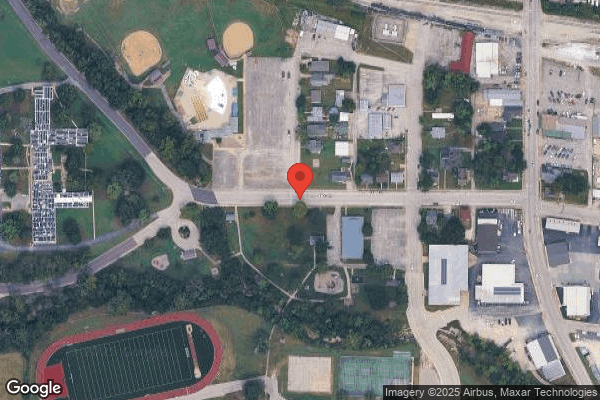
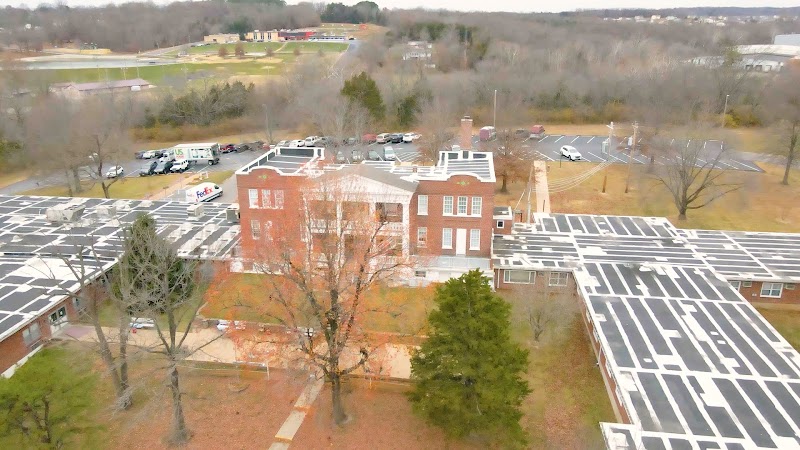
400 WEST PARK AVENUE, UNION, MO 63084 (636) 583-2252
For profit - Corporation 120 Beds MGM HEALTHCARE Data: November 2025 1 Immediate Jeopardy citation
Trust Grade
28/100
#466 of 479 in MO
Last Inspection: May 2025

Inspected within the last 6 months. Data reflects current conditions.

Overview

Sunset Health Care Center has received a Trust Grade of F, indicating significant concerns about the facility's overall quality and care. They rank #466 out of 479 nursing homes in Missouri, placing them in the bottom half of facilities in the state, and #7 out of 7 in Franklin County, meaning there is no local facility rated higher. While the facility has seen an improvement in issues over time, dropping from 11 in 2024 to 7 in 2025, they still have a concerning number of deficiencies, with 1 critical issue related to wheelchair safety for residents. Staffing ratings are poor with a 1/5 star rating, but they have a relatively low turnover rate of 42%, which is better than the state average, suggesting some staff stability. On the positive side, there have been no fines reported, but the facility has been criticized for not having qualified staff in key areas such as food and nutrition services, which raises concerns about the quality of care and services provided.

Trust Score
F
28/100
In Missouri
#466/479
Bottom 3%
Safety Record
High Risk
Review needed
Inspections
Getting Better
11 → 7 violations
Staff Stability
○ Average
42% turnover. Near Missouri's 48% average. Typical for the industry.
Penalties
✓ Good
No fines on record. Clean compliance history, better than most Missouri facilities.
Skilled Nurses
⚠ Watch
Each resident gets only 16 minutes of Registered Nurse (RN) attention daily — below average for Missouri. Fewer RN minutes means fewer trained eyes watching for problems.
Violations
⚠ Watch
26 deficiencies on record. Higher than average. Multiple issues found across inspections.
★☆☆☆☆
1.0
Overall Rating
★☆☆☆☆
1.0
Staff Levels
★★★☆☆
3.0
Care Quality
★★☆☆☆
2.0
Inspection Score
Stable
2024: 11 issues
2025: 7 issues

The Good

  • Full Sprinkler Coverage · Fire safety systems throughout facility
  • No fines on record
  • Staff turnover below average (42%)

    6 points below Missouri average of 48%

Facility shows strength in fire safety.

The Bad

1-Star Overall Rating

Below Missouri average (2.5)

Significant quality concerns identified by CMS

Staff Turnover: 42%

Near Missouri avg (46%)

Typical for the industry

Chain: MGM HEALTHCARE

Part of a multi-facility chain

Ask about local staffing decisions and management

The Ugly 26 deficiencies on record

1 life-threatening
May 2025 5 deficiencies 1 IJ
CRITICAL (J)

Immediate Jeopardy (IJ) - the most serious Medicare violation

Accident Prevention (Tag F0689)

Someone could have died · This affected 1 resident

**NOTE- TERMS IN BRACKETS HAVE BEEN EDITED TO PROTECT CONFIDENTIALITY** Based on observation, interview, and record review, facility staff failed to propel four (Resident #3, #7, #24, and #111) out of...

Read full inspector narrative →
**NOTE- TERMS IN BRACKETS HAVE BEEN EDITED TO PROTECT CONFIDENTIALITY** Based on observation, interview, and record review, facility staff failed to propel four (Resident #3, #7, #24, and #111) out of six residents in a wheelchair in a manner to ensure resident safety. The facility census was 114. 1. Review of the facility's policies showed staff did not provide a policy for wheelchair safety. 2. Review of Resident #3's Quarterly Minimum Data Set (MDS), a federally mandated assessment tool, dated 05/14/25, showed staff assessed the resident as: -Cognitively impaired; -Required partial to moderate assistance for ambulation greater than 50 feet; -No wheelchair. Observation on 05/28/25 at 9:11 A.M., showed Licensed Practical Nurse (LPN) E propelled from the 200 secured unit to the 100 hallway to the scale, weigh the resident, and return the resident to the 200 hallway. The wheelchair did not have leg pedals in place and the bottom of the resident's feet slid on the floor. During an interview on 05/28/25 at 9:22 A.M., LPN E said he/she borrowed a wheelchair to take the resident to get weighed. The wheelchair did not have foot pedals. He/She said he/she knows it was a hazard but was just trying to get the resident's weight. 3. Review of Resident #7's Quarterly MDS, dated [DATE], showed staff assessed the resident as: -Cognitively intact; -Required supervision to touch for wheelchair locomotion 50 feet with two turns; -Required partial to moderate assistance for wheelchair locomotion greater than 150 feet. Observation on 05/30/25 at 10:33 A.M., showed the Laundry Supervisor propelled the resident down a ramp connected the north end of the building to the south in a wheelchair without foot pedals on the wheelchair. The bottom of the residents feet touched the floor. During an interview on 05/30/25 at 10:37 A.M., the Laundry Supervisor said he/she didn't realize the pedals were not on the wheelchair when he/she pushed the resident. He/She said if the resident couldn't control their legs to stay up then he/she could have got hurt. 4. Review of Resident #24's Quarterly MDS, dated [DATE], showed staff assessed the resident as: -Cognitively impaired; -Required supervision to touch to propel his/her wheelchair 150 feet. Observation on 05/28/25 at 10:43 A.M., showed activity aide G propelled the resident from the north activity room to the 100 hall nurse station without pedals on the wheelchair. Observation showed the right tennis shoe drug under the chair. During an interview on 05/28/25 at 1:37 P.M., the activity aide said he/she is new and has not had wheelchair training. He/She said he/she did have a resident plant their feet one time but they did not get hurt or come out of the chair. He/She said he/she knows if the resident cannot hold up his/her feet then he/she would stop pushing the resident and have them pick up their feet. 5. Review of Resident 111's admission MDS, dated [DATE], showed staff assessed the resident as: -Moderate Cognitive impairment; -Manual wheelchair; -Substantial/maximal assist from staff to wheel 50 feet with two turns. Observation on 05/28/25 at 8:57 A.M., showed Certified Nurse Assistant (CNA) L propelled the resident down the hallway into the resident's room without foot pedals on wheelchair. The resident's feet could be heard dragging on the ground. Observation on 05/28/25 at 1:36 P.M., showed CNA L propelled the resident down the hallway from dining room to resident's room. The resident's feet could be heard dragging on the ground. Observation on 05/29/25 at 10:52 A.M. CNA L propelled the resident from the resident's room to dining room without foot pedals on wheelchair. The resident's feet could be heard dragging on the ground. During an interview on 05/29/25 at 1:22 P.M., CNA L said he/she is unsure where resident's foot pedals are. He/She said he/she has not been told to make sure residents have foot pedals before pushing them. He/She said pushing residents without foot pedals is a risk of resident putting feet down and falling forward out of wheelchair. 6. During an interview on 05/29/25 at 1:10 P.M., LPN M said residents should not be pushed in wheelchair without foot pedals. He/She said he/she is unsure where residents foot pedals are currently, but every resident should have foot pedals for their wheelchair. He/She said the resident could put their feet down and fall forward out of wheelchair. During an interview on 05/30/25 at 02:00 P.M., the Director of Nursing (DON) said residents should have foot pedals on wheelchair when being pushed by staff. He/She said not having foot pedals while pushing is a risk the resident could get their feet caught and fall out of wheelchair and hit their head. He/She said he/she is unaware if facility does official training on wheelchairs and foot pedals. During an interview on 05/30/25 at 02:33 P.M., the administrator said if staff are pushing resident they should have foot pedals on wheelchair. He/She said resident could catch their foot on something and flip out of wheelchair and cause injury. He/She said any department can push residents if they are trained correctly on doing so. He/She said he/she is unsure if there is training for wheelchairs and foot pedals, but it is stressed a lot that residents need foot pedals on wheelchairs when being pushed.
CONCERN (E)

Potential for Harm - no one hurt, but risky conditions existed

Deficiency F0570 (Tag F0570)

Could have caused harm · This affected multiple residents

Based on interview and record review, facility staff failed to purchase a surety bond in an amount sufficient to assure security of all resident funds the facility holds. The facility census was 114. ...

Read full inspector narrative →
Based on interview and record review, facility staff failed to purchase a surety bond in an amount sufficient to assure security of all resident funds the facility holds. The facility census was 114. 1. Review of the resident's trust fund account for July 2024 through April 2025, showed an average monthly balance of $199,493.16, which required a surety bond of $300,000.00. Review of the Department of Health and Senior Services (DHSS) database, showed the facility has an approved non-cancelable Escrow Agreement Account in the amount of $250,000.00. During an interview on 05/28/25 at 1:42 P.M., the business office manager (BOM) said he/she is responsible for resident funds and ensuring the bond is sufficient. He/She said he/she is aware their bond needs to be increased. He/She said they have had several changes that have made their monthly balance increase, and he/she noticed it was getting close to the bond amount. During an interview on 05/29/25 at 12:57 P.M., the administrator said the BOM is responsible for resident funds and ensuring the surety bond is sufficient. He/She said he/she was not aware that they did not have a high enough bond. He/She said they were looking at the average monthly balances and thought they had enough.
CONCERN (E)

Potential for Harm - no one hurt, but risky conditions existed

Infection Control (Tag F0880)

Could have caused harm · This affected multiple residents

**NOTE- TERMS IN BRACKETS HAVE BEEN EDITED TO PROTECT CONFIDENTIALITY** Based on observation, interview and record review, facility staff failed to maintain an infection prevention and control program...

Read full inspector narrative →
**NOTE- TERMS IN BRACKETS HAVE BEEN EDITED TO PROTECT CONFIDENTIALITY** Based on observation, interview and record review, facility staff failed to maintain an infection prevention and control program designed to help prevent the development and transmission of communicable diseases and infections when staff failed to complete hand hygiene between glove changes during wound care for three residents (Resident #4, #28,and #216) of three sampled residents with wounds and when staff failed to ensure the two-step purified protein derivative (PPD) (skin test for TB) was completed in accordance with their policy and on file for three employees (Certified nurse aide (CNA) N, Maintenance assistant, and Housekeeper O) out of ten employee files reviewed. The facility census was 114. 1. Review of the facility's Standard Precautions policy, dated October 2022, showed the policy did not contain direction or guidance for hand hygiene between glove changes. Review of the facility's Hand Hygiene policy, dated April 2022, showed staff are directed to perform hand hygiene before and after applying/removing gloves. Review of the facility's Wound Management policy, dated November 2022, showed the policy did not contain direction of guidance on when to perform hand hygiene. 2. Review of Resident #4's Quarterly Minimum Data Set (MDS), a federally mandated assessment tool, dated 05/14/25, showed staff assessed the resident as: -Cognitively intact; -Presence of an unhealed Stage IV (full-thickness skin and tissue loss) pressure injury; -Received pressure ulcer care; -Diagnosis of artery disease. Observation on 05/29/25 at 10:35 A.M., showed the wound nurse completed wound care for the resident. Observation showed the wound nurse applied gloves, removed the residents soiled dressing, removed his/her gloves and did not perform hand hygiene before he/she applied clean gloves. He/She cleaned the residents wound, removed his/her gloves and did not perform hand hygiene before he/she replaced the gloves. 3. Review of Resident #28's Quarterly MDS, dated [DATE], showed staff assessed the resident as: -Cognitively intact; -Presence of two unhealed Stage IV pressure injury; -Received pressure ulcer care; -Diagnosis of paraplegia (loss of feeling in lower body). Observation on 05/29/25 at 10:48 A.M., showed the wound nurse applied clean gloves, removed the residents soiled dressing, removed his/her gloves and did not perform hand hygiene before he/she replaced the gloves. He/She cleaned the residents wound, removed his/her gloves and did not perform hand hygiene before he/she replaced the gloves. 4. Review of Resident #216's admission MDS, dated [DATE] showed staff assessed the resident as: -Cognitively intact; -Three unstageable (damage to skin and tissue cannot be confirmed) pressure ulcers; -Diagnosis of peripheral vascular disease (a condition where narrowed or blocked blood vessels restrict blood flow to the limbs, most commonly the legs and feet). Observation on 05/29/25 at 11:28 A.M., showed the wound nurse went into the resident's room to perform wound care. He/She removed the residents covers and bandage, he/she removed his/her gloves and did not perform hand hygiene before he/she replaced the gloves. He/She cleaned the residents wound, removed his/her gloves and did not perform hand hygiene before he/she replaced the gloves. He/She applied the resident's treatment, removed his/her gloves and did not perform hand hygiene before he/she replaced the gloves. He/She removed the residents left lower leg dressing, removed his/her gloves and did not perform hand hygiene before he/she replaced the gloves. He/She applied the residents treatment, removed his/her gloves and did not perform hand hygiene before he/she replaced the gloves. 5. During an interview on 05/30/29 at 10:23 A.M., the wound nurse said hand hygiene should be performed before and after wound care and not between glove changes. He/She said the treatment cart had a sanitizer pump attached to it, but he/she cannot take the cart into the room so he/she does not have quick access to hand sanitizer. He/She said the facility does have small bottles that could be used to sanitize between glove changes but did not use or carry them, but could. There is an infection control risk to not cleaning hands between glove changes but didn't have proximity to the sanitizer to do it during wound care. During an interview on 05/30/29 at 2:00 P.M., the Director of Nursing (DON) said hand hygiene should always be performed between glove changes during wound care. He/She said the wound nurse was really nervous being observed but should still have washed or sanitized because there could be something infectious on the gloves. He/She said the facility is correcting the concern. During an interview on 05/30/25 at 02:32 P.M. the administrator said hands should be washed or sanitized between glove changes to keep germs or bacteria from being spread. 6. Review of the facility's Employment Policies and Procedures, undated, showed staff are directed as follows: -State law requries that skilled and/or residential facilities employees undergo a physical examination, a two (2) step TB test, and an annual TB test thereafter; -The first TB test must be completed on or before the day an employee attends orientation; -The second TB test must be conducted within the first three (3) weeks of employment. 7. Review of CNA N's employee file showed: -Hire date of 01/14/24; -The file did not contain documentation the first and second PPD were administered. 8. Review of maintenance assistant's employee file showed: -Hire date of 04/03/24; -The file did not contain documentation the first and second PPD were administered. 9. Review of Housekeeper O's employee file showed: -Hire date of 07/05/24; -The file did not contain documentation the first and second PPD were administered. 10. During an interview on 05/29/25 at 9:19 A.M., the DON said the Assistant Director of Nursing (ADON) was responsible for ensuring staff TBs are completed timely and tracked. He/She said staff should receive a two-step upon hire and then once annually. He/She said he/she was not aware there were staff members without completed TB documentation. During an interview on 05/29/25 at 12:57 P.M., the Administrator said it is the responsibility of the ADON to ensure two-step staff TBs are completed upon hire. He/She said he/she was not aware staff TB's were not getting completed and said the ADON might have failed to keep completed documentation.
MINOR (C)

Minor Issue - procedural, no safety impact

Comprehensive Care Plan (Tag F0656)

Minor procedural issue · This affected most or all residents

**NOTE- TERMS IN BRACKETS HAVE BEEN EDITED TO PROTECT CONFIDENTIALITY** Based on observation, interview and record review, facility staff failed to develop and implement a person-centered comprehensiv...

Read full inspector narrative →
**NOTE- TERMS IN BRACKETS HAVE BEEN EDITED TO PROTECT CONFIDENTIALITY** Based on observation, interview and record review, facility staff failed to develop and implement a person-centered comprehensive care plan for four (Resident #19, #28, #47, #91 and #109) of twelve sampled residents. The facility census was 114. 1. Review of the facility's Comprehensive Person-Centered Care Plan (CCP) policy, dated October 2019, showed: -Each resident will have a person-centered plan of care to identify problems, needs, strengths, preferences, and goals that will identify how the interdisciplinary team (IDT) will provide care; -All disciplines will collaborate to develop a plan of care that meets residents' needs, preferences and goals; -CCP contains services provided, preferences, ability and goals for admission, desired outcomes, and care level guidelines; -The CCP can be reviewed and/or revised at quarterly intervals in conjunction with the completion of the Minimum Data Set (MDS), a federally mandated assessment tool, quarterly, significant change, and annual assessments per the Resident Assessment Instrument (RAI) manual, a manual used for completion of MDS assessments; -Upon a significant change in condition, the CCP will be updated if applicable. 2. Review of Resident #19's Annual Minimum Data Set (MDS), a federally mandated assessment tool, dated 04/23/25, showed staff assessed the resident as: -Cognitively impaired; -No behaviors or rejection of care; -Impaired mobility on one upper extremity; -Dependent on staff for care; -Diagnosis of dementia and difficulty swallowing. Review of the resident's Physician Order Sheet (POS), dated May 2025, showed an order for an abdominal binder to be worn at all times except during hygiene and water flushes after feeding tube placement. Review of the resident's care plan, dated 04/29/25, showed the care plan did not contain direction or guidance for use and care of the abdominal binder. Observation on 05/28/25 at 10:24 A.M., showed Licensed Practical Nurse (LPN) E unfasten an abdominal binder, administer a water bolus through a feeding tube, and refasten an abdominal binder on the resident. During an interview on 05/28/25 at 10:24 A.M., the LPN said the resident wears the abdominal binder for the safety of the device. He/She said he/she did not know what the care plan said regarding the binder. During an interview on 05/30/25 at 11:08 A.M., the MDS nurse A said he/she is responsible to update the care plans to include adding the abdominal binder. He/She said it was an oversight. 3. Review of Resident #28's Quarterly MDS, dated [DATE], showed staff assessed the resident as: -Cognitively intact; -Functionally limited in range of motion to both lower extremities; -Used a wheelchair; -No restraints; -Diagnosis of paraplegia (loss of sensation in lower legs and abdomen). Review of the resident's care plan, dated 05/28/25, showed the care plan did not contain direction or guidance for use of a gait belt to position the residents legs on the wheelchair. Observation on 05/27/25 at 1:35 P.M., showed the resident up in a motorized wheelchair. His/her legs were secured to the leg rests with a gait belt around his/her shins. During an interview on 05/27/25 at 1:35 P.M., the resident said the wheelchair is not his/her normal wheelchair. His/Her wheelchair is not available right now so he/she uses the motorized one and has trouble keeping his/her legs up on it. His/Her family member tried to purchase other options but those options did not work and so the staff are trying the belt on his/her legs to keep them on the chair. During an interview on 05/30/25 at 11:08 A.M., MDS nurse A said he/she is responsible to update the care plans to include adding the belt use for the resident. He/She said it was an oversight. 4. Review of Resident #47's Quarterly MDS, dated [DATE], showed staff assessed the resident as: -Cognitively intact; -Diagnosis of Dementia. Review of the resident's care plan, dated 04/17/25, showed the care plan did not contain direction or guidance for Dementia. During an interview on 05/30/25 at 12:55 P.M., MDS nurse B said he/she is responsible to update the care plans to include Dementia Care. He/She said it's important to include on care plan so staff know how to take care of resident. He/She thought it was on the care plan. 5. Review of Resident 91's admission MDS, dated [DATE], showed staff assessed the resident as: -Moderate cognitive impairment; -Indwelling catheter; -Diagnosis of Chronic Kidney Disease. Review of the resident's care plan, last revised 05/27/25, showed the care plan did not contain direction or guidance in regards to the residents catheter. Observation on 05/28/25 at 10:00 A.M., showed the resident in his/her recliner with their catheter bag hooked on the side of the bed. During an interview on 05/28/25 at 10:01 A.M., the resident said he/she admitted to the facility with the catheter. During an interview on 05/30/25 at 12:55 P.M., MDS nurse B said he/she is responsible to update the care plans to include catheters. He/She said it's important to include on care plan so staff know how to take care of resident. He/She thought it was on the care plan. 6. Review of Resident #109's admission MDS, dated [DATE], showed staff assessed the resident as: -Moderate Cognitive impairment; -Very important to do favorite activities and listen to music; -Somewhat important to have books, newspapers, and magazines to read, to do things with groups of people, go outside and get fresh air, and participate in religious services; -Diagnosis of Alzheimer's disease and Dementia. Review of the resident's care plan, dated 05/14/25, showed the care plan did not contain direction or guidance for activity preferences. During an interview on 05/30/25 at 12:55 P.M., MDS nurse B said he/she is responsible to update the care plans to include activity preferences. He/She said its important to include on care plan so staff know how to take care of resident. 7. During an interview on 05/30/25 at 11:08 A.M., MDS nurse A said he/she is responsible to update the care plans with significant changes, changes in care needs, quarterly and annually on the 100 and 200 hallway residents. He/She said he/she finds out about care need changes in morning meeting and communication with staff and/or family members. He/She said the care plans should tell staff how to care for a resident. During an interview on 05/30/25 at 2:00 P.M., the Director of Nursing (DON) said care plan should cover resident care, catheters, falls and fall interventions, activities, restraints, and wheelchairs. The care plans should tell staff how to care for the residents and are the responsibility of the MDS nurses to keep updated. During an interview on 05/30/25 at 02:32 P.M., the administrator said care plans are individualized for each resident to include diets, preferences, showers, behaviors, catheters, and falls. He/She said the MDS Coordinator updated the care plans. He/She says they have care plan update meetings after morning meetings each day. He/She said care plans are important so staff know how to care for each resident.
MINOR (C)

Minor Issue - procedural, no safety impact

Deficiency F0679 (Tag F0679)

Minor procedural issue · This affected most or all residents

Based on observation, interview, and record review, facility staff failed to provide an ongoing program of activities designed to meet residents' interests, for the residents who reside on a secured u...

Read full inspector narrative →
Based on observation, interview, and record review, facility staff failed to provide an ongoing program of activities designed to meet residents' interests, for the residents who reside on a secured unit. The facility census was 114. 1. Review of the facility's policy titled, Activities, dated 09/14/23, showed: -Facility is to provide an ongoing program to support residents in their choice of activities based on their comprehensive evaluation, care plan, and preferences; -Facility-Sponsored group, individual, and dependent activities will be designed to meet the interest of and support the physical, mental, and psychosocial well-being of each resident, as well as encourage both independence and interaction within the facility; -Each resident's interest and needs will be evaluated on a routine basis; -Special considerations will be made for developing meaningful activities for residents with dementia and/or special needs, these include, but are not limited to the following: -Residents exhibit unusual amounts of energy or pacing; -Residents who exhibit behaviors that require a less stimulating environment to discontinue behaviors not welcomes by others sharing their social space; -Residents who have withdrawn from previous activity interest/customary routines, and isolates self in their room most of the day; -Residents who excessively seek attention from staff and/or peers; -Residents who have delusional and hallucinatory behaviors that are stressful to themselves; -The facility will consider accommodations in schedules, supplies, and timing in order to optimize a resident's ability to participate in an activity of choice. 2. Observation on 05/27/25 at 2:33 P.M., showed the May 2025 Activity Calendar on the dinning room door of 300 hall secured unit. Review of the activity calendar showed: -On 05/27/25: 10:00 A.M., One on one time and 1:30 P.M., Music Making; -On 05/28/25: 10:00 A.M., Church Service and 1:30 P.M., Bingo; -On 05/29/25: 10:00 A.M., Tennis and 1:30 P.M., Happy Birthday; -On 05/30/25: 10:00 A.M., Leisure Program and 1:30 P.M., Manicure and Movie. Observation on 05/27/25 at 2:33 P.M., showed a Leisure Program paper posted in 300 secured unit hallway. The Paper showed the following: -Monday: [NAME] Games; -Wednesday: Art project; -Friday: Food Day. Observation on 05/27/25 at 02:03 P.M., showed the 300 hall did not have the music making activity. Observation showed multiple residents remained in their room or paced up and down hallway. Observation on 05/28/25 at 10:25 A.M., showed the 300 hall did not have the church service activity. Observation showed multiple residents remained in their room or paced up and down hallway. Observation on 05/28/25 at 1:33 P.M., showed the 300 hall did not have the Bingo activity. Six residents sat in the dining room and multiple residents remained in their room. Observation on 05/29/25 at 10:44 A.M., showed the 300 hall did not have the tennis activity. Observation showed multiple residents remained in their room or paced up and down hallway. During an interview on 05/29/25 at 01:22 P.M., Certified Nurse Aide (CNA) L said activities are only done Monday, Wednesday, and Friday on the 300 hall secured unit about 10 A.M He/She said some residents get invited to go out of secured unit in main dinning room for activities, but they don't always invite every resident. He/She said sometimes activities will bring coloring pages on unit, but nothing hands on for activities usually. During an interview on 05/30/25 at 11:53 A.M., the activities director said they go down three times a week and do Leisure program with the residents on secured unit. He/She said some residents can come out of secured unit into main dinning room for activities. He/She said if the CNA's have time they could help with activities. During an interview on 05/30/25 at 2:00 P.M., the Director of Nursing (DON) said there are some activities on the secured units, but probably not daily. He/She said its hard to get everyone in activities because of the size of the facility and could use more help with activities. He/She said three times a week is not appropriate for activities on the secured units.
Apr 2025 2 deficiencies
CONCERN (D) 📢 Someone Reported This

A family member, employee, or ombudsman was alarmed enough to file a formal complaint

Potential for Harm - no one hurt, but risky conditions existed

Free from Abuse/Neglect (Tag F0600)

Could have caused harm · This affected 1 resident

**NOTE- TERMS IN BRACKETS HAVE BEEN EDITED TO PROTECT CONFIDENTIALITY** Based on interview and record review, the facility staff failed to keep Resident #2 from striking Resident #1 twice to the chest...

Read full inspector narrative →
**NOTE- TERMS IN BRACKETS HAVE BEEN EDITED TO PROTECT CONFIDENTIALITY** Based on interview and record review, the facility staff failed to keep Resident #2 from striking Resident #1 twice to the chest. The facility census was 114. The administrator was notified on 3/27/25 of past Non-Compliance, which occurred on 3/22/25 when Resident #1 struck Resident #2 to the chest twice. Staff immediately separated the residents, assessed the residents, notified the resident's physician, moved Resident #1 to a different hallway, put Resident #2 on one on one, and in-serviced nursing staff on abuse and neglect. Staff corrected the deficient practice on 3/25/25. 1. Review of the facility's Abuse prevention policy, dated 10/21/22, showed abuse is the willful infliction of injury, unreasonable confinement, intimidation, or punishment with resulting physical harm, pain, mental anguish, or emotional distress. This includes the deprivation by an individual, including a caretaker of goods or services that are necessary to attain or maintain physical, mental and psychosocial well-being. Abuse may be resident to resident, staff to resident, family to resident, or visitor to resident. Review of the facility's investigation, dated 3/23/25, showed Resident #1 wandered the hallway and came across the doorway of Resident #2. Resident #2 reached out and struck Resident #1 with a closed fist. Staff immediately separated the residents and while redirecting Resident #1 to the dining room, Resident #2 came around staff and struck Resident #1 again twice with a closed fist to the chest. Resident #2 was placed on one on one surveillance and Resident #1 was moved to a different locked unit with a longer hallway. All necessary parties were contacted, Labs were obtained on Resident #2 to rule out any chemical imbalances, Resident #2 had medication changes, care plans were updated, and all staff were in-serviced on abuse and neglect and the seven principles for effective verbal intervention. Review of Resident #1's Minimum Data Set (MDS), a federally mandated assessment tool, dated 3/7/25, showed staff assessed the resident as: -Moderate cognition impairment; -Short and long term memory problems; -Diagnoses of Alzheimer's and Dementia. Review of the resident's care plan, dated 3/24/25, showed staff assessed the resident with impaired cognitive function/dementia or impaired thought processes. Diagnosis of Alzheimer's. Staff were directed to move the resident from 300 hall to 200 hall. The resident is often noted to wander throughout the lockdown units, in and out of others rooms, redirect when this is noted to a common area or back to his room. Review of the nurses notes, dated 3/22/25 at 4:15 P.M., Licensed Practical Nurse (LPN) C documented Certified Medication Technician (CMT) A stated the resident had wandered into another resident's room, other resident got upset and hit resident in chest with closed fist. Director of Nursing (DON) notified of recent altercation. DON gave orders to moved resident to different hallway after altercation. Review of Resident #2's MDS, dated [DATE], showed staff assessed the resident as: -Severe cognitive impairment; -Short term memory problems; -Diagnoses of Huntington's disease (condition in which nerve cells in the brain break down over time) and Psychotic disorder with delusions. Review of the resident's care plan, dated 3/24/25, showed staff documented the resident has a history of aggression against other. Staff were directed to have the resident one on one with the social worker three times per week indefinitely, resident is to remain on 15 minute checks indefinitely due to aggression to other resident and accusations against staff, and attempt to keep resident in sight with two staff members on the unit at all times. Review of the residents nurses notes, dated 3/22/25 at 4:15 P.M., showed LPN C charted recent altercation with another resident. This nurse was called down to unit because resident was witnessed to hit another resident in the chest. Resident stated, I don't want him in my room. DON notified of recent altercation. Resident remains one on one and with 15 minute checks. Will continue to monitor during shift. During an interview on 3/27/25 at 10:40 A.M., CMT A said he/she didn't witness the altercation but was made aware by CNA B. He/She said CNA B and hospitality aide D immediately separated the residents and took Resident #1 to his room. He/She said at this time he/she went to tell the charge nurse what had happened. When he/she was telling the charge nurse what happened hospitality aide D stepped off the hall to inform them Resident #2 had struck Resident #1 again through CNA B and hospitality aide D. He/She said he/she and the charge nurse went back on the unit so the nurse could assess the residents and notify the DON. He/She said he/she was inserviced 3/22/25 over abuse and neglect and dealing with resident's with behaviors. During an interview on 3/27/25 at 10:50 A.M., CNA B said he/she was in the hallway when Resident #1 walked by Resident #2's door. Resident #2 reached out and hit Resident #1 with a closed fist. He/She said he/she and hospitality aide D immediately separated the residents and took Resident #1 to his/her room after he/she had notified the CMT. He/She said they took Resident #1 to his/her room so the nurse could assess him/her but he/she started to become agitated. He/She said he/she and hospitality aide D walked with Resident #1 toward the dining room. He/She said Resident #2 had stayed in his/her room but came out as they were going into the dining room. He/She said Resident #2 pushed him/her and again struck Resident #1. The CNA said he/she took Resident #1 back to his/her room for the nurse to assess and hospitality aide D went to notify the nurse of the second strike. He/She said he/she was inserviced on 3/22/25 over abuse and neglect and resident behaviors. During an interview on 3/27/25 at 11:03 A.M., LPN C said CMT A came to him/her and reported Resident #2 had stuck Resident #1. The LPN said they went to the unit and it was reported by hospitality aide D, Resident #2 had struck Resident #1 again between him/her and CNA B. He/She contacted the DON who instructed staff to move Resident #1 to 200 hall and put Resident #2 one on one. He/She said he/she assessed Resident #1 and Resident #2 refused his/her assessment. He/She said he/she was inserviced on 3/22/25 on abuse and neglect and deescalating resident to resident altercations. During an interview on 3/27/25 at 11:22 A.M., CNA E said Resident #2 had struck Resident #1 twice. He/She said Resident #2 was put one on one and Resident #1 was moved to a different hallway. He/She said he/she was inserviced on 3/22/25 on abuse and neglect and what to do when residents become combative. During an interview on 3/27/25 at 11:52 A.M., the DON said he/she was made aware of the altercations by LPN C. He/She instructed staff to stay one on one with Resident #2 and to move Resident #1 to 200 hallway. He/She said inservice over abuse and neglect and the seven principles for effective verbal intervention starting on 3/22/25 and finished on 3/25/25. During an interview on 3/27/25 at 12:03 P.M., the administrator said he/she was notified by the DON about the altercation between Resident #1 and Resident #2. He/She said an investigation was started and the resident's were separated, Resident #1 was moved to a new hallway and Resident #2 was put one on one with staff. He/She said the DON called all necessary parties and received orders for medication changes for Resident #2. He/She said all staff were inserviced on abuse and neglect and the seven principles for effective verbal intervention. MO00251529
CONCERN (D) 📢 Someone Reported This

A family member, employee, or ombudsman was alarmed enough to file a formal complaint

Potential for Harm - no one hurt, but risky conditions existed

Transfer Requirements (Tag F0622)

Could have caused harm · This affected 1 resident

**NOTE- TERMS IN BRACKETS HAVE BEEN EDITED TO PROTECT CONFIDENTIALITY** Based on interview and record review, facility staff failed to provide an appropriate emergency discharge notice when staff fail...

Read full inspector narrative →
**NOTE- TERMS IN BRACKETS HAVE BEEN EDITED TO PROTECT CONFIDENTIALITY** Based on interview and record review, facility staff failed to provide an appropriate emergency discharge notice when staff failed to have an appropriate location to transfer one resident (Resident #2) to when he/she was ready to discharge from the hospital. The facility census was 114. 1. Review of the facility's Discharge and Transfer - Involuntary Policy, reviewed 10/07/2021, showed transfer and discharge includes movement of a resident to a bed outside of the facility whether that bed is in the same physical plant to not. The facility must permit each resident to remain in the facility and not transfer or discharge the resident from the facility unless specific criteria are met. The facility will provide sufficient orientation to residents to ensure a safe and orderly transfer or discharge from the facility including an opportunity to to participate in the decision of where to transfer. 2. Review of Resident #1's facesheet, dated 4/3/25, showed the resident admitted to the facility on [DATE]. Review of the residents progress notes, dated 3/27/2025, at 4:42 P.M., showed staff documented they spoke with the residents guardian in regard to a notice of immediate discharge of the resident related to aggressive behavior toward another resident. Review of the resident's Immediate Discharge Notice, dated 3/27/25, showed staff documented the resident would discharge to the local hospital. During an interview on 4/3/25 at 10:03 A.M., the administrator said the resident is too aggressive to continue to be at the facility and he/she knows it is an issue with the placement of discharge at the hospital but he/she has to keep the other residents in the facility safe and can not allow the resident to return. During an interview on 4/3/25 at 10:13 A.M., the residents guardian said the facility has issued an emergency discharge to the local hospital and that is not a long term safe placement for the resident. The guardian said he/she has started the appeals process but the facility will not allow the resident to return and because of his/her extreme diagnoses no one will take the resident. MO00251810
Jan 2024 11 deficiencies
CONCERN (E)

Potential for Harm - no one hurt, but risky conditions existed

Resident Rights (Tag F0550)

Could have caused harm · This affected multiple residents

**NOTE- TERMS IN BRACKETS HAVE BEEN EDITED TO PROTECT CONFIDENTIALITY** Based on observation, interview and record review, facility staff failed to provide residents with a dignified environment when ...

Read full inspector narrative →
**NOTE- TERMS IN BRACKETS HAVE BEEN EDITED TO PROTECT CONFIDENTIALITY** Based on observation, interview and record review, facility staff failed to provide residents with a dignified environment when staff did not keep residents' personal information private, allowed one resident (Resident #72) to wear the same soiled clothes for three days, left one resident (Resident #30) exposed, did not speak in a dignified manner for one resident (Resident #12) and changed the residents' smoking times for two residents (Resident #76 and #102) for staff convenience. The facility census was 107. 1. Review of the facility's Residents' [NAME] of Rights, showed staff are to treat residents with dignity and respect and are to keep residents' personal information private. 2. Observation on 01/03/24 at 11:40 A.M., Licensed Practical Nurse (LPN) K stood in the dining room with Certified Nursing Assistant (CNA) L and discussed an incident between two residents. Eight residents sat in the dining room and could hear the discussion. Observation on 01/03/24 at 12:00 P.M., LPN K and CNA L stood in the dining room and discussed the residents who needed their weights taken that day. Twelve residents sat in the dining room and could hear the residents' private information. Observation on 01/04/24 at 1:57 P.M., a group of staff stood in the unit hall talking about a resident's condition in front of a different resident. Observation on 01/04/24 at 1:59 P.M., Certified Medication Technician I (CMT) began to weigh residents in the hall where other residents could see and hear. Observation on 01/04/24 at 2:03 P.M., CMT I continued to weigh residents and called out their weight to another staff to record. During an interview on 01/05/24 at 2:02 P.M., the Director of Nurses (DON) said he/she expects staff to take residents to a private location to weigh them. He/She said he/she did not know this occurred. During an interview on 01/05/24 at 2:26 P.M., the administrator said he/she expects staff to be discreet with residents' private information. He/She said he/she did not this occurred. 3. Review of Resident #72's Minimum Data Set (MDS) dated [DATE], showed staff assessed the resident as follows: -Diagnoses of anxiety, depression and arthritis; -Moderate cognitive impairment -Required partial to moderate staff assistance with dressing. Observation on 01/03/24 at 12:30 P.M., showed the resident walked around the unit with a hole in his/her right sock, a brown stain on his/her left sleeve of his/her shirt and a large stain on his/her sweatpants. Observation on 01/04/24 at 12:59 P.M., showed the resident walked around the unit in the same soiled clothes he/she wore the day before. Observation on 01/05/24 at 9:38 A.M., the resident continued to wear the same soiled sweatpants from the previous two days. During an interview on 01/05/24 at 2:00 P.M., CMT O said staff do not change residents' clothes after every meal if their clothes are soiled unless thee resident is going to go off the unit to an activity. He/She said, It's rough keeping up back here. During an interview on 01/05/24 at 2:14 P.M., the DON said he/she expects staff to wash the residents' faces and change their clothes if needed. During an interview on 01/05/24 at 2:26 P.M., the administrator said he/she expects staff to change the residents' clothing after every meal when soiled. 4. Review of Resident #12's quarterly MDS, dated [DATE], showed staff assessed the resident as: -Severely cognitively impaired; -Diagnoses of Diabetes, Aphasia, Cerebral palsy (group of disorders that affect a person's ability to move and maintain balance and posture) and Seizures. Observation on 01/03/24 at 3:15 P.M., showed CNA H and CMT I entered the resident's room to provide peri care. CNA H said even though they bathe him/her three times a week he/she is still funky smelling. CMT I said It's not pleasant. Observation showed the resident's room mate was in the room. During an interview on 01/05/24 at 2:02 P.M., the DON said staff should absolutely not comment if residents have an odor because it is offensive and is a dignity issue. He/She said if someone did that to him/her, he/she would feel terrible. He/She said he/she does not know the situation of why staff made comments but it does not matter, it shouldn't be done. During an interview on 01/05/24 at 2:26 P.M., the administrator said it is never acceptable for staff to talk negatively in front of a resident because it takes their dignity. He/She said he/she would obviously not like it if someone talked about his/her body odor. During an interview on 01/08/24 at 1:55 P.M., CNA H said it is inappropriate for staff to make negative comments to or around other residents about a resident's body odor because it could be considered abuse. He/She said he/she would be mad if people were talking about his/her body odor, especially in front of other people. He/She said staff tend to get frustrated at other staff and start talking crap because they have not completed their jobs and it causes issues, he/she thinks this is why someone may complain about a resident's state. During an interview on 01/08/24 at 2:19 P.M., CMT I said staff should never discuss care in front of other residents because of Health Insurance Portability and Accountability Act. He/She said he/she would not feel good if someone called him/her stinky or funky. He/She said staff did not think clearly if they made comments about someone's odor, that conversation should always be in private on how to fix an issue or to encourage a resident to shower. 5. Review of Resident #30's quarterly MDS, dated [DATE], showed staff assessed the resident as: -Required maximum assistance for bed mobility; -Moderately cognitively impaired; -Multiple Sclerosis (long-lasting (chronic) disease of the central nervous system), Anxiety (feeling of uneasiness or dread), Depression, and Psychotic Disorder (mental disorder characterized by a disconnection from reality). Observation on 01/02/24 at 2:22 P.M., showed the resident in his/her bed with his/her genitals exposed. Observation showed the resident's door open where staff, residents and visitors could view the resident. Observation on 01/02/24 at 2:25 P.M., showed the resident in his/her bed with his/her peri-area exposed. Observation showed the resident's door open where staff and residents could view the resident. Observation showed LPN J walked by and did not stop or assist the resident to cover himself/herself. Observation on 01/02/24 at 2:26 P.M., showed the resident in his/her bed with his/her peri-area exposed. Observation showed the resident's door open where staff and residents could view the resident. Observation showed the staffing coordinator walked by and did not stop or assist the resident to cover himself/herself. Observation on 01/02/24 at 2:31 P.M., showed the resident in his/her bed with his/her peri-area exposed. Observation showed the resident's door open where staff and residents could view the resident. Observation showed LPN C walked by and did not stop or assist the resident to cover himself/herself. Observation on 01/03/24 at 2:49 P.M., showed the resident in his/her bed with his/her peri-area exposed. Observation showed the resident's door open where staff, residents and visitors could view the resident. Observation on 01/03/24 at 2:51 P.M., showed the resident in his/her bed with his/her peri-area exposed. Observation showed the resident's door open where staff and residents could view the resident. Observation showed CNA H walked by and did not stop or assist the resident to cover himself/herself. Observation on 01/03/24 at 3:00 P.M., showed the resident in his/her bed with his/her genitals peri-area. Observation showed the resident's door open where staff and residents could view the resident. Observation showed another resident walked past the resident's room. Observation on 01/03/24 at 3:02 P.M., showed the resident in his/her bed with his/her peri-area exposed. Observation showed the resident's door open where staff and residents could view the resident. Observation showed CNA H and CMT I walked in the resident's room and did not assist the resident to cover himself/herself. Observation showed CMT H and CMT I left the room and did not assist the resident to cover himself/herself. During an interview on 01/05/24 at 1:22 P.M., LPN C said if staff see a resident is exposed and noticeable from the hallway they cover the resident up, staff should always try and maintain residents' dignity. During an interview on 01/05/24 at 2:02 P.M., the DON said residents should be covered and not exposed because it is a dignity issue. He/She said if he/she were exposed to everyone in the halls, he/she would be humiliated. During an interview on 01/05/24 at 2:26 P.M., the administrator said all resident should be covered up or the curtain closed if they are exposed, it is for their privacy and dignity. During an interview on 01/08/23 at 1:55 P.M., CNA H said residents that are exposed should be covered up and their door shut for privacy. He/She said staff may not have covered the resident up because they were in a hurry. He/She said if people saw him/her exposed he/she would be uncomfortable and mad. During an interview on 01/08/24 at 2:19 P.M., CMT I said if a resident is exposed staff should cover the resident and close the curtain. He/She said if he/she was exposed he/she would not feel good about it, very uncomfortable. He/She said he/she has no idea why a resident was left exposed because that should never happen. 6. Review of the facility's Smoking Protocol, last reviewed 10/25/22 showed smoking is only permitted in designated smoking areas with reasonable smoking times to be designated by the facility. Observation on 01/02/24 at 2:30 P.M., showed the posted smoking schedule on the 400 hall across from the nurse's station contained smoking times as follows: -8:30 A.M; -12:30 P.M; -3:30 P.M. 7. Review of Resident #76's Quarterly MDS, dated [DATE], showed staff assessed the resident as follows: -Cognitively intact; -Independent with eating and personal hygiene. Review of the resident care plan, revised 12/15/22 showed staff did not document the residents smoke breaks. During an interview on 01/02/24 at 3:17 P.M., the resident said he/she does not like that their last cigarette break is at 3:30 P.M. and they do not receive another one until 8:30 A.M. the next day but he/she doesn't have a choice. He/She said it is what it is, cause that's what they say. 8. Review of Resident #102's Quarterly MDS, dated , showed staff assessed the resident as follows: -Cognitively intact; -Partial to Moderate assist with eating and personal hygiene; -Impairment to both sided of lower extremity; -Uses wheelchair for mobility. Review of the resident's care plan, revised 12/20/2023, showed staff documened the resident may attend supervised smoke sessions three times per day, weather permitting, smoke breaks may be canceled by activities, administration, nursing or social services, all smoking materials must be kept in activities or at south nurses station. During an interview on 01/03/23 at 12:20 P.M., the resident said Our last smoke break of the day is at 3:30 P.M., and I don't like it. He/She said waiting until 8:30 A.M. the next morning is hard. The resident said his/her understanding is it is that way because there is no staff to take them out in the evening. The resident said I am almost [AGE] years old I should be able to decide when I want to smoke. 9. During an interview on 01/02/24 at 2:45 P.M., the activities director said his/her department does all the smoke breaks because all residents must be supervised. He/She said he/she leaves at 5:00 P.M. and there are no other staff to take the residents out to smoke. He/She said he/she is not here on nights to know if it causes an issue but could see behaviors being worse due to time between smoke breaks. During an interview 01/05/24 2:09 P.M., the administrator said a lot of residents don't have enough money to have another smoke break. 6:00 P.M. use to be their last, but finding staff to supervise the 6:00 P.M. smoke break is hard. He/She said he/she does not know if residents were consulted with before the last smoke break was removed.
CONCERN (E)

Potential for Harm - no one hurt, but risky conditions existed

Deficiency F0700 (Tag F0700)

Could have caused harm · This affected multiple residents

**NOTE- TERMS IN BRACKETS HAVE BEEN EDITED TO PROTECT CONFIDENTIALITY** Based on observation, interview and record review, facility staff failed to accurately complete entrapment assessments, bedrail ...

Read full inspector narrative →
**NOTE- TERMS IN BRACKETS HAVE BEEN EDITED TO PROTECT CONFIDENTIALITY** Based on observation, interview and record review, facility staff failed to accurately complete entrapment assessments, bedrail assessments, obtain physician orders, obtain consents for the use of bed rails for four residents (Resident #4, #30, #69 and #102). The facility census was 107. 1. Review of facility's policies showed staff did not provide a bed rail policy. 2. Review of Resident #4's Quarterly Minimum Data Set (MDS), a federally mandated assessment tool, dated 09/01/23, showed staff assessed the resident as: -Cognitively intact; -Diagnoses of Parkinson's (progressive disorder that affects the nervous system and the parts of the body controlled by the nerves) and Epilepsy (a seizure disorder); -Required full dependence for bed mobility; -Bed rails not used. Review of the resident's medical record showed the record did not contain documentation staff completed: -Entrapment assessment; -Bedrail assessment; -Obtained consent; -Obtained physicians orders. Observation on 01/02/24 at 2:52 P.M., showed the resident in bed with the bilateral bed rails in the upright position. Observation on 01/04/24 at 8:44 A.M., showed the resident in bed with the bilateral bed rails in the upright position. 3. Review of Resident #30's Quarterly MDS, dated [DATE], showed staff assessed the resident as: -Moderately cognitively impaired; -Diagnoses of Aphasia (loss of ability to understand or express speech, caused by brain damage), Stroke (when something blocks blood supply to part of the brain or when a blood vessel in the brain bursts), Hemiplegia (paralysis of one side of the body), Multiple Sclerosis (long-lasting (chronic) disease of the central nervous system; -Required maximum assistance for bed mobility; -Bed rails not in use. Review of the resident's medical record showed the record did not contain documentation staff completed: -Entrapment assessment; -Bedrail assessment; -Obtained consent. Observation on 11/02/24 at 9:42 A.M., showed the resident in bed with the left bed rail in the upright position. Observation on 11/03/24 at 2:49 P.M., showed the resident in bed with the left bed rail in the upright position. 4. Review of Resident #69's Quarterly MDS, dated [DATE], showed staff assessed the residents as: -Cognitively intact; -Diagnoses of Traumatic Brain Injury (TBI - injury that affects how the brain works); -Required partial assistance for bed mobility; -Bed rails not used. Review of the resident's medical record showed the record did not contain documentation staff completed: -Entrapment assessment; -Bedrail assessment; -Obtained consent; -Obtained physicians orders. Observation on 01/03/24 at 2:49 P.M., showed the resident in bed with bilateral bed rails in the upright position. 5. Review of Resident #102's admission MDS, dated [DATE], showed staff assessed the residents as: -Cognitively intact; -Required maximum assistance for bed mobility; -Bed rails not used. Review of the resident's medical record showed the record did not contain documentation staff completed: -Entrapment assessment; -Bedrail assessment; -Obtained consent; -Obtained physicians orders Observation on 01/02/24 at 3:12 P.M., showed the resident in bed with the right bed rail in the upright position. Observation on 01/04/24 at 8:43 P.M., showed the resident in bed with the right bed rail in the upright position. 6. During an interview on 01/04/24 at 1:09 P.M., the Director of Nursing (DON) said he/she did not realize assistive devices needed to be treated like bed rails because they are not. During an interview on 01/05/24 at 1:18 P.M., the Maintenance Director said his/her department inspects bed rails either weekly or monthly. He/She said a program they utilize called [NAME] (a maintenance notification system) and it alerts staff when the assessments are due. He/She said he/she does not have any entrapement assessments because he/she just took over the department. During an interview on 01/05/24 at 2:06 P.M., the DON said he/she believes assessments and entrapment assessments need to be done quarterly, and must have consents and orders to utilize bed rails but he/she has not completed them because he/she did not consider them a bedrail. During an interview on 01/05/24 at 2:31 P.M., the administrator said they do not utilize bed rails and did not think assistive devices were considered bed rails. He/She said he/she is unsure what regulation requirements are for bedrails.
CONCERN (E)

Potential for Harm - no one hurt, but risky conditions existed

Deficiency F0761 (Tag F0761)

Could have caused harm · This affected multiple residents

**NOTE- TERMS IN BRACKETS HAVE BEEN EDITED TO PROTECT CONFIDENTIALITY** Based on observation, interview, and record review, facility staff failed to destroy medications in a timely manner for five cur...

Read full inspector narrative →
**NOTE- TERMS IN BRACKETS HAVE BEEN EDITED TO PROTECT CONFIDENTIALITY** Based on observation, interview, and record review, facility staff failed to destroy medications in a timely manner for five current residents (Resident #41, #56, #81, #89, #92) and three discharged residents (Resident #463, #464, and #465). The facility census was 107. 1. Review of the facility's Disposal of Medications and Medication-Related Supplies policy, Revised [DATE], showed all discontinued medication will be immediately removed form the resident's active medication and stored in separate locked area for up to 90 days or as required by applicable law, and then destroyed by a manner in accordance with applicable state and federal laws. 2. Observation on [DATE] at 12:50 P.M., showed a storage closet at end of 400 hallway contained two pink basins with 33 total medication cards, one large ziplock bag with 16 medication cards, and a large plastic tub with 89 medication cards. During an interview on [DATE] at 12:50 P.M., the Director of Nursing (DON) said him/her and the Assistant Director of Nursing (ADON) destroy expired/discontinued medications together. He/She said they just haven't had time to destroy these medications in the closet yet but they should have been destroyed. The DON said he/she was not sure what the policy said regarding medication destruction. 3. Observation on [DATE] at 1:35 P.M., showed the closet contained a medication card with five capsules of Cephalexin (Antibiotic) 500 milligrams (mg) with an order date of [DATE] for Resident #41. 4. Observation on [DATE] at 1:35 P.M., showed the closet contained the following medications for Resident #56: -One vial of Ipratropium-Albuterol (to treat respiratory symptoms) with an order date of [DATE]; -19 tablets of Lactinex (dietary supplement) chewable tablets with an order date of [DATE]; -Nine tablets of Famotidine (antacid) 20 milligram with an order date of [DATE]; -25 tablets Primidone (Anticonvulsant) of 50 mg with an order date of [DATE]; -210 tablets of Primidone 50 mg with an order date of [DATE]; -11 tablets of Myrbetriq ER (to treat overactive bladder) 50 mg with an order date of [DATE]; -31 capsules of Topiramate (anti-epileptic drugs) 100 mg with an order date of [DATE]; -Six tablets of 2 mg Bumetanide (diuretic) with an order date of [DATE]; -86 capsules of 300 mg Gabapentin (anticonvulsant) with an order date of [DATE]; -15 tablets of Melcoxicam (anti-inflammatory) 15 mg with an order date of [DATE]; -48 tablets of Pramipexole (Parkinson's Disease) 1.5 mg of with an order date of [DATE]; -30 capsules of Duloxetine HCL (Antidepressant) 60 mg of with an order date of [DATE]; -28 tab of Aripiprazole (Antipsychotic) 5 mg of with an order date of[DATE]; -27 tabs of Quetiapine Fumarate (Antipsychotic) 50 mg with an order date of [DATE]. 5. Observation on [DATE] at 1:35 P.M., showed the closet contained a medication card with 12 tablets of Ciprofloxacin 500 mg with an order date of [DATE] for Resident #81. 6. Observation on [DATE] at 1:35 P.M., showed the closet contained three capsules of Doxycycl HYC (Antibiotic) 100 mg with an order date of [DATE] and 14 capsules of Cephalexin 500 mg with an order date of [DATE] for Resident #89. 7. Observation on [DATE] at 1:35 P.M., showed the closet contained a medication card with three capsules of 100 mg Doxycycl HYC (Antibiotic) with an order date of [DATE] for Resident #92. 8. Observation on [DATE] at 1:35 P.M., showed the closet contained the following medications for Resident #463: -26 tablets of Clozapine (Antipsychotic) 25 mg with an order date of [DATE]; -28 tablets of Clozapine 25 mg with an order date of [DATE]; -Three tabs of Clozapine 50 mg with an order date of [DATE]. 9. Observation on [DATE] at 1:35 P.M., showed the closet contained the following medications for Resident #464: -Two tablets of Doxycycline (Antibiotic) 100 mg with an order date of [DATE]; -28 tabs of Metronidazole (Antibiotic) 250 mg with an order date of [DATE]; -Nine tabs Metronidazole of 250 mg with an order date of [DATE]. 10. Observation on [DATE] at 1:35 P.M., showed the closet conatined a medication card with 14 capsules NitrofurantoiN (antibiotic) of 100 mg with an order date of [DATE] for Resident #465. During an interview on [DATE] at 2:45 P.M., the Administrator said it is the responsibility of the DON to destroy the expired and discontinued medication. She said the medications in the closet should have been be taken care of sooner, however it has just been crazy with staffing lately.
CONCERN (E)

Potential for Harm - no one hurt, but risky conditions existed

Deficiency F0849 (Tag F0849)

Could have caused harm · This affected multiple residents

**NOTE- TERMS IN BRACKETS HAVE BEEN EDITED TO PROTECT CONFIDENTIALITY** Based on interview and record review, facility staff failed to document communication between the facility and their hospice pro...

Read full inspector narrative →
**NOTE- TERMS IN BRACKETS HAVE BEEN EDITED TO PROTECT CONFIDENTIALITY** Based on interview and record review, facility staff failed to document communication between the facility and their hospice provider for three (Resident #4, #5 and #102) out of five sampled residents who received hospice services. The facility census was 107. 1. Review of the facility's Hospice Services Agreement, dated 05/03/2023, showed hospice will prepare and maintain complete medical records for hospice patients receiving services in accordance with this agreement and will include all treatments, progress notes, authorizations, physicians orders and other pertinent information. Review showed copies of all documents of services provided by hospice will be filed and maintained in the medical record. 2. Review of Resident's #4's Quarterly Minimum Data Set (MDS), a federally mandated assessment instrument completed by facility staff, dated 09/01/23, showed: -Recived hospice services; -A condition or disease that may result in a life expectancy of less than six months. Review of the facility matrix list, dated 01/02/24, showed staff identiied the resident received hospice services. Review of the resident's progress notes, dated December 2023 and January 2024, showed the record did not contain documentation of hospice staff visits. Review of the facility's hospice binder, undated, showed the record did not contain documentation of communication between the facility and the hospice provider. 3. Review of Resident's #5's MDS, dated [DATE], showed: -Recived hospice services; -A condition or disease that may result in a life expectancy of less than six months. Review of the facility matrix list, dated 01/05/24, showed the resident received hospice services. Review of the resident's progress notes, dated December 2023 and January 2024, showed the record did not contain documentation of hospice staff visits. Review of the facility's hospice binder, undated, showed the record did not contain documentation of communication between the facility and the hospice provider. 4. Review of Resident #102's admission MDS, dated [DATE], showed staff assessed the resident as: -Recived hospice services; -A condition or disease that may result in a life expectancy of less than six months. Review of the facility matrix list, dated on 01/05/24, showed the resident received hospice services. Review of the resident's progress notes, December 2023 and January 2024, showed the record did not contain documentation of hospice staff visits. Review of the facility's hospice binder, undated, showed the record did not contain documentation of communication between the facility and the hospice provider. 5. During an interview on 01/04/24 at 1:24 P.M., Licensed Practical Nurse (LPN) G said communication with hospice is verbal. He/She said there was a book but he/she is not sure where it is. During an interview on 01/05/24 at 1:26 P.M., LPN C said the nurses have the hospice nurses phone numbers to call or text but he/she is unsure what the system is if visits are documented somewhere, there is no charting system. During an interview on 1/05/24 at 2:04 P.M., the director of nursing (DON) said staff communicate through phone calls and text with the hospice staff but there is no place they document their visits. During an interview on 1/05/24 at 2:30 P.M., the administrator said the communication with hospice verbal, hospice staff do not have access to the facility's electronic health records. He/She said there is a hospice binder, but the communication is nurse to nurse. He/She was not aware of what the hospice contract says for communication.
CONCERN (F)

Potential for Harm - no one hurt, but risky conditions existed

Deficiency F0801 (Tag F0801)

Could have caused harm · This affected most or all residents

Based on interview and record review, the facility staff failed to designate a person to serve as the Director of Food and Nutrition Services with the appropriate qualifications, when the facility did...

Read full inspector narrative →
Based on interview and record review, the facility staff failed to designate a person to serve as the Director of Food and Nutrition Services with the appropriate qualifications, when the facility did not employ a qualified dietitian or other clinically qualified nutrition professional full-time. The census was 107. 1. Review of the dietary supervisor's (DS) personnel records, showed a hire date of 6/13/23 and promoted to the dietary supervisor on 10/22/23. Review showed the records did not contain documentation of prior dietary manager experience in a long-term care facility and certification or other education required for the director of nutritional services position. Review showed the DS had a course start date of 11/02/23 in an on-line Nutrition and Foodservice Professional Training Program. Review showed the DS had an estimated program completion date of 11/01/24. During an interview on 1/03/24 at 2:02 P.M., the DS said he/she needed to be a Certified Dietary Manager (CDM) to hold the DS position. The DS said he/she was taking classes and had finished lesson one of 17 lessons. The DS said he/she had experience working at fast food restaurants but he/she never had ServSafe (food safety training) or other food service related training. The DS said he/she did not know of any qualified nutritional professional staff working full time in the facility. The DS said the Registered Dietitian (RD) comes to the facility monthly. During an interview on 1/04/24 at 12:51 P.M., the administrator said the facility policy was to allow the DS one year to get CDM certification. The administrator said he/she did not know the DS had to be a CDM on hire if there were no other full time staff that met regulatory requirements. The administrator said the RD comes to the facility monthly. He/She said the facility's retired DS also works on an as needed basis to help the new DS. The administrator said the retired DS does not work full time hours at the facility. The administrator said he/she spoke to the active DS about training progress two weeks ago and the DS said he/she was on track. The administrator did not provide a written policy.
CONCERN (F)

Potential for Harm - no one hurt, but risky conditions existed

Menu Adequacy (Tag F0803)

Could have caused harm · This affected most or all residents

**NOTE- TERMS IN BRACKETS HAVE BEEN EDITED TO PROTECT CONFIDENTIALITY** Based on observation, interview and record review, the facility staff failed to serve food in accordance with the nutritionally ...

Read full inspector narrative →
**NOTE- TERMS IN BRACKETS HAVE BEEN EDITED TO PROTECT CONFIDENTIALITY** Based on observation, interview and record review, the facility staff failed to serve food in accordance with the nutritionally calculated menus and standardized recipes. Facility staff also failed to record substitutions made to the menus. The census was 107. 1. Review of the facility's Menu Alternates and Substitutions policy, reviewed 11/27/23, showed the policy did not contain guidance related to substitutions for preplanned menu items. Review of the facility's Menu Substitution Form showed the last documented food substitution was dated 11-23. 2. Review of the facility Week 1, Day 4 lunch menu, reviewed 5/30/23, showed the menu directed staff to provide residents who receive pureed meals with a #8 (four ounces) scoop of smothered steak, two ounce ladle of brown gravy, #10 (3.2 ounces) scoop pureed green beans, #20 (1.6 ounces) scoop of pureed wheat dinner roll or bread, and a #10 scoop of pureed fruit cup. Review of Week 1, Day 4 recipes showed pureed bread may be prepared separately or if added to meat or vegetables, increase serving size to a #6 (5.33 ounces) scoop. Observation on 1/03/24 at 11:41 A.M., showed staff served residents who received pureed meals a #8 scoop of pureed smothered steak and a #8 scoop of pureed pumpkin pie. Observation showed the residents did not receive pureed rolls or bread. During an interview on 1/03/24 at 12:03 P.M. [NAME] D said there was bread mixed in with the meat. During an interview on 1/03/24 at 12:05 the Dietary Supervisor (DS) said he/she added six slices of thick sliced bread to roughly 20 salisbury steaks and some gravy. The DS said he/she prepared the meat this way because this is how he/she was taught by the last DS. The DS said he/she did not count how many beef patties he/she pureed. The DS said the pumpkin pie was left over from Thanksgiving and he/she didn't want to throw it away. The DS he/she did not know the correct serving size for pumpkin pie since it is not on this menu rotation. 3. Review of the facility (Week 1, Day 4) dinner menu, reviewed 5/30/23, showed the menu directed staff to provide residents fried chicken [NAME], macaroni and tomatoes. Observation on 1/03/24 at 4:10 P.M., showed staff served breaded chicken patties and macaroni and cheese. 4. Review of the facility (Week 1, Day 5) lunch menu, reviewed 5/30/23, showed the menu directed staff to provide residents cashew chicken and an egg roll. Observation on 1/04/24 showed staff served breaded chicken patties and a slice of bread. During an interview on 1/04/24 at 10:58 A.M., the DS said the facility did not have the ingredients to make cashew chicken. The DS said the facility food vendor did not have egg rolls, so he/she gave the residents a slice of bread instead. The DS said he/she had never discussed food substitutions with the facility's dietitian. The DS said he/she did not know why menu substitutions were not documented. During an interview on 1/04/24 at 12:51 P.M., the administrator said menu substitutions have to be with a like item such as veggie-veggie, starch-starch. The administrator said he/she was not sure if there was documentation of menu substitutions. The administrator said the dietitian should be informed of substitutions. He/She said a slice of bread was probably not a suitable substitute for an egg roll. The administrator said dietary staff should follow recipes.
CONCERN (F)

Potential for Harm - no one hurt, but risky conditions existed

Food Safety (Tag F0812)

Could have caused harm · This affected most or all residents

Based on observation, interview and record review, facility staff failed to maintain kitchen equipment and surfaces in a clean sanitary manner to prevent the potential for cross-contamination. Facilit...

Read full inspector narrative →
Based on observation, interview and record review, facility staff failed to maintain kitchen equipment and surfaces in a clean sanitary manner to prevent the potential for cross-contamination. Facility staff failed to perform hand hygiene as often as necessary, using approved techniques, to prevent cross-contamination. Facility staff failed to sanitize kitchen wares in a manner to prevent contamination, and to store dishwares in a manner to prevent cross-contamination when staff stacked dishwares together wet. Facility staff failed to ensure hair/beard coverings remained in place during the preparation of resident meals to prevent the potential for food contamination. The facility census was 107. 1. Review of the facility's Nutritional Services Sanitation policy, reviewed 11/27/23, showed: -Personnel shall be responsible for daily, weekly and monthly cleaning assignments as determined by the Dietary Manager and/or his/her designee; -Equipment shall be cleaned, sanitized, delimed, etc. in accordance with manufacturer recommendations; -Exhaust systems and hoods shall be clean, operational and maintained in good repair; -Cleaning of equipment condensers, lights, vents/fans, ceiling, ice machine, etc., shall be completed by the maintenance department. Review of the facility's Daily Kitchen Checklist, dated 11/23, showed staff were directed to clean and properly store dishes, pots, pans and utensils after each meal and snack and to clean, sanitize and cover slicer. Review of the facility's Weekly Kitchen Checklist, dated 11/23, showed staff were directed to: -Clean exhaust and hoods; -Clean all freezers and refrigerators, interior and exterior; -Polish all stainless steel surfaces; -Clean pantries, shelves and food canisters. Observation on 1/02/24 at 10:51 A.M., of the kitchen showed: -The floor with food, plates, bread, sugar and salt packets; -A large amount of buildup and crumbs on two toasters; -Staff coats and purses stored on the top shelf of the food storage racks in the dry storage area. Observation on 1/03/24, between 9:32 A.M. and 2:52 P.M., of the kitchen showed: -Metal dish storage shelving had an accumulation of grease, dust and food particles; -Dishes facing up on the storage shelving had unidentifiable particles on surfaces; -Two deep white plates on the storage shelves had dried food debris; -Meat slicer was covered with a plastic bag and had an accumulation of food particles around the blade; -Refrigerator doors and lower vent louvres were visibly soiled; -Eindow air conditioner seals and top of unit were visibly soiled with dirt and dead insects; -Silver fire extinguisher had an accumulation of grease on top; -An accumulation of grease and dead insects on the light covers inside the range hood; -An accumulation of grease and dust on three camera covers and the blue wiring leading to the cameras. Observation on 1/03/24, between 9:32 A.M. and 2:52 P.M., showed the kitchen did not contain a cleaning checklists. During an interview on 1/03/24 at 2:16 P.M., [NAME] D said he/she used the meat slicer two days ago and wiped it down after using. [NAME] D said he/she did not take the slicer apart to clean it. During an interview on 1/03/24 at 2:02 P.M., the Dietary Supervisor (DS) said he/she was responsible for kitchen cleanliness which included the window air conditioner. The DS said he/she did not have time to print cleaning checklists for the month of January. The DS said maintenance is responsible for cleaning the fire extinguishers and cameras. During an interview on 1/04/24 at 12:51 P.M., the administrator said all kitchen staff were responsible for kitchen cleanliness. The administrator said maintenance staff should clean the fire extinguishers and cameras in the kitchen. The administrator said dishes should be stored face down. 2. Review of the facility's Nutritional Services Hand Hygiene policy, reviewed 11/27/23, showed personnel shall clean their hands and wrist area for at least 20 seconds in a designated handwashing sink and dry hands with a single use towel then turn off faucet with a single use towel. Personnel shall wash their hands after handling soiled equipment, when changing tasks, after engaging in any activity or task which contaminates hands. Observation on 1/03/24 at 10:13 A.M., showed the DS washed his/her hands, turned off the faucet with his/her wet hands and then dried his/her hands with paper towels. Observation on 1/03/24 at 10:44 A.M., showed Dietary Aide (DA) E pre-washed dirty dishes, put his/her hands under the running water for approximately three seconds, removed clean dishes from the clean side of the mechanical dishwasher, placed the clean dishes on drying shelves. DA E did not wash his/her hands after he/she pre-washed dirty dishes or before he/she touched the cliean dishes. DA E pre-washed additional dirty dishes, removed clean dishes from the mechanical dishwasher racks and did not wash his/her hands between tasks. During an interview on 1/03/24 at 10:49 A.M., DA E said he/she washed his/her hands for probably 10 seconds. DA E said he/she should wash hands when going from dirty to clean dishes. Observation on 1/04/24 at 10:38 A.M., showed DA F unloaded soiled trays/dishes from the food tray hall cart, loaded dirty dishes to the dish machine racks, loaded clean items to the drying shelves and did not wash his/her hands between tasks. During an interview on 1/04/24 at 10:47 A.M., DA F said we're supposed to wash between dirty and clean but he/she just forgot. During an interview on 1/04/24 at 10:49 A.M., the DS said staff are expected to wash hands when going from a dirty task to a clean task. The DS said handwashing should take 20 seconds and the water should be turned off with a paper towel. 3. Review of the facility's Nutritional Services Sanitation policy, reviewed 11/27/23, showed the equipment shall be cleaned, sanitized, delimed, etc. in accordance with manufacturer recommendations. Detergents and sanitizers shall be used in correct dilutions consistent with Federal and state guidelines and ordinances governing food service; Review of the sanitizer directions for use showed, apply use solution to dinner ware and food utensils by immersion. Treated surfaces must remain wet for 60 seconds. Observation on 1/03/24 10:11 A.M., showed the DS hand washed a food processor blade and bowl, hosed off the blade and bowl with sanitizer from the three-compartment sink, then immediately assembled and used the food processor to puree green beans for the lunch meal. During an interview on 1/03/24 at 10:21 A.M., the DS said clean items should soak in sanitizer for one minute. The DS said he/she didn't have time to wait for the blade and bowl to soak so technically it wasn't sanitized. During an interview on 1/04/24 at 12:51 P.M., the administrator said kitchen wares should be submerged in sanitizer for the time listed on the product label. The administrator said hosing an item off is not sanitizing it. 4. Observation on 1/02/24 at 10:51A.M., of the kitchen showed a metal storage rack contained wet, stacked dishes. Observation on 1/03/24 between 9:56 A.M., of the kitchen showed -three stacks of steam table pans were stacked wet. During an interview on 1/03/24 at 9:58 A.M., the DS said dishes and pans should not be stacked when wet. During an interview on 1/04/24 at 12:51 P.M., the administrator said pans should not be stacked wet. 5. Review of the facility's Nutritional Services Personal Hygiene and Appearance policy, reviewed 8/28/23, showed hair nets or hair coverings shall be worn while in the kitchen or storage areas. Facial hair, except eyebrows, shall be covered with a hair net or beard cover. Observation on 1/03/24 at 10:11 A.M., showed the DS did not have the required hair covering on while he/she pureed green beans for the lunch meal. During an interview on 1/03/24 at 10:15 A.M., the DS said the facility had a policy for hair covers and he/she should be wearing a cover. The DS said he/she did not know where to locate the hair covers. During an interview on 1/04/24 at 12:51 P.M., the administrator said all kitchen staff are responsible for wearing appropriate hair coverings.
CONCERN (F)

Potential for Harm - no one hurt, but risky conditions existed

Deficiency F0882 (Tag F0882)

Could have caused harm · This affected most or all residents

Based on interview and record review, facility staff failed to designate one or more individuals with specialized training in Infection Prevention and Control (IPC) as the Infection Preventionist (IP)...

Read full inspector narrative →
Based on interview and record review, facility staff failed to designate one or more individuals with specialized training in Infection Prevention and Control (IPC) as the Infection Preventionist (IP) for the facility's infection prevention and control program. The census was 107. 1. Review of the facility's policies showed staff did not provide a policy for specialized training for the Infection Preventionist. During an interview on 01/05/24 at 10:15 A.M., the Director of Nursing (DON) said they do not currently have a certified IP. The Assistant Director of Nursing (ADON) is currently acting as the IP and their Regional Corporate Nurse (RNC), who is a certified IP, and himself/herself oversee IPC. He/She said he/she is not certified. He/She said it is the facility's plan the ADON is going to be the IP and the facility's wound nurse is going to be the backup IP after they both become certified. He/She said their last IP stepped down from the position in August and they have not had anyone else in that role. During an interview on 01/05/24 at 10:18 A.M., the ADON said he/she is not certified yet. He/She said he/she just took over this new position about a month ago and has not started the program yet. He/She said he/she does the IPC and the facility's RNC and DON look it over. During an interview on 01/05/24 at 10:56 A.M., the RNC said he/she is IP certified. He/She said the facility's IP stepped down from the position in August 2023. He/She said he/she had been the acting IP until the ADON started his/her position. He/She said now he/she oversees the ADON until he/she gets certified. He/She said they are also having the facility's wound nurse get certified so he/she can act as backup IP. During an interview on 01/05/23 at 2:45 P.M., the Administrator said she is aware the role of IP has to be at least part time. The previous IP left about two or three months ago and the plan is to have ADON start the certification process, but as of right now she is not currently certified.
MINOR (B)

Minor Issue - procedural, no safety impact

Deficiency F0569 (Tag F0569)

Minor procedural issue · This affected multiple residents

Based on interview and record review, the facility staff failed to provide refunds of personal funds to residents from the facility operating account in a timely manner for four (Resident #361, #362, ...

Read full inspector narrative →
Based on interview and record review, the facility staff failed to provide refunds of personal funds to residents from the facility operating account in a timely manner for four (Resident #361, #362, #371, and #373) discharged from the facility. The facility census was 107. 1. Review of the Facility's Resident Trust Fund policy, undated, showed: -The facility is required to maintain the resident trust account balance as a positive account at all times; -Any account that reflects a negative balance must be addressed immediately to the administrator and Treasury Analyst, to be resolved immediately; -An internal audit of the resident trust will be completed on a quarterly basis by the corporate office. 2. Review of the facility's maintained Accounts Receivable Report from 01/01/23 through 01/03/24, showed the following residents with personal funds held in the facility operating account: Resident Amount Held in Operating Account discharge date #361 $1,350.00 05/02/23 #362 $2,085.00 04/21/23 #371 $1,500.00 01/22/23 #373 $1,580.00 02/24/23 Total $6,515.00 During an interview on 01/03/24 at 10:28 A.M., the Business Office Manager (BOM) said he/she is responsible to send a Third Party Liability (TPL) request to the regional office every thirty days on accounts that need refunds and the regional office pays those refunds within 30 days of receipt but may take up to 60 days. He/She said if the resident is a private pay resident, estate information is needed and attached to the TPL before sending it up for refund. The BOM said he/she has not had time to send in all the TPL requests as he/she should have but would need to investigate which ones were late. During an interview on 01/03/24 at 2:24 P.M., the administrator said refund requests are sent to the regional office within 30 days by the BOM. He/She is aware of some refunds but not all and would need to ask the BOM why some have not been done. During an interview on 01/04/24 at 09:35 A.M., the regional BOM said he/she expects the facility BOM to submit a TPL within 30 days of resident discharging from the facility. He/She cannot answer why the facility has not sent requests for Resident's #361 and #362 but would expect him/her to do so timely so refunds may be issued. The Regional BOM said TPL requests were sent timely to the office for review for Resident #371 and #373 but have not been refunded and would investigate why. During an interview on 1/11/24 at 10:19 A.M., the Administrator said the Regional BOM is responsible to make sure the refund requests are submitted timely.
MINOR (C)

Minor Issue - procedural, no safety impact

Transfer Notice (Tag F0623)

Minor procedural issue · This affected most or all residents

**NOTE- TERMS IN BRACKETS HAVE BEEN EDITED TO PROTECT CONFIDENTIALITY** Based on interview and record review, facility staff failed to notify the Ombudsman (a resident advocate who provides support an...

Read full inspector narrative →
**NOTE- TERMS IN BRACKETS HAVE BEEN EDITED TO PROTECT CONFIDENTIALITY** Based on interview and record review, facility staff failed to notify the Ombudsman (a resident advocate who provides support and assistance with problems and/or complaints regarding the facility) of resident transfers to the hospital for four sampled residents (Resident #39, #56, #58 and #92). The facility census was 107. 1. Review of the facility's Discharge/Transfer-Involuntary Policy, last review 10/07/21, showed the policy did not include direction for staff to notify the ombudsman for resident discharge or transfer. 2. Review of an email dated, 01/02/23 at 1:42 P.M., from the Long Term Care Ombudsman Program Director showed the facility does not send him/her monthly notifications of discharged or transferred residents. 3. Review of Resident #39's medical record showed the resident transferred to the hospital on [DATE] and readmitted to the facility on [DATE]. Review showed the medical record did not contain documentation staff notified the Ombudsman of the resident's transfer to the hospital. 4. Review of Resident #56's medical record showed the resident transferred to the hospital on [DATE] and readmitted to the facility on [DATE]. Review showed the record did not contain documentation staff notified the Ombudsman of the resident's transfer to the hospital. 5. Review of Resident #58's medical record showed the resident transferred to the hospital on [DATE] and readmitted to the facility on [DATE]. Review showed the record did not contain documentation staff notified the Ombudsman of the resident's transfer to the hospital. 6. Review of Resident #92's medical record showed the resident transferred to the hospital on [DATE] and readmitted to the facility on [DATE]. Review showed the record did not contain documentation staff notified the Ombudsman of the resident's transfer to the hospital. 7. During an interview on 01/05/23 at 1:10 P.M., the Social Services Director (SSD) said he/she has not been sending the transfer or discharge information to the Ombudsman. During an interview on 01/05/24 at 2:45 P.M., the Administrator said the facility does not have a policy but is aware the regulation says it is to be sent every month. The Administrator said she was not aware it was not being done.
MINOR (C)

Minor Issue - procedural, no safety impact

Staffing Information (Tag F0732)

Minor procedural issue · This affected most or all residents

Based on observation, interview, and record review, facility staff failed to post required nurse staffing information to include the facility name, resident census, total number of staff and total act...

Read full inspector narrative →
Based on observation, interview, and record review, facility staff failed to post required nurse staffing information to include the facility name, resident census, total number of staff and total actual hours worked by both licensed and unlicensed nursing staff directly responsible for resident care, per shift on a daily basis. The facility census was 107. 1. Review of the facility's policies showed the facility did not have a policy for staffing and scheduling Postings. Observation on 01/02/22 at 10:30 A.M., showed staff did not post the required nurse staffing information to include the total number of staff and the actual hours worked by both licensed and unlicensed nursing staff directly responsible for resident care, per shift by the front entrance. Observation on 01/03/22 at 1:33 P.M., showed staff did not post the required nurse staffing information to include the total number of staff and the actual hours worked by both licensed and unlicensed nursing staff directly responsible for resident care, per shift by the front entrance. Observation on 01/04/22 at 8:40 A.M., showed staff did not post the required nurse staffing information to include the total number of staff and the actual hours worked by both licensed and unlicensed nursing staff directly responsible for resident care, per shift by the front entrance. Observation on 01/05/22 at 9:33 A.M., showed staff did not post the required nurse staffing information to include the total number of staff and the actual hours worked by both licensed and unlicensed nursing staff directly responsible for resident care, per shift by the front entrance. During an interview on 01/05/24 at 1:25 P.M., Licensed Practical Nurse (LPN) C said he/she is not sure who is responsible for posting the daily nursing staff postings but they are only located up at the front entrance of the building. He/She has not seen them posted on the locked units or any other halls. During an interview on 01/05/24 at 2:01 P.M., the Director of Nursing (DON) said medical records is responsible for changing the nurse staffing posts daily for shifts and human resources is responsible if medical records is out of the office. He/She said it is only posted at the front of the building as you enter. During an interview on 01/05/24 at 2:24 P.M., the Administrator said the nurse staffing postings are right outside the front office. He/She said medical records is responsible for changing it daily but is out of the office this week. He/She said human resources is the back up person for posting the daily schedule but forgot.
Oct 2023 1 deficiency
CONCERN (D) 📢 Someone Reported This

A family member, employee, or ombudsman was alarmed enough to file a formal complaint

Potential for Harm - no one hurt, but risky conditions existed

Deficiency F0804 (Tag F0804)

Could have caused harm · This affected 1 resident

Based on observation and nterview, facility staff failed to provide meals that were served at a safe and appetizing temperature for three sampled residents (Resident #1, Resident #2, and Resident #3)....

Read full inspector narrative →
Based on observation and nterview, facility staff failed to provide meals that were served at a safe and appetizing temperature for three sampled residents (Resident #1, Resident #2, and Resident #3). The facility census was 110. 1. Observation on 10/20/23 at 11:59 A.M., showed the internal temperature of the chicken tenders for Resident #1 measured 95º F upon service to the resident. During an interview on 10/20/23 at 11:01 A.M., Resident #1 said the meals served were cold. Observation on 10/20/23 at 12:14 P.M. showed the internal temperature of the chicken tenders for Resident #2 measured 99º F upon service to the resident. During an interview on 10/20/23 at 11:12 A.M., Resident #2 said meals were cold every time they were served. Observation on 10/20/23 at 12:18 P.M. showed the internal temperature of the chicken tenders for Resident #3 measured 97º F upon service to to the resident. 2. During an interview on 10/20/23 at 12:25 P.M., the cook said he/she did not know the minimum temperature hot food should be when it arrives to a resident. During an interview on 10/20/23 at 12:26 P.M., the dietary manager said he/she did not know the minimum temperature hot food should be when it arrives to a resident. During an interview on 10/20/23 at 12:44 P.M., the director of nursing (DON) said he/she expected dietary staff to meet requirements for proper food temperatures when serving residents. MO00225802
Jul 2022 7 deficiencies
CONCERN (D)

Potential for Harm - no one hurt, but risky conditions existed

Accident Prevention (Tag F0689)

Could have caused harm · This affected 1 resident

**NOTE- TERMS IN BRACKETS HAVE BEEN EDITED TO PROTECT CONFIDENTIALITY** Based on interview and record review the facility failed to implement interventions and monitor for illegal drug use for two res...

Read full inspector narrative →
**NOTE- TERMS IN BRACKETS HAVE BEEN EDITED TO PROTECT CONFIDENTIALITY** Based on interview and record review the facility failed to implement interventions and monitor for illegal drug use for two residents, with a history of prior illegal substance use (Resident #1 and Resident #2), when illegal drugs and paraphernalia were found in their rooms. Additionally, facility staff failed to provide safe Hoyer lift transfers for three residents (Residents #35, #95, and #107) in a manner to prevent accidents. The facility census was 109. 1. The facility records did not contain a policy for illegal substance abuse. Review of Resident #1's Annual Minimum Data Set (MDS) a federally mandated assessment tool, dated 6/12/22, showed staff assessed the resident as follows: -Cognitively intact; -Totally dependent with two plus person assist for bed mobility, transfers, dressing and toileting; -Nonverbal communication, yes or no questions; -Active diagnoses: Pneumonia, diabetes, aphasia, history of stroke, seizure disorder, traumatic brain injury and depression. Review of the resident's nursing note, dated 6/19/2022 at 4:33 A.M., showed staff documented the resident had a strong marijuana odor on him/herself and in his/her room. Review of the resident's nursing note, dated 6/19/2022 at 06:34 A.M., showed staff documented a staff member went into the resident's room and found a bag of marijuana, vape charger, and clear box with lighter. Review showed staff documented they reported their findings to the Director of Nursing (DON). Review of the resident's plan of care, dated 07/06/22, did not contain documentation of the resident's history of drug use or interventions to prevent the resident from using illegal drugs. Additional review showed the plan of care did not include direction for staff after they found illegal drugs and paraphernalia in his/her room. During an interview on 07/14/22 at 12:57 P.M., the DON said staff found illegal drugs and paraphernalia in the resident's room and took the items to the Administrator. The DON said they did not add any new interventions to the resident's care plan to monitor the resident. During an interview on 7/14/22 at 1:26 P.M., the administrator said the business office manager locked the drugs in the facility safe. Review of the facility investigation, dated 7/12/22, showed staff alerted the Administrator of Resident #1 smoking and smelling of marijuana (illegal drug) outside the facility, and a search of Resident #1's room found marijuana and a white powdery substance along with drug paraphernalia. Further review of the investigation showed staff notified the administrator Resident #2 had been going to Resident #1's room, which was unusual behavior. Review showed facility staff conducted a search of Resident #2's room and found marijuana, marijuana oil, and illicit drug paraphernalia. Review of Resident #2's quarterly MDS, dated , 4/16/22, showed staff assessed the resident as: -Cognitively intact; -Independent with no physical assist for bed mobility, transfers, locomotion, dressing, eating, toileting and personal hygiene; -Active diagnoses: diabetes, malnutrition and anxiety. Review of Resident #2's plan of care, dated 04/14/22, showed it did not contain documentation of the resident's history of drug use or interventions to prevent the resident from using illegal drugs. During an interview on 07/14/22 at 10:01 A.M., Resident #1 (is non-verbal due to a history of a cerebral vascular accident (CVA-stroke). The resident can answer yes/no questions) said he/she smoked marijuana and had illicit drug paraphernalia. He/She did not get the marijuana from a staff member. During an interview on 07/14/22 at 11:30 A.M., the DON said Resident #1 has a history of illegal drug use. The resident came to the facility eight to nine years ago and at that time he/she was actively using methamphetimines, had a stroke and fell off a forklift. This information was not documented in the resident's medical record or care plan. During an interview on 7/14/22 at 3:13 P.M., Resident #1's physician said he/she was not aware the resident had a substance abuse issue or that there was a previous incident with the resident and illegal drugs prior to 7/12/22. He/She said if he/she would have known the resident had a substance abuse issue, he/she would have made sure the resident was seeing the psychologist. He/She feels it is very important for the resident's care plan and diagnoses to reflect the resident's substance abuse issues, he/she would actively work with the facility to plan interventions. During an interview on 07/14/22 at 10:05 A.M., Resident #2 said he/she had marijuana and illicit drug paraphernalia. He/She did not get the marijuana from a staff member or another resident, but a friend outside of the facility. During an interview on 7/14/22 at 10:15 A.M., the Administrator and DON said staff reported Resident #1 was outside smoking something that smelled like marijuana. The social services director searched the resident's room and found marijuana, a white powder substance, and drug paraphernalia. In conducting the investigation, staff notified the administrator that Resident #2 had been frequenting Resident #1's room. Facility staff searched Resident #2's room and found marijuana and drug paraphernalia. During an interview on 07/14/22 at 11:30 A.M., the DON said Resident #2 has a history of illegal drug use. The facility was not aware the resident had these conditions when accepted. During an interview on 7/14/22 at 3:51 P.M., Resident #2's physician said he/she was not aware of the resident's substance abuse issues to this extent. During an interview on 7/14/22 at 1:28 P.M., the business office manager said he/she got the marijuana from the incident on 6/19/22 at morning meeting and put the drugs in the facility safe. He/she said the marijuana from 6/19/22 was sent with the cops with the additional drugs and paraphernalia found on 7/12/22. During an interview on 7/14/22 at 11:24 A.M., the social services director said both Resident #1 and #2 have substance abuse issues. There is no in house help, but the facility could set up outside help for residents with substance abuse issues. During an interview on 7//14/22 at 11:30 A.M., the DON said residents in the past have gone to AA, but the facility does not provide anything in house and there are not interventions to keep the residents from relapsing. During an interview on 7//14/22 at 1:26 P.M., the administrator said there are not interventions in place for the residents because the facility does not admit residents with active addictions, but he/she can see about getting the residents into a therapy program. 2. Review of the Hoyer Lift instruction guide, undated, showed the guide instructs operators of the Hoyer lift to keep the legs in the maximum opened/locked position while transferring a resident. Review of the facility's Transferring Residents guidance, undated, showed staff are to use two staff when transferring a resident with a Hoyer lift, to never close the support legs during transporting a resident, and to make sure the top of the Hoyer sling is at the crest of the shoulders and the bottom is above the bend of the knees. 3. Review of Resident #35's Annual Minimum Data Set (MDS) a federally mandated assessment tool, dated 5/01/22, showed staff assessed the resident as follows: -Severe cognitive impairment; -Totally dependent with two plus person physical assist for transfers, personal hygiene, and bathing; -Totally dependent with one person physical assist for toileting; -Uses wheelchair; -Diagnosis of Cerebral Palsy and Seizure disorder. Observation on 7/5/22 at 3:20 P.M., showed Certified Nursing Assistant (CNA) U and the Assistant Director of Nursing (ADON) transferred the resident from his/her bed to wheelchair with a Hoyer lift. CNA U and ADON placed the Hoyer sling under the resident and attached the sling to the Hoyer lift. After lifting the resident from the bed and backing out from underneath, the staff turned the lift without spreading the legs to the fully open position. The ADON did not assist with the guidance or position of the resident from the bed into the wheelchair. 4. Review of Resident #95's quarterly MDS, dated , 6/21/2, showed staff assessed the resident as: -Severe cognitive impairment; -Bed mobility total dependence one plus staff assist; -Transfer total dependence two plus staff assist; -Diagnosis of Anemia, alzheimers disease, seizure disorder, schizophrenia, non traumatic brain dysfunction. Observation on 7/7/22 at 4:00 P.M., showed Certified Medication Technician (CMT) C and Licensed Practical Nurse (LPN) E transferred the resident from a bed to the resident's Broda chair. Staff pushed the Hoyer lift over the resident's fall mat under the bed, lifted the resident and pulled the resident back over the fall mat without spreading the Hoyer lift legs to the fully opened position. Staff then turned the resident around to place them in a Broda chair. During an interview on 7/7/22 at 4:20 P.M., CMT C said we drive over the fall mat if it is not to tall, we can't spread the Hoyer lift legs because there is not enough space in the room. 5. Review of Resident #107's quarterly MDS, dated [DATE], showed staff assessed the resident as: -Cognitively intact; -Bed mobility total dependence two plus staff assist; -Transfer total dependence two plus staff assist; -Diagnosis of neurogenic bladder, quadriplegia, anxiety, and depression. Observation on 7/6/22 at 10:52 A.M., showed CNA A and CNA B transferred the resident from his/her shower bed to the resident's bed with a Hoyer lift. CNA A and CNA B placed the Hoyer sling under the resident and attached the sling to the Hoyer lift. After lifting the resident from the shower bed and backing out from underneath the bed staff turned the lift without spreading the legs to the fully open position. The resident was not seated in the sling in a safe manner appearing to be almost in a standing position suspended with the sling almost above the resident's lower buttocks. CNA A and CNA B then pushed the resident approximately ten feet to the resident's bed without spreading the Hoyer lift legs and turned it to slide it under the resident's bed then lowering him/her. 5. During an interview on 7/8/22 at 11:00 A.M., CNA D said we use two staff to transfer residents with the Hoyer lift. There are colors to determine which strap loop to use on the sling. We open the legs until we reach the bed or chair and lower the resident. During an interview on 7/8/22 at 1:00 P.M., LPN F said we use two staff to transfer a resident with the Hoyer lift. One staff steadies the resident while the other moves the lift. When lifting the resident, the Hoyer lift legs should be spread fully open. During an interview on 7/8/22 at 2:00 P.M., the director of nursing said there should be two staff while using the Hoyer lift, the legs should be spread open, and the sling should be placed up the back to the shoulders and down to the resident's thighs. During an interview on 7/8/22 at 1:30 P.M., the administrator said Hoyer lifts should be done with two staff, the sling should be placed correctly on the resident, and the legs of the Hoyer should be spread apart.
CONCERN (E)

Potential for Harm - no one hurt, but risky conditions existed

Safe Environment (Tag F0584)

Could have caused harm · This affected multiple residents

**NOTE- TERMS IN BRACKETS HAVE BEEN EDITED TO PROTECT CONFIDENTIALITY** Based on observation and interview, the facility staff failed to maintain a clean, safe, and comfortable homelike environment wh...

Read full inspector narrative →
**NOTE- TERMS IN BRACKETS HAVE BEEN EDITED TO PROTECT CONFIDENTIALITY** Based on observation and interview, the facility staff failed to maintain a clean, safe, and comfortable homelike environment when staff failed to adequately maintain residents' rooms, common areas and hallways clean and in good repair. The facility census was 109. 1. Observation on 7/5/22 at 10:30 A.M., showed room [ROOM NUMBER] to have floor tiles with a raised black stain in the spaces between the tiles. The toilet had multiple brown smears on the toilet and tank. The door jams were heavily rusted and pitted. Observation also showed holes in the window screen. Observation on 7/5/22 at 10:40 A.M., showed room [ROOM NUMBER] to have bathroom door jams that were rusted with holes in the door jam. The base of the toilet had black stains around it. Observation on 7/5/22 at 10:45 A.M., showed room [ROOM NUMBER] to have a strong smell of urine and sticky floors. The window screen was missing in the room. Observation on 7/5/22 at 11:21 A.M., showed room [ROOM NUMBER] to have floor tiles with curled edges where the tile was no longer secured to the floor. Observation on 7/5/22 at 1:20 P.M., showed room [ROOM NUMBER] the flooring around the toilet to be stained with a smell of urine. The bathroom door jams were rusted. Observation on 7/5/22 at 1:30 P.M., showed room [ROOM NUMBER] to have a raised black substance around the toilet and on the floor tiles around the toilet. Observation on 7/622 at 9:00 A.M., showed room [ROOM NUMBER] to have a stained floor around the toilet with a strong smell of urine. The bathroom door jam was completely cut away with a sharp edge. Observation on 7/6/22 at 9:56 A.M., showed room [ROOM NUMBER] to have wall tile missing behind the toilet and unpainted, unsealed lumber anchored to the floor on left and right side of toilet base. The bathroom had a strong urine odor. Observation on 7/6/22 at 10:34 A.M., showed room [ROOM NUMBER] to have dried feces stains on the bathroom wall. Observation on 7/7/22 at 10:30 A.M., showed a black speckled substance in the vent of the wall mounted combination packaged terminal air conditioner (PTAC) unit in room [ROOM NUMBER]. Observation on 7/7/22 at 10:48 A.M., showed a large crack in one of three windows by the television in the 300 hall dining room. Observation on 7/7/22 at 10:50 A.M., showed an accumulation of dried white specks on the wall by the sink in the 400 hall shower room. Observation on 7/7/22 at 11:12 A.M., showed a black speckled substance in the vents of the PTAC in the 400 hall day room. Observation on 7/7/22 at 11:13 A.M., showed a black speckled substance in the vents of the PTAC in room [ROOM NUMBER]. The door frame to the bathroom rusted and contained a corrosion hole from the rust. Observation on 7/7/22 at 11:15 A.M., showed a black speckled substance in the vents of the PTAC in room [ROOM NUMBER]. Observation on 7/7/22 at 11:20 A.M., showed an accumulation of lint and dirt in the vents of the PTAC in room [ROOM NUMBER]. Observation on 7/7/22 at 11:30 A.M., showed a steady trickle of water that could not be turned off flowed from the faucet to the shower in room [ROOM NUMBER]. During an interview on 7/7/22 at 11:30 A.M., the Maintenance Director said he/she did not know about the faucet leak. During an interview on 7/7/22 at 11:12 A.M., the Maintenance Director said maintenance staff are to inspect and clean the PTACs every three months. The Maintenance Director said he/she did not know when maintenance staff last inspected the PTACs. Observation on 7/7/22 at 11:31 A.M., showed the shower head fixture removed from the shower and placed inside the tub with a package of screws in room [ROOM NUMBER]. During an interview on 7/7/22 at 11:31 A.M., the Maintenance Director said he/she did not know about the broken shower and he/she did not know why the shower head and screws were in the tub. Observation on 7/7/22 at 11:45 A.M., showed four tiles missing from the wall in the shower room near the main dining room which created a hole that exposed the underlying wood and drywall. During an interview on 7/7/22 at 11:45 A.M., the Maintenance Director said he/she did not know about the hole in the wall. Observation on 7/7/22 at 12:05 P.M., showed the window screen missing in room [ROOM NUMBER]. Observation on 7/7/22 at 12:15 P.M., showed a dark brown ring around the toilet in room [ROOM NUMBER]. Observation on 7/7/22 at 12:37 P.M., showed the left facing arm rest of the recliner in room [ROOM NUMBER] torn which exposed the wooden frame beneath. During an interview on 7/7/22 at 12:37 P.M., the resident said the recliner did not belong to him/her and it was in the room when he/she moved in. During an interview on 7/7/22 at 12:37 P.M., the Maintenance Director said he/she did not know about the damaged recliner. Observation on 7/7/22 from 12:40 P.M. to 1:00 P.M., showed window screens missing in rooms #202, #204, #206, #208 and #215. During an interview on 7/7/22 at 1:00 P.M., the Maintenance Director said he/she did not have a routine schedule to monitor the windows and he/she did not know about the missing window screens. Observation on 7/7/22 at 2:44 P.M., showed room [ROOM NUMBER] to have no tank lid on toilet and dark brown substance around caulking at base of toilet. Observation also showed the window screen peeled away from the window in the room. Observation on 7/7/22 2:46 P.M., showed room [ROOM NUMBER] to have eight wall tiles missing from wall behind toilet and the grab bar missing from beside the toilet. Observation on 7/7/22 at 3:30 P.M., showed the shared bathroom between resident rooms #104 and #106 to have a dark brown substance around the caulking at base of toilet, rusted metal door frame and a strong urine odor. Observation on 7/7/22 at 3:40 P.M., showed the shared bathroom between resident rooms #105 and #107 to have a dark brown substance around the caulking at base of toilet. There were three floor tiles missing and a thick brown substance around the seams of the floor where the tiles should be. During an interview on 7/8/22 at 11:23 A.M., Licensed Practical Nurse (LPN) J said if something is broken they put it in TELS (computerized maintenance tracking system) and if it's urgent they call maintenance. He/she said missing wall tiles would be reported to maintenance. During an interview on 7/8/22 at 12:20 P.M., LPN G said if something was broken, he/she would remove the item from service and/or put a request in TELS. He/she said flooring coming up and missing wall tiles would be put in TELS. During an interview on 7/8/22 at 10:00 A.M., Certified Nurse Assistant (CNA) D said they report to maintenance if there is a broken or damaged item that needed repair. If the room was dirty, they report to housekeeping. During an interview on 7/8/22 at 10:20 A.M., LPN F said they report broken or damaged equipment to maintenance through a computer system called TELS. If it was a priority, they tell them in person. During an interview on 7/8/22 at 11:00 A.M., Housekeeping Aide H said broken items are reported to maintenance. He/she said they were aware of the stains around the toilet, but only had rags to clean the area. During an interview on 7/8/22 at 8:36 A.M., the maintenance director said nursing staff put work orders into the computer systems TELS or page them for emergency work. He/She said they were not aware of the damage to the bathroom door jams or the toilets in resident rooms. During an interview on 7/8/22 at 9:00 A.M., the housekeeping supervisor said he/she monitors the cleaning of the rooms. He/she was aware of the growth around the toilets and staff use a mold cleaner. During an interview on 7/8/22 at 9:30 A.M., the director of nursing said nursing staff report broken or damaged items to maintenance through TELS and housekeeping are responsible for cleaning toilets. During an interview on 7/8/22 at 1:00 P.M., the administrator said the maintenance department is responsible for repairs in the facility. He/she said they are aware of the condition of the resident bathrooms and are planning repairs.
CONCERN (E)

Potential for Harm - no one hurt, but risky conditions existed

Abuse Prevention Policies (Tag F0607)

Could have caused harm · This affected multiple residents

Based on record review and interview, the facility staff failed to follow their policy to ensure they completed the required Nurse Aide (NA) Registry (a registry that is a list of individuals who had ...

Read full inspector narrative →
Based on record review and interview, the facility staff failed to follow their policy to ensure they completed the required Nurse Aide (NA) Registry (a registry that is a list of individuals who had a previous incident involving abuse, neglect, or misappropriation of property) check prior to start date for seven out of 10 sampled employees. The facility census was 109. 1. Review of the facility's Background Investigations policy, undated, showed: -Federal and State law require the facility to perform pre-employment criminal history, dependent adult abuse, and founded child abuse background checks; -Offers of employment will be conditional upon successful completion of the background checks; -Employees may not begin working until the facility has received a successful background result; -For further information, see the separate Pre-Employment Screening policy. (The facility did not provide the separate Pre-Employment Screening policy after being asked.) Review of the facility's New Hire Paperwork Checklist, undated, showed during pre-orientation, Certification/License Registry Check (Certified Nurse Aide (CNA), Nurse Verification, and other certifications if applicable, are checked. Review of the facility's Abuse Prevention policy, dated 4/28/21, showed: -The facility is committed to protecting the residents from abuse by anyone including, but not necessarily limited to facility staff; -The facility conducts employee background checks and will not knowingly employee any individual who has been convicted of abuse, neglect, mistreatment, misappropriation of property, exploitations and the related reporting requirements and obligations; -The facility will pre-screen all potential new employees for potential abusive behavior. 2. Review of Dietary Aide (DA) L's personnel record showed: -Hire date of 3/28/22; -The file did not contain documentation staff completed the NA Registry check. 3. Review of Licensed Practical Nurse (LPN) O's personnel record showed: -Hire date of 2/28/22; -The file did not contain documentation staff completed the NA Registry check. 4. Review of the receptionist's personnel file showed: -Hire date of 2/28/22; -The file did not contain documentation staff completed the NA Registry check. 5. Review of the Maintenance Director's personnel file showed: -Hire date of 1/24/22; -The file did not contain documentation staff completed the NA Registry check. 6. Review of Housekeeper P's personnel file showed: -Hire date of 2/7/22; -The file did not contain documentation staff completed the NA Registry check. 7. Review of Assistant Director of Nursing's (ADON) personnel file showed: -Hire date of 1/3/22; -The file did not contain documentaion staff completed the NA Registry check. 8. Review of LPN's Q personnel file showed: -Hire date of 10/19/22; -The file did not contain documentaion staff completed the NA Registry check. During an interview on 7/7/22 at 11:52 A.M., the business office manager (BOM) said it was his/her responsibility to complete NA Registry checks on new hires. He/she completed NA registry checks on all new hires, but only kept the ones on file for those that are CNAs. He/she was not aware the facility was required to keep them. During an interview on 7/7/22 at 12:29 P.M., the Administrator said the BOM is responsible to complete background checks on new employees that includes NA Registry checks if they are a CNA. He/she was not aware the facility was required to check them on all new hires.
CONCERN (E)

Potential for Harm - no one hurt, but risky conditions existed

Deficiency F0625 (Tag F0625)

Could have caused harm · This affected multiple residents

Based on interview and record review, facility staff failed to provide written information to the resident and/or the resident's representative of their bed hold policy at the time of transfer to the ...

Read full inspector narrative →
Based on interview and record review, facility staff failed to provide written information to the resident and/or the resident's representative of their bed hold policy at the time of transfer to the hospital for two (Resident #64 and #110) sampled residents. The facility's census was 109. 1. Review of facility's bed hold policy dated 03/2017 showed: - Our facility shall inform residents and/or resident representative upon admission and prior to a transfer for hospitalization or therapeutic leave of our bed hold policy; - Upon a resident being transferred for hospitalization or for a therapeutic leave, the resident and resident representative will be provided information on the Facility Bed Hold Policy within 24 hours of the hospitalization or therapeutic leave; - A copy of the bed hold acknowledgement will be filed in the resident's record. 2. Review of Resident #64's medical record showed the following: - Staff assessed the resident as cognitively intact; - discharged to the hospital on 5/15/22 and reentered the facility on 5/18/22; - discharged to the hospital on 6/7/22 and reentered the facility on 6/8/22; - The record did not contain written documentation staff notified the resident or the resident's responsible party of the facility's bed-hold policy. 3. Review of Resident #110's medical record showed the following: - Staff assessed the resident as cognitively intact; - discharged to the hospital on 5/24/22; - The record did not contain written documentation staff notified the resident or the resident's responsible party of the facility's bed-hold policy. During an interview on 7/08/22 at 11:23 A.M., Licensed Practical Nurse (LPN) J said the resident signs the bed hold paper when they go to hospital. He/she said has not used the paper because he/she thought it was social services responsibility. During an interview on 7/08/22 at 9:22 A.M., Registered Nurse (RN) I said we don't give bed hold paperwork, but we send the resident with a face sheet, medications, etc During an interview on 7/08/22 at 12:20 P.M., the Minimum Data Set (MDS) Coordinator said the nurse is responsible for giving the resident bed hold paperwork when the resident leaves the facility. In an emergency, bed hold paperwork would be done after transfer. He/she is not sure where the bed hold is filed. He/She would put bed hold paperwork in medical record's mailbox in the conference room and the document would then be scanned by med records into the electronic health record (EHR). During an interview on 7/08/22 at 11:08 A.M., the Business Office Manager said bed hold notices are given by the nurse before a resident leaves the facility. He/She thought the nurse would give the bed hold notice to medical records to be scanned into the EHR. During an interview on 7/08/22 at 12:35 P.M., the Director of Nursing (DON) said the nurse's desk has a packet with the bed hold paperwork. The nurse sending the resident out is responsible for bed hold paperwork. If a resident is not their own responsible party bed hold paperwork goes to resident's representative the next day. He/She said social services is responsible for next day notices. Bed hold notices are scanned into the EHR under the miscellaneous tab. If it's not under the miscellaneous tab it has not been done. During an interview on 7/8/22 at 1:00 P.M., the administrator said the nurse on duty should send bed hold paperwork with the resident or a responsible party. The process has not been working well. Bed holds should also be documented in Point Click Care.
CONCERN (E)

Potential for Harm - no one hurt, but risky conditions existed

Staffing Information (Tag F0732)

Could have caused harm · This affected multiple residents

Based on observation, interview, and record review, facility staff failed to post the required nurse staffing information, which included the up to date and current number of actual hours worked, by b...

Read full inspector narrative →
Based on observation, interview, and record review, facility staff failed to post the required nurse staffing information, which included the up to date and current number of actual hours worked, by both licensed and unlicensed nursing staff directly responsible for resident care, per shift, and on a daily basis. The facility census was 109. 1. The facility did not provide a written policy for review. Observation on 7/6/22 at 08:00 A.M. showed the daily staff assignment posting did not contain the actual hours worked by direct care nursing staff. Observation on 7/7/22 at 08:15 A.M. showed the the daily staff assignment posting did not contain the actual hours worked by direct care nursing staff Observation on 7/8/22 at 08:15 A.M. showed the the daily staff assignment posting did not contain the actual hours worked by direct care nursing staff During an interview on 7/8/22 at 12:39 P.M., the Director of Nursing said daily staffing information is posted at the front door. He/she said medical records staff are responsible for posting information daily and ensuring correct content. During an interview on 7/8/22 at 1:00 P.M., the administrator said the nurse hour posting should include all staff and their departments, the current census, and the total hours worked by the staff. He/she said medical records staff is responsible for posting this information.
CONCERN (E)

Potential for Harm - no one hurt, but risky conditions existed

Infection Control (Tag F0880)

Could have caused harm · This affected multiple residents

**NOTE- TERMS IN BRACKETS HAVE BEEN EDITED TO PROTECT CONFIDENTIALITY** Based on observation, interview, and record review, the facility staff failed to use appropriate infection control procedures to...

Read full inspector narrative →
**NOTE- TERMS IN BRACKETS HAVE BEEN EDITED TO PROTECT CONFIDENTIALITY** Based on observation, interview, and record review, the facility staff failed to use appropriate infection control procedures to prevent or reduce the risk of spreading bacteria including Coronavirus Disease 2019 (COVID-19), when staff failed to perform proper hand hygiene after they touched their facemasks, and during incontinence care for two residents (Resident #35 and #45). Additionally, the facility staff failed to properly store a catheter bag for one resident (Resident #31) and ensure all employees were screened appropriately for tuberculosis (TB) by failure to ensure the two-step purified protein derivative (PPD) (skin test for TB) was completed and on file for three out of ten employee files reviewed. The facility census was 109. 1. Review of the facility's Sanitation-Handwashing policy, dated 04/01/2016, showed employees shall wash their hands after touching bare human body parts, after handling soiled equipment, when changing tasks, before donning gloves and after engaging in any activity or task which contaminates hands. 2. Observation on 07/06/22 at 12:28 P.M., showed Dietary Aide (DA) K used his/her bare hand to pull his/her facemask up to cover his/her nose and mouth without performing hand hygiene. He/She continued to serve plates of prepared food to residents in the dining room. Observation on 07/06/22 at 12:32 P.M., showed DA L used his/her bare hand to pull his/her facemask up over his/her nose and, without performing hand hygiene, continued to serve plates of prepared food to residents in the dining room. During an interview on 07/06/22 at 12:38 P.M., the Certified Dietary Manager (CDM) said staff should wash their hands after they touch their face or facemask. During an interview on 07/07/22 at 4:10 P.M., the administrator said staff should wash their hands before serving food and after they touch their body or facemask. 3. Review of Resident #35's Annual Minimum Data Set (MDS) a federally mandated assessment tool, dated 05/01/22, showed staff assessed the resident as follows: -Severe cognitive impairment; -Totally dependent with one person physical assistance for toileting; -Always incontinent of bowel and bladder; -At risk for pressure ulcers. Observation on 07/05/22 at 3:20 P.M., showed Certified Nursing Assistant (CNA) U did not wash his/her hands before he/she donned gloves to provide care for the resident. The CNA cleansed feces off of the resident, then removed the cloth pad from underneath the resident, but did not remove the bedsheet which had feces on it. The CNA did not wash his/her hands after he/she removed his/her gloves or before he/she dressed the resident. The CNA placed the Hoyer pad on the solied bedsheet to transfer the resident into their wheelchair. 4. Review of Resident #45's Quarterly MDS, dated [DATE], showed staff assessed the resident as follows: -Severe Cognitive Impairment; -Totally dependent on one person physical assistance for toileting; -Always incontinent of bowel and bladder; -At risk for pressure ulcers. Observation on 07/07/22 at 10:45 A.M., showed CNA V and CNA W entered the resident's room to provide incontinence care. After CNA W cleansed feces off of the resident, he/she removed his/her gloves and donned new gloves without performing hand hygiene. CNA W applied a clean brief under the resident, rolled the resident onto his/her back, pulled the brief up between the resident's legs without cleaning the resident's front genital area. CNA W pulled up the resident's pants and observed they were wet, went to the closet, obtained a clean pair of pants and applied them to the resident still wearing the same gloves. CNA V and CNA W then hooked the resident to a mechanical lift, transferred the resident to a reclining chair, and took the resident out of the room without performing hand hygiene. During an interview on 07/07/22 at 10:50 A.M., CNA V said he/she did not see any missed opportunities for hand hygiene, but staff are directed to wash or sanitize their hands when removing gloves and before applying new gloves. 5. Review of the facility's Catheter Care Policy and Procedure dated October 2016 showed the policy did not contain direction or procedures for catheter bag cleaning or storage of the bag. Review of resident #31's 5-day Prospective Payment System (PPS) MDS dated [DATE] showed staff assessed the resident as: - Cognitively intact - Diagnoses included renal (kidney) insufficiency/failure or End Stage Renal Disease, diabetes, multiple sclerosis, unspecified injury of unspecified kidney, retention of urine, unspecified lack of coordination, weakness; - Has an indwelling catheter Review of the resident's Physician's Order Sheet (POS) dated 12/15/2021 showed the physician directed staff to provide catheter care every shift, two times a day. Review of the resident's POS dated 03/04/2022, showed indwelling catheter 16 FR (french) latex Foley with 10ml (milliliter) bulb to be changed monthly or more frequently as needed. (Placed on 12/15/21) Review of resident's care plan dated 07/06/22 showed the resident has 16F Foley catheter in place with 10ml bulb, use leg bag when up for the day, Foley bag at night, soak in 3:1 vinegar at night. Observation on 07/07/22 at 12:30 P.M., showed the catheter bag sat on the bathroom floor in a plastic storage container with a lid. The resident's name was hand written on the lid. Observation on 07/08/22 at 9:03 A.M., showed the catheter bag sat on bathroom floor in a plastic storage container with a lid. The resident's name was hand written on the lid. During an interview on 07/08/22 at 9:03 A.M., CNA D said the resident's leg bag is in bin on the bathroom floor. He/she did not think it should be there. During an interview on 07/08/22 at 9:14 A.M., CNA A said catheter bags are changed based on urine volume and if resident is in bed or not. He/she said the leg bag is placed in a container of vinegar and water (mixed by nurses) to disinfect. The container is normally kept in bathroom or nearby and it should not be kept on the floor. During an interview on 07/08/22 at 11:23 A.M., Licensed Practical Nurse (LPN) said CNAs change catheter bags. It should be put in a bucket with 3:1 water vinegar soak solution. The bucket should have lid on it. The bucket is usually on the floor in the bathroom. During an interview on 07/08/22 at 12:20 P.M., LPN G said leg bags are placed in vinegar/water solution in a sealed container for soaking. The container should not be on the floor. He/she said everyone is responsible to make sure they are not on floor. If he/she saw one on the floor he/she would pick it up and probably change out the container. During an interview on 07/08/22 at 12:35 P.M., the Director of Nursing said catheter bags are changed by CNAs. It should be put in container of 3:1 water/vinegar. Containers should not be on the floor. He/she said nurses or CNAs are responsible for keeping containers off the floor 6. Review of the facility's Tuberculosis Testing policy, undated, showed the following: -State law requires that skilled and/or residential facilities employees undergo a two (2) step TB test and an annual TB test thereafter; -The first TB test must be completed on or before the day an employee attends orientation; -The second TB test must be conducted within the first three (3) weeks of employment. -Thereafter, an annual TB test is required of all employees, if required by law. Review of Dietary Aide L's employee file showed: -Hire date of 3/28/22; -The file did not contain documentation a two-step PPD was completed on or prior to the day of orientation as directed in the facility policy. Review of CNA S's employee file showed: -Hire date of 1/3/22; -The file did not contain documentation a two-step PPD was completed on or prior to the day of orientation as directed in the facility policy. Review of LPN Q' s employee file showed: -Hire date of 10/19/20; -The file did not contain documentation a two-step PPD was completed on or prior to the day of orientation as directed in the facility policy. During an interview on 7/7/22 at 11:52 A.M., the Human Resources director said a TB screening is completed during new hire paperwork then given to the Education Nurse to administer during orientation. He/she said once that is completed he/she gets the completed paperwork for the employee file. During an interview on 7/7/22 at 3:15 P.M., the ADON said the Education Nurse administers the first step PPD during orientation and then he/she administers the second step when it is due. He/she said she thought there was a shortage of solution at that time, but when reviewing the records said the facility has nothing to show there was a shortage of TB solution. He/she does not know why they were not administered. During an interview on 7/12/22 at 2:35 P.M., the Education LPN said the human resources director completes a risk assessment during initial paperwork and the ADON completes the initial TB during orientation and then tracks their additional PPD tests after that. He/she said she is not responsible for this process. During an interview on 7/7/22 at 3:15 P.M., the Director of Nursing said the facility did a mass review of the employee TB files in May and administered the test if the employee was out of compliance. During an interview on 7/7/22 at 12:29 P.M., the Administrator said employees should be tested for TB at hire and then annually after that. He/she said it is the Education nurse who is responsible to administer the first step at orientation. He/she did not know they were late.
CONCERN (F)

Potential for Harm - no one hurt, but risky conditions existed

Food Safety (Tag F0812)

Could have caused harm · This affected most or all residents

Based on observation, interview and record review, the facility staff failed to appropriately sanitize manually and mechanically washed dishes to prevent cross-contamination. The facility census was 1...

Read full inspector narrative →
Based on observation, interview and record review, the facility staff failed to appropriately sanitize manually and mechanically washed dishes to prevent cross-contamination. The facility census was 109. 1. Review of the facility's Sanitation-Warewashing policy, dated 04/01/16, showed: -Dinnerware and supplies shall be washed and sanitized according to food safety practices and regulatory guidelines as follows: 1. All dinnerware, utensils, preparation and service supplies shall be washed and sanitized in the pot sink and/or through use of commercially approved dish machine. 4. Test strips shall be available for the pot sink and low temp dish machine sanitizer. Results shall be checked and recorded daily. Observation on 07/06/22 at 10:22 A.M., showed staff washed kitchenware in the three-compartment sink. Observation showed a quaternary ammonium (QUAT) sanitizer used in the third compartment of the sink and kitchenware soaking in the sanitizer. The concentration of the sanitizer measured 100 parts per million (ppm) when measured with a QUAT test kit. Review of the product label for the QUAT sanitizer, showed instruction to use a solution with a 200 ppm concentration of active QUAT to sanitize food contact surfaces. Observation on 07/06/22 at 12:50 P.M., showed a sodium hypochloride (chlorine) sanitizer used in the mechanical dishwasher. The ppm concentration of the sanitizer did not register when tested with a chlorine test kit. The container of sanitizer connected to the dishwasher contained only a small amount of the product. Review of the product label for the chlorine sanitizer, showed the instructions for sanitizing food contact surfaces using mechanical warewashing equipment directed staff to, upon completion of a wash cycle, apply a sanitizing rinse that contained a 100 ppm concentration of available chlorine. The instructions directed staff to test the sanitizer frequently during operation with chlorine test strips to ensure the sanitizer does not drop below a concentration of 50 ppm. Review of the Dish Machine Log posted on the wall, dated 07/01/22 through 07/06/22, showed staff documented the temperature of the dishwasher as okay three times a day and staff did not document the concentration of sanitizer in the dishwasher. Observation on 07/06/22 at 1:20 P.M., showed Dietary Aide (DA) M and DA N washed dishes in the mechanical dishwasher. The ppm concentration of the sanitizer did not register when tested with a chlorine test kit. The container of sanitizer connected to the dishwasher contained only a small amount of the product. During an interview on 07/06/22 at 1:20 P.M., DA M said the staff who wash dishes are responsible to check the concentration of the sanitizer in the dishwasher daily using the chlorine test kit. He/she checked the sanitizer that day at 11:30 A.M. with the test kit stored at the dishwasher and the concentration of the sanitizer measured 125 ppm (a result that cannot be measured with the supplied test kit). The test strip should turn a dark purple when tested and staff are to write it is okay on the log on the wall. He/she had worked in the kitchen since 2017 and no one had ever told him/her to document the actual ppm concentration of the sanitizer. Staff should also check the container of sanitizer each morning to ensure it contains enough sanitizer. The DA said he/she had not checked the container of sanitizer that day. Observation on 07/06/22 at 1:30 P.M., showed DA M used the chlorine test kit stored at the mechanical dishwasher to check the ppm concentration of the sanitizer in the dishwasher. The ppm concentration did not register on the test strip. Further observation showed the DA verified the sanitizer did not register on the test strip. Observation showed DA M did not provide any information to DA N about the lack of sanitizer in the dishwasher and DA N continued to load soiled dishes into the dishwasher. During an interview on 07/06/22 at 1:40 P.M., the Certified Dietary Manager (CDM) said the staff who wash dishes are responsible to check the chemicals in the dishwasher before they wash dishes. Staff should document that the concentration of the sanitizer was okay on the log and he/she does not expect staff to document the ppm measurement. Staff should not continue to wash dishes in the dishwasher if the sanitizer does not register on the machine and he/she thought all staff should know that. During an interview on 07/07/22 at 09:29 A.M., the administrator said whoever does the dishes, should check the sanitizer and test its concentration with a test strip. He/she did not know how often staff check the sanitizer, but they should document the results when tested. He/she found it acceptable for staff to document their test with use of the words pass or okay. The administrator also said if staff test the sanitizer and it does not register the proper concentration, they should not use the machine until they are able to get the correct amount of sanitizer.
Understanding Severity Codes (click to expand)
Life-Threatening (Immediate Jeopardy)
J - Isolated K - Pattern L - Widespread
Actual Harm
G - Isolated H - Pattern I - Widespread
Potential for Harm
D - Isolated E - Pattern F - Widespread
No Harm (Minor)
A - Isolated B - Pattern C - Widespread

Questions to Ask on Your Visit

  • "What changes have you made since the serious inspection findings?"
  • "Can I speak with families of current residents?"
  • "What's your RN coverage like on weekends and overnight?"

Our Honest Assessment

Strengths
  • • No fines on record. Clean compliance history, better than most Missouri facilities.
  • • 42% turnover. Below Missouri's 48% average. Good staff retention means consistent care.
Concerns
  • • Multiple safety concerns identified: 1 life-threatening violation(s). Review inspection reports carefully.
  • • 26 deficiencies on record, including 1 critical (life-threatening) violation. These warrant careful review before choosing this facility.
  • • Grade F (28/100). Below average facility with significant concerns.
Bottom line: Trust Score of 28/100 indicates significant concerns. Thoroughly evaluate alternatives.

About This Facility

What is Sunset Health's CMS Rating?

CMS assigns SUNSET HEALTH CARE CENTER an overall rating of 1 out of 5 stars, which is considered much below average nationally. Within Missouri, this rating places the facility higher than 0% of the state's 100 nursing homes. A rating at this level reflects concerns identified through health inspections, staffing assessments, or quality measures that families should carefully consider.
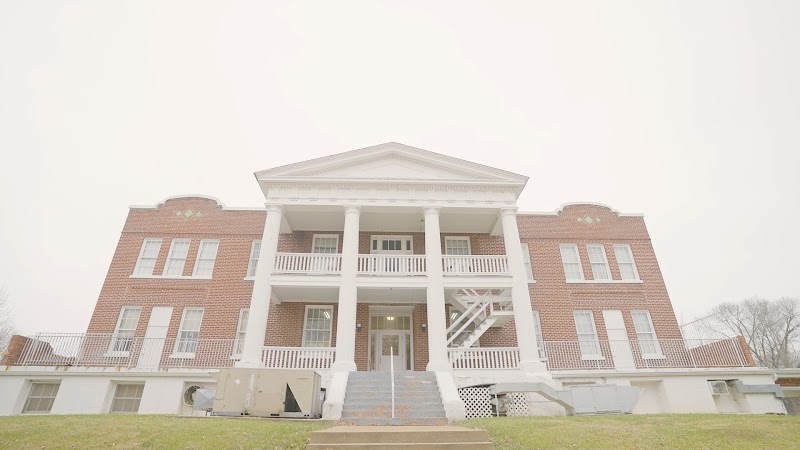
How is Sunset Health Staffed?

CMS rates SUNSET HEALTH CARE CENTER's staffing level at 1 out of 5 stars, which is much below average compared to other nursing homes. Staff turnover is 42%, compared to the Missouri average of 46%. This relatively stable workforce can support continuity of care.

What Have Inspectors Found at Sunset Health?

State health inspectors documented 26 deficiencies at SUNSET HEALTH CARE CENTER during 2022 to 2025. These included: 1 Immediate Jeopardy (the most serious level, indicating potential for serious harm or death), 20 with potential for harm, and 5 minor or isolated issues. Immediate Jeopardy findings are rare and represent the most serious regulatory concerns. They require immediate corrective action.
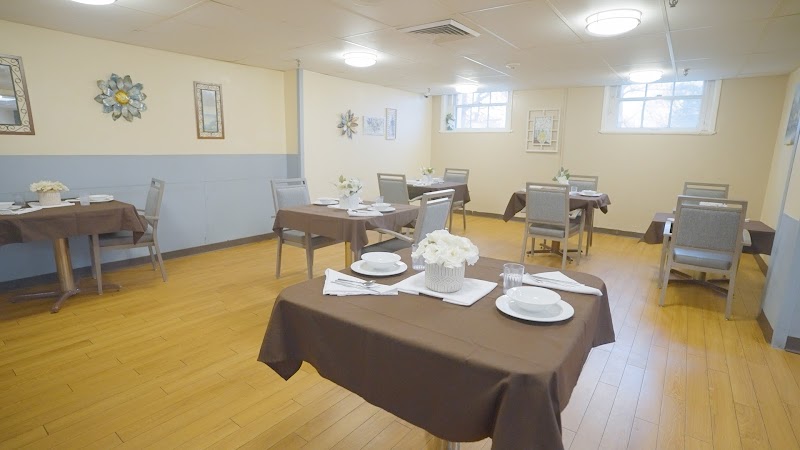
Who Owns and Operates Sunset Health?

SUNSET HEALTH CARE CENTER is owned by a for-profit company. For-profit facilities operate as businesses with obligations to shareholders or private owners. The facility is operated by MGM HEALTHCARE, a chain that manages multiple nursing homes. With 120 certified beds and approximately 113 residents (about 94% occupancy), it is a mid-sized facility located in UNION, Missouri.
How Does Sunset Health Compare to Other Missouri Nursing Homes?

Compared to the 100 nursing homes in Missouri, SUNSET HEALTH CARE CENTER's overall rating (1 stars) is below the state average of 2.5, staff turnover (42%) is near the state average of 46%, and health inspection rating (2 stars) is below the national benchmark.

What Should Families Ask When Visiting Sunset Health?

Based on this facility's data, families visiting should ask: "What changes have been made since the serious inspection findings, and how are you preventing similar issues?" "Can you walk me through typical staffing levels on day, evening, and night shifts?" "Can I visit during a mealtime to observe dining assistance and food quality?" "How do you handle medical emergencies, and what is your hospital transfer rate?" These questions are particularly relevant given the facility's Immediate Jeopardy citations and the below-average staffing rating.

Is Sunset Health Safe?

Based on CMS inspection data, SUNSET HEALTH CARE CENTER has documented safety concerns. Inspectors have issued 1 Immediate Jeopardy citation (the most serious violation level indicating risk of serious injury or death). The facility has a 1-star overall rating and ranks #100 of 100 nursing homes in Missouri. Families considering this facility should ask detailed questions about what corrective actions have been taken since these incidents.

Do Nurses at Sunset Health Stick Around?

SUNSET HEALTH CARE CENTER has a staff turnover rate of 42%, which is about average for Missouri nursing homes (state average: 46%). Moderate turnover is common in nursing homes, but families should still ask about staff tenure and how the facility maintains care continuity when employees leave.

Was Sunset Health Ever Fined?

SUNSET HEALTH CARE CENTER has no federal fines on record. CMS issues fines when nursing homes fail to meet care standards or don't correct problems found during inspections. The absence of fines suggests the facility has either maintained compliance or corrected any issues before penalties were assessed. This is a positive indicator, though families should still review recent inspection reports for the full picture.

Is Sunset Health on Any Federal Watch List?

SUNSET HEALTH CARE CENTER is not on any federal watch list. The most significant is the Special Focus Facility (SFF) program, which identifies the bottom 1% of nursing homes nationally based on persistent, serious quality problems. Not being on this list means the facility has avoided the pattern of deficiencies that triggers enhanced federal oversight. This is a positive indicator, though families should still review the facility's inspection history directly.