PUTNAM COUNTY CARE CENTER
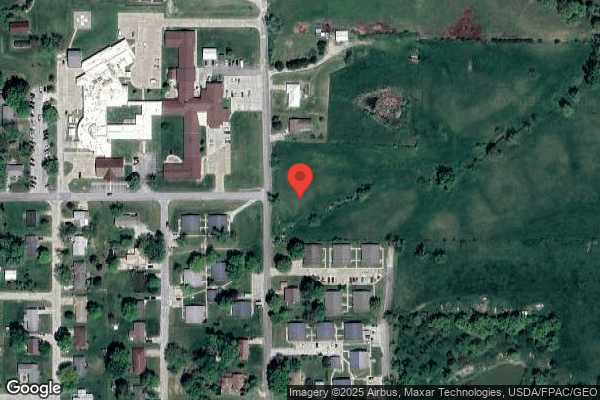

1814 OAK STREET, UNIONVILLE, MO 63565 (660) 947-2492
Government - County 60 Beds Independent Data: November 2025 2 Immediate Jeopardy citations
Trust Grade
1/100
#289 of 479 in MO
Last Inspection: September 2024

Within standard 12-15 month inspection cycle. Federal law requires annual inspections.

Overview

Putnam County Care Center has received a Trust Grade of F, indicating significant concerns about the facility's quality of care. They rank #289 out of 479 nursing homes in Missouri, placing them in the bottom half of all facilities in the state, and are the only option available in Putnam County. While the facility is improving, as evidenced by a decrease in issues from 12 in 2024 to 5 in 2025, it still has a troubling history, including fines totaling $67,121, which is higher than 89% of facilities in Missouri. Staffing is somewhat of a strength, with a 3/5 rating and a turnover rate of 45%, which is below the state average. However, specific incidents of concern include a resident suffering a fatal fall due to inadequate supervision and another developing a serious pressure ulcer due to a lack of proper treatment. Families should weigh these strengths and weaknesses carefully when considering this facility for their loved ones.

Trust Score
F
1/100
In Missouri
#289/479
Bottom 40%
Safety Record
High Risk
Review needed
Inspections
Getting Better
12 → 5 violations
Staff Stability
○ Average
45% turnover. Near Missouri's 48% average. Typical for the industry.
Penalties
⚠ Watch
$67,121 in fines. Higher than 86% of Missouri facilities, suggesting repeated compliance issues.
Skilled Nurses
⚠ Watch
Each resident gets only 27 minutes of Registered Nurse (RN) attention daily — below average for Missouri. Fewer RN minutes means fewer trained eyes watching for problems.
Violations
⚠ Watch
26 deficiencies on record. Higher than average. Multiple issues found across inspections.
★★☆☆☆
2.0
Overall Rating
★★★☆☆
3.0
Staff Levels
★★☆☆☆
2.0
Care Quality
★★☆☆☆
2.0
Inspection Score
Stable
2024: 12 issues
2025: 5 issues

The Good

  • Full Sprinkler Coverage · Fire safety systems throughout facility
  • No fines on record
  • Staff turnover below average (45%)

    3 points below Missouri average of 48%

Facility shows strength in fire safety.

The Bad

2-Star Overall Rating

Near Missouri average (2.5)

Below average - review inspection findings carefully

Staff Turnover: 45%

Near Missouri avg (46%)

Typical for the industry

Federal Fines: $67,121

Well above median ($33,413)

Moderate penalties - review what triggered them

The Ugly 26 deficiencies on record

2 life-threatening 3 actual harm
Aug 2025 4 deficiencies 1 Harm
SERIOUS (G) 📢 Someone Reported This

A family member, employee, or ombudsman was alarmed enough to file a formal complaint

Actual Harm - a resident was hurt due to facility failures

Accident Prevention (Tag F0689)

A resident was harmed · This affected 1 resident

Based on observation, interview and record review, the facility failed to provide safe transfers for one resident (Resident #7), in a review of eleven sampled residents. Resident #7 was unable to use ...

Read full inspector narrative →
Based on observation, interview and record review, the facility failed to provide safe transfers for one resident (Resident #7), in a review of eleven sampled residents. Resident #7 was unable to use his/her left arm due to a stroke. Staff failed to protect the resident's left arm during transfers which caused repeated skin tears and bruising to his/her left arm that required wound care treatment within the facility. The facility census was 57.Review of the facility policy Safe Lifting and Movement of Residents, dated July 2017, showed the following:-In order to protect the safety and well-being of staff and residents, and to promote quality care, the facility uses appropriate techniques and devices to lift and move residents;-Resident safety, dignity, comfort and medical condition will be incorporated into goals and decisions regarding the safe lifting and moving of residents;-Nursing staff, in conjunction with the rehabilitation staff, shall assess individual residents'' needs for transfer assistance on an ongoing basis. Staff will document resident transferring and lifting needs in the care plan. Such assessment shall include resident's preferences for assistance, mobility and degree of dependency, weight-bearing ability, cognitive status;-Staff responsible for direct resident care will be trained in the use of manual (gait/transfer belts). 1. Review of Resident #7's annual Minimum Data Set (MDS) a federally mandated assessment instrument, completed by facility staff, dated 4/17/25 showed the following:-Diagnoses of stroke, hemiplegia (paralysis) of left side;-Functional limitation impairment of upper and lower extremity on one side;-Required a wheelchair for mobility;-Required substantial/maximal assistance (staff provided more than half the effort) with toileting, showers, upper and lower body dressing, bed mobility, rolling side to side, wheelchair to toilet transfers, bed to wheelchair transfers; - Dependent on staff (staff provided all the effort) for wheelchair to shower chair transfers. Review of the resident's care plan, updated 5/2/25, showed the following:-The resident required assistance with Activities of Daily Living, transfers and bathing. Staff should assist with transfers to bed, and provide one to two staff member assistance with toileting;-The resident was at risk for skin breakdown due to immobility. Staff should encourage physical activity, mobility and range of motion to maximal potential, keep resident clean and dry and assist with toileting, apply sheep skin (soft protective padding) over the right arm of the wheelchair to prevent skin tears;-The resident was at risk for falls due to left sided weakness. Staff should transfer the resident towards his/her strong side (right side) due to left sided weakness. The care plan did not address protecting the resident's left arm during transfers or when positioned in the wheelchair. Review of the resident's nurses' note, dated 6/6/25 at 4:26 P.M., showed staff documented a small skin tear to the third finger on the resident's left hand with small amount of bleeding. Cleansed the 1 centimeter (cm) by 0.75 cm skin tear and secured with adhesive strips. Educated staff on protecting the resident's left flaccid arm while transferring. Staff transferred the resident to the toilet and the resident's left hand fell between his/her leg and the toilet seat, pinched the resident's finger and caused the skin tear. Review of the resident's skin integrity event dated 6/6/25 at 7:24 P.M. showed staff documented a 1 cm by 0.75 cm skin tear to the resident's third finger on the left hand. The resident complained of mild pain. The skin tear occurred during a transfer. Review of the resident's care plan showed no documentation staff implemented new interventions on 6/6/25 to prevent skin tears on the resident's left hand during transfers. Review of the resident's skin integrity event, dated 6/27/25 at 12:17 P.M., showed staff documented a 3 cm by 2 cm purple bruise on the top of the resident's left forearm with no swelling or pain. The purple bruise occurred during a transfer. The resident was unable to say how the bruise occurred and said you broke my arm when asked how it happened. The resident's left arm was flaccid and frequently got stuck between the resident's body and wheelchair during transfers. Review of the resident's care plan, dated 6/27/25, showed staff documented a 3 cm by 2 cm purple bruise to the top of the resident's left forearm. Staff should monitor every shift for increased pain, increased swelling or loss of range of motion. There was no documentation staff implemented new interventions on 6/27/25 to prevent injury to the resident's left arm during transfers. Review of the resident's nurses' note, dated 8/10/25, showed staff documented the following:-At 6:30 P.M. the resident received a 2 cm skin tear on the inside of the first finger during transfer to the recliner chair. The skin tear was cleaned and secured with adhesive strips;-At 8:00 P.M. family notified of the skin tear on the resident's first finger of the left hand, the skin tear occurred during transfer. Family concerned this kept happening to the resident's left arm and said the resident's left arm was at risk for injury during transfers because of the stroke. Family suggested an arm support for the left arm, not a sling since the resident did not like straps around his/her neck. Family suggested a support to hold the resident's left arm that secured around the resident's waist for transfers and while up in the wheelchair. Review of the resident's skin integrity event, dated 8/10/25 at 8:17 P.M., showed staff documented the resident had a 2 cm skin tear on the first finger of the resident's left hand received during a transfer to the recliner chair. Review of the resident's care plan showed no documentation staff implemented new interventions on 8/10/25 to prevent skin tears on the resident's left hand during transfers. Observation on 8/13/25 at 10:10 A.M. showed the resident sat on the toilet, his/her left arm dangled straight down to his/her side. Nursing Assistant (NA) C and Certified Nurse Assistant (CNA) D lifted the resident from the toilet seat with a gait belt (canvas belt placed around the resident's waist to assist with ambulation, transfer, and positioning in a chair), provided perineal care, and pulled up the resident's incontinence brief and pants. The resident's left arm dangled at the resident's side during the transfer to the wheelchair and fell into the wheelchair seat next to the resident with the left had flaccid. The resident had adhesive strips noted on his/her left index finger securing a skin tear. There was no pillow or support device for the resident's flaccid left arm and no sheep skin or padding noted on the left arm rest of the wheelchair. During an interview on 8/13/25 at 10:12 A.M. the resident said his/her left arm dangled, got caught in the chair, wheelchair and toilet seat. His/Her left arm was injured during transfers. Staff did not elevate his/her arm on a pillow and did not use a sling. Staff injured his/her left arm several times. Observation on 8/13/25 at 11:55 A.M. showed the resident sat in a recliner chair with his/her left arm resting on his/her left leg. NA C and NA E applied a gait belt and transferred the resident to the wheelchair. The resident's left arm dangled down at his/her side the transfer. Staff did not secure or protect the resident's left arm. During an interview on 8/13/25 at 12:05 P.M. the resident's family member said he/she was concerned about staff not protecting the resident's left arm. The family member had talked with staff about a sling or device to hold the left arm during transfers to prevent injuries. Staff were not using a sling. Family ordered an immobilizer device to secure the resident's left arm during transfers and prevent further injuries. During an interview on 8/13/25 at 12:40 P.M. Licensed Practical Nurse (LPN) B said the resident required two staff members with transfers and a gait belt. The resident's left arm dangled during transfers. Staff should protect and support the resident's left arm during transfers to prevent injury and the resident's left arm should not dangle to the side during the transfers. The resident had skin tears to the left hand from getting pinched between the toilet seat. The resident did not have a sling or protective device for the left arm. During an interview on 8/13/25 at 2:10 P.M. Registered Nurse (RN) A said the resident had left arm injuries, skin tears and bruising from staff not protecting the resident's flaccid left arm during transfers. Staff should protect the resident's left arm, wrap the wheelchair arm rest and not let the resident's left arm dangle. During an interview on 9/10/25 at 2:00 P.M. Physical Therapy Assistant F said no physical or occupational therapy evaluation or recommendations were provided regarding the resident's left arm injuries during transfers. Staff did not contact therapy regarding the resident's left arm injuries that occurred during transfers and the resident did not have a sling for use during transfers prior to 8/17/25. During an interview on 8/13/25 at 1:40 P.M. the Director of Nursing said the resident's left arm was flaccid and staff should support the resident's left arm during transfers and prevent injuries. The resident did not have a sling. Staff were educated about protecting the resident's left arm and provide support, so the left arm did not dangle during transfers and avoiding injury to the left arm. The resident's family ordered an immobilizer device to secure the resident's left arm during transfers to prevent further injuries. Resident care plans should be updated and reflect the resident's current care needs and changes in care needs. During an interview on 8/13/25 at 2:40 P.M. the resident's physician said staff should protect the resident's affected arm from injury during transfers and avoid injuries. During an interview on 8/13/25 at 3:20 P.M. the Administrator said staff should prevent injuries during transfers and protect the resident's affected arm. All residents should have safe transfers without injury. Intake 2587150
CONCERN (D) 📢 Someone Reported This

A family member, employee, or ombudsman was alarmed enough to file a formal complaint

Potential for Harm - no one hurt, but risky conditions existed

Notification of Changes (Tag F0580)

Could have caused harm · This affected 1 resident

Based on interview and record review, the facility failed to notify one of eleven sampled resident's (Resident #4's), physician when the resident returned from a hospital stay with a urinary catheter ...

Read full inspector narrative →
Based on interview and record review, the facility failed to notify one of eleven sampled resident's (Resident #4's), physician when the resident returned from a hospital stay with a urinary catheter (a sterile tube inserted into the bladder to drain the bladder of urine) and failed to notify the physician and obtain orders for discontinuation of the urinary catheter. Staff also failed to notify the physician the resident had not urinated for two days following removal of the urinary catheter and failed to notify the physician before inserting a straight catheter (inserted a temporary urinary catheter and removal and then removing for the purpose of draining the bladder and determine the residual urine quantity). Staff failed to notify the resident's family the resident's urinary catheter was discontinued, the resident had not urinated for two days, or staff performed a straight catheterization procedure. The facility census was 57.Review of the facility policy Change in a Resident's condition or Status, dated February 2021, showed the following:-The facility promptly notified the resident, his or her attending physician and the resident representative of changes in the resident's medical/mental condition and or status;-The nurse will notify the resident's attending physician when there has been a significant change in the resident's physical/emotional/mental condition, need to alter the resident's medical treatment significantly or specific instruction to notify the physician of changes in the resident's condition;-Prior to notifying the physician the nurse will make detailed observations and gather relevant and pertinent information for the provider;Unless otherwise instructed by the resident, a nurse will notify the resident's representative when there is a significant change in the resident's physical, mental or psychosocial status. 1. Review of Resident #4's admission Minimum Data Set (MDS) a federally mandated assessment instrument, completed by facility staff, dated 6/14/25 showed the following:-Diagnoses of amputation, benign prostatic hyperplasia (swelling of the prostate gland and caused difficulty urinating), end stage renal disease (kidney failure that required dialysis a procedure to filter the blood and remove excess fluid and toxins from the system);-Required no urinary catheter, incontinent of bladder. Review of the resident's nurses' note, dated 7/1/25 at 12:36 P.M., showed Registered Nurse (RN) A documented he/she received a telephone call with report from the discharging hospital. The resident was scheduled for dialysis on Monday, Wednesday and Friday. discharged with a urinary catheter in place. Review of the resident's admission nursing assessment, dated 7/1/25 at 3:30 P.M., showed RN A documented the following:-admission following a hospital stay for treatment of right above knee amputation and cellulitis to the left lower leg;-Urinary catheter required. Review of the resident's nurses' note, dated 7/1/25, showed RN A documented the following:-At 3:30 P.M. resident returned to facility by private vehicle with family. Assisted from the car to a wheelchair and taken to the resident's room. The resident was agitated, and staff transferred the resident to bed and provided incontinence care. The resident complained of discomfort during cares. Urinary catheter in place with light yellow urine present in tubing and small amount in the drainage bag;-At 4:00 P.M. the resident tried to pull the urinary catheter out and said he/she wanted the catheter out. RN A gathered supplies and explained to the resident RN A would remove the catheter. Resident then allowed RN A to deflate the bulb and remove the urinary catheter. The resident asked RN A to call the physician because he/she wanted the catheter out. RN A sent a secure text message to the physician notifying of catheter removal;-At 5:30 P.M. response from the physician regarding urinary catheter removal was OK. Review of the resident's medical record showed no documentation staff notified the resident's physician the resident had a urinary catheter upon return from the hospital and no documentation the physician was notified prior to removal of the resident's urinary catheter. The resident's medical record showed no documentation staff notified the resident's family staff had removed the resident's urinary catheter. Review of the resident's nurses' note, dated 7/2/25 at 9:27 P.M., showed staff documented family was aware the resident continued to be a no void (unable to urinate). Family did not wish for staff to straight catheterize at this time, family did not want to cause the resident more discomfort. Family was agreeable if the resident's bladder became distended (firm and swollen) and/or complained of increased bladder discomfort staff could straight catheterize. Review of the resident's medical record showed no documentation staff notified the physician the resident had not urinated. Review of the resident's nurses' note, dated 7/3/25 at 4:30 P.M., showed staff documented the resident had not urinated in the night, only dribbled urine since the urinary catheter was removed on 7/1/25. Explained to the resident the need to place a straight catheter in and out of the bladder to drain the urine. Dried blood and purulent (containing pus) drainage were noted on the resident's perineal skin and meatus (urinary opening in the skin). The perineal skin was swollen and light purple in color. The urinary catheter was placed with immediate return of approximately 150 milliliters (ml) amber (normal light yellow) colored urine followed by purulent sediment (normal urine clear and without sediment) in the tubing. Once the flow of urine stopped the straight catheter was removed. Topical protective ointment was applied to perineal skin and meatus. Review of the resident's medical record showed no documentation staff notified the physician the resident had not urinated since removal of the urinary catheter on 7/1/25 and no documentation staff notified the resident's physician or family staff inserted a straight catheter, the condition of the resident's perineal skin and meatus drainage or results of the straight catheterization. Review of the resident's nurses' notes showed staff documented the following:-On 7/3/25 at 7:15 A.M. very little urine output;-On 7/4/25 at 3:17 P.M. the resident had not urinated, abdomen soft with no distension. Review of the resident's medical record showed no documentation staff notified the physician the resident had very little urine output on 7/3/25 and had not voided on 7/4/25. Review of the resident's nurses' note, dated 7/6/25, showed staff documented the following:-At 12:29 A.M. the resident said he/she needed to urinate and was unable to urinate. He/She became agitated when the incontinence brief was applied, the resident seemed to have pain with touching of the perineal skin and meatus;-At 5:38 A.M. the resident was very tender to the perineal skin and meatus and became very anxious and upset almost violent when touched in any manner. Review of the resident's medical record showed no documentation staff notified the physician or the resident's family the resident was unable to urinate and had pain with touching of the perineal skin and meatus.During an interview on 8/13/25 at 12:40 PM, Licensed Practical Nurse (LPN) B said the resident had a catheter when he/she returned from the hospital. RN A removed the catheter after the resident returned to the facility. The resident had End Stage Renal Disease (ESRD), and RN A decided the catheter did more harm than good. When a resident was admitted with a catheter, staff should notify the physician, receive orders for the urinary catheter and orders for caring and flushing of the urinary catheter. The physician and family should be notified of the change in condition, removal of the catheter and staff should call the physician and explain the situation and receive orders for treatment. Staff should notify the physician of the resident's condition when straight catheterization was required. During an interview on 8/13/25 at 2:10 P.M., RN A said on 7/1/25 the resident returned from the hospital with a urinary catheter. RN A removed the catheter with no issues. RN A did not call the discharging hospital or physician to verify the need for the urinary catheter. He/She removed the resident's urinary catheter because the resident was pulling on the catheter and causing pain and there was no diagnosis on the resident's record that required a urinary catheter. RN A notified the physician by secure text app after he/she removed the urinary catheter. The resident had no urine output for two days, he/she straight catheterized the resident for residual urine. He/She should have notified the physician of the resident's change in condition and need for straight catheterization. RN A should follow the facility policy. During an interview on 8/13/25 at 1:40 P.M. the Director of Nursing said on 7/1/25 the resident returned to the facility with a urinary catheter, she was not sure why the resident had the catheter. The resident tried to pull the catheter out on the day he/she readmitted to the facility. Staff should notify the physician of the urinary catheter and prior to removing the urinary catheter. Staff should notify the physician of the resident's condition prior to straight catheterization. Staff should notify the resident's family of any change in condition or change in orders. During an interview on 8/13/25 at 2:40 P.M. the resident's physician said the facility communicated with him through a secure text app, fax and phone calls. Staff did not notify him the resident had a catheter until after the catheter was removed and did not notify him the resident was unable to void before inserting the straight catheter. During an interview on 8/13/25 at 3:20 P.M. the Administrator said staff should notify the physician and family of changes in condition and treatment. Staff should have determined why the resident had the catheter when he/she returned from the hospital and notified the physician before discontinuing the urinary catheter. Intake 2565096
CONCERN (D) 📢 Someone Reported This

A family member, employee, or ombudsman was alarmed enough to file a formal complaint

Potential for Harm - no one hurt, but risky conditions existed

Deficiency F0583 (Tag F0583)

Could have caused harm · This affected 1 resident

**NOTE- TERMS IN BRACKETS HAVE BEEN EDITED TO PROTECT CONFIDENTIALITY** Based on interview and record review, the facility failed to maintain one of 11 sampled residents' (Resident #4's) private healt...

Read full inspector narrative →
**NOTE- TERMS IN BRACKETS HAVE BEEN EDITED TO PROTECT CONFIDENTIALITY** Based on interview and record review, the facility failed to maintain one of 11 sampled residents' (Resident #4's) private health information when the Administrator shared the resident's change in code status (CPR -cardiopulmonary resuscitation (CPR), vs DNR- do not resuscitate), with members of the public who were not privileged to that information. The facility census was 57.Review of the facility policy, Resident Rights, dated February 2021, showed the following:-Federal and state laws guarantee certain basic rights to all residents of the facility including the resident's right to a dignified existence, privacy and confidentiality;-The unauthorized release, access or disclosure of resident information is prohibited. All release, access or disclosure of resident information must be in accordance with current laws governing privacy of information issues. All inquiries concerning the release of resident information should be directed to the Health Insurance Portability and Accountability Act (HIPAA, a federal law that set national standards for the privacy and security of health information, protects protected health information (PHI) which includes any health information that can identify an individual including medical records, verbal conversations, across all forms, electronic, paper and oral) compliance officer. 1. Review of Resident #4's Durable Power of Attorney for Health Care dated [DATE] showed the resident appointed an agent with no alternate agent appointed. The Durable [NAME] of Attorney was signed by the resident, dated, witnessed and notarized. Review of the resident's Physician Order Sheet, dated [DATE], showed the following:-admission date of [DATE];-Diagnoses of amputation, diabetes, high blood pressure, end stage renal disease (kidney failure and required dialysis a procedure to filter the blood and remove excess fluid and toxins from the system. Review of the resident's Physician Orders for Life-Sustaining Treatment showed the resident elected full intubation (breathing tube) and resuscitation (CPR) in the event he/she was in respiratory distress and in need of mechanical ventilation or in the event he/she had no pulse and was not breathing. The resident's power of attorney signed the form. The resident's physician signed and dated the form on [DATE]. Review of the resident's nurses' note, dated [DATE] at 6:50 P.M., showed staff explained to the resident's power of attorney the resident was full code status and explained what that entailed in detail. The power of attorney did not want to put the resident through that and if it was the resident's time to go, let him/her go in peace. The power of attorney signed papers changing the resident's code status from full code to DNR. The physician was notified by fax. The administration was notified of the code status change.Review of the resident's Physician Orders for Life-Sustaining Treatment showed the resident elected no intubation and Do Not Resuscitate (DNR) in the event he/she was in respiratory distress and in need of mechanical ventilation or in the event he/she had no pulse and was not breathing. The resident's power of attorney signed and dated the form [DATE]. The resident's physician signed and dated the form [DATE].During an interview on [DATE] at 4:15 P.M. the resident's family member, who was not the resident's DPOA, said he/she was at the golf course on [DATE] and spoke with the administrator while playing golf. Another unrelated person was present at the time. The administrator informed the family member the resident coded. The family member told the other players he/she had to leave, needed to tell his/her spouse and go to the facility. The family member and spouse arrived at the facility, and the resident was awake and confused. The family member misunderstood, the resident did not code. The administrator said the resident's code status changed to DNR. During an interview on [DATE] at 4:25 P.M. the resident's Durable Power of Attorney said he/she did not want the resident's medical information shared with any other persons. The administrator should not have shared the resident's change in code status with other family members and especially not in a public place. During an interview on [DATE] at 2:00 P.M. the Administrator said the resident's code status changed from full code to DNR on [DATE]. Staff called and notified the administrator while she was playing golf at the golf course. The resident's family member was at the golf course and heard the conversation. The administrator told the resident's family member yes if you want to see the resident you should go. The administrator told the family member, who was not the resident's power of attorney, the resident's code status changed to DNR. The family member misinterpreted the information and thought the resident had coded. She should not disclose any resident's personal medical information to anyone other than the resident's power of attorney. She violated the resident's privacy and the facility privacy policy. Intake 2594218
CONCERN (D) 📢 Someone Reported This

A family member, employee, or ombudsman was alarmed enough to file a formal complaint

Potential for Harm - no one hurt, but risky conditions existed

Deficiency F0658 (Tag F0658)

Could have caused harm · This affected 1 resident

Based on interview and record review, the facility failed to provide care according to professional standards of practice for one resident (Resident #4) in a review of eleven sampled residents when st...

Read full inspector narrative →
Based on interview and record review, the facility failed to provide care according to professional standards of practice for one resident (Resident #4) in a review of eleven sampled residents when staff failed to obtain physician orders for removal of the resident's urinary catheter (a sterile tube inserted into the bladder to drain the bladder of urine) that was in place on re-admission from an outside hospital and failed to obtain orders for straight catheterization when the resident was unable to urinate for two days. The facility census was 57.Review of the facility policy, Urinary Catheter Care dated August 2022, showed the following:-The purpose was to prevent urinary catheter-associated complications, including urinary tract infections;-Review and document the clinical indications for catheter use prior to inserting;-Nursing and the interdisciplinary team should assess and document the ongoing need for a catheter that is in place;-Observe the resident for complications associated with urinary catheters. Report unusual findings to the physician or supervisor immediately if the resident indicates that his/her bladder is full or that he/she needs to urinate, if urine has an unusual appearance, (color, blood etc.), if the resident complains of burning, tenderness, or pain in the urethral area;-The facility policy did not address obtaining physician orders for inserting and removing a urinary catheter. During an interview on 8/13/25 at 3:20 P.M. the Administrator said staff should obtain physician orders for insertion and removal of a urinary catheter fand follow physician orders. 1. Review of Resident #4's admission Minimum Data Set (MDS) a federally mandated assessment instrument, completed by facility staff, dated 6/14/25 showed the following:-Diagnoses included amputation, benign prostatic hyperplasia (swelling of the prostate gland and caused difficulty urinating), end stage renal disease (kidney failure and required dialysis a procedure to filter the blood and remove excess fluid and toxins from the system);-Required no urinary catheter, incontinent of bladder and always continent of bowel. Review of the resident's care plan, dated 6/20/25, showed the resident required dialysis. Staff should assess for fluid excess (weight gain, distension, swelling of the tissues, increased urinary output, nausea/vomiting, liquid stools). Review of the resident's care plan showed no staff documentation the resident required a urinary catheter and no documentation or staff direction regarding care of a urinary catheter. Review of the resident's nurses' note, dated 7/1/25 at 12:36 P.M., showed Registered Nurse (RN) A documented he/she received a telephone call with report from the discharging hospital. The resident was scheduled for dialysis on Monday, Wednesday and Friday. discharged with a urinary catheter in place. Review of the resident's admission assessment, dated 7/1/25 at 3:30 P.M., showed RN A documented the following:-admission following a hospital stay for treatment of right above knee amputation and cellulitis to the left lower leg;-Urinary catheter required;-Always incontinent of bowel with liquid stools;-Disoriented to person, place and time, could not repeat a sequence of numbers. Review of the resident's nurses' note, dated 7/1/25, showed RN A documented the following:-At 3:30 P.M. resident returned to facility by private vehicle with family. Assisted from the car to a wheelchair and taken to the resident's room. The resident was agitated, and staff transferred the resident to bed and provided incontinence care. The resident complained of discomfort during cares. Urinary catheter in place with light yellow urine present in tubing and small amount in the drainage bag;-At 4:00 P.M. the resident tried to pull the urinary catheter out and said he/she wanted the catheter out. RN A gathered supplies and explained to the resident RN A would remove the catheter. The resident said don't touch it. RN A explained if the resident wanted the catheter out, he/she would have to touch it. The resident continued to touch the catheter and pulled slightly. RN A explained the process of the urinary catheter removal. RN A assured the resident it would be less painful for RN A to remove the catheter than pulling it out. Resident then allowed RN A to deflate the bulb and remove the urinary catheter with a coude tip (a type of urinary catheter used to drain urine with a curved or bent tip designed to navigate past obstructions or tight passages in the urethra, often due to conditions like an enlarged prostate or strictures) noted and intact. The resident voiced discomfort with removal. No noted bleeding or clots noted with removal. The resident asked RN A to call the physician because he/she wanted the catheter out. RN A sent a secure text message to the physician notifying of the catheter removal;-At 5:30 P.M. response from the physician regarding urinary catheter removal was OK. Review of the resident's medical record showed no physician's order for the urinary catheter, care or treatment of the catheter and no physician's order for urinary catheter removal. Review of the resident's nurses' note, dated 7/1/25, showed staff documented the resident's family member said a urinary catheter was placed in the emergency department prior to being transferred to the outside hospital. While in the hospital the urinary catheter was kept in place to document the resident's urinary output, because the resident did not make much urine. The family member was not happy staff removed the urinary catheter without speaking to the family or the physician. Review of the resident's nurses' note, dated 7/2/25 at 9:27 P.M., showed staff documented family aware the resident had not urinated. Family did not wish for staff to straight catheterize at this time, family did not want to cause the resident more discomfort. Family was agreeable if the resident's bladder became distended (firm and swollen) and/or complained of increased bladder discomfort staff could straight catheterize. Review of the resident's medical record showed no documentation staff notified the physician the resident had not urinated. Review of the resident's nurses' note, dated 7/3/25 at 4:30 P.M., showed staff documented the resident had not urinated in the night, only dribbled urine since staff removed the urinary catheter on 7/1/25. Explained to the resident the need to place a straight catheter in and out of the bladder to drain the urine. The resident's bladder was not distended and showed no signs of discomfort. Dried blood and purulent (containing pus) drainage were noted on the resident's perineal skin and meatus (urinary opening in the skin). The perineal skin was swollen and light purple in color. The resident was uncomfortable and complained of pain while staff provided perineal care. Attempted to place the urinary catheter and the resident jumped up and started grabbing at the nurse's arms trying to pull the catheter away. The nurse removed the urinary catheter at that time and called for assistance. The nurse explained to the Certified Nurse Assistant (CNA) the resident had not voided since removal of the urinary catheter and needed to try a straight catheter to empty the resident's bladder. The urinary catheter was placed with immediate return of approximately 150 milliliters (ml) amber (normal light yellow) colored urine followed by purulent sediment (normal urine clear and without sediment) in the tubing. Once the flow of urine stopped staff removed the straight catheter. Staff applied a topical protective ointment to perineal skin and meatus. Review of the resident's medical record showed no documentation staff notified the physician the resident had not urinated, and no documentation staff notified the resident's physician or family staff straight catheterized the resident and the condition of the resident's perineal skin, meatus drainage and results of the straight catheterization. Review of the resident's nurses' notes showed staff documented the following:-On 7/3/25 at 7:15 A.M. very little urine output. Fluids offered and encouraged;-On 7/4/25 at 3:17 P.M. the resident had not voided, abdomen soft with no distension. Review of the resident's medical record showed no documentation staff notified the physician the resident had very little urine output on 7/3/25 and had not voided on 7/4/25. Review of the resident's nurses' note, dated 7/6/25, showed staff documented the following:-At 12:29 A.M. the resident said he/she needed to urinate and was unable to urinate. He/She became agitated when the incontinence brief was applied; the resident's perineal skin and meatus were painful to touch;-At 5:38 A.M. the resident was very tender to the perineal skin and meatus and became very anxious and upset, almost violent when touched in any manner. Review of the resident's medical record showed no documentation staff notified the physician or the resident's family the resident was unable to urinate and had pain with touching of the perineal skin and meatus.During an interview on 8/13/25 at 12:40 PM Licensed Practical Nurse (LPN) B said the resident had a catheter when he/she returned from the hospital. The nurse removed the catheter after the resident returned to the facility, the resident was restless and pulled on the catheter tubing, causing trauma to the perineal skin and insertion site. The nurses decided the catheter did more harm than good. Staff should have an order for a catheter and an order to remove the catheter. When a resident was admitted with a catheter, staff should notify the physician, receive orders for the urinary catheter and orders for caring and flushing of the urinary catheter. The physician and family should be notified of the change in condition, removal of the catheter and staff should call the physician and explain the situation and receive orders for treatment. Following removal staff should check for urine output and monitor for distension, pain or difficulty urinating. Staff should obtain a physician's order to straight catheterize and notify the physician of the resident's condition when straight catheterization was required. The resident's perineal skin and meatus peeled and was irritated, red and swollen with purulent drainage after the catheter was removed. During an interview on 8/13/25 at 2:10 P.M. RN A said on 7/1/25 the resident returned from the hospital with a urinary catheter. RN A removed the catheter with no issues, he/she deflated the bulb first, removed the urinary catheter RN A did not know why the resident had a catheter. There was no documentation from the hospital that showed the reason for the urinary catheter, and he/she did not call the discharging hospital or physician to verify the need for the urinary catheter. RN A notified the physician by secure text app after he/she removed the urinary catheter. The resident had no urine output for two days; then he/she straight catheterized the resident for residual urine. Staff should obtain a physician's order for a urinary catheter and obtain orders to discontinue a urinary catheter. Physician orders should be obtained for straight catheterization. He/She should follow the facility policy. During an interview on 8/13/25 at 1:40 P.M. the Director of Nursing said on 7/1/25 the resident returned to the facility with a urinary catheter, she was not sure why the resident had the catheter. The resident tried to pull the catheter out on the day he/she readmitted to the facility. No staff called to clarify the reason for the urinary catheter with the discharging hospital or notified the resident's physician of the urinary catheter. There was no physician's order for a urinary catheter on the resident's medical record. Staff should obtain an order for the urinary catheter and obtain a physician's order prior to removing the urinary catheter. Staff should notify the physician of the resident's condition prior to straight catheterization. During an interview on 8/13/25 at 2:40 P.M. the resident's physician said the facility communicated with him through a secure text app, fax and phone calls. Staff should have physician orders for catheter placement, removal and straight catheterization. Staff should monitor and assess a resident if unable to void and required a straight catheterization. Staff should notify the physician for changes in treatment and orders if the resident was unable to void and if the resident had pain. During an interview on 8/13/25 at 3:20 P.M. the Administrator said staff should have determined why the resident had the catheter when he/she returned from the hospital and notified the physician before discontinuing the urinary catheter. Intake 2565096
Apr 2025 1 deficiency
CONCERN (D) 📢 Someone Reported This

A family member, employee, or ombudsman was alarmed enough to file a formal complaint

Potential for Harm - no one hurt, but risky conditions existed

Incontinence Care (Tag F0690)

Could have caused harm · This affected 1 resident

**NOTE- TERMS IN BRACKETS HAVE BEEN EDITED TO PROTECT CONFIDENTIALITY** Based on observation, interview and record review, the facility failed to ensure staff utilized appropriate infection control te...

Read full inspector narrative →
**NOTE- TERMS IN BRACKETS HAVE BEEN EDITED TO PROTECT CONFIDENTIALITY** Based on observation, interview and record review, the facility failed to ensure staff utilized appropriate infection control technique when providing care for two residents, (Resident #1 and #2) who had indwelling urinary catheters, in a review of five sampled residents, to prevent infection. The facility census was 52. Review of the facility policy, Catheter Care, Urinary,, last revised 8/2022, showed the following: -Purpose of this procedure is to prevent urinary catheter-associated complications, including urinary tract infections; -Wash and dry hands thoroughly; -Use a clean washcloth with warm water and soap or bathing wipe to cleanse and rinse the catheter from insertion site to approximately four inches outward. Review of the facility policy, Handwashing/Hand Hygiene, last revised 10/2023, showed the following: -Hand hygiene is the primary means to prevent the spread of healthcare-associated infections; -All personnel are expected to adhere to hand hygiene policies and practices to help prevent the spread of infections to other personnel, residents and visitors; Indications for Hand Hygiene: -Immediately before touching a resident; -After contact with blood, body fluids or contaminated surfaces; -After touching a resident; -Before moving from work on a soiled body site to a clean body site on the same resident; 1. Review of Resident #2's care plan, last revised 12/09/24, showed the following: -Indwelling urinary catheter related to obstructive uropathy (obstructed urine flow); -Position bag below level of the bladder; -Provide one to two assistance for catheter care each shift. Review of the resident's urinalysis (a urine test that tests for conditions, including an infection) dated 12/31/24 showed the following: -Color: resulted light yellow (straw is normal result); -Clarity: resulted turbid (clear is normal result); -Blood: resulted large (negative is normal result); -Leukocytes (white blood cells) (WBC): resulted large; greater than (>) 100; (negative is normal result); -Red blood cells (RBC's): resulted five to 10 (none is normal result); -Bacteria: resulted two plus (none is normal result); -Culture indicated (suggesting a possible UTI). Review of the resident's Physician Order Sheet (POS), dated 01/01/15 to 01/31/25, showed the following: -Urinary catheter with five cubic centimeter (cc) balloon; -Macrobid (antibiotic) 100 milligrams (mg) one by mouth daily in morning for long term use of antibiotics; 01/31/24-open ended. Review of the resident's urine culture report, dated 01/02/25, showed the following: -Greater than 100,000 colony forming unit (cfu)/milliliter(ml) of Klebsiella pnuemoniae (bacteria found in intestines and feces); -Cefdinir (antibiotic) 300 mg, one by mouth two times daily times ten days (order date of 01/06/25). Review of the resident's POS, dated 01/01/15 to 01/31/25, showed an order for cefdinir 300 mg one by mouth every 12 hours for UTI times ten days (01/06/25 to 01/16/25). Review of the resident's annual Minimum Data Set (MDS), a federally mandated assessment instrument to be completed by the facility and dated 02/04/25 showed the following: -Dependent for bed mobility, toileting hygiene and transfers; -Indwelling urinary catheter; -Always incontinent of bowel. Review of the resident's POS, dated 04/2025, showed an order for a urinary catheter. Observation on 04/03/25 at 9:17 A.M. showed the following: -The resident lay in his/her bed; -Certified Nurse Assistant (CNA) B and CNA C entered the room, washed their hands, donned gowns and gloves and prepared to perform cares; -CNA B removed a urinary drainage bag from the bed frame and laid it on and near the end of the bed; -CNA B and CNA C unfastened the resident's incontinent brief, the resident had been incontinent of bowel; -CNA C performed pericare with wipes. Without changing his/her soiled gloves and washing hands or performing had hygiene, CNA C held the resident's catheter tubing at the insertion site with one hand and wiped outward with an incontinence wipe with the other soiled gloved hand; -Wearing soiled gloves, CNA B and CNA C rolled the resident side to side, touching his/her shoulders and legs; CNA C cleaned the resident's buttocks with wipes and then pulled the soiled brief out and threw it in the trash; -Without changing gloves, CNA C picked up a clean incontinent brief and placed it next to the resident's hip area, assisted to roll the resident, touching him/her on the left shoulder and leg; -With the same soiled gloves, CNA C placed a mechanical lift sling under the resident; -CNA C doffed gloves, washed his/her hands and donned new gloves; -CNA B and C attached the lift sling to the mechanical lift and CNA B hung the resident's urinary drainage bag from the top of the mechanical lift above the level of the resident's bladder. The catheter tubing was full of cloudy urine, that flowed back towards the resident's bladder. 2. Review of Resident #4's POS, dated 01/01/25 to 1/31/25 showed the following: -Diagnoses included neuromuscular dysfunction (difficulty in bladder control) of the bladder and UTI; -Macrobid (antibiotic) 100 mg by mouth two times daily for UTI (01/22 to 01/26/25); -Urinary catheter. Review of the resident's urinalysis report, dated 01/17/25, showed the following: -Color: yellow; -Clarity: cloudy; -Blood: moderate; -WBC's: 10 to 20; -Bacteria: two plus; -Culture indicated. Review of the resident's urinary culture report, dated 01/20/25, showed the following: -Urine catheter specimen; -Greater than 100,000 CFU/ml of Enterococous faecalis (bacteria naturally found in the intestines). Review of the resident's care plan, last revised 02/19/25, showed the following: -Indwelling urinary catheter related to neurogenic bladder; -Will have catheter care managed appropriately as evidenced by not exhibiting signs of UTI; -Provide catheter care shiftly and as needed; -Position bag below the level of the bladder; -Mechanical lift with two assist for all transfers. Review of the resident's quarterly MDS, dated [DATE], showed the following: -Substantial to maximum assist with bed mobility; -Dependent (helper does all of the effort) with toileting hygiene; -Indwelling urinary catheter; -Always incontinent of bowel. Review of the resident's POS, dated 04/2025, showed an order for a urinary catheter. Observation on 04/03/25 at 8:24 A.M., showed the following: -The resident lay in his/her bed; -CNA B and CNA C entered the room, washed their hands, donned gowns and gloves and prepared to perform cares; -CNA B untaped and tucked the resident's incontinent brief. He/She cleansed the resident's front perineal area with wipes; without changing gloves or washing hands, CNA B held the urinary catheter tubing at the insertion site and wiped the tubing in out outward motion with an incontinence wipe; -Staff rolled the resident side to side and cleaned feces from his/her anal area and buttocks; -Staff prepared to transfer the resident from the bed to a chair via a mechanical lift. Staff hung the resident's catheter bag from the top of the mechanical lift and above the level of the resident's bladder. During an interview on 04/03/25 at 1:14 P.M., CNA C said the following: -Hands should be washed upon entering a room, after perineal care, before exiting a room, when soiled and with glove changes; -Gloves should be changed when they become soiled; -It would be important to change gloves after perineal care and before performing catheter care; -Catheter care should be performed by cleaning each side (groin) and then down the center of the genitalia and then clean the tubing from the insertion site outward; -He/She did not believe he/she had been trained to change gloves after perineal care and before catheter care; -A catheter drainage bag should not be raised above the level of the bladder as it could cause a UTI. During an interview on 04/03/25 at 1:35 P.M., CNA B said the following: -Hands should be washed before cares, when soiled and with glove changes; -Gloves should be changed when soiled, after perineal care (especially if clearing feces) and before catheter care following perineal care and before touching anything clean; -Catheter care should be performed after perineal care with clean hands and gloves; -A catheter should not be hung or held above the level of the resident's bladder due to back flow of urine which could cause a UTI. During an interview on 04/03/25 at 1:50 P.M., the Director of Nursing (DON) said the following: -She would expect staff to wash hands before cares, with glove changes and change gloves when they are soiled; -She expected staff to perform perineal care, deglove, wash their hands and don clean gloves before performing catheter care; -Staff were trained to use perineal wipes for catheter care and should wipe from the insertion site outward at least four inches; -The urinary collection bag should not be hung from the top of a mechanical lift lift or above the level of the bladder. During an interview on 04/03/25 at 2:45 P.M., the Administrator said the following: -Hands should be washed upon entering the resident's room, with glove changes and when going from a dirty to a clean task; -Gloves should be changed when going from a dirty to clean task; -Catheter care should be performed with clean hands and gloves; -A catheter drainage bag should not be hung above the level of the bladder.
Oct 2024 1 deficiency 1 IJ
CRITICAL (J) 📢 Someone Reported This

A family member, employee, or ombudsman was alarmed enough to file a formal complaint

Immediate Jeopardy (IJ) - the most serious Medicare violation

Accident Prevention (Tag F0689)

Someone could have died · This affected 1 resident

Based on interview and record review, the facility failed to provide oversight and prevent injury for one resident (Resident #1), who was dependent on staff for transfers and bed mobility and had a hi...

Read full inspector narrative →
Based on interview and record review, the facility failed to provide oversight and prevent injury for one resident (Resident #1), who was dependent on staff for transfers and bed mobility and had a history of falls from bed on 8/25/24 and 10/1/24, in a review of 12 sampled residents. On 10/7/24, staff failed to ensure interventions to prevent falls from the bed were in place when staff left the resident's bedside while in the resident's room. The resident rolled out of bed and hit his/her head. The resident sustained an intraventricular hemorrhage (bleeding inside the brain) and left hip fracture, which resulted in his/her death. The facility census was 56. The administrator was notified of the Immediate Jeopardy (IJ) on 10/16/24 at 5:10 P.M., which began on 10/7/24. The IJ was removed on 10/7/24 as confirmed by surveyor onsite verification. Review of the facility policy, Safety and Supervision of Residents, revised July 2017, showed the following: -The facility strives to make the environment as free from accident hazards as possible; -Resident safety and supervision and assistance to prevent accidents are facility-wide priorities; -Individualized, resident-centered approach to safety addresses safety and accident hazards for individual residents; -The care team shall target interventions to reduce individual risks related to hazards in the environment, including adequate supervision and assistive devices; -Implementing interventions to reduce accident risks and hazards shall include the following: -Ensuring that interventions are implemented; -Documenting interventions; -Monitoring the effectiveness of interventions shall include the following: -Ensuring that interventions are implemented correctly and consistently; -Evaluating the effectiveness of interventions; -Modifying or replacing interventions as needed; -Evaluating the effectiveness of new or revised interventions; -Resident supervision is a core component of the systems approach to safety. The type and frequency of resident supervision is determined by the individual resident's assessed needs and identified hazards in the environment; -The type and frequency of resident supervision may vary among residents and over time for the same resident. Review of the facility Managing Falls and Fall Risk policy, revised March 2018, showed based on previous evaluations and current data, the staff will identify interventions related to the resident's specific risks and causes to try to prevent the resident from falling and to try to minimize complications from falling. 1. Review of Resident #1's undated Face Sheet showed the resident's diagnoses included dementia (a chronic condition that causes a decline in mental functioning, such as thinking, remembering and reasoning, to the point that it interferes with daily life), and cerebral infarction (stroke; disrupted blood flow to the brain). Review of the resident's quarterly Minimum Data Set (MDS), a federally mandated assessment instrument completed by facility staff, dated 7/21/24, showed the following: -Severely impaired cognitive skills; -Dependent on staff for transfers and bed mobility; -Required substantial/maximal assistance for rolling left and right in bed. Review of the resident's Care Plan, dated 8/1/24, showed the following: -The resident was at risk for falling due to limited mobility; -Ensure the resident was positioned in the center of the bed and positioned with a pillow to the side of the resident. -Two staff were to assist the resident with transfers. Review of the resident's Progress Notes, dated 8/25/24 at 12:30 A.M., showed a certified nurse assistant (CNA) found the resident on the floor. The resident slid off a low bed onto the floor mat. The resident landed on his/her right side. The resident had red bruising on his/her right hip, right upper thigh, on his/her right side, right elbow and left thigh. The resident had a 1 centimeter (cm) abrasion on his/her right shoulder surrounded by red bruising. Review of the resident's Care Plan showed no documentation staff evaluated the current interventions or implemented new interviews to prevent falls after the resident fell out of bed on 8/25/24. Review of the resident's Physician Order Sheet (POS), dated October 2024, showed an order for 81 milligrams (mg) of aspirin once daily in the morning. Review of the resident's Progress Notes, dated 10/1/24 at 6:25 A.M., showed staff found the resident on the fall mat. It appeared the resident was rolled up in his/her bed covers and that he/she rolled out of bed. No injuries noted. Review of the resident's Care Plan, updated 10/1/24, showed the resident rolled out of bed. Re-educate staff on positioning the resident with pillows to the side of the resident. Review of the resident's Progress Notes, dated 10/7/24 at 8:00 A.M., showed Licensed Practical Nurse (LPN) C documented the following: -Staff called him/her to the resident's room due to the resident rolling off the side of the bed while staff were getting the resident ready to get up, cleaned, changed, and dressed for the day; -When LPN C entered the resident's room, the resident laid on the floor next to his/her bed which was a little lower than waist high. The fall mat had been picked up off the floor. There were a few drops of blood on the floor under the resident's head; -The CNA said he/she was in the room getting the resident ready when the resident rolled over and off the side of the bed; -The resident had a raised area to the left side of his/her head that was purple in color with a small abrasion to one side and a laceration to the other side. The resident had a large amount of blood in his/her hair. The abrasion measured 1 centimeter (cm) by 0.4 cm and the laceration measured 1.5 cm by 0.2 cm. The laceration was actively bleeding; -The fall was witnessed, the fall mat was not in place, and the bed was not in the low position; -Notified administration and the resident's emergency contact and expressed the resident should be seen in the emergency room (ER) due to raised area with laceration to left side of head. Notified the resident's physician of the fall and injuries and received orders to send the resident to local hospital emergency room (ER) for evaluation and treatment; -All current fall interventions were not in place at the time of the fall. Review of the resident's care plan, updated 10/7/24, showed staff witnessed the resident roll off the side of his/her bed. Staff were educated on all current fall interventions for the resident. During interviews on 10/15/24 at 3:26 P.M., 10/16/24 at 10:25 A.M., and on 10/16/24 at 5:41 P.M., CNA A said the following: -He/She and CNA B had raised the resident's bed to perform peri care and to prepare to transfer the resident out of bed for breakfast. The resident was on his/her left side facing the wall in the middle of the bed (the left side of the resident's bed was against the wall). The mechanical lift sling was under the resident; -He/She and CNA B realized they forgot to bring the mechanical lift into the room. CNA B left the room to retrieve the lift; -He/She stayed in the resident's room and lowered the bed somewhat, but not all the way back down to a low position. The resident was not moving and appeared to be sleeping. He/She had never seen the resident move around much. The resident did not have any pillows behind him/her because they were prepared to get the resident out of bed. He/She removed the fall mat from in front of the bed and moved it to the side and began to straighten up the room by folding clothes and blankets on the resident's recliner (the recliner sat approximately five feet from right side of the bed). He/She turned his/her back away from the resident for less than five minutes and the resident rolled out of the right side of the bed; -He/She was aware the resident fell out of bed on 10/1/24. The facility had implemented putting pillows around the resident after that fall. He/She did not put the pillows around the resident on 10/7/24 because he/she was getting the resident up and was not leaving the resident in bed. During interview on 10/15/24 at 12:57 P.M., CNA B said the following: -When he/she first entered to the resident's room to assist CNA A, the resident's bed was in the low position, the fall mat was on the floor next to the right side of the bed and there were pillows around the resident. He/She and CNA A raised the bed to perform peri care and placed the mechanical lift sling under the resident. The resident was not moving around in the bed; -He/She left the room to get the mechanical lift. Before he/she left the room, the resident was in the center of the bed facing the wall. The resident did not have any pillows around him/her. The resident was not moving around at all on his/her own; -The mechanical lift was down the hall and he/she was probably gone approximately two minutes to get the lift. He/She did not know exactly what happened while he/she was out of the room; -When he/she returned to the room with the mechanical lift, the fall mat was not on the floor and the resident lay on the floor; -The resident had rolled out of bed in the past and moved/rolled around in the bed when he/she was in pain. During an interview on 10/16/24 at 10:00 A.M., Licensed Practical Nurse (LPN) C said the following: -When he/she arrived to the room after the resident's fall, the bed position was between knee and thigh height. The resident lay directly on the floor to the right side of the bed facing the bed on his/her left side. The fall mat was not on the floor next to the bed. Blood was visible on the floor and the resident had a goose egg and laceration on the left side of his/her head. The resident was sent to the hospital emergency room for evaluation; -The resident had the ability to move when he/she wanted to move, but for the most part, the resident didn't move around much. The resident was supposed to have pillows behind his/her back when in bed. The fall interventions (i.e. fall mat in place, pillows behind the resident and a low bed) should have been in place to keep the resident safe. Staff should have stood at the bedside with the resident until it was time to conduct the mechanical lift transfer. During interviews on 10/16/24 at 11:38 A.M. and on 10/16/24 at 3:01 P.M., the Director of Nursing (DON), said the following: -Staff reported the resident fell after CNA B left the room to get the mechanical lift. CNA A turned towards the recliner (away from the resident) to get clothing and the resident fell out of bed. LPN C reported the bed height at the time of the fall was below waist high and the resident lay on his/her left side in bed facing the wall prior to the fall; -When the resident was in bed at night, the bed should be low to the floor. The resident did not follow commands and cried out sometimes and could be fidgety. The resident moved around some when he/she was in pain, possibly due to the pressure ulcer on his/her bottom; -She would have been okay with CNA A staying in the room (in close proximity) with the resident and doing other things, like tidying up the room, moving clothes around, etc. without out putting the care-planned interventions in place because the resident wasn't moving around and was turned towards the wall; -The identified fall interventions were to be in place when the resident was in the bed. At the time of the fall, staff were trying to get the resident up and out of bed. During interview on 10/16/24 at 5:05 P.M., the Administrator said the following: -Staff reported one staff left the room to get the mechanical lift. The other staff had turned away from the resident's bed to pick up some clothing from the recliner and the resident fell out of bed; -Nine times out of ten, the resident had no movement, but there were times when the resident moved around; -Most of the time, staff couldn't hardly get the resident to wake up; -She was unsure what she would have expected staff to have done differently. Staff stayed in the room with the resident and the resident usually didn't move around; -The resident was supposed to have a low bed, fall mat in place and pillows in place when in the bed, but the interventions were not in place when the fall occurred because staff were getting the resident out of bed. Review of the resident's hospital radiology (a medical specialty that uses imaging techniques to diagnose and treat diseases and injuries) results showed the following: -On 10/7/24 at 10:36 A.M., a CT scan (a computed tomography scan is a non-invasive medical imaging procedure that uses X-rays to create detailed, cross-sectional images of the inside of the body) of the abdomen and pelvis showed a minimally displaced left intertrochanteric fracture (a break in the upper part of the thigh bone, or femur, between the greater and lesser trochanters); -On 10/7/24 at 12:21 P.M., a CT scan of the head showed an acute intraventricular hemorrhage (bleeding inside or around the spaces in the brain). Review of the resident's progress notes, dated 10/14/24 at 6:45 P.M., showed the hospital notified the facility the resident passed away this evening. During interview on 10/16/24 at 1:39 P.M., hospital Physician D, one of the physicians who cared for the resident while in the hospital, said the resident's fall from his/her bed was a major factor in his/her death. Review of the resident's death certificate, dated 10/21/24, showed the following: -The resident passed away on 10/14/24; -Causes of Death: 1. Acute hemorrhage within basilar cisterna (fluid-filled spaces in the brain), 2. Intraventricular hemorrhage within the left lateral ventricle; -Other Significant Conditions Contributing to Death: Left hip fracture; -Describe How Injury Occurred: Resident fell out of bed; -Certified by the Medical Examiner/Coroner. NOTE: At the time of the survey, the violation was determined to be at the immediate jeopardy level J. Based on interview and record review completed during the onsite visit, it was determined the facility had implemented corrective action to remove the IJ violation at the time. A final revisit will be conducted to determine if the facility is in substantial compliance with participation requirements. At the time of exit, the severity of the deficiency was lowered to the D level. This statement does not denote that the facility has complied with State law (Section 198.026.1 RSMo.) requiring that prompt remedial action to be taken to address Class I violation(s). MO-243218 MO-243314
Sept 2024 10 deficiencies
CONCERN (D)

Potential for Harm - no one hurt, but risky conditions existed

Incontinence Care (Tag F0690)

Could have caused harm · This affected 1 resident

Based on observation, interview, and record review, the facility failed to ensure staff followed infection control practices to prevent urinary tract infections for one resident (Resident #47), who ha...

Read full inspector narrative →
Based on observation, interview, and record review, the facility failed to ensure staff followed infection control practices to prevent urinary tract infections for one resident (Resident #47), who had urinary catheter, in a review of 20 sampled residents. The facility identified six residents with urinary catheters. The facility census was 55. Review of the facility policy, Urinary Catheter Care, last revised 8/2022, showed the following: -The purpose of this procedure is to prevent urinary catheter-associated complications, including urinary tract infections. -Be sure the catheter tubing and drainage bag are kept off the floor. 1. Review of Resident #47's urine culture report, dated 5/18/24, showed the following: -Greater than 100,000 colony forming unit (CFU) /milliliter (ml) of pseudomonas aeruginosa (bacteria); -50,000-100,000 CFU/ml of proteus mirabilis (bacterium). Review of a physician fax, dated 5/20/24, showed an order for rocephin (antibiotic) one gram plus 2 ml of lidocaine (anesthetic effect) 1% intramuscular (injection into the muscle) daily times ten days. Review of the resident's Care Plan, dated 5/31/24, showed no documentation the resident had a urinary catheter or interventions to prevent urinary tract infections. Review of the resident's quarterly Minimum Data Set (MDS), a federally mandated assessment instrument, dated 6/7/24, showed the following: -Moderately impaired cognition; -Indwelling urinary catheter; -Required substantial to maximum assistance with transfers; -Manual wheelchair for locomotion. Review of the resident's Physician Order Sheet (POS), dated September 2024, showed an order to change suprapubic catheter (tube inserted into bladder through the abdomen to drain urine) every three weeks. Review of the resident's undated care plan that hung in the resident's closet showed the resident had a urinary catheter. Review showed no guidance for how staff were to care for the urinary catheter. Observation on 9/9/24 at 11:00 A.M. showed the resident sat in his/her recliner in his/her room. The resident's urinary catheter drainage bag (inside a dignity bag) hung from the chair and the bottom of the bag rested on the floor. Observations on 9/10/24 at 5:30 A.M., 6:00 A.M., 6:30 A.M., and 7:18 A.M. showed the resident lay in his/her bed. The resident's urinary catheter drainage bag (inside a dignity bag) hung from the bed frame and touched the floor. Observation on 9/11/24 at 12:30 P.M. showed the resident sat in his/her wheelchair in the dining room. The resident's urinary catheter drainage bag (inside a dignity bag) hung under the resident's wheelchair and touched the floor. During an interview on 9/12/24 at 9:50 A.M., Certified Nurse Assistant (CNA) M said no part of a urinary drainage (urinary catheter) system should touch the floor. During an interview on 9/12/24 at 5:07 P.M., Licensed Practical Nurse G said no part of a urinary drainage system should touch the floor. During an interview on 9/25/24 at 12:53 P.M., Nurse Assistant (NA) L said the following: -Staff should hang a urinary catheter drainage bag from the cross bars under the wheelchair, in the side pocket of a recliner and from the bed frame; -No part of a urinary drainage bag or tubing should touch the floor because the floor was dirty. During an interview on 9/12/24 at 4:30 P.M., the interim Director of Nursing said no part of a urinary drainage system (tubing or drainage/dignity bag) should touch the floor.
CONCERN (D)

Potential for Harm - no one hurt, but risky conditions existed

Deficiency F0761 (Tag F0761)

Could have caused harm · This affected 1 resident

**NOTE- TERMS IN BRACKETS HAVE BEEN EDITED TO PROTECT CONFIDENTIALITY** Based on observation, interview, and record review, the facility failed to store medication in a locked compartment while left u...

Read full inspector narrative →
**NOTE- TERMS IN BRACKETS HAVE BEEN EDITED TO PROTECT CONFIDENTIALITY** Based on observation, interview, and record review, the facility failed to store medication in a locked compartment while left unattended and failed to return or destroy outdated medications. The facility census was 55. Review of the facility policy, Medication Labeling and Storage, revised February 2023, showed the following: -The facility stores all medications and biologicals in locked compartments under proper temperature, humidity, and light controls. Only authorized personnel have access to keys; -The nursing staff is responsible for maintaining medication storage and preparation areas in a clean, safe, and sanitary manner; -If the facility has discontinued, outdated, or deteriorated medications or biologicals, the dispensing pharmacy is contacted for instructions regarding returning or destroying these items; -Compartments (including, but not limited to, drawers, cabinets, rooms, refrigerators, carts, and boxes) containing medications and biologicals are locked when not in use, and trays or carts used to transport such items are not left unattended if open or otherwise potentially available to others. 1. Review of Resident #51's face sheet showed he/she admitted to the facility on [DATE]. Review of the resident's Wander Data Assessment, dated 04/16/24 showed the resident was at risk of getting to a potentially dangerous place. Review of the resident's Physician Order Sheets, dated 09/2024 showed his/her diagnoses included Alzheimer's (progressive disease destroying memory cells and other important mental functions) disease. Observations on 09/10/24 showed the following: -At 5:25 A.M., the resident sat in a recliner across from the nurse's desk. An unlocked treatment cart sat outside of the medication room. No staff were in view; -At 5:35 A.M., the treatment cart remained unlocked at the nurses station as the resident walked past; no staff were observed in the area; -At 5:38 A.M., the resident entered an unlocked room, adjacent to the nurse's station, where an unlocked medication cart sat unattended; there were no staff in view of the room or cart; -At 5:55 A.M., the treatment cart near the nurse's station remained unlocked and unattended; -At 7:42 A.M., the treatment cart was located in the hallway near room [ROOM NUMBER], unlocked and unattended; Licensed Practical Nurse (LPN) W was in a resident room down the hallway, in room [ROOM NUMBER]; the medication cart was not in his/her sight. Observation on 09/10/2024 at 7:15 A.M. showed LPN W retrieved alcohol wipes, a lancet, a blood glucose monitor and test strip, and a lantus insulin pen from the treatment cart to take into a resident's room. Observation on 09/12/2024 at 9:30 A.M. showed the treatment cart was unlocked and unattended at the nurse's station. No staff were observed in view. During an interview on 09/10/24 at 7:42 A.M., LPN W said the treatment cart should always be locked if unattended and he/she must have just forgotten to lock it when he/she went into the resident's room to check blood sugar and administer insulin. 2. Observation on 09/11/24 at 09:15 A.M., of the medication room showed an open bottle of oyster shell calcium (supplement) 500 milligram (mg), 36 tablets, opened 10/29/22, expired 04/2024. During an interview on 09/11/2024 at 9:05 A.M., Certified Medication Technician (CMT) H said the following: -Any stock or expired medications that could not be returned to the pharmacy were placed into the bin above the refrigerator for two nurses to destroy; -The other basket in the locked medication room was for medications that could be returned to the pharmacy. Staff wrote those medications on the medication return form and the evening medication technician sends those medications with pharmacy when they come; -The evening CMT was responsible for putting away the medication (over the counter) and checking all other expiration dates at least once a month. During an interview on 09/12/2024 at 4:30 P.M., the Director of Nursing (DON) said the following: -Medication and treatment carts should be locked at all times while unattended; -Expired medications should be discarded or returned to pharmacy.
CONCERN (E)

Potential for Harm - no one hurt, but risky conditions existed

Deficiency F0570 (Tag F0570)

Could have caused harm · This affected multiple residents

Based on interview and record review, the facility failed to maintain a surety bond (an amount equal to at least one and one half times the average monthly balance of the residents' personal funds) su...

Read full inspector narrative →
Based on interview and record review, the facility failed to maintain a surety bond (an amount equal to at least one and one half times the average monthly balance of the residents' personal funds) sufficient to ensure protection of all personal funds the facility held for 15 residents in the resident fund account. The facility census was 55. Review of the facility undated policy, Surety Bond, showed the following: -The facility has a current surety bond to assure the security of all residents' personal funds deposited with the facility; -A surety bond is an agreement between the facility, the insurance company, and the resident or the State acting on behalf of the resident, wherein the facility and the insurance company agree to compensate the resident for any loss of residents' funds that the facility holds, accounts for, safeguards, and manages; -This facility holds a surety bond to guarantee the protection of residents' funds managed by the facility on behalf of its residents; -All funds (including refundable deposits) entrusted to the facility for a resident are covered by the surety bond; -The purpose of the surety bond is to guarantee that the facility will pay the resident for losses occurring from any failure by the facility to hold, account for, safeguard, and manage the residents' funds (i.e., losses occurring as a result of acts or errors of negligence, incompetence or dishonesty). 1. Review of the facility surety bond, dated 03/02/21, showed the facility had an approved surety bond in the amount of $10,000.00. Review of the resident trust fund account for September 2023 to September 2024 showed an average monthly balance of $7,222.31. Calculation showed the facility required a bond in the amount of at least $10,500.00. The current ledger amount was $8,775.60. During an interview on 09/12/24 at 4:30 P.M., the Administrative Assistant said the following: -He/She was responsible for the resident trust fund and obtaining the surety bond for the trust; -He/She had not reviewed the bond in the last year.
CONCERN (E)

Potential for Harm - no one hurt, but risky conditions existed

Deficiency F0583 (Tag F0583)

Could have caused harm · This affected multiple residents

**NOTE- TERMS IN BRACKETS HAVE BEEN EDITED TO PROTECT CONFIDENTIALITY** Based on observation, interview and record review, the facility failed to ensure personal privacy for multiple residents when on...

Read full inspector narrative →
**NOTE- TERMS IN BRACKETS HAVE BEEN EDITED TO PROTECT CONFIDENTIALITY** Based on observation, interview and record review, the facility failed to ensure personal privacy for multiple residents when one resident (Resident #51), who had diagnoses of dementia and identified as a wanderer, wandered in and out of other residents' rooms. The facility census was 55. Review of the facility policy, Dignity, revised February 2021, showed the following: -Each resident shall be cared for in a manner that promotes and enhances his or her sense of well-being, level of satisfaction with life, and feelings of self-worth and self-esteem; -Residents' private space and property are respected at all times; -Staff promote, maintain, and protect resident privacy. Review of the facility policy, Resident Rights, revised February 2021, showed Federal and state laws guarantee certain basic rights to all residents of this facility. These rights include the resident's right to privacy. 1. Review of Resident #51's Face Sheet showed he/she was admitted to the facility on [DATE]. Review of the resident's Wander Data Assessment, dated 04/16/24, showed the following: -History of wandering prior to admission; -Wandering significantly intrudes on the privacy or activities of others. Review of the resident's significant change Minimum Data Set (MDS), a federally mandated assessment instrument to be completed by the facility, dated 07/26/24, showed the following: -Severely impaired cognition; -No behaviors impacting resident or others; -No wandering. Review of the resident's Care Plan, dated 07/27/24, showed the following: -Experienced wandering (moves with no rational purpose, seemingly oblivious to needs or safety); -Will wander safely within specified boundaries; -Re-direct as needed; -Remove from other resident's rooms and unsafe situations as needed. Review of the resident's Physician Order Sheet, dated 09/2024, showed he/she had a diagnosis of Alzheimer's (progressive disease destroying memory cells and other important mental functions) disease. Review of the resident's progress notes showed the following: -On 09/08/24 at 3:56 A.M., the resident was not sleeping well. Has been in and out of bed several times through out the night. Resident wandering halls when he/she gets up, opening doors, wandering into other resident rooms, taking their water cups and clothes, urinating in trash cans, and waking residents to talk with them. Brought to lobby several times, then he/she wants to go back to bed. Up within 15 to 30 minutes, wandering into other residents' rooms again; -On 09/08/24 at 6:00 P.M., the resident continues to wander throughout the facility and into other resident rooms. Frequently takes other residents' water pitchers; -On 09/09/24 at 4:07 A.M., the resident was not sleeping tonight, wandering halls, and waking other residents to talk with them. Has been assisted to bed several times. The resident gets back up within 30 minutes. Able to hear resident talking with other residents in their rooms. Sitting in recliner in lobby at this time. 2. Observation of Resident #11's door, on 09/09/24 at 3:10 P.M., showed a child safety lock that required two buttons to be pushed consecutively and turned to open the door and enter the resident's room. During an interview on 09/09/24 at 3:10 P.M., Resident #11 said the following: -He/She had a child safety lock on his/her door because Resident #51 wandered into his/her room when he/she was out of the room; -Resident #51 came into his/her room and stole the loaf of homemade bread his/her family brought to him/her; -One night when he/she was in bed, Resident #51 came into his/her room and urinated in the toilet and on the bathroom floor. He/She didn't like it; -He/She did not want Resident #51 in his/her room, touching his/her things and urinating in his/her trash can. 3. During an interview on 09/09/24 at 10:50 A.M., Resident #53 said Resident #51 had entered his/her room, urinated in his/her trash can and had opened his/her bathroom door while he/she was in the bathroom. During an interview on 09/09/24 at 10:52 A.M., Resident #35 said the following: -He/She did not like Resident #51 coming into his/her room; -He/She would like to have privacy when with his/her family member, but didn't have privacy because he/she never knew when the resident would open the door. During an interview on 09/09/24 at 12:48 P.M., Resident #6 said the following: -Resident #51 wandered into his/her room and he/she did not like it; -He/She kept his/her door closed; -Resident #51 opened his/her closed door and came into his/her room; -If he/she was in bed, Resident #51 patted him/her on the hip and usually left the room. During an interview on 09/09/24 at 12:49 P.M., Resident #14 said Resident #51 wandered into his/her room and he/she didn't like it. He/She kept his/her door closed at all times in hopes to keep Resident #51 out of his/her room. During an interview on 09/09/24 at 12:55 P.M., Resident #8 said the following: -Resident #51 opened his/her door, came into his/her room and wanted to sit down but he/she didn't want the resident in his/her room; -He/She had too many breakable items and didn't want Resident #51 breaking his/her belongings. During an interview on 09/09/24 at 1:45 P.M., Resident #157 said the following: -Resident #51 wandered into his/her room; -He/She had to keep his/her door closed so the resident didn't come into his/her room and go through his/her belongings. During an interview on 09/09/24 at 3:45 P.M., Resident #31 said the following: -There was a resident (Resident #51) who wandered into his/her room, and he/she didn't like it; -Resident #51 invaded his/her privacy; -He/She kept his/her door closed in hopes to keep Resident #51 out of his/her room. During an interview on 09/09/24 at 10:30 A.M., Resident #50 said one day Resident #51 was found in his/her room, sitting on one of the beds and was not wearing any pants. It was troubling and made him/her very upset. During interviews on 09/09/24 at 10:42 A.M. and 4:00 P.M., Resident #36 said the following: -Resident #51 came into his/her room and wanted to sit in the recliner. He/She had to run the resident out of his/her room; -Awhile back, Resident #51 entered the living side of his/her room at around 4:00 A.M. and went into his/her bathroom. The resident opened the door leading to his/her bedroom and stared at him/her. It scared him/her. During an interview on 09/09/2024 at 11:20 A.M., Resident #45 said the following: -The wandering resident came into his/her room often. He/She would tell the resident to leave his/her room; -His/Her family member placed a stop sign banner that fastened across his/her door to prevent the resident from coming into his/her room. During an interview on 09/12/24 at 10:35 A.M., Licensed Practical Nurse (LPN) Q said the following: -Staff tried to keep an eye on the resident and catch him/her before he/she entered other residents' rooms; -Sometimes staff didn't catch the resident and he/she was down the hall opening other residents' doors; -Residents have complained about the resident coming into their rooms and waking them up; the residents don't like that; -Sometimes it was difficult to keep track of the resident. During an interview on 09/12/24 at 4:30 P.M., the Director of Nursing (DON) said the following: -Resident #51 had a history of wandering prior to arriving at the facility; -Sometimes staff did not catch the resident before he/she entered other residents' rooms; -The resident wandering into other residents' rooms could be considered an invasion of privacy. During an interview on 09/12/24 at 10:34 A.M., the Administrator said the following: -She had not had residents complain until recently at resident council; -Residents should be allowed privacy.
CONCERN (E)

Potential for Harm - no one hurt, but risky conditions existed

Comprehensive Care Plan (Tag F0656)

Could have caused harm · This affected multiple residents

**NOTE- TERMS IN BRACKETS HAVE BEEN EDITED TO PROTECT CONFIDENTIALITY** Based on observation, interview, and record review, the facility failed to develop a person-centered comprehensive care plan spe...

Read full inspector narrative →
**NOTE- TERMS IN BRACKETS HAVE BEEN EDITED TO PROTECT CONFIDENTIALITY** Based on observation, interview, and record review, the facility failed to develop a person-centered comprehensive care plan specific to the resident, for three residents (Resident #22, #31 and #47), in a review of 20 sampled residents. The facility census was 55. Review of the facility's policy, Care Plans, Comprehensive Person-Centered, revised March 2022 showed the following: -A comprehensive, person-centered care plan that includes measurable objectives and timetables to meet the resident's physical, psychosocial and functional needs is developed and implemented for each resident; -The interdisciplinary team (IDT), in conjunction with the resident and his/her family or legal representative, develops and implements a comprehensive, person-centered care plan for each resident; -The care plan interventions are derived from a thorough analysis of the information gathered as part of the comprehensive assessment; -Assessment of residents are ongoing and care plans are revised as information about the residents and the residents' conditions change; -The IDT reviews and updates the care plan; a. When there has been a significant change in the resident's condition; b. When the desired outcome is not met; c. When the resident has been readmitted to the facility from a hospital stay; d. At least quarterly, in conjunction with the required quarterly MDS assessment. 1. Review of Resident #22's undated Face Sheet showed the following: -admission date 06/06/24; -Diagnoses included edema (buildup of fluid in the body's tissue). Review of the resident's undated baseline care plan did not identify edema in the lower extremities as a problem. Review of the nurse's progress notes, dated 06/06/24, showed the resident with edema in both lower extremities. Review of the nurse's progress notes, dated 06/11/24, showed +3 pitting edema (a type of swelling where a deeper indentation remains in the skin after pressure is applied and it takes up to 30 seconds to go away) in both lower extremities. Review of the resident's September 2024 Physician Order Sheets (POS) showed an order, dated 06/12/24, for ace wraps on feet and legs bilaterally. Put on in the morning and off at bedtime. Review of the resident's September 2024 Physician Order Sheets (POS) showed an order, dated 06/12/24, for ace wraps on feet and legs bilaterally. Put on in the morning and off at bedtime. Observation on 9/9/24 at 10:20 A.M. showed the following: -The resident sat in his wheelchair with feet on the floor; -The resident had bilateral lower extremity edema; -The resident had ace wraps on both lower extremities. Observation on 09/09/24 at 10:55 A.M. showed the following: -The resident had his/her upper body on the bed and his/her feet and legs in the wheelchair; -The resident had bilateral lower extremity edema; -The resident had ace wraps on both lower extremities. Observation on 09/10/24 at 5:25 A.M. showed the resident in bed with ace wraps off and bilateral lower extremity edema. Observation on 09/12/24 at 9:35 A.M. showed the following: -The resident sat in his/her wheelchair with feet on the floor; -The resident had bilateral lower extremity edema; -The resident had ace wraps wrapped loosely on both lower extremities. Observation on 09/12/24 at 10:16 A.M. showed the resident leaving the shower room with Nurse Aide (NA) E, with ace wraps on both lower extremities. Observation on 09/12/24 at 10:20 A.M. of the mini care plan inside the resident's closet door showed the section for edema was not marked. Review of the resident's undated comprehensive care plan did not identify edema in the lower extremities or the need for ace wraps to bilateral lower extremities. 2. Review of Resident #31's face sheet showed the following: -Diagnoses of left femur (thigh bone) fracture, chronic pain syndrome and schizoaffective disorder (a mental health condition that is marked by a mix of schizophrenia symptoms, such as hallucinations and delusions, and mood disorder symptoms, such as depression, mania and a milder form of mania called hypomania); -admitted to the facility 07/01/24. Review of the resident's physician's orders, dated July 2024, showed the following: -Divalproex (mood stabilizer medication that works in the brain) 250 milligrams (mg) give three tablets twice daily (start date 07/01/24); -Gabapentin (medication used to treat partial seizures, nerve pain from shingles and restless leg syndrome) 100 mg two caplets twice daily (start date 07/01/24); -Duloxetine (anti-depressant) 30 mg two caplets daily (start date 07/02/24); -Eliquis (anti-coagulant) 2.5 mg twice daily (start date 07/01/24); -Olanzapine (anti-psychotic) 10 mg at bedtime (start date 07/01/24). Review of the resident's undated mini care plan located in the resident's closet, showed no direction for staff regarding the use and side effects of pain medications, psychotropic medications or anti-coagulants. Review of the resident's care plan, revised 08/16/24, showed no direction for staff regarding the use and side effects of pain medications, psychotropic medications or anti-coagulants. 3. Review of Resident #47's care plan, dated 05/31/24, showed it did not address the presence of or the care of a urinary catheter (flexible tube used to empty the bladder and collect urine in a drainage bag). Review of the resident's quarterly MDS, dated [DATE], showed the resident had an indwelling urinary catheter. Review of the resident's Physician Order Sheet (POS), dated September 2024, showed the following: -Change suprapubic (sterile tube inserted directly into the bladder through the abdominal wall to drain urine from the body) catheter every three weeks, order date of 03/19/24; -Cleanse suprapubic catheter site and apply two by two gauze dressing every shift; order date of 01/26/24; -May irrigate suprapubic catheter with normal saline as needed; order date of 07/23/24. Observation on 9/9/24 at 11:00 A.M. showed the resident sat in his/her recliner in his/her room. The resident's urinary catheter drainage bag (inside a dignity bag) hung from the chair. Review the resident's undated mini care plan located in the resident's closet, showed it was marked for the presence of a catheter but did not include any guidance for care of the catheter. Review of the resident's care plan showed no update to indicate the resident had a urinary catheter. During an interview on 09/25/24 at 12:53 P.M., Nurse Aide (NA) L said he/she would ask a co-worker or nurse, look at the closet care plan or the care plan (in the binder) at the desk when needing to find how to care for a resident. During an interview on 09/12/24 at 4:30 P.M., the MDS/Care Plan Coordinator who was the acting Director of Nursing said the following: -She was responsible for completing and updating the care plans and mini care plans in the closet; -Edema and ace wraps should be on the care plans and mini care plans in the closet; -The care plan should include the presence and care of a urinary catheter; -Side effects of pain medication, psychotropic medications and anti-coagulants should be addressed on the care plans.
CONCERN (E)

Potential for Harm - no one hurt, but risky conditions existed

Deficiency F0657 (Tag F0657)

Could have caused harm · This affected multiple residents

**NOTE- TERMS IN BRACKETS HAVE BEEN EDITED TO PROTECT CONFIDENTIALITY** Based on interview and record review, the facility failed to update interventions in the resident's care plan to reflect current...

Read full inspector narrative →
**NOTE- TERMS IN BRACKETS HAVE BEEN EDITED TO PROTECT CONFIDENTIALITY** Based on interview and record review, the facility failed to update interventions in the resident's care plan to reflect current care needs for four residents (Resident #26, #38, #44, #48), in a review of 20 sampled residents. The facility census was 55. Review of the facility's policy titled, Care Plans, Comprehensive Person-Centered, revised March 2022 showed the following: -A comprehensive, person-centered care plan that includes measurable objectives and timetables to meet the resident's physical, psychosocial and functional needs is developed and implemented for each resident; -The interdisciplinary team (IDT), in conjunction with the resident and his/her family or legal representative, develops and implements a comprehensive, person-centered care plan for each resident; -The care plan interventions are derived from a thorough analysis of the information gathered as part of the comprehensive assessment; -Assessment of residents are ongoing and care plans are revised as information about the residents and the residents' conditions change; -The IDT reviews and updates the care plan; -a. When there has been a significant change in the resident's condition; -b. When the desired outcome is not met; -c. When the resident has been readmitted to the facility from a hospital stay; -d. At least quarterly, in conjunction wit the required quarterly MDS assessment. 1. Review of Resident #26's undated face sheet showed the following: -The resident admitted on [DATE]; -Diagnoses of Parkinson's disease ( a progressive disorder of the nervous system that affects movement) and unspecified protein calorie malnutrition (inadequate intake of food such as protein, calories, and other essential nutrients) Review of the resident's quarterly Minimum Data Set (MDS), a federally mandated assessment instrument to be completed by the facility dated 7/21/24, showed the following: -The resident had intact cognition; -The resident required maximum assistance with eating; -The resident had no signs of swallowing disorder. Review of resident's documented weights showed the following: -On 3/1/24 the resident weighed 125.0 pounds; -On 9/4/24 the resident weighed 112.5 pounds -The resident had a 10.07% weight loss in six months. Review of the Resident's September physician order sheet (POS) showed the following: -Mechanical soft ground meats with gravy, fork tender mechanical soft for all other items, substitute buns/rolls for bread. Continue 1:1 assistance for all meals, resident to be in upright position and positioned at midline. Double eggs for breakfast; -Liquid protein packet three times a day; -Nutritional supplement 90 ml three times a day; -Weekly weight on Wednesdays. During an interview on 9/10/24 at 1:00 P.M. Certified Nurse Assistant (CNA) F said the following: -He/She always fed the resident when working; -The resident usually ate well; -The resident has had a couple of choking episodes in the past few months and was switched from mechanical soft to pureed diet for a three day trial; -Speech therapy evaluation recommended to return to mechanical soft. During an interview on 9/11/24 at 3:10 P.M., CNA I said the following: -The resident's appetite was usually good; -The resident choked easily; -He/She received a phone call from the administrator this morning, educating her on feeding techniques ( smaller bites, feed slower, make sure food has been swallowed before next bite) for the resident. Review on 9/12/24 at 10:13 A.M. of the resident's mini care plan in the closet, showed the diet section was marked mechanical soft diet, feeder and cue with swallowing. Review of the resident's undated care plan did not reflect interventions for weight loss and/or therapeutic treatments. 2. Review of Resident #38's undated face sheet showed the following: -The resident admitted on [DATE]; -Diagnoses of dementia (loss of cognitive abilities that interferes with daily life and activities. Review of the resident's care plan, revised 09/10/24, showed the following: -The resident is at risk for falling related to limited mobility; -The resident will remain free from falls; -No falls were reflected on the care plan. Review of the resident's quarterly Minimum Data Set (MDS), a federally mandated assessment instrument to be completed by the facility, dated 07/21/2024, showed the following: -The resident had severely impaired cognition; -The resident was dependent on staff for transfers and all activities of daily living (ADL); -The resident used a wheelchair for mobility; -The resident had no falls since admission or prior assessment. Review of the resident's documented fall event history report showed the following: -On 08/25/2024 at 12:30 A.M., the resident had a fall; -On 03/15/24 at 7:27 P.M., the resident had a fall; -On 11/09/2023 at 7:00 P.M., the resident had a fall. Review on 09/12/24 at 10:30 A.M. of the resident's care plan in the closet showed the fall prevention section was left blank and no falls were noted. The resident's care plan, revised 09/10/24, did not reflect the following: -The resident had a fall on 08/25/2024; -The resident had a fall on 03/15/24; -The resident had a fall on 11/09/2023; -Fall prevention interventions. 3. Review of Resident #44's undated face sheet showed the following: -The resident was admitted on [DATE]; -Diagnosis of vitamin B12 deficiency, muscle weakness, muscle wasting and atrophy (the loss of skeletal muscle mass), gastro-esophageal reflux disease (a chronic condition that occurs when stomach contents leak into the esophagus, causing irritation and damage), and underweight, body mass index 19.9 or less. Review of the resident's care plan, revised on 04/25/2024, showed the following: -The resident was on a regular, no added salt (NAS) diet; -No documentation regarding weight loss and/or therapeutic treatments to help with weight loss. Review of the resident's quarterly MDS, dated [DATE], showed the following: -The resident had moderately impaired cognition; -The resident required setup from staff for meals; -The resident had no signs or symptoms of a swallowing disorder; -The resident had a weight loss of 10% or more in the last six months; -The resident was not on a physician prescribed weight loss regimen. Review of the resident's documented weights showed the following: -On 02/01/2024, the resident weighed 86.5 pounds; -On 08/01/2024, the resident weighed 75.0 pounds; -The resident had a 13.29% weight loss in six months. Review of the resident's undated care plan on 09/12/24 at 10:30 A.M. in the closet showed the following: -The resident was on a regular diet; -The resident feeds himself/herself; -No documentation regarding weight loss and/or therapeutic treatments to help with weight loss. Review of the resident's undated care plan did not reflect any weight loss and/or therapeutic treatments. 4. Review of Resident #48's undated face sheet showed the following: -The resident was admitted on [DATE]; -Diagnosis of type 2 diabetes mellitus with hyperglycemia (a long-term condition in which the body has trouble controlling blood sugar and using it for energy), essential hypertension (high blood pressure), and muscle weakness. Review of the resident's care plan, revised on 05/30/2024, showed the following: -The resident is at risk for falls due to immobility, weakness, and scooting self down in wheelchair; -The resident had a fall out of wheelchair in room on 01/31/24; -Make sure transferred out of wheelchair after meals; -Do not leave resident unattended in wheelchair in room; transfer to recliner or bed; -No other updates regarding falls or interventions to prevent falls. Review of the resident's documented fall event history report showed the following: -On 05/14/2024 at 10:25 A.M., the resident had a fall; -On 03/18/2024 at 7:40 P.M., the resident had a fall; -On 02/08/2024 at 5:55 P. M, the resident had a fall.; -On 02/01/2024 at 6:30 P.M., the resident had a fall; -On 01/31/2024 at 11:00 A. M, the resident had a fall; -On 01/21/2024 at 9:13 P.M., the resident had a fall. Review of the resident's undated care plan on 09/12/24 at 10:30 A.M. in the closet showed the fall prevention section was left blank. Review of the resident's undated care plan did not reflect the following: -The resident had a fall on 05/14/2024 at 10:25 A.M.; -The resident had a fall on 03/18/2024 at 7:40 P.M.; -The resident had a fall on 02/08/2024 at 5:55 P. M.; -The resident had a fall on 02/01/2024 at 6:30 P.M.; -The resident had a fall on 01/31/2024 at 11:00 A. M; -The resident had a fall on 01/21/2024 at 9:13 P.M.; -Fall prevention interventions. During an interview on 9/12/24 at 4:30 P.M., MDS/Care Plan Coordinator said the following: -She was responsible for completing and updating the care plans and mini care plans in the closet; -Falls should be updated and reflected on the MDS and care plans both in the computer and on the care plan in the closet; -Weight loss should be addressed on the care plan; -She was experiencing issues with matrix and pieces of the care plans were missing.
CONCERN (E)

Potential for Harm - no one hurt, but risky conditions existed

Accident Prevention (Tag F0689)

Could have caused harm · This affected multiple residents

**NOTE- TERMS IN BRACKETS HAVE BEEN EDITED TO PROTECT CONFIDENTIALITY** Based on observation, interview and record review, the facility failed to provide supervision for one resident (Resident #51), i...

Read full inspector narrative →
**NOTE- TERMS IN BRACKETS HAVE BEEN EDITED TO PROTECT CONFIDENTIALITY** Based on observation, interview and record review, the facility failed to provide supervision for one resident (Resident #51), in a review of 20 sampled residents. Resident #51 had dementia and wandered into other resident rooms causing two other residents (Resident #36 and Resident #37), to be upset and fearful, while another resident (Resident #35) expressed wanting to harm Resident #51 because of his/her behavior. The facility also failed to provide supervision when the resident was wandering by an unlocked and unattended treatment cart and attempting to gain access to the medication room. The census was 55. Review of the facility policy, Wandering and Elopement, last revised 03/2019 showed the following: -The facility will identify residents who are at risk of unsafe wandering and strive to prevent them from harm while maintaining the least restrictive environment for residents; -If identified as at risk for wandering, elopement, or other safety issues, the resident's care plan will include strategies and interventions to maintain the resident's safety. Review of the facility policy, Behavioral Assessment, Intervention and Monitoring, last revised 03/2019 showed the Director of Nursing, or designee, will evaluate whether the staffing needs have changed based on acuity of the residents and their plans of care. Additional staff and/or staff training will be provided if it determined that the needs of the residents cannot be met with the current level of staff or staff training. 1. Review of Resident #51's face sheet showed he/she admitted to the facility on [DATE]. Review of the resident's Wander Data Assessment, dated 04/16/24 showed the following: -History of wandering prior to admission; -At risk of getting to a potentially dangerous place; -Wandering significantly intrudes on the privacy or activities of others; -Cognitively impaired with poor decision-making skills; -New admission to facility; -Had visual, auditory or communication deficits; -Ambulated independently; -Verbally expressed desire to go home or pack belongings to leave; -Not a new behavior; -Resident seeking family; -Wander guard indicated. Review of the resident's significant change Minimum Data Set (MDS), a federally mandated assessment instrument to be completed by the facility, dated 07/26/24 showed the following: -Severely impaired cognition; -No behaviors impacting resident or others; -No wandering. Review of the resident's care plan, dated 07/27/24 showed the following: -Experienced wandering (moves with no rational purpose, seemingly oblivious to needs or safety); -Will wander safely within specified boundaries; -Equip with alarm device when wandering; -Re-direct as needed; -Remove from other resident rooms and unsafe situations as needed. Review of the resident's progress notes, dated 08/31/24 at 4:11 A.M., showed staff documented the resident was awake at 3:00 A.M. wandering halls, brought to lobby to recliners, resting at this time after eating a snack. Review of the resident's Physician Order Sheets, dated 09/2024 showed his/her diagnoses included Alzheimer's disease (progressive disease destroying memory cells and other important mental functions). Review of the resident's progress notes showed the following: -09/08/24 at 3:56 A.M., (Recorded as Late Entry on 09/09/2024 04:07), resident was not sleeping well. Has been in and out of bed several times through the night. Resident wandering halls when he/she gets up, opening doors, wandering into other resident rooms, taking their water cups and clothes, urinating in trash cans and waking other residents to talk with them. Brought to the lobby several times, then he/she wanted to go back to bed. Up within 15 to 30 minutes wandering into other resident rooms again; -09/08/24 at 6:00 P.M., resident continues to wander throughout facility and into other resident rooms. Frequently takes other residents' water pitchers; -On 09/09/24 at 4:07 A.M., resident not sleeping tonight, wandering halls, waking other residents to talk with them. Has been assisted to bed several times. Resident gets back up in 30 minutes. Able to hear resident talking with other residents in their rooms. Sitting in recliner in lobby at this time. Observation on 09/09/24 showed the following: -At 1:22 P.M., the resident ambulated from the dining room to the 100 hall, opened the door to occupied resident room [ROOM NUMBER] (not Resident #51's room), looked in and then closed the door; -At 1:24 P.M., the resident opened the door to occupied resident room [ROOM NUMBER] (not Resident #51's room), at which time staff redirected him/her by assisting him/her to a recliner in the common area. Observation on 09/10/24 showed the following: -At 5:25 A.M., the resident sat in a recliner across from the nurse's desk. An unlocked treatment cart sat outside of the medication room. No staff were observed in view; -At 5:35 A.M., the treatment cart remained unlocked as the resident walked past. No staff were observed in the area; -At 5:38 A.M., the resident entered the unlocked room adjacent to the nurse's station where the unlocked cart sat unattended. The resident then attempted to open the locked medication room door. There were no staff in view of the room or cart; -At 5:52 A.M., the resident opened the door to occupied resident room [ROOM NUMBER] (not Resident #51's room). A resident of the opposite sex yelled, This is the door to our room, go find your own room!; -At 6:00 A.M., the resident opened the refrigerator and freezer (at the end of 100 hall) and looked inside. He/She closed the doors and proceeded to lift the wooden blind slats by holding them up and looked out. He/She then entered the bathroom across the room. There were no staff in sight; -At 8:07 A.M., the resident opened the door to occupied resident room [ROOM NUMBER] (not Resident #51's room), glanced in and then opened the door to occupied resident room [ROOM NUMBER] (not Resident #51's room) and looked. During a group interview on 09/09/2024 at 2:10 P.M., 20 of 20 residents interviewed said there was a wandering resident that came into their rooms at all times of the day and night. Resident #36 and Resident #37 said they were afraid of Resident #51. During an interview on 09/09/24 at 4:00 P.M., Resident #36 said that awhile back, around 4:00 A.M., Resident #51 entered the living side of their rooms, went into their bathroom, opened the door leading to their bedroom and stared at them. It scared him/her to death. During an interview on 09/12/24 at 9:30 A.M., Resident #37 said he/she was afraid he/she would not be able to protect him/herself and spouse from Resident #51 when the resident entered their room due to being wheelchair bound and weak. During an interview on 09/09/24 at 10:50 A.M., Resident #53 said Resident #51 wandered in their room all the time. Resident #51 opened their bathroom door while he/she was in the bathroom and urinated in the trash can. Resident #53's roommate Resident #35 said, Why won't Resident #51 leave us alone? Resident #51 will open our door and either look in or come in and go through our stuff. We have to run Resident #51 off. Resident #35 said, Leave the door open. I want to hit(Resident #51 over the head with a pop bottle if he/she walks by. During an interview on 09/11/24 at 5:00 P.M., Certified Nurse Assistant (CNA) N said staff redirected Resident #41 by walking with the resident, letting the resident look out the dining room (if room is not full/ busy), or sometimes would have the resident look at a magazine. During an interview on 09/12/24 at 10:55 A.M., Licensed Practical Nurse (LPN) G said the following: -Staff have had issues trying to keep an eye on the resident; -Other residents get mad at the resident for going into their rooms; -One time the resident urinated in the trash can in the common area. During an interview on 09/12/24 at 10:35 A.M., LPN Q said the following: -He/She worked night shift; -Some nights the resident slept until around 4:00 A.M., sometimes not; -They only have three staff at night; -Staff try to keep an eye on the resident and catch him/her before he/she entered other residents' rooms; -Sometimes staff don't catch the resident and he/she has gone down the hall opening other residents' doors; -Residents have complained about the resident coming into their rooms and waking them up; -Sometimes on night shift it was hard to keep track of the resident. During an interview on 09/12/24 at 4:30 P.M., the Director of Nursing (DON) said the following: -Resident #51 had history of wandering prior to arriving at the facility; -There should be activities and interventions in place to prevent wandering; -Staff are to re-direct; -She had worked on all shifts and most of the time staff will see the resident before he/she entered rooms but sometimes they did not catch him in time; -They had only had one family complain so they added the safety knobs to the doors of other resident rooms to prevent the resident from entering. This meant the doors had to be shut and some residents did not want their doors to be shut. During an interview on 09/12/24 at 5:23 P.M., the administrator said the following: -She was aware of Resident #51's wandering; -Staff had talked about moving the resident to another room; -The resident liked to look out the windows and count; -A lot of the time the resident was usually looking for a bathroom and therefore would try all doors; -The resident liked water pitchers and at times he/she would have three or four of them; -They have educated staff to re-direct and placed safety knobs on some of the rooms; -She felt as though the facility had enough staff to supervise the resident on night shift.
CONCERN (E)

Potential for Harm - no one hurt, but risky conditions existed

Deficiency F0728 (Tag F0728)

Could have caused harm · This affected multiple residents

Based on interview and record review, the facility failed to ensure eight nurse aides (NA) (NA B, NA D, NA N, NA R, NA S, NA T, NA U and NA V) completed a nurse aide training program within four month...

Read full inspector narrative →
Based on interview and record review, the facility failed to ensure eight nurse aides (NA) (NA B, NA D, NA N, NA R, NA S, NA T, NA U and NA V) completed a nurse aide training program within four months of their employment in the facility. The facility census was 55. Review of the facility policy titled Nurse Aide Qualifications and Training Requirements revised August 2022 showed the following: -Nurse aides must undergo a state-approved training program; -The facility will not employ any individual as a nurse aide for more than four months full-time, temporary, per diem, or otherwise unless: -That individual is competent to provide designated nursing care and nursing related services; -That individual has completed a training program and competency evaluation program, or a competency evaluation program approved by the state; or -That individual has been deemed competent as provided in 483.150 (a) and (b) of the requirements of participation; -Nursing assistants failing to successfully complete the required training program within the first four months of their date of employment may be terminated from employment or may be reassigned to non-nursing related services. 1. Review of NA B's employee file showed the following: -Date of hire 1/29/24; -No current CNA certification. Review of NA D's employee file showed the following: -Date of hire 4/8/24; -No current CNA certification. Review of NA N's employee file showed the following: -Date of hire 2/22/24; -No current CNA certification. Review of NA R's employee file showed the following: -Date of hire 12/14/23; -No current CNA certification. Review of NA S's employee file showed the following: -Date of hire 6/16/23; -No current CNA certification. Review of NA T's employee file showed the following: -Date of hire 9/1/23; -No current CNA certification. Review of NA U's employee file showed the following: -Date of hire 1/5/24; -No current CNA certification. Review of NA V's employee file showed the following: -Date of hire 3/6/24; -No current CNA certification. During an interview on 9/10/24 at 6:09 A.M. NA B said the following: -He/She began Certified Nurse Aide (CNA) classes about one to one and a half months ago; -He/She began working at the facility as an NA in February or March. During an interview on 9/12/24 at 3:22 P.M. NA N said the following: -He/She used to be a Certified Nurse Aide (CNA) years ago; -He/She has been working in the facility since March 2024; -No one has mentioned enrolling him/her in CNA classes. During an interview on 912/24 at 2:55 P.M. the Human Resources/Administrative Assistant said the following: -CNA classes are completed online only; -She had been unable to access the website to see where the NAs currently were in the process of completing the CNA class. During an interview on 9/12/24 at 4:30 P.M. the Director of Nursing said the following: -The HR director sets up CNA classes; -The nurses aides should be certified within four months of hire. During an interview on 9/12/24 at 5:25 P.M. the Administrator said the following: -She was aware several of the NAs had not completed their CNA certification within the four month timeframe; -The facility wanted to see if the employees were going to stick with the job before they spent the money on the CNA class.
CONCERN (E)

Potential for Harm - no one hurt, but risky conditions existed

Deficiency F0809 (Tag F0809)

Could have caused harm · This affected multiple residents

**NOTE- TERMS IN BRACKETS HAVE BEEN EDITED TO PROTECT CONFIDENTIALITY** Based on observation, interview, and record review, the facility failed to offer a bedtime snack to all residents. The facility ...

Read full inspector narrative →
**NOTE- TERMS IN BRACKETS HAVE BEEN EDITED TO PROTECT CONFIDENTIALITY** Based on observation, interview, and record review, the facility failed to offer a bedtime snack to all residents. The facility census was 55. Review of the facility policy titled Serving Snacks (Between Meals and Bedtime) revised September 2010 showed the following: -The purpose of this procedure is to provide the resident with adequate nutrition; -Review the resident's care plan and provide for any special needs of the resident. 1. During a group interview on 09/09/2024 a 2:10 P.M., 20 out of 20 residents said the following: -Bedtime snacks were not offered; -Staff do not come around to offer snacks in the evenings or at bedtime; -Sometimes there were snacks available at the nurse's station on a cart. Observation on 9/12/24 at 2:45 P.M. in the room beside the nurses' station showed a rolling cart filled with chocolate pudding, a carafe of coffee, [NAME] buddy bars, cereal, cheese crackers, popcorn and hot chocolate mix. During an interview on 9/9/24 at 12:48 P.M. Resident #6 said the following: -Staff do not pass snacks at bedtime; -He/She would eat a bedtime snack if offered. During an interview on 9/9/24 at 1:45 P.M. Resident #157 said the following: -Staff do not bring around snacks at bedtime; -Residents have to ask for a bedtime snack if they want one; -He/She would take a bedtime snack if offered. During an interview on 9/12/24 at 2:41 P.M. [NAME] P said the following: -In the afternoon the dietary department fills up a cart with snacks and takes it out to the nurses' station; -The cart was filled with cookies, [NAME] bars, cereal containers, chips, pudding, coffee and anything extra available; -The nursing department was responsible for passing bedtime snacks to the residents. During an interview on 9/12/24 at 2:39 P.M. Certified Nurse Aide (CNA) O said the following: -Staff only pass bedtime snacks to diabetic residents; -Staff do not pass or offer bedtime snacks to all residents. During an interview on 9/12/24 at 3:54 P.M. CNA I said the following: -He/She worked evening shift; -Staff have a cart of snacks available to be given to the residents at bedtime; -Staff do not take snacks around and ask all residents if they want a bedtime snack; -If a resident wants a bedtime snack they have to ask staff for a bedtime snack. During an interview on 9/12/24 at 4:30 P.M. the Director of Nursing said CNAs should offer bedtime snacks to all residents. During an interview on 9/12/24 at 5:25 P.M., the administrator said bedtime snacks should be offered to all residents.
CONCERN (E)

Potential for Harm - no one hurt, but risky conditions existed

Infection Control (Tag F0880)

Could have caused harm · This affected multiple residents

**NOTE- TERMS IN BRACKETS HAVE BEEN EDITED TO PROTECT CONFIDENTIALITY** Based on observation, interview, and record review, the facility failed to ensure proper infection control practices were utili...

Read full inspector narrative →
**NOTE- TERMS IN BRACKETS HAVE BEEN EDITED TO PROTECT CONFIDENTIALITY** Based on observation, interview, and record review, the facility failed to ensure proper infection control practices were utilized for respiratory care supplies for two residents (Resident #9 and Resident # 19) out of 20 sampled residents when staff did not store nasal cannula oxygen tubing in a bag per policy instruction, when not in use and when the tubing had been on the floor and then later placed in the resident's nares. The facility failed to adhere to proper hand washing techniques and proper use of personal protective equipment while providing care for five resident's (Residents #38, #48, #47, #39 and #34) and failed to ensure a urinary drainage system did not touch the floor for one resident (Resident #37). The facility failed to ensure all procedures were implemented to address prevention, development, and transmission of Tuberculosis (TB) as directed by facility policy. The facility failed to ensure Tuberculin Skin Tests (TST; a small injection in the top layer of skin in the forearm that contains purified protein derivative, PPD) were completed and documented as directed by facility policy for three employees (Nurse Aide (NA) D, RN X and the Social Service Director/Activity Director) of six new employees reviewed. The facility census was 55. Review of the facility policy, Departmental (Respiratory Therapy)-Prevention of infection, revised November 2011, showed the following: -The purpose of this procedure is to guide prevention of infection associated with respiratory therapy tasks and equipment, including ventilators, among residents and staff; -Keep the oxygen cannula and tubing used as needed (PRN) in a plastic bag when not in use; -After completion of nebulizer therapy: a. Remove the nebulizer container; b. Rinse the container with fresh tap water; c. Dry on a clean paper towel or gauze sponge; d. Reconnect to the administration set-up when air dried; e. Take care not to contaminate internal nebulizer tubes; f. Wipe the mouthpiece with damp paper towel or gauze sponge; g. Store the circuit in a plastic bag, marked with date and resident's name between uses. 1. Review of Resident #9's face sheet showed the resident had a diagnosis of chronic obstructive pulmonary disease (COPD - a chronic lung disease caused by damage to the lungs, making it difficult to breathe). Review of the resident's September 2024 physician orders showed the following: -Oxygen to maintain oxygen saturations (O2 sats) above 92 percent (%) (normal oxygen saturations is 95% to 100%); -No order regarding changing and/or storage of respiratory equipment. Observation of the resident's room on 09/09/24 at 10:50 A.M., showed the nasal cannula lying on the floor, contaminating the tubing and not in a storage bag. The tubing was dated 09/04/24. Observation of the resident's room on 09/10/24 at 5:25 A.M. showed the resident in bed with eyes closed, oxygen nasal cannula on the resident, tubing dated 09/04/24. The resident was using the contaminated tubing. Observation of the resident's room on 09/10/24 at 8:50 A.M. showed staff preparing to get the resident up, he/she had an oxygen nasal cannula in his/her nares and the tubing was dated 09/04/24. The resident was using contaminated tubing. 2. Review of Resident #19's face sheet showed the resident had a diagnoses of asthma (condition where airways narrow and swell, making breathing difficult) and obstructive hypertrophic cardiomyopathy (a disease where the heart muscle becomes thickened making it harder for the heart to pump blood and causing shortness of breath). Review of the resident's September 2024 physician orders showed the following: -Oxygen at two liters per minutes (2L)/ per nasal cannula (NC) at bedtime; -Oxygen at 2L/NC as needed. Observation of the resident's room on 09/09/24 at 10:45 showed the nasal cannula lying on the bedside table, and not in a storage bag. During an interview on 09/09/24 at 10:45 A.M. the resident said the nasal cannula was not always in a storage bag. During an interview on 09/12/24 at 4:30 P.M., the MDS/Care Plan coordinator said the following: -She would expect respiratory equipment to be stored in bags when not in use; -She would expect staff to follow facility policies. Review of the facility policy, Handwashing/Hand Hygiene, dated 2001, showed the following: -All personnel are expected to adhere to hand hygiene policies and practices to help prevent the spread of infections to other personnel, residents, and visitors; -Hand hygiene is indicated: -Immediately before touching a resident; -Before performing an aseptic task (for example, placing an indwelling device or handling an invasive medical device); -After contact with blood, body fluids, or contaminated surfaces; -After touching a resident; -After touching the resident's environment; -Before moving from work on a soiled body site to a clean body site on the same resident; and; -Immediately after glove removal; -Use an alcohol-based hand rub containing at least 60% alcohol for most clinical situations; -Wash hands with soap and water; -When hands are visibly soiled; -After contact with a resident with infectious diarrhea including, but not limited to infections caused by norovirus, salmonella, shigella and C. difficile; -Single-use disposable gloves should be used: -The use of gloves does not replace hand washing/hand hygiene. Review of the facility policy, Personal Protective Equipment - Gloves, revised July 2009, showed the following: -All employees must wear gloves when touching blood, body fluids, secretions, excretions, mucous membranes, and/or non-intact skin; -Gloves shall be used only once and discarded into the appropriate receptacle located in the room in which the procedure is being performed; -The use of gloves will vary according to the procedure involved. The use of disposable gloves is indicated: -When it is likely that the employee's hands will come in contact with blood, body fluids, secretions, excretions, mucous membranes, and/or non-intact skin while performing the procedure; -When the employee has any cuts, wounds, or scrapes on his or her hands; -When the employee's hands are chapped or have a skin rash or skin condition; -When handling soiled linen or or items that may be contaminated; -During instrumental examination or oropharynx, gastrointestinal tract, and genitourinary tract; -When examining abraded or non-intact skin or patients with active bleeding; -During invasive procedures; -During all cleaning of blood, body fluids, and decontaminating procedures; -Wash your hands after removing gloves. Review of the facility policy, Enhanced Barrier Precautions, revised March 2024, showed the following: -Enhanced barrier precautions (EBPs) are used as an infection prevention and control intervention to reduce the transmission of multi-drug resistant organisms (MDROs) to residents; -EBPs employ targeted gown and glove use in addition to standard precautions during high contact resident care activities when contact precautions do not otherwise apply; -Gloves and gown are applied prior to performing the high contact resident care activity (as opposed to before entering the room); -Examples of high-contact resident care activities requiring the use of gown and gloves for EBPs include: -Providing hygiene; -Changing briefs or assisting with toileting; -Device care or use (central line, urinary catheter, feeding tube, tracheostomy/ventilator, etc,); -Wound care (any skin opening requiring a dressing); -EBPs are indicated (when contact precautions do not otherwise apply) for residents with wounds and/or indwelling medical devices regardless of MDRO colonization; -Wounds generally include chronic wounds (i.e., pressure ulcers, diabetic foot ulcers, venous stasis ulcers, and unhealed surgical wounds), not shorter-lasting wounds like skin breaks or skin tears; -Indwelling medical devices include central lines, urinary catheters, feeding tubes and tracheostomies; -EBPs remain in place for the duration of the resident's stay or until resolution of the wound or discontinuation of the indwelling medical device that places them at increased risk; -The facility may use EBP at its discretion for residents who do not have a chronic wound, indwelling medical device or infection/colonization with a CDC-targeted MDRO; -Standard precautions apply to the care of all residents regardless of suspected or confirmed infection or colonization status; -Signs are posted in the door or wall outside the resident room indicating the type of precautions and PPE required; -PPE is available outside of the resident rooms. 3. Review of Resident #38's undated face sheet showed his/her diagnoses of pressure ulcer of sacral region (triangular bone in the lower back that connects the spine to the pelvis), stage two (partial thickness loss of dermis presenting as a shallow open ulcer with a red-pink wound bed, without slough or bruising). Review of the resident's care plan, revised 09/10/2024, did not identify need for or use of enhanced barrier precautions (EBP). Observation on 09/12/2024 at 10:30 A.M., of the resident's mini care plan inside of the closet, showed the following: -The resident received wound treatments to the coccyx (tailbone) as ordered; -Did not identify need for or use of EBP. Review of the resident's September 2024 physician orders showed the following: -Cleanse coccyx wound with wound cleanser, apply hydrogel (type of dressing change), collagen powder (powder substance used in wound treatments) and cover with foam dressing once a day in the morning. Observation on 09/12/2024 at 10:00 A.M. showed the following: -EBP signage noting that gown and gloves were required on the outside of the resident's door with only gloves available for use outside of the room; -Licensed Practical Nurse (LPN) G entered the resident's room without a gown, applied gloves and cleaned the bedside table with micro-kill disinfecting wipes, removed gloves, washed hands, and applied new gloves. He/She removed the resident's soiled dressing, doffed gloves, washed hands, applied new gloves, wiped resident's soiled buttock with wet wipes, removed gloves, washed hands, applied new gloves, cleansed the resident's coccyx with wound cleanser, applied hydrogel and collagen powder and covered the resident's pressure ulcers with foam dressing without wearing a gown. During an interview on 09/12/2024 at 10:00 A.M., LPN G said the following: -He/She should have worn a gown during the wound treatment and he/she forgot to do that; -He/She did not see any PPE (gowns) in the resident's room. 4. Review of Resident #48's undated face sheet showed his/her diagnoses included type 2 diabetes mellitus with hyperglycemia (a long-term condition in which the body has trouble controlling blood sugar and using it for energy), anal abscess, cutaneous abscess (pus-filled lump that can appear anywhere on the body) and benign prostatic hyperplasia with lower urinary tract symptoms (prostate gland enlargement that can cause urination difficulty). Review of the resident's care plan, revised on 05/30/2024, showed the following: -The resident received insulin related to diabetes mellitus; -The resident was at risk for skin breakdown related to immobility. Review of the resident's September 2024 physician orders showed the following: -Humalog U-100 Insulin (insulin lispro) (fast acting medication used to treat diabetes) solution; 100 unit/milliliter (ml) (u/ml); subcutaneous (just beneath the skin); sliding scale (an amount of medication to be determined based on a blood sugar test (finger prick procedure to determine the amount of sugar in the blood)); before meals and at bedtime; -Lantus U-100 insulin (insulin glargine) (long acting medication used to treat diabetes) solution; 100 u/ml; amount: 14 units, once a day in the morning; -Lantus U-100 insulin (insulin glargine) solution; 100 u/ml; amount: 20 units, once a day at bedtime; -Apply sure prep (a barrier type of film) to right heel, every shift, in the morning and at night; -Follow skin and wound protocol. Observation on 09/10/2024 at 7:15 A.M. showed the following: -LPN W sanitized his/her hands and applied gloves;hand sanitized and donned gloves and gown; -LPN W wiped the resident's finger tip with alcohol, pricked the finger tip with the lancet, wiped the first drop of blood away, applied a drop of blood to the test strip, and read the resident's blood sugar result on the glucometer; -Wearing soiled gloves, LPN walked out of the resident's room to the treatment cart in the hallway, unlocked the cart and got in the cart to get the needle for the insulin pen, touching items with soiled gloves; -LPN W reentered the resident's room, and wearing the same gloves, administered 14 units of lantus insulin. LPN W then removed his/her gloves, washed hands, applied new gloves and removed the resident's heel float, applied sure prep to the fluid filled blister on the resident's right foot, placed the heel float back on the resident, checked the resident's blood pressure, reached into his/her scrub pocket to take out a thermometer to check the resident's temperature, reached into his/her pocket to remove the oxygen saturation monitor from his/her pocket and checked the resident's oxygen saturation, placed the oxygen saturation monitor and his/her phone back in his/her scrub pocket. LPN W then removed his/her gloves and washed hands. During an interview on 09/10/2024 at 7:25 A.M., LPN W said that he/she should have changed gloves and washed his/her hands in between dirty and clean tasks and just forgot. 5. Review of Resident #47's care plan, dated 06/01/24 showed the following: -At risk for skin breakdown; -Keep clean and dry as possible. Minimize skin exposure to moisture. -No documentation regarding bowel or bladder and no documentation the resident had a catheter. Review of the resident's quarterly MDS, dated [DATE] showed the resident had an indwelling urinary catheter and was continent of bowel. Observation on 9/10/24 at 7:28 A.M. showed the following: -The resident lay on his/her back in his/her bed; -Nurse Aide (NA) L entered the room, washed hands and donned gloves and gown and prepared the resident for incontinent care; -Certified Nurse Aide (CNA) M entered the room, and without washing hands, donned gloves and a gown; -NA L untaped the resident's brief and tucked the brief under the resident and cleaned the resident's front perineal area with wipes. Upon wiping down the center of the peri area, the right gloved hand became soiled with soft feces. NA L removed the soiled glove and without washing his/her hands or using hand sanitizer, regloved the right hand; -CNA M rolled the resident to his/her left side, exposing a feces soiled brief; -NA L wiped feces from the resident's buttocks, degloved and without washing his/her hands, regloved and with five to six more wipes, continued to wipe feces from the resident's buttocks and rectal area; -Without changing gloves or washing hands, he/she tucked the soiled pad, placed a clean brief under the resident and touching the resident's hip and back, rolled the resident to his/her right side; -CNA M removed the soiled brief, the resident rolled back to his/her back and with the same soiled gloves, NA L secured the clean brief in place; -NA L degloved and without washing hands, regloved and applied the resident's pants and shoes. 6. Review of Resident #39's care plan, dated 05/28/24 showed the following: -Keep skin clean and dry as possible; -The care plan did not address the presence of a feeding tube (a flexible plastic tube that delivers nutrition and fluids to the body when someone can not eat or drink safely by mouth). Review of the resident's annual MDS, dated [DATE] showed the following: -Presence of feeding tube; -Substantial to maximum assistance with bed mobility and personal hygiene; -Frequently incontinent of bladder. Observation on 09/10/24 at 6:09 A.M. showed the following: -EBP signage on the door instructed staff to wear a gown and gloves with cares; -The resident lay in bed where and had been incontinent of bladder; -Yellow EBP gowns lay on the counter near the sink; -NA N and NA B entered the room, washed hands and donned gloves and performed incontinent care on the resident; -NA N and NA B did not don gowns with cares. Review of the facility policy, Urinary Catheter Care, last revised 8/2022, showed the following: -The purpose of this procedure is to prevent urinary catheter-associated complications, including urinary tract infections. -Be sure the catheter tubing and drainage bag are kept off the floor. 7. Review of Resident #34's significant change MDS, dated [DATE] showed the following; -Substantial to maximum assist for personal hygiene; -Always incontinent of bladder; -Occasionally incontinent of bowel. Review of the resident's care plan, dated 08/31/24, showed it did not address the resident's incontinence. Observation on 09/10/24 at 8:17 A.M. showed the following: -The resident lay in his/her bed; -NA L and CNA M entered the room and prepared to perform incontinent care for the resident; -With gloved hands, NA L picked up a trash can, touching the inside of the can and moved it near the bed, untaped the resident's incontinent brief and cleaned the resident's front perineal area with wipes; -Wearing the same soiled gloves, NA L and CNA M rolled the resident, touching the resident's hip and leg, to his/her right side; -NA L used four wipes to remove feces from the resident's rectal area, removed the feces soiled incontinent brief and placed it in the trash can. During an interview on 9/25/24 at 12:53 P.M. NA L said the following: -Hands should be washed before cares, with glove changes, when moving from dirty to clean areas and before exiting the room; -Gloves should be changed when they become soiled; -Staff should not touch clean clean areas/items with soiled hands; -EBP should be worn for residents with infections, wounds, catheters and feeding tubes. Review of the facility policy, Urinary Catheter Care, last revised 8/2022, showed the following: -The purpose of this procedure is to prevent urinary catheter-associated complications, including urinary tract infections. -Be sure the catheter tubing and drainage bag are kept off the floor. 8. Review of Resident #37's care plan, dated 05/12/24 showed the following: -Indwelling urinary catheter; -Catheter care will be managed appropriately; -Do not allow tubing or any part of the drainage system to touch the floor. Review of the resident's quarterly MDS, dated [DATE], showed the following: -Indwelling urinary catheter; -Transfers with supervision to touch assist; -Used a wheelchair. Review of the resident's POS dated 09/2024 showed the following: -Diagnoses included obstructive uropathy (obstructed urine flow) and history of urinary tract infections; -Urinary catheter. Observations on 09/09/24 at 4:00 P.M. showed the resident sat in his/her wheelchair in his/her room where the catheter tubing lay on the floor. Observation on 09/10/24 at 7:34 A.M. showed the resident in the hallway in his/her wheelchair with the dignity bag touching the floor. Resident stood to walker and the urinary tubing drug the floor. Observation on 09/11/24 at 12:35 P.M. showed the resident sat in his/her wheelchair in the dining room where the catheter tubing lay under the wheelchair, on the floor. During an interview on 09/12/24 at 9:50 A.M., CNA M said no part of a urinary drainage system should touch the floor. During an interview on 09/25/24 at 12:53 P.M., NA L said the following: -A urinary drainage bag should be hung from the cross bars under the wheelchair, in the side pocket of a recliner and from the bed frame; -No part of a urinary drainage bag or tubing should touch the floor because the floor is dirty. Review of the facility policy, Employee Screening for Tuberculosis, revised March 2021 showed the following: -All employees are screened for latent tuberculosis infection (LTBI) ((when a person is infected with Mycobacterium tuberculosis (the bacteria causing TB), but does not have active tuberculosis)) and active TB disease, using TST or interferon gamma release assay (IGRA) (a blood test used to see whether a person has been infected with Mycobacterium tuberculosis ( the bacteria causing TB)) and symptom screening prior to beginning employment; Screening: 1. Each newly hired employee is screened for LTBI and active TB disease after an employment offer has been made but prior to the employee's duty assignment; 2. Screening includes a baseline test for LTBI using either a TST or IGRA, individual risk assessment and symptom evaluation; a. If the baseline test is negative and the individual risk assessment indicates no risk factors for acquiring TB, then no additional screening is indicated. 9. Review of Nurse Aide (NA) D's employee file showed the following: -Date of hire 04/08/24; -First TST administered 04/10/24; -First TST read 04/13/24; -The first TST had not been administered and read before the first day of resident contact; it was administered two days after contact and read five days after contact. 10. Review of Registered Nurse (RN) X's employee file showed the following: -Date of hire 03/23/24; -First TST administered 04/03/24; -First TST read 04/05/24; -The first TST had not been administered and read before the first day of resident contact; it was administered eleven days after contact and read thirteen days after contact. 11. Review of the Social Service Director/Activity Director's employee file showed the following: -Date of hire 09/06/23; -First TST administered 09/06/23; -First TST read 09/09/23 (three days after first day of resident contact). -The first TST had not been administered and read before the first day of resident contact; it was administered on the first day of resident contact and read three days after contact. During an interview on 09/12/24 at 5:07 P.M., LPN G said the charge nurse on shift was responsible for TB testing. During an interview on 09/12/24 at 2:55 P.M., the Human Resources/Administrative Assistant said the following: -No one person was responsible for new employee TB testing; -When a new employee was hired, the TB testing sheet was taken out to the nurses' station and the charge nurse administered the TST. During an interview on 9/12/24 at 4:30 P.M. the Director of Nursing said the following: -It has been a team effort to track to ensure new employee TB tests were administered and read as required; -There was no specific person responsible for ensuring employee TSTs were completed; -Currently the charge nurse on duty reads the employee TSTs; -The first TST should be administered 2-3 days before the first day of resident contact and read before resident contact; -Hands should be washed when they become soiled, with glove changes, and before and after cares; -Gloves should be changed anytime they become soiled or when moving from dirty to clean; -EBP should be worn during hands on care; -Oxygen tubing and nebulizer masks and tubing should be stored in plastic bags; -No part of a urinary catheter of dignity bag should touch the floor. During an interview on 9/12/24 at 5:25 P.M. the Administrator said she would expect employee TB testing to be completed per the regulation. Activities, Services
Jun 2024 1 deficiency 1 Harm
SERIOUS (G) 📢 Someone Reported This

A family member, employee, or ombudsman was alarmed enough to file a formal complaint

Actual Harm - a resident was hurt due to facility failures

Quality of Care (Tag F0684)

A resident was harmed · This affected 1 resident

**NOTE- TERMS IN BRACKETS HAVE BEEN EDITED TO PROTECT CONFIDENTIALITY** Based on interview and record, review the facility failed to ensure one resident (Resident #4), in a review of nine sampled resi...

Read full inspector narrative →
**NOTE- TERMS IN BRACKETS HAVE BEEN EDITED TO PROTECT CONFIDENTIALITY** Based on interview and record, review the facility failed to ensure one resident (Resident #4), in a review of nine sampled residents, who staff identified required an indwelling urinary catheter (a sterile tube inserted into the urethra to drain urine from the body related to urinary retention and enlarged prostate (gland around the urethra), and history of urinary tract infection, received treatment and care in accordance with professional standards of practice to meet the resident's physical, mental and psychosocial needs. Staff failed to notify the physician and assess and document the resident's urinary status following an episode of urinary retention that required changing the indwelling urinary catheter (removing and inserting a new urinary catheter) with tea colored urine and foul urine odor noted. The resident was admitted to the hospital seven days later with urosepsis (a type of sepsis, systemic life-threatening infection, when a urinary tract infection spreads to the kidneys and bloodstream). The facility census was 54. Review of the facility policy Urinary Tract Infection Clinical Protocol, dated April 2018 showed the following: -The physician and staff identify individuals with a history of symptomatic urinary tract infections, and those who had risk factors (for example, an indwelling urinary catheter, urinary outflow obstruction) for urinary tract infections (UTIs); -The staff and practitioner would identify individuals with possible signs and symptoms of UTI. Signs and symptoms of a UTI may be specific to the urinary tract and/or generalized. The presentation of symptomatic UTIs varied; -Nurses should observe, document and report signs and symptoms ( for example, fever or blood in the urine) in detail and avoid premature diagnostic conclusions; -New onset of nonspecific or general symptoms alone (change in mental status, decline in appetite) was not enough to diagnose a UTI. Urine odor, color and clarity also were not adequate to indicate a UTI; -Acute deterioration in previously stable chronic urinary symptoms may indicate an acute infection. Multiple concurrent findings such as fever with blood in the urine or catheter obstruction were more likely to be due to a urinary source. Review of the facility policy Change in a Resident's Condition or Status, dated February 2021, showed the following: -The facility promptly notified the resident, attending physician and the resident's representative of changes in the resident's medical/mental condition and/or status; -The nurse would notify the resident's attending physician or physician on call when there was a significant change in the resident's physical/emotional/mental condition, need to alter the resident's medical treatment significantly, or need to transfer the resident to a hospital/treatment center; -A significant change of condition was a major decline or improvement in the resident's status that would not normally resolve itself without intervention by staff or by implementing standard disease-related clinical interventions; -Prior to notifying the physician or healthcare provider, the nurse would make detailed observations and gather relevant pertinent information for the provider, including information prompted by the Interact SBAR (Situation, Background, Assessment, Request for orders form) Communication Form; -Except in medical emergencies, notifications would be made within twenty-four hours of a change occurring in the resident's medical/mental condition or status; -The nurse would record in the resident's medical record information relative to changes in the resident's medical/mental condition or status. Review of the facility policy Output, Measuring and Recording, dated October 2010, showed the following: -The purpose was to accurately determine the amount of urine that a resident excreted in a 24-hour period; -Document the date and time urine output was measured and recorded, the amount of output and character; -Report other information in accordance with professional standards of practice. Review of the facility policy Catheter Care, Urinary, dated August 2022, showed the following: -The purpose was to prevent urinary catheter-associated complications, including urinary tract infections; -Observe the resident's urine level for noticeable increases or decreases. If the level stays the same, or increases rapidly, report to the physician or supervisor; follow the facility procedure for measuring and documenting input and output; -Change catheters and drainage bags based on clinical indications such as infection, obstruction, or when the closed system was compromised; -Residents who formed encrustations could quickly lead to an obstruction and needed more frequent catheter changes at intervals specific to the individual resident. The catheter should be changed before blockage was likely to occur; -Observe the resident for complications associated with urinary catheters. Report unusual findings to the physician or supervisor immediately if the resident indicated his/her bladder was full or needed to urinate, if the urine had an unusual appearance (such as blood, color), if the resident complained of burning, tenderness or pain in the urethral area or if signs and symptoms of urinary tract infection or urinary retention occurred; -Document in the resident's medical record all assessment data obtained when giving catheter care, character of urine such as color, clarity, and odor. Document any problems noted such as drainage, redness, bleeding, irritation, crusting or pain. 1. Review of Resident #4's quarterly Minimum Data Set (MDS) a federally mandated assessment instrument, completed by facility staff, dated 4/26/24 showed the following: -Severe cognitive impairment; -Required substantial/maximal assistance (staff provided more than half the effort) with toileting and personal hygiene; -Dependent on staff with showers, bed mobility, and transfers; -Required an indwelling urinary catheter; -Frequently incontinent of bowel. Review of the resident's care plan, dated 5/30/24, showed the following: -Diagnoses of swollen prostate (swelling of the prostate gland causing inability to empty the bladder) with lower urinary tract symptoms, retention of urine (inability to empty the bladder), urinary tract infection, pain, stroke, adult failure to thrive, muscle weakness, and acute kidney failure; -The resident required an indwelling urinary catheter. Goal was appropriate management of the urinary catheter without signs of urinary tract infection or urethral trauma. Staff should maintain the urinary catheter tubing and drainage bag off the floor, and below the level of the bladder. Keep the catheter system a closed system as much as possible. Observe for leakage, and provide catheter care every shift and as needed. Report signs of urinary tract infection (UTI), acute confusion, urgency, frequency, bladder spasms, pain/difficulty urinating, chills, fever, malaise, foul odor, concentrated urine, or blood in urine. Review of the resident's nurse's note, dated 6/2/24 at 8:55 P.M., showed Licensed Practical Nurse (LPN) H documented the resident's indwelling urinary catheter was plugged (not draining). LPN H was unable to flush the urinary catheter with normal saline (attempted to push sterile fluid through the catheter tubing with a syringe and clear the tubing allowing urine to drain). LPN H removed the indwelling urinary catheter with sediment noted on the tubing. There was no urine in the urinary drainage bag. LPN H inserted a new urinary catheter, the resident pushed down and urinated while the urinary catheter was inserted. Two small blood clots, tea colored urine with sediment, and a strong odor was noted; 700 milliliters (ml) (normal bladder stores up to approximately 700 ml of urine with need to urinate at approximately 500 ml) of urine drained from the bladder along with soaked bed protectant pads. Review of the resident's nurse's note dated 6/2/24 at 9:20 P.M., showed LPN H documented he/she rechecked the urinary catheter, the resident denied pain, 1100 ml of dark yellow urine drained from the urinary catheter drainage bag. Review of the resident's record dated 6/2/24 showed no documentation LPN H notified the physician of the resident's tea colored urine with sediment, blood clots and strong odor. During an interview on 6/26/24 at 8:23 P.M., LPN H said he/she usually worked the night shift (6:00 P.M. to 6:00 A.M.) and was the charge nurse on 6/2/24 night shift. LPN H remembered the resident's urinary problem, he/she changed the catheter and thought staff should push fluids to see if the urinary issue cleared. LPN H did not know if any increase in fluids was offered. No SBAR was competed, he/she got busy and did not complete the SBAR. It would have been appropriate to complete the SBAR at the time, as the resident had abnormal urinary findings. The resident's bladder was full of urine. LPN H did not notify the physician and was not sure if he/she told any other staff of the resident's abnormal urinary output on 6/2/24. Urinary retention caused bladder and urine infections. Notifying the physician and following up on the resident's abnormal urinary status got put off. Review of the resident's nurse's note dated 6/4/24 at 3:55 P.M. showed LPN I documented the resident's urinary indwelling catheter was patent with yellow urine and no odor. Review of the resident's nurses' notes showed no documentation staff assessed the resident's urinary status and urinary catheter from 6/5/24 through 6/8/24. Review of the resident's vital signs record for 6/8/24 showed staff documented zero ml of urine output and 1080 ml of fluid intake (normal adult urine output approximately 800 to 2000 ml per day with approximately equal fluid intake). Review of the resident's record showed no documentation staff notified the physician the resident had no urine output on 6/8/24. Review of the resident's vital signs record showed on 6/9/24 staff documented 550 ml of urine output and 600 ml of fluid intake. Review of the resident's nurses' notes showed no documentation staff assessed the resident's urinary status and urinary catheter on 6/9/24. Review of the resident's nurse's note, dated 6/10/24, showed LPN I documented the following: -At 12:32 P.M., the resident was lethargic, skin was warm dry and pink. The resident's indwelling urinary catheter was patent, and the urinary drainage bag contained yellow cloudy urine with small amount of output for the resident. LPN I called the physician's office, waiting on a return call. Temperature 98.1 (normal 98.6 degrees), pulse 61 beats per minute (normal 60 - 80 beats per minute), respirations 16 breaths per minute (normal 10-18 breaths per minute), blood pressure 152/102 (normal 120/80); -At 1:00 P.M., the resident's legs were mottled (cool and discolored indicating poor circulation) at the knee, yellow, thick urine leaked around the indwelling urinary catheter; -At 1:15 P.M., staff received a physician order to transfer the resident to the emergency room. Review of the resident's hospital record, dated 6/10/24, showed the following: -Unresponsive, not able to respond or follow commands; -Foul body odor; -Pus (purulent drainage ) coming out of the urethra, large amount of pus in the resident's incontinence brief; -Indwelling urinary catheter removed and replaced with sterile urinary catheter. Return of 2750 ml of milkshake consistency and mute green colored urine with very foul odor; -Urine was hazy, purulent, strong odor with sediment, dark yellow to tea colored; -Diagnoses of urinary tract infection and urosepsis. During an interview on 6/26/24 at 10:30 A.M. Certified Nurse Assistant (CNA) C said the resident required assistance with eating, transferred with a mechanical lift and had a urinary catheter. The resident was recently hospitalized and returned to the facility on hospice care. During an interview on 6/26/24 at 10:35 A.M. Certified Medication Technician (CMT) D said the resident was quiet, drank a lot of fluids and required staff assistance with cares. The resident was recently hospitalized with mucous and a large amount of pus draining from the urinary catheter. The resident acted differently the two days prior to hospitalization, he/she was more lethargic. On 6/10/24, the resident was not eating or drinking well, was not responding well and had drainage from around the catheter insertion site. It was difficult to administer the resident's medications. During an interview on 6/26/24 at 10:40 A.M. Nurse Assistant (NA) E said on 6/10/24 the resident did not eat breakfast and was not drinking fluids. The resident's catheter drained pus from around the insertion site and he/she moaned when his/her abdomen was touched. The abdomen was firm, hard and round like the resident was constipated. There was no urine in the urinary drainage bag that morning (at 7:00 A.M.) or at breakfast time. When the resident bore down pus ran out around the catheter onto the resident's incontinence brief. LPN I was notified. During an interview on 6/26/24 at 10:42 A.M. NA J said he/she saw pus around the resident's catheter three to four days before the resident went to the hospital and NA J informed the charge nurse. The charge nurse said to keep an eye on it. During an interview on 6/26/24 at 10:45 A.M. CMT B said 6/9/24 (the day prior to hospitalization), the resident was in bad shape, he/she was not responding normally, and that evening would not respond to staff. The charge nurse said the resident was having behaviors and was fine. During an interview on 6/26/24 at 2:00 P.M. CNA G said he/she came to work about 12:00 P.M. on 6/9/24 and the resident was not his/her usual self. The resident did not eat well or drink fluids, did not respond as usual, was lethargic with little urine in the urinary catheter drainage bag. The urine in the drainage bag was dark in color. CNA G told charge nurse LPN F about the resident's condition. During an interview on 6/26/24 at 12:45 P.M. LPN F said on 6/8/24 day shift, the resident was sleepy and on 6/9/24 day shift, the resident was lethargic. He/She was not aware the resident was not responding well to staff and had no urine output on 6/8/24. The resident did not have behaviors, he/she was just quiet. LPN F did not assess the resident's urinary output or urinary catheter during either shift on 6/8/24 or 6/9/24. Staff should complete an assessment and notify the physician of any abnormal findings including tea colored urine with a strong odor or absence of urine. Staff should report any abnormal assessment findings in report to the next shift. Staff should follow up, assess and notify the physician if the resident's condition did not improve or worsened. He/She was not aware the resident had tea colored foul-smelling urine on 6/2/24, the resident's catheter was plugged and was changed. The physician should have been notified, fluids pushed and followed up with a urinalysis if indicated and physician ordered. During an interview on 6/26/24 at 1:10 P.M. Registered Nurse (RN)/Infection Preventionist said he/she was unaware of any change in condition or concerns regarding the resident's catheter and urine prior to 6/10/24 hospitalization. The charge nurse should assess the resident's urine output and catheter every shift. Any change in the resident's condition should be documented, an SBAR completed, and reported to the physician. On 6/2/24 the charge nurse should have informed the physician of the resident's abnormal urine status. No SBAR was completed and the physician was not notified of the abnormal findings. CNA staff should notify the charge nurse of any change in a resident's condition. If the resident was more lethargic, abdomen was distended, firm to touch with decreased urine output and pus coming from around the urinary catheter insertion site, CNA staff should have informed the charge nurse. Seven days should not have gone by without notifying the physician and obtaining treatment. During an interview on 6/26/24 at 2:10 P.M. the Director of Nursing (DON) said on 6/2/24 the charge nurse should have completed a urine dip stick (rapid urine test using a special strip dipped into urine to analyze urine for abnormality such as signs of infection) and monitored the resident's condition. The charge nurse should have informed other staff and the following shift of a change in the resident's condition for continued monitoring and assessments. The charge nurse should have called the physician and obtained a treatment plan if indicated. The DON was not aware staff documented the resident had no urine output on 6/8/24 and limited output on 6/9/24 prior to hospitalization on 6/10/24. She was not aware of CNA staff concerns regarding the resident's condition. Communication should have happened starting 6/2/24. She was not sure if the resident started the UTI on 6/2/24, but the resident developed a UTI and sepsis, and was hospitalized on [DATE] with urosepsis. During an interview on 6/26/24 at 1:35 P.M. and 3:45 P.M. the Administrator said staff should have handled the resident's change in urinary status quicker with no delay in communicating with the physician. Charge nurses should have assessed the resident's urinary status and documented the assessments and notified the physician for possible treatment on 6/2/24 with continued assessments completed and documented in the resident's record. He/She expected staff to notify a resident's physician of any change in condition or potential infectious process, communicate with other staff an abnormal resident condition and continue to assess the resident. Communication was needed to provide follow-up care. The resident 's physician was not notified of the resident's condition until the resident was hospitalized on [DATE]. During interview on 6/28/24 at 11:10 A.M. the resident's Nurse Practitioner said she saw the resident on 6/3/24 and was not notified of the 6/2/24 catheter change and urine symptoms. She would have expected staff to push fluids and monitor the resident's urine output following the 6/2/24 catheter change and notify her if any additional change occurred. She would not have expected notification on 6/2/24, unless additional abnormal symptoms occurred. She was not notified the resident had no urine output on 6/8/24 and 550 ml of urine output on 6/9/24 with increased lethargy. Staff should communicate effectively between CNA and charge nurse staff. If she had known the resident had additional abnormal urinary symptoms and lethargy, she would have ordered a urinalysis and put the resident on antibiotics prophylactically to prevent progression of the UTI and sepsis until the urinalysis report was obtained. The resident ended up in the hospital with urosepsis and returned to the facility on hospice care. MO# 00237459
Dec 2023 1 deficiency
CONCERN (D) 📢 Someone Reported This

A family member, employee, or ombudsman was alarmed enough to file a formal complaint

Potential for Harm - no one hurt, but risky conditions existed

Deficiency F0658 (Tag F0658)

Could have caused harm · This affected 1 resident

Based on interview and record review, facility staff failed to maintain professional standards of practice when staff failed to notify the physician of a change in condition in a timely manner. On 12/...

Read full inspector narrative →
Based on interview and record review, facility staff failed to maintain professional standards of practice when staff failed to notify the physician of a change in condition in a timely manner. On 12/15/23 at approximately 1:00 A.M. one resident (Resident #2) exhibited mental status changes and direct care staff reported to the charge nurse that the resident was acting high or under the influence of drugs. The resident had a history of drug abuse. The resident tested positive for tetrahydrocannabinol (also known as THC or the substance that's primarily responsible for the affects of marijuana on a person's mental state) and methamphetamine (a synthetic stimulant that is addictive and can cause considerable health adversities that can sometimes result in death) on 12/15/23. The facility census was 52. Review of the facility policy, Change in a Resident's Condition or Status, dated February 2021, showed the following: -The facility promptly notifies the resident, his or her attending physician and the resident representative of changes in the resident's medical/mental condition and or status; -The nurse will notify the resident's attending physician or physician on call when there has been a significant change in the resident's physical/emotional/mental status; -The nurse will record in the resident's medical record information relative to changes in the resident's medical /mental condition or status. Review of Resident #2's undated face sheet showed the following: -admission date was 12/28/22; -Diagnoses included altered mental status, pain, rheumatoid arthritis, and coronary artery disease (a condition which affects the arteries that supply the heart with blood); -The resident was his/her own responsible party. Review of the resident's nurse practitioner progress note, dated 6/9/23, showed the resident had a history of using methamphetamines a few times a week. Review of the resident's significant change Minimum Data Set (MDS), a federally mandated assessment instrument, completed by the facility staff, dated 9/6/23, showed the following: -Cognition was intact; -No hallucinations or delusions exhibited; -The resident had no acute onset of mental status change; -The resident did not exhibit inattention, disorganized thinking or altered level of consciousness. Review of the resident's care plan, dated 12/15/23, showed the following: -The resident had contractures (occurs when your muscles, tendons, joints, or other tissues tighten or shorten causing deformity) to bilateral hands; -Assist with activities of daily living (ADL); -The resident required assistance of one to two staff members for transfers; -The resident had chronic pain, administer medications as ordered, evaluate, record, report effectiveness and any adverse side effects. Review of the resident's nursing note, dated 12/15/23 at 11:03 A.M., showed the resident's nurse practitioner (NP) was at the facility for rounds and saw the resident. Nursing staff had reported to the NP behaviors out of the resident's normal. The resident was talking nonsense and heart rate noted to be increased. New order for urinalysis (a test used to detect for infection and other disorders) and urine drug screen (a test used to screen urine for illegal drugs). Review of the resident's nursing note, dated 12/15/23 at 11:10 A.M., in and out catheterization (a flexible tune inserted through narrow opening into the bladder to obtain a sterile urine sample) done for urinalysis, culture (test to find germs) and sensitivity (checks to see which antibiotic will treat an infection or illness) and drug screen. The resident was very talkative, also calling the nurse mommy. Review of the resident's nursing note, dated 12/15/23 at 5:25 P.M., showed the resident was sitting up in a recliner in his/her room eating supper and watching television. The resident was alert, very happy and talkative. The resident's pulse was 110 (normal resting pulse 60-100). Review of the resident's nursing note, dated 12/15/23 at 5:26 P.M., showed staff notified the administrator at 9:00 A.M. that the resident was acting different and had a visitor throughout the night. The NP was in the building and saw the resident. Urinalysis was obtained for a drug screen and it tested positive for THC and methamphetamine (positive indicates presence of the drug in the sample). The resident was questioned and admitted to eating methamphetamine and taking THC gummies (gummy edibles containing marijuana) last night. The resident was very talkative and happy. Explained that illegal substances can not be brought into the building. During an interview on 12/16/23 at 1:12 P.M., the resident said he/she had a visitor a couple of days ago. The visitor offered him/her methamphetamine and he/she ate it. He/She just wanted to have a good time, it made him/her feel good. During an interview on 12/16/23 at 7:15 P.M. certified nurse assistant (CNA) A said the following: -He/She worked the night shift. On 12/15/23 the resident had a visitor who left around 1:00 A.M. Approximately 10 minutes after the visitor left, the resident turned on his/her call light; -He/She went to the resident's room to change him/her. The resident was very confused and his/her behavior was abnormal. The resident said something about his/her foot getting stepped on, but the resident was in bed; -The resident was loud and boisterous and very hard to follow. The resident appeared to be high or under the influence of drugs; -He/She went to licensed practical nurse (LPN) L and reported the resident's abnormal behavior During an interview on 12/16/23 at 1:50 P.M. and 12/18/23 at 1:20 P.M. CNA K said the following: -The resident had a late visitor on 12/14/23. The visitor left the facility at approximately 1:00 A.M. The visitor seemed disoriented when he/she left the facility. Shortly after the visitor left CNA K went into the resident's room to assist with cares along with CNA A; -The resident was making abnormal comments and said he/she walked to the bathroom, and the resident could never do that. He/She was very concerned about the resident's behavior, it frightened him/her; -CNA A reported their concerns to LPN L; -CNA K assumed the charge nurse assessed the resident; -The next day he/she notified the director of nursing (DON) and the administrator as he/she was very concerned about the resident. CNA K felt the resident was high or under the influence of drugs. During an interview on 12/16/23 at 3:05 P.M. LPN L said the following: -The resident had a visitor on the evening of 12/14/23. The visitor left in the early morning of 12/15/23. LPN L did not know the visitor was still there until the visitor walked by the nurse's station to leave the facility and it startled him/her. The visitor acted confused when he/she left the facility; -The CNAs working came to him/her and reported the resident was not making sense after the visitor left and the resident was acting high. He/She did not go and assess the resident, as the resident did not always make sense and could have periods of confusion. LPN L was not aware of the resident's history of drug abuse. During an interview on 12/16/23 at 4:15 A.M. and 12/19/23 at 1:20 P.M. the DON said the following: -She expected the care plan to include the resident's history of drug abuse so staff would be aware of the resident's drug history; -If the resident was not acting like himself/herself and direct care staff reported this to the charge nurse, she would expect the charge nurse to assess the resident right away, especially after the resident had a late visitor, as this was not normal; -CNA K came to her on 12/15/23 at approximately 9:00 A.M. to 10:00 A.M. and reported concerns with the resident's behavior and said the resident had a late visitor the night before and was acting abnormal in the night; -There was nothing passed on in report that morning regarding the resident's behaviors in the night; -The DON put the resident on the NP's list to be seen that day. She did not go and assess the resident as she was in the middle of something at the time. During an interview on 12/16/23 at 12:45 P.M. and 4:30 P.M., the administrator said she would expect for facility staff to notify her immediately if there was a visitor in the building until 1:00 A.M. (as that is not typical). If the CNAs had a concern about the resident's behavior and reported it to the charge nurse in the night, she would expect the charge nurse to assess the resident. CNA K came to her at approximately 9:00 A.M. the morning of 12/15/23 and reported the resident's late-night visitor and the resident's abnormal behavior. During an interview on 12/18/23 at 1:30 P.M. the resident's NP said she assessed the resident on 12/15/23, because the facility thought the resident was acting different. When she assessed the resident his/her heart sounded like it was pounding outside of the resident's chest. The resident had tachycardia (abnormally, rapid, heart rate) with a heart rate of 102-104. She instructed staff to do more extensive monitoring of vital signs (clinical measurements of pulse rate (number of times the heart beats per minute), temperature (measure how hot or cold something is), respiratory rate (breaths per minute) and blood pressure (pressure of blood on the walls of blood vessels), neurological checks (assessing mental status) of the resident for a while. She requested staff obtain a drug screen because of the resident's history of drug abuse and symptoms. Staff should be aware of the resident's history. The resident was not in distress. The resident tested positive for THC and methamphetamines. MO228858
Mar 2023 6 deficiencies
CONCERN (D)

Potential for Harm - no one hurt, but risky conditions existed

Deficiency F0688 (Tag F0688)

Could have caused harm · This affected 1 resident

**NOTE- TERMS IN BRACKETS HAVE BEEN EDITED TO PROTECT CONFIDENTIALITY** Based on observation, interview, and record review, the facility failed to provide restorative therapy services for one resident...

Read full inspector narrative →
**NOTE- TERMS IN BRACKETS HAVE BEEN EDITED TO PROTECT CONFIDENTIALITY** Based on observation, interview, and record review, the facility failed to provide restorative therapy services for one resident (Resident #13), in a review of 13 sampled residents, and for one additional resident (Resident #15), who had limited range of motion (ROM), which resulted in a reduction of their physical ability to perform activities of daily living. The facility census was 46. Review of the facility policy, Rehabilitative Nursing Care, revised August 2007, showed the following: -Rehabilitative nursing care is provided for each resident admitted ; -Policy Interpretation and Implementation: -1. General rehabilitative nursing care is that which does not require the use of a Qualified Professional Therapist to render such care; -2. Nursing personnel are trained in rehabilitative nursing care. Our facility has an active program of rehabilitative nursing which is developed and coordinated through the resident's care plan; -3. The facility's rehabilitative nursing care program is designed to assist each resident to achieve and maintain an optimal level of self-care and independence; -4. Rehabilitative nursing care is performed daily for those residents who require such service. Such program includes, but is not limited to: a. Maintaining good body alignment and proper positioning; b. Encouraging and assisting bedfast residents to change positions at least every two (2) hours (day and night) to stimulate circulation and to prevent decubitus ulcers (bedsores), contractures (a condition of shortening and hardening of muscles, tendons, or other tissue, leading to deformity and rigidity of joints), and deformities; c. Making every effort to keep residents active and out of bed for reasonable periods of time, except when contraindicated by physician's orders, and encouraging resident to achieve independence in activities of daily living by teaching self-care and ambulation activities; d. Assisting residents to adjust to their disabilities, to use their prosthetic devices and to redirect their interests, if necessary; e. Assisting residents to carry out prescribed therapy exercises between visits of the therapists; f. Assisting residents with their routine range of motion exercises; g. Bowel and bladder training; h. Others as prescribed by the resident's Attending Physician; -5. Through the resident's care plan, the goals of rehabilitative nursing care are reinforced in the Activities Program, Therapy Services, etc.; -6. Rehabilitative nursing techniques are included in the orientation program and the ongoing Staff Development Program. Review of the facility policy, Restorative Nursing Services, revised July 2017, showed the following: -Residents will receive restorative nursing care as needed to help promote optimal safety and independence; -Policy Interpretation and Implementation: -1. Restorative nursing care consists of nursing interventions that may or may not be accompanied by formalized rehabilitative serves (e.g., physical, occupational or speech therapies); -2. Residents may be started on a restorative nursing program upon admission, during the course of stay or when discharged from rehabilitative care; -3. Restorative goals and objectives are individualized and resident-centered, and are outlined in the resident's plan of care; -4. The resident or representative will be included in determining goals and the plan of care; -5. Restorative goals may include, but are not limited to supporting and assisting the resident in: a. Adjusting or adapting to changing abilities; b. Developing, maintaining or strengthening his/her physiological and psychological resources; c. Maintaining his/her dignity, independence and self-esteem and; d. Participating in the development and implementation of his/her plan of care. 1. Review of the facility March 2023 staffing schedule showed the following: -3/13/23, Restorative Therapy Aide (RTA) scheduled for the RA job duties; -3/14/23, RTA scheduled for the RA job duties; -3/20/23, RTA scheduled for the RA job duties; -3/21/23, RTA scheduled for the RA job duties; -3/23/23, RTA scheduled for the RA job duties; -3/24/23, RTA scheduled for the RA job duties. Review of the facility staffing information for March 2023 showed the following: -On 3/13/23, RTA worked as a shower aide for the 200/300 hall. (RTA did not complete RA duties as scheduled and no other staff was assigned to complete the RA duties); -On 3/14/23, RTA worked as a certified nurse assistant (CNA) for the 200/300 hall. (RTA did not complete RA duties as scheduled and no other staff was assigned to complete the RA duties); -On 3/20/23, RTA worked as a shower aide for the 200/300 hall. (RTA did not complete RA duties as scheduled and no other staff was assigned to complete the RA duties); -On 3/21/23, RTA worked as a CNA for the 200/300 hall. (RTA did not complete RA duties as scheduled and no other staff was assigned to complete the RA duties); -On 3/23/23, RTA worked as a CNA for the 200/300 hall. (RTA did not complete RA duties as scheduled and no other staff was assigned to complete the RA duties); -On 3/24/23, RTA worked as a CNA for the 200/300 hall. (RTA did not complete RA duties as scheduled and no other staff was assigned to complete the RA duties.) 2. Review of Resident #15's undated Continuity of Care Document (CCD) showed the resident's diagnoses included [NAME] Nile virus infection with other neurological manifestations (a mosquito-borne virus that can cause severe neurological disease in those infected. The most common reported symptoms are depression, memory loss and motor dysfunction) and generalized osteoarthritis (a breakdown of cartilage, a rubbery material that eases the friction in the body's joints). Review of the resident's annual Minimum Data Set (MDS) a federally mandated assessment instrument required to be completed by the facility staff, dated 11/21/21, showed the following: -Required extensive assistance from one staff with bed mobility; -Required extensive assistance from two staff for transfers, dressing, and toileting; -The resident was unable to walk; -Impairment in range of motion (ROM) in both upper and lower extremities; -No restorative nursing programs provided in the previous seven days. Review of the resident's quarterly MDS, dated [DATE], showed the following: -Required extensive assistance from one staff with bed mobility; -Required extensive assistance from two staff for transfers, dressing and toileting; -The resident was unable to walk; -Impairment in ROM in both upper and lower extremities; -No restorative nursing programs provided in the previous seven days. Review of the resident's quarterly MDS, dated [DATE], showed the following: -Required extensive assistance from two staff with bed mobility, transfers, dressing and toileting; -The resident is unable to walk; -Impairment in ROM in both upper and lower extremities; -No restorative nursing programs provided in the previous seven days. Review of the resident's care plan, dated 3/1/23, showed the following: -The resident requires one to two staff to assist with transfers; -The resident will transfer without injury and maintain current level of function. (The care plan did not provide a plan specific to maintaining current level of functioning); -The resident receives restorative nursing three to five times per week; -The resident will maintain current level of function; -The resident uses a walking machine in the hallway with restorative aide (RA) and certified nurse assistant (CNA); -The resident utilizes a standing machine to maintain leg strength; RA to assist the resident with getting on/off machine. The resident stands by himself/herself in room on the machine without difficulty. During interview on 3/27/23 at 10:45 A.M., the resident said the following: -He/She was admitted to the facility in 2018; -He/She had contracted the [NAME] Nile Virus which had left him/her dependent for most of his/her care and was unable to walk; -He/She used an electric wheelchair for mobility; -He/She had not had any physical or restorative therapy since Coronavirus (COVID-19) (infectious respiratory illness) occurred (2020); -He/She felt his/her muscles were tighter now and it was harder to move; -There was no restorative aide in the facility. -He/She has asked the facility staff to take him/her to the physical therapy room on several occasions to help him/her stretch his/her muscles. Observations during survey from 3/27/23 to 3/30/23 showed no staff provided the resident restorative services. 3. Review of Resident #13's face sheet showed the resident's diagnoses included cerebral infarction (occurs as a result of disrupted blood flow to the brain due to problems with the blood vessels that supply it), unspecified dementia, chronic pain, and repeated falls. Review of the resident's physician order sheets showed an order dated 2/18/21 for a restorative program twice a day. Review of the resident's quarterly MDS, dated [DATE], showed the following: -Required extensive assistance from one staff for walking in room and bed mobility; -Required extensive assistance from two staff for locomotion on the unit and for transfers; -Received restorative nursing services four days in the previous seven calendar days. Review of resident's physician order sheets showed an order dated 6/16/22 to discontinue restorative program twice a day. Review of the resident's annual MDS, dated [DATE], showed the following: -The resident only walked in his/her room one or two times with assistance from two staff; -Required extensive assistance from two staff with locomotion on the unit, bed mobility and transfers; -No restorative nursing program was performed in previous seven calendar days. Review of the resident's discharge MDS, dated [DATE], showed the following: -The resident only walked in his/her room one or two times with assistance of two staff; -Totally dependent on two staff for locomotion on the unit; -Required extensive assistance with two staff for transfers and bed mobility; -No restorative nursing program was performed in previous seven calendar days. Review of the resident's Care Plan, revised 3/6/23, showed to encourage the resident to participate in daily exercise. (The resident's care plan did not provide a specific plan to maintain or improve his/her current level of functioning.) During an interview on 3/27/23 at 1:45 P.M., the resident said he/she gets stiff from sitting in the same position all of the time and his/her back hurts a lot. During an interview on 3/27/23 at 1:45 P.M., the resident's family member said the following: -The resident was receiving therapy up until about a year ago and he/she has had a decline since therapy stopped; -He/She has requested for therapy services several times and is concerned that the resident is sitting in the same position all of the time without being moved or stretched; -He/She visits the resident for two to three hours a day and has never seen staff move or reposition the resident; -The resident was walking up until about a year ago and he/she is no longer walking and now requires a total Hoyer lift for transfers. Observations during survey from 3/27/23 to 3/30/23 showed no staff provided the resident restorative services. 4. During an interview on 4/6/23 at 12:21 P.M. and 4/11/23 at 10:25 A.M., the RTA said the following: -He/She had only been in the role of RTA for about one month; -He/She took the restorative aide class about a month ago (an online staff development solutions training similar to an anatomy class); -He/She has not yet had training with physical therapy; he/she never sees physical therapy; -He/She has been pulled to work as a CNA many times due to staff call-ins, so he/she does restorative therapy with residents when he/she can; -He/She last worked with Resident #15 about one to two months ago, and agreed on two to three times a week, or whenever he/she could do restorative therapy with the resident; -He/She does not document the restorative therapy sessions; -When he/she could provide therapy for Resident #15, he/she would stretch the resident's legs and arms; -He/She was aware Resident #15 felt his/her muscles were getting weaker; -When he/she notices a change in a resident's physical condition, he/she is to report the change to the charge nurse or the Director of Nursing (DON) and they will take it from there and notify the family and the physician; -She reported to the DON that Resident #15 reported he/she was feeling weaker; -He/She has never worked with Resident #13 but is aware the resident was requesting to walk and move; -He/She has noticed a decline in Resident #13 over the past year; -He/She is unaware who determines if a resident continues or is discharged from restorative services. During an interview on 3/30/23 at 1:37 P.M. and 4/11/23 at 10:30 A.M., the Director of Therapy said the following: -She meets with the Director of Nurses (DON) every Wednesday morning regarding the residents on the therapy caseload; -Nursing typically made a referral or brought up any concerns related to a resident's therapy status at these meetings; -She expected nursing to make recommendations for a therapy evaluation if a resident showed a decline in his/her physical status; -Restorative therapy was typically recommended after a resident completed skilled therapy services so the resident can maintain his/her function; -Restorative therapy was typically ongoing; there is usually no stop date; -Resident #15's last restorative evaluation was in 2018 after his/her admission; -Resident #15 was last seen for skilled therapy in February or March 2020 for occupational therapy; -She was not aware Resident #15 had been asking staff to help him/her stretch; -She was not aware Resident #15 was not on a restorative nursing therapy program; -She was not aware Resident #15 said he/she felt he/she had declined in muscle strength; -Resident #13 was last on therapy in July 2022 and she was not sure why it was discontinued; -When a resident is discharged from therapy, she has to fill out a referral for either a 30, 60 or 90 day recommendation for restorative therapy; she always selects 90 days; -At the end of the 90 days, she expects staff to reach back out to her for an reevaluation to either get put back on therapy services, continue with restorative therapy services, or she would evaluate them for discharge; no one has ever reached back out to her. During an interview on 3/30/23 at 1:23 P.M., DON B said the following: -When a resident is discharged from therapy, the facility has a restorative therapy plan in place; -She does not know how it is determined when a resident is to come off of the restorative therapy program; -The RTA is currently out on leave; he/she does not get a lot of restorative time because he/she helps with staffing on the floor and with showers. During an interview on 3/30/23 at 12:30 P.M., the Administrator said the following: -The RTA is out on leave right now; -Any referrals or communication regarding issues or needs get communicated to her either through the stop and watch forms, texts, emails, phone calls, or in person; -The restorative aide gets pulled to work the floor on occasion if the facility has staff who call in.
CONCERN (D)

Potential for Harm - no one hurt, but risky conditions existed

Respiratory Care (Tag F0695)

Could have caused harm · This affected 1 resident

Based on observation, interview, and record review, the facility failed to implement oxygen interventions according to facility policy by failure to ensure that humidification and oxygen tubing were c...

Read full inspector narrative →
Based on observation, interview, and record review, the facility failed to implement oxygen interventions according to facility policy by failure to ensure that humidification and oxygen tubing were changed per facility policy and physician's orders for one resident (Resident #8), in a review of 13 sampled residents, and for two additional residents (Residents #10 and #20). The facility census was 46. Review of the facility's policy and procedure for respiratory therapy prevention of infection, last revised in November 2010, showed the following: -The purpose of the procedure was to guide prevention of infection associated with respiratory therapy tasks and equipment; -Check water level of any pre-filled humidification (used to reduce sensations of dryness in the upper airways) reservoir every 48 hours; -Change pre-filled humidifier when the water level becomes low; -Change the oxygen cannulas and tubing every seven days or as needed (PRN); -Keep oxygen cannulas and tubing used PRN in a plastic bag when not in use; -Wash filters from oxygen concentrators every seven days with soap and water, rinse, and squeeze dry. 1. Review of Resident #8's physician order sheets (POS), dated 3/1/23 to 3/31/23, showed the following: -His/Her diagnoses included chronic obstructive pulmonary disease (COPD - a group of diseases that cause airflow blockage and breathing-related problems); -Oxygen to maintain saturation level (measures amount of oxygen in the blood) above 92% PRN (original order dated 1/16/19); -Change oxygen humidifier monthly on the first of the month during the 10:00 P.M. to 6:00 A.M. shift (original order dated 10/17/19); -Oxygen 2 to 4 liters via nasal cannula at bedtime (HS) (original order dated 3/30/22). Review of the resident's treatment administration record (TAR), dated 3/1/23 to 3/31/23, showed the following: -Staff documented they changed the oxygen humidifier on 3/1/23 during the 10-6 shift; -Staff were directed to change the oxygen tubing weekly; -There was no documentation to show staff changed the resident's oxygen tubing on any date from 3/1/23 until 3/29/23. Observations on 3/27/23 at 1:39 P.M. and on 3/28/23 at 1:39 P.M., showed the resident's oxygen humidification bottle was dated 2/09 and the oxygen tubing was not dated. (Staff documented on the TAR that the humidification was changed on 3/1/23). Observation on 3/29/23 at 5:00 A.M. showed the resident lay in bed while using oxygen. The oxygen humidification bottle was dated 2/09 (no year documented) and the undated cannula was in resident's nares (nostrils). During an interview on 3/29/23 at 5:30 A.M., Licensed Practical Nurse (LPN) D said licensed nursing staff should change oxygen tubing and humidification the first of every month. He/She was unaware the resident's humidification had not been changed since 2/09. Staff should label oxygen humidification bottles and tubing with the date when they were changed. 2. Review of Resident #10's POS, dated 3/1/23 to 3/31/23, showed the following: -His/Her diagnoses included shortness of breath; -Oxygen use to maintain oxygen saturation levels above 92% PRN (original order dated 11/2/22); -There were no orders to change humidification and/or oxygen tubing. Review of the resident's TAR, dated 3/1/23 to 3/31/23, showed the following: -Oxygen use to maintain oxygen saturation levels above 92% PRN; -There was no documentation to show humidification and/or tubing were changed. Observation on 3/29/23 at 5:00 A.M. showed the resident lay in bed while using oxygen. The oxygen humidification bottle was dated 1/1 (no year documented) and the undated oxygen cannula was in the resident's nares. 3. Review of Resident #20's physician order sheets (POS), dated 3/1/23 to 3/31/23, showed the following: -His/her diagnoses included acute cough and COVID-19 acute respiratory disease; -Oxygen to maintain saturations above 92%. Review of the resident's TAR showed no documentation staff was to change the resident's oxygen tubing and oxygen humidification. Observation on 3/27/23 at 10:55 A.M. showed the following: -The resident's oxygen nasal cannula and oxygen tubing lay in the resident's bed and were not stored in a bag when not in use); -The oxygen tubing was not dated to show when the tubing was last changed; -The oxygen humidification was dated 1/1 (no year documented); -The oxygen concentrator was running at 1 liter; -The resident asked Certified Nurse Assistant (CNA) H to connect his/her oxygen tubing, and then CNA H applied the nasal cannula to the resident's nares. During an interview on 3/30/23 at 9:37 A.M., the resident said he/she did not know how often staff changed his/her oxygen tubing or canister or if they ever changed them. 4. During an interview on 3/30/23 at 9:47 A.M., LPN C said the following: -Staff should change oxygen tubing weekly on Wednesday nights; -Staff should changed oxygen humidification bottles monthly on the first of the month; -The charge nurse on night shift was responsible for changing the tubing and humidification bottles; -All oxygen tubing should be dated/labeled and stored in a personal property bag when not in use. During an interview on 3/30/23 at 11:00 A.M., Director of Nursing (DON) B said night shift licensed nurses were expected to change oxygen tubing weekly on Wednesdays. Night shift licensed nurses were also expected to change oxygen humidification monthly. There should be an orders on the resident's TAR for changing the oxygen tubing weekly and humidification monthly to prevent from being missed. Staff should label tubing and humidification bottle with the date they were changed.
CONCERN (E)

Potential for Harm - no one hurt, but risky conditions existed

Deficiency F0761 (Tag F0761)

Could have caused harm · This affected multiple residents

Based on observation, interview and record review, the facility failed to ensure expired medications were removed from the medication cart for hallway 1 and 2. The facility failed to discard medicatio...

Read full inspector narrative →
Based on observation, interview and record review, the facility failed to ensure expired medications were removed from the medication cart for hallway 1 and 2. The facility failed to discard medication for one additional resident (Resident #25), according to the pharmacy label. The facility failed to label insulin pens when opened for one resident (Resident #5), in a review of 13 sampled residents and one additional resident (Resident #9). The facility failed to label two antidiabetic medication pens when opened for one resident (Resident #4) and two additional residents (Residents #11 and #20). The facility census was 46. Review of the facility's policy for Administering Medications, revised April 2019, showed the expiration/beyond use date on the medication label is checked prior to administering. When opening a multi dose container, the date opened is recorded on the container; Review of the facility's policy for Storage of Medication, revised November 2020, showed discontinued, outdated or deteriorated drugs or biologicals are returned to the dispensing pharmacy or destroyed. Review of the Nursing 2021 Drug Handbook showed the following: -After first use, store Ozempic (antidiabetic medication pen) pen for up to 56 days; -After first use, Victoza (antidiabetic medication pen) can be stored for 30 days; Discard pen after 30 days; -Store opened Novolog (fast acting insulin used to lower blood glucose levels for those with diabetes) injection pen at temperature less than 86 degrees Fahrenheit and use within 28 days; Do not freeze or refrigerate (after opening). 1. Review of Resident #5's facility face sheet showed his/her diagnoses included diabetes. Review of the resident's March 2023 physician order sheets (POS) showed an order for Novolog Flexpen before meals, subcutaneous (under skin with needle) according to sliding scale dosing (an amount of medication to be given based on the result of a blood sugar check (finger prick procedure to determine the amount of sugar in the blood)) with blood sugar checks at A.M., NOON and P.M.; for blood sugar of 0-159, administer 0 units; 160-169 = 1 unit; 170-179 = 2 units; 180-189 = 3 units; 190-199 = 4 units; 200-209 = 5 units; 210-219 = 6 units; 220-229 = 7 units; 230-239 = 8 units; 240-249 = 9 units; 250-259 = 10 units; 260-269 = 11 units; 270-279 = 12 units; 280-289 = 13 units; 290-299 = 14 units; 300-309 = 15 units; 310-319 = 16 units; 320-329 = 17 units; 330-339 = 18 units; 340-349 = 19 units; 350-359 = 20 units; 360-369 = 21 units; 370-379 = 22 units; 380-389 = 23 units; 390-399 = 24 units; 400 and above notify physician. Review of the resident's treatment administration record (TAR) dated 3-1-23 through 3-31-21, showed the following: Novolog Flexpen before meals, subcutaneous according to sliding scale dosing with blood sugar checks at A.M., NOON and P.M.; for blood sugar of 0-159, administer 0 units; 160-169 = 1 unit; 170-179 = 2 units; 180-189 = 3 units; 190-199 = 4 units; 200-209 = 5 units; 210-219 = 6 units; 220-229 = 7 units; 230-239 = 8 units; 240-249 = 9 units; 250-259 = 10 units; 260-269 = 11 units; 270-279 = 12 units; 280-289 = 13 units; 290-299 = 14 units; 300-309 = 15 units; 310-319 = 16 units; 320-329 = 17 units; 330-339 = 18 units; 340-349 = 19 units; 350-359 = 20 units; 360-369 = 21 units; 370-379 = 22 units; 380-389 = 23 units; 390-399 = 24 units; 400 and above notify physician; -On 3/1/23 at the P.M. administration time, staff documented administering the resident 14 units of Novolog; -On 3/2/23 at the NOON administration time, staff documented administering the resident 4 units of Novolog; -On 3/2/23 at the P.M. administration time, staff documented administering the resident 6 units of Novolog; -On 3/3/23 at the NOON administration time, staff documented administering the resident 12 units of Novolog; -On 3/4/23 at the P.M. administration time, staff documented administering the resident 20 units of Novolog; -On 3/5/23 at the P.M. administration time, staff documented administering the resident 20 units of Novolog; -On 3/6/23 at the P.M. administration time, staff documented administering the resident 4 units of Novolog; -On 3/7/23 at the P.M. administration time, staff documented administering the resident 3 units of Novolog; -On 3/9/23 at the NOON administration time, staff documented administering the resident 2 units of Novolog; -On 3/10/23 at the P.M. administration time, staff documented administering the resident 11 units of Novolog; -On 3/11/23 at the P.M. administration time, staff documented administering the resident 1 unit of Novolog; -On 3/13/23 at the P.M. administration time, staff documented administering the resident 7 units of Novolog; -On 3/14/23 at the NOON administration time, staff documented administering the resident 4 units of Novolog; -On 3/14/23 at the P.M. administration time, staff documented administering the resident 9 units of Novolog; -On 3/15/23 at the NOON administration time, staff documented administering the resident 6 units of Novolog; -On 3/15/23 at the P.M. administration time, staff documented administering the resident 6 units of Novolog; -On 3/16/23 at the NOON administration time, staff documented administering the resident 4 units of Novolog; -On 3/16/23 at the P.M. administration time, staff documented administering the resident 12 units of Novolog; -On 3/17/23 at the NOON administration time, staff documented administering the resident 8 units of Novolog; -On 3/17/23 at the P.M. administration time, staff documented administering the resident 1 unit of Novolog; -On 3/18/23 at the NOON administration time, staff documented administering the resident 3 units of Novolog; -On 3/18/23 at the P.M. administration time, staff documented administering the resident 1 unit of Novolog; -On 3/19/23 at the P.M. administration time, staff documented administering the resident 8 units of Novolog; -On 3/20/23 at the P.M. administration time, staff documented administering the resident 4 units of Novolog; -On 3/21/23 at the NOON administration time, staff documented administering the resident 7 units of Novolog; -On 3/21/23 at the P.M. administration time, staff documented administering the resident 15 units of Novolog; -On 3/23/23 at the P.M. administration time, staff documented administering the resident 7 units of Novolog; -On 3/24/23 at the NOON administration time, staff documented administering the resident 3 units of Novolog; -On 3/24/23 at the P.M. administration time, staff documented administering the resident 30 units of Novolog; -On 3/25/23 at the P.M. administration time, staff documented administering the resident 1 unit of Novolog; -On 3/26/23 at the HS (bedtime) administration time, staff documented administering the resident 30 units of Novolog (a one time order); -On 3/27/23 at the P.M. administration time, staff documented administering the resident 11 units of Novolog; -On 3/27/23 at the HS administration time, staff documented administering the resident 20 units of Novolog (a one time order); -On 3/28/23 at the A.M. administration time, staff documented administering the resident 2 units of Novolog; -On 3/28/23 at the P.M. administration time, staff documented administering the resident 13 units of Novolog; -On 3/29/23 at the NOON administration time, staff documented administering the resident 1 unit of Novolog. Observation on 3/30/23 at 9:30 A.M., of the facility's medication storage room refrigerator, showed an opened, in use, undated, Novolog flexpen labeled for the residents. Facility staff had not dated the insulin pen with an open date as their policy had instructed so an expiration date could not be determined. The facility also failed to store the insulin pen at room temperature as the drug hand book instructed for the medication. 2. Review of Resident #9's the facility face sheet showed his/her diagnosis included diabetes. Review of the resident's March 2023 POS showed an order for Novolog Flexpen before meals, subcutaneous according to sliding scale dosing with blood sugar checks at A.M., NOON and P.M.; for blood sugar of 0-159, administer 0 units; 160-169 = 1 unit; 170-179 = 2 units; 180-189 = 3 units; 190-199 = 4 units; 200-209 = 5 units; 210-219 = 6 units; 220-229 = 7 units; 230-239 = 8 units; 240-249 = 9 units; 250-259 = 10 units; 260-269 = 11 units; 270-279 = 12 units; 280-289 = 13 units; 290-299 = 14 units; 300-309 = 15 units; 310-319 = 16 units; 320-329 = 17 units; 330-339 = 18 units; 340-349 = 19 units; 350-359 = 20 units; 360-369 = 21 units; 370-379 = 22 units; 380-389 = 23 units; 390-399 = 24 units; 400 and above notify physician. Review of the resident's TAR dated 3-1-23 through 3-31-21, showed the following: -Novolog Flexpen before meals, subcutaneous according to sliding scale dosing with blood sugar checks at AM, NOON and PM; for blood sugar of 0-159, administer 0 units; 160-169 = 1 unit; 170-179 = 2 units; 180-189 = 3 units; 190-199 = 4 units; 200-209 = 5 units; 210-219 = 6 units; 220-229 = 7 units; 230-239 = 8 units; 240-249 = 9 units; 250-259 = 10 units; 260-269 = 11 units; 270-279 = 12 units; 280-289 = 13 units; 290-299 = 14 units; 300-309 = 15 units; 310-319 = 16 units; 320-329 = 17 units; 330-339 = 18 units; 340-349 = 19 units; 350-359 = 20 units; 360-369 = 21 units; 370-379 = 22 units; 380-389 = 23 units; 390-399 = 24 units; 400 and above notify physician; -On 3/1/23 at the A.M. administration time, staff documented administering the resident 3 units of Novolog; -On 3/1/23 at the NOON administration time, staff documented administering the resident 2 units of Novolog; -On 3/1/23 at the P.M. administration time, staff documented administering the resident 1 unit of Novolog; -On 3/2/23 at the A.M. administration time, staff documented administering the resident 1 unit of Novolog; -On 3/4/23 at the NOON administration time, staff documented administering the resident 2 units of Novolog; -On 3/5/23 at the P.M. administration time, staff documented administering the resident 3 units of Novolog; -On 3/6/23 at the A.M. administration time, staff documented administering the resident 3 units of Novolog; -On 3/7/23 at the A.M. administration time, staff documented administering the resident 2 units of Novolog; -On 3/8/23 at the A.M. administration time, staff documented administering the resident 1 unit of Novolog; -On 3/8/23 at the P.M. administration time, staff documented administering the resident 3 units of Novolog; -On 3/9/23 at the P.M. administration time, staff documented administering the resident 2 units of Novolog; -On 3/11/23 at the A.M. administration time, staff documented administering the resident 2 units of Novolog; -On 3/12/23 at the P.M. administration time, staff documented administering the resident 3 units of Novolog; -On 3/18/23 at the A.M. administration time, staff documented administering the resident 2 units of Novolog; -On 3/22/23 at the A.M. administration time, staff documented administering the resident 1 unit of Novolog; -On 3/23/23 at the A.M. administration time, staff documented administering the resident 1 unit of Novolog; -On 3/25/23 at the A.M. administration time, staff documented administering the resident 1 unit of Novolog. Observation on 3/30/23 at 9:30 A.M., of the facility's medication storage room refrigerator, showed an opened, in use, undated Novolog flex pen labeled for the resident. Facility staff had not dated the insulin pen with an open date as their policy had instructed so an expiration date could not be determined. The facility also failed to store the insulin pen at room temperature as the drug hand book instructs for the medication. 3. Review of Resident #25's facility face sheet showed his/her diagnoses included chronic pain, major depressive disorder, chronic obstructive pulmonary disease (COPD)(refers to a group of diseases that cause airflow blockage and breathing-related problems), wheezing, shortness of breath and hypokalemia (low potassium level in bloodstream). Review of the resident's March 2023 POS showed the following: -Acetaminophen 325 milligrams (mg), give two tablets every eight hours as needed (PRN) for chronic pain; -As of 3/7/22, fluoxetine 20 mg, give one capsule once daily for major depressive disorder; -As of 3/7/22, prednisone 10 mg, give ½ tablet (5 mg) once daily in the morning for chronic obstructive pulmonary disease; -Potassium citrate (supplement) capsule, extended release, 10 milliequivalents (mEq), give two capsules with food daily; order change as of 3/27/23, Potassium Citrate capsule, extended release, 10 mEq, give one capsule with food three times a day. Observation on 3/30/23 at 9:30 A.M., of the facility's medication cart for halls 1 and 2, showed the following: -One bottle of medication, labeled for the resident, that read, prednisone 5 mg tablets, discard after 12/31/22; -One bottle of medication, labeled for the resident, that read, potassium citrate 10 mEq, discard after 2/28/22; -One bottle of medication, labeled for the resident, that read, fluoxetine hcl 20 mg, discard after 2/27/23; -One bottle of medication, labeled for the resident, that read, acetaminophen 325 mg, discard after 2/28/22. Review of the resident's March 2023 medication administration record (MAR) showed the following: -On 3/1/23 through 3/12/23 and on 3/27/23 through 3/30/23, at the A.M. administration time, staff documented administering the resident his/her fluoxetine as ordered; -On 3/1/23 through 3/12/23 and on 3/27/23 through 3/30/23, at the A.M. administration time, staff documented administering the resident his/her prednisone as ordered; -On 3/27/23, 3/28/23 and 3/29/23, at the P.M. administration time, staff documented administering the resident his/her potassium citrate as ordered; -On 3/28/23 at 2:08 A.M., a PRN administration time, staff documented administering the resident his/her acetaminophen; -On 3/28/23, 3/29/23 and 3/30/23, at the NOON administration time, staff documented administering the resident his/her potassium citrate as ordered. 4. Review of Resident #4's facility face sheet showed his/her diagnoses included diabetes. Review of the resident's March 2023 POS showed an order for Victoza 0.6 mg/0.1 mL, give 1.8 mg subcutaneous once daily for diabetes. Review of the resident's TAR dated March 2023 showed on 3/2/23 through 3/30/23, at the A.M. administration time, staff documented administering the resident his/her Victoza as ordered. Observation on 3/30/23 at 9:30 A.M., of the facility's medication storage room refrigerator, showed an opened, in use, undated, Victoza pen labeled for the resident. Facility staff had not dated the medication pen with an open date as their policy had instructed so an expiration date could not be determined. 5. Review of Resident #11's facility face sheet showed his/her diagnoses included diabetes. Review of the resident's March 2023 POS showed an order for Victoza 0.6 mg/0.1 mL, give 0.6 mg subcutaneous once daily for diabetes. Review of the resident's TAR dated March 2023 showed on 3/1/23 through 3/28/23, at the A.M. administration time, staff documented administering the resident his/her Victoza as ordered. Observation on 3/30/23 at 9:30 A.M., of the facility's medication storage room refrigerator, showed an opened, in use, undated, Victoza pen labeled for the resident. Facility staff had not dated the medication pen with an open date as their policy had instructed so an expiration date could not be determined. 6. Review of Resident #20's facility face sheet showed his/her diagnoses included diabetes. Review of the resident's March 2023 POS showed an order for Ozempic 4 mg/3 ml, give 1 mg subcutaneous once daily on Friday for diabetes. Review of the resident's TAR dated March 2023 showed on 3/3/23, 3/10/23, 3/17/23 and 3/24/23, at the A.M. administration time, staff documented administering the resident his/her Ozempic as ordered. Observation on 3/30/23 at 9:30 A.M., of the facility's medication storage room refrigerator, showed an opened, in use, undated, Ozempic pen labeled for the resident. Facility staff had not dated the medication pen with an open date as their policy had instructed so an expiration date could not be determined. 7. Observation on 3/30/23 at 9:30 A.M., of the facility's medication cart for halls 1 and 2, showed the following: -One pink and one small white pill were loose in the first drawer; -Three small white pills, one light brown oblong pill, thee large round white pills, one white and green capsule, and one small white pill were loose in the third drawer; -One white round pill was loose in the fourth drawer. 8. During an interview on 3/30/23 at 10:17 A.M. and 12:05 P.M., Certified Medication Technician (CMT) F said when he/she started one year ago he/she was told the CMT on the evening shift was responsible for checking the medication carts and storage room for expired medications. All the insulin pens were stored in the refrigerator. The nurses were responsible for monitoring the insulin pens. During an interview on 3/30/23 at 11:45 A.M., Licensed Practical Nurse (LPN) C /charge nurse said all the insulin pens were stored in the refrigerator. When an insulin pen or anti diabetic pen was opened, staff write the date the pen was opened on the insulin pen. All of the nurses were responsible for checking the pen for this information before administering the medication. When administering antidiabetic medication pen, if the date opened is not on the pen, it should not be administered. During an interview on 3/30/23 at 3:15 P.M., CMT G said all of the staff (who give medications) were responsible for checking expiration dates. During interviews on 3/30/23 at 4:35 P.M. and 4/5/23 at 9:55 A.M., Director of Nursing (DON) B said staff should not administer expired medications. The facility needed a better system for expired medications. The CMTs should check the medication carts and the storage room for expired medications. The CMTs should check medication bottles for expiration dates before administering medications. When staff open Ozempic, Victozia and Novolog Flexpan, they need to write the date on the pen. Novolog Flexpens need to be stored in the refrigerator. The CMT should remove any loose pills on the medication carts and give them to the nursing staff to find out what kind of medication they are. Generally the loose pills in the cart were the stock, over-the-counter medications. Then the pills need to be destroyed. During an interviews on 3/30/23 at 4:43 P.M. and 4/5/23 at 9:59 A.M., the administrator said the CMTs were supposed to check medication for the expiration date before administering them. She would expect nursing staff to put dates on antidiabetic medications when they are opened. She would not expect any loose pills to be on the medication cart as the carts should be kept clean. She said Novolog Flexpens should be refrigerated even after they are opened.
CONCERN (E)

Potential for Harm - no one hurt, but risky conditions existed

Food Safety (Tag F0812)

Could have caused harm · This affected multiple residents

**NOTE- TERMS IN BRACKETS HAVE BEEN EDITED TO PROTECT CONFIDENTIALITY** Based on observation and interview, the facility failed to maintain an air gap between the floor and the drain to one of two ice...

Read full inspector narrative →
**NOTE- TERMS IN BRACKETS HAVE BEEN EDITED TO PROTECT CONFIDENTIALITY** Based on observation and interview, the facility failed to maintain an air gap between the floor and the drain to one of two ice machines in the facility to prevent possible backflow from the drain back into the ice machine. The facility also failed to refrigerate opened containers of food as specified by the manufacturer, and failed to label and date opened food and beverage items located in a resident-accessible unit refrigerator to prevent staff and residents from using out-dated food items that have the potential to cause food-borne illness. The facility census was 46. 1. Review of the Food and Drug Administration Food Code, dated 2013, showed an air gap between the water supply inlet and the flood level rim of the plumbing fixture or equipment shall be at least twice the diameter of the water supply inlet and may not be less than one inch. Observation on 03/27/23 at 11:17 A.M. and 03/28/23 at 11:38 A.M. showed the drain to the ice machine located in the facility dining room did not have an air gap. Approximately 16 feet of 1 inch PVC pipe connected the ice machine drain to a flexible pipe that was connected directly to a sink drain located in the dining room. The sink drain piping then continued through the concrete wall into the adjacent kitchen where it connected to the dishwashing sink and garbage disposal, then continued approximately 15 feet where it went through the concrete floor. During an interview on 03/28/23 at 1:07 P.M. and 1:24 P.M., the Maintenance Supervisor said the following: -He installed the ice machine and associated drain plumbing located in the dining room about 1.5 years ago and the facility just started using the unit a couple months ago; -He was aware ice machine drains required an air gap but didn't think about this when he installed the ice machine in the dining room; -The ice machine does not have a backflow valve and liquid could be pulled back into the machine from the drain. During an interview on 03/28/23 at 11:39 A.M., the Dietary Manager said she expected ice machines, including the one located in the dining room, to contain an air gap at the drain. 2. Review of the facility's policy, revised November 2022, Food Receiving and Storage, showed the following: -Foods shall be received and stored in a manner that complies with safe food handling practices; -All foods stored in the refrigerator or freezer are covered, labeled and dated (use by date); -Refrigerated foods are labeled, dated and monitored so they are used by their use-by date, frozen, or discarded; -Foods and Snacks Kept on Nursing Units - All food items to be kept at or below 41°F are placed in the refrigerator located at the nurses' station and labeled with a use by date; -All foods belonging to residents are labeled with the resident's name, the item and the use by date; -Beverages are dated when opened and discarded after 24 hours; -Other opened containers are dated and sealed or covered during storage; Observations on 03/27/23 at 11:29 A.M. and on 03/28/23 at 12:09 P.M., showed the following: -A small black refrigerator located on the 300 hall, next to room [ROOM NUMBER], was accessible to residents and staff; -A clear plastic container contained what appeared to be food, was unlabeled and undated, and was located in the refrigerator; -A clear plastic tea bottle, that was opened and contained clear liquid, was located in the refrigerator. No labeling was present on the bottle indicating the contents, open or discard date, or to whom the bottle belonged. During an interview on 03/28/23 at 11:39 A.M. and 2:00 P.M., the Dietary Manager said she expected food and beverage items to be labeled and dated. She monitored all unit refrigerators on a weekly basis for unlabeled, undated, and expired items. 3. Observation on 03/27/23 at 10:10 A.M., showed an opened two-quart bottle of soy sauce sat on the bottom shelf in the facility's dry food storage room. The label stated to 'Refrigerate After Opening.' Observation on 03/27/23 at 1:49 P.M. and 03/28/23 at 11:37 A.M. showed the following: -An opened 64-ounce jar of grape jelly sat on the counter by the food preparation area in the kitchen and was not in use. The label and lid directed to 'Refrigerate After Opening;' -An opened 56-ounce container of whipped butter blend spread sat on the counter by the food preparation area in the kitchen and was not in use. The lid stated to 'Refrigerate for Best Quality.' During an interview on 03/28/23 at 11:39 A.M., the Dietary Manager said she expected opened items to be refrigerated if they were labeled that the items needed to be refrigerated.
MINOR (B)

Minor Issue - procedural, no safety impact

Transfer Notice (Tag F0623)

Minor procedural issue · This affected multiple residents

**NOTE- TERMS IN BRACKETS HAVE BEEN EDITED TO PROTECT CONFIDENTIALITY** Resident #26 Hospitalization 03/30/23 02:04 PM Resident had went to the ER on [DATE] and to hospital 3/20/23. Resident #13 Hosp...

Read full inspector narrative →
**NOTE- TERMS IN BRACKETS HAVE BEEN EDITED TO PROTECT CONFIDENTIALITY** Resident #26 Hospitalization 03/30/23 02:04 PM Resident had went to the ER on [DATE] and to hospital 3/20/23. Resident #13 Hospitalization 03/28/23 11:23 AM Recent hospitalization for UTI, family not notified of discharge/transfer to hospital. Based on interview and record review, the facility failed to provide a written notice of transfer to three residents (Residents #13, and #26, and #447) and/or their representatives, in a review of 13 sampled resident when they were transferred to the hospital. The facility census was 46. During an interview on 3/30/23 at 3:55 P.M., the Administrator said that she could not find a transfer/discharge policy for the facility. 1. Review of Resident #13's face sheet showed his/her family member was his/her responsible party. Review of the resident's progress notes, dated 2/17/23 at 3:04 P.M., showed the resident received an order for direct admit to the hospital. Review of the resident's progress notes, dated 2/20/23 at 2:06 P.M., showed the resident's family member came to the facility to visit and did not know that the resident was sent to the hospital and the administrator apologized for not contacting him/her. Review of the resident's medical record showed no documentation the facility staff informed the resident's representative in writing of the transfer to the hospital on 2/17/23. 2. Review of Resident #26's face sheet showed the resident was his/her own responsible party. Review of the resident's progress notes dated 1/1/23 at 4:45 A.M. showed the resident fell and he/she requested to be taken to the hospital. Review of the resident's progress notes dated 1/1/23 at 5:10 A.M. showed the ambulance transferred the resident to the hospital. Review of the resident's progress notes dated 1/1/23 at 12:45 P.M. showed the resident returned to the facility via the facility van. Review of the resident's medical record showed no documentation the facility staff informed the resident in writing of the transfer to the hospital on 1/1/23. 3. Record review of Resident #447's medical record showed his/her family member was his/her responsible party. Review of the resident's nurse's notes, dated 1/26/23 at 10:00 A.M., showed the resident was sent to the hospital after he/she experienced a fall. Review of the resident's medical record showed no documentation staff informed the resident or the resident's representative in writing of the transfer and the reasons for the transfer to the hospital on 1/26/23. 4. During an interview on 3/30/23 at 2:45 P.M., the business office manager said he/she did not provide a transfer/discharge notice to the residents and/or the residents' representative. He/She was responsible for completing, but failed to provide to the resident and/or representative. During an interview on 3/30/23 at 2:50 P.M., the administrator said transfer/discharge notices were supposed to be provided to the resident and/or the resident's representative when sent to the hospital. She and the business office manager were responsible for providing the notices, but had not had time to complete them, and they were missed.
MINOR (B)

Minor Issue - procedural, no safety impact

Deficiency F0625 (Tag F0625)

Minor procedural issue · This affected multiple residents

**NOTE- TERMS IN BRACKETS HAVE BEEN EDITED TO PROTECT CONFIDENTIALITY** Resident #26 Hospitalization 03/30/23 02:04 PM Resident had went to the ER on [DATE] and to hospital 3/20/23. Resident #13 Hosp...

Read full inspector narrative →
**NOTE- TERMS IN BRACKETS HAVE BEEN EDITED TO PROTECT CONFIDENTIALITY** Resident #26 Hospitalization 03/30/23 02:04 PM Resident had went to the ER on [DATE] and to hospital 3/20/23. Resident #13 Hospitalization 03/28/23 11:23 AM Recent hospitalization for UTI, family not notified of discharge/transfer to hospital. Based on interview and record review, the facility failed to provide a written notice of bed hold with required information to the resident and/or resident representative when the facility initiated a transfer to the hospital for three residents (Residents #13, 26, and 447), in a review of 13 sampled residents. The facility census was 46. During an interview on 3/30/23 at 3:55 P.M., the Administrator said that she could not find a bed hold policy for the facility. 1. Review of Resident #13's face sheet showed his/her family member was his/her responsible party. Review of the resident's progress notes, dated 2/17/23 at 3:04 P.M., showed the resident received an order for direct admit to the hospital. Review of the resident's progress notes, dated 2/20/23 at 2:06 P.M., showed the resident's family member came to the facility to visit and did not know that the resident was sent to the hospital and the administrator apologized for not contacting him/her. Review of the resident's medical record showed no documentation staff informed the resident's representative in writing of the facility's bed hold policy prior to the transfer to the hospital on 2/17/23. 2. Review of Resident #26's face sheet showed the resident was his/her own responsible party. Review of the resident's progress notes dated 1/1/23 at 4:45 A.M. showed the resident fell and he/she requested to be taken to the hospital. Review of the resident's progress notes dated 1/1/23 at 5:10 A.M. showed the ambulance transferred the resident to the hospital. Review of the resident's progress notes dated 1/1/23 at 12:45 P.M. showed the resident returned to the facility via the facility van. Review of the resident's medical record showed no documentation staff informed the resident in writing of the facility's bed hold policy prior to the transfer to the hospital on 1/1/23. 3. Record review of Resident #447's face sheet showed resident's family member was his/her responsible party. Review of the resident's nurse's notes, dated 1/26/23 at 10:00 A.M., showed the resident was sent to the hospital after he/she experienced a fall. Review of the resident's medical record showed no documentation staff informed the resident in writing of the facility's bed hold policy prior to transfer to the hospital on 1/26//23. Review of the resident's nurse note, dated 1/31/23 at 4:10 P.M., showed the resident was readmitted to the facility (from the hospital). 4. During an interview on 3/30/23 at 2:45 P.M., the business office manager said he/she did not provide a notice of the facility's bed hold policy to residents and/or the residents' representatives. He/She was responsible for providing the bed hold policy, but failed to provide it to the residents and/or representatives. During an interview on 3/30/23 at 2:50 P.M., the administrator said notices of the facility's bed hold policy were supposed to be provided to the residents and/or residents' representatives when sent to the hospital. She and the business office manager were responsible for providing the notices, but had not had time to complete them, and they were missed.
Nov 2022 2 deficiencies 1 IJ
CRITICAL (J) 📢 Someone Reported This

A family member, employee, or ombudsman was alarmed enough to file a formal complaint

Immediate Jeopardy (IJ) - the most serious Medicare violation

Pressure Ulcer Prevention (Tag F0686)

Someone could have died · This affected 1 resident

**NOTE- TERMS IN BRACKETS HAVE BEEN EDITED TO PROTECT CONFIDENTIALITY** Based on interview and record review, the facility failed to provide necessary treatment and services to one resident (Resident...

Read full inspector narrative →
**NOTE- TERMS IN BRACKETS HAVE BEEN EDITED TO PROTECT CONFIDENTIALITY** Based on interview and record review, the facility failed to provide necessary treatment and services to one resident (Resident #5) in a review of 11 residents, who developed a Stage II pressure ulcer on 9/7/22. The facility did not adequately assess the resident's pressure ulcers, consistently identify the sites of the pressure ulcers, or notify the physician when the ulcer changed resulting in the resident developing a necrotic unstageable ulcer. The resident became unresponsive on 10/26/22 and was sent to the hospital where he/she was diagnosed with necrotic deep tissue injury. The facility census was 46. The Director of Nursing was notified on 11/9/22 at 4:08 P.M. of the Immediate Jeopardy (IJ), which began on 10/26/22. The IJ was removed on 11/10/22, as confirmed by surveyor onsite verification. Review of the facility's Pressure Ulcers/Skin Breakdown - Clinical Protocol policy, revised October 2010, included the following: -The nursing staff will complete the Braden Scale (a tool used for identification of residents at risk for forming pressure ulcers. The scale consists of six subscales and the total scores range from six to 23. A lower Braden score indicates higher levels of risk for pressure ulcer development) on admit and at routine intervals; -The physician will help the staff define the type of an ulceration; -The physician will help identify factors contributing or predisposing residents to skin breakdown; -The physician will help clarify relevant medical issues; for example, whether there is a soft tissue infection or just wound colonization (the presence of multiplying micro-organisms on the surface of a wound, but with no immune response from the host), whether the wound has necrotic (dead or dying) tissue, the impact of comorbid conditions on wound healing, etc.; -The physician will authorize pertinent orders related to wound treatments, including pressure reduction surfaces, wound cleansing and debridement approaches, dressings and application of topical agents; -The physician will help identify medical interventions related to wound management; -The physician will help staff characterize the likelihood of wound healing, based on a review of pertinent factors as needed; -During resident visits, the physician will evaluate and document the progress of wound healing- especially for those with complicated, extensive, or non-healing wounds; -The physician will help staff review and modify the care plan as appropriate, especially when wounds are not healing as anticipated or new wounds develop despite existing interventions. Review of the facility's Pressure Ulcer Treatment policy, revised October 2010, included the following: -The purpose of the procedure is to provide guidelines for the care of existing pressure ulcer and the prevention of additional pressure ulcers; -The pressure ulcer treatment program should focus on the following strategies: a. assessing the resident and the pressure ulcer(s); b. managing tissue loads; c. pressure ulcer care; d. managing bacterial colonization and infection; e. operative repair of the pressure ulcer(s); f. education and quality improvement; -When eschar (a collection of dry, dead tissue within a wound) is present, a pressure ulcer cannot be accurately staged until the eschar is removed; -Suspected Deep Tissue Injury: purple or maroon localized are of discolored intact skin or blood filled blister due to damage of underlying soft tissue from pressure and/or shear; -Stage I Pressure Ulcer: Intact skin with non-blanchable redness of localized are usually over a bony prominence; -Stage II Pressure Ulcer: Partial thickness loss of skin presenting as a shallow open ulcer with a red/pink wound bed, without slough (non-viable yellow, tan, gray, green or brown tissue) and may also present as an intact or open/ruptured blood filled blister; -Stage III Pressure Ulcer: Full thickness tissue loss. Subcutaneous fat may be visible but bone, tendon or muscle are not exposed. Slough may be present but does not obscure the depth of tissue loss. May include undermining and tunneling; -Stage IV Pressure Ulcer: Full thickness tissue loss with exposed bone, tendon or muscle. Slough or eschar may be present on some parts of the wound bed, often include undermining and tunneling; -Unstageable: Full thickness tissue loss in which the base of the ulcer is covered by slough and/or eschar in the wound bed; -Pressure ulcer treatment requires a comprehensive approach, including: debridement, managing infections, managing systemic issues, and maximizing the potential for healing and pain control; -Stage II Pressure Ulcer Intervention/Care Strategies: -Clean, shallow, minimal drainage: a. protect; b. manage drainage; c. promote moist wound healing; d. treatment: Cleanse with normal saline or other skin cleanser in accordance with physician orders and facility protocol, apply barrier cream, hydrogel (a gel which enables painless debridement of necrotic and infected tissue), cover with non-adhesive light gauze or transparent dressing, alternate dressing, change per physician order and manufacturer's directions, manage pain; -Medium drainage: follow above procedure and consider alginate (dressings that can absorb wound fluid in the dry form and form gels that can provide a dry wound with a physiologically moist environment and minimize bacterial infections) or foam; -Follow-up: If wound does not improve in two to three weeks, notify physician. Consider a skin consult with a wound specialist; -The following information should be recorded in the resident's medical record: the type of treatment and resident response, the date and time the wound care was given; the position in which the resident was placed, any change in the resident's condition, all assessment data (color, size, pain, drainage) when inspecting the wound; resident tolerance of the procedure, any problems or complaints made by the resident related to the procedure, resident refusal of the treatment and the reason why, the signature and title of the person recording the data. Review of the Long Term Care Facility Resident Assessment Instrument User's Manual, Version 3.0, Chapter 3, Section M, defines the different stages of pressure ulcers (as follows: -Stage I: an observable, pressure related alteration of intact skin, whose indicators as compared to an adjacent or opposite area on the body may include changes in skin temperature, tissue consistency, sensation, and/or a defined area of persistent redness; -Stage II: Partial thickness loss of dermis (the inner layer that makes up skin) presenting as a shallow open ulcer with a red-pink wound bed, without slough (non-viable yellow, tan, gray, green or brown tissue). May also present as an intact or open/ruptured blister; -Stage III: full thickness tissue loss. Subcutaneous fat may be visible but bone, tendon or muscle is not exposed. Slough may be present but does not obscure the depth of tissue loss. May include undermining (destruction of tissue or ulceration extending under the skin edges) or tunneling (a passage way of tissue destruction under the skin surface that has an opening at the skin level from the edge of the wound); -Stage IV: Full thickness tissue loss with exposed bone, tendon or muscle. Slough or eschar (dead or devitalized tissue that is hard or soft in texture; usually black, brown, or tan in color) may be present on some parts of the wound bed. Often includes undermining and tunneling; -Unstageable pressure ulcers (known but unstageable due to coverage the wound bed by slough (necrotic/avascular tissue in the process of separating from the viable portion of the body, usually light colored, soft, moist and stringy) and or eschar (thick leathery, frequently black or brown in color, necrotic tissue). Until enough slough and/or eschar is removed to expose the base of the wound, the true depth, and therefore stage, cannot be determined; -Deep tissue injury: Purple or maroon area of discolored intact skin due to damage of underlying soft tissue damage. The area may be preceded by tissue that is painful, firm, mushy, boggy, warmer or cooler as compared to adjacent tissue; -Slough: necrotic/avascular tissue in the process of separating from the viable portions of the body and is usually light colored, soft, moist, and stringy; -Eschar: thick, leathery, frequently black or brown in color, necrotic (dead) or devitalized tissue that has lost its usual physical properties and biological activity. Eschar may be loose or firmly adhered to the wound. 1. Review of Resident #5's face sheet showed the following: -The resident was admitted to the facility on [DATE]; -The resident had diagnoses that included anemia (low levels of healthy red blood cells) and chronic myeloproliferative disease (a group of slow-growing blood cancers in which the bone marrow makes too many abnormal red blood cells, white blood cells, or platelets, which accumulate in the blood). Review of the resident's physician order sheet (POS), dated 7/26/22, showed an order for weekly skin assessments. Review of the resident's admission Minimum Data Set (MDS), a federally mandated assessment instrument required to be completed by facility staff, dated 8/4/22, showed the following: -The resident's cognition was intact; -The resident did not reject cares; -The resident was frequently incontinent of bladder and bowel and was dependent on staff for all hygiene/toileting cares; -The resident required substantial to maximum assistance to roll left and right; -The resident was at risk for pressure ulcers; -The resident did not have any unhealed pressure ulcers; -The resident had pressure reducing devices for his/her chair and bed; -The resident triggered for the care areas that included urinary incontinence and pressure ulcers. Review of the resident's Braden Scale (a scoring system used to identify residents at risk for developing pressure ulcer), dated 8/26/22, showed the resident scored an 18 which put the resident at risk for pressure ulcers. Record review of the resident's progress notes, dated 9/7/22, showed the following: -New open area noted to coccyx (tail bone) measuring 0.5 centimeters (cm) by 0.5 cm; -Treatment initiated: cleanse area with wound cleanser, apply hydrogel (a gel which enables painless debridement of necrotic and infected tissue) and collagen powder (a powder used to help new blood vessel and tissue formation in a wound) and cover with foam dressing daily and as needed (PRN) until resolved; -Will continue to monitor; -No documentation to show color or if there was drainage to open area. Review of the resident's Skin Integrity Events - Pressure Wound Documentation, dated 9/7/22, showed the following: -Registered Nurse (RN) B completed the pressure wound documentation; -The resident had a Stage II pressure ulcer; -The resident had immobility; -The physician was notified by fax on 9/7/22 at 9:06 A.M. of wound and treatment initiated. Review of the resident's POS showed an order, dated 9/7/22, to cleanse area to coccyx with wound cleanser, apply hydrogel and collagen powder and cover with a foam dressing daily until resolved. Review of the resident's care plan, dated 9/7/22, showed the following: -The resident had a pressure ulcer to his/her coccyx related to immobility; -The resident's ulcer will heal without complications; -Apply treatment as ordered; -Conduct a systematic skin inspection weekly, report any sign of further skin breakdown; -Keep clean and dry as possible. Minimize skin exposure to moisture; -Keep linens clean, dry and wrinkle free; -Provide incontinence care after each incontinent episode; -Use cushion for pressure reduction when resident is in chair; -Resident requires assist of one to two staff with activities of daily living (ADL's) and transfers; -Assist of one staff member with ADLs and two staff members at times with repositioning as needed. Review of the resident's progress notes, dated 9/8/22, showed the following: -Resident continued with an open area to coccyx; -Area cleansed, hydrogel and collagen powder applied and covered with a foam dressing; -Will continue to monitor; -No documentation to show measurements, color or if there was drainage to open area. Review of a picture, taken by Licensed Practical Nurse (LPN) H on 9/8/22, of the resident's coccyx showed two open areas with a black area in the center of one open area and a dark red/black area to the side of one open area with the surrounding skin of both areas red in color. Record review showed no documentation in the resident's progress notes to show any changes in the resident's pressure ulcer or that the physician was notified the resident's coccyx showed two open areas with a black area in the center of one open area and a dark red/black area to the side of one open area with the surrounding skin of both areas red in color. Review of the resident's weekly skin assessment, dated 9/9/22 at 6:50 P.M., showed the following: -LPN D completed the skin assessment; -The resident's heels, bottom, hips, back and shoulders were normal; -There were no red areas; -The resident did not have any open ulcers (documentation on 9/8/22 showed the resident had an open area on the coccyx and a photo showed the resident had two open areas. No measurements taken of open areas). Review of the resident's progress notes, dated 9/10/22 as a late entry for 9/9/22 at 6:50 P.M., showed the following: -Weekly skin assessment complete; -No areas of concern noted; -Will continue to monitor and assess as needed. Review of the resident's progress notes, dated 9/14/22, showed the following: -RN B noted the resident with three open areas to the coccyx measuring 0.7cm x 0.6cm, 1.0cm x 0.8cm and 0.4cm x 0.5cm; -Areas cleansed and dressing applied; -Pictures obtained of all areas; -No documentation to show color or if there was drainage to the open areas. Review of a picture, taken by LPN D on 9/14/22, showed three open pressure ulcers on the resident's coccyx. The largest of the pressure ulcers showed light tan slough. The second largest open area was red around the edges and a yellow/tan in the center. The smallest open area was red throughout. Review showed no documentation the physician was notified when the resident developed a third pressure ulcer on his/her coccyx. Review of the resident's weekly skin assessment, dated 9/17/22 at 12:40 A.M., showed the following: -LPN H completed the skin assessment; -The resident had an open area on his/her bottom (picture review only showed the resident had open areas on his/her coccyx); -The resident had an open ulcer on his/her coccyx that measured 1.0 cm x 0.5cm; -No changes from previous skin assessment (previous assessment showed three open areas to the resident's coccyx); -The physician was not notified of any changes; -No documentation to show the resident had two more open areas to his/her coccyx; -No documentation to show measurements, color or if there was drainage to open area. Review of the resident's progress notes, dated 9/19/22 at 12:37 A.M., showed the following: -Staff gave the resident a as needed (PRN) pain pill due to the resident having facial grimacing and not being able to get comfortable; -The resident said his/her bottom hurt; -The resident had a wound to the coccyx that he/she was reminded of and also reminded to lay on his/her side to keep the pressure off the wound; -Will continue to monitor and reassess as needed. Review of the resident's progress notes showed no documentation the physician was notified of the resident's pain to his/her bottom. Review of the resident's progress notes, dated 9/21/22 at 9:14 A.M., showed the following: -The resident continued with four open areas to his/her coccyx measuring 0.3cm x 0.2cm, 0.1cm x 0.1cm, 0.8cm x 0.5cm, and 0.9cm x 0.4cm (staff documented one open area on 9/17/22); -The wound bed was pink and no drainage noted from any of the areas; -Surrounding skin pink and intact; -Areas cleaned and treatment completed as ordered; -Will continue to monitor. Review showed no documentation the physician was notified the resident had developed additional pressure ulcers on his/her coccyx (staff documented the resident had four pressure ulcers on his/her coccyx). Review of the resident's weekly skin assessment, dated 9/23/22 at 7:16 P.M., showed the following: -LPN C completed the skin assessment; -The resident had an open area on his/her bottom (picture review only showed the resident had open areas on his/her coccyx); -The resident had four open ulcers on his/her coccyx that measured 1cm x 0.5cm, 0.5cm x 0.3cm, 0.1cm x 0.1cm and 0.1cm x 0.2cm with picture documentation provided; -No changes were noted from the previous skin assessment (documentation of measurements of open areas was not consistent with the previous skin assessment). Review of a picture, taken by LPN C on 9/23/22, showed four small pressure ulcers on the resident's coccyx. All pressure ulcers had a light pink outline with a darker pink wound bed. Review showed no documentation the physician was notified the resident had developed additional pressure ulcers on his/her coccyx (staff documented the resident had four pressure ulcers on his/her coccyx). Review of the resident' progress notes, dated 9/24/22 at 12:10 A.M., showed the following: -A weekly skin assessment was completed; -The resident had four open areas to his/her bottom measuring 1cm x 0.5cm, 0.5cm x 0.3cm, 0.1cm x 0.1cm, and 0.1cm x 0.2cm; -Picture documentation provided of all areas; -Treatment reapplied to bottom at this time; -Will continue to monitor and assess as needed; -No documentation to show color, if there was drainage to open area or if the wounds were improving or declining. Review of the resident's Braden Scale, dated 9/26/22 at 6:32 A.M., showed the following: -Resident was at moderate risk for pressure ulcers; -Sensory Perception; responds to verbal commands and no sensory deficit limiting ability to feel or voice discomfort/pain; -Moisture; skin is often but not always moist. Linen must be changed at least once a shift; -Activity; ability to walk severely limited or nonexistent. Can't bear own weight and/or must be assisted into chair or wheelchair; -Mobility; makes frequent, though slight, changes in body or extremity position independently; -Nutrition; never eats a complete meal. Rarely eats more than one-third of food offered, eats two servings or less of protein per day and takes fluids poorly. Doesn't take liquid dietary supplement; -Friction and Shear; required moderate to maximum assist in moving. Complete lifting without sliding against sheets is impossible and frequently slides down in bed or chair, requiring frequent repositioning with maximum assist. Spasticity, contractures, or agitation leads to almost constant friction; -Interventions included: pressure reducing device for bed, turning and repositioning program, pressure ulcer care, application of nonsurgical dressings (with or without topical medications) other than to feet, application of ointment/medication other than to feet; -The resident scored a 13 and put him/her at moderate risk for pressure ulcers. Review of the resident's progress notes, dated 9/26/22 at 8:23 A.M., showed the following: -Monthly Braden Scale completed with a score of 13 making the resident a moderate risk; -Resident continued with pressure ulcer daily dressing changes; -No new referrals necessary; -Continue with current plan of care. Review of the resident's weekly skin assessment, dated 10/1/22 at 5:52 A.M., showed the following: -LPN H completed the skin assessment; -The resident's bottom was macerated (the softening and breaking down of skin resulting from prolonged exposure to moisture) and open; -The resident had an open ulcer on his/her coccyx measuring 1.0cm x 0.5cm; -No changes noted from the previous skin assessment; -The physician was not notified of any changes; -No documentation to show there were any previously assessed pressure ulcers or to show they had healed. No documentation of color or if there was drainage to the open areas. Review of the resident's progress notes, dated 10/6/22 at 4:32 P.M., showed the physician was in the facility and made rounds. Review showed no documentation staff notified the physician of the resident's pressure ulcer status during the physician's rounds. Review showed the physician did not address the resident's wounds. Review of a picture, taken on 10/8/22, of the resident's coccyx showed two open areas pink edges and white wound beds. Review of the resident's weekly skin assessment, dated 10/8/22 at 5:54 A.M., showed the following: -LPN D completed the skin assessment; -The resident had an open area on his/her coccyx (photo taken same day showed two open areas); -There were no red areas that remained after 30 minutes of pressure reduction; -The resident had no open ulcers (photo taken same day showed two open areas); -Any changes noted from the previous skin assessment was marked not applicable (previous skin assessment showed an open area to the coccyx); -No documentation to show the measurements of the open areas to his/her coccyx. Review of the resident's progress notes, dated 10/8/22 at 5:56 A.M., showed the following: -A weekly skin assessment was completed with no new areas of concern; -The resident continued with an open area to buttocks; -Will continue to monitor and assess as needed; -No documentation in the resident's progress notes that showed any changes in the resident's pressure ulcer, measurements, the color or if there was drainage. Review of the resident's progress notes, dated 10/12/22 at 10:48 A.M., showed the following; -The resident continued with three open pressure areas to his/her coccyx measuring 0.9cm x 0.5cm, 0.1cm x 0.3cm, and 0.1cm x 0.1cm; -Wound beds were dark pink with no drainage observed from the areas; -Surrounding skin was pink and intact; -Area cleaned and treatment completed as ordered; -Pictures obtained for documentation; -Will continue to monitor. Review of a picture, taken on 10/12/22, showed three open areas to the resident's coccyx. The largest open area to the coccyx had a light pink area surrounding the wound with a red circular area with a white and red wound bed. The second largest open area had a light pink area surround the wound with a red wound bed. The smallest open area showed a small red open ulcer. Review showed no documentation the physician was notified of the resident had three open areas on the coccyx. Review of the resident's weekly skin assessment, dated 10/15/22 at 4:05 A.M., showed the following: -LPN H completed the skin assessment; -There were red areas that remain after 30 minutes of pressure reduction to the resident's bilateral buttocks; -The resident had an open ulcer measuring 1.0cm x 0.5cm on his/her bilateral buttocks (picture documentation showed the resident only had open areas to his/her coccyx); -No changes noted from the previous skin assessment (the previous skin assessment showed three open pressure ulcers to his/her coccyx); -No documentation in the resident's progress notes to show any changes in the resident's pressure ulcers, the color, size or if there was drainage. Review of the resident's progress notes, dated 10/19/22 at 10:20 A.M., showed the following: -The resident continued with two open pressure areas to his/her coccyx measuring 2.5cm x 1.5cm and 1.5cm x 1.0cm; -Wound beds observed as red with yellow slough; -Intact black area noted beneath the two open areas measuring 1.0cm x 0.5cm; -Areas cleansed and treatment completed as ordered; -Pictures obtained for documentation. Review of a picture, taken by LPN D on 10/19/22, showed two open areas and one dark purple/black area about half the size of the smaller open area. The largest open area had yellow/white slough with redness along one side and black along the other side. The smaller open area was red across the top and black on the bottom edge of the ulcer. Review showed no documentation the physician was notified of the change in the resident's pressure ulcers to yellow slough and black edges and another dark purple/black intact area. Review of the resident's weekly skin assessment, dated 10/21/22 at 7:30 P.M., showed the following: -LPN D completed the skin assessment; -The resident had a pressure ulcer to his/her coccyx and red/purple bruising to bottom; -Any changes noted from the previous skin assessment was marked not applicable (previous assessment showed the resident had three open areas with slough); -The physician was not notified of any changes. Review of the resident's progress notes, dated 10/21/22 at 7:30 P.M., showed the following: -The nurse was called to the resident's room by staff due to large bruise to the resident's bottom; -Upon assessment the resident was noted to have a large area of bruising starting at the coccyx on the right side and wrapping around to the side; -Resident continues with open area to the coccyx; -Area cleaned and daily dressing applied; -Pictures obtained for documentation; -Will continue to monitor and assess as needed. Review of picture, taken on 10/21/22, showed one open area to the resident's coccyx that had eschar to the bottom portion of the wound, peeling skin around the open wound and bruising that was light red to dark purple around the wound and to the right of the wound. Review showed the bruising started at the coccyx wound and went about 3/4 of the way on the right buttock. Review showed no documentation the resident's physician was notified on the eschar, peeling skin, or bruising at the site of the resident's pressure ulcer. Review of the resident's progress notes, dated 10/26/22 at 7:45 A.M., showed the following: -The resident continued with an open pressure area to his/her coccyx measuring 4.5cm x 3.0cm; -The entire wound bed was covered with yellow/brown slough; -No drainage noted from the area; -A deep tissue injury surrounded the open area that was dark purple/red in color and measured 10cm x 15cm; -Area cleansed and dressing applied as ordered; -Pictures obtained for documentation. Review of a picture, taken on 10/26/22, showed the deep tissue injury area had two open areas to the outer edge where there was dark purple bruising. Review of the resident's Braden Scale, dated 10/26/22 at 7:46 A.M., showed the following: -Sensory Perception; responds only to painful stimuli. Can't communicate discomfort except by moaning or restlessness (this is a decrease in sensory perception from the 9/26/22 Braden Scale); -Moisture; skin is often but not always moist. Linen must be changed at least once a shift; -Activity; walks outside the room at least twice a day and inside room at least once every two hours during waking hours; -Mobility; makes occasional slight changes in body or extremity position, but unable to make frequent or significant changes independently (this is a decrease in mobility from the 9/26/22 Braden Scale); -Nutrition; never eats a complete meal. Rarely eats more than one-third of food offered, eats two servings or less of protein per day and takes fluids poorly. Doesn't take liquid dietary supplement; -Friction and Shear; required moderate to maximum assist in moving. Complete lifting without sliding against sheets is impossible and frequently slides down in bed or chair, requiring frequent repositioning with maximum assist. Spasticity, contractures, or agitation leads to almost constant friction; -The resident scored a 12 and put him/her at high risk for pressure ulcers. Review of the resident's progress notes, dated 10/26/22 at 8:30 A.M., showed the following: -Resident had a decline in condition with increased congestion noted audibly; -The resident was transferred to his/her wheelchair to go to the outpatient clinic for a blood transfusion (routine procedure for the resident) and was limp and could not hold up his/her head; -The resident was transferred back to his/her bed; -The physician was notified and the resident was transferred to the emergency room. Review of the resident's hospital records, dated 10/26/22, showed the following: -The resident arrived to the emergency room at 8:25 A.M.; -The resident was noted to have a 43 mm x 35 mm necrotic deep tissue injury to his/her coccyx with macerated surrounding tissue that was thin, purple, scattered peeling skin with non-blanchable tissue; -Diagnoses included UTI, dehydration, septicemia (blood poisoning), necrotic wound to coccyx, pneumonia and mental status changes. During an interview on 10/27/22 at 2:25 P.M., 12/5/22 at 4:18 P.M., RN B/DON/Wound Nurse said the following: -She does weekly skin assessments on residents with wounds and/or pressure ulcers; -She has not had any formal wound care training; -She takes pictures, tracks the progress of the wound/pressure ulcer and completes treatments once a week; -Charge nurses do daily treatments for residents; -If a new area is found by the floor nurses they notify her in report; -She felt the treatment to the resident's coccyx was effective; -She didn't think she needed to contact the physician when the wound declined; -The wound changed drastically overnight; -None of the staff notified her the resident's wound had gotten worse; -She did not realize staff were not using the correct anatomical identifiers for resident wounds; -She would expect the staff to correctly identify wounds as to where they are on the resident's body; -It would make it difficult to track wounds if staff didn't identify the sites correctly. During an interview on 11/1/22 at 4:03 P.M., RN A/DON said the following: -She would expect staff to notify the physician for new orders if a wound/pressure ulcer got worse; -She did not do weekly wound assessments and measurements when RN B/DON/Wound Nurse was gone. She did not know it was expected of him/her to do them. During an interview on 11/1/22 at 11:15 A.M., 11/9/22 at 10:23 A.M., 11/16/22 at 2:22 P.M., and 12/05/22 at 3:48 P.M., the administrator said the following: -She would have expected RN B/DON/Wound Nurse to contact the physician on 10/19/22 when the wound had some eschar on the edges of the wound and it had increased in size; -The physician said he was not aware of the resident's wound to his/her coccyx at the time of his visit on 10/6/22; -She would have expected any of the staff to contact the physician if there was change in the resident's wound; -She would expect RN A/DON to do the weekly wound assessments if RN B/DON/Wound Nurse was not in the building; -The facility had not trained their staff on identifying body sites; -She would expect staff to accurately chart body sites to determine where a wound would be identified on a resident's body; -The Wound Nurse tracks wounds, but if there are questions the she would have to look at documentation and picture documentation to determine the correct site of the wound; -The weekly skin assessment has an area that asks if there is an open area on the resident's bottom and another area that asks about open ulcers with a drop down list with coccyx as an option to choose; -She would expect her staff to be as detailed as possible when documenting wounds. During a
SERIOUS (G) 📢 Someone Reported This

A family member, employee, or ombudsman was alarmed enough to file a formal complaint

Actual Harm - a resident was hurt due to facility failures

ADL Care (Tag F0677)

A resident was harmed · This affected 1 resident

**NOTE- TERMS IN BRACKETS HAVE BEEN EDITED TO PROTECT CONFIDENTIALITY** Based on observation, interview, and record review, the facility failed to ensure one resident (Residents #2), who required assi...

Read full inspector narrative →
**NOTE- TERMS IN BRACKETS HAVE BEEN EDITED TO PROTECT CONFIDENTIALITY** Based on observation, interview, and record review, the facility failed to ensure one resident (Residents #2), who required assistance with activities of daily living (ADLs), in a review 11 sampled residents, received the necessary care and services to maintain grooming and personal hygiene. The facility also failed to perform complete perineal care for one resident (Resident #2) who was found with maggots (larval stage of the fly) in his/her genitalia during personal cares. The facility census was 46. Review of the facility's policy, Giving a Bed Bath and Shower/Tub Bath, dated October 2010, included the following: -The purpose of this procedure is to promote cleanliness, provide comfort to the resident and to observe the condition of the resident's skin; -During the bath observe the resident's skin for any redness, rashes, broken skin, tender places, irritation, reddish or blue-gray area of skin over a pressure point, blisters, or skin breakdown and document or report findings as indicated; -Document if the resident refused the bed bath, the reason why and the intervention taken; -Notify the supervisor if the resident refused the bed bath/shower/tub bath. Review of the facility's policy Perineal Care, dated February 2018, showed the following: - The purposes of this procedure are to provide cleanliness and comfort to the resident, to prevent infections and skin irritation, and to observe the resident's skin condition; - For a female resident: Wet washcloth and apply soap or skin cleansing agent; Wash perineal area, wiping from front to back; Separate labia and wash area downward from front to back. Continue to wash the perineum moving from inside outward to the thighs. Rinse perineum thoroughly in same direction, using fresh water and a clean washcloth; Gently dry perineum; Ask the resident to turn on her side with her top leg slightly bent, if able; Rinse wash cloth and apply soap or skin cleansing agent; Wash the rectal area thoroughly, wiping from the base of the labia towards and extending over the buttocks; Rinse and dry thoroughly; -For a male resident: Wet washcloth and apply soap or skin cleansing agent; Wash perineal area starting with urethra and working outward; Retract foreskin of the uncircumcised male; Wash and rinse urethral area using a circular motion; Continue to wash the perineal area including the genitalia and inner thighs; Thoroughly rinse perineal area in same order, using fresh water and clean washcloth; Gently dry perineum following same sequence; Reposition foreskin of uncircumcised male; Ask the resident to turn on his side with his upper leg slightly bent, if able; Rinse washcloth and apply soap or skin cleansing agent; Wash and rinse the rectal area thoroughly, including the area under the scrotum, the anus, and the buttocks. Dry area thoroughly; -Document any discharge, odor, bleeding, skin care problems or irritation, complaints of pain or discomfort and if the resident refused the procedure, the reason(s) why and the intervention taken. Review of the facility's policy Activities of Daily Living, Supporting, dated March 2018, showed the following: -Residents will be provided with care, treatment and services to ensure that their ADLs do not diminish unless the circumstances of their clinical condition demonstrates that diminishing ADLs are unavoidable; -The existence of a clinical diagnosis or condition does not alone justify a decline in a resident's ability to perform ADLs; -Unavoidable decline may occur if he/she (1) has a debilitating disease with known functional decline; (2) has suffered the onset of an acute episode that caused physical or mental disability and is receiving care to restore or maintain functional abilities; and/or (3) refuses care and treatment to restore or maintain functional abilities and: (a) the resident and or representative has been informed of the risk and benefits of the proposed care or treatment; and (b) he or she has been offered alternative interventions to minimize further decline; and (c) the refusal and information are documented in the resident's clinical record; -Appropriate care and services will be provided for residents who are unable to carry out ADLs independently, with the consent of the resident and in accordance with the plan of care, including appropriate support and assistance with: hygiene (bathing, dressing, grooming, and oral care); mobility (transfer and ambulation, including walking); elimination (toileting); dining (meals and snacks); and communication (speech, language, and any functional communication systems); - A resident's ability to perform ADLs will be measured using clinical tools, including the MDS. Functional decline or improvement will be evaluated in reference to the assessment reference date (ARD) and the following MDS definitions: Extensive Assistance - While resident performed part of activity over the last 7 days, staff provided weight-bearing support; -Interventions to improve or minimize a resident's functional abilities will be in accordance with the resident's assessed needs, preferences, stated goals and recognized standards of practice; -The resident's response to interventions will be monitored, evaluated and revised as appropriate. -Total Dependence - Full staff performance of an activity with no participation by resident for any aspect of the ADL activity. Resident was unwilling or unable to perform any part of the activity over entire 7-day look-back period; - Interventions to improve or minimize a resident's functional abilities will be in accordance with the resident's assessed needs, preferences, stated goals and recognized standards of practice; -The resident's response to interventions will be monitored, evaluated and revised as appropriate. 1. Review of Resident #2's face sheet showed the following: -The resident was admitted to the facility on [DATE]; -The resident was his/her own responsible person; -Diagnoses included morbid (severe) obesity, pain, altered mental status, osteomyelitis (inflammation or swelling that occurs in the bone) of vertebra lumbar region (lower spine), heart failure, and acute kidney failure. Review of the resident's annual Minimum Data Set (MDS), a federally mandated assessment instrument required to be completed by facility staff, dated 6/13/22, showed the following; -His/Her cognition was intact; -He/She did not have physical, verbal or other behaviors toward others; -He/She did not reject cares; -He/She required extensive assist of one staff member for bed mobility, personal hygiene, and dressing; -He/She required extensive assist of two staff members for transfers; -He/She was frequently incontinent of bladder and continent bowel; -He/She physically helped in part of his/her bathing and required assist of one staff member. Review of the resident's Physician Order Report, dated 7/1/22-10/31/22, showed on 9/2/22 a physician order to clean the resident's abdomen and groin folds with soap and water, dry thoroughly and apply Interdry (moisture-wicking fabric with antimicrobial silver) every day. Review of the resident's weekly skin assessment, dated 9/12/22, showed the following: -Assessment was completed by Licensed Practical Nurse (LPN) C; -The resident had a rash under his/her abdominal fold. Staff continue to apply Bismoline Powder (used to coat skin with a protective film that aids to reduce irritation, chafing, itching, and wetness) after each change; -No open lesions, cuts, lacerations, skin tears, blisters or open ulcers noted; -No change noted from previous skin assessment. Review of the resident's quarterly MDS, dated [DATE], showed the following: -His/Her cognition was intact; -He/She did not have physical, verbal or other behaviors toward others; -He/She did not reject cares; -He/She required extensive assist of two staff members for bed mobility and transfers; -He/She required extensive assist of one staff member for personal hygiene and dressing; -He/She was frequently incontinent of bladder and bowel; -He/She physically helped in part of his/her bathing and required assist of one staff member; Review of the resident's Physician Order Report, dated 7/1/22 - 10/31/22, showed Bismoline Powder apply to abdominal skin fold for prevention of skin issues every shift and as needed, discontinued on 9/15/22 and then reordered on 9/15/22 (with an open ended date). Review of the resident's Point of Care (POC) Response History for Bathing (where staff document provision of cares including bathing) for September 1-30, 2022 showed the resident received five complete bed baths and should have received at a minimum of eight bed baths or showers. There was no documentation to show the resident refused to bathe at any time. Review of the resident's progress notes, dated 9/21/22, showed the following: -LPN D was called to the resident's room by staff; -The resident was noted to have a fluid filled blister to his/her right side of his/her abdominal fold; -Staff said the resident's cell phone was noted to be underneath the resident where the blister was located and the cell phone was hot to the touch. Review of the resident's weekly skin assessment, dated 9/26/22, showed the following: -Assessment completed by LPN C; -The resident had a rash under his/her abdominal fold. Staff continued with scheduled treatment of Interdry daily; -No open lesions, cuts, lacerations, skin tears or open ulcers noted; -The resident had a blister to his/her right abdomen. Continue with daily dressing. Review of the resident's care plan, dated 9/27/22, showed the following: -The resident required assist of one to two staff with ADLs; -The resident was continent and utilizes a bed pan; -The resident had urinary incontinence due to immobility; -Provide incontinent care after each incontinent episode; -Provide resident with a bed pan; -The resident often refused to let staff assist with peri care; -Use an incontinent brief when the resident is in bed. Review of the resident's POC Response History for Bathing for October 1-31, 2022 showed the resident received four bed baths and two showers. The resident should have received at a minimum eight bed baths or showers. Review of the resident's weekly skin assessment, dated 10/10/22, showed the following: -Assessment completed by LPN D; -The resident had red areas that remained after 30 minutes of pressure reduction to the left side of his/her neck and under his/her abdominal folds; -The resident had an open ulcer to the right side of his/her abdominal fold (where cell phone was found); -Any changes noted from the previous skin assessment was marked not applicable. Review of the resident's progress notes, dated 10/24/22 at 5:30 A.M., showed the following: -LPN C was called to the resident's room by Certified Nurse Aides (CNAs) during their rounds and attempting to change and clean the resident after he/she complained of feeling itchy in his/her genitalia; -The CNAs said while providing peri care for the resident they pulled back a wipe and noted live bugs on it; -LPN C noted several live very small white maggots on the used wipe; -LPN C observed CNAs use another clean wipe and pulled out several more live maggots; -LPN C's further observation of the CNAs cleaning the resident's genitalia and skin folds showed two more maggots in the resident's genitalia and inner thigh; -All total there were about ten maggots found; -Staff continued to provide peri care and gave the resident a bed bath cleaning the resident of all visible maggots then applied Bismoline powder to peri area and skin folds; -LPN C instructed the resident that he/she needed to let staff properly clean him/her and shower regularly; -The resident agreed to take a shower; -LPN C notified the Director of Nursing (DON) of the maggots on the resident. During an interview on 10/27/22 at 2:00 P.M., CNA L said the following: -CNA L and CNA M were changing the resident in his/her bed and when CNA L wiped the resident he/she found maggots; -They gave the resident a shower and found more maggots in his/her peri area and buttock; -The resident refused showers often, but CNA L was usually able to talk the resident into a bed bath. During an interview on 11/1/22 at 10:05 A.M., LPN C said the following: -At 5:30 A.M. CNAs notified him/her that they found bugs on the resident; -The CNAs showed LPN C the wipes they used on the resident's peri area and there were tiny white moving, live maggots on the wipe; -The CNAs wiped again and found more maggots on the resident's inner thigh and genitalia; -The resident was given a bed bath and then powder was applied; -The resident complained of his/her genitalia being itchy; -LPN C notified RN A/DON and was told to notify the administrator and he/she did; -The resident occasionally had flies in his/her room; -The resident received regular peri care and sometimes refused and other times would let staff change him/her. Review of the resident's progress notes, dated 10/24/22 at 12:53 P.M., showed the following: -Registered Nurse (RN) B/DON/Wound Nurse was in the resident's room to perform an inspection of the resident after a shower; -No further maggots noted in or around the resident's genitalia or his/her right sided abdominal wound; -The resident was noted to have thick white drainage from his/her genitalia with complaints of pain. Review of the resident's progress notes, dated 10/24/22 at 12:55 P.M., showed the following: -LPN D received in report at 6:00 A.M. that staff found live maggots on Resident #2 overnight and he/she was given a bed bath; -The resident was given a thorough shower this morning and CNAs reported that more live maggots were found; -The resident was assisted to bed after his/her bed and room were cleaned; -LPN D assessed the resident and did not see any maggots; -A white, thick discharge was noted from the resident's genitalia and the resident complained of genital pain; -LPN D notified the physician. Review of the resident's progress notes, dated 10/24/22 at 2:19 P.M., showed the following: -The administrator was notified by nursing staff that while performing care for the resident on 10/23/22 live maggots were found by staff in his/her genitalia; -Staff cleaned the resident with a bed bath; -On 10/24/22 the resident was given a shower and cleaned again finding more maggots; -The physician was notified and waiting for orders. Review of the resident's progress notes, dated 10/24/22 at 3:53 P.M. showed LPN D received an order from the physician's office to send the resident to the emergency room. Review of the resident's hospital records, dated 10/24/22, showed the following: -The resident had aching and burning with urination; -Actual or suspected infection: rash, skin/soft tissue infection, reported maggots in peri area; -General appearance: appears in poor health with no acute signs of distress; -Integumentary (external layer of skin): patient had a strong genitalia odor, skin excoriation (skin that is scraped) to posterior left knee, quarter size partial thickness skin tear to right lateral pannus (excess skin and fat of the lower abdomen) of the stomach with drainage, multiple green/brown hyperkeratotic warty plaque (thick bumpy skin) areas to bilateral inner thighs, bilateral knees and left calf and foot. His/Her skin smells very strong of urine and dead skin. No visualized maggots at this time in the genitalia. He/She still reports some burning and itching, but not as bad since his/her shower; -Neurologic: patient alert and oriented to person, place, time and situation; -Primary diagnoses: Urinary tract infection, poor hygiene, and maggot infestation to genitalia; -Plan: transfer the patient to another hospital to be seen by a specialist for evaluation (10/24/22). Review of the resident's hospital records, dated 10/24/22 - 10/26/22, showed the following: -The resident was admitted to the hospital emergency department on 10/24/22; -On 10/25/22 at 7:42 A.M. the physician examined the resident's genitalia and did not see any maggots or dead tissue; -On 10/26/22 the resident was discharged back to the skilled nursing facility with explicit instructions to be bathed two times weekly and to notify the physician if the resident refused bathing for longer than one week. Continue frequent cleaning of her skin folds, which was likely where the maggots were feeding. Review of the resident's progress notes, dated 10/26/22 at 4:00 P.M., showed the following: -The resident arrived to the facility from the hospital at 4:00 P.M.; -The resident was incontinent of bowel and incontinent care was provided; -A skin assessment was completed; -The resident was noted to have small open areas to right abdominal fold, right groin fold and back of the left knee fold; -The resident had an open area which was a previous blister to right abdomen wound bed red. During an interview on 10/27/22 at 12:08 P.M., 11/1/22 at 10:18 A. M. and 11/9/22 at 9:10 A.M., Resident #2 said the following: -The staff found worms on him/her and sent him/her to the emergency room; -He/She gets a shower once every week or two; -He/She had refused a couple of times to take a shower; -He/She said staff did provide incontinent care, but he/she never refused incontinent cares. The resident said if he/she became incontinent and it wasn't time for them to come around and check on them he/she would wait until they would come (if it wasn't going to be too long); -The hospital recommended he/she get a shower one time a week and a bed bath one time a week; -He/She told the staff he/she had a burning feeling and they needed to check it out. That was when the staff found the maggots; -He/She was mortified and did not know how the maggots got on his/her skin; -Staff think his/her cell phone caused the blister to his/her right abdomen. He/She didn't know how long it was in his/her skin fold. He/She did not know how long he/she was without the cell phone. The staff found the cell phone when they provided cares. During an observation on 11/9/22 at 11:01 A.M., showed the following: -CNA F and CNA O in the resident's room to change his/her wet and soiled incontinent brief; -The resident had a very large pannus (extra skin and fat deposits that hang from the stomach on the abdomen) that hung over the resident's brief; -The resident was on his/her back and CNA F held the resident's pannus up while he/she undid the brief and pulled it down; -CNA F partially cleaned the resident's groin and genitalia. CNA F did not did not position the resident's legs to wipe down the middle of the genitalia to clean the urine off the skin or in the skin folds or to see if there was any feces on the resident's skin; -CNA F removed his/her gloves, washed his/her hands and put on a clean pair of gloves to help roll the resident to his/her right side; -CNA F lifted the resident's left buttock to clean the resident's rectum, but did not move his/her legs apart to see if there was feces on the resident's skin or genitalia that needed to be cleaned. During an interview on 11/9/22 at 11:12 A.M., CNA F said if the resident had a bowel movement he/she would spread the resident's legs to clean the resident, but with all the resident's folds it was hard to do sometimes. During an interview on 11/9/22 at 2:45 P.M., RN A/DON said the following: -She would expect the staff to thoroughly clean the resident's genitalia, rectum and all of his/her peri area when changing his/her incontinent brief, but he/she did have a lot of folds; -Three wipes would not be enough to thoroughly clean the resident's genitalia on the front side, because of the amount of skin folds the resident had. During an interview on 11/16/22 at 2:22 P.M., the administrator said the following: -She would expect staff to bathe the residents at least two times a week and as needed; -She would expect staff to notify the charge nurse if a resident refused to bathe; -When giving a bed bath the staff should lift skin folds and, in Resident #2's case, lift his/her pannus to be able to wash his/her abdomen well. Staff should reposition the resident's legs to wash the resident's groin and genitalia. The staff should wash the resident's entire body during a bed bath or shower. MO208929
Understanding Severity Codes (click to expand)
Life-Threatening (Immediate Jeopardy)
J - Isolated K - Pattern L - Widespread
Actual Harm
G - Isolated H - Pattern I - Widespread
Potential for Harm
D - Isolated E - Pattern F - Widespread
No Harm (Minor)
A - Isolated B - Pattern C - Widespread

Questions to Ask on Your Visit

  • "What changes have you made since the serious inspection findings?"
  • "Can I speak with families of current residents?"
  • "What's your RN coverage like on weekends and overnight?"

Our Honest Assessment

Strengths
  • • 45% turnover. Below Missouri's 48% average. Good staff retention means consistent care.
Concerns
  • • Multiple safety concerns identified: 2 life-threatening violation(s), 3 harm violation(s), $67,121 in fines. Review inspection reports carefully.
  • • 26 deficiencies on record, including 2 critical (life-threatening) violations. These warrant careful review before choosing this facility.
  • • $67,121 in fines. Extremely high, among the most fined facilities in Missouri. Major compliance failures.
  • • Grade F (1/100). Below average facility with significant concerns.
Bottom line: Trust Score of 1/100 indicates significant concerns. Thoroughly evaluate alternatives.

About This Facility

What is Putnam County's CMS Rating?

CMS assigns PUTNAM COUNTY CARE CENTER an overall rating of 2 out of 5 stars, which is considered below average nationally. Within Missouri, this rating places the facility higher than 0% of the state's 100 nursing homes. A rating at this level reflects concerns identified through health inspections, staffing assessments, or quality measures that families should carefully consider.

How is Putnam County Staffed?

CMS rates PUTNAM COUNTY CARE CENTER's staffing level at 3 out of 5 stars, which is average compared to other nursing homes. Staff turnover is 45%, compared to the Missouri average of 46%. This relatively stable workforce can support continuity of care.

What Have Inspectors Found at Putnam County?

State health inspectors documented 26 deficiencies at PUTNAM COUNTY CARE CENTER during 2022 to 2025. These included: 2 Immediate Jeopardy (the most serious level, indicating potential for serious harm or death), 3 that caused actual resident harm, 19 with potential for harm, and 2 minor or isolated issues. Immediate Jeopardy findings are rare and represent the most serious regulatory concerns. They require immediate corrective action.

Who Owns and Operates Putnam County?

PUTNAM COUNTY CARE CENTER is owned by a government entity. Government-operated facilities are typically run by state, county, or municipal agencies. The facility operates independently rather than as part of a larger chain. With 60 certified beds and approximately 53 residents (about 88% occupancy), it is a smaller facility located in UNIONVILLE, Missouri.

How Does Putnam County Compare to Other Missouri Nursing Homes?

Compared to the 100 nursing homes in Missouri, PUTNAM COUNTY CARE CENTER's overall rating (2 stars) is below the state average of 2.5, staff turnover (45%) is near the state average of 46%, and health inspection rating (2 stars) is below the national benchmark.

What Should Families Ask When Visiting Putnam County?

Based on this facility's data, families visiting should ask: "What changes have been made since the serious inspection findings, and how are you preventing similar issues?" "Can I visit during a mealtime to observe dining assistance and food quality?" "How do you handle medical emergencies, and what is your hospital transfer rate?" "Can I speak with family members of current residents about their experience?" These questions are particularly relevant given the facility's Immediate Jeopardy citations.

Is Putnam County Safe?

Based on CMS inspection data, PUTNAM COUNTY CARE CENTER has documented safety concerns. Inspectors have issued 2 Immediate Jeopardy citations (the most serious violation level indicating risk of serious injury or death). The facility has a 2-star overall rating and ranks #100 of 100 nursing homes in Missouri. Families considering this facility should ask detailed questions about what corrective actions have been taken since these incidents.

Do Nurses at Putnam County Stick Around?

PUTNAM COUNTY CARE CENTER has a staff turnover rate of 45%, which is about average for Missouri nursing homes (state average: 46%). Moderate turnover is common in nursing homes, but families should still ask about staff tenure and how the facility maintains care continuity when employees leave.

Was Putnam County Ever Fined?

PUTNAM COUNTY CARE CENTER has been fined $67,121 across 3 penalty actions. This is above the Missouri average of $33,750. Fines in this range indicate compliance issues significant enough for CMS to impose meaningful financial consequences. Common causes include delayed correction of deficiencies, repeat violations, or care failures affecting resident safety. Families should ask facility leadership what changes have been made since these penalties.

Is Putnam County on Any Federal Watch List?

PUTNAM COUNTY CARE CENTER is not on any federal watch list. The most significant is the Special Focus Facility (SFF) program, which identifies the bottom 1% of nursing homes nationally based on persistent, serious quality problems. Not being on this list means the facility has avoided the pattern of deficiencies that triggers enhanced federal oversight. This is a positive indicator, though families should still review the facility's inspection history directly.