GARDEN VIEW CARE CENTER AT DOUGHERTY FERRY
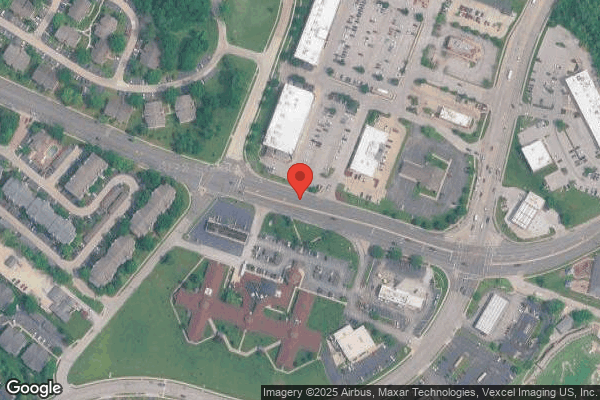
13612 BIG BEND ROAD, VALLEY PARK, MO 63088 (636) 861-0500
For profit - Corporation 66 Beds Independent Data: November 2025
Trust Grade
75/100
#74 of 479 in MO
Last Inspection: June 2024

Within standard 12-15 month inspection cycle. Federal law requires annual inspections.

Overview

Garden View Care Center at Dougherty Ferry in Valley Park, Missouri, has a Trust Grade of B, meaning it is a good facility that is a solid choice for care. It ranks #74 out of 479 nursing homes in Missouri, placing it in the top half of facilities in the state, and it is #12 of 69 in St. Louis County, indicating that only a few local options are better. The facility is improving, with issues decreasing from 5 in 2022 to 2 in 2024. Staffing is a strength here, rated 5/5 stars with a turnover rate of 38%, which is well below the state average of 57%, suggesting that staff are familiar with residents' needs. Importantly, there have been no fines recorded, which is a positive sign, but some concerns remain, such as staff not consistently wearing face coverings during high COVID-19 transmission periods and failure to treat residents with dignity during meal service, like referring to those needing assistance as "feeders" and not cleaning up spills promptly. Overall, while there are some weaknesses, the facility demonstrates a commitment to improving care and maintaining a stable staff.

Trust Score
B
75/100
In Missouri
#74/479
Top 15%
Safety Record
Low Risk
No red flags
Inspections
Getting Better
5 → 2 violations
Staff Stability
○ Average
38% turnover. Near Missouri's 48% average. Typical for the industry.
Penalties
✓ Good
No fines on record. Clean compliance history, better than most Missouri facilities.
Skilled Nurses
○ Average
Each resident gets 38 minutes of Registered Nurse (RN) attention daily — about average for Missouri. RNs are the most trained staff who monitor for health changes.
Violations
⚠ Watch
14 deficiencies on record. Higher than average. Multiple issues found across inspections.
★★★★☆
4.0
Overall Rating
★★★★★
5.0
Staff Levels
★☆☆☆☆
1.0
Care Quality
★★★★★
5.0
Inspection Score
Stable
2022: 5 issues
2024: 2 issues

The Good

  • 5-Star Staffing Rating · Excellent nurse staffing levels
  • Full Sprinkler Coverage · Fire safety systems throughout facility
  • No fines on record
  • Staff turnover below average (38%)

    10 points below Missouri average of 48%

Facility shows strength in staffing levels, fire safety.

The Bad

Staff Turnover: 38%

Near Missouri avg (46%)

Typical for the industry

The Ugly 14 deficiencies on record

Jun 2024 2 deficiencies
CONCERN (D)

Potential for Harm - no one hurt, but risky conditions existed

Report Alleged Abuse (Tag F0609)

Could have caused harm · This affected 1 resident

Based on interview and record review, the facility failed to follow their abuse policy by not reporting timely after an allegation of sexual abuse was made by one resident (Resident #12) of 12 sampled...

Read full inspector narrative →
Based on interview and record review, the facility failed to follow their abuse policy by not reporting timely after an allegation of sexual abuse was made by one resident (Resident #12) of 12 sampled residents. The census was 82 with 46 in certified beds. Review of the facility's Freedom from Abuse, Neglect and Exploitation-Investigation and Reporting policy, revised November 2023, showed: -Policy Statement: At the facility, all reports of resident abuse shall be promptly reported to local, state and federal agencies (as defined by current regulations) and thoroughly investigated by facility management. Findings of abuse investigations will also be reported; -Reporting: All alleged violations involving abuse will be reported to the facility Administrator. Or his/her designee, to the following persons or agencies: -The State licensing/certification agency responsible for surveying/licensing the facility; -The resident's representative; -Law enforcement officials; -The resident's physician; -The facility medical director; -Suspected abuse, neglect, exploitation or mistreatment will be reported within two hours; -Alleged abuse will be reported within two hours if the alleged events have resulted in serious bodily injury; -If events that cause the allegations do not involve abuse or not resulted in serious bodily injury, the report must be made within 24 hours; -Verbal/written notices to agencies may be submitted via special carrier, fax, email or by telephone; -The Administrator, or his/her designee will provide the appropriate agencies or individuals listed above with a written report of the findings of the investigation within five working days of the occurrence of the incident. Review of Resident #12's quarterly Minimum Data Set (MDS), a federally mandated assessment instrument completed by facility staff, dated 12/26/23, showed: -Cognitively impaired; -No behaviors; -Required no assistance to shower/bathe; -Diagnoses included dementia, anxiety and depression. Review of the resident's care plan, revised 1/16/24, showed: -Focus: The resident has impaired cognitive function related to dementia; -Goal: The resident will improve current level of cognitive function through the review date; -Interventions: Administer medications as ordered, discuss concerns about confusion, disease process, nursing home placement with resident/caregiver. Keep the resident's routine consistent and try to provide consistent care givers as much as possible in order to decrease confusion. Monitor/document and report any changes in cognitive function. Review of the resident's progress notes, showed: -On 1/20/24 at 9:21 A.M., a phone call was transferred to this nurse by the front desk. It was this patient's family member. He/She asked to speak with the resident and he/she had been calling the resident's personal phone, but the resident is not answering. The cordless phone was taken to the resident. The resident took the phone call and spoke with his/her family for about five to seven minutes. While the resident was speaking to his/her family member, this nurse stepped away to speak with another family member. The resident handed the nurse the phone and said, (He/She) needs to speak with you. Upon answering the phone, the family member said, Don't tell (him/her) I told you, but (he/she) is saying that someone was being sexually inappropriate with (him/her) in the shower and that (he/she) was suicidal and was spitting (his/her) pills out into the toilet. This nurse spoke with the resident. Resident denies suicidal ideation and has no plans for suicide or how he/she would do it. The resident also denies any inappropriate sexual misconduct ever happening. My family member has lost it and saying that stuff because (he/she) is out of town and worried about me. I never said any of those things to (him/her). The assistant Director of Nursing (ADON) was notified. Safety checks will be put into place every hour for this patient. Nothing further to report; -On 1/20/24 at 10:02 A.M., the resident's family member was called and advised that the resident was reported to have made claims of sexually inappropriate interaction, suicidal ideation and spitting up his/her pills. Resident's family member stated, Well (he/she) does have dementia. Resident's family member also stated that the resident has said some stuff like that when he/she first came to the facility and his/her spouse told the nurse. The family member believes the resident did say those things to the family member but was not concerned at this time. Nothing further to report; -No further progress notes regarding the incident. Review of the facility's Summary of Investigation, dated 1/20/24, showed: -The resident was on the phone with his/her sibling today, while speaking with the sibling, the resident handed the phone to the nurse on duty. The sibling reported to the nurse that the resident was talking about being touched inappropriately in the shower, that she was spitting out his/her medication, and was suicidal. Charge nurse immediately notified ADON and Administrator and started investigation interviewing resident and staff; -The resident denied making these statements and reports his/her sibling is crazy and making things up. The resident reports that no one ever touched him/her inappropriately, and he/she always takes medication, and he/she has no thoughts of harming him/herself. Statements obtained from staff at time of report. Staff to provide showers in pairs at this time. The resident's responsible party notified, who stated that the resident has dementia and does make unsubstantiated accusations at times; -The resident does have diagnoses of unspecified dementia, moderate, without behavioral disturbances, psychotic disturbances, mood disturbances and anxiety, other symptoms and signs involving cognitive functions and awareness, major depressive disorder and generalized anxiety disorder; -The resident was put on frequent checks as a precaution. Upon obtaining staff statements and further investigation, it was determined that these statements are unsubstantiated. Staff will continue to monitor and support resident's psychosocial needs. Review of Department of Health and Senior Services' (DHSS) system for reporting alleged violations, showed no report from the facility regarding the incident on 1/20/24. During an interview on 6/11/24 at 8:29 A.M., Certified Nursing Assistant (CNA) A said he/she was accused of touching the resident inappropriately. He/She did provide a shower to the resident on the day in question. The resident can shower on his/her own with supervision. CNA A only touched the resident's knees and back. The resident did everything else. He/She wrote a statement after the incident and was not suspended. He/She had continued to work with the resident after the incident. During an interview on 6/11/24 at 8:37 A.M., the ADON said if there was an allegation of abuse, it should be reported. However, she would go through the chain of command when reporting allegations of abuse. She said it depended on the situation whether or not allegations should be reported. When told about the allegation of sexual abuse made by the resident, the ADON said, it depends and could not say if the incident should have been reported to DHSS. She said she reported it to the Director of Nursing (DON) and the Administrator. When the incident was originally reported to her, she did not suspend the staff member in question. During an interview on 6/12/24 at 10:45 A.M., the DON said she was not aware the incident should have been called in. The investigation was concluded within two hours of the allegations, and they determined the allegation was not substantiated. They initiated 15-minute checks after the resident made the allegations. The resident said the allegation was not true. The resident was very confused, and exit seeking and wanted to leave the facility. The family was not too concerned about the allegations. She said she probably should have reported it at the time but followed the chain of command and reported to the Social Worker and the Administrator. During an interview on 6/11/24 at 12:11 P.M., the Administrator said the resident was newly admitted when she made the allegations of someone touching him/her inappropriately in the shower. The resident's family member also said the resident was suicidal and spitting out his/her pills. The resident was placed on 15-minute checks and the responsible party was contacted. The responsible party said the resident made up allegations and was trying to leave the facility. The allegations were investigated within two hours. They could not determine who the staff member in question was. They decided to provide the resident with showers in pairs. They concluded the alleged abuse did not occur and did not call the allegations in to DHSS.
CONCERN (D)

Potential for Harm - no one hurt, but risky conditions existed

Investigate Abuse (Tag F0610)

Could have caused harm · This affected 1 resident

Based on interview and record review, the facility failed to ensure they followed their abuse policy by failing to conduct a thorough investigation into one resident's (Resident #12) allegation of sex...

Read full inspector narrative →
Based on interview and record review, the facility failed to ensure they followed their abuse policy by failing to conduct a thorough investigation into one resident's (Resident #12) allegation of sexual abuse. The resident reported the incident to a family member on 1/20/24. The facility initiated an investigation but failed to interview other residents regarding the incident of abuse. The sample size was 12. The census was 82 with 46 in certified beds. Review of the facility's Freedom from Abuse, Neglect and Exploitation-Investigation and Reporting policy, revised November 2023, showed: -Policy Statement: At the facility, all reports of resident abuse shall be promptly reported to local, state and federal agencies (as defined by current regulations) and thoroughly investigated by facility management. Findings of abuse investigations will also be reported; -Policy Interpretation and Guidance; -Role of the Administrator: -If an incident or suspected incident of resident abuse is reported, the Administrator will assign the investigation to the appropriate individual. All the supporting documents relative to the alleged incident shall be provided to the person in charge of the investigation; -The Administrator will suspend immediately any employee who has been accused of resident abuse, pending the outcome of the investigation; -The Administrator will ensure that any further potential abuse is prevented; -The Administrator will inform the resident and his/her representative of the status of the investigation and measures taken to protect the safety and privacy of the resident; -Role of the Investigator: -The individual conducting the investigation will, as a minimum; -Review the resident's medical record to determine events leading up to the incident; -Interview any witnesses to the incident; -Interview staff members (on all shifts) who have had contact with the resident during the period of the alleged incident; -Interview the resident's roommate, family members and visitors; -Interview other residents to whom the accused employee provides care or services; -Review all events leading up to the alleged incident; -Reporting: -All alleged violations involving abuse will be reported to the facility Administrator. Or his/her designee, to the following persons or agencies: -The State licensing/certification agency responsible for surveying/licensing the facility; -The resident's representative; -Law enforcement officials; -The resident's physician; -The facility medical director; -Suspected abuse, neglect, exploitation or mistreatment will be reported within two hours; -Alleged abuse will be reported within two hours if the alleged events have resulted in serious bodily injury; -If events that cause the allegations do not involve abuse or not resulted in serious bodily injury, the report must be made within 24 hours; -Verbal/written notices to agencies may be submitted via special carrier, fax, email or by telephone; -The Administrator, or his/her designee will provide the appropriate agencies or individuals listed above with a written report of the findings of the investigation within five working days of the occurrence of the incident. Review of Resident #12's quarterly Minimum Data Set (MDS), a federally mandated assessment instrument completed by facility staff, dated 12/26/23, showed: -Cognitively impaired; -No behaviors; -Required no assistance to shower/bathe; -Diagnoses included dementia, anxiety and depression. Review of the resident's care plan, revised 1/16/24, showed: -Focus: The resident has impaired cognitive function related to dementia; -Goal: The resident will improve current level of cognitive function through the review date; -Interventions: Administer medications as ordered, discuss concerns about confusion, disease process, nursing home placement with resident/caregiver. Keep the resident's routine consistent and try to provide consistent care givers as much as possible in order to decrease confusion. Monitor/document and report any changes in cognitive function. Review of the resident's progress notes, showed: -On 1/20/24 at 9:21 A.M., a phone call was transferred to this nurse by the front desk. It was this patient's family member. He/She asked to speak with the resident and had been calling the resident's personal phone, but the resident is not answering. The cordless phone was taken to the resident. The resident took the phone call and spoke with his/her family for about five to seven minutes. While the resident was speaking to his/her family member, this nurse stepped away to speak with another family member. The resident handed the nurse the phone and said, (he/she) needs to speak with you. Upon answering the phone, the family member said, don't tell (him/her) I told you, but (he/she) is saying that someone was being sexually inappropriate with (him/her) in the shower and that (he/she) was suicidal and was spitting (his/her) pills out into the toilet. This nurse spoke with the resident. Resident denies suicidal ideation and has no plans for suicide or how he/she would do it. The resident also denies any inappropriate sexual misconduct of ever happening. My family member has lost it and saying that stuff because (he/she) is out of town and worried about me. I never said any of those things to (him/her). The assistant Director of Nursing (ADON) was notified. Safety checks will be put into place every hour for this patient. Nothing further to report; -On 1/20/24 at 10:02 A.M., the resident's family member was called and advised that the resident was reported to have made claims of sexually inappropriate interaction, suicidal ideation and spitting up his/her pills. Resident's family member stated, Well (he/she) does have dementia. Resident's family member also stated that the resident has said some stuff like that when he/she first came to the facility and his/her spouse told the nurse. The family member believes the resident did say those things to the family member but was not concerned at this time. Nothing further to report; -No further progress notes regarding the incident. Review of a handwritten statement by Certified Nursing Assistant (CNA) A, dated 1/20/24, showed: On 1/20/24, I gave the resident a shower. I washed his/her back, hair and feet. He/She did the rest. Nurse told me he/she said someone put their finger in the resident's private area. Review of the facility's Summary of Investigation, written by the Administrator, dated 1/20/24, showed: -The resident was on the phone with his/her sibling today, while speaking with the sibling, the resident handed the phone to the nurse on duty. The sibling reported to the nurse that the resident was talking about being touched inappropriately in the shower, that he/she was spitting out his/her medication, and was suicidal. Charge nurse immediately notified ADON and administrator and started investigation interviewing resident and staff; -The resident denied making these statements and reports his/her sibling is crazy and making things up. The resident reports that no one ever touched him/her inappropriately, and he/she always takes medication, and he/she has no thoughts of harming him/herself. Statements obtained from staff at time of report. Staff to provide showers in pairs at this time. The resident's responsible party notified, who stated that the resident has dementia and does make unsubstantiated accusations at times; -The resident does have diagnoses of unspecified dementia, moderate, without behavioral disturbances, psychotic disturbances, mood disturbances and anxiety, other symptoms and signs involving cognitive functions and awareness, major depressive disorder and generalized anxiety disorder; -The resident was put on frequent checks as a precaution. Upon obtaining staff statements and further investigation, it was determined that these statements are unsubstantiated. Staff will continue to monitor and support resident's psychosocial needs. Review of the resident's medical record and the facility's investigation, showed -No documentation to show any other residents were interviewed; -No documentation to show CNA A was suspended during the facility's investigation. Review of the facility's handwritten safety checks, showed safety checks conducted on 1/20/24, 1/21/24, 1/22/24 and 1/23/24. During an interview on 6/11/24 at 8:29 A.M., CNA A said he/she was accused of touching the resident inappropriately. He/She provided a shower to the resident on the day in question. The resident could shower on his/her own with supervision. CNA A only touched the resident's knees and back. The resident did everything else. He/She wrote a statement after the incident and was not suspended. He/She continued to work with the resident after the incident. During an interview on 6/11/24 at 8:37 A.M., the ADON said if there was an allegation of abuse, it should be reported. However, she would go through the chain of command when reporting allegations of abuse. She said it depended on the situation whether or not allegations should be reported. When told about the allegation of sexual abuse made by the resident, the ADON said, it depends and could not say if the incident should have been reported to DHSS. She said she reported it to the Director of Nursing (DON) and the Administrator. When the incident was originally reported to her, she did not suspend the staff member in question. During an interview on 6/12/24 at 10:45 A.M., the DON said the investigation was concluded within two hours of the allegations, and they determined the allegation was not substantiated. They initiated 15-minute checks after the resident made the allegations. The resident said the allegation was not true. The resident was very confused, and exit seeking and wanted to leave the facility. The family was not too concerned about the allegations. They did not interview any other residents after they determined the allegation was unsubstantiated. The investigation was concluded within two hours. During an interview on 6/11/24 at 12:11 P.M., the Administrator said the resident was newly admitted when he/she made the allegations of someone touching him/her inappropriately in the shower. The resident's family member also said the resident was suicidal and spitting out his/her pills. The resident was placed on 15-minute checks and the responsible party was contacted. The responsible party said the resident made up allegations and was trying to leave the facility. The allegations were investigated within two hours. They could not determine who the staff member in question was. They decided to provide the resident with showers in pairs. They concluded the alleged abuse did not occur and did not call the allegations in to DHSS. No further interviews were conducted because they did not feel the allegation was substantiated.
Nov 2022 5 deficiencies
CONCERN (D)

Potential for Harm - no one hurt, but risky conditions existed

Deficiency F0638 (Tag F0638)

Could have caused harm · This affected 1 resident

**NOTE- TERMS IN BRACKETS HAVE BEEN EDITED TO PROTECT CONFIDENTIALITY** 2. Review of a Resident Face Sheet revealed the facility most recently admitted Resident #478 on 03/18/2022 with diagnoses inclu...

Read full inspector narrative →
**NOTE- TERMS IN BRACKETS HAVE BEEN EDITED TO PROTECT CONFIDENTIALITY** 2. Review of a Resident Face Sheet revealed the facility most recently admitted Resident #478 on 03/18/2022 with diagnoses including dementia with behavioral disturbance, and fracture of the right femur (large bone in the upper leg). As of 11/15/2022, review of the MDS 3.0 Resident Assessments list in Resident #478's electronic medical record revealed an entry MDS dated [DATE], an admission MDS dated [DATE], and a quarterly MDS dated [DATE]. There was no MDS indicated as completed between the March 2022 admission MDS and the September 2022 quarterly MDS . During an interview on 11/16/2022 at 1:27 PM, the MDS Coordinator stated she had a list of MDS assessments which were late. She indicated she had finalized the March, June, and September 2022 MDS assessments last night, and they were all late. Based on record review, interview, and review of the Centers for Medicare and Medicaid Services (CMS) Long-Term Care Facility Resident Assessment Instrument (RAI) 3.0 User's Manual, the facility failed to ensure a quarterly Minimum Data Set (MDS) assessment was completed not less than every three months for 2 (Resident #177 and Resident #478) of 11 sampled residents whose MDS assessments were reviewed for timeliness of completion. Findings included: 1. Review of a Resident Face Sheet revealed Resident #177 had diagnoses including dementia without behavioral disturbance and major depressive disorder. A review of the MDS 3.0 Resident Assessments list revealed an annual MDS was completed on 01/08/2022, and a quarterly MDS was completed on 04/08/2022. The next quarterly assessment would have been due in July 2022; however, there was no evidence to indicate an MDS assessment had been initiated since the quarterly assessment on 04/08/2022. During an interview on 11/16/2022 at 1:26 PM, the MDS Coordinator indicated she had been working on Resident #177's MDS earlier that day. The MDS Coordinator indicated she had just submitted the quarterly assessment for July 2022 and had the October quarterly assessment in progress. The MDS Coordinator confirmed both the July and October quarterly assessments were late.
CONCERN (D)

Potential for Harm - no one hurt, but risky conditions existed

Quality of Care (Tag F0684)

Could have caused harm · This affected 1 resident

**NOTE- TERMS IN BRACKETS HAVE BEEN EDITED TO PROTECT CONFIDENTIALITY** Based on observations, interviews, record review, and facility policy review, it was determined that the facility failed to prov...

Read full inspector narrative →
**NOTE- TERMS IN BRACKETS HAVE BEEN EDITED TO PROTECT CONFIDENTIALITY** Based on observations, interviews, record review, and facility policy review, it was determined that the facility failed to provide treatment and care in accordance with professional standards for wound care related to a skin tear for 1 (Resident #476) of 2 sampled residents reviewed for skin conditions. Review of physician's orders revealed no order for the wound care and observations revealed Resident #476 had a skin tear with a dressing that had been in place for five days. Findings included: Review of a facility policy titled, Wound Care, revised 10/2022, revealed, The purpose of this procedure is to provide guidelines for the care of wounds to promote healing. The policy also indicated, Verify that there is a physician's order for this procedure and Dress wound. [NAME] tape with initials, time, and date and apply to dressing. Review of a Resident Face Sheet revealed the facility admitted Resident #476 on 11/01/2022. There were no listed diagnoses. Review of an admission Minimum Data Set (MDS), dated [DATE], revealed Resident #476 had a Brief Interview for Mental Status (BIMS) score of 12, which indicated moderate cognitive impairment. The MDS did not indicate the resident had skin tears at the time of the assessment. Review of a Nurse's Note, dated 11/10/2022, revealed Resident #476 had blood on the top of their right hand from a dime-sized skin tear. The note indicated the nurse cleaned the skin tear and applied a foam dressing. Review of an undated Interim (Baseline) admission Care Plan revealed Resident #476 was at risk for impaired skin integrity. The interventions did not address skin tears. Review of a Physician's Order sheet revealed physician's orders dated from 11/01/2022 through 11/14/2022 for Resident #476. There were no orders for treatment of the skin tear to the resident's right hand. Review of an undated Treatment Record revealed handwritten instructions for a foam dressing to be applied to a skin tear on Resident #476's right hand and for the area to be cleansed and the dressing reapplied every three days. Nurses' initials indicated the procedure was completed on 11/10/2022 and 11/13/2022 on the 7:00 AM to 3:00 PM shift. Observations on 11/14/2022 at 10:19 AM and 11/15/2022 at 7:36 AM revealed Resident #476 had a dressing dated 11/10/2022 to the right hand. The dressing had no name or initials of the nurse who applied the dressing. During an interview on 11/15/2022 at 12:22 PM, Licensed Practical Nurse (LPN) #1 stated treatments should be provided according to the Treatment Record. She observed the resident's dressing at this time and indicated the dressing should have been changed on 11/13/2022 to help prevent infection. During a follow-up interview at 2:05 PM, LPN #1 stated that for a skin tear, the nurse should, make a nurse note and physician order, and it goes on the TAR [Treatment Record]. On 11/15/2022 at 12:56 PM, LPN #1 was observed performing the treatment for the skin tear to the resident's right hand. There were no signs of infection. The nurse cleaned the wound and applied a foam dressing as per the instructions on the Treatment Record. During an interview on 11/15/2022 at 12:29 PM, the Director of Nursing (DON) stated her expectation would be for staff to provide treatments as ordered and monitor the wound until it healed. She indicated dressings were changed to ensure proper healing and lack of infection. On 11/15/2022 at 1:56 PM, during a follow-up interview, the DON stated the staff should obtain orders when the physician was called and notified of the fall and the skin tear. She indicated the handwritten order should be placed in the chart. On 11/16/2022 at 9:57 AM, the DON reviewed the resident's physician orders and stated there should have been a handwritten order in the chart. The DON stated the facility had a wound protocol, but the nurse would still need a handwritten order that would be signed by the physician. During an interview on 11/15/2022 at 9:23 PM, LPN #2 stated the facility had a standard protocol for skin tear wounds, and a written order was not needed in the chart. During an interview on 11/15/2022 at 7:00 PM, Registered Nurse (RN) #1 stated skin tears were treated according to orders. She stated the order would be on the TAR, the treatment would be provided per the orders, and the treatment would be initialed when completed. She indicated she could not remember if the treatment was provided to the resident on 11/13/2022, but she indicated if the TAR was signed, the treatment was provided. During an interview on 11/16/2022 at 10:05 AM, the Administrator stated if there was a treatment in place, there should be a physician's order in the chart and the dressings should be changed per orders.
CONCERN (D)

Potential for Harm - no one hurt, but risky conditions existed

Food Safety (Tag F0812)

Could have caused harm · This affected 1 resident

Based on observations and interviews, it was determined that the facility failed to ensure kitchen staff wore beard guards to prevent potential contamination of food prepared in one of one kitchen. Fi...

Read full inspector narrative →
Based on observations and interviews, it was determined that the facility failed to ensure kitchen staff wore beard guards to prevent potential contamination of food prepared in one of one kitchen. Findings included: On 11/14/2022 at 12:00 PM, during an observation of the kitchen, Dietary Aide #1 was in the meal service area without a beard guard. The aide had a full beard and was wearing a surgical mask, which had facial hair sticking out the top on the sides of the mask. On 11/14/2022 at 12:13 PM, Dietary Aide #1 was observed in the kitchen prep area working with rolls that were uncovered. The aide's beard was still partially exposed. On 11/14/2022 at 12:21 PM, during an interview with Dietary Aide #1, he stated the facility provided staff with beard covers and that he should have been wearing one. On 11/15/2022 at 3:14 PM, during an interview with the Dietary Manager, he stated the kitchen staff wore hair nets and beard covers if they had long hair or beards and were in the kitchen. He indicated Dietary Aide #1 had a beard and should have been wearing a beard cover. He stated he monitored staff to ensure they wore beard nets, but he had not noticed the dietary aide's beard being bigger than normal. On 11/15/2022 at 3:31 PM, during an interview with the Director of Nursing (DON), she stated her expectation would be if there was food present, dietary staff would have a beard and hair net on. She indicated if the dietary aide's mask did not cover the beard, she would expect him to wear a beard cover. On 11/15/2022 at 3:36 PM, during an interview with the Administrator, she stated the dietary staff should be wearing a hair and beard net if they were in the kitchen preparing or serving food. She stated the dietary aide should have had a beard cover on and that she would address the concern.
CONCERN (E)

Potential for Harm - no one hurt, but risky conditions existed

MDS Data Transmission (Tag F0640)

Could have caused harm · This affected multiple residents

**NOTE- TERMS IN BRACKETS HAVE BEEN EDITED TO PROTECT CONFIDENTIALITY** 2. Review of a Resident Face Sheet revealed the facility admitted Resident #5 on 05/11/2022 with diagnoses including dementia wi...

Read full inspector narrative →
**NOTE- TERMS IN BRACKETS HAVE BEEN EDITED TO PROTECT CONFIDENTIALITY** 2. Review of a Resident Face Sheet revealed the facility admitted Resident #5 on 05/11/2022 with diagnoses including dementia without behavioral disturbance and diabetes mellitus. Review of an admission MDS with an assessment reference date (ARD) of 05/18/2022 revealed Resident #5 had a Brief Interview for Mental Status score of 1, indicating severe cognitive impairment. Review of a discharge MDS revealed an ARD of 06/23/2022. Review of the MDS 3.0 Resident Assessments list in Resident #5's electronic medical record (EMR) revealed an admission MDS dated [DATE], an entry MDS dated [DATE], and a discharge MDS dated [DATE]. Review of a CMS Submission Report revealed the admission MDS dated [DATE] and the discharge MDS dated [DATE] were submitted on 11/16/2022. During an interview on 11/16/2022 at 1:27 PM, the MDS Coordinator stated she had a list of MDS assessments which were late. She stated that Resident #5's MDS had a section that was not filled out correctly, and the MDS would not transmit to CMS. She confirmed she had transmitted the MDS assessments for Resident #5 last night. 3. Review of a Resident Face Sheet revealed the facility most recently admitted Resident #478 on 03/18/2022 with diagnoses including dementia with behavioral disturbance, and fracture of the right femur (large bone in the upper leg). As of 11/15/2022, review of the MDS 3.0 Resident Assessments list in Resident #478's electronic medical record revealed an entry MDS dated [DATE] was still in process. An admission MDS dated [DATE] had a status of Production Accepted w/ [with] Warning. A quarterly MDS dated [DATE] had a status of finalized. Review of a CMS Submission Report, revealed the 03/18/2022 entry tracking record was submitted 11/16/2022. The report indicated there was an MDS with a target date of 06/13/2022, which was submitted on 11/16/2022. Additionally, the report indicated the 09/25/2022 quarterly MDS was submitted on 11/16/2022. During an interview on 11/16/2022 at 1:27 PM, the MDS Coordinator stated she had a list of MDS assessments which were late, and she had not had the MDS assessments signed until they were transmitted to CMS. She indicated that for Resident #478's MDS dated [DATE], there was a section not completed and therefore, the MDS would not transmit. She stated she had finalized the March, June, and September 2022 MDS assessments last night, and they were all late. 4. Review of a Resident Face Sheet revealed the facility admitted Resident #1 on 06/22/2022 and readmitted the resident on 10/07/2022 with diagnoses including fracture of the right femur (large bone in the leg) and repeated falls. Review of a discharge MDS with an assessment reference date (ARD) of 10/14/2022 revealed Resident #1 had a Brief Interview for Mental Status (BIMS) score of 2, indicating severe cognitive impairment. Review of the resident's medical record revealed a discharge MDS with an ARD of 08/05/2022 and an admission MDS with an ARD of 06/29/2022. Review of the MDS 3.0 Resident Assessments list in Resident #1's electronic medical record revealed an admission MDS dated [DATE], a discharge MDS dated [DATE], and an admission MDS dated [DATE], all three of which had a status of, Production Accepted w/ [with] Warning. Review of a CMS Submission Report revealed the Target Date for submission of the discharge MDS as 08/05/2022. The MDS was not transmitted until 11/10/2022, 41 days after it was due. Additionally, the report indicated the Target Date for submission of the admission MDS was 06/29/2022, but the MDS was not transmitted until 07/16/2022, 16 days late. During an interview with the MDS Coordinator on 11/16/2022 at 1:27 PM, she stated she had been the MDS Coordinator since March 2022. She stated she was not sure how the annual and quarterly MDSs work and had not receive much training, outside of a video course, to complete and track the MDS assessments of the residents. She stated she was pulled to work the floor frequently and that would interfere with the completion and submission of the MDS assessments. She stated she was not aware of how many days she had to complete and submit an MDS. She stated Production Accepted with Warning meant there was a change or something wrong with the MDS submission, which could be anything from a late transmittal to physician changes. The MDS Coordinator stated that after the MDS was completed she would submit the MDS, collect the signatures of the staff who completed the different MDS sections, then file the signature page and completed paper MDS in the residents' medical record. The MDS Coordinator stated one of the things she was working on was the different types of coding for in-house resident transfers. She stated she was not sure about the different discharge and transfers codes. She stated she transmitted Resident #1's MDS assessments late and was still learning about the transfer and discharge coding and classifications for the MDS assessments of residents who changed from Medicare to private pay. Based on record review, interviews, and review of the Centers for Medicare and Medicaid Services (CMS) Long-Term Care Facility Resident Assessment Instrument (RAI) 3.0 User's Manual, it was determined the facility failed to ensure Minimum Data Set (MDS) assessments were encoded and transmitted timely for 4 (Residents #1, #5, #277, and #478) of 11 sampled residents whose MDS assessments were reviewed for timeliness of submission. Findings included: Review of the CMS Long-Term Care Facility Resident Assessment Instrument (RAI) 3.0 User's Manual, Version 1.17.1, dated October 2019, revealed, All Medicare and/or Medicaid-certified nursing homes and swing beds, or agents of those facilities, must transmit required MDS data records to CMS' Quality Improvement and Evaluation System (QIES) Assessment Submission and Processing (ASAP) system. The manual also indicated, Encoding Data: Within 7 days after completing a resident's MDS assessment or tracking record, the provider must encode the MDS data (enter the information into the facility MDS software). The encoding requirements are as follows: For a comprehensive assessment (Admission, Annual, Significant Change in Status, and Significant Correction to Prior Comprehensive), encoding must occur within 7 days after the Care Plan Completion Date (V0200C2 + 7 days). For a Quarterly, Significant Correction to Prior Quarterly, Discharge, or PPS [Prospective Payment System] assessment, encoding must occur within 7 days after the MDS Completion Date (Z0500B + 7 days). For a tracking record, encoding should occur within 7 days of the Event Date (A1600 + 7 days for Entry records and A2000 + 7 days for Death in Facility records). Additionally, the manual indicated, Assessment Transmission: Comprehensive assessments must be transmitted electronically within 14 days of the Care Plan Completion Date. All other MDS assessments must be submitted within 14 days of the MDS Completion Date (Z0500B + 14 days). 1. Review of a Resident Face Sheet revealed the facility readmitted Resident #277 on 06/09/2022 with diagnoses including personal history of traumatic brain injury, repeated falls, and obstructive sleep apnea. As of 11/16/2022, a review of the MDS 3.0 Resident Assessments list in Resident #277's electronic medical record (EMR) revealed an admission MDS dated [DATE] was accepted into the CMS System with a warning; a quarterly MDS dated [DATE] was in process; and a quarterly MDS dated [DATE] was in process. Review of Resident #277's Submission Report, dated 11/16/2022, revealed the 08/18/2022 quarterly MDS was submitted on 11/16/2022, almost three months after it was completed. A warning on the report indicated, Record Submitted Late: The submission date is more than 14 days after Z0500B [the MDS item that indicates the date the assessment was signed by a Registered Nurse (RN) as complete]. During an interview with the Minimum Data Set (MDS) Coordinator on 11/16/2022 at 1:27 PM, she indicated she had been working as the MDS Coordinator since March 2022 and had not had much time to focus on how to accurately complete and submit the MDS assessments since she had been having to work the floor a lot, especially during the month of October. She also revealed the Director of Nursing (DON), who started about four weeks ago and was very knowledgeable about the MDS, had helped her the previous night (11/15/2022) with submitting several late assessments. She confirmed she had not received much training for MDS outside of watching some videos. During an interview with the Administrator on 11/16/20202 at 3:29 PM, she indicated she expected Minimum Data Set (MDS) assessments to be completed accurately and within the appropriate time frames. She revealed the MDS Coordinator had been assisting on the floor and that was obviously not working. She confirmed they had just hired three day shift nurses, which would allow the MDS Coordinator to focus on her MDS and Care Plan responsibilities. During an interview with the DON on 11/16/2022 at 4:43 PM, she stated she expected the MDS assessments to be accurate and completed within the time frames required by the regulations and according to the RAI Manual.
CONCERN (E)

Potential for Harm - no one hurt, but risky conditions existed

Infection Control (Tag F0880)

Could have caused harm · This affected multiple residents

**NOTE- TERMS IN BRACKETS HAVE BEEN EDITED TO PROTECT CONFIDENTIALITY** Based on observations, interviews, record review, and facility policy review, the facility failed to ensure staff members wore f...

Read full inspector narrative →
**NOTE- TERMS IN BRACKETS HAVE BEEN EDITED TO PROTECT CONFIDENTIALITY** Based on observations, interviews, record review, and facility policy review, the facility failed to ensure staff members wore face coverings in three of four common resident areas when the community transmission of COVID-19 was high. Findings included: Review of a facility policy titled, Coronavirus Disease (COVID-19)-Using Personal Protective Equipment, revised September 2022, revealed, If community transmission is high, staff will use surgical face coverings during all resident care encounters or in specific resident care areas of the facility. Review of the CDC COVID Data Tracker at https://covid.cdc.gov/covid-data-tracker/index.html#datatracker-home on [DATE] showed, St. Louis County, where the facility was located, had a high community transmission rate. Review of the CDC guidance document titled, Infection Control Guidance, updated 09/23/2022 and available at https://www.cdc.gov/coronavirus/2019-ncov/hcp/infection-control-recommendations.html revealed, Source control refers to use of respirators or well-fitting facemasks or cloth masks to cover a person's mouth and nose to prevent spread of respiratory secretions when they are breathing, talking, sneezing, or coughing. The document also indicated, When SARS-CoV-2 [severe acute respiratory syndrome-related coronavirus 2] Community Transmission levels are high, source control is recommended for everyone in a healthcare setting when they are in areas of the healthcare facility where they could encounter patients. Observations on 11/14/2022 at 12:18 P.M., showed Activity Assistant (AA) #1 was feeding a resident in the 2000 Wing dining room. The AA was wearing a surgical mask below his/her nose. During observations of the dinner meal in the main dining room on 11/15/2022 between 5:04 P.M. and 5:19 P.M., Dietary Aide (DA) #2 was observed interacting with residents, taking their orders, and delivering food and beverages. DA #2's surgical mask was resting below his/her nose, just above his/her lips. While he/she was speaking to the residents in the main dining room, his/her mask would move down further, exposing his/her mouth as well as his/her nose. During an interview with DA #2 on 11/15/2022 at 5:19 P.M., he/she stated he/she had been employed since July 2022. He/She stated the last Personal Protective Equipment (PPE) training he/she recalled receiving was at orientation, and it covered hand hygiene, food safety, and temperatures. He/She stated he/she had a hard time breathing with the mask up over his/her nose and mouth. He/She acknowledged if he/she was sick, he/she could spread illness to the residents by not wearing a face mask. He/She stated he/she started his/her shift at 4:00 P.M. that evening, and no one had reminded him/her to pull up his/her face mask. During an interview with the Dietary Manager (DM) on 11/15/2022 at 5:25 P.M., he stated dietary staff went through PPE training upon orientation and then again with the DM during kitchen orientation. He stated dietary staff were to wear a surgical face mask over their nose and mouth while in the facility. He stated he had not noticed any dietary staff not wearing their PPE correctly, but had spoken one-on-one with a few staff members about how to wear them while in resident areas. Observations on 11/15/2022 at 9:19 P.M. through 9:22 P.M., revealed a male resident sitting in the bird atrium common area. Certified Nursing Assistant (CNA) #1 was observed crossing through the atrium three times with no mask on. During an interview with CNA #1 on 11/15/2022 at 9:22 P.M., he/she stated he/she was an agency CNA, and the agency provided most of his/her training. He/She stated agency staff were to follow the rules of the facility when it came to wearing face masks on the floor. He/She stated he/she recalled no instructions from the facility about what PPE to wear while on shift that evening. He/She stated he/she returned from break a half an hour previously and forgot to grab a new mask before getting back to the floor. He/She stated surgical masks were available at the nurse's station. He/She stated he/she was not fully vaccinated and could potentially spread illness through the facility by not wearing a face mask. During an interview with Licensed Practical Nurse (LPN) #2 on 11/15/2022 at 9:43 P.M., he/she stated the last PPE training provided by the facility had been a few months prior, since the facility had not had a COVID outbreak lately. He/She stated face masks should be worn over the nose. He/She stated if he/she witnessed a CNA not wearing a mask on the floor, he/she would retrieve the basket of surgical masks from the nurse's station and provide them one. He/She was not aware CNA #1 was not wearing a surgical mask. During an interview with the Administrator on 11/16/2022 at 2:49 P.M., she stated the current expectation of staff was to wear face masks over their nose and mouth in resident care areas. She stated staff members were reminded when they were not wearing their face masks properly, and if staff were not wearing one at all, one would be provided. She stated agency staff received a couple of hours of facility training before the beginning of their first shift. During an interview with the Director of Nursing (DON) on 11/16/2022 at 3:01 P.M., she stated facility staff were to wear a surgical mask over their nose and mouth when in resident care areas and while assisting residents. She stated if staff were not wearing their mask appropriately, a reminder was provided, and one-on-one education would be provided.
Jul 2019 7 deficiencies
CONCERN (D)

Potential for Harm - no one hurt, but risky conditions existed

ADL Care (Tag F0677)

Could have caused harm · This affected 1 resident

Based on observation, interview and record review, the facility failed to provide acceptable and thorough perineal care (peri-care, cleansing the front of the hips and in between the legs and buttocks...

Read full inspector narrative →
Based on observation, interview and record review, the facility failed to provide acceptable and thorough perineal care (peri-care, cleansing the front of the hips and in between the legs and buttocks) to one of two residents observed for personal care (Resident #16). The sample size was eight. The census was 65 with 18 residents in certified beds. Review of Resident #16's admission Minimum Data Set (MDS), a federally mandated assessment instrument completed by facility staff, dated 5/10/19, showed the following: -Severely impaired cognition; -Unable to ambulate; -Extensive assistance required for all personal care; -Diagnoses included dementia, Parkinson's disease (affects the nerve cells in the brain that cause symptoms of muscle rigidity, tremors, and changes in speech and gait) and depression. Observation on 7/9/19 at 1:20 P.M., showed Certified Nurse Aides (CNA)s A and B entered the resident's room, wheeled him/her to the bathroom in the wheelchair, placed a gait belt around his/her waist, placed his/her hand on the grab bar and assisted him/her to stand. CNA A lowered his/her slacks and released the tabs of the brief. A small amount of liquid feces fell from the brief and landed on the floor next to the resident's foot. CNA A folded the brief encased with liquid feces, placed it in the trash can, pivoted the resident's feet and sat him/her on the toilet. Using a wet cloth, CNA B cleansed the right thigh toward the knee, changed the area of the cloth and cleansed the left thigh toward the knee. CNA A wiped the feces from the floor and removed the resident's shoes and soiled slacks. He/she then prepared a wet cloth with no rinse soap and cleansed the upper inner left thigh toward the groin and changed the area of the cloth after every three to four passes. With the use of a clean cloth, he/she cleansed the right upper inner thigh in the same manner. CNA A then assisted the resident to stand, obtained a wet cloth with no rinse soap and cleansed the buttocks in a circular motion. After changing the area of the cloth, CNA A cleansed the inner buttock from front to back and changed the area of the cloth every other pass. Using the same cloth, CNA A then reached between the resident's legs and cleansed the front peri area from the front to the back three times without changing area of the cloth. The cloth still showed feces. CNA B placed a towel on the toilet seat and CNA A assisted the resident to a seated position on the toilet. CNA A then placed clean slacks over the resident's feet and ankles, placed shoes on his/her feet and assisted him/her to a standing position. After applying a clean brief, CNA A pulled up the resident's slacks and assisted him/her to the wheelchair. During an interview on 7/9/19 at approximately 1:35 P.M., CNA A said it probably would have been more effective to lie the resident in bed to provide the resident's care. He/she said you should always cleanse away from the peri area and change the area of the cloth with each pass. When asked, the CNA said he/she probably should have cleansed the front peri area again after cleansing the buttocks to make sure all the feces had been removed. Review of the facility's undated Perineal Care Policy, showed the following: -Purpose: -To keep the female and male genitalia area clean and to prevent infection and odor; -Equipment: -Washcloth, towel, bath blanket or cover, disposable gloves, cleansing solution and moisture barrier; -Procedure: -Identify resident, introduce yourself and explain the procedure to the resident; -Prepare the environment before you start. Assemble equipment-this includes set up plastic bag for soiled linens and trash can for wet wipes if used; -Provide privacy; -Wash hands and apply gloves; -Wash the perineal area from front to back utilizing a cleansing solution. Use fresh area of wash cloth/wet wipe with each pass. Remember to rinse if using soap. Dry the area and do the same for the buttocks. All soiled linen to be bagged immediately after use; -Inspect the surrounding skin for any redness, bruises, skin tears and notify the charge nurse of any unusual skin condition; -Remove gloves, wash hands and apply clean gloves prior to applying moisture barrier; -Remove gloves and wash hands; -Position resident for comfort. During an interview on 7/11/19 at 9:00 A.M., the Director of Nursing (DON) said when a resident had a bowel movement, the staff member should actually use a separate cloth for each pass and should always wipe from the front to the back, away from the peri area. She said the CNA should have cleansed the front peri area again to ensure all feces had been cleansed, and it would have probably been more appropriate to lie the resident in bed to provide more effective cleansing.
CONCERN (D)

Potential for Harm - no one hurt, but risky conditions existed

Deficiency F0804 (Tag F0804)

Could have caused harm · This affected 1 resident

Based on observation, interview and record review, the facility failed to prepare mechanically altered food in a manner that preserved nutritive value. This deficient practice had the potential to aff...

Read full inspector narrative →
Based on observation, interview and record review, the facility failed to prepare mechanically altered food in a manner that preserved nutritive value. This deficient practice had the potential to affect two residents who received a pureed diet. The sample size was eight. The census was 65 with 18 residents in certified beds. Observation of the kitchen on 7/10/19 at 9:26 A.M., showed [NAME] X stood at the counter and said he/she was making two servings of puree. [NAME] X placed two 4 ounce servings of lettuce salad in the food processor, added 4 ounces of thickener, poured in an unmeasured amount of water and blended the mixture. [NAME] X said he/she used tap water. The consistency of the puree was good but was tasteless. Next, [NAME] X placed two fully cooked stuffed green peppers in the food processor, added 2 ounces of thickener, one-half cup of tap water and blended the mixture. The consistency of the puree was good, with the slight flavor of stuffed green peppers. Next, [NAME] X placed two 4 ounce pieces of chocolate cake in the food processor, added one-half cup of tap water and 2 ounces of thickener and blended the mixture. [NAME] X opened the food processor, said the contents were sticking to the sides, put the lid back on, added another 2 ounces of thickener and turned the food processor on. [NAME] X opened the food processor, put the lid back on, added an additional one-half cup of tap water and blended the mixture. The consistency of the pureed chocolate cake was very light and airy and had a watered down, mild chocolate taste. Review of the recipes, provided by the dietary manager (DM), for pureed salad, stuffed peppers and chocolate cake, showed the following: -Lettuce salad: Recipe provided was for pureed vegetables, ingredients of vegetables and margarine; -Note: Any liquid specified in the recipe is a suggested amount of liquid (if needed). Some recipe items will require no liquid added to achieve the desired consistency. If product needs thinning, gradually add an appropriate amount of of liquid (NOT WATER) to achieve a smooth, pudding or soft mashed potato consistency; -Stuffed peppers: Ingredients of stuffed bell pepper and tomato sauce; -Note: Any liquid specified in the recipe is a suggested amount of liquid (if needed). Some recipe items will require no liquid added to achieve the desired consistency. If product needs thinning, gradually add an appropriate amount of of liquid (NOT WATER) to achieve a smooth, pudding or soft mashed potato consistency; -Chocolate cake: Ingredients of chocolate cake and milk; -Note: Any liquid specified in the recipe is a suggested amount of liquid (if needed). Some recipe items will require no liquid added to achieve the desired consistency. If product needs thinning, gradually add an appropriate amount of of liquid (NOT WATER) to achieve a smooth, pudding or soft mashed potato consistency. During an interview on 7/11/19 at 10:30 A.M., the DM said he expected the pureed recipes to be followed. Water should not be used to thin pureed food because it added nothing to the flavor and reduced the nutritional value.
CONCERN (E)

Potential for Harm - no one hurt, but risky conditions existed

Resident Rights (Tag F0550)

Could have caused harm · This affected multiple residents

Based on observation and interview, the facility failed to ensure staff treat each resident with respect and dignity and provide care in a manner and in an environment that promotes his/her quality of...

Read full inspector narrative →
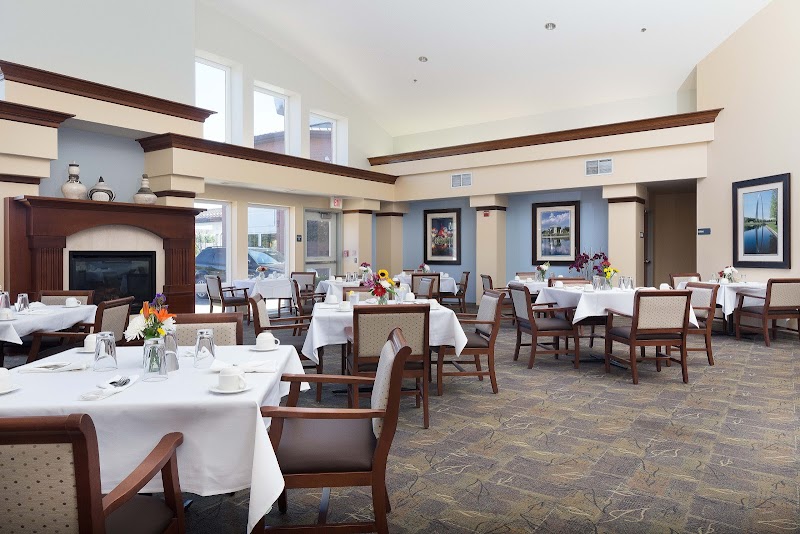
Based on observation and interview, the facility failed to ensure staff treat each resident with respect and dignity and provide care in a manner and in an environment that promotes his/her quality of life, by failing to remove soiled tablecloths during meal service and by referring to residents who needed assistance with meals as feeders. The census was 65 with 18 residents in certified beds. 1. Observation of the Maple dining room on the special care unit on 7/9/19 from 4:40 P.M. to 4:50 P.M., showed the following: -Three residents sat at a table with a white linen tablecloth. Staff served the three residents dinner and water and grape juice, which the residents ate. The white tablecloth had a large amount of grape juice spilled across it, which spread out to underneath the plates of each resident at the table. The spilled juice ran across the length of the table and dripped to the floor where a small puddle of juice had formed. The residents' linen napkins were also wet with spilled grape juice. Two staff members were present in the dining room; -Two residents sat at a table with a white tablecloth. The two residents ate their dinner meal and were served water and grape juice. The white tablecloth, showed a large circle of spilled water and ice cubes, which remained on the table as the residents ate. A staff member was seated at the table with the two residents; -Nurse G entered the dining room and held clothing protectors in his/her arms and announced, These are for the feeders. A staff member collected the clothing protectors form Nurse G and began asking residents if they would like one; -Nurse G told the staff in the dining room the residents should be given dry napkins since theirs were wet from the spills; -Staff did not remove or replace the wet tablecloths. 2. Observation of the Meadows dining room on the special care unit on 7/10/19 from 12:05 P.M. until 12:20 P.M., showed the following: -Two residents seated in Broda chairs (a tilt-in-space positioning chair) sat across from each other at a table covered with a white tablecloth. The residents ate their lunch and were served water and red juice. The white tablecloth had water and reddish liquid spilled across the length of the table; -Approximately four staff were in the vicinity of the table during this time; -Staff did not change or remove the wet tablecloths. 3. During an interview on 7/11/19 at 9:02 A.M., the administrator said she would expect staff to dry the spills if possible or replace the wet tablecloth. If there were no additional tablecloths available, staff should remove the wet tablecloth. This was a dignity issue. The Director of Nursing said it was undignified for staff to refer to residents as feeders.
CONCERN (E)

Potential for Harm - no one hurt, but risky conditions existed

Deficiency F0658 (Tag F0658)

Could have caused harm · This affected multiple residents

**NOTE- TERMS IN BRACKETS HAVE BEEN EDITED TO PROTECT CONFIDENTIALITY** Based on interview and record review, the facility failed to ensure residents receiving hospice care had orders on the current p...

Read full inspector narrative →
**NOTE- TERMS IN BRACKETS HAVE BEEN EDITED TO PROTECT CONFIDENTIALITY** Based on interview and record review, the facility failed to ensure residents receiving hospice care had orders on the current physician's orders sheet and failed to obtain laboratory tests as ordered, for four of eight sampled residents (Residents #11, #8, #9 and #7). The census was 65 with 18 residents in certified beds. 1. Review of Resident #11's quarterly Minimum Data Set (MDS), a federally mandated assessment instrument completed by facility staff, dated 4/27/19, showed the following: -Short and long term memory problems; -Severely impaired cognitive skills for daily decision making; -Total dependence on staff for most activities of daily living (ADLs); -Had a condition or chronic disease that might result in a life expectancy of less than six months; -Received hospice care: -Diagnoses included heart failure, high blood pressure, psychotic disorder, dementia, anxiety, depression and malnutrition. Review of the resident's care plan, updated 4/30/19 and in use at the time of the survey, showed a coordinated plan of care between the hospice provider and the facility. Review of the hospice provider's binder, kept at the nurse's station, showed the resident was admitted to hospice care on 10/28/18, received weekly visits by a nurse and semi-weekly visits by an aide. Review of the resident's physician's order sheet (POS) dated July 1, 2019 through July 31, 2019, showed no physician's order for the resident to receive hospice care. 2. Review of Resident #8's medical record, showed the following: -admission face sheet, showed admission date 5/25/16 and readmission date 5/8/19; -Diagnoses included Alzheimer's disease and dementia; -Front of medical record, showed resident admitted to hospice on 5/9/19. Review of the resident's POS, dated 5/8/19 through 5/31/19, showed an order dated 5/8/19, for hospice referral and evaluation. Review of the hospice binder, showed the resident's elective hospice care benefits signed and dated on 5/9/19, with a hospice admission diagnosis of end-stage Alzheimer's disease. Review of the resident's POS, dated 7/1/19 through 7/31/19, showed no order for hospice. 3. Review of Resident #9's quarterly MDS, dated [DATE], showed the following: -Severe cognitive impairment; -Total dependence on staff for personal hygiene, eating, dressing and bed mobility; -Diagnoses included dementia, anxiety, depression and psychotic disorder; -Does the resident have a condition or choric disease which may result in a life expectancy of less than six months? Yes; -Special treatments and programs while a resident: Hospice. Review of the resident's care plan, last revised on 5/1/19, showed the resident received hospice services for a terminal illness. Review of the resident's July 2019 POS, showed no order for hospice. 4. Review of Resident #7's quarterly MDS, dated [DATE], showed the following: -admitted to the facility on [DATE]; -Moderate cognitive impairment; -Diagnosis of dementia. Review of the resident's POS, dated 12/28/19, showed an order to obtain an A1C (blood test that measures an average blood sugar level over a period of three months. Can be used to diagnose diabetes) every six months. Review of the laboratory section of the medical record, showed no available result of an A1C. 5. During an interview on 7/11/19 at 9:00 A.M., the Administrator and Director of Nursing said there must be an order to start hospice care, and the order should be on the POS. The charge nurse working the floor was responsible for catching the omission during monthly recapping. All physicians' orders should be followed as written.
CONCERN (E)

Potential for Harm - no one hurt, but risky conditions existed

Accident Prevention (Tag F0689)

Could have caused harm · This affected multiple residents

**NOTE- TERMS IN BRACKETS HAVE BEEN EDITED TO PROTECT CONFIDENTIALITY** Based on observation and interview, the facility failed to prevent resident access to razors in three common spa rooms. This ha...

Read full inspector narrative →
**NOTE- TERMS IN BRACKETS HAVE BEEN EDITED TO PROTECT CONFIDENTIALITY** Based on observation and interview, the facility failed to prevent resident access to razors in three common spa rooms. This had the potential to affect all residents who were able to move freely around the facility. The census was 65 with 18 residents in certified beds. 1. Observations of the unlocked spas on the Meadow hall, a secured unit for residents with memory loss, on 7/9/19 at 10:45 A.M., 7/10/19 at 7:43 A.M. and 7/11/19 at 7:00 A.M., showed the following: -In the large spa room, an unlocked cabinet next to the whirlpool contained one unused razor on the top shelf; -In the spa room across from room [ROOM NUMBER], an unlocked cabinet with a box containing eight unused razors. 2. Observations of the unlocked spa room located across from room [ROOM NUMBER] on Veranda Hall, showed the following: -On 7/9/19 at 10:06 A.M. and on 7/10/19 at 10:06 A.M., three unused razors in an unlocked cabinet; -On 7/11/19 at 7:29 A.M., five unused razors in the unlocked cabinet. 3. During an interview on 7/11/19 at 8:00 A.M., Certified Nurse Aide (CNA) E said razors were kept in the clean utility closet on the Meadow hall, which was kept locked. The nurse must unlock it for the direct care staff. They were not supposed to store razors in the spa rooms. 4. During an interview on 7/11/19 at 8:02 A.M., Nurse G said razors were kept in the clean utility room closet, which was locked. Only nurses had a key to the closet. 5. During an interview on 7/11/19 at 9:00 A.M., the Director of Nursing said razors should be kept in the locked clean utility closet. The nurse must unlock the closet for the CNAs. The administrator said it was the charge nurse's responsibility to ensure the spa was in a clean and safe condition after each use.
CONCERN (E)

Potential for Harm - no one hurt, but risky conditions existed

Food Safety (Tag F0812)

Could have caused harm · This affected multiple residents

Based on observation, interview and record review, the facility failed to ensure fresh meat was dated when placed in the walk-in refrigerator and that dietary workers with beards wore facial hair rest...

Read full inspector narrative →
Based on observation, interview and record review, the facility failed to ensure fresh meat was dated when placed in the walk-in refrigerator and that dietary workers with beards wore facial hair restraints when preparing and serving food. This deficient practice had the potential to affect all residents. The census was 65 with 18 residents in certified beds. 1. Observation of the kitchen on 7/9/19 at 10:04 A.M. and 12:40 P.M., and on 7/10/19 at 7:31 A.M., showed four undated, five pound rolls of fresh ground beef on a tray on the bottom shelf, in the walk-in refrigerator. During an interview on 7/9/19 at 12:41 P.M., [NAME] H said they received food deliveries on Tuesday and Thursday of each week. Review of the menu for Week Three of the cycle (current survey week), showed dishes containing ground beef to be served two of seven days. During an interview on 7/10/19 at 7:31 A.M., the Dietary Manager (DM) said ground beef came in fresh (not frozen). He thought it had come in on Monday but he was not in that day, so one of the cooks put it on the shelf. It should be dated. They always have hamburgers on the menu. Part of the hamburger would be used the next day. During an interview on 7/10/19 at 10:00 A.M., the provider of the facility's ground beef said three cases of four rolls each of ground beef were delivered to the facility on Thursday, 6/27/19. Ground beef was delivered fresh, not frozen. The box the meat came in was dated but the individual rolls were not. The ground beef should be used within two to two-and-a-half weeks. Observation of the walk-in refrigerator on 7/10/19 at 11:15 A.M., showed four rolls of ground beef on a tray on the bottom shelf, all dated 6/27/19. During an interview on 7/10/19 at 11:22 A.M., the DM said the ground beef in the walk-in refrigerator was good for 15 days. He only ordered ground beef when it was on the menu, and they used it right away. Half of what was in the walk-in refrigerator would be used the next day, and the rest would be used the day after. He did not have any boxes, in which the fresh ground beef had been delivered, on hand. Review of the facility's policy for dry, refrigerated and frozen food storage, dated 2016, showed the following: -All food items will be labeled. The label must include the name of the food and the date by which it should be consumed or discarded; -Raw animal food such as eggs, meat, poultry and fish should be stored in drip proof containers. Wrap food properly. Never leave any food item uncovered and not labeled. 2. Further observations of the kitchen, showed the following: -On 7/11/19 at 7:20 A.M., Dietary Aide (DA) I stood at the reach-in refrigerator and removed fruit and wore a hair restraint but did not wear a facial hair restraint over his curly beard of approximately one inch in length; -On 7/11/19 at 7:30 A.M., DA I stood at the counter, made coffee and did not wear a facial hair restraint over his beard; -On 7/11/19 at 7:56 A.M., DA I served a breakfast plate to a resident in the main dining room and did not wear a facial hair restraint over his beard; -On 7/11/19 at 8:16 A.M., DA I stood at the steam table and served plates of scrambled eggs and bacon and did not wear a facial hair restraint over his beard; -On 7/11/19 at 10:10 A.M., the DM stood at the counter and prepared pureed french fries and baked flounder and did not wear a facial hair restraint over his full beard. 3. During an interview on 7/11/19 at 10:25 A.M., the DM said meat should be dated when it was placed in the walk-in refrigerator, to ensure freshness. He expected dietary staff with beards to wear a beard cover for sanitation reasons. He had been wearing one while preparing the pureed food, but he took it off.
CONCERN (E)

Potential for Harm - no one hurt, but risky conditions existed

Infection Control (Tag F0880)

Could have caused harm · This affected multiple residents

**NOTE- TERMS IN BRACKETS HAVE BEEN EDITED TO PROTECT CONFIDENTIALITY** Based on observation, interview and record review, the facility failed to ensue staff used acceptable infection control practice...

Read full inspector narrative →
**NOTE- TERMS IN BRACKETS HAVE BEEN EDITED TO PROTECT CONFIDENTIALITY** Based on observation, interview and record review, the facility failed to ensue staff used acceptable infection control practices during perineal care (peri-care, cleansing the front of the body from the hips between the legs to the buttocks), for one of two observations of personal care (Resident #16), failed to store resident's toothbrushes separately, and commingled used combs and a brush in a drawer in the Meadows activity area. The sample size was eight. The census was 65 with 18 residents in certified beds. 1. Review of Resident #16's admission Minimum Data Set (MDS), a federally mandated assessment instrument completed by facility staff, dated 5/10/19, showed the following: -Severely impaired cognition; -Unable to ambulate; -Extensive assistance required for all personal care; -Diagnoses included dementia, Parkinson's disease (affects the nerve cells in the brain that cause symptoms of muscle rigidity, tremors, and changes in speech and gait) and depression. Observation on 7/9/19 at 1:20 P.M., showed Certified Nurse Aide's (CNA)'s A and B entered the resident's room, washed hands and donned gloves. CNA A wheeled the resident to the bathroom, stood him/her, lowered his/her slacks and removed the saturated with liquid feces brief, as a small amount of feces fell to the floor at the resident's feet. CNA A then pivot-transferred the resident to the toilet and in so doing, the resident's foot and lower slacks touched the liquid feces. CNA B washed his/her hands and left the room while CNA A obtained a wet cloth and wiped the feces from the floor, removed the resident's shoes and slacks and placed all of the soiled linen in a plastic bag. CNA A removed his/her gloves and without washing his/her hands, donned clean gloves, stepped to the chest of drawers and removed a pair of clean slacks. CNA B returned to the bathroom, donned gloves, cleansed feces from the resident's thighs and removed his/her gloves without washing his/her hands. CNA A provided peri care and without changing gloves or washing his/her hands, placed the resident's clean slacks over his/her feet, applied shoes to his/her feet and assisted him/her to stand by holding on to the gait belt and the bare skin of the resident's left forearm. CNA B donned gloves and applied barrier cream to the resident's buttock, removed his/her gloves, did not wash his/her hands, dressed the resident in a clean brief and pulled up his/her slacks. Both CNA A and CNA B then assisted the resident to the wheelchair. CNA A readjusted the resident's shirt and pants, removed his/her gloves, did not wash his/her hands and wheeled the resident to the TV/common room. Both CNAs then washed their hands. During an interview on 7/9/19 at approximately 1:35 P.M., CNAs A and B said you should wash your hands after everything you do. When asked to be more specific, they both said before and after care and whenever you change your gloves. When asked if hands should be cleansed after cleaning feces, before going through resident's personal belongings and when going from dirty to clean, both CNAs responded yes. Review of the facility's Standard Precautions Policy, last revised November 2018, showed the following: -Policy Statement: Standard precautions will be used in the care of all residents regardless of their diagnoses, or suspected or confirmed infectious status. Standard precautions presume that all blood, body fluids, secretions or excretions (except sweat), non-intact skin and mucous membranes may contain transmissible infectious agents; -Policy Interpretation and Implementation: -1. Standard Precautions shall apply to the care of all residents in all situations regardless of suspected or confirmed presence of infectious diseases; -2. Staff shall be adequately trained in the various aspects of Standard Precautions to ensure appropriate decision making in various clinical situations; -3. Residents and family members will be provided with information pertaining to Standard Precautions and the prevention of infection upon the resident's admission to the facility; -Standard precautions include the following practices: -1. Hand hygiene: -a. Hand hygiene refers to handwashing with soap OR using alcohol-based hand rubs that do not require access to water; -b. Hands shall be washed with soap and water whenever visibly soiled with dirt, blood or body fluids, or after direct or indirect contact with such and before eating and after using the restroom; -c. In the absence of visible soiling of hands, alcohol-based hand rubs are preferred for hand hygiene; -d. Wash hands after removing gloves; -2. Gloves: -a. Wear gloves when you anticipate direct contact with blood, body fluids, mucous membranes, non-intact skin and other potentially infected material; -b. Wear gloves when in direct contact with a resident who is infected or colonized with organisms that are transmitted by direct contact; -c. Wear gloves when handling or touching resident-care equipment that is visible soiled or potentially contaminated with blood, body fluids or infectious organisms; -d. Wear gloves with fit and durability appropriate to the task; -e. Change gloves as necessary, during the care of a resident to prevent cross-contamination from one body site to another (when moving from a dirty site to a clean one); -f. Do not re-use gloves; -g. Remove gloves promptly after use, before touching non-contaminated items and environmental surfaces, and before going to another resident and wash hands immediately to avoid transfer of microorganisms to other residents or environments. During an interview on 7/11/19 at 9:00 A.M., the Director of Nursing (DON) said hands should always be washed at the beginning and end of care. She said always wash hands after cleaning feces and never touch any personal items or the resident's skin with gloved hands that have not been washed, especially after cleaning feces. 2. Observations of the resident bathrooms for rooms [ROOM NUMBERS] on 7/9/19 at 10:29 A.M., 7/10/19 at 12:00 P.M. and 7/11/19 at 6:40 A.M., showed the following: -In the resident bathroom of room [ROOM NUMBER], a coffee mug on the right side of the sink held three toothbrushes and one empty plastic toothbrush holder. None of the toothbrushes were labeled; -In the resident bathroom of room [ROOM NUMBER], a coffee mug to the left of the sink held two toothbrushes with no label. Observations of the Meadows activity area, on 7/10/19 at 11:49 A.M. and on 7/11/19 at 8:00 A.M., showed a drawer, accessible to all residents, which contained seven combs and one brush with visible strands of hair. None of the combs or brushes were labeled. During an interview on 7/11/19 at 9:02 A.M., the DON said the toothbrushes should not be stored together unless they are in bags or holders. They should not be in a cup together unlabeled. The combs and brush should not be stored together in the drawer or used on multiple residents for sanitary reasons. -
Understanding Severity Codes (click to expand)
Life-Threatening (Immediate Jeopardy)
J - Isolated K - Pattern L - Widespread
Actual Harm
G - Isolated H - Pattern I - Widespread
Potential for Harm
D - Isolated E - Pattern F - Widespread
No Harm (Minor)
A - Isolated B - Pattern C - Widespread

Questions to Ask on Your Visit

  • "Can I speak with families of current residents?"
  • "What's your RN coverage like on weekends and overnight?"

Our Honest Assessment

Strengths
  • • No major safety red flags. No abuse findings, life-threatening violations, or SFF status.
  • • No fines on record. Clean compliance history, better than most Missouri facilities.
  • • 38% turnover. Below Missouri's 48% average. Good staff retention means consistent care.
Concerns
  • • 14 deficiencies on record. Higher than average. Multiple issues found across inspections.
Bottom line: Generally positive indicators. Standard due diligence and a personal visit recommended.

About This Facility

What is Garden View At Dougherty Ferry's CMS Rating?

CMS assigns GARDEN VIEW CARE CENTER AT DOUGHERTY FERRY an overall rating of 4 out of 5 stars, which is considered above average nationally. Within Missouri, this rating places the facility higher than 99% of the state's 100 nursing homes. This rating reflects solid performance across the metrics CMS uses to evaluate nursing home quality.

How is Garden View At Dougherty Ferry Staffed?

CMS rates GARDEN VIEW CARE CENTER AT DOUGHERTY FERRY's staffing level at 5 out of 5 stars, which is much above average compared to other nursing homes. Staff turnover is 38%, compared to the Missouri average of 46%. This relatively stable workforce can support continuity of care.

What Have Inspectors Found at Garden View At Dougherty Ferry?

State health inspectors documented 14 deficiencies at GARDEN VIEW CARE CENTER AT DOUGHERTY FERRY during 2019 to 2024. These included: 14 with potential for harm.
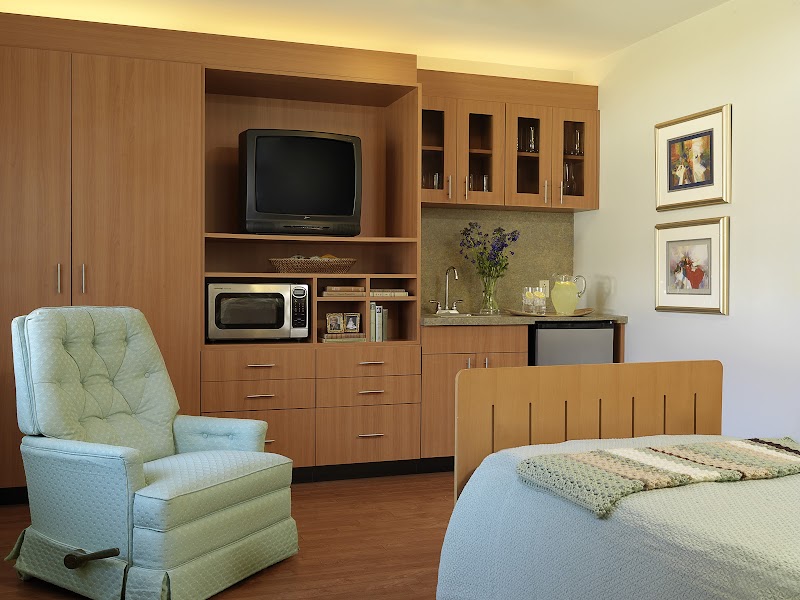
Who Owns and Operates Garden View At Dougherty Ferry?

GARDEN VIEW CARE CENTER AT DOUGHERTY FERRY is owned by a for-profit company. For-profit facilities operate as businesses with obligations to shareholders or private owners. The facility operates independently rather than as part of a larger chain. With 66 certified beds and approximately 43 residents (about 65% occupancy), it is a smaller facility located in VALLEY PARK, Missouri.
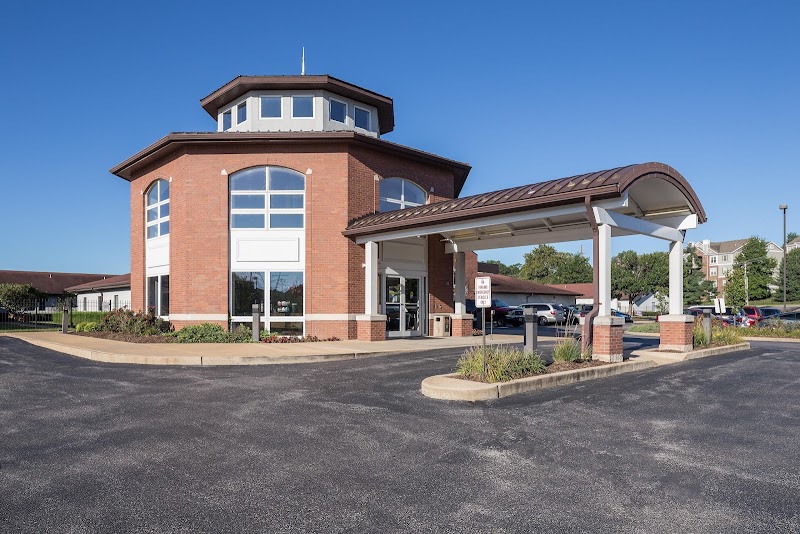
How Does Garden View At Dougherty Ferry Compare to Other Missouri Nursing Homes?

Compared to the 100 nursing homes in Missouri, GARDEN VIEW CARE CENTER AT DOUGHERTY FERRY's overall rating (4 stars) is above the state average of 2.5, staff turnover (38%) is near the state average of 46%, and health inspection rating (5 stars) is much above the national benchmark.

What Should Families Ask When Visiting Garden View At Dougherty Ferry?

Based on this facility's data, families visiting should ask: "Can I visit during a mealtime to observe dining assistance and food quality?" "How do you handle medical emergencies, and what is your hospital transfer rate?" "Can I speak with family members of current residents about their experience?"

Is Garden View At Dougherty Ferry Safe?

Based on CMS inspection data, GARDEN VIEW CARE CENTER AT DOUGHERTY FERRY has a clean safety record: no substantiated abuse findings (meaning no confirmed cases of resident harm), no Immediate Jeopardy citations (the most serious violation level indicating risk of serious injury or death), and is not on the Special Focus Facility watch list (a federal program monitoring the lowest-performing 1% of nursing homes). The facility has a 4-star overall rating and ranks #1 of 100 nursing homes in Missouri. While no facility is perfect, families should still ask about staff-to-resident ratios and recent inspection results during their visit.

Do Nurses at Garden View At Dougherty Ferry Stick Around?

GARDEN VIEW CARE CENTER AT DOUGHERTY FERRY has a staff turnover rate of 38%, which is about average for Missouri nursing homes (state average: 46%). Moderate turnover is common in nursing homes, but families should still ask about staff tenure and how the facility maintains care continuity when employees leave.

Was Garden View At Dougherty Ferry Ever Fined?

GARDEN VIEW CARE CENTER AT DOUGHERTY FERRY has no federal fines on record. CMS issues fines when nursing homes fail to meet care standards or don't correct problems found during inspections. The absence of fines suggests the facility has either maintained compliance or corrected any issues before penalties were assessed. This is a positive indicator, though families should still review recent inspection reports for the full picture.

Is Garden View At Dougherty Ferry on Any Federal Watch List?

GARDEN VIEW CARE CENTER AT DOUGHERTY FERRY is not on any federal watch list. The most significant is the Special Focus Facility (SFF) program, which identifies the bottom 1% of nursing homes nationally based on persistent, serious quality problems. Not being on this list means the facility has avoided the pattern of deficiencies that triggers enhanced federal oversight. This is a positive indicator, though families should still review the facility's inspection history directly.