ASPIRE SENIOR LIVING WARSAW

1609 SUNCHASE DRIVE, WARSAW, MO 65355 (660) 438-2970
For profit - Limited Liability company 90 Beds ASPIRE SENIOR LIVING Data: November 2025 1 Immediate Jeopardy citation
Trust Grade
16/100
#224 of 479 in MO
Last Inspection: June 2024

Within standard 12-15 month inspection cycle. Federal law requires annual inspections.

Overview

Aspire Senior Living Warsaw has received a Trust Grade of F, indicating significant concerns and a poor overall rating. It ranks #224 out of 479 facilities in Missouri, placing it in the top half of the state, but it is last out of three facilities in Benton County. The facility is on an improving trend, reducing issues from 14 in 2024 to just 1 in 2025, which is a positive sign. However, staffing is a concern, with a rating of 2 out of 5 and a turnover rate of 62%, indicating that many staff members leave, which can affect care consistency. The facility has faced issues such as a serious incident where a resident was improperly transferred without required assistance, leading to a fractured femur, and a critical finding where staff failed to properly assess and treat a pressure ulcer, which developed into a severe condition.

Trust Score
F
16/100
In Missouri
#224/479
Top 46%
Safety Record
High Risk
Review needed
Inspections
Getting Better
14 → 1 violations
Staff Stability
⚠ Watch
62% turnover. Above average. Higher turnover means staff may not know residents' routines.
Penalties
✓ Good
$18,883 in fines. Lower than most Missouri facilities. Relatively clean record.
Skilled Nurses
⚠ Watch
Each resident gets only 17 minutes of Registered Nurse (RN) attention daily — below average for Missouri. Fewer RN minutes means fewer trained eyes watching for problems.
Violations
⚠ Watch
41 deficiencies on record. Higher than average. Multiple issues found across inspections.
★★☆☆☆
2.0
Overall Rating
★★☆☆☆
2.0
Staff Levels
★★★★☆
4.0
Care Quality
★★☆☆☆
2.0
Inspection Score
Stable
2024: 14 issues
2025: 1 issues

The Good

  • 4-Star Quality Measures · Strong clinical quality outcomes
  • Full Sprinkler Coverage · Fire safety systems throughout facility
  • No fines on record

Facility shows strength in quality measures, fire safety.

The Bad

2-Star Overall Rating

Near Missouri average (2.5)

Below average - review inspection findings carefully

Staff Turnover: 62%

16pts above Missouri avg (46%)

Frequent staff changes - ask about care continuity

Federal Fines: $18,883

Below median ($33,413)

Minor penalties assessed

Chain: ASPIRE SENIOR LIVING

Part of a multi-facility chain

Ask about local staffing decisions and management

Staff turnover is elevated (62%)

14 points above Missouri average of 48%

The Ugly 41 deficiencies on record

1 life-threatening 3 actual harm
Jun 2025 1 deficiency
CONCERN (D) 📢 Someone Reported This

A family member, employee, or ombudsman was alarmed enough to file a formal complaint

Potential for Harm - no one hurt, but risky conditions existed

Free from Abuse/Neglect (Tag F0600)

Could have caused harm · This affected 1 resident

Based on interviews and record review, facility staff failed to ensure one resident (Resident #1) remained free from physical and sexual abuse when Certified Nursing Assistant (CNA) B pinched the resi...

Read full inspector narrative →
Based on interviews and record review, facility staff failed to ensure one resident (Resident #1) remained free from physical and sexual abuse when Certified Nursing Assistant (CNA) B pinched the resident's chest. The facility's census was 86. The administrator was notified on 06/20/25 of past Non-Compliance, which occurred on 06/12/25 when staff reported the allegation. Staff immediately suspended CNA B pending the results of the investigation, assessed the resident for physical and psychological harm, conducted an investigation, in-serviced staff on abuse and neglect, and terminated the employee on 06/18/25. 1. Review of the facility's policy titled, Abuse, Neglect, Misappropriate of Resident/Guest Property, Suspicious Injuries of Unknown Source, Exploitation, revised 10/24/22, showed: -The facility strictly prohibits the abuse of residents; -This policy protects against abuse, neglect, exploitation and misappropriation of resident to include abuse by facility staff; -Abuse is the willful infliction of injury, unreasonable confinement, intimidation, or punishment with resulting physical harm, pain, or mental anguish. Willful means the individual must have acted deliberately (not inadvertently or accidentally), not that the individual must have intended to inflict injury or harm; -Physical abuse includes hitting, slapping, pinching, and kicking; -Sexual abuse is a non-consensual sexual contact of any type with a resident/guest and includes, but is not limited to sexual harassment, sexual coercion, or sexual assault; -Any sexual contact between staff and resident/guest unless staff and resident/guest had a prior sexual relationship before admission or married to each other (even in a consensual relationship), will be considered an abuse of power; -Sexual contact can include touching of breasts, genitalia, groin, inner thighs, or buttocks with intent to cause sexual satisfaction or excitement to either person. 2. Review of the facility's investigation, dated 06/12/25, showed Nursing Assistant (NA) C and NA D reported to the administrator they both witnessed CNA B pinch and twist the resident's chest on 06/11/25. Staff assessed the resident and did not have injury and all necessary parties were notified. The administrator immediately suspended CNA B pending the investigation, documented based on the corroborating statements of two eyewitnesses, the facility verified Resident #1 was physically and sexually abused by CNA B since it involved an intimate area of the resident's body. The administrator terminated CNA B on 06/18/25. 3. Review of Resident #1's quarterly Minimum Data Set (MDS), a federally mandated assessment tool, dated 05/20/25, showed staff assessed the resident as follows: -Severe cognitive impairment; -Behavioral symptoms not directed towards others such as hitting/scratching self, public sexual acts, disrobing in public, throwing or smearing food or bodily wastes; -Impairment to one side upper extremity (shoulder, elbow, wrist, hand) and lower extremity (hip, knee, ankle, foot); -Diagnoses to include Traumatic Brain Injury. Review of the resident's care plan, revised 05/02/25, showed staff assessed the resident with behaviors of biting, hitting, kicking, grabbing, exposing chest, inappropriate comments and sexual inappropriateness. Staff are directed to redirect the resident's attention to other things, allow opportunity to make choices and participate in care, talk in calm voice when behavior is disruptive, when resident becomes combative, leave and try to approach later. During an interview on 06/20/25 at 10:51 A.M., NA C said he/she had called for staff assistance to lay they resident in bed and got help from NA D. He/She said CNA B entered the room, asked what help was needed, told the resident to be nice to the NAs, then stood next to the bed and pinched the resident's chest. He/She said he/she did not think it was sexual in nature but saw it as a form of physical abuse. During an interview on 06/20/25 at 11:25 A.M., CNA B said he/she is aware of the allegations. CNA B said he/she stood next to the resident's bed and the resident grabbed his/her buttock. He/She said he/she playfully tickled the resident's face and told him/her to stop, but did not touch the resident on his/her chest or any other body part. He/She denied any physical or sexual abuse, or inappropriate touching towards the resident. During an interview on 06/20/25 at 12:55 P.M., NA D said when CNA B entered the resident's room the resident was already in bed and CNA B did not assist with providing care to the resident. He/She said CNA B stood next to the bed, the resident grabbed at CNA B and CNA B pinched and twisted the resident's chest in a playful manner, but it was inappropriate, and he/she considered it a form of sexual abuse. During an interview on 06/20/25 at 1:45 P.M., the administrator said when NA C reported the allegation and NA D confirmed he/she witnessed CNA B pinched the resident's chest, he/she immediately suspended CNA B pending the investigation and terminated him/her after the investigation was completed to ensure all residents remained safe. MO00255721
Nov 2024 1 deficiency 1 Harm
SERIOUS (G) 📢 Someone Reported This

A family member, employee, or ombudsman was alarmed enough to file a formal complaint

Actual Harm - a resident was hurt due to facility failures

Accident Prevention (Tag F0689)

A resident was harmed · This affected 1 resident

Based on interview and record review, facility staff failed to properly assist one resident (Resident #1) up in bed, when Nursing Aide (NA) B wrapped his/her arms around the resident and moved the res...

Read full inspector narrative →
Based on interview and record review, facility staff failed to properly assist one resident (Resident #1) up in bed, when Nursing Aide (NA) B wrapped his/her arms around the resident and moved the resident up in bed, which results in a injury. The facility census was 87. The administrator was notified on 11/1/24 of past Non-Compliance which occurred on 10/24/24. On 10/24/24 it was reported NA B wrapped his/her arms around Resident #1 on 10/23/24, and moved him/her up in bed which resulted in bruising to his/her left and right sides. Upon discovery on 10/24/24, staff started an investigation, inserviced staff on proper techniques for assisting residents while in bed, notified the physician and suspended the NA. Staff corrected the deficient practice on 10/24/24. 1. Review of the Facility's Moving a Resident with a Sheet/Pad Policy, dated 11/1/2001, showed staff are directed to grasp the lift sheet/pad with both hands and lift the resident toward the head of the bed. 2. Review of the facility's investigation, dated 10/24/24, showed Registered Nurse (RN) A reported to Licensed Practical Nurse (LPN) C, Resident #1 had bruising to his/her left side. Review showed LPN C notified the Director of Nursing (DON) was and an investigation was started. The resident said NA B bear hugged him/her to move him/her back up in bed. He/She said he/she felt discomfort when NA B moved him/her. Review showed staff documented NA B immediately suspended and staff were in-serviced, on 10/28/24, on abuse and neglect, positioning a resident, turning a resident, moving a resident with a sheet/pad. Review showed as of 11/1/24 all staff had not been inserviced. 2. Review of Resident #1's Discharge Minimum Data Set (MDS), a federally mandated assessment tool, dated 9/19/24, showed staff assessed the resident as: -Cognitively intact; -Diagnosis of Osteoporosis (a condition in which bones become weak and brittle); -Required two staff assistance for transfers. Review of the resident's care plan, dated 11/2024, showed the care plan did not contain direction for on how to assist the resident in bed. Review of the nurses notes, dated 10/24/24, showed RN A documented bruising to the residents left and right sides. Review of the resident's nurses notes, dated 10/27/24, showed the physician ordered X-rays of the residents left side and ribs. Review of the residen'ts xray results showed fractures to the residents left sixth and seventh rib. During an interview on 11/1/24 at 10:10 A.M., the DON said he/she was made aware of the resident's bruising, on 10/24/24, by LPN C and started an investigation. He/She said NA B was suspended immediately. He/She said the resident said the NA moved him/her up in bed by himself/herself. He/She said staff were in-serviced for abuse and neglect, positioning, cares, and moving a resident up in bed and they were ongoing. He/She said staff are to use two people and a draw sheet to move a resident up in bed. During an interview on 11/1/24 at 10:50 A.M., the resident said NA B laid the bed flat and grabbed him/her under his/her arms and pulled him/her up in the bed. He/She said normally two staff use the draw sheet to move him/her up in the bed. During an interview on 11/1/24 at 12:15 P.M., LPN C said it was reported to him/her on 10/24/24, by RN A, the resident had bruising to his/her right underarm and left side. He/She said the DON was contacted on 10/24/24 and an investigation was started. During an interview on 11/1/24 at 12:20 P.M., RN A said he/she went into the resident's room with NA D and noticed bruising to the resident's right underarm and left side. He/She said the resident complained of discomfort to his/her left side. He/She said he/she told LPN C about the bruising and an investigation was started. He/She said the resident should have two people and be moved up in bed using the draw sheet. During an interview on 11/1/24 at 12:55 P.M., NA D said the resident had complaints of pain to his/her left side on 10/24/24. He/She said he/she did not notice any bruising the day before on 10/23/24. He/She said the resident said NA B pulled him/her up in bed by pulling under his/her arms. NA D said staff are expected to use a draw sheet and two staff to move a resident up in bed. During an interview on 11/1/24 at 1:14 P.M., NA B said he/she did not assist the resident up in bed but did help the resident with turning. He/She said he/she did not bear hug the resident. NA B if the resident needed to be moved up in bed he/she would use the draw sheet and another person. He/She said he/she received training on positioning and moving a resident up in bed because of the allegations of the complaint. During an interview on 11/4/24 at 8:01 A.M., Certified Nurse Aide (CNA) F said he/she worked the night of 10/23/24, but did not assist NA B with moving the resident. He/She said staff are expected to use two people and a draw sheet to move residents up in the bed. He/She said if a draw sheet was unavailable staff are expected to get one before trying to move the resident if the resident is unable to help. During an interview on 11/4/24 at 8:42 A.M, the physician said he/she was made aware of the bruising to the resident and ordered an xray of his/her left side. He/She said the xray results revealed a fracture to the resident's sixth and seventh rib. He/She said moving the resident up in bed by bear hugging him/her and his/her comobidities could have cause the rib fracture. During an interview on 11/4/24 at 10:09 A.M. the administrator said staff are expected to move a resident up in bed using two person assist and a draw sheet. If there was not a draw sheet staff are expected to get one before moving the resident. MO00244080
Jun 2024 13 deficiencies
CONCERN (D)

Potential for Harm - no one hurt, but risky conditions existed

Deficiency F0578 (Tag F0578)

Could have caused harm · This affected 1 resident

**NOTE- TERMS IN BRACKETS HAVE BEEN EDITED TO PROTECT CONFIDENTIALITY** Based on interview and record review, facility staff failed to obtain a timely advanced directive for resident #238 who recieved...

Read full inspector narrative →
**NOTE- TERMS IN BRACKETS HAVE BEEN EDITED TO PROTECT CONFIDENTIALITY** Based on interview and record review, facility staff failed to obtain a timely advanced directive for resident #238 who recieved CPR when he/she elected to be a DNR and failed to document residents' code status consistently as a Do Not Resuscitate (DNR) or Full Code (Resuscitate refers to cardiopulmonary resuscitation-CPR) for four residents (Resident #16, #42, #47 and #238) out of fifteen sampled residents. The facility census was 77. 1. Review of the facility's Advance Directives and Refusal of Treatment policy, dated [DATE], showed the resident has a right to formulate an advance directive for the management of his/her care. The resident shall have a copy of his/her advanced directive(s), if any, made a part of his/her medical record. Except in an emergency, prior to the start of any procedure or treatment, the resident shall receive the information necessary from his/her physician to give an informed consent. The information provided to the resident to obtain an informed consent shall include, but not necessarily be limited to, the intended procedure or treatment, the reason for the procedure or treatment, the potential risks, and the probable length of the disability. 2. Review of Resident # 238's medical record showed: -admitted to facility on [DATE]; -Expired in facility on [DATE]; -The record did not contain a signed DNR or Full Code directive. Review of the resident's Physician Order Sheet (POS), dated [DATE], showed the record did not contain an order for his/her code status or advanced directive. Review of the resident's Baseline Care plan, dated [DATE], showed the care plan did not contain the resident's code status or advanced directives. During an interview on [DATE] at 02:54 P.M., the resident's physician said he/she had not had a chance to examine the resident yet and did not have expectations regarding when the code status should or should not be performed or when the code status should be obtained. During an interview on [DATE] at 10:52 A.M., the Social Service Designee (SSD) said the resident came to the facility on a Thursday and signed a DNR form which was faxed to the physician. The physician was off Friday and on Monday, when the resident was without a pulse or breath, CPR was initiated. He/She said that during the CPR, the physician faxed the signed DNR to the facility and CPR was stopped. During an interview on [DATE] at 11:01 A.M., the admissions coordinator said he/she was in the hospital during the time the resident was admitted to the facility. 3. Review of Resident #16's medical record showed: -admitted to facility [DATE]; -The record did not contain a signed DNR or Full Code directive. Review of the resident's POS, dated [DATE], showed the record did not contain an order for his/her code status or advanced directive; Review of the resident's baseline care plan, dated [DATE], showed the care plan did not contain the resident's code status or advanced directives. 4. Review of Resident #42's medical record showed: -admitted to facility on [DATE]; -The record did not contain a signed DNR or Full Code directive. Review of the resident's POS, dated [DATE], showed the order did not contain an order for his/her code status or advanced directive. Review of the Care Plan, dated [DATE] showed the baseline care plan did not contain the resident's code status or advanced directives. 5. Review of Resident # 47's medical record showed: -admitted to facility on [DATE]; -The record did not contain a signed DNR or Full Code directive. Review of the resident's Care Plan, dated [DATE], showed the care plan did not contain the resident's code status or advanced directives. 6. During an interview on [DATE] at 10:52 A.M., The SSD said it is the responsibility of the Admissions coordinator to obtain advanced directive information upon or prior to admission, if possible. The directives are signed and given to the nurse to get an order from the physician. He/She said he/she is the backup if the admissions personnel is out of the building and was on duty when the resident came in on Thursday. During an interview on [DATE] at 11:01 A.M., the admissions coordinator said he/she is responsible to obtain and review advanced directives on admission as part of the admission process. He/She then passes the information to the charge nurse who will obtain an order and ensure it gets put into the medical record. During an interview on [DATE] at 1:44: A.M., Licensed Practical Nurse (LPN) A said upon admission the nurse will review the hospital discharge or admitting paperwork to determine the residents code status. The nurse confirms it with the admissions coordinator, updates the care plan and obtains an order. During an interview on [DATE] at 03:07 P.M., the Administrator said advanced directives are reviewed and obtained during the admission process. He/she said once obtained, it is sent to the physician for review and order and would expect the process to be completed within 24 hours unless a weekend and would expect the process to be completed the next business day.
CONCERN (D) 📢 Someone Reported This

A family member, employee, or ombudsman was alarmed enough to file a formal complaint

Potential for Harm - no one hurt, but risky conditions existed

Report Alleged Abuse (Tag F0609)

Could have caused harm · This affected 1 resident

**NOTE- TERMS IN BRACKETS HAVE BEEN EDITED TO PROTECT CONFIDENTIALITY** Based on interview and record review, facility staff failed to report an allegation of abuse for one resident (Resident #1) to t...

Read full inspector narrative →
**NOTE- TERMS IN BRACKETS HAVE BEEN EDITED TO PROTECT CONFIDENTIALITY** Based on interview and record review, facility staff failed to report an allegation of abuse for one resident (Resident #1) to the Department of Health and Senior Services (DHSS) within the required two-hour timeframe after being told the resident said a staff member tired to kill them. The facility census was 84. 1. Review of the facility's policy titled, Abuse, Neglect, Misappropriate of Resident/Guest Property, Suspicious Injuries of Unknown Source, Exploitation, revised 10/24/22, showed certain incidents and accidents must also be reported to the appropriate state agencies. faclity staff are required to report all instances of abuse, neglect, exploitation, and misappropriation of resident/guest property, and suspicious injuries of unknown origin as required by state and federal law. Each employee has an obligation to immediately report any incident or allegation that constitute and instance of abuse, neglect, an injury of unknown origin, exploitation or misappropriation to the administrator, Director of Nurisng (DON), or department supervisor. If the report is made to the DON or department supervisor, that individual will notify the Administrator. The facility will report all alleged instances of abuse. The administrator or designee will report to the State Agency and all other required agencies, per regulation. All allegations of abuse and instances that result in serious bodily injury must be reported within 2 hours. 2. Review of Resident #1's medical record showes the resident admitted to the facility on [DATE]. Review of the resident's nurse's notes, dated 06/01/24 at 9:23 A.M., showed Licensed Practical Nurse (LPN) C documented staff alerted him/her the resident had requested pain medication. LPN C entered resident's room and noted resident to be visibly upset. Review showed staff documented the resident said his/her spouse called an ambulance and he/she was leaving. Review showed the resident said LPN C was trying to kill him/her and threaten him/her with his/her medications. Review showed staff alerted LPN C resident's spouse was in the room and the resident told his/her spouse he/she was threatened with his/her medications. Review of the facilities investigation, dated 06/26/24, showed staff documented LPN C reported on 06/01/24 at 8:29 A.M. the resident said LPN C tried to threaten the resident with his/her medications and tried to kill the resident on or around 06/01/24 at 8:23 A.M. Review of the investigation showed staff documented they notified DHSS on 06/26/24 at 1:17 P.M. During an interview on 06/26/24 at 1:25 P.M., the Regional Nurse said the DON and him/her were completing random chart audits and discovered a nurse's note written on 06/01/24 by LPN C. The Regional Nurse said the note exaplained a resident told him/her that he/she was threatening him/her with his/her medications and trying to kill him/her. The Regional Nurse said this was not report to DHSS until 06/26/24 when he/she found the note. During an interview on 06/26/24 at 1:25 P.M., the DON said he/she and the Regional Nurse were doing random chart audits and discovered a nurse's note written on 06/01/24 by LPN C which showed a resident told him/her that he/she was threatening him/her with his/her medications and trying to kill him/her. The DON said this incident was reported to the administrator the date of the incident but not to DHSS. The DON said the information was reported to DHSS on 06/26/24. During an interview on 06/27/24 at 8:42 A.M., the administrator said he/she does not remember the conversation with LPN C on 06/01/24. The administrator said he/she would have referred LPN C to the DON since he/she was on vacation. The administrator said he/she has not had any previous concerns or reports regarding LPN C. The administrator said if allegations of threats or abuse are reported to him/her then he/she is responsible to complete an investigation and report it to DHSS withing two hours. During an interview on 06/27/24 at 8:51 A.M., LPN C said he/she was the charge nurse on 06/01/24 the day. LPN C said he/she was alerted by staff that the resident requested pain medication. LPN said he/she entered the resident's room with the pain medication and noticed the resident was visibly upset. LPN said he/she asked the resident what was wrong, and the resident replied he/she couldn't get staff's help all night and was leaving the facility. LPN C said the resident told him/her, he/she had contacted his/her spouse and they called an ambulance to assist the resident to leave the facility. LPN C said he/she explained to the resident if he/she left AMA that LPN C could not send his/her medications with him/her. LPN C said the resident responded by saying LPN C was threatening him/her with his/her medications and trying to kill him/her. LPN C said the administrator was on vacation and asked LPN C to contact the DON. LPN C said he/she called the DON and just told her the resident left AMA. LPN C said he/she did not tell the DON the whole story. LPN C said he/she received abuse/neglect training upon hire, monthly in the staff meetings, and as needed. LPN C said any abuse/neglect must be reported to DHSS within two hours. LPN C said anyone can make a report to DHSS but generally the Administrator or DON make those reports. MO00238182
CONCERN (D)

Potential for Harm - no one hurt, but risky conditions existed

Deficiency F0836 (Tag F0836)

Could have caused harm · This affected 1 resident

**NOTE- TERMS IN BRACKETS HAVE BEEN EDITED TO PROTECT CONFIDENTIALITY** Based on record review, the facility administration failed to operate and provide services in compliance with all applicable Fed...

Read full inspector narrative →
**NOTE- TERMS IN BRACKETS HAVE BEEN EDITED TO PROTECT CONFIDENTIALITY** Based on record review, the facility administration failed to operate and provide services in compliance with all applicable Federal, State, and local laws, regulations, and codes when facility staff failed to have an unlimited year history on the Criminal Background Checks (CBC) through the Missouri Highway Patrol for all new employees. The facility census was 77. 1. Review of the facility's Abuse, Neglect, Misappropriation of Resident/Guest Property, Suspicious Injuries of Unknown Source, Exploitation Policy, dated 10/24/22 showed the facility will search the appropriate registries and will conduct a background investigation to determine whether a finding of abuse, neglect, mistreatmnet, exploitation or misappropriation [NAME] been entered against a potential employe. This search will include all registries that the facility believes may have information. 2. Review of the contracted company for CBC checks letter, dated 6/12/24, showed the contracted company is to provide background screening services for pre-employment purposes. Review showed the company will search within a seven year timeframe for misdemeanor records. Felony convictions are reported out as far back as the state allows. In the state of Missouri, our statewide criminal search uses the online court search website to find criminal records. During an interview on 06/13/24 at 2:53 P.M., Financial Specialist Assistant said he/she is responsible for completing the CBC. He/She enters the potential employees name in the to the contracted company to complete the checks. This system has been used for about a year and started after the last survey. He/She was not aware the CBC checks only goes back seven years and did not know it had to be unlimited. He/She said he/she uses what corporate tells him/her to use.
CONCERN (E)

Potential for Harm - no one hurt, but risky conditions existed

Safe Environment (Tag F0584)

Could have caused harm · This affected multiple residents

**NOTE- TERMS IN BRACKETS HAVE BEEN EDITED TO PROTECT CONFIDENTIALITY** Based on observation, interview and record review, facility staff failed to provided a safe, clean, comfortable, and homelike en...

Read full inspector narrative →
**NOTE- TERMS IN BRACKETS HAVE BEEN EDITED TO PROTECT CONFIDENTIALITY** Based on observation, interview and record review, facility staff failed to provided a safe, clean, comfortable, and homelike environment when facility staff did not repair damage in resident rooms and bathrooms. The facility census was 77. 1. Review of the facility's Federal Rights of Residents, dated 11/01/01, showed facility will provided a safe, clean, comfortable, and homelike environment. Review showed staff are directed to: -Clean beds and bath lines that are in good condition; -Housekeeping and maintenance services necessary to maintain a sanitary, orderly, and comfortable interior. 2. Observation on 06/11/24 at 10:15 A.M., showed occupied room [ROOM NUMBER]'s bathroom door with a large plastic scratch guard hung loose on one side with sharp edges and a heavily stained bathroom floor. Observation on 06/11/24 at 11:02 A.M., showed occupied room [ROOM NUMBER] doorframe with chipped paint, shower floor with brown stained tile, stained caulk around the toilet and privacy curtain partially torn. Observation on 06/11/24 at 11:07 A.M., showed occupied room [ROOM NUMBER] shower floor with stained tile and call light tapped to the wall with bandage tape. Observation on 06/11/24 at 11:22 A.M., showed occupied room [ROOM NUMBER] wall behind the residents bed with a gouge, the baseboard by the shower wall loose, the shower floor stained and a rust-colored ring in the sink bowl. Observation on 06/11/24 at 12:21 P.M., showed occupied room [ROOM NUMBER] wall behind the resident's beds with multiple areas of gouges and chipped paint. Observation on 06/12/24 at 8:16 A.M., showed occupied room [ROOM NUMBER] bathroom floors with areas of lifted and cracked floor tiles. Observation showed the bathroon floor tiles with heavy black stains in the grout lines. Observation on 06/14/24 10:23 at A.M., showed resident occupied room [ROOM NUMBER]'s door did not close and latch with ease. Certified Nursing Assistant (CNA) N attempted to shut the door and shoved the door closed with force. Observation on 06/14/24 at 11:03 A.M., showed resident occupied room [ROOM NUMBER]'s bedroom floor tiles chipped around the perimeter of the bed with gray stains between the beds, black residue between the tiles under the heating/cooling unit. Observation of the resident bathroom showed the base of the toilet discolorwd and the bathroom door scratched. Observation on 06/14/24 at 11:05 A.M., showed resident occupied room [ROOM NUMBER]'s bathroom sink pipes wrapped in black tape and a tub under the pipe filled with gray water. The bathroom door contained gouges, and the baseboard missing with crumbled drywall. The bathroom tiles in the bathroom had yellow stains and the caulk with black residue. Observation on 06/14/24 at 11:08 A.M., showed resident occupied room [ROOM NUMBER]'s bathroom with yellow stains on the tiles, and black residue in the caulking. Observation on 06/14/24 at 11:10 A.M., showed resident occupied room [ROOM NUMBER]'s wall by both beds with areas drywall and paint peeled. Observation of the bathroom showed the tiles behind the toilet with black residue. Observation on 06/14/24 at 11:08 A.M., showed the 400-hallway floor tiles cracked, chipped tiles, and with multiple stains. 3. During an interview on 06/14/24 at 9:50 A.M., Certified Nurse Aid (CNA) M said he/she tells the maintenance supervisor verbally if they find damaged items in a residents room. He/She said they were aware of the damage to the resident rooms. During and interview on 06/14/24 at 10:02 A.M., CNA N said if damage is noticed to a resident room he/she tells the Maintenance supervisor directly. He/She said they have told the maintenance supervisor about the damage in the rooms. During an interview on 06/14/24 at 10:17 A.M., Housekeeper C said many of the floors need to be replace because they can not be cleaned correctly due to the damage on them. He/She said they report damage to the housekeeping supervisor and to the maintenance department. During an interview on 06/14/24 at 11:09 A.M., the maintenance supervisor said staff should use the maintenance tracking computer software (TELS) to report repairs needed so it can be tracked, but chose to report it verbally instead. He/She was aware of the rooms that needed to be fixed. During an interview on 06/14/24 at 2:37 P.M., the Director of Nursing said staff should tell the maintenance supervisor through the electronic maintenance system, not verbally so it can be tracked. Maintenance is responsible for the repairs to resident rooms. During an interview on 06/14/24 at 3:17 P.M., the administrator said the maintenance supervisor is responsible for repairs to the building and that they were aware of the damage. Staff should report damage in the electronic system not verbally alone. Any immediately dangerous damage should be fixed right away.
CONCERN (E) 📢 Someone Reported This

A family member, employee, or ombudsman was alarmed enough to file a formal complaint

Potential for Harm - no one hurt, but risky conditions existed

Investigate Abuse (Tag F0610)

Could have caused harm · This affected multiple residents

**NOTE- TERMS IN BRACKETS HAVE BEEN EDITED TO PROTECT CONFIDENTIALITY** Based on interview and record review, facility staff failed to complete a thorough investigation when Licensed Practical Nurse (...

Read full inspector narrative →
**NOTE- TERMS IN BRACKETS HAVE BEEN EDITED TO PROTECT CONFIDENTIALITY** Based on interview and record review, facility staff failed to complete a thorough investigation when Licensed Practical Nurse (LPN) C reported he/she was accused by one resident (Resident #1) of making threats. The facility census was 84. 1. Review of the facility's policy titled, Abuse, Neglect, Misappropriate of Resident/Guest Property, Suspicious Injuries of Unknown Source, Exploitation, revised 10/24/22, showed staff were directed to: -The facility will investigate and document all incidents and accidents involving residents/guests, certain incidents and accidents must also be reported to the appropriate state agencies; -The facility will report all alleged instances of abuse -Notify the Administrator of an unusual situation in the facility, whether reportable or not, immediately; -The Administrator or designee will report to the State Agency and all other required agencies, per regulation; -All allegations of abuse and instances that result in serious bodily injury must be reported within 2 hours; -The Administrator is responsible for conducting a thorough investigation and obtaining witness statements. 2. Review of the resident's face sheet showed: -admitted [DATE] at 9:32 P.M.; -discharged [DATE] at 9:00 A.M. Review of the resident's nurses notes showed: -On 06/01/24 at 9:23 A.M., LPN C documented staff alerted him/her the resident had requested pain medication. LPN C entered resident's room and noted resident to be visible upset. LPN C asked the resident what was wrong, and the resident responded that staff did not answer his/her call light, did not come assist her, and his/her roommate cried all night. LPN C offered the resident a room change but the resident responded that he/she had called his/her spouse. The resident said his/her spouse called an ambulance and he/she was leaving. LPN C explained to the resident if he/she left against medical advice (AMA) that he/she would be responsible for his/her room charge and LPN C could not send the resident's medications with him/her. The resident responded she didn't care then proceeded to say that LPN C was trying to kill her and threaten her with his/her medications. LPN C administered requested pain medications and left the room. Staff came and alerted LPN C about 10 minutes later that the resident's spouse was in the room and the resident told his/her spouse he/she was threatened with his/her medications. LPN C spoke to the spouse and attempted to explain what happened, but spouse interrupted LPN C and said he/she was taking the resident out of the facility. LPN C called the residents physician and left a message. LPN C asked resident's spouse to sign an AMA form which he/she did and LPN C made the spouse a copy. LPN C assisted ambulance staff to move the resident from the bed to the gurney. LPN C called the Administrator and DON after. 3. Review of the facility's investigation, dated 06/26/24, showed the investigation did not contain documentation staff started the investigation until 06/26/24 at 11:50 A.M. 4. During an interview on 06/26/24 at 1:25 P.M., the Regional Nurse said the Director of Nursing (DON) and him/her were completing random chart audits and discovered a nurse's note written on 06/01/24 by LPN C. LPN C and the Administrator were suspended immediately when the note was discovered today until the investigation is completed. He/She got a statement from LPN C about the incident. During an interview on 06/26/24 at 1:25 P.M., the DON said he/she and the Regional Nurse were doing random chart audits and discovered a nurse's note written on 06/01/24 by LPN C. The DON said this incident was reported to the Administrator but not to Department of Health and Senior Services (DHSS). The DON said he/she remembered LPN C called him/her about the resident leaving AMA but did not tell him/her about the resident's comment. The DON said he/she found out about the comment with the chart audit. During an interview on 06/27/24 at 8:42 A.M., the Administrator said the day the resident was admitted he/she left at 5:00 P.M. for vacation. The Administrator said he/she did not meet the resident as the resident was admitted after he/she left. The Administrator said he/she does not remember the conversation with LPN C on 06/01/24. The Administrator said he/she would have referred LPN C to the DON since he/she was on vacation. The Administrator said he/she has not had any previous concerns or reports regarding LPN C. The Administrator said if allegations of threats or abuse are reported to him/her then he/she is responsible to complete an investigation and report it to the DHSS within two hours. During an interview on 06/27/24 at 8:51 A.M., LPN C said he/she was the charge nurse on 06/01/24 the day the resident left AMA. After the resident left he/she called the Administrator and reported the whole story to him/her. LPN C said the Administrator was on vacation and asked LPN C to contact the DON. He/She called the DON and just told her the resident left AMA. He/She did not tell the DON the whole story. LPN C said he/she received abuse/neglect training upon hire, monthly in the staff meetings, and as needed. LPN C said the Regional Nurse did abuse/neglect and medication training at discharge with him/her on 06/26/24 too. If he/she knows of abuse/neglect happening he/she would report it to the Administrator or DON. LPN C said any abuse/neglect must be reported to DHSS within two hours. LPN C said anyone can make a report to DHSS but generally the Administrator or DON make those reports. MO00238182
CONCERN (E)

Potential for Harm - no one hurt, but risky conditions existed

Comprehensive Care Plan (Tag F0656)

Could have caused harm · This affected multiple residents

**NOTE- TERMS IN BRACKETS HAVE BEEN EDITED TO PROTECT CONFIDENTIALITY** Based on observation, interview and record review, facility staff failed to develop a comprehensive person-centered care plan fo...

Read full inspector narrative →
**NOTE- TERMS IN BRACKETS HAVE BEEN EDITED TO PROTECT CONFIDENTIALITY** Based on observation, interview and record review, facility staff failed to develop a comprehensive person-centered care plan for each resident to meet the resident's medical and nursing needs for five (Resident #17, #20, #21, #82 and #244) of sixteen sampled residents. The facility census was 77. 1. Review of the facility's Nursing Assessment's policy, dated August 2018, showed: -The facility conducts, a comprehensive, standardized assessment of each resident's functional capacity necessary to develop a person centered care plan and to modify the care plan and care services based the resident's status and resident goals and preferences, future discharge; -Comprehensive assessments should be completed on admission, quarterly and with a significant change in the resident's condition; -The comprehensive person-centered care plan is established with input from the resident/resident representative and upon completion of a comprehensive Minimum Data Set (MDS) assessment, a federally mandated assessment tool completed by facility staff, by the interdisciplinary team (IDT); -The initial nursing assessment on admission should include a baseline plan of care to be completed within 48 hours of admission; -The comprehensive assessment should include an IDT plan of care developed within 21 days of admission; -The quarterly nursing assessment should include a quarterly update of the IDT care plan; -A significant change of condition assessments should include an update to the plan of care to reflect the change of condition; -Information in the medical record, as documented by nursing personnel aids in the development of accurate plans. 1. Review of Resident #17's admission Minimum Data Set (MDS), a federally mandated assessment tool, dated 05/06/24, showed staff assessed the resident as: -Inattentive and disorganized thinking that fluctuates; -Use of a walker or a wheelchair; -Required parital/moderate staff assistance for sitting to lying; -Required partial/moderate staff assistance for lying to sitting; -Required partial/moderate assistance for chair to bed-to chair transfers; -Required partial/moderate assistance for sit to stand transfers; -Did not use bed rails. Review of the resident's care plan, dated 06/10/24, showed the care plan did not contain direction for the following: -Use of bed rails; -Cognitive loss/demenia; -Activities of daily living (ADL) function; -Urinary incontenence; -Psychosocial well-being; -Behaviors; -Activities; -Dehydration; -Surgical wounds; -Enhanced Barrier Precautions. Observation on 06/11/24 at 11:03 A.M., showed the resident in bed with bilateral quarter size side rails in the raised position. Observation on 06/12/24 at 9:50 A.M., showed the resident in bed with bilateral quarter size side rails in the raised position. Observation on 06/13/24 at 7:58 A.M. and 1:31 P.M., showed the resident in bed with bilateral quarter size side rails in the raised position. 2. Review of Resident #20's Annual MDS, dated [DATE], showed staff assessed the resident as: -Cognitively intact; -No behaviors or rejection of care; -Dependent on staff for all mobility and hygiene; -Had an indwelling catheter; -Diagnosis of Multiple Sclerosis (MS), anxiety, and depression. Observation on 06/11/24 at 11:33 A.M., showed the resident in bed with raised bed rails. Observation on 06/14/24 at 09:01 A.M., showed the resident in bed with raised bed rails. Review of the resident's care plan, dated 3/1824, showed the care plan did not contain direction for the following: -Activities of daily living (ADL) function; -Catheter care; -Use of bed rails. 3. Review of Resident #21's Quarterly MDS, dated [DATE], showed staff assessed the resident as: -Cognitively impaired; -Inattentive and disorganized thinking that fluctuates; -Required supervision/touching for sitting to lying; -Required partial/moderate staff assist for lying to sitting; -Required substantial/moderate assistance for chair to bed-to chair transfers; -Dependent on staff for sit to stand transfers; -No restraints; -Diagnosis of hip fracture, Alzheimer's disease, anxiety and depression. Review of the resident's care plan, dated 05/09/24, showed the care plan did not contain use or direction for use of bed rails. Observation on 06/12/24 at 8:28 A.M., showed the resident in bed with grab bars on both sides of the bed in the up position. Observation on 06/13/24 at 4:46 A.M., showed the resident in bed with grab bars on both sides of the bed in the up position. During an interview on 06/13/24 at 6:06 A.M., Certified Nurse Aide (CNA) G said he/she did not know what it said regarding the side rails for the resident. During an interview on 06/14/24 at 9:03 A.M., CNA F said he/she did not know what it said regarding the side rails for the resident, but knows they are on the bed. 4. Review of Resident #82's admission MDS, dated [DATE], showed staff assessed the resident as: -Mild cognitive impairment; -Inattentive and disorganized thinking that fluctuates; -Use of a wheelchair; -Required supervision/touching for sitting to lying; -Required partial/moderate staff assistance for lying to sitting; -Required parital/moderate assistance for chair to bed-to chair transfers; -Dependent on staff for sit to stand transfers; -Has pressure ulcers; -No restraints. Review of the resident's care plan, dated 05/29/24, showed the care plan did not contain direction or intervention for the following: -Use of bed rails; -Cognitive loss/demenia; -Activities of daily living (ADL) function; -Urinary incontenence; -Psychosocial well-being; -Behaviors; -Nutrition; -Enhanced Barrier Precautions. Observation on 06/11/24 at 10:59 A.M., showed the resident in bed with bilateral quarter size side rails in the raised position. Observation on 06/12/24 at 8:22 A.M., showed the resident in bed with bilateral quarter size side rails in the raised position. Observation on 06/13/24 at 7:51 A.M., showed the resident in bed with bilateral quarter size side rails in the raised position. 5. Review of Resident #244s admission MDS, dated [DATE], showed staff did assessed the resident as follows: -Cognitive; -Bilateral upper and lower extrimity impairment; -Surgical wounds; -Used wheelchair. During an interview on 06/12/24 at 10:06 A.M., the resident said the bed rail assists with mobility while in the bed and getting into his wheelchair. Observation on 06/13/24 at 1:23 P.M., showed the resident in bed with bilateral quarter size side rail in the raised position. Observation on 06/14/24 at 11:05 A.M., showed the resident in bed with bilateral quarter size side rails in the raised position. Review of the resident's care plan, 06/07/24, showed the care plan did not contain direction for the use of bed rails. 6. During an interview on 06/13/24 at 06:06 A.M., CNA G said the care plans are in the computer and in a book off the secured unit. He/she has access to them but does not always have time to read them. During an interview on 06/14/24 at 09:03 A.M., CNA F said the care plans are in the computer and in a book off the secured unit. He/she has access to them and include specialized care needs such as call lights, assistance level, behavioral interventions, skin breakdown and falls. During an interview on 06/14/24 at 01:44 P.M., Licensed Practical Nurse (LPN) A said CNA's on the secured unit would have to ask the charge nurse and therapy how to care for a resident if its not in a care plan. He/She said the care plans are kept in a book at the nurse station and CNA's that work on the secured unit would have to come out to review them and someone would have to cover for them while they are off the unit. During an interview on 06/14/24 at 2:30 P.M., the Director of Nursing (DON) said residents should have a baseline care plan completed within 48 hours then a comprehensive after the admission MDS is completed. He/She said it is the responsibility of the MDS nurse to complete/accurate and update the care plans to include: activities of daily living, risk for elopement, potential for weight variations, potential for skin breakdown, falls, code status, incontinence and anything that would trigger on the MDS assessment. He/She said it is the DON's responsibility to ensure staff are following the care plans. During an interview on 06/14/24 at 3:07 P.M., the Administrator said care plans should be initiated by the MDS nurse and should include falls, infection, anything that changes with the resident, wounds, interventions for prevention of skin breakdown, special diets and infection prevention such as Enhanced Barrier Precautions (EBP). He/She said the IDT staff review the daily nurse notes and can update the care plans at that time with any changes.
CONCERN (E)

Potential for Harm - no one hurt, but risky conditions existed

ADL Care (Tag F0677)

Could have caused harm · This affected multiple residents

**NOTE- TERMS IN BRACKETS HAVE BEEN EDITED TO PROTECT CONFIDENTIALITY** Based on observation, interviews, and record review facility staff failed to provide appropriate personal hygiene, bathing, and ...

Read full inspector narrative →
**NOTE- TERMS IN BRACKETS HAVE BEEN EDITED TO PROTECT CONFIDENTIALITY** Based on observation, interviews, and record review facility staff failed to provide appropriate personal hygiene, bathing, and incontinence care for seven (Resident #3, #20, #21, #47, #52, #54, and #81) out of 18 dependent sampled residents. The facility census was 77. 1. Review of the facility;s Hygiene and Grooming policy, dated 11/01/01, showed good hygiene and grooming help prevent the spread of infection and promote the resident's feelings of self-worth and dignity Review showed staff care to include: A.M. Care to include: a) Offer bedpan, urinal or assistance to the bathroom; b) If the resident is incontinent of urine or stool, provide perineal care; c) Wash hands after returning utensils to proper place; d) Get a basin of warm water, and take to bedside for the resident to wash face and hands . Assist the resident as needed; e) Gather oral hygiene supplies, and take to bedside for the resident to brush teeth. Assist the resident as needed; f) Wash hand after returning utensils to proper place; g) Assist the resident to dress in desired clothing for breakfast; h) Assist the resident to comb an brush hair, as needed; i) Assist the resident to the dinning room, when appropriate. Position the resident in comfortable sitting position, when eating in the room. Be sure call light is within reach, when the resident remains in the room. P. M. Care to include: a) Offer bedpan, urinal assistance to the bathroom; b) If the resident is incontinent of urine or stool, provide perineal care; c) Wash hands after returning utensils to proper place; d) Get a basin of warm water, and take to beside for the resident to wash face and hands. Assist the resident as needed; e) Apply lotion as needed; f) Gather oral supplies, and take to the beside for the resident to brush teeth. Assist the resident as needed; g) Wash hands after returning utensils to proper place. Review of the facility's Shaving the Resident policy, dated November 2001, showed male and female residents are shaved daily or as needed. Review of the facility's Nail Care policy, dated November 2001, showed nail care is a routine part of grooming each day. 2. Review of Resident #3's Quarterly Minimum Data Set (MDS) a federally mandated assessment tool, dated 05/14/24, showed staff assessed the resident as follows: -Cognitively intact; -Bathing substantial assistance. Review of the resident's care plan, dated 03/20/24, showed staff were directed to provide assistance with toileting, ambulation, and other personal needs; Review of the resident's care summary, dated 04/01/24 through 06/11/24, showed staff documented the resident received a shower on 04/12/24, 05/03/24, 05/24/24, and 06/04/24. Observation on 06/12/24 at 10:33 A.M., showed the resident in his/her room with his/her hair loosely pulled back in a ponytail greasy and disheveled. Observation on 06/14/24 at 9:00 A.M., showed the resident had greasy disheveled hair pulled back loosely in a ponytail. During an interview on 06/12/24 at 10:38 A.M., the resident said he/she had not received a shower in over two weeks and that it was frustrating for him/her to have to wait so long. 3. Review of Resident #20's Annual MDS, dated [DATE], showed staff assessed the resident as: -Cognitively intact; -Dependent on staff for toilet hygiene and personal hygiene. Review of the resident's care plan, dated 03/18/24, showed the care plan did not address the resident's need for assistance to complete daily activities of care. Observation on 06/11/24 at 11:33 A.M., showed the resident with body odor, long fingernails with dark residue underneath, greasy uncombed hair, and facial hair. Observation on 06/12/24 at 11:11 A.M., showed the resident with body odor, long fingernails with dark residue underneath, greasy uncombed hair, and facial hair. Observation on 06/13/24 at 10:00 A.M., showed the resident with body odor, long fingernails with dark residue underneath, greasy uncombed hair, and facial hair. Observation on 06/14/24 at 09:01 A.M., showed the resident with body odor, long fingernails with dark residue underneath, greasy uncombed hair, and facial hair. During an interview on 06/12/24 at 11:11 A.M., the resident said he/she was not offered a bed bath frequently enough. The resident said he/she liked to be clean and without facial hair. The resident said he/she felt unpleasant to him/herself and others. 4. Review of Resident #21's Quarterly MDS dated [DATE], showed staff assessed the resident as: -Cognitively impaired; -No behaviors or rejection of care; -Dependent on staff for toilet hygiene and personal hygiene; -Diagnosis of Alzheimer disease. Review of the resident's care plan, dated 05/9/24, showed staff assessed the resident required assistance to complete daily activities of care safely. Review of the Resident Care summary, dated 04/14/24 through 05/14/24, showed staff documented the resident received three showers. Review of the Resident Care summary, dated 6/14/24, showed staff documented the resident received five showers during the 30-day look back peroid. Observation on 06/11/24 at 12:21 P.M., showed the resident with long fingernails, long facial hair and uncombed hair. Observation on 06/12/24 at 08:28 A.M., showed the resident with long facial hair with a red stain around the mouth, long fingernails and uncombed hair. Observation on 06/13/24 at 4:45 A.M. through 6:25 A.M., showed the resident in bed with a visibly saturated brief and smelled of urine. Observation on 06/13/24 at 1:53 P.M., showed the resident with long facial hair and long fingernails. Observation on 06/14/24 at 8:25 A.M., showed the resident with long facial hair and long fingernails. His/her hair was uncombed. During an interview on 06/13/24 at 1:52 P.M., the family said the resident did not have facial hair in the past and would not let his/her nails get so long. He/She said that his/her nails could scratch his/her skin and maybe get a tear. During an interview on 06/13/24 at 6:30 A.M., Certified Nurse Aid (CNA) G said the resident can be resistive during care at times but is not an excuse. He/She said he/she is on the hall by him/herself a lot and do the best they can. 5. Review of Resident #47's Quarterly MDS, dated [DATE], showed staff assessed the resident as follows: -Cognitively intact; -Required set-up for showers; -Diagnosis of Parkinson's Disease and depression. Review of the resident's care plan, dated 04/08/24, showed the care plan did not address the resident's need for assistance to complete daily activities of care. Review of the Resident Care summary, dated 03/14/23 through 04/11/24, showed staff documented the resident received one bed bath. Review of the Resident Care summary, dated 04/15/23 through 05/15/24, showed staff documented the resident received one shower. Review of the Resident Care summary, dated 05/16/24 to 06/22/24, showed staff documented the resident received three showers. Observation on 06/11/24 at 3:11 P.M., showed the resident's hair was greasy and with facial hair. Observation on 06/11/24 at 10:20 A.M., showed the resident's hair was greasy and with facial hair. During an interview on 06/11/24 at 10:20 A.M., the resident said he/she was upset because showers were not regularly available. The resident said he/she wants to appear clean and does not want facial hair. 6. Review of Resident #52's Annual MDS, dated [DATE], showed staff assessed the resident as follows: -Severe cognitive impairment; -Dependent for personal hygiene; -Total dependence bathing; -Diagnosis of alzheimers, and dementia. Review of the resident's care plan, dated 05/23/24, showed staff were directed as follows; -Assess skin daily with routine care; -Full skin assessment with bath/shower: -Hair done during activities. Review of the resident's care summary, dated 04/01/24 through 06/1/24, showed staff documented the resident received a shower on 05/06/24, 05/23/34, and 06/08/24. Observation on 06/11/24 at 2:50 P.M., showed the resident's hair was very disheveled and dry in appearance. Observation on 06/14/24 at 10:20 A.M., showed the resident's hair was uncombed and disheveled. 7. Review of Resident #54's Quarterly MDS, dated [DATE], showed staff assessed the resident as: -Cognitively impaired; -No behaviors or rejection of care; -Dependent on staff for personal hygiene; -Required substantial/maximum assistance for dressing; -Diagnosis of Alzheimer disease. Review of the Resident Care summary,dated 03/16/24 through 06/13/24, showed staff documented the resident received eight showers. Review of the resident's care plan, dated 07/12/23, showed: -The resident required assistance to complete daily activities of care safely; -Bath per schedule; -Assist with shaving; -Assist with hair; -The care plan did not contain direction or guidance for dressing. Observation on 06/11/24 at 11:02 A.M., showed the resident wore a blue shirt with pale blue sweatpants. The shirt and paints contained stains and debris and hair was disheveled. Observation on 06/11/24 at 12:44 P.M., showed the resident in the dining room for lunch with stains and debris on his clothing and hair was uncombed. During an interview on 06/13/24 at 6:30 A.M., CNA G said that the resident can do a lot of things by himself but should not be wearing soiled clothing or have uncombed hair. Staff should help the resident if he/she cannot do the task. He/She said he/she is often on the hall by him/herself and does the best they can. 8. Review of Resident #81's admission MDS, dated [DATE], showed staff assessed the resident as: -Cognitively impaired; -Independent with personal hygiene and toileting; -Required supervision with dressing; -Diagnosis of dementia. Review of the residnet's care plan, dated 04/08/24, showed: -Provide pericare after each incontinent episode; -Dressing with one person assist; -Bathing per schedule with one person assist; -Toilet with one person assistance. Review of the Resident Care summary, dated 03/16/24 through 06/13/24, showed staff documented the resident received ten showers. Observation on 06/12/24 at 8:35 A.M., showed the resident wore green pants with a black shirt with a white logo across the front. Observation on 06/13/24 at 6:06 A.M., showed the resident up ambulating the hallway wearing green pants with a black shirt with a white logo across the front. He/She smelled of urine and his/her pants were visibly wet. The resident's sheets and mattress were wet, hair was uncombed. During an interview on 06/13/24 at 06:30 A.M., CNA G said that the resident normally takes themself to the bathroom and does not know why they were so wet. He/She said the resident was last checked on around 4:15 or 4:30 A.M. 9. During an interview on 06/14/24 at 9:52 A.M., CNA M said we do not have enough staff to get the showers done and we often stay over time to try and finish them. During an interview on 06/14/24 at 9:58 A.M., CNA N said we do showers at least every three days but he/she did not think they were all getting done due to low staff numbers. During an interview on 06/14/24 at 10:07 A.M., Licensed Practical Nurse (LPN) P said showers should be done at least twice a week. He/She said we are not currently able to always do that and it is inappropriate. The residents are not receiving showers. During an interview on 06/14/24 at 10:34 A.M., the Director of Nursing said showers should be done twice a week, nails and hair are done in the morning. Incontinence care should be done as soon as possible and all grooming finished before a resident leaves their room. The memory care unit may not be getting this task done because we do not currently have two staff in the unit. During an interview on 06/14/24 at 3:07 P.M., the Administrator said staff should shower/bathe residents twice a week at least. All morning care like brushing teeth, washing faces, and changing clothes should be be done. Typically it is done but not always in the morning because staff are to busy. All facility staff can help get hygiene finished. We schedule showers by room numbers.
CONCERN (E)

Potential for Harm - no one hurt, but risky conditions existed

Deficiency F0679 (Tag F0679)

Could have caused harm · This affected multiple residents

Based on observation, interview, and record review, facility staff failed to provide daily activities for all residents who reside on the secured unit. The facility census was 77. 1. Review of the fac...

Read full inspector narrative →
Based on observation, interview, and record review, facility staff failed to provide daily activities for all residents who reside on the secured unit. The facility census was 77. 1. Review of the facility's Delegation of Activity Program Duties policy, dated March 2008, showed: -The activities program should provide stimulation or solace; promote physical, cognitive and/or emotional health; enhance to the extent practicable, each resident's physicial and mental status; and promote each resident's self-respect by providing, for example, activities that support self-expression and choice; -Activities should be designed to provide meaningful activity to each resident, consistent with their background and interests, every day. Review of the facility's Resident Daily Routines and Activities on the dementia unit policy, dated May 2002, showed: -Time not involved with activites of daily living care or formal activites can be meaningful for the resident by providing space that is safe, with objects for free exploration, such as scrapbooks, magazines, seed catalogs, memory boxes, etc.; -Activities should be age appropriate; -When helpful, use background music to create a mood conducive to activities; -Daily routines should be established for each resident, based on their level of functioning and preferences for activity; -Activities should provide an appropriate stimulation level to avoid hyperactivity or overly passive activities; -Passive activities are more appropriate in the early evening hours, to cue rest and sleep and active-participatory activites are more appropriate in early day, when it is time to be busy; -The activity department may assist in the dementia unit, but the primary caregivers should be responsible to conduct daily recreational activites. Review of the Activity Calendar, dated June 2024 posted on the secured unit showed: -On 6/11/24, at 11:30 A.M., fold laundry and at 2:00 P.M., counting numbers; -On 06/12/24, at 11:30 A.M., church service and at 2:00 P.M., fresh fruit; -On 06/13/24 at 11:30 A.M, craft/make a flag and at 2:00 P.M., ring toss; -On 06/14/24 at 11:30 A.M, Father's day social and at 2:00 P.M., iced tea time. Observation on 06/11/24 at 11:45 A.M., showed residents sat at the dining room table, wandered the halls, or were in their rooms. Staff did not provide the fold laundry activity. Observation on 06/11/24 at 2:17 P.M., showed residents sat at the dining room table, wandered the halls, or were in their rooms. Staff did not provide the counting numbers activity. Observation on 06/13/24 at 2:13 P.M., showed residents sat at the dining room table, wandered the halls, or were in their rooms. Staff did not provide the ring toss an activity. During an interview on 06/14/24 at 9:03 A.M., Certified Nurse Aide (CNA) F said activities is responsible to organize and assist with the first activity of the day and nursing is responsible for the second in the afternoon. He/She said activities don't always happen because there is usually only one staff member on the secured unit that are responsible for toileting, bathing/showers, naps, snacks, feeding and watch and deal with resident behaviors. He/She said he/she does the best they can. During an interview on 06/14/24 at 12:53 P.M., the activity director said activities assist with providing spelling bees, memory games, name that price, painting and always try new things. He/She said he/she puts a calendar on the wall for staff to use as a guide to complete activities on the secured unit. He/She said he/she reminds the staff to document the resident's participation, but knows it is not always done. He/She said the secured unit residents do not go to facility group activities very often because it is a lot for him/her to watch them. During an interview on 06/14/24 at 2:30 P.M., the Director of Nursing (DON) said activites are performed on the secured unit once or twice a day by the activity director and knows the regular staff will sometimes color with the resident or do things they like. He/She said ideally, there would be two staff on the unit, so activities could get done but right now, most of it is done by the activity director. During an interview on 06/14/24 at 3:07 P.M., the administrator said there is an activity calendar on the secured unit that are performed one time a day by the activity director. He/She said sometimes there are volunteers and churches that come in as well as TV time. The administrator said the residents are often tired by 7:00 P.M. or 8:00 P.M., and go to bed, but rise early in the morning.
CONCERN (E)

Potential for Harm - no one hurt, but risky conditions existed

Accident Prevention (Tag F0689)

Could have caused harm · This affected multiple residents

**NOTE- TERMS IN BRACKETS HAVE BEEN EDITED TO PROTECT CONFIDENTIALITY** Based on observation, interview, and record review, facility staff failed to safely propel two residents (Resident #25, and #52)...

Read full inspector narrative →
**NOTE- TERMS IN BRACKETS HAVE BEEN EDITED TO PROTECT CONFIDENTIALITY** Based on observation, interview, and record review, facility staff failed to safely propel two residents (Resident #25, and #52) out of two residents in wheelchairs. Facility staff failed to ensure the residents' environment remained free of accident hazards when staff did not ensure access to a key for the employee bathroom on the secured unit was available and the door locked at all times to keep residents from entry. The facility census was 77. 1. Review of the facility's policies showed staff did not provide a policy for the use of wheelchairs. 2. Review of Resident #25's Annual Minimum Data Set (MDS), a federally mandated assessment tool, dated 03/15/24, showed staff assessed resident as: -Severely cognitively impaired; -Required no assistance for locomotion short distances and partial assistance for long distances; -Wheelchair used as a mobility device. Observation on 06/12/24 at 07:14 A.M., showed Licensed Pratical Nurse (LPN) O propelled the resident in his/her wheelchair from the hallway to the dining room without foot pedals. 3. Review of Resident #52's Annual MDS, dated [DATE], showed staff assessed the resident as follows: -Severe cognitive impairment; -Total dependence transfer; -Total dependence wheelchair; -Diagnosis of Alzheimer disease, and dementia. Observation on 06/11/24 at 12:25 P.M., showed LPN K propelled the resident in his/her wheelchair from the dinning area to a common area and one foot dragged on the floor. During an interview on 06/11/24 at 12:30 P.M., LPN K said he/she should have put the residents foot on the footrest before moving the resident in the wheelchair because it is not safe to do otherwise. 4. During an interview on 06/14/24 at 2:33 P.M., The Director of Nursing (DON) said staff should not propel residents in wheelchairs without footrests because they could be injured. During an interview on 06/14/24 at 3:14 P.M., the administrator said staff should have the footrests on wheelchairs when propelling residents to prevent injury to the resident. 5. Review of the facility's Dementia Unit Characteristics policy, dated October 2003, showed the same safety features as if a house was child proofed should be used. Review showed doors to hazardous areas closed and locked and hazardous objects or substances kept in locked closets. Observation on 06/11/24 at 12:32 P.M., showed a room labeled employee break room on the secured unit. Observation showed the room employee break room unlocked and contained a linen barrel, a mop bucked with the mop and water, and a toilet. The call light did not have a string to alert staff if a resident wandered into the room and the door locked from the inside. Observation on 06/13/24 at 4:48 A.M. and 1:55 P.M., showed a room labeled employee break room on the secured unit. Observation showed the room employee break room unlocked and contained a linen barrel, a mop bucked with the mop and water, and a toilet. The call light did not have a string to alert staff if a resident wandered into the room and the door locked from the inside. Observation on 06/14/24 at 08:35 A.M., showed a room labeled employee break room on the secured unit. Observation showed the room employee break room unlocked and contained a linen barrel, a mop bucked with the mop and water, and a toilet. The call light did not have a string to alert staff if a resident wandered into the room and the door locked from the inside. During an interview on 06/12/24 at 4:58 A.M., Certified Nurse Aide (CNA) G said residents often go to the employee bathroom and open it up and try to go in it. He/She said there had not been a key for it since the locks were changed a while ago. CNA G said if a resident would go in the room and lock the door, staff would have to call maintenance to get them out. During an interview on 06/14/24 at 03:07 P.M., the administrator said he/she was not aware the door did not lock to the employee bathroom on the secured unit. He/She said if the door does not lock, a resident could wander in there and get hurt.
CONCERN (E)

Potential for Harm - no one hurt, but risky conditions existed

Deficiency F0700 (Tag F0700)

Could have caused harm · This affected multiple residents

**NOTE- TERMS IN BRACKETS HAVE BEEN EDITED TO PROTECT CONFIDENTIALITY** Based on observation, interview and record review, facility staff failed to obtain informed consent, complete entrapment assessm...

Read full inspector narrative →
**NOTE- TERMS IN BRACKETS HAVE BEEN EDITED TO PROTECT CONFIDENTIALITY** Based on observation, interview and record review, facility staff failed to obtain informed consent, complete entrapment assessments, and/or complete a side rail assessment the use of side rails and/or grab bars for nine (Resident #17, #20, #21 #32, #39, #41, #54, #82, and #244 ) of nine sampled residents . The facility census was 77. 1. Review of the facility's Proper Use of Side Rails Policy, dated 10/26/22, showed side rails should be addressed in the care plan and the resident and the resident representative should give informed consent to the use of the device, prior to its use. The facility did not provide entrapment or side rail assessments upon request. 2. Review of Resident #17's admission Minimum Data Set (MDS), a federally mandated assessment, dated 05/06/24, showed staff assessed the resident as: -Required partial/moderate assist in bed mobility; -Required partial/moderate assist in sit to stand; -Required partial/moderate assist in chair/bed to chair transfer; -Did not use side rails/restraints. Review of the resident's medical record, showed the record did not contain a signed consent, an entrapment assessment or side rail assessment for the use of side rails. Observation on 06/11/24 at 11:03 A.M., showed the resident in bed with bilateral quarter size side rails in the raised position. Observation on 06/12/24 at 9:50 A.M., showed the resident in bed with bilateral quarter size side rails in the raised position. Observation on 06/13/24 at 7:58 A.M. and 1:31 P.M., showed the resident in bed with bilateral quarter size side rails in the raised position. 3. Review of Resident #20's Annual MDS, dated [DATE], showed staff assessed the resident as: -Cognitively intact; -No behaviors; -Not Applicable to assess bed mobility; -Dependent for chair to bed-to chair transfers; -Not Applicable to assess sit to stand transfers; -No restraints; -Diagnoses of Multiple Sclerosis. Review of the resident's medical record showed the record did not contain a signed consent, an entrapment assessment or side rail assessment for the use of side rails. During an interview on 06/11/24 at 11:23 A.M., the resident said he/she used the grab bars to hold him/herself in position for personal care. Observation on 06/11/24 at 11:33 A.M., showed the resident in bed with grab bars on both sides of the bed in the up position. Observation on 06/12/24 at 8:58 A.M., showed the resident in bed with grab bars on both sides of the bed in the up position. Observation on 06/13/24 at 10:00 A.M., showed the resident in bed with grab bars on both sides of the bed in the up position. Observation on 06/14/24 at 9:01 A.M., showed the resident in bed with grab bars on both sides of the bed in the up position. 4. Review of Resident #21's Quarterly MDS, dated [DATE], showed staff assessed the resident as: -Impaired cognition; -Required supervision for sitting to lying; -Required partial/moderate staff assist for lying to sitting; -Required substantial/moderate assistance for chair to bed-to chair transfers; -Dependent on staff for sit to stand transfers; -No restraints; -Diagnosis of hip fracture. Review of the residents medical record showed the record did not contain an entrapment assessment. Observation on 06/12/24 at 8:28 A.M., showed the resident in bed with grab bars on both sides of the bed in the up position. Observation on 06/13/24 at 4:46 A.M., showed the resident in bed with grab bars on both sides of the bed in the up position. 5. Review of Resident #32's Quarterly MDS, dated [DATE], showed staff assessed the resident as: -Partial/moderate assist is bed mobility, sit to stand, and chair/bed to chair transfer; -Did not use side rails/restraints. Review of the resident's medical record, showed the record did not contain a signed consent, an entrapment assessment or side rail assessment for the use of side rails. Observation on 06/12/24 at 08:19 A.M., showed the resident in bed with bilateral quarter size side rails in the raised position. 6. Review of Resident #39's Quarterly MDS, dated [DATE], showed staff assessed the resident as: -Severely cognitively impaired; -Independent for bed mobility, sit to stand, and transfers between the bed and chair; -Did not use restraints. Review of the resident's medical record showed the record did not contain a signed consent, an entrapment assessment, or an assessment for the use of side rails. Observation on 06/11/24 at 11:47 A.M., showed the resident sat on the edge of the bed with the bed rail in the raised position. Observation on 06/12/24 at 8:54 A.M., showed the resident sat on the edge of the bed with the bed rail in the raised position. Observation on 06/14/24 at 8:30 A.M., showed the resident sat on the edge of the bed with the bed rail in the raised position. 7. Review of Resident #41's Quarterly MDS, dated [DATE], showed staff assessed the resident as: -Cognitively intact; -No behaviors; -Independent with all mobility; -No restraints. Review of the resident's medical record showed the record did not contain a signed consent, an entrapment assessment or side rail assessment for the use of side rails. Observation on 06/11/24 at 11:47 A.M., showed the resident in bed with the grab bar in the raised position. Observation on 06/12/24 at 10:21 A.M., showed the resident in bed with the grab bar in the raised position. Observation on 06/14/24 at 09:34 A.M., showed the resident in bed with the grab bar in the raised position. During an interview on 06/12/24 at 9:40 A.M., the resident said he/she did not use the bed rails. 8. Review of Resident #54's Quarterly MDS, dated [DATE] showed staff assessed the resident as: -Cognitively impaired; -Required supervision for roll left to right and sitting to lying; -Required partial to moderate staff assistance for lying to sitting; -Required substantial/maximum assistance for sit to stand and chair/bed-to-chair transfers; -No restraints; -Diagnosis of Alzheimer's dementia. Review of the resident's medical record, showed the record did not contain a signed consent, an entrapment assessment or side rail assessment for the use of side rails. Observation on 06/11/24 at 11:02 A.M. and 2:51 P.M., showed the resident in bed with grab bars on both sides of the bed in the up position. Observation on 06/12/24 at 08:36 A.M., showed the resident in bed with grab bars on both sides of the bed in the up position. Observation on 06/14/24 at 08:39 A.M., showed the resident in bed with grab bars on both sides of the bed in the up position. 9. Review of Resident #82's admission MDS, dated [DATE], showed staff assessed the resident as: -Partial/moderate assist is bed mobility; -Partial/moderate assist in sit to stand; -Partial/moderate assist in chair/bed to chair transfer; -Did not use side rails/restraints; Review of the resident's medical record, showed the record did not contain a signed consent, an entrapment assessement or side rail assessment for the use of side rails. Observation on 06/11/24 at 10:59 A.M., showed the resident in bed with bilateral quarter size side rails in the raised position. Observation on 06/12/24 at 8:22 A.M., showed the resident in bed with bilateral quarter size side rails in the raised position. Observation on 06/13/24 at 7:51 A.M., showed the resident in bed with bilateral quarter size side rails in the raised position. 10. Review of Resident #244's Entry Tracking Record dated 05/31/24, showed staff assessed the resident as follows: -Cognitive; -Bilateral upper and lower extremity impairment: -Partial to maximum assistance needed for bed mobility. Review of the resident's medical record showed the record did not contain a signed consent, an entrapment assessement or side rail assessment for the use of side rails. Observation on 06/13/24 at 1:23 P.M., showed the resident in bed with bilateral quarter size side rail in the raised position. Observation on 06/14/24 at 11:05 A.M., showed the resident in bed with bilateral quarter size side rails in the raised position. During an interview on 06/12/24 at 10:06 A.M., the resident said the bed rail assists with mobility while in the bed and getting into his wheelchair. 11. During an interview on 06/14/24 at 2:42 P.M., the Director of Nursing (DON) said side rail assessments should be done and in the electronic chart. He/She said maintenance completes the entrapment assessments, and then staff gets consents. Who monitors it is being completed and why not done? During an interview on 06/14/24 at 03:07 P.M., the administrator said it is the responsibility of maintenance and Physical Therapy to obtain the consents. He/she said the consent forms are kept in the office of the DON. She said she could not find the consent forms.
CONCERN (F)

Potential for Harm - no one hurt, but risky conditions existed

Deficiency F0801 (Tag F0801)

Could have caused harm · This affected most or all residents

Based on interview and record review, the facility staff failed to designate a person to serve as the Director of Food and Nutrition Services with the appropriate qualifications, when the facility did...

Read full inspector narrative →
Based on interview and record review, the facility staff failed to designate a person to serve as the Director of Food and Nutrition Services with the appropriate qualifications, when the facility did not employ a qualified dietitian or other clinically qualified nutrition professional full-time. This failure has the potential to affect all residents. The facility census was 77. 1. Review of the facility's Dietary Manager / Food Services Director job description, reviewed 06/30/03, showed the individual must be a Certified Dietary Manager (CDM) in good standing or in training to satisfactorily complete the requirements to become a CDM. During an interview on 06/11/24 at 10:21 A.M., the Dietary Supervisor (DS) said he/she worked in the facility for 8 months and started as DS about two months ago. The DS said he/she had not started CDM classes yet and had never taken other food safety manager courses. The DS said he/she had food safety handling classes four or five years ago. The DS said he/she was not given a training completion timeline and had not received CDM course enrollment paperwork. During an interview on 06/12/24 at 2:00 P.M., the Registered Dietician (RD) said the facility had not been able to find a Certified Dietary Manager to work at the facility. The RD said the facility was working toward the dietary supervisor's CDM credential. The RD said the DS was not scheduled to attend any food service manager training other than the CDM course. During an interview on 06/13/24 at 1:45 P.M., the administrator said the facility was having a hard time finding a CDM. The administrator said he/she thought the DS was allowed one year from hire date to obtain CDM credential so he/she did not look at alternatives.
CONCERN (F)

Potential for Harm - no one hurt, but risky conditions existed

Food Safety (Tag F0812)

Could have caused harm · This affected most or all residents

Based on observation, interview and record review, the facility staff to allow sanitized dishes to air dry prior to stacking in storage and use to prevent the growth of food-borne pathogens. Facility ...

Read full inspector narrative →
Based on observation, interview and record review, the facility staff to allow sanitized dishes to air dry prior to stacking in storage and use to prevent the growth of food-borne pathogens. Facility staff failed to maintain the kitchen ceiling in good repair to prevent the potential contamination of food. These failures have the potential to affect all residents. The facility census was 77. 1. Review of the facility's Handling Serviceware / Silverware policy, dated February 1, 2002, showed serviceware should be air dried and stored turned upside down, or covered. 2. Observation on 06/11/24 at 10:54 A.M., showed Dishwasher Q removed clean plate covers, plates, and cups from a rack on the drain board and placed the items on a service cart and a shelf above the drain board. Observation showed the items were stacked while still wet. Observation on 06/11/24 at 11:18 A.M., showed eight sheet pans stacked under the prep table while wet. Observation on 06/11/24 at 11:20 A.M., showed Dishwasher Q stacked service trays and plate warmers on a service cart. Observation showed the trays and warmers were stacked while wet. Observation on 06/12/24 at 1:45 P.M., showed Dishwasher Q removed plates from a dish machine rack and stacked the plates in a plate warmer. Observation showed the plates were stacked while wet. Observation on 06/12/24 at 1:45 P.M., showed a shelf on the clean side of the dish machine contained two service trays which contained stacks of small plastic serving bowls. Observation showed the bowls were wet. During an interview on 06/12/24 at 2:00 P.M., the Registered Dietician (RD) said the biggest problem in the kitchen was stacking items when wet and not allowing them to air dry. The RD said the facility purchased new shelving three or four weeks ago, but the shelving had not been installed. 3. Review of the facility's building maintenance policies showed the policies did not contain a policy related to the kitchen ceiling. Observation on 06/11/24 at 11:31 A.M., showed an open crack along the sheetrock seam on the ceiling above the steam table and food prep counter. During an interview on 06/11/24 at 11:32 A.M., Cooks R said they told maintenance about the crack but did not complete a paper work order to have the crack repaired. During an interview on 06/13/24 at 9:30 A.M., the maintenance director said he/she was aware of the ceiling crack in the kitchen. The maintenance director said the crack in the ceiling was there since he/she started one year ago but he/she had not fixed it because it was hard to work in the kitchen since staff were cooking all the time. The maintenance director said he/she was not aware of new shelving for the kitchen. During an interview on 6/13/24 at 1:45 P.M., the administrator said kitchen wares should not be stacked wet. The administrator said the dishwasher is responsible, but other kitchen staff tried to help when they could. The administrator said maintenance staff were responsible for maintain the facility ceilings and he/she was not aware of the ceiling crack above the food prep area.
CONCERN (F)

Potential for Harm - no one hurt, but risky conditions existed

Infection Control (Tag F0880)

Could have caused harm · This affected most or all residents

**NOTE- TERMS IN BRACKETS HAVE BEEN EDITED TO PROTECT CONFIDENTIALITY** Based on observation, interview, and record review, facility staff failed to prevent the spread of bacteria for three residents ...

Read full inspector narrative →
**NOTE- TERMS IN BRACKETS HAVE BEEN EDITED TO PROTECT CONFIDENTIALITY** Based on observation, interview, and record review, facility staff failed to prevent the spread of bacteria for three residents (Resident #21, #62, and #81) of four sampled residents when staff did not wash hands and change gloves during the provision of care, failed to prevent the spread of bacteria when staff did not wear the appropriate Personal Protective Equuipment (PPE) for one resident (Resident #21) of one sampled resident who had a wound and failed to post precaution signs on the doors of resident rooms to alert staff and visitors of the needed precautions for three residents (Resident #17, #82, and #244) of four sampled residents who required Enhanced Barrier Precautions (EBP). The facility census was 77. 1. Review of the facilty's Hand Hygiene policy, dated June 2020 directed staff to perform hand hygiene: -When hands are visibly soiled; -Before and after entering isoation precautions settings; -Before and after assisting a resident with personal care; -Upon and after coming in contact with a resident intact skin; -Before and after assisting a resident with toileting; -After contact with a resident body fluids or excretions; -After handling soiled or used linens or catheters/urinals; -After removing gloves. Review of the facility's perineal care policy, dated November 2001, directed staff to: -Remove any fecal matter or urine wiping with tissue from front to back; -When wash clothes and soap are used, the water should be changed before rinsing the resident; -Wash perineal area first, using a different corner or a new wipe area with each wipe; -If the resident has an indwelling catheter, gently wipe the catheter from the insertion site, down the catheter approximately three inches being careful not to pull the catheter and rinse well; -Turn the resident on to his/her side and wipe from front to back wiping from inner buttocks extending over buttocks, changing wipes or corners as needed. Review of the facility's EBP policy, dated April 2024, showed: -A sign indicating the enhanced barrier precautions should be placed on the resident's door and if it is a semiprivate room, it should be labeled for which bed; -EBP requires donning of gown and gloves during high-contact resident care activities that provide opportunities for transfer of multidrug resistant organisms (MDRO) to staff hands and clothing; -EBP is indicated for residents with wounds or indwelling medical devices even if resident is not known to be infected or colonized with MDRO; -EBP is employed while performing high-contact resident care activities such as: dressing, bathing/showering, transferring, providing hygiene, changing linens, changing briefs or assisting with toileting, devices care or use (central line, urinary catheter, feeding tube, tracheostomy (artificial opening to the throat), and wound care (any skin opening requiring a dressing); -EBP is intended for the length of the resident' stay or until resolution of the wound or discontinuance of the indwelling device that placed them at a higher risk. 2. Review of Resident #21's Quarterly Minimum Date Sheet (MDS), a federally mandated assessment, dated 05/08/24, showed staff assessed the resident as: -Cognitively impaired; -Dependent on staff for toilet hygiene; -Always incontinent; -Diagnosis of hip fracture and Alzheimer disease. Review of the resident's wound healing progress report, showed on 06/06/24 staff documented the presence of an unstageable (cannot see the base of the wound) suspected deep tissue injury to the resident's right hip. Observation on 06/12/24 at 09:15 A.M., showed a sign on the residents door explained everyone must clean hands, including before entering and when leaving the room. Providers and staff must also: wear gloves and gown for the following high-contact resident care activities: dressing, bathing/showering, transferring, providing hygiene, changing linens, changing briefs or assisting with toileting, devices care or use central line, urinary catheter, feeding tube, tracheostomy (artificial opening to the throat), and wound care. Observation on 06/12/24 at 9:15 A.M., showed Certified Nurse Aide (CNA) F entered the residents room to provide care and did not apply a gown. With gloved hands the CNA pushed a soiled brief down between the resident's legs, provided pericare, rolled resident to his/her side, removed the soiled brief from under the resident and did not change his/her gloves or wash hands. With same soiled gloves, the CNA applied a clean brief, lowered the bed with the bed control, applied a sheet over the resident, gathered soiled linens and trash and removed his/her gloves. Observation showed the CNA did not wash his/her hands. During an interview on 06/12/24 at 9:30 A.M., CNA F said staff should perform hand hygiene when going in a room, when leaving a room and when removing his/her gloves. He/She said he/she was nervous being watched and the resident was being resistive during care and did not know the resident was on the EBP until the other day. He/She said he/she should have worn the gown because the resident has a wound, but didn't think about it. 3. Review of Resident #62's Annual MDS, dated [DATE], showed staff assessed the resident as: -Cognitively intact; -Used catheter: -Occasionally incontinent of bowel; -Required substantial/maximum assist of staff for toilet hygiene. Observation 06/14/24 at 10:23 A.M., showed CNA N entered the resident room and applied gloves. Observation showed teh CNA wiped bowel movement off the resident's buttocks. The CNA removed his/her gloves and did not perform hand hygeine before he/she put on clean gloves to wipe the catheter tubing from insertion area toward the bag. During an interview on 06/14/24 at 3:05 P.M., CNA N said hand hygiene should be performed between glove changes. CNA N said he/she did not do it because he/she was in a hurry to complete the task. 4. Review of Resident #81's admission MDS, dated [DATE], showed staff assessed the resident as: -Cognitively impaired; -Independent with toilet hygiene; -Occasionally incontinent; -Diagnosis of dementia. Observation on 06/13/24 at 6:06 A.M., showed CNA F and CNA G entered the room to provide care. CNA F applied gloves and assisted the resident to the restroom. Observation showed CNA F continued to wear the same soiled gloves and removed the brief, applied a clean brief and clean pants. CNA F removed his/her gloves, did not perform hand The mattress under the sheets was visibly wet. CNA F did not clean the wet bed mattress and applied a bed pad turned upside down over the wet area of the mattress. CNA G put clean linens over the pad on the mattress and CNA F assisted the resident to bed. CNA F and CNA G left the room and did not perform hand hygiene. During an interview on 06/13/24 at 6:15 A.M., CNA F said staff should perform hand hygiene when going in a room, when leaving a room and when removing his/her gloves. He/She said the resident was not feeling well so was trying to hurry to get him/her to bed. During an interview on 06/13/24 at 6:22 A.M., CNA G said staff are supposed to wash their hands when entering a room and before leaving a room and between glove changes. He/She was getting ready to leave for the day and trying to help where he/she could and didn't think about washing, but did sanitize when entering the room with the linen barrels. He/She said there is so much to do in twelve hours that staff need to do the best they can. 5. Review of Resident #17's admission MDS, dated [DATE], showed staff assessed the resident as: -Cognitive loss/Dementia; -Did not have surgical wounds; -Received an antibiotic. Review of the resident's Physician Order Sheet (POS), dated June 2024, showed an order, on 06/08/24, to change peripherally inserted central catheter ((PICC) a thin, flexible tube that is inserted into a vein in the upper arm and guided (threaded) into a large vein above the right side of the heart) line dressing change every 72 hours. Review showed an order, on 06/12/24, for wound vac (uses negative pressure to help heal wounds) dressing change every three days. Observation on 06/11/24 at 11:03 A.M., showed the resident in bed with a PICC to right upper arm. A wound vac machine on the floor by the bed. Observation showed the resident door did not have a EBP sign. Observation on 06/13/24 at 1:17 P.M., showed the resident in bed with a PICC to right upper arm. A wound vac machine on the floor by the bed. Observation showed the resident door did not have a EBP sign. Observation on 06/13/24 at 2:04 P.M., showed CNA M placed resident on the bedpan and did not wear EBP. Observation on 06/14/24 at 9:04 A.M., showed CNA M transfered the resident from the wheelchair to the bed, placed the resident on the bed pan and did not wear EBP. 6. Review of Resident #82's admission MDS, dated [DATE], showed staff assessed the resident as: -Mild cognitive impairment; -The resident had a pressure ulcer. Review of the resident's POS, dated June 2024, showed an order for dressing changes to the resident's left heel pressure ulcers in two different areas and two areas of the resident's sacrum. Observation on 06/11//24 at 10:59 A.M., showed the resident's door did not contain a EBP sign. Observation on 06/13/24 at 8:44 A.M., showed the resident's door did not contain a EBP sign. 7. Review of Resident #244s admission MDS, dated [DATE], showed assessed the resident as follows: -Cognitive; -Bilateraly upper extremity impairment; -Surgical wounds. Review of the resident's Physician Order Sheet, dated June 2024, showed an order on 06/01/24 for EBP related to wounds. Review of the resident's care plan, dated 06/07/24 showed direction to initiate and follow isolation precautions as ordered. Observation on 6/11/24 at 11:19 A.M., showed the resident with a dressing to his/her right leg, left foot, and a dressing to his/her left and right arm. Observation showed the resident's door did not have a Enhanced Barrier Precaution sign. Observation on 06/12/24 at 10:21 A.M., showed the resident had a dressing to his/her left foot, right below the knee amputation, left arm, right arm and right ear. Observation showed the resident's door did not contain a EBP sign. Observation on 06/14//24 at 01:15 P.M., showed the resident's door did not contain a EBP sign. 8. During an interview on 06/14/24 at 2:30 P.M., the Director of Nursing (DON) said staff are expected to perform hand hygiene when entering a room, before leaving a room and between glove changes to decrease the risk of infection spread. He/She said staff are expected to post signs on the resident doors indicating they are on EBP for wounds, catheters and ostomies and is the responsibility of the wound nurse, but he/she is new so it would fall on the DON to make sure they are there. Staff are expected to follow the guidance on the signs including wearing of gowns during provisions of care and wound care. He/she did not know why the signs were not posted. During an interview on 06/14/24 at 3:07 P.M., the administrator said residents with EBP precautions should have a sign on the door indicating the precautions needed. He/She said if staff do not follow the guidance there is a potential for the spread of infection. The administrator said any resident with a wound should have an EPB sign on their door. The staff should then be aware that proper PPE should be used during resident care.
Apr 2023 10 deficiencies
CONCERN (D)

Potential for Harm - no one hurt, but risky conditions existed

Deficiency F0887 (Tag F0887)

Could have caused harm · This affected 1 resident

Based on interview and record review, facility staff failed to maintain and follow current guidance and procedures for immunizations of residents against Covid-19 for three (Residents #56, #71, and #7...

Read full inspector narrative →
Based on interview and record review, facility staff failed to maintain and follow current guidance and procedures for immunizations of residents against Covid-19 for three (Residents #56, #71, and #74) sampled residents. The facility census was 77. 1. Review of the facility's Inoculation policy, dated 10/6/22, showed: -Records of flu, pneumonia, and Covid-19 vaccines should be maintained for easy retrieval; -Upon admission, the admitting nurse should interview the resident/guest and family/ responsible party, to determine the status of prior inoculations. Findings should be documented in the medical record and MDS; -Physician's orders for inoculations should be received, along with resident/guest/legal representative informed consent; -Document in the medical record, each dose of Covid-19 vaccine administered to resident or did not receive Covid-19 vaccine due to medical contraindications or refusal. 2. Review of Resident #56's medical record showed: -Most recent admission date of 3/17/22; -The record did not contain documentation the resident received, refused, or was offered the Covid-19 vaccine. 3. Review of Resident #71's medical record showed: -Most recent admission date of 3/2/23; -The record did not contain documentation the resident received, refused, or was offered the Covid-19 vaccine. 4. Review of Resident #74's medical record showed: -Most recent admission date of 3/6/23; -The record did not contain documentation the resident received, refused, or was offered the Covid-19 vaccine. 5. During an interview on 4/28/23 at 1:28 P.M., the Administrator said he/she was unsure why these residents did not have documentation of receiving or refusing the vaccination. During an interview on 4/28/23 at 4:54 P.M., the Administrator and the Director of Nursing said the documentation of COVID vaccinations varied. If a resident receives the vaccine from the facility, it would be documented in the medical chart. Vaccines from other sources documented in the medical record would be beneficial.
CONCERN (E)

Potential for Harm - no one hurt, but risky conditions existed

Deficiency F0578 (Tag F0578)

Could have caused harm · This affected multiple residents

**NOTE- TERMS IN BRACKETS HAVE BEEN EDITED TO PROTECT CONFIDENTIALITY** Based on interview and record review the facility staff failed to document residents' code status consistently with Do Not Resus...

Read full inspector narrative →
**NOTE- TERMS IN BRACKETS HAVE BEEN EDITED TO PROTECT CONFIDENTIALITY** Based on interview and record review the facility staff failed to document residents' code status consistently with Do Not Resuscitate (DNR) or Full Code (Resuscitate refers to cardiopulmonary resuscitation-CPR) and/or enter orders for seven residents (Resident #18, #37, #51, #56, #68, #74, and #332). The facility census was 77. 1. Review of the facility's Advance Directive and Refusal of Treatment Policy, dated [DATE], showed the staff are directed as follows: -The resident has the right to refuse treatment, to refuse to participate in experimental research and to formulate an advance directive for the management of his/her care; -Upon the resident's admission to the Facility, the Social Services designee will obtain from the resident or the resident's family a copy of any existing Living will, Health Care Declaration or Health Care Directive, Durable Power of Attorney for Health Care, or any previously recorded express written or oral declarations; -This copy of the resident's written wishes should be placed in the front of the medical record. 2. Review of Resident #18's Face Sheet in their Electronic Medical Record (EMR) showed the record did not direct staff on the code status of the resident. Review of the resident's paper chart showed the record did not contain a code status for the resident. Review of the resident's Physician Order Sheet (POS), dated 4/23, showed the record did not contain an active order of code status. Review of the resident's medical record showed the record did not contain clarification of the resident's code status. 3. Review of Resident #37's Face Sheet in their EMR showed the record directed staff the resident had a full code status. Review of the resident's paper chart showed the record did not contain a code status for the resident. Review of the resident's POS, dated 4/23, showed the record did not contain an active order of code status. Review of the resident's medical record showed the record did not contain clarification of the resident's code status. 4. Review of Resident #51's Face Sheet in their EMR showed the record did not direct staff on the code status of the resident. Review of the resident's paper chart showed the record did not contain a code status for the resident. Review of the resident's POS, dated 4/23, showed the record did not contain an active order of code status. Review of the resident's medical record showed the record did not contain clarification of the resident's code status. 5. Review of Resident #56's Face Sheet in their EMR showed the record did not direct staff on the code status of the resident. Review of the resident's paper chart showed the record did not contain a code status for the resident. Review of the resident's POS, dated 4/23, showed the record did not contain an active order of code status. Review of the resident's medical record showed the record did not contain clarification of the resident's code status. 6. Review of Resident #68's Face Sheet in their EMR showed the record did not direct staff on the code status of the resident. Review of the resident's paper chart showed the record did not contain a code status for the record. Review of the resident's POS, dated 4/23, showed the record did not contain an active order of code status. Review of the resident's medical record showed the record did not contain clarification of the resident's code status. 7. Review of Resident #74's Face Sheet in their EMR showed the record did not direct staff on the code status of the resident. Review of the resident's paper chart showed the record did not contain a code status for the resident. Review of the resident's POS, dated 4/23, showed the record did not contain an active order of code status. Review of the resident's medical record showed the record did not contain clarification of the resident's code status. 8. Review of Resident #332's Face Sheet in their EMR showed the record did not direct staff on the code status of the resident. Review of the resident's paper chart showed the record did not contain a code status for the resident. Review of the resident's POS, dated 4/23, showed the record did not contain an active order of code status. Review of the resident's medical record showed an admission nursing progress note on [DATE], documented, the resident is a DNR code for life sustaining treatment. 9. During an interview on [DATE] on 3:41 P.M., Licensed Practical Nurse (LPN) A said the code status of a resident can be found on the POS, in the electronic medical record, and in the resident's hard chart under Advanced Directives. He/She said if there is not an order on the POS or a signed Advanced Directive the resident is considered to be a full code. During an interview on [DATE] at 3:02 P.M., Certified Nurse Aide (CNA) G said it is the facility's expectation that in an emergency if the code status of a resident is unknown staff are to initiate CPR. He/She said aides can find the code status of a resident by looking in their hard charts or by looking in the computer under the Aides view of the resident's care plan. He/She said if there is not documentation of a DNR then that means the resident is a full code. He/She said aides cannot see the POS, but if the hard chart and the aides care plan view did not match then he/she would notify the charge nurse, DON or administrator to clarify the resident's code status. During an interview on [DATE] at 3:12 P.M., LPN D said signed advance directives for DNRs residents only, can be found in the resident's hard chart or on the POS. He/She said documentation of code status is only required if the resident is a DNR and not required for residents who are full codes. He/She said it is assumed that the resident is a full code if there is not a signed advanced directive or an order on the POS. He/She said if the advance directive and POS did not match he/she would then clarify with the resident and/or physician. During an interview on [DATE] at 4:54 P.M., the Administrator and the Director of Nursing said advanced directives should be in the hard chart. If there was Do Not Resuscitate (DNR) paperwork signed by the resident or resident representative and the physician, it would be in the hard chart as well. At the facility clinical meetings, staff makes sure there is a directive for a full code or DNR entered into the electronic medical record system. The admitting nurse puts orders in for the code status. If it is a DNR order, it must be a signed order from the doctor. This facility charts by exception and if there is no DNR order it is assumed the resident wants a full code status.
CONCERN (E)

Potential for Harm - no one hurt, but risky conditions existed

Deficiency F0761 (Tag F0761)

Could have caused harm · This affected multiple residents

Based on observation, interview, and record review facility staff failed to ensure medications were stored in a safe and effective manner and failed to ensure two Certified Medication Technician (CMT)...

Read full inspector narrative →
Based on observation, interview, and record review facility staff failed to ensure medications were stored in a safe and effective manner and failed to ensure two Certified Medication Technician (CMT) medication carts and two nurse carts were locked at all times. The facility census was 77. 1. Review of the facility's Storage and Expiration of Medications, Biologicals, Syringes and Needles, dated 10/31/16, directed staff as follows: -Facility should ensure that medications and biologicals, including treatment items, are securely store in a locked cabinet/cart or locked medication room that is inaccessibly by residents and visitors; -Facility personnel should inspect nursing station storage areas for proper storage compliance on a regular scheduled basis. 2. Observation on 4/24/23 at 9:00 P.M., showed the CMT medication cart A contained the following loose pills: -One small round white pill stamped with HP 24; -Half of a small oval tan pill stamped with O; -Two oval orange pills stamped with W01; -One small oval white pill stamped with L612; -Half of a small blue pill stamped with S; -One small round tan pill not stamped. Observation on 4/24/23 at 9:07 P.M., showed the CMT medication cart B contained the following loose pills: -One round tan pill stamped with I-2; -Two oval yellow pill stamped with 08; -One round pink pill stamped with 25; -One large oval white pill stamped with NK; -One small round white pill stamped with L150; -Two small round white pill stamped with EP115; -One oval green pill stamped with L2; -One oval pink pill stamped with 824; -One round white pill stamped with TEVA; -Half of a round white pill. Observation on 4/24/23 at 9:23 P.M., showed the nurse's medication cart C contained the following loose pills: -Two large round yellow pills stamped with RP101; -One small oval yellow pill stamped with M; -One small oval white pill. Observation on 4/24/23 at 9:35 P.M., showed the nurse's medication cart D contained the following loose pills: -One small round red pill stamped with I-2; -One large round pill stamped with B012; -One small oval beige pill stamped with 1715. During an interview on 4/24/23 at 9:10 P.M., CMT I said the CMT or nurse who is passing medications for the floor is responsible for maintaining their medication cart by reviewing medications for expiration dates and loose pills prior to beginning the shift. He/She said when he/she finds loose pills he/she puts them in a labeled medication cup until he/she can discard it in the trash. During an interview on 4/24/23 at 9:25 P.M., Licensed Practical Nurse (LPN) C said the nurse or CMT who is passing medications is responsible for looking over their cart when they come on their shift. During an interview on 4/28/23 at 3:12 P.M., LPN D said the CMT or nurse is responsible for maintaining their cart at the beginning of every shift. He/She said any loose pills should be discarded in the sharps container. During an interview on 4/28/23 at 3:20 P.M., CMT H said staff are supposed to check their carts on a regular basis for loose pills and expired medications. 3. Observation on 4/25/23 at 11:09 A.M., showed the CMT's Medication cart was left unlocked and unattended in the 400 hall. Observation on 4/25/23 at 12:17 P.M., showed the nurse's cart left unlocked and unattended at the nurses station. Further observation showed residents near the cart. Observation on 4/26/23 at 10:09 A.M. showed two nurse medication carts were left unlocked and unattended near the nurse's station. Further observation showed residents and their families walking past the carts. During an interview on 4/28/23 at 3:12 P.M., LPN D said the CMT or nurse who is on duty is responsible for their own cart. He/She said the medication carts should never be left unlocked and unattended. He/She said the medication carts should never be left unlocked because a resident could get into the carts and take medications that are not theirs. He/She said taking medications that are not theirs could cause harm. During an interview on 4/28/23 at 3:20 P.M., CMT H said CMTs and Nurses are responsible for their carts while they are on their shifts. He/She said the CMT or nurse who is on duty is responsible for their medication cart. The CMT or Nurse should always lock medication carts. There is a safety concern with leaving medication carts unlocked and unattended is that a resident could get into the cart and take a medication that could cause harm. During an interview on 4/28/23 at 4:54 P.M., the Administrator and the Director of Nursing said the staff that utilize the medication cart should make sure the medication cart is clean, stocked and ready for the next shift. The staff is expected to check for expired medication, loose pills, and to sanitize the cart. The medication cart should be locked at all times when not in use.
CONCERN (E)

Potential for Harm - no one hurt, but risky conditions existed

Infection Control (Tag F0880)

Could have caused harm · This affected multiple residents

**NOTE- TERMS IN BRACKETS HAVE BEEN EDITED TO PROTECT CONFIDENTIALITY** Based on interview and record review, facility staff failed to use appropriate infection control procedures to prevent the sprea...

Read full inspector narrative →
**NOTE- TERMS IN BRACKETS HAVE BEEN EDITED TO PROTECT CONFIDENTIALITY** Based on interview and record review, facility staff failed to use appropriate infection control procedures to prevent the spread of bacteria or other infectious causing contaminants when staff failed to ensure all residents were screened for Tuberculosis (TB) (a potentially serious infectious bacterial disease that mainly affects the lungs) when staff failed to ensure a two-step purified protein derivative (PPD) (skin test for TB) and/or annual PPD tests were completed and documented as per the facility policy for five residents (#8, #15, #56, #61, and #74). The facility census was 77. 1. Review of the facility provided Tuberculosis Screening Policy, dated 12/1/2009, showed the policy directs staff as follows: -Upon admission, residents/guests should receive the PPD two-step screening. If screening was done by the transferring hospital, it must have occurred within 30 days prior to nursing home admission. The facility should obtain documentation of the results of X-Rays and PPD tests. 2. Review of Resident #8's medical record showed the following: -admitted on [DATE]; -Immunization record showed the resident received the first step TB test on 3/19/23; -Immunization record did not contain results of the resident's first step TB test; -Immunization record did not contain documentation a second step TB test was administered. 3. Review of Resident #15's medical record showed the following: -admitted on [DATE]; -Immunization record showed the resident received an annual TB test on 3/4/23; -Immunization record did not contain results of the resident's annual TB test. 4. Review of Resident #56's medical record showed the following: -admitted on [DATE]; -Immunization record showed the resident received an annual TB test on 3/2/23; -Immunization record did not contain results of the resident's annual TB test; -Immunization record did not contain documentation the resident received the two-step TB testing prior to the annual on 3/2/23. 5. Review of Resident #61's medical record showed the following: -admitted on [DATE]; -Immunization record showed the resident received an annual TB test on 2/15/23; -Immunization record did not contain results of the resident's annual TB test; -Immunization record did not contain documentation the resident received prior TB testing prior to the annual on 2/15/23. 6. Review of Resident #74's medical record showed the following: -admitted on [DATE]; -Immunization record did not contain documentation a two-step TB test was completed. 7. During an interview on 4/28/23 at 11:15 A.M., License Practical Nurse (LPN) E said residents are required to have the two-step TB test upon admission and once yearly. He/She said he/she was unsure why these residents did not have documentation of their two-step TB tests. During an interview on 4/28/23 at 4:54 P.M., the Administrator and the Director of Nursing said the facility policy is residents receive a two-step TB test when admitted and then given a one-step TB once a year thereafter. They could not provide the documentation and did not know why they were not completed.
CONCERN (F)

Potential for Harm - no one hurt, but risky conditions existed

Food Safety (Tag F0812)

Could have caused harm · This affected most or all residents

Based on observation, interview, and record review, the facility staff failed to manually wash dishes in the three compartment sink while the dishwasher was under repair, to use the sanitizing solutio...

Read full inspector narrative →
Based on observation, interview, and record review, the facility staff failed to manually wash dishes in the three compartment sink while the dishwasher was under repair, to use the sanitizing solution according to manufacturer's instructions, and to allow dishes to air dry completely before use. The facility staff also failed to perform hand hygiene and to change gloves as often as necessary to avoid cross contamination, to maintain a clean and sanitary environment in the kitchen, to store food in a manner to prevent contamination and outdated use, and to maintain the ice machine in a sanitary manner to prevent contamination and foodborne illness. The facility census was 77. 1. Review of the manufacturer's instructions for the facility's dishwasher showed: - Minimum wash water temperature 120 degrees (°) Fahrenheit (F); - Minimum rinse water temperature 120 ° F. Review of the facility's Dish Machine Sanitization policy, dated 08/10/28, showed: - Dish machines using chemicals for sanitation may be used if the temperature of the wash/rinse water meets manufacturer's recommendations (or state and local guidelines if more stringent); - Any observation of a wash or rinse temperature that is not within the desired range, should be reported immediately to the dietary manager or supervisor and dishwashing should be suspended; - The policy did not address where staff should wash dishes until the dishwashing machine was repaired. Observation on 4/26/23 at 9:40 A.M., showed the facility's dishwasher used chemical sanitization. Observation also showed the wash water temperature in the dishwasher measured 80° F, and the rinse water temperature measured 80° F. Further observation showed [NAME] Z manually washed and rinsed dishes in a plastic bin before he/she placed them into the dishwasher. Further observation showed the dishes were not submerged in the soapy water or the rinse water. During an interview on 4/26/23 at 9:45 A.M., the regional dietary manager (RDM) said the kitchen hot water heater did not work, and the staff boil water on the stove to manually wash the dishes in the plastic bins. The RDM said the kitchen has a three compartment sink, but the staff do not use it since there is not a lot of room at that sink. The RDM said the staff should use the three compartment sink to manually wash dishes. During an interview on 4/27/23 at 2:45 P.M., the regional registered dietician (RRD) and the RDM said the kitchen hot water heater stopped working 3/20/23. The RRD and the RDM said the dietary staff have been using disposable containers and plastic ware for meals, but they changed to dishes and utensils a couple days ago. The RRD and RDM said the staff manually washed dishes in the plastic bins at the dish washing area due to the lack of space at the three compartment sink. The RRD and the RDM said it is expected staff would manually wash dishes in the three compartment sink when the dishwasher is not working according to manufacturer's instructions. During an interview on 4/28/23 at 9:18 A.M., the administrator said the RDM is responsible to ensure staff are washing dishes according to regulations and policies. The facility has a policy for washing dishes, and dietary staff have been trained on the policy. She said the hot water heater was not working, and it was her understanding the dietary staff utilized disposable containers and plastic ware until the repairs were completed. The administrator said staff boiled water to wash pots, pans, and serving utensils in the three compartment sink. The administrator said it is expected dietary staff would manually wash dishes in the three compartment sink. 2. Review of the facility's Three Compartment Sink Sanitization policy, dated 8/10/18, showed: - First sink is the wash sink, the second sink is the rinse sink, and the third sink is the sanitizing sink; - In the first sink, wash dishes thoroughly; - In the second sink; immerse washed dishes completely in rinse water; - Immerse rinsed dishes in sanitizer for at least one minute. Observation on 4/26/23 at 10:00 A.M., showed [NAME] Z washed dishes in the three compartment sink. Further observation showed the cook washed the dishes in soapy water, dipped the dishes in sanitizing solution, and rinsed the dishes under running water. During an interview on 4/26/23 at 10:05 A.M., the RDM and [NAME] Z said the correct order to wash dishes in the three compartment sink is to wash, sanitize, and then rinse the dishes. The RDM said she does not like to use the dishes without rinsing off the sanitizing chemicals. Observation on 4/26/23 at 10:30 A.M., showed [NAME] Z washed dishes in the three compartment sink. Further observation showed the cook dipped dishes into the sanitizing solution and placed them in the drying rack. The cook did not submerge the dishes in the sanitizing solution per the manufacturer's instructions. During an interview on 4/26/23 at 10:35 A.M., [NAME] Z said he/she did not receive training on how to use the sanitizing solution for the dishes, and he/she did not read the manufacturer's instructions. The cook did not know how long to leave the dishes submerged in the sanitizing solution. Observation on 4/26/23 at 12:10 P.M., showed [NAME] AA washed dishes in the three compartment sink. Further observation showed the cook washed the dishes in soapy water, dipped the dishes in sanitizing solution, and laid the dishes on the drain board. During an interview on 4/26/23 at 12:15 P.M., the RRD said the process for manually washing dishes in the three compartment sink was to wash, rinse, and sanitize the dishes. He/She said the dishes should not be dipped in the sanitizing solution. He/She said they should be submerged, but he/she was not sure for how long. The RRD said the previous dietary manager said staff had been trained on kitchen policies, but some of the staff are new and may need training on how to use the three compartment sink. During an interview on 4/27/23 at 2:45 P.M., the RRD and the RDM said it is expected staff would receive training on how to use the three compartment sink to manually wash dishes before they used it. They said the order to manually washing dishes is to wash, rinse, and sanitize. The RRD and RDDM said the dishes should be submerged in each sink, and the staff should let the dishes stay submerged in the sanitation sink for one minute. During an interview on 4/28/23 at 9:18 A.M., the administrator said the RDM is responsible to ensure staff are washing dishes according to regulations and policies. The facility has a policy for washing dishes, and dietary staff have been trained on the policy. She said the order to manually wash dishes it to wash, rinse, and then sanitize. The administrator said dishes should be submerged in each sink, and the dishes should be left submerged in the sanitizing solution for 30 seconds to one minute. The administrator said the sanitizing solution should not be rinsed off the dishes. 3. Review of the facility's Three Compartment Sink Sanitization policy, dated 8/10/18, showed staff are directed to sanitize dishes in the third sink and then allow dishes to air dry. Observation on 4/26/23 at 10:35 A.M., showed the RDM picked up a ladle out of the sanitizing solution in the three compartment sink, rinsed under water, and used the ladle on the resident's food. The RDM rinsed off the sanitizing solution, and he/she did not allow the ladle to air dry before he/she used it. Observation on 4/26/23 at 11:25 A.M., showed the RDM prepared pureed meals for the resident's lunch service. The RDM picked up the food processor bowl from the drying rack at the three compartment sink. The bowl was visibly wet, and the RDM used the bowl to prepare the pureed carrots. Observation on 4/26/23 at 11:41 A.M., showed dietary aide (DA) BB picked up silverware from the drying rack at the three compartment sink. The silverware was visibly wet, and the DA rolled the silverware in napkins for the resident's lunch service. Observation on 4/26/23 at 12:00 P.M., showed DA BB handed the RDM a scoop, and he/she touched the food surface area of the scoop. The RDM washed, rinsed, and dipped the scoop in the sanitizing solution in the three compartment sink. The scoop was visibly wet, and the RDM used the scoop to prepare resident's plates. During an interview on 4/26/23 at 12:15 P.M., the RRD said staff should are expected to allow dishes to completely air dry before using them. She said staff should not rinse off the sanitizing solution. The RRD said staff should allow the solution to completely dry before use. The RRD said the facility has a policy, and the previous DM said staff have been trained on the kitchen policies. During an interview on 4/27/23 at 2:45 P.M., the RRD and the RDM said the facility has a policy for washing dishes, but they are not sure if all the staff have received training on the policy. They said it is expected staff would allow dishes to completely air dry before they use them. During an interview on 4/28/23 at 9:18 A.M., the administrator said the RDM is responsible to ensure staff are washing dishes according to regulations and policies. The administrator said the facility has a policy for washing dishes, and dietary staff have been trained on the policy. She said dishes should be allowed to completely air dry before they are used. 4. Review of the facility's Handwashing Guidelines, dated 020/1/02, showed hands should be washed every time an employee enters the kitchen, at the beginning of shift, after returning from break; after hands have touched anything unsanitary; after hands have touched the face, nose, or hair; before beginning to work with food; While preparing food, especially when changing preparation procedures, and when working with different raw food during preparation. Review of the facility's Use of Gloves and Hairnets policy, dated 08/15/09, showed: - Gloves should be worn when handling food items; - Use utensils to handle food; - Wear gloves when direct contact between hands and food occurs; - Wash hands before and after wearing or changing gloves; - Change gloves when activities are changed, when the type of food being handled is changed, or when leaving the work station; - Change gloves after touching your face, hands, or hair with gloved hands. Observation on 4/26/23 at 10:18 A.M., showed staff washed dirty dishes in the three compartment sink. The staff touched dirty dishes and the faucet handles. Observation also showed the RDM prepared resident lunches, touched the faucet handles of the three compartment sink with her bare hands, and continued to touch food related items. Further observation showed the RDM did not perform hand hygiene after he/she touched the faucet handles and before he/she touched food related items. Observation on 4/26/23 at 10:41 A.M., showed DA BB rinsed and stacked dirty dishes, donned gloves, and put away clean dishes. The DA did not wash his/her hands when he/she moved between a dirty task and a clean task and did not wash his/her hands before he/she put on gloves. Observation on 4/26/23 at 10:45 A.M. showed DA BB wore gloves and touched dirty dishes. The DA picked up a clean cutting board and a clean knife. He/She touched the blade of the knife with his/her gloved hands. The RDM told the DA to change his/her gloves. The DA changed his/her gloves, touched his/her hat, face, and facemask. The DA opened a box of cake, placed the cake on the cutting board, and used the same knife to cut the cake for the resident's lunch. The DA touched the cake with his/her gloved hands and placed the slices on plates for the resident's lunches. The DA did not wash his/her hands wash or change gloves after he/she touched dirty dishes and before he/she touched the cutting board and knife blade. The DA did not wash his/her hands after he/she removed his/her gloves. The DA did not change gloves and did not wash his/her hands wash after he/she touched his/her hat, face, and facemask and before he/she touched the resident's cake. Observation on 4/26/23 at 11:35 A.M., showed the RDM prepared resident lunches for service. The RDM dropped plastic lids onto the floor. The RDM used his/her bare hand to pick up the lids and throw them away. The RDM continued to prepare resident lunches and touched food related items with his/her bare hand. The RDM did not wash his/her hands after he/she picked the lids up from the floor and before he/she touched other food related items. Observation on 4/26/23 at 11:41 A.M., showed DA BB touched his/her facemask with his/her gloved hands and then rolled silverware in napkins for the resident's lunch service. The DA did not change his/her gloves and wash his/her hands after he/she touched his/her facemask and before he/she touched the napkins and silverware. Observation on 04/26/23 at 11:49 A.M., showed DA BB wore gloves and prepared resident trays for hall service. The DA dropped a juice container on the floor and picked up the juice container with his/her gloved hands. The DA continued to touch food related items as he/she prepared the hall trays. The DA did not change gloves and hand wash after he/she picked up the juice container from the floor and before he/she touched other food related items. Observation on 4/26/23 at 11:53 A.M., showed [NAME] Z rolled silverware in napkins for the resident's meal service. The cook touched the front of his/her facemask with his/her bare hands and continued to roll silverware in napkins. The cook did not hand wash after he/she touched his/her facemask and before he/she touched the silverware and napkins. Further observation showed the cook dropped a napkin on the floor. He/She picked up the napkin, discarded it, and continued to roll silverware in napkins. The cook did not hand wash after he/she picked the napkin up from the floor and before he/she touched other food related items. Observation on 4/26/23 at 11:56 A.M., showed DA BB touched the front of his/her facemask with his/her bare hands and prepared bowls of dessert for the resident lunch service. He/She touched the food surface of the bowls with his/her bare hands. The DA touched his/her face, the food surface of the scoop, and used the scoop to place dessert in the bowls. The DA did not wash his/her hands after he/she touched his/her face mask and face and before he/she touched food related items. Observation on 4/26/23 at 11:57 A.M., showed the RDM prepared resident lunches for service. The RDM touched his/her facemask with his/her bare hands multiple times. The RDM continued to touch food related items and prepare resident plates. The RDM did not wash his/her hands after he/she touched his/her facemask and before he/she touched resident plates and other food related items. Observation on 4/26/23 at 12:25 P.M., showed [NAME] CC touched the front of his/her face mask with his/her bare hands and then touched clean dishes. The cook did not wash his/her hands after he/she touched his/her facemask and before he/she touched clean dishes. During an interview on 4/27/23 at 2:45 P.M., the RRD and the RDM said the facility has a policy for hand washing and glove use, and the staff have been trained on the policy. They said staff should wash their hands when they enter the kitchen, moving from a dirty task to a clean task, after touching their face or body, after touching something that is dirty, and before and after glove use. The RRD and the RDM said they consider items on the floor to be dirty, and staff should perform hand washing after touching these items. The RRD and the RDM said the faucets on the three compartment sink are dirty since staff are washing dishes in that sink, and staff should wash hands after touching the faucets. The RRD and the RDM said it is expected staff would change their gloves for one task and change them when moving to another task. The staff should also change their gloves if they become contaminated. During an interview on 4/28/23 at 9:18 A.M., the administrator said the RDM is responsible to ensure staff are washing hands and using gloves according to regulations and policies. She said the facility has a policy for handwashing and glove use, and the RDM has been training staff on the policy. The administrator said staff are expected to wear gloves any time they are handling food; and staff should change their gloves when the gloves become dirty, when moving between tasks, and after touching something that is contamination. The administrator said it is expected staff would wash their hands before and after glove use, before handling clean dishes or preparing food, when moving from a dirty task to a clean task, and after they touch their face, body, or clothes. 5. Review of the facility's Cleaning Schedules policy, dated 8/10/18, showed the dietary manager should develop the cleaning schedule, the frequency of equipment cleaning, and who is responsible for each cleaning task. Review of the facility's Cleaning of Miscellaneous Equipment and Utensils, dated 9/03/19, showed: - The policy did not list the frequency of cleaning each floor, except housekeeping will deep clean the dietary floors at least quarterly. The floor cleaning schedule to be coordinated between housekeeping and dietary manager; - Ingredient bins (sugar, flour, etc.) cleaned monthly or as needed; - Mixer cleaned after each use; - Refrigerator cleaned weekly; - Shelving cleaned monthly or as needed; - Walls and ceilings cleaned as needed; Observations on 4/26/23 at 9:45 A.M. showed: - Ceiling vent over the food service table near microwave visibly dirty with accumulation of a black substance; - The bottom shelf of the service table with crumbs. Further observation showed pitchers stored inverted on the shelf, and staff used the pitchers during resident meal service; - Snack and drink refrigerator visibly dirty with drips and spills; - Ceiling area over the coffee area visibly dirty with brown substance; - Floor under ice machine is visibly dirty with black substance, trash, and debris. Further observation showed the baseboard not attached to the wall and the studs visible; - Floor under drink service counter visibly dirty with trash and debris; - Wall at microwave and toaster visibly dirty with chunks and debris; - Bulk bins, containing powdered sugar visibly dirty with crumbs and orange spots; - Large stand mixer with white substance on table and splatters on mixer; - Bottom shelf of steam table visibly dirty with brown substance. Further observation showed pots and baking sheets stored inverted on the shelf; - Bulk container of flour with crumbs on the container; - Bulk container of sugar with brown drips on the container. Observations on 4/27/23 at 3:30 P.M., showed: - Ceiling vent over the food service table near microwave visibly dirty with accumulation of black substance; - The bottom shelf of the service table with crumbs. Further observation showed pitchers stored inverted on the shelf, and staff used the pitchers during resident meal service; - Snack and drink refrigerator visibly dirty with drips and spills; - Ceiling area over coffee area visibly dirty with brown substance; - Floor under ice machine is visibly dirty with black substance, trash, and debris. Further observation showed the baseboard not attached to the wall and the studs visible; - Floor under drink service counter visibly dirty with trash and debris; - Wall at microwave and toaster visibly dirty with chunks and debris; - Bulk bins, which contained powdered sugar, visibly dirty with crumbs and orange spots; - Large stand mixer with white substance on table and splatters on mixer; - Bottom shelf of steam table visibly dirty with brown substance. Further observation showed pots and baking sheets stored inverted on the shelf; - Bulk container of flour with crumbs on the container; - Bulk container of sugar with brown drips on the container. During an interview on 4/27/23 at 2:45 P.M., the RRD and the RDM said they have a process to clean the kitchen, and the staff have been trained on the process. They said the process includes daily, weekly, and monthly tasks. The RRD and the RDM said the mixer, work stations, and floors are cleaned daily, and the walls are cleaned weekly and monthly. The RRD and the RDM said it is expected staff would clean the bulk bins whenever they become dirty or when they put in new product. They said the kitchen area with the ice machine and drink service area is cleaned by the housekeeping staff, and the kitchen ceiling is cleaned by the maintenance staff. They do not know how often staff clean these areas, but the RDM can submit a work order to have them clean when needed. During an interview on 4/28/23 at 9:18 A.M., the administrator said the RDM is responsible to ensure the kitchen is clean and sanitary. The facility has kitchen cleaning schedule, and the RDM has been training staff on the policy. The administrator said the RDM checks the kitchen every day to ensure it is clean. She said the dietary department and the housekeeping department work in collaboration to ensure the refrigerator and floors are kept clean in the ice machine and drink service area. The administrator said the hole in the wall and the kitchen ceiling are maintained by the maintenance director. She said the facility has not had a maintenance director in the last couple weeks, but maintenance staff from other facilities come to help a couple times a week. The administrator said it is expected staff would submit work orders for the maintenance staff, and the staff have been trained on how to submit the work orders. The administrator said it is expected the kitchen would be maintained in clean and sanitary manner to prevent cross contamination. 6. Review of the facility's Leftover Food Storage and Use policy, dated 9/12/29, showed leftover foods should be covered, labeled, and dated. Review of the facility's Food Receipt and Storage policy, dated 8/23/17, showed: - Open food items should be covered, labeled, and dated; - The policy did not address bulk food storage. Observation on 4/26/23 at 10:50 A.M. of a storage shelf over the microwave, showed: - Two open boxes of baking soda undated; - Four open sprinkles undated; - Open cocoa powder undated; - Open raisins undated; - Open nutmeg undated; - Open ginger undated. Observation on 4/26/23 at 2:00 P.M., of the two door freezer, showed: - Open bag of round disks not labeled and undated; - Open bag of brown shredded substance not labeled and undated; - Open bag of square disks not labeled and undated; - Open container of ice cream undated; - Open package of round disks not labeled and undated. Observation on 4/26/23 at 2:08 P.M. of the pantry, showed: - A bulk container of flour with the scoop stored on the product; - A bulk container of sugar with the scoop stored on the product; - A bulk container of oats with the scoop stored on the product; - Open box of rice Chex cereal undated; - Six bulk containers of various cereals not labeled and undated; - Open box of Spanish rice undated; - Open bag of long grain rice undated; - Open bag of elbow noodles undated; - Open bag of spaghetti noodles undated; - Open bag of tortilla round chips undated; - Open bag of vanilla cake mix undated. Observation on 4/26/23 at 2:17 P.M., of the walk-in freezer, showed: - Two open bags of brown patties not labeled and undated; - One open bag of white meat not labeled and undated; - One open bag of breaded strips not labeled and undated. Observation on 4/26/23 at 2:25 P.M., showed: - One open package of turkey breast slices undated; - One open package of meat not labeled; - Container of white substance not labeled; - Nine containers of yellow substance not labeled. During an interview on 4/27/23 at 2:45 P.M., the RRD and the RDM said the facility has a policy for food storage, and the staff have been trained on the policy. They said opened food and leftovers should be protected, labeled, and dated. The RRD and the RDM said bulk cereal should be labeled and dated, and staff should not store the scoop for bulk food on the food product. During an interview on 4/28/23 at 9:18 A.M., the administrator said the RDM is responsible to ensure staff store food according to regulations and policies, and the RDM checks food storage daily. The facility has a policy for food storage, and the RDM has been training staff on the policy. She said food should be labeled, dated, and in a closed container. The administrator said bulk food should be stored in a labeled and dated container, and the staff should store the scoop separately and not on the food product. 7. Review of the facility's Preventative Maintenance policy, dated 03/01/10, showed: -The Facilities Maintenance Department's major goal is to schedule and perform preventative maintenance for all equipment, and the facility physical plant, so that breakdown or failure is avoided; -Preventative maintenance is maintenance done on a scheduled routine basis with the emphasis on preventing maintenance problems, rather than correcting existing problems and will lower the rate of failures, decrease severity of failures, increase efficiency, protect assets, and add to safety; -Maintenance schedules should be developed in order to prevent system failure or service interruption. Review of the facility's Ice Dispensing policy, dated 02/01/02, showed the purpose of the policy was to prevent the spread of bacteria that may cause foodborne illness. Review showed the policy directed staff to store ice transfer receptacles such as coolers and chests in a manner that protects from contamination. Review showed the policy did not address the cleaning and maintenance of the ice machine. Observation on 4/27/23 at 8:30 A.M., showed the water filter cartridge (used to filter contaminants such as algae, bacteria, viruses and parasites, from the water) connected to the ice machine in the service station between the main dining room and kitchen dated 01/26/22. Review of the label on the water filter cartridge, showed instruction to replace the filter cartridge at least every 12 months. During an interview on 04/27/23 at 11:17 A.M., the administrator said the maintenance director is responsible to clean the ice machine as needed and maintenance the machine in accordance with manufacturer specifications which would include the replacement of the water filter cartridge. The administrator said he/she just became the administrator a couple of weeks ago and the facility did not have a maintenance director. The administrator said he/she did not know the water filter cartridge on the ice machine had not been replaced in the last 12 months. During an interview on 4/27/23 at 2:45 P.M., the RRD and the RDM said an outside company inspects and maintains ice machine every six months. The RRD and the RDM said the service technician serviced the ice machine a couple weeks ago. They said it is expected the technician would inspect the water filter and change it as needed.
MINOR (C)

Minor Issue - procedural, no safety impact

Deficiency F0575 (Tag F0575)

Minor procedural issue · This affected most or all residents

Based on observation and interview, facility staff failed to post the required telephone number for the Department of Health and Senior Services (DHSS) Adult Abuse and Neglect Hotline (used to report ...

Read full inspector narrative →
Based on observation and interview, facility staff failed to post the required telephone number for the Department of Health and Senior Services (DHSS) Adult Abuse and Neglect Hotline (used to report allegations of abuse and neglect) in a form and manner accessible to residents and visitors. The census was 77. 1. Review of the facility's Nursing Management Manual, Resident/Guest Rights, October 24, 2022, showed: IV. Identification of Resident/Guest Incident and Accidents; C. The facility will place notices throughout the facility to inform visitors of how they can make complaints concerning a resident /guest(s) treatment. Observations from 4/24/23 at 8:00 P.M. to 4/28/23 at 3:00 P.M., showed the facility did not post the name, address, and toll free telephone number for the Adult Abuse and Neglect Hotline in an accessible location for residents, visitors or staff. During an interview on 4/27/23 at 10:30 A.M., License Practical Nurse (LPN) A said the abuse and neglect hotline should be posted on the cork board by the nurse's station. He/She said if it is not on the cork board that he/she knows that staff also keep the phone number in their rolodex. He/She said residents would have access to the number if they asked for staff to provide the number. During an interview on 4/27/23 at 10:35 A.M., Certified Nurse Aide (CNA) F said the abuse hotline number should be at the bottom on the Residents Rights poster. He/She said he/she was not sure where the hotline number went. He/She said it used to be available to residents and that it was previously posted there for years. During an interview on 4/28/23 at 4:54 P.M., the Administrator and the Director of Nursing said the Abuse Hotline number used to be posted near the table at the front entrance in a frame. They said it must have been removed when the entrance area was painted, and they did not realize it was missing.
MINOR (C)

Minor Issue - procedural, no safety impact

Transfer Notice (Tag F0623)

Minor procedural issue · This affected most or all residents

Based on interview and record review, facility staff failed to ensure staff provided a written notice of discharge/transfer to the resident or the resident's representatives regarding transfers to the...

Read full inspector narrative →
Based on interview and record review, facility staff failed to ensure staff provided a written notice of discharge/transfer to the resident or the resident's representatives regarding transfers to the hospital for three out of four sampled residents (Resident #18, #36, and #74). The facility census was 77. 1. Review of the facility's Discharge, Transfer, and Therapeutic Leaves Policy, effective 6/26/19, showed: Emergency Transfers/Discharges: Emergency transfers should occur only for medical reasons, or for the immediate safety and welfare of a resident/guest, or other residents/guests. Emergency transfer procedures should include the following: -A copy of resident/guest bed hold and admission policies / transfer to hospital notice should be provided upon transfer by the assigned nurse to resident and/or representative of resident. 2. Review of Resident #18's medical record showed the following: -Transferred to the hospital on 2/21/23; -Returned to the facility on 2/23/23; -Staff did not document they notified the resident and or the resident's representative of the transfer in writing. 3. Review of Resident #36's medical record showed the following: -Transferred to the hospital on 1/13/23; -Returned to the facility on 1/20/23; -Staff did not document they notified the resident and or the resident's representative of the transfer in writing. 4. Review of Resident #74's medical record showed the following: -Transferred to the hospital on 4/17/23; -Returned to the facility on 4/21/23; -Staff did not document they notified the resident and or the resident's representative of the transfer in writing. 5. During an interview on 4/28/23 at 3:12 P.M., Licensed Practical Nurse (LPN) D said when a resident is discharged a copy of their facesheet and a list of current medications must be sent with the resident. He/She said there is usually other paper work that must be filled out upon transfer along with notifying the physician and the resident's family or representative. He/She said he/she is not sure what information is in the discharge packet because he/she has not transferred anyone out of this facility before. During an interview on 4/28/23 at 4:54 P.M., the Administrator and the Director of Nursing said the facility has not been issuing written notice of discharge when a resident is transferred from the facility.
MINOR (C)

Minor Issue - procedural, no safety impact

Deficiency F0625 (Tag F0625)

Minor procedural issue · This affected most or all residents

Based on interview and record review, facility staff failed to provide written information to the resident and/or the resident's representative of their bed hold policy at the time of transfer to the ...

Read full inspector narrative →
Based on interview and record review, facility staff failed to provide written information to the resident and/or the resident's representative of their bed hold policy at the time of transfer to the hospital for three sampled residents (Resident #18, #36, and #74). The facility census was 77. 1. Review of the facility's Discharge, Transfer, and Therapeutic Leaves Policy, effective 6/26/19, showed: Emergency Transfers/Discharges: Emergency transfers should occur only for medical reasons, or for the immediate safety and welfare of a resident/guest, or other residents/guests. Emergency transfer procedures should include the following: -A copy of resident/guest bed hold and admission policies / transfer to hospital notice should be provided upon transfer by the assigned nurse to resident and/or representative of resident. 2. Review of Resident #18's medical record showed the following: -Transferred to the hospital on 2/21/23; -Returned to the facility on 2/23/23; -Staff did not document they notified the resident and or the resident's representative of bed hold policy in writing. 3. Review of Resident #36's medical record showed the following: -Transferred to the hospital on 1/13/23; -Returned to the facility on 1/20/23; -Staff did not document they notified the resident and or the resident's representative of the bed hold policy in writing. 4. Review of Resident #74's medical record showed the following: -Transferred to the hospital on 4/17/23; -Returned to the facility on 4/21/23; -Staff did not document they notified the resident and or the resident's representative of the bed hold policy in writing. 5. During an interview on 4/28/23 at 3:12 P.M., Licensed Practical Nurse (LPN) D said when a resident is discharged a copy of their facesheet and a list of current medications must be sent with the resident. He/She said there is usually other paper work that must be filled out upon transfer along with notifying the physician and the resident's family or representative. He/She said he/she is not sure what information is in the discharge packet because he/she has not transferred anyone out of this facility before. During an interview on 4/13/23 at 5:20 P.M., the administrator and the corporate nurse said the facility was not providing written notification of the facility's bed hold notification to the residents or representatives upon transfer of a resident.
MINOR (C)

Minor Issue - procedural, no safety impact

Deficiency F0804 (Tag F0804)

Minor procedural issue · This affected most or all residents

Based on observation, interviews, and record review, the facility staff failed to ensure staff served food to the residents that was palatable, attractive, and at a safe and appetizing temperature. Th...

Read full inspector narrative →
Based on observation, interviews, and record review, the facility staff failed to ensure staff served food to the residents that was palatable, attractive, and at a safe and appetizing temperature. The facility staff also failed to provide residents the portion size instructed by the recipe. The census was 77. 1. Review of the facility's policies and procedures showed the facility did not have a policy in regards to food temperatures. Observation on 4/25/23 at 12:15 P.M., showed staff delivered a covered hall tray to Resident #21, on the 200 hall from the kitchen on an open cart. The temperature of the cheese steak was 90 (°) Fahrenheit (F) at the time of delivery. During an interview on 4/25/23 at 12:20 P.M., the resident said often times the food is not hot when it gets to his/her room. He/She said the food was only slightly warm today. He/She said you cannot expect much from the facility's food. During an interview on 4/24/23 9:31 P.M., the resident said the food is cold, and it makes the food not taste good. Observation on 4/25/23 at 12:20 P.M., showed staff delivered a covered hall tray to Resident #28, from the kitchen on an open cart. The temperature of the ground meat was 86.8 ° F at the time of delivery. Observation on 4/27/23 at 12:39 P.M., showed staff delivered a covered hall tray to the resident from the kitchen in an open cart. The temperature of the rice pilaf was 86.8° F at the time of delivery. Observation on 4/25/23 at 12:32 P.M., showed staff delivered a covered hall tray to Resident #36, from the kitchen in an open cart. The temperature of the ground cheese steak was 89.7 ° F at the time of delivery. Observation on 4/25/23 at 12:48 P.M., showed staff delivered a covered hall tray to Resident #37, from the kitchen in an open cart. The temperature of the ground cheese steak was 94.2 ° F at the time of delivery. During an interview on 4/26/23 at 10:19 A.M., the Resident #332 said, I can't stand the food, most of the time it is cold. Observation on 4/26/23 at 11:50 A.M., showed the regional dietary manager (RDM) removed pureed food from the food warmer and placed it on the steam table. The water in the well of the steam table under the containers of pureed food did not produce steam and was cool to touch. The RDM prepared nine pureed plates for the resident lunch service. Observation at 1:05 P.M., showed the RDM prepared the last of the pureed meals for lunch service and placed them on the service cart for service to the residents. Further observation showed the temperature of the food on the last three plates measured: - Plate 1: ham and beans soup 80 degrees (°) Fahrenheit (F), potatoes 108° F, and carrots 96° F; - Plate 2: ham and beans soup 86° F, potatoes 112 ° F, and carrots 92° F; - Plate 3: ham and beans soup 88° F, potatoes 100° F, and carrots 90° F. During an interview on 4/26/23 at 1:16 P.M., the RDM said she was not aware the well in the steam table was not working. The well was turned on, but the well was not steaming. The RDM said food should be at least 120° F at service to the resident, and food that is below that temperature should not be placed on the cart for service. The RDM said food should be rewarmed according to regulations before it is placed on the cart. The RDM said to her knowledge the residents did not have any complaints regarding the temperature of their food. Observation on 4/27/23 at 12:37 P.M., showed staff delivered a covered hall tray to a resident on the 100 hall from the kitchen on an open cart. The temperature of the chicken was 84 ° F at the time of delivery. Observation on 4/27/23 at 12:53 P.M., showed staff delivered a covered hall tray to a resident on the 400 hall from the kitchen on an open cart. The temperature of the chicken was 81 ° F at the time of delivery. During an interview on 4/27/23 at 2:45 P.M., the regional registered dietician (RRD) and RDM said it is expected the cooks would take the food temperature after the food is cooked, after the food is placed on the steam table, and at service to the resident. They said residents had complaints about food temperature a couple months ago, and it was mostly in regards to hall trays. The RRD and the RDM said there was a significant issue with the delivery time of the hall trays. They found out the carts sat in the galley too long before staff took them to the residents' room. They addressed the issue and have not received any complaints about food temperatures last month. The RRD and RDM were not aware of any current issues with food temperatures. During an interview on 4/28/23 at 9:18 A.M., the administrator said the facility has a policy regarding food temperatures, and the RDM has been trained on the policies. She said it is expected staff would follow the policy when serving food to the residents. The administrator said residents had some complaints regarding food temperatures on the hall trays, but she thinks it had something to do with the use of disposable food containers. she said staff received education regarding food temperatures and reheating food, and there have not been any complaints regarding food temperatures since that time. The administrator said she thought the problem was solved. The administrator did not provide a policy regarding food temperatures. 2. Review of the Pinto Beans and Ham recipe, dated 4/18/15, showed staff are directed to serve the residents six ounces of ham and beans for the meal. Observation on 4/26/23 at 12:30 P.M., showed the RDM prepared bowls of ham and beans for the residents' lunch meal. The RDM asked the RRD for hot water to add to the ham and beans. The RDM added three-quarters of a pitcher of water to the ham and beans. Observation on 4/26/23 at 1:07 P.M., showed the RDM continued to prepare bowls of ham and beans for the residents' lunch meal. The RDM asked the RRD for hot water to add to the ham and beans. The RDM added three-quarters of a pitcher of water to the ham and beans. The RDM mixed the water with the bean soup. The RDM scooped four bowls and placed them on the service cart for service to the residents. Further observation showed the bowls consisted of broth with few beans,no ham, and black flakes. The staff served the ham and beans to the residents for lunch. During an interview on 4/26/23 at 1:16 P.M., the RDM said there was not any more ham and beans prepared for lunch service. She said the residents should have a serving size of ham and beans in the bowl and not just broth. The RDM said the last bowls served should have the same amount of ham and beans as the first bowls served. Observation on 4/26/23 at 1:50 P.M., showed the Resident #39's ham and beans did not contain visible ham and appeared thick and dry. During an interview on 4/26/23 at 2:00 P.M., the resident said the ham and beans were not warm, and there was no ham in the ham and beans, so it had no flavor. The resident said I did not eat it. Observation on 4/26/23 at 1:46 P.M., showed the Resident #68's ham and beans did not contain visible ham and had what appeared to be water sitting on the top of the beans. During an interview on 4/26/23 at 1:49 P.M., the resident said he/she was angry about his/her food. He/She said his/her food is majority of the time not hot when it should be. He/She said today's meal was not edible and his/her ham and beans was warm but not hot. He/She said it looks like the soup was watered down and contained no meat. He/She said often times all he/she eats is the dessert and he/she was glad it was the monthly Birthday Celebrations where he/she could get full on cake. During an interview on 4/27/23 at 2:45 P.M., the RRD and the RDM said it is expected all residents received the directed amount of food in the recipe. They said the first serving and the last serving should have the same amount. During an interview on 4/28/23 at 9:18 A.M., the administrator said it is expected all residents would receive the directed amount of food in the recipes. She said the first and last servings should have the same amount of product for nutritional value.
MINOR (C)

Minor Issue - procedural, no safety impact

Deficiency F0888 (Tag F0888)

Minor procedural issue · This affected most or all residents

Based on record review and interview, facility staff failed to implement policies and procedures to ensure all staff were fully vaccinated for Coronavirus 2019 (a highly contagious virus that causes s...

Read full inspector narrative →
Based on record review and interview, facility staff failed to implement policies and procedures to ensure all staff were fully vaccinated for Coronavirus 2019 (a highly contagious virus that causes serious illness or death), (COVID-19) or had been granted a qualifying exemption. Two employees (Licensed Practical Nurse (LPN) A and LPN K) were granted a medical exemption with a clinical reason not approved by the Center for Disease Control (CDC), one employee (Certified Nursing Assistant (CNA) J) was partially vaccinated, and eleven employees (Nursing Assistant (NA) L, Housekeeper M, NA N, CNA O, NA P, NA Q, NA R, NA S, NA T, NA U, and NA V) had pending exemptions. The facility had 21% of employees not fully vaccinated or without a granted qualifying exemption. The facility census was 77. 1. Review of the facility's Flu/Pneumovax Permission and Education Implementation Protocol Policy, effective 10/6/22, showed: -All eligible staff must have received either two doses of Pfizer or Moderna or one dose of Johnson & Johnson by January 4, 2022, even if they have not yet completed the 14-day waiting period. Any new hires beyond the effective date of this regulation must comply with immunization requirements. The regulation does provide for exemption based on recognized medical conditions/clinical temporary delays or religious beliefs, observances, or practices. -Medical Exemption: If the immunization is medically contraindicated, per CDC's Summary Document for Interim Clinical Consideration for Use of COVID-19 Vaccines Currently Authorized in the United States, staff may apply for a medical exemption or clinical delay. -In effort to accommodate unvaccinated staff members that have approved exemption medically or for religious beliefs, observances, or practices, an enhanced source control to safeguard residents and others will be required by applicable staff members and education will be provided. -Enhanced Source Protocol for staff members that are unvaccinated exempt/new hires pending vaccine: 1. Follow the current Personal Protective Equipment (PPE) Management Guide for conventional operations and in addition should wear a minimum of a well-fitting surgical/medical mask any time they are in a location where a resident encounter is likely, even when the facility falls below the level of high in community transmission. 2. Adhere to the physical distancing guidelines to the extent feasible as trained. Review of The Interim Clinical Considerations for Use of COVID-19 Vaccines Currently Authorized in the United States, last updated May 1, 2023, showed the contraindications for the COVID-19 Vaccine to be: - History of a severe allergic reaction (e.g., anaphylaxis) after a previous dose or to a component of the COVID-19 vaccine; - History of a known diagnosed allergy to a component of the COVID-19 vaccine; -And to defer vaccination until illness has improved for moderate or severe acute illness, with or without fever. Review of the facility outbreak data showed, the facility did not have any residents test positive for COVID-19 in previous four weeks, and no resident hospitalizations due to COVID-19. 2. Review of the facility's updated employee vaccination tracking record, showed the medical exemption for LPN A with a clinical reason signed and dated by a licensed practitioner. The exemption did not contain an authorized or approved medical contraindication or precaution recognized by the CDC. During an interview on 4/27/23 at 3:01 P.M., LPN A said non-vaccinated staff must wear a surgical or an N-95 mask, and non-vaccinated staff are tested on ce weekly. The staff with pending exemptions are expected to work. 3. Review of the facility's updated employee vaccination tracking record, showed the medical exemption for LPN K with a clinical reason signed and dated by a licensed practitioner. The exemption did not contain an authorized or approved medical contraindication or precaution recognized by the CDC. 4. Review of the facility's updated employee vaccination tracking record, showed CNA J as partially vaccinated. 5. Review of the facility's updated employee vaccination tracking record, showed NA L had a pending exemption request. During an interview on 4/28/23 at 12:42 P.M., NA L said that he/she did not know of any special requirements for not vaccinated staff members. He/She said staff are still allowed to wear the regular surgical masks. He/She said he/she had to fill out an exemption packet. He/She is unaware if there was COVID-19 vaccination education given to him/her at that time. He/She said he/she had not heard back on if his/her exemption was approved. 6. Review of the facility's updated employee vaccination tracking record, showed Housekeeper M had a pending exemption request. 7. Review of the facility's updated employee vaccination tracking record, showed NA N had a pending exemption request. 8. Review of the facility's updated employee vaccination tracking record, showed CNA O had a pending exemption request. 9. Review of the facility's updated employee vaccination tracking record, showed NA P had a pending exemption request. 10. Review of the facility's updated employee vaccination tracking record, showed NA Q had a pending exemption request. 11. Review of the facility's updated employee vaccination tracking record, showed NA R had a pending exemption request. 12. Review of the facility's updated employee vaccination tracking record, showed NA S had a pending exemption request. 13. Review of the facility's updated employee vaccination tracking record, showed NA T had a pending exemption request. 14. Review of the facility's updated employee vaccination tracking record, showed NA U without an exemption request. During an interview on 4/28/23 at 10:50 A.M., NA U said staff who are not vaccinated are required to wear N95 masks. He/She said when he/she was offered the vaccine the facility offered vaccine education. He/She said he/she is not vaccinated and plans to fill out the exception forms but has not turned them in yet. 15. Review of the facility's updated employee vaccination tracking record, showed NA V without a granted exemption request. 16. During an interview on 4/27/23 at 3:05 P.M., CNA Y said non-vaccinated staff must wear N-95 masks and vaccinated staff may wear N-95 or surgical masks. Non-vaccinated staff are tested two times a week. If an employee wants an exemption, they submit it to the administration and it goes from there. Employees go ahead and work while waiting for their exemption. He/She said, he/she has never heard back from administration regarding his/her exemption. During an interview on 4/28/23 at 2:30 P/M., the administrator said he/she had recently begun to review the staff COVID-19 paperwork, and noticed the facility did not have copies of many exemptions and therefore marked the employee tracking record as pending requests. He/She had requested copies of the missing exemptions from the corporate office but did not know when to expect to receive them. He/She said the corporate office was responsible for reviewing vaccination exemption requests and for the approvals. During an interview on 4/28/23 at 4:54 P.M., the Administrator and the Director of Nursing said the corporate office uses a tool from the Center for Disease Control and bases the approval or denial for medical exemptions off of this tool.
Mar 2023 1 deficiency 1 Harm
SERIOUS (G) 📢 Someone Reported This

A family member, employee, or ombudsman was alarmed enough to file a formal complaint

Actual Harm - a resident was hurt due to facility failures

Free from Abuse/Neglect (Tag F0600)

A resident was harmed · This affected 1 resident

Based on interview and record review, facility staff failed to ensure one resident (Resident #1) remained free from neglect when Nurse Aide (NA) A attempted to transfer the resident, who staff assesse...

Read full inspector narrative →
Based on interview and record review, facility staff failed to ensure one resident (Resident #1) remained free from neglect when Nurse Aide (NA) A attempted to transfer the resident, who staff assessed required assistance from two staff members for safe transfers, without assistance, and without the use of a gait belt, resulting in the resident sustaining a fractured femur. The facility census was 81. The administrator was notified on 3/06/23 of past Non-Compliance which occurred on 2/27/23. On 2/28/23, the administrator identified NA A attempted to transfer Resident #1 without assistance, or the use of a gait belt, resulting in the resident sustaining a fractured femur. Upon discovery, staff suspended NA A on 2/28/23, conducted an investigation regarding the injury of unknown origin, notified the police department and appropriate parties, and terminated NA A on 3/06/23. The Director of Nursing (DON) in-serviced all staff regarding safe transfers, where to find information for residents regarding needed assistance for transfers, and reporting incidents. The in-serves included observing return demonstrations for safe transfers. Staff corrected the deficient practice on 2/28/23. 1. Review of the facility's policy, Abuse, Neglect, Misappropriation of Resident/Guest Property, Suspicious Injuries of Unknown Source, and Exploitation, updated 10/24/22, showed the policy strictly prohibits the abuse, neglect, exploitation, and involuntary seclusion of resident/guest(s). The policy strictly prohibits the abuse, neglect, exploitation, and involuntary seclusion of a resident/guest by any other person including, but not limited to, any facility staff, physicians, podiatrist, physician assistants, dentists, beauticians, staff of government agencies, family member, visitors, legal guardians, other residents, intruders, and volunteers. Review showed the policy defines neglect as a failure of the facility or its employees or service providers to provide goods or services necessary, to attain or maintain physical, mental, and psychosocial well-being to avoid physical harm, mental anguish, or emotional stress when the facility knew or should have known to provide the goods or services but continued to fail to take actions necessary. Neglect may include, but is not limited to: leaving resident/guest to sit or lie in urine or feces without appropriately intervening, isolating dependent resident/guest(s) by leaving them in their rooms or other isolated locations, deliberate failure to answer call bells to provide needed assistance, and performing one person assistance to transfer a resident/guest when care planned for two person. Failure to implement an effective communication system across all shifts for communicating necessary care and information between staff, practitioners, and resident representatives may result in neglect. 2. Review of Resident #1's Quarterly Minimum Data Set (MDS), a federally mandated assessment tool, dated 12/12/22, showed staff assessed the resident as follows: -cognitive impairment; -requried extensive assistance from two staff members for assistance with transfers, dressing, and toilet use; -impairment on one side, lower extremities; -used a wheelchair. Review of the resident's Plan of Care, revised 12/22/22, showed staff directed the resident required extensive assistance from two staff members for transfers, toileting, and mobility as needed. Review of the facility's investigation, dated 2/28/23, showed the resident fell on 2/27/23. Review showed the staff involved gave a statement, they notified the physician and resident's responsible party, and suspended NA A. Staff documented the resident complained of knee pain at 1:00 P.M. on 2/28/23 and a mobile x-ray showed the resident had a fracture of the femur (thigh bone). Staff sent the resident to the emergency room, and the hospital confirmed the resident had a fracture. Staff documented, Patient stated he/she thinks it happened during last night's transfer. Night management is interviewing staff. Review of the facility's Follow-up Investigation Report, dated 3/01/23, showed staff documented, NA A stated NA A transferred the resident alone, lowered to the floor, then picked him/her up and put him/her to bed. He/She stated he/she told the charge nurse it was a difficult transfer but did not tell the nurse or other staff about the fall. All staff on duty at the time corroborated. Patient has fractured femur, admitted to hospital. In conclusion, it was determined the fracture occurred during transfer on 2/27/23 with NA A. Review of the resident's hospital records, dated 2/28/23, showed hospital staff documented the resident sustained a fracture of the femur of the resident's right leg. Observation on 3/06/23, at 10:37 A.M., showed the resident in his/her wheelchair, in the dining room, for an activity. Observation showed the resident's right leg in a cast, with his/her right leg elevated. Observation showed the resident was not interviewable regarding the incident. During an interview on 3/06/23, at 10:35 A.M., NA A said he/she attempted to transfer the resident without assistance. He/She said he/she had not worked that hall before. He/She said residents' care plans are located on the computer and at the nurses' station. He/She said he/she did not look at the resident's care plan, did not ask how much assistance the resident required for transfers, and did not use a gait belt. NA A said he/she attempted to transfer the resident from the resident's bed to the resident's wheelchair, when both he/she and the resident slid towards the floor, but did not end up on the floor. He/She said he/she lifted the resident, unassisted back onto the bed, and then into the wheelchair. NA A said he/she called for help. He/She said he/she reported to staff it was a difficult transfer, but did not notify staff the resident had a fall. NA A said he/she attended Certified Nurse Aide (CNA) training, and facility staff trained him/her. NA A said not using a gait belt to transfer the resident was, poor judgement. Review of NA A's personnel file showed signed copies NA A acknowledged training for reporting on-the-job incidents, dated 8/30/22; policies and procedures on resident abuse and neglect, dated 8/30/22; and how to perform safe transfers for one and two person assistance with a gait belt, and given a gait belt, dated 9/19/22, and an in-service, dated 12/21/22. During an interview on at 10:40 A.M., the administrator said staff trained NA A on care and transfers of residents. He/She said NA A told the DON, both he/she and the resident slid all of the way to the floor. The administrator said staff can find information regarding residents' required assistance for transfers in the residents' plans of care, and staff should never attempt to transfer any resident without using a gait belt. During an interview on 3/06/23, at 10:50 A.M. Restorative Aide (RA) B said the resident required two staff for transfers, prior to sustaining the injury. RA B said staff train new aides on care and transfers of residents. He/She said staff are directed to always use a gait belt during resident transfers. He/She said all staff have gait belts, some residents have gait belts in their rooms, and there are gait belts available at all times. During an interview on 3/06/23, at 11:30 A.M., CNA C said he/she and the Social Service Director (SSD)/CNA worked the night of the incident. CNA C said NA A did not notify him/her NA A lowered the resident to the floor. CNA C said the resident complains of leg pain often, so staff initially applied ice to the resident's leg. He/She said the resident continued to complain of pain, so the charge nurse notified the DON. During an interview on 3/06/23, at 11:32 A.M., the SSD/CNA said NA A did not notify him/her NA A lowered the resident to the floor. He/She said the resident requires assistance from two staff members for transfers. MO00214733
Nov 2022 1 deficiency 1 Harm
SERIOUS (G) 📢 Someone Reported This

A family member, employee, or ombudsman was alarmed enough to file a formal complaint

Actual Harm - a resident was hurt due to facility failures

Free from Abuse/Neglect (Tag F0600)

A resident was harmed · This affected 1 resident

Based on observation, interview, and record review, facility staff failed to ensure one resident (Resident #1) remained free from physical abuse when a Certified Nursing Assistant (CNA) A grabbed Resi...

Read full inspector narrative →
Based on observation, interview, and record review, facility staff failed to ensure one resident (Resident #1) remained free from physical abuse when a Certified Nursing Assistant (CNA) A grabbed Resident #1 by the left arm, pushed the resident to the bed, and slapped his/her right hand, which resulted in bruises to the resident's arm and hand. The facility census was 83. The administrator was notified on 11/16/2022 of Past Non-Compliance which occurred on 10/31/22. On 10/31/22, the administrator identified Certified Nurse Assistant (CNA) A physically abused Resident #1 when a staff member grabbed and squeezed the resident's left arm, pushed the resident back down to his/her bed, and slapped the resident's right hand, which caused bruises. Upon discovery, staff suspended the employee, conducted an investigation, notified appropriate parties, and terminated CNA A. Facility staff reviewed their abuse and neglect policies, and in-serviced all employees on abuse and neglect. Staff corrected the deficient practice on 11/2/22. 1. Review of the facility's policy, Abuse, Neglect, Misappropriation of Resident/Guest Property, Suspicious Injuries of Unknown Source, and Exploitation, dated 10/24/22, showed abuse is defined as the willful infliction of injury, unreasonable confinement, intimidation, or punishment resulting in physical harm, pain, or mental anguish and physical abuse is defined as hitting, slapping, pinching, and kicking. It also includes corporal punishment. Review showed all of the facility residents have the right to be free from abuse, neglect, exploitation, and misappropriation of resident/guest property. Review showed the facility strictly prohibits the abuse, neglect, exploitation, and involuntary seclusion of a resident by any other person including, but not limited facility staff, physicians, podiatrist, physician assistants, dentists, beauticians, staff of government agencies, family member, visitors, legal guardians, other residents, intruders, and volunteers. 2. Review of Resident #1's Quarterly Minimum Data Set (MDS), a federally mandated assessment tool, dated 8/22/22, showed staff assessed the resident as: -Cognitively intact; -Required extensive assistance and one person assistance for bed mobility; -Totally dependent on two or more person for assistance with locomotion on and off the unit, transfers, dressing, toileting, and personal hygiene. Review of the facility's investigation, dated 10/31/22, showed staff documented they notified the administrator of an incident between CNA A and the resident. Review showed CNA B reported to Licensed Practical Nurse (LPN) D an allegation of physical abuse from CNA A to the resident. LPN D notified the on call nurse, who contacted the Director of Nursing (DON) and instructed LPN D to immediately suspend and escort CNA A out of the building. It was documented the staff started an investigation and obtained written statements from the staff who worked the shift when the allegation occurred. LPN D assessed the resident from head to toe and notified all responsible parties and the resident's doctor. It was documented the administrator interviewed the resident about the incident and when asked if CNA A hurt him/her, the resident demonstrated how CNA A grabbed his/her arm on the administrator, squeezed his/her arm and pushed downward. The resident had evident bruising to his/her left arm and right hand. The staff interviewed all cognitive residents and assessed all resident for injury on 10/31/22. The administrator completed abuse and neglect in-services for all staff by 11/2/22. The employee, CNA A, was terminated on 11/7/22 over the phone by the administrator. Observation on 11/7/22 at 10:48 A.M., showed the resident's left forearm had a purple area consistent with fingerprints and hand. Additionally, the resident had a quarter sized, purple area to his/her right hand, near his/her thumb. During an interview on 11/7/22 at 10:50 A.M., Resident #1 was not understood when asked questions. Resident did nod his/her head up and down when asked if CNA A hurt him/her. When asked to demonstrate how the staff hurt him/her, he/she grabbed the surveyor's arm, squeezed hard, and pushed downward. During an interview on 11/8/22 at 9:56 A.M., the Administrator, said he/she was made aware CNA A allegedly grabbed a resident's arm, squeezed, pushed him/her to the bed, and slapped his/her right hand. He/She said it was documented CNA B made Licensed Practical Nurse (LPN) D aware of the incident and contacted on call Registered Nurse (RN) C. He/She said RN C contacted the Director of Nursing (DON) who directed LPN D to immediately escort CNA A out of the building, suspend CNA A, and started the investigation. He/She said the resident did not have evident injury immediately following the incident, but later in the day showed bruising to his/her left arm and right hand. He/She said all staff were in-serviced on abuse and neglect and all residents were interviewed and assessed for injury. He/She said the facility's investigation showed the allegation was substantiated and CNA A was terminated on 11/7/22 over the phone. During an interview on 11/8/22 at 11:48 A.M., CNA B said CNA A helped him/her perform perineal care with the resident. He/She said the resident was being combative, trying to hit and pinch. He/She said the resident struck at CNA A, and CNA A grabbed the resident by the left arm, squeezed, pushed the resident back down to the bed and slapped his/her right hand. He/she said CNA A yelled at the resident to shut up and stop. During an interview on 11/18/22 at 8:49 A.M., LPN D said CNA B reported to him/her CNA A had squeezed the resident's arm, pushed the resident into his/her bed, hit the resident's right hand, and told the resident to shut up and stop. He/She said He/she immediately removed CNA A from the floor and called the on call nurse, RN C. LPN D said he/she assessed the resident and followed the instruction given by the DON. LPN D said he/she immediately escorted CNA A out of the building, suspended CNA A, and had staff start writing statements regarding the incident. MO00209219
Apr 2021 14 deficiencies 1 IJ
CRITICAL (J)

Immediate Jeopardy (IJ) - the most serious Medicare violation

Pressure Ulcer Prevention (Tag F0686)

Someone could have died · This affected 1 resident

**NOTE- TERMS IN BRACKETS HAVE BEEN EDITED TO PROTECT CONFIDENTIALITY** Based on observation, interview, and record review, the facility staff failed to routinely assess one resident's skin (Resident ...

Read full inspector narrative →
**NOTE- TERMS IN BRACKETS HAVE BEEN EDITED TO PROTECT CONFIDENTIALITY** Based on observation, interview, and record review, the facility staff failed to routinely assess one resident's skin (Resident #4) under a [NAME] brace (hard brace used to stabilize a fracture to the upper arm while leaving the elbow free, allowing motion in the forearm and hand), causing a Stage IV pressure ulcer to develop to the resident's left upper arm. Furthermore, facility staff failed to notify the resident's physician for two days after the pressure ulcer was identified to obtain treatment orders. In addition, facility staff failed to keep the resident's air mattress set at the recommended setting, causing the mattress to be too firm. Further, facility staff failed to notify the physician when one resident's (Resident #221) unstageable coccyx (tailbone) wound deteriorated and obtain a dietary consult for the resident. Additionally, facility staff failed to accurately stage, and perform complete assessments for multiple pressure injuries and failed to accurately classify a wound as a pressure injury. The facility census was 75. The administrator was notified on 3/29/21 at 12:30 P.M. of an Immediate Jeopardy (IJ) which began on 3/1/21. The IJ was removed on 3/29/21, as confirmed by surveyor onsite verification. Review of Centers for Medicare and Medicaid Services (CMS) Long-Term Care Facility Resident Assessment Instrument (RAI) 3.0 User's Manual, Version 1.17.1, dated October 2019, defined the following: -Pressure ulcer/injury: localized injury to the skin and/or underlying tissue, usually over a bony prominence as a result of intense and/or prolonged pressure or pressure in combination with shear. The pressure ulcer/injury can present as intact skin or an open ulcer and may be painful; -Stage I pressure injury: an observable, pressure-related alteration of intact skin whose indicators, as compared to an adjacent or opposite area on the body, may include changes in one or more of the following parameters: skin temperature (warmth or coolness), tissue consistency (firm or boggy), sensation (pain, itching) and/or a defined area of persistent redness; -Stage II pressure ulcer: partial thickness loss of dermis (skin) presenting as a shallow open ulcer with a red-pink wound bed, without slough (non-viable yellow, tan, gray, green or brown tissue; usually moist, can be soft, stringy and mucinous in texture) or bruising. May also present as an intact or open/ruptured blister; -Stage III pressure ulcer: Full thickness tissue loss. Subcutaneous fat may be visible but bone, tendon or muscle is not exposed. Slough may be present but does not obscure the depth of tissue loss; -Stage IV pressure ulcer: Full thickness tissue loss with exposed bone, tendon, or muscle. Slough or eschar (dead or devitalized tissue that is hard or soft in texture; usually black, brown, or tan in color, and may appear scab-like) may be present on some parts of the wound bed; -Unstageable pressure ulcer: Known but not stageable due to coverage of the wound bed by slough and/or eschar. Pressure ulcers that are covered with slough and/or eschar, and the wound bed cannot be visualized, -Epithelial tissue: New skin that is light pink and shiny (even in persons with darkly pigmented skin). In Stage two pressure ulcers, epithelial tissue is seen in the center and at the edges of the ulcer. In full thickness Stage III and IV pressure ulcers, epithelial tissue advances from the edges of the wound. -Granulating tissue: Red tissue with cobblestone or bumpy appearance; bleeds easily when injured; -Undermining: The destruction of tissue or ulceration extending under the skin edges (margins) so that the pressure ulcer is larger at its base than at the skin surface; -Slough: Non-viable yellow, tan, gray, green or brown tissue; usually moist, can be soft, stringy and mucinous in texture. Slough may be adherent to the base of the wound or present in clumps throughout the wound bed. -Eschar: Dead or devitalized tissue that is hard or soft in texture; usually black, brown, or tan in color, and may appear scab-like. Necrotic tissue and eschar are usually firmly adherent to the base of the wound and often the sides/ edges of the wound. -Deep tissue injury: Purple or maroon area of discolored intact skin due to damage of underlying soft tissue. The area may be preceded by tissue that is painful, firm, mushy, boggy, warmer or cooler as compared to adjacent tissue. 1. Review of the facility's Protocol for Certified Nursing Assistant (CNA) & Licensed Nurse Skin Inspections, dated 10/1/10, provided the following guidelines for staff: -CNAs will conduct body inspections of residents at risk for pressure sores on a daily basis. Results of the inspection will be documented on the body audit sheet or in Smart Charting beside appropriate resident's name; -Licensed nurses will conduct body inspection of residents at risk for pressure sores on a weekly basis. Any skin concerns will be reported to the designated treatment nurse immediately for evaluation and treatment orders. If the treatment nurse is unavailable, the nurse identifying the concern should evaluate the wound and notify the MD for initial treatment orders. -Pressure ulcers will be assessed at least weekly by a trained registered nurse (RN) as part of the interdisciplinary team review; -Residents at greater risk for development of pressure ulcers include, but is not limited to the following: history of pressure ulcer, immobility, decreased functional ability, under-nourished, malnutrition, hydration deficits, associated diagnosis/co-morbidities and skin changes; -Infections should be treated as necessary; -The physician should be informed of the presence of a pressure ulcer, or the failure of an ulcer to respond to treatment; -The status of ulcers should be recorded on the Wound Flow Record weekly; -The Dietary Manager should be consulted to assist with interventions; actions are recorded in the dietary progress notes; -Observations pertinent to the resident's skin status should be recorded in the nurse's notes, as appropriate; -The interdisciplinary team communicates plan of care instructions to staff. The interdisciplinary team consists of the Director of Nursing (DON)/designated RN, wound care nurse, restorative nurse designee, and dietary manager. 2. Review of Resident #4's Significant Change Minimum Data Set (MDS), a federally mandated assessment tool completed by facility staff, dated 11/28/20, showed staff assessed the resident as follows: -Active diagnoses of severe protein-calorie malnutrition (inadequate intake of calories), alcohol abuse, osteoporosis (bones become weak and brittle), and chronic obstructive pulmonary disease (COPD-progressive lung disorders characterized by increasing breathlessness); -Short and long term memory problems; -Required extensive assistance of two staff members for bed mobility, transfers, dressing, toilet use, and personal hygiene; -Dependent on staff for locomotion; -One facility acquired Stage II pressure ulcer; -Always incontinent of bladder and bowel; -Weighed 114 pounds (lbs). Review of the resident's Left Arm Fracture care plan, dated 12/4/20, showed it instructed staff as follows: -Elevate affected extremity as indicated for comfort, and to decrease/prevent edema; -Observe for signs and symptoms of decreased circulation of the affected extremity; -Maintain immobilization of the affected extremity; -Observe skin condition during care rounds; -Observe site for signs and symptoms of infection; -Monitor placement of immobilizer. Review of the Skin Breakdown care plan, dated 12/17/20, showed the resident had a total of 13 pressure ulcers. Further review, showed the care plan instructed staff as follows: -Provide pillows or other supportive/protective devices to assist with positioning; -Turn and reposition per resident's individual turning schedule; -Provide pressure reducing surfaces on the bed and chair; -Assist with repositioning to avoid friction/shearing; -Avoid use of restrictive clothing; -Perform wound care as ordered; -Assess wound healing weekly; -Full skin evaluation with bath/shower; -Assess skin daily with routine care; -Assess changes in skin status that indicate worsening of pressure ulcer and notify the physician; -Maintain head of bed at less than 30 degrees; -Reassess treatment plan. If not healing within two to four weeks; -Provide incontinent care as needed. Additional review of the Left Arm Fracture and Skin Breakdown care plans showed they did not contain direction for the staff in regards to the alternating air mattress or [NAME] brace. During an interview on 3/9/21 at 5:47 P.M., the MDS coordinator said the settings for the air mattress should be on the care plan, but he/she did not know what the setting should be. He/She said the resident's [NAME] brace should have been on the care plan, but he/she did not know the resident had one. He/she is normally made aware of new orders through morning meeting and by reviewing nurse's notes, and orders. He/she said he/she did not see the order. Review of the resident's CNA New Skin Audit Report Roster, dated 11/1/20-2/28/21, showed: -Staff failed to complete a report on 11/1, 11/6, 11/11, 11/13, 11/14, 11/18, 11/30, 12/11, 12/20, 12/25/20, 1/6/21, 1/15, 2/2, 2/10, 2/17, 2/22, and 2/28/21; -On 11/10/20, the resident had a new skin problem and the nurse was notified; -Staff documented no new skin problems for all other entries. During an interview on 3/10/21 at 2:10 P.M., the Director of Nursing (DON) said staff typically put the specialty mattress on the care plan. Additionally, he/she said the [NAME] brace should have been on the care plan. During an interview on 3/5/21 at 11:55 A.M., the hospice CNA said he/she did not remove the resident's brace when he/she gave the resident a bath. Furthermore, he/she said he/she was told by a nurse at the facility to wash around the brace. Observation on 3/1/21 at 2:34 P.M., showed the resident lay on an alternating air mattress with raised edges, with his/her legs drawn up to the left side of his/her chest. The head of the bed was elevated 45 degrees. His/her back laid flat against the bed and he/she was bent at the neck. Further observation, showed the resident had a hard plastic brace on his/her left shoulder that was up towards his/her jaw. The air mattress was set to 325 lbs, and was firm to the touch. Observation on 3/2/21 at 12:00 P.M., showed the resident lay in bed. Further observation, showed a dressing on the resident's upper left arm, dated 3/1, and an immobilizer strapped around the resident's chest that held his/her left arm to his/her chest. Additional observation, showed the hard, plastic brace on the resident's bedside table, and the air mattress was set to 325 lbs. During an interview on 3/3/21 at 9:00 A.M., hospice licensed practical nurse (LPN) AA said the durable medical equipment (DME) company is responsible for setting up the air mattresses. He/she said the mattresses are set to the resident's weight, and facility staff can adjust the mattress if it needs to be softer or harder. He/she went on to say, the resident's first wound was small, and he/she was placed on an air mattress after his/her first wound was identified. LPN AA said he/she did not like the brace the facility used on the resident's left arm, because it did not seem to fit. During an interview on 3/3/21 at 4:00 P.M., LPN F said hospice is responsible for the settings on the resident's air mattress. He/she thought the setting went by the resident's weight. Furthermore, he/she said he/she had adjusted the setting on the bed before and it would be changed back when he/she would come back to the room. Review of the dietician notes, dated 3/3/21 at 3:41 P.M., showed the resident's current body weight was 91 lbs, a 29 percent weight loss in five months, most occurring in the last 60 days. During an interview on 3/5/21 at 11:45 A.M., the Hospice Coordinator, who provided the resident's air mattress, said they had not been setting up the mattresses since the pandemic. He/She said the air mattress should be set by resident weight, and needed to be turned down if the resident weighed between 90-100 pounds and the mattress was set on 325 lbs. Observation and interview with LPN F on 3/3/21 at 2:50 P.M., showed the resident lay in bed with his/her knees drawn up to the left side of his/her chest. The resident wore an immobilizer on his/her left arm and the [NAME] brace was on a bedside table. Observation showed the resident's air mattress was set on 325 lbs. The resident had a bandage on his/her upper left arm dated 3/1, approximately 12 to 15 centimeters (cm) below his/her shoulder. LPN F, the facility's wound nurse, said the bandage was new. He/she said he/she did not know what was under the bandage, and did not have a treatment order for it. LPN F removed the dressing on the upper left arm revealing a pressure ulcer, 0.7 cm L (length) x 1 cm W (width) x 0.2 cm D (depth). Bone was visible in the center of the ulcer. The area surrounding the ulcer was deformed from a previous fracture. LPN F covered the area with a foam dressing until he/she could reach the physician for further orders. Further observation, showed the resident had two pressure ulcers on his/her left outer elbow. Pressure ulcer number one was a Stage II, 0.3 cm L x 0.7 cm W, depth superficial (shallow). Pressure ulcer number two was a Stage III, 1.3 cm L x 1.8 cm W, approximately 50 percent covered with brown slough. Review of the resident's Wound Assessment Reports, dated 3/3/21, showed staff assessed the resident as follows: -Left elbow ulcer number one Stage II wound bed 100 percent granulation tissue; -Left elbow ulcer number two Stage II wound bed 100 percent covered by epithelial tissue; -Left upper arm Stage IV ulcer wound bed 100 percent granulation tissue. Review of the resident's nurse's notes showed staff documented the following: -On 3/3/21 at 5:42 P.M., the physician was notified of a wound caused by the [NAME] brace. New orders were received to discontinue the brace. The physician said he/she did not think the brace was effective. New orders were received for Bactroban ointment (antibiotic ointment) to wound, cover with foam, and to splint with a board splint (a strip of rigid material used for supporting and immobilizing a broken bone), and secure with gauze and Coban (self-adherent compression bandage), or ACE wrap (elastic bandage). -On 3/3/21 at 9:48 P.M., late entry: at approximately midnight of 3/2/21, the nurse was called to asses a wound found by staff after they had removed the brace on the resident's left upper arm and shoulder. The open wound was cleaned with wound cleanser (WC) and covered with Tegaderm foam dressing. The nurse felt the wound should be assessed by an RN or another nurse better versed in designing wound treatments. Staff were advised to leave the brace off until the wound could be reassessed. Observation on 3/4/21 08:29 A.M., showed the resident lay in his/her bed, and on his/her back. Additional observation, showed the air mattress was set on 325 lbs. During an interview on 3/4/21 at 10:08 A.M., RN E said the resident got the [NAME] brace after his/her arm fracture. RN E said by the time it was fitted, staff were told to leave it on. He/She said the brace had a protective sleeve underneath it that could be taken off to wash when it became soiled. He/she did not know how often the sleeve was changed and there was not a set schedule. He/she went on to say he/she did not know if staff were looking at the skin unless the brace needed adjusted. During an interview on 3/4/21 at 9:59 A.M., CNA O said the CNAs never took the brace off, because they were told to keep it on. He/She said staff were supposed to monitor to make sure there was no skin breakdown underneath the brace, so when staff noticed the skin started to breakdown they put a cloth protector underneath it. He/She said the skin under the brace was red and starting to breakdown about a month ago. During an interview on 3/4/21 at 12:35 P.M., LPN F said it had been a while, probably December, since staff first noticed the brace on the resident's left arm was causing pressure. He/she said staff were supposed to do weekly skin checks. Furthermore, he/she said he/she was not aware of an order to remove the brace and assess the skin under the brace. During an interview on 3/4/21 at 4:50 P.M., LPN F said he/she had not called the resident's physician regarding the resident's wounds, and had not requested any treatment changes. During an interview on 3/4/21 10:49 A.M., the DON said he/she was not aware the resident had a Stage IV pressure ulcer on his/her left arm until yesterday. He/she said the nurses are supposed to let him/her know, as well as complete body audits. He/she said he/she looks at the body audits daily and there was nothing new charted on them. He/she said he/she called the nurse who put the dressing on the resident's arm on 3/1/21 and the nurse told him/her he/she forgot about it. Furthermore, he/she said the physician was made aware of the pressure sore on the resident's left arm last night. He/she said his/her expectations for skin care was the CNAs were to look for redness around the brace daily and licensed nurses were to check under it weekly and complete a weekly skin audit. He/She said staff did not document when they found the wound under the brace. Additionally, he/she said the air mattress setting should be set at the resident's weight and the nurses or hospice should adjust it when they come in. He/she said hospice was supposed to let the facility know the setting and it should be in with air mattress order. He/she was not aware the air mattress had been on 325 lbs this week. Observation during the interview, showed the DON walked to the resident's room, touched the bed, and said the resident's bed was a little firm. He/she turned the bed down to the resident's weight. During an interview on 3/4/21 at 4:15 P.M., the resident's physician said the resident originally came back from the hospital with an immobilizer and it was changed to the [NAME] brace. He/she said it took three to four weeks to get the brace after the resident was fitted for it and it did not look like the brace fit well. He/she said he/she was not aware there was any skin breakdown under the resident's brace on his/her left arm until 3/3/21. Furthermore, he/she said the nurses should have looked under the brace once a week or so. He/she said the nurses could have reached out to Physical Therapy (PT) if they did not feel comfortable messing with the brace. He/she also said he/she felt the current treatment was sufficient because the brace needed to come off. He/she said he/she suspected if the air mattress was set on 325 pounds it could have led to further skin breakdown since the resident weighed much less than that. 3. Review of Resident #221's admission MDS, dated [DATE], showed staff assessed the resident as: -admitted on [DATE]; -Did not exhibit rejection of care; -Required total assistance of two staff members for bed mobility, transfers, and toilet use; -Not capable of increased independence in at least some activities of daily living (ADLs); -Active diagnoses of atrial fibrillation, hypertension (high blood pressure), septicemia (bacterial infection that spreads throughout the body), urinary tract infection, diabetes, cerebrovascular accident (damage to the brain from interruption of its blood supply), and hemiplegia (paralysis of one side of the body); -Three unstageable pressure ulcers; -Received insulin and antibiotics; -Received intravenous (IV) (technique that delivers medications directly into a person's vein) medications. Review of the resident's nurse's notes, dated 2/25/21 showed the resident was admitted to the facility with a suspected deep tissue injury (SDTI) on his/her right heel, an unstageable pressure ulcer on his/her left hip, and an unstageable pressure ulcer on his/her coccyx. Review of the Wound Assessment Report, dated 2/25/21, showed facility staff assessed a pressure ulcer on the resident's sacrum (tailbone). Additional review showed staff measured the wound as 10 cm L by (x) 4.5 cm W. The pressure ulcer was listed as unstageable due to slough and eschar. Review of the Resident Risk Review for Pressure Ulcers, dated 2/26/21, showed LPN CC assessed the resident had a previous skin ulcer, was debilitated (weak), and had impaired or decreased mobility and functional ability. He/She identified the resident as being at risk of developing pressure ulcers. Review of the Dietary Communication Form, dated 2/26/21, showed LPN CC ordered the resident a mechanical soft (designed for people who have trouble chewing and swallowing), consistent carbohydrate (focus is on eating the same amount of carbohydrates every day) diet. Further review, showed it did not contain communication with the Dietician, or further evaluation from the Dietary Manager (DM). Review of the resident's care plan, dated 3/4/21, showed staff were directed as follows: -Refer to dietician for evaluation of current nutritional status; -Assess changes in the resident's skin status that indicate worsening of pressure ulcer and notify the physician; -Registered Dietician consult as needed; Review of the POS, dated March 2021, showed the following orders: -Cleanse the sacrum with normal saline (NS) or WC, pat the site dry, apply a barrier film (waterproof barrier to protect the peri-wound (tissue surrounding a wound) skin and acts as a protective barrier against fluids, waste, perspiration, and friction), apply a thick layer of silver alginate (absorbent dressing that protects the wound from infections and maintains a moist environment that promotes quicker and more efficient healing) to wound bed, and cover with medipore (tape used to secure wound dressings) daily until healed. Review of the resident's Wound Assessment Report, dated 3/3/21, showed staff measured the sacral wound as 11.5 cm L x 7.7 cm W, and noted a moderate amount of purulent drainage. Staff identified the wound had deteriorated. Additional review showed the physician was not notified of the drainage, or the deterioration. Observation on 3/4/21 at 12:38 P.M., showed LPN F perform wound care on the resident while he/she was lying in bed. LPN F removed a green saturated dressing from the resident's sacrum. The wound had green drainage and was covered with slough and eschar. The wound had a purulent odor (pungent, foul, or musty). Review of the nurse's notes, dated 3/4/21, showed facility staff did not notify the physician of the green purulent drainage from the resident's sacral wound. Review of the Wound Assessment Report, dated 3/10/21, showed the resident's sacral wound had a moderate amount of purulent drainage. Further review showed the physician was not notified of the drainage from the wound. Review of the nurses's notes, dated 3/10/21, showed facility staff did not notify the physician of the purulent drainage. Review of the resident's Wound Assessment Report, dated 3/17/21, showed staff documented the resident's wound had deteriorated and measured 15.4 cm L x 9.7 cm W. Staff noted a large amount of exudate from the wound and the silver alginate was no longer in place and saturated with drainage. Staff contacted the resident's physician 14 days after they identified the resident's wound started to deteriorate. Review of the resident's Discharge MDS, dated [DATE], showed the resident was discharged to the hospital, three days after the facility informed the physician of the resident's deteriorated wound. During an interview on 3/23/21 at 2:47 P.M., the Social Worker (SW) at the Veteran Affairs (VA) Hospital said the resident was initially sent to [NAME] Hospital in Sedalia for complaints of shortness of breath (SOB) and chest pain. Furthermore he/she said the resident was transferred to the VA Hospital for shortness of breath secondary to sepsis (extreme response to infection). During an interview on 3/23/21 at 3:00 P.M., an RN at the VA Hospital said the general surgery team had been in the process of debriding (surgical removal of dead tissue) the sacral wound. He/She said the wound has become a massive, gaping hole and they are unable to stage the wound due to its depth. During an interview on 3/24/21 at 3:21 P.M., CNA J said the sacral wound became more foul-smelling as the wound got bigger. During an interview on 3/24/21 at 3:42 P.M., LPN F said the admitting nurse is responsible for documenting wound measurements, filling out the initial Wound Healing Progress Report, and entering treatment orders. LPN F said if an order is not working for a wound, he/she will change the orders after contacting the physician to discuss treatment options. He/she said on 3/17 the resident's wound was macerated (skin looks soggy, feels soft, or appears whiter than usual). He/she said the silver alginate was not being used to cover the wound bed so he/she revised the original order to say a thick layer of the silver alginate should cover the wound. LPN F said when a wound deteriorates, he/she notifies the physician and he/she notified the ADON of the resident's wound deterioration. During an interview on 3/24/21 at 4:15 P.M., the ADON said the admitting nurse is responsible for entering orders for new residents. He/she said the orders are determined based on the initial wound measurements and the facility wound protocol policy. He/she went on to say the admitting nurse is expected to assess the resident and discuss treatment options with the resident's physician. He/She said if a resident's wound deteriorates, the nurse is expected to notify the physician and find another treatment option. He/She said he/she would expect staff to involve dietary for help in treatment as well. He/she said he/she did not visualize the resident's wounds during his stay at the facility. During an interview on 3/25/21 at 12:06 P.M., the resident's physician said he/she usually allows the wound care nurse to assess a resident and contact him/her to discuss treatment options, and if a resident's wound deteriorates, he/she would recommend sending the resident to the wound clinic. Additionally, he/she said he/she would expect a dietary consult to be completed to promote wound healing. During an interview on 3/29/21 at 1:37 P.M., the Dietician said he/she had not seen the resident while he/she was at the facility and he/she was not informed this resident had wounds. He/She expects staff to inform him/her of resident's wounds and when consultations are ordered. Furthermore, he/she said he/she is available by phone if the staff need assistance with care for a resident or recommendations for care. During an interview on 3/29/21 at 2:35 P.M., the ADON said he/she does not know why dietary was not involved in this resident's care. Furthermore, the ADON said he/she expects any communication with the physician to be documented in nurse's notes or the wound assessment module. During an interview on 3/29/21 at 2:39 P.M., the Administrator said when the facility admits a new resident, the dietary manager is notified and a user-defined assessment is completed. During an interview on 3/30/21 at 3:02 P.M., the MDS Coordinator said the User Defined Assessment for dietary staff, is completed with each MDS assessment. During an interview on 3/30/21 at 3:10 P.M., the DON said the Dietary Manager usually talks to residents upon admission to the facility. He/she said the Dietary Communication Form is filled out by the admitting nurse when a new resident arrives to the facility. The DON said the Dietary Manager usually approaches a new resident after his/her admission and then he/she fills out the user-defined assessment. During an interview on 4/6/21 at 3:50 P.M., the resident's physician said he/she did not see the resident's pressure sores. He/she went on to say he/she did not know why a dietary consult would not have helped with wound healing. During an interview on 3/29/21 at 3:09 P.M., the Social Worker at the VA Hospital said the resident's family decided to pursue comfort care measures for the resident. The Social Worker said the resident was transferred to comfort care due to wound sepsis. He/she said the resident will be discharged with hospice care and the resident's admitting diagnosis for hospice is respiratory failure and his/her large sacral ulcer. 4. Review of the facility's Pressure Ulcer policy, dated 10/1/10, instructed staff as follows: -Pressure ulcers cannot be adequately staged when covered with eschar or necrotic (dead) tissue. In compliance with federal guidelines, these ulcers should be staged as unstageable and should be noted in the wound care record, unable to determine depth. However, if the wound bed is partially covered by eschar or slough, but the depth of the tissue loss can be measured, do not code as unstageable; -As wounds progress through the various stages of healing, it should be noted that they are not reverse staged, due to the requirements of the MDS, but are actually healing ulcers of the most severe stage they were previously; -Pressure ulcers will be assessed at least weekly by a trained registered nurse (RN) as part of the interdisciplinary team review; -Residents at greater risk for development of pressure ulcers include, but is not limited to the following: history of pressure ulcer, immobility, decreased functional ability, under-nourished, malnutrition, hydration deficits, associated diagnosis/co-morbidities and skin changes; -Debriding (removing of dead tissue from a wound) agents should be used only when non-viable tissue is present (eschar, necrosis) and per medical doctor (MD) order; -Products should be selected based upon wound characteristics and treatment goals; -The physician should be informed of the presence of a pressure ulcer, or the failure of an ulcer to respond to treatment; -The status of ulcers should be recorded on the Wound Flow Record weekly. Review of Resident #4's Significant Change Minimum Data Set (MDS), a federally mandated assessment tool completed by facility staff, dated 11/28/20, showed staff assessed the resident as follows: -Active diagnoses of severe protein-calorie malnutrition, alcohol abuse, osteoporosis, and chronic obstructive pulmonary disease (COPD); -Required extensive assistance of two staff members for bed mobility, transfers, dressing, toilet use, and personal hygiene; -One facility acquired Stage II pressure ulcer. Review of the resident's Wound Assessment Report, dated 12/12/20, showed staff documented a newly identified pressure ulcer on the resident's sacrum/coccyx and assessed the wound as follows: -Unstageable due to slough/eschar; -No pain with wound treatment; -No infection; -Wound bed 100 percent granulation tissue; -Measured 6.2 cm L by (x) 5.7cm W x 0.0 cm D; -Wound edges with well defined boarders and normal, healthy skin; -Moderate amount of serous (thin, watery) drainage; -Further review showed staff failed to provide an accurate stage and depth for the wound. Review of the Skin Breakdown care plan, dated 12/17/20, showed the resident had a total of 13 pressure ulcers. The resident had one on his/her left calf/Achilles (lowest part of calf extending into the ankle), two on his/her left elbow, one on his/her left heel, one on his/her left hip, one on his/her left shoulder rear axilla (underarm), three on the top of his/her left foot, one on his/her right chest axilla, one on his/her right hip, one on his/her right upper mid back, and one to his/her sacrum/coccyx (tailbone). Observation on 3/1/21 at 2:34 P.M., showed the resident lay on an alternating air mattress with raised edges, in the fetal position, with his/her legs drawn up to the left side of his/her chest. His/her back lay flat against the bed and he/she was bent at the neck. Observation on 3/3/21 at 2:50 P.M., showed the resident lay in bed in fetal position with[TRUNCATED]
CONCERN (D)

Potential for Harm - no one hurt, but risky conditions existed

Investigate Abuse (Tag F0610)

Could have caused harm · This affected 1 resident

Based on interview and record review, the facility failed to investigate bruises of unknown origin for one resident (Resident #121) when the resident presented with bruising to his/her face and hand p...

Read full inspector narrative →
Based on interview and record review, the facility failed to investigate bruises of unknown origin for one resident (Resident #121) when the resident presented with bruising to his/her face and hand prior to an emergent discharge, and was unable to tell the staff how the bruising occurred. The facility census was 75. 1. Review of the facility's Abuse, Neglect, Misappropriation of Resident/Guest Property, Suspicious Injuries of Unknown Source, Exploitation policy, dated 2/8/18, showed staff was directed as follows: -An injury should be classified as an injury of unknown origin when both of the following conditions are met: (1) the source of the injury was not observed by any person and the source of the injury could not be explained by the resident/guest and (2) the injury is suspicious because of the extent of the injury or the location of the injury (e.g. the injury is located in an area not generally vulnerable to trauma), or the number of injuries observed at one particular point in time, or the incidence of injuries over time; -Some examples of suspicious injuries of unknown origin may include, but are not limited to: unwitnessed black eyes, facial injuries, broken or missing teeth, facial fractures, bruising, bleeding or swelling of mouth or cheeks; -Each employee has an obligation to immediately report any incident or allegation that could constitute an instance of abuse or neglect, an injury of unknown origin, exploitation or misappropriation of resident/guest property to the administrator, Director of Nursing (DON), or the department supervisor. Each employee should follow-up with the supervisor to confirm it has been addressed. If not, the employee should make direct contact with the administrator; - Notify the administrator of any unusual situation in the facility, whether reportable or not immediately; -The applicable nursing staff will notify the resident/guest, physician, and sponsor if the event involves an allegation or possibility of abuse or neglect, or a suspicious injury of unknown source; -The administrator is responsible for conduction a thorough investigation and obtaining witness statements; -A complete and thorough investigation must be conducted on all incidents including suspicious injuries of unknown origin, whether reportable or not, within five working days to determine the cause of the injury or incident. The outcomes of the investigation must also determine whether or not the incident was abusive or neglectful in nature. 2. Review of the Resident 121's Quarterly Minimum Data Set (MDS), a federally mandated assessment tool completed by facility staff, dated 3/5/20, showed staff assessed the resident as follows: -Cognitively intact; -Requires no assistance from staff for bed mobility, transfers, toileting, and personal hygiene; -Requires no assistance from staff with ambulation; -Active diagnoses of high blood pressure, stroke, and atrial fibrillation (irregular and often faster heartbeat); -Receives an anticoagulant. Review of the resident's nurse's notes, dated 3/25/20 showed staff documented the following: -At 2:46 P.M., the resident complained of not being able to catch his/her breath. An assessment was completed; -At 3:07 P.M., an addendum showed a call was placed to the resident's spouse to inform him/her the resident was going to the hospital. Staff were unable to leave a message. The resident had noted bruising across the bridge of his/her nose and outside of the right hand. The resident was asked if he/she had fallen and responded no. The resident was not sure how he/she got the bruise. The resident left via ambulance. During an interview on 3/4/21 at 6:00 P.M., the Administrator said the facility did not complete an investigation on the resident's bruising because the resident was discharged to the hospital, and did not return. During an interview on 3/7/21 at 3:17 P.M., Licensed Practical Nurse (LPN) D said he/she remembered the resident having bruising the day he/she went to the hospital. He/She said the bruises looked new but not new new and explained there was no greenish or yellow color to it but it was purplish-blue in color. He/she did not recall if he/she reported it to anyone. During an interview on 3/9/21 at 12:07 P.M., the Administrator said if there is an injury of unknown origin, they do an investigation and notify the Department of Health & Senior Services (DHSS). The Administrator said the nurse in charge is expected to start the investigation, and then they would notify the DON and Administrator. He/She said the resident was interviewed and said he/she did not know how they got the bruises; they then left for the hospital and did not return so an investigation was not completed. Additionally, he/she said, The resident is alert and orientated so asking him/her about the bruise, I would consider the start of an investigation. During an interview on 3/10/21 at 10:30 A.M., the DON said he/she did not know the cause of the bruising on the resident's face. He/She said the resident was prone to bruising and was on Eliquis (prevents clot formation in the blood). He/she said the facility did not do an investigation related to the bruising. The facility does do investigations on bruises of unknown origin if the resident cannot tell them what happened. Furthermore, he/she said if the resident is alert and oriented they would just ask the resident.
CONCERN (D)

Potential for Harm - no one hurt, but risky conditions existed

Accident Prevention (Tag F0689)

Could have caused harm · This affected 1 resident

**NOTE- TERMS IN BRACKETS HAVE BEEN EDITED TO PROTECT CONFIDENTIALITY** Based on interview and record review, the facility failed to put interventions in place to help prevent injury for one resident ...

Read full inspector narrative →
**NOTE- TERMS IN BRACKETS HAVE BEEN EDITED TO PROTECT CONFIDENTIALITY** Based on interview and record review, the facility failed to put interventions in place to help prevent injury for one resident (Resident #122) when the resident had a decline in condition, and a history of falls. Furthermore, the facility failed to determine the cause of falls and put interventions in place to prevent further falls for one resident (Resident #39). The facility census was 75. 1. Review of the facility's Incident and Accidents policy, dated 11/10/14, showed the interventions should be documented in the nurse's notes and the incident noted on the 24 hour report. 2. Review of the facility's Dining Room Duties policy, dated 10/1/10, directed the staff as follows: -Nursing personnel assist in the dining room, as assigned by the licensed nurse; -Nursing staff should be available during the dining room service to circulate about tables, pouring coffee, milk and water, and helping as needed; -Alert, independent residents require at least one attendant to circulate and meet needs; -Residents requiring verbal reminders may require multiple attendants to float between several tables. 3. Review of Resident #122's Quarterly Minimum Data Set (MDS), a federally mandated assessment completed by facility staff, dated 12/9/20, showed staff assessed the resident as follows: -Independent with bed mobility, transfers, ambulation, locomotion, dressing, and toilet use; -No falls since previous assessment; -Always continent of bladder and bowel; -Weight 113 pounds (lbs); -Diagnoses included Alzheimer's (progressive impairment of memory, reasoning, and judgement that is related to cellular changes in the brain that leads to loss of independence), extrapyramidal and movement disorder (abnormal involuntary movements), and mild cognitive impairment. Review of the resident's fall care plan, start date 9/6/19, showed: -The resident had the potential for falls; -Encourage clutter free environment; -Assist with ambulation, toileting, and mobility as needed; -Encourage use of handrails and appropriate assistive devices; -Review toileting program as needed; -Observe need for additional assistive and positioning devices as needed; -Therapy consult as needed; -X-ray (non-invasive test which produces images of the structures of the body, especially the bones) right hip and thigh related to an incident on 1/4/21 Review of the resident's fall investigation, dated 1/4/21, showed the resident was found on the floor in his/her room at 12:00 P.M. The resident had attempted to get out of his/her bed unassisted. Review of the nurses' notes showed the notes did not contain documentation of the resident's fall on 01/04/21. Review showed staff did not update the resident's care plan for falls with any new interventions to prevent falls after the fall on 1/4/21. Review of the resident's therapy notes showed: -On 1/17/21 at 11:46 A.M., the resident ambulated 30 feet twice with no assistive device and moderate assist. The therapist provided moderate verbal cues to instruct the resident to move his/her feet apart to attain a more normalized gait pattern. The resident ambulates with excessive cadence (rhythmic beat of movement) and multiple occasions of loss of balance; -On 1/21/21 at 10:27 A.M., the resident was able to complete transfers with supervision following the training session. The therapist provided moderate verbal cues to instruct the resident on proper sequencing of the task for safe completion of transfer; -On 1/28/21 at 2:23 P.M., following the training session, the resident was able to complete transfers with supervision/contact guard assist (one or two hands on the body to help maintain balance if needed). The therapist provided moderate verbal cues to instruct the resident on proper hand positioning for safe completion of transfer. Review of the resident's nursing notes showed: -On 1/29/21 at 9:46 A.M., Licensed Practical Nurse (LPN) D documented he/she was called to the dining room at approximately 9:00 A.M. The resident was on the floor. The resident complained of leg and neck pain. The left leg was shorter than the right and the resident cried out in pain. 911 was called. The resident's family member was called and told the resident stood up in the dining room from the wheelchair, turned and fell; -On 1/29/21 at 2:29 P.M., the hospital called and said the resident was being admitted with a hip fracture and would be having surgery. During an interview on 3/10/21 at 9:00 A.M., LPN F said the resident could no longer walk to the chair or stand all the way up. He/She said the resident was weak. During an interview on 3/10/21 at 9:55 A.M., LPN H said housekeeping notified him/her the resident had fallen in the dining room. He/She said nobody witnessed the fall. There was a housekeeper who heard the fall, but did not witness it. During an interview on 3/10/21 at 10:00 A.M. LPN D said one of the aides notified him/her of the fall. He/She thought one of the housekeepers witnessed the fall. He/She said the resident's condition was frail and was alert to his/her name only prior to the fall and was needing more assistance with transfers and ambulation. He/She said he/she expects staff to supervise residents while in the dining room. He/She said a licensed nurse or aide stays until the residents are done eating. During an interview on 3/10/21 at 10:20 A.M., Housekeeper G said he/she was in the dining room when the resident fell. He/She was several feet away from the resident. He/She said the resident was in a wheelchair sitting at his/her table, stood up, went to turn, lost balance and fell. He/She went to the hallway and called for help. Furthermore, the only other people in the dining room were him/her and a couple other residents. He/She said an aide was supposed to stay in the dining room. During an interview on 3/10/21 at 10:30 A.M., the Director of Nursing (DON) said he/she would expect staff members to be in the dining room if the resident's still had drink or food in front of them. The DON said the resident was watching T.V. in the dining room. The DON said there was no nursing staff in the dining room when the resident fell and he/she would not have expected there to be. The DON said the resident had not been a fall risk and could typically ambulate on his/her own and did not feel like the resident was a fall risk when he/she fell on 1/29/21. During an interview on 3/10/21 at 2:10 P.M., Registered Nurse (RN) E said the staff member who completes an incident report is responsible for putting interventions on the care plan after a fall. He/She said it was not appropriate to leave a resident who had a decline in condition and who had a history of falls in the dining room unsupervised. During an interview on 3/10/21 at 2:10 P.M., the DON said he/she did not feel leaving the resident in the dining room was any different than leaving the resident in his/her room. He/She said the resident had been working with therapy and was back to his/her prior level of functioning. The DON said he/she said nurses who complete an incident report or whoever completes a fall investigation is responsible to add interventions to the care plan. 4. Review of the facility's Answering the Call Light policy, dated 10/1/10, showed call lights serve as notice to staff the resident has a need or request. Prompt answering of call lights provides a sense of security to the resident. The policy instructed staff to place the call light within reach of the resident before leaving the room and anticipate other needs of the resident. 5. Review of Resident #39's Significant Change MDS, dated [DATE], showed staff assessed the resident as follows: -Moderately impaired cognitive status; -Required supervision and set-up assist for bed mobility, transfers, eating, and toilet use; -Did not ambulate; -Independent with dressing and locomotion; -Occasionally incontinent of bowel; -No falls since previous assessment; -Started on Hospice care; -Diagnoses included cholangitis (inflammation of the bile duct, usually caused by obstruction), cancer, anemia (low hemoglobin in the blood), coronary artery disease (pertaining to the arteries of the heart), diarrhea, gastrointestinal hemorrhage (bleeding in your digestive tract), overactive bladder, and polyneuropathy (weakness, numbness, or burning pains caused by damage to the nerves, usually starting in the hands or feet and then progressing to the arms or legs) Review of the resident's fall care plan, dated 1/23/17, showed the resident had the potential for falls related to requiring an assistive device and directed the staff as follows: -Encourage a clutter free environment with a path to the bathroom; -Encourage use of handrails and appropriate assistive devices; -Assist with ambulation, toileting, and mobility as needed; -Review toileting program as needed; -Observe need for additional assistive devices/positioning devices; -Therapy consult as needed; -Resident will place self on floor; -Wheelchair changed out for a different one related to brakes not working, dated 10/1/18; -Encourage to lay down when sleepy, dated 11/1/19. The care plan did not say what type of assistive device the resident used. Review of the resident's nurse's notes, dated 1/2/21 at 3:13 AM, showed the resident was found on floor beside bed and transferred the resident to the emergency room. Review of the resident's fall care plan, dated 1/23/17, showed staff did not update the care plan with additional interventions to reduce the risk of further falls from the fall on 1/2/21. Review of the resident's nurse's notes, dated 2/19/21 at 4:08 P.M., showed the resident was found on the floor. Review showed the resident said he/she was transferring from the wheelchair to bed and leaned on the bed when it moved. Review showed staff documented they replaced the bed and locked it in place. Review of the resident's fall care plan, dated 1/23/17 and updated, showed staff did not update the care plan with the interventions from the fall on 02/19/21. Review of the resident's nurse's notes, dated 2/20/21 at 12:13 P.M., showed the resident found on the floor and sent to the emergency room for evaluation. Review of the resident's fall care plan, updated 2/20/21, showed staff did not update the care plan with the interventions from the fall on 02/20/21. During an interview on 3/2/21 at 1:14 P.M., the resident said he/she usually fell in the bathroom or when he/she would sit on the edge of the bed and miss. He/She said he/she usually transferred him/herself in and out of bed. He/She said his/her roommate helped when needed. He/She did not ask the nurses for help because there was no cord in the bathroom and it had been off for a long time. He/She said the maintenance worker knew about it. The resident said the bed would roll at times and staff got him/her a new bed after he/she fell about a week ago. Observation on 3/2/21 at 1:14 P.M. showed the call light in the bathroom did not have a cord attached to it. During an interview on 3/3/21 at 12:15 P.M., the maintenance director said he/she fixes environmental issues as he/she sees them or as he receives work orders for them. Staff are expected to complete a work order when they see something that needs to be fixed, and they put them in the box on his/her door. The work orders are in the computer, and all staff can access them. During an interview on 3/3/21 at 12:49 P.M., the administrator said the maintenance director is responsible to ensure resident equipment, furniture, and environment is maintained. He/She said staff are expected to put in a work order in the computer system or to tell the maintenance director is they see something that needs repaired. The maintenance director also conducts a walk-through of the facility to identify items that need repairs, but she is unsure of the frequency of the walk-through. During an interview on 3/4/21 at 8:36 A.M., Certified Nurse Assistant (CNA) O said he/she thought the call lights on the resident's hall were all working right now. He/She lets the charge nurse know if a call light is not working. During an interview on 3/4/21 at 3:24 P.M., CNA U said when you leave a residents room they are supposed to always leave the call light within reach. During an interview on 3/9/21 at 5:47 P.M., the MDS coordinator said care plans should be updated after falls and the nurses who do the education are responsible for that. The resident's care plan should have been updated following his/her fall on 1/2/21. He/she said an intervention to help prevent falls should have been added to the care plan after the fall on 2/20/21. During an interview on 03/10/21 at 01:47 P.M., the administrator said a call light should be left within a resident's reach when a staff member leaves their room. During an interview on 03/10/21 at 01:54 P.M., the DON said call lights are always supposed to be within reach of the residents. During an interview on 3/10/21 at 2:10 P.M., the DON said the resident's care plan should have been updated after his/her fall on 1/2/21 and 2/20/21. During an interview on 3/23/21 at 1:50 P.M., the DON said the charge nurse does an immediate intervention and puts it in the care plan or their notes and a long term intervention to prevent further falls is done later. Furthermore, he/she said the charge nurse should monitor that call lights are within reach of the resident during their rounds. MO00181277
CONCERN (D)

Potential for Harm - no one hurt, but risky conditions existed

Deficiency F0698 (Tag F0698)

Could have caused harm · This affected 1 resident

Based on interview and record review, the facility failed to ensure one resident (Resident #62) received care and services for the provision of hemodialysis (the clinical purification of blood by dial...

Read full inspector narrative →
Based on interview and record review, the facility failed to ensure one resident (Resident #62) received care and services for the provision of hemodialysis (the clinical purification of blood by dialysis, as a substitute for the normal function of the kidney) consistent with professional standards of practice by failing to provide ongoing assessments of the resident's condition, and monitoring for complications before and after dialysis treatments, and failing to provide ongoing communication and collaboration for the development and implementation of the resident's dialysis plan of care. Additionally, facility staff failed to have an emergency plan in place with the dialysis clinic, in case of the need to transfer the resident to an acute care facility. The facility census was 75. 1. Review of the facility's Hemodialysis policy, dated November 1, 2001, showed staff are directed as follows: -Arrange for transportation to and from dialysis, per physician's order, if the family is unable to take the resident; -Do not allow any treatment or procedures on the accessed arm, including blood pressure monitoring or needle punctures; -Avoid getting the access site wet for several hours after dialysis; -Palpate for a thrill (a vibratory sensation felt on the skin overlying an area of turbulence and indicates a loud heart murmur usually caused by an incompetent heart valve) and monitor the site for pain, swelling, redness or drainage; notify the physician if abnormalities are found; -Obtain dry weights (weight without the excess fluid that builds up between dialysis treatments) from the dialysis center; -Maintain the phone number of the dialysis center in the medical record; -Serve diet and fluids per physician's orders; -Record intake and output as indicated by the physician; -In the case of an emergency, contact the dialysis center and arrange for emergency dialysis transportation, as needed; -Obtain lab work from the dialysis center, when performed; -If the resident has a new shunt site, follow physician's orders for dressing changes 2. Review of Resident #62's Five Day Assessment Minimum Data Set (MDS), a federally mandated assessment instrument completed by staff, dated 2/12/2021, showed facility staff assessed the resident as follows: -admission date of 1/22/2021; -Moderately impaired cognition; -Diagnoses of Peripheral Vascular Disease (PVD) (a circulatory condition in which narrowed blood vessels reduce blood flow to the limbs), end stage renal disease (longstanding disease of the kidneys leading to renal failure), diabetes and schizophrenia (a disorder that affects an individual's ability to think, feel, and behave clearly); -Received dialysis. Review of the resident's medical record showed the resident is dependent on renal dialysis due to end stage renal disease. Review of the resident's Physician's Order Sheets (POSs), dated 10/16/20, showed the resident went to the dialysis clinic on Monday, Wednesday and Fridays. Review of the care plan dated 2/25/21, showed it did not contain any goals or interventions for the resident in regards to their dialysis. During an interview on 3/4/21 at 11:43 A.M., the Director of Nursing (DON) said the facility sends the resident's Face Sheet (a form containing the resident's current diagnoses, and code status), laboratory results, and POSs with the resident to the dialysis clinic for each visit. He/She said the clinic sends back any laboratory procedure results completed during the treatment. Furthermore, he/she said the clinic will contact the facility while the resident is at the location if there are any concerns, including checking the resident's fluid levels and rescheduling the appointment if necessary. The DON said the dialysis clinic manages the resident's weight. During an interview on 3/9/21 at 8:20 A.M., the charge nurse from the dialysis clinic said the facility does not send any paperwork with the resident. Furthermore, he/she said the only communication between the facility and the clinic is if there is a concern or pertinent change with the resident. Additionally, he/she said the clinic does send back a report to the facility listing the resident's weights, vital signs and any other pertinent information, including any new medication orders. During an interview on 3/9/21 at 9:14 A.M., the Administrator and the DON said the staff are expected to send physician's orders with the resident to the dialysis clinic. They said they are not sure why the clinic has not received any paperwork from the facility. Additionally, the administrator said she is not sure what the hours of operation are for the dialysis clinic, or if they have a 24 hour contact number for emergencies. During an interview on 3/23/21 at 1:50 P.M., the DON said the MDS coordinator is responsible to make sure dialysis information is on the care plan. He/she said guidance for the resident's care should be on the care plan.
CONCERN (E)

Potential for Harm - no one hurt, but risky conditions existed

Resident Rights (Tag F0550)

Could have caused harm · This affected multiple residents

**NOTE- TERMS IN BRACKETS HAVE BEEN EDITED TO PROTECT CONFIDENTIALITY** Based on observation, record review, and interview, facility staff failed to ensure residents were allowed to make choices about...

Read full inspector narrative →
**NOTE- TERMS IN BRACKETS HAVE BEEN EDITED TO PROTECT CONFIDENTIALITY** Based on observation, record review, and interview, facility staff failed to ensure residents were allowed to make choices about aspects of their lives by not allowing five residents (Resident #19, #37, #42, #43, and #66) to smoke, for approximately three months. The facility census was 75. 1. Review of the facility's smoking policy, dated October 29, 2017, does not direct staff on resident rights or choices for smoking. 2. Review of the facility's Federal Rights of Resident/Guest(s) Policy, revised 11/1/01, showed all resident/guest(s) in long term care facilities have rights guaranteed to them under Federal and State law. These rights include the resident's right to: -Self-determination. The resident/guest has the right to choose activities, schedules (including sleeping and waking times), health care and provider consistent with her or her interest, assessments, and place of care and other applicable provisions of this part. -And the resident/guest has the right to make choices about aspects of his or her life in the facility that are significant to the resident/guest. 3. Observation on 3/1/21 at 11:34 A.M., showed a sign posted on the nurse's station near the Therapy Room. Further observation, showed the sign read resident smoking has been suspended until further notice. 4. Review of Resident #19's Quarterly Minimum Data Set (MDS), a federally mandated assessment tool, dated 11/16/20, showed staff assessed the resident as follows: -Moderately impaired cognition; -Had not exhibited physical, verbal, or behavioral symptoms; -Required no assistance from staff for locomotion on and off the unit; -Used a wheelchair for mobility. Review of the resident's care plan, dated 10/7/2020, showed the resident had nicotine addiction and staff were directed as follows: -Explain the smoking schedule and rules; -Comply with the smoking schedule. During an interview on 3/1/21 at 2:14 P.M., the resident said he/she is upset about not being able to go outside and smoke. During an interview on 3/2/21 at 1:07 P.M., the resident said he/she is angry he/she is no longer allowed to smoke. He/she said staff told him/her the facility was now smoke-free. Additionally, he/she said it upsets him/her to know staff are still able to go outside to smoke, but the residents are not allowed. 5. Review of Resident #37's Quarterly MDS, dated [DATE], showed staff assessed the resident as follows: -Cognitively intact; -Required extensive assistance from two staff members for transfers; -Used a walker or wheelchair for mobility. Review of the resident's care plan, dated 3/14/2018, showed the resident had a nicotine addiction and staff were directed as follows: -Explain smoking schedule and rules. During an interview on 3/2/21 at 12:30 P.M., the resident said he/she had not been out to smoke since last March. He/She said he/she asked staff and they told him/her they can't go out to smoke because of Covid-19. He/She said it makes him/her feel even more cooped up and he/she doesn't feel its right to keep them inside, and not allow them to smoke. 6. During an interview on 03/02/21 at 10:28 A.M., residents #42, #43, and #66 said staff told them in December they were not allowed to smoke anymore due to Covid-19. Further, they said they were upset that staff were still allowed to smoke, but they were not. They said they had to watch the staff smoke and smell the cigarettes on the staff members, but were not allowed to smoke themselves. Additionally, the residents said the staff have not told them when they will be allowed to smoke again. During an interview on 3/2/21 at 12:45 P.M., Certified Medication Technician (CMT) N said the residents who smoke ask why they can't smoke. He/she said he/she tells them, I am a CMT and they need to ask administration. He/she went on to say the residents get upset because they can't smoke. During an interview on 03/02/21 at 01:43 P.M., Licensed Practical Nurse (LPN) H said he/she knows the residents have not been allowed to go out to smoke, and administration made that decision when Covid-19 first hit. Furthermore, he/she said he/she isn't sure why they aren't allowed to smoke and we would have to ask the Administrator or Director of Nursing (DON). During an interview on 3/9/21 at 9:52 A.M., Certified Nurse Aide (CNA) I said staff did not lose their right to smoke during the facility's Covid-19 outbreak. He/she said he/she does not know why only the residents were not allowed to continue smoking. Additionally, he/she said the Administrator and the Social Service Director made the decision to halt smoking for the residents. During an interview on 3/9/21 at 10:06 A.M., CNA J said staff were able to continue smoking through the Covid-19 outbreak. He/she went on to say, residents were told they were unable to smoke because they had to be isolated. During an interview on 3/1/21 at 11:07 A.M., the Administrator said the facility is a smoking facility, however since their outbreak of Covid-19 in December they have stopped the smoking for residents. During an interview on 3/11/21 at 11:25 A.M., the Administrator said he/she did not give the residents guidance or a time period on when smoking would be resumed. The Administrator said he/she based it on the 28-day (two, 14-day) period of zero Covid-19 cases in the building, per the company policy for indoor/outdoor visitations. The Administrator said staff were allowed to continue to smoke because they did not have to be isolated due to the virus.
CONCERN (E)

Potential for Harm - no one hurt, but risky conditions existed

Notification of Changes (Tag F0580)

Could have caused harm · This affected multiple residents

**NOTE- TERMS IN BRACKETS HAVE BEEN EDITED TO PROTECT CONFIDENTIALITY** Based on interview and record review, facility staff failed to notify one resident's (Resident #4's) physician with newly identi...

Read full inspector narrative →
**NOTE- TERMS IN BRACKETS HAVE BEEN EDITED TO PROTECT CONFIDENTIALITY** Based on interview and record review, facility staff failed to notify one resident's (Resident #4's) physician with newly identified pressure ulcers, as well as failed to notify the physician when two resident's (Resident #4 and #221) wounds deteriorated. Additionally, facility staff failed to notify the Durable Power of Attorney (DPOA) or family member for one resident (Resident #121), when the resident was emergently discharged to the hospital due to difficulty breathing, and failed to notify the family of bruising to the resident's face and hand that was identified by facility staff before the resident left the facility. The facility census was 75. 1. Review of the facility's Change in Medical Condition of Resident/Guest policy, dated 11/28/16, directed the staff as follows: -Notification of the physician, legal representative, or interested family member, should occur promptly, according to federal regulations, when there is a change in the resident/guests condition. Change in condition included a decision to transfer or discharge the resident/guest from the facility, an overall deterioration of condition, and a new pressure ulcer or wound; -The Twenty Four Hour shift report can be used as a reminder for an oncoming shift to notify a physician and/or family member; -Document the symptoms and observations associated with the change in condition, the date and time of contact with the physician and family member/legal. 2. Review of the facility's Pressure Ulcer policy, dated 10/1/10, instructed staff, the physician should be informed of the presence of a pressure ulcer, or the failure of an ulcer to respond to treatment. 3. Review of Centers for Medicare and Medicaid Services (CMS) Long-Term Care Facility Resident Assessment Instrument (RAI) 3.0 User's Manual, Version 1.17.1, dated October 2019, defined the following: -Pressure ulcer/injury: localized injury to the skin and/or underlying tissue, usually over a bony prominence as a result of intense and/or prolonged pressure or pressure in combination with shear. The pressure ulcer/injury can present as intact skin or an open ulcer and may be painful; -Stage 1 pressure injury: an observable, pressure-related alteration of intact skin whose indicators, as compared to an adjacent or opposite area on the body, may include changes in one or more of the following parameters: skin temperature (warmth or coolness), tissue consistency (firm or boggy), sensation (pain, itching) and/or a defined area of persistent redness; -Stage II pressure ulcer: partial thickness loss of dermis (skin) presenting as a shallow open ulcer with a red-pink wound bed, without slough (non-viable yellow, tan, gray, green or brown tissue; usually moist, can be soft, stringy and mucinous in texture) or bruising. May also present as an intact or open/ruptured blister; -Stage III pressure ulcer: Full thickness tissue loss. Subcutaneous fat may be visible but bone, tendon or muscle is not exposed. Slough may be present but does not obscure the depth of tissue loss; -Stage IV pressure ulcer: Full thickness tissue loss with exposed bone, tendon, or muscle. Slough or eschar (dead or devitalized tissue that is hard or soft in texture; usually black, brown, or tan in color, and may appear scab-like) may be present on some parts of the wound bed; -Unstageable pressure ulcer: Known but not stageable due to coverage of the wound bed by slough and/or eschar. Pressure ulcers that are covered with slough and/or eschar, and the wound bed cannot be visualized, -Epithelial tissue: New skin that is light pink and shiny (even in persons with darkly pigmented skin). In Stage two pressure ulcers, epithelial tissue is seen in the center and at the edges of the ulcer. In full thickness Stage III and IV pressure ulcers, epithelial tissue advances from the edges of the wound. -Granulating tissue: Red tissue with cobblestone or bumpy appearance; bleeds easily when injured; -Undermining: The destruction of tissue or ulceration extending under the skin edges (margins) so that the pressure ulcer is larger at its base than at the skin surface; -Slough: Non-viable yellow, tan, gray, green or brown tissue; usually moist, can be soft, stringy and mucinous in texture. Slough may be adherent to the base of the wound or present in clumps throughout the wound bed. -Eschar: Dead or devitalized tissue that is hard or soft in texture; usually black, brown, or tan in color, and may appear scab-like. Necrotic tissue and eschar are usually firmly adherent to the base of the wound and often the sides/ edges of the wound. -Deep tissue injury (DTI): Purple or maroon area of discolored intact skin due to damage of underlying soft tissue. The area may be preceded by tissue that is painful, firm, mushy, boggy, warmer or cooler as compared to adjacent tissue. 4. Review of Resident #4's Significant Change Minimum Data Set (MDS), dated [DATE], showed staff assessed the resident as follows: -Active diagnoses of severe protein-calorie malnutrition (inadequate intake of calories), alcohol abuse, osteoporosis (bones become weak and brittle), and chronic obstructive pulmonary disease (COPD-progressive lung disorders characterized by increasing breathlessness); -One facility acquired Stage II pressure ulcer; Review of the resident's Wound Assessment Report, dated 12/12/20, showed staff documented a newly identified pressure ulcer on the resident's coccyx (tailbone). Review of the resident's Wound Assessment Reports, dated 3/3/21, showed staff assessed the resident as follows: -Left elbow ulcer number one Stage II wound bed 100 percent granulation tissue; -Left elbow ulcer number two Stage II wound bed 100 percent covered by epithelial tissue; -Left hip ulcer unstageable due to slough/eschar and the wound bed was 25 percent granulation tissue and 75 percent slough covered; -Right hip ulcer as SDTI (suspected deep tissue injury). Further review showed staff did not describe the wound bed or edges; -Right mid-back ulcer as a Stage II with wound bed covered 75 percent granulation tissue and 25 percent slough; -Left upper arm Stage IV ulcer wound bed 100 percent granulation tissue; -Left heel ulcer unstageable due to SDTI, 2.5 centimeters (cm) L (length) x 4.4 cm W (width). Further review showed staff did not describe the wound bed or edges; -Left achilles Stage IV, 1.8 cm L x 1.6 cm W x 0.2 cm D (depth), wound bed 100 percent granulation tissue, tendon visible. Observation on 3/3/21 at 2:50 P.M., showed the resident lay in bed in fetal position with his/her knees drawn up to the left side of his/her chest. The resident had a bandage on his/her upper left arm dated 3/1, approximately 12 to 15 cm below his/her shoulder. LPN F, the facility's wound nurse, said the bandage was new. He/she said he/she did not know what was under the bandage, and did not have a treatment order for it. LPN F removed the dressing on the upper left arm and revealed a pressure ulcer, 0.7 cm L x 1 cm W x 0.2 cm D. Bone was visible in the center of the ulcer. Further observation, showed the resident had two pressure ulcers on his/her left outer elbow. Pressure ulcer number one was a Stage II, 0.3 cm L x 0.7 cm W, depth superficial (shallow). Pressure ulcer number two was a Stage III, 1.3 cm L x 1.8 cm W, approximately 50 percent covered with brown slough. LPN F said the ulcer on the resident's right trochanter (head of the femur) was staged as SDTI because it was originally purple. Observation showed the right trochanter ulcer was 80-90 percent yellow slough covered in the center, 2.4 cm L x 3.2 cm W, with a red ring of granulating tissue, approximately 0.2 cm, around the edge. The resident had a Stage III, irregularly shaped ulcer to the right of the spine, mid-back, 0.8 cm L x 2.0 cm W x 0.1 cm D, covered by 50 percent yellow slough and 50 percent pink granulating tissue. Further observation, showed LPN F removed a saturated, malodorous dressing from the resident's coccyx. Observation showed the wound bed was red and fleshy with varying depths and scattered spots of yellow slough. The ulcer measured 7.9 cm L x 9.1 cm W x 0.3 cm D with undermining at six o'clock (position on a clock used to describe the position of a wound), ten o'clock, and one o'clock, 0.1 cm-0.2 cm deep. LPN F said the ulcer on the resident's coccyx was unstageable because it was originally covered by black eschar. He/she said staff were previously treating the wound with alginate but the wound edges became macerated and the wound had a strong odor so he/she changed the treatment to Dakin's solution. He/she went on to say there was bone on this one as he/she pointed to the center of the wound. Further observation showed a pressure ulcer on the resident's left hip. LPN F said the ulcer was staged as a SDTI. The ulcer had well defined edges, 2.7 cm L x 4.6 cm W x 0.6 cm D, with undermining completely around the edge of the ulcer, up to 1.7cm in depth. There was white, fibrous tissue visible in the center of the wound and the surrounding tissue was red. During an interview on 3/4/21 10:49 A.M., the Director of Nursing (DON) said he/she was not aware the resident had a Stage IV pressure ulcer on his/her coccyx, left trochanter, and left arm until yesterday. He/she said the nurses are supposed to let him/her know, as well as, complete body audits. During an interview on 3/4/21 at 4:15 P.M., the resident's physician said he/she was not aware the resident had a Stage IV pressure ulcer on his/her coccyx, left trochanter, and left arm. Furthermore, he/she said he/she was not aware the resident had a Stage III on his/her back, left outer elbow, and right hip and a Stage II on his/her left elbow. He/she said the facility staff had never shown them to him/her. Additionally, he/she said he/she was not aware the resident had an unstageable pressure on his/her left foot. He/she went on to say he/she would have expected the staff to tell him/her. He/she had not been made aware of a foul odor from the coccyx or left trochanter wound and if he/she had, he/she would have ordered a wound culture. During an interview on 3/4/21 at 4:50 P.M., LPN F said he/she did not call the resident's physician to get an order for Dakin's Solution. He/she said he/she entered the wound measurements on the wound assessment sheet, but did not check the box asking if the physician was notified. He/She had not called the resident's physician regarding the resident's wounds, and had not requested any treatment changes. During an interview on 3/4/21 at 5:10 P.M., the Assistant Director of Nursing (ADON) said he/she discussed the resident's wounds with the physician during rounds. He/she said the resident's physician last made rounds on 2/13/21 and he/she was not working that day. He/she had not told the physician the resident had a Stage IV pressure ulcer on his/her coccyx, and left trochanter. He/She said any nurse can notify the physician of wound deterioration. During an interview on 3/10/21 at 2:10 P.M., the DON said if a wound became malodorous he/she would expect the nurse to notify the physician to possibly get an order for an antibiotic and wound culture. Furthermore, he/she said wound assessments should include if the doctor or family were notified. Further he/she would expect staff to follow facility policy. 5. Review of Resident #121's Quarterly Minimum Data Set (MDS), dated [DATE] showed staff assessed the resident as: -Cognitively intact; -Independent with set-up assist for bed mobility, transfers, toileting, and personal hygiene; -Independent with ambulation; -Diagnoses included high blood pressure, diabetes mellitus (a disease in which the body's ability to produce or respond to insulin is impaired, resulting in elevated blood sugar levels), stroke, and atrial fibrillation (irregular and often faster heartbeat); -Received the following medications; insulin (injectable medication used to lower blood sugar levels), an anticoagulant (used to prevent blood clotting), and diuretic (helps the body eliminate excess fluid). Review of the resident's nurse's notes, dated 3/25/20 showed staff documented the following: -At 2:46 P.M., the resident complained of not being able to catch his/her breath. An assessment was completed. The resident's oxygen saturation (concentration of oxygen in the blood) was 85 percent on three liters of oxygen. A call was placed to the physician and a message was left. Requested to go to the hospital; -At 3:07 P.M., an addendum showed a call was placed to the resident's spouse to inform him/her the resident was going to the hospital. Staff were unable to leave a message. The resident had bruising across the bridge of his/her nose and outside of the right hand. The resident was asked if he/she had fallen and responded no. The resident was not sure how he/she got the bruises. The resident left via ambulance. Review of the resident's face sheet (a document in the resident's chart that shows diagnoses, and other medical information) showed three family members listed, a telephone number for the spouse and two for another family member. Further review of the resident's medical record showed it did not contain documentation from the staff of further attempts to notify the resident's family or DPOA. During an interview on 3/5/21 at 10:20 A.M., the DON said of course he/she would expect staff to try more than once to reach family when a resident went to the hospital. During an interview on 3/5/21 at 10:20 A.M., Licensed Practical Nurse (LPN) D said when a resident goes to the hospital he/she notifies the physician, responsible party, and the nursing administrator on-call. If he/she cannot reach the responsible party, he/she will leave a message or call the second or third person listed on the resident's face sheet. He/she went on to say he/she did not remember what he/she did when he/she could not reach the resident's spouse. During an interview on 3/9/21 at 8:00 P.M., the resident's family member said the facility would tell him/her they tried to call the resident's spouse and could not reach the spouse. He/she said the facility was supposed to call him/her first because he/she was the resident's Power of Attorney (POA). He/she said the facility had his/her phone number, the spouse's phone number, and another family member's phone number. He/she said the facility should have called someone when the resident was sent to the hospital on 3/25/20, but the family was not notified until the spouse called to check on the resident two days after the resident had been discharged . He/she said all three family members checked their phones to make sure the facility had not tried to call and they did not have any missed calls from the facility. Furthermore, he/she said he/she was not notified of the bruising on the resident's face. He/she said the bruising was around the resident's eyes and on his/her face. During an interview on 3/10/21 at 8:25 A.M., the resident's spouse said he/she went to the facility to check on the resident, two or three days after the resident was sent to the hospital. He/she went to the resident's room and could not find the him/her. He/she said he/she was told by staff the resident had been sent to the hospital. Additionally, he/she went on to say he/she never received a phone call from the facility.
CONCERN (E)

Potential for Harm - no one hurt, but risky conditions existed

Safe Environment (Tag F0584)

Could have caused harm · This affected multiple residents

**NOTE- TERMS IN BRACKETS HAVE BEEN EDITED TO PROTECT CONFIDENTIALITY** Based on observation, record review, and interview, facility staff failed to provide a safe and homelike environment when staff ...

Read full inspector narrative →
**NOTE- TERMS IN BRACKETS HAVE BEEN EDITED TO PROTECT CONFIDENTIALITY** Based on observation, record review, and interview, facility staff failed to provide a safe and homelike environment when staff failed to ensure call lights were accessible to residents in bathrooms, to maintain furniture and equipment in a safe and working manner, and to ensure resident toilet and shower rooms were clean and homelike. The facility census was 75. 1. Review of the facility's Preventative Maintenance Strategy, dated March 1, 2010, showed: - All essential mechanical, electrical, and resident care equipment should be maintained in a safe operating condition, through an effective preventive maintenance program; - Preventive maintenance should be performed by the facility maintenance department; - Qualified outside contractors may perform certain services, such as maintenance and testing of life safety equipment, H-vac equipment, and electrical systems; - Outside contractor services should be reviewed with the Administrator. 2. Observation on 3/3/21 during the Life Safety Code tour, showed: - Bathroom call lights in rooms [ROOM NUMBER] did not have pull strings; - A resident dresser in room [ROOM NUMBER] did not have a drawer handle on one drawer; - The bathroom light in room [ROOM NUMBER] did not work; - The shower in the bathroom of room [ROOM NUMBER] had a space of missing tiles on the floor of the shower area; - The C hall shower room had a black substance around the baseboard on three walls; - The toilet in room [ROOM NUMBER] did not have a flush handle and the tank lid sat on the floor. 3. During an interview on 3/3/21 at 12:15 P.M., the maintenance director said he fixes environmental issues as he sees them or as he receives work orders for them. Staff are expected to complete a work order when they see something that needs to be fixed, and they put them in the box on his door. The work orders are in the computer, and all staff can access them. He did not receive a work order for the call lights, dresser, the toilet, or bathroom light. Staff did not tell him those items needed to be fixed. He knew about the missing tile in the resident's bathroom and the black substance in the shower room. 4. During an interview on 3/3/21 at 2:04 P.M., the maintenance director and the housekeeping supervisor said the black substance on the baseboard should not be there, and it is not healthy for the residents. The maintenance director and the housekeeping supervisor said the shower aide is responsible for cleaning the C hall shower room, but the shower aide does not clean it. The maintenance director and the housekeeping supervisor said they have spoken to the aide about the black substance on the baseboards. 5. During an interview on 3/3/21 at 12:49 P.M., the administrator said the maintenance director is responsible to ensure resident equipment, furniture, and environment is maintained. Staff are expected to put in a work order in the computer system or to tell the maintenance director is they see something that needs repaired. The maintenance director also conducts a walk-through of the facility to identify items that need repairs, but she is unsure of the frequency of the walk-through.
CONCERN (E)

Potential for Harm - no one hurt, but risky conditions existed

ADL Care (Tag F0677)

Could have caused harm · This affected multiple residents

**NOTE- TERMS IN BRACKETS HAVE BEEN EDITED TO PROTECT CONFIDENTIALITY** Based on observation, interview, and record review, facility staff failed to provide appropriate incontinence care for four depe...

Read full inspector narrative →
**NOTE- TERMS IN BRACKETS HAVE BEEN EDITED TO PROTECT CONFIDENTIALITY** Based on observation, interview, and record review, facility staff failed to provide appropriate incontinence care for four dependent residents (Residents #4, #7, #41, and #69), and failed to properly transfer two residents (Resident #21 and #57). Additionally, staff failed to provide oral care for one resident (Resident #7), and personal hygiene for one resident (Resident #4). Furthermore, staff failed to make sure call lights were in reach for three residents (#10, #57, and #65). The facility census was 75. 1. Review of the facility's Perineal Care (cleaning the genital and anal areas) policy, dated 10/1/10, showed good perineal care helps prevent infection, irritation and skin breakdown and instructed the staff as follows: -Residents who are incontinent of urine or feces should receive perineal care as needed and during routine baths or showers; -Remove any fecal matter or urine, wiping with a tissue from front to back; -Pre-moistened disposable wipes or washcloths should be used; -Wash the pubic area (lower part of abdomen just above the external genitalia) first. Always wash down toward the anus (outlet of the rectum) to prevent the spread of infection. Wash the anal area, moving up toward the back. Rinse, dry and inspect the perineal area and then the anal area; -Take care to wash, rinse, and dry between skin folds. Wash, rinse and dry the anal area, moving up toward the back. 2. Review of Resident #41's Significant Change Minimum Data Set (MDS), a federally mandated assessment tool completed by facility staff, dated 1/20/21, showed staff assessed the resident as follows: -Severe cognitive impairment; -Diagnoses included Alzheimer's disease; -Required extensive assistance from two staff members with transfers, dressing, and toileting; -Was always incontinent of bowel and bladder. Observation on 3/2/21 at 3:15 P.M., showed Certified Nurse Aide (CNA) T helped the resident stand at the toilet with one hand, and pulled the resident's pants down with the other. As the CNA pulled down the resident's pants, their brief slid down, and visible fecal matter was observed up the resident's backside. Further observation, showed the CNA got fecal matter on his/her bare hands. The CNA then sat the resident down on the toilet, moved the wheelchair, and left the room to go get gloves. CNA T returned, and cleaned the fecal matter off the resident's buttocks. Additional observation, showed the CNA did not clean the front of the resident's genital area. CNA T then put a clean brief and pants on the resident, and sat him/her down in their wheelchair. During an interview on 3/2/21 at 3:35 P.M., CNA T said staff are expected to wear gloves during perineal care, and he/she should have had gloves before providing care. CNA T said he/she does a front to back wipe when providing care. The CNA said when asked about cleaning the front of the resident, I tried to get in front best I can. 3. Review of Resident #69's Annual MDS, dated [DATE], showed staff assessed the resident as follows: -Had a diagnosis of Alzheimer's Disease (progressive impairment of memory, reasoning, and judgement that is related to cellular changes in the brain that leads to loss of independence); -Severe cognitive impairment; -Required extensive assistance with toilet use and personal hygiene; -Was frequently incontinent of bladder and bowel. Observation on 3/3/21 at 4:45 A.M., showed CNA L and CNA M entered the resident's room to provide perineal care. CNA L and CNA M pulled the resident's wet brief from under him/her. Further observation showed the resident had visible fecal matter at his/her anal area. Additional observation, showed CNA L tucked a clean brief under the resident, CNA M secured the brief, and both CNA L and CNA M pulled up the resident's covers. Observation showed CNA M and CNA L did not provide perineal care to the resident. During an interview on 3/3/21 at 4:50 A.M., CNA L said staff provide perineal care every two hours, when a resident has a dirty brief or bowel movement, and when they are incontinent of urine. He/she said he/she did not provide perineal care for the resident because there were no wipes in the room. He/she said the resident had a little BM (fecal matter). He/she said they would have to hunt down wipes. During an interview on 3/3/21 at 4:50 A.M., CNA M said if staff run out of wipes they are supposed to use wash cloths and periwash. Observation on 3/3/21 at 4:55 A.M., showed CNA L and CNA M returned to the resident's room with a package of disposable wipes to provide perineal care. Both CNAs unfastened the resident's brief. CNA L wiped down each side of the resident's groin (area between the abdomen and thigh on each side of the pubic bone) crease and then wiped down the resident's front. The CNA's then rolled the resident and CNA L wiped the resident's anal area. Further observation showed there was still fecal matter on the resident's bottom. With the same soiled gloves, CNA L then said okay and began to tape the brief closed. Both CNAs pulled the resident's shirt down and pulled up the covers. CNA L handed CNA M the package of wipes which he/she placed on the resident's bedside table. During an interview on 3/7/21 at 3:30 P.M., Licensed Practical Nurse (LPN) H said perineal care should be performed anytime staff change a resident. He/she said staff use disposable wipes 80 percent of the time and soap and water the rest of the time. He/she went on to say occasionally the facility runs out of wipes, but staff are expected to use wash cloths if they do. During an interview on 3/9/21 at 12:07 P.M., the Administrator and Director of Nursing (DON) said they expect staff to provide perineal care as they are trained. Additionally, they said when cleaning bowel movement, staff should wipe front to back. If the resident is wet staff should clean the front area, and then roll the resident over and clean their back side. The DON said it is never okay to change a resident's brief and not clean them/wipe them. He/She said gloves should always be worn while providing care. 4. Review of the facility's Hygiene and Grooming policy, dated 10/1/10, directed the staff as follows regarding A.M. care: -Get a basin of warm water and take to bedside for the resident to wash face and hands. Assist the resident as needed; -Gather oral hygiene supplies and take to bedside for the resident to wash face and hands. Assist the resident as needed; -Assist the resident to comb and brush hair as needed. 5. Review of the facility's Special Mouth Care policy, dated 10/1/10, showed special mouth care helps to keep the resident's lips and oral tissues moist and provides hygiene for unconscious residents. Special mouth care is recommended for unconscious residents, or those on NPO (nothing by mouth) orders, on an every two hour schedule to prevent splitting and bleeding of the oral mucous membranes. 6. Review of Resident #7's Quarterly MDS, dated [DATE], showed staff assessed the resident as follows: -Diagnoses included dementia (severe impairment of cognitive functions such as thinking, memory, and personality) and schizophrenia (a mental disorder characterized by delusions, hallucinations, disorganized speech and behavior); -Was non-verbal; -Had short and long term memory problems; -Was dependent on two staff members for bed mobility, transfers, toilet use, and personal hygiene; -Always incontinent of bowel and bladder; -Had a feeding tube (any type of tube that can deliver food/nutritional substances/fluids/medications directly into the gastrointestinal system) he/she received 51 percent of total calories from. Observation on 3/1/21 at 2:34 P.M., showed the resident lay in bed on his/her right side. The resident had his/her mouth open. Further observation, showed a clump of white mucus on his/her tongue and dried mucous at the corner of his/her mouth. Observation on 3/3/21 at 5:00 A.M., showed CNA L and CNA M unhooked the resident's wet brief and wiped the crease of the resident's buttocks twice. Further observation, showed visible fecal matter on the disposable wipe. Observation showed both CNA M and CNA L turned the resident to his/her back, and wiped his/her groin creases twice, and then applied a clean brief to the resident, repositioned him/her, and pulled up his/her covers. CNA L and CNA M did not provide perineal care to the resident's genital area after he/she had been incontinent of urine. Observation on 3/4/21 at 8:29 A.M., showed the resident lay in bed without clothes on, the top sheet down to his/her waist, and his/her G-tube exposed. Further observation, showed the resident had a dry, flaky substance on his/her chin. The resident breathed through his/her mouth with dry oral mucous membranes, and dry mucus hung from the roof of his/her mouth to his/her lips. Observation on 3/4/21 at 11:00 A.M., showed the resident lay in bed. The resident had a dry, flaky substance on his/her chin. Additional observation, showed the resident breathed through his/her mouth with dry oral mucous membranes, and dry mucus hung from the roof of his/her mouth to his/her lips. The DON instructed a CNA in the room to provide oral care. During an interview on 3/9/21 at 3:30 P.M., CNA J said the CNA on the resident's hall is responsible for his/her care. He/she said staff wash a resident's face when they get them up and after meals. Furthermore, he/she said staff provide oral care for dependent residents, who are able to eat, when they get up, after meals, at bedtime, and as needed. He/she provides oral care to the resident first thing in the morning and at night. 7. Review of Resident #4's Quarterly MDS, dated [DATE], showed staff assessed the resident as follows: -Diagnoses included Adult failure to thrive (progressive functional deterioration of a physical and cognitive nature) and Chronic Obstructive Pulmonary Disease (progressive lung disorders characterized by increasing breathlessness); -Required extensive assistance of two staff members for bed mobility and toilet use; -Was always incontinent of bladder and bowel. Observation on 3/2/21 at 1:50 P.M., showed the resident's right hand had long fingernails with black matter under the nails. Additional observation, showed the resident's hair was matted. Observation on 3/3/21 at 5:10 A.M., showed the resident lay curled in bed with his/her legs drawn up to the left side of his/her chest. The resident had matter in the corner of his/her eyes, dark matter under his/her nails, and a smear of fecal matter on the washable, incontinent pad under him/her, and on his/her right heel. CNA M said, He/she has been digging. CNA L then tucked the resident's light yellow brief halfway under him/her and cleaned fecal matter from the resident's anal area. With the same soiled gloves, CNA L took more disposable wipes from the container, reached between the resident's contracted legs from the front, and wiped up twice from below the resident's genital area. Further observation, showed the CNAs put a larger, blue brief under the resident and a new pad. CNA M then pulled the dirty and clean brief out from underneath the resident, wrapped the brief around the resident's hips, and taped it shut. Additional observation, showed the resident's bandaged left heel was between the resident's buttocks and brief. The resident continued to have dark matter under his/her fingernails. During an interview on 3/3/21 at 5:20 A.M., CNA M said staff should wash the resident's buttocks when they are incontinent of urine, but they usually don't wipe the buttocks unless the resident pees to the back. Observation on 3/3/21 at 2:50 P.M., showed the resident lay in bed with his/her knees drawn up to the left side of his/her chest. The resident had dried food, red in color on his/her chin and lips, matter in the corners of both eyes, and dark matter under his/her fingernails. Further observation, showed staff were not present in the room upon entrance. Additional observation, showed his/her partially eaten noon meal tray sat out of reach, on a table to the left of the resident. During an interview on 3/9/21 at 3:30 P.M., CNA J said the CNA on the resident's hall is responsible for his/her care. He/she said staff should clean the resident's nails after the resident is finished with his/her snack or meal. Additionally, he/she said when staff put a rag on the table in front of the resident, he/she would wipe off his/her hands. He/she went on to say staff wash a resident's face when they get them up and after meals. Furthermore, he/she said if the resident had matter in their eyes at mealtime, staff should wash the resident's face before the meal. During an interview on 3/23/21 at 1:50 P.M., the DON said his/her expectations for A.M. care of a dependent resident would include staff washing the residents face, brushing their hair and teeth, and dressing the resident in appropriate clothing. He/she would expect staff to wash a resident's eyes with warm water using a cloth if a resident had matter in their eyes at anytime. He/she went on to say he/she would expect staff to provide oral care to a dependent resident who was NPO using moistened swabs as needed. Furthermore, he/she said brief sizes were white for medium and blue for large. He/she said CNAs knew which size of brief to select for a resident by the size on the package, and sizes of briefs were not something the facility care planned. He/she said it was important for staff to select the correct size brief so the resident did not get pressure sores. 8. Review of the facility's Two Person Lift Transfer Policy, dated November 1, 2001, directed staff as follows: -Residents who are unable to assist with transfer should be moved from a bed/chair by means of a two-person lift, or a mechanical lift device. 9. Review of the facility's Assisted Transfer Policy, dated March 1, 2006, directed staff as follows: -Support the resident by placing a belt around the resident's waist for you to hold and steady the resident, or if you are not using a belt, put your arms around the resident's waist. -Make the resident comfortable and position the call light within reach 10. Review of Resident #57's Quarterly MDS, dated [DATE], showed the staff assessed the resident as follows: -Diagnoses of Chronic obstructive pulmonary disease (progressive lung disorders characterized by increasing breathlessness), myeloblastic leukemia (A type of cancer of the blood and bone marrow), and osteoarthritis (A type of arthritis that occurs when flexible tissues at the end of bone wears down); -Required extensive assistance of one staff member with transfers and toileting. Observation on 03/02/21 at 01:01 P.M., showed CNA R entered resident #57's room to provide care. CNA R used the residents pants to lift the resident from the edge of the bed to his/her wheelchair. He/She then wheeled the resident, to the restroom, and instructed the resident to hold the grab bar. CNA R locked the wheelchair and grabbed the resident by the back of his/her pants and lifted the resident up. CNA R told the resident to hold the grab bar and he/she pulled the resident's pants down. He/She then held the resident under his/her left arm and helped the resident sit on the toilet. When CNA R returned, he/she told the resident to hold on to the grab bar, lifted the resident under both arms, pulled the resident's pants up, and used the back of the resident's pants and sat him/her into the wheelchair. He/She then wheeled the resident back to his/her bed, locked the wheelchair, and used the back of the resident's pants to lift him/her up to sit back on the edge of the bed. CNA R did not offer for the resident to wash his/her hands, provide perineal care, or wash his/her hands before he/she left the resident's room. During an interview on 3/4/21 at 10:46 A.M., CNA T said he/she looks in the computer to see what is needed for each resident as far as interventions, and if they need assistance. He/She said resident #57 is a one person assist and should be transferred using a gait belt. He/She said you are not supposed to use a resident's pants to lift them, you are supposed to use a gait belt. 11. Review of Resident #21's Quarterly MDS, dated [DATE], showed staff assessed the resident as follows: -Severe cognitive impairment; -Diagnoses included Dementia, Schizophrenia and Anxiety; -Required extensive assistance of two staff members with transfers and toileting; -Had impairment on one side, to both upper and lower extremities; -Used a wheelchair for mobility. Observation on 3/3/21 at 4:30 P.M., showed CNA V helped the resident to sit up in bed and put the gait belt around him/her, the CNA then lifted the resident up into the wheelchair, with no assistance from the resident. Further observation, showed the resident's feet did not touch the floor. Additional observation, showed the CNA struggled to sit the resident in the wheelchair, while he/she used the gait belt. During the observation, CNA V said, This resident is almost a Hoyer lift or sit to stand, I have told the nurse. Furthermore, CNA V said when asked why they didn't ask for assistance, I probably should have. During an interview on 3/9/21 at 12:07 P.M., the Administrator and DON said they would expect staff to ask for help if the resident is a two person assist, or if they needed assistance. The Administrator said she would expect staff to use a gait belt and transfer the resident how they were taught to transfer them. 12. Review of the facility's Answering the call light Policy, dated: 10/1/2010, directed staff as follows: -Call lights serve as notice to the staff the resident has a need or request. Prompt answering of call lights provides a sense of security to the resident. -Place the call light within reach of the resident before leaving the room and anticipate other needs of the resident, such as a drink of water or having tissues placed in reach. 13. Review of Resident #57's Quarterly MDS, dated [DATE], showed the staff assessed the resident as follows: -Diagnoses of Chronic obstructive pulmonary disease (progressive lung disorders characterized by increasing breathlessness), myeloblastic leukemia (A type of cancer of the blood and bone marrow), osteoarthritis (A type of arthritis that occurs when flexible tissues at the end of bone wears down); -Required extensive assistance of one staff member with transfers and toileting; Observation on 03/2/21 at 09:01 A.M., showed the resident in bed with his/her eyes closed. The resident's call light light was clipped above his/her head on the bed sheet, and hung down to the floor, and not within his/her reach. Observation on 03/03/21 at 06:34 A.M., showed the resident lay in bed with his/her with eyes closed. The resident's call light light was clipped above his/her head on the bed sheet, and hung down to the floor, and not within his/her reach. During an interview on 3/3/21 at 10:56 A.M., CNA T said before leaving a resident's room their call light should be easily in reach. During an interview on 03/04/21 at 03:24 P.M., CNA U said residents should be checked on every two hours unless they have had a fall. When you leave a resident's room they are supposed to always leave the call light within reach. During an interview on 03/10/21 at 01:47 P.M., the administrator said a call light should be left within a resident's reach when a staff member leaves their room. During an interview on 03/10/21 at 01:54 P.M., the DON said call lights are always supposed to be within reach of the residents. 14. Review of Resident #65's Quarterly MDS, dated [DATE], showed staff assessed the resident as follows: -Required extensive assistance of one staff member for bed mobility, transfers, dressing, and toilet use; -Was independent with set-up assist for personal hygiene; -Diagnoses included Diabetes Mellitus (a disease in which the body's ability to produce or respond to insulin is impaired, resulting in elevated blood sugar levels); -Was able to make needs known; -Vision was severely impaired (no vision or sees only light, colors, or shapes). Observation on 3/1/21 at 2:30 P.M., showed the resident in his/her room in a tilt-in-space wheelchair at the foot of the bed. The resident called out for a nurse and said he/she wanted to go to bed. Additional observation, showed the resident's call light was clipped to the light fixture above the resident's bed. During the observation, the resident said, It takes too long for them to come help me. The resident then asked for a drink of water. Observation showed the resident's water was on a table behind the resident's wheelchair, out of his/her reach. Observation on 3/2/21 at 11:00 A.M., showed the resident in a tilt-in-space wheelchair in his/her room at the foot of the bed. The resident's call light was clipped to the light fixture above the head of the bed. During the observation the resident told Licensed Practical Nurse (LPN) H he/she wanted to go to bed. LPN H told the resident it was close to lunch time, but he/she would tell the CNA he/she wanted to lie down. Observation on 3/3/21 from 4:20 A.M. to 5:38 A.M., showed the resident lay in his/her bed with his/her eyes closed. The resident's call light hung from the light fixture at the head of the bed, out of the resident's reach. During an interview on 3/4/21 at 8:36 A.M., CNA O said the resident recently started not using his/her call light but staff still go in and check on him/her every two to three hours. He/She said staff always make sure the resident is toileted and laid down after meals. He/she said the resident should have his/her call light in reach when he/she is in room as well as, every resident. He/she went on to say the resident should have his/her call light in reach, even if he/she was at the foot of the bed. During an interview on 3/9/21 at 12:07 P.M., the Administrator and DON said resident call lights should always be in reach of the resident. It should be placed close to them on their gown or in reach, and should never be clipped to a light string. During an interview on 3/23/21 at 1:50 P.M., the DON said the charge nurses are responsible for checking call lights are in reach during their rounds. MO00168878
CONCERN (E)

Potential for Harm - no one hurt, but risky conditions existed

Deficiency F0679 (Tag F0679)

Could have caused harm · This affected multiple residents

Based on observation, interview, and record review, facility staff failed to provide an ongoing program of activities for residents in the special care unit (SCU). The facility census was 75. 1. Revie...

Read full inspector narrative →
Based on observation, interview, and record review, facility staff failed to provide an ongoing program of activities for residents in the special care unit (SCU). The facility census was 75. 1. Review of the facility's Delegation of Activity Program Duties Policy, dated March 1, 2008, showed staff was directed as follows: -The activities program should provide stimulation or solace; promote physical, cognitive and/or emotional health; enhance, to the extent practicable, each resident's physical and mental status; and promote each residents self-respect by providing, for example, activities that support self-expression and choice. 2. Observation on 3/1/21, 3/2/21, 3/3/21, and 3/4/21 showed there was no Activity Calendar posted for the special care unit. Observation on 3/1/21 at 12:40 P.M., showed no activities on the SCU. Residents sat or wandered in the halls and dining area. Observation on 3/1/21 at 3:10 P.M., showed no activities on the SCU. Residents sat in the dining area or laid in bed. Observation on 3/2/21 at 10:30 A.M., showed no activities on the SCU. Residents sat in the dining room or were in their rooms. Observation on 3/2/21 at 3:15 P.M., showed no activities on the SCU. Residents sat or wandered in the in halls and dining area. 3. Observation on 3/2/21 at 11:58 A.M., showed resident #67 in his/her room. The resident did not have his/her radio or television on. Furthermore, the resident said there is nothing to do, and he/she is bored most days. He/she said they have BINGO out in the main hall, but he/she does not go. During an interview on 3/2/21 at 3:30 P.M., Certified Nursing Assistant (CNA) T said the activities person does not come to the unit. He/she will put on a movie sometimes. Furthermore, he/she said they have not seen activity staff on the unit doing activities. Observation on 3/3/21 at 8:30 A.M., showed no activities on the SCU. Residents sat or wandered in the in halls and dining area. Observation on 3/3/21 at 1:30 P.M., showed no activities on the SCU. Residents sat in the dining area or laid in bed. During an interview on 3/3/21 at 2:20 P.M., the Activity Director (AD) said the unit has separate activities from the rest of the facility, but they do not have an activities calendar back on the unit. The AD said Certified Nurse Aide (CNA) J is the unit manager and is in charge of putting on the activities. The AD said he/she does not go to the unit to do activities, but takes things back for them to do. He/She went on to say, I only do activities back there when CNA J isn't there. Furthermore, he/she said, when asked about activities this week on the unit, that he/she took a church service one day for the residents to watch, and puzzles and coloring sheets. During an interview on 3/3/21 at 2:35 P.M., CNA J said he/she had heard they were in charge of activities on the unit in the past. He/She said they do try to do things with the residents but it is hard when there is only one staff member working on the unit. During an interview on 3/9/21 at 12:07 P.M., the Administrator said he/she would expect to see appropriate activities for the residents on the unit based on their cognition. Furthermore, he/she said the AD is in charge of providing and setting up activities for the SCU. He/She said the aides are expected to help residents keep busy, as much as the residents will allow.
CONCERN (E)

Potential for Harm - no one hurt, but risky conditions existed

Deficiency F0700 (Tag F0700)

Could have caused harm · This affected multiple residents

**NOTE- TERMS IN BRACKETS HAVE BEEN EDITED TO PROTECT CONFIDENTIALITY** Based on observation, interview, and record review, facility staff failed to attempt to use appropriate alternatives prior to in...

Read full inspector narrative →
**NOTE- TERMS IN BRACKETS HAVE BEEN EDITED TO PROTECT CONFIDENTIALITY** Based on observation, interview, and record review, facility staff failed to attempt to use appropriate alternatives prior to installing a side or bed rail, and failed to ensure resident's were assessed for the risk of entrapment from bed rails, prior to installation for three residents (Resident's #10, #28, and #37). The facility census was 75. 1. Review of the FDA (Federal Drug Administration) document entitled: Hospital Bed System Dimensional and Assessment Guidance to Reduce Entrapment, date [DATE], showed 413 people died as a result from entrapment events in the United States. This guidance defines the population most vulnerable to entrapment to be elderly patients and residents, especially those who are frail, confused, restless, or who have uncontrolled body movements. 2. Review of the FDA document entitled, Practice Hospital Bed Safety, dated February 2013 identifies seven different potential zones of entrapment. This guidance characterizes the head, neck, and chest as key body parts which are at risk of entrapment. Review of the FDA document entitled: Guide to Bed Safety Rails in Hospitals, Nursing Homes, and Home Health Care; The Facts showed the potential risk of bed rails may include: - Strangling, suffocation, bodily injury or death when patients or part of their body are caught between rails or between the bed rails and mattress; - More serious injuries from falls when patient climb over rails; - Skin bruising, cuts, and scrapes; - Inducing agitated behavior when bed rails are used as a restraint; - Feeling isolated or unnecessarily restricted; - Preventing patients, who are able to get out of bed, from performing routine activities such as going to the bathroom, or retrieving something from a closet. 3. Review of the facility's Bed Rail Use Policy, dated [DATE], showed staff were directed as follows: - Bed rails are used to enable a resident/guest to become more functionally independent, and when the medical condition of the resident/guest requires the use of a bed rail; -The interdisciplinary team should determine if the clinical benefits outweigh the risk of a device/bed rail; -Continued use of bed rails requires documentation of the presence of a medical symptom, which would necessitate the use of bed rails, or that the bed rails assist the resident/guest with mobility and transfer abilities and that clinical benefits still outweigh the risks of use; - Complete the enabler/assistive device/side rail review upon admission/readmission, upon initially implementing side rail, with a significant change, and with OBRA (Ominibus Budget Reconciliation Act) assessments. Side rails should be addressed in the care plan. 4. Review of the facility's Resident Beds and Bed Safety Rails Program Policy, dated [DATE], showed staff were directed as follows: -Bed safety rail audit is scheduled to be performed when it is determined that the use of hand rails is appropriate application for the resident or when a component/item (i.e. mattress, ect .) is changed during an existing utilization of the appropriate use of a hand rail. 5. Review of the facility's Bed Rail Safety Check, dated [DATE], showed staff were directed as follows: - Use this bed rail safety check to determine a resident's bed meets the safety measurement requirements suggested by the FDA. For each side, go through every zone and measure according to the FDA's instructions found online at www.fda.gov/cdrh/beds. Write each measurement on the space provided below and indicate with a circle whether the zone passed or failed. 6. Review of Resident #10's Quarterly Minimum Data Set (MDS), a federally mandated assessment tool completed by facility staff, dated [DATE], showed staff assessed the resident as follows: -Cognitively intact; -Had diagnoses of heart failure, chronic obstructive pulmonary disease (COPD) (progressive lung disorders characterized by increasing breathlessness), hypertension (high blood pressure), anxiety, and depression; -Required no help, or set up from staff, for transfers and toileting. Review of the resident's Bed Rail Safety Check showed staff did not complete the form. Review of the resident's care plan, dated [DATE], showed it did not contain the use of side rails in the description, care plan goal, or interventions. Review of the resident's Enabler/Assistive Device/Side Rail Review, dated [DATE] showed staff did not document a side rail recommendation, other alternatives which had been attempted, or if the resident had been informed, and agreed, with the use of the device/side rail. Observation on [DATE] at 08:57 A.M., showed the resident lay in his/her bed. Further observation, showed a side rail raised on one side. Observation on [DATE] at 12:49 P.M., showed the resident lay in his/her bed. Further observation, showed a side rail raised on one side. Observation on [DATE] at 01:39 P.M., showed the resident lay in his/her bed. Further observation, showed a side rail raised on one side. Observation on [DATE] at 01:42 P.M., showed the resident lay in his/her bed. Further observation, showed a side rail raised on one side. Observation on [DATE] at 08:21 A.M., showed the resident lay in his/her bed. Further observation, showed a side rail raised on one side. 7. Review of Resident #28's Annual MDS, dated [DATE], showed staff assessed the resident as follows: -Cognitively intact; -Diagnoses of Heart Failure, Stroke (when the blood supply to part of the brain is interrupted or reduced, Hemiplegia (paralysis of one side of the body); -Required total dependence on two staff members for transfers and toileting. Review of the resident's Bed Rail Safety Check, dated [DATE], showed the staff did not document measurements for five of five zones indicated on the form. Furthermore, staff did not document if the measurements passed or failed on the form, to determine if they were appropriate for the resident. Review of the resident's Enabler/Assistive Device/Side Rail Review, dated [DATE] showed the staff did not document other alternatives which had been attempted, prior to utilizing side rails. Review of the resident's care plan, dated [DATE], showed staff did not complete a review of the resident's side rail use quarterly. Observation on [DATE] at 03:16 P.M., showed the resident lay in his/her bed. Further observation, showed side rails raised on both sides of the bed. Observation on [DATE] at 04:27 A.M., showed the resident lay in his/her bed. Further observation, showed side rails raised on both sides of the bed. Observation on [DATE] at 08:13 A.M., showed the resident lay in his/her bed. Further observation, showed side rails raised on both sides of the bed. Observation on [DATE] at 03:11 P.M., showed the resident lay in his/her bed. Further observation, showed side rails raised on both sides of the bed. 8. Review of Resident #37's Quarterly MDS, dated [DATE], showed staff assessed the resident as follows: -Cognitively intact; -Diagnoses of Multiple Sclerosis (Disease in which the immune system eats away at the protective covering of nerves), chronic obstructive pulmonary disease (progressive lung disorders characterized by increasing breathlessness), anxiety, and depression; -Required extensive assistance from two staff members for transfers; -Used a walker or wheelchair for mobility. Review of the resident's care plan, dated [DATE], showed staff did not complete a review of the resident's side rail use quarterly. Review of the resident's Bed Rail Safety Check, dated [DATE], showed staff did not document measurements for five of five zones indicated, and did not document if the measurements passed or failed on the form, to determine if they were appropriate for the resident. Review of the resident's Enabler/Assistive Device/Side Rail review, dated [DATE] showed staff did not document other alternatives which had been attempted, prior to utilizing side rails. Observation on [DATE] at 09:55 A.M., showed the resident lay in his/her bed. Further observation, showed side rails raised on both sides of the bed. Observation on [DATE] at 12:30 P.M., showed the resident lay in his/her bed. Further observation, showed side rails raised on both sides of the bed. 9. During an interview on [DATE] at 11:23 A.M., Certified Nursing Assistant (CNA) U said he/she had not received training in regards to assistive devices or bed rails. He/She checks with the charge nurse to see if a resident is supposed to have bed rails. Furthermore, he/she said he/she does not know where to check to see if a resident should, or should not have bed rails. Additionally, he/she said if he/she notices something wrong with a bed or bed rail, he/she fills out a work order on the computer, and it goes straight to the maintenance man/woman. During an interview on [DATE] at 11:29 A.M. Licensed Practical Nurse (LPN) X said he/she received training upon hire regarding assistive devices and bed rails. He/She said there is communication through therapy if a resident needs them, or a nurse can make an observation that the resident may benefit from them. Furthermore, he/she said residents normally need them to move in bed or reposition, and alternatives should be used before giving residents grab bars or bed rails. He/She said when a resident does get an assistive device, the care plan should be updated, and any nurse can update the care plan with changes. Additionally, he/she said he/she does not complete side rail safety checks, and does not know who does. During an interview on [DATE] at 1:22 P.M., the Administrator said Safety Rail Audits should be done annually, and reported if there is something wrong in between time. He/She said the Maintenance Supervisor checks the beds monthly to make sure they are working, but he/she is not sure how he/she keeps track of it. He/She went on to say, the Maintenance Supervisor completes the entrapment assessment upon admission. Furthermore, he/she said the Director of Nursing (DON) or nurse completes the Bed Rail Safety Check upon admission, quarterly, and with any significant changes. He/She said therapy communicates with the nursing staff if rails or grab bars are recommended, and nurses can see the need or residents can request them. He/She went on to say, at that point maintenance is told and will install the rail. He/She said bed rails are done after other types of devices have been tried, and it is not the first thing the facility gives residents. Additionally, he/she said any nurse can update the care plan, and side rails/bed rails are addressed in the resident's care plan. During an interview on [DATE] at 01:34 P.M., the DON said safety rail audits are done annually and with any changes for residents. He/She said residents can request side rails, therapy can voice the need, or a nurse can observe a need. He/She went on to say, the nurses or therapy department tell the Maintenance Supervisor and he/she completes the device installation. He/She said the nurses or DON complete the bed rail safety checks, and those are completed on admission, quarterly, and if the resident has any changes. He/She said the resident's care plan will show the use of side rails, and interventions. Additionally, he/she said all updates can be found in the nurse's notes or in the resident's care plan.
CONCERN (E)

Potential for Harm - no one hurt, but risky conditions existed

Deficiency F0726 (Tag F0726)

Could have caused harm · This affected multiple residents

**NOTE- TERMS IN BRACKETS HAVE BEEN EDITED TO PROTECT CONFIDENTIALITY** Based on observation, interview and record review, the facility failed to ensure nursing staff had the appropriate competencies ...

Read full inspector narrative →
**NOTE- TERMS IN BRACKETS HAVE BEEN EDITED TO PROTECT CONFIDENTIALITY** Based on observation, interview and record review, the facility failed to ensure nursing staff had the appropriate competencies and skill sets to provide nursing and related services to maintain highest level of physical well-being for one resident (Resident #4) when staff failed to to demonstrate competency in skills and techniques necessary to care for residents' needs when staff failed to identify a Stage IV pressure ulcer (full-thickness skin and tissue loss), failed to accurately stage, failed to have a Registered Nurse (RN) assess pressure ulcers for one resident (resident #221), failed to properly document body audits, and failed to accurately classify a wound as a pressure injury. Furthermore, the facility failed to provide proof of competencies for their staff during the survey. The facility census was 75. 1. Review of the Facility Assessment, undated, showed: -The facility has a thorough pre-screening admission process and every potential admission is pre-screened before admission to the facility for the facility's ability to provide care/services and competencies for the individual; -This pre-screening process validates the facility's ability to care for the resident commensurate with the availability of equipment, care/services resources, physical environment, and competencies; -The facility in-service training calendar indicates the mandated annual training requirements as well as specific topics pertinent to provision of care and services to the identified population; -We conduct competency reviews upon initial employment and annually thereafter through skill check-offs and return demonstrations based upon job responsibility; -Competencies are regularly validated through daily supervision, rounds, medication pass observation, and direct care observation; -The facility has a rigorous pre-screening of all residents for their ability to care for residents with extensive wounds; -Additional care/services are consistent wound treatment nurse, Negative Pressure Wound Therapy (NPWT) (method of drawing out fluid and infection from a wound to help it heal), surgical wound care, staple/suture removal, incontinent care and weekly skin assessments by qualified nurse; -The facility has established training/competencies and appropriate equipment (specialty mattresses, pressure reduction mattresses, chair cushions, and positioning/adaptive devices) to address wound care; -We assess wounds on a weekly basis and evaluate for effectiveness of treatment regimens that may necessitate alternative treatment based upon healing; -All staff members have regular training and in-services, which is documented; -An all direct care staff have periodic skills check-offs which are documented. 2. Review of the facility's Pressure Ulcers policy, dated 10/1/10, directed staff to have pressure ulcers assessed at least weekly by a trained registered nurse (RN) as part of the Interdisciplinary Team Review. 3. Review of Resident #4's Significant Change Minimum Data Set (MDS), a federally mandated assessment tool completed by facility staff, dated 11/28/20, showed staff assessed the resident as follows: -Required extensive assistance of two staff members for bed mobility, transfers, dressing, toilet use, and personal hygiene; -Dependent on staff for locomotion; -One facility acquired Stage II pressure ulcer (partial thickness loss of skin where fat is visible). Observation on 3/1/21 at 2:34 P.M., showed the resident had a hard plastic brace on his/her left shoulder and was up toward his/her jaw. Observation on 3/2/21 at 12:00 P.M., showed the resident lay in bed. Further observation, showed a dressing on the resident's upper left arm, dated 3/1, and an immobilizer strapped around the resident's chest which held his/her left arm to his/her chest. Additional observation showed the hard, plastic brace on the resident's bedside table. Observation on 3/3/21 at 2:50 P.M., showed the resident lay in bed with a bandage on his/her upper left arm dated 3/1. During an interview on 3/3/21 at 2:50 P.M., Licensed Practical Nurse (LPN) F, the facility's wound nurse, said the bandage was new. He/she said he/she did not know what was under the bandage, and did not have a treatment order for it. Review of the resident's nurse's notes showed staff documented: -On 3/3/21 at 5:42 P.M., the physician was notified of a wound caused by the [NAME] brace. -On 3/3/21 at 9:48 P.M., late entry: at approximately midnight of 3/2/21, the nurse was called to assess a wound found by staff after they had removed the brace on the resident's left upper arm and shoulder. The open wound was cleaned with wound cleanser and covered with a foam dressing. The nurse felt the wound should be assessed by an RN or another nurse better versed in designing wound treatments. Staff were advised to leave the brace off until the wound could be reassessed. Review of the resident's Certified Nursing Assistant (CNA) New Skin Audit Report Roster, showed: -On 11/10/20, the resident had a new skin problem and the nurse was notified; -The Audit Report Roster did not contain a report on 2/2, 2/10, 2/17, 2/22, and 2/28; -The Audit Report Roster did not contain any other entries. During an interview on 3/4/21 at 9:59 A.M., CNA O said the CNA's never took the brace off, because they were told to keep it on. He/She said staff were supposed to monitor to make sure there was no skin breakdown underneath the brace, so when staff noticed the skin started to breakdown we put a cloth protector underneath it. He/She said the skin under the brace was red and starting to breakdown about a month ago. During an interview on 3/4/21 at 10:08 A.M., Registered Nurse (RN) E said the brace had a protective sleeve underneath it and could be taken off to wash when it became soiled. He/she did not know how often the sleeve was changed and there was not a set schedule. He/she went on to say he/she did not know if staff were looking at the skin unless the brace needed adjusted. During an interview on 3/4/21 10:49 A.M., the Director of Nursing (DON) said he/she was not aware the resident had a Stage IV pressure ulcer on his/her left arm until yesterday. He/she said the nurses are supposed to let him/her know, as well as complete body audits. He/she said he/she looks at the body audits daily and there was nothing new charted on them. He/she said he/she called the nurse who put the dressing on the resident's arm on 3/1/21 and the nurse told him/her he/she forgot about it. He/she said his/her expectations for skin care was the CNAs were to look for redness around the brace daily and licensed nurses were to check under it weekly and complete a weekly skin audit. He/She said staff did not document when they found the wound under the brace. During an interview on 3/4/21 at 12:35 P.M., LPN F said it had been a while, probably December, since staff first noticed the brace on the resident's left arm was causing pressure. He/she said staff were supposed to do weekly skin checks. Furthermore, he/she said he/she was not aware of an order to remove the brace and assess the skin under the brace. During an interview on 3/4/21 at 4:25 P.M., the resident's physician said he/she was not aware there was any skin breakdown under the resident's brace on his/her left arm until 3/3/21. Furthermore, he/she said the nurses should have looked under the brace once a week or so. 4. Review of the Resident #4's Wound Assessment Report, dated 12/12/20, showed staff documented a newly identified pressure ulcer on the resident's sacrum/coccyx and assessed the wound as follows: -Unstageable due to slough/eschar; -No pain with wound treatment; -No infection; -Wound bed 100 percent granulation tissue; -Measured 6.2 cm L by (x) 5.7cm W x 0.0 cm D; -Wound edges with well defined boarders and normal, healthy skin; -Moderate amount of serous (thin, watery) drainage; -Further review showed staff failed to provide an accurate stage and depth for the wound. Review of the Skin Breakdown care plan, dated 12/17/20, showed the resident had a total of 13 pressure ulcers. The resident had one on his/her left calf/Achilles (lowest part of calf extending into the ankle), two on his/her left elbow, one on his/her left heel, one on his/her left hip, one on his/her left shoulder rear axilla (underarm), three on the top of his/her left foot, one on his/her right chest axilla, one on his/her right hip, one on his/her right upper mid back, and one to his/her sacrum/coccyx (tailbone). Observation on 3/3/21 at 2:50 P.M., showed the resident lay in bed in fetal position with his/her knees drawn up to the left side of his/her chest. Licensed Practical Nurse (LPN) F, the facility's wound nurse, entered the room to provide wound care. Further observation, showed the resident had two pressure ulcers on his/her left outer elbow. Pressure ulcer number one was a Stage II, 0.3 cm L x 0.7 cm W, depth superficial (shallow). Pressure ulcer number two was a Stage III, 1.3 cm L x 1.8 cm W, approximately 50 percent covered with brown slough. LPN F said the ulcer on the resident's right trochanter (head of the femur) was staged as a SDTI because it was originally purple. Observation showed the right trochanter ulcer was 80-90 percent yellow slough covered in the center, 2.4 cm L x 3.2 cm W, with a red ring of granulating tissue, approximately 0.2 cm, around the edge. The resident had a Stage III, irregularly shaped ulcer to the right of the spine, mid-back, 0.8 cm L x 2.0 cm W x 0.1 cm D, covered by 50 percent yellow slough and 50 percent pink granulating tissue. Further observation, showed LPN F removed a saturated, malodorous dressing from the resident's coccyx. Observation showed the wound bed was red and fleshy with varying depths and scattered spots of yellow slough. The ulcer measured 7.9 cm L x 9.1 cm W x 0.3 cm D with undermining at six o'clock (position on a clock used to describe the position of a wound), ten o'clock, and one o'clock, 0.1 cm-0.2 cm deep. LPN F said the ulcer on the resident's coccyx was unstageable because it was originally covered by black eschar. He/she said staff were previously treating the wound with alginate, but the wound edges became macerated and the wound had a strong odor so he/she changed the treatment to Dakin's solution. He/she went on to say there was bone on this one as he/she pointed to the center of the wound. Further observation showed a pressure ulcer on the resident's left hip. LPN F said the ulcer was staged as SDTI. The ulcer had well defined edges, 2.7 cm L x 4.6 cm W x 0.6 cm D, with undermining completely around the edge of the ulcer, up to 1.7cm in depth. There was white, fibrous tissue (tendon- connects muscle to bone) visible in the center of the wound and the surrounding tissue was red. Review of the resident's Wound Assessment Reports, dated 3/3/21 and completed after the treatments performed on 3/3/21 at 2:50 P.M., showed staff assessed the resident as follows: -Left elbow ulcer number one: Wound identified 1/6/21. Wound status improved. Stage II, 0.3cm L x 0.7cm W with no depth. Wound bed 100 percent granulation tissue. No pain or infection with scant amount or serous drainage; Staff failed to provide accurate staging, depth, and description of the wound bed. -Left elbow ulcer number two: Wound identified 2/17/21. Wound status deteriorated. Stage II, 1.3cm L x 1.8cm W x 0.0cm D. Wound bed 100 percent covered by epithelial tissue. No pain, infection, or drainage; Staff failed to provide accurate staging, depth, and description of the wound bed. -Left hip ulcer: Wound identified 1/6/21. Wound status deteriorated. Unstageable due to slough/eschar, 2.7cm L x 4.6cm W x 0.6 cm D. Wound bed was 25 percent granulation tissue and 75 percent slough covered. Moderate amount of serous drainage. No pain, infection. Wound edges with well defined borders and normal healthy skin. Tunneling 1.7 cm and undermining 3 cm; Staff failed to document accurate staging and description of the wound bed. -Right hip ulcer: Wound identified 2/24/21. Stage SDTI, 2.4cm L x 3.2cm W. Pain with treatment, moaning and guarding; Staff failed to provide accurate staging, depth, and description of the wound bed edges. -Right mid-back ulcer: Wound identified 12/16/20. Wound status improved. Stage II, 0.8cm L x 2.0cm W x 0.0cm D. Wound bed covered 75 percent granulation tissue and 25 percent slough. Small amount of serous drainage. No infection or pain. Border edges well defined with normal, healthy tissue; Staff failed to provide an accurate stage of the wound; -Left upper arm: Wound identified 3/3/21. Stage IV ulcer 0.7cm L x 1.0cm W x 0.2cm D. Wound bed 100 percent granulation tissue, Pain with treatment, moaning. No infection or drainage. Wound edges well defined with normal, healthy skin; -Left heel ulcer: Wound identified 1/6/21. Wound status improved. Unstageable due to SDTI, 2.5 cm L x 4.4 cm W. No pain with treatment; Staff failed to provide a description of the wound depth, wound bed, and edges. During an interview on 3/3/21 at 4:00 P.M., LPN F said he/she had always been told eschar was the worst stage for a resident's wound, and staff could not downstage from eschar to a Stage IV. During an interview on 3/4/21 10:49 A.M., the DON said he/she was aware of the issues with staging wounds. He/she was under the impression staff could not change the stage of wounds and staff had been staging wounds as unstageable, even after the wound bed could be seen. During an interview on 3/4/21 at 5:10 P.M., the Assistant Director of Nursing (ADON) said he/she had not told the physician the resident had a Stage IV pressure ulcer on his/her coccyx and left trochanter because the staff did not know until 3/3/21 they could stage the wounds. 5. Review of Resident #221's admission MDS, dated [DATE], showed staff assessed the resident as follows: -admitted [DATE]; -Active diagnoses of septicemia (life-threatening complication of an infection), urinary tract infection (infection in any part of the urinary system, the kidneys, bladder, or urethra), diabetes (disease that results in too much sugar in the blood), stroke (damage to the brain from interruption of its blood supply), and hemiplegia (one sided weakness); -Had 3 unstageable pressure ulcers (intact or non-intact skin and tissue loss in which the extent of the tissue damage within the ulcer cannot be confirmed); -Had 1 venous ulcer (ulcer caused by problems with blood flow); -Had one diabetic foot ulcer (open sore or wound that occurs in patients with diabetes); -Had the following treatments in place for skin breakdown: pressure reducing device for chair, pressure reducing device for bed, pressure ulcer care, application of non-surgical dressings other than to feet, and application of dressings to feet. Review of the resident's Treatment Administration Record (TAR), dated February 2021, showed no registered nurses performed treatments or assessed the resident's dressings or wounds. Review of the resident's Wound Assessment Reports showed the following: -For the wound assessment, dated 2/25/21, the Assistant Director of Nursing (ADON) signed off on the report on 3/2/21; -For the wound assessment, dated 3/3/21, the ADON signed off on the report on 3/4/21; -For the wound assessment, dated 3/10/21, the ADON signed off on the report on 3/11/21; -And for the wound assessment, dated 3/17/21, the DON signed off on the report on 3/24/21. Review of the resident's TAR, dated March 2021, showed no registered nurses performed treatments or assessed the resident's dressings or wounds. Review of the resident's nurse's notes, dated 3/21/20, showed the resident was sent to the hospital at 10:15 P.M. on 3/20/21. During an interview on 3/24/21 at 4:15 P.M., the Assistant Director of Nursing (ADON)/RN said he/she did not visualize the resident's wounds at any time during his/her stay at the facility. During an interview on 3/29/21 at 2:20 P.M., LPN D said the hospital had called him/her prior to the resident's admission to the facility to give him/her report on the resident. LPN D said the nurse at the hospital notified him/her of the resident's wounds prior to admission. During an interview on 3/29/21 at 2:39 P.M., the Administrator said he/she was not aware of the resident's wounds prior to his/her admission to the facility. During an interview on 3/29/21 at 2:39 P.M., the ADON/RN said he/she was not aware of the resident's wounds prior to his/her admission to the facility and did not know about them until 2/26/21 when he/she reviewed the nurse's notes following the resident's admission. 6. Review of Resident #221's hospital records, dated 2/24/21 prior to admission, showed the resident had a SDTI on his/her right heel. Review of the nurse's notes, dated 2/25/21 showed the resident was admitted to the facility with a SDTI on his/her right heel, an unstageable pressure ulcer on his/her left hip, and an unstageable pressure ulcer on his/her coccyx. Review of the Wound Assessment Report, dated 2/25/21, showed facility staff documented the resident had a diabetic foot ulcer on his/her right heel. Observation on 3/1/21 at 3:05 P.M., showed the resident had his/her left foot in a heel protector. The right foot was wrapped in gauze. During an interview on 3/2/21 at 9:44 A.M., the resident said he/she has skin breakdown on his/her right heel. During an interview on 3/23/21 at 3:00 P.M., a RN at the VA Hospital said the resident had an unstageable pressure ulcer on his/her right heel. During an interview on 3/24/21 at 3:42 P.M., LPN F said the admitting nurse is responsible for documenting wound measurements and filling out the initial Wound Healing Progress Report. Additionally, he/she said he/she was told to classify foot wounds as diabetic ulcers if the resident had diabetes, regardless of where the wound was located. During an interview on 3/24/21 at 4:15 P.M., the ADON said the admitting nurse should measure the wounds and enter orders based on the facility's wound protocol. Additionally, he/she said if a resident has diabetes, and they have a wound on their foot, the wound is classified as a diabetic ulcer. During an interview on 3/25/21 at 12:06 P.M., the resident's physician said if a resident had a wound at the hospital prior to admission, and it was classified as a pressure ulcer, he/she wound expect the facility to continue classifying and treating it as a pressure ulcer. 7. Review of RN E's employee file showed he/she was hired by the facility on 10/28/20. Further review of the employee file showed it did not contain competencies or continued education for the employee. Review LPN D's employee file showed he/she was hired by the facility on 8/22/17. Further review of the employee file showed it did not contain competencies or continued education for the employee. Review of Certified Medication Technician (CMT) N's employee file showed he/she was hired by the facility 2/2/10. Further review of the employee file showed it did not contain competencies or continued education for the employee. Review of CNA O's employee file showed he/she was hired by the facility on 8/8/19. Further review of the employee file showed it did not contain competencies or continued education for the employee. Review of CNA M's employee file showed he/she was hired by the facility on 9/30/20. Further review of the employee file showed it did not contain competencies or continued education for the employee. During an interview on 3/30/21 at 11:40 A.M., the MDS coordinator said he/she was responsible for the employee competencies before she took a new position last year and the ADON and DON were now responsible for the employee competencies. He/she said nursing competencies are completed upon hire and annually. He/she said new employee competency check lists are given to them during orientation, are checked off during the training process by whomever they are training with, and are placed in their files when complete. He/she went on to say the annual competencies are kept in a binder. Additionally, he/she said he/she was unable to locate the binder and was unable to locate competency check lists in the files of two employees who had been employed with the facility for less than a year. During an interview on 3/30/21 at 1:20 P.M., the Administrator said he/she is unable to locate the staff competencies. During an interview on 3/31/21 at 1:15 P.M., the Administrator said he/she has not been able to locate employee competencies and have not seen them since the beginning of March. During an interview on 4/1/21 at 10:35 A.M., the DON said there are three to four staff are responsible for ensuring staff education and competencies are up to date because the facility has an opening for the staff development position. He/she said he/she, the MDS Coordinator, the ADON, and RN DD are currently responsible. The DON said competencies are completed annually and re-education can occur as needed. During an interview on 4/7/21 at 12:10 P.M., the Administrator said the facility has an open staff development coordinator position, and the person in that role is normally responsible for staff education and ensuring competencies are up to date. He/she said while that position is open, it is up to the DON and ADON to ensure competencies are completed.
CONCERN (E)

Potential for Harm - no one hurt, but risky conditions existed

Deficiency F0761 (Tag F0761)

Could have caused harm · This affected multiple residents

**NOTE- TERMS IN BRACKETS HAVE BEEN EDITED TO PROTECT CONFIDENTIALITY** Based on observation and interview, facility staff failed to meet professional principles in the labeling of drugs and biologica...

Read full inspector narrative →
**NOTE- TERMS IN BRACKETS HAVE BEEN EDITED TO PROTECT CONFIDENTIALITY** Based on observation and interview, facility staff failed to meet professional principles in the labeling of drugs and biologicals when staff failed to date and initial opened medications, discard expired medications, and store medication in an appropriate manner, prior to administering to residents. The facility census was 75. 1. Review of the facility's Storage and expiration of Medications, Biologicals, Syringes and Needles Policy, dated: 10/31/2016, showed staff were directed as follows: - Facility should ensure medications and biologicals are stored in a an orderly manner in cabinets, drawers, carts, or refrigerators/freezers of sufficient size to prevent crowding; - Facility should ensure that medications and biologicals that (1) have an expired date on the label; (2) have been retained longer than recommended by manufacturer or supplier guidelines; (3) have been contaminated or deteriorated, are stored separate from other medications until destroyed or returned to the pharmacy or supplier; -Once any medication or biological package is opened, facility staff should follow manufacturer/supplier guidelines with respect to expiration dates for opened medications. Facility staff should record the date opened on the medication container when the medication has a shortened expiration date once opened. 2. Observation on 03/02/21 at 02:49 P.M., showed the medication storage room located at the end of the 100 Hall, and across from the therapy room showed the following: - One box of [NAME] lubrication jelly, 12 count, expiration date: 03/2019; - One box of [NAME] lubrication jelly, 90 count, expiration date: 05/2019; - One box Iodine swabs containing 5 packets, 3 swabs in each packet, expiration date: 11/2019; - One box Dorzolmide HCL and Timolol malate ophthalmic solution (eye drop for controlling pressure in the eye), expiration: 01/21; -And one card, facility stock, Hydrocodone acetaminophen 5/325 milligrams (mg), (Pain medication) with expiration date: 12/16/2019. Observation on 3/2/21 at 03:10 P.M., showed the 100 Hall medication cart contained the following medications without an opened date as follows: - Total of 15 opened insulin pens in the top draw, not dated; - One bottle of benadryl, 100 count; - One bottle stimulant laxative plus stool softener; - One bottle Acetaminophen 325 mg (over the counter (OTC) pain medication); - One bottle Ibuprofen 200 mg (OTC anti-inflammatory); - One bottle Antacid 1000 mg; - One bottle DOK 100 mg stool softener; - One bottle Biscodyl (laxative), expiration date 08/2020; - One bottle Vitamin B 12; - Further observation showed various other stock medications without open dates. Observation on 03/03/21 at 04:49 A.M., showed the 400 Hall medication cart contained the following: - One box Visine eye drops, labeled with a resident's name and no opened date; - One clear cup in the top draw of medication cart with an unidentifiable white pill, cup did not contain a label; - One clear cup in the top draw of medication cart with blister packet containing purple and blue capsule, labeled Cefdinir 300 mg on blister packet, cup did not contain a label. 3. During an interview on 03/02/21 at 03:06 P.M., Licensed Practical Nurse (LPN) D, said each nurse is responsible for checking their own medication carts for expired medications, he/she does not know what the policy says about keeping track of medications, and would think the Director of Nursing (DON) would be ultimately responsible for checking to make sure it's done. During an interview on 03/03/21 01:35 P.M. Certified Medication Technician (CMT) N said each CMT or nurse is responsible for their own cart. He/She said they are responsible for making sure everything is within date, dated when its opened and stored properly. He/She said he/she knows they're not supposed to keep medications a year past their opened date. During an interview on 03/04/21 04:17 P.M., CMT P said all CMTs and LPNs are responsible for checking for expired medications and that they are dated and initialed daily. All newly opened medications are supposed to be initialed and dated at the time they are opened. All nursing and med tech staff are responsible for checking the medication rooms for expired medications. Medications are not supposed to be left in a medication cup in the cart. If a medication is left in a pill cup it needs to be labeled with the resident's name and what the medication is. During an interview on 03/10/21 at 1:47 P.M., the Administrator said all nurses and CMTs are responsible for checking the medication carts and the medication storage rooms for expired medications, and to make sure all opened medications have an opened date and are initialed. He/She said he/she doesn't know how often they are checked, but he/she would expect the staff to do this on a weekly basis. Furthermore, he/she said there is currently no way they track this, but said before Covid-19, their pharmacy consultant reviewed the medication carts and made sure drugs were dated, initialed, and not expired. Additionally, he/she said staff are not supposed to prepare medications and leave them in the medication cart. He/She went on to say, all medications are to be prepared as they are given, and if a staff member did pop a pill, he/she would expect the staff to label the pill cup with the resident's name, date, time, and name of medication. During an interview on 03/10/21 at 01:54 P.M., the DON said nurses and CMTs are all responsible for checking carts and medication storage rooms for expired medications. He/She said he/she thinks it should be done monthly. Furthermore, he/she said before Covid-19 they had a pharmacy consultant that would check for expired medications. He/She went on to say, all medications should be dated and initialed when they are opened. Additionally, he/she said no nurse should be preparing medications and leaving them in the cart. He/She said if for some reason a medication had to be left in a pill cup, it should be labeled with the resident's name, the date, time, and the name of the medication. During an interview on 03/10/21 at 2:14 P.M. Registered Nurse (RN) E said the nurse or medication technicians are responsible for checking their carts for expired medications, and would expect whoever stocks and orders the medications to check the medication storage room for expired medications. Furthermore, he/she said whoever opens a medication is expected to date it and initial it. Additionally, he/she said staff should not prepare medications to give to residents until they are ready to be administered. He/She said he/she would expect staff to label it with the resident's name, date, and the name of the medication.
CONCERN (E)

Potential for Harm - no one hurt, but risky conditions existed

Infection Control (Tag F0880)

Could have caused harm · This affected multiple residents

**NOTE- TERMS IN BRACKETS HAVE BEEN EDITED TO PROTECT CONFIDENTIALITY** Based on observation, interview, and record review, the facility failed to follow infection control measures to prevent or reduc...

Read full inspector narrative →
**NOTE- TERMS IN BRACKETS HAVE BEEN EDITED TO PROTECT CONFIDENTIALITY** Based on observation, interview, and record review, the facility failed to follow infection control measures to prevent or reduce the spread of infection by failing to perform proper hand hygiene during the provisions of care for three residents (Resident #44, #65, #272) and failed to appropriately sanitize a multi-use glucometer (a device for monitoring blood sugars) after use for two residents (Resident #272 and #68). Furthermore, staff failed to ensure an intravenous dressing was clean and changed when directed for one resident (Resident #221). The facility census was 75. 1. Review of the facility's Hand Hygiene policy, dated 6/11/20, showed hand hygiene continues to be the primary means of preventing the transmission of infection and instructed the staff to perform hand hygiene as follows: -Before and after performing any invasive procedure (e.g. fingerstick blood sampling); -After handling soiled equipment or utensils; -After removing gloves or aprons. Observation on 3/3/20 at 1:02 P.M., showed Licensed Practical Nurse (LPN) F and LPN Q provided wound care to resident #44. Observation showed the resident had been incontinent of stool. LPN F and LPN Q provided perineal care (involves cleaning the genital areas of an individual) to the resident prior to performing wound care to the resident's coccyx (tail bone) region. LPN F cleaned the resident's buttocks with wipes and removed stoma paste (adhesive used to fill in skin contours that are uneven, creating a flatter surface) from around the wound. LPN F did not perform hand hygiene after he/she cleaned stool from the resident's buttocks and before he/she removed the dressing from the resident's coccyx. LPN F then continued to remove stool from around the resident's coccyx wound. LPN F then removed the packing (dressing used to wounds with depth) from the coccyx wound with the same soiled gloves on. During an interview on 3/9/21 at 12:07 P.M., the Administrator and Director of Nursing (DON) said staff would be expected to perform hand hygiene when going from perineal care to wound care. Furthermore, they said staff should wash their hands when entering the room. After care they should wash their hands or use sanitizer. Additionally, the DON said staff are expected to change gloves when going from clean to dirty tasks and if they are visibly soiled. 2. Review of the facility's Blood Glucose Testing policy, dated 10/1/19, instructed the staff as follows: -Store the meter in a carrying case; -Clean the meter with bleach germicidal sporicidal disinfectant wipes. Further review showed the policy did not direct staff to follow the contact time recommended by the manufacturer for the disinfectant wipes. Review of the manufacturer's guidelines for the facility's blood glucose monitors showed the facility staff were directed as follows: Healthcare professionals should wear gloves when cleaning the meter. Wash hands after taking off gloves. Contact with blood presents a potential infection risk. We suggest cleaning and disinfecting the meter between patient use. -Cleaning and disinfecting can be completed by using a commercially available Environmental Protection Agency (EPA)-registered disinfectant detergent or germicide wipes. -To use a wipe, remove from container and follow product label instructions to disinfect the meter. Take extreme care not to get liquid in the test strip and key code ports of the meter. -Many wipes act as both a cleaner and disinfectant, though if blood is visibly present on the meter, two wipes must be used; use one wipe to clean and a second wipe to disinfect. With all the recommended meter cleaning and disinfecting methods, it is critical that the meter be completely dry before testing a resident's glucose level. Please follow the disinfectant product label instructions to ensure a proper drying time. Review of the Germicidal Wipes Guidelines showed instructions to wipe the surface to be disinfected, and to use enough wipes to the treated surface for it to remain visibly wet for one minute. Observation on 3/2/21 at 11:00 A.M., showed LPN H collect supplies on a disposable tray to check Resident #65's blood sugar. LPN H applied gloves and checked the resident's blood sugar. Further observation showed, LPN H returned to the medication cart, held the glucometer in one gloved hand, and used the other gloved hand to reach into his/her pocket to get the keys for the cart, with the same soiled gloves on. Additional observation, showed LPN H unlocked the medication cart, opened the drawer, pulled out a clean tray, opened the disinfectant wipes on top of the cart, and then wiped and wrapped the glucometer and placed it on the tray. LPN H did not perform hand hygiene after he/she checked the resident's blood sugar, or before he/she touched the medication cart, and cleaned the glucometer. During interview on 3/2/21 at 11:20 A.M., LPN H said hand hygiene should be completed before starting a procedure and after completing a blood sugar check. He/she said hand hygiene should be done after gloves are removed. Furthermore, he/she said he/she should have removed his/her gloves before getting into the cart. Observation on 3/2/21 at 11:10 A.M., showed LPN D collect supplies on a disposable tray to check Resident #272's blood sugar. He/she sat the tray on the resident's bed, checked the resident's blood sugar, took the tray back to the medication cart. He/she sat the glucometer on the cart and removed his/her gloves. LPN D unlocked the cart, took insulin from the top drawer, went to the resident's room, and administered the resident's insulin. Further observation showed LPN D did not perform hand hygiene before or after he/she checked the resident's blood sugar, or before he/she administered the resident's insulin. During interview on 3/2/21 at 11:15 A.M., LPN D said staff should use Alcohol Based Hand Rub (ABHR) after removing their gloves. Observation on 3/3/21 at 4:38 A.M., showed LPN K checked Resident #68's blood sugar. Further observation, showed LPN K returned to the cart, wiped the glucometer quickly with a disinfectant wipe, and then sat the glucometer in the cart. During an interview on 3/3/21 at 5:25 A.M., LPN K said the best thing to disinfect the glucometer was bleach wipes. He/she said he/she wipes the glucometer down and he/she did not know the contact time for bleach wipes. During an interview on 3/9/21 at 12:07 P.M., the Administrator said to the best of his/her knowledge, each resident had their own glucometer, but was not sure. The Administrator went on to say, he/she would expect the glucometer to be cleaned per the policy. He/she said the wipes on the cart are what they are to use. 3. Review of the facility's Dressing and Injection Cap Change and Care for Central Venous Line (CVL) (long, soft, thin, flexible tube that is inserted into a large vein) or Peripherally Inserted Central Catheter (PICC) (form of intravenous access that can be used for a prolonged time) policy, dated March 2011, showed staff was directed as follows: -Dressing and injection cap change and care for PICC's should be done in a manner that reduces infection at the insertion site and surrounding area; -Transparent film dressings (thin sheet of see-through material) are changed every 72 hours, upon physician's order, or if drainage/diaphoresis (sweating) is present. Review of Resident #221's admission MDS, dated [DATE], showed staff assessed the resident as follows: -Moderately impaired cognition; -Requires total assistance of two staff for bed mobility, transfers, and toilet use; -Requires extensive assistance of one staff member for dressing, eating, and personal hygiene; -Active diagnoses of septicemia (life-threatening complication of an infection), urinary tract infection (infection in any part of the urinary system, the kidneys, bladder, or urethra), diabetes (disease that results in too much sugar in the blood), stroke (damage to the brain from interruption of its blood supply), and hemiplegia (one sided weakness); -Received an antibiotic (medication used to fight infections); -Received IV medications. Review of the resident's Central Line care plan, dated 2/28/21, showed staff were directed to: -Clean the central line site as ordered; -And observe site for signs of infection including edema, redness, odor, drainage, and warmth at site. Review of the resident's intravenous (IV) medication care plan, dated 2/28/21, showed staff were directed to observe the infusion site for bleeding, signs of infection, and infiltration. Review of the resident's POS, dated March 2021, showed the following orders: -Perform PICC line dressing change by cleaning the site with chloraprep (antiseptic used to help fight bacteria and the risk of infection), and covering it with tegaderm (transparent medical dressing) every seven days and as needed; -Observe the PICC line site with each dressing change for skin breakdown, bleeding, erythema, serous fluid (body fluids resembling serum and are typically pale yellow and transparent), puffiness, swelling, and leaking. Observation on 3/1/21 at 3:05 P.M., showed the resident received IV antibiotics through a PICC line in his/her upper right arm. Additional observation, showed there was red drainage around the insertion site, visible through the transparent dressing. Observation on 3/2/21 at 12:28 P.M., showed the resident had a transparent dressing covering the PICC line insertion site on his/her upper right arm. Further observation showed red drainage under the transparent dressing. The insertion site could not be seen through the drainage. During an interview on 3/4/21 at 4:52 P.M., LPN F said IV dressings are changed every seven days or as needed. He/She said he/she determines a dressing change is needed if it is dirty on the inside or outside, and if the dressing is loose, non-occlusive (not sealed allowing air and moisture reach the insertion site), or bloody. He/she said the IV dressing should be occlusive (no air or moisture can penetrate inside the dressing). Additionally, LPN F said Resident #221's IV dressing should be changed. During an interview on 3/9/21 at 12:07 P.M., the Administrator and DON said IV dressings are changed weekly unless otherwise ordered by doctor. The DON said if a dressing is visibly soiled it could be changed, or if there is truly an issue.
CONCERN (F)

Potential for Harm - no one hurt, but risky conditions existed

Food Safety (Tag F0812)

Could have caused harm · This affected most or all residents

Based on observation, interview and record review, facility staff failed to allow sanitized kitchenware to air dry prior to storage to prevent the growth of food-borne pathogens. The facility census w...

Read full inspector narrative →
Based on observation, interview and record review, facility staff failed to allow sanitized kitchenware to air dry prior to storage to prevent the growth of food-borne pathogens. The facility census was 75. 1. Review of the facility's Cleaning of Miscellaneous Equipment and Utensils policy dated 09/03/19, showed the policy directed staff to allow the food processor, dishes, pots and pans to air dry after sanitizing. 2. Observation on 03/03/21 at 9:44 A.M., showed Dietary Aide (DA) A washed dishes in the mechanical dishwashing station. Observation showed 12 metal pallets stacked wet inside the plate lowerator on the clean side of the station. 3. Observation on 03/03/21 at 10:11 A.M., showed DA A removed clean plastic glasses from clean side of mechanical dishwashing station, stacked them while wet and placed them on a tray on the counter by the entry door. Observation also showed the DA removed 12 insulated dome plate covers from the clean side of the dishwashing station, stacked while wet and placed them on the counter by steamtable. Further observation at this time showed 17 plastic service trays stacked wet and placed on black service cart by stove. Observation showed DA B used the trays while wet to set up the food cart for meal service. During an interview on 03/03/21 at 10:17 A.M., DA A said he/she had worked at the facility for about two years and he/she had not been told dishes should air dry before they are put away. 4. Observation on 03/03/21 at 10:21 A.M., showed eight metal food preparation pans stacked together wet on the bottom shelf of the counter in front of the stove. 5. During an interview on 03/03/21 at 10:30 P.M., the Dietary Manager said all staff are trained to allow dishes to drain and air dry before they are put away and they had recently had an inservice to remind staff of that requirement. 6. Observation on 03/03/21 at 11:25 A.M., showed DA B removed clean insulated plastic plate holders from the clean side of the dishwashing station, stacked while wet and placed them on top of plate lowerator for use at service. 7. Observation on 03/03/21 at 11:54 A.M., showed [NAME] C used the wet stacked insulated plastic plate holders, insulated dome plate covers and metal pallets for plates of resident food during the noon meal service. 8. Observation on 03/03/21 12:26 P.M., showed DA B removed the clean food processor from clean side of mechanical dishwashing station while wet and returned to it to its base in the upright position with lid on. 9. During an interview on 03/03/21 at 2:08 P.M., the administrator said dishes should be air dried before they are put away and staff are trained on that requirement.
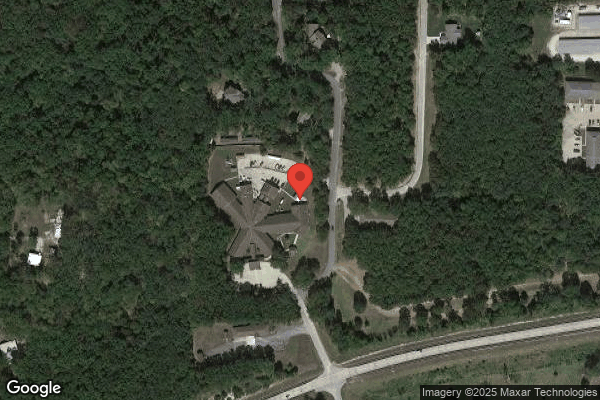
Understanding Severity Codes (click to expand)
Life-Threatening (Immediate Jeopardy)
J - Isolated K - Pattern L - Widespread
Actual Harm
G - Isolated H - Pattern I - Widespread
Potential for Harm
D - Isolated E - Pattern F - Widespread
No Harm (Minor)
A - Isolated B - Pattern C - Widespread

Questions to Ask on Your Visit

  • "What changes have you made since the serious inspection findings?"
  • "Why is there high staff turnover? How do you retain staff?"
  • "Can I speak with families of current residents?"
  • "What's your RN coverage like on weekends and overnight?"

Our Honest Assessment

Strengths
  • • Licensed and certified facility. Meets minimum state requirements.
Concerns
  • • Multiple safety concerns identified: 1 life-threatening violation(s), 3 harm violation(s). Review inspection reports carefully.
  • • 41 deficiencies on record, including 1 critical (life-threatening) violation. These warrant careful review before choosing this facility.
  • • $18,883 in fines. Above average for Missouri. Some compliance problems on record.
  • • Grade F (16/100). Below average facility with significant concerns.
Bottom line: Trust Score of 16/100 indicates significant concerns. Thoroughly evaluate alternatives.

About This Facility

What is Aspire Senior Living Warsaw's CMS Rating?

CMS assigns ASPIRE SENIOR LIVING WARSAW an overall rating of 2 out of 5 stars, which is considered below average nationally. Within Missouri, this rating places the facility higher than 0% of the state's 100 nursing homes. A rating at this level reflects concerns identified through health inspections, staffing assessments, or quality measures that families should carefully consider.

How is Aspire Senior Living Warsaw Staffed?

CMS rates ASPIRE SENIOR LIVING WARSAW's staffing level at 2 out of 5 stars, which is below average compared to other nursing homes. Staff turnover is 62%, which is 16 percentage points above the Missouri average of 46%. High turnover can affect care consistency as new staff learn residents' individual needs. RN turnover specifically is 80%, which is notably high. RNs provide skilled clinical oversight, so turnover in this role can affect medical care quality.

What Have Inspectors Found at Aspire Senior Living Warsaw?

State health inspectors documented 41 deficiencies at ASPIRE SENIOR LIVING WARSAW during 2021 to 2025. These included: 1 Immediate Jeopardy (the most serious level, indicating potential for serious harm or death), 3 that caused actual resident harm, 32 with potential for harm, and 5 minor or isolated issues. Immediate Jeopardy findings are rare and represent the most serious regulatory concerns. They require immediate corrective action.

Who Owns and Operates Aspire Senior Living Warsaw?

ASPIRE SENIOR LIVING WARSAW is owned by a for-profit company. For-profit facilities operate as businesses with obligations to shareholders or private owners. The facility is operated by ASPIRE SENIOR LIVING, a chain that manages multiple nursing homes. With 90 certified beds and approximately 80 residents (about 89% occupancy), it is a smaller facility located in WARSAW, Missouri.

How Does Aspire Senior Living Warsaw Compare to Other Missouri Nursing Homes?

Compared to the 100 nursing homes in Missouri, ASPIRE SENIOR LIVING WARSAW's overall rating (2 stars) is below the state average of 2.5, staff turnover (62%) is significantly higher than the state average of 46%, and health inspection rating (2 stars) is below the national benchmark.

What Should Families Ask When Visiting Aspire Senior Living Warsaw?

Based on this facility's data, families visiting should ask: "What changes have been made since the serious inspection findings, and how are you preventing similar issues?" "How do you ensure continuity of care given staff turnover, and what is your staff retention strategy?" "Can you walk me through typical staffing levels on day, evening, and night shifts?" "Can I visit during a mealtime to observe dining assistance and food quality?" These questions are particularly relevant given the facility's Immediate Jeopardy citations, the facility's high staff turnover rate, and the below-average staffing rating.

Is Aspire Senior Living Warsaw Safe?

Based on CMS inspection data, ASPIRE SENIOR LIVING WARSAW has documented safety concerns. Inspectors have issued 1 Immediate Jeopardy citation (the most serious violation level indicating risk of serious injury or death). The facility has a 2-star overall rating and ranks #100 of 100 nursing homes in Missouri. Families considering this facility should ask detailed questions about what corrective actions have been taken since these incidents.

Do Nurses at Aspire Senior Living Warsaw Stick Around?

Staff turnover at ASPIRE SENIOR LIVING WARSAW is high. At 62%, the facility is 16 percentage points above the Missouri average of 46%. Registered Nurse turnover is particularly concerning at 80%. RNs handle complex medical decisions and coordinate care — frequent RN changes can directly impact care quality. High turnover means new staff may not know residents' individual needs, medications, or preferences. It can also be disorienting for residents, especially those with dementia who rely on familiar faces. Families should ask: What is causing the turnover? What retention programs are in place? How do you ensure care continuity during staff transitions?

Was Aspire Senior Living Warsaw Ever Fined?

ASPIRE SENIOR LIVING WARSAW has been fined $18,883 across 2 penalty actions. This is below the Missouri average of $33,268. While any fine indicates a compliance issue, fines under $50,000 are relatively common and typically reflect isolated problems that were subsequently corrected. Families should ask what specific issues led to these fines and confirm they've been resolved.

Is Aspire Senior Living Warsaw on Any Federal Watch List?

ASPIRE SENIOR LIVING WARSAW is not on any federal watch list. The most significant is the Special Focus Facility (SFF) program, which identifies the bottom 1% of nursing homes nationally based on persistent, serious quality problems. Not being on this list means the facility has avoided the pattern of deficiencies that triggers enhanced federal oversight. This is a positive indicator, though families should still review the facility's inspection history directly.