APPLE RIDGE CARE CENTER
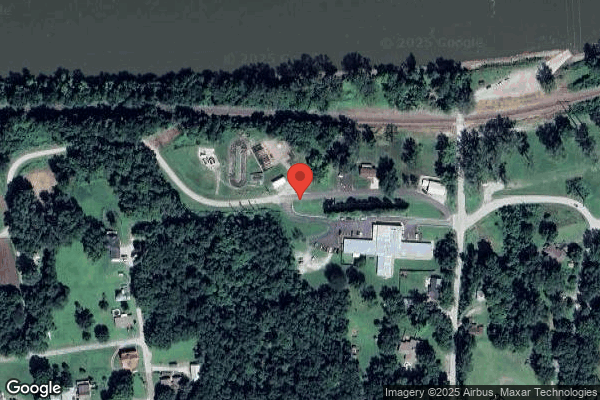
100 WEST THOMAS AVENUE, WAVERLY, MO 64096 (660) 493-2232
For profit - Corporation 60 Beds CIRCLE B ENTERPRISES Data: November 2025
Trust Grade
45/100
#220 of 479 in MO
Last Inspection: September 2024

Within standard 12-15 month inspection cycle. Federal law requires annual inspections.

Overview

Apple Ridge Care Center in Waverly, Missouri has a Trust Grade of D, indicating below-average performance with some notable concerns. It ranks #220 out of 479 facilities in Missouri, placing it in the top half, and #3 out of 5 in Lafayette County, meaning only two local options are better. The facility is improving, with issues decreasing from 16 in 2024 to just 1 in 2025, but it still faces challenges, particularly in staffing, which received a 1/5 star rating and is below the state average. While there have been no fines, which is a positive indicator, the RN coverage is concerning, as it is less than 76% of Missouri facilities. Specific incidents include a serious fall risk where a resident was left unsupervised outdoors and subsequently fell from their wheelchair, resulting in injuries, and a breach of privacy where personal medical records were improperly disposed of, affecting 136 residents. Overall, families should weigh these strengths and weaknesses carefully when considering this facility.

Trust Score
D
45/100
In Missouri
#220/479
Top 45%
Safety Record
Moderate
Needs review
Inspections
Getting Better
16 → 1 violations
Staff Stability
○ Average
Turnover data not reported for this facility.
Penalties
✓ Good
No fines on record. Clean compliance history, better than most Missouri facilities.
Skilled Nurses
⚠ Watch
Each resident gets only 15 minutes of Registered Nurse (RN) attention daily — below average for Missouri. Fewer RN minutes means fewer trained eyes watching for problems.
Violations
⚠ Watch
35 deficiencies on record. Higher than average. Multiple issues found across inspections.
★★☆☆☆
2.0
Overall Rating
★☆☆☆☆
1.0
Staff Levels
★★☆☆☆
2.0
Care Quality
★★★☆☆
3.0
Inspection Score
Stable
2024: 16 issues
2025: 1 issues

The Good

  • Full Sprinkler Coverage · Fire safety systems throughout facility
  • No fines on record

Facility shows strength in fire safety.

The Bad

2-Star Overall Rating

Near Missouri average (2.5)

Below average - review inspection findings carefully

Chain: CIRCLE B ENTERPRISES

Part of a multi-facility chain

Ask about local staffing decisions and management

The Ugly 35 deficiencies on record

1 actual harm
Jul 2025 1 deficiency
CONCERN (E) 📢 Someone Reported This

A family member, employee, or ombudsman was alarmed enough to file a formal complaint

Potential for Harm - no one hurt, but risky conditions existed

Deficiency F0583 (Tag F0583)

Could have caused harm · This affected multiple residents

Based on interview and record review, the facility failed to provide personal privacy and confidentiality of residents personal and medical records by disposing of the records in a public dumpster. Th...

Read full inspector narrative →
Based on interview and record review, the facility failed to provide personal privacy and confidentiality of residents personal and medical records by disposing of the records in a public dumpster. This failure affected 136 residents. The facility census was 49.The Administrator was notified on 7/18/25 of the past noncompliance which began on 5/29/25. The facility obtained a contract for proper disposal of Protected Health Information (PHI). The deficiency was corrected on 5/30/25. 1.Review of the facility's Breach of Unsecured PHI policy revised 2013, showed:-In accordance with Health Insurance Portability and Accountability Act (HIPAA) the facility would maintain policies and procedures, referenced herein, that addressed the reporting and documentation of a breach of unsecured PHI.-The facility would use and disclose unsecured PHI and electronic PHI according to facility policies and procedures.-Breach means the acquisition, access, use or disclosure of unsecured PHI in a manner that is not permitted by HIPAA which compromises the security or the privacy of the PHI. Review of the facility's Protected Health Information (PHI) policy revised 4/2014, showed:-Protected health information shall not be used or disclosed except as permitted by current federal and state laws.-It was the responsibility of all personnel who had access to resident and facility information to ensure that such information is managed and protected to prevent unauthorized release or disclosure. Review of the facility's Incident report dated 5/29/25, showed:-On 5/29/25 at approximately 10:20 P.M., the Administrator was made aware of an allegation of HIPAA noncompliance.-The allegation consisted of medical records improperly located in a dumpster off site at a laundry building.-Upon arrival to the dumpster closed boxes were found with resident's names and years labeled on the outside of the boxes. Review of the facility's Medical Record Destruction log dated 5/29/25, showed:-136 resident's medical records were retrieved from the dumpster for destruction.-The dates of the medical records ranged from 2008-2018.-All medical records were retrieved from the dumpster and destructed via means of incineration. Review of photos received on 5/30/25 showed:-A dumpster was packed full of boxes that contained resident's medical records.-Some resident's names and years were noted on the outside of some of the boxes. Review of the maintenance director's incident statement dated 5/30/25, showed:-He/She placed the medical records in the dumpster on 5/29/25. During an interview on 7/17/25 at 10:00 A.M., the Administrator said:-The facility threw residents medical records in a trash dumpster by misunderstanding.-The Maintenance Director was the one who threw the medical records in the public trash dumpster.-The facility removed the records from the trash dumpster and took the records to a private residence and incinerated them.-The medical records were burned in a fire.-The facility currently has a contract with shred it.-He/she would have expected the resident's confidential medical information be protected.-He/She would not have expected residents' medical records to be thrown in a public dumpster. During an interview on 7/17/25 at 11:00 A.M., Licensed Practical Nurse (LPN) A, said:-He/she was aware of HIPAA regulations.-When health protected information needs to be disposed, staff placed the documents in the shred it boxes located throughout the building.-He/She would not expect protected information to be discarded in a trach can or a dumpster.-He/She received recent education from the facility about HIPAA and how to discard protected information. During an interview on 7/17/25 11:03 A.M., Housekeeper A said:-He/She was aware of HIPAA regulations and guidelines.-He/She would give anything that he/she found with residents protected information on it to the charge nurse to be disposed of properly.-He/She would not place anything with resident information on it in a trashcan or dumpster.-He/She had recent education from the facility about HIPAA and protecting residents' privacy. During an interview on 7/17/25 11:15 A.M., Maintenance Director said:-He/She threw some protected resident information in a public trash dumpster on 5/29/25.-He/She made the mistake not knowing about HIPAA regulations and violations at that time.-He/She was educated about HIPAA and now knows what to do with residents protected health information.-He/She has been instructed to give anything that he/she comes across with resident information to the charge nurse and never place anything in the trash or dumpster that has protected resident information on it. Complaint #1542769
Sept 2024 15 deficiencies
CONCERN (D)

Potential for Harm - no one hurt, but risky conditions existed

Transfer Notice (Tag F0623)

Could have caused harm · This affected 1 resident

Based on interview and record review, the facility failed to provide written notification of a hospital transfer/discharge for one sampled resident (Resident #23) out of 13 sampled residents, as well ...

Read full inspector narrative →
Based on interview and record review, the facility failed to provide written notification of a hospital transfer/discharge for one sampled resident (Resident #23) out of 13 sampled residents, as well as the Ombudsman (a person who advocates for residents of nursing homes) when the resident was transferred to the hospital. The facility census was 40 residents. A policy regarding transfer/discharge was requested from the facility and not provided. 1. Review of Resident #23's nurse progress notes, dated 7/7/24, showed: -The resident was reported to be on the floor. -Resident complained of pain to his/her right hip. -Hospice, Assistant Director of Nursing (ADON), and Administrator were notified. -Facility physician notified and sent orders to send the resident to the emergency room. Review of the resident's quarterly Minimum Data Set (MDS-a federally mandated assessment instrument completed by facility staff for care planning) dated 8/20/24 showed the resident had moderate cognitive impairment. Review of the resident's paper chart and electronic health record showed no notification of a transfer/discharge was provided to the resident as well as no notification provided to the Ombudsman. During an interview on 9/11/24 at 10:00 A.M. the resident said: -He/She was sent to the hospital due to a fall. -He/She was unaware if he/she received notification in writing regarding being transferred to the hospital. During an interview on 9/11/24 at 10:30 A.M., Licensed Practical Nurse (LPN) B said: -He/She was not employed at the facility when the resident had the fall. -When residents were transported out of the facility the physician and family were notified in writing. -The Ombudsman must also be notified. During an interview on 9/11/24 at 11:54 A.M., the Director of Nursing (DON) said: -Transfer/discharge notifications were given to residents when they were sent to the hospital. -A transfer/discharge notification should have been issued to the resident. -The Ombudsman should have been notified of transfer to hospital. -Family and residents should be notified in writing with reason for transfer to the hospital.
CONCERN (D)

Potential for Harm - no one hurt, but risky conditions existed

Deficiency F0625 (Tag F0625)

Could have caused harm · This affected 1 resident

Based on interview and record review, the facility failed to provide written notification of the facility's Bed Hold policy (a policy that specified how residents can secure their bed in the facility ...

Read full inspector narrative →
Based on interview and record review, the facility failed to provide written notification of the facility's Bed Hold policy (a policy that specified how residents can secure their bed in the facility if they have to go to the hospital) for one sampled resident (Resident #23) out of 13 sampled residents when the resident was transferred to the hospital. The facility census was 40 residents. A policy regarding bed hold was requested from the facility and not provided. 1. Review of Resident #23's nurse progress notes, dated 7/7/24, showed: -The resident was reported to be on the floor. -Resident complained of pain to his/her right hip. -Facility physician notified and sent orders to send the resident to the emergency room. Review of the resident's quarterly Minimum Data Set (MDS-a federally mandated assessment instrument completed by facility staff for care planning) dated 8/20/24 showed the resident had moderate cognitive impairment. Review of the resident's paper chart and electronic health record showed no bed hold policy was issued to the resident. During an interview on 9/11/24 at 10:00 A.M. the resident said: -He/She was sent to the hospital due to a fall. -He/She was unaware if he/she received notification in writing regarding holding his/her bed. During an interview on 9/11/24 at 10:30 A.M., Licensed Practical Nurse (LPN) B said: -He/She was not employed at the facility when the resident had the fall. -Bed hold policies must be provided in writing. During an interview on 9/11/24 at 11:54 A.M., the Director of Nursing (DON) said: -Bed hold policies were given when residents were sent to the hospital. -A bed hold policy should have been issued to the resident.
CONCERN (D)

Potential for Harm - no one hurt, but risky conditions existed

Comprehensive Assessments (Tag F0636)

Could have caused harm · This affected 1 resident

Based on interview, and record review, the facility failed to complete an annual Minimum Data Set (MDS-a federally mandated assessment tool completed by facility staff for care planning) for one sampl...

Read full inspector narrative →
Based on interview, and record review, the facility failed to complete an annual Minimum Data Set (MDS-a federally mandated assessment tool completed by facility staff for care planning) for one sampled resident (Resident #32) out of 13 sampled residents. The facility census was 40 residents. Review of the facility's undated policy titled MDS Completion and Submission Timeframes showed: -The assessment coordinator or designee was responsible for ensuring resident assessments were submitted in accordance with current federal and state guidelines. -The timeframes for completion and submission of assessments were based on the current requirements published in the Resident Assessment Instrument Manual (RAI). Review of the RAI manual, Version 1.18.11, dated October 2023 showed after the admission assessment, the next comprehensive assessment would be scheduled within 366 days. 1. Review of Resident #32's assessments showed the following: -admission MDS was completed on 1/27/23. -No annual MDS was completed (an annual MDS was due 1/28/24). During an interview on 9/11/24 at 9:21 A.M., the MDS Coordinator said: -He/She was the MDS Coordinator since the end of February 2024 (was not at the facility when the annual should have been completed). -The previous program they used for MDS completion had a calendar that showed when each MDS was due. -The previous program did not send notices of past due assessments. -He/She did not have a notification in the old program that the resident's MDS was late. -The previous program was available until 8/1/24. -They switched to a new program on 8/19/24. -The new program gave a list of residents and when their MDS was due. -The new system showed the resident's next MDS was due in June 2024. During an interview on 9/11/24 at 11:49 A.M., the Director of Nursing (DON) said the MDS should be done timely and completed following the RAI manual.
CONCERN (D)

Potential for Harm - no one hurt, but risky conditions existed

Deficiency F0638 (Tag F0638)

Could have caused harm · This affected 1 resident

Based on interview and record review, the facility failed to complete a Minimum Data Set (MDS-a federally mandated assessment tool completed by facility staff for care planning) no less frequently tha...

Read full inspector narrative →
Based on interview and record review, the facility failed to complete a Minimum Data Set (MDS-a federally mandated assessment tool completed by facility staff for care planning) no less frequently than once every three months for one sampled resident (Resident #32) out of 13 sampled residents. The facility census was 40 residents. Review of the facility's undated policy titled MDS Completion and Submission Timeframes showed: -The assessment coordinator or designee was responsible for ensuring resident assessments were submitted in accordance with current federal and state guidelines. -The timeframes for completion and submission of assessments were based on the current requirements published in the Resident Assessment Instrument Manual (RAI). Review of the RAI manual, Version 1.18.11, dated October 2023 showed after the admission assessment, quarterly assessments should be scheduled within 92 days after the previous assessment and the next comprehensive assessment would be scheduled within 366 days after any comprehensive assessment including admission, significant change or annual assessment. 1. Review of Resident #32's assessments showed the following: -admission MDS was completed on 1/27/23. -First quarterly MDS was completed on 4/24/23. -Second quarterly MDS was completed on 7/22/23. -Third quarterly MDS due 10/22/23 was not completed timely. -Third quarterly MDS was completed on 11/2/23 (one month late). -Annual MDS due 1/28/24 was not completed. -Another quarterly MDS was completed on 4/19/24. -No assessments completed since 4/19/24. Review of the facility's assessment transmission report dated 5/3/24 showed: -5/3/24 was the date of the last transmission. -The resident's assessment was late. -No other transmissions for the resident were received. During an interview on 9/11/24 at 9:21 A.M., the MDS Coordinator said: -He/She was the MDS Coordinator since the end of February 2024. -The previous program they used for MDS completion had a calendar that showed when each MDS was due. -The previous program did not send notices of past due assessments. -He/She did not have a notification in the old program that the resident's MDS was late. -The previous program was available until 8/1/24. -They switched to a new program on 8/19/24. -The new program gave a list of residents and when their MDS was due. -The new system showed the resident's MDS was due in June 2024. During an interview on 9/11/24 at 11:49 A.M., the Director of Nursing said the MDS should be done timely and completed following the RAI manual.
CONCERN (D)

Potential for Harm - no one hurt, but risky conditions existed

Assessment Accuracy (Tag F0641)

Could have caused harm · This affected 1 resident

**NOTE- TERMS IN BRACKETS HAVE BEEN EDITED TO PROTECT CONFIDENTIALITY** Based on observation, interview and record review, the facility failed to accurately assess one sampled resident, (Resident #37)...

Read full inspector narrative →
**NOTE- TERMS IN BRACKETS HAVE BEEN EDITED TO PROTECT CONFIDENTIALITY** Based on observation, interview and record review, the facility failed to accurately assess one sampled resident, (Resident #37), for oral/dental status of broken natural teeth and mouth pain or discomfort, out of 13 sampled residents. The facility census was 40 residents. Review of the undated facility policy Resident Assessments showed: -Comprehensive Minimum Data Set (MDS - a federally mandated assessment instrument completed by facility staff for care planning) was to include both the completion of the MDS as well as the completion of the Care Area Assessments (CAA, a problem-oriented framework for arranging MDS information and additional clinically relevant information about an individual 's health problems or functional status) process and care planning. -The resident assessment coordinator was responsible for ensuring that the interdisciplinary team conducts timely and appropriate assessments. -Assessments were to be completed by staff members who had the skills and qualifications to assess relevant care areas and who were knowledgeable about the resident 's strengths and areas of decline. -Information in the MDS would consistently reflect information in the progress notes, plans of care, and resident observations and interview. -The results of the assessments would be used to develop, review and revise the resident's comprehensive care plan. 1. Review of Resident #37's undated Face Sheet showed he/she was initially admitted on [DATE] and the most recent admission to the facility on 7/1/24 with the following diagnoses: -Dysphagia, unspecified, a swallowing disorder that is characterized by difficulty swallowing. -Gastrostomy status, the presence of an artificial opening in the stomach. Review of the resident's admission Nursing Evaluation dated 6/21/24 and 7/1/24 showed: -Dental: --Resident has his/her own teeth. --Broken teeth. Review of the resident's admission MDS Section L Oral/Dental Status dated 7/22/24 showed: -No documentation of any dental concerns. --NOTE: The MDS was not marked to indicate the resident had broken missing teeth and was not marked to indicate mouth or facial pain or discomfort. Review of the resident's admission Nursing Evaluation dated 6/21/24 and 7/1/24 showed: -Dental: --Resident has his/her own teeth. --Broken teeth. During an interview on 9/11/24 at 8:40 A.M. the resident said: -He/She reported concern regarding his/her teeth and pain daily. -His/Her teeth hurt. Observation on 09/11/24 at 8:56 A.M. of the resident's mouth showed multiple missing and broken teeth. During an interview on 9/11/24 at 9:20 A.M. the MDS nurse said: -He/She reviewed the resident's chart to retrieve data for the completion of the MDS. -He/She expected the MDS would be accurate and reflect the current condition of the resident. -He/She said the MDS would reflect nursing assessments. -He/She was not aware of the resident's broken teeth. During an interview on 9/11/24 at 11:47 A.M. the Director of Nursing (DON) said: -He/She would expect the MDS nurse to capture the documentation from the clinical chart. -He/She would expect the MDS nurse to conduct his/her own assessments. -He/She was not aware the resident had broken teeth. -He/She would expect the MDS to be accurate.
CONCERN (D)

Potential for Harm - no one hurt, but risky conditions existed

Comprehensive Care Plan (Tag F0656)

Could have caused harm · This affected 1 resident

**NOTE- TERMS IN BRACKETS HAVE BEEN EDITED TO PROTECT CONFIDENTIALITY** 2. Review of Resident #37's undated Face Sheet showed he/she was initially admitted on [DATE] and the most recent admission to t...

Read full inspector narrative →
**NOTE- TERMS IN BRACKETS HAVE BEEN EDITED TO PROTECT CONFIDENTIALITY** 2. Review of Resident #37's undated Face Sheet showed he/she was initially admitted on [DATE] and the most recent admission to the facility on 7/1/24 with the following diagnoses: -Dysphagia, unspecified, a swallowing disorder that is characterized by difficulty swallowing. -Gastrostomy status, the presence of an artificial opening in the stomach. Review of the resident's admission Nursing Evaluation dated 6/21/24 and 7/1/24 showed: -Dental: --Resident has his/her own teeth. --Broken teeth. Review of the resident's admission MDS Section L Oral/Dental Status dated 7/22/24 showed: -No documentation of any dental concerns. --NOTE: The MDS was not marked to indicate the resident had broken missing teeth and was not marked to indicate mouth or facial pain or discomfort. Review of the resident's Care Plan dated 7/24/24 did not show a Dental care plan. Observation on 09/11/24 at 8:56 A. M. of the resident's mouth showed multiple missing and broken teeth. During an interview on 9/11/24 at 8:40 A.M. the resident said: -He/She reported concern regarding his/her teeth and pain daily. -His/Her teeth hurt. During an interview on 9/10/24 at 2:07 P.M. LPN B said he/she was not aware of the resident's broken teeth. During an interview on 09/10/24 at 1:22 P.M. the Social Services Designee (SSD) said he/she was not aware the resident had broken teeth. During an interview on 9/11/24 at 8:45 A.M. CNA B said he/she was not aware resident had broken teeth. During an interview on 9/11/24 at 8:45 A.M. CNA C said he/she was not aware resident had broken teeth. During an interview on 9/11/24 at 9:20 A.M. the MDS nurse said: -He/She was not aware of the resident having broken teeth. -He/She completed the care plan. During an interview on 9/11/24 at 11:47 A.M. the Director of Nursing (DON) said: -He/She was not aware the resident had broken teeth. -He/She would expect the care plan to reflect dental concerns. Based on observation, interview and record review, the facility failed to personalize a communication care plan for two sampled residents (Resident #4 and #37) out of 13 sampled residents. The facility census was 40 residents. Review of the undated facility policy Resident Assessments showed: -Information in the Minimum Data Set (MDS-a federally mandated assessment tool completed by facility staff for care planning) would consistently reflect information in the progress notes, plans of care, and resident observations and interview. -The results of the assessments would be used to develop, review and revise the resident's comprehensive care plan. Review of the facility's policy titled Care Plans, Comprehensive Person-Centered dated as revised March 2022 showed each resident's comprehensive care plan should be person-centered and describe the services that were to be provided. 1. Review of Resident #4's admission MDS showed the following staff assessment of the resident: -Spanish was the resident's preferred language. -He/She did not want or need an interpreter for health care. -He/She was usually understood by others and usually understood others. -He/She was moderately cognitively impaired. -He/She was independent with all cares except he/she required supervision for bathing. Review of the resident's communication care plan dated 8/20/24 showed: -The resident's primary language was Spanish. -The desired outcome was that the resident would maintain current level of communication function by (specify how, with what assistance, such as making sounds, using appropriate gestures, responding to yes/no questions appropriately, using communication board, writing messages) through the next review date. -Interventions included monitoring effectiveness of communication strategies and assistive devices (SPECIFY). Observation on 9/9/24 showed: -At 6:36 A.M., the resident communicated in Spanish. -At 9:10 A.M., --The resident was watching something on his/her tablet in Spanish. --The resident answered some questions using a translator application on a phone for English/Spanish. During an interview on 9/9/24 7:18 A.M., Certified Nursing Assistant (CNA) B and CNA C said: -The resident used hand gestures, pointed to things, could answer yes/no questions, could say things like thank you. -Nursing Assistant (NA) A spoke a little bit of Spanish and could communicate with the resident. During an interview on 9/10/24 at 1:39 P.M., the Social Services Director said: -He/She relied on the resident's family members to translate. -The resident's family members were very involved. During an interview on 9/11/24 at 8:15 A.M., NA A said: -He/She speaks quite a bit of Spanish and could looks up things if needed. -Therapy made cards that were English/Spanish for staff to use with the resident regarding basic needs. -The resident used hand gestures and staff could usually understand what the resident was saying. During an interview on 9/11/24 at 8:30 A.M., Certified Medication Technician (CMT) A said: -The resident understood him/her when he/she asked him/her things like if he/she was feeling ok, if he/she had any pain and he/she pointed to things. -The resident usually understood most things he/she tried to communicate to him/her. During an interview on 9/11/24 at 9:22 A.M., the MDS Coordinator said: -He/She was the MDS Coordinator since the end of February 2024. -He/She was responsible for developing the resident's communication care plan. -The resident could give short answers. -The resident could communicate things that were not complex. -The resident answered yes/no questions and short phrases. -Sometimes the resident pointed to things he/she wanted. -The resident also used a tablet. -He/She was working on the resident's care plan. -The care plan should have had the details about his/her communication in the care plan and should have had current intervention details. During an interview on 9/11/24 at 11:49 A.M., the Director of Nursing (DON) said the care plan should have had specific interventions.
CONCERN (D)

Potential for Harm - no one hurt, but risky conditions existed

Deficiency F0680 (Tag F0680)

Could have caused harm · This affected 1 resident

Based on interview and record review, the facility failed to ensure the activities program was directed by a qualified professional. The facility census was 40 residents. A policy for Activities Direc...

Read full inspector narrative →
Based on interview and record review, the facility failed to ensure the activities program was directed by a qualified professional. The facility census was 40 residents. A policy for Activities Director (AD) was requested from the facility and was not provided. 1. Review of facility's undated Activity Director job description education and experience requirements showed: -Must possess, as a minimum, two (2) years of college. -Must be a qualified therapeutic recreation specialist or an activities professional who is licensed by this state and is eligible for certification as a recreation specialist or as an activities professional; or -Must have as a minimum of two (2) years' experience in a social or recreation program within the last five (5) years, and on (1) of which was full time in a patient activities program in a health care setting; or -Must be a qualified occupational therapist or occupational therapy assistant; or -Must have completed a training course approved by this state. Review of the current Activity Director's resume showed: -He/She was a Certified Medication Technician (CMT). -He/She was a Certified Nurse Assistant (CNA). -He/She did not have a college degree. -He/She did not have two (2) years of college experience. -He/She had a General Education Development (GED). -He/She completed one (1) year of college. -He/She had no experience in a patient activities/social recreation program. -He/She did not complete a training course approved by the state. During an interview on 9/11/24 at 9:12 A.M., the Administrator said: -The Activity Director has been at the facility three months. -He/She does not have required qualifications for the position. -He/She needs to become qualified. An attempted to interview the Activity Director 9/11/24 at 10:15 A.M., a voicemail was left. The AD never returned the phone call to conduct a phone interview.
CONCERN (D)

Potential for Harm - no one hurt, but risky conditions existed

Deficiency F0790 (Tag F0790)

Could have caused harm · This affected 1 resident

**NOTE- TERMS IN BRACKETS HAVE BEEN EDITED TO PROTECT CONFIDENTIALITY** Based on observation, interview, and record review, the facility failed to ensure routine and emergency dental services to meet ...

Read full inspector narrative →
**NOTE- TERMS IN BRACKETS HAVE BEEN EDITED TO PROTECT CONFIDENTIALITY** Based on observation, interview, and record review, the facility failed to ensure routine and emergency dental services to meet the needs of residents were offered to one sampled resident, (Resident #37), out of 13 sampled residents. The facility census was 40 residents. Review of the undated facility policy Availability of Services, Dental showed: -Dental services were available to all residents requiring routine and emergency dental care. -Social services was responsible for making necessary dental appointments. 1. Review of Resident #37's undated Face Sheet showed he/she was initially admitted on [DATE] and the most recent admission to the facility on 7/1/24 with a diagnosis of Dysphagia, unspecified, a swallowing disorder that is characterized by difficulty swallowing. Review of the resident's undated Order Summary Report showed an order for a dental consult and treat. Review of the resident's admission Nursing Evaluation dated 6/21/24 and 7/1/24 showed: -Dental: --Resident has his/her own teeth. --Broken teeth. Observation on 09/11/24 at 8:56 A.M. of the resident's mouth showed he/she had multiple missing and broken teeth. During an interview on 9/11/24 at 8:40 A.M. the resident said: -He/She was unsure the last time he/she saw a dentist. -He/She reported concern regarding his/her teeth and pain daily. -He/She provided his/her own oral care. -His/Her teeth hurt. During an interview on 9/10/24 at 2:07 P.M. Licensed Practical Nurse (LPN) B said: -He/She was not aware of the resident's broken teeth. -Social Service Director (SSD) would be notified for dental referrals. During an interview on 09/10/24 at 1:22 P.M. the SSD said: -The facility had a provider for dental care. -He/She was not aware when dental services had last been provided. -He/She would ask on admission if the resident wanted dental and would obtain the signed consent form. -There was no documentation a dental consent form was provided to the resident upon admission to the facility. -He/She would fax consents to the dental provider. -He/She would receive a list from the dental provider with the residents' names for the next visit. -The dentist was last at the facility on 7/25/24. The resident was not seen by the dentist during that visit. He/She did not know when the next scheduled dental visit to the facility will be. -He/She was not aware the resident had broken teeth. During an interview on 9/11/24 at 8:45 A.M. Certified Nurses Aide (CNA) B said: -The resident performed his/her own oral care. -The resident had not reported the need for dental care -He/She provided oral care supplies to the resident. -He/She was not aware resident had broken teeth. -He/She would tell the charge nurse if a resident had complaints of teeth missing or pain. During an interview on 9/11/24 at 8:45 A.M. CNA C said: -The resident performed his/her own oral care. -The resident had not reported the need for dental care -He/She was not aware resident had broken teeth. -He/She would tell the charge nurse if a resident had complaints of teeth concerns or pain. During an interview on 9/11/24 at 9:20 A.M. the MDS nurse said: -He/She would look through the resident's chart to obtain data for the MDS. -He/She was not aware of the resident's broken teeth. During an interview on 9/11/24 at 11:47 A.M. the Director of Nursing (DON) said: -The SSD would obtain consent from resident on admission or as requested. -The SSD would fax consent to dental provider for scheduling. -He/She was not aware the resident had broken teeth.
CONCERN (E)

Potential for Harm - no one hurt, but risky conditions existed

Deficiency F0679 (Tag F0679)

Could have caused harm · This affected multiple residents

**NOTE- TERMS IN BRACKETS HAVE BEEN EDITED TO PROTECT CONFIDENTIALITY** Based on observation, interview, and record review, the facility failed to provide an ongoing program of activities to meet the ...

Read full inspector narrative →
**NOTE- TERMS IN BRACKETS HAVE BEEN EDITED TO PROTECT CONFIDENTIALITY** Based on observation, interview, and record review, the facility failed to provide an ongoing program of activities to meet the interests as well as the physical, mental, and psychosocial well-being for three sampled residents (Residents #19, #23, and #36) out of 13 sampled residents. This deficient practice had the potential to affect all residents. The facility census was 40 residents. Review of the facility's Activities Policy, undated, showed: -The activities department worked with the nursing department to coordinate resident care and needs with scheduled activities. -Activity staff were aware of the resident's safety concerns and transfer needs. -The Activities Director was responsible for filling out the activities section of the Minimum Data Set (MDS-a federally mandated assessment instrument completed by facility staff for care planning). -The activities director assisted with the activity care plan and attending care plan meetings. -Activities were meaningful and individualized to meet the needs of all residents. 1. Review of Resident #19's Annual MDS assessment, dated 10/18/23, showed it was somewhat important to the resident to be able to go outside and get fresh air. Review of the resident's care plan, dated 3/8/24, showed: -The resident was invited to activities. -The resident was informed of planned activities. -The resident enjoyed playing cards. -The resident enjoyed working with models. Review of the resident's Quarterly MDS, dated [DATE], showed the resident was cognitively intact. Review of the resident's Activity Participation Log for June 2024 showed the resident participated in coffee club on 6/11/24, 6/12/24 and 6/13/24. Review of the resident's Activity Participation Log for July 2024 showed: -The resident participated in coffee club on July 1, 2, 3, 4, 5, 11, 12, 14, 19, and 25. -The resident participated in bingo on July 5, 12, and 19. Review of the resident's Activity Participation Log for August 2024 showed: -The resident participated in coffee club on August 2, 9, 13, 14, 15, 16, 18, 23, and 30. -The resident participated in bingo on August 2, 9, 16, 23, and 30. Review of the resident's Activity Participation Log for September 2024 showed the resident participated in coffee club on 9/3/24. During an interview on 9/9/24 at 9:30 A.M. the resident said: -There were things to do during the week but not on the weekend. -The Activity Director told the resident that he/she did not know what to plan for the residents on the unit as they were not crafty. 2. Review of Resident #23's quarterly MDS, dated [DATE], showed the resident was moderately cognitively impaired. Review of the resident's Activity Participation Log for July 2024 showed: -The resident participated in coffee club on July 1, 4, 5, 6, 9, 12, 18, 19, 20 and 27. -The resident participated in bingo on July 5, 12, 19 and 27. Review of the resident's Activity Participation Log for August 2024 showed: -The resident participated in coffee club on August 1, 2, 5, 8, 10, 16, 23, 24, 25, and 27. -The resident participated in bingo on August 16 and 17. There were no activity participation logs for September 2024. Review of the resident's care plan, dated 7/1/24 showed the Activities Director was to provide a monthly calendar of scheduled activities. During an interview on 9/9/24 at 9:54 A.M. the resident said: -He/She had nothing to do, especially on the weekends. -He/She would go to activities but there isn't always someone to do them with the residents. -He/She used to go to the dining area and do activities with the other residents at the facility but since some of the residents from his/her unit had behavior issues they were no longer allowed to do activities with the others. 3. Review of Resident #36's admission MDS assessment, dated 6/27/24, showed: -This showed the resident was cognitively intact. -It was very important to the resident to listen to music that he/she liked. -It was very important to do his/her favorite activities. -It was very important to go outside to get fresh air. Review of the residents care plan, dated 7/1/24, showed: -The resident enjoyed social activities. -The Activity Director was to provide a monthly calendar of scheduled activities. The resident's activity participation logs for July, August and September 2024 were requested and not provided. During an interview on 9/9/24 at 9:15 A.M., the resident said: -There was not much to do at the facility. -There was nothing on the calendar in the hall. -He/She wanted something to do on Saturday and Sundays. -The residents on his/her unit used to do activities with the other residents but were no longer allowed to because some residents had bad behaviors and now no one can go up there. -Since that happened there has not been much to do back on the unit. Review of the August 2024 Activities calendar, displayed on the wall in the resident's room on 9/9/24 at 10:41 A.M., showed: -No activities were scheduled on the weekends. -There was no calendar for September noted on the unit. 4. Observations conducted multiple times from 9/9/24 to 9/11/24 between 9:00 A.M. to 3:30 P.M. showed no activities being conducted with the residents on the unit. During an interview on 9/9/24 at 1:16 P.M., Certified Nursing Assistant (CNA) D said: -The Activity Director provided activities for the residents on the unit. -There were no activities on Saturday. -If the Activities Director was not at the facility, then the CNAs were supposed to provide an activity for the residents on the unit, but they do not have time. -The Activities Director was out of the building due to illness so no activities were conducted since he/she has been out. During an interview on 9/10/24 at 2:00 P.M. CNA A said he/she had only seen activities on the unit 2-3 times a week. During an interview on 9/11/24 at 8:13 A.M., Certified Medication Technician (CMT) A said: -There were not many activities to do on the unit. -The residents complained there was nothing to do on the weekends. -The nurse sometimes came in on Sundays and popped popcorn and put on a movie. -The Activities Director was out sick the last few days. -When the Activities Director was out of the facility then nursing staff tried to do something with the residents but not always. -The Activities Director put out a monthly calendar. During an interview on 9/11/24 at 8:44 A.M., CNA A said: -There were no activities for the residents on the unit during the week. -He/She did not receive any notification he/she was supposed to do any activity with the residents. -There was an activity calendar posted on the hall for August, but it was blank. During an interview on 9/11/24 at 8:53 A.M., Licensed Practical Nurse (LPN) A said: -Activities should be done daily. -The activities director was out sick for the last few days. -He/She was unaware if someone else was supposed to be doing activities with the residents. -The residents on the unit used to do activities with the rest of the residents but due to behavior issues they were only to be doing activities on their unit. A phone interview was attempted on 9/11/24 at 10:20 A.M. with the Activities Director. There was no answer. During an interview on 0/11/24 at 12:00 P.M., the Director of Nursing (DON) said: -Activities were scheduled and completed on the unit. -The residents on the unit were offered activities two to three times a day. -The activities calendar should be current and posted on the hall. -The Activities Director was sent home on Monday due to illness. -If residents attended activities, it should be documented on the participation log. -He/She was not aware of activities not being conducted on the unit on the weekends. -He/She was unaware of who did the activities when the Activities Director was not at the facility. -The Administrator was able to do them if needed.
CONCERN (E)

Potential for Harm - no one hurt, but risky conditions existed

Deficiency F0699 (Tag F0699)

Could have caused harm · This affected multiple residents

Based on observation, interview and record view, the facility failed to provide trauma informed care (understanding a resident's life experiences to provide effective care) for one sampled resident (R...

Read full inspector narrative →
Based on observation, interview and record view, the facility failed to provide trauma informed care (understanding a resident's life experiences to provide effective care) for one sampled resident (Resident #30) with a diagnosis of Post Traumatic Stress Disorder (PTSD-a mental health condition caused by an extremely stressful or terrifying event), out of 13 sampled residents. The facility census was 40 residents. Review of the facility's Trauma Informed Care Policy, dated March 2019, showed: -The purpose of the policy was to guide staff in appropriate and compassionate care specific to individuals who had experienced trauma. -All staff were provided in-service training about trauma, its impact on health, and PTSD. -Nursing staff were trained on screening tools, trauma assessment and how to identify triggers associated with re-traumatization. -All staff were guided in evidence-based organizational and interpersonal strategies that supported trauma informed care. -Trauma informed care was person centered. -Caregivers were taught strategies to help eliminate, mitigate, or sensitively address a resident's triggers. -The facility used trauma-informed principles in strategic planning. -Include trauma informed care as part of Quality Assurance Improvement Plan (QAPI). -Implement universal screenings for residents with trauma. 1. Review of Resident #30's admission Minimum Data Set (MDS- a federally mandated assessment instrument completed by facility staff for care planning) dated 7/10/24, showed: -The resident was moderately cognitively impaired. -The resident was diagnosed with anxiety disorder (a condition that causes excessive worry and feelings of fear, dread, and uneasiness), depression (a mood disorder that causes a persistent feeling of sadness and loss of interest) and PTSD. Review of the resident's care plan (an individualized plan that summarizes a person's health conditions and current treatments for their care), dated 6/11/24, showed: -The resident had mental distress evidenced by the inability to concentrate related to PTSD. -Approaches included: --Keep an open and accepting attitude with the resident al all times. --Notify the physician if resident was having PTSD events, which may need an psych referral. --Administer medications per order. --Offer counseling if resident was agreeable. Observation on 9/9/24 at 11:58 A.M. showed the resident walking from his/her room to the dining area. The resident ate at a table with no other residents. Resident sat quietly and ate his/her lunch and returned to his/her room. Observation on 9/10/24 at 10:42 A.M. showed the resident in his/her room in bed with his/her eyes closed. During an interview on 9/11/24 at 8:13 A.M., Certified Nursing Assistant (CNA) A said: -He/She worked on the unit on a regular basis and knew the residents pretty well. -He/She was familiar with the resident. -He/She was not a hundred percent sure of what his/her needs or diagnoses were. -He/She could find the information on the care plan. -The resident did need some guidance for personal care and lots of redirection. -The resident seemed to feel sorry for him/herself and was sad. -The resident repeated said he/she though he/she was going to die at the facility. -The resident had PTSD. -Some of the resident's behaviors included pacing, and watching other resident's televisions from the hallway. -The resident was not verbally or physically aggressive. -The resident did not have outbursts. -The resident just seemed to be confused a lot of the time. -The resident was a smoker and sometimes the resident said he/she was claustrophobic while smoking outside with the other residents. -He/She was not sure what to do for the residents claustrophobia she he/she told the resident to go out to the picnic table where he can be alone. -Sometimes it made the resident feel better. -The resident didn't focus on one thing at a time and was restless sometimes. -He/She just talked to him/her or tried to redirect him/her to something else. Observation on 9/11/24 at 8:46 A.M. showed the resident in bed watching television. During an interview on 9/11/24 at 8:24 A.M., Licensed Practical Nurse (LPN) A said: -He/She usually worked on the unit. -He/She was familiar with the resident. -He/She looked up the resident's on the electronic health record (EHR) and saw his/her diagnoses included major depressive disorder, anxiety, and PTSD. -He/She was unaware of any triggers the resident had. -He/She had not seen any behaviors related to PTSD. -He/She was unsure why the resident had that diagnosis. -If the resident had specific triggers and approaches, he/she found it in the residents progress notes or care plan. -He/She believed the PTSD was possibly alcohol related. -He/She had not received any recent training or in-service related to PTSD. During an interview on 9/11/24 at 8:28 A.M., LPN B said: -He/She did not work on the unit with the resident. -If a resident was diagnosed with PTSD he/she expected to see it addressed on the resident's care plan and should include triggers and strategies to help the resident. -The diagnosis should also be on resident's orders. -He/She had not received any recent training regarding PTSD. -He/She was unaware of any negative behaviors from the residents on that unit. During an interview on 9/11/24 at 9:21 A.M., the MDS coordinator said: -He/She had been in this position since February of this year. -He/She expected the resident's MDS was accurate and reflected current conditions at the time it was completed. -He/She was unaware of the resident's history or what the main cause of the PTSD was for the resident. -He/She was unaware if the care plan addressed the resident's PTSD diagnosis. -He/She expected to see triggers on the care plan as well as any history related to PTSD. During a follow up interview on 9/11/24 at 9:56 A.M., the MDS coordinator said: -The resident's PTSD was caused from being in the war. -He/She did not specify which war or how it was related specifically to the resident. During an interview on 9/11/24 at 11:49 A.M., the Director of Nursing (DON) said: -If a resident had a diagnosis of PTSD, he/she expected to see the history of the diagnosis on the care plan. -He/She expected to see triggers and approaches for the resident on their care plan. -He/She was unaware of how often trauma informed care training was offered or provided to the staff. -He/She suggested to talk to the administrator or the Regional Nurse Consultant. During an interview on 9/11/24 at 2:50 P.M., the administrator said: -He/She was unable to locate the last training sign-in sheets for trauma informed care. During an interview on 9/11/24 at 2:50 P.M., the Regional Nurse Consultant said: -He/She was developing trauma informed care in-services that he/she has started to implement. -He/She was unaware of when the last training was.
CONCERN (E)

Potential for Harm - no one hurt, but risky conditions existed

Pharmacy Services (Tag F0755)

Could have caused harm · This affected multiple residents

**NOTE- TERMS IN BRACKETS HAVE BEEN EDITED TO PROTECT CONFIDENTIALITY** Based on interview and record review, the facility failed to ensure accurate documentation of narcotic pain medication on the Me...

Read full inspector narrative →
**NOTE- TERMS IN BRACKETS HAVE BEEN EDITED TO PROTECT CONFIDENTIALITY** Based on interview and record review, the facility failed to ensure accurate documentation of narcotic pain medication on the Medication Administration Record (MAR) and the narcotic count log for four sampled residents (Resident # 8, Resident # 23, Resident #19, and Resident #36) out of 13 sampled residents and failed to complete and/or sign shift change narcotic counts each shift. The facility census was 40 residents. Review of the facility policy titled Pharmacy and Medication Administration, not dated, showed: -Narcotics must be counted at the beginning and end of each shift and signed on the narcotic log by the oncoming and off going nurse or medication technician. -Monitoring the log weekly can help identify any missed counts or lax in counting by staff. -Medication Administration Records (MARs should be completed with each med pass and audited regularly for missing initials or holes in the MAR. -Documentation should be provided on the MAR for PRN (medications given on an as needed basis) meds, pain meds, and behavior meds. -The facility must ensure that it is free from medication error rates of five percent (5%) or greater and residents are free of any significant medication errors. Review of the facility policy titled Pain, not dated, showed: -The MAR should document the frequency of pain, medication use, and its effectiveness. 1. Review of Resident #8's face sheet, with an admission date of 4/21/21, showed he/she had: -Pain in other specified joint. -Unspecified abdominal pain. -Pain in right shoulder. -Chronic pain syndrome. Review of the resident's Physician Order Sheet (POS), dated 7/2024, showed: -Oxycodone (a narcotic pain reliever) 20 milligram (mg) 1 tablet every 6 hours while awake dated 6/24/24 and discontinued on 7/3/24. -Oxycodone 20 mg 1 tablet by mouth every 6 hours PRN for pain dated 7/3/24. Review of the resident's MAR, dated 7/2024, showed: -Oxycodone 20 mg 1 tablet every 6 hours while awake dated 6/24/24 and discontinued on 7/3/24. -A physician order for Oxycodone 20 mg 1 tablet by mouth every six (6) hours PRN for chronic pain dated 7/3/24. -Oxycodone 20 mg was documented as administered 102 times between 7/1/24 - 7/31/24. -NOTE: Only 51 Oxycodone 20 mg tablets were documented as being available for administration for the resident between 7/1/24-7/31/24. The facility was not able to provide documentation for the additional 51 tablets staff documented as administered between 7/6/24-7/23/24. Review of the resident's Oxycodone (opioid) 20 mg tablet narcotic log for 7/2024, showed: -51 Oxycodone 20 mg tablets were signed out between the dates of 7/1/24-7/31/24. -No documentation of Oxycodone 20 mg tablets between 7/6/24 - 7/23/24. (Note- the resident's MAR showed documentation Oxycodone 20 mg was administered during this timeframe). -The resident's narcotic count went from 6 available tablets on 7/5/24 to 52 available tablets on 7/24/24 with no documentation regarding the 46 tablet discrepancy. -On 7/3/24 at 6:00 A.M., two Oxycodone 20 mg tablets were signed out at the same time, by different staff members. -On 7/28/24 at 7:30 P.M., two Oxycodone 20 mg tablets were signed out at the same time, by the same staff member. -Note: The physician order is for one Oxycodone 20 mg tablet. Review of the resident's POS, dated 8/2024, showed an order for Oxycodone 20 mg 1 tablet by mouth every 6 hours PRN for chronic pain dated 7/3/24. Review of the resident's MAR, dated 8/2024, showed: -A physician order for Oxycodone 20 mg 1 tablet by mouth every 6 hours PRN for chronic pain dated 7/3/24. -56 Oxycodone 20 mg tablets were documented as administered to the resident between 8/1/24-8/19/24. -Documentation of the resident's MAR for 8/20/24-8/31/24 was requested and not provided at the time of exit. Review of the resident's Oxycodone 20 mg tablet narcotic log for 8/2024, showed: -70 Oxycodone 20 mg tablets were signed out between the dates of 8/1/24-8/19/24. -Note: 56 Oxycodone 20 mg were documented as administered by the staff on the resident's MAR. 14 tablets were unaccounted for. -44 Oxycodone 20 mg tablets were signed out between the dates of 8/20/24-8/31/24. The resident's MAR for those dates were requested and not provided at the time of exit. 2. Review of Resident #23's POS showed Hydrocodone (a narcotic pain reliever) 5/325 mg one or two tablets every six hours as needed for pain dated 7/13/24. Review of the resident's Hydrocodone narcotic log showed between 8/1/24 - 8/31/24: -One tablet Hydrocodone 5/325 mg was removed from the narcotic count 10 times. -Two tablets Hydrocodone 5/325 mg was removed from the narcotic count three times (for a total of six tablets). Review of the resident's 8/2024 MAR showed: -Hydrocodone 5/325 mg one tablet every six hours as needed was documented as administered four times. -Hydrocodone 5/325 mg two tablets every six hours as needed showed no documentation of administration. -NOTE: A total of 12 tablets of Hydrocodone 5/325 mg are unaccounted for. 3. Review of Resident #19's July 2024 POS showed a physician order for Norco 10/325 mg one tablet orally two times a day for pain, dated 1/17/24. Review of the resident's Narcotic log for July 2024 showed 47 Norco tablets were signed out for administration. Review of the resident's July 2024 Medication Administration Record showed: -Norco 10/325 mg one tablet orally two times a day for pain, dated 1/17/24. -53 Norco tablets were signed out as administered. No documentation where the additional six tablets were obtained. 4. Review of Resident #36's Face Sheet showed he/she was admitted to the facility on [DATE] with a diagnosis of an open wound to his/her left lower leg(after motor vehicle accident). Review of the resident's June 2024 POS showed a physician order for Oxycodone 5 mg every six hours as needed for pain dated 6/17/24. Review of the resident's Narcotic log for June 2024 showed 17 Oxycodone tablets were signed out for administration. Review of the resident's June 2024 MAR showed: -Oxycodone 5 mg every six hours as needed for pain dated 6/17/24. -14 Oxycodone tablets were documented as administered. NOTE: Three tablets were unaccounted for. Review of the resident's Narcotic log for July 2024 showed 41 Oxycodone tablets were signed out for administration. Review of the resident's July 2024 MAR showed: -Oxycodone 5 mg every six hours as needed for pain dated 6/17/24. -30 Oxycodone tablets were documented as administered. NOTE: 11 tablets were unaccounted for. Review of the resident's August 2024 POS showed a physical order for Oxycodone hydrochloride oral tablet 5 mg one tablet by mouth every six hours as needed for pain, dated 8/14/24. Review of the resident's Narcotic log for August 2024 showed 16 Oxycodone tablets were signed out for administration. Review of the resident's August 2024 Medication Administration Record showed: -Oxycodone 5 mg every six hours as needed for pain dated 8/14/24. -14 Oxycodone tablets were documented as administered. NOTE: Two tablets were unaccounted for. 5. During an interview on 9/11/24 at 10:30 A.M. Licensed Practical Nurse (LPN) B said staff removing the narcotics from the narcotic logs were responsible to ensure the narcotic was also on the MAR documented as administered. During an interview on 9/11/24 at 12:00 P.M. the DON said: -Medications that were signed off on the Narcotic Count Sheet should have match the amount that was signed off on the MAR. -He/She was ultimately responsible for ensuring the narcotic count was correct and that the count matched what was signed off on the MAR. During an interview on 9/11/24 at 12:56 P.M., LPN A said: -Staff should document PRN pain medication on the front and back of the MAR when administered. -Staff should document PRN pain medication on the narcotic log when administered. -The MAR and the narcotic log should match. -Two PRN Oxycodone should not have been administered at the same time for resident #8. -The narcotic logs and MAR's had medication errors. During an interview on 9/11/24 at 1:00 P.M., the Regional Nurse Consultant said: -Narcotic sign out logs and MAR's should match. -There had been no previous audits of the narcotic logs and MAR's prior to him/her coming to the facility. -Narcotics logs and MAR's should have been audited to ensure accuracy. -Narcotic logs and MAR's should have been audited at least once per month. -The narcotic logs and MAR's had medication errors. 6. Review of the Controlled Drug Count Sheet on the Men's unit from June 1, 2024 through September 10, 2024 showed: -Staff were directed to count all controlled drugs accessible to the medication nurse at each shift change. -NOTE: the facility shift change was two times daily. -Each shift were to sign the count sheet by the incoming nurse and the outgoing nurse. In addition, staff were to check yes or no if the count was okay (meaning no discrepancies). -Between 6/1/24 - 6/30/24 showed no documentation by either the incoming nurse and/or the outgoing nurse 28 out of 120 opportunities. No documentation the count was ok 15 out of 60 shifts. -Between 7/1/24 - 7/31/24 showed no documentation by either the incoming nurse and/or the outgoing nurse 86 out of 124 opportunities, including no documentation by either shift between 7/5/24 night shift through 7/23/24 night shift. No documentation the count was ok 43 out of 62 shifts. -Between 8/1/24 - 8/31/24 showed no documentation by either the incoming nurse and/or the outgoing nurse 47 out of 124 opportunities. No documentation the count was ok 24 out of 62 shifts. During an observation of medication pass and interview at 9/9/24. at 8:43 A.M. with LPN B said: -Observation of the narcotic count did not show the nurse counted the liquid Morphine that was stored in the refrigerator. -He/She said that don't usually count it because it was a full bottle still unopened. During an interview on 9/11/24 at 8:20 A.M. Certified Medication Technician (CMT) A said: -Staff was expected to count the narcotics with the off going nurse and both the nurses would sign at the same time that they counted. -Counting the narcotics should have been done at the beginning and end of each shift or whenever the keys to the medication cart were passed on to the next shift. -There have been times when there were not two signatures on the narcotic count. -If someone did not sign and count the narcotics he/she would have notified the DON. During an interview on 9/11/24 at 9:02 A.M. LPN A/Charge Nurse (CN) said: -As soon as you receive report you and the off going nurse should have counted the narcotics at the same time and signed at the same time. -There should not have been any blanks on the narcotic count. -If there were blanks the DON should have been notified. -There have been many blanks on the narcotic sheet, maybe people forgot to sign it. -He/She had not notified the DON about the blanks on the narcotic sheets. -The DON or Assistant Director of Nursing (ADON) were ultimately responsible for ensuring the narcotic count was correct. During an interview on 9/11/24 at 10:30 A.M. LPN B said: -The narcotics should have been counted with the oncoming and off going nurses together at the same time. -The count should have been correct. -If the count was not correct he/she would not have taken the keys from the previous shift. -If the count was not correct he/she would have notified the DON or ADON. -There was some blanks on the Narcotic Count Sheet and that should never have happened. -He/She had not notified the DON as it had not happened on his/her shift. -The number of narcotic cards and the liquid medication in the medication refrigerator were counted first. -Then you count how much medication was on each card. -The amount should be correct. -They had received education recently from the DON on ensuring the narcotic count was correct. During an interview on 9/11/24 at 12:00 P.M. the DON said: -Nursing staff was expected to count the narcotics at the beginning and at the end of their shift with a second nurse. -If there were any blank spots the staff should have notified him/her or the ADON. -All of the medications including the Narcotics in the medication refrigerator should have been counted even if it was full as someone could have taken the whole bottle and just left the box. -He/She was ultimately responsible for ensuring the narcotic count was correct.
CONCERN (E)

Potential for Harm - no one hurt, but risky conditions existed

Deficiency F0883 (Tag F0883)

Could have caused harm · This affected multiple residents

**NOTE- TERMS IN BRACKETS HAVE BEEN EDITED TO PROTECT CONFIDENTIALITY** Based on interview and record review, the facility failed to ensure a resident's vaccination status and/or provide education reg...

Read full inspector narrative →
**NOTE- TERMS IN BRACKETS HAVE BEEN EDITED TO PROTECT CONFIDENTIALITY** Based on interview and record review, the facility failed to ensure a resident's vaccination status and/or provide education regarding the pneumonia (a lung infection that causes the air sacs in the lungs to fill with fluid or pus) vaccines upon admission to the facility for five sampled residents (Residents #15, #32, #36, #37, and #342) out of 12 sampled residents. The facility census was 40 residents. Review of the facility's Pneumococcal Vaccine policy dated March 2022 showed: -All residents are offered pneumococcal vaccines to aid in preventing pneumonia/pneumococcal infections. -Prior to or upon admission, residents are assessed for eligibility to receive pneumococcal vaccine series. -Before receiving the vaccine, residents or their representatives are offered education regarding the benefits, risks, and potential side effects of the vaccine. 1. Review of Resident #32's Face Sheet showed he/she was admitted to the facility on [DATE]. Review of the resident's medical records showed: -No documentation of the resident's pneumonia vaccination status. -No documentation the resident was offered a pneumonia vaccination upon admission to the facility. -No documentation the resident was provided education regarding the risks and benefits and potential side effects associated with the vaccine upon admission to the facility. 2. Review of Resident #37's Face Sheet showed he/she was admitted to the facility on [DATE]. Review of the resident's medical records showed: -No documentation of the resident's pneumonia vaccination status. -No documentation the resident was offered a pneumonia vaccination upon admission to the facility. -No documentation the resident was provided education regarding the risks and benefits and potential side effects associated with the vaccine upon admission to the facility. 3. Review of Resident #36's Face Sheet showed he/she was admitted to the facility on [DATE]. Review of the resident's medical records showed: -No documentation of the resident's pneumonia vaccination status. -No documentation the resident was offered a pneumonia vaccination upon admission to the facility. -No documentation the resident was provided education regarding the risks and benefits and potential side effects associated with the vaccine upon admission to the facility. 4. Review of Resident #15's Face Sheet showed he/she was admitted to the facility on [DATE]. Review of the resident's medical records showed: -No documentation of the resident's pneumonia vaccination status. -No documentation the resident was offered a pneumonia vaccination upon admission to the facility. -No documentation the resident was provided education regarding the risks and benefits and potential side effects associated with the vaccine upon admission to the facility. 5. Review of Resident #342's Face Sheet showed he/she was admitted to the facility on [DATE]. Review of the resident's medical records showed: -No documentation of the resident's pneumonia vaccination status. -No documentation the resident was offered a pneumonia vaccination upon admission to the facility. -No documentation the resident was provided education regarding the risks and benefits and potential side effects associated with the vaccine upon admission to the facility. 6. During an interview on 9/10/24 at 12:21 P.M., the Assistant Director of Nursing (ADON) said: -He/She was not sure who was responsible to ensure resident pneumonia education was provided upon admission to the facility. -Vaccination status should be documented in the resident's medical record. During an interview on 9/11/24 at 12:24 P.M., the Director of Nursing (DON) said: -Pneumonia education and/or vaccination records should be obtained and entered in the resident's medical record upon admission. -He/She was not sure if the residents were given education regarding pneumonia vaccines upon admission to the facility.
CONCERN (E)

Potential for Harm - no one hurt, but risky conditions existed

Deficiency F0887 (Tag F0887)

Could have caused harm · This affected multiple residents

**NOTE- TERMS IN BRACKETS HAVE BEEN EDITED TO PROTECT CONFIDENTIALITY** Based on interview and record review, the facility failed to ensure provision and documentation of education regarding the benef...

Read full inspector narrative →
**NOTE- TERMS IN BRACKETS HAVE BEEN EDITED TO PROTECT CONFIDENTIALITY** Based on interview and record review, the facility failed to ensure provision and documentation of education regarding the benefits, risks and potential side effects associated with the COVID-19 (a new disease caused by a novel (new) coronavirus) vaccine for residents upon admission to the facility for five sampled residents (Residents #15, #32, #36, #37, and #342) out of 12 sampled residents and for five out of five sampled staff (Employees A, B, C, D, and E). The facility census was 40 residents. Review of the Coronavirus Disease (COVID-19) Vaccination of Resident's policy dated May 2023 showed: -Each resident is offered the COVID-19 vaccine unless the vaccine is medically contraindicated or the resident is fully vaccinated. -The resident (or resident's representative) has the opportunity to accept or reject a COVID-19 vaccine. -COVID-19 vaccine education, documentation, and reporting are overseen by the Infection Preventionist. -Before the COVID-19 vaccine is offered, the resident is provided with education regarding the benefits, risks, and potential side effects associated with the vaccine. The information is provided in a format or language that is understood by the resident and/or representative. Review of the Employee Infection and Vaccination Status policy dated August 2013 showed: -Employees will be offered vaccinations per state or local agency policies/regulations. -Employees will be provided with educational materials to make informed decisions for non-mandated vaccinations. If declined, a declination form will be completed and placed in the employee's health record. 1. Review of Resident #32's Face Sheet showed he/she was admitted to the facility on [DATE]. Review of the resident's medical records showed: -No documentation of the resident's COVID vaccination status. -No documentation the resident was offered a COVID vaccination upon admission to the facility. -No documentation the resident was provided education regarding the risks and benefits and potential side effects associated with the vaccine upon admission to the facility. Review of Resident #37's Face Sheet showed he/she was admitted to the facility on [DATE]. Review of the resident's medical records showed: -No documentation of the resident's COVID vaccination status. -No documentation the resident was offered a COVID vaccination upon admission to the facility. -No documentation the resident was provided education regarding the risks and benefits and potential side effects associated with the vaccine upon admission to the facility. Review of Resident #36's Face Sheet showed he/she was admitted to the facility on [DATE]. Review of the resident's medical records showed: -No documentation of the resident's COVID vaccination status. -No documentation the resident was offered a COVID vaccination upon admission to the facility. -No documentation the resident was provided education regarding the risks and benefits and potential side effects associated with the vaccine upon admission to the facility. Review of Resident #15's Face Sheet showed he/she was admitted to the facility on [DATE]. Review of the resident's medical records showed: -No documentation of the resident's COVID vaccination status. -No documentation the resident was offered a COVID vaccination upon admission to the facility. -No documentation the resident was provided education regarding the risks and benefits and potential side effects associated with the vaccine upon admission to the facility. Review of Resident #342's Face Sheet showed he/she was admitted to the facility on [DATE]. Review of the resident's medical records showed: -No documentation of the resident's COVID vaccination status. -No documentation the resident was offered a COVID vaccination upon admission to the facility. -No documentation the resident was provided education regarding the risks and benefits and potential side effects associated with the vaccine upon admission to the facility. Review of Employee A's employment record showed: -His/Her date of hire was 8/22/24. -No documentation of the employee's COVID vaccination status. -No documentation the employee was offered a COVID vaccination upon hire. -No documentation the employee was provided education regarding the risks and benefits and potential side effects associated with the vaccine upon hire. Review of Employee B's employment record showed: -His/Her date of hire was 5/18/24. -No documentation of the employee's COVID vaccination status. -No documentation the employee was offered a COVID vaccination upon hire. -No documentation the employee was provided education regarding the risks and benefits and potential side effects associated with the vaccine upon hire. Review of Employee C's employment record showed: His/Her date of hire was 12/14/23. -No documentation of the employee's COVID vaccination status. -No documentation the employee was offered a COVID vaccination upon hire. -No documentation the employee was provided education regarding the risks and benefits and potential side effects associated with the vaccine upon hire. Review of Employee D's employment record showed: -His/Her date of hire was 3/8/24. -No documentation of the employee's COVID vaccination status. -No documentation the employee was offered a COVID vaccination upon hire. -No documentation the employee was provided education regarding the risks and benefits and potential side effects associated with the vaccine upon hire. Review of Employee E's employment record showed: -His/Her date of hire was 4/30/24. -No documentation of the employee's COVID vaccination status. -No documentation the employee was offered a COVID vaccination upon hire. -No documentation the employee was provided education regarding the risks and benefits and potential side effects associated with the vaccine upon hire. During an interview on 9/10/24 at 12:21 P.M., the Assistant Director of Nursing (ADON) said: -He/She did not provide the education for COVID vaccines for the staff or residents. -He/She thought the Director of Nursing (DON) did that. During an interview on 9/10/24 at 1:37 P.M., the Regional Nurse said: -He/She would not have COVID vaccination information for staff or residents. -He/She did not think the facility needed to get vaccination status or provide education to staff or residents regarding the COVID vaccination since the Public Health Emergency was over. During an interview on 9/11/24 at 12:24 P.M., the Director of Nursing (DON) said: -Staff should have vaccination records so they can be entered in their employee medical file. -Residents should have vaccination records so they can be entered in their medical record. -He/She was not sure if residents were given education regarding COVID vaccines, but he/she was sure if the staff were provided with the education. -He/She did not think it was still required.
CONCERN (F)

Potential for Harm - no one hurt, but risky conditions existed

Infection Control (Tag F0880)

Could have caused harm · This affected most or all residents

**NOTE- TERMS IN BRACKETS HAVE BEEN EDITED TO PROTECT CONFIDENTIALITY** 3. Review of the facility's policy, Enhanced Barrier Precautions, dated 2024 showed: -It was the policy of this facility to impl...

Read full inspector narrative →
**NOTE- TERMS IN BRACKETS HAVE BEEN EDITED TO PROTECT CONFIDENTIALITY** 3. Review of the facility's policy, Enhanced Barrier Precautions, dated 2024 showed: -It was the policy of this facility to implement enhanced barrier precautions for the prevention of transmission of multidrug-resistant organisms. -EBP refer to an infection control intervention designed to reduce transmission of multidrug-resistant organisms that employs targeted gown and gloves use during high contact resident care activities. -All staff receive training on enhanced barrier precautions upon hire and at least annually and were expected to comply with all designated precautions. -The facility would have the discretion on how to communicate to staff which residents require the use of EBP, as long as staff were aware of which residents required the use of EBP prior to providing high-contact care activities. -Enhanced barrier precaution would have been initiated for residents with any of the following: -Wounds (chronic wounds such as pressure ulcers, unhealed surgical wounds), and indwelling medical devices (feeding tubes). -Make gowns and gloves immediately available near or outside of the resident's room. -Personal Protective Equipment (PPE - equipment worn to minimize exposure to hazards that cause serious workplace injuries and illnesses) for enhanced barrier precautions was only necessary when performing high-contact care activities. -The Infection Preventionist would have incorporated periodic monitoring and assessment of adherence to determine the need for additional training and education. -Place a yellow sticker or magnet on the name plate of the resident's door to identify the need of EBP. Review of #36's face sheet showed he/she was admitted to the facility on [DATE] with a diagnosis of open wound, left lower leg. Review of the admission Assessment Minimum Data Set (MDS - a federally mandated assessment tool completed by the facility for care planning) dated [DATE] showed: -He/She was cognitively intact. -He/She had a surgical wound. Review of the resident's Care Plan dated [DATE] showed: -He/She had a wound on left shin related to a motor vehicle accident (MVA). -Did not show EBP were to be utilized when providing cares, including wound care, for the resident. Review of Nurses' Notes from [DATE] to [DATE] showed no documentation of EBP. Review of the [DATE] Physician's Order Sheet (POS) showed the following orders: -Extended (Enhanced) Barrier Precautions for wound, dated [DATE]. During an observation and interview on [DATE] at 9:12 A.M. the resident said: -He/She had a wound on his/her left shin from a MVA. -He/She had a wound 8 centimeters (cm) long by 3 cm wide that was oozing off-white colored pus. -The nurse changes the dressing daily. -The nurse wore gloves and a mask but did not think he/she wore a gown while changing the dressing. -There was nothing outside the resident's door which showed he/she was on EBP. -There was no isolation cart in the resident's room. Observation on [DATE] at 3:34 P.M. showed: -There was no sign on the resident's door which indicated EBP was to have been used in the room. -There was no isolation cart in the room. Observation of wound care on [DATE] at 10:35 A.M. with Licensed Practical Nurse (LPN) A showed: -He/She provided wound care for the resident without wearing a gown. -There was no sign on the resident's door which indicated EBP was to have been used in the room. -There was no isolation cart in the room. During an interview on [DATE] at 10:43 A.M. LPN A said: -He/She did not know when to use EBP. -The resident came with the wound. -They did not have a Wound Care Nurse each nurse does their own wound cares. -The DON had provided EBP education for the staff. -EBP meant keeping wounds dry. -All you needed to wear was gloves if the wound was not airborne. -He/She did not know if the resident should have had EBP. -If the resident should have had EBP then there should have had a sign on the door a yellow dot. -There was no sign on the resident's door. -The Infection Preventionist would have been responsible for ensuring there was a sign on the resident's door which would have shown staff EBP were needed. During an interview on [DATE] at 10:53 A.M. Certified Nursing Assistant (CNA) D said: -If a resident had an open wound staff should have wore full PPE while providing cares for the resident. -There was no sign on the resident's door which indicated EBP was to have been used in the room. -There was an isolation cart under the sink in the resident's room. -The DON provided an inservice every month but could not remember if they had education on EBP. -He/She was not sure what EBP was for or how to know which residents were on EBP. -He/She was a germaphobe and always wore a gown, mask and gloves while giving providing cares for the resident such as changing them or providing a shower. -The Wound Care Nurse would have been in charge of ensuring the staff knew which residents were on EBP. -There should have been a sign on the door denoting the resident was on EBP. -The resident did not have a sign on his/her door for EBP. Review of Resident #23's face sheet showed he/she was admitted to the facility on [DATE] with the following diagnoses: -Edema (fluid retention within the bodies tissue). -Diabetes. Review of the resident's Care Plan dated [DATE] showed: -Did not show anything about EBP. -He/She had the potential for skin breakdown related to diabetes diagnosis. -He/She had a wound on his/her right heel. Review of the resident's Quarterly MDS, dated [DATE] showed: -He/She was moderately cognitively impaired. -He/She had Diabetes. -He/She had a stage 3 pressure ulcer (a full-thickness skin loss that extends into deeper tissue and fat). -He/She had an application of ointment/medication to his/her feet. -He/She had dressings to his/her feet. Review of [DATE] POS showed the following orders: -Extended (Enhanced) Barrier Precaution for wound, dated [DATE]. Observation on [DATE] at 3:34 P.M. showed: -There was no sign on the resident's door which indicated EBP was to have been used in the room. -There was no isolation cart in the room. -Resident #23 and Resident #36 were roommates. Observation on [DATE] at 10:35 A.M. showed: -There was no sign on the resident's door which indicated EBP was to have been used in the room. -There was no isolation cart in the room. Observation of wound care and interview on [DATE] at 2:59 P.M. LPN A showed: -He/She provided wound care for the resident daily. -The resident had a Stage 3 pressure ulcer on his/her right heel which measured 3 cm by 2 cm. -He/She had not been using EBP on the resident and maybe should have. During an interview on [DATE] at 3:20 P.M. the resident said: -The nurse does wound care every day. -He/She was not able to say if the staff wore full PPE while doing cares with him/her. During an interview on [DATE] at 3:30 LPN B/Charge Nurse (CN) said: -He/She had never heard of EBP. -He/She had heard of isolation but did not know what the difference was. -They (the staff) have completed education on the computer system. -For regular isolation staff should wear gown, gloves, and a mask. -If a resident was on isolation there should have been a little sign in the shape of a gown by the resident's name on the outside of the resident's room. -Isolation residents would have had an isolation cart by their door. -This resident did not have either. -The Assistant Director of Nursing (ADON) was the facilities Infection Preventionist and was currently on vacation. Review of Resident # 37's face sheet showed he/she was admitted to the facility on [DATE] with the following diagnosis: -Gastronomy status (a surgical creation of a permanent opening into the stomach through the skin for the introduction of nourishment and fluids through a tube). Review of the resident's admission MDS dated [DATE] showed: -He/Shewas moderately cognitively impaired. -He/She had a feeding tube. Review of the resident's Care Plan dated [DATE] showed: -He/She had an enteral feeding tube. -Staff was to change the dressing around the stoma (insertion site) per physician's order. Review of the [DATE] POS showed the following order: -EBP due to feeding tube, dated [DATE]. Observation of tube feeding and interview on [DATE] at 10:49 A.M. with LPN B/CN showed: -There was no sign on the resident's door which indicated EBP was to have been used in the room -He/She said he/she had not known about EBP before the surveyor asked about it yesterday and had not worn EBP when working with the resident's feeding tube before today. -He/She said there should have been a sign on the resident's door indicating EBP was to have been used as the resident had a feeding tube. During an interview on [DATE] at 11:15 A.M. the resident said: -He/She declined to be interviewed as he/she was too ill. 4. During an interview on [DATE] at 1:20 P.M. CNA A said: -If a resident had a wound or any type of tubing you should wear a mask, gloves, and a gown (EBP). -There should have been a sign on the door indicating EBP should be worn. -He/She was not sure what the sign would have looked like. -There should have been an isolation cart outside the resident's room. -The (DON) or CN was responsible for ensuring staff knew which residents had EBP and ensuring staff also knew. -The facility had two meetings last month about EBP provided by the DON. -Staff did not know before today that they should have started wearing PPE for a resident on EBP. During an interview on [DATE] at 12:00 P.M. the DON said: -If a resident had a wound or any tubing such as a feeding tube or a foley (tube inserted into the bladder to drain urine) they should have been placed on EBP. -If a resident was on EBP there should have been a yellow gown on their name plate on the door. -There should have been an isolation cart outside their door. -Staff had received education by his/her self and the Administrator on EBP this last month. -He/She would have expected staff to wear a gown, gloves, and a mask when entering a resident's room that was on EBP. Based on observation, interview, and record review, the facility failed to establish and maintain a comprehensive, facility-specific infection prevention and control program designed to help prevent the development and transmission of Legionella (A [NAME] of pathogenic Gram-negative bacteria that includes the species L. pneumophila, causing legionellosis, all illnesses caused by Legionella, including a pneumonia-type illness called Legionnaires' disease and a mild flu-like illness called Pontiac fever) and/or other water-borne pathogens (a bacterium, virus, or other microorganism that can cause disease), and failed to provide documented assessments for such an outbreak with accepted response protocols, in accordance with Centers for Disease Control (CDC) and Centers for Medicare and Medicaid Services (CMS) guidelines. This deficient practice had the potential to affect all residents, visitors, volunteers, and staff who resided, visited, used, or worked in the facility. The facility failed to ensure all residents received a two-step tuberculosis (TB - a communicable disease that affects especially the lungs, that is characterized by fever, cough, difficulty in breathing, abnormal lung tissue and function) skin test upon admission to the facility for five sampled residents (Residents #15, #32, #36, #37, and #342) and failed to ensure the staff were following Enhanced Barrier Precautions (EBP-a strategy to reduce the spread of Multidrug-Resistant Organisms in Nursing Homes) protocol when providing wound care for two sampled residents with wounds (Residents #23 and #36) and failed to ensure staff knew which residents to use EBP on when providing cares for three sampled residents (Residents #23, #36 and #37) out of 13 sampled residents. The facility census was 40 residents with a licensed capacity for 60 residents at the time of the survey. 1. Observation on [DATE] between 10:04 A.M. and 11:07 A.M. during the initial facility Life Safety Code (LSC) kitchen inspection with the Dietary Manager (DM) showed there was a three-sink area, an ice machine, a low-heat chemical dish-washing machine, and a hand-washing sink. Observation on [DATE] between 12:10 P.M. and 3:09 P.M. during the facility LSC walk-through inspection with the Administrator showed the following: -The building was equipped with a full fire sprinkler system and had its incoming water supplied by the local water company. -There was a piped fire sprinkler riser room (A dedicated space for fire protection equipment) which served the whole facility's system. -There were at least 26 resident rooms with private or shared bathrooms and sinks. -There were two Shower Rooms and two tankless water heaters. -There was a Janitor's Closet with a mop hopper and a Breakroom and a Medication Room with sinks. -There were two gender specific public restrooms and a Beauty Shop with a sink. Review of the facility's maintenance folder entitled Legionella Water Management Plan, last reviewed [DATE] and provided by the Administrator, showed the following: -The first 31 pages of the binder had a watermark (the process of superimposing a logo or piece of text atop a document or image file) that read Draft Version behind the text in a diagonal manner. -The water flow diagram on page 12 did not indicate areas of risk with the potential risk level for each. -On page 15, with the heading Control Measures: Cold Water Systems, the Upper and Lower Control Limits were marked as N/A (not applicable, not available, not assessed, or no answer) and that the water management plan expired on [DATE]. -On page 16, with the heading Control Measures: Hot Water Systems it stated to check the water heaters monthly though there was no documentation for it, and that the water management plan expired on [DATE]. -The page with the heading Water Management Plan Program Team Meeting Minutes did not list the facility name where indicated and was left entirely blank. -There was a printed copy of an email from a state surveyor dated [DATE] with a link to the CDC's Legionella website page and a list of what assessments and toolkits were required to be completed and added to their program. -There was a copy of the 36-page (pg.) CDC toolkit including control measures such as physical controls, temperature management, disinfectant level control, visual inspections, and environmental testing for pathogens, though the assessment included was left blank. -There was an undated 2-pg. Quarterly/Semi Annual/Annual Maintenance Schedule of Duties which had a column of a year's twelve months broken down on the left hand side with an explanation of what actions should be done next to each month, but the right hand column of places for the dates completed was left blank. -The undated 1-pg. [Facility Name] Weekly Maintenance Schedule of Duties had 44 blanks to be filled in that were not. -The 15-pg. CDC environmental Assessment Form had numerous blanks to fill in and questions to be answered, but none were. -There were no facility-specific testing protocols and acceptable ranges for control measures with a method of monitoring them at this facility, with interventions or action plans for when control limits were not met. -There was no documentation of any site log book being maintained with any cleanings, sanitizings, descalings, and inspections mentioned. During an interview on [DATE] at 11:11 A.M. the Administrator said the following: -Their Director of Maintenance (DOM) would be responsible for implementing the Legionella program when they hired one. -They were currently interviewing applicants for that position. -He/She had been made aware of some of the basic requirements of the program through Quality Improvement Program for Missouri (QIPMO). 2. Review of the facility's Screening Residents for Tuberculosis policy dated [DATE] showed: -No guidance for the facility to complete a two-step TB skin test for all residents with the first step to be administered prior to or upon admission to the facility. Review of Resident #32's Face Sheet showed he/she was admitted to the facility on [DATE]. Review of the resident's medical records showed: -No documentation of the resident's admission two step TB skin test. -An Annual Statement for Tuberculin Reactors signs and symptoms screening form dated [DATE]. Review of Resident #37's Face Sheet showed he/she was admitted to the facility on [DATE]. Review of the resident's medical records showed: -No documentation of the resident's admission two step TB skin test. -An Annual Statement for Tuberculin Reactors signs and symptoms screening form dated [DATE]. Review of Resident #36's Face Sheet showed he/she was admitted to the facility on [DATE]. Review of the resident's medical records showed: -No documentation of the resident's admission two step TB skin test. -An Annual Statement for Tuberculin Reactors signs and symptoms screening form dated [DATE]. Review of Resident #15's Face Sheet showed he/she was admitted to the facility on [DATE]. Review of the resident's medical records showed: -No documentation of the resident's admission two step TB skin test. -An Annual Statement for Tuberculin Reactors signs and symptoms screening form dated [DATE]. Review of Resident #342's Face Sheet showed he/she was admitted to the facility on [DATE]. Review of the resident's medical records showed: -The first step TB skin test was administered on [DATE]. -No date documented when the test was read. The results were negative with zero millimeters of induration. During an interview on [DATE] at 12:21 P.M., the Assistant Director of Nursing (ADON) said: -The nurse admitting the resident was responsible to ensure the first step TB skin test was administered. -The test should be read in 48-72 hours. -About two weeks later the second step should be administered by the nurse on duty. During an interview on [DATE] at 12:24 P.M., the Director of Nursing (DON) said: -Residents should have a two step TB test upon admission. -The first step test was done by the admitting nurse then the nurse in charge would do the second step a couple weeks later. -The test should have a date it was read.
MINOR (C)

Minor Issue - procedural, no safety impact

Staffing Information (Tag F0732)

Minor procedural issue · This affected most or all residents

Based on observation, interview, and record review, the facility failed to ensure staffing was posted correctly at the beginning of each shift including the total number and actual hours worked per sh...

Read full inspector narrative →
Based on observation, interview, and record review, the facility failed to ensure staffing was posted correctly at the beginning of each shift including the total number and actual hours worked per shift which could have the potential to affect all residents in the facility. The facility census was 40 residents. Review of the Facility undated Posting Nursing Staffing Information showed: -Current federal regulations mandate that the facility posts a form daily at the beginning of each shift in a prominent place readily accessible to residents and visitors in a clear and readable format with the following information: --Facility Name --Current Date --Total Number and actual hours worked by licensed and unlicensed staff directly responsible for resident care per shift, separated by these categories: Registered Nurses (RN), Licensed Practical Nurses (LPN), and Certified Nursing Assistants (CNA). --Resident census -The above data must be available to the public upon written or oral request at a cost not to exceed the community standard. -The posting data must be maintained by the facility for a minimum of 18 months. 1. Review of the posted daily staffing sheets from 9/5/24 through 9/11/24 showed no total actual hours worked for each discipline worked on these dates. Observation on 9/9/24 of the posted daily staffing sheet near the front nurse's station did not show the actual hours worked per shift for RNs, LPNs, Certified Medication Technician (CMTs), CNAs, and Nursing Assistant (NAs). Observation on 9/9/24 of the locked Behavioral Unit showed no posted staffing sheet. Observation on 9/10/24 of the posted daily staffing sheet near the front nurse's station did not show the actual hours worked per shift for RNs, LPNs, CMTs, CNAs, and NAs. Observation on 9/10/24 of the locked Behavioral Unit showed no posted staffing sheet. Observation on 9/11/24 of the posted daily staffing sheet near the front nurse's station did not show the actual hours worked per shift for RNs, LPNs, CMTs, CNAs, and NAs. Observation on 9/11/24 of the locked Behavioral Unit showed no posted staffing sheet. During an interview on 9/11/23 at 10:40 A.M., CNA A said: -The daily staffing sheet is not kept on the locked Behavioral Unit. -It is just posted near the main nursing station. During an interview on 9/11/23 at 10:45 A.M., LPN B said the daily staffing sheet is only posted in the front near the nurse's station. During an interview on 9/11/23 at 11:47 A.M., the Director of Nursing (DON) said: -The actual number of hours worked per discipline should be on the daily staffing sheet. -The form the facility uses for daily staffing does not show a total for the actual hours worked per discipline. -The daily staffing sheet is only posted in the front near the nurse's station. -The daily staffing sheet should also be posted in the locked Behavioral Unit.
Apr 2024 1 deficiency
CONCERN (D) 📢 Someone Reported This

A family member, employee, or ombudsman was alarmed enough to file a formal complaint

Potential for Harm - no one hurt, but risky conditions existed

Free from Abuse/Neglect (Tag F0600)

Could have caused harm · This affected 1 resident

**NOTE- TERMS IN BRACKETS HAVE BEEN EDITED TO PROTECT CONFIDENTIALITY** Based on observation, interview, and record review, the facility failed to ensure one sampled resident (Resident #1) was free fr...

Read full inspector narrative →
**NOTE- TERMS IN BRACKETS HAVE BEEN EDITED TO PROTECT CONFIDENTIALITY** Based on observation, interview, and record review, the facility failed to ensure one sampled resident (Resident #1) was free from abuse when on 4/4/24 Resident #2 hit Resident #1 causing a small abrasion (a superficial injury that can occur on the skin and visceral linings of the body, disrupting tissue continuity) to the top of his/her head out of four sampled residents. The facility census was 38 residents. On 4/15/24 the Administrator and Director of Regional Consulting were notified of the past noncompliance that occurred on 4/4/24. The facility administration was made aware of the altercation after staff reported an abrasion to the top of Resident #1's head and an investigation was immediately started. During the investigation all facility staff were educated on abuse and neglect. Resident safety checks were completed from 4/4/24-4/8/24 with no abnormalities. The residents' care plans were updated. The deficiency was corrected on 4/8/24. Review of the facility's undated policy titled Abuse and Neglect showed: -The facility would not condone any form of resident abuse or neglect. -Abuse is defined as willful infliction of injury, unreasonable confinement, intimidation, or punishment with resulting physical harm, pain, or mental anguish. -The following are some examples of actual abuse/neglect and signs and symptoms of abuse/neglect that should promptly be reported: --Welts or bruises. --Abrasions or lacerations. -Our residents have the right to be free from abuse. -This includes but is not limited to freedom from corporal physical abuse. -As part of the resident abuse prevention, the administration will protect the residents from abuse by anyone. 1. Review of Resident #1's undated Face Sheet showed he/she admitted to the facility with the following diagnoses: -Wedge Compression Fracture (fracture that occurs in the frost part of the vertebra, collapsing the bone in front of the spine and leaving the back of the same bone unchanged) of First Lumbar Vertebra. -Metabolic Encephalopathy (a problem in the brain usually caused by a chemical imbalance in the blood) -Alzheimer's Disease (a progressive disease that destroys memory and other important mental functions). Review of Resident #1's Annual Minimum Data Set (MDS- a federally mandated assessment instrument completed by facility staff for care planning) dated 3/27/24 showed the resident had severely impaired cognition. Review of Resident #2's Face Sheet showed he/she admitted to the facility with the following diagnoses: -Bipolar Disorder (a disorder associated with episodes of mood swings ranging from depressive lows to manic highs). -Major Depressive Disorder (MDD- a mental health disorder characterized by persistently depressed mood or loss of interest in activities, causing significant impairment in daily life). -Autistic Disorder (a serious developmental disorder that impairs the ability to communicate and interact). Review of Resident #2's Annual MDS dated [DATE] showed: -The resident was cognitively intact. -The resident exhibited verbal symptoms towards others (e.g., threatening others, screaming at others, cursing at others) one to three days during the seven days look back period of the assessment. Review of Resident #2's Incident Report dated 4/4/24 showed: -The resident had been in a physical altercation in the dining room on on 4/3/24 around 9:45 A.M. -The resident had admitted to hitting Resident #1 on the top of his/her head. -The resident had a ring on when hitting Resident #1 causing an abrasion to the top of Resident #2 ' s head. -Resident #1 had flipped the hat of a peer and Resident #2 became agitated at Resident #1. Review of Resident #1's Incident Report dated 4/4/24 showed: -The resident had been in a physical altercation in the dining room on on 4/3/24 around 9:45 A.M. -The resident had an abrasion to the top of his/her head and a small bruise to his/her left arm. -The resident had said that he/she was hit on the top if his/her head by Resident #2. Review of the Resident Abuse/Neglect Investigation Report dated 4/4/24 completed by the Administrator showed: -There had been a resident-to-resident altercation. -Resident #1 had been injured in the altercation and had an abrasion to the top of his/her head. -The perpetrator of the altercation was Resident #2. -There were no staff witnesses to the altercation. -Resident #2 had approached Resident #1 and hit Resident #1 on the top of the head with his/her hand. -Staff had not noticed a change in Resident #1 or Resident #2 behavior during the shift of the incident. -The Administrator had spoken with Resident #2 and Resident #2 agreed to take the ring off of his/her hand. -Resident #2 admitted and acknowledged that he/she should not be striking at other residents when agitated. Review of a Nurse Progress Note in Resident #1's chart dated 4/4/24 at 9:45 A.M. showed: -A Certified Nursing Assistant (CNA) had come to the nurse and reported an abrasion to the top of the resident's head and bruising that had been noted while completing a shower. -The nurse assessed the resident and noted an abrasion to the top of the resident's head and a abrasion with bruising to the resident's left arm. -The resident stated that he/she had been hit on the head by another resident. -The resident stated that he/she had scratched his/her arm and the injury did not come from another resident. -Upon further investigation, Resident #2 admitted to hitting Resident #1 on the top of the head and had a ring on his/her finger. -Resident #1 had flipped a different resident's hat which upset Resident #2 triggering the incident. Review of a Nurse Progress Note in Resident #2's chart dated 4/4/24 at 9:45 A.M. showed: -The resident had admitted to hitting Resident #1 on the top of his/her head. -The resident had only hit Resident #1 one time but had a ring on during the incident. -Resident #1 had flipped the hat of a different resident which caused Resident #2 to become upset, triggering the altercation. -The resident had been placed on 15-minute checks and was educated to not be around Resident #1. During an interview on 4/15/24 at 9:58 A.M. Resident #2 said: -He/she was defending the resident when Resident #1 had flipped the resident's hat. -He/she had not meant to hurt the Resident #1. -He/she had not had any issues with Resident #1 prior to this altercation. -Other residents on the unit have problems with Resident #1. -He/she had been monitored after the altercation and staff had told him/her that he/she should not have hit Resident #1 even if he/she was defending another resident. Review of Resident #3's Annual MDS dated [DATE] showed the resident was cognitively intact. Review of Resident #3's Incident Witness Statement dated 4/4/24 showed: -The incident occurred in the dining room. -Resident #1 had tipped the hat of a resident. -Resident #2 then got up from his/her table and hit Resident #1 on the top of his/her head. -Resident #2 had a ring on his/her hand and had hit the resident multiple times. During an interview on 4/15/24 at 10:06 A.M. Resident #3 said: -He/she had been in the dining room when the incident occurred. -Resident #2 had hit Resident #1 on the head. -Resident #2 was usually getting into Resident #1's business. -He/She had not reported the incident to staff. -Resident #2 had behaviors towards self and others which made him uncomfortable. During an interview on 4/15/24 at 10:14 A.M. Resident #1 said: -When asked about the altercation he/she shrugged his/her shoulders. -When asked if he/she had been hit, he/she had pointed to the top of his/her head. -He/She had issues with Resident #2 prior to this incident. -He/She had been in verbal altercations with Resident #2, but never any physical altercations with Resident #2. Review of Resident #4's Annual MDS dated [DATE] showed the resident was cognitively intact. Review of Resident #4's Witness Statement dated 4/4/24 showed: -He/she saw Resident #2 hit Resident #1 on the top of the head. -Resident #2 had a ring on the hand that hit Resident #1. During an interview on 4/15/24 at 10:21 A.M. Resident #4 said: -Resident #1 was a mess and had exhibited behaviors like stealing or flipping tables before this incident. -Resident #2 had hit Resident #1 on the top of his/her head. -He/she was unsure if Resident #1 had been hit more than once. -Resident #1 and Resident #2 had never been in a physical altercation before this incident. -Resident #2 had not been involved in any physical altercation prior to this incident. -Resident #1 had been an aggressor in a physical altercation prior to this incident. -He/she felt safe at the facility. During an interview on 4/15/24 at 10:26 A.M. Licensed Practical Nurse (LPN) A said: -He/she was at the facility with the incident occurred but had not witnessed the incident. -He/she was unsure of what happened. -The residents on the unit were always picking on one another. -Resident #1 liked to steal things from staff and residents. -He/she thought Resident #1 had been in a physical altercation prior to this incident. -Resident #2 had a behavior of meddling. During an interview on 4/15/24 at 10:38 A.M. the Director of Regional Consulting said: -The altercation was determined to be abuse. -All staff had been educated on Abuse/Neglect after the incident occurred. -He/she was unsure about any behaviors that Resident #1 or Resident #2 exhibited. -Once staff were made aware of the injury, they immediately notified the Administrator. -The staff had done everything to his/her expectations. During an interview on 4/15/24 at 10:50 A.M. CNA A said: -Resident #1 liked to tease other residents on the unit. -He/she had intervened when Resident #1 had stolen paint from Resident #2 but was able to return the paint before anything verbal or physical could happen. During an interview on 4/15/24 at 1:02 P.M. CNA B said: -He/she had been the one who found the abrasion to Resident #1's head. -He/she had been showering Resident #1 when he/she noted the abrasion. -He/she had told the charge nurse about the abrasion. -He/she had recently been educated on resident behaviors. -Resident #1 exhibited behaviors towards other residents. -He/she thought that Resident #1 believed he/she was just joking with the other residents and had not recognized that he/she would be disturbing or aggravating other residents. -Resident #2 was usually in his/her own world and would be easily annoyed over silly things. MO00234192
Oct 2023 1 deficiency
CONCERN (D) 📢 Someone Reported This

A family member, employee, or ombudsman was alarmed enough to file a formal complaint

Potential for Harm - no one hurt, but risky conditions existed

Resident Rights (Tag F0550)

Could have caused harm · This affected 1 resident

Based on interview and record review, the facility failed to ensure staff treated one sampled resident (Resident #1) in a respectful manner while assisting the resident up off the floor after a fall f...

Read full inspector narrative →
Based on interview and record review, the facility failed to ensure staff treated one sampled resident (Resident #1) in a respectful manner while assisting the resident up off the floor after a fall for one out of three sampled residents. The facility census was 43 residents. On 10/25/23 the Administrator and acting Director of Nursing (DON) were notified of past non-compliance which occurred on 10/15/23. On 10/15/23 the facility Administrator was notified of the incident and the investigation was started. Nurse Aide (NA) A, Certified Nurse Assistant (CNA) A and Licensed Practical Nurse (LPN) A were suspended on 10/16/23 and NA A and LPN A were later terminated. No employees were allowed to work prior to reeducation completed 10/16/23. The deficiency was corrected on 10/16/23. Record review of the facility's Dignity Policy revised February 2021 showed: -Each resident shall be cared for in a manner that promotes and enhances his or her sense of well-being, level of satisfaction with life, and feelings of self-worth and self-esteem. -Residents are treated with dignity and respect at all times. -Staff are expected to speak respectfully to residents at all times. 1. Review of Resident #1's Minimum Data Set (MDS-a federally mandated assessment instrument completed by facility staff for care planning) dated 6/26/23 showed the resident: -Was severely cognitively impaired. -Usually understood others. -Had dementia (a progressive organic mental disorder characterized by chronic personality disintegration, confusion, disorientation, stupor, deterioration of intellectual capacity and function, and impairment of control of memory, judgment, and impulses). -Had a history of falls. -Had depression (a state of intense sadness or despair that has advanced to the point of being disruptive to an individual's social functioning and/or activities of daily living). During an interview on 10/25/23 at 11:25 A.M., the resident said: -He/She remembered falling and he/she got up off the floor by him/herself. -No staff helped him/her after the fall. Review of the facility investigation dated 10/15/23 showed: -CNA A found Resident #1 on the floor during 10:00 P.M. rounds. -NA A went to the resident's room while CNA A went to notify LPN A of the fall and get the Hoyer Lift to assist the resident off the floor. -CNA A notified CNA B and CNA C of the fall and they went to help assist the resident up off the floor. -CNA A, CNA B and CNA C entered the resident's room just as NA A was telling the resident This is the third time for you being on the floor, I told you the next time your ass was on the floor I would give you a pillow and a blanket. -NA A stated to CNA B and CNA C He/she is fucking fine. This is the third time, and it is just a behavior. -CNA A asked the resident if he/she needed his/her roommate to cuddle on the floor, since they both like to be on the floor and his/her roommate likes to pee everywhere. -The resident's roommate slept through the incident. -LPN A cussed out the resident for giving him/her more work to complete. -The resident was not able to recall much about the incident, other than he/she fell out of the bed and put him/herself back to bed without any assistance from staff. -The Administrator suspended CNA A, LPN A, and NA A pending investigation. -All residents and staff were interviewed and it was reported that LPN A and NA A were verbal inappropriate. -LPN A and NA A were terminated from the facility and placed on their do not rehire list. During an interview on 10/25/23 at 12:10 P.M., the Administrator said: -He/she was notified of the incident on 10/16/23. -An investigation was started right away and LPN A, CNA A, and NA A were suspended right away pending investigation. -He/she did find out that LPN A and NA A have talked inappropriately to the residents. -LPN A and NA A were terminated from the facility due to the outcome of the investigation and placed on their do not rehire list. -All staff were educated on proper communication with the residents. During an interview on 10/25/23 at 12:27 P.M., NA A said: -He/she was working in a different area when CNA A asked for help getting the resident off the floor. -He/she went to the resident's room and waited for CNA A and LPN A to arrive at the room. -CNA B and CNA C came to help with the Hoyer lift to get the resident off the floor. -He/she was given in report at shift change that the resident had placed him/herself on the floor twice the previous shift. -The resident did put him/herself on the floor on Friday and then would laugh about being on the floor. -He/she was the only one talking to the resident when he/she asked the resident if he/she liked being on the floor and if they like being down there he/she could get you a pillow and blanket. -He/she was joking with the resident and the resident laughed. -He/she was suspended and later terminated from the facility due to poor communication with the resident. During an interview on 10/25/23 at 12:51 P.M., LPN A said: -He/she was notified by CNA A that the resident was on the floor. -When he/she arrived at the resident's room CNA A, CNA B, CNA C and NA A were already in the resident's room. -He/she did not hear any of the staff talking inappropriately to the resident. -The resident was assessed and helped off the floor using the Hoyer lift and placed in bed. -He/she would never tell a resident they were causing them more work. -He/she was suspended and later terminated from the facility due to the outcome of the investigation. During an interview on 10/25/23 at 4:06 P.M, CNA A said: -He/she found the resident on the floor and notified LPN A, NA A, CNA B and CNA C of the resident's fall while getting the Hoyer lift. -When he/she returned to the room with the Hoyer lift, he/she heard NA A tell the resident he/she could get the resident a pillow and blanket and just leave him/her on the floor. -The resident was helped up off the floor and back into bed. -He/she had hear NA A say inappropriate things to the residents before but did not report it. -He/she was educated on reporting any incidents to the proper chain of command. During an interview on 10/25/23 at 4:21 P.M., CNA C said: -He/she was notified by CNA A the resident was on the floor. -He/she and CNA B finished helping the resident they were working with and then went to the resident's room to help with the lift. -He/she witnessed NA A telling the resident he/she should just stay on the floor with a pillow and a blanket since he/she liked it on the floor. -LPN A came to the room and yelled at the resident for causing him/her more work. -CNA A said to the resident that his/her roommate could cuddle with the resident on the floor since they both liked being on the floor. During an interview on 10/25/23 at 4:51 P.M., CNA B said: -He/she and CNA C had just finished 10:00 P.M. rounds and was helping another resident when CNA A asked for help getting the resident off the floor with the Hoyer lift. -He/she and CNA C went to the resident's room and NA A was trying to move the resident. -He/she told NA A to not move the resident until LPN A arrived to assess the resident. -NA A said the resident is fucking fine, this is the third time on the floor and it was just a behavior. -NA A then told the resident he/she should just leave him/her on the floor with a pillow and a blanket. -CNA A asked the resident if he/she need his/her roommate to cuddle with on the floor since they both like the floor. -LPN A came into the room while this was going on and did nothing to stop the inappropriate behavior by the staff. -LPN A then yelled at the resident for causing him/her more work. -He/she reported the incident to the Administrator the next morning. MO00225949
Aug 2023 1 deficiency
CONCERN (D) 📢 Someone Reported This

A family member, employee, or ombudsman was alarmed enough to file a formal complaint

Potential for Harm - no one hurt, but risky conditions existed

Free from Abuse/Neglect (Tag F0600)

Could have caused harm · This affected 1 resident

**NOTE- TERMS IN BRACKETS HAVE BEEN EDITED TO PROTECT CONFIDENTIALITY** Based on interview and record review, the facility failed to ensure three residents (Resident #1, #2 and #3) were free from abus...

Read full inspector narrative →
**NOTE- TERMS IN BRACKETS HAVE BEEN EDITED TO PROTECT CONFIDENTIALITY** Based on interview and record review, the facility failed to ensure three residents (Resident #1, #2 and #3) were free from abuse out of three sampled residents. On 7/23/23, Resident #1 hit Resident #2 with a broom, causing a small cut on the resident's nose. On 7/27/23 and 7/30/23, Resident #1 hit Resident #3 in the head with his/her hand several times. The facility census was 42 residents. Review of the facility's Abuse Prevention Program revised September 2021, showed: -The facility will not tolerate verbal, sexual, physical and mental abuse, corporal punishment, involuntary seclusion, neglect, or misappropriation of resident property, by employee, family members, visitors, or other residents. -Abuse was defined as the willful infliction of injury, unreasonable confinement, intimidation, or punishment with resulting physical harm, pain or mental anguish. -Employees will be screened, knowledgeable, and trained in matters of abuse. 1. Review of Resident #1's facility face sheet showed he/she admitted to the facility 5/19/23 with the following diagnoses: -Alzheimer's disease (a slowly progressive disease of the brain that is characterized by impairment of memory and eventually by disturbances in reasoning, planning, language, and perception). -Metabolic encephalopathy (is a brain problem caused by a chemical imbalance in the blood that can lead to personality changes). -Psychosis (a mental health disorder characterized by a disconnection from reality). Review of Resident#1's admission Minimum Data Set (MDS-a federally mandated assessment tool used by facilities for care planning) dated 5/30/23 showed: -His/Her Brief Interview of Mental Status (BIMS) score was five indicating the resident was severely cognitively impaired. -Had physical and verbal behaviors one to three days a week. Review of Resident #1's Care Plan dated 6/5/23 showed: -He/She had confusion due to dementia with apparent cognitive issues. -Observe for changes in cognitive status. -He/She resists daily cares at times and will threaten to hit staff. -Will not hit other person over next 90 days. -Reinforce with resident unacceptability of resident's verbal abuse. -On 7/24/23, resident had potential to be verbally and physically aggressive. --Remove from area of agitation. --Medications and labs as ordered. --Consult with physician as needed for behaviors. --Staff to anticipate and meet the residents needs daily. --Placed on 15 minute checks for 72 hours. -Psychiatry evaluation on 7/28/23. -On 7/30/23, peer to peer altercation, keep on line of site and new order for Haldol (an antipsychotic medication) 2 milligrams (mg) every 6 hours as needed. Review of Resident #1's Behavior Monitoring Form dated July 2023 showed the following: -Behaviors: --Hitting marked on 7/23/23, 7/27/23 and 7/30/23. --Agitation marked on 7/4/23 three episodes, 7/9/23 two episodes, one episode each 7/16/23, 7/23/23, 7/30/23, and 7/31/23. --Throwing things marked on 7/9/23 two episodes. -Interventions: --Redirect. --Allow time to calm down. --Separate. Review of Resident#1's Nurse's Note dated 7/23/23 showed: -Resident #1 was getting into the milk on the drink cart. -Resident #2 told Resident #1 not to get into the cart. -Resident #1 grabbed a broom and hit Resident #2 in the nose. -The residents were separated and placed on 15 minute checks. -Administrator, Director of Nursing (DON) and families were notified of the incident. -Physician was notified and gave a new order to send Resident #1 to the hospital for evaluation and treatment. Review of Resident #2's facility face sheet showed he/she admitted to the facility 11/8/19 with the following diagnosis: -Bipolar disorder (a disorder associated with episodes of mood swings ranging from depressive lows to manic highs). -Dementia with behaviors (dementia (a progressive organic mental disorder characterized by chronic personality disintegration, confusion, disorientation, stupor, deterioration of intellectual capacity and function, and impairment of control of memory, judgment, and impulses). -Major depression. Review of Resident #2's Care Plan dated 2/3/23 showed: -Verbal/yelling behavior, hitting at staff, and initiating conflict. --Educate on behaviors. --Keep safe from injury. -On 7/24/23, can be bossy at times. --Redirect when the resident is telling others what not to do or what to do to help prevent negative outcomes. --Placed on 15 minute watch for 72 hours. Review of Resident #2's Behavior Monitoring Form dated July 2023 showed the following: -Behaviors: --Initiating conflict. --Yelling/cursing. --Non-compliant --Stealing food. -Interventions: --Redirect. --Refocus. --Educate. --Separate. --Allow to calm down. -NOTE: No behaviors were marked for the month of July 2023. Review of Resident #2's Quarterly MDS dated [DATE] showed: -Had a BIMS score of 15, which indicated the resident was cognitively intact. -Had verbal behaviors four to six days per week. Review of Resident #2's Nurse's Note dated 7/23/23 showed: -Resident #1 was getting into the milk on the drink cart. -Resident #2 told Resident #1 not to get into the cart. -Resident #1 grabbed a broom and hit Resident #2 in the nose. -Resident #2 had a small cut to the bridge of his/her nose. -Area was cleaned and a Band-Aid was applied. -Resident #2 denied pain or discomfort. -Placed on 15 minute checks for three days. -Administrator, physician, DON and families were notified of the incident. Review of the facility's investigation dated 7/23/23 showed: -DON was notified of Resident #1 hitting Resident #2 in the nose with a broomstick causing a cut to Resident #2's nose. -Licensed Practical Nurse (LPN) A and Certified Nurse Assistant (CNA) A separated the two residents and began 15 minute safety checks. -The physician was notified and gave a new order to send Resident #1 to the hospital for evaluation and treatment. -Both families were notified of the incident. -Resident #1 returned to the facility approximately 10:40 P.M., without further issues. -Care plans for both residents were updated to reflect aggressive behavior and 15 minute safety checks. During an interview on 8/2/23 at 12:47 P.M., Resident #2 said: -Resident #1 hit him/her in the nose with a broom. -When Resident #1 hit Resident #2 that made Resident #2 mad. -Resident #2 did not hit Resident #1 because Resident #1 is short and scrawny and Resident #2 would hurt Resident #1. -Resident #1 was not at the facility no more, so Resident #1 cannot hit him/her. -Resident #2 feels safe living at the facility. -He/she had seen Resident #1 hit another resident (Resident #3) several times in the head and that made Resident #2 mad. During an interview on 8/2/23 at 4:25 P.M., LPN A said: -He/she was not on the locked unit on 7/23/23 at the time of the incident. -Only CNA A was on the locked unit. -CNA A notified him/her of the incident and an investigation was started. -He/she notified the Administrator, physician and families of the incident and placed the residents on 15 minute safety checks. -He/she has had training on behaviors yearly and in-serviced on behaviors. -When it is not busy two staff are enough (to monitor and meet the cares of the residents) but you never know when it is going to get busy. -When breaks are taken only one staff member is on the locked unit. During an interview on 8/2/23 at 4:36 P.M., CNA A said: -He/she was the only staff member on the locked unit on 7/23/23, when the incident happened between Resident #1 and Resident #2. -LPN A was off the locked unit taking care of another issue. -It was just about supper time and he/she was passing out drinks from the hallway into the dining room for the residents already seated. -He/she came out of the dining room and witnessed Resident #2 telling Resident #1 to stay out of the milk on the drink cart. -Resident #1 turned around and grabbed the broom and hit Resident #2 in the nose. -It happened so quickly. -He/she separated the two residents and notified LPN A of the incident. -Resident #1 had not had any behaviors like that before with other residents. -He/she is trained yearly on abuse and behaviors and during in-service trainings. -He/she works the locked unit every time he/she works and is very familiar with the resident's behaviors. -On 7/27/23, he/she was not on the unit at the time of the incident, only LPN A was on the locked unit. 2. Review of Resident #3's facility face sheet showed he/she admitted to the facility 12/29/17 and readmitted on [DATE] with the following diagnosis: -Dementia without behaviors. -Psychosis. -Anxiety. -Major depression. Review of Resident #3's Care Plan dated 8/15/22 showed: -Noted with a history of displays physically aggressive behavior at times. -Monitor and document resident's behavior. -Identify causes for behavior and reduce factors that may provoke resident. -Administer resident's behavior medications as ordered by the physician. -On 7/27/23, physical contact by Resident #1. --Monitor for signs and symptoms of harm/bruising for the next three days. -On 7/30/23, he/she is at risk for abuse related to dementia. --Resident #3 on one to one with staff and 15 minute checks when in bed. Review of Resident #3's Quarterly MDS dated [DATE] showed: -Had a BIMS score of 99, which indicated he/she was severely cognitively impaired. -Usually understood and sometimes understands others. Review of Resident #3's Behavior Monitoring Form dated July 2023 showed the following: -Behaviors: --Sexually inappropriate. --Yelling/cursing/name calling. -Interventions: --Redirect. --Refocus. --NOTE: No behaviors were marked for the month of July 2023. Review of Resident #1's Nurse's Note dated 7/27/23 showed: -Resident #1 went into the dining room and began smacking Resident #3 in the back of the head. -Resident #2 began yelling for Resident #1 to stop hitting Resident #3. -LPN A ran to the dining room and removed Resident #1 from the dining room. -Administrator, family, and physician were notified of the incident. Resident #1 to continue on 15 minute safety checks. --NOTE: No investigation was done on this incident. Review of the facility investigation dated 7/30/23 showed: -LPN B was walking into the dining room and witnessed Resident #1 hitting Resident #3. -Resident #1 was noted with his/her left hand on Resident #3's left shoulder, from behind, hitting Resident #3 with an open hand repeatedly to the back of Resident #3's head. -Resident #3 stating ow, ow! -LPN B separated both residents, Resident #1 was lead to a dining room table across the dining room and Resident #3 remained seated. -Physical assessment completed on Resident #3, no injuries are noted at that time. -Resident #1 had no noted injuries. -Resident #1 and #3 were placed on 15 minute checks, and are not to be left unattended while in the same room. -The Administrator interviewed Resident #1, regarding the reason for the physical altercation. -Resident #1 is hard of hearing and has difficulty comprehending conversation. -Resident #1 denies Resident #3 provoked the altercation, and shrugs shoulders when asked the reason for the altercation. -Resident #1 was educated that physical aggression will not be tolerated in the facility. -LPN B and CNA B have been reeducated on 15 minute checks and ensuring Resident #1 is within line of sight as much as possible. -Resident #3 will be encouraged to sit in room in between meals. If Resident #1 is in the dining room during those times. -Physician had been notified of the altercation, as well as both responsible parties. Review of LPN B's Incident Witness Statement dated 7/30/23 at 9:10 A.M., showed: -Witnessed Resident #1 standing behind Resident #3 with his/her left hand on Resident #3's left shoulder using his/her open palmed right hand slamming into the back of Resident#3's head. -Resident #1 repeated this about three to four times before LPN B separated the residents. -Resident #1 did not have his/her hearing aid in to hear LPN B call to Resident #1 to stop what he/she was doing. -Residents separated without further incident. -When LPN B asked Resident #1 why he/she was doing this he/she just shrugs his/her shoulders. Review of Resident #1's Nurse's Note dated 7/30/23 at 9:00 A.M., showed: -LPN B observed Resident #1 standing behind Resident #3 in the dining room with his/her left hand on Resident #3's left shoulder holding him down and slamming his/her right hand opened palm into the back of Resident #3's head. -The residents were separated without further incident. -Physician was notified and a new order, see Physician's Order Sheet (POS). --NOTE: No new order on the POS. -Families were notified of the incident. -Resident #1 to continue on 15 minute safety checks. -At 5:00 P.M., Resident #1 remains on 15 minute safety checks. -Resident #1 keeps attempting to go towards Resident #3 every time the staff gets busy. -Resident #1 was redirected away from Resident #3 numerous times today. During an interview on 8/2/23 at 12:12 P.M., LPN B said: -Resident #1 was still on 15 minute safety checks. -CNA B was on his/her break at the time of the incident. -He/She was the only staff member on the locked unit. -It was time for another 15 minute check. -He/She entered through the dining room door and seen Resident #1 holding Resident #3 down by the shoulder hitting Resident #3 in the back of his/her head. -He/She yelled for Resident #1 to stop hitting Resident #3 but Resident #1 did not hear him/her. -He/She went over and separated the two residents. -CNA B came back from break and was getting the residents that smoked outside for smoke break. -When CNA B turned his/her back and turned around Resident #1 was walking towards Resident #3. -CNA B went and got Resident #3 and took him/her outside. -He/She and CNA B kept Resident #3 with them the rest of the shift on a one to one for safety. -Resident #3 will not hit back when being hit just says ouch, ouch every time he/she was hit. -He/She was in the nurse's office charting at the time. -The Administrator, physician and families were notified of the incident. -Most of the time two staff members are enough to work the locked unit, as long as there are no behaviors. -Only one staff member is on the locked unit while the other staff member is on break. -There was not enough staff working in the facility on 7/30/23 to be able to pull a staff member to sit one on one with Resident #1. -He/She and CNA B made the one to one work between the two of them. -Resident #1, #2, and #3 have behavior tracking sheets that are filled out each shift. -They have yearly training on abuse and in-service training monthly on various topics. -He/She watches the residents and learns each of their behaviors and what interventions work. -Sometimes the normal interventions do not work, so you have to try something different until you find the intervention that does work. During an interview on 8/2/23 at 12:36 P.M., CNA B said: -He/She was on break when Resident #1 was hitting Resident #3. -When he/she returned from break, he/she was informed about the incident and was told to keep Resident #1 and Resident #3 separated the rest of the day. -He/She kept Resident #3 with him/her the rest of the day or LPN B would have Resident #3 with him/her for safety. -Resident #1 had just moved back to the locked unit, so he/she had only worked with the resident a few times. -He/She is able to see and read each of the resident's care plans and the behavior tracking sheets. -He/She will report any behaviors the residents have to the charge nurse for charting and reporting to the DON and administrator. -The locked unit had enough staff for normal care for the residents, but not enough staff for a one to one monitoring. -The locked unit should have two staff member on the unit when a staff member is taking a break. -He/She had training on abuse when he/she started to work at the facility about six months ago. -When Resident #1 returns to the facility he/she will be monitoring Resident #1 every 15 minutes or more often. During an interview on 8/2/23 at 4:25 P.M., LPN A said: -On 7/27/23, he/she was in the nurse's office charting when he/she heard Resident #2 yelling. -He/she went to the dining/common area where the yelling was coming from. -He/she did not see Resident #1 hit Resident #3. -Resident #2 told him/her that Resident #1 was hitting Resident #3 in the back of the head. -He/She was the only staff on the locked unit at the time of the incident. -Resident #3 was assessed for injuries, none were noted. -Resident #1 said I just pushed (Resident #3) out of the way. -The residents were still on 15 minute safety checks. -He/she had just checked on the residents before going into the nurse's office. -Resident #1 was sitting in the common area watching television and Resident #3 was sitting in the dining area. -The Administrator, physician and families were notified of the incident. -He/she has had training on behaviors yearly and in-serviced on behaviors. -When it is not busy two staff are enough (to monitor and meet the cares of the residents) but you never know when it is going to get busy. -When breaks are taken only one staff member is on the locked unit. 3. During an interview on 8/2/23 at 1:11 P.M., the Administrator said: -He/She was notified of each incident between Residents #1 and #2 and Residents #1 and #3. -The incident on 7/27/23 between Resident #1 and Resident #3 was not abuse because Resident #1 was just pushing on the back of Resident #3's head. -No investigation was done and was not reported to state. -After the 7/27/23 incident Resident #1 was really focused on Resident #3. -That is why Resident #1 was still on 15 minute safety checks. -Resident #1 was sent out for in-patient psychiatric evaluation and treatment. -Referrals have been send to other facilities for placement. During an interview on 8/3/23 at 10:57 A.M., the physician said: Staff need to notify the physician of any incident. -He/She would order labs and a urine test to see if something was causing the behaviors. -Review the resident's medications. -Order a psychiatric evaluation. -If needed send the resident to the hospital for an evaluation and treatment. -Isolate and keep the resident away from the other resident for safety. MO00221884 MO00222238
Mar 2023 9 deficiencies
CONCERN (D)

Potential for Harm - no one hurt, but risky conditions existed

Deficiency F0567 (Tag F0567)

Could have caused harm · This affected 1 resident

Based on interview and record review, the facility failed to ensure resident funds were placed in an account separate from the facility operating account. The facility did not provide a resident refun...

Read full inspector narrative →
Based on interview and record review, the facility failed to ensure resident funds were placed in an account separate from the facility operating account. The facility did not provide a resident refund of their personal funds from the operating account in a timely manner for one sampled resident (Resident #100) out of 12 sampled residents. The facility census was 44 residents. 1. Record review of the facility's Interim Aged Analysis Summary dated for the month of February, 2023, showed: -Resident #100 was a private paid resident for his/her room and board. -Resident #100 was discharged on 8/11/22 having a balance in his/her account of $1052.00. -The facility's maintained Interim Aged Analysis Summary for the period 8/1/22 through 2/2023, showed the resident's name with his/her personal funds still held in the facility operating account. During an interview on 3/1/23 at 10:15 A.M., the Business Office Manager said he/she: -Had started in that position at the end of November 2022 and was still adjusting to the corporate procedures. -Would discuss the situation with the Administrator and the corporate person to get it resolved. -Understood the need to examine the monthly Interim Aged Analysis Summary to protect himself/herself and the residents from any financial mishandling.
CONCERN (D)

Potential for Harm - no one hurt, but risky conditions existed

Deficiency F0578 (Tag F0578)

Could have caused harm · This affected 1 resident

**NOTE- TERMS IN BRACKETS HAVE BEEN EDITED TO PROTECT CONFIDENTIALITY** Based on interview and record review, the facility failed to ensure the code status was accurately reflected on the Physician's ...

Read full inspector narrative →
**NOTE- TERMS IN BRACKETS HAVE BEEN EDITED TO PROTECT CONFIDENTIALITY** Based on interview and record review, the facility failed to ensure the code status was accurately reflected on the Physician's Orders and the resident's Code Status Care Plan for one sampled resident (Resident #13) out of 12 sampled residents. The facility census was 44 residents. Record review of the facility's Advanced Directives (documents that allow one to communicate their health care preferences when decision-making capacity is lost) policy, revised December, 2016 showed: -Upon admission the resident will be provided written information concerning the right to accept medical or surgical treatment and to formulate an advanced directive if he or she chooses to do so. -Prior to or upon admission the Social Services director or designee will inquire of the resident, his/her family members and/or his/her legal representative about the existence of any written advanced directives. -If the resident is incapacitated and unable to receive information about his/her right to formulate an advanced directive, the information will be provided to the resident's legal representative. -Information about whether or not the resident has executed an advanced directive shall be displayed prominently in the medical record. -The plan of care for each resident will be consistent with his/her documented treatment preferences and/or advanced directive. 1. Record review of Resident #13's Face Sheet showed he/she was admitted to the facility on [DATE] with diagnoses that included Chronic Kidney Disease (an on-going condition in which the kidneys are not functioning as well as they should). Record review of the resident's admission Minimum Data Set (MDS - a federally mandated assessment instrument completed by facility staff for care planning), dated [DATE] showed the resident: -Was severely cognitively impaired. -Had medically complex conditions. -Was diagnosed with Diabetes Mellitus (a disease in which the body ' s ability to produce or respond to the hormone insulin is impaired, resulting in abnormal metabolism of carbohydrates and elevated levels of glucose in the blood and urine) and was dependent upon insulin (a hormone that lowers the level of glucose (a type of sugar) in the blood). Record review of the resident's Code Status Care Plan, dated [DATE] showed: -The resident was a full code (full support which includes cardiopulmonary resuscitation (CPR an emergency lifesaving procedure performed if the patient had no heartbeat and was not breathing). -Staff were to refer to the Physician Order Sheet (POS) for the code status and to make sure the code status was updated yearly and with a significant change in condition. Record review of the resident's Out of Hospital Do Not Resuscitate (DNR) Order (often referred to by staff as the purple sheet, due to its color) showed the physician signed the order on [DATE]. Record review of the resident's POS dated December, 2022 showed the resident's code status of full code was lined through and changed by hand to DNR on [DATE]. Record review of the resident's POS dated [DATE]; February 2023; and [DATE] all showed orders for Full Code. During an interview on [DATE] at 10:26 A.M. Certified Nurse Assistant (CNA) A said: -If the resident had a DNR code status there would be a red or purple sheet in the front of the resident's chart. -If the resident was unresponsive the nurse was responsible for determining the resident's code status. During an interview on [DATE] at 10:35 A.M. the Activities Director said: -If a resident had a purple sheet in the front of their chart they would be a DNR code status. -If they had no purple sheet they would be a full code. -If the resident had a purple sheet, but their POS showed they were full code staff should start CPR if they were CPR certified like he/she was. During an interview on [DATE] at 11:20 A.M. the Social Services Designee (SSD) said: -If a resident did not have Advanced Directives upon admission he/she reviewed that with them and explained the DNR option. -He/she asked residents what code status they wanted to be upon admission and notified the nurses. -The resident's family talked with the resident about his/her wishes and the resident's DNR order was signed by the physician on [DATE]. -He/she put the Out of Hospital Do Not Resuscitate order in the front of the resident's chart and let the charge nurse and MDS Coordinator, who recently left the facility, know of the resident's change from Full code to DNR status on [DATE]. -The MDS Coordinator was responsible for updating the resident's code status on his/her Code Status Care Plan as soon as he/she was notified of the change. -The Outside the Hospital Do Not Resuscitate order, monthly POS orders, and Code Status Care Plan should all match and accurately reflect the resident's wishes. During an interview on [DATE] at 11:39 A.M. Licensed Practical Nurse (LPN) A said: -When a resident wanted to be a DNR status the SSD sent the physician the Outside the Hospital Do not Resuscitate form after it was signed by the resident or their legal representative. -After the physician signed the DNR orders the sheet was placed in the front of the resident's chart. -The new orders were in the resident's chart that same day or at least by the next day. -The SSD would let the nurses know when a new resident had a DNR status and when a resident's code status had changed. -When a resident's code status changed from full code to DNR the charge nurse lined through the full code order on the POS and wrote in the new DNR order, dating the change. -All subsequent monthly POS's should accurately show the DNR status. -Resident orders were sent off monthly to a company who printed the new monthly POS sheets. -It looked like the resident's DNR order was not transcribed correctly onto the January, 2023 POS. -The Medical Records employee was responsible for making sure all orders were accurately reflected on the next month's POS. -Since the Medical Records employee was no longer at the facility, the most recent month's POS was reviewed by a charge nurse on the night shift. -He/she didn't know if anyone double checked to make sure each monthly POS was transcribed correctly or if monthly POS orders and DNR orders in the front of the chart matched. -POS's were kept in the residents' records for three months, so one of the charge nurses should have noticed the discrepancy between the December, 2022 and [DATE] POS and noticed the purple sheet in the front of the resident's chart and the January, 2023; February, 2023; and March, 2023 POS orders did not match. -If the resident had an Outside the Hospital Do Not Resuscitate order in the front of their chart that was signed by the physician and a full code on their current POS, in an emergency he/she would follow the purple sheet orders in the front of the chart. During an interview on [DATE] at 11:55 A.M. Registered Nurse (RN) A said: -There should be an Outside the hospital Do Not Resuscitate order form signed by the physician in the front of a resident's chart if they had a DNR code status. -If a resident changed their code status the SSD would let nursing know. -The charge nurse should notate the code status change on the resident's POS like they would any order. -The purple sheet in the front of the resident's chart and the POS orders should match. -Since the December, 2022 POS noted the resident's DNR status change on [DATE], but the January, 2023 POS showed full code he/she thought the DNR order had not been transcribed correctly. -The Medical Records employee had been responsible for ensuring the accuracy of POS orders when he/she was at the facility. -He/she didn't know if anyone else was assigned to double check the accuracy of the monthly POS or the resident's current code status. During an interview on [DATE] at 11:00 A.M. the Administrator said: -The POS should show the resident's current code status. -In an emergency if there was a discrepancy between the status showing on the POS and the Outside the Hospital Do Not Resuscitate orders, staff should follow the purple sheet if it was signed by the physician. -He/She thought there had been a transcription error and the January, 2023 POS did not accurately reflect the resident's code status. Subsequent monthly POS's therefore were also incorrect as to the resident's code status. -The Medical Records employee had been responsible for ensuring the accuracy of the monthly POS and since he/she had been gone from the facility the charge nurse or house supervisor nurse had been responsible. -All documentation in the resident's record referring to the resident's code status should match and there should not be any discrepancy. During an interview on [DATE] at 11:05 A.M. the Regional Nurse Consultant said each facility should have a second person who double checks the accuracy of the POS and the resident's code status.
CONCERN (D)

Potential for Harm - no one hurt, but risky conditions existed

Deficiency F0645 (Tag F0645)

Could have caused harm · This affected 1 resident

**NOTE- TERMS IN BRACKETS HAVE BEEN EDITED TO PROTECT CONFIDENTIALITY** Based on interview and record review, the facility failed to ensure a resident with new mental disorder diagnoses had a DA-124 L...

Read full inspector narrative →
**NOTE- TERMS IN BRACKETS HAVE BEEN EDITED TO PROTECT CONFIDENTIALITY** Based on interview and record review, the facility failed to ensure a resident with new mental disorder diagnoses had a DA-124 Level I screen (used to evaluate for the presence of psychiatric conditions to determine if a preadmission screening/resident review (PASRR) level II screen was required) as required, for one sampled resident (Resident #15) out of 12 sampled residents. The facility census was 44 residents. A policy was requested and not received by the facility. 1. Record review of Resident #15's Face Sheet showed the resident: -Was admitted to the facility on [DATE]. -Had a family member as his/her responsible party. -Had a diagnosis of generalized Anxiety Disorder (a psychiatric disorder causing feelings of persistent anxiety). Record review of the resident's Initial Social Services History dated 2/25/22 showed the resident: -Previously lived in a long-term care facility before moving into this facility. -Was moved to this facility and was placed on a single sex unit due to sexually inappropriate behaviors. Record review of the Resident's admission Minimum Data Set (MDS-a federally mandated assessment tool required to be completed by facility staff for care planning) dated 3/7/22 showed the resident: -Was cognitively intact. -Had not been evaluated by level II PASRR screening. -Had the following diagnoses: --Anxiety Disorder. --Psychotic Disorder (a mental disorder in which there is a severe loss of contact with reality). Record review of the resident's Care Plan updated 3/9/22 showed the resident: -Displayed verbally sexually aggressive behavior with the opposite sex prior to admission. The resident resided on a single sex unit at this facility. -The resident felt depressed or hopeless and the staff needed to observe for changes. Record review of the resident's psychiatric progress note dated 10/5/22 showed the resident: -Had been placed at this facility on a single sex unit after sexually inappropriate behaviors towards another resident at his/her previous facility. -Reported significant symptoms with anxiety with some improvement. -Was very anxious, had depression (a state of intense sadness or despair that has advanced to the point of being disruptive to an individual's social functioning and/or activities of daily living), irritable and angered easily. -Had the following diagnoses: --Anxiety disorder. --Psychotic disorder. --Affective mood disorder (a set of psychiatric disorders, also called mood disorders. The main types of affective disorders are depression and bipolar disorder. Symptoms vary by individual and can range from mild to severe). Record review of the resident's psychiatric progress note dated 11/5/22 showed the resident: -Had been placed at this facility on a single sex unit after sexually inappropriate behaviors towards another resident at his/her previous facility. -Reported significant symptoms with anxiety. -Had depression, sleep problems, irritable and angered easily. -Had the following diagnoses: --Anxiety disorder. --Psychotic disorder. --Affective mood disorder. Record review of the resident's psychiatric progress notes dated 12/7/22 showed the resident: -Had been placed at this facility on a single sex unit after sexually inappropriate behaviors towards another resident at his/her previous facility. -Reported significant symptoms with anxiety but this was improved. -Used manipulation to get opposite sex staff to assist him/her when he/she was capable of doing things for himself/herself. -Had depression, sleep problems, irritable and angered easily. -Had the following diagnoses: --Anxiety disorder. --Psychotic disorder. --Affective mood disorder. Record review of the resident's significant change MDS dated [DATE] showed the resident: -Was cognitively intact. -Had not been evaluated by level II PASRR screening. -Felt down, depressed and hopeless. -Had little or no energy. -Had the following diagnoses: --Anxiety disorder. --Psychotic disorder. --Mood disorder. During an interview on 3/2/23 at 8:45 A.M. the Social Services Designee (SSD) said: -The MDS Coordinator and Director of Nursing (DON) would review the residents' psychiatric evaluation and would let him/her know if a new level I needed to be completed and submitted for the resident. -The MDS Coordinator and DON were no longer at the facility. -The resident had sexually inappropriate behaviors at his/her previous facility and was placed on a single sex unit here. -The resident did have a new mental illness diagnoses and he/she had not been told to complete a new Level I. During an interview on 3/2/23 at 11:00 A.M. the Administrator said: -Once a new mental illness diagnosis was on the residents' psychiatric report, the DON was responsible for following up with the residents' physician for approval of adding the diagnoses to the chart. -The DON would have the SSD submit a new level I form. -The resident had new mental illness diagnoses and a new level I should have been submitted to ensure a level II was completed.
CONCERN (D)

Potential for Harm - no one hurt, but risky conditions existed

Respiratory Care (Tag F0695)

Could have caused harm · This affected 1 resident

Based on observation, interview, and record review, the facility failed to ensure nebulizer (a device used to administer medication in the form of a mist inhaled into the lungs) equipment was maintain...

Read full inspector narrative →
Based on observation, interview, and record review, the facility failed to ensure nebulizer (a device used to administer medication in the form of a mist inhaled into the lungs) equipment was maintained and stored using infection control practices when not in use for one sampled resident (Resident #38) out of 12 sampled residents. The facility census was 44 residents. Record review of the facility policy titled Administering Medications through a Small Volume Nebulizer revised 10/2010 showed: -Rinse and disinfect the nebulizer equipment according to facility protocol after each use. -Wash pieces with warm soapy water. -Rinse with hot water. -Place all pieces in a bowl and cover with isopropyl (rubbing) alcohol. Soak for five minutes. -Rinse all pieces with sterile water (not tap, bottled, or distilled). -Allow to air dry on a paper towel. -When equipment was completely dry, store in a plastic bag with the resident's name and the date on it. -Change equipment and tubing every seven days, or according to facility protocol. 1. Record review of Resident #38's face sheet showed he/she was admitted to facility on 12/24/22 with diagnoses of Chronic Obstructive Pulmonary Disease (COPD-a disease process that decreases the ability of the lungs to perform), and shortness of breath. Record review of the resident's admission Minimum Data Set (MDS-a federally mandated assessment tool completed by facility staff for care planning) dated 12/31/22 showed: -He/she was cognitively intact. -He/she used oxygen therapy. -Had a diagnosis of COPD. Record review of the resident's care plan revised on 1/6/23 showed he/she has a diagnosis of COPD. Record review of the resident's physician orders dated 2/2023 showed: -Duoneb (a medication delivered by mist into lungs for COPD) one vial via nebulizer every six hours as needed for shortness of breath started 2/6/23 and discontinued 2/27/23. -Duoneb one vial via nebulizer every six hours for shortness of breath start date 2/27/23. -Change nebulizer tubing weekly on Sunday when in use start date 2/6/23 -No orders to disinfect nebulizer equipment after each use. -No orders to store in a plastic bag with resident name and date when not in use. Observation on 2/27/23 at 2:41 P.M. showed the nebulizer mask and tubing were on the resident's chair not covered in a plastic bag with the resident's name or date. Observation on 2/28/23 at 8:12 A.M. showed the nebulizer mask and tubing were on the resident's chair not covered in a plastic bag with the resident's name or date. During an interview on 2/28/23 at 8:30 A.M. the resident said: -He/she used the nebulizer several times a day. -He/she had not seen staff disinfect the mask after use. -He/she had not seen the mask in a plastic bag. -He/she was not aware when the mask or tubing were changed last. Observation on 3/1/23 at 2:10 P.M. showed the nebulizer mask and tubing were on the resident's chair not covered in a plastic bag with the resident's name or date. Observation on 3/2/23 at 8:32 A.M. showed the nebulizer mask and tubing were on the resident's chair not covered in a plastic bag with the resident's name or date. During an interview on 3/2/23 at 8:40 A.M. Certified Medication Technician (CMT) A said only licensed staff handle the nebulizers. During an interview on 3/2/23 at 9:10 A.M. Licensed Practical Nurse (LPN) A said: -Nebulizer orders were found on the resident's Medication Administration Record (MAR). -Nebulizer tubing and masks should be changed weekly on Sundays. -Nebulizer masks should be rinsed and placed on a paper towel to dry after each use. -Nebulizer masks and tubing should be in a plastic bag dated when not in use. -He/she was unaware that the resident's mask and tubing had not been maintained or put in a plastic bag between uses. -He/she was not aware that cleaning and storage orders were not on the resident's MAR. During an interview on 3/2/23 at 11:03 A.M. the Administrator said: -He/she expected nebulizer masks and tubing to be changed out weekly, cleansed with soap and water after each use, air dried and placed in a plastic bag with the resident's name and date when not in use. -He/she expected maintenance and care orders to be on the resident's MAR and that the admission nurse or licensed staff were responsible to put orders in the residents charts.
CONCERN (D)

Potential for Harm - no one hurt, but risky conditions existed

Infection Control (Tag F0880)

Could have caused harm · This affected 1 resident

**NOTE- TERMS IN BRACKETS HAVE BEEN EDITED TO PROTECT CONFIDENTIALITY** Based on observation, interview, and record review the facility failed to maintain an infection control program that provided a ...

Read full inspector narrative →
**NOTE- TERMS IN BRACKETS HAVE BEEN EDITED TO PROTECT CONFIDENTIALITY** Based on observation, interview, and record review the facility failed to maintain an infection control program that provided a safe and sanitary environment for all residents and to help prevent the development and transmission of communicable diseases and infections. The facility staff failed to use proper hand hygiene, failed to change gloves appropriately, failed to ensure perineal care was completed per facility policy for one sampled resident (Resident #10) out of 12 sampled residents. The facility census was 44 residents. 1. Record review of the facility policy titled Perineal Care, revised 2/2018, showed: -Equipment: Wash basin, towels, washcloth, soap and personal protective equipment. -Place equipment on bed side table -Wash and dry hands thoroughly. -Fill basin one-half full of warm water. Place at bedside. -Fold the bed spread toward the foot of the bed. -Fold the sheet down to the lower part of the body. Cover the upper torso with a sheet. -Raise the gown or lower the pajamas. Avoid unnecessary exposure of the resident's body. -Put on gloves. -Position resident as necessary. -Wet wash cloth and apply soap or skin cleanser agent. -Wash perineal area, wiping from front to back. -Continue to wash the perineum (area between genitals) moving from inside outward to the thighs. Rinse perineum thoroughly in same direction, using fresh water and a clean wash cloth. -Gently dry perineum. -Ask the resident to turn on side with top leg slightly bent, if able. -Rinse wash cloth and apply soap or skin cleansing agent. -Wash rectal area thoroughly, wiping from the base of perineum and extending over the buttocks. -Rinse and dry thoroughly. -Discard disposable items into designated containers. -Remove gloves and discard into designated container. -Wash and dry hands thoroughly. -Reposition bed covers and make resident comfortable. -Place call light within easy reach. -Clean wash basin and return to designated storage area. -Clean the bedside stand. -Wash and dry your hands thoroughly. Record review of the facility policy titled Handwashing/Hand Hygiene, revised 8/2019, showed: -Wash hands with soap and water and for the following situations: When hands are visibly soiled and after contact with a resident with infectious diarrhea. -Use an alcohol-based hand rub containing at least 62% alcohol; or alternatively, soap and water for the following situations: Before and after direct contact with residents, before applying gloves, after contact with resident's intact skin, after contact with blood or bodily fluids, after contact with objects in immediate vicinity of the resident and after removing gloves. Record review of Resident #10's face sheet showed he/she admitted to the facility on [DATE] with diagnoses that included: -Dementia (progressive or persistent loss of intellectual functioning, especially with impairment of memory and abstract thinking). -Bipolar disorder (a mental condition marked by alternating periods of elation and depression). -Mood disorder (a mental health condition that primarily affects your emotional state). Record review of the resident's quarterly Minimum Data Set (MDS-a federally mandated assessment tool completed by facility staff for care planning), dated 9/9/22, showed: -Severely impaired cognitive functioning. -Severely impaired daily decision making. -Total care for personal hygiene and toileting. -Frequently incontinent of bowel and bladder. Record review of the resident's care plan, revised 12/7/22, showed: -He/she was frequently incontinent of bladder, occasionally incontinent of bowel. -He/she required staff assistance for toileting, changing and perineal care. Observation on 2/28/23 at 9:17 A.M. of the resident's perineal care by Certified Nursing Assistant (CNA) B showed: -He/she gloved without washing hands or use of alcohol based hand rub. -He/she put wash clothes directly in the resident shared sink and ran water. -He/she positioned the resident on his/her left side in bed, and removed his/her pants. -He/she removed a yellow saturated incontinent brief and discarded it in a plastic bag. -He/she removed wet wash clothes from the resident's sink. -He/she sprayed perineal wash directly on resident's buttocks. -He/she turned the resident onto his/her back and washed front of perineal area without going from inside to outer thighs. -He/she repositioned the resident's linen with the same gloves. -He/she touched the resident's bed control to lower the bed with the same gloves. -He/she touched the resident's call light and with the same gloves on his/her hands, ran his/her hand all the way down the cord to straighten it out. -He/she repositioned the resident's privacy curtain with the same gloves. -He/she took the glove off of his/her right hand and disposed in trash. He/she did not wash/sanitize that hand. Gathered trash and used his/her gloved left hand to carry the trash out of the room. -He/she opened the resident's door with his/her ungloved right hand. -He/she carried the trash down the hall, opened the dirty utility room door with his/her ungloved right hand and discarded the trash bag into the trash bin. -He/she removed the left hand glove and did not wash hands or use alcohol based hand rub prior to leaving the dirty utility room. During an interview on 2/28/23 at 9:36 A.M., CNA B said: -The only thing he/she would have done differently was he/she should have used a basin. During an interview on 3/2/23 at 8:40 A.M., Certified Medication Technician (CMT) A said: -He/she would wash his/her hands and put on gloves when going into a resident's room. -He/she would let the resident know that perineal care was going to be performed. -He /she would remove the soiled brief. -He/she would spray perineal wash onto the wash cloth. -He/she would wipe one way, one time. -He/she would remove the gloves, wash hands and put on new gloves. -He/she would apply a clean incontinence pad. -He/she would remove the gloves and wash hands prior to leaving resident's room. During an interview on 3/2/23 at 8:44 A.M., CNA C said: -He/she washed his/her hands and put on gloves when entering a resident's room. -He/she would wet the wash clothes in a basin. -He/she removed the soiled brief and did perineal care. One wipe, one swipe, and one way. -He/she provided perineal care in front first and then turned and did the buttocks. -He/she bagged items. -He/she removed gloves and washed hands prior to leaving room. -He/she would only remove gloves and wash hands during perineal care if gloves were visibly soiled. During an interview on 3/2/23 at 8:49 A.M. Licensed Practical Nurse (LPN) A said: -He/she washed his/her hands and changed gloves after each dirty contact during resident care. -He/she washed his/her hands upon entering and leaving a resident's room. -He/she washed his/her hands before, during and after resident cares. During an interview on 3/2/23 at 11:30 A.M. Administrator said: -He/She expected hands to be washed and gloved when entering the room, after perineal care and prior to leaving the room.
CONCERN (E)

Potential for Harm - no one hurt, but risky conditions existed

Deficiency F0570 (Tag F0570)

Could have caused harm · This affected multiple residents

Based on interview and record review, the facility failed to maintain an escrow (a deed, a bond, money, or a piece of property held in trust by a third party to be turned over to the grantee only upon...

Read full inspector narrative →
Based on interview and record review, the facility failed to maintain an escrow (a deed, a bond, money, or a piece of property held in trust by a third party to be turned over to the grantee only upon fulfillment of a condition (the escrow company) guarantees the performance or obligations of a second party (the principal (the nursing home) to a third party (the oblige-- the residents who are a part of the resident trust)) that was one times the average of the monthly balance of the reconciled bank statements for the resident trust. This practice potentially affected 35 residents who allowed the facility to manage their resident funds. The facility census was 44 residents. 1. Record review of the facility maintained Resident Trust Reconciliation for the period 2/2022 through 1/2023, showed an average monthly balance of $55,037.89. Record review of the facility's on file escrow documentation, showed the amount of money in escrow to be $78,000.00. Based on the average balance maintained by the facility the needed an escrow of $82,500.00. During an interview on 3/2/23 at 10:58 A.M., the Business Office Manager said he/she: -Had started in that position at the end of November 2022 and was still adjusting to the corporate procedures. -Understood the need to review the facility's Open Balance Report of the residents more often to track the amount in the Resident Trust fund accounts to protect himself/herself and the residents from any financial mishandling. -Had never done a calculation of the amount of escrow that was needed. -Would discuss the situation with the Administrator and the corporate accountant to get the issue resolved.
CONCERN (E)

Potential for Harm - no one hurt, but risky conditions existed

Abuse Prevention Policies (Tag F0607)

Could have caused harm · This affected multiple residents

Based on interview and record review, the facility failed to ensure the Employee Disqualification List (EDL - a listing of individuals who have been determined to have abused or neglected a resident) ...

Read full inspector narrative →
Based on interview and record review, the facility failed to ensure the Employee Disqualification List (EDL - a listing of individuals who have been determined to have abused or neglected a resident) ), Criminal Background Checks (CBCs), and/or the Nurse Aide (NA) Registry were completed; to ensure potential employees did not have a Federal Indicator (FI-a marker given to a potential employee who has committed abuse, neglect, or misappropriation of property against residents), failed to complete reference checks prior to hire; and to complete quarterly EDL checks for seven out of nine sampled employees. The facility census was 44 residents. Record review of the facility policy Criminal Background Checks Policy and Procedure revised 2/2022 showed: -After an application was received and it was determined offer of employment would be made, the staff member would request the CBC for the potential employee. -This shall be completed the same day as a decision to hire and prior to allowing the employee to have any contact with the residents. A policy on NA registry and EDL checks was requested and not received. 1. Record review of Employee A's employee file showed: -The employee was hired on 1/25/23 as a Dietary Aide (DA). -The employee started at the facility on 1/27/23. -The CBC was requested on 2/9/23. -The EDL was completed on 2/9/23. -The NA registry check was not completed. -There was no documentation of reference checks being completed. Record review of Employee C's employee file showed: -The employee was hired on 6/2/22 as a Certified Nursing Assistant (CNA). -The employee was originally hired 4/28/20 and he/she later terminated employment. -The employee was rehired at the facility on 11/29/22. -There was no record of the CBC, EDL, or NA registry being completed. -There was no documentation of reference checks being completed. Record review of Employee D's employee file showed: -The employee was hired on 8/30/22 as a Nurse Aide (NA). -The employee started at the facility on 9/2/22. -The CBC was requested on 9/6/22. -The EDL was completed on 9/6/22. -The NA registry check was completed on 9/6/22. -There was no documentation of reference checks being completed. Record review of Employee F's employee file showed: -The employee was hired on 8/22/22 as a Maintenance Worker. -The employee started at the facility on 9/1/22. -The EDL was completed on 8/30/22. -The NA registry check was completed on 8/30/22 -There was no documentation of reference checks being completed. Record review of Employee H's employee file showed: -The employee was hired on 10/27/22 as a Registered Nurse (RN). -The employee started at the facility on 11/12/22. -The EDL was completed on 11/17/22. -The CBC was requested on 11/15/22. -The NA registry check was completed on 11/17/22. -There was no documentation of reference checks being completed. Record review of Employee I's employee file showed: -The employee was hired on 1/16/23 as a Certified Medication Technician (CMT). -The employee started at the facility on 1/23/23. -The EDL was completed on 2/9/23. -The CBC was requested on 2/10/23. -The NA registry check was completed on 2/10/23. -There was no documentation of reference checks being completed. During an interview on 3/2/23 at 9:38 A.M. the Administrator said: -The previous Business Office Manager (BOM) was responsible for completing employee background checks. -The BOM quit working at the facility a couple weeks ago. -The staff members were hired with a contingency that all background checks would come back with no issues. -The background checks were not being completed prior to hire. -Employee C was re-hired and no background checks were completed upon re-hire. -The reference checks were not being completed. -The EDL check for all staff was being completed on an annual basis and not on a quarterly basis. -He/she was not aware quarterly EDL checks were required.
CONCERN (E)

Potential for Harm - no one hurt, but risky conditions existed

Deficiency F0678 (Tag F0678)

Could have caused harm · This affected multiple residents

**NOTE- TERMS IN BRACKETS HAVE BEEN EDITED TO PROTECT CONFIDENTIALITY** Based on interview and record review, the facility failed to ensure all staff were aware of the facility's cardiopulmonary resus...

Read full inspector narrative →
**NOTE- TERMS IN BRACKETS HAVE BEEN EDITED TO PROTECT CONFIDENTIALITY** Based on interview and record review, the facility failed to ensure all staff were aware of the facility's cardiopulmonary resuscitation (CPR medical intervention used to restore circulation and/or respiratory function that has ceased) policy, maintain CPR certification on file for all staff with current CPR certification, and to ensure staff on all shifts had a method of knowing which staff in the building had current CPR certification. This deficient practice had the potential to affect all residents who had a full code status. The facility census was 44 residents. Record review of the facility's Emergency Procedure - Cardiopulmonary Resuscitation, revised February 2018 showed: -Personnel have completed training on the initiation of CPR, including defibrillation (he use of an electrical current to help your heart return to a normal rhythm), for victims of sudden cardiac arrest. -The facility will: --Maintain American Red Cross or American Heart Association certification in CPR for key clinical staff who will direct resuscitative efforts, including non-licensed personnel. --Select and identify a CPR team for each shift in case of an actual cardiac arrest. --The CPR team in the facility shall include at least one nurse and two Certified Nurse Assistants (CNAs), all of whom have received training and certification in CPR. 1. Record review of the facility's CPR certified staff documentation showed on the morning of [DATE] nine staff had current CPR certifications. Record review of the facility's staffing schedules for the period covering [DATE] through [DATE] showed: -The night shift (6:00 P.M. through 6:00 A.M.) had no staff coverage by any employee with documented CPR certification. -The Licensed Practical Nurses (LPN) covering the night shifts from [DATE] through [DATE] were LPN B and LPN C. -There was no documentation on the staffing schedules that showed which staff working in the building on either the day or night shifts had CPR certification. During an interview on [DATE] at 9:05 A.M. the Administrator said: -For the past two weeks he/she filled out the staffing schedules because the person who had been doing it left. -He/she didn't know whether or not LPN B and LPN C had current CPR certification. -He/she didn't think the night shift CNA's had current CPR certification. -If LPN B or LPN C were current on their CPR certification he/she did not have the documentation on file and would need to contact them to see if their CPR certifications were current. During an interview on [DATE] at 10:16 A.M. LPN D said: -CPR certified staff used to be marked on the staffing sheets until about three months ago. -He/she was CPR certified, but wouldn't know who else in the building was CPR certified as that information was not available to staff. -He/she would have to ask other staff on the shift if they were CPR certified. -There was an employee who scheduled staff, but he/she quit and since mid-February the Administrator had been responsible for staffing the day and night shifts. -There should be CPR certified staff on all shifts in the event of a cardiac event. -There had been no incidents in which CPR had to be initiated in the facility within the last six months. During an interview on [DATE] at 10:21 A.M. Certified Medication Technician (CMT) B said: -He/she was not currently CPR certified. -There was no documentation on the staffing schedule or elsewhere that showed staff who was currently CPR certified. -Staff would have to ask who was CPR certified if a resident needed CPR. -He/she hadn't been educated on the facility's CPR policy. During an interview on [DATE] at 10:26 A.M. CNA A said: -He/she didn't know who in the building at any given time was CPR certified and didn't know if there was a list of CPR certified staff available to nursing staff. -He/she did not have current CPR certification. -He/she had not been educated on or asked to read the facility CPR policy. -He/she didn't know how the facility ensured there was always CPR certified staff in the building, but assumed the Administrator would be responsible for that. During an interview on [DATE] at 10:30 A.M. Dietary Aide A said: -He/she was not CPR certified and didn't know who in the building was CPR certified. -He/she assumed staff wearing scrubs would be CPR certified. -Expectations for what he/she should do if a resident became unresponsive was not reviewed with him/her during orientation or at any other time. -He/she would just yell until nursing staff arrived. During an interview on [DATE] at 10:35 A.M. the Activities Director said: -He/she was CPR certified. -There was no indication on the staffing schedule who in the building was CPR certified. -In an emergency he/she would ask other staff if they were CPR certified before doing two-person CPR or switching off with someone. During an interview on [DATE] at 10:38 A.M. Registered Nurse (RN) A said: -He/she was CPR certified, but did not know who else in the building was CPR certified. -He/she had not been educated on the facility's CPR policy. During an interview on [DATE] at 10:38 A.M. LPN A said: -He/she was not currently CPR certified and did not know who in the building was CPR certified. -The staffing schedule used to show a star beside the name of all scheduled staff who were CPR certified. -He/she had not had training on the facility's CPR policy. During an interview on [DATE] at 11:04 A.M. CNA C said: -His/her CPR certification had expired a few years ago. -He/she didn't know who in the building was CPR certified or how the facility kept track of that. -He/she had not been educated on the facility's CPR policy. During an interview on [DATE] at 2:30 P.M. the Administrator said: -He/she had contacted LPN B and LPN C who said their CPR certification was current. -Both night shift nurses had submitted their CPR documentation to him/her on [DATE]. Record review of LPN B and LPN C's CPR documentation showed: -Both LPN B's and LPN C's certification was completed on [DATE] and was current for two years. --NOTE: After the review of the CPR certification in the afternoon of [DATE], this made eleven employees the total number of staff with current CPR certification documentation. During an interview on [DATE] at 11:00 A.M. the Administrator said: -The Director of Nursing (DON) had been responsible for maintaining CPR certification documentation, but left two weeks ago. -Since he/she had been doing the staffing schedule for the past two weeks he/she should have made sure documentation of CPR certifications was available at the facility for all CPR certified staff. -The staffing schedules should have shown who in the building on each shift was CPR certified.
CONCERN (E)

Potential for Harm - no one hurt, but risky conditions existed

Food Safety (Tag F0812)

Could have caused harm · This affected multiple residents

Based on observation, interview and record review, the facility failed to maintain cleanable surfaces of their storage areas; to have trash cans with self-opening and closing lids near their hand wash...

Read full inspector narrative →
Based on observation, interview and record review, the facility failed to maintain cleanable surfaces of their storage areas; to have trash cans with self-opening and closing lids near their hand washing sinks; to maintain in cleanable and good repair storage areas and surfaces of their kitchen utensils, cutting boards and skillets; and to prevent grease build-up on their spice containers. These deficient practices of not keeping storage areas and containers clean and not having self-opening and closing lids on trash cans could potentially, promote microorganisms and bacterial growth which could adversely affect the health and well-being of the residents and staff who partook of the meals prepared by the dietary staff. The facility census was 44 residents. 1. Observation on 2/27/23 between 5:45 A.M. and 6:55 A.M. in the kitchen, showed the following: -The spice containers were greasy and gritty to the touch. -The storage areas for the skillets and cutting boards were stored in old, uncleanable, splintering and rotting, wooden cabinets and cupboards. -The storage areas for the kitchen utensils were stored in old, uncleanable, rotting and splintering, wood drawers with the bottom of the drawers having holes in them and some bottoms not being attached. -The outside and inside of the wooden cabinetry was dirty and greasy. -The kitchen staff opened the lid of the trash can with their hands after washing them to throw away their used and wet paper towels. -The kitchen trash can located by the food preparation areas did not have a self-closing lid attached to it. -There were no trash cans with a self-opening and self-closing lids near the hand washing sinks. -One of the refrigerated, freezer reach-in units had spills in the bottom of the unit that had frozen. During an interview on 2/27/23 at 6:25 A.M., the Dietary [NAME] (DC) A said: -The storage areas in the wood cabinets, drawers and cupboards had been like that for quite some time and they were almost impossible to keep clean. -The storage areas were painted about a year ago, but the paint did not last for a long time. -He/she had not wiped down the spice containers in over a month. -He/she was working on the freezer next to clean it. During an interview on 2/27/23 at 6:38 A.M., the Dietary Supervisor said: -The storage areas in the wood cabinets, drawers and cupboards had been like that for quite some time. -The staff had a hard time in keeping the wood cabinets, drawers and cupboards cleaned and were cleaned once a week. -The cabinetry storage areas were painted about a year ago, but the paint did not last for a long time. -He/She would discuss alternative storage areas for the kitchen utensils, cutting boards and skillets. -He/She would order another trash can with a lid on it to be located near the hand washing sink. -He/She would add the spice containers to the staffs' cleaning list. During an interview on 3/2/23 at 9:38 A.M., the Maintenance Supervisor said that he/she could probably devise another way to store the kitchen utilities, skillets and cutting boards, but would discuss his ideas with the Administrator. Record review of the kitchen's undated Daily Cleaning Schedule, showed: -The cabinetry wood storage areas for the skillets and cutting boards were cleaned once a week. -The skillets and cutting boards were cleaned and sanitized before and after each use. -The wooden cabinetry drawers were cleaned once a week. -The spice containers were not listed on the Daily Cleaning Schedule. Review of the 2013 edition of the Missouri Food Code, Chapter 4-601.11, showed, Equipment FOOD-CONTACT SURFACES and UTENSILS shall be clean to sight and touch, and the FOOD-CONTACT SURFACES of cooking EQUIPMENT and pans shall be kept free of encrusted grease deposits and other soil accumulations. Record review of the 2013 edition of the FDA Food Code Chapter 4-601.11, showed, (A) EQUIPMENT FOOD-CONTACT SURFACES and UTENSILS shall be clean to sight and touch. (B) The FOOD-CONTACT SURFACES of cooking EQUIPMENT and pans shall be kept free of encrusted grease deposits and other soil accumulations. (C) Non-FOOD-CONTACT SURFACES of EQUIPMENT shall be kept free of an accumulation of dust, dirt, FOOD residue, and other debris. Record review of the 2013 edition of the FDA Food Code Chapter 4-602.11, showed, Non-FOOD-CONTACT SURFACES of EQUIPMENT shall be cleaned at a frequency necessary to preclude accumulation of soil residues. Review of the 2013 edition of the Food and Drug Administration (FDA) Food Code, Chapter 6-501.12, showed, (A) PHYSICAL FACILITIES shall be cleaned as often as necessary to keep them clean. (B) Except for cleaning that is necessary due to a spill or other accident, cleaning shall be done during periods when the least amount of FOOD is exposed such as after closing.
Nov 2022 1 deficiency 1 Harm
SERIOUS (G) 📢 Someone Reported This

A family member, employee, or ombudsman was alarmed enough to file a formal complaint

Actual Harm - a resident was hurt due to facility failures

Accident Prevention (Tag F0689)

A resident was harmed · This affected 1 resident

**NOTE- TERMS IN BRACKETS HAVE BEEN EDITED TO PROTECT CONFIDENTIALITY** Based on interview and record review, the facility failed to provide supervision for one sampled resident (Resident #1) identifi...

Read full inspector narrative →
**NOTE- TERMS IN BRACKETS HAVE BEEN EDITED TO PROTECT CONFIDENTIALITY** Based on interview and record review, the facility failed to provide supervision for one sampled resident (Resident #1) identified as a fall risk when on 10/12/22 during an outside activity on the facility patio on the Northside of the building, he/she was left outside without staff supervision when he/she released the break on his/her wheelchair, rolled off the patio, hit the curb and fell out of his/her wheelchair landing on the grass and rolled about 25 feet down the hill. The resident sustained abrasions (is a type of open wound that's caused by the skin rubbing against a rough surface. It may be called a scrape or a graze) to his/her left arm, right side of his/her face, right arm, both shins and a hematoma (a pool of mostly clotted blood that forms in an organ, tissue, or body space) to his/her right hand pinky finger area. He/she also complained of pain to his/her left ribs, right knee was swollen and a dime size knot to his/her right elbow. X-rays revealed he/she had a fracture to his/her metacarpal (any of the five bones of the hand) bone of his/her right hand. Additionally four sampled residents (Resident #6, #7, #8 and #9) identified as elopement and or fall risks were also left outside without supervision and or in the line of sight of facility staff out of nine sampled residents. The facility census was 43 residents. Record review of the facility's Safety and Supervision of Residents Policy showed: -The facility strived to make the environment as free from accident hazards as possible. -Resident safety and supervision and assistance to prevent accidents were facility-wide priorities. -Safety risks and environmental hazards are identified on an ongoing basis through a combination of employee training, employee monitoring, and reporting processes and a facility-wide commitment to safety at all level of the organization. -Employees were be trained on potential accident hazards and demonstrate competency on how to identify and report accident hazards, and try to prevent avoidable accidents. -The care team were to target interventions to reduce individual risks related to hazards in the environment, including adequate supervision and assistive devices. -Resident supervision was a core component of the systems approach to safety. 1. Record review of Resident #1's Face Sheet showed he/she readmitted [DATE] with the following diagnosis: -Displaced fracture of his/her right femur. (the thigh bone). -Schizoaffective disorder. (A condition where symptoms of both psychotic and mood disorders are present together during one episode). -Generalized anxiety disorder. (A persistent feeling of anxiety or dread, which can interfere with daily life). -Dementia. (Impaired ability to remember, think, or make decisions that interferes with doing everyday activities) -History of falling. -Severe intellectual disabilities (involves problems with general mental abilities that affect functioning in two areas: Intellectual functioning (such as learning, problem solving, judgement) and adaptive functioning (activities of daily life such as communication and independent living). Record review of the resident's Fall Risk Evaluation dated 8/5/22 showed: -He/she was at risk for falls. -Intervention included: --Two facility staff were to transfer him/her by Hoyer lift (a mechanical lift) . --His/her bed was set in the lowest position to prevent falls. Record review of the resident's Annual Minimum Data Set (MDS- a federally mandated assessment instrument completed by facility staff for care planning) dated 8/5/22 showed his/her Brief Interview for Mental Status (BIMS) Score of 5, (The resident can score 0 to 15 points on the test. A score of 13 to 15 suggests the resident is cognitively intact, 8 to 12 suggests moderately impaired and 0 to 7 suggests severe impairment.). Record review of the resident's undated Care Plan showed: -The resident had cognitive loss, impaired judgment and a diagnosis of impaired disability. -He/she was to be reoriented as needed daily with cares and/or activities. -He/she was given verbal cues/reminders if resident cannot remember. -He/she was at risk for side effects and falls from antipsychotic drug use. -He/she had fell out of his/her wheelchair while outside at activity dated on 10/12/22. -He/she was not to be left unattended outdoors for safety. Record review of the resident's Incident Report dated 10/12/22 showed: -He/she was sitting outside in his/her wheelchair on the patio when he/she unlocked his/her wheelchair and rolled to a grass hill causing him/her to roll down hill and fall out of his/her wheelchair. -He/she sustained abrasions to right arm, right side of face, bilateral (both) shins, hematoma (bruise) to right hand little finger, right knee swollen, right elbow with dime sized knot. -Post incident action was the resident was not to be left alone outside. 2. Record review of Resident #6's Face Sheet showed he/she admitted [DATE] with the following diagnosis: -Alzheimer's disease. (The most common cause of dementia, a general term for memory loss and other cognitive abilities serious enough to interfere with daily life) -Chronic obstructive pulmonary disease. (Refers to a group of diseases that cause airflow blockage and breathing-related problems) -Major depressive disorder. (Causes a persistent feeling of sadness and loss of interest and can interfere with your daily) Record review of the resident's Fall Risk Evaluation dated 7/28/22 showed: -He/she was at risk for falls. -No interventions were documented. Record review of the resident's Quarterly MDS dated [DATE] showed he/she had a BIMS score of 7. Record review of the resident's undated Care Plan showed: -On 5/3/22 he/she was elopement/wandering risk related to dementia and intermittent confusion. -He/she had an increased risk for falls related to psychotropic medication use. -He/she would not experience any injuries related to falls. -He/she was monitored for changes in resident's condition that may warrant increased supervision/assistance and notify the physician. 3. Record review of Resident #7's Face Sheet showed he/she readmitted [DATE] with the following diagnosis: -Dementia. -Bipolar disorder. (Extreme mood swings that include emotional highs and lows) -Brief psychotic disorder. (The presence of one or more psychotic symptoms with a sudden onset and full remission within one month) -Syncope (another word for fainting or passing out) and collapse. Record review of the resident's Fall Risk Evaluation dated 9/9/22 showed: -He/she was at risk for falls. -No intervention: were documented. Record review of the resident's Annual MDS dated [DATE] showed his/her BIMS score 00, as unable to assess. Record review of the resident's undated Care Plan showed: -He/she had a history of claiming harm to self, elopement risk upon admission. -Elopement assessment quarterly and as needed. -Behavior monitoring every shift. -Give verbal cues/reminders if resident was unable to remember. -He/she had an increased risk for falls related to daily medication use. -He/she ambulated without devices, short distances with staff assist. -Wheelchair primary mode of locomotion. -History of rolling out of bed to floor. -Will not experience any injuries related to falls through next review period. -He/she was monitored for changes in resident's condition that may warrant increased supervision/assistance and notify the physician. -He/she required staff assistance with activities of daily living (ADL) cares, staff to push in wheelchair to meals in dining room. -He/she would receive ADL assistance as needed through next review period. 4. Record review of Resident #8's Face Sheet showed he/she readmitted [DATE] with the following diagnosis: -History of falling. -Leg fracture. -Pain in his/her right hip. -Lack of coordination. Record review of the resident's Quarterly MDS dated [DATE] showed his/her BIMS score 15. Record review of the resident's undated Care Plan showed: -He/she had an increased risk for falls related to daily psychotropic mediation use. -He/she would have no fall related injuries through next review period. -Remind to keep area free of clutter and assist if needed. 5. Record review of Resident #9's Face Sheet showed he/she had readmitted [DATE] with the following diagnosis: -Wedge compression fracture of lumbar vertebra. (the front of the vertebral body collapses but the back does not, meaning that the bone assumes a wedge shape) -Muscle weakness. Record review of the resident's Fall Risk assessment dated [DATE] showed: -He/she was at risk for falls. -Interventions include the use of a wheelchair for mobility, pedal broda chair. Record review of the resident's Significant Change MDS dated [DATE] showed his/her BIMS score 8. Record review of the resident's undated Care Plan showed: -He/she was at increased risk for elopement related to delusion with diagnosis of schizophrenia. -He/she would remain on facility ground and have schizophrenia managed through next review period. -Redirected per staff. -He/she was at risk for injury related to seizure disorder. -Protect resident from injury during witnessed seizures. -History of falls, medication increased risk of falls. -Wheelchair primary mode of locomotion with ability to propel self at times and propelled by staff at times. -Involved in activities as he/she tolerated. 6. During an interview on 11/2/22 at 10:40 A.M. the Administrator said: -There was an incident in which a resident had rolled down the hill beside the facility. -The resident was outside with the Activities Director, unlocked his/her wheelchair, rolled to the curb, the wheelchair tipped and the resident rolled on a grassy hill. During an interview on 11/2/22 at 1:58 P.M. the Activities Director said: -The activity was just outside the front doors on the patio, which was to the right. -He/she had about 5 or 6 residents (Resident's #1, #6, #7, #8 and #9) outside for an activity. -He/she left the patio area to push another resident inside the facility and to ask staff for help bringing the other residents back inside. -He/she entered the first door, walked through a 10 foot corridor and entered the facility through the second door. -When he/she came out the exterior door, he/she saw the resident had rolled towards the curb. -Resident #1 was sitting next to the rail on the farthest end of the patio from the door. -Another resident reported Resident #1 unlocked his/her wheelchair brakes. -Resident #1 went to the edge of the patio, the chair veered to the right, traveled across the parking lot, hit the curb, the resident was ejected from the wheelchair and rolled approximately half way down the embankment. -It was not common for him/her to come outside with the residents alone. -The staff that were outside with him/her had went inside to assist with cares for another resident, leaving him/her alone with the residents. -He/she was not supposed to leave the residents alone. -He/she was unsure if he/she had a walkie talkie that day. During an interview on 11/2/22 at 2:13 P.M. the Medical Records Nurse said: -He/she assessed the resident at the place in which he/she came to rest in the grass outside. -Five staff assisted the resident into the wheelchair, then into the van to return to the facility. -The resident could propel him/herself and unlock his/her wheelchair brakes. -He/she expected staff to be with the resident at all times. -Staff should never leave residents alone outside, even if bringing someone else inside. During an interview on 11/2/22 at 2:27 P.M. the Administrator said: -The Activities Director usually sat outside with the residents by him/herself. -The staff have walkie talkies to call for assistance. -The Activities Director said he/she used the walkie talkie to call for assistance. -Leaving residents alone for any reason was not an acceptable practice. -Although it was not a policy it was an expectation of staff to not leave residents unattended outside. During an interview on 11/2/22 at 3:37 P.M. the Director of Nursing (DON) said: -The walkie talkie was used on the day of the incident. -The Activities Director usually went outside alone with the residents. -He/she said the residents should not be left alone. During an interview on 11/3/22 at 12:44 P.M. the Regional Director said: -Residents were not to be left outside alone at any time. -Expectation was the Activities Director should use the walkie talkie to call for assistance instead of entering the building and leaving the residents alone outside on the patio. MO00208672
Dec 2020 6 deficiencies
CONCERN (D)

Potential for Harm - no one hurt, but risky conditions existed

Deficiency F0569 (Tag F0569)

Could have caused harm · This affected 1 resident

**NOTE- TERMS IN BRACKETS HAVE BEEN EDITED TO PROTECT CONFIDENTIALITY** Based on interview and record review, the facility failed to submit a Third Party Liability (TPL) form (a form which is sent to ...

Read full inspector narrative →
**NOTE- TERMS IN BRACKETS HAVE BEEN EDITED TO PROTECT CONFIDENTIALITY** Based on interview and record review, the facility failed to submit a Third Party Liability (TPL) form (a form which is sent to Missouri (MO) Health Net, which gives an accounting of the remaining balance of that resident's funds in the resident trust account), which is required to be sent within 30 days after death, to MO Health Net after the death of one sampled resident (Resident #145). The facility census was 40 residents. 1. Record review of the facility's Admit/Discharge report dated [DATE], showed Resident #145 died on [DATE]. Record review of the resident's Resident Trust Fund statement showed the resident had a balance of $2,348.73 in his/her account at the time of his/her death. Record review of the TPL form showed the TPL form was sent in to MO Health Net on [DATE], 113 days after the resident's death. During an interview on [DATE] at 11:01 A.M., the Business Office Manager (BOM) who was a new hire on [DATE], said she was not aware of the TPL forms that need to be sent in within 30 days of death for a resident. During an interview on [DATE] at 9:19 A.M., the Administrator said: -He/she used to train book keepers. -The Regional Accountant has taken that duty over. -He/she thought the Regional Accountant would train the BOM more often. -Due to ongoing concerns with the potential spread of COVID 19 (an infectious disease caused by severe acute respiratory syndrome Coronavirus 2 (SARS-CoV-2) the Regional Accountant had stopped coming to the facility. -He/she did not realize how difficult it would be, to be the Administrator and train the BOM at the the same time.
CONCERN (D)

Potential for Harm - no one hurt, but risky conditions existed

Free from Abuse/Neglect (Tag F0600)

Could have caused harm · This affected 1 resident

**NOTE- TERMS IN BRACKETS HAVE BEEN EDITED TO PROTECT CONFIDENTIALITY** Based on interview and record review, the facility failed to fully investigate an alleged incident of non-consensual sexual touc...

Read full inspector narrative →
**NOTE- TERMS IN BRACKETS HAVE BEEN EDITED TO PROTECT CONFIDENTIALITY** Based on interview and record review, the facility failed to fully investigate an alleged incident of non-consensual sexual touching for one sampled resident (Resident #33) out of 12 sampled residents. The facility census was 40 residents. Record review of facility Abuse Prevention Program policy, last revised April, 2019, showed: -Witnessed events, which include, but were not limited to, slapping, hitting, pinching, yelling at, cursing, threatening, harassing, etc., should be reported. -Unwitnessed events, which include, but were not limited to, reports of abuse made by a resident, resident representative, visitor or employee should be reported. -Indicators of potential abuse as in finding unwitnessed injuries such as skin tears, bruising, swelling, should be reported. -The charge nurse would complete a Resident Abuse/Neglect Report. -The charge nurse would forward the Resident Abuse/Neglect Report to the Director of Nursing Services (DON), or designee, who will report to the Administrator. -Reports were to be made as soon as the incident, or potential incident, was made known. -The Resident Abuse/Neglect Report was to be completed by the charge nurse by the end of the assigned work period. -The DON, or designee, was to be notified immediately. -The Administrator, or Acting Administrator, was to be informed immediately. -The facility must have evidence that all alleged violations were thoroughly investigated and must prevent further potential abuse while the investigation was in progress. -The results of all investigations must be reported to the administrator or his designated representative and to other officials in accordance with State law (including to the state certification agency) within 5 working days of the incident, and if the alleged violation was verified, corrective action must be taken. 1. Record review of Resident #33's Face Sheet showed he/she was admitted to the facility on [DATE] with the following diagnoses: -Depressive disorder (a mental disorder characterized by profound and persistent sadness or despair), recurrent, severe with psychiatric symptoms. -Mild intellectual disabilities. -Unspecified dementia (a general term for loss of thinking, remembering, and reasoning so severe that it interferes with the individual's daily functioning, and my cause symptoms that include changes in personality, mood, and behavior), without behavioral disturbances. -Expressive Language Disorder. -Pain, unspecified. -Bipolar disorder (mood disorders characterized usually by alternating episodes of depression and mania). -Major depressive disorder (MDD - a state of intense sadness or despair that has advanced to the point of being disruptive to an individual's social functioning and/or activities of daily living), recurrent, mild. -Metabolic encephalopathy (and abnormal condition of the structure or function of brain tissues, especially chronic, destructive or degenerative conditions). Record review of the resident's quarterly Minimum Data Sets (MDS - a federally mandated assessment tool to be completed by facility staff for care planning), dated 1/30/20 showed he/she: -Was cognitively intact, with a Brief Interview for Mental Status (BIMS) score of 14 of 15. -Had no hallucinations (a sensory perception that does not result from an external stimulus and occurs in the waking state), delusions (misconceptions or beliefs that are firmly held, contrary to reality) or behavior issues. -Had inattention and disorganized thinking. Record review of the resident's care plan dated 3/16/20 showed he/she had a history of verbal behaviors and delusional thoughts and had some cognitive loss. Record review of the resident's Therapist Progress Notes dated 4/22/2020 showed: -Resident had expressed several accusations toward peers and staff. -The latest was a new resident who he/she alleged had fingered him/her in his/her buttocks. -Resident said there were no witnesses because his/her roommate slept all the time. -Resident said his/her insomnia (persistent problems falling and staying asleep), was worse because he/she was afraid to sleep. -Resident had a history of those type of complaints which were reviewed with staff. -Resident had a diagnosis of Dementia, MDD, and Mild Intellectual Disabilities. -His/her mood was dysthymic (persistent depressive disorder). -He/she was wanting to leave the facility because no one believed his/her complaints, there was too much bickering, and he/she had been poked in his/her buttocks by a new resident who he/she could not actually describe. Record review of the residents Social Service Progress Note dated 4/22/2020 showed: -The resident told a therapist he/she had been inappropriately touched by a resident that was new to the facility. -Resident had never previously brought this up to anyone. -The resident in question was a person this resident talked about because he/she liked another resident who also lived in facility. -The resident in question had health issues, walked with a cane, and had one good leg and one good arm. -The resident in question had never been seen close to Resident #33's room or in it. -Resident had a history of making false accusations about staff and other residents. -Resident's guardian had been notified. -Guardian said this had been an ongoing issue with the resident. -Guardian had suggested moving the resident to a same gender unit and the resident declined. Record review of Resident Abuse Investigation Report Form dated 4/22/20 showed: -Resident was not injured. -There was no documentation of any injury. -Resident was unable to remember when the alleged incident occurred, so there was no documentation of it in the resident's nurse's notes. -Resident said he/she did not tell anyone about the alleged incident. -There were no witnesses to alleged incident. -No one had knowledge of the specific date of the alleged incident. -Different nurses, on different shifts, were questioned about the alleged incident. -Resident did not tell any of them of the incident. -Resident did not put his/her call light on at the time of the alleged incident. -Resident had a roommate at the time of the alleged incident. -The resident's roommate was interviewed and he/she did not remember anyone entering their room. -The roommate of the accused resident was interviewed and he/she said the resident in question sleeps all night, and he/she had never seen him/her go out of the room. --Note: The nurses interviewed were not identified and their statements were not included in the investigation and no documentation detailing the interviews with other nurses was available. --There was no documentation that any other residents in rooms adjacent to or in the area near the resident's room were interviewed. -The Resident Abuse Investigation Report Form was not signed. During an interview on 12/3/20 at 2:45 P.M., Licensed Practical Nurse (LPN) A said: -Resident made an accusation against a resident who was no longer at the facility. -The resident told him/her the resident put his/her cane in his/her bottom about a week or more after the alleged incident. -He/she talked to Resident to get more information. -He/she reported this to the DON. -The charge nurse was responsible to fill out the incident report on a situation like that. -He/she was the charge nurse at the time but did not fill out an incident report because the resident has a long history of telling stories. During an interview on 12/3/20 at 3:44 PM, the DON said: -Certified Nurses Assistant (CNA)s should report any allegation of abuse to the charge nurse. -If an allegation of abuse occurred, it should be reported to the charge nurse immediately, who would report it to the DON and the Administrator. -If a resident reported it, the charge nurse would write an incident report and would call the DON. -The nurse would be responsible for completing an incident report. -The Administrator would have to sign off on an abuse investigation. -Interviews include the residents involved and their roommates. -Staff were also interviewed including the staff that were there when the incident occurred. -He/she would interview additional residents to see if any abuse occurred towards them related to the allegation. -The interviews were documented in the investigation.
CONCERN (D)

Potential for Harm - no one hurt, but risky conditions existed

Abuse Prevention Policies (Tag F0607)

Could have caused harm · This affected 1 resident

Based on interview and record review, the facility failed to check the Certified Nursing Assistant (CNA) Registry to ensure individuals did not have a Federal Indicator (a marker given by the federal ...

Read full inspector narrative →
Based on interview and record review, the facility failed to check the Certified Nursing Assistant (CNA) Registry to ensure individuals did not have a Federal Indicator (a marker given by the federal government to individuals who have committed abuse/neglect) for two sampled employees (Employees D and E), out of five sampled employees hired since the last annual survey. The facility census was 40 residents. Record review of the facility's Abuse Prevention Program policy dated April 2019 showed the following related to pre-employment screening: -Background checks will be done at the time of hire in accordance with the facility background check policy. Staff will not be hired who have been found guilty, or plead nolo contendere (no contest), of abuse, neglect, mistreatment of residents, or misappropriation of resident property by a court of law. Such a determination will not be limited to residents but shall include any known abusive acts against others. -The nurse aide registry will be checked prior to employment for each state where a nurse aide has shown to have worked, or have a listed certification. Nurse aides will not be hired whose name is on any state abuse registry. -Reference checks with previous employers will be completed in an attempt to determine any known abusive findings not yet recorded on any nurse aide registry. -Verification of background checks, nurse aide registry checks, and reference checks will be maintained in the personal file of each employee. A notation by facility staff member of telephone contacts for registry checks and previous employer checks would constitute verification. 1. Record review of Employee D's file showed: -He/she was hired on 9/16/20. -There was no record of the CNA Registry being checked prior to or upon hire. 2. Record review of Employee E's file showed: -He/she was hired on 8/3/20. -There was no record of the CNA Registry being checked prior to or upon hire. During an interview on 12/3/20 at 11:29 A.M., the Business Office Manager (BOM) said: -He/she was responsible for conducting all new hire background checks for new employees. -He/she was new to the position and he/she did not know he/she needed to do the nurse aide registry on all new employees. -He/she followed the handout that the corporate offices provided on checks needing to be done for new employees, and that was not on the corporate office list, but once he/she found out it needed to be done he/she added to the handout.
CONCERN (D)

Potential for Harm - no one hurt, but risky conditions existed

Report Alleged Abuse (Tag F0609)

Could have caused harm · This affected 1 resident

**NOTE- TERMS IN BRACKETS HAVE BEEN EDITED TO PROTECT CONFIDENTIALITY** Based on interview and record review, the facility failed to report to the State Agency (SA) an alleged incident of non-consensu...

Read full inspector narrative →
**NOTE- TERMS IN BRACKETS HAVE BEEN EDITED TO PROTECT CONFIDENTIALITY** Based on interview and record review, the facility failed to report to the State Agency (SA) an alleged incident of non-consensual sexual touching, and to report the results of the investigation within five working days of the incident, for one sampled resident (Resident #33) out of 12 sampled residents. The facility census was 40 residents. Record review of the facility's Abuse Prevention Program policy, last revised April 2019, showed: -Witnessed events, which include, but were not limited to, slapping, hitting, pinching, yelling at, cursing, threatening, harassing, etc., should be reported. -Unwitnessed events, which include, but were not limited to, reports of abuse made by a resident, resident representative, visitor or employee should be reported. -A resident or resident representative may make a report of abuse. -The charge nurse would complete a Resident Abuse/Neglect Report. -The charge nurse would forward the Resident Abuse/Neglect Report to the Director of Nursing Services (DON), or designee, who would report to the Administrator. -Reports were to be made as soon as the incident, or potential incident, was made known. -The Resident Abuse/Neglect Report was to be completed by the charge nurse by the end of the assigned work period. -The DON, or designee, was to be notified immediately. -The Administrator, or Acting Administrator, was to be informed immediately. -The Administrator, or a person designated by the Administrator, would be responsible for transmitting reports concerning residents in the facility to ensure timely reporting to the various government agencies that received such reports. A report must be made when the facility or its employees, contractors, or agencies reasonably suspect a crime against a resident. -The Administrator, or a person designated by the Administrator, would report any allegation of a crime against a resident. -If the events that caused the allegation involved abuse or result in serious bodily injury to a resident, a report must be made immediately and not later than 2 hours after receiving the allegation. -The facility must have evidence that all alleged violations were thoroughly investigated and must prevent further potential abuse while the investigation was in progress. -The results of all investigations must be reported to the administrator or his designated representative and to other officials in accordance with State law (including to the state survey and certification agency) within 5 working days of the incident, and if the alleged violation was verified, corrective action must be taken. 1. Record review of Resident #33's Face Sheet showed he/she was admitted to the facility on [DATE] with the following diagnoses: -Depressive disorder (a mental disorder characterized by profound and persistent sadness or despair), recurrent, severe with psychiatric symptoms. -Mild intellectual disabilities. -Unspecified dementia (a general term for loss of thinking, remembering, and reasoning so severe that it interferes with the individual's daily functioning, and my cause symptoms that include changes in personality, mood, and behavior) without behavioral disturbances. -Expressive Language Disorder. -Pain, unspecified. -Bipolar disorder (mood disorders characterized usually by alternating episodes of depression and mania). -Major depressive disorder (MDD - a state of intense sadness or despair that has advanced to the point of being disruptive to an individual's social functioning and/or activities of daily living) recurrent, mild. -Metabolic encephalopathy (an abnormal condition of the structure or function of brain tissues, especially chronic, destructive or degenerative conditions). Record review of the resident's quarterly Minimum Data Sets (MDS - a federally mandated assessment tool to be completed by facility staff for care planning) dated 1/30/20 showed he/she: -Was cognitively intact, with a Brief Interview for Mental Status (BIMS) score of 14 out of 15. -Had no hallucinations (a sensory perception that does not result from an external stimulus and occurs in the waking state), delusions (misconceptions or beliefs that are firmly held, contrary to reality) or behavior issues. -Had inattention and disorganized thinking. Record review of the resident's Physician Progress Notes dated 1/22/20 and 2/25/20 showed there was no documentation of physical injury to the resident or any notation of the alleged incident. Record review of the resident's care plan dated 3/16/20 showed he/she had a history of verbal behaviors and delusional thoughts and had some cognitive loss. Record review of the resident's Physician Progress Notes dated 3/19/20 and 4/20/20 showed there was no documentation of physical injury to the resident or any notation of the alleged incident. Record review of the resident's Therapist Progress Notes dated 4/22/20 showed: -Resident had expressed several accusations toward peers and staff. -The latest was a new resident who he/she alleged had fingered him/her in his/her buttocks. -Resident stated there were no witnesses because his/her roommate slept all the time. -Resident stated his/her insomnia (persistent problems falling and staying asleep) was worse because he/she was afraid to sleep. -Resident had a history of those types of complaints which were reviewed with staff. -Resident had a diagnosis of Dementia, MDD, and Mild Intellectual Disabilities. -His/her mood was dysthymic (persistent depressive disorder). -He/she was wanting to leave the facility because no one believed his/her complaints, there was too much bickering, and he/she had been poked in his/her buttocks by a new resident who he/she could not actually describe. Record review of the resident's Social Service Progress Note dated 4/22/20 showed: -The resident told a therapist he/she had been inappropriately touched by a resident that was new to the facility. -Resident had never previously brought this up to anyone. -The resident in question was a person this resident talked about because he/she liked another resident who also lived in facility. -The resident in question had health issues, walked with a cane, and had one good leg and one good arm. -The resident in question had never been seen close to Resident #33's room or in it. -Resident #33 had a history of making false accusations about staff and other residents. -The resident's guardian had been notified and had stated this had been an ongoing issue with the resident. -Guardian had suggested moving the resident to a same gender unit and the resident declined. Record review of the facility's Resident Abuse Investigation Report Form dated 4/22/20 showed: -Resident was not injured. -There was no documentation of any injury. -Resident was unable to remember when the alleged incident occurred, so there was no documentation of it in the resident's nurse's notes. -The resident said he/she did not tell anyone about the alleged incident. -There were no witnesses to alleged incident. -No one had knowledge of the specific date of the alleged incident. -Different nurses, on different shifts, were questioned about the alleged incident. -The resident did not tell any of them of the incident. -Resident did not put his/her call light on at the time of the alleged incident. -The resident's roommate was interviewed and he/she did not remember anyone entering their room. -The roommate of the accused resident was interviewed and he/she said the resident in question sleeps all night, and he/she had never seen him/her go out of the room. -The Resident Abuse Investigation Report Form was not signed. --Note: The investigation report did not identify the staff who were interviewed and did not include staff or resident statements. Record review of the resident's Social Service Progress Notes dated 4/24/20 showed: -Therapist spoke with DON, MDS Coordinator, and Charge Nurse about the resident's concern. -This was the first the social worker had heard of the incident. -Social worker called the resident's guardian. -The resident's guardian spoke with the resident. -The resident's guardian told social worker the resident had been known to accuse others of doing things to him/her, and this was the reason the resident's family wanted nothing to do with him/her. Record review of the resident's quarterly the resident's MDS dated [DATE] showed he/she: -Was cognitively intact with a BIMS score of 15 out of 15. -Had hallucinations and delusions, but no behavior issues. -Had inattention and disorganized thinking. Record Review of the resident's quarterly MDS dated [DATE] showed he/she: -Was cognitively intact, with a BIMS score of 15 out of 15. -Had delusions, but no hallucinations or behavior issues. -Had inattention and disorganized thinking. During an interview on 12/3/20 at 2:45 PM, Licensed Practical Nurse (LPN) A said: The resident had made an accusation against another resident who was no longer at the facility. -Resident told him/her another resident put his/her cane in his/her bottom. -This was a week or more after the alleged incident. -He/she reported this to the DON. -The charge nurse would fill out the incident report on a situation like this. -He/she was the charge nurse at the time but did not fill out an incident report because the resident had a long history of telling stories. -He/she was aware of the facility abuse policy. -The DON or Administrator would report allegations of abuse to the state agencies. During an interview on 12/3/20 at 3:44 PM, the DON said: -Certified Nurses Aides (CNA)s should report any allegation of abuse to the charge nurse. -If an allegation of abuse occurred, it should be reported to the charge nurse immediately, who would report it to the DON and the Administrator. -If a resident reported it, the charge nurse would write an incident report and would call the DON. -The nurse would be responsible for completing an incident report. -The investigation was completed by the team and the admin has to sign off on all of them. -On an investigation, the resident involved, the roommate, if there was one, and the staff working when the incident occurred would be interviewed. -He/she would interview additional residents to see if any abuse occurred towards them related to the allegation. -The interviews were documented in the investigation. -When abuse has been determined to have occurred, then its reported to state but not when the allegation is stated. -The Administrator was the person who would notify the state. -The notification to the State Agency should be documented on the investigation.
CONCERN (D)

Potential for Harm - no one hurt, but risky conditions existed

PASARR Coordination (Tag F0644)

Could have caused harm · This affected 1 resident

**NOTE- TERMS IN BRACKETS HAVE BEEN EDITED TO PROTECT CONFIDENTIALITY** Based on interview and record review, the facility failed to ensure one sampled resident (Resident #10) with a mental disorder h...

Read full inspector narrative →
**NOTE- TERMS IN BRACKETS HAVE BEEN EDITED TO PROTECT CONFIDENTIALITY** Based on interview and record review, the facility failed to ensure one sampled resident (Resident #10) with a mental disorder had an updated DA-124 level I screen (used to evaluate for the presence of psychiatric conditions to determine if a preadmission screening/resident review (PASARR) level II screen is required) as required out of 12 sampled residents. The facility census was 40 residents. Record review of the Missouri Department of Health and Senior Services (DHSS) guide titled, PASARR Desk Reference, dated 3/3/08, showed: -The PASARR is a federally mandated screening process for any person for whom placement in a Medicaid Title (XIX) certified bed is being sought. This is a Level I screening (completion of the DA124C form). (In this facility, all beds are Medicaid certified). -A Level II assessment is completed on those persons identified at Level I who are known or suspected to have a serious mental illness (such as schizophrenia, dementia, major depression, etc., MR or related MR condition to determine the need for specialized service (completion of the DA124A/B form). The facility responsible for completing the DA124A/B and/or DA124C forms is also responsible for submitting completed form(s) to DHSS, Division of Regulation and Licensure, Section for Long Term Care Regulation, Central Office Medical Review Unit (COMRU). -PASARR screening is required: To assure appropriate placement of persons known or suspected of having a mental impairment, -To assure that the individual needs of mentally impaired persons can be and are being met in the appropriate placement environment. -To be compliant with the OBRA/PASARR federal requirements, see 42 CFR 483.Subpart C, and -To assure Title XIX funds are expended appropriately and in accordance with Legislative intent. -To comply with PASARR requirements, the facility must maintain a legible copy on file of the DA124C and Level II Screening Report for each resident until the resident is transferred. If a legible copy is not maintained, the facility must complete and submit a new set of DA124A/B and C forms to COMRU, -If a resident is discharged to a new nursing home, the receiving facility is responsible for assuring the DA124C and Level II screening results are included in the transfer packet, and -Should the DA124C not be included in the packet, admission should not be completed. The DA124C and Level II screening results should be requested from the prior facility by the receiving facility. -The Guide To Intensive Psychiatric Treatment Guidelines, (instructions that are included with the DA124 forms), dated 9/07, showed the following: Definition - inpatient psychiatric hospitalization and/or any intensive mental health service provided by mental health professionals that is required to stabilize or maintain a person experiencing major mental disorder, -Services may be rendered within their current residence, and -The services are not merely medication changes, weekly counseling sessions or routine outpatient visits. Record review of facility's policy dated December 2016 policy titled Antipsychotic Medication Use showed residents who are admitted from the community or transferred from a hospital and who are already receiving antipsychotic medications will be evaluated for the appropriateness and indications for use the interdisciplinary team will complete a PASARR screening (preadmission screening for the mentally ill and intellectually disabled individuals). 1 Record review of Resident #10's PASARR dated 9/11/1994 showed: -The admissions department would obtain a Level 1 Screen (DA-124) for all admissions prior to being accepted to and arriving at the facility; -The admissions department would ensure if a Level 1 screening required a Level II PASARR evaluation was required a Level II PASARR evaluation was completed and obtained for those individuals prior to admission to the facility. -Any admission whose Level 1 screen indicated a Level II PASARR was required must have the Level II PASRR evaluation completed prior to admission to the facility. -If a resident in the facility was newly diagnosed with a serious mental illness or if the resident had a significant change in function the Social Worker would be required to ensure completion of a new Level I Screen to determine if a Level II PASARR was required. -The resident had a primary diagnosis of dementia (a progressive organic mental disorder characterized by chronic personality disintegration, confusion, disorientation, and stupor, deterioration of intellectual capacity and function, and impairment of control of memory, judgment, and impulses). -Residents medication at time of completion were Lithium (mood stabilize used to treat or control the manic episodes of Bipolar disorder), Paxil (which is an antidepressant), and Ativan (used to treat agitation) -A level II PASARR was not completed. Record review of Resident #10's Face Sheet showed he/she was admitted to the facility on [DATE] with the following diagnoses: -Bipolar II disorder (a mental health condition that causes extreme mood swings that include emotional highs (mania) and lows (depression). -Major depressive disorder (a state of intense sadness or despair that has advanced to the point of being disruptive to an individual's social functioning and/or activities of daily living). -Anxiety disorder (a psychiatric disorder causing feelings of persistent anxiety). -The resident did not have a diagnosis of dementia. Record review of the resident's significant change Minimum Data Set (MDS-a federally mandated assessment tool required to be completed by facility staff) dated 3/5/20 showed the resident: -Was cognitively intact. -Did not have a level II PASARR completed. -Had a diagnosis of Bipolar Disorder. -Did not have behaviors. Record review of the resident's Physician's Office/Clinic notes dated 4/16/20 showed: -The resident was prescribed Seroquel 25 milligrams (mg) twice a day (this medication is classed as an antipsychotic medications (a group of psychoactive drugs (pertaining to a drug or other agent that affects such normal mental functioning as mood, behavior, or thinking processes) commonly but not exclusively used to treat psychosis) taken for Bipolar Disorder. -The resident did not have a diagnosis of dementia. Record review of the resident's Physician's Office/Clinic notes dated 6/22/20 showed: -The resident was prescribed Seroquel 25 mg twice a day taken for Bipolar Disorder. -The resident did not have a diagnosis of dementia. Record review of the resident's Psychiatry consult dated 9/2/20 showed: -The resident was seen for follow up visit for his/her psych diagnosis of Bipolar and Schizophreniform (is a type of psychosis in which a person cannot tell what is real from what is imagined.). -The residents chart and medications were reviewed with the staff. -The resident had a diagnosis of Bipolar and Schizophreniform. -The resident was taking Risperidone (antipsychotic) 1.5 mg twice a day for Bipolar disorder. -The plan of care was to monitor the efficacy of medication, assess mood and behaviors, and follow up in one month. -The resident did not have a diagnosis of dementia. Record review of resident's care plan dated 9/18/20 showed: -The resident was at risk for effects from antipsychotic medications with the following interventions: -Administer medication as ordered by physicians. -The staff were to observe for adverse side effects, document and report to physician (dizziness, nausea, and vomiting). -The staff were to monitor behavior and document accordingly. -Obtain lab work as ordered by physician and report abnormal results. -Pharmacy consultant to review medication monthly. -The staff were to monitor for signs or tremor and document and report onset or increase to the resident's physician. Record review of resident's Psychiatry Consult dated 9/30/20 showed: -The resident was seen for follow for his/her psychiatric diagnoses of Bipolar and Schizophreniform. -The resident's chart and medications were reviewed with staff. -The resident had a diagnosis of Bipolar and Schizophreniform. -The resident was taking Risperidone 1.5 mg twice a day for Bipolar disorder. -The plan of care was to monitor the efficacy of medication and assess mood and behaviors, obtain Depakote level (Therapeutic blood levels are 50-100 microgram per milliliter (mcg/mL). Sub-therapeutic levels increase the possibility of seizures), and follow up in one month. -The resident did not have a diagnosis of dementia. Record review of the resident's Physicians Progress notes dated 11/5/20 showed: -The resident was prescribed Seroquel 25 mg twice a day taken for Bipolar Disorder. -The resident did not have a diagnosis of dementia. Record review of the resident's Psychiatry Consult dated 10/27/20 showed: -The resident was seen for follow for his/her psychiatric diagnoses of Bipolar and Schizophreniform. -The resident's chart and medications were reviewed with staff. -The resident had a diagnosis of Bipolar and Schizophreniform -The resident was taking Risperidone 1.5 mg. twice a day for Bipolar disorder. -The plan of care was to monitor the efficacy of medication and assess mood and behaviors, recommend start of in Melatonin 3 mg. for insomnia (is a sleep disorder in which you have trouble falling and/or staying asleep), obtain Depakote level, and follow up in one month. -The resident did not have a diagnosis of dementia. Record review of the resident's Psychiatry Consult dated 11/24/20 showed: -The resident was seen for follow for his/her psychiatric diagnoses of Bipolar and Schizophreniform. -The resident's chart and medications were reviewed with staff. -The resident had a diagnosis of Bipolar and Schizophreniform -The resident was taking Risperidone 1.5 mg. twice a day for Bipolar disorder. -The plan of care was to monitor the efficacy of medication and assess mood and behaviors, recommend increase in Melatonin to 6 mg. for insomnia, obtain Depakote level, and follow up in one month. -The resident did not have a diagnosis of dementia. Record review of residents Physicians Order sheet (POS) dated December 2020 showed the following physician ordered medications: -Resident was prescribed Risperidone 1.5 mg. twice a day for Bipolar disorder medication was started on 6/2/2020. -Resident was prescribed Seroquel 25 mg. twice a day for Bipolar disorder medication was started on 6/2/2020. During an interview on 12/3/20 at 12:02 P.M., the MDS Coordinator said: -The Social Services Director (SSD) does the PASARR. -The SSD was out of the office and unavailable for an interview. -In the SSDs absence the Director of Nursing (DON) would complete the PASSAR. During an interview on 12/03/20 12:05 P.M., the DON said: -The SSD was responsible for completing the residents PASARR. -In the SSDs absence the Business Office Manager (BOM) and Administrator help out. -If a resident had a diagnosis of mental illness that was new, a PASSAR should be completed. -The resident had a traumatic brain injury. -The resident did not have a diagnosis of dementia. During an interview on 12/03/20 at 12:30 P.M. the Administrator said: -The SSD was responsible for ensuring residents' PASARRs were completed. -He/she was not sure when the residents' PASARRs were reviewed, but they were completed upon admission by the SSD. -A resident should have a new PASARR completed with newer mental illness diagnoses.
CONCERN (E)

Potential for Harm - no one hurt, but risky conditions existed

Food Safety (Tag F0812)

Could have caused harm · This affected multiple residents

Based on observation, interview and record review, the facility failed to ensure containers with foods that were not easily identifiable were labeled to identify the foods that were in those container...

Read full inspector narrative →
Based on observation, interview and record review, the facility failed to ensure containers with foods that were not easily identifiable were labeled to identify the foods that were in those containers; failed to maintain the floor under the dishwasher free of grime and debris; failed to maintain the pot holder in a condition without a tear; failed to ensure the table-top can opener blade was cleaned and maintained; failed to maintain the inner part of the ice machine and the door of the ice machine in an easily cleanable condition; failed to to maintain two light fixtures free of a dust buildup; failed to ensure all light fixtures were illuminated; and failed to cover the containers of cereal while light fixtures were being removed. This practice potentially affected all residents. The facility census was 40 residents. 1. Observations during the breakfast meal preparation on 12/1/20 from 6:16 A.M. through 8:11 A.M., showed: -One unlabeled container of a white granulated substance in dry good storage room. -One unlabeled container of a white powdery substance. -The presence of food debris with one spray bottle, one fork, one dessert container, one broken plate on the floor, under the dishwasher. -One potholder with a 1 inch (in.) torn area. -Four 4 foot (ft.) fluorescent lights were not illuminated. -A 11/2 inch (in.) damaged area on the ice machine door. -One area from a rusty washer (a small flat metal ring fixed under a nut or the head of a bolt to spread the pressure when tightened or between two joining surfaces as a spacer or seal) that exuded rust, located on the right hand side if one were facing the ice-machine. -A buildup of food debris on the blade of the can opener. -Three cereal containers not covered while the Maintenance Person fixed the lights. During an interview on 12/1/20 at 6:41 A.M., Dietary [NAME] (DC) A said the lights have been flickering for a few days and he/she could not remember if he/she told the Maintenance Director that the fluorescent lights were out. During an interview on 12/1/20 at 6:58 A.M., Dietary Aide (DA)A said the employee(s) who unpack the delivery truck after a food delivery, are responsible for labeling the containers with their proper contents. During an interview on 12/1/20 between 8:05 A.M. and 8:20 A.M, DC A said: -He/she did not know how often the can opener blade was cleaned. -He/she was unaware those items were under the dishwasher. if the dietary staff knew those items were under the dishwasher, they would have swept those items from under the dishwasher. -He/she acknowledged the danged door of the ice machine and the presence of the rusty washer within the ice machine and said he/she did not know about those items. -It would be the job of the maintenance department to notify the lessor (a person who leases or lets a property to another; a landlord) of the ice machine. -The Dietary Manager (DM) ordered new pot holders last week, but they have not arrived yet. During an interview on 12/2/20 at 9:45 A.M., DM said: -The cleaning of the floor under the dishwasher should be done twice per week according to the schedules. -The Maintenance Director comes is supposed to come in once per month and does the cleaning of the light fixtures. -The dietary staff should check the ice machine once per week. -The DM expected dietary staff to label what is in the containers. Record review of the 1999 and 2009 Food and Drug Administration (FDA) Food Code and Missouri Food Codes, showed: - In Chapter 3-305.14, During preparation, unpackaged FOOD shall be protected from environmental sources of contamination, - In Chapter 4-202.11, regarding Food-Contact Surfaces; Multi-use FOOD-CONTACT SURFACES shall be: (1) SMOOTH; (2) Free of breaks, open seams, cracks, chips, inclusions, pits, and similar imperfections; (3) Free of sharp internal angles, corners, and crevices; and 4) Finished to have SMOOTH welds and joints; In Chapter 4-501.11, showed Good Repair and Proper Adjustment. A) EQUIPMENT shall be maintained in a state of repair and condition that meets the requirements specified under Parts 4-1 and 4-2. (B) EQUIPMENT components such as doors, seals, hinges, fasteners, and kick plates shall be kept intact, tight, and adjusted in accordance with manufacturer's specifications. - In Chapter 4-601.11, EQUIPMENT FOOD-CONTACT SURFACES and UTENSILS shall be clean to sight and touch. - In Chapter 4-602.13, nonfood-CONTACT SURFACES of EQUIPMENT shall be cleaned at a frequency necessary to preclude accumulation of soil residues; -In Chapter 6-303.11 Intensity: The light intensity shall be: At least 50 foot candles at a surface where a FOOD EMPLOYEE is working with FOOD or working with UTENSILS or EQUIPMENT such as knives, slicer's, grinders, or saws where EMPLOYEE safety is a factor. - In Chapter 6-501.12, paragraph A, The physical facilities shall be cleaned as often as necessary to keep them clean.
Understanding Severity Codes (click to expand)
Life-Threatening (Immediate Jeopardy)
J - Isolated K - Pattern L - Widespread
Actual Harm
G - Isolated H - Pattern I - Widespread
Potential for Harm
D - Isolated E - Pattern F - Widespread
No Harm (Minor)
A - Isolated B - Pattern C - Widespread

Questions to Ask on Your Visit

  • "Can I speak with families of current residents?"
  • "What's your RN coverage like on weekends and overnight?"

Our Honest Assessment

Strengths
  • • No fines on record. Clean compliance history, better than most Missouri facilities.
Concerns
  • • 35 deficiencies on record, including 1 serious (caused harm) violation. Ask about corrective actions taken.
  • • Grade D (45/100). Below average facility with significant concerns.
Bottom line: Trust Score of 45/100 indicates significant concerns. Thoroughly evaluate alternatives.

About This Facility

What is Apple Ridge's CMS Rating?

CMS assigns APPLE RIDGE CARE CENTER an overall rating of 2 out of 5 stars, which is considered below average nationally. Within Missouri, this rating places the facility higher than 0% of the state's 100 nursing homes. A rating at this level reflects concerns identified through health inspections, staffing assessments, or quality measures that families should carefully consider.

How is Apple Ridge Staffed?

CMS rates APPLE RIDGE CARE CENTER's staffing level at 1 out of 5 stars, which is much below average compared to other nursing homes.

What Have Inspectors Found at Apple Ridge?

State health inspectors documented 35 deficiencies at APPLE RIDGE CARE CENTER during 2020 to 2025. These included: 1 that caused actual resident harm, 33 with potential for harm, and 1 minor or isolated issues. Deficiencies causing actual harm indicate documented cases where residents experienced negative health consequences.

Who Owns and Operates Apple Ridge?

APPLE RIDGE CARE CENTER is owned by a for-profit company. For-profit facilities operate as businesses with obligations to shareholders or private owners. The facility is operated by CIRCLE B ENTERPRISES, a chain that manages multiple nursing homes. With 60 certified beds and approximately 43 residents (about 72% occupancy), it is a smaller facility located in WAVERLY, Missouri.

How Does Apple Ridge Compare to Other Missouri Nursing Homes?

Compared to the 100 nursing homes in Missouri, APPLE RIDGE CARE CENTER's overall rating (2 stars) is below the state average of 2.5 and health inspection rating (3 stars) is at the national benchmark.

What Should Families Ask When Visiting Apple Ridge?

Based on this facility's data, families visiting should ask: "Can you walk me through typical staffing levels on day, evening, and night shifts?" "Can I visit during a mealtime to observe dining assistance and food quality?" "How do you handle medical emergencies, and what is your hospital transfer rate?" "Can I speak with family members of current residents about their experience?" These questions are particularly relevant given the below-average staffing rating.

Is Apple Ridge Safe?

Based on CMS inspection data, APPLE RIDGE CARE CENTER has a clean safety record: no substantiated abuse findings (meaning no confirmed cases of resident harm), no Immediate Jeopardy citations (the most serious violation level indicating risk of serious injury or death), and is not on the Special Focus Facility watch list (a federal program monitoring the lowest-performing 1% of nursing homes). The facility has a 2-star overall rating and ranks #100 of 100 nursing homes in Missouri. While no facility is perfect, families should still ask about staff-to-resident ratios and recent inspection results during their visit.

Do Nurses at Apple Ridge Stick Around?

APPLE RIDGE CARE CENTER has not reported staff turnover data to CMS. Staff turnover matters because consistent caregivers learn residents' individual needs, medications, and preferences. When staff frequently change, this institutional knowledge is lost. Families should ask the facility directly about their staff retention rates and average employee tenure.

Was Apple Ridge Ever Fined?

APPLE RIDGE CARE CENTER has no federal fines on record. CMS issues fines when nursing homes fail to meet care standards or don't correct problems found during inspections. The absence of fines suggests the facility has either maintained compliance or corrected any issues before penalties were assessed. This is a positive indicator, though families should still review recent inspection reports for the full picture.

Is Apple Ridge on Any Federal Watch List?

APPLE RIDGE CARE CENTER is not on any federal watch list. The most significant is the Special Focus Facility (SFF) program, which identifies the bottom 1% of nursing homes nationally based on persistent, serious quality problems. Not being on this list means the facility has avoided the pattern of deficiencies that triggers enhanced federal oversight. This is a positive indicator, though families should still review the facility's inspection history directly.