BROOKE HAVEN HEALTHCARE
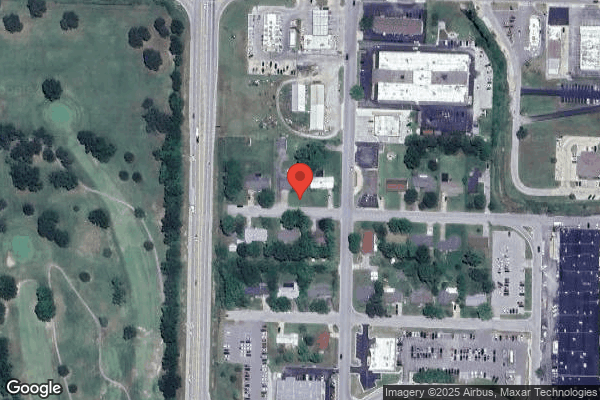
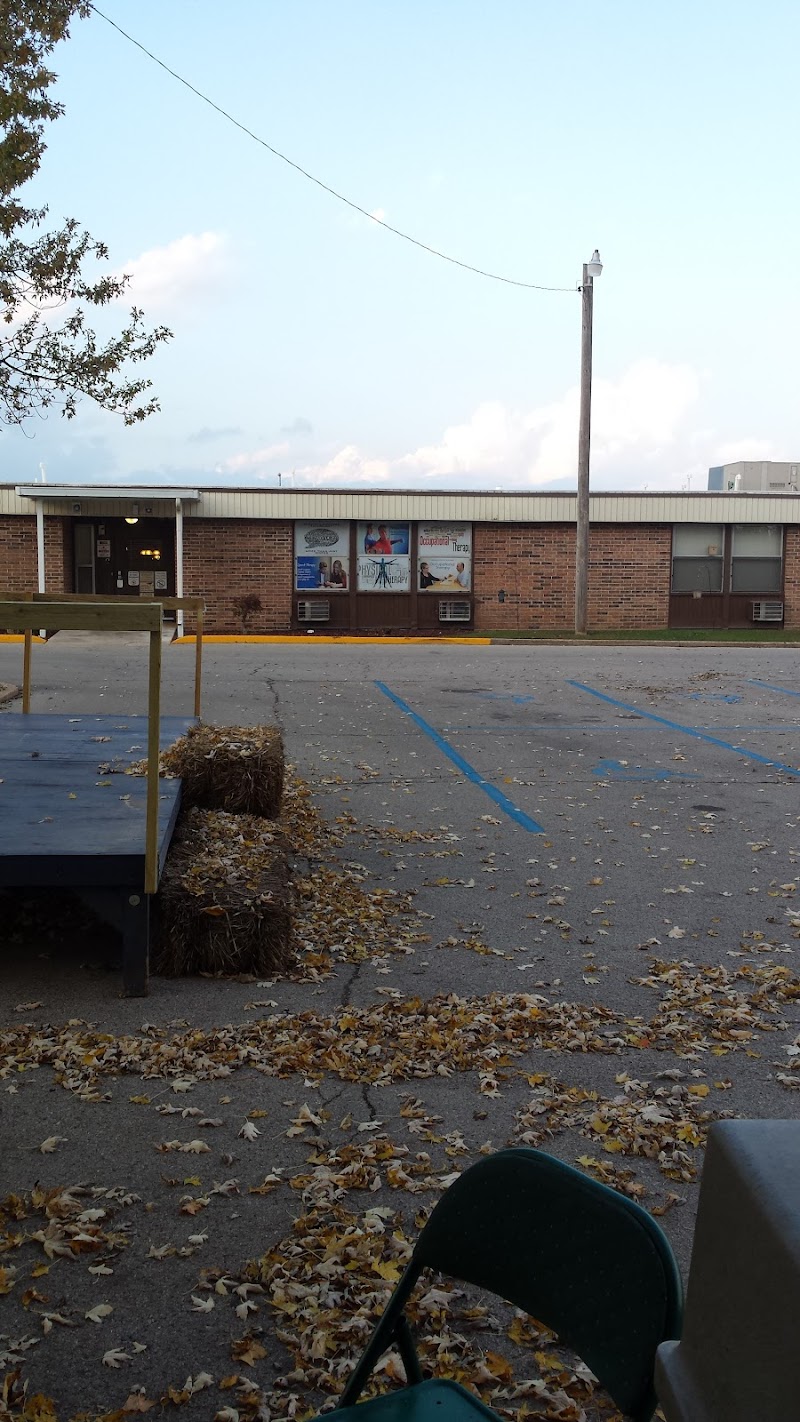
1410 NORTH KENTUCKY AVENUE, WEST PLAINS, MO 65775 (417) 256-7975
Non profit - Corporation 120 Beds Independent Data: November 2025
Trust Grade
53/100
#137 of 479 in MO
Last Inspection: December 2024

Within standard 12-15 month inspection cycle. Federal law requires annual inspections.

Overview

Brooke Haven Healthcare has a Trust Grade of C, which means it is average and falls in the middle of the pack compared to other nursing homes. It ranks #137 out of 479 facilities in Missouri, placing it in the top half, but only #4 out of 5 in Howell County, indicating limited local options. Unfortunately, the facility is worsening, with issues increasing from 7 in 2023 to 16 in 2024. Staffing is a concern, rated at 2 out of 5 stars, and while turnover is lower than the state average at 51%, there is less RN coverage than 75% of Missouri facilities, which is troubling because RNs catch problems that CNAs might miss. Recent inspections revealed serious issues, including a resident suffering a second-degree burn from hot coffee due to inadequate staff training and concerns about food safety, such as unclean kitchen conditions that could lead to foodborne illnesses.

Trust Score
C
53/100
In Missouri
#137/479
Top 28%
Safety Record
Moderate
Needs review
Inspections
Getting Worse
7 → 16 violations
Staff Stability
⚠ Watch
51% turnover. Above average. Higher turnover means staff may not know residents' routines.
Penalties
✓ Good
$10,033 in fines. Lower than most Missouri facilities. Relatively clean record.
Skilled Nurses
⚠ Watch
Each resident gets only 20 minutes of Registered Nurse (RN) attention daily — below average for Missouri. Fewer RN minutes means fewer trained eyes watching for problems.
Violations
⚠ Watch
26 deficiencies on record. Higher than average. Multiple issues found across inspections.
★★★☆☆
3.0
Overall Rating
★★☆☆☆
2.0
Staff Levels
★★☆☆☆
2.0
Care Quality
★★★☆☆
3.0
Inspection Score
Stable
2023: 7 issues
2024: 16 issues

The Good

  • Full Sprinkler Coverage · Fire safety systems throughout facility
  • No fines on record

Facility shows strength in fire safety.

The Bad

3-Star Overall Rating

Above Missouri average (2.5)

Meets federal standards, typical of most facilities

Staff Turnover: 51%

Near Missouri avg (46%)

Higher turnover may affect care consistency

Federal Fines: $10,033

Below median ($33,413)

Minor penalties assessed

The Ugly 26 deficiencies on record

1 actual harm
Dec 2024 15 deficiencies 1 Harm
SERIOUS (G)

Actual Harm - a resident was hurt due to facility failures

Accident Prevention (Tag F0689)

A resident was harmed · This affected 1 resident

Based on interview and record review, the facility failed to provide a safe environment per the resident's assessed level of need, when Resident #21 received a second degree (a burn that damages the e...

Read full inspector narrative →
Based on interview and record review, the facility failed to provide a safe environment per the resident's assessed level of need, when Resident #21 received a second degree (a burn that damages the epidermis and dermis, the two layers of skin) burn from the spilled coffee in his/her lap after a Certified Nursing Assistant (CNA) handed the resident hot coffee in a coffee cup without a lid for one sampled resident. The census was 69. The facility did not provide a policy regarding accidents/incidents. 1. Review of Resident #21's quarterly Minimum Data Set (MDS), a federally mandated assessment instrument required to be completed by the facility staff, dated 11/19/24, showed: - Diagnoses of non-traumatic brain injury (brain injury that occurs due to internal factors, rather than an external force to the head), dementia ( general term for a group of neurological conditions that cause a decline in mental abilities that affects daily life), and anxiety ( a feeling of fear, dread, and uneasiness that can be a normal reaction to stress); - Cognition severely impaired; - No speech and not understandable; - Does not understand others; - Partial/Moderate assist with eating with mechanically altered diet; - Dependent for all activities of daily living (ADL's) and mobility; - No skin conditions. Review of the resident's care plan, last reviewed on 11/19/24, showed: - On a pureed, fortified diet and used Kennedy cups (spill proof cup with a lid and straw); - Poor safety awareness. Review of the resident's December 2024 Physician Order Sheet (POS) showed: - An order to cleanse the burn with wound cleanser, apply silvadene (topical antimicrobial drug indicated as an adjunct for the prevention and treatment of wound sepsis in patients with second degree burns) and cover with an island dressing two times a day for burn, discontinue once healed, dated 11/20/24 and discontinued 11/23/24; - An order for silvadene cream 1% apply topically to the left hip two times daily for burn until healed, then discontinue, dated 11/20/24, discontinued 11/23/24, due to allergic; - An order to cleanse burn with wound cleanser and apply triple antibiotic ointment and cover with island dressing two times a day for burn, discontinue once healed, dated 11/23/24, discontinued 11/29/24; - An order to cleanse burn with wound cleanser, apply Xeroform gauze (a fine mesh gauze occlusive dressing for use on low exudating wounds) and cover with ABD (a large absorbent dressing) pad and island dressing two times a day for burn, discontinue once healed and as needed for burn, dated 11/29/24. Review of the resident's nurse's notes showed: - On 11/19/24 at 12:25 P.M., a Braden scale assessment (used for predicting pressure ulcer risk) evaluation with sensory perception slightly limited; - On 11/20/24 at 7:28 P.M., silvadene wasn't available, waiting on pharmacy since it was a new order. Did not cover burn as ordered; - On 11/21/24 at 11:25 A.M., the dressing on the left leg/hip was dry and intact. Silvadene not available; - On 11/22/24 at 1:12 A.M., cleaned and covered burn with dressing without silvadene cream due to being unavailable; - On 11/22/24 at 7:37 A.M., area was cleansed and redressed. No silvadene available due to resident possibly allergic; - On 11/28/24 at 6:22 P.M., resident had a dressing change at 3:45 P.M.; - On 11/29/24 at 5:02 P.M., order to cleanse burn with wound cleanser, apply Xeroform gauze and cover with ABD pad and island dressing as needed for burn; - On 12/05/24 at 3:54 A.M., assessed the wound to left thigh. Treatment completed as ordered by wound physician. The wound was healing. No complaint of pain or discomfort to wound area or signs or symptoms of infection; - On 12/05/24 at 9:52 A.M., resident had a 20 centimeter (cm) by 6 cm burn area on the left distal (away from the center) thigh. The lower 10 cm part of the burn had pink closed tissue. The upper 10 cm tissue was pink but open. No eschar (dead tissue) noted. Burn was progressively healing; - On 12/06/24 at 2:16 A.M., assessed the wound to left thigh. Treatment completed as ordered by wound physician. Wound was healing with no complaint of pain or discomfort to wound area. No signs or symptoms of infection this shift. Review of the facility incident report, dated 11/19/24, completed by the Director of Nursing (DON), showed: - On the morning of 11/19/24, Resident #21 received a cup of coffee without a lid, handed to the resident by a CNA not familiar with the resident which resulted in the resident spilling coffee in his/her lap. - Two CNAs immediately took the resident and changed him/her and notified the nurse. An assessment was completed by the CNAs and nurse with no redness or open areas noted. Later that week on the night of 11/22/24, Licensed Practical Nurse (LPN) reported a large blister to the leg. On 11/27/24, the blister opened and began weeping. The wound was assessed that day by Physician K, wound provider. New wound orders were given at this time and the primary physician was notified of the extent of the injury. Staff education was done. Family notified of the situation; - The physician was notified, nurse's notes reviewed, orders reviewed, staff interviewed, pain and skin assessment completed, and resident was unable to be interviewed; - Upon completion of the investigation, it was determined the injury was unintentional, and the CNAs and nurse took the proper steps in immediately changing the resident and assessing the site. Education provided to nursing staff. During an interview on 12/05/24 at 8:30 A.M. CNA I and CNA J said the unit night shift CNA got the resident up on 11/19/24, and gave him/her coffee which the resident spilled on himself/herself. The night shift CNA didn't know the resident should have a lid, even though the resident was care planned for it. CNA I and CNA J saw the thigh the morning of 11/20/24, and it was red with a small blister up at the top. The next day, on it was a way larger blister. During an interview on 12/06/24 at 11:50 A.M., Physician K said he/she wasn't made aware of the burn until a week from when it happened. He/She heard multiple different stories, but in the end, the resident spilled hot coffee on him/herself. He/She would have came to the facility and assessed him/her that day or at least the next had he/she known. When he/she saw it on 11/28/24, there was a large amount of drainage which was concerning regarding his/her fragile state and possible electrolyte issues. Per the facility, the drainage had decreased. Seeing him/her this week, the drainage had stopped and the burn was healing. The facility should be able to care for it now as long as they keep infection from it. Physician K was very upset and would have sent the resident to the emergency room had he/she known of the burn to ensure the electrolytes stayed good. During an interview on 12/06/24 at 12:15 P.M., the Director of Nursing said the silvadene never came in because the resident had a sulfa allergy. The pharmacy caught the allergy and didn't fill the script. She was notified on the morning of 11/19/24, of the accident. The CNAs and nurse found no skin issues. However, there was no follow up skin assessment documented after 11/19/24, and there should have been documentation showing the area was assessed daily. The wound physician was followed up with on 11/28/24, to let him/her know the progress of the injury.
CONCERN (D)

Potential for Harm - no one hurt, but risky conditions existed

Deficiency F0570 (Tag F0570)

Could have caused harm · This affected 1 resident

Based on interview and record review, the facility failed to maintain the surety bond (a purchased bond for security of the residents' personal funds) for at least one and one-half times the average m...

Read full inspector narrative →
Based on interview and record review, the facility failed to maintain the surety bond (a purchased bond for security of the residents' personal funds) for at least one and one-half times the average monthly balance of the residents' personal funds for the last twelve consecutive months from October 2023 to September 2024. The facility census was 69. The facility did not provide a policy for the surety bond. 1. Review of the residents' personal funds account on 12/05/24, for the last twelve consecutive months from October 2023 to September 2024, showed: - The facility's current approved bond amount equaled $100,000.00; - The average monthly balance for the residents' personal funds equaled $68,621.10; - An average monthly balance of $68,621.10 required a bond of at least $103,500. During an interview on 12/05/24 at 11:07 A.M., the Business Office Manager (BOM) said the surety bond should be one and one-half times the amount on the residents' trust balance. During an interview on 12/05/24 at 11:20 A.M., the Administrator said the surety bond amount should be one and one-half times the amount of the resident trust balance to meet the regulatory requirement.
CONCERN (D)

Potential for Harm - no one hurt, but risky conditions existed

Deficiency F0658 (Tag F0658)

Could have caused harm · This affected 1 resident

Based on observation, interview, and record review, the facility failed to follow physician orders for one resident (Resident #118) out of six sampled residents when the facility failed to administer ...

Read full inspector narrative →
Based on observation, interview, and record review, the facility failed to follow physician orders for one resident (Resident #118) out of six sampled residents when the facility failed to administer the correct amount of insulin (a hormone that helps regulate blood sugar levels by moving glucose from the bloodstream into cells for energy). The facility also failed to follow Registered Dietician (RD) recommendations for one resident (Residents #22) out of four sampled residents. The facility census was 69. Review of the facility's policy titled, Administering Medications, dated April 2019, showed: - Medications are administered in a safe and timely manner and as prescribed; - Medications are administered in accordance with prescriber orders, including any required time frame. The facility did not provide a policy regarding RD recommendations. 1. Review of Resident #22's medical record showed: - Diagnosis of cerebral palsy (a group of neurological disorders that affect a person's ability to move, balance, and maintain posture); No documentation regarding the RD's recommendation documented on the Nutrition Note, dated 10/21/24. Review of the resident's Physician Order Sheet (POS), dated December 2024, showed: - An order enteral feed (a method of providing nutrition to the body through a feeding tube that delivers liquid food directly to the stomach or small intestine) one time a day, replace kangaroo bag (the bag that holds the formula for enteral feeding) every day, dated 07/09/24. Review of the resident's Medication Administration Record (MAR), dated December 2024, showed: - Enteral feed order one time a day Osmolite (therapeutic nutrition that provides complete, balanced nutrition for long- or short-term tube feeding for patients) 1.5 42 milliliters (ml)/hour for 23 hours for a total of 960 ml, dated 03/24/24; - Enteral feed order one time a day for cerebral palsy replace kangaroo bag every day, dated 07/09/24. Review of the resident's Nutrition Note, dated 10/21/24, and weights showed: - Resident's weight increasing gradually and gained 20 pounds (lbs) in the past six months. Tube feed was unchanged and tolerated well. Received Osmolite 1.5 at 42 ml/hour continuously, did receive 100 ml water flush three times a day with bag replaced daily. Suggest to reduce to 35 ml/hour to stabilize weight as continued gain would not be beneficial. This reduction would be approximately 200 calories less per day than currently receiving; - On 04/07/24, weight of 152 lbs; - On 10/16/24, weight of 165 lbs; - On 10/23/24, weight of 166 lbs, - On 11/05/24, weight of 167 lbs, - On 12/05/24, weight of 169 lbs. 2. Review of Resident #118's POS, dated December 2024, showed: - Diagnosis of diabetes mellitus (a chronic disease that causes high blood sugar levels); - An order for Insulin lispro (medication used to lower blood sugar) 100 units/milliliters, inject per sliding scale for blood sugar 341-380=14 units, blood sugar 381-420=administer 16 units, blood sugar between 421-460=administer 18 units, dated 12/05/24. Review of the resident's MAR, dated December 2024, showed: - Insulin lispro 100 units/milliliters, inject per sliding scale for blood sugar 341-380=14 units, blood sugar 381-420=administer 16 units, and blood sugar between 421-460=administer 18 units; - On 12/06/24 at 11:00 A.M., blood sugar result documented as 425 and 18 units insulin administered. Observation on 12/05/24 at 11: 30 A.M., of Resident #118's blood sugar and insulin administration showed: - Registered Nurse (RN) G obtained the resident's blood sugar with a result of 425 and wrote it on a piece of paper on top of nurse cart; - RN G went and obtained two other resident's blood sugars and administered one other insulin prior to returning to Resident #118; - RN G obtained Resident #118's Insulin lispro and looked at the resident's sliding scale; - RN G said Resident 118's blood sugar was 373 and required 14 units of insulin; - RN G dialed the Insulin lispro pen to 14 units and picked up an alcohol pad; - RN G said the resident's blood sugar was 373 and not 425 as he/she looked at the 425 written under the resident's name on the piece of paper he/she documented Resident 118's blood sugar on; - RN G said 14 units of insulin would be correct. RN G opened the top drawer of the medication cart, looked again, and said a blood sugar of 373 required 14 units of insulin; - RN G administered 14 units of insulin to Resident #118; - RN G administered the incorrect amount of insulin. Resident #118 should have received 18 units of insulin due to a 425 blood sugar. During an interview on 12/06/24 at 11:30 A.M., RN G said Resident #118's blood sugar result was 373 and should receive 14 units of insulin. During an interview on 12/07/24 at 1:00 P.M., the Director of Nursing (DON) and Administrator said nurses should document the residents' blood sugar results in the electronic record as they were obtained so the medication administered would be accurate. They would expect the appropriate amount of insulin to be administered. They would also expect RD recommendations to be followed through on, especially a tube feeding.
CONCERN (D)

Potential for Harm - no one hurt, but risky conditions existed

Deficiency F0661 (Tag F0661)

Could have caused harm · This affected 1 resident

**NOTE- TERMS IN BRACKETS HAVE BEEN EDITED TO PROTECT CONFIDENTIALITY** Based on interview and record review, the facility failed to complete a comprehensive discharge summary for two residents (Resid...

Read full inspector narrative →
**NOTE- TERMS IN BRACKETS HAVE BEEN EDITED TO PROTECT CONFIDENTIALITY** Based on interview and record review, the facility failed to complete a comprehensive discharge summary for two residents (Residents #58 and #66) out of two discharged residents. The facility's census was 69. The facility did not provide a policy regarding a discharge summary or recapitulation. 1. Review of Resident #58's closed medical record showed: - Resident discharged home on [DATE]; - No documentation of a recapitulation or completed discharge summary. 2. Review of Resident #66's closed medical record showed: - Resident discharged home on [DATE]; - No documentation of a recapitulation or completed discharge summary. During an interview on 12/07/24 at 2:00 P.M., the Administrator and Director of Nursing (DON) said the discharging nurse was responsible for completing the discharge summary. The discharge summary and the recapitulation should be completed prior to the discharge of a resident.
CONCERN (D)

Potential for Harm - no one hurt, but risky conditions existed

Incontinence Care (Tag F0690)

Could have caused harm · This affected 1 resident

Based on observation, interview and record review, the facility failed to ensure a urinary catheter (a tube inserted into the bladder to drain urine) drainage bag and tubing was kept off the floor for...

Read full inspector narrative →
Based on observation, interview and record review, the facility failed to ensure a urinary catheter (a tube inserted into the bladder to drain urine) drainage bag and tubing was kept off the floor for one resident (Resident #31) out of two sampled residents. The facility census was 69. Review of the facility policy titled, Catheter Care, Urinary, Revised August 2022, showed: - Be sure the catheter tubing and drainage bag are kept off the floor. Review of Resident #31's Physician Order Sheet (POS), dated December 2024, showed: - An order for urinary catheter care every shift for urinary retention (an inability to empty the bladder of urine), dated 11/26/24; - An order for a 16 French (FR - size of catheter) catheter with 10 cubic centimeter (cc) bulb one time a day every one month starting on the 15th for 28 days, dated 11/26/24; - An order for a 16 FR catheter with 10 cc bulb for occlusion or leakage as needed, dated 11/26/24; - An order to empty the catheter drainage bag and chart the output every shift, dated 11/27/24. Observation of the resident showed: - On 12/04/24 at 9:33 A.M., and 10:39 A.M., the resident lay in bed and the catheter drainage bag lay on the floor between the bed frame and a wheelchair with a privacy cover attached to the catheter drainage bag; - On 12/04/24 at 9:41 A.M., Certified Nursing Assistant (CNA) A and CNA B entered the resident's room, the catheter drainage bag lay on the floor between the bed frame and a wheelchair, talked to the resident, and exited the room; - On 12/05/24 at 8:02 A.M., the resident lay in bed, the catheter drainage hung from the bed frame with the bottom of the catheter drainage bag touching the front right wheel of a wheelchair, and a privacy cover in place. During an interview on 12/05/24 at 3:01 P.M., Licensed Practical Nurse (LPN) C said the catheter drainage bag should be hung below the bladder. The drainage bag and tubing should be off the floor, not touching the wheels of a wheelchair, and a privacy cover should be in place. During an interview on 12/05/24 at 3:30 P.M., the Director of Nursing (DON) said if a resident lay in bed, the catheter drainage bag should be hung on a non-moving piece of the bed. It should be hung lower than the bladder. The catheter drainage bag and tubing should not be on the floor, dragging the floor, and not touching the wheel of the wheelchair. During an interview on 12/06/24 at 12:30 P.M., CNA B said the catheter drainage bag and tubing should not lay on the floor and should not drag the floor. The catheter drainage bag should have a privacy cover in place and should be hung on the bed frame if in bed. During a phone interview on 12/12/24 at 4:37 P.M., CNA A said the catheter drainage bag should be hung on the bed frame. The drainage bag and tubing should not touch or drag the floor.
CONCERN (D)

Potential for Harm - no one hurt, but risky conditions existed

Respiratory Care (Tag F0695)

Could have caused harm · This affected 1 resident

**NOTE- TERMS IN BRACKETS HAVE BEEN EDITED TO PROTECT CONFIDENTIALITY** Based on observation, interview, and record review, the facility failed to follow physician's orders for supplemental oxygen the...

Read full inspector narrative →
**NOTE- TERMS IN BRACKETS HAVE BEEN EDITED TO PROTECT CONFIDENTIALITY** Based on observation, interview, and record review, the facility failed to follow physician's orders for supplemental oxygen therapy for two residents (Residents #39 and #62) out of two sampled residents, and failed to ensure proper tracheostomy (trach - incision in the windpipe to relieve an obstruction to breathing) care for one resident (Resident #39) out of one sampled resident. The facility census was 69. The facility did not provide an oxygen policy. Review of the facility's policy titled, Tracheostomy Care, revised August 2023, showed: - The purpose of this procedure is to guide tracheostomy care and the cleaning of reusable tracheostomy cannulas; - Aseptic technique must be used: during cleaning and sterilization of reusable tracheostomy tubes; during tracheostomy tube changes, either reusable or disposable; - Gloves must be used on both hands during any or all manipulation of the tracheostomy. Sterile gloves must be used during aseptic procedures; - Remove old dressings. Pull soiled glove over dressing and discard into appropriate receptacle; - Wash hands; - Clean the removable inner cannula: - Open tracheostomy cleaning kit; - Set up supplies on sterile field; - Maintain sterile field, pour equal parts hydrogen peroxide and normal saline in one compartment of opened kit. Pour normal saline in another compartment; - Open four gauze pads and saturate with hydrogen peroxide; - Open two gauze pads and saturate with antiseptic solution; - Open two gauze pads and saturate with sterile saline; - Open two gauze pads, keep them dry; - Put on gloves; - Secure the outer neck plate with non-dominate gloved hand; - Unlock the inner cannula with gloved dominate hand; - Gently remove the inner cannula, rotating counterclockwise while lifting away from the resident; - Soak the cannula in hydrogen peroxide/saline mixture; - Clean with brush. Rinse with saline and dry with pipe cleaners; - Remove and discard gloves into appropriate receptacle; - Wash hands and put on fresh gloves; - Replace the cannula carefully and lock in place; Site and Stoma Care: - Apply clean gloves; - Clean the stoma with two peroxide-soaked gauze pads (using a single sweep for each side); - Rinse the stoma with saline-soaked gauze pads (using a single sweep for each side); - Wipe with dry gauze (using a single sweep for each side); - Disinfect the stoma with the antiseptic-soaked gauze pads (using a single sweep for each side). Allow to air dry or wipe with clean, dry gauze; - Remove neck ties and replace with clean ones; - Apply a fenestrated (having an opening) gauze pad around the insertion side; - Replace supplemental oxygen mask over tracheostomy; - Remove gloves and discard into appropriate receptacle; - Wash hands; - Document the procedure, condition of the site, and the resident's response; Resident self-performance of Trach Care per Resident preference: - Assure resident is competent by completion of an annual competency observed by charge nurse; - Assure resident has supplies available to complete procedure; - Staff to assist Resident as resident allows and when needed. 1. Review of Resident #39's medical record showed: - Diagnoses of malignant neoplasm of supraglottis (a cancerous growth located in the supraglottis, which is the upper part of the larynx (voice box) and tracheostomy status; - An order for #6 Shiley Fenestrated replaceable inner cannula (a tube within the outer tracheostomy tube), dispense 1 unit with 5 refills to be replaced every day, #6 Shiley Fenestrated uncuffed tracheostomy tube (a type of tracheostomy tube used to maintain an open airway) dispense 1 unit with 5 refills. Does self trach care, one time a day, dated 03/14/23; - An order to change suction container and [NAME] (type of suctioning tube) tubing one time a day every Sunday, dated 01/18/24; - An order to wipe down the oxygen concentrator, dated & tape zip-lock bags for tubing. Change oxygen tubing and trach hood, clean black filter weekly, one time a day every Sunday, dated 01/18/24; - No order for oxygen; - No documentation of the resident's competency for tracheostomy cleaning. Review of the resident's untitled document, dated 11/06/24, showed: - Resident wished to perform suctioning and self-care of tracheostomy; - Resident demonstrated and understood the steps to suctioning and care of tracheostomy; - Tracheostomy Care: gather supplies; wash hands with soap and water; position a mirror and lighting so you can see airway; prepare you new tracheostomy tube for insertion; remove inner cannula and insert the obturator (used to insert a tracheostomy tube) - coat with K-Y Jelly (a water-based lubricant) - place the Velcro or twill ties through one side of the flange holes; insert the new tracheostomy tube (with the obturator in place) approaching your stoma from the side; once the tube is inserted about an inch, turn the tube so it curves downward and insert the rest of the way until the flange is sitting against your neck; remove the obturator and replace the inner cannula; secure the Velcro or twill ties; - Did not address the procedure for cleaning of tracheostomy; - Did not address if the resident understood and could perform the tracheostomy self care. Observation on 12/03/24 at 10:30 A.M., showed the resident sat in a recliner with oxygen attached to the trach at 2 liters per minute. Observation on 12/05/24 at 8:04 A.M., of the resident's self-care of the tracheostomy showed: - The resident entered the bathroom where a tracheostomy care kit, two gauze pad packages, one split sponge package, and a trach collar package was set out on the left sink area unopened; - The resident washed hands; - The resident opened the tracheostomy care kit, set drape sheet to the right of the kit container, left folded, attempted to put on sterile gloves, set sterile gloves aside on the right sink area because they were too small, retrieved clean, non-sterile gloves from the box of gloves behind the bathroom door, removed the trach collar and split gauze from the trach site; - The resident did not change gloves or perform hand hygiene, picked up the trachea tube brush from the kit, cleaned the outer cannula under running tap water at the sink, sat the outer cannula on top of the folded drape sheet; - The resident did not change gloves or perform hand hygiene, opened the new trach collar, threaded the collar through the outer cannula, removed glasses, pulled the collar with the outer cannula attached over his/her head, did not change gloves or perform hand hygiene, picked up the gauze the trach collar sat on and wiped the trach site, inserted the outer cannula, tightened the collar, removed the gloves, gathered the used supplies and put into the trash can; - The resident did not perform hand hygiene, did not put on gloves, opened a new split sponge, and placed around the trach site under the outer collar; - Resident did not insert the inner cannula of the tracheostomy; Observation on 12/06/24 at 11:30 A.M., of the resident showed: - Sat in the recliner with the outer tracheostomy cannula in place; - The inner cannula of the tracheostomy sat on the bedside table. During an interview on 12/05/24 at 8:15 A.M., Resident #39 said he/she always used water from the sink to clean the trach collar. He/She didn't use the inner cannula because it was hard to breath with it in. During an interview on 12/05/24 at 9:45 A.M., Licensed Practical Nurse (LPN) C said Resident #39 had the inner cannula. The resident did most stuff him/herself. The resident had been educated on the importance of handwashing, keeping everything sterile, and used sterile water to clean the obturator and for cleaning the cannula too. The resident cleaned the cannula and changed the Shiley inner cannula daily, then let staff know it was done. The resident used the inner cannula sometimes, but at times took it out because he/she said it was hard to breath. The facility had tried another inner cannula and the resident said it got hung up, and changed to the current one. During an interview on 12/05/24 at 10:00 A.M., the Director of Nursing (DON) said nurses did competency checks and monitored trach care. The competency checks were completed twice a year by the DON or charge nurse. Nurses got the trach care supplies for the resident, and they were kept in the resident's room. Resident #39 performed his/her own trach care and communicated with the nurse when it was done for the day. The he inner cannula should always be in place, tap water should not be used, and the obturator could come out, but did not think it should come out daily. The tracheostomy cleaning should be completed using sterile technique, using sterile gloves, cleaned with normal saline and hydrogen peroxide, and then changed to new sterile gloves when retrieving the new inner cannula from the package and inserting. 2. Review of Resident #62's medical record showed: - admission date of 10/31/24; - Diagnosis of chronic obstructive pulmonary disease (COPD - a group of lung diseases that causes restricted airflow and breathing problems). Review of the resident's Physician Order Sheet (POS), dated December 2024, showed: - An order for oxygen at 2 liters per minute by nasal cannula (NC - a flexible tube inserted into the nose to administer supplemental oxygen) as needed for shortness of breath, dated 11/18/24. Observation of the resident on 12/03/24 at 9:40 A.M., showed the resident sat in a recliner in his/her room with oxygen on at 4 liters per minute via NC. During an interview on 12/05/24 at 3:30 P.M., the DON said the order for oxygen should be followed.
CONCERN (D)

Potential for Harm - no one hurt, but risky conditions existed

Deficiency F0699 (Tag F0699)

Could have caused harm · This affected 1 resident

Based on observation, interview, and record review, the facility failed to identify, assess and provide supportive interventions for one resident (Resident #31) with a diagnosis of post traumatic stre...

Read full inspector narrative →
Based on observation, interview, and record review, the facility failed to identify, assess and provide supportive interventions for one resident (Resident #31) with a diagnosis of post traumatic stress disorder (PTSD - a mental health condition triggered by a terrifying event - either experiencing it or witnessing it; symptoms may include flashbacks, nightmares and severe anxiety, as well as uncontrollable thoughts to the event) out of one sampled resident. The facility's census was 69. The facility did not provide a PTSD policy. 1. Review of Resident #31's medical record showed: - admission date of 08/12/24; - Diagnoses of PTSD, depression (a serious medical illness that negatively affects how you feel, the way you think and how you act), and anxiety disorder (persistent worry and fear about everyday situations); - Trauma Informed Care Assessment, dated 11/06/24, showed resident triggered for PTSD. Review of the resident's Physician Order sheet (POS), dated December 2024, showed: - An order for alprazolam (an antianxiety medication) 0.25 milligrams (mg) by mouth every 8 hours as needed for anxiety, dated 09/17/24; - An order for Cymbalta (an antidepressant medication) delayed release 30 mg by mouth two times a day for depression, dated 11/06/24; - An order for Seroquel (an antipsychotic medication) 50 mg by mouth one time a day for cognitive communication deficit, dated 11/06/24; - An order to refer to behavioral healthcare, dated 10/24/24. Review of the resident's comprehensive care plan, dated 08/19/24, showed: - PTSD not addressed; - No goals to maintain the resident's psychosocial and mental health; - No documentation of the resident's past trauma, or any triggers that would cause the resident trauma; - No interventions for how the facility would address the behaviors if they occurred or how the facility would provide support to the resident. During an observation and interview on 12/03/24 at 10:53 A.M., Resident #31 said he/she had PTSD and replayed the images in his/her mind of that day. The resident was tearful, spoke with a quivering voice while he/she talked about his/her past trauma. He/She did have triggers with a train whistle being one of them. During an interview on 12/05/24 at 11:45 A.M., the Administrator said the resident had just started talking about his/her past trauma, but PTSD should be addressed on the resident's care plan. During a phone interview on 12/06/24 at 12:17 P.M., the Social Service Designee (SSD) said Resident #31 had recently started to. talk about his/her PTSD.
CONCERN (D)

Potential for Harm - no one hurt, but risky conditions existed

Staffing Information (Tag F0732)

Could have caused harm · This affected 1 resident

Based on observation and interview, the facility staff failed to post the required daily nurse staffing information which included the total number of staff and the actual hours worked by both license...

Read full inspector narrative →
Based on observation and interview, the facility staff failed to post the required daily nurse staffing information which included the total number of staff and the actual hours worked by both licensed and unlicensed nursing staff directly responsible for resident care, in a prominent location readily accessible to residents and visitors for three out of four days. The facility census was 69. The facility did not provide a policy regarding posting of nurse staffing. Observation on 12/04/24 at 9:30 A.M., 12/05/24 at 11:00 A.M., and 12/06/24 at 12:00 P.M., of the facility's Staff Posting Sheet, located on a bulletin board beside the nurse's station showed: -The Staff Posting Sheet, dated 12/02/24; -The facility did not post the required daily nurse staffing information for 12/04/24, 12/05/24, and 12/06/24. During an interview on 12/06/24 at 2:00 P.M., the Administrator and Director of Nursing (DON) said nurse staffing should be posted on the Nurse Staffing board daily.
CONCERN (D)

Potential for Harm - no one hurt, but risky conditions existed

Pharmacy Services (Tag F0755)

Could have caused harm · This affected 1 resident

Based on observation, interview, and record review, the facility failed to ensure the narcotic reconciliations (a process that allows one staff to reconcile the exact narcotic inventory on hand with a...

Read full inspector narrative →
Based on observation, interview, and record review, the facility failed to ensure the narcotic reconciliations (a process that allows one staff to reconcile the exact narcotic inventory on hand with another staff) were accurate when on-coming and off-going staff failed to document narcotic medications as they were administered for two residents (Residents #21 and #46) which resulted in the inaccuracy of the narcotic counts. The facility census was 69. The facility did not provide a policy for the narcotic count. 1. Review of the 100/200 Certified Medication Technician's (CMT's) cart Controlled Drug Receipt-Record Disposition form on 12/05/24 at 9:45 A.M., showed: - A count of 22 tablets for Resident #21's hydrocodone (a narcotic pain medication) 5/325 milligram (mg) by mouth two times a day for pain, dated 06/13/24; - A count of seven tablets for Resident #46's eszopichlone (a hypnotic medication used to help a person sleep) 3 mg by mouth at night, dated 04/23/24. Observation on 12/05/24 at 9:45 A.M., of the 100/200 CMT's medication cart showed: - A count of 20 tablets for Resident #21's hydrocodone 5/325 mg two times a day for pain in the medication card; - A count of six tablets for Resident #46's eszopichlone 3 mg by mouth at night in the medication card; - The facility staff did not document the administration of Resident #21 and Resident #46's medications on the Controlled Drug Receipt-Record Disposition forms. During an interview on 12/05/24 at 9:50 A.M., CMT H said the night nurse gave the Resident #46's eszopichlone and didn't sign it out on the narcotic book, but signed it on the resident's MAR. He/She was not sure what happened with the Resident #21's hydrocodone count. He/She counted at the start and end of his/her shift, even if it's with him/herself. During an interview on 12/06/24 at 12:30 P.M., the Director of Nursing (DON) and the Administrator said staff should always make time to do narcotic counts when changing shifts. Staff should document both on the MAR and the narcotic book when administering narcotic medications.
CONCERN (D)

Potential for Harm - no one hurt, but risky conditions existed

Medication Errors (Tag F0758)

Could have caused harm · This affected 1 resident

Based on interview and record review, the facility failed to limit the use of an as needed (PRN) order for psychotropic (medications that affect how the brain works and causes changes in mood, awarene...

Read full inspector narrative →
Based on interview and record review, the facility failed to limit the use of an as needed (PRN) order for psychotropic (medications that affect how the brain works and causes changes in mood, awareness, thoughts, feelings, or behaviors) medication to 14 days for one resident (Resident 29), failed to attempt a gradual dose reduction (GDR) for one resident (Resident #7), and failed to ensure an appropriate diagnosis for the use of a psychotropic medication for two residents (Residents #31 and #43) out of nine sampled residents. The facility census was 69. Review of the facility policy titled, Tapering Medications and GDR, revised April 2007, showed: - Within the first year after a resident is admitted on an antipsychotic (a class of medications used to treat psychosis) medication or after the resident has been started on an antipsychotic medication, the staff and practitioner shall attempt a GDR in two separate quarters (with at least one month between attempts), unless clinically contraindicated; - After the first year, the facility shall attempt a GDR at least annually, unless clinically contraindicated. The facility did not provide a policy regarding appropriate diagnosis of a psychotropic medication and PRN orders. 1. Review of Resident #7's medical record showed: - An admission date of 06/01/22; - Diagnoses of unspecified dementia (changes in memory, thinking, and behavior) and major depressive disorder (persistent depressed mood or loss in interest) without behavioral disturbance, psychotic disturbance, mood disturbance, and anxiety (persistent worry and fear about everyday situations); - An order for Rexulti (an antipsychotic medication) 1 milligram (mg) daily, dated 04/12/24; - No documentation of a GDR. Review of the manufacturer's safety information for Rexulti, undated, showed the warning and precautions included increased mortality in elderly patients with dementia-related psychosis. Elderly patients with dementia-related psychosis treated with antipsychotic drugs are at increased risk of death. Rexulti is not approved for the treatment of patients with dementia-related psychosis without agitation associated with dementia due to Alzheimer's disease. 2. Review of Resident #29's medical record showed: - An admission date of 11/30/18; - Diagnosis of dementia; - An order for clonazepam (an antianxiety medication) 0.25 mg by mouth every 24 hours PRN (as needed) for agitation, dated 02/21/24, and no stop date; - The facility failed to provide a 14 day stop date order for the clonazepam PRN order. 3. Review of Resident #31's medical record showed: - An admission date of 08/12/24; - Diagnoses of depression (a serious medical illness that negatively affects how you feel, the way you think and how you act), anxiety disorder, post traumatic stress disorder (PTSD - a mental health condition triggered by a terrifying event), and cognitive communication deficit; - An order for Seroquel (an antipsychotic medication) 50 mg daily for cognitive communication deficit, dated 11/06/24; - No documentation of an appropriate diagnosis for Seroquel. Review of the manufacturer's safety information for Seroquel, undated, showed the warning and precautions included increased mortality in elderly patients with dementia-related psychosis. Seroquel is not approved for elderly patients with dementia-related psychosis. 4. Review of Resident #43's medical record showed: - An admission date of 06/29/23; - Diagnoses of unspecified dementia with mild mood disorder; - An order for Seroquel 50 mg one tablet daily for dementia, dated 05/20/24; - An order for Seroquel 100 mg one tablet at bedtime for dementia, dated 08/16/24; - No documentation of an appropriate diagnosis for Seroquel. During an interview on 12/06/24 at 4:00 P.M., the Pharmacist Consultant said Seroquel use was discouraged, but it was used for dementia. Psychotropic medications were not effective at treating dementia but they were used to manage symptoms. There should be GDR's when they were used. PRN meds should have a stop date. Pharmacy asked an initial PRN order to be discontinued after 14 days, then the provider should clarify if they could add in their own recommendation for the duration of the medication with an acceptable diagnosis. During an interview on 12/06/24 at 12:30 P.M., the Assistant Director of Nursing (ADON) said no staff in the facility were responsible for auditing chart orders to check for appropriate diagnoses. The facility utilized a consultant pharmacist monthly medication reviews. He/She normally received the pharmacy recommendations. During an interview on 12/06/24 at 12:45 P.M., the Administrator and Director of Nursing (DON) said all PRN psychotropic medications should have a 14 day stop date. All medications should have the appropriate diagnosis linked to it. Anyone putting medications into a resident's chart, should ensure it's linked to the appropriate diagnosis, and if there wasn't one, then the physician should be notified. The ADON ensured pharmacy recommendations were followed.
CONCERN (D)

Potential for Harm - no one hurt, but risky conditions existed

Deficiency F0761 (Tag F0761)

Could have caused harm · This affected 1 resident

Based on observation, interview, and record review, the facility failed to label and store medications in a safe and effective manner when opened insulin was found undated in the medication cart, fail...

Read full inspector narrative →
Based on observation, interview, and record review, the facility failed to label and store medications in a safe and effective manner when opened insulin was found undated in the medication cart, failed to ensure the medication cart was locked while unattended, and the facility failed to ensure resident safety by leaving medication in one resident's (Resident #31) room, unattended out of one sampled resident. This had the potential to affect all residents. The facility census was 69. Review of the facility policy titled, Storage of Medications, dated April 2007, showed: - The facility shall store all drugs and biologicals in a safe, secure, and orderly manner; - The nursing staff shall be responsible for maintaining medication storage; - The facility shall not use discontinued, outdated, or deteriorated drugs or biologicals; - Compartments containing drugs shall be locked when not in use, and trays or carts used to transport such items shall not be left unattended if open or otherwise potentially available to others. Review of the facility policy titled, Administering Medications, dated April 2019, showed: - The expiration/beyond use date on the medication label is checked prior to administering. When opening a multi-dose container, the date opened is recorded on the container. The facility did not provide a policy regarding medications being stored in a resident's room. Review of the manufacturer's recommendations for Lantus (a long-acting type of insulin), dated June 2023, showed the medication was to be discarded 28 days after opening. Review of the manufacturer's recommendations for lispro insulin pen (a fast acting type of insulin), dated 2023, showed the medication was to be discarded 28 days after opening. Review of the manufacturer's recommendations for Fiasp insulin pen (a fast acting type of insulin), dated June 2023, showed the medication was to be discarded 28 days after opening. 1. Review of Resident #31's Physician Order Sheet (POS), dated December 2024, showed: - An order for diltiazem extended release (ER) (blood pressure medication) 180 milligram (mg) by mouth three times a day, for atrial fibrillation (irregular heart beat), dated 10/25/24; - An order for gabapentin (used to treat nerve pain) 300 mg by mouth three times a day, dated 11/21/24. Observation on 12/04/24 at 1:15 P.M., showed one diltiazem ER 180 mg tablet and one gabapentin 300 mg tablet in a medication cup sat on Resident #31's bedside table; - On 12/04/24 at 2:09 P.M., a housekeeper entered the room with the one diltiazem ER 180 mg tablet and one gabapentin 300 mg tablet in the medication cup sat on the resident's bedside table; - On 12/04/24 at 2:11 P.M., Resident #31 took the one diltiazem ER 180 mg tablet and one gabapentin 300 mg tablet medications. During an interview on 12/04/24 at 1:15 P.M., Resident #31 said he/she didn't have any water to take his/her medication with. The resident had spilled the water earlier and it had not been replaced. During an interview on 12/05/24 at 3:15 P.M., Certified Medication Technician (CMT) E said he/she placed Resident 31's one diltiazem ER 180 mg tablet and one gabapentin 300 mg tablet medications in a cup and the resident had their own water in their room. CMT E normally watched the resident take their medication before leaving the room. Medications should never be left with a resident. 2. Observation on 12/05/24 at 7:33 A.M. - 7:40 A.M., of the 400 Hall nurse medication cart showed: - The medication cart sat against the wall to the right of the nurse station facing the hallway and unlocked. 3. Observation on 12/05/24 at 7:48 A.M. - 7:59 A.M., of the 400 Hall nurse medication cart showed: - At 7:48 A.M., the medication cart sat against the wall to the right of the nurse station facing the hallway and unlocked; - At 7:50 A.M., three staff walked past the unlocked medication cart; - At 7:52 A.M., Licensed Practical Nurse (LPN) D walked past the unlocked medication cart; - At 7:53 A.M., LPN D walked to the unlocked medication cart, opened the top drawer, did not lock the medication cart, left, and walked down the hall; - At 7:55 A.M., three staff walked past the unlocked medication cart; - At 7:59 A.M., a staff locked the medication cart. 4. Observation on 12/05/24 at 10:10 A.M., of the 200 Hall nurse medication cart showed: - One labeled and opened Lantus insulin pen, dated 09/25/24, when opened; - One labeled and opened Lantus insulin pen, not dated when opened; - One labeled and opened insulin Fiasp insulin pen not dated when opened; - Two labeled and opened insulin lispro insulin pens not dated when opened. 5. Observation on 12/05/24 at 3:40 P.M., showed: - The 400 Hall nurse's medication cart sat against the wall to the right of the nurse station facing the hallway unlocked, the keys hung out of the lock, with no staff present, and five residents sat in wheelchairs in front of the nurse station; - The 200 Hall nurse cart sat against the wall to the left of the nurse station facing the hallway unlocked, with no staff present, and five residents sat in wheelchairs in front of the nurse station; - At 3:50 P.M., LPN D walked to the 200 Hall nurse's medication cart and opened it. The 400 Hall nurse's medication cart remained unlocked and the keys hung out of the lock. During an interview on 12/05/24 at 10:15 A.M., LPN C said insulin pens should be dated when opened. During an interview on 12/05/24 at 3:22 P.M., LPN C Medications shouldn't be left in room unattended. Whoever administers it should watch the resident take it and not leave the medication in the room. Someone else could take the medication. During an interview on 12/06/24 at 11:00 A.M., LPN D said insulin pens should be dated when opened. Medication carts should be locked when left unattended. During an interview on 12/06/24 at 12:45 P.M., the Director of Nursing (DON) and Administrator said insulin pens should be dated when opened. Medication carts should always be locked when left unattended. Keys to the medication carts should never be left hanging from the cart's lock. Medications should never be left unsupervised in a room with a resident.
CONCERN (D)

Potential for Harm - no one hurt, but risky conditions existed

Garbage Disposal (Tag F0814)

Could have caused harm · This affected 1 resident

Based on observation, interview, and record review, the facility failed to ensure the dumpster was maintained to keep pests out and/or to keep the garbage contained in the dumpster. This failure had t...

Read full inspector narrative →
Based on observation, interview, and record review, the facility failed to ensure the dumpster was maintained to keep pests out and/or to keep the garbage contained in the dumpster. This failure had the potential to affect all residents. The facility census was 69. The facility did not provide a policy regarding the dumpster. 1. Observations on 12/03/24 at 10:17 A.M., 12/05/24 at 11:33 A.M., and 12/06/24 at 8:53 P.M., of the outside trash dumpster located near the kitchen entrance showed one 6-yard (yd.) dumpster partially filled with two plastic lids completely opened. During an interview on 12/05/24 at 2:10 P.M., the Administrator said the dumpster should be closed when it was unattended and not being filled by the facility staff. During an interview on 12/06/24 at 8:56 A.M., the Assistant Maintenance Director said the trash dumpster should remain closed when it was not being filled. Most of the facility staff were expected to throw trash in the dumpster. The staff had been trained to close the lid on the dumpster but it didn't always get closed.
CONCERN (D)

Potential for Harm - no one hurt, but risky conditions existed

Infection Control (Tag F0880)

Could have caused harm · This affected 1 resident

Based on observation, interview, and record review, the facility failed to perform hand hygiene and glove changes during wound care for two residents (Residents #21 and #36) out of three sampled resid...

Read full inspector narrative →
Based on observation, interview, and record review, the facility failed to perform hand hygiene and glove changes during wound care for two residents (Residents #21 and #36) out of three sampled residents, incontinence care for two residents (Residents #9 and #60) out of five sampled residents, and Foley catheter (a flexible tube inserted into the bladder to drain urine through the urethra) care for one resident (Resident #32) out of one sampled resident. Additionally, the facility failed to follow Enhanced Barrier Precautions (EBP), including wearing of a gown, during high contact patient care activities to prevent the spread of multi-resistant organisms for one resident (Resident #32) out of four sampled residents. The facility failed to ensure standard infection control practices were maintained for one resident (Resident #21) out of three sampled residents when staff placed a dressing on a towel then applied it directly to the burn wound bed. The facility failed to ensure standard infection control practices were maintained for three residents (Residents #62, #118, and #119) out of three sampled residents when staff failed to disinfect glucometers correctly between residents. The facility's census was 69. Review of the facility policy titled, Handwashing/Hand Hygiene, revised August 2019, showed: - This facility considers hand hygiene the primary means to prevent the spread of infections; - Wash hands with soap and water for the following situations: when hands are visibly soiled; - Use an alcohol-based hand rub containing at least 62 % alcohol; or, alternatively, soap and water for the following situations: before and after coming on duty; before and after direct contact with residents; before preparing or handling medications; before performing any non-surgical invasive procedures; before and after handling an invasive device (e.g., urinary catheters, intravenous (IV) access sites); before moving from a contaminated body site to a clean body site during resident care; after contact with a resident's intact skin; after contact with blood or bodily fluids; after contact with objects (e.g., medical equipment) in the immediate vicinity of the resident; after removing gloves; - Hand hygiene is the final step after removing and disposing of personal protective equipment; - The use of gloves does not replace hand washing/hand hygiene. Review of the facility's policy titled, Enhanced Barrier Precautions, dated August 2022, showed: - EBP employ targeted gown and glove use during high contact resident care activities when contact precautions do not otherwise apply; - Gloves and gown are applied prior to performing the high contact resident care activity; - Personal protective equipment (PPE) is changed before caring for another resident; - Face protection may be used if there is also a risk of splash or spray; - Examples of high-contact resident care activities requiring the use of gown and gloves for EBPs include: dressing, bathing/showering, providing hygiene, changing linens, changing briefs or assisting with toileting; - Device care or use (central line, urinary catheter, feeding tube, tracheostomy); - Wound care (any skin opening requiring a dressing). Review of the facility's policy titled, Perineal Care, revised February 2018, showed: - Gather supplies; - Place the equipment on the bedside stand. Arrange the supplies so they can be easily reached; - Wash and dry hands thoroughly; - Put on gloves; - Perform care; - Discard disposable items into designated containers; - Remove gloves and discard into designated container; - Wash and dry hands thoroughly; - Reposition the bed covers. Make resident comfortable; - Place call light within easy reach of the resident; - Clean the bedside stand; - Wash and dry hands thoroughly. The facility did not provide a catheter care or glucometer policy. 1. Review of Resident #21's Physician Order Sheet (POS) showed: - An order to cleanse burn with wound cleanser, apply Xeroform gauze (a fine mesh gauze occlusive dressing for use on low exudating wounds) and cover with ABD (a large absorbent dressing) pad and island dressing two times a day for burn, discontinue once healed and as needed for burn , dated 11/29/24. Observation on 12/06/24 at 8:10 A.M., of Resident #21's wound care showed: - RN G performed hand hygiene and gathered supplies; - RN G lay down a clean bath towel on the bedside table and put supplies on top of the towel; - RN G opened the Xeroform package, did not leave the Xeroform in the clean package, but placed the Xeroform onto the towel; - RN G put on gloves, removed the old dressing, did not change gloves or perform hand hygiene, and cleaned the resident's burn with wet gauze; - RN G did not change gloves or perform hand hygiene, picked up the Xeroform from the towel and applied it to the burn; - RN G placed the ABD pad over the Xeroform and secured with tape; - RN G removed the gloves and performed hand hygiene. During an interview on 12/06/24 at 11:50 A.M., Physician K said the facility should not put the Xeroform on a towel because of fibers and because of infection. The towel wasn't sterile. The dressing change wasn't sterile but should be semi-sterile where the Xeroform came from the package to the wound bed. 2. Observation on 12/03/24 at 12:25 P.M., of incontinent care for Resident #60 showed: - Signage of EPB; - Certified Nursing Assistant (CNA) B and CNA A entered the room, performed hand hygiene, put on a gown and gloves. CNA A assisted the resident to bed, CNA A and CNA B unfastened the resident's brief. CNA B cleaned the groin and peri area; - CNA B did not change gloves or perform hand hygiene; - CNA A removed the urine soiled brief, cleaned the buttocks, and did not change gloves or perform hand hygiene; - CNA A put a clean brief on the resident, pulled the resident's pants up, and touched the pillow, bed control, sheet, bed side table, and the wipe package; - CNA A removed the gloves and gown, and performed hand hygiene; - CNA B touched the sheet, removed gloves, touched the resident's cell phone, touched the resident's wheelchair, removed gown, and performed hand hygiene. 3. Observation on 12/04/24 at 9:27 A.M., of Resident #9's incontinent care showed: - CNA A did not perform hand hygiene, put on gloves, cleaned the peri area, did not clean the groin area, and did not change gloves or perform hand hygiene; - CNA A turned the resident to the side, cleaned the buttocks, did not change gloves or perform hand hygiene, placed a clean brief on the resident, removed gloves, and did not perform hand hygiene; - CNA A touched the sheet, bedside table, water cup, the remote, bed cover, and performed hand hygiene. 4. Observation on 12/05/24 at 8:28 A.M., Resident #32's catheter care showed: - CNA B and CNA A performed hand hygiene, put on gowns and gloves; - CNA B cleaned the groin area, cleaned the peri area, and cleaned the Foley catheter; - CNA B did not change gloves or perform hand hygiene, pulled the resident's pants up, touched the blanket, removed gloves and gown, and performed hand hygiene. During an interview on 12/06/24 at 12:30 P.M., CNA B said for incontinent care, wash hands and put on gloves, and a gown if EBP was required, change gloves and wash hands if visibly soiled, remove gloves and wash hands when done with care. CNA B said should wash hands or sanitize with glove changes, and between residents. 5. Observation on 12/05/24 at 10:09 A.M., of Resident #36's wound care showed: - Licensed Practical Nurse (LPN) D entered the shower room, performed hand hygiene, put on gloves, did not put on a gown; - CNA L performed hand hygiene, put on gloves, and did not put on a gown; - LPN D preformed the wound treatment, removed gloves, performed hand hygiene, and exited the shower room. During an interview on 12/05/24 at 12:00 P.M., CNA L said he/she was not aware EBP gowns were to be worn while giving residents with wounds, catheters and feeding tubes a shower. He/She only wore gloves. During an interview on 12/05/24 at 3:00 P.M., LPN C and LPN D said hands should be washed or sanitized between residents. For EBP, gown and gloves should be worn if performing care for a resident with a wound, catheter, central line, drains, or feeding tube. If wound care was completed in the shower, EBP should be worn. If a resident had a wound, catheter, central line, drain or feeding tube, EBP should be worn by staff while giving the resident a shower or any direct care. 6. Observation on 12/05/24 of the blood sugar monitoring showed: - At 11:15 A.M., Registered Nurse (RN) G performed blood sugar monitoring with the glucometer for Resident #118. RN exited the room and wiped the glucometer with an alcohol pad, removed gloves, and performed hand hygiene; - At 11:23 A.M., RN G performed blood sugar monitoring with the same glucometer for Resident #62. RN exited the room and wiped the glucometer with an alcohol pad, removed gloves, and performed hand hygiene ; - At 11:26 A.M., RN G performed blood sugar monitoring with the same glucometer for Resident #119. RN exited the room and wiped the glucometer with an alcohol pad, removed gloves, and performed hand hygiene. During an interview on 12/06/24 at 12:00 P.M., RN G said glucometers should be cleaned and disinfected with the wipes per the glucometer's manufacturer instructions after use. During an interview on 12/06/24 at 12:30 P.M., the Administrator and Director of Nursing (DON) said glucometers should be cleaned and disinfected with the Sani wipes per instructions after use. An alcohol pad was not sufficient for disinfecting the glucometer. During an interview on 12/05/24 at 3:30 P.M., the DON said hand hygiene should be completed prior to contact with a resident. Put on gloves, perform care front to back, change gloves to place a clean brief, remove gloves, and perform hand hygiene were expected. EBP should be worn during care, including showers, of a resident with a wound, catheter, drains, central lines, feeding tubes. During an interview on 12/06/24 at 12:00 P.M., RN G said there's a new thing out about wearing gowns and such when you go into rooms with wounds and catheters but he/she doesn't really get it and needs to do more research on it. Gloves should be changed and hands sanitized between going from dirty to clean in incontinent care and wound care. During an interview on 12/06/24 at 1:15 P.M., the Administrator and Director of Nursing (DON) said gloves should be changed when going from dirty to clean with incontinent care and wound care. Hands should be sanitized with entering a room, glove changed, and exiting a room. Xeroform shouldn't sit on a towel prior to being placed on the wound bed. Gowns and gloves should be used when performing care on those who require EBP. During a phone interview on 12/12/24 at 4:34 P.M., CNA A said should wash hands before and after care, when gloves were changed, and when going from dirty to clean tasks. Wash or sanitize hands between residents.
CONCERN (D)

Potential for Harm - no one hurt, but risky conditions existed

Antibiotic Stewardship (Tag F0881)

Could have caused harm · This affected 1 resident

Based on interview and record review, the facility failed to maintain an Infection Prevention and Control Program (IPCP) that included an antibiotic stewardship program to include an infection surveil...

Read full inspector narrative →
Based on interview and record review, the facility failed to maintain an Infection Prevention and Control Program (IPCP) that included an antibiotic stewardship program to include an infection surveillance program and antibiotic use protocols. This deficient practice had the potential to affect all residents in the facility. The facility census was 69. Review of the facility's policy titled, Antibiotic Stewardship, revised December 2016, showed: - Antibiotic will be prescribed and administered to the residents under the guidance and the facility's Antibiotic Stewardship Program; - The purpose of the Antibiotic Stewardship Program is to monitor the use of antibiotics in the residents. Review on 12/06/24 at 9:45 A.M., of the Antibiotic Stewardship Program showed: - No documentation of the antibiotic stewardship tracking completed. Review of the October 2024 Quality Assurance Performance Improvement (QAPI) meeting minutes for Infection Control showed: - The total number of infection from previous month verses this month; - The number of infections per body system; - Number of antibiotics prescribed and if they met criteria; Review of the facility's Matrix (a listing of all facility residents), dated 12/04/24, showed one resident currently received antibiotics. During an interview on 12/06/24 at 10:30 A.M., Register Nurse (RN) M, the Infection Preventionist (IP), said he/she looked at what antibiotics were ordered, made sure they followed the criteria, and gave everything to the Director of Nursing (DON) who kept it. All the information was then gone over in the monthly QAPI meetings. During an interview on 12/06/24 at 12:30 P.M., the DON said the IP collects all of the information and ensured the antibiotics followed the ordering criteria. The infection control was then gone over in QAPI monthly.
CONCERN (F)

Potential for Harm - no one hurt, but risky conditions existed

Food Safety (Tag F0812)

Could have caused harm · This affected most or all residents

Based on observation, interview, and record review, the facility failed to store and distribute food under sanitary conditions, increasing the risk of cross-contamination and food-borne illness. This ...

Read full inspector narrative →
Based on observation, interview, and record review, the facility failed to store and distribute food under sanitary conditions, increasing the risk of cross-contamination and food-borne illness. This had the potential to affect all residents. The facility census was 69. The facility did not provide a policy regarding the kitchen. 1. Observation on 12/03/24 at 9:34 A.M., and 12/05/24 at 11:38 P.M., of the kitchen showed: - No cleaning logs; - Two unlabeled white plastic food bins with clear unlabeled lids near the gas range with white sugar and brown sugar; - A metal backsplash behind the gas range with a 2 foot (ft.) diameter (dia.) area with dark brown carbon build-up; - The commercial style can opener with an oily film on the base and blade; - One 3 ft. by 4 ft. diffuser (one of the few visible parts of an air conditioning system) with dust buildup and a brown substance on the front exterior surfaces and between the ventilation louvers outside the water heater closet door; - The floor below the reach-in freezer, the reach-in refrigerator, gas range, deep fryer, mixer, and food preparation counters with scattered debris and oily film; - The walk-in freezer with a 12 inch (in.) dia. area of 1 in. thick frost build up left of the fan louvers, one small clear prepackaged bag of vegetables, a serving dish, and scattered debris lay on the floor; - The walk-in refrigerator with scattered food debris and liquid on the floor approximately 1 in. deep in the back left corner, a black substance on the right wall between the middle food shelves, and a gray build up on the ventilation louvers; - Three 24 cup muffin pans with black carbon build up inside the cups and on the top cooking surface; - One 18 in. and two 12 in. skillets with dark brown carbon build up on the interior cooking surfaces; - The floor below the ice machine with scattered debris and gray grime build-up, two non-intact vinyl floor tiles, and the plastic drain with no visible air gap. 2. Observation on 12/03/24 at 9:34 A.M., of the dry food storage room showed: - One tray with nine bowls of toasted oats, eleven bowls of fruit rings, and nine bowls of bran flakes, undated and unlabeled; - One tray with 10 covered bowls of apple crisp desert, undated and unlabeled; - One tray with eight wrapped graham crackers with peanut butter cups, undated and unlabeled; - One partially full clear plastic bin of corn flakes, labeled with an expiration date of 05/15/24; - One partially full clear plastic storage bin with bran flakes, undated or labeled; - One partially full clear plastic storage bin with fruit rings, undated or labeled; - One partially full clear plastic storage bin with toasted oats, undated or labeled; - One partially full white plastic storage bin with hot wheat cereal, undated or labeled; - One partially full white plastic storage bin with hot oatmeal, undated or labeled; - One 30 count cardboard box with paper towels and one 1000-piece cardboard box with 10 ounce disposable bowls lay on the floor; - Scattered food debris lay on the floor along the walls below the food shelves. During an interview on 12/03/24 at 10:04 A.M., Dietary Aide F said there were no cleaning schedules. The last time he/she remembered the walk-in cooler being cleaned was back in February 2024. There was a black substance between the food shelves that needed to be cleaned. During an interview on 12/05/24 at 12:27 P.M., the Dietary Manager said the said facility did not keep cleaning logs but should. It was expected that dietary staff keep the kitchen area clean. A maintenance repair crew was called in to repair the freezer on 12/03/24. The dishwasher had been out for over one month, a dishwasher part was being specially made and had created a delay on the repair, and the dishwasher was not being used. Food items should be labeled and dated. Disposable bowls should not be stored on the floor. Appliances and floors should be clean, and cookware should not have carbon build up. During an interview on 12/05/24 at 2:10 P.M., the Administrator said the facility should be keeping dietary cleaning logs but did not at this time. There were several cleaning and food storage issues that would need to be corrected. The walk-in freezer should not have frost build up. The food should be labeled in the dry storage area and disposable food containers should not be stored on the floor. The floor under the kitchen appliances and storage shelving should be kept clean. The appliances and can opener should be clean. The wall space behind the gas range should be clean and dust free. The walk-in refrigerator should be clean and not have grime build up on the wall between the shelving. There should not be food left on the floor in the freezer. The ice machine drain should have an air gap and the floor should be clean and intact beneath. The dishwasher was being repaired and taking longer than expected.
Mar 2024 1 deficiency
CONCERN (D) 📢 Someone Reported This

A family member, employee, or ombudsman was alarmed enough to file a formal complaint

Potential for Harm - no one hurt, but risky conditions existed

Quality of Care (Tag F0684)

Could have caused harm · This affected 1 resident

Based on interview and record review, the facility failed to follow professional standards of practice for one resident (Resident #1) of three sampled residents. The facility failed to follow physicia...

Read full inspector narrative →
Based on interview and record review, the facility failed to follow professional standards of practice for one resident (Resident #1) of three sampled residents. The facility failed to follow physician's orders and did not attain treatment orders for a wound in a timely manner. The facility census was 69. Review of the facility's policy titled admission Assessment and Follow Up: Role of the Nurse, dated September 2012, showed: - The purpose of this procedure is to gather information about the resident's physical, emotional, cognitive and psychosocial condition upon admission for the purpose of managing the resident, initiating the care plan, and completing required assessment instruments, including Minimum Data Set (MDS); - Conduct admission assessment including a summary of the individual's recent hospitalization, acute illnesses and overall status prior to admission; - Assessment to include list of active medical diagnosis and patient problems, especially those most related to reason for admission to the facility and those that are affecting function, behavior, cognition, nutrition, hydration, quality of life, likelihood of functional recovery and ability to participate in activities and to socialize; - Conduct a physical assessment (all systems) including Skin; - Contact the Attending Physician to communicate and review the findings of the initial assessment and any other pertinent information and obtain admission orders that are based on these findings; - Documentation to include date and time assessment was performed, all relevant data obtained during assessment and orders obtained from the physician; -Reporting includes notification of the supervisor and Attending Physician of immediate needs resident may have in accordance with facility policy and professional standards of practice. Review of the facility's Wound Care policy, dated October 2010, showed: - The purpose of this procedure is to provide guidelines for the care of wounds to promote healing; - Verify that there is a physician's order for wound care. Review of facility's Prevention of Pressure Injuries policy, dated April 2020, showed: - The purpose is to provide information regarding identification of risk factor and interventions of risk factors; - Assess the resident on admission (within eight hours) for existing injury risk factors. Repeat assessment weekly and upon changes in condition; - Evaluate, report and document potential changes in skin; Review of facility's policy on Administrating Medications, dated April 2019, showed: - Medications are administered in accordance with the prescribed orders; - Medication administration times are determined by resident need and benefit, not staff convenience enhancing optimal therapeutic effect of the medication; - If a drug is withheld, refused, or given at a time other than scheduled time, the individual administering the medication shall initial and circle the Medication Administration Record (MAR) in space provided for that drug and dose. Review of Resident #1's medical record showed: - admission date of 02/09/2024 at 6:35 P.M. from acute hospital stay; - Diagnoses of cellulitis/necrotizing fasciitis (severe infection) right lower extremity (RLE), congestive heart failure (heart does not pump and circulate the blood as well as it should), chronic kidney disease, chronic obstructive pulmonary disease (lung disease affecting ability breath), and chronic pain. - Daily Skilled Nursing notes show skin assessments not documented; - Progress notes show resident is currently hospitalized as of 02/19/2024 for gastrointestinal bleed; Review of the resident's Physician's Order Sheet (POS), showed: - No orders for wound care and/or treatment at admission; - An order, dated 02/10/2024, for cefazolin sodium (antibiotic) 2 gram (GM) intravenously (IV) three times a day for eight days; - An order, dated 02/12/2024, refer to wound clinic; - An order, dated 02/15/2024, for wet to dry dressing change once a day to right lower leg for necrotizing fasciitis; - An order dated 02/15/2024 for external ointment collagenase (used for wound healing) 250 mg/GM to right lower leg once a day then apply the wet to dry dressing. - An order dated 02/19/2024, refer to infectious disease doctor in one month; Review of the resident Minimum Data Set ((MDS, an assessment instrument required to be completed by facility staff), dated 02/15/2024, showed: - The Brief Interview for Mental Status (BIMS) score of 13 out of 15; - Verbal and physical behaviors; - Partial to moderate assistance with care; - Surgical wound/open lesions to extremity. Review of the February 2024 MAR showed cefazolin sodium not given and no indication as to why the medication was not given, on the following dates: - 02/13/24 at 6:00 A.M.; - 02/14/24 at 6:00 A.M.; - 02/14/24 at 10:00 P.M.; - 02/16/24 at 6:00 A.M.; - 02/16/24 at 2:00 P.M.; - 02/17/24 at 10:00 P.M. Review of the Treatment Administration Record (TAR) showed wound treatment to right lower extremity not provided on 02/16/2024 and no indication as to why the treatment was not given. Review of Resident #1's care plan, dated 02/19/2024, showed the resident had cellulitis of the right lower extremity with necrotic fasciitis. A goal to have no complications resulting from cellulitis through review date with interventions including to give antibiotics for infection and give mild analgesics to relieve discomfort as prescribed by physician, monitor and document healing of the cellulitis, notify doctor of any changes in condition of cellulitis, provide treatments as ordered daily and report any worsening or signs/symptoms of infection. During an interview on 02/27/2024 at 2:00 P.M., Licensed Practical Nurse (LPN) A said: - When residents are admitted an assessment is done and the doctor is notified for orders; - The admission assessment should include the skin assessment; - Wound care is done per doctor's orders; - When providing treatment, wound should be assessed and documented; - If resident refuses care it should be documented in chart. - Medications should be administered per doctor's orders; - If a resident refuses a treatment or if a medication is not given document, staff should let supervisor know; - Wound care is done per doctor's orders; - When providing treatment, staff should assess and document the wound; and show improvement, wound stays same or worsening of wound; - If a resident refuses care it should be documented in chart. During an interview on 02/27/2024 at 2:45 P.M., the Assistant Director of Nurses (ADON) said: - When a resident is admitted an assessment is done, information from hospital reviewed and orders obtained and verified by doctor; - A resident with diagnosis of cellulitis should have orders for treatment upon admission. If not sent with orders from hospital, the nurse should call doctor and report wound and need for treatment. During an interview on 02/27/2024 at 3:00 P.M., the Director of Nurses (DON) said: - There were five admissions on the afternoon of 02/09/2024; - On 02/12/2024 (three days later), staff identified Resident #1 was admitted with no treatment orders for the wounds to right lower extremity were not obtained; - The physician was notified on 02/12/2024 and made referral to wound clinic for evaluation and treatment orders of wounds; - Resident was seen at wound clinic on 02/14/24, evaluated and treatments ordered; - He/she would expect admitting nurse to perform skin assessment and obtain orders as needed for treatment; - He/she would expect medications and treatments to be done per physician's orders; - He she would expect daily wound care and skilled nursing assessment documentation to include resident's skin/wounds. During an interview on 02/27/2024 at 3:30 P.M., the Administrator said he/she would expect wound orders addressed when resident is admitted and all orders to be followed. During a phone interview on 03/01/2024, the resident's physician said he/she expected the facility to contact him if resident needed wound care follow up from hospital discharge to admission to facility and to follow all of his/her orders. MO00231961
Jul 2023 1 deficiency
CONCERN (D) 📢 Someone Reported This

A family member, employee, or ombudsman was alarmed enough to file a formal complaint

Potential for Harm - no one hurt, but risky conditions existed

Pharmacy Services (Tag F0755)

Could have caused harm · This affected 1 resident

Based on observation, interview, and record review, the facility failed to have an effective process to ensure staff documented the disposition, including destruction, of all resident's medications wh...

Read full inspector narrative →
Based on observation, interview, and record review, the facility failed to have an effective process to ensure staff documented the disposition, including destruction, of all resident's medications when the home failed to document the destruction of two discontinued medications for one resident (Resident #1). The facility could not account for what happened to the medications once they were discontinued. The facility census was 67. Review of the facility's policy titled, Discarding and Destroying Medications revised April 2019, showed the following: -All unused controlled substances shall be retained in a securely locked area with restricted access until disposed of; -Non-controlled and Schedule V (non-hazardous) controlled substances will be disposed of in accordance with state regulations and federal guidelines regarding disposition of non-hazardous medications; -For unused, non-hazardous controlled substances that are not disposed of by an authorized collector, the EPA recommends destruction and disposal of the substance with other solid waste following these steps; take the medication out of the original containers mix medication, either liquid or solid, with an undesirable substance. Undesirable substances include sand, coffee grounds, kitty litter, or other absorbent materials. Place the waste mixture in a sealable bag, empty can, or other container to prevent leakage, dispose with the solid waste (i.e., regular trash) in the presence of two witnesses. Document the disposal on the medication disposition record, and include the signatures of at least two witnesses. 1. Review of Resident #1's face sheet (admission data) showed the following: -admission date of 01/18/23; -Diagnoses included heart failure, essential (primary) hypertension (high blood pressure), pulmonary hypertension (a type of high blood pressure that affects arteries in the lungs and in the heart), and hypoxia (the absence of enough oxygen in the tissues to sustain bodily functions). Review of the resident's January 2023 Physician's Order Sheet (POS) showed the following: -An order, dated 01/18/23, for albuterol sulfate HFA inhalation aerosol solution (medication used to treat breathing difficulties), two puffs inhaled orally every six hours as needed for shortness of breath. The order was discontinued on 01/19/23; -An order, dated 01/19/23, for albuterol sulfate nebulization solution (2.5 milligrams (mg)/3 milliliter (ml) 0.083% 3 ml inhaled orally via nebulizer (machine that changes medication from a liquid to a mist so you it can be inhaled into lungs) every six hours as needed for shortness of breath. The order was discontinued on 02/23/23. Review of the resident's progress note, dated 01/19/23, showed the Facility Nurse Practitioner (FNP) assessed resident for new admission and ordered albuterol inhaler changed to nebulizer. Review of the resident's January 2023 Medication Administration Record (MAR) showed the following: -An order, dated 01/18/23, for albuterol sulfate HFA inhalation aerosol solution, two puffs inhaled orally every six hours as needed for shortness of breath. The order was discontinued on 01/19/23; -Staff did not document administration of the medication. Review of the resident's January 2023 Medication Administration Record (MAR) showed the following: -An order, dated 01/19/23, for albuterol sulfate nebulization solution (2.5 mg/3 ml) 0.083% 3 ml inhaled orally via nebulizer every six hours as needed for shortness of breath. The medication was discontinued 02/23/23; -On 01/20/2023, at 1:48 P.M., the medication was documented administered; -On 01/21/2023, at 9:52 A.M., the medication was documented administered; -On 01/26/2023, at 9:33 P.M., the medication was documented administered. Review of the resident's medication disposition sheets showed staff did not document a disposition of discontinued medications albuterol sulfate HFA inhalation aerosol solution or albuterol sulfate nebulization solution (2.5 mg/3 ml). During interviews on 07/11/23, at 2:13 P.M., and 07/12/23, at 2:35 P.M., Certified Medication Technician (CMT) A said the following: -Nurses destroy discontinued medications and document in a reconciliation form; -Staff would destroy an albuterol nebulizer by squirting the liquid in liquid destroyer. An albuterol inhaler should be placed in the sharps disposal; -CMT's can only destroy single dose medications. During interviews on 07/11/23, at 2:23 P.M., and on 07/12/23, at 2:00 P.M., Licensed Practical Nurse (LPN) B said the following: -Staff destroy discontinued medications with a liquid chemical called destroyer; -Two staff are involved with destroying medications for witness purposes; -Staff destroy all medications when a resident expires except unopened medications that can be sent back to the pharmacy; -CMT's give the charge nurse the medications to destroy when a resident expires; -Staff should document all destroyed medications on a disposition sheet; -The Administrator is not a nurse and does not touch or destroy medications; -Medication containers such as albuterol inhalers and nebulizers should be placed in the sharps disposal. During an interview on 07/12/23, at 2:15 P.M., LPN C said the following: -When a resident expires, he/she gives all remaining medications to the charge nurse to be destroyed; -He/she has not been involved in a medication destruction and is unsure of the process. During interviews on 07/11/2023, at 2:38 P.M., and on 07/12/2023, at 2:25 P.M., the Minimum Data Set (MDS - a federally mandated assessment tool completed by facility staff) Coordinator said the following: -Charge nurses are responsible for destroying discontinued medications; -Staff destroy discontinued medications with a liquid chemical called destroyer; -Two nurses are involved with destroying medication for witness purposes; -Staff document destroyed medications on a reconciliation form; -Medications should be destroyed in the facility; -Staff should destroy all medications when a resident expires and document on a dispositions sheet, including non-narcotics. During an interview on 07/11/23, at 11:48 A.M., the Director of Nursing (DON) said the following: -Staff should destroy all discontinued medications, including non-narcotics, and document on a disposition sheet; -Discontinued medications should be destroyed within 24 hours; -Evening shift nurses are in charge of destroying discontinued medications; -Two staff members are responsible for destroying narcotics for witness purposes; -She was unsure if policy required two staff to destroy non-narcotic medication; -Non-narcotic medications are stored in the locked medication room and narcotics are stored in a locked box on the medication cart; -Staff should place packaging of destroyed medications in the shred bin. During an interview on 07/12/23, at 2:55 P.M., the Administrator said the following: -Discontinued medications should be sent back to the pharmacy or sent home with the resident if applicable and destroyed if not; -Staff should document the disposition of all discontinued medications on a medication disposition form; -When a resident expires, staff should destroy all remaining medications and document on a medication disposition form; -Charge nurses, Registered Nurse (RN) Supervisor, Assistant Director of Nursing (ADON), and DON are responsible for destroying medications; -CMT's do not destroy medications; -She does not destroy medications or dispose of medication packaging; -She does not know the facility policy in regards to the time frame for destruction of discontinued medications, but she would expect staff to destroy medications within 24 hours; -She is not aware of any staff member taking a resident's protected health information outside of the facility; -She did not know the process of destroying albuterol, but should be documented on a disposition sheet; -She does not know why there was no disposition sheet for the resident's albuterol medications; -She was not involved in destroying the resident's medications; -The facility stores medications in a locked medication cart and a locked medication room; -Nurses and CMT's have keys to the medication cart and medication room; -She does not have a key to the medication cart or medication room. MO00221221
Jul 2023 5 deficiencies
CONCERN (D) 📢 Someone Reported This

A family member, employee, or ombudsman was alarmed enough to file a formal complaint

Potential for Harm - no one hurt, but risky conditions existed

Free from Abuse/Neglect (Tag F0600)

Could have caused harm · This affected 1 resident

Based on interviews and record review, the facility failed to protect two residents' (Resident #17 and #52) right to be free from physical abuse when staff failed sufficiently monitor one resident (Re...

Read full inspector narrative →
Based on interviews and record review, the facility failed to protect two residents' (Resident #17 and #52) right to be free from physical abuse when staff failed sufficiently monitor one resident (Resident #169) after the resident hit, or was alleged to have hit, a resident. Review of the facility's policy titled, Resident-to-Resident Altercations, revised September 2022 showed the following: -Facility staff monitor residents for aggressive/inappropriate behaviors towards other residents; -Behaviors that may provoke a reaction by residents or others include physically aggressive behavior, such as hitting, kicking, grabbing, scratching, pushing/shoving, biting, spitting, threatening gestures, throwing objects; -If two residents are involved in an altercation, staff separate the residents, and institute measures to calm the situation. 1. Review of Resident #169's admission Record, undated, located under the Profile tab, showed the following: -admission date of 04/03/23; -Diagnoses included bipolar disorder (a mental illness that causes unusual shifts in a person's mood, energy, activity levels, and concentration). Review of the resident admission Minimum Data Set (MDS - a federally mandated assessment tool completed by facility staff) located under the MDS tab with an Assessment Reference Date (ARD) of 04/10/23, showed the following: -An unscored Brief Interview of Mental Status (BIMS) score, indicating this resident had severe cognitive capabilities; -Documented behaviors directed towards others occurred one to three days. The MDS indicated these behaviors did not place the resident or other resident at risk of injury but did interfere with social interaction and living environment. 2. Review of Resident #17's admission Record, located under the Profile tab, showed an admission date of 01/27/22. Review of the resident's quarterly MDS ,located under the MDS tab with an ARD of 04/27/23, showed the following: -An unscored BIMS, indicating the resident had severe cognitive capabilities;; -Required one-person limited assists with Activities of Daily Living and utilized a wheelchair for mobility. 3. Review of Resident #52's admission Record, undated, located under the Profile tab showed an admission date of 06/23/20. Review of the resident's annual MDS, located under the MDS tab with an ARD of 06/27/23, showed the following: -The resident was assessed to have a BIMS score of six out of 15, indicating the resident had severe cognitive capabilities; -The resident required supervision with set up assists with Activities of Daily Living and was ambulatory. 4. Review of the facility investigation, dated 06/11/23 at 3:00 PM, showed the following: -Certified Nursing Assistant (CNA) 4 stated he/she witnessed Resident #169 with hand raised in the air with an open fist, standing next to Resident #17. Resident #17 was in his/her wheelchair and was holding his/her cheek crying. CNA 4 immediately removed Resident #17 from the area and ran to tell the charge nurse of the incident (leaving no staff to monitor and ensure the safety of the residents). While the CNA was telling the nurse what happened, Resident #169 walked over to Resident #17 again, and struck him/her with an open fist to the head. During an interview on 07/05/23, at 2:20 P.M., Licensed Practical Nurse (LPN) 3 said CNA 4 came out of the unit and told him/her that Resident #169 slapped Resident #17. LPN 3 said he/she and CNA 4 were entering the unit when they witnessed Resident #169 run over and hit Resident #17 again. LPN 3 stated the residents were separated and Resident #169 was placed on one-to-one. Resident #17 was assessed and the redness began to fade. During an interview on 07/05/23, at 2:26 P.M., CNA 4 said he/she was playing music for Resident #169 on a little radio. Resident #169 began to play and handle the radio. CNA 4 stated he/she put the radio away. Resident #169 became upset and began sticking his/her fingers down his/her throat to make him/herself gag and aim vomit toward him. CNA 4 stated he/she went to a room where his co-worker (CNA 6) was assisting another resident in the bathroom and told him/her what was happening when/he/she heard a slap. CNA 4 stated he/she turned around to see Resident #169 standing above Resident #17 with his/ her hand up in the air like he/she had just hit Resident #17. Resident #17 was crying. CNA 4 stated he/she went over to separate them by taking Resident #17 over to the dining room. CNA 4 stated he/she then told CNA 6 he/she was going to get the nurse. CNA 4 said as he/she and the Nurse (LPN 3) entered the unit, they saw Resident 169 run over to Resident 17 and hit him/her again. 5. Review of the facility's investigation, dated 06/12/23 at 8:40 AM, showed a resident was overheard saying, You don't hit me. CNA 1 came outside of a resident's room and saw Resident #169 and the resident near each other. The resident said that Resident #169 hit him/her. CNA 1 moved Resident #169 away from the resident and went to report the incident to the charge nurse. As CNA 1 was reporting, Resident #52 walked up to Resident #169 and Resident #169 struck Resident #52 in the head with a water pitcher. During an interview on 07/05/23, at 10:05 AM, CNA 1 stated he/she recalled the incident stating the residents were in the dining room before breakfast. CNA 2 was in the dining room and he/she was getting things set up, getting drinks out. Resident #169 would act like he/she was going to spit on people. CNA 2 had asked him/her not to do that. Resident #169 then hit Resident #52 with the pitcher. CNA 1 was asked if the staff had been aware of the incident from the day before. CNA 1 stated, Yes. (Staff did not take steps to monitor the resident when moving the resident to an area with other resident's present. During an interview on 07/05/23, at 1:17 P.M., CNA 2 stated that he/she was walking down the hall and it was after breakfast. CNA 2 stated he/she noted Resident #169 walking in the hall. he/She noted that a resident came out of his/her room. CNA 2 stepped inside a room to get trash. CNA 2 stated he/she heard the resident say in Don't hit me! CNA 2 stated he/she came out of the room and took Resident #169 to the dining room and Resident #52 was sitting at a table. Resident #169 was swinging the pitcher and hit Resident #52. CNA 2 stated she told Resident #169 to come with him/her and sit down. Resident #169 began to flip chairs and get agitated. CNA 2 stated they had to get the nurse. During an interview on 07/05/23, at 2:12 P.M., LPN 5 stated he/she did not find any marks on either resident when assessed. LPN 5 stated after the assessment of both residents, Resident 169 was taken to the nurses' station and orders were received to give Haldol (an antipsychotic medication) and send to emergency room. 6. During an interview on 07/06/23, at 2:21 P.M., the DON stated that the Assistant Director of Nursing (ADON) came in on 06/11/23 to report the first incident with Resident #17. The DON stated Resident #169 was placed on one-to-one until he/she calmed down and placed on 15-minute checks after that. The DON indicated that CNA 4 should not have left the unit after the abuse, adding, He should have stayed on the unit until CNA 6 was available. The DON also indicated that there was a phone which the CNA could have used to call the nurse. In regards to the two incidents on 06/12/23, the DON stated after the second encounter, the resident was placed on one-to-one observation at the nurses station. 7. During an interview on 07/06/23, at 3:32 PM, the Administrator was asked about CNA 4 leaving the residents alone while getting the nurse. The Administrator stated, He/she should have waited until the other CNA was available. MO00219837, MO00219844, MO00219845
CONCERN (D)

Potential for Harm - no one hurt, but risky conditions existed

Deficiency F0658 (Tag F0658)

Could have caused harm · This affected 1 resident

Based on observation, interview, and record review, the facility failed to assess any potential cause and failed to care plan regarding an itchy scalp and possible scalp condition for one out of one r...

Read full inspector narrative →
Based on observation, interview, and record review, the facility failed to assess any potential cause and failed to care plan regarding an itchy scalp and possible scalp condition for one out of one resident (Resident # 21). 1. Review of Resident #21's Clinical tab, located in the electronic medical record (EMR), showed the following: -admission date of 06/21/22; -Diagnoses included Alzheimer's disease and anxiety disorder. Review of the resident's annual Minimum Data Set (MDS - a federally mandated assessment tool completed by facility staff), located under the MDS tab, with an Assessment Reference Date (ARD) of 06/16/23, showed a Brief Interview for Mental Status (BIMS) score of five out of 15, indicating the resident was severely cognitively impaired. Review of the resident's Care Plan, located under the Care Plan Detail, tab, with a a revision date of 06/29/23, showed the following: -Care plan identified a focus concern of risk for impaired skin integrity related to impaired bed mobility and incontinence. Observations 07/03/23 showed the following: -At 11:50 A.M., of the resident showed the resident seated at the dining room table eating his/her lunch. In between bites, the resident was observed to, vigorously, scratch the top of her head; -At 12:00 P.M.,the resident continued feeding him/herself, putting his/her head in his/her hand, and repeatedly scratching the top of his/her head. When asked about his/her head, the resident said it's so itchy. Observations on 07/05/23 showed the following: -At 11:15 A.M., the resident was wheeled to the dining room table. The resident was observed to put his/her head in his/her hand, then put his/her face underneath the clothing protector. The resident was observed to pull the clothing protector and blanket down to drink his/her fluids. When his/her head was out of the clothing protector, the resident would scratch the top of his/her head; -At 11:36 A.M., the resident was served his/her lunch by the Licensed Practical Nurse (LPN) 11. The resident was observed to answer questions, put his/her head in his/her hand, and vigorously scratch the top of his/her head. The resident was observed to grimace and stated, my head really itches. Observation of the top of the resident's head showed a reddened scalp and food particles from lunch the resident used her fingers to eat the meat and then scratched her head. During an interview on 07/06/23, at 12:30 P.M., with LPN 11 and Certified Medication Technician (CMT) 13, CMT 13 said he/she was aware of the resident's scratching and that a family member once said to him/her the resident she did that at home sometimes. When asked if the resident had been assessed for any potential sensitivity to her shower products, LPN 11 said she does scratch his/her head, but we did not cause this. I'm sure he/she's not allergic to any product. When asked if the resident had been assessed to determine that he/she was not sensitive or allergic to anything, both LPN 11 and CMT 13 said no. When asked if there was an assessment to determine any other cause for the resident's itchy scalp, LPN 11 and CMT 13 said no. When asked if the nurses had witnessed the resident grimace and complain of an itchy scalp, both LPN 11 and CMT 13 said yes. LPN 11 stated did you look at her eyebrows, she rubs them too. During an interview on 07/06/23, at 2:00 P.M., with the Director of Nurses (DON) and the Administrator, the DON said she knew the resident scratched his/her head, but did not know why or if an assessment had been completed to determine a reason. The DON confirmed that there was nothing identified, prescribed, or care planned for the resident's repeated scratching of her head with complaints of it being so itchy.
CONCERN (E)

Potential for Harm - no one hurt, but risky conditions existed

Safe Environment (Tag F0584)

Could have caused harm · This affected multiple residents

**NOTE- TERMS IN BRACKETS HAVE BEEN EDITED TO PROTECT CONFIDENTIALITY** Based on observation, record review, and staff interviews, the facility failed to provide a safe, clean, comfortable, and homeli...

Read full inspector narrative →
**NOTE- TERMS IN BRACKETS HAVE BEEN EDITED TO PROTECT CONFIDENTIALITY** Based on observation, record review, and staff interviews, the facility failed to provide a safe, clean, comfortable, and homelike environment for for all residents when the facility failed to maintain clean floors and failed to maintain one resident room, without holes in the walls, where two residents (Resident #6 and #10) resided. 1. Review of Resident #6's Clinical Census, found in the electronic medical record (EMR), under the Clinical tab showed the following: -admission date of 09/25/16; -Diagnoses included bilateral (both sides) hearing loss, legal blindness, adult osteochondrosis of spine (pathologic degenerative process involving the intervertebral disc and the respective vertebral body endplates), and major depressive disorder. Review of Resident #6's annual Minimum Data Set Assessment (MDS - a federally mandated assessment tool complete by facility staff), with an assessment reference date (ARD) of 05/03/23, showed the resident had a score of 99 on the Brief Interview for Mental Status (BIMS), indicating that the resident could not be assessed. Review of Resident #6's Care Plan, (CP) located under the Care Plan Detail tab in the EMR, showed d a revised date of 05/08/23. Staff care planned the resident refused to come out of his/her room. Review of Resident #10's Clinical Census, found in the EMR, under the Clinical tab , showed the following: -admission date of 12/26/18; -Diagnoses included respiratory failure, chronic obstructive pulmonary disease (COPD - a group of diseases that cause airflow blockage and breathing-related problems), hemiplegia (paralysis of one side of the body), and hemiparesis (one-sided muscle weakness). Review of Resident #6's quarterly MDS, with an ARD of 04/19/23, showed the resident had a score of 7 out of 15 on the BIMS, indicating the resident was assessed to be severely cognitively impaired. Review of Resident #6 and Resident #10's shared a room on 07/03/23, at 11:23 A.M., showed the following: -A large hole in the wall, approximately 7 inches in length by 4 1/2 inches wide, completely through the drywall; -A hole behind Resident #10's bed, measuring approximately 2 inches by 3 inches, completely through the drywall; -Deep gouges on the wall at the head of the bed and to the right of Resident #10's bed; -Pealing wallpaper boarder, approximately 16 inches in length, above the head of Resident #10's bed; -Scratches and gouged wall behind Resident #6's bed; -Brown liquid, approximately 2/3 full, in the bathroom sink; -No toilet seat; -Bathroom floor with dark black marks; -A hole, approximately 1 inch by 2 inches, under the light switch. During an interview on 07/06/23, at 10:30 A.M., the Maintenance Director (MD) confirmed the observations of the holes in the walls, the brown liquid in the bathroom sink, the black marks on the bathroom floor, the missing toilet seat, the hole in the bathroom wall, and the wallpaper boarder peeling off the wall. The MD said the room was to be refurbished, but he did not have a start date. The MD said he was not aware of the bathroom sink or the bathroom floor. Review showed the facility did not provide a schedule of when the room was to be refurbished. During an interview on 07/06/23, at 2:23 P.M., Certified Nurse Aide (CNA) 17 said he/she did not know how long the brown liquid had been in the sink. During an interview on 07/06/23, at 2:25 PM, CNA 15 said the sinkhad been that way since last week and that he/she had reported it. CNA 15 could not remember the date he/she reported the sink was clogged, just that he/she reported to a nurse. During an interview on 07/06/23, at 12:15 P.M., the Administrator confirmed the observations of the room. She said it was to be refurbished, but gave no date for the refurbishment the residents; room. 2. Observations of the facility's 400 hallway showed the following: -On 07/03/23, at 9:26 A.M., room [ROOM NUMBER] had a dirty and stained floor; -On 07/03/23, at 10:33 A.M., room [ROOM NUMBER] had a dirty and stained floor; -On 07/03/23, at 10:51 A.M., room [ROOM NUMBER] had a dirty and stained floor; -On 07/03/23, at 10:58 A.M., room [ROOM NUMBER] had a dirty and stained floor. During an interview on 07/04/23, at 9:09 A.M., Housekeeper (HK) 6 said he/she a floor tech. He/she normally took care of the common areas of the facility, including the lobby and the hallways. The facility was short on housekeepers. He/she was aware the floors needed to be waxed. He/she acknowledged that the rooms in the 400 hallway were dirty. During an interview on 07/04/23, at 11:48 A.M., the Administrator said she was aware the some of the floors looked dull and needed to be stripped. The facility was short staffed in the housekeeping department and the facility was in the process of hiring and training a new person this week.
CONCERN (E)

Potential for Harm - no one hurt, but risky conditions existed

Deficiency F0883 (Tag F0883)

Could have caused harm · This affected multiple residents

**NOTE- TERMS IN BRACKETS HAVE BEEN EDITED TO PROTECT CONFIDENTIALITY** Based on interview and record review,the facility failed to follow related Centers for Disease Control and Prevention (CDC) guid...

Read full inspector narrative →
**NOTE- TERMS IN BRACKETS HAVE BEEN EDITED TO PROTECT CONFIDENTIALITY** Based on interview and record review,the facility failed to follow related Centers for Disease Control and Prevention (CDC) guidelines for pneumococcal vaccinations for four residents (Resident #26, #33, #35, and #49) of five sampled residents reviewed for influenza/pneumococcal vaccinations. Review of document provided by the facility titled Pneumococcal Vaccination Update/CDC/Advisory Committee on Immunization Practices (ACIP) Guidelines for Older Adults in Long-Term Care Facilities showed the following: -For resident of age greater of equal to [AGE] years of age, giving a dose of the Pneumococcal Conjugate Vaccine ( PCV) 13 was based on clinical decision-making; -For Pneumococcal Polysaccharide Vaccine (PPSV23), it would be one dose; -If PCV13 has been given, then give one year after PCV13. Review of the facility's policy titled Pneumococcal Vaccine, revised 10/19, showed prior to or upon admission, residents will be assessed for eligibility to receive the pneumococcal vaccine series, and when indicated, will be offered the vaccine series within thirty days of admission to the facility unless medically contraindicated or the resident has already been vaccinated. Pneumococcal vaccines will be administered to residents (unless medically contraindicated, already given, or refused) per the facility's physician-approved pneumococcal vaccination protocol. 1. Review of Resident #26's admission Record, located under the Profile tab of the Electronic Medical Record (EMR), indicated the resident was admitted to the facility with diagnoses that included Parkinson's disease (a brain disorder that causes unintended or uncontrollable movements, such as shaking, stiffness, and difficulty with balance and coordination), cerebral infarction (stroke), and unspecified personality and behavioral disorder. Review of the resident's immunization record, located under the Immunization tab of the EMR, indicated the resident received PPSV23 on 02/19/20. The resident was over [AGE] years of age when vaccinated. 2. Review of Resident #33's admission Record, located under the Profile tab of the EMR, indicated the resident was admitted to the facility with diagnoses that included vascular dementia, Parkinson's disease, cerebral infarction, and personal history of traumatic brain injury. Review of the resident's immunization record, located under the Immunization tab of the EMR, indicated the resident received PPSV13 on 10/13/21. The resident was over [AGE] years of age when vaccinated. 3. Review of Resident #35's admission Record, located under the Profile tab of the EMR, indicated the resident was admitted to the facility with diagnoses that included hypertension (high blood pressure), gastroesophageal reflux disease, and hyperlipidemia (high cholesterol). Review of the resident's immunization record, located under the Immunization tab of the EMR, indicated the resident received PPSV13 on 01/06/18. The resident was over [AGE] years of age when vaccinated. 4. Review of Resident #49's admission Record, located under the Profile tab of the EMR, indicated the resident was admitted to the facility with diagnoses that included pain in right shoulder, generalized muscle weakness, displaced fracture of left tibia (shin bone), and subsequent encounter for closed fracture with routine healing. Review of the resident's immunization record, located under the Immunization tab of the EMR, indicated the resident received PPSV23 on 08/10/22. The resident was over [AGE] years of age when vaccinated. 5. During an interview on 07/05/23, at 3:00 PM with the Infection Preventionist (IP) stated residents can be given Prevnar 13 or Prevnar 23 and be done with the pneumococcal vaccine. 6. During a subsequent interview on 07/06/23, at 10):20 A.M., the IP stated she had misunderstood the facility's policy and had thought once a patient received either the Prevnar 13 or Prevnar 23 no other vaccine was needed. 7. During an interview on 07/06/23, at 10:57 A.M., the Director of Nursing (DON) stated it was her expectation that the facility follows CDC guidelines on pneumococcal vaccinations. 8. During an interview on 07/06/23, at 11:06 A.M., the IP stated she had looked up the CDC guidelines and the facility's had not updated its policy to align with the current CDC guidelines. The IP acknowledged that the sampled residents who were over sixty-five years of age and had received only the Prevnar 13 or the Prevnar 23 needed to have received a subsequent dose within a year of the Prevnar 23 or the Prevnar15 and Prevnar 20 respectively per CDC guidelines. 9. During an interview with on 07/06/23 at 11:28 A.M., the the Nurse Practitioner (NP) stated she followed CDC guideline for all vaccines including the pneumococcal vaccines. The NP confirmed that the sampled residents who received only Prevnar 13 or Prevnar 23 and were over [AGE] years old needed an appropriate follow up dose within a year. The NP stated she did not know why the facility was not up to date with the pneumococcal vaccines.
CONCERN (F)

Potential for Harm - no one hurt, but risky conditions existed

Food Safety (Tag F0812)

Could have caused harm · This affected most or all residents

Based on observation and interviews, the facility failed to keep one of two facility ice machines clean and sanitary. The failure created the potential for contamination of the ice used for ice water ...

Read full inspector narrative →
Based on observation and interviews, the facility failed to keep one of two facility ice machines clean and sanitary. The failure created the potential for contamination of the ice used for ice water and ice chips for 65 of 66 residents in the facility. 1. Observation on 07/03/23, at 3:35 P.M., of the ice machine utilized to provide ice for the facility residents, showed the following: -The inside of the blue ice scoop receptacle was dirty with dark black matter at the bottom where the scoop was placed; -The outside of the white ice scoop was black on one side; -Corrosion around the base of the condenser located on the top of the ice machine. Particles from the corrosion could fall into the ice when the lid was opened. During an interview on 07/03/23, at 3:49 P.M., [NAME] 8, the Director of Nursing (DON), and a Maintenance Staff (MS) all confirmed the above observation. [NAME] 8 denied that the kitchen staff were responsible to clean the identified ice machine. [NAME] 8 said he/she believed the nursing staff were to clean it. The MS said he/she did not know when the ice machine, scoop, or receptacle had been cleaned or who was responsible for the cleaning. The DON said the nursing staff utilized the ice machine to provide ice for the residents, but did not know who was responsible for the cleaning. Review and interview on 07/05/23, at 8:52 A.M., showed the following: -The kitchen cleaning schedule showed the ice machine in the kitchen is cleaned by the kitchen staff and the other ice machine is the nursing department's responsibility; -Cook 7 said the ice machine in the kitchen is cleaned by the kitchen staff and the other ice machine is the nursing department's responsibility. During an interview on 07/06/23, at 10:30 A.M., the Maintenance Director (MD) said he was informed of the observations of the ice machine on 07/03/23. He said the corrosion on top of the machine, at the base of the condenser, should not have been there. The MD said sealant had been pulled off the base of the condenser. The MD stated his department was responsible for the cleaning of the ice machine, in regard to, emptying it, cleaning the inside and all the parts. He said he did not believe his department cleaned the ice scoop or the ice scoop receptacle. The MD was not able to state when the ice machine had been cleaned or if it was on a cleaning schedule for his department.
Jun 2023 1 deficiency
CONCERN (D) 📢 Someone Reported This

A family member, employee, or ombudsman was alarmed enough to file a formal complaint

Potential for Harm - no one hurt, but risky conditions existed

Report Alleged Abuse (Tag F0609)

Could have caused harm · This affected 1 resident

Based on interview and record review, the facility failed to ensure an allegation of possible abuse was reported immediately to management and reported within two hours to the state licensing agency (...

Read full inspector narrative →
Based on interview and record review, the facility failed to ensure an allegation of possible abuse was reported immediately to management and reported within two hours to the state licensing agency (Department of Health and Senior Services-DHSS) for one resident (Resident #1) and failed to ensure all staff were trained on the time frame to report allegation of abuse. The facility census was 71. Review of the facility's policy titled, Abuse, Neglect, Exploitation or Misappropriation-Reporting and Investigating, revised July 2017, showed the following: -All reports of resident abuse, neglect, exploitation, misappropriation of resident property, mistreatment, and/or injuries of unknown source shall be reported to the local state and federal agencies as defined by the current regulations; -All alleged violations involving abuse, neglect, exploitation, or mistreatment including injuries of unknown source and misappropriation of residents property will be reported by the facility administrator or his/her designee to the State licensing/certification agency responsible for surveying and licensing the facility; -All alleged violations of abuse will be reported immediately, but no later than two hours of the alleged violation of abuse or serious bodily injury. 1. Review of Resident #1's face sheet (admission data) showed the following: -admission date of 04/03/23; -Diagnoses included cerebral palsy (impaired muscle coordination (spastic paralysis) typically caused by damage to brain before or at birth), epilepsy (neurological disorder marked by sudden episodes of sensory disturbance, loss of consciousness or convulsions associated with abnormal electrical activity in the brain), bipolar (mood) disorder (a mental health condition that causes extreme mood swings that include emotional highs (mania or hypomania) and lows (depression)), major depression, and anxiety disorder. Review of the resident's care plan, revised on 04/12/23, showed the following: -Wandering and elopement risk; -Impaired coping related to anxiety; -Impaired social interaction: -Anxiety and depression; -Resistive to cares; -Impaired cognitive function/dementia or impaired thought processes related to cerebral palsy. Review of the facility's investigation, dated 06/02/23, showed the following: -On 5/31/23, at approximately 4:30 A.M., Nurse Aide (NA) B reported an allegation of abuse to Licensed Practical Nurse (LPN) A; -NA B said Certified Nurse Aide (CNA) C pushed the resident's face into a blanket that was laid on the table in attempt to settle the resident down; -NA B reported that CNA C had pushed the resident's head down on a pillow and told the resident to stay there and go to sleep; -The Assistant Director of Nursing (ADON) reported the allegation of abuse to the Director of Nursing (DON) on 5/31/23, at 7:32 A.M., and was instructed to self-report the allegation of abuse to DHSS (three hours after the allegation of abuse was made by the NA.) Review of DHSS records showed the self-reported the allegation of employee to resident abuse on 5/31/23, at 8:54 A.M. During an interview on 06/01/23, at 6:22 P.M., LPN A said the following: -On 5/31/23, during the early morning hours, CNA C had asked this nurse to assist with the resident who had been having some behaviors; -The resident was brought out of the Special Care Unit (SCU) and the staff on the south halls entertained the resident for a couple hours; -The resident returned to the SCU, at approximately 3:00 A.M., and within 10 to 15 minutes the resident was heard yelling out. LPN A said he/she entered the SCU to see what was going on and observed the resident visibly upset so LPN A took the resident out of the SCU and had NA B walk with the resident in the halls; -NA B approached LPN A and reported CNA C had pushed the resident's head on a pillow at a dining room table and threw a blanket over the residents head; -LPN A said he/she and NA C then reported this concern to the other charge nurse on duty; -LPN A said the other nurse told NA B and LPN A to wait and report this concern to the ADON or DON when they arrived in the morning; -LPN A said he/she never reported the alleged abuse to the DON or Administrator. He/she thought NA B would report to the ADON or DON when they came on duty; -LPN A was not sure what the time frame was in reporting abuse to the administrator or to DHSS. During an interview on 06/07/23, at 11:04 A.M., NA B said the following: -All allegations of abuse should be reported to the charge nurse on duty; -She reported an allegation of abuse regarding the resident and CNA C to LPN A on 5/31/23, at approximately 4:00 A.M.; -She was told to wait and report this incident to the oncoming morning shift that comes on at 6:30 A.M.; -NA B was not sure what the time frame was to report allegations of abuse to DHSS. During an interview on 06/07/23, at 10:43 A.M., CNA C said the following: -All abuse and neglect should be reported to the charge nurse immediately; -She was not sure how long the facility has to report the alleged abuse to DHSS. During an interview on 06/06/23, at 4:45 P.M., the Administrator and DON said the following: -NA B reported the alleged abuse to LPN A like he/she should have, but LPN A did not report the alleged abuse to the DON or Administrator as required; -The alleged abuse took place sometime between 4:00 A.M. and 4:30 A.M., but was not reported to the Administrator until 7:30 A.M.; -The Administrator said the allegation of abuse to the state agency was not reported until after 8:30 A.M. (at least four hours after the original allegation of abuse was made); -All allegations of abuse should be reported immediately; -All allegations of abuse should be reported to the state agency within two hours of the alleged abuse. MO00219212
Dec 2022 1 deficiency
CONCERN (D) 📢 Someone Reported This

A family member, employee, or ombudsman was alarmed enough to file a formal complaint

Potential for Harm - no one hurt, but risky conditions existed

Report Alleged Abuse (Tag F0609)

Could have caused harm · This affected 1 resident

Based on interviews and record review, the facility failed to ensure an allegation of possible abuse was reported immediately to management and within two hours to the state licensing agency (Departme...

Read full inspector narrative →
Based on interviews and record review, the facility failed to ensure an allegation of possible abuse was reported immediately to management and within two hours to the state licensing agency (Department of Health and Senior Services-DHSS) for one resident (Resident #1). The facility census was 72. Record review of the facility's policy titled, Abuse, Neglect, Exploitation or Misappropriation-Reporting and Investigating, revised 9/22/2022, showed the following: -All reports of resident abuse (including injuries of unknown origin), neglect, exploitation, or theft/misappropriation of resident property are reported to local, state and federal agencies (as required by current regulations) and thoroughly investigated by facility management; -If resident abuse is suspected, the suspicion must be reported immediately to the administrator and to other officials according to state law; -The administrator or the individual making the allegation immediately reports his or her suspicion to the following persons or agencies including the state licensing/certification agency responsible for surveying/licensing the facility; -Immediately is defined as within two hours of an allegation involving abuse or result in serious bodily injury. 1. Record review of Resident #1's face sheet (admission data) showed the following: -admission date of 11/8/21 and re-admission date of 9/17/22; -Diagnoses included cognitive communication deficit, major depressive disorder, and anxiety disorder. Record review of the resident's care plan, revised on 11/18/22, showed the following: -The resident used psychotropic medications related to behavior management; -The resident felt down, depressed, or hopeless; -Staff should assess the resident's change in his/her mental status; -The resident had impaired social interaction; -The resident had impaired physical mobility; -The resident had limited mobility and has frequent episodes of throwing himself/herself back onto the location of transfer; -The resident has pain management for acute and chronic pain. Record review of the resident's behavior note dated 11/29/22, at 6:11 P.M., showed Licensed Practical Nurse (LPN) A documented the resident stated multiple times today just leave me alone. The resident screamed and yelled at the staff and pushed against staff during repositioning and brief changes. When LPN A asked the resident why he/she yelled, the resident yelled you're hurting me. LPN A asked the resident to please not yell and nobody is hurting him/her on purpose that he/she has to be turned to finish changing his/her brief and and that his/her resistance to staff does not help with the pain because he/she is using more energy to resist the movement. The resident got up into his/her wheelchair for a while. LPN A and another nurse went to assist the resident to place a new dressing. LPN A and another nurse encouraged the resident to stand long enough to get a new bandage. The resident yelled you're hurting me, you just want to hurt me, you don't care what I want Later in the evening, two Certified Nurse Aides (CNA) went to assist the resident into bed, the resident complained those nurses don't care about me, they always hurt me, and are rough with me. LPN A went to visit with the resident and explained to him/her that nobody was being rough with him/her and that he/she was given options to get the dressing onto his/her wound and the resident did not want to wait until he/she went to bed. The resident remained agitated and stated why don't you guys understand he/she just wants left alone. Record review of the resident's record showed staff did not document reporting these allegations of possible abuse. Record review of DHSS records showed the home did not self-report the allegation of possible abuse. During an interview on 12/29/22, at 1:21 P.M., LPN A said the following: -He/she asked the resident about his/her statement made on 11/29/22 regarding nurses are always hurting him/her; -He/she informed the DON and ADON of the resident's statement on 11/29/22. During an interview on 12/29/22, at 2:50 P.M. the Assistant Director of Nursing (ADON) said the following: -She did not know of the resident's 11/29/22 progress note and considered it an allegation of abuse; -She considers the 11/29/22 progress note an allegation of abuse and it should have been reported and called to the state. During an interview on 12/29/22, at 12:48 P.M. and 2:45 P.M., the Director of Nursing (DON) said the following: -She did not know of the resident's 11/29/22 progress note of all the nurses hurt him/her; -The 11/29/22 allegation of abuse should have been reported to the state and staff; -She considers the resident's statement on 11/29/22 an allegation of abuse and it should have been called in to the state. During an interview on 12/29/22, at 11:00 A.M., CNA B said the following: -Types of abuse include physical and mental; -Staff should report immediately any allegation of abuse to their supervisor, a charge nurse, or the DON; -Staff should notify the state within two hours of an allegation of abuse. During an interview on 12/29/22, at 11:08 A.M., LPN C said the following: -Types of abuse include physical, mental and verbal; -Staff should report an allegation of abuse to a supervisor immediately and make sure the resident is safe; -Staff should notify the state of any allegation of abuse within two hours. During an interview on 12/29/22 at 2:50 P.M. the ADON said the facility should report an allegation of abuse to the state within two hours. During interviews on 12/29/22, at 12:48 P.M. and 2:45 P.M., the DON said the following: -Types of abuse include physical, verbal and sexual; -Staff should report immediately an allegation of abuse to her, the ADON, or the administrator; -Staff should report an allegation of abuse to the state within two hours. During an interview on 12/29/22 at 1:21 P.M., LPN A said he/she notifies the DON and ADON with an allegation of abuse. MO00211816
Dec 2022 1 deficiency
CONCERN (D) 📢 Someone Reported This

A family member, employee, or ombudsman was alarmed enough to file a formal complaint

Potential for Harm - no one hurt, but risky conditions existed

Investigate Abuse (Tag F0610)

Could have caused harm · This affected 1 resident

Based on interview and record review, the facility staff failed to immediately begin an investigation and put measures into place to protect all residents when one resident (Resident #1) made an alleg...

Read full inspector narrative →
Based on interview and record review, the facility staff failed to immediately begin an investigation and put measures into place to protect all residents when one resident (Resident #1) made an allegation of possible abuse against one staff member (Licensed Practical Nurse (LPN) E). The facility census was 70. Record review of the facility's policy titled, Abuse, Neglect, Exploitation or Misappropriation-Reporting and Investigating, revised 9/22/2022, showed the following: -If resident abuse is suspected, the suspicion must be reported immediately to the administrator and to other officials according to state law; -Upon receiving any allegations of abuse, the administrator is responsible for determining what actions if any are needed for the protection of residents; -All allegations are thoroughly investigated. The administrator initiates the investigation; -Any employee who has been accused of resident abuse is placed on leave with no resident contact until the investigation is complete; -The individual conducting the investigation as a minimum reviews the documentation and evidence, reviews the resident's medical record, interviews the person reporting the incident, witnesses, family, representative and staff members; -Documents the investigation completely and thoroughly. 1. Record review of Resident #1's medical record showed the following: -admission date of 11/17/2022; -Diagnoses included unspecified intracapsular fracture of the left femur (thigh bone), subsequent encounter for closed fracture with routine healing; muscle weakness; cognitive communication deficit; history of falling; parkinson's disease (disease of the nervous system); and atherosclerotic heart disease (build up of fats, cholesteral and other substances in the artery walls). Record review the resident's quarterly Minimum Data Set (MDS - a federally mandated assessment tool completed by facility staff), dated 11/22/2022, showed the following: -The resident was cognitively intact; -No behaviors noted; -Extensive assist with toileting. Record review of the resident's current care plan showed the following: -Impaired physical mobility related to left femur fracture; -Risk of falls. Assist resident with ambulation and transfers, utilizing therapy recommendations; -Resident has impaired cognitive function/dementia or impaired thought processes related to dementia, Parkinson's disease; -Risk of impaired communication, usually understood; -Resident has urge bladder incontinence. Record review of staffing logs, dated 12/3/22 through 12/4/22, showed the following: -LPN E scheduled to work on 12/3/22 through 12/4/22 from 11:00 P.M to 7:00 A.M.; -LPN E scheduled to work on 12/4/22 through 12/5/22 from 11:00 P.M to 7:00 A.M. Record review of the resident's nurse's note dated 12/04/2022, at 4:08 P.M., showed the following: -LPN F documented at approximately 1:40 P.M., on 12/04/22, it was reported to by Certified Nurse Aide (CNA) C to LPN F that the resident and resident's daughter had reported to CNA C that LPN E has been aggressive and rough with the resident during cares; -LPN F documented notifying the Assistant Director of Nursing (ADON) on 12/04/22, at approximately 1:45 P.M. of the incident. Record review of the resident's chart showed staff did not document any information indicating further investigation of the allegation of potential abuse. During an interview on 12/05/22, at 1:30 P.M., CNA A said it is not appropriate to be rough or aggressive with residents. During an interview on 12/05/22, at 1:35 P.M., CNA B said it is not appropriate to be rough or aggressive with residents, this would be considered abuse. During an interview on 12/05/22, at 1:40 P.M., LPN D said the following; -If staff are rough or aggressive, this should be reported to the supervisor or Director of Nursing (DON); -It is not appropriate to be rough or aggressive with residents; -The DON and Administrator are in charge of completing an investigation when a resident makes an accusation. During an interview on 12/05/22, at 1:45 P.M., LPN G said the following; -Being rough or aggressive could be considered abuse and would need to be documented in the notes and investigated. During an interview on 12/05/22, at 2:45 P.M., the Administrator, Director of Nursing (DON) and ADON said the following: -The ADON said LPN F sent him/her a text message on 12/04/22, late in the day. The text message did not state LPN E was being rough with the resident. It stated the family no longer wanted LPN E in the resident's room; -The ADON did not ask further questions as to why the family did not want LPN E in the resident's room; -The ADON read the note this morning (12/05/22) and saw that it included aggressive. He/she told the Administrator when he/she arrived later in the morning; -The Administrator said as of this time no staff have begun an investigation or spoken to the resident further about the allegation; -The Administrator said residents have reported experiencing social awkwardness and some communication issues in the past with LPN E; -The Administrator did not consider the allegation abuse or neglect since he/she was told the complaint was about rough transfer. During an interview on 12/05/22, at 3:05 P.M., the resident said the following; -LPN E threw him/her in the wheelchair; -LPN E used his/her arms to lift the resident up and dropped the resident in the wheelchair; -This made the resident afraid; -LPN has done it before when he/she takes the resident to the bathroom; -LPN E is rough when he/she pulls up the resident's pants.It hurts the resident's knee. During interviews on 12/05/22, at 4:10 P.M. and 5:10 P.M., Registered Nurse (RN) H said the following; -He/she received a text from the ADON on 12/04, at 2:14 P.M., stating LPN E was not allowed to go into the resident's room. The family said LPN E has been rough with the resident; -He/she was not aware of this incident prior to the text; -He/she worked with LPN E on night shift last night 12/05/22. During an interview on 12/06/22, at 7:39 A.M., CNA C said the following; -The resident's family approached him/her and stated on 12/04/22, LPN E completed a transfer on the resident and he/she was rough with the resident; -He/she told LPN F, what the family had said; -LPN F went in and spoke to the resident and family; -He/she watched LPN F text ADON the information; -He/she worked wtih LPN E on the night of 12/06/22. During an interview on 12/06/22, at 7:50 A.M., LPN E said the following; -When transferring residents, he/she encourages them to use their weight taking into consideration their injury/trauma; -The resident whispers or mumbles under his/her breath, and you can't always understand him/her; -He/she does transfers methodically, sometimes do things quickly; -He/she has a process for everything; -He/she recalls on the night or early morning of 12/03/22 to 12/04/22, the resident asking why he/she transferred him/her roughly; -He/she tried to speak to the resident to understand why he/she felt this way. During an interview on 12/06/22, at 8:15 A.M., LPN F said the following; -On 12/04/22, CNA C told him/her that the resident's family reported to him/her that LPN E was rough in transferring the resident; -He/she texted ADON on 12/04/2022 at 1:07 P.M., and told him/her the resident's family reported LPN E was rough in transferring the resident last night, and the family does not what LPN E back in the resident's room; -ADON texted back on 12/04/2022, at 1:44 P.M., to tell them LPN E won't go back in his/her room. Don't think LPN E was rough. During an interview on 12/06/22, at 11:05 A.M., Social Services Director said the following; -If he/she received information on potential abuse, he/she contacted the DON and administrator to see what I need to do in the situation; -DON does the investigation of the abuse. SS will sometimes interview people if delegated the task; -He/she doesn't know what an investigation entails, since he/she doesn't do them; -He/she became aware of the situation involving the resident on the afternoon of 12/05/2022; -When staff accused of potential abuse, depending on the situation, the staff will be removed from providing cares to the resident making the accusation. During an interview on 12/06/22, at 11:10 A.M., the ADON said the following; -Allegations of abuse are reported to the administrator and DHSS (Department of Health and Seniors services) within two hours; -Facility completes an investigation of the incident; -Administrator and DON are responsible for completing the investigation, this includes getting statements from the resident and involved persons; -If investigation of abuse, the employee is suspended until investigation is completed; -He/she does not know if the administrator or DON have completed an investigation of the incident involving the resident and he/she hasn't been told to start one; -He/she received a text on 12/04/22, at 1:07 P.M., from LPN F saying the resident's family reported LPN E was rough in transferring the resident last night and the family does not what LPN E back in the resident's room; -ADON texted back on 12/04/2022, at 1:44 P.M., to tell them LPN E won't go back in her room; -ADON texted a screenshot of LPN F's text to DON on 12/04/22, at 1:45 P.M. The DON said have a another employee that works a different hall, go ask questions and send to Administrator to see what he/she says to do. ADON asked if he/she needed to complete a report to the state and DON said Administrator makes that decision; -ADON did not ask the named employee working the other hall to question the family and resident further; -ADON texted a screenshot of LPN F's text to Administrator on 12/04/22, at 2:09 P.M., and asked if a report to state needed to be completed and the Administrator said no, keep LPN E out of the resident's room, and notify RN H of this measure; -LPN E worked on 12/05/22 and 12/06/22 and other than not being allowed into the resident's room, there were no additional precautions taken to protect other residents. LPN E was allowed into other residents' rooms to provide cares. During interviews on 12/06/22, at 11:25 A.M, and 12:20 P.M., the Administrator and DON said the following; -Staff are expected to report alleged abuse to the Administrator; -Facility conducts investigations on allegations of abuse; -Investigations include statements from the residents, anyone involved, care plan information; -Depending on the situation or accusation, on whether the accused staff would be suspended. If the accusation is clear cut abuse, pending investigation employee would be suspended; -In this situation with the resident, it was said LPN E was rough, which is subjective, so LPN E was removed from providing cares for the resident; -Administrator was notified of the incident involving the resident on the evening of 12/04/2022. He/she received a text message from ADON that LPN E was rough during transfer and the family did not want LPN E back in the resident's room; -Administrator told ADON to pass the information along to RN H. LPN F did a physical assessment and did not find any injuries; -On 12/05/2022, around 8:30 A.M., ADON found the note in the chart stated rough and aggressive transfer; -Social services started an investigation the afternoon of 12/05/2022; -A lot can happen during a transfer. Based on the fact the resident didn't have any injuries, he/she felt this was more of a grievance than an allegation of abuse; - LPN E continued to work and worked 12/05/2022 and 12/06/2022, with no additional precautions other than not being allowed into the resident's room. LPN E was allowed to assist other residents. MO00210727
Mar 2020 1 deficiency
CONCERN (D)

Potential for Harm - no one hurt, but risky conditions existed

Incontinence Care (Tag F0690)

Could have caused harm · This affected 1 resident

**NOTE- TERMS IN BRACKETS HAVE BEEN EDITED TO PROTECT CONFIDENTIALITY** Based on observation, record review, and interview, the facility failed to maintain and monitor the indwelling urinary catheter ...

Read full inspector narrative →
**NOTE- TERMS IN BRACKETS HAVE BEEN EDITED TO PROTECT CONFIDENTIALITY** Based on observation, record review, and interview, the facility failed to maintain and monitor the indwelling urinary catheter (tubing inserted to continuously drain the bladder) tubing in a manner to prevent urinary tract infections and failed to follow physician orders to begin bladder training and removal of the catheter for one resident (Resident #59) out of 20 sampled residents. The facility census was 99. Record review of the facility's policy, titled urinary catheter care, revised October 2010, showed staff to ensure the catheter tubing and drainage bag are kept off the floor. 1. Record review of Resident #59's quarterly Minimum Data Set (MDS), a federally mandated assessment instrument, completed by facility staff, dated 1/21/2020, showed the following information: -admitted to the facility on [DATE]; -Diagnoses included dementia, high blood pressure, anxiety, abnormal weight loss, and retention of urine; -Severely impaired cognition; -Required extensive assistance from staff for bed mobility, transfers, dressing, toileting, eating, hygiene, and bathing. Record review of the resident's physician order sheet (POS), current as of 3/6/2020, showed the following orders, dated 1/28/2020: -Foley catheter (indwelling urinary catheter), size 14 french (fr); change monthly and as needed; -Catheter care every shift; -Change Foley catheter drainage bag weekly and as needed. Observation on 3/2/2020, at 2:11 P.M., showed the resident sat in a wheelchair in his/her room. His/her urinary catheter drainage bag hung underneath the chair with the tubing resting on the floor. Record review of the POS, current as of 3/6/2020, showed the following orders, dated 3/2/2020: -Begin bladder training for 72 hours, then discontinue (DC) the catheter; -DC catheter on 3/5/2020. Record review of nurses' notes from 3/2/2020 through 3/6/2020 did not show any documentation regarding staff beginning bladder training for the resident. Record review of the resident's care plan, showed as of 3/6/2020, staff did not document information pertaining to an indwelling catheter. Observation on 3/4/2020, at 1:30 P.M., showed the resident sat in his/her wheelchair in the television lounge area. His/her urinary catheter drainage bag hung underneath the chair. As the resident moved the chair, the catheter tubing dragged on the floor. Observation on 3/6/2020, at 10:00 A.M., showed the resident rested in bed. His/her catheter drainage bag hung on the lower bed rail, with the lowest edge of the bag resting on the floor. During an interview on 3/6/2020, at 4:19 P.M., Certified Nursing Assistant (CNA) A said staff should hang a catheter bag so that neither the drainage bag or tubing is touching the floor. If staff find the tubing touching the floor, they should change out the drainage bag and tubing. During an interview on 3/6/2020, at 4:21 P.M., Licensed Practical Nurse (LPN) B said the floor nurse notifies the Director of Nursing (DON), Assistant Director of Nursing (ADON), or charge nurse (Registered Nurse; RN) whenever a physician order is needed. The DON or RN calls the physician to obtain the orders and inputs the orders into the electronic medical record (EMR). The nurses pass on the information in the report to the next shift. LPN B viewed the POS with the surveyor and said he/she did not know about the new orders for bladder training or that they were going to attempt to discontinue Resident #59's catheter. He/she did not receive that information with shift change reports since 3/2/2020. During the interview, CNA A also said he/she did not know about the orders to begin bladder training prior to discontinuing the resident's catheter. During an interview on 3/6/2020, at 5:13 P.M., the ADON and the MDS/Care Plan Coordinator said catheter drainage bags and tubing should not be allowed to touch the floor. The staff member who obtains a new order should enter the orders into the electronic medical record (EMR) system, and they should print out the order for the floor nurses to view and pass on during the shift report. Staff should follow physician orders pertaining to the use and maintenance of indwelling catheters. The staff receiving the bladder training and catheter DC orders did not document a clinical note and the LPN did not see the orders.
Understanding Severity Codes (click to expand)
Life-Threatening (Immediate Jeopardy)
J - Isolated K - Pattern L - Widespread
Actual Harm
G - Isolated H - Pattern I - Widespread
Potential for Harm
D - Isolated E - Pattern F - Widespread
No Harm (Minor)
A - Isolated B - Pattern C - Widespread

Questions to Ask on Your Visit

  • "Can I speak with families of current residents?"
  • "What's your RN coverage like on weekends and overnight?"

Our Honest Assessment

Strengths
  • • Licensed and certified facility. Meets minimum state requirements.
Concerns
  • • 26 deficiencies on record, including 1 serious (caused harm) violation. Ask about corrective actions taken.
  • • $10,033 in fines. Above average for Missouri. Some compliance problems on record.
  • • Grade C (53/100). Below average facility with significant concerns.
Bottom line: Mixed indicators with Trust Score of 53/100. Visit in person and ask pointed questions.

About This Facility

What is Brooke Haven Healthcare's CMS Rating?

CMS assigns BROOKE HAVEN HEALTHCARE an overall rating of 3 out of 5 stars, which is considered average nationally. Within Missouri, this rating places the facility higher than 99% of the state's 100 nursing homes. This mid-range rating indicates the facility meets federal standards but may have areas for improvement.
How is Brooke Haven Healthcare Staffed?

CMS rates BROOKE HAVEN HEALTHCARE's staffing level at 2 out of 5 stars, which is below average compared to other nursing homes. Staff turnover is 51%, compared to the Missouri average of 46%. RN turnover specifically is 56%, which is notably high. RNs provide skilled clinical oversight, so turnover in this role can affect medical care quality.

What Have Inspectors Found at Brooke Haven Healthcare?

State health inspectors documented 26 deficiencies at BROOKE HAVEN HEALTHCARE during 2020 to 2024. These included: 1 that caused actual resident harm and 25 with potential for harm. Deficiencies causing actual harm indicate documented cases where residents experienced negative health consequences.
Who Owns and Operates Brooke Haven Healthcare?

BROOKE HAVEN HEALTHCARE is owned by a non-profit organization. Non-profit facilities reinvest revenue into operations rather than distributing to shareholders. The facility operates independently rather than as part of a larger chain. With 120 certified beds and approximately 66 residents (about 55% occupancy), it is a mid-sized facility located in WEST PLAINS, Missouri.

How Does Brooke Haven Healthcare Compare to Other Missouri Nursing Homes?

Compared to the 100 nursing homes in Missouri, BROOKE HAVEN HEALTHCARE's overall rating (3 stars) is above the state average of 2.5, staff turnover (51%) is near the state average of 46%, and health inspection rating (3 stars) is at the national benchmark.

What Should Families Ask When Visiting Brooke Haven Healthcare?

Based on this facility's data, families visiting should ask: "Can you walk me through typical staffing levels on day, evening, and night shifts?" "Can I visit during a mealtime to observe dining assistance and food quality?" "How do you handle medical emergencies, and what is your hospital transfer rate?" "Can I speak with family members of current residents about their experience?" These questions are particularly relevant given the below-average staffing rating.

Is Brooke Haven Healthcare Safe?

Based on CMS inspection data, BROOKE HAVEN HEALTHCARE has a clean safety record: no substantiated abuse findings (meaning no confirmed cases of resident harm), no Immediate Jeopardy citations (the most serious violation level indicating risk of serious injury or death), and is not on the Special Focus Facility watch list (a federal program monitoring the lowest-performing 1% of nursing homes). The facility has a 3-star overall rating and ranks #1 of 100 nursing homes in Missouri. While no facility is perfect, families should still ask about staff-to-resident ratios and recent inspection results during their visit.

Do Nurses at Brooke Haven Healthcare Stick Around?

BROOKE HAVEN HEALTHCARE has a staff turnover rate of 51%, which is about average for Missouri nursing homes (state average: 46%). Moderate turnover is common in nursing homes, but families should still ask about staff tenure and how the facility maintains care continuity when employees leave.

Was Brooke Haven Healthcare Ever Fined?

BROOKE HAVEN HEALTHCARE has been fined $10,033 across 1 penalty action. This is below the Missouri average of $33,179. While any fine indicates a compliance issue, fines under $50,000 are relatively common and typically reflect isolated problems that were subsequently corrected. Families should ask what specific issues led to these fines and confirm they've been resolved.

Is Brooke Haven Healthcare on Any Federal Watch List?

BROOKE HAVEN HEALTHCARE is not on any federal watch list. The most significant is the Special Focus Facility (SFF) program, which identifies the bottom 1% of nursing homes nationally based on persistent, serious quality problems. Not being on this list means the facility has avoided the pattern of deficiencies that triggers enhanced federal oversight. This is a positive indicator, though families should still review the facility's inspection history directly.