STONEBRIDGE WESTPHALIA
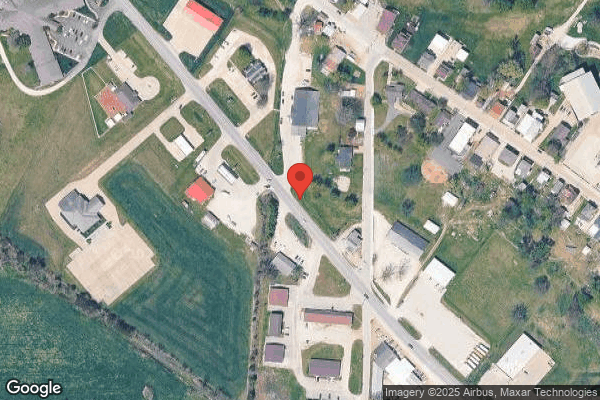

1899 HIGHWAY 63, WESTPHALIA, MO 65085 (573) 455-2280
For profit - Corporation 64 Beds STONEBRIDGE SENIOR LIVING Data: November 2025
Trust Grade
45/100
#306 of 479 in MO
Last Inspection: May 2024

Within standard 12-15 month inspection cycle. Federal law requires annual inspections.

Overview

Stonebridge Westphalia has a Trust Grade of D, indicating it is below average and has some significant concerns. It ranks #306 out of 479 facilities in Missouri, placing it in the bottom half, but it is the only nursing home in Osage County. The facility's performance is worsening, with the number of issues increasing from 2 in 2023 to 7 in 2024. Staffing is rated as average with a 64% turnover rate, which is close to the state average. Although there have been no fines, there are serious concerns, such as a resident suffering a facial fracture due to improper transfer methods, and failures in medication storage and hand hygiene practices that could risk residents' health. Overall, while the nursing home has some favorable aspects like good RN coverage, the increasing number of safety issues is concerning for families considering this facility.

Trust Score
D
45/100
In Missouri
#306/479
Bottom 37%
Safety Record
Moderate
Needs review
Inspections
Getting Worse
2 → 7 violations
Staff Stability
⚠ Watch
64% turnover. Above average. Higher turnover means staff may not know residents' routines.
Penalties
✓ Good
No fines on record. Clean compliance history, better than most Missouri facilities.
Skilled Nurses
○ Average
Each resident gets 36 minutes of Registered Nurse (RN) attention daily — about average for Missouri. RNs are the most trained staff who monitor for health changes.
Violations
⚠ Watch
17 deficiencies on record. Higher than average. Multiple issues found across inspections.
★★☆☆☆
2.0
Overall Rating
★★★☆☆
3.0
Staff Levels
★☆☆☆☆
1.0
Care Quality
★★★☆☆
3.0
Inspection Score
Stable
2023: 2 issues
2024: 7 issues

The Good

  • Full Sprinkler Coverage · Fire safety systems throughout facility
  • No fines on record

Facility shows strength in fire safety.

The Bad

2-Star Overall Rating

Near Missouri average (2.5)

Below average - review inspection findings carefully

Staff Turnover: 64%

18pts above Missouri avg (46%)

Frequent staff changes - ask about care continuity

Chain: STONEBRIDGE SENIOR LIVING

Part of a multi-facility chain

Ask about local staffing decisions and management

Staff turnover is elevated (64%)

16 points above Missouri average of 48%

The Ugly 17 deficiencies on record

1 actual harm
Sept 2024 1 deficiency
CONCERN (E) 📢 Someone Reported This

A family member, employee, or ombudsman was alarmed enough to file a formal complaint

Potential for Harm - no one hurt, but risky conditions existed

Deficiency F0658 (Tag F0658)

Could have caused harm · This affected multiple residents

**NOTE- TERMS IN BRACKETS HAVE BEEN EDITED TO PROTECT CONFIDENTIALITY** Based on observation, interview, and record review, facility staff failed to meet professional standards when staff did not comp...

Read full inspector narrative →
**NOTE- TERMS IN BRACKETS HAVE BEEN EDITED TO PROTECT CONFIDENTIALITY** Based on observation, interview, and record review, facility staff failed to meet professional standards when staff did not complete weekly skin assessments per facility policy, for three residents (Resident #1, #2, and #3) out of three sampled residents. The facility census was 49. 1. Review of the facility's Pressure Injury Prevention and Management Policy, dated October 2018, showed licensed nurses will conduct a full body skin assessment on all residents upon admission/readmission, weekly, and after any newly identified pressure injury. Findings will be documented in the medical record. 2. Review of Resident #1's admission Minimum Data Set (MDS), a federally mandated assessment tool, dated 6/11/24, showed staff assessed the resident as: -Cognitively intact; -Impairment to both upper and lower extremities on both sides; -Substantial/maximal assistance with bed mobility, transfers, and toileting; -Diagnosis of Pressure Ulcer of left buttock unstageable (a type of bed sore that occurs when prolonged pressure on the skin causes tissue loss and prevents blood flow and oxygen from reaching the area), right ankle unstageable pressure ulcer, Deep Tissue Injury (a type of pressure ulcer that occurs when prolonged pressure or shear forces damage the tissues beneath the skin) of left heel, and pressure ulcer of unspecified buttock stage II (partial thickness loss of dermis presenting as a shallow open ulcer with red or pink wound bed, without slough or bruising); -At risk for pressure ulcers with unhealed pressure ulcers. Review of the residents care plan, revised 8/14/24, showed the resident admitted with stage II pressure ulcer to buttocks required daily treatments, an facility acquired pressure ulcer to left heel and buttocks, deep tissue injury to left heel, two pressure ulcer to scrotum, deep tissue injury right ankle, and pressure ulcer to left hip. Interventions included weekly skin and wound assessments until resolved. Review of the resident's medical record, dated 6/6/24 to 9/6/24, showed staff did not complete skin assessment upon admission or weekly. 3. Review of Resident #2's Quarterly MDS, dated [DATE], showed staff assessed the resident as: -Cognitively intact; -Impairment to lower extremities on both sides; -Diagnosis of acute kidney failure, type II Diabetes; -At risk for pressure ulcers. Review of the resident's care plan, revised 8/22/24, showed open areas on top of left swollen hand. Interventions included to treat as ordered and complete weekly skin and wound assessments Review of the resident's medical record from 6/10/24 to 9/6/24 showed staff completed one skin assessment dated [DATE]. Review showed staff did not complete weekly skin assessments or a skin assessment upon readmission. 4. Review of Resident #3's admission MDS, dated [DATE], showed staff assessed the resident as: -Cognitively intact; -Impairment to upper and lower extremities on both sides; -Substantial/maximal assistance for bed mobility; -Diagnosis of pressure ulcer stage II (partial thickness tissue loss), pressure ulcer to left buttock stage III (full thickness tissue loss), pressure ulcer to left ankle stage II, and pressure ulcer of unspecified heel; -At risk for pressure ulcers with unhealed pressure ulcers. Review of the resident's care plan, revised 8/27/24, showed the resident admitted with a pressure to the left heel, stage II coccyx pressue ulcer, and acquired a stage III pressure ulcer to right heel and deep tissue injury to the right foot. Interventions included weekly skin and wound assessments until resolved. Review of the resident's medical record, dated 7/9/24 to 9/6/24 showed staff completed an admission skin assessment on 7/9/24. Review showed staff did not complete weekly skin assessments thereafter. 5. During an interview on 9/6/24 at 1:38 P.M., Licensed Practical Nurse (LPN) D said skin assessments will depend upon the resident but thinks they are completed weekly at this facility. LPN D said he/she works part-time. He/She said if a resident is due to have a skin assessment it will pop up on the Treatment Administration Record (TAR) and it is the only time he/she has completed one. He/She is not aware there are missing skin assessments and does not know who is responsible for making sure they are completed. During an interview on 9/6/24 at 1:47 P.M., the Director of Nursing (DON) said skin assessments are completed upon admission, readmission, and if there are new skin developments. He/She does not know how often the skin assessments are completed and why they are not completed. He/She is new to the position and said it would be the DON's responsibility to make sure they were completed. During an interview on 9/6/24 at 1:57 P.M., LPN E said he/she looks under assessments to see if any are due. He/She does not know who is responsible for making sure they are completed. During an interview on 9/13/24 at 10:45 A.M., the administrator said skin assessments should be completed upon admission, readmission, and weekly. He/She said the DON, Assistant DON, and wound care nurse would be responsible for making sure these are completed. He/She does not know why these have not been completed weekly. MO00241576
May 2024 6 deficiencies
CONCERN (E)

Potential for Harm - no one hurt, but risky conditions existed

Deficiency F0679 (Tag F0679)

Could have caused harm · This affected multiple residents

**NOTE- TERMS IN BRACKETS HAVE BEEN EDITED TO PROTECT CONFIDENTIALITY** Based on interview and record review, facility staff failed to provide an ongoing program of activities designed to meet three (...

Read full inspector narrative →
**NOTE- TERMS IN BRACKETS HAVE BEEN EDITED TO PROTECT CONFIDENTIALITY** Based on interview and record review, facility staff failed to provide an ongoing program of activities designed to meet three (Resident # 5, #13 and #41) out of 13 sampled residents interest on the weekends. The facility census was 50. 1. Review of the facility's policy titled, Life Enrichment Program, dated 10/21, showed this facility will provide an ongoing program to support residents in their choice of activities based on their comprehensive assessment, care plan, and preferences of each resident. Review showed staff were directed to: -Activities will be designed with the intent to enhance the residents sense of well-being, promote or enhance physical activities, promote or enhance cognition, and promote or enhance emotional health; -Events may be conducted in different ways, life enrichment programs to include a combination of large and small groups, one to one, and self-directed as the resident desires to attend; -Events will reflect residents' interest and age, be enjoyable, help the residents to feel useful, provide sense of belonging, reflect cultural and religious interests of the resident, and reflect residents choices. Review of the facility's activity calendar, dated May 2024, showed: -Saturday, 05/04/24; 09:30 A.M., Rosary; -Sunday, 05/05/24; 09:30 A.M., Rosary and 09:45 A.M. Catholic Church Service; -Saturday, 05/11/24; 09:30 A.M., Rosary; -Sunday, 05/12/24; 09:30 A.M., Rosary and 09:45 A.M. Catholic Church Service; -Saturday, 05/18/24; 09:30 A.M., Rosary; -Sunday, 05/19/24; 09:30 A.M., Rosary Communion; -Saturday, 05/25/24; 09:30 A.M., Rosary; -Sunday, 05/26/24; 09:30 A.M., Rosary and 09:45 A.M. Catholic Church Service. 2. Review of Resident #5's Significant Change Minimum Data Set (MDS), a federally mandated assessment tool, dated 01/25/24, showed staff assessed the resident as follows: -Cognitively intact; -Activity preferences to be rery important to do things with groups of people. During an interview on 05/06/24 at 2:30 P.M., the resident said the weekends are dead and there are no activities. He/She said they try to do things to keep themselves busy. The resident said he/she would like to have some activities on the weekends because the weekends drag on. 3. Review of Resident #13's Annual MDS, dated [DATE], showed staff assessed the resident as follows: -Independent for decisions; -Very important to have books, newspapers and magazines to read and keep up with the news, do favorite activities, participate in religious services or practices; -Somewhat important to do things with groups of people. Review of the resident's care plan, dated 04/16/24, showed staff documented the resident will attend one to two group activities per week through next review. Review showed staff documented the resident enjoys bingo, some music, and sometimes other group activities. During an interview on 05/06/24 at 10:50 A.M., the resident said he/she loves activities. He/She said weekends are long without activities unless family comes and visits. He/She said he/she would love if there were activities on the weekends. 4. Review of Resident #41's Annual MDS, dated [DATE], showed staff assessed the resident as follows: -Independent for decisions; -Very important to have books, newspapers and magazines to read and keep up with the news, do favorite activities, to do things with groups of people; -Somewhat important to participate in religious services or practices and listen to music. Review of the resident's care plan, dated 04/16/24, showed staff documented the resident will attend 2-3 activities per week through next review. Said resident enjoys games, some music, some parties, and sometimes other group activities. During an interview on 05/06/24 at 10:30 A.M., the resident said he/she goes to activities during the week. He/She said the facility does not have activities on the weekends. He/She said he/she is not Catholic and does not attend Rosary or Catholic church services. He/She said that he/she is normally in his/her room on the weekend since no activities are happening. 5. During an interview on 05/09/24 at 11:46 A.M., Nurse Aide (NA) E said he/she has seen church on Sunday mornings. He/She said that is all he/she has seen on the weekends. During an interview on 05/09/24 at 11:58 A.M., Certified Medication Tech (CMT) C said he/she has only seen rosary and family visits on the weekends. He/She said that a housekeeper helps on Saturday to turn on rosary and a priest comes in on Sunday to do rosary and Catholic Services. During an interview on 05/09/24 at 12:03 P.M., Registered Nurse (RN) D said he/she does not remember many activities on the weekends. He/She said there is church on Sunday mornings and then family visits on the weekends. He/She said there are not any organized activities on the weekends. During an interview on 05/09/24 at 12:12 P.M., the Activity Director said on the weekend residents have a lot of family visits, so they try to keep activities small. He/She said a Deacon comes in on Sunday morning to do rosary and church service. He/She said packets with coloring sheets and word searches are handed out on Friday afternoons that residents can do on the weekend. He/She said a if resident is not catholic, they can do the packet, puzzles, or read books. He/She said on weekends its usually volunteer lead activities or the housekeeper that will help with rosary in the mornings on the weekend. During an interview on 05/09/24 at 2:26 P.M., the Director of Nursing (DON) said on the weekends the facility has rosary. He/She said he/she is not aware of any staff led activities on the weekends. He/She said if residents are not catholic he/she is not sure what the resident does. During an interview on 05/09/24 at 3:03 P.M., the administrator said there is a lot of family visits on the weekends. He/She said that housekeeping helps set up rosary on the weekends. He/She said that the activity director passes out word searches and coloring pages on Friday afternoons.
CONCERN (E)

Potential for Harm - no one hurt, but risky conditions existed

Deficiency F0847 (Tag F0847)

Could have caused harm · This affected multiple residents

Based on interview and record review, facility staff failed to ensure the arbitration agreement was explained in a form and manner which correctly describes the arbitration process, or the option to d...

Read full inspector narrative →
Based on interview and record review, facility staff failed to ensure the arbitration agreement was explained in a form and manner which correctly describes the arbitration process, or the option to decline the arbitration agreement. The census was 50. 1. Review of the facility's policies showed staff did not provide a policy for Arbitration Agreements. 2. Review of the facility's admission Packet showed a one page Arbitration Agreement did not contain a place to decline arbitration. During an interview on 05/08/24 at 2:12 P.M., the Social Services Director (SSD) said he/she goes over the admission packet with new residents and their family at admission. The SSD said he/she lets them know if they sign, it avoids going to court and cuts on court cost for everyone. The SSD said he/she explains even though they sign and agree to the arbitration, doesn't mean they can't go to court still. He/She said he/she doesn't typically read the arbitration agreement to the resident or residents' family, but tries to explain if they have questions. The SSD said he/she was not aware that the arbitration agreement information mean they could not take matters to court if you sign the agreement. If the resident or family declines the they just dont sign the paper. During an interview on 05/09/24 at 3:20 P.M., the administrator said the residents and their family have the option whether to sign or not sign the arbitration agreement. The administrator said it is the SSD's responsibility during the admission process to explain the form and answer any questions. She was not aware the information was not explained in a form and manner that best describes the process.
CONCERN (E)

Potential for Harm - no one hurt, but risky conditions existed

Deficiency F0919 (Tag F0919)

Could have caused harm · This affected multiple residents

**NOTE- TERMS IN BRACKETS HAVE BEEN EDITED TO PROTECT CONFIDENTIALITY** Based on observation, interview, and record review, facility staff failed to ensure call lights were within reach for three resi...

Read full inspector narrative →
**NOTE- TERMS IN BRACKETS HAVE BEEN EDITED TO PROTECT CONFIDENTIALITY** Based on observation, interview, and record review, facility staff failed to ensure call lights were within reach for three residents (Resident #6, #37, and #42) out of 13 sampled residents. The facility census was 50. 1. Review of the facility's policy titled, Call Light Accessibility and Response, dated 9/21, showed all staff will be educated on the proper use of the resident call system, including how the system works and ensuring resident access to the call light. All residents will be evaluated on how to call for help by using the resident call system. Staff will ensure the call light is within reach of resident and secured, as needed. The call system will be accessible to residents while in their bed or other sleeping accommodations within the resident's room. The call system should be accessible to a resident lying on the floor. 2. Review of Resident #6 Quarterly Minimum Data Set (MDS), a federally mandated assessment tool, dated 02/05/24, showed staff assessed the resident as follows: -Cognitively moderately impaired; -Responds adequately to simple, direct communication only; -No impairment to upper extremities, but impairment on both lower extremities; -Dependent for ADL's and transfers. Review of the resident's care plan, dated 04/16/2024, showed the plan did not direct staff on how to care for the resident or direct staff on where to place call light. Observation on 05/06/24 at 11:07 A.M., showed the resident in his/her wheelchair in his/her room, with the call light attached to his/her lower bedrail not within reach. Observation on 05/07/24 at 9:28 A.M., showed the resident in his/her wheelchair in his/her room, with the call light attached to his/her lower bedrail not within reach. Observation on 05/08/24 at 10:55 A.M., showed the resident in his/her wheelchair in his/her room, with the call light attached to his/her lower bedrail not within reach. 3. Review of Resident #42's Quarterly MDS, dated [DATE], showed staff assessed the resident as follows: -Cognitively Impaired; -Responds adequately to simple, direct communications only; -Upper extremity impairment on one side; -Dependent for activities of daily living (ADL)s and transfers. Review of the resident's care plan, dated 04/16/2024, showed the plan did not direct staff on how to care for the resident or direct staff on where to place call light. Observation on 05/06/24 at 1:36 P.M., showed the resident in his/her broda [NAME](a type of wheelchair that gives patients the ability to tilt and recline) in the middle of his/her room faced opposite of doorway in front of his/her television with his/her call light not within reach. Observation on 05/07/24 at 8:59 A.M., showed the resident in his/her broda chair in the middle of his/her room faced opposite of doorway in front of his/her television with his/her call light not within reach. Observation on 05/07/24 at 10:53 A.M., showed the resident in his/her broda chair in the middle of his/her room faced opposite of doorway in front of his/her television with his/her call light not within reach. Observation on 05/07/24 at 3:46 P.M., showed the resident in his/her broda chair in middle of his/her room faced opposite of doorway in front of his/her television, with the call light not within reach. Resident heard yelled Help. 4. Review of Resident #37's Annual MDS, dated [DATE], showed staff assessed the resident as follows: -Clear comprehension and makes self-understood and understands others; -Severely impaired with making decisions; -No impairment to upper extremities, but impairment to both lower extremities; -Substantial/maximal assistance with ADL's and transfers. Review of the resident's care plan, dated 04/16/2024, showed staff should keep call light within each reach. Observation on 05/06/24 at 10:59 A.M., showed the resident in his/her wheelchair in the middle of his/her room, with the call light on the floor beside the bed. Observation on 05/07/24 at 9:29 A.M., showed the resident in his/her wheelchair in middle of his/her room, with the call light on the floor beside the bed. Observation on 05/07/24 at 2:06 P.M., showed the resident in his/her wheelchair in middle of his/her room, with the call light on the floor beside the bed. Observation on 05/09/24 at 11:31 A.M., showed the resident in his/her wheelchair in middle of his/her room, with the call light on the floor beside the bed. 5. During an interview on 05/09/24 at 11:34 A.M., Certified Nurse Aide (CNA) H said call lights should always be within reach of residents. He/She said he/she clips the call light on the resident. He/She said if the call light is not within reach the resident may need something and the resident can end up in danger if call light not within reach. During an interview on 05/09/24 at 11:50 A.M., Registered Nurse (RN) G said residents should always be given their call light, He/She said he/she shows the resident where the call light is or clips it to them. He/She said if call light is not within reach that the resident could get up and fall. During interview on 5/09/24 at 2:26 P.M., the Director of Nursing said the residents should defiantly have the call light on them and not out of reach. He/She said if call light is not within reach the resident will try and get up and will likely fall. He/She said safety is number one. He/She said all staff should make sure call light is within reach when resident is in room. During interview on 05/09/24 at 3:03 P.M., the administrator said that call lights should always be where the resident can reach them. He/She said that if call lights are not within reach, then the resident would not be able to notify staff if they need something.
CONCERN (F)

Potential for Harm - no one hurt, but risky conditions existed

Deficiency F0761 (Tag F0761)

Could have caused harm · This affected most or all residents

Based on observation, interview, and record review, staff failed to ensure medications were stored in a safe and effective manner, when staff failed to ensure medications were properly labeled and con...

Read full inspector narrative →
Based on observation, interview, and record review, staff failed to ensure medications were stored in a safe and effective manner, when staff failed to ensure medications were properly labeled and contained in their original package until time of administration on two medication carts. Staff failed to ensure multi-dose medications were dated when opened. Staff failed to discard expired medications in one medication room. Staff failed to store time scheduled controlled medications (drug or other substance that may cause addiction) in a separately locked, permanently affixed compartment. The facility census was 50. 1. Review of the facility's Storage of Medication policy, revised 04/2007, showed drugs and biologicals shall be stored in the packaging, containers or other dispensing systems in which they are received. Drug containers that have missing, incomplete, improper, or incorrect labels shall be returned to the pharmacy for proper labeling before storing. Staff shall not use discontinued, outdated, or deteriorated drugs or biologicals. All such drugs shall be returned to the dispensing pharmacy or destroyed. Drugs shall be stored in an orderly manner in cabinets, drawers, carts, or automatic dispensing systems. Each resident's medications shall be assigned to an individual cubicle, drawer, or other holding area to prevent the possibility of mixing medication of several residents; 2. Observation on 05/06/24 at 9:09 A.M., showed the 200 hall medication cart contained an envelope with two pills inside. During an interview on 05/06/24 at 9:09 A.M., CMT I said the medication in the envelope is for a resident who is going out for the day. He/She said he/she plans to give the medication to the resident to take with him/her. He/She said he/she was unsure of what policy was. During an interview on 05/09/24 at 3:04 P.M., the administrator said it is his/her expectation staff should not pre-pop medications. He/She said the risk for pre-popping medications is there is a risk medications are not given timely, medications can get missed, other staff may not know what the medications are. He/She said medications should be kept in their original containers until it is time for them to be given. 3. Observation on 05/06/24 at 9:20 A.M., showed the 100 hall medication cart contained three loose pills. During an interview on 05/06/24 at 9:25 A.M., the administrator said medication carts should be checked at change of shift and staff should be looking for loose pills. He/She said he/she is not sure why this cart has loose pills. 4. Observation on 05/06/24 at 9:20 A.M., showed the 100 hall medication cart contained: -An opened bottle of Milk of magnesia, undated; -An opened bottle of polyethylene glycol 3350 powder (to treat occasional constipation), undated; -An opened bottle of megestrol acetate oral suspension 40 milligram (mg)/milliliter (ml) (used to treat loss of appetite), undated; -An opened bottle of guaifenesin oral solution 100mg (for cough relief), undated; -An opened bottle of Carbamazepine suspension 100mg/5ml (used to treat and manage epilepsy), undated. 5. Observation on 05/08/24 at 10:15 A.M., showed the 100 hall medication cart contained: -An opened bottle of Aspirin 81mg, undated; -An opened bottle of docusate sodium 100mg (used for constipation), undated; -An opened bottle of zinc 50 mg, undated. During an interview on 05/08/24 at 10:29 A.M., CMT F said when opening a new bottle, need to make sure to date the bottle with the open date. He/She said it is important to date bottles when they are opened so he/she is not giving expired medications. During interview on 05/09/24 at 2:26 P.M., the Director of Nursing (DON) said he/she expects staff to date the bottle once opened. He/She said if opened bottles are not dated, then no one knows how long it has been opened or if the medication is any good and they have to be wasted. During an interview on 05/06/24 at 9:25 A.M., the administrator said he/she is working the medication cart in the 100 hall today. It is his/her expectation staff date all medications in the cart when they open them. He/She said he/she does not know why they medications in the 100 medication cart are not dated. He/She said it should be checked at every change of shift. 6. Observation on 05/06/24 at 9:24 A.M., showed the medication room contained: -An expired bottle of aspirin 325 mg; -An expired bottle of magnesium 250 mg; -An expired bottle of cranberry 450 mg; -An expired bottle of vitamin A 3000 microgram (mcg). During an interview on 05/08/24 at 10:29 A.M., CMT F said the CMTs should check for expired medications everyday. He/She said expiration dates should be checked when pulling the bottle from the medication room shelf. He/She said the supply person puts the over the counter medication in the medication room and he/she usually rotates the bottles. During interview on 05/09/24 at 2:26 P.M., the DON said it is the CMTs and nurses' responsibility to check medication room and medication carts for expired medications. He/She said the pharmacy checks the medication cart and medication room once a month to check for expired medication. 7. Observation on 05/06/24 at 9:24 A.M., showed the medication room refrigerator contained two Lorazepam (used to treat anxiety) 2 mg/ml vials in a removable unlocked box. During an interview on 05/06/24 at 9:25 A.M., the administrator said nurses are responsible for maintaining medication rooms. He/She said Lorazepam is a control medication and should be behind two locks. He/She said he/she does not know why it is in there. He/She said it should be in the medication safe.
CONCERN (F)

Potential for Harm - no one hurt, but risky conditions existed

Infection Control (Tag F0880)

Could have caused harm · This affected most or all residents

**NOTE- TERMS IN BRACKETS HAVE BEEN EDITED TO PROTECT CONFIDENTIALITY** Based on observation, interview, and record review, facility staff failed to perform appropriate hand hygiene, and glove changes...

Read full inspector narrative →
**NOTE- TERMS IN BRACKETS HAVE BEEN EDITED TO PROTECT CONFIDENTIALITY** Based on observation, interview, and record review, facility staff failed to perform appropriate hand hygiene, and glove changes during incontinence care for two (Resident #19 and #21) out of two sampled residents. Facility staff failed to perform appropriate hand hygiene, and glove changes during catheter care for one (Resident #4) out of one sampled resident. Facility staff failed to appropriately sanitize a multi-use glucometer (a device for monitoring blood sugars) between use for two residents (Resident #19 and #28) out of four sampled residents to prevent the spread of infection causing contaminants. The facility census was 50. 1. Review of the facility's hand hygiene policy, undated, showed all staff will perform proper hand hygiene procedures to prevent the spread of infection to other personnel, residents, and visitors. Staff will perform hand hygiene when indicated, using proper technique consistent with accepted standards if practice: -Hand hygiene is indicated and will be performed under the conditions listed in, but not limited to, the attached hand hygiene table; -The use of gloves does not replace hand hygiene. If your task requires gloves, perform hand hygiene prior to donning gloves, and immediately after removing gloves; Hand Hygiene Table; -Soap and water; -Hands are visibly dirty; -Hands are visibly soiled with blood or other bodily fluids; -Either soap and water or alcohol based hand rub (ABHR); -Between resident contacts; -After handling contaminated objects; -Before applying or after removing personal protective equipment (PPE), including gloves; -Before or after handling clean or soiled dressings, linens, etc.; -Before performing resident care procedures; -After handling items potentially contaminated with blood, body fluids, secretions, or excretions; -When during resident care, moving from a contaminated body site to a clean body site; -After assistance with personal body functions (e.g., elimination, hair grooming, smoking). Review of the facility's Perineal Care Procedure policy, undated, showed staff are directed to: -Wash perineal area, wiping front to back. (Note: If the resident has an indwelling catheter, gently wash the junction of the tubing from the urethra down the catheter about 3 inches. Gently rinse and dry the area.); -Continue to wash the perineum moving from outward to and including thighs, alternative from side to side, and using downward strokes. Do not reuse the same washcloth -Wash the rectal area thoroughly, -Remove gloves and discard into designated container. Wash and dry your hands thoroughly. 2. Review of Resident #19's Quarterly Mininmal Data Set (MDS), a federally mandated assessment instrument competed by facility staff, dated 05/01/24, showed staff assessed the resident as follows: -Moderate cognitive impairment; -Dependent on staff for toileting and lower body dressing; -Always incontinent of bladder and frequently incontinent of bowel; -Diagnosis of stroke. Observation on 05/07/24 at 11:00 A.M., showed Certified Nursing Aide (CNA) G entered the resident's room to provide perineal care applied gloves and cleaned the resident's front side. With the same soiled gloves, CNA G rolled the resident to their left side and cleaned bowel movement off the resident bottom. CNA G removed his/her soiled gloves, did not perform hand hygiene and applied clean gloves. CNA G assisted the resident to roll onto their right side and wiped feces from the residents left buttock. CNA G continued to wear the same soiled gloves, threw the soiled brief in the trash and placed the residents clean brief and pants on. During an interview on 05/07/24 at 5:22 P.M., CNA G said gloves are supposed to be changed between clean and dirty tasks. CNA G said he/she thought he/she changed hiis/her gloves before putting on the resident's clean brief, and knows he/she should have. 3. Review of Resident #21's Quarterly MDS, dated [DATE], showed the following: -Cognitively intact; -Dependent for toileting hygiene and shower/bathing; -Substantial/maximal assistance for personal hygiene; -Always incontinent or bowel and bladder. Observation on 05/07/24 at 2:10 P.M., CNA J entered the resident's room to perform perineal care. CNA J did not perform hand hygiene before he/she applied gloves. CNA J used the mechanical lift to tarnsfer the resident to his.her bed. CNA J performed perinal care to the resident. With the same soiled gloves, CNA J applied a clean brief underneath the resident, rolled the resident to his/her back, put the residents pants, touch the mechanical lift and remote to lift. CNA J removed his/her soiled gloves, did not perform hand hygiene, applied clean gloves and removed the mechanical lift sling straps. During an interview on 05/15/24 at 9:20 A.M., CNA J said hand hygiene should always be performed before putting gloves on. He/She said gloves should be changed when gloves become soiled. He/She said he/she should perform hand hygiene between removing gloves and before applying new gloves. He/She said hand hygiene should be performed after removing gloves and before leaving the residents room. During an interview on 05/09/24 at 2:26 P.M., the Director of nursing (DON) said it is his/her expectation staff wash their hands or sanitize when they enter the resident's room, anytime contact is made with the resident, when they become visibly dirty, and any time you take gloves off. He/She said to prevent the spread of infectants, he/she said staff should have one staff perform the care and the other staff member hand them the clean care items. He/She said if the gloves come into contact with bodily fluids, they should change them and perform hand hygiene before replacing them. 4. Review of the facility's policy titled, Catheter Care, Urinary, revised 9/2014, showed staff are directed to: -Maintain clean technique when handling or manipulating the catheter, tubing, or drainage bag; -Wash and dry your hands thoroughly; -Put on gloves; -Wash the resident's genitalia and perineum thoroughly with soap and water. Rinse the area well and towel dry; -Remove gloves and discard into the designated container. Wash and dry your hands thoroughly; -Use one area of the washcloth for each downward, cleansing stroke. Change the position of the washcloth with each downward stroke. Next, change the position of the washcloth and cleanse around the urethral meatus. Do not allow the washcloth to drag on the resident's skin or bed linen. With a clean washcloth, rinse with warm water using the above technique; -Use a clean washcloth with warm water and soap to cleanse and rinse the catheter from insertion site to approximately four inches outward; -Discard disposable items into designated containers. Remove gloves and discard into designated container. Wash and dry your hands thoroughly. 5. Review of Resident #4's significant change MDS, dated [DATE], showed the following: -Moderate Cognitive impairment; -Has an indwelling catheter; -Always incontinent of bowel and bladder; -Diagnosis of obstructive uropathy (a disorder of the urinary tract that occurs due to obstructed urinary flow). Observation on 05/07/24 at 2:58 P.M., showed CNA J entered the resident's room to perform perineal and catheter care. CNA J did not perform hand hygiene before he/she applied his/her gloves. CNA J used a clean wipe and cleaned the residents abdomen. With the same soiled wipe, CNA J wiped the residents groin eight times with the same portion of the wipe. CNA J used a clean wipe, cleaned the resident's left groin four times with the same portion of the wipe before he/she discarded it into the trash. CNA J wiped down the center of the resident's front side four times with the same portion of the wipe before he/she discarded it into the trash. CNA J wiped down the center of the resident's front side and then with the same portion of the wipe he/she wiped up and down the catheter tubing. CNA J wiped down the resident's front side and with the same wipe, he/she wiped the resident's abdomen and thigh before he/she dicarded it in the trash. CNA J did not perform hand hygeine after he/she removed his/her gloves or before he/she gave the resident a drink. CNA J applied gloves without performing hand hygiene and wiped the residents back side five different times with the same portion of the wipe before he/she discarded it into the trash. CNA J again wiped the residents back side five different times with the same portion of the wipe before he/she discarded it into the trash. CNA J wiped the residents back side nine different times with the same portion of the wipe before he/she discarded it into the trash. During an interview on 05/15/24 at 9:20 A.M., CNA J said hand hygiene should always be performed before putting gloves on. He/She said when performing peri care he/she should wipe once in one spot and get new wipe for another spot. He/She said to wipe front to back and clean to dirty. He/She said when cleaning catheter tubing always wipe from base outward from the body. He/She said it is a risk for infection if using same wipe in same spot and wiping in the wrong direction. He/She said he/she was in a hurry that day to get the resident to hospital and knew he/she had messed up and forgot to perform correct hand hygiene. During an interview on 05/09/24 at 2:26 P.M., the DON said it is his/her expectation that his/her staff perform perineal care, and then hand hygiene and glove changes prior to initiating catheter care. He/She said failure to perform hand hygiene and glove changes can introduce bacteria into the catheter and can cause infection. He/She said he/she expects staff to wipe away from the urethra and to only use one wipe per swipe. During an interview on 05/09/24 at 3:04 P.M., the administrator said she expects staff to perform perineal care before they do any catheter care. She expects them to change gloves and perform hand hygiene before they start the catheter care. She expects staff to wipe away from the body and down the tube. She said staff should only use one clean wipe per swipe and throw it away. She said staff should never wipe the catheter tubing with a dirty wipe because it could introduce bacteria. 6. Review of the facility's policies showed staff did not provide a policy for cleansing and disinfecting multi-use glucometers. Review of the multi-use blood glucose monitor system manufractures manual, undated, showed the disinfection procedure is needed to prevent the transmission of blood-borne pathogens. A variety of the most commonly used Environmental Protection Agency (EPA) registered wipes have been tested and approved for cleaning and disinfecting of the multi-use blood glucose monitoring system. The disinfectant wipes listed below have been shown to be safe for use this meter: -Clorox Germicidal Wipes; -Dispatch Hospital cleaner Disinfectant Towels with Bleach; -Super Sani-Cloth Germicidal Disposable Wipes; -CaviWipes1. -After disinfection, the user's gloves should be removed and thrown away. Wash hands before proceeding to the next patient. 7. Observation on 05/08/24 at 5:45 A.M., showed Licensed Practical Nurse (LPN) C obtained Resident #19's blood sugar with the multi-use glucometer, removed gloves, exited the room, and did not perform hand hygiene. The LPN placed the glucometer on the medication cart without a barrier, got supplies together, and wiped the multi-use glucometer with alcohol wipes. The LPN did not use the disinfectant wipes shown to be approved for the meter. During an interview on 05/08/24, at 5:58 A.M., LPN C said he/she can use alcohol to clean the glucometer. During an interview on 05/09/24 at 1:45 P.M., the Infection Preventionist (IP) said there are at least two glucometers on the cart and staff are to rotate them, while one is disinfecting, they use the other one. The IP said alcohol is not appropriate to clean or disinfect glucometers, their wipes used specificity for the cleaning and disinfecting of glucometer. During an interview on 05/09/24 at 2:35 P.M., the DON said glucometers need to be cleaned between residents, if clean with alcohol and then needs to be disinfected afterwards with the appropriate wipes for 3-5mins. The DON said he/she expects wipes to be in addition to alcohol. The DON said hands should be washed before and after blood sugars. During an interview on 05/09/24 at 3:04 P.M., the administrator said she expects staff to use two glucometers when performing blood sugar checks. She said after taking the residents blood sugar she expects staff clean the glucmeter then place on a barrier wrapped in a sani wipe for three minutes.
MINOR (C)

Minor Issue - procedural, no safety impact

Deficiency F0575 (Tag F0575)

Minor procedural issue · This affected most or all residents

Based on observation, interview and record review, facility staff failed to post, in a form and manner accessible to the residents and resident representative, the required telephone number to the Dep...

Read full inspector narrative →
Based on observation, interview and record review, facility staff failed to post, in a form and manner accessible to the residents and resident representative, the required telephone number to the Department of Health and Senior Services (DHSS) hotline (to report allegations of abuse and neglect), or a list of names, addresses, and phone numbers of the State Survey Agency (SSA). The census was 50. 1. Review of the facility's Facility Postings Policy, dated October 2017, showed the facility will post required postings in an area accessible to all staff and residents. The facility posting include a list of names, addresses (mailing and email), and telephone numbers of all pertinent State Agencies and advocacy groups to include but not limited to: -State Survey Agency; -Adult Protective Services. 2. Observation of the facility on 05/06/24 through 05/09/24, showed the facility did not post the name, address and toll free telephone number for the DHSS Abuse and Neglect Hotline or the SSA information in a form and manner accessible to residents or visitors. During an interview on 05/09/24 at 11:45 A.M., Resident #56 said he/she did not know where the hotline number is posted. He/She has not been told where it's posted and he/she has not seen it anywhere. During an interview on 05/09/24 at 11:50 A.M., Resident #40 said the hotline number is not posted anywhere but it should be. During an interview on 05/09/24 at 1:40 P.M., Certified Medication Technician (CMT) I said he/she did not know if the abuse and neglect hotline number is posted visibly anywhere. He/She said there is a policy book behind the nurse's station and they believe the number is in the book. During an interview on 05/09/24 at 1:50 P.M., the Social Service Designee (SSD) said he/she thought it was posted in the dining room. The SSD said he/she was not able to find it posted anywhere. The SSD said the abuse and neglect hotline information should be posted for residents, family and staff to see, but he/she is not sure why it is not. During an interview on 05/09/24 at 3:15 P.M., the Director of Nursing (DON) said she did not know the required information was not posted. The DON said it should be posted visible for everyone to see, family, residents and staff. During an interview on 05/09/24 at 3:16 P.M., the administrator said the SSD is responsible making sure the information is posted. The administrator said is not why the required hotline information was not posted, but she would expect it to be visible for everyone to see.
Oct 2023 1 deficiency 1 Harm
SERIOUS (G) 📢 Someone Reported This

A family member, employee, or ombudsman was alarmed enough to file a formal complaint

Actual Harm - a resident was hurt due to facility failures

Accident Prevention (Tag F0689)

A resident was harmed · This affected 1 resident

**NOTE- TERMS IN BRACKETS HAVE BEEN EDITED TO PROTECT CONFIDENTIALITY** Based on observation, interview, and record review, facility staff failed to transfer three residents (Residents #1, #2 and #3) ...

Read full inspector narrative →
**NOTE- TERMS IN BRACKETS HAVE BEEN EDITED TO PROTECT CONFIDENTIALITY** Based on observation, interview, and record review, facility staff failed to transfer three residents (Residents #1, #2 and #3) in a safe manner, when staff did follow the facility's policy and procedures for the mechanical lift, which resulted with one resident (Resident #1) with fracture of facial bones and laceration of the head. The facility census was 50. 1. Review of the mechanical lift owner's manual, dated June 2015, showed staff are to move lift so that it is positioned directly over the individual and utilize leg opening function if required. Attach the straps of the sling to the hooks of the carry bar. Be sure to double check to ensure the straps are properly attached to the carry bar, and the individual is properly positioned in the sling prior to lifting. Observation on 10/12/23 at 10:48 A.M., showed a sign on the mechanical lift directed two staff required for the mechanical lift transfer. 2. Review of Resident #1's Quarterly Minimum Data Set (MDS), a federally mandated assessment tool, dated 07/30/23, showed staff assessed the resident as follows: -Cognitively intact; -Dependent on a staff for transfers from bed to chair, transferring from chair bed and transferring to toilet; -Weighs 215 pounds; -Always incontinent of bowel and bladder; -Used a manual wheelchair; -Diagnoses of Heart Failure (a chronic condition in which the heart doesn't pump blood as well as it should), Cerebral Palsy (impaired muscle coordination typically caused by damage to brain before or during birth), Hemiplegia (paralysis of one side of the body), Epilepsy (neurological disorder marked by sudden and recurrent episodes of sensory disturbance, loss of consciousness, associated with abnormal electrical activity in the brain). Review of the resident's plan of care, revised 10/11/23, showed staff assessed the resident used a mechanical lift with all transfers and required two staff to assist for all transfers. Review of resident's progress note, dated 10/10/23, showed Registered Nurse (RN) E documented CNA F reported to him/her the resident was on the floor. The CNA and RN were going down the 100 hall and heard the Director of Nursing (DON) yell, I need help, call 911. RN E entered the room to see the resident lay face down on the floor with the DON at his/her side, with a pool of blood at the resident's head. The DON said he/she could not tell where the blood was coming from. RN E ran across the hall for a wash rag and called 911 on his/her own cell phone. RN E handed the rag to the DON and left the room to get the treatment cart. The DON told the resident he/she needed to roll the resident over and the resident said okay. Nursing staff performed neurological assessments with conversation to the resident who voiced pain with the rolling over and of being on the floor. Two aides, DON and RN E rolled the resident to his/her back. Staff assessed the resident had a laceration on his/her forehead and left brow evident. Blood covered the left side of the resident's face. Emergency Medical Staff (EMS) was informed resident was on coumadin (blood thinner). Review of the resident's hospital record showed on 10/10/23, the hospital staff documented the resident with an unspecified fracture of facial bones and laceration without foreign body of other part of head. Review of the Hospital Discharge paperwork, dated 10/10/23, showed the hospital treated the resident for facial bone fracture and facial laceration. Further review showed cuts on the resident's face were closed with stitches. Review of the resident's Physician Order Sheet (POS), dated 10/11/23, showed staff were directed to apply icepack to forehead three times daily to lesson swelling and bruising, use hairnet to hold in place for 20 minutes at a time, related to injury to face. Further review showed staff were directed to gently cleanse the forehead and left eye with Vashe (wound cleanser) and apply layer of petroleum jelly daily, for skin care related to injury of face. Observation on 10/12/23 at 10:30 A.M., showed the resident's left eye and forehead dark purple, a laceration with sutures on left eyebrow and a semi-circular laceration sutured on the forehead. The resident's right eye was light purple and swollen. During an interview on 10/12/23 at 10:35 A.M., the resident said CNA F completed the transfer by himself/herself, but they usually do it with two staff members. The resident said the staff member was lifting him/her in the mechanical lift and he/she fell out. The resident said staff are supposed to have two staff to assist with his/her transfers, but he/she guessed the other aide wasn't there. During an interview on 10/12/23 at 11:22 A.M., CNA F said he/she was getting the resident ready for shower and got the resident on mechanical lift pad in bed. The CNA said RN E was going to come help him/her and then the RN got busy. The CNA said, I got impatient, so he/she used the mechanical lift and lifted the resident out of bed by himself/herself. The CNA said, I knew I was not supposed to do that and was supposed to use two staff with mechanical lift transfer. The CNA said he/she had received mechanical lift training and in-services about mechanical lift transfers before the incident happened. The CNA said he/she pulled the mechanical lift back and thought the lift sling broke, but the administrator said the lift sling didn't break. He/She said he/she must have not gotten it clipped all the way. The CNA said the resident fell on his/her face first and hit his/head, and there was blood everywhere. The CNA said he/she went and got the Director of Nursing (DON). The CNA said he/she did not normally do mechanical transfers with one staff. He/She had a long list of showers and he/she was just trying to get them done. The CNA said he/she had been doing mechanical lift transfers on residents with one staff, and he/she knew it is wrong. The CNA said the DON told him/her not to do the transfers by himself/herself. During an interview on 10/12/23 at 12:37 P.M., the administrator said CNA F did the mechanical lift transfer by himself/herself. The administrator said he/she believed the CNA got in a hurry and was tired of waiting for the DON. The administrator said the CNA knew better, he/she believed the CNA got impatient. The administrator said the hospital reported the resident had bilateral fractures and they sutured his/her forehead and eyebrow. The administrator said the lift sling had not broken and nothing was wrong with the mechanical lift device. During an interview on 10/13/23 at 3:25 P.M., the DON said staff were getting resident's up and he/she had to go get a battery for another mechanical lift. The DON said he/she saw CNA F at the nurse's station and he/she went to the resident's room. The DON said when he/she went into the resident's room, the resident lay face down, with blood everywhere. The DON said he/she saw three parts of the sling attached and one part hanging down. The DON said the sling was not broken. The DON said he/she told the CNA he/she was never supposed to do mechanical lift with one staff. The DON said the CNA had been trained on using two staff for mechanical lift transfers before the incident. The DON said the CNA did not say why he/she lifted the resident by himself/herself. The DON said the CNA made a poor choice and the resident got harmed. 3. Review of Resident #2's Quarterly MDS, dated [DATE], showed staff assessed the resident as follows: -Moderate cognitive impairment; -Dependent on a staff members for transfers from bed to chair, chair to bed and to toilet; -Always incontinent of bowel and bladder; -Uses a manual wheelchair; -Diagnoses of Coronary Artery Disease, Heart Failure, Hypertension, Peripheral Vascular Disease (a systemic disorder that involves the narrowing of peripheral blood vessels ) and Dementia (progressive or persistent loss of intellectual functioning, especially with impairment of memory and abstract thinking, resulting from organic disease of the brain). Observation on 10/12/23 at 12:58 P.M., showed Nurse Aide (NA) A and Licensed Practical Nurse (LPN) B entered the resident's room with a mechanical lift. Observation showed an instruction card which instructed staff to widen base for transfers of residents. The NA widened the base and placed the mechanical lift over the resident in a broda chair (chair that gives the resident the ability to tilt and recline in place). The NA used the mechanical lift and raised the resident into the air and backed away from the broda chair. The NA propelled the mechanical lift forward, towards the lowered bed and the mechanical lift hit the bed frame and then stopped. The resident was still suspended in air above tile floor, and the NA closed the base of the mechanical lift and propelled it forward to place the legs of the mechanical lift under the bed. The NA then lowered resident to the bed with the base closed. During an interview on 10/24/23 at 1:41 P.M., the NA said it takes two staff to complete a mechanical lift. The NA said staff should constantly have mechanical lift legs open, during a transfer of a resident. The NA said he/she had to close the mechanical lift legs to be able to get them under the resident's bed. The NA said the resident's bed will go up and down. The NA said the resident's bed was in the low position. The NA said putting the mechanical lift legs in during a transfer, would risk tilting the mechanical lift over. The NA said he/she had recently had a mechanical lift safety in-service. 4. Review of Resident #3's Significant Change MDS, dated [DATE], showed staff assessed the resident as follows: -Severe cognitive impairment; -Dependent on a staff members for transfers from bed to chair, chair to bed and to toilet; -Always incontinent of bowel and bladder; -Used a manual wheelchair; -Diagnoses of Heart Failure, Hypertension, Peripheral Vascular Disease, Cerebrovascular Accident and Dementia. Observation on 10/12/23 at 1:14 P.M., showed CNA C and CNA D entered the resident's room with the mechanical lift. Observation showed an instruction card which instructed staff to widen the base for transfers of residents. The resident sat in his/her broda chair. CNA C controlled the lift and propelled the mechanical lift legs under the resident's broda chair from the side. CNA C and CNA D attached the sling straps to the carry bar of mechanical lift. CNA C lifted the resident from the broda chair, CNA D removed the broda chair and the resident remained suspended in the air with mechanical lift legs still in the closed position. CNA C turned the mechanical lift at an 180 degrees to face the resident's bed with the legs of the mechanical lift legs closed. Observation showed the resident's bed in the high position. CNA C then propelled the resident forward in the mechanical lift until the legs of the mechanical lift legs were fully under the bed. CNA D did not support or have hands on the resident, to stabilize the resident, during the 180 degree turn. CNA C then completed the transfer, as he/she lowered the resident to the bed. During an interview on 10/12/23 at 1:22 P.M., CNA C said staff are supposed to open the legs of the mechanical lift when turning resident in the lift. The CNA said he/she knew he/she did not open the legs to the lift during the transfer. The CNA said he/she wasn't thinking, he/she thought about it, right after the transfer. The CNA said a mechanical lift can tip over, if staff don't open the legs, with the weight of the lift and the resident. The CNA said the instruction card was right in front of him/her. During an interview on 10/12/24 at 1:25 P.M., CNA D said he/she did not think about opening the mechanical lift legs. The CNA said right after the transfer, he realized they forgot to open the legs. The CNA said the weight could tilt the mechanical lift over. 5. During an interview on 10/12/24 at 2:02 P.M., the administrator said staff should open the mechanical lift legs for the entire transfer of a resident. During an interview on 10/13/24 at 3:25 P.M., the DON said during a mechanical lift transfer of a resident, staff should open the base of the mechanical lift. MO00225696
Feb 2023 1 deficiency
CONCERN (D) 📢 Someone Reported This

A family member, employee, or ombudsman was alarmed enough to file a formal complaint

Potential for Harm - no one hurt, but risky conditions existed

Notification of Changes (Tag F0580)

Could have caused harm · This affected 1 resident

Based on interviews and record review, facility staff failed to notify the family/resident representative in a timely manner of a change in condition, to include slurred speech, incoherent behavior, a...

Read full inspector narrative →
Based on interviews and record review, facility staff failed to notify the family/resident representative in a timely manner of a change in condition, to include slurred speech, incoherent behavior, and altered cognition for one resident (Resident #1). The facility census was 54. 1. Review of the facility's Change in a Resident's Condition or Status policy, revised May 2017, showed a facility representative will notify the resident, his/her family, or representative when there is a change in the resident's level of care status. 2. Review of Resident #1's significant change Minimum Data Set (MDS), a federally mandated assessment tool used to plan care, dated 1/26/22, showed staff assessed the resident as follows: -Severe cognitive impairment; -Diagnosis of Diabetes Mellitus (a group of diseases that result in too much sugar in the blood, high blood glucose), and manic depression (a disorder associated with episodes of mood swings ranging from depressive lows to manic highs). Review of the resident's nurses notes, dated 2/17/23, showed staff documented, they assessed that morning the resident had slurred speech, was only oriented to self, and had smeared tooth paste all over his/her face. Staff notified the resident's physician who gave new orders to stop hydrocodone (narcotic pain medication) and Prednisone (steroid). Review showed staff did not document they notified the resident's responsible party/family regarding the assessed changed in condition to the resident or the medication order changes. During an interview on 2/23/23 at 12:15 P.M., the Director of Nurses (DON) said he/she would expect staff to call the family anytime they identified a change in condition with a resident to include slurred speech, change in cognition, and incoherent behaviors. During an interview on 2/23/23 at 12:30 P.M., the Administrator said the family and physician should be notified with any change in clinical status per the policy. He/She said that he/she would have expected the family to be notified when the resident was identified with a change in condition. During an interview on 2/24/23 at 1:49 P.M., LPN C said that he/she had not notified the family when he/she identified the resident had a change in condition but that he/she should have. LPN C said, I am not sure why I did not notify the resident's family, I must have just got pulled away, but I should have followed up and didn't. MO00214254
Dec 2022 7 deficiencies
CONCERN (E)

Potential for Harm - no one hurt, but risky conditions existed

Deficiency F0727 (Tag F0727)

Could have caused harm · This affected multiple residents

Based on staff interview and record review, the facility failed to ensure full time employment of a Director of Nursing (DON) since 9/26/22. The facility census was 54. 1. Review of the facility's Di...

Read full inspector narrative →
Based on staff interview and record review, the facility failed to ensure full time employment of a Director of Nursing (DON) since 9/26/22. The facility census was 54. 1. Review of the facility's Director of Nursing Services policy, revised August 2006, showed the following: - The Nursing services department is managed by the Director of Nursing Services. The Director is a Registered Nurse (RN), licensed by this state, and has experience in nursing service administration, rehabilitative and geriatric nursing; - The Director is employed full-time (40 hours per week). Review of the facility's Director of Nursing job description, undated, showed the following: - Interviews, hires, and trains employees; - Oversees facility in absence of higher-ranking management officials; - Maintains administrative authority, responsibility and accountability for the clinical team; - Investigate falls and allegations of abuse. Review of the Facility Assessment, last reviewed 4/28/22, showed the facility uses an infection control and antibiotic stewardship program developed by Pathways. The Quality Assurance and Process Improvement (QAPI) program team analyzes and reviews the data quarterly. Between quarterly QAPI meetings, the DON analyzes the data and develops plans of action as needed to address the issues. Review of the facility's payroll data for the period of 9/25/22 through 12/03/22, showed RN T as being paid as the DON. Review of a handwritten timeline of staff employed as DON, provided by the administrator, showed RN T filled the position from 4/11/22 through the current survey. During an interview on 11/30/22 at 8:38 A.M., the administrator said RN T was the DON and he/she just stepped down and is working the floor as charge nurse. The Minimum Data Set (MDS) coordinator is acting as DON and MDS coordinator. During an interview on 12/01/22 at 10:47 A.M., the administrator said he/she and the MDS coordinator are responsible for DON duties because the facility does not have a full time DON. During an interview on 12/02/22 at 7:42 A.M., Certified Nursing Assistant (CNA) A said they do not have a DON right now, the MDS coordinator is acting as the DON, and it has been a month or two since the last official DON, who stepped down to be a charge nurse only. During an interview on 12/02/22 at 7:53 A.M., CNA I said he/she was not sure who the DON is, most of the time he/she lets the Assistant Director of Nursing (ADON) know of concerns. During an interview on 12/02/22 at 8:07 A.M., Certified Medication Technician (CMT) M said he/she did not think the facility has a DON since the start of November 2022. During an interview on 12/02/22 at 10:21 A.M., the MDS coordinator said he/she has not been told he/she is the interim DON. The MDS coordinator said he/she filled the role of interim DON in the past, but not currently. He/She believes the DON stepped down about a month ago, but was not sure of the exact time. The MDS coordinator said he/she monitors the clinical side of the DON responsibilities, and the administrator does the rest. He/She said the ADON, who is a Licensed Practical Nurse (LPN), also assists him/her with the DON responsibilities. The MDS coordinator said the DON normally completes annual reviews of nursing staff, and he/she has not done a lot of that. He/She further said usually the DON interviews for new hires, but the administrator is doing that now. The MDS coordinator said he/she and the ADON monitor the performance of nursing staff and complete daily rounds and weekly grand rounds. During an interview on 12/02/22 at 10:34 A.M., the administrator said RN T moved to the floor as a charge nurse in mid-November, but was unable to provide an exact date. The administrator said RN T and the MDS coordinator are sharing DON responsibilities, and staff should know to go to the MDS coordinator if they need anything. He/She said he/she is responsible for hiring staff and setting up their schedules, and the Business Office Manager completes their orientation checklist. The administrator said he/she is responsible for investigating abuse and neglect allegations and falls, and talks to the MDS coordinator or ADON for feedback. During an interview on 12/06/2022 at 11:39 A.M., RN T said he/she submitted his/her resignation from the DON position on 8/26/2022 and returned to floor nursing on 9/26/2022. He/She also said he/she only performs floor nursing duties and is not performing any DON duties.
CONCERN (E)

Potential for Harm - no one hurt, but risky conditions existed

Deficiency F0761 (Tag F0761)

Could have caused harm · This affected multiple residents

**NOTE- TERMS IN BRACKETS HAVE BEEN EDITED TO PROTECT CONFIDENTIALITY** Based on observation, interview, and record review, facility staff failed to store and label medication in a safe and effective ...

Read full inspector narrative →
**NOTE- TERMS IN BRACKETS HAVE BEEN EDITED TO PROTECT CONFIDENTIALITY** Based on observation, interview, and record review, facility staff failed to store and label medication in a safe and effective manor in one of one medication storage rooms and in one of one medication storage carts. The facility census was 54. 1. Review of the facility's Storage of Medications policy dated, [DATE], showed the facility shall not use discontinued, outdated, or deteriorated drugs or biologicals. All such drugs shall be returned to the dispensing pharmacy or destroyed. Observation on [DATE] at 9:03 A.M., showed the 100 and 200 hall medication storage room contained: -Two 90 tablet bottles of 24 hour Loratadine 10 ml, with an expiration date of 11/22; -Two 100 capsule bottles of Vitamin E 90 mg, with an expiration date of 11/22. Observation on [DATE] at 9:25 A.M., showed the 100 hall medication cart contained: -One loose yellow tablet with a L stamped on it; -One loose brown tablet with 44291 stamped on it; -Two orange tablets with PC1 stamped on it; -One white tablet with 54612 stamped on it ; -One [NAME] tablet with 250 stamped on it; -One pink tablet with L200 stamped on it; -One Benefiber supplement bottle with an expiration date of 11/22. During an interview on [DATE] at 8:18 A.M., Certified Medical Technician (CMT) H said expired medication should be destroyed with a second staff present. Loose medications found are shown to the charge nurse so they can destroy them. During an interview on [DATE] at 8:23 A.M., CMT M said out of date medication should be destroyed or sent back to the pharmacy. Loose medications should be destroyed. During an interview on [DATE] at 8:30 A.M., the assistant director of nursing said out of date medications or loose medication should be destroyed. During an interview on [DATE] at 9:20 A.M., the administrator said out of date medications should be removed and destroyed. Loose medications should also be removed and destroyed.
CONCERN (E)

Potential for Harm - no one hurt, but risky conditions existed

Deficiency F0883 (Tag F0883)

Could have caused harm · This affected multiple residents

**NOTE- TERMS IN BRACKETS HAVE BEEN EDITED TO PROTECT CONFIDENTIALITY** Based on interview and record review, facility staff failed to maintain and follow current guidance and procedures for immunizat...

Read full inspector narrative →
**NOTE- TERMS IN BRACKETS HAVE BEEN EDITED TO PROTECT CONFIDENTIALITY** Based on interview and record review, facility staff failed to maintain and follow current guidance and procedures for immunizations of residents against pneumococcal (infection caused by bacteria) pneumonia in accordance with national standards of practice for five (Residents #3, #7, #16, #18 and #25) out of five sampled residents. The facility census was 54. 1. Review of the facility's Pneumococcal Vaccine Program policy, undated showed the following: -The pneumococcal vaccine program as recommended by the Centers for Disease Control and Prevention (CDC) varies for patients by age group. The recommendations were updated in 2016; -In 2016 there are two pneumococcal vaccines available for use in the United States; PCV13 and PPSV23; -Adults [AGE] years old or older who have already received a dose of PPSV23, should also receive a dose of PCV13 a year or more later; 2. Review of the U.S. Department of Health and Human Services - CDC, pneumococcal and influenza vaccine timing for adults, dated 4/01/2022, showed the following: -Four types of pneumonia vaccines are acceptable for adults 65 years or older. PCV13: 13-valent pneumococcal conjugate vaccine (Prevnar13), PCV15: 15-valent pneumococcal conjugate vaccine (Vaxneuvanc), PCV20: 20-valent pneumococcal conjugate vaccine (Prevnar20), and PPSV23: 23-valent pneumococcal polysaccharide vaccine (Pneumovax); -For those who previously received PPSV23 but who have not received any pneumococcal conjugate vaccine (e.g., PCV13, PCV15, PCV20) you may administer one dose of PCV15 or PCV20. -Regardless of which vaccine is used (PCV15 or PCV20): - The minimum interval is at least 1 year. - Their pneumococcal vaccinations are complete. 3. Review of Resident #3's medical record showed: -admission date of 2/12/2021; -Age: 87; -received the Pneumovax (PPSV23) vaccine on 3/4/2016; -The record did not contain documentation the resident received, refused, or was offered the pneumococcal vaccine one year after receiving Pneumovax. 4. Review of Resident #7's medical record showed: -admission date of 9/21/2016; -Age: 96; -received the Pneumovax (PPSV23) vaccine on 11/9/2016 ; -The record did not contain documentation the resident received, refused, or was offered the pneumococcal vaccine one year after receiving Pneumovax. 5. Review of Resident #16's medical record showed: -admission date of 1/06/2021; -Age: 66; -received the Pneumovax (PPSV23) vaccine on 5/1/2019; -The record did not contain documentation the resident received, refused, or was offered the pneumococcal vaccine one year after receiving Pneumovax. 6. Review of Resident #18's medical record showed: -admission date of 6/30/2021; -Age: 101; -received the Pneumovax (PPSV23) vaccine on 4/5/2016 ; -The record did not contain documentation the resident received, refused, or was offered the pneumococcal vaccine one year after receiving Pneumovax. 7. Review of Resident #25's medical record showed: -admission date of 8/25/2021; -Age: 92; -received the Pneumovax (PPSV23) vaccine on 3/12/2012; -The record did not contain documentation the resident received, refused, or was offered the pneumococcal vaccine one year after receiving Pneumovax. 8. During an interview on 12/01/22 at 9:36 A.M., the Minimum Data Set (MDS) Coordinator said the Assistant Director of Nursing (ADON) is responsible for resident flu and pneumonia vaccinations. He/She said when a resident is admitted the ADON will gather and review vaccination information. He/She said when a resident turns 65 they need pneumonia vaccination status addressed again. During an interview on 12/01/22 at 9:45 A.M., the ADON said he/she received the new guidelines for pneumonia vaccines a few weeks ago but he/she hasn't had a chance to review yet. He/She said the pneumonia vaccination recorded in the electronic health record is the current vaccination. During an interview on 12/02/22 at 8:27 A.M., the administrator said the ADON is responsible for resident pneumonia vaccinations. He/She said the ADON monitors vaccination dates to ensure vaccinations are current.
CONCERN (F)

Potential for Harm - no one hurt, but risky conditions existed

Food Safety (Tag F0812)

Could have caused harm · This affected most or all residents

Based on observation, interview and record review, the facility staff failed to perform hand hygiene as often as necessary using approved techniques to prevent cross-contamination. The facility census...

Read full inspector narrative →
Based on observation, interview and record review, the facility staff failed to perform hand hygiene as often as necessary using approved techniques to prevent cross-contamination. The facility census was 54. 1. Review of the facility's Glove and Hand Washing Procedures policy, dated 2011 and posted in the kitchen, showed the policy directed staff to wash their hands upon entering the kitchen from any other location, after all breaks, between all tasks, before and after handling foods, and after touching any part of the uniform, face, or hair. Review also showed the policy directed staff to turn off the faucet with a paper towel after they wash their hands. Observation on 11/29/22 at 9:47 A.M., showed Dietary Aide (DA) N washed his/her hands at the handwashing sink and then turned the faucet off with his/her wet bare hands. Observation also showed [NAME] P washed his/her hands at the handwashing sink. Observation showed the cook turned the faucet off with a paper towel and then used the same paper towel to dry his/her hands before he/she continued to prepare food items for service at the noon meal. Observation on 11/29/22 at 9:52 A.M., showed DA N reentered kitchen and washed his/her hands at the handwashing sink. Observation showed the DA turned the faucet off with his/her wet bare hands and then continued to perform kitchen tasks. Observation on 11/29/22 at 10:49 A.M., showed [NAME] P washed his/her hands at the handwashing sink. Observation showed the cook turned the faucet off with a paper towel and then used the same paper towel to dry his/her hands before he/she continued to prepare food items for service at the noon meal. Observation on 11/29/22 at 11:04 A.M., showed DA O washed his/her hands at the handwashing sink. Observation showed the DA turned the faucet off with his/her wet bare hands and then assisted with preparation of food trays for meal service. Observation on 11/29/22 at 11:39 A.M., showed [NAME] P washed his/her hands at the handwashing sink. Observation showed the cook turned the faucet off with a paper towel and and then used the same paper towel to dry his/her hands before he/she returned to the steamtable to continue meal service. During an interview on 11/29/22 at 11:41 A.M., the [NAME] P said staff are to turn the faucet off with a paper towel so you do not get your hands dirty again. The cook said once the paper towel touches the faucet then it would be considered dirty too and he/she did not think about the paper towel being dirty when he/she used it to dry his/her hands. Observation on 11/29/22 at 12:31 P.M., showed DA O washed soiled dishes at the mechanical dishwashing station and then washed his/her hands at the handwashing sink. Observation showed the DA turned the faucet off with his/her wet bare hands, poured him/herself a drink from the reach-in refrigerator, took a drink and then, without performing hand hygiene, put away sanitized dishes from the clean side of the station. Observation on 11/29/22 at 12:36 P.M., showed [NAME] Q washed his/her hands at the handwashing sink. Observation showed the cook turned the faucet off with his/her wet bare hands and then continued to prepare food for service to residents at the meal. Observation on 11/29/22 at 12:43 P.M., showed DA O washed soiled dishes at the mechanical dishwashing station. Observation showed, without performing hand hygiene, the DA put away sanitized dishes from the clean side of the station. Observation on 11/29/22 at 12:52 P.M., showed DA O washed soiled dishes at the mechanical dishwashing station and then washed his/her hands at the handwashing sink. Observation showed the DA turned the faucet off with his/her wet bare hands and then put away sanitized dishes from the clean side of the station. During an interview on 11/29/22 at 12:55 P.M., DA O said he/she had not been trained on handwashing procedures, but staff should wash their hands between doing dirty and clean things, which would include washing dishes. The DA said after hands are washed, staff should turn off the faucet with their hands and no had ever told him/her that he/she could not use his/her bare hands to turn off the faucet. During an interview on 11/29/22 at 1:00 P.M., the Dietary Manager (DM) said staff are expected to wash their hands in accordance with the facility policy and staff should be trained on handwashing procedures by their trainer. The DM said staff should wash their hands when they come in the kitchen and between handling dirty and clean dishes. The DM said staff should turn the faucet off with anything other than their bare hands after they wash their hands and staff should not use the same paper towel they used to turn off the faucet to dry their hands. Interview on 11/29/22 at 1:12 P.M., the administrator said all staff are trained on handwashing procedures upon hire during their orientation. The administrator said staff should wash their hands every time they touch something dirty before they touch anything clean. The administrator said staff should turn the faucet off with a paper towel after they wash their hands and they should not use the same paper towel they used to turn the faucet off to dry their hands.
CONCERN (F)

Potential for Harm - no one hurt, but risky conditions existed

Deficiency F0919 (Tag F0919)

Could have caused harm · This affected most or all residents

**NOTE- TERMS IN BRACKETS HAVE BEEN EDITED TO PROTECT CONFIDENTIALITY** Based on observation, interviews, and record review the facility staff failed to ensure the resident's call lights were answered...

Read full inspector narrative →
**NOTE- TERMS IN BRACKETS HAVE BEEN EDITED TO PROTECT CONFIDENTIALITY** Based on observation, interviews, and record review the facility staff failed to ensure the resident's call lights were answered in a timely manner. The facility's census was 54. 1. Review of the facility's Call light Accessibility and Response policy dated, [DATE], showed staff were directed as follows: -All staff will be educated on the proper use of the resident call system, including how the system works and ensuring resident access to the call light; -Staff will report problems with a call light or the call light system immediately to the supervisor and/or the maintenance director and will provide immediate or alternative solutions until the problem can be remedied; -All staff members who see or hear an activated call light are responsible for responding. If the staff member cannot provide what the resident desires, the appropriate personnel should be notified. Review of the facility's electronic call light report between [DATE] at 12:15 P.M. and [DATE] at 10:17 P.M., showed the following: - [DATE] at 1:17 P.M., room [ROOM NUMBER] bed call light response of 18:05 minutes, with 4 repages; - [DATE] at 1:21 P.M., room [ROOM NUMBER] bed call light response of 20:38 minutes, with 5 repages - [DATE] at 2:24 P.M., room [ROOM NUMBER] bath call light response of 31:24 minutes, with 7 repages; - [DATE] at 2:23 P.M., room [ROOM NUMBER] bed call light response of 18:45 minutes, with 4 repages; - [DATE] at 3:18 P.M., room [ROOM NUMBER] bed call light response of 30:42 minutes, with 7 repages; - [DATE] at 3:15 P.M., room [ROOM NUMBER] bed call light response of 20:53 minutes, with 5 repages; - 11/1722 at 5:18 P.M., room [ROOM NUMBER] bed call light response of 17:44 minutes, with 4 repages; - [DATE] at 6:46 P.M., room [ROOM NUMBER] bed call light response of 1 hour and 11 minutes, with 15 repages; - [DATE] at 6:19 P.M., room [ROOM NUMBER] bed call light response of 24:04 minutes, with 5 repages; - [DATE] at 7:02 P.M., room [ROOM NUMBER] bed call light response of 1 hour and 2 minutes, with 13 repages; - [DATE] at 7:03 P.M., room [ROOM NUMBER] bed call light response of 1 hour and 27 minutes, with 18 repages; - [DATE] at 7:03 P.M., room [ROOM NUMBER] bed call light response of 18:01 minutes, with 4 repages; - [DATE] at 7:46 P.M., room [ROOM NUMBER] bed call light response of 56:07 minutes, with 12 repages; - [DATE] at 7:37 P.M., room [ROOM NUMBER] bed call light response of 37:59 minutes, with 8 repages; - [DATE] at 7:38 P.M., room [ROOM NUMBER] bath call light response of 21:31 minutes, with 5 repages; - [DATE] at 7:37 P.M., room [ROOM NUMBER] bed call light response of 19:09 minutes, with 4 repages; - [DATE] at 8:18 P.M., room [ROOM NUMBER] bed call light response of 21:05 minutes, with 5 repages; - [DATE] at 1:33 A.M., room [ROOM NUMBER] bed call light response of 44:52 minutes, with 9 repages; - [DATE] at 3:15 A.M., room [ROOM NUMBER] bed call light response of 37:59 minutes, with 8 repages; - [DATE] at 3:57 A.M., room [ROOM NUMBER] bath call light response of 24:22 minutes, with 5 repages; - [DATE] at 7:23 A.M., room [ROOM NUMBER] bed call light response of 1 hour and 38 minutes, with 20 repages; - [DATE] at 7:19 A.M., room [ROOM NUMBER] bed call light response of 1 hour and 24 minutes, with 19 repages; - [DATE] at 6:56 A.M., room [ROOM NUMBER] bed call light response of 1 hour and 9 minutes, with 14 repages; - [DATE] at 6:39 A.M., room [ROOM NUMBER] bed call light response of 49:04 minutes, with 10 repages; - [DATE] at 6:51 A.M., room [ROOM NUMBER] bed call light response of 17:47 minutes, with 4 repages; - [DATE] at 7:24 A.M., room [ROOM NUMBER] bed call light response of 49:12 minutes, with 10 repages; - [DATE] at 7:55 A.M., room [ROOM NUMBER] bed call light response of 44:28 minutes, with 9 repages; - [DATE] at 8:17 A.M., room [ROOM NUMBER] bed call light response of 46:24 minutes, with 10 repages; - [DATE] at 8:44 A.M., room [ROOM NUMBER] bed call light response of 49:09 minutes, with 10 repages; - [DATE] at 8:44 A.M., room [ROOM NUMBER] bath call light response of 17:02 minutes, with 4 repages; - [DATE] at 10:54 A.M., room [ROOM NUMBER] bed call light response of 16:54 minutes, with 4 repages; - [DATE] at 11:28 A.M., room [ROOM NUMBER] bed call light response of 18:37 minutes, with 4 repages; - [DATE] at 12:04 P.M., room [ROOM NUMBER] bed call light response of 27:59 minutes, with 6 repages; - [DATE] at 1:03 P.M., room [ROOM NUMBER] bed call light response of 16:25 minutes, with 4 repages; - [DATE] at 2:13 P.M., room [ROOM NUMBER] bed call light response of 1 hour and 3 minutes, with 13 repages; - [DATE] at 1:42 P.M., room [ROOM NUMBER] bed call light response of 24:51 minutes, with 5 repages; - [DATE] at 2:56 P.M., room [ROOM NUMBER] bed call light response of 18:32 minutes, with 4 repages; - [DATE] at 3:17 P.M., room [ROOM NUMBER] bed call light response of 20:10 minutes, with 5 repages; - [DATE] at 3:36 P.M., room [ROOM NUMBER] bed call light response of 26:03 minutes, with 6 repages; - [DATE] at 3:37 P.M., room [ROOM NUMBER] bed call light response of 20:09 minutes, with 5 repages; - [DATE] at 3:46 P.M., room [ROOM NUMBER] bed call light response of 17: 39 minutes, with 4 repages; - [DATE] at 4:12 P.M., room [ROOM NUMBER] bed call light response of 39:16 minutes, with 8 repages; - [DATE] at 3:57 P.M., room [ROOM NUMBER] bed call light response of 24:43 minutes, with 5 repages; - [DATE] at 4:06 P.M., room [ROOM NUMBER] bed call light response of 23:17 minutes, with 5 repages; - [DATE] at 4:13 P.M., room [ROOM NUMBER] bed call light response of 30:14 minutes, with 7 repages; - [DATE] at 7:15 P.M., room [ROOM NUMBER] bed call light response of 1 hour and 30 minutes, with 19 repages; - [DATE] at 7:23 P.M., room [ROOM NUMBER] bed call light response of 1 hour and 36 minutes, with 20 repages; - [DATE] at 6:41 P.M., room [ROOM NUMBER] bed call light response of 47:49 minutes, with 10 repages; - [DATE] at 7:15 P.M., room [ROOM NUMBER] bed call light response of 1 hour and 16 minutes, with 16 repages; - [DATE] at 7:15 P.M., room [ROOM NUMBER] bed call light response of 1 hour and 12 minutes, with 15 repages; - [DATE] at 7:18 P.M., room [ROOM NUMBER] bed call light response of 1 hour and 6 minutes, with 14 repages; - [DATE] at 7:15 P.M., room [ROOM NUMBER] bed call light response of 48:32 minutes, with 10 repages; - [DATE] at 7:26 P.M., room [ROOM NUMBER] bed call light response of 57:13 minutes with 12 repages; - [DATE] at 7:17 P.M., room [ROOM NUMBER] bed call light response of 40:52 minutes, with 9 repages; - [DATE] at 7:24 P.M., room [ROOM NUMBER] bed call light response of 44:53 minutes, with 9 repages; - [DATE] at 7:19 P.M., room [ROOM NUMBER] bed call light response of 40:09 minutes, with 9 repages; - [DATE] at 7:05 P.M., room [ROOM NUMBER] bed call light response of 21:09 minutes, with 5 repages; - [DATE] at 8:28 P.M., room [ROOM NUMBER] bed call light response of 1 hour and 4 minutes, with 13 repages; - [DATE] at 8:40 P.M., room [ROOM NUMBER] bed call light response of 57:36 minutes, with 12 repages; - [DATE] at 8:11 P.M., room [ROOM NUMBER] bed call light response of 18:32 minutes, with 4 repages; - [DATE] at 8:36 P.M., room [ROOM NUMBER] bed call light response of 18:06 minutes, with 4 repages; - [DATE] at 10:17 P.M., room [ROOM NUMBER] bed call light response of 17:36 minutes, with 4 repages. 2. Observation on [DATE] at 10:15 A.M., showed the monitor in 200 hall used for call lights was not on and in standby mode showing no display. 3. During an interview on [DATE] at 3:03 P.M., Resident #11's family member said call light responses can take over one hour. He/She feels this has caused a decline in the resident's care and overall health. During an interview on [DATE] at 8:47 A.M., Resident #51 said call lights take a while to be answered; they are supposed to be answered within 30 minutes but it can be longer. During and interview on [DATE] at 11:58 A.M., Resident #23 said he/she had to wait up to on hour to get a response to a call light. He/She added that is too long to wait and he/she has urinated in their clothing requiring a change of clothing. During an interview on [DATE] at 1:28 P.M., Resident #54 said he/she has defecated in their clothing due to waiting an hour for staff to respond to a call light request. During an interview on [DATE] at 9:50 A.M., Licensed Practical Nurse (LPN) G said the call lights above the rooms do not light up and the pagers malfunction a lot so staff just look at the monitors in the hallway or at nurse's desk frequently to check if a call light is going off. During an interview on [DATE] at 10:17 A.M., Certified Nurse Assistant (CNA) A said call lights show up on a monitor and pagers. He/She said they don't use the pagers because they are either lost or not functioning so they check the monitors. During an interview on [DATE] at 3:38 P.M., Certified Medication Technician (CMT) K said staff watch the monitors to see when a call light is on. They used to have pagers but they are not used anymore. During an interview on [DATE] at 3:42 P.M., Registered Nurse (RN) S said they have a monitor system they watch for call lights and CNAs have pagers they should be using but he/she was not aware if the pagers were being used or not. During an interview on [DATE] at 3:40 P.M., CNA B said staff use the monitors in the halls and behind the nurses station to check for call lights. He/She said there are pagers but they do not used them, he/she was not aware of the pagers until after being employed for three months. During an interview on [DATE] at 3:45 P.M., CNA C said staff have told supervisors about the pagers being lost or broken. During an interview on [DATE] at 8:26 A.M., the maintenance director said call lights are shown on the monitors in the halls and at the nurse station and are to also go to pagers. He/She had orders in for replacement pagers and parts for the ones still in the facility but the company that makes them is not providing them. During an interview on [DATE] at 9:22 A.M., the administrator said call lights go to monitors in the hall and are to go to staff pagers. Pagers have not been available due to the company that makes them having supply issues. The monitors are being used at this time as the call light system. Call lights should be answered in five minutes.
MINOR (C)

Minor Issue - procedural, no safety impact

Staffing Information (Tag F0732)

Minor procedural issue · This affected most or all residents

Based on observation, interview, and record review, facility staff failed to post the required nurse staffing information, which included the total number of staff and the actual hours worked, by both...

Read full inspector narrative →
Based on observation, interview, and record review, facility staff failed to post the required nurse staffing information, which included the total number of staff and the actual hours worked, by both licensed and unlicensed nursing staff directly responsible for resident care, per shift, and on a daily basis. The facility staff also failed to keep the required daily staffing records for eighteen months. The facility census was 54. 1. Review of facility Nurse Staff Posting policy, dated September 2022, showed the following: - Our facility will post, on a daily basis for each shift, the number of nursing personnel responsible for providing direct care to residents; - The nurse staffing sheet will be posted on a daily basis and will contain the following information: - Facility name; - The current date; - Facility's current resident census; - The total number and the actual hours worked by the following categories of licensed and unlicensed nursing staff directly responsible for resident care per shift: Registered Nurses (RN), Licensed Practical Nurses/Licensed Vocational Nurses (LPN/LVN), and Certified Nurse Aides (CNA); - The information will posted will be presented in a clear and readable format, and in a prominent place readily accessible to residents and visitors; - Nursing schedules and posting information will be maintained in the Human Resources Department for review for a minimum of 18 months or as required by State law, whichever is greater. Observation on 11/29/22 at 3:35 P.M. showed the nurse staffing information was not posted. Observation on 11/30/22 at 8:44 A.M. showed the nurse staffing information was not posted. Observation on 12/01/22 at 7:59 A.M. showed the nurse staffing information was not posted. Observation on 12/02/22 at 9:34 A.M. showed the nurse staffing information posted was dated 12/01/22. During an interview on 12/02/22 at 9:33 A.M., Certified Medication Technician (CMT) H said the nurse staffing information is supposed to be on wall in main dining room. During an interview on 12/02/22 at 10:19 A.M., the Business Office Manager (BOM) said LPN G is responsible for posting and saving the nurse staffing information. During an interview on 12/02/22 at 10:21 A.M., the Minimum Data Set Coordinator (MDS) said LPN G is responsible for posting and updating the nurse staffing information. During an interview on 12/02/22 at 10:34 A.M., The administrator said the night nurse is responsible for posting nurse staffing information, and LPN G will make sure it is correct, and file it in a binder to keep. The administrator was unable to provide the binder with saved nurse staffing information.
MINOR (C)

Minor Issue - procedural, no safety impact

Deficiency F0882 (Tag F0882)

Minor procedural issue · This affected most or all residents

Based on interview and record review, the facility failed to ensure one or more individuals completed specialized training in infection prevention and control (IPC) prior to assuming the role of infec...

Read full inspector narrative →
Based on interview and record review, the facility failed to ensure one or more individuals completed specialized training in infection prevention and control (IPC) prior to assuming the role of infection preventionist (IP) for the facility's infection prevention and control program. The census was 54. 1. Review of the facility's Infection Preventionist Policy dated September 2022 showed: -The facility will ensure the Infection Preventionist is qualified by education, training, experience or certification; -The IP must have obtained specialized IPC training beyond initial professional training or education prior to assuming the role and must provide evidence of training through a certificate(s) of completion or equivalent documentation. Review of the Center for Disease Control and Prevention (CDC) training website showed: -The Nursing Home Infection Preventionist Training Course is made up of 24 modules and submodules addressing a variety of topics including an overview of the IPC program and the role of the infection preventionist, infection surveillance and outbreak management, infection prevention practices such as hand hygiene, and antibiotic stewardship. Review of a handwritten, administrator provided timeline showed Registered Nurse (RN) T was appointed to the DON / IP position on 4/11/2022. Review of the facility's Infection Preventionist training documentation showed the IP had completed Module 2 of CDC IP training course on 6/01/2022. Review of the IP's CDC training transcript provided on 12/01/2022 showed multiple training modules were completed as follows: -on 6/01/2022, three modules were completed; -on 8/02/2022, three modules were completed; -on 9/25/2022, four modules were completed; -on11/29/2022, 14 modules were completed. During an interview on 11/30/22 at 2:25 P.M., the Minimum Data Set (MDS) Coordinator said he/she shares the Infection Prevention program with the Director of Nursing (DON). He/She said the DON took the Infection Preventionist on-line classes. During an interview on 11/30/22 at 2:27 P.M., RN T said he/she did the CDC Infection Preventionist course. During an interview on 12/02/22 at 8:27 A.M., the administrator said he/she told the RN T to complete the CDC Infection Preventionist training when she accepted the DON position. The administrator also said he/she got busy and did not follow up with the DON to ensure the training was complete. During an interview on 12/06/2022 at 11:39 A.M., the RN T said he/she was told to complete IP training in April of 2022. He/She said he/she completed the on-line training in September of 2022 but did not complete the course evaluations. He/She said he/she could not perform IP training and duties as expected because he/she had to work the floor as a nurse.
Apr 2019 1 deficiency
CONCERN (E)

Potential for Harm - no one hurt, but risky conditions existed

Infection Control (Tag F0880)

Could have caused harm · This affected multiple residents

**NOTE- TERMS IN BRACKETS HAVE BEEN EDITED TO PROTECT CONFIDENTIALITY** Based on observation, interview, and record review, facility staff failed to ensure cleaning and disinfecting of a Continuous Po...

Read full inspector narrative →
**NOTE- TERMS IN BRACKETS HAVE BEEN EDITED TO PROTECT CONFIDENTIALITY** Based on observation, interview, and record review, facility staff failed to ensure cleaning and disinfecting of a Continuous Positive Airway Pressure (CPAP) machine (including cleaning of the mask, tubing and humidifier tub), used to treat obstructive sleep apnea, for three residents (Resident #8, #35,and #37), to prevent the growth of bacteria, viruses, mold, and fungi and did not keep one resident's (Resident #12) catheter tubing off the floor. Additionally, staff failed to follow infection control protocols for cleaning/disinfecting the glucometer (device to measure blood sugar levels) during Accu-checks (testing of blood sugar) and failed to use appropriate infection control procedures to prevent the spread of bacteria or other infectious causing contaminants when staff failed to use appropriate hand hygiene and change gloves during care and treatment for two residents (Resident #13 and #39). The facility census was 46. 1. Review of the facility's policy titled CPAP/BiPAP (Bilevel Positive Airway Pressure) Support, dated March 2015, shows the purpose is to provide the spontaneously breathing resident with continuous positive airway pressure with or without supplemental oxygen, to improve arterial oxygenation in residents with respiratory insufficiency, obstructive sleep apnea, or restrictive/obstructive lung disease, and to promote resident comfort and safety. The policy directs staff to review the physicians order to determine the oxygen concentration and flow and the Positive End Expiratory Pressure (PEEP) pressure (CPAP and BiPAP settings - Inspiration Positive Airway Pressure (IPAP) and Expiration Positive Airway Pressure (EPAP) ) for the machine. Staff are also instructed to review and follow manufacturer's instructions for CPAP/BiPAP machine setup and oxygen delivery. General Guidelines for Cleaning the CPAP device show specific cleaning are for single resident use cleaning. Staff are directed to: -The machine is to be wiped with warm, soapy water and rinsed at least once a week and as needed; -The humidifier is to use clean, distilled water only in the humidifier chamber and the humidifier is to be cleaned weekly and allowed to air dry; -The humidifier is to be disinfected by placing a vinegar-water (1:3) solution in a clean humidifier and soaking for 30 minutes, then rinsing thoroughly; -The washable filter is to be rinsed under running water once a week to remove dust and debris and the filter is to be replaced yearly. Disposable filters are to be changed monthly; -The mask, nasal pillows, and tubing are to be cleaned by placing in warm, soapy water and soaking/agitating for five minutes. Mild dish detergent is recommended. Rinse with warm water and allow it to air dry between uses; -Headgear (strap) is to be washed with warm water and mild detergent as needed and allowed to air dry. Staff are to document the following in the resident's medical record: -General assessment (including vital signs, oxygen saturation, respiratory, circulatory, and gastrointestinal status) prior to procedure; -Time CPAP was started and duration of the therapy; -Mode and settings for the CPAP/IPAP/EPAP; -Oxygen concentration and flow, if used; -How the resident tolerated the procedure; and -Oxygen saturation during therapy. The physician is to be notified if the resident refuses the procedure or if the resident experiences any adverse consequences, including (but not limited to) respiratory distress and marked change in vital signs. 2. Review of Resident #8's significant change Minimum Data Set (MDS) a federally mandated assessment, dated 04/05/19, showed staff assessed the resident to have congestive heart failure (CHF) and chronic obstructive pulmonary disease (COPD). The MDS showed the resident received oxygen therapy and received CPAP/BiPAP therapy. Review of the resident's Physician's Order Sheet (POS), dated 04/18/19, did not show an order for a CPAP/BiPAP. Review of the resident's care plan, revised 04/17/19, showed it does not address the use of a CPAP/BiPAP. was not addressed. Review of the resident's treatment administration record (TAR), dated April 2019, showed the resident uses a BiPAP for COPD each night, on at bedtime and off in the morning. The TAR does not show a cleaning schedule. Observation on 04/15/19 at 10:30 A.M., showed the resident in his/her recliner with a BiPAP machine on the table between the bed and the recliner. During an interview on 04/15/19 at 10:35 A.M., the resident said he/she uses the machine each night to help with breathing when he/she is sleeping. He/She said he/she does not know who cleans/disinfects the machine. He/She thinks the staff do it. 3. Review of Resident #35's quarterly MDS, dated [DATE], showed staff assessed the resident to have CHF and COPD. Additional review showed the resident receives oxygen therapy, but does not show the use of a CPAP/BiPAP. Review of the resident's POS, 04/18/19, showed it did not have an order for a CPAP/BiPAP. Review of the resident's care plan, revised 02/28/19, showed the resident needs to wear a CPAP at night and is unable to put it on and needs staff assistance to apply it and to ensure it is on throughout the night. The care plan does not provide direction for the settings, care and disinfection of the equipment, or adverse effects to monitor for. Review of the resident's TAR, dated April 2019, showed the resident is to have the CPAP on at bedtime for sleep apnea. Additional review showed the TAR does not provide settings or a cleaning schedule. An observation on 4/15/19 at 10:45 A.M., showed a CPAP machine on the resident's bedside table. During an interview on 4/18/19 at 11:14 A.M., the resident said he/she is supposed to wear the CPAP each night. The resident said the staff does not clean/disinfect the machine. The resident said he/she rinses the mask under hot water. 4. Review of Resident #37's annual MDS, dated [DATE], showed staff assessed the resident to have a diagnosis of CHF. The MDS also showed the resident receives oxygen and CPAP/BiPAP therapy. Review of the resident's POS, dated 04/18/19, showed it did not have an order for a CPAP/BiPAP. Review of the resident's care plan, dated 10/03/16, showed staff are to encourage the resident and assist him/her to wear the CPAP at night. Staff documented the resident often refuses, even when the physician and staff explain and educate him/her on the importance of wearing it. Review of the TAR, dated April 2019, does not show documentation of the CPAP. Observation on 04/16/19 at 11:35 A.M. showed the resident has oxygen, a nebulizer machine, and a CPAP machine next to his/her bed. The resident said he/she takes care of the CPAP machine and he/she lets staff know if the CPAP needs more water or isn't fitting right, but he/she said staff do not clean or disinfect the machine. 5. During an interview on 04/17/19 at 02:31 P.M., Registered Nurse (RN) F said he/she is not sure who cleans the CPAP/BiPAP machines. 6. During an interview on 04/18/19 at 02:24 P.M., the Director of Nursing (DON) said he/she expects a physician's order for use of a CPAP or BiPAP, including settings. The DON said he/she expects care of the CPAP/BiPAP to be addressed on the care plan and on the TAR. The DON said he/she expects the policy to be followed for cleaning and disinfecting the CPAP/BiPAP. 7. Review of the sanitizing wipe instructions showed the surface must remain wet for two minutes. Observation on 04/16/19 at 11:21 A.M., showed Certified Medication Technician (CMT) A did not follow the manufactures recommendations when sanitizing a glucometer. Additional observation showed he/she did not keep the glucometer wet for two minutes when he/she cleaned the glucometer in between residents. Observation on 04/16/19 at 11:28 A.M., showed CMT A did not keep the glucometer wet for two minutes when he/she cleaned the glucometer in between residents. Observation on 04/17/19 at 11:54 A.M., showed CMT A did not keep the glucometer wet for two minutes when he/she cleaned the glucometer in between residents. During an interview on 04/18/19 at 11:14 A.M. CMT A said staff clean the glucometer every time it's used and in between residents. He/She said they are to clean meters by wiping the entire meter and waiting two minutes before using. The CMT said they just got new glucometers that use new wipes and he/she did not know the surface has to stay wet for two minutes. During an interview on 04/18/19 at 11:54 P.M., Licensed Practical Nurse (LPN) C said glucometers get cleaned after each use, with bleach wipes and they use a timer. During an interview on 04/18/19 at 02:20 P.M., the Director of Nursing (DON) and the administrator said glucometers are cleaned with the wipes with purple lids, staff should wrap it and let it sit for two minutes. He/She said they have timers on the carts 8. Review of Resident #12's quarterly MDS, dated [DATE], showed the staff assessed the resident as follows: -Total, two person assist with transfers, toileting and bathing; -Total, one person assist with locomotion and dressing; -Extensive, two person assist with mobility; -Extensive, one person assist with personal hygiene; -Limited range of motion bilaterally of upper and lower extremities; -Urinary catheter. Observation on 04/17/19 at 11:39 A.M., showed the resident's Foley catheter tubing lay on the floor not in a privacy bag. Observation on 04/17/19 at 02:05 P.M., showed the resident's oxygen tubing lay on the machine and not in a bag. During an interview on 04/18/19 at 11:38 A.M., CNA B said oxygen tubing should be stored in a bag when not in use. He/She said catheter bags should be stored in privacy bags and staff are to make sure they are not on the floor. If found on the floor, staff should change the bag. During an interview on 04/18/19 at 12:00 P.M., LPN C said the tubing should not be on the floor and placed in a privacy bag, if the bag is found on the floor staff should change it. He/She said everyone is responsible for the oxygen tubing and it should be stored in a bag when not in use to prevent infection. During an interview on 04/18/19 at 2:20 P.M. the DON and the administrator said staff should keep the catheter bag from coming in contact with the floor, if found on the floor, get the charge nurse to change the bag. If the tubing is found on the floor, staff should use wipes to sanitize it. Oxygen tubing should be stored in plastic bags to keep it off the ground, tables or any surface. They said tubing is changed once a week. 9. Review of the facility's Perineal Care Policy, dated October 2010, showed staff are directed to not reuse the same washcloth or water to clean residents. Review of the facility's Hand Hygiene Policy, undated, showed staff are instructed to wash hands after removing gloves. Observation on 04/17/19 at 03:18 P.M. showed Certified Nurse Assistant (CNA) B wiped multiple times with the same area of the wipe when he/she performed catheter care on Resident #13. Further observation showed the CNA did not wash his/her hands in between glove changes. Observation on 04/18/19 at 11:30 A.M. showed CNA D and CNA E entered Resident #39's room to provide care. Additional observation showed CNA E used his/her gloved hands to wipe the resident's buttocks and roll the resident toward CNA D. CNA D used his/her gloved hands to wipe the resident's perineal area and roll the resident back toward CNA E. CNA E used his/her soiled gloves to place a clean brief onto the resident and CNA D used his/her soiled gloves to pull up the resident's pants and prepare the mechanical lift for a transfer. CNA D also used his/her soiled gloves to straighten the resident's blankets. During an interview on 04/18/19 at 11:38 A.M., CNA B said during perineal care, the wipes should not touch anything before using them. Staff are to wipe from front to back and to use a new wipe with each wipe. He/She said staff are to wash hands when changing gloves, entering the room, and when finished, turn off the water with a paper towel. During an interview on 04/18/19 at 12:00 P.M., LPN C said during perineal care, staff should start from the resident and wipe outward, and use a new wipe with each wipe. He/She said staff should wash their hands when they enter the room, between glove changes, or use hand sanitizer, before putting on gloves and when the gloves are visibly soiled. Staff should also was their hands after they have used hand sanitizer three times. During an interview on 04/18/19 at 02:20 P.M., the DON and the administrator said staff should wash their hands when entering the room, when changing gloves, hand sanitizing and prior to leaving the room.
Understanding Severity Codes (click to expand)
Life-Threatening (Immediate Jeopardy)
J - Isolated K - Pattern L - Widespread
Actual Harm
G - Isolated H - Pattern I - Widespread
Potential for Harm
D - Isolated E - Pattern F - Widespread
No Harm (Minor)
A - Isolated B - Pattern C - Widespread

Questions to Ask on Your Visit

  • "Why is there high staff turnover? How do you retain staff?"
  • "Can I speak with families of current residents?"
  • "What's your RN coverage like on weekends and overnight?"

Our Honest Assessment

Strengths
  • • No fines on record. Clean compliance history, better than most Missouri facilities.
Concerns
  • • 17 deficiencies on record, including 1 serious (caused harm) violation. Ask about corrective actions taken.
  • • Grade D (45/100). Below average facility with significant concerns.
  • • 64% turnover. Above average. Higher turnover means staff may not know residents' routines.
Bottom line: Trust Score of 45/100 indicates significant concerns. Thoroughly evaluate alternatives.

About This Facility

What is Stonebridge Westphalia's CMS Rating?

CMS assigns STONEBRIDGE WESTPHALIA an overall rating of 2 out of 5 stars, which is considered below average nationally. Within Missouri, this rating places the facility higher than 0% of the state's 100 nursing homes. A rating at this level reflects concerns identified through health inspections, staffing assessments, or quality measures that families should carefully consider.

How is Stonebridge Westphalia Staffed?

CMS rates STONEBRIDGE WESTPHALIA's staffing level at 3 out of 5 stars, which is average compared to other nursing homes. Staff turnover is 64%, which is 18 percentage points above the Missouri average of 46%. High turnover can affect care consistency as new staff learn residents' individual needs.

What Have Inspectors Found at Stonebridge Westphalia?

State health inspectors documented 17 deficiencies at STONEBRIDGE WESTPHALIA during 2019 to 2024. These included: 1 that caused actual resident harm, 13 with potential for harm, and 3 minor or isolated issues. Deficiencies causing actual harm indicate documented cases where residents experienced negative health consequences.

Who Owns and Operates Stonebridge Westphalia?

STONEBRIDGE WESTPHALIA is owned by a for-profit company. For-profit facilities operate as businesses with obligations to shareholders or private owners. The facility is operated by STONEBRIDGE SENIOR LIVING, a chain that manages multiple nursing homes. With 64 certified beds and approximately 53 residents (about 83% occupancy), it is a smaller facility located in WESTPHALIA, Missouri.

How Does Stonebridge Westphalia Compare to Other Missouri Nursing Homes?

Compared to the 100 nursing homes in Missouri, STONEBRIDGE WESTPHALIA's overall rating (2 stars) is below the state average of 2.5, staff turnover (64%) is significantly higher than the state average of 46%, and health inspection rating (3 stars) is at the national benchmark.

What Should Families Ask When Visiting Stonebridge Westphalia?

Based on this facility's data, families visiting should ask: "How do you ensure continuity of care given staff turnover, and what is your staff retention strategy?" "Can I visit during a mealtime to observe dining assistance and food quality?" "How do you handle medical emergencies, and what is your hospital transfer rate?" "Can I speak with family members of current residents about their experience?" These questions are particularly relevant given the facility's high staff turnover rate.

Is Stonebridge Westphalia Safe?

Based on CMS inspection data, STONEBRIDGE WESTPHALIA has a clean safety record: no substantiated abuse findings (meaning no confirmed cases of resident harm), no Immediate Jeopardy citations (the most serious violation level indicating risk of serious injury or death), and is not on the Special Focus Facility watch list (a federal program monitoring the lowest-performing 1% of nursing homes). The facility has a 2-star overall rating and ranks #100 of 100 nursing homes in Missouri. While no facility is perfect, families should still ask about staff-to-resident ratios and recent inspection results during their visit.

Do Nurses at Stonebridge Westphalia Stick Around?

Staff turnover at STONEBRIDGE WESTPHALIA is high. At 64%, the facility is 18 percentage points above the Missouri average of 46%. High turnover means new staff may not know residents' individual needs, medications, or preferences. It can also be disorienting for residents, especially those with dementia who rely on familiar faces. Families should ask: What is causing the turnover? What retention programs are in place? How do you ensure care continuity during staff transitions?

Was Stonebridge Westphalia Ever Fined?

STONEBRIDGE WESTPHALIA has no federal fines on record. CMS issues fines when nursing homes fail to meet care standards or don't correct problems found during inspections. The absence of fines suggests the facility has either maintained compliance or corrected any issues before penalties were assessed. This is a positive indicator, though families should still review recent inspection reports for the full picture.

Is Stonebridge Westphalia on Any Federal Watch List?

STONEBRIDGE WESTPHALIA is not on any federal watch list. The most significant is the Special Focus Facility (SFF) program, which identifies the bottom 1% of nursing homes nationally based on persistent, serious quality problems. Not being on this list means the facility has avoided the pattern of deficiencies that triggers enhanced federal oversight. This is a positive indicator, though families should still review the facility's inspection history directly.