AEGIS HEALTH AND REHABILITATION

1441 CHARIC DRIVE, WILDWOOD, MO 63021 (636) 394-2522
For profit - Individual 66 Beds VERTICAL HEALTH SERVICES Data: November 2025 3 Immediate Jeopardy citations
Trust Grade
0/100
#320 of 479 in MO
Last Inspection: May 2025

Inspected within the last 6 months. Data reflects current conditions.

Overview

Aegis Health and Rehabilitation has received a Trust Grade of F, indicating significant concerns about the facility's overall performance and care quality. They rank #320 out of 479 nursing homes in Missouri, placing them in the bottom half, and #40 out of 69 in St. Louis County, meaning only a few local options are worse. Although the facility is showing signs of improvement-reducing issues from 19 to 8 over the past year-there are still serious weaknesses, including a high total of 70 reported issues, with 3 critical incidents that could threaten resident safety. Staffing is a concern, as the facility failed to provide adequate personnel on multiple occasions, including having only one staff member present overnight for 50 residents, which raises serious safety issues. Additionally, they have incurred $275,739 in fines, the highest in the state, indicating ongoing compliance problems that families should consider when making their decision.

Trust Score
F
0/100
In Missouri
#320/479
Bottom 34%
Safety Record
High Risk
Review needed
Inspections
Getting Better
19 → 8 violations
Staff Stability
⚠ Watch
49% turnover. Above average. Higher turnover means staff may not know residents' routines.
Penalties
✓ Good
$275,739 in fines. Lower than most Missouri facilities. Relatively clean record.
Skilled Nurses
⚠ Watch
Each resident gets only 20 minutes of Registered Nurse (RN) attention daily — below average for Missouri. Fewer RN minutes means fewer trained eyes watching for problems.
Violations
⚠ Watch
70 deficiencies on record. Higher than average. Multiple issues found across inspections.
★☆☆☆☆
1.0
Overall Rating
★☆☆☆☆
1.0
Staff Levels
★★★★☆
4.0
Care Quality
★☆☆☆☆
1.0
Inspection Score
Stable
2024: 19 issues
2025: 8 issues

The Good

  • 4-Star Quality Measures · Strong clinical quality outcomes
  • Full Sprinkler Coverage · Fire safety systems throughout facility
  • No fines on record

Facility shows strength in quality measures, fire safety.

The Bad

1-Star Overall Rating

Below Missouri average (2.5)

Significant quality concerns identified by CMS

Staff Turnover: 49%

Near Missouri avg (46%)

Higher turnover may affect care consistency

Federal Fines: $275,739

Well above median ($33,413)

Significant penalties indicating serious issues

Chain: VERTICAL HEALTH SERVICES

Part of a multi-facility chain

Ask about local staffing decisions and management

The Ugly 70 deficiencies on record

3 life-threatening 2 actual harm
Sept 2025 1 deficiency
CONCERN (D) 📢 Someone Reported This

A family member, employee, or ombudsman was alarmed enough to file a formal complaint

Potential for Harm - no one hurt, but risky conditions existed

Quality of Care (Tag F0684)

Could have caused harm · This affected 1 resident

**NOTE- TERMS IN BRACKETS HAVE BEEN EDITED TO PROTECT CONFIDENTIALITY** Based on interview and record review, the facility failed to follow the facility's policy and acceptable standards of practice w...

Read full inspector narrative →
**NOTE- TERMS IN BRACKETS HAVE BEEN EDITED TO PROTECT CONFIDENTIALITY** Based on interview and record review, the facility failed to follow the facility's policy and acceptable standards of practice when staff failed to accurately complete a post (after) fall observation report for 72 hours by not obtaining current vital signs for two residents sampled (Resident #1 and #3) and failed to complete post fall observations for 72 hours for one resident (Resident #2). The facility failed to notify the physician and emergency contact when one resident (Resident #1) had a fall. The facility failed to update the residents' care plans timely after falls for two residents (Resident #1 and #3) and failed to update the care plan for one resident (Resident #2). The facility failed to document Resident #2 had a fall in the nurse progress notes. The sample was 3. The census was 62.Review of the facility's Incident and Accident policy, revised 9/1/22, showed:-Policy: It is the policy of this facility for staff to report, investigate, and review any accidents or incidents that occur or allegedly occur, on facility property and may involve or allegedly involve a resident;-Definitions: -Accident refers to any unexpected or unintentional incident, which results or may result in injury or illness to a resident; -An incident is defined as an occurrence or situation that is not consistent with the routine care of a resident or with the routine operation of the organization. This can involve a visitor, vendor, or staff member;-Policy Explanation: The purpose of incident reporting can include: -Assuring that appropriate and immediate interventions are implemented and corrective actions are taken to prevent recurrences and improve the management of resident care; -Conducting root cause analysis to ascertain causative/contributing factors as part of the Quality Assurance Performance Improvement (QAPI) to avoid further occurrences; -Alert risk management and/or administration of occurrences that could result in claims or further reporting requirements; -Meeting regulatory requirements for analysis and reporting of incidents and accidents;-Compliance Guidelines: -1. Incident/accident reports are part of the facility's performance improvement process and are confidential quality assurance information; -2. Licensed staff will report incidents/accidents and assist with completion of any investigative information to identify root causes; -5. The following incidents/accidents require an incident/accident report but are not limited to: -Falls; -Observed accidents/incidents; -6. In the event of an incident or accident, immediate assistance will be provided or securement of the area will be initiated unless it places one at risk of harm; -7. Any injuries will be assessed by the licensed nurse or practitioner and the affected individual will not be moved until safe to do so. First aid will be given for minor injuries such as cuts or abrasions; -8. The supervisor or other designee will be notified of the incident/accident. If necessary, law enforcement may be contacted for specific events; -9. The nurse will contact the resident's practitioner to inform them of the incident/accident, report any injuries or other findings, and obtain orders, if indicated, which may include transportation to the hospital dependent upon the nature of the injury; -10. In the event of an unwitnessed fall or a blow to the head, the nurse will initiate neurological checks as per protocol and document on the neurological flow sheet. Abnormal findings will be reported to the practitioner; -11. The resident's family or representative will be notified of the incident/accident and any orders obtained or if the resident is to be transported to the hospital; -12. The nurse will enter the incident/accident information into the appropriate form/system within 24 hours of occurrence and will document all pertinent information; -13. Documentation should include the date, time, nature of the incident, location, initial findings, immediate interventions, notifications and orders obtained or follow-up interventions; -15. If an incident/accident was witnessed by other people, the supervisor or designee will obtain written documentation of the event by those that witnessed it and submit that documentation to the Director of Nursing (DON) and/or Administrator. 1. Review of Resident #2's quarterly Minimum Data Set (MDS), a federally mandated assessment instrument completed by facility staff, dated 7/28/25, showed:-Cognitively intact;-Always continent of bowel and bladder;-Falls since admission/entry or reentry or the prior assessment, No;-Diagnoses included inflammatory bowel disease, diabetes, malnutrition, syncope (temporary loss of consciousness) and collapse. Review of the resident's care plan, in use during the survey, showed:-Focus: Resident had an actual fall, date initiated 8/14/25;-Goal: The resident will resume usual activities without further incident, date initiated 8/14/25;-Interventions: -If fall is unwitnessed or Resident hits head during fall: begin Neuro-checks x per facility protocol, date initiated 8/14/25; -On 8/5/25 resident had an unwitnessed fall in room. Encourage resident to use call light and call for assistance for transfer assist; date initiated 8/14/25; -For no apparent acute injury, determine and address causative factors of the fall, date initiated 8/14/25. Review of the risk management incident report (not part of the medical record) dated 8/5/25 at 5:45 P.M., showed:-Nursing description: Unwitnessed, resident reported fall;-Resident description: Resident reports falling in her room while trying to transfer to her wheelchair and got herself up and back into her wheelchair. Resident rolled up to nurses station to report fall. Resident reports some pain in right hip;-Immediate action taken: -Description: Nurse Practitioner (NP) notified. New order for x ray; -Resident taken to hospital: No;-Injury type: No injuries observed at time of incident;-Level of consciousness: Alert and Oriented times (x) 4 (person, place, time and situation);-Level of pain: No documentation;-Predisposing environmental factors: Clutter;-People notified: Physician on 8/5/25 at 5:55 P.M., DON on 8/5/25 at 5:55 P.M.;-Notes: -On 8/8/25, reviewed resident's fall documentation, resident reported to staff that he/she fell in his/her room and got himself/herself up. Resident complained of hip pain. Xray done: No fracture noted. Intervention: Resident reminded to call for assistance if she is feeling weak or light headed prior to attempting to ambulate. Review of the resident's progress notes, showed no nursing progress notes the resident had a fall on 8/5/25. Review of the resident's pain evaluation, showed:-Effective date: 8/5/25 at 8:00 P.M.;-Should a pain interview be conducted: Yes;-Ask resident: Have you had pain or hurting at any time in the last 5 days?: Yes;-Ask resident: How much of the time have you experienced pain or hurting over the last 5 days?: Almost constantly;-Ask resident: Over the past 5 days, has pain made it hard for you to sleep at night?: No;-Ask resident: Over the past 5 days, have you limited your day-to-day activities because of pain?: No;-Most Recent Pain Level (pain scale 0 - 10, 0 = No pain, 1 - 3 mild pain, 4 - 7 moderate pain, 8 - 9 is severe pain, 10 = worst pain possible): Pain level: Zero, Pain scale: Numerical, Date: 8/5/25 at 8:39 A.M.;-Frequency with which resident complains or shows evidence of pain or possible pain: Indicators of pain daily;-Received as needed (PRN) pain medications? Yes;-Describe administration patterns, any side effects and effectiveness: Hydrocodone (pain medication that treats moderate to severe pain);-Signed date: 8/13/25. Review of the resident's post fall observation, showed:-Effective date: 8/6/25 at 2:54 A.M.;-Vital Signs: -Temperature (T, normal 98.6 degrees Fahrenheit (F)) 97.7 F, date 7/8/25 at 10:09 A.M.; -Pulse, (P, heart beats per minute (BPM), normal range 60 - 100) 78, date 7/8/25 at 10:09 A.M.; -Respiratory rate (R, breaths per minute, normal range is 12-18) 16, date 7/8/25 at 10:09 A.M.; -Most recent blood pressure, (BP, normal 120/80) 82/58, 7/24/25 at 5:29 P.M.;-Pain:-Most Recent Pain Level: -Pain level: 3; -Date: 8/6/25 at 12:21 A.M.;-Does the resident or caregiver report a change in pain level (new or worsened)?: No;-If resident has pain, what is the current pain management regimen? No changes in pain reported;-Post fall observation:-Injury: Has there been any reports of swelling, bruising or other signs/symptoms of injury since the event? Yes;-Cognition: Does the resident or caregiver report a change in mental status or cognition? No;-Function: Does the resident or caregiver report a change in ADL ability or mobility? No;-Orders: Has there been any change in physician orders related to this event? No;-Sleep Patterns: Has the resident or care giver reported any change in sleep pattern such as inability to stay asleep or frequent waking? No;-Additional Comments/Notes: Additional Comments or notes: Bruising to right thigh;-Date signed: 8/9/25;-Vital signs documented T, P, R, and BP were not for the current day or shift. Review of the resident's post fall observation, showed:-Effective date: 8/6/25 at 10:56 A.M.;-Vital Signs: -T, 97.7 degrees F, date 7/8/25 at 10:09 A.M.; -P, 78, date 7/8/25 at 10:09 A.M.; -R, 16, date 7/8/25 at 10:09 A.M.; -Most recent BP 85/58, 7/24/25 at 5:29 P.M.;-Pain:-Most Recent Pain Level: -Pain level: 0, Date: 8/6/25 at 9:17 A.M.;-Does the resident or caregiver report a change in pain level (new or worsened)?: No;-If resident has pain, what is the current pain management regimen? No changes in pain reported;-Post fall observation:-Injury: Has there been any reports of swelling, bruising or other signs/symptoms of injury since the event? Yes;-Cognition: Does the resident or caregiver report a change in mental status or cognition? No;-Function: Does the resident or caregiver report a change in ADL ability or mobility? No;-Orders: Has there been any change in physician orders related to this event? No;-Sleep Patterns: Has the resident or care giver reported any change in sleep pattern such as inability to stay asleep or frequent waking? No;-Date signed: 8/9/25;-Vital signs documented T, P, R, and BP were not for the current day or shift. Review of the resident's progress notes, showed:-Physician Assistant (PA) note on 8/6/25 at 1:11 P.M., no acute fractures. The mentioned pubic ramus (forms the lower and anterior (front) part of each side of the hip bone) fracture has been noted on prior imaging in 2023, so this is not a new finding;-PA visit note on 8/6/25 at 4:27 P.M., Resident fell yesterday. Resident said that he/she was sitting in bed when he/she became dizzy and lightheaded and he/she ended up on the floor. He/She believes this may be from low blood pressure. X-ray of pelvis and right hip was negative for acute fracture or dislocation. There was mention of age indeterminate (unknown) pubic ramus fracture. Records show prior history of this; therefore this is not a new fracture. Resident denies pain in hip/pelvis today. Review of the resident's post fall observation, showed:-Effective date: 8/6/25 at 6:57 P.M.;-Vital Signs: -T, 97.7 F, date 7/8/25 at 10:09 A.M.; -P, 78, date 7/8/25 at 10:09 A.M.; -R, 16, date 7/8/25 at 10:09 A.M.; -Most recent Blood pressure, BP 85/58, 7/24/25 at 5:29 P.M.;-Pain:-Most Recent Pain Level: -Pain level: 0, Date: 8/6/25 at 9:17 A.M.;-Does the resident or caregiver report a change in pain level (new or worsened)?: Blank;-If resident has pain, what is the current pain management regimen? No changes in pain reported;-Post fall observation:-Injury: Has there been any reports of swelling, bruising or other signs/symptoms of injury since the event? Yes;-Cognition: Does the resident or caregiver report a change in mental status or cognition? No;-Function: Does the resident or caregiver report a change in ADL ability or mobility? No;-Orders: Has there been any change in physician orders related to this event? No;-Sleep Patterns: Has the resident or care giver reported any change in sleep pattern such as inability to stay asleep or frequent waking? No;-Date signed: 8/9/25;-Vital signs documented T, P, R, and BP were not for the current day or shift. Review of the resident's post fall observation, showed:-Effective date: 8/7/25 at 2:58 A.M.;-Vital Signs: -T, 97.7 degrees F, date 7/8/25 at 10:09 A.M.; -P, 78, date 7/8/25 at 10:09 A.M.; -R, 16, date 7/8/25 at 10:09 A.M.; -Most recent BP 85/58, 7/24/25 at 5:29 P.M.;-Pain:-Most Recent Pain Level: -Pain level: 0, Date: 8/6/25 at 7:43 P.M.;-Does the resident or caregiver report a change in pain level (new or worsened)?: No;-If resident has pain, what is the current pain management regimen? No changes in pain reported;-Post fall observation:-Injury: Has there been any reports of swelling, bruising or other signs/symptoms of injury since the event? Yes;-Cognition: Does the resident or caregiver report a change in mental status or cognition? No;-Function: Does the resident or caregiver report a change in ADL ability or mobility? No;-Orders: Has there been any change in physician orders related to this event? No;-Sleep Patterns: Has the resident or care giver reported any change in sleep pattern such as inability to stay asleep or frequent waking? No;-Date signed: 8/9/25;-Vital signs documented T, P, R, BP and pain were not for the current day or shift. Review of the resident's post fall observation, showed:-Effective date: 8/8/25 at 11:19 A.M.;-Vital Signs: -T, 97.7 F, date 7/8/25 at 10:09 A.M.; -P, 78, date 7/8/25 at 10:09 A.M.; -R, 16, date 7/8/25 at 10:09 A.M.; -Most recent BP 85/58, 7/24/25 at 5:29 P.M.;-Pain:-Most Recent Pain Level: -Pain level: 2, Date: 8/8/25 at 9:10 A.M.;-Does the resident or caregiver report a change in pain level (new or worsened)?: No;-If resident has pain, what is the current pain management regimen? No changes in pain reported;-Post fall observation:-Injury: Has there been any reports of swelling, bruising or other signs/symptoms of injury since the event? Yes;-Cognition: Does the resident or caregiver report a change in mental status or cognition? No;-Function: Does the resident or caregiver report a change in ADL ability or mobility? No;-Orders: Has there been any change in physician orders related to this event? No;-Sleep Patterns: Has the resident or care giver reported any change in sleep pattern such as inability to stay asleep or frequent waking? No;-Date signed: 8/9/25;-Vital signs that were documented T, P, R, and BP were not for the current day or shift. Review of the resident's medical record, showed no neuro checks completed for fall on 8/5/25 (unwitnessed fall). 2. Review of Resident #1's MDS, dated [DATE], showed:-Cognitively intact;-Frequently incontinent of bowel and bladder;-Falls since admission/entry or reentry or the prior assessment, No;-Diagnoses included diabetes, malnutrition, anxiety, depression, cognitive communication deficit and need for assistance with personal care. Review of the resident's care plan, in use during the survey, showed:-Focus: Resident is at risk for falls, revised 5/8/25;-Goal: Resident will be free of falls through the review date, revised 5/28/25;-Interventions: -Anticipate and meet the resident's needs, date Initiated 4/11/24; -Be sure the resident's call light is within reach and encourage the resident to use itfor assistance as needed. The resident needs prompt response to all requests for assistance, date initiated 4/11/24; -The resident needs a safe environment with: even floors free from spills and/or clutter; adequate, glare-free light; a working and reachable call light, the bed in low position at night; Slide rails as ordered, handrails on walls, personal items within reach, revised 5/7/25; -No interventions listed for fall on 8/15/25. Review of the resident's progress notes showed:-On 8/15/25 at 8:39 P.M., Resident stated that he/she was trying to put himself/herself in bed from his/her wheelchair on his/her own, but with Certified Nurse Aide (CNA) staff as a stand by assist (SBA, the presence of another person within arm's reach required to prevent injury) as the resident attempted to transfer himself/herself CNA noticed the resident was struggling, so the CNA grabbed resident and guided him/her to the floor preventing a fall. The nurse was called in after episode was over and resident stated that CNA helped him/her to regain his/her balance by guiding him/her to the floor. The nurse got resident in bed with no other issues to report;-No notifications to the physician or emergency contact documented. Review of the resident's medical record, showed:-No pain evaluation completed;-Post fall observations completed for the 72 hours after the fall. During an interview on 9/16/25 at 8:22 A.M., the Administrator said if a resident lost his/her balance and needed to be lowered to the floor by a CNA, that would be considered a fall. He said if something happened that caused the resident to lose balance, he would want that documented and followed up on. He said the care plan may need to be updated and the resident may need to be evaluated by therapy. Interventions need to be looked at to make sure it doesn't happen again. During an interview on 9/16/25 at 11:30 A.M., the Regional Nurse Consultant (RNC) said a fall is considered an unintentional change in plane. She said if a resident loses his/her balance during a transfer and the CNA has to lower the resident to the floor, that is considered a fall. 3. Review of Resident #3's MDS, dated [DATE], showed:-Cognitively intact;-Occasionally incontinent bladder;-Frequently incontinent of bowel;-Falls since admission/entry or reentry or the prior assessment, No;-Diagnoses included high blood pressure, diabetes, depression, muscle weakness and need for assistance with personal care. Review of the resident's care plan, in use during the survey, showed:-Focus: Resident is at risk for falls, revised 5/28/25;-Goal: Resident will have reduced risk of falls and falls with major injury through the review date, revised 5/28/25;-Interventions: -Dycem (brand of non-slip material used to enhance grip and prevent sliding) to wheelchair, date initiated 1/24/25; -Anticipate and meet the resident's needs, date Initiated: 1/24/25; -Be sure the resident's call light is within reach and encourage the resident to use it for assistance as needed. The resident needs prompt response to all requests for assistance, date initiated 1/24/25; - Ensure that the resident is wearing appropriate footwear when ambulating or mobilizing in wheelchair, date initiated 1/24/25;-Focus: Resident had an actual fall with minor injury, date initiated 4/27/25;-Goal: Resident will resume usual activities without further incident through the review date, revision date 5/28/25;-Interventions: -If fall is unwitnessed or Resident hits head during fall: begin Neuro-checks per facility protocol, revision 4/28/25; -Reeducate resident in wheelchair positioning for safety, date initiated 4/27/25; -Check range of motion per facility protocol and PRN, revision 4/28/25; -Monitor/document /report PRN for 72 hours to physician for signs and symptoms of pain, bruises, change in mental status, any new onset: confusion, sleepiness, inability to maintain posture, agitation, date initiated 4/27/25; -On 8/3/25, Resident was in electric wheelchair outside leaning over to pick up cell phone from ground, minor injury. Advised resident to ask for help even when sitting outside, date initiated: 8/22/25;-Intervention for fall on 8/3/25 not implemented timely. Review of the risk management incident report (not part of the medical record), dated 8/3/25 at 3:10 P.M., showed:Incident description: Resident checked out at the front desk to go outside at 2:20 P.M. Resident was told to stay under the awning by this nurse. Vehicle was emitting exhaust fumes while the resident was outside. The resident stated he/she was going across to the sidewalk because of the exhaust fumes. Resident was checked on by staff throughout his/her break outside. Resident dropped his/her cell phone on the concrete. Resident bent over to pick up his/her cell phone, lost his/her balance and fell face forward out of the wheelchair onto the concrete; witnessed fall (by another resident). Staff responded immediately. Resident was found face down on the concrete with his/her right foot underneath his/her wheelchair. Staff manually lifted the chair off the resident's leg. Resident was rolled supine (lying on back) while supporting c-spine (the top seven vertebrae (C1-C7) located in your neck, just below your skull). Resident insisted on sitting up right, resident was alert and oriented (A&O) times (x) 4 (Level of awareness of (1) self, (2) place, (3) time, and (4) situation. The higher the number, the better oriented a person is considered. Healthcare providers score a person's orientation on a scale of 1 to 4.) baseline. 911 was called and Emergency Medical Services (EMS) was dispatched. Staff remained at resident's side until EMS arrived. Resident was found to have a laceration to the left eyelid and an abrasion to the left forehead, and a bump on the right side of his/her forehead/hairline that measured approximately 2 inches ( ) by 2, from the fall. EMS transported the resident to the hospital emergency room. Paperwork provided, DON, PA, and Administrator made aware of fall and resident being sent to hospital. Resident stated, I bent over to pick up my cell phone and fell face first out of my chair and hit the concrete.-Was this incident witnessed: Yes;-Immediate action taken: Resident transferred to hospital by EMS;-Resident taken to hospital: Yes;-Injury observed at time of incident: -Abrasion to top of scalp; -Laceration to top of scalp; -Other: Top of scalp;-Level of pain: 7;-Level of consciousness: No change from baseline;-Mobility: Wheelchair bound;-Mental status: Orientated to time, place, person, and situation;-Injury report post incident: No injuries observed post incident;-Predisposing environmental factors: Other (Describe) blank;-Predisposing physiological factors: None;-Predisposing situation factors: None;-Other information: Outside sidewalk;-Statements: No statements found;-People notified: Emergency contact #3, PA and DON;-Notes: On 8/8/25 fall documentation reviewed, resident was outside in his/her electric wheelchair when he/she dropped his/her phone and attempted to pick it up. Resident leaned forward and his/her wheelchair flipped over on him/her. Resident sustained bruising to his/her face and a laceration to his/her left eyelid. Intervention: Resident instructed to notify staff for assistance when he/she drops something on the floor due to the risk of this occurring again. Review of the resident's progress notes, dated 8/3/25 at 3:47 P.M., showed the nurses note: resident fell outside and was lying face down on concrete. EMS arrived and transported resident to hospital for evaluation and treatment. Review of the resident's post fall observation, showed:-Effective date: 8/3/25 at 4:46 P.M.;-Vital Signs: -T, 97.6 F, date 8/1/25 at 9:22 A.M.; -P, 66, date 8/3/25 at 8:24 A.M.; -R, 20, date 8/1/25 at 8:27 A.M.; -Most recent BP 140/82, 8/3/25 at 8:24 P.M.;-Pain:-Most Recent Pain Level: -Pain level: 7, Date: 8/3/25 at 4:25 P.M.;-Does the resident or caregiver report a change in pain level (new or worsened)?: Yes;-If yes, describe area of pain: -Top of scalp 2 x 2 bump on right side of forehead/hairline; -Top of scalp abrasion to left forehead; -Top of scalp laceration to left eyelid;-If resident has pain, what is the current pain management regimen? Morphine (Pain medication used to treat moderate to severe pain) extended release (ER) 10 milligrams (mg);-Post fall observation:-Injury: Has there been any reports of swelling, bruising or other signs/symptoms of injury since the event? Yes;-Cognition: Does the resident or caregiver report a change in mental status or cognition? No;-Function: Does the resident or caregiver report a change in ADL ability or mobility? No;-Orders: Has there been any change in physician orders related to this event? No;-Sleep Patterns: Has the resident or care giver reported any change in sleep pattern such as inability to stay asleep or frequent waking? No;-Additional comments or notes: Resident sent to hospital for evaluation and treatment;-Date signed: 8/3/25;-Vital signs that were documented T, and R were not for the current day or shift;-Vital signs that were documented P and BP were taken prior to the fall. Review of the resident's progress notes, showed:-On 8/3/25 at 5:30 P.M., ER nurse called report on resident. Resident will be returning to facility. Computed tomography (CT, imaging that uses x-ray techniques to create detailed images of the body) was negative and resident had a hematoma (pool of mostly clotted blood that forms usually caused by a broken blood vessel that was damaged by surgery or an injury) on right side of his/her forehead. Resident may have ice packs as needed for pain and swelling, residents left eyelid has been sutured up with dissolvable sutures, keep area clean and dry. Monitor hematoma. DON aware of resident's return, emergency contacts called and made aware;-On 8/4/25 at 12:26 P.M., PA noted: Fall on 8/3/25;-Event: Patient (wheelchair user) dropped cell phone, bent over to retrieve it, lost balance, and fell face-forward out of chair onto concrete (witnessed);-Injuries: Laceration to left eyelid (sutured with dissolvable sutures) Abrasion to left forehead 2 x 2 inch hematoma on right forehead/hairline;-Immediate Care: C-spine supported, EMS called, transported to emergency room;-CT head: Negative; laceration repair;-Returned to facility; ice packs for pain/swelling, wound care instructions;-Current Orders: Monitor hematoma. Keep left eyelid wound clean/dry. Review of the resident's post fall observation, showed:-Effective date: 8/4/25 at 1:06 P.M.;-Vital Signs: -T, 97.6 F, date 8/1/25 at 9:22 A.M.; -P, 66, date 8/3/25 at 8:24 A.M.; -R, 20, date 8/1/25 at 8:27 A.M.; -Most recent BP 146/82, 8/4/25 at 10:16 A.M.;-Pain:-Most Recent Pain Level: -Pain level: 5, Date: 8/4/25 at 1:06 P.M.;-Does the resident or caregiver report a change in pain level (new or worsened)?: No;-If resident has pain, what is the current pain management regimen? Morphine routine;-Post fall observation:-Injury: Has there been any reports of swelling, bruising or other signs/symptoms of injury since the event? No;-Cognition: Does the resident or caregiver report a change in mental status or cognition? No;-Function: Does the resident or caregiver report a change in ADL ability or mobility? No;-Orders: Has there been any change in physician orders related to this event? No;-Sleep Patterns: Has the resident or care giver reported any change in sleep pattern such as inability to stay asleep or frequent waking? No;-Date signed: 8/4/25;-Vital signs that were documented T, P and R were not for the current day or shift. Review of the resident's post fall observation, showed:-Effective date: 8/4/25 at 9:10 P.M.;-Vital Signs: -T, 97.6 F, date 8/1/25 at 9:22 A.M.; -P, 66, date 8/3/25 at 8:24 A.M.; -R, 20, date 8/1/25 at 8:27 A.M.; -Most recent Blood pressure, BP 153/96, 8/8/25 at 7:59 A.M.;-Pain:-Most Recent Pain Level: -Pain level: 8, Date: 8/4/25 at 5:00 P.M.;-Does the resident or caregiver report a change in pain level (new or worsened)?: No;-If resident has pain, what is the current pain management regimen? No change in pain;-Post fall observation:-Injury: Has there been any reports of swelling, bruising or other signs/symptoms of injury since the event? Yes;-Cognition: Does the resident or caregiver report a change in mental status or cognition? No;-Function: Does the resident or caregiver report a change in ADL ability or mobility? No;-Orders: Has there been any change in physician orders related to this event? No;-Sleep Patterns: Has the resident or care giver reported any change in sleep pattern such as inability to stay asleep or frequent waking? No;-Date signed: 8/9/25;-Vital signs that were documented T, P and R were not for the current day or shift;-Vital signs that were documented pain was from previous shift not current shift;-Vital signs that were documented BP was listed as a future date and time from the date the assessment was completed. Review of the resident's post fall observation, showed:-Effective date: 8/5/25 at 5:12 A.M.;-Vital Signs: -T, 97.6 F, date 8/1/25 at 9:22 A.M.; -P, 66, date 8/3/25 at 8:24 A.M.; -R, 20, date 8/1/25 at 8:27 A.M.; -Most recent BP 153/96, 8/8/25 at 7:59 A.M.;-Pain:-Most Recent Pain Level: -Pain level: 8, Date: 8/4/25 at 5:00 P.M.;-Does the resident or caregiver report a change in pain level (new or worsened)?: No;-If resident has pain, what is the current pain management regimen? No change in pain;-Post fall observation:-Injury: Has there been any reports of swelling, bruising or other signs/symptoms of injury since the event? Yes;-Cognition: Does the resident or caregiver report a change in mental status or cognition? No;-Function: Does the resident or caregiver report a change in ADL ability or mobility? No;-Orders: Has there been any change in physician orders related to this event? No;-Sleep Patterns: Has the resident or care giver reported any change in sleep pattern such as inability to stay asleep or frequent waking? No;-Date signed: 8/9/25;-Vital signs that were documented T, P, R and pain were not for the current day or shift;-Vital signs that were documented BP was listed as a future date and time from the date the assessment was completed. During an interview on 9/16/25 at 10:01 A.M., the resident said he/she had a fall on 8/3/25 outside. The resident said he/she dropped his/her cell phone on the ground and when he/she bent over to pick up the cell phone, the sleeve of his/her shirt caught the controller for his/her electric wheelchair, and he/she had not powered down the chair. The sleeve caused the wheelchair to go backwards, and he/she fell forward. The resident said staff called 911 and he/she went to the hospital. The resident said after he/she returned to the facility the same day, the staff did not come in and take his/her vital signs to monitor him/her. The resident said the staff did not monitor his/her vital signs for three days after the fall. 4. During an interview on 9/16/25 at 8:22 A.M., the Administrator said when a resident falls, he expected the nurse to assess the resident. He expected the nurse to complete a risk management incident report, complete the post fall assessment for 72 hours. He preferred that falls were documented in a nurses note but if a nurses note was not completed regarding the fall, the information would be in risk management. Neuros are to be completed if a resident has an unwitnessed fall or if the resident hit their head. During an interview on 9/16/25 at 11:13 A.M., the RNC said when a resident has a fall, she expected the nurse to assess the resident, complete a risk management incident report, make notifications to the physician, and family, transcribe and new orders the physician may give. If there is not a nurse progress note regarding the fall, the information can be found in the risk management incident report. After a fall
May 2025 7 deficiencies
CONCERN (D) 📢 Someone Reported This

A family member, employee, or ombudsman was alarmed enough to file a formal complaint

Potential for Harm - no one hurt, but risky conditions existed

ADL Care (Tag F0677)

Could have caused harm · This affected 1 resident

Based on observation, interview and record review, the facility failed to ensure appropriate perineal care (cleansing from the front of the hips, between the legs and buttocks, to the back of the hips...

Read full inspector narrative →
Based on observation, interview and record review, the facility failed to ensure appropriate perineal care (cleansing from the front of the hips, between the legs and buttocks, to the back of the hips) for one perineal care observation (Resident #21). The sample was 14. The census was 60. Review of the facility perineal care policy, showed: -Policy: provide perineal care to incontinent residents to promote cleanliness and comfort, prevent infection to the extent possible, and to prevent and assess for skin breakdown; -Policy explanation and compliance guidelines: -Use bath basin with warm water or disposable cleaning cloth method; -If bath basin is used, use perineal cleanser; -Perform hand hygiene and apply gloves; -Cleanse buttocks and in between the buttocks, front to back, use a separate washcloth or wipe; -Apply skin protectant as needed. Review of Resident #21's quarterly Minimum Data Set (MDS), a federally mandated assessment instrument, completed by facility staff, dated 4/3/25, showed: -Severe cognitive impairment; -Moderate staff assistance needed for toileting and showering; -Frequently incontinent of bowel and bladder; -Diagnoses included: cognitive impairment, kidney insufficiency, and depression. Review of the resident's care plan, in use during the survey, showed: -Focus: self-care deficit; -Goal: improve level of function; -Interventions: the resident required partial assistance by staff for toileting including hygiene. During an observation and interview on 5/27/25 at 1:40 P.M., Certified Nurse Aide (CNA) F obtained approximately four wash clothes and with gloved hands, wet the washcloths in the bathroom sink. CNA F used his/her gloved hands, wrung the washcloths and placed the wet washcloths on the bed and unfastened the resident's urine saturated brief. CNA F lowered the brief, obtained a washcloth and wiped down the right front thigh fold. CNA F used the same washcloth and wiped down the front of the left thigh fold and placed the used washcloth in between the resident's front legs. CNA F obtained a wet washcloth and cleansed parts of the resident's genital folds. CNA F did not cleanse the entirety of the resident's genitals. CNA F placed the used washcloth in between the resident's front legs. CNA F assisted the resident onto his/her side. CNA obtained a wet washcloth and wiped between the resident's buttocks. The resident loudly said oh, that is cold. CNA F did not cleanse the buttocks or hips. CNA F placed the used washcloth on the saturated brief and removed the soiled brief and disposed of the brief. CNA F placed a clean brief under the resident, assisted the resident onto his/her back and secured the brief in place. CNA F said the resident's brief was urine saturated. He/She had been rushed and forgot to apply cleanser to the washcloth or the resident's skin. Perineal care should be provided with soap or cleanser and all areas of the groin and buttocks should be cleaned. During an interview on 5/30/25 at 11:31 A.M., the Director of Nursing (DON) said staff should use a bath basin with warm soapy water or wipes to provide perineal care. A fresh washcloth or wipe should be used for each area of the groin. All areas that contacted a saturated brief should be cleaned. Thorough perineal care should be provided to prevent skin breakdown, odors or infection. MO00254370 MO00254851 MO00254094
CONCERN (E)

Potential for Harm - no one hurt, but risky conditions existed

Deficiency F0679 (Tag F0679)

Could have caused harm · This affected multiple residents

**NOTE- TERMS IN BRACKETS HAVE BEEN EDITED TO PROTECT CONFIDENTIALITY** Based on observation, interview and record review, the facility failed to provide an ongoing program to support residents with P...

Read full inspector narrative →
**NOTE- TERMS IN BRACKETS HAVE BEEN EDITED TO PROTECT CONFIDENTIALITY** Based on observation, interview and record review, the facility failed to provide an ongoing program to support residents with Post-Traumatic Stress Disorder (PTSD) in their choice of activities to meet the interests and well-being for two residents when staff failed to provide one on one (1:1) visits for two residents who preferred to stay in their room and had a history of depression and PTSD (Resident #4 and Resident #25). The sample was 14. The census was 60. Review of the facility's Activity Policy, showed: -Activities may be conducted in different ways: One-to-One (1:1) Programs. -Special considerations will be made for developing meaningful activities for residents with dementia and/or special needs; residents who have withdrawn from previous activity interest/customary routines, and isolates self in room/bed most of the day. 1. Review of Resident #4's annual Minimum Data Set (MDS), a federally mandated assessment instrument completed by facility staff, dated 9/19/24, showed: -Moderately Impaired Cognition; -Mood: Scored a 12: Moderate depression symptoms; -Activity Preferences: -How important is it to you to have a place to lock your things to keep them safe: Very Important; -How important is it to you to do things with groups of people: Very important; -How important is it to you to do your favorite activities: Very important; -How important is it to you to go outside to get fresh air when the weather is good: Very Important; -How important is it to you to have books, newspaper, and magazines to read: Somewhat important. Review of the resident's quarterly MDS, dated [DATE], showed: -Cognitively intact; -Mood: -Scored a 17: Moderately Severe Depression Symptoms; -Little interest or pleasure in doing things; -Feeling down, depressed and hopeless; -Diagnoses included PTSD, Depression, Hemiplegia and Hemiparesis (weakness and/or paralysis affecting one side of the body) on left side. Review of the resident's care plan, undated and in use at the time of the survey, showed: -Focus: had prior trauma related to PTSD; -Goal: Will have physical and emotional needs met without increased emotional distress through next review; -Interventions: Notify physician if increased or prolonged emotional symptoms occur; Offer physical items that provide resident comfort as possible; Referral to in house psychological services; When resident shows emotional need contact residents support person. -Focus: Uses psychotropic medications; -Goal: will be/remain free of psychotropic drug related complications, including movement disorder, discomfort, hypotension (low blood pressure), gait disturbance, constipation/impaction or cognitive/behavioral impairment through review date; -Interventions: Administer Psychotropic medications as ordered by physician. Monitor for side effects and effectiveness every shift; bupropion HCL extended release (anti-depressant) Black Box Warning (In patients of all ages who are started on antidepressant therapy, monitor closely for worsening and for emergence of suicidal thoughts and behaviors.) Review of the resident's psychiatry progress notes, dated 4/10/25, showed the resident felt depressed and anxious due to PTSD related to family deaths, including requesting to see a therapist. Review of the resident's primary care physician (PCP) Progress note, dated 4/30/25, showed the resident voiced concerns regarding his/her mental health related to family trauma. This time of year is the anniversary of several major deaths in his/her family causing the resident to struggle with feeling depressed and compounded by his/her current health issues. Review of the resident's nurse progress note, dated 5/19/25, showed the resident said I don't want to be here anymore. I just want to die. The resident said he/she was not going to harm himself/herself, he/she just did not want to be in pain anymore. Review of the resident's PCP progress note, dated 5/20/25, showed the resident felt down and depressed. Resident looking at old photos of himself/herself and does not know how he/she got to the place where he/she is today. He/She has had a lot of body aches. Review of the facility's Activity Department's 1:1 binder, showed the following for the resident: -A tab marked 1:1, in this section a sheet of paper titled Room to room [ROOM NUMBER] on 1's Schedule; -Resident #4 not listed as receiving 1:1 visits from staff. Review of the facility's Activity Participation Binder residents' individual Activity Participation Log sheets, showed no entries for Resident #4. Observations on 5/27/25 at 11:25 A.M., showed resident in lay in bed with a strong urine order in the room and said he/she would like to get up but most of the time there is not enough staff. At 3:25 P.M., the resident remained in bed and watched television (TV). On 5/28/25 at 12:15 P.M. the resident lay in bed and watched TV. On 5/29/25 at 11:50 A.M., the resident sat in wheelchair and watched TV. During an interview on 5/29/25 at 11:50 A.M., the resident said he/she experiences PTSD related to past sexual assault, family trauma, and loss of both his/her daughter and mother. This time of year is always particularly difficult, as May marks his/her mother's birthday and the anniversary of his/her daughter's death. The past few months have been especially challenging due to ongoing health issues and his/her brother's serious illness on top of the PTSD. The resident said that increased physical pain worsens his/her depression. He/She requested to see a therapist back in April and again more recently, stating that speaking with someone would help him/her cope during this difficult period. During an interview on 5/30/25 at 9:10 A.M., the social worker said she is currently working on getting a therapist group to come to the facility but is still waiting on the company to respond. She was unaware that the resident had requested to see a therapist and May was a trigger for the PTSD. If she would have known the urgency, she would have attempted to find an outside therapist that would see the resident. She was not sure of who was on 1:1 activities, but the resident would benefit from the activities 1:1 program. 2. Review of Resident #25's medical record, showed: -A quarterly MDS, dated [DATE], showed: -Diagnosis of bipolar disorder (mood disorder characterized by manic and depressive episodes), PTSD, and depression; -A care pan dated 5/27/25, showed: -Impaired cognitive function/dementia or impaired thought processes due to diagnoses of PTSD, and bipolar disorder; -Communication problem due to dementia and requires assistance for meeting emotional, intellectual, physical, and social needs; -Goal: Resident to participate in activities of choice daily to meet their interests and support mental, physical, and psychosocial wellbeing; -Interventions included staff to ensure the resident attends activities that are compatible with their physical and mental capacities and with known interests and preferences. Staff should adapt activities as needed (such as large print, holders if resident lacks hand strength, task segmentation). Staff should modify daily schedule and treatment plan to accommodate activity participation as indicated or expressed by residents' participation. Review of the facilities activity participation binder showed Resident #25 was not listed as participating in any group activities. Review of the facility's Activity Department's 1:1 binder, showed the following for the resident: -A tab marked 1:1, in this section a sheet of paper titled Room to room [ROOM NUMBER] on 1's Schedule; -Resident #25 not listed as receiving 1:1 visits from staff. Review of the facility's Activity Participation Binder residents' individual Activity Participation Log sheets, showed no entries for Resident #25. 3. During an interview on 5/30/25 at 9:35 A.M. the activity supervisor said she tries to have all the residents on the activities 1:1 program and they are tracked in the facility's 1:1 binder. The 1:1 activities are based on how a resident interacts with the activity supervisor. The 1:1's are done as a team approach. The receptionist, the activity aid, and certified nursing assistants (CNAs) will all do 1:1 activities with the residents. She would expect everyone to document in 1:1 activities in the 1:1 binder. She recently took over the department, which was previously unorganized, and she is still in the process of reorganizing it. 4. During an interview on 5/30/25 at 9:45 A.M. the Director of Nursing (DON) said she would expect 1:1's to be completed and documented for any resident that would benefit from the 1:1 program.
CONCERN (E)

Potential for Harm - no one hurt, but risky conditions existed

Deficiency F0699 (Tag F0699)

Could have caused harm · This affected multiple residents

**NOTE- TERMS IN BRACKETS HAVE BEEN EDITED TO PROTECT CONFIDENTIALITY** Based on observation, interview and record review, the facility failed to ensure residents who were trauma survivors received tr...

Read full inspector narrative →
**NOTE- TERMS IN BRACKETS HAVE BEEN EDITED TO PROTECT CONFIDENTIALITY** Based on observation, interview and record review, the facility failed to ensure residents who were trauma survivors received trauma-informed care in accordance with professional standards of practice, when the facility failed to clearly identify the resident's past trauma, identify triggers or individualized interventions to prevent traumatization or treat symptoms for (Resident #4), who had a diagnosis of Post-Traumatic Stress Disorder (PTSD, a mental health condition triggered by a terrifying event/either experiencing it or witnessing it; symptoms may include flashbacks, nightmares and severe anxiety, as well as uncontrollable thoughts about the event). On 4/10/25, 4/30/25 and 5/20/25 Resident #4 verbalized increase depression due to PTSD - family trauma. On 5/19/25, he/she expressed wanting to die. The facility failed to identify triggers and incorporate the knowledge about trauma into care plans, policies, procedures and practices to avoid re-traumatization. This resulted in the resident having increased depression and end of life thoughts. The sample was 14. The census was 60. Review of the facility's Trauma Informed Care policy, revised 1/2025, showed: -Trauma-Informed Care: is an approach to deliver care that involves understanding, recognizing and responding to the effects of all types of trauma. A trauma-informed approach to care delivery recognizes the widespread impact and signs and symptoms of trauma in residents, and incorporates knowledge about trauma into care plans, policies, procedures and practices to avoid re-traumatization; -The facility will identify triggers which may re-traumatize residents with a history of trauma; -The facility will use a multi-pronged approach to identifying a resident's history of trauma, as well as his or her cultural preferences. This will include asking the resident about triggers that may be stressors or may prompt recall of a previous traumatic event, as well as screening and assessment tools; -Trauma-specific care plan interventions will recognize the inter-relation between trauma and symptoms of trauma such as substance abuse, eating disorders, depression, and anxiety. Review of Resident #4's annual Minimum Data Set (MDS), a federally mandated assessment instrument completed by facility staff, dated 9/19/24, showed: -Moderately Impaired Cognition; -Mood: Scored a 12: Moderate depression symptoms. Review of the resident's quarterly MDS, dated [DATE], showed: -Cognitively intact; -Mood: Scored a 17: Moderately Severe Depression Symptoms; -Little interest or pleasure in doing things; -Feeling down, depressed and hopeless; -Diagnoses included PTSD, Depression, Hemiplegia and Hemiparesis (weakness and/or paralysis affecting one side of the body) on left side. Review of the resident's care plan, undated and in use at the time of the survey, showed: -Focus: Had prior trauma related to PTSD; -Goal: Will have physical and emotional needs met without increased emotional distress through next review; -Interventions: Notify physician if increased or prolonged emotional symptoms occur; Offer physical items that provide resident comfort as possible; Referral to in house psychological services; When resident shows emotional need contact residents support person; -Focus: Uses psychotropic medications; -Goal: will be/remain free of psychotropic drug related complications, including movement disorder, discomfort, hypotension (low blood pressure), gait disturbance, constipation/impaction or cognitive/behavioral impairment through review date; -Interventions: Administer Psychotropic medications as ordered by physician. Monitor for side effects and effectiveness every shift; bupropion HCL extended release (anti-depressant) Black Box Warning (In patients of all ages who are started on antidepressant therapy, monitor closely for worsening and for emergence of suicidal thoughts and behaviors.) Review of the resident's psychiatry progress notes, dated 4/10/25, showed the resident felt depressed and anxious due to PTSD related to family deaths, including requesting to see a therapist. Review of the resident's primary care physician (PCP) Progress note, dated 4/30/25, showed the resident voiced concerns regarding his/her mental health related to family trauma. This time of year is the anniversary of several major deaths in his/her family, causing the resident to struggle with feeling depressed and compounded by his/her current health issues. Review of the resident's nurse progress note, dated 5/19/25, showed the resident said I don't want to be here anymore. I just want to die. The resident said he/she was not going to harm himself/herself, he/she just did not want to be in pain anymore. Review of the resident's PCP progress note, dated 5/20/25, showed the resident is feeling down and depressed. Resident looking at old photos of himself/herself and does not know how he/she got to the place where he/she is today. He/She has had a lot of body aches. Observations on 5/27/25 at 11:25 A.M., showed resident in lay in bed with a strong urine order in the room and said he/she would like to get up but most of the time there is not enough staff. At 3:25 P.M., the resident remained in bed and watched television (TV). On 5/28/25 at 12:15 P.M., the resident lay in bed and watched TV. On 5/29/25 at 11:50 A.M., the resident sat in a wheelchair and watched TV. During an interview on 5/29/25 at 11:50 A.M., the resident said he/she experiences PTSD related to past sexual assault, family trauma, and loss of both his/her daughter and mother. This time of year is always particularly difficult, as May marks his/her mother's birthday and the anniversary of his/her daughter's death. The past few months have been especially challenging due to ongoing health issues and his/her brother's serious illness on top of the PTSD. The resident said that increased physical pain worsens his/her depression. He/She requested to see a therapist back in April and again more recently, stating that speaking with someone would help him/her cope during this difficult period. During an interview on 5/30/25 at 9:10 A.M., the social worker said she was unaware that the resident had requested to see a therapist and May was a trigger for the PTSD. If she would have known the urgency, she would have attempted to find an outside therapist that would see the resident. She was not sure of who was on 1:1 activities, but the resident would benefit from the activities 1:1 program. During an interview on 5/30/25 at 9:35 A.M. the activity supervisor said she is unaware which residents have PTSD. During an interview on 5/30/25 at 9:45 A.M. the Director of Nursing (DON) said she would expect the resident's care plan to incorporate the knowledge about the trauma triggers and interventions.
CONCERN (E)

Potential for Harm - no one hurt, but risky conditions existed

Deficiency F0741 (Tag F0741)

Could have caused harm · This affected multiple residents

**NOTE- TERMS IN BRACKETS HAVE BEEN EDITED TO PROTECT CONFIDENTIALITY** Based on observation, interview and record review, the facility failed to provide staff with appropriate competencies and skill ...

Read full inspector narrative →
**NOTE- TERMS IN BRACKETS HAVE BEEN EDITED TO PROTECT CONFIDENTIALITY** Based on observation, interview and record review, the facility failed to provide staff with appropriate competencies and skill sets to provide nursing and related services to assure resident safety and attain the highest practicable physical, mental, and psychosocial well-being for residents with a diagnosis of Post Traumatic Stress Disorder (PTSD, a mental health condition that can develop after a person has experienced or witnessed a traumatic event). The facility identified seven residents with a diagnosis of PTSD. Two residents with a diagnosis of PTSD were sampled and issues were found with one (Resident #4). This deficient practice had the potential to affect all seven residents with PTSD identified by the facility. The sample was 14. The facility's census was 60. During an interview on 5/30/25 at 9:25 A.M., the Director of Nursing (DON) said the facility does not have a trauma informed care policy. During an interview on 5/30/25 at 11:58 A.M., Regional Nurse said confirmed the facility does have a trauma informed care policy and will provide the policy. Review of the facility's Trauma Informed Care policy, revised 1/3/25, showed: -Policy Explanation and Compliance: The facility will work to facilitate the principles of trauma informed care which include: -Safety - Ensuring residents have a sense of emotional and physical safety; -Trustworthiness and transparency - Efforts to establish a relationship based on trust, and clear and open communication between the staff and the resident; -Peer support and mutual self-help - If practicable, assist the resident in locating and arranging to attend support groups (potentially hosted by the facility) which are organized by qualified professionals; -Collaboration: an emphasis on partnering between residents and/or his or her representative, and all staff and disciplines involved in the resident's care in developing the plan of care; -Empowerment, voice and choice - Ensuring that resident's choice and preferences are honored and that residents are empowered to be active participants in their care and decision-making, including recognition of, and building on resident's strengths; -The facility will use a multi-pronged approach to identifying a resident's history of trauma, as well as his or her cultural preferences. This will include asking the resident about triggers that may be stressors or may prompt recall of a previous traumatic event, as well as screening and assessment tools such as the Resident Assessment Instrument (RAI), admission Assessment, the history and physical, the social history/assessment, and others; -If the resident is non-English speaking, the facility will identify how communication will occur with the resident. If indicated, language assistance services will be arranged for the resident. The care plan will identify the language spoken and tools used to communicate; -The facility will collaborate with resident trauma survivors, and as appropriate, the resident's family, friends, the primary care physician, and any other health care professionals (such as psychologists and mental health professionals) to develop and implement individualized care plan interventions; -The facility will identify triggers which may re-traumatize residents with a history of trauma. While most triggers are highly individualized, some common triggers may include, but are not limited to: -Experiencing a lack of privacy or confinement in a crowded or small space; -Exposure to loud noises, or bright/flashing lights; -Certain sights, such as objects that are associated with their abuser; -Sounds, smells, and physical touch; -Trauma-specific care plan interventions will recognize the interrelation between trauma and symptoms of trauma such as substance abuse, eating disorders, depression, and anxiety; -The facility will evaluate whether the interventions have been able to mitigate (or reduce) the impact of identified triggers on the resident that may cause re-traumatization. The resident and/or his or her family or representative will be included when possible and appropriate in this evaluation to ensure clear and open discussion and better understand if interventions must be modified; -The facility will engage the services of an interpreter to monitor or evaluate the effect of cultural interventions for non-English speaking residents; -In situations where a trauma survivor is reluctant to share their history, the facility will still try to identify triggers which may re-traumatize the resident and develop care plan interventions which minimize or eliminate the effect of the trigger on the resident. Review of the facility's Social Services policy, dated 9/1/21, showed: -The facility, regardless of size, will provide medically-related social services to each resident, to attain or maintain the resident's highest practicable physical, mental, and psychosocial well-being; -The social worker, or social service designee, will complete an initial and quarterly assessment of each resident, identifying any need for medically-related social services of the resident. Any need for medically-related social services will be documented in the medical record; -Providing or arranging for needed mental and psychosocial counseling services; -Identifying and seeking ways to support residents' individual needs through the assessment and care planning process; -Encouraging staff to maintain or enhance each resident's dignity in full recognition of each resident's individuality; -Assisting residents with advance care planning, including but not limited to completion of advance directives; -Identifying and promoting individualized, non-pharmacological approaches to care that meet the mental and psychosocial needs of each resident; -Meeting the needs of residents who are grieving from losses and coping with stressful events; -The facility should provide social services or obtain needed services from outside entities during situations that include but not limited to the following: -Lack of an effective family or community support system or legal representative; -Expressions or indications of distress that affect the resident's mental and psychosocial wellbeing, resulting from depression, chronic diseases, difficulty with personal interaction and socialization skills, and resident to resident altercations; -Abuse of any kind (alcohol or other drugs, physical, psychological, sexual, neglect, exploitation); -Difficulty coping with change or loss (change in living arrangement, change in condition or functional ability, loss of meaningful employment or activities, loss of a loved one); -Need for emotional support; -The resident's plan of care will reflect any ongoing medically-related social service needs, and how these needs are being addressed; -The social worker, or social service designee, will monitor the resident's progress in improving physical, mental, and psychosocial functioning. Review of the facility's Facility Assessment, dated 3/14/25, showed: -Psychiatric/Mood Disorders: Impaired cognition, mental disorder, depression, bipolar disorder (mania/depression), schizophrenia, Post-Traumatic Stress Disorder, anxiety disorder, behavioral health, and history of substance use disorder; -Mental Health: Behavioral Health needs: 10-20 residents; -History of substance use disorders: 10-20 residents; -Provide person-centered directed care including psycho/social/spiritual support: The facility staff strives to develop a rapport with the residents and families to get to know their preferences. This allows the facility staff to determine preferences and routines, triggers, and recovery methods. This information is then incorporated into the care plan to ensure staff caring for the resident/representative understand and are aware of necessary treatment and care preferences; -The staff will support the resident's emotional and mental well-being and assist with coping mechanisms that are personalized. The staff will support and encourage the resident and responsible party (RP)/family to provide familiar belongings if designed; -The staff will ensure the safety of the residents by identifying hazards and risks. The staff will offer and assist resident and family caregivers to be involved in person-centered care planning and advance care planning. The staff will provide family/representative support. Review of the facility's Matrix, showed the facility identified seven residents with a diagnosis of PTSD. Review of the facility's Licensed Nurse Annual Competency and Education Record, showed: -Trauma Informed Care; -Abuse and Resident rights; -Dementia and Behavior Management; -No documentation of PTSD competency and education. Review of the facility's Ancillary Staff Annual Competency and Education Record, showed: -Trauma Informed Care; -Abuse and Resident Rights; -Dementia and Behavior Management; -No documentation of PTSD competency and education. Review of Resident #4's annual Minimum Data Set (MDS), a federally mandated assessment instrument completed by facility staff, dated 9/19/24, showed: -Moderately Impaired Cognition; -Mood: Scored a 12: Moderate depression symptoms. Review of the resident's quarterly MDS, dated [DATE], showed: -Cognitively intact; -Mood: Scored a 17: Moderately Severe Depression Symptoms; -Little interest or pleasure in doing things; -Feeling down, depressed and hopeless; -Diagnoses included PTSD, depression, hemiplegia and hemiparesis (weakness and/or paralysis affecting one side of the body) on left side. Review of the resident's care plan, undated and in use at the time of the survey, showed: -Focus: had prior trauma related to PTSD; -Goal: Will have physical and emotional needs met without increased emotional distress through next review; -Interventions: Notify physician if increased or prolonged emotional symptoms occur; Offer physical items that provide resident comfort as possible; Referral to in house psychological services; When resident shows emotional need contact residents support person. Review of the resident's medical record, showed: -On 4/10/25, the resident's psychiatry progress notes, showed the resident felt depressed and anxious due to PTSD related to family deaths, including requesting to see a therapist; -On 4/30/25, the resident's primary care physician (PCP) progress note, showed the resident voiced concerns regarding his/her mental health related to family trauma. This time of year is the anniversary of several major deaths in his/her family, causing the resident to struggle with feeling depressed and compounded by his/her current health issues; -On 5/19/25, the resident's nurse progress note, showed the resident said I don't want to be here anymore. I just want to die. The resident said he/she was not going to harm himself/herself, he/she just did not want to be in pain anymore; -On 5/20/25, the resident's PCP progress note, showed the resident is feeling down and depressed. Resident looking at old photos of himself/herself and does not know how he/she got to the place where he/she is today. He/She has had a lot of body aches. Review of the facility's Activity Participation Binder residents' individual Activity Participation Log sheets, showed no entries for the resident. During an interview on 5/29/25 at 11:50 A.M., the resident said he/she experiences PTSD related to past sexual assault, family trauma, and loss of both his/her daughter and mother. This time of year is always particularly difficult, as May marks his/her mother's birthday and the anniversary of his/her daughter's death. The past few months have been especially challenging due to ongoing health issues and his/her brother's serious illness on top of the PTSD. The resident said that increased physical pain worsens his/her depression. He/She requested to see a therapist back in April and again more recently, stating that speaking with someone would help him/her cope during this difficult period. During an interview on 5/30/25 at 9:10 A.M., the social worker said she is currently working on getting a therapist group to come to the facility but is still waiting on the company to respond. She was unaware that the resident had requested to see a therapist and May was a trigger for the PTSD. If she would have known the urgency, she would have attempted to find an outside therapist that would see the resident. She was not sure of who was on 1:1 activities, but the resident would benefit from the activities 1:1 program. During an interview on 5/30/25 at 9:35 A.M. the activity supervisor said the 1:1 activities are done as a team approach. The receptionist, the activity aid, and certified nursing assistants (CNAs) will all do 1:1 activities with the residents. During an interview on 5/29/25 at 2:40 P.M., the Social Services designee said he/she is involved in the care plan meetings and oversees admissions and discharges of residents. The social history is completed by Social Services upon admission. Psychosocial assessments are completed upon admission, within the first three days in the building. It is updated quarterly and yearly. He/She also completes the Brief Interview of Mental Status (BIMS) and PHQ-9 (a 9-item depression screening tool used to assess the presence and severity of major depressive disorder). He/She reviews the referral and looks at the resident's background for any diagnoses of depression or PTSD. He/She meets with the resident and completes a trauma informed care form and the PHQ-9. If nursing staff is not aware of the resident reporting anxiety or reports of traumatic memories, the nursing staff will be informed. They touch base on the plan of care. They figure out the trigger and attack that as a team. They will notify the Physician Assistant and Medical Director. Post-admission, he/she personally checks on the resident. There are residents that like to meet with him/her. If the resident needs anything, he/she recommends it to the team that the resident needs to see psych or followed up with psychotherapy. He/She touches base with activities to see what type of activity would be good for them. The care plans are revised annually if there is a behavior issue. In order to know if an intervention is working or needs adjustment, he/she would do continuous interventions to see if they need to do something else. He/She does not give training or education to staff regarding PTSD. He/She completed in-services, and staff have a skills day. There is information on dementia and how to treat people with dementia. There is no training on mental health. He/She did not have formal training with behavioral health but completed a designee course. He/she had a lot of information under the belt about behavior health from personal experience. There is no supervision or licensed Social Worker in the facility. He/She completed trauma informed care education. There is no education on PTSD. If they go, he/she was not aware of it. Some non-pharmacological interventions used to support residents with history of trauma is being pleasant to resident, re-directing, and not trying the pharmaceuticals first unless there is a physician's order. He/She was unaware of type of behaviors to expect from someone with untreated PTSD. There are three residents that reside in the facility with a diagnosis of PTSD. Social Services does not touch base with psych. They round more with nursing or talk to the Director of Nursing (DON). During an interview on 5/30/25 at 11:29 A.M. the Administrator said the social history might be divided, but he would expect the interviews to be completed. Activities would complete the social history. The psychosocial assessment is expected to be completed upon admission and quarterly. Nursing and admission staff review the referrals and resident diagnoses. If it is in the medical record in the previous facility, it should be in the medical record unless the physician makes changes. If the resident is unable to give personal information, he would expect staff to reach out to a family member for information if the resident has a family member. It is helpful to get a a well rounded picture. He would expect staff to notify nursing services if a resident reported anxiety, depression, or behavior triggers. If a resident exhibits new symptoms or has a new diagnosis, he would expect the care plan to be updated. If a resident has a diagnosis of PTSD, he expects documentation of all known triggers and symptoms. It is important for staff to be aware of trauma and PTSD when working with residents, so they are aware of the best way to approach because they have to navigate certain aspects of trauma to get the best continuity of care. The completion of the social history is important as it relates from sharing from the resident. The Administrator agreed that knowing a resident's PTSD diagnosis and triggers can influence the way staff approach them such as changing tone, pace, and being more mindful of abrupt waking or alarms. If there's a pattern of behavior such as not getting out of bed, he would expect staff to document and notify management, the aides are expected to document any type of medical change in condition.
CONCERN (E)

Potential for Harm - no one hurt, but risky conditions existed

Deficiency F0761 (Tag F0761)

Could have caused harm · This affected multiple residents

Based on observation, interview and record review, the facility failed to maintain a clean and organized medication cart within the facility, for two out of two carts checked. Both medication carts ha...

Read full inspector narrative →
Based on observation, interview and record review, the facility failed to maintain a clean and organized medication cart within the facility, for two out of two carts checked. Both medication carts had several concerns which failed to ensure proper storage and labels on medications on one certified medical technician (CMT) medication cart and one registered nurse (RN) medication cart. The census was 60. Review of the facility's Medication Storage Policy, dated 2021, showed: -It is the policy of this facility to ensure all medications housed on our premises will be stored in the pharmacy and/or medications rooms according to the manufacturers' recommendations and sufficient to ensure proper temperature, light, ventilation, moisture control, segregation, and security; -Unused medications: The pharmacy, and all medications rooms are routine inspected by the consultant pharmacist for discontinued, outdated, defective, or deteriorated medications with medications with worn, illegible, or missing labels. These medications are destroyed. 1. Observation of the 200 hall medication CMT cart on 05/30/25 at 09:52 A.M., showed: -Top drawer 1st column, anti-diarrhea bubble pack without a resident's name listed; -Top drawer 2nd column, ½ cut blue pill in a clear bag stapled with residents' name listed on the outside of the packaging, no name or dose of the medication listed; -Top drawer, five loose pills, variety of shapes and colors, one peach, one large white marking of GC422, two small white pills marked with 439, one medium size pill no markings; -Top drawer 3rd column, four light/pale yellow pills loose; -3rd drawer, anti-itch cream without a resident's name; -3rd drawer, four loose white pills, one long blue, several small pieces of crushed, broken pills found in the far back 3rd column, behind medication cards; -Last small drawer on the right side, a dried liquid on the bottom; -Last draw 1st column, a long green pill with markings of G75. During an interview on 05/30/25 at 09:52 A.M., CMT A said he/she spilled a bottle of medications earlier and did not have a chance to clean the cart. He/She followed up with the night shift CMT who was unaware of the precut ½ sized medications and left the unused portion to be discard later. Staff usually clean the cart every Monday and Friday on their shift. 2. observation on the 100, 200 and 300 hall RN cart on 05/30/25 at 10:08 A.M., showed the top drawer 4th column, several broken hardened medications stuck to the cart. During an interview on 05/30/25 at 10:08 A.M., RN A said the cart should not have any medications loose in it. He/She did not understand why the pills were there. 3. During an interview on 05/30/25 at 10:06 A.M., the Regional Nurse said medication carts should be cleaned on a weekly bases, or as needed. There should not be any loose medications on the cart, if loose medications are seen, they should be discarded immediately. During an interview on 05/30/25 at 10:31 A.M., the Director of Nursing said it is up to the CMT, Licensed Practical Nurses (LPN), and RNs to clean the carts as needed.
CONCERN (E)

Potential for Harm - no one hurt, but risky conditions existed

Infection Control (Tag F0880)

Could have caused harm · This affected multiple residents

Based on observation, interview and record review, the facility staff used the incorrect insulin pen during the administration (Residents #45 and #13). Staff failed to apply personal protective equipm...

Read full inspector narrative →
Based on observation, interview and record review, the facility staff used the incorrect insulin pen during the administration (Residents #45 and #13). Staff failed to apply personal protective equipment (PPE, equipment worn to protect individuals from various hazards) in rooms identified as requiring enhanced barrier precautions (EBP) (Residents #33 and #32). In addition, staff failed to ensure appropriate hand hygiene and glove changes during perineal care (cleansing from the front of the hips, between the legs and buttocks, to the back of the hips) (Resident #21). The sample was 14. The census was 60. Review of the facility's infection prevention and control program, showed: -Policy: to provide a safe, sanitary and comfortable environment and to help prevent the development and transmission of communicable diseases and infections; -Explanation and guidelines: -Staff are responsible for following all policies and procedures; -All staff shall assume that all residents are potentially infected or colonized with an organism that could be transmitted during the course of providing care services; -All staff shall use personal protective equipment (PPE) according to established facility policies; -Staff shall adhere to safe injection and medication administration practices; -Isolation protocol (TBP, transmission-based precautions): -A resident with an infection of communicable disease shall be placed on TBP as recommended by current Centers for Disease Control and Prevention (CDC) guidelines. 1. Review of Resident #45's medical record, showed: -Diagnoses included diabetes and cognitive communications deficit (inability to effectively communicate); -An order dated 4/7/25, for Humalog (insulin lispro, short acting insulin) administer before meals and at bedtime for glucose (blood sugar) control. For blood sugars between 150-200, administer 2 units (U). Review of Resident #13 medical record, showed: -Diagnoses included diabetes; -An order dated 2/17/25, for Novolog (insulin aspart, short acting insulin) subcutaneously (under the skin) before meals. Observation on 5/28/25 at 11:22 A.M., showed Licensed Practical Nurse (LPN) A performed a blood sugar check on Resident #45 and obtained a result of 188. LPN A obtained a Novolog insulin pen labeled with Resident #13's name and dialed the prefilled insulin pen to 2 units of Novolog. LPN A used Resident #13's insulin pen and administered the insulin to Resident #45. During an interview on 5/28/25 at 11:22 A.M., LPN A said he/she misread the names on the container and insulin pen. The residents had the identical alphabet letters for their first and last names. He/She admitted to failing to double check the name on the insulin pen prior to administering the medication. 2. Review of Residents #33's medical record, showed an order, dated 11/06/24, for Enhance Barrier Precaution (EBP, used to reduce the risk of transmission (spread) of unknown multidrug resistant organism (MDRO). Review of the resident's care plan, dated 11/6/24, showed: -EBP included the use of gowns and gloves during high-contact residents care; -EBP will be utilized during high-contact resident care activities including, but not limited to, dressing, bathing, transfers, linen changes, incontinent care, wound and/or indwelling devices care; -EBP signage and supply bin outside of the resident's room indicating that PPE (gloves/ gowns) are required for high-contact resident activities. During an observation and interview on 5/28/25 at 7:49 A.M., the resident said he/she remained in bed until staff could find a second person to assist with a Hoyer (full body mechanical lift) transfer. At 7:53 A.M., Certified Nursing Assistant (CNA) A and CNA B entered the room to assist the resident with care. CNA A and B assisted in care that included removal of dirty linens and cloths, perineal care, and transferring the resident from the bed to the wheelchair by Hoyer lift. Both CNAs wore gloves. No gown was worn by either CNA. During an interview on 5/28/25 at 10:23 A.M., CNA B said he/she was not aware the resident required EBP during care. He/She thought the EBP was required if care for wounds was involved and not for general care. He/She was re-educated by the Director of Nursing (DON) who informed staff that any care for Resident #33 required PPE. 3. Review of Residents #32 medical record, showed an order dated 11/6/24, for EBP. Review of the resident's care plan, dated 11/6/24, showed: -EBP included the use of gowns and gloves during high-contact resident care; -EBP will be utilized during high-contact resident care activities including, but not limited to, dressing, bathing, transfers, linen changes, incontinent care, wound and/or indwelling devices care; -EBP signage and supply bin outside of the resident's room indicating that PPE (gloves/ gowns) are required for high-contact resident activities. Observations on 5/27/25 at 2:39 P.M., showed CNA C entered the resident's room. CNA C did not don any PPE. The resident had bladder and bowel incontinence, and a large brown ring was noted on the linens and a strong urine odor noted in the room. CNA C exited the room. At 2:53 P.M., CNA C walked back into the resident's room and no PPE was worn. CNA C walked back to the hallway for a trash bag. Flies landed on/near the resident. CNA C provided perineal care and at 3:04 P.M., CNA D entered and assisted in providing care, he/she wore no PPE. CNA D and C completed care and repositioned the resident. CNA D and CNA C exited the room. During an interview on 5/28/25 at 9:50 A.M., CNA D said the DON discussed with him/her wearing PPE when there are EBP signs on the door. During an interview on 5/28/25 at 11:02 A.M., CNA C said EBP was used for Resident #32, for chronic wounds to the lower portion of the legs. 4. During an interview on 5/30/25 at 11:31 A.M., the DON said staff should wear the required PPE when a resident is identified as needing EBP. 5. Review of the facility's hand hygiene policy, showed: -Policy: staff will perform hand hygiene procedures to prevent the spread of infection to residents; -Definitions: hand hygiene is a general term for hand cleansing with soap and water or the use of antiseptic hand rub (ABHR, alcohol-based hand rub); -Explanation and compliance guidelines: -Staff will perform hand hygiene with either soap and water or ABHR before, during and after resident care; -The use of gloves does not replace hand hygiene. If gloves are required to perform the task, hand should be applied before donning (applying) and after removing gloves. 6. Review of Resident #21's quarterly Minimum Data Set (MDS) a federally mandated assessment instrument completed by facility staff, dated 4/3/25, showed: -Severe cognitive impairment; -Moderate staff assistance needed for toileting and showering; -Frequently incontinent of bowel and bladder; -Diagnoses included: cognitive impairment, kidney insufficiency, and depression. Review of the resident's care plan, in used during the survey, showed: -Focus: self-care deficit; -Goal: improve level of function; -Interventions: the resident required partial assistance by staff for toileting including hygiene. During an observation and interview on 5/27/25 at 1:40 P.M., CNA F obtained washcloths and with gloved hands, wet the washcloths in the bathroom sink. CNA F used his/her gloved hands, wrung the washcloths and carried the washcloths to the resident's bedside. CNA F unfastened and lowered the urine saturated brief, obtained a washcloth and wiped down the front right thigh folds and used the same washcloth and wiped down the left thigh fold. CNA F used the same gloved hands and assisted the resident to turn onto his/her side. CNA F used the same gloved hands to obtain a wet washcloth and wiped between the resident's buttocks. CNA F used the same gloved hands and placed a clean brief under the resident, assisted the resident onto his/her back and secured the brief in place. CNA F removed his/her gloves and disposed of the gloves and the brief. CNA F said he/she did not wash or sanitize his/her hands prior to beginning care. He/She did not change gloves or sanitize his/her hands during care. He/She had been hurried to provide care. During an interview on 5/30/25 at 11:31 A.M., the DON said she expected staff to perform hand hygiene prior, during and after providing resident care. Gloves should be changed when moving from a dirty to a clean task. Appropriate hand hygiene and glove changes help prevent the spread of infection.
CONCERN (E)

Potential for Harm - no one hurt, but risky conditions existed

Deficiency F0883 (Tag F0883)

Could have caused harm · This affected multiple residents

**NOTE- TERMS IN BRACKETS HAVE BEEN EDITED TO PROTECT CONFIDENTIALITY** Based on interview and record review, the facility failed to offer and vaccinate, as desired, eligible residents with the pneumo...

Read full inspector narrative →
**NOTE- TERMS IN BRACKETS HAVE BEEN EDITED TO PROTECT CONFIDENTIALITY** Based on interview and record review, the facility failed to offer and vaccinate, as desired, eligible residents with the pneumococcal (pneumonia) and influenza (flu) vaccine for 4 out of 4 residents sampled for immunizations (Residents #40, #32, #21 and #44). The census was 60. Review of the facility's influenza vaccination policy, showed: -Policy: minimize the risk of acquiring, transmitting or experiencing complications for influenza by offering residents annual immunization against influenza; -Explanation and guidelines: -Influenza vaccinations will be routinely offered annually from October through March unless the vaccination is contraindicated or the immunization is refused; -Additionally, influenza vaccination will be offered to residents upon availability of the seasonal vaccine until influenza is no longer circulating in the facility's geographic area; -Following assessment for potential medical contraindication, influenza vaccinations may be administered in accordance with physician-approved standing orders; -Prior to administration of the influenza vaccination, the person receiving the immunization or his/her representative will be provided a copy of the Center for Disease Control (CDC) current vaccine information statement relative to the vaccination; -Individuals receiving the influenza vaccination, or the legal representative will be required to sign a consent form prior to the administration of the vaccine. The completed, signed and dated record will be filed in the individual's medical record; -The medical record will include documentation that the resident and/or representative was provided information regarding the benefits and potential side effects of the immunization, and that the resident received or did not receive the immunization due to contraindication of refusal. Review of the facility's Pneumococcal Vaccine policy, showed: -Policy: the facility will offer immunization against pneumococcal disease in accordance with current CDC guidelines and recommendations; -Explanation and guidelines: -Each resident will be assessed for pneumococcal immunization upon admission. Self-report of immunization will be acceptable; -Each resident will be offered a pneumococcal immunization unless it is medically contraindicated or the resident had been immunized; -Prior to offering the immunization, each resident or the representative will receive education regarding the benefits and potential side effects of the immunization. The individual receiving the immunization or the representative will be provided a copy of the CDC's current vaccine information statement; -The resident/representative retains the right to refuse the immunization. A consent form shall be signed prior to the administration of the vaccine and filed in the medical record; -Usually only one pneumococcal vaccination is needed in a lifetime. However, based on an assessment and practitioner recommendations, additional vaccines maybe provided; -The resident's medical record shall include documentation that indicates at the minimum, the following: -The resident/representative was provided education regarding the benefits and potential side effects of pneumococcal immunization; -The resident received the pneumococcal immunization or did not receive due to medical contraindication or refusal. 1. Review of Resident #40's quarterly Minimum Data Set (MDS), a federally mandated assessment instrument completed by facility staff, dated 4/23/25, showed: -Cognitively intact; -Diagnoses included diabetes and high blood pressure; -Did the resident receive the influenza vaccine in the facility for this year's influenza season: no; -If influenza vaccine not received, state the reason: not offered; -Is the resident's Pneumococcal vaccine up to date: no; -If Pneumococcal vaccine not received, state reason: not offered. Review of the medical record, showed no documented influenza or pneumococcal vaccination administration or declination. During an interview on 5/30/25 at 10:15 A.M., the resident said he/she would like to receive the flu and pneumococcal vaccine. He/She had not been offered the vaccinations. 2. Review of Resident #32's quarterly MDS, dated [DATE], showed: -Cognitively intact; -Diagnoses included anemia, malnutrition and lung disease; -Did the resident receive the influenza vaccine in the facility for this year's influenza season: no; -If influenza vaccine not received, state the reason: not offered; -Is the resident's Pneumococcal vaccine up to date: no; -If Pneumococcal vaccine not received, state reason: not offered. Review of the medical record, showed no documented influenza or pneumococcal vaccination administration or declination. During an interview on 5/29/25 at 11:09 A.M., the resident said he/she was not offered the flu or the pneumococcal vaccines. He/She would like to receive the vaccinations. 3. Review of Resident #21's quarterly MDS, dated [DATE], showed: -Severe cognitive impairment; -Diagnoses included anemia, malnutrition and kidney failure; -Did the resident receive the influenza vaccine in the facility for this year's influenza season: no; -If influenza vaccine not received, state the reason: not offered; -Is the resident's Pneumococcal vaccine up to date: no; -If Pneumococcal vaccine not received, state reason: not offered. Review of the medical record, showed no documented influenza or pneumococcal vaccination administration or declination. 4. Review of Resident #44's quarterly MDS, dated [DATE], showed: -Moderate cognitive impairment; -Diagnoses included kidney failure, stroke, difficulty speaking, and lung disease; -Did the resident receive the influenza vaccine in the facility for this year's influenza season: no; -If influenza vaccine not received, state the reason: not offered; -Is the resident's Pneumococcal vaccine up to date: no; -If Pneumococcal vaccine not received, state reason: not offered. Review of the medical record, showed no documented influenza or pneumococcal vaccination administration or declination. 5. During an interview on 5/29/25 at 9:22 A.M., the Director of Nursing said she began to offer influenza and pneumococcal vaccinations to residents in September and October 2024. She was unable to offer or administer the vaccinations to residents due to facility duties. No consents or vaccination declinations had been scanned into resident medical records.
May 2024 1 deficiency
CONCERN (E) 📢 Someone Reported This

A family member, employee, or ombudsman was alarmed enough to file a formal complaint

Potential for Harm - no one hurt, but risky conditions existed

Unnecessary Medications (Tag F0759)

Could have caused harm · This affected multiple residents

See deficiency cited at event ID 4PUY12 This deficiency is uncorrected. For previous examples, refer to the statement of deficiencies dated 4/9/24. Based on observation, interview and record review, t...

Read full inspector narrative →
See deficiency cited at event ID 4PUY12 This deficiency is uncorrected. For previous examples, refer to the statement of deficiencies dated 4/9/24. Based on observation, interview and record review, the facility failed to ensure a medication error rate of less than 5%. Out of 47 opportunities observed, 7 errors occurred resulting in a 14.89% error rate (Resident #1, #9, and #503). The census was 47.
Apr 2024 18 deficiencies
CONCERN (D)

Potential for Harm - no one hurt, but risky conditions existed

Deficiency F0554 (Tag F0554)

Could have caused harm · This affected 1 resident

Based on observation, interview and record review, the facility failed to ensure residents allowed to self-administer medications had been assessed by the interdisciplinary team to ensure the resident...

Read full inspector narrative →
Based on observation, interview and record review, the facility failed to ensure residents allowed to self-administer medications had been assessed by the interdisciplinary team to ensure the residents were knowledgeable and safe to self-administer medications and ensure there was a physician order for medication self-administration for two residents observed with medications left at the bedside (Residents #4 and #7). The census was 41. Review of the facility's undated Self-Administration of Medications policy, showed: -To maintain the residents' high level of independence, residents who desire to self-administer medications are permitted to do so if they facility's interdisciplinary team has determined that the practice would be safe for the resident and other residents of the facility and there is a prescriber's order to self-administer; -If the resident desires to self-administer medications, an assessment is conducted by the interdisciplinary team of the resident's cognitive, physical, and visual abilities to carryout this responsibility during the care planning process; -For those residents who self-administer, the interdisciplinary team verifies the resident's ability to self-administer medications by means of a skill assessment conducted on a quarterly basis or when there is a significant change in condition; -If the resident demonstrates the ability to safely self-administer medications, a further assessment of the safety of bedside medication storage is conducted. Review of the facility's admission Packet, showed Resident rights. No medication will be kept in the Resident's room or possession unless in accordance with the Plan of Care. 1. Review of Resident #4's medical record, reviewed on 4/3/24, showed: -An order dated 9/30/21, for Proventil hydrofluoroalkane (HFA) aerosol solution 90 microgram (McG)/puff (albuterol sulfate HFA, used to treat asthma) 2 inhalation inhale orally every 6 hours as needed for shortness of breath; -An order dated 8/4/23, for albuterol sulfate (used to treat lung disease and asthma) nebulization solution (2.5 milligram (mg)/3 milliliter (ml)) 0.083% 3 ml inhale orally via nebulizer every 4 hours as needed for shortness of breath; -An order dated 8/14/23, for Trelegy Ellipta (used to treat lung disease) inhalation aerosol powder breath activated 100-2.5-25 McG/puff 1 puff inhale orally one time a day related to chronic obstructive pulmonary disease (COPD, lung disease); -An order dated 9/7/23, for ipratropium-albuterol solution 0.5-25, 3 mg/3 ml per 1 vial, inhale orally every 6 hours related to COPD every 6 hours; -No order to self-administer medications; -No assessment to self-administer medications. Observation and interview on 4/3/24 at 9:35 A.M., showed the resident in his/her room. Three inhalers in a zip lock bag sat on the resident's bed and 4 vials of nebulizer medications sat on the nebulizer machine and bedside table. Liquid noted in the nebulizer medication chamber. The Resident said he/she is waiting on staff to fix his/her nebulizer so he/she can use it. He/She has requested the new part. He/She uses the nebulizer every 6 hours but has not used it this morning because a piece is missing. At approximately 10:00 A.M., the resident said the breathing machine part is still missing. Observation showed the resident had a fluticasone propionate inhaler, Trelegy inhaler and Proventil inhaler at the bedside. At 10:28 A.M., the Director of Nursing (DON) came into the room to check on the resident and the resident reported the missing nebulizer part. The DON left the room and brought in a new nebulizer chamber and tubing and applied it to the machine. During an observation and interview on 4/4/24 12:05 P.M., the resident said he/she has had his/her medications at bedside since he/she came to the facility. Nurses leave a couple nebulizer vials of medication, and he/she self-administers the vials with the nebulizer machine. Observation at this time showed 4 nebulizer vials of medication at the bedside. Observation and interview at 1:23 P.M., showed the resident picked up the Proventil and said he/she takes it when necessary, he/she does not know how often, probably two times a day when he/she coughs. He/She cannot read the label. He/She does not use very much of it but is needing it more and more. The Trelegy is very important, he/she takes it one time a day in the morning. The Resident held the fluticasone propionate and attempted to read the label and said he/she takes this medication in the afternoon and it's very hard to use it really as he/she attempted to open the medication. Observation showed the resident now had 5 nebulizer vials at the bedside. The Resident said he/she takes them every 6 hours/four times a day. He/She watches the clock to know when to take it. The staff wash the cup to the nebulizer out once a week. He/She does rinse his/her mouth out after the nebulizer because it tastes bad. During an interview with the DON and Regional Nurse L on 4/4/24 at 12:28 P.M., they said there are no orders for self-administration and no assessment for self-administration of medications completed for the resident. During an interview on 4/4/24 at 1:13 P.M., the DON said she reached out to Physician N and received an order for the resident's self-administration assessment to be completed and if the resident passes the test, Physician N gave an order for self-administration. 2. Review of Resident #7's medical record, showed: -An order start date 4/26/22, for daily-vitamin one tablet one time a day related to vitamin deficiency, scheduled administration time 10:00 A.M.; -An order start date 4/26/22, for oxybutynin 5 mg extended release. One tablet one time a day related to overactive bladder, scheduled administration time 10:00 A.M.; -An order start date 3/9/24, for sertraline HLC 150 mg one tablet daily for depression; -No assessment to self-administer medications. Observation on 4/4/24 at 12:46 P.M., showed the resident not in his/her room, a medication cup sat on the resident's bedside table and contained one yellowish colored round pill and one blue oval pill. At 3:07 P.M., the resident sat in his/her room and said he/she took his/her pills when he/she returned to his/her room after lunch. He/She does not know what the pills were. During an interview on 4/4/24 at 4:40 P.M., the DON said medications should not be left at the bedside. She is not sure if the resident had been assessed safe to self-administer medication. To qualify for self-administration of medications, the resident would need to know what the medications were and know that they could not be left at the bedside unattended. During an interview on 4/9/24 at 8:34 A.M., Certified Medication Technician (CMT) C said the only oval blue pill the resident takes is his/her sertraline HLC. His/Her yellowish round pill is his/her oxybutynin.
CONCERN (D)

Potential for Harm - no one hurt, but risky conditions existed

Assessment Accuracy (Tag F0641)

Could have caused harm · This affected 1 resident

**NOTE- TERMS IN BRACKETS HAVE BEEN EDITED TO PROTECT CONFIDENTIALITY** Based on interview and record review, the facility failed to ensure the resident assessment was accurately coded for one of thre...

Read full inspector narrative →
**NOTE- TERMS IN BRACKETS HAVE BEEN EDITED TO PROTECT CONFIDENTIALITY** Based on interview and record review, the facility failed to ensure the resident assessment was accurately coded for one of three closed resident records reviewed for accuracy of resident assessments (Resident #35). The census was 41. Review of Resident #35's medical record, showed: -discharged [DATE]; -A nursing note, dated 3/18/24 at 6:57 A.M., non-emergent transport was called to arrange transportation to the hospital. Review of the resident's discharge MDS, dated [DATE], showed: -admitted [DATE]; -discharged [DATE]; -Discharge status: Inpatient Rehabilitation Facility (IRF, free standing facility or unit). During an interview on 4/5/24 at 1:41 P.M., the MDS Coordinator said she was aware that the resident was sent to the hospital and she anticipated a return. She did select the incorrect coding for the resident's discharge.
CONCERN (D)

Potential for Harm - no one hurt, but risky conditions existed

Incontinence Care (Tag F0690)

Could have caused harm · This affected 1 resident

Based on observation and interview, the facility failed to ensure a resident who is incontinent of bowel and bladder received appropriate treatment and services after an incontinent episode. One resid...

Read full inspector narrative →
Based on observation and interview, the facility failed to ensure a resident who is incontinent of bowel and bladder received appropriate treatment and services after an incontinent episode. One resident was left by a staff member in the middle of providing personal care. The resident was left saturated with urine (Resident #23). Later that morning, the same resident had an incontinent bladder and bowel episode. The resident requested personal care and a staff member told the resident to wait until after lunch service to have personal care provided. The resident waited over 30 minutes for the second time that morning while soiled. The resident had stool stuck to his/her skin as a result, as well as a reddened area to his/her buttocks. The staff did not apply cream to the area after staff provided personal care. The sample size was 14. The census was 41. Review of Resident #23's admission Minimum Data Set (MDS), a federally mandated assessment instrument completed by facility staff, dated 3/13/24, showed: -Cognitively intact; -Indwelling urinary catheter (a sterile tube inserted into the bladder to drain urine), always incontinent of bowel; -Diagnoses included end stage renal disease (ESRD), atrial fibrillation (a-fib, irregular heart rhythm), pneumonia, asthma, hip fracture, and urinary tract infection (UTI); Review of the resident's electronic Physician Order Sheet (ePOS), showed: -An order start date 3/11/24 and end date 3/18/24, voiding trial to begin after catheter is discontinued on 3/12/24 for 24 hours. Document urine output every shift. If unable to void (urinate), notify physician for orders to reinsert indwelling catheter every shift for voiding trial after discontinue of catheter; -An order start date 3/12/24, indwelling catheter to be discontinued on 3/12/24 and begin voiding trial. One time only for catheter removal for one day. Observation on 4/5/24 at 9:25 A.M., showed the resident lay in bed. The resident motioned for the surveyor to come in his/her room. The resident asked when the Certified Nursing Assistant (CNA) would return. He/She said the CNA started to clean him/her. The CNA said he/she had to go to bathroom really bad and would be back. The CNA never came back. That was about 30 minutes ago and he/she was still dirty. Observation and interview on 4/5/24 at 9:30 A.M., showed Licensed Practical Nurse (LPN) K at the nurses station, and was informed of the resident's situation. LPN K looked at the nursing schedule and gave three CNA names. LPN K said it would have to be CNA I or CNA W. LPN K went to the resident's room and spoke to the resident. The resident repeated the information and a description of the staff member. LPN K left the resident's room and went to find CNA I and CNA W on the 100 hall. LPN K entered the resident's room on the 100 hall that had CNA I and CNA W in it. LPN K entered the room and asked if either had left the resident wet. Both CNA I and CNA W said no, they had been on the 100 hall. LPN K left the room and went to the 200 hall to find CNA J. CNA J said he/she had not been with the resident. At this time, LPN K returned to the nurses station. CNA I and CNA W walked towards the nurses station. CNA W said it was not him/her. Observation on 4/5/23 at approximately 9:40 A.M., showed CNA I entered the resident's room. The resident told the CNA he/she was a big mess and his/her stomach hurt. CNA I left the room and returned with personal care supplies. CNA I put on gloves. CNA W entered the resident's room and put on gloves. The resident said he/she was in pain. CNA W said he/she would make sure the resident got a pain pill when they are done. CNA W unfastened the resident's brief and wiped the resident front to back. CNA W rolled the resident to his/her right side. The resident said his/her pain was a little better now. CNA W wiped the resident front to back. He/She removed his/her gloves and grabbed a plastic trash bag. CNA W donned new gloves without hand hygiene. He/She put the resident's soiled brief in the plastic bag. With the same gloves, CNA W tucked a new clean brief under the resident. The resident rolled to his/her back and CNA I and CNA W secured the resident's brief. CNA W told the resident he/she will get the nurse for a pain pill. Both CNA I and CNA W removed their gloves and washed their hands then assisted the resident to his/her wheelchair. As the resident sat down, he/she said I think I messed my pants. CNA I and CNA W asked the resident if he/she wanted to go back to his/her bed. The resident said no, I want to go smoke. CNA W assisted the resident out of his/her room. Observation and interview on 4/5/24 at 11:45 A.M., showed the resident in his/her room. He/She sat in his/her chair. The resident's spouse sat in the room. The resident said he/she was never cleaned up after his/her smoke break. The resident said staff told him/her care would be provided after lunch but he/she did not want to wait. During an interview on 4/5/24 at 11:47 A.M., LPN H was informed the resident requested assistance. LPN H said the resident has a UTI so the resident said he/she thought he/she went to the bathroom but the resident was not sure. Observation on 4/5/24 at approximately 11:49 A.M., showed LPN J and CNA J entered the resident's room. The resident had his/her cervical collar (c-collar, a medical device used to support and immobilize a person's neck) off. LPN J left the room and returned with the Director of Nursing (DON) to fix the c-collar while CNA J gathered supplies. At approximately 12:00 P.M., LPN J returned with CNA J. At approximately 12:00 P.M., LPN H and CNA J entered the resident's room. LPN H and CNA J donned gloves and transferred the resident into his/her bed. LPN H unfastened the resident's brief and assisted the resident to his/her left side. The resident's buttocks were red. The resident had loose stool in the soiled brief and dry hardened stool dried to his/her buttock area. LPN H looked at the resident's buttocks and said it looks better; sorry it hurts. LPN H told CNA J that he/she does not have barrier cream. CNA J wiped the resident front to back and tucked the soiled brief under the resident. CNA J took the new brief and placed it under the resident, then rolled the resident to his/her back and wiped the resident front to back. CNA J did not remove his/her gloves or perform hand hygiene. The new brief had a brown smudge of stool. LPN H removed his/her gloves and left the room. He/She did not perform hand hygiene. LPN H returned with a clean brief. He/She donned gloves and assisted the resident to his/her left side. CNA J wiped the resident's buttock area again as LPN H placed a new brief under the resident while wearing the same gloves. The resident was turned to the right and then to his/her back and positioned. LPN H and CNA J secured the resident's brief. LPN H and CNA J fixed the resident's blankets while wearing the same gloves. CNA J grabbed the trash with one gloved hand and then adjusted the resident's bed control with the other gloved hand. CNA J set the trash bag down on the floor and went into the bathroom. He/She removed his/her gloves and washed his/her hands. LPN H removed his/her gloves, grabbed the trash and left the room. During an interview on 4/9/24 at 12:37 P.M., Regional Nurse M said staff should complete care once they have started to provide personal care. If they cannot complete care and have an emergency, the staff person should get someone so the resident's care can be completed. Regional Nurse M said a resident should not be told to wait until after lunch to have care completed when they have had an incontinence episode. Care should be completed within a reasonable amount of time, which is approximately 5-10 minutes, depending on the situation.
CONCERN (D)

Potential for Harm - no one hurt, but risky conditions existed

Deficiency F0697 (Tag F0697)

Could have caused harm · This affected 1 resident

Based on observation, interview and record review, the facility failed to ensure pain management is provided to residents who require such services when staff failed to inform the nurse one resident e...

Read full inspector narrative →
Based on observation, interview and record review, the facility failed to ensure pain management is provided to residents who require such services when staff failed to inform the nurse one resident experienced symptoms of pain. The resident was admitted to the facility with a femur (bone that goes from the hip to the knee) fracture that required surgical repair and a cervical spinal cord compression. The resident also wore a cervical collar (c-collar, a medical device used to support and immobilize a person's neck) related to the spinal cord compression. The resident did not receive pain medication for over two hours after requesting pain medication (Resident #23). The sample size was 14. The census was 41. Review of the facility's Pain Management policy, revised 9/1/21, showed: -Policy: The facility must ensure that pain management is provided to residents who require such services, consistent with professional standards of practice, the comprehensive person-centered care plan, and the residents' goals and preferences. -Policy Explanation and Compliance Guidelines: The facility will utilize a systematic approach for recognition, assessment, treatment and monitoring of pain. Recognition: -In order to help a resident attain or maintain his/her highest practicable level of physical, mental and psychosocial well-being and to prevent or manage pain, the facility shall: -Recognize when the resident is experiencing pain and identify circumstances when the pain can be anticipated; -Evaluate the resident for pain upon admission, during ongoing scheduled assessments, and when a significant change in condition or status occurs (e.g. after a fall, change in behavior or mental status, new pain or an exacerbation of pain); -Manage or prevent pain, consistent with the comprehensive assessment and plan of care, current professional standards of practice, and the resident's goals and preferences; -Facility staff shall observe for nonverbal indicators which may indicate the presence of pain. -Pain Assessment: -The facility shall utilize a pain assessment tool, which is appropriate for the resident's cognitive status, to assist staff in consistent assessment of a resident's pain. -Pain Management and Treatment: -Based upon the evaluation, the facility in collaboration with the attending physician/prescriber, other health care professionals and the resident and/or the resident's representative will develop, implement, monitor and revise as necessary interventions to prevent or manage each individual resident's pain beginning at admission; -The interventions for pain management will be incorporated into the components of the comprehensive care plan, addressing conditions or situations that may be associated with pain or may be included as a specific pain management need or goal. Review of Resident #23's All-Inclusive admission and readmission assessment, dated 3/9/24, included: -admission details: 3/9/24 at 12:00 P.M.; -Reasons for admission according to resident/Power of Attorney (POA): Femur fracture; -Past Medical History: -Has resident had surgery in the past 100 days: Yes -If yes, specify type of surgery if known: Left hop, base of head, down neck and back; -Pain Evaluation: -Should pain assessment interview be conducted: Yes; -Pain Presence: -Ask, resident: Have you had pain or hurting at any time in the last 5 days?: Yes; -Pain Frequency: -Ask resident: How much of time have you experienced pain or hurting over the last 5 days?: Occasionally; -Pain Effect on Function: -Ask resident: Over the past 5 days, has pain made it hard for you to sleep at night? No; -Ask resident: Over the past 5 days, has you limited your day-to-day activities because of pain? No; -Pain Intensity: -Most recent pain level: 0 3/9/24 at 2:40 P.M.; -Indicators of Pain or Possible Pain: Nothing checked -Non-verbal sounds; -Vocal Complaints of pain; -Facial expressions; -Protective body movements or postures -Pain Management: Nothing marked -On a scheduled pain medication regimen; -Received as needed (PRN) pain medications? -Received non-medication intervention for pain? Review of the resident's admission Minimum Data Set (MDS), a federally mandated assessment instrument completed by facility staff, dated 3/13/24, showed: -Cognitively intact; -Always incontinent of bowel; -Pain Management: -At any time in the last 5 days, has the resident: -Been on a scheduled pain medication regime? No; -Received as needed (PRN) pain medication? Yes; -Received non-medication intervention for pain? No; -Should Pain Assessment Interview be Conducted? Yes; -Pain presence: Yes; -Pain frequency: Occasionally; -Pain effect on sleep: Occasionally; -Pain Interference with Therapy Activities: Occasionally; -Pain Interference with Day-to-Day Activities: Occasionally; -Pain Intensity: -Numeric Rating Scale (00-10): 06; -Verbal Descriptor Scale: No answer; -Should the Staff Assessment for Pain be Conducted? No -Diagnoses included end stage renal disease (ESRD), atrial fibrillation (a-fib, irregular heart rhythm), pneumonia, asthma, hip fracture and urinary tract infection (UTI). Review of the resident's current care plan, showed pain was not identified or addressed. Observation on 4/5/24 at approximately 9:40 A.M., showed Certified Nurse's Aide (CNA) I entered the resident's room. The resident told the CNA his/her stomach hurt. CNA I left the room and returned with supplies. CNA I and CNA W re-entered the resident's room. The resident said he/she was in pain. CNA W said he/she would make sure the resident got a pain pill when they were done providing care. CNA W unfastened the resident's brief and wiped the resident. CNA W assisted the resident to his/her right side. The resident said his/her pain was a little better now. CNA W and CNA I finished providing incontinence care. CNA W told the resident he/she would get the nurse for a pain pill. Observation on 4/5/24 at approximately 12:00 P.M., showed Licensed Practical Nurse (LPN) H and CNA J entered the resident's room. LPN H and CNA J donned gloves and transferred the resident into his/her bed. LPN H unfastened the resident's brief and assisted the resident to his/her left side. The resident was rolled to his/her left side. The resident's bottom was red. The resident had loose stool and dry hardened stool dried to his/her buttock area. LPN H looked at the resident's buttocks and said it looked better, he/she was sorry it hurt. CNA J and LPN finished providing personal care for the resident. The resident said he/she wanted a pain pill. The resident said he/she asked earlier but no one came. LPN H asks if the resident wants a Tylenol or his/her prescription pain pill. The resident said a pain pill, Tylenol did not do anything. LPN J left the room. The resident shook his/her head. The resident said no one came in earlier when he/she asked. Review of the resident's electronic physician order sheet, (ePOS), showed: -An order, dated 3/9/24, pain monitoring every shift; -An order, dated 3/9/24, Hydrocodone-Acetaminophen (opioid pain medication used to relieve moderate to severe pain) 10-325 milligram (mg). Give 1 tablet by mouth every 4 hours as needed for pain. Review of the resident's April 2024 Medication Administration Record (MAR), on 4/5/24 at 12:36 P.M., showed: -Pain level documented for day and night shift as ordered; -Pain level documented for day shift (no time specified) on 4/5/24: 0; -Hydrocodone-Acetaminophen 10-325 mg administered on 4/5/24 at 12:24 P.M. During an observation and interview on 4/5/24 at 1:55 P.M., the resident lay in bed. The resident said his/her pain is better. During an interview on 4/9/24 at 12:37 P.M., Regional Nurse M said a pain assessment should be completed upon admission and then the pain level is recorded on the MAR each shift. Regional Nurse M would not consider a resident waiting over two hours for a pain pill to be reasonable unless the resident was not due for the medication. The resident should not have to wait over an hour and then ask again before the pain medication is administered.
CONCERN (D)

Potential for Harm - no one hurt, but risky conditions existed

Deficiency F0740 (Tag F0740)

Could have caused harm · This affected 1 resident

**NOTE- TERMS IN BRACKETS HAVE BEEN EDITED TO PROTECT CONFIDENTIALITY** Based on observation, interview and record review, the facility failed to provide necessary behavioral health care services for ...

Read full inspector narrative →
**NOTE- TERMS IN BRACKETS HAVE BEEN EDITED TO PROTECT CONFIDENTIALITY** Based on observation, interview and record review, the facility failed to provide necessary behavioral health care services for a resident's psychosocial well-being when staff did not address a suspected eating disorder after it was reported the resident was binge eating and vomiting (Resident #13). In addition, staff comments addressing the suspected eating disorder were not only denied by the resident, but left the resident self-conscious about what he/she ate and whom he/she ate in front of. The sample was 14. The census was 41. Review of the facility's Behavior Management policy, revised 9/1/22, showed: -Residents who exhibit behavioral concerns may require a behavior management care plan to ensure they are receiving appropriate services and interventions to meet their needs. The interdisciplinary team, including the family member, should develop a behavioral plan for each resident with identified behaviors through the RAI process; -A behavior management plan can include a schedule of daily life events, which addresses the individuality of the resident. The plan should reflect the resident's personal preferences and usual routine, to the extent possible. The plan should include the recreation schedule, non-pharmacological interventions, and environmental adjustments needed to help the resident meet his or her highest practicable well-being; -Policy explanation and compliance guidelines: Upon admission of a new resident, the Unit Coordinator or designee will determine if the resident's behaviors warrant a behavior management care plan; -Within twenty-four hours of admission, the Unit Coordinator or designee should develop an interim behavior management plan for use by staff, until the comprehensive assessment and plan of care are developed. Any behavioral interventions should also be included on the baseline care plan; -Information regarding the resident's usual routine may be gathered from the pre-screening application tool, from the resident and family members, and/or the comprehensive assessment; -Behaviors should be documented clearly and concisely by facility staff. Documentation should include specific behaviors, time and frequency of behaviors, observation of what may be triggering behaviors, what interventions were utilized, and the outcomes of the interventions; -Behaviors should be identified and approaches for modification or redirection should be included in the comprehensive plan of care; -The plan of care and behavior management plan should be reviewed at least quarterly for continued need of behavior management and appropriate interventions. Review of Resident #13's admission Minimum Data Set (MDS), a federally mandated assessment instrument completed by facility staff, dated 1/29/24, showed: -No cognitive impairment; -Total mood severity score: 2 out of 30 (minimal depression); -Feeling down, depressed, or hopeless: yes; -Little pleasure or interest in doing things: yes; -No behaviors; -Required supervision with eating; -Diagnoses included anemia (low red blood cell), Crohn's disease (inflammatory bowel disease), diabetes, malnutrition and Post Traumatic Stress Disorder (PTSD, mental health condition triggered by a terrifying event, causing flashbacks, nightmares, and severe anxiety); -Has pain occasionally with pain intensity score of 5 out of 10; -Weight of 95 pounds; -Has feeding tube. Review of the physician's notes, dated 1/30/24, showed: -Patient also has a history of having severe pancreatitis, he/she does have a gastrostomy tube (g-tube, a tube inserted into the stomach to provide nutrition, hydration and/or medications). He/She weighs approximately 95 pounds. He/She does have a lot of gastrointestinal (GI) issues. He/She supposedly has Crohn's disease and possibly ulcerative colitis (swelling or inflammation of the large intestine). He/She said the hospital diagnosed him/her with Crohn's disease one time and then he/she saw another gastroenterologist and he/she thought he/she had ulcerative colitis. He/She has protein calorie malnutrition. He/She also has a g-tube, is also taking Creon and numerous medications for his/her GI problems. He/She does have some epigastric pain that goes through to his/her back. There is no current lab work to review on this patient. He/She denies ever having bowel movements with blood and says he/she did throw up blood once or twice. There is no literature to review from patient's past diagnosis for his/her GI issues. The patient also states that every time he/she eats it goes right through him/her. He/She does eat quite a bit during the day as well as taking his/her tube feedings; -Severe acute pancreatitis: Continue Creon, all other medications related to his/her digestive tract. Patient is taking in oral intake at this time. He/she does eat solid foods, unsure if patient needs to be kept on continuous tube feeding at this time. No nausea or vomiting noted; -Severe protein-calorie malnutrition: Patient was supposed to get 80 ml/h of tube feeding. They do not have a pump at the facility. I went ahead and told him/her they can do 120 cc of tube feeding at night and let him/her eat the rest of the time because he/she is taking in foods orally. He/She has no nausea; -Plan: Spent approximately 65 minutes plus with this patient face-to-face encounter, reviewing his/her history doing a physical exam, also reviewing 50 plus pages of paperwork from a previous facility that he/she was in. There was no hospital paperwork to review. We also looked through his/her medication list to try and get his/her medications figured out and straightened out. This patient is very complicated. He/She is also very young. There is a lot of issues with his/her medical care that do not make a lot of sense to me. There is no proof of what things are true or not true, but is obvious this patient's had some serious medical complications from issues with his/her GI tract and diabetes. Review of resident's psychosocial assessment, dated 1/31/24, showed no presence of poor appetite or overeating. Review of the resident's care plan, dated 1/29/24, showed: -Focus: Residents' Rights are guaranteed by the Federal 1987 Nursing Home Reform Law. The law requires Skilled Nursing Facilities to promote and protect the rights of each resident, placing emphasis on individual preferences, dignity, and self-determination; -Goal: The resident's autonomy and dignity will be honored in the personal choices that they make; -Interventions: The resident has the right to accept and/or refuse any medication, treatment, recommendation, or services that are offered; -The resident has the right to be treated with consideration, respect, and dignity. To be free from mental and physical abuse, corporal punishment, involuntary seclusion, and to be free from restraint (physical or chemical); -The resident has the right to make independent informed choices: Personal decisions; -The resident has the right to privacy and confidentiality; -Focus: Resident has an Activity of Daily Living (ADL) self-care performance deficit; -Goals: The resident will improve current level of function in all ADLs through the review date; -Interventions: The resident is able to: feed him/herself after set up of meal with encouragement due to malnutrition; -Focus: The resident requires bolus (a way to send formula through the feeding tube so it flows by gravity over a short period of time) tube feeding every day of 240 milliliters (ml) of Glucerna 1.5; -Goal: The resident will remain free of side effects or complications related to tube feeding through review date; -Interventions: The resident needs the head of bed (HOB) elevated 45 degrees during and thirty minutes after tube feed; Discuss with the resident/family/caregivers any concerns about tube feeding, advantages, disadvantages, potential complications; Resident completes the bolus him/herself with supervision by licensed nursing staff; Provide local care to g-tube site as ordered and monitor for signs and symptoms of infection; -Focus: The resident has diarrhea related to Crohn's and pancreatitis; -Interventions: The resident will be free from signs and symptoms of dehydration through the review date; -Goal: Monitor/document for pain and discomfort, give analgesics as ordered. Document frequency, severity and location of pain; -Give anti-diarrheal medications as ordered; -Encourage fluid intake as tolerated; -Focus: The resident uses antidepressant medication related to diagnosis of PTSD; -Goal: The resident will show decreased signs and signs and symptoms of depression through the review date; -Interventions: Monitor/document/report as needed (PRN) adverse reactions to antidepressant therapy: change in behavior/mood/cognition, hallucinations/delusions, social isolation, suicidal thoughts, withdrawal, decline in ADL ability, continence, no voiding, constipation, fecal impaction, diarrhea, gait changes, rigid muscles, balance problems, movement problems, tremors, muscle cramps, falls, dizziness/vertigo, fatigue, insomnia, appetite loss, weight loss, nausea/vomiting, dry mouth, dry eyes; -Educate the resident, family, and caregivers about risks, benefits and the side effects and/or toxic symptoms of antidepressants; -Administer antidepressant medications as ordered by physician. Monitor/document side effects and effectiveness every shift; -Focus: The resident has unplanned/unexpected weight loss related to failure to thrive; -Goal: No significant weight loss of 5% in 30 days or 10% in 180 days; -Interventions: Monitor and record food intake at each meal; Monitor and evaluate any weight loss. Determine percentage lost and follow facility protocol for weight loss; Labs as ordered. Report results to physician and ensure dietitian is aware; -Focus: The resident has abdominal pain related to pancreatitis and Crohn's disease; -Goal: The resident will voice a level of comfort of using pain scale of 1-10 when assessed by staff; The resident will not have an interruption in normal activities due to pain through the review date; -Interventions: Monitor/record pain characteristics every shift and PRN: Quality, Severity (1 to 10 scale), Anatomical location, onset, duration, aggravating factors, relieving factors; The resident is able to (specify) call for assistance when in pain, reposition self, ask for medication, tell you how much pain is experienced, tell you what increase or alleviates pain; Monitor/record pain characteristics every shift and PRN; -No documentation regarding a suspected eating disorder, binge or overeating, or vomiting and/or bulimia. No documentation regarding a history of an eating disorder, resident's denial, or potential emotional causes or distresses leading to disordered eating. Review of the resident's progress notes, dated 2/19/24 at 12:50 P.M., showed: -Dietary Manager reported to this nurse, resident is eating his/her regular meals and then requesting an opposite of meal to be prepared to go. It was reported the resident is binge eating then purging. This nurse made Administrator and DON aware; -No further documentation regarding a potential eating disorder, referrals made, or physician and dietician contact. There is no documentation of Social Services follow up or documentation of what was eaten, how much, or potential triggers that lead to binge eating and/or vomiting. During an interview on 4/3/24 at 12:03 P.M., the resident said he/she was upset due to the treatment from the Director of Nursing (DON). He/She felt the DON was mean to him/her. He/She had complaints of pain for a week and the DON would not allow him/her to go to the hospital. He/She had an infection in his/her colon, but he/she is much better now. The DON believed the resident made him/herself vomit. He/She would not intentionally make him/herself vomit. If he/she was sick, that is different. Sometimes he/she becomes sick because of other medical conditions such as the g-tube the resident had. The resident said he/she used to weigh 200 pounds and would like to get back to a healthy weight. In front of staff and other residents, the DON said the resident made him/herself vomit. The resident became tearful. He/She said now other residents made comments that he/she made him/herself vomit. During an interview on 4/5/24 at 4:29 P.M., the DON said she did not remember who reported the resident's binge eating/vomiting. The resident had a prior history of it. It was known at the time of his/her admission and it was why he/she had a g-tube. The resident was binging, purging and was not eating. They had several conversations about it, but the resident denied binge eating. He/She denied it all. The DON did not remember if his/her prior facility had any documentation of anorexia or bulimia. It was a verbal report. It is all based on previous staff members. There are six staff members who were involved in his/her care at prior facilities. The DON received this information from several staff members who knew the resident from his/her prior facility. They were familiar with him/her. Since he/she was admitted to the facility, he/she had also been admitted to the hospital. Review of the resident's progress notes, dated 2/20/24 at 2:20 P.M., showed: -Physician has requested this resident be sent out to the emergency room for evaluation of abdominal pain at g-tube site. Attempted pharmalogical intervention, which has been unsuccessful. Nursing notified to transfer resident out to the emergency room; -No further documentation regarding a potential eating disorder, referrals made, or physician and dietician contact. There is no documentation of Social Services follow up or documentation of what was eaten, how much, or potential triggers that lead to binge eating and/or vomiting. Review of the hospital records, dated 2/20/24, showed: -Date of admission: [DATE]; -Date of discharge: [DATE]; -Reason for admission: Abdominal pain. Patient in emergency department with Emergency Medical Services (EMS) for diffuse lower mid abdominal pain x 3 days, unable to flush g-tube x 3 days, no feedings x 3 days, reports chronic diarrhea; -History of Crohn's disease, irritable bowel syndrome (IBS), chronic pancreatitis (inflammation of the pancreas), insulin dependent diabetes mellitus (IDDM), diabetic gastroparesis (prevents proper stomach emptying), failure to thrive, status post gastrostomy-jejunostomy tube (G-J tube, tube placed into the stomach and small intestine), multiple organ dysfunction (MOD), generalized anxiety disorder (GAD), tobacco abuse, who presents with G-J-tube malfunction. He/She noted G-tube was clogged about 2 days ago, unable to flush. He/She had nausea and vomiting that night as well, although no vomiting yesterday. He/She is able to tolerate food by mouth yesterday, and last bowel movement was this morning. Patient has diarrhea at baseline. Also, he/she notes abdominal pain at G-tube site. Denies any hematemesis (vomiting of blood). Patient presented from facility, where they attempted to unclog his/her G-tube, but were unsuccessful. Interventional radiology (IR) was able to successfully unclog G-tube in the emergency room. Patient continues to describe pain even after G-tube is flushing well. Computed tomography (CT, imaging test) abdomen demonstrated that G-J tube is coiled in the stomach. IR then replaced G-J-tube on 2/21/24. Patient was tolerating tube feeds through G-J-tube well. Patient was discharged to the facility with no changes to medications. Patient to follow-up with his/her primary care physician within five days of discharge. During an interview on 4/5/24 at 4:29 P.M., the DON said prior to the 4/1/24 hospital visit for abdominal pain and nausea, the resident's g-tube was twisted and coiled. It will do that when you make yourself vomit and purge. When he/she came back to the facility, everything was fine. Review of the resident's progress notes, showed: -On 3/28/24 at 12:17 P.M., Resident complaints of persistent abdominal pain and frequent bathroom visits. Doctor called and ordered a kidney, ureter and bladder (KUB) abdominal x-ray and Bentyl 10 milligrams (mg), four times a day ordered. Resident received pain pill at 1:00 P.M.; -On 3/28/24 at 3:20 P.M. x-ray tech arrived to do abdominal x-ray on resident, resident tolerated well and stated, I want to see how dinner goes and then decide what I want to do from there; -On 3/29/24 at 1:35 P.M., resident states that he/she is in pain in his/her abdominal and wants to call 911 him/herself. This A.M., he/she stated that he/she felt fine. He/She had a couple of bowel movements that were normal soft stool. His/Her abdominal was not distended or hard. He/She was given a PRN medication for pain per physician's orders. His/Her blood work came back and was reported to physician's office. No new orders also his/her KUB done yesterday came back and results were negative. No new orders at this time; -On 3/30/24 at 12:53 P.M., Resident called an ambulance for him/herself to go hospital for evaluation for persistent abdominal pain. Paperwork, meds, and x-ray results printed and sent along with resident to the emergency room. Doctor made aware of resident calling 911 and that resident is heading to hospital for evaluation. Ambulance arrived at 12:50 to take resident; -On 3/30/24 at 4:09 P.M., Resident admitted to hospital for inflammation of the abdominal and lower intestine. Doctor made aware and resident is his/her own responsible party; -No further documentation regarding a potential eating disorder, referrals made, or physician and dietician contact. There is no documentation of Social Services follow up or documentation of what was eaten, how much, or potential triggers that lead to binge eating and/or vomiting. During an interview on 4/5/24 at 4:29 P.M., the DON said he/she ate all that food (referring to a day when he/she ate McDonalds) prior to the 3/30/24 hospital visit. The resident had an another occurrence with binging, and he/she called 911 him/herself. He/She had complaints of abdominal pain. A few days prior to that, the resident ate breakfast, lunch, and ordered door dash from McDonalds. Someone said it was $40 worth of McDonalds, then he/she had dinner. Someone reported he/she ordered double potions for dinner. The resident asks for double portions, but denies the purging. The resident said, no I did not do it. He/She complained about abdominal pain. They notified the physician, x-ray was ordered, they administered doxycamine for cramping, and KUB was negative. On Saturday morning, the resident called 911. He/She stayed overnight in the hospital and returned. Review of the resident's hospital records, showed: -Date of admission: [DATE]; -Date of discharge: [DATE]; -Admitting diagnoses: diarrhea and abdominal discomfort; -Discharge diagnoses: diarrhea with evidence colitis (inflammatory reaction in the colon) on imaging; -Hospital course: History of multiple hospital admissions, significant history of abdominal pain, malnutrition, g-tube feeding dependence via J tube, Crohn's disease, depression, IDDM. Nursing home patient presented on 3/30/24 with complaints of abdominal discomfort. Computer tomography (CT, procedure that produces pictures of cross-sections of the body) imaging in emergency department showed evidence hemi colitis, proctitis (inflammation of the lining of the rectum). Gastroenterologists (GI) consulted. Placed on intravenous (IV) ceftriaxone (antibiotic), IV Flagyl (antibiotic) and admitted to medicine service for further monitoring; -Provider assessment/plan: Regular diet combined with tube feeding to supplement via G-J tube; -Current diet and/or nutritional supplementation ordered: Diet tube feeding; -Daily weights; -Impact of malnutrition on patient condition and outcomes: IDDM; -Continue home medications; -No need to restrict diet given degree of underweight/malnutrition; -Will adjust insulin as needed based on by mouth intake/blood sugars. During an interview on 4/3/24 at 12:03 P.M., the resident said the DON made comments about what he/she ate and how much. He/She orders out once in a while. For example, he/she purchased a meal from McDonalds that included chicken nuggets, a cheeseburger, fries and a drink. He/She ate half the nuggets and gave the rest to another resident. The DON said, that is why you are sick because you are eating all that food. The resident had become self-conscious about eating in front of people and what he/she was eating. During an interview on 4/5/24 at 4:29 P.M., the DON said she returned from vacation February 2024, and vomit was found in the resident's bathroom. The resident said the vomit was from his/her roommate. The DON never witnessed the resident vomiting and was not aware of anyone else witnessing the resident vomiting. The DON said the vomit in the bathroom was from the resident, but he/she blamed it on the roommate. The roommate said it wasn't her/him. There had not been any comments made from residents about the resident vomiting except for the roommate. After the bathroom incident, there was no more vomiting that was reported. It was only reported to the DON, she did not see it. The DON could not recall interventions put in place after discovering the resident's suspected binge eating and vomiting. They did talk about it in meetings. The physician was notified. The DON did not recall if the dietician was notified. They should be aware of it. The DON later said the dietician was aware, but she was not sure if there were any interventions. The DON did not recall if Social Services was aware. The resident has a psychiatrist. The DON said the resident seemed to be a little depressed. Everything is in the progress notes. If there is was resident with a suspected eating disorder, the DON expected the resident to be offered the help, services, and referrals that are needed. The DON confirmed people who have a eating disorder history often deny it. There is no medical diagnoses in the resident's chart. There is no physician who gave him/her the diagnosis. It is based on his/her history, what was provided, and staff who took care of him/her. The resident often has complaints of pain to his/her abdomen. There were no reports of throat pain or acid reflux. Those were not brought to the DON's attention. There is no evidence of Crohn's disease. The DON said the conversation she had with the resident about binge eating and vomiting were not documented because the conversations were in passing, such as in the dining room or in the hall. The DON said the conversations included telling the resident, you cannot stuff yourself, do not do that, watch yourself, and you have to be careful. If the DON is in the dining room and heard the resident ask for more food, the DON would say be careful, do not eat too much. The resident's response is, I am being careful. I am not doing that. The DON had these conversations during or before the meal. During an interview on 4/9/23 at 8:38 A.M., the Social Services Designee said he/she was familiar with the resident. He/She had known him/her for four or five years. The resident was at the first facility he/she ever worked it. They used to talk back and forth. The resident vents and expresses how he/she is feeling. He/She seemed like a depressed soul. The Social Services Designee encouraged the resident to go out and make friends and talk if he/she needed anything. The resident is reclusive. He/She never had a conversation with the resident regarding a suspected eating disorder. The resident went to the hospital and his/her diet was changed to a gastric soft diet, so they talked about refraining from greasy foods. The DON had a conversation with the resident and he/she becomes upset when the conversation comes up. The resident does not have a diagnosis, but there was word that an aide walked in the resident's room and there was vomit on the floor. No one knew where it came from. During an interview on 4/9/24 at 12:32 P.M., Regional Nurse M said if a resident had a suspected eating disorder, she expected staff to follow up with the physician and other services if warranted if it was a current problem for resident. They should contact the dietician and Social Services. If staff observed a resident who was suspected of binge eating, it should be documented and staff should notify the physician and Social Services can follow if need be. It is not appropriate to say don't stuff yourself or don't eat too much. She said it is common for many people to deny having an eating disorder. If a resident denied having an eating disorder, staff should consult with the physician, Social Services, and outside services if needed. She expected staff to document the resident's meals if there is suspected binge eating. She expected care plans to be updated quarterly and as needed.
CONCERN (D) 📢 Someone Reported This

A family member, employee, or ombudsman was alarmed enough to file a formal complaint

Potential for Harm - no one hurt, but risky conditions existed

Deficiency F0760 (Tag F0760)

Could have caused harm · This affected 1 resident

Based on observation, interview, and record review, the facility failed to ensure residents were free from significant medication errors when one resident was administered the wrong dose of insulin an...

Read full inspector narrative →
Based on observation, interview, and record review, the facility failed to ensure residents were free from significant medication errors when one resident was administered the wrong dose of insulin and one resident had an for a medication patch to be applied for longer than recommended per acceptable standards of practice (Residents #27 and #6). The census was 41. Review of the facility's Medical Provider Orders policy, dated 9/1/21, showed: -This facility shall use uniform guidelines for the ordering and following of medical provider orders; -Medications and/or treatments should be administered only upon the signed order of a person lawfully authorized to prescribe; -Staff should follow all valid medical provider orders timely unless there is an emergency which would temporarily delay the implementation of the order. Review of the facility's Medication Administration policy, dated 9/1/21, showed: -Medications are administered by licensed nurses, or other staff who are legally authorized to do so in the state, as ordered by the physician and in accordance with professional standards of practice, in a manner to prevent contamination or infection; -Verify the resident's name, medication name, form, dose, route, and time; -Administer medication as ordered in accordance with manufacturer specifications. 1. Review of Resident #27's medical record, showed: -Diagnoses included diabetes, peripheral vascular disease (reduced circulation of blood), and iron deficiency anemia (insufficient iron in the blood); -An order, dated 9/18/23, for blood sugar checks before meals and at bedtime. Notify medical doctor (MD) if lower than 60 or over 400; -An order, dated 1/28/24, for Insulin Glargine (long acting insulin) subcutaneous (under the skin) solution Pen-injector 100 units/milliliter (ml). Inject 28 unit subcutaneously in the morning; -An order for Lispro (short acting insulin) subcutaneous solution Pen-injector 100 unit/ml. Inject 5 unit subcutaneously before meals; -An order for Insulin Lispro subcutaneous solution Pen-injector 100 unit/ml. Inject as per sliding scale: if 0-200 = 0 No sliding scale indicated for blood sugar less than 200; 201-250 = 4 units; 251-300 = 6 units; 301-350 = 8 units; 351-400 = 10 units; BS 401 or above call MD. Subcutaneously before meals. -No nursing documentation in the progress notes on 4/5/24, 4/6/24, and 4/7/24, that the resident had refused the ordered dose of insulin; -The Assistant Director of Nursing (ADON) documented in the Medication Administration Record (MAR) that the resident refused the Lispro sliding scale insulin. During a medication administration observation on 4/5/24 at 6:46 A.M., the resident obtained his/her blood sugar level using an implanted electronic device and reported to the ADON that his blood sugar was 327. The ADON told the resident that she was going to administer the insulin as ordered and the resident refused. The resident told the ADON to give only 18 units of the Glargine and the ordered 5 units of Lispro. The ADON administered the insulin per the resident request to the left lower quadrant of his/her abdomen. During an interview on 4/5/24 at approximately 6:50 A.M., the ADON said that she did administer the resident's requested amount of insulin and would make the Director of Nursing (DON) aware. During an interview on 4/9/24 at 8:02 A.M., Licensed Practical Nurse (LPN) B said that insulin should be administered as ordered by the physician, not as requested by the resident. If the ordered amount is refused, the physician should be notified. The nurse should document in the medical record the refusal and physician notification. During an interview on 4/9/24 at 8:50 A.M., the DON said that nurses should follow the policy and procedure for insulin administration. The nurses should not allow the residents to dictate the amount of insulin to be administered, the nurse should notify the physician, and the nurse should document in the resident's progress notes the resident's refusal and physician notification. 2. Review of Resident #6's medical record, showed: -Diagnoses included pain, unspecified; -An order start date 3/18/24, for Lidocaine patch (pain medication) 45. Apply to right shoulder topically one time a day for pain and remove per schedule. Scheduled removal time, 9:59 A.M. Scheduled application time 10:00 A.M. Review of the National Library of Medicine- Medline Plus website, last revised 6/15/21, showed: -Prescription lidocaine transdermal is applied only once a day as needed for pain. Never wear them for more than 12 hours per day (12 hours on and 12 hours off); -If you wear too many lidocaine transdermal patches or topical systems or wear them for too long, too much lidocaine may be absorbed into your blood. In that case, you may experience symptoms of an overdose; -In case of overdose, call the poison control helpline; -Symptoms of overdose may include: lightheadedness, nervousness, inappropriate happiness, confusion, dizziness, drowsiness, ringing in the ears, blurred or double vision vomiting, feeling hot, cold, or numb, twitching or shaking that you cannot control Seizures, , loss of consciousness, and slow heartbeat. Observation on 4/5/24 at 8:55 A.M., showed CMT A administered medications to the resident and applied a lidocaine patch 4% to the resident's lower back. During an interview on 4/5/24 at 12:01 P.M., CMT A said he/she usually removes the prior lidocaine patch prior to administering the new patch. He/She removed the prior lidocaine patch from the resident's shoulder just prior to the medication administration observation. During an interview on 4/9/24 at 8:50 A.M., the DON said staff should follow the order for lidocaine patches as far as how long they can stay on. She did not know what recommendations are per acceptable standards of practice but would expect the physician order to follow acceptable standards of practice. MO00233990
CONCERN (D)

Potential for Harm - no one hurt, but risky conditions existed

Deficiency F0776 (Tag F0776)

Could have caused harm · This affected 1 resident

**NOTE- TERMS IN BRACKETS HAVE BEEN EDITED TO PROTECT CONFIDENTIALITY** Based on observation, interview and record review, the facility failed to obtain a timely Magnetic Resonance Imagine (MRI, diagn...

Read full inspector narrative →
**NOTE- TERMS IN BRACKETS HAVE BEEN EDITED TO PROTECT CONFIDENTIALITY** Based on observation, interview and record review, the facility failed to obtain a timely Magnetic Resonance Imagine (MRI, diagnostic test that can create detailed images inside the body) and notify the physician when the MRI was delayed for one resident (Resident #18), who showed a lesion on his/her right humerus (upper arm). The facility also failed to obtain an appointment for a swallow test timely after concerns of him/her coughing during meals (Resident #19). The sample was 14. The census was 41. 1. Review of Resident #18's admission Minimum Data Set (MDS), a federally mandated assessment instrument completed by facility staff, dated 10/15/23, showed: -Severe cognitive impairment; -Diagnoses included heart failure, pneumonia, aphasia (language disorder), stroke, quadriplegia (paralysis of all four limbs) and seizure disorder; -Dependent with toileting hygiene; -Range of motion impairment to both sides of the upper and lower extremities; -Indwelling catheter. Review of the resident's care plan, in use during survey, showed: -Focus: Resident does not communicate; -Goal: Resident will have needs met on a daily basis through the review date; -Interventions: Anticipate and meet needs; - Discuss with resident/family concerns or feelings regarding communication difficulty; - Monitor/document for physical/ nonverbal indicators of discomfort or distress, and follow-up as needed; - Monitor/document/report as needed (PRN) any changes in: Ability to communicate, potential contributing factors for communication problems, potential for improvement. Review of the resident's progress notes, dated 1/25/24, showed this nurse was called to this resident's room by staff related to this resident being on the floor in his/her room. This nurse assessed this resident, vitals signs. No bleeding noted. Call placed to ambulance with an estimated time of arrival of 45 minutes. Ambulance drivers, two Emergency Medical Technicians (EMTs) arrived and transported resident to the hospital. Physician and second emergency contact notified. Resident's mother came to see him/her before being transported. Awaiting update from hospital. Review of the resident's hospital discharge record, dated 1/25/24, showed: -Reason for visit: Fall; -Discharge diagnoses: Mild closed head injury and right arm pain; -Completed radiology imaging studies: Right Humerus; -Impression: Mixed lytic and sclerotic (characterized by the presence of both components, that is areas of bone destruction and areas of increased bone formation within one metastatic tumor deposit or one primary tumor that features both kinds of bone metastase) lesion of the distal humerus. Review of the resident's progress notes, dated 1/29/24, showed: -Received call from resident's sister, informing me that she received a call from hospital emergency room department physician requesting her to make a follow up appt for MRI of the right humerus due to results of findings for lytic and sclerotic lesion of the distal humerus. I have left a message for Physician X to obtain an order for a MRI to be done. I will update the family of the time and date of appt once scheduled; -Called hospital to schedule MRI for patient. Left a voicemail. Review of the physician's notes, dated 1/29/24, showed: -Diagnosis: Humerus lesion; -On 1/29/24, Physician X documented: 1/29/24 x-ray of right humerus. There was no acute abnormality, and it showed mixed lytic and sclerotic lesion of distal humerus. Nurse said that he/she thinks nurse practitioner (NP) Y already saw the results. Family got a call saying that patient needs an MRI to make sure it was not cancer. Nurse is wondering if this is okay; -NP Y: Okay to do MRI; -There are some issues about a right bone lesion in the distal humerus. I do not have access to the x-ray report. There is some issue about the family wanted an MRI. Patient is severely contracted. I did not see any deformities noted in his/her upper or lower extremities. He/She did not appear to be in any acute distress. During an interview on 4/4/24 at 8:52 A.M., the resident's sister said he/she had to go to the emergency room after the resident fell out of the bed. The doctor noticed nodules on his/her arm. The doctor said it could be cancerous so it was important to have the MRI done. Review of the resident's Physician's Orders Sheet (POS), showed: -An order, dated 1/29/24, MRI of the right humerus to related to cancer due to x-ray that showed lytic and sclerotic lesion; -An order, dated 2/15/24, for MRI R humerus, other specified of bone upper arm with and without contrast. Review of the physician's notes, dated 2/2/24, showed: -Diagnosis: Right humerus lesion; -Plan: Humerus lesion right: I did not actually see the x-ray report there were no major deformities noted on the patient when I did my physical exam. This is only what I read in the chart. Review of the resident's progress notes, showed: -On 2/14/24: I called the hospital to schedule MRI of right humerus, appointment is for 3/15/24 at 9:00 A.M. We need to get an order that says MRI right humerus, other specified of bone upper arm with and without contrast and have it faxed to scheduling; -On 2/23/24: Resident's father has been notified via phone that Physician X will no longer be this resident's physician, effective 2/24/24. Medical care will be assumed by Physician N. Power of Attorney (POA) verbalized understanding and is agreeable with having Physician N provide medical management of this resident. Review of the physician's notes, dated 3/7/24, showed I did not see the MRI report from the right humerus that was to be done at the hospital. Review of the resident's progress notes, showed: -On 3/14/24: Hospital called today and said the patient needs a pre-certification before they can do his/her MRI. I have a call out to his/her physician to help us get this. As of now the MRI has been put on hold until we can get the form; -No further documentation regarding the resident's appointment. Review of the physician's notes, dated 3/15/24, showed: -Imaging: No new x-ray. See patient's chart located at the facility for most recent images; -Plan: Patient is scheduled for his/her MRI of right humerus today at hospital. During an interview on 4/4/24 at 7:51 A.M., the hospital scheduler said the resident was scheduled for an MRI on 3/15/24, but he/she needed a pre-certification. The Medical Records Supervisor was not aware it needed to be done. The facility needed to contact insurance and they should be able to re-schedule it. Hospital scheduler did not have additional information regarding the reason for the MRI or what lead to Physician N ordering it. During an interview on 4/4/24 at 8:03 A.M., the Medical Records Supervisor said the resident's father called and said the hospital said the resident needed an MRI. It was set up, but the day before, the hospital said they needed pre-certification. The MRI has been put on hold. The Medical Records Supervisor called the physician to see how to do it. It was prior to the physician retiring. She has not called the physician who replaced Physician X. She has not seen any documentation of why the resident needed an MRI and she did not know who called the dad. At this time, they are waiting for the doctor to tell us where to get it. They said it goes through the insurance, but the doctor was supposed to request it. She spoke to the resident's sister and she said she would try to help figure it out too. The hospital said they were going to put the MRI on hold so they would not have to start over. During an interview on 4/4/24 at 8:24 A.M., the Director of Nursing (DON) said the resident was at the hospital and the MRI was on the discharge paperwork. The Medical Records Supervisor tried to make an appointment, but they told her they needed pre-authorization from the physician. It changed from Physician X to Physician N, but they were having issues at the physician's office to get the pre-authorization from insurance to complete it. They do not see the residents in the office. She did not know if anyone was in the office. Physician N comes in once a week. NP Y comes in on Thursdays and Fridays. Physician N saw all the new admissions and skilled residents. Whomever is in Physicians N's office has to submit it. Physician N should not have to do it, but the primary care office can. The Medical Records Supervisor communicates with the office. The DON had not communicated with the physician's office regarding the appointment. She did not recall if she spoke to Physician N. The facility received a call from the sister, but she was not sure if it was on the discharge paperwork. It was reported to the physician. The DON did not recall if the medical record was requested from the hospital. Physician X wrote the order since it was on 1/29/24. Physician N did not start until the beginning of March. The DON had only seen NP Y one time. Physician N talks to staff. The DON expected there to be documentation in the medical record and information regarding the appointment. The Medical Records Supervisor was responsible for following up. At 9:30 A.M., the DON said she spoke to Physician N about the resident's MRI. Physician N said he would follow up on the pre-certification. 2. Review of Resident #19's quarterly MDS, dated [DATE], showed: -Cognitively intact; -Has physical behaviors; -Diagnoses included coronary artery disease, high blood pressure, renal failure, diabetes, high cholesterol, anxiety, depression and respiratory failure; -Coughs or choking during meals or when swallowing medications; -Has therapeutic diet. Review of the resident's POS, dated April 2024, showed: -An order, dated 11/27/23, for regular diet, diabetic, sodium precautions diet. Regular/thin consistency; -An order, dated 2/26/24, for speech evaluation. Resident coughing a lot when drinking thin liquids; -An order, dated 3/22/24, for Modified Barium Swallow due to choking with meals. To determine least restrictive. Review of the resident's care plan, in use during survey, showed: -Focus: Resident has nutritional problem or potential nutritional problem related to diabetic diet restriction; -Goal: Resident will comply with recommended diet for weight reduction daily through review date; -Interventions: Administer medications as ordered. Monitor/Document for side effects and effectiveness; Provide and serve diet as ordered; Provide, serve diet as ordered. Monitor intake and record every meal; Weigh monthly and as needed. Review of the resident's progress notes, dated January 2024 through 4/4/24, showed no documentation of the resident coughing, difficulty swallowing food and/or beverages, or loud coughing concerns. Observation and interview on 4/5/24, showed: -At 8:35 A.M., the resident said he/she was served cold cereal, but he/she continued to spill it on him/herself. The resident said he/she does have trouble eating and swallowing. He/she coughs during meals. Resident was observed coughing. Resident had cereal and milk spilled on his/her shirt; -At 12:19 P.M., the resident sat in the dining room. He/She was served a meal that included cabbage, potatoes and a chicken patty; -At 12:55 P.M., the resident ate in the dining room. Regional Nurse M said the resident was served a chicken patty, but he/she did not want it and asked for grilled cheese and pineapple. The resident ate the grilled cheese sandwich. During an interview on 4/9/24 at 8:33 A.M., the MDS Coordinator said he/she was aware of barium swallow test, but it had not been done yet. They were trying to find a company that could do it here. They talked about it in morning meeting. During an interview on 4/9/24 at 9:01 A.M., the DON said she was aware of the swallow test. When the resident eats, he/she coughs. It is a very loud cough. She said it is when he/she drinks. His/Her insurance will not cover the test, but he/she eats everything fine. He/She is on a regular diet. The resident eats without a problem and drinks without a problem. He/She only has the cough when he/she eats his/her food. The resident does not cough when eating Cheetos. The DON was not sure if the resident ate too fast or if it is a behavior. They are monitoring him/her. The resident sneezes the same way, meaning it is loud. The DON described it as a a forced cough. There have been no episodes of choking. No one sits with the resident when he/she eats, but her office is right near his/her room. The DON can hear the cough. It is not every time he/she eats. They cannot pinpoint what is making him/her cough. It was something the DON brought up because of his/her cough. It's a dry cough, not a continuous cough. Sometimes she cannot tell the difference between the resident's coughs and sneezes. The DON did not recall if the physician has seen the resident about the cough. The Medical Records Supervisor is responsible for making appointments, but did not know if an appointment had been made. The DON did not recall if any interventions were put in place until the resident had the swallow test. The DON did not recall if the dietician had been made aware of the need for the swallow test. She expected the physician and the dietician to be notified. The DON said she never observed a swallowing problem. The resident coughs, but it is not when he/she is eating. During an interview on 4/9/24 at 11:39 A.M., Regional Nurse M said Medical Records is responsible for scheduling the appointments as they receive it. He/She had correspondence regarding the appointments, but unsure why it was not documented in the medical record, but it should be documented. They do not have a policy regarding outside appointments. Review of Medical records Supervisor's email, received 4/9/24 at 12:00 P.M., showed: -An outgoing email from Medical records Supervisor, dated 3/5/24 at 12:26 P.M., we need to schedule the resident for Modified Barium Swallow (MBS) at the Veterans Administration (VA). I am going to attach what was given to me. If you need anything further, let me know; -An incoming email from VA, dated 3/5/24 at 1:46 P.M., this seems to be forms from an outside facility. Does this need to be done at the VA? Also, I need an order sent to me from the nursing home physician requesting the MBS with the reason why the patient needs the MBS. You can email me the order or fax; -An outgoing email from Medical records Supervisor, dated 3/22/24 at 1:53 P.M., here is the order. Attached was a phone order, dated 3/22/24, for Modified Barium Swallow due to choking with meals. To determine least restrictive diet; -No further documentation of an appointment made for MBS test.
CONCERN (D)

Potential for Harm - no one hurt, but risky conditions existed

Deficiency F0806 (Tag F0806)

Could have caused harm · This affected 1 resident

**NOTE- TERMS IN BRACKETS HAVE BEEN EDITED TO PROTECT CONFIDENTIALITY** Based on observation, interview and record review, the facility failed to provide appealing options of similar nutritive value t...

Read full inspector narrative →
**NOTE- TERMS IN BRACKETS HAVE BEEN EDITED TO PROTECT CONFIDENTIALITY** Based on observation, interview and record review, the facility failed to provide appealing options of similar nutritive value to residents who choose not to eat food that was initially served or who requested a different meal choice, when alternate meals were not provided. This had the potential to affect all residents who could not eat or did not want what was being served (Residents #187, #8 and #29). The sample was 14. The census was 41. Review of the facility's Menu Alternates policy, revised 5/31/21, showed: -Policy: Nutritionally comparable menu items shall be available to accommodate resident food preferences; -Procedure: Alternate menu items are planned during the menu planning process for protein source, grains, fruits, and vegetables; -Alternate menu items may be included on the cycle menu and/or included with the always available menu; -A By request or Always available menu will be written and available in all resident service areas; -Various dining areas may have slightly different versions of the By request menu designed to meet resident needs. 1. Review of Resident #187's admission Minimum Data Set (MDS), a federally mandated assessment instrument completed by facility staff, dated 3/25/24, showed: -No cognitive impairment; -Diagnosis of urinary tract infection; -Has therapeutic diet. During an interview on 4/5/24 at 8:16 A.M., the resident voiced complaints of the food served at breakfast. He/She said it was not good for a dog. The resident propelled in his/her wheelchair from the 300 unit to the nurses station. He/She continued to yell this food is not good enough for a dog. The resident propelled to the dining room and sat at a table. The resident was asked if he/she wanted something else to eat. Licensed Practical Nurse (LPN) H went over to the resident's table with a menu. He/She read over what was served for breakfast on 4/5/24, which included spinach quiche. The resident complained about the food again and propelled out of the dining room. During an interview on 4/5/24 at 8:27 A.M., LPN H said the resident wanted scrambled eggs, but they have to stick to the menu. Today it was spinach quiche, toast, butter, jelly and milk. They usually have eggs to serve. LPN H said some people like quiche and some do not. During an interview on 4/5/24 at 8:31 A.M., the Dietary Manager said this is not a short order diner. They have to stick to the menu. They do not have the budget, and the menu is all budget based. If they are making scrambled eggs for one resident, then all of them would want them. 2. Review of Resident #8's admission MDS, dated [DATE], showed: -Adequate hearing and vision; -Speech Clarity: Clear speech, distinct intelligible words; -Makes Self Understood: Understood; -Ability to Understand Others: Understands, clear comprehension; -Diagnosis: Diabetes and high cholesterol. During an interview on 4/3/24 at 8:55 A.M., the resident said the food is not good, sometimes cold, no taste, and he/she cannot get alternates sometimes. 3. Review of Resident #29's quarterly MDS, dated [DATE], showed: -Adequate hearing and vision; -Speech Clarity: Clear speech, distinct intelligible words; -Makes Self Understood: Understood; -Ability to Understand Others: Understands, clear comprehension; -Diagnosis: High blood pressure and malnutrition. During an interview on 4/3/24 at 8:44 A.M., the resident said the menu is repeating, no changes. 4. During an interview on 4/5/24 at 1:05 P.M., the Resident Council said sometimes they receive seconds and sometimes they cannot. If there is a popular meal, they will offer an alternate if seconds are requested, but dietary will tell the residents they ran out. The meals have been very carb heavy. They are served noodles all the time. The alternates are grilled cheese or hot dogs. The grilled cheese is also carb heavy. Sometimes they will receive a bag of chips with their hot dog. The hot dog is served on a piece of white bread, not hot dog buns. The grilled cheese is good, but it gets old after a while. Salad is not an option as an alternate. Five out of 11 residents present did not eat quiche. They were not offered an alternate for the quiche. Two residents ate cold cereal, one resident ate hot cereal, and the other two residents did not eat breakfast. A member of Resident Council said he/she asked dietary for a grilled cheese and was told no. He/She said it was because he/she was served an entrée already. He/She spoke to the Dietary Manager and he said it was not right. He/She did not eat anything during that meal. It made him/her feel angry because he/she was hungry and his/her blood sugar was low. Nine out of 11 residents did not like the chicken salad. During an interview on 4/9/24 at 11:47 A.M., the Administrator said the alternate meals include grilled cheese and hot dogs. If it is breakfast, the alternates are oatmeal, cereal, and fried eggs. The alternate items were decided prior to the Administrator starting early 2024, but the residents enjoy them as alternates. The residents can receive alternate meals upon request, before and during meal times. If the resident was already served the meal on the menu, but did not like it, the resident should still receive an alternate. They cannot make a completely different menu. If a resident did not like the food that was served, the Administrator expected staff to clarify there is not something they do not want on the menu and offer an alternate. They plan to implement resident's choice. The Resident Council will vote on a meal choice. The residents should receive seconds if requested. He was unsure if there was enough food for the residents to receive seconds. The Dietary Manager has to order food, but the Administrator was not sure of the number that is ordered. There is also dietician input, budgeting, and making sure there's enough food at all times. There had not been issues with running out of food. He had no idea what budget based menu meant, but it may refer to operating the needs of the residents for meals. The residents have access to the menu. The residents wanted to choose three options for their alternate meal on the menu. They wanted it to be like a restaurant where they can order. The Administrator was aware the residents order food, but he was not aware if they did not like the food or if there was not enough.
CONCERN (E)

Potential for Harm - no one hurt, but risky conditions existed

Comprehensive Care Plan (Tag F0656)

Could have caused harm · This affected multiple residents

**NOTE- TERMS IN BRACKETS HAVE BEEN EDITED TO PROTECT CONFIDENTIALITY** Based on observation, interview, and record review, the facility failed to ensure resident care plans were comprehensive, person...

Read full inspector narrative →
**NOTE- TERMS IN BRACKETS HAVE BEEN EDITED TO PROTECT CONFIDENTIALITY** Based on observation, interview, and record review, the facility failed to ensure resident care plans were comprehensive, person-centered and were developed based on the Minimum Data Set (MDS, a federally mandated assessment instrument completed by facility staff) care area assessment summary (CAAS), for four of 14 sampled residents (Residents #33, #23, #188, and #187). The census was 41. Review of the facility's Comprehensive Care Plans policy, dated 9/1/21, showed: -It is the policy of this facility to develop and implement a comprehensive, person-centered care plan for each resident, consistent with resident rights, that includes measurable objectives and timeframes to meet a resident's medical, nursing, and mental and psychosocial needs that are identified in the resident's comprehensive assessment; -The care planning process will include an assessment of the resident's strengths and needs and will incorporate the resident's personal and cultural preferences in developing goals of care. Services provided or arranged by the facility, as outlined by the comprehensive care plan, shall be culturally competent and trauma-informed; -The compressive care plan will be developed within 7 days after the completion of the comprehensive MDS assessment. All CAAS triggered by the MDS will be considered in developing the plan of care; -The comprehensive care plan will describe, at a minimum the following: the services that are to be furnished to attain or maintain the resident's highest practicable physical, mental, and psychosocial well-being; -The comprehensive care plan will be reviewed and revised by the interdisciplinary team after each comprehensive and quarterly MDS assessment; -The comprehensive care plan will include measurable objectives and timeframes to meet the resident's needs as identified in the resident's comprehensive assessment. 1. Review of Resident #33's Hospital Discharge summary, dated [DATE], showed: -Diagnoses included acute on chronic respiratory failure, pneumonia, end-stage chronic obstructive pulmonary disease (COPD, lung disease) with acute exacerbation, recent facial burns, difficulty swallowing, and high blood pressure; -History significant for end-stage COPD, on 3 liters of home oxygen, recent facial burns that occurred smoking while using oxygen requiring admission to a burn center. Review of the resident's admission MDS, dated [DATE], showed: -Cognitively intact; -Used a wheelchair; -Supervision or touch assistance required for eating, oral hygiene, toileting hygiene, and upper body dressing; -Substantial/maximal assistance required for lower body dressing, putting on/taking off footwear, and personal hygiene; -Partial/moderate assistance required to roll left and right and sit to lying; -Substantial/maximal assistance (helper does more than half of the effort) required for lying to sitting, sit to stand, and chair/bed-to-chair transfer; -Partial/moderate assistance required for toilet transfer and tub/shower transfer; -Walking not attempted due to medical condition or safety concerns; -Frequently incontinent of bowel and bladder; -Diagnoses included heart failure, high blood pressure, pneumonia, asthma or other lung disease, respiratory failure. cataracts, glaucoma, or macular degeneration; -On a scheduled pain medication regimen, received as needed pain medications, received non-medication interventions for pain; -Presence of pain: Yes, occasionally. Occasionally effects sleep. Occasionally interferes with therapy activities and day to day activities; -Pain rating: 6 (0 indicates no pain and 10 indicates the worse pain imaginable); -Received oxygen therapy; -CAAS: visual function, activity of daily living (ADL) functional/rehabilitation potential, urinary incontinence, psychosocial well-being, nutritional status, dehydration/fluid maintenance, pressure ulcer, and pain triggered and indicated by the facility as incorporated into the comprehensive care plan. During an observation and interview on 4/4/24 at 1:03 P.M., the resident lay in his/her room in bed. Oxygen on at 2.5 liters per simple face mask. The resident said he/she had a dry nose and he/she used the mask because of it. When he/she eats, he/she cannot breath because he/she cannot breath from his/her nose. Observation at this time showed the resident's right nasal opening with significant scar tissue and the nasal opening very small. The resident said he/she gets very short of breath. He/She has constant left hip pain due to arthritis and gets ibuprofen. He/She has anxiety and wishes someone would just sit and listen to his/her concerns. He/She always wears oxygen per mask due to shortness of breath and COPD. He/She is incontinent and staff have to clean him/her. He/She is also blind in one eye. During an interview on 4/4/24 at 2:14 P.M., Licensed Practical Nurse (LPN) B said the resident uses oxygen at 2-3 liters per mask. He/She cannot find an order, but there should be an order. The resident has difficulty breathing from his/her nose. He/She was a smoker but quit after he/she got burnt. He/She is blind in the right eye per the progress notes. The resident does have shortness of breath. The right nostril has issues, and it causes shortness of breath. That is why the resident wears an oxygen mask. When having shortness of breath, raising his/her head of bed helps. He/She does have anxiety because he/she thinks he/she is not breathing and feels his/her nostril is tight. He/She only has occasional pain. Staff to have to assist with care but he/she is not sure how much assistance he/she needs to do things, such as transfer. During an interview on 4/4/24 at 2:31 P.M., Certified Medication Technician (CMT) C said staff assist the resident with assist of one, but the resident can do stuff on his/her own. His/Her preference is to not get out of bed. Review of the resident's care plan, in use at the time of the survey, showed: -Focus: Activity intolerance due to refuses participation: -Goal: Resident will maintain optimum activity level; -Interventions: Encourage resident to set small obtainable activity goals. Encourage times of rest and relaxation between care activities; -Focus: Potential for impairment to skin integrity: -Goal: Maintain or develop clean and intact skin; -Interventions: Encourage good nutrition and hydration in order to promote healthier skin. Provide preventative skin care; -The resident's respiratory issues, need for a simple face mask for oxygen, shortness of breath, and history of facial burns were not included in the care plan with goals and interventions; -The resident's incontinence of bowel and bladder and need for assistance with ADL care were not included in the care plan; -The triggered CAAS for ADL care, urinary incontinence, vision and pain were not on the care plan. During an interview on 4/4/24 at 3:02 P.M., the MDS Coordinator said the care plan is updated by the Director of Nursing, herself, and other department heads, such as activities and social services. She would expect respiratory concerns such as those the resident has to be on the care plan. It should include goals for care and interventions to address the problems. Any CAAS triggered and identified as incorporated into the care plan should be on there. 2. Review of Resident #23's admission MDS, dated [DATE], showed: -Cognitively intact; -Indwelling urinary catheter (a sterile tube inserted into the bladder to drain urine), always incontinent of bowel; -Diagnoses included end stage renal disease (ESRD), atrial fibrillation (a-fib, irregular heart rhythm), pneumonia, asthma, hip fracture, and urinary tract infection (UTI). Review of the resident's electronic medical record (EMR), showed a progress note dated 3/9/24 at 3:09 P.M., resident arrived at facility via ambulance with two attendants. Resident with a recent fall at home. He/She was hospitalized with diagnosis of femur fracture. The resident can make his/her needs known. The resident has a 16 French (F, catheter size)/10 milliliter (ml, the amount of ml used to inflate the balloon inside the urinary catheter) catheter in place. The catheter draining to gravity with yellow urine. The physician notified and medications verified. The pharmacy notified of new admit. Review of the resident's electronic Physician Order Sheet (ePOS) showed: -An order start date 3/11/24 and end date 3/18/24, voiding trial to begin after catheter is discontinued on 3/12/24 for 24 hours. Document urine output every shift. If unable to void (urinate), notify physician for orders to reinsert indwelling catheter every shift for voiding trial after discontinue of catheter; -An order start date 3/12/24, indwelling catheter to be discontinued on 3/12/24 and begin voiding trial. One time only for catheter removal for one day. Review of the resident's care plan, initiated and revised on 4/3/24, showed: -Problem: The resident has a catheter; -Goal: The resident will show no signs/symptoms of urinary infection through the review date; -Intervention: The resident has a catheter. Position catheter bag and tubing below the level of the bladder and away from entrance room door; Monitor/document for pain/discomfort due to catheter. Provide catheter care every shift. Observations of the resident in his/her room on 4/3/24 at 9:00 A.M. and 4/4/24 at 11:15 A.M., showed no urinary catheter tubing or bag. During an interview on 4/4/24 at 11:25 A.M. , the resident said he/she does not have a urinary catheter. He/She has not had one since he/she was in the hospital. During an interview on 4/5/24 at 8:50 A.M., LPN K said the resident does not have a catheter. The resident used to when he/she first came to the facility. During an interview on 4/5/24 at 9:10 A.M., LPN H said the resident does not have a catheter. 3. Review of Resident #188's admission MDS, dated [DATE], showed: -Cognitively intact; -Little Interest or pleasure in doing things: Yes, Frequency: 2-6 days (several days); -Feeling down, depressed, or hopeless: Yes, Frequency: 7-11 days (half or more the days); -Trouble falling or staying asleep, or sleeping too much: Yes, Frequency: 12-14 days (nearly every day); -Feeling tired or having little energy: Yes, Frequency: : 7-11 days (half or more the days); -Feeling bad about yourself: Yes, 7-11 days (half or more the days); -Frequently incontinent of bowel and bladder; -Diagnoses include anemia (condition in which the body does not have enough healthy red blood cells), diabetes, asthma, respiratory failure, ESRD, and heart failure; -CAA area triggered and indicated as addressed on care plan: Psychosocial well-being and mood state. Review of the resident's quarterly MDS, dated [DATE], showed: -Mild cognitive impairment; -Mood: Should Resident Mood Interview be Conducted: Yes; -Little Interest or pleasure in doing things: Yes, Frequency: 12-14 days (nearly every day); -Feeling down, depressed, or hopeless: Yes, Frequency: 12-14 days (nearly every day); -Trouble falling or staying asleep, or sleeping too much: Yes, Frequency: 12-14 days (nearly every day); -Feeling tired or having little energy: Yes, Frequency: 12-14 days (nearly every day); -Trouble concentrating on things: Yes, 7-11 days (half or more the days); -Occasionally incontinent of bladder, Frequently incontinent of bowel; -Diagnoses include heart failure, ESRD, diabetes, and respiratory failure. Review of the resident's EMR, showed: -A note at the top banner that said the resident's spouse is not allowed to have any information; -A progress note, dated 2/29/24 at 4:50 A.M., resident returned from emergency department (ED) via Emergency Medical Services (EMS). Resident stated, he/she did not want his/her spouse to be told anything about him/her. Staff asked the resident is this really what he/she wants or is this because he/she and his/her spouse were arguing in the ED. Resident stated they go back and forth a lot, sometimes he/she does not want his/her spouse to know anything and other times it is okay to tell him/her. Staff made the resident aware that staff will not be going back and forth on yes we can talk to him/her and no we cannot talk with him/her. Staff informed the resident that the decision needs to be consistent. Resident then stated, do not tell him/her anything. Nurse made aware; -A progress note, dated 2/29/24 at 1:29 P.M., spouse came to facility to see resident and asked this nurse how he/she was doing and did staff know about his/her behavior in the ER. This nurse stated he/she could not discuss his/her care with him/her. He/She asked if this was the resident's choice. Staff stated he/she could not discuss his/her care with him/her. He/She then handed staff his/her amazon packages and stated to tell him/her that he/she could perform sexual things on himself/herself. Staff asked him/her to leave. He/She has left and returned two times at this point. The first time a staff from human resources was in the room and the resident asked him/her to leave. The spouse found this nurse and stated he/she was going to call his/her lawyer because this marriage was over. Then continued to ask questions about his/her care which staff told him/her staff could not answer and asked him/her to leave. He/She just returned with his/her lawyers name to contact if he/she kicks the bucket. Then he/she is dead; -A progress note, dated 3/6/24 at 10:58 A.M., Resident resided alone in a house, his/her spouse in another home. Resident home is unkept and per spouse resident is a hoarder at baseline; -A progress note, dated 3/30/24 at 12:00 A.M., Resident demanding to be up in the recliner. Resident assisted to his/her recliner. After in recliner, he/she had all of his/her clothes off and thrown on the floor. [NAME] and trash thrown everywhere. Resident's feet were hanging down and noted some edema (swelling) starting. Resident encouraged to keep his/her feet up for one hour. Resident started yelling and waking other residents up, was put back to bed. Resident was becoming hostile but encouraged him/her to sleep; -A progress note, dated 4/4/24 at 1:53 P.M., Resident has requested to change his/her request to allow his/her wife to receive any information about this resident. This writer edited his/her face sheet. During an interview on 4/3/24 at 11:20 A.M., the resident said he/she did not want his/her spouse to be given information because he/she worries and has obsessive compulsive disorder (OCD). The resident said they have been married since 1996 and he/she did not talk to the resident for two months over that decision to not provide information. During an interview on 4/4/24 at 3:36 P.M., LPN O said the resident's mood/mental status goes up and down. Sometimes he/she is very ok. Sometimes he/she is upset over his/her spouse. LPN O said the resident told him/her that his/her spouse used to beat him/her up. The resident has some memory loss and can be in left field sometimes where you do not what he/she is talking about. He/She is aware most of the time. The resident also likes to be naked even when he/she is out of his/her room. During an interview on 4/5/24 at 915 A.M., LPN H said the resident does not really have specific behaviors, but he/she will get frustrated sometimes on how staff do things for him/her. He/She will want to do things a different way. Overall, he/she is cooperative. When staff tried to assist him/her out of bed, staff could tell he/she got frustrated. Staff just stopped and asked him/her how he/she wants to be helped. Review of the resident's care plan, initiated and revised on 4/3/24, showed: -Focus: The resident has depression; -Goal: The resident will remain free of signs/symptoms of distress, symptoms of depression, anxiety or sad mood by/through the review date; -Interventions: Administer medications as ordered. Arrange for psychiatric consult, follow up as indicated. Monitor/document/report PRN (as needed) any risk for harm to self. Monitor/document report PRN any signs/symptoms of depression. Monitor/record/report to physician PRN risk for harming other. Pharmacy review monthly or per protocol; - The care plan did not address the resident's behaviors or interventions for care when the resident has behaviors, such stopping and asking the resident how he/she wanted to be helped; -No psychosocial well-being, mood state listed on the resident's care plan, as triggered in the CAAs. 4. Review of Resident #187's admission MDS, dated [DATE], showed: -Cognitive assessment not completed with the resident; -Signs and Symptoms of Delirium: -Inattention: Behavior present, fluctuates (comes and goes, changes in severity); -Disorganized thinking: Behavior present, fluctuates (comes and goes, changes in severity); -Should resident mood interview be conducted: Yes; -Resident Mood Interview: Only first two answered below; -Little interest or pleasure in doing things: No response; -Feeling down, depressed, or hopeless: No response; -Verbal behavioral symptoms directed towards others: Behavior of this type occurred 4 to 6 days but less than daily; -Significantly interfere with the resident's care: Yes; -Significantly disrupt care of living environment: Yes; -Rejection of Care-Presence and Frequency: Behavior of this type occurred 4 to 6 days , but less than daily; -Diagnoses include ESRD, UTI (last 30 days), and low sodium; -Care areas checked as triggered and indicated as addressed in care plan: Delerium, cognitive loss/dementia, ADL functional/rehabilitation potential, urinary incontinence, psychosocial well-being, behavioral symptoms, nutritional status, dehydration/fluid maintenance, pressure ulcer; Review of the resident's All-Inclusive admission and readmission Assessment, showed: -admission 3/21/24; -Adjustment Concerns/Behaviors include: Current smoker, alcohol regularly-daily or most days, history of alcohol dependence, drug use-rarely; -Mood/Behavior: Behavior concerns angry and anxiety. Review of the resident's Psychosocial admission Assessment, dated 3/26/24, included: Resident verbally aggressive toward staff trying to give care. Resident verbalizes just wanting to be left alone. During an interview on 4/4/24 at 3:36 P.M., LPN O said the resident refuses care and cusses everyone out. LPN O said oh my God, yes when asked if the resident has behaviors. Sometimes talking to the resident will help to calm him/her down but not really if he/she is demanding something. When the resident wants something, he/she wants something. The resident can be high strung and anxious. LPN O said he/she was told the resident is a recovering addict and just seems angry. The resident has pain but due to history of drug abuse, the physician does not want to give anything stronger than Tylenol. As far as bothering the residents, some of them get tired of the resident's cussing. LPN O said he/she was told the resident's parents dropped him/her off and put a restraining order on the resident. The cops dropped off the papers last week. The resident is supposed to be discharged to an alcohol rehabilitation soon. The resident is very narcissistic to nurses. During an interview on 4/5/24 at 9:00 A.M., LPN K said the resident does have behaviors. He/She just tries not to argue with the resident. Earlier this morning the resident was ranting about the quality of the food. Then staff agreed with the resident, and he/she started laughing. Better to agree with the resident if you can. The resident seems to like it when someone argues with him/her and gives him/her a reason to argue and keep going with the argument. The resident seems angry, so staff pick their battles. He/She cannot always agree with what the resident says. The resident does seem to react better to men. He/She also loves whoever takes him/her out to smoke. During an interview on 4/5/24 at 9:15 A.M., LPN H said as far as behaviors for the resident, the answer is yes and no. It is more cussing. The resident does not usually bother other residents. Once he/she said something to him/her when he/she came out of his/her room and the resident told him/her to shut up. For the most part, if you remain calm and do not say anything he/she will calm down. During an interview on 4/9/24 at 12:37 P.M., Regional Nurse M said if a resident has a history of calling out or yelling those behaviors should be care planned. However, this resident was not at the facility long enough to do a comprehensive care plan. That would play a part in behaviors not on the care plan. When we do the admission, the things we know generate the baseline care plan. The facility knew about the drugs but not about the behaviors. Review of the resident's care plan, in use at the time of the survey, showed: -The comprehensive care plan not developed within 7 days after completion of the comprehensive assessment; -The care plan did not show focus for alcohol abuse or behaviors as mentioned in the baseline care plan upon admission. 5. During an interview on 4/9/24 at 12:37 P.M., Regional Nurse M said the care plans are updated quarterly with the MDS. He/She would expect the care plan to be accurate.
CONCERN (E)

Potential for Harm - no one hurt, but risky conditions existed

Quality of Care (Tag F0684)

Could have caused harm · This affected multiple residents

Based on observation, interview and record review, the facility failed to follow acceptable standards of practice for quality of care for two residents (Residents #337 and #20). Resident #337's periph...

Read full inspector narrative →
Based on observation, interview and record review, the facility failed to follow acceptable standards of practice for quality of care for two residents (Residents #337 and #20). Resident #337's peripherally inserted central catheter (PICC, a thin, flexible tube that is inserted into a vein in the upper arm and guided (threaded) into a large vein above the right side of the heart) line dressing had not been changed in accordance with the facility policy and physician orders. Staff had not documented Resident #20's skin assessment since February 2024. The resident had a wound to the left heel. The sample was 14. The census was 41. 1. Review of the facility's PICC/MIDLINE/central venous access device (CVAD) dressing change policy, dated 9/1/21, showed: It is the policy of this facility to change PICC, midline or CVAD dressing, weekly or if soiled, in a manner to decrease potential for infection and/or cross-contamination. Physician's orders will specify type of dressing and frequency of changes. Review of Resident #337's physician orders, showed: -Diagnoses included sepsis (a life-threatening complication of an infection); -An order dated 3/26/24, for intravenous (IV) PICC change dressing as needed if loose, not occlusive, moisture accumulation, drainage, redness, or irritation; -An order dated 3/26/24, IV PICC Change dressing every day shift every 7 days for PICC line dressing change. Review of the resident's Treatment Administration Record (TAR) report, showed an order for a dressing change to the PICC line, dated 4/2/24. Licensed Practical Nurse (LPN) H documented he/she did not perform the PICC line dressing change. Observation on 4/4/24 at 2:24 P.M. and 4/8/24 at 8:44 A.M., showed the resident's PICC line dressing to the left upper arm, dated 3/22/24. During an interview on 4/9/24 at 8:50 A.M., the Director of Nursing (DON) said the PICC line dressing change should be followed per physician orders. 2. Review of the facility's Skin Assessment Policy, revised 9/1/22, included: -Policy: It is our policy to perform a full body skin assessment as part of our systematic approach to pressure, injury prevention and management. This policy includes the following procedural guidelines in performing the full body skin assessment; -Policy Explanation and Compliance Guidelines: A full body, or head to toe, skin assessment will be conducted by a licensed or registered nurse upon admission/re-admission and weekly thereafter. The assessment may also be performed after a change of condition or after any newly identified pressure injury. -Documentation of skin assessment: -Include date and time of the assessment, your name, and position title; -Document observations (e.g. skin conditions, how the resident tolerated the procedure, etc.); -Document type of wound; -Describe wound (measurements, color, type of tissue in wound bed, drainage, odor, pain); -Document if resident refused assessment and why; -Document other information as indicated or appropriate. Review of Resident #20's quarterly Minimum Data Set (MDS), a federally mandated assessment instrument completed by facility staff, dated 2/14/24, showed: -Cognitively intact; -Occasionally incontinent of bowel and bladder; -Is resident at risk of developing pressure ulcers: Yes; -Does resident have 1 or more unhealed pressure ulcer at stage 1 or higher: No -Foot Problems: None; -Skin and ulcer treatments: Pressure reducing device for chair and pressure reducing device for bed; -Diagnoses included anemia (body does not have enough healthy red blood cells), diabetes, depression and respiratory failure. Review of the resident's electronic Physician Order sheet (ePOS) showed: -An order, start date 1/17/24, Perform skin assessment weekly. Every night shift every Monday, Wednesday; -An order, start date 4/3/24, Ok for wound care plus to evaluate and treat; -An order, revision date 4/4/24, Prevalon boots (boots that lift the heel to help prevent the development of heel pressure injuries) on at all times while in bed; -An order, revision date 4/4/24, Float bilateral heels while in bed on a pillow; -An order, revised 4/4/24, Cleanse left heel with vashe (wound cleanser that contains pure Hypochlorous Acid). Apply Santyl (ointment used in the healing of burns and skin ulcers), calcium alginate (highly absorptive dressing) and border gauze every day for wound care; -An order, revision date 4/6/24 and start date 4/7/24, Cleanse left heel with vashe. Apply Santyl, calcium alginate and border gauze every day for wound care. Review of the resident's electronic medical record (EMR), showed: -A progress note, dated 4/4/24 at 6:47 P.M., Left heel wound measurements are 2.8 by 3.1 with eschar in the middle and pink in color in surrounding areas. Area is soft around the edges and squishy; -No unit of measurement given for wound measurement. Review of the resident's skin assessments, showed: -A wound assessment, dated 2/7/24, showed no new wounds; -A weekly wound assessment, dated 4/4/24, date of onset 4/3/24; -Wound Site: Left foot heel -Wound Type: Pressure; -Classification: Unstageable; -Length (centimeters, cm): 2.8 -Width (cm): 3.1; -Depth: 0 -Wound Bed Color: Black; -Slough (the yellow/white material in the wound bed)/Yellow (%): 10; -Necrosis/Black (%): 90; -Amount of Drainage (Exudate): Moderate (25%-75% drainage); -Type of Drainage (Exudate): Purulent (thin/thick, opaque, tan/yellow drainage); -Odor: No; -Wound Edges: Macerated; -Periwound tissue: Other-fluctuance, friable; -Pain related to wound: No; -Wound Healing Progression: New; -Additional comments: Treated and evaluated by Nurse Practitioner (NP) V with wound care company. Will continue with current treatments and interventions as ordered. -A weekly skin check, dated 4/9/24, Left lower leg scab, Left heel pressure unstageable; -No skin assessments done between 2/7/24 and 4/3/24. -Review of the wound care progress note, dated 4/4/24, showed: -Left Foot, Heel: Wound 1 -Wound State: Open -Wound Cause: Pressure -Where Wound was Caused: Facility; -Tissue Type: Eschar (dead tissue ) 90%, Slough 10%; -Pressure versus Non-Pressure Screening Tool: The ulcer is consistent with pressure as the primary etiology; -Plan of Care: -Cleanse wound with Hypochlorous Acid. Apply collagenase Santyl topically to the entire wound, edge to edge, every day. Do not substitute. Apply calcium alginate to wound base. Cover with bordered gauze. Change dressing daily and as needed for soiling, saturation, or unscheduled removal; -Assessment Notes: Debridement with Curette and Scissors; -Reason Procedure Required: Remove unhealthy tissue, Stimulate wound healing; Blood loss: Yes, scant; Nonviable Tissue Removed: Slough, Biofilm, Eschar, Exudate; Pain: No Debrided: 20%. Review of the resident's care plan, initiated 4/5/24, showed: -Focus: The resident has unstageable pressure ulcer Left Foot Heel related to decreased mobility; -Goal: The resident's pressure ulcer will show signs of healing and remain free from infection by/through review date; -Interventions: Administer treatments as ordered and monitor for effectiveness, Float heels while in bed, Prevalon boots on while in bed, weekly treatment documentation to include measurement of each area of skin breakdown's width, length, depth, type of tissue, and exudate. Review of the resident's TAR for March 2024, showed: -An order, dated 1/17/24, Perform skin assessment weekly. Monday night shift. Every night shift, every Monday, Wednesday. If there are any new skin issues, identify on skin assessment. -Marked at completed on 3/4/24, 3/6/24, 3/11/24, 3/13/24, 3/20/24, 3/25/24 and 3/27/24; -Blank on 3/18/24. Review of the resident's TAR for April 2024 through 4/9/24, showed: -An order, dated 1/17/24, Perform skin assessment weekly. Monday night shift. Every night shift, every Monday, Wednesday. If there are any new skin issues, identify on skin assessment. -Marked as completed on 4/1/24, 4/3/24 and 4/8/24. -An order, dated 4/3/24, Ok to have consult with wound care plus evaluate and treat. One time only for wound care for 1 days. -Marked as completed on 4/3/24. -An order, start date 4/7/24, Clean left heel with vashe. Apply Santyl, calcium alginate, and border gauze every day for wound care. Every day shift for wound healing. Review of the resident's assessments in the EMR, showed last skin assessment completed prior to 4/8/24 was a skin assessment on 2/7/24. During an interview on 4/4/24 at 3:36 P.M., Licensed Practical Nurse (LPN) O said the wound care company was at the facility today and saw the resident. NP V placed an order to change daily. The resident also got an order for Prevalon boots. LPN O is not sure what to do with the wound. The outside is pink but the inner part is necrotic and soft in the middle. It is 2.8 cm by 3.1 cm with no depth. LPN O just noticed it yesterday. He/She covered it up then got an order from the physician for the wound care company to evaluate and treat. He/She went over paperwork and the packet for the wound care company with the resident. LPN O said since NP V was scheduled to come today, he/she did not put in a daily order for dressing changes. It was late in the day and he/she asked the Assistant Director of Nursing (ADON). She said just leave it for now if paperwork is faxed over to the wound care company. LPN O said normally he/she would call the doctor and get an order for treatment to be provided until wound care can assess the resident. Observation on 4/4/14 at 4:00 P.M., showed LPN O enter the resident's room. LPN removed the resident's sock from his/her left foot. The resident had a dressing on his/her left heel. The dressing was soiled with light pink drainage. The dressing was dated 4/4/24. LPN O donned gloves and removed the dressing. The wound was circular. The outer top portion of the wound was bright red/purple. The center was a dark brown/tan color, and the bottom outer portion light pink. LPN O gathered supplies and cleaned the wound. He/She reapplied the dressing. During an interview on 4/5/24 at 9:00 A.M., LPN K said skin assessments are to be done weekly. The nursing shift it is done on differs and so does the day of the week. To chart it, go to assessment and click on the assessment tab. During an interview on 4/5/24 at 9:15 A.M., LPN H said assessments are done weekly. The day they are due typically, since they are done on the day of admission, is to keep the skin assessment on that day. During an interview on 4/4/24 at 5:57 P.M., the Director of Nursing (DON) said they do not have skin assessments for the resident since 2/7/24. She expected nursing staff to fill out skin assessments weekly. She said she could go and check yes it was done on the Treatment Administration Record (TAR) but that does not mean it is done. Staff are supposed to complete an assessment in the EMR. During an interview on 4/5/24 1:15 P.M., NP V said he/she did the initial consult with the resident yesterday. He/She debrided the wound. The wound bed was necrotic with dry skin around it. The center had eschar. NP V said he/she cannot say when this wound developed. It could have developed in a day. He/She cannot judge, these can happen from deep tissue injury.
CONCERN (E)

Potential for Harm - no one hurt, but risky conditions existed

Deficiency F0730 (Tag F0730)

Could have caused harm · This affected multiple residents

Based on interview and record review, the facility failed to ensure each nurse aide had no less than twelve hours of in-service education per year based on their individual performance review and calc...

Read full inspector narrative →
Based on interview and record review, the facility failed to ensure each nurse aide had no less than twelve hours of in-service education per year based on their individual performance review and calculated by their employment date rather than the calendar year, for 4 of 4 sampled Certified Nursing Assistants (CNAs) sampled. The facility identified four CNAs employed for more than a year. The census was 41. Review of the Facility Assessment Tool, updated 3/24/24, completed by the facility, showed: -Total number needed or average: 5-10 Nurse aides; -Staff training/education and competencies: Staff training/education is conducted by in-services; -1 on 1 training education packets with post-tests; -Clinical staff is monitored for 1 on 1 competencies for resident care, resident's rights, abuse prevention and reporting, person centered care, medication pass, transfers, perineal care, intravenous (lV) therapy, wound care, repositioning, restorative, trach care, gastrostomy (G-tube, feeding tube) care, behavioral interventions, physical assessment, documentation, dementia care, COVID-19 care, infection control, mandatory 12 hour for nurse aide training, etc. Review of CNA R's employee file, showed date of hire 11/30/22. No In-service tracking provided based on hire date, to show 12 hours of in-service training provided. Review of CNA F's employee file, showed date of hire 12/10/20. No In-service tracking provided based on hire date, to show 12 hours of in-service training provided. Review of CNA S's employee file, showed date of hire 3/3/06. No In-service tracking provided based on hire date, to show 12 hours of in-service training provided. Review of CNA T's employee file, showed date of hire 7/29/16. No In-service tracking provided based on hire date, to show 12 hours of in-service training provided. During an interview on 4/9/24 at 10:38 A.M., the Director of Nursing (DON) said she was responsible for the in-service and training of the CNAs. Regional Nurse M said nursing and Human Resources are responsible as well. The DON said she was behind on training for March 2024 and had not started April 2024. During an interview on 4/9/24 at 12:06 P.M., the DON said she was looking for the binder that held the training; however, she had a binder with sign in sheets for every month. Review on 4/9/24 at 12:06 P.M., showed a binder of in-service training provided by the facility. No documented number of hours for each in-service provided, no individualized tracking record for individual CNAs. During an interview on 4/9/24 at 12:33 P.M., Regional Nurse M said she would expect the CNA 12-hour training to be documented and reflect at least twelve hours of in-service training per year. She would expect nursing to have a system in place to provide evidence the facility can produce that demonstrates the in-service education.
CONCERN (E)

Potential for Harm - no one hurt, but risky conditions existed

Pharmacy Services (Tag F0755)

Could have caused harm · This affected multiple residents

Based on interview and record review, the facility failed to establish a system of records of receipt and disposition of all controlled drugs in a sufficient detail to enable accurate reconciliation. ...

Read full inspector narrative →
Based on interview and record review, the facility failed to establish a system of records of receipt and disposition of all controlled drugs in a sufficient detail to enable accurate reconciliation. The facility failed to ensure accuracy and monitoring for controlled substances for 2 of 2 narcotic count books reviewed. The census was 41. Review of the facility's Controlled Substance Administration & Accountability policy, dated 9/1/21, showed: -It is the policy of this facility to promote safe, high quality patient care, compliant with state and federal regulations regarding monitoring the use of controlled substances. The facility will have safeguards in place in order to prevent loss, diversion, or accidental exposure; -Policy Explanation and Compliance Guidelines: Inventory Verification: For areas without automated dispensing systems, two licensed nurse or per state regulation account for all controlled substances and access keys at the end of each shift. Review of the facility's Narcotics Book #1 and Narcotics Book #2, reviewed on 4/5/24 at 6:22 A.M., showed: -The sheet contains eight columns: Shift, Date, Starting Count, Cards In, Cards Out, Ending Count, Off Going Nurse, On Coming Nurse; -The sheet prompted for a day/night and night/day count for each shift change. 1. Review of the Narcotics Book #1, on 4/5/24 at 6:22 A.M., showed a controlled substance shift change count sheet, starting date 2/26/24 and ending date 3/10/24: -No day/night count completed for four of 28 opportunities; -No night/day count completed for three of 28 opportunities; -Only one nurse signature for the count for eight of 28 opportunities. 2. Review of the binder labeled Narcotics Book #2, on 4/4/24 at 6:22 A.M., showed a controlled substance shift change count sheet, starting 3/17/24 and ending date 4/3/24: -No day/night count completed for eight of 26 opportunities; -No night/day count completed for eight of 26 opportunities; -Only one nurse signature for the count for 16 of 26 opportunities. -The off going nurse pre-signed the narcotic count sheet for off going with no date listed. 3. During an interview on 4/5/24 at 7:01 A.M., the Assistant Director of Nursing (ADON) said she worked the night shift. The narcotic count process is confusing. There are times she must count narcotics by herself. Last night when she came on duty, the day shift nurse left before they counted narcotics, so she had to count by herself. The process is, the oncoming and off going count together. The off going marks the book, the oncoming nurse physically counts. First count the number of cards in the cart total, then we count the number of pills in each card. 4. During an interview on 4/9/24 at 8:02 A.M., Licensed Practical Nurse (LPN) B said that nurses are expected to count narcotics at the beginning and end of their shifts. Nurses should not pre-sign the narcotic book before the end of their shift. 5. During an interview on 4/9/24 at 8:50 A.M., the Director of Nursing (DON) said she would expect the nurses to follow the policy and procedures for counting narcotics, not pre-sign before the oncoming shift, there is always someone to count with.
CONCERN (E) 📢 Someone Reported This

A family member, employee, or ombudsman was alarmed enough to file a formal complaint

Potential for Harm - no one hurt, but risky conditions existed

Unnecessary Medications (Tag F0759)

Could have caused harm · This affected multiple residents

Based on observation, interview and record review, the facility failed to ensure a medication error rate of less than 5%. Out of 38 opportunities observed, 11 errors occurred resulting in a 28.94% err...

Read full inspector narrative →
Based on observation, interview and record review, the facility failed to ensure a medication error rate of less than 5%. Out of 38 opportunities observed, 11 errors occurred resulting in a 28.94% error rate (Residents #27, #6 and #28). The census was 41. Review of the facility's Medical Provider Orders policy, dated 9/1/21, showed: -This facility shall use uniform guidelines for the ordering and following of medical provider orders; -Medications and/or treatments should be administered only upon the signed order of a person lawfully authorized to prescribe; -Staff should follow all valid medical provider orders timely unless there is an emergency which would temporarily delay the implementation of the order. Review of the facility's Medication Administration policy, dated 9/1/21, showed: -Medications are administered by licensed nurses, or other staff who are legally authorized to do so in the state, as ordered by the physician and in accordance with professional standards of practice, in a manner to prevent contamination or infection; -Obtain and record vital signs, when applicable or per physician orders. When applicable, hold medication for those vital signs out of the physician's prescribed parameters; -Verify the resident's name, medication name, form, dose, route, and time; -Administer within 60 minutes prior to or after scheduled time unless otherwise ordered by physician; -Administer medication as ordered in accordance with manufacturer specifications; -Provide appropriate amount of food and fluid; -Medication requiring vital signs prior to administration: Anti-hypertensives (used to treat high blood pressure). 1. Review of Resident #27's medical record, showed: -Diagnoses included diabetes, peripheral vascular disease (reduced circulation of blood), and iron deficiency anemia (insufficient iron in the blood); -An order, dated 9/18/23, for blood sugar checks before meals and at bedtime. Notify medical doctor (MD) if lower than 60 or over 400; -An order, dated 1/28/24, for Insulin Glargine (long acting insulin) subcutaneous (under the skin) solution Pen-injector 100 units/milliliter (ml). Inject 28 unit subcutaneously in the morning; -An order for Lispro (short acting insulin) subcutaneous solution Pen-injector 100 unit/ml. Inject 5 unit subcutaneously before meals; -An order for Insulin Lispro subcutaneous solution Pen-injector 100 unit/ml. Inject as per sliding scale: if 0-200 = 0 No sliding scale indicated for blood sugar less than 200; 201-250 = 4 units; 251-300 = 6 units; 301-350 = 8 units; 351-400 = 10 units; BS 401 or above call MD. Subcutaneously before meals. -No nursing documentation in the progress notes on 4/5/24, 4/6/24, and 4/7/24 that the resident had refused the ordered dose of insulin; -The Assistant Director of Nursing (ADON) documented in the Medication Administration Record (MAR) that the resident refused the Lispro sliding scale insulin. During a medication administration observation on 4/5/24 at 6:46 A.M., the resident obtained his/her blood sugar level using an implanted electronic device and reported to the ADON that his/her blood sugar was 327. The ADON told the resident that she was going to administer the insulin as ordered and the resident refused. The resident told the ADON to give only 18 units of the Glargine and the ordered 5 units of Lispro. The ADON administered the insulin per the resident request to the left lower quadrant of his/her abdomen. During an interview on 4/5/24 at approximately 6:50 A.M., the ADON said that she did administer the resident's requested amount of insulin and would make the Director of Nursing (DON) aware. During an interview on 4/9/24 at 8:02 A.M., Licensed Practical Nurse (LPN) B said that insulin should be administered as ordered by the physician, not as requested by the resident. If the ordered amount is refused the physician should be notified. The nurse should document in the medical record the refusal and physician notification. During an interview on 4/9/24 at 8:50 A.M., the DON said that nurses should follow the policy and procedure for insulin administration. The nurses should not allow the residents to dictate the amount of insulin to be administered, the nurse should notify the physician, and the nurse should document in the resident's progress notes the resident's refusal and physician notification. 2. Review of Resident #6's medical record, showed: -An order start date 2/28/24, for aspirin enteric coated delayed release, 81 milligram (mg) one time a day for prevention of cardiac event, scheduled administration time 10:00 A.M.; -An order start date 2/28/24, for fluticasone propionate suspension (an inhaled steroid) 50 micrograms (mcg), two sprays in each nostril one time a day for sinus, scheduled administration time 10:00 A.M.; -An order start date 2/28/24, for GlycoLax powder (stool softener). Give 17 grams by mouth one time a day for constipation; -An order start date 2/28/24, for cyanocobalamin (vitamin B12) 1000 mcg. One tablet by mouth one time a day for supplement; -An order start date 2/28/24, for clonazepam (used to treat anxiety or seizure disorders), 0.5 mg. Give one tablet by mouth two times a day, scheduled administration times of 10:00 A.M. and 6:00 P.M.; -An order start date 2/28/24, for sennosides-docusate sodium (stool softener) 8.6-50 mg. Give one tablet by mouth tow times a day for constipation; -An order start date 3/18/24, for Lidocaine patch (pain medication) 4%. Apply to right shoulder topically one time a day for pain and remove per schedule. Scheduled removal time, 9:59 A.M. Scheduled application time 10:00 A.M.; -No order for vitamin D3. Observation on 4/5/24 at 8:55 A.M., showed CMT A administered medications to the resident. CMT A said the facility does not have open medication pass. Medications are to be administered up to one hour before or one hour after the scheduled administration time. The resident's clonazepam was not available for administration, so the resident would not receive it and he/she would need to call the pharmacy. CMT A administered aspirin 81 mg chew and said the resident is ordered aspirin enteric coated but the facility only had the chewable tablets. CMT A administered vitamin D3 400 iu orally and applied a lidocaine patch 4% to the resident's lower back. Vitamin B12, fluticasone propionate, GlycoLax powder, and sennosides-docusate sodium not administered. During an interview on 4/5/24 at 12:01 P.M., CMT A said he/she had not gone back to administer the resident any other medications after the observed medication pass and the only medication administered prior to the observation was the resident's 6:00 A.M. scheduled medication. He/She usually removes the prior lidocaine patch prior to administering the new patch. He/She removed the prior lidocaine patch from the resident's shoulder just prior to the medication administration observation. During an interview on 4/9/24 at 8:50 A.M., the DON said if a resident is ordered a certain form of a medication, such as enteric coated or chewable, the correct form should be administered. If a topical patch is ordered, it should be applied in the correct location. There should be an order for any medication administered. Staff should follow the order for lidocaine patches as far as how long they can stay on. She did not know what recommendations are per acceptable standards of practice but would expect the physician order to follow acceptable standards of practice. Review of the National Library of Medicine- Medline Plus website, last revised 6/15/21, showed: -Prescription lidocaine transdermal is applied only once a day as needed for pain. Never wear them for more than 12 hours per day (12 hours on and 12 hours off); -If you wear too many lidocaine transdermal patches or topical systems or wear them for too long, too much lidocaine may be absorbed into your blood. In that case, you may experience symptoms of an overdose; -In case of overdose, call the poison control helpline; -Symptoms of overdose may include: lightheadedness, nervousness, inappropriate happiness, confusion, dizziness, drowsiness, ringing in the ears, blurred or double vision vomiting, feeling hot, cold, or numb, twitching or shaking that you cannot control Seizures, , loss of consciousness, and slow heartbeat. 3. Review of Resident #28's medical record, showed: -Diagnoses included, chronic obstructive pulmonary disease (COPD, lung disease), high blood pressure, depression, and pain; -An order dated 8/31/23, for Losartan Potassium (treats high blood pressure) 100 mg, one time a day, staff to document blood pressure; -An order dated 3/18/24, for polyethylene glycol powder (stool softener), house stock, 17 grams daily. During a medication administration observation on 4/5/24 at 9:19 A.M., CMT A: -Administered Losartan Potassium 100 mg to the resident prior to obtaining the residents blood pressure; -Poured the polyethylene glycol powder in to a clear 30 ml medication cup at eye level. Then poured water into a clear 5-ounce (oz) cup, poured the powder into the water and stirred, then administered to the resident. While preparing the medication CMT A said I know this goes into 8 oz of water, but they only supply us with the small cups; -After administration of all the medication, CMT A went back into the room to obtain the blood pressure, which resulted in 147/93 (indicates high blood pressure). During an interview on 4/5/24 at 10:12 A.M., with LPN K, he/she was able to produce a bottle of the polyethylene glycol powder but was not able to find the directions regarding the amount of liquid that must be used to reconstitute the powder. During an interview on 4/9/24 at 8:50 A.M., the DON said the nurses should follow the policy and procedures for medication administration. When preparing the polyethylene glycol powder the staff should follow the directions, using the correct size measuring device and the correct amount of fluid. For those residents who receive medications for high blood pressure, that indicate a blood pressure to be taken, she would expect the staff to obtain the blood pressure prior to administering the medication. During a phone interview on 4/8/24 at 11:31 A.M., Pharmacist U, a pharmacist with the pharmacy that supplies the facility's medications, said polyethylene glycol powder is a house stock medication and is typically mixed with 8 oz of water or juice. 4. During an interview on 4/9/24 at 8:50 A.M., the DON said medications should be administered as ordered. This includes the correct medication, dose, route and time, per facility policy.
CONCERN (E)

Potential for Harm - no one hurt, but risky conditions existed

Deficiency F0761 (Tag F0761)

Could have caused harm · This affected multiple residents

Based on observation, interview and record review, the facility failed to ensure medications are stored in accordance with currently accepted professional principles when the medication room refrigera...

Read full inspector narrative →
Based on observation, interview and record review, the facility failed to ensure medications are stored in accordance with currently accepted professional principles when the medication room refrigerator temperature was out of range and staff were not checking the temperature per policy, medications were not labeled with resident names, medication carts were left unlocked and not supervised, and schedule II medications were not stored behind two locks for one of one medication room and three of three medication carts reviewed. The facility had one medication room and four medication carts. The census was 41. Review of the facility's Medication Storage policy, dated 9/1/21, showed: -It is the policy of this facility to ensure all medications housed on our premises will be stored in the pharmacy and/or medication rooms according to the manufacturer's recommendations and sufficient to ensure proper sanitation, temperature, light, ventilation, moisture control, segregation, and security; -All drugs and biologicals will be stored in locked compartments; -Only authorized personnel will have access to the keys to locked compartments; -During a medication pass, medications must be under the direct observation of the person administering medications or locked in the medication storage area/cart; -Schedule II drugs are stored under double-lock and key; -All medications requiring refrigeration are stored in refrigerators. Temperatures are maintained within 36-46 degrees Fahrenheit (F). Charts are kept on each refrigerator and temperature levels are recorded daily by the charge nurse or other designee; -The pharmacy and all medication rooms are routinely inspected by the consultant pharmacist for discontinued, outdated, defective, or deteriorated medications with worn, illegible, or missing labels. These medications are destroyed. 1. Observation on 4/5/24 at 6:17 A.M., of the medication room refrigerator, showed the thermometer inside the refrigerator measured 50 degrees F. The medication refrigerator contained insulin and a variety of medications in vials. The Assistant Director of Nursing (ADON) said she is not sure who checks or logs the medication room refrigerator temperatures. Review of the medication room refrigerator temperature log book, located at the nurse's station, dated 4/2024 and reviewed on 4/5/24 at 6:20 A.M., showed: -Monitor temperatures closely; -Record temps twice each workday; -Take action if temp is out of range-too warm (above 46 degrees F) or too cold (below 35 degrees F); -The temperature taken once on the 1st, 2nd, and 3rd and documented as 40 degrees F. Observation on 4/8/24 at 8:34 A.M., of the medication room refrigerator, showed the thermometer inside the refrigerator measured 48 degrees F. 2. Observation of the nurse medication cart on 4/5/24 at 6:07 A.M., with the ADON, showed: -A vial of Lantus, opened with no resident name labeled on the vial; -The ADON said this insulin is shared and not for one resident; -A tube of diclofenac sodium 1% (used to treat arthritis pain topically); -The ADON said she knows which resident the ointment belongs to but is not sure where the bag went. The name is on the bag that is missing. 3. Observation on 4/5/24 at 6:22 A.M., showed the Certified Medication Technician (CMT) medication cart #1 sat at the nurse's station. No staff were present at the nurse's station or in view of the medication cart. The medication cart sat unlocked and contained prescription liquid medications, stock over the counter medications, individual resident prescribed oral medications and a narcotic locked box under one lock. During this time the ADON, CMT D, Certified Nursing Assistant (CNA) F, CMT A, came and went from nurse's station and cart #1 remained unlocked through 6:44 A.M. During an observation and interview on 4/5/24 at 9:01 A.M., CMT A pulled medications from the medication cart for a resident. At 9:06 A.M., CMT A left cart unlocked and went to the medication storage room. At 9:08 A.M., CMT A returned to the medication cart. At 9:15 A.M., CMT A entered a resident's room. The medication cart remained outside the room, unlocked. At 9:18 A.M., one resident walked past the unlocked medication cart. Observation on 4/5/24 at 11:58 A.M., showed no nurses at the nurse's station. Medication cart #1 and medication cart #2, both sat unlocked and contained prescription liquid medications, stock over the counter medications, individual resident prescribed oral medications and a narcotic locked box under one lock. At 12:01 P.M., CMT A returned to nurse's station, medication cart #1 and medication cart #2 remained unlocked in front of nurse's station. At 12:03 P.M., a resident self-propelled in a wheelchair to the vending machines and passed the unlocked cart #2. At 12:06 P.M., medication cart #2 remained unlocked with three residents passing by. No staff were present at the nurse's station. At 12:08 P.M., Regional Nurse M locked the medication cart #2. Observation on 4/8/24 at 8:45 A.M., showed a nurse medication cart locked with the top draw open with insulin pens visible in the top drawer. No staff were present. 4. During an interview 4/9/24 at 8:50 A.M., the Director of Nursing (DON) said it is not acceptable for insulin to be used on more than one resident. If insulin is pulled from stock, it should be labeled with the resident's name. Prescribed creams and ointments should be labeled with the resident's name. She is not sure who is responsible to check the medication room refrigerator temperatures, but it should be per policy. If the temperature is out of range, staff should adjust the temperature and follow up to see if it is an issue that requires maintenance. Medication carts should be locked when not in use and schedule II narcotic medications should be behind a double lock.
CONCERN (E) 📢 Someone Reported This

A family member, employee, or ombudsman was alarmed enough to file a formal complaint

Potential for Harm - no one hurt, but risky conditions existed

Deficiency F0800 (Tag F0800)

Could have caused harm · This affected multiple residents

**NOTE- TERMS IN BRACKETS HAVE BEEN EDITED TO PROTECT CONFIDENTIALITY** Based on observation, interview and record review, the facility failed to provide each resident with a variety of food, in an ap...

Read full inspector narrative →
**NOTE- TERMS IN BRACKETS HAVE BEEN EDITED TO PROTECT CONFIDENTIALITY** Based on observation, interview and record review, the facility failed to provide each resident with a variety of food, in an appropriate quantity, to meet the needs for 2 of 14 sampled residents (Residents #9 and #19). The facility also failed to have enough food to provide for residents who asked for seconds and failed to provide an alternate upon request. The facility also failed to ensure residents had access to a menu prior to meal service. The census was 41. Review of the facility's Nursing Home Residents' Rights, provided upon admission to the residents showed: -Right to a dignified existence: -Be treated with consideration, respect, and dignity, recognizing each resident's individuality; -Quality of life is maintained or improved; -Exercise rights without interference, coercion, discrimination, or reprisal; -Right to self-determination: -Choice of activities, schedules, health care, and providers; -Reasonable accommodation of needs. Review of the facility's Menu Alternates policy, revised 5/31/21, showed: -Policy: Nutritionally comparable menu items shall be available to accommodate resident food preferences; -Procedure: Alternate menu items are planned during the menu planning process for protein source, grains, fruits, and vegetables; -Alternate menu items may be included on the cycle menu and/or included with the always available menu; -A By request or Always available menu will be written and available in all resident service areas; -Various dining areas may have slightly different versions of the By request menu designed to meet resident needs. 1. Review of Resident #9's quarterly Minimum Data Set (MDS), a federally mandated assessment instrument completed by facility staff, dated 4/6/24, showed: -Moderately impaired cognition; -Diagnoses included dementia and depression; -Eating: The ability to use suitable utensils to bring food to the mouth and swallow food once the meal is presented on a table/tray. Includes modified food consistency: Supervision or touching assistance-helper provides verbal cues and touching/steadying assistance as resident completes activity. Review of the posted lunch menu for 4/5/24, showed Polish sausage, sauerkraut, diced potato and crushed pineapple. Observation of the lunch meal service in the main dining room, on 4/5/24 at 12:30 P.M., showed the resident sat at a table near the door to the kitchen and had chicken noodle soup, and mechanically chopped Polish sausage, sauerkraut and potatoes. Staff talked to the resident and then went to the kitchen door and said the resident wanted a grilled cheese sandwich. The staff person in the kitchen said very loudly and in an angry tone it's too late. He/She just made him/her soup and he/she got it already. The staff person standing at the door said the resident is not happy with the soup. The staff in the kitchen said that is too bad. He/She already made him/her something. The staff person in the kitchen spoke very loudly and could easily be heard by the surveyor who sat approximately 20 feet further away from the kitchen than the resident. The staff person at the door entered the kitchen and whispered, then looked in the direction of the state surveyor, and said I am sorry to the staff person in the kitchen. The staff person at the doorway then returned to the resident and said the kitchen staff is making the sandwich for him/her. During the group interview on 4/5/24 at 1:05 P.M., one resident said he/she did not know everyone else was served sauerkraut. He/She ate in their room, but he/she was served diced potatoes, peas and carrots with the Polish sausage. During an interview on 4/9/24 at 8:50 A.M., the Director of Nursing (DON) said residents should be treated with dignity and respect. If a resident requests an alternate, it is not appropriate for staff to complain about it loud enough for residents to hear. 2. Review of Resident #19's quarterly MDS, dated [DATE], showed: -Cognitively intact; -Has physical behaviors; -Diagnoses included coronary artery disease, high blood pressure, renal failure, diabetes, anxiety, depression, and respiratory failure; -Coughing or choking during meals or when swallowing medications; -Has therapeutic diet. Review of the resident's physician's order sheets (POS), dated April 2024, showed: -An order, dated 11/27/23, for regular diet, diabetic, sodium precautions diet. Regular/thin consistency. Observation and interview on 4/5/24, showed: -At 8:17 A.M., the resident was served breakfast in his/her room. The resident said he/she was served quiche, but he/she did not like it. The resident pressed his/her call light. The resident told staff he/she did not like the quiche. Staff told the resident that quiche was really good. The resident said he/she did not like quiche. Staff said he/she would be able to get the resident some toast. A second staff person entered the resident's room. The two staff spoke quietly before exiting the room. The second staff was overheard saying he/she would see if the resident could receive fried eggs; -At 8:35 A.M., the resident said he/she was served cold cereal, but he/she continued to spill it on him/herself. The resident said he/she has trouble eating and swallowing. The resident said he/she coughs during meals. The resident was observed coughing and had cereal and milk spilled on his/her shirt. The resident said he/she was supposed to receive fried eggs instead. During an interview on 4/9/24 at 11:47 A.M., the Administrator said toast is not an appropriate alternate to the spinach quiche. 3. During the group interview on 4/5/24 at 1:05 P.M., all 11 residents said the meals have been very carb heavy. They are served noodles all the time. All 11 residents said they ate fettuccine last night. It was good, but it was carb heavy. All 11 residents said they had other pasta dishes this week. When they are served tacos, the tortillas are small and they only receive one. The portions have become child size. They can eat more than a 5th grader. They are probably trying to make due, but it is hard eating only one soft taco. The residents complained about the turkey salad that was served this week. All it had were little pieces of turkey and a slice of tomato. Nine out of 11 residents shared they still felt hungry after their meals. They run out of yogurt because everyone likes it. The residents have to ask for it. A resident said he/she was supposed to have yogurt, fruit and vegetables. It is on their meal ticket, but they do not receive it. Since dinner meals are small, they are hungry by 8:00 P.M., so they would like a snack. The snacks are kept behind the nurse's station. They cannot get the snacks until 9:00 P.M. or 10:00 P.M. Staff or other residents will take the snacks and there is nothing left. The residents said they would like to be served soup. If they are sick, they will still receive what was on the menu. The flu was going around in the facility and it would be nice to receive chicken noodle soup. Sometimes a heavy meal does not look good if they are sick and soup is something sick people eat. They residents said ordering meals can get expensive, so they would like to have meals they can have, such as salads and soup. If it were available regularly, they would not fuss. Review of the facility's weekly menu, showed: -On 4/2/24, dinner showed turkey salad platter, lettuce, and tomato. One each was written next to each item; -On 4/3/24, lunch showed eight ounces of beef mostaccioli; -On 4/4/24, lunch showed eight ounces of beef mac casserole. Dinner showed chicken fettuccine alfredo. Observation of the kitchen on 4/05/24 at 3:50 P.M., showed: -A large box of eggs that held a quantity of 15 dozen, approximately ¾ full; -One large box with several yogurt containers inside; -12 cans of cream of mushroom soup. Each can was 50 ounce (oz); -Eight cans of tomato soup. Each can was 50 oz; -Seven cans of chicken noodle soup. Each can was 50 oz; -One can of chicken and dumpling. The can was 48 oz; -24 cans of tomato soup. Each can was 7.25 oz. 4. Review of the Resident Council minutes, dated 2/20/24, showed: -Issue: Kitchen; -Action Taken: Wants menus. Most places have menus; -Person responsible: Dietary Manager. During the group interview on 4/5/24 at 1:05 P.M., the residents said they used to get their menu for the day with breakfast. If they did not want fish or whatever that was on the menu, they could cross out what they did not want. They do not receive menus and when it was discussed in Resident Council, they received feedback that it would contaminate the kitchen. The residents do not have a way of informing dietary staff they do not want what is on the menu prior to being served. If they are served a meal and want something else, they get a hot dog or grilled cheese. During an interview on 4/5/24 at 8:31 A.M., the Dietary Manager said this is not a short order diner. They have to stick to the menu. They do not have the budget, and the menu is all budget based. If they are making scrambled eggs for one resident, then all of them would want them. The Dietary Manager said he prepared eggs for a couple of residents today and he would usually make it for them, but if one resident wanted something, the rest of the residents will want it. 5. During an interview on 4/9/24 at 11:47 A.M., the Administrator said the alternate meals include grilled cheese and hot dogs. If it is breakfast, the alternates are oatmeal, cereal and fried eggs. The alternate items were decided prior to the Administrator starting in early 2024, but the residents enjoy them as alternates. The residents can receive alternate meals upon request, before and during meal times. If the resident was already served the meal on the menu, but did not like it, the resident should still receive an alternate. They cannot make a completely different menu. They plan to implement resident's choice. The Resident Council will vote on a meal choice. The residents should receive seconds if requested. He was unsure if there was enough food for the residents to receive seconds. The Dietary Manager has to order food, but the Administrator was not sure the number that is ordered. There is also dietician input, budgeting, and making sure there's enough food at all times. There had not been issues with running out of food. He had no idea what budget based menu meant, but it may refer to operating the needs of the residents for meals. The residents have access to the menu. The residents wanted to choose three options for their alternate meal on the menu. They wanted it to be like a restaurant where they can order. The Administrator was aware the residents order food, but he was not aware if they did not like the food or if there was not enough. He was unsure if soup could be prepared for the residents. MO00233990
CONCERN (E)

Potential for Harm - no one hurt, but risky conditions existed

Food Safety (Tag F0812)

Could have caused harm · This affected multiple residents

Based on observation, interview, and record review, the facility dietary staff failed to follow proper hand hygiene while preparing food for the steam table when staff did not remove his/her gloves af...

Read full inspector narrative →
Based on observation, interview, and record review, the facility dietary staff failed to follow proper hand hygiene while preparing food for the steam table when staff did not remove his/her gloves after he/she touched/rubbed/adjusted his/her clothing, touched their face mask, and the inside of the kitchen door frame using both gloved hands, and wiped off counter tops with a stained wet dish rag. Additionally, the facility dietary staff failed to maintain cold fruit at a temperature of 41 degrees Fahrenheit (F) or less on two separate days of observation, to prevent foodborne illness, prior to it being served to the residents in the facility. The sample size was 14. The census was 41. Review of the facility's Hand Hygiene Policy, dated 9/1/21, showed: -Policy: All staff will perform proper hand hygiene procedures to prevent the spread of infection to other personnel, residents, and visitors. This applies to all staff working in all locations within the facility; -Hand hygiene: is a general term for cleaning your hands by handwashing with soap and water or the use of an antiseptic hand rub, also known as alcohol-based hand rub (ABHR); -Policy Explanation and Compliance Guidelines: Staff will perform hand hygiene when indicated, using proper technique consistent with accepted standards of practice. Review of the Centers for Medicare and Medicaid Services State Operations Manual (SOM): Appendix PP Guidance to Surveyors for Long-Term Care Facilities Food Procurement, Store/Prepare/Serve-Sanitary, revised 11/2017, showed: -Definitions: --Critical Control Point: a specific point, procedure, or step in food preparation and serving process at which control can be executed to reduce, eliminate, or prevent the possibility of a food safety hazard; --Cross-contamination: the transfer of harmful substances or disease-causing microorganisms to food by hands (including gloved hands), food contact surfaces, sponges, cloth towels, or utensils; --Water percentage of the food. Foods that have a high level of water (e. g., fruits and vegetables) encourage bacterial growth; -Time and temperature control of the food: --The longer food remains in the danger zone, the greater the risks for growth of harmful pathogens. Bacteria multiply rapidly in a moist environment in the danger zone; --Danger Zone: temperatures above 41 degrees Fahrenheit (F) and below 135 degrees F that allow the rapid growth of pathogenic microorganisms that can cause foodborne illness; --Refrigerated Storage: Potentially Hazardous Foods (PHF)/Time/Temperature Control for Safety (TCS) foods must be maintained at or below 41 degrees F, unless otherwise specified by law. Refrigeration prevents food from becoming a hazard by significantly slowing the growth of most microorganisms. Inadequate temperature control during refrigeration can promote bacterial growth. 1. Observation on 4/4/24 at 11:45 A.M., showed Dietary [NAME] Q put his/her gloves on, adjusted the bill on his/her cap, slid his/her hands down the side of his/her pants, walked to the doorway leading to the dining room, and leaned onto the door frame with gloved hands. He/She came back into the kitchen near the stove and opened a bottle of water, with the same gloved hands. He/She was cued by the Registered Dietician to wash his/her hands and change gloves. During the same observation, Dietary [NAME] Q changed his/her gloves, touched the trash can lid under the sink nearest the steam table, touched his/her face mask, and then picked up an empty water pitcher, placed two fingers inside of the water pitcher, and then placed it upside down on a metal storage rack located against the wall. With the same gloved hands, he/she picked up a white wet wash rag and cleaned off the metal table countertop, after which, he/she grabbed a cutting board, large knife, and began chopping up cauliflower with the same gloved hands. He/She scrapped the cauliflower into a metal container and placed the container onto the steam table using the same gloved hands. During an interview on 4/9/24 at 8:50 A.M., the Director of Nursing said staff should follow the hand hygiene policy. 2. Observation on 4/3/24 at 11:57 A.M., showed mandarin oranges for the lunch meal on the countertop covered with a food tray. They had been left out of the refrigerator. Approximately seven cups of mandarin oranges were served to residents. After the mandarin oranges went out to the residents, the Dietary Manager took the temperature of the mandarin oranges. The temperature measured 66.9 degrees F; During an interview on 4/3/24 at 11:57 A.M., the Dietary Manager told a kitchen helper to put the mandarin oranges back into the refrigerator to chill. He said he told staff a million times to keep the fruit and other cold items cold. Observation that time, showed the dietary aide put the mandarin oranges back into the refrigerator. 3. Observation on 4/4/24 at 11:55 A.M., showed the Registered Dietitian measured the temperature of the lunch time tropical fruit. The temperature measured 51 degrees F. During an interview on 4/4/24 at 11:55 A.M., the Registered Dietitian said the fruit had been in the refrigerator all morning, but staff should probably put it in at nighttime to be sure it was chilled.
CONCERN (E)

Potential for Harm - no one hurt, but risky conditions existed

Infection Control (Tag F0880)

Could have caused harm · This affected multiple residents

**NOTE- TERMS IN BRACKETS HAVE BEEN EDITED TO PROTECT CONFIDENTIALITY** Based on observation, interview and record review, the facility failed to follow acceptable standards of practice for infection ...

Read full inspector narrative →
**NOTE- TERMS IN BRACKETS HAVE BEEN EDITED TO PROTECT CONFIDENTIALITY** Based on observation, interview and record review, the facility failed to follow acceptable standards of practice for infection prevention and control when staff hung medication through a single lumen (internal channel) peripherally inserted central catheter (PICC, intravenous (IV) access site) without cleaning the cap of the lumen, for one resident (Resident #337). Staff failed to ensure proper placement of indwelling urinary catheter (tube inserted into the bladder to drain urine) drainage bags when the bags lay directly on the floor and a catheter bag was not positioned to prevent reflux of urine. The facility identified four residents as having indwelling urinary catheters. Of those four, three were included in the sample and issues were identified with two (Residents #337 and #18). Staff failed to change gloves and sanitize their hands in accordance with the facility's policy and acceptable standards of practice. for one of three observations of personal care (Resident #23). In addition, staff failed to follow the facility's policy and acceptable standards of practice for infection control during wound dressing changes for three of three observations of wound care completed on two residents (Residents #3 and #20). The sample was 14. The census was 41. Review of the facility's Hand Hygiene policy, dated 9/1/21, showed: -All staff will perform proper hand hygiene procedures to prevent the spread of infection to other personnel, residents, and visitors This applies to all staff working in all locations within the facility; -Hand hygiene is a general term for cleaning your hands by handwashing with soap and water or the use of an antiseptic hand rub, also known as alcohol-based hand rub (ABHR); -Staff will perform hand hygiene when indicated, using proper technique consistent with accepted standards of practice; -Hand hygiene is indicated and will be performed under the conditions listed in, but not limited to, the attached hand hygiene table; -Alcohol-based hand rub with 60 to 95% alcohol is the preferred method for cleaning hands in most clinical situations. Wash hands with soap and water whenever they are visibly dirty, before eating, and after using the restroom; -Additional considerations: The use of gloves does not replace hand hygiene. If your task requires gloves, perform hand hygiene prior to donning gloves, and immediately after removing gloves; -Bar soap is approved for a resident's personal use only. Keep bar soap clean and dry in protective containers (i.e. plastic case or bag); -Liquid soap reservoirs must be discarded when empty. If refillable, dispensers must be emptied and cleaned, rinsed and dried according to manufacturer instructions; -Use lotions and creams to prevent and decrease skin dryness. Use only hand lotions approved by the facility because they won't interfere with ABHRs. Review of the facility's Hand Hygiene Table, showed: -Soap and water indicated when: Hands are visibly dirty, hands are visibly soiled with blood or other body fluids; -Either soap and water or ABHR indicated: Between resident contacts. After handling contaminated objects. Before performing invasive procedures. Before applying and after removing personal protective equipment (PPE), including gloves. Before and after handling clean or soiled dressings, linens, etc. Before performing resident care procedures. After handling items potentially contaminated with blood, body fluids, secretions, or excretions. When, during resident care, moving form a contaminated body site to a clean body site. After assistance with personal body functions (e.g., elimination, hair grooming, smoking). Review of the facility's Indwelling catheter use and removal policy: Compliance guidelines, dated 9/2021, showed: -Keeping the urinary catheter anchored to prevent excessive tension on the urinary catheter, which can lead to urethral tears or dislodgement of the urinary catheter and; -Securement of the urinary catheter to facilitate flow of urine, prevention no kinks in the tubing and positioning below the level of the bladder. Review of the facility's Wound Treatment Management Policy, dated 9/1/21, showed to promote wound healing of various types of wounds it is the policy of this facility to provide evidence-based treatments in accordance with current standards of practice and physician orders. 1. Review of Resident #337's Physician Order Sheet (POS), showed: -An order dated 3/25/24, for Vancomycin hydrochloride (antibiotic) IV solution 1000 milligrams (mg)/10 milliliters (ml), use 1 gram (1000 mg) every 12 hours for sepsis (presence of bacteria and infectious organisms in the blood stream) treatment; -An order dated 3/26/24, for every 8 hours perform urinary catheter care. Notify nurse if no urine or minimal urine output; -An order dated 3/26/24, indwelling urinary catheter, check urinary catheter anchor placement to prevent excessive tension on the urinary catheter. Keep tubing free of kinks and positioned below level of bladder every shift and as needed; -An order dated 3/26/24 IV PICC 1 lumen, location left upper arm; -Diagnoses included sepsis, urinary tract infection (UTI), diabetes, paraplegia, chronic buttock wound, and bipolar disorder (a mental health condition that affects your moods, which can swing from 1 extreme to another). Review of the resident's care plan, in use at the time of the survey, showed: -Focus: The resident has a urinary catheter; -Goal: The resident will show no signs or symptoms of urinary infection -Interventions: Position urinary catheter bag and tubing below the level of the bladder. Provide urinary catheter care every shift; -Focus: The resident is on antibiotic therapy; -Goal: The resident will be free of any discomfort or adverse side effects of antibiotic therapy; -Interventions; Administer antibiotic medications as ordered by physician. Observation on 4/3/24 at 11:08 A.M., showed the resident's urinary drainage bag on the floor, full of urine. The urine backed up into the tubing, as far as observation allowed due to the bed covers. Observation on 4/5/24 at 8:37 A.M., showed Licensed Practical Nurse (LPN) K entered the resident's room. The resident's urinary drainage bag rested directly on the floor and was full to the maximum. The urine filled the drainage tubing. LPN K walked to the resident's left side of the bed and stepped on the edge of the bag, then looked down and kicked the urinary drainage bag with his/her foot out of his/her path. LPN K prepared the PICC line for IV antibiotics without cleaning lumen with alcohol prior to flushing the PICC line with 10 ml of normal saline. LPN K then hung the resident's antibiotic. During an interview on 4/9/24 at 8:50 A.M., the Director of Nursing (DON) said urine drainage bags should not lay on the floor. They should be hung below the level of the bladder with no kinks in the tubing. Also, urine drainage bags should never be full of urine backing up into the tubing. They should be emptied a minimum of every 8 hours and as needed when full. The PICC line lumen should be cleaned with alcohol prior to flushing the IV and attaching the IV antibiotic. 2. Review of Resident #18's admission Minimum Data Set (MDS), a federally mandated assessment instrument completed by facility staff, dated 10/15/23, showed: -Severe cognitive impairment; -Diagnoses included heart failure, pneumonia, aphasia (language disorder), stroke, quadriplegia and seizure disorder; -Dependent with toileting hygiene; -Range of motion impairment to both sides of the upper and lower extremities; -Indwelling catheter. Review of the resident's care plan, in use during survey, showed: -Focus: Resident has indwelling catheter; -Goal: Resident will be/remain free from catheter-related trauma through review date; -Interventions: Change catheter as ordered by physician and as needed (PRN) for obstruction, soiled tubing and damage; -Change Foley tubing securement device weekly and PRN if loose or soiled. Apply and remove per package instructions; -Check tubing for kinks each shift; -Cleanse catheter with soap and water, rinse, pat dry every shift and PRN if soiling occurs; -Monitor and document catheter output each shift. Document milliliters (ml) on Medication Administration Record (MAR); -Monitor/document for pain/discomfort due to catheter. Review of the resident's POS, dated April 2024, showed: -An order, dated 12/18/23, for indwelling catheter 16 French (Fr) 10 ml balloon. Indwelling catheter indication: (obstructive uropathy, neurogenic bladder, Stage 3 or 4 pressure injury on peri-area, medical need for accurate output). No indication documented. -An order, dated 12/18/23, for catheter output. Monitor for changes and/or signs and symptoms of infection (decreased output, dark urine, foul odor, red tinged, lower abdominal discomfort/swelling) record amount every shift; -An order, dated 12/18/23, to change catheter and/or drainage bag when clinically indicated such as infection, obstruction, or when closed system is compromised as needed for catheter; -An order, dated 12/18/23, for indwelling catheter care and check catheter anchor placement to prevent excessive tension on the catheter. Keep tubing free of kinks and positioned below level of bladder every shift and as needed. Observation on 4/3/24, 4/4/24 and 4/5/24, showed: -On 4/03/24 at 9:45 A.M., the resident lay in bed, and his/her catheter hung on the right side of bed. The drainage bag was on the floor. The catheter tube was looped/kinked with approximately three feet of dark yellow urine in the tube that failed to drain into the bag. There was approximately 300 cubic centimeters (cc) of urine in the drainage bag; -On 4/3/24 at 11:56 A.M., the resident lay in bed, and his/her catheter hung on the right side of bed. The drainage bag was on the floor. The catheter tube was looped/kinked with approximately three feet of dark yellow urine in the tube that failed to drain into the bag. There was approximately 1000 cc of urine in the drainage bag; -On 4/4/24 at 5:38 A.M., the resident lay in bed, and his/her catheter hung on the right side of the bed. The drainage bag was on the floor. The catheter tube was looped with dried urine that was reddish in color inside the tube. There was approximately 250 cc of similar color urine in the bag; -On 4/4/24 at 8:01 A.M., the resident lay in bed, and his/her catheter hung on the right side of bed. The catheter tube was looped upward with approximately two feet of dark amber colored urine in the tube that failed to drain into the bag. There was approximately 200 cc of amber colored urine in the drainage bag. -On 4/5/24 at 12:11 P.M., the resident lay in bed, and his/her catheter hung on the right side of the bed. The catheter tube was looped upward with approximately 15 inches of urine in the tube that failed to drain into the drainage bag. The drainage bag was on the floor with a privacy cover. During an interview on 4/9/24 at 9:01 A.M., the DON said she expected the resident's catheter tubing to be straight so urine can fully drain into the bag. The catheter tube should not have any loops and should not be on the floor. The drainage bag should not be on the floor. The drainage bag is expected to be emptied every eight hours or as needed. She expected staff to notify the nurse with any changes in the urine. 3. Review of Resident #23's admission MDS, dated [DATE], showed: -admission date 3/9/24; -Cognitively intact; -Indwelling urinary catheter (a sterile tube inserted into the bladder to drain urine), always incontinent of bowel; -Diagnoses included end stage renal disease (ESRD), atrial fibrillation (a-fib, irregular heart rhythm), pneumonia, asthma, hip fracture, and UTI; The resident's urinary catheter removed on 3/12/24. Observation on 4/5/24 at approximately 9:35 A.M., showed Certified Nursing Assistant (CNA) W and CNA I entered the resident's room with supplies to provide perineal care. CNA W and CNA I donned gloves. CNA W unfastened the resident's brief and wiped the resident's front area. CNA W rolled the resident to his/her right side and wiped the resident's buttock area from front to back. CNA W asked CNA I for a plastic trash bag. CNA W removed his/her gloves and grabbed a bag from CNA I's pocket. CNA W did not perform hand hygiene and donned new gloves, then placed the soiled brief in the plastic trash bag. With the same gloves, CNA W tucked a clean brief under the resident. CNA W and CNA I rolled the resident to his/her back and fastened the resident's brief. Both CNAs removed gloves and washed their hands, picked up the trash and left the resident's room. Observation on 04/05/24 at 12:00 P.M., showed LPN H and CNA J entered the resident's room. CNA J gathered supplies to provide perineal care for the resident. LPN H and CNA J donned gloves. The resident was transferred into bed. LPN H unfastened the resident's brief and assisted the resident to his/her left side. LPN H told the resident they figured out the resident had a urinary tract infection (UTI) and will start antibiotics soon. The resident was rolled to his/her left side. CNA J wiped the resident from front to back and tucked the soiled brief under the resident. CNA J took the new brief and placed it under the resident, then rolled the resident to his/her back and wiped the resident front to back. CNA J did not remove gloves or perform hand hygiene. The new brief has a brown smudge of stool. LPN H removed his/her gloves and left the room. He/She did not perform hand hygiene. LPN H returned with a clean brief. He/She donned gloves and assisted the resident to his/her left side. CNA J wiped the resident's buttock area again as LPN H placed a new brief under resident while wearing the same gloves. The resident was turned to the right and then to his/her back and positioned. LPN H and CNA J secured the resident's brief. CNA J adjusted the resident's blanket to cover the resident with the same gloves. CNA J repositioned the resident. CNA J grabbed the trash with one gloved hand and then adjusted the resident's bed control with the other gloved hand. CNA J set the trash bag down on the floor and went into the bathroom. He/She removed his/her gloves and washed his/her hands. LPN H removed his/her gloves, took the trash and left the room. 4. Review of Resident #3's POS showed an order, dated 12/21/23, for hidradenitis suppurative wounds (a chronic wound cause by inflammation and infection of the sweat glands), cleanse wounds with hypochlorous acid (skin cleanser commonly used for acne), do not rinse, protect peri-wound (skin sounding the wound) with skin protectant, apply self-adherent super absorbent dressing, change dressing daily and as needed when soiled. Review of the resident's care plan, in use at the time of the survey, showed: -Focus: The resident has actual impairment to skin integrity related to diagnosis of hidradenitis suppurativa; -Goal: The resident will have no complications related to the alteration of the skin integrity; -Interventions: follow facility protocols for treatment of injury. Observation on 4/4/24 at 11:45 A.M., showed LPN O cleaned and applied medication to the resident's wound and then with the same gloved hands, went to the dressing cart to retrieve a different dressing. LPN O returned to the resident to complete the dressing change with the same gloved hands. During an interview on 4/9/24 at approximately 12:00 P.M., the DON said nurses should remove gloves prior to retrieving a dressing from the dressing cart. Nurses should follow the policy and procedure to remove gloves, retrieve dressings, sanitize their hands, and apply new gloves prior to completing dressing changes. 5. Review of Resident #20's quarterly MDS, dated [DATE], showed: -Cognitively intact; -Occasionally incontinent of bowel and bladder; -Is resident at risk of developing pressure ulcers: Yes; -Does resident have 1 or more unhealed pressure ulcer at stage 1 or higher: No -Foot Problems: None; -Skin and ulcer treatments: Pressure reducing device for chair and pressure reducing device for bed; -Diagnoses included anemia (body does not have enough healthy red blood cells), diabetes, depression and respiratory failure. Review of the resident's electronic Physician Order sheet (ePOS) showed: -An order, revised 4/4/24, Cleanse left heel with vashe (wound cleanser that contains pure Hypochlorous Acid). Apply Santyl (ointment used in the healing of burns and skin ulcers), calcium alginate (highly absorptive dressing) and border gauze every day for wound care; -An order, revision date 4/6/24 and start date 4/7/24, Cleanse left heel with vashe. Apply Santyl, calcium alginate and border gauze every day for wound care. Observation on 4/4/24 at 4:00 P.M., showed LPN O entered the resident's room. He/She donned gloves and removed the resident's sock to assess the resident's left heel wound. The dressing was soiled with brown/red drainage. LPN O removed the dressing, removed his/her gloves and left the room. LPN O went to the treatment cart that sat outside the resident's room. He/She did not perform hand hygiene or wash his/her hands. LPN O donned gloves at the cart. He/She opened the treatment cart and grabbed supplies. LPN O entered the resident's room and moved a chair next to the side of the resident's bed while wearing the same gloves. He/She went to the resident's bathroom and grabbed a paper towel from the bathroom dispenser and placed the paper towel on the resident's bedside table. He/She then placed the supplies on the paper towel. LPN O did not change his/her gloves. LPN O sat down and had the resident place his/her foot on the LPN's knee. LPN O cleaned the wound and removed his/her gloves. LPN O donned new gloves. He/She did not perform hand hygiene. He/She took the tube of Santyl and a cotton tipped applicator off the paper towel. LPN O pushed up the cream with one hand while he/she held a cotton tip applicator in his/her other hand. LPN O put Santyl on the cotton tip applicator then placed it on the resident's wound. He/She picked up the scissors on the paper towel, grabbed and cut a piece of calcium alginate, then it placed on the resident's heel. LPN O secured with it bordered gauze. He/She cleaned up his/her trash and removed his/her gloves. LPN O did not perform hand hygiene. He/She took the Santyl and put it in the treatment cart. LPN O did not perform hand hygiene after he/she put the Santyl ointment in the treatment cart. Observation on 4/5/24 at 9:59 A.M., showed LPN H donned gloves and entered the resident's room with the treatment cart. LPN H said he/she needed assistance. LPN H walked to the hall and returned to the resident's room when no staff member was available. LPN H did not change his/her gloves. LPN H removed his/her gloves and left the room again. LPN H returned to the room with CNA J and donned gloves. He/She did not wash his/her hands or use hand sanitizer. The dressing appeared to be soiled with a brown and red substance. LPN H said this is treatment was changed daily. LPN H cleaned the wound. LPN H did not remove his/her gloves before he/she applied Santyl, covered it with calcium alginate, and secured it with a bordered gauze. During an interview on 4/9/24 at 12:37 P.M., Regional Nurse M said staff should change their gloves when going from dirty to clean when they provide wound care or perineal care. Hand hygiene should also be performed in between glove changes.
CONCERN (E)

Potential for Harm - no one hurt, but risky conditions existed

Antibiotic Stewardship (Tag F0881)

Could have caused harm · This affected multiple residents

Based on interview and record review, the facility failed to follow their antibiotic stewardship policy by failing to collect data regarding residents' antibiotic treatments and reviewing and document...

Read full inspector narrative →
Based on interview and record review, the facility failed to follow their antibiotic stewardship policy by failing to collect data regarding residents' antibiotic treatments and reviewing and documenting that data on the facility approved antibiotic surveillance tracking form. This deficient practice had the potential to affect all residents receiving antibiotics. The census was 41. On 4/9/24 at 2:10 P.M., the facility's Antibiotic Stewardship policy was requested from the Director of Nursing (DON) who is the facility's Infection Preventionist. The policy was never provided. Review of the facility's Infection Prevention and Control Program policy, revised 9/1/23, included the following: Antibiotic Stewardship: Policy: This facility has established and maintains an infection prevention and control program designed to provide a safe, sanitary, and comfortable environment and to help prevent the development and transmission of communicable diseases and infections; Antibiotic Stewardship: -An antibiotic stewardship program will be implemented as part of the overall infection prevention and control program; -Antibiotic use protocols and a system to monitor antibiotic use will be implemented as part of the antibiotic stewardship program; · -The Infection Preventionist, with oversight from the DON, serves as the leader of the antibiotic stewardship program; -The Medical Director, consultant pharmacist, and laboratory manager will serve as resources for the antibiotic stewardship program. During an interview on 04/09/24 at 12:07 P.M., the DON, who is the Infection Preventionist, said they have not done an antibiotic stewardship program. She provided an infection log for December, January, and February but reported she did not have an antibiotic stewardship program set up. The infection log she provided is the one the facility had been using. She adapted to this facility and used the infection log she was provided when she started working at the facility but realized that log does not cover the antibiotic tracking. She said she finds things they should have done but were not. During an interview on 4/9/24 at 12:37 P.M., Regional Nurse M said he/she expected the facility to have an antibiotic stewardship program in place.
Dec 2023 16 deficiencies 3 IJ (1 facility-wide)
CRITICAL (J) 📢 Someone Reported This

A family member, employee, or ombudsman was alarmed enough to file a formal complaint

Immediate Jeopardy (IJ) - the most serious Medicare violation

Quality of Care (Tag F0684)

Someone could have died · This affected 1 resident

**NOTE- TERMS IN BRACKETS HAVE BEEN EDITED TO PROTECT CONFIDENTIALITY** Based on interview and record review, the facility failed to ensure residents receive treatment and care in accordance with prof...

Read full inspector narrative →
**NOTE- TERMS IN BRACKETS HAVE BEEN EDITED TO PROTECT CONFIDENTIALITY** Based on interview and record review, the facility failed to ensure residents receive treatment and care in accordance with professional standards of practice, for one resident (Resident #25) who received a kidney transplant, when staff failed to obtain labs and administer anti-rejection medication as ordered by the physician. The resident was admitted to the facility on [DATE] and taken to the emergency room by family on [DATE] when the resident's blood work taken on the date of discharge showed critical. The resident was admitted to the hospital on [DATE] and passed away on [DATE]. The facility also failed to administer medication to one resident as ordered by his/her physician who was diagnosed with depression (Resident #27). The facility also failed to complete wound treatment as ordered by the resident's physician (Resident #21). The sample size was 28. The census was 51. The Administrator was notified on [DATE] at 3:00 P.M. of an Immediate Jeopardy (IJ) which began on [DATE]. The IJ was removed on [DATE], as confirmed by surveyor onsite verification. Review of the facility's admission Order's dated [DATE], showed: -Policy: A physician, physician assistant, nurse practioner or clinical nurse specialist must provide written and/or verbal orders for the resident's immediate care and needs: -Policy explanation and compliance guidelines: *The written and/or verbal orders should include at a minimum: a. Dietary; b. Medication or testing orders if indicated; c. Routine care orders; *The orders should allow facility staff to provide essential care to the resident consistent with the resident's mental and physical status on admission; *The orders should provide information to maintain or improve the resident's functional abilities until staff can conduct a comprehensive assessment and develop a interdisciplinary care plan. Review of the facility's admission of a Resident policy dated [DATE], showed: -Policy: The admission process is intended to obtain all the information possible about the resident, for the development of comprehensive plans of care, and to assist the resident in becoming comfortable in the facility. Residents are admitted to the facility under orders of the attending physician; -The admission process has several phases: *Pre-admission preparation: The social service designee or other designated staff member may be needed to assist the admission process, in the gathering of information such as screening forms, mental health diagnoses and background information, etc. Review of the facility's Laboratory Services and Reporting policy, dated [DATE], showed: -The facility must provide or obtain laboratory services when ordered by a physician, physician assistant, nurse practioner, or clinical nurse specialist in accordance with state law; -Policy Explanation and Compliance Guidelines: *The facility must provide or obtain laboratory services to meet the needs of its residents; *The facility is responsible for the timeliness of the services; *Promptly notify the ordering physician, physician assistant, nurse practitioner, or clinical nurse specialist of laboratory results that fall outside the clinical reference range. 1. Review of Resident #25's entry tracking Minimum Data Set (MDS, a federally mandated assessment instrument completed by facility staff), dated [DATE], showed: -admission date [DATE]; -Cognitively intact; -Diagnoses included non-Hodgkin's lymphoma (a disease in which malignant (cancer) cells form in the lymph system), acute kidney failure, seizures, severe sepsis with septic shock (Septic shock is the last and most severe stage of sepsis. Sepsis occurs when your immune system has an extreme reaction to an infection), chronic congestive heart failure (a serious condition in which the heart doesn't pump blood as efficiently as it should), and Type 2 diabetes. Review of the resident's hospital discharge summary paperwork dated [DATE], showed: -The resident received a kidney transplant on [DATE]. He/She was released from the hospital on [DATE] and rehospitalized on [DATE] for abnormal labs; -While hospitalized , he/she developed sepsis and clostridioides difficile (C. diff is a germ (bacterium) that causes diarrhea and colitis (an inflammation of the colon) for which he/she was treated; -Active issues requiring follow up: -Bi weekly labs (every two weeks); -Discharge summary medications included: -Prednisone 5 milligram (mg) tablet. Take 1 tablet by mouth daily. This medication is very important. It prevents organ rejection; -Tacrolimus XR (extended release) 0.75 mg 24 hour. This is commonly known as Envarus XR. Take one tablet by mouth daily for a reduction in the body's resistance to infection. This medication is very important. It prevents organ rejection; -Letermovir 480 mg tablet, take one tablet by mouth daily, -Acyclovir 200 mg capsule. Take one capsule by mouth two times a day. This medication is very important. It prevents dangerous infection. Review of the resident's progress notes, showed on [DATE] at 3:54 P.M., the resident arrived via private vehicle with a diagnosis of sepsis. He/She is alert and oriented x 4 (person, place, time and situation). Recent renal transplant. Review of the resident's electronic Physician Order Sheet (ePOS), showed: -Order, dated [DATE], for Ayclovir capsule 200 mg. Give one capsule two times a day for viral infection; -Order, dated [DATE], for Lyumjev KwikPen Subcutaneous Solution Pen-Injector 100 Unit/Milliliter. Inject per sliding scale; -Order, dated [DATE], for Letemovir Oral Tablet 480 mg, Give one tablet one time a day for kidney transplant (this is generic of Prevymus); -Order, dated [DATE], for Envarus XR oral tablet Extended Release 0.75 mg, give one tablet by mouth one time a day for kidney transplant; -Order, dated [DATE], for Prednisone, 5 mg, give one capsule by mouth one time a day for kidney transplant. Review of the resident's electronic Medication Administration Record (eMAR), showed: -On [DATE] at 8:00 A.M., Envarsus, Prednisone, and Acyclovir not administered. At 4:00 P.M., Acyclovir not administered; -On [DATE] at 8:00 A.M., Envarsus, Prednisone, and Acyclovir not administered. At 4:00 P.M., Acyclovir not administered; -On [DATE] at 8:00 A.M., Envarsus not administered. A 9 recorded. (Chart Codes: 9 = See progress notes/other.) Review of the resident's progress notes, showed: -On [DATE] at 11:35 A.M., eMAR note Envarsus XR oral tablet extended release. Med was changed to prevymis. Review of the resident's electronic Medication Administration Record (eMAR), showed: -On [DATE], at 8:00 P.M., blood sugar not recorded, insulin not administered; -On [DATE] at 8:00 A.M., Envarsus not administered. A 9 recorded. Review of the resident's progress notes, showed: -On [DATE] at 9:15 A.M., eMAR note, Envarsus XR oral tablet not available. Review of the resident's electronic Medication Administration Record (eMAR), showed: -On [DATE] at 8:00 A.M., Envarsus not administered. A 9 recorded. Review of the resident's progress notes, showed: -On [DATE] at 3:57 P.M., eMAR note, Envarsus XR oral tablet not available. Review of the resident's electronic Medication Administration Record (eMAR), showed: -On [DATE] at 4:00 P.M., blood sugar not recorded insulin not administered. At 8:00 P.M., blood sugar not recorded insulin not administered; -On [DATE] at 2:00 P.M., blood sugar not recorded, insulin not administered; -On [DATE] at 8:00 A.M., Envarsus not administered. A 9 recorded. At 2:00 P.M., blood sugar recorded as N/A. No insulin administered; -On [DATE], Envarsus discontinued (does not show on ePOS). During an interview with the pharmacist on [DATE] at 8:00 A.M., he/she said they received the order for the Envasus on [DATE]. It was a specialty order and had to come from a different distributer so it would take at least a week to be delivered. They notified the facility of this. The letermovir was also a specialty drug but was very expensive. It would also take a week to arrive. Since the resident was Med A, the facility would have to authorize the medication and pay for it prior to the pharmacy ordering it. In cases like this where the resident needed the medication quickly, usually the facility would ask the family to supply the medication until the pharmacy could get the supply to the facility. The Envarsus was delivered to the facility on [DATE]. The letermovir was never approved by the facility so it was never sent. They are not the same medications. The Envarsus is a anti-rejection medication and the levermovir is an anti-viral medication. Review of an order faxed to the facility from the kidney transplant center, dated [DATE], showed an order from the resident's physician requesting weekly labs for: -Complete blood count (CBC, determines general health status and screens for and monitors for a variety of disorders including anemia); -Renal function panel (series of tests to evaluate kidney function); -Tacrolimus (blood work to check blood levels when taking medication called tacrolimus (an immunosuppressive agent used for organ rejection post-transplant); -Magnesium (Mg) blood tests; The physician requested the results be sent to the transplant center. Review of the resident's progress notes, showed: -On [DATE] at 2:08 P.M., EMAR note, Envarus, XR oral tablet. Awaiting delivery from pharmacy; -On [DATE] at 2:42 P.M., the resident's family member and POA inquired about when the resident would be able to go home. Writer spoke with therapy and they felt resident was at baseline. Writer called family member back and let him/her know the resident was able to return home whenever convenient for them. At 3:57 P.M., the nurse answered the phone at the nurse's desk and someone from the transplant team was inquiring about the labs that were ordered. The person said he/she spoke to the nurse about the lab orders. No lab orders were found in the resident's electronic record. The nurse notified the caller the resident was due for discharge as early as this day and was waiting on family to pick up. The caller was annoyed and stated he/she would contact the family and have the labs drawn somewhere so he/she could get the results and hung up; -On [DATE] at 2:33 P.M., Social Services spoke with family family member, stated he/she will be picking the resident up around 3:45 P.M.; -On [DATE] at 8:18 A.M., resident discharged to family member's private home. During an interview on [DATE] at 12:00 P.M., the resident's family member said the resident called him/her a couple days after being admitted to say he/she needed his/her medications. The facility told the resident if the family could not bring in the medications, they were going to have to eat the cost of them. He/she called the resident's responsible party to find out about the medications and went to get them. He/she brought a box of medication to the facility. He/She thought it was a couple of days after the resident was admitted . He/She could not remember the name of the medication. During an interview on [DATE] at 12:30 P.M., the resident's family member said the resident received his/her kidney transplant on [DATE]. He/she was released from the hospital to home on [DATE], but had to go back into the hospital on [DATE]. He/she had several set backs while at the hospital with infections and did not get out until [DATE], when he/she went directly to the facility. The resident was on anti-rejection medications after he/she got out of the hospital, including the Envarsus. The pharmacy sent the Prevymis to him/her after he/she was back in the hospital. They told him/her it was a substitute for one of the anti-viral medications and it would be covered by insurance but he/she did not know which one it was substituted for. He/She was out of town when the resident was admitted to the facility and does not know what was told to the admitting nurse about the medications. The resident called a family member a couple of days after he/she was there and told him/her the facility was not administering his/her medications. The family member called him/her and he/she told him/her about the medication the pharmacy had sent. He/She went to the house and got the medication and brought it to the facility. The staff never notified anyone the resident did not have his/her medications. The family member found out the resident was not getting his/her lab work done when the hospital called on [DATE] to say they were not going to fill the residents medications because the lab work had not been completed. He/She called the transplant coordinator's office to find out what was happening because he/she was supposed to be bringing the resident home and they said they would try to find out for him/her. He/She had talked to the facility earlier that day and they told him/her the resident was ready to come home. On [DATE], the transplant coordinator told him/her they had made several requests to the facility for the lab work and it had not been completed. They told him/her the resident had two appointments the next day at the hospital and to take him/her to a lab earlier in the day to get blood work completed so it would be ready before the appointments. The family member picked up the resident on the [DATE]. He/She said he/she was a little lethargic and seemed, Out of it. He/She took him/her for the blood work and by the time they got to the first appointment the next day, the resident could not walk. Before they could get to the second appointment, the transplant coordinator called and said take him/her immediately to the emergency room because his/her blood work showed his/her labs were critical. He/She took the resident to the emergency room and they admitted him/her to the hospital. During an interview on [DATE] at 11:20 A.M., the Director of Nursing (DON) said the order for the medication got changed from Envarus to premyvis. She did not remember who got the order changed. She believed it was the generic form of the medication. The family brought it in. He/she did not call the transplant physician to discuss changing the medication. During an interview on [DATE] at 9:30 A.M., Licensed Practical Nurse (LPN) N said he/she took the order for the lab work from the transplant center on [DATE], but could not enter it into the computer because he/she did not have access to enter labs into the system. He/She told the nurse about it and did not know why it did not get done. Review of the resident's hospital admission records, dated [DATE], showed: -The resident was admitted to the emergency room after being referred by his/her transplant team for abnormal outpatient labs; -Pt had a kidney transplant on [DATE]. Patient's family member stated the rehab facility had not drawn labs for over two weeks. The family member states patient is not acting like him/herself. Patient's coordination is off. He/She is confused. He/She is having trouble putting together sentences. He/She has been slurring sentences since last Friday; -The rehab facility did not did not draw the labs prescribed by the transplant team and when the patient went to the transplant center today his/her labs had elevated blood urea nitrogen (BUN, measures the amount of urea nitrogen found in your blood. Urea nitrogen is a waste product made when liver breaks down protein. It is carried in blood, filtered out by kidneys, and removed from the body in urine) and creatinine levels (a waste product filtered out of the blood by the kidneys, an increased concentration in the blood may indicate a temporary or chronic disease in the kidney function); -The resident's diagnoses includes acute kidney injury likely secondary to graft failure; -Attending summary of care: Patient presenting with concern for acute renal failure (a sudden episode of kidney failure or kidney damage that happens within a few hours or a few days), uremic encephalopathy (UE, cerebral dysfunction due to the accumulation of toxins resulting from acute or chronic renal failure) are concern for acute rejection of renal transplant. During an interview on [DATE] at 8:30 A.M., the transplant hospital social worker said their staff spoke with a nurse at the facility on [DATE] and sent the orders over for the labs after they did not receive them from the hospital. It has been really hard to get hold of anyone at the facility. There had been multiple attempts to try and get hold of a nurse and they kept getting their voice mail. They called the facility again on [DATE] to inquire about the labs and found out the facility was getting ready to discharge the resident home. It is vital they have the labs before the resident goes home to know if his/her system is rejecting the kidney. It is vital that the resident take the medications prescribed. A family member called the social worker with a concern about the resident's medication. He/She was not sure what medications the resident was being administered. The family had taken some medication to the facility that had been sent to them by the pharmacy but this medication had not been approved by the physicians at the transplant center. It was very important the resident take precisely what was prescribed to him/her and get the bloodwork done on a regular basis to make sure the medications were working like they were supposed to. No one called the transplant center to ask if there was another medication he/she substitute or let them know he/she had missed any doses of his/her anti-rejection medication. It was dangerous for him/her to even miss one dose of the Envarsus or the Prednisone. His/Her immune system is suppressed and the antiviral medications are vital. When he/she got to the hospital, he/she was in septic shock. He/She was extremely altered and could not communicate with the staff. During an interview on [DATE] at 3:45 P.M., a nurse practioner at the transplant hospital said the resident needed to be on a therapeutic level of his/her medication to prevent his/her body from rejecting the kidney. The Envarsus and Privmysus are both anti-rejection medications, but they are not the same and he/she should have been getting both medications. It was important to get the labs and blood work every week to monitor the levels and determine whether the medication was working. When he/she left the hospital on [DATE], his/her labs were normal and his/her Envarsus was at a therapeutic level. When they admitted him/her to the hospital on [DATE], his/her labs were critical and his/her Envarsus was under a therapeutic level which could lead to kidney rejection. The resident was now back on dialysis. Had they been able to catch this at an earlier time, they could have adjusted his/her medications to have potentially prevented this. The resident is now on regular dialysis, is on a feeding tube, has pneumonia and is awaiting a biopsy to determine if his/her kidney is salvageable. He/She is in pretty bad condition. During an interview on [DATE] at 9:45 A.M., a nurse from the hospital transplant team said the resident expired this morning. 2. Review of Resident #27's admission MDS, dated [DATE], showed: -admission date [DATE]; -Adequate hearing and vision; -Cognitively intact; -Diagnoses included paraplegia (paralysis), fracture of left shoulder, multiple fractures of ribs, spinal stenosis (narrowing of the spine), acute kidney failure, major depressive disorder and insomnia (sleep disorder). Review of the resident's ePOS, showed an order dated [DATE], for Rexulti 2 milligrams (used to treat depression), give one tablet by mouth one time a day. Review of the resident's eMAR, showed: -At 8:00 A.M. on [DATE], [DATE] and [DATE], Rexulti not administered. Nothing documented; -At 8:00 A.M. on [DATE], [DATE], [DATE], [DATE], [DATE], [DATE], [DATE], [DATE], [DATE], [DATE], [DATE], [DATE], [DATE], [DATE], [DATE], [DATE], [DATE] and [DATE], Rexulti not administered. A 9 documented. (Chart Codes: 9 = See progress notes/other.) Review of the resident's progress notes, showed the following: -On [DATE] at 11:17 A.M., Rexulti, med unavailable; -On [DATE] at 9:13 A.M., Rexulti, med unavailable; -On [DATE] at 9:25 A.M., Rexulti, med unavailable; -On [DATE] at 12:40 P.M., Rexulti, med unavailable; -On [DATE] at 9:41 A.M., Rexulti, med unavailable; -On [DATE] at 10:40 A.M., Rexulti, med unavailable; -On [DATE] at 10:41 A.M., Rexulti, med unavailable. During an interview on [DATE] at 11:20 A.M., the resident said he/she has been in the facility since September. He/She was shot and is now paralyzed. He/She is in constant pain and this causes him/her to be depressed. He/She has not received his/her depression medication since he/she was admitted to the facility. He/She asked the nurses about it, but no one ever has an answer to why he/she was not getting it. During an interview on [DATE] at 12:45 P.M., Certified Medication Technician (CMT) E said the resident has not received his/her depression medication from the pharmacy. There was an issue with the medication being covered by his/her insurance and it never got worked out, so the resident did not get his/her medication. During an interview on [DATE] at 1:10 P.M., LPN O said the resident did not get his/her prescription because it fell through the cracks. The resident came from the hospital with the prescription. The facility accepted him/her with the prescription. The pharmacy notified the facility about the cost of the prescription. Today was the first time the nurse was aware the resident was still not receiving his/her medication. The admitting nurse enters the orders into the residents' medical records and sends the orders to the pharmacy. If the medications are not received, staff should let the nurse know. As a floor nurse, he/she does not audit the medications. During an interview on [DATE] at 2:25 P.M., the DON said if the resident's medication was not available or is too expensive, then staff should ask the pharmacy for a referral for a less expensive medication. Then staff can call the resident's physician and ask for approval for the alternative medication. If the physician wants the resident to be on the original medication and the resident has Med A insurance, then the facility must pay for the original medication. When they are making decisions about accepting residents, they should look at these medications and determining whether the facility can pay for them before they accept them as residents. Only the DON and the ADON can approve these specialty medications from the pharmacy if the insurance does not cover it. She did not know why the resident's medication had not been approved from the pharmacy yet. During an interview on [DATE] at 8:35 A.M., LPN C said he/she could not find the resident's medication. He/She had not heard of it and had not given it to the resident. During an interview on [DATE] at 9:15 A.M., CMT D said he/she could not find the medication on the medication cart and as far as he/she knew, the facility never had it. If it was marked as given, it was probably marked by mistake. During an interview on [DATE] at 9:25 A.M., a representative at the resident's pharmacy said they received a prescription for the medication on [DATE], but the facility never requested it be filled and sent over to them. 3. During an interview on [DATE] at 6:35 P.M., the Regional Director of Operations (RDO) said the DON is responsible for auditing the MARS and TARS. Staff should document when a resident is missing a medication for any reason. During an interview on [DATE] at 2:00 P.M., the Medical Director (MD) said sometimes pharmacies will not carry a medication and will not order it until it is paid for. These are specialty medications. The pharmacy should send over a list of alternative medications and this information should be relayed to the resident's physician so he/she can make the decision to keep or change the prescription. Staff should call the physician and get a decision about the medication and get this information back to the pharmacy. This should not take more than 4-5 days at the most. 4. Review of Resident #21's admission MDS, dated [DATE], showed: -admission date [DATE]; -Adequate hearing and vision; -Cognitively intact; -Diagnoses include pressure ulcer of the sacrum (tail bone), diabetes and end stage renal disease (ESRD, kidney disease). Review of the resident's ePOS, showed: -Order dated [DATE], to cleanse left medial (closer to the midline of the body) lower leg with neosporin (triple antibiotic ointment, an antibiotic medication used to reduce the risk of infection), apply Xeroform (a non-adherent dressing that provides a moist wound environment that clings and conforms to the body), cover with abdominal pad (abd, absorbent pad) and kling, every day shift, every two days; -Order dated [DATE], to cleanse the left lateral (to the side of, or away from, the middle of the body) lower leg everyday with neosporin, apply xeroform, cover with abd and kling every day shift; -Order dated [DATE], to cleanse the right medial lower leg everyday with neosporin, apply Xeroform and cover with border foam. Every day shift every 2 days; -Order dated [DATE], to cleanse the right lateral lower leg with neosporin and apply Xeroform and cover with border foam. Every day shift every 2 days; -Order dated [DATE], for Collagenase ointment (Santyl, ointment to debride wounds), define 250 unit/gm. Apply to left outer leg topically ever day shift. Cleanse area to left lateral leg with neosporin, apply Santyl, cover with calcium alginate (highly absorptive dressing), to fit cover with border foam. Review of the resident's electronic Treatment Administration Record (eTAR), showed: -On [DATE], [DATE] and [DATE], for cleanse left medial lower leg with neosporin, apply Xeroform, cover with abd and kling, there was nothing documented; -On [DATE], [DATE] and [DATE], for cleanse the left lateral lower leg with neosporin, apply Xeroform, cover with abd and kling every day shift, there was nothing documented; -On [DATE], cleanse the right lateral lower leg with neosporin and apply Xeroform and cover with border foam. Every day shift every 2 days. There was nothing documented. On [DATE], a 9 documented; (Chart Codes: 9 = See progress notes/other.) -On [DATE], to cleanse the right medial lower leg everyday with neosporin, apply Xeroform and cover with borderfoam. Every day shift every 2 days. There was nothing documented. On [DATE], a 9 documented; -On [DATE] and [DATE], for collangenase ointment. Apply to left outer leg topically ever day shift. Cleanse area to left lateral leg with neosporin, apply Santyl, cover with calcium alginate to fit cover with border foam. There was nothing documented. During observation and interview on [DATE] at 9:50 A.M., the resident lay in bed. He/She said he/she did not get his/her wounds dressed over the weekend. The dressings were coming loose and were yellowish. They had a date of [DATE] on them. He/She said no one looked at them since Friday afternoon. The wounds were very itchy and it was becoming painful. Observation and interview on [DATE] at 9:20 A.M., showed the resident lay in bed. He/she had bandages on both his/her legs above his/her ankles. The bandages were dated [DATE]. The bandages had yellowish drainage on them that seeped onto the bedding. The resident said no one had changed his/her dressings all weekend. The wounds were beginning to itch and ache. Observation on [DATE] at 9:30 A.M., showed the resident's bandages were dated [DATE]. During an interview on [DATE] at 8:50 A.M., CNA A said residents complain about not getting their treatments. Weekends are especially horrible. Wounds are not being dressed. The smell is horrible. Wounds are open. He/She will let the nurse know and the nurse will say they are going to try to get to it. If they do not get to it, the resident usually has to wait until Monday when the Wound Nurse comes back. During an interview on [DATE] at 8:30 A.M., LPN L said the wound treatment list is extensive and it is a struggle with two nurses. The wound treatments get done when the wound nurse is there but not if he/she is off. Wound treatments are not being done on the weekends. Skin assessments are not being done. Treatments should be documented in the TAR. A resident's treatment and rejection of treatment is documented in the chart. If wounds are not treated, they can lead to infections, sepsis and even death. During an interview on [DATE] at 2:00 P.M., the MD said he expected staff to complete treatments as ordered. They should be triaged to complete the ones that are the worst first. If wounds are not treated as ordered, then harm can come to the residents. During an interview on [DATE] at 6:35 P.M., the RDO said he expected the nurses to complete wound treatments. The charge nurse should do the treatments if the Wound Nurse is not there. This should be documented on the resident's TAR. If a nurse is not available, staff should reach out to an on-call nurse and let them know. It is not appropriate to document the Wound Nurse is not available. The DON is responsible for auditing the MARS and TARS. NOTE: At the time of the abbreviated survey, the violation was determined to be at the immediate jeopardy level J. Based on observation, interview and record review completed during the onsite visit, it was determined the facility had implemented corrective action to remove the IJ violation at the time. A final revisit will be conducted to determine if the facility is in substantial compliance with participation requirements. At the time of exit, the severity of the deficiency was lowered to the D level. This statement does not denote that the facility has complied with State law (Section 198.026.1 RSMo.) requiring that prompt remedial action be taken to address Class I violation(s). MO00225309 MO00225999 MO00227567 MO00227453 MO00227926 MO00228154
CRITICAL (K) 📢 Someone Reported This

A family member, employee, or ombudsman was alarmed enough to file a formal complaint

Immediate Jeopardy (IJ) - the most serious Medicare violation

Deficiency F0678 (Tag F0678)

Someone could have died · This affected multiple residents

**NOTE- TERMS IN BRACKETS HAVE BEEN EDITED TO PROTECT CONFIDENTIALITY** Based on interview and record review, the facility failed to ensure five residents (Residents #9, #8, #7, #11 and #10) had a cod...

Read full inspector narrative →
**NOTE- TERMS IN BRACKETS HAVE BEEN EDITED TO PROTECT CONFIDENTIALITY** Based on interview and record review, the facility failed to ensure five residents (Residents #9, #8, #7, #11 and #10) had a code status in their medical record and had a code status recorded in the code status book, which staff would refer to in the event their heart stopped. Residents #9 and #8, both alert and oriented residents, did not want Cardiopulmonary Resuscitation (CPR, an emergency procedure consisting of chest compressions often combined with artificial ventilation, or mouth to mouth in an effort to manually preserve intact brain function until further measures are taken to restore spontaneous blood circulation and breathing in a person who is in cardiac arrest) administered in the event of cardiac arrest, however staff said they would perform CPR on them in accordance with the facility's policy. Additionally, the facility failed to provide CPR qualified staff for 28, 12-hour shifts between [DATE] and [DATE]. The Staffing Coordinator did not know he/she was responsible to ensure at least one CPR certified staff person was available on each shift. Thirty-eight residents were listed as full code (would want CPR administered). The census was 51. The Regional Director of Operations (RDO) was notified on [DATE] at 4:27 P.M. of an Immediate Jeopardy (IJ) which began on [DATE]. The IJ was removed on [DATE], as confirmed by surveyor onsite verification. Review of the facility's communication of code status policy, dated 10/22, showed: -Policy: It is the policy of this facility to adhere to residents' rights to formulate advance directives. In accordance to these rights, this facility will implement procedures to communicate a resident's code status to those individuals who need to know this information; -Policy explanation and compliance guidelines: -1. The facility will follow facility policy regarding a resident's right to request, refuse and/or discontinue medical or surgical treatment and to formulate an Advance Directive; -2. When an order is written pertaining to a resident's presence or absence of an advance directive, the directions will be clearly documented in designated sections of the medical record. Examples of directions to be documented include, but are not limited to: -a. Full Code; -b. Do not resuscitate, (DNR); -c. Do not intubate; -d. Do not hospitalize; -3. The nurse who notates the physician order is responsible for documenting the directions in all relevant sections of the medical record; -4. The designated sections of the medical record are: (hand written) physician order sheet (POS), care plan, resident information code status book; -5. Additional means of communication of code status include: (hand written) discussed in morning and clinical meeting for admission and readmission; -6. In the absence of an Advance Directive or further direction from the physician, the default direction will be Full Code; -7. The presence of an Advance Directive or any physician directives related to the absence or presence of an Advance Directive shall be communicated to Social Services; -8. The Social Services Director shall maintain a list of residents who have an Advance Directive on file; -9. The resident's code status will be reviewed at least quarterly and documented in the medical record. Review of the facility's CPR policy, dated [DATE], showed: -Policy: It is the policy of this facility to adhere to residents' rights to formulate advance directives. In accordance to these rights, this facility will implement guidelines regarding CPR; -Policy explanation and compliance guidelines: -1. The facility will follow current American Heart Association (AHA) guidelines regarding CPR; -2. If a resident experiences a cardiac arrest, facility staff will provide basic life support, including CPR, prior to the arrival of emergency medical services, and: -a. In accordance with the resident's advance directives, or; -b. In the absence of advance directives or a Do Not Resuscitate order; and; -3. CPR certified staff will be available at all times; -4. Staff will maintain current CPR certification for healthcare providers through a CPR provider who evaluates proper technique through in-person demonstration of skills. CPR certification which includes an online knowledge component yet still requires in-person skills demonstrations to obtain certification or recertification is also acceptable. 1. Review of Resident #9's electronic Physician Order Sheet (ePOS), reviewed on [DATE], showed: -No ordered code status. Review of the resident's electronic medical record (EMR), showed the resident admitted to the facility on [DATE]. Review of the code status binder, located at the nurse's station, showed no signed code status. During an interview on [DATE] at 9:40 A.M., the resident said he/she did not want to be resuscitated if his/her heart stopped beating. 2. Review of Resident #8's ePOS, reviewed on [DATE], showed: -No ordered code status. Review of the resident's EMR, showed: -The resident admitted to the facility on [DATE]; -A signed code status was uploaded into the electronic medical record under the misc tab on [DATE], and DNR was checked with the resident's signature. Review of the code status binder, located at the nurse's station, showed no signed code status. During an interview on [DATE] at 10:00 A.M., the resident said he/she did not want CPR if his/her heart stopped. 3. Review of Resident #7's ePOS, reviewed on [DATE], showed: -No ordered code status. Review of the resident's EMR, showed the resident admitted to the facility on [DATE] and discharged to the hospital on [DATE]. Review of the code status binder, located at the nurse's station, showed no signed code status. During an interview on [DATE] at 2:42 P.M., the Director of Nurses (DON) said the resident came in before the DON starting working on the floor at 3:00 P.M. on [DATE]. The DON did not obtain a code status from the resident. Her expectation was for the night shift to obtain the resident's code status. The resident's code status should have been obtained at the time the resident arrived at the facility and she was unaware a code status was not obtained when the resident arrived. The DON expected the nurse giving report to notify her the resident did not have a code status obtained at the time report was given. The DON said when she gave report to the night shift, she told the night shift the admission needed to be completed and gave the night shift nurse the resident's discharge orders from the hospital to enter. The DON expected the night shift nurse to look at the whole admission and make sure everything was completed. The DON is responsible for doing the chart audit on new admissions the day after a resident admits to the facility and she did not have the opportunity to do the chart audit on the resident before he/she was sent out to the hospital. If a resident wants to be a DNR, the nurse will have the resident sign the purple DNR sheet and have the physician sign that purple DNR sheet. The DON was unsure if the DNR order should be entered if the physician has not signed the purple DNR sheet. The DON said even if the physician is called and notified of the resident's wishes of wanting to be a DNR, she was not sure if the order should be entered. If the order was not entered and the resident became unresponsive, staff would then have to treat the resident as a full code and the resident's wishes would not be followed, so the verbal order would need to be entered so the resident's wishes were followed. During an interview on [DATE] at 7:00 A.M., Licensed Practical Nurse (LPN) M said he/she was the night shift nurse who came in on [DATE] and the DON said when she entered the resident's orders, they did not all save and she would finish it the next day. LPN M said the DON did not say the resident's code status was not obtained and did not ask LPN M to complete the admission. LPN M was not CPR certified on [DATE]. During an interview on [DATE] at 7:26 A.M., LPN L said he/she noticed there was a problem with not all residents having a code status around two months ago. LPN L said he/she made sure all the residents had a code status at that time because if a resident were to become unresponsive, he/she would have not known the resident's wishes. LPN L said he/she believes it used to be Social Services responsibility to obtain code status, but he/she believes now it is whoever is doing the admission or readmission. The nurse doing the admission should obtain the code status and enter the code status into the orders. Code status should be obtained and the order should be entered with the resident's medication orders when the resident enters the building. It should be a top priority when residents enter the building. Resident #7 was admitted to the facility on [DATE] and on [DATE], LPN L was the nurse. There was nothing in the resident's medical record except bare minimum orders. LPN L said on [DATE], he/she looked for the resident's code status and there was not one, there was no admission note, and no assessments completed. LPN L then went to the miscellaneous tab and searched for the hospital paperwork and it was not uploaded into the resident's chart. If a resident does not have a code status they are considered a full code. LPN L said to locate a code status, he/she would first look in the resident code status binder at the nurse's station, next he/she would look in the EMR. When pulling up a resident's EMR, the code status is listed under the resident's name if an order has been entered. If the code status is not located under the resident's name, the last place to look is in the misc tab where documents for that resident have been uploaded. If there were a lot of documents uploaded, and he/she could not see the code status right away, he/she would treat the resident as a full code. 4. Review of Resident #11's ePOS, reviewed on [DATE], showed: -No ordered code status. Review of the resident's EMR, showed the resident admitted to the facility on [DATE]. Review of the code status binder, located at the nurse's station, showed no signed code status. Observation of the resident on [DATE] at 12:25 P.M., showed he/she lay in bed facing the wall. When his/her name was called, he/she turned his/her head but did not speak. He/She did not respond to any questions asked. 5. Review of Resident #10's ePOS, reviewed on [DATE], showed: -No ordered code status. Review of the resident's EMR, showed: -Initial admission date of [DATE]; -discharged to the hospital on [DATE]; -readmitted on [DATE]; -discharged to the hospital on [DATE]; -readmitted on [DATE]; -discharged to the hospital on [DATE]; -readmitted on [DATE]; -discharged to the hospital on [DATE]; -readmitted on [DATE]. Review of the code status binder, located at the nurse's station, showed a copy of a full code document signed on [DATE]. No updated code status was in the record after his/her readmission. During an interview on [DATE] at 12:30 P.M., at the resident confirmed he/she wanted to be a full code. 6. During an interview on [DATE] at 7:15 A.M., CNA J said if he/she found a resident unresponsive (without signs of life), he/she would get the nurse. He/She does not know where to locate code status at the facility. During an interview on [DATE] at 7:19 A.M., Certified Medication Technician (CMT) K if he/she found a resident unresponsive, he/she would get the nurse. He/She said the only place to look for a code status would be in the resident's EMR on the front page. He/She said computers can take a while to pull up information. If there was no code status on the front page of the medical record, he/she would report the resident did not have a code status to the nurse. During an interview on [DATE] at 8:11 A.M., CMT D said if he/she found a resident unresponsive, he/she would get the nurse. He/She said the code status would be in the resident's EMR on the front page. If the code status was not on the resident's EMR, he/she would notify the nurse the resident did not have a code status. During an interview on [DATE] at 8:20 A.M., CMT E said if he/she found a resident unresponsive, he/she would get the nurse. He/She said the code status would be in the resident's EMR on the front page. If the code status was not on the resident's EMR, he/she would notify the nurse the resident did not have a code status. CMT E said the residents do not have paper charts so the EMR is the only place he/she would be able to look for a code status. During an interview on [DATE] at 10:31 A.M., the DON said the nurse doing the resident's admission is responsible for obtaining and entering the order for code status. Code status should be obtained as soon as possible and on the shift the resident arrives to the facility. Code status is obtained on admission and readmission because the resident could decide they want to change the code status on readmission. A resident should never go over 24 hours without a code status. Code status can be located at the nurse's station in the resident code status binder and in the SW's office. The SW's office is not open 24 hours a day and is locked at the end of business days and over the weekend. The SW is responsible for keeping the code status books updated. Code status can also be located in the resident's EMR; it shows the code status under the resident's name. If a resident is unresponsive and the code status cannot be located, the DON expected staff to treat the resident as a full code and initiate CPR. During an interview on [DATE] at 9:18 A.M., the Social Worker (SW) said he/she just started in this position last Monday [DATE], and he/she believes it is the SW's responsibility to obtain the code status from residents when they admit from the hospital the same day they admit or the next day, depending on what time they come to the facility. The SW said he/she would go in and have the resident sign the facility code status sheet and the SW would update the resident code status books, one at the nurses station and one located in the SW office. The SW said if the resident chooses to be a DNR, he/she would have it signed by the physician. The SW said he/she would enter a progress note and also enter the code status order. The code status is updated on admission, readmission, and annually. During an interview on [DATE] at 7:59 A.M., LPN C said the nurse completing the admission is responsible for obtaining the resident's code status and entering the order. A new code status should be entered for residents on every admission and readmission. The code status should be entered into the orders and obtained within the shift the resident is admitted . Code status can be located in the EMR under the resident's name, and in the resident code status binder at the nurse's station. If LPN C was unable to locate a code status for a resident and the resident was unresponsive, LPN C would initiate CPR. During an interview on [DATE] at 10:53 A.M., the Administrator in Training (AIT) said the admitting nurse is responsible for obtaining a resident code status on admission and readmission and entering the code status order into the resident's EMR. The AIT said the code status should be obtained and entered on admission as soon as possible. It is not appropriate for the code status to be obtained the day after admission, weeks or months later. The code status can be located on the front page of the resident's EMR and code status binder at the nurse's station. If a resident became unresponsive and staff were unable to locate the resident's code status, she expected staff to treat the resident as a full code and initiate CPR. During an interview on [DATE] at 4:10 P.M., Administrator #2 said she expected the SW to obtain code status on admission and readmission. She also expected the SW to talk about code status during care plan meetings and update the code status as needed. The SW gets the resident's signature on what code status the resident wants and places the up to date code status in the resident code status books at the nurse's station and in the SW office. If the SW is not in the facility, it is the nurse's responsibility to obtain the code status for the admission or readmission. The admitting nurse is responsible for entering the resident's code status into the orders. If the SW obtains the code status, the SW will inform the admitting nurse what code status the resident decided on, so the admitting nurse can enter the order into the resident's EMR. The code status should be obtained and entered within two to three hours of the resident admitting into the facility. If a resident became unresponsive and the staff were unable to locate a code status, the expectation is the staff initiate CPR. Administrator #2 expected all residents to have a current code status in the EMR and in the resident code status binders at the nurses station and SW office. During an interview on [DATE] at 6:18 P.M., the Regional Director of Operations (RDO) said the SW and nurses are responsible for obtaining code status from residents on admission and readmission. If the admission arrives in the evening hours, it is the admitting nurse's responsibility to obtain the resident's code status and enter the order. The code status should be obtained when the resident arrives. The facility needs to have the code status as soon as possible by the end of the shift the resident arrived to ensure the resident's wishes are verified. Residents should not go more than 12 hours without a code status after admitting to the facility. Code status can be located in the resident's EMR and in the resident code status binder located at the nurse's station. If a resident was unresponsive and staff were unable to locate a code status, he expected staff to treat the resident as a full code and initiate CPR. The RDO expected all residents to have a current code status. If a resident did not have a code status and CPR was performed because a current code status was not obtained, it could be going against the resident's wishes. During an interview on [DATE] at 1:21 P.M., the Medical Director (MD) said he expected all residents to have a current code status. If a resident were to become unresponsive and a code status could not be located, he expected the resident to be treated as a full code and CPR to be initiated. 7. Review of the facility's CPR certifications binder on [DATE], showed five current employees for the entire facility with active American Heart Association (AHA) CPR certifications. The facility staff AHA CPR certified included the DON, Staffing Coordinator (SC), Wound Nurse (WN), the facility's Transportation/Certified Nurse Aide (CNA), and LPN I. Review of the facility's time clock information for all staff titled All punches detailed report, dated [DATE] through [DATE], showed: -No CPR certified staff worked on the following shifts and dates: -On [DATE], day shift, (7:00 A.M. through 7:00 P.M.); -On [DATE], night shift, (7:00 P.M. through 7:00 A.M.); -On [DATE]; day shift; -On [DATE], night shift; -On [DATE], day shift; -On [DATE], day shift; -On [DATE], day shift; -On [DATE], night shift; -On [DATE], day shift; -On [DATE], night shift; -On [DATE], night shift -On [DATE], night shift; -On [DATE], day shift; -On [DATE], night shift; -On [DATE], day shift; -On [DATE], night shift; -On [DATE], night shift; -On [DATE], night shift; -On [DATE], day shift; -On [DATE], day shift; -On [DATE], day shift; -On [DATE], night shift; -On [DATE], day shift; -On [DATE], night shift; -On [DATE], day shift; -On [DATE], day shift; -On [DATE], night shift; -On [DATE], night shift. During an interview on [DATE] at 10:31 A.M., the DON said Human Resources (HR) was responsible for obtaining CPR cards from staff on hire, but the facility currently does not have HR. The DON used to have an Infection Preventionist (IP) nurse and that nurse kept the staff CPR binder updated. The IP nurse resigned from the position, and it had been two weeks. She is now the person responsible for tracking staff who are CPR certified. She expected nursing staff who are working on the floor taking care of residents to be CPR certified including nurses, CMTs and CNAs. During an interview on [DATE] at 3:00 P.M. the SC said she is responsible for scheduling the nursing staff and ensuring there is one CPR certified staff member per shift. The SC said she was just informed on [DATE], that she was responsible for ensuring there was one CPR certified staff member per shift by the DON. The DON texted the SC on [DATE] at 4:35 P.M., asking if the night shift nurse scheduled on [DATE] was CPR certified. The SC told the DON that she did not know who was CPR certified and she did not have a list of CPR certified staff and did not know who was CPR certified. The SC said the RDO told her today he will give her a list of current CPR certified staff. During an interview on [DATE] at 7:19 A.M., CNA J said he/she would not provide CPR to a resident because he/she is not CPR certified. CNA J said he/she wanted to attend the CPR class but he/she was working the day the class was offered and he/she had to stay on the hall to take care of the residents. During an interview on [DATE] at 10:21 A.M., LPN N said he/she would not perform CPR on a resident if he/she was not CPR certified. LPN N was not CPR certified. LPN N said she would not do chest compressions or actively participate in the code while she did not have an active CPR certification. She said she would do other things to help like call 911 and gather paperwork for EMS. During an interview on [DATE] at 10:23 A.M., CMT D said he/she would not perform CPR on a resident if he/she was not CPR certified. CMT D was not CPR certified. During an interview on [DATE] at 10:53 A.M., the AIT said HR is responsible for obtaining CPR cards from staff when hired and during employment. The facility has a new HR person starting on Monday [DATE]. The regional HR has been assisting the facility until the new HR person starts. The DON and HR are responsible for tracking staff who are CPR certified. She expected at least one staff member to be certified per shift. During an interview on [DATE] at 6:18 P.M., the RDO said HR is responsible for obtaining CPR cards from staff on hire and during employment. HR and the SC are responsible for tracking certified CPR staff. He expected all nursing staff and housekeeping, and even dietary, to be CPR certified. He expected a CPR certified staff member to work each shift. He expected the facility staff CPR book to be current and up to date with current CPR certified staff. During an interview on [DATE] at 1:21 P.M., the MD said he expected at least one person per shift to be CPR certified. NOTE: At the time of the abbreviated survey, the violation was determined to be at the immediate jeopardy level K. Based on observation, interview and record review completed during the onsite visit, it was determined the facility had implemented corrective action to remove the IJ violation at the time. A final revisit will be conducted to determine if the facility is in substantial compliance with participation requirements. At the time of exit, the severity of the deficiency was lowered to the E level. This statement does not denote that the facility has complied with State law (Section 198.026.1 RSMo.) requiring that prompt remedial action be taken to address Class I violation(s).
CRITICAL (L) 📢 Someone Reported This

A family member, employee, or ombudsman was alarmed enough to file a formal complaint

Immediate Jeopardy (IJ) - the most serious Medicare violation

Deficiency F0725 (Tag F0725)

Someone could have died · This affected most or all residents

⚠️ Facility-wide issue

**NOTE- TERMS IN BRACKETS HAVE BEEN EDITED TO PROTECT CONFIDENTIALITY** Based on interview and record review, the facility failed to provide sufficient staffing to meet the needs of the residents. On ...

Read full inspector narrative →
**NOTE- TERMS IN BRACKETS HAVE BEEN EDITED TO PROTECT CONFIDENTIALITY** Based on interview and record review, the facility failed to provide sufficient staffing to meet the needs of the residents. On [DATE] from approximately 8:17 P.M. until [DATE] at approximately 5:27 A.M., only one staff person, the Director of Nurses (DON), was present and working in the facility. The DON contacted the Acting Administrator (Administrator #1) and Administrator in Training (AIT) for assistance. The AIT called sister facilities for assistance with staffing. Administrator #1 and the AIT did not come into the facility. One of the facilities could not provide any staff, and the other two did not respond. The census on [DATE] was 50 residents. Thirty eight residents were designated as full code, two residents required total parenteral nutrition (TPN, the intravenous administration of nutrition outside of the gastrointestinal tract), two residents received tube feedings through a gastrostomy tube (g-tube, a tube inserted through the abdomen that brings nutrition directly to the stomach), two residents required intravenous (IV) antibiotics, six residents required assistance of one person for transfers, and 15 residents required two-person assistance for transfers. All residents did not receive routinely scheduled medications, a 10:00 P.M. IV antibiotic for wounds was not administered as ordered (Resident #1), and evening blood glucose checks (sugar found in blood) were not completed for four diabetic residents (Residents #2, #3, #4 and #5). The census was 51. The Regional Director of Operations (RDO) was notified on [DATE] at 3:25 P.M. of an Immediate Jeopardy (IJ) which began on [DATE]. The IJ was removed on [DATE], as confirmed by surveyor onsite verification. Review of the facility's Facility Assessment Tool, last reviewed on [DATE], showed: -Number of residents licensed to provide care for: 66; -Average daily census: 35; -Number (enter average or range) of persons admitted : -Weekday: 1-3; -Weekend: 1-3; -Number (enter average or range) of persons discharged : -Weekday: 1-5; -Weekend: 1-3; -Acuity: -Special treatments and conditions: number/average or range of residents: -IV medications: 0; -Injections: 12; -TPN: not listed; -Tube feedings: not listed; -Assistance with activities of daily living (ADL): -Transfer: -Independent: 6; -Assist of 1-2 staff: 24; -Dependent: 5; -Toilet use: -Independent: 4; -Assist of 1-2 staff: 27; -Dependent: 4; -Staff type, included: -Administration (e.g., Administrator, Administrative Assistant, Staff Development, Quality Assurance and Performance Improvement (QAPI), Infection Control and Prevention, Environmental Services, Social Services (SS), Discharge Planning, Business Office, Finance, Human Resources, Compliance and Ethics); -Nursing Services (e.g., DON, Registered Nurse (RN), LPN, CNA, Certified Medication Technician (CMT), Minimum Data Set (MDS) nurse); -Staffing plan: Total number needed, average, or range: -Licensed Nurses providing direct care: 2-3; -Nurse Aides: 5-10; -Certified Medication Technician: 1-2; -Other nursing personnel (e.g., those with administrative duties): 1 DON, 1 Assistant Director of Nursing (ADON), 1 MDS nurse; -Individual staff assignment: -Nurse management makes frequent rounds to evaluate resident needs and review in weekly clinical meeting to determine staffing needs; -Policies and procedures for provision of care: -Policies are reviewed at least yearly and with any change in regulation or according to facility needs. This is done through the QAPI process. Review of the facility's emergency staffing policy, located in the facility emergency preparedness binder, last reviewed on [DATE], showed: -Policy: It is the policy of this facility to establish procedures for handling staffing challenges in the case of an emergency or disaster. Emergency staff may include volunteers with varying levels of skill and training, to include medical and non-medical expertise; -Policy explanation and compliance guidelines: -1. The number of staff required for meeting resident needs on a daily basis are determined through the facility assessment. Schedules shall reflect sufficient staff; -2. The facility shall communicate with federally designated emergency health care professional organizations and other entities, including the state board of nursing, during the emergency plan review process to verify contact information and processes; -3. In an emergency situation, the Administrator and key staff shall meet for briefing on staffing needs and develop an action plan; -4. Staffing needs will be fulfilled in a step-wise fashion: -a. On duty staff and scheduled staff; -b. Off duty staff and on call staff, including department managers; -c. Staff from sister facilities (i.e. owned by same company), and non-medical volunteers who are already on file with the facility; -d. Staff from other facilities with which the facility has a memorandum of understanding on file to provide staff in the event of an emergency or disaster; -e. Staff from receiving facilities who intend to stay and assist with providing care; -f. Volunteers from medical reserve corps (or similar agency available to facility) in which credentialing has been pre-verified; -g. Healthcare professional volunteers who present to the facility to provide assistance; 5. Facility staff are expected to adhere to the emergency staffing plan when there is an identified emergency or disaster in the facility or community: -a. During an emergency, staff currently on duty will be required to stay on duty until they are relieved by other staff. Staff may not leave during an emergency to attend to personal needs; -b. All staff are advised to develop an emergency plan with their family in the event they are required to remain at work during emergency; -c. Staff are expected to make every effort to arrive to work for their regularly scheduled shift. Staff will contact his/her supervisor prior their scheduled shift to inform of their current location and status. Transportation may be arranged, if possible, to assist with getting the staff to work; -d. Staff not on duty may be recalled as dictated by staffing needs. Staff may or may not be recalled to their usual unit. Staff may be assigned to an alternate unit as needed to ensure the safety and welfare of the residents; -e. Every effort shall be made to ensure that no staff work greater than 16 consecutive hours. Staff may be required by the immediate supervisors to remain on-site at the facility after completing their assigned shift to be on-call and immediately available; -6. The RDO or designee shall be responsible for notifying sister facilities and/or other facilities of any staffing needs (as determined by meeting with the Administrator and key staff regarding staffing); -7. The Administrator, or designee, shall notify the authority having jurisdiction of any staffing or assistance needs; -8. Emergency staff and volunteers will report to a single person for allocation of roles and duties based on their credentials and expertise. Security measures will be taken to verify the credentials of healthcare professional volunteers; -9. Non-medical staff and volunteers will only be assigned to and perform non-medical tasks. Review of the facility's Medical Provider Orders policy, last review/revised date of [DATE], showed: -Policy: This facility shall use uniform guidelines for the ordering and following of medical provider orders; -Policy explanation and compliance guidelines: -1. Medications and/or treatments should be administered only upon the signed order of a person lawfully authorized to prescribe; -2. Verbal orders should be received only by licensed nurses, or pharmacists, and confirmed in writing by the medical provider, on the next visit to the facility; -3. Elements of the medication and/or treatment order: -a. Date and time the order is written; -b. Resident's full name; -c. Name of medication and/or treatment; -d. Dosage-strength of medication is included; -e. Time or frequency of administration; -f. Route of administration; -g. Type/Formulation (if applicable); -h. Hour of administration (if applicable); -i. Diagnosis or indication for use; -J. PRN (as needed) orders should also specify the condition, for which they are being administered, (e.g., as needed for sleep); -4. Documentation of Medication and/or Treatment Orders: -a. Each medication and/or treatment order should be documented with the date, time, and signature of the person receiving the order; -b. If using electronic medication records, input the medication and/or treatment order according to the electronic health record (EHR) instructions and facility policy; -c. Call, fax, or electronically transmit the medication and/or treatment order to the provider pharmacy; -d. Validate newly prescribed medications and/or treatment is in the electronic MAR/TAR; -e. When a new order changes the dosage of a previously prescribed medication, discontinue the order as per the electronic software instructions and retype the new order; -f. Validate the new order is in the electronic MAR/TAR; -g. Notify resident's sponsor/family of new medication order; -5. Following of Medication and/or Treatment Orders: -a. Medical provider orders should be reviewed prior to administration of medication and/or treatment to validate the orders contains all required elements; -b. Staff should follow all valid medical provider orders timely unless there is an emergency which would temporarily delay the implementation of the order; -c. If an order does not contain all the required elements, staff should contact the ordering provider for clarification of the order prior to implementation of the order; -6. Specific Procedures for Medication Orders: -a. Handwritten order signed by the medical provider -The charge nurse on duty at the time the order is received should note the order and enter it on the medical provider order sheet or electronic order format, if not written by the medical provider. If necessary, the order should be clarified before the medical provider leaves the nursing station, whenever possible; -b. Verbal orders - The nurse should document an order by telephone or in person on the medical provider's order sheet or input into electronic record as per facility policy, transmit the appropriate copy to the pharmacy for dispensing, and place the signed copy on the designated page in the resident's medical records. Medical provider orders should be signed per state specific guidelines; -c. Written transfer orders (sent with a resident by a hospital or other health care facility) - Implement a transfer order without further validation, if it is signed and dated by the resident's current attending medical provider, unless the order is unclear or incomplete, or the date signed is different from the date of admission. If the order is unsigned, or signed by another medical provider, or the date is other than the date of admission, the receiving nurse should verify the order with the current attending medical provider before medications are administered. The nurse should document verification on the admission order record, by entering the time, date, and signature. Example: Order verified by the phone with Dr. [NAME]/M. [NAME], R.N.; 1. During an interview on [DATE] at 12:05 P.M., the Staffing Coordinator (SC) said WNBI stands for will not be in and indicates a scheduled staff person will not be reporting for work. Night shift works 7:00 P.M. to 7:00 A.M. and should be staffed daily including weekends with 1-2 floor nurses, and if the facility has two nurses, one nurse will pass the medications. If one nurse is scheduled, a CMT will be scheduled to pass mediations. If there are two nurses and a CMT scheduled, the CMT will be placed to work as a CNA for that night. Two CNAs are scheduled each night. Day shift works 7:00 A.M. to 7:00 P.M. and should be staffed daily including weekends with 2 nurses and 1 wound nurse, 1 CMT, and 2 CNAs. Monday through Friday, the facility has a swing shift for one CNA to work 3:00 P.M. to 10:00 P.M. and that CNA helps with showers, passing hall trays, assists residents with eating, and will also help the other CNAs with anything else they need assistance with. If staff do not show up for a shift, the protocol is to call the SC or the DON and try to figure out how to cover it with management's help and reach out to sister facilities for help. The SC said he/she is on call 24/7 for staffing. If the SC and DON were not able to find staff to come to the facility, the SC would go into the facility to work as a CNA and the DON would go into work as a nurse or CMT. The SC said he/she was on sick leave from [DATE] through [DATE]. While the SC was out sick, the staff were to contact the DON with any staffing issues. Two CNAs were scheduled to work night shift and called out on [DATE]. They said they cannot work every weekend any more without receiving pay for the Baylor program (a program to work every weekend on Saturday and Sunday 12 hour shifts and receive an additional 8 hours of pay for working every weekend) on Friday's paycheck [DATE]. The DON was scheduled to work [DATE]'s night shift and worked by herself because of the two CNAs calling in. Review of the facility's Daily Assignment Sheet, dated [DATE], showed: -One nurse, one CMT, and three CNAs scheduled for the day shift 7:00 A.M. through 7:00 P.M.: -Swing shift 3:00 P.M. through 10:00 P.M.: blank; -DON scheduled for nurse, CNA A with a line through the name and WNBI written next to the name, CNA B with no line through his/her name scheduled for night shift 7:00 P.M. through 7:00 A.M. Review of the facility's All punches detailed report, dated [DATE], showed: -Day shift nursing staff: -LPN C, clocked in at 7:29 A.M. and clocked out at 7:17 P.M.; -CMT D, clocked in at 7:34 A.M. and clocked out at 7:41 P.M.; -CNA F, clocked in at 8:20 A.M. and clocked out at 8:17 P.M.; -Night shift nursing staff: no time punches. During an interview on [DATE] at 9:30 A.M., the Regional Nurse Consultant (RNC) said there is nobody listed on the facility's All punches detailed report for [DATE] on the night shift because the DON is salaried and she does not clock in. Review of the facility's All punches detailed report, dated [DATE], showed: -Day shift non-nursing staff: -Dietary Aide (DA) G clocked in at 5:27 A.M.; -DA H clocked in at 5:28 A.M.; -Day shift nursing staff: -CNA F, clocked in at 6:32 A.M.; -LPN C, clocked in at 7:02 A.M.; -CMT D, clocked in at 7:29 A.M. During an interview on [DATE] at 1:43 P.M., the DON said she was the only staff in the building on Saturday night, [DATE]. CNA A called out Friday night and CNA B called out on Saturday. The DON said she sent messages to all the nurses, including nursing management in the building and nobody could come in. The DON also sent messages to Administrator #1 and the Administrator in Training (AIT). The DON said Administrator #1 did not respond, but the AIT did. The AIT reached out to sister facilities and requested help with staffing and was unsuccessful in finding additional staff. The DON said she did not have a list of everyone's phone numbers. The DON was in the facility by herself from approximately 8:00 P.M. until around 6:00 A.M. The DON thought that was when the kitchen staff came in. The DON was unable to answer call lights timely, pass medications timely, and some medications were not administered because it was too late to administer them when she got to them. The DON said she was passing the 8:00 P.M. medications until 2:00 A.M. to 3:00 A.M. The DON answered call lights as she was passing medication and changing residents. She was unable to give showers to residents who were scheduled that evening. Staff should stay until relief comes but staff cannot stay over 16 hours and the staff she relieved was staff who were going to come in to relieve her in the morning, so she had to let them leave. During an interview on [DATE] at 3:36 P.M., the AIT said the DON informed her and Administrator #1 that she was at the facility with no other staff the night of [DATE]. The AIT reached out to three sister facilities and only one responded. One facility responded saying they were very short staffed. Administrator #1 did not respond over the weekend when the facility was having issues. During an interview on [DATE] at 9:32 A.M., the AIT said she emailed sister facilities to try and get help with Saturday night [DATE], when the DON reached out to her and Administrator #1. The AIT said she responded to the DON at 3:48 P.M. and told her the other facility could not help. The AIT said she did not refer to the emergency preparedness plan with the staffing problem. The AIT said Administrator #1 did not respond and she wished she would have responded and offered a bonus to offer to staff to come in and work. The AIT said she cannot offer bonuses to staff. She and the DON worked hard on trying to find staff to come in and exhausted all resources and could not find anyone. The AIT said she did not reach out to the Regional Director of Operations (RDO) about the staffing issue. During an interview on [DATE] at 9:55 A.M., the DON said the SC texted her at 1:00 P.M. [DATE] to inform her the two CNAs scheduled for [DATE] night shift called in. The DON said she sent a message on a group text to CNAs and CMTs, asking if anyone could work the night shift and only one staff member responded and could not come in. The DON said if a resident would have become unresponsive, she would have started CPR by herself, she would not have been able to get the crash cart because that would delay compressions. The DON then said to check the code status, she would have needed to go to the nurses station to look in the binder that the code status are kept in to see what code status the resident is, then return to the resident. The DON did not refer to the emergency preparedness binder on Saturday. The residents in rooms 212 through 220 did not receive their 8:00 P.M. medications or 10:00 P.M. medications because it was between 2:00 A.M. and 3:00 A.M. before she got to their rooms. She did not administer the 10:00 P.M. IV antibiotic for wounds to Resident #1. The DON was unable to administer insulin and provide blood glucose checks to four residents, Resident #2,#3, #4 and #5 at 8:00 P.M. and 10:00 P.M. The DON did not have time to contact the physician or residents' responsible parties the night of [DATE] for any orders that she was unable to follow due to being in the facility by herself. During an interview on [DATE] at 3:28 P.M., the RNC said she comes to the facility and gives clinical advice to the DON. If a facility is having issues with staffing, she would assist with calling staff to ask them to come into the facility. The RNC said she would not come into the facility to assist by working on the floor because she has other facilities. The RNC said she was not aware the DON was the only staff member in the facility on the night shift of [DATE]. If she would have been made aware, she would have assisted in trying to find people to come into the facility and would find out who else was notified of the staffing issues. 2. Review of Resident #1's admission Minimum Data Set (MDS), a federally mandated assessment instrument completed by facility staff, dated [DATE], showed: -admission [DATE]; -Clear speech, understood, understands, clear comprehension; -Cognitively intact; -Behavior: Rejection of care: Behavior not exhibited; -Functional limitation in range of motion to the lower extremities on both sides; -Total dependence for toilet use; -Always incontinent of bladder; -Bowel not rated, resident has an colostomy (a piece of the colon is diverted through an artificial opening in the abdominal wall and stool passes through the colon through the abdominal wall into a bag located on the outside of the body to collect stool); -Pain management: -Resident is on a scheduled pain medication regimen and received as needed pain medications; -Pain presence, yes; -Pain frequency: Occasionally; -Pain interference with day to day activities: Occasionally; -Pain intensity: Severe; -Prognosis: Does the resident have a condition or chronic disease that may result in a life expectancy of less than six months: no; -Skin conditions: -Determination of pressure ulcer (localized injury to the skin and/or underlying tissue usually over a bony prominence, as a result of pressure, or pressure in combination with shear and/or friction) risk: -Resident has a stage I (an observable, pressure related alteration of intact skin, whose indicators as compared to an adjacent or opposite area on the body may include changes in skin temperature, tissue consistency, sensation, and/or a defined area of persistent redness) or greater, a scar over bony prominence, or a non-removable dressing device; -Formal assessment instrument/too (e.g., Braden (assessment used for predicting pressure sore risk), [NAME] (used to assess the risk for pressure ulcer), or other); -Risk of pressure ulcers: yes; -Unhealed pressure ulcers: yes; -Current number of unhealed pressure ulcers at each stage: -A. 1. Number of Stage I pressure ulcer: 0; -B. 1. Number of Stage II pressure ulcer (Partial thickness loss of dermis (the inner layer that makes up skin) presenting as a shallow open ulcer with a red-pink wound bed, without slough (non-viable yellow, tan, gray, green or brown tissue). May also present as an intact or open/ruptured blister): 0; -C. 1. Number of Stage III pressure ulcer (full thickness tissue loss. Subcutaneous fat may be visible but bone, tendon or muscle is not exposed. Slough may be present but does not obscure the depth of tissue loss. May include undermining (destruction of tissue or ulceration extending under the skin edges) or tunneling (a passage way of tissue destruction under the skin surface that has an opening at the skin level from the edge of the wound): 0; -D. 1. Number of Stage IV pressure ulcer (Full thickness tissue loss with exposed bone, tendon or muscle. Slough or eschar (dead or devitalized tissue that is hard or soft in texture; usually black, brown, or tan in color) may be present on some parts of the wound bed. Often includes undermining and tunneling): 1; -D. 2. Number of these Stage IV pressure ulcers that were present upon admission: 1; -E. 1. Number of unstageable pressure ulcers (known but unstageable due to coverage the wound bed by slough (necrotic/avascular tissue in the process of separating from the viable portion of the body, usually light colored, soft, moist and stringy) and or eschar (thick leathery, frequently black or brown in color, necrotic tissue). Until enough slough and/or eschar is removed to expose the base of the wound, the true depth, and therefore stage, cannot be determined) due to non-removable dressing/device: 0; -F. 1. Number of unstageable pressure ulcers due to coverage of wound bed by slough and/or eschar: 0; -G. 1. Number of unstageable deep tissue injury (DTI) (Purple or maroon area of discolored intact skin due to damage of underlying soft tissue damage. The area may be preceded by tissue that is painful, firm, mushy, boggy, warmer or cooler as compared to adjacent tissue): Suspected deep tissue injury in evolution: 2; -G. 2. Number of these unstageable pressure ulcers that were present upon admission/entry or reentry: 2; -Other ulcers, wounds and skin problems: Surgical wounds: none; -Skin and ulcer treatments: -Pressure reducing device for bed; -Pressure ulcer care; &n
SERIOUS (G) 📢 Someone Reported This

A family member, employee, or ombudsman was alarmed enough to file a formal complaint

Actual Harm - a resident was hurt due to facility failures

Pressure Ulcer Prevention (Tag F0686)

A resident was harmed · This affected 1 resident

**NOTE- TERMS IN BRACKETS HAVE BEEN EDITED TO PROTECT CONFIDENTIALITY** Based on observation, interview and record review, the facility failed to ensure residents with pressure ulcers received necessa...

Read full inspector narrative →
**NOTE- TERMS IN BRACKETS HAVE BEEN EDITED TO PROTECT CONFIDENTIALITY** Based on observation, interview and record review, the facility failed to ensure residents with pressure ulcers received necessary treatments and services to promote healthy healing by failing to follow orders for antibiotics for one resident (Resident #1). Additionally, the facility failed to complete wound treatments, failed to complete skin assessments upon admission, re-admission and weekly and failed to complete weekly wound assessments for two residents (Residents #1 and #26). The sample size was three. The census was 51. Review of the National Pressure Ulcer Advisory Panel (NPUAP), prevention and treatment of pressure ulcers: quick reference guide, Washington DC: National Pressure Ulcer Advisory Panel 2014 showed the following: -Assess the pressure ulcer initially and re-assess it at least weekly; -With each dressing change, observed the pressure ulcer for signs that indicate a change in treatments as required (e.g., Wound improvement, wound deterioration, more or less exudate, signs of infection, or other complications); -Address the signs of deterioration immediately. Review of the Long Term Care Facility Resident Assessment Instrument User's Manual, Version 3.0, Chapter 3, Section M, defines the different stages of pressure ulcers (localized injury to the skin and/or underlying tissue usually over a bony prominence, as a result of pressure, or pressure in combination with shear and/or friction) as follows: -Stage I: an observable, pressure related alteration of intact skin, whose indicators as compared to an adjacent or opposite area on the body may include changes in skin temperature, tissue consistency, sensation, and/or a defined area of persistent redness; -Stage II: Partial thickness loss of dermis (the inner layer that makes up skin) presenting as a shallow open ulcer with a red-pink wound bed, without slough (non-viable yellow, tan, gray, green or brown tissue). May also present as an intact or open/ruptured blister; -Stage III: full thickness tissue loss. Subcutaneous fat may be visible but bone, tendon or muscle is not exposed. Slough may be present but does not obscure the depth of tissue loss. May include undermining (destruction of tissue or ulceration extending under the skin edges) or tunneling (a passage way of tissue destruction under the skin surface that has an opening at the skin level from the edge of the wound); -Stage IV: Full thickness tissue loss with exposed bone, tendon or muscle. Slough or eschar (dead or devitalized tissue that is hard or soft in texture; usually black, brown, or tan in color) may be present on some parts of the wound bed. Often includes undermining and tunneling; -Unstageable pressure ulcers (known but unstageable due to coverage the wound bed by slough (necrotic/avascular tissue in the process of separating from the viable portion of the body, usually light colored, soft, moist and stringy) and or eschar (thick leathery, frequently black or brown in color, necrotic tissue). Until enough slough and/or eschar is removed to expose the base of the wound, the true depth, and therefore stage, cannot be determined; -Deep tissue injury: Purple or maroon area of discolored intact skin due to damage of underlying soft tissue damage. The area may be preceded by tissue that is painful, firm, mushy, boggy, warmer or cooler as compared to adjacent tissue; -Slough: necrotic/avascular tissue in the process of separating from the viable portions of the body and is usually light colored, soft, moist, and stringy; -Eschar: thick, leathery, frequently black or brown in color, necrotic (dead) or devitalized tissue that has lost its usual physical properties and biological activity. Eschar may be loose or firmly adhered to the wound. Review of the National Pressure Ulcer Advisory Panel (NPUAP), Prevention and Treatment of Pressure Ulcers; quick reference guide, Washington DC: National Pressure Ulcer Advisory Panel: 2009, showed ongoing assessment of the skin is necessary to detect early signs of pressure. Review of the facility's pressure injury prevention and management policy, revised on 3/3/22, showed: -The facility was committed to the prevention of avoidable pressure injuries and the promotion of healing of existing pressure injuries; -The facility shall establish and utilize a systematic approach for pressure injury prevention and management, including prompt assessment and treatment; intervening to stabilize, reduce or removed underlying risk factors; monitoring the impact of interventions; and modifying the interventions as appropriate; -Licensed nurses will conduct full body skin assessment on all residents upon admission/re-admission, weekly, and after any newly identified pressure injury. Findings will be documented in the medical record; -Assessments of pressure injures will be performed by a licensed nurse and documented in the medical record. Review of the facility's wound treatment management policy, revised on 9/1/22, showed: -To promote wound healing of various types of wounds, it is the policy of this facility to provide evidence-based treatments in accordance with current standards of practice and physician order; -Wound treatments will be provided in accordance with physician orders, including the cleansing method, type of dressing, and frequency of dressing change; -Treatments will be documented on the Treatment Administration Record (TAR); -The effectiveness of treatments will be monitored through ongoing assessment of the wound. Considerations for needed modifications include: Lack of progress of healing; Changes in characteristics of the wound (location, pressure ulcer stage, size, drainage, pain, presence of infection, condition of issue in wound bed, condition of peri-wound); and changes in the resident's goals and preferences. 1. Review of Resident #1's admission Minimum Data Set (MDS), a federally mandated assessment instrument completed by facility staff, dated 10/12/23, showed: -Cognitively intact; -Rejection of care behavior not exhibited; -Impairment on both side of lower extremities; -Total dependence for toilet use; -Required substantial assistance for dressing, bed mobility and transfers; -Always incontinent of bladder; -Bowel not rated, resident has a colostomy (a piece of the colon is diverted through an artificial opening in the abdominal wall and stool passes through the colon through the abdominal wall into a bag located on the outside of the body to collect stool); -At risk for pressure ulcers; -One Stage IV unhealed pressure ulcer (PU) present upon admission; -Two unstageable PUs present upon admission; -Diagnoses included Stage IV PU of sacrum (sacral, triangular bone located above the coccyx (tailbone)), elevated blood cell count (showing infection) and anemia (iron poor blood). Review of the resident's medical record, showed: -An order, dated 10/11/23, for the specialty wound management to evaluate and treat as indicated; -An order, dated 10/11/23, discontinued 10/15/23, to cleanse wound to the sacrum area, apply wet to moist to wound bed, cover with abdominal pad (abd pad, absorbent pad) and tape, every day; Review of the resident's specialty wound management report, dated 10/12/23; showed: -Rounded with Wound Nurse. Extensive wound with exposed bone, necrotic muscle and necrotic fat. Wound culture and sensitivity test ordered; -Stage IV pressure ulcer at sacrum; measured 33 centimeters (cm) by 21 cm by 2.1 cm; necrotic muscle, bone and necrotic adipose (fat) were exposed; moderate amount of serosanguinous (composed of serum and blood) drainage noted with a mild odor; 26% to 50% granulation, 26% to 50% slough and 1% to 25% eschar tissue present in wound bed. Peri-wound (area around wound) presents with signs and symptoms of infection; -Stage III pressure ulcer at left hip, measured 3.9 cm by 5 cm by 0.3 cm with scant amount of serosanguinous drainage noted; 1% to 25% granulation and 76% to 100% eschar tissue present in wound bed. Review of the resident's medical record, showed: -A note, dated 10/12/23 at 2:47 P.M., the resident was seen by specialty Wound Nurse Practitioner (NP) for initial visit. Sacral wound was evaluated with bone evident, drainage and pain. Sacral wound orders include cleansing, Santyl (ointment to debride wounds) alginate (absorbent dressing) and abd pad. Hip order was to cleanse, apply Santyl, alginate and foam dressing; -An order, dated 10/13/23, to perform skin assessments every day shift on Fridays; -An order, dated 10/13/23, discontinued on 10/18/23, to cleanse, apply Santyl, alginate and abd pad, once a day for wound care. There was no location noted; -An order, dated 10/13/23, discontinued on 11/9/23, for Santyl to sacrum every day for wound care; -There was no documentation found that the resident's wound culture and sensitivity test had resulted and a new order was received from the Wound NP; -An order, dated 10/14/23 discontinued on 10/16/23, for Meropenem (antibiotic) intravenously (IV, administered into a vein), give 2 grams every 8 hours for wound care related to Stage IV pressure ulcer of sacrum for 5 days; -A note, dated 10/14/23 at 6:39 P.M., Meropenem was not administered because it did not arrive from the pharmacy. There was no documentation the pharmacy was contacted to follow up, the PCP was notified, or the nursing supervising team was notified; -A note, dated 10/14/23 at 9:41 P.M., Meropenem was not administered because it did not arrive from the pharmacy. There was no documentation the pharmacy was contacted to follow up, the PCP was notified, or the nursing supervising team was notified; -A note, dated 10/15/23 at 7:37 A.M., Meropenem was not administered because the resident did not have a peripherally interested central catheter (PICC, thin long tube inserted into vein in arm, leg or neck). There was no documentation found the PCP or nursing supervising team was notified; -A note, dated 10/15/23 at 10:46 A.M., the nurse attempted to insert an IV into the resident's arm and failed twice. The Director of Nursing (DON) was notified; -A note, dated 10/15/23 at 6:43 P.M., the nurse attempted to insert an IV into the resident's arm and failed; -A note, dated 10/16/23 at 1:09 P.M., the resident had new orders to go out to the hospital to get a PICC line placed; -A note, dated 10/16/23 at 2:23 P.M., the resident left for the hospital; -A note, dated 10/16/23 at 11:04 P.M., the resident returned from the hospital with a PICC line in his/her right arm; -An order dated 10/16/23, discontinued on 10/20/23, for Meropenem IV, give 2 grams every 8 hours for wound care related to Stage IV pressure ulcer at sacrum for 5 days; -A note, dated 10/19/23 at 12:17 P.M., Wound NP to see the resident. The resident's Stage IV sacral PU measured 39 cm by 29 cm by 2.1 cm. Santyl with Calcium alginate. The resident's Stage III pressure ulcer measured 5 cm by 3 cm by 0.3 cm. Cleanse and apply border foam. The resident was his/her own responsible party. Review of the resident's specialty wound management report, dated 10/19/23; showed: -On 10/14/23, the results of wound culture showed positive for multiple strands bacteria; Meropenem (antibiotic) intravenous (IV, give through the vein) for five days ordered; -Stage IV PU at sacrum; measured 39 cm by 29 cm by 2.1 cm; necrotic muscle, bone and necrotic adipose were exposed; moderate amount of serosanguinous drainage noted with a mild odor; 26% to 50% granulation, 26% to 50% slough and 1% to 25% eschar tissue present in wound bed. Peri-wound presents with signs and symptoms of infection; -Stage III PU at left hip, measured 5 cm by 3 cm by 0.3 cm with scant amount of serosanguinous drainage noted; 1% to 25% granulation and 76% to 100% eschar tissue present in wound bed. Review of the resident's medical record, showed: -An order dated 10/19/23, discontinued on 11/9/23, for left hip, apply Santyl, alginate and foam dressing every day; -A note, dated 10/20/23 at 4:39 P.M., nurse unable to complete resident's treatments as wound nurse was not on shift. There was no documentation found the PCP or nursing supervisory team was notified; -A note, dated 10/23/23 at 4:49 P.M., the resident was sent to the hospital due to infiltration of the IV line; -A note, dated 10/23/23 at 10:54 P.M., the resident returned to the facility at or around 10:15 P.M. The resident's PICC line was in place and functioning properly; -A note, dated 10/24/23, at 5:58 P.M., the resident was sent to the hospital to receive a blood transfusion due to a low hemoglobin level (protein contained in red blood cells that is responsible for delivery of oxygen to the tissues). The ambulance was called and transported the resident to the hospital. Review of the resident's electronic Treatment Administration Record (eTAR), dated October 2023, showed: -An order, dated 10/11/23, discontinued 10/15/23, to cleanse wound to the sacrum area, apply wet to moist to wound bed, cover with abd pad and tape, every day, was documented as blank (showing not administered) on 10/15/23; -An order, dated 10/13/23, for weekly skin assessments, every Friday, was documented as completed on 10/13/23; -An order, dated 10/13/23, discontinued 10/18/23, to cleanse, apply Santyl, alginate and abd pad, once a day for wound care (no location specified) was documented as not given due to out to hospital on [DATE]; -An order dated 10/13/23, discontinued on 11/9/23, for Santyl to sacrum every day, was documented as resident refused on 10/14/23, not given due to out to hospital on [DATE], not completed due to wound nurse not on shift on 10/20/23 and not done due to resident out at hospital on [DATE]; -An order, dated 10/14/23 discontinued on 10/16/23, for Meropenem IV, give 2 grams every 8 hours for wound care related to Stage IV pressure ulcer of sacral region for 5 days was documented as not given due to medication not available at 2:00 P.M. and at 10:00 P.M. on 10/14/23, not given due to no PICC line at 8:00 A.M. on 10/15/23 and not given due to no IV access at 2:00 P.M. on 10/15/23, documentation was blank at 10:00 P.M. on 10/15/23 and at 8:00 A.M. on 10/16/23; -An order dated 10/16/23, discontinued on 10/20/23, for Meropenem IV, give 2 grams every 8 hours for wound care related to Stage IV pressure ulcer of sacral region for 5 days was documented as blank at 10:00 P.M. on 10/16/23 and blank at 8:00 A.M. on 10/17/23; -An order dated 10/19/23, discontinued on 11/9/23, for left hip, apply Santyl, alginate and foam dressing every day, was documented as not done due to wound nurse not on shift on 10/20/23. Review of the resident's medical record showed: -There was no documentation the resident returned to the facility from the hospital; -There was no skin assessment completed after the resident was re-admitted from the hospital; -A note, dated 11/2/23 at 12:57 P.M., where the Wound NP visited the resident. The resident's Stage IV sacral PU measured 39 cm by 32 cm by 1.9 cm, a terminal (a wound that will not heal) wound, Santyl and calcium alginate. The resident's left hip wound measured 16 cm by 15.5 cm by 1.2 cm, a terminal wound, Santyl and calcium alginate. The resident was his/her own responsible party and aware. Review of the resident's specialty wound management report, dated 11/2/23; showed: -Stage IV PU at sacrum; measured 39 cm by 32 cm by 1.9 cm; necrotic muscle, bone and necrotic adipose were exposed; moderate amount of serosanguinous drainage noted with a mild odor; 26% to 50% granulation, 26% to 50% slough and 1% to 25% eschar tissue present in wound bed. Peri-wound presents with signs and symptoms of infection; -Stage III PU at left hip, measured 16 cm by 15.5 cm by 1.2 cm with small amount of serosanguinous drainage noted; 1% to 25% granulation and 76% to 100% eschar tissue present in wound bed. Review of the resident's medical record, showed: -There was no documentation the resident refused wound treatments on 11/2/23; -An order, dated 11/2/23, Meropenem IV, give 1 gram every 8 hours for bacterial infection until 11/28/23 at 10:47 A.M.; -There was no documentation why Meropenem was not given at 10:00 P.M. on 11/2/23; -A note, dated 11/3/23 at 5:14 A.M., Meropenem was not administered because there was no IV pump in the room; -A note, dated 11/3/23 at 3:14 P.M., Meropenem was not administered because it was not delivered by the pharmacy. There was no documentation the pharmacy was called to follow up on the order, the PCP was notified, or the nursing supervising team was notified; -A note, dated 11/5/23 at 5:23 A.M., Meropenem dose was missed; caught after 2:00 A.M. Next dose due at 6:00 A.M.; -On 11/7/23, at 1:42 P.M., there was no documentation of a base line care plan or a care plan was started or completed; -Review of the skin assessment, dated 11/7/23, no new wounds identified during the skin check. There was no documentation found regarding any existing wounds; -There were no other weekly skin assessments documented; -There was no order found to complete weekly wound assessments; -There were no weekly wound assessments found documenting all characteristics of the wounds; -A note, dated 11/9/23 at 10:47 A.M., Wound NP saw resident today. The resident's sacral wound measured 38.5 cm by 31 cm by 1.7 cm. Order changed. Resident's left hip wound measured 13 cm by 10 cm by 0.4 cm. Order changed. The resident was his/her own responsible party and aware. Review of the resident's specialty wound management report, dated 11/9/23; showed: -Stage IV pressure ulcer at sacrum; measured 38.5 cm by 31 cm by 1.7 cm; necrotic muscle, necrotic bone and necrotic adipose were exposed; moderate amount of serosanguinous drainage noted with a mild odor; 26% to 50% granulation, 26% to 50% slough and 1% to 25% eschar tissue present in wound bed. Peri-wound presents with signs and symptoms of infection; -Stage III pressure ulcer at left hip, measured 13 cm by 10 cm by 0.4 cm. with moderate amount of serosanguinous drainage noted; 1% to 25% granulation , 1% to 25% slough and 76% to 100% eschar tissue present in wound bed. Review of the resident's medical record, showed: -A PCP progress note, dated 11/10/23, showing on 11/7/23, requesting hospice consult due to terminal wounds and overall decline. The resident was currently treated with IV antibiotics and receiving wound care, both would have to stop if brought into hospice; -An order, dated 11/10/23, for sacral wound; Cleanse entire area with normal saline (NS), mix collagen powder (stimulates new tissue growth) with hydrogel (keeps wounds moist and apply to entire area every day shift; -An order, dated 11/10/23, for left hip wound, cleanse area with NS, mix collagen powder with hydrogel and apply, cover with abd pad, every day shift; -There was no documentation why the resident did not receive treatments on 11/11/23 or 11/12/23. Review of the resident's eTAR, dated November 2023, showed: -An order, dated 10/13/23, for weekly skin assessments every day shift on Fridays, was documented as no on 11/3/23, and blank on 11/10/23; -An order dated 10/13/23, discontinued on 11/9/23, for Santyl to sacrum every day, was documented as blank on 11/1/23, resident refused on 11/2/23, and blank on 11/4/23; - An order dated 10/19/23, discontinued on 11/9/23, for left hip, apply Santyl, alginate and foam dressing every day, was documented as blank on 11/1/23, 2 on 11/3/23, blank on 11/3/23 and blank on 11/4/23; -An order, dated 11/2/23 at 2:00 P.M., for Meropenem IV, 1 gram every 8 hours, was documented as blank at 2:00 P.M. and see progress notes at 10:00 P.M. on 11/2/23, as see progress notes at 8:00 A.M. and 2:00 P.M. on 11/3/23, as blank at 11:00 P.M. on 11/5/23, and as blank at 8:00 A.M., on 11/6/23; -An order, dated 11/10/23, for sacral wound, administer collagen powder with hydrogel, every day, was documented as blank on 11/10/23, see progress notes on 11/11/23, blank on 11/12/23, and blank on 11/14/23; -An order, dated 11/10/23, for left hip wound, administer collagen powder with hydrogel, cover with abd pad, every day, was documented as blank on 11/10/23, see progress notes on 11/11/23, blank on 11/12/23, and blank on 11/14/23. During an interview on 11/13/23 at 10:40 A.M., the resident said his/her wound treatments had not been changed in days. He/She did not always receive his/her antibiotics or dressing changes as ordered. Observation on 11/13/23, at 10:41 A.M., showed the resident lay in his/her bed on his/her back. The absorbent pad which was placed underneath the resident's waist to mid-thigh was visibly drenched with a foul smelling substance. The pad had dark brown and yellow rings extending from beneath the resident towards the edges of the pad. Licensed Practical Nurse (LPN) N and Certified Nurse Assistant (CNA) J turned the resident to his/her side, exposing the resident's sacrum. The bandage, dated 11/9/23, located at the resident's sacrum was soaked through with brown, yellowish drainage with a strong, foul odor. The bandage was soaking wet with foul drainage, it slipped off the resident's body. During an interview on 11/13/23 at 10:56 A.M. and at 12:55 P.M., CNA J said he/she was assigned to the resident that day. He/She worked with the resident regularly, if not almost daily. He/She had never experienced the resident refusing care. He/She had never seen the resident's treatment or bed as soaking wet with drainage as it was today. The resident's wounds did weep, but if the treatments were changed regularly, the wetness was not as bad and did not come through the dressing. Review of the PCP progress note, dated 11/13/23, showed: -History: The resident was laying in his/her bed, sleeping and barley able to wake up to talk to the PCP. A change of consciousness from the last visit was noted. The resident was not answering questions appropriately and had numerous wounds on his/her body and has been on IV antibiotics. There has been some mention of hospice care. PCP will go ahead and order a hospice consult and may have to contact the power of attorney (POA, legal authorization for a designated person to make decisions about another person's property, finances, or medical care) for this patient if he/she has one because of his new change in mental status; -Plan: -Gangrene (localized death and decomposition of body tissue, resulting from either obstructed circulation or bacterial infection): Resident has numerous wounds and has been receiving IV antibiotics, continue IV antibiotics; -Decubitus ulcer of sacral region, unstageable: Continue present care at this moment resident unable to tell PCP one way or the other if he/she wants hospice care; -Acute alteration in mental status: Resident is probably a candidate for hospice at this time he/she could not answer questions appropriately and may need to contact next of care guardian, hospice consult initiated; -Overall Plan: 1. Reviewed current medications continue all medications, 2. Referral for hospice care may also need to contact this resident's guardian as he/she was unable to answer questions for the PCP on the day the PCP saw him/her. During an interview on 11/14/23, at 12:35 P.M., the Wound NP said: -She ordered Meropenem IV for 5 days on 10/14/23 after the wound culture resulted on that same day with multiple strains of bacteria; -She was not aware the resident did not receive the antibiotic as ordered. During an interview on 11/16/23 at 7:54 A.M., CNA J said if he/she noticed a dressing was soiled he/she would report it to the Charge Nurse. CNA J said seeing soiled dressings happens so often, he/she cannot remember who he/she has reported it to. CNA J said he/she has seen soiled dressings at least every other day. CNA J said the resident acted like his/her normal self on 11/13/23 while he/she was working day shift. When the resident returned from the hospital on [DATE], the resident was doing better, eating well, communicating well. It really surprised CNA J the resident passed away on 11/15/23. During an interview on 11/20/2023 at 2:21 PM, the Wound Nurse Practitioner (NP), said she described the photo of the resident's coccyx wound, taken upon admission, dated 10/6/23, as having 60% granulation, 30% slough and 10% necrotic tissue present in the wound base, with scant sero-sanguineous drainage present. She assessed the resident's coccyx wound in person on 10/12/23 and noted the wound had increased slough and potentially increased necrotic tissue in the wound bed as well as increased drainage compared to the wound picture taken on 10/6/23. The quality of the wound tissue declined, wound margins appeared to have expanded distally and proximally from initial wound size in the admission photo. 2. Review of Resident #27's admission MDS, dated [DATE], showed: -Cognitively intact; -No behaviors noted; -Impairments on both sides of lower body; -Required total assistance for toileting, bathing, personal hygiene and transfers; -Required substantial assistance for dressing and bed mobility; -Used a wheelchair for mobility; -Used a catheter (tube inserted into bladder to drain urine) for bladder; -Was always incontinent of bowel; -Diagnoses included kidney disease, heart failure, diabetes mellitus, osteomyelitis (bone infection) and atrial fibrillation (irregular heartbeat; -At risk for pressure ulcers; -Had one, unhealed Stage III pressure ulcer upon admission; -Had three un-stageable pressure ulcers present upon admission; -Received dialysis (treatment for kidney disease) while a resident. Review of the resident's care plan, dated 9/7/23, showed: -The resident had actual impairment to his/her skin integrity; -Interventions included monitor/document location, size and treatment of skin injury, report abnormalities, failure to heal, signs and symptoms of infection, maceration etc. to Medical Director (MD); Weekly skin assessments done by nurse; Weekly treatment documentation to include measure of each area of skin breakdown's width, length, depth, type of tissue and exudate and any other notable changes or observations. Review of the resident's medical record, showed: -A skin assessment, dated 9/27/23, the resident had unstageable pressure ulcers located at his/her right and left heels. There was no other documentation found describing the characteristics of the wound; -An order, dated 9/28/23, discontinued on 10/10/23, to apply Santyl to right heel, cover with calcium alginate, abdominal pad and wrap with kling (flexible, rolled gauze dressing) every day; -An order, dated 9/29/23, discontinued on 10/5/23, for skin prep (forms protective barrier) to left heel, cover with abd pad and cover with kling wrap, every day; -A note, dated 10/5/23 at 12:27 P.M., the resident was sent to the hospital for evaluation due to excessive swelling in upper arms and knees. Review of the resident's specialty wound management report, dated 10/5/23; showed: -An unstageable PU, at left heel present; measured 3.5 cm by 3.0 cm by 3.1 cm with 76% to 100% eschar tissue present in wound bed; -Stage III PU, at right heel present; measured 1.5 cm by 3.0 cm by 0.2 cm with a small amount of sero-sanguineous drainage noted; 1% to 25% granulation, 26% to 50% slough and 1% to 25% eschar tissue present at wound base. Review of the resident's medical record, showed: -A note, dated 10/12/23 at 6:55 P.M., the resident returned back from the hospital. There was no documentation regarding the resident's skin integrity; -There was no skin assessment completed after the resident was re-admitted on [DATE]; -A note, dated 10/16/23 at 7:56 A.M., the resident was sent to the hospital; -A note, dated 10/18/23 at 6:18 P.M., the resident was re-admitted to the facility. There was no documentation regarding the resident's skin integrity; -There was no skin assessment completed after the resident was re-admitted on [DATE]. Review of the resident's specialty wound management report, dated 10/19/23; showed: -An unstageable PU, at left heel present; measured 2.4 cm by 1.2 cm by 0.2 cm; 26% to 50% granulation, 26% to 50% slough and 1% to 25% eschar tissue present in wound bed; -Stage III PU, at right heel present; measured 1.5 cm by 2.8 cm by 0.2 cm with a small amount of sero-sanguineous drainage noted; 1% to 25% granulation, 1% to 25% slough and 26% to 50% eschar tissue present at wound base. Review of the resident's medical record, showed: -A note, dated 10/19/23 at 10:48 A.M., the resident was seen by the Wound NP via video. The resident's wound located at his/her left heel measured 2.4 cm by 1.2 cm by 0.2 cm and the resident's wound located at his/her right heel measured 1.5 cm by 2.8 cm by 0.2 cm; -An order, dated 10/19/23, complete weekly skin assessments every Thursday. If there are any skin issues, identify on skin assessment; -An order, dated 10/20/23, to apply Santyl to right heel, cover calcium alginate, abd pad, and kling wrap, every day; -An order, dated 10/20/23, to apply Santyl to left heel, cover calcium alginate, abd pad, and kling wrap, every day; -There were no orders found for specialty wound management team to evaluate and treat the resident's wounds; -There were no orders found for weekly skin assessments for the time period from 9/22/23 through 10/18/23; -There was no documentation found that skin assessments were completed from 10/4/23 through 10/18/23 by a nurse; -A skin assessment, dated 10/25/23, the resident had a Stage III PU at his/her right heel, measuring 1.5 cm by 2.8 cm by 0.2 cm and an un-stageable PU located at his/her left heel measuring 2.4 cm by 1.2 cm. Review of the resident's specialty wound management report, dated 10/26/23; showed: -A Stage III PU, at left heel present; measured 3.5 cm by 2.0 cm by 0.2 cm with a small amount of sero-sanguineous drainage; 26% to 50% granulation and 26% to 50% slough tissue present in wound bed; -Stage III PU, at right heel present; measured 1.5 cm by 2.4 cm by 0.2 cm with a small amount of sero-sanguineous drainage noted; 26% to 50% granulation and 26% to 50% slough tissue present at wound base. Review of the resident's electronic medication administration record (eMAR), dated October 2023, showed: -An order, dated 9/28/23, discontinued on 10/10/12, for treatment to right heel, every day, was documented blank (showing not completed as ordered) on 10/2/23 and 10/3/23; -An order, dated 9/29/23 and discontinued on 10/5/23, for treatment to the left heel was documented as blank on 10/1/23 and 10/2/23; - An order, dated 10/20/23, for treatment to left heel every day, was documented as not administered due to wound nurse not present on 10/20/23, not administered on 10/23/23 or on 10/27/23 due to resident out to dialysis or 10/30/23 because resident was absent; -An order, dated 10/20/23, for treatment to right heel, every day, was documented as not administered due to wound nurse not present on 10/20/23, not administered on 10/23/23 or on 10/27/23 due to resident out to dialysis or 10/30/23 because resident was absent. Review of the resident's specialty wound management report, dated 11/02/23, showed: -Stage III PU, at left heel present; measured 1.7 cm by 1.5 cm by 0.2 cm with small amount of sero-sanguineous drainage noted; 26% to 50% granulation and 26% to 50% slough tissue present in wound bed; -Stage III PU, at right heel present; measured 1.2 cm by 2.0 cm by 0.2 cm with a small amount of sero-sanguineous drainage noted; 26% to 50% granulation and 26% to 50% slough tissue present in wound bed. Review of the resident's medical record, showed: -A note, dated 11/9/23 at 11:14 A.M., showed the Wound NP saw the resident. The wound at the resident's left heel measured 1.9 cm by 1.4 cm by 0.2 and the wound at the resident's right heel measured 1.2 cm by 2.0 cm by 0.4 cm; -There were no orders for weekly wound assessments; -There were no weekly wound a
SERIOUS (H) 📢 Someone Reported This

A family member, employee, or ombudsman was alarmed enough to file a formal complaint

Actual Harm - a resident was hurt due to facility failures

Deficiency F0697 (Tag F0697)

A resident was harmed · This affected multiple residents

**NOTE- TERMS IN BRACKETS HAVE BEEN EDITED TO PROTECT CONFIDENTIALITY** Based on observation, interview and record review, the facility failed to ensure scheduled pain medication was available and/or ...

Read full inspector narrative →
**NOTE- TERMS IN BRACKETS HAVE BEEN EDITED TO PROTECT CONFIDENTIALITY** Based on observation, interview and record review, the facility failed to ensure scheduled pain medication was available and/or administered as ordered, failed to document the reason the residents missed doses and failed to document the measures they took to obtain the medication, for four of 28 sampled residents (Residents #6, #27, #21 and #1). Resident #6 experienced pain resulting in the resident crying out and rocking back and forth and calling family members crying. Resident #27 was unable to get out of bed because he/she was in so much pain he/she could not sit up in his/her wheelchair. Resident #21 described their pain as excruciating. The facility also failed to administer pain medications to Resident #1 prior to completing wound care. The resident described their pain as an eight out of ten, aching and steady to the areas where he/she had wounds. The census was 51. Review of the facility's Medication Reordering policy, revised 4/7/22, showed: -Policy: It is the policy of this facility to accurately and safely provide or obtain pharmaceutical services including the provision of routine and emergency medications and biologicals in a timely manner to meet the needs of each resident; -Policy Explanation and Compliance Guidelines: --The facility will utilize a systematic approach to provide or obtain routine and emergency medications and biologicals in order to meet the needs of each resident; --Acquisition of medications should be completed in a timely manner to ensure medications are administered in a timely manner; --In the event of new orders, the facility is allowed 24 hours to begin a medication unless otherwise specified by the medical provider; --For STAT (immediate) medications, a supply of medications typically used in emergency situations will be maintained in limited supply by the pharmacy. The STAT medication can be stored in a portable, but sealed emergency box or container, or may be stored in an electronic dispensing system. Review of the facility's Pain Management Policy, revised 9/1/21, showed: -The facility must ensure that pain management is provided to residents who require such services, consistent with professional standards of practice, the comprehensive person-centered care plan, and the resident's goals and preferences; -In order to help a resident attain or maintain his/her highest practicable level of physical, mental and psychosocial well-being and to prevent or manage pain, the facility shall: a. Recognize when the resident is experiencing pain and identify circumstances when the pain can be anticipated; b. Evaluate the resident for pain upon admission, during ongoing scheduled assessments, and when a significant change in condition or status occurs; c. Manage or prevent pain, consistent with the comprehensive assessment and plan of care, current professional standards of practice, and the resident's goals and preferences; -Facility staff shall be aware of verbal descriptors a resident may use to report or describe their pain. Descriptors include but are not limited to: *Hurting or aching; *Throbbing; *Burning: *Numbness, tingling, shooting or radiating; *Soreness, tenderness, discomfort; -Pain assessment: The facility shall utilize a pain assessment tool, which is appropriate for the resident's cognitive status, to assist staff in consistent assessment of a resident's pain; -Pain Management and Treatment: Based upon the evaluation, the facility, in collaboration with the attending physician/prescriber, other health care professionals and the resident and/or the resident's representative will develop, implement, and monitor and revise as necessary interventions to prevent or manage each individual resident's pain beginning at admission; -Pharmacological interventions shall follow a systematic approach for selecting medications and doses to treat pain. The interdisciplinary team shall develop a pain management regimen that is specific to each resident who has pain or who has the potential for pain. The following are general principles the facility will utilize for prescribing analgesics: *Evaluate the resident's medical condition, current medication regimen, cause and severity of the pain and course of illness to determine the most appropriate analgesic therapy for pain; *Consider administering medication around the clock instead of PRN (pro re nata/on demand) or combining longer acting medications with PRN medications for breakthrough pain. 1. Review of Resident #6's significant change Minimum Data Set (MDS), a federally mandated assessment instrument completed by facility staff, dated 7/28/23, showed: -Unclear speech, understood, understands, clear comprehension; -Cognitively intact; -Behavior: Rejection of care: Behavior not exhibited; -Pain management: -Resident is on a scheduled pain medication regimen and received as needed pain medications; -Pain presence, yes; -Diagnoses included Parkinson's disease (a progressive disorder that affects the nervous system), acute and chronic respiratory failure, heart failure, pain and diabetes. Review of the resident's care plan, dated 10/13/23, showed: -Focus: Resident has impaired cognitive function/dementia or impaired thought processes; -Interventions: Administer medications as ordered, Monitor/document for side effects and effectiveness; -Focus: Resident has alteration in comfort due to pain; -Interventions: Administer analgesia as ordered. Anticipate the resident's need for pain relief and respond immediately to any complaint of pain. Evaluate the effectiveness of pain interventions. Review of compliance, alleviating of symptoms, dosing schedules and resident satisfaction with results, impact on functional ability and impact on cognition. Monitor for side effects of pain medication. Observe for new onset of increased agitation, restlessness, confusion, hallucinations. Report occurrences to the physician. Monitor/record/report to nurse resident complaints of pain or requests for pain treatment. Notify physician if interventions are unsuccessful or if current complaint is a significant change from resident's past experience of pain. Observe and report changes in usual routine, sleep patterns, decrease in functional abilities, decreased range of motion, withdrawal or resistance to care. Review of grievances filed by the resident, showed: -On 8/28/23: -Were you able to report the concern to a staff member: Yes; -If yes, please provide staff member's name: Administrator's name; -Please describe the concern in detail: Resident says he/she is not getting his/her medicine as he/she should. He/She has to wait too long for his/her medicine; -On 9/20/23, a customer and concern feedback form, showed: -Were you able to report the comment/concern to a staff member? Yes; -If yes, please provide staff member name: The Administrator and Director of Nursing (DON)'s name; -Describe in detail the comment or concern: States night shift staff refused to give him/her pain medication every fours hours as needed; -Investigation findings: The resident's order is for every four hours as needed. Resident was educated he/she would have to ask for the medications, as they are not scheduled. Review of the resident's progress notes on 9/20/23 at 8:31 P.M., showed the staff received a call from the resident's physician's office. The physician did not approve the resident's Norco to every 4 hours as needed. The staff member explained to the physician's office the resident and his/her family member complained of the every four hours not being administered. The office contacted the physician who gave a new order for the Norco every 6 hours scheduled. Review of the resident's electronic physician order sheet (ePOS), showed: -Order, dated 8/2/23, for acetaminophen (used to relieve mild to moderate pain) oral tablet 500 milligrams (mg), give two tablets by mouth three times a day for mild pain; -Order, dated 9/7/23, for baclofen (muscle relaxer), 10 mg, give one tablet every eight hours related to pain; -Order, dated 10/13/23, for hydrocodone-acetaminophen tablet (Norco) 5-300 mg (opiate pain medication), give one tablet by mouth every six hours for pain. Review of the resident's medication administration record (MAR), showed: -On 10/14/23 at 6:00 P.M., staff did not document the resident's pain level. Staff did not document the Norco as administered; a 9 was recorded. At 8:00 P.M., staff documented the resident's pain level at a six (pain level 0 through 10; 0 = no pain, 1 through 3 = mild pain, 4 through 6 = moderate pain, 7 through 10 = severe pain). Two tablets of acetaminophen 500 mg were administered; -On 10/18/23 at 12:00 A.M., staff did not document the resident's pain level. Staff did not document the Norco as administered; a 9 was recorded; -On 10/19/23 at 12:00 A.M., staff did not document the resident's pain level. Staff did not document the Norco as administered; a 9 was recorded; -On 10/26/23 at 12:00 A.M., staff did not document the resident's pain level. Staff did not document the Norco as administered; a 9 was recorded; -On 10/27/23 at 12:00 A.M., staff did not document the resident's pain level. Staff did not document the Norco as administered; a 9 was recorded; -On 10/28/23 at 12:00 A.M., staff did not document the resident's pain level. Staff did not document the Norco as administered; a 9 was recorded; -On 10/29/23 at 6:00 P.M., staff did not document the resident's pain level. Staff did not document the Norco as administered; -On 11/3/23 at 6:00 P.M., staff did not document the resident's pain level. Staff did not document the Norco as administered; -On 11/5/23 at 6:00 A.M., staff did not document the resident's pain level. Staff did not document the Norco as administered; -On 11/5/23 at 6:00 A.M., staff did not document the resident's pain level. Staff did not document the acetaminophen 500 mg or baclofen as administered; -On 11/6/23 at 6:00 A.M. and 6:00 P.M., staff did not document the resident's pain level. There was no documentation of Norco administered. At 6:00 A.M., there was no documentation of Acetaminophen 500 mg or baclofen administered; -Chart codes: 9 = Other/See progress notes. Review of the resident's progress notes, showed: -On 10/14/23, no documentation about 6:00 P.M. Norco; -On 10/18/23 at 1:19 A.M., a note to give one tablet of hydrocodone-acetaminophen by mouth every six hours for pain. No documentation of administration of the Norco medication or why the medication was not administered; -On 10/19/23 at 1:53 A.M., a note to give one tablet of hydrocodone-acetaminophen by mouth every six hours for pain. No documentation of administration of medication or why the medication was not administered; -On 10/25/23 at 11:27 P.M., a note to give one tablet of hydrocodone-acetaminophen by mouth every six hours for pain. No documentation of administration of medication or why the medication was not administered; -On 10/27/23 at 12:06 A.M., a note to give one tablet of hydrocodone-acetaminophen by mouth every six hours for pain. No documentation of administration of the medication or why the medication was not administered; -On 10/28/23 at 3:49 A.M., a note to give one tablet of hydrocodone-acetaminophen by mouth every six hours for pain. No documentation of administration of the medication or why the medication was not administered. Review of the resident's controlled drug receipt forms, showed: -On 10/22/23, hydrocodone-acetaminophen signed out at 6:00 P.M., next Norco signed out on 10/23/23 at 4:00 A.M. (missed 12:00 A.M. dosage); -On 10/25/23, hydrocodone-acetaminophen signed out at 6:00 P.M., next hydrocodone-acetaminophen signed out on 10/26/23 at 6:00 A.M. (missed 12:00 A.M. dosage); -On 10/26/23, hydrocodone-acetaminophen signed out at 6:00 P.M., next hydrocodone-acetaminophen signed out on 10/27/23 at 5:00 A.M. (missed 12:00 A.M. dosage); -On 10/27/23, hydrocodone-acetaminophen signed out at 6:00 P.M., next hydrocodone-acetaminophen signed out on 10/28/23 at 6:00 A.M. (missed 12:00 A.M. dosage); -On 10/30/23, hydrocodone-acetaminophen signed out at 6:00 P.M., next hydrocodone-acetaminophen signed out on 10/31/23 at 5:30 A.M. (missed 12:00 A.M. dosage); -On 11/3/23, hydrocodone-acetaminophen signed out at 11:25 A.M., next hydrocodone-acetaminophen signed out on 11/4/23 at 12:00 A.M. (missed 6:00 P.M. dosage); -No documentation of why the missed medication was not administered. During an interview on 11/1/23 at 8:10 A.M., the resident said he/she was in pain all of the time. It was especially bad at night. He/She put his/her light on and it will take a long time for the staff to respond, and sometimes they will not respond at all. He/She was confused, so sometimes he/she could not always remember when he/she last got his/her medication. The staff will come and turn his/her light off and tell him/her they will be back, and then they will not come back, and he/she will be in pain all night. During an interview on 11/1/23 at 2:00 P.M., the resident's family member said he/she complained to administration in September about the staff not responding to the resident's pain at night. The resident will be due for his/her medication, and he/she will ask the staff about it and will be told the resident will get the medication when the staff can get to him/her. After he/she complained, the resident's physician changed his/her medication from as needed every four hours to routinely every six hours, but the resident was still not always getting it. The resident will call the family member crying and say he/she is in pain, and the staff will not bring him/her the pain medication. Review of Resident #22's admission MDS dated [DATE], showed: -Adequate hearing and vision; -Cognitively intact. During an interview on 11/7/23 at 12:40 P.M., Resident #22 said Resident #6 stays in the room next to him/her. He/She could sometimes hear Resident #6 cry out in pain in the mornings. This often happens between 4:00 A.M. and 5:00 A.M., and it wakes him/her up. Resident #6 will call out for the nurse and this will go on for a long time sometimes. Resident #22 could hear Resident #6 yelling for his/her pain medication. Resident #22 has gotten out of bed a couple of times to find staff to get assistance for Resident #6. During an interview on 11/2/23 at 11:48 A.M. Registered Nurse (RN) P said if he/she was working and noticed a resident was running low on pain medication, he/she would go to the resident summary in the electronic (e)MAR and hit reorder. If that did not work, he/she would call the pharmacy and ask them to reorder the medication. He/She would make sure to give the pain medication before he/she left. For Norco, staff should reorder seven days before the prescription runs out because they need to call the physician and the pharmacy to get the order refilled. The staff have to call the physician to sign the Norco script to send to the pharmacy or have the pharmacy call the physician to get the script approved. Staff should not be waiting until the last day to get the order filled in case they need to do all of this. They can get an order for a Norco out of the emergency medication system (e-kit) in an emergency. Observation and interview on 11/7/23 at 4:45 P.M., showed Resident #6's call light on. The resident said he/she was in pain. He/She was crying and rocking back and forth. He/She said he/she had asked the staff for pain medication several times already. He/She did not remember getting a pain pill earlier in the day. At 5:35 P.M., Certified Nurse's Aide (CNA) C entered the room, spoke to the resident, turned off the resident's light and left the room. At 5:45 P.M., the resident turned his/her light back on. During an interview on 11/7/23 at 5:50 P.M., CNA C said the resident had turned on his/her light to complain about being in pain. He/She had asked for a pain pill earlier and the CNA reported this to the Certified Medication Technician (CMT) on duty. Review of the resident's MAR dated 11/7/23, showed: -At 12:00 A.M., Norco administered; pain level assessed at a 3 ; -At 6:00 A.M., Norco administered; pain level assessed at a 6; -At 12:00 P.M., no documentation for pain level or Norco administration; -At 2:00 P.M., staff recorded a pain level of 0 and administered two tablets of acetaminophen; -At 6:00 P.M., Norco administered; pain level assessed at a 10. Review of the resident's drug receipt form, showed: -On 11/6/23, Norco signed out at 12:24 P.M., next Norco signed out on 11/7/23 at 12:00 A.M. (missed 6:00 P.M. dosage). This was listed as the last Norco in the prescription; -On 11/7/23 at 6:00 A.M., a Norco signed out with no information regarding where the medication was obtained. Review of a medication re-order form dated 11/7/23, showed an order sent to the pharmacy for the resident's Norco at 6:28 A.M., that morning. Review of the resident's progress notes dated 11/7/23, showed no documentation of the resident's complaints of pain, steps taken to alleviate the pain, the unavailability of the narcotic medication, where the Norco was obtained or if obtained for the 6:00 A.M. administration, or actions taken to obtain the medication from the pharmacy. During an interview on 11/8/23 at 7:00 A.M., CMT K said the resident was supposed to be administered pain medication at midnight but never woke up asking for it. It probably should not be ordered for every six hours. If it was not administered, there should be documentation why it was not administered. If the resident was not needing it at night, staff should contact the physician to see about getting the order changed. During an interview on 11/7/23 at 6:10 P.M., CMT E said he/she knew the resident was in pain, but they had run out of his/her Norco the day before, and the refill had not arrived from the pharmacy yet. He/She had let both nurses know the resident was out of medication that morning. CMT E had given the resident 1000 mg of acetaminophen earlier. CMT E did not know why staff had not reordered the medication until after it had run out. They were supposed to order the medication when it got to the last line on the card, usually three to five days before the medication ran out, so residents would not be without their medication. The CMTs could do this by reordering it on the computer, faxing or calling the order into the pharmacy. If the medication was a Norco, then they would let the nurse know because this usually required a script and the nurse would have to notify the physician to get the script sent to the pharmacy. They had called the pharmacy earlier that day about the medication, and it was on order but would not arrive until after midnight. He/she had not administered any Norco to the resident earlier that day and had not notified the nurse to pull the medication from the e-kit. During an interview on 11/7/23 at 5:55 P.M., Licensed Practical Nurse (LPN) N said the CMT should have notified the nurse on duty about the resident being out of his/her pain medication so he/she could have called the pharmacy to get a code to pull the medication from the e-kit. The staff should be ordering the medication prior to it running out. Narcotics require a script from the physician and sometimes the facility or the pharmacy must contact the physician to get this, and it can hold the medication from being filled. The staff should be contacting the resident's physician if they could not get the script filled to find out if there was anything else they could give the resident for pain. Review of the resident's MAR, showed: -On 11/9/23 at 2:00 P.M., baclofen not documented as administered; a 9 was recorded; -On 11/10/23 at 6:00 A.M. and at 10:00 P.M., baclofen not documented as administered; a 9 was recorded; -On 11/10/23 at 12:00 A.M., staff did not document the resident's pain level. Norco was not documented as administered; a 9 was recorded. During an interview on 11/7/23 at 10:30 A.M., the Director of Nursing said it depended on the resident or resident's family if staff would wake them up in the middle of the night to administer pain medication. If the resident was sleeping, staff should document why the medication was not administered. If the resident continued to sleep through that medication time, then staff should contact the physician and get the order changed to omit that medication time. The resident occasionally asked for his/her pain medications at night. He/she requested them during the day and evening. He/She had Parkinson's Disease and experienced anxiety more than pain. The staff had to work with him/her to try and avoid the anxiety as much as possible. He/She complained of pain a lot. The staff should be ordering the medication seven days prior to it running out. If it is a nurse that notices the medication, he/she should contact the physician to get a script from the physician to send to the pharmacy. If it is a CMT that notices the medication is down to seven days, then he/she should notify the nurse to make the notifications. If the resident has completely run out, then the nurse could call the pharmacy to get an access code to access the e-kit to get the medication from the e-kit. A resident should not have to go for three days without a pain pill. 2. Review of Resident #27's admission MDS, dated [DATE], showed: -Clear speech, understood, understands, clear comprehension; -Cognitively intact; -Behavior: Rejection of care: Behavior not exhibited; -Pain management: -Resident is on a scheduled pain medication regimen and received as needed pain medications; -Pain presence, yes; -Pain intensity: Moderate; -Diagnoses included fracture of the left shoulder, multiple fractures of the ribs, paraplegia (paralysis), spinal stenosis (narrowing of the spine) and unspecified fractures of the T-5 and T-6 vertebrae (T-5 thoracic spinal cord injuries primarily affect the muscles in the upper chest, upper back, and inner arms. T-6 spinal cord injuries can affect balance, walking, and bowel and bladder functions). Review of the resident's care plan, dated 10/13/23, showed no documentation of the resident's pain or interventions for pain. Review of the resident's ePOS, showed: -Order, dated 9/18/23, for acetaminophen, 325 mg, give two tablets by mouth as needed for pain. Give with oxycodone; -Order, dated 10/9/23, for oxycodone HCL (a pain medication) oral tablet 10 mg, give one tablet by mouth every four hours. Review of the resident's MAR, showed: -On 10/13/23 at 2:00 A.M., staff did not document the resident's pain level. Oxycodone was not documented as administered; a 9 was recorded; -On 10/14/23 at 2:00 A.M., staff did not document the resident's pain level. Oxycodone was not documented as administered; a 9 was recorded; -On 10/21/23 at 2:00 A.M., staff did not document the resident's pain level. Oxycodone was not documented as administered; a 9 was recorded; -On 10/22/23 at 8:00 A.M., staff recorded the the resident's pain level as a 1. Oxycodone was not documented as administered; a 9 was recorded. At 10:00 A.M., staff recorded the resident's pain level as an 8. Oxycodone was not documented as administered; a 9 was recorded. At 2:00 P.M., staff recorded the resident's pain level as an 8. Oxycodone was not documented as administered; a 9 was recorded. At 6:00 P.M., staff did not document the resident's pain level. Oxycodone was not documented as administered; a 9 was recorded. At 10:00 P.M., staff recorded the resident's pain level as an 8. Oxycodone was not documented as administered; a 9 was recorded; -On 10/23/23 at 6:00 A.M., staff did not document the resident's pain level or administration of oxycodone. At 10:00 A.M., staff did not document the resident's pain level. Oxycodone was not documented as administered; a 9 was recorded. At 2:00 P.M., staff did not document the resident's pain level. Oxycodone was not documented as administered; a 9 was recorded. At 6:00 P.M., staff documented a 0 for the resident's pain level. Oxycodone was not documented as administered; a 9 was recorded; -On 11/2/23 at 6:00 P.M., staff did not document the resident's pain level or administration of oxycodone; -On 11/5/23 at 6:00 A.M., staff did not document the resident's pain level. Oxycodone was not documented as administered. At 6:00 P.M., staff did not document the resident's pain level. Oxycodone was not documented as administered. At 10:00 P.M., staff did not document the resident's pain level. Oxycodone was not documented as administered; a 9 was recorded; -On 11/6/23 at 6:00 A.M., staff did not document the resident's pain level or administration of oxycodone; -On 11/15/23 at 6:00 P.M., oxycodone was not documented as administered; a 9 was recorded. At 10:00 P.M., staff did not document the resident's pain level. Oxycodone was not documented as administered; a 9 was recorded. Review of the resident's progress notes, showed: -On 10/21/23 at 6:26 A.M., the resident only had one remaining pain pill. He/She was not given the 2:00 A.M., dose and instead, given the 6:00 A.M. dose. Medication was faxed to pharmacy for refill. Waiting for medication to arrive at facility. Staff explained this to the resident and resident verbalized his/her understanding. At 11:17 A.M., oxycodone, not available. At 3:12 P.M., medication not available. At 7:32 P.M., medication not available -On 10/22/23 at 6:36 A.M., oxycodone, medication on order. At 3:59 P.M., medication not available. At 6:38 P.M., medication not available; -On 10/23/23 at 11:41 A.M., oxycodone medication unavailable, called pharmacy, waiting on script. At 12:03 P.M., nurse faxed script for oxycodone refill to the physician's office. At 2:19 P.M., oxycodone 10 mg, medication unavailable; -On 10/24/23 at 7:35 A.M., resident voiced complaint over no pain medications over the weekends; -On 10/25/23 at 5:16 A.M., physician's progress note- Will continue physical and pain control. Patient is at high risk for functional impairment without therapy and adequate pain control. Patient has a high risk for developing contractures, pressure ulcers (localized injury to the skin and/or underlying tissue usually over a bony prominence, as a result of pressure, or pressure in combination with shear and/or friction), poor healing if not receiving adequate therapy and pain control. Observation and interview on 11/2/23 at 11:20 A.M., showed the resident seated in a wheelchair. The resident said he/she was shot in the shoulder in September and has chronic pain. He/She has run out of his/her pain medication a couple of times since being admitted and the last time it took a few days to get it refilled. He/She takes oxycodone for the pain and was without it from a Saturday morning until Monday night. He/She actually started going through withdrawals by the time he/she was able to get the medication. The only thing the staff offered him/her was Tylenol (acetaminophen), which does nothing to help ease the pain. During an interview on 11/2/23 at 12:40 A.M., CMT E said the resident ran out of his/her oxycodone last month, and he/she told the nurse. The resident never complained to him/her about the pain. He/She would just say he/she was going to flip out. The nurse would pull the pain medication from the e-kit but could only pull one pill a day. The resident has his/her pain medication now. During an interview on 11/2/23 at 11:15 P.M., LPN O said sometimes when a resident's prescription for a narcotic runs out, the pharmacy will not fill it unless the physician sends a new script. They were unable to get in contact with the resident's physician that weekend in October to get the script renewed and had to wait until Monday before they could get it filled. Sometimes if a resident comes in from the hospital without a script over the weekend, they will have to wait 72 hours or more for the physician to sign the script. The pharmacy will not send the medication without a script and the primary care physician will not give them the medication unless the hospital sends a script with them. The physician has said he/she has 72 hours to sign the script, so the resident will go days without their pain medication. If a resident is in extreme pain, the physician says to send them to the hospital, but the nurses have to get permission from the DON to send a resident to the hospital, and the staff have not always been able to reach her. Medications should be ordered seven days before the resident runs out. The CMT orders it unless it is a narcotic, then the nurse would call the physician to get a prescription sent to the pharmacy. They call the pharmacy for an access code to the e-kit. They cannot get a code to the e-kit unless there is a script for that medication. They can only pull a limited supply of a medication from the e-kit, and there is a limited supply of medications in the e-kit. If it is a narcotic, they can only pull one medication for a resident in a 24 hour period. They do not keep a list of what is in the e-kit. Further review of the resident's progress notes on 11/15/23 at 5:53 A.M., showed a eMAR note if oxycodone 10 mg, medication on order. At 11:04 A.M., medication unavailable. At 1:17 P.M., the nurse placed a call out out to the pharmacy to inquire about the resident's pain medication. The person the nurse spoke with informed him/her it would be sent out on the next medication run. The nurse requested a code for the e-kit and it was received. At 5:15 P.M., the medication was unavailable. At 8:00 P.M., the medication was on order; not in from the pharmacy. Review of the facility's card count medication sign off, dated 11/15/23, showed staff signed off as receiving 12 oxycodone pills between 7:00 P.M. and 7:00 A.M. During an interview on 11/16/23 at 8:35 A.M., LPN C said the resident was out of medication on 11/15/23 because they needed a new signed prescription from the physician. He/She pulled one from the e-kit for one dose the day before, and the pharmacy sent the new cards either last night or that morning. He/She talked to the resident's physician to request an order for more than nine days of medication since it requires a script each time it is renewed. Further review of the resident's MAR on 11/26/23 at 2:00 P.M., showed staff did not document the resident's pain level. Oxycodone was not documented as administered; a 9 was recorded. Further review of the resident's progress notes, showed: -On 11/26/23 at 5:12 P.M., showed staff placed a call to the pharmacy regarding the oxycodone being out of stock. The pharmacist said they will stat (should be prioritized first as it's needed urgently) out an order. Staff notified the resident and he/she is thankful for the follow up; -On 12/4/23 at 3:52 P.M., the resident's physician in to see the resident with the following order change made: Increase oxycodone to 15 mg, one tablet by mouth every four hours scheduled; -On 12/5/23 at 5:59 P.M., eMAR note, only 10 mg of oxycodone available. Staff informed resident and he/she agreed to take what is available; -On 12/6/23 at 1:24 P.M., the nurse placed a call to the pharmacy and inquired about the pain med. The pharmacy informed the nurse they were waiting for the script to be signed by the physician; -On 12/7/23 at 5:57 A.M., eMAR note, oxycodone 15 mg, not available waiting for MD to sign script. At 6:50 A.M., staff informed the resident he/she was out of his/her oxycodone. The resident became loud and agitated, and would not allow the staff to explain they were waiting on a script from the physician. Staff called the pharmacy and requested they call the physician's office but the person who answered the phone at the on call physician's office could not sign for the medication. Staff would pass this information on to the morning nurse. At 8:08 A.M., staff spoke to someone at the resident's physician's office who requested the pharmacy send over a [TRUNCATED]
CONCERN (D) 📢 Someone Reported This

A family member, employee, or ombudsman was alarmed enough to file a formal complaint

Potential for Harm - no one hurt, but risky conditions existed

Transfer Notice (Tag F0623)

Could have caused harm · This affected 1 resident

**NOTE- TERMS IN BRACKETS HAVE BEEN EDITED TO PROTECT CONFIDENTIALITY** Based on interview and record review, the facility failed to provide an appropriate discharge for one of three sampled resident...

Read full inspector narrative →
**NOTE- TERMS IN BRACKETS HAVE BEEN EDITED TO PROTECT CONFIDENTIALITY** Based on interview and record review, the facility failed to provide an appropriate discharge for one of three sampled residents who transferred to the hospital. Resident #15 was transported to the hospital for a psychiatric evaluation. The facility issued an emergency discharge notice to the resident the next day. An appeal was filed, however, the facility did not reevaluate the resident's status to determine if they were able to meet the residents needs after treatment, and refused to readmit him/her back to the facility pending the appeal hearing. The hearing notice for the resident was sent to the facility, however, he/she was no longer at the facility to receive it. The census was 51. Review of the facility's Transfer and Discharge policy, revised 3/3/22, showed: -It is the policy of this facility to permit each resident to remain in the facility, and not transfer or discharge the resident from the facility except in limited situations when the health and safety of the individual or other residents are endangered. Notice of transfer of discharge at the time of discharge, shall be provided to the resident and/or resident representative in a manner they understand. The notice should contain required information and documentation of transfer in the medical record; -Transfer: Refers to the movement of a resident from a bed in one certified facility to a bed in another certified facility when the resident expects to return to the original facility; -discharge: Refers to the movement of a resident from a bed in one certified facility to a bed in another certified facility or other location in the community, when return to the original facility is not expected; -Facility initiated transfer or discharge: Is a transfer or discharge which the resident objects to, did not originate through a resident's verbal or written request, and/or is not in alignment with the resident's stated goals for care and preferences; -The facility will evaluate and determine the level of care needed for the resident prior to admission to ensure the facility's ability to meet the resident's needs; -The facility permits each resident to remain in the facility, and not transfer or discharge the resident from the facility except in limited situations when the health and safety of the individual or others are endangered; -The facility may initiate transfer or discharges in the following limited circumstances: -The transfer or discharge is necessary for the resident's welfare and the resident's needs cannot be met in the facility; -The resident's health has improved sufficiently so that the resident no longer needs the care and/or services of the facility; -The safety of the individuals in the facility is endangered due to the clinical or behavioral status of the resident; -The health of the individuals in the facility would otherwise be endangered; -The resident has failed, after reasonable and appropriate notice, to pay or have paid under Medicare or Medicaid for his or her stay at the facility; -The facility ceases to operate; -Non-emergency transfer or discharge: Initiated by the facility, return not anticipated: -Document the reasons for the transfer or discharge in the resident's medical record, and in the case of necessity for the resident's welfare and the resident's needs cannot be met in the facility, document the specific resident needs that cannot be met, facility attempts to meet the resident's needs, and the services available at the receiving facility to meet the needs. Document any danger to the health or safety of the resident or other individuals that failure to transfer or discharge would pose; -At least 30 days before the resident is transferred or discharged , the Social Service Director will notify the resident and the resident's representative in writing in a language and manner they understand; -Contents of the letter must include: -The reason for the transfer or discharge; -The effective date of transfer or discharge; -The location to which the resident is transferred or discharged ; -A statement of the resident's appeal rights, to include the name, address (mailing and email), and telephone number of the entity which receives such requests, and information on how to obtain an appeal form and assistance in completing the form and submitting the appeal hearing request; -The name, address (mailing and email) and telephone number of the Office of the State Long-Term Care Ombudsman; -If the information in the notice changes prior to effecting the transfer or discharge, the Social Service Director must update the recipients of the notice as soon as practicable once the updated information is available; -Orientation for transfer or discharge must be provided and documented to ensure safe and orderly transfer or discharge from the facility, in a form and manner that the resident can understand; -Assist with transportation arrangements to the new facility and any other arrangements, as needed; -Assist with any appeals and Ombudsman consultations, as desired by the resident; -The medical provider shall document medical reasons for transfer or discharge in the medical record, when the reason for transfer or discharge is for any reason other than nonpayment of the stay or the facility ceasing to operate. A copy of the medical provider's orders for discharge should be attached to the discharge notice; -For a community discharge, a discharge summary and plan of care should be prepared for the resident. Document in the medical record that written discharge instructions were given to the resident and if applicable, the resident's representative; -For a transfer to another provider, the following information must be provided to the receiving provider: -Contact information of the practitioner responsible for the care of the resident; -Resident representative information including contact information; -Advanced directive information; -All special instructions or precautions for ongoing care, as appropriate; -Comprehensive care plan goals; -Other necessary information, including a copy of the resident's discharge summary, as applicable, to ensure a safe and effective transition of care; -Emergency transfer/discharges: Initiated by the facility for medical reasons, or for the immediate safety and welfare of a resident: -Obtain medical providers orders for emergency transfer or discharge, stating the reason the transfer or discharge is necessary on an emergency basis; -Notify resident and/or resident representative; -Contact an ambulance service and provider hospital, or facility of resident's choice, when possible, for transportation and admission arrangements; -Complete and send with the resident a transfer form which documents: -Resident status, including baseline and current mental, behavioral and functional status and recent vital signs; -Current diagnosis, allergies and reason for transfer/discharge; -Contact information of the practitioner responsible for the care of the resident; -Resident representative information, including contact information; -Current medication, treatments, most recent relevant lab and/or radiological findings and recent immunizations; -Special instructions or precautions for ongoing care to include precautions such as isolation or contact; -Comprehensive care plan goals; -Any other documentation, as applicable, to ensure a safe and effective transition of care; -The original copies of the transfer form and advanced directives accompany the resident. Copies are retained in the medical record; -Provide orientation for transfer or discharge to minimize anxiety and to ensure safe and orderly transfer or discharge, in a form and manner that the resident can understand; -Document assessment findings and other relevant information regarding the transfer in the medical record; -Provide a notice of the resident's bed hold policy to the resident and representative at the time of transfer, as possible, but no later than 24 hours of the transfer; -Provide transfer notice as soon as practicable to resident and representative; -Social Services Director, or designee, shall provide notice of transfer to a representative of the State Long-Term Care Ombudsman via monthly list; -In case of discharge, notice requirements and procedures for facility initiated discharges shall be followed. Review of the facility's admission packet, showed: -We participate in the Medicare Part A program for inpatient extended care services. Medicare Part A may pay for some or all of your stay. You have the right to have claims for the costs of your care submitted to Medicare Part A; -If you have Medicare Part B coverage, you may use your benefit to pay for your physician and other services not covered by Medicare Part A; -We participate in the Missouri Medicaid Program. If you have Medicaid coverage, we will accept Medicaid payment on your behalf along with resource amount as deemed as applicable by Medicaid; -As a resident of the facility, you may not be transferred or discharged from our facility against your wishes except for the following reasons: -To protect your welfare when your needs cannot be met in this facility; -When your health has improved sufficiently so that you no longer need the level of care the facility provides; -If we decide that it is necessary for your transfer or discharge based upon one or more of the reasons listed, we will attempt to provide sufficient planning and orientation to ensure your safe and orderly transfer or discharge. We will work with you and/or your legal representative to locate a suitable, alternate place for you to receive care; -We will provide you with written notification 30 days in advance of the planned (non-emergency) transfer or discharge; -The admission agreement did not inform the resident and/or representative that if the facility chose not to keep the resident as long-term care Medicaid after their Medicare coverage ended, that the resident would be required to discharge. Review of Resident #15's medical record, showed: -admission date 8/30/23; -Diagnoses included chronic obstructive pulmonary disease (COPD, lung disease), type 2 diabetes, metabolic encephalopathy (an alteration in consciousness caused due to brain dysfunction), chronic kidney disease, bipolar disorder (a mental illness that causes unusual shifts in a person's mood, energy, activity levels, and concentration), congestive heart failure, high risk heterosexual behavior and schizoaffective disorder (a chronic mental health condition characterized primarily by symptoms of schizophrenia, such as hallucinations or delusions, and symptoms of a mood disorder, such as mania and depression). Review of the resident's progress notes, showed: -On 8/31/23 at 6:03 A.M., the nurse had to educate the resident on appropriate and inappropriate interactions with staff. He/She was noted to be sticking his/her tongue between his/her index and middle fingers. He/She is making staff uncomfortable. The resident laughed and started to blow kisses as he/she rolled away; -On 9/2/23 at 11:01 A.M., the resident hid the remote to the television in his/her room and would not allow his/her roommate to watch a different show. The resident had a room change this shift . During this shift, the resident was yelling and cursing in the hall about using the phone. The nurse redirected his/her behavior and he/she was able to get the phone he/she requested. While on the phone he/she verbalized to the caller, These people are new here and don't know me. I told them in the dining room that I will do as I please and they need to shut up. At 4:42 P.M., the resident was talking loudly in the dining room. Multiple residents asked the resident to lower his/her voice. The resident continued to talk loudly. At 7:37 P.M., the staff informed the Director of Nursing (DON) of the resident having outbursts in the dining room that included yelling, cursing and instigating an altercation. Staff educated the resident on this behavior and its appropriateness. The resident is resistant to redirection and claims he/she owns this place. Staff educated the resident he/she is a resident at the facility and needs to behave respectfully towards the other residents and staff. Staff have educated the resident extensively on his/her unacceptable behaviors. The resident threatens to call state if the staff don't do as they are told. Staff once again educated him/her on resident rights as well as the rights of staff; -On 9/3/23 at 0515 A.M., a Certified Nurse Aide (CNA) told the nurse the resident was inappropriate with him/her by attempting to blow in his/her ear in a seductive manner and attempted to kiss staff on neck. Resident will ask staff to pick things up off floor he/she has knocked down in what appears to be an attempt to see staff bend over. Resident has created a hostile and uncomfortable environment with this behavior. Resident is unable to be redirected. He/She denies deliberate actions and states, I own this place, you belong to me and I can do whatever I want. Staff will continue to monitor and support; -On 9/5/23 at 8:41 A.M., another resident reported this resident grabbed his/her arm and would not let go. The other resident stated he/she had to hit the resident's hand in order for him/her her to let go. The other resident did not feel as if it was aggressive, rather the resident was just looking for attention. There were no injuries noted to either resident. Two nurses went to talk to the resident. He/She denied the incident and stated he/she felt unsafe in the facility. There was a whole table of people who wanted to get him/her and he/she would go to jail if they tried to get him/her. Staff made management aware and would continue to monitor. At 1:53 P.M., the CNA reported the resident kissed him/her on the neck while he/she assisted him/her with care then proceeded to ask if he/she shaved his/her private area; -On 9/7/23 at 4:52 A.M., the resident asked staff to empty his/her catheter bag. The bag was empty at the time. Staff explained there was nothing in the bag. The resident rolled up the hall cursing very loudly, went into his/her room and slammed the door. The resident came back to the nurse's station and said, You are to do as I say or I will get you all fired. The resident began to curse and held up his/her two middle fingers. Staff asked the resident to lower his/her voice due to other residents being asleep. The resident stated, (Expletive) these residents don't don't like me anyway. At 10:07 A.M., the resident came to the nurse's station to request another as needed pain medication. Staff explained to the resident it was too soon to receive his/her next dose. The resident became loud and accused staff of stealing his/her pills. The staff member asked the resident to lower his/he voice because other residents were resting and he/she stated he/she did not have to lower his/her voice and would wake up everyone in the damn place if he/she wanted to. The staff member offered the resident some Tylenol but he/she declined and said, I am going to finish what I started before I left and get you people fired from here. The resident then got on the phone with someone and made up false accusations about staff. At 12:27 P.M., a nurse went to obtain the resident's blood sugar and administer his/her insulin. The resident stated he/she wanted his/her insulin administered in his/her abdomen. He/She did not raise his/her shirt. This nurse asked if he/she could raise the resident's shirt to administer insulin and he/she smiled and goes you naughty naughty boy/girl. The nurse educated the resident that is not appropriate conversation to have with staff; -On 9/8/23 at 10:19 P.M., the resident got into a verbal altercation with another resident. The resident cursed and threatened violence however no violence/physical contact ensued. Staff continued to monitor and support; -On 9/9/23 at 6:31 A.M., the resident went into the staff office to use the phone. Staff heard banging and went to assess the noise. The staff member witnessed the resident slam the file desk drawer several times. He/She asked the resident to stop and the resident responded, Go to hell, get out of my house. The resident then left the office. The file desk drawer was damaged; -On 9/11/23 at 12:31 P.M., the Administrator and Social Services Director (SSD) agreed to conduct an immediate discharge due to behaviors. Staff faxed information over to other facilities. At 1:41 P.M., staff heard someone screaming, Stop. Leave me alone! Another resident told staff this resident would not leave him/her alone. The DON removed the resident from the situation. The other resident told staff this resident frequently entered his/her room and tried to make the other resident his/her boy/girlfriend. The other resident reported he/she did not feel safe in the facility with this resident in it. At 5:13 P.M., the resident informed the medication technician, his/her sons were probably coming to facility pistol packing and they did not care about going to jail. Per the DON, the nurse was told to send the resident to the emergency room for a psych evaluation. At 5:28 P.M., the Certified Medication Technician (CMT) was passing medication. When he/she went to pass medication to the resident, he/she seemed off and then began to speak oddly. The resident verbalized how upset he/she was over being informed of his/her immediate discharge plan and his/her family members were also upset. The resident then continued to verbalize his/her family members were going to travel to the facility pistols packing. The SSD notified the Administrator who made the decision to send the resident out for a psych evaluation. The SSD notified the resident's emergency contact. Social Services collaborated with nursing staff on contacting Emergency Medical Services (EMS), police, etc. When Social Services spoke with the emergency contact in regard to the incident, he/she said two things could cause the behaviors - not utilizing his/her Continuous Positive Airway Pressure (CPAP,breathing treatment machine) at bedtime and/or taking a prescription pain medication. Any pain medications can cause psychosis. The SSD spoke with the nursing staff in regard to this, and they stated the resident did not use his/her CPAP at bedtime due to not being able to sleep and he/she was also taking a pain medication for his/her condition. The SSD would follow up with the DON and nursing staff throughout the week to find a resolution. At 5:42 P.M., the resident was sent to the hospital. Review of the resident's care plan, dated 9/12/23, showed: -Focus: Resident enters other residents' room despite education not to. Asks other residents to be his/her girl/boyfriend; -Interventions: Psychiatric consult as ordered by physician; -Focus: The resident has a behavior issue. Threatens staff if he/she is told his/her behavior is inappropriate or asked to refrain from doing sexually inappropriate behaviors; -Interventions: If reasonable, discuss the resident's behavior. Explain/reinforce why behavior is inappropriate and/or unacceptable to resident. Intervene as necessary to protect the rights and safety of others. Approach/speak in a calm manner. Divert attention. Remove from situation and take to alternate location as needed. Monitor behavior episodes and attempt to determine underlying cause; -Focus: The resident has potential to be physically aggressive, yelling, cursing and instigating both staff and other residents; -Interventions: Give the resident as many choices as possible about care and activities. Psychiatric/Psychogeriatric consult as indicated; -Focus: The resident has a behavior problem making sexual gestures towards staff and other residents; -Interventions: Educate the resident/family/caregivers on successful coping and interaction strategies. The resident needs encouragement and active support by family/caregivers when the resident uses these strategies. If reasonable, discuss the resident's behavior. Explain/reinforce why behavior is inappropriate and/or unacceptable to resident. Intervene as necessary to protect the rights and safety of others. Approach/speak in a calm manner. Divert attention. Remove from situation and take to alternate location as needed; -Focus: Resident's rights are guaranteed by the Federal 1987 Nursing Home Reform Law. The law requires Skilled Nursing Facilities to promote and protect the rights of each resident, placing emphasis on individual preferences, dignity and self-determination; -Goal: Resident's choices will be honored in the personal choices they make; -Interventions: The resident has a right to receive a 30 day notice of discharge/transfer which includes the reason, effective date, location to which the resident will be transferred/discharge, and the name, address and telephone number of the Ombudsman; 1. Resident has the right to appeal the 30 day notice; 2. Resident has the right to a safe transfer and/or discharge through sufficient Preparation by the family; 3. The resident has a right to remain in the Nursing Facility unless a transfer or discharge: -Is necessary to meet the resident's welfare; -Is needed to protect the health and safety of other residents and/or staff; -Start discharge planning upon admission. Evaluate motivation of resident to return to the community. Review of the resident's progress notes, dated 9/12/23 at 4:14 P.M., showed the DON, after consulting with the physician, concluded the resident's escalation in behaviors required a psych evaluation. At 4:13 P.M., the DON, Administrator and physician collaborated to decide what could be the cause of the resident's behaviors. The team decided a psych evaluation was best for the resident and the safety of others in the facility. The resident would receive an emergency discharge notice due to the escalation in behaviors and their frequency. The resident and emergency contacts were all educated on the cessation of the inappropriate behaviors and that the failure to comply could result in resident being discharged from the facility. Both resident and emergency contact verbalized understanding at the time. The interdisciplinary team has determined they cannot meet the resident's needs and an all single gender facility might be best him/her. Staff notified the ombudsman and he/she agreed to the above plan and recommendations. During an interview on 11/7/23 at 12:35 P.M., the Minimum Data Set (MDS, a federally mandated assessment instrument completed by facility staff) Coordinator said this was the resident's second stay at the facility. The resident had problems at his/her last nursing home and several of the administrative staff did not think they should accept him/her back at the facility. Corporate said they could not say no, in spite of being aware of his/her behaviors. These behaviors escalated during his/her stay at the facility. He/She was loud and sexually harassed residents and staff. Staff were shocked this time because they could not reason with him/her. He/She caused such a commotion. They had a contract with a company for him/her to receive psychiatric services but he/she never saw anyone while he/she was at the facility. Administration met with the resident and his/her family prior to the emergency discharge to discuss these behaviors. The Administrator told him/her these behaviors were going to be monitored and if he/she did not change, they was going to seek placement for the resident at another facility. The MDS Coordinator did not think they actually wrote up a behavior contract. They hoped the family's presence would cause the resident to change his/her behavior. The staff did not give the resident the immediate emergency discharge because they would have to contact the Administrator to approve it before giving it to him/her. Usually when an immediate discharge is given, the resident and nurse would sign it prior to discharge. During an interview on 11/7/23 at 6:25 P.M., Licensed Practical Nurse (LPN) N said he/she was working the night the resident was sent to the hospital. He/She did not believe he/she was making any real threats. The resident was frustrated because they had threatened to kick him/her out. Administration told the on duty nurse to send the resident to the hospital for a psych evaluation. No one gave him/her an immediate discharge letter because that had to be cleared with corporate. The LPN knew they were not going to take him/back because all of the nurses were receiving emails from the Administrator and DON not to take the resident back if the hospital sent him/her under any circumstances. During an interview on 11/8/23 at 6:30 P.M., the Regional Director of Operations said the Administrator called him to let him know the resident had been sent to the hospital and they wanted to issue an immediate discharge. If you were going to do an immediate emergency discharge, reasons would have to be documented. He did not know they waited a day to send the discharge letter to the resident. The staff were already aware of the resident's behaviors and should have had a letter ready. If a resident is issued an emergency discharge, he/she can appeal the discharge and then the facility must allow the resident to return unless there are extenuating circumstances like he/she is a safety risk to the other residents. He knew the resident had appealed the discharge but thought the facility had filed a motion to stay the appeal. He/She thought he/she had the paperwork where they filed for the motion but was not able to produce it. Review of paperwork provided by the facility on 11/2/23, showed: -An email sent to the Administrator and DON from the Social Worker, dated 9/12/23 at 2:13 P.M., showed on 9/11/23 the Social Worker spoke with the resident regarding his/her behavior in the facility. The resident had been in the facility a couple of weeks and had multiple instances of erratic behaviors and confrontations with multiple residents. The Social Worker asked the resident to stop making inappropriate comments to the other residents. He/She continued and would not stop this behavior. He/She continued to go into other resident rooms without their permission; -A Notice of Transfer/discharge date d 9/12/23, which showed: -The notice was delivered via hand delivery; -The date of the discharge was 9/11/23; -It was an involuntary transfer/discharge; -Pursuant to Federal and State regulations, the notice is being provided as formal notification that you are being transferred and/or discharged from the facility for the following reasons: The resident's clinical or behavioral status endangers the safety of individuals in the facility and the facility cannot meet the resident's needs; -The specific details in support of the above reason(s) are: Nothing documented; -You have the right to appeal the decision to the Director of the Division of Aging or his/her designated hearing official if you believe the resident is being transferred or discharged inappropriately. You have thirty (30) days from the receipt of this notice to request a fair hearing. If you request a fair hearing within thirty (30) days of receiving this notice, you will not be transferred until a hearing decision has been given unless your condition or circumstances require an emergency transfer/discharge. Please note if you appeal this decision and you remain in the facility, you will be financially responsible for all charges incurred while remaining in the facility. If a fair hearing is not requested, you will be transferred/discharged on the date set forth in this notice; -On 9/12/23 at 12:20 P.M., an email sent from the DON to the Administrator, Social Worker and [NAME] (Ombudsman)employee, showed she had spoken with the Ombudsman about the resident and she had recommended informing their legal team to have the motion ready to file to set aside the stay in anticipation of an appeal to the immediate discharge; -Order of Dismissal dated 10/10/23, showed an evidentiary hearing was convened in the above-entitled case as scheduled on October 10, 2023. No one representing or appearing on behalf of the Petitioner (resident) appeared at the hearing although duly notified. Therefore, the case was dismissed for Petitioners failure to prosecute; -Notice of Appeal Hearing, dated 9/14/23, showed: -It was sent via certified mail (with the facility's address on the paperwork); -Notified the resident a webex audio hearing would be held on 10/10/23 at 2:00 P.M., -To participate the resident would call a number up to 15 minutes prior to the time listed and enter an access code, enter and attendee ID and a hash tag sign; -The facility would be represented by an attorney and the resident might want to consult with an attorney also; -If the discharging facility is operated by an entity registered with the Secretary of State (such as a corporation, LLC, limited partnership, etc.) it must be represented at the hearing by an attorney licensed to practice law in Missouri, in accordance with Missouri Supreme Court Rules; -Pursuant to state regulations 19 CSR 30-82.050(8) the discharge of the resident shall be stayed at the time of the transfer/discharge hearing request is filed, until a written decision is issued. If the facility can show good cause why the resident should not remain in the facility, facility counsel shall file a Motion to Set Aside Stay. The Motion to Set Aside Stay must also be provided to the same persons as required for the discharge notice. Once received a Good Cause Hearing will be set and the Webex information will be emailed to the parties. Review of an email sent to Department of Health and Senior Services (DHSS) on 11/8/23 by the Office of General Council, Appeals Unit, showed: -The unit originally received the discharge notice on 9/12/23 and set the matter for a hearing on 10/10/23; -No motion to set aside the automatic stay was filed by the facility; -At the time of the hearing the Regional Director of Operations informed them the resident was sent to another facility via a hospital admission which was not the discharge location listed on the notice; -The facility did not obtain an attorney for the appeal; -The resident did not phone into the discharge hearing. During an interview on 11/13/23 at 4:30 P.M., Administrator #2 said she was not the Administrator when the resident was discharged from the facility. She expected the resident to properly be discharged from the facility. This would have included sending the immediate discharge letter to the hospital with the resident. If the resident appealed the discharge, the facility should have filed a motion to set aside the appeal and if they did not, they should have allowed the resident to return to the facility while awaiting the appeal. She expected the discharge process to be followed and appropriately documented. MO00224371
CONCERN (D) 📢 Someone Reported This

A family member, employee, or ombudsman was alarmed enough to file a formal complaint

Potential for Harm - no one hurt, but risky conditions existed

ADL Care (Tag F0677)

Could have caused harm · This affected 1 resident

**NOTE- TERMS IN BRACKETS HAVE BEEN EDITED TO PROTECT CONFIDENTIALITY** Based on observation, interview and record review, the facility failed to ensure two residents who required assistance with act...

Read full inspector narrative →
**NOTE- TERMS IN BRACKETS HAVE BEEN EDITED TO PROTECT CONFIDENTIALITY** Based on observation, interview and record review, the facility failed to ensure two residents who required assistance with activities of daily living (ADLs) received showers in accordance with their needs and preferences (Residents #6, #16 and #21). The sample was 28. The census was 51. Review of the Resident Showers policy, dated 9/1/21, showed: -Policy: It is the practice of this facility to assist residents with bathing to maintain proper hygiene, stimulate circulation and help prevent skin issues as per current standards of practice; -Policy Explanation and Compliance Guideline: -Residents will be provided showers as per request or as per facility protocols and based upon resident safety; -Assist the resident to the shower room and bring all necessary supplies; -Assist the resident with showering as needed. Encourage the resident to participate as much as possible. Give help and verbal cues as needed. Review of the shower schedule days sheet on 11/2/23, showed: -Showers are to be completed by the end of the shift; -A shower sheet must be completed for every shower (even refusals); -Completed shower sheets are to be given to the Charge Nurse who is to sign them. If you notice any new skin concerns please report them to the charge nurse immediately; -All showers are also to be charted in Point, Click Care (PCC, electronic medical records (EMR)) including refusals. 1. Review of Resident #6's significant change Minimum Data Set (MDS), a federally mandated assessment instrument completed by facility staff dated 7/28/23, showed: -Cognitively intact; -Substantial/Maximal assistance needed for toileting and showering with the helper doing more than half the effort; -Dependent assistance for transfers with helper doing all of the effort; -Uses a wheelchair. Review of the resident's care plan, in use during the survey, showed it did not reflect any of the resident's ADL care needs. Review of the resident's shower sheets on 11/1/23, showed: -On 9/5/23, resident received a shower; -On 9/12/23, resident received a shower; -On 9/15/23, resident refused a shower; -On 9/19/23, resident received a shower; -On 9/22/23, resident refused shower; -On 10/4/23, resident received a shower; -On 10/31/23, resident received a shower. During an interview on 11/1/23 at 8:10 A.M., the resident said last week, he/she did not get a shower at all. He/She is supposed to get showers on Tuesday and Fridays. He/She likes his/her showers and feels better after a shower but, lately, the staff have not had time to help the resident's take showers as scheduled. 2. Review of Resident #16's MDS, dated [DATE], showed: -Cognitively intact; -No rejection of care exhibited; -Functional abilities: -Shower/Bathe: Partial/Moderate Assistance; -Upper Body Dressing: Partial/Moderate Assistance; -Lower Body Dressing: Partial/Moderate Assistance. Review of the resident's care plan, in use during the survey, showed it did not reflect any of the resident ADL care needs. Review of the resident's shower sheets on 11/1/23, showed: -On 9/2/23, resident received a shower; -On 9/5/23, resident received a shower; -On 9/8/23, resident received a shower; -On 9/12/23, resident received a shower; -On 9/15/23, resident received a shower; -On 9/19/23, resident received a shower; -On 10/10/23, resident received a shower; -On 10/17/23, resident received a shower; -On 10/18/23, resident received a shower; -On 10/21/23, resident received a shower; -On 10/31/23, resident received a shower. During an interview on 11/21/23 at 9:30 A.M., the resident said the staff do not help him/her take a shower. He/She has to take them on his/her own. He/She has tried to ask for help, but the staff always tell him/her they are too busy. He/She has several wounds and knows he/she needs to keep clean or his/her wounds will get infected. He/She has a a wound VAC (uses negative pressure to help heal wounds. The negative pressure created by the VAC pulls fluid and infection out of the wound) and has to work around that when he/she takes a shower. He/She has been going in and trying to take a shower by him/herself. This is a problem because he/she is a fall risk. He/She wears a seat belt on his/her wheelchair and his/her balance is not good but it is worth it to try because he/she really wants his/her shower. He/She fell in the shower room one time when his/her wheelchair tipped over and he/she had to pull him/herself up against the wall. He/She feels better when he/she takes a shower. During an interview on 11/2/23 at 1:45 P.M., Licensed Practical Nurse (LPN) O said staff try to give showers but some days are better than others. Some residents, like Resident #16, are told by Administration they can have a shower whenever they want, so other residents get pushed aside. The residents hear this and go in whenever they want and this is a safety issue because they need assistance and staff do not have the time to assist them. Sometimes there are not enough staff to give every resident who is scheduled a shower. 3. Review of Resident #21's admission MDS, dated [DATE], showed: -Adequate vision and hearing; -Understands and makes self understood; -Cognitively intact -No refusal of care; -Substantial/Maximal assistance needed for toileting and showering with the helper doing more than half the effort; -Dependent assistance for transfers with helper doing all of the effort; -Uses a wheelchair. Review of the resident's care plan, in use during the survey, showed it did not reflect any of the resident ADL care needs. Review of the resident's medical records, showed no shower sheets for 10/2023. The resident was hospitalized from 10/18 through 10/31/23. During an interview on 11/1/23 at 3:30 P.M., Administrator #1 said she was unable to produce any shower sheets for October because the resident was in the hospital for a period of time. The resident also had a history of refusing showers. This should have been documented on the shower sheets. During an interview on 11/2/23 at 9:35 A.M., the resident said he/she had not received a shower for almost seven weeks prior to going to the hospital. The staff would not ask him/her or the resident would ask if he/she could take one later and they would never come back and ask him/her again. He/She had skin issues and would get rashes under his/her stomach and on his/her legs. When he/she did not get showers, it would cause his/her skin to itch and hurt. During an observation and interview on 11/6/23 at 9:15 A.M., the resident lay in bed. His/Her hair was uncombed and limp. He/She said staff had not showered him/her all weekend. The wounds on his/her legs were really starting to itch. 4. Review of the shower sheet binder at the nurse's station on 11/9/23 at 5:30 P.M., showed no shower sheets filled out for the day. 5. Review of Resident #24's quarterly MDS, dated [DATE], showed: -Adequate hearing and vision; -Cognitively intact. During an interview on 11/7/23 at 12:10 P.M., the resident said it depends on who you are as to whether you will get a shower. If you are independent and do not need assistance you can get your shower. If you need help you will probably not get a shower. He/She pretty much takes care of him/herself and just needs staff to set him/her up and even that is a problem. He/She sees other residents regularly not get showered. The staff do not have time to give the residents showers. 6. Review of Resident #22's admission MDS, dated [DATE], showed: -Adequate hearing and vision; -Cognitively intact. During an interview on 11/7/23 at 1:15 P.M., the resident said residents are not getting showers like they are supposed to. They usually get them about one time a week if they have the staff. It depends on the resident and if they need staff assistance or not. If a resident needs staff assistance, he/she is probably not going to get a shower. He/She talked to the Administrator in training about it and she said it is a staffing issue. 7. Review of Resident #3's quarterly MDS dated [DATE], showed: -Adequate hearing and vision; -Cognitively intact. During an interview on 11/13/23 at 12:05 P.M., the resident said residents are not getting their showers. No one got their showers over the weekend. He/She tries to do as much as he/she can for him/herself, but he/she needs help to shower. It is very frustrating because he/she likes to be clean and worries about his/her wounds getting infected. 8. During an interview on 11/9/23 at 8:45 A.M., Certified Nurse's Aide (CNA) A said he/she works mostly nights. The residents complain to him/her about not getting their showers during the day. They are not getting their showers because they are short of staff. During an interview on 11/2/23 at 11:30 A.M., Nurse's Aide (NA) S said he/she worked at the facility for three months. Today was the first time he/she had been assigned to give residents showers. Normally they do not have enough staff to give the residents showers. They will only have two aides for the whole building, one for the 200 hall and one for the 100 and 200 hall. Sometimes, there is only one aide for the entire building. Almost every shift he/she has worked there has not been enough staff to be able give the residents showers. During an interview on 11/7/23 at 8:20 A.M., LPN L said residents are probably not getting showers. They are supposed to get them two times a week but there are not enough staff. There is a list at the nurse's station with the days and which rooms get showers. The nurses do not have time to monitor it if the resident refuses or have them sign a shower sheet. They should document in the residents' electronic records but there is no time to do this. During an interview on 11/8/23 at 6:30 P.M., the Regional Director of Operations said he expects for residents to receive showers per their care plans. Staff should be showering the residents and documenting these showers in the residents' electronic records. During an interview on 11/13/23 at 4:40 P.M., Administrator #2 said she expected staff to give residents showers as scheduled. This should be documented on the shower sheets. If the resident refuses, the nurse should sign off on the shower sheet and this should be documented in the resident's EMR. MO00225309 MO00224996 MO00228154
CONCERN (E) 📢 Someone Reported This

A family member, employee, or ombudsman was alarmed enough to file a formal complaint

Potential for Harm - no one hurt, but risky conditions existed

Safe Environment (Tag F0584)

Could have caused harm · This affected multiple residents

**NOTE- TERMS IN BRACKETS HAVE BEEN EDITED TO PROTECT CONFIDENTIALITY** Based on observation, interview and record review, the facility failed to maintain a homelike environment. Facility staff failed...

Read full inspector narrative →
**NOTE- TERMS IN BRACKETS HAVE BEEN EDITED TO PROTECT CONFIDENTIALITY** Based on observation, interview and record review, the facility failed to maintain a homelike environment. Facility staff failed to sweep and mop residents' rooms and failed to empty trash cans. The shower room was littered with dirty linen, trash and used razors. The hallway floors were dirty and littered with trash. The census was 51. Review of the facility's Routine Cleaning and Disinfection policy, updated 7/19, showed: -It is the policy of the facility to ensure the provision of routine cleaning and disinfection in order to provide a safe, sanitary environment and to prevent the development and transmission of infections to the extent possible; -Routine cleaning and disinfection of frequently touched or visibly soiled surfaces will be performed in common areas, resident rooms and at time of discharge; *Cleaning considerations include, but are not limited to, the following: a. Dry cleaning procedures will be conducted before wet procedures; b. Clean from areas that are visibly clean and least likely to be contaminated to areas usually visibly dirty; c. Clean from top to bottom (bring dirt from high levels down to floor levels); d. Clean from back to front areas; -Routine surface cleaning and disinfection will be conducted with a detailed focus on visibly soiled surface and high touch areas to include, but not limited to: a. Toilet flush areas; b. Bed rails; c. Call buttons; d. Tray tables; e. TV remote; f. Telephones; g. Toilet seats; h. Monitor control panels, touch screens and cables; i. Resident chairs; j. IV poles. 1. Observations of the 300 hall on 11/1/23 between 6:30 A.M., and 3:00 P.M., showed: -Brown/yellow/reddish colored stains on the floor throughout the hallway; -Paper, plastic gloves, and plastic medication cups on the hallway floor; -A plastic glove with fecal material on it, on the floor in a resident's doorway; -Isolation bins in the doorways of rooms [ROOM NUMBERS], filled with gowns, gloves and masks; -Paper towels on the floor in the spa room, adjacent to the physical therapy area; -In room [ROOM NUMBER], the breakfast tray still on the bedside table when staff delivered lunch trays. Dried food residue covered the bedside table. 2. During observation on 11/6/23 at 9:40 A.M., Resident #23 lay in his/her bed. There was an unpleasant odor in the room. There were empty cups and cans on his/her bedside table. The resident had a plastic bag of trash on his/her bed and used a grabber to pick up an empty soda can from his/her bedside table and placed it in the bag. During an interview on 11/6/23 at 9:40 A.M., the resident said the staff last cleaned his/her room a week prior. He/She would like for staff to at least clean his/her floor. Staff do not pick up his/her trash on a regular basis, so he/she collects the trash in these bags and drops them on the side of the bed until staff can come get them. 3. Observations of the 200 hall on 11/6/23 between 7:00 A.M. and 5:00 P.M., showed the following: -In room [ROOM NUMBER], the trash cans on both sides of the room were filled with trash, with the trash falling onto the floor. Dirty towels lay against the wall adjacent to the door; -A dark 2 inch by 4 inch brownish stain in the hallway outside of room [ROOM NUMBER]; -Paper, plastic medication cups, plastic gloves, leaves and a plastic syringe cap strewn throughout the hallway; -In room [ROOM NUMBER], five empty water bottles on the floor; -In room [ROOM NUMBER], condiment packets on the floor and the trash can overflowing with trash onto the floor. Dried food debris covered the floor around the beds. During an interview on 11/6/23 at 8:55 A.M., Resident #6 said his/her room had been like this for several days. The housekeeping staff rarely swept and mopped the room. He/She did not like living in filth like this. During an interview on 11/6/23 at 9:10 A.M., Licensed Practical Nurse (LPN) C said he/she cleaned resident rooms on the 100 and 200 halls yesterday because they were looking pretty bad. During an interview on 11/7/23 at 12:30 P.M., Resident #22 said housekeeping is nonexistent. His/Her roommate urinates all over their bathroom floor. The resident has to clean the bathroom floor him/herself before he/she can use it every day. He/She also empties his/her own trash. He/She has gone out and brought the housekeeping cart into his/her room in order to get supplies to clean the room in the past. Housekeeping staff only come in his/her room one to two times a month. The resident has made complaints to Administration, but they blame it on staffing and nothing changes. 4. Observation of room [ROOM NUMBER] on 11/6/23 between 8:00 A.M., and 1:00 P.M., showed sugar packets and a plastic spoon on the floor. The breakfast tray remained in the room until staff picked up lunch trays. There were brownish stains all over the floor around the bed. 5. Observation on 11/9/23 between 8:00 A.M. and 1:00 P.M., of room [ROOM NUMBER] showed a plastic cup with dried juice spilled under the bed. Pieces of dried food were strewn on the floor around the bed. The floor around the bed had a sticky residue. A breakfast tray lay on the bedside table, untouched. A pair of gloves lay on the floor beside the bed. There was an unpleasant odor in the room. Flies flew around the resident's head. By the window, a trash can overflowed with trash. During an interview on 11/9/23 at 1:00 P.M., Resident #29's responsible party said he/she had concerns about the cleanliness of the resident's room. He/She noticed the odor in the room and thought the room looked very dirty. He/She noticed the trash was not being taken out and the items on the resident's floor had been there for several days. 6. Observations of the 200 hall shower room on 11/9/23 at approximately 4:00 P.M., showed: -Paper towels and plastic gloves in the sink and on the floor under the sink; -An overflowing can of trash sat next to the sink; -Several dirty, wet towels on a shower chair; -Three plastic bags of linens lay against the wall behind the tub with clothing falling out of them; -Used towels, sheets and washcloths strewn along the floor in front of the toilet stall, the shower stall and in front of the tub; -Five used razors, on the floor, in front of the shower stall and along the bathtub; -At 4:05 P.M., Resident #17 wheeled into the bathroom towards the back of the bathroom past the toilet and shower stall. He/She had a hard time maneuvering to the back of the bathroom because of the towels and used razors on the floor. The resident wore socks only on his/her feet and had to move the towels and razors to the side with his/her feet. During an interview at the time, the resident said he/she was afraid to take a shower in the room in that condition. During an interview on 11/9/23 at 4:35 P.M., Administrator #2 said she expected staff to clean up after each resident's shower. The razors should have been disposed of in a sharps container. This could have been a hazard for the resident moving in the room in his/her socked feet. 7. Review of Resident #24's quarterly Minimum Data Set (MDS), a federally mandated assessment instrument completed by facility staff, dated 8/29/23, showed: -Adequate hearing and vision; -Cognitively intact. During an interview on 11/7/23 at 12:15 P.M., the resident said the housekeeping staff needed help. They only had two people on staff, and they could not handle the whole building and laundry for all of the residents. Residents have to clean their own rooms. 8. During an interview on 11/2/23 at 11:40 A.M., Nurse's Aide (NA) S said there were residents who tried to do their own housekeeping because it is not getting done. The facility only had two housekeeping staff, and one of those people worked primarily in the laundry when on duty. The other staff member kept getting pulled to the kitchen, so housekeeping was not going to get done. During an interview on 11/9/23 at 7:50 A.M., Certified Nurse's Aide (CNA) A said resident rooms were not getting cleaned. The residents were getting upset because there was urine and feces on the toilets that do not get cleaned up for days. There was not enough housekeeping staff to clean the rooms every day. During an interview on 11/2/23 at 1:30 P.M., LPN O said housekeeping was not getting done. The facility did not have the staff to do it. The housekeeping supervisor works in the kitchen or laundry when he/she was here, and the other housekeeping staff member worked mainly in the laundry. The residents were complaining about the cleanliness of their rooms. During an interview on 11/6/23 at 7:20 A.M., the Housekeeping Supervisor (HKS) said they have not been fully staffed for more than a year. It was just her and one other person for the whole housekeeping department. They alternate days off. The other person worked mainly in the laundry when they are both there. Sometimes the HKS gets pulled to work in the kitchen because they do not have enough staff to work in there either. She does not have the time to clean all of the resident rooms each day. The aides are supposed to empty the residents' trash, but they are not doing it because the residents complain about it to her a lot. The trash bins in the isolation rooms were building up because the trash company was not picking up the biohazard waste for a while. The bags just kept piling up in the biohazard room. It made the whole hall smell. The hallway floors were getting mopped one to two times a week. Some of the nurses help mop the floors and clean the rooms when they are not busy with their own work. Most of the residents on the 200 hall complain about the condition of their rooms. One of the residents recently threw up in his/her room and it remained there for a week before someone cleaned it up. During an interview on 11/6/23 at 11:40 A.M., the Activities Director said they did not have enough staff to keep the facility clean. The residents complained to him/her about their trash not being emptied. The floors were not being cleaned. They use to have a third housekeeping aide and they have not replaced him/her. During an interview on 11/7/23 at 9:00 A.M., LPN L said housekeeping staff did not clean the resident rooms on a regular basis. They only cleaned them about one time a week. He/She never saw staff deep clean the rooms. The residents have complained to him/her about the cleanliness of their rooms. During an interview on 11/7/23 at 1:00 P.M., the MDS Coordinator said resident rooms were not being cleaned because there was not enough housekeeping staff. Staff cleaned the rooms on average, about every three days. There were only two people in the housekeeping department, and they do not work every day. One staff member worked in laundry, and the other one gets pulled to work in the kitchen. Staff mop the halls about once a week. The residents complained to her about the conditions of their rooms. The trash room gets so backed up, it smells all the way to her office. During an interview on 11/8/23 at 7:15 A.M., Housekeeper T said they have been short of staff for a long time. They used to have another staff member in the laundry, but he/she went out almost a year ago, and Housekeeper T has had to fill in the laundry room since then. They try to clean the resident rooms every other day. They deep clean them every one to two weeks. Staff have bought their own cleaning supplies. The facility did not pay the trash bill for a while and the biohazard room filled up with trash. They just started getting their trash picked up again a couple weeks ago. During an interview on 11/13/23 at 3:20 P.M., Administrator #2 said she expected housekeeping staff to sweep and mop the residents' rooms daily and as needed. She expected them to empty their trash daily. She expected staff to remove resident trays after they have eaten. She expected common areas, such as showers and dining rooms, to be cleaned after each use. Staffing was obviously a problem and was affecting the rooms not being cleaned. MO00222996 MO00226470
CONCERN (E) 📢 Someone Reported This

A family member, employee, or ombudsman was alarmed enough to file a formal complaint

Potential for Harm - no one hurt, but risky conditions existed

Grievances (Tag F0585)

Could have caused harm · This affected multiple residents

**NOTE- TERMS IN BRACKETS HAVE BEEN EDITED TO PROTECT CONFIDENTIALITY** Based on observation, interview and record review, the facility failed to maintain an effective process for residents to voice g...

Read full inspector narrative →
**NOTE- TERMS IN BRACKETS HAVE BEEN EDITED TO PROTECT CONFIDENTIALITY** Based on observation, interview and record review, the facility failed to maintain an effective process for residents to voice grievances and failed to promptly make efforts to resolve grievances (Residents #6, #23 and #21). The facility failed to follow the policy by not making the information regarding how to file a grievance or a complaint visible and available to all residents residing in the facility (Residents #25 and #22). The facility also failed to maintain the results of grievances filed for a minimum of three years. The census was 51. Review of the facility's Nursing Home Residents' Rights form posted on the walls, throughout the facility, showed: -Residents of nursing homes have rights that are guaranteed by the federal Nursing Home Reform Law. The law requires nursing homes to promote and protect the rights of each resident and stressed individual dignity and self-determination. Many states include residents' rights in state law or regulation; -Right to raise grievances: -Present grievances without discrimination or retaliation, or the fear of it; -Prompt efforts by the facility to resolve grievances and provide a written decision upon request; -To file a complaint with the long-term care ombudsman program or the state survey agency. Review of the Resident Rights policy, revised 9/21, showed: -Policy: The facility will inform the residents both orally and in writing, in a language that the resident understands, of his/her rights and all rules and regulations governing resident conduct and responsibilities during the stay in the facility; -Grievances: The resident has the right to: a. Voice grievances to the facility or other agency or entity that hears grievances without discrimination or reprisal. Such grievances include those with respect to care and treatment which has been furnished, as well as that which has not been furnished; and the behavior of staff and of other residents; and other concerns regarding their Long Term Care facility stay; b. The resident has the right to, and the facility must make prompt efforts to resolve grievances the resident may have. Review of the facility's Resident and Family Grievance's Policy revised 9/21/21, showed: -Policy: It is the policy of this facility to support each resident's and family member's right to voice grievances without discrimination, reprisal or fear of discrimination or reprisal; -Definitions: Prompt efforts to resolve include facility acknowledgement of a complaint/grievance and actively working toward resolution of that complaint/grievance; -Policy explanation and compliance guidelines: *Community Administrator has been designated as the Grievance Official; *The Grievance Official is responsible for overseeing the grievance process; receiving and tracking grievances through to their conclusion; leading any necessary investigations by the facility; maintaining the confidentiality of all information associated with grievances; issuing written grievance decisions to the resident; and coordinating with state and federal agencies as necessary in light of specific allegations; *Notices of resident's rights regarding grievances will be posted in prominent locations throughout the facility; *Information on how to file a grievance or complaint will be available to the resident. Information may include, but is not limited to: a. The contact information of the grievance official with whom a grievance can be filed, including his or her name, business address (mailing and email) and business phone number; b. Written complaint to a staff member or Grievance Official; c. Written complaint to an outside party; d. Verbal complaint during resident or family council meetings; e. Via the company toll free Customer Service Line (if applicable); -Procedure: *The staff receiving the grievance will record the nature and specifics of the grievance on the designated grievance form, or assist the resident or family to complete the form; *Forward the grievance form to the Grievance Official as soon as practicable; *The Grievance Official or designee, will take steps to resolve the grievance and record information about the grievance, and those actions on the grievance form; -Steps to resolve the grievance may involve forwarding the grievance to the appropriate department manager for follow up; -All staff involved in the grievance investigation or resolution should make prompt efforts to resolve the grievance and return the grievance form to the Grievance Official. Prompt efforts include acknowledgement of complaint/grievances and actively working toward a resolution of that complaint/grievance; -The Grievance Official or designee will keep the resident appropriately apprised of progress towards a resolution of the grievances; -In accordance with the resident's rights, to obtain a written decision on the grievance decision regarding his/her grievance, the Grievance Official will issue a written decision on the grievance to the resident or representative at the conclusion of the investigation. The written decision will include at a minimum: *The date the grievance was received; *The steps taken to investigate the grievance; *A summary of the pertinent findings or conclusions regarding the resident's concern(s); *A statement as to whether the grievance was confirmed or not confirmed; *Any corrective action taken or to be taken by the facility as a result of the grievance; *The date the written decision was issued; -Evidence demonstrating the results of all grievances will be maintained for a period of no less than three years from the issuance of the grievance decision. 1. Observation on 11/2/23 at 6:40 A.M., showed a plastic bin attached to the wall across from the receptionist's desk. There was a folder in the bin with one grievance form in it. There was a sign in front of the bin with a prior staff member's name listed as the contact person. There was no information posted near the bin or anywhere in the facility to direct residents regarding how to fill out the grievance form, who to give the form to once it was filled out, or where to obtain a form if there was not one in the bin. 2. Review of Resident #6's significant change Minimum Data Set (MDS), a federally mandated assessment instrument completed by facility staff, dated 10/28/23, showed: -Adequate hearing and vision; -Cognitively intact. Review of a grievance filed by the resident, dated 8/28/23, showed: -Were you able to report the concern to a staff member? Yes; -If yes, please provide staff member's name: Administrator #1's name; -Please describe concern in detail: Resident says he/she is not getting his/her medicine when he/she should. He/she has to wait too long; -Was the staff member able to resolve the concern at the time it was shared? Yes or no? Not documented; -Staff designated to follow up: Medical Records Director; -Investigation findings: Nothing Documented; -Action taken to resolve/respond to the concern: Nothing documented: -Date/time of action plan being shared with concerned party: Nothing documented; -Concerned party's response to action/plan outcome: Nothing documented; -Is the concerned party satisfied with the outcome? Nothing documented; -Signature of concerned party: Not signed; -Copy given to Resident/Representative per facility party: Not documented; -Person completing report, date, Administrator Signature and date: No documentation. Review of a customer concern and feedback form filed by the resident dated 9/23/23, showed: -Person reporting concern: A nurse; -Were you able to report the comment/concern to a staff member? Yes; -If yes, please provide the staff member name: The prior Administrator and Director of Nursing; -Describe in detail the comment or concern: States night shift staff refused to give him/her his/her pain medication, every four hours as needed; -Reportable to state agency: No; -Staff designated to follow up with concerned party: The prior DON; -Investigative findings: Order for every four hours as needed. Resident was educated he/she would have to ask for them when he/she needs them, as the medications are not scheduled; -Signature of concerned party/resident: Not signed; -Copy given to resident/representative per facility policy: Not documented as done; -Person completing report, date, Administrator's signature: Not documented. During an interview on 11/2/23 at 10:00 A.M., the resident said he/she tried to complain to administration about his/her pain medication and staff rudeness, but it does no good. The staff try to tell him/her the medication is as needed and he/she has to ask for it. He/She asks for it all the time, and they will not give it to him/her. He/She finally got the physician to change it, so he/she gets it every six hours, and the staff still will not give it to him/her at night. His/Her family member has tried to call the Administrator and Director of Nursing to complain and they will not answer his/her phone calls. They have filled out the grievance forms and never heard back from anyone. 3. Review of Resident #23's admission MDS, dated [DATE], showed: -Adequate hearing and vision; -Cognitively intact. Review of a grievance filed by Resident #23, dated 8/28/23, showed -Were you able to report the concern to a staff member? Yes; -If yes, please provide staff member's name: Administrator in training; -Was the staff member able to resolve the concern at the time it was shared? No; -Please describe the concern in detail: Call button is not working. It does not alert the nurses in the nurse's station. This is an issue, especially at night; -Is this concern reportable to state agency? No; -Staff assigned to investigate and follow up: Nothing documented; -Investigative findings: New call system on order (pending). Call bells provided; -Action taken to resolve/respond to the concern: Nothing documented; -Date and time of action plan being shared with concerned party: Nothing documented; -Concerned party's response to action plan/outcome: Nothing documented; -Is the concerned party satisfied with the outcome: Nothing documented; -Signature of concerned party: No signature documented; -Copy given to resident/representative per facility policy? Nothing documented; -Person completing report, date, Administrator's signature: Nothing documented. During an observation and interview on 11/1/23 at 8:25 AM., the resident lay in his/her bed with a bedside table next to the bed. There was no bell on the table or anywhere within reach. The resident said the staff told him/her about the call system on the first day he/she was admitted to the room. They said the call light system did not work and gave him/her a bell. He/She thought his/her bell was on the bedside table, but it did not matter anyway because staff either could not hear his/her bell from the desk or chose not to answer it if they did. It could take hours for the staff to respond to his/her light or bell. He/She had made several complaints about the call light system and no one was doing anything. They kept telling him/her they were working on it and had to order the parts but this had been going on for months. It was very frustrating because he/she was afraid something was going to happen sooner or later, and no one would be there to help him/her. 4. Review of Resident #21's admission MDS, dated [DATE], showed: -Adequate hearing and vision; -Cognitively intact. Review of a grievance form filed by Resident #21, dated 10/10/23, showed: -Were you able to report the concern to a staff member? Yes; -If yes, please provide staff member's name: Prior business manager; -Was the staff member able to resolve the concern at the time it was shared? No; -Please describe the concern in detail: Resident informed writer he/she had slept in his/her wheelchair all night and had been in wheelchair since he/she got up the previous morning. He/she stated no one would answer his/her call light. Resident is on 300 hall where lights do not alert desk; -Is this a concern reportable to state agency? Not answered; -Staff designated to investigate and follow up: Administrator in training: -Investigative findings: Confirmed the resident was in the wheelchair for 25 hours straight on the night of 10/8/23; -Actions taken to resolve/respond to the concern: Review staffing and encourage hiring more night shift certified nurse's aides (CNAs) and nurses. Educated CNAs to visit all rooms to ensure they meet the residents' needs. Advised to do rounds every two hours; -Concerned party's response to action plan/outcome: Nothing documented; -Is the concerned party satisfied with the outcome? Nothing documented; -Signature of the concerned party: Nothing documented; -Copy given to resident/representative per facility policy? Nothing documented. During an interview on 11/6/23 at 9:45 A.M., Resident #21 said he/she did not feel like his/her grievance had been addressed, and he/she did not want to fill out any more because it did no good to make a complaint because nothing happened when you did. He/She did not know who the Grievance Official was or how to follow up with anyone once the form was given to a staff member. No one ever came back to talk to him/her about his/her concerns, and he/she did not receive a copy of the grievance form he/she filled out. 5. Review of Resident #24's quarterly MDS, dated [DATE], showed: -Adequate hearing and vision; -Cognitively intact. During an interview on 11/7/23 at 12:25 P.M., Resident #24 said he/she has been at the facility for five years and does not know how the grievance procedure works. He/She filled out a grievance form a couple of times and gave it to the Administrator but never got back a response. No one has ever sat down with him/her and explained what to do if he/she wanted to file a grievance. 6. Review of Resident #22's admission MDS, dated [DATE], showed: -Adequate hearing and vision; -Cognitively intact. During an interview on 11/7/23 at 12:35 P.M., Resident #22 said he/she does not know where the grievance forms are or if there is a Grievance Official. No one had ever explained to him/her how the grievance procedure works. If he/she has a complaint, he/she just tells a staff member. His/Her complaints rarely get resolved. 7. During an interview on 11/7/23 at 8:20 A.M., CNA A said if a resident had a complaint, he/she will listen to him/her and try to help. He/She does not know where the grievance forms are or if there is a designated Grievance Officer. Residents have told him/her they have concerns that are not being addressed, and he/she does not know who to refer them to. During an interview on 11/9/23 at 5:20 P.M., Receptionist U said he/she had never been in-serviced about the grievance policy. He/She thought they kept the forms in the bin across from the desk, but he/she did not know what the resident would do with them once they were filled out. The MDS coordinator told him/her yesterday where the bin was located. He/She did not know if there was a facility Grievance Official. On 11/6/23 at 1:05 P.M., the Staffing Coordinator said if a resident had a complaint, he/she would have them fill out the grievance form and give it to the Administrator. They used to give the forms to the Social Services Director. The Staffing Coordinator thought the forms were up front at the front entry, but was not really sure. He/She did not know who the resident would give the form to after hours, or if he/she wanted to file a grievance anonymously. During an interview on 11/6/23 at 1:30 P.M., the Social Services Director (SSD) said there is a binder where the grievances were kept. He/She will be managing the new binder and keeping track of the grievances. If a resident files a grievance, it would be forwarded to the head of the department the grievance is about. That person would conduct some sort of investigation or try to find a resolution to the resident's concern. The grievance sheets are kept in a bin in the front entry way. Anyone can fill one out and hand it to the receptionist or any staff member. The form will come to the SSD. Most likely the SSD will be the person who gets back with the resident. This will be documented in the resident's record and progress notes. He/She believes it was the prior SSD who handled the grievances before she started working there. The Administrator would go through and make sure they were all signed off on as completed. The binder with the grievances provided to the surveyors was the only documentation that had been given to her by Administrator #1. She was still trying to locate documentation of grievances filed prior to August 2023. Review of the Grievance binder, provided by the facility, showed no documented grievances prior to August 2023. During an interview on 11/13/23 at 5:50 P.M., Administrator #2 said normally the Grievance Official is the Social Services Director. The policy should state who the Grievance Official is at this facility, and there should be some system to educate residents and staff on how the grievance procedure works. Once a resident files a grievance, staff should get back with the resident to try and resolve the issue. A log should be kept of the complaint and the resident should get a copy of the form. A copy of the form should be kept in the facility for three years. MOO00225309
CONCERN (E) 📢 Someone Reported This

A family member, employee, or ombudsman was alarmed enough to file a formal complaint

Potential for Harm - no one hurt, but risky conditions existed

Deficiency F0698 (Tag F0698)

Could have caused harm · This affected multiple residents

**NOTE- TERMS IN BRACKETS HAVE BEEN EDITED TO PROTECT CONFIDENTIALITY** Based on observation, interview and record review, the facility failed to ensure residents had physician orders for dialysis (th...

Read full inspector narrative →
**NOTE- TERMS IN BRACKETS HAVE BEEN EDITED TO PROTECT CONFIDENTIALITY** Based on observation, interview and record review, the facility failed to ensure residents had physician orders for dialysis (the clinical purification of blood as a substitute for the normal function of the kidney) and assessment/monitoring of dialysis access sites for three of three sampled residents (Residents #26, #21 and #5). In addition, the facility failed to maintain ongoing communication with dialysis centers for residents receiving dialysis treatment. The census was 51. Review of the facility's Hemodialysis policy, revised 2/23, showed: -Policy: The facility will provide the necessarily care and treatment, consistent with professional standards of practice, physician orders, the comprehensive person-centered care plan, and the resident's goals and preferences, to meet the special medical, nursing, mental, and psychosocial needs of residents receiving hemodialysis; -Purpose: The facility will assure that each resident receives care and services for the provision of hemodialysis consistent with professional standards of practice. This will include: -The ongoing assessment of the resident's condition and monitoring for complications before and after dialysis treatments received at a certified dialysis facility; -Ongoing assessment and oversight of the resident before, during and after dialysis treatments, including monitoring of the resident's condition during treatments, monitoring for complications, implementation of appropriate interventions, and using appropriate infection control practices and; -Ongoing communication and collaboration with the dialysis facility regarding dialysis care and services; -Compliance guidelines: The facility will coordinate and collaborate with the dialysis facility to assure that: -Documentation requirements are met to assure that treatments are provided as ordered by the nephrologist, attending practitioner and dialysis team and; -There is ongoing communication and collaboration for development and implementation of the dialysis care plan by nursing home and dialysis staff; -The facility will communicate to the dialysis facility via telephonic communication or written format, such as dialysis communication form or other form, that will include, but limit itself to: -Timely medication administration (initiated, held or discontinued) by the dialysis facility; -Physician/treatment orders, laboratory values and vitals signs; -Advance directives and code status; -Nutritional/fluid management including documentation of weights, resident compliance with food/fluid restrictions or the provision of meals before, during and/or after dialysis and monitoring intake and out take measurements as ordered; -The occurrence or risk of falls and any concerns related to transportation to and from the dialysis facility; -The nurse will monitor and document the status of the resident's access site(s) upon return from the dialysis treatment to observe for bleeding or other complications; -Dialysis may be stopped, postponed or delayed due to a resident's declination of the dialysis treatment or the presence of an acute illness or complication to the resident before, during and after and in between dialysis sessions, There must be a systematic approach between the facility and the dialysis facility when handling situations where the resident has a condition and/or becomes ill or unstable during dialysis. This approach includes: -Knowing who is to be contacted; -Who decides to stop dialysis; -Who documents the situation; -Under what circumstances dialysis may be terminated; -Documentation in the medical record to reflect how the missed treatments will be addressed in order to prevent an avoidable decline and/or potential complications; -The facility will ensure the physician's orders for dialysis include: a. The type of access for dialysis (e.g. graft, arteriovenous shunt, external dialysis catheter) and location; b. The dialysis schedule; c. The nephrologist name and phone number; d. The dialysis facility name and phone number; e. Transportation arrangements to and from dialysis facility; f. Any fluid restriction ordered by the physician; -The nurse will ensure that the dialysis access site is checked before and after dialysis treatments and every shift for patency by auscultating for bruit (audible vascular sound) and palpating for a thrill (vibration felt on the skin). If absent, the nurse will immediately notify the attending physician, dialysis facility and or/nephrologist; -Residents with external dialysis catheters will be assessed every shift to ensure that the catheter dressing is intact and not soiled. Change dressing to site only per the dialysis facility's direction. 1. Review of Resident #26's admission Minimum Data Set (MDS), a federally mandated assessment instrument completed by facility staff, dated 10/4/23, showed: -admission date 9/27/23; -Adequate hearing and vision; -Understands and able to be understood; -Cognitively intact; -Diagnoses included renal failure (kidney failure); -Dialysis received while a resident. Review of the resident's care plan, in use at the time of survey, showed: -Focus: The resident received dialysis related to renal failure on Monday-Wednesday-Friday (M-W-F); -Interventions: Auscultate Bruit and palpate Thrill to arteriovenous-AV-a surgically created connection between an artery and a vein for people who need dialysis care Fistula/Shunt every shift. Notify Medical Doctor (MD) of abnormalities/absence. Monitor dialysis site as ordered. Monitor vital signs before and after dialysis. Notify MD of abnormalities. Monitor/document report as needed any signs or symptoms of infection to access site: Redness, swelling warmth or drainage; -The care plan did not specify the location, dialysis center contact information, and transportation arrangements for dialysis treatment. Review of the resident's electronic Physician Order Sheet (ePOS), showed: -No physician orders related to dialysis, including dates, location, dialysis center contact information, and transportation arrangements for dialysis treatment; -No physician orders to monitor bruit/thrill or dialysis shunt placement. Review of the resident's electronic medical record (EMR), showed no Dialysis Communication Forms. Observation on 11/1/23 at 8:45 A.M., showed a transportation person showed up to take the resident to dialysis. There was no one at the nurse's station to assist him/her so he/she went back to the resident's room and wheeled the resident to the desk. The transportation person located a staff member who helped the resident find a jacket. The staff member did not take the resident's vital signs or give the transportation person any paperwork. The resident left the facility without any paperwork or a meal. During an interview on 11/13/23 at 8:15 A.M., transport officer CC from the transport company said he/she usually transports the resident to dialysis. The facility often does not send any paperwork with the resident to the dialysis center. He/She gets frustrated because he/she will show up to the facility and the resident will not be ready to go and he/she only has so long to wait before he/she has to leave to pick up another resident. The staff often send the resident out in his/her pajamas with no meal for the day. During an interview on 11/13/23 at 7:00 A.M., Transportation/Certified Nurse's Aide (CNA) V said he/she works for the facility and transports the resident when the transport company is unavailable. The nurses often do not send paperwork with him/her. There was an issue in early September where he/she was picking the resident up from the dialysis center and he/she became nonresponsive. The dialysis center had closed for the day and he/she had to call 911. He/She could not give any information to the first responders because he/she did not know anything about the resident. The resident turned out to be diabetic and his/her blood sugar was 29 when he/she got to the hospital. During an interview on 11/13/23 at 8:25 A.M., the resident said he/she receives dialysis outside of the facility every Monday, Wednesday and Friday. An outside company usually transports him/her to and from dialysis. Facility staff do not assess him/her before he/she leaves for dialysis, or when he/she returns to the facility after dialysis. Facility staff never check his/her dialysis site upon his/her return to the facility from dialysis. He/She is not given paperwork by the facility to take to the dialysis center. He/She has started refusing his/her insulin on the mornings when he/she has dialysis because they forgot to send him/her a meal one time after giving him/her insulin and he/she had his/her blood sugar bottom out and he/she ended up in the hospital. 2. Review of Resident #21's admission MDS, dated [DATE], showed: -admission date 9/19/23; -Diagnoses included renal failure; -Dialysis received while a resident. Review of the resident's care, in use at the time of survey, showed no documentation regarding dialysis. Review of the resident's ePOS, showed: -An order dated 9/18/23 to check and record weight pre and post dialysis M-W-F (the resident attends dialysis on Tuesday, Thursday and Saturday (T-Th-Sat)); -An order dated 9/20/23 for vital signs before and after dialysis. Notify Medical Doctor (MD) of abnormalities. Document on Medication Administration Record (MAR); -An order, dated 9/21/23, for dialysis center with name, telephone number, days (M-W-F listed as dialysis days), pick up time and chair time; -An order, dated 9/21/23, for dialysis transportation in house; -No physician orders to monitor bruit/thrill or dialysis shunt placement. Review of the resident's electronic MAR for 11/23, showed the following: -Check and record weight pre and post dialysis M-W-F: -On 11/1/23 at 8:00 A.M., a 9 recorded (Chart codes: 9 = Other/See progress notes) at 4:00 P.M. a 9 recorded; -On 11/3/23 at 8:00 A.M., a 9 recorded, at 4:00 P.M., a 9 recorded; -On 11/6/23 at 8:00 A.M., a 9 recorded, at 4:00 P.M., nothing documented; -On 11/8/23 at 8:00 A.M. and at 4:00 P.M., nothing documented; -On 11/10/23 at 8:00 A.M. and at 4:00 P.M., an N/A documented; -Check and record vital signs before and after dialysis M, W, F. Notify MD of abnormalities. Document on MAR: -On 11/1/23, a 9 recorded for vitals; -On 11/6/23, nothing documented; -On 11/8/23, nothing documented. Review of the resident's progress notes showed on 11/1/23 at 7:53 A.M., Resident dialysis days are T-Th-Sat. There was no follow up documentation in the progress notes for why weights weren't documented or vitals taken. Review of the resident's EMR, showed no dialysis communication forms. During an interview on 11/6/23 at 9:10., the resident said he/she receives dialysis outside of the facility on Tuesday, Thursday and Saturday. He/She receives dialysis through a site on the upper right side of his/her chest. Facility staff never assess his/her dialysis site before or after dialysis. Facility staff never give him/her paperwork to bring to and from dialysis. 3. Review of Resident #5's quarterly MDS, dated [DATE], showed: -admission date 9/18/23; -Diagnoses included end stage renal failure; -Dialysis not indicated as received. Review of the resident's care plan, in use at the time of survey, showed: -Special instructions with the dialysis center's address, phone number, days of dialysis attendance and chair time; -No documentation for staff to auscultate bruit and palpate thrill every shift; -No documentation for staff to monitor dialysis site for any signs of infection; -No documentation for staff to monitor vital signs before and after dialysis; -No documentation of transportation arrangements for dialysis treatment. Review of the resident's ePOS, showed: -No physician orders for dialysis; -No physician orders to monitor bruit/thrill or dialysis shunt placement; -No physician orders for vital signs before and after dialysis. Review of the resident's EMR, showed no dialysis communication forms. During an interview on 11/13/23 at 9:26 A.M., the resident said he/she receives dialysis outside of the facility every Monday, Wednesday and Friday. The facility transports him/her to and from dialysis. The staff do not assess him/her before or after dialysis. 4. Observation on 11/1/23 at 8:00 A.M. and on 11/9/23 at 8:50 A.M., showed no binder containing dialysis communication sheets at the nurse's station. Staff were unable to locate the binder or any dialysis communication forms. 5. During an interview on 11/13/23 at 11:10 A.M., LPN N said no one ever told him/her to check the residents when they come back from dialysis. He/She works at another facility and knows they send communication forms to dialysis with those residents but Administration has never shown him/her a form to use or directed him/her to assess residents before or after dialysis. During an interview on 11/14/23 at 8:30 A.M., Nurse BB from the dialysis center said the facility usually sends residents to the center without any paperwork. The staff at the center use the communication forms sent by facilities to determine if a resident will actually get dialysis. It is based on their vital signs and/or any medical issues they may be experiencing and determines if they will get dialysis at the center or if they will have to send them to the hospital. They also use the forms to relay information back to the facility about any issues the resident might have experienced during dialysis and potential problems to monitor. If the form is not sent, they do not send any written information back to the facility. During an interview on 11/14/23 at 8:40 A.M., Physician AA from the dialysis center said they need the communication forms from the facility to determine if the resident will receive dialysis. If their blood pressure is too low, they will not be eligible for dialysis. They need the form to know what the resident's baseline is to know if their blood pressure normally runs high or low. They also need to know if the resident has been ill or is taking any medications which might affect the dialysis session. If they do not have this information, it could affect the resident getting their scheduled dialysis session and it takes time to call the facility or the resident's physician. The physician has had issues trying to call the facility and get this information from staff regarding residents. There are times when the facility will not answer the phone and the resident only has a certain period of time scheduled for his/her dialysis session. During an interview on 11/6/23 at 2:20 P.M., the Director of Nursing said there should be an order for dialysis for residents who go to dialysis. This is obtained at admission and entered into the resident's electronic record by the admitting nurse. There should be communication forms the facility sends with the resident with information about their vitals weights and any medical issues that could affect their dialysis. The dialysis center would fill out their part of the form and send it back with the resident. The forms should be downloaded into the residents' medical records. The staff do not take vital signs before or after dialysis and they do not check the bruit and thrill sites. She was unable to locate any of these forms or a binder where they would be kept. During an interview on 11/13/23 at 5:15 P.M., the Administrator said she expected residents to have physician orders for dialysis. Physician orders should include the days of dialysis and contact information for the dialysis center, and information on checking the fistula and bruit/thrill. She expected nurses to fill out dialysis communication forms to send with the resident to dialysis, and for the form to be included in the resident's medical record. She expected a resident's care plan to include information about dialysis and the care that staff should provide. During an interview on 11/9/23 at 2:10 P.M., the Medical Director said residents should have orders for dialysis and be assessed before and after dialysis. They should receive their medications before leaving for dialysis unless it contraindicates the process. MO00224271
CONCERN (E) 📢 Someone Reported This

A family member, employee, or ombudsman was alarmed enough to file a formal complaint

Potential for Harm - no one hurt, but risky conditions existed

Deficiency F0800 (Tag F0800)

Could have caused harm · This affected multiple residents

**NOTE- TERMS IN BRACKETS HAVE BEEN EDITED TO PROTECT CONFIDENTIALITY** Based on observation, interview and record review, the facility failed to provide each resident with a variety of food, in an ap...

Read full inspector narrative →
**NOTE- TERMS IN BRACKETS HAVE BEEN EDITED TO PROTECT CONFIDENTIALITY** Based on observation, interview and record review, the facility failed to provide each resident with a variety of food, in an appropriate quantity, to meet the needs for three of 26 sampled residents (Residents #5, #22 and #28). The facility also failed to have enough food to provide for residents who asked for seconds. The census was 51. 1. Review of Resident #5's quarterly Minimum Data Set (MDS), a federally mandated assessment instrument completed by facility staff, dated 9/25/23, showed: -Understood, understands, clear comprehension; -Cognitively intact. Observation and interview on 11/1/23 at 8:35 A.M., showed staff served the resident two boiled eggs, two pieces of toast with no butter or jelly and a glass of juice. The resident said he/she does not like boiled eggs. He/She is a diabetic and needs protein. They never serve him/her meat at breakfast. They do not give him/her jelly or butter for his/her toast. This is not enough food to fill him/her up and then he/she has to go to dialysis and is hungry all day. They serve the same food all of the time. You cannot get extras when you ask. He/She gets hungry at night. Administration knows about the situation because he/she complains about it when they are around and they do not do anything about it. 2. Review of Resident #22's admission MDS, dated [DATE], showed: -Understood, understands, clear comprehension; -Cognitively intact. During an interview on 11/7/23 at 1:15 P.M., the resident said he/she does not get enough food to eat. This has been going on for a few months. The Dietary Manager complains about not having the food to follow the menu. If a resident complains about being hungry and not having enough food, they might get a peanut butter and jelly sandwich if they even have that in stock. He/She gets very hungry at night. He/She has reported this to the Administrator in training but nothing changes. 3. Review of Resident #28's admission MDS, dated [DATE], showed: -Understood, understands, clear comprehension; -Cognitively intact. During an interview on 11/8/23 at 10:15 A.M., the resident said he/she does not eat pork for religious reasons. The facility serves pork three to five times a week. They have served it to him/her several times and he/she has had to send it back. The only alternates they offer him/her are cheese or egg sandwiches or leftovers from the night before. He/She does not really like egg or cheese sandwiches all the time. He/She feels like the dietary staff could cook something fresh for him/her at meals, knowing he/she has this dietary restriction but they keep telling him/her they do not have the food to make extra meals. There is no extra food if anyone asks for it. He/She gets hungry at night. He/She has complained to administration several times but nothing gets done. During an interview on 11/7/23 at 1:00 P.M., the MDS Coordinator said the residents have complained to her they are not getting enough food. The kitchen has run out of food several times. The residents cannot get seconds because there is not enough food. The Dietary Manager has brought in food to feed the the residents. During an interview on 11/8/23 at 6:45 A.M., Licensed Practical Nurse (LPN) M said residents often complain to him/her about being hungry at night. They say the kitchen does not give them enough food at dinner or they do not like what was served. During an interview on 11/8/23 at 7:35 A.M., Certified Nurse's Aide (CNA) F said some of the residents complain about being hungry, especially in the evening. Sometimes there is not enough food and they say the substitute meal is not enough to fill them up. It might be a peanut butter and jelly sandwich or a grilled cheese sandwich. During an interview on 11/6/23 at 8:00 A.M., the Housekeeping Supervisor/Dietary Aide said he/she works in the kitchen when the kitchen staffing is low. They have a limited food budget. There have been times when they have had to pay for food out of their own pockets. The Dietary Manager has to decide what he needs and does not need because they will not let him order everything. He cannot follow the recipes if he does not have the items needed for the recipes. The residents get a lot of the same foods. Sometimes they complain about not getting enough food or a lot of the same foods. They get a lot of boiled eggs. During an interview on 11/9/23 at 2:45 P.M., the Registered Dietician said she expected the cooks to follow her recommendations. They are working on updating the menus. The menus in use now are outdated recipes. The recipes call for numerous ingredients and the Dietary Manager is finding it hard to stay in budget and follow the recipes. He orders the food and when it is delivered, the order is missing several items. He must then improvise with the recipes or change them to feed everyone. He does not always run these changes by her, so she does not know if they meet the regulatory dietary guidelines. There should be an always available menu for residents who do not like or cannot eat what is on the main menu. If seconds are available, then residents should be offered them as long as they are not on a restricted diet. During an interview on 11/8/23 at 5:45 P.M., the Regional Director of Operations said there are times when the food delivery company will not deliver everything ordered and the dietary staff would call him. He has a credit card for that reason and they can use it to go out and buy the food if needed. If staff have to purchase food and save the receipts, they will be expensed on their next paycheck. There was a problem in a couple of their buildings where the order was mistakenly sent to the wrong facility. The Dietary Managers should contact the Senior Dietary Manager and she will facilitate getting the food to the right building. They have a budget to follow, but if they are having problems with being able to stay within the budget, they should contact him or the Senior Dietary Manager for approval. If the residents request seconds, the staff should provide it to them. Residents should not have to complain of being hungry. The staff should order enough supplies to provide for the residents. He has a credit card provided for staff to use if they run short on provisions. They can use it to buy whatever they need in an emergency. During interviews on 11/8/23 at 8:00 A.M. and on 11/13/23 at 12:45 P.M., the Dietary Manager said there is not enough food to give the residents seconds if they want them. They have had to go out and buy the residents food themselves because they did not receive items in the orders they sent out. This included milk, spices and cake mix. He cannot follow the menus because they have so many ingredients and when he orders the ingredients, he does not receive what he needs to make what is on the menu. The Registered Dietician who used to work at the facility now acts as a liaison between corporate and the facilities. He has contacted her several times to complain about not getting the food he has ordered. Sometimes she will send over the food, and sometimes she will suggest he go out and purchase the food. He cannot always leave to go get food. He has to prepare meals for the residents that day and cannot go out and shop for food. There have been times when all of the milk he had been shipped was spoiled. When these things happen, he must improvise to make sure the residents are fed. These issues have been brought to the Administrators and Regional Director of Operations attention several times. He does not think the residents are getting enough food. The residents will ask for more food and he will have to tell them the only way he can give them more is if they have a physician's order for double portions. He wants to follow the recipes and the guidelines but cannot do that if he does not have the food to do so. With their budget stretched so tight, it is hard to cater to people who want to vary from what they have cooked. Some of the food may not be of the same nutritional value but their hands are tied. They can only do so much with the budget they are given. Last week, he tried to order more food after he was told they would be getting several new admissions and was told it was too late to order any extra food after the order went in. He called the Registered Dietician who told him to do what you need to do. He has been shorted as much as 25% of what he needs. He will go over budget but this is approved by the Registered Dietician before it is sent out. The Registered Dietician provides the menus and he orders the food based on those menus. The Regional Director of Operations told him a shortage of food was good because he was not supposed to have a lot of food left over. He was never told about having a credit card to order more food if he needed it and he would not have time to go out and get it and prepare the meal in time to serve it if he did. During an interview on 11/13/23 at 4:15 P.M., Administrator #2 said the dietary staff should be following the recipes approved by the Registered Dietician. If there is a problem with ordering the food, then this needs to be addressed. If residents ask for seconds, she expected the dietary staff to give them the extra food unless they have a dietary restriction. She expected any changes to be approved by the Registered Dietician. The facility has a younger population and they tend to eat more and therefore their diets might have to be reassessed if they are complaining about always being hungry. During an interview on 11/9/23 at 2:15 P.M., the Medical Director said residents should be allowed to have extra food if they are still hungry. The cooks should be making meals that follow the guidelines for portions for the residents. If they are doing this and there are certain residents that are still hungry, then staff should be asking the physician to assess the resident to see if he/she needs to write an order for double portions. This is to ensure there is no issues with weight loss or gain. The staff should not have to go through him to give a resident extra food. They should be using their discretion. If a resident says they are hungry, then give them more food. MO00226464 MO00224996 MO00224035
CONCERN (E) 📢 Someone Reported This

A family member, employee, or ombudsman was alarmed enough to file a formal complaint

Potential for Harm - no one hurt, but risky conditions existed

Menu Adequacy (Tag F0803)

Could have caused harm · This affected multiple residents

**NOTE- TERMS IN BRACKETS HAVE BEEN EDITED TO PROTECT CONFIDENTIALITY** Based on observation, interview and record review, the facility failed to utilize recipes approved by a Registered Dietician (RD...

Read full inspector narrative →
**NOTE- TERMS IN BRACKETS HAVE BEEN EDITED TO PROTECT CONFIDENTIALITY** Based on observation, interview and record review, the facility failed to utilize recipes approved by a Registered Dietician (RD) for the residents' dietary needs and preferences and failed to obtain RD approval to ensure the menu is of equal nutritive value after substituting food items on the menu. The sample size was 28. The census was 51. 1. Observation of the Menu Substitution Log, posted on the wall in the kitchen on 11/2/23 at 11:30 A.M., showed: -Date: 10/9 Meal: Lunch. Planned Menu Item: Vegetable Blend. Substitute Item: Broccoli. Reason for Sub: Out of Stock. Initials: Dietary Manager. RD initials: Left blank; -Date: 10/11 Meal: Lunch. Planned Menu Item: Carrots. Substitute Item: Spinach. Reason for Sub: Out of Stock. Initials: Cook. RD initials. Left blank; -Date: 10/12 Meal: Lunch. Planned Menu Item: Steamed Tomatoes. Substitute Item: Zucchini. Reason for Sub: Out of Stock. Initials: Cook. RD initials: Left blank; -Date: 10/18 Meal: Lunch. Planned Menu Item: Spinach. Substitute Item: [NAME] beans. Reason for Sub: Out of Stock. Initials: Cook. RD initials: Left blank; -Date: 10/25 Meal: Lunch. Planned Menu Item: Salad. Substitute Item: Broccoli. Reason for Sub: Out of Stock. Initials: Dietary Aide. RD initials: Left blank; -Date: 11/1 Meal: Dinner. Planned Menu Item: Grilled Veggies. Substitute Item: Broccoli. Reason for Sub: Out of Stock. Initials: Dietary Manager. RD initials: Left blank. 2. Review of Resident #22's admission Minimum Data Set (MDS), a federally mandated assessment instrument completed by facility staff, dated 9/25/23, showed: -Adequate hearing and vision; -Cognitively intact. During an interview on 11/2/23 at 8:50 A.M., the resident said he/she rarely gets any meat with breakfast and would like some. He/She does not get a menu so will not know what he/she will get to eat. He/She does not always like what is served and no one asks him/her if he/she would like anything different. If he/she does not like what he/she gets then he/she just does not eat. He/She has not gotten a menu in his/her room since he/she was admitted to the facility. No one went over what he/she likes or dislikes when he/she was admitted to the facility. He/She goes to dialysis three days a week and eats in his/her room most days. He/She does not see a menu if it is posted somewhere else. No one comes to the room and tells him/her what they are going to be served. 3. Review of Resident #24's admission MDS, dated [DATE], showed: -Adequate hearing and vision; -Cognitively intact. During an interview on 11/7/23 at 12:10 P.M., the resident said he/she would like it if they got menus again. They used to send menus to the resident rooms. It was nice to know what they were going to get to eat. There was one posted in the dining room during the survey but they were not posted normally. The residents who don't go to the dining room never get to know what they are going to be served. The menu posted in the dining room was pretty small and was hard to read. 4. During interviews on 11/8/23 at 8:00 A.M. and on 11/13/23 at 12:45 P.M., the Dietary Manager said he has to look at the menus and revamp them because he is not able to follow them. He does not have half the ingredients to make the meals because he is not able to order half of the food. The RD has no idea what is going on. He turns in the orders to her and she okays them and then somewhere along the way something happens and the food does not get sent. He cannot follow the recipes they want him to use with all of the ingredients that they call for and still stay in budget. He has told this to the Administrator, the Administrator in Training and the Regional Director of Operations. He does not have time each day to run out and buy the food he is missing or track down the missing food and still be able to cook meals for the residents. The RD is not coming into the building, so he cannot run all of this by her every day. They do not have enough food to offer substitutes to residents or cater to residents who might want their food cooked a different way. During an interview on 11/9/23 at 2:35 P.M., the RD said they were working on new menus. They had been using menus provided by an old company and the recipes were too complicated and had too many ingredients. The Dietary Manager told her he could not order all of the ingredients for the recipes and stay within the budget. She was aware menus were not always being followed because the Dietary Manager would order everything the recipes called for and when the food was delivered, a lot of the food would not be in the order. During an interview 11/13/23 at 4:40 P.M., Administrator #2 said she expected the dietary staff to follow the recommendation of the RD and follow the menus. If changes were made to the menus, she expected staff to check with the RD to make sure the changes were approved. MO00224035 MO00224996 MO00266464
CONCERN (E) 📢 Someone Reported This

A family member, employee, or ombudsman was alarmed enough to file a formal complaint

Potential for Harm - no one hurt, but risky conditions existed

Deficiency F0919 (Tag F0919)

Could have caused harm · This affected multiple residents

**NOTE- TERMS IN BRACKETS HAVE BEEN EDITED TO PROTECT CONFIDENTIALITY** Based on observation, interview and record review, the facility failed to ensure the call light system on the 300 hall was adequ...

Read full inspector narrative →
**NOTE- TERMS IN BRACKETS HAVE BEEN EDITED TO PROTECT CONFIDENTIALITY** Based on observation, interview and record review, the facility failed to ensure the call light system on the 300 hall was adequately equipped to allow residents to call for staff assistance through a communication system, which relayed the call directly to a staff member or to a centralized staff work area. The call light system on the 300 hall was disabled in [DATE] after being damaged by lightening. The room light indicators lit upon activation but the alarms did not sound. The room light indicators, located above the room doors, were not visible from the nurse's station. Three of eight sampled residents on the 300 hall were not provided with an alternative means to request staff assistance for care with their needs or in an emergency (Residents #26, #23 and #27). One resident complained of pain after after being left in his/her wheelchair for 25 hours when staff did not answer his/her call light (Resident #21). One resident complained staff did not respond to his/her call light/bell in a timely manner (Resident #20). The census was 51. Review of the facility's Call Lights: Accessibility and Timely Response policy dated [DATE], showed: -Policy: The purpose of this policy is to assure the facility is adequately equipped with a call light at each resident's bedside, toilet and bathing facility to allow residents to call for assistance. Call lights will directly relay to a staff member or centralized location to ensure appropriate response; -All staff will be educated on the proper use of the resident call system, including how the system works and ensuring resident access to the call light; -All residents will be educated on how to call for help by using the resident call system; -Each resident will be evaluated for unique needs and preferences to determine any special accommodations that may be needed in order for the resident to utilize the call system; -With each interaction in the resident's room or bathroom, staff will ensure the call light is within reach of the resident and secured, as needed; -Staff will report problems with a call light or the call system immediately to the supervisor and/or maintenance director and will provide immediate or alternative solutions until the problem can be remedied. (Examples include, replace call light, provide a bell or whistle, increase frequency of rounding, etc); -Ensure the call system alerts staff members directly or goes to a centralized staff work area; -All staff members who see or hear an activated call light are responsible for responding. If the staff member cannot provide what the resident desires, the appropriate personnel should be notified; -Process for responding to call lights: *Turn off the signal light in the resident's room; *Listen to resident's request and respond accordingly. Inform resident if you cannot meet the need and assure him/her you will notify the appropriate personnel; *Inform the appropriate personnel of the resident's need. 1. Review of the Resident Council meeting notes, showed: -Meeting date [DATE], issues included call lights on 300 hall. No resolution documented; -Meeting date [DATE], issues included call lights on 300 hall still down. No resolution documented. During an interview on [DATE] at 11:50 P.M., the Resident Council President said they have brought up the 300 hall call system several times and have been told it is on order. This has been going on for months. The residents on that hall are frustrated because staff do not answer their call lights in a timely manner, especially at night. This could be dangerous if something happened to one of the residents, and they could not get hold of a staff member in an emergency. 2. Observations on [DATE] between 7:00 A.M. and 3:00 P.M., of the 300 hallway, showed: -The light indicator above rooms 301-308 not visible from the nurse's station; -The call light indicators for rooms 301-308 only visible after walking down the hall towards the room; -No audible indicator on the hall or at the nurse's station; -Eight resident rooms on this hall were in use. 3. Review of Resident #26's admission Minimum Data Set (MDS), a federally mandated assessment instrument completed by facility staff, dated [DATE], showed: -admission date [DATE]; -Adequate hearing and vision; -Cognitively intact. Observation and interview on [DATE] at 8:30 A.M., showed the resident sat in a wheelchair in his/her room, eating breakfast. There was no bell on the resident's bedside table or anywhere in the room. The resident said he/she had been moved to the room a couple weeks ago after being diagnosed with COVID. Staff told him/her the call system did not work but had not given him/her a bell since being moved to the room. He/She would put his/her call light on and wait for someone to notice the light and and come help him/her. It could take quite a while sometimes, especially at night. He/She hoped he/she did not have an emergency which required immediate assistance. During an interview on [DATE] at 9:10 A.M., Licensed Practical Nurse (LPN) O acknowledged there was no bell in the resident's room. He/She did not know who was responsible to place the bells in the residents' rooms. He/She assumed it was administration's responsibility to make sure the residents had bells in the rooms where the call lights did not work. He/She did not know where the extra bells were stored. 4. Review of Resident #23's admission MDS dated [DATE], showed: -admission date [DATE]; -Adequate hearing and vision; -Understands and makes self understood; -Cognitively intact; -Dependent on staff for transferring, toileting, showering. Review of a grievance filed by the resident dated [DATE], showed: -Were you able to report the concern to a staff member? Yes; -If yes, please provide staff member's name: Administrator in training; -Was the staff member able to resolve the concern at the time it was shared? No; -Please describe the concern in detail: Call button is not working. It does not alert the nurses in the nurse's station. This is an issue, especially at night; -Is this concern reportable to state agency? No; -Staff assigned to investigate and follow up: Nothing documented; -Investigative findings: New call system on order (pending). Call bells provided; -Action taken to resolve/respond to the concern: Nothing documented; -Date and time of action plan being shared with concerned party: Nothing documented; -Concerned party's response to action plan/outcome: Nothing documented; -Is the concerned party satisfied with the outcome: Nothing documented; -Signature of concerned party: No signature documented; -Copy given to resident/representative per facility policy? Nothing documented; -Person completing report, date, Administrator's signature: Nothing documented. During an observation and interview on [DATE] at 8:25 A.M., the resident lay in his/her bed with a bedside table next to the bed. There was no bell on the table or anywhere within reach. The resident said the staff told him/her about the call system on the first day he/she was admitted to the room. They said the call light system did not work and gave him/her a bell. He/She thought his/her bell was on the bedside table, but it did not matter anyway because staff either could not hear his/her bell from the desk or chose not to answer it if they did. It could take hours for the staff to respond to his/her light or bell. He/She had made several complaints about the call light system and no one was doing anything. They kept telling him/her they were working on it and had to order the parts, but this had been going on for months. He/She needed help with everything and was afraid if something happened to him/her, no one was going to be there to help him/her. 5. Review of Resident #27's admission MDS, dated [DATE], showed: -admission date [DATE]; -Adequate hearing and vision; -Understands and makes self understood; -Cognitively intact. During an observation and interview on [DATE] at 9:00 A.M., the resident sat in a wheelchair. There was no bell visible in his/her room. He/She said he/she had not been given a call bell since being admitted to the facility, but it would not do any good anyway. The staff did not respond to the call bells. The resident across the hall rang his/hers all the time, and no one came to answer it. It was concerning because he/she was a fall risk and if he/she fell, he/she did not know how he/she could get help if she needed it. He/She usually kept his/her door closed so the staff would not hear a bell if he/she had one. During an interview on [DATE] at 9:10 A.M., Nurse's Aide (NA) S acknowledged there was no bell in the room, and he/she did not know where to find one. 6. Review of Resident #21's admission MDS, dated [DATE], showed: -Adequate hearing and vision; -Understands and makes self understood; -Cognitively intact. Review of a grievance filed by the resident dated [DATE], showed: -Were you able to report the concern to a staff member? Yes; -If yes, please provide staff member's name: Prior business manager; -Was the staff member able to resolve the concern at the time it was shared? No; -Please describe the concern in detail: Resident informed writer he/she had slept in his/her wheelchair all night and had been in the wheelchair since he/she got up the previous morning. He/She stated no one would answer his/her call light. Resident is on 300 hall where lights do not alert desk; -Is this a concern reportable to state agency? Not answered; -Staff designated to investigate and follow up: Administrator in training: -Investigative findings: Confirmed the resident was in the wheelchair for 25 hours straight on the night of [DATE]; -Actions taken to resolve/respond to the concern: Review staffing and encourage hiring more night shift certified nurse's aides and nurses. Educated Certified Nurse's Aides (CNAs) to visit all rooms to ensure they meet the resident's needs. Advised to do rounds every two hours; -Concerned party's response to action plan/outcome: Nothing documented; -Is the concerned party satisfied with the outcome? Nothing documented; -Signature of the concerned party: Nothing documented; -Copy given to resident/representative per facility policy? Nothing documented. During an interview on [DATE] at 9:30 A.M., the resident said he/she sat in his/her wheelchair all night that night. He/She thought he/she put on the call light and could not find his/her bell. He/She called out several times, but no one answered him/her. He/She would fall asleep in the chair and wake up and then call out again, but it did not do any good. He/She sat in the wheelchair wet all night. No one came into the room to check on him/her all night long. His/Her back and legs were in a lot of pain by the time they cleaned him/her up and put him/her to bed the next morning. 7. Review of Resident #20's quarterly MDS, dated [DATE], showed: -Adequate hearing and vision; -Understands and makes self understood; -Cognitively intact. During an interview on [DATE] at 6:55 A.M., the resident said staff do not respond to his/her bell because it annoys them and they ignore it at a certain point. This is especially bad at night, and there have been times when no one has responded to his/her call bell all night. The bell is not that loud, and the staff cannot always hear it at the nurse's station, especially if the staff are talking. He/She will have to get out of bed and physically go look for staff when he/she needs assistance. Sometimes it takes a while to find a staff member, or he/she finds them sleeping. He/She has complained to administration several times, but they tell him/her there are either problems getting the call light system fixed or they are trying to hire more staff to answer the call lights. Observation on [DATE] at 8:55 A.M., showed the call light indicator above the resident's room lit up but no audible indicator on the hall or at the nurse's station. The resident lay in his/her bed. At 9:05 A.M., a loud ringing sound could be heard coming from the resident's room. Several staff members walked by the room delivering hall trays or going to the physical therapy area, but they did not enter the resident's room. The call light indicator was still on. At 9:10 A.M., the resident rang the bell again. No one responded to the bell. At 9:15 A.M., the resident got him/herself out of the bed and into his/her wheelchair and wheeled into the hallway with no clothes on. A staff member walked down the hallway, saw him/her and wheeled him/her back into his/her room to get dressed. 8. During an interview on [DATE] at 7:50 A.M., CNA A said there were times when there was only one nurse and one CNA scheduled for the whole building. There was no way they can be working at the end of the 100 or 200 hall and hear a bell or someone calling from the 300 hall. Residents get angry because it takes 45 minutes to an hour to answer their call lights when they are in pain and need their medications. The staff have expressed their concerns about the call system on the 300 hall to administration several times. The residents are hurting. During an interview on [DATE] at 7:50 A.M., CNA F said the call light system has been out for a long time on the 300 hall. It makes it hard on the staff because if they have to work both the 100 and 300 halls, they might not know when the residents from the 300 hall turn their lights on because there was nothing to alert them. They cannot hear the bells ring, especially if they are in another resident's room or at the end of the hallways. They try to periodically come back to the hall to check on the residents, but the residents complain about not being checked on, especially at night. They will tell him/her no one answered their bells all night. One resident told him/her, he/she had been left in his/her wheelchair all night long. He/She felt sorry for the residents because they are in a desperate situation. If they try to get up and fall, no one is going to hear it and be able to help them. During an interview on [DATE] at 9 :15 A.M , LPN Q said staff know if a resident's call light is going off by the light above the door and if the resident rings their bell. There are no audible beeps at the nurse's station. There was plenty of staff to hear the bells. The person who admitted the resident into the room was responsible for making sure he/she had a bell. Staff would get the bells from administration. During an interview on [DATE] at 12:45 P.M., Certified Medication Technician (CMT) E said he/she knows when a light is going off because it lights up above the room door. Administration initiated the bells in the residents' rooms a few months ago. He/She did not know who was responsible for placing the bells in the residents' rooms or where to get one if a resident needed it. During an interview on [DATE] at 9:10 A.M., LPN L said he/she believed maintenance was responsible to give the residents the bells. The aides should be making sure they have them available, but he/she did not believe anyone was monitoring if the residents had them in their rooms. This could be a problem if residents cannot get help in an emergency. He/She believed only one resident was actually using the bells. The staff could not hear the bells if the resident room doors are closed. The residents on that hall have complained to him/her about their lights not being answered in a timely manner. During an interview on [DATE] at 11:50 A.M., the Activities Director said the call light system had been out on the 300 hall for about two to three months. The Maintenance Director had reached out to corporate about needing parts, and there had been texts going back and forth, but it still was not fixed. She did not know whose responsibility it was to make sure the residents on that floor had a bell in their rooms. It should be the admissions nurse or the admissions team but you never knew when they would be working. The residents on the 300 hall complain to her about not being able to call staff to assist them when they need help. During interviews on [DATE] at 11:40 A.M. and at 3:00 P.M., the Maintenance Director said the 300 hall call light system was damaged by lightning sometime around [DATE]. They had to disable the system on the 300 hall after the audible alarms kept going off. They got bids on the system and found out they were going to have to replace it because it could not be repaired. They were waiting for the parts to come in. He had been emailing with the company that was going to do the repairs but did not have any paper documentation he could provide about the process. Administration gave the residents on that hall bells so they could get help if needed. During an interview on [DATE] at 6:00 P.M., the Regional Director of Operations said it was taking a while to replace the call lights on the 300 hall because it was old and they were going to have to replace the whole system. They had ordered the parts, but they were taking a while coming in. He did not know some of the residents were not being provided bells. He expected staff to be making regular rounds to check on the residents. Staff should be placed where they could hear the bells if the residents rang them. MO00266464 MO00225309
CONCERN (F) 📢 Someone Reported This

A family member, employee, or ombudsman was alarmed enough to file a formal complaint

Potential for Harm - no one hurt, but risky conditions existed

Deficiency F0727 (Tag F0727)

Could have caused harm · This affected most or all residents

Based on interview and record review, the facility failed to use the services of a Registered Nurse (RN) for at least 8 consecutive hours a day, 7 days a week. The daily staffing posting was reviewed ...

Read full inspector narrative →
Based on interview and record review, the facility failed to use the services of a Registered Nurse (RN) for at least 8 consecutive hours a day, 7 days a week. The daily staffing posting was reviewed from 10/1/23 through 11/6/23 and no RN was scheduled for 18 out of 37 days. The census was 51. 1. Review of the facility's Facility Assessment Tool, last reviewed on 8/17/23, showed: -Number of residents licensed to provide care for: 66; -Average daily census: 35; -Number (enter average or range) of persons admitted : -Weekday: 1-3; -Weekend: 1-3; -Number (enter average or range) of persons discharged : -Weekday: 1-5; -Weekend: 1-3; -Acuity: -Special treatments and conditions: number/average or range of residents: -IV medications: 0; -Injections: 12; -TPN: not listed; -Tube feedings: not listed; -Assistance with activities of daily living (ADL): -Transfer: -Independent: 6; -Assist of 1-2 staff: 24; -Dependent: 5; -Toilet use: -Independent: 4; -Assist of 1-2 staff: 27; -Dependent: 4; -Staff type, included: -Administration (e.g., Administrator, Administrative Assistant, Staff Development, Quality Assurance and Performance Improvement (QAPI), Infection Control and Prevention, Environmental Services, Social Services (SS), Discharge Planning, Business Office, Finance, Human Resources, Compliance and Ethics); -Nursing Services (e.g., DON, Registered Nurse (RN), Licensed Practical Nurse (LPN), Certified Nurse's Aide (CNA), Certified Medication Technician (CMT), Minimum Data Set (MDS) nurse); -Staffing plan: Total number needed, average, or range: -Licensed Nurses providing direct care: 2-3; -Nurse Aides: 5-10; -Certified Medication Technician: 1-2; -Other nursing personnel (e.g., those with administrative duties): 1 DON, 1 Assistant Director of Nursing (ADON), 1 MDS nurse; -Individual staff assignment: -Nurse management makes frequent rounds to evaluate resident needs and review in weekly clinical meeting to determine staffing needs; -Policies and procedures for provision of care: -Policies are reviewed at least yearly and with any change in regulation or according to facility needs. This is done through the QAPI process. 2. Review of the facility's daily staffing posting, for the dates of 10/1/23 through 11/6/23, showed: -On 10/1/23, no RN scheduled for day shift (7:00 A.M. through 7:00 P.M.) and no RN scheduled for night shift (7:00 P.M. through 7:00 P.M.); -On 10/2/23, no RN on day shift and no RN for night shift; -On 10/3/23, no RN on day shift and no RN for night shift; -On 10/4/23, no RN on day shift and no RN for night shift; -On 10/5/23, no RN on day shift and no RN for night shift; -On 10/6/23, no RN on day shift and no RN for night shift; -On 10/9/23, no RN on day shift and no RN for night shift; -On 10/10/23, no RN on day shift and no RN for night shift; -On 10/11/23, no RN on day shift and no RN for night shift; -On 10/13/23, no RN on day shift and no RN for night shift; -On 10/15/23, no RN on day shift and no RN for night shift; -On 10/16/23, no RN on day shift and no RN for night shift; -On 10/18/23, no RN on day shift and no RN for night shift; -On 10/23/23, no RN on day shift and no RN for night shift; -On 10/28/23, no RN on day shift and no RN for night shift; -On 10/29/23, no RN on day shift and no RN for night shift; -On 10/31/23, no RN on day shift and no RN for night shift; -On 11/5/23, no RN on day shift and no RN for night shift. During an interview on 11/6/23 at 12:05 P.M. the Staffing Coordinator (SC) said she is responsible for filling out the facility's daily staffing posting sheets daily. The SC said if there is no RN hours marked on the day shift or the night shift, that means there was no RN in the facility that day. When RN coverage is listed on the daily staffing posting sheet, this would include the DON. The SC said the facility only has the DON for RN coverage and another RN who works as needed (PRN). The SC said the facility does not have a RN daily for eight hours seven days a week. When the former DON was here, she worked from home most of the time. During an interview on 11/1/23 at 8:27 A.M., the DON said she just started as the DON on Monday. During an interview on 11/1/23 at 1:26 P.M., LPN O said the facility does not have RN coverage daily and definitely not on the weekends. The only time on the weekends there has been RN coverage is if RN P picks up. The facility has not had an ADON in three months and the DON who was here until last week was not at the facility for eight straight days before she quit. The former DON worked from home on most days and was not present in the facility. During an interview on 11/2/23 at 11:54 A.M., RN P said the facility does not have RN coverage daily. The old DON was aware the only RNs the facility had was RN P. The former DON never worked the floor as a nurse, never came in on the weekends and did not come into the facility regularly. The former DON worked from home most of the time. During an interview on 11/2/23 at 12:08 P.M., CMT E said the facility does not have RN coverage daily and there is no RNs on the weekends. CMT E said the former DON did not come into the facility for 3 weeks and the days the former DON did come into the facility the former DON would only be at the facility for three hours and then leave. The former DON did not come into the facility on the weekends. During an interview on 11/6/23 at 6:38 A.M., LPN M said the facility does not have daily RN coverage. The only time the facility has had RN coverage is when RN P picks up a shift. During an interview on 11/6/23 at 1:42 P.M., the DON said the facility does not have RN coverage daily. The facility currently only has two RNs- one is her and the other is RN P. The facility should have RN coverage daily. The DON is responsible for ensuring the facility has daily RN coverage. The DON is aware there are days that are missing RN coverage. During an interview on 11/8/23 at 10:53 A.M., the Administrator in Training said the facility should have RN coverage daily. The AIT said it is the responsibility of the DON, Administrator and SC to ensure the facility has RN coverage daily. During an interview on 11/8/23 at 6:18 P.M., the Regional Director of Operations said the facility should have RN coverage daily. It is the DON's and SC's responsibility to ensure the facility has RN coverage daily. During an interview on 11/13/23 at 4:10 P.M., Administrator #2 said the facility should have RN coverage daily. The DON and Administrator are responsible for ensuring the facility has daily RN coverage. MO00226464 MO00224996
CONCERN (F) 📢 Someone Reported This

A family member, employee, or ombudsman was alarmed enough to file a formal complaint

Potential for Harm - no one hurt, but risky conditions existed

Deficiency F0809 (Tag F0809)

Could have caused harm · This affected most or all residents

**NOTE- TERMS IN BRACKETS HAVE BEEN EDITED TO PROTECT CONFIDENTIALITY** Based on interview and record review, the facility failed to provide a nourishing snack for all residents between dinner and bre...

Read full inspector narrative →
**NOTE- TERMS IN BRACKETS HAVE BEEN EDITED TO PROTECT CONFIDENTIALITY** Based on interview and record review, the facility failed to provide a nourishing snack for all residents between dinner and breakfast. The sample size was 28. The census was 51. Review of the facility's Offering/Serving Bedtime Snacks policy, dated 11/17, showed: -It is the practice of the facility to offer and serve residents with a nourishing snack in accordance with their needs, preferences and requests at bedtime on a daily basis; -The nursing staff offers bedtime snacks to all residents in accordance with the resident's needs, preferences and requests on a daily basis; -All diabetic or special diet bedtime snacks are labeled and dated. Each label contains the resident's name and room number; -Dietary services staff delivers bedtime snacks to each nurse's station. The charge nurse is made aware of the delivery of the snacks; -Nursing staff delivers and serves snacks to residents within (specify time frame) from arrival to the unit; -Intake of bedtime snacks is documented in the medical record. 1. Review of Resident #16's admission Minimum Data Set (MDS), a federally mandated assessment instrument completed by facility staff, dated 8/23/23, showed: -Adequate hearing and vision; -Cognitively intact. During an interview on 11/6/23 at 9:25 A.M., the resident said sometimes he/she gets a snack if he/she is quick. The staff puts them out before the kitchen closes and the diabetics are supposed to get them first, but sometimes the residents who can walk get there first and take them all. This causes arguments between residents who are still hungry and would have liked a snack. 2. Review of Resident #22's quarterly MDS, dated [DATE], showed: -Adequate vision and hearing; -Cognitively intact. During an interview on 11/7/23 at 12:10 P.M., the resident said there are a lot of times when residents do not get snacks. The diabetics get their snacks first and if there are any left, then the other residents get them. There are not enough for everyone. This causes problems sometimes because residents are hungry and they get angry when another resident gets the last snack. Sometimes the employees eat the snacks. 3. Review of Resident #24's admission MDS, dated [DATE], showed: -Adequate vision and hearing; -Cognitively intact. During an interview on 11/7/23 at 1:15 P.M., the resident said it is a long time between dinner and breakfast. It is frustrating because/his/her room is at the end of the hall and by the time he/she realizes the snacks have been delivered, they are usually gone or there is not anything he/she can eat, like apples. The staff are supposed to give the snacks to the diabetic residents first but they do not always want them, so sometimes they will get one too. 4. Review of Resident #3's quarterly MDS, dated [DATE], showed: -Adequate vision and hearing; -Cognitively intact. During an interview on 11/7/23 at 4:45 P.M., the resident said he/she often does not get a snack because he/she is in bed when the snacks come out and the staff do not bring them to his/her room. It is frustrating because he/she gets hungry at night and he/she is diabetic. 5. Review of the facility's menu, showed snacks were not listed. 6. During an interview on 11/6/23 at 7:40 A.M., the Housekeeping Supervisor/Dietary Aide said she also substitutes in the kitchen when they are short on staff. They have been told by Administration only the diabetic residents are supposed to get snacks. If there are any extra left after the diabetic residents get theirs, then the other residents can have what is left. The residents have complained to her that they are hungry at night and would like a snack. During an interview on 11/8/23 at 6:45 A.M., Licensed Practical Nurse (LPN) M said the kitchen does not leave enough snacks out for all of the residents. They give out snacks to the diabetic residents first and if there are any left, the other residents can have them. The kitchen is locked after the staff leave for the night, so they cannot get extra snacks for the residents who want them. During an interview on 11/9/23 at 8:35 A.M., Certified Nurse's Aide (CNA) A said residents are not getting snacks. The run out of snacks and then the residents who do not get them, get upset. The residents are hungry. They complain about being hungry at night. Sometimes the staff will pay for snacks for them out of their pocket. They cannot get anything for them because the kitchen is locked at night. During an interview on 11/9/23 at 2:30 P.M., the Registered Dietician said ideally, there should be snacks for every resident. She thought they were all getting snacks. The staff should be putting out a variety of snacks that all the residents could eat, in case there were items some residents did not like or could not eat. During an interview on 11/8/23 at 5:45 P.M., the Regional Director of Operations said all residents should be allowed to have a snack at night. The kitchen should be getting a list of what type of snacks residents can eat and that is what they should be leaving for the residents. There should be enough for all residents to get a snack plus 10% over, in case someone is still hungry. During an interview on 11/9/23 at 2:20 P.M., the Medical Director said all residents should have access to a snack. If residents are complaining about being hungry in the evening, then the facility should be providing a snack for them. MO00224035 MO00224996 MO00226464
CONCERN (F) 📢 Someone Reported This

A family member, employee, or ombudsman was alarmed enough to file a formal complaint

Potential for Harm - no one hurt, but risky conditions existed

Administration (Tag F0835)

Could have caused harm · This affected most or all residents

**NOTE- TERMS IN BRACKETS HAVE BEEN EDITED TO PROTECT CONFIDENTIALITY** Based on observation, interview and record review, the facility failed to ensure the facility was administered in a manner that ...

Read full inspector narrative →
**NOTE- TERMS IN BRACKETS HAVE BEEN EDITED TO PROTECT CONFIDENTIALITY** Based on observation, interview and record review, the facility failed to ensure the facility was administered in a manner that allowed residents to attain or maintain their highest practicable physical well-being. The Registered Nurse who was the Director of Nurses (DON) from 10/2/23 to 11/24/23 was not physically present in the facility. The administrator at the facility from 7/10/23 through 10/7/23 and from 10/31 through 11/9/23 failed to ensure the facility's maintenance needs were met in a timely manner, including replacement of sprinkler heads and repairs to the call light system damaged in June 2023. Administration failed to ensure sufficient nursing staff were on duty to provide care to residents, sufficient housekeeping staff and oversight of housekeeping services, and ensuring the dietary department had adequate supplies to meet menus and residents needs. This had the potential to affect all residents of the facility. The census was 51. 1. Review of the facility's sprinkler inspection records on 11/1/23, showed the following: -Documentation of a sprinkler inspection completed on 4/19/23 by Sprinkler Company #1; -Under Report of Inspection: -Sprinkler Heads; -Are visible sprinklers free of corrosion and physical damage? No; -Under Deficiencies: -Are visible sprinklers free of corrosion and physical damage? Notes: Multiple corroded heads in corridor. Corroded heads in bathroom by entrance. Corroded heads under canopy at outside front entrance. Corroded head in laundry room, Director of Nursing room, by vending, by room [ROOM NUMBER], 102, 216, 210, 208, 202 and by linen storage; -Dry-type sprinklers replaced or successfully sample tested within last 10 years? No. Notes: Dry-type sprinklers are from 2008, with no tag indicating sample testing has been done; -Documentation of a sprinkler inspection completed on 7/18/23 by Sprinkler Company #2; -Under General Deficiencies: -Corroded heads in several areas should be addressed. These areas include the bathroom by the entrance, under the canopy outside the front entrance (five total), in the laundry room, Director of Nursing room, by vending, by rooms 102, 104, 202, 208, 210, 216 and linen storage; -Dry-type sprinklers listed from 2008 and are due for 10 year sampling; -Documentation of sprinkler inspection completed on 10/12/23; -Under General Deficiencies: -This is currently in the process of being repaired by company; -Corroded heads in several areas should be addressed. These areas include the bathroom by the entrance, under the canopy outside the front entrance (five total), in the laundry room, Director of Nursing room, by vending, by rooms 102, 104, 202, 208, 210, 216 and linen storage; -Dry-type sprinklers listed from 2008 and are due for 10 year sampling; -A price quote dated 10/16/23 for 20 sprinkler heads; -No documentation of sampling done on the dry-type sprinklers. During an interview on 11/13/23 at 4:10 P.M., the Administrator said she just started working at the facility the prior week. She did not know why sprinkler heads were not ordered in April when deficiencies were first noted. They had been unable to obtain an occupancy permit until the sprinkler system was fixed. If there were deficiencies noted in the sprinkler system, she expected staff to take steps to get them corrected immediately. 2. During interviews on 11/2/23 at 11:40 A.M. and at 3:00 P.M., the Maintenance Director said the 300 hall call light system was damaged by lightning sometime around June 2023. They had to disable the system on the 300 hall after the audible alarms kept going off. They got bids on the system and found out they were going to have to replace it because it could not be repaired. They were waiting for the parts to come in. He had been emailing with the company that was going to do the repairs but did not have any paper documentation he could provide about the process. Administration gave the residents on that hall bells so they could get help if needed. Review of Resident #26's admission Minimum Data Set (MDS), a federally mandated assessment instrument completed by facility staff, dated 10/4/23, showed: -Adequate hearing and vision; -Cognitively intact. Observation and interview on 11/1/23 at 8:30 A.M., showed the resident sat in a wheelchair in his/her room, eating breakfast. There was no bell on the resident's bedside table or anywhere in the room. The resident said he/she had been moved to the room a couple weeks ago after being diagnosed with COVID. Staff told him/her the call system did not work but had not given him/her a bell since being moved to the room. He/She would put his/her call light on and wait for someone to notice the light and and come help him/her. It could take quite a while sometimes, especially at night. He/She hoped he/she did not have an emergency which required immediate assistance. During an interview on 11/1/23 at 9:10 A.M., Licensed Practical Nurse (LPN) O acknowledged there was no bell in the resident's room. He/She did not know who was responsible to place the bells in the residents' rooms. He/She assumed it was administration's responsibility to make sure the residents had bells in the rooms where the call lights did not work. He/She did not know where the extra bells were stored. Review of Resident #23's admission MDS dated [DATE], showed: -admission date 9/22/23; -Adequate hearing and vision; -Understands and makes self understood; -Cognitively intact; -Dependent on staff for transferring, toileting, showering. Review of a grievance filed by the resident dated 9/25/23, showed: -Were you able to report the concern to a staff member? Yes; -If yes, please provide staff member's name: Administrator in training; -Was the staff member able to resolve the concern at the time it was shared? No; -Please describe the concern in detail: Call button is not working. It does not alert the nurses in the nurse's station. This is an issue, especially at night; -Is this concern reportable to state agency? No; -Staff assigned to investigate and follow up: Nothing documented; -Investigative findings: New call system on order (pending). Call bells provided; -Action taken to resolve/respond to the concern: Nothing documented; -Date and time of action plan being shared with concerned party: Nothing documented; -Concerned party's response to action plan/outcome: Nothing documented; -Is the concerned party satisfied with the outcome: Nothing documented; -Signature of concerned party: No signature documented; -Copy given to resident/representative per facility policy? Nothing documented; -Person completing report, date, Administrator's signature: Nothing documented. During an observation and interview on 11/1/23 at 8:25 AM., the resident lay in his/her bed with a bedside table next to the bed. There was no bell on the table or anywhere within reach. The resident said the staff told him/her about the call system on the first day he/she was admitted to the room. They said the call light system did not work and gave him/her a bell. He/She thought his/her bell was on the bedside table, but it did not matter anyway because staff either could not hear his/her bell from the desk or chose not to answer it if they did. It could take hours for the staff to respond to his/her light or bell. He/She had made several complaints about the call light system and no one was doing anything. They kept telling him/her they were working on it and had to order the parts, but this had been going on for months. He/She needed help with everything and was afraid if something happened to him/her, no one was going to be there to help him/her. Review of Resident #27's admission MDS, dated [DATE], showed: -admission date 9/15/23. -Adequate hearing and vision; -Understands and makes self understood; -Cognitively intact. During an observation and interview on 11/2/23 at 9:00 A.M., the resident sat in a wheelchair. There was no bell visible in his/her room. He/She said he/she had not been given a call bell since being admitted to the facility, but it would not do any good anyway. The staff did not respond to the call bells. The resident across the hall rang his/hers all the time, and no one came to answer it. It was concerning because he/she was a fall risk and if he/she fell, he/she did not know how he/she could get help if she needed it. He/She usually kept his/her door closed so the staff would not hear a bell if he/she had one. During an interview on 11/2/23 at 9:10 A.M., Nurse's Aide (NA) S acknowledged there was no bell in the room, and he/she did not know where to find one. Review of Resident #21's admission MDS, dated [DATE], showed: -Adequate hearing and vision; -Understands and makes self understood; -Cognitively intact. Review of a grievance filed by the resident dated 10/10/23, showed: -Were you able to report the concern to a staff member? Yes; -If yes, please provide staff member's name: Prior business manager; -Was the staff member able to resolve the concern at the time it was shared? No; -Please describe the concern in detail: Resident informed writer he/she had slept in his/her wheelchair all night and had been in the wheelchair since he/she got up the previous morning. He/She stated no one would answer his/her call light. Resident is on 300 hall where lights do not alert desk; -Is this a concern reportable to state agency? Not answered; -Staff designated to investigate and follow up: Administrator in training: -Investigative findings: Confirmed the resident was in the wheelchair for 25 hours straight on the night of 10/8/23; -Actions taken to resolve/respond to the concern: Review staffing and encourage hiring more night shift certified nurse's aides and nurses. Educated Certified Nurse's Aides (CNAs) to visit all rooms to ensure they meet the resident's needs. Advised to do rounds every two hours; -Concerned party's response to action plan/outcome: Nothing documented; -Is the concerned party satisfied with the outcome? Nothing documented; -Signature of the concerned party: Nothing documented; -Copy given to resident/representative per facility policy? Nothing documented. During an interview on 11/6/23 at 9:30 A.M., the resident said he/she sat in his/her wheelchair all night that night. He/She thought he/she put on the call light and could not find his/her bell. He/She called out several times, but no one answered him/her. He/She would fall asleep in the chair and wake up and then call out again, but it did not do any good. He/She sat in the wheelchair wet all night. No one came into the room to check on him/her all night long. His/Her back and legs were in a lot of pain by the time they cleaned him/her up and put him/her to bed the next morning. During an interview on 11/8/23 at 6:00 P.M., the Regional Director of Operations (RDO) said it was taking a while to replace the call lights on the 300 hall because it was old and they were going to have to replace the whole system. They had ordered the parts, but they were taking a while coming in. He did not know some of the residents were not being provided bells. He expected staff to be making regular rounds to check on the residents. Staff should be placed where they could hear the bells if the residents rang them. 3. During an interview on 11/6/23 at 1:42 P.M., the DON said the facility does not have Registered Nurse (RN) coverage daily. The facility currently only has two RNs, one is her and the other is RN P. The facility should have RN coverage daily. The DON is responsible for ensuring the facility has daily RN coverage. The DON is aware there are days that are missing RN coverage. During an interview on 11/8/23 at 10:53 A.M., the Administrator in Training (AIT) said the facility should have RN coverage daily. The AIT said it is the responsibility of the DON, Administrator and the Staffing Coordinator (SC) to ensure the facility has RN coverage daily. During an interview on 11/6/23 at 12:05 P.M., the SC said WNBI stands for will not be in and indicates a scheduled staff person will not be reporting for work. Night shift works 7:00 P.M. to 7:00 A.M. and should be staffed daily including weekends with 1-2 floor nurses, and if the facility has two nurses, one nurse will pass the medications. If one nurse is scheduled, a Certified Medication Technician (CMT) will be scheduled to pass medications. If there are two nurses and a CMT scheduled, the CMT will be placed to work as a Certified Nurse's Aide (CNA) for that night. Two CNAs are scheduled each night. Day shift works 7:00 A.M. to 7:00 P.M. and should be staffed daily including weekends with two nurses and one wound nurse, one CMT, and two CNAs. Monday through Friday, the facility has a swing shift for one CNA to work 3:00 P.M. to 10:00 P.M. and that CNA helps with showers, passing hall trays, assists residents with eating, and will also help the other CNAs with anything else they need assistance with. If staff do not show up for a shift, the protocol is to call the SC or the DON and try to figure out how to cover it with management's help and reach out to sister facilities for help. The SC said he/she is on call 24/7 for staffing. If the SC and DON were not able to find staff to come to the facility, the SC would go into the facility to work as a CNA and the DON would go into work as a nurse or CMT. The SC said he/she was on sick leave from 10/30/23 through 11/6/23. While the SC was out sick, the staff were to contact the DON with any staffing issues. Two CNAs were scheduled to work night shift and called out on 11/4/23. They said they cannot work every weekend any more without receiving pay for the Baylor program (a program to work every weekend on Saturday and Sunday 12 hour shifts and receive an additional 8 hours of pay for working every weekend) on Friday's paycheck, 11/3/23. The DON was scheduled to work 11/4/23's night shift and worked by herself because of the two CNAs calling out. During an interview on 11/2/23 at 11:30 A.M., Nurse's Aide (NA) S said he/she has worked at the facility for about three months. Prior to two weeks ago, management was never here and this included the Administrator. He/She never saw the prior Director of Nursing or the Administrator. There was a problem with staffing and there was no one to report the problems to because you could not find anyone in administration to report the concerns. During an interview on 11/6/23 at 7:20 A.M., the Housekeeping Supervisor (HKS) said they have not been fully staffed for more than a year. It was just her and one other person for the whole housekeeping department. They alternate days off. The other person worked mainly in the laundry when they are both there. Sometimes the HKS gets pulled to work in the kitchen because they do not have enough staff to work in there either. She does not have the time to clean all of the resident rooms each day. The aides are supposed to empty the residents' trash, but they are not doing it because the residents complain about it to her a lot. The trash bins in the isolation rooms were building up because the trash company was not picking up the biohazard waste for a while. The bags just kept piling up in the biohazard room. It made the whole hall smell. The hallway floors were getting mopped one to two times a week. Some of the nurses help mop the floors and clean the rooms sometimes when they are not busy with their own work. Most of the residents on the 200 hall are complaining about the condition of their rooms. One of the residents recently threw up in his/her room and it remained there for a week before someone cleaned it up. Management is aware she is unable to clean resident rooms. She has sent text messages to management requesting help and she does not get any. During an interview on 11/2 23 at 12:35 P.M., Certified Medication Technician E said management is rarely in the building. The Administrator just came back from being on leave for a while and the prior DON only came in when she felt like it. There was never any administration in the building on the weekends until the new DON started. 4. Review of the resident council minutes dated 8/25/23, showed under issue: Administrator - Several. Do not know her. Need more time on the floor. 5. During an interview on 11/7/23 at 1:00 P.M., the Minimum Data Set (MDS) Coordinator said the residents have complained to her they are not getting enough food. The kitchen has run out of food several times. The residents cannot get seconds because there is not enough food. The Dietary Manager has brought in food to feed the the residents. During an interview on 11/8/23 at 6:45 A.M., Licensed Practical Nurse (LPN) M said residents often complain to him/her about being hungry at night. They say the kitchen does not give them enough food at dinner or they do not like what was served. During an interview on 11/6/23 at 8:00 A.M., the HKS said he/she works in the kitchen when the kitchen staffing is low. They have a limited food budget. There have been times when they have had to pay for food out of their own pockets. The Dietary Manager has to decide what he needs and does not need because they will not let him order everything. He cannot follow the recipes if he does not have the items needed for the recipes. The residents get a lot of the same foods. Sometimes they complain about not getting enough food or a lot of the same foods. They get a lot of boiled eggs. You cannot fill up on boiled eggs. During interviews on 11/8/23 at 8:00 A.M. and on 11/13/23 at 12:45 P.M., the Dietary Manager said there is not enough food to give the residents seconds if they want them. They have had to go out and buy the residents food themselves because they did not receive items in the orders they sent out. This included milk, spices and cake mix. He has contacted the Registered Dietician several times to complain about not getting the food he has ordered. Sometimes she will send over the food, sometimes she will suggest he go out and purchase the food. He cannot always leave to go get food. He has to prepare meals for the residents that day and cannot go out and shop for food. There have been times when all of the milk he has been shipped was spoiled. When these things happen he must improvise to make sure the residents are fed. These issues have been brought to the Administrator's and Regional Director of Operation's attention several times. He does not think the residents are getting enough food. The residents will ask for more food and he will have to tell them the only way he can give them more is if they have a physician's order for double portions. Last week, he tried to order more food after he was told they would be getting several new admissions and was told it was too late to order any extra food after the order went in. He called the Registered Dietician, who told him to do what you need to do. He has been shorted as much as 25% of what he needs. 6. During an interview on 11/8/23 at 4:15 P.M., the RDO said the former Administrator was let go on this date due to her attendance, and the DON was also let go. He was not aware a problem existed in the facility. The RDO spends approximately one and a half days per week in this facility. He goes between seven facilities total. The facility had not had the proper administrative oversight. MO00226464 MO00224996
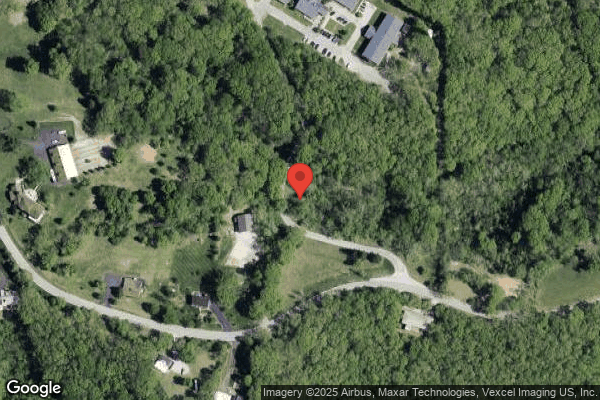
Jun 2023 2 deficiencies
CONCERN (D) 📢 Someone Reported This

A family member, employee, or ombudsman was alarmed enough to file a formal complaint

Potential for Harm - no one hurt, but risky conditions existed

ADL Care (Tag F0677)

Could have caused harm · This affected 1 resident

**NOTE- TERMS IN BRACKETS HAVE BEEN EDITED TO PROTECT CONFIDENTIALITY** Based on observation, interview and record review, the facility failed to ensure residents who are unable to carry out activitie...

Read full inspector narrative →
**NOTE- TERMS IN BRACKETS HAVE BEEN EDITED TO PROTECT CONFIDENTIALITY** Based on observation, interview and record review, the facility failed to ensure residents who are unable to carry out activities of daily living (ADLs) received showers and care as scheduled/desired (Residents #13, #7, and #5). The sample was 13. The census was 39. Review of the facility's Activities of Daily Living policy, revised 5/4/22, showed: -Policy: The facility shall strive to maintain a resident's abilities to perform ADLs, with no deterioration in performance, unless deterioration is unavoidable; -Policy Explanation and Compliance Guidelines: -A resident who is unable to carry out activities of daily living will receive the necessary services to maintain good nutrition, grooming, and personal and oral hygiene; -The facility will maintain individual objectives of the care plan and periodic review and evaluation. Review of the facility's Resident Showers policy, revised 5/4/22, showed: -Policy: It is the practice of this facility to assist residents with bathing to maintain proper hygiene and help prevent skin issues; -The policy did not specify the frequency in which showers should be provided, and did not provide guidance on expectations from staff regarding documentation of shower assistance provided to residents. 1. Review of Resident #13's quarterly Minimum Data Set (MDS), a federally mandated assessment instrument completed by facility staff, dated 3/25/23, showed: -Moderate cognitive impairment; -Rejection of care not exhibited; -Limited assistance of one person physical assist required for transfers; -Supervision with set up help required for personal hygiene; -Not steady when moving from seated to standing position, moving on and off toilet, or surface to surface transfers; -Diagnoses included high blood pressure, stroke, dementia, depression, encephalopathy (brain disorder), rheumatoid arthritis (chronic autoimmune disease that affects the joints), difficulty walking, reduced mobility, and peripheral vertigo (problem in part of the inner ear that controls balance). Review of the resident's care plan, in use at the time of survey, showed: -Focus: Resident has chosen to move here to facility due to his/her need for assistance with his/her ADL tasks. He/She was living with family prior to coming here but it had become too much work for family. Resident is able to tell you what it is he/she wants or needs. He/She has an ADL self-care performance deficit related to having had strokes in the past and having osteoarthritis. He/She transfers with standby assist and requires set-up assist for hygiene; -Interventions included: -Bathing/showering: Provide sponge bath when a full bath or shower cannot be tolerated. The resident is able to wash all areas he/she can reach if you will wash the areas he/she cannot reach; -Transfer: The resident is able to transfer self with minimal assist. -Focus: Resident is resistive to care (refuses bathing/showers) related to anxiety; -Interventions included: Allow the resident to make decisions about treatment regime, to provide sense of control. Educate resident/family/caregivers of the possible outcome(s) of not complying with treatment or care. Encourage as much participation/interaction by the resident as possible during care activities. If possible, negotiate a time for ADLs so that the resident participates in the decision making process. Return at the agreed upon time. Provide consistency in care to provide comfort with ADLs. Maintain consistency in timing of ADLs, caregivers and routine, as much as possible. Review of the facility's weekly shower schedule, undated, showed the resident scheduled for showers on Tuesdays and Fridays during night shift. Review of the resident's electronic medical record (EMR) and shower sheets from April through June 2023, showed: -On 4/10/23 and 5/30/23, shower sheets completed by staff; -No documentation of any other bed baths or showers offered, provided, or refused. The resident missed approximately 17 showers. Observation on 6/7/23 at 10:50 A.M., showed the resident seated in a wheelchair with disheveled, stringy hair. During an interview, the resident said he/she is weak and has arthritis in his/her hands and feet. He/She needs staff to help transfer him/her, including into the shower, but there is not enough staff. He/She has had one shower in the past month. He/She would like several showers each week. 2. Review of Resident #7's quarterly MDS, dated [DATE], showed: -Cognitive status not assessed; -Rejection of care not exhibited; -Extensive assistance of at least two person physical assist required for transfers; -Limited assistance of one person physical assist required for personal hygiene; -Not steady when moving from seated to standing position, moving on and off toilet, or surface to surface transfers; -Upper extremity impairment on both sides and lower extremity impairment on one side; -Diagnoses included heart disease, heart failure, high blood pressure, Parkinson's disease (movement disorder), anxiety, depression, history of falling, need for assistance with personal care, and unsteadiness on feet. Review of the resident's care plan, in use at the time of survey, showed: -Focus: Resident has an ADL deficit related to diagnosis of Parkinson's; -Interventions included: Staff assistance to the extent needed to accomplish task; -No documentation of interventions to address the resident's needs and preferences related to personal hygiene and grooming. Review of the facility's weekly shower schedule, undated, showed the resident scheduled for showers on Mondays and Thursdays during day shift. Review of the resident's EMR and shower sheets from April through June 2023, showed: -On 4/13/23, shower sheet completed by staff; -On 4/17/23, staff documented refused, on a shower sheet; -On 4/20/23, staff documented refused until tomorrow, tired, on a shower sheet; -On 4/24/23, staff documented shower on Tuesday, on a shower sheet; -On 5/9/23 and 5/12/23, staff documented not applicable, under the bathing task in the EMR; -On 5/16/23, staff documented physical help in part of bathing activity, under the bathing task in the EMR; -On 5/19/23 staff documented not applicable, under the bathing task in the EMR; -On 5/22/23, staff documented refused not his/her shower day, on a shower sheet; -On 5/30/23, staff documented not applicable, under the bathing task in the EMR; -The resident missed approximately 17 showers. Observation on 6/7/23 at 8:57 A.M., showed the resident seated in a wheelchair with stringy hair styled in a ponytail. During an interview, the resident said he/she has Parkinson's disease that causes him/her to shake and he/she needs staff assistance with everything. He/She requires staff to assist him/her with transfers and bathing. He/She has not received a shower and has not had his/her hair washed in weeks. He/She keeps asking staff for a shower, but they tell him/her there is not enough staff. 3. Review Resident #5's medical record, showed: -admission date 6/2/23; -Diagnoses included respiratory failure, high blood pressure, low back pain, and generalized muscle weakness. Review of the resident's nurse's note, dated 6/2/23, showed staff documented the resident admitted at 5:45 P.M. for rehab. Bilateral lower extremities dry and flaky with yellow thick toenails and callused heels. Resident alert and oriented times four (person, place, time, and event). Two assist for transfers. Hoyer lift (mechanical lift) transfer. Review of the facility's weekly shower schedule, undated, showed the resident scheduled for showers on Mondays and Thursdays during day shift. Review of the resident's medical record, showed no documentation of showers or bed baths offered, provided, or refused. The resident missed one scheduled shower. Observation on 6/7/23 at 9:15 A.M., showed the resident on his/her back in bed, dressed in a hospital gown, with his/her leg covered with a sheet and right leg exposed. His/Her right leg and foot were dry and flaky, with flakes on the sheet underneath the resident's leg. His/Her left index fingernail and both thumbnails long with brown underneath the nails. During an interview, the resident said he/she was admitted to the facility five days ago. He/She has not received a shower or bed bath since admission. Staff had not put any lotion or cream on his/her legs and they are dry. No one has cleaned his/her hands or fingernails. He/She cannot walk and needs help with his/her personal care. He/She would prefer to be bathed every other day. 4. During an interview on 6/7/23 at 9:01 A.M., Certified Nurse Aide (CNA) A said there is a shower schedule for staff to follow, posted at the nurse's station. When aides complete showers, they are expected to document the shower on a shower sheet and give the sheet to the nurse. If a resident refuses to take a shower, staff should try to offer the shower again at a later time, then document the resident's refusal. When there are three aides scheduled on day shift, they have enough staff to do showers. If there are less than three aides scheduled, showers are not getting done. 5. During an interview on 6/7/23 at 9:35 A.M., CNA B said there is a shower schedule for staff to follow, posted at the nurse's station. Residents should be getting three showers a week. When aides assist with a shower, they should document it in the EMR and on a shower sheet. If a resident refuses, staff should ask them again later. There is not enough staff scheduled each day to get showers completed. 6. During an interview on 6/7/23 at approximately 9:10 A.M., Licensed Practical Nurse (LPN) C said showers are scheduled for day and night shift. When the aides complete a shower, they are expected to document it on a shower sheet. Staffing might be a challenge for getting showers completed. 7. During an interview on 6/7/23 at 2:01 P.M., the Director of Nurses (DON) said she started her position with the facility last week. Prior to her, documentation on shower sheets was hit and miss. Her expectation is for staff to document on shower sheets any time they complete or offer a shower or bathing assistance. If a resident would prefer a bed bath, the bed bath should be thorough and address the resident's hair, nails, and skin. If a resident refuses a shower or bathing assistance, staff should ask again at a later time, three times. Staff should also try to have a different employee offer the bathing assistance instead. If a resident continues to refuse, then staff should document the refusal on a shower sheet. Shower sheets are signed by her, then given to Central Supply to get uploaded into the resident's EMR. She would expect staff to follow the shower schedule posted at the nurse's station. When staff provide personal care to residents who are bed bound, they should be mindful of the resident's personal hygiene. If staff observe dry, flaky skin, they should put lotion on the resident. Staff should also look at the resident's nails and provide nail care as needed. 8. During an interview on 6/7/23 at 2:30 P.M., the Administrator said she was unable to find any additional documentation of showers or bed baths offered or provided for Residents #13, #7, and #5. She would expect showers or bed baths completed to be documented on a shower sheet. If a resident refuses a shower or bed bath, staff should document the refusal on a shower sheet. She would expect staff to provide showers or bathing assistance in accordance with the facility's shower schedule and the resident's needs and preferences. MO00219071 MO00219526
CONCERN (D) 📢 Someone Reported This

A family member, employee, or ombudsman was alarmed enough to file a formal complaint

Potential for Harm - no one hurt, but risky conditions existed

Deficiency F0697 (Tag F0697)

Could have caused harm · This affected 1 resident

Based on observation, interview and record review, the facility failed to ensure as-needed (PRN) pain medication was available to administer as ordered, and to document measures taken by staff to obta...

Read full inspector narrative →
Based on observation, interview and record review, the facility failed to ensure as-needed (PRN) pain medication was available to administer as ordered, and to document measures taken by staff to obtain the medication for one resident (Resident #5). The sample was 13. The census was 39. Review of the facility's Medication Reordering policy, revised 4/7/22, showed: -Policy: It is the policy of this facility to accurately and safely provide or obtain pharmaceutical services including the provision of routine and emergency medications and biologicals in a timely manner to meet the needs of each resident; -Policy Explanation and Compliance Guidelines: --The facility will utilize a systematic approach to provide or obtain routine and emergency medications and biologicals in order to meet the needs of each resident; --Acquisition of medications should be completed in a timely manner to ensure medications are administered in a timely manner; --In the event of new orders, the facility is allowed 24 hours to begin a medication unless otherwise specified by the medical provider; --For STAT (immediate) medications, a supply of medications typically used in emergency situations will be maintained in limited supply by the pharmacy. The STAT medication can be stored in a portable, but sealed emergency box or container, or may be stored in an electronic dispensing system. .Review Resident #5's electronic medical record (EMR), showed: -admission date 6/2/23; -Diagnoses included low back pain and generalized muscle weakness. Review of the resident's electronic physician order sheet (ePOS), showed: -Order, dated 6/2/23, for pain monitoring every shift; -Order, dated 6/2/23, for acetaminophen (used to relieve mild to moderate pain) oral tablet 500 milligrams (mg), give 500 mg by mouth every four hours as needed for pain/fever; -Order, dated 6/2/23, for Norco (narcotic pain medication for moderate to severe pain) oral tablet 5-325 mg (hydrocodone (opioid pain medication)-acetaminophen), give one tablet by mouth every six hours PRN for pain. Review of the resident's progress note, dated 6/2/23 at 6:27 P.M., showed the resident admitted to the facility at 5:45 P.M. Resident alert and oriented times four (person, place, time, and event). Pain of five, on one to 10 scale. Medications/orders faxed to pharmacy and physician. Review of the resident's medication administration record (MAR), showed: -On 6/2/23, staff documented the resident's pain level as a five on evening shift. No acetaminophen or Norco administered; -On 6/3/23, staff documented pain level of zero on day and evening shift; -On 6/4/23, staff documented pain level of zero on day and evening shift; -On 6/5/23, staff documented pain level of zero on day shift; -On 6/5/23 at 7:54 P.M., the resident's pain level at a six. Acetaminophen administered. Norco not documented as administered. Review of the resident's EMR, showed: -No documentation regarding efficacy of acetaminophen to address the resident's pain on 6/5/23; -No documentation of attempts to contact the pharmacy or physician to obtain Norco after 6/2/23. Observation and interview on 6/7/23 at 9:15 A.M., showed the resident on his/her back in bed, dressed in a hospital gown. The resident said he/she was admitted to the facility from the hospital five days ago. He/She has chronic lower back pain and went days without his/her pain medication, hydrocodone. For the first couple days, staff asked him/her about his/her pain level and he/she said he/she was in pain. They offered Tylenol, but the medication is not strong enough. He/She is supposed to receive hydrocodone, but staff said they did not have any. Staff did not ask him/her about his/her pain level for a couple days and then yesterday, they did, and he/she received hydrocodone. Observation on 6/7/23 at 11:05 A.M., showed Certified Medication Technician (CMT) E pulled the resident's bubble pack medication cards from the medication cart. The card for hydrocodone, showed the medication dated 6/6/23. During an interview, CMT E said he/she received the resident's hydrocodone yesterday, 6/6/23. The medication was ordered 6/2/23. Staff should assess a resident's pain level every shift if they have orders to do so. If a resident complains of pain and asks for a prescribed PRN pain medication, staff should document the resident's pain level and administer the medication. If the medication is not on hand, they should notify the physician to obtain an order to pull the medication from the facility's emergency kit (e-kit). During an interview on 6/8/23 at 10:26 A.M., Registered Nurse (RN) D said when a resident is admitted to the facility, the nurse should fax a copy of their physician orders to the pharmacy and physician. Sometimes scripts, like narcotic pain medications, are not approved by the physician until the physician physically sees the resident themselves. If a resident complains of pain, staff should offer a Tylenol. Staff should assess the resident's pain level after administering the medication. If the resident needs a narcotic pain medication that is not on hand, staff should contact the physician and pharmacy to obtain the medication. Staff should document their communication with the pharmacy and physician in the resident's EMR. During an interview on 6/8/23 at 12:10 P.M., the Director of Nurses (DON) said sometimes when a resident is admitted to the facility from the hospital, a script for narcotic pain medication is not sent with them. If this is the case, she would expect the nurse to reach out to the physician to get a STAT order for the medication. If a pain medication is unavailable and a resident complains of pain, she would expect staff to immediately follow up with the physician and consult with her about next steps. They would reach out to the pharmacy and get an order to obtain the medication from the e-kit. She would expect staff to document each of these steps in the resident's EMR. During an interview on 6/8/23 at 3:41 P.M., the Administrator said if a prescribed narcotic pain medication has not been received, she would expect staff to immediately follow up with the physician and pharmacy. She would expect staff to consult with the DON for next steps and document all attempts to obtain a resident's prescribed medication. MO00219071 MO00219564
Mar 2023 1 deficiency
CONCERN (D) 📢 Someone Reported This

A family member, employee, or ombudsman was alarmed enough to file a formal complaint

Potential for Harm - no one hurt, but risky conditions existed

Deficiency F0661 (Tag F0661)

Could have caused harm · This affected 1 resident

**NOTE- TERMS IN BRACKETS HAVE BEEN EDITED TO PROTECT CONFIDENTIALITY** Based on interview and record review, the facility failed to ensure comprehensive discharge summaries and post-discharge plans w...

Read full inspector narrative →
**NOTE- TERMS IN BRACKETS HAVE BEEN EDITED TO PROTECT CONFIDENTIALITY** Based on interview and record review, the facility failed to ensure comprehensive discharge summaries and post-discharge plans were developed for residents with anticipated discharges from the facility (Residents #10, #36, and #35). The census was 36. Review of the facility's Discharge Summary and Plan policy, revised December 2016, showed: -Policy Statement: When a resident's discharge is anticipated, a discharge summary and post-discharge plan will be developed to assist the resident to adjust to his/her new living environment; -Policy Interpretation and Implementation: -1. When the facility anticipates a resident's discharge to a private residence, another nursing care facility, a discharge summary and a post-discharge plan will be developed which will assist the resident to adjust to his or her new living environment; -2. The discharge summary will include a recapitulation of the resident's stay at this facility and a final summary of the resident's status at the time of the discharge in accordance with established regulations governing release of resident information and as permitted by the resident. The discharge summary shall include a description of the resident's: -a. current diagnosis; -b. medical history; -c. course of illness, treatment and/or therapy since entering the facility; -d. current laboratory, radiology, consultation, and diagnostic test results; -e. physical and mental functional status; -f. ability to perform activities of daily living (ADLs); -g. sensory and physical impairments; -h. nutritional status and requirements; -i. special treatments or procedures; -j. mental and psychosocial status; -k. discharge potential; -l. dental condition; -m. activities potential; -n. rehabilitation potential; -o. cognitive status; and -p. medication therapy (all prescription and over-the-counter medications taken by the resident including dosage, frequency of administration, and recognition of significant side effects that would be most likely to occur in the resident); -3. As part of the discharge summary, the nurse will reconcile all pre-discharge medication with the resident's post-discharge medications. The medication reconciliation will be documented; -4. Every resident will be evaluated for his or her discharge needs and will have an individualized post-discharge plan. -5. The post-discharge plan will be developed by the care planning/interdisciplinary team (IDT) with the assistance of the resident and his or her family and will include: -a. where the individual plans to reside; -b. arrangements that have been made for follow-up care and services; -c. a description of the resident's stated discharge goals; -d. the degree of caregiver/support person availability, capacity and capability to perform required care; -e. how the IDT will support the resident or representative in the transition to post-discharge care; -f. what factors may make the resident vulnerable to preventable readmission; and -g. how those factors will be addressed. -13. A copy of the following will be provided to the resident and receiving facility and a copy will be filed in the resident's medical records: -a. An evaluation of the resident's discharge needs; -b. The post-discharge plan; and -c. The discharge summary. 1. Review of Resident #10's medical record, showed: -admitted to the facility on [DATE]; -Social Services notes, dated 1/16/23, documented conversation held with case manager with another agency who has put order in for patient to have a Hoyer (mechanical lift) and bed delivered to his/her home and should be delivered on 1/17/23. Spoke with resident's family about discharge plans. Resident will be discharged [DATE] late evening; -A Social Services note, dated 1/18/23, documented equipment delivery delayed one day; -A nurse's note, dated 1/18/23, in which staff documented discussion with other agency regarding delivery of bed and Hoyer. Agency confirmed equipment has been ordered, however, passing the buck on who is supposed to call whom to confirm delivery. Agency said they would call and find out exactly where equipment was and when it is to be delivered; -A discharge summary note, dated 1/20/23 at 5:56 P.M., in which staff documented resident discharged to home with discharge instructions, medications, and all personal belongings. Discharge instructions given to resident and family. Both voiced understanding. Patient exited the building and transferred to personal car via family without incident. No acute distress noted at this time; -No documentation regarding completion of Hoyer and bed delivery to resident's home; -No documented evaluation of the resident's discharge needs; -No documented post-discharge plan; -No documented discharge summary including a recapitulation of the resident's stay at the facility. 2. Review of Resident #36's medical record, showed: -admitted to the facility on [DATE]; -A nurse's note, dated 1/30/23 at 1:41 P.M., in which staff documented a care plan meeting held this morning with resident and family members, Director of Rehabilitation and nurse. Family and resident requesting more rehabilitation to reach baseline before going home. Requesting referral be sent to rehabilitation facility; -A discharge summary note, dated 1/31/23 at 1:31 P.M., in which staff documented the resident was discharged with family present. Discharge summary explained per writer, resident verbalized he/she understood instructions. Resident transferred from wheelchair to car with assist of family and staff. Resident exited premises with family, no noted concerns upon exit; -No documented evaluation of the resident's discharge needs; -No documented post-discharge plan; -No documented discharge summary including a recapitulation of the resident's stay at the facility and final summary of the resident's status at the time of the discharge. 3. Review of Resident #35's medical record, showed: -admitted to the facility on [DATE]; -A physician progress note, dated 1/31/23, showed discharge planning pending therapy progress. Will continue discussion with therapy team, family, and Social Worker; -Social Services notes dated 1/31/23, 2/1/23, 2/2/23, showed referrals sent to different home health agencies; -A discharge nurse's note, dated 2/4/23, showed the resident discharged home on 2/4/23 at 10:47 A.M. ADLs/physical limitations: blank. Skin condition at time of discharge: blank. Resident discharged home with family transporting via car. Condition stable. Medications and discharge instructions sent with resident; -No documentation regarding home health arrangements finalized for resident upon discharge; -No documented evaluation of the resident's discharge needs; -No documented post-discharge plan; -No documented discharge summary including a recapitulation of the resident's stay at the facility. 4. During an interview on 2/16/23 at 12:11 P.M., Nurse A said when a resident has a planned discharge, the nurse goes over discharge instructions, orders, and appointments with the resident. They provide a copy of the face sheet and make sure all belongings and medications are sent with the resident. The nurse documents all of this information in a discharge note in the resident's progress notes. The discharge note should also include the date and time of discharge, where the resident is going, to whom the resident is discharged , and how the resident is transported from the facility. Nurses do not complete a discharge summary or have the resident sign a summary upon discharge. Home health services are arranged by Social Services, who notifies nursing staff of an upcoming discharge. 5. During an interview on 2/16/23 at 12:14 P.M., Nurse B said Social Services notifies nursing staff when a resident has a planned discharge. On the day of discharge, the nurse ensures the resident has a copy of their face sheet and physician orders, as well as all of their belongings and medications. The nurse completes a skin assessment on the resident and documents a progress note about the resident's discharge. Prior to yesterday, the facility was not doing discharge summaries. 6. During an interview on 2/27/23 at 10:07 A.M., the Social Services Director (SSD) said she believed Resident #10's bed and Hoyer lift were delivered to the resident's home before he/she was discharged . This information is not documented in the resident's notes, but should have been. Resident #36 was discharged to an acute rehabilitation facility. Resident #35 was discharged home. SSD reviewed the notes for the resident and read about home health referrals being made, with no documentation of a final outcome. Documentation regarding some of the discharge information is lacking. When a resident is scheduled for a discharge, SSD makes arrangements for various things such as state aid, a different doctor, and services used outside of the facility, such as home health. She enters a note in the electronic medical record (EMR) to notify nursing staff of the date and time of discharge, the location of discharge, and what services have been put in place upon discharge. Discharge summaries should be completed by the nurse. The discharge summary should include the information provided by the SSD, as well as documentation to show the resident provided with their medications, belongings, and discharge instructions. The discharge summary should include a recapitulation of the resident's stay. 7. During an interview on 2/27/23, at 11:01 A.M., the Director of Nurses (DON) and Administrator said when they reviewed the records for Residents #10, #36, and #35, they saw the discharge summaries with recapitulation of stay were not being done. The information documented related to discharges was not consistent and did not clearly state where a resident was going or services put in place. The nurse completing the resident's discharge should be completing a discharge summary. The discharge summary should include all care provided while the resident was in the facility, the date and time of discharge, the location of discharge, the nurse's assessment of status upon discharge, the resident's medications upon discharge, and a summary of services needed upon discharge. The resident's record should include specific documentation about services, including the name of the companies providing services to the resident. A comprehensive discharge summary should be helpful in providing a full baseline of services for whoever resumes a resident's care upon their discharge from the facility.
Nov 2022 1 deficiency
CONCERN (F) 📢 Someone Reported This

A family member, employee, or ombudsman was alarmed enough to file a formal complaint

Potential for Harm - no one hurt, but risky conditions existed

Administration (Tag F0835)

Could have caused harm · This affected most or all residents

Based on interview and record review, the facility management company failed to ensure payments were issued or issued in a timely manner, to the facility's medical director, dietician, and other neces...

Read full inspector narrative →
Based on interview and record review, the facility management company failed to ensure payments were issued or issued in a timely manner, to the facility's medical director, dietician, and other necessary vendors utilized to provide services for the needs of residents. The census was 33. 1. During an interview on 10/17/22 at 11:56 A.M., Vendor D said he/she was the facility's medical director until several months ago. He/she had not been paid by the facility since April 2022. Review of Vendor D's invoices and facility payment information, reviewed 10/26/22, showed: -Invoice, dated 3/30/22, amount: $1,500.00, due 4/29/22; -Invoice, dated 4/30/22, amount: $1,500.00, due 5/30/22; -Invoice, dated 5/30/22, amount: $1,500.00, due 6/29/22; -Invoice, dated 7/12/22, amount: $1,500.00, due 8/11/22, -No payments to vendor for invoices submitted March through July 2022. 2. During an interview on 10/17/22 at 12:27 P.M., an accounts receivable representative from Vendor C said his/her company provides the facility with fire protection services, including fire alarm monitoring and servicing, and range hood inspections. Payments to the vendor are received from the facility's accounting company, but they have not been making payments. This has been a continuous problem. The facility's services get put on hold, payments resume and services are turned back on, then payments stop and services are put back on hold again. During an interview on 10/18/22 at 2:12 P.M., accounts receivable representative from Vendor C said in September 2022, the facility was notified that their accounts would be suspended due to non-payment. The facility currently has a past due balance for services provided in July and August 2022. Review of Vendor C's invoices and facility payment information, provided 10/21/22 at 3:44 P.M., showed: -Invoice, dated 7/20/22, amount: $548.36, due 8/19/22; -Invoice, dated 8/25/22, amount: $115.00, due 9/24/22; -Invoice, dated 9/22/22, amount: $310.00, due 10/2/22; -No payments to vendor for invoices submitted July through September 2022. 3. During an interview on 10/18/22 at 11:36 A.M., a management representative for Vendor B, a mobile x-ray and ultrasound provider, said there is an active contract with the facility but services are currently on suspension due to lack of payment. When a facility's services are suspended, the company will not provide services to any resident for which the facility is financially responsible, based on their insurance coverage and per diem rates. The facility has an outstanding balance over $6,000.00. Review of Vendor B's invoices and facility payment information, provided 10/21/22 at 3:44 P.M., showed: -Invoices submitted October through December 2021, and January through June 2022, paid 8/2/22; -Invoice, dated 7/31/22, current amount: $2,280.34, due 8/30/22; -Invoice, dated 8/31/22, current amount: $1,328.13, due 9/30/22; -No payments issued to vendor for invoices submitted 7/31/22 and 8/31/22. 4. During an interview on 10/18/22 at 1:33 P.M., a corporate representative for Vendor F, a pharmacy service provider, said the facility's management company did not pay his/her company for their services for one and a half years. He/she offered the facility's management company various options, such as payment plans, but the management company did not issue any payments. Review of Vendor F's invoices and facility payment information, provided 10/21/22 at 3:44 P.M., showed: -Invoice, dated 10/31/21, amount: $10,438.06; -Invoice, dated 11/30/21, amount $16,800.43; -Invoice, dated 12/31/21, amount: $15,526.32; -Invoice, dated 1/31/22, amount: $15,321.76; -Invoice, dated 2/28/22, amount: $8,567.87; -Invoice, dated 3/31/22, amount: $15,705.19; -Invoice, dated 4/30/22, amount: $17,202.65; -Invoice, dated 5/31/22, amount: $23,730.24; -Invoice, dated 6/30/22, amount: $29,053.57; -No payments to vendor for invoices submitted October 2021 through June 2022. 5. During an interview on 10/19/22 at 10:26 A.M., the administrator said the facility changed over to a new food service vendor in August 2022. Prior to August, the food service distributor was Vendor G. During an interview on 11/3/22 at 10:28 A.M., a controller with Vendor G, a food service distributor, said the facility has an outstanding balance due to non-payment. The facility's management company owes the vendor thousands of dollars for services provided. Review of Vendor G's invoices and facility payment information, provided 10/21/22 at 3:44 P.M., showed: -Invoice, dated 7/7/22, amount: $235.83; -Invoice, dated 7/7/22, amount: $943.35; -Invoice, dated 7/11/22, amount: $118.93; -Invoice, dated 7/11/22, amount: $892.22; -Invoice, dated 7/13/22, amount: $290.03; -Invoice, dated 7/13/22, amount: $182.40; -Invoice, dated 7/13/22, amount: $1,319.66; -Invoice, dated 7/18/22, amount: $1,334.27; -Invoice, dated 7/18/22, amount: $58.51; -Invoice, dated 7/20/22, amount: $678.62; -Invoice, dated 7/20/22, amount: $223.34; -Invoice, dated 7/25/22, amount: $894.01; -Invoice, dated 7/27/22, amount: $938.81; -Invoice, dated 7/27/22, amount: $259.75; -Invoice, dated 8/1/22, amount: $1,156.92; -Invoice, dated 8/1/22, amount: $129.29; -Invoice, dated 8/2/22, amount: $1,442.08; -Invoice, dated 8/8/22, amount: $825.90; -Invoice, dated 8/8/22, amount: $40.13; -Invoice, dated 8/8/22, amount: $81.83; -Invoice, dated 8/10/22, amount: $1,285.39; -Invoice, dated 8/15/22, amount: $545.59; -Invoice, dated 8/17/22, amount: $1,657.59; -Invoice, dated 8/22/22, amount: $1,683.77; -Invoice, dated 8/22/22, amount: $43.30; -Invoices on 60 day payment plan; -No payments to vendor for invoices dated 7/7/22 through 8/22/22. 6. During an interview on 10/20/22 at 11:13 A.M., a billing representative for Vendor H, a laboratory service provider, said the facility has an outstanding balance of $11,916.35. The vendor has not received a payment from the facility since 1/27/22. Review of Vendor H's invoices and facility payment information, provided 10/21/22 at 3:44 P.M., showed: -Statement date 10/8/21, current amount due: $236.88; -Statement date 11/10/21, current amount due: $142.03; -Statement date 12/2/21, current amount due: $573.85; -Statement date 1/17/22, current amount due: $275.11; -Statement date 2/1/22, current amount due: $558.94; -Statement date 4/11/22, current amount due: $594.94; -Statement date 5/3/22, current amount due: $623.07; -Statement date 6/3/22, current amount due: $60.00; -Statement date 7/5/22, current amount due: $1,069.32. Past due: $7,671.37; -Statement date 9/1/22, current amount due: $1,586.38; -No payments made to vendor for invoices submitted October 2021 through September 2022. 7. During an interview on 10/20/22 at 11:28 A.M., a registered dietician for Vendor E said his/her company provided dietician services to the facility for over a year, until October 2022. The facility owes his/her company thousands of dollars, but he/she has not received payment from the facility since November 2021. He/she reached out to the facility's administrator and they sent emails to the facility's management company, but he/she never received a response. He/she reached out to the accounting company who issues payments, but still hasn't received payments for the past year. Review of Vendor E's invoices and facility payment information, provided 10/21/22 at 3:44 P.M., showed: -Invoice, dated 12/9/21, amount: $220.00, due 1/8/22; -Invoice, dated 1/10/22, amount: $224.20, due 2/9/22; -Invoice, dated 2/10/22, amount: $284.20, due 3/12/22; -Invoice, dated 3/10/22, amount: $284.20, due 4/9/22; -Invoice, dated 4/10/22, amount: $284.20, due 5/10/22; -Invoice, dated 5/9/22, amount: $380.00, due 6/8/22; -Invoice, dated 6/10/22, amount: $300.00, due 7/10/22; -Invoice, dated 7/8/22, amount: $394.20, due 8/7/22; -Invoice, dated 8/10/22, amount: $424.20, due 9/9/22; -Invoice, dated 9/8/22, amount: $440.20, due 10/8/22; -No payments made to vendor for invoices submitted December 2021 through September 2022. 8. During an interview on 11/3/22 at 8:17 A.M., an accounts receivable representative from Vendor I said the vendor is a medical supply company that provides anything needed in a hospital setting, from linens to wheelchairs. The facility has an outstanding balance of $6,847.23. He/she would expect facilities to pay the vendor according to the payment plan indicated on their invoices. Review of Vendor I's invoices and facility payment information, provided 10/21/22 at 3:44 P.M., showed: -Invoices submitted by the vendor from October 2021 through May 2022; -Invoices on a 120 day payment plan; -No payments issued to the vendor for invoices submitted October through May 2022. 9. Review of Vendor A, an electric power provider, invoices for Account #1 (building electric) and facility payment information, showed: -Statement date 6/27/22: current charge of $4,082.88, prior balance of $7,437.51, total amount of $11,520.39 due 7/19/22; -Statement date 7/29/22: current charge of $5,029.08, prior balance of $4,082.88, total amount of $9,111.96 due 8/19/22; -Statement date 8/30/22: current charge of $4,360.58, prior balance of $9,111.96, total amount of $13,472.54 due 9/21/22; -Invoices submitted 6/27/22, 7/19/22, and 8/30/22 paid on 10/20/22. Review of Vendor A's invoices for Account #2 (sewage plant) and facility payment information, showed: -Statement date 3/28/22, amount of $32.10 due 4/19/22; -Statement date 4/27/22, amount of $46.10 due 5/18/22; -Statement date 5/26/22, amount of $96.63 due 6/17/22; -Statement date 6/27/22, amount of $176.99 due 7/19/22; -Statement date 7/27/22, amount of $263.08 due 8/17/22; -Statement date 8/25/22, amount of $322.61 due 9/16/22; -No payments issued to vendor for invoices submitted March through August 2022. Review of Vendor A's invoices for Account #3 (outdoor lighting) and facility payment information, showed: -Statement date 3/30/22, amount of $37.97 due 4/24/22; -Statement date 4/29/22, amount of $39.68 due 5/20/22; -Statement date 5/31/22, amount of $59.72 due 6/21/22; -Statement date 6/29/22, amount of $79.93 due 7/21/22; -Statement date 7/29/22, amount of $100.35 due 8/19/22; -Statement date 8/29/22, amount of $120.99 due 9/20/22; -Statement date 9/28/22, amount of $141.84 due 10/19/22; -No payments issued to vendor for invoices submitted March through September 2022. 10. During an interview on 10/17/22 at 2:22 P.M., the administrator said she was aware of an ongoing issue with non-payment to vendors providing services to the facility. Vendors include utility service providers and the facility's medical director. Payments to vendors are issued by an accounting company contracted by the facility's management company. When invoices are directly submitted to the administrator, she sends them to the accounting company for them to issue payment. Last week, Vendor A notified her that they had not received payment for outstanding balances. She reported the issue to the accounting company. She would expect all vendors to receive payment for services provided to the facility. 11. During an interview on 10/31/22 at 1:59 P.M., the Chief Executive Officer (CEO) and Regional Director of Operations (RDO) of the facility's management company said they became largely aware of the issue with vendor payments a month ago, at which time they both became more involved with bill pay. Issues with vendor payments have affected all facilities overseen by the management company in Missouri. Vendor invoices for each facility gets uploaded into an accounts payable software. Once uploaded, the invoice should be approved by the facility administrator. The approved invoices go to an accounts payable company contracted by the facility's management company. The accounts payable company issues the check to the vendor. This is the same process used to issue payments for medical directors. The facility's management company has a Chief Financial Officer (CFO). The CFO's involvement has more so been auditing invoices, not necessarily on a daily basis. Up until this point, the accounts payable company has not had a whole lot of oversight by the management company. Each facility administrator is responsible for doing their own audits and making sure invoices are uploaded correctly and submitted to the accounts payable software timely. The facility's management company has Regional staff available as resources to support each facility and ensure quality care. The administrator should report issues with vendor payments to the management company immediately, via phone call or email. The CEO and RDO would expect the accounts payable company to issue vendor payments in a timely manner, per the timeframe indicated in the vendor's contract. The management company has started working on putting measures in place to address the issue with vendor payment. The CEO started her position with the management company a month and a half ago and met with the accounts payable company last month to discuss how things can go more smoothly. MO00208524
Aug 2022 23 deficiencies
CONCERN (D)

Potential for Harm - no one hurt, but risky conditions existed

Deficiency F0567 (Tag F0567)

Could have caused harm · This affected 1 resident

Based on interview and record review, the facility failed to provide and make available personal funds on an ongoing basis for all residents for which the facility held funds. The census was 40. Revi...

Read full inspector narrative →
Based on interview and record review, the facility failed to provide and make available personal funds on an ongoing basis for all residents for which the facility held funds. The census was 40. Review of the facility's Statement of Resident Rights, provided to residents upon admission, showed: -Under federal and state laws, you have the following rights and responsibilities. We will not engage in interference, coercion, discrimination, ore reprisal when you exercise your rights and responsibilities. We will inform you of your rights during your stay in our facility, and we will notify you of any changes made to these rights; -You have the right to exercise your rights as a resident of the facility and as a citizen or resident of the United States; -You have the right to manage your financial affairs. During a resident group interview on 8/2/22 at 1:52 P.M., three residents who represent the resident council, said they cannot access their money on the weekend or when the person responsible for providing the money is off. Sometimes, during the week, residents are told they cannot access their money because the facility has not been to the bank yet. If you want do go out or do something on the weekend, you have to plan ahead and make sure you have any money you may want by Friday. During an interview on 8/4/22 at 9:50 A.M., the business office manager (BOM) said she works two Saturdays a month and she checks with residents during her rounds on Fridays to ask if they need any money. Many residents want money for snacks. At 3:20 P.M., the BOM said the administrator and herself are available to give money and nursing is aware too. The residents are aware they can get money and the BOM does her rounds. The BOM said there was no one to handle funds on a Sunday if a resident needed money. Nursing would call them if a resident wanted money. During an interview on 8/4/22 at 4:06 P.M., the administrator said she was aware that the residents need access to funds on the weekends. On a Sunday, the nurses have the availability to call the administrator and she would come up and give the residents their money.
CONCERN (D)

Potential for Harm - no one hurt, but risky conditions existed

Safe Environment (Tag F0584)

Could have caused harm · This affected 1 resident

**NOTE- TERMS IN BRACKETS HAVE BEEN EDITED TO PROTECT CONFIDENTIALITY** Based on interview and record review, the facility failed to exercise reasonable care for the protection of the resident's prope...

Read full inspector narrative →
**NOTE- TERMS IN BRACKETS HAVE BEEN EDITED TO PROTECT CONFIDENTIALITY** Based on interview and record review, the facility failed to exercise reasonable care for the protection of the resident's property from loss or theft for three of five residents investigated for discharge and personal property (Residents #39, #400 and #40). The census was 40. 1. Review of the facility's Statement of Resident Rights, provided to residents upon admission, showed: -Under federal and state laws, you have the following rights and responsibilities. We will not engage in interference, coercion, discrimination, or reprisal when you exercise your rights and responsibilities. We will inform you of your rights during your stay in our facility, and we will notify you of any changes made to these rights; -You have the right to exercise your rights as a resident of the facility and as a citizen or resident of the United States; -You have the right to retain and use personal possessions. During an interview on 8/4/22 at approximately 1:30 P.M., Certified Nursing Assistant (CNA) D said on admission, there is an inventory sheet completed for resident. Upon discharge, staff pack up the resident's things and ask if anything is missing. If missing, staff would look for it. He/she is not sure if the inventory sheet is part of the resident's medical record. During an interview on 8/4/22 at 1:31 P.M., Licensed Practical Nurse (LPN) C said inventory is done when the resident arrives to the facility. He/she is not sure who is responsible to complete it. The inventory sheet is scanned into the electronic medical record system. If anything is brought in after the initial inventory, staff encourage the resident or family to let staff know. 2. Review of Resident #39's medical record, showed: -admitted to the facility on [DATE]; -discharged from the facility on 6/14/22; -A progress note dated 6/14/22 at 11:24 A.M., discharged home. The progress note did not indicate if any belongings were sent with the resident; -No list of personal belongings to indicate what belongings the resident had while at the facility. During interviews on 8/2/22 at approximately 2:00 P.M., and on 8/4/22 at 9:20 A.M., the resident's list of personal belongings was requested from the administrator. As of survey exit on 8/5/22, no list of personal belongings was provided. Review of a list of requested items, provided to the administrator on 8/4/22 at 9:20 A.M., showed the request for the resident's list of personal belongings with a hand written note added by the facility don't have. During a telephone interview on 8/4/22 at 10:28 A.M., the resident's spouse said while at the facility, the resident had clothing go missing. The day the resident was discharged , it was kind of like they ignored us. He/she went to the resident's room and started to gather his/her stuff. No staff assisted with getting the resident out to the car. 3. Review of Resident #400's medical record, showed: -admitted [DATE]; -discharged on 12/22/21. Review of the resident's inventory sheet, dated 8/8/19, showed: -One purse; -One brush; -One pair of reading glasses; -Dark blue tennis shoes; -One pair of sweat pants; -One toothbrush; -Cane. Review of the resident's progress notes, showed: -On 12/20/21 at 2:53 P.M., social services sent out two referrals for the resident's permanent living. One of them responded and the other referral waiting; -On 12/22/21 at 5:33 P.M., this nurse was called down to resident's room at approximately 5:03 P.M., upon entering room, resident sitting on the side of the bed with jerking and shaking. This nurse called out for 911 to be called. He/she remained calm, alert, and never lost consciousness. He/she was able to reposition his/herself during this process, he/she lay down for two minutes then sat back up on the side of the bed. Once emergency medical technicians (EMTs) arrived, resident temperature 102.0 degrees (normal 97.8 through 99.1), blood sugar 122 (normal 100 through 140). This nurse made EMTs aware of resident's refusal of medications. Resident was able to stand with assist to transfer to stretcher. EMT made this nurse aware transporting resident to hospital. EMTs exited the building at approximately 5:28 P.M. This nurse placed call out to emergency room to nurse and reported findings. Administrator and Assistant Director of Nursing (ADON) made aware. Review of the resident's discharge notice, dated 12/22/21, showed: -Resident transfer address: hospital; -The resident requires acute care at a hospital. Review of the resident's progress notes, showed: -On 12/27/21 at 3:05 P.M., late entry: social services visited the resident on 12/27/21 to serve him/her eviction papers to discharge from the facility. Social services arrived at hospital to the resident's room with the nurse to deliver the papers and the resident told the social worker to get out, with other name calling. Social services went to the front desk to report the resident's behavior to the secretary as well before departing; -On 12/28/21 at 3:11 P.M., late entry: social services received the letter and voicemail from a Long-term care (LTC) Facility N that the resident will be able to stay at their facility; -On 12/28/21 at 3:24 P.M., late entry: social services helped the workers in packing the resident's belongings up and sent them to his/her new home. Social worker transported the resident's belongings to LTC Facility N. Staff was at the door when the social worker arrived at the new facility to give them the resident's belongings. Facility staff stated the resident had too many things and they could not accommodate space for his/her belongings. Social services stated that he/she would not take the resident's belongings back to the prior facility. Staff at new facility stated that they did not accept the resident and asked the social worker from prior facility to show them the letter. Social services did show the letter of acceptance with new facility stating that the resident was accepted to their facility. New facility staff stated that they would call the hospital for report the following day to let the hospital know that the resident is to come to them. Social services dropped off the resident's medications and his/her cigarettes as well before departing. Review of the resident's acceptance letter, dated 12/28/21, showed the resident was accepted to LTC Facility N. Review of the resident's progress notes, showed: -On 12/29/21 at 3:06 P.M., late entry: social services contacted the facility that accepted the resident's permanent stay, to get verification by letter. Facility stated that they would provide the letter for prior facility to have on the files; -On 3/15/22 at 1:13 P.M., received call from Ombudsman in regards to resident's belongings. Resident called him/her and reported that we still had his/her belongings and of those belongings was his/her purse with $1400 in it. The administrator informed the Ombudsman of the immediate discharge served at the hospital with hospital social worker. The new facility accepted the resident. Facility social worker delivered resident's personal belongings to LTC Facility N. Resident took his/her purse to the hospital. During an interview on 3/18/22 at 2:20 P.M., a representative of LTC Facility M, the facility the resident admitted after discharge from the hospital, said the resident was a long-term resident of the facility. He/she was discharged from the facility and was supposed to go to LTC Facility N, but did not end up going there. The facility sent the resident's belongs to LTC Facility N, not LTC Facility M. When he/she called LTC Facility N to inquire about the belongings for the resident who was now a resident of LTC Facility M, they said they stored the belongings until they started to draw bugs and then threw them away since the resident never admitted . The resident has no personal belongings at the LTC Facility M. During an interview on 8/4/22 at 9:00 A.M., the administrator said the resident was going to LTC Facility N and the previous social worker had worked it out with that facility. The resident was not happy about being discharged . He/she displayed seizure like episodes and he/she was transported to the hospital. The resident was a hoarder and he/she had boxes and would not let staff go through it. The administrator did not know how many boxes there were, but it was approximately 6-8 boxes and there were bags as well. The administrator believed that the previous social worker spoke with the resident about sending his/her belongings to the new facility. At the time the resident was transported to the hospital, he/she was scheduled to be transferred to LTC Facility N on that day. The administrator confirmed that the resident was discharged to the hospital and not LTC Facility N. When the resident was in the hospital, he/she ended up going to a completely different facility, and not the facility that he/she was accepted to. The administrator did not know what occurred while the resident was in the hospital and how it was decided that he/she would be admitted to a different facility. The administrator said LTC Facility M called her and asked about the resident's belongings. They were told it was at a different facility. They still call from time to time and they are reminded that the resident's belongings were at the other facility he/she was going to be admitted to. 4. Review of Resident #40's medical record, showed: -admitted to the facility on [DATE]; -discharged from the facility on 6/18/21; -A progress note dated 6/17/21 at 1:15 P.M., discharged to another skilled nursing facility with medications. Condition stable; -No list of personal belongings to indicate what belongings the resident had while at the facility. During an interview on 8/4/22 at 9:20 A.M., the residents list of personal belongings was requested from the administrator. As of survey exit on 8/5/22, no list of personal belongings was provided. Review of a list of requested items, provided to the administrator on 8/4/22 at 9:20 A.M., showed the request for the residents list of personal belongings with a hand written note added by the facility don't have. 5. During an interview on 8/3/22 at 2:44 P.M., the administrator said staff track resident belongings with the use of the inventory checklist. When a resident is discharged , staff should verify that what is on the he inventory check list is sent with the resident. A copy of the check list is uploaded into the medical record. The facility should be taking efforts to track resident's personal belongings. MO00198647 MO00202683
CONCERN (D)

Potential for Harm - no one hurt, but risky conditions existed

Grievances (Tag F0585)

Could have caused harm · This affected 1 resident

Based on interview and record review, the facility failed to provide the name and contact information in their grievance policy, and failed to follow the policy by not making the information on how to...

Read full inspector narrative →
Based on interview and record review, the facility failed to provide the name and contact information in their grievance policy, and failed to follow the policy by not making the information on how to file a grievance or complaint visible and available to all residents residing in the facility. The facility also failed to maintain the results of grievances filed for a minimum of 3 years by not being able to provide requested grievance logs for May and June 2021. The census was 40. 1. Review of the facility's Resident and Family Grievances policy, dated 9/1/21, showed: -It is the policy of this facility to support each resident's and family member's right to voice grievances without discrimination, reprisal or fear of discrimination or reprisal; -Prompt efforts to resolve include facility acknowledgment of a complaint/grievance and actively working toward resolution of that complaint/grievance; -Policy Explanation and Compliance Guidelines: -(Name and Title) has been designated as the Grievance Official and can be reached at (list contact information); -The Grievance Official is responsible for overseeing the grievance process; receiving and tracking grievances through to their conclusion; leading any necessary investigations by the facility; maintaining the confidentiality of all information associated with grievances; issuing written grievance decisions to the resident; and coordinating with state and federal agencies as necessary in light of specific allegations; -Notices of resident's rights regarding grievances will be posted in prominent locations throughout the facility. -A resident or family member may voice grievances with respect to care and treatment which has been furnished as well as that which has not been furnished, the behavior of staff and other residents, and other concerns regarding their LTC facility stay; -The facility will not prohibit or in any way discourage a resident from communicating with external entities including federal and state surveyors or other federal or state health department employees. -Upon request, the facility will give a copy of this grievance policy to the resident; -Information on how to file a grievance or complaint will be available to the resident. Information may include, but is not limited to: a. The contact information of the grievance official with whom a grievance can be filed, including his or her name, business address (mailing and email) and business phone number; b. The contact information of independent entities with whom grievances may be filed, that is, the pertinent State agency, Quality Improvement Organization, State Survey Agency and State Long Term Care Ombudsman program or protection and advocacy system; c. The time frame that a resident may reasonably expect completion of the review of the grievance and a written decision regarding his or her grievance; -Grievances may be voiced in the following forums: a. Verbal complaint to a staff member or Grievance Official; b. Written complaint to a staff member or Grievance Official; c. Written complaint to an outside party; d. Verbal complaint during resident or family council meetings; e. Via the company toll free Customer Service Line (if applicable); -A grievance may be filed anonymously. Review of the facility's Statement of Resident Rights, provided to residents upon admission, showed: -Under federal and state laws, you have the following rights and responsibilities. We will not engage in interference, coercion, discrimination, or reprisal when you exercise your rights and responsibilities. We will inform you of your rights during your stay in our facility, and we will notify you of any changes made to these rights; -You have the right to exercise your rights as a resident of the facility and as a citizen or resident of the United States; -You have the right to voice grievances with respect to treatment or care that fails to be furnished, without discrimination or reprisal for voicing grievances; -You have the right to prompt efforts by the facility to resolve grievances, including those with respect to the behavior of other residents. 2. During a resident group interview on 8/2/22 at 1:52 P.M., three residents, who represent the resident council, said they do not know how to file a grievance. One resident said he/she believed there was a poster that explains the process. Another resident said he/she cannot see well because he/she needs glasses. Also, the signs and posters are at standing height and he/she is in a wheelchair. Residents do not feel all of their concerns mentioned during the resident council are responded to. One resident said he/she had a grievance about a year and a half ago about a roommate who stole his/her glasses and threw them away, and who later laughed about it. The facility told him/her the roommate was known to steal things and they moved him/her out of the room. The facility never replaced his/her glasses and he/she cannot see. There was never a resolution to the missing glasses. Observation on 8/3/22 at 9:41 A.M., showed signs and posters with information for residents for file a grievance posted at standing height. During an interview on 8/3/22 at 9:51 A.M., the social worker said she is responsible to log and track grievances. Whomever is made aware of a complaint is responsible to complete the grievance form. She was aware of the resident with concerns with missing glasses, but was not aware they were thrown away by the roommate. She thought the resident lost them. The facility is trying to schedule an eye appointment, but the company the facility uses for eye care is hard to schedule and has not been to the facility in a long time. She does not know when they will be back. During an interview on 8/3/22 at 2:44 P.M., the administrator said the social worker is the grievance official. She was not made aware of the resident's concern of missing glasses, but she will work on getting this resolved. 3. During an interview on 8/4/22 at 1:30 P.M., the grievance logs for May and June 2021 were requested again. The administrator said she gave those and then was informed she gave May and June of 2022 not May and June of 2021. The administrator said she would go get those and bring them for review. They were never brought for review that day. During an interview on 8/5/22 at 8:30 A.M., the grievance logs for May and June 2021 were requested again. The administrator said she has the requested grievance log for May 2021 and June 2021 at the facility. She is aware the facility is supposed to keep grievances for 3 years. She said she said she just has to get them. She said they have everything for 2019, 2020, and 2021 onsite. As of exit on 8/5/22, the grievance logs were never found/brought for review. MO00185710
CONCERN (D)

Potential for Harm - no one hurt, but risky conditions existed

Transfer Requirements (Tag F0622)

Could have caused harm · This affected 1 resident

**NOTE- TERMS IN BRACKETS HAVE BEEN EDITED TO PROTECT CONFIDENTIALITY** Based on interview and record review, the facility failed to provide an appropriate discharge plan for one of two sampled reside...

Read full inspector narrative →
**NOTE- TERMS IN BRACKETS HAVE BEEN EDITED TO PROTECT CONFIDENTIALITY** Based on interview and record review, the facility failed to provide an appropriate discharge plan for one of two sampled residents who transferred to the hospital (Resident #49). Resident #49 was transported to the hospital and the facility refused to readmit him/her back to the facility. The census was 40. Review of the facility's Transfer and Discharge policy, revised 3/3/22, showed: -It is the policy of this facility to permit each resident to remain in the facility, and not transfer or discharge the resident from the facility except in limited situations when the health and safety of the individual or other residents are endangered. Notice of transfer of discharge at the time of discharge, shall be provided to the resident and/or resident representative in a manner they understand. The notice should contain required information and documentation of transfer in the medical record; -Transfer: Refers to the movement of a resident from a bed in one certified facility to a bed in another certified facility when the resident expects to return to the original facility; -discharge: Refers to the movement of a resident from a bed in one certified facility to a bed in another certified facility or other location in the community, when return to the original facility is not expected; -Facility initiated transfer or discharge: Is a transfer or discharge which the resident objects to, did not originate through a resident's verbal or written request, and/or is not in alignment with the resident's stated goals for care and preferences; -The facility will evaluate and determine the level of care needed for the resident prior to admission to ensure the facility's ability to meet the resident's needs; -The facility permits each resident to remain in the facility, and not transfer or discharge the resident from the facility except in limited situations when the health and safety of the individual or others are endangered; -The facility may initiate transfer or discharges in the following limited circumstances: -The transfer or discharge is necessary for the resident's welfare and the resident's needs cannot be met in the facility; -The resident's health has improved sufficiently so that the resident no longer needs the care and/or services of the facility; -The safety of the individuals in the facility is endangered due to the clinical or behavioral status of the resident; -The health of the individuals in the facility would otherwise be endangered; -The resident has failed, after reasonable and appropriate notice, to pay or have paid under Medicare or Medicaid for his or her stay at the facility; -The facility ceases to operate; -Non-emergency transfer or discharge: Initiated by the facility, return not anticipated: -Document the reasons for the transfer or discharge in the resident's medical record, and in the case of necessity for the resident's welfare and the resident's needs cannot be met in the facility, document the specific resident needs that cannot be met, facility attempts to meet the resident's needs, and the services available at the receiving facility to meet the needs. Document any danger to the health or safety of the resident or other individuals that failure to transfer or discharge would pose; -At least 30 days before the resident is transferred or discharged , the Social Service Director will notify the resident and the resident's representative in writing in a language and manner they understand; -Contents of the letter must include: -The reason for the transfer or discharge; -The effective date of transfer or discharge; -The location to which the resident is transferred or discharged ; -A statement of the resident's appeal rights, to include the name, address (mailing and email), and telephone number of the entity which receives such requests, and information on how to obtain an appeal form and assistance in completing the form and submitting the appeal hearing request; -The name, address (mailing and email) and telephone number of the Office of the State Long-Term Care Ombudsman; -If the information in the notice changes prior to effecting the transfer or discharge, the Social Service Director must update the recipients of the notice as soon as practicable once the updated information is available; -Orientation for transfer or discharge must be provided and documented to ensure safe and orderly transfer or discharge from the facility, in a form and manner that the resident can understand; -Assist with transportation arrangements to the new facility and any other arrangements, as needed; -Assist with any appeals and Ombudsman consultations, as desired by the resident; -The medical provider shall document medical reasons for transfer or discharge in the medical record, when the reason for transfer or discharge is for any reason other than nonpayment of the stay or the facility ceasing to operate. A copy of the medical provider's orders for discharge should be attached to the discharge notice; -For a community discharge, a discharge summary and plan of care should be prepared for the resident. Document in the medical record that written discharge instructions were given to the resident and if applicable, the resident's representative; -For a transfer to another provider, the following information must be provided to the receiving provider: -Contact information of the practitioner responsible for the care of the resident; -Resident representative information including contact information; -Advanced directive information; -All special instructions or precautions for ongoing care, as appropriate; -Comprehensive care plan goals; -Other necessary information, including a copy of the resident's discharge summary, as applicable, to ensure a safe and effective transition of care; -Emergency transfer/discharges: Initiated by the facility for medical reasons, or for the immediate safety and welfare of a resident: -Obtain medical providers orders for emergency transfer or discharge, stating the reason the transfer or discharge is necessary on an emergency basis; -Notify resident and/or resident representative; -Contact an ambulance service and provider hospital, or facility of resident's choice, when possible, for transportation and admission arrangements; -Complete and send with the resident a transfer form which documents: -Resident status, including baseline and current mental, behavioral and functional status and recent vital signs; -Current diagnosis, allergies and reason for transfer/discharge; -Contact information of the practitioner responsible for the care of the resident; -Resident representative information, including contact information; -Current medication, treatments, most recent relevant lab and/or radiological findings and recent immunizations; -Special instructions or precautions for ongoing care to include precautions such as isolation or contact; -Comprehensive care plan goals; -Any other documentation, as applicable, to ensure a safe and effective transition of care; -The original copies of the transfer form and advanced directives accompany the resident. Copies are retained in the medical record; -Provide orientation for transfer or discharge to minimize anxiety and to ensure safe and orderly transfer or discharge, in a form and manner that the resident can understand; -Document assessment findings and other relevant information regarding the transfer in the medical record; -Provide a notice of the resident's bed hold policy to the resident and representative at the time of transfer, as possible, but no later than 24 hours of the transfer; -Provide transfer notice as soon as practicable to resident and representative; -Social Services Director, or designee, shall provide notice of transfer to a representative of the State Long-Term Care Ombudsman via monthly list; -In case of discharge, notice requirements and procedures for facility initiated discharges shall be followed. Review of Resident #49's discharge Minimum Data Set (MDS), a federally mandated assessment instrument completed by facility staff, dated 8/2/22, showed: -Entry date: 7/30/22; -Type of entry: Admission; -Entered from: Acute hospital; -discharge date : [DATE]; -Discharge status: Acute hospital; -Discharge assessment- return anticipated. Review of the resident's care plan, dated 7/31/22, showed: -Focus: Resident is here for short term rehabilitation related to hypothyroidism (a common condition where the thyroid doesn't create and release enough thyroid hormone into your bloodstream); -Goal: Resident will return home at optimal functional ability; -Interventions: Establish a discharge plan upon admission. Discuss with patient and/or family/caregivers possible barriers to a successful discharge home; -Start discharge planning upon admission. Evaluate motivation of resident to return to the community. Review of the resident's progress notes, showed: -On 8/2/22 at 3:51 P.M., resident was kneeling on knees, says he/she was trying to get out of here and go see his/her father. Resident did not fall and no injuries. Resident refused to get in his/her bed and refused to get in wheelchair, was yelling at aide and nurse trying to hit them both. Also nurse attempted to give anxiety medication to resident and he/she was trying to swipe it out of nurses hand. Let Director of Nursing (DON) know; -On 8/2/22 at 4:15 P.M., per DON, resident is acting homicidal and is not safe to be in our facility. Spoke with nurse practitioner for medial director and explained his/her situation. Medical Director is giving the ok to send him/her back to hospital and he/she is not safe to be in facility; -On 8/2/22 at 4:30 P.M., ambulance called on patient, during this situation we had staff sitting 1/1 with patient for his/her safety. The patient was expressing someone is trying to kill him/her with the call light and had the call light in his/her hand shaking it and would not let go, stated he/she is going to do it to them. He/she was screaming they are here, come shoot me now, I don't want to do this. Patient was screaming they are trying to kill me. Staff consistently was trying to calm patient but he/she had little response and would scream you people are trying to kill me. Patient would not allow staff to approach or touch him/her during this. Reported to primary nurse and physician to be notified; -On 8/2/22 at 5:32 P.M., resident transported to hospital. Resident alert and cooperated with transport. Review of the resident's discharge notice, dated 8/2/22, showed: -Via hand delivery: yes; -Emergency transfer option selected; -The resident's clinical or behavioral status endangers the health of individuals in the facility; -The specific details in support of this reason(s) are: homicidal ideations; -Further review showed discharge, immediate discharge, and involuntary discharge were options that were not selected. Review of the resident's progress notes, dated on 8/3/22 at 7:43 A.M., showed on 8/2/22 Social Service called son of resident in reference to his/her emergency discharge due to homicidal ideations and made him aware that he/she will not be returning to this facility. Resident is his/her own responsible party but son was informed of the discharge and made aware that it was due to safety reasons. Social Services also informed son his parent will be transferred to a facility that will better meet his/her needs. Son paused for a minute as if he was surprised after hearing the reason and then he said thank you for calling and that he will be meeting the resident at the hospital. During an interview on 8/4/22 at 9:00 A.M. and 9:55 A.M., the administrator said the resident's son was aware of the discharge. The discharge notice was given to the resident. The DON and the social services designee signed the paper as a witness because the resident did not know what he/she was saying, so they did not want him/her to sign anything. They made arrangements for him/her to go to a sister facility that was safer with a memory care unit. At the time when the resident was transported to the hospital, he/she was being discharged from the facility. The hospital received the discharge summary and they notified the Ombudsman. It sounds like emergency notice that was marked was a mistake. He/she was discharged from the facility due to behaviors. During an interview on 8/3/22 at 7:38 A.M., a hospital registered nurse (RN) said the resident was sent to the emergency department last night for behaviors. The resident was evaluated and cleared to release back to the facility. The facility refused to accept the resident back and the facility did not send an immediate discharge notice with the resident. Facility staff say they gave the immediate discharge notice to the resident's brother however the resident's brother denies he was presented with an immediate discharge notice. The facility will not take their resident back after he/she has been clinically cleared for discharge back to the facility. During an interview on 8/4/22 at 4:06 P.M., the administrator said she expected all residents to properly be discharged from the facility. She expected the discharge process to be followed, documented, and have all discharge notices to be accurately documented. MO00204958
CONCERN (D)

Potential for Harm - no one hurt, but risky conditions existed

Comprehensive Care Plan (Tag F0656)

Could have caused harm · This affected 1 resident

**NOTE- TERMS IN BRACKETS HAVE BEEN EDITED TO PROTECT CONFIDENTIALITY** Based on observation, interview and record review, the facility failed to develop a comprehensive care plan to address the use o...

Read full inspector narrative →
**NOTE- TERMS IN BRACKETS HAVE BEEN EDITED TO PROTECT CONFIDENTIALITY** Based on observation, interview and record review, the facility failed to develop a comprehensive care plan to address the use of a urinary catheter for one resident (Resident #132) and the nutritional needs of one resident (Resident #1). The facility also failed to update the care plan once the use of a urinary catheter was no longer in use for a third resident (Resident #22). The census was 40. Review of the facility's Comprehensive Care Plans policy, revised 6/2/22, showed: It is the policy of this facility to develop and implement a comprehensive person-centered care plan for each resident, consistent with resident rights, professional standards of practice, medical provider orders, and resident's goals and preferences, that includes measurable objectives and timeframes to meet a resident's special medical, nursing, mental, and psychosocial needs that are identified in the resident's comprehensive assessment; Definitions: Person-centered care means to focus on the resident as the locus of control and support the resident in making their own choices and having control over their daily lives; Policy Explanation and Compliance Guidelines: -The care planning process will include an assessment of the resident's strengths and needs, and will incorporate the resident's personal and cultural preferences in developing goals of care. Services provided or arranged by the facility, as outlined by the comprehensive care plan, shall be culturally competent and trauma-informed; -The comprehensive care plan will be developed within 7 days after the completion of the comprehensive MDS assessment. All Care Assessment Areas (CAAs) triggered by the MDS will be considered in developing the plan of care. Other factors identified by the interdisciplinary team, or in accordance with the resident's preferences, will also be addressed in the plan of care. The facility's rationale for deciding whether to proceed with care planning will be evidenced in the clinical record; -The comprehensive care plan will describe, at a minimum, the following: a. The services that are to be furnished to attain or maintain the resident's highest practicable physical, mental, and psychosocial well-being; b. Any services that would otherwise be furnished, but are not provided due to the resident's exercise of his or her right to refuse treatment; c. Any specialized services or specialized rehabilitation services the nursing facility will provide as a result of PASARR recommendations; d. The resident's goals for admission, desired outcomes, and preferences for future discharge; e. Discharge plans, as appropriate; -The comprehensive care plan will be prepared by an interdisciplinary team; -The comprehensive care plan will be reviewed and revised by the interdisciplinary team after each comprehensive and quarterly MDS assessment; - The comprehensive care plan will include measurable objectives and timeframes to meet the resident's needs as identified in the resident's comprehensive assessment. The objectives will be utilized to monitor the resident's progress. Alternative interventions will be documented, as needed; -The Medical Provider, other practitioner, or professional will inform the resident and/or resident representative of the risks and benefits of proposed care, of treatment, and treatment alternatives/options. The facility will attempt alternate methods for refusal of treatment and services and document such attempts in the clinical record, including discussions with the resident and/or resident representative; -Qualified staff responsible for carrying out interventions specified in the care plan will be notified of their roles and responsibilities for carrying out the interventions, initially and when changes are made. 1. Review of the Resident #132's admission Minimum Data Set (MDS), a federally mandated assessment instrument completed by facility staff, dated 7/25/22, showed: -Mild cognitive impairment; -Diagnoses included anemia, atrial fibrillation (irregular heart beat), hypertension (high blood pressure), renal failure, septicemia, malnutrition, and respiratory failure; -Required limited assistance with 2 or more persons' physical assist with toileting; -Occasionally incontinent of urine. Review of the resident's Physician's Orders Sheet (POS), dated 8/1/22, showed an order, dated 7/20/22, to clean double lumen coude 16 French 10 cc balloon Foley catheter (catheter with a curved end) every shift for prevention of cardiovascular event. Review of the resident's care plan, revised 7/29/22, showed: -Focus: Resident has bowel and bladder incontinence related to mobility issues and weakness; -Goal: Resident will minimize his/her risk of skin breakdown due to incontinence and brief use; -Interventions: Check resident every two hours and assist with toileting as needed; -Provide bedpan/bedside commode; -Provide pericare after each incontinent episode; -No documentation of the resident's urinary catheter, type of catheter, use for catheter, or how to care for the catheter. Observation on 8/1/22 at 8:30 A.M., 8/2/22 at 12:32 P.M. and 2:25 P.M., 8/3/22 at 5:00 P.M. and 8/4/22 at 9:13 A.M., showed the resident in his/her room. The resident had a urinary catheter. During an interview on 8/4/22 at 1:55 P.M., the administrator said the admitting nurse is responsible for the baseline care plans upon admission. The MDS Coordinator is responsible for updating the care plans. The facility does not currently have a MDS Coordinator, but the Corporate Regional Nurse will step in. She expected catheters to be addressed in the care plan and for the care plans to have interventions and goals for the resident's care. 2. Review of Resident #1's admission MDS, dated [DATE], showed: -Cognitively intact; -Required limited assistance with transfers, dressing and toilet use; -Required extensive assistance with personal hygiene; -Required supervision with bed mobility, locomotion on unit, locomotion off unit and eating; -Used wheelchair for mobility; -Care area assessment tool triggered for nutritional status. Not selected for addressed on care plan, with no rationale; -Diagnoses included anemia, end stage renal disease (ESRD), diabetes, arthritis and depression. Review of the progress notes on 7/28/22 at 10:22 A.M., showed a nutritional note: Assessment: Resident is obese with no skin breakdown. Would change diet to Regular, no orange juice, no banana, no tomato, limit milk to 8 ounces daily to promote reasonable renal labs. Would add 30 milliliters (ml) liquid protein for protein repletion related to dialysis. Will monitor weights, labs, and skin. Goals: adequate by mouth intake, weight stability, reasonable renal labs, fluid balance, euglycemia (normal level of glucose in the blood). Plan: Change diet to regular, no orange juice, no banana, and no tomato. Limit milk to 8 ounces. Add 30 ml liquid protein twice a day. Monitor status. Review of the POS, showed: -Order for regular diet, regular texture, and regular/thin consistency. No orange juice, banana, tomato. Limit milk to 8 ounces daily. Start date 7/29/22; -Order for Active liquid protein. 30 ml two times a day. Start date 7/29/22. Review of the resident's care plan, revised 7/29/22, showed: -Focus: Resident has diabetes mellitus; -Goal: Resident will have no complications related to diabetes through the review date; -Interventions: Diabetes medications as ordered by doctor. Monitor/document for side effects and effectiveness. -No nutritional care plan focus, renal related to the resident receiving dialysis, no mention of the resident's request of a Mediterranean diet or the resident's food and fluid restrictions. During an interview on 8/1/22 at 10:30 A.M., the resident said he/she is on a Mediterranean diet which is fish and some chicken and vegetables but the facility does not accommodate it. He/she said that his/her family member brings in food for the resident to eat. The resident showed a drawer of food that included prepackaged items such as black olives and crackers. During an interview on 8/4/22 at 1:55 P.M., the administrator said if a resident has diet restrictions/preferences, those should be on the care plan. She also said if a resident has multiple problems such as diabetes and dialysis, then nutrition should be on their care plan. 3. Review of Resident #22's admission MDS, dated [DATE], showed: -Moderately impaired cognition; -Total dependence with bed mobility, transfers, locomotion on and off unit, uses wheelchair for mobility; -Required extensive assistance with dressing, toilet use and personal hygiene; -Indwelling catheter, urine continence not rated due to catheter. Always incontinent of bowel; -Diagnoses included: atrial fibrillation, traumatic brain injury (TBI, an injury that affects how the brain works) and fracture. Review of the resident's POS, showed an order, dated 7/9/22, to discontinue the resident's indwelling catheter. Review of the resident's care plan, dated 6/30/22, showed: -Focus: Resident has indwelling catheter; -Goal: Resident will be/remain free from catheter related trauma through the review date; -Interventions: Check tubing for kinks every shift, provide catheter care every shift, monitor/document for pain/discomfort due to catheter. Observation on 8/1/22 at 11:30 A.M. and 8/3/22 at 4:45 P.M., showed the resident in his/her room or in the hallway. 4. During an interview on 8/4/22 at 1:55 P.M., the administrator said if a resident has a catheter placed or removed, the care plan should reflect those changes. MO00185710
CONCERN (D)

Potential for Harm - no one hurt, but risky conditions existed

Deficiency F0658 (Tag F0658)

Could have caused harm · This affected 1 resident

**NOTE- TERMS IN BRACKETS HAVE BEEN EDITED TO PROTECT CONFIDENTIALITY** Based on interview and record review, the facility failed to follow their policy when staff failed to perform post fall assessme...

Read full inspector narrative →
**NOTE- TERMS IN BRACKETS HAVE BEEN EDITED TO PROTECT CONFIDENTIALITY** Based on interview and record review, the facility failed to follow their policy when staff failed to perform post fall assessments and neurological assessments 72 hours following a resident's unwitnessed fall (Residents #22, #182 and #34). The facility also failed to call the physician when Resident #183's blood sugars were high. The sample was 12. The census was 40. Review of the facility's fall prevention program policy, undated, showed: -Each resident will be assessed for fall risk and will receive care and services in accordance with their individualized level of risk to minimize the likelihood of fall. -Definitions: -A fall is an event in which an individual unintentionally comes to rest on the ground, floor, or other level, but not as result of an overwhelming external force (resident pushes another resident). The event may be witnessed, reported, or presumed when a resident is found on the floor ground, and can occur anywhere. -A near miss which is also considered a fall, is when a resident would have fallen if someone else had not caught the resident from doing so. -When any resident experiences a fall, the facility will: - Assess the resident; - Complete a post-fall assessment; - Complete an incident report; - Notify physician and family; -Review the resident's care plan and update as indicated; -Document all assessments and actions; -Obtain witness statement in the case of injury. Review of the facility's head injury policy, not dated, showed: -It is the policy of this facility to report potential head injuries to the physician and implement interventions to prevent further injury. -Policy explanation and compliance guidelines: -Assess the resident following a known, suspected, or verbalized head injury. The assessment shall include, at a minimum: -Vital signs; -General condition and appearance; -Neurological evaluation for changes in: physical functioning, behavior, cognition, level of consciousness, dizziness, nausea, irritability, slurred speech or slow to answer questions; -Evaluation of the head, neck, eyes, or face, including lacerations, abrasions, or bruising; -Perform neurological checks as indicated or as specified by the physician; -Continue monitoring for 72 hours following the incident or until the resident is asymptomatic (no symptoms are present) for a period of time specified by the physician; -Notify family and document all assessments, actions, and notifications. 1. Review of Resident #22's admission Minimum Data Set (MDS), a federally mandated assessment instrument completed by facility staff, dated 6/29/22, showed: -Moderately impaired cognition; -Total dependence with bed mobility, transfers, locomotion on and off unit, uses wheelchair for mobility; -Diagnoses include: atrial fibrillation (A-Fib, irregular heart rhythm), traumatic brain injury (TBI, an injury that affects how the brain works) and fracture. Review of the resident's care plan, dated 6/30/22 and revised on 7/13/22, showed: -Focus: Resident has fallen since admission. Further risk for falls due to poor safety awareness and impaired balance; -Fall 6/23/22 with injuries, fall on floor (FOF); -Fall 6/28/22 with no injuries, FOF from bed; -FOF 7/12/22, rolled out of bed. Resident crawls on floor often, it is behavior concern. No injuries noted; -Goal: Resident will resume usual activities without further incident through the review date; -Interventions: Continue interventions on the at-risk plan, keep call light within reach, encourage resident to use when needing assistance, low bed and mat on floor. Review of the resident's electronic medical record (EMR), showed: -Resident admitted to the facility on [DATE]; -Resident noted to have multiple falls: -Resident had falls on 6/23/22, 6/28/22, 7/5/22, 7/7/22 and 7/12/22; -Four of those falls were considered unwitnessed: 6/23/22, 6/28/22, 7/7/22 and 7/12/22; -Three of those falls had incident reports: 6/28/22, 6/30/22 and 7/7/22; -The incident reports provided by the facility labeled the falls on 6/28/22 and 7/7/22 as unwitnessed. -Facility only provided a neurological check sheet for the 7/7/22 fall; -Resident sent to the hospital related to fall on 6/23/22 and returned on an unknown date. The next progress note is dated 6/26/22 and is a provider note. Review of the resident's progress notes, showed: -6/23/22 at 7:20 P.M., Resident in room yelling found upon entering resident's room found lying on back holding his/her head stating his/her head and neck hurt. Foley catheter (internal urine collecting device) stretched across bed on far side filled with what appeared to be only blood. Call placed to 911. Cervical collar intact however resident pulling at it. Resident covered up and awaiting EMS arrival with Certified Nursing Assistant (CNA) at side. -6/28/22 at 6:56 A.M., while in another resident's room this nurse heard the resident yelling for help. Upon entering the room, this nurse observed resident lying across the floor on his/her back. Resident unable to tell how he/she fell to the floor. This nurse and CNA assisted resident off the floor to his/her chair. Performed body assessment and range of motion with no signs/symptoms of injury noted. Doctor notified of fall. -7/12/22 at 5:46 A.M., Resident fell out of bed at 4:00 A.M. He/she said he/she just fell out. Bed was in the lowest position, fall mat in place. No evidence or signs of injury. Zero complaints of pain associated with fall. Vital signs stable, call placed to spouse, primary care physician notified. 2. Review of Resident #182's MDS, dated [DATE], showed the following information; -admission date: 7/26/22; -Diagnosis included: hip fracture, anemia (blood disorder), heart failure, malnutrition and depression. -Cognitively intact; -Totally dependent on staff for bed mobility, transfers, locomotion on and off the unit, eating and toilet use; -Required extensive assist from staff for dressing and personal hygiene; -Always incontinent of bowel and bladder. Review of the resident's baseline care plan, dated 7/26/22, showed the following information: -Fall risk category: High; -Focus: The resident is at risk for falls: not checked; -Goal: The resident will not sustain a serious injury through the review date: not checked; -Interventions: -Anticipate the needs of the resident: not checked; -Be sure the resident's call light is within reach and encourage the resident to use it for assistance as needed (PRN). The resident needs prompt response to all requests for assistance: not checked; -Review past information on past falls and attempt to determine cause of falls. Record possible root causes. Alter or remove any potential causes if possible. Educate resident/family/caregivers, interdisciplinary team (IDT) as to causes: not checked. Review of the resident's progress note, dated 7/28/22, showed the resident was observed on the floor in a sitting position in the middle of the floor at 1:40 A.M. The resident said he/she fell out of bed. He/she was assessed and he/she complained of left shoulder and arm pain. No other apparent injuries noted at this time. Range of motion (ROM) within normal limits. Neurological checks within normal limits. Pupils are equal, round, and reactive to light and accommodation (PERRLA). He/she was transferred to bed and the bed in lowest position. The physician was notified and x-rays were ordered. Vital signs: blood pressure 116/62 (normal range 120/80); pulse: 70 (normal range 60-100); respiratory rate: 18 (normal range 12-20); temperature: 97.6 Fahrenheit (F) (normal range 97.5- 98.6). Further review of the resident's progress notes, showed no further documentation related to the resident's fall. No neurological assessments were provided by the facility. During an interview on 8/2/22 at 1:45 P.M., Licensed Practical Nurse (LPN) L said the resident was able to participate in therapy after his/her fall and was acting normal. He/she would always yell out and not use the call light. Neurological assessments and post fall progress notes should be completed for 72 hours on all unwitnessed falls. 3. Review of Resident #34's, face sheet showed: -admission date: 7/10/22; -Diagnosis that included: urinary tract infection (UTI), dementia, repeated falls and muscle weakness. Review of the resident's all-inclusive admission assessment, dated 7/10/22, showed: -Alert, oriented to person and place; -Short term memory impairment; -Uses a wheelchair and a walker; -Needs assistance with bed mobility, transfers and toilet use; -High fall risk. Review of the resident's progress notes, dated 7/17/22 at 6:42 P.M., showed the nurse was called down to the resident's room. Upon entering the room, the resident's wheelchair was in the bathroom doorway and the resident was on the bathroom floor in front of the toilet laying on his/her right side. His/her pants were pulled down and bowel movement (BM) was observed on the floor. The resident was observed with no apparent injuries. ROM was within normal limits. No signs or symptoms of pain or discomfort were observed. The physician and family were notified. Neuro checks were initiated. No concerns at this time. The Director of Nursing (DON) was made aware. Vital signs: blood pressure: 102/62; pulse: 64; respiratory rate: 16; Temperature: 97.6 F; oxygen saturation: 95% on room air (normal range is 90%-100%). Further review of the resident's progress notes, showed no further documentation related to the resident's fall. Review of the resident's neurologic evaluation flow sheet, undated, showed neurological checks were completed at 6:15 P.M., 6:30 P.M., 6:45 P.M., and at 7:00 P.M. No further neurologic checks were noted as completed after 7:00 P.M. Further review of the resident's neurologic flowsheet, showed a suggested frequency to complete the checks was listed as: every 15 minutes for one hour; every 30 minutes for two hours; every hour for two hours; every shift for 72 hours. The flowsheet also showed a section specific for alternate physician order of neurologic checks, which was blank. During an interview on 8/2/22 at 11:04 A.M., LPN G, said he/she initiated the neuro checks on the evening of 7/17/22 when resident #34 fell. The resident informed him/her that he/she had slid off of the toilet. The resident said he/she did not hit his/her head. All residents who have unwitnessed falls are to have neurologic checks. The suggested frequency is what staff usually uses unless the physician gives them different orders. The neurologic checks are to be completed as per the flowsheet and a progress note should be entered every shift with an assessment that contained nursing updates of the resident's condition post-fall for 72 hours. He/she passed this information on to the night shift nurse in report that the neurological assessments and post-fall assessments notes needed to be completed during the night. 4. During an interview on 8/2/22 at 11:45 A.M., the DON and Assistant Director of Nursing (ADON) said all unwitnessed falls are expected to have neurologic checks and progress notes that contain an assessment related to the residents condition post fall every shift for 72 hours. They expect staff to add the information in the progress notes, whether the resident struck his/her head or not, at the time of the initial assessment. All neurologic assessments are on paper format only. 5. Review of the facility's blood glucose monitoring policy dated 9/1/21 and revised on 3/3/22 showed: -Policy: -It is the policy of this facility to perform blood glucose monitoring to diabetic residents as per medical provider's orders. -Policy Explanation and Compliance Guidelines: -The facility will perform blood glucose monitoring as per medical provider's orders. Further review of the facility's blood glucose monitoring policy, showed it did not specify if and/or when to the notify the physician concerning high bloods sugars. Review of the physician's memo to the facility, showed for blood sugars over 400, they are to give 12 units and recheck blood sugars in one hour. If the blood sugar is still above 400, then call the physician. Review of Resident #183's MDS, dated [DATE], showed: -Cognitively intact; -Diagnoses included anemia, high blood pressure, end stage renal disease (ESRD, chronic irreversible kidney failure) heart failure and high blood pressure. Review of the resident's care plan, in use during the survey, showed: -Problem: The resident uses insulin; -Goal: The resident will be free from any signs and symptoms of hyperglycemia or hypoglycemia through the review date, -Interventions: Blood glucose monitoring per physician orders. Review of the resident's ePOS, showed: -An order, dated 7/25/22, for Lispro Solution Pen injector (short acting insulin) 200 unit/ml. Inject 12 units subcutaneously with meals related to type 2 diabetes mellitus with hyperglycemia. Inject per sliding scale: If 150-175 =1 unit, 176-200 = 2 units, 201-225 =3 units, 226-250 =4 units, 251-275= 5 units, 276-300 =6 units, Over 300 =7 units; -No parameters for when to notify the physician of high blood sugars. Review of the resident's treatment administration record (TAR), dated 7/1/22 through 7/31/22, showed: -An order for Insulin Lispro Solution Pen injector 200 unit/ml. Inject 12 units subcutaneously with meals related to type 2 diabetes mellitus with hyperglycemia. Inject per sliding scale: If 150-175 =1 unit, 176-200 = 2 units, 201-225 =3 units, 226-250 =4 units, 251-275= 5 units, 276-300 =6 units, Over 300 =7 units. Review of the resident's blood sugars, showed: -On 7/26/22 at 12:00 P.M., a blood sugar reading of 257; -On 7/28/22 at 12:00 P.M., a blood sugar reading of 424; -On 7/28/22 at 5:00 P.M., a blood sugar reading of 301. Additional review of the resident's TAR, showed 9 (refer to the nurses /progress notes) for the blood sugars of 301 and 424. Further review of the medical record, showed no documentation the physician was contacted for the high blood sugars. During interviews on 8/5/22 at 9:40 A.M. and 8/11/22 at 10:30 A.M.,, the administrator said she expected for the physician to be contacted for the resident's high blood sugars. She would have to look at the policy to see at what point the physician should be notified. The nurse who is taking the resident's blood sugar is responsible for relaying the high numbers of 301 and 424 to the physician. The insulin is regulated when it should be given to the resident. There are regulations that they have to follow when the blood sugars should be reported to the physician. She would expect for this to be a part of his/her care plan concerning the resident's diabetes, with his/her physician. MO00204892
CONCERN (D)

Potential for Harm - no one hurt, but risky conditions existed

Deficiency F0660 (Tag F0660)

Could have caused harm · This affected 1 resident

**NOTE- TERMS IN BRACKETS HAVE BEEN EDITED TO PROTECT CONFIDENTIALITY** Based on interview and record review, the facility failed ensure a safe resident discharge to the community by failing to ensure...

Read full inspector narrative →
**NOTE- TERMS IN BRACKETS HAVE BEEN EDITED TO PROTECT CONFIDENTIALITY** Based on interview and record review, the facility failed ensure a safe resident discharge to the community by failing to ensure a discharge planning process was in place which addressed each resident's discharge goals and needs, including caregiver support and referrals to local contact agencies, as appropriate. One resident with an order to discharge home with home health was discharged without the proper planning or assessment and without home health set up as ordered. The facility failed to provide the required 30 day notice to ensure the resident had time to appeal the decision. When the resident was discharged , staff failed to assist the resident to their car or ensure clear discharge directions were provided. When the resident arrived home, he/she had to crawl into the house and could not access a bed due to the failed discharge process. This resulted in the resident having to sleep in a chair and borrow medical equipment from a neighbor until the spouse could locate a long-term care facility for the resident. This has the potential to affect all residents who discharge from the facility. The census was 40. Review of the facility's Transfer and Discharge policy, revised 3/3/22, showed: -It is the policy of this facility to permit each resident to remain in the facility, and not transfer or discharge the resident from the facility except in limited situations when the health and safety of the individual or other residents are endangered. Notice of transfer of discharge at the time of discharge, shall be provided to the resident and/or resident representative in a manner they understand. The notice should contain required information and documentation of transfer in the medical record; -Transfer: Refers to the movement of a resident from a bed in one certified facility to a bed in another certified facility when the resident expects to return to the original facility; -discharge: Refers to the movement of a resident from a bed in one certified facility to a bed in another certified facility or other location in the community, when return to the original facility is not expected; -Facility initiated transfer or discharge: Is a transfer or discharge which the resident objects to, did not originate through a resident's verbal or written request, and/or is not in alignment with the resident's stated goals for care and preferences; -The facility will evaluate and determine the level of care needed for the resident prior to admission to ensure the facility's ability to meet the resident's needs; -The facility permits each resident to remain in the facility, and not transfer or discharge the resident form the facility except in limited situations when the health and safety of the individual or others are endangered; -The facility may initiate transfer or discharges in the following limited circumstances: -The transfer or discharge is necessary for the resident's welfare and the resident's needs cannot be met in the facility; -The resident's health has improved sufficiently so that the resident no longer needs the care and/or services of the facility; -The safety of the individuals in the facility is endangered due to the clinical or behavioral status of the resident; -The health of the individuals in the facility would otherwise be endangered; -The resident has failed, after reasonable and appropriate notice, to pay or have paid under Medicare or Medicaid for his or her stay at the facility; -The facility ceases to operate; -Non-emergency transfer or discharge: Initiated by the facility, return not anticipated: -Document the reasons for the transfer or discharge in the resident's medical record, and in the case of necessity for the resident's welfare and the resident's needs cannot be met in the facility, document the specific resident needs that cannot be met, facility attempts to meet the resident's needs, and the services available at the receiving facility to meet the needs. Document any danger to the health or safety of the resident or other individuals that failure to transfer or discharge would pose; -At least 30 days before the resident is transferred or discharged , the Social Service Director will notify the resident and the resident's representative in writing in a language and manner they understand; -Orientation for transfer or discharge must be provided and documented to ensure safe and orderly transfer or discharge from the facility, in a form and manner that the resident can understand; -Assist with transportation arrangements to the new facility and any other arrangements, as needed; -Assist with any appeals and Ombudsman consultations, as desired by the resident; -The medical provider shall document medical reasons for transfer or discharge in the medical record, when the reason for transfer or discharge is for any reason other than nonpayment of the stay or the facility ceasing to operate. A copy of the medical provider's orders for discharge should be attached to the discharge notice; -For a community discharge, a discharge summary and plan of care should be prepared for the resident. Document in the medical record that written discharge instructions were given to the resident and if applicable, the resident's representative; -The original copies of the transfer form and advanced directives accompany the resident. Copies are retained in the medical record; -Provide orientation for transfer or discharge to minimize anxiety and to ensure safe and orderly transfer or discharge, in a form and manner that the resident can understand; -Document assessment findings and other relevant information regarding the transfer in the medical record; -Provide transfer notice as soon as practicable to resident and representative; -In case of discharge, notice requirements and procedures for facility initiated discharges shall be followed. Review of the facility's admission packet, showed: -We participate in the Medicare Part A program (covers in-patient rehab services) for inpatient extended care services. Medicare Part A may pay for some or all of your stay. You have the right to have claims for the costs of your care submitted to Medicare Part A; -If you have Medicare Part B coverage (covers services such as physical therapy), you may use your benefit to pay for your physician and other services not covered by Medicare Part A; -We participate in the Missouri Medicaid Program (covers long-term care services). If you have Medicaid coverage, we will accept Medicaid payment on your behalf along with resource amount as deemed as applicable by Medicaid; -As a resident of the facility, you may not be transferred or discharged from our facility against your wishes except for the following reasons: -To protect your welfare when your needs cannot be met in this facility; -When your health has improved sufficiently so that you no longer need the level of care the facility provides; -If we decide that it is necessary for your transfer or discharge based upon one or more of the reasons listed, we will attempt to provide sufficient planning and orientation to ensure your safe and orderly transfer or discharge. We will work with you and/or your legal representative to locate a suitable, alternate place for you to receive care; -We will provide you with written notification 30 days in advance of the planned (non-emergency) transfer or discharge; -The admission agreement did not inform the resident and/or representative that if the facility chose not to keep the resident as long-term care after their short term coverage ended, that the resident would be required to discharge. Review of the facility's Statement of Resident Rights, provided to residents upon admission, showed: -Under federal and state laws, you have the following rights and responsibilities. We will not engage in interference, coercion, discrimination, or reprisal when you exercise your rights and responsibilities. We will inform you of your rights during your stay in our facility, and we will notify you of any changes made to these rights; -You have the right to exercise your rights as a resident of the facility and as a citizen or resident of the United States; -You have the right to receive advanced notice of transfers or discharges as required by law. Review of Resident #39's admission Minimum Data Set (MDS, a federally mandated assessment instrument completed by facility staff), dated 6/6/22, showed: -Cognitively intact; -Required extensive assistance for locomotion on and off the unit; -Used a wheelchair for locomotion; -Required extensive assistance of two staff for toilet use; -Moving from a seated to standing position: Not steady, but able to stabilize without human assistance; -Walking: Not steady, only able to stabilize with human assistance; -Turning around and facing the opposite direction while walking: Activity did not occur; -Moving on and off the toilet: Not steady, only able to stabilize with human assistance; -Surface to surface transfer: Not steady, only able to stabilize with human assistance; -Occasionally incontinent of bowel and bladder; -Primary Medical Condition Category: Medically complex conditions; -Diagnoses included high blood pressure, arthritis, dementia, Parkinson's disease (a disorder of the central nervous system that affects movement, often including tremors. Symptoms include slow movement, stiffness and loss of balance. Symptoms progress and worsen over time) and depression. Review of the resident's Certification and Recertification for Extended Skilled Services, showed: -I certify that, at the time of admission, skilled nursing facility inpatient services are medically necessary and required because of the individual's need for daily skilled nursing and/or rehabilitative services for a condition which he/she received inpatient hospital services, or for a condition which arose after transfer; -admit date [DATE]; -Signed by the resident's physician. Review of the resident's medical record, showed: -Payment source: Managed care with levels (Managed Care is a health care delivery system organized to manage cost, utilization, and quality. Medicaid managed care provides for the delivery of Medicaid health benefits and additional services through contracted arrangements between state Medicaid agencies and managed care organizations (MCOs) that accept a set per member per month (capitation) payment for these services) covered the entirety of the resident's stay; -No documentation the facility assisted the resident to apply for long-term care Medicaid eligibility. During an interview on 8/3/22 at 9:44 A.M., the social worker said the resident's discharge was facility initiated because insurance would no longer cover the charges. She will issue the Notice of Medicare Non-Coverage when a resident no longer qualifies for skilled services. The facility does not issue a discharge notice in these circumstances. The facility is transitioning to only short term skilled services and when skilled service payment is not covered, the facility will discharge the resident. Review of the facility's Medicare/Medicaid Certification and Transmittal report, showed: -A capacity of 66; -All beds dually certified for Medicare (skilled services) and Medicaid services (long-term care services). Review of the facility's daily census, dated 7/26/22, showed: -A census of 40; -10 residents received Medicaid paid care at the facility for long-term care. Review of the facility's Advanced Beneficiary Notices policy, revised on 7/14/22, showed: -It is the policy of this facility to provide timely notices regarding Medicare eligibility and coverage; -The facility shall inform Medicare beneficiaries of his or her potential liability for payment; -A Notice of Medicare Non-Coverage (NOMNC) shall be issued to the resident/representative when Medicare covered services are ending, no matter if the resident is leaving the facility or remaining in the facility; -Additional notices shall be issued to Medicare beneficiaries when appropriate: -If a reduction in care occurs and the beneficiary wants to continue to receive the care that is no longer considered medically reasonable and necessary, the facility shall issue an Advance Beneficiary Notice of Non-Coverage (ABN) prior to furnishing non-covered care; -The policy did not indicate that the notification of Medicare eligibility qualified as a discharge from the facility. Review of the notices provided to the resident and provided by the social worker, showed: -No ABN notice issued; -No 30 day facility discharge notice issued; -A NOMNC issued on 6/10/22 and showed: -Skilled nursing services will end on 6/13/22; -The notice did not show that the resident will be required to discharge from the facility, did not offer the opportunity to appeal a facility discharge and did not qualify as a 30 day discharge notice. Review of the resident's social service progress notes, showed: -On 6/8/22 at 1:08 P.M., social services called and spoke with the resident's spouse in regards to scheduling care plan meeting. Social services asked spouse if he/she had heard from a long-term care facility in regards to his/her request to send referral for the resident to relocate to that facility. The Spouse said he/she had not heard from them. Social services suggested that the spouse attend a care plan meeting by phone to discuss the resident's progress with therapy and discharge plan in the event he/she does not transfer to that facility. The spouse agreed; -On 6/9/22 at 12:38 P.M., care plan meeting held. Therapy was discussed. Resident is working on walking, gaining strength and endurance and will start working on walking up and down steps. Spouse said the resident has been declining and he/she is considering getting assistance in the home. Social services provided information for private duty, aging ahead, VA, aid and attendance program, and medical equipment resources. Social services will set up home health upon discharge. Resident's spouse will transport the resident home upon discharge; -On 6/10/22 at 10:26 A.M., the resident signed the NOMNC this day. Social services called and informed spouse that resident is discharging 6/14/22. Spouse stated that he/she did not want home health set up at this time due to getting things in order around the home. Spouse stated that he/she will call the resident's primary care physician and have him order home health when they are ready; -On 6/13/22 at 9:58 A.M., resident's spouse called and spoke with the Director of Social Services this A.M. and said what can he/she do to get the resident to stay at the facility skilled nursing? Social services explained that the resident's last covered day is today and the spouse should have appealed if he/she wanted the resident to get extra therapy. The spouse said he/she just did not know if he/she can take care of the resident anymore. Social services asked if spouse was interested in the resident staying in a facility long-term and the spouse stated that he/she was not sure what he/she wanted to do at this time, but felt that he/she cannot care for the resident at this time. Social services explained that the spouse could have appealed up until noon yesterday, but now it is too late to appeal discharge. The spouse asked what he/she needed to do to keep the resident at the facility for a while longer and not get therapy. The social worker explained that he/she could pay the daily rate and the spouse said he/she cannot do that because he/she does not have any money. The social worker suggested that the spouse call a sister facility and see if they can accept the resident for long-term care. The spouse said he/she wanted the resident closer to him/her. Social services explained that there is a facility in St. [NAME] which is a sister facility. Spouse said he/she did not want that facility and has been calling facilities near him/her, but has not heard back from them. Spouse asked if this social work might have better luck finding a facility for the resident. The social worker explained that facilities accept residents if they have the staff and availability. The social worker explained that if the spouse finds a facility that has availability, this social worker will forward all needed information. Spouse stated that he/she has contacted two facilities. Spouse stated that he/she will call the social work back when he/she gets more information from them. Review of the resident's electronic physician order sheet, showed: -An order dated 6/13/22, may discharge 6/14/22 with medications, home health, registered nurse (RN), physical therapy, occupational therapy; -An order dated 6/13/22, occupational therapy discontinue completed. Receive 24/7 caregiver assistance and home health services for safety in the home. Review of the residents progress notes, provided as the resident's summary of stay, dated 6/13/22 at 5:42 A.M., showed: -Chief Complaint: Mobility and activity of daily living (ADL) deficits; -The resident was admitted secondary to deficits in mobility and ADLs. The resident presents to the facility following a hospitalization for falls and known Parkinson's disease; -Musculoskeletal exam: Gait: Not assessed; -Therapy progress: This is from 6/13/22: The resident was able to do bed mobility with a contact guard assist. He/she was able to do transfers with a standby assist. He/she was able to ambulate 60 feet with a wheeled walker and supervision -No documentation the resident was assessed for his/her ability to use steps; -Assessment/Plan: Mobility and ADL deficits. The resident will continue physical therapy and occupational therapy, will work on strengthening, endurance training, neuro-motor training, gait training, balance training and stair climbing. Occupational therapy will work on ADL and functional mobility training; -Deconditioning/gait instability: Resident is high risk for functional impairment without therapy and adequate pain control. Patient has a high risk for developing contractures, pressure ulcers, poor healing if not receiving adequate therapy and pain control. Resident is also a fall risk; -Discharge planning: Pending therapy progress. Will continue discussion with therapy team, family and social worker. He/she is supposed to discharge tomorrow. Further review of the resident's medical record, showed: -No documentation the facility assisted the resident to set up home health or ensured the ordered home health was set up prior to discharge; -No documentation the facility assessed the safety and appropriateness of the residents home and care giver status prior to discharge, to include determining the number of steps required to both enter the house and access areas of the home and ensuring the resident could safely walk up any steps needed to get into the house or into important areas of the house; -No documentation the facility assisted the resident to ensure needed medical equipment was available prior to discharge or verify that home health was set up and able to ensure needed medical equipment was available; -No documentation the facility assisted the resident to set up or ensure RN services, physical therapy or occupational therapy was set up prior to discharge; -No documentation the facility set up transportation upon discharge to ensure the resident could arrive to and access the home. Further review of the resident's Certification and Recertification for Extended Skilled Services, showed: -Day 14 recertification, dated 6/14/22; -I certify that continued in-patient skilled care below is medically necessary for the conditions resident received hospital services or for a condition which arose during stay. All of the required information is included in the resident's medical record; -Conditions requiring skilled services: Physical therapy, occupational therapy, skilled nursing services; -Estimate that continued skilled nursing facility care will be needed for 14 more days; -Post skilled nursing care home; -Signed by the physician. Further review of the resident's progress notes, showed: -On 6/14/22 at 11:24 A.M., discharged home; -No documentation of the resident's condition at time of transfer, if discharge instructions were given, who the resident left with, what type of transport was used to pick up the resident, or how much assistance the resident needed to leave. During an interview on 8/3/22 at 9:44 A.M., the social worker said she is responsible for discharge planning. The resident's spouse did not communicate a lot and did not want to visit. He/she was difficult. She cannot remember where the resident ended up, she thinks the resident went home and thinks the spouse refused to assist to set up home health. She was not sure what transport was set up to get the resident home. During an interview on 8/3/22 at 2:44 P.M., the administrator said the facility does not do long-term care anymore, but she is not sure if that is identified in the admission packet. The facility will still on occasion, on a case by case basis, accept a resident into long-term care, but the facility has transitioned to short term rehab. The resident's spouse wanted long term care for the resident and the facility assisted him/her by providing names of other long term care facilities, but the spouse never followed up with the facility names provided. If a resident will be discharged after the short-term skilled services end, they should be made aware of that upon admission. During an interview on 8/4/22 at 10:28 A.M., the resident's spouse said there was no discharge planning done. The facility did not assist to set up home health. The resident was discharged without home health. He/she was given one day notice that the resident had to be discharged . When the resident left the facility, it was kind of like they ignored us. He/she went to the room, gathered the resident's stuff, went to the nurse's station and asked if anything needed to be signed and was told no, and started to leave. A staff person stopped him/her, handed him/her 2 vague pieces of paper that did not show what care was needed at home and a bag of medication. The staff said the resident was on the same medications as before but did not give a medication list. When he/she got home and looked at the bag of medications, they were not the same medications he/she was on prior. He/she had to transport the resident out to the car him/herself, no staff helped. He/she could not get the resident in the car, so his/her grandchild had to help. When the facility discharged the resident he/she was too weak to do physical therapy and he/she was sent to the facility for rehab. Upon admission, no one said the resident could not stay after skilled services ended. It is a long-term care facility. When he/she found out, he/she started to immediately look for placement, but this is not an area he/she is knowledgeable about. The facility should have assisted. When the resident arrived to the house, he/she could not walk into the house because there were steps. He/she had to contact family to come and assist him/her to get the resident inside. The resident ended up having to crawl to the recliner. There are steps to get up to the bedroom, so the resident had to stay in his/her recliner and he/she just took care of the resident from there. He/she asked a neighbor for a bed side commode so the resident could go to the bathroom. When at the facility to pick the resident up, he/she told staff he/she would not be able to care for the resident at home because there were steps. He/she was told the resident was only admitted for rehab so now he/she has to leave. He/she said he/she wanted to appeal and was told by social services that he/she had 48 hours to appeal and that time was up. The resident is now in a different long-term care facility because he/she was not able to take care of him/her at the house. Review of the resident's MDS system, reviewed on 8/9/22 showed the resident resided in a different dually certified long-term care facility. admitted on [DATE] from the community. During an interview on 8/4/22 at 10:47 A.M., the social worker said she gave the spouse a list of facility names for the spouse to contact. She will provide the surveyor what she provided to the spouse. Review of the referral documentation provided by the social worker, showed: -A sticky note with three facility names listed; -Information for meals on wheels and the phone number to local county offices; -A list of private duty companies; -A list of medical equipment companies; -A list of specialty companies, such as wound care and the agency on aging; -No documentation the facility assisted the spouse in contacting facilities, sent referrals to other long-term care facilities or set up home health. During an interview on 8/4/22 at approximately 1:30 P.M., Certified Nursing Assistant (CNA) D said when a resident is discharged , staff are supposed to assistance them to the car and bring the resident's belongings. During an interview on 8/4/22 at 1:31 P.M., Licensed Practical Nurse (LPN) C said when a resident is discharged , staff should help the resident to their car. During an interview on 8/4/22 at 1:54 P.M., with the Director of Nursing and administrator, they said resident should be provided the discharge report, list of medications, diagnoses, and any follow-up appointments. The facility is responsible to set up home health if ordered for discharge. It is not acceptable to discharge a resident without home health set up if there are orders, even if it is because family is not assisting to set it up. A list of medications and instructions should be provided upon discharge. It is the nurse's responsibility to do this. The facility should ensure a safe transfer when a resident is discharged home. If a family voices concerns about their ability to care for a resident at home, the facility should investigate their concerns and address them, or find appropriate placement. MO00202683
CONCERN (D)

Potential for Harm - no one hurt, but risky conditions existed

Deficiency F0661 (Tag F0661)

Could have caused harm · This affected 1 resident

**NOTE- TERMS IN BRACKETS HAVE BEEN EDITED TO PROTECT CONFIDENTIALITY** Based on interview and record review, the facility failed to ensure when the facility anticipates discharge, a resident must hav...

Read full inspector narrative →
**NOTE- TERMS IN BRACKETS HAVE BEEN EDITED TO PROTECT CONFIDENTIALITY** Based on interview and record review, the facility failed to ensure when the facility anticipates discharge, a resident must have a discharge summary that includes reconciliation of all pre-discharge medications with the post-discharge medications and a post-discharge plan of care that is developed with the participation of the resident and/or representative for one of five residents investigated for discharge (Resident #39). The census was 40. Review of the facility's Transfer and Discharge policy, revised 3/3/22, showed: -It is the policy of this facility to permit each resident to remain in the facility, and not transfer or discharge the resident from the facility except in limited situations when the health and safety of the individual or other residents are endangered. Notice of transfer of discharge at the time of discharge, shall be provided to the resident and/or resident representative in a manner they understand. The notice should contain required information and documentation of transfer in the medical record; -Transfer: Refers to the movement of a resident from a bed in one certified facility to a bed in another certified facility when the resident expects to return to the original facility; -discharge: Refers to the movement of a resident from a bed in one certified facility to a bed in another certified facility or other location in the community, when return to the original facility is not expected; -Facility initiated transfer or discharge: Is a transfer or discharge which the resident objects to, did not originate through a resident's verbal or written request, and/or is not in alignment with the resident's stated goals for care and preferences; -The facility will evaluate and determine the level of care needed for the resident prior to admission to ensure the facility's ability to meet the resident's needs; -Non-emergency transfer or discharge: Initiated by the facility, return not anticipated: -Document the reasons for the transfer or discharge in the resident's medical record, and in the case of necessity for the resident's welfare and the resident's needs cannot be met in the facility, document the specific resident needs that cannot be met, facility attempts to meet the resident's needs, and the services available at the receiving facility to meet the needs. Document any danger to the health or safety of the resident or other individuals that failure to transfer or discharge would pose; -Orientation for transfer or discharge must be provided and documented to ensure safe and orderly transfer or discharge from the facility, in a form and manner that the resident can understand; -Assist with transportation arrangements to the new facility and any other arrangements, as needed; -The medical provider shall document medical reasons for transfer or discharge in the medical record, when the reason for transfer or discharge is for any reason other than nonpayment of the stay or the facility ceasing to operate. A copy of the medical provider's orders for discharge should be attached to the discharge notice; -For a community discharge, a discharge summary and plan of care should be prepared for the resident. Document in the medical record that written discharge instructions were given to the resident and if applicable, the resident's representative. Review of Resident #39's medical record, showed: -admitted to the facility on [DATE]; -An order dated 6/13/22, may discharge 6/14/22 with medications, home health registered nurse, physical therapy and occupational therapy; -An order dated 6/13/22, occupational therapy discontinued, completed. Receive 24/7 caregiver assist and home health services for safety in home; -discharged from the facility on 6/14/22; -A progress note dated 6/14/22 at 11:24 A.M., discharged home. Review of the resident's records, provided by the facility as the discharge summary and all other required discharge documentation, showed: -A progress note dated as late entry, effective date 6/13/22 at 5:42 A.M., showed the facility documented a final summary of the resident's status and a recapitulation of the resident's stay; -No reconciliation of all pre-discharge medications with the post-discharge medications; -No post-discharge plan of care. During an interview on 8/4/22 at 10:28 A.M., the resident's spouse said there was no discharge planning done. The facility did not assist to set up home health. The resident was discharged without home health. He/she was given one day notice that the resident had to be discharged . When the resident left the facility, it was kind of like they ignored us. He/she went to the room, gathered the resident's stuff, went to the nurse's station and asked if anything needed to be signed and was told no, and started to leave. A staff person stopped him/her, handed him/her 2 vague pieces of paper that did not show what care was needed at home and a bag of medication. The staff said the resident was on the same medications as before but did not give a medication list. When he/she got home and looked at the bag of medications, they were not the same medications he/she was on prior. During an interview on 8/3/22 at 9:44 A.M., the social worker said she is responsible for discharge planning. The resident's spouse did not communicate a lot with the facility. The resident's discharge was facility initiated because insurance would no longer cover the charges for skilled services. She cannot remember where the resident ended up, she thinks the resident went home and thinks the spouse refused to assist to set up home health. She was not sure what transport was set up to get the resident home. The facility is transitioning to only short term skilled services and when skilled service payment is not covered, the facility will discharge the resident. The facility used to transition residents to long-term care after skilled services ended, but now the facility is just taking short term. During an interview on 8/3/22 at 2:44 P.M., the administrator said the facility does not do long-term care anymore, but she is not sure if that is identified in the admission packet. The facility will still on occasion, on a case by case basis, accept a resident into long-term care, but the facility has transitioned to short term rehab. The resident's spouse wanted long term care for the resident and the facility assisted him/her by providing names of other long term care facilities, but the spouse never followed up with the facility names provided. If a resident will be discharged after the short-term skilled services end, they should be made aware of that upon admission. During an interview on 8/4/22 at 1:54 P.M., with the Director of Nursing and administrator, they said upon discharge, the resident should be sent with a discharge report, a list of medications, diagnoses, and information on follow-up appointments. The facility is responsible to set up home health if ordered. A medication list and discharge instructions are to be completed and sent with the resident. It is the responsibility of the nurse to do this but there is no be documentation in the medical record to show this was done. MO00202683
CONCERN (D)

Potential for Harm - no one hurt, but risky conditions existed

Deficiency F0692 (Tag F0692)

Could have caused harm · This affected 1 resident

Based on observation, interview and record review, the facility failed to implement and follow the fluid restriction and diet restriction ordered by the registered dietician (RD) for one resident (Res...

Read full inspector narrative →
Based on observation, interview and record review, the facility failed to implement and follow the fluid restriction and diet restriction ordered by the registered dietician (RD) for one resident (Resident #1). The facility also failed to implement interventions as recommended by the registered dietician. The sample was 12. The census was 40. Review of Resident #1's admission Minimum Data Set, (MDS) a federally mandated assessment instrument completed by facility staff, dated 7/23/22, showed: -Cognitively intact; -Required supervision with eating; -Care area assessment tool triggered for nutritional status; -Diagnoses include anemia (the blood doesn't have enough healthy red blood cells), end stage renal disease (ESRD), diabetes, arthritis and depression. Review of the RD progress note, dated 7/28/22 at 10:22 A.M., showed: -Diet Order: Regular/Diabetic precautions; -Height: 64 inches, Weight: 171 pounds (lbs); -Rapid weight reduction (losing body water during a short period, RWR) 108 lbs-132 lbs; -Adjusted body weight (ABW) 65 kilograms (kg, 143 lbs); -Obese; -Estimated needs are 78 grams protein, 1950 kilocalories (a unit of energy of 1,000 calories, equal to 1 large calorie, kcals), and 1625 milliliters (ml) fluid restriction related to ESRD; -Assessment: Resident is obese with no skin breakdown. Would change diet to Regular, no orange juice, no banana, no tomato, limit milk to 8 ounces (oz) daily to promote reasonable renal labs. Would add 30 ml liquid protein for protein repletion related to dialysis. Will monitor weights, labs, and skin; -Goals: adequate by mouth intake, weight stability, reasonable renal labs, fluid balance, euglycemia (normal level of glucose in the blood); -Plan: Change diet to regular, no orange juice, no banana, and no tomato. Limit milk to 8 oz, Add 30 ml liquid protein twice a day. Monitor status. Review of the RD addendum progress note dated 7/28/22 at 10:34 A.M., showed: -Adjustment to note for estimated needs based on amputation; -Height: 64 inches. Weight 171 lbs; -RWR 102 lbs-124 lbs (adjusted for amputation); -ABW 62 kg (136.4 lbs); -Estimated needs are 74 grams protein, 1860 kcals, and 1550 ml fluid restriction related to ESRD. Review of the physician order sheet (POS), showed: -Start date 7/29/22, order for regular diet, regular texture, and regular/thin consistency. No orange juice, banana, tomato. Limit milk to 8 oz daily; -Start date 7/29/22, order for Active liquid protein. 30 ml two times a day. Review of the resident's care plan, revised 7/29/22, showed: -Focus: Resident has diabetes mellitus; -Goal: Resident will have no complications related to diabetes through the review date; -Interventions: Diabetes medications as ordered by doctor. Monitor/document for side effects and effectiveness. -Further review, showed no nutritional care plan focus, renal focus related to the resident receiving dialysis, nothing regarding the resident's request of a Mediterranean diet, and the resident's food and fluid restrictions. During an interview on 8/3/22 at 4:35 P.M., the administrator brought the resident's meal ticket and said any and all restriction orders should be on the ticket. She said the resident requested salad and tator tots for dinner tonight. Review of the resident's meal ticket, dated 8/3/22, showed: -Diet: Liberal Renal; -Diet: Regular; -No diet preferences, and no fluid or food restrictions were listed on the meal ticket. Observation and interview on 8/3/22 at 5:00 P.M., showed the resident sitting up in his/her bed, finishing up dinner. The resident's plate was empty and a grilled cheese sandwich lay on the tray. The resident said he/she was given grilled cheese, cucumber, tomato, tator tots, and a cup of juice for dinner. The resident said he/she prefers a Mediterranean diet (plant based food diet with moderate amounts of lean poultry, fish, seafood, dairy and eggs). The resident said he/she is aware of his/her diet restrictions including no tomatoes and no cheese. He/she did not eat the grilled cheese but ate the tomatoes. The resident has mentioned it several times to the dietary manager but no one is going by the order so he/she just eats whatever is served anyway. The resident said there is an alternate on the back of the menu but most of them he/she cannot have. For example, the chicken noodle soup has too much salt and counts toward his/her liquid consumption. The resident was not aware of the milk restriction of 8 oz/day. The resident said his/her family member brings snacks. When he/she talks to the dietary manager, the dietary manager just says that they are doing their best. The resident said over the last couple of days, they have started to give him/her a liquid protein with morning medication pass. He/she said this is before mealtimes, once per day. It is a small amount, about the size of a medication cup. During an interview on 8/3/22 at 6:00 P.M., Licensed Practical Nurse (LPN) H said only one person is on fluid restrictions and it is not Resident #1. The Certified Nursing Assistants (CNAs) should be able to see diets and calendars to make them more informed of the resident. LPN H knows what restrictions a resident has, based on what the electronic medical record (EMR) says in orders and diet. He/she pulled up the orders for the resident, which showed no orange juice, tomatoes, bananas, and limit milk to 8 oz/day. LPN H said the resident is also getting 30 ml liquid protein twice a day. It should be given at 8:00 A.M. and 4:00 P.M., according to the medication administration record (MAR). During an interview on 8/3/22 at 6:15 P.M., CNA O said he/she knows dietary restrictions based on the meal ticket. CNA O said they can also look in the EMR. CNA O also said the resident does not have any restrictions. He/she just does not like meat. During an interview on 8/4/22 at 1:30 P.M., Dietary Aide I said the Dietary Manager puts in the diet note. Dietary Aide I was then shown the meal ticket for the resident and he/she said that was correct. There were no special diets. He/she said the resident fills out a menu and they decide what they want to eat. Any restricted liquids would be on there as well as if the resident was a vegetarian. He/she said any time staff hears about restrictions, they will be on the meal ticket. The residents do not always comply and will insist on some things. Staff put it on the meal ticket but some residents do not always comply. During an interview on 8/16/22 at 10:17 A.M., the Director of Nurses said liberal is the facility's term that means regular in terms of diet. It is a diet that is made to be safe for everyone. The resident receives dialysis so that is why the renal was put after the liberal on the meal ticket. She said normally the dietician will come in and modify based on the resident's needs as well as likes and dislikes. For Resident #1, it would be things like no tomatoes or any key things that would affect the resident's kidneys or lab values. During an interview on 8/4/22 at 1:55 P.M., the administrator said the dietary manager should be aware and should be following the dietician's recommendations/physician's orders. Those restrictions/preferences should also be on the resident's meal ticket. Any fluid restrictions should be on the meal ticket as well. Those are supposed to cross over from the resident's electronic chart.
CONCERN (D)

Potential for Harm - no one hurt, but risky conditions existed

Deficiency F0698 (Tag F0698)

Could have caused harm · This affected 1 resident

Based on observation, interview and record review, the facility failed to follow their policy by not completing pre and post dialysis assessments for 1 out of 1 sampled dialysis resident (Resident #1)...

Read full inspector narrative →
Based on observation, interview and record review, the facility failed to follow their policy by not completing pre and post dialysis assessments for 1 out of 1 sampled dialysis resident (Resident #1). The census was 40. Review of the facility's hemodialysis policy, revised 3/3/22, included: -This facility will provide the necessary care and treatment, consistent with professional standards of practice, medical provider orders, the comprehensive person-centered care plan, and the resident's goals and preferences, to meet the special medical, nursing, mental, and psychosocial needs of residents receiving hemodialysis; -The facility will assure that each resident receives care and services for the provision of hemodialysis and/or peritoneal dialysis consistent with professional standards of practice. This will include: -The ongoing assessment of the resident's condition and monitoring for complications before and after dialysis treatments received at a certified dialysis facility; -Ongoing assessment and oversight of the resident before, during and after dialysis treatments, including monitoring of the resident's condition during treatments, monitoring for complications, implementation of appropriate interventions, and using appropriate infection control practices: and -Ongoing communication and collaboration with the dialysis facility regarding dialysis care and services; Compliance Guidelines: The facility will coordinate and collaborate with the dialysis facility to assure that: -The resident's needs related to dialysis treatments are met; -The provision of the dialysis treatments and care of the resident meets current standards of practice for the safe administration of the dialysis treatments; -Documentation requirements are met to assure that treatments are provided as ordered by the nephrologist, medical provider and dialysis team; and -There is ongoing communication and collaboration for the development, coordination, and implementation of the dialysis care plan by nursing home and dialysis staff. The care plan should identify both nursing home and dialysis staff responsibilities; -The facility will monitor for and identify changes in the resident's behavior that may impact the safe administration of dialysis before and after treatment and will inform the medical provider and dialysis facility of the changes; -The licensed nurse will communicate with the dialysis facility via telephonic communication or written format, such as a dialysis communication form or other form, that will include, but not limit itself to: -Medication administration (initiated, held or discontinued) by the nursing home and/or dialysis facility; -Vital signs, shunt location & status, new labs since last visit; -Advance Directives and code status; -Change in condition, medical provider order changes since last visit; -Dialysis treatment provided and resident's response, including declines in functional status, falls, and the identification of symptoms that may interfere with treatments; -Dialysis adverse reactions/complications and/or recommendations for follow up observations and monitoring, and/or concerns related to the vascular access site. Review of Resident #1's admission Minimum Data Set (MDS), a federally mandated assessment instrument completed by facility staff, dated 7/23/22, showed: -Cognitively intact; -Diagnoses included anemia (the blood doesn't have enough healthy red blood cells), end stage renal disease (ESRD), diabetes, arthritis and depression. Review of the resident's care plan, revised 7/29/22, showed: -Focus: Resident receives dialysis. Dialysis days Tuesday, Thursday and Saturday; -Goal: Resident will have minimized risk of complications related to dialysis through the review date; -Interventions: Auscultate bruit (an audible vascular sound associated with turbulent blood flow) and palpate thrill (palpable vibration caused by turbulent blood flow through a heart valve) to arteriovenous (AV) fistula (an irregular connection between an artery and a vein/shunt) every shift. Notify physician of abnormalities/absence. Review of the resident's electronic medical record (EMR), showed: -No vital signs charted for the resident on the following dialysis days: -7/21, 7/23, 7/26 and 7/30/22. Review of the pre/post dialysis information for the following dates from 7/21, 7/23, 7/26, 7/28, 7/30 and 8/2/22, showed: -Fax date/time of 8/3/22 and around 9:53 A.M. from the dialysis center; -Facility pre/post dialysis information form blank for pre dialysis information, post dialysis information, and dialysis center information; -The top of the pre/post dialysis information sheet had See attached hand written at the top; -Attached was post treatment information and the vital signs for the resident at the dialysis center. During an interview on 8/4/22 at 8:45 A.M., Certified Medication Technician (CMT) R said the resident left early for dialysis. The nurse does the pre dialysis assessment. During an interview on 8/4/22 at 8:50 A.M., Licensed Practical Nurse (LPN) C said before the resident goes to dialysis, he/she is supposed to obtain vital signs, check the dialysis site and check for bruit and thrill. He/she had not done this assessment yet because the resident has not left for dialysis yet. LPN C said the resident does not get picked up until 10:30 A.M. and returns around 2:30 or 3:00 P.M. During an interview on 8/4/22 at 1:40 P.M., LPN E said the resident's pre dialysis assessment was not done this morning. He/she said transportation picked the resident up early. He/she went to do the assessment and the resident was already gone to dialysis. During an interview on 8/4/22 at 1:50 P.M., an administrator at the dialysis center said the resident always comes with blank pre/post dialysis forms. The dialysis center staff are supposed to fill in their information on their end before they send the forms to the facility with the resident. The administrator said they just faxed back all the forms from the dialysis center yesterday. They were behind on getting those to the facility. During an interview on 8/4/22 at 1:55 P.M., the administrator said if a resident is on dialysis, the pre and post dialysis forms should be filled out per policy.
CONCERN (D)

Potential for Harm - no one hurt, but risky conditions existed

Drug Regimen Review (Tag F0756)

Could have caused harm · This affected 1 resident

Based on interview and record review, the facility failed to ensure the monthly drug regimen review (DRR) recommendations were followed timely. The requirements associated with the medication regimen ...

Read full inspector narrative →
Based on interview and record review, the facility failed to ensure the monthly drug regimen review (DRR) recommendations were followed timely. The requirements associated with the medication regimen review (MRR) apply to all residents, whether short or long stay. The facility failed to complete the timelines and responsibilities for the MMR by the consultant pharmacist when they failed to address MRR irregularities for two of five residents investigated for the MMR (Residents #7 and #9).The facility census was 40. Review of the facility's MMR policy, dated 9/1/22, showed: -The drug regimen of each resident is reviewed at least once a month by a licensed pharmacist and includes a review of the resident's medical chart; -Thorough evaluation of the medication regimen of a resident; the requirements associated with the MRR apply to all residents, whether short or long stay; the facility shall provide the licensed pharmacist access to answers to the previous month's pharmacy recommendations; the pharmacist shall document either manually or electronically, that each medication regimen review was completed; pharmacist shall communicate any irregularities to the facility verbally to the attending physician, Director of Nursing (DON), and/or staff of any urgent needs and written communication to the attending physician, the facility's Medical Director, and the DON; pharmacist shall communicate any recommendations and identified irregularities via written communication within 10 working days of the review; -The objective of this requirement is to prevent, identify, report, and resolve medication-related problems, medication errors, or other irregularities. 1. Review of Resident #7's electronic physician order sheet (ePOS), showed: -An order dated 2/24/21 at 7:00 A.M., for ibuprofen (nonsteroidal anti-inflammatory drug) 400 milligram (mg) tablet. Give 1 tablet orally every 4 hours as needed for headache; pain; -An order dated 12/16/21 at 2:15 P.M., for Naproxen (nonsteroidal anti-inflammatory drug) 250 mg. Give 1 tablet by mouth every 12 hours as needed for pain and discontinued 6/30/22. Review of the resident's medical record, showed: -Diagnoses included alcoholic polyneuropathy (damage to the nerves caused by alcohol abuse that causes pain) and mild cognitive impairment; -On 12/31/21 at 12:01 P.M.: MMR completed. See Report; -On 1/29/22 at 4:30 P.M.: MMR completed. See Report; -On 2/25/22 at 2:22 P.M.: MMR completed. See report; -On 3/29/22 at 11:49 P.M.: MMR completed. See report; -On 4/30/22 at 6:55 P.M.: MMR completed. See report; -On 5/29/22 at 11:22 P.M.: MMR completed. See report; -On 6/29/22 at 5:11 P.M.: MMR completed. See report. During an interview on 8/3/22 at 5:45 P.M., the DON said she could only find one of the past three months MMR for the resident. The new pharmacy does not leave a report or communicate if they have a recommendation, they enter it into their portal and the facility will run the report at the end of the month. She has not run July's yet. Staff pull a report to find out if there are any recommendations provided. At this time, the DON was asked to provide any MMR recommendations completed in 2022. During an interview on 8/3/22 at 6:09 P.M., the DON said she provided April and June MMR reports, this is all she could find for the resident. Review of the resident's MMR report, dated 6/29/22, showed: -Recommendation Category: Duplicate Therapy; -This consult was answered by physician and Naproxen was to be discontinued, please stop Naproxen per physician response that is in chart on 2/2/22; -This resident is receiving two drugs with very similar therapeutic activity: -#1. Ibuprofen 400 mg every 4 hours as needed for headache, pain; -#2. Naproxen 250 mg every 12 hours as needed for pain; -Physician response: Discontinue #2. Review of the resident's February 2022 medication administration record (MAR), showed: -Ibuprofen 400 mg tablet. Give 1 tablet orally every 4 hours as needed for headache; pain. Documented as administered 20 times; -Naproxen 250 mg tablet. Give 1 tablet by mouth every 12 hours as needed for pain. Documented as administered 5 times; -On 2/14/22 and 2/17/22, Ibuprofen and Naproxen were given on the same days, 1 time each. Review of the resident's March 2022 MAR, showed: -Ibuprofen 400 mg tablet Give 1 tablet orally every 4 hours as needed for headache; pain. Documented as administered 25 times; -Naproxen 250 mg tablet Give 1 tablet by mouth every 12 hours as needed for pain. Documented as administered 2 times; Review of the resident's April 2022 MAR, showed: -Ibuprofen 400 mg tablet. Give 1 tablet orally every 4 hours as needed for headache; pain. Documented as administered 24 times; -Naproxen 250 mg tablet. Give 1 tablet by mouth every 12 hours as needed for pain. Documented as administered 4 times; -On 4/17/22, Ibuprofen and Naproxen were given on the same day; Ibuprofen 2 times and Naproxen 1 time. Review of the resident's May 2022 MAR, showed: -Ibuprofen 400 mg tablet. Give 1 tablet orally every 4 hours as needed for headache; pain. Documented as administered 29 times; -Naproxen 250 mg tablet. Give 1 tablet by mouth every 12 hours as needed for pain. Documented as administered 5 times; -On 5/9/22 and 5/25/22, Ibuprofen and Naproxen were given on the same day; 1 time each on both dates. Review of the resident's June 2022 MAR, showed: -Ibuprofen 400 mg tablet. Give 1 tablet orally every 4 hours as needed for headache; pain. Documented as administered 24 times; -Naproxen 250 mg tablet. Give 1 tablet by mouth every 12 hours as needed for pain. Documented as administered 1 time 6/1/22 and discontinued 6/30/22. During an interview on 8/4/22 at approximately 2:40 P.M., the resident said he/she did not know that the pharmacy caught this discrepancy with the NSAIDs in February and that the physician had indicated the Naproxen should be discontinued. He/she expected it to be addressed at that time. 2. Review of Resident #9's quarterly Minimum Data Set (MDS), a federally mandated assessment instrument completed by facility staff, dated 6/3/22, showed: -Moderate cognitive impairment; -Diagnoses included coronary artery disease, kidney failure, high blood pressure, diabetes, hyperlipidemia (elevated level of lipids), Parkinson's disease (a disorder of the central nervous system), anxiety and depression; -Limited assistance with bed mobility, transfers, dressing, toileting and hygiene; -Was administered antianxiety, antidepressant, diuretic, and opioid medications in the last seven days; -Medication follow up: not assessed/no information. Review of the resident's care plan, dated 2/28/22, showed: -Focus: Resident takes daily psychotropic medications; -Goal: The resident will be/remain free of psychotropic drug related complications, including movement disorder, discomfort, hypotension (low blood pressure), gait disturbance, constipation/impaction or cognitive/behavioral impairment; -Interventions: Administer psychotropic medications as ordered by physician. Monitor for side effects; -Consult with pharmacy, physician to consider dosage reduction when clinically appropriate at least quarterly; -Discuss with physician and family ongoing need for use of medication. Review behaviors/interventions and alternate therapies attempted and their effectiveness as per facility policy; -Monitor/document/report as needed (PRN) any adverse reactions of psychotropic medications. Review of the resident's electronic ePOS record, showed an order dated 2/27/22, for Hydroxyzine (used to treat anxiety) HCI tablet 50 mg, give one tablet by mouth, three times a day for anxiety. Review of the resident's MMR report, dated 4/30/22, showed: -This resident receives Hydroxyzine, which has significant anticholinergic properties (block the action of neurotransmitter). It is generally not recommend therapy for the elderly. The elderly are more susceptible to the anticholinergic effects of drugs since there is a decline in endogenous cholinergic activity that occurs with age; -Response: Discontinue Hydroxyzine; -Signed by the physician on 5/20/22. Further review of the resident's ePOS, showed no order to discontinue the Hydroxyzine HCL 50 mg until 7/6/22. 3. During an interview on 8/4/22 at 1:55 P.M., the DON said the facility now has a new pharmacy that started in July 2022. If there is a pharmacy recommendation, the nurse gives it to the physician when they come twice a week. If the physician is not at the facility, it is faxed. They would expect approximately two days for a response after the recommendation is sent to the physician. The same nurse that gave the physician the recommendation is also responsible for ensuring they receive a response and for ensuring the orders are updated. The DON and the Assistant Director of Nursing (ADON) also ensure the orders are followed. The DON and Administrator both said that the monthly medication review policy should be followed. The new pharmacy came to compete the pharmacy review a week ago and the new pharmacy documents using the portal. Both expected the pharmacy reviews and reports to be part of the resident's medical record and Resident #7 should not be on two different types of NSAIDs. The monthly pharmacy review assists in catching irregularities.
CONCERN (D)

Potential for Harm - no one hurt, but risky conditions existed

Deficiency F0925 (Tag F0925)

Could have caused harm · This affected 1 resident

Based on observation, interview and record review, the facility failed to maintain an effective pest control program to prevent flies in the kitchen, where resident food was prepared and served. The c...

Read full inspector narrative →
Based on observation, interview and record review, the facility failed to maintain an effective pest control program to prevent flies in the kitchen, where resident food was prepared and served. The census was 40. Review of the facility's Pest Control Program, last revised on 5/4/22, showed it is the policy of this facility to maintain an effective pest control program that eradicates and contains common household pests and rodents. Observations of the kitchen, showed: -On 8/2/22 at 11: 05 A.M., several flies flew around the steam table while food was left uncovered; -On 8/2/22 at 2:33 P.M., several flies observed in the dishwasher area near the pot sinks and on the walls while staff ran the dishwasher; -On 8/2/22 at 2:36 P.M., food on the hot cart left open while several flies flew over and and around the food; -On 8/3/22 at 10:18 A.M., several flies observed flying around the food preparation area. During an interview on 8/3/22 at 1:06 P.M., Dietary Aide I said there are always flies in the kitchen. They have not been as bad as usual. During an interview on 8/3/22 at 10:59 A.M., the dietary manager said there should not be flies in the kitchen or near food. The pest control company recently installed a florescent light above the hand wash sink, so the amount of flies in the kitchen had decreased. There will always be flies in the kitchen because there is a horse farm nearby and they come from there. During an interview on 8/3/22 at 11:30 A.M., the registered dietician said there should not be flies in the kitchen. It was not sanitary. During an interview on 8/3/22 at 11:55 A.M., the administrator said she was not aware there was an issue with flies in the kitchen. There should not be flies in the kitchen.
CONCERN (E)

Potential for Harm - no one hurt, but risky conditions existed

Deficiency F0554 (Tag F0554)

Could have caused harm · This affected multiple residents

**NOTE- TERMS IN BRACKETS HAVE BEEN EDITED TO PROTECT CONFIDENTIALITY** Based on observation, interview and record review, the facility failed to ensure residents could safely administer their own med...

Read full inspector narrative →
**NOTE- TERMS IN BRACKETS HAVE BEEN EDITED TO PROTECT CONFIDENTIALITY** Based on observation, interview and record review, the facility failed to ensure residents could safely administer their own medications for four of 12 residents observed with medications left at bedside (Residents #7, #26, #132 and #134). The census was 40. Review of the facility's resident self-administration of medication policy, revised 4/7/22, showed: -Policy: It is the policy of this facility to support each resident's right to self-administer medication. A resident may only self-administer medications after the facility's interdisciplinary team has determined which medications may be self-administered safely; -When determining if self-administration is clinically appropriate for a resident, the interdisciplinary team should at a minimum consider the following: -The medications appropriate and safe for self-administration; -The resident's physical capacity to: swallow without difficulty, open medication bottles, and administer injections; -The resident's cognitive status, including their ability to correctly name their medications and know what conditions they are taken for; -The resident's capability to follow directions and tell time to know when medications need to be taken; -The resident's comprehension of instructions for the medications they are taking, including the dose, timing, and signs of side effects and when to report to facility staff; -The resident's ability to understand what refusal of medications is, and appropriate steps taken by staff to educate when this occurs; -The resident's ability to ensure that medication is stored safely and securely; -The results of the interdisciplinary team assessment is placed in the resident's medical record; -Upon notification of the use of bedside medication by the resident, the medication nurse records the self-administration on the Medication Administration Record (MAR); -All nurses and aides are required to report to the charge nurse on duty any medication found at the bedside not authorized for bedside storage. Unauthorized medications are given to the charge nurse for return to the facility or responsible party. Families or responsible parties are reminded of policy and procedures regarding resident self-administration when necessary; -The care plan must reflect resident self-administration and storage arrangements for such medications; -A re-assessment for safety at a minimum should be considered by the interdisciplinary team for the following: -Significant change in resident's status; -Medication errors occur. 1. Review of Resident #7 quarterly Minimum Data Set, (MDS) a federally mandated assessment instrument completed by facility staff, dated 8/3/22 showed: -Cognitively intact; -Received an antidepressant seven of seven days. Review of the resident's care plan, in use at the time of the survey, showed: -Problem: altered cardiovascular status with signs/symptoms of hypertension (high blood pressure), hypersensitivity lung disease (HLD, an immune system disorder in which the lungs become inflamed as an allergic reaction) and coronary artery disease (CAD, caused by plaque buildup in the wall of the arteries that supply blood to the heart); -Goal: will be free from complications of cardiac problem; -Approach: administer medications as ordered, monitoring for side effects; monitor, document, report any changes in lung sounds, edema, and changes in weight; monitor, document, report chest pain or pressure; -The care plan did not address the resident's cognition or assessment for self-medication administration. Review of the resident's electronic physician order sheet (ePOS), showed: -An order dated 4/26/2022 at 10:00 A.M., for Sertraline HCL (antidepressant) tablet 100 milligram (mg). Give 1 tablet by mouth one time a day for depression; -An order dated 4/26/2022 at 10:00 A.M., for Oxybutynin (for overactive bladder) tablet 5 mg. Give 1 tablet orally one time a day; -An order dated 4/26/2022 at 10:00 A.M., for Daily-VITE tablet (vitamin ). Give 1 tablet orally one time a day; -Review of the physician order sheet, showed no order to self-administer medication. Review of the resident's medical record, showed no assessment to self-administer medication. Observation on 8/1/2022 at 8:02 A.M., showed 2 white pills left at the bedside. The resident said these are his/her A.M. medications. During an interview on 8/3/22 at 5:14 P.M., the Director of Nursing (DON) said the resident sometimes likes to wait to take his/her pills until closer to meals. The resident knows he/she is supposed to take them when they are given to him/her. He/she only gets 2 pills in the A.M. During an interview on 8/3/2022 at 4:02 P.M., the Administrator said staff had not assessed the resident as safe to self-administer medication and does not think it would be acceptable to leave medication at the bedside. 2. Review of Resident #26's admission MDS, dated [DATE], showed: -Cognitively intact; -Limited assistance with mobility, dressing, personal hygiene, and locomotion on unit; -Extensive assistance with transfers and locomotion off unit, uses wheelchair for mobility; -Supervision with eating; -Diagnoses included: anemia (decrease in number of red blood cells), diabetes, benign prostatic hyperplasia (BPH, enlarged prostate), chronic obstructive pulmonary disease (COPD, lung disease), CAD and malnutrition. Review of the ePOS, showed the following medications ordered for 8:00 A.M. administration: -Plavix 75 mg (anticoagulant); -Lexapro 15 mg (anxiety/depression); -Multivitamin; -Pantoprazole 40 mg (acid reflux); -Sennosides-docusate-8.6-50 mg (stool softener); -Tamsulosin 0.4 mg (enlarged prostate); -Apixiban 5 mg (anticoagulant). Review of the resident's care plan, dated 7/14/22, in use at the time of the survey, showed self-administration was not addressed. Observation and interview on 8/4/22 at 10:04 A.M., showed a cup of 7 pills sat on the resident's bed side table next to the resident's breakfast tray. The resident said the nurse just left them there for the resident to take after the resident finishes his/her breakfast. The nurse knows he/she likes to eat first before the resident takes his/her medications. Review of the MAR, showed the 8/4/22 medications were administered. 3. Review of Resident #132's medical record, showed: -An admission MDS, dated [DATE], showed diagnoses of anemia (the blood doesn't have enough healthy red blood cells), atrial fibrillation (an irregular and often very rapid heart rhythm), hypertension (high blood pressure), renal failure, septicemia and malnutrition; -An order, dated 7/21/22, for Brimonidine Tartrate solution 0.1% (used to treat glaucoma or high fluid pressure in the eye). Instill one drop in both eyes two times a day for dry eye; -No order to self-administer medications; -No assessment for the ability to self-administer medications. Review of the resident's care plan, dated 7/29/22, showed no documentation for the ability to self-administer medications. Observation and interview on 8/1/22 at 8:30 A.M., showed an eye drop bottle on the resident's bedside table. The label on the bottle was Alphagan (brand name for Brimonidine) BID (twice a day). The resident said he/she administers his/her own eye drops. Review of the MAR, showed the 8/1/22 medications were administered. 4. Review of Resident #134's medical record, showed: -An admission MDS, dated [DATE], showed diagnoses of anemia, arthritis, anxiety, depression, asthma and glaucoma; -An order, dated 7/13/22, for Lantoprost solution 0.005% (used to treat glaucoma), instill one drop at bedtime in both eyes. -No order to self-administer medications; -No assessment for the ability to self-administer medications. Review of the resident's care plan, dated 7/21/22, showed no documentation for the ability to self-administer medications. Observation and interview on 8/1/22 at 8:45 A.M. and 8/3/22 at 5:00 P.M., showed an eye drop bottle without a lid on the resident's bedside table. The resident said he/she self-administers them and confirmed he/she had a diagnosis of glaucoma. Review of the MAR, showed the 8/1/22 medications were administered. 5. During an interview on 8/4/2022 at 1:31 P.M., Licensed Practical Nurse (LPN) C said staff used to have a couple residents who were alert and oriented who would keep medications like ocean spray and dry eyes at the bedside, but was unsure of anyone currently who is allowed to have medicine at the bedside. 6. During an interview on 8/4/2022 at 1:50 P.M., Certified Medication Technician (CMT) F said he/she did not believe there are any residents who can administer their own medication but they would need a bedside order to do so. 7. During an interview on 8/4/22 at 4:06 P.M., the administrator said she expected there to be orders to self-administer eye drops and there would need to be an assessment completed to ensure the resident could safety administer eye drops.
CONCERN (E)

Potential for Harm - no one hurt, but risky conditions existed

Deficiency F0561 (Tag F0561)

Could have caused harm · This affected multiple residents

**NOTE- TERMS IN BRACKETS HAVE BEEN EDITED TO PROTECT CONFIDENTIALITY** Based on observation, interview and record review, the facility failed to facilitate resident self-determination through support...

Read full inspector narrative →
**NOTE- TERMS IN BRACKETS HAVE BEEN EDITED TO PROTECT CONFIDENTIALITY** Based on observation, interview and record review, the facility failed to facilitate resident self-determination through support of resident choice and ensure the resident has a right to make choices about aspects of his or her life in the facility that are significant to the resident. The facility implemented a policy that removed the resident choice for communal dining in the main dining room, requiring residents to eat in their room. In addition, the facility removed a drink cart from use due to staff failure to place lids back on the drinks, which prevent residents from making choices about what to drink at the time of meal service. Residents were required to choose their drinks for the day in the morning and staff said if residents said they wanted something else to drink, they did not always go back to the kitchen to get the residents choice of drinks. For two residents (Residents #3 and #5). The census was 40. 1. Review of the facility's Statement of Resident Rights, provided to residents upon admission, showed: -Under federal and state laws, you have the following rights and responsibilities. We will not engage in interference, coercion, discrimination, ore reprisal when you exercise your rights and responsibilities. We will inform you of your rights during your stay in our facility, and we will notify you of any changes made to these rights; -You have the right to exercise your rights as a resident of the facility and as a citizen or resident of the United States; -You have the right to choose activities, schedules and health care consistent with your interests, assessments and plans of care; -You have the right to participate in social, religious and community activities that do not interfere with the rights of other residents. Observation of all observed meals, during the survey on 8/1/22 at 8:49 A.M., 8/2/22 at 1:32 P.M., 8/3/22 at 8:26 A.M. and 5:20 P.M., 8/4/22 at 9:00 A.M., and 8/5/22 at 9:31 A.M., showed meals served on metal framed hall carts, on trays with a pre-poured drink covered with plastic on the tray. Residents served meals in their rooms. No drink cart available and no residents ate in the main dining room. During a resident group interview on 8/2/22 at 1:52 P.M., three residents who represent the resident council, said residents are not allowed to eat in the main dining room. The facility said it is because of COVID-19. Residents have not been allowed to eat in the dining room for about three to four months, or more. They would prefer to eat in the dining room because having to eat in their room is like prison. The facility stopped bringing around the drink cart about six weeks ago, but that is something the residents want. Now, for their drink, residents are served whatever staff put on their tray. If they are served coffee, it is spilled all over the tray and is cold. The food would be better in the dining room because cold items would be cold and hot would be hot. They do not like the lids that cover the food on the hall trays because it makes condensation which wets the food. 2. Review of Resident #3's annual Minimum Data Set (MDS, a federal mandated assessment instrument completed by facility staff), dated 8/1/21, showed: -Cognitively intact; -How important is it for you to do things with groups of people: Very important; -Supervision and set up help only required for eating; -Diagnoses included malnutrition, depression and schizophrenia. During an interview on 8/1/22 at approximately 9:00 A.M., the resident said because of COVID-19, the facility is keeping everyone in their rooms. All meals are eaten in the room. He/she is frustrated with meals. 3. Review of Resident #5's annual MDS, dated [DATE], showed: -Cognitively intact; -How important is it for you to do things with groups of people: Somewhat important; -Supervision and set up help only required for eating; -Diagnoses included diabetes and depression. During an interview on 8/1/22 at approximately 9:00 A.M., the resident said during meal service, the coffee is already prepared and cold by the time the residents receives it. It spills into the food. He/she would like to have the drink cart back so he/she can get hot coffee at the proper temperature. The facility stopped providing the drink cart about 3 weeks ago. 4. During an interview on 8/3/22 at 11:02 A.M., the dietary manager said residents are given a menu every day where they can pick their meals for the day. At the bottom, there is a place where they can indicate what they want to drink. This is how dietary staff know what drink to put on the tray. If it is not filed out, she just knows the residents and what they want. The food is sent out from the kitchen at the correct temperature, she cannot control what happens after it leave the kitchen. She would prefer if residents ate in the dining room so she had more control over food temperatures. The facility does not have a hot box to ensure food is served at the correct temperature on the halls. Residents prefer to eat in the dining room, but they just can't. There used to be a drink cart but the administrator determined it was unsanitary and stopped using it. It was a tub of ice with gallon jugs of juice, milk cartons, etc. This was used to residents could get exactly what they wanted to drink. It was better and easier. Residents are not allowed to eat in the dining room because of COVID-19. She cannot remember the last time residents were allowed to eat in the dining room, it was probably May or June, 2022. 5. During an interview on 8/3/22 at 11:56 A.M., the administrator said when COVID-19 was identified in the building, she ceased communal dining, and that is the facility's policy. She was not sure how long ago it had been. Residents are asked to put their drink choices for the day down on their menu when the fill it out in the morning. There used to be a hydration cart, but staff were not putting the lids on the drinks properly after pouring a drink, so she got rid of the cart. The dining room is not being used now due to infection control. Communal dining is beneficial for social interactions. Eating out of the room help with mood and psychosocial wellbeing. Eating in the dining room could resolve resident concerns of cold food and soggy food caused by the lids. She was not aware that facilities could not take away a resident's choice to eat in the main dining room. Residents should be allowed to make choices about daily activities that are important to them. 6. During an interview on 8/4/22 at 1:31 P.M., Licensed Practical Nurse (LPN) C said he/she believes all residents would rather eat in the dining room. They would eat better if they did. He/she was not sure what happened to the drink cart. One day it was there and then suddenly, they were putting drinks on the trays. 7. During an interview on 8/4/22 at approximately 1:30 P.M., Certified Nursing Assistant (CNA) D said a lot of the resident want to eat in the dining room, just to get out of their room. The drink cart was removed from the hall due to some staff not putting the lids back on the drinks and it was said that this was unsanitary. The residents are complaining because they cannot get the drink they want right then. If residents ask for something else to drink, sometimes staff forget to go get the resident a different drink. Meal service is more efficient in the dining room because food would be hot. Passing meals on the hall results in some meals being cold. The hall cart used is not sufficient. It is not covered and the lids on the plates do not keep the food hot. He/she will reheat the food for the residents if they ask. He/she would not want cold food either.
CONCERN (E)

Potential for Harm - no one hurt, but risky conditions existed

Transfer Notice (Tag F0623)

Could have caused harm · This affected multiple residents

**NOTE- TERMS IN BRACKETS HAVE BEEN EDITED TO PROTECT CONFIDENTIALITY** Based on interview and record review, the facility failed to ensure that before the facility transfers or discharges a resident,...

Read full inspector narrative →
**NOTE- TERMS IN BRACKETS HAVE BEEN EDITED TO PROTECT CONFIDENTIALITY** Based on interview and record review, the facility failed to ensure that before the facility transfers or discharges a resident, they notified the resident and the resident's representative of the transfer or discharge and the reasons for the move in writing, ensure the notice of transfer or discharge was made by the facility at least 30 days before the resident is transferred or discharged , and that the discharge or transfer notice included the reason for transfer or discharge, effective date, location in which the resident will be discharged , and residents right to appeal for three of five residents investigated for discharge (Residents #39, #49 and #183). The facility said for residents discontinuing skilled services, the facility did not issue a discharge notice, just the notice that skilled services was ending. The census was 40. Review of the facility's Transfer and Discharge policy, revised 3/3/22, showed: -It is the policy of this facility to permit each resident to remain in the facility, and not transfer or discharge the resident from the facility except in limited situations when the health and safety of the individual or other residents are endangered. Notice of transfer of discharge at the time of discharge, shall be provided to the resident and/or resident representative in a manner they understand. The notice should contain required information and documentation of transfer in the medical record; -Transfer: Refers to the movement of a resident from a bed in one certified facility to a bed in another certified facility when the resident expects to return to the original facility; -discharge: Refers to the movement of a resident from a bed in one certified facility to a bed in another certified facility or other location in the community, when return to the original facility is not expected; -Facility initiated transfer or discharge: Is a transfer or discharge which the resident objects to, did not originate through a resident's verbal or written request, and/or is not in alignment with the resident's stated goals for care and preferences; -The facility will evaluate and determine the level of care needed for the resident prior to admission to ensure the facility's ability to meet the resident's needs; -The facility permits each resident to remain in the facility, and not transfer or discharge the resident from the facility except in limited situations when the health and safety of the individual or others are endangered; -The facility may initiate transfer or discharges in the following limited circumstances: -The transfer or discharge is necessary for the resident's welfare and the resident's needs cannot be met in the facility; -The resident's health has improved sufficiently so that the resident no longer needs the care and/or services of the facility; -The safety of the individuals in the facility is endangered due to the clinical or behavioral status of the resident; -The health of the individuals in the facility would otherwise be endangered; -The resident has failed, after reasonable and appropriate notice, to pay or have paid under Medicare or Medicaid for his or her stay at the facility; -The facility ceases to operate; -Non-emergency transfer or discharge: Initiated by the facility, return not anticipated: -Document the reasons for the transfer or discharge in the resident's medical record, and in the case of necessity for the resident's welfare and the resident's needs cannot be met in the facility, document the specific resident needs that cannot be met, facility attempts to meet the resident's needs, and the services available at the receiving facility to meet the needs. Document any danger to the health or safety of the resident or other individuals that failure to transfer or discharge would pose; -At least 30 days before the resident is transferred or discharged , the Social Service Director will notify the resident and the resident's representative in writing in a language and manner they understand; -Contents of the letter must include: -The reason for the transfer or discharge; -The effective date of transfer or discharge; -The location to which the resident is transferred or discharged ; -A statement of the resident's appeal rights, to include the name, address (mailing and email), and telephone number of the entity which receives such requests, and information on how to obtain an appeal form and assistance in completing the form and submitting the appeal hearing request; -The name, address (mailing and email) and telephone number of the Office of the State Long-Term Care Ombudsman; -If the information in the notice changes prior to effecting the transfer or discharge, the Social Service Director must update the recipients of the notice as soon as practicable once the updated information is available. Review of the facility's admission packet, showed: -We participate in the Medicare Part A program for inpatient extended care services. Medicare Part A may pay for some or all of your stay. You have the right to have claims for the costs of your care submitted to Medicare Part A; -If you have Medicare Part B coverage, you may use your benefit to pay for your physician and other services not covered by Medicare Part A; -We participate in the Missouri Medicaid Program. If you have Medicaid coverage, we will accept Medicaid payment on your behalf along with resource amount as deemed as applicable by Medicaid; -As a resident of the facility, you may not be transferred or discharged from our facility against your wishes except for the following reasons: -To protect your welfare when your needs cannot be met in this facility; -When your health has improved sufficiently so that you no longer need the level of care the facility provides; -If we decide that it is necessary for your transfer or discharge based upon one or more of the reasons listed, we will attempt to provide sufficient planning and orientation to ensure your safe and orderly transfer or discharge. We will work with you and/or your legal representative to locate a suitable, alternate place for you to receive care; -We will provide you with written notification 30 days in advance of the planned (non-emergency) transfer or discharge; -The admission agreement did not inform the resident and/or representative that if the facility chose not to keep the resident as long-term care Medicaid after their Medicare coverage ended, that the resident would be required to discharge. Review of the facility's Statement of Resident Rights, provided to residents upon admission, showed: -Under federal and state laws, you have the following rights and responsibilities. We will not engage in interference, coercion, discrimination, ore reprisal when you exercise your rights and responsibilities. We will inform you of your rights during your stay in our facility, and we will notify you of any changes made to these rights; -You have the right to exercise your rights as a resident of the facility and as a citizen or resident of the United States; -You have the right to receive advanced notice of transfers or discharges as required by law. 1. Review of Resident #39's medical record, showed: -admitted to the facility on [DATE]; -A progress note dated 6/10/22 at 10:26 A. M., social services: The resident signed a Notice for Medicare Non-Coverage (NOMNC) this day. Social services called and informed the spouse that the resident is discharging on 6/14/22. Spouse stated that he/she did not want home health set up at this time due to getting things in order around the home. Spouse stated that he/she will call the residents primary care physician and have him/her order home health when they are ready; -An order dated 6/13/22, may discharge 6/14/22 with medications, home health registered nurse, physical therapy and occupational therapy; -An order dated 6/13/22, occupational therapy discontinued, completed. Receive 24/7 caregiver assist and home health services for safety in home; -A progress note dated 6/13/22 at 9:58 A.M., social service note: Resident's spouse called and spoke with the Director of Social Services this A.M. and said what can he/she do to get the resident to stay at the facility skilled nursing? Social services explained that the resident's last covered day is today and the spouse should have appealed if he/she wanted the resident to get extra therapy. The spouse said he/she just did not know if he/she can take care of the resident anymore. Social services asked if spouse was interested in the resident staying in a facility long-term and the spouse stated that he/she was not sure what he/she wanted to do at this time, but felt that he/she cannot care for the resident at this time. Social services explained that the spouse could have appealed up until noon yesterday, but now it is too late to appeal discharge. The spouse asked what he/she needed to do to keep the resident at the facility for a while longer and not get therapy. The social worker explained that he/she could pay the daily rate and the spouse said he/she cannot do that because he/she does not have any money. The social worker suggested that the spouse call a sister facility and see if they can accept the resident for long-term care. The spouse said he/she wanted the resident closer to him/her. Social services explained that there is a facility in St. [NAME] which is a sister facility. Spouse said he/she did not want that facility and has been calling facilities near him/her, but has not heard back from them. Spouse asked if this social work might have better luck finding a facility for the resident. The social worker explained that facilities accept residents if they have the staff and availability. The social worker explained that if the spouse finds a facility that has availability, this social worker will forward all needed information. Spouse stated that he/she has contacted two facilities. Spouse stated that he/she will call the social work back when he/she gets more information form them; -A progress note dated 6/14/22 at 11:24 A.M., discharged home; -No documentation of a 30 day discharge notice provided with options to appeal. Review of the documentation provided by the social worker as the discharge notices, showed the notice is a NOMNC and not a discharge notice. NOMNC issued on 6/10/22. During an interview on 8/4/22 at 10:28 A.M., the residents spouse said the facility did not inform him/her the resident could not stay after skilled services ended. The facility gave one day notice before the resident was discharged . He/she informed the social worker that he/she wanted to appeal and the social worker said it was too late and that he/she had to appeal 48 hours before the day the services end. He/she never got a discharge letter. 2. Review of Resident #49's discharge Minimum Data Set (MDS), a federally mandated assessment instrument completed by facility staff, dated 8/2/22, showed: -Entry date: 7/30/22; -Type of entry: Admission; -Entered from: Acute hospital; -discharge date : [DATE]; -Discharge status: Acute hospital; -Discharge assessment- return anticipated. Review of the resident's care plan, dated 7/31/22, showed: -Focus: Resident is here for short term rehabilitation related to hypothyroidism; -Goal: Resident will return home at optimal functional ability; -Interventions: Establish a discharge plan upon admission. Discuss with patient and/or family/caregivers possible barriers to a successful discharge home; -Start discharge planning upon admission. Evaluate motivation of resident to return to the community. Review of the resident's progress notes, showed: -On 8/2/22 at 3:51 P.M., resident was kneeling on knees, says he/she was trying to get out of here and go see his/her father. Resident did not fall and no injuries. Resident refused to get in his/her bed and refused to get in wheelchair, was yelling at aide and nurse trying to hit them both. Also nurse attempted to give anxiety medication to resident and he/she was trying to swipe it out of nurse's hand. Let Director of Nursing (DON) know; -On 8/2/22 at 4:15 P.M., per DON, resident is acting homicidal and is not safe to be in our facility. Spoke with nurse practitioner for medical director and explained his/her the situation. Medical Director is giving the ok to send her back to hospital and he/she is not safe to be in facility; -On 8/2/22 at 4:30 P.M., ambulance called on patient, during this situation we had staff sitting 1/1 with patient for his/her safety. The patient was expressing someone is trying to kill him/her with the call light and had the call light in his/her hand shaking it and would not let go, stated he/she is going to do it to them. He/she was screaming they are here, come shoot me now, I don't want to do this. Patient was screaming they are trying to kill me. Staff consistently was trying to calm patient but he/she had little response and would scream you people are trying to kill me. Patient would not allow staff to approach or touch him/her during this. Reported to primary nurse and physician to be notified; -On 8/2/22 at 5:32 P.M., resident transported to hospital. Resident alert and cooperated with transport; -On 8/3/22 at 7:43 A.M., On August 2, 2022 Social Service called family of resident in reference to his/her emergency discharge due to homicidal ideations and made him aware that he/she will not be returning to this facility. Resident is his/her own responsible party but family was informed of the discharge and made aware that it was due to safety reasons. Social Services also informed family that the resident will be transferred to a facility that will better meet his/her needs. Family paused for a minute as if he/she was surprised after hearing the reason and then said thank you for calling and that he/she will be meeting the resident at the hospital. Review of the resident's discharge notice, dated 8/2/22, showed: -Via hand delivery: yes; -Emergency transfer option selected; -The resident's clinical or behavioral status endangers the health of individuals in the facility; -The specific details in support of this reason(s) are: homicidal ideations; -Further review, showed discharge, immediate discharge, and involuntary discharge were options that were not selected. During interviews on 8/4/22 at 9:00 A.M. and 9:55 A.M., the administrator said the resident's family was aware of the discharge. The discharge notice was given to the resident. The DON and social services designee signed the paper as a witness because the resident did not know what he/she was saying, so they did not want him/her to sign anything. They made arrangements for him/her to go to a sister facility that was safer with a memory care unit. At the time when the resident was transported to the hospital, he/she was being discharged from the facility. The hospital received the discharge summary and they notified the Ombudsman. It sounds like emergency notice that was marked was a mistake. She was discharge from the facility due to behaviors. During an interview on 8/4/22 at 4:06 P.M., the administrator said she would expect all residents to properly be discharged from the facility. She would expect the discharge process to be followed, documented, and have all discharge notices to be accurately documented. 3. Review of Resident #183's medical record, showed: -An admission date of 7/25/22; -discharged to the hospital 8/1/22; -Diagnoses included hypertension (high blood pressure), hyperlipidemia (high cholesterol), heart failure and obstructive sleep apnea. Review of the resident's nurse's note/progress note, dated 8/1/22, showed a staff member spoke with the resident's family member regarding the resident's breathing. The staff person went into the room and the resident appeared to be in distress with labored breathing. Oxygen was applied. A family member was on the phone at the time said they called 911, Emergency Medical Service (EMS). EMS arrived and transported the resident to hospital for an evaluation and treatment. Review of the resident's medical record, showed no documentation the resident and/or the resident's representative were provided with the discharge/transfer notice. 4. During an interview on 8/3/22 at 9:44 A.M., the social worker said she is responsible for discharge planning. Resident #39's discharge was facility initiated because insurance would no longer cover the charges for skilled services. She will issue the NOMNC when a resident no longer qualifies for skilled services. The facility does not issue a discharge notice in these circumstances. The facility is transitioning to only short term skilled services and when skilled service payment is not covered, the facility will discharge the resident. 5. During an interview on 8/3/22 at 2:44 P.M., the administrator said the facility does not do long-term care anymore, but she is not sure if that is identified in the admission packet. The facility will still on occasion, on a case by case basis, accept a resident into long-term care, but the facility has transitioned to short term rehab. The social worker is responsible to issue discharge notices. This is done by use of the NOMNC if the discharge is due to the resident no longer needing skilled services. MO00204958 MO00202683
CONCERN (E)

Potential for Harm - no one hurt, but risky conditions existed

Deficiency F0625 (Tag F0625)

Could have caused harm · This affected multiple residents

**NOTE- TERMS IN BRACKETS HAVE BEEN EDITED TO PROTECT CONFIDENTIALITY** Based on interview and record review, the facility failed to inform the resident and family or legal representative of their bed...

Read full inspector narrative →
**NOTE- TERMS IN BRACKETS HAVE BEEN EDITED TO PROTECT CONFIDENTIALITY** Based on interview and record review, the facility failed to inform the resident and family or legal representative of their bed hold policy at the time of transfer to the hospital for four of 12 sampled residents who were recently transferred to a hospital for various medical reasons (Residents #37, #182, #1 and #18). The census was 40. Review of the facility's bed hold notice upon transfer policy, dated 9/1/21, showed: -Policy: At the time of transfer for hospitalization or therapeutic leave, the facility will provide to the resident and/or resident representative written notice which specifies the duration of the bed-hold policy and addresses information explaining the return of the resident to the next available bed; -Bed hold: the holding or reserving a resident's bed while the resident is absent from the facility for therapeutic leave or hospitalization; -Bed Hold Notice Upon Transfer: Before a resident is transferred to the hospital or goes on therapeutic leave, the facility will provide the resident and/or the resident representative written information that specifies: -The duration of the state bed-hold policy, if any, during which the resident is permitted to return and resume residence in the nursing facility; -The reserve bed payment policy in the state plan policy, if any; -The facility policies regarding bed-hold periods to include allowing a resident to return to the next available bed; -Conditions upon which the resident would return to the facility: -The resident requires the services which the facility provides; -The resident is eligible for Medicare skilled nursing facility services or Medicaid nursing facility services; -In the event of an emergency transfer of a resident, the facility will provide within 24 hours written notice of the facility's bed-hold policies, as stipulated in the State's plan. 1. Review of Resident #37's medical record showed: -admitted on [DATE]; -discharged to the hospital on 9/8/21; -Diagnoses included acute and subacute endocarditis (inflammation of the thin serous membrane, composed of endothelial tissue, which lines the interior of the heart), atrial fibrillation (a-fib, irregular heart rhythm) and chronic obstructive pulmonary disease (COPD, lung disease). Review of the resident's progress notes, dated 9/8/21 at 11:46 A.M., showed this nurse assessed resident. During assessment observed shallow breathing, lung sounds wet and course, unable to get oxygen saturation (percent of oxygen in the blood), resident cold to touch, skin mottled (spotted or blotched with different shades or colors) on chest and arms, this nurse placed call out to 911 at approximately 10:02 A.M., placed call out to physician made aware of findings and 911 was dispatched, and at approximately 10:07 A.M. placed call out to family made aware of findings and 911 was dispatched, Emergency medical technician (EMT) arrived at approximately 10:15 A.M. resident assessed, transferred from bed to stretcher, resident exited facility with three EMT transporting resident to emergency room, this nurse placed call back to the family member made aware of hospital resident being transferred to. Review of the resident's medical record, showed no documentation the resident or the resident's representative received information in writing of the facility's bed hold policy at the time of transfer. 2. Review of resident #182's face sheet and discharge assessment, showed the following: -admission date of 7/26/22; -discharged to the hospital on 8/1/22; -Diagnoses included right femur (thigh bone), acute (short duration) pancreatitis (inflammation of the pancreas), severe protein calorie malnutrition (occurs when the body does not get enough nutrients), muscle weakness and pain; -No documentation the resident and/or their representative received written notice of the facility's bed hold policy at the time of transfer. During an interview on 8/5/22 at 7:50 A.M., Licensed Practical Nurse (LPN) E said he/she did not provide a bed hold policy to the resident or the family when he/she was discharged to the hospital and was aware that he/she was required to do so. 3. Review of Resident #1's medical record, showed: -admitted on [DATE]; -discharged to the hospital on 8/2/22; -Diagnoses include diabetes, end stage renal disease (ESRD), anemia (decrease in number of red blood cells) and absence of right leg below knee. Review of the progress notes, dated 8/2/22 at 9:33 A.M., showed the patient is up in chair and ready to leave for dialysis. Neuro checks performed and are within normal limits. Has full range of motion to bilateral hips and upper extremities. Resident just said he/she does not feel too good. Regarding his/her hip, he/she said he/she does not feel like it is broken and is able to stand on it. He/she says it just hurts from hitting it when he/she rolled out of bed. He/she said he/she is in agreement to have x-ray performed when he/she returns since he/she has to leave for dialysis now. Currently being seen by cardiac nurse practitioner. At 9:44 A.M., In addition he/she said he/she thinks he/she might have hit his/her head when he/she rolled out of bed. His/her eyes are crusty on outside and has some light white discharge. He/she denies any upper respiratory symptoms. At 5:16 P.M., discharged to hospital. Transported by ambulance and two emergency medical services (EMS) personnel. Resident is alert and talking coherently. Review of the resident's medical record, showed no documentation the resident or the resident's representative received information in writing of the facility's bed hold policy at the time of transfer. 4. Review of Resident #18's medical record, showed: -admitted on [DATE]; -discharged to the hospital on 7/23/22; -Diagnoses included fracture of right femur, history of falling, diabetes, heart failure, history of transient ischemic attack (TIA, mini stroke), dependence on renal dialysis and ESRD. Review of the resident's progress notes, dated 7/23/22 at 5:15 A.M., showed Certified Nurse Aide (CNA) requesting this nurse to come to assess resident. He/she had a substantial change from the previous two hours. This nurse upon assessment noted resident to be hard to arouse with unintelligible speech, skin color appeared to be grayish, scleras appeared to have swelling. At 5:20 A.M., placed call to 911. At 5:30 A.M., EMS arrives. Review of the resident's medical record, showed no documentation the resident or the resident's representative received information in writing of the facility's bed hold policy at the time of transfer. 5. During an interview on 8/4/22 at 2:30 P.M., the social service director said if a resident goes to the hospital, nursing is responsible for issuing the bed hold policy. 6. During an interview on 8/4/22 at 4:06 P.M. and 8/5/22 at 8:22 A.M., the administrator said the nurses are responsible for giving the bed hold notice to the resident, but if they are unable to give it, the social worker or administrator would give it to them. The bed hold notice should be scanned into the electronic medical record. If staff cannot find a bed hold notice, they did not give it. She expected residents to receive a bed hold when they are transported to the hospital.
CONCERN (E)

Potential for Harm - no one hurt, but risky conditions existed

Deficiency F0679 (Tag F0679)

Could have caused harm · This affected multiple residents

**NOTE- TERMS IN BRACKETS HAVE BEEN EDITED TO PROTECT CONFIDENTIALITY** Based on observation, interview and record review, the facility failed to provide an ongoing activity program based on the resid...

Read full inspector narrative →
**NOTE- TERMS IN BRACKETS HAVE BEEN EDITED TO PROTECT CONFIDENTIALITY** Based on observation, interview and record review, the facility failed to provide an ongoing activity program based on the residents' assessment, to support residents in their choice of activities and to meet the needs of the residents. The facility failed to have organized activities on the evenings and weekends and failed to have group activities outside of the resident's rooms or halls. The resident counsel representatives reported activities to be insufficient and childlike. In addition, residents interviewed reported concerns with the activity program, for three of four resident's investigated for activities (Residents #14, #2 and #132). The census was 40. 1. Review of the facility's Statement of Resident Rights, provided to residents upon admission, showed: -Under federal and state laws, you have the following rights and responsibilities. We will not engage in interference, coercion, discrimination, or reprisal when you exercise your rights and responsibilities. We will inform you of your rights during your stay in our facility, and we will notify you of any changes made to these rights; -You have the right to choose activities, schedules and healthcare consistent with your interests, assessments and plans of care; -You have the right to participate in social, religious and community activities that do not interfere with the rights of other residents. During a resident group interview on 8/2/22 at 1:52 P.M., three residents who represent the resident council, said they would like to have new and more activities, but residents are told by staff that they cannot do activities in groups. The activities that are provide are childlike, such as national coloring book day. Almost every activity involves coloring in a coloring book. They would rather do something besides Bingo because some residents are deaf, vision impaired, etc., they would like alternate things. The activity director provides all of the activities, there are no other staff that assist. The facility used to offer a cooking club and had a garden that residents could work in, but staff have not allowed them access to it, so it is probably dead. There are no activities on the weekends or evenings because the activity director does not work then, but she will sometimes come out to the facility on special occasions, such as Mother's Day, to do something. They would love to go on outings to get out of the facility, but the facility does not have a van and the staff will not drive them. One resident said his/her glasses went missing over a year ago and he/she cannot see to do the word puzzles or any of the other self-initiated activities offered. 2. Review of the facility's May 2022 activity calendar, showed: -During the week days, Mondays through Fridays, no activity schedule past 2:30 P.M.; -On Saturday May 7th, work on the puzzle; -On Sunday May 8th, read a book; -On Saturday May 14th, self-initiated play a game; -On Sunday May 15th, play cards with a roommate; -On Sunday May 29th, coloring pages available in the activity areas; -No organized group activities scheduled on the weekends. 3. Review of the facility's June 2022 activity calendar, showed -During the week days, Mondays through Fridays, no activity schedule past 2:30 P.M.; -On Saturday June 4th, read a book; -On Sunday June 5th, work on the puzzle; -On Saturday June 11th, church service; -On Sunday June 12th, color pages; -On Saturday June 18th, church service; -On Sunday June 19th, Movie and popcorn; -On Saturday June 25th, church service; -Four weekend days with no organized group activities; -Only one non-religious group activity scheduled on the weekends. 4. Review of the facility's July 2022 activity calendar, showed: -During the week days, Mondays through Fridays, no activity schedule past 2:30 P.M.; -On Saturday July 2nd, self-initiated read a book; -On Saturday July 9th, 2:00 P.M. Yahtzee; -On Sunday July 10th, 2:00 P.M., Yahtzee; -On Saturday July 23rd, self-initiated read a book; -On Saturday July 30th, play a phone game or tablet; -Eight weekend days with no organized group activities. 5. Review of the facility's August 2022 activity calendar, showed: -During the week days, Mondays through Fridays, no activity schedule past 2:30 P.M.; -On Saturday August 6th, international beer day; -On Sunday August 7th, word searches; -On Saturday August 20th, self-initiated color pages; -On Saturday August 27th, weekend crossword packets; -On Sunday August 28th, world daffodil day; -No organized group activities scheduled on the weekends. Observations of activities during the time of the survey, showed: -On 8/2/22 at 10:44 A.M., the activity director sat in the dining room at a table with several coloring pages. Two residents sat at the table, one resident colored; -On 8/2/22 at 2:50 P.M., the activity director passed out ice-cream on a stick, room by room, and said they did not have ice-cream sandwiches for national ice-cream day; -Observations during all days of the survey, on 8/1/22 through 8/5/22, showed no organized group activates observed. During an interview on 8/2/22 at 11:11 A.M., the activity director said she keeps self-initiated activity packets in the building. There is a packet in the sitting room, there is a puzzle area where there is a puzzle in progress and there are coloring pages and crossword puzzles in the dining area. She visits residents in their rooms every day, it may be 5 minutes or 2 minutes, but she visits. Regarding the August activity calendar. The national days such as national coloring book day, national ice-cream sandwich day, national beer day, are making note of national days of celebration. On this days she will try to accommodate the occasion into the day. For example, on national ice-cream sandwich day, she has pictures of ice-cream sandwiches that residents can color. On national watermelon day, she will have pictures of watermelons to color. These are one on one or independent activities. The facility is not currently doing group activities unless they are on the individual halls, such as hall bingo. That way residents do not interact with other residents up-close due to infection control. On the weekend, the activities are self-initiated because she does not work the weekends. The crossword puzzles and coloring are in the self-initiated activity areas. Residents can go to them and get the activities. On special holidays, she may take a day off during the week and come in on the holiday if it falls on the weekend, and do something with the residents. There are not activities scheduled after 2:30 P.M., because she is off work, but residents can always do self-initiated activities. 6. Review of Resident #14's annual minimum data set (MDS, a federally mandated assessment instrument completed by facility staff) dated 10/1/21, showed: -Cognitively intact; -Interview for activity preferences: -How important is it to you to have books, newspapers and magazines to read: Very important; -How important is it to you to listen to music you like: Very important; -How important is it to you to be around animals such as pets: Very important; -How important is it to you to keep up with the news: Very important; -How important is it to you to do things with groups of people: Very important; -How important is it to you to do your favorite activities: Very important; -How important is it to you to go outside to get fresh air when the weather is good: Very important; -How important is it to you to participate in religious services or practices: Very important; -Independent with locomotion on and off the unit. Review of the resident's care plan, in use at the time of the survey, showed: -Focus: The resident has depression related to his/her loss of vision. Resolved: The resident had cataract surgery. His/her vision is adequate: -Goal: Remain free of signs and symptoms of distress, symptoms of depression, anxiety or sad mood; -Interventions included the resident's activities of choice are crafts, social events, entertainment, games and baking. The resident attends most activities offered. Review of the resident's medical record, showed: -A quarterly activity note, dated 6/27/22 at 12:28 P.M., showed the resident enjoys afternoon activities of his/her choice, very active in Bingo, gardening, Yahtzee, darts, all musical events and attends almost every afternoon unless not feeling well; -No activity assessment. Review of the facility's July 2022 activity calendar, showed: -Bingo scheduled on July 6th at 2:30 P.M., 13th at 2:00 P.M., the 20th and 27th at 2:30 P.M.; -Yard darts scheduled July 7th and 28th at 2:30 P.M.; -Yahtzee scheduled on July 9th and 10th at 2:00 P.M., and the 22nd at 2:30 P.M.; -No musical events or gardening scheduled. Review of the resident's July 2022 activity participation documentation, showed: -On 7/19/22 at 2:27 P.M., attended one on one, we visited and talked about Walmart shopping and looked up some prices on different items; -On 7/28/22 at 4:24 P.M., played bingo. Also one on one for shopping; -No further documentation of activity participation in July 2022. During an interview on 8/2/22 at 1:52 P.M., the resident said when on quarantine in his/her room, he/she felt isolated and gets board. The facility no longer does group activities and he/she would like to get back to doing some of the things they used to do. 7. Review of Resident #2's significant change MDS, dated [DATE], showed: -Cognitively intact; -Interview for activity preferences: -How important is it to you to have books, newspapers and magazines to read: Not very important; -How important is it to you to listen to music you like: Somewhat important; -How important is it to you to be around animals such as pets: Somewhat important; -How important is it to you to keep up with the news: Somewhat important; -How important is it to you to do things with groups of people: Somewhat important; -How important is it to you to do your favorite activities: Somewhat important; -How important is it to you to go outside to get fresh air when the weather is good: Somewhat important; -How important is it to you to participate in religious services or practices: Very important; -Total dependence for locomotion on and off the unit. Review of the resident's care plan, in use at the time of the survey, showed: -Focus: Activities of daily living (ADL) self-care performance deficit related to impaired balance and back pain; -Goal: Maintain current level of ADL function; -Interventions included requires assistance to turn and reposition in bed. Transfer with assist of one. Review of the resident's medical record, showed no activity assessment completed and no documentation of activity preferences. Review of the resident's July 2022 activity participation notes, showed: -On 7/6/22 at 8:07 A.M., one on one visit with the resident. Talked about his/her family and where he/she lived before the facility. The resident refused a game but said he/she enjoyed the visit. He/she was curious when the COVID lockdown would be over; -On 7/19/22 at 2:05 P.M., one on one visit with the resident. Had a short visit talking about his/her last week in the hospital. The resident is working hard on feeling better, but he/she did not seem to have a good appetite from what was observed; -On 7/25/22 at 3:44 P.M., one on one visit with the resident today, visited during his/her lunch just having a conversation about his/her granddaughter coming to visit. He/she always enjoys a good visit; -No further documentation of activity participation in July 2022; -No group activities provided. During an interview on 8/1/22 at 8:24 A.M., the resident said there are no activities. He/she would like to do something more than sitting in a chair. 8. Review of Resident #132's admission MDS, dated [DATE], showed: -Moderately impaired cognition; -Interview for activity preferences: -How important is it to you to have books, newspapers and magazines to read: Very important; -How important is it to you to listen to music you like: Very important; -How important is it to you to be around animals such as pets: Not very important; -How important is it to you to keep up with the news: Very important; -How important is it to you to do things with groups of people: Somewhat important; -How important is it to you to do your favorite activities: Very important; -How important is it to you to go outside to get fresh air when the weather is good: Very important; -How important is it to you to participate in religious services or practices: Very important; -Locomotion on and off the unit, activity did not occur. Review of the resident's medical record, showed: -admitted [DATE]; -No activity participation notes; -No activity assessment. During an interview on 8/1/22 at 8:30 A.M., the resident said he/she only leaves the room for therapy. There are no activities and no staff come to do an activity in the room one on one. 9. During an interview on 8/2/22 at 11:11 A.M., the activity director said the facility has not been doing group activities besides on the individual halls. She has been doing room to room visits for weeks due to a COVID outbreak. She is the only activity staff. Activity participation is documented in the progress notes for both group and one on one activities. There is nowhere else activities are documented. She has been at the facility for four years and that is how she knows what activities the residents like. She visits the residents a lot and they give their option. Activities consist of roommate group activities for residents who reside in the same room or activities done on the hall and residents who reside on the hall can participate. There is no list of residents who receive one on one activities. She visits all residents on a regular basis. She knows who would benefit from one on one activities based on memory problems when she stalks to them. She works Monday through Friday 8:00 A.M. through 4:30 P.M. and is the only activity staff person. There are self-initiated activity packets throughout the facility that residents can do when she is not there, such as coloring and word puzzles. If a resident does not like coloring or word puzzles, most residents have their own phones and can play games on them to keep them busy. The facility does not have a van so there are no outings. 10. During an interview on 8/3/22 at 2:44 P.M., the administrator said she was not aware of the resident counsel activity concerns. The activity director will do activities in the hallway so residents have some interaction. Group activities were stopped because of COVID. The activity director is doing one on one activities. She believed having one activity staff person is sufficient. More organized groups should be offered on the weekends and evenings. She is not sure when the last one was. 11. During an interview on 8/4/22 at 1:31 P.M., Licensed Practical Nurse (LPN) C said nursing staff have no responsibilities as it relates to activities other than getting the residents to the activity area. They are not involved in activities.
CONCERN (E)

Potential for Harm - no one hurt, but risky conditions existed

Pharmacy Services (Tag F0755)

Could have caused harm · This affected multiple residents

Based on interview and record review, the facility failed to establish a system of record keeping for all controlled drugs with sufficient detail to enable an accurate reconciliation for three out of ...

Read full inspector narrative →
Based on interview and record review, the facility failed to establish a system of record keeping for all controlled drugs with sufficient detail to enable an accurate reconciliation for three out of six medication carts reviewed. This had the potential to affect all residents with controlled substance orders. The census was 40. Review of the facility's Controlled Substance Administration and Accountability policy, revised 4/7/22, showed: -It is the policy of this facility to promote safe, high quality patient care, compliant with state and federal regulations regarding monitoring the use of controlled substances. The facility will have safeguards in place to prevent loss, diversion or accidental exposure; -Storage and Security: Areas without automated dispensing systems utilize a substantially-constructed storage unit with two locks and a paper system for 24-hour recording of controlled substance use. 1. Observation on 8/1/22 at 7:49 A.M., of the 100/300 cart, the 201-211 cart, and the 212- 220 cart, Controlled Substance Shift Change Records, dated August 2022, showed an entry dated, 8/1/22 at 7:00 P.M. pre-signed off as counted. 2. Review of the Controlled Substance Shift Change Record for the 100/300 cart, dated July 2022, showed the following information: -24 out of 62 shifts with only one nurse initials of the shift change count; -Seven out of 62 shifts with no count of narcotics. 3. Review of the Controlled Substance Shift Change Record for the 212-220 cart, dated July 2022, showed the following information: -30 out of 62 shifts with only one nurse initials of the shift change count; -Five out of 62 shifts with no count of narcotics. 4. Review of the Controlled Substance Shift Change Record for the 201-211 cart, dated July 2022, showed the following information: -25 out of 62 shifts with only one nurse initials of the shift change count; -Two out of 62 shifts with no count of narcotics. 5. During an interview on 8/1/22 at 7:55 A.M., Certified Medicine Technician (CMT) F said narcotics should be counted every shift, every day with one oncoming nursing staff and one off going nursing staff. 6. During an interview on 8/1/22 at 1:22 P.M., Licensed Practical Nurse (LPN) E said staff will occasionally forget to count narcotics and believes that many of the nurses are agency staff and are unaware the narcotic count needs to be completed. Pre-signing before your shift is over is not the best practice. One oncoming nursing staff member and one off going nursing staff member should be counting every shift, every day. 7. During an interview on 8/1/22 at 1:30 P.M., the facility administrator said that narcotics are expected to be counted by one on coming nursing staff and one off going nursing staff every shift, every day. 8. During an interview on 8/4/22 at 1:43 P.M., the Director of Nursing said it is not acceptable practice for staff member to pre-sign the narcotic sheets prior to counting and their shift ending.
CONCERN (E)

Potential for Harm - no one hurt, but risky conditions existed

Medication Errors (Tag F0758)

Could have caused harm · This affected multiple residents

**NOTE- TERMS IN BRACKETS HAVE BEEN EDITED TO PROTECT CONFIDENTIALITY** Based on interview and record review, the facility failed to ensure as needed (PRN) orders for psychotropic drugs are limited to...

Read full inspector narrative →
**NOTE- TERMS IN BRACKETS HAVE BEEN EDITED TO PROTECT CONFIDENTIALITY** Based on interview and record review, the facility failed to ensure as needed (PRN) orders for psychotropic drugs are limited to 14 days and failed to ensure residents who receive psychotropic medications have a related diagnosis documented in the medical record. Five residents were selected for medication regimen review and problems were found with four of the five residents (Residents #9, #28, #26 and #1). The census was 40. Review of the facility's Use of Psychotropic Medication policy, dated 9/1/21, included: -Residents are not given psychotropic drugs unless the medication is necessary to treat a specific condition, as diagnosed and documented in the clinical record, and the medication is beneficial to the resident, as demonstrated by monitoring and documentation of the resident's response to the medication(s); -A psychotropic drug is any drug that affects brain activities associated with mental processes and behavior. Psychotropic drugs include, but are not limited to the following categories: antipsychotics, antidepressants, anti-anxiety, and hypnotics; -The indications for initiating, withdrawing, or withholding medications(s), as well as the use of nonpharmacological approaches, will be determined by: -Assessing the resident's underlying condition, current signs, symptoms, expressions, and preferences and goals for treatment; -Identification of underlying causes (when possible); -Residents who use psychotropic drugs shall receive gradual dose reductions, unless clinically contraindicated, in an effort to discontinue these drugs; -PRN orders for all psychotropic drugs shall be used only when the medication is necessary to treat a diagnosed specific condition that is documented in the clinical record, and for a limited duration (i.e. 14 days); -If the attending physician or prescribing practitioner believes that it is appropriate for the PRN order to be extended beyond 14 days, he or she shall document their rationale in the resident's medical record and indicate the duration for the PRN order. 1. Review of Resident #9's quarterly Minimum Data Set (MDS), a federally mandated assessment instrument completed by facility staff, dated 6/3/22, showed: -A Brief Interview for Mental Status (BIMS) score of nine out of 15 (moderate cognitive impairment); -Diagnoses included coronary artery disease (CAD, narrowing or blockage of the arteries and vessels that provide oxygen and nutrients to the heart). hypertension (high blood pressure), renal failure, diabetes, hyperlipidemia (elevated level of lipids), Parkinson's disease (a disorder of the central nervous system), anxiety and depression; -Administered antianxiety, antidepressant, diuretic, and opioid medications in the last seven days; -Medication follow up: not assessed/no information. Review of the resident's care plan, dated 2/28/22, showed: -Focus: Resident takes daily psychotropic medications; -Goal: The resident will be/remain free of psychotropic drug related complications, including movement disorder, discomfort, hypotension, gait disturbance, constipation/impaction or cognitive/behavioral impairment; -Interventions: Administer psychotropic medications as ordered by physician. Monitor for side effects; -Consult with pharmacy, physician to consider dosage reduction when clinically appropriate at least quarterly; -Discuss with physician and family the ongoing need for use of medication. Review behaviors/interventions and alternate therapies attempted and their effectiveness as per facility policy; -Monitor/document/report PRN any adverse reactions of psychotropic medications. Review of the resident's electronic physician orders sheet (ePOS), showed: -An order, dated 7/8/22, for Trazodone HCI (anti-depressant and sedative, used to treat depression) 50 milligram (mg), give 50 mg by mouth every 24 hours as needed for insomnia at bedtime; -No end date for Trazodone HCI 50 mg. Review of the resident's Medication Administration Record (MAR), dated July 2022 through August 2022, showed Trazodone 50 mg as needed was administered on 7/9, 7/10, 7/14, 7/19, and 7/31/22. 2. Review of Resident #28's admission MDS, dated [DATE], showed: -No cognitive impairment; -No behaviors; -Medical diagnoses included anemia (iron poor blood), hypertension, anxiety disorder and depression (other than bipolar). Review of the resident's ePOS, showed an order dated 7/10/22, for lorazepam (antianxiety medication used to treat anxiety and sleeping problems) 0.5 mg, give every eight hours PRN for anxiety. Review of the MAR, dated 7/1/22 through 7/31/22, showed the resident received lorazepam a total of 13 times. Review of the resident's medical record, showed no documentation the resident's physician evaluated the need for the continued order for the lorazepam. 3. Review of Resident #26's admission MDS, dated [DATE], showed: -Cognitively intact; -Resident takes anti-depressants and opioids, the resident is on no antipsychotic medications; -Diagnoses included: anemia, diabetes, benign prostatic hyperplasia (BPH, enlarged prostate), chronic obstructive pulmonary disease (COPD, lung disease), coronary artery disease and malnutrition; -No psychiatric/mood diagnoses checked, including anxiety and/or depression. Review of the resident's care plan, dated 7/14/22, in use at the time of the survey, showed: -Focus: Resident has depression and takes daily antidepressant; -Goal: Resident will be free from discomfort or adverse reactions related to antidepressant therapy through the review date; -Interventions: Review psychotropic medications every quarter at psychotropic management meeting to evaluate effectiveness, side effects present and continued need, maintenance of daily routine and caregivers as possible. Review of the resident's electronic medical record (EMR) showed: -An order for Hydroxyzine HCl (antihistamine medication, used to help control anxiety and tension) 25 mg. One tablet by mouth every six hours as needed for anxiety or irritability; -Start date: 7/22/22; -End date: Indefinite; -No diagnosis listed in the MDS or EMR of anxiety and/or depression. Review of the resident's MAR, dated July 2022 through August 2022, showed Hydroxyzine HCL 25 mg as needed was not administered. 4. Review of Resident #1's admission MDS, dated [DATE], showed: -Cognitively intact -Resident takes antianxiety, antidepressant, anticoagulant and opioid medication; -Diagnoses included: anemia, end stage renal disease (ESRD), diabetes, arthritis and depression. Review of the resident's care plan, dated 7/29/22, in use at the time of the survey, showed: -Focus: Resident uses anti-anxiety medications related to anxiety disorder; -Goal: Minimize risk of discomfort or adverse reactions related to anti-anxiety therapy through review date; -Interventions: Administer anti-anxiety medications as ordered by physician, monitor side effects and effectiveness every shift, calm reassurance, empathy, involvement in decision making as possible. Review of the resident's EMR, showed: - An order for alprazolam (sedative medication, used to treat anxiety and panic disorder) 0.25 mg. Give 0.25 mg by mouth every 12 hours as needed for anxiety; -Start date: 7/20/22; -End date: None; - An order for Hydroxyzine HCl 10 mg. One tablet by mouth every eight hours as needed; -Start date: 7/20/22; -End date: Indefinite. Review of the resident's MAR, dated July 2022 through August 2022, showed: -Alprazolam 0.25 mg as needed every 12 hours was administered once on 7/22, 7/23, 7/24, 7/25, 7/26, 7/27, 7/29, 7/30, and 7/31/22. The medication was administered twice on 7/21 and 7/28/22; -Hydroxyzine HCl 10 mg as needed was administered on 7/29 and 7/30/22. The medication was not administered in August. 5. During an interview on 8/4/22 at 1:55 P.M., the Director of Nursing (DON) said she would expect all PRN psychotropic medications to have an end date on the order if the physician wants it. The DON and the Assistant Director of Nursing (ADON) are responsible for ensuring they have an end date. The DON said there were concerns in the past regarding stop orders for PRN psychotropic medications and staff were educated regarding the federal requirements. If a PRN psychotropic medication did not have a stop date, she would expect staff to notify the physician.
CONCERN (E)

Potential for Harm - no one hurt, but risky conditions existed

Deficiency F0761 (Tag F0761)

Could have caused harm · This affected multiple residents

**NOTE- TERMS IN BRACKETS HAVE BEEN EDITED TO PROTECT CONFIDENTIALITY** Based on observation, interview and record review, the facility failed to ensure drugs and biologicals are labeled in accordance...

Read full inspector narrative →
**NOTE- TERMS IN BRACKETS HAVE BEEN EDITED TO PROTECT CONFIDENTIALITY** Based on observation, interview and record review, the facility failed to ensure drugs and biologicals are labeled in accordance with currently accepted practices. The facility also failed to discard expired dressings. These practices affected four of six medication carts reviewed. The census was 40. Review of the facility's mediation storage policy, revised [DATE], showed: -It is policy of this facility to ensure all mediations housed on our premises will be stored in the pharmacy and/or mediation rooms according to the manufacturer's recommendations and sufficient to ensure proper sanitation, temperature, light, ventilations, moisture control, segregation and security; -The pharmacy and all medication rooms are routinely inspected by the consultant pharmacist for discontinued, outdated, defective, or deteriorated medications with worn, illegible, or missing label. These medications are destroyed. Review of the manufacturer's directions for Dorzalamide (eye medication to treat glaucoma, an eye disease that can cause vision loss), showed: -Once opened, may be used until expiration date on the bottle. Review of the manufacturer's directions for Latanoprost (eye medication to treat glaucoma), showed: -Once opened, may be used for 42 days. Review of the manufacturer's directions for Alphagan (eye medication to treat glaucoma), showed: -Once opened, may use for 28 days. Review of the manufacturer's directions for Combigan (eye medication to treat high eye pressure), showed: -Once opened, may use for 28 days. 1. Observation of the 200 hall treatment cart on [DATE] at 1:22 P.M., showed: -Three unlabeled, open tubes of triple antibiotic ointment, not labeled with a resident's name; -One unlabeled, open tube of Betamethasone Diproprionate 0.05% ointment (used to treat different skin conditions); -One unlabeled, open tube of Cloritrimazone 1% ointment (used to treat fungal infections on the skin). -One full box of Healqu collagen alginate dressings (used to treat wounds with excess drainage), with a manufacturer's expiration date of [DATE]. 2. Observation of the 100/300 hall treatment cart, on [DATE] at 1:28 P.M., showed one full box of Healqu collagen alginate dressings, with a manufacturer's expiration date of [DATE]. 3. Observation of the 212-220 hall medication cart, on [DATE] at 1:46 P.M., showed: -One open bottle of Dorzalamide 2% eye drops, not labeled with the date the medication was open or with the expiration date from opening; -One open bottle of Latanoprost 0.005% eye drops, not labeled with the date the medication was open or with the expiration date from opening. 4. Observation of the 201-211 hall medication cart, on [DATE] at 1:52 P.M., showed: -Two open bottles of Latanoprost 0.005 % eye drops, not labeled with the date the medication was open or with the expiration date from opening; -One open bottle of Alphagan 0.1 % eye drops, not labeled with the date the medication was open or with the expiration date from opening; -One open bottle of Combigan 0.2 %- 0.5%, not labeled with the date the medication was open or with the expiration date from opening. 5. During an interview with on [DATE] at 1:28 P.M., Licensed Practical Nurse (LPN) E said he/she was not really sure who would check the expiration date on the dressings and is aware they should be checked because it could affect the efficacy of the dressing and the resident's treatment. He/she said that the ointments should be labeled with the resident's name to prevent cross contamination. 6. During an interview on [DATE] at 1:55 P.M., Certified Medication Technician (CMT) F said that the eyes drops were currently in use and should be labeled with the open date and thought the expiration date was always 30 days from opening. 7. During an interview on [DATE] at 1:43 P.M., the Director of Nursing (DON), said all medicated ointments are expected to be labeled with the resident names and eye drops are expected to be labeled when they were opened and the expiration date. It is the nurse that is providing treatments responsibility to check for expired dressings and remove them from the cart when necessary.
CONCERN (F)

Potential for Harm - no one hurt, but risky conditions existed

Food Safety (Tag F0812)

Could have caused harm · This affected most or all residents

Based on observation and interview, the facility failed to serve food in accordance with professional standards for food service safety when staff staff failed to label and date opened/stored food and...

Read full inspector narrative →
Based on observation and interview, the facility failed to serve food in accordance with professional standards for food service safety when staff staff failed to label and date opened/stored food and allow dishes to completely air dry. Furthermore, the facility failed to employ sufficient staff to ensure kitchen equipment remained clean, floors were free of dust, grease and grime, and walls, vents and ceilings remained free from dust and stains. Staff also failed to keep food stored off the floor during three of three days of observation. The census was 40. Review of the facility's Date Marking for Food Safety policy, dated 9/1/21, included: -Policy: The facility adheres to a date marking system to ensure the safety of ready-to-eat, time/temperature control for safety food; -Refrigerated, ready-to-eat, time/temperature control for safety food (i.e. perishable food) shall be held at a temperature of 41 degrees Fahrenheit or less for a maximum of 7 days; -The food shall be clearly marked to indicate the date or day by which the food shall be consumed or discarded; -The individual opening or preparing a food shall be responsible for date marking the food at the time the food is opened or prepared; -The marking system shall consist of a color-coded label, the day/date of opening, and the day/date the item must be consumed discarded; -The Dietary Manager (DM) or designee, shall spot check refrigerators weekly for compliance and document accordingly; -Note: prepared foods that are delivered to the nursing units shall be discarded within two hours, if not consumed. These items shall not be refrigerated as the time/temperature controls cannot be verified. Review of the facility's Sanitation Inspection policy, dated 9/1/21, included: -Policy: It is the policy of this facility, as part of the department's sanitation program, to conduct inspections to ensure food service areas are clean, sanitary and in compliance with applicable state and federal regulations.; -All food services areas shall be kept clean, sanitary, free from litter, rubbish and protected from rodents, roaches, flies and other insects; -Sanitation inspections will be conducted in the following manner: -Daily: Food service staff shall inspect refrigerators/coolers, freezers, storage area temperatures, and dishwasher temperatures daily; -Weekly: The DM shall inspect all food service areas weekly to ensure the areas are clean and comply with sanitation and food service regulations; -Inspections will be conducted but notified to the following areas: -Dry storage; -Freezer; -Refrigerator; -Dish room; -Pot wash; -Main production area; -Food preparation area; -General dietary observations. Review of the Quick Rounds: Kitchen Sanitation, dated 7/7/22, and provided by the facility on 8/2/22, showed: -Storerooms: All times covered, labeled and dated--check all open packages. Food and chemicals stored separately. Comments: Inconsistent dating; -Refrigerators: All food covered, labeled and dated and stored off floor. No expired product is noted. Comments: Inconsistent dating; -Freezers: All food -Pot washing area: All items clean (i.e., grease free, no carbon build up) and completely air-dried (i.e., no moisture on any surface). Comments: Pots stacked without air-drying; -General sanitation: In general, kitchen is clean and free of dust/dirt accumulation, i.e. ceiling, shelving, floors wall, hood. Comments: Some deep cleaning needed. Review of the facility's Quality Assurance Performance Improvement (QAPI, a data driven and proactive approach to quality improvement) Program Kitchen Closing Check List, undated, included: -Check dry stock area to make sure nothing is left on the floor nor left on a cart; -Make sure any opened items are wrapped and dated; -Make sure ALL opened items are wrapped and have an Open/Use by sticker on them; -Check to make sure there is no expired MILK; -Main floor has been swept and mopped. 1. Observations of the kitchen on 8/1/22 at 7:56 A.M., 8/2/22 at 7:30 A.M. and 11:01 A.M., showed: -The cooks' refrigerator labeled 1, with a black tray on the top shelf with 9 black clam shell take out containers each wrapped in plastic wrap. The containers were labeled Kosher with the entree contents which included meatloaf, beef burger, stuffed chicken. Two small Styrofoam trays had Kosher stickers on them, and appeared to be sandwiches with lettuce, tomato and a small container of pasta salad; -None of the Kosher items had a date received or use by date. During an interview on 8/2/22 at 11:01 A.M., the DM said the Kosher food was not dated. The facility did not have a Kosher kitchen, so the food for a resident who had a Kosher diet was ordered from a local deli. She had received training on how to serve the food. The containers have to stay sealed. Staff heat the take out containers in the microwave for two minutes and then serve to the resident. There was no way to know the condition of the food until the resident opened it. Staff were not allowed to touch the Kosher food. The food was delivered on Fridays, but the DM said she did not know how long the food was good for. The deli had not provided that information. She said everything should be thrown out, but she was not sure if she could do that. During an interview on 8/2/22 at 12:30 P.M., a representative from the deli said their food is delivered fresh or frozen on a temperature controlled van. The resident's food is delivered fresh. Freshness and expiration was dependent on what sides were placed with the meats. The meat could be okay but the sides could be expired. The representative could not give an exact expiration date for the delivered foods. Review of a receipt from the deli, provided by the facility, showed the following: -10 dinners; -Four cold sandwiches; -No delivery date. Further observation of the kitchen on 8/3/22 at 10:15 A.M., showed one container labeled meatloaf had been removed from the cooks' refrigerator. All the other Kosher food containers remained on the tray in the cooks' refrigerator. During an interview on 8/3/22 at 11:30 A.M., the facility's registered dietician (RD) said all of the Kosher food should be dated. If the items were delivered on 7/29/22, then they should be used or thrown out on 8/2/22. During an interview on 8/3/22 at 11:55 A.M., the administrator said food that is brought in to the facility should be dated. 2. Observations on 8/1/22 at 8:01 A.M., 8/2/22 at 8:05 A.M. and 11:07 A.M. and 8/3/22 at 10:15 A.M., showed upside down clear juice classes rested atop trays with visible water droplets and condensation. Small pools of water surrounded the lips of the cups on the trays. During an interview on 8/2/22 at 2:38 P.M., Dietary Aide (DA) I said he/she tries to let things dry as thoroughly as possible before putting them away. There is nowhere to put the glasses to dry, so they were not totally dry when he/she put them on the trays. The glasses were still wet. During an interview on 8/3/22 at 11:30 A.M., the RD said dishes should be completely air dried to keep bacteria from accumulating and prevent moisture build-up. During an interview on 8/3/22 at 11:55 A.M., the administrator said dishes should be completely air dried before staff put away. 3. Observation on 8/1/22 at 7:56 A.M., showed inside the refrigerator marked 2 had two one gallon whole milks dated 7/31/22 and a Tupperware container on the top shelf with unidentifiable contents and with no date. Further observation on 8/2/22 at 7:59 A.M., of refrigerator 2, showed: -The Tupperware container remained on the top shelf without a label or date; -Two pitchers with pink liquid without dates; -One opened gallon of whole milk quart no visible expiration date on it. Further observations of the kitchen on 8/1/22 at 7:59 A.M., 8/2/22 at 8:05 A.M. and 11:07 A.M. and 8/3/22 at 10:15 A.M., showed an opened package of baking soda on the shelf, with an expiration date of 10/25/21, on the middle shelf across from the stove. During an interview on 8/3/22 at 10:59 A.M., the DM said all food should be labeled and dated. Fresh food should be thrown away within three days. She had no idea what was inside the Tupperware container, who it belonged to or how long it had been in the refrigerator. She throws things out if there is not a date. Refrigerators should be checked every day for expired or undated items. 4. Review of the facility's active employee roster, showed the following dietary staff: -Dietary supervisor (DM), hired 6/20/13; -Dietary [NAME] J, hired 9/9/96; -Dietary Aide I, hired 5/19/09; -Universal Aide K, hired 7/6/22. Review of the Kitchen Cleaning Schedules, undated, showed: -An A.M. [NAME] daily and weekly schedule; -A P.M. [NAME] daily and weekly schedule; -An A.M., Dishwasher daily and and weekly schedule; -A P.M. Dishwasher daily and weekly schedule; -An A.M. Assistant daily and weekly schedule. Observations of the kitchen on 8/1/22 at 7:56 A.M., 8/2/22 at 7:30 A.M. and 11:07 A.M. and 8/3/22 at 10:15 A.M., showed: -Crumbs and debris on the floor throughout the kitchen area including around the perimeter and under the oven, ice machine, steam table, puree food prep table, reach in refrigerators, work table outside the dietary manager's office, the two compartment sink, dry storage and back hall; -A large dark dried substance under the left side of the oven that covered at least six tiles; -The reach in refrigerator marked 2, with dried substances on the underside of the wire shelves and dried spills on the bottom metal shelf; -The reach in freezer labeled 2, with green and brown food particles and matter on the lower shelf and bottom; -The two red trash cans on either side of the two compartment sink with visible brown and black streaks on the exterior; -The lids to the loose bulk flour, loose bulk white, brown and powder sugar containers were sticky with white powder on the lids; -The lid to the thickener remained off of the container and rested on top of another bulk food container; -The fan in the dishwashing area had dust build up on the slats; -Eight out of 10 vents with dust build up on grills and/or on the ceiling surrounding the vents; -The wall next to the steam table with visible dust and food particle accumulation and sticky; -A white tray of spices on the middle shelf across from the stove. Approximately 17 containers of spices sat on the tray. Four of the containers remained opened. The containers appeared dusty and the tray was covered in debris and dust. During an interview on 8/2/22 at 7:35 A.M., the DM said there is a cleaning schedule on paper, but with only three dietary employees, what gets done gets done. During an interview on 8/3/22 at 10:59 A.M., the DM said the kitchen is cleaned every day. They sweep and mop in the evening. They take the shelving out of the reach in refrigerators and freezers to clean once a week, if possible. The grease trap under the oven has a hole in it, which was why there were the dark spots on the tiles. The kitchen should be cleaned to ensure it was sanitary and to prevent vermin. Maintenance was responsible for keeping the ceiling and vents clean. She was not aware of the dust accumulation. The fan in the dishwasher room should not have dust on the slats. The bulk food item containers should be kept clean and covered. Human Resources (HR) makes their schedule. One cook is scheduled per day to work 6:30 A.M. to 6:30 P.M. One DA is scheduled to work a day from 7:30 A.M. to 7:30 P.M. When she works, she is the cook and there is one DA. They do not have enough staff to get everything done. Only one other person has been hired in the last 9-10 months, and that was a couple of weeks ago. Universal Aide K is new and still learning the job. She is not involved in the hiring process. During an interview on 8/3/22 at 11:30 A.M., the RD said she did not think there were enough dietary staff. Other facilities have at least six dietary staff. During an interview on 8/3/22 at 11:55 A.M., the administrator said the kitchen should be cleaned daily and they are working on a weekly deep cleaning schedule. This issue has been identified by the QAPI program. However, the DM has not been able to produce any documentation to show the status of the plan. The kitchen was most recently deep cleaned on 7/13/22 and there was no grease on the floor at that time. She would expect the kitchen to still be clean. Maintenance had recently cleaned the vents and ceilings. She is aware of staffing concerns in the kitchen. They are actively looking and HR oversees scheduling. She will help in the kitchen at times and so will other staff. During an interview on 8/3/22 at 1:06 P.M., DA I said he/she cleans when able. DA I sweeps before leaving every evening. He/she wipes down the inside of refrigerator 2 when shipments come in. 5. Observations on 8/1/22 at 7:59 A.M. and 8/2/22 at 7:47 A.M. and 2:25 P.M. showed an opened box of potatoes sat on the floor in the dry goods storage room. Further observation on 8/3/22 at 10:15 A.M., showed the box of potatoes had been removed from the dry storage room. Observation on 8/3/22 at 10:20 A.M., showed the DM mixing mayonnaise into a large pan of peeled and cooked potatoes. During an interview on 8/3/22 at 10:59 A.M., the DM said food should not be stored on the floor. She used the potatoes that were in the box on the floor to make potato salad for lunch today. She should probably not use them. Observation on 8/3/22 at 1:02 P.M., showed staff served a resident a hall tray with chicken strips, potato salad and green beans. During an interview on 8/3/22 at 1:10 P.M., the DM said she served the potato salad to the residents for lunch. She washed off the potatoes before using them and threw out the bad ones. During an interview on 8/3/22 at 11:55 A.M., the administrator said food should not be stored on the floor.
MINOR (C)

Minor Issue - procedural, no safety impact

Deficiency F0575 (Tag F0575)

Minor procedural issue · This affected most or all residents

Based on observation, interview and record review, the facility failed to post all pertinent State agencies and advocacy groups such as adult protective services and a statement that the resident may ...

Read full inspector narrative →
Based on observation, interview and record review, the facility failed to post all pertinent State agencies and advocacy groups such as adult protective services and a statement that the resident may file a complaint with the State Survey Agency concerning any suspected violation of state or federal nursing facility regulation, including but not limited to resident abuse, neglect, exploitation, and misappropriation of resident property in a form and manner accessible and understandable to residents. The census was 40. Review of the facility's Statement of Resident Rights, provided to residents upon admission, showed: -Under federal and state laws, you have the following rights and responsibilities. We will not engage in interference, coercion, discrimination, or reprisal when you exercise your rights and responsibilities. We will inform you of your rights during your stay in our facility, and we will notify you of any changes made to these rights; -You have the right to exercise your rights as a resident of the facility and as a citizen or resident of the United States; -You have the right to exercise your legal rights, including filing a grievance with the state survey and certification agency concerning alleged abuse, neglect and misappropriation of resident property in the facility. If you would like to file a grievance with the state survey and certification agency you may do so by contacting the local ombudsman or filing a complaint directly with the Missouri Department of Health and Senior Services (DHSS); -You have the right to receive information from agencies acting as client advocates and be afforded the opportunity to contact the agencies. Observation throughout the facility on 8/1/22 at 8:15 A.M., 8/2/22 at 8:30 A.M. and 8/3/22 at 9:41 A.M., showed the abuse and neglect hotline number and a statement that residents can file a grievance with the state survey agency not posted. A facility corporate hotline number was posted in large print next to the Ombudsman poster, and a piece of paper with the DHSS regional map with the region number, address and phone number listed in an approximate 1.5 by 1 in box and in small print. During a resident group interview on 8/2/22 at 1:52 P.M., three residents who represent the resident council, said they did not know where to find the abuse and neglect hotline posted. Posters and signs are posted at standing height and are not visible to residents in wheelchairs. One resident said he/she needs glasses and cannot read the small print on the posted signs. During an interview on 8/3/22 at 2:44 P.M., the administrator said the hotline number should be posted in the family visitor room. If it is not there, she will have to post it. Observation at 3:00 P.M. showed the hotline number not posted in the family visitor room. The administrator was informed that the hotline was not posted in the area she indicated. Further observation of the family visitor room on 8/4/22 at 7:46 A.M., showed the abuse and neglect hotline number and a statement that residents can file a grievance with the state survey agency not posted. During an interview on 8/4/22 at 1:31 P.M., Licensed Practical Nurse (LPN) C said if a resident wanted to access the hotline number, he/she believed there are places on the walls where it is hanging up. During an interview on 8/4/22 at approximately 1:30 P.M., Certified Nursing Assistant (CNA) D said the abuse and neglect number is posted, one at the time clock and in the breakroom. Observation of the time clock and break room at this time, showed the hotline number not posted. MO00204433
MINOR (C)

Minor Issue - procedural, no safety impact

Deficiency F0582 (Tag F0582)

Minor procedural issue · This affected most or all residents

Based on interview and record review, the facility failed to provide a Skilled Nursing Facility Advance Beneficiary Notice (SNFABN - form CMS-10055) or a denial letter at the initiation, reduction, or...

Read full inspector narrative →
Based on interview and record review, the facility failed to provide a Skilled Nursing Facility Advance Beneficiary Notice (SNFABN - form CMS-10055) or a denial letter at the initiation, reduction, or termination of Medicare Part A benefits for two out of two sampled residents who remained in the facility upon discharge from Medicare Part A services (Residents #10 and #23). The facility census was 40. Record review of the Centers for Medicare and Medicaid Services Survey and Certification memo (S&C -09-20), dated 1/9/09, showed the following: -The Notice of Medicare Provider Non-Coverage (NOMNC - form CMS-10123) is issued when all covered Medicare services end for coverage reasons; -If the skilled nursing facility (SNF) believes on admission or during a resident's stay that Medicare will not pay for skilled nursing or specialized rehabilitative services and the provider believes that an otherwise covered item or service may be denied as not reasonable or necessary, the facility must inform the resident or his/her legal representative in writing why these specific services may not be covered and the beneficiary's potential liability for payment for the non-covered services. The SNF's responsibility to provide notice to the resident can be fulfilled by use of either the SNFABN (form CMS-10055) or one of the five uniform denial letters; -The SNFABN provides an estimated cost of items or services in case the beneficiary had to pay for them his/herself or through other insurance they may have; -If the SNF provides the beneficiary with either the SNFABN or a denial letter at the initiation, reduction, or termination of Medicare Part A benefits, the provider has met its obligation to inform the beneficiary of his/her potential liability for payment and related standard claim appeal rights. Issuing the NOMNC to a beneficiary only conveys notice to the beneficiary of his/her right to an expedited review of a service termination. 1. Record review of Resident #10's Skilled Nursing Facility Beneficiary Protection Notification Review, completed by facility staff on 8/4/22, showed the following: -Medicare Part A skilled services start date 2/28/22; -Last covered day of Medicare Part A service as 4/21/22; -The facility initiated the discharge from Medicare Part A services when benefit days were not exhausted; -Facility staff did not provide the resident or his/her legal representative the SNFABN form CMS-10055 or alternative denial letter. 2. Record review of Resident #23's Skilled Nursing Facility Beneficiary Protection Notification Review, completed by facility staff on 8/4/22, showed the following: -Medicare Part A skilled services start date 6/25/22; -Last covered day of Medicare Part A service as 7/15/22; -The facility initiated the discharge from Medicare Part A services when benefit days were not exhausted; -Facility staff did not provide the resident or his/her legal representative the SNFABN form CMS-10055 or alternative denial letter. 3. During an interview on 8/4/22 at 2:30 P.M., the Social Services Director said the SNFABN form is not given to the residents because they are not accepting long-term residents, so they are not given out. The NOMNC form for Med A is the only form that is given out. There are no beds for long term care. 4. During an interview on 8/4/22 at 4:04 P.M., the administrator said the SNFABN form is not given out. If the resident was traditional care, they would receive one, but Resident #10 and #23 were managed care, so they would not receive a SNFABN form. Resident #23 is and was always a long term patient; however, he/she went to the hospital.
Understanding Severity Codes (click to expand)
Life-Threatening (Immediate Jeopardy)
J - Isolated K - Pattern L - Widespread
Actual Harm
G - Isolated H - Pattern I - Widespread
Potential for Harm
D - Isolated E - Pattern F - Widespread
No Harm (Minor)
A - Isolated B - Pattern C - Widespread

Questions to Ask on Your Visit

  • "What changes have you made since the serious inspection findings?"
  • "Can I speak with families of current residents?"
  • "What's your RN coverage like on weekends and overnight?"

Our Honest Assessment

Strengths
  • • Licensed and certified facility. Meets minimum state requirements.
Concerns
  • • Multiple safety concerns identified: 3 life-threatening violation(s), 2 harm violation(s), $275,739 in fines, Payment denial on record. Review inspection reports carefully.
  • • 70 deficiencies on record, including 3 critical (life-threatening) violations. These warrant careful review before choosing this facility.
  • • $275,739 in fines. Extremely high, among the most fined facilities in Missouri. Major compliance failures.
  • • Grade F (0/100). Below average facility with significant concerns.
Bottom line: This facility has 3 Immediate Jeopardy findings. Serious concerns require careful evaluation.

About This Facility

What is Aegis's CMS Rating?

CMS assigns AEGIS HEALTH AND REHABILITATION an overall rating of 1 out of 5 stars, which is considered much below average nationally. Within Missouri, this rating places the facility higher than 0% of the state's 100 nursing homes. A rating at this level reflects concerns identified through health inspections, staffing assessments, or quality measures that families should carefully consider.

How is Aegis Staffed?

CMS rates AEGIS HEALTH AND REHABILITATION's staffing level at 1 out of 5 stars, which is much below average compared to other nursing homes. Staff turnover is 49%, compared to the Missouri average of 46%. RN turnover specifically is 60%, which is notably high. RNs provide skilled clinical oversight, so turnover in this role can affect medical care quality.

What Have Inspectors Found at Aegis?

State health inspectors documented 70 deficiencies at AEGIS HEALTH AND REHABILITATION during 2022 to 2025. These included: 3 Immediate Jeopardy (the most serious level, indicating potential for serious harm or death), 2 that caused actual resident harm, 63 with potential for harm, and 2 minor or isolated issues. Immediate Jeopardy findings are rare and represent the most serious regulatory concerns. They require immediate corrective action.

Who Owns and Operates Aegis?

AEGIS HEALTH AND REHABILITATION is owned by a for-profit company. For-profit facilities operate as businesses with obligations to shareholders or private owners. The facility is operated by VERTICAL HEALTH SERVICES, a chain that manages multiple nursing homes. With 66 certified beds and approximately 59 residents (about 89% occupancy), it is a smaller facility located in WILDWOOD, Missouri.

How Does Aegis Compare to Other Missouri Nursing Homes?

Compared to the 100 nursing homes in Missouri, AEGIS HEALTH AND REHABILITATION's overall rating (1 stars) is below the state average of 2.5, staff turnover (49%) is near the state average of 46%, and health inspection rating (1 stars) is much below the national benchmark.

What Should Families Ask When Visiting Aegis?

Based on this facility's data, families visiting should ask: "What changes have been made since the serious inspection findings, and how are you preventing similar issues?" "Can you walk me through typical staffing levels on day, evening, and night shifts?" "Can I visit during a mealtime to observe dining assistance and food quality?" "How do you handle medical emergencies, and what is your hospital transfer rate?" These questions are particularly relevant given the facility's Immediate Jeopardy citations and the below-average staffing rating.

Is Aegis Safe?

Based on CMS inspection data, AEGIS HEALTH AND REHABILITATION has documented safety concerns. Inspectors have issued 3 Immediate Jeopardy citations (the most serious violation level indicating risk of serious injury or death). The facility has a 1-star overall rating and ranks #100 of 100 nursing homes in Missouri. Families considering this facility should ask detailed questions about what corrective actions have been taken since these incidents.

Do Nurses at Aegis Stick Around?

AEGIS HEALTH AND REHABILITATION has a staff turnover rate of 49%, which is about average for Missouri nursing homes (state average: 46%). Moderate turnover is common in nursing homes, but families should still ask about staff tenure and how the facility maintains care continuity when employees leave.

Was Aegis Ever Fined?

AEGIS HEALTH AND REHABILITATION has been fined $275,739 across 1 penalty action. This is 7.7x the Missouri average of $35,836. Fines at this level are uncommon and typically indicate a pattern of serious deficiencies, repeated violations, or failure to correct problems promptly. CMS reserves penalties of this magnitude for facilities that pose significant, documented risk to resident health or safety. Families should request specific documentation of what issues led to these fines and what systemic changes have been implemented.

Is Aegis on Any Federal Watch List?

AEGIS HEALTH AND REHABILITATION is not on any federal watch list. The most significant is the Special Focus Facility (SFF) program, which identifies the bottom 1% of nursing homes nationally based on persistent, serious quality problems. Not being on this list means the facility has avoided the pattern of deficiencies that triggers enhanced federal oversight. This is a positive indicator, though families should still review the facility's inspection history directly.