WILLOW CARE NURSING HOME
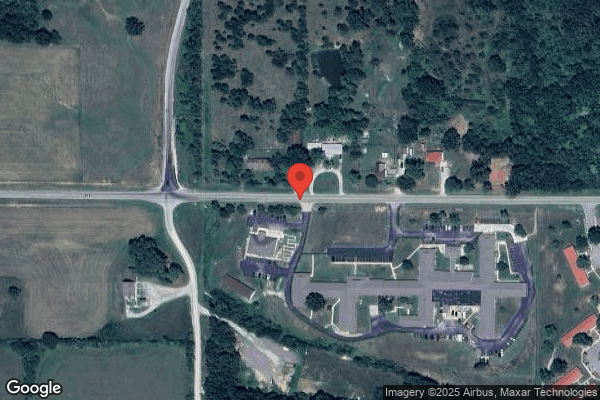
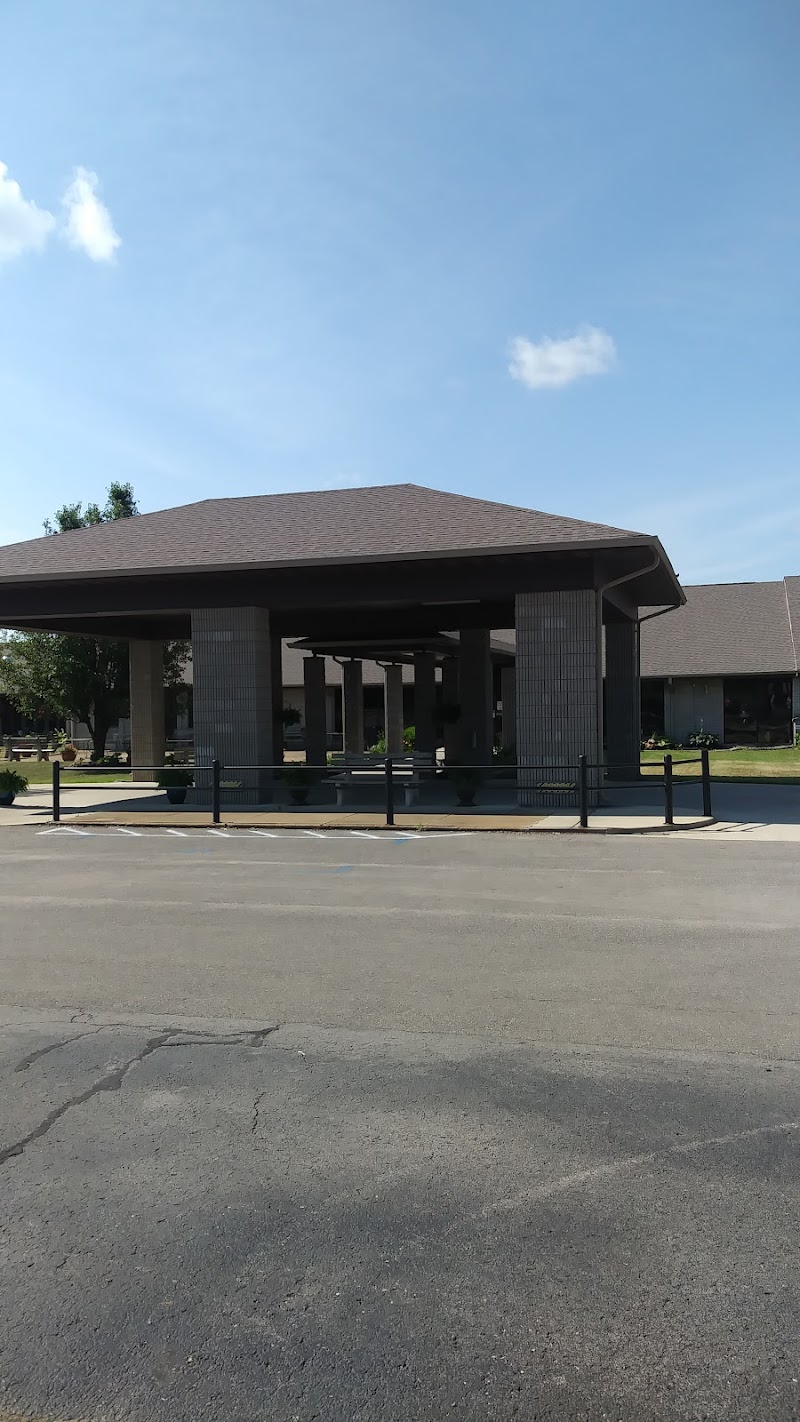
2646 STATE ROUTE 76, WILLOW SPRINGS, MO 65793 (417) 469-3152
Non profit - Corporation 105 Beds Independent Data: November 2025
Trust Grade
63/100
#215 of 479 in MO
Last Inspection: September 2024

Within standard 12-15 month inspection cycle. Federal law requires annual inspections.

Overview

Willow Care Nursing Home has a Trust Grade of C+, indicating it is slightly above average in quality but has room for improvement. It ranks #215 out of 479 facilities in Missouri, placing it in the top half, but it is the lowest-ranked option in Howell County. The facility's trend is worsening, with the number of issues increasing from 4 in 2023 to 8 in 2024. Staffing is a relative strength, with a turnover rate of 48%, which is lower than the state average of 57%, but they received a 3 out of 5 star rating for staffing, indicating room for improvement. However, there are concerning issues, including failures in infection control that could allow bacteria growth, lack of written notifications regarding bed-hold policies for residents being transferred, and insufficient programming for meaningful activities that align with residents' interests. While the facility does have an average level of RN coverage, these specific incidents highlight areas that need significant attention to enhance resident care and safety.

Trust Score
C+
63/100
In Missouri
#215/479
Top 44%
Safety Record
Low Risk
No red flags
Inspections
Getting Worse
4 → 8 violations
Staff Stability
⚠ Watch
48% turnover. Above average. Higher turnover means staff may not know residents' routines.
Penalties
✓ Good
$10,000 in fines. Lower than most Missouri facilities. Relatively clean record.
Skilled Nurses
⚠ Watch
Each resident gets only 20 minutes of Registered Nurse (RN) attention daily — below average for Missouri. Fewer RN minutes means fewer trained eyes watching for problems.
Violations
⚠ Watch
17 deficiencies on record. Higher than average. Multiple issues found across inspections.
★★★☆☆
3.0
Overall Rating
★★★☆☆
3.0
Staff Levels
★☆☆☆☆
1.0
Care Quality
★★★★☆
4.0
Inspection Score
Stable
2023: 4 issues
2024: 8 issues

The Good

  • Full Sprinkler Coverage · Fire safety systems throughout facility
  • No fines on record

Facility shows strength in fire safety.

The Bad

3-Star Overall Rating

Above Missouri average (2.5)

Meets federal standards, typical of most facilities

Staff Turnover: 48%

Near Missouri avg (46%)

Higher turnover may affect care consistency

Federal Fines: $10,000

Below median ($33,413)

Minor penalties assessed

The Ugly 17 deficiencies on record

Sept 2024 8 deficiencies
CONCERN (D)

Potential for Harm - no one hurt, but risky conditions existed

Deficiency F0582 (Tag F0582)

Could have caused harm · This affected 1 resident

Based on interview and record review, the facility failed to issue a Skilled Nursing Facility Advanced Beneficiary Notice (SNF ABN) to the resident and/or the resident's representative in writing at l...

Read full inspector narrative →
Based on interview and record review, the facility failed to issue a Skilled Nursing Facility Advanced Beneficiary Notice (SNF ABN) to the resident and/or the resident's representative in writing at least two calendar days before discharge from skilled services. This notice informs the beneficiary about potential non-coverage and the option to continue services with the beneficiary accepting the financial liability for those services. This practice affected two residents (Residents #15 and #56) out of three sampled residents. The facility census was 72. The facility did not provide a policy regarding SNF ABN forms. 1. Review of Resident #15's medical record showed: - The resident was discharged from skilled Medicare services on 08/16/24, and remained in the facility; - No documentation the resident and/or the representative received a SNF ABN; - The facility failed to provide the SNF ABN form to the resident and/or the representative at least two calendar days before the skilled Medicare services ended. 2. Review of Resident #56's medical record showed: - The resident was discharged from skilled Medicare services on 07/02/24, and remained in the facility; - No documentation the resident and/or the representative received a SNF ABN; - The facility failed to provide the SNF ABN form to the resident and/or the representative at least two calendar days before the skilled Medicare services ended. During an interview on 09/26/24 at 8:40 A.M., the Social Services Director said the residents should have received and signed a SNF ABN form at least two days prior to discharge from skilled Medicare services. During an interview on 09/26/24 at 2:15 P.M., the Administrator and the Director of Nursing said they expect residents who were discharging from skilled Medicare services and with days remaining, to receive a SNF ABN form at least 48 hours in advance.
CONCERN (D)

Potential for Harm - no one hurt, but risky conditions existed

Transfer Notice (Tag F0623)

Could have caused harm · This affected 1 resident

**NOTE- TERMS IN BRACKETS HAVE BEEN EDITED TO PROTECT CONFIDENTIALITY** Based on interview and record review, the facility failed to notify the resident and/or the resident's representative in writing...

Read full inspector narrative →
**NOTE- TERMS IN BRACKETS HAVE BEEN EDITED TO PROTECT CONFIDENTIALITY** Based on interview and record review, the facility failed to notify the resident and/or the resident's representative in writing of a transfer or discharge to a hospital, including the reasons for transfer for three residents (Residents #15, #34, and #70) out of six sampled residents. The facility's census was 72. The facility did not provide a policy for transfer/discharge notifications. 1. Review of Resident #15's medical record showed: - The resident transferred to the hospital on [DATE], and was readmitted to the facility on [DATE]; - The resident transferred to the hospital on [DATE], and was readmitted to the facility on [DATE]; - No documentation of written notification to the resident and/or the resident's representative of the resident's transfer to the hospital on [DATE] and 05/13/24. 2. Review of Resident #34's medical record showed: - The resident transferred to the hospital on [DATE], and was readmitted to the facility on [DATE]; - No documentation of written notification to the resident and/or the resident's representative of the resident's transfer to the hospital on [DATE]. 3. Review of Resident #70's medical record showed: - The resident transferred to the hospital on [DATE], and readmitted to the facility on [DATE]; - The resident transferred to the hospital on [DATE], and was not readmitted to the facility; - No documentation of written notification to the resident and/or the resident's representative of the resident's transfer to the hospital on [DATE], or the resident's discharge from the facility on 07/07/24. During an interview on 09/26/24 at 10:03 A.M., the Social Services Designee said he/she was unable to find a transfer notice on Resident #70 for 06/05/24. A discharge notice was not sent on 07/07/24, because Resident #70 was transferred to the hospital and then discharged home. During an interview on 09/26/24 at 2:15 P.M., the Administrator said he would expect residents and/or the resident's representative to receive a transfer/discharge notice in writing before transferring to the hospital, and would expect a discharge notice to be given to a resident at the time of discharge.
CONCERN (D)

Potential for Harm - no one hurt, but risky conditions existed

Assessment Accuracy (Tag F0641)

Could have caused harm · This affected 1 resident

**NOTE- TERMS IN BRACKETS HAVE BEEN EDITED TO PROTECT CONFIDENTIALITY** Based on interview and record review, the facility failed to accurately code the Minimum Data Set (MDS - a federally mandated as...

Read full inspector narrative →
**NOTE- TERMS IN BRACKETS HAVE BEEN EDITED TO PROTECT CONFIDENTIALITY** Based on interview and record review, the facility failed to accurately code the Minimum Data Set (MDS - a federally mandated assessment instrument completed by facility staff) for four residents (Residents #22, #42, #52, and #63) out of 19 sampled residents and one resident (Resident #42) outside the sample. The facility census was 72. The facility did not provide a policy related to the accuracy of the MDS assessments. 1. Review of Resident #22's medical record showed: - Diagnoses of Parkinson's disease (a progressive disease of the nervous system marked by tremor, muscular rigidity, and slow, imprecise movement), dementia (a condition characterized by progressive or persistent loss of intellectual functioning, especially with impairment of memory and abstract thinking), and heart failure (a chronic condition in which the heart doesn't pump blood as well as it should); - An order for hospice to evaluate and admit to hospice, dated 04/23/24; - A care plan, dated 05/17/24, addressed hospice. Review of the resident's quarterly MDS, dated [DATE], showed: - The resident did not have a condition or chronic disease that may result in a life expectancy of less than six months; - Received hospice services. 2. Review of Resident #42's medical record showed: - Diagnoses of rectal cancer, heart failure, and morbid obesity (a disorder involving excessive body fat that increases the risk of health problems); - A care plan, dated 08/23/24, addressed the resident received chemotherapy related to rectal cancer. Review of of the resident's significant change MDS, dated [DATE], showed: - No diagnosis of cancer; - Received chemotherapy. 3. Review of Resident #52's medical record showed: - Seatbelt being used as restraint; - A Restraint Physical Quarterly/Annual Evaluation, dated 07/30/24, the resident with a seatbelt to his/her wheelchair as a physical restraint; - A care plan, dated 07/31/24, addressed the resident used a seatbelt on his/her wheelchair. Review of the resident's quarterly MDS, dated [DATE], showed: - No restraint used in a chair or out of bed. 4. Review of Resident #63's medical record showed: - Diagnoses of Alzheimer's Disease (a progressive disease that destroys memory and other important mental functions), bipolar (a mental illness that causes extreme mood swings), and high blood pressure; - An order for Xarelto (an anticoagulant medication) 20 milligrams (mg) once per day, dated 01/31/24. Review of the resident's quarterly MDS, dated [DATE], showed: - Did not receive an anticoagulant. During an interview on 09/25/24 at 2:05 P.M., Licensed Practical Nurse (LPN) J said Resident #63 could remove the seatbelt but when asked, the resident was unable to remove it. During an interview on 09/26/24 at 1:30 P.M., the MDS Coordinator said the MDS should accurately reflect a resident's current condition. During an interview on 09/26/24 at 2:10 P.M., the Administrator said he would expect the MDS to accurately reflect a resident's current condition.
CONCERN (D)

Potential for Harm - no one hurt, but risky conditions existed

Deficiency F0658 (Tag F0658)

Could have caused harm · This affected 1 resident

Based on observation, interview, and record review, the facility failed to follow physician orders for two residents (Residents #9 and #20) out of 19 sampled residents. The facility census was 72. Rev...

Read full inspector narrative →
Based on observation, interview, and record review, the facility failed to follow physician orders for two residents (Residents #9 and #20) out of 19 sampled residents. The facility census was 72. Review of the facility policy titled, Policy and Procedure Physician Orders, revised 07/01/17, showed: - Written/faxed orders require a physician signature in order to constitute a valid order; - The order should be clear, concise and contain the required components; - Orders that are missing required components, illegible or are unclear, will be clarified prior to implementation; - The licensed nurse is required to record the order in Point Click Care (PCC), the Physician Order Sheet (POS) and on the appropriate Medication Administration Record (MAR)/ Treatment Administration Record (TAR). 1. Review of Resident #9's medical record showed: - admission date of 01/12/22; - Diagnoses of post-traumatic stress disorder (PTSD - a mental health condition triggered by a terrifying event - either experiencing it or witnessing it; symptoms may include flashbacks, nightmares and severe anxiety, as well as uncontrollable thoughts about the event), major depressive disorder (MDD - long-term loss of pleasure or interest in life), dementia (a disorder marked by memory loss, personality changes, and impaired reasoning that interferes with daily functioning), drug or chemical induced diabetes (abnormal blood sugar), and non-pressure chronic ulcer of right lower leg. Review of the resident's Physician Order Sheet (POS), dated September 2024, showed: - An order to check capillary blood glucose (CBG's) three times a week on Monday, Wednesday, and Friday, dated 11/09/22; - An order for Janumet (a medication for blood sugar control) 50-1000 milligrams (mg) by mouth two times a day, dated 10/24/22. Review of the Resident's TAR, dated September 2024, showed: - CBG's not checked on 09/18/24, 09/23/24, and 09/25/24; - Three out of 11 opportunities missed. During an interview on 09/26/24 at 1:15 P.M., the Social Services Director said Resident #9 usually refused blood sugar checks so sometimes that was why it did not get done. During an interview on 09/26/24 at 1:20 P.M., Resident #9 said he/she had diabetes and got his/her blood sugar checked. He/She had refused blood sugar checks in the past but not any recently. Staff checked blood sugars throughout the week but did not know exactly when or how often it was ordered. 2. Review of Resident #20's September 2024 POS showed: - Diagnosis of DM; - An order for Fiasp (a type of insulin) inject subcutaneously (an injection under the skin) per sliding scale three times daily with meals. For blood sugar: 150-200 = 0 units, 201-250 = 2 units, 251-300 = 4 units, 301-350 = 6 units, 351-400 = 8 units. Observation of resident on 09/25/24 at 5:25 P.M., showed: - Licensed Practical Nurse (LPN) A administered Fiasp 8 units for a blood sugar of 501 to the resident; - LPN A failed to contact the physician and receive an order for a blood sugar of 501. During interview on 09/25/24 at 6:00 P.M., LPN A said he/she if Resident #20's blood sugar was above 400, the nurse would contact the physician. During interview on 09/25/24 at 6:00 P.M., the Director of Nursing (DON) said she would expect nurses to follow the physician orders. During an interview on 09/26/24 at 2:15 P.M., the DON and Administrator said they would expect physician orders to be followed as written.
CONCERN (D)

Potential for Harm - no one hurt, but risky conditions existed

Incontinence Care (Tag F0690)

Could have caused harm · This affected 1 resident

**NOTE- TERMS IN BRACKETS HAVE BEEN EDITED TO PROTECT CONFIDENTIALITY** Based on observation, interview, and record review, the facility failed to obtain physician orders for placement and care of an ...

Read full inspector narrative →
**NOTE- TERMS IN BRACKETS HAVE BEEN EDITED TO PROTECT CONFIDENTIALITY** Based on observation, interview, and record review, the facility failed to obtain physician orders for placement and care of an indwelling catheter (a tube inserted into the bladder to drain urine) for one resident (Resident #323) out of two sampled residents. The facility census was 72. Review of the facility policy titled, Policy and Procedures Physician Orders, dated 07/01/17, showed: - An order must be recorded in the medical record by the licensed nurse authorized to transcribe such orders; - Physician's orders must be documented clearly in the medical record. Review of the facility policy titled, Catheter Care, Urinary, dated September 2014, showed: - Notify the physician or supervisor if the catheter is accidentally removed. 1. Review of Resident #323's medical record showed: - Date of admission [DATE]; - Diagnoses of obstructive uropathy (a condition in which the flow of urine is blocked), epilepsy (a condition that affects the brain and causes frequent seizures), altered mental status, and generalized anxiety disorder; - Physician Order Sheet (POS), dated 09/24/24, showed no order for the catheter placement or catheter care. Review of the resident's nurse notes showed: - On 9/21/24 at 4:36 A.M., the resident pulled out his/her catheter and the physician order was to continue to monitor the resident; - On 9/22/24 at 3:34 P.M., the nurse reported to the nurse supervisor that the resident had very little urine output after the resident pulled the catheter out; - On 9/23/24 at 2:26 P.M., Licensed Practical Nurse (LPN) A inserted a new catheter into the resident. Observation on 09/24/24 at 3:55 P.M., showed LPN A performed catheter care on Resident #323. During an interview on 09/25/24 at 2:39 P.M., LPN A said catheter care was usually done by the Certified Nursing Assistants (CNAs). A catheter was placed into Resident #323 because the resident pulled the prior catheter out. The resident was admitted to the facility with a catheter. During an interview on 09/24/24 at 4:29 P.M., the Nurse Practitioner (NP) C said he/she was on call on 09/23/24, but did not recall LPN A calling for catheter orders for Resident #323. During an interview on 09/26/24 at 2:15 P.M., the Director of Nursing (DON) said she would expect a nurse to call the physician for an order before placing a catheter or performing catheter care.
CONCERN (D)

Potential for Harm - no one hurt, but risky conditions existed

Deficiency F0697 (Tag F0697)

Could have caused harm · This affected 1 resident

Based on observation, interview, and record review, the facility failed to ensure one resident (Resident #9) out of one sampled resident received treatment and care in accordance with professional sta...

Read full inspector narrative →
Based on observation, interview, and record review, the facility failed to ensure one resident (Resident #9) out of one sampled resident received treatment and care in accordance with professional standards of practice, the comprehensive care plan, and the resident's choices, related to pain management. The facility's census was 72. Review of the facility policy titled, Pain Assessment and Management, dated March 2020, showed: - The purposes of this procedure are to help the staff identify pain in the resident, and to develop interventions that are consistent with the resident's goals and needs and that address the underlying causes of pain; - The pain management program is based on a facility-wide commitment to appropriate assessment and treatment of pain, based on professional standards of practice, the comprehensive care plan, and the resident's choices related to pain management; - Pain management is a multidisciplinary care process that includes assessing the potential for pain, recognizing the presence of pain, identifying the characteristics of pain, addressing the underlying causes of the pain, developing and implementing approaches to pain management, identifying and using specific strategies for different levels and sources of pain, monitoring for the effectiveness of interventions, and modifying approaches as necessary; - Acute pain (or significant worsening of chronic pain) should be assessed every 30 to 60 minutes after the onset and reassessed as indicated until relief is obtained; - For stable chronic pain, the resident's pain and consequences of pain are assessed at least weekly; - Observe the resident (during rest and movement) for physiologic and behavioral (non-verbal) signs of pain; - Review the medication administration record (MAR) to determine how often the individual requests and receives as needed (PRN) pain medication, and to what extent the administered medications relieve the resident's pain; - The pain management interventions shall be consistent with the resident's goals for treatment; - Re-assess the resident's pain and consequences of pain at least each shift for acute pain or significant changes in levels of chronic pain and at least weekly in stable chronic pain; - Monitor factors to determine if the resident's pain is being adequately controlled like the resident's response to interventions and level of comfort over time, the status of the underlying cause(s) of pain, if identified previously, and the presence of adverse consequences to treatment; - If pain has not been adequately controlled, the multidisciplinary team, including the physician, shall reconsider approaches and make adjustments as indicated; - Report prolonged, unrelieved pain despite care plan interventions to the physician or practitioner. 1. Review of Resident #9's medical record showed: - admission date of 01/12/22; - Diagnoses of post traumatic stress disorder (PTSD - a mental health condition triggered by a terrifying event - either experiencing it or witnessing it; symptoms may include flashbacks, nightmares and severe anxiety, as well as uncontrollable thoughts about the event), major depressive disorder (MDD - long-term loss of pleasure or interest in life), dementia (a disorder marked by memory loss, personality changes, and impaired reasoning that interferes with daily functioning), drug or chemical induced diabetes (abnormal blood sugar), pain, gastroesophageal reflux disease (GERD - stomach acid being forced back into the throat region), rheumatoid arthritis (a chronic disease marked by inflammation of multiple joints), insomnia (difficulty sleeping), and non-pressure chronic ulcer of right lower leg. Review of the resident's Physician Order Sheet (POS), dated September 2024, showed: - An order for Oxycontin (an opioid pain medication) 15 milligram (mg) by mouth two times a day for pain, dated 03/13/24; - An order for hydrocodone-acetaminophen (an opioid pain medication) 5-325 mg by mouth every 12 hours PRN for breakthrough pain and must have been four hours since scheduled pain medication, dated 03/13/24; - An order to assess for pain every shift, dated 03/01/22; - An order to cleanse the open areas to the right lower leg with normal saline, apply a primary dressing of non-bordered foam (a type of dressing), and wrap with gauze once daily, date 07/03/24; - An order for PRN pain medication one hour prior to wound treatment, dated 02/08/23; - An order for PRN pain medication 30 minutes prior to wound treatment, dated 04/30/24. Review of the resident's quarterly Minimum Data Set (MDS - a federally mandated assessment completed by the facility), dated 08/12/24, showed: - Cognitive status slightly impaired; - Total dependence for lower body dressing, chair/bed to chair transfer, toilet transfer, and tub/shower transfer; - One venous (vein) ulcer; - Application of nonsurgical dressings and ointments/medications; - Almost constant pain. Review of the resident's MAR and Treatment Administration Record (TAR), dated September 2024, showed: - Oxycontin 15 mg tablet not administered on 09/05/24, 09/08/24, 09/18/24, 09/23/24, and 09/25/24 at 6:00 A.M. as ordered with five missed out of 27 opportunities; - Hydrocodone-acetaminophen 5-325 mg not administered on 09/06/24, 09/08/24, 09/22/24, and 09/25/24, prior to dressing changes as ordered with four missed out of 22 opportunities. Review of the resident's care plan, dated 09/19/24, showed: - At risk for ineffective peripheral tissue perfusion (blood flow) with intervention to evaluate for pain; - Provide wound care per treatment order; - Administer analgesic medications as ordered by physician. Observation on 09/24/24 at 3:00 P.M. showed Resident #9 received a dressing change to his/her right lower leg. Certified Nurse Assistant (CNA) F had to help spread the resident's legs open during the dressing change. With every movement during the dressing change, Resident #9 winced and groaned in pain. Resident #9 asked if he/she could have some pain medication and Licensed Practical Nurse (LPN) A said it was already given around an hour ago. During an interview on 09/23/24 at 1:59 P.M., Resident #9 said he/she did not get pain medication like it was ordered. Staff was supposed to give the pain medication before doing the leg dressing, but did not give the pain medication until sometimes after the dressing change was done, if staff gave the pain medication at all. He/She was constantly in pain and the pain medication did not start working until an hour after taking it or when taking it with food. During an interview on 09/26/24 at 8:53 A.M., Certified Medication Technician (CMT) I said he/she would give a resident pain medication if it can be given and would look at the physician orders to make sure the resident could get it. During an interview on 09/26/24 at 10:29 A.M., LPN B said if a resident was having pain and was able to have pain medication, then the pain medication would be given. During an interview on 09/26/24 at 2:15 P.M., the Director of Nursing (DON) and Administrator said they would expect physician's orders to be followed as written and for a resident to be appropriately medicated for pain.
CONCERN (D)

Potential for Harm - no one hurt, but risky conditions existed

Deficiency F0699 (Tag F0699)

Could have caused harm · This affected 1 resident

Based on observation, interview, and record review, the facility failed to identify, assess, and provide supportive interventions for two residents (Resident #6 and #9) with a diagnosis of post-trauma...

Read full inspector narrative →
Based on observation, interview, and record review, the facility failed to identify, assess, and provide supportive interventions for two residents (Resident #6 and #9) with a diagnosis of post-traumatic stress disorder (PTSD - a mental health condition triggered by a terrifying event - either experiencing it or witnessing it; symptoms may include flashbacks, nightmares and severe anxiety, as well as uncontrollable thoughts about the event) out of two sampled residents. The facility's census was 72. Review of the facility policy titled, Trauma Informed Care, dated March 2019, showed: - The purpose is to guide staff in appropriate and compassionate care specific to individuals who have experienced trauma; - Nursing staff are trained on screening tools, trauma assessment and how to identify triggers associated with re-traumatization; - Caregivers are taught strategies to help eliminate, mitigate or sensitively address a resident's triggers; - Implement universal screening of residents for trauma; - As part of the comprehensive assessment, identify history of trauma or interpersonal violence when possible. Identifying past trauma or adverse experiences may involve record review or the use of screening tools. 1. Review of Resident #6's medical record showed: - admission date of 04/07/10; - Diagnoses of PTSD, major depressive disorder (MDD - long-term loss of pleasure or interest in life), paranoid schizophrenia (mental illness that affects a person's perception and can involve hallucinations and delusions, suicidal ideations (thoughts of committing suicide), and auditory hallucinations (hearing sounds that aren't there); - No documentation of a trauma questionnaire/screening to identify trauma, PTSD, and triggers. Review of the resident's Physician Order Sheet (POS), dated September 2024, showed: - An order for venlafaxine (an antidepressant medication) 150 milligram (mg) by mouth daily at bedtime for MDD, dated 09/23/22; - An order for venlafaxine 75 mg by mouth daily in the morning for MDD, dated 03/01/22; - An order for haloperidol (an antipsychotic medication) 5 mg by mouth twice per day for paranoid schizophrenia, dated 09/23/22; Review of the resident's care plan, initiated 03/15/22, showed: - PTSD not addressed; - Did not address personalized triggers or interventions associated to the resident or triggers. During an interview on 09/25/24 at 4:32 P.M., the resident said he/she had triggers related to trauma and did not recall being asked about it. 2. Review of Resident #9's medical record showed: - admission date of 01/12/22; - Diagnoses of PTSD, MDD, dementia (a disorder marked by memory loss, personality changes, and impaired reasoning that interferes with daily functioning), drug or chemical induced diabetes (abnormal blood sugar), pain, gastroesophageal reflux disease (GERD - stomach acid being forced back into the throat region), rheumatoid arthritis (a chronic disease marked by inflammation of multiple joints), insomnia (difficulty sleeping), and non-pressure chronic ulcer of right lower leg; - No documentation of a trauma questionnaire/screening to identify trauma, PTSD, and triggers. Review of the resident's POS, dated September 2024, showed: - An order for duloxetine (an antidepressant medication) 60 mg by mouth in the morning for MDD, dated 03/01/22. Review of the resident's care plan, dated 09/19/24, showed: -No specific goals, interventions, or triggers related to PTSD addressed. During an interview on 09/25/24 at 5:12 P.M., Resident #9 said he/she had not been asked about PTSD and his/her triggers. Nobody knew what he/she had been through and did not care enough to ask or do anything about it. He/She had been triggered in the past at the facility, but nobody knew about it or asked. During an interview on 09/25/24 at 3:52 P.M., the Social Services Director said the trauma questionnaire was done by the nurse on admission and if it triggered any issues, then that information went to the Minimum Data Set (MDS - a federally mandated assessment completed by staff) Coordinator. During an interview on 09/25/24 at 3:56 P.M., Licensed Practical Nurse (LPN) A said the trauma questionnaire was done by the nurses on admission and they asked about triggers at that time. He/She did not know exactly where the information went after the questionnaire was completed, but thought it went to the Director of Nursing (DON) and the higher ups. The care plan was completed and revised by the MDS Coordinator. During an interview on 09/26/24 at 8:22 A.M., Certified Nurse Assistant (CNA) G said he/she found out how to take care of a resident based on what was in the chart. If someone needed special care or instructions on how to approach a task, like residents with PTSD or people with triggers, it could be found in the chart. During an interview on 09/26/24 at 09:15 A.M., the MDS Coordinator said all residents get trauma screenings on admission by the nurse. The nurse then tells the MDS Coordinator what was found. The care plan was updated and completed by the interdisciplinary team (IDT) and the MDS Coordinator. The care plan should have PTSD, trauma, and triggers addressed on it.
CONCERN (D)

Potential for Harm - no one hurt, but risky conditions existed

Deficiency F0947 (Tag F0947)

Could have caused harm · This affected 1 resident

Based on interview and record review, the facility failed to conduct at least twelve hours of nurse aide in-service education per year. This affected two out of two sampled Certified Nurse Assistants ...

Read full inspector narrative →
Based on interview and record review, the facility failed to conduct at least twelve hours of nurse aide in-service education per year. This affected two out of two sampled Certified Nurse Assistants (CNA) (CNA D and CNA E). The facility's census was 72. Review of the facility's policy titled, In-Service Training Program, Nurse Aide, revised 08/2010, showed: - Each nursing assistant must attend, at a minimum, twelve hours of continuing education annually. 1. Review of CNA D's in-service record showed: - A hire date of 07/28/21; - A total of three hours and 30 minutes of annual in-service training for July 2023 through July 2024; - Less than twelve hours of in-service education for July 2023 through July 2024. 2. Review of CNA E's in-service record showed: - A hire date of 04/12/13; - A total of three hours and 30 minutes of annual in-service training for April 2023 through April 2024; - Less than twelve hours of in-service education for April 2023 through April 2024. During an interview on 09/26/24 at 9:00 A.M., the Administrator said the facility tracked CNA training hours by calendar year, and that he expects CNA's to have at least 12 hours of in-service education each year. During an interview on 09/26/24 at 2:00 P.M., the DON said she would expect all CNA's to have at least 12 hours of in-service education each year.
Feb 2023 4 deficiencies
CONCERN (E)

Potential for Harm - no one hurt, but risky conditions existed

Deficiency F0625 (Tag F0625)

Could have caused harm · This affected multiple residents

**NOTE- TERMS IN BRACKETS HAVE BEEN EDITED TO PROTECT CONFIDENTIALITY** Based on interview and record review, the facility failed to ensure all residents received a written notice of the bed-hold poli...

Read full inspector narrative →
**NOTE- TERMS IN BRACKETS HAVE BEEN EDITED TO PROTECT CONFIDENTIALITY** Based on interview and record review, the facility failed to ensure all residents received a written notice of the bed-hold policy upon transfer when staff failed to provide three residents (Residents #24, #32 and #39) written notices of the facility's bed-hold policy when transferred to the hospital. The facility census was 73. Record review of the facility's policy entitled Bed-Holds and Returns, revised March 2017, showed the following information: -Prior to transfers and therapeutic leaves, residents or resident representatives will be informed in writing of the bed-hold and return policy; -Residents may return to and resume residence in the facility after hospitalization as outlined in this policy; -Prior to a transfer, written information will be given to the residents and the resident representatives that explains in detail the rights and limitations of the resident regarding bed-holds; the reserve bed payment policy as indicated by the state plan (Medicaid residents); the facility per diem rate required to hold a bed (non-Medicaid residents), or to hold a bed beyond the state bed-hold period (Medicaid residents); and the details of the transfer (per the Notice of Transfer). 1. Record review of Resident #39's face sheet (gives brief information about the resident) showed the following information: -admission date of 4/2/2019. Record review of the resident's progress notes showed the following information: -On 2/1/2022, staff transferred the resident to the hospital due to exhibiting stroke like symptoms. The doctor gave an order for the resident to be sent to the hospital for evaluation. Record review of the resident's medical record showed staff did not document notification to the resident or resident's responsible party of the facility's bed hold policy when the resident transferred to the hospital on 2/1/2022. 2. Record review of Resident #24's face sheet showed the following information: -admitted to the facility on [DATE]. Record review of the resident's progress notes showed the following: -On 12/19/2022, staff transferred the resident to the hospital due to a laceration to the back of the head occurring from a fall. The doctor gave an order for the resident to be sent to the hospital for evaluation and treatment. Resident called her son at that time. Record review of the resident's medical record showed staff did not document notification to the resident or resident's responsible party of the facility's bed hold policy when the resident transferred to the hospital on [DATE]. Record review of the resident's progress notes showed the following: -On 1/27/2023, staff transferred the resident to the hospital due to sliding out of walker falling on his/her hip. The doctor gave an order for the resident to be sent to the hospital for evaluation and treatment. The resident's family was called. Record review of the resident's medical record showed staff did not document notification to the resident or resident's responsible party of the facility's bed hold policy when the resident transferred to the hospital on 1/27/23. 3. Record review of Resident #32's face sheet showed the following information: -admission date 1/6/2023. Record review of the resident's progress notes showed the following information: -On 2/6/2023, the resident pulled out his/her urinary catheter causing a large amount of bleeding and pain. Per physician orders, staff replaced the catheter. The resident continued grabbing at it and yelling about it. Staff removed the catheter and sent the resident out to the hospital. Record review of the resident's medical record showed staff did not document notification to the resident or resident's responsible party of the facility's bed hold policy when the resident transferred to the hospital on 2/6/2023. 4. During an interview on 02/09/2023, at 11:05 A.M., the Social Services Director (SSD) said the bed hold policy is included in the admittance paperwork. Residents are not provided a bed hold policy when they're transferred to the hospital. 5. During an interview on 2/10/2023, at 1:55 P.M., Licensed Practical Nurse (LPN) D said he/she sends a copy of the face sheet and medication list with the resident to the hospital. He/she had not heard of a bed hold policy. 6. During an interview on 2/10/2023, at 2:07 P.M., LPN E said he/she sends a copy of the face sheet, medication list, code status, and POA (power of attorney) with the resident to the hospital. He/she had not heard of a bed hold policy. 7. During an interview on 2/10/2023, at 2:18 P.M., the MDS Coordinator said that when a resident transfers to the hospital, they're sent with a face sheet, medication list, code status, and notice of transfer and discharge. The resident or their representative is also given a bed hold policy. The SSD is in charge of providing a bed hold policy to the resident or representative. If he/she is not present, the nurse should be communicating with the SSD. 8. During an interview on 2/10/2023, at 4:00 P.M., the Administrator said staff should be offering a copy of the bed-hold policy to residents when they're being transferred to the hospital. He/she said this was not happening.
CONCERN (E)

Potential for Harm - no one hurt, but risky conditions existed

Deficiency F0679 (Tag F0679)

Could have caused harm · This affected multiple residents

**NOTE- TERMS IN BRACKETS HAVE BEEN EDITED TO PROTECT CONFIDENTIALITY** Based on observation, interview, and record review the facility failed to provide an ongoing program of meaningful activities ba...

Read full inspector narrative →
**NOTE- TERMS IN BRACKETS HAVE BEEN EDITED TO PROTECT CONFIDENTIALITY** Based on observation, interview, and record review the facility failed to provide an ongoing program of meaningful activities based on residents' interests and abilities when the staff did not provide activities scheduled, did not provide a calendar with times of activities noted, and did not track attendance of activities to evaluate if activities needs were being met for four residents (Resident #9, #25, #59, and #65). The facility's census was 73. Record review of the facility's policy titled, Group Programs and Activities Calendar (Revised January 2011), showed the following: -Group activities are available in this facility and an activities calendar is completed to inform residents, families and staff of the activity opportunities available; -The activities calendar states all activities available for the entire month; -Residents are encouraged to participate in all group activities, especially those that are best suited for their interests and physical, mental and emotional needs; -Smaller monthly activity calendars are placed in each resident room at a height and location that is accessible to the resident; -Activities are also advertised through announcements over the public address system and verbal invitations to join an activity on an individual basis; -Calendar development and changes are discussed with the Resident Council to keep them informed; -The Activity Director/Coordinator periodically reviews the current types of activity programs in terms of the current facility population and changes are made based on this analysis with input from the Resident Council. 1. During the Resident Council Meeting on 2/7/23, at 9:57 A.M., the residents said the following regarding activities at the facility: -Activities consist of mostly Bingo; -All were in agreement that more activities are needed and name some things including, crafts, painting classes, outing to the library, and shopping; -They also agreed there are not many books at the facility. 2. Record review of the facility's calendar of activities, dated 2/26/2023 to 2/10/2023, showed the following: -On Monday, 2/6/2023, staff scheduled Bingo, water bottle, and food; -On Tuesday, 2/7/2023, staff scheduled Bingo and making Valentine's hats; -On Wednesday, 2/8/2023, staff scheduled waffle Wednesday and church video; -On Thursday, 2/9/2023, staff scheduled Bingo and chocolate covered strawberries; -On Friday, 2/10/2023, staff scheduled piano music and singing and making pizza. (The schedule did not provide times of each activity.) Observations showed the following: -On 2/6/2023, between 9:00 A.M., and 11:00 A.M., and 1:30 P.M. to 4:00 P.M., no scheduled or other activities were observed in the skilled care or the memory care unit; -On 2/7/2023, between 9:00 A.M., and 11:00 A.M., no activities were provided. Bingo was played in the afternoon, beginning at approximately 2:00 P.M., in the skilled care's main dining room. No other activity, including the scheduled hat-making, was observed during the day in either skilled care or the memory care unit; -On 2/8/2023, between 9:00 A.M., and 11:00 A.M., and from 1:30 P.M. to 4:00 P.M., no activities or church video were observed in the skilled care or the memory care; -On 2/9/23, between 9:00 A.M., and 11:00 A.M., no activities were provided. Bingo was played in the afternoon, at approximately 2:00 P.M., in the skilled care's main dining room. No other activity was observed during the day in either skilled care or the memory care unit; -On 2/10/23, at 11:00 A.M., a volunteer came to play piano for residents. No other scheduled or other activity, including pizza making, was observed throughout the day in the skilled care or the memory care unit. 3. Record review of Resident #25's face sheet showed the following: -admission date of 5/04/2022; -Diagnoses included mild cognitive impairment, major depressive disorder, and generalized anxiety. Record review of the resident's annual Minimum Data Set (MDS - a federally mandated assessment tool completed by facility staff), dated 1/23/2023, showed the following: -No cognitive impairment; -No behaviors; -Ambulates independently; -Rated participation in favorite activities as somewhat important. Record review of the resident's care plan, updated 1/24/2023, showed the following: -He/she enjoys nail day at the facility as well as Bingo, parties, and going outside. Record review of the resident's quarterly Activity Participation/Review Notes, dated 11/4/2022, showed the following: -The resident likes to play bingo twice a week and likes attending some exercises. He/she prefers one-on-one in his/her room with puzzles. Activity-related focuses remain appropriate for current care plan. Goals were met. Record review of the resident's quarterly Activity Participation/Review Notes, dated 1/26/2023, showed the following: -The resident likes to attend all activities. He/she enjoys Bingo and doing crafts. Activity-related focuses remain appropriate for current care plan. Goals were met. During an interview on 2/07/2023, at 10:00 A.M., the resident said he/she would like Bible study, crafts, and to go outside. Record review showed the facility did not have records to show the what activities the resident attended or declined to attend, each month. 4. Record review of Resident #65's face sheet showed the following: -admission date of 12/28/22; -Diagnoses included fracture Alzheimer's disease and depression. Record review of the resident's admission MDS, dated [DATE], showed the following: -Mild cognitive impairment; -No behaviors; -Only able to stabilize with human assist for walking; -Rated participation in outdoor activities very important; -Rated participation in religious services/activities, favorite activities, and group activities as somewhat Important. Record review of the resident's care plan, updated 1/26/2023, showed the following: -He/she has little to no activity involvement; -Goal is for the resident to participate in activities of his/her choice or one-on-one at least two to three times per week. Record review of the resident's activities initial review, dated December 2022, showed staff documented the following: -December activities: The resident likes looking at magazines and coloring. He/she likes dancing and enjoys holiday parties. He/she also likes going outside on warm sunny days with his/her family and puppy; -Does resident wish to participate in activities while in the home: No. During observation and interview on 2/6/2023, at 3:40 P.M., the resident said the following: -He/she hadn't been to any activities. He/she likes Bingo, but didn't know when they did Bingo; -Didn't have a calendar of activities in his/her room; -Did not observe an activity calendar, coloring pages, or magazines in the resident's room. Record review showed the facility did not have records to show the what activities the resident attended or declined to attend, each month. 7. During an interview on 2/10/23, at 10:39 A.M., Resident #61 said the following: -He/she doesn't know of any activities they have, except for Bingo, and sometimes someone will come in to play the piano; -He/she would enjoy having more activities; -He/she would enjoy seeing the other residents participate in more activities as it seems like they get to do nothing but sit in the dining room; -He/she would enjoy some games or being able to choose between some books; -There are some books, but it's a small selection and he/she has already gone through all of them; -He/she has never been taken to the library and would absolutely love something like that. 8. During an interview on 2/10/2023, at 1:21 P.M., Certified Medication Technician (CMT) I, said the following: -Very little is being done for the residents; -They did get piano music played for them this morning and really enjoyed it; -He/she does put them in front of the TV sometimes so they at least have something to watch. 9. During an interview on 2/10/2023, at 1:34 A.M., Licensed Practical Nurse (LPN) E said the following: -He/she has seen the newest activity person trying to do some group activities; -Feels the new activity person is doing a good job, but hasn't been here long enough to make a change; -LPN E will also put a movie on for the residents, one with bright colors to keep their attention, like Shrek or Minions; -On weekends there are no activities at all that she sees, so that is when he/she will usually put in a movie. 10. During an interview on 2/9/2023, at 11:27 A.M., the Activity Director, said the following: -The Activities Coordinator is the one who is supposed to provide games/entertainment for the residents in the unit, but has only been back there a few times; -The Activities Coordinator is to do only activities, while the Activity Director is also doing new admits, care plan reviews and other duties; -They can't do a lot because they are so limited in their budget, which is $200 each month; -He/she spends almost $100 monthly on prizes for the Bingo games; -They will be having a Super Bowl Party on Sunday, with an already scheduled aide to be in charge; -The unit does not have nearly as many activities as the regular hall, but he/she does have them color or will put on movies or music for the residents; -He/she said someone comes to play the piano every Friday; -Sometimes he/she will pull out coloring, crafts, music or a movie for the residents in the unit to do, but it's hard when she has so many other things to do. 11. During interviews on 2/10/2023, at 2:35 P.M., and 2/10/2023, at 4:00 P.M., the Administrator said the following: -Activities staff did not currently document residents' attendance at specific activities; -There should be a variety of activities offered to residents; -Someone should be asking the residents what they would like to do; -He/she said they also have music once in a while and not only Bingo; -They will be coming up with a plan to ensure residents are getting more activities. 5. Record review of Resident #9's face sheet showed the following information: -admission date of 1/12/2022; -Diagnoses included major depressive disorder and cataract (causes impaired vision). Record review of the resident's annual MDS, dated [DATE], showed the following: -Cognitively intact; -Able to mobilize under supervision; -Mood severity high; -Occasional verbal aggression; -Somewhat important to be involved in favorite activities. Record review of the resident's care plan, last updated on 2/9/2023, showed the following: -Resident does not want to attend most activities; -Enjoys listening to music in his/her room and playing on his/her computer. He/she has several guitars. Record review of the resident's quarterly Activities Participation Reviews, dated 10/26/2023, showed the following: -Does not like to attend activities. Prefers to keep to him/herself unless a band is there. Record review of the resident's quarterly Activities Participation Reviews, dated 1/26/2023, showed the following: -Likes to attend musicals with other residents. Prefers to be in his room listening to music and producing his/her own music as well. Likes holiday parties and birthdays. Record review showed the facility did not have records to show the what activities the resident attended or declined to attend, each month. During an interview on 2/7/2023, at 9:47 A.M.,the resident said he/she would like to go outside sometimes, but was not allowed to do so without supervision. He/she was told there isn't enough staff for any of them to go outside with the residents. He/she said Bingo is about their only activity, but would like more activities offered. The facility used to have church services and Bible study, but not currently. 6. Record review of Resident #59's face sheet showed the following information: -admitted to the facility on [DATE]; -Diagnoses included dementia, restlessness and agitation, major depressive disorder, and anxiety. Record review of the resident's quarterly Activities Participation Reviews, dated 4/14/2022, showed the following: -Likes music programs and crafts, attends regularly. Record review of the resident's quarterly Activities Participation Reviews, dated 7/14/2022, showed the following: -Attends daily activities; enjoys going outside and music parties. Record review of the resident's significant change MDS, dated [DATE], showed the following: -Severely impaired cognition; -Mood severity: none; -Behaviors: none; -Preference for activities per family discussion: music, likes to participate in favorite activities. Record review of the resident's quarterly Activities Participation Reviews, dated 1/16/2023, showed the following: -Likes to watch kid movies and socialize with other residents; likes to cook and make goodies and share with staff and residents; likes to color and do crossword puzzles as well, enjoys one-on-one with staff. Record review of the resident's care plan, last updated on 1/16/2023, showed staff did not document information pertaining to activities or interests. Record review showed the facility did not have records to show the what activities the resident attended or declined to attend, each month.
CONCERN (E)

Potential for Harm - no one hurt, but risky conditions existed

Deficiency F0919 (Tag F0919)

Could have caused harm · This affected multiple residents

**NOTE- TERMS IN BRACKETS HAVE BEEN EDITED TO PROTECT CONFIDENTIALITY** 3. Record review of Resident #73's resident's quarterly Minimum Data Set (MDS - a federally mandated assessment tool completed b...

Read full inspector narrative →
**NOTE- TERMS IN BRACKETS HAVE BEEN EDITED TO PROTECT CONFIDENTIALITY** 3. Record review of Resident #73's resident's quarterly Minimum Data Set (MDS - a federally mandated assessment tool completed by facility staff), dated 12/22/22, showed the following: -Mild cognitive impairment; -Required supervisor/one person assist with toileting. Observations on 2/06/23, at 10:15 A.M., and 02/09/23, at 3:44 P.M., showed the following: -The resident's call light pull cord in the resident's bathroom next to the toilet was wrapped tightly around the grab bar. The cord could not be pulled to activate the system. During and interview on 2/10/23, at 9:40 A.M., the resident said he/she uses the bathroom. The string in there is an emergency light to use for help. 4. Record review of Resident #15's quarterly MDS, dated [DATE], showed the following: -Requires extensive assistance/one person with toileting. Observation on 2/09/23, at 3:49 P.M., showed the following: -The call light pull cord in the resident's bathroom next to the toilet was wrapped tightly around the grab bar. The cord could not be pulled to activate the system. During an interview on 2/10/23, at 7:53 A.M., the resident said the following: -He/she uses the bathroom in his/her room; -Cord is used to call for help. 5. Record review of Resident # 25's quarterly MDS, dated [DATE], showed the following: -No cognitive impairment; -Independent with toileting. Observation and interview on 2/10/2023, at 9:49 A.M., with the resident showed the following: -The call light pull cord in the resident's bathroom next to the toilet was wrapped tightly around the grab bar. The cord could not be pulled to activate the system; -The resident said he/she uses the bathroom and you pull the string when you need help. 6. During an interview on 2/10/23, at 1:39 P.M., Certified Nurse Aide (CNA) C said the following: -Call lights in the residents' rooms and bathrooms should always be accessible for the residents to use; -Call lights should not be wrapped around the grab bar; -Maintenance is responsible for checking the call lights. 7. During an interview on 2/10/23, at 1:44 P.M., CNA B said the following: -Call lights in a resident's room and bathroom should always be accessible so the resident can use them; -It is not appropriate for the call light cord in the bathroom to be wrapped around the grab bar; -Everyone is responsible for making sure the resident's call light is accessible. 8. During an interview on 2/10/23, at 1:51 P.M., CNA A said the following: -Call lights in a resident's room and bathroom should always be accessible for the resident to use; -Sometimes it's okay for the call light in the bathroom to be wrapped around the grab bar so the resident doesn't get pee on them; -Everyone is responsible for making sure the resident's call light is within reach. 9. During an interview on 2/10/23 at 1:55 P.M., Licensed Practical Nurse (LPN) D said the following: -Call lights in a resident's room and bathroom should always be accessible for resident to use; -The call light should not be wrapped around the grab bar; -Maintenance and nursing are responsible for checking the call lights. 10. During an interview on 2/10/23, at 2:07 P.M., LPN E said the following; -Call lights should be accessible for use in the resident's room and bathroom; -It is not appropriate for the call light to be wrapped around the grab bar; -All staff are responsible for checking the call lights. 11. During an interview on 2/10/23, at 2:18 P.M., the MDS Coordinator said the following; -Call lights should be accessible for use in the resident's room and bathroom; -It is not appropriate for the call light to be wrapped around the grab bar; -All nursing staff are responsible for checking the call lights. 12. During an interview on 2/10/23, at 2:32 P.M., the Maintenance Supervisor said the following; -He checks the call light systems regularly; -He checks the lights in the bathrooms monthly; -It was not appropriate for the call light cord to be wrapped around the grab bars. 13. During an interview on 2/10/23, at 4:00 P.M., the Director of Nursing (DON) and the Administrator said the following; -Call lights should be accessible for use in residents' bathrooms and bedrooms; -There are a couple of independent residents who will wrap the cord around the grab bar; -Residents cannot use the call light if it's wrapped around the grab bar. 2. Observation on 2/10/2023, at 10:13 A.M., showed Residents #30 and #34 shared a bathroom. The bathroom call light pull cord was wrapped around the hand rail. Pulling on the remaining length of dangling cord did not activate the call system. Based on observation, interview, and record review the facility failed to ensure call light cords were available to residents at all times when staff stored emergency call light pull cords where residents could not access the pull cord to call for staff assistance in the bathrooms of seven residents (Residents #15, #25, #30, #34, #41, #59, and #73). The facility census was 73 residents. Review of a facility policy and procedure entitled Answering the Call Light (Revised March 2021) showed the following information: -The purpose of the procedure is to ensure timely responses to the resident's requests and needs; -Upon admission and periodically as needed, explain and demonstrate use of the call light to the resident. Ask the resident to return the demonstration; -Explain to the resident that a call system is also located in his/her bathroom; -Be sure that the call light is plugged in and functioning at all times; -When the resident is in bed or confined to a chair be sure the call light is within easy reach of the resident; -Report all defective call lights to the nurse supervisor promptly. 1. Observations on 2/6/2023, at 1:10 P.M., showed Residents #41 and #59 shared a bathroom. The bathroom call light system was installed close to the door. It was too far away to allow a person sitting on the toilet to reach the attached pull cord if allowed to hang straight down. The cord was looped up and tied to the grab bar next to the toilet and the remaining cord length hung down. Pulling on the dangling portion of the cord did not activate the call light system.
CONCERN (F)

Potential for Harm - no one hurt, but risky conditions existed

Infection Control (Tag F0880)

Could have caused harm · This affected most or all residents

Based on interview and record review, the facility failed to maintain an effective infection control program for all residents when the facility failed to have a program in place for the prevention of...

Read full inspector narrative →
Based on interview and record review, the facility failed to maintain an effective infection control program for all residents when the facility failed to have a program in place for the prevention of the growth of Legionella bacteria (a bacteria which causes a respiratory disease when breathing in small droplets of water in the air that contain Legionella. It can become a health concern when it grows and spreads in human-made water systems) in the facility water supply or where moist conditions existed. The facility had a census of 73. Record review of the CDC (Centers for Disease Control and Prevention) Toolkit for Legionella (also titled Developing a Water Management Program to Reduce Legionella Growth & Spread in Buildings), dated 03/25/2021, showed healthcare facilities need to actively identify and manage hazardous conditions that support growth and spread of Legionella by: -Identifying building water systems for which Legionella control measures are needed; -Assess how much risk the hazardous conditions in those water systems pose; -Apply control measures to reduce the hazardous conditions, whenever possible, to prevent Legionella growth and spread; -Make sure the program is running as designed and is effective. 1. Record review of facility records showed the following: -The facility had an overall template, but did not complete a written, facility specific, program regarding the prevention of the growth of Legionella bacteria; -The facility did not document a risk assessment to identify at risk areas for Legionella growth; -The facility did not document facility specific measures taken to prevent the growth and/or spread of Legionella bacteria. During an interview on 2/10/2023, at 2:35 P.M., the Maintenance Director said the following: -He had not been aware of the requirement for a facility specific Legionella Water Program or its required content; -He would probably be responsible for managing the program after the plan was written. During an interview on 2/10/2023, at 2:39 P.M., the Administrator said the following: -The facility should have a Legionella Water Program that is specific to the facility's needs; -The facility did not have a facility specific plan at that time, but was doing monthly water testing and some prevention measures, such as flushing toilets and running faucets in empty rooms; -When the facility specific plan is written, the maintenance department will be responsible for the program; a newly hired assistant will do the testing.
Jan 2020 5 deficiencies
CONCERN (D)

Potential for Harm - no one hurt, but risky conditions existed

Comprehensive Care Plan (Tag F0656)

Could have caused harm · This affected 1 resident

**NOTE- TERMS IN BRACKETS HAVE BEEN EDITED TO PROTECT CONFIDENTIALITY** Based on observation, interview, and record review, the facility failed to identify, develop, and implement interventions for th...

Read full inspector narrative →
**NOTE- TERMS IN BRACKETS HAVE BEEN EDITED TO PROTECT CONFIDENTIALITY** Based on observation, interview, and record review, the facility failed to identify, develop, and implement interventions for the use of wheelchair seat belts for two residents (Resident #37 and #81). The facility's census was 81. Record review of the facility's policy titled, Care Plans-Comprehensive, dated December 2011, showed: -An individual care plan that includes measurable objectives and timetables to meet the resident's medical, nursing, mental, and psychological needs is developed for each resident; -Assessments of residents are ongoing and care plans are revised as information about the resident and the resident's condition change. 1. Record review of Resident #81's face sheet (document that gives a resident's information at a quick glance) showed: -admitted to the facility on [DATE]; -Diagnoses included Parkinson's disease, dementia, anxiety, muscle weakness, and history of falling. Observation on 1/7/20, at 10:31 A.M., showed the following: -The resident sat in a tilted wheelchair (a wheelchair designed for pressure relief and positioning) in the day area; -The resident wore a seat belt around his/her waist. Record review of the resident's current care plan on 1/7/20 showed staff did not identify, develop, or implement interventions for the seat belt on the resident's wheelchair. During an interview on 1/8/20, at 2:56 P.M., the Director of Nursing (DON) said the resident used a seat belt as a positioning device. During an interview on 1/9/20, at 9:05 A.M., Certified Nursing Assistant (CNA) F said the following: -Prior to today, staff always buckled the resident's seat belt when he/she was up in the wheelchair; -The CNA did not know of any special instructions for the use of the resident's seatbelt. During an interview on 1/9/20, at 10:14 AM, CNA H said the resident had a seat belt on his/her wheelchair. The resident had anxiety without the seat belt and tended to lean forward in his/her wheelchair when tired. During an interview on 1/09/20, at 4:37 P.M., CNA L said the resident did not wear a seat belt in his/her wheelchair. During an interview on 1/09/20, at 4:55 P.M., Registered Nurse (RN) K said he/she did not remember if the resident had a seat belt on his/her wheelchair. During an interview on 1/10/20, at 11:48 A.M., the DON said after talking with staff, she discovered some of the CNAs fastened the resident's seat belt and some did not. The DON did not know the resident had a seat belt until 1/8/20. 2. Record review of Resident #37's face sheet showed: -admitted to the facility on [DATE]; -Diagnoses included traumatic brain injury and generalized muscle weakness. Observation on 1/7/20, at 1:23 P.M., showed the following: -The resident sat in a wheelchair in his/her room; -The resident wore a seat belt around his/her waist. Record review of the resident's current care plan showed on 1/8/20, staff added to the care plan, seat belt to specialized wheelchair for safety and positioning. During an interview on 1/8/20, at 2:56 P.M., the DON said the resident used a seat belt as a positioning device. During an interview on 1/09/20, at 9:05 A.M., CNA F said the following: -Staff always fastened the seat belt around the resident's waist when he/she was up in the wheelchair; -The CNA did not know of any special instructions for the use of the resident's seatbelt. During an interview on 1/9/20, at 10:14 AM, CNA H, said the resident had a seat belt on his/her wheelchair because he/she had a habit of bucking forward out of the wheelchair and was at risk of falling. During an interview on 1/09/20, at 4:37 P.M., CNA L said the resident did not wear a seat belt in his/her wheelchair. During an interview on 1/09/20, at 4:55 P.M., RN K said the resident required a seat belt for positioning when in his/her wheelchair. During an interview on 1/10/20, at 11:48 A.M., the DON said the resident required a seat belt in his/her wheelchair for positioning for bucking and trunk control. 3. During an interview on 1/9/20, at 9:05 A.M., CNA F said the CNAs referred to a care summary on their computers for information about a resident. The care summary did not give the CNAs any information about the resident's seatbelt. 4. During an interview on 1/10/20, at 11:48 A.M., the DON said if a resident used a seat belt for positioning, staff should include it in the resident's care plan. Prior to this week, staff would not have had any way of knowing whether or not to buckle a resident's seat belt.
CONCERN (D)

Potential for Harm - no one hurt, but risky conditions existed

ADL Care (Tag F0677)

Could have caused harm · This affected 1 resident

**NOTE- TERMS IN BRACKETS HAVE BEEN EDITED TO PROTECT CONFIDENTIALITY** Based on observation, interview, and record review, the facility staff failed to cue residents and provide dining assistance in ...

Read full inspector narrative →
**NOTE- TERMS IN BRACKETS HAVE BEEN EDITED TO PROTECT CONFIDENTIALITY** Based on observation, interview, and record review, the facility staff failed to cue residents and provide dining assistance in a timely manner for two residents (Resident #15 and Resident #134). The facility census was 81. Record review of the facility's policy, assistance with meals, revised on October 2009, showed the following information: -Residents shall receive assistance with meals in a manner that meets the individual needs of each resident; -Dining room residents: -All residents will be encouraged to eat in the dining room; -Nursing staff and/or feeding assistants will serve resident trays and will help residents who require assistance with eating; -Residents who cannot feed themselves will be fed with attention to safety, comfort and dignity, for example; -Not standing over residents while assisting them with meals; -Keeping interactions with other staff to a minimum while assisting residents with meals; -Avoiding the use of labels when referring to residents (example: feeders); -Avoiding the use of bibs or clothing protectors instead of napkins, unless requested by the resident. 1. Record review of Resident #15's face sheet (a document that gives a resident's information at a quick glance) showed the resident admitted to the facility on [DATE]. Record review of the resident's dietary progress note, dated 12/5/19, at 12:58 P.M., showed the following information: -The dietary manager (DM) documented the resident ate his/her meals in the main dining room; -The resident sat at a table with an aide, not to assist with eating, but for encouragement to eat; -The resident received a regular, no added salt, fortified diet; -The resident ate only 39% of his/her meals. Record review of the resident's progress note, dated 12/12/19, at 11:18 A.M. showed the DM documented a review of the resident at the weight quality assurance meeting. The resident sat at the table with the aide to be assisted if he/she does not feed himself/herself. Record review of the registered dietitian (RD) recommendations, dated 12/19/19, showed the following information: -The resident's weight was variable in the short term; but long term, the resident's weight declined 10-15 pounds; -Staff report the resident usually eats a good breakfast and often refuses lunch; -The resident may allow one bite with assistance but refuses after that; -Recommend to continue to encourage and assist as the resident will allow. Record review of the resident's face sheet showed the following information: -Resident re-admitted from the hospital on [DATE]; -Diagnoses included anxiety disorder, unspecified dementia with behavioral disturbance, and abnormal weight loss. Record review of the resident's quarterly Minimum Data Set (MDS), a federally mandated assessment instrument, completed by facility staff, dated 1/6/2020, showed the following information: -Severe cognitive impairment; -Usually understood with ability to express ideas and wants; -Independent with eating. Record review of the resident's current care plan (undated) showed the following information: -Potential for alteration in nutrition related to being edentulous. The resident has upper and lower dentures in good condition at this time; -Staff to monitor the resident's food intake at each meal and document the percentage eaten; -Staff directed to assist the resident with meals as needed; -The resident becomes aggravated at the assisted table and will wheel self away from the table; -Staff directed to allow the resident to sit wherever he/she wants, but to supervise the resident with meals and cue if needed. Observation on 1/6/2020 showed the following: -At 12:28 P.M., the resident sat in the dining room not eating his/her meal. -At 12:28 P.M., the resident had not taken a bite of food from his/her plate. The resident said, I have eaten two platefuls so far and starting on this one. -Staff did not cue, assist, or encourage the resident to eat. Record review of the meal intake record on 1/6/20 showed staff documented the resident consumed 25% of the lunch meal. Observation on 1/7/2020 showed the following: -From 12:24 P.M. through 12:33 P.M., the resident sat in the dining room not eating his/her meal. The resident fidgeted with his/her gait belt. Staff did not cue, assist, or encourage the resident to eat. -At 12:33 P.M., facility staff spoke with the resident and asked the resident to wait for staff to come and help. Staff asked the resident if he/she had finished eating. Staff assisted the resident out of the dining room. Staff did not encourage the resident to eat his/her lunch. -At 12:33 P.M., the resident had not ate a bite of food from his/her plate. Record review of the meal intake record on 1/7/2020 showed staff did not document the percentage of the resident's lunch meal the resident consumed. Observation on 1/8/2020 showed the following: -At 7:21 A.M., dietary staff brought the resident's breakfast tray to his/her table. The resident's meal consisted of a biscuit, slice of ham and fried egg. -At 7:25 A.M., the resident tore up a small piece of ham and partially wrapped the ham in a napkin and took a bite of the ham. -At 7:30 A.M., the resident continued to chew on the small piece of ham wrapped in the napkin. The resident had a flat affect with eyes closed occasionally. Staff did not cue, encourage, or assist the resident to eat. -At 7:33 A.M., the resident took another small piece of ham and took small bites of the ham. -At 7:35 A.M., staff did not walk over to the resident's table to see how he/she was eating, or to cue, encourage, or assist the resident. -At 7:37 A.M., the resident told dietary staff, I can't eat anymore, The dietary staff said Ok, I'll get staff to help you. -At 7:37 A.M., the resident had not ate a bite of his/her biscuit or fried egg. The fried egg had not been cut. -At 7:39 A.M., the resident drank his/her coffee and orange juice. Staff did not encourage the resident to eat, cut up his/her fried egg, or offer to butter his/her biscuit. -At 7:41 A.M., staff asked the resident if he/she was ready to go back and placed a gait belt on the resident to assist the resident out of the chair. The resident's biscuit and fried egg remained untouched. The resident ate approximately 75% of the ham. Record review of the resident's meal intake record on 1/8/2020 showed staff documented the resident consumed 75% of the breakfast meal. During an interview on 1/9/2020, at 10:15 A.M., Certified Nurse Aide (CNA) H said the resident is confused and it depends on his/her appetite that day on how the resident will eat. During an interview on 1/10/2020, at 8:59 A.M., the DM said the resident is confused and it is 'hit and miss' with the resident eating by himself/herself. The resident had been at the restorative table due to he/she needed cueing. This was the first week the resident did not sit at the restorative table. She did not know how the resident was doing away from the restorative table. During an interview on 1/10/2020, at 11:46 A.M., the Director of Nursing (DON) said staff sit two tables over from the resident in the dining room and she expects the staff to encourage the resident to eat. 2. Record review of Resident #134's face sheet showed the following information: -An admission date of 5/1/19; -Diagnoses included unspecified dementia without behavioral disturbance, weakness and abnormal weight loss. Record review of the resident's physician progress note, dated 12/18/19, showed the resident continued to experience weight loss, but recently the resident's weight was stable. The resident suffered from dementia. Record review of the resident's significant change MDS, dated [DATE], showed the following information: -Severe cognitive impairment; -Required limited assistance with one person for eating; -The resident held food in mouth/cheeks or residual food found in mouth after meals. Record review of the resident's current care plan, (undated) showed the following information: -Potential for decreased activity involvement and altered nutritional intake; -The resident sits at the restorative table. The resident needs cued and assisted with eating at times following a recent return from the hospital; -Alteration in nutrition/hydration related to decreased appetite as evidenced by documented amounts consumed; -Staff should allow the resident adequate time to eat, provide cues and encouragement; -Staff should feed the resident's remaining food items as he/she will allow. Observation on 1/8/2020 showed the following: -At 7:29 A.M., the resident sat in the dining room for breakfast. The resident's eyes were closed with no staff assisting the resident with his/her meal. CNA F sat at the front of the restorative table and said the resident's name out loud. CNA F said,I think he/she went back to sleep. -At 7:32 A.M., CNA F walked to the resident and offered the resident a bite of oatmeal. The resident opened his/her mouth and took a bite of oatmeal. CNA F gave the resident another bite of of oatmeal and told the resident to eat his/her cereal. CNA F walked back to the head of the restorative table. The resident closed his/her eyes again. -At 7:36 A.M., CNA F said the resident's name from the head of the table. The resident's eyes remained closed and the resident did not eat food on his/her plate or the cereal. -At 7:38 A.M., CNA F walked over to the resident and said the resident's name, the resident opened his/her eyes. A dietary aide gave the resident fresh coffee. The resident did not eat or attempt to eat. The resident closed his/her eyes and did not attempt to drink his/her coffee. -At 7:43 A.M., CNA F told another aide that he/she assisted the resident to eat a little bit. Staff shut off the resident's oxygen concentrator, removed his/her clothing protector and took the resident out of the dining room. Record review of the resident's meal intake, dated 1/8/2020, showed staff documented the resident consumed less than 25% of the meal. During an interview on 1/8/2020, at 12:57 P.M., CNA F said he/she provided one on one with the lunch meal today and the resident ate a lot better. Since the resident returned from the hospital almost two weeks ago, he/she has been averaging less than 20% meal intake. He/she said this morning was difficult to keep the resident awake since the resident was at the end of the restorative table. During an interview on 1/9/2020, at 10:15 A.M., CNA H said the resident has some days when he/she is awake and will eat by his/her self off and on. The resident is better with one on one during meals. During an interview on 1/10/2020, at 8:59 A.M., the DM said the resident returned from the hospital recently. Staff assist the resident with eating when the resident is not alert. During an interview on 1/10/2020, at 11:46 A.M., the DON said the resident has 'hit and miss' days with eating by his/her self. Staff will pull the resident out of the dining room and provide one on one to assist him/her with eating on days he/she does not eat by his/her self. During an interview on 1/7/2020, at 12:41 P.M., a family member said, this table (referring to the restorative table) needs more help. During an interview on 1/8/2020, at 12:57 P.M., CNA F said the following: -Residents who need help with eating sit at the restorative table; -There is usually one aide at the restorative table and he/she does not think this is enough to assist the residents; -Seven residents sit at the restorative table and two of the residents require one on one assistance with eating; -Multiple residents require cueing and it would be helpful with an extra aide. During an interview on 1/8/2020, at 1:09 P.M. CNA G said the following: -Two or three residents need assistance with eating at the restorative table; -There is usually one aide at the restorative table; -Another aide would be helpful to cue and encourage the residents at the restorative table. During an interview on 1/9/2020, at 10:15 A.M. CNA H said the following: -The west dining room has at least one aide for meals; -Other staff are supposed to check periodically in the dining room; -The restorative table is usually full. There are about eight residents at the restorative table; -Two residents at the restorative table require full assistance with eating; -It would be beneficial for two aides to be at the restorative table. During an interview on 1/8/2020, at 8:59 A.M. the DM said the following: -There is one aide at the restorative table; -Two residents require full assistance with eating and the other residents require cueing or encouragement. During an interview on 1/10/2020, at 11:46 A.M., the DON said the following: -Staff should go around the dining room at meals and cue and prompt residents; -One aide assists the two residents on the end of the restorative table to eat. This same aide also cues or supervises the other residents at the restorative table to eat and assists the other residents in the dining room. During an interview on 1/10/2020, at 1:06 P.M. , the administrator said there is one CNA to assist the residents at the restorative table to eat and provide the other residents with cueing to eat.
CONCERN (D)

Potential for Harm - no one hurt, but risky conditions existed

Quality of Care (Tag F0684)

Could have caused harm · This affected 1 resident

**NOTE- TERMS IN BRACKETS HAVE BEEN EDITED TO PROTECT CONFIDENTIALITY** Based on observation, interview, and record review, the facility failed to follow professional standards of practice when a nurs...

Read full inspector narrative →
**NOTE- TERMS IN BRACKETS HAVE BEEN EDITED TO PROTECT CONFIDENTIALITY** Based on observation, interview, and record review, the facility failed to follow professional standards of practice when a nurse failed to check two residents' (Resident #26 and #66) orders before administering insulin to these residents putting the residents at risk of medication errors. The facility with a census of 81. Record review of the facility's policy titled, Insulin Administration, dated October 2018, showed, in part, the following: -Purpose is to provide guidelines for the safe administration of insulin to residents with diabetes; -The type of insulin, dosage requirements, strength, and method of administration must be verified before administration, to assure that it corresponds with the order on the medication sheet and the physician's order. 1. Record review of Resident #26's face sheet showed: -admitted to the facility on [DATE]; -Diagnoses of Parkinson's disease and type 2 diabetes mellitus. Record review of the resident's current care plan, dated 3/1/19, showed: -Resident is diabetic; -Administer insulin as ordered; -Check blood sugar as ordered. Record review of the resident's January 2020 physician order sheets showed the following insulin orders: -An order, dated 3/31/19, to administer Victoza 0.6 milligrams (mg)/0.1 milliliters (ml) subcutaneous (SQ) pen injector administer 1.8 mg one time daily; -An order, dated 11/28/19, to administer Novolog Flexpen unit-100 unit/ml subcutaneous administer 12 units three times daily; -An order, dated 9/11/19, to administer Novolog Flexpen unit-100 unit/ml subcutaneous per sliding scale before meals, administer 5 additional units if blood sugar 200 mg/deciliter (dL) - 250 mg/dL; -An order, dated 1/1/20, to administer Lantus Solostar insulin 100 unit/ml subcutaneous, 38 units two times daily. Observation on 1/8/20, at 7:20 A.M., showed the following: -Licensed Practical Nurse I (LPN I) obtained the resident's blood glucose; -The nurse said the resident's blood glucose was 231 mg/dL; -The nurse then looked at a spiral note book at a hand written note and pulled three insulin pens from a caddy located on an open cart; -The nurse administered a subcutaneous (SQ) injection of Victoza (insulin) 1.8 milliliters (ml) via insulin pen to the resident; -The nurse then administered a SQ injection of Lantus 38 units via insulin pen; -The nurse administered a SQ injection of Novolog 17 units via insulin pen; -The nurse did not refer to the resident's physician orders or medication administration record prior to administration of these three injections. During an interview on 1/8/20, at 7:25 A.M., LPN I said the following: -The nurse administered an additional 5 units of Novolog insulin to the 12 units for a total of 17 units of Novolog insulin because the resident is on a sliding scale; -The nurse did not have room for the computer on his/her cart, so instead he/she wrote the medications on a piece of paper. .2 Record review of Resident #66's face sheet showed, in part, the following: -admitted to the facility on [DATE]; -Diagnoses of Alzheimer's disease, chronic kidney disease, and type 2 diabetes mellitus. Review of the resident's current care plan, updated on 12/11/19, showed the following: -Monitor resident blood sugars daily as ordered; -Administer insulin as ordered; -Monitor and treat for symptoms of hypo/hyperglycemia (low/high blood sugar). Record review of the resident's January 2020 physician order sheets showed the following insulin orders: -An order to administer Novolog insulin Flexpen 100 units/ml, staff to administer 4 units SQ injection three times daily with meals; -An order to administer, Tresiba insulin flex touch 100 units/ml, staff to administer 55 units SQ injection at bedtime every day. Observation on 1/8/20, at 7:30 A.M., showed the following: -LPN I obtained the resident's blood glucose; -The nurse said the resident's blood glucose was 177 mg/dL; -The nurse then looked at a spiral note book at a hand written note and pulled an insulin pen from a caddy located on an open cart; -The nurse administered a SQ injection of Novolog insulin 4 units and 3 units sliding scale for a total of 7 units via insulin pen; -The nurse did not refer to the resident's physician orders or medication administration record prior to administration of this injection. 3. During an interview on 1/10/20, at 11:48 A.M., the Director of Nursing (DON) said the following: -A nurse should look at a resident's medication administration record prior to administration of insulin; -A nurse should look at a resident's sliding scale insulin order on the medication administration record to determine what amount of additional insulin to give the resident.
CONCERN (D)

Potential for Harm - no one hurt, but risky conditions existed

Infection Control (Tag F0880)

Could have caused harm · This affected 1 resident

**NOTE- TERMS IN BRACKETS HAVE BEEN EDITED TO PROTECT CONFIDENTIALITY** Based on observation, record review, and interview, the facility failed to use appropriate infection control/hand hygiene practi...

Read full inspector narrative →
**NOTE- TERMS IN BRACKETS HAVE BEEN EDITED TO PROTECT CONFIDENTIALITY** Based on observation, record review, and interview, the facility failed to use appropriate infection control/hand hygiene practices when a nurse failed to wash/sanitize hands or change gloves, at appropriate intervals, during blood glucose monitoring and insulin administration for two residents (Resident #26 and #66). The facility census was 81 residents. Record review of the facility's policy titled Obtaining a Fingerstick Glucose Level, revised October 2010, showed, in part, the following: -Steps in procedure include wearing clean gloves; -After procedure, discard disposable supplies in the designated containers; -Remove gloves and discard in designated container; -Wash hands or use appropriate hand sanitizer. Record review of the facility's policy titled Insulin Administration, revised October 2018, showed, in part, the following: -First step in procedure, wash hands or use hand sanitizer; -Last step in procedure, wash hands or use hand sanitizer. 1. Record review of Resident #26's face sheet showed: -admitted to the facility on [DATE]; -Diagnoses of Parkinson's disease and type 2 diabetes mellitus. Record review of the resident's January 2020 physician order sheets showed the following insulin orders: -An order dated 3/31/29, to administer Victoza 0.6 milligrams(mg)/0.1 milliliters(ml) subcutaneous (SQ) pen injector, administer 1.8 mg one time daily; -An order dated 11/28/19, to administer Novolog Flexpen unit-100 unit/ml SQ, administer 12 units three times daily; -An order to administer Novolog Flexpen unit-100 unit/ml SQ per sliding scale before meals, order dated 9/11/19, nurse to administer 5 additional units if blood sugar 200 mg/deciliter (dL) - 250 mg/dL; -An order, dated 1/1/20, to administer Lantus Solostar insulin 100 unit/ml SQ, administer 38 units two times daily. Observations on 1/8/20, at 7:20 P.M., showed the following: -Licensed Practical Nurse I (LPN I) pushed a mobile workstation cart through the dining room with an open caddy on top containing glucometers (a device used to measure blood glucose (sugar), lancets (disposable sharps device used to stick a resident's finger to obtain a drop of blood for testing glucose (sugar), cotton balls, gloves, alcohol wipes, insulin pens (disposable multi-dose device containing an insulin cartridge and a dial to measure the dose), and pen needles (individually wrapped disposable needles for use with resident insulin pens); -The nurse approached the resident and asked to check the resident's blood sugar and the resident replied, yes; -The nurse pulled three different insulin pens from the caddy; -The nurse donned gloves and cleaned the resident's finger with an alcohol wipe and then placed the used alcohol wipe into a plastic sandwich bag located in the center of the caddy. This bag contained bloody cotton balls and other waste. The nurse touched the inside of the bag with his/her gloved hand; -Wearing the same gloves, the nurse then removed a lancet from the caddy and used the disposable lancet to check the resident's blood sugar; -The nurse stuck the resident's finger and transferred a drop of the resident's blood to a test strip, the nurse then placed a cotton ball on the resident's finger to stop the bleeding and placed the used cotton ball into the trash baggy on caddy, touching the inside of the bag with gloved hand; -Wearing the same gloves, the nurse then removed three disposable needles from the caddy touching other clean needle packaging with his/her gloved hands and removed the cap from the packaging; -The nurse cleaned the Victoza insulin pen rubber stopper with an alcohol wipe and placed the alcohol wipe into the plastic bag touching the inside of the bag; -Without changing gloves, the nurse cleaned the resident's right arm with an alcohol wipe and administered the resident's insulin; -The nurse then repeated the process with a Lantus insulin pen and a Novolog insulin pen, each time the nurse cleaned the rubber stopper of the insulin pen with an alcohol pad and placed the used alcohol pads into the plastic bag touching the inside of the trash bag; -The nurse did not change his/her gloves or wash his/her gloves during this process. 2. Record review of Resident #66's face sheet showed, in part, the following: -admitted to the facility on [DATE]; -Diagnoses of Alzheimer's disease, chronic kidney disease, and type 2 diabetes mellitus. Record review of the resident's January 2020 physician order sheets showed the following insulin orders: -An order, dated 12/3/19, to administer Novolog insulin flexpen 100 units/ml, staff to administer 4 units SQ injection three times daily with meals; -An order to administer Tresiba insulin flex touch 100 units/ml, staff to administer 55 units SQ injection at bedtime every day. Observation on 1/08/20, at 7:30 A.M., showed the following: -LPN I approached the resident and sanitized his/her hands, donned gloves, and used an alcohol wipe to clean the resident's finger and using a lancet, obtained a drop of blood from the resident's finger using a lancet to test the resident's blood glucose; -The nurse then placed a cotton ball on the resident's finger to stop the bleeding; -The nurse then disposed of the alcohol wipe and bloody cotton ball into the plastic bag on the caddy, touching the inside of the trash bag each time. -Without changing gloves, the nurse then cleaned the end of the resident's insulin pen with an alcohol pad, placed the disposable needle on the insulin pen, cleansed the resident's skin with alcohol, and administered Novolog insulin without changing gloves or washing his/her hands. 3. During an interview on 1/10/20, at 11:48 A.M., the Director of Nursing (DON) said the following: -Nurses should not check the resident blood glucose levels or administer injections in the dining room unless the resident insists for infection control reasons; -The DON would expect a nurse to sanitize his/her hands and change gloves after touching the inside of a trash bag; -The DON would expect a nurse to sanitize his/her hands and change gloves prior to administering insulin to a resident.
CONCERN (E)

Potential for Harm - no one hurt, but risky conditions existed

Deficiency F0923 (Tag F0923)

Could have caused harm · This affected multiple residents

**NOTE- TERMS IN BRACKETS HAVE BEEN EDITED TO PROTECT CONFIDENTIALITY** Based on observation and interview, the facility failed to maintain the residents' bathroom exhaust ventilation system in proper...

Read full inspector narrative →
**NOTE- TERMS IN BRACKETS HAVE BEEN EDITED TO PROTECT CONFIDENTIALITY** Based on observation and interview, the facility failed to maintain the residents' bathroom exhaust ventilation system in proper working condition when 10 residents' bathrooms on 200 hall did not have functioning exhaust vents. The facility census was 81. 1. Observation on 01/06/20, during the Life Safety Code survey beginning at 9:00 A.M., showed the exhaust ventilation system, in the following residents' bathrooms, did not work when tested: -room [ROOM NUMBER]; -room [ROOM NUMBER]; -room [ROOM NUMBER]; -room [ROOM NUMBER]; -room [ROOM NUMBER]; -room [ROOM NUMBER]; -room [ROOM NUMBER]; -room [ROOM NUMBER]; -room [ROOM NUMBER]; -room [ROOM NUMBER]. During an interview on 01/06/20, at approximately 1:15 P.M., the maintenance supervisor said he did not know the resident's bathroom exhaust system did not work.
Understanding Severity Codes (click to expand)
Life-Threatening (Immediate Jeopardy)
J - Isolated K - Pattern L - Widespread
Actual Harm
G - Isolated H - Pattern I - Widespread
Potential for Harm
D - Isolated E - Pattern F - Widespread
No Harm (Minor)
A - Isolated B - Pattern C - Widespread

Questions to Ask on Your Visit

  • "Can I speak with families of current residents?"
  • "What's your RN coverage like on weekends and overnight?"

Our Honest Assessment

Strengths
  • • No major safety red flags. No abuse findings, life-threatening violations, or SFF status.
Concerns
  • • 17 deficiencies on record. Higher than average. Multiple issues found across inspections.
Bottom line: Mixed indicators with Trust Score of 63/100. Visit in person and ask pointed questions.

About This Facility

What is Willow Care's CMS Rating?

CMS assigns WILLOW CARE NURSING HOME an overall rating of 3 out of 5 stars, which is considered average nationally. Within Missouri, this rating places the facility higher than 99% of the state's 100 nursing homes. This mid-range rating indicates the facility meets federal standards but may have areas for improvement.
How is Willow Care Staffed?

CMS rates WILLOW CARE NURSING HOME's staffing level at 3 out of 5 stars, which is average compared to other nursing homes. Staff turnover is 48%, compared to the Missouri average of 46%.

What Have Inspectors Found at Willow Care?

State health inspectors documented 17 deficiencies at WILLOW CARE NURSING HOME during 2020 to 2024. These included: 17 with potential for harm.
Who Owns and Operates Willow Care?

WILLOW CARE NURSING HOME is owned by a non-profit organization. Non-profit facilities reinvest revenue into operations rather than distributing to shareholders. The facility operates independently rather than as part of a larger chain. With 105 certified beds and approximately 70 residents (about 67% occupancy), it is a mid-sized facility located in WILLOW SPRINGS, Missouri.
How Does Willow Care Compare to Other Missouri Nursing Homes?

Compared to the 100 nursing homes in Missouri, WILLOW CARE NURSING HOME's overall rating (3 stars) is above the state average of 2.5, staff turnover (48%) is near the state average of 46%, and health inspection rating (4 stars) is above the national benchmark.

What Should Families Ask When Visiting Willow Care?

Based on this facility's data, families visiting should ask: "Can I visit during a mealtime to observe dining assistance and food quality?" "How do you handle medical emergencies, and what is your hospital transfer rate?" "Can I speak with family members of current residents about their experience?"

Is Willow Care Safe?

Based on CMS inspection data, WILLOW CARE NURSING HOME has a clean safety record: no substantiated abuse findings (meaning no confirmed cases of resident harm), no Immediate Jeopardy citations (the most serious violation level indicating risk of serious injury or death), and is not on the Special Focus Facility watch list (a federal program monitoring the lowest-performing 1% of nursing homes). The facility has a 3-star overall rating and ranks #1 of 100 nursing homes in Missouri. While no facility is perfect, families should still ask about staff-to-resident ratios and recent inspection results during their visit.

Do Nurses at Willow Care Stick Around?

WILLOW CARE NURSING HOME has a staff turnover rate of 48%, which is about average for Missouri nursing homes (state average: 46%). Moderate turnover is common in nursing homes, but families should still ask about staff tenure and how the facility maintains care continuity when employees leave.

Was Willow Care Ever Fined?

WILLOW CARE NURSING HOME has been fined $10,000 across 1 penalty action. This is below the Missouri average of $33,179. While any fine indicates a compliance issue, fines under $50,000 are relatively common and typically reflect isolated problems that were subsequently corrected. Families should ask what specific issues led to these fines and confirm they've been resolved.

Is Willow Care on Any Federal Watch List?

WILLOW CARE NURSING HOME is not on any federal watch list. The most significant is the Special Focus Facility (SFF) program, which identifies the bottom 1% of nursing homes nationally based on persistent, serious quality problems. Not being on this list means the facility has avoided the pattern of deficiencies that triggers enhanced federal oversight. This is a positive indicator, though families should still review the facility's inspection history directly.