WINDSOR HEALTHCARE & REHAB CENTER
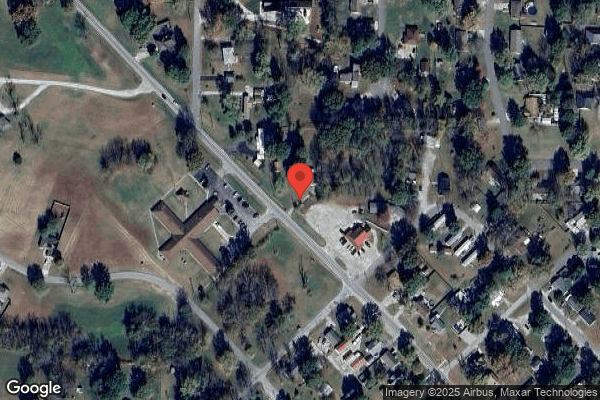

809 WEST BENTON, WINDSOR, MO 65360 (660) 647-3102
For profit - Corporation 60 Beds JAMES & JUDY LINCOLN Data: November 2025
Trust Grade
60/100
#218 of 479 in MO
Last Inspection: December 2023

Within standard 12-15 month inspection cycle. Federal law requires annual inspections.

Overview

Windsor Healthcare & Rehab Center has a Trust Grade of C+, indicating it is slightly above average but not particularly strong. It ranks #218 out of 479 nursing homes in Missouri, placing it in the top half of facilities statewide, and #2 out of 3 in Henry County, meaning only one local option is better. The facility shows an improving trend, as the number of issues found decreased from 6 in 2023 to 4 in 2024. However, staffing is a concern, with a low rating of 1 out of 5 stars and a turnover rate of 60%, which is average for Missouri. Despite having no fines on record, the facility faces issues such as inadequate pest control measures, insufficient RN coverage on some days, and staff failing to follow proper food handling hygiene practices, which could impact residents' health. Overall, while there are some strengths, particularly in improving trends and absence of fines, there are notable weaknesses in staffing and specific care practices that families should consider.

Trust Score
C+
60/100
In Missouri
#218/479
Top 45%
Safety Record
Low Risk
No red flags
Inspections
Getting Better
6 → 4 violations
Staff Stability
⚠ Watch
60% turnover. Above average. Higher turnover means staff may not know residents' routines.
Penalties
✓ Good
No fines on record. Clean compliance history, better than most Missouri facilities.
Skilled Nurses
⚠ Watch
Each resident gets only 15 minutes of Registered Nurse (RN) attention daily — below average for Missouri. Fewer RN minutes means fewer trained eyes watching for problems.
Violations
⚠ Watch
14 deficiencies on record. Higher than average. Multiple issues found across inspections.
★★★☆☆
3.0
Overall Rating
★☆☆☆☆
1.0
Staff Levels
★★☆☆☆
2.0
Care Quality
★★★★☆
4.0
Inspection Score
Stable
2023: 6 issues
2024: 4 issues

The Good

  • Full Sprinkler Coverage · Fire safety systems throughout facility
  • No fines on record

Facility shows strength in fire safety.

The Bad

3-Star Overall Rating

Above Missouri average (2.5)

Meets federal standards, typical of most facilities

Staff Turnover: 60%

14pts above Missouri avg (46%)

Frequent staff changes - ask about care continuity

Chain: JAMES & JUDY LINCOLN

Part of a multi-facility chain

Ask about local staffing decisions and management

Staff turnover is elevated (60%)

12 points above Missouri average of 48%

The Ugly 14 deficiencies on record

Jul 2024 4 deficiencies
CONCERN (D) 📢 Someone Reported This

A family member, employee, or ombudsman was alarmed enough to file a formal complaint

Potential for Harm - no one hurt, but risky conditions existed

Investigate Abuse (Tag F0610)

Could have caused harm · This affected 1 resident

**NOTE- TERMS IN BRACKETS HAVE BEEN EDITED TO PROTECT CONFIDENTIALITY** Based on interview and record review, the facility failed thoroughly investigate all allegations of possible misappropriation an...

Read full inspector narrative →
**NOTE- TERMS IN BRACKETS HAVE BEEN EDITED TO PROTECT CONFIDENTIALITY** Based on interview and record review, the facility failed thoroughly investigate all allegations of possible misappropriation and failed to take steps protect all residents during an investigation process when staff failed to document a thorough investigation of an allegation of possible misappropriation of resident's (Resident #2) property and when the alleged involved staff members (Nurse Assistant (NA) D, NA F, and NA G) continued to work independently with all residents. The facility census was 34. Review of the facility policy titled, Abuse Policy, undated, showed the following: -It is the policy of this facility that each resident will be free from abuse. Abuse can include verbal, mental, sexual, physical abuse, misappropriation of resident property and exploitation, and corporal punishment or involuntary seclusion; -All employees who have been alleged to commit abuse will be suspended immediately pending investigation; -The facility must have evidence that all alleged violations are thoroughly investigated, and must prevent further potential abuse, neglect or exploitation or mistreatment while the investigation is in progress. 1. Review of Resident #2's face sheet showed the following: -admission date of 04/03/23; -Diagnoses included depression, muscle weakness, diabetes mellitus, and high blood pressure. Review of the resident's annual Minimum Data Set (MDS - a federally mandated comprehensive assessment tool completed by facility staff), dated 04/13/24, showed the following: -Cognitively intact; -Verbal behaviors on one to three days of review period. During an interview on 07/25/24, at 10:30 A.M., the Administrator said the following: -Sometime during 2023, the resident's family came up with a plan to rent the resident's house to an employee of the facility, NA F; -Recently, the resident's family member reported NA F was not paying rent, a vehicle was allegedly missing from the property, and the resident received a citation from the city regarding trash, tall grass, and animals on the property; -The renter of the resident's property was an employee of the facility, NA F; -NA F allegedly moved two other employees into the resident's home, NA D and NA G; -All three NAs were currently employed by the facility; -The Administrator instructed the three staff, NA D, NA F, and NA G, to avoid any interaction with the resident; -The resident was upset the day his/her family member came in to the facility and told the resident about the issues with the property; -The resident's family member alleged the tenants of the resident's home (NA D, NA F, and NA G) were not paying rent; -NA F alleged initially he/she was paying off a large back utility bill owed by the resident and performing some type of work at the property in lieu of paying the resident rent; -The arrangements for NA F to rent the resident's property were allegedly made between the former facility Social Service Director (SSD), who was a relative of NA F, and the resident's family member; -The three alleged perpetrators, NA D, NA F, and NA G, were currently working in the facility and were not suspended pending an investigation; -A documented investigation of the allegation had not been completed. During an interview on 07/25/24, at 1:00 P.M., the resident said the following: -He/she owned a property in the town of Windsor; -The property was supposed to be rented, but he/she did not know what was going on currently with the property. During an interview on 07/30/24, at 12:03 P.M., the resident's family member said the following: -He/she was not responsible for the resident's finances, as the resident was his/her own responsible party; -He/she never collected any money for rent of the resident's property; -NA F was supposed to pay rent to the resident, but that did not appear to be happening; -The NA moved more staff members into the resident's home and they were tearing up the resident's property and piled trash up in the yard; -NA F took the resident's antique truck that was located at the property; -NA F contacted the resident's family member and wanted to make an arrangement to exchange work and paying on a gas bill instead of paying rent, but the family member did not agree to any such arrangement; -The resident and the family member wanted the staff to vacate the resident's home. Review of facility provided records showed the following: -A copy of a rental agreement, dated 07/10/23, between tenant Nurse Aide (NA) F and owner of property (Resident #2) for monthly rent of the resident's property; -The tenant was to pay 350.00 dollars per month in rent commencing on 07/10/23, and in the event the rent was not paid by the 15 th of the month, the tenant agreed to pay a 25.00 dollar late charge; -The rental agreement showed amount received 350.00 dollars. Review of facility provided records showed a copy of a postal money order, dated 10/10/23, from NA F paid to the resident's family member in the amount of 350.00 dollars for rent. Review of the facility provided records showed the following: -A copy of a letter from the City of Windsor to Resident #2, dated 05/14/24, to advise the resident that his/her personal residence was in violation of a municipal code due to the residence containing a substantial accumulation of trash, garbage, and other material susceptible to fire of constituting or providing a harboring place for vermin or other obnoxious animals of insects; -Abate the unsafe condition within 10 days of a public hearing will be set which could result in the City abating the nuisance and placing a special tax bill on the property for the cost of the abatement. Review of the facility's records showed a copy of a notice to vacate the resident's property, dated 06/17/24, signed by the resident. Reason listed as no rent being paid and trash-like living conditions around and inside house. During an interview on 07/25/24, at 11:30 A.M., NA F said the following: -He/she worked at the facility for approximately one and a half years; -Several months ago, he/she needed a place to live. His/her family member worked as the facility SSD at that time and said the resident's family member was looking for someone to live in the resident's home and offered to rent the house to NA F; -He/she worked to clean up the home and paid on a previously owed gas bill instead of paying rent; -He/she had a verbal arrangement with the resident's family member to clean up the residence and pay on the gas bill, but did not get anything in writing; -The former SSD had NA F sign the lease/rental agreement; -The property belonged to the resident; -When he/she began living in the resident's property, he/she was an employee of the facility and the resident lived at the facility; -He/she had not paid any rent money to the resident or his/her family member in approximately four months; -Approximately one month ago, he/she invited two other staff members to stay at the resident's home, NA D and NA G; -A few weeks ago, he/she received a notice on the door of the home from the resident stating he/she had 30 days to move out of the residence. He/she was currently looking for another place to live; -He/she delivered the resident's tray to his/her room, answered the resident's call light, and interacted with the resident in the dining room, but the resident did not require physical assistance; -He/she did not know what misappropriation of resident property was, but said he/she knew he/she was not supposed to steal from a resident. During a phone interview on 07/30/24, at 9:58 A.M., NA G said the following: -He/she met NA F while working at the facility; -He/she and NA D needed a place to live a few months ago and NA F said the two could stay with him/her; -NA D and NA G then moved into the home with NA F. Approximately one month later, NA G found out the home belonged to the resident; -He/she was currently looking for another place to live; -He/she was unsure what misappropriation of property was, but he/she did know not to take items or money from a resident, but he/she did not know the home belonged to the resident at the time he/she moved in to the house. During an interview on 07/25/24, at 11:15 A.M., NA D said the following: -He/she worked at the facility for approximately six months; -NA F lived in a house belonging to the resident; -Approximately three months ago, he/she and another staff, NA G, needed a place to live and NA F invited the two to stay at the home belonging to the resident and the two then moved into the home; -He/she had not paid any rent to anyone since living in the home; -He/she had not seen a rental agreement and no one asked him/her for any money for rent; -He/she provided care to the resident in the past at the facility, but had not worked on the resident's hall for approximately the last month; -He/she was not instructed by staff to avoid taking care of the resident. During an interview on 07/25/24, at 12:20 P.M., Licensed Practical Nurse (LPN) B said the following: -The City of Windsor called and wanted to speak to the resident. He/she took the phone to the resident and notified the current SSD of the situation; -At the direction of the Administrator, he/she notified the three NAs (NA D, NA F, and NA G) they were not to work on the resident's hall or have any contact with the resident; -The resident was confused an forgetful at times; -The day the city called and spoke to the resident, the resident appeared nervous, anxious and upset by the call. During an interview on 07/25/24, at 2:15 P.M., the current SSD said the following: -He/she was aware NA F lived in the resident's home; -Approximately six weeks ago, a staff member asked the SSD if he/she was aware of the condition of the resident's home due to the accumulation of trash and filth outside the residence; -He/she then contacted the City of Windsor in regards of the condition of the home; -He/she also notified the Administrator, who advised him/her to contact the resident's family member; -The family member said he/she did not want to be involved in the situation, but asked if the SSD would help the resident with the matter; -The SSD spoke with the resident and the resident verbalized he/she wanted the staff out of his/her home; -The SSD contacted the City of Windsor police department and notified of the situation and asked for advise on the matter; -The SSD and resident typed up an eviction notice, on the advice of the local law enforcement, and the SSD placed the notice on the front door of the resident's home on [DATE]; -This was a 30-day notice to the three NAs (NA D, NA F, and NA G) to vacate the premises within 30 days; -The resident's family member was given 350.00 dollars in rent money for the property in July of 2023, and nothing further; -The resident's family member asked about an antique truck that was at the property and NA F said the truck was moved to a friend's house. The resident's family member told the NA to return the vehicle; -On 06/17/24, the SSD went to the facility Administrator with the issue and the Administrator was aware NA D resided in the resident's home; -The previous SSD said the monthly rent money would be placed in the resident's account, but that did not occur; -Staff member NA F, had not compensated the resident per the rental agreement for living in the resident's home; -The Administrator reported the concern to the state elder abuse hotline, but did not conduct a full investigation into the allegation, or suspend alleged perpetrators, because the facility corporation said this was a community issue and not a facility issue. During interviews on 07/25/24, at 3:00 P.M., and on 07/29/24, at 2:13 P.M., the interim Director of Nursing (DON) said the following: -He/she became aware of staff members living in the resident's home approximately two months ago when the City of Windsor called the facility concerned about the condition of the resident's property; -The Administrator contacted the corporate director of operations at that time regarding the situation and he/she advised the Administrator the staff members living in the resident's home did not need to be suspended from work; -He/she was not involved in the plan for the three staff to avoid caring for the resident, He/she was not asked to investigate the allegation of misappropriation; -An allegation of misappropriation of property was when a resident suffered a financial or property loss; -He/she was unsure if staff living in the resident's home would constitute as an allegation of misappropriation of property, because the NA had a contract with the resident to rent to resident's property and at that time the resident was aware of what he/she was doing; -If the facility received an allegation of misappropriation of resident property, the facility should initiate an investigation, interview the resident and staff, suspend alleged perpetrators and self-report the issue to the state survey agency, the family, and police. During an interview on 07/29/24, at 3:16 P.M., the Administrator said the following: -In June of 2023, he/she was aware NA F moved into the resident's home; -In June of 2024, the City of Windsor called the facility to speak with the resident about citations at the property; -The resident was crying and yelling about the situation; -The SSD called the resident's family member about the situation and the family member reported he/she had not received rent money for the property; -The resident said he/she did not realize the NAs were not paying any rent; -The facility's Director of Operations advised to hotline the issue and to ensure the NAs residing in the resident's home were not caring for the resident; -He/she did not investigate the allegation of misappropriation of resident property, due to issue occurred in the community and not in the facility; -If the facility had an allegation of misappropriation of resident property in the facility, he/she would suspend the alleged perpetrators pending the outcome of the investigation, report the allegation to the state, police, and responsible parties, and conduct an investigation. MO00238090
CONCERN (D) 📢 Someone Reported This

A family member, employee, or ombudsman was alarmed enough to file a formal complaint

Potential for Harm - no one hurt, but risky conditions existed

Quality of Care (Tag F0684)

Could have caused harm · This affected 1 resident

Based on interview and record review, the facility to provide care for all residents consistent with standards of practice when staff failed to implement physician ordered changes for one resident's (...

Read full inspector narrative →
Based on interview and record review, the facility to provide care for all residents consistent with standards of practice when staff failed to implement physician ordered changes for one resident's (Resident #1's) treatment order for affected areas on his/her bilateral (both sides) lower extremities. The facility census was 34. Review of the facility policy titled, Physician Orders, dated March 2015, showed the following: -Current lists of orders must be maintained in the clinical record of each resident to avoid confusion and errors; -Treatment orders should specify what is to be done, location and frequency, and duration of the treatment. Review of the facility policy titled, Wound Care and Treatment, dated July 2015, showed the physician will specifically order the treatment to be provided (including cleansing, ointments, gauze, dressing type, and frequency of treatments). 1. Review of Resident #1's face sheet showed the following: -admission date of 08/02/17; -Diagnoses included cellulitis (skin infection) of both lower extremities, schizophrenia (a mental disorder characterized by reoccurring episodes of psychoses that are correlated with a general misperception of reality), osteoarthritis, muscle weakness, edema (swelling), and pain. Review of the resident's quarterly Minimum Data Set (MDS - a federally mandated comprehensive assessment tool completed by facility staff), dated 04/23/24, showed the following: -Cognitively intact; -Application of non-surgical dressings other than to feet; -Application of dressings to feet. Review of the resident's Physician Order Sheet (POS), dated 06/25/24 to 07/25/24, showed the following; -An order, dated 06/13/24, for bilateral lower extremities to be cleansed with Hibiclens (an antibacterial and antimicrobial skin cleanser), pat dry, apply baking soda paste (1/2 cup of baking soda, 2 tablespoons (TBSP) of white vinegar, than add a small amount of water until it is a paste) to toes, bottom of foot and top of foot, cover will ABD (absorbent gauze) pads, wrap with Kling (soft rolled gauze) wrap and ACE (an elastic bandage) wraps, change daily. The order was ended on 07/08/24. -An order, dated of 07/08/24, for bilateral lower extremities areas from knee down to be cleansed with soap and water, pat dry, apply A&D (protective barrier) ointment, and then apply ABD pads, and wrap with Kling wrap, and then apply ACE wrap, change daily and as needed. Review of the resident's July 2024 Treatment Flowsheet showed the following: -An ordered, dated 06/13/24, to cleanse bilateral lower extremities with Hibiclens, pat dry, apply baking soda paste (1/2 cup of baking soda, 2 tablespoons of white vinegar, than add a small amount of water until it is a paste) to toes, bottom of foot and top of foot, cover will ABD pads, wrap with kling wrap and ACE wraps, change daily; -Nurses initialed completion of this treatment every day from 07/01/24 to 07/21/24; -Nurses did not discontinue the treatment as ordered or update the treatment flowsheet with the new treatment ordered on 07/08/24, as directed by the physician. Review of the resident's weekly skin assessment, dated 07/18/24, showed the following: -Existing non-foot issue with no edema; -Existing issues with left and right foot and ankle; -Bilateral lower extremities remain red, weeping (oozing of clear fluid from the skin), dry patches of skin throughout bilateral lower extremities from knees to toes. Treatment in place. During an interview on 07/29/24, at 12:37 P.M., Licensed Practical Nurse (LPN) A said the following: -The nurse who worked on 07/08/24 probably failed to place the treatment order on the treatment flowsheet; -He/she called the Assistant Director of Nursing (ADON) for clarification of the treatment order and the ADON said facility staff were no longer using the Hibiclens, baking soda, and vinegar treatment. The ADON informed the LPN of the current treatment order. During an interview on 07/29/24, at 1:46 P.M., LPN B said the nurse that received the physician's order on 07/08/24 to change the resident's skin treatment should have placed the order into the computer, printed off a new treatment flowsheet, and discontinued the previous treatment order. During an interview on 07/29/24, at 2:06 P.M., Registered Nurse (RN) C said the following: -He/she performed the resident's skin treatment as directed on the treatment flowsheet; -He/she used Hibiclens to clean and applied the baking soda/vinegar treatment to the resident's legs. During an interview on 07/29/24, at 2:13 P.M., the interim Director of Nursing (DON) said when the physician changed the order for a resident's treatment, he/she expected the nurse receiving the order to place the new order in the computer, on the resident's treatment flow sheet, and document on a nurse's note. During an interview on 07/29/24, at 3:16 P.M., the Administrator said he/she expected that if a nurse received a new order from the physician, the nurse should place the order on a physician order in the computer, on the Medication Administration Record (MAR) or Treatment Administration Record (TAR), and make a nurse's note. MO00239315 MO00239350
CONCERN (E) 📢 Someone Reported This

A family member, employee, or ombudsman was alarmed enough to file a formal complaint

Potential for Harm - no one hurt, but risky conditions existed

Deficiency F0728 (Tag F0728)

Could have caused harm · This affected multiple residents

Based on interview and record review, the facility failed to have a system in placed to ensure nurse aides (NA) completed their training, competencies, and testing in a timely manner when four NAs (NA...

Read full inspector narrative →
Based on interview and record review, the facility failed to have a system in placed to ensure nurse aides (NA) completed their training, competencies, and testing in a timely manner when four NAs (NA D, NA F, NA G, and NA H) failed to complete a state approved certified nursing assistant (CNA) training program, competency evaluation, and certification test timely and continued to work providing direct care to residents. The facility's census was 34. Review showed the facility did not provide a policy related to training and certification of NAs/CNAs. 1. Review of NA D's personnel file showed the NA hired to work at the facility on 12/28/23 in the nursing department as a NA. During an interview on 07/25/24, at 11:15 A.M., NA D said he/she worked full-time at the facility for approximately six to seven months continuously as a NA. He/she was currently in online CNA class and needed to take his/her last test in class. 2. Review of NA F's personnel file showed the NA hired to work at the facility on 03/02/23 in the nursing department as a NA. During an interview on 07/25/24, at 11:30 A.M., NA F said the following: -He/she worked at the facility for approximately one and one-half years as a NA, four to five months of which he/she worked part-time and the rest of the time, he/she worked full-time; -He/she was currently in online CNA class and needed to take two more tests to complete the class. 3. Review of NA G's personnel file showed the NA hired to work at the facility on 12/20/23 in the nursing department as a NA. During an interview on 07/30/24, at 9:58 A.M., NA G said the following: -He/she finished his/her CNA class tests, but he/she was waiting for the facility to check off his/her competency sheets; -He/she spoke with the Assistant Director of Nursing (ADON) and Administrator about the need to complete the competency sheets and he/she was informed they would assist him/her with the sheets when they had time. 4. Review of NA H's personnel file showed the following: -Hired as a housekeeper on 07/27/23: -Transferred to nursing department on 01/01/24 to work as a NA. During an interview on 07/25/24, at 2:58 P.M., NA H said he/she said he/she worked as am NA at the facility since January 2024. 5. During an interview on 07/29/24, at 1:46 P.M., Licensed Practical Nurse (LPN) B said the following: -He/she was a clinical instructor and volunteered to help some of the NAs get their competencies completed for that portion of the CNA requirement; -NA D and NA F never brought their competency sheets to work with them; -NA G only brought competency sheets one day and did not complete any competencies in front of the nurse. 6. During an interview on 07/25/24, at 3:00 P.M., the interim Director of Nursing (DON) said the following: -NAs should become certified within four months of the date of hire; -The facility currently had four NAs working that had worked at the facility for longer than four months; -He/she emailed the online CNA instructor on 07/19/24 to inquire about completing the NAs' testing for CNA class. 7. During an interview on 07/29/24, at 3:16 P.M., the Administrator said the following: -NAs should become certified within four months of hire; -He/she was aware there were four NAs working in the facility had had worked for over four months; -The interim DON would need to complete the competency sheets for the NA competencies; -The DON and ADON should be tracking the CNA class progress of the NAs; -He/she asked the interim DON and ADON to get in touch with the CNA instructor to inquire on the status of the NAs.
CONCERN (F) 📢 Someone Reported This

A family member, employee, or ombudsman was alarmed enough to file a formal complaint

Potential for Harm - no one hurt, but risky conditions existed

Deficiency F0925 (Tag F0925)

Could have caused harm · This affected most or all residents

Based on observation, interview, and records review, the facility failed to implement an effective pest control program to control flies within the facility. The facility census was 34. Review showed ...

Read full inspector narrative →
Based on observation, interview, and records review, the facility failed to implement an effective pest control program to control flies within the facility. The facility census was 34. Review showed the facility did not provide a policy regarding pest control. 1. Review of the pest control company's summary of service, dated 04/24/24, showed the following facility recommendations: -Insect Light 001- Insect light trap is not working properly. Please schedule service to ensure effective flying insect control; -Insect Light 4- Insect light trap is not working properly. Please schedule service to ensure effective flying insect control; -Insect Light 003- Insect light trap is not working properly. Please schedule service to ensure effective flying insect control; -Needs new bulb. Review of the pest control company's summary of service, dated 05/22/24, showed the following facility recommendations: -Insect Light 001- Insect light trap is not working properly. Please schedule service to ensure effective flying insect control; -Insect Light 4- Insect light trap is not working properly. Please schedule service to ensure effective flying insect control; -Insect Light 003- Insect light trap is not working properly. Please schedule service to ensure effective flying insect control; -Needs new bulb. Review of the pest control company's summary of service, dated 06/26/24, showed the following facility recommendations: -Insect Light 001- Insect light trap is not working properly. Please schedule service to ensure effective flying insect control; -Insect Light 4- Insect light trap is not working properly. Please schedule service to ensure effective flying insect control; -Insect Light 003- Insect light trap is not working properly. Please schedule service to ensure effective flying insect control; -Needs new bulb. During an interview on 07/25/24, at 11:15 A.M., Nurse Assistant (NA) D said flies were sometimes an issue in the facility. Several residents go in and out the door at the end of 300 hall to smoke and the flies enter the building. Observation and interview on 07/25/24, at 1:07 P.M., of Resident #3 showed the following: -The resident said the flies in the facility buzz his/her face; -The resident said, I kill 50 flies a day; -Four to five flies buzzed around the resident, landing on his/her legs and bedding. During an interview on 07/25/24, at 1:15 P.M., Resident #4 said the following: -The flies have been bad in the facility for the last month and bother the resident; -The flies buzz his/her face and land on his/her skin. Observation and interview on 07/25/24, at 4:40 P.M., of Resident #5 showed the following: -The resident in his/her room with three flies buzzing around the resident; -The resident said the flies buzz his/her face and land on his/her skin; -The resident said he/she and other residents told the nurses about the fly issue, but nothing changed. Observation and interview on 07/25/24, at 4:35 P.M., of Resident #7 showed the following: -The resident lying on his/her bed while two flies crawled on the resident's blankets; -The resident said, Flies are terrible; -The facility fly issue started about one month ago; -He/she informed staff and they brought the resident a flyswatter; -The flies buzz the resident's face and land on him/her. Observation and interview on 07/25/24, at 4:45 P.M., of Resident #6 showed the following: -The resident sat in his/her room and a fly buzzed around the resident's room; -The resident said he/she usually had one to two flies in his/her room at all times; -The resident said he/she used a flyswatter to kill the flies; -The resident said there were flies in the resident dining room. During an interview on 07/25/24, at 2:15 P.M., the Social Service Director (SSD) said the following: -The facility had a fly issue due to staff and residents going in and out of the facility all the time; -Staff go in and out the exit door located in the dining room. Residents use the external door across from the dining room (the gazebo door), and the exit doors at the ends of 100 and 300 halls. During an interview on 07/25/24, at 4:00 P.M. the Maintenance Director said the following: -The facility had an issue with flies; -When the facility had a fly problem, he/she contacted the pest control company; -The pest control company came to the facility at least monthly and more often, if needed; -The facility had three bug lights located on three of the resident halls, but he/she did not think the bug lights worked; -In April 2024, the pest control company said the facility needed to replace the bug lights located on the hallways; -He/she spoke to the Administrator about the bug lights, but the Administrator said corporate did not want to replace the bug lights; -The pest control company said the bug lights would help control the flies in the facility. During an interview on 07/29/24, at 12:37 P.M., Licensed Practical Nurse (LPN) A said the following: -The facility had a fly issue; -The flies were bad in Resident #1's room due to odors in the room; -Staff were in and out the doors all day and the flies entered the building; -All the staff were aware the flies were bad. One of the nurses kept a flyswatter at the nurse's desk to kill flies. During an interview on 07/29/24, at 1:23 P.M., Certified Nurse Assistant (CNA) E said the following: -Resident #1 had a lot of flies in his/her room, the flies buzzed the resident and landed on his/her legs; -He/she talked with housekeeping about cleaning the room to help with the flies; -He/she talked with several of the charge nurses about the flies; -The pest control company comes to the facility on a regular basis. During an interview on 07/29/24, at 1:46 P.M., LPN B said the following: -The facility had a fly issue because staff and residents were constantly going in and out of the facility; -The facility tried different things over the years to control the flies and he/she had seen the pest control company at the facility; -He/she had suggested plug in fly light, but the Director of Nursing (DON) said no. During an interview on 07/29/24, at 2:13 P.M., the interim DON said he/she had not observed a fly problem in the facility and staff had not reported an issue with flies. During an interview on 07/29/24, at 3:16 P.M., the Administrator said the following: -He/she observed a few flies in the facility; -A pest control company visited the facility at least monthly; -The pest control company said the facility bug lights (located on the resident halls) were not working and they could not obtain parts for the bug lights and therefore would have to replace the entire system; -He/she had sent multiple requests to the facility corporation to notify the bug lights need to be repaired or replaced, but the facility corporate office denied the requests; -He/she tried to educate staff not to go out the dining room door to smoke. MO00239315 MO00239350
Dec 2023 5 deficiencies
CONCERN (D)

Potential for Harm - no one hurt, but risky conditions existed

Deficiency F0692 (Tag F0692)

Could have caused harm · This affected 1 resident

**NOTE- TERMS IN BRACKETS HAVE BEEN EDITED TO PROTECT CONFIDENTIALITY** Based on observations, record review, and interviews, the facility failed to ensure that one resident (Resident #34) of 13 sampl...

Read full inspector narrative →
**NOTE- TERMS IN BRACKETS HAVE BEEN EDITED TO PROTECT CONFIDENTIALITY** Based on observations, record review, and interviews, the facility failed to ensure that one resident (Resident #34) of 13 sampled residents maintained acceptable parameters of nutritional status when staff failed to identify and address the resident's weight loss for four months. The facility census was 32. Review of the facility policy titled, Weight Monitoring, original date of May 2015, showed the following: -Monthly weights will be obtained by the 7th of each month; -Weights will be monitored at least monthly; -Weight reports will be provided to the Director of Nursing (DON) within two days of weight; -Weekly weights will be completed for those with significant weight change. 1. Review of Resident #34's Profile tab in the electronic medical record (EMR) showed the following: -admission date of 02/20/23; -Diagnoses included restlessness-agitation, pain unspecified, constipation, depression, overactive bladder and gastro-esophageal reflux disease. Review of the resident's admission Minimum Data Set (MDS - a federally mandated assessment completed by facility staff), with an Assessment Reference Date (ARD) of 03/06/23, and quarterly MDS, with an ARD of 09/06/23, showed the resident needed supervision and set up only for eating. Review of the resident's quarterly MDS, dated [DATE], showed the following: -Resident had sever cognitive impairment; -Resident had weight loss and was not on weight loss regimen. Review of the resident's medical records, dated 07/09/23 to 12/06/23, show staff did not enter any nutritional notes into the EMR. Review of the resident's most recent nutritional assessment from the EMR Observations tab, dated 12/07/23, showed the resident's current diet level 7 with ground meat and thin liquids. Resident makes his/her own food choices with the help of staff and is happy with his/her choices. He/She usually eats a ground hot dog for lunch and supper. Review of the resident's actual weights, under the tab of Vitals, in the EMR, showed the following: -On 07/09/23, 122 pounds; -On 08/06/23, 118.6 pounds; -On 09/10/23, 118.2 pounds; -On 10/09/23, 108.6 pounds; -On 11/06/23, 101.6 pounds; -On 12/10/23, 105.4 pounds. (These totals amount to a 13.61% weight loss over six months.) Review of the resident's Physician Notes showed the following: -On 08/17/23, the resident's weight was 118.6 pounds (lb). Physician noted routine visit, no complaints, increase in agitation, well developed, and well nourished; -On 10/26/23, the resident's weight was 101.2 lb. Physician noted routine visit, well-nourished and well developed, stable and increase Seroquel (antipsychotic medication) to two times daily; On 11/16/23, the residents weight was 101.8 lb. Physician noted a routine visit, no complaints, stable and well-nourished, and developed. (The physician did not mention the resident's weight or weight loss and made no orders as a result of the visits. The physician did not address the the overall weight loss of 13.61% from July 2023 to December 2023.) Review of the resident's Physician Order, from the Orders tab, for December 2023 showed the following: -Regular diet with meals breakfast-lunch-supper; -An active order for Remeron 15 (milligram) mg by mouth one time a day at bedtime for appetite enhancement and is also an antidepressant. Review the resident's care plan in the EMR, located under the Care Plan tab, with a start date of 12/12/23, showed the resident will eat 50% of meals, snacks, and supplements. Staff to offer substitutes if resident has problem with meals served and review menu. Review of the resident's Medication Administration Record (MAR) and Treatment Administration Record (TAR) showed the resident had not and was not receiving a health shake or supplement. Review of the resident's Progress Notes, under the Progress Notes tab, dated 12/12/23, at 11:35 A.M., showed the following; -Fax to the physician to request ST (speech therapy) eval (evaluation) for appropriate diet texture; -Staff closely monitoring resident during meals to ensure no large bites and no episodes of choking; -Notified him/her that staff are giving the resident a supplement two times daily due. Observations on 12/12/23, at 11:50 A.M., in the main dining room, showed the resident ate his/her chicken and no potato. The resident did not eat 50% of his/her meal. The resident stood up from the table and left the room. No staff member asked the resident if she wanted a substitute or something else. Observations on 12/13/23, at 11:35 A.M., in the main dining room, showed the resident ate a hot dog without the bun and did not eat potato chips. Staff gave the resident a 4-ounce cup of ice cream which she ate. The resident finished less than 50% of her meal. When finished, he/she stood up and left the room using her wheeled walker. Staff did not offer a substitute or asked if he/she wanted anything else. During an interview on 12/14/23, at 9:30 A.M., the Corporate Registered Dietician (CRD) said there is no dietician for the building. The newly hired dietician is still in training or orientation and only walked through the kitchen recently. During an interview on 12/13/23, at 10:40 A.M., Certified Medication Technician (CMT) 3 said he/she does not pass or give the resident any supplements or med pass supplements when passing her medication. During an interview on 12/14/23, at 9:15 A.M., Licensed Practical Nurse (LPN) 9 said he/she had not given the resident any supplements today or the past three days when working day shift. Nursing is responsible for administering supplements. During an interview on 12/14/23, at 10:15 A.M. Family Member (FM) 1 said he/she had spoken to the facility about the resident's weight. FM 1 has shared with staff what the resident likes such as strawberry ice cream, and nothing happened. The resident is still losing weight. During an interview on 12/14/23, at 12:20 P.M., the Director of Nursing (DON) said there was no order and no one was giving supplements to the resident. Staff were testing to see if the resident take it. Staff are now the process orders for supplement two times a day. During an Interview on 12/14/23, at 12:00 P.M., the Dietary Manager (DM) said he/she had no orders or change of orders for supplements for the resident in the past six months. Nursing would administer all supplements.
CONCERN (E)

Potential for Harm - no one hurt, but risky conditions existed

Deficiency F0582 (Tag F0582)

Could have caused harm · This affected multiple residents

Based on record review and interview, the facility failed to provide the Advance Beneficiary Notice (ABN) and Notice for Medicare Non Coverage (NOMNC) to three residents (Residents #10, #141 and #142)...

Read full inspector narrative →
Based on record review and interview, the facility failed to provide the Advance Beneficiary Notice (ABN) and Notice for Medicare Non Coverage (NOMNC) to three residents (Residents #10, #141 and #142) of three sampled residents who received Medicare part A services. The facility census was 32. 1. Review of Resident #10's Electronic Medical Record (EMR), under the census tab, showed the following: -admission date of 07/20/18 on Medicare Part A services; -On 06/26/23, the resident was discharged from Medicare Part A services by the facility. The resident remained in the facility. Review of the resident's record showed the facility failed to provide the resident and/or their representative with ABN and NOMNC notices. 2. Review of Resident #141's EMR, under the census tab, showed the following: -admission date of 07/21/23 on Medicare Part A services; -On 07/30/23, the resident was discharged from Medicare Part A services to receive lesser care. Review of the resident's record showed the facility failed to provide the resident and/or their representative with ABN and NOMNC notices. 3. Review Resident #142's EMR, under the census tab, showed the following: -admission date of 09/05/23 on Medicare Part A services; -The resident was discharged from Medicare Part A services on 10/31/23 and remained in the facility. Review of the resident's record showed the facility failed to provide the resident and/or their representative with ABN and NOMNC notices. 4. During an interview on 12/14/23, at 1:08 P.M., the Director of Nursing (DON) said he/she would be the one to present the resident/representative with the ABN and/or NOMNC. The DON confirmed the documents were not available to be reviewed and confirmed the facility lacked a policy for the presentation of the ABN and/or NOMNC when a resident is discharging from a Medicare Part A skilled stay.
CONCERN (E)

Potential for Harm - no one hurt, but risky conditions existed

Infection Control (Tag F0880)

Could have caused harm · This affected multiple residents

Based on observation, interview, and record review, the facility staff failed to perform hand hygiene during one resident (Resident #20), of one resident observed, during a dressing change, and staff ...

Read full inspector narrative →
Based on observation, interview, and record review, the facility staff failed to perform hand hygiene during one resident (Resident #20), of one resident observed, during a dressing change, and staff failed to perform hand hygiene and disinfect the glucometer when completing blood glucose monitoring for two residents (Resident #2 and #12). The facility census was 32. 1. Review of the facility policy titled, Handwashing, undated, did not address when hand hygiene is to be performed. Review of the facility policy titled, Standard and Transmission Based Precautions, undated, showed staff to wash hands after removing gloves. Review of Resident #20's Electronic Medical Record (EMR), under the census tab, showed the following: -admission date of 11/12/21; -Diagnoses included diabetes, non-pressure ulcer on the left leg, and a skin disorder. Observation on 12/13/23, at 10:00 A.M., of Licensed Practical Nurse (LPN) 9 showed the following: -The LPN gathered supplies from the treatment care for a dressing change; -The LPN donned gloves without performing hand hygiene; -The LPN prepared the resident for the dressing change, removed his/her gloves, and applied another pair of gloves. The LPN did not complete hand hygiene; -The LPN removed the resident's soiled dressing, removed his/her the gloves, donned another pair of gloves, and cleansed the resident's wound. The LPN did not perform hand hygiene; -The LPN removed the gloves, applied another pair, and applied a treatment. The LPN removed the gloves and put on another pair. The LPN then applied the dressing and secured the dressing. The LPN did not perform hand hygiene. During an interview on 12/13/23, at 10:15 .A.M., LPN 9 confirmed he/she failed to perform hand hygiene when changing gloves. During an interview on 12/14/23, at 12:34 P.M., the Infection Preventionist said hand hygiene is to be performed after removing gloves. 2. Review of the facility policy titled, Blood Glucometer Disinfecting, undated, showed staff to clean the blood glucose meter prior to using with approved wipes of 10% bleach. Review of the Resident #2's EMR, under the census tab, showed the resident was not diabetic, but was experiencing a change in condition. Observation on 12/13/23, at 11:30 A.M., the Director of Nursing (DON) directed LPN 9 to perform blood glucose monitoring due to a change in the resident's condition. The LPN obtained a finger-stick for a blood sample from the resident. LPN 9 did not perform hand hygiene before putting on gloves or after the sample was obtained. LPN 9 did not disinfect the glucose meter. LPN 9 applied gloves and performed a finger stick for a blood sample from Resident #12, removed the gloves, and did not clean the glucose meter. During observation and interview on 12/13/23, at 11:40 A.M., the DON observed LPN 9 cleaning the glucometer with an alcohol wipe and directed the LPN to obtain the disinfectant wipe to clean the glucose meter. LPN 9 and the DON looked in the drawer of the medication cart and were unable to locate the disinfectant wipes on the cart. The LPN and the DON confirmed there were no bleach wipes available for use on the nurses' medication cart.
CONCERN (F)

Potential for Harm - no one hurt, but risky conditions existed

Deficiency F0727 (Tag F0727)

Could have caused harm · This affected most or all residents

Based on record review and staff interviews, the facility failed to schedule a Registered Nurse (RN) for at least eight consecutive hours a day for three of the 14 days reviewed for November and Decem...

Read full inspector narrative →
Based on record review and staff interviews, the facility failed to schedule a Registered Nurse (RN) for at least eight consecutive hours a day for three of the 14 days reviewed for November and December 2023 (12/02/23, 12/03/23, and 12/09/23). The facility census was 32. 1. Review of the daily staffing for the period of 11/27/23 thru 12/09/23 showed a RN was not scheduled in the facility on 12/02/23, 12/03/23, and 12/09/23. During an interview on 12/14/23, at 9:21 A.M., the Administrator said the staffing coordinator was not present and he/she would be the person to talk to about staffing. The administrator was aware the facility had days when there was no RN coverage during a 24-hour period. Those days were most likely on weekends since the Director of Nursing (DON) was the only RN the facility had. They were able to get an agency RN through to work some shifts, but that was not always the case. It had been about six months since the facility has had a second RN other than the DON who only works Monday thru Friday. The DON was on call during the week and on weekends if when they needed an RN assessment. During an interview on 12/14/23, at 11:16 A.M., the DON said the Administrator did the scheduling. She was the only RN the facility had on schedule, but she cannot work seven days a week. She was on-call and available if there was a need. She was aware there was no RN coverage on some of the weekends and did try to work some weekends when she was available. She said the facility did not have a policy for staffing.
CONCERN (F)

Potential for Harm - no one hurt, but risky conditions existed

Food Safety (Tag F0812)

Could have caused harm · This affected most or all residents

Based on observation, record review, and interview, the facility failed to ensure that it stored, prepared, and distributed food in accordance with professional standards for food safety when staff fa...

Read full inspector narrative →
Based on observation, record review, and interview, the facility failed to ensure that it stored, prepared, and distributed food in accordance with professional standards for food safety when staff failed to perform hand hygiene prior to handling clean dishes, failed to follow manufacture directions for storage/dispose of supplements, and failed to keep the ice machine clean. The deficiency had the potential to affect 35 residents. 1. Review of the facility's untitled policy provided by the dietary manager from the computer, dated April 2011, showed after the first tray of dishes is washed, pull the rack out of machine to air dry. Sanitize hands between handling of soiled and clean dishes. Observations on 12/14/23, at 9:15 A.M., showed Dietary Aide (DA) 6 was loading the dishwasher with his/her bare hands, wiping her hands off on his/her shirt five times with a different rack of dishes each time from 9:18 A.M., 9:20 A.M., 9:25 A.M. and 9:30 A.M. With each dish rack entered into the dishwasher, DA 6 wiped off hi/her soiled hands as he/she unloaded the clean dishes, plate covers, silverware and more dishes. The DA did not perform hand hygiene moving from dirty to clean plates. During an interview on 12/14/23, at 9:30 A.M., DA 6 said he/she forgot to clean his/her hands before removing clean dishes. During an Interview on 12/14/23, at 10:45 A.M., the Dietary Manager (DM) said the dietary should have two people at the dishwasher, one staff loading dirty dishes and one staff unloading clean side dishes. 2. Review of the facility policy titled Supplements for Weight Loss/Skin Condition, dated May 2015, showed no direction for storing or serving supplement shakes during thawing and refrigeration. Observation on 12/15/23, at 10:00 A.M., showed supplement shakes stored in an upright top refrigerator/freezer in the freezer section. Twenty-one shakes were stored in the freezer and one was stored in the refrigerator. The shake in the refrigerator was lacking a date of thawing. The shake container read non-fat milk as the main ingredient and store frozen, thaw under refrigeration. The container directed to keep keep refrigerated 14 days after thawing. During an interview on 12/15/23, at 10:00 A.M., the DM said shake had been thawed two days ago, however there was no date to track it's thawing. The facility does not have a process for following the thawing of shakes. He/she goes by his/her memory. 3. Review of the procedure titled Ice Maker, dated April 2011, posted on the outside of the ice machine, showed monthly cleaning involving unplugging the ice machine, empty the ice, wash the inside of the machine with warm detergent solution, rinse with baking soda water and dry, and delime machine as required. Observation on 12/14/23, at 10:05 A.M., of the facility ice machine located in the kitchen showed a cleaning schedule on the side of the machine. The ice machine had brown spots on the top outside plastic section above the ice inside the top door. During an interview on 12/14/23, at 12:00 P.M., the Maintenance Director said he has not cleaned the machine since he started three months ago and has no documentation of cleaning. During an interview on 12/14/23, at 12:05 P.M., the DM said she does not remember the last time the ice machine was emptied and cleaned thoroughly.
Sept 2023 1 deficiency
CONCERN (D) 📢 Someone Reported This

A family member, employee, or ombudsman was alarmed enough to file a formal complaint

Potential for Harm - no one hurt, but risky conditions existed

Quality of Care (Tag F0684)

Could have caused harm · This affected 1 resident

Based on interview and record review, the facility failed to document treatments of ordered wound care in accordance with professional standards for one resident (Resident #1) out of a sample of eight...

Read full inspector narrative →
Based on interview and record review, the facility failed to document treatments of ordered wound care in accordance with professional standards for one resident (Resident #1) out of a sample of eight. The facility census was 40. Review of the facility's policy, titled Wound Care and Treatment, undated, showed the following: -It is the purpose of the facility to prevent and treat all wounds; -Documentation of the treatment should be done immediately after the treatment. (The policy did not address documention of resident refusals of treatment.) 1. Review of Resident #1's face sheet showed the following: -re-admission date of 09/05/23 -Diagnoses included schizophrenia (a disorder that affects a person's ability to think, feel, and behave clearly), cellulitis of the lower limbs (a bacterial skin infection), and peripheral vascular disease (a circulatory condition in which narrowed blood vessels reduce blood flow to the limbs). Review of the resident's quarterly Minimum Data Set (MDS - a federally mandated assessment tool completed by facility staff), dated 08/13/23, showed the following: -Cognitively intact; -Rejected cares four to six days of the seven day evaluation period; -He/she had dressings applied to his/her feet. Review of the resident's care plan, updated 09/06/23, showed the following: -Resident has venous ulcers (ulcers due to poor blood flow in the leg vein) to bilateral lower extremities and feet related to peripheral vascular disease; -Resident frequently refuses treatments; -Staff should assess and record the condition of skin surrounding the ulcer; -Assess resident's circulation, motion, and sensation of both lower extremities during dressing changes. Review of the resident's Physician Orders, dated 02/24/23, showed the following: -An order to cleanse the bilateral lower extremities (BLE) with wound cleanser and 4 inch by 4 inch gauze dressings, pat dry, apply over the counter (OTC) athlete's foot cream or powder to BLE, cover bilateral feet with ABD pads (gauze pads used to absorb discharge from heavily draining wounds), wrap with Kerlix (a stretchy rolled gauze) and then Ace wraps (elastic wraps) from toes to knee. Staff to change dressing twice daily (BID) until healed. Review of the resident's Nurse Medication Administration Record (MAR) Flowsheet, dated 08/31/23 to 08/31/23, showed the following: -An order to cleanse BLE with wound cleanser and 4 inch by 4 inch gauze dressings, pat dry, apply OTC athlete's foot cream or powder to BLE, cover bilateral feet with ABD pads, and wrap with Kerlix and then Ace wraps from toes to knee. Staff to change BID until healed; -On 08/04/23, evening shift, the facility staff did not document an entry for wound care; -On 08/05/23, evening shift, the facility staff did not document an entry for wound care; -On 08/06/23, evening shift, the facility staff did not document an entry for wound care; -On 08/24/23, evening shift, the facility staff did not document an entry for wound care; -On 08/30/23, evening shift, the facility staff did not document an entry for wound care. Review of the resident's nursing notes, dated 08/01/23 to 08/31/23, showed staff did not document regarding wound care. During an interview on 09/02/23, at 3:45 P.M., Licensed Practical Nurse (LPN) A said the resident often refused wound care and would only allow certain staff to change his/her dressings. Nurses should document the refusals on the treatment record and in the notes each time the resident refuses. During an interview on 09/06/23, at 11:20 A.M., LPN B said if a resident refuses treatment staff should re-approach them later. If the resident still won't let staff perform the task, the refusal should be documented in the treatment form and in the nursing notes. The nurse notifies the physician and the family. During an interview on 09/06/23, at 12:50 P.M., Certified Nursing Assistant (CNA) C said if a resident refuses care, they let the nurse know. They re-approach the resident later to try to do the care. If the resident still will not allow the care, the nurse contacts the physician and the family. The refusal should be documented in the chart. During an interview on 09/06/23, at 1:00 P.M., CNA D said if a resident refuses care, staff should let the nurse know. The nurse will let the physician and family know, the Director of Nursing (DON) is made aware, and the Administrator is made aware. The refusal should be documented in the chart. During an interview on 09/06/23, at 1:05 P.M., the DON said she expects staff to re-approach a resident who refuses care and provide education as to why the care is important. She expects staff to document care in the notes, MAR, and Treatment Administration Records (TAR). It is not appropriate for care or refusals to not be documented. The physician and family should be notified if a resident is refusing cares. During an interview on 09/06/23, at 1:10 P.M., the Administrator said she expects staff to document cares performed. It is not appropriate to not document. The physician and family should be notified of any refusals. MO00223882
May 2021 4 deficiencies
CONCERN (D)

Potential for Harm - no one hurt, but risky conditions existed

Quality of Care (Tag F0684)

Could have caused harm · This affected 1 resident

**NOTE- TERMS IN BRACKETS HAVE BEEN EDITED TO PROTECT CONFIDENTIALITY** Based on record review and interview, the facility failed to consistently document completion of wound care and failed to comple...

Read full inspector narrative →
**NOTE- TERMS IN BRACKETS HAVE BEEN EDITED TO PROTECT CONFIDENTIALITY** Based on record review and interview, the facility failed to consistently document completion of wound care and failed to complete full and accurate wound assessments (including measurements and a full description of the wound) for one resident's (Resident #26) surgical incision. The facility census was 39. Record review of the facility's policy, titled Wound Care and Treatment, dated July 2015, showed the following information: -The purpose of the facility is to prevent and heal all wounds; -There must be a specific order for the treatment (including cleansing, ointments, gauze, dressing type and frequency of the treatment); -Complete documentation; -Documentation should be done immediately after the treatment; -Prevention strategies included ongoing skin assessment with weekly documentation of status; (The policy did not address what the documentation of the wound should include.) Record review of the facility's form (undated) titled, Initial and Weekly Wound Documentation, showed the following information: -Resident name, creator name, date of observation, completion date; -A description of the wound; -Type of skin condition being described; -Location of the area; -Date of onset of the skin condition; -Whether the condition was present on admission or was acquired in-house; -A current measurement, described by length x width x depth; -The prior week's measurement; -A description of the tissue; -A description of the drainage in the wound; -A description of any odor present; -A description of the surrounding tissue; -If the resident showed pain; -If there is swelling in the area of the wound; -New interventions implemented; -New treatments implemented; -Care plan updates; -Whether the physician was notified, and if no, why not. 1. Record review of Resident #26's face sheet (brief resident profile sheet) showed the following information: -The resident's latest admission on [DATE]; -Diagnoses included periprosthetic fracture around an internal prosthetic left hip joint (a broken bone that happens around or very close to the implants of a joint replacement), chronic obstructive pulmonary disease (COPD- a group of lung illnesses that cause constricted breathing), bipolar disorder (a mental disorder characterized by periods of depression and periods of abnormally elevated moods), and Alzheimer's disease (the most common type of dementia). Record review of the resident's physician's orders showed an order, dated 3/15/21, for ceftriaxone (an antibiotic used to treat bacterial infections), 1 gram intravenously (through the vein) every 24 hours, for 24 doses, for a wound infection. Record review of the resident's progress note dated 3/15/21, at 3:00 P.M., showed the following information: -A surgical wound noted on the resident's left hip; -The sutures (stitches) start below the left knee, on the lateral (outside) and span to the waistline; -Hospital staff changed the dressing today at the hospital. Record review of the resident's care plan, updated 3/15/21, showed the following information: -The resident had a surgical wound; -Interventions included post-surgical care, monitor for infection, and follow skin/wound treatment orders. Record review of the resident's physician's orders showed an order, dated 3/16/21, to cleanse the surgical wound (location of wound not documented) with wound cleanser, apply petroleum dressing, apply an ABD pad (a gauze pad used to absorb discharges from heavily draining wounds), and secure with Medfix tape (a waterproof, dressing securing tape), change every other day and as needed. Record review of the resident's treatment record, dated 3/17/21, showed staff documented changing the dressing for the surgical wound. Record review of the resident's progress notes dated 3/17/21, at 12:33 P.M., showed the following information: -Staff documented changing the dressing on the resident's incision to the left hip/leg; -Staff documented the wound had a moderate amount of bloody drainage. (Staff did not document any additional assessment of the wound.) Record review of the resident's Skin Monitoring: Comprehensive Certified Nursing Assistant (CNA) Shower Review Form, dated 3/18/21, showed the following information: -Staff circled a large area on a body map on the left outer leg, drew a line, and documented from hip surgery, bleeding; -The Director of Nursing (DON) signed the form on 3/22/21 (four days later). (Staff did not document any additional assessment of the wound.) Record review of the resident's treatment record, dated 3/19/21, showed staff documented changing the dressing on the surgical wound. Record review of the resident's progress notes, dated 3/19/21, showed staff did not document an assessment of the wound. Record review of the resident's treatment record, dated 3/21/21, showed staff did not document changing the dressing on 3/21/21. Record review of the resident's progress note dated 3/21/21, at 2:41 P.M., showed the following information: -Staff documented changing the resident's dressing; -The old dressing had moderate drainage; -Staff noted a small amount of bleeding when removing the dressing. (Staff did not document any additional assessment of the wound.) Record review of the resident's 5-day (MDS - a federally mandated assessment instrument completed by facility staff), dated 3/22/21, showed the following information: -Cognitively intact; -The resident had a surgical wound. Record review of the resident's treatment record, dated 3/23/21, showed staff did not document changing the resident's dressing. Record review of the resident's progress notes dated 3/23/21, at 1:47 P.M., showed the following information: -Staff documented changing the dressing; -Staff noted a moderate amount of bloody drainage. (Staff did not document any additional assessment of the wound.) Record review of the resident's treatment record, dated 3/24/21, showed staff documented changing the dressing. Record review of the resident's progress note, dated 3/24/21, showed the following information: -At 1:46 A.M., staff documented the dressing as intact; -At 4:31 P.M., staff documented the dressing as dry and intact with little drainage noted. (Staff did not document any additional assessment of the wound.) Record review of the resident's Skin Monitoring: Comprehensive CNA Shower Review Form, dated 3/24/21, showed the following information: -Staff circled a large area on a body map on the left outer leg, drew a line, and documented incision; -The DON signed the form on 3/25/21. (Staff did not document any additional assessment information regarding the wound.) Record review of the resident's treatment record, dated 3/30/21, showed staff documented changing the dressing. Record review of the resident's progress note, dated 3/30/2021, showed staff did not document an assessment of the wound. Record review of the resident's treatment record, dated 4/5/21, showed staff did not document changing the dressing. Record review of the resident's progress note dated 4/5/21, at 1:38 P.M., showed the following information: -Staff documented changing the dressing on the resident's left leg incision. (Staff did not document an assessment of the wound.) Record review of the resident's Skin Monitoring: Comprehensive CNA Shower Review Form, dated 4/5/21, showed the following information: -Staff circled a large area on a body map on the left outer leg, drew a line with a 15 (which meant other). Staff did not explain what other meant; -The DON signed the form on 4/6/21. (Staff did not document any additional assessment information regarding the wound.) Record review of of the resident's progress note dated 4/6/21, at 4:15 P.M., showed the following information: -Staff documented the bandage to the resident's left hip was dry and intact. (Staff did not document any additional assessment information regarding the wound.) Record review of of the resident's progress note dated 4/7/21, at 1:08 A.M., showed the following information: -Staff documented the bandage to the resident's left lower extremity was intact. (Staff did not document any additional assessment information regarding the wound.) Record review of of the resident's progress note dated 4/7/21, at 11:40 A.M., showed the following information: -Staff documented the incision cite was dry and intact. (Staff did not document any additional assessment information regarding the wound.) Record review of of the resident's progress note dated 4/7/21, at 3:59 P.M., showed the following information: -Staff documented the dressing to the lower extremity was clean, dry and intact. (Staff did not document any additional assessment information regarding the wound.) Record review of of the resident's progress note dated 4/8/21, at 1:12 A.M., showed the following information: -Staff documented the dressing was dry and intact. (Staff did not document any additional assessment information regarding the wound.) Record review of of the resident's progress note dated 4/8/21, at 1:30 P.M., showed the following information: -Staff documented the incision to the left leg was clean, and dry with the dressing intact. (Staff did not document any additional assessment information regarding the wound.) Record review of of the resident's progress note dated 4/8/21, at 8:12 P.M., showed the following information: -Staff documented the incision site was dry and intact at that time. (Staff did not document any additional assessment information regarding the wound.) Record review of resident's medical record showed staff failed to document a dressing change between 4/5/21 and 4/10/2021. Record review of the resident's Skin Monitoring: Comprehensive CNA Shower Review Form, dated 4/10/21, showed the following information: -Staff documented no skin concerns on the resident's left hip or thigh; -The DON signed the form on 4/11/21; -Staff did not document any additional assessment information regarding the wound. Record review of the resident's treatment record, dated 4/10/21, showed staff documented changing the dressing. Record review of the resident's progress notes, dated 4/10/21, showed staff did not document an assessment of the wound. Record review of the resident's treatment record, dated 4/12/21, showed staff documented changing the dressing. Record review of the resident's progress note, dated 4/12/21, showed staff did not document an assessment of the wound. Record review of the resident's Skin Monitoring: Comprehensive CNA Shower Review Form, dated 4/14/21, showed the following information: -Staff circled a large area on a body map on the left outer leg, drew a line and wrote surgical incision; -The DON signed the form on 4/21/21 (seven days later). (Staff did not document any additional assessment information regarding the wound.) Record review of the resident's physician's orders showed an order, dated 4/15/21, to stop the intravenous (IV) antibiotic and to change to Augmentin (an oral antibiotic to treat bacterial infections) 500 milligram (mg) twice daily for the wound infection. Record review of the resident's treatment record, dated 4/16/21, showed staff documented changing the dressing. Record review of the resident's progress note dated 4/16/21, at 1:32 A.M., showed the following information -Staff documented the wound was well approximated (edges of wound fit neatly together); -Staff documented the resident was started on antibiotics for a wound infection. (Staff did not document any additional assessment of the wound.) Record review of the resident's treatment record, dated 4/18/21, showed staff documented changing the dressing. Record review of the resident's progress note, dated 4/18/21, showed staff did not document an assessment of the wound. Record review of the resident's treatment record, dated 4/20/21, showed staff documented changing the dressing as scheduled and an unscheduled change. Record review of the resident's progress note dated 4/20/21, showed staff did not document an assessment of the wound. Record review of the resident's treatment record, dated 4/21/2021, showed staff documented changing the dressing. Record review of the resident's progress note dated 4/21/21, at 4:24 A.M., showed the following information: -Staff documented changing the dressing to the wound; -Staff documented the distal (area furthest from the center of the body) incision was weeping (a small amount of drainage). (Staff did not document any additional assessment of the wound.) Record review of the resident's treatment record, dated 4/22/21, showed staff documented changing the dressing. Record review of the resident's progress note dated 4/22/21, at 1:12 A.M., showed the following information: -Staff documented the resident's dressing was saturated related to weeping from the distal incision and urine incontinence; -Staff changed the dressing. (Staff did not document any additional assessment of the wound.) Record review of the resident's treatment record, dated 4/23/21, showed staff documented changing the dressing. Record review of the resident's progress note dated 4/23/21, at 12:10 A.M., showed the following information: -Staff documented the dressing site to the resident's left lower extremity as dry and intact; -The resident's incision site was weeping slightly. (Staff did not document any additional assessment of the wound.) Record review of the resident's treatment record, dated 4/24/21, showed staff documented changing the dressing. Record review of the resident's progress note, dated 4/24/21, showed staff did not document an assessment of the wound. Record review of the resident's treatment record, dated 4/26/21, showed staff documented changing the dressing. Record review of the resident's progress note, dated 4/26/21, showed staff did not document an assessment of the wound. Record review of the resident's treatment record, dated 4/27/21, showed staff documented changing the dressing. Record review of the resident's progress note, dated 4/27/21, showed staff did not document an assessment of the wound. Record review of the resident's treatment record, dated 4/28/21, showed staff documented changing the dressing. Record review of the resident's progress note, dated 4/28/21, showed staff did not document an assessment of the wound. Record review of the resident's treatment record, dated 4/29/21, showed staff documented changing the dressing. Record review of the resident's progress note, dated 4/29/21, showed staff did not document an assessment of the wound. Record review of the resident's Skin Monitoring: Comprehensive CNA Shower Review Form, dated 4/29/21, showed the following information: -Staff circled a large area on a body map on the right outer thigh, with no explanation (wound previously documented as on the left thigh); -The DON signed the form on 4/30/2021. (Staff did not document any additional assessment information regarding the wound.) Record review of the resident's treatment record, dated 4/30/21, showed staff documented changing the dressing. Record review of the resident's progress note, dated 4/30/21, showed staff did not document an assessment of the wound. Record review of the resident's treatment record, dated 5/1/21, showed staff documented changing the dressing. Record review of the resident's progress note, dated 5/1/21, showed staff did not document an assessment of the wound. Record review of the resident's treatment record, dated 5/2/21, showed staff documented changing the dressing. Record review of the resident's progress note, dated 5/2/21, showed staff did not document an assessment of the wound. Record review of the resident's treatment record, dated 5/4/21, showed staff documented changing the dressing. Record review of the resident's progress note dated 5/4/21, at 11:43 P.M., showed the following information: -Staff documented the resident's left lower extremity was still weeping; -The resident's dressing was intact. (Staff did not document any additional assessment of the wound.) Record review of the resident's treatment record, dated 5/6/21, showed staff documented changing the dressing. Record review of the resident's Skin Monitoring: Comprehensive CNA Shower Review Form, dated 5/6/21, showed the following information: -Staff circled a large area on a body map and indicated the resident's left hip, and wrote dressing on the left hip and leg; -The DON signed the form on 5/7/2021; (Staff did not document any additional assessment information regarding the wound.) Record review of the resident's progress note, dated 5/6/21, showed staff did not document an assessment of the wound. Record review of the resident's treatment record, dated 5/7/21, showed staff documented changing the dressing. Record review of the resident's progress note, dated 5/7/21, showed staff did not document an assessment of the wound. Record review of the resident's treatment record, dated 5/8/21, showed staff documented changing the dressing as scheduled and an unscheduled change. Record review of the resident's progress note, dated 5/8/21, showed staff did not document an assessment of the wound. Record review of the resident's treatment record, dated 5/10/21, showed staff documented changing the dressing. Record review of the resident's progress note, dated 5/10/21, showed staff did not document an assessment of the wound. Record review of the resident's treatment record, dated 5/11/21, showed staff did not document changing the dressing. Record review of the resident's progress note dated 5/11/21, at 5:52 P.M., showed the following information: -Staff documented changing the resident's bandage that shift due to excess drainage. (Staff did not document any additional assessment of the wound.) Record review of the resident's Skin Monitoring: Comprehensive CNA Shower Review Form, dated 5/12/21, showed the following information: -Staff circled a large area on a body map on the left hip and wrote site on leg; -The DON signed the form on 5/13/21. (Staff did not document any additional assessment information regarding the wound.) Record review of the resident's treatment record, dated 5/12/21, showed staff documented changing the dressing. Record review of the resident's progress note dated 5/12/21, at 1:13 A.M., showed the following information: -Staff documented the resident's left lower extremity was weeping. (Staff did not document any additional assessment of the wound.) Record review of the resident's treatment record, dated 5/13/21, showed staff documented changing the dressing. Record review of the resident's progress note, dated 5/13/21, showed staff did not document an assessment of the wound. Record review of the resident's treatment record, dated 5/14/21, showed staff documented changing the dressing. Record review of the resident's progress note dated 5/14/21, at 2:29 A.M., showed staff documented the resident's left lower extremity continued to weep. (Staff did not document any additional assessment of the wound.) Record review of the resident's progress note dated 5/14/21, at 11:51 A.M., showed the following information: -Staff documented the resident's dressing as intact and the distal incision continued to weep. (Staff did not document any additional assessment of the resident's wound.) Record review of the resident's treatment record, dated 5/16/21, showed staff documented changing the dressing. Record review of the resident's progress note, dated 5/16/21, showed staff did not document an assessment of the wound. Record review of the resident's treatment record, dated 5/18/21, showed staff documented changing the dressing. Record review of the resident's progress note, dated 5/18/21, showed staff did not document an assessment of the wound. Record review of the resident's treatment record, dated 5/19/21, showed staff documented changing the dressing. Record review of the resident's progress note, dated 5/19/21, showed staff did not document an assessment of the wound. Record review of the resident's physicians orders showed an order, dated 5/19/21, to continue Augmentin until the next appointment. Record review of the resident's treatment record, dated 5/20/21, showed staff documented changing the dressing. Record review of the resident's progress note, dated 5/20/21, showed staff did not document an assessment of the wound. During an interview on 5/20/21, at 10:58 A.M., Certified Medication Technician (CMT) A said if staff finds a dressing off, saturated, or soiled on a resident, he/she should report it to the nurse and the nurse will come change the dressing. He/she helps the nurse complete dressing changes. Staff should document the changes and assessments on the computer. During an interview on 5/20/21, at 11:45 A.M., Licensed Practical Nurse (LPN) B said he/she expects staff to let him/her know if they find a new wound on a resident, or if a wound is undressed or soiled. If the wound is not improving, or if a new admission comes in and needs an order, staff should call the physician immediately to get an order. The wound care should be carried out per physician order. Pressure wounds are measured and assessed weekly. Non pressure wound dressings are completed per physician order but, he/she does not know who does the assessment on them or if assessments are completed. During an interview on 5/21/21, at 8:59 A.M., LPN C said when staff document wound assessments, the documentation should include a wound measurement, drainage, smell, redness, swelling, or signs of infection. If there are signs of infection, he/she would call the physician. It is not appropriate for staff to not document treatments. During an interview on 5/20/21, at 12:26 P.M., the DON said the following: -Non-pressure wounds are watched by the shower aides; -If a resident has an issue with skin, the shower aide documents the area on the shower sheet, and the DON personally looks at it and addresses the wound; -The nurse who completes the resident's dressing change is responsible for completing a wound assessment; -The assessment would be documented in the progress notes. It should include a description of the wound including if there was redness, drainage, edema (swelling), or anything unusual about the wound; -She would expect this documentation every time the dressing is changed.
CONCERN (D)

Potential for Harm - no one hurt, but risky conditions existed

Deficiency F0760 (Tag F0760)

Could have caused harm · This affected 1 resident

Based on observation, record review, and interview, the facility failed to ensure residents were free of significant medication errors when staff failed to prime an insulin pen for one resident (Resid...

Read full inspector narrative →
Based on observation, record review, and interview, the facility failed to ensure residents were free of significant medication errors when staff failed to prime an insulin pen for one resident (Resident #27) during random medication pass observation. The facility had a census of 39. According to the manufacturer's guidelines, a Novolog insulin (insulin Aspart; rapid acting insulin) pre-filled pen should be primed with each use by expelling two units of insulin prior to the administration of the ordered units for the dose. Record review of a facility's policy and procedure, entitled Injection -Subcutaneous (SQ) (Nursing Guidelines Manual, March, 2015), showed the following information: -Expel air from the syringe. (The policy did not specifically address use of insulin pre-filled pens.) 1. Record review of Resident #27's baseline care plan, dated 5/14/21, showed the resident was diabetic. Staff did not address the use of insulin on the care plan. Record review of Resident #27's physician order sheet (POS) showed an order, dated 5/14/2021, for Novolog per sliding scale three times daily with meals as follows: -If blood glucose level is 101 milligram/deciliter (mg/dL) to 150 mg/dL, administer one unit of insulin; -If blood glucose level is 151 mg/dL to 200 mg/dL, administer two units of insulin; -If blood glucose level is 201 mg/dL to 250 mg/dL, administer three units of insulin; -If blood glucose level is 251 mg/dL to 300 mg/dL, administer four units of insulin; -If blood glucose level is 301 mg/dL to 350 mg/dL, administer five units of insulin; -If blood glucose level is 351 mg/dL to 400 mg/dL, administer six units of insulin; -If blood glucose level greater than 400 mg/dL, administer seven units of insulin and call physician. Record review of the resident's May 2021 medication administration record (MAR) showed the following information: -Novolog SQ per sliding scale three times daily with meals, scheduled for morning, noon, and evening daily; -Staff documented administration of the Novolog insulin, per sliding scale dosing, three times daily. Observation and interview on 5/20/21, at 11:09 A.M., showed Licensed Practical Nurse (LPN) B performed an AccuCheck (blood test to determine glucose/sugar level) for the resident. The LPN said the resident had a physician order to receive three units of Novolog insulin based on the sliding scale, prior to the noon meal. LPN B removed the cap from the insulin pen, wiped the tip with an alcohol swab, and attached a disposable needle. Without priming the insulin pen, LPN B turned the dial on the pen to the 3 indicator mark and administered the insulin to the resident's upper left arm. During an interview on 5/20/21, at 2:20 P.M., LPN B said he/she did not know of the need to prime an insulin pen. During an interview on 5/20/21, at 2:39 P.M., the Director of Nursing (DON) said an insulin pen should be primed by expelling two units prior to every use, per manufacturer guidelines.
CONCERN (E)

Potential for Harm - no one hurt, but risky conditions existed

Resident Rights (Tag F0550)

Could have caused harm · This affected multiple residents

**NOTE- TERMS IN BRACKETS HAVE BEEN EDITED TO PROTECT CONFIDENTIALITY** Based on observation, interview, and record review, the facility failed to ensure staff treated five residents (Resident #4, #7,...

Read full inspector narrative →
**NOTE- TERMS IN BRACKETS HAVE BEEN EDITED TO PROTECT CONFIDENTIALITY** Based on observation, interview, and record review, the facility failed to ensure staff treated five residents (Resident #4, #7, #10, #11, and #17) with dignity and respect when staff members spoke to or about the residents in a manner that could be considered demeaning or embarrassing to the residents. The facility census was 39. Record review of the facility's policy entitled, Resident Rights (Revised 4/21/16), showed the following information: -It is the intent of the facility to promote and ensure that highest standards of conduct and reliability by its employees and consultants to in turn produce environments in the facility that promote the highest standards of care and security for our residents and the families we serve. 1. Record review of Resident #17's quarterly Minimum Data Set (MDS - a federally mandated assessment instrument completed by facility staff), dated 2/11/21, showed the following information: -Diagnoses included Alzheimer's disease, diabetes, and high blood pressure; -Severely impaired cognition; -Total dependence on staff for eating and all other activities of daily living (ADLs - dressing, grooming, bathing, eating, and toileting). Observation on 5/17/21, at approximately 11:30 A.M., showed the following: -Certified Nursing Assistant (CNA) D walked around the dining room passing out meal plates to residents seated at the tables; -CNA D said loudly to another staff member, in front of the residents, Do you have (Resident #17's) plate? Let me have it and I'll go get (him/her) fed. 2. Record review of Resident #4's quarterly MDS, dated [DATE], showed the following information: -Diagnoses included dementia and high blood pressure; -Severely impaired cognition; -Required limited assistance for transfers and toileting; -Occasional incontinence of bladder. Observation on 5/18/21, at 3:40 P.M., showed the resident sat in a chair across from the nurses' station, visiting with two other residents, also sitting in chairs. Resident #4 asked CNA D for help to the bathroom. CNA D said, Not now; just stay there! Resident #4 again asked the CNA for help. CNA D said, I don't have time right now; I'll come back. The resident mumbled, then I guess I'll just have to sit here and pee! 3. Record review of Resident #7's significant change MDS, dated [DATE], showed the following information: -Diagnoses included dementia, anxiety, high blood pressure, and chronic obstructive pulmonary disease (COPD - refers to chronic bronchitis and emphysema, a pair of two commonly co-existing diseases of the lungs in which the airways become narrowed. This leads to a limitation of the flow of air to and from the lungs causing shortness of breath); -Severely impaired cognition; -Required limited to extensive assistance for transfers, toileting and all other ADLs; -Occasional incontinence of bowel and bladder. Record review of the resident's care plan, dated 2/9/21, showed the following information: -History of frequent falls; -Needs extensive assistance with transfers; -Has had combative behaviors towards staff; -Difficulty with short term memory and understanding, related to dementia Observation on 5/19/21, at 10:00 A.M., showed the resident sat in a Broda chair (wheeled reclining chair) in the common area close to the nurses' station. Two other residents sat in chairs in the same vicinity. Resident #7 started to get up from his/her chair. The Director of Nursing (DON) called out loudly from within his/her office, Where do you think you're going? Sit back down! The startled resident sat back down in the chair, but did not answer. 4. Record review of Resident #10's quarterly MDS, dated [DATE], showed the following information: -Diagnoses included dementia and high blood pressure; -Severely impaired cognition; -Moderately impaired hearing, wears hearing aids; -Required extensive assistance for all ADLs. Record review of the resident's care plan, last updated 3/11/21, showed the following information: -Hard of hearing and wears hearing aids; -Make sure hearing aids are in place and turned on; -Check aids for power, batteries, or check for ear wax accumulation if it appears he/she has a problem with hearing; -Allow resident time to finish his/her thoughts; -Answer his/her questions. Observation on 5/20/21, at 1:58 P.M., showed the resident sat in his/her wheelchair in the common area close to the nurses' station. As CNA D walked close by, the resident asked, Can you turn that down? Can you turn that down for me? CNA D did not stop walking and said, No, we can't turn that down! The surveyor approached the resident and asked him/her what needed to be turned down. Resident #10 indicated his/her hearing aide, another CNA responded to the request. 5. Record review of Resident #11's 5-day admission MDS, dated [DATE], showed the following information: -Diagnoses included high blood pressure, diabetes, and coronary artery disease; -Cognitively intact; -Indwelling catheter in place (to drain the bladder); -Occasional incontinence of bowel; -Required extensive assistance of two persons for toileting/bedpan use. Record review of the resident's care plan, last updated 3/24/21, showed the following information: -Needs two staff and a mechanical lift for toileting; -Continent of bowels; -Indwelling catheter to drain the bladder. Observation on 5/20/21, at 2:56 P.M., showed a randomly observed resident self-propelled his/her wheelchair in the hallway. CNA E used a very loud voice to tell the hard of hearing resident that he/she should not enter his/her closed room door yet, because Resident #11 was using the bedpan. The voice was loud enough to be heard clearly by surveyors from inside a room with a closed door. 6. During an interview on 5/21/21, at 11:55 A.M., Housekeeper I said the following: -He/she has never heard any staff speak to a resident in any demeaning manner; -They take time to assist with eating and are good with patients. 7. During an interview on 5/21/21, at 12:05 P.M., Laundry J said the following: -He/she hadn't heard anyone be mean or talk down to any resident; -If anyone did, he/she would go to his/her supervisor to report whatever was said or done. 8. During an interview on 5/21/21, at 12:15 P.M., CNA K said the following: -Some staff don't feel as calm when they are understaffed. They feel rushed, so they may be a bit more stern or short. The CNA hadn't really heard this happen too much, but knows the day shift gets a little hectic at times when they are short-staffed, and this makes them anxious. CNA K had not really heard staff speak mean or rude to anyone; -He/she shows residents' dignity by closing doors and curtains and when assisting them with meals. 9. During an interview on 5/21/21, at 1:19 P.M., the DON said staff should always stop and answer residents' questions, follow through quickly if they tell a resident they'll be right back, and take a resident to the bathroom as soon as possible. Staff should not holler down the hallway or across a common area and should not speak loudly about residents' personal information.
CONCERN (E)

Potential for Harm - no one hurt, but risky conditions existed

Deficiency F0700 (Tag F0700)

Could have caused harm · This affected multiple residents

**NOTE- TERMS IN BRACKETS HAVE BEEN EDITED TO PROTECT CONFIDENTIALITY** Based on observation, interview, and record review, the facility failed to obtain physician orders prior to use of side rails fo...

Read full inspector narrative →
**NOTE- TERMS IN BRACKETS HAVE BEEN EDITED TO PROTECT CONFIDENTIALITY** Based on observation, interview, and record review, the facility failed to obtain physician orders prior to use of side rails for five residents (Resident #19, #26, #33, #37, and #38). The facility failed to complete a safety assessment regarding use side rails, failed to obtain informed consent for the use of side rails for six residents, and failed to care plan the use of side rails for six residents (Resident #6, #19, #26, #33, #37, and #38). The facility census was 39. Record review of the facility's policy, titled Physical Restraints, dated March 2015, showed the following information: -Physical restraints are defined as any manual method or physical or mechanical device, material or equipment attached or adjacent to the resident's body that the individual cannot remove easily, which restricts freedom of movement or normal access to one's body; -Equipment: Side rails (bed rails). Record review showed the facility did not provide a side rail policy separate from the restraint policy. 1. Record review of Resident #6's face sheet (brief resident profile sheet) showed the following information: -The resident admitted to the facility on [DATE]; -Diagnoses included a right hip fracture, left clavicle (collar bone) fracture, and atrial fibrillation (irregular heart beat). Record review of the resident's quarterly Minimum Data Set (MDS - a federally mandated assessment instrument completed by facility staff), dated 2/11/21, showed the following information: -Moderately cognitively impaired; -Required one person to assist with bed mobility, transfers, dressing, and personal hygiene; -The resident did not have bed rails. Record review of the resident's current physician orders showed an order, dated 3/15/2021, for grab bars (a form of side rail) to the resident's bed for support and positioning. Record review of the resident's medical record showed facility staff did not obtain a consent form for bed rails. Record review of the resident's medical record showed facility staff did not complete a safety assessment for bed rails. Record review of the resident's current care plan (staff drew lines through the things that were no longer relevant and added new things with no date) showed the resident did not use any physical restraint. Staff did not address side rails on the care plan. Observation at 5/18/21, at 10:13 A.M., showed the resident had grab bars (u-shaped bars measuring approximately 5 inches wide) in the raised position on both sides of his/her bed. 2. Record review of Resident #26's face sheet showed the following information: -The resident's latest admission was on 3/15/21; -Diagnoses included periprosthetic fracture around an internal prosthetic left hip joint (a broken bone that happens around or very close to the implants of a joint replacement), chronic obstructive pulmonary disease (COPD- a group of lung illnesses that cause constricted breathing), bipolar disorder (a mental disorder characterized by periods of depression and periods of abnormally elevated moods), and Alzheimer's disease (the most common type of dementia). Record review of the resident's 5-day MDS, dated [DATE], showed the following information: -Cognitively intact; -The resident did not use side rails. Observation on 5/18/21, at 9:24 A.M., showed the resident had grab bars on both sides of his/her bed. The rails were in the raised position. The resident sat in his/her wheelchair next to the bed. Record review of the resident's current physician orders showed staff did not obtain an order for the resident's side rails. Record review of the resident's medical record showed facility staff did not obtain a consent form for bed rails. Record review of the resident's medical record showed facility staff did not complete a safety assessment for the bed rails. Record review of the resident's care plan, updated 3/15/2021, showed the facility did not address side rails in the plan. 3. Record review of Resident #33's face sheet showed the following information: -The resident admitted to the facility on [DATE]; -Diagnoses included benign neoplasm of cerebral meninges (non-cancerous tumor that grows from the protective membranes that cover the brain and spinal cord), hypothyroidism (disorder in which the thyroid gland does not produce enough thyroid hormone), seizures, cerebral edema (excess accumulation of fluid from within or from outside the spaces of the brain), glaucoma (eye disease that results in damage to the optic nerve and causes vision loss) and low back pain. Record review of the resident's admission MDS, dated [DATE], showed the following information: -admitted to the facility on [DATE]; -Cognition intact; -Resident did not use bed rails as a restraint. Observation on 5/17/21, at 1:25 P.M., showed the resident lay in the bed with eyes closed. The resident had grab bars (u-shaped bars measuring approximately 5 inches wide) in the raised position on the right side of his/her bed. Record review of the current physician orders showed no order for grab bars or side rails. Record review of the resident's medical record showed facility staff did not obtain a consent form for bed rails. Record review of the resident's medical record showed facility staff did not complete a safety assessment for bed rails. Record review of the resident's current care plan, dated 3/10/21, showed the following information: -admitted to the facility for end-of-life, hospice care; -Required two person assist for all activities of daily living (ADL) tasks, except grooming and eating; -Required a Hoyer lift (a mechanical device with a sling attached to the lift and transfers a non ambulatory resident) for transfers; -Staff did not address side rails in the care plan. 4. Record review of Resident #38's face sheet showed the following information: -The resident admitted to the facility on [DATE]; -Diagnoses included Parkinson's disease (disorder of the central nervous system that affects movement, often including tremors), dementia with lewy bodies (type of dementia, characterized by changes in sleep, behavior, cognition, and movement), depression, anxiety, history of neoplasm of the stomach (abnormal growth of cells in the stomach), B cell lymphoma (type of cancer), and chronic pain. Record review of the resident's admission MDS, dated [DATE], showed the following information: -admitted to the facility on [DATE]; -Severely impaired cognition; -Resident did not use bed rails as a restraint. Observation on 5/17/21, at 2:15 P.M., showed the resident lay in his/her bed and had a grab bar in the raised position on the right side of his/her bed. Record review of the resident's current physician orders showed no order for for grab rails or side rails. Record review of the resident's medical record showed facility staff did not obtain a consent form for bed rails. Record review of the resident's medical record showed facility staff did not complete a safety assessment for bed rails. Record review of the resident's baseline care plan (initial starter plan), dated 4/15/21, showed staff did not address side rails in the plan. 5. Record review of Resident #19's face sheet showed the following information: -Diagnoses included quadriplegia (paralysis from the neck down), lack of coordination, muscle weakness, and muscle spasm. Record review of the resident's quarterly MDS, dated [DATE], showed the following information: -admitted to the facility on [DATE]; -Cognition intact. Observation and interview on 5/18/21, at 1:13 P.M., showed immovable u-shaped grab bars, approximately five inches across and extending approximately two feet, on each side of the bed. The resident said he/she used the bars for help with positioning. Record review of the resident's physician order sheet (POS) showed no order for the use of side rails on his/her bed. Record review of the resident's medical record showed staff did not complete a pre-use assessment, informed consent, or safety measurements for the use of side rails on his/her bed. Record review of the resident's care plan, dated 5/6/21, showed the following information: -Maintain the bed in the low position; -Staff did not document the use of grab bars for assistance with positioning. 6. Record review of Resident #37's face sheet showed his/her diagnoses included dementia, depression, and psychosis. Record review of the resident's 5-day admission MDS, dated [DATE], showed the following information: -admitted to the facility on [DATE]; -Moderately impaired cognition. Observation on 5/18/21, at 11:05 A.M., showed an immovable u-shaped grab bar on the right side of the resident's bed. Record review of the resident's POS showed staff did not obtain an order for the use of side rails on his/her bed. Record review of the resident's medical record showed staff did not complete a pre-use assessment, informed consent, or safety measurements for the use of the side rails on his/her bed. Record review of the resident's care plan, last updated 2/3/21, showed the following information: -Fall risk; -Staff did not document the use of grab bars for assistance with positioning. 7. During an interview on 5/19/21, at 11:05 A.M., Licensed Practical Nurse (LPN) B said the facility had removed all side rails from residents' beds. Some residents still used small grab bars. LPN B did not know whose responsibility it was to get consents or check any safety measurements for the bars. 8. During an interview on 5/19/21, at 2:43 P.M., the MDS coordinator said the facility staff does not complete assessments on grab bars because staff did not think they qualified as side rails. It was the staff's understanding grab bars did not count as a side rail. Staff do not complete measurements or consent forms on grab bars. 9. During an interview on 5/19/21, at 2:35 P.M., the Director of Nursing (DON) said the facility did away with side rails for all but one resident. They only used grab bars now, which were not classified as side rails requiring safety measurements. The administrator corrected that statement and said the MDS Coordinator should still be doing safety measurements for grab bars.
Understanding Severity Codes (click to expand)
Life-Threatening (Immediate Jeopardy)
J - Isolated K - Pattern L - Widespread
Actual Harm
G - Isolated H - Pattern I - Widespread
Potential for Harm
D - Isolated E - Pattern F - Widespread
No Harm (Minor)
A - Isolated B - Pattern C - Widespread

Questions to Ask on Your Visit

  • "Why is there high staff turnover? How do you retain staff?"
  • "Can I speak with families of current residents?"
  • "What's your RN coverage like on weekends and overnight?"

Our Honest Assessment

Strengths
  • • No major safety red flags. No abuse findings, life-threatening violations, or SFF status.
  • • No fines on record. Clean compliance history, better than most Missouri facilities.
Concerns
  • • 14 deficiencies on record. Higher than average. Multiple issues found across inspections.
  • • 60% turnover. Above average. Higher turnover means staff may not know residents' routines.
Bottom line: Mixed indicators with Trust Score of 60/100. Visit in person and ask pointed questions.

About This Facility

What is Windsor Healthcare & Rehab Center's CMS Rating?

CMS assigns WINDSOR HEALTHCARE & REHAB CENTER an overall rating of 3 out of 5 stars, which is considered average nationally. Within Missouri, this rating places the facility higher than 99% of the state's 100 nursing homes. This mid-range rating indicates the facility meets federal standards but may have areas for improvement.

How is Windsor Healthcare & Rehab Center Staffed?

CMS rates WINDSOR HEALTHCARE & REHAB CENTER's staffing level at 1 out of 5 stars, which is much below average compared to other nursing homes. Staff turnover is 60%, which is 14 percentage points above the Missouri average of 46%. High turnover can affect care consistency as new staff learn residents' individual needs.

What Have Inspectors Found at Windsor Healthcare & Rehab Center?

State health inspectors documented 14 deficiencies at WINDSOR HEALTHCARE & REHAB CENTER during 2021 to 2024. These included: 14 with potential for harm.

Who Owns and Operates Windsor Healthcare & Rehab Center?

WINDSOR HEALTHCARE & REHAB CENTER is owned by a for-profit company. For-profit facilities operate as businesses with obligations to shareholders or private owners. The facility is operated by JAMES & JUDY LINCOLN, a chain that manages multiple nursing homes. With 60 certified beds and approximately 37 residents (about 62% occupancy), it is a smaller facility located in WINDSOR, Missouri.

How Does Windsor Healthcare & Rehab Center Compare to Other Missouri Nursing Homes?

Compared to the 100 nursing homes in Missouri, WINDSOR HEALTHCARE & REHAB CENTER's overall rating (3 stars) is above the state average of 2.5, staff turnover (60%) is significantly higher than the state average of 46%, and health inspection rating (4 stars) is above the national benchmark.

What Should Families Ask When Visiting Windsor Healthcare & Rehab Center?

Based on this facility's data, families visiting should ask: "How do you ensure continuity of care given staff turnover, and what is your staff retention strategy?" "Can you walk me through typical staffing levels on day, evening, and night shifts?" "Can I visit during a mealtime to observe dining assistance and food quality?" "How do you handle medical emergencies, and what is your hospital transfer rate?" These questions are particularly relevant given the facility's high staff turnover rate and the below-average staffing rating.

Is Windsor Healthcare & Rehab Center Safe?

Based on CMS inspection data, WINDSOR HEALTHCARE & REHAB CENTER has a clean safety record: no substantiated abuse findings (meaning no confirmed cases of resident harm), no Immediate Jeopardy citations (the most serious violation level indicating risk of serious injury or death), and is not on the Special Focus Facility watch list (a federal program monitoring the lowest-performing 1% of nursing homes). The facility has a 3-star overall rating and ranks #1 of 100 nursing homes in Missouri. While no facility is perfect, families should still ask about staff-to-resident ratios and recent inspection results during their visit.

Do Nurses at Windsor Healthcare & Rehab Center Stick Around?

Staff turnover at WINDSOR HEALTHCARE & REHAB CENTER is high. At 60%, the facility is 14 percentage points above the Missouri average of 46%. High turnover means new staff may not know residents' individual needs, medications, or preferences. It can also be disorienting for residents, especially those with dementia who rely on familiar faces. Families should ask: What is causing the turnover? What retention programs are in place? How do you ensure care continuity during staff transitions?

Was Windsor Healthcare & Rehab Center Ever Fined?

WINDSOR HEALTHCARE & REHAB CENTER has no federal fines on record. CMS issues fines when nursing homes fail to meet care standards or don't correct problems found during inspections. The absence of fines suggests the facility has either maintained compliance or corrected any issues before penalties were assessed. This is a positive indicator, though families should still review recent inspection reports for the full picture.

Is Windsor Healthcare & Rehab Center on Any Federal Watch List?

WINDSOR HEALTHCARE & REHAB CENTER is not on any federal watch list. The most significant is the Special Focus Facility (SFF) program, which identifies the bottom 1% of nursing homes nationally based on persistent, serious quality problems. Not being on this list means the facility has avoided the pattern of deficiencies that triggers enhanced federal oversight. This is a positive indicator, though families should still review the facility's inspection history directly.