WARRENTON MANOR

65 STATE HWY AA, WRIGHT CITY, MO 63390 (636) 456-8700
For profit - Corporation 120 Beds JAMES & JUDY LINCOLN Data: November 2025
Trust Grade
40/100
#474 of 479 in MO
Last Inspection: March 2025

Within standard 12-15 month inspection cycle. Federal law requires annual inspections.

Overview

Warrenton Manor has a Trust Grade of D, indicating below-average quality with several concerns. It ranks #474 out of 479 facilities in Missouri, placing it in the bottom half, but it is the only nursing home in Warren County. The facility is experiencing an improving trend, with the number of issues decreasing from 16 in 2024 to 12 in 2025. Staffing has a poor rating of 1 out of 5 stars, but the turnover rate is 53%, which is better than the state average of 57%, suggesting some staff stability. Although there have been no fines, which is a positive sign, the facility has faced serious concerns regarding infection control, including improper handling of oxygen tubing and failure to maintain kitchen hygiene standards, which could potentially affect all residents.

Trust Score
D
40/100
In Missouri
#474/479
Bottom 2%
Safety Record
Low Risk
No red flags
Inspections
Getting Better
16 → 12 violations
Staff Stability
⚠ Watch
53% turnover. Above average. Higher turnover means staff may not know residents' routines.
Penalties
✓ Good
No fines on record. Clean compliance history, better than most Missouri facilities.
Skilled Nurses
⚠ Watch
Each resident gets only 18 minutes of Registered Nurse (RN) attention daily — below average for Missouri. Fewer RN minutes means fewer trained eyes watching for problems.
Violations
⚠ Watch
41 deficiencies on record. Higher than average. Multiple issues found across inspections.
★☆☆☆☆
1.0
Overall Rating
★☆☆☆☆
1.0
Staff Levels
★★☆☆☆
2.0
Care Quality
★★☆☆☆
2.0
Inspection Score
Stable
2024: 16 issues
2025: 12 issues

The Good

  • Full Sprinkler Coverage · Fire safety systems throughout facility
  • No fines on record

Facility shows strength in fire safety.

The Bad

1-Star Overall Rating

Below Missouri average (2.5)

Significant quality concerns identified by CMS

Staff Turnover: 53%

Near Missouri avg (46%)

Higher turnover may affect care consistency

Chain: JAMES & JUDY LINCOLN

Part of a multi-facility chain

Ask about local staffing decisions and management

The Ugly 41 deficiencies on record

Mar 2025 12 deficiencies
CONCERN (D)

Potential for Harm - no one hurt, but risky conditions existed

Deficiency F0680 (Tag F0680)

Could have caused harm · This affected 1 resident

Based on interview and record review, the facility staff failed to ensure the activities program was directed by a qualified professional. The census was 83. 1. Review of the facility's Role of the Ac...

Read full inspector narrative →
Based on interview and record review, the facility staff failed to ensure the activities program was directed by a qualified professional. The census was 83. 1. Review of the facility's Role of the Activity Director policy, dated March 2012, showed the policy does not contain direction or guidance for director certification requirements. During an interview on 3/21/25 at 10:54 A.M., the activity director said he/she was not certified and did not know he/she should be certified. He/She has been in the activity director role for a while. During an interview on 3/20/25 at 8:29 A.M., the Administrator said the activity director is not certified but is working on getting him/her scheduled. He/She was not aware until a couple of weeks ago the director was not certified and started working on getting scheduled for the class.
CONCERN (E)

Potential for Harm - no one hurt, but risky conditions existed

Resident Rights (Tag F0550)

Could have caused harm · This affected multiple residents

**NOTE- TERMS IN BRACKETS HAVE BEEN EDITED TO PROTECT CONFIDENTIALITY** Based on observation, interview, and record review, facility staff failed to maintain resident dignity by not properly covering ...

Read full inspector narrative →
**NOTE- TERMS IN BRACKETS HAVE BEEN EDITED TO PROTECT CONFIDENTIALITY** Based on observation, interview, and record review, facility staff failed to maintain resident dignity by not properly covering urinary catheter bags for two residents ( Resident #55, and Resident #187) out of 2 sampled residents. The facility census was 83. 1. Review of the facility's Resident Rights Policy, dated April 2006, showed: -Residents have a right to dignified existence; -Resients have a right to privacy and Respect. 2. Review of Resident #55's Quarterly Minimum Data Set (MDS), a federally mandated assessment too, dated 02/05/25, showed staff assessed the resident as follows: -Cognitively intact; -Indwelling catheter (tube inserted into the bladder to drain urine). Observation on 03/18/25 at 2:09 P.M., showed the resident in his/her room with the door open. His/Her catheter bag secured to the right leg below the knee containing urine in the a clear plastic bag. No privacy cover was in place for the catheter bag. Observation on 03/19/25 at 8:31 A.M , showed the resident in his/her wheelchair in the hallway outside the residents room. The residents catheter bag full of urine and was not covered by a privacy bag. Observation on 03/20/25 at 2:27 P.M., showed the resident outside the dinning room in the hallway. The residents catheter bag not covered with a privacy bag. During an interview on 03/20/25 at 2:30 P.M., the resident said he/she knows staff should be covering it with a privacy bag. 3. Review of Resident #187's admission MDS, dated [DATE], showed staff assessed the resident as follows: -Cognitively intact; -Indwelling catheter. Observation on 03/18/25 at 10:30 A.M., showed the resident in his/her room with the door open and his/her catheter bag faced the hallway secured to the bed. The catheter bag did not contain a privacy cover. Observation on 03/19/25 at 9:29 A.M., showed the resident in his/her room with the door open. His/Her catheter bag faced the hallway secured to the bed contained urine. The catheter bag did not contain a privacy cover. Observation on 03/20/25 at 10:20 A.M., showed the resident in his/her room with the door open. His/Her catheter bag faced the hallway secured to the bed contained urine. The catheter bag did not contain a privacy cover. During an interview on 03/20/25 at 10:01 A.M., the resident said he/she had not had a cover over his/her catheter bag since he/she recieved the catheter. He/She said staff had not offered a cover and he/she did not know it was an option. During an interview on 03/20/25 at 10:17 A.M., the resident's family member said he/she had not seen a cover on the resident's catheter bag. He/She said the resident is someone who is concerned with his/her appearance and likes having his/her hair fixed. He/She said he/she has observed issues with staff and keeping the residents modesty. 4. During an interview on 03/21/25 at 8:05 A.M., Certified Nurse Aid (CNA) A said privacy bags should be placed on the cathter bags to protect the residents dignity. During an interview on 03/21/25 at 8:40 A.M. Licensed Practical Nurse (LPN) B said privacy bags are used to cover the resident catheter bags to protect their dignity. During an interview on 03/21/25 at 10:35 A.M., the Director of Nursing (DON) said privacy covers should be placed over catheter bags when they are in view. It is an issue with dignity and privacy. Even if a resident has no concerns with the bag being uncovered they should still be covered. Staff are educated on this as a standard practice. During an interview on 03/21/25 at 11:02 A.M., the administrator said catheters should be placed in dignity bags to prevent them from being exposed for everyone to see. He/She said it is a dignity concern if not placed in a bag. He/She said all catheter bags should be placed in a dignity bag unless a resident does not want it, and in that case would be need be care planned and documented in their record they do not want it.
CONCERN (E)

Potential for Harm - no one hurt, but risky conditions existed

Comprehensive Care Plan (Tag F0656)

Could have caused harm · This affected multiple residents

**NOTE- TERMS IN BRACKETS HAVE BEEN EDITED TO PROTECT CONFIDENTIALITY** Based on observation, interview and record review, facility staff failed to develop a comprehensive person-centered care plan to...

Read full inspector narrative →
**NOTE- TERMS IN BRACKETS HAVE BEEN EDITED TO PROTECT CONFIDENTIALITY** Based on observation, interview and record review, facility staff failed to develop a comprehensive person-centered care plan to meet the resident's medical, nursing, mental and psychosocial needs for five residents (Resident #9, #15, #20, #34 and #53) out of twelve sampled residents. The facility's census was 83. 1. Review of the facility's Care Plan Comprehensive policy dated March, 2015 showed: -The interdisciplinary care plan team (IDT) with input from the resident, family, and/or legal representative will develop and maintain a comprehensive care plan for each resident that identifies the highest level of functioning the resident may be expected to attain; The comprehensive care plan will be based on a thorough assessment that includes, but is not limited to the Minimum Data Set (MDS), a federally mandated assessment tool; -Assessment of each resident is ongoing and the care plan will be revised as changes occur in the resident's condition. 2. Review of Resident #9's Quarterly Minimum Data Set (MDS), a federally mandated assessment tool, dated 12/19/24, showed staff assessed the resident as: -Cognitively intact; -No falls; -Diagnosis of Respiratory failure. Review of the resident's progress note, dated 01/07/2025 at 5:25 P.M., showed the resident has an unwitnessed fall. Review of the resident's progress note, dated 02/05/2025 at 8:32 A.M., showed resident had an unwitnessed fall. Review of the resident's electronic medical record (eMAR), dated 02/05/25, showed an explosive fracture of right hip prothesis. Review of the resident's care plan, dated 03/17/25, showed the care plan did not address falls, contain guidance or interventions after a fall with major injury. 3. Review of Resident #15's Annual MDS, dated [DATE], showed staff assessed the resident as: -Cognitively impaired; -On oxygen; -Diagnosis of respiratory failure. Review of the Physician Order Sheet (POS), dated March 2025, showed the resident to wear oxygen by nasal cannula at 2 liters per minute (L) continuously for pulmonary disease. Review of the care plan dated 02/02/25, showed the care plan did not contain direction or guidance for the use of oxygen, care of the oxygen concentrator, or storage and maintenance of the tubing. Observation on 03/18/25 at 11:04 A.M., showed the resident wore oxygen via nasal cannula at 2L. Observation on 03/19/25 at 08:13 A.M., showed the resident wore oxygen via nasal cannula at 2L. Observation on 03/20/25 at 02:02 P.M., showed the resident wore oxygen via nasal cannula at 2L. 4. Review of Resident #20's Quarterly MDS, dated [DATE] showed staff assessed the resident as: -Cognitively impaired; -Had no weight loss or gain; -Diagnosis of anemia (low iron in the blood), malnutrition and dementia. Review of the resident's Annual MDS, dated [DATE], showed staff assessed the resident as felt it was somewhat important to: -Have books, newspapers or magazines to read; -Listen to music he/she liked; -Do things with groups of people; -Do their favorite activities; -Go outside to get fresh air when the weather is good; -Participate in religious services or practices. Review of the POS, dated March 2025, showed the following physician orders: -Regular diet; -Super cereal (a fortified cereal to provide extra calories, protein and essential nutrients) for breakfast. At risk for malnutrition; -Speech therapy evaluation and treatment related to weight loss; -Very High Caloric drink (VHC) 120 milliliters (ml) three times a day for malnutrition; -Health shakes (drink used to provide extra calories, protein and essential nutrients) three times a day between meals; -Remeron 15 milligrams (mg) daily for malnutrition; -Iron 325 mg twice a day for anemia; -Vitamin B12 1000 mg for anemia. Review of the resident's care plan, dated 03/18/25, showed the care plan did not contain direction or preferences for activities or nutrition needs and/or diet/weight. 5. Review of Resident #34's Annual MDS dated [DATE], showed staff assessed the resident as: -Cognitively impaired; -Feels it is very important to be around animals such as pets and go outside to get fresh air when the weather is good; -Feels it is somewhat important to listen to music, keep up with the news, do things with groups of people, and do their favorite activities; -Diagnosis of dementia. Review of the resident's care plan, dated 03/10/24, showed the care plan did not contain guidance or preferences for activities. 6. Review of Resident #53's Quarterly MDS dated [DATE], showed staff assessed the resident as: -Cognitively impaired; -Required supervision or touch for ambulation and eating; -Required partial to moderate assistance for oral hygiene, upper body dressing, toilet transfers, sitting to lying, and bed to chair to bed transfers; -Required substantial to maximum assistance for lower body dressing, application of shoes, personal hygiene and tub/shower transfers; -Dependent on staff for toilet hygiene and showers/baths; -Diagnosis of dementia. Review of the residents Annual MDS dated [DATE], showed the staff completed the activity preferences for the resident and identified the resident prefers family or significant other involvement in care discussions. No other activity preferences were identified. Review of the resident's care plan, dated 03/15/25, showed the care plan did not contain direction or preferences for activities or activities of daily living (ADL)'s. 7. During an interview on 03/21/25 at 8:13 A.M., Nurse Aide (NA) M said the aides are informed of care needs of residents through word of mouth, through shift change report or care sheets in the closets of each resident room. He/She said he/she did not know why the care sheets were not in the closets for the residents right now but knows they should be there. During an interview on 03/21/25 at 8:58 A.M., the MDS Coordinator said care plans should tell a picture about the resident to include fall risks, wounds, behaviors and be a live document. He/She notifies the staff of changes to the care plans verbally or the aides have access to the care plans through the kiosks. Some rooms have care sheets in the closets and some do not. He/She has been working on the floor as a nurse a lot lately and there has been an increase in new residents so the care sheets is a work in progress. The care sheets should be a snapshot of the residents care needs such as transfers, diet, code status and basic care needs. On the memory care unit, staff will have a binder with the care cards. The MDS Coordinator said he/she is responsible to update the care plans any time there is a change in the resident and is usually done during the daily meetings, but is currently behind. He/She said the Director of Nursing (DON) is responsible to check his/her work. During an interview on 03/21/25 at 10:06 A.M., the DON said care plans should include anything the staff does for the resident or if something else is needed to include showers, refusals of care, how the resident sleeps, out of the ordinary things. The care plans should also include falls, hospice, oxygen and activity preferences. He/She said he/she audits the care plans with falls and discuss resident care needs during morning meetings. During an interview on 03/21/25 at 11:02 A.M., the Administrator said the MDS nurse is responsible for care plans but anyone can update them. Care plans should include resident preferences, behaviors, catheter use, diets, oxygen and everything pertinent to the resident that will paint a picture or story. He/She said care plans should be updated if there are changes in the resident care needs such as falls. He/She said the DON is responsible to ensure the care plans are up to date and accurate. He/She was not aware some of the care plans were missing information.
CONCERN (E)

Potential for Harm - no one hurt, but risky conditions existed

Deficiency F0658 (Tag F0658)

Could have caused harm · This affected multiple residents

**NOTE- TERMS IN BRACKETS HAVE BEEN EDITED TO PROTECT CONFIDENTIALITY** Based on observation, interview, and record review, facility staff failed to provide services to meet professional standards whe...

Read full inspector narrative →
**NOTE- TERMS IN BRACKETS HAVE BEEN EDITED TO PROTECT CONFIDENTIALITY** Based on observation, interview, and record review, facility staff failed to provide services to meet professional standards when staff failed to document and obtain orders for hospice services on two (Resident #53 and #187) of two sampled residents who receive hospice services, to obtain orders for an colostomy for one (Resident #187) out of one sampled residents, failed to document weekly skin assessments for three (Resident #15, #26, and #39) of four sampled residents. Facility failed to follow physician Liodcain Patch orders for one (Resident #11) of one resident. Faciliy failed to administer insulin appropriately for one (Resident #26) of four sampled residents. The facility census was 83. 1. Review of the policies provided by the facility showed the facility did not provide a hospice policy. 2. Review of #53's Quarterly Minimum Data Set (MDS), a federally mandated assessment tool, dated 01/10/25, showed staff assessed the resident as: -Severely cognitively impaired; -On hospice; -Diagnosis of dementia. Review of the Physician Order Sheet (POS), dated March 2025, showed the POS did not contain an order for hospice services. Review of the resident's care plan, dated 03/04/25, showed the resident and family have chose hospice. 3. Review of Resident #187's admission MDS, dated [DATE], showed staff assessed the resident as follows: -Cognitively intact; -On hospice; -Diagnosis of stroke. Review of the resident's POS, dated 03/2025, showed the POS did not contain an order for hospice care. Review of the resident's care plan, dated 03/06/25, showed the residents was on hospice. During an interview on 03/21/25 at 8:58 A.M., the MDS nurse said residents who recieve hospice services should have a physician order. He/She said it's the nurses responsibility to obtain and transcribe orders. During an interview on 03/21/25 at 10:06 A.M., the Director of Nursing (DON) said nurses are responsible obtain orders for hospice. He/She said it is his/her responsibility to ensure hospice residents have orders but was not aware there were residents without orders. During an interview on 03/21/25 at 11:02 A.M., the Administrator said nursing staff should obtain orders for hospice and document it in the medical record. He/She said the DON is responsible for nurse oversight and was unaware there were residents without hospice orders. 4. Review of the Facility's Physician Orders policy, dated March 2015, showed treatment orders should specify what is to be done, location, and frequency/duration of the treatment. Review of the Facility's Colostomy and Ileostomy Care policy, dated March 2014, showed: -Ostomy seal as ordered by physician; -Apply medication to surrounding skin as ordered by the physician. 5. Review of Resident #187's admission MDS, dated [DATE], showed staff assessed the resident as follows: -Cognitively intact; -Ostomy; -Has a stage 4 unhealed pressure ulcer; -Diagnosis of stroke, dementia, and Hemiplegia (paralysis to one side of the body). Review of the resident's POS, dated 03/2025, showed the record did not contain an order for ostomy care. During an interview on 03/21/25 at 9:13 A.M., the MDS nurse said he/she expects residents with ostomys to have orders for its care. He/She said the concern with not having orders is that ostomy care may not get done. During an interview on 03/21/25 at 10:08 A.M., the DON said it is his/her expectation that residents have orders for all ostomy care and that staff carry it out as prescribed. During an interview on 03/21/25 at 11:02 A.M., the Administrator said he/she would expect the resident to have an order for ostomy care. He/She said the issue with ostomy care is that the aides provide the care and do not have access to order and are not able to sign off on medication administration record (MAR) for the care. He/She said the concern for not having an order for the care is that it might not be getting done. He/She said aides are made aware of who has ostomy's during report. He/She said it is the DON's responsibility for ensuring the care is completed by the aides. 6. Review of the facility's Wound Care and Treatment policy, dated March 2015 showed the policy did not contain direction when to complete a skin assessment. Review of the facility's General Wound and Skin Care Guidelines, undated showed the guidelines did not contain direction when to complete a skin assessment. 7. Review of #15's Annual MDS, dated [DATE] showed staff assessed the resident as: -Cognitively impaired; -Not a pressure ulcer risk; -Did not have a pressure ulcer; -Diagnosis of diabetes, heart and respiratory failure and dementia. Review of the resident's medical record, showed the record did not contain a documented skin assessment for the weeks of January 19 or 26, February 9, 16, or 23, and March 2, 2025. Observation on 03/19/25 at 8:13 A.M., showed the resident with a wound to his/her left outer lower leg with wound closure strips in place. The skin surrounding the wound red. 8. Review of Resident #26's Quarterly MDS, dated [DATE] showed staff assessed the resident as: -Cognitively intact; -Substantial maximal assistance with personal hygiene and showers; -Dependent on staff for toilet hygiene; -Risk for skin break down; -Moisture associated skin damage; -Diagnosis of type 2 diabetes mellitus. Review of the weekly skin assessment, dated 03/08/25, showed: -Existing non-foot issue; -No documentation/comments in the description box; -Interventions and Treatments marked N/A; -No documentation of measurements. Review of the weekly skin assessment, dated 03/15/25, showed: -Existing non-foot issue; -No documentation/comments in the description box; -Interventions and Treatments marked treatment in place effective; -No documentation of measurements or type of interventions. Review of the resident's electrinic medical record, dated 03/20/2025, showed it did not contain documentation of wound measurements, appearance, or interventions. Observation on 03/19/25 at 1:36 P.M., showed four open bleeding areas were observed on the resident's buttock. During an interview on 03/20/25 at 3:08 P.M., Registered Nurse (RN) R said when you do a skin assessment and click the box that says Existing non-foot skin issue, describe in comment field below and complete interventions the nurse is expected to go to the bottom of the assessment and document the other issues present on that assessment. He/She said then they must click the box for skin issue interventions. He/She said he/she does not know why the resident assessment does not have documented measurements or description noted in the assessment. He/She said this assessment is where they get their wound information from. During an interview on 03/20/25 at 3:26 P.M., the Assistant Director of Nursing (ADON) said he/she is the one who filled out the assessment. He/She said he/she did not do measurements on the wound and did not document the appearance or interventions because he/she has a lot on his/her plate and didn't have time. He/She said if it is not documented on the assessment there is not anywhere else staff can find the information. He/She said he/she is the nurse that follows the wound nurse during rounds, and he/she is the only one with access to the wound nurse's notes. He/She said staff would have to call him/her to get the documentation if he/she was not in the building. During an interview on 03/21/25 at 11:02 A.M., the Administrator said he/she feels like the seasoned aides are good about letting nurses know of wound changes. He/She said it is the nurse's job to do the wound assessments and document measurements. He/She said he/she knows staff are not documenting like they should, but feels they do the work/assessments, but not the documentation. 9. Review of Resident #39's admission MDS, dated [DATE] showed staff assessed the resident as: -Cognitively impaired; -At risk for developing pressure ulcers; -Did not have a pressure ulcer; -Had an open lesion and a dressing to the foot; -Diagnosis of heart failure, dementia and irregular heartbeat. Review of the resident's medical record, showed the record did not contain documentation of a skin assessment between February 27 and March 9, 2025. Observation on 03/21/25 at 9:22 A.M., showed the resident with gauze rolled bandages on his/her bilateral arms and bilateral heels. During an interview on 03/21/25 at 08:58 A.M., the MDS nurse said skin assessments should be completed weekly and as needed by a licensed nurse. If the resident develops a new wound, the wound should be assessed and documented in the medical record to include, measurements, appearance, pain and areas of concerns. He/She said the DON audits the records to ensure the assessments are completed. During an interview on 03/21/25 at 10:06 A.M., the DON said the skin assessments are completed weekly by the nurse. If the resident has a wound, then the ADON assesses the wounds weekly. He/She said the DON is responsible to ensure the documentation is in the medical record and was not aware any skin assessments were missing. During an interview on 03/21/25 at 11:02 A.M., the Administrator said the DON is responsible to ensure the nursing staff document weekly skin assessments. He/She was not aware there were missing assessments. 11. Review of Resident #11's Quarterly MDS, dated [DATE], showed staff assessed the resident as follows: -Cognitively intact; -Scheduled pain regium for moderate pain; -Diagnosis of Rheumatoid arthritis and polyneuropathy. Review of the resident's care plan, dated 03/20/25, showed the plan directed staff to administer medications as ordered by the physician. Review of the resident's POS, dated 11/27/24, showed an active order to remove Lidoderm patch at bedtime. Observation on 03/20/25 at 8:07 A.M., showed Certified Medication Technition (CMT) C pulled up the resident's shirt, removed a lidocaine patch that was dated 3/19/25, placed it in the trash and applied the new patch dated 3/20/25. 12. Review of the Manufacture's Instructions for Humulin 70/30 KwikPen, revised June 2022, showed: -You can give from one to 60 units in a single injection; -If your dose is more than 60 units, you will need to give more than 1 injection; -Use a new needle for each injection and repeat the priming step. 13. Review of Resident #26's Quarterly MDS, dated [DATE] showed staff assessed the resident as: -Cognitively intact; -Received insulin seven out of seven days; -Diagnosis of type 2 diabetes mellitus. Review of the resident's POS, dated 03/2025, showed an order for 85 units of Humulin 70/30 KwikPen once daily. Observation on 03/21/25 at 8:12 A.M., the ADON gave Humulin KwikPen, 60 units, in the resident's left lower abdomen and kept the needle in place as he/she dialed in 25 more units and then administered the 25 units of insulin in the same location. During an interview on 03/21/25 at 8:15 A.M., the ADON said he/she always gives the residents insulin by administering 60 units, leaving the insulin needle in the abdomen while he/she dials in 25 more units, and then gives that while keeping the needle in the resident's abdomen. He/She said he/she does it that way to keep from sticking the resident twice. During an interview on 03/21/24 at 9:15 A.M., the Administrator said he/she would expect staff to ask the pharmacist if he/she had a question about an order or how to administer an insulin pen. During an interview 03/21/25 at 9:33 A.M., the pharmacist said staff should never leave the insulin needle in the resident while he/she dials in more insulin. He/She said his/her expectation would be that the staff would have administered the 60 units, then removed the needle, discarded the used needle and then they would prep the pen again by cleaning it, primming the pen, dial in 25 more units and then administer that dose into the resident.
CONCERN (E)

Potential for Harm - no one hurt, but risky conditions existed

ADL Care (Tag F0677)

Could have caused harm · This affected multiple residents

**NOTE- TERMS IN BRACKETS HAVE BEEN EDITED TO PROTECT CONFIDENTIALITY** Based on observation, interview, and record review facility staff failed to provide assistance to maintain personal hygiene and ...

Read full inspector narrative →
**NOTE- TERMS IN BRACKETS HAVE BEEN EDITED TO PROTECT CONFIDENTIALITY** Based on observation, interview, and record review facility staff failed to provide assistance to maintain personal hygiene and grooming for eight (Resident #11, #34, #46, #51, #53, #55, #63, and #71) out of nine sampled dependent residents . The facility census was 83. 1. Review of the facility's Bath (Shower) policy, dated March 2015, showed the purpose of bathing was to maintain skin integrity, comfort and cleanliness. Review of the facility's Shaving the Resident policy, dated March 2015, showed the purpose of shaving was to remove facial hair and improve the resident's appearance and morale. Review of the facility's Nails, Care of (Fingers and Toes) policy, dated March 2015, showed the purpose was to provide cleanliness, prevent the spread of infection. 2. Review of Resident #11's Quarterly Minimum Data Set (MDS), a federally mandated assessment tool, dated 02/19/25, showed staff assessed the resident as: -Cognitively intact; -Required moderate assistance with showering; -Diagnosis of diabetes mellitus and cellulitis Review of the residents care plan, dated 03/20/25. showed the record did not contain guidance related to the Activities of Daily Living (ADL) for bathing. Review of the resident's shower schedule, undated, showed the resident scheduled for a shower/bath on Monday and Thursday each week. Review of the resident's shower sheets, between 02/01/25 and 03/19/25, showed staff did not document the resident received or refused a shower on 02/06/25, 02/10/25, 02/13/25, 02/17/25, 02/20/25, 02/24/25, 03/03/25, and 03/10/25 Observation on 3/18/25 at 10:30 A.M., showed the resident hair greasy and disheveled appearing hair. A heavy odor of urine was present close to the resident. During an interview on 03/19/25 the resident said he/she may only get a shower once every two weeks and would prefer more. 3. Review of Resident #34's Annual MDS, dated [DATE] showed staff assessed the resident as: -Cognitively impaired; -Required partial to moderate assistance with showers/baths; -No behaviors or rejection of care; -Diagnosis of dementia. Review of the resident's care plan, dated 03/10/25 showed: -He/She is limited in ability to maintain grooming/personal hygiene related to poor balance and mobility; -Offer nail care to hands and feet; -Provide one person assistance for facial hair. Use a razor or electric razor to remove facial hair as needed. Review of the resident's shower schedule, undated showed the resident scheduled for a shower/bath on Tuesday and Friday each week. Review of the resident's shower sheets, between 02/01/25 and 03/19/25, showed staff did not document the resident received or refused a shower on 02/07/25, 02/14/25, 02/18/25, 02/21/25, 03/07/25 or 03/11/25. Observation on 03/18/25 at 3:50 P.M., showed the resident in bed with long fingernails and facial hair. Observation on 03/19/25 at 9:02 A.M., showed the resident with long facial hair and long fingernails. 4. Review of Resident #46's Quarterly MDS, dated [DATE], showed staff assessed the resident as follows: -Cognitively intact; -Behavior does not exist for rejection of care; -Partial/Moderate assistance with showers; Review of the resident's care plan, dated 02/25/25, showed the care plan did not contain direction or preferences for showers or ADL's. Review of the resident's shower sheets, dated 02/01/25 through 03/20/25, showed staff did not document the resident received a shower on 02/05/25, 02/08/25, 02/12/25, 02/15/25, 02/22/25, 03/01/25, 03/08/25, and 03/15/25. Observation on 03/18/25 at 11:54 A.M., showed the resident's hair greasy and disheveled hair. Observation on 03/19/25 at 08:30 A.M., showed the resident's hair greasy and disheveled hair. During an interview on 03/19/25 at 8:53 A.M., the resident said he/she gets showers once a week to once every two weeks. He/She said he/she would like to have a shower at a minimum of once weekly to two times weekly. 5. Review of Resident #51's Quarterly MDS, dated [DATE], showed staff assessed the resident as: -Cognitively intact; -Shower substantial assistance; -Diagnosis of diabetes mellitus, and parkinsons disease. Review of the residents care plan, dated 03/17/25 showed the resident has limited ability to maintain grooming/personal hygiene due to weakness and fatigue. Review of the resident's shower schedule, undated, showed the resident scheduled for a shower/bath on Tuesday and Friday each week. Review of the resident's shower sheets, between 02/01/25 and 03/19/25, showed staff did not document the resident received or refused a shower on 02/04/25, 02/07/25, 02/13/25, 02/17/25, 02/20/25, 02/27/25, 03/06/25, 03/11/25, 03/14/25, and 03/18/25. Observation on 03/18/25 at 11:15 A.M., showed the resident hair greasy and disheveled. Observation on 03/19/25 at 11:36 A.M., showed the resident hair greasy and disheveled. During an interview on 03/19/25 at 11:37 A.M., the resident said he/she has been left in urine for hours with no help, and that they may receive only one shower a week. 6. Review of Resident #53's Quarterly MDS, dated [DATE], showed staff assessed the resident as: -Cognitively impaired; -Dependent on staff for showers/baths; -Required substantial/moderate assistance with personal hygiene; -No behaviors or rejection of care; -Diagnosis of dementia. Review of the resident's care plan, dated 03/15/25 showed: -He/She can become physical during care and during showers/bathing; -Two staff to assist with direct care; -The care plan does not indicate preferences or guidance for nail care or shaves. Review of the shower schedule, undated showed the resident scheduled for a shower/bath on Wednesday and Saturday each week. Review of the resident's shower sheets, dated 02/01/25 through 03/19/25, showed the resident received a shower on March 5, 2025. The staff did not document the resident received or refused a shower on 02/08/25, 02/08/25, 02/12/25, 02/15/25, 02/19/25, 02/22/25, 02/26/25, 03/08/25, 03/12/25 or 03/15/25. Observation on 03/18/25 at 11:08 A.M., showed the resident fingernails long, hair unkempt and long facial hair. Observation on 03/19/25 at 09:18 A.M., showed the resident fingernails long, hair unkempt and long facial hair. Observation on 03/20/25 at 2:00 P.M., showed the resident in the dining room with long fingernails and long facial hair. 7. Review of the Resident #55's Quarterly MDS, dated [DATE], showed staff assessed there resident as: -Cognitively intact; -Showers moderate assistance; -Diagnosis of stroke and respiratory failure. Review of the resident's care plan, dated 03/17/25. showed the care plan did not contain direction or preferences for showers or ADL's. Review of the resident's shower schedule, undated showed the resident scheduled for a shower/bath on Wednesday and Saturday each week. Review of the resident's shower sheets, between 02/01/25 and 03/19/25, showed staff did not document the resident received or refused a shower on 02/02//25, 02/08/25, 02/15/25, 02/19/25, 02/22/25, 03/05/25, 03/08/25, 03/12/25, 03/15/25, and 03/19/25. Observation on 03/18/25 at 2:12 P.M., showed the resident hair greasy. During an interview on 03/19/25 at 2:15 P.M., the resident said staff are very slow to assist him/her and showers are not as often as he/she would prefer. 8. Review of Resident #63's Quarterly MDS, dated [DATE] showed staff assessed the resident as: -Cognitive impairment; -Required moderate assistance with showers; -Diagnosis of schizophrenia and bipolar disease. Review of the resident's care plan, dated 03/20/25. showed the care plan did not contain direction or preferences for showers or ADL's. Review of the resident's shower schedule, undated showed the resident scheduled for a shower/bath on Wednesday and Saturday each week. Review of the resident's shower sheets, between 02/01/25 and 03/19/25, showed staff did not document the resident received or refused a shower on 02/05/25, 02/08/25, 02/19/25, 02/22/25, 02/26/25, 03/01/25, 03/05/25, 03/08/25, 03/12/25, and 03/19/25. Observation on 03/19/25 at 2:00 P.M., showed the residen's hair disheveled hair. 10. Review of Resident #71's Quarterly MDS, dated [DATE] showed staff assessed the residents as: -Cognitively impaired; -Shower set up; -Diagnosis of dementia. Review of the resident's care plan, dated 03/07/25 showed the resident is limited in ability to maintain grooming/personal hygiene due to dementia. Review of the resident's shower schedule, undated showed the resident scheduled for a shower/bath on Tuesday and Friday each week. Review of the resident's shower sheets, between 02/01/25 and 03/19/25, showed staff did not document the resident received or refused a shower on 02/04/25, 02/07/25, 02/11/25, 02/13/25, 02/17/25, 02/20/25, 02/27/25, 03/04/25, 03/06/25, 03/11/25, 03/14/25, and 03/18/25. Observation on 03/19/25 at 11:58 A.M., showed the resident's hair greasy and disheveled. During an interview on 03/19/25 at 12:00 P.M., the resident said he/she had not receive a shower in over a week and he/she feels dirty. He/She when his/her family member visits it makes him/her sad to have not been showered. 11. During an interview on 03/21/25 at 8:04 A.M., Certified Nurse Aid (CNA) A said staff are supposed to do showers daily but if we don't have shower aids scheduled they don't get finished because staff have to stay on the floor for resident care. During an interview on 03/21/25 at 8:38 A.M., Licensed Practical Nurse (LPN) B said showers are to be done twice a week but he/she does not see them always being finished. During an interview on 03/21/25 at 10:38 A.M., the Director of Nursing (DON) said residents are to receive two showers a week but they don't always get finished. He/She said they audit showers every week and aids are to document refusals on the shower sheets. During an interview on 03/21/25 at 11:17 A.M., the administrator said showers should be done twice a week or as needed or requested. He/She said staff are getting about half of the showers done. Not showering is a risk to hygiene and infection. Nail care and shaving are offered on shower days or as needed or requested.
CONCERN (E)

Potential for Harm - no one hurt, but risky conditions existed

Deficiency F0679 (Tag F0679)

Could have caused harm · This affected multiple residents

Based on observation, interview and record review, facility staff failed to provide an ongoing program of activities designed to support independence and interaction in the memory care unit. The facil...

Read full inspector narrative →
Based on observation, interview and record review, facility staff failed to provide an ongoing program of activities designed to support independence and interaction in the memory care unit. The facility census was 83. 1. Review of the policies provided by the facility showed the facility did not provide a policy for Activities. 2. Observation on 03/18/25 at 9:40 A.M., showed the Activity Calendar, dated March 2025, hung in the hallway of the memory care unit. The calendar showed the following: -03/18/25: 9:00 A.M., Catholic Services, 10:00 A.M., musical bingo and 2:00 P.M., horse racing; -03/19/25: 10:00 A.M., Hair dresser and 2:00 P.M., country store; -03/20/25: 10:00 A.M., Movie and snacks and 1:30 P.M., Bingo; -03/20/25: 9:00 A.M., Communion and 1:30 P.M., Music and groove. Observation on 03/18/25 at 09:30 A.M., showed a religious service held in the entranceway of the facility not located in the memory care unit. Residents from the memory care unit were not present and did not have service on the unit. Observation on 03/18/25 at 2:18 P.M., showed a group of residents in the main sitting area not located in the memory care unit, participated in a group activity. Residents from the secured unit were not present and did not have the scheduled activity on the unit. Observation on 03/19/25 at 10:36 A.M., showed five residents in the memory care unit dining room, three with their eyes closed. Two residents sat in the sitting room on the secured unit and one resident paced the hall of the secured unit. Staff did not offer an activity. Observation on 03/19/25 from 1:41 P.M. to 2:24 P.M, showed the memory care unit residents paced the halls, sat in the dining room/sitting room, or remained in their room. Staff did not offer an activity. Observation on 03/20/25 at 10:00 A.M., showed two resident in the sitting room with their eyes closed, two residents in the dining room with their eyes closed and other residents paced the hall or remained in their room. Staff did not offer a movie or snacks. Observation on 03/20/25 at 2:03 P.M., showed five residents in the memory care dining room. Observation showed two staff interacting with each one another Staff did not offer an activity. During an interview on 03/21/25 at 08:13 A.M., Nurse Aide (NA) M said he/she works on and off of the secured unit. He/She feels there could be more interaction and activities provided to the residents on the memory unit to help with boredom and behaviors. The NA said the residents do not get invited to facility activities because they are escape risks but does not think that should exclude them from group participation. He/She said the residents do get church and/or communion once in a while, and country store, but very rarely. He/She said there are a few things available on the secured unit, but staff that work the unit do not always have the time to do them. During an interview on 03/21/25 at 08:58 A.M., the Minimum Data Set (MDS), a federally mandated assessment, nurse said the memory care unit aides provide the activities on the memory unit with exception of larger group activities where the resident is invited to go out of the unit. Larger groups include guest entertainment, bingo, horseraces, family visits, parties and church. The nurse said it is hit or miss when activities get performed on the memory unit but would give the residents more stimulation than staring at four walls, help with behaviors and keep them active. During an interview on 03/21/25 at 10:06 A.M., the Director of Nursing (DON) said the facility has a good activity director and will go to the memory unit and offer coloring, different games and/or parties. He/She said the Activity Director should be documenting the activity participation in the Electronic Health Record (EHR). Residents are always offered church and the activity director does provide some one-on-ones. During an interview on 03/21/25 at 10:54 A.M., the Activity Director said he/she documents activity participation on a smaller copy of the activity calendar located in each resident room with a highlighter. The letter R indicates a refusal for the activity. He/She said that he/she tries to get the memory unit and/or dependent residents outside when the weather is nice and try to get them off the unit for larger groups. The director does one-on-one activities at least once a week on the memory unit and the unit has self directed activities that the aides have access to on the unit. He/She does not know if the aides document any activities. During an interview on 03/21/25 at 11:02 A.M., the administrator said all residents are offered to go to group activities and staff are to assist with the activities as needed. He/She said the Activity director should be offering one-on-ones if the resident does not attend the group activity and should be documented. He/She said the activity director tries to take residents off the secured unit for larger groups but group activities may not always be done.
CONCERN (E)

Potential for Harm - no one hurt, but risky conditions existed

Accident Prevention (Tag F0689)

Could have caused harm · This affected multiple residents

**NOTE- TERMS IN BRACKETS HAVE BEEN EDITED TO PROTECT CONFIDENTIALITY** Based on observation, interview, and record review, facility staff failed to provide safe mechanical transfer for two residents ...

Read full inspector narrative →
**NOTE- TERMS IN BRACKETS HAVE BEEN EDITED TO PROTECT CONFIDENTIALITY** Based on observation, interview, and record review, facility staff failed to provide safe mechanical transfer for two residents (Resident #30, and #55). Facility staff failed to provided safe wheelchair propulsion for two residents(Resident #13, and #30). Facility staff failed to safely administer medication to one resident (Resident #51). Facility staff failed to lock medication carts when not in use and failed to store hazardous materials in a manner to prevent accidents. The facility census was 83. 1. Review of the facility's mechanical lift policy, dated March 2015, showed staff are directed to follow the manufacturer's instructions when using any type of mechanical lift and does not direct staff on holding onto the resident while suspended in the air. Review of the mechanical lift operating manual, dated 10/18/18, showed: -It is recommended two staff perform mechanical lift transfers; -Staff are to use the straps or handles on the side and the back of the sling to guide the patient's hips as far back as possible into the seat for proper positioning. 2. Review of Resident #30's Significant Change Minimun Data Set, a federally mandated assessment, (MDS), dated [DATE], showed staff assessed the resident as: -Severely impaired cognition; -Dependent on staff for transfers; -Diagnosis of dementia. Observation on 03/18/25 at 10:26 A.M., Certified Nurse Aid (CNA) D and nurse Aid (NA) E transfered the resident from the bed to the wheelchair using a mechanical lift. When clear from the bed, CNA D moved the lift backward, turned toward the wheelchair and pushed the resident over the wheelchair while the resident remained suspended in the air. During an interview on 03/21/25 at 9:56 A.M., CNA D said staff should never leave a resident suspended in the air without a second staff guiding the resident for safety. He/She said the resident could have fallen out or dropped. The CNA said he/she was caught off-guard when asked to be watched and nervous. 3. Review of Resident #55's Quarterly MDS, dated [DATE], showed staff assessed the resident as: -Cognitively intact; -Transfer as independent; -Diagnosis of stroke, and acquired absence of left above knee. Observation on 03/18/25 at 10:57 A.M., showed CNA F and CNA G transferred the resident from a bed to a wheelchair. CNA F operated the mechanical lift while CNA G supported the resident. After lifting the resident off the bed and suspending the resident over the wheelchair CNA G walked away from the resident to retrieve and item and left the resident suspended over the wheelchair without assistance. 4. During an interview on 03/21/25 at 10:06 A.M., the Director of Nursing (DON) said two people should perform a mechanical lift transfer, one to guide the machine and one to guide the resident. The resident should not be suspended without staff touching for safety. During an interview on 03/21/25 at 11:02 A.M., the administrator said there should be two people to perform a mechanical lift transfer for safety. One staff member should guide the machine and one staff to guide the resident. 5. Review of the facility's Use of Wheelchair Policy , dated March 2015, showed: -Fold footrest up out of the residents way for safety. Do not remove footrest unless resident uses feet on floor to enable mobility; -Lower footrests and place resident's feet on footrests if used. 6. Review of Resident #13's Quarterly MDS, dated , 02/04/25, showed staff assessed the resident as: -Cognitively impaired; -Independent wheelchair; -Diagnosis of alzheimers. Observation on 03/19/25 at 11:13 A.M., showed the administrator propelled the resident without footrest from the center of 100 hall to the dinning room. The residents feet bounced and glided along the floor. During an interview on 03/19/25 at 11:15 A.M., the administrator said he/she would not normally push a resident without footrests but did not think of it. He/She said doing do could cause injury. 7. Review of Resident #30's Annual MDS, dated [DATE], showed staff assessed the resident as: -Cognitively impaired; -Independent locomotion with a wheelchair; -Diagnosis of dementia. Observation on 03/19/25 at 1:33 P.M., showed Licensed Practical Nurse (LPN) L propelled the resident from the nurse station to the other nurse station in his/her wheelchair. The resident did not have pedals on the wheelchair and his/her feet drug the ground. During an interview on 03/19/25 at 1:41 P.M., LPN L said he/she was busy and in a hurry. Staff should always use pedals if able to keep the residents feet up and safe from getting hurt. 8. During an interview on 03/21/25 at 10:24 A.M., the Director of Nursing (DON) said staff should make sure the footrests are on wheelchairs before pushing a resident because it is not safe and could potentially cause an injury. 9. Review of the Facility's Storage of Medications policy, dated March 2015, showed: -All medications for residents must be stored at or near the nurse's station in a locked cabinet, a locked medicine room, or one or more locked mobile medication carts; -All mobile medication carts must be under visual control of the staff at all times when not stored safely and securely. Carts must be either in a locked room or otherwise made immobile; -All unattended medication carts must remain locked at all times. In the event the nurse is distracted from the task of passing medications by some unforeseen occurrence, the cart must be locked before leaving it, or secured in a locked medication room. 10. Review of Resident #51's Quarterly MDS, dated [DATE], showed staff assessed the resident as: -Cognitively intact; -Diagnosis of coronary artery disease, diabetes mellitus, and parkinsons. Observation on 03/19/25 at 11:11 A.M., showed the resident alone in his/her room with multiple medications on the bedside table. Observation showed staff not present in the room. During an interview on 03/19/25 at 11:15 A.M., Certified Medication Technician (CMT) C said he/she got approval from a nurse to leave the medication in the room for the resident to take after staff transferred the resident out of bed into his/her wheelchair. During an interview on 03/19/25 at 11:39 A.M., the Assistant Director of Nursing (ADON) said medication should never be left unattended because staff could not ensure the resident took the medication or not as well as being a safety risk to other residents possibly taking the wrong medication. During an interview on 03/21/25 the DON said medication should not be left unattended with a resident. Staff must see the medication has bee taken and there is a risk to other residents getting the wrong medication During an interview on 01/21/25 at 11:21 A.M., the administrator said medication should not be left in a residents room unsupervised. The resident may not take the medication or the wrong resident could get the medication. 11. Observation on 03/18/25 at 11:20 A.M., showed the nurse treatment cart unlocked and unattended outside of room [ROOM NUMBER], with a basket of lancets and antiseptic wipes. Observation on 03/19/25 at 1:28 P.M., showed the medication cart unlocked and unattended at nurse station with an insulin pen on top of the cart. Three staff, three ambulance crew members, and two residents passed by the cart. Observation on 03/21/25 at 7:25 A.M., showed an unlocked and unattended medication and treatment cart parked near the nurse station. Multiple staff and residents passed by the carts. Observation on 03/21/25 at 7:35 A.M., showed the treatment cart in the hallway with needles and scissors on top of the cart, unattended. Observation on 03/21/25 at 8:05 A.M. and 8:14 A.M., showed the treatment cart in the hallway with needles, scissors, and antiseptic wipes on top of the cart, unattended. Residents passed the cart while it was unattended. Observation on 03/21/25 at 8:14 A.M., showed the treatment cart unlocked and unattended in the hallway, with scissors, needles and antiseptic wipes on top and wipes. Residents passed the cart while it was unattended. During an interview on 03/21/25 at 8:37 A.M., LPN B said the carts should have been locked to keep people out of them, but was in a rush. During an interview on 03/21/25 at 11:02 A.M., the administrator said medication and treatment carts should not be left unattended. He/She expects staff to lock carts and remove items from the top of the carts before they are left unattended because it is a risk for safety to the residents. He/She said he/she was aware that staff were leaving items on top of carts and has educated his/her staff not to do so. 13. Review of the facility policies showed the facility did not provide a policy for chemical and hazard storage. 14. Observation on 03/18/25 at 11:35 A.M., showed the secured units dining room with multiple residents in the dining room. Observation showed the cabinets unlocked and contained: -An aerosol spray labeled air freshener without a cap; -Three open containers of disinfectant wipes; -One container of bleach disinfectant wipes; -A half full bottle of nail polish remover. Observation on 03/19/25 at 8:15 A.M., showed the secured unit dining room contained an aerosol can without a cap in an unlocked cabinet and on top of the refrigerator. Residents wandered the secured unit. Observation on 03/19/25 at 2:11 P.M., showed the secured unit dining room contained an aerosol can without a cap in an unlocked cabinet and on top of the refrigerator. Residents wandered the secured unit. Observation on 03/19/25 during the Life Safety Code tour showed: -The housekeeping closet on the 200-hall was unlocked and contained four containers of cleaning chemicals. Observation showed the containers contained labels indicating hazardous materials; -The cabinet under the sink in the special care unit not locked and contained three containers of cleaning wipes; -The cabinet under the microwave in the special care unit not locked and contained one container of cleaning wipes. Observation showed the product label indicated Flammable. Keep away from heat or flame. During an interview on 03/19/25 at 9:45 A.M., the maintenance director said the housekeeping closet should be locked. The maintenance director said the housekeeper was new and probably forgot to lock the closet door. The maintenance director said he/she assumed nursing staff were responsible for keeping unsafe materials away from residents. The maintenance director said he/she did not look under cabinets unless he/she had to complete work on the cabinets. During an interview on 03/21/25 at 8:31 A.M., NA M said chemicals should be locked up or kept out of reach of the residents, especially on the secured unit or they could eat it or get it on their skin. He/She said the staff sometimes keep air freshener on top of the refrigerator where residents cannot get it. During an interview on 03/21/25 at 11:02 A.M., the administrator said if chemicals are stored in cabinets, the cabinets should be locked. There should not be any chemicals stored on the secured unit without being locked up for safety. He/She said its all staff responsibility to ensure to keep areas safe for residents.
CONCERN (E)

Potential for Harm - no one hurt, but risky conditions existed

Deficiency F0728 (Tag F0728)

Could have caused harm · This affected multiple residents

Based on interview and record review, the facility staff failed to ensure four Nurse Aide's ((NA) NA H, NA I, NA J and NA K) out of fourteen sampled staff, completed the nurse aide training program wi...

Read full inspector narrative →
Based on interview and record review, the facility staff failed to ensure four Nurse Aide's ((NA) NA H, NA I, NA J and NA K) out of fourteen sampled staff, completed the nurse aide training program within four months of his/her employment in the facility. The census was 83. 1. Review of the facility's policies showed the facility did not provide a policy for NA qualifications. 2. Review of Newly Hired NA Audit Tool, showed NA H's hire date as 05/06/24. Review showed the NA's file did not contain documentation the NA completed a nurse aide training program. 3. Review of Newly Hired NA Audit Tool, showed NA I's hire date as 10/17/24. Review showed the NA's file did not contain documentation the NA completed a nurse aide training program. 4. Review of Newly Hired NA Audit Tool, showed NA J's hire date as 09/06/24. Review showed the NA's file did not contain documentation the NA completed a nurse aide training program. 5. Review of Newly Hired NA Audit Tool, showed NA K's hire date as 09/06/24. Review showed the NA's file did not contain documentation the NA completed a nurse aide training program. 6. During an interview on 03/20/25 at 3:09 P.M., the Administrator said he/she knows NA's should be certified within 120 days of hire. He/She said the instructors keep track of class progress and notify him/her on where they are in the class, and he/she is responsible for ensuring they are certified within the 120 days. He/She said he/she did not realize there were staff outside of the time frames. He/She said they usually remove staff from the NA position and make them health aides until they pass the classes. Health aides do not provide direct care and usually do things like pass trays and refill ice and water cups.
CONCERN (E)

Potential for Harm - no one hurt, but risky conditions existed

Staffing Information (Tag F0732)

Could have caused harm · This affected multiple residents

Based on observation, interview, and record review, facility staff failed to post required nurse staffing information to include the facility name, resident census, total number of staff and total act...

Read full inspector narrative →
Based on observation, interview, and record review, facility staff failed to post required nurse staffing information to include the facility name, resident census, total number of staff and total actual hours worked by both licensed and unlicensed nursing staff directly responsible for resident care, per shift on a daily basis. The facility census was 83. 1. Review of the facility's policies showed staff did not provide a policy for Staffing and Scheduling Postings. 2. Observation on 03/18/25 at 10:49 A.M., showed staff did not post required nurse staffing information to include the total number of staff and the actual hours worked by both licensed and unlicensed nursing staff directly responsible for resident care, per shift. 3. Observation on 03/19/25 at 9:40 A.M., showed staff did not post required nurse staffing information to include the total number of staff and the actual hours worked by both licensed and unlicensed nursing staff directly responsible for resident care, per shift. 4. Observation on 03/20/25 at 10:23 A.M., showed staff did not post required nurse staffing information to include the total number of staff and the actual hours worked by both licensed and unlicensed nursing staff directly responsible for resident care, per shift. 5. Observation on 03/21/25 at 08:15 A.M., showed staff did not post required nurse staffing information to include the total number of staff and the actual hours worked by both licensed and unlicensed nursing staff directly responsible for resident care, per shift. 6. During an interview on 03/21/25 at 10:08 A.M., the Director of Nursing (DON) said they do not have it posted anywhere. He/She said he/she is responsible for posting it and he/she knows it is a requirement to be posted but has not been posting it like he/she should. He/She said he/she didn't not have a reason why it was not posted. During an interview on 03/21/25 at 11:02 A.M., the Administrator said he/she is aware that daily staff hours should be posted for direct care staff with the total numbers of actual hours worked. He/She said it is supposed to be posted on the 100 hall by the nurse station where all staff, residents, and visitors can see it. He/she said he/she is not sure why it was not posted.
CONCERN (E)

Potential for Harm - no one hurt, but risky conditions existed

Deficiency F0761 (Tag F0761)

Could have caused harm · This affected multiple residents

Based on observation, interview, and record review, facility staff failed to store medication in a safe and effective manor in one medication storage room, and three medication storage carts. The faci...

Read full inspector narrative →
Based on observation, interview, and record review, facility staff failed to store medication in a safe and effective manor in one medication storage room, and three medication storage carts. The facility census was 83. 1. Review of the facility's Medication, Storage Of policy, dated March 2015, showed: -No discontinued, outdated, or deteriorated drugs or biologicals may be retained for use. All such drugs must be returned to the issuing Pharmacy of destroyed in accordance with established guidelines; -Drugs must be stored in an orderly manner in cabinets, drawers, or carts. 2. Observation on 03/19/25 at 2:47 P.M., showed the 100 hall medication storage room contained: -One intravenous (IV) administration set with an expiration date of 02/19/25; -One bottle Vitamin B-6 100 milligram (mg) with an expiration date of 06/2024. 3. Observation on 03/20/25 at 11:11 A.M., showed the 200 hall medication cart contained one loose red and white oval gel capsule. 4. Observation on 03/20/25 at 11:20 A.M., showed the 100 A hall medication cart contained one loose oval white tablet. 5. Observation on 03/20/25 at 11:25 A.M., showed the 100 B hall medication cart contained one loose round white tablet. 6. During an interview on 03/20/25 at 11:14 A.M., Licensed Practical Nurse (LPN) B said all loose or outdated medication must be destroyed or returned to the Pharmacy. During an interview on 03/21/25 at 8:44 A.M., Certified Medication Technician (CMT) C said staff are to destroy out of date or loose medications found in the cart. During an interview on 03/21/25 at 10:08 A.M., the Director of Nursing (DON) said out of date medications should be destroyed and storage rooms or medication carts are to be monitored for these items. All staff involved are responsible. During an interview on 03/21/25 at 11:03 A.M., the Administrator said there should be no loose or outdated medication kept. Medication technicians are to check the carts and nurses monitor the medication storage rooms. There is no set scheduled to check theses items.
CONCERN (E)

Potential for Harm - no one hurt, but risky conditions existed

Deficiency F0882 (Tag F0882)

Could have caused harm · This affected multiple residents

**NOTE- TERMS IN BRACKETS HAVE BEEN EDITED TO PROTECT CONFIDENTIALITY** Based on interview and record review, the facility staff failed to designate one or more individuals with specialized training i...

Read full inspector narrative →
**NOTE- TERMS IN BRACKETS HAVE BEEN EDITED TO PROTECT CONFIDENTIALITY** Based on interview and record review, the facility staff failed to designate one or more individuals with specialized training in Infection Prevention and Control as the Infection Preventionist for the facility's infection prevention and control program. The census was 83. 1. Review of the facility's Infection Preventionist Control policy, undated, showed the IP will complete the Centers for Disease Control (CDC) Long Term Care IP module. Review of the current Infection Preventionist Certificate Of Completion, dated [DATE] showed: -4.0 credit hours; -Web training; -Covered introduction to infection control, transmission, prevention and control, hand hygiene, personal protective equipment, environmental controls, sharps and injection safety, occupational health and safety, and sepsis; -Expiration date of [DATE]. During an interview on [DATE] at 9:20 A.M., the IP said he/she was not aware the certification had expired. He/She is currently the only active IP person at the facility and is always reviewing infection control practices at the facility, completing the antibiotic stewardship tracking and trending and teaching of infection control process's. During an interview on [DATE] at 03:30 P.M., the administrator said he/she was not aware the Infection Preventionist certification expired. He/She said he/she believed the Infection Preventionist had the correct certification. The current Infection Preventionist is the only one acting in that role.
CONCERN (F)

Potential for Harm - no one hurt, but risky conditions existed

Infection Control (Tag F0880)

Could have caused harm · This affected most or all residents

**NOTE- TERMS IN BRACKETS HAVE BEEN EDITED TO PROTECT CONFIDENTIALITY** Based on observation, interview, and record review, facility staff failed to use appropriate infection control procedures to pre...

Read full inspector narrative →
**NOTE- TERMS IN BRACKETS HAVE BEEN EDITED TO PROTECT CONFIDENTIALITY** Based on observation, interview, and record review, facility staff failed to use appropriate infection control procedures to prevent the spread of bacteria or other infectious causing contaminants when facility staff failed change and/or store oxygen tubing in a manner to prevent the spread of bacteria for two residents (Resident #14 and #15) out of three sampled residents. Facility staff failed to implement the Enhanced Barrier Precautions (EBP) policy when they did not educate, or alert staff of residents who required EBP, and failed to place appropriate personal protective equipment (PPE) in close proximity for two residents (Resident #26, and #187) of two sampled residents. Facility staff failed to maintain proper infection control practices for two residents (Resident #26 and #187) out of two sampled residents with catheters. Facility staff failed to perform appropriate hand hygiene, and glove changes during wound care for one resident (Resident #26) out of two sampled residents. The facility's census was 83. 1. Review of the facility's Oxygen Equipment policy dated March 2015, showed oxygen tubing, masks, and cannulas used with oxygen therapy should be replaced monthly and marked with the date and initials. All concentrator outside surfaces are to be cleansed weekly by nursing personnel. 2. Review of Resident #14's Quarterly Minimum Data Set (MDS), dated [DATE], showed staff assessed the resident as: -Cognitively impaired; -Did not use oxygen; -Diagnosis of stroke. Review of the resident's Physician Order Sheet (POS), dated March 2025, showed the POS did not contain an order to change the tubing. Review of the Medication Administration Record (MAR,) dated March 2025, showed the MAR did not contain direction to clean the oxygen concentrator filters. Observation on 03/18/25 at 10:50 A.M., showed the resident wore oxygen via cannula. The oxygen concentrator filter covered with white debris on one side of the machine. Observation on 03/18/25 at 1:51 P.M., showed the resident in bed with oxygen on via cannula. The concentrator filter covered with white debris on one side of the machine. Observation on 03/19/25 at 7:57 A.M., showed the resident's oxygen concentrator filter on one side covered with white debris and the tubing. Observation on 03/21/25 at 7:43 A.M., showed the resident's oxygen concentrator filter on one side covered with white debris. 3. Review of Resident #15's Annual MDS, dated [DATE] showed staff assessed the resident as: -Cognitively impaired; -Used oxygen; -Diagnosis of dementia and respiratory failure. Review of the resident's POS, dated March 2025, showed the POS did not contain an order to change the tubing. Observation on 03/18/25 at 11:04 A.M., showed the resident in bed with oxygen on via nasal cannula. Observation on 03/19/25 at 8:13 A.M., showed the resident sat on the side of the bed with oxygen on via nasal cannula. Observation on 03/19/25 at 10:19 A.M., showed the resident in bed on his/her side with oxygen on via nasal cannula. Observation on 03/20/25 at 2:02 P.M., showed the resident sat on the side of his/her bed with oxygen on via nasal cannula. During an interview on 03/21/25 at 08:58 A.M., the MDS Nurse said he/she thinks the nurse aides should change oxygen tubing weekly and clean the oxygen filters. During an interview on 03/21/25 at 10:06 A.M., the Director of Nursing (DON) said he/she oversee's the nursing staff and will do weekly audits. He/She said nursing is to change out oxygen tubing weekly and clean the filters. When oxygen tubing is replaced, it is to be dated. He/She was not aware the filters were dirty. During an interview on 03/21/25 at 11:02 A.M., the administrator said that oxygen tubing should be changed weekly by nursing staff and dated and initialed when changed. The nursing staff should wipe down the concentrator to include the filters weekly. He/She said the DON is responsible for nursing oversight. If the machines are not cleansed, it could case them not to function properly. 4. Review of the Facility's Enhanced Barrier Precautions to Infection Control Guidance, dated March 2024, showed: -To prevent broader transmission of Multidrug-resistance organisms (MDRO) and to help protect patients with chronic wounds and indwelling devices. EBP should be implemented for the period of their stay or until wounds have resolved or indwelling medical devices have been removed; -Who requires EBP: -Residents known to be infected or colonized with MRDO; -Residents with an indwelling medical device including the following: central venous catheter, urinary catheter, feeding tube (PEG tube, G-tube), tracheostomy/ventilator regardless of their MDRO status; -Residents with a wound, regardless of their MRDO status; -When to use EBP: -Bath/showering; -Transferring residents from one position to another; -Providing hygiene; -Caring fir or using an indwelling medical device; -Performing wound care; -Residents that are on EBP should have PPE in close proximity outside the door and a trash can in resident's room for disposal prior to leaving room. 5. Review of Resident #26's Quarterly MDS, dated [DATE] showed staff assessed the resident as: -Cognitively intact; -Substantial maximal assistance with personal hygiene and showers; -Dependent on staff for toilet hygiene; -Indwelling catheter; -Diagnosis of stage 2 (mild damage to your kidney) kidney disease. Review of the resident's POS, dated March 2025, showed the POS did not contain direction for staff on EBP. Review of the resident's care plan, dated 03/06/25, showed the care plan did not contain direction for staff on EBP. Observation on 03/18/25 at 2:15 P.M., showed the resident's room did not contain a sign to alert staff on the use of EBP or PPE in close proximity of the room. Observation on 03/19/25 at 9:06 A.M., showed the resident's room did not contain a sign to alert staff on the use of EBP or PPE in close proximity of the room. Observation on 03/19/25 at 1:36 P.M., showed Registered Nurse (RN) Q provided wound care to the resident and did not wear a gown. Observation on 03/20/25 at 1:59 P.M., showed the resident's room did not contain a sign to alert staff on the use of EBP or PPE in close proximity of the room. Observation on 03/21/25 at 9:15 A.M., showed the resident's room did not contain a sign to alert staff on the use of EBP or PPE in close proximity of the room. During an interview on 03/21/25 at 10:51 A.M., RN Q said he/she should have worn a gown to clean the resident's wound. He/She said there is usually a sign on the door to alert staff or remind them. He/She said the resident had an open wound and is at high risk for infection, and the gown is used to protect them. 6. Review of Resident #187's admission MDS, dated [DATE], showed staff assessed the resident as follows: -Cognitively intact; -Indwelling catheter; -Ostomy; -Has a stage 4( full thickness tissue loss with exposed bone, tendon, or muscle) unhealed pressure ulcer; -Diagnosis of stroke, dementia, and Hemiplegia (paralysis to one side of the body). Review of the resident's POS, dated March 2025, showed the POS did not contain direction for staff on EBP. Review of the resident's care plan, dated 03/06/25, showed the care plan did not contain direction for staff on EBP. Observation on 03/18/25 at 10:30 A.M., showed the resident's room did not contain a sign to alert staff on the use of EBP or PPE in close proximity of the room. Observation on 03/19/25 at 9:29 A.M., showed the resident's room did not contain a sign to alert staff on the use of EBP or PPE in close proximity of the room. Observation on 03/20/25 at 10:20 A.M., showed the resident's room did not contain a sign to alert staff on the use of EBP or PPE in close proximity of the room. Observation on 03/20/25 at 10:54 A.M., showed Nurse Aide (NA) N and Certifed Medication Technition (CMT) C transferred the resident from his/her bed to his/her wheel chair. The staff touched the resident's catheter bag and NA N emptied the resident's colostomy bag. The NA and CMT did not wear a gown. During an interview on 03/20/25 at 10:01 A.M., the resident said the staff do not wear gowns when handling his catheter, wound or colostomy bag. During an interview on 03/20/25 at 10:17 A.M., the resident's family member said he/she has not seen staff wear gowns when transferring the resident or when doing catheter or colostomy care. He/She said he/she is concerned about the resident's care because he/she has a wound, catheter and colostomy. He/She said the resident now has a UTI that he/she did not have when they were admitted . During an interview on 03/20/25 at 2:12 P.M., NA N said staff are expected to wear gowns when performing catheter care. He/She said they should change gloves and perform hand hygiene between clean and dirty tasks. He/She said gowns are to prevent cross contamination. He/She said he/she knows which residents to use gowns and gloves on by what he/she is told in morning report. He/She said he/she is not sure if gowns are required during transfers or just for when performing catheter care. During an interview on 03/20/25 at 2:22 P.M., CMT C said he/she was taught staff should wear gowns during catheter and ostomy care. He/She was not sure if it needed to also be worn during transfers. He/She said gowns protect residents from infections. He/She said they are made aware of who needs gowns by report. He/She does not know of any other indicators of needing EBP. He/She said PPE is sometimes kept on blue carts in the hallways or staff can get them out of the clean utility room. During an interview on 03/21/25 at 9:13 A.M., the MDS nurse said any resident with a catheter, wound, or colostomy should have EBP in place. He/She said those residents should have a sign on their door to alert staff and staff need to know where the PPE is kept for that resident. He/She said he/she is not sure if there are currently signs up for residents on EBP. During an interview on 03/21/25 at 10:08 A.M., the DON said residents with catheters, colostomies, and wounds should have EBP in place. He/She said it is his/her expectation that staff wear gowns and gloves when caring for those residents on EBP. He/She said if is to protect the residents form cross contamination. He/She said it is his/her responsibility as DON to ensure staff are using the EBP and signs are hung. He/She said when he is not available it is the responsibility of the Assistant Director of Nursing (ADON). He/She said he/she has provided education to the staff on EBP and he is not sure why they are not using gowns and gloves appropriately. During an interview on 03/21/25 at 11:02 A.M., the administrator said residents who have catheters, wounds, ostomies, and colostomies should be on EBP. He/She said residents should have a star placed on their door to alert staff that they are on precautions. He/She said staff should be wearing gowns and gloves when transferring residents on EBP and when providing care. He/She said staff have been educated regarding EBP and the stars. He/She said it is the responsibility of the DON to place the stars the resident's doors and to educate the staff. He/She was not aware that the resident's doors did not contain stars on the doors of the residents who were on EBP. He/She said he/she did not know staff were not wearing PPE while providing care to residents on EBP. 7. Review of the Emptying a Urinary Drainage Bag Catheter policy, dated March 2014, showed staff are directed to keep the drainage bag below the level of the resident's bladder. 8. Review of Resident #26's Quarterly MDS, dated [DATE] showed staff assessed the resident as: -Cognitively intact; -Substantial maximal assistance with personal hygiene and showers; -Dependent on staff for toilet hygiene; -Indwelling catheter -Diagnosis of stage 2 kidney disease. Observation on 03/19/25 at 9:36 A.M., showed Certified Nurse Aide (CNA) O and NA P entered the resident's room to perform perineal and catheter care. NA P placed the catheter bag on the bed. CNA O cleaned the resident's front side and with the sam soiled gloves cleaned the catheter tubin, clean the resident's back side, which had open bleeding wounds. During an interview on 03/19/25 at 9:54 A.M., CNA O said he/she should always perform hand hygiene when he/she changes his/her gloves and gloves should be changed when going from clean to dirty tasks. He/She said he/she doesn't know why he/she did it that way, he/she said he/she was trying to remember the correct steps. He/She said catheter bags should not be placed on the residents bed because of infection control. During an interview on 03/21/25 at 9:13 A.M., the MDS nurse said it is his/her expectation during catheter care, that staff change gloves and perform hand hygiene between clean and dirty tasks. During an interview on 03/21/25 at 10:08 A.M., the DON said it his/her expectation that staff perform hand hygiene and glove changes between clean and dirty tasks. He/She said that applies to catheter care and staff should change gloves when moving from the front side of the resident to cleaning the catheter and then again before moving to the back side of the resident. He/She said this is import for preventing cross contamination. During an interview on 03/21/25 at 11:02 A.M., the Administrator said it is his/her expectations that staff wash their hands when they enter the resident's room, before starting catheter care, when they go from between clean and dirty tasks, any time they change gloves, and before they exit the resident's room. He/She said they should never use the same gloves throughout the whole catheter care process because there is a potential for their gloves to have contaminates on them and they can spread it to other areas. 9. Review of Resident #187's admission MDS, dated [DATE], showed staff assessed the resident as follows: -Cognitively intact; -Indwelling catheter; -Ostomy; -Has a stage 4 unhealed pressure ulcer; -Diagnosis of stroke, dementia, and Hemiplegia (paralysis to one side of the body). Review of the resident's face sheet, dated 3/17/25, showed the resident had a diagnosis of a urinary tract infection. Review of the resident's care plan, dated 03/06/25, showed the care plan directed staff to keep the catheter bag below the level of the bladder. Observation on 03/20/25 at 10:54 A.M., showed NA N and CMT C entered the resident's room to transfer him/her into his/her wheelchair. CMT C placed the catheter bag on top of the resident's bed, urine in the tube observed flowing toward the resident's body. He/She then picked up the catheter and held it in his/her left hand, holding the bag above the height of the resident's bladder. During an interview on 03/20/25 at 2:12 P.M., NA N said catheters should be kept below the level of the bladder for flow and infection control. 10. During an interview on 03/20/25 at 2:22 P.M., CMT C said catheters should be hung under wheel chairs or on the side of the bed. He/She said they should never be on the floor or placed on the bed for infection control reasons. He/She said it should always be below the resident's waist because it should always drain down. He/She said he/she was trying to think of the right thing to do during the transfer. During an interview on 03/21/25 at 9:13 A.M., the MDS nurse said catheters should be kept below the level of the bladder and should not be placed on beds, to prevent infections. During an interview on 03/21/25 at 10:08 A.M., the DON said catheter bags should be kept below the bladder and should not be placed on beds to prevent back flow and prevent infection/cross contamination. During an interview on 03/21/25 at 11:02 A.M., the administrator said to maintain infectioin control, catheter bags should not be [NAME] above the bladder or placed on resident beds. 11. Review of the Facility's Wound Care and Treatment policy, dated March 2015, showed the record did not contain direction on the care of multiple wounds. Review of the Centers for Diesease Control and Prevention's (CDC) Preventing Transmission of Infectious Agents in Healthcare Settings, dated 11/27/23, showed it directed staff to change gloves during patient care if the hands will move from a contaminated body-site (e.g., perineal area) to a clean body-site (e.g., face). Review of the Facility's Glove policy, dated March 2014, showed: -Gloves must be changed between residents and between contacts with different body sites of the same resident; -Dirty gloves are worse than dirty hands because microorganisms adhere to the surface of a glove easier than to the skin on your hands. 12. Review of Resident #26's Quarterly MDS, dated [DATE] showed staff assessed the resident as: -Cognitively intact; -Substantial maximal assistance with personal hygiene and showers; -Dependent on staff for toilet hygiene; -Risk for skin break down; -Moisture associated skin damage; -Diagnosis of type 2 diabetes mellitus. Review of the wound nurse notes, dated 03/17/25, showed: -Wound one left buttock, superior; -Wound two left buttock, inferior; -Wound three right buttock, superior; -Wound four right buttock, inferior. Observation on 03/19/25 at 1:36 P.M., showed RN Q entered the resident's room to perform wound care. Four open bleeding areas were observed on the resident's buttock and debris from the resident's bed covered the wounds. RN Q cleaned all four areas with the same gauze and gloves. RN Q changed his/her gloves and performed hand hygiene before he/she used the same skin prep pad to wipe round wound 1, 2, 3 and 4, before he/she applied the dressing. During an interview on 03/21/25 at 9:13 A.M., the MDS nurse said he/she expect staff to complete wound care on each wound individually changing gloves and washing hands as they go. He/She said the concern for not doing wounds separately would be the change of cross contaminating the wounds. During an interview on 03/21/25 at 10:08 A.M., the DON said it is his/her expectation that staff clean each would individually to prevent cross contamination. He/She would expect staff to remove the bandage, change gloves and wash hands, clean the wound, remove gloves and wash hands, apply the treatment, remove gloves and wash hands, and then apply the bandage, remove gloves wash hands then move to the next wound. During an interview on 03/21/25 at 11:02 A.M., the Administrator said it is his/her expectation that staff perform hand hygiene any time they remove or replace their gloves, that gloves are changes between clean and dirty tasks and that staff remove gloves and change them between each set of wounds. He/She said staff should never care for multiple wounds with the same gloves, it puts the resident at risk for cross contamination of the wounds. He/She said he/she was not aware staff were caring for the multiple wounds at the same time. During an interview on 03/26/25 at 10:51 A.M., RN Q said he/she individual wounds should be treated separately. He/She said staff should change gloves and perform hand hygiene before moving on to another wound. He/She said he/she did not consider them as separate wounds but as one large wound to the resident's buttock.
Apr 2024 15 deficiencies
CONCERN (D)

Potential for Harm - no one hurt, but risky conditions existed

Resident Rights (Tag F0550)

Could have caused harm · This affected 1 resident

**NOTE- TERMS IN BRACKETS HAVE BEEN EDITED TO PROTECT CONFIDENTIALITY** Based on observation, interview, and record review, facility staff failed to maintain resident dignity by leaving one resident (...

Read full inspector narrative →
**NOTE- TERMS IN BRACKETS HAVE BEEN EDITED TO PROTECT CONFIDENTIALITY** Based on observation, interview, and record review, facility staff failed to maintain resident dignity by leaving one resident (Resident #12) exposed to the hallway and failing to properly cover a urinary drainage bag for one resident (Residents #355) of 22 Sampled residents. The facility census was 84. 1. Review of the facilities policies showed the policies did not contain a policy for dignity. 2. Review of Resident #12's admission Minimum Data Set (MDS), a federally mandated assessment tool, dated 02/28/24, showed staff assessed the resident as follows: -Moderate cognitive impairment; -Required maximal assistance from staff for dressing, personal hygiene and bed mobility; -Dependent on staff for transfers. Review of the resident's care plan, dated 04/15/24, showed staff documented the resident with impulsive behaviors and impaired decision making due to cognitive deficits. Review showed the care plan directs staff to provide assistance of one to two staff members for transfers. Observation on 04/15/24 at 11:58 A.M. showed the door to resident's room and privacy curtain open, with the resident in bed. The resident wore a brief with no other clothes, yelled and appeared non-sensical. The resident could not clearly communicate answers to questions asked of him/her. The resident could be seen from across the hallway. Continued observation showed five staff members walked by the resident's room and did not stop to provide care. Three residents propelled by the resident's door. One resident, Resident #20 stopped and stared in the resident's room at the resident. During an interview on 04/17/24 at 10:39 A.M., Certified Nurse Aide (CNA) J said he/she worked on the resident's hall on 04/15/24. The CNA said he/she went to the resident's room and noticed the resident's gown was off and the privacy curtain had not been pulled. The CNA said he/she could see the resident from the hall. The CNA said he/she would pull the resident's privacy curtain, then would leave and when he/she returned the privacy curtain was back open. The CNA said he/she did not know who had pulled the resident's privacy curtain open, but he/she does not believe the resident can pull the curtain. The CNA said the resident could not get up, or transfer himself/herself to pull the curtain. The CNA said it is an invasion of the resident's privacy. The CNA said the resident constantly undresses himself/herself. The CNA said the charge nurse knows the resident undresses himself/herself. The CNA said staff like to keep the door open so they can see the resident. During an interview on 04/17/24 at 10:47 A.M., Assistant Director of Nursing (ADON) said he/she knew the resident constantly undressed himself/herself and he/she told the aides to keep the door shut. The ADON said he/she would remind staff about pulling the privacy curtain. The ADON said the resident being exposed to hallway is a dignity issue. During an interview on 04/18/24 at 12:48 P.M., the Director of Nursing (DON) said he/she was not familiar with the resident taking his/her clothes off. The DON said he/she would expect staff to watch the resident closely and offer to help the resident put his/her clothes back on, so the resident is not seen undressed from the hallway. The DON said staff can pull the privacy curtain, or close the door, but the DON likes to keep the door open, so if the resident needs anything, staff can hear him/her. The DON said it would be undignified for the resident to be left exposed to the hallway while not dressed. During an interview on 04/18/24 at 1:13 P.M., the administrator said he/she did not know the resident liked to remove his/her clothes. The administrator said staff have the resident's privacy curtain pulled, the blinds closed and close the resident's door, so it is not noticeable. The administrator said it would be a privacy and dignity issue for the resident to be left exposed to the hallway. 3. Review of Resident #355's Quarterly MDS, dated [DATE], showed staff assessed the resident as follows: -Moderate cognitive impairment; -Range of Motion (ROM) impairment to both sides of upper and lower extremities; -Dependent on staff for all Activities of Daily Living (ADL)s; -Has a Urostomy (Creates a stoma for the urinary system. It is made to avail for urinary diversion in cases where drainage of urine through the bladder and urethra is not possible); -Uses a Wheelchair. Review of the resident's care plan dated, 03/10/24, showed staff documented the resident is unable to transfer without assistance and has an Urostomy to divert urine. Review showed the care plan directs staff to keep urinary bag below bladder level and provide assistance with ostomy care. Observation on 04/15/24 at 12:32 P.M. showed the resident in the dining room with other residents. The resident's urinary catheter bag hung under his/her wheelchair, uncovered. Urine could be seen in the catheter bag across the dining room. Observation on 04/16/24 at 11:52 A.M., showed the resident in the dining room with 27 other residents. The resident's urinary catheter bag hung under his/her wheelchair, uncovered. CNA X and CNA K in the dining room. During an interview on 04/18/24 at 10:30 A.M., CNA K said staff are supposed to put the resident's catheter bag in a privacy bag before the resident leaves the room. The CNA said he/she did not know the resident's catheter bag was not in a privacy bag. During an interview on 04/18/24 at 10:59 A.M., the ADON said staff are supposed to put catheter bags in privacy bag before staff take the resident to the dining room. The ADON said he/she had not noticed staff had not put it in a dignity bag, it is a privacy issue. During an interview on 04/18/24 at 12:48 P.M., the DON said he/she would expect staff to make sure a resident's catheter bag is emptied and covered, before taking the resident to the dining room. During an interview on 04/18/24 at 1:13 P.M., the administrator said he/she expects staff to make sure the resident's catheter bag is emptied, and covered with a dignity bag, before staff take the resident to the dining room.
CONCERN (D)

Potential for Harm - no one hurt, but risky conditions existed

Deficiency F0655 (Tag F0655)

Could have caused harm · This affected 1 resident

**NOTE- TERMS IN BRACKETS HAVE BEEN EDITED TO PROTECT CONFIDENTIALITY** Based on record review and interview, facility staff failed to complete a baseline care plan within 48 hours of admission for t...

Read full inspector narrative →
**NOTE- TERMS IN BRACKETS HAVE BEEN EDITED TO PROTECT CONFIDENTIALITY** Based on record review and interview, facility staff failed to complete a baseline care plan within 48 hours of admission for three residents (Resident #33, #36, and #383) out 22 sampled residents. The facility census was 84. 1. Review of the facility's policy titled Care Plan, Temporary, dated March 2015, showed: -A temporary care plan will be implemented to meet the new resident's immediate needs; -To assure that the resident's immediate care needs are met and maintained, a temporary care plan will be implemented for the resident within twenty-four hours of admission; -The temporary care plan will be used until the comprehensive assessment has been completed and an interdisciplinary care plan has been developed according to the Resident Assessment Instrument (RAI) process. 2. Review of Resident #33's medical record showed staff documented the resident was admitted to the facility on [DATE]. The record did not contain a baseline care plan. 3. Review of Resident #36's medical record showed staff documented the resident was admitted to the facility on [DATE]. The record did not contain a baseline care plan. 4. Review of Resident #383's medical record showed staff documented the resident was admitted to the facility on [DATE]. The record did not contain a baseline care plan. During an interview on 04/17/24 at 3:59 P.M., the Director of Nursing (DON) said if there is not a baseline care plan in the system there probably is not one. During an interview on 04/18/24 at 10:59 A.M., the Assistant Director of Nursing (ADON) said the admitting nurse completes the baseline care plan, and he/she did not know how long they had to complete it. The ADON said staff are not completing the baseline care plans, and there is no excuse for it. The ADON said he/she spends more time on the floor as a floor nurse than he/she does doing his/her ADON job. During an interview on 04/18/24 at 1:13 P.M., the administrator said the nurses start the baseline care plans and the Minimum Data Set (MDS) Coordinator finishes them. They have 24 to 48 hours to complete there and he/she does not know why the baseline care plans are not getting done. The administrator said there were MDS and care plan issues before he/she started at the facility, but staff will be educated.
CONCERN (D)

Potential for Harm - no one hurt, but risky conditions existed

Deficiency F0728 (Tag F0728)

Could have caused harm · This affected 1 resident

Based on interview and record review, facility failed to ensure two Nurse Aides ((NA) NA DD and NA P) of three sampled staff completed the nurse aide training program within four months of employment ...

Read full inspector narrative →
Based on interview and record review, facility failed to ensure two Nurse Aides ((NA) NA DD and NA P) of three sampled staff completed the nurse aide training program within four months of employment in the facility. The facility census was 84. 1. Review of the facilities policies did not contain a policy for NA training or qualifications. Review of NA DD's personnel file showed a hire date of 05/18/23. The file did not contain documentation NA DD completed the nurse aide training program. Review of NA P's personnel file showed a hire date of 08/28/23. The file did not contain documentation NA P completed the nurse aide training program. Review of the facility's payroll, dated April 2024, showed NA DD and NA P worked at the facility as NA's. During an interview on 04/16/24 at 2:16 P.M., the administrator said he/she did not know the facility had two NA's who were not compliant with training. The administrator said the Minimum Data Set (MDS) Coordinator schedules and monitors the NA's online classes. During an interview on 04/16/24 at 2:25 P.M., the MDS Coordinator said he/she did not know the facility had two NA's who were not compliant with training. The MDS Coordinator said he/she took over scheduling and monitoring of the NA's online classes a couple of months ago and he/she did not have a tracking system in place to monitor the employee's date of hire, date they began classes, or when they finish the class to ensure it is completed within 120 days. During an interview on 04/18/24 at 11:20 A.M., the Director of Nursing (DON) said he/she did not know the employees were not in compliance with training requirements. The DON said he/she started at the facility about a month ago and he/she has not looked at the NA compliance dates.
CONCERN (E)

Potential for Harm - no one hurt, but risky conditions existed

Safe Environment (Tag F0584)

Could have caused harm · This affected multiple residents

**NOTE- TERMS IN BRACKETS HAVE BEEN EDITED TO PROTECT CONFIDENTIALITY** Based on observation, interview, and record review, facility staff failed to provide a comfortable and homelike environment, whe...

Read full inspector narrative →
**NOTE- TERMS IN BRACKETS HAVE BEEN EDITED TO PROTECT CONFIDENTIALITY** Based on observation, interview, and record review, facility staff failed to provide a comfortable and homelike environment, when staff failed to ensure resident areas were in good repair and clean. The facility census was 84 with a capacity of 120. Review of the policies provided by the facility showed they did not have a policy for environment, maintenance repairs, and cleaning. 1. Observation on 04/15/24 at 10:01 A.M., showed occupied room [ROOM NUMBER] the wall above the bed with chipped paint. 2. Observation on 04/15/24 at 11:28 A.M., showed occupied room [ROOM NUMBER] walls with multiple large areas gouged. 3. Observation on 04/15/24 at 11:31 A.M., showed occupied room [ROOM NUMBER] with gouged dry wall and missing paint next to the first bed. 4. Observation on 04/15/24 at 11:35 A.M., showed occupied room [ROOM NUMBER] the walls with gouged dry wall and missing paint. The bathroom door gouged, chipped and missing green paint with areas of splintered wood. 5. Observation on 04/15/24 at 11:41 A.M., showed the activity room in the Memory Care Unit with multiple gouges in the dry wall and missing areas of paint on the entry way wall. 6. Observation on 04/15/24 at 11:42 A.M., showed occupied room [ROOM NUMBER] wall with gouges and missing areas of paint beside the beds. 7. Observation on 04/15/24 at 11:44 A.M., showed occupied room [ROOM NUMBER] door with missing wood and and chipped paint. 8. Observation on 04/15/24 at 11:48 A.M., showed occupied room [ROOM NUMBER] wall with damaged drywall and missing paint. 9. Observation on 04/16/24 at 10:28 A.M., showed occupied room [ROOM NUMBER] walls with areas of gouged and missing paint, and a brown substance on the privacy curtain by the window and the mattress. 10. Observation on 04/16/24 at 11:10 A.M., showed occupied room [ROOM NUMBER] the wall by the bed with gouges, scraps, black marks and missing paint. During an interview on 04/18/24 at 10:30 A.M. Certified Nurse Aide (CNA) K said if there is a maintenance issue staff can tell the charge nurse and write it in the maintenance log. During an interview on 04/18/24 at 10:59 A.M., Assistant Director of Nursing (ADON) said if staff notices an issue that needs fixed by maintenance staff are supposed to write the issue down at the nurse's station in the maintenance book. During an interview on 04/18/24 at 1:13 P.M., the administrator said staff should report gouges in the doors and walls to maintenance and write the concern in the maintenance log book. There is a log book at each nurse's station. The administrator said the Maintenance Director should check the maintenance log book daily. The administrator said no one is checking to make sure the Maintenance Director is checking the maintenance log, but he/she will start. During an interview on 04/25/24 at 8:40 A.M., the Maintenance Director said staff should put maintenance concerns in the maintenance log book at the nurse's station. The Maintenance Director said he/she has not received any recent concerns in regard to drywall or paint in resident's rooms. 11. Observation on 04/16/24 at 8:03 A.M., showed a strong persistent odor of urine through the entire 100 hall. Observation on 04/17/24 at 5:29 A.M. through 6:42 A.M., showed a strong persistent odor of urine through the entire 100 hall. observation showed the odor continued until During an interview on 04/17/24 at 6:25 A.M., CNA Q said he/she smelled urine on the 100 hall when he/she walked in at 5:30 A.M. During an interview at 04/17/24 at 8:57 A.M., CNA Q said he/she thinks the urine odor is coming from the carpet. The CNA said there is a resident who urinates on the carpet when he/she stands up. Observation on 04/17/24 at 9:06 A.M., showed a strong odor of urine through out 100 hall and from the carpet inside room [ROOM NUMBER]. During an interview on 04/17/24 at 10:29 A.M., floor technician U said he/she cleans the carpets. The floor technician said he/she did rounds and could smell urine on the 100 hall and in room [ROOM NUMBER], but did not see any wet carpet. The floor technician said staff has not reported to him/her residents urinate on the carpet. The floor technician said he/she can not keep up with cleaning all of the carpets in the facility. The facility has all these carpeted rooms and all the hallways are carpeted and he/she is only one person. During an interview on 04/17/24 at 10:34 A.M., health aide T said he/she smelled urine on the 100 hall and in room [ROOM NUMBER] and told the floor technician. During an interview on 04/17/24 at 11:08 A.M. CNA M said he/she smelled urine on the 100 hall, but certain rooms always smell of urine, because the residents are heavy wetter's. The CNA said sometimes residents will get urine in the carpet. The CNA said he/she did not tell the housekeeper or charge nurse because it slipped his/her mind. Observations on 04/18/24 at 7:20 A.M., 8:43 A.M., 10:21 A.M., 11:48 A.M. and 12:47 P.M., showed the 100 hall had a persistent odor of urine through the entire hallway. During an interview on 04/18/24 at 10:30 A.M., CNA K said he/she noticed the lingering urine odor on the 100 hall. The CNA said the floor technician would clean the carpet and the urine smell would be gone. The CNA said the residents continually make messes on the carpet. The CNA said staff are supposed to let the floor technician know if there is a urine odor coming from resident rooms. During an interview on 04/18/24 at 11:39 A.M., floor technician U said the facility does not have a schedule for cleaning the carpet in resident rooms, hallways or community areas. He/She said he/she cleans the carpets when he/she can. During an interview on 04/18/24 at 11:42 A.M., the housekeeping supervisor said the aides should tell housekeeping if there is a stain on the carpet. The housekeeping supervisor said there is not a schedule for shampooing the carpet, but it is cleaned once a week. During an interview on 04/18/24 at 10:59 A.M., the ADON said he/she knows one resident's room has problems with urine in the carpet. The ADON said if staff know the smell is coming from the carpet, staff should contact housekeeping and the nurse. The ADON said he/she can still smell urine on the hall, it's going to take several extractions, the urine gets under the carpet, on the concrete and there in no getting it out. During an interview on 04/18/24 at 12:48 P.M., the DON said if there is an odor of urine, he/she would expect staff to stop and figure out which room the smell is coming from. The DON said if the urine smell is coming from the carpet staff should notify housekeeping. The DON said he/she had noticed the urine smell on the 100 hall. The DON said he/she really thinks it is the carpet in the resident rooms. The DON said the floors are carpet and hold the smell. During an interview on 04/18/24 at 1:13 P.M., the administrator said he/she would expect staff to have a cleaning schedule for the carpets.
CONCERN (E)

Potential for Harm - no one hurt, but risky conditions existed

Deficiency F0625 (Tag F0625)

Could have caused harm · This affected multiple residents

**NOTE- TERMS IN BRACKETS HAVE BEEN EDITED TO PROTECT CONFIDENTIALITY** Based on interview and record review, facility staff failed to provide written information to the resident and/or the resident's...

Read full inspector narrative →
**NOTE- TERMS IN BRACKETS HAVE BEEN EDITED TO PROTECT CONFIDENTIALITY** Based on interview and record review, facility staff failed to provide written information to the resident and/or the resident's representative of the bed hold policy for five (Residents #18, #19, #23, #340, and #355) of 22 sampled residents. The facility census was 84. 1. Review of the facility's policy titled Bed Hold Guidelines, undated, showed: -The facility will notify all residents and/or their representative of the bed hold guidelines; -This notification shall be given on admission to the facility, at the time of transfer to the hospital, and at the time of non-covered therapeutic leave; -If the resident or resident representative wants to hold the bed, a signed authorization must be obtained with each discharge. 2. Review of Resident #18's medical record showed staff documented the resident had transferred to the hospital on [DATE] and returned to the facility on [DATE], and transferred on 3/12/24 and returned to the facility on [DATE]. The resident's medical record did not contain documentation staff notified the resident or the resident's representative of the facility's bed hold policy. 3. Review of Resident #19's medical record showed staff documented the resident transferred to the hospital on [DATE] and returned to the facility on [DATE]. The medical record did not contain documentation staff notified the resident or the resident's representative of the facility's bed hold policy. 4. Review of Resident #23's medical record showed staff documented the resident had transferred to the hospital on [DATE] and returned to the facility on [DATE]. The medical record did not contain documentation staff notified the resident or the resident's representative of the facility's bed hold policy. 5. Review of Resident #340's medical record showed staff documented the resident had transferred to the hospital on [DATE] and returned to the facility on 3/15/24. The medical record did not contain documentation staff notified the resident or the resident's representative of the facility's bed hold policy. 6. Review of Resident #355's medical record showed staff documented the resident had transferred to the hospital on the following dates: 09/09/23 and returned to the facility on [DATE]; 11/11/23 and returned to the facility on [DATE], 12/4/23 and returned to facility on 12/08/23. The medical record did not contain documentation staff notified the resident or the resident's representative of the facility's bed hold policy. During an interview on 04/17/24 at 5:19 P.M., the Director of Nursing (DON) said the nurses have not been completing the bed holds. The DON said it is probably because the facility did not have a DON for a couple of years. During an interview on 04/18/24 at 10:59 A.M., the Assistant Director of Nursing (ADON) said the nurse is supposed to fill out the bed hold paperwork. The ADON said he/she has not been filling out the bed hold forms and neither have the other nurses. During an interview on 04/18/24 at 12:48 P.M., the Director of Nursing (DON) said from what he/she can gather, no one fills out the bed hold paperwork, and the nurses are supposed to when the resident discharges to the hospital. During an interview on 04/18/24 at 1:13 P.M., the Administrator said the nurse should fill out the bed hold paperwork, especially on nights when the Social Services Director (SSD) is not here. The administrator said if it is a true emergency staff should call family or send it with the emergency medical staff. He/she does not know why the bed holds were not completed and just found out during the survey when the SSD brought it to his/her attention.
CONCERN (E)

Potential for Harm - no one hurt, but risky conditions existed

Comprehensive Assessments (Tag F0636)

Could have caused harm · This affected multiple residents

**NOTE- TERMS IN BRACKETS HAVE BEEN EDITED TO PROTECT CONFIDENTIALITY** Based on interview and record review, facility staff failed to complete the required Minimum Data Set (MDS), a federally mandate...

Read full inspector narrative →
**NOTE- TERMS IN BRACKETS HAVE BEEN EDITED TO PROTECT CONFIDENTIALITY** Based on interview and record review, facility staff failed to complete the required Minimum Data Set (MDS), a federally mandated resident assessment, within the required timeframe for seven residents (Residents #1, #241, #347, #363, #366, #368 and #376) of 22 sampled residents. The census was 84. 1. Review of the policies provided by the facility showed they did not contain a policy for MDS assessments. Review of the RAI manual 3.0 version 1.18.11, dated October 2023, the RAI-Omnibus Budget Reconciliation Act (OBRA) required Assessment Summary showed assessment time frames as follows: -Quarterly (Non-Comprehensive) MDS completion date not later than ARD + 14 calendar days; -Quarterly assessment for a resident must be completed at least every 92 days following the previous OBRA assessment of any type; 2. Review of Resident #1's Annual MDS, dated [DATE], showed the assessment in process and not submitted in the required time frame. All sections reviewed showed in progress and without information. Review of Resident #241's Annual MDS assessment, dated 03/14/24, showed the assessment in process and not submitted in the required time frame. All sections reviewed showed in progress and without information. Review of Resident #347's Annual MDS assessment, dated 10/10/23, showed the assessment in process and not submitted in the required time frame. All sections reviewed showed in progress and without information. Review of Resident #363's Annual MDS assessment, dated 03/23/23, showed the assessment in process and not submitted in the required time frame. All sections reviewed showed in progress and without information. Review of Resident #366's Annual MDS assessment, dated 02/08/24, showed the assessment in process and not submitted in the required time frame. All sections reviewed showed in progress and without information. Review of Resident #368's Annual MDS assessment, dated 07/17/23, showed the assessment in process and not submitted in the required time frame. All sections showed in progress and without information. Review of Resident #376's admission MDS assessment, dated 03/39/24, showed the assessment in process and not submitted in the required time frame. All sections reviewed showed in progress and without information. During an interview on 04/16/24 at 2:42 P.M., the MDS Coordinator said he/she spends the majority of his/her time working the floor for call-ins, more so in the last two to three months. The MDS Coordinator said he/she knows the MDS assessments are behind, but he/she is only one person and is not able to get them done. The MDS Coordinator said the Administrator is aware, and he/she believes the Corporate Nurse comes to the facility every couple of weeks to help. The MDS Coordinator also said the Director of Nursing (DON) and the Assistant Director of Nursing (ADON) are both new, and he/she was filling in for those positions before they started. During an interview on 04/16/24 at 2:50 P.M., the administrator said the MDS Coordinator has been frequently working the floor for the last three to four months due to call ins and staff being on medical leave. The administrator said he/she tries to call as needed staff to cover so the MDS Coordinator does not have to. The administrator said he/she knew the facility was behind on completing MDS assessments, and the Corporate MDS Nurse has been coming in to help. He/She said they have not been able to get staff so the MDS coordinator would be able to focus on getting the assessments done. During an interview on 04/18/24 at 12:26 P.M., the MDS Coordinator said the timing according to the Resident Assessment Instrument (RAI) manual, that guides staff in completing MDS assessments, is 14 days for admission assessments and annual assessments are yearly within seven days. The MDS Coordinator said he/she knows there are a lot behind.
CONCERN (E)

Potential for Harm - no one hurt, but risky conditions existed

Deficiency F0638 (Tag F0638)

Could have caused harm · This affected multiple residents

**NOTE- TERMS IN BRACKETS HAVE BEEN EDITED TO PROTECT CONFIDENTIALITY** Based on interview and record review, facility staff failed to ensure Quarterly Minimum Data Set (MDS), a federally mandated ass...

Read full inspector narrative →
**NOTE- TERMS IN BRACKETS HAVE BEEN EDITED TO PROTECT CONFIDENTIALITY** Based on interview and record review, facility staff failed to ensure Quarterly Minimum Data Set (MDS), a federally mandated assessment tool completed by staff, had been completed no less frequently than once every 92 days as directed by the Resident Assessment Instrument (RAI) manual, manual used for guidance to complete assessments, for nine residents (Resident #4, #14, #19, #22, #30, #347, #363, #368, and #385) of 22 sampled residents. The facility census was 84. 1. Review of the facility policies provided did not contain a policy for MDS assessments. Review of the RAI manual 3.0 version 1.18.11, dated October 2023, the RAI-Omnibus Budget Reconciliation Act (OBRA) required Assessment Summary showed assessment time frames as follows: -Quarterly (Non-Comprehensive) MDS completion date not later than ARD + 14 calendar days; -Quarterly assessment for a resident must be completed at least every 92 days following the previous OBRA assessment of any type. 2. Review of Resident #4's Quarterly MDS assessment, dated 02/04/24, showed the assessment in process and not submitted in the required time frame. All sections reviewed showed in progress and without information. 3. Review of Resident #14's Quarterly MDS assessment, dated 05/10/23, showed the assessment in process and not submitted in the required time frame. All sections reviewed showed in progress and without information. 4. Review of Resident #19's Quarterly MDS assessment, dated 02/06/24, showed the assessment in process and not submitted in the required time frame. All sections reviewed showed in progress and without information. 5. Review of Resident #22's medical record showed a Quarterly MDS, dated [DATE], did not have further MDS assessments completed. 6. Review of Resident #30's Quarterly MDS assessment, dated 02/09/24, showed the assessment in process and not submitted in the required time frame. All sections reviewed showed in progress and without information. 7. Review of Resident #347's medical record showed an Annual MDS, dated [DATE], in process and not submitted. Review showed staff did not complete quarterly assessments had been completed since the 10/10/23 annual assessment. 8. Review of Resident #363's Quarterly MDS assessment, dated 03/22/24, showed the assessment in process and not submitted in the required time frame. All sections reviewed showed in progress and without information. 9. Review of Resident #368's Quarterly MDS assessment, dated 07/17/23, showed the assessment in process and not submitted in the required time frame. All sections reviewed showed in progress and without information. 10. Review of Resident #385's Quarterly MDS assessment, dated 03/05/24, showed the assessment in process and not submitted in the required time frame. All sections reviewed shower in progress and without information. During an interview on 04/16/24 at 2:42 P.M., the MDS Coordinator said he/she spends the majority of his/her time working the floor for call-ins in the last couple of months. The MDS Coordinator said he/she knows the MDS assessments are behind, but he/she is one person and is not able to get them done. The MDS Coordinator said the administrator is aware and he/she believes the corporate nurse comes to the facility every couple of weeks to help. The MDS Coordinator said the Director of Nursing (DON) and the Assistant Director of Nursing (ADON) are both new and he/she had to fill in for the positions before they started. During an interview on 04/16/24 at 2:50 P.M., the Administrator said the MDS Coordinator has been frequently working the floor for the last three to four months due to call ins and staff being on medical leave. The administrator said he/she tries to call as needed (PRN) staff to cover so the MDS Coordinator does not have to. The administrator did know the facility was behind on completing MDS assessments, and the Corporate MDS Nurse has been coming in to help. We have not been able to get staff to allow MDS to be able to focus on getting the assessments done.
CONCERN (E)

Potential for Harm - no one hurt, but risky conditions existed

MDS Data Transmission (Tag F0640)

Could have caused harm · This affected multiple residents

**NOTE- TERMS IN BRACKETS HAVE BEEN EDITED TO PROTECT CONFIDENTIALITY** Based on interview and record review, the facility failed to encode resident assessment data within seven days after a facility ...

Read full inspector narrative →
**NOTE- TERMS IN BRACKETS HAVE BEEN EDITED TO PROTECT CONFIDENTIALITY** Based on interview and record review, the facility failed to encode resident assessment data within seven days after a facility completed a resident's assessment and transmit the assessment timely for fourteen residents (Residents #1, #4, #14, #19, #30, #239, #241, #340, #363, #366, #368, #376, #383, and #385) of 22 sampled residents. The census was 84. 1. Review of the Minimum Data Set (MDS, a federal mandated assessment instrument completed by facility staff) version 3.0 Resident Assessment Instrument (RAI) user manual, showed: -For all non-admission assessments, the MDS completion date must be no later than 14 days after the Assessment Reference Date (ARD); -For the admission assessment, the MDS completion date must be no later than 13 days after the entry date; -Encoding data: Within seven days after completing a resident's MDS assessment or tracking record, the provider must encode the MDS data (i.e., enter the information into the facility MDS software). 1. Review of Resident #1's Annual MDS assessment, dated 02/08/24, showed the assessment in process and not submitted in the required time frame. 2. Review of Resident #4's Quarterly MDS, dated [DATE], showed the assessment in process and not submitted in the required time frame. 3. Review of Resident #14's medical record showed a Discharge MDS assessment, undated and Quarterly MDS assessment, dated 05/10/23, in process and not submitted in the required time frame. 4. Review of Resident #19's Quarterly MDS, dated [DATE], showed the assessment in process and not submitted in the required time frame. 5. Review of Resident #30's Quarterly MDS, dated [DATE], showed the assessment in process and not submitted in the required time frame. 6. Review of Resident #239's medical record showed a Quarterly MDS assessment, dated 11/04/23, and Annual MDS assessment, dated 02/04/24, in process and not submitted in the required time frame. 7. Review of Resident #241's Annual MDS assessment, dated 03/14/24, showed the assessment in process and not submitted in the required time frame. 8. Review of Resident #340's medical record showed two admission MDS assessments, dated 01/09/24 and 03/22/24, in process and not submitted in the required time frame. 9. Review of Resident #363's medical record showed an Annual MDS, dated [DATE] and a Quarterly MDS assessment, dated 03/22/24, in process and not submitted in the required time frame. 10. Review of Resident #366's Annual MDS assessment, dated 02/08/24, showed the assessment in process and not submitted in the required time frame. 11. Review of Resident #368's medical record showed an Annual MDS assessment and a Quarterly MDS assessment, dated 07/17/23, in process and not submitted in the required time frame. 12. Review of Resident #376's admission MDS assessment, dated 03/29/24, showed the assessment in process and not submitted in the required time frame. 13. Review of Resident #383's admission MDS assessment, dated 04/08/24, showed the assessment in process and not submitted in the required time frame. 14. Review of Resident #385's medical record showed an Annual MDS assessment, dated 09/04/23, and a Quarterly MDS assessment, dated 03/05/24, in process and not submitted in the required time frame. During an interview on 04/16/24 at 2:42 P.M., the MDS Coordinator said he/she spends the majority of his/her time working the floor for call-ins in the last couple of months. The MDS Coordinator said he/she knows the MDS assessments are behind, but he/she is one person and is not able to get them done. The MDS Coordinator said the administrator is aware, and he/she believes the Corporate Nurse comes to the facility every couple of weeks to help. The MDS Coordinator said the Director of Nursing (DON) and the Assistant Director of Nursing (ADON) are both new, and he/she had to fill in for the positions before they started. During an interview on 04/16/24 at 2:50 P.M., the administrator said the MDS Coordinator has been frequently working the floor for the last three to four months due to call ins and staff being on medical leave. The Administrator said he/she tries to call as needed staff to cover so the MDS Coordinator does not have to. The administrator did know the facility was behind on completing MDS assessments, and the Corporate MDS Nurse has been coming in to help. We have not been able to get staff to allow MDS to be able to focus on getting the assessments done. During an interview on 04/18/24 at 12:26 P.M., the MDS Coordinator said he/she knows there are a lot behind.
CONCERN (E)

Potential for Harm - no one hurt, but risky conditions existed

Comprehensive Care Plan (Tag F0656)

Could have caused harm · This affected multiple residents

**NOTE- TERMS IN BRACKETS HAVE BEEN EDITED TO PROTECT CONFIDENTIALITY** Based on observation, interview and record review, facility staff failed to develop and implement a comprehensive person-centere...

Read full inspector narrative →
**NOTE- TERMS IN BRACKETS HAVE BEEN EDITED TO PROTECT CONFIDENTIALITY** Based on observation, interview and record review, facility staff failed to develop and implement a comprehensive person-centered care plan for seven residents (Resident #3, #18, #22, #33, #241, #340, and #376) out of 22 sampled residents. The facility census was 84. 1. Review of the facility's policy titled, Care Plan Comprehensive, dated March 2015, showed staff were directed as follows: -An individualized comprehensive care plan that includes measurable goals and time frames will be developed to meet the resident's highest practicable physical, mental, and psychosocial well-being; -The interdisciplinary care plan team with input from the resident, family, and/or legal representative will develop and maintain a comprehensive care plan for each resident that identifies the highest level of functioning the resident may be expected to attain; -The comprehensive care plan will be based on a thorough assessment that includes but is not limited to the Minimum Data Set (MDS - a federally mandated assessment tool); -A well developed care plan will be oriented to respecting the resident's right to decline treatment, offering alternative treatments, addressing additional care planning areas that are relevant to meeting the resident's needs in the long-term care setting; -The resident's comprehensive care plan is developed within seven days of the completion of the resident's comprehensive assessment. 2. Review of Resident #3's admission MDS, dated [DATE], showed staff assessed the resident as follows: -Required moderate assistance from staff with bathing, dressing lower body, put on/take off footwear and personal hygiene; -Required supervision or touch assist from staff for bathing and bed to chair transfers. Review of the resident's comprehensive care plan, dated 03/26/24, did not contain documentation of the residents interventions for Activities of Daily Living (ADLs). During an interview on 04/18/24 at 10:30 A.M., certified nurse aide (CNA) K said the amount of care a resident required should be care planned. During an interview on 04/18/24 at 10:59 A.M., Assistant Director of Nursing (ADON) said a resident's ADLs should be care planned. During an interview on 04/18/24 at 12:48 P.M., the Director of Nursing (DON) said a resident's ADLs should be care planned. During an interview on 04/18/24 at 1:13 P.M., the administrator said a resident's ADLs should be care planned. 3. Review of Resident #18's Quarterly MDS, dated [DATE], showed staff assessed the resident as follows: -Intact cognition; -Required supervision or touch assist from staff for toileting hygiene, upper body dressing and toilet transfers; -Required moderate assist from staff for bathing, lower body dressing and personal hygiene; -Occasionally incontinent of bowel and bladder. Review of the resident's comprehensive care plan, dated 03/10/24, showed it did not contain the assistance the resident required for ADLs and incontinence care. Observation on 04/17/24 at 9:08 A.M., showed the resident told the Floor Technician U his/her bed is wet all the way down to the sheets. CNA Q pulled back the resident's cover and sheet to show the bed almost completely covered in urine. During an interview on 04/17/24 at 9:13 A.M., CNA Q said the resident is incontinent when he/she stands up from bed and urine goes in the carpet. During an interview on 04/18/24 at 10:30 A.M., CNA K said incontinence care should be care planned. During an interview on 04/18/24 at 10:59 A.M., ADON said if a resident has incontinence it should be care planned. During an interview on 04/18/24 at 12:48 P.M., the DON said he/she would expect incontinence to be care planned. During an interview on 04/18/24 at 1:13 P.M., the administrator said he/she would expect incontinence to be care planned. 4. Review of Resident #22's Quarterly MDS, dated [DATE], showed staff assessed the resident as follows: -Severe cognitive impairment; -Dependent on staff for eating; -Coughing or choking during meals, or when swallowing medications. Review of the resident's comprehensive care plan, dated 04/15/24, did not contain direction for staff to ensure the resident's bed is at 45 degree angle when eating and after eating due to aspiration risk. Observation on 04/15/24 at 12:55 P.M., showed the ADON fed the resident in a Broda chair angled at 15 degrees. The ADON left the room with the resident at a 15 degree angle. During an interview on 04/15/24 at 3:04 P.M., the ADON said he/she fed the resident. The ADON said the resident is at risk for choking and aspiration and should be kept at a 45 degree angle during meals and for 45 minutes after. The ADON said he/she does not remember the resident being below a 45 degree angle. During an interview on 04/18/24 at 10:30 A.M., CNA K said the resident is at risk for choking. Staff should keep the resident up in the chair or keep the head of the bed up at least 45 degrees at all times. The CNA said he/she is not comfortable laying the resident flat at all. The CNA said it should be care planned. During an interview on 04/18/24 at 10:59 A.M., the ADON said the resident's intervention of being at a 45 degree angle when eating and for 30 minutes after eating should be care planned. The ADON said the resident is at risk of choking and aspirating. During an interview on 04/18/24 at 12:48 P.M., the DON said he/she expects staff to ensure the resident's chair is at a 45 degree angle or more when the resident is eating. The DON said he/she expects staff to leave the back of the chair up for an hour or so after the resident eats, to make sure the food stays down. The DON said he/she would expect those interventions and choking risk to be on the resident's care plan. During an interview on 04/18/24 at 1:13 P.M., the administrator said the resident is a choking and aspiration risk. The administrator said he/she would expect staff to ensure the head of the resident's bed and chair are elevated during meals, and it should remain elevated for at least 30 minutes after meals. The administrator said it should be care planned. 5. Review of Resident #33's admission MDS, dated [DATE], showed staff assessed the resident as follows: -Severe cognitive impairment; -Dependent on staff for eating, oral hygiene, toileting, shower/bathe self, lower body dressing, and personal hygiene; -Received a mechanically altered diet (a diet that modifies texture to make food easier to chew and swallow); -Has broken or loosely fitting or partial dentures; and obvious or likely cavity or broken natural teeth; -At risk for pressure ulcers (injury to skin and underlying tissue resulting from prolonged pressure on the skin); -Receives antianxiety, antidepressant, anticoagulant, and antiplatelet medications; -Diagnoses of high blood pressure, blood clot, Alzheimer's Disease (a progressive disease that destroys memory and other important mental functions), dementia with agitation, depression, dysphagia (difficulty swallowing), and seizures; -Section V Care Area Assessment summary indicated the following should be care planned: Cognitive Loss/Dementia; Communication; Activities of Daily Living (ADLs) - Functional/Rehabilitation Potential; Urinary Incontinence and Indwelling Catheter; Behavioral Symptoms; Falls; Nutritional Status; Dental Care; Pressure Ulcer; and Psychotropic Drug Use. Review of the resident's comprehensive care plan, dated 03/13/24, showed it did not contain direction for staff in regard to the resident's communication, ADLs, urinary incontinence, behavioral symptoms, nutritional status, dental care, pressure ulcers, and psychotropic drug use. Observation on 04/15/24 at 12:13 P.M., showed the resident with unshaved facial hair. Observation on 04/15/24 at 3:08 P.M., showed the resident with food stains on his/her shirt and pants. During an interview on 04/18/24 at 10:30 A.M., CNA K said the resident's facial hair preferences should be care planned. The CNA said the resident's should be shaved during showers. During an interview on 04/18/24 at 10:59 A.M., the ADON said residents' facial hair preferences and care required should be care planned. During an interview on 04/18/24 at 12:26 P.M., the MDS Coordinator said he/she is responsible for care plans and would expect behaviors, dementia/cognitive loss, and psychotropic medication use to be on the care plan. The MDS Coordinator said he/she knows the care plans are not comprehensive. The DON has been trying to help by educating staff they can add to the care plans. During an interview on 04/18/24 at 12:35 P.M., the ADON said he/she would expect to see psychotropic medication use, behaviors, and dementia on the care plan, as it is part of their diagnoses and should be on there so we know how to care for the residents. During an interview on 04/18/24 at 12:48 P.M., the DON said he/she has never put facial hair preferences on a care plan, but it should probably be done. During an interview on 04/18/24 at 1:13 P.M., the administrator said facial hair preferences should be on the care plan for all residents and should be completed as needed and during showers. The Administrator said he/she would expect to see all care areas addressed on the care plan, and the MDS Coordinator is responsible for getting it done. 6. Review of Resident #241's Quarterly MDS, dated [DATE], showed staff assessed the resident as follows: -Moderate cognitive impairment; -Required substantial/maximum assistance for toileting and shower/bathe self; -Did not document assistance required for personal hygiene; -Diagnoses of Alzheimer's Disease, dementia with agitation, Parkinson's Disease (a chronic brain disorder that causes involuntary movements, such as shaking, stiffness, and difficulty with balance); Lewy body dementia ( a form of progressive dementia that affects a person's ability to think, reason, and process information), Obsessive Compulsive Disorder ((OCD) excessive thoughts that lead to repetitive behaviors), and anxiety. Review of the resident's comprehensive care plan, dated 04/05/24, showed it did not contain the resident's ADL assistance needs for showering and shaving, and did not contain facial hair preferences. Observation on 04/15/24 at 11:50 A.M., showed the resident in the memory care unit dining room with unshaven facial hair. Observation on 04/15/24 at 3:08 P.M., showed the resident in the memory care unit activity area with unshaven facial hair. During an interview on 04/15/24 at 12:31 P.M., the resident's spouse said the resident likes to be clean shaven and likes to have clean clothes. The resident has OCD and can become upset when not clean shaven. During an interview on 04/16/24 at 8:11 A.M., the resident said Monday was supposed to be shower day, can I get a shower today?, and he/she would like to be shaved. During an interview on 04/18/24 at 10:30 A.M., CNA K said the resident's facial hair preferences should be care planned. CNA K said the resident's should be shaved during showers, and no resident should have facial hair if they do not want it. During an interview on 04/18/24 at 10:59 A.M., the ADON said residents' facial hair preferences should be care planned. During an interview on 04/18/24 at 12:48 P.M., the DON said he/she has never put facial hair preferences on a care plan, but it should probably be done. During an interview on 04/18/24 at 1:13 P.M., the Administrator said facial hair preferences should be on the care plan for all residents and should be completed as needed and during showers. 7. Review of Resident #340's medical record showed: -admitted to facility on 12/30/23; -Diagnoses of showed of Parkinson's Disease, anxiety, dementia, depression, and insomnia; -Did not contain a completed MDS assessments. Review of the resident's Physician Order Sheet (POS) showed: -Lorazepam (antianxiety medication) 0.25 milliliters (ml) by mouth every four hours as needed for anxiety; -Sertraline (antidepressant medication) 100 milligrams (mg) daily for depression; -Trazodone (antidepressant medication) 300 mg at bedtime for insomnia. Review of the resident's care plan, dated 04/15/24, showed it did not contain direction for staff in regard to the resident's cognitive loss/dementia, behavioral needs, and psychotropic medication use. During an interview on 04/18/24 at 12:26 P.M., the MDS Coordinator said he/she is responsible for care plans and would expect behaviors, dementia/cognitive loss, and psychotropic medication use to be on the care plan. The MDS Coordinator said he/she know the care plans are not comprehensive. The DON has been trying to help by educating staff they can update the care plans. During an interview on 04/18/24 at 12:33 P.M., Licensed Practical Nurse (LPN) V said cognitive loss/dementia, behaviors and psychotropic medication use should be on the care plan. LPN V said the MDS Coordinator is responsible for completing the care plans. LPN V said he/she recently started at the facility and he/she did not know if he/she could add to the care plans. During an interview on 04/18/24 at 12:35 P.M., the ADON said he/she would expect to see psychotropic medication use, behaviors, and dementia on the care plan, as it is part of their diagnosis and needs to be on there so staff know how to care for the residents. During an interview on 04/18/24 at 1:13 P.M., the Administrator said he/she would expect to see all care areas addressed on the care plan, and the MDS Coordinator is responsible for getting it done. The Administrator said he/she knew there was an issue with care plans and MDS before you guys came, and there will be education for nurses to let them know they can add to them. The Administrator said the MDS Coordinator has been working the floor as charge nurse due to staffing calling in and has not been able to get them done. 8. Review of Resident #376's MDS medical record showed: -admitted to facility on 03/21/24; -Did not contain any completed MDS assessments. Review of the resident's care plan, dated 03/21/24, showed it did not contain direction for staff in regard to the resident's facial hair preferences. Observation on 04/15/24 at 12:20 P.M., showed the resident with multiple long hairs on his/her chin and greasy uncombed hair. Observation on 04/16/24 at 10:22 A.M., showed the resident with multiple long hair on his/her chin and greasy uncombed hair. Observation on 04/17/24 at 8:07 A.M., showed the resident with multiple long hairs on his/her chin and greasy uncombed hair. Observation on 04/18/24 at 7:48 A.M., showed the resident with multiple long hairs on his/her chin, an greasy uncombed hair. During an interview on 04/17/24 at 8:07 A.M., the resident said he/she does not like having long facial hair. The resident said he/she would trim the hair at home with scissors, but staff does not do it like they should here. The resident said it is overdue to be shaved. During an interview on 04/18/24 at 10:30 A.M., Certified Nurses Aide (CNA) K said the resident's facial hair preferences should be care planned, but staff should shave the residents with showers. During an interview on 04/18/24 at 10:59 A.M., the Assistant Director of Nursing (ADON) said residents' facial hair preferences should be care planned. During an interview on 04/18/24 at 12:48 P.M., the DON said he/she honestly has never put facial hair preferences on a care plan, but it should probably be done. During an interview on 04/18/24 at 1:13 P.M., the administrator said facial hair preferences should be on the care plan for men and women and should be done as needed and during showers. 9. During an interview on 04/18/24 at 12:26 P.M., the MDS Coordinator said he/she is responsible for care plans and would expect to see any resident preferences on the care plan such as facial hair, wake up time preferences, whatever makes it feel more like home. The MDS Coordinator also would expect behaviors, dementia/cognitive loss, activities of daily living, and psychotropic medication use to be on the care plan. The MDS Coordinator said he/she knew the care plans were not comprehensive, and the DON has been educating staff on how they can add to the care plan.
CONCERN (E) 📢 Someone Reported This

A family member, employee, or ombudsman was alarmed enough to file a formal complaint

Potential for Harm - no one hurt, but risky conditions existed

ADL Care (Tag F0677)

Could have caused harm · This affected multiple residents

**NOTE- TERMS IN BRACKETS HAVE BEEN EDITED TO PROTECT CONFIDENTIALITY** Based on observation, interview and record review, facility staff failed to ensure residents that were unable to complete their ...

Read full inspector narrative →
**NOTE- TERMS IN BRACKETS HAVE BEEN EDITED TO PROTECT CONFIDENTIALITY** Based on observation, interview and record review, facility staff failed to ensure residents that were unable to complete their own activities of daily living (ADL), received the necessary care and services to maintain good personal hygiene when staff failed to ensure residents remained clean, dry and free from odor for three residents (Residents #10, #18, and #347) and failed to provide hair care to two residents (Resident #376, and #383) of 22 sampled residents. The facility census was 84. 1. Review of facility's policy titled, Activities of Daily Living (ADL), dated March 2015, showed: -Purpose is to assist resident in achieving maximum function; -Gives step-by-step guidance with dressing residents. Review of the facility's policy titled, Shaving the Resident, dated March 2015, showed: -Purpose is to remove facial hair and improve the resident's appearance and morale; -Gives step-by-step guidance with shaving residents, does not address the frequency or preferences. Review of the facility's policy titled, Bath (Shower), dated March 2015, showed: -Purpose is to maintain skin integrity, comfort and cleanliness; -Gives step-by-step guidance with bathing residents, does not address the frequency or preferences. Review of the policies provided by the facility showed they did not have a policy for incontinence care for residents. 2. Review of Resident #10's Significant Change in Status (SCSA) Minimum Data Set (MDS), a federally mandated assessment tool, dated 03/11/24, showed staff assessed the resident as: -Severe cognitive impairment; -Impairment to both lower extremities; -Dependent on staff for personal hygiene and toileting; -Always incontinent of bowel and bladder; -Diagnosis of Dementia (impaired ability to remember, think, or make decisions that interferes with doing everyday activities). Review of the resident's care plan, dated 03/07/24, showed staff are directed to provide incontinence care frequently throughout the day. Observation on 04/17/24 at 6:39 A.M., showed the resident in bed with a strong fecal odor. Observation on 04/17/24 08:02 A.M., showed the resident lay in bed covered in feces. An unknown staff member covered the resident up and did not change him/her. Observation on 04/17/24 at 08:36 A.M., showed an unknown staff entered the resident's room, sat a drink down on the table and did not check the resident. Observation on 04/17/24 at 08:39 A.M., showed the same unknown staff entered the resident's room and did not check the resident. Observation on 04/17/24 from 09:03 A.M., to 10:25 A.M., showed the resident in bed covered in feces. Observation on 04/17/24 at 10:25 A.M., showed Certified Nurse Aide (CNA) H provided incontience care for the resident. During an interview on 04/17/24 at 10:25 A.M., CNA H said the resident had a large amount of dried feces on his/her bottom. The CNA said the resident required full assistance and should be checked every two hours. 3. Review of Resident #18's Quarterly MDS, dated [DATE], showed staff assessed the resident as follows: -Cognitively intact; -Did not reject care; -Required supervision or touch assistance from staff for toileting hygiene, upper body dressing and toilet transfers; -Required moderate assistance from staff for bathing, lower body dressing and personal hygiene; -Occasionally incontinent of bowel and bladder. Review of the resident's care plan, dated 03/10/24, showed it did not contain direction for staff in regard to incontinence care for the resident. Observation on 04/17/24 at 5:32 A.M., showed a strong odor of urine around the resident. Observation on 04/17/24 at 5:56 A.M. showed a strong odor of urine continued from around the resident. Observation on 04/17/24 at 6:04 A.M., showed Nurse Aide (NA) P entered the resident's room and came back out of the room at 6:07 A.M. The resident remained in bed and continued to have a strong odor of urine around him/her. Observation on 04/17/24 at 06:10 A.M., showed a strong odor of urine around the resident. The odor could be smelt down the hall. Observation on 04/17/24 at 6:18 A.M., showed CNA M passed the resident's doorway four times and did not stop to check where the odor came from. During an interview on 04/17/24 at 6:35 A.M., NA P said he/she did not smell anything coming from the resident when he/she went in the resident's room. Observation on 04/17/24 at 8:04 A.M., showed a strong odor of urine in the hallway outside the resident's room. The resident in bed with a strong odor of urine around him/her. Observation on 04/17/24 at 8:06 A.M., showed CNA M went into the resident's room to retrieve a breakfast tray. The CNA exited the room and went to the next room. The CNA did not provide care to the resident. Observation on 04/17/24 at 8:49 A.M., Licensed Practical Nurse (LPN) S entered the resident's room to provide care to the resident's roommate and did not assist the resident. Observation showed a strong odor of urine in the room. Observation on 04/17/24 at 8:51 A.M., the Director of Nursing (DON) walked down the hall passed the resident's door to the hall. Urine can still be smelled in hall outside the resident's room. Observation on 04/17/24 at 9:08 A.M., showed the resident told Floor Technician U his/her whole bed is wet, all the way down to the sheets. CNA Q pulled back the resident's blanket and dry sheet and revealed a mattress heavily saturated in urine. During an interview on 04/17/24 at 9:13 A.M., CNA Q said the night shift aide NA P put clean sheets over the resident's wet pad and soiled sheet. The CNA said he/she received report from NA P and he/she said he/she changed the resident. The CNA said the resident's brief is dry, so NA P had to change the resident's brief and put a clean sheet and blanket over a soiled pad and sheet, because it is all wet with urine. During an interview on 04/17/24 at 11:08 A.M., CNA M said he/she smelled urine but some resident rooms smell like urine, because the resident's are heavy wetters. The CNA said NA P said he/she changed the resident. During an interview on 04/18/24 at 10:59 A.M., the Assistant Director of Nursing (ADON) said staff should provide incontinence care every two hours and as needed. The ADON said if staff smell urine, staff should investigate and take care of it at that time. During an interview on 04/18/24 at 12:48 P.M., the DON said staff should provide incontinence care every two hours. The DON said if a resident is dry, but the urine smell is still there, he/she would expect staff to figure out where the urine smell was coming from. The DON said staff should never put a clean dry sheet over a soiled sheet. During an interview on 04/18/24 at 1:13 P.M., the administrator said staff should provide incontinence care every two hours and as needed. The administrator said staff should not put clean sheets over dirty sheets. The administrator said staff should remove the soiled sheets and disinfect the mattress. The administrator said if staff smell urine in hallway, staff should figure out where the urine smell is coming from. 4. Review of Resident #347's Quarterly MDS, dated [DATE], showed staff assessed the resident as follows: -Moderate cognitive impairment; -Did not reject care; -Required maximal assist from staff for bed mobility, transfers, bathing and toilet hygiene; -Frequently incontinent of bladder. Review of the resident's care plan, dated 04/05/24, showed staff documented resident has poor bladder control. The care plan directs staff to provide incontinence care after each incontinent episode and keep skin as clean and dry as possible, to minimize exposure to moisture. Observation on 04/17/24 at 5:32 A.M., showed the resident in bed with a strong urine odor. The urine could be smelt outside the resident's room. Observation on 04/17/24 at 5:56 A.M. showed a strong odor of urine around the resident. Observation on 04/17/24 at 6:04 A.M., showed Nurse Aide NA P entered the resident's room and and exited the room at 6:07 A.M. The resident continues to have a strong odor of urine around him/her while in bed. Observation on 04/17/24 at 06:10 A.M., showed a strong odor of urine continued around the resident. Observation on 04/17/24 at 6:18 A.M., showed CNA M walked by the resident's doorway four times and did not stop and check for the source of the urine odor. Observation on 04/17/24 at 6:21 A.M., CNA Q passed the resident's room four times and did not stop to check for the source of the urine odor on the hallway. The fifth time CNA Q walked by he/she entered the resident's room and provided incontinence care for the resident. During an interview on 04/17/24 at 6:25 A.M., CNA Q said he/she smelled urine on the resident's hall when he/she first walked on the hall. CNA Q said CNA M told him/her the overnight aides did their last rounds, but CNA Q had not double checked the residents yet. CNA Q said NA P did not tell him/her any residents needed changed. The CNA said if staff smells urine, they should find out where it is coming from. The CNA said the resident was wet when he/she checked him/her. During an interview on 04/17/24 at 6:35 A.M., NA P said he/she did not smell anything coming from the resident. The NA then said, I'm not gonna lie, when I felt him/her, he/she was wet. The NA said he/she was going to come back to change him/her. During an interview on 04/17/24 at 11:08 A.M., CNA M said he/she smelled urine, but certain rooms on the resident's hall always smell of urine. The CNA said the rooms smell of urine because the residents are heavy wetters. CNA M said he/she did not report the urine odor to the charge nurse. The CNA said NA P said he/she changed the resident. During an interview on 04/18/24 at 10:59 A.M., the ADON said staff should provide incontinence care every two hour and as needed. The ADON said if staff smell urine on the hall, they should find out the source and take care of it at that time. During an interview on 04/18/24 at 12:48 P.M., the DON said staff should provide incontinence care every two hours. The DON said he/she would expect staff to stop and figure out which room the urine smell was coming from and provide care for the resident. During an interview on 04/18/24 at 1:13 P.M., the administrator said staff should provide incontinence care every two hours and as needed. The administrator said if staff smell urine in the hallway, staff should find the source and clean it up. 5. Review of Resident #376's medical record showed it did not contain a completed comprehensive MDS assessment. The resident admitted to the facility on [DATE] with diagnoses of Alzheimer's disease, high blood pressure, heart failure, and dementia. Review of the resident's care plan, dated 04/02/24, showed staff documented: -Refuses to take showers through the week; -If resident refused, attempt to find out why and see if it can be solved so they can take a shower; -Required assistance from one staff for bathing, grooming, and to have personal care needs met while supporting strengths and personal goals; -Did not address the resident's facial hair preference. Review of the resident's medical record showed it did not contain documentation staff provided the resident a shower or resident refusal of care. Observation on 04/15/24 at 12:20 P.M., showed the resident with greasy uncombed hair, and multiple inch long hairs on his/her chin. Observation on 04/16/24 at 10:22 A.M., showed the resident with uncombed hair and multiple inch long hairs on his/her chin. Observation on 04/16/24 at 2:23 P.M., showed the resident with multiple inch long hairs on his/her chin. Observation on 04/17/24 at 8:07 A.M., showed the resident with greasy uncombed hair, and multiple inch long hairs on his/her chin. Observation on 04/18/24 at 7:48 A.M., showed the resident with greasy uncombed hair, and multiple inch long hairs on his/her chin. During an interview on 04/17/24 at 8:07 A.M., the resident said he/she does not like having long facial hair, and he/she would trim it at home with scissors. The resident said they do not do it like they should here, and he/she is overdue for a shave. During an interview on 04/18/24 at 10:53 A.M., CNA L said he/she noticed the long hair on Resident #376 and he/she needs to get a razor and shave him/her, but it has been a bit hectic. The CNA said he/she is normally by himself/herself and it has been non-stop call lights and he/she has not had time to get to it. During an interview on 04/18/24 at 10:30 A.M., CNA K said the resident's facial hair preferences should be care planned. The CNA said residents should be shaved during showers. During an interview on 04/18/24 at 10:59 A.M., the ADON said the residents' ADL's should be care planned. The ADON said how are staff supposed to do their jobs if ADL's are not care planned. 6. Review of Resident #383's medical record it did not contain a completed MDS assessment. The resident admitted to the facility on [DATE], with diagnose of vascular dementia. Review of the resident's care plan, dated 4/17/24, directed staff as follows: -Required extensive assistance with bathing, dressing and mobility. -Required assistance to have personal care needs met; -Did not address the resident's facial hair preference. Observation on 04/15/24 at 12:06 P.M., showed the resident wore a night gown in the dining room. The resident had thick chin hairs. Observation on 04/16/24 at 11:09 A.M. and 2:25 P.M.,showed the resident with long hair on his/her chin. Observation on 04/17/24 at 7:45 A.M., showed the resident with long hair on his/her chin. Observation on 04/18/24 at 9:57 A.M., showed the resident with greasy uncombed hair and long hairs on his/her chin. During an interview on 04/15/24 at 12:11 P.M., the resident's family member said the chin hair should not be there, it grows fast, but he/she would have never let it grow out in the community. During an interview on 04/16/24 at 11:09 A.M., the resident said he/she would like help with shaving and he/she needs to be shaved. During an interview on 04/18/24 at 10:53 A.M., CNA L said it is a little hard to get anything done with the resident. The CNA said he/she is normally by himself/herself and it has been non-stop call lights and have not had time to get to it. During an interview on 04/18/24 at 10:56 A.M., LPN V said the resident has long facial and he/she does not know why. The LPN said staff should shave the hairs during the resident's shower. During an interview on 04/18/24 at 10:59 A.M., the ADON said residents' ADL's should be care planned. 7. During an interview on 04/18/24 at 12:48 P.M., the DON said some of the residents receive showers regularly, some are able to shower themselves, and some are not being done on a regular basis. The DON said some are not getting done due to not having a shower schedule for staff to follow. The shower sheets should be filled out completely, including refusals. The DON said staff should try again if a resident refuses to take a shower or shave. Facial hair should be shaved during every shower, and more frequently if needed. The DON said it is his/her responsibility to ensure showers and shaves are completed. During an interview on 04/18/24 at 1:13 P.M., the Administrator said residents receive showers at least twice a week, and as needed. Staff should fill out the shower sheets so the charge nurses and DON can review for any skin issues or concerns. The Administrator said it is probably due to staffing that showers are not getting completed, but staffing is getting better. The Administrator said the DON and charge nurses are responsible for making sure showers are completed. The Administrator said facial hair should be shaved during showers and as needed.
CONCERN (E)

Potential for Harm - no one hurt, but risky conditions existed

Accident Prevention (Tag F0689)

Could have caused harm · This affected multiple residents

**NOTE- TERMS IN BRACKETS HAVE BEEN EDITED TO PROTECT CONFIDENTIALITY** Based on observation, interview, and record review, facility staff failed to lock the medication and treatment carts, and failed...

Read full inspector narrative →
**NOTE- TERMS IN BRACKETS HAVE BEEN EDITED TO PROTECT CONFIDENTIALITY** Based on observation, interview, and record review, facility staff failed to lock the medication and treatment carts, and failed to store medications and chemicals in a safe manner. The facility census was 84 with a capacity of 120. 1. Review of the facility's policy titled Storage of Medication, dated March 2015, showed staff were directed to: -All medications must be stored at or near the nurse's station in a locked cabinet, a locked medicine room, or one or more locked mobile carts; -All mobile medication carts must be under visual control of the staff at all times when not stored safely and securely; -All poisonous substances and other hazardous compounds, such as sterilization solutions, irrigation solutions, antiseptics, diagnostic agents, etc must be kept in a locked container; -An unattended medication cart must remain locked at all times, the cart must be locked before leaving it or secured in a locked medication room. 2. Observation on 04/15/24 at 11:12 A.M., showed the 100 hall treatment cart unlocked and unattended in the hall with multiple residents nearby. The 100 hall treatment cart contained multiple treatments, and three tubes of an antifungal medication. Observation on 04/15/24 at 11:26 A.M., showed the southwest treatment cart unlocked and unattended with a bottle of wound cleanser on top of the cart and multiple residents nearby. Observation on 04/15/24 at 2:43 P.M., showed the 100 hall treatment cart sat unlocked and unattended as a resident walked by. Observation on 04/15/24 at 2:44 P.M., showed the southwest treatment cart sat by resident room [ROOM NUMBER] unlocked and unattended with two residents nearby. Observation on 04/15/24 at 2:46 P.M., showed the southwest medication cart sat by resident room [ROOM NUMBER] unlocked and unattended. During an interview on 04/15/24 at 2:47 P.M., Licensed Practical Nurse (LPN) V said he/she should not have left his/her medication cart unlocked or unattended in the hall. LPN V said he/she heard a resident yell and he/she responded without thinking about locking the cart. Observation on 04/15/24 at 2:48 A.M., showed LPN V left a box of 12 insulin pens unlocked and unattended on top of his/her medication cart in the hall while he/she administered insulin to a resident in their room. LPN V returned to the medication cart and put the resident's two insulin pens in the box the left the box of 14 insulin pens unlocked and unattended on his/her cart again. Observation on 04/15/24 at 2:58 P.M., showed LPN V left a box of 14 insulin pens on top of his/her cart unlocked and unattended in the hall with residents nearby. During an interview on 04/15/24 at 2:58 P.M., LPN V returned to his/her cart and said he/she should not have left the insulin pens unlocked and unattended on top of the cart. He/She said the pens should be locked up for resident safety. Observation on 04/15/24 at 3:00 P.M., showed LPN V left a box of 13 insulin pens unlocked and unattended on top of his/her medication cart in the hall while he/she gave a resident insulin in their room. Observation on 04/16/24 at 10:27 A.M., showed the southwest hall crash cart unlocked and unattended with a bottle of wound cleaner in the second drawer. Observation on 04/17/24 at 7:35 A.M., showed the southwest medication cart in the hall near resident room [ROOM NUMBER] with a card of 30 Lisinopril (medication used to treat high blood pressure) on top of the cart unattended. During an interview on 04/17/24 at 7:37 A.M., Certified Medication Technician (CMT) CC said the card of Lisinopril should not have been left on top of the unlocked and unattended on medication cart. Observation on 04/17/24 at 9:00 A.M., showed the southwest crash cart unlocked and unattended with a bottle of wound cleanser in the second drawer. Observation on 04/17/24 at 2:17 P.M., showed the 100 hall nurse medication cart unlocked and unattended at the nurses station with multiple residents nearby. Observation on 04/17/24 at 4:27 P.M., showed the 100 hall nurse medication cart unlocked and unattended with a bottle of an antifungal medication powder. Observation on 04/17/24 at 4:27 P.M., showed the 100 hall treatment cart with three bottles of wound cleanser in the side bin of the cart unattended. Observation on 04/18/24 at 7:12 A.M., showed the 100 hall treatment cart with three bottles of wound cleanser in the side bin of the cart unattended. Observation on 04/18/24 at 8:45 A.M., showed the southwest hall treatment cart sat with unlocked and unattended with a bottle of wound cleanser on top of it and residents nearby. Observation on 04/18/24 at 8:46 A.M., showed the southwest crash cart unlocked and unattended with a bottle of wound cleaner in the second drawer. During an interview on 04/17/24 at 2:22 P.M., the Assistant Director of Nursing (ADON) said medication and treatment carts should be kept locked, and medications should not be on top of the cart when unattended. He/She said this is prevent anyone from getting into the cart and for resident safety. During an interview on 04/18/24 at 10:10 A.M., LPN V said medication and treatment carts should never be left unlocked or unattended and medications should not be left on top of the cart. He/She said anyone, including staff, visitors, or residents could get in the cart or take a medication. LPN V said this could potentially cause a resident harm. During an interview on 04/18/24 at 10:35 A.M., CMT AA said medications should not be left on top of the cart, and all carts should be locked when staff are not using them. Medication and treatment carts should never be left unlocked and unattended for resident safety. During an interview on 04/18/24 at 11:20 A.M., the Director of Nursing (DON) said staff should never leave the treatment or medication carts unlocked or unattended, and medications should never be left on top of the carts as a resident can get them and cause them harm. During an interview on 04/18/24 at 1:13 P.M., the administrator said medications are not to be left out unattended on top of the cart. He/She said the treatment carts and medication carts are not to be left unlocked an unattended. He/She said anyone can get the medications if they are unlocked and unattended and a resident could potentially ingest them and be harmed.
CONCERN (E)

Potential for Harm - no one hurt, but risky conditions existed

Unnecessary Medications (Tag F0759)

Could have caused harm · This affected multiple residents

**NOTE- TERMS IN BRACKETS HAVE BEEN EDITED TO PROTECT CONFIDENTIALITY** Based on observation, interview, and record review, facility staff failed to maintain a medication error rate less than five per...

Read full inspector narrative →
**NOTE- TERMS IN BRACKETS HAVE BEEN EDITED TO PROTECT CONFIDENTIALITY** Based on observation, interview, and record review, facility staff failed to maintain a medication error rate less than five percent (%) out of 29 opportunities observed, six errors occurred which resulted in a 20.7% error rate which effected four residents (Resident #15, #18, #23, and #347) of the six sampled residents. The facility census was 84. 1. Review of the facility's policy titled Medications, Errors and Drug Reactions, dated March 2015, showed staff were directed to: -Report all medication errors and drug reactions immediately to the physician, Director of Nursing (DON), and administrator; -Provide emergency care to the resident; -Follow physician's orders; -Complete event report; -Chart in the resident's clinical record. Review of the manufacturer's recommendations for Kwik-Pens (ightweight pen that's prefilled with insulin), dated 10/18/15, showed staff were directed to: -Prime the pen before each injection; -To prime the pen turn the dose knob to two units; -Hold the pen with the needle pointing up, tap the cartridge holder gently to collect air bubbles at the top; -Push the knob until it stops at zero. 2. Review of Resident #23's Quarterly Minimum Data Set (MDS), a federally mandated assessment tool, dated 11/24/23, showed staff assessed the resident as cognitively intact. Review of the resident's Electronic Medication Administration Record (e-MAR), dated 04/15/24, showed a physician's order directed staff to administer: -Lispro insulin (a rapid acting medication to lower blood sugar) 20 Units (U) with meals; -Lantus insulin (a long-acting medication to lower blood sugar) 30 U two times a day. Observation on 04/15/24 at 2:48 P.M., showed Licensed Practical Nurse (LPN) V administered the resident's insulins via insulin pens and did not prime the insulin pen prior to administration. 3. Review of Resident #15's Quarterly MDS, dated [DATE], showed staff assessed the resident as cognitively intact. Review of the resident's e-MAR, dated 04/15/24, showed a physician's order directed staff to administer Novolog insulin (a rapid acting medication used to lower blood sugar) 6 U per sliding scale for a blood sugar of 262. Observation on 04/15/24 at 3:00 P.M., showed LPN V administered the resident's insulin via an insulin pen and did not prime the needle of the pen prior to administration. During an interview on 04/18/24 at 10:10 A.M., LPN V said said he/she only primes new insulin pens and did not know he/she should prime the pen with each dose given. The LPN said the insulin pen could get air in it and it is important to remove the air. He/She said if the air is not removed it can cause the resident to get the wrong dose and this would be considered a medication error. 4. Review of Resident #15's e-MAR, dated 04/16/24, showed a physician's order directed staff to administer Levimer insulin (a long-acting medication to lower blood sugar) 15 U daily. Observation on 04/15/24 at 3:00 P.M., showed the Assistant Director of Nursing (ADON) administered the resident's insulin via an insulin pen and did not prime the needle prior to administration. 5. Review of Resident #18's Quarterly MDS, dated [DATE], showed staff assessed the resident as cognitively intact. Review of the resident's e-MAR, dated 04/16/24, showed a physician's order directed staff to administer Lantus 15 U daily and Lispro 8 U per sliding scale for a blood sugar of 345. Observation on 04/15/24 at 3:00 P.M., showed the ADON administered the resident's insulins via an insulin pen and did not prime the needle prior to administration. During an interview on 04/17/24 at 2:22 P.M., the ADON said staff should prime the insulin pen with one unit of insulin before each administration. The ADON said this ensures the resident gets the correct dose as air bubbles can get in the pen. The ADON said if staff does not prime the pen each time it can result in the resident getting the wrong dose and would be a medication error. 6. During an interview on 04/18/24 at 11:20 A.M., the DON said insulin pens should be primed with two units of insulin before each use. The DON said this is to get any air bubbles out that may be in the pen and ensure the resident gets the correct dose. If an insulin pen is not primed each time staff use it this is a medication error. During an interview on 04/18/24 at 1:13 P.M., the administrator said insulin pens should be primed with two units before each use. This is done in case there is an air bubble in the pen and ensures the resident gets the complete ordered dose. The administrator said if staff do not prime insulin pens it would be a medication error.
CONCERN (E)

Potential for Harm - no one hurt, but risky conditions existed

Deficiency F0761 (Tag F0761)

Could have caused harm · This affected multiple residents

Based on observation, record review, and interview the facility staff failed to count narcotic medications each shift for three of three medication cart, failed to reconcile one resident's (Resident #...

Read full inspector narrative →
Based on observation, record review, and interview the facility staff failed to count narcotic medications each shift for three of three medication cart, failed to reconcile one resident's (Resident #242) liquid lorazepam (narcotic antianxiety medication) of 84 sampled residents, failed to separate treatments in one treatment cart of one sampled cart, failed to date medications when opened for ten residents (Resident #238, #240, #18, #351, #21, #27, #348, #345, #350) out of 84 sampled residents. The facility census was 84. 1. Review of the facility's policy titled Narcotic Count, dated March 2015, showed staff were directed to: -Complete a physical inventory of narcotics at each shift change to identify discrepancies; -One Registered Nurse (RN), Licensed Practical Nurse (LPN), or Certified Medication Technician (CMT) going off duty and one RN, LPN, or CMT coming on duty must count and justify accuracy of narcotics supply for each individual resident at the change of shift; -Narcotic records are reconciled by a physical count of the remaining narcotic supply at each shift change by the incoming and outgoing licensed nurse. Records must be retained for one year; -After the supply is counted and justified, the nurse/CMT records the date and his/her signature verifying the count is correct. 2. Review of the narcotic substance shift change logs, dated March 2024, showed: -Memory Care Unit (MCU) narcotic substance shift change log did not contain completed shift counts; -100 and 200 hall narcotic substance shift change log did not contain completed shift counts. Review of the narcotic substance shift change logs, dated April 2024, showed the MCU, 100 hall and 200 hall narcotic substance shift change logs did not contain completed shift counts. Observation on 04/17/24 at 7:30 A.M., showed staff did not complete a narcotic count at shift change. During an interview on 04/17/24 at 7:37 A.M., CMT CC said he/she did not complete his/her narcotic count at the change of shift because the off going nurse was busy. CMT CC said he/she accepted the keys and started his/her medication pass without doing the narcotic counts. CMT CC said he/she should have counted with the off going nurse to ensure there were no medication discrepancies. 3. Review of Resident #242's lorazepam (to relieve anxiety) 2 milligrams per milliliter (mg/ml) narcotic count sheet, dated 02/16/24, showed staff documented 22.5 milliliters (ml) of lorazepam remained in the vial. Observation on 4/15/24 at 11:44 A.M., showed the resident's bottle of lorazepam contained 16 ml remained, 6.5 ml difference than the narcotic count sheet. During an interview on 04/15/24 at 11:44 A.M., LPN V said he/she did not count the liquid narcotics with the off going nurse when he/she came on duty. LPN V said he/she will report to the DON the discrepancy found in the lorazepam immediately. The LPN said it is his/her second day at the facility and he/she did not know what to do. During an interview on 04/17/24 at 2:22 P.M., the Assistant Director of Nursing (ADON) said narcotics should be counted at the beginning of each shift and the end of each shift with the off-going and on-coming nurse or CMT. The ADON said two staff should count the narcotics together. It is the responsibility of the ADON and the DON to monitor and ensure the narcotic counts are being completed. The ADON said when staff administers a narcotic they should sign it out on the narcotic log immediately. The ADON said as far as he/she knows the narcotic counts are being completed and if they are not, they should be. The ADON said he/she does narcotic counts each shift but forgets to sign the book. He/She said if something is not documented it is not done. During an interview on 04/18/24 at 10:10 A.M., LPN V said narcotics should be counted each shift by the off going licensed staff and the on-coming licensed staff to ensure when the on-coming staff accept the keys to the cart that the count is correct. LPN V said staff should sign narcotics out when they are administering them on the resident's narcotic sheet to prevent discrepancies. LPN V said he/she noticed most staff do not count the controlled liquid medications. LPN V said if staff does not count the narcotics and accepts the keys to the cart, they are still responsible for the medications in the cart and any discrepancy that may occur. During an interview on 04/18/24 at 10:35 A.M., CMT AA said staff should count narcotics at shift change. The CMT said the off going nurse and on-coming staff should count together and prior to the on-coming person accepting the keys to the cart. CMT AA said once the person accepts the keys to the cart the medications and any discrepancies are their responsibility. CMT AA said any discrepancies should be reported to the DON or ADON immediately. He/She said staff should sign out any narcotics as they are administered. During an interview on 04/18/24 at 11:20 A.M., the Director of Nursing (DON) said LPN V informed him/her about the resident's liquid lorazepam. The DON said he/she instructed LPN V to check each individual dose to ensure it was recorded on the narcotic count sheet to see if he/she can locate the missing doses. The DON said licensed staff are expected to count narcotics with every shift change and if someone must leave early. The DON said the off going licensed person must count with the on coming licensed person to ensure there are no discrepancies in the narcotic counts prior to accepting the keys to the cart. If a person accepts the keys to the cart, they are responsible for it and anything missing that may arise. The DON said staff should sign out on the narcotic count sheet any narcotic they administer at the time they give the medication. He/She said if something is not documented then it did not happen. Should report a discrepancy immediately. During an interview on 04/18/24 at 1:13 P.M., the Administrator said he/she was not made aware of the discrepancy found with Resident #242's liquid Lorazepam. The Administrator said if staff find a discrepancy, they are to report it to the Administrator, DON, and physician immediately. He/She said an investigation is to be done once the discrepancy is found. The Administrator said he/she expects narcotics to be counted each shift by the off going licensed person and the oncoming licensed person before the keys are accepted by the oncoming person. The Administrator said it is the responsibility of the DON to monitor narcotic count logs to ensure they are being completed. 5. Review of the facility's policy titled, Storage of Medications, dated March 2015, showed drugs must be stored in an orderly manner in cabinets, drawers, or carts and each resident must have a space assigned to them that prevents the possibility of a drug for one resident to be administered to another. 6. Observation on 04/15/24 at 11:12 A.M., showed the 100 hall treatment cart contained multiple treatments not separated by resident. The 100 hall treatment cart contained three tubes of an antifungal medication opened but did not contain a date or resident name. 6. Observation on 04/15/24 at 11:27 A.M., showed the southwest medication room refrigerator contained open vials of influenza vaccine and Tuberculosis ((TB) indicated to aide diagnosis of TB) solution. The vials did not contain dates of when opened. Observation on 04/15/24 at 11:44 A.M., showed the southwest medication cart contained: -One loose brown round pill in the top left drawer; -Albuterol inhaler with Resident #238's name on the box, opened and not dated; -Atropine (medication to treat eye conditions) eye drops with Resident #240's name on the bottle, opened and not dated; -One loose white round pill in the narcotic drawer. Observation on 04/15/24 at 12:04 P.M., showed the 100 hall nurse medication cart contained the following: -One Lidocaine (topical anesthetic) vial open and not dated; -Insulin (medication used to control blood sugar) pen with Resident #18's name on it, opened and not dated; -Insulin pen with Resident #351's name on it, opened and not dated; -Insulin pen with Resident #21's name on it, opened and not dated; -Haldol (medication used to treat nervous, emotional, and mental conditions) vial with Resident #27's name on it, opened and not dated; -Assorted trash in the second drawer; -51 loose pills in the second drawer. Observation on 04/15/24 at 12:27 P.M., showed the 100 hall CMT medication cart contained the following: -Albuterol inhaler with Resident #348's name on the box, opened and not dated; -Albuterol inhaler with Resident #345's name on the box, opened and not dated; -Albuterol inhaler with Resident #351's name on the box, opened and not dated; -A cup of five loose pills in the top drawer did not contain a date or resident's name; -Two loose white round pill in the third drawer. During an interview on 04/15/24 at 12:27 P.M., CMT CC said the cup of pills belonged to Resident #350 who refused to take them earlier. CMT CC said he/she was going to attempt to administer them again at this time. During an interview on 04/17/24 at 2:22 P.M., the ADON said it is the responsibility of the staff member who opens a medication to date it. The ADON said it is the responsibility of all the staff who pass medication to keep the carts clean. The ADON said there should not be loose pills or trash in the drawers of the cart. The ADON said treatments should be separated in a bag or bin per each resident individually to prevent cross contamination. The ADON said all staff who use the treatment cart should ensure treatments are separated. During an interview on 04/18/24 at 10:10 A.M., LPN V said if a staff member opens a medication, they are responsible to date it. The LPN said all eye drops, inhalers, nasal sprays, vials such as Tuberculosis (TB) solution, flu vaccines, insulin, and stock treatment creams should all be dated when opened. It is the responsibility of all the licensed staff who use the medication carts and treatment carts to keep them clean. The medication cart should not have trash or loose pills in the drawers. LPN V said treatment carts are to be separated and each resident should have their medications in their own bag to prevent cross contamination. During an interview on 04/18/24 at 10:35 A.M., CMT AA said if staff open a medication, it is their responsibility to date it. CMT AA said the medication carts should be kept clean and not have trash or loose pills in the drawers. It is the responsibility of the staff working on the cart to keep it clean. During an interview on 04/18/24 at 11:20 A.M., the DON said if a staff member opens a medication such as stock creams, TB solution, insulin, flu vaccine, eye drops, inhaler, or nasal spray they are responsible to date it. He/She said the treatment carts are to be separated by residents and each resident should have a bag or a bin to individually to prevent cross contamination. The DON said it is the responsibility of the staff using the cart to keep it clean and there should be no trash or loose pills in the drawers. During an interview on 04/18/24 at 1:13 P.M., the administrator said any staff who open a new medication are to date it. The administrator said treatment carts should have treatments separated per resident to prevent cross contamination. All carts are to be kept clean, should not have trash or loose pills in them, and it is the responsibility of all the staff working with the cart to keep it clean.
CONCERN (E)

Potential for Harm - no one hurt, but risky conditions existed

Infection Control (Tag F0880)

Could have caused harm · This affected multiple residents

Based on observation, interview, and record review, facility staff failed to maintain an infection prevention and control program designed to provide a safe, sanitary and comfortable environment and t...

Read full inspector narrative →
Based on observation, interview, and record review, facility staff failed to maintain an infection prevention and control program designed to provide a safe, sanitary and comfortable environment and to help prevent the development and transmission of infections when staff failed to perform hand hygiene in a manner to reduce the spread of infection for four residents (Resident #15, #18, #23, and #347) of four sampled residents, and failed to disinfect a multi-use glucometer (a medical device for determining the approximate concentration of glucose in the blood) between two residents (Resident #15, and #23) of two sampled residents. The facility census was 84. 1. Review of the facility's policy titled, Blood Glucose Monitoring, dated March 2015, showed staff were directed to: -Place the equipment on a clean surface such as a clean towel; -Put on gloves; -Obtain blood sugar; -Disinfect glucose monitor; -Remove gloves and wash hands. Review of the facility's policy titled Handwashing, dated March 2015, showed staff were directed to use a disposable hand towel to dry hands well and turn off faucet. Review of the facility's policy titled Gloves, dated March 2015, showed staff wear gloves when it can be reasonably anticipated that hands will be in contact with non-intact skin, any moist body substance (blood, urine, feces, wound drainage, oral secretions, sputum, vomit, or items/surface soiled with these substances). Handling medical equipment and devices with contaminated gloves is not acceptable. 2. Observation on 04/15/24 at 2:48 P.M., showed Licensed Practical Nurse (LPN) V entered Resident #23's room to performed a finger stick (to check a blood sugar) and administered insulin (medication used for diabetes). Observation showed the LPN sanitized his/her hands, applied gloves, opened the medication cart, removed a glucometer and insulin. Observation showed the LPN did not clean the glucometer, placed it on the resident's bedside table without a barrier, and performed a finger stick with the glucometer. The LPN removed his/her gloves, washed his/her hands, turned the water off with his/her bare hands, dried his/her hands with a paper towel, wiped the glucometer with an alcohol pad, and placed it top of the medication cart on the paper towel he/she dried his/her hands with. The LPN returned to the resident's room, administered the resident's insulin, and wiped blood from the resident's abdomen with an alcohol pad without gloves on. 3. Observation on 04/15/24 at 3:00 P.M., showed LPN V entered Resident #15's room to performed a finger stick and administered insulin. LPN V sanitized his/her hands, applied gloves, opened the medication cart to obtain supplies, removed a glucose strip from the canister and placed it in the glucometer that sat on the same paper towel he/she previously dried his/her hands with. The LPN placed the glucometer on the resident's bedside table, without a barrier, performed the finger stick, removed his/her gloves and returned to the medication cart without washing his/her hands. LPN V removed the resident's insulin pen from the insulin box, took the insulin pen to the resident's room, and placed the insulin pen on the resident's bedside table, without a barrier. LPN V applied gloves, administered the resident's insulin, returned to the medication cart with the same gloves on, and placed the insulin pen in the insulin box with other residents' insulin pens. During an interview on 04/15/24 at 2:48 P.M., LPN V said the facility is currently out of Sani-wipes and he/she has been cleaning the glucometer with alcohol pads. The LPN said he/she forgot to clean the glucometer before he/she checked resident #23's blood glucose. The LPN said he/she realized he/she did not wear gloves when he/she administered the resident's insulin and said he/she should have due to the risk of exposure. The LPN said gloves are not always in the resident rooms and he/she can't always find some to put on. During an interview on 04/18/24 at 10:10 A.M., LPN V said staff should wash their hands before and after resident care, when soiled, and with glove changes. The LPN said the proper way to wash hands is to use hot water, lather with soap and scrub for 30 seconds making sure to get in between fingers. Rinse by gravity from the wrist down. A paper towel should be used to dry hands, and different paper towel should be used to turn the water off. to dry hands. LPN V said staff should not turn the water of with their bare hands as this causes recontamination. The LPN said he/she did not realize he/she had turned the water off with his/her bare hands. The LPN said glucometers should be disinfected between each use with a Sani-wipe. The LPN said he/she should not have set the clean glucometer on the paper towels he/she used to dry his/her hands with as it caused re-contamination. The LPN said there should be a clean barrier between supplies and a resident's bedside table. The LPN said he/she did not remember laying supplies directly on the resident's bedside table. During an interview on 04/17/24 at 2:22 P.M., the Assistant Director of Nursing (ADON) said he/she is aware the facility only had one container of Sani-wipes. The ADON said Certified Nurse Assistant (CNA) O orders supplies. During an interview on 04/17/24 at 2:51 P.M., Certified Nurse Aide (CNA) O said he/she is responsible for ordering supplies and has been for two months. CNA O said he/she places an order every two weeks and orders Sani-wipes each time. CNA O said the Sani-wipes will be delivered by 04/18/24. 4. Observation on 04/16/24 at 8:24 A.M., showed the ADON administered insulin to Resident #347. The ADON sanitized his/her hands, removed supplies from the medication cart, applied gloves, entered the resident's room and administered insulin. The ADON returned to the medication cart, with the same gloves on, picked the insulin pen cap up from the top of the cart and put it on the pen, he/she removed his/her gloves and did not wash his/her hands. The ADON signed the medication out in the Electronic Medication Administration Record (e-MAR), and did not sanitized his/her hands. Observation on 04/16/24 at 8:27 A.M., showed the ADON administered insulin and Norco (a pain medication) to Resident #18. The ADON sanitized his/her hands and removed the medications from the medication cart. The ADON administered the resident's insulin without gloves on, and left the room without performing hand hygiene. The ADON put the insulin pen back in the insulin box with the other resident's insulin pens. During an interview on 04/16/24 at 8:27 A.M., the ADON said he/she realized he/she did not wear gloves while giving the resident their insulin and said he/she should have. The ADON said without gloves on he/she and the resident are at risk for exposure. The ADON said he/she should have washed his/her hands before returning the insulin pens to the insulin box. 5. During an interview on 04/17/22 at 2:22 P.M., the ADON said staff should wash hands before and after resident care, with glove changes, and when soiled. The ADON said the proper way to wash your hands is to use hot water, lather with soap for 20 seconds, rinse by gravity allowing the water to drain wrist to fingers, and dry hands with a paper towel. A new paper towel should be used to turn the water off. The ADON said staff should not turn the water off with bare hands because the hands are recontaminated and can spread germs. The ADON said a glucometer should be cleaned with a Sani-wipe before and after use. The ADON said a barrier should be used between a glucometer and insulin pen when placing them on a bedside table. The ADON said staff should not set a clean glucometer on paper towels used to dry their hands. During an interview on 04/18/24 at 11:20 A.M., the Director of Nursing (DON) said staff should wash their hands before and after giving care, with any glove changes, and if they become soiled. The DON said staff should turn the water off with a clean paper towel. He/She said they should not turn the water off with their bare hands as this causes contamination and can spread infection. The DON said staff are expected to clean the glucometer with a Sani-wipe for three minutes between each use. He/She said staff should not set a clean glucometer on paper towels previously used to dry their hands as the machine becomes contaminated again. The DON said a barrier should be used between a resident's bedside table and glucometer or insulin pens to prevent contamination. During an interview on 04/18/24 at 1:13 P.M., the administrator said he/she expects staff to wash their before and after care, with glove changes, when moving from dirty to clean tasks, and when soiled. The Administrator said staff should use hot water, lather hand with soap and dry with paper towels. Staff should use a clean paper towel to turn the water off. He/She said staff should not turn the water off with bare hands as this causes contamination and can spread infection. The administrator said staff should clean the glucometer with a Sani-wipe for at least three minutes, wrap the glucometer in the wipe, and allow it to dry between resident use. Staff should not set a clean glucometer on paper towels used to dry their hands as the machine becomes recontaminated. The administrator said an alcohol pad is not a substitute for cleaning the glucometer with a Sani-wipe. The administrator said staff should use a clean barrier before placing glucometers and insulin pens on a residents' bedside table.
CONCERN (F)

Potential for Harm - no one hurt, but risky conditions existed

Food Safety (Tag F0812)

Could have caused harm · This affected most or all residents

Based on observation, interview and record review, the facility staff failed to store food in a manner to prevent potential contamination and out-dated use. Facility staff failed to maintain the mecha...

Read full inspector narrative →
Based on observation, interview and record review, the facility staff failed to store food in a manner to prevent potential contamination and out-dated use. Facility staff failed to maintain the mechanical dishwasher in good repair to ensure dishes were effectively washed and sanitized to prevent cross-contamination. Facility staff failed to allow cleansed dishes to air-dry prior to stacking in storage to prevent the growth of food-borne pathogens. Facility staff failed to maintain the ice machine in a sanitary manner to prevent cross-contamination. Facility staff failed to maintain the kitchen equipment and surfaces in a sanitary manner to prevent the growth of bacteria and cross-contamination. Facility staff also failed to perform hand hygiene as often as necessary to prevent cross-contamination. These failures have the potential to affect all residents. The facility census was 84. 1. Review of the facility's Receiving and Storage of Food policy, dated April 2011, showed: -The Dining Services Manager is responsible for receiving and storing food and nonfood items; -Follow the rule of First In, First Out (FIFO); -Keep all foods in clean, undamaged wrappers or packages. Reseal open boxes effectively; -Keep storage areas clean and dry. Review of the facility's Storage of Dry Food and Supplies policy, dated April 2011, showed: -The dietary department will store dry food and supplies according to facility guidelines and state regulation; -The storeroom must be neat an d orderly. Shelving is kept clean and free of rust and chipped paint; -Metal or plastic containers with tight fitting covers, labeled top or side, must be used for storing opened products; -Only National Sanitation Foundation (NSF) approved storage containers and food grade vinyl bags are used for food storage; -Open boxes are to be effectively re-sealed. Bulk crackers, cereal, cookies, pasta, et cetera (etc.) are to be stored and properly labeled in sealed containers. Food-grade plastic bags are to be tightly closed after being opened. Observations on 04/15/24 at 10:19 A.M., showed the dry goods storage pantry contained: -An opened and undated 50 pound bag of granulated sugar stored inside an undated plastic barrel. Observation showed the lid to the barrel cracked which exposed the contents to the air and a measured drink pitcher buried in the sugar inside the bag; -Loose oatmeal, removed from its original packaging, stored in side an undated plastic barrel lined with a white plastic bag; -A large undated plastic container labeled pureed bread mix that contained pureed bread mix removed from it's original container; -An opened and undated 50 pound bag of brown sugar stored inside an undated plastic barrel; -An opened and undated 25 pound bag of flour and an opened 25 pound bag of fish breading with a stock date of 04/19 and no opened date; -An opened 10 pound bag of spiral noodles with a stock date of 08/14 and no opened date; -An opened five pound bag of egg noodles with a stock date of 09/20 and no opened date.; -An undated 22 quart plastic container labeled food thickener that contained food thickener removed from its original packaging; -An undated 22 quart container labeled powdered milk that contained powdered milk removed from its original packaging; -A six pound eight ounce can of spaghetti sauce, a 28 ounce can of diced pimentos, and a five pound 13 ounce can of spinach with dents on the seams of the cans stored on the can storage rack. Observation on 04/15/24 at 10:36 A.M., showed two undated metal sheet pans of sausage stored in the walk-in refrigerator. Observation on 04/16/24 at 10:27 A.M., showed the dry goods storage pantry contained: -An opened and undated 50 pound bag of granulated sugar stored inside an undated plastic barrel. Observation showed the lid to the barrel cracked which exposed the contents to the air and a measured drink pitcher buried in the sugar inside the bag; -Loose oatmeal, removed from its original packaging, stored in side an undated plastic barrel lined with a white plastic bag; -A large undated plastic container labeled pureed bread mix that contained pureed bread mix removed from it's original container; -An opened and undated 50 pound bag of brown sugar stored inside an undated plastic barrel; -An opened and undated 25 pound bag of flour and an opened 25 pound bag of fish breading with a stock date of 04/19 and no opened date; -An opened 10 pound bag of spiral noodles with a stock date of 08/14 and no opened date; -An opened five pound bag of egg noodles with a stock date of 09/20 and no opened date.; -An undated factory prepared graham cracker crust stored on the bottom shelf with its cover loosened which exposed the crust to the air; -An opened 24 oz bag of crispy fried onions with a stock date of 08/14 and no opened date; -An opened 25 pound box of parboiled rice with a stock date of 03/21 and no opened date and a second opened 25 pound boxes of perfect parboiled rice opened to the air. Once dated 3/21 and other dated 4/10; -An undated 22 quart plastic container labeled food thickener that contained food thickener removed from its original packaging; -an undated 22 quart container labeled powdered milk that contained powdered milk removed from its original packaging; -A five pound 13 ounce can of spinach with two dents on the seam of the can stored on the can storage rack. Observation showed an accumulation of dust and debris on the rungs of the can storage rack; During an interview on 04/16/24 at 10:38 A.M., [NAME] F said the white plastic bags used to line the bulk food barrels were regular trash bags. During an interview on 04/16/24 at 12:45 P.M., the Dietary Manager (DM) said the white plastic bags used to line the bulk food barrels were regular trash bags and the bags were not food-grade. The DM said he/she did not know that food products removed from their original packages, like the loose oats, needed to be stored in food-grade bags or containers. The DM also said the bags of food items inside the bulk food item barrels should be rolled shut to keep them fresh and prevent things from getting into them and staff should not leave scoops inside the bulk food items. The DM said staff are trained on these requirements. Observation on 04/16/24 at 12:47 P.M., showed the box of white plastic bags, identified by the DM as the bags used to line the bulk food barrels, did not identify the bags as food-grade or NSF approved for food storage. Observation on 04/16/24 at 1:56 P.M., showed opened and undated plastic bags of diced chicken and pork riblette patties stored in the walk-in freezer. Observation on 04/16/24 at 2:00 P.M., showed an opened and undated five pound container of creamy peanut butter stored on the shelf by the food preparation sink. Observation showed peanut butter residue around the exterior of the container. Observation on 04/17/24 at 9:24 A.M., showed an opened and undated five pound container of creamy peanut butter stored on the shelf by the food preparation sink. Observation showed peanut butter residue around the exterior of the container. Observation on 04/17/24 at 9:43 A.M., showed opened and undated plastic bags of diced chicken and pork riblette patties stored in the walk-in freezer. During an interview 04/17/24 10:25 A.M., the DM said opened food items should be dated when opened so that the food items should have two dates on them; the stock date and the opened date, and staff should use all of one container before they open another so that the oldest food is used first. The DM said dented cans should be stored in his/her office and not with the in-use food supply. The DM said opened food items should also be stored in a way that they are sealed air tight and if a food storage container is damaged staff should throw it away and not use it to store food. The DM said he/she did not know lid to sugar container was cracked. The DM said staff should also clean the outside of containers if they have food on them. The DM said he/she has repeatedly in-serviced the staff on food storage requirements. During an interview 04/17/24 at 11:25 A.M., the administrator said opened food items should be stored dated and sealed in approved containers and if a food storage container is damaged staff should get rid of it and not use it for food storage. The administrator said staff should clean food residue off of the exterior of food containers, scoops should not be left inside containers of food,staff should not use trash bags for food storage and dented cans should be removed from the in-use supply to be sent back to the supplier. The administrator said staff are trained on proper food storage procedures and the DM is responsible to monitor the food storage regularly. 2. Review of the facility's Dishmachine policy, dated April 2011, showed the washing temperature of the dishmachine is to be 150 degrees and the final rinse is to be 180 degrees, except on a low temperature machine in which an adequate temperature is a minimum of 120 degrees, and this should be noted prior to washing the morning dishes and a test strip should be used and noted. Review of the facility's Dishwashing policy, dated April 2011, showed the policy directed staff to: -Fill the dishmachine with water and turn on heaters according to manufacturer instructions; -Check chemical dispensers for proper operation and adequate supply of chemical; -Record temperature of wash and rinse cycle three times daily on heat sanitized machines and one time daily on chemical sanitized machines. Review of the manufacturer's installation records for the facility's low-energy dishmachine, undated, showed: -Water heaters or boilers must provide the minimum temperature required by the type of machine and a minimum recovery rate of 82 gallons per hour. The recommended temperature range for optimal performance is 130 to 140 degrees Fahrenheit (dF). Minimum water temperature is 120 dF; -Set sanitizer concentrations at 50 parts per million (ppm). Warning: Do not exceed 100 PPM's; -Monitor chlorine levels by using chlorine test strips. Observation on 04/15/24 at 9:56 A.M., showed four baking sheets stacked together on the storage rack in the kitchen. Observation showed one of the baking sheets had multiple areas of dried meat product on it and the other three had sticky dried food around their edges. Observation on 04/15/24 at 10:10 A.M., showed dietary staff washed soiled dishes in the mechanical dishwasher. Observation during the second consecutive run of the dishwasher, the gauge on the dishwasher registered the water temperature of the wash cycle at 102 dF and the water temperature of the rinse cycle measured 118 dF. Observation of the manufacturer's instruction label on the dishwasher showed direction for the minimum water temperature to be 120 dF and the sanitizer concentration to be at 50 ppm of available chlorine rinse. During an interview on 04/15/24 at 10:12 A.M. the dietary manager (DM) said the water temperature for the wash and rinse cycles of the dishwasher should be 120 dF. The DM said he/she knew the water in the dishwasher did not get enough and it did not get hot enough because one of the three facility water heaters did not work. The DM said the maintenance director knew about the water temperature problem. Observation on 04/16/24 at 11:03 A.M., showed Dietary Aide (DA) B washed soiled dishes in the mechanical dishwasher. Observation showed a sodium hydrochloride (chlorine) sanitizer used in the dishwasher. Observation showed the concentration of the chlorine sanitizer used in the dishwasher measured 200 ppm when tested with a chlorine sanitizer test kit. Observation also showed the gauge on the dishwasher registered the water temperature of the wash cycle at 108 dF and the water temperature of the rinse cycle at 116 dF. Review of the facility's Dish Machine Temperature Log, dated April 2024, showed staff documented the sanitizer concentration at 200 ppm three times a day for the dates of 04/01/24 through 04/14/24, at breakfast and lunch on 04/15/24 and at breakfast on 04/16/24. Review showed staff did not record the dishwasher's water temperature or sanitizer concentration at dinner on 04/15/24. Review also showed staff documented water temperatures below 120 dF as follows: -04/06/24 Breakfast: Wash 100 dF and Rinse 118 dF; -04/06/24 Lunch: Wash 100 dF and Rinse 118 dF; -04/07/24 Breakfast: Wash 100 dF and Rinse 110 dF; -04/07/24 Lunch: Wash 100 dF and Rinse 100 dF; -04/13/24 Breakfast: Wash 100 dF and Rinse 115 dF; -04/13/24 Lunch: Wash 100 dF and Rinse 100 dF; -04/15/24 Breakfast: Wash 120 dF and Rinse 115 dF; -04/15/24 Lunch: Wash 120 dF and Rinse 113 dF; -04/16/24 Breakfast: Wash 119 dF and Rinse 116 dF. During an interview on 04/16/24 at 11:12 A.M., the DM said he/she knew the water in the dishwasher did not get enough, but it was hotter at breakfast time than rest of day. The DM said they got a booster heater for the dishwasher after the previous survey, but that did not really help and they have continued to have problems with the water not getting hot enough. The DM said he/she most recently told the maintenance director again about the water not getting hot enough about two weeks ago and again on 04/15/24, but he/she did not write the problem in the maintenance log as he/she is supposed to do when something needs repaired. The DM said, while he/she knew the water did not get hot enough, the dishwasher service provider said it was a low-temperature machine and he/she thought water temperatures of 115 to 116 dF were normal. The DM said he/she did not know the water temperature needed to be at least 120 dF. the DM said he/she had not read the manufacturer's instructions for the machine or the manufacturer's label on the dishwasher and thought it was okay for the sanitizer concentration to be 200 ppm okay. The DM said staff should not use dishwasher if it did not working right and it was his/her fault that they still washed dishes in the machine, because he/she did not tell staff not to use it. During an interview on 04/16/24 at 11:18 A.M., the maintenance director said the dietary manager did not report any issues with the dishwasher water temperature to him/her until yesterday. The maintenance director said if something needs repaired, staff are supposed to notify him/her by writing it down in the maintenance log book and the issue had not been documented in the log book. Observation on 04/16/24 at 11:36 A.M., showed when tested with a calibrated metal stem-type thermometer, the water temperature of the dishwasher wash cycle measured 94 dF and the gauge on the dishwasher registered the water temperature at 94 dF. Observation showed when tested with a calibrated metal stem-type thermometer, the water temperature of the subsequent rinse cycle measured 106 dF and the gauge on the dishwasher registered the water temperature at 106 dF. During an interview on 04/17/24 11:33 AM, the administrator said dietary staff are to monitor the dishwasher for proper working condition daily and if it is not working appropriately, then staff should notify maintenance in writing and not use the dishwasher until it is fixed. The administrator said he/she did not know about the issues with the dishwasher. 3. Review of the facility's Dishmachine policy, dated April 2011, showed the policy directed staff to allow dishes to air dry after they are washed and stack in proper area. Review of the facility's Dishwashing policy, dated April 2011, showed the policy directed staff to allow dishes to thoroughly dry before unloading racks or storing items. Observation on 04/15/24 at 9:59 A.M., showed five of eight large white bowls and two of two metal food preparation and service pans stacked together wet on the dish storage racks. Observation on 04/17/24 at 9:16 A.M., showed 15 of 15 large white bowls stacked together wet upside down on storage rack across from steamtable. Observation on 04/17/24 from 9:25 A.M. to 9:27 A.M., showed DA A, a removed a rack of cleansed dishes from the mechanical dishwasher and used a towel to dry the inside of insulated bowls before he/she put them away. Observation showed the DA stacked a large white bowl while wet on top of a stack of large white bowls on the storage shelf by the steamtable. Observation showed the DA also removed a rack of cleansed service trays from the mechanical dishwasher, stacked them together while wet and put them on the storage shelf. During an interview on 04/17/24 at 9:28 A.M., DA A said staff trained him/her to allow dishes to air dry before they are put away and he/she did not have a reason as to why he/she did not let them dry before he/she put them away. Observation on 04/17/24 at 9:39 A.M., showed the DM stacked together multiple cleansed service trays from the clean side of the mechanical dishwashing station while wet and put them on the storage shelf. During an interview on 04/17/24 at 9:42 A.M., the DM said dishes should be air dried before they are put away and he/she did not look at the trays to see if they were dry before he/she put them away. The DM said staff are trained to allow dishes to air dry and they should not use a towel to dry the dishes.Staff should also check to make sure the dishes are clean before they are put away. Staff also trained on this. During an interview on 04/17/24 at 11:33 A.M., the administrator said dietary staff should allow dishes to air dry completely before they are put away, staff should not use a towel to dry dishes and the staff are trained on proper dishwashing and storage requirements. 4. Review of the facility's Cleaning Guidelines-Ice Machine policy, dated March 2015, showed Ice may be come contaminated from use of impure water, contamination form ice-making machines, or from improper storage or handling of ice. Review showed the policy directed staff to clean the ice storage compartment at least monthly and to scrub all surfaces using a clean cloth and fresh detergent/disinfectant solution. Review showed the policy did not contain direction to staff related to maintenance of the ice machine drain and surrounding areas. Review of the facility's Cleaning Schedules policy, dated April 2011, showed daily, weekly, and monthly cleaning schedules prepared by the Dining Services Manager with all cleaning tasks listed will be posted in the dietary department. Review showed the policy directed staff to post the cleaning schedule prior to the beginning of each week and the employee will initial in the column under the day the task is completed. Review of the facility's weekly cleaning schedule, undated, showed the cleaning schedule directed staff to clean the ice machine weekly. Review of the facility's weekly cleaning schedule records posted in the kitchen, dated February 2024 and March 2024, showed staff did not document they cleaned the ice machine. Review of the cleaning schedules posted, showed the records did not contain a weekly cleaning schedule for April 2024. Review of the facility's monthly cleaning schedule, undated, showed the cleaning schedule directed staff to sanitize the ice machine monthly. Review of the facility's monthly cleaning schedule records posted in the kitchen, dated February 2024 and March 2024, showed staff did not document they sanitized the ice machine. Review of the cleaning schedules posted, showed the records did not contain a monthly cleaning schedule for April 2024. Observations on 04/15/24 at 10:40 A.M., showed an accumulation of lime and calcium scale on the exterior of the ice machine in the dining room. Observation also showed an excessive accumulation of dirt and debris behind and beneath the machine and the drain to the ice machine did not contain a visible air gap. Observation on 04/16/24 at 10:00 A.M. showed an accumulation of lime and calcium scale on the exterior of the ice machine and an excessive accumulation of dirt and debris behind and under machine. Observation showed drain to ice machine led into an enclosed space at the bottom of the adjacent cabinet and the end of drain could not been seen. During an interview on 04/16/24 at 12:45 P.M., the maintenance director said he/she did not know where the ice machine drained too and he/she does not clean the ice machine. Observation on 04/16/24 at 3:00 P.M., showed maintenance director broke open the base of the cabinet adjacent to the ice machine. Observation showed the ice machine drain ended beneath the cabinet and drained into a vent covered drain in the floor. Observation showed an excessive accumulation dirt, debris, an unidentifiable black substance and an unidentifiable white fuzzy substance on the ice machine drain, vent cover and surrounding areas. During an interview on 04/17/24 at 10:45 A.M., the DM said he/she thought the ice machine drained under the machine and did not know that the machine drained underneath an enclosed space beneath the cabinet. The DM said the dietary staff are supposed to clean the inside of the ice machine, but he/she did not know they also needed to clean the outside of the machine and surrounding areas, so no one had done so. The DM said he/she just found out that day that it it was his/her responsibility to maintain the whole ice machine. During an interview 04/17/24 at 11:38 A.M., the administrator said the dietary department is responsible to clean the ice machine as needed and at least monthly. The administrator said dietary staff should clean the inside and outside of the machine as well as the surrounding walls and floors. The administrator said he/she did not know that the ice machine drained into an enclosed space beneath the cabinet. 5. Review of the facility's Cleaning Schedules policy, dated April 2011, showed daily, weekly, and monthly cleaning schedules prepared by the Dining Services Manager with all cleaning tasks listed will be posted in the dietary department. Review showed the policy directed staff to post the cleaning schedule prior to the beginning of each week and the employee will initial in the column under the day the task is completed. Review of the facility's daily cleaning schedule, undated, showed the cleaning schedule directed staff to sweep and mop the floors daily. Review of the facility's daily cleaning schedule records posted in the kitchen, dated February 2024 and March 2024, showed staff only documented that they swept and mopped the floors on 02/05/24, 02/06/24, 02/10/24 and on two undated days in March 2024. Review of the cleaning schedules posted, showed the records did not contain a daily cleaning schedule for April 2024. Review of the facility's weekly cleaning schedule, undated, showed the cleaning schedule directed staff to clean the stove, walls and storage room weekly. Review of the facility's weekly cleaning schedule records posted in the kitchen, dated February 2024 and March 2024, showed staff did not document that they cleaned the stove, walls and storage room. Review of the cleaning schedules posted, showed the records did not contain a daily cleaning schedule for April 2024. Review of the facility's monthly cleaning schedule, undated, showed the cleaning schedule directed staff to clean the oven, fryer and baseboards monthly. Review of the facility's monthly cleaning schedule records posted in the kitchen, dated February 2024 and March 2024, showed staff only documented that they cleaned the oven during the second week of March 2024 and the fryer during the first week of February 2024. Review showed staff did not document that they cleaned the baseboards. Review of the cleaning schedules posted, showed the records did not contain a monthly cleaning schedule for April 2024. Observations on 04/15/24 at 10:03 A.M. during the initial kitchen tour, showed: -an accumulation of dried liquid and food debris on the wall in the food service area; -an accumulation of grease deposits and food debris on the exterior top and interior of the convection oven; -the baseboard by the kitchen door pulled away from the wall which exposed the underlying adhesive and an accumulation of debris. Observation on 04/16/24 at 10:27 A.M., showed an accumulation of dust and debris on the rungs of the can storage rack. Observations showed multiple food cans stored on the rack. Observation on 04/17/24 at 9:18 A.M., showed: -an accumulation of grease deposits and food debris inside the convection oven and on the side of range by the fryer; -an excessive accumulation of trash and food debris on floor behind range, fryer and convection oven; -an accumulation of trash and food debris under the steamtable and the microwave counter; -brown splatter stains on the wall between the steamtable and coffee maker. During an interview on 04/17/24 at 10:48 A.M., the DM said he/she had a lot of new staff and he/she instituted the cleaning lists in February 2024. The DM said the staff were trained to do the tasks listed and to sign off on the schedules when done, but he/she had issues with staff doing the cleaning or they clean and do not document that they completed the task. The DM said staff should sweep and mop the floors daily, which included under the counters and equipment and he/she knew there had been a problem with staff not doing that well enough. The DM said the can storage rack and walls should also be cleaned as needed. During an interview on 04/17/24 at 11:45 A.M., the administrator said all kitchen staff are responsible for the cleanliness of the kitchen with oversight from the DM. The administrator said the floors should be swept and mopped daily and staff should sweep and mop under and behind equipment when they clean the floors daily. The administrator said staff should clean the walls and equipment as needed and he/she would expect them to clean spills right away. The administrator said if something needs repaired, staff should document it on the maintenance log so it can be repaired. The administrator said he/she did not know about the issues in the kitchen. 6. Review of the facility's Handwashing policy, dated April 2011, showed the policy did not contain direction to staff on when to perform hand hygiene. Observation on 04/16/24 at 11:57 A.M., showed DA B lifted the trash can lid with his/her bare hands to dispose of trash and then, without performing hand hygiene, donned a pair of gloves and made grilled cheese sandwiches for service to residents at the lunch meal. Observation showed the DA used his/her gloved hand to lift the trash can lid and dispose of trash a second time, removed the soiled glove, and then, without performing hand hygiene, donned a new glove and continued to prepare grilled cheese for service. Observation on 04/17/24 at 9:34 A.M., showed DA C used lifted the trash can lid with his/her bare hand to to dispose of trash and then, without performing hand hygiene, put cleansed dishes away from the clean side of the mechanical dishwashing station. During an interview on 04/17/24 at 9:37 A.M., DA C said he/she had worked at the facility for a month and staff trained him/her on hand hygiene procedures upon hire. The DA said staff should wash their hands after they touch anything dirty. The DA said a trash can lid would be considered dirty and he/she just forgot to wash his/her hands before he/she put the clean dishes away. Observation on 04/17/24 at 9:53 A.M., showed the DM lifted the trash can lid with his/her bare hand to dispose of trash and then, without performing hand hygiene, obtained a dish storage tray bar mat and placed the mat on the dish storage shelf by the steamtable. During an interview on 04/17/24 at 9:53 A.M., the DM said staff should wash their hands after they touch anything dirty and when they change gloves. The DM said a trash can lid would be considered dirty and he/she did not think to wash his/her hands after he/she touched the lid. The DM said all staff are trained on hand hygiene upon hire. During an interview on 04/17/24 at 11:41 A.M., the administrator said staff should wash their hands as needed when soiled, which would include after they touch the trash can and after they remove gloves. The administrator said staff are trained on hand hygiene procedures upon and during random in-services and the DM is responsible to monitor dietary staff hand hygiene practices routinely when on duty.
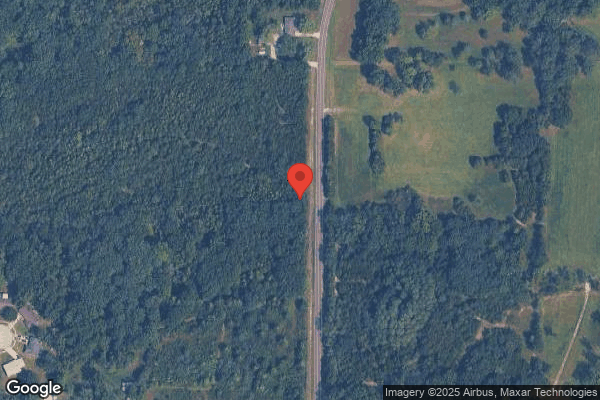
Mar 2024 1 deficiency
CONCERN (D) 📢 Someone Reported This

A family member, employee, or ombudsman was alarmed enough to file a formal complaint

Potential for Harm - no one hurt, but risky conditions existed

Notification of Changes (Tag F0580)

Could have caused harm · This affected 1 resident

Based on interview and record review, facility staff failed to notify one resident (Resident #1's) out of six sampled residents family and physician of a fall which resulted in an injury. The facility...

Read full inspector narrative →
Based on interview and record review, facility staff failed to notify one resident (Resident #1's) out of six sampled residents family and physician of a fall which resulted in an injury. The facility census was 81. 1. Review of the facility's physician notification, unknown date, showed the facility will immediately inform the resident, consult with the resident's physician, and if known, notify the resident's legal representative or interested family member when there is an accident which resulted in injury to the resident and has the potential in requiring physician intervention. 2. Review of Resident #1's Minimum Data Set (MDS), a federally mandated assessment tool, dated 1/9/24, showed diagnoses of Parkinson's disease (A disorder of the central nervous system that affects movement, often including tremors), pain, and insomnia. Review of the resident's plan of care, dated 3/10/24, showed staff assessed the at risk for falls. Review of the resident's fall risk assessment, dated 12/30/23, showed the resident assessed at a high risk for falling. Review of the resident's nurses note, dated 3/5/24 at 9:44 P.M., showed staff documented the resident found on his/her right side. Review showed the resident sustained a large abrasion and bruise to the right side of his/her face and two small abrasions between the knuckles on his/her right hand. Review showed the resident complained of pain from the abrasion and bruising on his/her forehead. Review showed the nurses note did not contain documenation staff notified the residents physician or family of the fall. Review of the residents medical record did not contain documentation staff notified the residents phsyician or family of the fall. During an interview on 3/13/24 at 11:02 A.M., the Director of Nursing (DON) said he/she did not know whether staff notified the resident's family about the resident's fall on 3/5/24. The DON said he/she did not have documentation showing staff notified the family about this fall. During an interview on 3/13/24 at 12:42 P.M., the administrator said she had no evidence staff notified the physician about the resident's fall on 3/5/24. She said she expected staff to notify the resident's attending physician and family whenever a resident falls. She said she was not sure why staff failed to notify the resident's attending physician or family about the fall on 3/5/24. During an interview on 3/14/24 at 10:04 A.M., the resident's physician said staff did not notify him/her about the resident's fall on 3/5/24 until he/she came to the facility the next day. He/She said staff should have called him/her before he/she had come on-site. MO00232980
May 2023 1 deficiency
CONCERN (E) 📢 Someone Reported This

A family member, employee, or ombudsman was alarmed enough to file a formal complaint

Potential for Harm - no one hurt, but risky conditions existed

Deficiency F0658 (Tag F0658)

Could have caused harm · This affected multiple residents

Based on interview and record review, the facility failed to follow physician's orders for three residents (Resident #1, Resident #2, and Resident #3) of three sampled residents reviewed relating to m...

Read full inspector narrative →
Based on interview and record review, the facility failed to follow physician's orders for three residents (Resident #1, Resident #2, and Resident #3) of three sampled residents reviewed relating to monitoring bowel movements. The facility staff failed to document weekly skin assessments for one (Resident #1) of two sampled residents with orders for skin assessments. The facility census was 76. 1. During a telephone interview on 5/30/23 at 3:45 P.M., RN A said the facility protocol for providing as needed laxatives is when a resident does not have a bowel movement for three days, then administer the as needed laxative. 2. Review of Resident #1's Minimum Data Set (MDS), a federally mandated assessment instrument required to be completed by facility staff, dated 4/3/23, showed staff assessed the resident as follows: -Frequently incontinent of bowel function; -At risk for pressure ulcers; -No pressure ulcers at this time. Review of the resident's plan of care, dated 3/16/23, showed direction for staff to do the following interventions: -Two-person assist for incontinence care; -Conduct a systematic skin inspection weekly. Review of the resident's physician orders sheet (POS), dated May 2023, showed the physician directed staff to complete and document weekly skin assessments, monitor bowel movements and record every shift, and enter amount as none if no bowel movement during the shift. Review of the resident's bowel movement form, dated date 2/1/23 to 3/2/23, showed staff did not document the resident had a bowel movement and did not document none for the following dates: -2/1/23; -2/3/23- 2/10/23; -2/12/23; -2/14/23- 2/15/23; -2/19/23; -2/22/23- 2/26/23; -2/28/23. Review of the resident's medication administration record (MAR), dated February 2023, showed staff transcribed an order for bisacodyl suppository (laxative) as needed. Review showed staff did not document they administered the bisacodyl suppository for the month of February. Review of the resident's progress notes, dated 3/2/23, showed staff documented the resident yelled requesting a pain pill. Staff assessed the resident's abdomen was distended and hard. A digital exam showed hard stool in the resident's rectum. Staff sent the resident to the emergency room. Review of the resident's facility weekly skin assessments, dated 3/15/23 through 4/29/23, showed staff did not document they completed a weekly skin assessment from 3/15/23 to 4/3/23 and 4/10/23 to 4/29/23. During a telephone interview on 5/10/23 at 11:00 A.M., the resident's attending physician said in regards to the orders for weekly skin assessments and bowel movement documentation every shift, he/she expected staff to carry out these orders consistently. 3. Review of Resident #2's Minimum Data Set (MDS), a federally mandated assessment instrument required to be completed by facility staff, dated 4/6/23, showed staff assessed the resident as follows: -Always incontinent of bowel function; -Totally dependent on staff for toileting. Review of the resident's plan of care, dated 3/1/23, showed staff were directed to provide incontinence care after each episode and required one-person assistance for toileting Review of the resident's POS, dated May 2023, showed the physician directed staff to monitor bowel movements, record them every shift, and enter amount as none if no bowel movement during the shift. Review of the resident's bowel movement form, dated 5/1/23 through 5/15/23, showed staff did not document if the resident had a bowel movement or none from 5/1/23-5/4/23, on 5/6/23, 5/7/23, and 5/10/23. Review of the resident's MAR showed the resident did not have an order for an as needed laxative. 4. Review of Resident #3's Minimum Data Set (MDS), a federally mandated assessment instrument required to be completed by facility staff, dated 4/28/23, showed staff assessed the resident as follows: -Always incontinent of bowel function; -Dependent on extensive assistance for toileting. Review of the resident's plan of care, dated 4/4/23, showed the plan directed staff to provide one to two-person assistance for toileting. Review of the resident's POS, dated May 2023, showed the physician directed staff to monitor bowel movements, record every shift, and enter amount as none if no bowel movement during the shift. Review of the resident's bowel movement form, dated 5/1/23 through 5/15/23, showed staff did not document if the resident had a bowel movement or none from 5/1/23-5/3/23, on 5/5/23, 5/6/23, 5/8/23, and from 5/10/23 - 5/15/23. Review of the resident's MAR, dated May 2023, showed staff transcribed an order for polyethylene glycol (laxative) powder 17 gram one capful as needed every 12 hours for constipation. Review showed staff did not document they administered the polyethylene glycol for the month of May. 5. During an interview on 5/15/23 at 12:02 P.M., the administrator said she expected staff to consistently monitor bowel movements and record every shift, if ordered by a physician. She said she expected staff to consistently assess residents' skin weekly, if ordered by a physician. MO00217481 & MO00218250
Dec 2022 12 deficiencies
CONCERN (D)

Potential for Harm - no one hurt, but risky conditions existed

Deficiency F0661 (Tag F0661)

Could have caused harm · This affected 1 resident

**NOTE- TERMS IN BRACKETS HAVE BEEN EDITED TO PROTECT CONFIDENTIALITY** Based on interview and record review, the facility failed to ensure a discharge summary was completed upon discharge for one sam...

Read full inspector narrative →
**NOTE- TERMS IN BRACKETS HAVE BEEN EDITED TO PROTECT CONFIDENTIALITY** Based on interview and record review, the facility failed to ensure a discharge summary was completed upon discharge for one sampled resident (Resident #61) out of three sampled closed records. The facility census was 65. 1. Record review of the facility's Discharge Planning policy dated April 2006 showed: -The Social Service Department will have primary responsibility for discharge planning within the facility; -The discharge summary will include the events leading to admission, the diagnosis, prognosis, treatment and adjustment of the resident, and plans at discharge. Review of Resident #61's Face Sheet showed the resident was admitted to the facility on [DATE] with a diagnosis of profound intellectual disabilities and was discharged on 10/03/2022. Review of discharge note dated 10/04/2022 showed the Social Services Director (SSD) documented the resident was discharged to another facility on 10/03/2022. Review of the resident's electronic medical record showed the record did not contain documentation of the discharge summary. During an interview on 12/30/22 at 9:24 A.M., the SSD said the resident moved to a lower level of care at his/her request. He/She said a discharge summary for the resident was not completed. He/She also said he/she wasn't sure what information goes in a discharge summary. During an interview on 12/30/22 at 12:25 P.M., the administrator said all discharged residents should have a discharge summary completed when they leave the facility. He/She said the Social Services Director is responsible for making sure the discharge summary is completed.
CONCERN (E)

Potential for Harm - no one hurt, but risky conditions existed

Deficiency F0582 (Tag F0582)

Could have caused harm · This affected multiple residents

Based on interview and record review facility staff failed to ensure the Center for Medicare and Medicaid Services (CMS) Skilled Nursing Facility (SNF) Advanced Beneficiary Notice (ABN) (CMS-10055) wa...

Read full inspector narrative →
Based on interview and record review facility staff failed to ensure the Center for Medicare and Medicaid Services (CMS) Skilled Nursing Facility (SNF) Advanced Beneficiary Notice (ABN) (CMS-10055) was completed for three residents (Resident #265, #41, and #269). The facility census was 65. 1. Review of the facility policies showed the facility did not provide a policy addressing Advanced Beneficiary Notices. 2. Review of Resident #265's SNFABN review form completed by the facility showed the facility documented: - Medicare part A skilled services started 10/26/22; - Last covered day of part A service was 11/17/22; - The resident did not document a payment option before the CMS-10055 was signed. 3. Review of Resident #41's SNFABN review form completed by the facility showed the facility documented: - Medicare part A skilled services started 9/6/22; - Last covered day of part A service was 9/30/22; - The resident did not document a payment option before the CMS-10055 was signed. 4. Review of Resident #269's SNFABN review form completed by the facility showed the facility documented: - Medicare part A skilled services started 12/20/22; - Last covered day of part A service was 12/28/22; - The resident did not document a payment option before the CMS-10055 was signed. 5. During an interview on 12/28/22 at 4:07 P.M., the social services director said he/she completes the part A forms with residents. He/She did not know the residents had to acknowledge a choice for payments options before signing the CMS-10055. During an interview on 12/30/22 at 10:00 A.M., the administrator said the social services director reviews beneficiary notices with the residents. He/She said they were not aware of the payment option choices not being completed.
CONCERN (E)

Potential for Harm - no one hurt, but risky conditions existed

ADL Care (Tag F0677)

Could have caused harm · This affected multiple residents

**NOTE- TERMS IN BRACKETS HAVE BEEN EDITED TO PROTECT CONFIDENTIALITY** Based on observation, interview, and record review facility staff failed to ensure four residents (Residents #4, #50, #264 and #...

Read full inspector narrative →
**NOTE- TERMS IN BRACKETS HAVE BEEN EDITED TO PROTECT CONFIDENTIALITY** Based on observation, interview, and record review facility staff failed to ensure four residents (Residents #4, #50, #264 and #269) who required staff assistance were provided with adequate assistance to maintain good grooming and hygiene. The facility census was 65. 1. Review of the Facility's shower policy, dated March 2015, showed staff were directed as follows: -Purpose is to maintain skin integrity, comfort and cleanliness; -Encourage the resident to do as much as possible; -Wash face and entire body, shampoo hair and rinse well; -Dry the resident well; -Dress the resident and dry hair well, comb and style hair. 2. Review of Resident #4's annual Minimum Data Set (MDS), a federally mandated assessment tool, dated 10/04/2022 showed staff assessed the resident as follows: -Moderate cognitive impairment; -Required extensive assistance with bed mobility, transfer, locomotion, dressing, toilet use and personal hygiene; -Diagnoses included neurogenic bladder (lack of bladder control), vertigo and muscle weakness. Review of the resident's shower sheets dated December 2022 showed staff only documented they assisted the resident with a shower on 12/22/2022. There was no additional documentation to show they provided the resident with a shower or any refusals from the resident. Observation on 12/27/22 at 11:05 A.M., showed the resident wore a hospital gown while in bed. Observation on 12/28/2022 at 8:17 A.M., showed the resident wore a hospital gown while in bed. During an interview on 12/27/22 at 11:05 A.M., the resident said staff put the gown on so it would be easier to take care of him/her. During an interview on 12/28/2022 at 8:17 A.M., the resident said it might help if staff got him/her in his/her wheelchair sometimes and staff did not get him/her out of bed. During an interview on 12/29/22 at 10:13 A.M., Licensed Practical Nurse (LPN) G said the Certified Nursing Assistants (CNA) are responsible for getting residents dressed and out of bed. During an interview on 12/30/22 at 9:12 A.M., LPN B said the CNAs get the residents out of bed and it should be documented if the resident doesn't want to get up. 3. Review of Resident #50's annual MDS assessment, dated 12/2/22, showed staff assessed the resident as follows: -Cognitively intact; -No behaviors; -Does not reject care; -Required supervision and assistance of one staff for personal hygiene and bathing. Review of the resident's care plan, last reviewed 11/25/22, showed staff are directed as follows: -Resident is limited in ability to maintain grooming/personal hygiene related to weakness, poor balance and fatigue. -Resident will groom self with one person assistance. Review of the resident's shower sheets showed the following: -November: showers on 11/9/22 and 11/18/22, documented refused shower on 11/24/22; -December: the facility did not document the resident received a shower for the month. During an interview on 12/27/22 at 10:55 A.M., the resident said he/she had concerns about not being checked on at night and left wet all night. He/she is able to do a lot independently during the day, but he/she takes sleeping medicine and has incontinence at night. He/She will lay wet all night and staff do not check on him/her until the morning, and he/she sleeps in later, so it is a long time before he/she is checked. The resident said he/she hates that they do not check on him/her and leave him/her wet. The resident also said he/she has not had a shower in over a month and he/she feels that because he/she can do a lot for himself/herself, staff do not check on him/her as much. 4. Review of Resident #264's baseline care plan, dated 12/30/2022 showed the following: -Alert/cognitively intact; -Required one person assistance with grooming and hygiene; -States preference of getting up between 7:00 A.M. and 8:00 A.M. Observation on 12/27/22 at 10:55 A.M., showed the resident wore a hospital gown, hospital ID wrist band and fall risk band while in bed. Observation on 12/28/22 at 9:02 A.M., showed the resident wore a hospital gown while in bed. Observation on 12/29/22 at 10:15 A.M., showed the resident wore a hospital gown while in bed. Observation on 12/29/22 at 12:14 P.M., showed the resident wore a hospital gown while in bed. During an interview on 12/28/22 at 9:02 A.M., the resident said he/she would like to wear regular clothes. He/She said he/she had asked to get dressed but staff did not assist him/her. He/she also said it bothered him/her and he/she was tired of being in his/her room. During an interview on 12/30/22 at 11:22 A.M., the MDS coordinator said residents should be dressed every day. He/She also said he/she would expect the CNA to tell the nurse if a resident was declining to get dressed and it should be documented. During an interview on 12/30/22 at 12:07 P.M., Occupational Therapist (OT) W, said the resident refused physical therapy on the 28th so he/she performed positioning with the resident in bed. He/She said the resident was wearing a hospital gown. He/She also said a family member brought the resident clothes on 12/27. 5. Review of Resident #269's annual MDS, dated [DATE], showed staff assessed the resident as follows: -No cognitive impairment; -Required two plus staff for transfer assistance; -Diagnosis of pressure ulcer of the sacral region. Review of the resident's care plan, dated 12/7/22, showed staff documented the resident was limited in the ability to groom and maintain personal hygiene. The resident required one to two staff to assist in grooming or bathing. Review of the resident's shower sheets dated 11/14/22 through 12/29/22 showed staff documented they assisted the resident with a shower on 11/17/22. Observation on 12/27/22 at 9:25 A.M., showed the resident in bed with a hospital gown on. The resident's hair was uncombed with a greasy appearance. Observation on 12/29/22 at 8:21 A.M., showed the resident in bed with a hospital gown on. The resident's hair looked uncombed with a greasy appearance. During an interview on 12/28/22 at 8:30 A.M., the resident said he/she had received only one bath since the end of November. He/She said he/she asked for a wash basin and washcloth so he/she could wash himself/herself, but staff have not brought one. 6. During an interview on 12/29/22 at 10:30 A.M., CNA L said residents should receive showers twice a week, at least. They have an aid who assists residents with showers. During an interview on 12/29/22 at 10:35 A.M., Registered Nurse (RN) E said showers should be done twice a week. Due to a lack of staff this is not being done. During and interview on 12/29/22 at 11:00 A.M., CNA Q said residents should be showered twice a week and this is documented on a shower sheet. During and interview on 12/30/22 at 8:16 A.M., the Director of Nursing (DON) said residents should be showered twice a week but staff are struggling to do this with hot water running out. During an interview on 12/30/22 at 9:47 A.M., the administrator said staff should be showering residents twice a week but the hot water needs to be fixed and this is causing a problem. He/She said they also need to hire more staff.
CONCERN (E)

Potential for Harm - no one hurt, but risky conditions existed

Accident Prevention (Tag F0689)

Could have caused harm · This affected multiple residents

**NOTE- TERMS IN BRACKETS HAVE BEEN EDITED TO PROTECT CONFIDENTIALITY** Based on observation, interview, and record review, the facility staff failed to provide safe mechanical lift transfers for thre...

Read full inspector narrative →
**NOTE- TERMS IN BRACKETS HAVE BEEN EDITED TO PROTECT CONFIDENTIALITY** Based on observation, interview, and record review, the facility staff failed to provide safe mechanical lift transfers for three residents (Residents #7, #12 and #47) in a manner to prevent accidents. The facility staff also failed to ensure razors/sharps and hazardous chemicals were stored in safe manner not accessible to residents. The facility census was 65. 1. Review of the Invacare Reliant 600 Heavy-Duty Power Lift instruction guide, dated 2018, showed the guide instructed operators of the lift that the legs must be kept in the maximum open position for stability and safety. Review showed if it is necessary to close the legs of the lift to maneuver the lift under a bed, the guide instructed operators to close the legs only as long as it takes to position the lift over the patient, then return the legs to the maximum open position. Review of the facility's Hydraulic Lift (Hoyer Lift) policy, dated March 2015, showed the policy directed staff to open the lift to the widest point and set the brakes. 2. Review of Resident #7's quarterly Minimum Data Set (MDS) a federally mandated assessment tool, dated 9/26/2022, showed staff assessed the resident as follows: -Unable to complete cognitive assessment; -Totally dependent for transfers; -Required extensive assistance for bed mobility. Observation on 12/29/22 at 11:12 A.M., showed Certified Nursing Assistant (CNA) I and CNA J used a mechanical lift to transfer the resident from his/her bed to a chair. CNA I attached the lift harness, raised the harness and rotated the lift from the bed to the chair with the legs closed. 3. Review of Resident #12's annual MDS, dated [DATE], showed staff assessed the resident as follows: -Severe cognitive impairment; -Required extensive assistance from two plus staff for transfers. Observation on 12/27/22 at 2:30 P.M., showed CNA P and CNA A used a mechanical lift to transfer the resident from his/her wheelchair to a bed. CNA P guided the lift to the resident's wheelchair and opened the legs of the lift while CNA A attached the lift harness. CNA P then pulled the lift away from the chair and closed the legs while both CNAs turned the lift to move it to the bed. Staff lowered to resident onto the bed with legs closed. During an interview on 12/27/22 at 2:45 P.M., CNA P said they close the mechanical lift legs after they move the lift away from the wheelchair. 4. Review of Resident #47's quarterly MDS dated [DATE] showed staff assessed the resident as follows: -Unable to complete cognitive assessment; -Totally dependent for transfers; -Diagnoses included stroke and hemiplegia (one-sided muscle paralysis or weakness). Observation on 12/28/22 at 3:27 P.M. showed CNA A and CNA F positioned a mechanical lift next to the resident's bed with the legs in the closed position. CNA A and CNA F placed the lift harness under the resident and attached the harness to the lift. CNA A used the remote control to lift the resident and CNA F moved a chair under the resident, while the resident was suspended in the air by the lift with no staff support. CNA A lowered the resident into the chair and the staff removed the lift harness. The legs of the mechanical lift remained in the closed position during the entire transfer. Observation on 12/29/22 at 10:59 A.M., showed CNA I and CNA J used a mechanical lift to transfer the resident from his/her bed to a chair. CNA I and CNA J placed the lift harness under the resident and attached the harness to the lift. CNA I closed the lift legs, moved the lift with the resident suspended and rolled the lift under the chair with legs closed. During an interview on 12/29/22 at 11:03 A.M., CNA I said the mechanical lift legs should be closed when moving and then opened when you get to the chair or bed. The CNA also said he/she last received lift training about a month ago. 5. During an interview on 12/29/22 at 2:17 P.M., the Director of Nursing (DON) said two staff perform a mechanical lift transfer. The DON said one staff operates the lift while the other stabilizes the resident. The DON said the mechanical lift legs should be spread for stability and at no time should the legs be closed while a resident is being lifted by the mechanical lift. During an interview on 12/30/22 at 9:30 A.M., Licensed Practical Nurse (LPN) H said two staff are required to do a mechanical lift transfer. The LPN said one person operates the lift while the other stabilizes the resident. The LPN said the legs of the mechanical lift should be closed when moving the resident. During an interview on 12/30/22 at 9:50 A.M., the administrator said staff are to make sure the mechanical lift pad was under the resident correctly and use two staff to move the resident. The administrator said the legs of the mechanical lift should be closed while moving the resident. 6. Observation on 12/29/22 at 7:22 A.M., showed the door to the 100 hall shower room, located across from resident room [ROOM NUMBER], unlocked and the room unattended by staff. Observation also showed a 32 ounce (oz.) bottle of hard surface disinfectant stored unsecured in the room. Observation on 12/29/22 at 9:25 A.M., showed the door to the 200 hall shower room, located across from resident room [ROOM NUMBER], unlocked and the room unattended by staff. Observation also showed a one gallon bottle of disinfectant cleaner for whirlpools, a 32 oz. bottle of hard surface disinfectant, a 20 oz. bottle of hospital disinfectant, a bottle of tub and tile cleaner, a bottle of odor eliminator, and two boxes of twin blade razors stored unsecured in the room. During an interview on 12/29/22 at 9:30 A.M., the maintenance director said all chemicals and sharps stored in the shower rooms are supposed to be locked up in the cabinets. The maintenance director said he/she just gave the staff keys to the cabinet locks and told them to make sure to lock those kind of things up in the cabinets. Observation on 12/29/22 at 9:38 A.M., showed a 19 oz. can of disinfectant spray in resident occupied room [ROOM NUMBER]. During an interview on 12/29/22 at 2:07 P.M., the administrator said he/she did not have a specific written policy for the storage of chemicals and sharp object, such as razors. The administrator said chemicals and sharp objects should be stored locked in cabinets and not accessible to residents. The administrator said chemicals should also not be stored in resident rooms and all staff are expected to monitor the storage of chemical and sharps. The administrator said the medication technicians are also supposed to check the shower rooms once every shift to make sure every thing is stored properly. The administrator said all staff had been trained on the proper way to store chemicals and sharp objects, but the training had not occurred recently.
CONCERN (E)

Potential for Harm - no one hurt, but risky conditions existed

Drug Regimen Review (Tag F0756)

Could have caused harm · This affected multiple residents

**NOTE- TERMS IN BRACKETS HAVE BEEN EDITED TO PROTECT CONFIDENTIALITY** Based on interview, and record review the facility staff failed to communicate pharmacy recommendations to the physicians for fo...

Read full inspector narrative →
**NOTE- TERMS IN BRACKETS HAVE BEEN EDITED TO PROTECT CONFIDENTIALITY** Based on interview, and record review the facility staff failed to communicate pharmacy recommendations to the physicians for four residents (Resident #3, #11, #37, and #41) to prevent or minimize adverse consequences related to medication therapy to the extent possible. The facility census is 65. 1. Review of the facility's Drug Review policy, dated March 2015, showed: -All medications given to each resident will be reviewed on a monthly basis in order to insure adherence to stop orders; -The pharmacist reviews all federal indicators, and a monthly report form is filled out to show any problem areas; -Problems identified shall be addressed according to need in consultation with physician; -Determine the most acceptable time frame to attempt reduction of drug dosage from behavior evaluation. Review of the facility's Physician Services policy, dated March 2015, showed: -The resident's attending physician is responsible for prescribing new therapy, to ensure that the resident receives quality care and medical treatments; -Physician orders and progress notes shall be maintained in accordance with current Omnibus Budget Reconciliation Act (OBRA) regulations and facility policy. 2. Review of Resident #3's annual Minimum Data Set (MDS), a federally mandated assessment tool, dated 11/08/2022 showed staff assessed the resident as follows: -Diagnoses included atrial fibrillation (rapid beating of upper heart chambers), coronary artery disease, heart failure, arthritis, anxiety disorder, bipolar disease, schizophrenia, and respiratory failure; -Use of antipsychotics, hypnotics, anticoagulants and diuretics on seven of seven days during the look back period (seven day period before the assessment is completed to capture the status of a resident). Review of the pharmacist's monthly medication regimen review (MRR) note showed: -9/19/2022 MRR - see report for recommendation; -6/13/2022 MRR - see report for recommendation; -4/12/2022 MRR - see report for recommendation; -3/18/2022 MRR - See report for recommendation; -2/02/2022 MRR - see report for recommendation; -12/07/2021 MRR - see report for recommendation. Review of the resident's medical record showed the record did not contain documentation of the pharmacist's report or physician's response. 3. Review of Resident #11's five-day scheduled MDS, dated [DATE], showed staff assessed the resident as follows: -Diagnoses of aphasia (a language disorder that affects a person's ability to communicate), Parkinson's disease (a disorder of the central nervous system that affects movement, often including tremors), depression, schizophrenia (a disorder that affects a person's ability to think, feel, and behave clearly); -Use of antipsychotic and antidepressants seven of seven days in the look back period. Review of the pharmacist's MRR note showed: - 11/13/2022 MRR - see report for recommendation. Review of the resident's medical record showed the record did not contain documentation of the pharmacist's report or physician's response. 4. Review of Resident #37's admission MDS, dated [DATE], showed staff assessed the resident as follows: - No behaviors; - Diagnosis of depression; - Use of antidepressants seven of seven days in the look back period (seven day period before the assessment is completed to capture the status of a resident). Review of the Pharmacist's note, dated 12/08/22, showed the recommendations as follows: -Resident has an as needed (PRN) order for a psychotropic medication: Lorazepam (antianxiety) 0.25 milliliters (mL) every four hours PRN; -PRN psychotropic meds (sedative/hypnotics, anxiolytics) need justification for long-term use and must have a defined stop-date. Please obtain a specific cut date. Review of the resident's medical record showed the record did not contain a physician response to the pharmacist recommendation. 5. Review of Resident #41's annual MDS dated [DATE] showed staff assessed the resident as follows: -Minimal depression; -No behaviors; -Diagnosis of schizophrenia; -Use of antipsychotics, antidepressants and opioids on seven of seven days during the look back period. Review of the pharmacist's monthly MRR note showed: -11/14/2022 MRR - see report for recommendation; -10/11/2022 MRR - see report for recommendation; -9/19/2022 MRR - see report for recommendation; -4/12/2022 MRR - See report for recommendation; -12/07/2021 MRR - see report for recommendation. Review of the resident's medical record showed the record did not contain documentation of the pharmacist's report or physician's response. 6. During an interview on 12/30/22 at 9:30 A.M., Licensed Practical Nurse (LPN) B said pharmacy reviews monthly, but was unsure who would be responsible for follow up. During an interview on 12/30/22 at 10:16 A.M., the Director of Nursing (DON) said he/she started the position at the end of June, and he/she only has the pharmacist reviews from October on, and he/she noted it was not being done before then. The DON said he/she is trying to get caught up on the pharmacy recommendations and getting the physician responses. During an interview on 12/30/22 at 11:48 A.M., DON said he/she is responsible for ensuring monthly medication reviews are completed by the doctor and he/she reviews new medication orders on a daily basis. During an interview on 12/30/22 at 11:49 A.M., the Administrator said the physician should respond monthly to the pharmacist medication regimen review. The facility process is the physician rounds twice a month and a list is printed off for him/her to review and sign, and the DON should audit monthly. The administrator said he/she was aware the physician was not responding in a timely manner and does not know why it is not being done.
CONCERN (E)

Potential for Harm - no one hurt, but risky conditions existed

Medication Errors (Tag F0758)

Could have caused harm · This affected multiple residents

**NOTE- TERMS IN BRACKETS HAVE BEEN EDITED TO PROTECT CONFIDENTIALITY** Based on interview and record review, facility staff failed to ensure that as needed (PRN) psychotropic medications (a chemical ...

Read full inspector narrative →
**NOTE- TERMS IN BRACKETS HAVE BEEN EDITED TO PROTECT CONFIDENTIALITY** Based on interview and record review, facility staff failed to ensure that as needed (PRN) psychotropic medications (a chemical substance that changes brain function and results in alterations in perception, mood, consciousness or behavior) orders were limited to 14 days unless a specific duration and clinical rationale were provided for one resident (Resident #37) and failed to perform Gradual Dose Reductions (GDRs) on psychotropic medications for two residents (Resident #11 and #57). The facility census was 28. 1. Review of the facility's Drug Review policy, dated March 2015, showed: -All medications given to each resident will be reviewed on a monthly basis in order to insure adherence to stop orders; -The pharmacist reviews all federal indicators, and a monthly report form is filled out to show any problem areas; -Problems identified shall be addressed according to need in consultation with physician; -Determine the most acceptable time frame to attempt reduction of drug dosage from behavior evaluation. Review of the facility's Medication Monitoring and Management policy, revised January 2018, showed: -When a resident's clinical condition as improved or stabilized, the resident is evaluated for the appropriateness of a taper or gradual dose reduction (GDR) of the medication; -The facility must attempt a GDR in two separate quarters (with at least one month between the attempts) within the first year, unless clinically contraindicated; after the first year a GDR must be attempted annually, unless clinically contraindicated. 2. Review of Resident #37's significant change Minimum Data Set (MDS), a federally mandated assessment tool, dated 11/17/22, showed staff assessed the resident as follows: -Unable to complete the brief interview for mental status; -Use of antidepressants seven of seven days in the look back period (seven day period before the assessment is completed to capture the status of a resident); -admitted to hospice services. Review of the resident's care plan, last reviewed 12/07/22, showed it directed staff as follows: - Resident has chosen to be on hospice services; - Monitor mood and response to medication as needed; - Pharmacy consultant review. Review of the resident's Physician Order Sheet (POS), dated December 2022 showed staff obtained a physician's order on 11/11/22 for Lorazepam (a Schedule IV antianxiety medication) 2 milligrams/milliliters (mg/ml) 0.25 ml oral (PO) every four hours as needed (PRN). Staff did not ensure the order contained a specific stop date of 14 days or less. 3. Review of Resident #11's five-day scheduled MDS, dated [DATE], showed staff assessed the resident as follows: -Moderate cognitive impairment; -No behaviors; -Diagnoses Parkinson's disease (a disorder of the central nervous system that affects movement, often including tremors), depression, schizophrenia (a disorder that affects a person's ability to think, feel, and behave clearly); -Use of antipsychotic and antidepressants seven of seven days in the look back period. Review of the resident's POS, dated December 2022, showed staff obtained a physician's order on the following dates: -On 2/13/20 for Risperidone tablet (an antipsychotic), 0.25 mg, one tablet PO twice a day for paranoid schizophrenia; -On 2/13/20 for Topiramate tablet (a mood stabilizer), 100 mg, 1 tablet PO twice a day for major depressive disorder; -On 8/25/22 for Haloperidol decanoate solution (an antipsychotic), 50 mg/mL, one mL intramuscular (IM) once a day on Friday every two weeks for paranoid schizophrenia. Review of the Pharmacist's note to attending physician/prescriber, for the following dates showed: -8/12/22 recommendations for a GDR for Haloperidol Decanoate injection, 50 mg every two weeks; Risperidone 0.25 mg twice daily; and Topiramate 100 mg twice daily; -9/19/22 recommendations for a GDR for Haloperidol Decanoate injection, 50 mg every two weeks; Risperidone 0.25 mg twice daily; and Topiramate 100 mg twice daily; -12/8/22 recommendations for a GDR for Haloperidol Decanoate injection, 50 mg every two weeks; Risperidone 0.25 mg twice daily; and Topiramate 100 mg twice daily; - The facility could not provide the pharmacy review for November 2022. Review of the resident's medical record showed the record did not contain a physician response to the pharmacist recommendations for GDRs. 4. Review of Resident #57's quarterly MDS, dated [DATE], showed staff assessed the resident as follows: - Unable to complete the brief interview for mental status; - No behaviors; - Diagnoses of dementia (a group of thinking and social symptoms that interferes with daily functioning), Parkinson's Disease, depression, bipolar disorder (also known as manic depression - a disorder associated with episodes of mood swings ranging from depressive lows to manic highs); - Use of antidepressants seven of seven days in the look back period. Review of the resident's POS, dated December 2022, showed staff obtained a physician's order on 9/8/22 for lamotrigine (an anticonvulsant used to treat bipolar disorder) tablet; 25 mg one tab PO once a day for major depressive disorder. Review of the Pharmacist's note to attending physician/prescriber, for the following dates showed: - 10/11/22 recommendations for a GDR for lamotrigine 25 mg daily; - 12/11/22 recommendations for a GDR for lamotrigine 25 mg daily; - The facility could not provide the pharmacy review for November 2022. Review of the resident's medical record showed the record did not contain a physician response to the pharmacist recommendation for GDR. 5. During an interview on 12/30/22 at 9:20 A.M., Licensed Practical Nurse (LPN) H said PRN psychotropic medications should be ordered for two weeks then reviewed to either stop or get a new order. He/She said the nurse who puts the order in should make sure it has an appropriate stop date. During an interview on 12/30/22 at 9:25 A.M., Certified Medication Technician (CMT) C said he/she was not responsible for making sure the diagnoses are appropriate, and was unsure how often PRN psychotropic medications should be ordered or reviewed. During an interview on 12/30/22 at 9:30 A.M., LPN B said pharmacy reviews monthly, but was unsure who would be responsible for follow up. LPN B said PRN psychotropic medications should be reviewed and the order should only be good for two weeks, the physician should put a stop date, but is not sure who is responsible for reviewing for accuracy. During an interview on 12/30/22 at 9:47 A.M., the Director of Nursing (DON) said PRN psychotropic medications should have a stop date of fourteen days, and then reviewed to see if the medication still needs to continue. He/She said the MDS coordinator or himself/herself are responsible for making sure the stop dates are entered, and the facility does not let the floor nurses review the stop dates. He/She said the physicians should be responding to the monthly medication regimen review. The DON said he/she started the position at the end of June, and he/she only has the pharmacist reviews from October on, and he/she noted it was not being done before then. The DON said he/she is trying to get caught up on the pharmacy recommendations and getting the physician responses. During an interview on 12/30/22 at 11:36 A.M., the DON said the pharmacy reviews should be sent to him/her, and then he/she sends it to physician for review, and once he/she receives them back the corrections and changes are made. The DON would expect the pharmacy reviews and physician responses to be completed monthly. The DON said he/she calls the physician office but then never gets them back. He/She said GDRs should be done at least twice, in separate quarters, and then annually if not contraindicated. During an interview on 12/30/22 at 11:49 A.M., the Administrator said PRN psychotropic medications should have a fourteen-day stop date and the DON is responsible for ensuring an appropriate stop date. The medical director, DON and all charge nurses should be aware of diagnoses and stop dates if appropriate. He/She said the GDR should be done when recommended, twice in two separate quarters and then yearly unless contraindicated.
CONCERN (E)

Potential for Harm - no one hurt, but risky conditions existed

Deficiency F0761 (Tag F0761)

Could have caused harm · This affected multiple residents

Based on observation, interview, and record review, facility staff failed to store and label medication in a safe and effective manner in one of one medication storage carts. The facility census was 6...

Read full inspector narrative →
Based on observation, interview, and record review, facility staff failed to store and label medication in a safe and effective manner in one of one medication storage carts. The facility census was 65. 1. Review of the facility's Medication Storage Policy, dated March 2015, showed staff are directed as follows: -No discontinued, outdated, or deteriorated drugs and biologicals may be retained for use. All such drugs must be returned to the issuing pharmacy or destroyed in accordance with established guidelines; -Drugs must be stored in an orderly manner in cabinets, drawers, or carts. Observation on 12/29/22 at 9:00 A.M., showed the 100 hall medication cart contained: -One Meclizine 25 mg tablet pack with 26 tablets remaining with an expiration date of 8/5/22; -One loose white tablet with 66/422 stamped on it; -One Zinc 50 mg bottle with and expiration date of 6/22; -Two loose blue tablets with #41 stamped on it; -One loose yellow tablet with #81 stamped on it; -One loose yellow tablet with #8 stamped on it; -Six loose white tablets unknown; -One loose yellow tablet with #33 stamped on it; -One loose orange tablet with #893 stamped on it; -One loose blue oval tablet with # 17/A stamped on it; -Nine loose unidentified white tablets; -One blue round tablet with I/7 stamped on it. During an interview on 12/29/22 at 9:40 A.M., Certified Medication Technician (CMT) C said loose medications or expired medications are to be reported to the nurse on duty and then will be destroyed. During an interview on 12/29/22 at 2:15 P.M., the director of nursing said all loose medications or out of date medication must be destroyed with two staff to witness.
CONCERN (E)

Potential for Harm - no one hurt, but risky conditions existed

Infection Control (Tag F0880)

Could have caused harm · This affected multiple residents

Based on interview and record review, the facility staff failed to ensure all employees were screened for Tuberculosis (TB), a potentially serious infectious bacterial disease that mainly affects the ...

Read full inspector narrative →
Based on interview and record review, the facility staff failed to ensure all employees were screened for Tuberculosis (TB), a potentially serious infectious bacterial disease that mainly affects the lungs), when staff failed to ensure a two-step purified protein derivative (PPD) (skin test for TB) was completed and documented as per policy for five out of ten sampled employees (Dietary Aide S, Registered Nurse T, Licensed Practical Nurse U, Housekeeper V, and Certified Nurse Assistant P). The facility census was 65. 1. Review of the facility's Tuberculosis Control Policy, undated, showed: -Recommendations for employees: --Initial examination: provide a tuberculin skin test (Mantoux, five tuberculin units (TU) of PPD to all employees during pre-employment procedures, unless a previous reaction greater than 10 millimeters (mm) is documented. If the initial skin test is 0-9 mm, a second test should be given at least one week and no more than three weeks after the first test. The results of the second test should be used as the baseline in determining treatment and follow-up of these employees. -TB Screening for Long Term Care Employees: --Once the decision has been made to employ an individual; the individual will be asked for documentation of a prior PPD. If the employee does not have documentation of a prior PPD; the 1st step PPD will be administered by the nursing department, documented on the Employee Immunization record, and must be read prior to or no later than start date. --All PPDs will be documented in the Employee Immunization record including new hires and annual administration. After the PPD has been administered, the results will be documented in mm. 2. Review of Dietary Aide S's employee file showed: -Hire date of 6/27/22; -Start date of 6/27/22; -First PPD not administered until 11/16/22 and read on 11/18/22; -Review of the employee file showed staff did not document they administered a second PPD. 3. Review of Registered Nurse T's employee file showed: -Hire date of 7/15/22; -Start date of 7/15/22; -First PPD administered on 7/27/22 and read on 7/29/22; -Review of the employee file showed staff did not read the first PPD prior to or on the employee's start date and did not document they administered a second PPD. 4. Review of Licensed Practical Nurse U's employee file showed: -Hire date of 8/16/22; -Start date of 8/16/22; -First PPD not administered until 10/19/22 and read on 10/22/22; -Review of the employee file showed staff did not document they administered a second PPD. 5. Review of Housekeeper V's employee file showed: -Hire date of 9/7/22; -Start date of 9/7/22; -First PPD not administered until 9/25/22 and read on 9/27/22. -Review of the employee file showed staff did not document they administered a second PPD. 6. Review of Certified Nurse Assistant P's employee file showed: -Hire date of 9/13/22; -Start date of 9/13/22 -First PPD not administered until 11/23/22 and read on 11/25/22. -Review of the employee file showed staff did not document they administered a second PPD. 7. During an interview on 12/28/22 11:09 A.M., the administrator said he/she noticed the recent new employees did not have the second step of the TB tests completed. He/She said the facility did not have them. He/She said the Director of Nursing (DON) was new and used the incorrect forms for TB testing records. During an interview on 12/29/22 at 1:45 P.M., the DON said he/she did not realize two-step PPDs were needed for new employees and will now implement this practice.
CONCERN (F)

Potential for Harm - no one hurt, but risky conditions existed

Menu Adequacy (Tag F0803)

Could have caused harm · This affected most or all residents

Based on observation, interview, and record review, the facility staff failed to ensure menus were followed when staff did not prepare all food items as directed by the recipe. The facility census was...

Read full inspector narrative →
Based on observation, interview, and record review, the facility staff failed to ensure menus were followed when staff did not prepare all food items as directed by the recipe. The facility census was 65. 1. Review of facility's Food Preparation and Distribution policy date April 2011 showed recipes should be followed on each item prepared. Review of the Philly cheese steak sandwich recipe showed ingredients for 100 servings as follows: -12 pounds plus eight ounces of Philly beef steak -Seven pounds plus four ounce of sliced onions -Six pounds plus four ounces of sliced American cheese Observation on 12/29/2022 at 2:40 P.M., showed [NAME] N added a two pound bag of chopped green peppers to a pan of cooked beef steak. He/She poured an unmeasured amount of Mozzarella cheese from two previously opened bags into the pan of beef and stirred. The Philly cheese steak was served at the evening meal. During an interview on 12/29/2022 at 3:20 P.M., [NAME] N said he/she follows recipes when preparing meals. He/She said the beef steak was given to him/her to prepare so he/she did not know how much beef he/she was preparing. [NAME] N said after looking at the beef packaging in the trash can, he/she prepared 12 pounds of beef steak and said he/she was preparing about 75 servings. [NAME] N said he/she added about two cups of cheese to the beef steak. During an interview on 12/29/22 02:50 P.M., the Dietary Supervisor said the cook should follow the recipe and measure ingredients when preparing meals. During an interview on 12/30/22 at 12:25 P.M., the administrator said the cook preparing meals should follow the recipe.
CONCERN (F)

Potential for Harm - no one hurt, but risky conditions existed

Food Safety (Tag F0812)

Could have caused harm · This affected most or all residents

Based on observation, interview, and record review, facility staff failed to maintain correct dishwasher water temperatures and follow proper procedures for ware washing in the three compartment sink....

Read full inspector narrative →
Based on observation, interview, and record review, facility staff failed to maintain correct dishwasher water temperatures and follow proper procedures for ware washing in the three compartment sink. This failure had the potential to affect all residents. The census was 65. 1. Review of the facility's Dish machine Temperature policy dated April 2011 showed: -Actual wash and rinse temperatures must be observed and logged at the beginning of the dishwashing period by the dish machine operator; -Report temperatures that are below the required levels to the Dietary Services manager immediately. Review of the dishwasher general operating instructions wall poster in the dishwashing area showed: -It is recommended that 140 degree water be used; -Report to your supervisor if it is lower than 120 degrees F or higher than 160 degrees. Review of the dishwasher daily start up procedures showed: -Fill machine with water using fill switch; -If water temperature gauge has not reached 120 degrees Fahrenheit (F) when the water level is just below overflow, drain water from the machine and continue to fill until proper temperature is attained. Review of the dishwasher installation manual showed: -The recommended temperature range for optimal performance is 130-140 degrees F; -Supply water must be 120 degrees F minimum (130-140 degrees F recommended) from primary heat source. Review of the December dishwasher temperature log showed: -All wash cycle temperature checks were reported below 120 degrees F; -Lunch time rinse cycle temperature checks were below 120 degrees F on December 15, 16, 19, 20, 23, 24, 25 and 26; -Dinner time rinse cycle temperature checks were below 120 degrees F on December 15, 16, 23, 24, 25 and 26. Review of facility provided e-mails and capital expenditure request showed one of three water heaters stopped working in August of 2022. The second of three water heaters stopped working on 12/11/2022 and a non-emergent capital expense request was submitted to corporate purchasing on 12/19/2022. Corporate purchasing approved the request on 12/28/2022. Observation on 12/27/22 at 10:20 A.M., showed the wash and rinse temperatures at 92 degrees F. Observation on 12/28/22 at 3:34 P.M., showed the wash and rinse temperatures at 96 degrees F. During an interview on 12/27/22 at 10:08 A.M., the Dietary Supervisor said the dishwasher has been getting to 80-90 degrees F. He/She said the dishwasher has been struggling and he/she had called it in, but did not specify who he/she called. During an interview on 12/27/22 at 10:20 A.M., Dietary Aide R said the dishwasher temperature should read at least 120 degrees F. He/She said the hot water had been fluctuating and the maintenance supervisor knew about the hot water and he/she tried to look at it. He/She said the water heaters broke a month or two ago and staff had been using the dishwasher the whole time and kitchen staff run every load twice to make sure items are clean. During an interview on 12/27/22 at 10:33 A.M., the Maintenance Supervisor said the water heater broke about six days ago and a new one is on order. He/She said kitchen staff never told him/her about the dishwasher not running at the proper temperature so he/she had not looked at the dishwasher. During an interview on 12/30/22 at 12:25 P.M., the administrator said maintenance staff is responsible for kitchen equipment function with input from the kitchen manager. He/She said the water heater is being replaced but did not know when. 2. Review of the facility's sanitizing the Three Compartment Sink policy, dated April 2011 showed: -The sanitizing solution should be tested and logged three times daily prior to the use of the three compartment sink; -Document test strip completion on log provided; -Dishes should be submerged in sanitizing solution for 1-2 minutes and allowed to air dry. Review of sanitizer product label showed staff are directed to rinse with a potable water rinse and sanitize pre-cleaned mobile items in public eating establishments (drinking glasses, dishes, eating utensils) immerse in 200-400 ppm active quaternary solution for at least 60 seconds making sure to immerse completely. Review of the three compartment sink sanitizer test log on 12/27/2022 showed the test log did not contain entries after 12/21/2022. Observation on 12/29/22 at 2:10 P.M., showed [NAME] N washed serving pans in the three compartment and without rinsing placed the pans in the sanitizer sink. Observation showed all items were not completely submerged in the sanitizer. Before removing a large pan from the sanitizer [NAME] N inverted the pan to cover it with sanitizer and immediately removed the pan. During an interview on 12/29/22 at 2:10 P.M., [NAME] N said he/she should probably rinse items before sanitizing but he/she could not find the stopper to the rinse sink. [NAME] N said he/she submerged the pan for about three seconds and he/she did not know how long it should be submerged because he/she is still in training. Observation on 12/29/22 at 2:30 P.M., showed [NAME] N cleaned a food processor bowl in the three part sink, rinsed the bowl and placed it in sanitizer. Observation showed the bowl was not fully submerged in the sanitizer. [NAME] N removed the processor bowl from the sanitizer and used it to puree green beans which were served for dinner. During an interview on 12/29/22 at 8:20 A.M., the Dietary Supervisor said he/she was not aware of anyone checking sanitizer concentrations in the three compartment sink and staff uses the sink every day. The dietary supervisor was not aware of three compartment sink policy. The dietary supervisor said he/she had very little experience and no structured orientation or training for his/her position. During an interview on 12/30/22 at 12:25 P.M., the administrator said all kitchen staff are responsible for cleaning kitchen equipment properly with oversight from the kitchen manager.
CONCERN (F)

Potential for Harm - no one hurt, but risky conditions existed

Garbage Disposal (Tag F0814)

Could have caused harm · This affected most or all residents

Based on observation, interview, and record review, the facility staff failed to properly contain waste and refuse to prevent the harboring and/or feeding of rodents and pests when the facility failed...

Read full inspector narrative →
Based on observation, interview, and record review, the facility staff failed to properly contain waste and refuse to prevent the harboring and/or feeding of rodents and pests when the facility failed to maintain the lids to cover the outdoor dumpster in good repair. The facility census was 65. 1. Observation on 12/29/22 at 8:00 A.M., showed trash bags stacked inside the outdoor dumpster high above the top of the dumpster. Further observation showed the two lids to cover the dumpster pushed inside of the dumpster and the bottom half of each lid missing due to breakage. During an interview on 12/29/22 at 8:00 A.M., the maintenance director said the dumpster lids had been broken for a while. The Maintenance Director said he/she called the trash company about two weeks ago and asked them for a new dumpster and they said they would not provide one. The Maintenance Director said he/she did not ask the company to replace the broken lids and he/she had not contacted anyone else to have the lids repaired. During an interview on 12/29/22 at 2:15 P.M., the administrator said the dumpster should be completely covered. The administrator said the maintenance director reported that he/she called the trash company a little while ago to get an new dumpster and the company said they would not provide a new dumpster. The administrator said he/she had not contacted anyone to get the dumpster lids repaired or replaced. Review of the 2017 Food and Drug Administration (FDA) Food Code and the Missouri Food Code, dated 06/03/13, chapter 5, section 501.15 Outside Receptacles, showed Receptacles and waste handling units for refuse, recyclables, and returnables used with materials containing food residue and used outside the food establishment shall be designed and constructed to have tight-fitting lids, doors, or covers.
MINOR (C)

Minor Issue - procedural, no safety impact

Staffing Information (Tag F0732)

Minor procedural issue · This affected most or all residents

Based on observation, interview, and record review, facility staff failed to post the required nurse staffing information, which included the total number of staff and the actual hours worked, by both...

Read full inspector narrative →
Based on observation, interview, and record review, facility staff failed to post the required nurse staffing information, which included the total number of staff and the actual hours worked, by both licensed and unlicensed nursing staff directly responsible for resident care, per shift, and on a daily basis. The facility staff also failed to keep the required daily staffing records for eighteen months. The facility census was 65. 1. Review of the facility policies showed staff did not provide a policy for nurse staff posting. Review of the facility's records showed the record did not contain nurse staff posting for the required 18 months. Observation on 12/27/22 at 10:48 A.M., showed the nurse staff posting was not visible in the facility. Observation on 12/28/22 at 9:19 A.M., showed the nurse staff posting was not visible in the facility. Observation on 12/29/22 at 7:42 A.M., showed the nurse staff posting was not visible in the facility. Observation on 12/30/22 at 7:46 A.M., showed the nurse staff posting was not visible in the facility. During an interview on 12/30/22 at 9:20 A.M., Licensed Practical Nurse (LPN) H said he/she did not know where the nurse staff posting was, he/she thought it was on the 100 hall in the schedule book, but was not positive. He/She said it should be posted in the front and should be accessible to visitors and residents. During an interview on 12/30/22 at 9:25 A.M., Certified Medication Tech (CMT) C said he/she did not even know what the nurse staff posting was and had never seen it posted. He/She thought it should maybe be posted at the nurse's station. During an interview on 12/30/22 at 9:30 A.M., LPN B said he/she had not seen any nurse staff posting. He/She said they did have the schedule in the book, but not the daily nurse staff posting. He/She was not sure who would be responsible for making sure it was posted daily. During an interview on 12/30/22 at 9:47 A.M., the Director of Nursing (DON) said the staffing coordinator was responsible for posting the daily nursing information, but he/she resigned from that position in the last week. He/She said said the facility used to put it into a plastic holder on the wall, but now he/she thought it was in the staffing binder at the 100 hall nurse's station. The DON was not aware it was not being completed daily. During an interview on 12/30/22 at 11:15 A.M., the staffing coordinator said he/she did not know until December 2022 that he/she was required to post and save the daily nurse staffing hours. During an interview on 12/30/22 at 11:49 A.M., the Administrator said the staffing coordinator was responsible for posting the daily nurse staffing hours, but he/she stepped down this past week. The Administrator said he/she was unaware that it was not being posted or saved, and said that he/she and the DON will be responsible for making sure it was posted daily and saved.
Understanding Severity Codes (click to expand)
Life-Threatening (Immediate Jeopardy)
J - Isolated K - Pattern L - Widespread
Actual Harm
G - Isolated H - Pattern I - Widespread
Potential for Harm
D - Isolated E - Pattern F - Widespread
No Harm (Minor)
A - Isolated B - Pattern C - Widespread

Questions to Ask on Your Visit

  • "Can I speak with families of current residents?"
  • "What's your RN coverage like on weekends and overnight?"

Our Honest Assessment

Strengths
  • • No major safety red flags. No abuse findings, life-threatening violations, or SFF status.
  • • No fines on record. Clean compliance history, better than most Missouri facilities.
Concerns
  • • 41 deficiencies on record. Higher than average. Multiple issues found across inspections.
  • • Grade D (40/100). Below average facility with significant concerns.
Bottom line: Trust Score of 40/100 indicates significant concerns. Thoroughly evaluate alternatives.

About This Facility

What is Warrenton Manor's CMS Rating?

CMS assigns WARRENTON MANOR an overall rating of 1 out of 5 stars, which is considered much below average nationally. Within Missouri, this rating places the facility higher than 0% of the state's 100 nursing homes. A rating at this level reflects concerns identified through health inspections, staffing assessments, or quality measures that families should carefully consider.

How is Warrenton Manor Staffed?

CMS rates WARRENTON MANOR's staffing level at 1 out of 5 stars, which is much below average compared to other nursing homes. Staff turnover is 53%, compared to the Missouri average of 46%.

What Have Inspectors Found at Warrenton Manor?

State health inspectors documented 41 deficiencies at WARRENTON MANOR during 2022 to 2025. These included: 40 with potential for harm and 1 minor or isolated issues.

Who Owns and Operates Warrenton Manor?

WARRENTON MANOR is owned by a for-profit company. For-profit facilities operate as businesses with obligations to shareholders or private owners. The facility is operated by JAMES & JUDY LINCOLN, a chain that manages multiple nursing homes. With 120 certified beds and approximately 85 residents (about 71% occupancy), it is a mid-sized facility located in WRIGHT CITY, Missouri.

How Does Warrenton Manor Compare to Other Missouri Nursing Homes?

Compared to the 100 nursing homes in Missouri, WARRENTON MANOR's overall rating (1 stars) is below the state average of 2.5, staff turnover (53%) is near the state average of 46%, and health inspection rating (2 stars) is below the national benchmark.

What Should Families Ask When Visiting Warrenton Manor?

Based on this facility's data, families visiting should ask: "Can you walk me through typical staffing levels on day, evening, and night shifts?" "Can I visit during a mealtime to observe dining assistance and food quality?" "How do you handle medical emergencies, and what is your hospital transfer rate?" "Can I speak with family members of current residents about their experience?" These questions are particularly relevant given the below-average staffing rating.

Is Warrenton Manor Safe?

Based on CMS inspection data, WARRENTON MANOR has a clean safety record: no substantiated abuse findings (meaning no confirmed cases of resident harm), no Immediate Jeopardy citations (the most serious violation level indicating risk of serious injury or death), and is not on the Special Focus Facility watch list (a federal program monitoring the lowest-performing 1% of nursing homes). The facility has a 1-star overall rating and ranks #100 of 100 nursing homes in Missouri. While no facility is perfect, families should still ask about staff-to-resident ratios and recent inspection results during their visit.

Do Nurses at Warrenton Manor Stick Around?

WARRENTON MANOR has a staff turnover rate of 53%, which is 7 percentage points above the Missouri average of 46%. Moderate turnover is common in nursing homes, but families should still ask about staff tenure and how the facility maintains care continuity when employees leave.

Was Warrenton Manor Ever Fined?

WARRENTON MANOR has no federal fines on record. CMS issues fines when nursing homes fail to meet care standards or don't correct problems found during inspections. The absence of fines suggests the facility has either maintained compliance or corrected any issues before penalties were assessed. This is a positive indicator, though families should still review recent inspection reports for the full picture.

Is Warrenton Manor on Any Federal Watch List?

WARRENTON MANOR is not on any federal watch list. The most significant is the Special Focus Facility (SFF) program, which identifies the bottom 1% of nursing homes nationally based on persistent, serious quality problems. Not being on this list means the facility has avoided the pattern of deficiencies that triggers enhanced federal oversight. This is a positive indicator, though families should still review the facility's inspection history directly.