COMMUNITY NURSING HOME OF ANACONDA
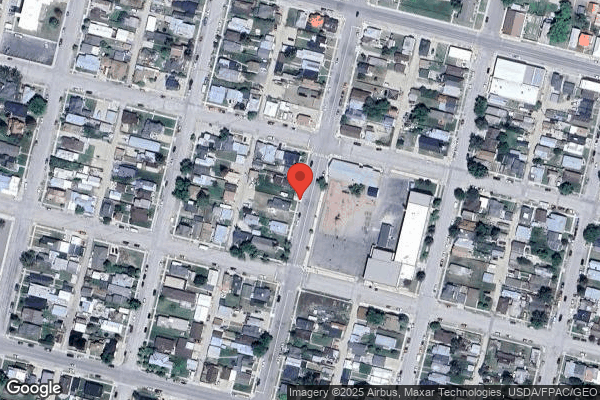
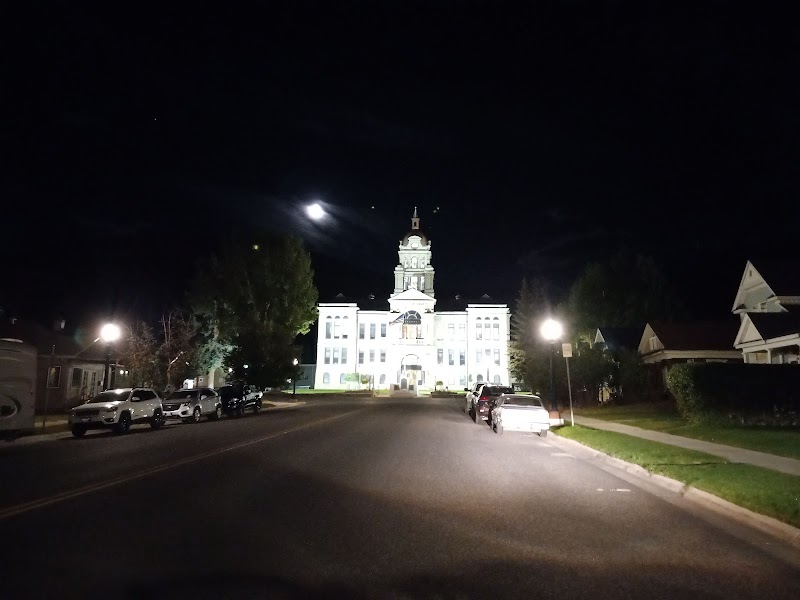
615 MAIN ST, ANACONDA, MT 59711 (406) 563-8414
Non profit - Corporation 62 Beds Independent Data: November 2025
Trust Grade
68/100
#2 of 59 in MT
Last Inspection: August 2024

Within standard 12-15 month inspection cycle. Federal law requires annual inspections.

Overview

The Community Nursing Home of Anaconda has a Trust Grade of C+, indicating it is slightly above average in terms of care quality. It ranks #2 out of 59 facilities in Montana, placing it in the top half, and #1 in Deer Lodge County, meaning there are no better local options. The facility shows an improving trend, with the number of reported issues decreasing from 9 in 2023 to 4 in 2024. Staffing is a strong point, boasting a 5/5 star rating and a turnover rate of 32%, which is significantly lower than the state average of 55%. However, the facility has faced $24,131 in fines, which is concerning, and incidents like failing to properly implement fall prevention measures for residents and not adequately addressing pressure injuries indicate areas that need improvement. Overall, while there are strengths in staffing and recent improvement trends, families should be aware of past incidents that could impact resident safety and care quality.

Trust Score
C+
68/100
In Montana
#2/59
Top 3%
Safety Record
Moderate
Needs review
Inspections
Getting Better
9 → 4 violations
Staff Stability
○ Average
32% turnover. Near Montana's 48% average. Typical for the industry.
Penalties
✓ Good
$24,131 in fines. Lower than most Montana facilities. Relatively clean record.
Skilled Nurses
✓ Good
Each resident gets 74 minutes of Registered Nurse (RN) attention daily — more than 97% of Montana nursing homes. RNs are the most trained staff who catch health problems before they become serious.
Violations
⚠ Watch
21 deficiencies on record. Higher than average. Multiple issues found across inspections.
★★★★★
5.0
Overall Rating
★★★★★
5.0
Staff Levels
★★☆☆☆
2.0
Care Quality
★★★★☆
4.0
Inspection Score
Stable
2023: 9 issues
2024: 4 issues

The Good

  • 5-Star Staffing Rating · Excellent nurse staffing levels
  • Full Sprinkler Coverage · Fire safety systems throughout facility
  • No fines on record
  • Staff turnover below average (32%)

    16 points below Montana average of 48%

Facility shows strength in staffing levels, fire safety.

The Bad

Staff Turnover: 32%

14pts below Montana avg (46%)

Typical for the industry

Federal Fines: $24,131

Below median ($33,413)

Minor penalties assessed

The Ugly 21 deficiencies on record

2 actual harm
Aug 2024 4 deficiencies
CONCERN (D)

Potential for Harm - no one hurt, but risky conditions existed

Resident Rights (Tag F0550)

Could have caused harm · This affected 1 resident

Based on observation, interview, and record review, the facility failed to provide dignity for a resident when transferring the resident to the shower room for 1 (#9) of 10 sampled residents. Findings...

Read full inspector narrative →
Based on observation, interview, and record review, the facility failed to provide dignity for a resident when transferring the resident to the shower room for 1 (#9) of 10 sampled residents. Findings include: During an observation on 8/26/24 at 9:17 a.m., the surveyors entered the facility. Staff member F was wheeling resident #9 in a bath chair to the shower room. Resident #9's upper body was covered by a bath poncho, but the lower body of resident #9 was exposed and visible underneath the shower chair. During an interview on 8/27/24 at 11:25 a.m., staff member C showed the surveyor the bath poncho and how it was used to cover the residents. Staff member C stated staff would use an extra blanket over the resident's lap if needed. Staff member C stated, I usually change them (the residents) in their room and then transfer them to the shower room . The shower rooms are so small that it is hard to get the residents changed in there. Staff member C stated she ensured the residents were covered before moving them out of their room and into the hallway. During an interview on 8/28/24 at 10:04 a.m., staff member D stated the resident's privacy was important, and they made sure the resident's body was covered completely before exiting the resident's room when being transferring for showers. Staff member D stated they would feel very uncomfortable if they were not completely covered and in the resident's position. Review of a facility provided document, titled Resident Rights/Exercise of Rights, with a revision date of 10/17 showed: 1. A facility must treat each resident with respect and dignity and care for each resident in a manner and in an environment that promotes maintenance and or enhancement of his or her quality of life . The facility must protect and promote the rights of the resident. [sic]
CONCERN (D)

Potential for Harm - no one hurt, but risky conditions existed

Pressure Ulcer Prevention (Tag F0686)

Could have caused harm · This affected 1 resident

Based on interview and record review, the facility failed to consult wound care services consistently to promote wound healing, and failed to sufficiently document the wound measurements, severity (St...

Read full inspector narrative →
Based on interview and record review, the facility failed to consult wound care services consistently to promote wound healing, and failed to sufficiently document the wound measurements, severity (Stage), and characteristics of the wound, for 1 (#6) of 10 sampled residents. This failure resulted in the wound continuing to remain as a Stage II pressure ulcer for four months (4/9/24 to 8/15/24) with little improvement or intervention, and the wound first started approximately a year ago (7/21/23). Findings include: During an interview on 8/28/24 at 9:43 a.m., staff member E stated resident #6 did not usually refuse wound care treatments. Staff member E stated she may have to make multiple attempts, but was always able to get wound care completed daily for resident #6's left buttock wound. During an interview on 8/28/24 at 10:44 a.m., staff member A stated, The wound is kind of at a standstill. Staff member A stated the status of the left buttock wound would get better for some time and then get worse and repeat that cycle. Staff member A stated wound orders were not updated unless the wound status changed. Staff member A stated [wound care services] were consulted as needed and [wound care services] did not follow this wound consistently or for a specific period of time after being consulted. During an interview on 8/28/24 at 11:45 a.m., staff member B stated they thought it would be more beneficial for resident #6's left buttock wound outcomes to have [wound care services] consulted more frequently. Staff member B stated resident #6's left buttock wound first appeared 7/21/23. Review of resident #6's EHR showed two consults to [wound care services] were completed concerning the left buttock pressure ulcer, on 2/2/24 and 7/16/24. Review of resident #6's EHR showed a [wound care service's] note, dated 7/16/24: . Surrounding skin is very red and irritated and there is moderate bloody drainage . Review of resident #6's Left Buttock Wound Assessments, from 3/18/24 - 8/23/24, showed: - 3/18/24 - no Stage or measurements - 4/1/24 - 4.5cm x 1.2cm x 0.1cm - no Stage - 4/9/24 - 3.8cm x 1.2cm x 0.1cm - Stage 2 open area - 4/15/24 - 4.0cm x 1.3cm x 0.1cm Stage 2 . - 6/12/24 - 5.5cm x 2.0cm x 0.1cm - no Stage - pressure - 6/20/24 - 4.0cm x 1.0cm x 0.1cm - shearing slough . - 7/12/24 - 4.5cm x 2.0cm x 0.1cm - no Stage open area - 7/22/24 - 6.0cm x 3.0cm x 0.1cm Stage 2 . - 8/23/24 - 5.0cm x 1.2cm x 0.1cm - no Stage Review of a facility provided document, titled Quality of Care, with a revision date of 10/22 showed: . 2. A resident with pressure ulcers receives necessary treatment and services, consistent with professional standards of practice, to promote healing, prevent infection and prevent new ulcers from developing .
CONCERN (E)

Potential for Harm - no one hurt, but risky conditions existed

Comprehensive Care Plan (Tag F0656)

Could have caused harm · This affected multiple residents

**NOTE- TERMS IN BRACKETS HAVE BEEN EDITED TO PROTECT CONFIDENTIALITY** Based on observation, interview, and record review, the facility failed to develop and implement a comprehensive care plan based...

Read full inspector narrative →
**NOTE- TERMS IN BRACKETS HAVE BEEN EDITED TO PROTECT CONFIDENTIALITY** Based on observation, interview, and record review, the facility failed to develop and implement a comprehensive care plan based on resident activity preferences and physical abilities, for 4 (#s 4, 10, 14, and 15) of 10 sampled residents. Findings include: 1. During an observation on 8/26/24 at 11:13 a.m., resident #15 was sitting in her wheelchair in her room. The room was quiet, and she was facing the wall, looking forward. During an interview on 8/28/24 at 3:56 p.m., NF2 stated, It would be nice if there were more for (resident #15) to do. I understand it is hard because she really can't communicate, though. Review of resident #15's care conference review, dated 7/29/24, showed on the Activities Summary: Problems/Needs (resident #15), . She spends the majority of her time in her room watching TV, napping, and 1:1 visit with family and staff. Evaluation/Goals: Continue to invite and encourage (resident #15) to attend group activities of her choice 3-4 X per week . Review of resident #15's care plan dated 7/31/24 showed, provide a program of activities that accommodates (resident #15's) abilities. Engage (resident #15) in simple, structured activities that avoid overly demanding tasks. 2. During an interview on 8/26/24 at 2:34 p.m., NF1 stated, Most of the time when exercises are on the activity calendar, residents are just in the recreation room putting together puzzles, watching TV, or sleeping. I would like to see more options for activitities for [resident #14]. Review of resident #14's most recent activity assessment, with a date of 3/24/22, showed activity preference: independent activities. Review of resident #14's Annual MDS, dated [DATE], section GG, showed the resident is dependent on staff for all care areas. Review of resident #14's care conference review, dated 7/8/24, showed, Activities Summary: Problems/needs: (resident #14) attends group activities 2-3 X per week. 3. During an observation on 8/27/24 at 9:13 a.m., resident #4 was in his wheelchair in the activities room. Other residents were playing cards, and he was sleeping. Review of resident #4's care conference review, dated 7/15/24, showed, Activities Summary: Problems/needs: (resident #4) attends group activities 2-3 X per week . 4. During an observation and interview on 8/26/24 at 10:42 a.m., resident #10 was sitting in her room with music playing. Resident #10 stated, I wish there was more to do. We used to go on outings, but I haven't been out of the facility in a long time. I know the van is broken down, but it would be nice to go for a walk outside or something. Review of resident #10's care conference review, dated 6/24/24, showed, Activities Summary: Problems/needs: (resident #10) attends group activities 2-3 times a week. She likes playing bingo, puzzles, church, and arts and crafts. She spends the majority of time in her room self-directing with word puzzles, TV, music, and a 1:1 visit with family and staff. During an interview on 8/28/24 at 8:28 a.m., staff member G stated, I add resident information into the resident's care plan. The care plans are generic. I wouldn't say activities are specific to the residents. When a resident gets admitted , we do an intake assessment, and then we do them annually. During an interview on 8/28/24 at 11:13 a.m., staff member A stated, The activity director doesn't normally put anything in the care plan. I add that section's information. We need to work on the care plans being comprehensive, and the revisions to meet the resident needs. We need to work on more activities for dementia residents, such as sensory and meaningful activities.
CONCERN (E)

Potential for Harm - no one hurt, but risky conditions existed

Deficiency F0679 (Tag F0679)

Could have caused harm · This affected multiple residents

**NOTE- TERMS IN BRACKETS HAVE BEEN EDITED TO PROTECT CONFIDENTIALITY** Based on observation, interview, and record review, the facility failed to provide residents with group and individual activitie...

Read full inspector narrative →
**NOTE- TERMS IN BRACKETS HAVE BEEN EDITED TO PROTECT CONFIDENTIALITY** Based on observation, interview, and record review, the facility failed to provide residents with group and individual activities to meet their interests and support their physical, mental, and psychosocial well-being for 4 (#s 4, 10, 14, and 15) of 10 sampled residents. 1. During an observation and interview on 8/26/24 at 11:13 a.m., resident #15 was sitting in her wheelchair in her room. The room was quiet, and she was facing the wall, looking forward. Resident #15 had trouble answering questions and was mostly nonverbal, but when asked if she was bored, she nodded her head in an up-and-down motion. During an interview on 8/28/24 at 3:56 p.m., NF2 stated, It would be nice if there were more for [Resident #15] to do. I understand it is hard because she really can't communicate, though. Review of resident #15's task documentation report dated August 2024 showed resident #15 participated in 7 activities out of 28 days. 2. During an interview on 8/26/24 at 2:34 p.m., NF1 stated, I think cartoons are okay if there are animals in them. She (resident #14) enjoys animals. Her favorite shows are any medical shows, as she was an X-ray technician. NF1 stated, I wish the facility offered more exercise or made it fun. Most of the time when exercises are on the activity calendar, residents are just in the recreation room putting together puzzles, watching TV, or sleeping. During an observation and interview on 8/26/24 at 4:13 p.m., resident #14 was sitting in her wheelchair in her room facing the television. The [NAME] and [NAME] cartoon was on television. Resident #14 was asked if she liked cartoons and said no. During an observation on 8/27/24 at 7:26 a.m., resident #14 was sitting in her room in her wheelchair looking at the ground, and there were cartoons on the TV. Review of resident #14's task documentation report, dated August 2024 showed resident #14 participated in four activities out of 28 days. 3. During an observation on 8/26/24 at 10:29 a.m., resident #4 was sitting in his room in his wheelchair; the room was dark, and the television was on. Resident #4 was difficult to understand when he spoke. During an observation on 8/26/24 at 11:10 a.m., resident #4 was still sitting in his wheelchair, sleeping, in his room. During an observation on 8/27/24 at 9:13 a.m., resident #4 was in his wheelchair in the activities room. Other residents were playing cards, and he was sleeping. Review of resident #4's task documentation report, dated August 2024, showed resident #4 participated in six activities out of 28 days. 4. During an observation and interview on 8/26/24 at 10:42 a.m., resident #10 was sitting in her room with music playing. Resident #10 stated, I wish there was more to do. We used to go on outings, but I haven't been out of the facility in a long time. I know the van is broken down, but it would be nice to go for a walk outside or something. Review of resident #10's task documentation report dated August 2024 showed resident #10 participated in five activities out of 28 days. During an interview on 8/28/24 at 8:28 a.m., staff member G stated, I add resident information into the resident's care plan section. The care plans are generic. I wouldn't say activities are specific to the residents. My assistant does all the documentation in PCC. When a resident gets admitted , we do an intake assessment, and then we do them annually to find out what their interests are. I don't document when I spend time with residents one on one, I probably should. During an interview on 8/28/24 at 8:35 a.m., staff member H stated, I've never documented if a resident refuses activities. I only document if they participate. I don't document one-to-one visits either. During an interview on 8/28/24 at 8:57 a.m., staff member G stated, When a resident comes to an activity and they can't participate, we offer them drinks and snacks . If a resident is asleep, they aren't getting anything out of the activity. During an interview on 8/28/24 at 11:13 a.m., staff member A stated, The activity director doesn't normally put anything in the care plan. I add that section's information. I know our activity program is weak, we need a better program. We need to work on the care plans being comprehensive, and the revisions to meet the resident needs. We are working on getting volunteers back in after COVID. We do have a nurse who has been working with activities to assist them with activities to meet the resident's needs. The overall program needs revamping; we need to see more activities for dementia residents, such as sensory and meaningful activities.
Aug 2023 8 deficiencies
CONCERN (D)

Potential for Harm - no one hurt, but risky conditions existed

Notification of Changes (Tag F0580)

Could have caused harm · This affected 1 resident

Based on interview and record review, the facility failed to notify the physician of a severe weight loss for 1 (#7) of 2 sampled residents. Findings include: During an interview on 8/29/23 at 12:31 ...

Read full inspector narrative →
Based on interview and record review, the facility failed to notify the physician of a severe weight loss for 1 (#7) of 2 sampled residents. Findings include: During an interview on 8/29/23 at 12:31 p.m., staff member D stated she attended a meeting with the facility administration every Wednesday to look over resident's weights, and provide interventions if needed. Staff member D stated she did remember resident #7 had severe weight loss, and stated he went from periods of eating his meals to refusing to eat. Staff member D stated the facility was having an issue with their scale not being accurate, but that was just the last couple of weeks. Staff member D stated she did not remember if she put in any interventions for his weight loss, and believed the reason he looked like he lost so much was because of a scale malfunction. Staff member D stated the facility would notify the doctor of a severe or significant weight loss after it was identified in the weekly meeting with administration. Documentation of the notification of resident #7's severe weight loss, to the doctor, was requested on 8/29/23 at 9:37 a.m. and was not provided. Staff member O was called on 8/29/23 at 12:02 p.m., and there was no answer.
CONCERN (D) 📢 Someone Reported This

A family member, employee, or ombudsman was alarmed enough to file a formal complaint

Potential for Harm - no one hurt, but risky conditions existed

Deficiency F0604 (Tag F0604)

Could have caused harm · This affected 1 resident

Based on observation, interview and record review, the facility failed to ensure a resident was free from a physical restraint, for 1 (#8) of 1 sampled resident. Findings include: During an observatio...

Read full inspector narrative →
Based on observation, interview and record review, the facility failed to ensure a resident was free from a physical restraint, for 1 (#8) of 1 sampled resident. Findings include: During an observation on 8/28/23 at 11:55 a.m., resident #8 was in her room in her recliner, lying flat in the seat, with the chair reclined, and the resident's feet were in the reclined position. The chair remote was inside the chair pocket, and the chair power was unplugged. During an interview on 8/28/23 at 11:58 a.m., staff member A stated she knew the chair was a restraint with the power unplugged, but it was the last resort. Staff member A stated the staff could not get resident #8 out of a regular chair, because she was a hard transfer, and the resident could not use a sit-to-stand mechanical lift related to shoulder pain. During an observation on 8/29/23 at 7:53 a.m., resident #8 was in her recliner, lying flat on her buttocks, with her feet elevated on the footrest of the chair. The power chair was unplugged, and the remote was in the side pocket of the chair. During an observation on 8/29/23 at 10:09 a.m., resident #8 was in her recliner flat on her buttocks with her feet elevated on the foot rest of her chair with the power chair unplugged and a remote in the side pocket of the chair. During an interview on 8/29/23 at 10:10 a.m., staff member G stated, The chair is always unplugged if we aren't using it, for at least a few weeks. It's because she (resident #8) slid out a couple of times raising it too high. During an interview on 8/29/23 at 10:38 a.m., staff members A and B stated the facility did not have a physician order or signed written consent for the unplugged recliner, although it was used as a restraint. During an interview on 8/29/23 at 11:38 a.m., staff member K stated, I assessed her (#8) when she got the new chair, but I haven't received any requests for assessment since before the falls or change in cognition. She was safe to use the chair when I assessed her. Review of resident #8's fall care plan, dated 8/28/23, reflected interventions were updated on 8/3/23, by staff member A, to include, ,.Remote may remain within reach of resident to avoid increased agitation but will be inactivated due to no power source after each episode of care for safety. During an interview on 8/30/23 at 7:50 a.m., NF2 stated she was made aware of the facility unplugging the recliner to prevent falls. NF2 stated the facility did not specifically address alternative interventions or the risks vs benefits of the chair used as a restraint. NF2 stated facility staff reported unplugging the recliner was going to prevent the resident (#8) from sliding out of the chair. Review of resident #8's EMR reflected no signed restraint consent and no physician order for the chair used as a restraint. During an interview on 8/30/23 at 9:45 a.m., staff member H stated he was not aware a recliner could be a restraint. Staff member H stated he was not aware of the situation with the chair, but was called yesterday by a nurse, requesting a verbal physician's order to unplug the recliner for safety. Staff member H stated he authorized the verbal order at the time, unaware that it was a restraint.
CONCERN (D)

Potential for Harm - no one hurt, but risky conditions existed

Pressure Ulcer Prevention (Tag F0686)

Could have caused harm · This affected 1 resident

Based on observation, interview and record review, the facility failed to prevent and promote healing of skin breakdown for 1 (#8) of 1 sampled resident. Findings include: During an observation on 8/2...

Read full inspector narrative →
Based on observation, interview and record review, the facility failed to prevent and promote healing of skin breakdown for 1 (#8) of 1 sampled resident. Findings include: During an observation on 8/28/23 at 11:55 a.m., resident #8 was in her room in her recliner, lying flat in the seat, with her chair reclined, and her feet up in reclined position. During an interview on 8/28/23 at 11:58 a.m., staff member A stated staff could not get resident #8 out of a regular chair, because she was a hard transfer, and the resident could not use a sit-to-stand mechanical lift. During an observation on 8/29/23 at 7:53 a.m., resident #8 was in her recliner lying flat, with her feet elevated on the footrest of her chair. During an observation on 8/29/23 at 10:09 a.m., resident #8 was flat in her recliner, with her feet elevated on the footrest of her chair. During an interview on 8/29/23 at 10:10 a.m., staff member M stated the CNAs do not reposition resident #8 in her chair with pillows or other devices. During an interview on 8/29/23 at 10:38 a.m., staff member B stated staff should be repositioning resident #8 in her chair every two hours with pillows. During an interview on 8/29/23 at 11:42 a.m., staff member L stated the root cause of resident #8's wounds on her right hip and left and right buttock included the failure to get the resident out of her chair and sleep in her bed, and increased confusion. Staff member L stated repositioning in the chair is just standard of care, so I don't write it specifically in the wound orders. It's on the care plans though. During an interview on 8/30/23 at 2:20 p.m., staff member G stated resident #8's wounds on her buttocks were caused by her scooting in the chair, repeatedly. Review of resident #8's Wound Assessment, dated 7/31/23 at 2:55 p.m., reflected a new skin issue, and listed the issue as, Buttocks: Shearing/Bruising, with no measurements for the new skin concern. Review of resident #8's Wound Assessment, dated 8/9/23 at 3:12 p.m., reflected an on-going skin issue, and listed the issue as, L Buttock: Shearing/Sloughing with measurements of 4cm x 3cm x .1cm and R Buttock: Shearing/Sloughing with measurements of 2cm x 2cm x.1cm. Review of resident #8's Wound Assessment, dated 8/25/23 at 3:14 p.m., reflected a new skin issue, and listed the issue as, R Trochanter (hip): blister with measurements of 3cm x 3cm, Right lower leg (front): scattered blisters with no measurements, and Rt lower leg side x 3: open areas with measurements for each as 1.5cm x 0.5cm. Review of resident #8's Wound Assessment, dated 8/26/23 at 10:27 a.m., reflected an on-going skin issue, and listed the issue as, L Buttock: Shearing/Sloughing with measurements of 9cm x 5cm x .1cm and R Buttock: Shearing/Sloughing with measurements of 5cm x 4cm x.1cm. Review of resident #8's actual impairment to skin integrity care plan, dated 8/28/23, reflected resident #8's care plan interventions were updated on 6/20/23, by staff member A, to include, . reminding to turn/reposition at least every 2 hours, more often as needed or requested.
CONCERN (D) 📢 Someone Reported This

A family member, employee, or ombudsman was alarmed enough to file a formal complaint

Potential for Harm - no one hurt, but risky conditions existed

Accident Prevention (Tag F0689)

Could have caused harm · This affected 1 resident

2. During an observation on 8/28/23 at 11:55 a.m., resident #8 was in her room in her recliner, lying flat in the seat, with chair reclined, and her feet up in the reclined position. The chair remote ...

Read full inspector narrative →
2. During an observation on 8/28/23 at 11:55 a.m., resident #8 was in her room in her recliner, lying flat in the seat, with chair reclined, and her feet up in the reclined position. The chair remote was inside the chair pocket, and the chair power was unplugged. During an interview on 8/28/23 at 11:58 a.m., staff member A stated, The staff cannot get resident #8 out of a regular chair, she's a hard transfer, and the resident cannot use a sit-to-stand related to shoulder pain. During an observation on 8/28/23 at 11:02 a.m. until 1:00 pm, one staff member entered the room of resident #8 at 12:20 p.m., to deliver her meal, and left the room. No 30-minute checks were completed during this observation period. During an interview on 8/28/23 at 4:13 p.m., staff member A stated she could see where the facility staff were not following thru on the documentation and showing the interventions or how they apply. Staff member A stated she recognized the nurses were not following thru on the process, including three days of follow-up notes, and completing the fall investigation form as described in the Fall Education training, dated 4/17/23. Staff memeber A stated the staff did cover falls in the UR meetings, however the facility did not have documentation to support how the root causes applied to fall interventions from those meetings. Staff member A stated the facility was not consistently using the full Fall Intervention/Root Cause Analysis form as shown in the fall program education training, dated 4/17/23. During an observation on 8/29/23 at 7:53 a.m., resident #8 was in her recliner lying flat on her buttocks with her feet elevated on the footrest of the chair. The power chair was unplugged, and the chair remote was inside the pocket of the chair. During an observation on 8/29/23 at 10:09 a.m., resident #8 was in her recliner lying flat on her buttocks, with her feet elevated on the footrest of the chair. The power chair was unplugged, and the chair remote was inside the pocket of the chair. During an observation on 8/29/23 at 7:53 a.m. until 10:09 a.m., no one entered resident #8's room to complete 30-minute checks. During an interview on 8/29/23 at 10:10 a.m., staff member G stated, The chair is always unplugged if we aren't using it, for at least a few weeks. It's because she (resident #8) slid out a couple of times raising it too high. During an interview on 8/29/23 at 11:38 a.m., staff member K stated, I assessed her when she got the new chair, but I haven't received any requests for assessment since the before the falls or change in cognition. She was safe to use the chair when I assessed her. During an interview on 8/30/23 at 7:50 a.m., NF2 stated she was made aware of the facility unplugging the recliner to prevent falls for #8. NF2 stated the facility did not specifically address alternative interventions for when the resident was in the chair. NF2 stated the facility stated unplugging the recliner was going to prevent the resident from sliding out of the chair. NF2 stated she did not know of other interventions the facility employed for the resident to prevent falls. During an observation on 8/30/23 at 10:46 a.m., resident #8 was sitting in recliner, with her buttocks positioned down by the edge of the seat, and her feet dangling off the footrest, in the up position. Staff member F rushed to the room with a Hoyer lift and assisted #8 back up into the chair with the Hoyer lift. Review of facility a document titled, Post-Fall Huddle/Root Cause Analysis for resident #8, dated 6/15/23, completed by the nurse on duty at time of a fall, showed the resident wanted to go to the bathroom, and the leather chair was slippery. The last two pages of the Falls Investigation/Root Cause Analysis form were not completed. Review of resident #8's fall care plan, as of 8/28/23, reflected resident #8's care plan interventions were updated on 7/28/23 by staff member A, to include, . non-skid material in chair, every 30-minute checks, education to resident on call light use and waiting for staff assistance. Review of a facility document titled, Post-Fall Huddle/Root Cause Analysis for resident #8, dated 7/20/23, completed by the nurse on duty during the resident's fall, showed the resident wanted to sit up in chair, and used the remote control to raise the chair. The statement reflected resident #8 stated she raised the chair too high and slid to the floor. The nurse documented she believed the chair was too small, and poor lighting for the resident to see buttons on the remote, contributed to the fall. The sections labeled Pre Fall risk score and Post Fall risk score were blank. The section of the form labeled Investigate reflected a statement from the resident and no other statements from staff. The last two pages of the Falls Investigation/Root Cause Analysis form were not completed. Review of resident #8's fall care plan, as of 8/28/23, reflected resident #8's care plan interventions were updated on 7/28/23 by staff member A, to include, . PT eval for safety and proper use of remote when in recliner to be completed 7/21/23. Resident was able to demonstrate appropriate use of remote per PT eval. Staff to monitor for safe use d/t cognitive impairment. Staff to continue with Q 30-minute visual checks. Addition of non-skid material to seat of recliner post fall. Review of a facility document titled, Post-Fall Huddle/Root Cause Analysis for resident #8, dated 7/27/23, completed by the nurse on duty at the time of the fall showed resident #8 slid from the chair while a CNA was trying to help her stand up to give cares. The nurse documented she believed the chair was too small and the leather was slippery. The sections labeled How did this fall occur? and List all the possibilities you can think of and ask why five times. were blank. The last two pages of the Falls Investigation/Root Cause Analysis form were not completed. Review of resident #8's fall care plan, as of 8/28/23, reflected resident #8's care plan interventions were updated on 7/28/23 by staff member A to include .staff to use 2 people assist at all times with cares and transfers. Continue 30-minute visual checks Q shift for safety. Review of facility document titled, Post-Fall Huddle/Root Cause Analysis for resident #8, dated 7/29/23, completed by the nurse on duty at time of the fall showed resident #8 attempted to get out of bed and move to the recliner. The sections labeled Pre fall risk score and Post Fall risk score were blank. The last two pages of the Falls Investigation/Root Cause Analysis form were not completed. Review of resident #8's fall care plan, as of 8/28/23, reflected resident #8's care plan interventions were updated on 7/31/23 by staff member A to include .Staff to assist resident with HS cares by no later than 2000, make sure call light is within reach, door of room to stay open for safety. Continue to use 2 people with cares and transfers and perform frequent visual checks for safety. Review of facility document titled, Fall Report for resident #8, dated 8/3/23, completed by the nurse on duty at time of the fall reflected resident #8 slid from recliner after using the remote. The Primary Falls Investigation/Root Cause Analysis by the nurse was not provided. The last two pages of the Falls Investigation/Root Cause Analysis form were not completed. Review of resident #8's fall care plan, as of 8/28/23, reflected resident #8's care plan interventions were updated on 8/3/23 by staff member A to include .Staff to unplug recliner after each episode of care for safety, continue Q 30-minute visual checks. Remote may remain within reach of resident to avoid increased agitation but will be inactivated due to no power source after each episode of care for safety. During an interview on 8/30/23 at 8:20 a.m., staff member A stated the facility staff failed to complete the primary or secondary Post Fall Huddle/Root Cause Analysis. During an observation on 8/30/23 at 2:10 p.m., staff members F, G and J entered resident #8's room to transfer resident #8 to the bathroom. Staff members F and G assisted resident #8 to a standing position with limited assist. Resident #8 walked with 4-wheel walker, 31 steps to the bathroom and 38 steps back to chair, after toileting. Upon return to the recliner, resident #8 stated she wanted to walk, repeatedly. When asked where she wanted to walk to, resident #8 stated back to the bathroom, and that she was not finished. Staff members G and J told restident #8 she had just gone to the bathroom, and staff would return to toilet her again at 4:00 p.m. during rounds. During an interview on 8/30/23 at 2:40 p.m., staff member B stated requiring residents to wait to be toileted, upon request, was not acceptable, and would be addressed immediately. Staff member B stated residents have the right to request to be toileted again, if needed, regardless of cognition. Review of facility policy titled, Free of Falls, Accident, Hazards, Supervision Devices with a revision date of 4/23 showed: Purpose: The intent of this requirement is to ensure the facility provides an environment that is free from accident hazards over which the facility has control and provides supervision and assistive devices to each resident to prevent avoidable accidents. This includes: a. Identifying hazard(s) and risk(s); b. Evaluating and analyzing hazard(s) and risk(s); c. Implementing interventions, including adequate supervision, consistant with the resident's needs, goals, plan of care, and current professional standards of practice in order to eliminate the risk, if possible, and, if not, reduce the risk of an accident; and d. Monitor effectiveness and modifying interventions when necessary. e. Communicating the interventions to all relevant staff, assigning responsibility, providing training as needed, documenting interventions (e.g., plans of action developed though the QAA committee or care plans for the individual resident), and ensuring that the interventions are put into action. Based on interview and record review, the facility failed to identify root causes of falls for 2 (#s 7 and 8) of 5 sampled residents; and implement fall interventions for 1 (#8) of 1 sampled resident. Findings include: 1. During an interview on 8/19/23 at 8:35 a.m., staff member M stated resident #7 fell frequently. Staff member M stated she thought the reasons for his falls were because he liked to be independent, and do things himself. Staff member M stated staff often tried to reapproach him if he refused help, or asked another staff member to attempt to assist him. Staff member M stated any new interventions for falls that were discussed in the weekly fall huddle were written down in the communications book. Staff member M stated this book is not updated often. Staff member M stated administration updated the book, and if a fall happened on the weekend, the book would not be updated. Staff member M stated there was a gap in communication with fall interventions. During an interview on 8/29/23 at 9:11 a.m., staff member A stated, after a fall occured, the nurse on shift would complete the assessment of the resident. The nurse would write up the fall incident paperwork, which would include the document titled, Post-Fall Huddle/Root Cause Analysis. This document would be filled out by the nurse and CNA, or whoever witnessed, or was on shift at the time of the fall. Each staff member was supposed to fill out pieces of the documents, such as the Investigate section. Each staff member would write their opinion on the reason for the fall, to gather information to determine root-cause of the fall. Staff member A stated this document did not always get filled out completely. Staff member A stated she had not completed any formal audits of the facility's fall program, but stated staff needed additional training on accurately, and completely, filling out the post-fall documents. Review of facility document titled, Post-Fall Huddle/Root Cause Analysis for resident #7, dated 6/11/23, showed the following was not filled out: - Pre-fall risk score, - Post-fall risk score, - Three staff members were involved in the post-fall huddle and all three did not fill out the, Why do you think this happened? section of the Investigation part of the document. - The, Conclusion: Ask 5 Whys, List all possibilities you can think of and ask why five times. Showed: res. Attempting to self-transfer - possible. What do you believe to be the root cause of this fall? See above. Review of facility document titled, Post-Fall Huddle/Root Cause Analysis for resident #7, dated 7/9/23, showed: - There were no staff members involved in the post-fall huddle and none filled out the, Why do you think this happened? section of the Investigation part of the document. - The Conclusion: Ask 5 Whys, List all possibilities you can think of and ask why five times, was blank. Review of resident #7's care plan showed: [Resident #7] is a high risk for falls r/t blindness in both eyes, poor mobility, use of antihistamine, antidepressant, and unsteady gait, and a history of falls prior to NH (nursing home) admit. Date initiated: 8/7/23, Revision on 8/21/23.
CONCERN (D)

Potential for Harm - no one hurt, but risky conditions existed

Deficiency F0692 (Tag F0692)

Could have caused harm · This affected 1 resident

Based on interview and record review, the facility failed to identify and provide interventions for a resident with a severe weight loss of 10% in three months, for 1 (#7) of 2 sampled residents. Find...

Read full inspector narrative →
Based on interview and record review, the facility failed to identify and provide interventions for a resident with a severe weight loss of 10% in three months, for 1 (#7) of 2 sampled residents. Findings include: During an interview on 8/29/23 at 8:35 a.m., staff member M stated resident #7 had days where he would eat all his meals, and days where he would not want to eat them at all. Staff member M stated weights are taken weekly on Sundays. Staff member M stated the doctor may order more frequent weights if the resident is having weight loss. Staff member M stated she did not think resident #7 had any weight loss. Staff member M stated if there was a five-pound difference in the last weight that was recorded, they would reweigh. Staff member M stated if there was a five pound loss the electronic health record would notify the nurse, and CNAs are supposed to verbalize it to the nurse as well. During an interview on 8/29/23 at 9:25 a.m., staff member A stated every Wednesday staff member D came to the facility to review weights, and discuss any weight loss, residents were having. In that meeting, the facility would look at interventions to implement for the residents. Staff member A stated resident #7 was not identified with any weight loss. Staff member A stated staff member D did not write any progress notes in the resident's health record regarding a weight loss. During an interview on 8/29/23 at 12:31 p.m., staff member D stated she attended a meeting with the facility administration every Wednesday to look over resident's weights and provide interventions if needed. Staff member D stated she did remember resident #7 had severe weight loss, and stated he went from periods of eating his meals to refusing to eat. Staff member D stated the facility was having an issue with their scale not being accurate, but that was just the last couple of weeks. Staff member D stated she did not remember if she put in any interventions for his weight loss, and believed the reason he looked like he lost so much was because of a scale malfunction. During an interview on 8/29/23 at 12:36 p.m., staff member A stated during the weekly meeting with staff member D, there were not any notes regarding #7's weight loss, or anything about a reweigh. The only information completed regarding resident #7 were the quarterly nutritional assessments. Review of a facility document titled, Medical Nutrition Therapy Assessment for resident #7, dated 5/3/23, showed no significant change in the resident's weight. Notes showed, Weight remains stable, although breakfast is often missed per pt preference. No changes to diet at this time. Wt stabilization appropriate. Review of a facility document titled, Medical Nutrition Therapy Assessment for resident #7, dated 8/7/23, showed no significant change in weight. The notes showed, Weight loss is not significant but steadily declining as [Resident #7] refuses more meals [Resident #7] will physically and verbally refuse food/fluid provided. He expresses he would like to die .Honor/respect resident wishes. Review of resident #7's weights showed on 3/19/23 he weighed 150 lbs., and as of 6/11/23 he weighted 135 lbs. The resident had lost 15 lbs in just under three months. Dietary notes and nutritional assessments were requested for resident #7 from March 2023 - June 2023 on 8/29/23 at 9:37 a.m Dietary assessments were provided for May 2023 and August 2023. No dietitian progress notes were provided for the requested time frame.
CONCERN (D)

Potential for Harm - no one hurt, but risky conditions existed

Medication Errors (Tag F0758)

Could have caused harm · This affected 1 resident

Based on interview and record review, the facility failed to document a rationale for extending a PRN psychotropic medication beyond 14 days, for 2 (#s 3 and 11) of 2 sampled residents. Findings inclu...

Read full inspector narrative →
Based on interview and record review, the facility failed to document a rationale for extending a PRN psychotropic medication beyond 14 days, for 2 (#s 3 and 11) of 2 sampled residents. Findings include: a. Review of resident #3's, Medication Administration Record showed an order for, Alprazolam Oral Tablet 0.5 MG (Alprazolam) Give 1 tablet by mouth every 6 hours as needed for anxiety with a start date of 7/14/23. Records were requested on 8/30/23 at 10:16 a.m., for the rationale extending the PRN psychotropic medication beyond 14 days for resident #3. The facility did not provide any documentation for this request by the end of the survey. During an interview on 8/30/23 at 1:21 p.m., staff member A stated the facility did not have the requested documented rationale for extending resident #3's prn psychotropic medication beyond 14 days, and was unaware of the requirement. b. Review of resident #11's Medication Administration Record, showed an order for Lorazepam Tablet 0.5 MG Give 1 tablet by mouth every 6 hours as needed for Anxiety; Insomnia with a start date of 12/6/21. Records were requested on 8/30/23 at 2:07 p.m., for the rationale extending the PRN psychotropic medication for resident #11. The facility did not provide any documentation for this request by the end of the survey. During an interview on 8/30/23 at 2:07 p.m., staff member A stated the facility did not have the requested documented rationale for extending resident #11's prn psychotropic medication beyond 14 days. Review of a facility document titled, Unnecessary Drugs, with a revision date of 10/22, showed: . 4. PRN orders for psychotropic drugs are limited to 14 days. Except as provided in §483.45(e)(5), if the attending physician or prescribing practitioner believes that it is appropriate for the PRN order to be extended beyond 14 days, he or she should document their rationale in the resident's medical record and indicate the duration for the PRN order.
CONCERN (D)

Potential for Harm - no one hurt, but risky conditions existed

Room Equipment (Tag F0908)

Could have caused harm · This affected 1 resident

**NOTE- TERMS IN BRACKETS HAVE BEEN EDITED TO PROTECT CONFIDENTIALITY** Based on observation, interview, and record review, the facility failed to secure a bed cane, and provide a fully functioning be...

Read full inspector narrative →
**NOTE- TERMS IN BRACKETS HAVE BEEN EDITED TO PROTECT CONFIDENTIALITY** Based on observation, interview, and record review, the facility failed to secure a bed cane, and provide a fully functioning bed, for 1 (#14) out of 3 sampled residents. This failure resulted in discomfort for the resident, and had the potential to lead to injury for resident #14. Findings include: During an observation and interview on [DATE] at 12:32 p.m., resident #14's right bed cane was not properly secured to the bed. The head of the bed for resident #14 was elevated with several blankets underneath the mattress. Resident #14 stated the head of the bed did not raise or lower with the bed control, and it had been broken for about a month. During an observation and interview on [DATE] at 9:03 a.m., resident #14's right bed cane was still not properly secured to the bed. The head of the bed for resident #14 was elevated with several blankets underneath the mattress. Staff member B stated the bed cane should be secured to the bed. Staff member B stated maintenance would need to be notified to secure the bed cane properly. Staff member B stated the part for the bed (that raised and lowered the head of the bed) had been ordered, but had not arrived. When asked how the staff would quickly flatten resident #14's bed, in the event of an emergency to perform CPR, staff member B did not have an answer. Staff member B stated there were no other bariatric beds available in the facility that resident #14 could use until the part arrived. During an interview on [DATE] at 11:28 a.m., staff member A stated the part for the bed that allowed the head of the bed to be raised and lowered should arrive in 4-6 weeks. Staff member A stated the next step would be to assess if the other residents in the facility using bariatric beds could be moved to a regular bed, freeing up a fully functioning bariatric bed, for resident #14 to use. During an interview on [DATE] at 11:56 a.m., staff member M stated if maintenance issues are identified by nursing staff, nursing staff are to fill out a maintenance slip, reporting the problem. Staff member M stated the completed maintenance slips are then returned to the maintenance box located in the conference room. During an interview on [DATE] at 4:04 p.m., resident #14 stated if she felt short of breath and needed the head of the bed elevated more, she had to sleep in her recliner. Resident #14 stated that if the head of the bed was functioning, she would have liked the head of the bed raised higher for comfort. During an observation on [DATE] at 7:58 a.m., resident #14's right bed cane was still not properly secured to the bed. The head of the bed for resident #14 was elevated with several blankets underneath the mattress. During an interview on [DATE] at 8:27 a.m., staff member N stated the maintenance department relied on nursing staff to notify maintenance of any issues with the residents equipment that needed fixed. Staff member N stated he was well aware that resident #14's head of the bed was non-functional. Staff member N stated he was not aware resident #14's bed cane was not properly secured, and would have someone secure the bed cane right away. Staff member N stated maintenance performs monthly audits of resident rooms, and this included the bed function. Staff member N stated, . we make sure the bed is moving up and down and the controls are working properly. Staff member N stated maintenance staff checked the maintenance slips across multiple shifts (several times a day). Review of a series of emails provided by the facility showed the head of the bed was identified as non-functioning on [DATE]. A copy of the order provided by the facility showed the part to fix resident #14's bed was ordered on [DATE]. Review of resident #14's, Fall Risk Assessment, dated [DATE] showed resident #14 was identified as a high fall risk. Review of resident #14's, POLST, dated [DATE], showed resident #14 was a full code. Review of resident #14's, EMR Diagnosis List, with no date, showed resident #14 had diagnoses including congestive heart failure and chronic obstructive pulmonary disease.
CONCERN (E)

Potential for Harm - no one hurt, but risky conditions existed

Deficiency F0761 (Tag F0761)

Could have caused harm · This affected multiple residents

**NOTE- TERMS IN BRACKETS HAVE BEEN EDITED TO PROTECT CONFIDENTIALITY** Based on observation and interview, the facility failed to remove expired medical supplies from the medical supply room and the ...

Read full inspector narrative →
**NOTE- TERMS IN BRACKETS HAVE BEEN EDITED TO PROTECT CONFIDENTIALITY** Based on observation and interview, the facility failed to remove expired medical supplies from the medical supply room and the medical supply cart for 1 of 1 sampled the medical room and medical cart. Findings include: During an observation on 8/29/23 at 8:20 a.m., the following expired items were found: - 23 Protexis PI blue with [NAME]-Thera gloves expired 9/2022. - 55 tongue blades expired 8/9/23. - Six 25 gauge 5/8 needles expired 7/31/23. - 27 glucose test strips expired 2/20/23. - Three Luer-Lok 5mL syringes expired 3/31/23. - 50 Sani cloth wipes expired 5/2023. During an interview on 8/29/23 at 8:45 a.m., staff member B stated the night shift nurses were supposed to check for expired medications monthly. Staff member B showed a spreadsheet hanging on the wall with nurses signed off as having completed the medication room and cart audit, through July 2023. Staff memebr B stated this was done at the end of the month, and August had not been done yet. Staff member B stated she could not explain the items that were expired in the medical supply room and cart.
Mar 2023 1 deficiency 1 Harm
SERIOUS (G) 📢 Someone Reported This

A family member, employee, or ombudsman was alarmed enough to file a formal complaint

Actual Harm - a resident was hurt due to facility failures

Accident Prevention (Tag F0689)

A resident was harmed · This affected 1 resident

**NOTE- TERMS IN BRACKETS HAVE BEEN EDITED TO PROTECT CONFIDENTIALITY** Based on observation, interview, and record review, the facility failed to identify the direct root causes of falls for implemen...

Read full inspector narrative →
**NOTE- TERMS IN BRACKETS HAVE BEEN EDITED TO PROTECT CONFIDENTIALITY** Based on observation, interview, and record review, the facility failed to identify the direct root causes of falls for implementation of individualized interventions and update resident care plans with the individualized interventions related to fall safety for 4 (#s 11, 16, 17, and 18) of 6 sampled residents; and failed to ensure staff had the necessary training to provide fall prevention interventions for 1 (#18) of 6 sampled residents. Findings include: 1. Review of a facility reported incident, dated 1/10/23, showed resident #11 had been assisted to the toilet following an episode of incontinence. While the CNA was getting clean clothing, resident #11 self-transferred off the toilet and fell when exiting the bathroom. The facility investigation showed, Fall occurred due to resident being incontinent prior to ambulating to bathroom and resident #11's care plan interventions (were) current. Review of a facility reported incident, dated 1/14/23, showed resident #11 fell when transferring from the resident's recliner to a standing position. Resident #11's legs became weak, and she dropped back to the recliner. Slid from recliner to the floor landing on buttocks. Resident #11 was transported to the emergency room for evaluation of low back pain and weakness. Resident #11 sustained no injuries but was found to have a urinary tract infection and cystitis. The facility investigation showed, Care plan updated.Requiring moderate amount of assist with ADL's d/t recent fall. Care plan current. Review of a facility reported incident, dated 3/2/23, showed resident #11 . was found lying on floor next to wheelchair and bedside table face first with blood coming from head. The nursing assessment showed resident #11 had a 4 cm laceration to her forehead with hematoma formation. Resident #11 was transported to the emergency room for evaluation of her head injury. The facility investigation showed, Resident [#11] was assisted up in wheelchair for scheduled hair appointment and was left in wheelchair unsupervised, fell asleep and fell forward out of chair on to bedside table striking head on edge of bottom stand of bedside table. Care plan updated for staff to not leave resident unsupervised in room in wheelchair all other fall interventions remain current. Review of resident #11's EMR, Hospice Note, effective date 3/6/23, showed: .SNF reported patient had fallen out of her recliner on 3/3/23. Patient was taken to ER for evaluation, sutures placed in forehead laceration. No other concerns noted.Hoyer lifts for transfers . During an interview on 3/28/23 at 2:19 p.m., staff member C said the CNAs referred to the [NAME] (communication tool for nursing staff showing resident's needs, current status, resident information, and interventions). Staff member C said resident #11 had a decline and was no longer walking in her room with her walker. Resident #11 required full assist with transferring, and the staff was using the Hoyer lift (mechanical lift) for all of resident #11's transfers. Staff member C said he was told resident #11 was no longer allowed to be left in her wheelchair, unattended, after her fall on 3/2/23. Resident #11 fell asleep in her wheelchair, and fell forward, out of her chair. Review or resident #11's MDS, dated [DATE], showed resident #11 had a BIMS (Brief Interview Mental Status) score of 13; cognitively intact. Record review of a facility [NAME] document for resident #11, dated 3/28/23, showed: Safety [Resident #11] needs a safe environment .Be sure [Resident #11's] call light is within reach .Encourage [Resident #11] to use bell to call for assistance Ensure [Resident #11] has unobstructed path to the bathroom Ensure [Resident #11] is wearing appropriate footwear when ambulating to mobilizing in w/c .Fall mat at bedside Follow facility fall protocol Frequent visual checks every shift HIGH FALL RISK .Toilet Use: 1 person extensive assist. .Mobility: [Resident #11] is able to walk with one person assistance and use of FWW .Transferring: Limited 1 person assist. Use walker with all transfers Transfers: [Resident #11] requires extensive one person assist with transferring. The [NAME] for resident #11 failed to show intervention changes with resident #11's change in mobility, increased need for assistance when transferring, and need for supervision when in her room and seated in her wheelchair. Record review of resident #11's care plan, dated 1/20/23, showed: Focus: [Resident #11] is at high risk or falls. Fall risk is increased d/t poor mobility, medication use (psychotropic /narcotic), O2 use, Arthritis, HX of past falls prior to admit. Date Initiated: 01/20/2023 .Revision on: 01/23/2023 .Goal: Side effects of: psychoactive drugs, anti-hypertensives etc.; contributing to: gait disturbance, balance disturbance and increasing [Resident #11's] fall risk will be reduced by the review date. Date Initiated: 01/10/2023 .Revision on: 02/02/2023 . Interventions: [Resident #11] needs a safe environment with: even floors free from spills and/or clutter; adequate, glare-free light; a working and reachable call light, the bed in low position at night; bed canes as ordered and personal items within reach. Date Initiated: 01/20/2023 .Revision on: 01/23/23 .[Resident #11] needs to be evaluated for, and supplied appropriate adaptive equipment or devices as needed.Walker used with transfers. Date Initiated: 01/20/2023 .Revision on: 01/23/2023 .[Resident #11] may not be left alone in her room when in wheelchair due to increased fall risk. Date Initiated: 03/02/2023 .Be sure [Resident #11's] call light is within reach and encourage [Resident #11] to use it for assistance as needed. [Resident #11] needs prompt response to all requests for assistance. Date Initiated: 01/20/2023 .Revision on: 01/23/2023 .Ensure [Resident #11] is wearing appropriate footwear when ambulating or mobilizing in w/c.Date Initiated: 01/20/2023 .Revision on: 01/23/23 .Follow facility fall protocol. Date Initiated: 01/20/2023 .Revision on: 01/23/2023 .Review information on past falls and attempt to determine cause of falls. Record possible root causes. After remove any potential causes if possible.Date Initiated: 01/20/2023 .Revision on: 01/23/2023 . Resident #11's care plan did not show individualized interventions that reflected the direct root cause determined for each fall, from the resident's transfers when toileting, and from the recliner. 2. Review of a facility reported incident, dated 8/21/22, showed resident #16 was found on the floor in front of her recliner. She had a lump on her forehead with slight bleeding present, and she had lost a tooth. Resident #16 was unable to give a description of the fall incident. Resident #16 was transferred to the emergency room for an evaluation due to the unwitnessed fall and head injury. Resident #16 received two staples to the laceration on her head, with no other injuries noted. The resident's family declined dental treatment for resident #16's tooth. The facility investigation showed, Suspected that resident was playing with the remote to her electric recliner chair at the time of the fall. The remote has since been removed from her reach .she is frequently encouraged to use call light for assistance. Review of resident #16's EMR Nursing Note, effective date 11/1/22, showed: Today and Sat. res. Hollering out when staff went in to see what res. Needed, she was found sitting on the edge of her recliner between the seat and the foot rest. Res. Demanding that she needed to go to the BR even though she was just taken to the toilet.[sic] Review of resident #16's EMR, Fall Note, effective date 11/9/22, showed: Resident was sitting on the floor by her recliner when the nurse entered her room to respond to the call light. Resident stated that she crawled out of bed to get her candy. Assessed for injuries and initiated neuro checks as this was unwitnessed. Resident slid out of bed to the fall mat positioned on left side and crawled over to her recliner looking for her candy. She then pressed her call light for help. Review of a facility reported incident, dated 11/12/22, showed resident #16 was found in her room lying on her left side, near her recliner. Resident #16 had a 2.5 cm x 4 cm skin tear on her left elbow. Resident #16 said, I fell. The facility investigation showed, No complaints noted from this reported fall, skin tear healing properly, neuro checks remain within normal limits. Staff continue to encourage resident to utilize call light system for assistance. Review of a facility reported incident, dated 11/13/22, showed resident #16 was found lying on her right side, beside her bed on her fall mat. Resident #16 was yelling, I did it again. Resident #16 said she was sitting on the side of her bed and slid off and onto the floor. Assessment did not identify any injury to resident #16. She was assisted back to bed and encouraged to use the call light for assistance. The facility investigation showed, No complaints or injuries reported from this fall, neuro checks remain within normal limits, resident is encouraged to utilize call light for assistance, fall mat continues to be in place. Review of resident #16's EMR, Nursing Note, effective date 11/13/22, showed: Resident was noted to be lying on her right side on top of her fall mat. She stated that she was trying to sit on the edge of her bed and slid off.Earlier in the evening, [resident #16] was very anxious, agitated and combative during cares. Administered Trazodone PRN. Review of a facility reported incident, dated 11/21/22, showed resident #16 stated she was trying to get out of her recliner and slid to the floor. Resident #16 is unable to stand/ambulate on her own. It was determined after assessment, resident #16 had no injuries. She was encouraged to use her call light when she needed assistance. The facility investigation showed, .UA and bloodwork ordered, findings within normal limits. Care plans states that resident is not to be left alone in wheelchair and/or bathroom. It is also care planned that she is not to have remote to her recliner due to increased confusion at times and doesn't utilize it correctly. Fall mat remains in place and resident is visually checked on frequently to ensure that needs are met in a timely manner. [sic] Review of resident #16's EMR, Nursing Note, effective date 11/21/22, showed: Resident was heard to be calling out, Help! When nurse entered resident's room, she was noted to be sitting on the floor between her recliner and bedside table. She was sitting in an upright position with her legs extended in front of her. Review of resident #16's EMR, Alert Charting, effective date 11/22/22, showed: Resident was very anxious most of the night and yelled out nonstop until 0100 (1:00 a.m.). Resident tried crawling out of bed numerous times and finally stopped when she fell asleep. Review of resident #16's EMR, Alert Charting, effective date 11/23/22, showed: Resident is agitated and yelling out. She has been observed trying to get out of bed multiple times this evening. Resident remains a high fall risk. [Resident #16 is impulsive and exhibits very poor safety awareness. Review or resident #16's MDS, dated [DATE], showed resident #16 had a BIMS score of nine; moderately impaired cognition. Review of resident #16's care plan, dated 10/3/22, showed: .Focus: [Resident #16] is at risk for falls r/t Gait/balance problems due to Parkinson's disease and psychotherapeutic drug use: Trazodone and Lexapro.Date Initiated: 10/03/2022 .Revision on: 12/23/2022 .Interventions: Anticipate and meet [resident #16's] needs. Keep call light within her reach. Respond asap. Round on her hourly. Date Initiated: 10/03/22 .Revision on: 12/23/22 Be sure [Resident#16's] call light is within reach and encourage [Resident #16] to use it for assistance as needed. [Resident #16] needs prompt response to all requests for assistance. Date Initiated: 10/3/2022 .Revision on 12/23/2022 .[Resident #16] is safe to ambulate to/from bathroom with FWW, gait belt and 2 person assist per PT eval. Staff to ambulate [Resident # 16] to bathroom as requested by [Resident #16]. Date Initiated: 10/03/2022 .Revision on 12/23/2023 .[Resident #16] needs a safe environment with even floors free from spills and/or clutter; adequate, glare-free light; a working and reachable call light, the bed in low position at night; fall mat on floor beside bed. Date initiated: 10/03/2022 .Revision on: 12/23/2022 .Follow facility fall protocol. Date Initiated: 10/03/2022 .Revision on: 12/23/2022 .Review information on past falls and attempt to determine cause of falls. Record possible root causes. Alter remove any potential causes if possible.Date Initiated: 10/03/2022 .Revision on 12/23/2023 .When [Resident #16] is sitting in her recliner staff to unplug chair after placing in preferred position d/t history of fall with independent use of chair remote. Date Initiated: 10/03/2023 .Revision on: 12/23/2022 . Resident #16's care plan failed to show a progression in interventions related to resident #16's change in condition, limited cognition, anticipation of needs, and increase of falls with evaluation of the direct root causes. During an interview on 3/28/23 at 3:48 p.m., staff member A said the root cause of each fall is identified but not really documented through the process. Staff member A said it was identified resident #16 was falling due to her decline (in status) and disease process. Resident #16 had a urinary tract infection and pneumonia that added to her confusion. Staff member A said it (identification root cause and process for the evalation of causes), just was not written down. Staff member A said she was new to the position, and it was a learning process. 3. Review of a facility reported incident, dated 9/12/22, showed resident #18 was being assisted by a CNA at his bedside, who was helping him put his pants on, and the resident lost his balance and slid to the floor. Resident #18 needed verbal ques from staff during cares due to blindness. Resident #18 was wearing no skid socks, and his bed was at a low position. He hit his hand on the bed frame and complained of slight tenderness. The facility investigation showed, Resident with no complaints following fall. Denies pain or discomfort, slight purple bruising on 3rd and 4th digits on right hand, ROM within normal limits, no pain reported when performing ROM, no new orders noted from provider. Resident encouraged to not lean too far over while attempting to assist with pulling pants up. Fall mat remains in place. Review of resident #18's EMR, Fall Note, dated 9/12/22, showed: .Fall Huddle: Continue to provide safe environment with check and changes and proper footwear when standing. Review of a facility reported incident, dated 12/7/22, showed resident #18 said he was . trying to get out of recliner and fell on his butt. There were no injuries noted upon assessment. Resident #18 had gripper socks in place and call light within reach. Resident #18 was encouraged to use his call light for assistance. The facility investigation showed, Resident has no complaints of injuries since most recent fall, no pain reported. Fall mat remains present with gripper socks in place, resident encouraged to utilize call light system for assistance. Review of resident #18's EMR, Fall Note, dated 12/7/22, showed: .Fall Huddle: [not completed] Conclusion: Assessed for injury, No injury noted. Neuro checks initiated.2 per (person) extensive assist onto his feet and ambulated with assist to the restroom.Frequent visual checks in place. Was assisted to dining room for breakfast after assistance to the restroom. [sic] During an observation on 3/28/22 at 2:16 p.m., resident #18 was asleep in his bed, lying on his left side. A fall mat was on the floor next to the bed. The bed was pushed up against the wall with the wall to resident #18's back. The resident's bed side table was placed on the fall mat, centered and placed up against the bed. During an interview on 3/28/22 at 2:19 p.m., staff member C stated the resident's bed is to be lowered to the resident's knee level, and any lower would be considered a restraint. Staff member C said the fall mat is placed next to the resident's bed. Staff member C does not usually place the resident's bedside table on the fall mat next to the bed, because if the resident falls out of bed, the resident could hit the bedside table. Staff member C said staff had been educated to always keep the resident's water and personal items within reach so, sometimes staff will put the bedside table right next to the bed, and place it on the fall mat. During an interview on 3/28/23 at 2:30 p.m., staff member D said the beds are not lowered to their lowest level for fall interventions, because it would be considered a restraint. Staff member D also said the bedside table is placed on the fall mat so the resident can have their water and remote nearby. The resident needs to be able to reach their water, so the water needs to be placed right next to the bed. Staff member D said if a resident has an unwitnessed fall, the resident would be assessed, and it would be determined if they have an injury. For any resident fall, fall paperwork would be filled out, a fall huddle would be done, and the needed people would be notified of the fall. Staff member D said the DON and ADON would meet and do an investigation on the possible cause(s) of the fall and come up with intervention ideas to prevent it from happening again. Staff member D said the information was then shared with the staff. Staff member D said fall interventions for each resident would be found on the care plan. During an interview on 3/28/23 at 2:53 p.m., staff member B said beds need to be lowered to their lowest setting, and a fall mat placed next to the resident's bed. The bedside table should not be next to the bed because, if the resident should fall, they could hit the table and it would cause an injury. Staff member B was not aware of the bed being lowered below the resident's knees to be considered a restraint. Staff member B said, We definitely need to do some re-education on some items. During an interview on 3/28/23 at 3:48 p.m., staff member A said beds are to be lowered to the lowest position. Staff member A said, I think there needs to be some conversations and some training to clear the confusion. We have had difficulty with staff attending the annual inservice and most staff will just sign off on the policies. Staff member A said staff education was identified as an issue and was one of the process improvement projects. The facility was staffed with a lot of travelers, and they were finding the travelers were challenging the CNA testing. Staff member A said some travel staff would arrive and have no idea what they were being asked to do, shave a resident, or provide peri care. Review or resident #18's MDS, dated [DATE], showed resident #18 had a BIMS score of six; severely impaired cognition. Record review of a facility [NAME] document for resident #18, dated 3/28/23, showed: Safety Be sure [Resident #18's] call light is within reach and encourage [Resident #18] to use it for assistance as needed. [Resident #18] needs prompt response to all requests for assistance Encourage [Resident #18] to use bell to call for assistance Ensure [Resident #18] has unobstructed path to the bathroom. Requires assistance from staff to toilet[Resident #18] will attempt to ambulate and transfer to toilet on own, history of falls Ensure [Resident #18] is wearing appropriate footwear .Fall mat at bedside Follow facility fall protocol Frequent visual checks Q shift .Toileting .Toilet use- 1-2 person extensive assist .Transferring Transfer: [Resident #18] requires extensive 1-2 person assist from with transferring. Use gait belt, provide verbal and directional cues during transfers due to sight deficit Transferring- 1-2 person extensive assist .Mobility Bed mobility- extensive 2 person assist BED MOBILITY: [Resident #18] requires extensive 1-2 person assist, cuing, and weight bearing assistance, to turn and reposition. Use verbal and directional cues during cares d/t blindness .Dressing Dressing- Extensive 1-2 person extensive assist. Review of resident #18's care plan, dated 2/3/23, showed: .[Resident #18] is a high risk for falls r/t blindness in both eyes, poor mobility, unsteady gait and history of falls prior to NH admit. Date Initiated: 02/02/2023 .Revision on: 02/06/2023 .Anticipate and meet [Resident #18's] needs. Date Initiated: 02/03/2023 .Revision on: 02/06/2023 .Be sure [Resident #18's] call light is within reach and encourage [Resident #18] to use it for assistance as needed. [Resident #18] needs prompt response to all requests for assistance. Date Initiated: 02/03/2023 .Revision on: 02/06/2023 .[Resident #18] needs a safe environment with: even floors free from spills and/or clutter; adequate, glare-free light; a working and reachable call light, the bed in low position at night and personal items within reach. Date Initiated: 02/03/2023 .Revision on: 02/06/2023 .Ensure [Resident #18] is wearing appropriate footwear such as non-skid socks or shoes when ambulating or mobilizing in w/c. Date Initiated: 02/03/2023 .Revision on: 02/06/2023 .Fall mat at bedside. Date Initiated: 02/03/2023 .Revision on: 02/06/2023 .Follow facility fall protocol. Date Initiated: 02/03/2023 .Revision on: 02/06/2023 .Frequent visual checks Q shift. Date Initiated: 02/03/2023 .Revision on: 02/06/2023 .Place walker within reach at all times when in room. Review of resident #18's care plan failed to show a progression in interventions related to resident #18's falls with dressing, to include with staff assistance, and when safely exiting the recliner, and the plan did not show what individualized resident needs were identified, in an attempt to show staff what needs may be anticipated for the resident for his safety. 4. Review of a facility reported incident, dated 8/18/22, showed resident #17 was found on her knees next to the bed, on the floor. Staff had repositioned resident #17 on her back just prior to the incident. No injuries occurred with the fall. The facility investigation showed, It is suspected the resident used bed cane to pull herself out of bed. Resident unable to verbalize what happened. Resident #17's POA asked the facility to use bed rails and was informed that the facility considers the use of bed rails as a restraint. The facility had concerns for resident safety, and the resident pulling herself out of bed. It was decided to remove the bed cane. Review of resident #17's EMR, Fall Note, dated 8/18/22, showed: Description: at 0130 (1:30 a.m.) resident found on knees, wedge between legs, holding onto bed rail on ground. Resident was repositioned at 0120 (1:20 a.m.) facing east/doorway. Resident pulled self out of bed. No injuries noted. .Fall Huddle: Resident uses side rail to pull self around in bed. Resident last several nocs (nights) chewing at gown/blanket wide awake .Conclusion: Resident seems anxious at night and prefers to chew/grab blanket or nightgown. The facility failed to identify the root causes of the falls or risks associated with them, and document these in the fall documentation. Review of a facility reported incident, dated 8/24/22, showed resident #17 was found on the floor next to her bed. Resident #17 was checked on by the nurse 30 minutes prior to the incident, and resident #17 was lying in bed. The fall mat was in place by the bed, but resident #17's head was resting against the wall. Resident #17 identified her head hurt but no other injuries were found. Resident #17's POA declined resident transport to the ER for an evaluation. The facility investigation showed that resident #17 was unable to verbalize what had happened, and it was suspected she had rolled out of bed. The POA and physician did not want the bed cane placed back on the bed. The fall mat was present, and the staff were encouraged to perform more frequent visual checks. Review of resident #17's EMR, Fall Note, dated 8/24/22, showed: Description: Resident was found by CNA at 2140 (9:40 p.m.) on the floor next to her bed with most of her body on the mat, but her head wedged up against the wall in her room. Resident was on her abdomen. Resident was facing East and lying on her (L) [left] side the last time this narrator saw her which was approximately 30 minutes before incident. .Fall Huddle: Completed. Suggested by CNA and other CNA's as well that resident have the cane bar replaced in her bed. Conclusion: Resident is nervous and afraid. She is lying on her (R) [right] side at this time facing the window. She does calm down when she is talked to quietly. During an observation and interview on 3/28/23 at 11:47 a.m., NF1 said resident #17 had a few falls when she first arrived at the facility. Resident #17 was not ambulatory, was reliant on staff for full assistance, and the Hoyer lift was used for transfers. NF1 said he was in the facility almost daily to sit with the resident, and to assist her as needed. Resident #17 was seated in a chair with the Hoyer lift sheet beneath her. She would make eye contact with her husband and with this surveyor. Resident #17 was nonverbal. NF1 reminded resident #17 to chew and swallow the chocolate she was eating. Resident #17 would stare at him but provided no response. Review of resident #17's MDS, dated [DATE], showed resident #16 had no BIMS score. Record review of a facility [NAME] document for resident #17, dated 3/28/23, showed: Safety Be sure [Resident #17's] call light is within reach and encourage [Resident #17] to use it for assistance as needed. [Resident #17] needs prompt response to all requests for assistance Fall mat: Staff to place fall mat at bedside when in bed Follow facility fall protocol Frequent Visual check Q shift .Transferring Transfers: [Resident #17] is dependent on staff for transfers. MANDATORY HOYER FOR ALL TRANSFERS. .Communication Anticipate and meet [Resident #17's] needs. [Resident #17] is aphasic and cannot verbalize needs. Review of resident #17's care plan, dated 2/13/23, showed: .Focus: [Resident #17] is a high risk for falls r/t poor mobility, cognitive impairment (frontal temporal dementia), and psychotropic medication use (trazodone) Date Initiated: 2/13/23 .Interventions: .Anticipate and meet [Resident #17's] needs. [Resident #17] is aphasic and cannot verbalize needs. Date Initiated: 2/13/23 .Be sure [Resident #17's] call light is within reach and encourage [Resident #17] to use it for assistance as needed. [Resident #17] needs prompt response to all requests for assistance. Date Initiated: 2/13/23 .Fall mat at bedside. Date Initiated 2/13/23 .Perform hourly visual checks each shift. Date Initiated 2/13/23 .Review information on past falls and attempt to determine cause of falls, Record possible root causes. Alter remove any potential causes if possible.Date Initiated: 2/13/23 .Staff to assist [Resident #17] to change position while in bed alternating form Rt (right) side to back at least every 2 hours while in bed. Make sure heels are elevated and pillow is placed between knees to reduce pressure. Date Initiated: 2/13/23 . Review of resident #17's care plan failed to show a progression in interventions related to resident #17's falls or increased anxiety, specific identification of needs to anticipate, barriers to her cognition, or how this may relate to her understanding of encouragement with use of interventions. During an interview on 3/28/23 at 2:53 p.m., staff member B said when a resident has an unwitnessed fall, they look at different things to determine how the fall occurred. The staff look at the environment for hazards, check charting to see when the resident was last rounded and checked, and check for any underlying factors that may have caused the fall. Staff member B gave an example of resident #17's falls. Resident #17 had a cane next to her bed and would grab the cane and pull herself out of the bed. The facility removed the cane and resident #17 has had no further falls. Staff member B was unable to answer why resident #17 was using the cane to pull herself out of bed. Staff member B said they may need to have more discussion and look further into why residents are getting up and falling. Staff member B said the CNA staff had a [NAME] they referenced for each resident that showed the individualized fall interventions that were in place. During an interview on 3/28/23 at 1:10 p.m., staff member A said all falls were reviewed at a weekly UR (Utilization Review) committee meeting. Safety committee meets quarterly at the hospital, and falls were also discussed. Staff member A said the facility had previously had a process improvement project for falls but it had not been identified as an issue recently, and the facility may need to initiate it again. Staff member A said the facility policy was to go completely restraint free. This took away a lot of the tools or options the facility used for fall prevention. Most of the falls were identified as falling out of bed and onto a fall mat, or from a recliner while getting up without assistance, and not using or remembering to use the call light. The facility no longer used scooped mattresses or any type of sensor alarm. Staff member A said the staff do frequent rounding, and the four P's program (pain, positioning, potty, and possessions). Staff member A said the facility was limited on what could be done. She educates the staff on the four P's and to check the resident frequently, not just every hour. Staff member A said the facility does not perform safety evaluations on residents.
Aug 2022 8 deficiencies 1 Harm
SERIOUS (G)

Actual Harm - a resident was hurt due to facility failures

Pressure Ulcer Prevention (Tag F0686)

A resident was harmed · This affected 1 resident

**NOTE- TERMS IN BRACKETS HAVE BEEN EDITED TO PROTECT CONFIDENTIALITY** Based on observation, interview, and record review, the facility failed to prevent the development and worsening of a pressure i...

Read full inspector narrative →
**NOTE- TERMS IN BRACKETS HAVE BEEN EDITED TO PROTECT CONFIDENTIALITY** Based on observation, interview, and record review, the facility failed to prevent the development and worsening of a pressure injury, document wound progression, notify the appropriate physician, and failed to prevent a new pressure injury for 1 (#11) of 2 sampled residents. Findings include: During an observation on 8/16/22 at 12:10 p.m., resident #11 was asleep in his recliner. Both his feet had on thin (1/2 inch) foam heel protectors. His heels appeared to have pressure on them from the recliner foot rest. Staff member B was asked to view his feet on the recliner, and she stated the resident should have had pillows under his feet to float his heels to prevent pressure. She stated the resident's pressure injury started as a blister on his right heel. She was not sure of the root cause of the pressure injury. Staff member B stated the facility had been using the blue foam heel protectors for ten years. Review of resident #11's Nursing notes showed: 5/17/22 - Blister on right heel pressure area was popped this morning sometime. Orders wrote for daily Biatain dressing change, blue foam booties when in bed. 5/17/22 - Right heel has an open area the heel has a large blister like area with a black center. Not soft to the touch. Heels floated. 5/19/22 - Dressing changed on right heel, having a large amount of drainage. 5/24/22 - OT alerted this nurse that resident needed dressing to wound on right heel changed as it was actively bleeding through his slipper sock after walking to the bathroom with OT. The wound measured 3 x 3 cm circular area of eschar type tissue located in center area of heal wound. Provider alerted to changes in wound, PT eval for wound care ordered. 7/19/22 - When changing dressing on right heel, a foul odor was noted and has been noted, slightly for the last couple of days. ADON and charge nurse aware and will have (NP) look at it when he comes on Thursday. 7/21/22 - The NP was here to evaluate resident #11's right heel. The treatment was changed to a piece of promogran and cover with Allevyn. Review of resident #11's Wound Assessment, dated 5/17/22, showed a right heel pressure injury with no measurements, staging (severity), or description. Review of resident #11's Wound Assessment, dated 5/24/22, showed right heel pressure injury, it was Unstagable, with no measurements or description. Review of resident #11's Physical Therapy Note, dated 5/24/22, showed an area of adhered black eschar in the center of the wound that is 20 x 15 mm. Wound is not staged as quality of tissue under eschar is unknown. No further wound care needed by PT at this time. Review of resident #11's Wound Assessment, dated 5/31/22, showed a heel wound 4 x 7 cm with eschar noted in the center of the wound. Review of resident #11's Wound Assessment, dated 6/23/22, showed a right heel wound measuring 4 x 4 x .2 with no description or staging. Continue with daily dressing changes. Review of resident #11's Wound assessment, dated 7/11/22 showed a right heel wound measuring 4.5 x 4.5 x. 2 cm. Eschar noted on lower end of wound beefy red in the middle. Review of resident #11's Physical Therapy Wound Care Evaluation, dated 8/5/22, showed the right heel wound was not improving and may be getting worse as patient has LE edema and tends to dig his heel into the ground. PT is ordered for wound care. The description showed moderate serosanguineous drainage, and a hard reddish black eschar in the center of the wound. An [NAME] boot (protective boot) was prescribed as the treatment. Review of resident #11's Physical Therapy Wound progress note, dated 8/9/22, showed the wound depth was pinpoint at 10 o'clock with tunneling over to 2 o'clock. Wound has 40% red granulation tissue and 60% yellow slough. During an observation and interview on 8/16/22 at 12:50 p.m., staff member E completed wound care on resident's right heel. She stated the wound had improved since the use of the [NAME] boot. She stated the blue foam heel protectors were better than nothing even though they were old. A new intact blister on the left medial heel was also noted, measuring 3 cm x 2.7 cm. Staff member B did not know the cause of the new pressure injury. During an interview on 8/17/22 at 9:05 a.m., staff member B stated it probably should have been the charge nurse's responsibility to notify the NP that resident #11's pressure injury was not healing. She did not know why the NP was not informed sooner than 8 weeks after the wound was identified. Staff member B stated the CNAs' are responsible for daily skin checks for all residents during care. Skin checks prior to the identification of the right heel pressure area were not available because the electronic system saved them for 30 days only.
CONCERN (D)

Potential for Harm - no one hurt, but risky conditions existed

Report Alleged Abuse (Tag F0609)

Could have caused harm · This affected 1 resident

Based on interview and record review, the facility failed to report a 5-day investigative findings on a fracture of unknown source for 1 (#17) of 5 sampled residents. Review of a Facility Reported Inc...

Read full inspector narrative →
Based on interview and record review, the facility failed to report a 5-day investigative findings on a fracture of unknown source for 1 (#17) of 5 sampled residents. Review of a Facility Reported Incident sent to the State Survey Agency, dated 5/12/22, showed resident #17 sustained a femur fracture. The facility was unable to determine how the fracture occured. The incident report did not include the 5-day investigation followup. During an interview on 8/16/22 at 10:46 a.m., staff member B stated she did not know a 5-day investigation was required to be reported to the State Survey Agency.
CONCERN (D)

Potential for Harm - no one hurt, but risky conditions existed

Deficiency F0637 (Tag F0637)

Could have caused harm · This affected 1 resident

Based on interview and record review, the facility failed to complete a Significant Change MDS assessment for 1 (#15) of 1 resident sampled, after the resident discharged from hospice services. Findin...

Read full inspector narrative →
Based on interview and record review, the facility failed to complete a Significant Change MDS assessment for 1 (#15) of 1 resident sampled, after the resident discharged from hospice services. Findings include: During an interview on 8/16/22 at 10:46 a.m., staff member B stated she was trying to catch up with (MDS) assessments. She had multiple roles at the facility and had gotten a bit behind (on her work). Review of resident #15's medical record showed he was discharged from hospice services effective 7/1/22. Review of resident #15's MDS showed a Significant Change assessment, with an ARD of 7/11/22, but it was still incomplete as of 8/17/22.
CONCERN (D)

Potential for Harm - no one hurt, but risky conditions existed

Comprehensive Care Plan (Tag F0656)

Could have caused harm · This affected 1 resident

Based on interview and record review, the facility failed to maintain a complete person-centered care plan for 1 (#118) of 4 sampled residents. During an interview on 8/16/22 at 10:44 a.m., staff memb...

Read full inspector narrative →
Based on interview and record review, the facility failed to maintain a complete person-centered care plan for 1 (#118) of 4 sampled residents. During an interview on 8/16/22 at 10:44 a.m., staff member B stated the MDS for resident #118 was incomplete, and late. She stated she was running behind (on her work duties). During an interview on 8/16/22 at 2:42 p.m., staff member B stated resident #118's care plan was missing some of the things triggered by the MDS because the MDS was not complete. Review of resident #118's MDS, with an ARD date of 7/24/22, showed the MDS was incomplete. Review of resident #118's care plan, dated 7/11/22, failed to show any problem areas or interventions related to incomplete areas of concern from the MDS, to include the resident's behaviors and non-pharmacological interventions for her behaviors. The care plan also failed to show any interventions for her elopement and wandering behaviors.
CONCERN (D)

Potential for Harm - no one hurt, but risky conditions existed

Deficiency F0744 (Tag F0744)

Could have caused harm · This affected 1 resident

Based on observation, interview, and record review ,the facility failed to provide nonpharmacological interventions for a resident's yelling out and wandering behaviors, for 1 (#118) of 1 sampled resi...

Read full inspector narrative →
Based on observation, interview, and record review ,the facility failed to provide nonpharmacological interventions for a resident's yelling out and wandering behaviors, for 1 (#118) of 1 sampled resident. During an observation on 8/15/22 at 3:13 p.m., resident #118 was heard yelling out help, help me. The resident was in her wheelchair by the front door. During an interview on 8/16/22 at 2:42 p.m., staff member B stated, I do baseline care plans when they first come in. But then I add to the care plan with care concern areas when I complete the MDS. Record review of resident #118's MDS, with an ARD date of 7/24/22, showed the MDS was late, and incomplete, as of the survey dated 8/17/22. The resident's Entry MDS was dated 7/11/22, so she had been at the facility just over a month. During an interview on 8/17/22 at 9:03 a.m., staff member C stated, She (resident #118) is a wanderer and has gotten out twice. We try to do frequent visual checks. The aides are supposed to be doing it hourly. We also put her in a room close to the nurses and CNA areas. We have communication notes that we print every day for staff, but the notes are erased after 24 hours. Review of resident #118's care plan failed to show any interventions related to her behaviors. Review of resident #118's medication review dated, July 2022, showed resident #118 was taking Sertraline 50mg daily for depression, Trazadone 25mg nightly, and Melatonin 6mg nightly for insomnia. Review of a fall note, dated 7/28/22, showed resident #118 was prescribed Seroquel 25 mg to help with anxiety and restlessness. This fall note, in the conclusion section, showed, Patient is difficult to monitor as much as is needed when staff are busy . will not sit for more that 3-5 minutes alone before she gets up and will ambulate with or without a device . the second the staff leave to answer lights or provide cares [Resident #118] gets up and starts walking. This is more than likely related to her dementia. Review of resident #118's nurse notes failed to show nonpharmacological interventions were attempted consistently related to her behaviors of yelling and wandering, or how her dementia and poor cognition was addressed, related to safety and putting herself at risk.
CONCERN (D)

Potential for Harm - no one hurt, but risky conditions existed

Infection Control (Tag F0880)

Could have caused harm · This affected 1 resident

Based on observation, interview, and record review, the facility failed to follow infection control standards of practice for pressure injury wound care, having the potential to contaminate a resident...

Read full inspector narrative →
Based on observation, interview, and record review, the facility failed to follow infection control standards of practice for pressure injury wound care, having the potential to contaminate a resident's wound, for 1 (#11) of 1 sampled resident. Findings include: During an observation and interview on 8/16/22 at 12:50 p.m., staff member E had the wound supplies for resident #11's dressing change laid out on his bed. There was not a clean barrier on the bed for staff member E to place the the dressing change supplies. Staff member E's hands were gloved, and she opened a drawer, removed resident #11's dressing on the right ankle, and pulled of his left sock to examine the new blister on the left heel. Staff member E stated her gloves might be contaminated (she had opened the drawer prior to wound care), and stated that wound care was not a sterile environment. She then changed her gloves.
CONCERN (E)

Potential for Harm - no one hurt, but risky conditions existed

Deficiency F0638 (Tag F0638)

Could have caused harm · This affected multiple residents

Based on interview and record review, the facility failed to complete timely admission and Significant Change MDS's, having the potential to affect the residents' care and services provided, for 4 (#s...

Read full inspector narrative →
Based on interview and record review, the facility failed to complete timely admission and Significant Change MDS's, having the potential to affect the residents' care and services provided, for 4 (#s 7, 9, 10, and 11) of 5 sampled residents. Findings include: Review of resident #7's Significant Change MDS, with the ARD of 3/22/22, showed it was not completed until 4/8/22, and it was four days late. Review of resident #9's admission MDS, with the ARD of 4/6/22, showed it was not completed until 5/6/22, and it was 17 days late. Review of resident #10's admission MDS, with the ARD of 1/13/22, showed it was not completed until 2/3/22, and it was 22 days late. Review of resident #11's admission MDS, with the ARD of 4/13/22, showed it was not completed until 5/24/22, and it was 28 days late. During an interview on 8/16/22 at 10:44 a.m., staff member B stated she was not able to keep up with the timely completion of MDS's because she had many other responsibilities (duties assigned).
CONCERN (E)

Potential for Harm - no one hurt, but risky conditions existed

Accident Prevention (Tag F0689)

Could have caused harm · This affected multiple residents

2. During an interview on 8/16/22 at 12:31 p.m., staff member A stated she was unaware elopements needed to be investigated. She also sought clarification on if being found outside on the front porch ...

Read full inspector narrative →
2. During an interview on 8/16/22 at 12:31 p.m., staff member A stated she was unaware elopements needed to be investigated. She also sought clarification on if being found outside on the front porch counted as an elopement. During an interview on 8/17/22 at 9:29 a.m., staff member C stated the door near the resident's room at the end of the hallway was alarmed, but she [resident #19] had been leaving the facility through the front door. During an interview on 8/17/22 at 1:00 p.m., staff member B stated during her conversations with the provider, it had been determined that resident #19 had poor safety awareness. Resident #19 had a diagnosis of dementia. Review of resident #19's nursing progress notes, dated 5/5/22, showed, This nurse offered to take her outside and explained again the process of staff needing to be with her .after refusal to go outside with this nurse resident left the building from the front door entrance and returned after 5-10 minutes. Review of resident #19's nursing progress notes, dated 5/23/22, showed, Res. was noted to be outside on the porch and propped the door open with a magazine. Review of resident #19's care plan, dated 5/24/22, showed a lack of identification of elopement risks or interventions to prevent the resident from leaving the facility on her own. Resident #19 was discharged to her daughter's home from the facility in June 2022. Based on interview and record review, the facility failed to identify and prevent elopements for 2 (#s 19 and 118) of 2 residents sampled. Findings include: 1. During an interview on 8/15/22 at 3:10 p.m., resident #118 stated, I want to go home, I want out of here. During an interview and record review on 8/17/22 at 9:02 a.m., staff member C said resident #118 is a wanderer and has gotten out of the facility twice. Staff member C said some of the things they did to help with resident #118's behaviors were to have the activities director take her on walks outside sometimes. The nurses put her in the hall by them when they were charting. Staff member C said the resident doesn't like to be alone. A record review of resident #118's care plan failed to show any of these interventions on the resident's care plan and failed to show wandering or elopement behaviors on the care plan as an area of concern. During an interview on 8/17/22 at 9:06 a.m., staff member C stated, She (resident #118) got out yesterday. There was a Code Alert button on her walker. Resident #118 won't leave the Code Alert button on her person, so it was placed on her walker. Staff member C stated she and staff member B would be responsible to check the Code Alert buttons for functioning but was unsure how often it should happen. During an interview on 8/17/22 at 10:03 a.m., staff member A said there was no policy and procedure for the Code Alert buttons, and she did not know how often the buttons should be checked for functioning. Review of a nurse progress note for resident #118, dated, 8/2/22 at 10:29 p.m., showed, [Resident#118] was found walking up main street and had just about reached 7th street when this nurse went out and assisted her back into the building. [Resident #118] stated, 'I just want to go to my home for the night.' Visited with [resident #118] and told her that it was very hot out and she forgot to put her shoes on so it would be a good idea for her to go back into the building. Resident had gripper stockings on. Resident had almost made it to 7th street when this nurse saw her out one of the windows. Resident was using her walker. She was brought back into the facility and was placed near the charting room where she could be observed during the dinner meal . [sic]. Review of a nurse progress note for resident #118, dated, 8/16/22 at 11:16 a.m., showed, Resident attempting to leave the building with FWW. A CNA was coming back in from break and saw her and brought her back in the door. Code alert checked to see if it was working, and it was not. Code alert was replaced with a new one that is currently functioning. Review of a fall note for resident #118, dated 7/28/22, showed, Patient is difficult to monitor as much as is needed when staff are busy . will not sit for more that 3-5 minutes alone before she gets up and will ambulate with or without a device . the second the staff leave to answer lights or provide cares [resident #118] gets up and starts walking. This is more than likely related to her dementia. Record review of resident #118's MDS Entry Record, showed she admitted the facility on 7/11/22. Record review of resident #118's care plan, dated 7/11/22, failed to show any interventions related to wandering and her wish to get out of the facility, or that she had already been able to make it outside of the facility on two occasions.
Understanding Severity Codes (click to expand)
Life-Threatening (Immediate Jeopardy)
J - Isolated K - Pattern L - Widespread
Actual Harm
G - Isolated H - Pattern I - Widespread
Potential for Harm
D - Isolated E - Pattern F - Widespread
No Harm (Minor)
A - Isolated B - Pattern C - Widespread

Questions to Ask on Your Visit

  • "Can I speak with families of current residents?"
  • "What's your RN coverage like on weekends and overnight?"

Our Honest Assessment

Strengths
  • • 32% turnover. Below Montana's 48% average. Good staff retention means consistent care.
Concerns
  • • 21 deficiencies on record, including 2 serious (caused harm) violations. Ask about corrective actions taken.
  • • $24,131 in fines. Higher than 94% of Montana facilities, suggesting repeated compliance issues.
Bottom line: Mixed indicators with Trust Score of 68/100. Visit in person and ask pointed questions.

About This Facility

What is Community Of Anaconda's CMS Rating?

CMS assigns COMMUNITY NURSING HOME OF ANACONDA an overall rating of 5 out of 5 stars, which is considered much above average nationally. Within Montana, this rating places the facility higher than 99% of the state's 100 nursing homes. This rating reflects solid performance across the metrics CMS uses to evaluate nursing home quality.

How is Community Of Anaconda Staffed?

CMS rates COMMUNITY NURSING HOME OF ANACONDA's staffing level at 5 out of 5 stars, which is much above average compared to other nursing homes. Staff turnover is 32%, compared to the Montana average of 46%. This relatively stable workforce can support continuity of care. RN turnover specifically is 56%, which is notably high. RNs provide skilled clinical oversight, so turnover in this role can affect medical care quality.

What Have Inspectors Found at Community Of Anaconda?

State health inspectors documented 21 deficiencies at COMMUNITY NURSING HOME OF ANACONDA during 2022 to 2024. These included: 2 that caused actual resident harm and 19 with potential for harm. Deficiencies causing actual harm indicate documented cases where residents experienced negative health consequences.

Who Owns and Operates Community Of Anaconda?

COMMUNITY NURSING HOME OF ANACONDA is owned by a non-profit organization. Non-profit facilities reinvest revenue into operations rather than distributing to shareholders. The facility operates independently rather than as part of a larger chain. With 62 certified beds and approximately 17 residents (about 27% occupancy), it is a smaller facility located in ANACONDA, Montana.

How Does Community Of Anaconda Compare to Other Montana Nursing Homes?

Compared to the 100 nursing homes in Montana, COMMUNITY NURSING HOME OF ANACONDA's overall rating (5 stars) is above the state average of 3.0, staff turnover (32%) is significantly lower than the state average of 46%, and health inspection rating (4 stars) is above the national benchmark.

What Should Families Ask When Visiting Community Of Anaconda?

Based on this facility's data, families visiting should ask: "Can I visit during a mealtime to observe dining assistance and food quality?" "How do you handle medical emergencies, and what is your hospital transfer rate?" "Can I speak with family members of current residents about their experience?"

Is Community Of Anaconda Safe?

Based on CMS inspection data, COMMUNITY NURSING HOME OF ANACONDA has a clean safety record: no substantiated abuse findings (meaning no confirmed cases of resident harm), no Immediate Jeopardy citations (the most serious violation level indicating risk of serious injury or death), and is not on the Special Focus Facility watch list (a federal program monitoring the lowest-performing 1% of nursing homes). The facility has a 5-star overall rating and ranks #1 of 100 nursing homes in Montana. While no facility is perfect, families should still ask about staff-to-resident ratios and recent inspection results during their visit.

Do Nurses at Community Of Anaconda Stick Around?

COMMUNITY NURSING HOME OF ANACONDA has a staff turnover rate of 32%, which is about average for Montana nursing homes (state average: 46%). Moderate turnover is common in nursing homes, but families should still ask about staff tenure and how the facility maintains care continuity when employees leave.

Was Community Of Anaconda Ever Fined?

COMMUNITY NURSING HOME OF ANACONDA has been fined $24,131 across 1 penalty action. This is below the Montana average of $33,320. While any fine indicates a compliance issue, fines under $50,000 are relatively common and typically reflect isolated problems that were subsequently corrected. Families should ask what specific issues led to these fines and confirm they've been resolved.

Is Community Of Anaconda on Any Federal Watch List?

COMMUNITY NURSING HOME OF ANACONDA is not on any federal watch list. The most significant is the Special Focus Facility (SFF) program, which identifies the bottom 1% of nursing homes nationally based on persistent, serious quality problems. Not being on this list means the facility has avoided the pattern of deficiencies that triggers enhanced federal oversight. This is a positive indicator, though families should still review the facility's inspection history directly.