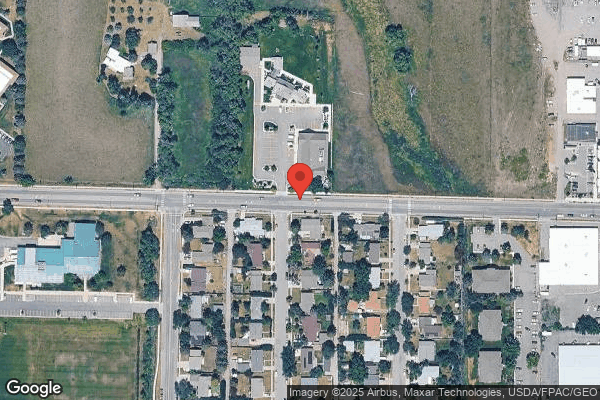
GALLATIN REST HOME

1221 W DURSTON RD, BOZEMAN, MT 59715 (406) 582-3300
Government - County 94 Beds Independent Data: November 2025
Trust Grade
50/100
#13 of 59 in MT
Last Inspection: June 2025

Inspected within the last 6 months. Data reflects current conditions.

Overview

Gallatin Rest Home has a Trust Grade of C, which means it is average and falls in the middle of the pack for nursing homes. It ranks #13 out of 59 facilities in Montana, placing it in the top half, and it is the only nursing home in Gallatin County. However, the facility's trend is worsening, as the number of issues reported increased from 2 in 2024 to 7 in 2025. Staffing is a concern, with a turnover rate of 66%, higher than the state average, along with below-average RN coverage which is less than 94% of facilities in Montana. While the home has received some serious violations, including incidents where residents were not properly cared for during transfers and issues related to meal timing that left residents hungry, it also has strengths, such as a good overall star rating of 4 out of 5. Keep in mind the significant fines of $63,603, which suggest ongoing compliance issues. Overall, families should weigh the mixed performance indicators, particularly the staffing challenges and specific care incidents, when considering this facility.

Trust Score
C
50/100
In Montana
#13/59
Top 22%
Safety Record
High Risk
Review needed
Inspections
Getting Worse
2 → 7 violations
Staff Stability
⚠ Watch
66% turnover. Above average. Higher turnover means staff may not know residents' routines.
Penalties
✓ Good
$63,603 in fines. Lower than most Montana facilities. Relatively clean record.
Skilled Nurses
○ Average
Each resident gets 38 minutes of Registered Nurse (RN) attention daily — about average for Montana. RNs are the most trained staff who monitor for health changes.
Violations
⚠ Watch
15 deficiencies on record. Higher than average. Multiple issues found across inspections.
★★★★☆
4.0
Overall Rating
★★★★☆
4.0
Staff Levels
★★★☆☆
3.0
Care Quality
★★★★☆
4.0
Inspection Score
Stable
2024: 2 issues
2025: 7 issues

The Good

  • 4-Star Staffing Rating · Above-average nurse staffing levels
  • Full Sprinkler Coverage · Fire safety systems throughout facility
  • No fines on record

Facility shows strength in staffing levels, fire safety.

The Bad

Staff Turnover: 66%

20pts above Montana avg (46%)

Frequent staff changes - ask about care continuity

Federal Fines: $63,603

Above median ($33,413)

Moderate penalties - review what triggered them

Staff turnover is elevated (66%)

18 points above Montana average of 48%

The Ugly 15 deficiencies on record

2 actual harm
Jun 2025 7 deficiencies 1 Harm
SERIOUS (G)

Actual Harm - a resident was hurt due to facility failures

Pressure Ulcer Prevention (Tag F0686)

A resident was harmed · This affected 1 resident

2. During an observation on 6/5/25 at 7:57 a.m., resident #13 received morning cares from staff members F and K. Resident #13 was lying on her back in the bed. Resident #13 had a wound dressing on her...

Read full inspector narrative →
2. During an observation on 6/5/25 at 7:57 a.m., resident #13 received morning cares from staff members F and K. Resident #13 was lying on her back in the bed. Resident #13 had a wound dressing on her right heel which was left in place. When resident #13 was turned to her right side for incontinence care, an open area was noted on her coccyx. There was no wound dressing in place. Staff member F applied moisture barrier cream, and a new incontinence brief. Resident #13 called out in pain and cried when she was moved in her bed. The crying stopped as soon as the resident was left alone. During an interview on 6/4/25 at 12:47 p.m., staff member G stated the wound nurse had been seeing the resident weekly, otherwise staff did the dressing changes. Review of resident #13's nursing progress notes showed the following: - 3/17/25, bruising to buttocks, present on admission, no measurements documented, - 4/14/25, bruising to buttocks resolved, - 4/21/25, new pressure ulcer on coccyx, scheduled to see the wound nurse on 4/22/25, - 4/22/25, Unstageable pressure ulcer on medial gluteus and coccyx, moisture barrier cream and a dressing, change every three to four days; and, - 5/27/25, Stage III pressure ulcer to medial gluteus, wound border macerated and raised, apply moisture barrier cream after each brief change. Based on observations, interviews, and record review, the facility failed to ensure residents received necessary treatment and services to prevent pressure ulcers and promote healing for 2 (#s 1 and #13) of 7 residents sampled with pressure ulcers. This practice contributed to chronic (>three months) Stage II and Stage III pressure ulcers for resident #1 and a Stage III for resident #13. Findings include: 1. During an observation on 6/2/25 at 2:35 p.m., resident #1 was sleeping on his back in his bed, with the head of the bed elevated to approximately 30 degrees. His head was tilted forward to the left side. A neck pillow/collar was in his wheelchair. During an observation on 6/2/25 at 2:46 p.m., resident #1 was sleeping on his back in his bed, with the head of the bed elevated to approximately 30 degrees. His head was tilted forward and to the left side. Neck pillow/collar was in his wheelchair. During an observation on 6/2/25 at 3:35 p.m., resident #1 was sleeping on his back in his bed, with the head of the bed elevated to approximately 30 degrees. His head was tilted forward to the left side. A neck pillow/collar was in his wheelchair. During an observation on 6/2/25 at 4:43 p.m., resident #1 was sleeping on his back in his bed, with the head of the bed elevated to approximately 30 degrees. His head was tilted forward to the left side. A neck pillow/collar was on his wound supply shelf. During observations on 6/3/25, from 7:45 a.m. to 4:32 p.m., resident #1 was observed every 30 minutes and found to be in the same position in bed. Resident #1 was sleeping on his back in his bed, with the head of the bed elevated to approximately 30 degrees. His head was tilted forward to the left side. The neck pillow/collar was in his wheelchair. During an interview on 6/4/25 at 10:13 a.m., staff member B stated she was aware wound documentation was not being completed and was working on a wound program, including camera use and staging (determining severity) education. Staff member B stated resident #1 was supposed to be up in his wheelchair for 2-3 hours each day for activities. Staff member B stated resident #1 did not get up in the evenings. Staff member B stated resident #1 should be turned and repositioned every two hours and should be checked and changed every two hours. Staff member B stated resident #1 did have a collar pillow to prevent pressure on his neck and ear. Staff member B stated resident #1 had a history of pressure injuries and maceration on his ear and neck area related to his positioning and moisture. During an observation on 6/4/25 at 10:01 a.m., resident #1 was sleeping on his back in his bed, with the head of the bed elevated to approximately 30 degrees. His head was tilted forward to the left side. The neck pillow/collar was in his wheelchair. During an observation on 6/5/25 at 7:10 a.m., resident #1 was in bed sleeping on his back in his bed, with the head of the bed elevated to approximately 30 degrees. His head was tilted forward to the left side. NF1 assessed resident #1's pressure wounds on his buttocks. NF1 stated he had three wound openings with a large area which was a Stage I pressure sore covering 13.5 cm by 8.5 cm on the right buttock and 13.5 cm by 7.0 cm on the left buttock. The openings included: - 1.5 cm by 9.0 cm by 0 cm: Stage I - 1.1 cm by 1.0 cm by 0.1 cm: Stage II - 0.8 cm by 0.5 cm by 0.15 cm: Stage II NF1 stated frequent turning and positioning were critical, along with frequent brief changes related to incontinence. Staff member L entered to assist NF1 during the dressing change. Staff member L stated the neck pillow was only used during times resident #1 was in his wheelchair. NF1 stated the pressure sores on resident #1's buttocks have waxed and waned, but the wounds were worse than the last time she evaluated them. NF1 stated it was hard to achieve compliance with turning and positioning with all the travel staff used by the building. During an observation on 6/5/25 at 9:20 a.m., resident #1 was sleeping on his back in his bed, with the head of the bed elevated to approximately 30 degrees. His head was tilted forward to the left side. Review of resident #1's Nursing Care Plan, with a revision date of 4/22/25, reflected: - . Use soft cervical collar-type pillow to prevent left ear from resting on shoulder. Pillow should be on left side only with no pressure to ear. Ask for assist to properly position as needed. Check collar frequently to monitor for positioning, pressure areas, and to insure breathing and circulation are not compromised. [sic] - . [Resident #1] needs total assistance to REPOSITION ROUTINELY THROUGHOUT THE DAY/NIGHT; use turn sheet when he is in bed to prevent shearing. 2-3 hours maximum time in w/c and reposition every 2 hours in bed. Review of resident #1's EHR nursing progress note, dated 1/6/25 reflected resident #1 developed a new pressure wound on his buttocks. No measurements were available. Review of the facility provided tracker, Treatment/Svcs to prevent/heal pressure sores, dated 1/7/25 through 6/3/25, reflected: - On 1/7/25 the report showed: . 6.8 x 5 x 0.01 increased significantly in size from previous measurement 12/13 of 4.8 x 3.6 *requested air mattress overlay for bed - On 1/14/25 the report showed: . Air mattress overlay placed 1/7/25 measurements have increased to 7.9 x 6.4 x 0.01 - On 3/11/25 the report showed: .Wound 1.5 x 2.5 x 0.1 - On 4/8/25 the report showed: . 3 x 3.5 x 0.01, scattered wounds - On 5/13/25 the report showed: . scattered wounds - On 6/3/25 the report showed: . scattered wounds-improving Refer to observation on 6/5/25 at 7:10 a.m. for the most current measurements. Review of resident #1's Braden Scale, dated 10/15/24, reflected resident #1 was at high risk for pressure ulcers with a score of 10. A score of 12 or less reflects a High Risk.
CONCERN (D)

Potential for Harm - no one hurt, but risky conditions existed

Deficiency F0552 (Tag F0552)

Could have caused harm · This affected 1 resident

Based on observation, interview, and record review, the facility failed to ensure the resident, and the resident's representative, were made aware of the risks and benefits associated with the use of ...

Read full inspector narrative →
Based on observation, interview, and record review, the facility failed to ensure the resident, and the resident's representative, were made aware of the risks and benefits associated with the use of psychotropic medications prior to the start of treatment for 1 (#32) of 21 sampled residents. Findings include: During an observation on 6/4/25 at 1:05 p.m., resident #32 was ambulating from the dining room towards her room. The resident's gait was slow, and she was using a walker for support. Facility staff had to direct resident #32 towards her room. Review of resident #32's physician orders showed the following psychotropic medications being given to the resident: - 2/11/25 to 3/17/25, Seroquel 25 mg once daily, as needed, for sleeplessness or agitation - 4/29/25 to 5/29/25, olanzapine 2.5 mg twice daily, as needed, for agitation; and, - 5/2/25 to current, sertraline 50 mg daily for mild dementia with psychotic disturbance. Review of resident #32's EHR, accessed between 6/2/25 and 6/5/25, failed to show documentation of the risks and benefits of using the above listed psychotropic medications. During an interview on 6/5/25 at 7:20 a.m., staff member C stated they (the facility) were trying to, hash out a good process for completing the consent with risks and benefits before the psychotropic medication was started. Staff member C stated he was responsible for obtaining this documentation. Staff member C stated if he was out of the office, the forms did not consistently get done. A request was made on 6/3/25, for the consent documents for the resident's Seroquel, olanzapine, and sertraline used for resident #32. None were received prior to the end of the survey.
CONCERN (D) 📢 Someone Reported This

A family member, employee, or ombudsman was alarmed enough to file a formal complaint

Potential for Harm - no one hurt, but risky conditions existed

Investigate Abuse (Tag F0610)

Could have caused harm · This affected 1 resident

Based on observation, interview, and record review, the facility failed to fully investigate an allegation of theft to ensure no other residents were affected for 1 (#34) of 21 sampled residents. Find...

Read full inspector narrative →
Based on observation, interview, and record review, the facility failed to fully investigate an allegation of theft to ensure no other residents were affected for 1 (#34) of 21 sampled residents. Findings include: During an observation and interview, on 6/2/25 at 2:35 p.m., resident #34 was in her power wheelchair having a difficult time grabbing the handle and speaking. Resident #34 stated she had several hundred dollars go missing from her purse in her drawer. She stated she told facility management, and they reimbursed her $100.00 of the money missing, but did not tell if they found out who took the money. During an interview on 6/3/25 at 2:48 p.m., NF4 stated resident #34 had $300.00 go missing from her purse in her room. NF4 stated he did not realize she had cashed a check when he transferred resident #34 from the hospital to the facility as she normally would not have that amount of cash on her person. NF4 stated she kept a purse unzipped due to it being too hard to zip shut. NF4 stated the facility informed him they would be conducting an investigation. NF4 stated other than reimbursing resident #34 for $100.00, he did not know of the investigation conclusion. NF4 stated he did not know where the money was located currently, the facility made him bring in a lockbox. During an interview on 6/4/25 at 8:15 a.m., staff member J stated resident #34 initially reported the theft to her. She looked in resident #34's drawer and only found an envelope that did not match the description from the resident. Staff member J stated she told the facility administrator, and they took over investigation. During an interview on 6/4/25 at 8:58 a.m., staff member A stated all the information for the theft allegation by resident #34 was provided. Staff member A stated it was reported three days after it could have happened and at least 50 people could have been in and out of her room in that time. Staff member A stated they did not interview anyone that could have been in the room. Staff member A stated they did not interview or review any other residents for potentially being affected. Staff member A stated the initial allegation reported to her was $200.00, then on interview with resident #34, it was said to be $300.00. Staff member A stated they told resident #34's son to bring a lockbox ,but she was not sure if he brought one in. Staff member A stated they had some money in a slush fund so they gave resident #34 $100.00. Staff member A stated she reported the allegation to the local police, and they said they doubted they would find who stole the money. During an interview on 6/4/25 at 12:35 p.m., staff member I stated she was in training to do allegations of abuse reporting, and worked collectively with the administrator and nurse manager ,to determine what to report and investigate. Staff member I stated resident #34's son was visiting when they were notified of the theft allegation, and she was in on the discussion notifying him. Review of the facility reported incident initially reported on 4/8/25, showed resident #34 reported the allegation of theft from her purse of $200.00 to staff member J and another nurse. The nurses checked her room without finding the money so they reported the theft allegation to administration. Resident #34's purse was zipped shut and missing an envelope of money. Resident #34 never zipped her purse shut. Local law enforcement was notified, and both the facility and law enforcement told the resident it was unlikely to be found. No further investigation was provided as the facility did not interview any other potential victims or witnesses to determine who stole the money, who else could have missing money, or for the determination of any trending of missing items.
CONCERN (D)

Potential for Harm - no one hurt, but risky conditions existed

Accident Prevention (Tag F0689)

Could have caused harm · This affected 1 resident

Based on observation, interview, and record review, the facility failed to utilize a system for identifying root causes for falls, and failed to develop and implement individualized fall prevention st...

Read full inspector narrative →
Based on observation, interview, and record review, the facility failed to utilize a system for identifying root causes for falls, and failed to develop and implement individualized fall prevention strategies for 1 (#32) of 21 sampled residents. Finding include: During an observation on 6/4/25 at 1:00 p.m., resident #32 was seen ambulating with a walker and accompanied by an unknown staff member. The resident required verbal cues to locate her room. Review of resident #32's nursing progress note, dated 12/11/25, showed the resident sustained an unwitnessed fall in her room. The note failed to show any contributing factors or possible causes for the fall. Review of resident 32's nursing progress note, dated 3/26/25, showed the resident had an unwitnessed fall and was complaining of knee pain. The note failed to show any contributing factors or possible causes for the fall. Review of resident #32's nursing progress note, dated 5/31/25, showed the resident sustained an unwitnessed fall in her room. The note failed to show any contributing factors or possible causes for the fall. Review of resident #32's EHR, accessed on 6/4/25, failed to show any documentation in the available and provided records for the identification of the root causes for the resident's falls. During an interview on 6/4/25 at 10:13 a.m., staff member B stated she felt she needed further training in root cause analysis and had struggled to understand the root cause process. Review of resident #32's At Risk for Fall care plan, dated 2/7/25, showed the resident was at risk for falls and had interventions which included, assist resident with ambulation and transfers, call light available, notify provider if fall occurs, and initiate neurological and bleeding evaluations if a fall occurs. The careplan failed to show interventions reflective of the root cause of the fall on 12/11/25. Review of resident #32's Fall care plan, dated 3/27/25, showed the resident had an actual fall and interventions to monitor for changes for 72 hours and provide activities which promote exercise and strengthening. The careplan failed to show interventions reflective of the root cause of the fall on 3/26/25. Review of resident #32's care plan, dated 5/4/25, showed the resident was at risk for falls and had family and resident education regarding safety, ensure proper footwear, and refer to therapy, as needed, for interventions. Review of the facility's policy titled, Fall Prevention Program, with a revision date 5/14/24, showed the facility had two risk protocols. The low to moderate fall risk protocol identified basic intervention such as limiting clutter, make sure the bed is at it's lowest level and locked, adequate lighting, assistive devices in good repair, and monitoring residents for changes in gait, mobility, and balance. The high risk protocol contained all of the low to moderate risk interventions, increased frequency of rounds, scheduled ambulation or toileting assistance, therapy referrals, and interventions which addressed any unique risk factors.
CONCERN (D)

Potential for Harm - no one hurt, but risky conditions existed

Deficiency F0698 (Tag F0698)

Could have caused harm · This affected 1 resident

**NOTE- TERMS IN BRACKETS HAVE BEEN EDITED TO PROTECT CONFIDENTIALITY** Based on observation, interview, and record review, the facility failed to have policies for dialysis care and management, polic...

Read full inspector narrative →
**NOTE- TERMS IN BRACKETS HAVE BEEN EDITED TO PROTECT CONFIDENTIALITY** Based on observation, interview, and record review, the facility failed to have policies for dialysis care and management, policies for dialysis transportation, a contract and communication with the dialysis center providing dialysis treatment, and failed to have proper dialysis monitoring of the resident before and after dialysis appointments, for 1 (#207) of 1 sampled resident for dialysis. Findings include: During an observation and interview on 6/4/25 at 8:04 a.m., staff member J stated resident #207 was on dialysis and stated the resident's electronic chart would show orders for the dialysis, and resident #207 went twice a week, leaving at 10:30 a.m. Staff member J pulled up the chart of resident #207, and the orders did not show resident #207 was on dialysis, when he was to go to dialysis, or any monitoring for his dialysis. Staff member J stated she would get the order input into the chart, but knew she added the dialysis information to resident #207's care plan. Staff member J stated the facility did not transport resident #207, there was a non-emergent ambulance service setup prior to his admission. Staff member J stated she was unaware of any communication with the dialysis center or facility monitoring of resident #207 as she was under the impression dialysis managed monitoring for resident #207. Staff member J provided the hard copy chart for resident #207, in which only a form titled, Physician Certification for Ambulance Services, with the dialysis center name and reason for the ambulance transport as hip fracture and dialysis with inability to tolerate sitting up during transport, and it was signed on 5/29/25. During an interview on 6/4/25 at 7:39 a.m., resident #207 was observed in a reclined chair, with a bed sheet over him. Resident #207 stated he was going to dialysis that day. He stated he had been receiving dialysis treatment through a dialysis port. He stated there was transport setup for him before he left the hospital. He did not have food brought with him for lunch from the facility, but he preferred to eat after returning, rather than trying to bring food with him. During an interview on 6/4/25 at 8:42 a.m., NF5 stated resident #207 was going to the dialysis center for a while and had transport figured out prior to his hospital discharge as to not miss a treatment. NF5 stated resident #207 had dialysis three times a week, and dialysis did clinical assessments per their policy, and did pre and post dialysis weights as part of the process. All of the information was documented in their electronic medical records, but he was not aware of anything they sent to the facility. During an interview on 6/5/25 at 10:29 a.m., NF2 stated she was not aware of any policies for the facility on dialysis residents. During an interview on 6/5/25 at 11:04 a.m., staff member B stated the facility had no contract or policies for dialysis and had not been monitoring resident #207 for his pre and post dialysis care. Staff member B stated they admitted resident #207 without realizing they had a lot of missing parts of the process. Review of the entrance conference information provided by the facility, on 6/3/25, showed the facility had no policy for dialysis monitoring and management, no policy on transportation to and from dialysis, and no contract with the dialysis provider. Review of resident #207's electronic medical record and hard copy chart, reviewed on 6/5/25, showed he was admitted on [DATE]. The only weight entered was on his admission day. There were no physician orders for dialysis appointments or monitoring the resident's pre and post dialysis status. There was only a care plan area showing he was on dialysis and a non-emergent transport ambulance service for dialysis. A request was made for the nursing monitoring, completed by the facility, for #207's pre and post dialysis status, since admission, a dialysis and transportation policy, and the dialysis contract was requested on 6/4/25. The items were not provided by the end of the survey.
CONCERN (E)

Potential for Harm - no one hurt, but risky conditions existed

Deficiency F0657 (Tag F0657)

Could have caused harm · This affected multiple residents

Based on observation, interview, and record review, the facility failed to review and revise resident care plans for 3 (#s 13, 32, and 43) of 21 sampled residents. Findings include: 1. During an obser...

Read full inspector narrative →
Based on observation, interview, and record review, the facility failed to review and revise resident care plans for 3 (#s 13, 32, and 43) of 21 sampled residents. Findings include: 1. During an observation on 6/2/25 at 4:07 p.m., resident #13 was sitting in her wheelchair with both feet elevated on the foot pedals. There was no evidence of a urinary catheter. During an observation on 6/5/25 at 7:57 a.m., staff member F and K were providing morning care for resident #13. Resident #13 had an incontinence brief on, and there was no evidence of a urinary catheter. Review of resident #13's physician orders, dated 5/6/25, showed an order to remove the indwelling urinary catheter. Review of resident #13's care plan, dated 3/11/25, accessed on 6/4/25, showed the resident had an indwelling Foley catheter due to urinary retention. The goals and interventions, dated 3/11/25, continued to show cares related to the urinary catheter. During an interview on 6/5/25 at 7:50 a.m., staff member B stated all nurses should be updating resident care plans. Staff member B could not explain why resident #13's care plan showed she had a urinary catheter. The care plan was not revised. 2. During an observation on 6/3/25 at 8:46 a.m., resident #32 was seen sitting in the dining room, her walker placed behind her, and against the wall. During an observation on 6/4/25 at 1:00 p.m., resident #32 was seen ambulating in the hallway using a walker. An unidentified facility staff member was walking with resident #32 and gave the resident directions to her room. Review of resident #32's nursing progress note, dated 12/11/24, showed resident #32 sustained an unwitnessed fall while ambulating in her room. The section labeled Actioned Clinical Suggestions, was blank. The note failed to show what changes were implemented after this fall to prevent future falls. Review of resident #32's nursing progress note, dated 3/26/25 at 7:11 a.m., showed the resident sustained an unwitnessed fall in her room. The note failed to show any contributing factors. The resident did complain of bilateral knee pain. The section labeled Actioned Clinical Suggestions was blank. The note failed to show what changes were implemented after this fall to prevent future falls. Review of resident #32's nursing progress note, dated 3/26/25 at 11:17 a.m., showed the resident was found on the floor. The resident sustained a second unwitnessed fall on 3/26/25. Review of resident #32's nursing progress note, dated 5/31/25, showed the resident sustained an unwitnessed fall while ambulating in her room. The section labeled Actioned Clinical Suggestions, was blank. The note failed to show what changes were implemented after this fall to prevent future falls. Review of resident #32's care plan, dated 5/4/24, showed a focus of At Risk for Falls. An intervention, dated 5/3/24, included educating resident and family about safety reminders and to ensure the resident was wearing non-skid footwear. There was also an intervention, dated 2/7/25, which showed therapy was to evaluate and treat as needed. Review of resident #32's care plan, dated 1/28/25, showed a focus of Risk for Falls. The intervention, dated 1/28/25, was to utilize therapy recommendations for ambulation and transfers. The care plan also showed interventions, dated 2/7/25, to ensure call light was available, to alert the provider if a fall occurred, and to initiate frequent neuro (neurological) and bleeding evaluation per facility protocol. Review of resident #32's care plan, dated 3/27/25, showed a focus of an actual fall. The care plan failed to show the resident had falls on 12/11/24 and 5/31/25. The care plan also failed to show any new interventions implemented after the fall on 12/11/24, or the fall which occurred on 5/31/25. During an interview on 6/5/25 at 7:50 a.m., staff member B stated it was the responsibility of all nurses to update and revise care plans as needed. Staff member B could not explain why resident #32's care plan failed to show ongoing interventions implemented after each of the resident's falls. 3. During an observation and interview on 6/3/25 at 8:09 a.m., resident #43 was sitting in his wheelchair, waiting for transportation to take him to a dental appointment. The resident stated he had a urinary catheter hooked up to a leg bag. Review of resident #43's physician orders, dated 3/5/25, showed the resident was admitted from the hospital with a Foley catheter, with output being monitored every shift, and the resident was on an antibiotic for seven days because of a urinary tract infection. Review of resident #43's MAR, dated March of 2025, showed the resident was given sulfamethazole-trimethoprim 800-160 mg tablet, twice daily, for seven days. Review of resident #43's care plan, dated 3/5/25, showed the resident had a urinary tract infection related to obstruction and urinary retention. The care plan failed to show the urinary tract infection had resolved. The care plan was not revised.
CONCERN (E)

Potential for Harm - no one hurt, but risky conditions existed

Infection Control (Tag F0880)

Could have caused harm · This affected multiple residents

Based on observation, interview, and record review, the facility failed to maintain proper hand hygiene for 4 (#s 14, 16, 21, and 208) of 7 observed medication passes; failed to maintain cleanable sur...

Read full inspector narrative →
Based on observation, interview, and record review, the facility failed to maintain proper hand hygiene for 4 (#s 14, 16, 21, and 208) of 7 observed medication passes; failed to maintain cleanable surfaces on floor mats for 2 (#s 1 and 36) of 2 sampled residents with floor mats; failed to maintain clean respiratory equipment for 1 (#36) of 6 sampled residents with respiratory equipment; and failed to properly store tube feeding supply sanitarily for 1 (#1) of 1 sampled resident with tube feeding supplies. These deficient practices had the potential to increase the risk of infections and spread of infections for all residents receiving care. Findings include: 1. During an observation on 6/3/25 at 4:10 p.m., staff member E prepared the medications for resident #208. Staff member E entered resident #208's room without completing hand hygiene, began to assist the resident with medications by feeding her the pills with a spoon and giving her drinks of water between. Resident #208 stopped staff member E and stated she wanted the pills in applesauce. Staff member E obtained the applesauce and mixed the pills in the applesauce. Resident #208 then stated she meant to say apple juice. Staff member E then stated water was all she had available, and spoon fed the pills to resident #208. Resident #208 stopped her and said she could not take the larger pills unless they were cut in half. Staff member E exited the room, took the pill cutter out from the top drawer of the cart and put the wet pill in the pill cutter and cut it in half. Staff member E then returned to the room and administered the remaining medication. The pill cutter was not cleaned prior to use and was left on the cart after using. The pill cutter had dust/dirt in the cup holder portion of the pill cutter prior to use by staff member E. Staff member E did not perform hand hygiene when entering or exiting the room to collect the applesauce or cut the pill, and did not perform hand hygiene prior to entering the room at the beginning. 2. During an observation on 6/4/25 at 7:33 a.m., staff member D was preparing medications for resident #21, including miconazole cream 2%. Staff member D put on gloves without completing hand hygiene, cleansed under resident #21's breasts with wound cleanser, dried the areas with gauze, and applied miconazole cream 2% to both areas under the breasts. No hand hygiene or glove changes were completed between dirty and clean tasks. Resident #21 then asked staff member D to clean and apply cream to her pannus. Staff member D used her same gloves to clean her pannus and applied cream and degloved. Staff member D then returned to her medication cart and started prepping the next resident's medications without completing hand hygiene. 3. During an observation on 6/4/25 at 8:19 a.m., staff member D prepared medications for resident #16, including antifungal powder. During the administration of the powder, staff member D cleansed under resident #16's breasts with wet wash cloth, dried with a towel, and applied the powder. Staff member D then gave the resident a drink of the MiraLAX and stated she should keep working on drinking the MiraLAX. Staff member D degloved, gave a remaining pill in a cup to the resident by spoon and another drink. Staff member D took the dirty washcloth and towel and placed them on the food tray, left the room, placed the dirty linens in the dirty linen bin and took the tray to the food cart for return to the kitchen. Staff member D then walked to the other end of the hall to the nutrition room of the unit and washed her hands. Staff member D stated she washed her hands in the nutrition room because it was the only place to wash her hands on the unit. No hand hygiene was completed between dirty and clean tasks. 4. During an observation on 6/4/25 at 8:43 a.m., staff member D prepared medication for resident #14, including teriparatide Pen 620 mcg-20 mcg and muscle rub cream 10-15% for the neck/shoulder. Staff member D put on gloves without completing hand hygiene, gave the injection and applied muscle rub, and degloved. Staff member D then left the room and carried the injection pen down to the medication room, then placed the pen in the refrigerator. Staff member D then returned to her medication cart and started to prep the next resident's medication. No hand hygiene was completed before or after gloving/degloving or when exiting the room. A review of staff member D's education file showed no hand hygiene education was located in the file. 5. During an observation on 6/2/25 at 2:44 p.m., a bottle of tube feeding was found in the open cupboard of resident #1's room, and it had a thick chunky layer over a black liquid layer, separated from the rest of the liquid in the bottle. The bottle appeared unopened but it was unable to tell if the bottle had a rupture or leaked. The other bottles in the cupboard, the cupboard walls, and door, had dried thick areas of tube feeding liquid (dark creamy color) and was sticky. 6. During an observation on 6/2/25 at 2:27 p.m., a suction machine was observed in the room of resident #36. The suction machine canister was 2/3 full of a white milky liquid, with a thick hardened crust around the top. 7. During an observation on 6/2/25 at 2:47 p.m., the floor mat was next to the bed while resident #1 was sleeping. Staff member C stated resident #1 often would slide out of bed. The floor mat was cracked, dirty, had chunks missing at the corners and was not cleanable. There was a furry layer over the top from the mat top coming apart. During an interview on 6/3/25 at 2:52 p.m., staff member C stated the floor mats were not cleanable, and the cabinet was not cleaned. Staff member C stated he did not understand why the floor staff were not cleaning the cupboard when they saw the mess or when they used the suction machine. Staff member C stated the facility was aware the floor mats were not cleanable but had not addressed them as a priority. Staff member C stated resident #1 had a seizure the previous week and suction was used at that time, and the staff should have cleaned the canister afterwards. Review of the facility's policy, Hand Hygiene, dated 5/21/24, reflected: - . Hand Hygiene Table: - . Between resident contacts. - . Before applying and after removing personal protective equipment, including gloves. - . Before preparing or handling medications; and - . When, during resident care, moving from a contaminated body site to a clean body site. A request was made for a policy specific to intermittent suctioning and equipment maintenance of the suction equipment, but the facility did not have one.
Jul 2024 2 deficiencies
CONCERN (F)

Potential for Harm - no one hurt, but risky conditions existed

Deficiency F0809 (Tag F0809)

Could have caused harm · This affected most or all residents

Based on observations and interviews, the facility failed to provide residents with meals with no more than 14 hours between the evening meal and breakfast; failed to provide a nourishing snack at bed...

Read full inspector narrative →
Based on observations and interviews, the facility failed to provide residents with meals with no more than 14 hours between the evening meal and breakfast; failed to provide a nourishing snack at bedtime; and failed to document a resident group approval of the mealtime hours for 7 (#s 2, 9, 17, 18, 19, 21, and 28) of 13 sampled residents. This practice had the potential to affect all residents who receive meals from the dining service. Findings include: During an observation on 7/2/24 at 8:20 a.m., breakfast began to be served in the dining room. The sign posted on the entry to the dining room showed breakfast was to start at 8:00 a.m., lunch at 12:00 p.m., and dinner at 5:00 p.m. The times scheduled included a 15-hour gap between dinner and breakfast. Residents #21 and #28 were sitting together in the dining room waiting for their meal to arrive. Resident #21 stated she was very hungry. When asked, residents #21 and #28 stated they did not receive snacks at night, before bed. Resident #21 stated they had never been offered snacks at bedtime as far as she could recall. Resident #28 stated she had not been offered snacks at bedtime either, but was aware of the snacks in the refrigerator at the nursing station. Residents #17 and #18 were sitting at a different table. Resident #18 called the surveyor to her table and stated, I don't know about any snacks. Resident #17 stated, They don't come offer snacks to me or my roommate either. I know about snacks in the nurses' station, but I'm blind so I cannot go get them, and those poor girls are so busy at night getting everyone ready for bed, so I don't go there (requesting a snack). During an interview on 7/2/24 at 8:28 a.m., staff member F stated, We don't go around specifically asking about snacks, but we have health shakes for the weight loss people. It's a pretty late breakfast compared to other facilities I have been in. Offering snacks at night would be hard since we are rushing to get meds (medications) in, since residents all want to go to bed right after dinner. Very few stay up long enough to be offered a snack. During an interview on 7/2/24 at 10:13 a.m., staff member C stated, There should only be 14 hours between dinner and breakfast. I thought we did something to change that to ensure the 14 hours was met. I will have to follow-up with the kitchen. During an interview on 7/2/24 at 11:26 a.m., staff member G stated the mealtimes had always been 8:00 a.m., 12:00 p.m., and 5:00 p.m. Staff member G stated the kitchen stocked the nurses' stations with snacks, but it was up to nursing to offer the snacks. During an interview on 7/2/24 at 11:35 a.m., staff member A stated residents did not want the mealtimes changed when they were asked in the past. Staff member A stated she was not able to locate documentation of resident council approving the mealtimes. Staff member A stated, The nurses' stations are stocked with snacks and residents can ask for a snack. Staff aren't going around in the evening asking them if they (residents) want a snack. During an interview on 7/2/24 at 1:25 p.m., resident #s 2, 9, 17 and 19 stated they did not get offered snacks in the evening before bedtime. The residents stated if they ask for a snack they will get one, but it is usually pop and crackers.
CONCERN (F)

Potential for Harm - no one hurt, but risky conditions existed

Infection Control (Tag F0880)

Could have caused harm · This affected most or all residents

Based on observation, interviews, and record review, the facility failed to ensure implementation and monitoring of measures to prevent the growth of Legionella or other opportunistic waterborne patho...

Read full inspector narrative →
Based on observation, interviews, and record review, the facility failed to ensure implementation and monitoring of measures to prevent the growth of Legionella or other opportunistic waterborne pathogens in the building's water systems; and maintain cleanable surfaces on ice/water dispenser machine. This practice had the potential to affect all residents. Findings include: 1. During an observation on 7/1/24 at 3:30 p.m., the ice/water dispenser, on the rehabilitation unit, was dirty with a black film, white mineral deposits and rust on the tray where you place the cups and along the bottom wall of the dispensing area. The dispenser tray was no longer cleanable. 2. During an interview on 7/2/24 at 7:10 a.m., staff member H stated, I haven't been documenting anywhere that we do flushes or clean the ice machines. Maybe [staff member B] does that, he may be going around and flushing the lines and documenting. I've been here 14 years, and have never been asked about documentation, so I don't have any. During an interview on 7/2/24 at 8:30 a.m., staff member B stated, I have a water management plan binder, but it looks like you got me, we haven't been documenting and doing all the tasks (for Legionnaires prevention). We have the binder, but it's not fully implemented obviously. A review of the facility's, Risk Management Plan for Legionella Control, dated 1/25/23, reflected: . Section 3 Risk Management 3.1 9). Less Frequently Used Areas: . .All documentation is housed in the maintenance department and is available upon request. . 3.2.1 Operational Monitoring: Internal facility logs will be used to monitor implementation of control measures. Effectiveness of the control plan will be monitored through infection control surveillance
Jun 2023 6 deficiencies 1 Harm
SERIOUS (G)

Actual Harm - a resident was hurt due to facility failures

Accident Prevention (Tag F0689)

A resident was harmed · This affected 1 resident

Based on interview and record review, the facility failed to maintain scale equipment, resulting in a fall with an injury, for 1 (#28) of 2 sampled residents. Findings include: Review of an incident f...

Read full inspector narrative →
Based on interview and record review, the facility failed to maintain scale equipment, resulting in a fall with an injury, for 1 (#28) of 2 sampled residents. Findings include: Review of an incident for resident #28, dated 2/21/23, showed, Upon entry into room resident was on all fours on the floor with a pool of blood near left leg .Was in the chair scale and fell out when a wheel fell off, Resident thinks she hit her head . [sic]. During an interview on 6/7/23 at 10:16 a.m., staff member F stated resident #28 required assistance with transfers and had a history of falls. During an interview on 6/7/23 at 10:58 a.m., staff member A stated the facility did not have maintenance records for the chair scale, and staff member A did not know why staff did not notify maintenance of any previous issues with the chair, before resident #28's fall on 2/21/23. Staff member A stated maintenance fixed items as needed in the facility. During an interview on 6/7/23 at 12:38 p.m., staff member G stated she recalled the incident with resident #28's fall from the scale chair. Staff member G stated the wheel came off the leg of the chair, and she fell out. Staff member G stated if something was wrong with a piece of equipment in the facility, work orders were given to staff member E. During an interview on 6/7/23 at 12:40 p.m., staff member E stated the chair scale was not checked or maintained annually, and there was not a schedule to check the chair's function. Staff member E stated he was called to fix the chair scale after the incident with resident #28 on 2/21/23, and the wheel had come loose. There was no schedule for maintenance created for the chair after the incident. During an interview on 6/8/23 at 8:02 a.m., staff member A stated she did not know if resident #28's fall on 2/21/23 was a QAPI discussion, as it was viewed as a fluke. Staff member A stated she thought an informal education was done for staff to check equipment moving forward, but nothing was documented. Review of resident #28's Emergency Department Provider Notes, dated 2/21/23, showed the resident had the following injury from the fall from the chair scale: Complex 12 cm laceration overlying the left lower leg. This penetrates into the subcutaneous tissue .Repair method: Sutures .Number of sutures: 20. A review of the facility's policy, Preventative Maintenance Program, dated 8/19/22, showed, 1. The Maintenance Director is responsible for developing and maintaining a schedule of maintenance services to ensure that the buildings, grounds, and equipment are maintained in a safe and operable manner.
CONCERN (D) 📢 Someone Reported This

A family member, employee, or ombudsman was alarmed enough to file a formal complaint

Potential for Harm - no one hurt, but risky conditions existed

Free from Abuse/Neglect (Tag F0600)

Could have caused harm · This affected 1 resident

Based on observation, interview, and record review, the facility failed to protect 1 (#33) of 3 residents from staff to resident verbal abuse, causing the resident psychosocial harm at the time, and s...

Read full inspector narrative →
Based on observation, interview, and record review, the facility failed to protect 1 (#33) of 3 residents from staff to resident verbal abuse, causing the resident psychosocial harm at the time, and she felt threatened and vulnerable. Findings include: Review of a facility document titled, Record of Complaint, dated 10/6/22, showed, resident #33 complained to the facility about staff member H refusing to take her to the bathroom. Record review of a facility document, not titled or dated, showed, on 10/6/22, resident #33 used her call light to ask for help to go to the bathroom. Staff member H came in and told resident #33 to just go in your pants and she did not have time to help her. Resident #33 used her call light again to ask for assistance with going to the bathroom and staff member H told her she did not have time to help her. The interaction between the two escalated to the two raising their voices. Staff member I came in to see what was going on and found staff member H yelling at resident #33. Staff member I excused staff member H from the room and assisted resident #33 to the bathroom. When the resident was interviewed by staff member B the next morning, resident #33 told her she felt, threatened and vulnerable and worried about retaliation from [Staff member H], after the situation was over. This document showed staff member H's work contract with the facility was terminated. During an observation and interview on 6/6/23 at 9:55 a.m., resident #33 stated the CNA's were not always respectful at night, but could not recall their names. Resident #33 stated she did not like being at the facility, and was crying on and off during the interview. Resident #33 could not recall the verbal abuse event from 10/6/22. During an interview on 6/7/23 at 10:31 a.m., staff member B stated, We confirmed that the CNA (staff member H) did talk to [resident #33] that way and we immediately terminated her contract. I had a previous report that the CNA (staff member H) had been 'short' with them (the residents) but nothing to the extent that she did with [resident #33]. Staff member B stated resident #33 could recount the events when the incident happened. Resident #33 has since then had a stroke, and has become confused. Review of staff member H's personnel file failed to show documentation of intervention after the residents reported staff member H had been short with them. Review of a facility policy titled, Abuse, Neglect and Exploitation, dated 1/12/22, showed, It is the policy of this facility to provide protections for the health, welfare and rights of each resident .
CONCERN (D) 📢 Someone Reported This

A family member, employee, or ombudsman was alarmed enough to file a formal complaint

Potential for Harm - no one hurt, but risky conditions existed

Investigate Abuse (Tag F0610)

Could have caused harm · This affected 1 resident

Based on interview and record review, the facility failed to thoroughly investigate an alleged abuse for 1 (#33) of 4 sampled residents. This deficiency had the potential for the facility to not ident...

Read full inspector narrative →
Based on interview and record review, the facility failed to thoroughly investigate an alleged abuse for 1 (#33) of 4 sampled residents. This deficiency had the potential for the facility to not identify other residents that may have been affected by the staff member's verbal abuse, and the potential to allow additional abuse to occur. Findings include: Record review of a facility document, not dated or titled, showed, on 10/6/22, resident #33 used her call light to ask for help to go to the bathroom. Staff member H came in and told resident #33 to just go in your pants and she did not have time to help her. Resident #33 used her call light again to ask for assistance with going to the bathroom and staff member H told her she did not have time to help her. During an interview on 6/6/23 at 4:20 p.m., staff member A stated the facility had not provided abuse education or training over the past year, including after abuse allegations. During an interview on 6/7/23 at 10:31 a.m., staff member B stated she investigated the alleged abuse for resident #33 and immediately terminated staff member H's contract. She said there were some residents that said staff member H was short with them, but they did not complain of verbal abuse. A request was made on 6/7/23 at 2:02 p.m., for documentation of resident interviews, about the care provided by staff member H, for residents in the same hall as resident #33, on 10/6/22. No documentation of interviews were provided by the end of survey. Review of a facility policy titled, Abuse, Neglect and Exploitation, dated 1/12/22, showed: II. Employee Training .B. Existing staff will rececive annual education through planned in-services and as needed. .V. Investigation of Alleged Abuse, Neglect and Exploitation . 6. Providing complete and thorough documentation of the investigation .
CONCERN (E)

Potential for Harm - no one hurt, but risky conditions existed

Infection Control (Tag F0880)

Could have caused harm · This affected multiple residents

Based on observation, interview, and record review, the facility failed to ensure staff followed proper infection control practices of hand hygiene when providing meal service for residents dining in ...

Read full inspector narrative →
Based on observation, interview, and record review, the facility failed to ensure staff followed proper infection control practices of hand hygiene when providing meal service for residents dining in their rooms. Findings include: During an observation of meal tray delivery to residents living on the E hallway, on 6/6/23 at 11:52 a.m., staff member F received the tray cart and was checking each lunch tray for accuracy of the diet order. Staff member F did not perform hand hygiene prior to opening the cart, handling each tray, or when delivering trays to residents. Staff member N was observed receiving meal trays from staff member F, and delivering them to multiple resident's rooms in the E wing of the facility. Staff member N was observed to provide set up for each resident without performing hand hygiene between residents. There were 18 residents living in the E hallway. During an interview on 6/6/23 at 12:38 p.m., staff member N said hand hygiene was done between residents when the facility was experiencing COVID, but was no longer required when serving trays. During an interview on 6/6/23 at 1:01 p.m., staff member C said staff were expected to perform hand hygiene between contact with each resident, and each resident encounter. Staff member C said staff had received education on hand hygiene, and it was not specific to COVID. Record review of a facility policy, Handwashing Procedure for Dining Services, not dated, showed: . The following is a list of some situations that require hand hygiene: .- Before and after direct resident contact .-Before and after assisting a resident with meals .
CONCERN (F)

Potential for Harm - no one hurt, but risky conditions existed

Food Safety (Tag F0812)

Could have caused harm · This affected most or all residents

Based on observation, interview, and record review, the facility failed to ensure kitchen staff wore proper hair and beard coverings while preparing and serving meals, and label and date food items lo...

Read full inspector narrative →
Based on observation, interview, and record review, the facility failed to ensure kitchen staff wore proper hair and beard coverings while preparing and serving meals, and label and date food items located in the freezer. These failures had the potential to cause food borne illness for the residents living and eating in the facility. Findings include: 1. During an observation and interview on 6/6/23 at 11:22 a.m., staff member J was observed to be wearing a black soiled baseball cap, with hair exposed below the baseball cap, and had a beard with no beard covering. Staff member K was observed to be wearing a baseball cap, and had a beard with no beard covering, while dishing up resident meals on the service tray line. Staff member J said he just wore a hat, it was all that was required. He was not sure a hair net would fit under his hat. Staff member L said she was not familiar with the state of Montana requirements for hair covering because it was different in each state. During an interview on 6/6/23 at 12:32 p.m., staff member M said the corporate policy stated a hair net or hat was required, along with a beard covering, and the facility policy stated a hair net and beard covering were required. During an observation on 6/7/23 at 11:31 a.m., staff member J was observed to be wearing the same black cap, with exposed hair below the baseball cap, and no beard covering. Staff member K was observed wearing the same baseball cap, and no beard covering, while dishing up resident meals on the service tray line. Review of a facility policy, Staff Attire, with a revision date of 9/2017, showed: .1. All staff members will have their hair off the shoulders, confined in a hair net or cap, and facial hair properly restrained. 2. During an observation on 6/6/23 at 11:28 a.m., the following were observed in the freezer: -1 open bag of pepperoni, not dated and gray in color, -1 bag containing pancakes, open and not dated, -2 bags of breaded chicken pieces, sealed and not dated, and -1 bag of sausage, open and not dated. During an interview on 6/6/23 at 11:28 a.m., staff member M said all of the bags of food should have been dated and bags removed from boxes should have had dates transferred from the box to the bag of food. Record review of a facility policy, Food Storage: Cold Food, with a revision date of 4/2018, showed: .5. All foods will be stored wrapped or in covered containers, labeled and dated, and arranged in a manner to prevent cross contamination.
CONCERN (F)

Potential for Harm - no one hurt, but risky conditions existed

QAPI Program (Tag F0867)

Could have caused harm · This affected most or all residents

Based on interview and record review, the facility failed to perform annual performance improvement projects and involve QAPI in abuse system issues. Findings include: During an interview on 6/8/23 at...

Read full inspector narrative →
Based on interview and record review, the facility failed to perform annual performance improvement projects and involve QAPI in abuse system issues. Findings include: During an interview on 6/8/23 at 8:02 a.m., staff member A stated abuse was monitored in the facility by depending on the staff and residents to bring up concerns. Staff member A stated abuse allegations throughout the year, were not talked about in QAPI. Staff member A stated abuse was only happening by contract staff, so the facility staff was not trained in abuse prevention after abuse allegations. Staff member A also stated there had been no official performance improvement projects through QAPI over the past year. Staff member A stated she and staff member D were revamping the QAPI process to identify areas of need. Review of the facility's QAPI Plan, dated 8/16/22, showed, The facility conducts PIPs to examine and improve care and/or services in specifically identified areas .The facility sees to prioritize projects in high risk, high frequency and/or problem prone areas that impact quality of care and quality of life for our residents.
Understanding Severity Codes (click to expand)
Life-Threatening (Immediate Jeopardy)
J - Isolated K - Pattern L - Widespread
Actual Harm
G - Isolated H - Pattern I - Widespread
Potential for Harm
D - Isolated E - Pattern F - Widespread
No Harm (Minor)
A - Isolated B - Pattern C - Widespread

Questions to Ask on Your Visit

  • "Why is there high staff turnover? How do you retain staff?"
  • "Can I speak with families of current residents?"
  • "What's your RN coverage like on weekends and overnight?"

Our Honest Assessment

Strengths
  • • Licensed and certified facility. Meets minimum state requirements.
Concerns
  • • Multiple safety concerns identified: 2 harm violation(s), $63,603 in fines. Review inspection reports carefully.
  • • 15 deficiencies on record, including 2 serious (caused harm) violations. Ask about corrective actions taken.
  • • $63,603 in fines. Extremely high, among the most fined facilities in Montana. Major compliance failures.
  • • Grade C (50/100). Below average facility with significant concerns.
Bottom line: Mixed indicators with Trust Score of 50/100. Visit in person and ask pointed questions.

About This Facility

What is Gallatin Rest Home's CMS Rating?

CMS assigns GALLATIN REST HOME an overall rating of 4 out of 5 stars, which is considered above average nationally. Within Montana, this rating places the facility higher than 99% of the state's 100 nursing homes. This rating reflects solid performance across the metrics CMS uses to evaluate nursing home quality.

How is Gallatin Rest Home Staffed?

CMS rates GALLATIN REST HOME's staffing level at 4 out of 5 stars, which is above average compared to other nursing homes. Staff turnover is 66%, which is 20 percentage points above the Montana average of 46%. High turnover can affect care consistency as new staff learn residents' individual needs. RN turnover specifically is 67%, which is notably high. RNs provide skilled clinical oversight, so turnover in this role can affect medical care quality.

What Have Inspectors Found at Gallatin Rest Home?

State health inspectors documented 15 deficiencies at GALLATIN REST HOME during 2023 to 2025. These included: 2 that caused actual resident harm and 13 with potential for harm. Deficiencies causing actual harm indicate documented cases where residents experienced negative health consequences.

Who Owns and Operates Gallatin Rest Home?

GALLATIN REST HOME is owned by a government entity. Government-operated facilities are typically run by state, county, or municipal agencies. The facility operates independently rather than as part of a larger chain. With 94 certified beds and approximately 50 residents (about 53% occupancy), it is a smaller facility located in BOZEMAN, Montana.

How Does Gallatin Rest Home Compare to Other Montana Nursing Homes?

Compared to the 100 nursing homes in Montana, GALLATIN REST HOME's overall rating (4 stars) is above the state average of 3.0, staff turnover (66%) is significantly higher than the state average of 46%, and health inspection rating (4 stars) is above the national benchmark.

What Should Families Ask When Visiting Gallatin Rest Home?

Based on this facility's data, families visiting should ask: "How do you ensure continuity of care given staff turnover, and what is your staff retention strategy?" "Can I visit during a mealtime to observe dining assistance and food quality?" "How do you handle medical emergencies, and what is your hospital transfer rate?" "Can I speak with family members of current residents about their experience?" These questions are particularly relevant given the facility's high staff turnover rate.

Is Gallatin Rest Home Safe?

Based on CMS inspection data, GALLATIN REST HOME has a clean safety record: no substantiated abuse findings (meaning no confirmed cases of resident harm), no Immediate Jeopardy citations (the most serious violation level indicating risk of serious injury or death), and is not on the Special Focus Facility watch list (a federal program monitoring the lowest-performing 1% of nursing homes). The facility has a 4-star overall rating and ranks #1 of 100 nursing homes in Montana. While no facility is perfect, families should still ask about staff-to-resident ratios and recent inspection results during their visit.

Do Nurses at Gallatin Rest Home Stick Around?

Staff turnover at GALLATIN REST HOME is high. At 66%, the facility is 20 percentage points above the Montana average of 46%. Registered Nurse turnover is particularly concerning at 67%. RNs handle complex medical decisions and coordinate care — frequent RN changes can directly impact care quality. High turnover means new staff may not know residents' individual needs, medications, or preferences. It can also be disorienting for residents, especially those with dementia who rely on familiar faces. Families should ask: What is causing the turnover? What retention programs are in place? How do you ensure care continuity during staff transitions?

Was Gallatin Rest Home Ever Fined?

GALLATIN REST HOME has been fined $63,603 across 2 penalty actions. This is above the Montana average of $33,715. Fines in this range indicate compliance issues significant enough for CMS to impose meaningful financial consequences. Common causes include delayed correction of deficiencies, repeat violations, or care failures affecting resident safety. Families should ask facility leadership what changes have been made since these penalties.

Is Gallatin Rest Home on Any Federal Watch List?

GALLATIN REST HOME is not on any federal watch list. The most significant is the Special Focus Facility (SFF) program, which identifies the bottom 1% of nursing homes nationally based on persistent, serious quality problems. Not being on this list means the facility has avoided the pattern of deficiencies that triggers enhanced federal oversight. This is a positive indicator, though families should still review the facility's inspection history directly.