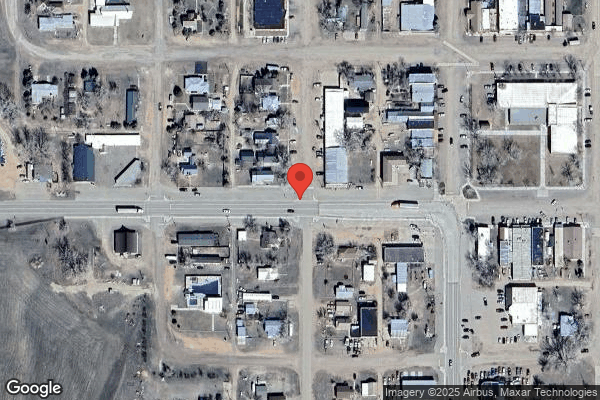
POWDER RIVER MANOR

104 N TRAUTMAN, BROADUS, MT 59317 (406) 436-2646
Government - County 41 Beds Independent Data: November 2025 1 Immediate Jeopardy citation
Trust Grade
28/100
#19 of 59 in MT
Last Inspection: March 2025

Within standard 12-15 month inspection cycle. Federal law requires annual inspections.

Overview

Powder River Manor has received a Trust Grade of F, indicating significant concerns about the quality of care provided. Ranking #19 out of 59 facilities in Montana places it in the top half, but this is overshadowed by its poor overall trust score. The facility is worsening, with issues increasing from 7 in 2024 to 14 in 2025. Staffing is a strength, boasting a 5/5 rating with a turnover rate of 52%, which is slightly below the state average. However, the facility faces serious concerns, including $109,620 in fines, which is higher than 96% of other Montana facilities, and a critical finding where fall prevention measures were inadequate, resulting in multiple injuries for residents.

Trust Score
F
28/100
In Montana
#19/59
Top 32%
Safety Record
High Risk
Review needed
Inspections
Getting Worse
7 → 14 violations
Staff Stability
⚠ Watch
52% turnover. Above average. Higher turnover means staff may not know residents' routines.
Penalties
✓ Good
$109,620 in fines. Lower than most Montana facilities. Relatively clean record.
Skilled Nurses
✓ Good
Each resident gets 63 minutes of Registered Nurse (RN) attention daily — more than 97% of Montana nursing homes. RNs are the most trained staff who catch health problems before they become serious.
Violations
⚠ Watch
25 deficiencies on record. Higher than average. Multiple issues found across inspections.
★★★★☆
4.0
Overall Rating
★★★★★
5.0
Staff Levels
★★★★★
5.0
Care Quality
★★☆☆☆
2.0
Inspection Score
Stable
2024: 7 issues
2025: 14 issues

The Good

  • 5-Star Staffing Rating · Excellent nurse staffing levels
  • 5-Star Quality Measures · Strong clinical quality outcomes
  • Full Sprinkler Coverage · Fire safety systems throughout facility
  • No fines on record

Facility shows strength in staffing levels, quality measures, fire safety.

The Bad

Staff Turnover: 52%

Near Montana avg (46%)

Higher turnover may affect care consistency

Federal Fines: $109,620

Well above median ($33,413)

Significant penalties indicating serious issues

The Ugly 25 deficiencies on record

1 life-threatening 3 actual harm
Sept 2025 2 deficiencies
CONCERN (D) 📢 Someone Reported This

A family member, employee, or ombudsman was alarmed enough to file a formal complaint

Potential for Harm - no one hurt, but risky conditions existed

Deficiency F0577 (Tag F0577)

Could have caused harm · This affected 1 resident

Based on observation and interview, the facility failed to ensure readily available results of surveys completed by the State Survey Agency were located in a publicly accessible area. This failure wou...

Read full inspector narrative →
Based on observation and interview, the facility failed to ensure readily available results of surveys completed by the State Survey Agency were located in a publicly accessible area. This failure would affect any person wishing to view the survey results. Findings include:During an observation on 9/8/25 at 1:18 p.m., the facility had a wall-mounted file holder viewable upon entrance into the facility's building, located on the wall of the common area TV room. The holder had a label with the words printed on it, SURVEY RESULTS. The holder did not have any binder or documents to view.During an observation on 9/10/25 at 8:22 a.m., the facility did not have any binder or documents to view in the same entry area wall-mounted file holder.During an interview on 9/10/25 at 10:12 a.m. staff member D stated she did not realize the binder with results from surveys was not available in the file holder. Staff member D stated she would check to see where it might be.During an interview on 9/10/25 at 10:51 a.m. staff member D stated she did not know why the binder had not been available in the file holder. Staff member D stated it could have been pulled to the nurses station for something and just not returned. Staff member D stated, It's one of those things, just in walking by it every day, you forget to think of that being there or not.
CONCERN (D) 📢 Someone Reported This

A family member, employee, or ombudsman was alarmed enough to file a formal complaint

Potential for Harm - no one hurt, but risky conditions existed

Deficiency F0578 (Tag F0578)

Could have caused harm · This affected 1 resident

**NOTE- TERMS IN BRACKETS HAVE BEEN EDITED TO PROTECT CONFIDENTIALITY** Based on interview and record review, the facility failed to ensure a completed POLST form with physician signature was readily ...

Read full inspector narrative →
**NOTE- TERMS IN BRACKETS HAVE BEEN EDITED TO PROTECT CONFIDENTIALITY** Based on interview and record review, the facility failed to ensure a completed POLST form with physician signature was readily accessible in the hard chart and the electronic medical record for 1 (#5) of 5 sampled residents. Findings include:During a record review of resident #5's POLST, dated [DATE], showed No CPR and selective treatment was selected, and the form was filled by the resident's responsible party. The form was not signed by resident #5's responsible party. The form was not signed by the provider, it was without a date, and there was not a printed name of the provider.During an interview on [DATE] at 11:23 a.m., staff member F stated admission forms, including POLST forms, were reviewed by staff member F, the resident or responsible party, and or family member. Staff member F stated some forms were given to the resident or responsible party to fill out ahead of time, before entering the facility. Staff member F stated she was not sure why resident #5's POLST had not been completed and filled out with the responsible party signature, provider signature, and date.Review of a facility policy titled, Advance Directives, revised [DATE], showed: . The facility defines the following in accordance with current OBRA definitions and guidelines:. a. Advance care planning - a process of communication between individuals and their healthcare agents to understand, reflect on, discuss, and plan for future healthcare decisions for a time when individuals are not able to make their own healthcare decisions. h. Physician Orders for Life-Sustaining Treatment (or POLST) . form - a form designed to improve patient care by creating a portable medical order form that records patients treatment wishes so that emergency personnel know what treatments the patient wants in the event of a medical emergency .Review of a document provided by the facility, Directions for Health Care Professionals, revised [DATE], showed: Completing POLST . Provider signature must be a Montana licensed physician, advanced practice registered nurse or physician assistant. Patient (or legal decision-maker, if patient unable to make medical decisions) must sign to be valid.
Mar 2025 12 deficiencies 1 Harm
SERIOUS (G) 📢 Someone Reported This

A family member, employee, or ombudsman was alarmed enough to file a formal complaint

Actual Harm - a resident was hurt due to facility failures

Deficiency F0726 (Tag F0726)

A resident was harmed · This affected 1 resident

Based on interview and record review, the facility failed to ensure staff were performing cares within their scope of practice; failed to ensure sufficient supervision; and failed to ensure nursing st...

Read full inspector narrative →
Based on interview and record review, the facility failed to ensure staff were performing cares within their scope of practice; failed to ensure sufficient supervision; and failed to ensure nursing staff performed adequate pain assessment and ongoing monitoring for the application of a heat pack for 1 (#9) of 16 sampled residents. The facility's failures resulted in the development of a partial thickness facial burn for one resident and increased the risk of serious injuries for any resident in need of heat pack application. Findings include: During an interview on 3/11/25 at 10:12 a.m., resident #9 reported he received a burn to his left face approximately five or six months ago when he reported a toothache. During an interview on 3/12/25 at 1:45 p.m., staff member D stated, We don't use hot packs here at all. There was an incident with one in the past. During an interview on 3/12/25 at 2:40 p.m. regarding the 7/1/25 burn incident reported by resident #9, staff member A stated, The CNA went back to physical therapy without permission and got a heat pack from the hydrocollator. As an OT (occupational therapist), I have had to have specialized modality training on how to use a hydrocollator heat pack. Those packs can get up to 165 degrees (Fahrenheit) or so. That was a bad deal. During a telephone interview on 3/12/25 at 3:28 p.m., staff member G stated the CNA staff did occasionally use heat packs, as needed. She had been shown how to access and use the hydrocollator, located in the physical therapy department. Staff member G was unable to recall who trained her on the use of the hydrocollator. Staff member G stated on the day of the injury, she notified staff member H of resident #9's request for a heat pack for his dental pain, and she would get one from the physical therapy department. Staff member H stated Okay. Staff member G obtained the heat pack from physical therapy, and applied it to resident #9's face. Staff member G stated she then became busy and did not get back to remove the pack until 30-40 minutes later. Staff member G did not know if staff member H had assessed or monitored the resident before, during, or after the heat application. Staff member G stated when she removed the heat pack, resident #9' face was reddened, and reported the redness to staff member H. Staff member G stated she thought the redness would go away after the removal of the pack. The following morning, staff member G noted there was blistering on resident #9's face. Staff member G stated she knew the burn was from the heat pack application the day prior and reported it to the nurse on duty. Staff member G stated the staff were no longer allowed to use heat packs in the facility because of resident #9's burn injury. An interview attempt with staff member H was made by phone on 3/12/25 at 3:18 p.m. No return call from staff member H was received by the end of the survey period. During an interview on 3/12/25 at 4:00 p.m., staff member C stated the heat pack policy was being updated to show only therapy can use the hydrocollator, but it had not yet been updated, due to administrative staff changes. Staff member C stated all staff were educated by email and instructed to no longer apply heat packs to any resident. Review of resident #9's nursing progress notes, dated 7/1/25, showed, . No c/o mouth/gum pain. No request for prn medication. There were no additional notes on this date to show the assessment, application of heat, monitoring, or follow-up. Review of resident #9's nursing progress notes, dated 7/2/25, showed, . NOC nurse reported to this RN at 0600 (6:00 a.m.) that resident had blisters on the left side of his cheek from a heat pack that was put on his face to help with oral pain. Heat pack was on too long and resident has developed blistering. Assessment of site Revealed the entire area from the left jaw to above his ear was red. Blisters noted from left cheek to left jaw line. All intact. Resident did allow this RN to place a cool compress on the left side of his face for pain and swelling. Will pass this onto the night nurse and DON. [sic] Review of a facility document, titled, Policy: Hydrocollator and Moist Heat Pack Usage, with an effective date of 3/8/23, showed, Only PT, OT, or CHARGE NURSE are permitted to utilize hydrocollator and/or MHPs . [sic]
CONCERN (D) 📢 Someone Reported This

A family member, employee, or ombudsman was alarmed enough to file a formal complaint

Potential for Harm - no one hurt, but risky conditions existed

Investigate Abuse (Tag F0610)

Could have caused harm · This affected 1 resident

Based on interview and record review, the facility failed to accurately document an event sent to the State Survey Agency regarding a resident-sustained facial burn and the resident had pain, due to t...

Read full inspector narrative →
Based on interview and record review, the facility failed to accurately document an event sent to the State Survey Agency regarding a resident-sustained facial burn and the resident had pain, due to the application of a heat pack, and failed to provide accurate documentation of the facility's investigative findings, for 1 (#9) of 16 sampled residents. Findings include: During an interview on 3/11/25 at 10:12 a.m., resident #9 reported he had received a burn to his left cheek and ear, approximately five or six months ago, from a heat pack applied for a toothache. During a phone interview on 3/11/25 at 4:15 p.m., NF6 stated he received a complaint from resident #9 pertaining to receiving a burn. NF6 stated he saw the facial burn approximately one week after the incident. At the time of his visit, NF6 stated, There was no blistering remaining, but the entire cheek, from top of the ear to the left jawline, was quite red, inflamed, and was reported by [Resident #9] to be painful. During a phone interview on 3/12/25 at 1:15 p.m., NF5 stated resident #9's left face was red and blistered from the hairline above the ear to the jawline. NF5 stated, His (Resident #9's) face was so red, blistered, and sore looking, that I thought maybe he had shingles, until they (staff) told me what happened. Review of a Facility-Reported event, submitted to the State Survey Agency on 7/2/25, showed resident #9 sustained a . red area on residents left upper cheek and ear . We did not have to do any medical treatment to the area. [sic] Review of the facility's report of findings, submitted to the State Survey Agency on 7/3/25 showed, No need for treatment as there were only a couple small blisters less than 2mm in size on one ear. Review of resident #9's nursing progress notes, dated 7/2/25, showed, . the entire area from the left jaw to above his ear was red. Blisters noted from left cheek to left jaw line. Review of resident #9's electronic medical record, dated 7/2/25, showed a verbal order was requested by nursing for aloe vera topical cream for the burn. Review of resident #9's nursing progress notes, dated 7/5/25, showed, .Cheek and upper neck are swollen and hot to the touch with more blistering than noted yesterday. Aloe applied to burn and surrounding areas. Ice pack applied for 10 minutes to help with swelling. Resident stated, 'My jaw feels swollen and puffy. It kind of hurts a little too.' Contacted DON to have someone look at the area. Review of resident #9's physician progress notes, dated 7/8/25, showed . 1. Burn of second degree of head, face, and neck, unspecified site, initial encounter - T20.20XA (Primary) . Notes: Will monitor skin closely. I question the start of impetigo to some of the burn, but will see how he responds to the oral antibiotic I am giving him for the oral infection. Will recheck patient on Wednesday. RN staff can continue topical aloe vera. [sic] Review of the facility policy titled, Incident Reporting, dated 8/26/24, showed, Procedure for Filing an Initial Report . 10. The extent of any injuries: and . the outcome of your investigation.
CONCERN (D)

Potential for Harm - no one hurt, but risky conditions existed

Deficiency F0621 (Tag F0621)

Could have caused harm · This affected 1 resident

Based on observations, interviews, and record review, the facility failed to implement equal practices during the admission process, by failing to complete admissions on residents entering the facilit...

Read full inspector narrative →
Based on observations, interviews, and record review, the facility failed to implement equal practices during the admission process, by failing to complete admissions on residents entering the facility for respite care for 1 (#77) of 16 sampled residents. This deficient practice placed residents at risk for staff providing effective, person-centered care. Findings include: During an observation on 3/10/25 at 3:15 p.m., resident #77 was in her room, with no name on the door, and was not listed on the census list provided by the facility. During an interview on 3/10/25 at 3:30 p.m., staff member C stated resident #77 was a respite patient, and the facility did not fully admit respite patients. Staff member C stated residents who were on respite stays would not be included in the census. Staff member C stated the facility accepted respite patients regularly and did not admit them the way they did for regular admissions. Staff member C stated a paper chart was started for respite patients, including a paper MAR, a facility contract, an initial assessment, and nursing notes. Staff member C stated respite patients were not in the facility long enough to warrant a full admission. Staff member C stated a care plan and emergency preparedness were not necessary because the census was small, and everyone knows the residents who were at the facility for respite stays. Review of resident #77's paper chart reflected: - A respite care contract between the facility and resident #77 for Full Day-$203.00 all-inclusive services; - A POLST; - An initial Nursing Assessment; - Nursing Progress Notes dated 3/7/25 through 3/10/25; -MAR listing seven medications; and - Contact List The paper chart did not include physician orders, history & physical, discharge summary, emergency preparedness documents, or baseline care plan. During an interview on 3/11/25 at 12:06 p.m., staff member C stated the facility did not have any policies related to respite services. Review of the facility's policy, admission of a Resident, with a revision date of 2025, reflected: - The admission process is intended to obtain all possible information regarding the resident for the development of the comprehensive plan of care, and to assist the resident in becoming comfortable in the facility. Residents are admitted to the facility under orders of the attending physician. Request for a policy and procedure for respite admissions was made on 3/11/25 at 11:22 a.m. Staff member C reported back at 12:00 p.m., there was no policy or procedure related to respite care.
CONCERN (D)

Potential for Harm - no one hurt, but risky conditions existed

Deficiency F0655 (Tag F0655)

Could have caused harm · This affected 1 resident

Based on observations, interviews, and record review, the facility failed to complete a baseline care plan for 1 (#77) of 16 sampled residents. This deficient practice put the resident at risk for bed...

Read full inspector narrative →
Based on observations, interviews, and record review, the facility failed to complete a baseline care plan for 1 (#77) of 16 sampled residents. This deficient practice put the resident at risk for bedside staff to be unaware of resident care needs and providing effective, person-centered care. Findings include: During an observation on 3/10/25 at 3:15 p.m., resident #77 was in her room, with no name on the door, and was not listed in the census list provided. During an interview on 3/10/25 at 3:30 p.m., staff member C stated resident #77 was a respite patient, who entered the facility on 3/7/25, and the facility did not fully admit respite patients. Staff member C stated a care plan was not necessary because the census was small, and everyone knows the residents who were at the facility for respite stays. Review of resident #77's paper chart did not include a baseline care plan. Review of the facility's policy, Baseline Care Plans, dated August 2024, reflected: - 1. The baseline care plan will: a. Be developed within 48 hours of a resident's admission. b. Include the minimum healthcare information necessary to properly care for a resident including, but not limited to: i. Initial goals based on admission orders. ii. Physician orders. iii. Dietary orders. iv. Therapy orders. v. Social services .
CONCERN (D)

Potential for Harm - no one hurt, but risky conditions existed

Deficiency F0657 (Tag F0657)

Could have caused harm · This affected 1 resident

Based on observations, interviews, and record review, the facility failed to complete timely revisions to comprehensive fall care plans for 1 (#18) of 16 sampled residents. The failure to update the f...

Read full inspector narrative →
Based on observations, interviews, and record review, the facility failed to complete timely revisions to comprehensive fall care plans for 1 (#18) of 16 sampled residents. The failure to update the fall care plan caused staff confusion and increased the risk of additional falls resulting in injuries. Findings include: During an observation on 3/11/25 at 7:32 a.m., resident #18 was in his bed wearing white crew socks without grips, there were no grip strips on floors, the bedside table was next to his bed, and the door to the hallway was closed. The ghost alarm was turned off. No Falling Star magnet (visual tool for staff to know when a resident had frequent falls) was on the door. During an observation on 3/11/25 at 12:09 p.m. through 3:20 p.m., resident #18 was in his wheelchair without foot rests, by the nurses' station, slumped over. Resident #18 was wearing white crew socks without grips on the bottoms. Resident #18 did not move from the nurse's station during the observation period. During an observation on 3/11/25 at 3:58 p.m., resident #18's chair alarm wire was not connected to the chair alarm device, rendering the device inoperable. During an interview on 3/11/25 at 12:48 p.m., staff member G stated resident #18's care plan fall interventions were a fall mat next to the bed, a ghost alarm for when he is in his room, and a tabs alarm on his wheelchair. Staff member G was not aware of any other interventions. Staff member G stated the interventions changed frequently, so it was hard to keep track of what was current. During an observation on 3/12/25 at 7:10 a.m., resident #18 was sitting by the nurses' station sleeping in his wheelchair, without foot rests, with white crew socks on his feet. During an observation on 3/12/25 at 7:30 a.m., resident #18 was located in the dining room, and his chair alarm wire was not connected to the chair alarm device, rendering the device inoperable. During an interview on 3/12/25 at 7:34 a.m., staff member C stated, The alarms only work if the alarm wire is connected. Review of resident #18's Fall care plan, with a revision date of 6/20/24, reflected: - CURRENT INTERVENTIONS: - 3/6/25 put dycum non slip mat in seat of wheelchair and between sensor pad and gel pad in the wheelchair seat and gel pad is to be only cushion in wheelchair, put non slip socks on. - .1/22/24: Make sure bed alarm pad is connected to alarm box, - 7/23/24: Bed pad (sensor pad) alarm to be used while resident is in bed. - 6/16/24: grip strips were placed in front of my bed and recliner to help prevent my feet from slipping. - 5/10/24: continue with ghost alarm, staff will loudly announce presence and P.T. suggested having staff walk him to and from meals and any time he wants to use walker to help build back some strength and stamina, - 12/5/23: Wake resident every two hours starting at midnight to toilet. Remove bedside table from room to decrease clutter on resident's side of room. - 10/9/23: Falling star program. [sic] During an interview on 3/11/25 at 4:05 p.m., staff member E stated resident #18 had not walked for months, had a bedside table since admission, and she had not seen anyone use the bed alarm. Staff member E stated she also thought the staff was supposed to use a fall mat on the floor when he was in bed, but she had not seen it the last few days.
CONCERN (D)

Potential for Harm - no one hurt, but risky conditions existed

Deficiency F0658 (Tag F0658)

Could have caused harm · This affected 1 resident

Based on observation, interview, and record review, facility staff failed to uphold professional standards by not following the physician orders to check the wanderguard function daily, for 1 (#20) of...

Read full inspector narrative →
Based on observation, interview, and record review, facility staff failed to uphold professional standards by not following the physician orders to check the wanderguard function daily, for 1 (#20) of 16 sampled residents. The failure increased the risk for elopement and serious harm to the resident. Findings include: During an observation on 3/11/25 at 3:25 p.m., resident #20 was observed wandering the halls, peering into resident rooms, staff offices, and peering out of the exterior door window. Resident #20 was wearing a wanderguard bracelet at the time of the observation. During an interview on 3/12/25 at 2:12 p.m., staff member D stated resident #20 had eloped at some time in the past, and so she had the wanderguard on to prevent another elopement. Staff member D stated the wanderguards were tested daily by the nurses. During an interview on 3/12/25 at 3:50 p.m., staff member C stated she placed the wanderguard checks on the TARs specifically to prevent them from being overlooked. Staff member C stated the EHR system flags the nurses for incomplete orders during their shift, and therefore it would be difficult to forget to follow or complete an order because, all they have to do is log in, and it flashes at them. Review of resident #20's physician order, dated 3/8/24, showed, Check wanderguard function daily. Review of resident #20's treatment administration records for the period of 12/1/24 through 2/28/25, showed staff failed to follow the physician's order on 24 separate dates within the three month review period, which represented a 27% failure rate. Review of a facility document titled, Elopements and Wandering Residents, dated 8/26/24, showed, The facility shall establish and utilize a systematic approach to monitoring and managing residents at risk for elopement or unsafe wandering, including identification and assessment of risk evaluation and analysis of hazards and risks, implementing interventions to reduce hazards and risks, and monitoring for effectiveness . Review of wanderguard operating instructions, located at https://www.manualslib.com/manual/1339810/Wanderguard-18029.html#manual, accessed on 3/20/25, showed . [Wanderguard] Bracelets must be tested daily. IMPORTANT: Failure to replace the bracelet 'on time' could result in injury to or the death of a person in your care.
CONCERN (D)

Potential for Harm - no one hurt, but risky conditions existed

Accident Prevention (Tag F0689)

Could have caused harm · This affected 1 resident

Based on observations, interviews, and record review, the facility failed to ensure fall interventions were followed by staff for 1 (#18); and failed to ensure staff followed needle safety techniques ...

Read full inspector narrative →
Based on observations, interviews, and record review, the facility failed to ensure fall interventions were followed by staff for 1 (#18); and failed to ensure staff followed needle safety techniques for 1 (#5) of 16 sampled residents. These deficient practices placed the resident at risk for increased falls for #18 and staff needle injuries. 1. During an observation on 3/11/25 at 7:32 a.m., resident #18 was in his bed wearing white crew socks, not non-skid socks. There were no grip strips on floors, the bedside table next to his bed, and the door to the hallway was closed. The ghost alarm (motion alarm) was turned off. No Falling Star magnet (visual tool for staff to know when a resident had frequent falls) was on the door. During an observations on 3/11/25 from 12:09 p.m. through 3:20 p.m., resident #18 was in his wheelchair without foot rests, by nurses' station, slumped over. Resident #18 did not move from the nursing station during the observation period. During an observation on 3/11/25 at 3:58 p.m., resident #18's chair alarm wire was not connected to the chair alarm device, rendering the device inoperable. During an interview on 3/11/25 at 4:05 p.m., staff member E stated resident #18 had not walked for a long time, had a bedside table for months (at least before Christmas), and no one was using the bed alarm, as far as she knew. Staff member E stated she was not aware no one had taken resident #18 to the toilet since before 12:09 p.m. During an observation on 3/12/25 at 7:30 a.m., resident #18 was located in the dining room and his chair alarm wire was not connected to the chair alarm device, rendering the device inoperable. During an interview on 3/12/25 at 7:34 a.m., staff member C stated, The alarms only work if the alarm wire is connected. During an observation and interview on 3/12/25 at 11:40 a.m., staff member A stated, The team (management) was aware the alarms not being turned on was a problem, and we are going to be restarting audits. Staff member A and this surveyor went to the fireside room, where resident #18 was sleeping in a manual recliner, with his feet up on the footrest, no dycum in the chair, no bell to call for assistance, his tabs alarm not attached, and he did not have non-skid socks on. Staff member A stated this was not acceptable, and she would reeducate the CNAs. Staff member A stated resident #18 would not be able to lower the footrest on his own. Review of resident #18's Fall care plan, with a revision date of 6/20/24, reflected: - CURRENT INTERVENTIONS: - 3/6/25 put dycum nonslip mat in seat of wheelchair and between sensor pad and gel pad in the wheelchair seat and gel pad is to be only cushion in wheelchair, put non slip socks on, - .1/22/25: Make sure bed alarm pad is connected to alarm box, - 1/7/25: Use tabs alarm in wheelchair d/t sensor pad not working with WC cushion, - 9/14/24: Sensor alarm placed in wheelchair, tabs can be used if sensor alarm box is not functioning or if parts are on order, - 8/12/2024: 2-hour toileting program 24/7 to prevent resident from self-transferring to bathroom, - 7/30/2024: fall mat to be placed next to bed when resident is in bed (Removed in December 2024). CNA and Nurses will also be educated on alarm use at their monthly meetings in August. - 7/23/24: Bed pad (sensor pad) alarm to be used while resident is in bed. - 6/20/2024: The falls team tracked and trended my recent falls and put into place the following interventions: hourly checks, shorten my TABS alarm string, have the RNA help me with dressing in the morning, and place me in a Geri chair after supper. - 6/16/24: grip strips were placed in front of my bed and recliner to help prevent my feet from slipping. - 6/3/24: TABS alarm on my wheelchair because I am unsteady on my feet and like to self-transfer. - 5/10/24: continue with ghost alarm, staff will loudly announce presence and PT suggested having staff walk him to and from meals and any time he wants to use walker to help build back some strength and stamina. - 5/9/2024: Remind resident to remain seated while changing or putting on clothes. - 5/8/2024: Ghost alarm to be placed under my bedside table when I am in my room because I am unsteady on my feet after my recent hospitalization. - 12/5/23: Wake resident every two hours starting at midnight to toilet. Remove bedside table from room to decrease clutter on resident's side of room. - 10/9/23: Falling star program. [sic] Review of resident #18's fall history reflected resident #18 had 18 falls in a 12-month period from 3/30/24 to 3/6/25. 2. During an observation and interview on 3/12/25 at 10:58 a.m., staff member D administered 36 units of Tresiba FlexTouch Subcutaneous Solution Pen-injector 100 UNIT/ML to resident #5. After administration, staff member D recapped the Tresiba pen and placed the pen in the tray with clean supplies. After leaving the room, staff member D stated the facility did not supply sharps containers to carry around to the room while obtaining blood sugars and administering medications requiring needles. Staff member D stated she recaps the needles and puts the needles in the sharps container when she returns to the medication room. During an interview on 3/12/25 at 12:05 p.m., staff member A stated the staff should never recap needles due to the risk of accidental needle sticks. Staff member A stated the facility would be ordering mini sharps containers for the staff to use. Review of a facility policy, Regulated (Biohazard) Medical Waste, dated 2024, reflected: - . 8. Contaminated needles and other contaminated sharps will not be bent, recapped, or removed. - 9. Contaminated sharps will be placed in appropriate sharps containers located at the point of use .
CONCERN (D)

Potential for Harm - no one hurt, but risky conditions existed

Respiratory Care (Tag F0695)

Could have caused harm · This affected 1 resident

Based on observations, interviews, and record review, the facility failed to ensure a resident in respiratory distress, who was coughing and unable to breathe, and afraid he was dying due to it, was p...

Read full inspector narrative →
Based on observations, interviews, and record review, the facility failed to ensure a resident in respiratory distress, who was coughing and unable to breathe, and afraid he was dying due to it, was provided respiratory care and assessed as needed, for 1 (#23) of 16 sampled residents. Findings include: During an observation and interview on 3/10/25 at 2:44 p.m., resident #23 was in his bed coughing and gurgling, and coughing up phlegm. Staff member B entered the room and sat resident #23 up in bed and went to get medications for the cough. Staff member H entered the room and stated she was giving resident #23 cough syrup, cough drops, and his inhaler. Staff member H stated all of resident #23's vitals were normal, so the doctor was not notified. Staff member B stated vitals are done weekly unless a resident is on daily vitals orders. No respiratory assessment was done for the resident during this observation. Resident #23 asked if the surveyor could find him a way to the hospital because he was dying. During an interview on 3/11/25 at 12:20 p.m., NF2 and NF3 visited resident #23. NF3 stated the doctor saw resident #23 a few weeks ago, and had concerns about aspiration of food leading to pneumonia. NF3 stated she had voiced concerns about the long wait to be seen for a swallow evaluation, but was told due to the rural area, the wait would be another month out (April). NF3 stated resident #23 had been coughing and getting worse for a few weeks and nothing was being done. During an observation on 3/11/25 at 2:11 p.m., staff member D entered the room of resident #23. Resident #23 stated, I'm congested in my lungs and I'm coughing a lot. I've been using the inhaler quite a bit, but it's not helping. It usually helped in the past but isn't helping this time. Staff member D offered resident #23 his inhaler and some cough syrup. Resident #23 declined the medications stating they did not help. During an interview on 3/11/25 at 2:15 p.m., staff member D stated vitals were not taken because the protocol for resident #23 did not include daily vitals. When asked, staff member D stated she did not do a respiratory assessment of resident #23's lungs because she felt resident #23 simply needed to use his inhaler. Staff member D stated she did respiratory assessments when she worked at the hospital but long term care facilities do not do respiratory assessments. During an observation on 3/11/25 at 2:21 p.m., staff member D entered resident #23's room and completed a set of vitals to include: blood pressure 111/57, pulse 63, temperature 97.5, oxygen saturation 89%. Staff member D assessed resident #23's lungs and stated the following: Upper lungs were clear, right mid-line wheezing, and lower bilateral lungs had coarseness. Staff member D stated she would notify the physician's office and put resident #23 on the list of residents to be seen when the doctor comes to the facility on 3/12/25. During an interview on 3/11/25 at 3:43 p.m., staff member C stated she reviewed resident #23's chart, and the nurses should be doing more assessment than what was in the chart. Staff member C stated a respiratory assessment should be done and vitals completed each shift. Staff member C stated the CNAs put vitals on a worksheet and turn them into the nurse, and she was not sure why the oxygen saturations were missing in the EHR vitals from 2/28/25 through 3/11/25. During an interview on 3/11/25 at 4:40 p.m., staff member B stated resident #23 was assessed by the physician a few weeks ago and a chest x-ray was done. Staff member B stated the x-ray was clear on 2/18/25 and guaifenesin was ordered for his cough and wheeze. Staff member B stated the swallow evaluation was ordered on 2/28/25, and the appointment was made for mid-April. Staff member B stated the rural area created a barrier to obtaining a swallow evaluation any sooner. Staff member B stated a nursing assessment would be the standard for any change in resident #23's condition, and she had not been informed of a change in his condition. Staff member B stated resident #23's complaints of not being able to breathe, oxygen saturations of 87-89%, and coarseness in the lower lobes would constitute a change in condition and would warrant further assessment and notification to the physician. During an observation and interview on 3/12/25 at 3:30 p.m., NF1 was in the facility and entered resident #23's room. Resident #23 told NF1 the cough was coming and going, but when it came, he could not stop it, and some days it (the cough) was just continuous all day. Resident #23 stated, I feel like I'm choking when I eat, and I have to get up from the dining room and cough up my meal. It's really scaring me. I seem better during the middle of the day and when I'm up for the day. Last night I woke up and simply could not breathe, doc you got to help me. NF1 stated she was concerned with possible postnasal drip and potential aspiration risks. NF1 stated she would be ordering a chest x-ray, would check on the swallow evaluation appointment, a nasal spray for the nasal drip, head of bed elevation, and remaining up for 60-90 minutes after meals to allow for stomach emptying. Resident #23 stated he was grateful for her visit. Review of the facility policy titled, INTERACT CARE PATH Symptoms of shortness of breath, revision date 8/21, reflected: - . Evaluate Symptoms and Signs for Immediate Notification* - Cough with or without sputum production - Inability to eat or sleep due to SOB - Abnormal lung sounds (wheezing, rales, rhonchi, etc. ) - Edema - Change in mental status - New irregular pulse - Cardiovascular - Respiratory - Signs and symptoms suggest possible sepsis** .
CONCERN (D)

Potential for Harm - no one hurt, but risky conditions existed

Unnecessary Medications (Tag F0759)

Could have caused harm · This affected 1 resident

Based on observations, interviews, and record review, the facility failed to ensure medication error rates were under 5% for 2 (#s 9 and 13) of 6 sampled residents for medication errors. The calculate...

Read full inspector narrative →
Based on observations, interviews, and record review, the facility failed to ensure medication error rates were under 5% for 2 (#s 9 and 13) of 6 sampled residents for medication errors. The calculated medication error rate was 7.69%. Findings include: 1. During an observation and interview on 3/11/25 at 12:58 p.m., staff member I was administering medications to resident #9. Staff member I administered a pea size amount of Voltaren gel to each knee. Staff member I stated she did not usually apply the gel to his ankles because he usually had compression wraps on from his knees to his toes, and she did not want to create more work for the nurse. Staff member I stated she was aware of the plastic measuring tool to ensure enough gel was applied but forgot to grab it when prepping resident #9's medications. When asked, staff member I was unable to determine how much other nurses would have administered during the day because this was not included on the MAR as an option. Review of resident #9's medication order reflected, Voltaren External Gel 1%. Apply to knees/ankles topically three times a day for pain. The sticker order on the medication tube reflected: - Apply topically to affected areas three times daily ***Max 32 GM daily*** 2. During an observation and interview on 3/12/25 at 8:22 a.m., staff member D was preparing resident #13's medications. Staff member D stated she crushed his medications and added the powder to applesauce. One of the medications she prepped was Guaifenesin 400 mg. Staff member D crushed the Guaifenesin and added it to the applesauce. Staff member D then administered the medications with the applesauce. Staff member D stated she had not noticed the DO NOT CRUSH sticker on the pill card, and she was trained to crush his medications, or he would not take them. Review of Drugs.com Guaifenesin, accessed on 3/17/25, at https://www.drugs.com/guaifenesin.html, reflected: - Do not crush, chew, break, or open a controlled-release, delayed-release, or extended-release tablet or capsule. Swallow it whole. Breaking or opening the pill may cause too much of the drug to be released at one time. Review of the facility's policy, Medication Administration, dated 2024, reflected: - 17. Administer medication as ordered in accordance with manufacturer specifications. - . c. Crush medications as ordered. Do not crush medications with do not crush instructions.
CONCERN (D)

Potential for Harm - no one hurt, but risky conditions existed

Deficiency F0887 (Tag F0887)

Could have caused harm · This affected 1 resident

Based on interview and record review, the facility failed to provide COVID-19 vaccinations for residents requesting the vaccine for 2 (#s 9 and 10) of 5 residents sampled for vaccinations. This defici...

Read full inspector narrative →
Based on interview and record review, the facility failed to provide COVID-19 vaccinations for residents requesting the vaccine for 2 (#s 9 and 10) of 5 residents sampled for vaccinations. This deficient practice increased the risk of COVID-19 infections for residents in the facility. Findings include: 1. During an interview on 3/11/25 at 3:31 p.m., staff member C stated two of the five sampled residents did not receive their COVID-19 vaccine, as requested. During a phone interview on 3/12/25 at 1:15 p.m., NF5 stated she did sign an approval for the COVID-19 vaccine for resident #9 last fall, and assumed the vaccine had been administered. Review of a facility document titled, Vaccine Intake and Annual Consent, dated 10/28/24, showed NF5's signed approval for resident #9 to receive the COVID-19 vaccine. 2. Review of a facility document titled, Vaccine Intake and Annual Consent, dated 10/23/24, showed resident #10's POA's signed approval for resident #10 to receive the COVID-19 vaccine. Review of a facility written statement, undated, provided by staff member C to the surveyors on 3/11/25, showed, We did not get all the flu vaccinations done until first week of November 2024. We decided to wait at least a month before giving the COVID-19 booster shots. With holidays and staffing changes and illnesses going through the facility staff and residents, the COVID-19 booster shots have not been given yet for [resident #9] and [resident #10]. [sic] The delay for administration of the requested COVID-19 vaccines was greater than five months at the time of the survey. Review of the facility document titled, Resident COVID-19 Vaccination, dated 2/7/23, showed, . To minimize the risk of residents acquiring, transmitting, or experiencing complications from COVID-19 by ensuring that each resident . has the opportunity to receive the COVID-19 vaccine, unless medically contraindicated, refused, or has already been immunized .
CONCERN (E)

Potential for Harm - no one hurt, but risky conditions existed

Deficiency F0761 (Tag F0761)

Could have caused harm · This affected multiple residents

Based on observations and interviews, the facility failed to ensure opened facility-wide use medications were labeled with an expiration date when stored in the medication cart; and expired products i...

Read full inspector narrative →
Based on observations and interviews, the facility failed to ensure opened facility-wide use medications were labeled with an expiration date when stored in the medication cart; and expired products in the medication room were disposed of. This deficient practice increased the risk of adversely affecting any resident who was taking these medications or using an inaccurately calibrated glucose monitor. Findings include: During an observation on 3/11/25 at 4:37 p.m., with staff member I, the following items were found: - Robafen DM with no open date, almost empty, - Maxtussin Mucus and chest congestion with no date and was half empty, - Mintox Max antacid with no open date and almost empty, - Cholestyramine 4 gm with no open date, - Metrix level 2 3ml Control solution, expired on 2/28/25, and - 8 IV extension tubing set, expired 4/2021. During an interview on 3/12/25 at 8:13 a.m., staff member D stated all medications were to be marked with an open date, once opened, and disposed of when expired. During an interview on 3/12/25 at 11:40 a.m., staff member C stated all medications were required to be labeled with open dates, and the medication cart and medication room were regularly checked for expired medications and products. Staff member C stated she was unable to locate a policy for medication storage and disposal.
CONCERN (F)

Potential for Harm - no one hurt, but risky conditions existed

Infection Control (Tag F0880)

Could have caused harm · This affected most or all residents

Based on observation, interview, and record review, the facility failed to ensure proper hand hygiene was used for 3 (#s 5, 12, and 18); failed to ensure clean medical equipment (lifts) between reside...

Read full inspector narrative →
Based on observation, interview, and record review, the facility failed to ensure proper hand hygiene was used for 3 (#s 5, 12, and 18); failed to ensure clean medical equipment (lifts) between resident uses for 2 (#s 12 and 18); failed to properly clean blood glucose monitor for 1 (#5); failed to provide effective education related to enhanced barrier precautions (EBP) throughout the facility, and failed to implement the appropriate use of enhanced barrier precautions (EBP) for 1 (#9) of 16 sampled residents. The deficient practices increases the risks of infection for all residents receiving care within the facility. Findings include: 1. During an observation on 3/11/25 at 3:58 p.m., staff member E and F were toileting resident #18, using the sit-to-stand lift. Staff member E began by gloving, without hand hygiene, and moved resident #18 over the toilet. Both staff member E and F removed the soiled brief. Resident #18 urinated. and without removing the dirty gloves, staff members E and F replaced resident #18's brief on and dressed him, while he was in the lift. Staff member E moved resident #18 back to his chair by the nurses' station. After transferring resident #18 out of the sit-to-stand lift, staff member E and F removed their gloves and headed to the next resident without cleaning the sit-to-stand or washing their hands. 2. During an observation on 3/11/25 at 4:05 p.m., staff member E and F entered the room of resident #12 to toilet the resident. Staff member E and F put on gloves, without hand hygiene, between resident #18 and resident #12. Staff member E and F placed resident #12 in the sit-to-stand lift and moved her to the toilet. Staff member E removed resident #12's soiled brief, and then left the room to grab supplies, touching the door handle and stop sign on the door, without degloving, until she returned to the room. Staff member F continued to use the same gloves while staff member E and F placed a clean brief on resident #12 and dressed her. Staff member E and F then moved resident #12 back to the recliner in her room. Wearing the same gloves from the beginning, staff member F assisted resident #12 with a sip of her drink, adding blankets, and clipping her call light to the blankets. Staff member E and F degloved and completed hand hygiene as they exited the room and entered the room of resident #13 with the sit-to-stand lift, without cleaning it first. During an interview on 3/11/25 at 5:00 p.m., staff member E stated hand hygiene should be completed before and after entering or leaving a room, start of shift, when handling trash, and before putting gloves on and after taking gloves off. Staff member E stated she and staff member F talked after the surveyor observation and they knew better, but they were busy. During an interview on 3/11/25 at 5:03 p.m., staff member F stated hand hygiene should be completed before and after meals, using the restroom, after resident care, when blood contact occurs, when leaving the room, and between dirty and clean tasks. Staff member F stated she, Just forgot to, when asked about hand hygiene and cleaning the lift during the surveyor observations. 3. During an observation and interview on 3/12/25 at 10:58 a.m., staff member D went to the activity room to administer Tresiba Flexpen 100 units/ml, 36 units subcutaneously to resident #5. Staff member D completed hand hygiene and gloved, administered the Tresiba to resident #5, then recapped the needle, took the needle off the pen, and placed the pen and capped needle in the white medication tray. Still gloved, staff member D placed her dirty, gloved hand, into the supply tray and pulled out cotton, a lancet, and a glucose monitor. Staff member D completed the blood sugar check and took her gloves off, cleaned the glucose monitor with a mini alcohol pad with her bare hands, placed the monitor back in the supply tray with the lancets, and cotton balls. Staff member D stated she usually used a mini alcohol pad to wipe the glucometer because that was what the facility provided. Review of a facility policy, Handwashing/Hand Hygiene, revised October 2023, reflected: - Hand hygiene is indicated: - a. immediately before touching a resident; - .c. after contact with blood, body fluids, or contaminated surfaces; - d. after touching a resident; - .f. before moving from work on a soiled body site to a clean body site on the same resident; and - g. immediately after glove removal. Review of the facility policy titled, Patient Lifts Safety Guide, no date, reflected: - . Always clean lift before and after each patient use. Disinfect all lift surfaces. Wipe off traces of disinfectant. Review of the facility's policy, Cleaning and Disinfection of Resident-Care Equipment, dated 2024, reflected: - . d. Multiple-resident use equipment shall be cleaned and disinfected after each use. - . h. Use only EPA-registered disinfectants with kill claims for the common organisms found in the facility . 4. During an observation and interview on 3/11/25 at 3:45 p.m., resident #9 was observed in his recliner with his feet elevated. A wound wrap and dressing were noted to resident #9's right lower leg, and a dressing to the left forefoot and heel, covered with a padded dressing. Resident #9 said staff do not wear gowns when they change the dressing, stating, Only gloves. During an observation and interview on 3/12/25 at 4:15 p.m., staff member D was observed changing the dressings on resident #9's wounds. Staff member D was observed wearing gloves, but no gown. When asked about wound precautions, staff member D stated, He used to have MRSA in this wound, but I don't think it's been tested in a long time. When asked about enhanced barrier precautions (EBP), staff member D stated, What is that? During an interview on 3/12/25 at 4:22 p.m., staff member J stated she was not familiar with the terms enhanced barrier precautions or EBP. Staff member J stated there were no residents in the facility at this time that required a gown for cares. During an interview on 3/12/25 at 4:50 p.m., staff member E was asked if she was familiar with enhanced barrier precautions or EBP. Staff member E stated, What is that? No I have never heard of it! Review of resident #9's care plan entry for skin impairment, initiated on 10/15/24, and revised on 3/10/25, showed, I have had MRSA in my ankle wound. Dressing changes and treatment will be done as ordered by provider. Use enhanced barrier precautions for my care if large amounts of drainage from the site. Review of a facility-provided email communication, dated, 3/21/24, from the facility's infection preventionist to licensed nursing staff, showed, . If they are doing usual cares/toileting and the wound remains covered then there is no need for gowning. [sic] Review of facility provided, CMS document, titled, QSO-24-08-NH, dated 3/20/24, showed: . EBP are indicated for residents with any of the following: . Wounds and/or indwelling medical devices even if the resident is not known to be infected or colonized with a MDRO . For residents for whom EBP are indicated, EBP is employed when performing the following high-contact resident care activities: -Dressing -Bathing/Showering -Transferring -Providing hygiene -Changing linens -Changing briefs or assisting with toileting -Device care or use -Wound care: any skin opening requiring a dressing. This document was attached to the email as noted above, which was sent to all licensed nursing staff by the infection preventionist as education. A request for staff education on EBP was requested on 3/11/25 at 4:24 p.m. No additional evidence was provided by the end of the survey period to show EBP training for CNAs, or other department staff, and no additional education for licensed nursing staff other than the email dated 3/21/24.
Dec 2024 1 deficiency
CONCERN (D) 📢 Someone Reported This

A family member, employee, or ombudsman was alarmed enough to file a formal complaint

Potential for Harm - no one hurt, but risky conditions existed

Report Alleged Abuse (Tag F0609)

Could have caused harm · This affected 1 resident

Based on interview and record review, the facility failed to ensure all allegations of neglect by staff were reported to the administrator and State Survey Agency within the required timelines for 2 (...

Read full inspector narrative →
Based on interview and record review, the facility failed to ensure all allegations of neglect by staff were reported to the administrator and State Survey Agency within the required timelines for 2 (#s 1 and 4) of 7 sampled residents. Findings include: During an interview on 12/30/24 at 12:39 p.m., staff member B stated she had witnessed staff member H pushing resident #4 down the hall towards his room. Staff member B stated the resident was sitting on a bath chair and wrapped in a blanket. Staff member B stated staff member H took resident #4 into his room and left him there. Staff member B stated resident #4 began, hollering and yelling for help. Staff member B stated she witnessed staff member G go into the resident's room. Staff member B stated she did not remember how much time elapsed between when staff member H left resident #4 in his room and when staff member G entered the resident's room to help him. During an interview on 12/30/24 at 6:28 p.m., staff member G stated she was working with staff member H on a day shift. Staff member G stated staff member H had given resident #4 a bath and was returning him to his room. Staff member H put resident #4 in his room and left him sitting in a bath chair wrapped up in a blanket. Staff member G stated she heard resident #4 yelling for help, and when she entered the resident's room, she observed resident #4 sitting in the middle of his room, without a call light or any way to summon help. Staff member G stated she asked staff member H why she left the resident alone in his room without a call light. Staff member H stated another CNA was supposed to have gone in and helped him. Staff member G stated she followed the chain of command and reported the incident to staff member I. Staff member G stated she expected staff member I to investigate the incident. During an interview on 12/31/24 at 7:55 a.m., staff member J stated she remembered a day when staff member G gave resident #4 a bath and then left him in his room unattended. Staff member J stated the resident was sitting in a bath chair wrapped in a blanket and had no call light within his reach. Staff member J stated she did not know how much time had passed before resident #4 began yelling for help. Staff member J stated she saw staff member I walking in the hallway when the resident began yelling for help. When asked if she had witnessed any other incidents of possible neglect of care involving staff member H, staff member J stated she had followed staff member H on a day shift. Staff member J stated when she did 2:00 p.m. rounds, she found resident #1, who had been taken care of by staff member H from 6:30 a.m. to 2:00 p.m., in a heavily saturated brief which also contained a large bowel movement. Staff member J stated the brief was an overnight brief. Staff member J stated the BM had dried to his skin. Staff member J stated she followed the chain of command and reported the incident to the nurse on duty. During an interview on 12/31/24 at 9:15 a.m., staff member G stated she had assisted staff member J with caring for resident #1. Staff member G stated she found the resident in an overnight brief which was very, very wet. Staff member G stated the overnight briefs were used during the night because they were more absorbent than the regular briefs. Staff member G stated she followed the chain of command and reported the incident to staff member I and was told, Other people do that. During an interview on 12/31/24 at 10:10 a.m., staff members A and K stated when direct care staff came to them regarding complaints about staff member H, they referred them back to staff member I. Staff member I told staff member A she would take care of it. Staff member A stated she trusted staff member I to deal with the issues. Staff member A stated she began to become concerned with staff member I's job performance when the complaints involving staff member H continued and other staff were refusing to work with staff member H. Staff member A stated she was not aware of the incidents of possible neglect with resident #1 and resident #4 until they were identified during the survey. Staff member A stated staff member H and staff member I were very close friends, and she (staff member A) believed nothing was ever done because of the friendship. Staff member A stated the incidents with the two residents should have been reported and investigated as possible neglect. When asked what, if anything, had been done regarding the complaints associated with staff member H, staff member A stated she decided it was best not to renew staff member H's contract. Staff member A stated staff member H had not worked since before Christmas. When asked if staff member I had kept any notes or records related to the incidents involving resident care, staff member A stated they were not able to find any helpful documentation after staff member I left the facility in late October of 2024. Review of the facility policy titled, Abuse prevention, investigation, and reporting of resident abuse, dated 2/7/23, showed, All allegations of resident abuse (neglect) will be investigated and reported to the proper authorities. The policy also showed, . All suspected incidents of abuse (and neglect) shall be reported . An incident report shall be forwarded to the Administrator . In any case in which the facility's administrator does not respond to reports from its employees of suspected abuse or neglect, those employees who have knowledge of possible abuse or neglect are required to report this information directly to DPHHS . Staff members H and I were no longer employed by the facility and were not available to interview.
Mar 2024 6 deficiencies 1 Harm
SERIOUS (G)

Actual Harm - a resident was hurt due to facility failures

Pressure Ulcer Prevention (Tag F0686)

A resident was harmed · This affected 1 resident

Based on observation, interview, and record review, the facility failed to prevent the development and progression of a pressure wound, for 1 (#4) of 1 sampled resident with a Stage 3 sacral pressure ...

Read full inspector narrative →
Based on observation, interview, and record review, the facility failed to prevent the development and progression of a pressure wound, for 1 (#4) of 1 sampled resident with a Stage 3 sacral pressure wound. Findings include: During an observation and interview on 3/12/24 at 2:10 p.m., resident #4 was seated in a recliner in her room, leaning toward the left arm of the chair. A pressure relieving chair pad was observed on the chair. An air mattress was observed on resident #4's bed. Resident #4 stated she had a butt sore, which made it hard to sit up straight in the chair. Resident #4 stated, I got that new (air) mattress on the bed and this (pressure relieving chair pad) thing not too long ago, but I don't think they are helping much. Resident #4 stated, It's uncomfortable, how would you feel if you had a hole in your butt? During an interview on 3/13/24 at 9:35 a.m., staff member F stated resident #4's wound care had already been completed for the day and was completed by mid-morning, daily. Staff member F stated, I told them (nursing leadership) that she needed specialized wound management . It (resident #4's pressure wound) has gotten a lot worse. Review of resident #4's physician progress note, dated 12/13/23, showed, Patient reported soreness to the left buttock, starting to have an area of redness. Concern for start of pressure sore. Did talk to DON about condition. Discussed having her lay in lateral decubitus position, getting a new cushion for recliner. Monitor closely. Review of resident #4's EMR document, titled, Braden Scale for Predicting Pressure Sore Risk, showed, resident #4 was determined to be AT RISK for pressure wounds on Quarterly assessments, dated 9/9/23, 12/8/23, and 3/4/24. Review of resident #4's medical record, showed no documentation from 12/14/24 through 1/28/24 monitoring resident #4's area of redness on the left buttock, as identified in the 12/13/23 physician progress note. Review of resident #4's medical record, dated 1/29/24, showed a closed wound had developed on resident #4's sacrum. This was the same wound identified on the left buttock. Review of resident #4's medical record, showed no documentation of wound observations or dressing changes on 1/30/24, 1/31/24, 2/1/24, 2/2/24, and 2/3/24. Review of resident #4's medical record, dated 2/4/24, showed the sacral wound had opened. Review of resident #4's care plan first showed the presence of the pressure wound on 2/5/24, and showed, Keep a pressure reducing cushion in my recliner or wheelchair when I am sitting in them. Nurse will keep a dressing on to cover and protect my bottom, treat as ordered by doctor. Date Initiated: 02/05/2024. No pressure relieving devices were identified on the care plan prior to 2/5/24. Review of resident #4's physician progress note, written by staff member P, dated 2/8/24, showed, Pressure ulcer of sacral region, stage 2 ., and the following treatment order, ORDER FOR MEDIHONEY TO BE PLACED ON WOUND WITH EACH DRESSING CHANGE. [sic] Review of resident #4's physician progress note, written by staff member O, dated 2/9/24, showed, Pressure ulcer of sacral region, stage 3. Review of resident #4's nursing progress note, dated 2/17/24, showed the first application of Medihoney as ordered by staff member P on 2/8/24 which reflected a nine-day delay (2/8/24 through 2/17/24). Review of resident #4's physician progress note, dated 2/28/24, showed the following: - Slow healing, but concern for depth of pressure sore. No sign of infection. Continue with daily inspection and application of Medihoney. Review of resident #4's TAR for January 2024, February 2024, and March 2024 showed no sacral wound treatments listed until 3/6/24.
CONCERN (D)

Potential for Harm - no one hurt, but risky conditions existed

Deficiency F0658 (Tag F0658)

Could have caused harm · This affected 1 resident

Based on interview and record review, the facility failed to meet professional standards of practice for the prevention, treatment, and documentation of pressure wounds for 1 (#4) of 1 sampled residen...

Read full inspector narrative →
Based on interview and record review, the facility failed to meet professional standards of practice for the prevention, treatment, and documentation of pressure wounds for 1 (#4) of 1 sampled resident with a pressure wound. Findings include: During an interview on 3/13/24 at 9:35 a.m., staff member F stated, The CNAs do the baths twice a week, and if they (residents) have skin concerns, they let us know and we (nurses) check it. Staff member F also stated her wound care education and experience was received through her nursing education and not at the facility. During an interview on 3/13/24 at 1:22 p.m., staff member H stated, If there is a wound, we don't chart them, we just let the nurses know and then they would notify the doctor or put it in the chart (EMR) I think. During an interview on 3/14/24 at 8:25 a.m., regarding pressure wound documentation, staff member F stated, There are just certain expectations nurses have for documentation, such as 72-hour monitoring documentation after an event, daily wound notes if someone has a wound, etcetera. Staff member F did not specifically address how the nurses would know the facility's expectation for nursing documentation of a pressure wound. During an interview on 3/14/24 at 9:15 a.m., staff member B stated the wound care protocol was included in the facility's standing physician orders, and there was a wound care policy as well. During an interview on 3/14/24 at 9:40 a.m., with staff members B and C, Staff member C stated, We don't really have a separate interdisciplinary team or wound care team. We are a small facility, so it's usually just me and (staff member B). We review the charts on Monday mornings to see if there are any concerns. Staff member C stated, Skin checks are completed with baths, which are twice a week. Staff member C reported the facility does not document baths or skin checks routinely, stating, We used to do that a long time ago, but decided that if the CNAs saw something, it would be better to have the nurses see it right away during the bath than receive the information later from the CNAs. Staff member C also stated the facility did not use a skin assessment document, stating there were concerns the nurses would improperly stage wounds. After discussing the availability and use of pressure relieving devices for residents, staff member C stated resident #4's air mattress and air cushion were not placed until after the open wound was identified. During an interview on 3/14/24 at 10:15 a.m., regarding wound-specific education, staff member C stated, I think there is a night shift nurse here who is wound care certified. Staff member B stated, We will try to confirm that. Review of resident #4's EMR document, titled, Braden Scale for Predicting Pressure Sore Risk, showed, resident #4 was determined to be AT RISK for pressure wounds on the last three Quarterly assessments, dated 9/9/23, 12/8/23, and 3/4/24. Review of resident #4's EMR showed no documentation of dressing changes or wound observations in the nursing progress notes on the following dates: - 1/31/24, 2/1/24, 2/2/24, 2/3/24, 2/4/24, 2/9/24, 2/10/24, 2/22/24, and 3/3/24. Review of resident #4's medical record showed the following documentation of nursing progress note entries which did not meet professional wound documentation standards: - 2/21/24: New dressing to sacral area. No odor detected, mild drainage noted on dressing. [sic] - 3/1/24: Wound care completed to coccyx wound. A large amount of narcotic tissue present. [sic] - 3/6/24: Dressing change and wound packed. - 3/7/24: .packed her wound and covered with a clean dry dressing per order. - 3/9/24: .wound dressing was changed per order. The tunneling measured 1.6 cm at the uppermost area of the wound. - 3/10/24: Wound dressing on the sacrum was cleaned and packed. There was another undermining at 2 cm, located at the top slightly to the left. - 3/11/24: Dressing intact and clean. Wound packed daily and covered with clean dressing. - 3/11/24: dressing of her coccyx was changed. - 3/12/24: .wound matches the Description of the wound on 3/11/24 . [sic] Review of facility document, titled, Policy and Procedure, undated, showed the following information: .Wound Care . Policy: It is the responsibility of the interdisciplinary team to jointly assess residents with pressure areas or ulcers or any other types of skin issues in order to ensure the prevention and resolution of any wounds. The interdisciplinary wound care team shall consist of the following departments: physical therapy, dietary, wound care nurses, and any other consultants/nurses. Nurses will follow the wound treatment protocol modalities as follows: -Procedure: 6. A pressure ulcer record shall be maintained in the clinical record for wounds. The wound care nurse shall validate the accuracy of the assessments and will record in the resident's permanent medical record weekly, after each wound care round is completed, by the team. 7. Nurses will assess wounds every shift with treatment and document any changes to the area as needed. National Pressure Injury Advisory Panel (NPIAP) guidelines, located at https://npiap.com/page/Guidelines, dated November 2023, and accessed on 3/19/24, included the following professional standard guidance for pressure wounds: Accurate documentation of risk assessments and prevention plans is essential. Documentation of risk assessments ensures communication within the multidisciplinary team, provides evidence that care planning is appropriate, and serves as a benchmark for monitoring the individual's progress. The presence of reddened skin other than blanchable erythema is associated with Stage/Category II pressure injury development. A policy outlining a structured skin and tissue assessment approach relevant to the clinical setting should be implemented at the organizational level to promote the performance of regular assessment, including as a component of risk assessments. The policy should include the timing of assessment and reassessments and include anatomical locations to target. Accurate documentation is essential for monitoring the progress of the individual and aiding communication between health professionals, and organizational policy and health professional education should address documentation requirements. On an organizational level, health professionals who perform wound measurement and photography for assessment and monitoring of healing, should be appropriately trained. Clinicians should examine and measure the length, width, and depth of ulcers. The presence of exudate, necrotic tissue, eschar, slough, undermining, and tunneling or sinus tracts should be documented. The presence of healing tissue (pink granulation tissue or epithelialization) should be noted.
CONCERN (D)

Potential for Harm - no one hurt, but risky conditions existed

Medication Errors (Tag F0758)

Could have caused harm · This affected 1 resident

**NOTE- TERMS IN BRACKETS HAVE BEEN EDITED TO PROTECT CONFIDENTIALITY** Based on observation, interview, and record review, the facility failed to ensure residents were free from unnecessary medicatio...

Read full inspector narrative →
**NOTE- TERMS IN BRACKETS HAVE BEEN EDITED TO PROTECT CONFIDENTIALITY** Based on observation, interview, and record review, the facility failed to ensure residents were free from unnecessary medications, failed to evaluate the medication effects, and failed to obtain consent for psychotropic medication use for 1 (#22) of 20 sampled. This deficient practice had the potential to adversely affect a resident's ability with maintaining highest practicable level of well-being. Findings include: During an observation and interview on 3/12/24 at 8:30 a.m., resident #22 was sitting in a Geri chair near the nurses station. An interview was attempted with resident #22. Resident #22 failed to respond to verbal stimulation. During an observation on 3/12/24 at 11:53 a.m., resident #22 was sitting at a dining room table in a reclined Geri chair. Resident #22 did not awaken when staff attempted to assist him with eating. During an interview on 3/12/24 at 9:57 a.m., with staff members B and C, staff member C stated resident #22 was not taking any psychotropic medications. Staff member B identified that mirtazapine is an antidepressant. Staff member C stated that the resident was on an anti-seizure medication, but did not have a diagnosis of seizures. Staff member B stated the medication depakote was used as a mood stabilizer. Review of the medication administration record showed resident #22 was receiving depakote and mirtazapine since admission on [DATE]. Staff members B stated resident #22's behaviors were monitored and documented in the nurse progress notes. Staff member B and C both stated that there was no signed consent for the use of psychotropic medications. Review of resident #22's medical record admission orders, dated 2/16/24, showed, mirtazapine 15 mg by mouth at bedtime for unspecified dementia, unspecified severity with other behavioral disturbance and depakote 125 mg by mouth twice a day for unspecified dementia, unspecified severity with other behavioral disturbance. Review of resident #22's physical therapy progress notes, dated 2/26/23 at 2:13 p.m., showed, Pt continually falling asleep when OT and PT are talking to him today. He appears very fatigued. His speech is mumbled and he is confused. Decreased ability to converse with OT and speech is unintelligible. This is a decline when compared to last session. Review of resident #22's occupational therapy note, dated 2/28/24 at 1:46 p.m., showed, Pt demonstrating increased confusion and inability to follow verbal directions. His speech is much worse and he continually is falling asleep in between activities. Review of resident #22's physical therapy note, dated 2/29/24 at 4:27 p.m., showed, His speech is much worse and he continually is falling asleep in between activities. Review of resident #22's physical therapy note, dated 2/29/24 at 4:27 p.m., showed, Pt demonstrating increased confusion and inability to follow verbal directions. His speech is much worse and he continually is falling asleep in between activities. Pt is making minimal progress and has declined cognition making it difficult for him to follow directions/exercises for skilled therapy. Review of resident #22's nurse progress note, dated 2/28/24 at 7:22 a.m., showed, Note Text: Patient seems to be confused alot. May consider decreasing depakote to once daily to see if mental status improves. No documentation was found in resident #22's medical record the physician or physician assistant was notified of the residents change in condition. Review of resident #22's medical provider progress note, dated 2/28/24, did not show any medication concerns. No provider order changes were made to resident #22's mirtazapine and depakote from 2/16/24 through 3/13/24. Review of resident #22's medical record failed to show the resident or the resident's representative was provided education related to the use, risks, and benefits of psychotropic medication. On 3/13/24, written requests for psychotropic medication consents were made for depakote and mirtazapine. The consents were not provided by the end of survey on 3/14/24.
CONCERN (E)

Potential for Harm - no one hurt, but risky conditions existed

Comprehensive Care Plan (Tag F0656)

Could have caused harm · This affected multiple residents

3. A review of EHR documentation related to the care plans for psychotropic and anticoagulant medications for residents #10 and #18, showed: a. Review of resident #10's medical record showed resident...

Read full inspector narrative →
3. A review of EHR documentation related to the care plans for psychotropic and anticoagulant medications for residents #10 and #18, showed: a. Review of resident #10's medical record showed resident #10 was prescribed and taking a psychotropic medication for depression. Resident #10's medical record showed resident #10 was unable to participate in a Resident Mood Interview (PHQ 9) on 12/15/23 and 3/14/24, due to lack of response. Review of resident #10's care plan, last revision date 3/6/24, showed the following: - Focus: I am on multiple medications. - Goals: I will take medications as directed on daily basis. - Interventions: I am on medication for high blood pressure, high cholesterol, depression . Watch for any major changes in my health and report to the nurse. Review of resident #10's care plan, last revision date 3/6/24, failed to show the need to monitor for potential side effects of the psychotropic medication. b. Review of resident #18's medical record showed resident #18 was prescribed and taking an anticoagulant medication for the diagnosis of atrial fibrillation. Review of resident #18's care plan, last revision date 3/5/24, failed to show resident #18 was prescribed and taking an anticoagulant medication and failed to show monitoring for potential side effects of the anticoagulation medication. c. During an interview on 3/13/24, staff member C reported that she was unaware that she should include high risk medications or their side effects/monitoring of them, on the care plan, related to #10 and #18. 2. Review of resident #9's medical record showed resident #9 was prescribed and taking an anticoagulant medication for the diagnosis of atrial fibrillation. During an interview on 3/12/24 at 3:10 p.m., staff member C stated she was responsible for ensuring care plans remained current. Staff member C stated she did not know if high risk medications, such as anticoagulants, should be included on resident care plans for monitoring side effects. Staff member C stated resident #9's current care plan did not reflect the use of anticoagulant medication. Review of resident #9's current care plan, with a revision date of 3/4/24, did not show resident #9 was prescribed an anticoagulant medication (Eliquis), or the need to monitor for potential side effects of the medication to ensure the resident's safety.Based on interview and record review, the facility failed to develop and implement a comprehensive, person-centered care plan, for residents receiving anticoagulant medication for 3 (#s 9, 18, and 22), and a resident receiving psychotropic medications for 2 (#s 10 and 22) of 20 sampled residents. Findings include: 1. During an interview on 3/13/24 at 4:08 p.m., Staff member H, who assisted with the care of resident #22, stated that important resident information was shared during report at the start of the shift. Staff member H denied knowing that any resident was on a medication that had the potential to increase the risk of bleeding. Review of resident #22's medical record showed resident #22 was prescribed and taking an injectable anticoagulant, Lovenox for prevention of blood clots, and psychotropic medications mirtazapine and depakote for dementia with behaviors. Review of resident #22's care plan, initiated on 3/7/24, failed to show focus, goals or interventions for anticoagulant and psychotropic medications.
CONCERN (F)

Potential for Harm - no one hurt, but risky conditions existed

Deficiency F0727 (Tag F0727)

Could have caused harm · This affected most or all residents

Based on interview and record review, the facility failed to have an RN working at least eight consecutive hours per twenty-four-hour period, seven days per week. This deficient practice had the poten...

Read full inspector narrative →
Based on interview and record review, the facility failed to have an RN working at least eight consecutive hours per twenty-four-hour period, seven days per week. This deficient practice had the potential to affect all residents who received nursing services. Findings include: Record review of the October 2023 schedule for licensed nursing, showed the following dates did not have eight consecutive hours of RN coverage documented in a twenty-four-hour period: - 10/14/23, 10/20/23, 10/27/23, and 10/28/23. During an interview on 3/12/24 at 1:28 p.m., staff members B and C reviewed and compared the facility's nursing schedule with the [NAME] payroll-based journal report for the period of October 2023 to December 2023. Staff member B stated there were no RN hours within a twenty-four-hour period on the dates triggered for No RN hours on the [NAME] report. Staff member B stated, Yes, that was me. We had one RN out with short notice, and in my rush to fill those shifts, I didn't confirm there was an RN for at least 8 hours per day. Staff member C stated the facility had not applied for a staffing waiver.
CONCERN (F)

Potential for Harm - no one hurt, but risky conditions existed

Safe Environment (Tag F0921)

Could have caused harm · This affected most or all residents

Based on observation and interview, the facility failed to maintain a safe environment free from chemicals for the residents. This deficient practice had the potential to adversely affect the well-bei...

Read full inspector narrative →
Based on observation and interview, the facility failed to maintain a safe environment free from chemicals for the residents. This deficient practice had the potential to adversely affect the well-being and safety of residents in the facility. Findings include: During observations on 3/11/24 at 3:00 p.m. and 5:05 p.m., the shower room door was open into the hallway. There were no staff in the shower room or the immediate area. In the shower room, chemicals were observed in an area that residents could access. The bottles were labeled as Febreeze spray, Sani cloth sanitizing wipes, Comet, Micro Kill Q10, and Classic disinfectant cleaner. One bottle containing yellow liquid had non-legible label. The labels that could be read showed the contents were harmful and should be kept out of the reach of children. During an observation on 3/13/24 at 11:36 a.m., a Microban sanitizing spray was on the counter in the activity room. A cabinet in the activities room was unlocked and contained Purell surface cleaner, a box of Borax, and bottle of citrus cleaner. During an interview on 3/13/24 at 11:36 a.m., staff member J stated the activity room was always opened and the residents have unsupervised access to the area. Staff member J stated the chemicals in the activity room could be a potential risk to the residents. Resident #21 was observed wandering in and out of the activity area unattended. During an observation on 3/13/24 at 11:42 a.m., a red bucket filled with gray colored liquid was in the sink of the resident dining room. There were no staff members present in the dining room. During an interview on 3/13/24, at 11:45 a.m., staff member K stated the red bucket in the sink of the resident dining room was water, bleach, and dishwashing soap and it is left in the sink to wipe the dining room tables. During an observation on 3/13/24 at 2:24 p.m., the dining room floor was wet after being mopped. Resident #16 was observed sitting at a table in the dining room where the floor was wet. There were no wet floor signs observed in the dining room. During an interview on 3/13/24 at 2:25 p.m., staff member D said she thought a wet floor sign should be placed right inside the door. Staff member D stated the dietary department staff were responsible for mopping the floors. During an interview on 3/13/24 at 2:26 p.m., staff member E reported the facility does have wet floor signs, and stated, Oh, it should be somewhere. During and observation on 3/13/24 at 3:25 p.m., the housekeeping cart was observed unattended in the hallway. Resident #21 was observed pushing the housekeeping cart. On top of the housekeeping cart observations were made of accessible chemicals. The bottles were labeled as Odoban odor eliminator, glass cleaner, and Comet. The labels indicated that the chemicals were harmful and should be kept out of reach of children.
Mar 2023 4 deficiencies 1 IJ (1 affecting multiple)
CRITICAL (K) 📢 Someone Reported This

A family member, employee, or ombudsman was alarmed enough to file a formal complaint

Immediate Jeopardy (IJ) - the most serious Medicare violation

Accident Prevention (Tag F0689)

Someone could have died · This affected multiple residents

Based on observation, interview, and record review, the facility failed to have a proactive beneficial system in place for the prevention of falls for all residents, to include specifically those at h...

Read full inspector narrative →
Based on observation, interview, and record review, the facility failed to have a proactive beneficial system in place for the prevention of falls for all residents, to include specifically those at heightened risk of falls, due to their past history of recurring falls, and: - failed to identify the direct root causes of falls for the implementation of individualized interventions; - failed to assess fall events and details comprehensively and ensure fall documentation was in place and consistent across disciplines; - failed to ensure staff had the necessary tools and knowledge to provide fall prevention interventions on an ongoing daily basis; - failed to ensure resident care plans were updated with interventions related to fall safety and address the resident's current medical, physical, or cognitive limitations, for 8 (#S 4, 6, 7, 8, 9, 17, 19, and 22) of 8 sampled residents. These falls included falls with major injury with fractures for 3 (#s 4, 7, and 22), and a hospitalization for 1 (#22) of 8 sampled residents, leading to the deterioration of the resident's condition, and the resident passed away within a month of the last fall with major injury. Findings include: IMMEDIATE JEOPARDY On 3/1/23 at 2:10 p.m., the facility's Director of Nursing and MDS Coordinator, in the absence of the facility administrator, was notified an Immediate Jeopardy existed in the area of 689 - Prevention of accidents and hazards. The Severity and Scope identified for the Immediate Jeopardy was identified to be at the level of a K, and upon removal of the immediacy, was lowered to an H. 1. Review of resident #22's Significant Change MDS, with an ARD of 5/7/22, showed under Section G, Functional Status, the resident was marked as, 0 = Independent - no staff help or oversight at any time for the following ADLs: - Bed mobility - Transfer - Walk in room - Walk in corridor - Dressing Resident #22 was marked as 1 = Supervision - oversight, encouragement, or cueing for the following eating, toilet use, and personal hygiene. Review of resident #22's diagnoses, from the 5/7/23 Significant Change MDS, included Dementia, a history of left hip fracture, and Glaucoma. Review of resident #22's Brief Interview for Mental Status exam, dated 5/7/22, showed she scored a 0, reflecting severe cognitive impairment. a. Review of resident #22's nursing progress notes, dated 6/21/22, showed: - An unwitnessed fall occurred outside of the dining room. - Resident #22 was observed by staff, 1/2 laying and ½ sitting on her left side about a foot away from dining room doorway. - Resident #22's walker was noted to be parked just inside the dining room door. It was concluded she was walking without it (the walker), again. - Resident #22 denied pain. Vital signs taken after the fall showed a blood pressure of 73/41 (low blood pressure). She was identified as, drowsy, but responds well to (the) penlight. Review of resident #22's hard copy paper care plan for falls, with a print date of 7/1/22, did not show fall prevention interventions related to her walking without a walker, vision impairments, or the potential impact these had on falls. An intervention related to resident #22's blood pressure showed: - Remind me when I am changing positions that I do so slowly so my blood pressure adjusts slowly with the change, and the intervention had not been revised since 3/18/19, and failed to address the resident's advancement in dementia, and if the intervention was evaluated as being successful, due to her severe cognitive deficit and recall ability. B. Review of resident #22's nursing progress notes, dated 7/25/22, showed: - An unwitnessed fall occurred when she was walking near her door without her walker. - Resident #22 was observed laying on the floor. - RN and OT assessed resident, .asking where it hurt, all resident said was 'owe, owe, owe.' When I touched her right hip she complained of an increase in pain. - Resident was sent to the hospital where a UTI and closed right femur fracture were diagnosed. After the fall on 7/25/22, and the subsequent hospital admission for the hip fracture, resident #22 was admitted back to the facility for comfort care and services. Review of resident #22's Significant Change MDS, with an ARD of 8/4/22, showed under Section G - Functional Status, the resident was marked as, 4 = Total Dependence - full staff performance every time during the entire 7-day look back period, for the following ADLs: - Bed mobility - Eating - Tilting - Personal hygiene Resident #22 was marked as 8 = for the ADL activity itself did not occur during entire period for the resident walking in the room and corridor. Review of the investigation file for resident #22's fall on 7/25/22, was requested during the entrance conference on 2/28/23. It was found no new interventions were added to her care plan related to the fall. During an interview on 3/1/23 at 2:17 p.m., staff member A and B stated resident #22 had been completely ambulatory before the fall, in which she sustained the fracture, on 7/25/22. Resident #22 passed away on 8/21/22. She had a change and decline in condition after her fall with significant injury, and passed away approximately one month after the fall. 2. Review of resident #7's nursing progress notes, dated 9/22/22 - 12/10/22, showed the resident had five falls, two with minor injury, and one fall with major injury. a. Review of resident #7's nursing progress notes, dated 9/2/22, showed: - Resident had an unwitnessed fall in the bathroom. - Staff was alerted to the resident by her roommate turning on the call light and yelling for help. - Resident #7 was found, . head between the toilet and the wall .laying face down more on the left shoulder .both legs were facing the doorway. - Resident #7 stated she had gotten herself out of bed, and used her walker to go to the bathroom, but slipped and fell. - Bruising was noted on the left side of the resident's head. Review of resident #7's fall care plan, printed on 2/28/23, showed [Resident #7] was reminded to call for help, for the 9/2/22 fall. The care plan failed to address ensuring the resident's call light was within reach, environmental factors were addressed, or that she was walking to the bathroom in the dark and if it was a concern or risk related to the fall. b. Review of resident #7's nursing progress notes, dated 10/30/22, showed, Resident has experienced moderate - severe confusion over past 48 hours. Visual hallucinations of seeing people and things that are not present. These hallucinations continued to be documented through review of the resident's electronic medical record. Review of resident #7's nursing progress notes, dated 10/30/22, showed: - Resident #7 had an unwitnessed fall in the doorway between her room and hallway. - She was found with her feet on the transitional strip on the floor, and her head facing her recliner. She hit her shoulder and elbow during the fall. - Resident #7 stated her walker had caught the transitional strip as she was turning around. - Resident #7 was diagnosed with a right shoulder fracture. Review of resident #7's fall care plan, printed on 2/28/23, showed the intervention for the fall on 10/30/22 included, Remind me to walk out so that I am clear from the doorway before turning around, and Ghost alarm . because of increased confusion and hallucinations. The care plan failed to address the residents ADLs or transfer status, maneuvering the walker safely, the contributing factor of catching on the transitional strip, or updated for increased risk of falling once her arm had been fractured and placed in a sling. c. Review of resident #7's nursing progress notes, dated 11/21/22, showed: - Resident #7 fell while walking out of the bathroom with a CNA. - The resident was lowered to the ground, by the CNA, with the gait belt. Review of resident #7's fall care plan, printed on 2/28/23, showed the intervention added after the 11/21/22 fall was, ONLY USE WHEELCHAIR TO TAKE [RESIDENT #7] TO TOILET FROM NOW ON. Review of resident #7's nursing progress notes, dated 12/4/22, showed: - Resident #7 fell while being assisted from the bathroom by a CNA. - The resident was lowered to the ground as she started to fall. - Resident #7 received a skin tear from the walker to her left forearm. Review of resident #7's care plan failed to show when the previous intervention of only taking the resident to the bathroom with a wheelchair had been discontinued, or if the facility modified the level of staff assistance needed for ADL care when using a walker and one arm in a sling. d. Review of resident #7's nursing progress notes, dated 12/10/22, showed: - Resident #7 fell in her room and was found sitting on the floor next to her bed. - Resident #7 stated she was moving from the recliner to her bed. As I started to sit on the edge of the bed I saw my sister on or near the other side of the bed. Review of resident #7's fall care plan, printed on 2/28/23, showed the intervention added after the 12/10/22 fall included, Reminded [Resident #7] she has to use call bell and have staff assist her to transfer. The care plan failed to address the effectiveness and whether reminding the resident would be beneficial since the resident had cognitive deficits and was hallucinating. 3. During an observation of resident #6's room, on 3/1/23 at 8:42 a.m., there was a large wardrobe next to the doorway entrance. The bottom drawers were at floor level, which would require someone to bend far over to reach and open the drawers. Resident #6 was sitting in his recliner, with a bedside table next to him, and his walker on the other side of the table. Review of resident #6's diagnoses, as of 3/1/23, showed: - Unspecified macular degeneration, - BPH, - Unspecified mononeuropathy or right and left lower limbs, - Muscle weakness, - Benign Paraxysmal Vertigo . Review of resident #6's Morse Fall Scale, dated 2/17/23, showed the resident, overestimates or forgets limits. Review of resident #6's fall worksheets, dated 9/19/22 - 1/6/23, showed the resident had ten falls in a four-month period. a. Review of resident #6's fall worksheet, dated 9/19/22, showed: - Resident #6 had an unwitnessed fall in his room during shift change. - He was found by the housekeeper, in a half-seated position, with his right knee bent under him. - The Resident stated he was getting clothes out of his closet, and tripped over the door stop, near the bathroom door. - His walker was noted to be beside his bed. - Eyesight and hearing were both marked as impaired for the resident. - Resident #6 experienced a sore right knee and pain during ambulation which required the temporary use of a wheelchair. Review of resident #6's care plan, initiated 9/5/18, showed the updated intervention after the fall was, [Resident #6] was reminded he needs to be using the walker everywhere in his room. The door stop was not addressed. b. Review of resident #6's fall worksheet, dated 9/30/22, showed: - Resident #6 had an unwitnessed fall in his room. - He was found sitting next to his closet with his back to the bathroom door. - The resident stated he was trying to pick up a hanger he had dropped on the floor. - His walker was noted to be under his TV, about 6ft away. - Resident #6 had a bruise to his left elbow. Review of resident #6's care plan, initiated 9/5/18, showed the updated intervention after the fall was, [Resident name] was reminded that he is supposed to call for staff to pick things up from the floor because he gets off balance. The facility did not identify the trend in falls occurring with resident #6 getting objects from his closet. c. Review of resident #6's fall worksheet, dated 10/23/22, showed: - Resident #6 had an unwitnessed fall in the dining room. - He stated he was holding onto the dining chair while moving his walker away. - Resident #6 had a skin tear to his right elbow from the fall. Review of resident #6's care plan, initiated 9/5/18, showed the updated intervention post fall: - [Resident #6] was educated that he should keep the walker next to the table but he refuses. d. Review of resident #6's fall worksheet, dated 10/31/22, showed: - Resident had an unwitnessed fall in his room. - He was found lying on the floor on his right side. - Resident #6 stated he was trying to go from the bathroom to his chair, and the walker got caught on the transitional strip on the floor. The incident report for resident #6 showed predisposing environmental factors marked as, none. There was a failure to identify this was the second fall in under two months the resident had tripped over environmental pieces in his room. e. Review of resident #6's fall worksheet, dated 11/6/22, showed resident #6 had a witnessed fall in the dining room, and he stated he was just walking and lost his balance, tipping over the walker as he fell. Review of resident #6's nursing progress notes, dated 11/8/22, showed the IDT had discussed a wheelchair, but decided against it as the resident, does not follow direction on safety and positioning. f. Review of resident #6's fall worksheet, dated 11/22/22, showed: - Resident #6 had an unwitnessed fall in his bathroom. - He stated he had been trying to pull up his clothes and lost his balance. - Eyesight and hearing were marked as impaired. - Resident #6 had a reddened area to the back of his head. Review of resident #6's care plan, initiated 9/5/18, showed the updated intervention post fall was: - Reminded him to call for help if dizzy. There was a failure to identify eyesight had been marked as impaired on multiple fall worksheets and the potential impact it was having on repeated falls, and the facility did not address the dressing or loss of balance. g. Review of resident #6's fall worksheet, dated 11/25/22, showed resident #6 had an unwitnessed fall in his room. He stated he, .was moving my pillows on my bed, and I was gonna lean back against my walker, but it's not that sturdy. He reported he fell and then, had to skootch on my butt to call light. The incident report for resident #6 showed predisposing factors of furniture, crowding, and improper footwear. Review of resident #6's care plan, initiated date 9/5/18, showed the updated intervention post fall: - Reminded not to sit on his walker. The facility did not address the safety with the walker, crowding in the room, improper footwear, or furniture, but instead provided another reminder for the resident who who had cognitive deficits, and the care plan interventions did not address or identify the residents positioning when on the bed or pillow placement for future prevention. h. Review of resident #6's fall worksheet, dated 12/6/22, showed: - Resident #6 had an unwitnessed fall in his room. - He was found with his back against the bathroom wall, his right leg bent at the knee. - Resident #6 stated he was going back to his recliner and his foot slipped. - Resident #6 had a second fall 90 minutes later and stated his knee gave out. Review of resident #6's care plan, initiated date 9/5/18, showed the updated intervention post fall: - Reminded him that he needs to stay closer to the walker. The care plan was not updated to address the knee giving out, safety when using the bathroom, or increased monitoring or observations, but again the facility directed staff to remind him to stay closer to the walker when it was shown he did not have the ability to recall all staff directions or recommendations for safety. i. Review of resident #6's fall worksheet, dated 1/2/23, showed: - Resident had an unwitnessed fall in his room. - He stated he was getting socks out of his drawer and lost his balance. - Resident #6 had a contusion to his left forehead and skin tear to his right forearm. He also complained of right hip soreness. Review of resident #6's care plan, initiated date 9/5/18, showed the updated intervention post fall: - Reminded him that he can call for staff to get anything for him that he has to bend down for. The care plan interventions or modifications after this fall did not address the loss of balance, retrieving items from the drawer, or staff assisting with dressing for fall safety and prevention. j. Review of resident #6's fall worksheet, dated 1/6/23, showed: - Resident had an unwitnessed fall in his room. - Resident #6 stated he was sitting on a stool and trying to look in his drawers to find his checkbook when the stool tipped over. - Injuries included a skin tear to his right wrist described as, skin torn completely off. Review of resident #6's care plan, initiated date 9/5/18, showed the updated intervention post fall: - [Resident #6] was told not to be reaching down for things if sits on the stool. The plan did not address the resident's loss of balance off the stool, the use of the stool in general, or items being kept in areas where the resident would have to bend over in some capacity, which increased the risk of the resident falling. Review of resident #6's nursing progress note, dated 1/12/23, showed, [Resident #6's daughter] mentioned possibly having clothes left out for him, as that seems to be when he is at higher risk for falls. There is also mention of him limiting his fluids to avoid incontinence and this possibly contributing to dehydration (and dizziness). None of these identified concerns voiced by the the family member's comments were identified by IDT as fall risks. Over the course of these ten falls, resident #6 sustained five injuries to the right side of his body including: skin tears, bruises, knee, and hip pain. He had two falls with head injury. There was a failure to identify the trend in the resident's right sided injuries, or the resident being found on his right side, as reoccurring. All the interventions, identified by the IDT, were reminders. No new interventions were initiated based on the resident's predisposing factors, the environment, the resident's cognition or physical disabilities or limitations, or his medical status. There was not root cause analysis of the actual fall details for any of the falls, or a means to prevent future falls from occurring using a proactive approach. The facility did not increase monitoring or observations of the resident, have the staff increase ADL assistance, or consider optional placement of furniture or belongings. During an interview on 3/1/23 at 10:32 a.m., staff members A and B stated reminding residents to call for help had become a go to intervention. They stated they were at a loss for interventions with the non - complaint residents (specifically resident #6). During an interview on 3/1/23 at 1:00 p.m., staff member C stated there was a report sheet with important information about each resident for staff who were new. Review of this sheet did not list any interventions for fall prevention for resident #6. 4. During an observation on 2/28/23 at 8:01 a.m., resident #19 was asleep in her room. A tabs alarm was noted in her wheelchair nearby, and a motion alarm (ghost alarm) was on the floor next to her bed. Review of resident #19's Annual MDS, with an ARD of 9/6/22, showed the resident scored a four on the BIMS; reflecting severe cognitive impairment. a. Review of resident #19's nursing progress notes, dated 4/25/22, showed: - Resident #19 had an unwitnessed fall in her room. Her alarm sounded. - She was found on her left side with her wheelchair to the right and walker between her wheelchair and her bed. - Resident #19 stated she was trying to get up but didn't know where she was going. b. Review of resident #19's nursing progress notes, dated 9/15/22, showed: - Resident had an unwitnessed fall in her room. Her alarm sounded. - She was found laying on her left side behind her wheelchair in the bathroom doorway. - Resident #19 had bruising on her right cheek, a laceration under her right chin, skin tear to her right hand with bruising. c. Review of resident #19's nursing progress notes, dated 11/6/22, showed: - Resident #19 had an unwitnessed fall in her room. - She was found seated on the floor with her walker out of reach. Resident #19's fall worksheet showed poor lighting as a predisposing factor. Review of resident #19's fall care plan, printed on 2/28/23, the following interventions: - 4/25/22: Resident brought to common area for observations, alarms re-attached and on. - 9/15/22: Was reminded she needs to call for help .continue with the ghost alarm. - 11/6/22: Staff will check alarm after family leaves. No new interventions were initiated for #19's falls, based on predisposing factors, the environment, medical equipment, resident's health status or physical limitations, and a root cause analysis of the actual fall to identify direct root causes, was not completed for future fall prevention. Reminders were given to the resident who had cognitive deficits, and alarms continued to be used, which were a reactive alert for staff, rather than a proactive approach of anticipating the resident's needs to prevent a fall before it occurred. 8. During an observation and interview on 3/1/23 at 8:39 a.m., resident #8 was lying in her recliner, and a front wheel walker was placed to the right of her chair. She stated when she had the multiple falls last year (2022), they just happened. Resident #8 stated they (staff) tried to remind her each time she fell, of ways to prevent falling again,but she lost balance easily and continued to fall. She stated each time she fell there was not a specific reason for falling, it would just happen. Resident #8 stated she had multiple falls at home before coming to the facility. Resident #8 stated she had neuropathy and at times did not feel her feet when she was walking. During an observation on 3/2/23 at 9:58 a.m., resident #8 was lying on her bed. Resident #8's walker was positioned next to her recliner, approximately three feet away from her bed, out of her reach. Review of resident #8's diagnoses, as of 3/1/23, showed: - Pneumonia, unspecified organism, - Bilateral Primary Osteoarthritis of knee, - Repeated Falls, - Other Cerebral Infarction due to occlusion or stenosis of small artery, and - Polyneuropathy. - The diagnosis of Pneumonia was the only contributing factor identified in any of the four falls resident #8 sustained. Review of resident #8's Annual MDS, with an ARD of 12/23/22, showed under Section C, a BIMS score of 10, moderately impaired cognition. a. Review of resident #8's fall worksheet, dated 9/27/22 at 1:40 a.m., showed: - An unwitnessed fall occurred in resident #8's room, - Resident observed by staff lying on the floor, on her right hip, with a walker on each side of her, - Resident stated she was awoken by her spouse asking for a glass of water, - Resident stated she got up to get the water, tried to put her walker aside, and grabbed her spouse's walker to move it out of the way, - Resident stated she got tangled up in the two walkers and fell, and - An injury was observed of a small cut and hematoma to her left ring finger. The fall worksheet for resident #8 showed predisposing environmental factors of crowding of the furniture and poor lighting. Resident #8 had an increase in her melatonin from 1 mg to 3 mg on 9/26/22. The intervention to prevent future falls showed staff asked resident #8 to allow them to take care of her spouse and to stay in bed unless she needed to go to the bathroom. No root cause analysis was completed by the care team to address how/why resident #8 became tangled up in the walker. Review of resident #8's Morse Fall Scale, dated 9/30/22 at 2:20 p.m., showed a risk score of 90. A risk score above 45 was considered high risk. b. Review of resident #8's fall worksheet, dated 10/3/22 at 5:22 p.m., showed: - A witnessed fall occurred in resident #8's room, - Staff observed the resident talking on her phone, attempted to sit on recliner, but slid to the floor, - Resident was confused and had received a diagnosis of Pneumonia, and - No injuries were observed. The fall worksheet for resident #8 showed predisposing physiological factors of confusion, incontinence, recent changes in medications, recent change in cognition, recent illness, and weakness/fainted. There were no interventions listed on the fall worksheet to prevent future falls and no root cause analysis was completed by the care team to address why the resident slid to the floor from the chair. c. Review of resident #8's fall worksheet, dated 10/11/22 at 4:00 p.m., showed: - An unwitnessed fall occurred in resident #8's room, - Resident observed by staff sitting on her bottom, on the floor, with her walker next to her, - Resident stated she was transferring to her bed, the wheel of her walker became tangled in the wheel of the bedside table, which caused her to fall, and - No injuries were observed. The fall worksheet for resident #8 showed no predisposing environmental or physiological factors. The predisposing situation factor listed was the resident had used her walker. The immediate interventions taken showed, VS taken, assessment done, resident assisted to bed by CNA. No other interventions needed. No interventions were listed on the fall worksheet to prevent future falls and no root cause analysis was completed by the care team to show how contributing factors or causes were identified to prevent future falls. d. Review of resident #8's fall worksheet, dated 10/31/22 at 3:10 p.m., showed: - An unwitnessed fall occurred in resident #8's room, - Staff observed the resident's walker tipped over, the resident was sitting on the floor, and holding the back of her head, - Resident stated she was on the phone with family and became upset, she used her walker to go close the room door, - Resident stated she started to walk backwards and lost her balance, hitting her head on the trash container, and - Injury to back of the head was documented. The fall worksheet for resident #8 showed no predisposing factors were documented. The immediate interventions taken showed, Assess scene, person, took vitals set her in chair. No interventions were listed on the fall worksheet to prevent future falls and no root cause analysis was completed by the care team in an attempt to identify causes or other contributing factors. During an interview on 3/1/23 at 10:32 a.m., staff member A stated the process after a resident fell was to perform a nursing assessment, notify the family and provider, and start the electronic health record charting process. She stated the staff member who discovered a fallen resident was to fill out the fall worksheets. Staff member A stated the nurse on duty documented in the resident's progress note and risk management program. She stated fall worksheets were turned into staff members A and B, interventions were entered into the care plan, and falls were then reviewed on the first Tuesday and last Tuesday of the month. During an interview on 3/1/23 at 10:38 a.m., staff member B stated the facility needed to revamp their process concerning root cause analysis. She stated they (staff) knew the residents well because the facility was so small. Staff member B stated root cause processes needed improvement, including a completed, formal root cause analysis, and the development of additional interventions to add to the resident's care plans, to prevent future falls. During an interview on 3/1/23 at 10:47 a.m., staff members A and B stated they met with other disciplines and discussed a fall incident but had not performed a formal root cause analysis for the resident falls. During an interview on 3/1/23 at 10:54 a.m., staff members A and B stated they did not keep a fall log or have a process in place to track and trend resident falls. Review of the facility's policy titled, Falls and Fall Risk, Managing, last revised March 2018, showed: - Policy Statement - Based on previous evaluations and current data, the staff will identify interventions related to the resident's specific risks and causes to try to prevent the resident from falling and to try to minimize complications from falling. 5. During an observation on 3/1/23 at 3:23 p.m. resident #4 wheeled herself into the dining room. No staff were in the dining room at that time. Resident #4 had a coffee cup in her hand and a string clipped to the back of her shirt. She wheeled herself over the the sink, stood up from her wheel chair, the string was attached to a chair alarm, and the string was pulled tight, but did not come loose from the alarm. The alarm did not sound. Resident #4 dumped her cup in the sink, rinsed the cup out, and sat back down in her wheel chair. The chair alarm sounded. Resident #4 reached around behind her, grabbed the alarm while saying she hated it. Resident #4 then pulled the alarm around to in front of her, shut the alarm off, and then tossed it back over her left shoulder. Resident #4 said how annoying the alarm was. No staff members came to check on resident #4 while her alarm was sounding off. The alarm was active for about 20 seconds. Review of resident #4's electronic medical record showed diagnoses including: - pathological fracture of the left femur, - displaced intertrochanteric fracture of the right femur, - right humerus fracture, - fractures of the right pubis, - impaired mobility, - chronic pain, and - arthritis. Review of resident #4's Annual MDS, with an ARD of 12/16/22, showed: - Resident #4 was moderately cognitively impaired. - Resident #4 needed the assistance of one staff member for transfers, walking in her room, walking in the hallway, with getting dressed, using the toilet, her personal hygiene, and her bathing. - Resident #4 had a range of motion impairment to the upper and lower sections of both sides of her body. - Resident #4 was not steady when moving from a seated to standing position, when walking, and when moving on and off the toilet. She was only able to stabilize herself with human assistance. - Resident #4 used a walker and or a wheelchair for mobility. - Resident #4 had a fall with a major injury. a. Review of resident #4's fall worksheet, dated 10/2/22 at 10:30 a.m., showed: - An unwitnessed fall occurred in the resident's room. - Resident #4 was found on the floor, on her left side. - Resident #4 said she was trying to get something out of her closet, saying she just fell. - No injuries or complaints of pain were documented on the fall worksheet. The fall worksheet showed the staff member completing it did not identify predisposing environmental or physiological factors. No interventions were put into place to prevent further falls, and a root cause analysis was not completed for the identification of the direct cause of the fall, and the facility did not address concerns related to the resident's dressing abilities, obtaining clothing from closet safely, or the current level of ADL assistance and if the resident needed more help. Review of r[TRUNCATED]
SERIOUS (H) 📢 Someone Reported This

A family member, employee, or ombudsman was alarmed enough to file a formal complaint

Actual Harm - a resident was hurt due to facility failures

Deficiency F0657 (Tag F0657)

A resident was harmed · This affected multiple residents

Based on observation, interview, and record review, the facility failed to revise interventions on the resident's plan of care after multiple falls for 8 (#s 4, 6, 7, 8, 9, 17, 19, and 22) of 8 sample...

Read full inspector narrative →
Based on observation, interview, and record review, the facility failed to revise interventions on the resident's plan of care after multiple falls for 8 (#s 4, 6, 7, 8, 9, 17, 19, and 22) of 8 sampled residents. This deficient practice affected half of the facility resident population, and had the potential to further increase the risk of falls, with or without injury, for the vulnerable or non vulnerable residents, and act proactively for preventing the falls vs being reactive and responding to the falls. Findings include: Refer to F689 - Free of Accident Hazards/supervision/devices for detailed fall information. 1. Review of resident #22's Brief Interview for Mental Status exam, dated 5/7/22, showed she scored a 0, for severe cognitive impairment. Review of resident #22's diagnoses, from the 5/7/22 Significant Change MDS, showed: - Dementia - History of left hip fracture - Glaucoma a. Review of resident #22's nursing progress notes, dated 6/21/22, showed: - An unwitnessed fall occurred (for #22) outside of the dining room. - Resident #22 was observed by staff, 1/2 laying and ½ sitting on her left side about a foot away from dining room doorway. - Resident #22's walker was noted to be parked just inside the dining room door. It was concluded she was walking without it, again. - Resident #22 denied pain. Vital signs taken after the fall and showed a blood pressure of 73/41 (low blood pressure). The nurse documented the resident was, drowsy, but responds well to penlight. Review of resident #22's hard copy fall care plan, printed on 7/1/22, did not show any fall prevention interventions related to her walking without a walker, vision impairments, or the potential impact on falls these had. A care plan intervention related to #22's blood pressure showed: - Remind me when I am changing positions that I do so slowly so my blood pressure adjusts slowly with the change, The intervention had not been revised since 3/18/19. The facility had not updated the plan to address the resident's advancement in dementia, and how the intervention may no longer be beneficial or affective due to her deteriorating cognition. b. Review of resident #22's nursing progress notes, dated 7/25/22, showed: - An unwitnessed fall occurred when she was walking near her door without her walker. - RN and OT assessed resident, and the nurse documented, .asking where it hurt, all resident said was 'owe, owe, owe.' When I touched her right hip she complained of an increase in pain. - Resident #22 was sent to the hospital where a urinary tract infection, and a closed right femur fracture were diagnosed. Review of the investigation file for resident #22's fall on 7/25/22, which was requested during the survey entrance conference on 2/28/23, showed no new interventions were added to her care plan after the fall with the significant fracture injury. During an interview on 3/1/23 at 2:17 p.m., staff members A and B stated resident #22 had been independently ambulatory, before the fall when she sustained the fracture, on 7/25/22. Resident #22 passed away on 8/21/22, which was approximately one month after the fall with the fracture. The resident had experienced a decline in health condition, leading to her death, after the fall with the fracture. 2. Review of resident #7's nursing progress notes, dated 10/30/22, showed, Resident has experienced moderate-severe confusion over past 48 hours. Visual hallucinations of seeing people and things that are not present. These hallucinations continued to be documented by the staff, per the review of the resident's electronic medical record. a. Review of resident #7's nursing progress notes, dated 10/30/22, showed: - Resident #7 had an unwitnessed fall in the doorway between her room and hallway. - She was found with her feet on the transitional strip (on floor), and her head was facing her recliner. Her right shoulder and elbow had hit the floor during the fall. - Resident #7 stated her walker had caught on the transitional strip as she was turning around. - Resident #7 was diagnosed with a right shoulder fracture, and the injury occurred during the fall. Review of resident #7's fall care plan, print date 2/28/23, showed the following intervention was added after resident #7's 10/30/22 fall: - 10/30/22: Remind me to walk out so that I am clear from the doorway before turning around, and Ghost alarm . because of increased confusion and hallucinations. The care plan failed to address the environmental contributing factors for the fall, or the resident's updated ADL and transfer status, once the resident's arm had been fractured and placed in a sling. b. Review of resident #7's nursing progress notes, dated 11/21/22 and 12/4/22, showed the resident had two falls while being assisted by the CNA, back from the bathroom. These included: - 11/21/22 the resident was lowered to the ground by the CNA with the gait belt. After this fall the intervention, ONLY USE WHEELCHAIR TO TAKE [RESIDENT #7] TO TOILET FROM NOW ON, was added to the care plan. - 12/4/22 the resident fell while being assisted from the bathroom by a CNA. The resident was lowered to the ground as she started to fall, receiving a skin tear from the walker, to her left forearm. Review of resident #7's care plan failed to show the previous intervention of bringing the resident to the bathroom with a wheelchair was discontinued. The care plan failed to show how many staff should be assisting the resident with ambulation when she had an arm in a sling, when going to the bathroom or using her walker. c. Review of resident #7's nursing progress notes, dated 12/10/22, showed: - Resident #7 fell in her room and was found, sitting on the floor, next to her bed. She stated she was moving from the recliner to her bed, and As I started to sit on the edge of the bed, I saw my sister on or near the other side of the bed. Review of resident #7's fall care plan, with a print date of 2/28/23, showed the following intervention was added after the 12/10/22 fall: - 12/10/22: Reminded [resident #7] she has to use call bell and have staff assist her to transfer. The IDT, or staff member adding interventions, failed to address how an intervention that reminded the resident may not be beneficial due to the resident's cognitive status or hallucinations. 3. During an observation of resident #6's room, on 3/1/23 at 8:42 a.m., there was a large wardrobe by the doorway entrance. The bottom drawers were at floor level and would require someone to bend far forward to open the drawers. Review of resident #6's fall worksheets, dated 9/19/22 - 1/6/23, showed the resident had ten (10) falls in a four-month period. Four of the falls occurred while the resident was getting objects out of his closet and bottom dresser drawers. The worksheets showed: - 9/19/22, resident stated at time of fall he was, Getting clothes out of closet to go take a bath. - 9/30/22, resident was found sitting next to his closet. He stated he was trying to pick up a hanger he had dropped. - 1/2/23, resident had a fall near his closet, resulting in a contusion, to his left forehead. He stated he was getting socks out of his drawer and lost his balance. - 1/6/23, resident fell in his room, after tipping over on a stool, near his closet. He stated, I was sitting on that stool and trying to look in my drawers to find my checkbook. Review of resident #6's care plan, with an initiation date 1/2/23, showed a lack of interventions related to the trending of the resident's falls, such as the specific activity the resident was engaging in at the time (dressing/bending over/reaching), limitations the resident had and if they contributed to the falls, or the specific locations the falls occurred in the room, such as by or at the closet, showing the facility was proactive in preventing the falls vs being reactive and responding to the falls. Review of resident #6's fall worksheet, dated 11/25/22, showed: - Resident #6 had an unwitnessed fall in his room. He was moving pillows around, sat back on his walker, this caused the walker to tip, and the resident fell. The incident report for resident #6 showed the predisposing factors of furniture, crowding, and improper footwear. Review of resident #6's care plan, with the initiation date of 9/5/18, showed the updated intervention post fall: - Reminded not to sit on his walker. The facility failed to address the identified crowding in the resident's room, or the improper footwear, on the resident's care plan. During an interview on 3/1/23 at 10:32 a.m., staff member A and B stated reminding residents to call for help had become a go to intervention. They stated they were at a loss for interventions with the non-complaint resident (resident #6). Review of resident #6's care plan, with an initiation date of 1/2/23, showed all the interventions listed after a fall were ones in which the staff were to remind the resident of something. No new interventions were initiated based on the fall predisposing factors, a root cause analysis of the actual fall and details of the fall, or a means to prevent future falls from occurring related to the root causes and predisposing factors. 4. During an observation on 2/28/23 at 8:01 a.m., resident #19 was asleep in her room. A tab alarm was observed in her wheelchair nearby, and a motion alarm (ghost alarm) was on the floor, next to her bed. Review of resident #19's care plan, with an initiation date of 10/5/21, showed the resident had three falls occurring from April of 2022 - November of 2022. Staff were alerted to two of the three falls by the sound of the resident's chair or motion alarm going off. Review of resident #19's care plan, initiated 10/5/21, showed, I have motion sensor alarm to be put beside my bed when I am in it to alert staff when I try to get myself up. I also have a tabs alarm on my wheelchair. After each of resident #19's falls, her care plan interventions of, Continue with using tabs alarm and Continue with the ghost alarm, were the only new interventions. These interventions were reactive vs proactive to prevent future falls and were not based on predisposing factors, a root cause analysis of the actual fall or details of it, or a means to prevent future falls from occurring. 8. During an observation and interview on 3/1/23 at 8:39 a.m., resident #8 was lying in her recliner, and a front wheel walker was placed to the right of her chair. She stated when she had the multiple falls last year (2022), they just happened. Resident #8 stated they (staff) tried to remind her each time she fell, of ways to prevent falling again, but she lost balance easily and continued to fall. She stated each time she fell there was not a specific reason for falling, it would just happen. Resident #8 stated she had multiple falls at home before coming to the facility. Resident #8 stated she had neuropathy and at times did not feel her feet when she was walking. Review of resident #8's care plan, printed on 2/28/23, showed an admission date of 4/8/22. The care plan also showed the following information related to falls: - Focus: I [resident] have history of falls and have weakness and balance problems. - Goal: I [resident] will have no injuries from falls through next review date. Review of resident #8's care plan, printed on 2/28/23, showed under Interventions, the four falls which occurred on 9/27/22, 10/3/22, 10/11/22, and 10/31/22. After each fall date and time, the facility listed details of the fall, directly from the nurses progress notes, and the subsequent nursing assessment. The following interventions were listed after the details of the falls: - 9/27/22 - Staff asked resident to please allow staff to take care of spouse and to stay in bed unless she needed to go to the bathroom. - 10/3/22 - Resident reminded to make sure she is fully in front of chair and backed up before sitting. - 10/11/22 - Resident reminded to watch for anything in pathway of walker. - 10/31/22 - Reminded [resident #8's name] to be slow if walking backwards. All the interventions listed after a fall were reminders for the resident. No new interventions were initiated based on predisposing factors and anticipating the resident's needs, a root cause analysis of the actual fall or environment, or a means to prevent future falls from occurring. Review of resident #8's Annual MDS, with an ARD of 12/23/22, showed under Section C, a BIMS score of 10, moderately impaired cognition. Review of resident #8's diagnoses, as of 3/1/23, showed: - Pneumonia, unspecified organism, - Bilateral Primary Osteoarthritis of knee, - Repeated Falls, - Other Cerebral Infarction due to occlusion or stenosis of small artery, and - Polyneuropathy. - The diagnosis of Pneumonia was the only contributing factor identified in any of the four falls resident #8 sustained. During an observation on 3/2/23 at 9:58 a.m., resident #8 was lying on her bed. Resident #8's walker was positioned next to her recliner, approximately three feet away from her bed. No interventions were listed in resident #8's individualized care plan which showed to observe the placement of her walker for easy access to prevent falls. The walker availability, which was needed by the resident for safe ambulation, was never identified as an intervention which could prevent future falls. During an interview on 3/1/23 at 8:46 a.m., staff member D stated she occasionally worked on the unit as a CNA. Staff member D stated she was involved in the resident's care plan meetings, so she was aware of changes to their plan. She stated the CNAs received new resident information or updates during a shift change report. Staff member D stated the CNAs knew how to care for the residents by relying on a verbal report, not a written plan of care. During an interview on 3/1/23 at 8:52 a.m., staff member E stated she was at the facility all the time and knew when changes in care for the residents occurred. She stated she used a pocket care plan for reference but was unable to show the State Survey Agency she had the information on her person. Staff member E stated the pocket care plan was updated weekly. She stated verbal communication from the previous shift was used most frequently, not written information. Staff member E stated she had reported to work at 8:00 a.m. this morning (3/1/23). Staff member E would not have been involved in a shift report communication due to her arrival after shift change, which happened at 6:00 a.m. Staff member E did not specify if 8:00 a.m. was her typical starting time for a shift. During an interview on 3/1/23 at 10:39 a.m., staff member A stated nurses did not update a resident's care plan after a fall with new interventions. Staff member A stated her process for adding to the care plan after a fall was to copy and paste the nurses progress notes into the care plan, and then add the intervention after the note. Staff member A stated CNAs did not have access to the full care plan on their computer access. She stated she usually had a printed copy available for them, but they had not had access to them for a while, due to recent updates. During an interview on 3/1/23 at 10:43 a.m., staff member A stated new resident fall interventions were determined by looking to see if the falls continued and if the interventions had been effective. Staff member A stated it could be difficult to make the interventions measurable to see if they were effective, especially when the residents did not do the interventions. Review of the facility's policy titled, Care Plans, Comprehensive Person-Centered, last revised March 2022, showed: - Policy Statement - A comprehensive, person-centered care plan that includes measurable objectives and timetables to meet the resident's physical, psychosocial and functional needs is developed and implemented for each resident. - 9. Care plan interventions are chosen only after data gathering, proper sequencing of events, careful consideration of the relationship between the resident's problem areas and their causes, and relevant clinical decision making. - 10. When possible, interventions address the underlying source(s) of the problem area(s), not just symptoms or triggers. - 12. The interdisciplinary team reviews and updates the care plan: - a. when there has been a significant change in the resident's condition; - b. when the desired outcome is not met. 5. During an observation on 3/1/23 at 3:23 p.m., resident #4 wheeled herself into the dining room. No other residents or staff were in the dining room at the time. Resident #4 had a coffee cup in her hand. She wheeled herself to the sink on the wall by the entrance to the kitchen. The resident stood up from her wheelchair. When she stood it was observed a fall alarm was attached to her wheelchair and to the back of her shirt. The alarm did not sound when the resident stood up. Resident #4 dumped the contents of her cup into the sink, rinsed it out, and sat back down in her wheelchair. When the resident sat down the alarm sounded. Resident #4 reached over her left shoulder and grabbed the alarm box. She pulled the box around in front of her, she shut the alarm off, and then tossed it back over her left shoulder. Resident #4 stated, I hate that thing! It's so noisy. Resident #4 refilled her coffee cup and left the dining room. Her alarm had sounded for about 20 seconds. No staff came to check on resident #4. Review of resident #4's electronic medical record showed the diagnoses including: - pathological fracture of the left femur, - displaced intertrochanteric fracture of the right femur, - right humerus fracture, - fractures of the right pubis, - impaired mobility, - chronic pain, and - arthritis. Review of resident #4's Annual MDS, with an ARD of 12/16/22, showed: - Resident #4 was moderately cognitively impaired. - Resident #4 needed the assistance of one staff member for transfers, walking in her room, walking in the hallway, getting dressed, using the toilet, for her personal hygiene, and her bathing. - Resident #4 had a ROM (range of motion) impairment to the upper and lower sections of both sides of her body. - Resident #4 was not steady when moving from a seated to standing position, when walking, and when moving on and off the toilet. She was only able to stabilize herself with human assistance. - Resident #4 used a walker and or a wheelchair for mobility. - Resident #4 had a fall with a major injury. Review of resident #4's fall care plan, printed on 2/28/23, showed: - Focus: I am unable to safely take care of myself because of history of falls at home that left me with broken hips that were repaired and falls here that resulted in fractured arm and pelvis but I often still having pain in my right hip and leg and may sit for prolonged periods of time. Revised on 8/29/2020 [sic], - Goal: I will my needs met through the next review date. I will have no injuries from falls through next review date. I will have pain less than daily by next review date . [sic] - Interventions for resident #4's two fall's, which occurred on 10/2/22 and 2/10/23, showed each fall date and time, and the facility listed details of the fall directly from the nursing progress notes, and the subsequent nursing assessment. The following were listed after the details of the fall: - 10/2/22: Encourage her to rest right arm and wear sling and remind to always call for help. Continue with alarms. - 2/10/23: Alarm use will continue and ghost alarm will be placed in areas not as easy for her to reach. She was reminded repeatedly that she has to call for staff to assist her with transfers and toileting. All the interventions listed after a falls were reminders for the resident. No new interventions were initiated based on predisposing factors, a root cause analysis of the actual fall details or contributing factors, or a means to prevent future falls from occurring for a practice approach for prevention. The facility had not addressed the resident's actions of removing or shutting off the alarms sufficiently, and making the determination if they were/were not beneficial for fall safety. During an interview on 3/2/23 at 1:26 p.m., staff member A said resident #4 shuts off her chair alarm. Staff member A said prior to resident #4's fall on 2/10/23, a ghost alarm had been placed on a shelf in her bathroom. On 2/10/23 when the resident fell in her bathroom, staff found the ghost alarm underneath the bathroom sink, and it had been turned off. Review of Resident #4's nursing note, dated 2/10/23, showed the resident told staff she was in the bathroom, the alarm was going off, she reached up and took it off the shelf, and when she was trying to turn the alarm off, she fell. 6. During an observation on 3/1/23 at 3:52 p.m., resident #17 was seated in a chair at the nursing station. A bedside table, on wheels, was placed in front of the resident. Several toys and pieces of paper were on the bedside table. Review of resident #17's electronic medical record showed diagnoses of an epileptic syndrome, a pathological fracture of the left femur, and fracture of the neck of the left femur. Review of resident #17's Quarterly MDS, with an ARD of 1/13/23, showed: - Resident #17 was not able to complete the cognitive status assessment. - Resident #17 needed the assistance of two staff for transfers. - Resident #17 needed extensive assistance of two staff for dressing - Resident #17 needed extensive assistance assistance of one staff for toileting and personal hygiene. - Resident #17 was totally dependent on one staff member for bathing. - Resident #17 was not steady when moving from a seated to standing position. - Resident #17 used a walker for mobility. Review of resident #17's fall care plan, printed on 2/28/23, showed: - Focus: I am unsteady and have a history of falls. Date initiated: 5/20/21 - Goal: I will have no new injuries from falls through next review date. - For the interventions, the three falls which occurred on 11/6/22, 11/24/22, and 2/11/23, showed after each the facility documented the date and time, the details of the fall, directly from the nurses progress notes, and the subsequent nursing assessment. The following were listed after the details of the fall: - 11/6/22: Aides will continue to stand close by and assist him as he will allow. - 11/24/22: No new interventions were identified for this fall. - 2/11/23: No new interventions were identified for this fall. No new interventions were initiated based on the resident's individual predisposing factors, a root cause analysis of the actual fall or environmental factors, or a means to prevent future falls from occurring in an attempt to be proactive vs reactive to the falls once they occurred. Resident #17's falls care plan, with a print date of 2/28/23, also showed: - Resident #17 had at least eleven falls, with injuries, due to seizures. - The fall care plan failed to show evidence the facility initiated any interventions after any of these eleven falls. - Resident #17 had a fall related to his use of a wheeled bedside table when sitting at the nurse's station. The table moved when the resident pushed a toy tractor across the top of it, causing resident #17 to fall. The falls care plan failed to show evidence the facility initiated any interventions after this fall related to his safety with the use of the table. - There were documented notes in resident #17's fall care plan related to concerns of the resident standing and placing his weight on the wheeled bedside table. The care plan failed to show evidence of how the facility addressed this safety concern. During an interview on 3/2/23 at 1:26 p.m., staff member A said resident #17 was very child-like and would throw tantrums when he did not want to do something. Staff member A said resident #17 had previously thrown himself on the floor when he did not want to do something. 7. During an observation on 2/28/23 at 11:20 a.m., resident #9 was sitting on the edge of his bed. A bedside table was pulled up in front of him. The left side of resident #9's bed was placed up against a wall. The bed placement would require the resident or staff to use the resident's right side of this body when getting up, out of, or off the bed. Review of resident #9 diagnoses included a Cerebral infarction, Hemiplegia, and hemiplegia following cerebral infarction affecting the right dominant side. Review of resident #9's Quarterly MDS, with an ARD of 2/4/23, showed: - Resident #9 was moderately cognitively impaired. - Resident #9 had a range of motion impairment to the upper and lower side of his body. - Resident #9 was not steady when moving from a seated to standing position. - Resident #9 used a walker. Review of resident #9's fall care plan, printed on 2/28/23, showed: - Focus: I am at risk for falls because the stroke left me unsteady with right sided weakness. Revised on 6/26/19 - Goal: I will have no major injuries from falls through next review date. - Interventions for the three falls occurring on 11/6/22, 1/13/23, and 1/20/23, showed after the fall the facility staff documented the date and time the fall occurred, listed details of the fall, taken directly from the nursing progress notes, and the subsequent nursing assessment. The following were listed after the details of the fall: - 11/6/22: No new interventions were identified for this fall. - 1/13/23: Reminded him (resident #9) to always wear slippers when up walking or wear non slip socks, although the resident was cognitively impaired. - 1/20/23: No new interventions were identified for this fall. - Interventions listed after these falls were either a reminder or new interventions were not initiated based on predisposing factors, a root cause analysis of the actual fall details or environmental factors, or proactive measures taken to prevent future falls. During an interview on 3/2/23 at 1:26 p.m., staff member A said resident #9 was very independent with his activities of daily living, and he did not want assistance from staff. During an interview on 3/1/23 at 10:13 a.m., staff member F said a verbal report was given before the start of every shift on which residents had fallen, and any new interventions that were put into place. Staff member F said there were pocket care plans (abbreviated version) back there somewhere (motioning to the nursing station), and they were used by travel staff. Staff member F said the direct care staff knew all the residents, what interventions to use, and did not need pocket care plans. Staff member F said it would be nice to have some type of communication book so when he came back from days off he would know what had happened.
CONCERN (F)

Potential for Harm - no one hurt, but risky conditions existed

Deficiency F0865 (Tag F0865)

Could have caused harm · This affected most or all residents

Based on interview and record review, the facility failed to identify fall risk/hazards sufficiently, identify and investigate root causes of falls, implement, monitor, or ensure care plan interventio...

Read full inspector narrative →
Based on interview and record review, the facility failed to identify fall risk/hazards sufficiently, identify and investigate root causes of falls, implement, monitor, or ensure care plan interventions were available, individualized, addressed fall causes, and used by staff for fall prevention; and the facility failed to ensure the fall program was monitored sufficiently by the Quality Assurance Performance Improvement (QAPI) for resident safety and prevention of falls. Findings include: During an interview on 3/2/23 at 8:19 a.m., staff member A stated the previous recertification survey, with an exit date of 3/16/22, was the information/data incorporated into the QAPI program. She stated tags (deficiencies) from the health and life safety surveys had been their QAPI agenda for the last year. Staff member A stated the committee met on the performance improvement plan weekly until July of 2022, then met quarterly. Review of the facility's document included with the Performance Improvement Plan, untitled, with start date of 4/5/22, provided to the State Survey Agency on 3/2/23 at 8:10 a.m., by staff member A, showed, but was not limited to the following areas: - Care plan development (related to education to staff on importance of checking care plans for any changes), and - Accidents/hazards (related to maintenance requests for loose flooring) were listed. Review of the facility's documents, untitled, dated 12/29/22 and 1/18/23, showed no information documented regarding fall investigations, root cause analysis, or revision of individualized care plans. The previous untitled facility document for QAPI was dated 7/26/22, and only had information related to, QAPI: all health survey tags are in compliance. During an interview on 3/2/23 at 11:51 a.m., staff members A and B stated they were aware QAPI was not being completed correctly. Staff members A and B stated events/areas were not being included in the monitoring, tracking, and trending. Both staff members stated they knew falls should be added to each quarterly meeting. During an interview on 3/2/23 at 11:55 a.m., staff member A stated the QAPI meetings were being conducted weekly, then the previous DON quit. She stated the new DON started, and other things took precedence, such as working on the unit as a CNA or nurse versus completing QAPI.
CONCERN (F)

Potential for Harm - no one hurt, but risky conditions existed

Deficiency F0888 (Tag F0888)

Could have caused harm · This affected most or all residents

Based on observation, interview, and record review, the facility failed to develop and implement policies and procedures to ensure the implementation of additional precautions, intended to mitigate th...

Read full inspector narrative →
Based on observation, interview, and record review, the facility failed to develop and implement policies and procedures to ensure the implementation of additional precautions, intended to mitigate the transmission and spread of COVID-19, for all staff who were not fully vaccinated for COVID-19 or had an approved COVID-19 vaccine exemption. This deficient practice had the potential to increase the risk of COVID-19 transmission to residents, employees, and visitors. Findings include: Review of the facility's COVID-19 staff vaccination records, which included contracted staff, showed 45% of the staff had received either a medical or non-medical exemption for the vaccine. Review of the facility's policy titled, Offering COVID-19 Vaccination to Staff, last revised 2/7/23, did not include any additional precautions to mitigate the transmission and spread of COVID-19, for staff with a COVID-19 vaccine exemption or those not fully vaccinated. During an observation and interview on 2/28/23 at 7:00 a.m., staff member C was not wearing any form of a mask. Staff member C stated the facility was not in an outbreak status, did not have any current COVID-19 cases, and the community transmission rate was low. Staff member C was not wearing any additional PPE. During an observation on 2/28/23 at 7:42 a.m., staff member G had walked out of a resident's room and was not wearing a mask or any additional PPE. Staff member G had an exemption from the COVID-19 vaccine. During an observation on 3/1/23 at 8:46 a.m., staff member D was not wearing a mask or any additional PPE. Staff member D had an exemption from the COVID-19 vaccine. During an interview on 3/1/23 at 10:00 a.m., staff member C stated she did not follow any additional precautions to mitigate the spread of COVID-19 since she had a vaccine exemption. She stated she had never been told to follow any additional precautions. Staff member C stated all staff test for COVID-19 daily, not just unvaccinated staff. During an interview on 3/2/23 at 11:43 a.m., staff members A and B stated the facility required daily COVID-19 testing on all employees before their shift and daily temperatures. Staff members A and B stated the policy and procedure for staff COVID-19 vaccination did not show any additional precautions for vaccine exempt employees. They stated additional precautions were not implemented.
Understanding Severity Codes (click to expand)
Life-Threatening (Immediate Jeopardy)
J - Isolated K - Pattern L - Widespread
Actual Harm
G - Isolated H - Pattern I - Widespread
Potential for Harm
D - Isolated E - Pattern F - Widespread
No Harm (Minor)
A - Isolated B - Pattern C - Widespread

Questions to Ask on Your Visit

  • "What changes have you made since the serious inspection findings?"
  • "Can I speak with families of current residents?"
  • "What's your RN coverage like on weekends and overnight?"

Our Honest Assessment

Strengths
  • • Licensed and certified facility. Meets minimum state requirements.
Concerns
  • • Multiple safety concerns identified: 1 life-threatening violation(s), 3 harm violation(s), $109,620 in fines. Review inspection reports carefully.
  • • 25 deficiencies on record, including 1 critical (life-threatening) violation. These warrant careful review before choosing this facility.
  • • $109,620 in fines. Extremely high, among the most fined facilities in Montana. Major compliance failures.
  • • Grade F (28/100). Below average facility with significant concerns.
Bottom line: Trust Score of 28/100 indicates significant concerns. Thoroughly evaluate alternatives.

About This Facility

What is Powder River Manor's CMS Rating?

CMS assigns POWDER RIVER MANOR an overall rating of 4 out of 5 stars, which is considered above average nationally. Within Montana, this rating places the facility higher than 99% of the state's 100 nursing homes. This rating reflects solid performance across the metrics CMS uses to evaluate nursing home quality.

How is Powder River Manor Staffed?

CMS rates POWDER RIVER MANOR's staffing level at 5 out of 5 stars, which is much above average compared to other nursing homes. Staff turnover is 52%, compared to the Montana average of 46%.

What Have Inspectors Found at Powder River Manor?

State health inspectors documented 25 deficiencies at POWDER RIVER MANOR during 2023 to 2025. These included: 1 Immediate Jeopardy (the most serious level, indicating potential for serious harm or death), 3 that caused actual resident harm, and 21 with potential for harm. Immediate Jeopardy findings are rare and represent the most serious regulatory concerns. They require immediate corrective action.

Who Owns and Operates Powder River Manor?

POWDER RIVER MANOR is owned by a government entity. Government-operated facilities are typically run by state, county, or municipal agencies. The facility operates independently rather than as part of a larger chain. With 41 certified beds and approximately 22 residents (about 54% occupancy), it is a smaller facility located in BROADUS, Montana.

How Does Powder River Manor Compare to Other Montana Nursing Homes?

Compared to the 100 nursing homes in Montana, POWDER RIVER MANOR's overall rating (4 stars) is above the state average of 3.0, staff turnover (52%) is near the state average of 46%, and health inspection rating (2 stars) is below the national benchmark.

What Should Families Ask When Visiting Powder River Manor?

Based on this facility's data, families visiting should ask: "What changes have been made since the serious inspection findings, and how are you preventing similar issues?" "Can I visit during a mealtime to observe dining assistance and food quality?" "How do you handle medical emergencies, and what is your hospital transfer rate?" "Can I speak with family members of current residents about their experience?" These questions are particularly relevant given the facility's Immediate Jeopardy citations.

Is Powder River Manor Safe?

Based on CMS inspection data, POWDER RIVER MANOR has documented safety concerns. Inspectors have issued 1 Immediate Jeopardy citation (the most serious violation level indicating risk of serious injury or death). The facility has a 4-star overall rating and ranks #1 of 100 nursing homes in Montana. Families considering this facility should ask detailed questions about what corrective actions have been taken since these incidents.

Do Nurses at Powder River Manor Stick Around?

POWDER RIVER MANOR has a staff turnover rate of 52%, which is 6 percentage points above the Montana average of 46%. Moderate turnover is common in nursing homes, but families should still ask about staff tenure and how the facility maintains care continuity when employees leave.

Was Powder River Manor Ever Fined?

POWDER RIVER MANOR has been fined $109,620 across 4 penalty actions. This is 3.2x the Montana average of $34,175. Fines at this level are uncommon and typically indicate a pattern of serious deficiencies, repeated violations, or failure to correct problems promptly. CMS reserves penalties of this magnitude for facilities that pose significant, documented risk to resident health or safety. Families should request specific documentation of what issues led to these fines and what systemic changes have been implemented.

Is Powder River Manor on Any Federal Watch List?

POWDER RIVER MANOR is not on any federal watch list. The most significant is the Special Focus Facility (SFF) program, which identifies the bottom 1% of nursing homes nationally based on persistent, serious quality problems. Not being on this list means the facility has avoided the pattern of deficiencies that triggers enhanced federal oversight. This is a positive indicator, though families should still review the facility's inspection history directly.