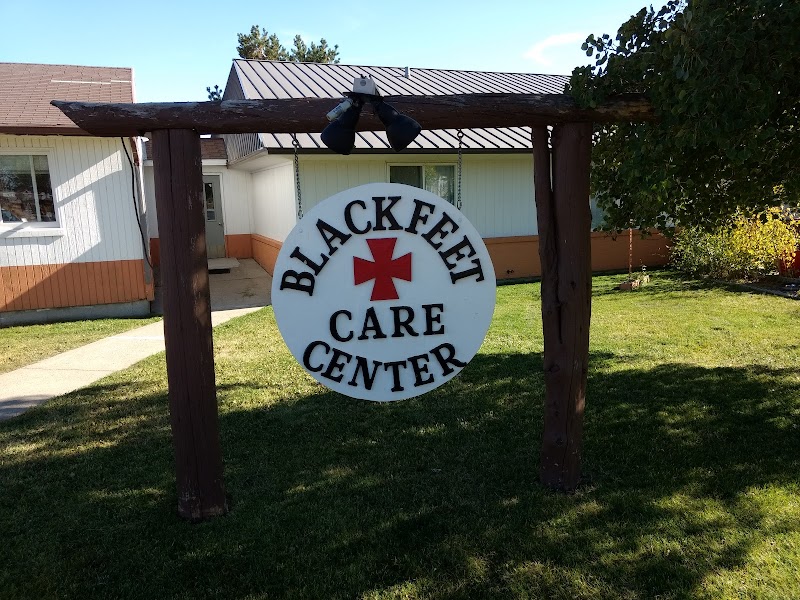
BLACKFEET CARE CENTER
728 S GOVERNMENT SQ, BROWNING, MT 59417 (406) 338-2686
Non profit - Corporation 47 Beds Independent Data: November 2025
Trust Grade
55/100
#24 of 59 in MT
Last Inspection: January 2025

Within standard 12-15 month inspection cycle. Federal law requires annual inspections.

Overview

Blackfeet Care Center has a Trust Grade of C, indicating it is average compared to other nursing homes, sitting at #24 of 59 in Montana, which places it in the top half of facilities in the state. In Glacier County, it ranks #1 out of 2, meaning there is only one other local option, which is not significantly better. The facility's trend is improving, with issues decreasing from 12 in 2024 to 8 in 2025. Staffing is a concern, rated just 1 out of 5 stars, but with a turnover rate of 0%, which is good as it suggests staff are not leaving. There have been no fines recorded, which is a positive sign. However, some serious incidents were reported, including a failure to identify the causes of repeated falls for a resident, leading to a head injury, and not implementing necessary health precautions for residents requiring enhanced barrier precautions. Overall, while there are strengths in its ranking and low fines, families should be aware of the staffing issues and specific incidents that raise concerns about care quality.

Trust Score
C
55/100
In Montana
#24/59
Top 40%
Safety Record
Moderate
Needs review
Inspections
Getting Better
12 → 8 violations
Staff Stability
○ Average
Turnover data not reported for this facility.
Penalties
✓ Good
No fines on record. Clean compliance history, better than most Montana facilities.
Skilled Nurses
○ Average
RN staffing data not reported for this facility.
Violations
⚠ Watch
24 deficiencies on record. Higher than average. Multiple issues found across inspections.
★★★☆☆
3.0
Overall Rating
★☆☆☆☆
1.0
Staff Levels
★★★★★
5.0
Care Quality
★★★☆☆
3.0
Inspection Score
Stable
2024: 12 issues
2025: 8 issues

The Good

  • 5-Star Quality Measures · Strong clinical quality outcomes
  • Full Sprinkler Coverage · Fire safety systems throughout facility
  • No fines on record

Facility shows strength in quality measures, fire safety.

The Bad

3-Star Overall Rating

Near Montana average (3.0)

Meets federal standards, typical of most facilities

The Ugly 24 deficiencies on record

1 actual harm
Jun 2025 3 deficiencies
CONCERN (D) 📢 Someone Reported This

A family member, employee, or ombudsman was alarmed enough to file a formal complaint

Potential for Harm - no one hurt, but risky conditions existed

Deficiency F0657 (Tag F0657)

Could have caused harm · This affected 1 resident

Based on observation, interview, and record review, the facility failed to assess and update a care plan with interventions for wandering for 1 (#7) of 9 sampled residents. This deficient practice inc...

Read full inspector narrative →
Based on observation, interview, and record review, the facility failed to assess and update a care plan with interventions for wandering for 1 (#7) of 9 sampled residents. This deficient practice increased the risk of injury to resident #7 and increased the risk of lack of privacy for other. Review of a facility reported event, dated 3/20/25, showed resident #7 was wandering and opening and closing other residents' doors, causing other residents to become angry. Review of resident #7's electronic health record showed resident #7 had dementia, low vision, and was hard of hearing. During an interview on 6/18/25 at 10:16 a.m., staff member B stated, Interventions for resident #7 are to work with the doctor on medication management. We don't do a formal assessment of behaviors. During an observation on 6/18/25 at 2:05 p.m., resident #7 was observed wandering the halls in the facility. She went behind the nursing station and was grabbing items on the desk. During an interview on 6/18/25 at 2:15 p.m., staff member E stated, When she is wandering around or bothering others, we usually give her a drink or take her outside. I think she just wants attention. I would ask a CNA what her interventions are. Review of resident #7's electronic health record showed a wandering assessment was completed on 12/24/24 and showed a score of 2.0; a low risk of wandering. Review of resident #7's nursing progress notes for March through June 2025 showed resident #7 was frequently wandering in and out of other rooms, combative towards staff, and wandering inside the facility. Review of resident #7's care plan, with a revision date of 3/4/25, showed: Focus: The resident is an elopement risk/wanderer r/t significantly intrudes on the privacy or activities. Interventions: .The resident's triggers for wandering/eloping are age, disease and smoking related. The resident's behaviors is de-escalated by (specify). [sic] Review of a facility document titled Wandering and Elopements, undated, showed: 1. If identified as at risk for wandering, elopement, or other safety issues, the resident's care plan will include strategies and interventions to maintain the resident's safety.
CONCERN (D) 📢 Someone Reported This

A family member, employee, or ombudsman was alarmed enough to file a formal complaint

Potential for Harm - no one hurt, but risky conditions existed

Deficiency F0744 (Tag F0744)

Could have caused harm · This affected 1 resident

Based on observation, interview, and record review, the facility failed to provide care and services for the assessment and identification of underlying cause(s) of behaviors displayed for a resident ...

Read full inspector narrative →
Based on observation, interview, and record review, the facility failed to provide care and services for the assessment and identification of underlying cause(s) of behaviors displayed for a resident with dementia, for 1 (#7) out of 9 sampled residents. Findings include: Review of a Facility Reported Event, submitted to the State Survey Agency on 3/20/25, showed resident #6 hit resident #7 for opening and closing his door multiple times. During an interview on 6/18/25 at 10:16 a.m., staff member B stated, Interventions for resident #7 are to work with the doctor on medications. We don't do a formal assessment for behaviors. During an observation on 6/18/25 at 2:05 p.m., resident #7 was observed wandering the halls in the facility. She went behind the nursing station and was grabbing items on the desk. During an interview on 6/18/25 at 2:15 p.m., staff member E stated, When she (resident #7) is wandering around or bothering others, we usually give her a drink or take her outside. I think she just wants attention. I'm not sure if there are interventions documented for her. I would ask a CNA what her interventions are. Review of resident #7's electronic health record showed a wandering assessment was completed on 12/24/24 with a score of 2.0, meaning the resident was at a low risk of wandering. Review of resident #7's nursing progress notes for March 2025 showed resident #7 was consistently wandering in and out of others rooms, combative towards staff, and wandering inside the facility. Review of a facility document titled Root Cause Analysis and Outcome, dated 3/20/25, showed: Section B: 2a. WHY do you think this event occurred? [resident name] goes in and out of rooms and is very mean. 2c. HOW can this be prevented in the future? Monitor residents location for safety. [sic] The document did not show underlying factors identified by the facility contributing to the behaviors displayed by the resident, or what interventions may work to resolve or reduce the behaviors she displayed. Review of resident #7's care plan with a revision date of 3/4/25, showed: Focus: The resident is an elopement risk/wanderer r/t significantly intrudes on the privacy or activities. Interventions: .The resident's triggers for wandering/eloping are age, disease and smoking related. The resident's behaviors is de-escalated by (specify). [sic] The resident's care plan lacked interventions for the staff to use to alter the resident's behavior, or show how staff were to anticipate the resident's needs in an attempt to prevent behaviors before they occurred.
CONCERN (E) 📢 Someone Reported This

A family member, employee, or ombudsman was alarmed enough to file a formal complaint

Potential for Harm - no one hurt, but risky conditions existed

Investigate Abuse (Tag F0610)

Could have caused harm · This affected multiple residents

Based on observation, interview, and record review, the facility failed to complete thorough incident investigations and address psychosocial impacts of abuse for those affected, for (#s 3, 7, 31, 32,...

Read full inspector narrative →
Based on observation, interview, and record review, the facility failed to complete thorough incident investigations and address psychosocial impacts of abuse for those affected, for (#s 3, 7, 31, 32, and 34) of 9 sampled resident abuse allegations and investigations. Resident #32 was then reportedly afraid, #31 was uncomfortable with the employee's actions and lack of follow up by the facility, and #3 was tearful during the investigation. Findings include: 1. Review of a Facility Reported Event, submitted to the State Survey Agency on 2/4/25, showed resident #34 reported NF3 refused to change her soiled brief. During an interview on 6/18/25 at 3:25 p.m., staff member B stated he investigated the incident. Staff member B stated NF3 was sent home pending investigation and CNAs were interviewed. Staff member B stated he determined the incident to be a personality conflict between resident #34 and NF3. Staff member B stated his investigation did not include interviews with any other residents cared for by NF3, and did not include an assessment of any psychosocial impact for resident #34 following the incident. 2. Review of a Facility Reported Event, submitted to the State Survey Agency on 2/12/25, showed resident #3 reported NF1 was rude, abrupt, and rough with her care. The investigation documentation showed resident #3 was tearful when discussing the incident with staff member C. During an interview on 6/18/25 at 3:25 p.m., staff member B stated his investigation did not include interviews with any other residents cared for by NF1, and did not include an assessment of any psychosocial impact for resident #3 following the incident. 3. Review of a Facility Reported Event, submitted to the State Survey Agency on 2/12/25, showed staff member B had learned of a second incident involving NF1, while investigating another incident on the same date. The investigative report showed resident #32 reported that NF1 was rough with her care and caused an abrasion to her lower left leg. The investigation documentation showed resident #32 stated several times she was afraid of NF1 and was subsequently hesitant to receive showers. During an interview on 6/18/25 at 12:12 p.m., staff member D stated She (NF1) was not a good (stated position). You could tell she was just here for the paycheck. She was lazy and rough with the residents and made fun of them . She (Resident #32) was tearful and afraid to take a shower for a while after that (incident). During an interview on 6/18/25 at 3:25 p.m., staff member B stated he investigated the report regarding NF1, was very concerned regarding the allegations, and NF1's contract was terminated on 2/12/25. Staff member B stated his investigation did not include interviews with any other residents cared for by NF1, and did not include an assessment for any psychosocial harm for resident #32. 4. Review of a Facility Reported Event, submitted to the State Survey Agency on 3/27/25, showed resident #31 reported concerns regarding a staff member possibly taking pictures of him while he was showering on 3/27/25. During an observation and interview on 6/17/25 at 4:45 p.m., resident #31 was seated in a wheelchair in his room. Resident #31 stated he had reported a concern to the facility when NF2 remained in the shower room while he showered independently, and she was holding her phone up facing him. Resident #31 stated the encounter made him uncomfortable, and he stated, . because I felt like she was filming or taking pictures. Resident #31 held his phone up several times during the conversation to demonstrate the position NF2 held her phone up at eye level, facing him. Resident #31 stated, They (facility staff) told me they doubt she was taking pictures, but with these phones, you just don't know, and I don't know if they ever found out. I don't think that girl works here anymore. no one came back to talk to me about it; haven't heard anything. During an interview on 6/18/25 at 3:45 p.m., staff member B stated the investigation and reporting of incidents in the facility was the responsibility of either himself or staff member A. Staff member B stated he investigated the 3/27/25 reportable incident, and he was unable to interview the accused staff member, as she had already been terminated. Staff member B stated his investigation did not include interviews with any other residents cared for by NF2, and did not include an assessment for psychosocial harm for resident #31. Staff member B stated, I just talked to him to see what happened. Review of all staff education between January and June of 2025, showed staff most recently received abuse refresher training on 3/19/25; over one month after the 2/12/25 incidents. 5. Review of a Facility Reported Event, submitted to the State Survey Agency on 3/15/25, showed resident #7 was sprayed intentionally in the face by a staff member, with water, during a shower. The temperature was up and this made the resident yell out. This was reported to have happened on 2/15/25. Review of the facility findings showed, Once administration learned of this incident, [staff member F] was taken off the schedule, his company was notified and his contract terminated. Review of the nursing schedule for June 2025 showed staff member F was still working in the facility. During an interview on 6/18/25 at 3:25 p.m., staff member B stated, The process for investigation of incidents would be that the charge nurse would inform the DON of the incident, the DON would contact the Administrator, and the administrator would inform social services. Social services would then report it to the BOUNDS system and proceed with gathering information for the investigation. In most cases, if a staff member is involved, they will be sent home until the investigation is complete. We reported the incident as soon as we found out about it. We were not sure of the exact date of the incident so I picked a day that both staff members were scheduled to work together. Review of resident #7's bath log showed her bath days were on Wednesday and Sunday, and 2/15/25 was on a Saturday. Review of the nursing staff schedule for February and March showed Wednesday, March 5th was the only date the two staff members worked together which correlated to resident #7's bath schedule. During an interview on 6/18/25 at 4:10 p.m., staff member B stated, I remember closing out a lot of bounds that day, and the recommendation was to let that staff member go. Under the direction of staff member A, I went and interviewed other staff about the incident. I did not interview other residents. After talking to other staff, I did not substantiate the incident and never went back in to update my findings. I did not talk to that staff member directly; I think he was out on days off. The resident involved does not remember the incident. I never thought of looking at the bath schedule during the investigation. The investigation submitted to the State Survey Agency did not show the employee received abuse education immediately following the event or when the employee returned to work at the facility. Staff member B stated he did not assess resident #7 for any psychosocial impact related to the incident. Review of a facility document, titled, Abuse, Neglect, Exploitation or Misappropriation - Reporting and Investigating, revised September 2022, showed the following: . 7. The individual conducting the investigation as a minimum: . j. interviews other residents to whom the accused employee provides care or services . l. documents the investigation completely and thoroughly. [sic]
Jan 2025 5 deficiencies 1 Harm
SERIOUS (G) 📢 Someone Reported This

A family member, employee, or ombudsman was alarmed enough to file a formal complaint

Actual Harm - a resident was hurt due to facility failures

Accident Prevention (Tag F0689)

A resident was harmed · This affected 1 resident

Based on interview and record review, the facility failed to identify the root causes of falls for 1 (#12) of 17 sampled residents, and the resident continued to fall, and this resulted in the residen...

Read full inspector narrative →
Based on interview and record review, the facility failed to identify the root causes of falls for 1 (#12) of 17 sampled residents, and the resident continued to fall, and this resulted in the resident sustaining a head injury from a subsequent fall. Findings include: During an interview on 1/29/25 at 9:29 a.m., NF1 stated resident #12 had fallen five times this year. NF1 further stated she had asked why resident #12 kept falling and the facility staff could not tell her why. A review of resident #12's Morse Fall Scale, dated 11/12/24 at 9:59 a.m., showed resident #12's score was 75, and was at high risk of falling. A review of facility documents titled, Post-accident/Follow-up Investigation Form Team Meeting, for falls for resident #12, with dates of 2/2/24, 2/8/24, 3/5/24, 3/21/24, and 9/6/24, showed the Fall Root Cause Analysis portion of the documents were not filled out. A review of a progress note for resident #12, dated 11/13/24 at 2:26 a.m., showed: Note Text: [Staff member M] was sitting nearby while [Resident #12] was in bed. [Resident #12] stood up and fell on the floor hitting her forehead. [Staff member M] stated She was getting up from bed. I didn't get to her in time and she fell, [Resident #12] was saying she was taking her sister to the bathroom, [Resident #12] has a bump from the fall. It's 2X2, egg shaped bump on the left side of forehead, with no LOC. No other injuries noted. V.S B/P 234/116, P 87, R 20, T 98.3, O2 sat 90%. 01:55 [1:55 a.m.] Called [Staff member B], 02:00 [2:00 a.m.] Called [NF3] informed them of [Resident #12's] fall. 02:15 [2:15 a.m.] Called POA [NF2]. 02:20 [2:20 a.m.] Called ER spoke to ER nurse [Intials]. 02:25 [2:25 a.m.] Dispatch called. 02:28 [2:28 a.m.] EMS arrived, 02:30 [2:30 a.m.] [Resident #12] placed on stretcher and transported via ambulance to er. [sic] A review of an Emergency Department Visit Record, for resident @12, dated 11/13/24 at 2:28 a.m., showed: HPI: 82 y/o female from the nursing home who was brought due to fall on her head with concussion with LOC and neck pain. Pt has a hx of DM Type 2 and dementia. On arrival, . [sic] During an interview on 1/29/25 at 11:19 a.m., staff member A stated there was no root cause analysis documentation for resident #12's falls. During an interview on 1/29/25 at 1:14 p.m., staff member B stated falls had not been documented like they should have been. A review of a facility policy titled, Falls and Fall Risk, Managing, with a revised date of March 2018, did not show root cause analysis as a step in the facility's fall prevention process. The policy language did not address how the facility would identify causal factors to attempt to prevent future falls with and without injury.
CONCERN (D)

Potential for Harm - no one hurt, but risky conditions existed

Resident Rights (Tag F0550)

Could have caused harm · This affected 1 resident

Based on observation, interview, and record review, the facility failed to ensure dignity and privacy of a resident was protected for 1 (#25) of 17 sampled residents. Resident #25 had a sign on the ou...

Read full inspector narrative →
Based on observation, interview, and record review, the facility failed to ensure dignity and privacy of a resident was protected for 1 (#25) of 17 sampled residents. Resident #25 had a sign on the outside of her door which showed her name and instructions for the emptying of her nephrostomy tube bag. Findings include: During an observation of the outside of resident #25's door, on 1/29/25 at 2:40 p.m. and again on 1/30/25 at 8:00 a.m., the following sign was posted on the resident's door. [Resident's name] is requesting for her urine bag to be checked and emptied every two hours please and thank you. During an interview on 1/30/25 at 8:15 a.m., staff member B stated resident #25 had a nephrostomy tube. Staff member B stated the bag for the tube was emptied as needed. Staff member B stated the sign should not be on the outside of the resident's door. During an interview on 1/30/25 at 9:00 a.m., resident #25 stated the sign on the door for her nephrostomy tube bothered her because everybody could see it, and it had her name on it. Resident #25 stated a staff member put it up, but she was no longer at the facility. During an interview on 1/30/25 at 9:09 a.m., staff member L stated she did not know who put the sign up.
CONCERN (D) 📢 Someone Reported This

A family member, employee, or ombudsman was alarmed enough to file a formal complaint

Potential for Harm - no one hurt, but risky conditions existed

Report Alleged Abuse (Tag F0609)

Could have caused harm · This affected 1 resident

Based on interview and record review, the facility failed to report the findings of an alleged allegation of abuse to the State Survey Agency, within five days for 1 (#83) of 17 sampled residents. Fin...

Read full inspector narrative →
Based on interview and record review, the facility failed to report the findings of an alleged allegation of abuse to the State Survey Agency, within five days for 1 (#83) of 17 sampled residents. Findings include: A review of a Facility Reported Incident related to resident #83, showed an event which occurred on 5/23/24. The report showed, Security reports that resident states that she was assaulted outside of the facility by her son. Security went to alert charge nurse . Resident is considered an elopement because she did not sign out of the facility . During an interview on 1/29/25 at 2:17 p.m., staff member D stated the facility staff member responsible for incident reporting stated he did not submit his investigation into the incident. Staff member D stated the resident's family member tried to get the resident to come back into the facility. Staff member D stated she did come back one time, but after that she never came back, and the facility documented she left AMA (against medical advice). The facility failed to report the required 5-day investigation findings to the State Survey Agency. Review of the facility policy titled, Abuse Prevention Policy and Procedures, with a revision date of 1/25, showed the findings of an abuse investigation were to be reported within five days of the incident.
CONCERN (D)

Potential for Harm - no one hurt, but risky conditions existed

Deficiency F0691 (Tag F0691)

Could have caused harm · This affected 1 resident

Based on interview and record review, the facility failed to ensure the care and services for a nephrostomy tube were completed and documented in the medical record for 1 (#25) of 17 sampled residents...

Read full inspector narrative →
Based on interview and record review, the facility failed to ensure the care and services for a nephrostomy tube were completed and documented in the medical record for 1 (#25) of 17 sampled residents. Resident #25 had a nephrostomy tube which required dressing changes. The facility failed to obtain orders for dressing changes for the nephrostomy tubing. The facility failed to document the care of the nephrostomy tube in the medical record. Findings include: During an interview on 1/30/25 at 8:15 a.m., staff member B stated resident #25 had a nephrostomy tube and colostomy. Staff member B stated the dressing change was as needed. Staff member B stated there were no orders for dressing changes for the nephrostomy tube. Staff member B stated any dressing changes should be documented in the medical record. During an interview on 1/30/25 at 8:28 a.m., staff member H stated there was not an order for changing the dressing on resident #25's nephrostomy tube. Staff member H stated the dressing is changed when the resident wants it changed which was every two to three days. Staff member H stated it should be documented in the medical record. During an interview on 1/30/25 at 9:00 a.m. resident #25 stated the dressing on her nephrostomy tube is changed when she goes to the doctor, which is every three months. During an interview on 1/30/25 at 9:12 a.m., staff member A stated there was not a physician's order for the dressing changes for resident #25's nephrostomy tube. Review of #25's physician orders, dated 1/1/25 - 1/31/25, failed to show an order for the dressing changes for the nephrostomy tube. Review of resident #12's Medication Administration Record and Treatment Administration Record, dated 1/1/25 - 1/31/25, failed to show dressing changes were completed for the nephrostomy tube. Review of the facility policy titled, Nephrostomy Tube, Care of, showed the dressing was to be changed every one to three days, or as ordered, using a sterile technique. The documentation should show the date and time the procedure was performed, the resident's response to the procedure, and a nursing assessment obtained during the procedure.
CONCERN (F)

Potential for Harm - no one hurt, but risky conditions existed

Infection Control (Tag F0880)

Could have caused harm · This affected most or all residents

Based on observation, interview, and record review, the facility failed to implement and follow enhanced barrier precautions (EBP) for 4 (#s 3, 9, 14, and 19) of 17 sampled residents; and failed to en...

Read full inspector narrative →
Based on observation, interview, and record review, the facility failed to implement and follow enhanced barrier precautions (EBP) for 4 (#s 3, 9, 14, and 19) of 17 sampled residents; and failed to ensure staff member H adhered to standard precautions during medication administration via a tube feeding, by placing medications to be administered on an unclean surface without a protective barrier in place, for 1 (#14) of 2 sampled residents observed during enteral medication and nutritional supplement administration. Findings include: 1. Enhanced Barrier Precautions During an observation on 1/27/25 at 3:22 p.m., resident #19 was lying in bed and talked about her accident which caused paralysis. Resident #19 had a urinary catheter in place. No EBP signage was observed on the room door to alert staff of the precautions. No personal protective equipment (PPE), such as gowns, were observed in the room, outside of the room, or in the hallway. During an observation on 1/27/25 at 3:25 p.m., resident #9 was not present in her room. Resident #9 was supplied her medications and nutritional supplement via tube feeding, No EBP signage was observed on the room door to alert staff of the precautions. No PPE, such as gowns, were observed in the room, outside of the room, or in the hallway. During an observation on 1/29/25 at 9:36 a.m., staff member H sanitized her hands, donned clean gloves, and entered resident #3's room. Staff member H did not wear a gown during the administration of resident #3's medications or nutritional supplement via enteral feeding tube. No EBP signage was observed on the room door to alert staff of the precautions. No PPE, such as gowns, were observed in the room, outside of the room, or in the hallway. During an observation on 1/29/25 at 11:35 a.m., staff member H entered resident #14's room for the administration of medications and nutritional supplement via enteral feeding tube. Staff member H washed her hands and donned clean gloves. Staff member H did not wear a gown during the administration of resident #14's medications or nutritional supplement via enteral feeding tube. No EBP signage was observed on the room door to alert staff of the infection control precautions in place. No PPE, such as gowns, were observed in the room, outside of the room, or in the hallway. During an observation on 1/29/25 at 12:12 p.m., the facility had four hallways where residents resided. No resident rooms had posted EBP signage on any of their doors and no PPE, such as gowns, were readily available on the units/hallways. During an interview on 1/29/25 at 12:18 p.m., staff member K stated EBP, such as a gown and gloves, were worn when emptying a catheter for a resident. Staff member K stated he would not need to wear PPE during other direct resident cares. During an interview on 1/29/25 at 12:20 p.m., staff member H stated she did not think nurses needed to wear a gown, in addition to gloves, to perform a tube feeding, when discussing the use of needed EBP. During an interview on 1/30/25 at 8:57 a.m., staff member A stated EBP was one of the things the previous administration had not put in place when EBP was first initiated into the CMS regulations. She stated EBP signage, PPE, and education were being implemented at that time. Review of the facility's policy titled, Enhanced Barrier Precautions, dated August of 2022, showed: - .2. EBP's employ targeted gown and glove use during high contact resident care activities when contact precautions do not otherwise apply. - a. Gloves and gown are applied prior to performing the high contact resident care activity (as opposed to before entering the room). - 3. Examples of high-contact resident care activities requiring the use of gown and gloves for EBPs include: - a. dressing; - b. bathing/showering; - c. transferring; - d. providing hygiene; - e. changing linens; - f. changing briefs or assisting with toileting; - g. device care or use (central line, urinary catheter, feeding tube, tracheostomy/ventilator, etc.); and - h. wound care (any skin opening requiring a dressing). [sic] - 10. Signs are posted in the door or wall outside the resident room indicating the type of precautions and PPE required. - 11. PPE is available outside of the resident rooms. 2. Standard Precautions During an observation on 1/29/25 at 11:45 a.m., staff member H entered resident #14's room and placed his medications and nutritional supplement onto his bedside dresser. The bedside dresser had unidentified, dried spills on the top surface. The dresser was not cleaned, nor was a protective barrier placed onto the dresser. During an interview on 1/29/25 at 12:24 p.m., staff member H stated she did not clean or put down a clean barrier prior to placing resident #14's medications and nutritional supplement onto his bedside dresser. Staff member H stated she usually fed resident #14 in another room and did not think about it.
Jan 2024 12 deficiencies
CONCERN (D) 📢 Someone Reported This

A family member, employee, or ombudsman was alarmed enough to file a formal complaint

Potential for Harm - no one hurt, but risky conditions existed

Report Alleged Abuse (Tag F0609)

Could have caused harm · This affected 1 resident

2. Review of a facility reported incident, involving resident #s 9 and 11, reflected a sexual abuse allegation, reported to have occurred on 12/7/23 at 6:00 a.m. The report was not submitted to the St...

Read full inspector narrative →
2. Review of a facility reported incident, involving resident #s 9 and 11, reflected a sexual abuse allegation, reported to have occurred on 12/7/23 at 6:00 a.m. The report was not submitted to the State Survey Agency until 12/7/23 at 3:50 p.m. During an interview on 1/3/24 at 1:31 p.m., staff member B stated staff member F reported the allegation to her at 12:00 p.m. Staff member F had recieved the allegation from staff member H during morning report. During an interview on 1/4/24 at 7:10 a.m., staff member H stated he did not report the incident to the administration because he was not sure of what to think of what he observed, and did not want to be responsible for ruining others lives if he was not sure. Staff member H reported the incident to the oncoming nurse so she would keep an eye on residen #9 and #11. Staff member F stated she did not report staff member H's allegation immediately because staff member H stated he was not 100% confident in what occurred. Staff member F stated she did mention the allegation to staff member C at around 12:00 p.m. on 12/7/23 in passing. During an interview on 1/4/24 at 10:21 a.m., staff member C stated staff member B was notified at 12:00 p.m. on 12/7/23, when staff member F told her about the allegation. Based on interview and record review, the facility failed to report and submit incident findings, within the required five-day timeframe, for 1 (#13); and failed to submit an initial incident report within the two-hour timeframe for a possible crime, for 2 (#s 9 and 11) of 21 sampled residents. Findings include: 1. Review of a facility reported incident involving unexplained bruising on resident #13's legs, showed the incident was reported on 8/31/23. The report showed the findings were reported on 9/7/23, seven days later. During an interview on 1/3/24 at 1:25 p.m., staff member B stated staff member E was responsible for reporting incidents to the State Survey Agency, and sometimes staff member C would report as well. During an interview on 1/3/24 at 1:27 p.m., staff member E stated he reported incidents to the State Survey Agency, along with staff members B or C. Staff member E stated the date popped up on his screen, telling him when findings were to be submitted. Staff member E stated the facility tried to adhere to the five-day findings submission requirement. Staff member E stated the incident involving resident #13 was reported by him, and looked like it was reported after seven days, instead of five days. Staff member E stated the report findings were submitted late due to a transition in the facility during that time. Review of the facility's policy, Abuse Prevention Policy & Procedures, undated, showed: (4) .k. Administrator, Director of Nursing, Director of Social Services, and QAPI Coordinator will collaborate and review all investigative material, and action take(n) to prevent future incidents, within 5 days, but prior to the reporting deadline. l. After review of all information, determine validity, provide administrative recommendation, and complete the investigative report and forward to the appropriate State agency.
CONCERN (D)

Potential for Harm - no one hurt, but risky conditions existed

Assessment Accuracy (Tag F0641)

Could have caused harm · This affected 1 resident

2. Review of resident #21's Quarterly MDS, with an ARD of 10/11/23, showed the Special Treatment and Programs section (O 0110J1 B) showed resident #21 was receiving dialysis while in the facility. Re...

Read full inspector narrative →
2. Review of resident #21's Quarterly MDS, with an ARD of 10/11/23, showed the Special Treatment and Programs section (O 0110J1 B) showed resident #21 was receiving dialysis while in the facility. Review of resident #21's Quarterly MDS, with an ARD of 10/11/23, showed the Bladder and Bowel section (H 0100 A) showed the resident had an indwelling catheter. During an observation and interview 1/2/24 at 1:57 p.m., resident #21 did not to have a catheter. Resident #21 stated, I have never received dialysis, that's my roommate .Nope, I don't use a catheter either. During an interview on 1/3/24 at 10:45 a.m., staff member C stated, [Resident #21] has never had a catheter or received dialysis . I must have entered his roommate's information into his MDS assessment. Based on observation, interview, and record review, the facility failed to accurately complete MDS assessments for 3 (#s 14, 21, and 22) of 21 sampled residents. Findings include: 1. Review of resident #14's Quarterly MDS, with an ARD of 11/28/23, showed the resident was on an anticoagulant. Review of the resident's medications showed the resident was not on an anticoagulant. Review of resident #22's Quarterly MDS, with an ARD 11/25/23, showed the resident was taking an anticoagulant. Review of resident #22's medications showed the resident was not on an anticoagulant. During an interview on 1/3/24 at 10:17 a.m., staff member D stated staff member C was responsible for completion of the medication portion of the MDSs, and the orders were to be looked at to determine which type of medication the resident was on. During an interview on 1/3/24 at 10:37 a.m., staff member C stated she was responsible for multiple portions of the residents' MDSs, including the medication portion. Staff member C stated she determined which medications the residents were on by looking at their MARs for the past two months. Staff member C stated, I was confused for a while about which one (medication) was an anticoagulant versus an antiplatelet. Aspirin is an antiplatelet, right? .[Resident #22] is not on an anticoagulant. I just looked into it in the past two months. It was a learning experience. [Resident #14] is one of those (residents) too, where I did not code it (the medication) correctly. During an interview on 1/4/24 at 9:23 a.m., staff member B stated, [Staff member C] was trained (on MDS completion) at a past facility, and did not get a good training from me, but she said she was comfortable.
CONCERN (D) 📢 Someone Reported This

A family member, employee, or ombudsman was alarmed enough to file a formal complaint

Potential for Harm - no one hurt, but risky conditions existed

Deficiency F0657 (Tag F0657)

Could have caused harm · This affected 1 resident

Based on interview and record review, the facility failed to update the care plan post incident for 1 (#13) of 21 sampled residents. Findings include: Review of a facility reported incident, dated 8/3...

Read full inspector narrative →
Based on interview and record review, the facility failed to update the care plan post incident for 1 (#13) of 21 sampled residents. Findings include: Review of a facility reported incident, dated 8/31/23, showed resident #13 had bruises on her legs that looked like handprints, in various stages of healing. The resident was found to have a susceptibility to bruising. During an interview on 1/3/24 at 10:02 a.m., staff member G stated resident #13 needed a Hoyer lift to transfer, and two people to take care of her. Staff member G stated resident #13 seemed to bruise easily, and she was not sure where the bruises came from. During an interview on 1/3/24 at 1:39 p.m., staff member C stated there was nothing added to resident #13's care plan, and there was no specific staff training, after the incident involving resident #13 and her bruising on 8/31/23. Staff member C stated, I can probably put that in (the care plan) to address the bruising. We talk about updating care plans during our at-risk and fall meetings. During an interview on 1/4/24 at 9:26 a.m., staff member B stated care plan revisions were staff member C's responsibility, after incidents occurred. Review of resident #13's care plan failed to show any updated care plan interventions regarding prevention of bruising during transfers with a Hoyer lift. Review of the facility's policy, Care Plans, Comprehensive Person-Centered, revised March 2022, showed, 10. When possible, interventions address the underlying source(s) of the problem area(s), not just symptoms or triggers.
CONCERN (D)

Potential for Harm - no one hurt, but risky conditions existed

Deficiency F0688 (Tag F0688)

Could have caused harm · This affected 1 resident

Based on interview and record review, the facility failed to develop a comprehensive care plan to address individual care and service needs for physical therapy for 1 (#21) of 21 sampled residents, re...

Read full inspector narrative →
Based on interview and record review, the facility failed to develop a comprehensive care plan to address individual care and service needs for physical therapy for 1 (#21) of 21 sampled residents, related to the resident's ability to carry out his ADLs, without decline, and desire to return to another level of living. Findings include: During an interview on 1/2/24 at 1:57 p.m., resident #21 stated, It really bothers me they aren't doing anything to assist me in regaining my strength . It is my goal to get strong enough to go home . I struggle with eating and doing things on my own. During an interview on 1/3/24 at 10:08 a.m., staff member J stated the facility offered physical therapy most of the time, but there was not any physical therapy over the holidays. During an interview on 1/4/24 at 8:43 a.m., staff member C stated, I review the records quarterly to ensure therapy is documented and orders are being followed . I have noticed a slight decline in resident #21's ADL's . We do not have a restorative program in place at this time . Review of resident #21's electronic medical record showed an order for a physical therapy consult, dated 7/13/23. Review of resident #21's physical therapy notes, dated 7/25/23, showed the physical therapist had written, Attempted PT eval, resident refused today stating he was tired but would participate another day. Review of resident #21's care plan, with a revision date of 8/1/23, failed to show a focus, goal, or intervention for physical therapy. Review of a facility's policy, Care Plans, Comprehensive Person-Centered, undated, showed: . 7a. The comprehensive, person-centered care plan should include measurable objectives and timeframes . 7b. the services that are to be furnished to attain or maintain the resident's highest practicable physical, mental, and psychosocial well-being .
CONCERN (D)

Potential for Harm - no one hurt, but risky conditions existed

Medication Errors (Tag F0758)

Could have caused harm · This affected 1 resident

Based on interview and record review, the facility failed to ensure a psychotropic medication consent was obtained for 1 (#22) of 21 sampled residents. Findings include: During an interview on 1/3/24 ...

Read full inspector narrative →
Based on interview and record review, the facility failed to ensure a psychotropic medication consent was obtained for 1 (#22) of 21 sampled residents. Findings include: During an interview on 1/3/24 at 2:54 p.m., staff member B stated resident #22 should have had a consent for her Clonazepam when she was admitted to the facility. During an interview on 1/4/24 at 9:28 a.m., staff member B stated psychotropic medication consents were staff member C's responsibility. Staff member B stated, We just kind of assumed they (the residents) had consent if they come in (to the facility) on the medication. Review of resident #22's MAR showed the resident was taking 0.5 mg of Clonazepam, once a day, every Monday, Wednesday, and Friday. The medication was started 5/11/23. Review of resident #22's MRRs, dated August, September, and October 2023, showed the pharmacist was requesting documentation for an informed consent for Clonazepam. On 1/3/24, staff member C provided the surveyors with a consent for resident #22's Clonazepam, dated 1/3/24. Review of the facility's policy, Psychotropic Medication Use, dated July 2022, showed: .3. When determining whether to initiate .medication therapy, the IDT conducts an evaluation of the resident. The evaluation will attempt to clarify whether: .d. the actual or intended benefit of the medication is understood by the resident/representative.
CONCERN (D)

Potential for Harm - no one hurt, but risky conditions existed

Deficiency F0825 (Tag F0825)

Could have caused harm · This affected 1 resident

**NOTE- TERMS IN BRACKETS HAVE BEEN EDITED TO PROTECT CONFIDENTIALITY** Based on observation, interview, and record review, the facility failed to ensure a resident was assessed and treated in a timel...

Read full inspector narrative →
**NOTE- TERMS IN BRACKETS HAVE BEEN EDITED TO PROTECT CONFIDENTIALITY** Based on observation, interview, and record review, the facility failed to ensure a resident was assessed and treated in a timely manner by physical therapy for 1 (#21) of 21 sampled residents. Findings include: During an observation and interview on 1/2/24 at 1:57 p.m., resident #21 was lying in bed, and tried to sit up on his own multiple times, until he finally grabbed for the bedside table to pull his body to a sitting position. Resident #21 stated, It really bothers me they aren't doing anything to assist me in regaining my strength. I would like to go home . During an interview on 1/4/24 at 8:43 a.m., staff member C stated, [Resident #21] should be receiving physical therapy . I was sure that he was being seen weekly. Review of resident #21's electronic medical record showed the resident was admitted on [DATE], and physical therapy was ordered on 7/13/23. Review of resident #21's progress notes showed the physical therapist attempted to see resident #21 on 7/25/23. There was no other documentation in the resident's electronic medical record regarding physical therapy.
CONCERN (D)

Potential for Harm - no one hurt, but risky conditions existed

Deficiency F0883 (Tag F0883)

Could have caused harm · This affected 1 resident

Based on interview and record review, the facility failed to obtain signed consents for administered pneumococcal vaccines for 2 (#s 18 and 21 ) of 21 sampled residents. Findings include: Review of re...

Read full inspector narrative →
Based on interview and record review, the facility failed to obtain signed consents for administered pneumococcal vaccines for 2 (#s 18 and 21 ) of 21 sampled residents. Findings include: Review of resident #18's immunizations showed the vaccine PCV20 was administered on 6/7/23. Review of resident #21's immunizations showed the vaccine PCV20 was administered on 6/22/23. During an interview on 1/3/24 at 3:05 p.m., staff member C stated the facility had a different infection preventionist during the time resident #18 and 21's PCV20 vaccines were given. The facility could not find the informed consents for the pneumococcal vaccines administered to residents #18 and #21. During an interview on 1/3/24 at 4:20 p.m., resident #18 stated she did not remember receiving education or signing a consent for the pneumococcal vaccine she received on 6/7/23. Review of facility's policy, Pneumococcal Vaccine, Revised March 2022, showed: . Before receiving a pneumococcal vaccine, the resident or legal representative receives information and education regarding the benefits and potential side effects of the pneumococcal vaccine .
CONCERN (E)

Potential for Harm - no one hurt, but risky conditions existed

Deficiency F0578 (Tag F0578)

Could have caused harm · This affected multiple residents

**NOTE- TERMS IN BRACKETS HAVE BEEN EDITED TO PROTECT CONFIDENTIALITY** 3. Review of resident #3's EMR showed a completed POLST, dated [DATE], with the No CPR box checked. Review of resident #3's EMR...

Read full inspector narrative →
**NOTE- TERMS IN BRACKETS HAVE BEEN EDITED TO PROTECT CONFIDENTIALITY** 3. Review of resident #3's EMR showed a completed POLST, dated [DATE], with the No CPR box checked. Review of resident #3's EMR showed an active order, dated [DATE], reflecting full code status. Review of resident #18's EMR showed a completed POLST, dated [DATE], with the No CPR box checked. Review of resident #18's EMR showed an active order, dated [DATE], reflecting full code status. During an interview on [DATE] at 1:09 p.m., staff member C stated staff member E was responsible for completing POLSTs, and staff member I was responsible for entering orders into the computer. During an interview on [DATE] at 3:20 p.m., staff member I stated resident #3 updated her POLST in [DATE], however the order in the computer was never changed. Staff member I stated she entered most of the orders into the computer, however there was no system in place currently for a double check on the accuracy of the order entries. Review of the facility policy titled, Advanced Directives, revised [DATE], showed: .The director of nursing services (DNS) or designee notifies the attending physician of advance directives (or changes in advance directives) so that appropriate orders can be documented in the residents medical record and plan of care . 2. Review of resident #20's POLST, dated [DATE], reflected the physician had not dated the form. During an interview on [DATE] at 10:53 a.m., staff member E stated he could not find a POLST with the physician date included. Staff member E stated he did not review POLSTs after they were completed by the physician. Based on interview and record review, the facility failed to ensure the code status for 3 (#s 3, 12, and 18) were consistent between the paper and electronic records; and failed to ensure a POLST was dated by the provider for 1 (#20) of 21 sampled residents. Findings include: 1. Review of resident #12's EMR dashboard, on [DATE], showed the resident's code status was CPR. In the resident's scanned documents in the EMR, the POLST showed the resident's code status was DNR, which was different than what was reflected on the resident's EMR dashboard. During an interview on [DATE] at 10:03 a.m., staff member G stated the resident's POLST information was kept in a book at the nurse's station. During an interview on [DATE] at 10:43 a.m., staff member F stated the facility's daily report sheets showed whether a resident had a DNR or full code (CPR) status. Staff member F stated the report sheet showed resident #12 had a DNR code status. During an interview on [DATE] at 10:45 a.m., staff member C stated she expected the nursing staff to look at the resident info binder for a resident's code status. Staff member C stated staff member E updated the EMR dashboard when a resident's POLST was completed, and staff member D updated the dashboard with any changes. Staff member C stated resident #12 had a DNR code status, and the EMR dashboard was incorrect in showing she had a CPR code status. During an interview on [DATE] at 10:47 a.m., staff member E stated he went over the POLST with residents upon admission. Staff member E stated once the POLSTs were signed, he uploaded the sheets into the residents' EMR. Staff member E stated he knew someone changed the EMR dashboard status when changes occurred, and it was either the DON or someone else in administration, who changed the status. During an interview on [DATE], staff member B stated the EMR dashboard's code status depended upon how staff member I entered the orders. Staff member B stated staff member I entered a lot of the orders, and staff member B did not know if staff member I entered the orders in correctly.
CONCERN (E) 📢 Someone Reported This

A family member, employee, or ombudsman was alarmed enough to file a formal complaint

Potential for Harm - no one hurt, but risky conditions existed

Free from Abuse/Neglect (Tag F0600)

Could have caused harm · This affected multiple residents

Based on interview and record review, the facility failed to prevent further potential abuse while an investigation was in progress for 2 (#s 9 and 11) of 21 sampled residents, and concerns related to...

Read full inspector narrative →
Based on interview and record review, the facility failed to prevent further potential abuse while an investigation was in progress for 2 (#s 9 and 11) of 21 sampled residents, and concerns related to the relationship between the two residents had been ongoing over an extended period of time. Findings include: Review of a facility reported incident, involving resident #s 9 and 11, reflected a sexual abuse allegation was reported to have occurred on 12/7/23 at 6:00 a.m. During an interview on 1/3/24 at 10:21 a.m., staff member C stated she was notified at 12:00 p.m. on 12/7/23, when staff member F told staff member C about the allegation of sexual abuse from resident #11 to resident #9. Staff member B stated residents #9 and #11 were separated at that time. Staff member C stated residents #9 and #11 did have contact on several occasions after the report was filed, but the facility notified the police and Adult Protective Services to address the contact. Staff member B stated no monitoring or checks were in place to ensure no physical contact occurred between resident #11 and other vulnerable residents in the facility, including resident #9. Staff member C stated no interviews were done with other staff, or residents, by the facility. Staff member C stated the facility had left the investigation to be handled by the police and APS. During an interview on 1/3/24 at 1:31 p.m., staff member B stated staff member F reported the allegation regarding resident #s 9 and 11 to her at 12:00 p.m. Staff member F had received the allegation from staff member H during morning report. Staff member B stated, As of now, the police are not pursuing charges and wanted to wait for APS to investigate. APS had said he was looking for a forensic interviewer to interview [resident #9] and then he had been on vacation since December 18th. During an interview on 1/3/24 at 3:02 p.m., staff member E stated he was aware of pornography concerns reported by staff, and resident #11 peeking at resident #9 during cares and toileting. Staff member E stated he had discussed these concerns with resident #11 on several occasions. As of the end of the survey, staff member E was unable to provide documentation of the discussions, or any interventions put into place, to protect the facility's vulnerable population, including resident #9. During an interview on 1/4/24 at 7:27 a.m., staff member H stated he did not report the incident involving resident #s 9 and 11 to the administration because he was not sure of what to think of what he observed, and did not want to be responsible for ruining others' lives if he was not sure. Staff member H reported the incident to the oncoming nurse so she would keep an eye on residents #9 and #11. Staff member H stated he walked into resident #9 and #11's room, and resident #9 was bending over resident #11, at about waist level, behind the curtain. Resident #9 asked staff member H to wait while she wiped her mouth. Staff member H stated he suspected a sexual activity was occurring, but did not fully see the act in progress. During an interview on 1/4/24 at 7:42 a.m., staff member F stated she did not report staff member H's allegation immediately because staff member H stated he was not 100% confident in what occurred. Staff member F stated she did mention the allegation to staff member C at around 12:00 p.m. on 12/7/23, in passing. Staff member F stated she had received a report, during the summer of 2023, the night shift staff had caught resident #11 peeking while resident #9 was in the bathroom. Review of a facility report, Communication Board, dated 12/7/23 at 1:30 p.m., reflected resident #11 was observed to enter resident #9's room and stated, You should have been careful, now they have to move me . Review of a facility report, Communication Board, dated 12/8/23 at 9:30 a.m., reflected resident #11 was rubbing resident #9's shoulders during church service. Resident #11 stated he came to church just to see resident #9. Review of resident #9's diagnosis list reflected resident #9 had a primary diagnosis of a tramatic brain injury and a cognitive communication deficit. Review of facility investigation documents, dated 12/7/23, reflected resident #9 had, .severe short term memory problems and her long-term memory does not always match actual events. The document also reflected resident #11, .has a history of noncompliance and behaviors toward staff, as well as refusing to turn off pornography videos while care is provided. During an interview on 1/4/24 at 7:37 a.m., staff member G stated resident #11 had other sexual behaviors prior to this allegation on 12/7/23. When asked to describe those incidents, staff member G stated earlier this summer (2023), resident #11 was seen peeking around the curtains and watching resident #9 being toileted, and refused the curtain to be closed during dressing and changing resident #9's brief while in their shared room. Staff member G also stated resident #11 was observed watching pornography while resident #9 was in the room, sitting with him about a year ago. Staff member G stated resident #11 continued to watch pornography in his room with resident #9 in the room until the residents were separated on 12/7/23. During an interview on 1/4/24 at 9:04 a.m., staff member C stated, We referred to APS and the police too much. The police said APS needed to handle the investigation and APS (the investigator) in charge of this has been on vacation since December 18th, so we just waited. We should have done our own investigation and dealt with protecting her by sending him out when we first knew about it (allegations). Staff member C stated, The IDT team had discussed resident #11 peeking around curtain during At-Risk meetings and decided they have the right to stay together. As of the end of the survey, the APS investigator in charge of this investigation, could not be reached by the survey team.
CONCERN (E)

Potential for Harm - no one hurt, but risky conditions existed

Tube Feeding (Tag F0693)

Could have caused harm · This affected multiple residents

Based on observation, interview, and record review, the facility failed to ensure residents' tube feeding enteral nutrition formula met the caloric content ordered by the physician, for 3 (#s 4, 13, a...

Read full inspector narrative →
Based on observation, interview, and record review, the facility failed to ensure residents' tube feeding enteral nutrition formula met the caloric content ordered by the physician, for 3 (#s 4, 13, and 17) of 21 sampled residents. Findings include: During an observation and interview on 1/3/24 at 11:20 a.m., staff member F prepared medications for administration for resident #17. Resident #17's orders included Jevity 1.5 calorie. Staff member F prepared Jevity 1.2 calorie and administered the medications and Jevity 1.2 calorie formula via gravity feed. Upon request, staff member F reviewed the order with the surveyor and determined the order stated Jevity 1.5 calorie. Staff member F stated the facility only provided Jevity 1.2 calorie while she had been employed at the facility, since June 2023. Staff member F then pulled up resident #4 and #13's charts and stated the orders were also for Jevity 1.5 calorie. Staff member F stated she would be contacting the physician for new orders since the facility did not have Jevity 1.5 calorie formula. During an interview on 1/3/24 at 11:41 a.m., staff member C stated she did not have an order from the dietician, or the physician, for supplement substitution from Jevity 1.5 to Jevity 1.2 calorie formula. Review of resident #4's physician order, dated 12/28/23, reflected, Jevity 1.5 cal: Give 10 ounces four times daily . Review of resident #13's physician order, dated 12/28/23, reflected, Jevity 1.5 cal: Give 9 ounces four times daily . Review of resident #17's physician order, dated 12/29/23, reflected, Jevity 1.5 cal: Give 10 ounces four times daily .
CONCERN (E)

Potential for Harm - no one hurt, but risky conditions existed

Infection Control (Tag F0880)

Could have caused harm · This affected multiple residents

Based on observation, interview, and record review, the facility failed to ensure proper infection control and prevention was used during use of a communial glucometer machine for 1 (#24) of 21 sample...

Read full inspector narrative →
Based on observation, interview, and record review, the facility failed to ensure proper infection control and prevention was used during use of a communial glucometer machine for 1 (#24) of 21 sampled residents. Findings include: During an observation and interview on 1/3/24 at 11:20 a.m., staff member F returned from a glucose monitoring check, grabbed a caviwipe, and wrapped it around the glucometer, without cleaning it. Staff member F placed the glucometer on her cart. Staff member F stated, I always clean the glucometer this way, wait two minutes, and then put the glucometer back in the cart. After the glucometer was placed back in the cart, it was observed to be dirty around the area where the glucometer test strips went into the meter, between the buttons of the meter, and the print on the back of the glucometer was no longer legible. Staff member F stated, We don't really clean that part. I just rub the top a little. During an interview on 1/3/23 at 11:34 a.m., staff member C stated the glucometer should be thouroughly cleaned by rubbing all surfaces and placed on a wipe for the two minute drying time. Staff member C stated she had educated the nursing staff about the importance of thouroughly cleaning the glucometer between uses. Review of the facility's, Blood Sugar Entry report, dated 1/4/24, reflected eleven residents recieved glucometer blood sugar checks between 1/3/24 and 1/4/24.
CONCERN (F) 📢 Someone Reported This

A family member, employee, or ombudsman was alarmed enough to file a formal complaint

Potential for Harm - no one hurt, but risky conditions existed

Deficiency F0943 (Tag F0943)

Could have caused harm · This affected most or all residents

Based on interview and record review, the facility failed to ensure staff had abuse training, while an investigation was in progress for 2 (#s 9 & 11) of 21 sampled residents. Findings include: Review...

Read full inspector narrative →
Based on interview and record review, the facility failed to ensure staff had abuse training, while an investigation was in progress for 2 (#s 9 & 11) of 21 sampled residents. Findings include: Review of a facility reported incident reflected a sexual abuse allegation was reported to have occurred on 12/7/23 at 6:00 a.m. During an interview on 1/3/24 at 1:31 p.m. staff member B stated staff member F reported the allegation to her at 12:00 p.m., six hours after the allegation occurred. Staff member F had received the allegation from staff member H during morning report. During an interview on 1/4/24 at 7:27 a.m., staff member H stated he did not report the incident to the administration because he was not sure of what to think of what he observed, and did not want to be responsible for ruining others' lives, if he was not sure. Staff member H reported the incident to the oncoming nurse. Staff member H stated he suspected a sexual activity was occurring, but did not fully see the act in progress. During an interview on 1/4/24 at 7:42 a.m., staff member F stated she did not report staff member H's allegation immediately because staff member H stated he was not 100% confident in what occurred. Staff member F stated she did mention the allegation to staff member C at around 12:00 p.m. on 12/7/23, in passing. During an interview on 1/4/24 at 9:23 a.m., staff member B stated no abuse training education had been found for staff members F and H. Review of the facility's policy, Abuse Prevention Policy & Procedures, undated, showed, . All employees will receive training regarding abuse upon hire at employee orientation, as well as periodically throughout their employment through in-service programs.
Feb 2023 4 deficiencies
CONCERN (D) 📢 Someone Reported This

A family member, employee, or ombudsman was alarmed enough to file a formal complaint

Potential for Harm - no one hurt, but risky conditions existed

Accident Prevention (Tag F0689)

Could have caused harm · This affected 1 resident

Based on observation, interview, and record review, the facility failed to analyze the root causes of falls for 2 (#s 4 and 22) of 2 sampled residents. This deficient practice had the potential to inc...

Read full inspector narrative →
Based on observation, interview, and record review, the facility failed to analyze the root causes of falls for 2 (#s 4 and 22) of 2 sampled residents. This deficient practice had the potential to increase the likelihood of future falls. Findings include: 1. During an interview on 1/30/23 at 3:29 p.m., resident #4 communicated verbally and in writing with a communication board, and she stated she was doing physical therapy because she injured her right leg. Resident #4 stated before the incident, she was feeling weak. Resident #4 stated staff member D tried to help her to the toilet, but he could not, and she was let down to the floor and broke her ankle. During in interview on 2/1/23 at 1:00 p.m., staff member A stated the facility needed to perform more root cause analyses for falls as there was not an analysis completed for resident #4's fall on 6/28/22. Review of a facility reported incident, dated 6/28/2022, showed, [Staff member D], CNA was transferring [Resident #4], resident, from her toilet .back to her wheelchair .She started falling and tried sitting back down on the toilet but did not reach the seat and began sliding toward the floor .Resident [#4]'s foot appeared to be twisted beneath her .her right ankle appeared swollen .called EMS for an ER transport .When the charge nurse checked on the status of the resident she was informed that the resident's ankle showed a fracture. Review of the facility's findings for the facility reported incident involving resident #4 on 6/28/22, requested on 1/30/23 by the surveyors, did not show a root cause analysis was completed. The findings showed the staff member was trained, and the transfer was completed as care planned. 2. During an observation and interview on 1/31/23 at 12:55 p.m., resident #22 was lying in her bed, with a sitter, staff member E, who was sitting in a chair at the foot of the resident's bed. Staff member E stated she had not had any training for the sitter position and called a CNA if resident #22 wanted to get up for the bathroom. Staff member E stated she had not been sitting for the resident on the night of the resident's fall on 12/10/22. During an interview on 1/31/23 at 1:01 p.m., staff member G stated resident #22 had a sitter 24 hours a day after she had a very bad fall in December 2022. Staff member G stated the sitters were not to assist with transfers. During an interview on 1/31/23 at 3:19 p.m., staff member A stated the sitter working with resident #22 on 12/10/22, the night of her fall, was staff member F. Staff member A stated staff member B only did a verbal education with staff member F after the incident. During an interview on 1/31/23 at 4:37 p.m., staff member B stated she did not document the education with staff member F after resident #22's fall on 12/10/22. Staff member B stated the facility had a lack of education for the sitters to prevent falls, and she should have documented the education. Review of an Incident Note in resident #22's EMR, dated 12/10/22, showed, At 2315 [11:15 p.m.] resident sitter came out of residents room stating resident just fell in bathroom while attempting to toilet self, sitter states she put the call light on post fall but did not ask for assistance with toileting resident, resident was in bed when sitter notified nurse of fall .noted raised area to wrist with ROM WNL, resident attempted to transfer self from toilet to w/c without w/c brakes locked and w/c moved resulting in resident sliding to floor landing on right side hip and leg in bathroom . Contributing factors were not included in the incident note. Review of staff member F's personnel file on 1/31/23 failed to show documentation of training or education regarding fall prevention. A review of the facility's policy, Falls and Fall Risk, Managing, revised March 2018, did not show root cause analysis as a step in the facility's fall prevention process.
CONCERN (D) 📢 Someone Reported This

A family member, employee, or ombudsman was alarmed enough to file a formal complaint

Potential for Harm - no one hurt, but risky conditions existed

Deficiency F0726 (Tag F0726)

Could have caused harm · This affected 1 resident

Based on interview, and record review, the facility failed to ensure designated staff, working as a sitter, had necessary orientation and training, resulting in a resident falling, for 1 (#22) of 1 sa...

Read full inspector narrative →
Based on interview, and record review, the facility failed to ensure designated staff, working as a sitter, had necessary orientation and training, resulting in a resident falling, for 1 (#22) of 1 sampled resident. Findings include: During an interview on 1/31/23 at 12:55 p.m., staff member E stated she had not had any training for the sitter position and called a CNA if resident #22 wanted to get up for the bathroom. During an interview on 1/31/23 at 3:19 p.m., staff member A stated the sitter working with resident #22 on 12/10/22, the night of her fall, was staff member F. Staff member A stated staff member B only did a verbal education with staff member F after the incident. During an interview on 1/31/23 at 4:37 p.m., staff member B stated she did not document the education with staff member F after resident #22's fall on 12/10/22. Staff member B stated the facility had a lack of education for the sitters to prevent falls, and she should have documented the education. Review of an Incident Note in resident #22's EMR, dated 12/10/22, showed, At 2315 [11:15 p.m.] resident sitter came out of residents room stating resident just fell in bathroom while attempting to toilet self, sitter states she put the call light on post fall but did not ask for assistance with toileting resident . Review of staff member F's personnel file on 1/31/23 failed to show documentation of training or education regarding fall prevention. A review of the facility's policy, Safety and Supervision of Residents, revised July 2017, reflected, Resident Safety supervision aids have been implemented at the [Facility name] to reduce falls. Their role is to simply observe the resident and alert the CNA/RN/LPN when help is needed.
CONCERN (E)

Potential for Harm - no one hurt, but risky conditions existed

Deficiency F0883 (Tag F0883)

Could have caused harm · This affected multiple residents

Based on interview and record review, the facility failed to offer pneumococcal vaccines to 4 (#s 3, 21, 22, and 179) of 5 sampled residents. Findings include: During an Infection Control interview on...

Read full inspector narrative →
Based on interview and record review, the facility failed to offer pneumococcal vaccines to 4 (#s 3, 21, 22, and 179) of 5 sampled residents. Findings include: During an Infection Control interview on 2/1/23 at 11:09 a.m. with staff members B and C, staff member B stated the facility needed to do a better job of keeping track of resident pneumococcal vaccination rates, and the resident declinations should have been documented. Staff member C stated he had been tracking COVID-19 and Influenza vaccination statuses, and was not including pneumococcal vaccinations. Review of resident #3, 21, 22, and 179's vaccination records failed to show up to date pneumococcal vaccination or declinations. A review of the facility's policy, Pneumococcal Vaccine, revised August 2016, reflected: 1.residents will be assessed for eligibility to receive the pneumococcal vaccine series, and when indicated, will be offered the vaccine series. 5. Residents/representatives have the right to refuse vaccination. If refused, appropriate entries will be documented in each resident's medical record indicating the date of the refusal of the pneumococcal vaccination.
CONCERN (F) 📢 Someone Reported This

A family member, employee, or ombudsman was alarmed enough to file a formal complaint

Potential for Harm - no one hurt, but risky conditions existed

QAPI Program (Tag F0867)

Could have caused harm · This affected most or all residents

Based on interview and record review, the facility failed to implement root cause analysis, evaluation, and identify quality deficient practices in their QAPI program for the prevention of falls for 2...

Read full inspector narrative →
Based on interview and record review, the facility failed to implement root cause analysis, evaluation, and identify quality deficient practices in their QAPI program for the prevention of falls for 2 (#s 4 and 22) of 4 sampled residents. This deficient practice had the potential to affect all residents who have falls. Findings include: During a QAPI interview on 2/1/23 at 1:00 p.m., when asked about the fall incidents with resident #4 and #22, staff member A stated the facility needed to work on implementing more root cause analyses for resident injuries and falls. Review of the findings for resident #4's fall on 6/28/22, and resident #22's fall on 12/10/22, failed to show a root cause analysis was conducted. See F689 for further incident information. A review of the facility's policy, Safety and Supervision of Residents, revised July 2017, reflected, 3. When accident hazards are identified, the QAPI/safety committee shall evaluate and analyze the cause(s) of the hazards .
Understanding Severity Codes (click to expand)
Life-Threatening (Immediate Jeopardy)
J - Isolated K - Pattern L - Widespread
Actual Harm
G - Isolated H - Pattern I - Widespread
Potential for Harm
D - Isolated E - Pattern F - Widespread
No Harm (Minor)
A - Isolated B - Pattern C - Widespread

Questions to Ask on Your Visit

  • "Can I speak with families of current residents?"
  • "What's your RN coverage like on weekends and overnight?"

Our Honest Assessment

Strengths
  • • No fines on record. Clean compliance history, better than most Montana facilities.
Concerns
  • • 24 deficiencies on record, including 1 serious (caused harm) violation. Ask about corrective actions taken.
  • • Grade C (55/100). Below average facility with significant concerns.
Bottom line: Mixed indicators with Trust Score of 55/100. Visit in person and ask pointed questions.

About This Facility

What is Blackfeet's CMS Rating?

CMS assigns BLACKFEET CARE CENTER an overall rating of 3 out of 5 stars, which is considered average nationally. Within Montana, this rating places the facility higher than 99% of the state's 100 nursing homes. This mid-range rating indicates the facility meets federal standards but may have areas for improvement.

How is Blackfeet Staffed?

CMS rates BLACKFEET CARE CENTER's staffing level at 1 out of 5 stars, which is much below average compared to other nursing homes.

What Have Inspectors Found at Blackfeet?

State health inspectors documented 24 deficiencies at BLACKFEET CARE CENTER during 2023 to 2025. These included: 1 that caused actual resident harm and 23 with potential for harm. Deficiencies causing actual harm indicate documented cases where residents experienced negative health consequences.

Who Owns and Operates Blackfeet?

BLACKFEET CARE CENTER is owned by a non-profit organization. Non-profit facilities reinvest revenue into operations rather than distributing to shareholders. The facility operates independently rather than as part of a larger chain. With 47 certified beds and approximately 34 residents (about 72% occupancy), it is a smaller facility located in BROWNING, Montana.

How Does Blackfeet Compare to Other Montana Nursing Homes?

Compared to the 100 nursing homes in Montana, BLACKFEET CARE CENTER's overall rating (3 stars) is above the state average of 3.0 and health inspection rating (3 stars) is at the national benchmark.

What Should Families Ask When Visiting Blackfeet?

Based on this facility's data, families visiting should ask: "Can you walk me through typical staffing levels on day, evening, and night shifts?" "Can I visit during a mealtime to observe dining assistance and food quality?" "How do you handle medical emergencies, and what is your hospital transfer rate?" "Can I speak with family members of current residents about their experience?" These questions are particularly relevant given the below-average staffing rating.

Is Blackfeet Safe?

Based on CMS inspection data, BLACKFEET CARE CENTER has a clean safety record: no substantiated abuse findings (meaning no confirmed cases of resident harm), no Immediate Jeopardy citations (the most serious violation level indicating risk of serious injury or death), and is not on the Special Focus Facility watch list (a federal program monitoring the lowest-performing 1% of nursing homes). The facility has a 3-star overall rating and ranks #1 of 100 nursing homes in Montana. While no facility is perfect, families should still ask about staff-to-resident ratios and recent inspection results during their visit.

Do Nurses at Blackfeet Stick Around?

BLACKFEET CARE CENTER has not reported staff turnover data to CMS. Staff turnover matters because consistent caregivers learn residents' individual needs, medications, and preferences. When staff frequently change, this institutional knowledge is lost. Families should ask the facility directly about their staff retention rates and average employee tenure.

Was Blackfeet Ever Fined?

BLACKFEET CARE CENTER has no federal fines on record. CMS issues fines when nursing homes fail to meet care standards or don't correct problems found during inspections. The absence of fines suggests the facility has either maintained compliance or corrected any issues before penalties were assessed. This is a positive indicator, though families should still review recent inspection reports for the full picture.

Is Blackfeet on Any Federal Watch List?

BLACKFEET CARE CENTER is not on any federal watch list. The most significant is the Special Focus Facility (SFF) program, which identifies the bottom 1% of nursing homes nationally based on persistent, serious quality problems. Not being on this list means the facility has avoided the pattern of deficiencies that triggers enhanced federal oversight. This is a positive indicator, though families should still review the facility's inspection history directly.