ELKHORN HEALTHCARE AND REHABILITATION
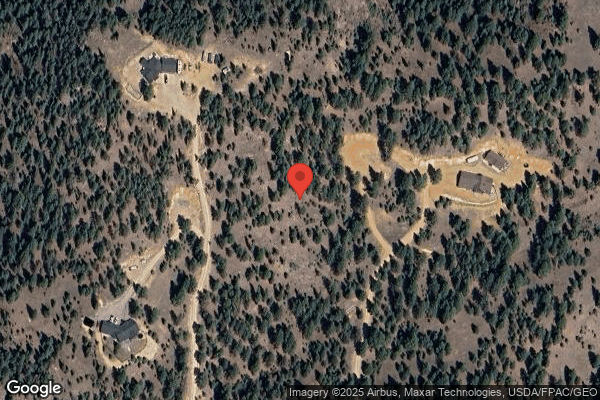

474 HWY 282, CLANCY, MT 59634 (406) 933-8311
For profit - Corporation 70 Beds EDURO HEALTHCARE Data: November 2025
Trust Grade
70/100
#12 of 59 in MT
Last Inspection: December 2024

Within standard 12-15 month inspection cycle. Federal law requires annual inspections.

Overview

Elkhorn Healthcare and Rehabilitation in Clancy, Montana has a Trust Grade of B, which indicates it is a good choice for families, standing out as solid but not elite. It ranks #12 out of 59 nursing homes in Montana, placing it in the top half, and is the only facility in Jefferson County, making it the best local option. The facility is improving, with the number of reported issues decreasing from 10 in 2023 to 5 in 2024. However, staffing is a concern, rated only 1 out of 5 stars, with a turnover rate of 65%, which is higher than the state average. While there have been no fines, indicating compliance with regulations, there are specific issues noted such as inadequate training for dietary staff leading to unsafe food handling, and complaints from residents about the quality and temperature of food served, which raises concerns about overall dining experience.

Trust Score
B
70/100
In Montana
#12/59
Top 20%
Safety Record
Low Risk
No red flags
Inspections
Getting Better
10 → 5 violations
Staff Stability
⚠ Watch
65% turnover. Above average. Higher turnover means staff may not know residents' routines.
Penalties
✓ Good
No fines on record. Clean compliance history, better than most Montana facilities.
Skilled Nurses
⚠ Watch
Each resident gets only 26 minutes of Registered Nurse (RN) attention daily — below average for Montana. Fewer RN minutes means fewer trained eyes watching for problems.
Violations
⚠ Watch
15 deficiencies on record. Higher than average. Multiple issues found across inspections.
★★★★☆
4.0
Overall Rating
★☆☆☆☆
1.0
Staff Levels
★★☆☆☆
2.0
Care Quality
★★★★★
5.0
Inspection Score
Stable
2023: 10 issues
2024: 5 issues

The Good

  • Full Sprinkler Coverage · Fire safety systems throughout facility
  • No fines on record

Facility shows strength in fire safety.

The Bad

Staff Turnover: 65%

19pts above Montana avg (46%)

Frequent staff changes - ask about care continuity

Chain: EDURO HEALTHCARE

Part of a multi-facility chain

Ask about local staffing decisions and management

Staff turnover is elevated (65%)

17 points above Montana average of 48%

The Ugly 15 deficiencies on record

Dec 2024 5 deficiencies
CONCERN (D)

Potential for Harm - no one hurt, but risky conditions existed

Safe Environment (Tag F0584)

Could have caused harm · This affected 1 resident

Based on observation, interview, and record review, the facility failed to provide an environment that was clean, and well maintained, for 4 (#s 24, 27, 37, and 59) of 24 sampled residents. Findings i...

Read full inspector narrative →
Based on observation, interview, and record review, the facility failed to provide an environment that was clean, and well maintained, for 4 (#s 24, 27, 37, and 59) of 24 sampled residents. Findings include: During an observation on 12/16/24 at 1:59 p.m., the floor in the shared bathroom, for resident #27 and #59, had a 20 inch by 15 inch (approximate measurement) area of missing linoleum, in front of the toilet, and the concrete foundation was exposed. During an observation on 12/18/24 at 11:26 a.m., the exposed concrete floor in front of the base of the toilet, in resident #27 and 59's shared bathroom, was wiped with a wet, white paper towel, and the paper towel became soiled with orange, brown, and black particles and hair. During an interview on 12/18/24 at 11:26 a.m., resident #27 stated They were supposed to redo the flooring in the whole facility last spring, as you can see they haven't done that. During an interview on 12/18/24 at 1:30 p.m., resident #27 stated both he and resident #59 used the shared bathroom, adjoining the resident's room. During an observation on 12/19/24 at 7:50 a.m., the caulking around the toilet in the shared bathroom of resident #24 and 37's shared bathroom, was cracked, had a brownish orange discoloration, and the caulking did not seal the based of the toilet to the linoleum. During an interview on 12/19/24 at 10:35 a.m., staff member A stated the expectation was the toilets, floors, and sinks in resident bathrooms would be cleaned daily. A review of a facility document titled, Resident Room Cleaning, undated, showed: . 8. Clean inside and outside toilet . 11. Dust mop floors 12. Wet mop floor and base board . A review of a facility policy, titled, Maintenance Service, with a revised date of December 2009, showed: Policy Statement Maintenance service shall be provided to all areas of the building, grounds, and equipment. Policy Interpretation and Implementation 1. The Maintenance Department is responsible for maintaining the buildings, grounds, and equipment in a safe operable manner at all times . 2. Functions of maintenance personnel include, but are not limited to: . b. Maintaining the building in good repair and free from hazards .
CONCERN (D) 📢 Someone Reported This

A family member, employee, or ombudsman was alarmed enough to file a formal complaint

Potential for Harm - no one hurt, but risky conditions existed

Report Alleged Abuse (Tag F0609)

Could have caused harm · This affected 1 resident

Based on interview and record review, the facility failed to report the findings of an investigation for an alleged resident-to-resident abuse incident for resident # 8 and #18, within five working da...

Read full inspector narrative →
Based on interview and record review, the facility failed to report the findings of an investigation for an alleged resident-to-resident abuse incident for resident # 8 and #18, within five working days of the incident. Findings include: Review of the Facility Reported Incident of abuse, involving resident #8 and 18, showed the incident occurred on 8/13/24 at 11:30 a.m. Review of the facility's document, Reportable Incident for resident #'s 8 and 18, showed, Findings - submitted on 8/26/24. During an interview on 12/17/24 at 9:37 a.m., staff member A stated she had not submitted the findings for this incident within five working days.
CONCERN (D)

Potential for Harm - no one hurt, but risky conditions existed

Deficiency F0655 (Tag F0655)

Could have caused harm · This affected 1 resident

Based on interview and record review, the facility failed to provide a baseline care plan to a vulnerable resident or their representative, for 2 (#s 22 and 64) of 24 sampled residents. Findings inclu...

Read full inspector narrative →
Based on interview and record review, the facility failed to provide a baseline care plan to a vulnerable resident or their representative, for 2 (#s 22 and 64) of 24 sampled residents. Findings include: 1. During an interview on 12/16/24 at 1:32 p.m., resident #64 stated she had not received any information regarding her baseline care plan. Review of resident #64's admission & baseline careplan/summary. V3, showed the following three areas were left blank: . 3. Resident/Representative received a copy of the Plan of Care . 5. Resident/representative declined to receive printed copies 6. Resident and/or Resident representative Signature . A request was made on 12/18/24, for documentation regarding the provision of a copy of the baseline care plan, which was to be given to resident # 64 and resident #64's representative. There was no information or documentation provided prior to the end of the survey. 2. During an interview on 12/18/24 at 2:14 p.m., resident #22 stated he had not received a summary or a copy of his baseline care plan. Review of resident #22's admission & baseline careplan/summary. V3, showed the following three areas were left blank: . 3. Resident/Representative received a copy of the Plan of Care . 5. Resident/representative declined to receive printed copies 6. Resident and/or Resident representative Signature . During an interview on 12/19/24 at 10:01 a.m., when asked how residents received a copy of the baseline care plan, staff member C stated, the residents sign off in the baseline care plan summary, and the residents are asked if they wanted a printed copy of the baseline care plan.
CONCERN (E)

Potential for Harm - no one hurt, but risky conditions existed

Food Safety (Tag F0812)

Could have caused harm · This affected multiple residents

Based on observation, interview, and record review, the facility failed to clean and sanitize an ice machine in accordance with manufacturer recommendations. This ice machine was used for providing ic...

Read full inspector narrative →
Based on observation, interview, and record review, the facility failed to clean and sanitize an ice machine in accordance with manufacturer recommendations. This ice machine was used for providing ice to the dietary department and all residents who used ice. Findings include: During an observation on 12/19/24 at 9:42 a.m., the facility ice machine was full of ice, and a noticeable amount of black substance was on the inside of the machine above the door. When wiped with a paper towel, the black substance fell into the ice bin and remained on the paper towel. During an interview and record review on 12/19/24 at 9:45 a.m., staff member I stated, When we clean the ice machine, we empty all of the ice out, pull the trays and soak them to remove scale and debris, scrub all removed parts, and run them through the dishwasher to sanitize, run the clean cycle on the ice machine, and wipe down the outside of the machine. We do this monthly. It doesn't take long for the ice machine to build up scale and debris. I didn't notice the black build up on it previously. A document titled, Ice Machine Maintenance, provided by the facility, showed the ice machine was checked off as being cleaned each month. During an interview on 12/19/24 at 10:17 a.m., staff member I stated he typically followed the instructions for cleaning the ice machine, and on the inside panel of the machine, and stated, They are the manufacturer's recommendation(s). Review of the cleaning instructions for the ice machine located on the inside of the ice machine panel showed: Cleaning/sanitizing Procedure: .Step 12. Use ½ of the sanitizer/water solution to sanitize all surfaces of the ice machine .
CONCERN (E)

Potential for Harm - no one hurt, but risky conditions existed

Infection Control (Tag F0880)

Could have caused harm · This affected multiple residents

Based on observation, interview, and record review, staff member G failed to perform hand hygiene before administering medications to a resident, for 1 (#45) of 24 sampled residents, which increased t...

Read full inspector narrative →
Based on observation, interview, and record review, staff member G failed to perform hand hygiene before administering medications to a resident, for 1 (#45) of 24 sampled residents, which increased the risk of passing infectious agents to other residents or staff. Findings include: During an observation on 12/18/24 at 8:15 a.m., staff member G finished administering medications to resident #26. She took the medication cup from resident #26 and threw it in the garbage, then she opened the top drawer of the medication cart, and retrieved resident #45's cup of medications. She then poured a cup of water, and gave the cup of pills and water to resident #45, without performing hand hygiene. During an interview on 12/18/24 at 11:17 a.m., Staff member C stated hand sanitizing should occur between each resident during medication administration. A review of a facility policy, titled, Administering Medications, with a revision date of April 2019, showed: Policy Statement Medications are administered in a safe and timely manner, and as prescribed. Policy Interpretation and Implementation . 23. Staff follows established facility infection control procedures (e.g., handwashing, antiseptic technique, gloves, isolation precautions, etc.) for the administration of medications, as applicable . A review of a facility policy, titled, Handwashing/Hand Hygiene, with a revision date of October 2023, showed: Policy Statement This facility considers hand hygiene the primary means to prevent the spread of healthcare-associated infections. Policy Interpretation and Implementation Administrative Practices to Promote Hand Hygiene . 1. Hand hygiene is indicated: . e. after touching the resident's environment; .
Dec 2023 5 deficiencies
CONCERN (D)

Potential for Harm - no one hurt, but risky conditions existed

Comprehensive Care Plan (Tag F0656)

Could have caused harm · This affected 1 resident

Based on observation, interview, and record review, the facility failed to implement a comprehensive care plan to include focus, goals, and interventions addressing seizure disorder for 1 (#26) of 27 ...

Read full inspector narrative →
Based on observation, interview, and record review, the facility failed to implement a comprehensive care plan to include focus, goals, and interventions addressing seizure disorder for 1 (#26) of 27 sampled residents. Findings include: During an observation and interview on 12/16/23 at 2:59 p.m., resident #26 was sitting in his room, on the edge of his bed. Resident #26 stated he had past problems with seizures and takes medication to help control them. Resident #26 stated he was diagnosed at the hospital in [City Name] in October 2022. Resident #26 stated he has only had one seizure since his admission, but it caused him to fall and had sent him to the hospital. A review of resident #26's electronic medical record showed a diagnosis of epilepsy. A review of resident #26's care plan, dated 10/26/23, showed no focus, goals, or interventions regarding epilepsy or seizure precautions. During an interview on 12/18/23 at 1:15 p.m., staff member B stated care planning was a joint collaboration with the interdiciplinary team. The interdiciplinary team reviews the resident's information and completes the person-centered care plan. Staff members A and D were present during the interview and agreed with what staff member B stated. Staff members A, B, and D are part of the interdiciplinary team. Staff member A stated the care plan should have had seizure precautions in place. A review of a facility document titled, Care Plan, Comprehensive Person-Centered, not dated, showed: A comprehensive, person-centered care plan that includes measurable objectives and timetables to meet the residents' physical, psychosocial and functional needs is developed and implemented for each resident. .3. The care plan interventions are derived from a thorough analysis of the information gathered as part of the comprehensive assessment. .7. The comprehensive, person-centered care plan: a. Includes measurable objectives and timeframes; .e. reflects currently recognized standards of practice for problem areas and conditions.
CONCERN (D)

Potential for Harm - no one hurt, but risky conditions existed

Deficiency F0657 (Tag F0657)

Could have caused harm · This affected 1 resident

Based on observation, interview, and record review, the facility failed to revise care plans to reflect a resident's current care needs for 1 (#39) of 27 sampled residents. Findings include: During an...

Read full inspector narrative →
Based on observation, interview, and record review, the facility failed to revise care plans to reflect a resident's current care needs for 1 (#39) of 27 sampled residents. Findings include: During an observation of nursing care on 12/17/23 at 9:22 a.m., resident #39 was noted to have an occlusive wound dressing to her abdomen. During an interview on 12/18/23 at 12:33 p.m., staff member H stated resident #39 was receiving wound management by [outside facility name] wound clinic, but the facility staff are completing the dressing changes and packing the wound per the wound clinic's instructions. Staff member H stated the surgical incision had separated partly due to a bacterial infection within the abdominal cavity, and resident #39 had been using a wound vac until approximately one month ago. During an interview on 12/18/23 at 2:44 p.m., staff member H reported the staff were all responsible for the updates on the care plan. Staff member H stated staff member C was responsible for updating the care plan in the EHR system. Staff member H stated if any of the nursing staff had information for the care plan, they would provide the information to staff member C for updating in the care plan. Staff member C was out of the facility for the duration of the survey. During an interview on 12/18/23 at 4:20 p.m., resident #39 stated, I had an infection after surgery on my bowels. Resident #39 reported a wound vac was used on the wound after the infection and was later discontinued. Review of resident #39's EHR showed the wound vac was placed on hold on 10/19/23. The EHR showed the following order for wound care, dated 10/31/23, Cleanse abdominal wound with wound cleanser-apply iodoform packing strip to entire wound bed - cover with ABD pad and secure with tape. Change dressing daily. Review of resident #39's care plan on 12/18/23, showed resident #39 currently had a wound vac, and included instructions for management of the wound vac. No instructions for current wound dressing changes were included in the care plan.
CONCERN (D)

Potential for Harm - no one hurt, but risky conditions existed

Safe Environment (Tag F0921)

Could have caused harm · This affected 1 resident

Based on observation, interview, and record review the facility failed to maintain a comfortable and sanitary environment for residents. This deficient practice had the potential to adversely affect t...

Read full inspector narrative →
Based on observation, interview, and record review the facility failed to maintain a comfortable and sanitary environment for residents. This deficient practice had the potential to adversely affect the well-being and safety of all residents using the sink in the main entry and being served food and drinks by the kitchen or nourishment closet. Findings include: During an observation of the kitchen dish room on 12/16/23 at 1:06 p.m., clean dishes were stored in the dish room and not covered. During an observation of the main foyer on 12/17/23 at 4:15 p.m., the sink in the main entry area was leaking and had hard water build up around the faucet, the bottom of the sink was dirty and brownish in color. During an observation of the kitchen dish room on 12/18/23 at 1:46 p.m., cups and water mugs were stored in the dish room uncovered. The cups were stored on a tray with the opening down. The water mugs were uncovered, opening upward, and stored on the bottom shelf inches off the floor in a plastic bin. The floor below the bin of water mugs had a chunk of old water saturated food below it. The floor was wet and splattered with food. During an interview on 12/18/23 at 1:46 p.m., staff member E stated, I have a special cleaner to get the stains out of the water mugs otherwise they are washed in the dishwasher and stored in that bin. During an observation of the nourishment closet on 12/18/23 at 1:55 p.m., the nourishment closet had a foul odor. The floor was sticky and discolored. During an interview on 12/18/23 at 2:18 p.m., staff member F stated .it is not the responsibility of housekeeping to clean the floors in the nourishment room. It is dietary's responsibility. During an interview on 12/18/23 at 2:23 p.m., staff member E stated they were unaware it was dietary's responsibility to clean the nourishment room. During an interview on 12/18/23 at 4:14 p.m., staff member G stated the cleaning of the nourishment room is done by housekeeping or dietary.I have never been asked to clean it. Review of a facility document titled, Daily and Weekly Cleaning Schedule, undated, showed a list of cleaning tasks for the dietary department and the nourishment room was not included on the list.
CONCERN (E)

Potential for Harm - no one hurt, but risky conditions existed

Deficiency F0678 (Tag F0678)

Could have caused harm · This affected multiple residents

**NOTE- TERMS IN BRACKETS HAVE BEEN EDITED TO PROTECT CONFIDENTIALITY** Based on interview and record review, the facility failed to ensure the Provider Order for Life-Sustaining Treatment (POLST) was...

Read full inspector narrative →
**NOTE- TERMS IN BRACKETS HAVE BEEN EDITED TO PROTECT CONFIDENTIALITY** Based on interview and record review, the facility failed to ensure the Provider Order for Life-Sustaining Treatment (POLST) was completed to include the signature, date, and time, the provider signed the order, for 5 (#s 36, 48, 59, 119 and 121) of 27 sampled residents. Findings include: A review of resident #36's POLST, dated [DATE], failed to show a physician's signature or a date the order was obtained. A review of resident #59's POLST, dated [DATE], failed to show a physician's signature or a date the order was obtained. A review of resident #119's POLST, undated, failed to show the date the resident and physician signed the POLST order. A review of resident #121's POLST, dated [DATE], failed to show a physician's signature or a date the order was obtained. During an interview on [DATE] at 4:00 p.m., staff member D stated, The POLST is completed upon admit. The admitting nurse or I would fill them out. I will make sure the POLST is signed, dated, and filled out correctly. I try to get the POLST signed by the providers with in one week of a resident's admission. Staff member D stated, We have two providers that come to the facility once a week and another provider that comes every other week, so it is not unreasonable for the POLST to be completed and signed within a week. During an interview on [DATE] at 4:10 p.m., staff member G stated there was a binder located in the front office that staff can look at to find a resident's code status. Staff member G stated, We look at the binder because it has the most up to date POLST information. During an interview on [DATE] at 4:15 p.m., staff member I stated, I have gone through the POLST binder three times within the last week to make sure all the POLST forms were signed and dated. During an interview on [DATE] at 3:33 p.m., staff member J stated she would determine if the resident should receive CPR by either looking in the POLST book or in the EHR. Staff member J stated in an emergency, she would go to the POLST book or refer to her co-workers. Review of resident #48's POLST form, dated [DATE], located in both resident #48's EHR and in the POLST book at the nurse's station, showed no provider signature and no printed provider name. Review of resident #48's EHR failed to show an updated or completed version of resident #48's unsigned POLST form.
CONCERN (E)

Potential for Harm - no one hurt, but risky conditions existed

Food Safety (Tag F0812)

Could have caused harm · This affected multiple residents

Based on observation, interview, and record review, the facility failed to ensure proper food storage in the nourishment closet refrigerator and freezer and the dry food storage area of the kitchen. T...

Read full inspector narrative →
Based on observation, interview, and record review, the facility failed to ensure proper food storage in the nourishment closet refrigerator and freezer and the dry food storage area of the kitchen. This deficient practice potentially affects all residents who have received services from the kitchen and nourishment closet. Findings include: During an observation of the kitchen dry storage on 12/16/23 at 1:05 p.m., a bag of rice, shell macaroni, and egg noodles were open and did not have a date on them indicating when they were opened. During an observation of the kitchen dry storage on 12/17/23 at 7:40 a.m., a bag of rice, shell macaroni, and egg noodles had no open date on them. During an observation of the nourishment closet on 12/18/23 at 1:55 p.m., small snack cups in the refrigerator had what appeared to be fruit in them and were dated 12/5/23, they had frozen in the bottom of the fridge. There were no dates on resident purchased foods that were open and stored in the fridge. The freezer was completely full to the door with resident purchased foods. The ice cream half gallon containers had been opened and did not have dates on them. During an interview on 12/18/23 at 2:00 p.m., staff member E stated, she had never checked the temperature on the nourishment fridge. During an interview on 12/18/23 at 2:02 p.m., staff member E stated, the dietary department is responsible for checking the temperatures of unit refrigerators. Record review on 12/18/23 at 2:03 p.m., showed the unit refrigerator temperatures were inconsistent with temperatures of 41 degrees Fahrenheit or higher. Review of a facility document titled, Food Receiving and Storage, undated, showed: Dry Food Storage: .3. dry foods and goods are handled and stored in a manner that maintains the integrity of the packaging until they are ready to use. Foods and Snacks Kept on Nursing Units: 1. All food items to be kept at or below 41 degrees Fahrenheit are placed in the refrigerator located at the nurses' station and labeled with a use by date.
Jan 2023 5 deficiencies
CONCERN (E)

Potential for Harm - no one hurt, but risky conditions existed

Deficiency F0804 (Tag F0804)

Could have caused harm · This affected multiple residents

Based on observation, interview, and record review, the facility failed to ensure residents received palatable food for 2 (#s 37 and 59) of 2 sampled residents, and the facility had been recently cite...

Read full inspector narrative →
Based on observation, interview, and record review, the facility failed to ensure residents received palatable food for 2 (#s 37 and 59) of 2 sampled residents, and the facility had been recently cited for this deficient practice two times in the last year. Findings include: On 10/19/22, a Complaint survey was completed at the facility. F804 was cited at the level of E. The plan of correction date of completion for the deficiency was 11/25/22. As of this date, the facility alleged actions would be taken to address concerns documented on the FORM CMS-2567 related to palatability of food. The facility did not sustain corrections for this deficiency. Continued failure on the part of the facility to complete and sustain corrections, may affect all residents. 1. During an interview on 1/3/23 at 3:38 p.m., resident #37 stated the food at the facility tasted horrible, and the resident often received his food cold. During an interview on 1/4/23 at 1:10 p.m., resident #37 stated both breakfast and lunch were cold, and the lunch tasted so bad he did not eat it. Resident #37 stated the meat at lunch was so tough he could barely chew it. Resident #37 stated staff had never asked him if he liked the food at the facility. 2. During an interview on 1/3/23 at 3:46 p.m., resident #59 stated the food could be better at the facility, and he received a cold hamburger for lunch that day. During an observation and interview on 1/4/23 at 8:18 a.m., resident #59 showed the surveyor his food tray. Resident #59 picked up his toast and broke it in half. When the toast broke in half, it sounded crunchy and pieces of the toast broke off on the resident's plate, showing it was very dry. When the resident went to spread butter on the toast, more pieces broke off. Resident #59 stated the toast was really dry and would be hard to eat for him because he had missing teeth. The resident stated the toast would hurt his mouth to eat unless he dunked it in something to soften the bread. During an interview on 1/4/23 at 1:16 p.m., staff member D stated the area of the facility where resident #s 37 and 59 resided, did not get trays from an insulated cart. Staff member D stated she had not surveyed any of the residents to see how the food tasted, and if it was at an appropriate temperature. A review of the facility's policy, Cycle Menus, revised 9/14/18, reflected: - Policy .The Director of Food and Nutritional Services in conjunction with the RD implements menus that provide food that is nourishing, palatable . 2. Recommend reviewing the menus in a food committee and receiving resident input for necessary changes in the menu. A review of the facility's policy, Food Temperatures, revised 3/19/20, reflected: - Policy Foods should be served at proper temperature to insure food safety and palatability. 8. Palatability of foods determines appropriate temperature at bedside or tableside food .Residents' surveys will determine their acceptability. Refer to F867 QAPI for more information related to systemic failures.
CONCERN (F)

Potential for Harm - no one hurt, but risky conditions existed

Deficiency F0802 (Tag F0802)

Could have caused harm · This affected most or all residents

Based on observation, interview, and record review, the facility failed to ensure dietary personnel were adequately trained to have the competencies and skill sets to identify safe food handling pract...

Read full inspector narrative →
Based on observation, interview, and record review, the facility failed to ensure dietary personnel were adequately trained to have the competencies and skill sets to identify safe food handling practices and maintain a sanitary environment. These failures had the potential to affect all residents who consumed food prepared in the kitchen. Findings include: During an observation on 1/3/23 at 1:23 p.m., staff member J was not wearing a covering over his hair. During an observation on 1/4/23 at 2:52 p.m., staff member J was not wearing a covering over his hair. During an interview on 1/4/23 at 3:05 p.m., staff member D stated training for the kitchen staff consists of on the job training. There needs to be competency training for dietary staff. There needs to be a better training system. During an interview on 1/5/23 at 10:01 a.m., staff member M stated she comes to the facility once a week, for about half the day, and she tried to spend half of that time in the kitchen. Staff member M further stated, All kitchen staff should have basic training for the newest food safety, etc. During an interview on 1/5/23 at 11:01 a.m., staff member A stated, I absolutely think the staff in the kitchen should be certified. Staff member A stated that staff member L had stepped down from assistant dietary manger but had agreed to continue to help staff member D until there is certification in place for staff member D. During an interview on 1/5/23 at 11:21 a.m., staff member K stated he had been working in the kitchen for about a month. Staff member K stated, I was trained a little bit by staff member D and I had no training from staff member L, to be completely honest. A review of a facility policy titled, Orientation/Competency Checklist, with a revised date of 7/3/2018, showed: All dietary personnel must have documentation of general orientation to their jobs, the organization, and policies and procedures of the community. 1. Use Dietary Orientation Guide (FORM 717) in onboarding a new dietary employee. Have employee sign and file completed form in the employee's file. 2. Using the appropriate Competency Checklist (FORMs 711-716), continue training by filling in employee's name and date of employment. 3. As the training is completed, the supervisor and the employee must sign and date the form. Date in the column Date Instruction Given, initial orientation and training of each task.[sic] 4. Once the employee has performed the task well, date the second column, Perfonned Task.[sic] 5. Once performance of task meets instructor's approval, date and initial the third column, Approved. 6. Documentation of the completed orientation/training should become part of the employee's permanent file.[sic] A request for training and education for all dietary staff was requested on 1/5/22 at 11:52 a.m., and staff member A returned two certificates of completion for staff member K. One was for [Company name] Menus Training with a completed date of 11/29/22, and another for Diet Essentials Training, with a completed date of 12/15/22. During an interview on 1/5/23 at 12:04 p.m., staff member A stated the two certificates, for staff member K, were all she had for dietary staff training.
CONCERN (F)

Potential for Harm - no one hurt, but risky conditions existed

Food Safety (Tag F0812)

Could have caused harm · This affected most or all residents

Based on observation, interview, and record review, the facility failed to store, prepare, and serve food in accordance with professional standards for food service and safety. This deficient practice...

Read full inspector narrative →
Based on observation, interview, and record review, the facility failed to store, prepare, and serve food in accordance with professional standards for food service and safety. This deficient practice had the potential to affect every resident that consumed food from the kitchen. Findings include: During an observation on 1/3/23 at 1:23 p.m., the following was identified: - Staff member J was not wearing a covering over his hair, - The floor where the upright refrigerator and freezer were located had a build-up of brown colored grime where the base board meets the flooring, - The two-door upright freezer had food particles on the bottom with a pork loin and two rolls of sausage lying on the bottom, - The single door upright freezer had ice buildup on all the shelves and had food particles on the bottom, - The walk-in refrigerator had a strong fish odor and the ceiling above the compressor fan had a build-up of dust and grime, and - The floor of the walk-in refrigerator had a build-up of food particles and grime where the floor met the wall on all sides. During an observation on 1/3/23 at 1:36 p.m., the following was identified inside the walk-in refrigerator: - A five-pound bag of grated cheddar cheese that was approximately 1/3 full, was unsealed and had no open date, - A five-pound bag of grated mozzarella cheese that was approximately 1/3 full, was unsealed and had no open date, - A five-pound bag of grated parmesan cheese that was approximately 1/2 full, was unsealed and had no open date, and - Two crates, each containing 32 ½ pint milk cartons, were sitting directly on the floor. During an observation on 1/3/23 at 1:44 p.m., the following was identified inside the two-door upright refrigerator: - A 32-ounce jar of chopped garlic that was almost empty had no open date, - One gallon of mayonnaise that was ½ full had no open date, - A five-pound tub of cottage cheese that was 1/3 full, had no open date and an expiration date of 12/11/22, - Two unopened 32-ounce cartons of buttermilk with a sell by date of 12/23/22, and - A 36-ounce bottle of Ranch dressing, 2/3 full, with no open date. During an observation on 1/3/23 at 1:56 p.m., the following was identified in the kitchen area: - A 25-pound sack of breadcrumbs was sitting directly on the floor, - The drip pan under the stove was full of grease and burnt food particles and grease was running down the back side of the stove, - Two oven mitts on a shelf above the stove were tattered and stained, and - The steam table, with four spillage pans approximately 1/3 full of water, had a brownish film buildup on the bottom and sides, with food particles floating in them. During an observation on 1/3/22 at 1:59 p.m., the following was identified in the dry storage area: - Two plastic storage containers of cereal with no open date, - One four-ounce filter pack of tea laying on the shelf with no covering, and - A five-pound bag of yellow corn meal, ½ full, unsealed and no open date. During an interview on 1/3/23 at 2:08 p.m., when asked why staff member J was not wearing a hair covering, staff member L stated the facility had ran out of hair nets and were supposed to get an order in soon. During an Observation on 1/3/23 at 2:09 p.m., staff member J left the kitchen and returned wearing a hat. During an interview on 1/4/23 at 2:52 p.m., staff member D stated there was a cleaning schedule and staff were supposed to complete cleaning before the end of each shift. Staff member D stated, I audit the cleaning schedule each day when I come in to work. During an observation on 1/4/23 at 2:52 p.m., staff member J was not wearing a covering over his hair. During an observation on 1/4/23 at 2:52 p.m., the steam table, with four spillage pans approximately 1/3 full of water, had a brownish film buildup on the bottom and sides with food particles floating in the water. During an interview on 1/4/23 at 3:05 p.m., staff member D stated she could not find the cleaning schedule for the kitchen. A review of a facility policy titled, Food Storage, with a revised date of 3/9/2020, showed: - . Food items should be stored, thawed, and prepared in accordance with good sanitary practice. Any expired or outdated food products should be discarded. - . Storage: Tea The storage of dry products for the preparation of tea should be kept in tightly sealed, labeled, and dated containers. - Dry Storage: . 7. Any opened products should be placed in seamless plastic or glass containers with tight fitting lids and labeled and dated. A label may not be needed if in original packaging and product is identified on the package. 8. Remove food stored in bins from their original packaging. Label and date all storage containers or bins. A review of a policy titled, Nourishment Refrigerator/Freezer Storage Guide, with a revised date of 6/16/2021, showed: - 1. All foods must be appropriately covered and if opened, must be covered with a non-absorbent lid or material. - 2. All items must be dated with a placed date. - 3. Opened containers must be dated with a Use-By date in the refrigerator. A review of a facility policy titled, Personal Hygiene/Safety/Food Handling/Infection Control with a revised date of 11/30/22, showed: - . 3. Head Covering Worn - a. Wear a clean hat or other hair restraint. Hair must be appropriately restrained or completely covered. A review of a facility document titled, Deep Cleaning Schedule, not dated, showed: Cleaning tasks to be done every day, and listed the steam table as one of those tasks.
CONCERN (F)

Potential for Harm - no one hurt, but risky conditions existed

QAPI Program (Tag F0867)

Could have caused harm · This affected most or all residents

Based on interview and record review, the facility failed to implement and monitor quality deficient practices effectively through use of the facility QAPI program related to food food palatability, t...

Read full inspector narrative →
Based on interview and record review, the facility failed to implement and monitor quality deficient practices effectively through use of the facility QAPI program related to food food palatability, temperature, and resident satisfaction. This failure had the potential to affect all residents at the facility. Findings include: On 1/22/22 a Recertification survey was completed and F804, Nutritive, Appearance, Palatability, Preferred Temperature, at the level of D. On 10/25/22, a Complaint survey was completed, and F804 was again cited, at the level of E. The facility failed to implement and sustain adequate corrections through the last year related to this deficient practice, which may affect all residents at the facility. The date of correction for the 10/19/22 survey was 11/25/22. This showed the facility sustained corrections for only 1.5 months. During an interview on 1/3/23 at 3:38 p.m., resident #37 stated the food at the facility tasted horrible, and the resident often received his food cold. During an interview on 1/4/23 at 1:10 p.m., resident #37 stated both breakfast and lunch were cold, and the lunch tasted so bad he did not eat it. Resident #37 stated staff had never asked him if he liked the food at the facility. During an interview on 1/4/23 at 1:16 p.m., staff member D stated staff member D stated she had not surveyed any of the residents to see how the food tasted, and if it was at an appropriate temperature. A review of the facility's plan of correction for the deficient practice of food temperatures, with a completion date of 2/9/22, showed: Systemic Changes: a. Dietary Manager provided education to dietary staff regarding the requirement to serve food and drink that are at safe and appetizing temperatures, the process for validating and auditing these temperatures and ensuring that they are maintained until served to residents. Education provided on 2/2/2022. 4. Monitoring: a. Dietary manager or designee will conduct spot audits of trays prior to service and will review temperature logs for each hallway at varying meal times 3 x per week x 4 weeks then weekly for 2 months to validate that meals are being served at appropriate temperature and that temperature checks are conducted appropriately. b. Any identified trends will be reported to the Quality Assurance, Performance Improvement committee monthly and as needed until a lessor frequency is deemed appropriate.[sic] For the Complaint survey dated 10/19/22, the facility plan of correction included: Systemic Changes: - Administrator/Designee provided education to dietary staff including the dietary manager regarding the requirement to serve nutritious meals at safe and appetizing temperatures, and that are appealing in appearance, palatability. - Administrator/designee provided education to dietary staff regarding the requirement to check and log food temperatures before and at the time of service to ensure that food is being served at safe, palatable temperatures. Facility monitoring for the corrections to be sustained included: - Administrator/designee will perform meal service audits to validate appropriate plating and that meals are appealing in appearance at 2 meals/day x 5 days, then 5 meals/week x 1 month, then 1 meal/week x 1 month. - Administrator/designee will perform audits of 3 residents to validate satisfaction with meal appearance, palatability and temperature 3x/week for 1 month, then once a week for 1 month. - Administrator/designee will perform room tray audits to validate temperatures are appropriate, trays are not left uncovered and residents who decline meal at time of service are offered a nutritious meal at a time of their preference; audits to include 2 meals/day x 5 days, then 5 meals/week x 1 month, then 1 meal/week x 1 month - Any identified trends in the above monitoring will be reported to the Quality Assurance, Performance Improvement committee monthly and as needed until a lessor frequency is deemed appropriate. The facility Quality Assurance and Performance Improvement program at the facility failed to address and sustain corrections from either the 1/6/22 or 10/19/22 surveys related to F804.
CONCERN (F)

Potential for Harm - no one hurt, but risky conditions existed

Infection Control (Tag F0880)

Could have caused harm · This affected most or all residents

Based on observation, interview, and record review, the facility failed to ensure staff adhered to proper infection control practices during medication administration for 1 (#29) of 8 sampled resident...

Read full inspector narrative →
Based on observation, interview, and record review, the facility failed to ensure staff adhered to proper infection control practices during medication administration for 1 (#29) of 8 sampled residents; failed to ensure staff adhered to infection control practices during food service; and failed to ensure staff wore appropriate PPE while performing laundry services. Findings include: 1. During an observation and interview on 1/3/23 at 4:16 p.m., during medication administration, staff member E popped out resident #29's Gabapentin capsule onto the medication cart, missing the medication cup it was meant to go into. Staff member E picked up the capsule with her bare hand and put it into the medication cup. Staff member E stated she thought the cart and her hands were clean, so it was acceptable for her to put the capsule in the cup with her bare hands. Staff member E stated she did not know what the facility's policy was regarding infection control practices during medication administration. During an interview on 1/4/23 at 2:11 p.m., staff member B stated she expected medication to be thrown away if it did not go directly into the medication cup. Staff member B stated it was not acceptable for a staff member to pick up a medication capsule with their bare hands and continue to administer the medication. A review of the facility's policy, Administering Medications, dated 2018, reflected, 22. Staff shall follow established facility infection control procedures (e.g. handwashing, antiseptic technique, gloves, isolation precautions, etc.) for the administration of medications, as applicable. 2. During an observation on 1/4/23 at 8:19 a.m., staff member F was passing out breakfast food trays. The trays contained a cup of strawberries with a white substance, resembling cool whip, on the top. Staff member F introduced herself to the surveyor and turned her name badge around. The name badge had the white substance from the strawberries smeared on it. Staff member F went to wash off the white substance. Staff member F continued to pass breakfast trays, and did not investigate or replace the resident's cup of strawberries in which her name badge slipped into. 3. During an observation and interview on 1/5/23 at 8:57 a.m., staff members G and H were not wearing source control in the soiled laundry area. Staff member I stated to the other staff present, You should probably put your masks on. Staff member G stated he did not wear an apron or gown when sorting the resident's dirty laundry. During an interview on 1/5/23 at 9:08 a.m., staff member H stated she did not have training on what to wear while working with the soiled laundry. Staff member H stated she only wore a gown if the laundry looked dirty. During an interview on 1/5/23 at 9:48 a.m., staff member C stated she has not worked with staff member I to provide any infection control training for the staff working in the laundry area.
Understanding Severity Codes (click to expand)
Life-Threatening (Immediate Jeopardy)
J - Isolated K - Pattern L - Widespread
Actual Harm
G - Isolated H - Pattern I - Widespread
Potential for Harm
D - Isolated E - Pattern F - Widespread
No Harm (Minor)
A - Isolated B - Pattern C - Widespread

Questions to Ask on Your Visit

  • "Why is there high staff turnover? How do you retain staff?"
  • "Can I speak with families of current residents?"
  • "What's your RN coverage like on weekends and overnight?"

Our Honest Assessment

Strengths
  • • No major safety red flags. No abuse findings, life-threatening violations, or SFF status.
  • • No fines on record. Clean compliance history, better than most Montana facilities.
Concerns
  • • 15 deficiencies on record. Higher than average. Multiple issues found across inspections.
  • • 65% turnover. Above average. Higher turnover means staff may not know residents' routines.
Bottom line: Mixed indicators with Trust Score of 70/100. Visit in person and ask pointed questions.

About This Facility

What is Elkhorn Healthcare And Rehabilitation's CMS Rating?

CMS assigns ELKHORN HEALTHCARE AND REHABILITATION an overall rating of 4 out of 5 stars, which is considered above average nationally. Within Montana, this rating places the facility higher than 99% of the state's 100 nursing homes. This rating reflects solid performance across the metrics CMS uses to evaluate nursing home quality.

How is Elkhorn Healthcare And Rehabilitation Staffed?

CMS rates ELKHORN HEALTHCARE AND REHABILITATION's staffing level at 1 out of 5 stars, which is much below average compared to other nursing homes. Staff turnover is 65%, which is 19 percentage points above the Montana average of 46%. High turnover can affect care consistency as new staff learn residents' individual needs.

What Have Inspectors Found at Elkhorn Healthcare And Rehabilitation?

State health inspectors documented 15 deficiencies at ELKHORN HEALTHCARE AND REHABILITATION during 2023 to 2024. These included: 15 with potential for harm.

Who Owns and Operates Elkhorn Healthcare And Rehabilitation?

ELKHORN HEALTHCARE AND REHABILITATION is owned by a for-profit company. For-profit facilities operate as businesses with obligations to shareholders or private owners. The facility is operated by EDURO HEALTHCARE, a chain that manages multiple nursing homes. With 70 certified beds and approximately 64 residents (about 91% occupancy), it is a smaller facility located in CLANCY, Montana.

How Does Elkhorn Healthcare And Rehabilitation Compare to Other Montana Nursing Homes?

Compared to the 100 nursing homes in Montana, ELKHORN HEALTHCARE AND REHABILITATION's overall rating (4 stars) is above the state average of 3.0, staff turnover (65%) is significantly higher than the state average of 46%, and health inspection rating (5 stars) is much above the national benchmark.

What Should Families Ask When Visiting Elkhorn Healthcare And Rehabilitation?

Based on this facility's data, families visiting should ask: "How do you ensure continuity of care given staff turnover, and what is your staff retention strategy?" "Can you walk me through typical staffing levels on day, evening, and night shifts?" "Can I visit during a mealtime to observe dining assistance and food quality?" "How do you handle medical emergencies, and what is your hospital transfer rate?" These questions are particularly relevant given the facility's high staff turnover rate and the below-average staffing rating.

Is Elkhorn Healthcare And Rehabilitation Safe?

Based on CMS inspection data, ELKHORN HEALTHCARE AND REHABILITATION has a clean safety record: no substantiated abuse findings (meaning no confirmed cases of resident harm), no Immediate Jeopardy citations (the most serious violation level indicating risk of serious injury or death), and is not on the Special Focus Facility watch list (a federal program monitoring the lowest-performing 1% of nursing homes). The facility has a 4-star overall rating and ranks #1 of 100 nursing homes in Montana. While no facility is perfect, families should still ask about staff-to-resident ratios and recent inspection results during their visit.

Do Nurses at Elkhorn Healthcare And Rehabilitation Stick Around?

Staff turnover at ELKHORN HEALTHCARE AND REHABILITATION is high. At 65%, the facility is 19 percentage points above the Montana average of 46%. High turnover means new staff may not know residents' individual needs, medications, or preferences. It can also be disorienting for residents, especially those with dementia who rely on familiar faces. Families should ask: What is causing the turnover? What retention programs are in place? How do you ensure care continuity during staff transitions?

Was Elkhorn Healthcare And Rehabilitation Ever Fined?

ELKHORN HEALTHCARE AND REHABILITATION has no federal fines on record. CMS issues fines when nursing homes fail to meet care standards or don't correct problems found during inspections. The absence of fines suggests the facility has either maintained compliance or corrected any issues before penalties were assessed. This is a positive indicator, though families should still review recent inspection reports for the full picture.

Is Elkhorn Healthcare And Rehabilitation on Any Federal Watch List?

ELKHORN HEALTHCARE AND REHABILITATION is not on any federal watch list. The most significant is the Special Focus Facility (SFF) program, which identifies the bottom 1% of nursing homes nationally based on persistent, serious quality problems. Not being on this list means the facility has avoided the pattern of deficiencies that triggers enhanced federal oversight. This is a positive indicator, though families should still review the facility's inspection history directly.