MONTANA VETERANS HOME N H
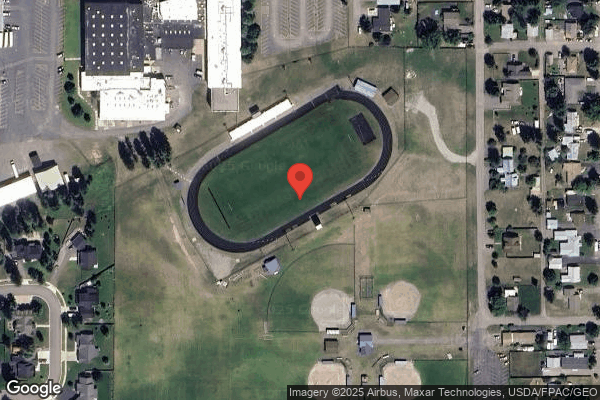
400 VETERANS DR, COLUMBIA FALLS, MT 59912 (406) 892-3256
Government - State 105 Beds Independent Data: November 2025 1 Immediate Jeopardy citation
Trust Grade
23/100
#32 of 59 in MT
Last Inspection: July 2024

Within standard 12-15 month inspection cycle. Federal law requires annual inspections.

Overview

Montana Veterans Home N H has received a Trust Grade of F, indicating significant concerns about the quality of care provided. It ranks #32 out of 59 facilities in Montana, placing it in the bottom half, and #3 out of 5 in Flathead County, meaning only two local options are rated higher. The facility is worsening, with issues increasing from 1 in 2024 to 3 in 2025. Staffing is a strength, earning a 5/5 star rating and a turnover rate of 42%, which is below the state average, indicating that staff members tend to stay long-term. However, the facility has accrued $123,000 in fines, which is concerning and higher than 83% of Montana facilities, suggesting ongoing compliance problems. Additionally, there are serious safety issues, including a critical finding where the facility failed to prevent sexual abuse and neglect among residents, leading to an Immediate Jeopardy situation. In another incident, staff did not properly investigate allegations of sexual abuse involving vulnerable residents, which raises serious concerns about safety and protection. While there are some strengths in staffing, the overall quality and safety of care are significant weaknesses that families should consider carefully.

Trust Score
F
23/100
In Montana
#32/59
Bottom 46%
Safety Record
High Risk
Review needed
Inspections
Getting Worse
1 → 3 violations
Staff Stability
○ Average
42% turnover. Near Montana's 48% average. Typical for the industry.
Penalties
○ Average
$123,000 in fines. Higher than 50% of Montana facilities. Some compliance issues.
Skilled Nurses
✓ Good
Each resident gets 76 minutes of Registered Nurse (RN) attention daily — more than 97% of Montana nursing homes. RNs are the most trained staff who catch health problems before they become serious.
Violations
⚠ Watch
15 deficiencies on record. Higher than average. Multiple issues found across inspections.
★★★☆☆
3.0
Overall Rating
★★★★★
5.0
Staff Levels
★★☆☆☆
2.0
Care Quality
★★☆☆☆
2.0
Inspection Score
Stable
2024: 1 issues
2025: 3 issues

The Good

  • 5-Star Staffing Rating · Excellent nurse staffing levels
  • Full Sprinkler Coverage · Fire safety systems throughout facility
  • No fines on record
  • Staff turnover below average (42%)

    6 points below Montana average of 48%

Facility shows strength in staffing levels, fire safety.

The Bad

3-Star Overall Rating

Near Montana average (3.0)

Meets federal standards, typical of most facilities

Staff Turnover: 42%

Near Montana avg (46%)

Typical for the industry

Federal Fines: $123,000

Well above median ($33,413)

Significant penalties indicating serious issues

The Ugly 15 deficiencies on record

1 life-threatening
Aug 2025 3 deficiencies 1 IJ (1 affecting multiple)
CRITICAL (K) 📢 Someone Reported This

A family member, employee, or ombudsman was alarmed enough to file a formal complaint

Immediate Jeopardy (IJ) - the most serious Medicare violation

Free from Abuse/Neglect (Tag F0600)

Someone could have died · This affected multiple residents

**NOTE- TERMS IN BRACKETS HAVE BEEN EDITED TO PROTECT CONFIDENTIALITY** Based on interview and record review, the facility failed to recognize and prevent sexual abuse and neglect, and identify the re...

Read full inspector narrative →
**NOTE- TERMS IN BRACKETS HAVE BEEN EDITED TO PROTECT CONFIDENTIALITY** Based on interview and record review, the facility failed to recognize and prevent sexual abuse and neglect, and identify the residents' ability to consent to sexual activity, for 9 (#s 9, 12, 17, 44, 61, 77, 78, 80, and 89) of 28 sampled residents. This deficient practice resulted in residents participating in sexual activities who were unable to make their own decisions, which increased the risk of sexual abuse and psychosocial harm for residents, and this was identified to be an Immediate Jeopardy situation; and, based on observation, interview, and record review, the facility failed to ensure a resident was free from physical abuse by a staff member, which resulted in a skin tear on the resident's left hand for 1 (#20) of 28 sampled residents. On [DATE] at 9:58 a.m., the Administrator and facility management team were notified that an Immediate Jeopardy existed in the area of F600. related to the failure to address sexual activity amongst the residents. The Severity and Scope identified for the Immediate Jeopardy were identified to be at the level of a K, and when the immediacy was removed, lowered to an E. The facility provided a plan to remove the immediacy, which was accepted by the State Survey Agency and the CMS Kansas/Denver Regional Office, and the facility carried out the plan which was verified onsite on [DATE] at 12:52 PM. Findings include:1. Resident #17: During an interview on [DATE] at 11:37 a.m., staff member H stated there were many residents in the facility who participated in sexual activity with other residents. Staff member H stated resident #17, who resided in the SCU, had been with many other male residents and was “sucking on their penis, with multiple residents.” Staff member H stated they felt this behavior was wrong between the residents, as they were unable to consent for themselves. Staff member H stated they reported the sexual abuse to staff member B, but staff member B had told them the family was aware and had given consent on behalf of the residents. During an interview on [DATE] at 1:57 p.m., staff member L stated all the staff members knew about the sexual relationships between the residents, and staff member L stated, “Gosh I feel bad.” Staff member L stated resident #17 had been on another unit, and there had been a complaint from resident #77. The complaint was that resident #17 had said words that were inappropriate and with sexual innuendos towards him. Staff member L stated resident #17 was then moved to the SCU unit because it was a smaller unit and staff could keep a closer eye on him. Staff member L stated they had later received a report of an incident with resident #89 and resident #17, where resident #89 had no clothes on and resident #17 was on top of resident #89 performing oral sex. They stated this occurred about four months ago. Staff member L stated the POA was notified and moved resident #89 out within a few weeks. Staff member L stated about three weeks ago, resident #17 had went into resident #9’s room. Staff member L stated resident #17 had resident #9 on the bed with resident #9’s pants around his ankles and the brief open. Staff member L stated staff walked in just before sexual contact had been made. Staff member L stated resident #17 seemed like he attempted to lure other residents into his room. Staff member L stated the residents residing on the SCU were unable to consent for sexual activity for themselves. Review of resident #17’s chart showed the following nursing notes: -[DATE] – “… alleged accusation of [Resident #17] wandering into neighbors room [Resident #77] and laying in his bed, accusations of sexual innuendos … The resident stated he felt harassed, and he was teary during the interaction. The staff advised the house supervisor, who was staff member D The documentation did not show actions taken at that time to ensure the resident's safety. -[DATE] – Staff member D and staff member B met with resident #77, and he stated he felt unsafe with #17. The notes showed, [Resident #17] has gone into [Resident #77's] room multiple times thinking it's his room asking why he is in his bed. It was determined that [Resident #17] will move to SCU today. …” [sic] -[DATE] – “[Resident #17’s POA] made aware of new roommate …” [sic] -[DATE] – “[Resident #17] was found by CNA performing oral sexual activity to roommate [Resident #89] on roommate’s bed … Voicemail left to [Staff member B] …” [sic] -[DATE] – “[Staff member D] explained the situation to [Resident #17’s POA] who was shocked, but stated if parties consenting he just wants his [resident] to be happy. …” [sic] -[DATE] – “… CNA found other res. in [Resident #17's] rm laying with pants down & brief partially down. [Resident #17] was in the process of bending over his peri area without contact with res., when CNA stopped him. … Later, [Resident #17] was found with arm around [Resident #44's] waist walking toward [Resident #17's] bedroom with him …” [sic] -[DATE] – “… [Resident #17] is A&Ox1 (self). BIMS score is 9/15. Score indicates moderately impaired cognition. Mood/behavior concerns include recent sexual behaviors toward other residents & increasing self pleasure. …” [sic] -[DATE] – “… He has had some sexual contact with other residents. …” [sic] During an interview on [DATE] at 8:16 a.m., staff member M stated they had not been notified of any new issues with resident #17 since resident #89, and stated a nursing supervisor was typically called, but they would hear about any concerns in report as well. During an interview on [DATE] at 8:25 a.m., staff member N stated resident #17 had made sexual advances toward staff member N, but staff member N stated they were able to say no, and resident #17 would stop any action that made staff member N feel uncomfortable. Staff member N stated it would be tough for a vulnerable resident to speak up for themselves if they were unable to tell resident #17 “no.” During an interview on [DATE] at 9:30 a.m., NF2 stated resident #89 was only at the facility for a month and stated, “I don’t want to say everything was fine because it was not.” NF2 stated they were too uncomfortable to talk about anything further that happened with resident #89 at the facility. During an interview on [DATE] at 9:13 a.m., staff member O stated resident #17 had been with his roommate, resident #89, before he had moved out. Staff member O stated the facility should have never given resident #17 a roommate due to his known sexual behaviors. Staff member O stated there were more instances of sexual activities with resident #89, as he had been at the facility for about a month, and stated, Who knows what could have happened with the door closed. 2. Resident #89: During an interview on [DATE] at 1:30 p.m., staff member G stated some residents had been sexually active in the facility. Staff member G further stated he was instructed not to interrupt if the residents were found already in the act, but to redirect the residents before the act, if found. A review of an IDT progress note, dated [DATE] at 9:00 p.m., for resident #89 showed: “CNA called nurse to resident’s room. His roommate, [Resident #17] found on [Resident #89’s] bed. CNA reported that roommate was performing oral sexual activity to [Resident #89]. [Resident #89] laying on bed without clothes on. Roommate had his shirt with his pull up on. CNA told roommate to go back to his bed. By this time, CNA called RN as roommate [Resident #17] stopped the act after getting told by CNA. CNA reported there were no resistance or signs of struggle between the residents. No injury noted. RN helped [Resident #89] put his clothes on and directed him to sit on the recliner in the dining room. RN and CNA directed [Resident #17's] roommate to go back to bed as it was bedtime. [Resident #89] states ‘He is’ okay when RN asked. …Charge nurse notified for recommended actions. Voice Message left to Social Services and [Staff member B]. …” [sic] A review of an IDT progress note, dated [DATE] at 11:00 a.m., for resident #89 showed: “… [Staff member D] informed [NF2] of the situation that had occurred b/w [Resident #89] and his roommate. [NF2] was upset, stating her [family member] would never engage in such behaviors. [Staff member D] explained, based on notations from staff, [Resident #89] reports he wasn’t injured and was okay. It was documented there appeared to be no struggle or resistance. [NF2] again said [Resident #89] would never, and has never, engaged in such activity. This writer asked about [Resident #89’s] sexual orientation and stated maybe she wasn’t aware of his attraction to men, in which she said ‘Absolutely not.’ [Staff member D] informed [NF2] that [Resident #89] would be moved to another room within the unit and staff would monitor. …” [sic] A review of an IDT progress note, dated [DATE] at 11:25 a.m., for resident #89 showed: “IDT met for initial review of plan of care. [Resident 89, NF2, and NF3] present for care conference. Both [NF2 and NF3] expressed concerns Re: recent incident with [Resident #17]. …” [sic] A review of a facility document titled “Brief Interview for Mental Status (BIMS),” dated [DATE], for resident #89, showed a score of 3 out of 15, reflecting the resident had severe cognitive impairment. A review of a facility document titled “Mini-Mental State Examination (MMSE),” for resident #89, dated [DATE], showed a score of 13 out of 30, reflecting severe cognitive impairment. 3. Resident #80: During an interview on [DATE] at 11:37 a.m., staff member H stated resident #80 was currently on the 40-bed unit, had dementia, and had multiple sexual partners. Staff member H stated resident #80’s current partner, resident #78, had behavioral issues, was suicidal, and was found to have a butter knife in his shoe one time. Staff member H stated they felt resident #78 was unsafe for staff and other residents. Staff member H stated staff member B was aware of both instances and had told staff member H the interaction between the residents was okay because both POAs had given consent. Staff member H stated if resident #80 was caught in the act of any sexual activity, staff member B had told staff members to let it continue and close the door. Staff member H stated they were told to, “just keep an eye on them.” Review of resident #78’s chart showed the following incidents of aggression: -[DATE] – an email documentation which showed resident #78 was following a resident's family member out to their vehicles and was “hiding in the bushes and watches people.” -[DATE] – documentation of a timeline for resident #78 showed: “8/3 PM Yelling at [Resident #80], pacing, going into rooms … 8/5 AM Bullying, took [another resident's] gloves and threw them…” -A personal statement from staff showed: “… His behavior was very disturbing.” During an observation and interview on [DATE] at 12:03 p.m., resident #80 was sleeping in bed and in her pajamas. There was a sign on her door reflecting female caregivers only for care. During the interview with resident #80, she was confused and unable to answer any questions. During an interview on [DATE] at 1:43 p.m., staff member K stated resident #80 was sexually active with other residents in the past, but had not for several months, and her partners varied. Staff member K stated resident #80 sought out the residents and would take them back to her room. Staff member K stated they would look very intently into resident #80’s eyes and ask, “Do you want this person in this room?” Staff member K stated resident #80 would either say “yes” or “no” and the staff felt resident #80 was able to make her own decisions. Staff member K stated they would leave the door closed to provide privacy but would have to get resident #80 off the floor after their interaction. Staff member K stated it never caused any physical injury, so they thought the sexual acts were not a form of sexual abuse and were acceptable. Staff member K stated resident #80 had a relationship with resident #17 in the past. Staff member K stated they were worried about resident #80 and resident #78’s current relationship advancing to sexual activities because of her dementia and his aggression and strength. Staff member K stated, “That’s a hard problem,” when referring to whether resident #80 was able to consent for sexual activity or not based on her cognitive ability. Staff member K stated staff member B, the POA, staff member D, and their physician were all aware of what was occurring. Staff member K stated, “I would not (feel comfortable if this was her family member in this situation).” During an interview on [DATE] at 7:56 a.m., staff member G stated the sign on resident #80's door was because the resident feels uncomfortable being exposed in front of men. Staff member G stated, The sign was not there when I first started, and I went into her room to care for her, and she did not like it; she didn't like me. If she is out of her room, I will care for her, and she is fine with that. 4. Neglect - It was identified that the facility system to identify and address neglect of care and provide goods and services necessary to protect the residents. The concerns included: -The Administrator and Director of Nursing were aware of the sexual activities and did not address them to ensure residents were not subjected to potential abuse, and ensure necessary steps were taken, per the facility policies and procedures, to address the actions and behaviors of the residents. -Residents engaging in or exhibiting sexual behaviors were not assessed for the ability to consent to the activities. -Resident care plans did not include personalized information related to sexual encounters, personal preferences, risks, goals, or interventions for staff to utilize to ensure abuse/neglect did not occur for those wishing to engage in sexual activities. -When sexual encounters occurred between the residents, the staff did not act to protect the resident(s) involved or address the actions at the time, or after for future prevention of potential abuse. -The facility abuse and neglect policy was not comprehensive and lacked information related to alleged or potential sexual abuse. -The facility staff did not attempt to identify if the events between the residents were abuse or neglect of care, and abuse events were not reported to the State Survey Agency as required. Refer to F609 - Abuse/Neglect Reporting. -The abuse/neglect training was not sufficient to address alleged or potential sexual abuse. During an interview on [DATE] at 4:44 p.m., staff member A stated he was aware of the sexual encounters and behaviors exhibited by the residents on the SCU. He stated staff members B and D were aware. All three staff were administrative. The interview with staff members D and E on [DATE] at 4:56 p.m. included: -Staff member D stated there were no residents having sex at this time. Staff member D stated that resident #80 was able to consent for herself in the past and had declined cognitively in the last six months. Staff member D stated all of the POAs had been reached out to regarding their family members' sexual activity, and the POAs had all said if the acts were consensual, then it was okay for the resident to continue. Staff member D stated resident #80 felt comfortable talking with staff member D. Staff member D stated psychosocial assistance was provided to resident #80 by communication between staff member D and resident #80. Staff member D stated these conversations were documented in the interdisciplinary notes in resident #80’s chart. -Staff member D stated resident #17 had sexual relations with resident #12 two years ago, and resident #12 was able to consent for himself. Staff member D stated resident #80 also had relations with resident #61 in the past. -Staff member E stated resident #80 was started on Lexapro to decrease her libido. Staff member E stated the facility did not have a formal process (to address sexual activities), and residents having sexual activity was “a newer phenomenon.” Staff member E stated the facility never did any cognitive or physical assessments after the incidents. Staff member E stated there were young CNAs who were shocked by seeing the activities with the residents. Staff member E said resident #17 was moved to the SCU as he had exit-seeking behavior. Staff member E stated they thought resident #17 was showing sexual behaviors because his wife died, and he seemed to be looking for companionship. Staff member E stated that the incident with resident #17 and resident #89, was not a factor in #89's discharge, as resident #89 was only discharged to [Town Name] to be closer to family. Staff member E stated resident #17 then had another incident with resident #9, where resident #9’s pants were down while resident #9 was on the bed, and resident #9’s brief was open. Staff member E stated that after this incident, the facility implemented a bed alarm for resident #17. Staff member E stated the incident between residents #9 and #17 was not sexual abuse because there was no contact made between the residents. -Staff members D and E stated that only the incident on [DATE] could have been abuse, as there was physical contact. Both staff members D and E stated there had been an accident report, and the incident had been charted in each of the residents’ charts. Staff member D stated that resident #80’s sexual activity was consensual, and resident #9 did not show any signs of psychosocial stress. Staff members D and E stated the resident's giving consent was difficult, and “We try to prohibit this stuff from happening.” They stated resident #9 was unable to give consent. During an interview on [DATE] at 11:14 a.m., staff member E stated that sexual abuse was any sexual act done to anyone who does not consent. Staff member E stated no behavioral assessments, root cause analyses, or cognitive assessments were completed on the residents before the residents' involvement in sexual acts. During an interview on [DATE] at 3:02 p.m., staff member J stated all residents in the SCU were unable to give consent for sexual activity, and stated, they do not have a policy on it, and do not allow it anywhere in the facility. Staff member J stated the residents in the SCU had behaviors and may find a way to evade the nursing staff and begin sexual activity, but those were treated as behaviors. They stated the facility had effective measures to implement if the behaviors arose. Review of resident #9’s chart showed a BIMS of 3 (severe cognitive impairment), dated [DATE]. Review of resident #12’s chart showed a BIMS of 15 (cognitively intact), dated [DATE]. Review of resident #61’s chart showed a BIMS of 4 (severe cognitive impairment), dated [DATE]. Review of resident #17's chart showed a BIMS of 9 (moderate cognitive impairment), dated [DATE]; and a BIMS of 6 (severe cognitive impairment), dated [DATE]. Review of resident #78’s chart showed a BIMS of 12 (moderate cognitive impairment), dated [DATE]. Review of resident #44’s chart showed a BIMS of 3 (severe cognitive impairment), dated [DATE]. Review of resident #80’s chart showed a SLUMS of 6 (severe dementia), dated [DATE]. Review of resident #77 chart showed a BIMS of 11 (moderate cognitive impairment), dated [DATE]. 5. Facility Reported Incident Review of a Facility-Reported Incident, for resident #20, submitted to the State Survey Agency, on [DATE], showed the facility reported a staff member squeezed a resident’s hand and caused a skin tear while trying to retrieve Tylenol from the resident’s hand. The resident had a history of caching medications and was to only take medication while in the presence of a nurse. The report showed the staff member was immediately removed from caring for the resident. Review of resident #20's investigative file, dated [DATE], showed the facility reported staff member R came in to assist staff member S with retrieving medications from resident #20, who was refusing to take them, and he had a history of caching medications. During this time, staff member R held resident #20’s hand very tightly to get him to release the Tylenol. This caused a skin tear to resident #20’s left hand. Resident #20 then refused treatment to the wound. The investigative file showed that staff members R and S were immediately removed from caring for resident #20. During an observation and interview on [DATE] at 9:05 a.m., resident #20 had bruising and a large yellow scab raised on his left hand. Resident #20 stated, “I don’t care what happened to them (staff members R and S) as long as they don’t take care of me anymore… I am happy with the outcome. …” The investigative file for resident #20, dated [DATE], showed staff members R and S were immediately suspended pending the completion of the investigation. The file also showed staff members R and S were both terminated. The file also showed staff and residents were interviewed, and no other concerns were identified. Resident #20’s care plan was updated. The facility provided abuse training to all staff on [DATE]. Review of a facility policy titled Abuse-Resident” with a revision date of [DATE], showed: “Policy: Each resident has the right to be free from abuse… Residents must not be subjected to abuse by anyone, including, but not limited to, facility staff, other residents, consultants or volunteers, staff of other agencies serving the resident, family members or legal guardians, friends or other individuals. Definitions of Abuse: Abuse means the willful infliction of injury, unreasonable confinement, intimidation, or punishment with resulting physical harm, pain or mental anguish. Sexual Abuse includes, but is not limited to, sexual harassment, sexual coercion, or sexual assault. …”
CONCERN (D) 📢 Someone Reported This

A family member, employee, or ombudsman was alarmed enough to file a formal complaint

Potential for Harm - no one hurt, but risky conditions existed

Comprehensive Care Plan (Tag F0656)

Could have caused harm · This affected 1 resident

Based on interview and record review, the facility failed to ensure the care plan contained a care area and interventions regarding sexual behaviors and interactions between residents, for 2 (#s 17 an...

Read full inspector narrative →
Based on interview and record review, the facility failed to ensure the care plan contained a care area and interventions regarding sexual behaviors and interactions between residents, for 2 (#s 17 and 80) of 28 sampled residents. Findings include:During an interview on 8/13/25 at 11:37 a.m., staff member H stated there were many residents who participated in sexual activity who were unable to consent.A review of resident #17's care plan problem, goals, and interventions, all undated, showed the resident had a history of sexual behaviors that were exhibited towards other residents. There was no information for if he was a risk to other residents or himself. The goal was documented as the resident would have fewer episodes, but the goal did not show what episodes would be fewer or how this would be measured. The goal did not include information about the residents' safety. The interventions listed did not include any interventions related to protecting other residents from potential sexual abuse, or if the resident was able to consent to the sexual activities. During an interview on 8/13/25 at 4:52 p.m., staff member D stated resident #80 was able to consent for sexual activity for herself. Staff member D stated, I don't know if we ever put it on there, when referring to #80's care plan, and if sexual behaviors and preferences were added to the plan. Review of resident #80's care plan, dated 7/21/25, showed under the ADLs that she preferred female caregivers, and the care plan did not show other areas, concerns, or interventions related to the resident's sexual behaviors or the ability to consent. A request was made on 8/13/25 for all the care plans for residents who displayed sexual interactions towards others. The care plans provided by the facility were updated with new information for the residents' sexual interaction history and provided on 8/18/25. The updates did not occur until the facility completed a plan to remove immediacy for the Immediate Jeopardy situation identified in F600 - Abuse and Neglect.
CONCERN (E) 📢 Someone Reported This

A family member, employee, or ombudsman was alarmed enough to file a formal complaint

Potential for Harm - no one hurt, but risky conditions existed

Investigate Abuse (Tag F0610)

Could have caused harm · This affected multiple residents

Based on interview and record review, the facility failed to thoroughly investigate allegations and resident actions of sexual abuse for 3 (#s 9, 17, and 89) out of 28 sampled residents. This deficien...

Read full inspector narrative →
Based on interview and record review, the facility failed to thoroughly investigate allegations and resident actions of sexual abuse for 3 (#s 9, 17, and 89) out of 28 sampled residents. This deficient practice increased the risk of incidents occurring in the future for these residents, and others, and the residents were identified to be vulnerable and unable to consent to sexual activity. The facility staff did not identify the resident actions as potential abuse or protect them, and staff were aware of the resident actions but did not address the alleged potential abuse, reflecting the facility's abuse education program was not sufficient to ensure resident safety. Findings include: During an interview on 8/13/25 at 1:57 p.m., staff member L stated they received a report of an incident with resident #89 and resident #17, where resident #89 had no clothes on, and resident #17 was on top of resident #89 performing oral sex. This had occurred four months prior, and approximately three weeks ago, resident #17 went into resident #9's room, and staff found resident #9 in the bed. Resident #9's pants were around his ankles, and his brief was open. Staff member L stated staff walked in on the two residents just before sexual activity occurred. Staff member L stated the residents on the SCU were not able to consent to sexual activity due to cognitive deficits.During an interview on 8/13/25 at 4:43 p.m., staff member A stated he was aware of some resident sexual relations between the residents, but not aware of the extent of the resident sexual relationships. Staff member A was to be notified of all alleged or potential abuse for the facility.During an interview on 8/13/25 at 4:56 p.m., staff members D and E stated the sexual acts between the residents were not considered sexual abuse due to no physical contact being made between the residents. Staff member E stated the facility never completed a root cause analysis investigating why the events were occurring or to identify concerns related to them and the facility did not identify or address any behavioral assessments for #17 related to his sexual advances and activities. The staff did not identify the sexual acts between the two residents as alleged abuse and did not ensure protective measures were implemented to prevent potential abuse.During an interview on 8/19/25 at 9:13 a.m., staff member O stated resident #17 never should have been given a roommate due to his behaviors. Staff member O stated there were more instances of sexual activities with resident #89, as he had been at the facility for about a month. The facility moved resident #17 to an area of the facility where there were vulnerable residents, without addressing the risk factors related to #17's sexual behaviors, or the behavior of those on the SCU. A request was made on 8/14/25 for documentation of the Facility Reported Incidents and investigations with resident #17's sexual behavior towards other residents. None were provided by the end of the survey, as the facility did not identify the events as potential or alleged abuse. The facility did not follow the abuse reporting requirements or thoroughly investigate the events. During an interview on 8/19/25 at 8:37 a.m., staff member C stated the facility did not contact law enforcement, Adult Protective Services, or the State Survey Agency regarding any sexual abuse with resident #17. It was identified the facility did not respond to alleged or potential sexual abuse allegations and have evidence that all alleged violations were thoroughly investigated, and report the results of all investigations to the administrator or his or her designated representative and to other officials in accordance with State law, including to the State Survey Agency, within 5 working days of the incident, and if the alleged violation is verified appropriate corrective action must be taken.
Jul 2024 1 deficiency
CONCERN (D)

Potential for Harm - no one hurt, but risky conditions existed

Deficiency F0582 (Tag F0582)

Could have caused harm · This affected 1 resident

Based on interview and record review, the facility failed to provide the required forms to residents who were ending skilled Medicare Part A services, to allow the resident or responsible party the op...

Read full inspector narrative →
Based on interview and record review, the facility failed to provide the required forms to residents who were ending skilled Medicare Part A services, to allow the resident or responsible party the opportunity to accept the discontinuation of coverage decision, appeal the decision, or agree to pay privately out of pocket, for ongoing services; and the facility failed to obtain the necessary signatures on these ABN and NOMNC forms, for 3 (#s 9, 11, and 113) of 3 sampled residents for the completion of the forms. This deficient practice may affect others ending skilled Medicare A services, due to the system failures identified with the handling of the forms. Findings Include: A. Review of resident #9's SNF Beneficiary Protection Notification Review form, was filled in showing the last covered day was 5/21/24 as a facility-initiated discharge from Medicare part A services. This required an ABN and NOMNC form were required to be filled out and given prior to the resident's discharge. Resident #9's, ABN form, showed, as of 5/22/24, the care being discontinued as Nursing Care, and the reason for stopping Medicare Part A was, Skilled Care not required at this time. The estimated cost was $481.65. The three options for accepting, appealing, or paying out of pocket were not selected; no additional information was provided, and no representative signature, date, or documentation of notification was completed on the form. Resident #9's NOMNC showed, staff member L made a note on 5/17/24 that she called resident #9's representative to let them know he was being taken off of skilled care services. No signature from the representative or date showing they received the notice. B. Review of resident #11's SNF Beneficiary Protection Notification Review form, was filled in showing the last covered day was 3/13/24, as a facility-initiated discharge from Medicare part A services. This required an ABN form and a NOMNC form to be filled out and given prior to the resident's discharge. Resident #11's ABN form, showed, as of 3/14/24, the care being discontinued as, Nursing Care, and the reason for stopping Medicare Part A was, Skilled Care not required at this time. The estimated cost was $441.62. The three options for accepting, appealing, or paying out of pocket were not selected; no additional information was provided, and no representative signature, date, or documentation of notification was completed on the form. Review of resident #11's, NOMNC form, showed, staff member L wrote a note for calling resident #11's representative on 3/8/24, showing resident #11 would be taken off of skilled care services. No signature or date by the representative showed they received the notice. C. Review of resident #113's SNF Beneficiary Protection Notification Review form was filled in showing the last covered day was 6/4/24, as a facility-initiated discharge from Medicare part A services. This required an ABN, and a NOMNC form, to be filled out and given prior to the resident's discharge. Resident #113's NOMNC form, showed, staff member L called resident #113's representative on 5/31/24 and told them resident #113 would be taken off of skilled care services. The form was not signed or dated by the representative showing they received the notice. Resident #113's ABN form showed the care being discontinued as, Nursing Care, and the reason for stopping Medicare Part A was, Skilled Care not required at this time. The estimated cost was $481.65. The three options for accepting, appealing, or paying out of pocket for services were not selected; no additional information was provided, and no representative signature or date or documentation of notification was completed on the form. During an interview on 7/17/24 at 11:04 a.m., staff member L stated, she provided the beneficiary notice by calling the power of attorney of the resident. Staff member L stated she would write a note on the from when she called the power of attorney, and she then would mail the forms to them for signatures. Staff member L stated the forms rarely were signed and sent back. Staff member L stated she did not know the ABN form had different options the power of attorney had to choose from for services. During an interview on 7/18/24 at 9:22 a.m., staff member B stated when the facility gathered the forms for the survey entrance request, they realized they did not have any of the selected resident's forms filled out completely with representative signatures. Staff member B stated they did not have a high skilled care census and were not well versed in the NOMNC and ABN form process. Staff member B stated they were coming up with a plan to correct the issue of representatives signing and returning the forms. Staff member B stated they did not have a specific policy for the beneficiary notices.
Jun 2023 5 deficiencies
CONCERN (D) 📢 Someone Reported This

A family member, employee, or ombudsman was alarmed enough to file a formal complaint

Potential for Harm - no one hurt, but risky conditions existed

Free from Abuse/Neglect (Tag F0600)

Could have caused harm · This affected 1 resident

Based on interview and record review, the facility failed to protect residents from verbal and physical abuse, perpetuated by a staff member, for a resident with dementia, for 1 (#12) of 4 sampled res...

Read full inspector narrative →
Based on interview and record review, the facility failed to protect residents from verbal and physical abuse, perpetuated by a staff member, for a resident with dementia, for 1 (#12) of 4 sampled residents. Findings include: Review of a Facility Reported Incident, dated 3/2/23, showed NF3 was observed by another staff member to flick resident #12 in the throat. He then wrote the words, You're being an asshole on the resident's white board and showed it to him. Resident #12 had dementia and was being combative with cares. Review of the facility investigation file, dated March 2023, showed the incident had been immediately reported, investigated, and the staff accused was suspended. NF3 no longer worked at the facility. Review of the facility's policy, titled: Abuse-Resident, with a revision date of 7/22/20, showed: - Abuse means the willful infliction of injury . verbal abuse is defined as the use of oral, written, or gestured language that willfully includes disparaging and derogatory terms to residents . regardless of their age, ability to comprehend . During an interview on 6/21/23 at 1:40 p.m., staff member J stated the incident had been one isolated occurrence of abuse. The QA team had reviewed the incident and investigation. No other residents, upon interview, had concerns indicative of abuse from NF3. All staff were up to date on abuse training and reporting. Review of Facility Reported Incidents for the months of April, May, and June 2023, showed no other instances of staff to resident abuse occurred.
CONCERN (D) 📢 Someone Reported This

A family member, employee, or ombudsman was alarmed enough to file a formal complaint

Potential for Harm - no one hurt, but risky conditions existed

Comprehensive Care Plan (Tag F0656)

Could have caused harm · This affected 1 resident

Based on observation, interview, and record review, the facility failed to implement a person-centered care plan to meet the resident's mental and psychosocial well-being for a resident with PTSD, and...

Read full inspector narrative →
Based on observation, interview, and record review, the facility failed to implement a person-centered care plan to meet the resident's mental and psychosocial well-being for a resident with PTSD, and the resident voiced concerns related to triggers occurring, for 1 (#58) of 3 sampled residents. Findings include: During an observation and interview on 6/19/23 at 3:53 p.m., resident #58 was sitting in his room, looking out the window. Resident #58 stated he prefers to stay in his room most of the time. Resident #58 stated he did not like to be around a lot of people; it made him nervous. A review of resident #58's admission diagnosis list, dated 3/8/23, showed: - Depression - PTSD During an interview on 6/21/23 at 1:20 p.m., Resident #58 stated, No one has ever talked to me about PTSD since I have been here. Resident #58 stated he does have some PTSD triggers, such as being around a lot of people makes him nervous; noises at night; and the news or current events can trigger his PTSD. Resident #58 was tearful as he discussed Vietnam and his PTSD triggers. A review of resident #58's care plan, dated 3/21/23, showed no goals or interventions identifying concerns with the resident's PTSD or trauma, triggers, or psychosocial well-being. A review of a facility policy, titled, Interdisciplinary Care Process, revision date of 3/10/22, showed: [Facility Name] considers the entire resident record to comprise the Plan of Care to ensure all care needs are met . - .5. An interdisciplinary care planning session for new residents shall be scheduled within 21 days of admission. a. Each discipline shall complete an assessment and outline of plans and goals with interventions for the identified resident's needs . b. Each discipline shall be responsible for filling in their part of the care plan .
CONCERN (D) 📢 Someone Reported This

A family member, employee, or ombudsman was alarmed enough to file a formal complaint

Potential for Harm - no one hurt, but risky conditions existed

Deficiency F0699 (Tag F0699)

Could have caused harm · This affected 1 resident

**NOTE- TERMS IN BRACKETS HAVE BEEN EDITED TO PROTECT CONFIDENTIALITY** Based on interview and record review, the facility staff failed to identify and address PTSD, provide trauma-informed care, and ...

Read full inspector narrative →
**NOTE- TERMS IN BRACKETS HAVE BEEN EDITED TO PROTECT CONFIDENTIALITY** Based on interview and record review, the facility staff failed to identify and address PTSD, provide trauma-informed care, and meet professional standards that accounted for the resident's experiences and preferences to manage and prevent or attempt to minimize PTSD triggers, for 1 (#58) of 3 sampled residents, and the triggers, especially at night or news, would cause him panic at times. Findings include: During an interview on 6/21/23 at 1:20 p.m., Resident #58 stated, No one has ever talked to me about PTSD since I have been here. Resident #58 stated during his time in Vietnam and Korea, he had taken 'heavy fire from the [NAME] Cong' and did not know if he was going to make it home alive or if he was ever going to see my family again. Resident #58 stated being around a lot of people; noises at night; and the news or current events can trigger his PTSD. Resident #58 stated at night he would sometimes be woken up by staff making loud noises, and this would cause a panic like reaction. During an interview on 6/21/23 at 2:27 p.m., staff member J stated, [Resident #58 's] wife passed away, which was traumatic for him. Staff member J stated there was an extensive application process (to admit the facility), which included evaluating medical records, interviews with residents, and family members. Staff member J stated, I am not sure how this was missed with [Resident #58]. During an interview on 6/21/23 at 3:04 p.m., staff member B stated trauma care is headed up by Social Services. Staff member B stated when someone is admitted they are assessed. Staff member B stated, Some (residents) want to tell you everything and others don't want to talk about it. A review of a facility document, titled, Trauma-Informed Care, with no dates, showed: - .Trauma-informed care is a person-centered approach to meeting the needs of our residents, taking into consideration the traumatic events our residents have been through. The trauma-informed approach is guided by four assumptions, known, as the 'Four R's: Realization about trauma, and how it can affect people and groups, recognizing the signs of trauma, having a system which can respond to trauma, and resisting re-traumatization. [sic] A request for a trauma care policy and PTSD policy was requested on 6/21/23. On 6/21/23 at 3:30 p.m., staff member B stated they do not have any policies about trauma care or PTSD.
CONCERN (E) 📢 Someone Reported This

A family member, employee, or ombudsman was alarmed enough to file a formal complaint

Potential for Harm - no one hurt, but risky conditions existed

Deficiency F0658 (Tag F0658)

Could have caused harm · This affected multiple residents

Based on observation, interview, and record review, the facility failed to adhere to professional standards of care during medication administration pass and medications were pre-poured. This deficien...

Read full inspector narrative →
Based on observation, interview, and record review, the facility failed to adhere to professional standards of care during medication administration pass and medications were pre-poured. This deficiency resulted #11 being handed the wrong cup of medications to take during morning med pass, and the medications were for resident#58. This practice had the potential to affect #58 or others residing on the 400-hall. Findings include: During an interview on 6/21/23 at 7:40 a.m., Staff member N stated, I already have all the medications poured. We are allowed to pre-pour medications here, everything but narcotics. She asked the surveyor to return at 8:30 a.m. for the medication pass. During an interview and observation on 6/21/23 at 8:30 a.m., staff member N stated, she puts the resident's morning medications in a plastic medication cup, then places a paper medication cup on top of the medications with the residents last name handwritten inside the paper cup. There were several cups in the top drawer arranged as she had described. She stated this method helps her know to whom the medications belong to. The medication cart contained medications for the 24 residents in the 400 hall. Staff member N stated pre-pouring medications saves time. She stated not all the nurses do medication pass the same way. During an observation on 6/21/23 at 9:00 a.m., staff member N removed a cup of medications from the top drawer of her cart. She approached resident #11 who was sitting at a table in the dining room with several other residents. Staff member N stated resident #11 takes all his medications in the morning because that is the only time, he will take them. Staff member N handed the cup of medications to resident #11 stating, Here are your pills, they have your name on them. Staff member N did not ask the resident to state his name. Resident #11 looked in the cup and pointed at the medications. The resident said something to staff member N. Staff member N reassured the resident and asked him to take the medication. As the resident was lifting the cup to his mouth, staff member N stated, Wait a minute, let me have those back, there is a pink one in there, and I don't think you are supposed to have a pink one. Let me double check. Staff member N took the cup of medications from resident #11 and went back to the medication cart. Staff member N said she accidentally took the cup for resident #58 and gave it to resident #11. Staff member N stated, That was my fault for talking and not paying attention. During an interview on 6/21/23 at 9:22 a.m., staff member B said the nurse would not necessarily be expected to report the incident with resident #11 because he did not actually swallow the medication. She did not feel it was a medication error. Staff member B stated the nurse could report it as a near miss if she wanted, but that was not an expectation. Staff member B stated, That kind of thing happens sometimes, you know, human error. Record review on 6/21/23 of resident #11's MAR, showed, resident #11 should receive Aspirin 81 mg, Atorvastatin 40 mg, Losartan Potassium 100 mg, Norvasc 2.5 mg, and Remeron 15 mg in his morning medication pass. Record review on 6/21/23 of resident #58's MAR, showed, resident #58 should receive Atorvastatin 40 mg, Azithromycin 250 mg (every Monday, Wednesday, and Friday), Furosemide 60 mg, Calcium Carbonate 500 mg, Guaifenesin 600 mg, and Sildenafil Citrate 20 mg in his morning medication pass. Record review of a facility policy, titled Medication Administration, revised date 7/20/20, failed to show a procedure for pre-pouring of medications, the policy also failed to include the rights of medication administration. A request was made for a facility Policy and Procedure for Pre-Pouring medication administration. The facility provided a document titled, Quality Assurance Division, Certification Bureau, Provider Information Notice #032917. This document showed: . The focus of medication administration is to ensure the process is performed correctly, safely and without errors while maintaining the security of the medications . medication pass process will focus on the established standard of practice that includes the Seven Rights of Medication Administration: -right resident -right drug -right dose -right route -right time -right documentation -right evaluation of Efficacy of the Medication . Facilities who have staff utilize the pre-pouring of medications should develop policies and procedures on the practice, and should ensure that staff are appropriately trained on the facility's policy. [sic] No facility Policy and Procedure for the practice of Pre-pouring medications was provided to the survey team prior to the end of survey. A request was made for nurse training regarding the practice of pre-pouring medications. A document titled, Nurses Meeting March 13, 2023, was provided. The document showed, .pre-pour of medication - only next pass, no narcotics, mark with resident's name . There was no other information regarding the practice of Pre-Pouring medications. There was no sign in sheet to show who attended the meeting.
CONCERN (F) 📢 Someone Reported This

A family member, employee, or ombudsman was alarmed enough to file a formal complaint

Potential for Harm - no one hurt, but risky conditions existed

Deficiency F0761 (Tag F0761)

Could have caused harm · This affected most or all residents

Based on observation, interview, and record review, the facility failed to properly label medications by only using the residents last name on medications removed from their original container and fai...

Read full inspector narrative →
Based on observation, interview, and record review, the facility failed to properly label medications by only using the residents last name on medications removed from their original container and failed to properly store a narcotic during the practice of pre-pouring medications during the morning medication pass, for the residents on the 400 hall. This deficiency increased the risk of medication administration errors, and the potential for a narcotic medication to be mishandled. Findings include: During an interview on 6/21/23 at 7:40 a.m., staff member N stated, I already have the medications poured. We are allowed to pre-pour medications here, everything but narcotics During an interview and observation on 6/21/23 at 8:30 a.m., staff member N stated, she puts the resident's morning medications in a plastic medication cup, then places a paper medication cup on top of the medications with the resident's last name handwritten inside the paper cup. There were several cups in the top drawer of her cart arranged as she had described. Each cup had the resident's last name handwritten inside of it. She stated this method helps her know to whom the medications belong. The medication cart contained medications for the 24 residents in the 400 hall. Staff member N stated pre-pouring medications saved time. She stated not all the nurses do medication pass the same way. During an observation and interview on 6/21/23 at 8:39 a.m., staff member N was standing at the cart. Staff member N opened the drawer to the cart, removed a cup of medications, and stated she had already crushed and prepared the medications for resident #33. Staff member N verbalized the list of medications she had prepared in the cup and stated there was a Percocet in the cup. The Percocet was not in a separate locked area of the cart. The medication cup, and the contents of the cup, were placed in the top drawer of the medication cart. When asked by the surveyor about the Percocet, staff member N stated she had added it before the surveyor arrived, but she didn't feel like it was considered being pre-poured because she added it after she prepared resident #33's other morning medications. Record review of a facility policy, titled Medication Administration, revised date 7/20/20, failed to show a procedure for pre-pouring of medications, the policy failed to include the rights of medication administration and failed to include acceptable labeling of medications. A request was made for a facility Policy and Procedure for Pre-Pouring medication administration. The facility provided a document titled, Quality Assurance Division, Certification Bureau, Provider Information Notice #032917. This document showed: The focus of medication administration is to ensure the process is performed correctly, safely and without errors while maintaining the security of the medications . medication pass process will focus on the established standard of practice that includes the Seven Rights of Medication Administration: -right resident -right drug -right dose -right route -right time -right documentation -right evaluation of Efficacy of the Medication Facilities who have staff utilize the pre-pouring of medications should develop policies and procedures on the practice, and should ensure that staff are appropriately trained on the facility's policy. [sic] No facility Policy and Procedure for the practice of Pre-pouring medications was provided to the survey team prior to the end of survey. A request was made for nurse training regarding the practice of pre-pouring medications. A document titled, Nurses Meeting March 13, 2023, was provided. The document showed, pre-pour of medication - only next pass, no narcotics, mark with resident's name. There was no other information regarding the practice of Pre-Pouring medications. There was no sign in sheet to show meeting attendees. Review of Montana Board of Pharmacy Rules, dated June 30, 2021, section 24.174.832, showed: .(1) On prescription drugs, the label shall contain the name, address and phone number of the dispenser, name of prescriber, name of patient, name and strength of the drug, directions for use and date of filling. (2) The prescription label must be securely attached to the outside of the container in which the prescription is dispensed.
Jul 2022 6 deficiencies
CONCERN (D)

Potential for Harm - no one hurt, but risky conditions existed

Deficiency F0582 (Tag F0582)

Could have caused harm · This affected 1 resident

Based on interview and record review, the facility failed to provide completed beneficiary notices for 3 (#s 37, 41, and 48) of 3 sampled residents. This deficiency had the potential to affect any res...

Read full inspector narrative →
Based on interview and record review, the facility failed to provide completed beneficiary notices for 3 (#s 37, 41, and 48) of 3 sampled residents. This deficiency had the potential to affect any resident with discontinued Medicare part A services. Findings include: A. Review of resident #48's, SNF Beneficiary Protection Notification Review form, was filled in showing the last covered day was 4/22/22 as a facility-initiated discharge from Medicare part A services. This required an ABN form and NOMNC form to be filled out and given prior to the discharge. Resident #48's, ABN form, showed, as of 4/23/22, the care being discontinued as, Nursing Care, and the reason for stopping Medicare Part A was, Skilled Care not required at this time. No estimated cost for continued services was filled out. The three options for accepting, appealing, or paying out of pocket were not selected; no additional information was provided, and no representative signature, date, or documentation of notification was completed. Resident #48's NOMNC showed, staff member M made a note on 4/22/22 that she called the representative on 4/19/22 for resident #48 being taken off of Medicare Part A services. No signature from the representative or date indicating they received the notice was on the form. B. Review of resident #37's, SNF Beneficiary Protection Notification Review form, was filled in showing the last covered day was 1/10/22 as a facility-initiated discharge from Medicare part A services. This required an ABN form and a NOMNC form to be filled out and given prior to the discharge. Resident #37's, ABN form, showed, as of 1/11/22, the care being discontinued as, Nursing Care, and the reason for stopping Medicare Part A was, Skilled Care not required at this time. No estimated cost for continued services was filled out. The three options for accepting, appealing, or paying out of pocket were not selected; no additional information was provided, and no representative signature, date, or documentation of notification was completed. Review of resident #37's, NOMNC form, showed, a note written by staff member M for calling a representative on 1/6/22 stating resident #37 would be taken off skilled care. No signature or date by the representative indicating they received the notice was on the form. C. Review of resident #41's, SNF Beneficiary Protection Notification Review form, was filled in showing the last covered day was 5/26/22 as a facility-initiated discharge from Medicare part A services. This required an ABN form and a NOMNC form to be filled out and given prior to the discharge. Resident #41's ABN form, showed, the care being discontinued as, Nursing Care, and the reason for stopping Medicare Part A was, Skilled Care not required at this time. No estimated cost for continued services was filled out. The three options for accepting, appealing, or paying out of pocket for services were not selected; no additional information was provided, and no representative signature, date or documentation of notification was completed. Resident #41's NOMNC form, showed, staff member M called the representative on 5/24/22 and stated resident #41 would be taken off of skilled services. The form was not signed or dated by the representative indicating they received the notice was on the form. None of the resident's forms were filled out entirely, or had signatures of the responsible party for notification, selection of service option, or understanding of their rights. All three had the same reason filled out, no specific costs, and no specific services that were provided for each individual that were being dicontinued. During an interview on 7/7/22 at 11:28 a.m., staff member A stated, staff member M did the beneficiary notices by calling the power of attorney. Staff member A stated she was not aware of any training staff member M received but she had been doing the notices by calling the power of attorney instead of signatures for years.
CONCERN (D)

Potential for Harm - no one hurt, but risky conditions existed

Deficiency F0583 (Tag F0583)

Could have caused harm · This affected 1 resident

Based on observation, interview, and record review, the facility failed to establish consent or develop a facility policy for continuous camera/video monitoring of residents, potentially violating a r...

Read full inspector narrative →
Based on observation, interview, and record review, the facility failed to establish consent or develop a facility policy for continuous camera/video monitoring of residents, potentially violating a residents' right to privacy, for 2 (#s 23 and 47) of 2 sampled residents. Findings include: A. During an observation on 7/7/22 at 9:18 a.m., resident #47 was visualized sitting in the recliner in his room via a camera monitor that was placed at the nurses' station. During an interview on 7/7/22 at 9:46 a.m., staff member K stated staff will turn off the cameras during care. She was not sure about any consents for the residents to be continuously monitored by camera/video. Review of resident #47's medical record showed consents signed by his POA for psychotropic medications and position change alarms. There was no consent for video monitoring. B. During an interview on 7/7/22 at 10:20 a.m., staff member J stated the video monitors were interventions for fall prevention. Staff member J stated they did not have the requested facility policy for the monitors or visual monitoring in resident rooms. During an observation on 7/7/22 at 10:35 a.m., resident #23 was sitting in the living room recliner near the television, with a small monitor at his chairside. He was being observed from an additional monitor placed at the nurses' station. A copy of resident #23's consent form for video monitoring was requested. Supplied by the facility was a form titled, Authorization for the Use and Disclosure of Name/Picture Displays. Review of this form, signed by resident #23's POA on 3/14/2016, showed, I give permission to the [facility name] to display my name and/or picture in the following way(s) while residing at this facility; pictures taken during [facility name] activities and outings, name/picture by room door, name/picture for media use (i.e., TV, radio, newspaper), name on birthday cards/boards, calendars, barbershop list, sign-out sheets, name on dietary table placement care/kitchen serving trays, names provided to service groups for gift purposes. Review of resident #23's medical record showed a lack of documentation or consent related to being under continuous camera/video surveillance. Review of care plans for resident #47 and resident #23 did not list camera/video monitoring as an intervention for falls or other behaviors.
CONCERN (D)

Potential for Harm - no one hurt, but risky conditions existed

Free from Abuse/Neglect (Tag F0600)

Could have caused harm · This affected 1 resident

Based on interview and record review, the facility failed to act on an allegation of staff to resident abuse, and the resident had a mental illness and complained about a staff member's interactions w...

Read full inspector narrative →
Based on interview and record review, the facility failed to act on an allegation of staff to resident abuse, and the resident had a mental illness and complained about a staff member's interactions with her on more than one occasion, and the resident considered it ongoing mental abuse; and, the facility failed to show why the allegation of abuse was not substantiated, for 1 (#29) of 6 sampled residents. Findings include: 1. Review of a facility reported incident reported to the State Survey Agency, dated 6/15/21, showed resident #29 reported to the MD that NF2 would not give her a requested PRN medication for pain, which should be given with food. The report showed, The RN may have misunderstood whether the resident had eaten or not. Resident #29 stated staff member NF2 was curt and sarcastic with her on a regular basis. The resident reported feeling mentally abused. The findings of the investigation showed, It seems no abuse occurred. Staff member NF2 will return to work. RN supervisor will work with staff member on customer service and approach with resident #29 in the future. The report did not include a discussion with resident #29 about how she felt about the continued sarcasm and alleged mental abuse. Interventions were not addressed with NF2 to alleviate resident #29's allegation. Review of a written phone conversation between the evening RN supervisor and NF2, dated 6/16/21, showed NF2 stated he had not seen resident #29 eat anything, so could not give her the pain medication. NF2 stated, She told me she had eaten but I wasn't buying it .This is just her way of getting more meds, lets have a pity party for me when referencing resident #29's feelings/action. Review of NF2's written witness statement, dated 6/17/21, showed, Furthermore, if resident would have asked for something to eat, I would have been happy to oblige her request and would have given the PRN Naproxen . I believe I acted appropriately. During an interview on 7/7/22 at 12:30 p.m., staff member A stated the abuse was not substantiated because resident #29 has a mental illness, and it was only her perception she was mistreated. 2. Review of a facility Grievance/Complaint Report, dated 7/12/21, showed resident #29 wrote that, NF2 has continued to treat me with absolutely no respect and I do not deserve that kind of treatment in my life right now. Something needs to be done about it soon. He first needs to be reprimanded for it in some way to make him see how he makes me feel all the time. Review of the follow-up for resident #29's grievance, dated 7/13/21, showed the RN evening supervisor talked to NF2. NF2 states he has been more objective about resident #29 and documented any odd behaviors. He understands she has a mental illness and probably often feels left out. He understands that he should not stereotype the resident as a drug seeker. I asked him to try to seek out something positive to say to her. He said he usually isn't like that and I agreed. The allegation of mental abuse was not reported to the State Survey Agency. Review of resident #29's Quarterly MDS, with the ARD of 5/16/21, showed the resident had no cognitive deficits. During an interview on 7/7/22 at 10:12 a.m., resident #29 stated NF2 made her feel 'not good' all the time, and she was glad he no longer worked at the facility. She chose to not elaborate on her feelings. During an interview on 7/7/22 at 12:35 p.m., staff member A stated she felt the incident did not rise to the level of abuse, so it was not reported, because it was a grievance. During a phone interview on 7/11/22 at 11:16 a.m., NF1 stated NF2 had other resident complaints regarding his behaviors, and NF1 thought the facility was going to terminate him, but they brought him back to continue working. No documentation was provided to show interventions were implemented to protect resident #29's psychosocial/mental status, or monitoring of staff NF2 and resident #29's interactions.
CONCERN (D)

Potential for Harm - no one hurt, but risky conditions existed

Report Alleged Abuse (Tag F0609)

Could have caused harm · This affected 1 resident

Based on interview and record review, the facility failed to report a resident allegation of mistreatment and potential mental abuse to the State Survey Agency for 1 (#29) of 6 sampled residents. Find...

Read full inspector narrative →
Based on interview and record review, the facility failed to report a resident allegation of mistreatment and potential mental abuse to the State Survey Agency for 1 (#29) of 6 sampled residents. Findings include: Review of a hand-written allegation of mistreatment/mental abuse, dated 7/12/21, by resident #29, showed the resident stated staff member NF2 continues to treate her with absolutley no respect, and she did not deserve that kind of treatement. It was having a negative impact on her life, by her feeling 'not good.' Review of a Facility Reported Incident, dated 6/15/21, showed resident #29 voiced a similar allegation with no documented resolution for the resident. During an interview on 7/7/22 at 12:30 p.m., staff member A stated the 7/12/21 allegation did not rise to the level of abuse, and was just a resident grievance, and so it was not reported to the State Survey Agency.
CONCERN (D)

Potential for Harm - no one hurt, but risky conditions existed

Investigate Abuse (Tag F0610)

Could have caused harm · This affected 1 resident

Based on interview and record review, the facility failed to thoroughly investigate two allegations of mistreatment and potential mental abuse, allowing the mistreatment and potential mental abuse to ...

Read full inspector narrative →
Based on interview and record review, the facility failed to thoroughly investigate two allegations of mistreatment and potential mental abuse, allowing the mistreatment and potential mental abuse to continue, for 1 (#29) of 6 sampled residents. Findings include: 1. Review of the Facility Reported Incident, dated 6/15/21, showed resident #29 reported to her physician that NF2 refused to give her a PRN pain medication. She also stated he was curt and sarcastic when interacting with her. The report showed the allegation of potential mental abuse was not substantiated, but did not include the information the facility used to reach their conclusion. No documentation was provided regarding resident #29's psychosocial status or further monitoring of NF2 for the protection of the resident. 2. Review of a second allegation, on a facility Grievance/Complaint form, dated 7/12/21, showed resident #29 stated she continued to be treated with disrespect at all times from NF2, and that she did not need that treatment in her life. Review of the response from the facility was a typed conversation staff member J had with NF2, dated 7/13/21. It showed, I let him read the most recent complaint, and that I hoped he will work on their nurse/patient relationship. I asked him to try to seek out something positive to say to (resident #29). He said he usually isn't like that and I agreed. No documentation was received for further investigation, protective interventions for resident #29, or monitoring of NF2 and his performance and interactions related to this resident, or other residents.
CONCERN (D)

Potential for Harm - no one hurt, but risky conditions existed

Respiratory Care (Tag F0695)

Could have caused harm · This affected 1 resident

Based on observation, interview, and record review, the facility failed to manage oxygen therapy for 1 (#8) of 2 sampled residents, which could lead to an upper respiratory infection and exacerbation ...

Read full inspector narrative →
Based on observation, interview, and record review, the facility failed to manage oxygen therapy for 1 (#8) of 2 sampled residents, which could lead to an upper respiratory infection and exacerbation of respiratory symptoms due to low oxygen saturation for the resident(s). Findings include: During an observation on 7/5/22 at 3:56 p.m., inside the smoking door area, there was one oxygen canister with a mask hung on a nail touching the wall with no cover. The portable oxygen canister the mask was connected to, was low on oxygen, and still running with a buildup of white condensation on it. Another portable oxygen canister had a cannula, with an orange tinge to it, and no cover, slung over the railing, touching the bottom of the wall along the floor. During an observation on 7/5/22 at 4:04 p.m., resident #8 let himself in the smoking door. The resident then put on the oxygen mask that was running and touching the wall, without sanitizing his hands, and continued to go to his room. No staff checked his oxygen levels. Resident #8 had a slow, shuffling pace, and on observation he had a yellow pallor to his skin. During an interview on 7/6/22 at 2:30 p.m., staff member A stated, the facility staff tried to check the oxygen saturation levels of a resident if they were having an acute issue. For two residents who smoke, including resident #8, staff attempted to check the oxygen saturation frequently. Staff member A stated for oxygen management the resident was to hang the cannula over the rack holding the oxygen, not the railing, and no one else was to touch it. The facility staff may not see the residents coming back from the smoke shack to check the oxygen. During an observation on 7/7/22 at 10:41 a.m., resident #8 was walking down a hallway with oxygen on. Resident #8 then leaned on the nurses' station and when this surveyor tried to converse and the resident could not make coherent words. The resident had a yellow pallor to his skin. A CNA then came to the resident and tried to check his oxygen levels. The CNA stated she had just refilled his oxygen and called over a nurse manager because she did not know what to do with resident #8. She stated his oxygen saturation was still dropping and lowering past 48%. More staff gathered and tried to find a chair and a larger oxygen concentrator for the resident because they did not have one available. He was taken back to his room. A nurse called a physician and got a verbal order to increase the rate of oxygen from two liters to five liters, per minute, until the resident could get to the saturation rate reading in the high 80s or low 90s. During an interview on 7/7/22 at 11:32 a.m., with staff members N and A, staff member N stated the nursing staff had a clipboard where oxygen levels were documented. Staff member A stated whenever resident #8's condition required more numerous checks of oxygen levels they would do it. During the incident earlier that day they got an order and still had him on a higher flow rate of oxygen. Staff member A stated, resident #8 had continuous canisters switched out every two hours by CNAs. Staff member A stated the oxygen tubing was switched out once a month and noted on a form each time, instead of marking on the actual tubing. Review of resident #8's Daily Temperature Board form, for oxygen levels, showed, multiple oxygen readings documented in the low-80s and mid-70s and several blank for night shift. No documentation showed what interventions were done to increase oxygen levels for resident #8, increase in monitoring, or what could have contributed to the lower oxygen rates. Record review of resident #8's Care Plan, showed, an intervention for oxygen was to keep levels above 88% via cannula and to monitor for distress. A therapy care plan from 5/6/21 showed shortness of breath with activity, oxygen levels down to 79% when ambulating with a goal of 90%.
Understanding Severity Codes (click to expand)
Life-Threatening (Immediate Jeopardy)
J - Isolated K - Pattern L - Widespread
Actual Harm
G - Isolated H - Pattern I - Widespread
Potential for Harm
D - Isolated E - Pattern F - Widespread
No Harm (Minor)
A - Isolated B - Pattern C - Widespread

Questions to Ask on Your Visit

  • "What changes have you made since the serious inspection findings?"
  • "What safeguards are in place to prevent abuse and neglect?"
  • "Can I speak with families of current residents?"
  • "What's your RN coverage like on weekends and overnight?"

Our Honest Assessment

Strengths
  • • 42% turnover. Below Montana's 48% average. Good staff retention means consistent care.
Concerns
  • • Multiple safety concerns identified: Federal abuse finding, 1 life-threatening violation(s), $123,000 in fines. Review inspection reports carefully.
  • • 15 deficiencies on record, including 1 critical (life-threatening) violation. These warrant careful review before choosing this facility.
  • • $123,000 in fines. Extremely high, among the most fined facilities in Montana. Major compliance failures.
  • • Grade F (23/100). Below average facility with significant concerns.
Bottom line: This facility has a substantiated abuse finding. Extreme caution advised. Explore alternatives.

About This Facility

What is Montana Veterans Home N H's CMS Rating?

CMS assigns MONTANA VETERANS HOME N H an overall rating of 3 out of 5 stars, which is considered average nationally. Within Montana, this rating places the facility higher than 99% of the state's 100 nursing homes. This mid-range rating indicates the facility meets federal standards but may have areas for improvement.

How is Montana Veterans Home N H Staffed?

CMS rates MONTANA VETERANS HOME N H's staffing level at 5 out of 5 stars, which is much above average compared to other nursing homes. Staff turnover is 42%, compared to the Montana average of 46%. This relatively stable workforce can support continuity of care.

What Have Inspectors Found at Montana Veterans Home N H?

State health inspectors documented 15 deficiencies at MONTANA VETERANS HOME N H during 2022 to 2025. These included: 1 Immediate Jeopardy (the most serious level, indicating potential for serious harm or death) and 14 with potential for harm. Immediate Jeopardy findings are rare and represent the most serious regulatory concerns. They require immediate corrective action.

Who Owns and Operates Montana Veterans Home N H?

MONTANA VETERANS HOME N H is owned by a government entity. Government-operated facilities are typically run by state, county, or municipal agencies. The facility operates independently rather than as part of a larger chain. With 105 certified beds and approximately 80 residents (about 76% occupancy), it is a mid-sized facility located in COLUMBIA FALLS, Montana.

How Does Montana Veterans Home N H Compare to Other Montana Nursing Homes?

Compared to the 100 nursing homes in Montana, MONTANA VETERANS HOME N H's overall rating (3 stars) is above the state average of 3.0, staff turnover (42%) is near the state average of 46%, and health inspection rating (2 stars) is below the national benchmark.

What Should Families Ask When Visiting Montana Veterans Home N H?

Based on this facility's data, families visiting should ask: "What changes have been made since the serious inspection findings, and how are you preventing similar issues?" "What safeguards and monitoring systems are in place to protect residents from abuse or neglect?" "Can I visit during a mealtime to observe dining assistance and food quality?" "How do you handle medical emergencies, and what is your hospital transfer rate?" These questions are particularly relevant given the facility's Immediate Jeopardy citations and the substantiated abuse finding on record.

Is Montana Veterans Home N H Safe?

Based on CMS inspection data, MONTANA VETERANS HOME N H has documented safety concerns. The facility has 1 substantiated abuse finding (meaning confirmed case of resident harm by staff or other residents). Inspectors have issued 1 Immediate Jeopardy citation (the most serious violation level indicating risk of serious injury or death). The facility has a 3-star overall rating and ranks #1 of 100 nursing homes in Montana. Families considering this facility should ask detailed questions about what corrective actions have been taken since these incidents.

Do Nurses at Montana Veterans Home N H Stick Around?

MONTANA VETERANS HOME N H has a staff turnover rate of 42%, which is about average for Montana nursing homes (state average: 46%). Moderate turnover is common in nursing homes, but families should still ask about staff tenure and how the facility maintains care continuity when employees leave.

Was Montana Veterans Home N H Ever Fined?

MONTANA VETERANS HOME N H has been fined $123,000 across 1 penalty action. This is 3.6x the Montana average of $34,309. Fines at this level are uncommon and typically indicate a pattern of serious deficiencies, repeated violations, or failure to correct problems promptly. CMS reserves penalties of this magnitude for facilities that pose significant, documented risk to resident health or safety. Families should request specific documentation of what issues led to these fines and what systemic changes have been implemented.

Is Montana Veterans Home N H on Any Federal Watch List?

MONTANA VETERANS HOME N H is not on any federal watch list. The most significant is the Special Focus Facility (SFF) program, which identifies the bottom 1% of nursing homes nationally based on persistent, serious quality problems. Not being on this list means the facility has avoided the pattern of deficiencies that triggers enhanced federal oversight. This is a positive indicator, though families should still review the facility's inspection history directly.