BEARTOOTH REHABILITATION AND NURSING LLC
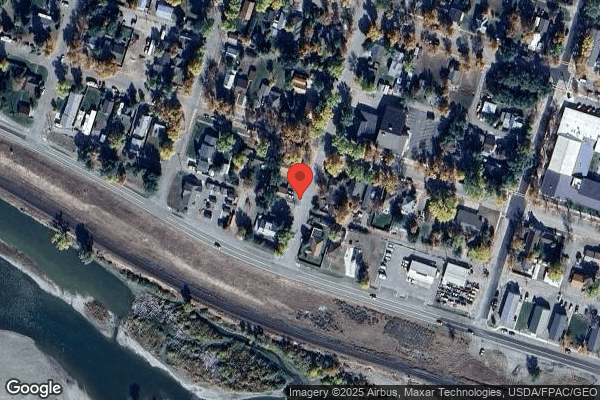
350 W PIKE AVE, COLUMBUS, MT 59019 (406) 290-5070
For profit - Corporation THE CHARLY BELLO FAMILY, THE MAZE FAMILY, THE SWAIN FAMILY, & WALTER MYERS Data: November 2025 1 Immediate Jeopardy citation
Trust Grade
13/100
Last Inspection: December 2024

Within standard 12-15 month inspection cycle. Federal law requires annual inspections.

Overview

Beartooth Rehabilitation and Nursing LLC has received a Trust Grade of F, indicating significant concerns about the quality of care provided. With no ranking in Montana or Stillwater County, it appears to have no local competition, which raises concerns about the lack of oversight. The facility is worsening, with issues increasing from 8 in 2024 to 15 in 2025. Staffing is a strength, showing a 0% turnover rate, but this is offset by troubling incidents; for example, a cognitively impaired resident suffered a serious injury after an unwitnessed fall due to insufficient supervision, and there were critical failures to provide timely assessments and care following this incident. Additionally, the facility has incurred $26,685 in fines, highlighting ongoing compliance issues that are concerning for prospective families.

Trust Score
F
13/100
In Montana
#112/223
Top 50%
Safety Record
High Risk
Review needed
Inspections
Getting Worse
8 → 15 violations
Staff Stability
○ Average
Turnover data not reported for this facility.
Penalties
⚠ Watch
$26,685 in fines. Higher than 94% of Montana facilities, suggesting repeated compliance issues.
Skilled Nurses
○ Average
RN staffing data not reported for this facility.
Violations
⚠ Watch
23 deficiencies on record. Higher than average. Multiple issues found across inspections.
☆☆☆☆☆
0.0
Overall Rating
☆☆☆☆☆
0.0
Staff Levels
☆☆☆☆☆
0.0
Care Quality
☆☆☆☆☆
0.0
Inspection Score
Stable
2024: 8 issues
2025: 15 issues

The Good

  • Full Sprinkler Coverage · Fire safety systems throughout facility

Facility shows strength in fire safety.

The Bad

Federal Fines: $26,685

Below median ($33,413)

Moderate penalties - review what triggered them

Chain: THE CHARLY BELLO FAMILY, THE MAZE F

Part of a multi-facility chain

Ask about local staffing decisions and management

The Ugly 23 deficiencies on record

1 life-threatening 2 actual harm
Sept 2025 12 deficiencies 1 IJ
CRITICAL (J) 📢 Someone Reported This

A family member, employee, or ombudsman was alarmed enough to file a formal complaint

Immediate Jeopardy (IJ) - the most serious Medicare violation

Accident Prevention (Tag F0689)

Someone could have died · This affected 1 resident

**NOTE- TERMS IN BRACKETS HAVE BEEN EDITED TO PROTECT CONFIDENTIALITY** Based on observation, interview, and record review, the facility failed to provide adequate supervision and monitoring and ensur...

Read full inspector narrative →
**NOTE- TERMS IN BRACKETS HAVE BEEN EDITED TO PROTECT CONFIDENTIALITY** Based on observation, interview, and record review, the facility failed to provide adequate supervision and monitoring and ensure the safety and well-being of a cognitively impaired resident who displayed frequent wandering patterns, and the resident had an unwitnessed fall with major injury. This failure resulted in the resident being transferred to the ER, a hospitalization, a surgical procedure, and a total loss of independent ambulation for 1 (#4) of 6 residents sampled for falls; and the facility staff failed to follow the established policies and procedures. These failures were identified to be an Immediate Jeopardy situation.On 9/2/25 at 4:05 p.m., the Administrator and facility management team, including corporate staff, were notified that an Immediate Jeopardy existed in the area of F689 - Accidents and Hazards, related to the failure to provide sufficient supervision and adequate and timely response to an unwitnessed fall for resident #4. The severity and scope identified for the Immediate Jeopardy were identified to be the level of J, and upon the removal of immediacy, lowered to a G. The facility provided a plan to remove the immediacy, and this was accepted by the State Survey Agency. The facility carried out the plan, which was verified by the surveyors onsite, on 9/3/25 at 4:16 p.m.Findings include:1. Resident #4:During an observation on 8/27/25 at 4:08 p.m., resident #4 sat in a wheelchair in the hallway outside of a staff meeting room. Resident #4 attempted to push open the door to the room. Resident #4 smiled and rolled herself back in the hallway, away from the door when surveyor went to close the door to make a phone call.During an observation on 9/2/25 at 5:33 p.m., resident #4 was sitting in a wheelchair in the dining room. Resident #4 would roll back from the dining room table, then roll back up to the dining room table, without assistance. During an interview on 8/27/25 at 11:28 a.m., staff member H stated she worked the day shift the morning resident #4 was transferred out of the facility by EMS. Staff member H stated she had very little information given to her during the shift change report. Staff member H stated resident #4 had been active in the facility most days, up and walking around. Staff member H stated resident #4 seemed grumpy most of the time, and sometimes it was hard to tell how she was doing due to her mental status. Staff member H stated she entered resident #4's room and saw her in bed with her face pointing upward in a hard stare. Staff member H stated she asked resident #4 if she was hurt, when she noticed her face and saw her holding her left side. Staff member H stated she went to get assistance from staff member M to respond to resident #4. Staff member H stated staff member M called for EMS to respond to resident #4. Staff member H stated, The EMS people were here for a while before they left.During an interview on 8/28/25 at 8:02 a.m., staff member M stated she received a shift change report from staff member N the morning resident #4 was transferred from the facility by EMS. Staff member M stated staff member N told her resident #4 had a fall and was in a lot of pain. Staff member M stated she did not know what the staff did for her through the night. Staff member M stated she asked staff member N why resident #4 was not sent out to the hospital for an evaluation after the fall, and he stated staff member B told him not to send her. Staff member M stated she entered resident #4's room and saw resident #4 in bed, moving around, making facial grimaces. Staff member M stated she checked the resident in the bed and saw she was wet. Staff member M stated that with the help of other staff members, she rolled resident #4 to her side for support to change her. Staff member M stated she heard a loud sound from resident #4's left leg. Staff member M stated she could see the resident's condition and called EMS for assistance.During an interview on 8/28/25 at 12:24 p.m., staff member L stated she had been working the night shift when the event occurred with resident #4 and the fall. Staff member L stated she had been getting residents ready to put them to bed, when a kitchen worker arrived to seek nursing assistance. Staff member L stated that three staff members (including herself and staff member N), responded to the dining room to find resident #4 on the floor. Staff member L stated they moved resident #4 from the dining room floor and put her into a wheelchair. Staff member L stated they lifted the resident manually from the floor to the wheelchair, with a staff member supporting the resident under each shoulder and arm. Staff member L stated resident #4 fought the staff, pushing out at them, when they went to move her pants for the transfer. Staff member L stated the three staff members moved resident #4 to her bed using the wheelchair and manually transferring her. Staff member L stated she checked on resident #4 in bed throughout the night.During an interview on 9/2/25 at 9:14 a.m., NF3 stated he received a call from a male nurse the night of 4/10/25. NF3 stated the nurse told him resident #4 had fallen from her bed, that she might have rolled from bed. NF3 stated he asked the nurse if it was serious and if he should come over to check on her. NF3 stated the nurse told him no, that he wanted to let him know she had a fall and had to be lifted into bed. NF3 stated he thought about resident #4 being in pain that night. NF3 stated when he was notified resident #4 was sent out the next morning to the hospital, she must have been in pain.During an interview on 9/3/25 at 6:06 p.m., staff member N stated he was the nurse on duty the night resident #4 had the fall on 4/10/25. Staff member N stated he was at the nursing station when a kitchen staff member told him resident #4 had fallen in the dining room and was lying on the floor. Staff member N stated he walked down to the dining room and found resident #4 lying on the floor, on her side. Staff member N stated resident #4 was non-verbal and cognitively impaired. Staff member N stated he did a quick assessment of her head and found a large bump on the back of her head, and at that time, staff member N stated he did not feel resident #4 was expressing any problems. Staff member N stated, We picked her up and put her into a wheelchair, and she started to show signs of pain, so we put her to bed and started neuro checks. Staff member N stated resident #4 did not weigh much, so a lift was not used to put the resident into a wheelchair. Staff member N stated he completed a range of motion assessment on resident #4's upper extremities but did not complete an assessment on her lower extremities. Staff member N stated, Resident #4 could be combative at times, and I don't like to get hit, so I did not push it. Staff member N stated he notified the power of attorney and the physician of the fall. Staff member N stated he had written a nursing note about the incident, but had to strike it out because it was not written in the right place, but he did not go back into the medical record and write another progress note regarding resident #4's fall or status. Staff member N stated he could not remember if he completed a pain assessment after resident #4's fall. Staff member N stated, If I did, it would be documented in the chart.Review of resident #4's EMS notes, with the assessment date and time documented as, 4/11/25 at 6:26 a.m., showed: . Narrative . Upon arrival, facility staff states that (resident #4) fell last night and canceled A4D prior to EMS arrival due to non-injury. Staff states that at shift change she was informed that (resident #4) had fallen around 1900 (7:00 p.m.) Roughly 1 hour after the fall, staff states, (resident #4) was being changed in bed when staff noticed a deformity of (resident #4)'s hip. Staff is unsure why EMS care was not initiated at that time. Due to dementia, pt is unable to provide a narrative of the events before and after the fall, however, continues to complain of pain until therapeutic threshold of analgesics. Left lower extremity is laterally rotated and pt is unable to move left leg on command. Deformity of pelvic girdle on left side with no discoloration. Pt is tender at the femoral head and pain continues with palpation of left upper leg. [sic]Review of resident #4's hospital physician notes, dated 4/11/25 at 3:47 p.m., showed: . Patient is a [AGE] year-old female with severe dementia who resides at [Facility Name] in Columbus. She is ambulatory without ambulatory assistive devices and (NF3) tells me she basically wanders the halls all day. However, she is completely nonverbal and very demented. She sustained a left intertrochanteric fracture with some. displacement. and she is taken the operating room for operative treatment. [sic]Review of a document in resident #4's electronic medical record, titled, Durable Power of Attorney for Healthcare Form, dated 5/11/23, showed: . My Agent's health care decision shall be subject to any statement of desires, special provisions and/or limitations set forth below: . a) I want Pain releif [sic], Medications, Cardiac Resuscitation .Review of resident #4's care plan, with the initiation date of 12/6/24, showed the diagnoses including Alzheimer's disease, depression, and paranoid personality disorder. The care plan showed problems resident #4 had, which would increase the risk of safety concerns: - . requires the use of anti-depressant, anti-anxiety, anti-psychotic (medications). - . has a communication problem r/t Alzheimer's disease. The resident will be able to make basic needs known on a daily basis through the review date, Anticipate and meet needs.- . has impaired cognitive function/dementia or impaired thought processes r/t Alzheimer's. The resident will be able to communicate basic needs on a daily basis through the review date, Administer medications as ordered. Monitor/document for side effects and effectiveness.- . is at risk for falls r/t Wandering, goal of resident will be free of falls with injury through the review date and an intervention of Educate and encourage the resident to wear appropriate footwear, such as non-skid socks or shoes, when ambulating/mobilizing. [sic]Review of a facility document titled, Neurological Flow Sheet Form, showed a date beginning on 4/10 at 7:00 with initial vital signs of B/P: 114/61 Pulse: 60 Respirations: 17 Temp: 97.3 O2 sats: 93. and no nursing initials below the times when the checks were performed. One set of vital signs showed, 4/11 at 11:25 with, B/P: 119/82 Pulse: 81 Respirations: 18 Temp: 98 02 sats: 95. The document did not include any assessment of PERRLA (check of eye pupil reaction), even though the resident hit her head during the fall, per staff member N's interview, or an assessment of staff using a verbal or non-verbal scale of pain to show a baseline pain level for the resident until the time the resident was transferred from the facility by EMS.Review of resident #4's Quarterly MDS, with an ARD of 3/16/25, section GG, showed resident #4 was independent with ambulation and required supervision for toileting and transferring in and out of bed. Resident #4 showed she needed substantial assistance for dressing, bathing, and personal hygiene. Resident #4 was not coded as using a wheelchair. Section M of resident #4's MDS showed no surgical wounds, and Section J showed no fractures.A review of resident #4's Quarterly MDS, with an ARD of 6/19/25, section GG, showed resident #4 was coded for wheelchair use, and was no longer able to ambulate independently, and had become dependent on staff for transferring in and out of bed, toileting, bathing, dressing, and personal hygiene. Section J was marked as having no fractures. Resident #4 sustained a hip fracture due to a fall that occurred on 4/10/25.Review of a facility document titled Root Cause Analysis, dated 4/11/25, prepared by staff member B, showed: . On 4/10/2025,, a resident was found on the floor in the dining room following an unwitnessed fall. Upon assessment, the assigned nurse (staff member N), observed a large hematoma on the resident's head. When the resident was assisted to a sitting position, she complained of pain in her left hip. (Staff member N) proceeded to call 911, then contacted (staff member B) to report the situation. During the initial report, the nurse stated the resident had a hematoma but did not immediately communicate the complaint of hip pain. Based on the initial report, the DON questioned whether a transfer was necessary, given that neuro checks were reportedly within normal limits. When the nurse later clarified the resident also had hip pain, the DON confirmed that the resident should be sent to the hospital.However, it was later discovered that the resident was not transferred to the hospital until the day shift nurse arrived the following morning, resulting in the potential for a significant delay in care. A review was conducted of the residents pain management, during the night, and the resident did not report pain during the night after lying down and had no pain signs or symptoms. [sic]Review of a facility document titled, Verbal Education Statement - (staff member B) to (staff member N): . When a resident complains of hip pain after a fall, they should not be moved until a thorough assessment is completed, and appropriate precautions are taken to rule out fractures or other injuries. Moving a resident with suspected hip trauma can potentially worsen the injury. Please remember to follow fall protocol and notify the provider immediately if there's any sign of pain, bruising, or abnormal positioning after a fall. Initially, you mentioned the hematoma, but you did not mention the hip pain until later in our conversation. That delayed my understanding of the full clinical picture, which in turn delayed the decision to send the resident out. Always ensure that you're providing. all symptoms, assessments, and your nursing judgment. Once a decision is made to send a resident out, it's critical that the transfer be carried out in a timely manner. That delay could have serious implications for the resident's health. emphasize the importance of using your nursing judgment. If you believe a resident needs to be evaluated at the hospital - especially following a fall with pain or visible trauma - you have the authority and responsibility to act in the best interest of the resident. Early intervention can prevent complications and improve outcomes.The document was signed by staff member B, with a date of 4/11/25, and it did not include the signature of staff member N.Review of a facility policy, titled, Fall Prevention Program, dated 4/11/25, showed: . Policy Explanation and Compliance Guidelines .9. When any resident experiences a fall, the facility will:a. Assess the resident.b. Complete a post-fall assessment.c. Complete an incident report.d. Notify physician and family.e. Review the resident's care plan and update as indicated.f. Document all assessments and actions.g. Obtain witness statements in the case of injury.Review of a facility policy, titled, Elopements and Wandering Residents, revised date 4/30/25, showed: . This facility ensures that residents who exhibit wandering behavior. receive adequate supervision to prevent accidents, and receive care in accordance with their person-centered plan of care.Review of a facility policy, titled, Notification of Changes, dated 4/11/25, showed: . Compliance Guidelines:The facility must inform the resident, consult with the resident's physician and/or notify the resident's family member or legal representative when there is a change requiring such notification. Circumstances requiring notification include:1. Accidentsa. Resulting in injury.b. Potential to require physician intervention.2. Significant change in the resident's physical, mental or psychosocial condition such as deterioration in health, mental or psychosocial status. This may include:a. Life-threatening conditions, orb. Clinical complications. 2. Residents incapable of making decisions:a. The representative would make any decisions that have to be made.b. The resident should still be told what is happening to him or her.Review of a facility document, titled, Standing Orders for Nursing Home, with a review date of August 2024, showed: . After business hours and on weekends. contact the on-call staff with:1. Critical patient care issues that need to be addressed prior to the next provider visit.Falls For falls with injury, notify the provider immediately.Review of a facility in-service attendance document, titled .Nursing Professional Standards., not dated, showed seven staff nurses received written education beginning on 8/28/25 and ending on 9/1/25. The unwitnessed fall event to resident #4 occurred on 4/10/25. Pertinent information included showed: 1. Immediate Post-Fall Assessment and Precautions.When a resident complains of hip pain after a fall, do not move them until a thorough assessment is performed. Moving a resident with suspected hip trauma may worsen a fracture or other injuries.2. Effective and Complete Communication.Always communicate a full and accurate clinical picture to the nurse in charge, supervisor, or provider. Incomplete information can lead to delayed interventions and harm to the resident. 3. Timely Transfer to Hospital.If the transfer cannot occur during your shift:- Communicate clearly with the oncoming nurse.- Ensure it is documented in the chart and in the shift report.- Escalate to the supervisor if necessary.4. Use of Nursing Judgment.As a licensed nurse, you are empowered and obligated to advocate for the resident's safety.
SERIOUS (G) 📢 Someone Reported This

A family member, employee, or ombudsman was alarmed enough to file a formal complaint

Actual Harm - a resident was hurt due to facility failures

Free from Abuse/Neglect (Tag F0600)

A resident was harmed · This affected 1 resident

Based on interview and record review, the facility failed to recognize and protect a resident's right to be free from neglect, following a resident's major injury from an unwitnessed fall, and the res...

Read full inspector narrative →
Based on interview and record review, the facility failed to recognize and protect a resident's right to be free from neglect, following a resident's major injury from an unwitnessed fall, and the resident had severe cognitive impairment; for 1 (#4) of 12 sampled residents. The deficient practice resulted in the resident experiencing pain, was not thoroughly assessed after the fall, and there was a delay in timely care, which resulted in the resident's surgery and hospitalization. Findings include:During an interview on 8/26/25 at 10:04 a.m., staff member A stated she had been working and fulfilling the roles of Administrator, Social Services Designee, and the Business Office Manager for the facility. Staff member A stated she was also working as the Grievance Officer and Abuse Prevention Coordinator, for now. Staff member A stated she was not aware of issues in the facility related to quality-of-care concerns that would require reporting or investigating an event as a facility-reported incident, such as for resident #4's unwitnessed fall with a significant injury. Staff member A stated the ultimate responsibility was on her for responding to incidents and those processes.During an interview on 8/26/25 at 4:08 p.m., staff member B stated she and staff member A were the two main members of the interdisciplinary (IDT) team, and staff member A would work on reportables (facility reported events). Staff member B stated she did not know of any reportable incidents the facility had submitted to the State Survey Agency.During an interview on 8/27/25 at 3:11 p.m., staff member A stated she had not submitted a facility-reported incident to the State Survey Agency within the last six months. Staff member A stated she had a trigger call with staff member O to review the fall event that occurred with resident #4 on 4/10/25. Staff member A stated she was advised by staff member O not to submit the event information for resident #4's fall to the State Survey Agency as a facility-reported incident. The facility neglected to report the resident's unwitnessed fall with a significant injury to the State Survey Agency and the resident was an unreliable reporter of the event.During an interview on 8/28/25 at 8:02 a.m., staff member M stated she received the shift change report from staff member N the morning resident #4 was transferred out of the facility by EMS. Staff member M stated that staff member N told her that resident #4 had a fall and was in a lot of pain. Staff member M stated she did not know what the staff did for the resident through the night. Staff member M stated she asked staff member N why resident #4 was not sent out to the hospital for a medical evaluation after the fall, and he stated staff member B told him not to send her. Staff member M stated she entered resident #4's room and saw resident #4 in bed, moving around, making facial grimaces. Staff member M stated she checked resident #4 in the bed and noticed she was wet (incontinent). Staff member M stated that, with the help of other staff, she rolled resident #4 to her side to change her. Staff member M stated she heard a loud sound from resident #4's left leg. Staff member M stated she could see the resident's condition and called EMS for assistance.During an interview on 8/28/25 at 12:24 p.m., staff member L stated the nurse, another staff member, and she went over to the dining room and found resident #4 lying on the floor, after being told by a kitchen staff member that the resident had a fall. Staff member L stated they picked the resident up manually, neglecting to use a mechanical lift, then put her in a wheelchair and took her to her room. The staff then manually transferred the resident to her bed, again neglecting to use a mechanical lift. Staff member L stated that when they tried to remove resident #4's pants, she began to fight due to being in pain, and she showed signs of pain. Staff member L stated she let staff member N know about her concerns with resident #4. Staff member L stated that staff member N told her he had been in contact with [Staff member B] and was told not to send the resident to the hospital. Staff member L relayed that staff member N said the hospital would just send the resident back if she were sent out. Staff member L voiced her discomfort with the decision and situation.During an interview on 9/2/25 at 9:14 a.m., NF3 stated he received a call from a male nurse the night of 4/10/25. NF3 stated the nurse told him resident #4 had fallen from her bed, that she might have rolled from bed. NF3 stated he asked the nurse if it was serious and if he should come over to check on her. NF3 stated the nurse told him no, and he just wanted to notify NF3 of the fall and transfer back to bed. NF3 mentioned he was concerned about resident #4 being in pain. The information relayed in the phone call, by the nurse, was not an accurate account of the fall events when resident #4 was found on the floor in the dining room. NF3 was provided with inaccurate information and the staff member neglected to provide an accurate account of the events that occurred or the resident's status.During an interview on 9/3/25 at 6:06 p.m., staff member N stated he was the nurse on duty the night resident #4 fell on 4/10/25. Staff member N stated a kitchen staff member told him resident #4 had fallen in the dining room and was lying on the floor. Staff member N stated he walked down to the dining room and found resident #4 lying on the floor, on her side. Staff member N stated that resident #4 was non-verbal and cognitively impaired. Staff member N stated he completed a quick assessment of her head and found a large bump on the back of her head, and at that time, staff member N stated he did not feel resident #4 was expressing any other problems. Staff member N stated, We picked her up and put her into a wheelchair, and she started to show signs of pain, so we put her to bed and started neuro checks. Staff member N stated resident #4 did not weigh much, so a (mechanical) lift was not used to put the resident into a wheelchair. Staff member N neglected to follow the facility policies and procedures for transferring a resident after a fall with a potential injury. Staff member N stated he completed range of motion assessments on resident #4's upper extremities, but he neglected to complete an assessment on her lower extremities. Staff member N stated, Resident #4 could be combative at times, and I don't like to get hit, so I did not push it. Staff member N stated he notified resident #4's Power of Attorney and physician of the resident's fall. Staff member N stated he documented a nursing note about resident #4's fall, but had to strike it out, because it was not written in the right place in the resident's medical record, but he neglected to go back and document another note regarding resident #4's fall and or status. Staff member N stated he could not remember if he had completed the resident's pain assessment after resident #4's fall, but said, If I did, it would be documented in the chart.Review of resident #4's nursing progress notes, with an entry by staff member N, which was struck out (lined through), dated 4/10/25 at 23:21 (11:31 p.m.), showed: Incorrect Documentation -Note Text: . 1900 kitchen staff contacted nursing staff that Res. had fallen in the dining room. Upon arriving to the dining room staff found the Res. on the floor laying on her Rt. side. Res. stated that she hit her head when asked. She was asked if she hurt anywhere else and she did not respond. She had a large hematoma on the back of her head and a large skin tare on her Lt. forearm. When staff tried to assist her to sit up she complained of severe pain in her Lt. hip/femur area. EMT was called for transport. DON was contacted and the DON told the nurse not to transport at this time. EMT was canceled. Res. was assisted to a W/C and then into her bed. Admin. Was also contacted and recommended that we observe Res. and get an order for a portable X-Ray in the morning. V/S & Neuros were started per protocol. The POA & Provider were also contacted. [sic]There were no other nursing progress notes from staff member N documented for 4/10/25 or 4/11/25, after the entry was struck from resident #4's record. Staff member N neglected to complete an accurate progress note in the resident's record related to the fall. Review of resident #4's nursing progress notes, with an entry by staff member B, dated 4/11/25 at 6:29 a.m., showed: Upon assessing resident, resident on her back in bed with arms across chest. Resident stated she was in pain when asked, 6/10 pain per painaid. EMS was notified of a broken hip. DON and admin notified. Resident with urine-soaked clothes, sheets and pad. Clothes were removed and resident was cleaned up, upon turning resident a loud pop was heard from left hip. EMS arrived at 0625 (6:25 a.m.)Review of resident #4's EMS notes, assessment time dated 4/11/25 at 6:26 a.m., showed: . Narrative . Upon arrival, facility staff states that (resident #4) fell last night and canceled A4D prior to EMS arrival due to non-injury. Staff states that at shift change she was informed that (resident #4) had fallen around 1900 (7:00 p.m.) Roughly 1 hour after the fall, staff states, (resident #4) was being changed in bed when staff noticed a deformity of (resident #4)'s hip. Staff is unsure why EMS care was not initiated at that time. Due to dementia, pt is unable to provide a narrative of the events before and after the fall, however, continues to complain of pain until therapeutic threshold of analgesics. Left lower extremity is laterally rotated and pt is unable to move left leg on command. Deformity of pelvic girdle on left side with no discoloration. Pt is tender at the femoral head and pain continues with palpation of left upper leg. [sic]Review of resident #4's care plan, initiation date 12/6/24, showed the resident had diagnoses including Alzheimer's disease, depression, and paranoid personality disorder. The care plan showed problems and the following goals with interventions to be carried out by staff members:Review of a facility in-service attendance document, titled, .Nursing Professional Standards., not dated, showed 7 facility nurses received written education beginning on 8/28/25 and ending on 9/1/25. The facility neglected to educate nursing staff timely, as resident #4's fall occurred on 4/10/25. The education included: 1. Immediate Post-Fall Assessment and Precautions.When a resident complains of hip pain after a fall, do not move them until a thorough assessment is performed. Moving a resident with suspected hip trauma may worsen a fracture or other injuries.2. Effective and Complete Communication.Always communicate a full and accurate clinical picture to the nurse in charge, supervisor, or provider. Incomplete information can lead to delayed interventions and harm to the resident.3. Timely Transfer to Hospital.If the transfer cannot occur during your shift:- Communicate clearly with the oncoming nurse.- Ensure it is documented in the chart and in the shift report.- Escalate to the supervisor if necessary.4. Use of Nursing Judgment.As a licensed nurse, you are empowered and obligated to advocate for the resident's safety.Review of a facility policy titled, Abuse, Neglect and Exploitation, dated 4/11/25, showed: . Alleged Violation is a situation or occurrence that is observed or reported by staff, resident, relative, visitor or others but has not yet been investigated and, if verified, could be an indication of noncompliance with the Federal requirements related to. neglect, or abuse, including injuries of unknown source. Neglect means failure of the facility, its employees, or service providers to provide goods and services to a resident that are necessary to avoid physical harm, pain, mental anguish, or emotional distress. Serious Bodily Injury means an injury involving extreme physical pain; involving. protracted loss or impairment of the function of a bodily member, organ, or mental faculty; requiring medical intervention such as surgery, hospitalization.VII. Reporting/Response. 1. Reporting of all alleged violations to the Administrator, state agency, adult protective services and to all other required agencies (e.g. law enforcement when applicable) within specified timeframes:a. Immediately, but not later than 2 hours after the allegation is made, if the events that cause the allegation involve abuse or result in serious bodily injury, orb. Not later than 24 hours if the events that cause the allegation do not involve abuse and do not result in serious bodily injury.
SERIOUS (G) 📢 Someone Reported This

A family member, employee, or ombudsman was alarmed enough to file a formal complaint

Actual Harm - a resident was hurt due to facility failures

Deficiency F0658 (Tag F0658)

A resident was harmed · This affected 1 resident

Based on interview and record review, the facility staff failed to perform a thorough head-to-toe assessment, pain assessment, or transfer a resident appropriately after an unwitnessed fall with injur...

Read full inspector narrative →
Based on interview and record review, the facility staff failed to perform a thorough head-to-toe assessment, pain assessment, or transfer a resident appropriately after an unwitnessed fall with injury, which was consistent with professional standards of nursing practice, for 1 (#4) of 12 sampled residents. This deficient practice caused an increase in the resident's signs and symptoms of pain, due to a fall that resulted in a hip fracture. Findings include: During an interview on 8/28/25 at 12:24 p.m., staff member L stated she was getting ready to start laying residents down to bed when a kitchen staff member said a resident had fallen in the dining room. Staff member L stated the nurse, another staff member, and she went over to the dining room and found resident #4 lying on the floor. Staff member L stated they picked the resident up, put her in a wheelchair, then took her to her room and put her to bed. Staff member L stated that when they tried to remove resident #4's pants, she began to fight them because she was in pain and was showing signs of pain. Staff member L stated she had let staff member N know about her concerns with resident #4. Staff member L stated that staff member N told her he had been in contact with [Staff member B] and was told not to send the resident to the hospital. Staff member L stated that staff member N said if resident #4 were sent to the hospital, they would just send her back. Staff member L stated she was uncomfortable with the situation. During an interview on 9/3/25 at 5:07 p.m., staff member N stated she was notified about resident #4's fall. Staff member B stated when staff member N called her, she was notified of a hematoma on the back of #4's head, and a skin tear, but there was no mention of hip or leg pain.During an interview on 9/3/25 at 6:06 p.m., staff member N stated he was the nurse on duty the night resident #4 fell on 4/10/25. Staff member N stated he was at the nursing station when a kitchen staff member told him resident #4 fell in the dining room and was lying on the floor. Staff member N stated he walked down to the dining room and found resident #4 lying on the floor, on her side. Staff member N stated resident #4 was non-verbal and cognitively impaired. Staff member N stated he completed a quick assessment of her head and found a large bump on the back of her head, and at that time, staff member N stated he did not feel resident #4 was expressing any problems. Staff member N stated, We picked her up and put her into a wheelchair, and she started to show signs of pain, so we put her to bed and started neuro checks. Staff member N stated resident #4 did not weigh much, so a (mechanical) lift was not used to put the resident into a wheelchair. Staff member N stated he completed range of motion assessments on resident #4's upper extremities, but he did not complete an assessment on her lower extremities. Staff member N stated, Resident #4 could be combative at times, and I don't like to get hit, so I did not push it. Staff member N stated he notified resident #4's Power of Attorney and physician of the resident's fall. Staff member N stated he documented a nursing note about the incident, but had to strike it out, because it was not written in the right place in the resident's medical record, but he did not go in and write another note regarding resident #4's fall or status. Staff member N stated he could not remember if he had completed the resident's pain assessment after resident #4's fall. Staff member N stated, If I did, it would be documented in the chart.A review of resident #4's nursing notes and assessments, from 4/10/25 until 4/11/25, showed no documentation of a pain assessment following the resident's fall, completed by staff member N. A review of resident #4's nursing notes, dated 8/28/25, showed staff member B created and entered a late entry note about resident #4's fall, and this was 140 days after the incident occurred. Review of resident #4's electronic medical record, under the assessments, showed that no fall assessments were completed on resident #4, before her fall.Review of a facility document titled Provision of Quality Care, dated 4/11/25, showed: Policy: Based on comprehensive assessments, the facility will ensure that residents receive treatment and care by qualified persons in accordance with professional standards of practice, .Review of a facility document titled Falls Prevention Program, dated 4/11/25, showed: . 9. When any resident experiences a fall, the facility will:a. Assess the resident.1. Each resident will be provided care and services to attain or maintain his/her highest practicable physical, mental, and psychosocial well-being. 4. Qualified persons will provide the care and treatment in accordance with professional standards of practice, .
CONCERN (D) 📢 Someone Reported This

A family member, employee, or ombudsman was alarmed enough to file a formal complaint

Potential for Harm - no one hurt, but risky conditions existed

Report Alleged Abuse (Tag F0609)

Could have caused harm · This affected 1 resident

Based on interview and record review, the facility failed to implement and uphold policies and procedures for the reporting of an unwitnessed fall, for a resident who was not a reliable reporter, and ...

Read full inspector narrative →
Based on interview and record review, the facility failed to implement and uphold policies and procedures for the reporting of an unwitnessed fall, for a resident who was not a reliable reporter, and the resident sustained a hip fracture, had surgery, and was hospitalized for it, or 1 (#4) of 6 residents sampled for falls; and facility staff neglected to provide necessary services to the resident after the fall, which was not identified as neglect of care, and reported to the State Survey Agency following the event. Findings include:On 8/25/25, it was identified that the facility had no documented facility reported incidents submitted to the State Survey Agency. The facility was not able to provide any prepared or completed investigations for any facility reported events submitted to the State Survey Agency. The facility had an initial certification survey in December 2024, and a complaint survey in July 2025, and no reportable events were submitted to the State Survey Agency iduring this time. During an interview on 8/26/25 at 10:04 a.m., staff member A stated she had been working in the roles of Administrator, Social Services Designee, and Business Office Manager for the facility. Staff member A stated she was also working as the Grievance Officer and the Abuse Prevention Coordinator, for now. Staff member A stated she was not aware of issues in the facility related to quality-of-care concerns that would require reporting and investigating as a facility reported incident. Staff member A stated if a resident or family had complaints or issues, she worked to take care of them right in the moment. Staff member A stated when she worked on things, she might get caught up and not have a chance to write them down. Staff member A stated, It's not my strong point documenting things. Staff member A stated the ultimate responsibility went to her for responding to incidents and those processes. It was identified staff member A was not completing the required tasks.During an interview on 8/26/25 at 4:08 p.m., staff member B stated staff member A would work on reportables (events sent to the State Survey Agency). Staff member B stated she did not know of any reportable incidents the facility had submitted. Staff member B stated an unwitnessed injury had happened to a resident, where she and staff member A consulted with staff member O. Staff member B stated the injury was a fall with a hip fracture, and she reviewed the information with staff member O, advised not to submit the event to the State Survey Agency as a facility-reported incident. During an interview on 8/27/25 at 3:11 p.m., staff member A stated she had not submitted a facility-reported incident to the State Survey Agency within the last six months, which would include the event for resident #4's fall with unknown injury on 4/10/25, and the resident was an unreliable reporter. Staff member A stated she had access to Bounds (electronic reporting system), but that the list on Bounds had changed, and it seemed like it was a year without access to Bounds. Staff member A stated she had a trigger call with staff member O to review the event that occurred to resident #4 on 4/10/25. Staff member A stated she questioned the event and appreciated knowledge from nursing staff on the clinical side of things. Staff member A stated she was advised by staff member O not to submit the event information to the State Survey Agency as a facility-reported incident.Review of resident #4's nursing progress notes, with an entry by staff member N, which was stricken through and dated 4/10/25 at 23:21 (11:31 p.m.), showed: Incorrect Documentation -Note Text: .1900 kitchen staff contacted nursing staff that Res. had fallen in the dining room. Upon arriving to the dining room staff found the Res. on the floor laying on her Rt. side. Res. stated that she hit her head when asked. She was asked if she hurt anywhere else and she did not respond. She had a large hematoma on the back of her head and a large skin tare on her Lt. forearm. When staff tried to assist her to sit up she complained of severe pain in her Lt. hip/femur area. EMT was called for transport. DON was contacted and the DON told the nurse not to transport at this time. EMT was canceled. Res. was assisted to a W/C and then into her bed. Admin. Was also contacted and recommended that we observe Res. and get an order for a portable X-Ray in the morning. V/S & Neuros were started per protocol. The POA & Provider were also contacted. [sic]There were no other nursing progress notes from staff member N documented for 4/10/25 or 4/11/25, after the entry was struck from resident #4's record. Review of resident #4's nursing progress notes, dated 4/11/25 at 6:29 a.m., showed: Upon assessing resident, resident on her back in bed with arms across chest. Resident stated she was in pain when asked, 6/10 pain per painaid. EMS was notified of a broken hip. DON and admin notified. Resident with urine-soaked clothes, sheets and pad. Clothes were removed and resident was cleaned up, upon turning resident a loud pop was heard from left hip. EMS arrived at 0625 (6:25 a.m.) [sic]An initial request was made to the facility for an incident reporting policy on 8/25/25 at 2:18 p.m. A second request was made to the facility for an incident reporting policy on 8/27/25 at 4:30 p.m. Staff member A stated the facility had a section in the Abuse and Neglect Policy for incident reporting information.Review of a facility policy titled, Abuse, Neglect and Exploitation, dated 4/11/25, showed: . Alleged Violation is a situation or occurrence that is observed or reported by staff, resident, relative, visitor or others but has not yet been investigated and, if verified, could be indication of noncompliance with the Federal requirements related to. neglect, or abuse, including injuries of unknown source. Serious Bodily Injury means an injury involving extreme physical pain; involving. protracted loss or impairment of the function of a bodily member, organ, or mental faculty; requiring medical intervention such as surgery, hospitalization.VII. Reporting/Response. 1. Reporting of all alleged violations to the Administrator, state agency, adult protective services and to all other required agencies (e.g. law enforcement when applicable) within specified timeframes:a. Immediately, but not later than 2 hours after the allegation is made, if the events that cause the allegation involve abuse or result in serious bodily injury, orb. Not later than 24 hours if the events that cause the allegation do not involve abuse and do not result in serious bodily injury.
CONCERN (D) 📢 Someone Reported This

A family member, employee, or ombudsman was alarmed enough to file a formal complaint

Potential for Harm - no one hurt, but risky conditions existed

Investigate Abuse (Tag F0610)

Could have caused harm · This affected 1 resident

**NOTE- TERMS IN BRACKETS HAVE BEEN EDITED TO PROTECT CONFIDENTIALITY** Based on interview and record review, the facility failed to initiate an abuse or neglect investigation following an event when ...

Read full inspector narrative →
**NOTE- TERMS IN BRACKETS HAVE BEEN EDITED TO PROTECT CONFIDENTIALITY** Based on interview and record review, the facility failed to initiate an abuse or neglect investigation following an event when a resident experienced an unwitnessed fall resulting in major injury, which required surgery and hospitalization for 1 (#4) of 6 residents sampled for falls, and the licensed nursing staff failed to ensure the resident was provided necessary care and services related to the fall and negative outcomes from it, or follow the facility policies or procedures, or standards of practice for nursing care. This deficient practice caused a delay of the allegation of abuse or neglect being sent to the State Survey Agency and increased the risk for residents in the facility due to the facility not identifying, thoroughly investigating, and failing to report facility reported events. Findings include:On 8/25/25, the facility was under inspection for a complaint and revisit survey, and it was noted that there were no documented facility reported incidents that were either reported or submitted to the State Survey Agency. The facility did not have any prepared reports or incidents to review for tracking and monitoring events in-house over time. The facility had an initial certification survey in December 2024 and a complaint survey in July 2025.During an interview on 8/26/25 at 10:04 a.m., staff member A stated she was also working as the Grievance Officer and the Abuse Prevention Coordinator, besides her other roles. Staff member A stated that she and staff member B would handle medical records. Staff member A stated she was not aware of issues in the facility related to quality-of-care concerns that would require reporting and investigating as a facility reported incident. Staff member A stated if a resident or family had complaints or issues, she worked to take care of them right in the moment. Staff member A stated that when she worked on things, she might get caught up and not have a chance to write them down. Staff member A stated, It's not my strong point documenting things. Staff member A stated the ultimate responsibility went to her for responding to incidents and those processes. During an interview on 9/2/25 at 4:05 p.m., staff member B stated, I had a trigger call with corporate after the incident occurred and was advised by our corporate nurse that I did not have to report the fall to the state. I used to work for a company that had us report all falls, so I was a little nervous about not reporting it. Staff member B stated the interdisciplinary team talked about resident #4's fall, but no investigation was completed because it did not need to be reported. Staff member B stated an investigation is not completed unless we are told by corporate to do one. During an interview on 9/2/25 at 4:42 p.m., Staff member E stated, We did not have them report the fall because it does not meet the criteria for a reportable. Staff member E stated, [Resident #4's] injuries were not suspicious, so they are not required to be reported and investigated.During an interview on 9/4/25 at 9:04 a.m., Staff member A stated all staff are provided abuse and neglect training, at a minimum yearly, and that included administration staff. Review of resident #4's nursing progress notes, dated 4/11/25 at 6:29 a.m., showed: Upon assessing resident, resident on her back in bed with arms across chest. Resident stated she was in pain when asked, 6/10 pain per painaid. EMS was notified of a broken hip. DON and admin notified. Resident with urine-soaked clothes, sheets and pad. Clothes were removed and resident was cleaned up, upon turning resident a loud pop was heard from left hip. EMS arrived at 0625 (6:25 a.m.) [sic]Review of resident #4's nursing progress notes, dated 4/16/25 at 12:30 p.m., showed: Resident readmitted today via ambulance from [NAME] and 2 paramedics. Fractured left hip with ORIF performed and blood clots to left leg and right lower lobe of lung. Alert and oriented to self. Remains very confused. Has been in bed since arrival. Refusing all medications, to be moved, and care. An initial request was made to the facility for an incident reporting policy on 8/25/25 at 2:18 p.m. A second request was made to the facility for an incident reporting policy on 8/27/25 at 4:30 p.m. Staff member A stated the facility had a section in the Abuse and Neglect Policy for incident reporting information.The facility did not initiate or document a completed investigation of the event which occurred with resident #4 on 4/10/25 to submit for review by the State Survey Agency. The facility did not complete investigative steps to include interviews with resident #4, witnesses, other residents, and staff members responsible for resident #4's care during the event to assess and determine whether there were details or patterns of behavior with any of those involved, or determine if necessary care was provided to the resident with the fall and injury.Review of a facility policy titled, Abuse, Neglect and Exploitation, dated 4/11/25, showed: .VII. Reporting/ResponseA. The facility will have written procedures that include: . 5. Taking all necessary actions as a result if the investigation, which may include, but are not limited to, the following:a. Analyzing the occurrence(s) to determine why abuse, neglect. occurred, and what changes are needed to prevent further occurrences.B. The administrator will follow up with government agencies, during business hours. to report the results of the investigation when final within 5 working days of the incident, as required by state agencies.
CONCERN (D) 📢 Someone Reported This

A family member, employee, or ombudsman was alarmed enough to file a formal complaint

Potential for Harm - no one hurt, but risky conditions existed

Deficiency F0637 (Tag F0637)

Could have caused harm · This affected 1 resident

Based on observation, interview, and record review, the facility failed to complete a Significant Change MDS for a resident's decline, for 1 (#4) of 12 sampled residents. This deficient practice incre...

Read full inspector narrative →
Based on observation, interview, and record review, the facility failed to complete a Significant Change MDS for a resident's decline, for 1 (#4) of 12 sampled residents. This deficient practice increased the risk of the resident not receiving necessary care due to the lack of changes being identified using the MDS assessment process. Findings include:During an observation on 9/2/25 at 5:33 p.m., resident #4 was sitting in a wheelchair in the dining room. Resident #4 would roll back from the dining room table, then roll back up to the dining room table, without assistance. During an interview on 9/3/25 at 5:07 p.m., staff member B stated she was responsible for completing the MDS assessments. Staff member B stated the facility had an interdisciplinary team meeting after resident #4's fall (on 4/10/25). Staff member B stated, When [Resident #4] returned from the hospital on 4/16/25, she was non-ambulatory, so there was nothing to change. Staff member B stated she should have done a Significant Change MDS instead of a Quarterly MDS. Staff member B stated she would look at the RAI guidelines to determine if a significant change MDS was needed. Staff member B stated the policy for MDSs is based on the RAI manual, and they do not have any other MDS policies in place.Review of resident #4's Quarterly MDS, with an ARD of 3/16/25, section GG, showed resident #4 was independent with ambulation and required supervision for toileting and transferring in and out of bed. Resident #4 showed she needed substantial assistance for dressing, bathing, and personal hygiene. Resident #4 was not coded as using a wheelchair. Section M of resident #4's MDS showed no surgical wounds, and Section J showed no fractures.A review of resident #4's Quarterly MDS, with an ARD of 6/19/25, section GG, showed resident #4 was coded for wheelchair use, and was no longer able to ambulate independently, and had become dependent on staff for transferring in and out of bed, toileting, bathing, dressing, and personal hygiene. Section J was marked as having no fractures. A record review for resident #4 showed she sustained a hip fracture due to a fall that occurred on 4/10/25, and the resident had surgery to repair the fracture. Review of a facility document titled Resident Assessment-RAI, dated 4/11/25 showed: Policy: This facility makes a comprehensive assessment of each resident's needs, strengths, goals, life history, and preferences using the resident assessment instrument (RAI) specified by CMS.
CONCERN (D) 📢 Someone Reported This

A family member, employee, or ombudsman was alarmed enough to file a formal complaint

Potential for Harm - no one hurt, but risky conditions existed

MDS Data Transmission (Tag F0640)

Could have caused harm · This affected 1 resident

Based on interview and record review, the facility failed to submit a Quarterly MDS (Minimum Data Set) assessment within the required time frame for 1 (#3) of 12 sampled residents. Findings include:Re...

Read full inspector narrative →
Based on interview and record review, the facility failed to submit a Quarterly MDS (Minimum Data Set) assessment within the required time frame for 1 (#3) of 12 sampled residents. Findings include:Review of resident #3's Quarterly MDS (Minimum Data Set), with an ARD (Assessment Reference Date) of 7/11/2025, showed a completion date of 7/25/25. The assessment was not submitted and accepted until 8/19/25, 11 days past the required submission date. During an interview on 9/3/25 at 5:07 p.m., staff member B stated she was the staff member responsible for completing the MDS (Minimum Data Set). Staff member B stated she knew there were some MDS (Minimum Data Set) assessments that were late. Staff member B stated, I just have so much on my plate. I also was having to help cover shifts on the floor, so there were things (assessments) that were late. We have hired someone to help me, and that will take some tasks off my plate.Review of a facility policy titled Resident Assessment-RAI, with an implementation date of 4/11/25, showed: Policy: This facility makes a comprehensive assessment. using the resident assessment instrument (RAI) specified by CMS.Policy Explanation and Compliance Guidelines:1. The current version of the RAI (MDS 3.0) will be utilized. In accordance with the instructions found in the RAI Manual.
CONCERN (D) 📢 Someone Reported This

A family member, employee, or ombudsman was alarmed enough to file a formal complaint

Potential for Harm - no one hurt, but risky conditions existed

Assessment Accuracy (Tag F0641)

Could have caused harm · This affected 1 resident

Based on interview and record review, the facility failed to code medications accurately on the MDS assessment for 1 (#3) of 12 sampled residents. Findings include:Review of resident #3's Quarterly MD...

Read full inspector narrative →
Based on interview and record review, the facility failed to code medications accurately on the MDS assessment for 1 (#3) of 12 sampled residents. Findings include:Review of resident #3's Quarterly MDS, with an ARD of 7/11/25, showed question N0300. Injections-Record the number of days injections of any type were received during the last 7 days or since admission or reentry if less than 7 days. A 0 was marked. Section N0350. Insulin was disabled by question N0300. Section N0410, for the High-Risk Drug Classes, Use and Indication, showed, J. Hypoglycemic (including insulin), was marked No.Review of the Resident Assessment Instrument, dated October 2024, showed: . Insulin injections are counted in this item as well as in Item N0350. Record the number of days that any type of injection (e.g., subcutaneous, intramuscular, or intradermal) was received. N0415J1. Hypoglycemic (including insulin): Check if a hypoglycemic medication was taken by the resident anytime during the observation period .Review of resident #3's Physician Orders, dated 6/1/25 to 8/8/25, showed, Lantus Solostar subcutaneous pen-injector 100 unit/ML (insulin Glargine) Inject 70 units subcutaneously one time a day related to type 2 Diabetes Mellitus, and metformin oral tablet 1000 MG. Give 1000 mg by mouth two times a day related to type 2 Diabetes Mellitus. [sic]Review of resident #3's Medication Administration Record showed she received 70 units of Lantus (insulin) every morning, and 1,000 milligrams of metformin (a hypoglycemic) twice daily during the 7-day look-back period.During an interview on 9/3/25 at 5:07 p.m., staff member B stated she was responsible for the completion of the MDS assessments, and she was not sure why she had not marked insulin or hypoglycemic medication on resident # 3's MDS.Review of a facility policy titled Resident Assessment-RAI, with an implementation date of 4/11/25, showed: . 1. The current version of the RAI (MDS 3.0) will be utilized. in accordance with the instructions found in the RAI Manual.1. The assessment will include at least the following:. n. Medications.
CONCERN (D) 📢 Someone Reported This

A family member, employee, or ombudsman was alarmed enough to file a formal complaint

Potential for Harm - no one hurt, but risky conditions existed

Deficiency F0657 (Tag F0657)

Could have caused harm · This affected 1 resident

Based on interview and record review, the facility failed to revise a comprehensive care plan to include behavioral health services being provided for 1 (#3) of 12 sampled residents. This deficient pr...

Read full inspector narrative →
Based on interview and record review, the facility failed to revise a comprehensive care plan to include behavioral health services being provided for 1 (#3) of 12 sampled residents. This deficient practice increased the risk of the resident not receiving necessary services for mental health. Findings include: During an interview on 9/4/25 at 9:04 a.m., staff member A stated she had been working as the facility Administrator, Social Worker, and Business Office Manager. Staff member A stated that resident #3 was seeing a mental health provider via tele-health services.During an interview on 9/4/25 at 11:20 a.m., staff member B stated care plans should include mental health concerns. Staff member B stated, If a resident had mental health concerns, the care plan would address the non-pharmacological interventions, as well as the pharmacological interventions, any triggers the resident may have had, and any other pertinent behavioral health information. Staff member B stated, I know that the care plans are lacking.Review of patient #3's comprehensive care plan, dated 4/15/25, showed: Focus: The resident has a mood problem r/t PTDS.Goal: The resident will have improved mood state: happier, calmer appearance, no s/sx of depression, anxiety, or sadness, through the review date.Interventions: Administer medications as ordered. Monitor/document for side effects and effectiveness. [sic] Resident #3's comprehensive care plan did not show a revision addressing the resident's telehealth services provided by a mental health professional.
CONCERN (E) 📢 Someone Reported This

A family member, employee, or ombudsman was alarmed enough to file a formal complaint

Potential for Harm - no one hurt, but risky conditions existed

Deficiency F0628 (Tag F0628)

Could have caused harm · This affected multiple residents

Based on interview and record review, the facility failed to ensure a routine written notification of a resident transfer and discharge was completed and maintained, with information regarding the tra...

Read full inspector narrative →
Based on interview and record review, the facility failed to ensure a routine written notification of a resident transfer and discharge was completed and maintained, with information regarding the transfer and discharge to the local Ombudsman for 4 (#s 3, 4, 10, and 12) of 12 sampled residents reviewed for a transfer and or discharge from the facility. The deficient practice increased the risk of residents being inappropriately transferred or discharged due to the lack of communication to the resident or advocate. Findings include:Review of a facility list of resident transfers and discharges, dated 8/25/25 at 3:31 p.m., showed:- Resident #4 transferred to a hospital on 4/11/25.- Resident #12 transferred to a hospital on 6/20/25.- Resident #10 transferred to a hospital on 5/4/25 and 6/17/25; and,- Resident #3 discharged from the facility on 8/8/25 due to the resident's death.During an interview on 8/26/25 at 10:33 a.m., NF1 stated staff member A did not send her the notices for the resident transfers and discharges. NF1 stated that staff member A mentioned to her that resident #3 was discharging from the facility, due to the resident's death. NF1 stated she asked for the discharge and transfer notices to be sent to her, by staff member A, and that did not happen after she made the request. During an interview on 8/26/25 at 2:30 p.m., staff member A stated she did not have any copies of the resident transfers and or discharges that were the notifications sent to NF1. Staff member A stated, I don't email them, I mail them to [NF1], I don't have secured email. I can start sending them by certified mail.During an interview on 9/2/25 at 9:58 a.m., NF1 stated the transfer and discharge notices hadn't been sent to her by staff member A for months. NF1 stated NF1 stated she usually received monthly notices from other facilities for the resident transfers and discharges.Review of a facility policy titled, Transfer and Discharge (including AMA), dated 4/11/25, showed: .Policy Explanation and Compliance Guidelines: .4. Generally, the notice must be provided at least 30 days prior to a transfer or discharge of the resident. Exceptions to the 30-day requirement apply when the transfer or discharge is effected because: .e. In these exceptional cases, the notice must be provided to the resident, resident's representative if appropriate, and LTC Ombudsman as soon as practicable before the transfer or discharge.5. The facility will maintain evidence that the notice was sent to the Ombudsman.10. Emergency Transfers to Acute Care.h. The Social Services Director, or designee, will provide copies of notices for emergency transfers to the Ombudsman, but they may be sent when practicable, such as in a list of residents on a monthly basis, as long as the list meets all requirements for content of such notices.A request for the evidence of the facility notifications to the Ombudsman for the resident transfers, discharges, or bed holds, from January 2025 to the present date, was made on 9/2/25 at 10:55 a.m. A document was provided, which was sent from staff member A to NF1, on 9/3/25 at 2:48 p.m., and it included a listing of resident transfers and discharges from 9/2/24 to 8/8/25.
CONCERN (F) 📢 Someone Reported This

A family member, employee, or ombudsman was alarmed enough to file a formal complaint

Potential for Harm - no one hurt, but risky conditions existed

Deficiency F0865 (Tag F0865)

Could have caused harm · This affected most or all residents

Based on interview and record review, the facility failed to maintain documentation and demonstrate evidence of its ongoing QAPI program that meets the regulatory requirements, and show systems and re...

Read full inspector narrative →
Based on interview and record review, the facility failed to maintain documentation and demonstrate evidence of its ongoing QAPI program that meets the regulatory requirements, and show systems and reports demonstrating systematic identification, reporting, investigation, analysis, and prevention of adverse events; and documentation demonstrating the development, implementation, and evaluation of corrective actions or performance improvement activities. The facility failed to implement a comprehensive QAPI plan that would sufficiently identify and correct quality concerns, and this failure may affect all residents of the facility. Findings include: During an interview on 9/4/25 at 11:20 a.m., staff member A stated the facility did not have a QAPI plan in place, but they are working on implementing one. Staff member A stated, Documentation is important, and we are trying to utilize the risk management system, but we are still seeing a lot of errors in the process. We are not getting a lot of feedback. I know we need to get more people involved, but it's so hard being so small. We are still too new. We are going to be implementing a QAPI plan we just have not done so, the template we are switching to is much better. Staff member A stated data is collected, monitored, and tracked through the risk management program, chart review, and the infection prevention binder. Staff member A stated, We complete the QAPI form and work though the form and go from there. If we notice a concern, we will start a PIP until we feel compliance is met. 1. Quality Concerns: During an interview on 9/4/25 at 11:40 a.m., staff member B stated she had not been holding regular care conferences with residents or resident representatives to ensure feedback and information would be gathered or presented to the QAPI committee for the identification of quality-of-care concerns. 2. Falls:Review of a facility document titled, Quarterly Quality Assurance meeting, dated 4/18/25, showed: . Falls-12-Have all incidents been investigated, resolved, and reported if appropriate- Yes is highlightedIdentified problem Areas/Trends eg. time of day, location, incident type:10 unwitnessed falls, 2 witnessed falls, Is a PIP indicated . and No was highlighted.This QAPI meeting occurred one week after resident #4 suffered a fall with injury, and the fall was unwitnessed, and the resident was not a reliable reporter. Review of a facility document titled, Quarterly Quality Assurance meeting, dated 7/18/25, showed 14 falls.No documentation was present on tending, tracking, root cause analysis, or the section to show if a PIP was indicated.This document also showed three urinary tract infections were present that were not present during the last QAPI meeting, but there was no documentation on the form to show this concern was addressed.3. Facility Reported Events: On 8/25/25, it was identified that the facility had no documented facility reported incidents submitted to the State Survey Agency. The facility was not able to provide any prepared or completed investigations for any facility reported events submitted to the State Survey Agency. The facility had an initial certification survey in December 2024, and a complaint survey in July 2025, and no reportable events were submitted to the State Survey Agency iduring this time. During an interview on 8/26/25 at 10:04 a.m., staff member A stated she had been working in the roles of Administrator, Social Services Designee, and Business Office Manager for the facility. Staff member A stated she was also working as the Grievance Officer and the Abuse Prevention Coordinator, for now. Staff member A stated she was not aware of issues in the facility related to quality-of-care concerns that would require reporting and investigating as a facility reported incident. Staff member A stated if a resident or family had complaints or issues, she worked to take care of them right in the moment. Staff member A stated when she worked on things, she might get caught up and not have a chance to write them down. Staff member A stated, It's not my strong point documenting things. Staff member A stated the ultimate responsibility went to her for responding to incidents and those processes. It was identified staff member A was not completing the required tasks.Record review of the QAPI program and performance plans failed to show the facility identified and actively worked to correct the concern related to lack of reporting of events to the State Survey Agency and or the investigation and follow up of events. 4. QAPI Program:Review of a facility document titled, Quality Assurance and Performance Improvement (QAPI), dated 4/11/25, showed:. Policy Explanation and Compliance Guidelines: The QAPI program includes the establishment of a QAPI committee and a written QAPI plan. 3. The QAPI plan will address the following elements:a. Design and scope of the facility's QAPI program.b. Policies and procedures for feedback, data collection systems, and monitoring. f. Process to ensure care and services delivered meet accepted standards of quality.4. The facility will maintain documentation and demonstrate evidence of its ongoing QAPI program. Documentation may include, but is not limited to:a. The written QAPI Plan .b. Systems and reports demonstrating systemic identification, reporting, investigation, analysis, and prevention of adverse effects d. Documentation demonstrating the development, implementation, and evaluation of corrective actions or performance improvement activities.
CONCERN (F) 📢 Someone Reported This

A family member, employee, or ombudsman was alarmed enough to file a formal complaint

Potential for Harm - no one hurt, but risky conditions existed

Deficiency F0868 (Tag F0868)

Could have caused harm · This affected most or all residents

Based on interview and record review, the facility failed to have the required members for attendance and participation in Quality Assurance and Performance Improvement (QAPI) meetings, including the ...

Read full inspector narrative →
Based on interview and record review, the facility failed to have the required members for attendance and participation in Quality Assurance and Performance Improvement (QAPI) meetings, including the Medical Director (or Designee), which were at a minimum, required to be completed quarterly. This deficient practice had the potential to affect all residents who received care in the facility. Findings include: During an interview on 9/3/25 at 5:07 p.m., staff member B stated she attended the QAPI meetings. Staff member B stated, I just show up and do what I need to do and give my input. That is all.During an interview on 9/4/25 at 11:20 a.m., staff member A stated herself, and staff member B, attend the QAPI meetings, and that sometimes staff member C joins the meeting via phone call but does not attend all the meetings. Staff member A stated Staff member G does not attend the meetings in person, but staff member G is presented with the information fromn the QAPI meeting after the fact, via a phone call. Staff member A stated, We only have [Staff member G] onsite once a month. Staff member A stated she knew they needed to add more members to the QAPI IDT, but she had not invited other staff members to attend. Review of the facility's QAPI minutes and attendance sign-in sheets, undated, showed a month where staff member A, staff member B, and staff member O attended the QAPI meeting. In April 2025, July 2025, and August 2025, the attendance sheet showed staff member A, staff member B and staff member G signed as attending. No additional facility staff were noted to be present at the QAPI meetings. No documentation was presented that showed staff member C had attended any QAPI meeting via phone. Review of a facility document titled, Quality Assurance and Performance Improvement (QAPI), dated 4/11/25, showed:. Policy Explanation and Compliance Guidelines:1. The QAPI program includes the establishment of a QAPI committee and a written QAPI plan.2. The QAPI Committee shall be interdisciplinary and shall:a. Consist at a minimum of:i. The Director of Nursing Servicesii. The Medical Director or his/her designee;iii. At least three other members of the facility's staff, at least one must be the administrator. [sic]
Jul 2025 3 deficiencies
CONCERN (D) 📢 Someone Reported This

A family member, employee, or ombudsman was alarmed enough to file a formal complaint

Potential for Harm - no one hurt, but risky conditions existed

Deficiency F0577 (Tag F0577)

Could have caused harm · This affected 1 resident

Based on observation and interview, the facility failed to post the results of the most recent certification survey in an area readily accessible to residents, family members, and residents' legal rep...

Read full inspector narrative →
Based on observation and interview, the facility failed to post the results of the most recent certification survey in an area readily accessible to residents, family members, and residents' legal representatives. This deficient practice had the potential to affect all residents or resident representatives wishing to view the most recent certification survey results. Findings include:During an observation on 7/28/25 at 4:30 p.m., no binder containing the most recent certification survey results were found within the common areas of the long-term facility.During an interview on 7/28/25 at 4:30 p.m., staff member A stated the survey information was removed when the facility underwent renovations recently. Staff member A stated she had not reposted the survey results after the renovations occurred.During an interview on 7/29/25 at 11:57 a.m., resident #1 stated she was not aware of the location of a binder that contained the most recent certification survey results.
CONCERN (D) 📢 Someone Reported This

A family member, employee, or ombudsman was alarmed enough to file a formal complaint

Potential for Harm - no one hurt, but risky conditions existed

Safe Environment (Tag F0584)

Could have caused harm · This affected 1 resident

Based on observation, interview, and record review, the facility failed to ensure a resident's room was kept clean and hazard-free as needed, and this concerned the resident and family, for 1 (#7) of ...

Read full inspector narrative →
Based on observation, interview, and record review, the facility failed to ensure a resident's room was kept clean and hazard-free as needed, and this concerned the resident and family, for 1 (#7) of 8 sampled residents. Findings include:During an interview on 7/29/25 at 1:30 p.m., staff member G stated resident rooms were cleaned daily, which included sweeping, mopping, cleaning bathroom toilets, and surface areas.During an observation and interview on 7/30/25 at 10:00 a.m., upon entering resident #7's room, it was observed the air conditioning unit's front panel had been completely removed, leaving the internal components exposed. A heavy accumulation of brown debris, resembling dust and grime buildup, was present across the surface of the unit, indicating prolonged lack of cleaning or maintenance. Additionally, an electrical wire within the unit was visibly exposed, posing a potential safety hazard to resident #7 and staff. Resident 7's bathroom toilet was soiled with urine and feces on the inside and outside of the toilet bowl. The floor around the area of the resident's recliner was littered with tissue paper, three 30cc clear plastic medication cups, one 4-ounce clear plastic cup, and scraps of paper. Resident #7's waste bin was full, and the floor had medium-sized dried brown spots, reflecting a spill had occurred. Resident #7 stated her room had not been cleaned in two weeks, and she would have to ask housekeeping if she wanted her room to be cleaned. Resident #7 stated she was not happy with the way things were cleaned.During an interview on 7/30/25 at 2:42 p.m., NF2 stated, I'm not happy with some aspects of the facility. The cleanliness of the facility was atrocious, with dirt, grime, and trash. NF2 stated she did not feel it was right she had to ask staff to clean (Resident #7's) room.During an observation and interview on 7/30/25 at 4:15 p.m., resident #7 stated housekeeping had not been in to clean her room. Resident #7's room appeared to be in the same condition as it was on 7/30/25 at 10:00 a.m.During an observation and interview on 7/31/25 at 12:55 p.m., resident #7 stated housekeeping had not been in to clean her room. Resident #7's room appeared to be in the same condition as it was that same morning at 10:00 a.m.During an interview on 7/31/25 at 2:14 p.m., staff member A stated she was aware of the air conditioning unit in resident #7's room and thought maintenance had replaced the unit. Staff member A stated that resident rooms were cleaned daily.Review of a facility document titled Standard admission Agreement, last revised 3/1/19, showed the facility's basic daily rate included daily housekeeping services.Review of a facility policy titled Routine Cleaning and Disinfection, undated, showed:Policy:It is the policy of this facility to ensure the provision of routine cleaning and disinfection in order to provide a safe, sanitary environment and to prevent the development and transmission of infections to the extent possible. Policy Explanation and Compliance Guidelines:1. Routine cleaning and disinfection of frequently touched or visibly soiled surfaces will be performed in common areas, resident rooms, and at the time of discharge. 12. Horizontal surfaces with infrequent hand contact (window seals and hard surface flooring) in routine resident care areas should be cleaned:a. On a regular basisb. When soiling and spills occurc. When a resident is discharged from the facility .
CONCERN (E) 📢 Someone Reported This

A family member, employee, or ombudsman was alarmed enough to file a formal complaint

Potential for Harm - no one hurt, but risky conditions existed

Grievances (Tag F0585)

Could have caused harm · This affected multiple residents

Based on observation, interview, and record review, the facility failed to develop and implement a facility policy which contained the name and contact information for the grievance official; failed t...

Read full inspector narrative →
Based on observation, interview, and record review, the facility failed to develop and implement a facility policy which contained the name and contact information for the grievance official; failed to provide residents with readily available grievance forms; and failed to provide residents with the option to file grievances anonymously for 2 (#s 1 and 7) of 8 sampled residents. This deficient practice affected current residents residing in the facility who wished to know information for, review the information from, or use, the grievance process. Findings include:During an observation on 7/28/25 at 4:00 p.m., a walkthrough of the facility's common areas was conducted. No grievance forms were found to be readily available to residents; No posting of the name and contact information of the grievance official was found; and no secure receptacle was identified to file an anonymous grievance.During an interview on 7/28/25 at 4:30 p.m., staff member A stated grievance forms were in her office. Staff member A stated grievance forms had been in a hanging file on the wall after entering the facility, but a current resident liked to remove items off the wall, and she had not had a chance to post the information again. Staff member A stated residents could file a grievance anonymously in the secure receptacle, located on the wall, next to her office door. Staff member A stated the receptacle used in the past was labeled grievance forms but a resident peeled the sticker off, and she had not replaced it yet.During an interview on 7/29/25 at 11:57 a.m., resident #1 stated she attends resident council monthly. Resident #1 stated she was not aware of how to file a grievance, or where to find a form, if she needed to file a grievance. Resident #1 was not aware of a secure receptacle within the facility to allow an anonymous grievance to be submitted. Resident #1 stated her past concerns were reported to staff member A.During an interview on 7/30/25 at 10:00 a.m., resident #7 stated she did not know how to file a grievance or where to find a grievance form. Resident #7 stated, in the past, when she had a problem, she told a family member, and the family member talked to staff member A.A review of a facility's document titled (Facility Name) Grievance Report Form, not dated, failed to show the name and contact information for the grievance official.A review of the facility's policy titled, Resident and Family Grievances, dated 4/11/25, showed the following: . Policy Explanation and Compliance Guidelines:1. (Name and Title) has been designated as the Grievance Officer and can be reached at (list contact information).7. Information on how to file a grievance or complaint will be available to the resident. Information may include, but is not limited to:a. The contact information of the Grievance Officer with whom a grievance can be filed, including their name, business address (mailing and email) and business phone number.b. The contact information of independent entities with whom grievances may be filed, that is, the pertinent State agency, State Survey Agency, and State Long-Term Care Ombudsman program.c. The time frame that a resident may reasonably expect completion of the review of the grievance and a written decision regarding his or her grievance.9. A grievance may be filed anonymously.
Dec 2024 8 deficiencies
CONCERN (D)

Potential for Harm - no one hurt, but risky conditions existed

Safe Environment (Tag F0584)

Could have caused harm · This affected 1 resident

Based on observation, interview, and record review, the facility failed to provide a clean and sanitary environment for 2 (#s 151 and 155) of 13 sampled residents. Findings include: 1. During an inter...

Read full inspector narrative →
Based on observation, interview, and record review, the facility failed to provide a clean and sanitary environment for 2 (#s 151 and 155) of 13 sampled residents. Findings include: 1. During an interview on 12/2/24 at 4:40 p.m., NF1 stated resident #151's toilet was sometimes dirty when he visited. During an interview on 12/3/24 at 7:57 a.m., staff member B stated cleaning (of the bathroom) was done every day. During an observation on 12/3/24 at 9:25 a.m., resident #151's toilet had brown specks splattered (apppeared to be feces) on the front part of the toilet bowl. During an observation on 12/3/24 at 2:46 p.m., resident #151's toilet still had brown specks splattered on the front part of the toilet bowl. During an observation on 12/4/24 at 8:01 a.m., resident #151's toilet had brown specks splattered on the front part of the toilet bowl, it did not appear to have been cleaned in the last 24 hours. 2. During an observation and interview on 12/2/24 at 12:22 p.m., resident #155 reported the facility did not clean the bathrooms enough and pointed to the toilet. The toilet in resident #155's room was observed to have what appeared to be smeared fecal material on the back portion of the toilet seat, and fecal material, splattered on the inside back wall, of the toilet bowl. During an interview on 12/2/24 at 12:28 p.m., staff member D was notified of resident #155's soiled toilet, by the surveyor. Staff member D stated, Okay. During an observation and interview on 12/3/24 at 1:55 p.m., resident #155 reported the toilet had not yet been cleaned from the day prior. The toilet in resident #155's room was observed to have what appeared to be smeared fecal material on the back portion of the toilet seat, and fecal material splattered on the inside back wall of the toilet bowl. The toilet appeared unchanged from the previous observation, approximately 24-hours prior. During an interview on 12/3/24 at 3:30 p.m., staff member B stated the facility did not have a specific cleaning log or policies, but staff member B stated the resident rooms were cleaned every room, every day. During an observation and interview on 12/4/24 at 9:50 a.m., resident #155 reported the facility had not cleaned the bathroom in his room. The toilet in resident #155's room was observed to have what appeared to be smeared fecal material on the back portion of the toilet seat, and fecal material splattered on the inside back wall of the toilet bowl. The toilet appeared unchanged from the previous observations over the last two days. During an interview on 12/5/24 at 9:00 a.m., staff member B stated when resident #155 was at the prior facility, he received twice daily bathroom cleaning, per his request. Review of the facility document titled, Job Description: Housekeeper, undated, showed the following: The primary purpose of the housekeeper is to carry out the day-to-day operations of the housekeeping/laundry department in accordance with current federal, state and local standards, guidelines and regulations governing the facility to assure that the facility is maintained in a clean, safe and sanitary manner. [sic] A request was made on 12/3/24 at 8:00 a.m. for housekeeping cleaning logs and policies. None were received by the end of the survey period.
CONCERN (D)

Potential for Harm - no one hurt, but risky conditions existed

Deficiency F0657 (Tag F0657)

Could have caused harm · This affected 1 resident

Based on observation, interview, and record review, the facility failed to update resident care plans when changes to the resident's care occurred for 2 (#s 157 and 164) of 13 sampled residents. Findi...

Read full inspector narrative →
Based on observation, interview, and record review, the facility failed to update resident care plans when changes to the resident's care occurred for 2 (#s 157 and 164) of 13 sampled residents. Findings include: 1. During an observation and interview on 12/2/24 at 1:40 p.m., resident #157 was sitting in his wheelchair, and a urinary catheter tubing was observed across his abdomen, and draining urine into a catheter bag, attached to the side of the chair. Resident #157 reported he previously had an indwelling catheter, but it was causing more pain and infections, therefore it was recently changed to a suprapubic catheter. Resident #157 stated the nurses changed the dressing around the catheter every day. Review of resident #157's nursing progress notes showed the resident was transferred to the hospital for suprapubic catheter insertion on 10/1/24, and the resident returned to the facility on the same day. Review of resident #157's physician orders showed an order for a suprapubic catheter dressing change, once per shift, beginning on 10/1/24. Review of resident #157's care plan, last updated on 10/2/24, failed to show the suprapubic catheter and required care and dressing changes. During an interview on 12/4/24 at 11:40 a.m., staff member C stated the facility had not developed an interdisciplinary team yet, and therefore she was responsible for updating the care plans for all residents. Staff member C stated she would review the discharge plans after hospitalizations, and would update the care plan if needed, at that time. She stated she may not have completed them all yet. 2. During an observation on 12/2/24 at 1:32 p.m., resident #164 was lying in his lounge chair with a blanket covering his head. During an observation and interview on 12/2/24 at 3:07 p.m., staff member G knocked on resident #164's door and requested to enter the room. Resident #164 had music turned up in volume, was lying back in his lounge chair, but sat up when staff member G spoke to him. Staff member G then exited the room. Resident #164 stated he had been tired lately, since his recent diagnosis of diabetes. He stated it had really whipped him. Resident #164 stated he returned to the facility, from the hospital, on 11/27/24, with a new diagnosis of diabetes. Review of resident #164's comprehensive care plan, last revised 12/1/24, showed no focus area, goals, interventions, or monitoring, for his new diagnosis of diabetes. During an interview on 12/5/24 at 7:10 a.m., staff member E stated the care plan was used to convey information about the care for the residents. She stated nurses utilized shift report to find out about care changes to residents. Staff member E stated CNAs used written and verbal shift report to relay information about residents. Staff member E stated she was uncertain if CNAs used the care plans. She stated most information about residents was exchanged verbally. Staff member E stated if you were off work for a while, information could slip through the cracks. She stated she utilized physician orders to know how to care for residents. During an interview on 12/5/24 at 7:53 a.m., staff member B stated an update had not been completed to resident #164's care plan to address his new diagnosis of diabetes. She stated the provider was still trying to decide if he had Type 1 or Type 2 diabetes. Staff member B stated there should have been a new problem added to the resident's care plan, and the facility could do better with care plans. Review of a facility policy titled, Care Plans, Comprehensive and Revisions, dated 12/19/16, showed: . 11. The Interdisciplinary Team will review and update the care plan as indicated: a. When there has been a significant change in the resident's condition; b. When the desired outcome is not met; c. When the resident has been readmitted to the facility from a hospital stay; and d. At least quarterly, in conjunction with the required MDS assessment.
CONCERN (D)

Potential for Harm - no one hurt, but risky conditions existed

Deficiency F0658 (Tag F0658)

Could have caused harm · This affected 1 resident

Based on observation, interview, and record review, staff member F failed to adhere to professional standards of practice by crushing a delayed release medication not recommended to crush, for 1 (#155...

Read full inspector narrative →
Based on observation, interview, and record review, staff member F failed to adhere to professional standards of practice by crushing a delayed release medication not recommended to crush, for 1 (#155) of 4 sampled residents for medication administration. Findings include: During an observation on 12/3/24 at 4:56 p.m., staff member F had removed the following medications out of the individual bubble packs for administration to resident #155: - metFORMIN HCl Oral Tablet 1000 MG (Metformin HCl) Give 1000 mg by mouth two times a day ., and - Depakote Oral Tablet Delayed Release 500 MG (Divalproex Sodium) Give 500 mg by mouth two times a day . with an order date of 11/25/24. During an observation and interview on 12/3/24 at 4:57 p.m., staff member F crushed both metformin and Depakote for resident #155. Staff member F stated the Depakote was crushed all the time so resident #155 could swallow the medication. Staff member F stated she usually did not crush delayed or extended-release medications. Staff member F proceeded to administer the crushed medications, in pudding, to resident #155. Review of a document provided by the facility pharmacy, from trchealthcare on 12/4/24, titled, Meds That Should Not Be Crushed, dated February 2023 - Resource #390224, showed: - . Crushing delayed-release meds can alter the mechanism designed to protect the drug from gastric acids or prevent gastric mucosal irritation. - . Medications That Should Not Be Crushed - . Generic Name Divalproex - Brand Name Depakote (US), Depakote ER (US) . Review of resident #155's physician order summary, dated 12/4/24, showed the following existing order, dated 11/25/24: - May crush/alter medications as necessary unless otherwise specified or contraindicated.
CONCERN (D)

Potential for Harm - no one hurt, but risky conditions existed

ADL Care (Tag F0677)

Could have caused harm · This affected 1 resident

Based on observation, interview, and record review, the facility failed to ensure a dependent resident was getting turned frequently enough to prevent skin breakdown, for 1 (#154) of 13 sampled reside...

Read full inspector narrative →
Based on observation, interview, and record review, the facility failed to ensure a dependent resident was getting turned frequently enough to prevent skin breakdown, for 1 (#154) of 13 sampled residents, and the resident was identified to have new skin redness to the coccyx and perineum. Findings include: Review of resident #154's EHR showed an admission date of 11/27/24. Review of resident #154's EHR showed a medical diagnosis of Amyotrophic Lateral Sclerosis (ALS). Review of resident #154's EHR showed an assessment, titled Admit/Readmit Screener, dated 11/27/24. In this assessment, resident #154's skin integrity was addressed, and no coccyx or buttock redness was documented: . color: normal . temperature . warm . turgor . normal . skin assessment . Right knee (front) Abrasion, Left knee (front) Abrasion. Review of resident #154's EHR showed a nursing note, dated 11/27/24, included: some redness noted to coccyx and perineum. [sic] During an interview on 12/2/24 at 1:36 p.m., resident #154 stated she had pain to her coccyx and buttock area. Resident #154 was positioned in the middle of the recliner with a pillow directly beneath her buttocks. The long end of the pillow was positioned horizontal to the back of the recliner. Resident #154 stated she preferred to stay in her recliner instead of the bed because the bed was very uncomfortable. During an interview on 12/4/24 at 8:22 a.m., resident #154 stated staff did not routinely go into her room to position her. Resident #154 stated she would push the call button every two to three hours to have staff rotate her. Resident #154 was seated on top of a pillow, positioned horizontally, toward the back of the recliner. During an interview and observation on 12/4/24 at 11:17 a.m., staff member E stated there was blanchable redness to resident #154's buttock area. The pillow located below resident #154's buttock was in the same position as previously observed that morning. During an observation on 12/4/24 at 12:54 p.m., resident #154 was positioned in the same position as previously observed. The pillow had not moved in its position. During an observation and interview on 12/5/24 at 9:50 a.m., resident #154 was in the same position, on the pillow, as previously observed the day prior. Resident #154 was not rotated side to side and the pillow was not positioned in any different way to displace pressure on resident #154's coccyx or buttock area. Resident #154 stated the pillow was always placed in the same position, where the long end of the pillow was horizontal, to the back of the recliner. Resident #154 stated the pillow was never in a different position. Resident #154 stated she would have anxiety when being positioned and get nervous, but never refused being repositioned. Review of resident #154's baseline care plan, initiated 12/1/24, showed: - .Monitor/document/report PRN any s/sx of immobility: contractures forming or worsening, thrombus formation, skin-breakdown, fall related injury . -The resident has an ADL self-care performance deficit r/t Amytrophic Lateral Sclerosis . -The resident requires substantial assistance by 2 staff to turn and reposition in bed as necessary . -The resident requires substantial assistance by 1 staff to dress . -The resident is totally dependent on 1 staff for personal hygiene and oral care . -The resident is dependent by 2 staff for toileting . [sic] Review of resident #154's EHR showed frequent turning was not addressed as a physician's order or in the care plan to prevent the skin breakdown. Review of resident #154's EHR failed to show notes documenting frequent turning or repositioning.
CONCERN (D)

Potential for Harm - no one hurt, but risky conditions existed

Respiratory Care (Tag F0695)

Could have caused harm · This affected 1 resident

Based on observation, interview, and record review, the facility failed to ensure BiPAP parameter orders were in place for 1 (#154) of 3 sampled residents with respiratory concerns. Findings include: ...

Read full inspector narrative →
Based on observation, interview, and record review, the facility failed to ensure BiPAP parameter orders were in place for 1 (#154) of 3 sampled residents with respiratory concerns. Findings include: During an interview and observation on 12/2/24 at 1:31 p.m., resident #154 stated she was unsure if she had oxygen bled into her BiPAP. No oxygen tank was located in resident #154's room. During an interview on 12/4/24 at 12:54 p.m., staff member E stated the BiPAP machine did not have any oxygen bled into the system for resident #154. Review of resident #154's EHR showed no physician's order was placed for the BiPAP parameters. BiPAP parameters consist of: oxygen delivery (FiO2), distending pressure to help recruit alveoli (EPAP), high pressure to augment the patient's normal breath (IPAP), and respiration rate. During an interview on 12/4/24 at 1:10 p.m., staff member H stated they were unable to find the oxygen parameter order for resident #154's BiPAP. Staff member H stated not knowing the orders could be dangerous if there was a power outage or if the parameters were changed on accident. During an interview on 12/4/24 at 1:22 p.m., staff member C stated they would find the initial physician's BiPAP order for resident #154 from [Clinic Name]. Staff member C stated the facility staff would be able to ask the resident what the parameter settings were, if the settings were ever changed. Review of a facility provided document, titled [Clinic Name], dated 11/27/24, showed the physician's order for resident #154's BiPAP: SNF Oxygen Therapy: 2 liters per minute per Nasal Cannula during the day if needed for sats greater than 90%, BIPAP at hs with bleed in for sats greater than 90% (has been on 25% inspired oxygen with BIPAP here at hs) . During an interview on 12/4/24 at 2:05 p.m., staff member C stated hs in resident #154's physician order from [Clinic Name] meant home settings. Staff member C stated the parameters did not need to be entered into PCC if they were home settings. During an interview on 12/4/24 at 2:33 p.m., staff member E stated hs meant hour of sleep to them. Staff member E read the order from [Clinic Name], dated 11/27/24, for resident #154 and stated hs would mean at night in this order. Review of resident #154's baseline care plan did not show resident #154's BiPAP parameters, and did not address resident #154's frequent anxiety and concern for air hunger due to her ALS diagnosis.
CONCERN (D)

Potential for Harm - no one hurt, but risky conditions existed

Medication Errors (Tag F0758)

Could have caused harm · This affected 1 resident

Based on interview and record review, the facility failed to ensure prn psychotropic medications were limited to 14 days, for 1 (#156) of 13 sampled residents. Findings include: During an interview on...

Read full inspector narrative →
Based on interview and record review, the facility failed to ensure prn psychotropic medications were limited to 14 days, for 1 (#156) of 13 sampled residents. Findings include: During an interview on 12/2/24 at 1:40 p.m., resident #156 stated he sometimes took diazepam for anxiety and mood. During an interview on 12/4/24 at 3:30 p.m., staff member B stated she was not sure why the prn diazepam did not have a stop date, and stated, I will get a stop date put on it today. Review of resident #156's physician orders showed an order on 10/2/24 for diazepam, 5mg, every eight hours, prn, without a stop date noted. Resident #156's MARs for October 2024 and November 2024, showed he received prn diazepam on 23 occasions in October 2024, and 23 occasions in November 2024. The order for prn diazepam remained active as of 12/4/24. Review of resident #156's medical record failed to show an initial evaluation or re-evaluation of the resident's need for diazepam on a prn basis. The review of resident #156's medical record showed the diazepam was ordered and used on an prn basis over a 2-month period with no 14-day stop date in accordance with federal regulations.
CONCERN (E)

Potential for Harm - no one hurt, but risky conditions existed

Comprehensive Care Plan (Tag F0656)

Could have caused harm · This affected multiple residents

Based on observation, interview, and record review, the facility failed to implement a comprehensive, resident-centered care plan which identified residents' physical and psychosocial needs to help th...

Read full inspector narrative →
Based on observation, interview, and record review, the facility failed to implement a comprehensive, resident-centered care plan which identified residents' physical and psychosocial needs to help the residents reach their highest practicable level of well-being, and failed to identify preventative interventions, for 4 (#s 155, 156, 157 and 163) of 13 sampled residents. Findings include: 1. During an observation and interview, on 12/2/24 at 12:22 p.m., resident #155 was sitting on his bed. In reply to questions, resident #155 initially stated, Yeah, no, yeah, or Ayy. On further questioning, and providing adequate time to answer, resident #155 was able to answer some questions with occasional single word answers or yes/no responses, but he was unable to converse easily. Review of resident #155's medical record showed a diagnosis of traumatic brain injury. Review of resident #155's care plan did not show a focus area or interventions for a communication deficit or interventions for staff to utilize when communicating with the resident. 2. During an observation and interview, on 12/2/24 at 1:50 p.m., resident #156 was seated in a power wheelchair in his room, propped with pillows. Resident #156 stated, I've had this power chair for quite a while now. I have MS, and sitting up in this chair is pretty much all I can do. Review of resident #156's comprehensive care plan showed the following: Focus: The resident has potential for pressure ulcer development r/t Dehydration, Immobility, MS . Intervention: Administer medications as ordered. Monitor/document for side effects and effectiveness. Focus: The resident has dehydration or potential fluid deficit r/t use/side effects of medication antidepressants. Intervention: Administer medications as ordered. Monitor/document for side effects and effectiveness. [sic] Resident #156's care plan failed to show measurable, person-centered interventions, for the management and prevention of pressure wounds and dehydration related to his mobility limitations. 3. During an observation and interview on 12/2/24 at 1:50 p.m., resident #157 was seated in his wheelchair in his room. Resident #157 stated he was in his wheelchair or bed most of the time due to paraplegia. Resident #157 stated he had a pressure ulcer in the past, but it had recently healed. Resident #157 stated he had requested an air mattress (for pressure relief), and a repositioning bar, for his bed as it was difficult for him to reposition without one. The resident had not heard anything back on the mattress or repositioning bar. During an interview on 12/2/24 at 2:30 p.m., staff member A stated she forgot about resident #157's request and would order the equipment right away. Review of resident #157's comprehensive care plan, initiated on 9/12/24, last reviewed on 10/2/24, showed the following: Focus: Potential for altered skin integrity related to: hx of pressure sore to coccyx. Intervention: Administer treatments for skin impairment per physician order. Notify MD if skin impairment does not respond to current treatment regimen or resident experiences an adverse reaction. [sic] Resident #157's care plan failed to show measurable, person-centered, interventions for the prevention of pressure ulcers to meet resident #157's physical, psychosocial, and functional needs. 4. During an observation and interview on 12/2/24 at 1:17 p.m., resident #163 was sitting in her recliner chair. A beeping sound was heard, coming from a dresser across the room. Resident #163 stated the sound was from her handheld, glucose monitoring device. Resident #163 placed the handheld device, which was for her continuous glucose monitoring device located on her arm, and then she read her glucose level which was 287. She stated the glucose level was normal for her. Resident #163 stated she had been in the facility since they opened. Review of resident #163's electronic health record, showed her date of admission to the facility was 8/8/24, and the record included the diagnosis of Type 2 diabetes mellitus with unspecified complications. Review of resident #163's care plan, last reviewed 11/19/24, showed no focus area for monitoring of the resident's Type 2 diabetes, goals, interventions, outcomes, or any other complications of the disease process. During an interview on 12/4/24 at 10:08 a.m., staff member G stated she had access to resident care plans in the computer, but she relied primarily on shift report for resident care information. During an interview on 12/4/24 at 11:40 a.m., staff member C stated she was responsible for developing the comprehensive care plans for all residents. Review of a facility policy titled, Care Plans, Comprehensive and Revisions, dated 12/19/16, showed: . 5. The comprehensive, person-centered care plan will: a. Include measurable objectives and timeframes; b. Describe the services that are to be furnished to attain or maintain the resident's highest practicable physical, mental, and psychosocial well-being; c. Describe services that would otherwise be provided for the above, but are not provided due to the resident exercising his or her rights, including the right to refuse treatment. d. Include the resident's goals and desired outcomes; e. Include the resident's stated preferences; f. Incorporate identified problem areas; g. Incorporate risk factors associated with identified problems; h. Reflect currently recognized standards of practice for problem areas and conditions.
CONCERN (E)

Potential for Harm - no one hurt, but risky conditions existed

Infection Control (Tag F0880)

Could have caused harm · This affected multiple residents

5. During an interview on 12/3/24 at 4:14 p.m., staff member D stated they did not know if the washing machine killed any pathogens present on clothing by heat, chemical, or both. Staff member D state...

Read full inspector narrative →
5. During an interview on 12/3/24 at 4:14 p.m., staff member D stated they did not know if the washing machine killed any pathogens present on clothing by heat, chemical, or both. Staff member D stated they would push the button associated with the type of materials, and this was the extent of information they knew concerning the washing machine. Staff member D stated staff member A might know those sorts of questions. Staff member D stated the residents clothing was kept away from their body, but no protective gown was worn to prevent the transmission of pathogens. Review of a facility document, titled Housekeeping/Laundry Competency Checklist, dated 11/22/24, showed: . Laundry: Review shift routine including . following correct infection control principles . During an interview on 12/5/24 at 10:20 a.m., staff member A stated, I didn't even think of that, when asked why staff member D did not have a gown on in the laundry room. Review of a facility provided policy, titled Infection Prevention and Control Program, dated 7/2016, showed: - Policy Statement: 1. The infection prevention and control program (IPCP) is a facility wide effort involving all disciplines and individuals . - 7. Prevention of Infection: . 6. Always following standard precautions and implementing appropriate isolation or upgraded precautions when necessary; and 7. Following established general and disease-specific guidelines such as those of the Center for Disease Control . [sic] 2. During an observation on 12/2/24 at 1:31 p.m., staff member F was completing a care (200mL free water flush) through a PEG tube for resident #154. Staff member F was not wearing a gown. Resident #154's room did not have an EBP sign on the door and did not have EBP supplies inside or outside of the room at this time. During an observation on 12/4/24 at 8:22 a.m., resident #154's room had a sign for EBP, and an EBP cart, outside of the room. During an interview on 12/4/24 at 9:27 a.m., staff member E stated the staff were educated today (12/4/24) on EBP and also educated on EBP upon hire. Staff member E stated a gown and gloves were required for EBP. 3. During an observation and interview on 12/3/24 at 3:12 p.m., staff member G was observed in resident #156's room, assisting the resident to the bathroom and emptying the catheter bag. Staff member G was wearing gloves, but was not wearing a gown. On exit from the room, staff member G stated she did not need to wear a gown for resident #156's cares, and no one in the facility currently required any PPE for their care. Staff member G stated she was not familiar with enhanced barrier precautions, and stated, Do you mean like when we are in outbreak? No signage or a PPE cart were observed in or near resident #156's room for EBPs. 4. During an interview on 12/3/24 at 4:02 p.m., resident #157 stated the staff have never worn gowns for his catheter or personal care. During an interview on 12/3/24 at 4:22 p.m., staff member B stated the facility had not been performing enhanced barrier precautions, and were completing the training today. Review of a facility document, titled, Enhanced Barrier Precautions, version 1.1, revised 4/1/24, showed: . 5. In addition the use of standard precautions, staff should wear gloves and a gown during high-contact resident care activities that provided opportunities for transfer of MDROs to staff hands and clothing. Examples of high-contact resident activities include: a. Dressing b. Bathing/showering c. Transferring d. Providing hygiene e. Changing linens f. Changing briefs or assisting with toileting g. Device care or use; central line, urinary catheter, feeding tube, tracheostomy/ventilator h. Wound care: any skin opening requiring a dressing with the exception of shorter-lasting wounds as described above . [sic] Based on observation, interview, and record review, the facility failed to ensure staff member H adhered to proper infection prevention and control practices during medication administration for 1 (#157) of 4 sampled residents for medication administration; failed to ensure enhanced barrier precautions were implemented and followed, for 3 (#s 154, 156, and 157) of 13 sampled residents; and failed to follow proper infection control practices were used when transferring dirty and clean laundry. Findings include: 1. During an observation on 12/4/24 at 7:34 a.m., staff member H, who was a licensed nurse training with staff member E, entered resident #157's room to administer medications. After entering resident #157's room, staff member H laid down the following medications onto the top of a clothing dresser: - Fluticasone Propionate Nasal Suspension 50 mcg, - Novolog Injection Solution 100 Units/ml - 30 U, and - Combivent Respimat Inhalation Aerosol Solution 20-100 mcg. Staff member H did not clean the top surface of the clothing dresser or lay down any form of protective barrier prior to placing the items on the dresser. During an observation on 12/4/24 at 7:36 a.m., staff member H administered resident #157's oral medications, then donned gloves to administer the injection of insulin. Staff member H did not wash or sanitize her hands prior to donning the clean gloves. Staff member H continued with the remaining medication administration with resident #157. During an interview on 12/4/24 at 2:50 p.m., staff member E who was training staff member H stated she was providing oversight and shadowing her (staff member H) on medication administration that morning. Staff member H was unavailable for interview. Staff member E stated the process for lying down any medication in a resident's room was to wipe the area clean and place a barrier between the medication, and the resident's dresser or any surface in the room. Staff member E stated (staff) hands were to be sanitized or washed before and after donning and doffing gloves. Review of the facility's policy titled, Administering Medications, last revised December 2012, showed: - .22. Staff shall follow established facility infection control procedures (e.g., handwashing, antiseptic technique, gloves, isolation precautions, etc.) for the administration of medications, as applicable.
Understanding Severity Codes (click to expand)
Life-Threatening (Immediate Jeopardy)
J - Isolated K - Pattern L - Widespread
Actual Harm
G - Isolated H - Pattern I - Widespread
Potential for Harm
D - Isolated E - Pattern F - Widespread
No Harm (Minor)
A - Isolated B - Pattern C - Widespread

Questions to Ask on Your Visit

  • "What changes have you made since the serious inspection findings?"
  • "Can I speak with families of current residents?"
  • "What's your RN coverage like on weekends and overnight?"

Our Honest Assessment

Strengths
  • • Licensed and certified facility. Meets minimum state requirements.
Concerns
  • • Multiple safety concerns identified: 1 life-threatening violation(s), 2 harm violation(s), $26,685 in fines. Review inspection reports carefully.
  • • 23 deficiencies on record, including 1 critical (life-threatening) violation. These warrant careful review before choosing this facility.
  • • $26,685 in fines. Higher than 94% of Montana facilities, suggesting repeated compliance issues.
  • • Grade F (13/100). Below average facility with significant concerns.
Bottom line: Trust Score of 13/100 indicates significant concerns. Thoroughly evaluate alternatives.

About This Facility

What is Beartooth Rehabilitation And Nursing Llc's CMS Rating?

BEARTOOTH REHABILITATION AND NURSING LLC does not currently have a CMS star rating on record.

How is Beartooth Rehabilitation And Nursing Llc Staffed?

Detailed staffing data for BEARTOOTH REHABILITATION AND NURSING LLC is not available in the current CMS dataset.

What Have Inspectors Found at Beartooth Rehabilitation And Nursing Llc?

State health inspectors documented 23 deficiencies at BEARTOOTH REHABILITATION AND NURSING LLC during 2024 to 2025. These included: 1 Immediate Jeopardy (the most serious level, indicating potential for serious harm or death), 2 that caused actual resident harm, and 20 with potential for harm. Immediate Jeopardy findings are rare and represent the most serious regulatory concerns. They require immediate corrective action.

Who Owns and Operates Beartooth Rehabilitation And Nursing Llc?

BEARTOOTH REHABILITATION AND NURSING LLC is owned by a for-profit company. For-profit facilities operate as businesses with obligations to shareholders or private owners. The facility is operated by THE CHARLY BELLO FAMILY, THE MAZE FAMILY, THE SWAIN FAMILY, & WALTER MYERS, a chain that manages multiple nursing homes.

How Does Beartooth Rehabilitation And Nursing Llc Compare to Other Montana Nursing Homes?

Comparison data for BEARTOOTH REHABILITATION AND NURSING LLC relative to other Montana facilities is limited in the current dataset.

What Should Families Ask When Visiting Beartooth Rehabilitation And Nursing Llc?

Based on this facility's data, families visiting should ask: "What changes have been made since the serious inspection findings, and how are you preventing similar issues?" "Can I visit during a mealtime to observe dining assistance and food quality?" "How do you handle medical emergencies, and what is your hospital transfer rate?" "Can I speak with family members of current residents about their experience?" These questions are particularly relevant given the facility's Immediate Jeopardy citations.

Is Beartooth Rehabilitation And Nursing Llc Safe?

Based on CMS inspection data, BEARTOOTH REHABILITATION AND NURSING LLC has documented safety concerns. Inspectors have issued 1 Immediate Jeopardy citation (the most serious violation level indicating risk of serious injury or death). The facility has a 0-star overall rating and ranks #100 of 100 nursing homes in Montana. Families considering this facility should ask detailed questions about what corrective actions have been taken since these incidents.

Do Nurses at Beartooth Rehabilitation And Nursing Llc Stick Around?

BEARTOOTH REHABILITATION AND NURSING LLC has not reported staff turnover data to CMS. Staff turnover matters because consistent caregivers learn residents' individual needs, medications, and preferences. When staff frequently change, this institutional knowledge is lost. Families should ask the facility directly about their staff retention rates and average employee tenure.

Was Beartooth Rehabilitation And Nursing Llc Ever Fined?

BEARTOOTH REHABILITATION AND NURSING LLC has been fined $26,685 across 1 penalty action. This is below the Montana average of $33,346. While any fine indicates a compliance issue, fines under $50,000 are relatively common and typically reflect isolated problems that were subsequently corrected. Families should ask what specific issues led to these fines and confirm they've been resolved.

Is Beartooth Rehabilitation And Nursing Llc on Any Federal Watch List?

BEARTOOTH REHABILITATION AND NURSING LLC is not on any federal watch list. The most significant is the Special Focus Facility (SFF) program, which identifies the bottom 1% of nursing homes nationally based on persistent, serious quality problems. Not being on this list means the facility has avoided the pattern of deficiencies that triggers enhanced federal oversight. This is a positive indicator, though families should still review the facility's inspection history directly.