LOGAN HEALTH - CONRAD
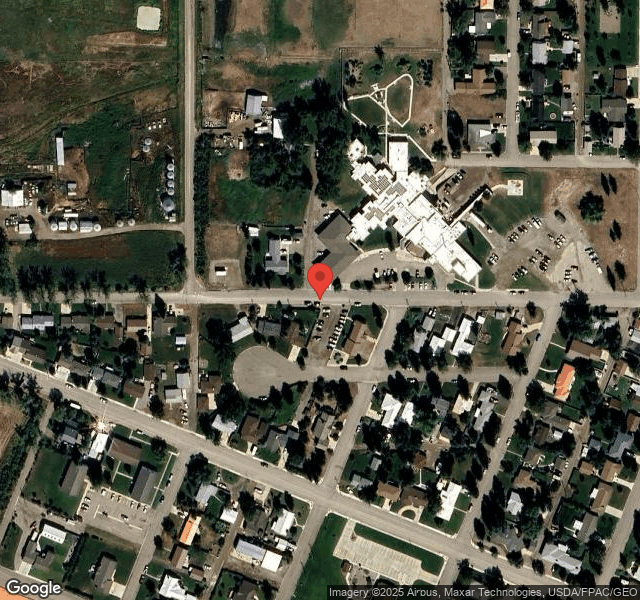
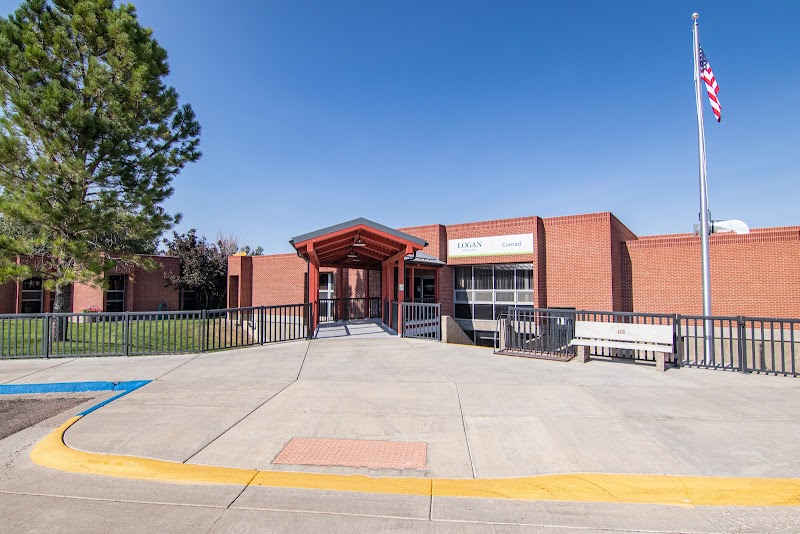
805 SUNSET BLVD, CONRAD, MT 59425 (406) 271-3211
Non profit - Corporation 59 Beds Independent Data: November 2025
Trust Grade
40/100
#43 of 59 in MT
Last Inspection: April 2025

Within standard 12-15 month inspection cycle. Federal law requires annual inspections.

Overview

Logan Health - Conrad has received a Trust Grade of D, indicating below-average performance with some concerning issues. They rank #43 out of 59 facilities in Montana, placing them in the bottom half, but they are the only option in Pondera County. The facility shows an improving trend, reducing issues from 17 in 2024 to 12 in 2025, which is a positive sign. Staffing is a strength with a 4 out of 5 rating and a turnover rate of 53%, which is slightly better than the state average. However, the home has $27,013 in fines, which is concerning, and they offer less RN coverage than 96% of other facilities, potentially impacting care quality. Specific incidents include a resident walking without a walker as required, posing a fall risk, and a failure to serve food at safe temperatures, which could lead to foodborne illness. Additionally, expired food items were found in storage, raising concerns about food safety. While the staffing strength and trend improvement are positives, the facility still faces significant challenges that families should consider.

Trust Score
D
40/100
In Montana
#43/59
Bottom 28%
Safety Record
Moderate
Needs review
Inspections
Getting Better
17 → 12 violations
Staff Stability
⚠ Watch
53% turnover. Above average. Higher turnover means staff may not know residents' routines.
Penalties
○ Average
$27,013 in fines. Higher than 63% of Montana facilities. Some compliance issues.
Skilled Nurses
○ Average
Each resident gets 32 minutes of Registered Nurse (RN) attention daily — about average for Montana. RNs are the most trained staff who monitor for health changes.
Violations
⚠ Watch
42 deficiencies on record. Higher than average. Multiple issues found across inspections.
★★☆☆☆
2.0
Overall Rating
★★★★☆
4.0
Staff Levels
★★★★☆
4.0
Care Quality
★★☆☆☆
2.0
Inspection Score
Stable
2024: 17 issues
2025: 12 issues

The Good

  • 4-Star Staffing Rating · Above-average nurse staffing levels
  • 4-Star Quality Measures · Strong clinical quality outcomes
  • Full Sprinkler Coverage · Fire safety systems throughout facility
  • No fines on record

Facility shows strength in staffing levels, quality measures, fire safety.

The Bad

2-Star Overall Rating

Below Montana average (2.9)

Below average - review inspection findings carefully

Staff Turnover: 53%

Near Montana avg (46%)

Higher turnover may affect care consistency

Federal Fines: $27,013

Below median ($33,413)

Moderate penalties - review what triggered them

The Ugly 42 deficiencies on record

1 actual harm
Apr 2025 12 deficiencies
CONCERN (D)

Potential for Harm - no one hurt, but risky conditions existed

Resident Rights (Tag F0550)

Could have caused harm · This affected 1 resident

Based on observation, interview, and record review, the facility failed to provide hydration in cups that were not disposable. This deficient practice caused 2 residents (#s 1 and 31) of 17 sampled re...

Read full inspector narrative →
Based on observation, interview, and record review, the facility failed to provide hydration in cups that were not disposable. This deficient practice caused 2 residents (#s 1 and 31) of 17 sampled residents to feel distressed and frustrated. Findings include: During an observation on 4/21/25 at 12:29 p.m., staff member D was passing lunch trays in the main dining room. The lunch trays had hard plastic cups filled with juice or milk, and hard plastic handled cups for coffee, tea, or hot chocolate. After lunch trays were passed staff member D began to pass water in the dining room. The water was in clear, soft plastic, disposable cups. During an interview on 4/22/25 at 8:09 a.m., resident #31 stated using the disposable water cups upsets her and makes her feel like she is in jail. Resident #31 stated she was shaky at times and would spill the water from the soft plastic cup and caused her frustration. Resident #31 stated, I don't understand why my water cannot be in a normal cup, like my other drinks. During an observation and interview on 4/22/25 at 12:19 p.m., staff member D was passing water cups to residents. The water was in clear, soft plastic, disposable cups. Staff member D stated, I was told by [Staff member N] the kitchen does not have enough cups, so we were told to use disposable cups for the water. During an observation on 4/22/25 at 12:27 p.m., resident #1 was sitting at a small table, in his wheelchair. Resident #1 was trying to drink water from a clear, soft plastic cup and appeared to be having problems grabbing the cup. When resident #1 tried to grab the cup, he could not. Resident #1 made a loud sigh sound and moved on to a hard plastic cup, which contained milk. Resident #1 was not able to completely pick up his water cup to drink from it. During an observation and interview on 4/23/25 at 12:27 p.m., resident #1 was sitting at his table in the dining room. He had his lunch meal in front of him. Resident #1 appeared to be distressed. Resident #1 was upset because he could not pick up his water cup. Resident #1 pointed to the cup and stated can't. During an interview on 4/23/25 at 1:26 p.m., staff member O stated she had worked in dietary for many years. Staff member O stated, The nursing staff is choosing to use the disposable cups because it is easier for them. We have a ton of cups down in the kitchen that can be used, all they have to do is let us know, and we would take them upstairs for them. During an interview on 4/23/25 at 3:00 p.m., staff member R stated he worked in dietary. Staff member R stated there were plenty of medium-sized, hard plastic cups. Staff member R stated there was a shortage of small, hard plastic cups, but more had been ordered and they had been waiting for them to arrive. During an interview on 4/24/25 at 11:02 a.m., staff member N stated there was a shortage of small, hard plastic cups, but they had plenty of other sizes available. Staff member N stated staff member D was told they could not send up the small cups but offered them another size. Staff member N stated staff member D never told him to send up the other sized hard plastic cups. Review of a facility document titled, Standard of Care, BH227, with an effective date of 2/2025, showed: . G. Residents are provided with appropriate adaptive equipment . to maintain and or improve resident's ability to feed self.
CONCERN (D)

Potential for Harm - no one hurt, but risky conditions existed

Deficiency F0645 (Tag F0645)

Could have caused harm · This affected 1 resident

Based on interview and record review, the facility failed to ensure a resident's diagnosed mental health condition was listed on their PASARR for 1 (#4) of 17 sampled residents. This deficient practic...

Read full inspector narrative →
Based on interview and record review, the facility failed to ensure a resident's diagnosed mental health condition was listed on their PASARR for 1 (#4) of 17 sampled residents. This deficient practice had the potential for appropriate mental health needs to be unaddressed. Findings include: Review of resident #4's physician orders, dated 12/17/24, showed the resident took Aripiprazole 2 mg daily for bipolar disorder. Review of resident #4's PASARR, dated 12/11/24, failed to show bipolar disorder as a listed diagnosis. During an interview on 4/23/25 at 10:00 a.m., staff member I stated the diagnosis of bipolar disorder was in resident #4's past medical history and H&P, but did not carry over to her current diagnoses, which were used when generating the PASARR. During an interview on 4/24/25 at 9:00 a.m., staff member L stated they did not know why a diagnosis which was in the H&P and attached to a medication would not be shown on the resident's list of medical diagnoses.
CONCERN (D)

Potential for Harm - no one hurt, but risky conditions existed

Deficiency F0655 (Tag F0655)

Could have caused harm · This affected 1 resident

**NOTE- TERMS IN BRACKETS HAVE BEEN EDITED TO PROTECT CONFIDENTIALITY** Based on observation, interview, and record review, the facility failed to implement a baseline care plan, outlining pertinent i...

Read full inspector narrative →
**NOTE- TERMS IN BRACKETS HAVE BEEN EDITED TO PROTECT CONFIDENTIALITY** Based on observation, interview, and record review, the facility failed to implement a baseline care plan, outlining pertinent information needed to care for a new resident within 48 hours of admission for 1 (#139) of 17 sampled residents. This deficient practice had the ability to affect all new admissions receiving care in the facility. Findings include: During an observation and interview on 4/22/25 at 8:16 a.m., resident #139 was sitting on the edge of his bed watching TV. The volume on the TV was very loud. Resident #139 had his legs in a dependent position, with his feet on the floor. His legs appeared to be swollen and there was an indentation on his legs from his socks. Resident #139 stated he had heart problems, and his legs were swollen all the time. Resident #139 states it can be uncomfortable at times. Resident #139 stated he needed some assistance with getting dressed, personal hygiene, and some help with setting up his meals. Review of resident #139's diagnoses list showed he had congestive heart failure, diabetes mellitus Type 2, bipolar disorder, hypertension, obesity, and atrial fibrillation. Review of resident #139's electronic medical record showed he was admitted to the facility on [DATE]. Review of resident #139's baseline care plan was initiated on 4/14/25 and completed and locked on 4/21/25. During an interview on 4/23/25 at 2:55 p.m., staff member H stated she was responsible for completing baseline care plans. Staff member H stated resident #139's baseline care plan was not completed because she was not in the building at the time of his admission but initiated it when she returned. Staff member H stated there was no one else who initiated or completed the baseline care plan. Staff member H stated she knew the care plan was late, and staff looked at that information to care for new admissions. Review of a facility document titled, Care Planning, with a revision date of 6/2023, showed: . 3. The Care Plan is documented and part of the Medical record. A baseline Care Plan is developed within 48 hours of admission . The baseline Care Plan for each resident includes the instructions needed to provide effective and person-centered care of the resident that meet professional standards of quality care . [sic]
CONCERN (D)

Potential for Harm - no one hurt, but risky conditions existed

ADL Care (Tag F0677)

Could have caused harm · This affected 1 resident

Based on interview and record review, the facility failed to ensure a resident was showered according to their preference for 1 (#4) of 17 sampled residents. Findings include: During an interview on 4...

Read full inspector narrative →
Based on interview and record review, the facility failed to ensure a resident was showered according to their preference for 1 (#4) of 17 sampled residents. Findings include: During an interview on 4/22/25 at 11:11 a.m., NF2 stated the facility was sometimes short staffed and resident #4 would go a week and a half between showers. During an interview on 4/24/25 at 9:40 a.m., staff member B stated she was unsure if there was an error in documentation or if staff should have charted refused and selected n/a instead, but the records showed resident #4 was getting a shower about every nine days. Staff member B instituted a paper charting system to correct the deficiency. Review of resident #4's shower records, dated 1/1/25 - 4/23/25, showed the resident received 12 showers over the 96-day span. - 1/3/25 - 2/21/25 resident #4 was shown as having a shower every seven days. - 3/20/25 is the next documented shower, a 27 day gap. - 4/15/25 is the next documented shower, a 26 day gap. Review of resident #4's shower records, dated 1/1/25 - 4/23/25, showed only one documented refusal on 4/22/25. Review of resident #4's care plan, with a review date of 3/17/25, showed a focus area of ADLs. Interventions listed showed, I prefer a shower 2x/week.
CONCERN (D)

Potential for Harm - no one hurt, but risky conditions existed

Drug Regimen Review (Tag F0756)

Could have caused harm · This affected 1 resident

Based on interview and record review, the facility failed to ensure the pharmacist identifed and addressed an as needed psychotropic medication for an excessive duration for 1 (#20) of 17 sampled resi...

Read full inspector narrative →
Based on interview and record review, the facility failed to ensure the pharmacist identifed and addressed an as needed psychotropic medication for an excessive duration for 1 (#20) of 17 sampled residents. Findings include: Review of resident #20's physician orders, dated 11/21/24 to 4/23/25, showed an order for Lorazepam oral concentrate 2 MG/ML. Give 0.25 ml by mouth every 8 hours as needed for anxiety. No stop date was noted on the orders. Review of resident #20's monthly medication regimen review, completed by staff member L showed: - December 2024-Resident #20, No Significant Irregularities. - January 2025-Resident #20, No Significant Irregularities. - February 2025-Resident #20, No Significant Irregularities. - March 2025-Resident #20, No Significant Irregularities. During an interview on 4/24/25 at 9:01 a.m., staff member L stated she was responsible for the facility's medication regimen reviews. Staff member L stated when the medication regimen reviews were due she looked in the chart at progress notes, vital signs, current labs, physician's orders, assessments, and noted any change in condition. Staff member L stated, Psychotropic medications are frowned upon and should be minimized. Psychotropic medications have a 14-day limit and after that time the physician needs to re-evaluate the resident. Staff member L stated she was not sure how she missed resident #20's PRN lorazepam for multiple months. Review of a facility document titled, Extended Care Consultant Pharmacist, with an effective date of 5/2021, showed: 1. Pharmacist Medication Regimen Review (MRR) a. The pharmacist will review the resident's medical chart for irregularities monthly. .d. An irregularity includes, but is not limited to, the following: i. The use of a medication that is inconsistent with accepted standards of practice for providing pharmaceutical services, not supported by medical evidence . ii. An unnecessary drug, which is defined as any drug when used in: 1. Excessive dose, excessive duration, without adequate monitoring, . . iii. PRN Psychotropic Drugs: 1. PRN orders for psychotropic drugs are limited to 14 days a. Exception: If the attending physician or prescribing practitioner believes that it is appropriate for the PRN order to be extended beyond 14 days, the provider should document their rationale in the resident's medical record and indicate duration for the PRN order. [sic]
CONCERN (D)

Potential for Harm - no one hurt, but risky conditions existed

Medication Errors (Tag F0758)

Could have caused harm · This affected 1 resident

Based on interview and record review, the facility failed to limit an as needed anti-anxiety medication order to 14 days or provide a physician's rationale for continued extension of the medication's ...

Read full inspector narrative →
Based on interview and record review, the facility failed to limit an as needed anti-anxiety medication order to 14 days or provide a physician's rationale for continued extension of the medication's use, for 1 (#20) of 17 sampled residents. Findings include: Review of resident #20's physician's orders, dated 11/21/24 to 4/23/25, showed an order for Lorazepam oral concentrate 2 MG/ML. Give 0.25 ml by mouth every 8 hours as needed for anxiety. No stop date noted on the orders. Review of physician's progress notes dated 12/18/24, 2/11/25, and 4/15/25, showed no documentation for the continued use of lorazepam past 14 days. During an interview on 4/24/25 at 9:01 a.m., staff member L stated, Psychotropic medications are frowned upon and should be minimized. Psychotropic medications have a 14-day limit and after that time the physician needs to re-evaluate the resident. Review of a facility document titled, Extended Care Consultant Pharmacist, with an effective date of 5/2021, showed: . iii. PRN Psychotropic Drugs: 1. PRN orders for psychotropic drugs are limited to 14 days, b. Exception: If the attending physician or prescribing practitioner believes that it is appropriate for the PRN order to be extended beyond 14 days, the provider should document their rationale in the resident's medical record and indicate duration for the PRN order.
CONCERN (D)

Potential for Harm - no one hurt, but risky conditions existed

Deficiency F0801 (Tag F0801)

Could have caused harm · This affected 1 resident

Based on interview and record review, the facility failed to have a qualified Dietary Manager. This deficient practice had the potential to affect all residents in the facility. Findings include: Duri...

Read full inspector narrative →
Based on interview and record review, the facility failed to have a qualified Dietary Manager. This deficient practice had the potential to affect all residents in the facility. Findings include: During an interview on 4/21/25 at 11:26 a.m., staff member N introduced himself as the Director of Food Services. Staff member N stated he had been in that position since May 2024. Staff member N stated that all of his certifications had expired, and had been for awhile, but he had been trying to get them up to date again. Staff member N stated he registered for the course in October 2024 but had not taken the test yet. During an interview on 2/23/25 at 4:00 p.m., staff member S stated they were working on getting staff member N certified. Review of a facility document titled, Food Service Director, Undated, showed: . Job requirements - Bachelor's degree or at least 5 years' experience managing a culinary department or operation. - ServSafe and State Certified in Safe Food Handling and Sanitation . - Certified Dietary Manager Preferred.
CONCERN (D)

Potential for Harm - no one hurt, but risky conditions existed

Medical Records (Tag F0842)

Could have caused harm · This affected 1 resident

**NOTE- TERMS IN BRACKETS HAVE BEEN EDITED TO PROTECT CONFIDENTIALITY** Based on interview and record review, the facility failed to ensure the Provider Order for Life Sustaining Treatment (POLST) was...

Read full inspector narrative →
**NOTE- TERMS IN BRACKETS HAVE BEEN EDITED TO PROTECT CONFIDENTIALITY** Based on interview and record review, the facility failed to ensure the Provider Order for Life Sustaining Treatment (POLST) was completed to include the signature, date, and time the provider signed the order for 1 (#31) and failed to ensure all areas of the form were completed by the resident or the resident representative for 1 (#139) of 17 sampled residents. Findings include: Review of resident #31's POLST form showed resident #31 wanted no CPR (cardiopulmonary resuscitation) with selective treatment. Resident #31 signed the form on [DATE], but the POLST form was not signed by a physician, or an advanced practice practitioner. Review of resident #139's POLST form showed resident #139 wanted comfort focused treatment with no CPR (cardiopulmonary resuscitation). In the patient signature section of the form there appeared to be what looked like an x and a check mark. There was no printed name or date signed by the resident or resident representative. During an interview on [DATE] at 10:32 a.m., staff member H stated the POLST forms should be filled out completely to include signature, printed name, and date by the resident or resident representative, and the physician needs to sign, print their name, and date the form. Staff member H stated all the POLST forms were in the medical record and also in a binder at the nurse's station. Staff member H could not verbalize why the two POLST forms were not entirely completed. Staff member H stated the physician usually signed the POLST within a couple of days, and if the physician is not available there were other providers who could sign the forms. Review of a facility document titled, Do Not Resuscitate, with an effective date of 4/2024, showed: Procedure: . 2. Patients . will have their POLST form reviewed by the Provider each time the patient is admitted to the facility. A copy of the POLST will be placed in the patient's chart with an initial, date, and time .
CONCERN (E)

Potential for Harm - no one hurt, but risky conditions existed

Deficiency F0761 (Tag F0761)

Could have caused harm · This affected multiple residents

Based on observation, interview, and record review, the facility failed to remove expired items from the medication room. Findings include: During an observation and interview on 4/21/25 at 1:40 p.m.,...

Read full inspector narrative →
Based on observation, interview, and record review, the facility failed to remove expired items from the medication room. Findings include: During an observation and interview on 4/21/25 at 1:40 p.m., the following items were found in the medication room: - 1 bottle of Humulin R insulin was open but had no resident identifiers or an open or expiration date on the bottle or box, - 1 box of Ayr Saline Nasal gel with an expiration date of 1/2025, - 1 box of 144 individual packets of A&D ointment with an expiration date of 12/2024, - 1 box diaper rash ointment with an expiration date of 3/2025, - 1 suture removal kit with an expiration date of 2/28/25, and - 4 duoderm adhesive dressings with an expiration date of 11/1/2024. Staff member D stated, Pharmacy comes down once a month and goes through the medication room for any expired medications. We are all responsible for double checking medications and supplies for expirations. During an interview on 4/23/25 at 1:30 p.m., staff member Q stated she was responsible for checking the medication room for expired medications. Staff member Q stated she checked the medication room monthly for expired medications, rotate medications, and stock medications that need stocked. Staff member Q stated she was unsure how she missed the expired medications. Review of a facility document titled, Medication Room, with an effective date of 6/2023, showed: . 3. Pharmacy staff should verify/check all medication expiration dates . 4. Medications that are expired will be removed .
CONCERN (E)

Potential for Harm - no one hurt, but risky conditions existed

Infection Control (Tag F0880)

Could have caused harm · This affected multiple residents

Based on observation, interview, and record review, the facility failed to have the required enhanced barrier precaution signage posted for residents who required enhanced barrier precautions for care...

Read full inspector narrative →
Based on observation, interview, and record review, the facility failed to have the required enhanced barrier precaution signage posted for residents who required enhanced barrier precautions for cares for 2 (#s 4 & 6) of 17 sampled residents; and failed to ensure staff adheared to proper infection control measures and policies for masking and hand hygiene for 1 (#9) of 17 sampled residents. This deficient practice had the potential to affect all residents who received care from staff not following infection control prevention measures. Findings include: 1. During an observation on 4/24/25 at 8:45 a.m., resident #4 was having wound care completed for a Stage III three pressure sore on her sacrum. Review of skin and wound assessments for the resident showed the wound had been present since early April 2025. There was no infection control signage, PPE supply cart, or extra PPE donned by staff, for enhanced barrier precautions. During an interview on 4/24/25 at 9:20 a.m., staff member F stated a pressure wound would require the use of enhanced barrier precautions. 2. During an observation on 4/21/25 at 2:44 p.m., resident #6 was sitting in his wheelchair in his room. A foley catheter leg bag was attached to the left lower leg and drained by gravity. No enhanced barrier precaution sign was posted outside of resident #6's room. During an observation on 4/22/25 at 8:42 a.m., no enhanced barrier precautions sign was posted outside of resident #6's room. During an observation and interview on 4/22/25 at 12:30 p.m., no enhanced barrier precautions sign was posted outside of resident #6's room. Staff member P stated resident #6 was on enhanced barrier precautions because he had a Foley catheter. Staff member P stated there should have been signs posted. Staff member P stated she was not sure how anyone would know about the precautions if the sign was not up. Staff member P stated she had been educated on enhanced barrier precautions. During an interview on 4/23/25 at 10:54 a.m., staff member F stated when a resident was admitted into the facility or had a change and requires enhanced barrier precautions the nursing staff should notify him and initiate enhanced barrier precautions on that shift. Staff member F stated he was not sure why resident #6 did not have an enhanced barrier precautions sign posted outside of the room. Review of a facility document titled, Enhanced Barrier Precautions, with an effective date of 5/2021, showed: . During Enhanced Precautions: Everyone must perform hand hygiene entering and leaving the room, Providers and staff must also: Wear gloves and a gown for the following high contact resident care activities- Dressing, bathing/showering, changing linens, providing hygiene, changing briefs or assisting with toileting; Device care use (central line, urinary catheter, feeding tube, tracheostomy; wound care (any opening requiring a dressing [sic] CDC recommendations showed: . When implementing Contact or Enhanced Barrier Precautions, it is critical to ensure staff have awareness of the facility's expectations . Post clear signage on the door or wall outside of the residents room indicating the type of Precautions and required PPE. cdc.gov/long-term-care-facilities/hcp/prevent-mdro/PPE.html 3. During an interview on 4/21/25 at 11:19 a.m., resident #9 stated he was concerned about [Staff Member C Name] who had a cough and did not wear a mask. During an observation on 4/21/25 at 1:26 p.m., staff member C was not wearing a mask in the dining area while coughing; and the cough sounded deep and congested. During an interview on 4/22/25 at 2:31 p.m., staff member D stated staff member C does not wear a mask all the time when it should be used. During an interview on 4/23/25 at 9:48 a.m., staff member B stated staff member C, Has a horrible sounding cough, I tell him to please put on a mask, I gave him cough drops, I told him you need to wear a mask, I can't babysit him all the time, if I ask you to wear a mask, wear it. Staff member B stated a doctor told her to expect a lingering cough from the recent flu outbreak, and staff member C was given cough syrup. Staff member B stated she told staff member C, To sanitize regularly and don't be in people's faces. During an interview on 4/23/25 at 10:53 a.m., staff member F stated staff member C had a lingering cough from an influenza outbreak. Staff member F stated staff member C should be wearing a mask at work with a cough. Review of the facility's posted signage titled, Cover Your Cough, showed: .If you have any illness symptoms, PLEASE WEAR A MASK . [sic] Review of the facility's posted signage on the entrance door to the facility stated, WEAR A MASK IF YOU ARE SICK. [sic] 4. During an observation and interview on 4/22/25 at 10:23 a.m., staff member E did not perform hand hygiene after removing her contaminated gown and gloves, prior to walking into the clean side of the laundry facilities. Staff member E stated she performs hand hygiene every other load of dirty laundry. During an interview on 4/22/25 at 10:35 a.m., staff member A stated he had noticed staff member E did not perform hand hygiene after removing her contaminated gown and gloves, prior to walking into the clean side of the laundry facilities. Staff member A stated he was going to talk to staff member E regarding proper hand hygiene use when in the laundry area. Review of the facility's policy titled, Laundry and Linen Services, BHIC710, with a copyright date of 2025, showed: .1. Personal Protective Equipment (PPE) and/or handwashing is required when handling all types of linens. 2. All laundry are treated as infectious regardless of isolation precautions . Review of the facility's policy titled, Hand Hygiene, IPC104, with a copyright date of 2025, showed: 2 .situations/occasions where hand hygiene needs to be performed to reduce the risk to patients and health care workers . D. After handling contaminated laundry and waste .
CONCERN (F)

Potential for Harm - no one hurt, but risky conditions existed

Deficiency F0804 (Tag F0804)

Could have caused harm · This affected most or all residents

Based on observation, interview, and record review, the facility failed to provide food at a safe and appetizing temperature for 6 (#s 1, 6, 9, 14, 19, and 139) of 17 sampled residents. This deficient...

Read full inspector narrative →
Based on observation, interview, and record review, the facility failed to provide food at a safe and appetizing temperature for 6 (#s 1, 6, 9, 14, 19, and 139) of 17 sampled residents. This deficient practice increased the potential for foodborne illness and decreased the residents' satisfaction and enjoyment of their food. Findings include: During an interview on 4/21/25 at 11:19 a.m., resident #9 stated the food was sometimes cold when served in the dining area or in his room. During an observation and interview on 4/21/25 at 11:26 a.m., kitchen staff were placing food on plates, covering them, and placing them in a metal cart. The doors on the cart remained open while staff were plating food. Staff member N stated the metal carts were not insulated and did not hold heat like they should. Staff member N stated the metal food carts were delivered to the dining room right around noon. During an observation on 4/21/25 at 12:10 p.m., the first tray was served in the dining room. The metal food cart doors were opened, and the tray was removed. The doors were not closed. Passing meal trays in the dining room took another 25 minutes, and in that time the heat inside the uninsulated cart was not maintained due to the doors being open. During an interview on 4/21/25 at 12:29 p.m., staff member D stated meal trays were served in the main dining room first, then the room trays delivered. During an observation on 4/21/25 at 12:39 p.m., staff member P took the metal food cart and started to pass meal trays to the residents who preferred to eat in their rooms. During an interview on 4/21/25 at 2:41 p.m., resident #19 stated her biggest concern living at the facility was her food not being served hot. During an interview on 4/22/25 at 8:15 a.m., resident #14 stated, The food is always cold, I don't think I have had a warm meal since I have been here. During an interview on 4/22/25 at 8:18 a.m., resident #139 stated his food was not bad tasting but a lot of the time it was cold. During an interview on 4/22/25 at 8:42 a.m., resident #6 stated his breakfast was cold. Resident #6 stated, The food in this place is never really warm, it's always on the cold side ,and it takes forever to get the food. During an observation on 4/22/25 at 12:00 p.m., the metal food cart was brought to the dining room. During an observation on 4/22/25 at 12:10 p.m., staff members D and P started to pass meal trays to the residents in the main dining room. During an observation and interview on 4/22/25 at 12:25 p.m., staff member P stated, The food is often cold when it is time to pass the room trays because the room trays sit in this container, and the doors are often left open while trays are passed in the main dining room. Staff member P stated she does not know what the temperature is that food should be served at. During an observation on 4/22/25 at 12:27 p.m. Staff member P took resident #6's meal tray off the cart. The temperature of the fish sandwich was 123.6 degrees Fahrenheit, and the fries were at 119.0 degrees Fahrenheit. During an observation on 4/22/25 at 12:29 p.m. Staff member P took resident #139's meal tray off the cart. The temperature of the chicken sandwich (alternate entrée) was 126.2 degrees Fahrenheit, and the fries were 120.8 degrees Fahrenheit. During an observation on 4/22/25 at 12:31 p.m. Staff member P took resident #14's meal tray off the cart. The temperature of the chicken sandwich (alternate entrée) was 123.6 degrees Fahrenheit, and the fries were 119.0 degrees Fahrenheit. During an interview on 4/22/25 at 1:44 p.m., staff member G stated, Maintaining warm food temperatures is tricky for us. Staff member G stated when they used a steam table in the past it kept the food temperatures up, but they do not use it anymore due to lack of staffing. Staff member G stated sometimes food trays will sit for 20 to 30 minutes in the cart before they are served to residents. During an interview on 4/22/25 at 2:11 p.m., staff member D stated everyone tried to chip in to help get food trays out because of the food complaints. During an interview on 4/22/25 at 2:31 p.m., staff member D stated the staff tried to deliver trays as fast as they could to keep the food hot. Staff member D stated a steam tray would be helpful, but We don't know how to get it back, and now it is only used for special occasions. During an observation and interview on 4/23/25 at 11:55 a.m., lunch trays arrived in the dining area. Resident #19 received her lunch tray at 12:07 p.m., the pulled pork temperature was 121.5° Fahrenheit, and the temperature of the mashed potatoes was 126.6° Fahrenheit. Resident #19 stated her lunch was hotter than it normally was. During an observation on 4/23/25 at 12:02 p.m., the metal food cart arrived in the main dining room. During an observation on 4/23/25 at 12:10 p.m., multiple staff started to deliver food trays to residents seated in the main dining room. During an observation on 4/23/25 at 12:18 p.m., resident #1 was served pulled pork and unhappiest. The temperature on the pulled pork was 104.4 degrees Fahrenheit. Resident #1 was served in the main dining room. During an observation on 4/23/25 at 12:23 p.m., staff member IP started to deliver meal trays to residents who preferred to eat in their rooms. During an observation on 4/23/25 at 12:25 p.m., resident #6 was served pulled pork and creamed corn. The temperature on the pulled pork was 128.2 degrees Fahrenheit, and the creamed corn was 126.2 degrees Fahrenheit. During an observation on 4/23/25 at 12:27 p.m., resident #14 was served pulled pork and unhappiest. The temperature on the pulled pork was 127.9 degrees Fahrenheit, and the unhappiest were 121.4 degrees Fahrenheit. During an observation on 4/23/25 at 12:27 p.m., resident #9 received his lunch tray in his room. The pulled pork was 123.3°Fé, the creamed corn was 127.7°Fé, and the unhappiest were 117.5°Fé. During an observation on 4/23/25 at 12:28 p.m., resident #139 was served pulled pork and mashed potatoes. The pulled pork was 122.7 degrees Fahrenheit, and the mashed potatoes were 125.0 degrees Fahrenheit. During an interview on 4/23/25 at 1:26 p.m., staff member O stated, The food is tempted after it is cooked and when it is coming off the hot area. The food is then put on a plate, placed on a plate warmer, and covered. The food is then placed in the metal cart. The doors to the metal cart are left open until all the trays are placed inside. The doors stay open for about 15 minutes, sometimes longer, it just depends on what is being served that day. Once the doors are closed the metal cart is taken upstairs for staff to hand out (food trays) to the residents. Staff member O stated, The metal carts are not insulated so the food does lose some heat while we are plating. Another possibility (for food losing temperature) is once we deliver the metal cart, the staff upstairs do not always pass the food trays right away and they sit there. Review of a facility document titled, Production Temperature Log, dated 4/22/25, showed: Chicken breast- date-4/22/25, Time- 11:15 A, Temp-173. Breaded Cod- Time-no time documented, Temp-No temp documented Fries- Time-11:35 A, Temp-188. [sic] The sit time from the time the temperature was taken to when resident #S 6, 14, and 139 received their meals was between one hour and one hour and thirty minutes. Review of a facility document titled, Production Temperature Log, dated 4/23/25, showed: pulled pork- date 4/23/25, Time- 11:10 A, Temp-197.7 Corn- Time- 11:05 A, Temp- 204.4 Unhappiest- Time-11:13 A, Temp- 206.9 Mashed pot-Time-11:15 A, Temp-194.4. [sic] The sit time from the time the temperature was taken to when resident #S 6, 14, and 139 received their meals was between one hour and one hour and fifteen minutes. Review of a facility policy titled, Policy & Procedure Manual Food Temperatures, dated 2023, showed the following: . All hot food items must be cooked to appropriate internal temperatures, held and served at a temperature of at least 135°F . . Hot food items may not fall below 135°F after cooking . . Temperatures should be taken periodically to assure hot foods stay above 135°F . . Foods should be transported as quickly as possible to maintain temperatures for delivery and service. If food transportation times is extensive, food should be transported using a method that maintains temperatures (i.e., hot/cold carts, pellet systems, insulated plate bases and domes, etc.) . . Foods sent to the units for distribution (such as meals, snacks, nourishments, oral supplements) will be transported and delivered to unit storage areas to maintain temperatures . and at or above 135°F for hot foods . . Rapid Bacterial Growth and Foodborne Illness is in the Temperature Danger Zone when hot food temperatures are less than 135°F . [sic]
CONCERN (F)

Potential for Harm - no one hurt, but risky conditions existed

Food Safety (Tag F0812)

Could have caused harm · This affected most or all residents

Based on observation, interview, and record review, the facility failed to store food in accordance with professional standards by failing to dispose of expired food in dry storage and the walk-in coo...

Read full inspector narrative →
Based on observation, interview, and record review, the facility failed to store food in accordance with professional standards by failing to dispose of expired food in dry storage and the walk-in cooler; track and record temperatures for a cooler located in a public area; and label and date food stored in the facility freezers; This deficient practice had the potential to affect all residents, staff, and visitors at the facility. Findings include: 1. During an observation on 4/21/25 at 12:32 p.m., a package of strawberries covered in thick white mold was observed in a small refrigerator on the secure unit, located inside the Sweet Shop. During an interview on 4/24/25 at 11:10 a.m., staff member J stated there was a resident who helped with the Sweet Shop, and it was possible she had placed the strawberries in the fridge that staff didn't catch. 2. During an observation and interview on 4/21/25 at 11:26 a.m., the dry storage area contained six boxes of baking soda with an expiration date of 11/7/2021. The walk-in cooler had one open bag of Brussel sprouts, undated, and one five-pound bag of shallots with a use by date of 4/11/25, and a white, slimy appearance on the shallots and brownish liquid at the bottom of the storage bag. Staff member N stated everyone in the kitchen is responsible for checking items for expiration and disposing of any expired items. A small food cooler was in the corner of a small dining area, just outside of the kitchen. The cooler had no thermometer or temperature logs completed. In the cooler there were: - 5 yogurts - 5 individual cheese snack squares - 1 bowl of grapes - 1 bowl of pineapple - 3 bowls of cantaloupe, all undated - 20 Dasani water bottles were also in the bottom of the cooler. Staff member N stated the cooler was not supposed to be used and was not sure why staff kept using it. The freezer in the kitchen had a white plastic bag, sitting on top of a box labeled liver. The plastic bag contained 6 unidentifiable frozen meat product and had no label or date on the bag. Staff member N stated he thought the meat product was chicken fried steak but could not be 100 percent sure. During an observation and interview on 4/21/25 at 1:40 p.m., a refrigerator in the medication storage room contained three yogurt containers with an expiration date of 4/9/25. Staff member D stated all staff were responsible for checking the refrigerators and freezers for expired or undated items. During an observation on 4/21/25 at 2:37 p.m., the freezer located in the main dining room contained one half eaten ice cream cake, no patient identifiers were noted on it, and was undated. There was a box of ice cream sandwiches, undated, and 3 disposable Pepsi cups with a frozen substance in them, which were undated. Review of a facility document titled, Food Storage, undated, showed: . 13. Refrigerated food storage: c. Every refrigerator must be equipped with an internal thermometer, 14. Frozen Foods: c. All foods should be covered, labeled and dated. All foods will be checked to assure that foods will be consumed by their use by dates or discarded. There was no documentation in the policy that addressed the expiration of food in the dry storage area.
Apr 2024 14 deficiencies 1 Harm
SERIOUS (G) 📢 Someone Reported This

A family member, employee, or ombudsman was alarmed enough to file a formal complaint

Actual Harm - a resident was hurt due to facility failures

Accident Prevention (Tag F0689)

A resident was harmed · This affected 1 resident

2. During an observation on 4/24/24 at 12:58 p.m., resident #15 was ambulating in her room, without her walker. The walker was turned away from her, and resident #15 was using the furniture to stabili...

Read full inspector narrative →
2. During an observation on 4/24/24 at 12:58 p.m., resident #15 was ambulating in her room, without her walker. The walker was turned away from her, and resident #15 was using the furniture to stabilize herself, as she walked from her nightstand, to the end of her bed. Record review of resident #15's care plan showed: - .I transfer with supervision and my 4WW . - . I am not to have a bedside table in my room so that I don't lean on it and fall . During an interview on 4/24/24 at 1:00 p.m., staff member K stated resident #15 was not a high fall risk resident. Staff member K stated resident #15 would be safe to walk without her walker outside of her room, without assistance. Staff member K stated resident #15 only fell when putting her shoes on herself, in the morning, as resident #15 would fall forward and lose her balance. Staff member K was not aware resident #15 was falling during the day. During an interview on 4/24/24 at 1:10 p.m., staff member M stated resident #15 was a high fall risk, and she had a bed alarm at night. Staff member M was not aware of resident #15 falling during the day. During an observation on 4/24/24 at 3:37 p.m., resident #15 ambulated by herself to the bathroom with her walker. During an observation on 4/24/24 at 3:41 p.m., resident #15 was ambulating in the hallway by herself, without her walker. Review of resident #15's nursing progress notes, dated 1/31/24 - 3/18/24, showed falls on the following dates: - 1/31/24 at 1:45 p.m., - 1/31/24 at 5:00 p.m., witnessed fall in the dining room where resident #15 fell lost balance, and fell backwards from her walker, - 2/3/24 at 12:45 p.m., - 3/6/24 at 11:00 a.m., unwitnessed fall resulting in injury, and - 3/18/24 at 12:54 a.m., resident walking in room without walker, next to her closet which was located across the room from resident #15's bed. 3. During an interview on 4/25/24 at 8:56 a.m., NF7 stated she was upset the facility did not have foot pedals on the wheelchair for resident #6. During an interview on 4/25/24 at 9:11 a.m., staff member U stated there were three falls last night. One of the witnessed falls was resident #6, who had been wheeled down the hallway by a staff member, and his feet caught the floor, causing him to fall head-first out of the wheelchair. Resident #6 had to be sent to the ER for a head laceration requiring four stitches. Staff member U stated, We have had so many falls. During an interview on 4/25/24 at 10:51 a.m., staff member I stated staff would always assist resident #6 back and forth to his room. Staff member I stated resident #6 did not usually use his feet to propel himself, in his wheelchair. Staff member I stated, I don't know, when asked why the foot pedals were not used on resident #6's wheelchair. During an observation on 4/25/24 at 11:42 a.m., staff member P brought resident #6 back to his room in his wheelchair. Foot pedals were not observed to be on resident #6's wheelchair. Resident #6 was not observed self-propelling down the hallway by himself. Once in resident #6's room, staff member P asked staff member Y, Why are these [foot pedals] not on his chair? Staff member Y stated, I don't know. Staff member Y attempted to put the leg rests on resident #6's wheelchair, but they were too short for resident #6. Staff member Y took the foot pedals off and placed them back in the closet During an interview on 4/25/24 at 11:49 a.m., staff member Y stated resident #6 is too weak to propel himself in the wheelchair down the hallway. During an interview on 4/25/24 at 11:54 a.m., staff member Y later stated, resident #6 does self-propel himself down the hallway in his wheelchair, which staff member Y found out about after she spoke with staff member K. During an interview on 4/25/24 at 12:42 p.m., when considering resident #6's tall height, staff member B stated she did not know why a larger wheelchair or longer foot pedals were not ordered sooner for resident #6. Record review of the Fall Investigation Form, dated 4/24/24, showed: . Action plan: Educate staff to use foot pedals when transporting/pushing resident in w/c. Remove foot pedals after transfer d/t resident able to self propel . Based on observations, interviews, and record reviews, the facility failed to provide adequate supervision on a secure dementia unit, resulting in 1 (#34) of 22 sampled residents ingesting odor eliminator; and failing to keep chemicals secure and inaccessible to residents with cognitive impairment; and failed to provide adequate supervision for fall prevention, for 2 (#s 6 and 15). Findings include: 1. During an interview on 4/25/24 at 11:17 a.m., staff member R stated she was uncomfortable working on the secure care unit by herself, and asked not to be assigned back there (secure care unit) unless there was another staff member with her. Staff member R stated there were too many incidents that happened on the secure care unit, and only having one staff member on duty during the day was unsafe. During an observation on 4/25/24 at 11:27 a.m., two residents were sitting in the dining room, and two residents were wandering around the dining room, of the secure care unit. No staff were present in the dining room. Staff member O came into the dining room at 11:37 a.m. The four residents were left unsupervised for 10 minutes. During an interview on 4/25/24 at 11:40 a.m., staff member N stated she was aware resident #34 had drank odor eliminator spray. Staff member N stated, The shower room was not locked, and [resident #34] walked in and was found drinking the odor eliminator. [Resident #34] will drink anything that is left around and unattended. She will try to drink anything and everything. Staff member N stated the only intervention she knew about was the sign that was posted in resident #34's room, reminding her to call staff for something to drink. Staff member N stated, Most of the doors (on the unit) do not have locks on them, and we really need to have them (locks) for resident safety. I have mentioned that to [Staff Member B] a couple of times. [Resident #34] needs one-on-one care, but we cannot do that, there is only one staff member back here (Secure Care Unit) during the day. I knew there were residents in the dining room, but I had to care for another resident. During an observation and interview on 4/25/24 at 11:45 a.m., the shower room door was closed, but unlocked. In the shower room the following chemicals were found: - two (2) purple top sani-wipe disinfectant cloths, located on a counter, - one (1) bottle of odor eliminator spray, located on a counter, - one (1) opened, undated bottle of vinegar, located in an unlocked cabinet, - two (2) plastic spray bottles labeled with a printed-out piece of paper labeled, Quat-Stat 5-deluted. There were no directions or indications for use on the bottle; and, - one (1) Plastic spray bottle with Sani-T-10 plus written in black marker. There were no directions or indications for use on the bottle. Staff member N stated she was not sure what kind of chemicals they were, but they were used to clean the shower after it was used. Staff member N stated she did not know where the chemicals came from or who maintained and refilled them. Staff member N stated she thought there was a binder in the soiled utility room, or in the clean linen closet, that had SDS information in it. Staff member N could not find the SDS information. During an interview on 4/25/24 at 11:51 a.m., staff member B stated the SDS binder is located at the nursing station. During an interview on 4/25/24 at 11:56 a.m., staff member B stated it was a team effort to update the SDS binder, which included staff member E, and staff member F. During an interview on 4/25/24 at 12:16 p.m., staff member M stated he was the staff member on the secure care unit when resident #34 ingested the odor eliminator. Staff member M stated he was doing resident care prior to lunch. Staff member M stated, I was walking down the hallway, saw [resident #34] sitting in the shower room, and she had the bottle of odor eliminator in her hand with the lid off, and the bottle was almost empty. I did not notify the nurse right away, but I should have. Staff member M stated he was not 100 percent positive that resident #34 had ingested the odor eliminator but felt she had ingested a least some of the contents of the odor eliminator bottle. During an interview on 4/25/24 at 12:23 p.m., staff member K stated staff member M did notify nursing staff of the incident with resident #34 on 4/20/24 at 3:00 p.m. Staff member W did the resident assessment and notified all the appropriate staff and resident #34's spouse. Staff member K stated poison control was contacted. Staff member K stated if the SDS sheets were not in the binder, she was not sure where they would be. Staff member K stated all the SDS sheets are to be in the binder. During an interview on 4/25/24 at 12:30 p.m., a call was placed to staff member W, who was the staff member on duty when resident #34 ingested the odor eliminator. No call back was received prior to the end of the survey. During an interview on 4/25/24 at 12:46 p.m., staff member F stated there were three staff members working together to get the SDS sheets together. Staff member F stated if there was not an SDS sheet in the binder, if one was not readily available, she would look it up online, print it out, and put it in the binder. Staff member F stated all cleaning chemicals were to have labels and directions for use. Staff member F stated, All of our spray bottles that have chemicals in them are properly labeled. During an interview on 4/25/24 at 12:51 p.m., staff member E stated the SDS binder is a collaborative effort (for the upkeep of it). Staff member E stated there was primarily three staff members responsible for maintaining the SDS binder. Staff member E stated, I have done a lot of education and training for the staff in this building regarding SDS information. As we get new chemicals, new SDS sheets are placed in the binder. Staff member E stated there should not be any chemicals in the secure unit unlocked. Staff member E stated, Those chemicals should not be back here at all, I am not even sure what that chemical is used for (plastic spray bottle with Sani-T-Plus written in black marker). During an observation and interview on 4/25/24 at 2:05 p.m., the following chemicals were observed in the secure care unit dining area and bathroom. - two (2) plastic spray bottles of Quad-Stat chemicals, located in the cupboard above the sink, with no lock, - eight (8) bottles of odor eliminator spray, in the bathroom off the main dining room, in the secure care unit, - 1 plastic bottle of eye glass cleaner, located in the bathroom off the main dining room, in the secure care area, - two (2) bottles of x-effect bowl cleaner located in an unlocked cupboard in the bathroom off the main dining room, in the secure care area; and, - one (1) half full gallon container of perineum cleaner, sitting on the paper towel dispenser, next to the toilet, in the secure care area. Staff member N stated, There are several residents who wander in and out of this bathroom all day, every day. Staff also use this bathroom to perform check and changes on the residents. The residents back here (secure care unit) can absolutely get into the drawers and cupboards in that bathroom. [Resident #34] is constantly in and out of this bathroom. The bathroom is located within the main dining area of the secure care unit. During an observation on 4/25/24 at 2:15 p.m., one bottle of perineum spray and one bottle of odor eliminator spray was on the shelf in resident #34's room. During an interview on 4/25/24 at 2:36 p.m., staff members A and B stated one of the interventions for resident #34 was not to have any kind of chemicals in her room, and a sign was placed (in the resident's room) reminding resident #34 to call staff for something to drink. A review of resident #34's admission MDS, with an ARD of 2/27/24, showed resident #34 was severely cognitively impaired. - .Section C1000, Cognitive skills for Daily Decision Making. - .3. Severely impaired-never/rarely made decisions. Was checked by staff. A review of a facility binder titled, LTC SDS, showed: - no SDS sheets for the odor elimination spray, eye glass cleaner spray, Quad-Stat chemicals, x-effect bowl cleaner, or the Sani-T-Plus cleaner. A review of a facility policy titled, Hazardous Materials/Waste Management Program, EC290, with a revision date of 2/2024, showed: - . Policy 1. The program applies to all employees, patients, visitors, and departments of [Facility Name], . 4. The Program and related policies address Hazardous Material: chemicals . identification, handling, use, storage . and regulatory requirements, . 9. Responsibilities to ensure compliance with this policy are as follows: A. Environmental Services Manager . 3. Ensures compliance with the Program relative to all local, state, and federal regulations governing the use, storage, and disposing of hazardous materials and wastes . [sic] . 1. Maintains and updates electronic master file of all SDS.
CONCERN (D)

Potential for Harm - no one hurt, but risky conditions existed

Resident Rights (Tag F0550)

Could have caused harm · This affected 1 resident

Based on observations, interviews, and record review, the facility failed to provide dignity and respect for residents when staff failed to knock and announce theselves prior to entering the resident ...

Read full inspector narrative →
Based on observations, interviews, and record review, the facility failed to provide dignity and respect for residents when staff failed to knock and announce theselves prior to entering the resident rooms, causing frustration, for 2 (#s 2 and 190), and their family members, of 22 sampled residents. Findings include: 1. During an observation and interview on 4/23/24 at 8:54 a.m., resident #2 was lying in bed visiting with family members. Staff member M walked into the room without knocking. Resident #2 stated, I have no privacy, staff just walk in whenever they want. It is frustrating. NF2 stated, The staff do that all the time. I am here frequently, and it is rare to have a staff member knock before they enter [Resident #2's] room. It is frustrating that I can not even have a conversation with [Resident #2] with out someone just walking in. This is [Resident #2's] home. During an interview on 4/23/24 at 8:58 a.m., staff member M stated staff were to knock and get permission before entering a resident's room. During an observation on 4/23/24 at 9:00 a.m., staff member M walked into resident #2's room with out knocking. 2. During an observation and interview on 4/22/24 at 3:18 p.m., resident #190 was lying in bed. Staff member M walked into resident #190's room without knocking. NF4 stated, Some staff knock, but most staff do not. NF4 stated it bothered her that staff walked into the room without knocking, and it was frustrating. During an observation on 4/23/24 at 1:50 p.m., resident #190 was lying in bed with her eyes closed. Staff member L walked into resident #190's room with out knocking or asking if it was ok to enter. During an interview on 4/23/24 at 1:43 p.m., staff member L stated staff were supposed to knock prior to entering a resident's room. Staff member L stated if there was not a response by the resident staff could ask if it was ok to come in. Staff member L stated she should have knocked prior to entering resident #190's room. A review of a facility policy titled, Resident Rights and Responsibilities, BHSS907, with a revision date of 1/2023, showed: . 1. While at [name of another facility] skilled nursing facility, a resident has the right to: A. Exercise of rights ., . F. Privacy .
CONCERN (D)

Potential for Harm - no one hurt, but risky conditions existed

Deficiency F0554 (Tag F0554)

Could have caused harm · This affected 1 resident

Based on observations, interviews, and record reviews, the facility failed to assess a resident for self-administration of medications for 1 (#31) of 22 sampled residents. Findings include: During an ...

Read full inspector narrative →
Based on observations, interviews, and record reviews, the facility failed to assess a resident for self-administration of medications for 1 (#31) of 22 sampled residents. Findings include: During an observation and interview on 4/24/24 at 7:55 a.m., staff member O was performing the morning medication pass. Staff member O stated she provided all of resident #31's medications to her. During an observation and interview on 4/24/24 at 8:05 a.m., staff member O took resident #31 her morning medications. On resident #31's bedside table was a bottle of Systane eye drops. Resident #31 stated she gave herself the eye drops, when she needed them. Resident #31 could not verbalize correct administration instructions or if there were any side effects of the Systane. During an interview on 4/24/24 at 8:09 a.m., staff member O stated she did not have any residents that were able to self-administer medications. During an observation on 4/24/24 at 9:10 a.m., resident #31 was sitting on the side of her bed. On the bedside table was a bottle of Systane eye drops, the lid was not on the bottle of eye drops. Resident #31 picked up the bottle of eye drops and administered two drops of the Systane eye drops into each eye. Resident #31 dropped the bottle of eye drops on to the floor, picked the bottle of eye drops up, and placed it on the bed side table. A request was made on 4/24/24 at 11:33 a.m., for resident #31's assessment for the self administration of medications, but this was not received prior to the end of the survey. During an interview on 4/24/24 at 1:40 p.m., staff member B stated resident #31 did not self-administer any of her medications. A Review of resident #31's physician orders, with a last order review date of 3/13/24, showed: - No physician's order for eye drops, and no order for resident #31 to self-administer her medications. A review of resident #31's Significant Change MDS, with an Assessment Reference Date of 4/1/24, showed a BIMS score of 9; moderate cognitive impairment. A review of a facility policy titled, Resident Administration of Medications Following Set-Up, with a revision date of 6/2023, showed: . PROCEDURE: 1. All residents will be assessed upon admission and quarterly thereafter for their right to self-administer medications if they choose. 2. Any resident can ask if they may self-administer medications at any time during their stay. 3. The Resident Care Coordinator will assess each resident for appropriateness and safety, primarily based on BIMS score, assessment of visual acuity, actual demonstration of medication administration, knowledge of physician/provider orders, dosage and frequency, as indicated on the Self Administration Assessment Form.
CONCERN (D) 📢 Someone Reported This

A family member, employee, or ombudsman was alarmed enough to file a formal complaint

Potential for Harm - no one hurt, but risky conditions existed

Deficiency F0561 (Tag F0561)

Could have caused harm · This affected 1 resident

Based on observations, interviews, and record review, the facility failed to support and assist 2 residents, (#s 33 and 35) who were spouses, and the couple wished to share bed space but couldn't due ...

Read full inspector narrative →
Based on observations, interviews, and record review, the facility failed to support and assist 2 residents, (#s 33 and 35) who were spouses, and the couple wished to share bed space but couldn't due to the lack of staff assistance, of 22 sampled residents. Findings include: During an observation and interview on 4/23/24 at 9:38 a.m., resident #35 stated she and resident #33 (a married couple) were told they could have a double bed in their shared room, or the single beds could be put together. Resident #35 stated she had asked the floor staff several times about the double bed but had not received a double bed or assistance with having the beds pushed together. Resident #35 began to cry, and she stated there was no reason she and her husband (#33) should not be allowed to share a bed. Resident #33 stated his bed was too short, and his feet dangled off the end. This surveyor observed the single beds, in separate sections of the room, and they were across from one another. The room was a double occupancy room. Therefore, the two were unable to share the same bed. The couple made the request for sharing the bed(s) on 2/12/24. Review of the facility's Maintenance log, no date, reflected a maintenance request by staff member B, completed on 2/12/24, and it showed: - Wider/Longer bed family request, it was initialed by NH, The request showed no completion date or comments in the awaiting parts, delays, comments column. During an interview on 4/23/24 at 10:35 a.m., staff member E stated he notified staff member B the facility did not have longer or wider beds, and the only option was to put the beds together and lock the wheels. Staff member E did not know why the task was not completed in the maintenance log book. During an interview on 4/23/24 at 11:00 a.m., staff member B stated she had put the request in the maintenance book and expected maintenance to complete the task. Staff member B stated she did not follow-up on requests placed in the book and did not know why the beds had not been addressed. Staff member B stated she had not received a complaint from resident #33 and #35 regarding the beds, except at the care conference, when she placed the maintenance request, which was on 2/12/24.
CONCERN (D) 📢 Someone Reported This

A family member, employee, or ombudsman was alarmed enough to file a formal complaint

Potential for Harm - no one hurt, but risky conditions existed

Investigate Abuse (Tag F0610)

Could have caused harm · This affected 1 resident

Based on interview and record review, the facility failed to thoroughly investigate and report findings following a facility reported incident of injury of unknown origin for 1 (#11) of 22 sampled res...

Read full inspector narrative →
Based on interview and record review, the facility failed to thoroughly investigate and report findings following a facility reported incident of injury of unknown origin for 1 (#11) of 22 sampled residents. Findings include: Review of a facility reported incident submitted to the State Survey Agency on 11/22/23, showed an incident of unknown origin occurred with resident #11 on 11/21/23 at 12:30 p.m. In the report, resident #11 complained of pain to the right shoulder. The facility's assessment of resident #11's shoulder showed redness as well as a bruise to the left upper arm. An area was measured but no location was specified as showed in the report: Resident stated she had not fallen and could not recall what happened . The bruise was approx 10x6 cm. A request for the complete investigation and root cause analysis related to the event was requested on 4/22/24 at 1:40 p.m., and was not recieved prior to the end of the survey. No findings were submitted to the State Survey Agency within the required reporting timeline of five working days from when the incident occurred as the cause was unknown, it was unwitnessed, and the resident was not able to state the cause. During an interview on 4/25/24 at 4:36 p.m., staff member A stated she was not able to locate any findings or documentation of the incident being submitted to the State Survey Agency. Staff member A stated she was new to the position and was now responsible for reporting and submitting findings for the facility reported events.
CONCERN (D) 📢 Someone Reported This

A family member, employee, or ombudsman was alarmed enough to file a formal complaint

Potential for Harm - no one hurt, but risky conditions existed

Deficiency F0657 (Tag F0657)

Could have caused harm · This affected 1 resident

Based on observations, interviews, and record review, the facility failed to revise a resident care plan to show effective interventions following multiple falls with injury for 1 (#12) of 22 sampled ...

Read full inspector narrative →
Based on observations, interviews, and record review, the facility failed to revise a resident care plan to show effective interventions following multiple falls with injury for 1 (#12) of 22 sampled residents. Findings include: During an observation on 4/22/24 at 3:26 p.m., resident #12 was pacing up and down the hallway, in the secure care unit. Resident #12 was wearing regular socks, and no shoes. Resident #12 had a large yellow and purple bruise noted to her left eye and forehead area. During an interview on 4/22/24 at 3:29 p.m., staff member J stated resident #12 fell all the time. Staff member J stated it was not unusual for residents on the secure care unit to fall and be bruised. Staff member J stated, I had asked staff member A about the bruise on resident #12, and staff member A did not give me any information. Staff member J stated she believed all staff have access to resident care plans. When asked by the surveyor about the use of shoes or non-skid socks, Staff member J stated, The interventions are never updated so most of us (staff) don't bother looking anymore. During an interview on 4/24/24 at 10:58 a.m., staff member G stated she was responsible for updating and revising resident care plans. Staff member G stated she updated and revised care plans when there were any changes and as needed. A review of resident #12's incident reports showed resident #12 had fallen on 3/1/24, 3/9/24, 3/28/24 and 4/15/24. A review of resident #12's care plan, with a revision date of 4/16/24, showed no revision of the care plan after the falls on 3/1/24, 3/9/24, and 3/28/24. No new interventions were implemented following the falls. Review of a facility document titled, Care Planning, with a revision date of 6/2023, showed: . 5. Each service reviews and revises plan of care for which it is responsible . Review of a facility document titled, Fall Prevention and Management, AGN469, wiht a revision date of 2/2024, showed: . 5. Post Fall Event . 6. Modify the fall prevention plan of care .and any unit specific interventions to prevent repeat fall. [sic]
CONCERN (D)

Potential for Harm - no one hurt, but risky conditions existed

Deficiency F0676 (Tag F0676)

Could have caused harm · This affected 1 resident

Based on observations, interviews, and record reviews, the facility failed to ensure the resident had access to his hearing aids for necessary communication, and the hearing aids were kept by the nurs...

Read full inspector narrative →
Based on observations, interviews, and record reviews, the facility failed to ensure the resident had access to his hearing aids for necessary communication, and the hearing aids were kept by the nursing staff when not in use, and instructions for use were provided to staff on his care plan, for 1 (#6) of 22 residents. Findings include: During an interview on 4/22/24 at 3:50 p.m., NF7 stated she came to the facility almost every morning, and resident #6's hearing aids were never put in her ears until she specifically asked for the hearing aids to be placed. During an observation and interview on 4/24/24 at 1:04 p.m., resident #6 did not have his hearing aids in, and he was was having a hard time hearing the conversation with the staff. Staff member M stated the hearing aids were typically located in resident #6's room, on a hook, near the sink. Staff member M stated, I could not find them (the hearing aids) this morning. Staff member M stated, I could not find them yesterday either. During an interview and observation on 4/25/24 at 10:51 a.m., staff member I stated hearing aids were located in the medication room, so they could be charged every night. Staff member I stated her specific discipline typically placed hearing aids on residents, as they were usually locked in the medication room. Staff member I stated the hearing aids were supposed to be put on the resident once the daughter was at the facility, and requested the hearing aids to be placed. Resident #6's daughter was observed to be in the building earlier that day (4/25/24) at 8:56 a.m., but the hearing aids were observed to be placed at 11:32 a.m., on 4/25/24. During an interview on 4/25/24 at 11:58 a.m., staff member B stated a lot of residents can hear without the hearing aids. During an interview on 4/25/24 at 2:03 p.m., NF6 stated, We have asked for them (the hearing aids) to be put in first thing in the morning. NF6 stated the hearing aids were needed because resident #6 liked to watch the television, and he could not hear the television without the hearing aids. NF6 stated he had never seen resident #6 take his own hearing aids out. Record review of resident #6's care plan, initiated 11/7/23, showed: - . hearing aids are to be put in in the am Record review of resident #6's EHR facesheet, showed: - . special instructions: Daughter would like Hearing Aids on every day. Kept in Med Rm. [sic]
CONCERN (D)

Potential for Harm - no one hurt, but risky conditions existed

Infection Control (Tag F0880)

Could have caused harm · This affected 1 resident

Based on observations, interviews, and record review, the facility failed to address the use of resident refrigerators sufficiently, and in a manner to promote safety, for the prevention of food borne...

Read full inspector narrative →
Based on observations, interviews, and record review, the facility failed to address the use of resident refrigerators sufficiently, and in a manner to promote safety, for the prevention of food borne illnesses and having expired food disposed of timely, for 1 (#2) of 22 sampled residents. Findings include: During an observation on 4/22/24 at 3:04 p.m., resident #2 had a refrigerator in his room. No refrigerator temperature logs were visualized by the surveyor. During an interview on 4/22/24 at 4:08 p.m., staff member B stated the temperature checks for the refrigerators are documented in the resident's electronic medical record, under tasks, for each resident with a refrigerator. During an observation and interview on 4/23/24 at 8:54 a.m., resident #2's personal refrigerator in his room was observed to have a sticky substance stuck to the bottom, on the inside of the refrigerator. There were two open containers of vanilla yogurt, with a use by date of 4/19/24 and 4/21/24, a small, open container of milk with an expiration date of 4/21/24, and a facility dessert dish covered with aluminum foil. The food in the dessert dish was not identifiable. There were no dates noted on the yogurt, milk, or dessert dish from when they were opened. Resident #2 stated he was not sure how long the food had been in the refrigerator. During an interview on 4/23/24 at 8:58 a.m., staff member M stated the refrigerator was checked by staff daily. A request for the policy on personal refrigerators and refrigerator temperatures was requested on 4/23/24 at 9:20 a.m., and it was not received prior to the end of the survey. During an interview on 4/23/24 at 4:08 p.m., staff members A and B both stated the refrigerator temperature checks were documented in the electronic medical record, and they had no policy for the personal refrigerators, but followed a policy from another facility. Review of an alternate facility document titled, [Facility Name] Policy/Procedure, with a revision date of 3/05, showed: - . It is the responsibility of the employee (either Nursing or Dietary) placing the item in the refrigerator to assure that it is properly labeled and dated. Any item not labeled and dated will be discarded.
CONCERN (E)

Potential for Harm - no one hurt, but risky conditions existed

Grievances (Tag F0585)

Could have caused harm · This affected multiple residents

3. During an interview on 4/22/24 at 3:50 p.m., NF7 stated she did not know about the grievance process. She would notify administration about any problems or concerns that she had about resident #6. ...

Read full inspector narrative →
3. During an interview on 4/22/24 at 3:50 p.m., NF7 stated she did not know about the grievance process. She would notify administration about any problems or concerns that she had about resident #6. During an interview on 4/23/24 at 10:32 a.m., resident #21 stated, No, never heard of it (grievances or the grievance process). During an interview on 4/22/24 at 6:44 p.m., staff member U stated the residents can put any comment, concern, or grievance in a box located outside of the administrator's door. When asked how a resident in a wheelchair would access this box, as it was located at shoulder level while standing. Staff member U stated residents would not be able to reach the box. Staff member U stated a resident could fall trying to reach the box. During an interview on 4/22/24 at 6:45 p.m., staff member A stated the facility did not have any more grievances than what was located in the grievance book. During an interview on 4/22/24 at 6:46 p.m., staff members I and U both stated they did not know where to find grievance forms at the nursing station. Based on observations, interviews, and record review, the facility failed to ensure the staff and residents had access to the grievance process forms, were able to complete grievance forms for concerns voiced by residents, investigate grievances, and maintain evidence demonstrating the results of all grievances for 3 (#s 16, 21, and 35) of 22 sampled residents. This practice had the potential to affect anyone wanting to file a grievance or who had filed a grievance. Findings include: 1. During an interview on 4/22/24 at 2:46 p.m., resident #16 stated she had many complaints regarding staffing, the quality of the food, a wound on her ankle, not getting ice water throughout the day, and not receiving food as ordered on her meal ticket. Resident #16 stated she had notified staff member A of her concerns, but did not hear anything back on how her concerns were addressed, and many of her concerns had not been addressed at all. Resident #16 stated her husband and her both wrote letters to the administrator regarding their concerns, and they called her sometimes as well. NF3 stated he had also written letters of concern to the administrator and stated he did not know of a grievance process or a form for grievances. During an interview on 4/22/24 at 6:40 p.m., staff member B stated the grievance forms are in (at) the nurses' station, and the nurses provides them to residents if they request one. Staff member B stated the facility did not complete a grievance form for many of the concerns received, because the facility addressed them in the moment, so she did not feel a grievance form was warranted. During an interview on 4/22/24 at 6:43 p.m., staff member I stated, Good question, I have no idea. when asked where to find a grievance form. During an interview on 4/22/24 at 6:44 p.m., staff member U stated, That seems to be the question of the day, I haven't seen those forms in a long time, when asked where to find a grievance form. 2. During an interview on 4/23/24 at 9:38 a.m., resident #35 stated she had complained about the room being cold for weeks, and no one had fixed it. It was cold by the bed because there was a draft. Resident #35 stated she had complained to staff on the unit about not receiving the double bed as discussed at their first care conference. Resident #35 resided with her husband in one room and was told by the management she could have a double bed or push the beds together, when they attended a care conference on 2/12/24. Resident #35 stated, The food is always cold and we (residents #33 and #35) are tired of the same things over and over. Resident #35 stated she and her husband did not know of a grievance form they could use and did not know there was a grievance process. Resident #35 stated she would notify the floor staff of concerns and hoped they would fix it. During an interview on 4/23/24 at 2:00 p.m., staff member V stated the grievances had been processed through the previous administrator up until a month ago. Staff member V stated she received the book with only two grievances in it, and was not aware of where the other grievances were previously filed. Staff member V stated she was now responsible for processing grievances; however, the staff had not notified her of any grievances, and she had not received any grievance forms. Staff member V stated all grievances should have a form completed, including documentation of the complaint, the investigation notes, the resolution, and the follow-up to be sure the problem was addressed. Staff member V stated the facility was in the process of placing grievance boxes with grievance forms today, after surveyors questioned where they were located. Review of the facility's Grievance Log, 2023 - 2024, reflected two grievances in 2024. The concerns voiced by resident #16, NF3, and resident #35 were not in the grievance log. During an interview on 4/23/24 at 4:02 p.m., staff member A provided a spreadsheet of concerns reported to her by resident #16, not included in the grievance log. The spreadsheet reflected a column for the grievance, and a comments column that gave feedback on the grievance, some with resolutions and others with no comments. The spreadsheet failed to show any investigation process or follow-up regarding the effectiveness of any resolutions provided. Staff member A stated this was the only grievance spreadsheet not included with the grievance log, originally.
CONCERN (E) 📢 Someone Reported This

A family member, employee, or ombudsman was alarmed enough to file a formal complaint

Potential for Harm - no one hurt, but risky conditions existed

Deficiency F0804 (Tag F0804)

Could have caused harm · This affected multiple residents

3. During an interview on 4/22/24 at 5:23 p.m., resident #10 stated the food was always served fifteen minutes late, and it was not always hot. 4. During an interview on 4/23/24 at 10:32 a.m., reside...

Read full inspector narrative →
3. During an interview on 4/22/24 at 5:23 p.m., resident #10 stated the food was always served fifteen minutes late, and it was not always hot. 4. During an interview on 4/23/24 at 10:32 a.m., resident #21 expressed concern about hot food being cold, and stated, The food was often cold. During an observation on 4/24/24 at 8:22 a.m., staff member K brought resident #33's breakfast to his room. At 8:24 a.m. The temperature of resident #33's eggs measured 100 degrees Fahrenheit. The potatoes measured 90 degrees Fahrenheit. Resident #33's plate had a cover but did not have a food warmer underneath the plate. References: According to the Centers for Disease Control and Prevention, food items served are required to be at least 140 degrees Fahrenheit or higher (Centers for Disease Control and Prevention, 2023). Centers for Disease Control and Prevention. (2023, November 13). Food Safety for Buffets and Parties. Retrieved from Centers for Disease Control and Prevention: https://www.cdc.gov/foodsafety/serving-food-safely.html#:~:text=Use%20a%20food%20thermometer%20to,within%202%20hours%20of%20cooking. Based on observations and interviews, the facility failed to provide palatable food at an appetizing temperature for 4 (#s 10, 16, 21, and 33) of 22 sampled residents. Findings include: 1. During an interview on 4/22/24 at 2:46 p.m., resident #16 stated the quality of the food was a concern for her. Resident #16 stated the food was consistently cold, and often not what she ordered. Resident #16 stated she had voiced her concerns to the management staff regarding the food temperature and spicy food. 2. During an interview on 4/23/24 at 9:38 a.m., resident #35 stated, The food is always cold, and we (resident's #33 and 35) are tired of the same things over and over. During an interview on 4/23/24 at 2:00 p.m., staff member V stated the management receives test trays from the kitchen throughout the month. The management staff then complete a questionnaire on the food's quality, appearance, taste, and temperature. Staff member V stated, The temperature continues to be an issue and residents do complain about it, with good reason. During an observation on 4/24/24 at 12:05 p.m., surveyors received test trays from the buffet line, delivered by kitchen staff to the conference room. Two trays contained Ham with gravy, rice, asparagus, and a piece of strawberry/vanilla cake. One tray contained a handmade pot pie, rice, asparagus, and a piece of strawberry/vanilla cake. The surveyors tasted all items and noted the following: - The ham with gravy was not at an appetizing temperature. - The pot pie was spicy with heavy black pepper. - The asparagus was not at an appetizing temperature and was mushy. - The rice was not at an appetizing temperature. During an observation and interview on 4/24/24 at 12:15 p.m., resident #16 was on the phone asking someone to bring food in so she could eat. Resident #16 started to cry and stated, I can talk and get mad, but I can't do anything about it, and they know it, so they just don't care. That pot pie is so spicy, and there is only one piece of meat in it. I've told them over and over that I cannot eat that spicy food. Now my mouth is on fire. Resident #16 stated she had called her husband to bring in food. Resident #16's tray was sitting next to her with the pot pie cut open and no other side dishes. During an observation on 4/24/24 at 1:30 p.m., the white board posted in the main kitchen showed resident #16 was not to receive spices or spicy foods.
CONCERN (F)

Potential for Harm - no one hurt, but risky conditions existed

Deficiency F0727 (Tag F0727)

Could have caused harm · This affected most or all residents

Based on interview and record review, the facility failed to ensure a registered nurse was on staff at least eight consecutive hours a day, seven days a week. This practice had the potential to affect...

Read full inspector narrative →
Based on interview and record review, the facility failed to ensure a registered nurse was on staff at least eight consecutive hours a day, seven days a week. This practice had the potential to affect any resident needing RN services when one was not available. Findings include: Review of the CMS [NAME] Payroll-based Journal for this facility, with a run date of 4/16/24, showed the facility triggered for not having RN coverage for eight consecutive hours each day on 39 days between the dates of 10/8/23 and 12/31/23. Review of the facility's nursing schedules, dated 10/8/23 - 12/31/23, reflected the facility did not have RN coverage for eight consecutive hours on 10/29/23. During an interview on 4/23/24 at 3:35 p.m., staff member B reviewed the schedule with the surveyor, and stated the facility did not have a registered nurse on 10/29/23. Staff member B did not know why a registered nurse was not scheduled.
CONCERN (F)

Potential for Harm - no one hurt, but risky conditions existed

Food Safety (Tag F0812)

Could have caused harm · This affected most or all residents

3. During an observation on 4/24/24 at 8:07 a.m., the thermometer was not cleaned by NF8 before it was used to take the temperature of the foods on the buffet. NF8 had not cleaned the thermometer in b...

Read full inspector narrative →
3. During an observation on 4/24/24 at 8:07 a.m., the thermometer was not cleaned by NF8 before it was used to take the temperature of the foods on the buffet. NF8 had not cleaned the thermometer in between taking the temperature of different foods. During an interview on 4/25/24 at 10:57 a.m., NF5 stated staff was expected to clean thermometers before use when taking the temperatures of foods. Based on observations, interviews, and record review, the facility failed to ensure food was stored off the floor in the cooler and freezer; that staff wore beard covers appropriately; cleaned thermometers before use; and ensured proper hand hygiene was used and followed when serving food. These practices had the potential to affect all residents who received food from the kitchen. Findings include: 1. During an observation on 4/22/24 at 1:25 p.m., there was a stack of 13 food filled boxes on the floor of the freezer. One crate of 2% Milk was on the floor of the cooler. During an interview on 4/23/24 at 10:05 a.m., NF5 stated, food in coolers and freezers should be six inches off the floor, as a standard practice. 2. During an observation on 4/25/24 at 8:10 a.m., staff member X was wearing a beard cover, only covering his chin and mouth, not covering his full beard. Staff member X repeatedly touched his beard, beard cover, and nose while serving breakfast food at the buffet line in the main dining room. Staff member X pulled at his beard cover adjusting it 14 times in six minutes, from 8:10 a.m. to 8:16 a.m. Staff member X did not perform hand hygiene after touching his face, beard, and beard cover. This surveyor notified the kitchen supervisor, who removed staff member X from the buffet service to re-educate the employee.
MINOR (B)

Minor Issue - procedural, no safety impact

Staffing Information (Tag F0732)

Minor procedural issue · This affected multiple residents

Based on observations, interviews, and record review, the facility failed to post the nurse staffing information on a daily basis, at the beginning of each shift. This practice had the potential to af...

Read full inspector narrative →
Based on observations, interviews, and record review, the facility failed to post the nurse staffing information on a daily basis, at the beginning of each shift. This practice had the potential to affect anyone who wanted to review the nurse staffing levels in the facility. Findings include: During an observation on 4/22/24 at 6:30 p.m., the facility nurse posting was found on a clipboard on a wall hanger. The posting dated 4/22/24 had not been filled out for the morning shift. The posting dated 4/18/24 was not filled in for the evening and night shifts. During an interview on 4/23/24 at 6:44 p.m., staff member B stated the nurses on the units complete the posting after their shift. Staff member B did not know why the postings on 4/18/24 and 4/22/24 had not been completed.
MINOR (C)

Minor Issue - procedural, no safety impact

Staffing Data (Tag F0851)

Minor procedural issue · This affected most or all residents

Based on interview and record review, the facility failed to electronically submit accurate and complete direct care staffing information to CMS. This practice had the potential to affect all resident...

Read full inspector narrative →
Based on interview and record review, the facility failed to electronically submit accurate and complete direct care staffing information to CMS. This practice had the potential to affect all residents. Findings include: Review of the CMS [NAME] Payroll-based Journal for the facility found the facility triggered concerns for licensed nurse staff on 66 days, between 10/7/23 and 12/31/23. The facility also triggered for not having RN coverage for eight consecutive hours each day on 39 days between 10/8/23 and 12/31/23. Refer to F727 for the RN staffing. Review of the facility's nursing schedules, dated 10/8/23 - 12/31/23, reflected the facility did have licensed staff 24 hours a day on the dates in question, and did have RN coverage for eight consecutive hours each day except on 10/29/23. The findings were inconsistent with the PBJ submittals. During an interview on 4/23/24 at 3:32 p.m., staff member A stated the facility had noted the errors in the PBJ when she took over her position. Staff member A stated she corrected the data moving forward by including the addition of a significant number of missing job codes to the system to report the staff who were working.
Mar 2024 3 deficiencies
CONCERN (D) 📢 Someone Reported This

A family member, employee, or ombudsman was alarmed enough to file a formal complaint

Potential for Harm - no one hurt, but risky conditions existed

Deficiency F0657 (Tag F0657)

Could have caused harm · This affected 1 resident

Based on observation, interview, and record review, the facility failed to update and revise a care plan to show a wound, and any interventions associated with the wound, for 1 (#105) of 5 sampled res...

Read full inspector narrative →
Based on observation, interview, and record review, the facility failed to update and revise a care plan to show a wound, and any interventions associated with the wound, for 1 (#105) of 5 sampled residents. Findings include: During a phone interview on 3/6/24 at 9:45 a.m., NF2 stated resident #105 had a wound on his shin, since November 2023, and the wound was still not healed. During a phone interview on 3/6/24 at 10:08 a.m., NF3 stated she noticed the wound on resident #105's left shin area. NF3 stated when staff were asked about what happened they could not answer. NF3 stated, The nurse told me she did not know what happened, nothing was reported to her. During an observation and interview on 3/6/23 at 12:55 p.m., resident #105 was sitting in an electric wheelchair with a blanket across his lap. On resident #105's left lower extremity there was a dressing noted to his shin area. Resident #105 stated he had gotten the wound on his leg in November. During an interview on 3/6/24 at 1:10 p.m., staff member F stated nursing staff and the care plan team were responsible for updating care plans. Review of resident #105's electronic medical record showed a nursing note was written on 11/9/23, when NF3 let the nursing staff know about the wound. A review of resident #105's physicians order recap, dated November 1, 2023-March 31, 2024, showed: 12/27/2023 21:40 (9:40 p.m.) Provider order for current treatment [Provider Name] clean scabbed area to LLE with NS pat dry and cover with dry dressing change every other day one time a day every other day for abrasion Verbal. [sic] Review of resident #105's care plan did not show any wound or treatment interventions until 2/16/24, which was over two months after the wound was noted by NF2.
CONCERN (D) 📢 Someone Reported This

A family member, employee, or ombudsman was alarmed enough to file a formal complaint

Potential for Harm - no one hurt, but risky conditions existed

Quality of Care (Tag F0684)

Could have caused harm · This affected 1 resident

Based on observation, interview, and record review the facility nursing staff failed to assess, document, and provide initial wound care in a timely manner for 1 (#105) of 5 sampled residents. This de...

Read full inspector narrative →
Based on observation, interview, and record review the facility nursing staff failed to assess, document, and provide initial wound care in a timely manner for 1 (#105) of 5 sampled residents. This deficient practice increased the risk of a deterioration of the wound for the dependent resident. Findings include: During a phone interview on 3/6/24 at 9:45 a.m., NF2 stated resident #105 had a wound on his shin since November 2023, and it was still not healed. NF2 stated whenever he had asked about the wound he was told by staff, they were not sure about it. NF2 stated, The staff in that place have no idea what is going on. When you ask a question the only answer you ever get is I don't know, that was never reported to me. NF2 stated, They (the facility) call and let me know about minor things but do not ever notify me of some of the bigger things, I have to find out from [Resident #105]. It is so frustrating. I quit asking questions because the answer is always the same, nobody knows. The same things happen over and over again. During a phone interview on 3/6/24 at 10:58 a.m., NF1 states there have been a lot of complaints involving resident #105. NF1 stated, I have gone into the facility and have talked with staff and with resident #105 about the complaints, and every time I am in the building staff are just sitting around. During a phone interview on 3/6/24 at 10:08 a.m., NF3 stated she had noticed the wound on resident #105's left lower leg on 11/8/23. NF3 stated she had asked staff on 11/9/23 about the wound and was informed it had not been reported. NF3 stated, We are never informed when things happen. The facility does not communicate well. They will call [NF2] and let him know about little things, but other than that we know nothing. I do not think it is fair that every time I am in the building that I have to look resident #105 over for any new wounds or injuries. NF3 stated the wound had still not healed and it had now been over three months. During an observation and interview on 3/6/24 at 12:55 p.m., resident #105 was sitting in an electric wheelchair with a blanket across his lap. On resident #105's left lower extremity there was a dressing noted to his shin area. Resident #105 stated he had gotten the wound on his leg in November but could not remember exactly how he received it. Resident #105 stated, The staff here are rough with me and hurt me all the time. I know I have thin skin and a lot of pain because of my disease, but they (staff) make it worse. A review of resident #105's nurse's notes, dated 11/9/24, showed family had talked to staff about the wound on resident #105's left lower extremity and two nurses observed the wound. No other nursing notes were in place related to resident #105's left lower extremity wound. A review of resident #105's electronic medical record showed no wound orders were in place until 12/27/23, which was 49 days after the wound was reported to staff. A review of resident #105's electronic medical record showed the wound was noted on skin assessments, but no measurements or description of the wound were present. A review of resident #105's electronic medical record showed no wound assessment had been documented until 1/25/24, which was 78 days after the wound was reported. This was the only wound assessment documented in resident #105's electronic medical record. A review of a facility policy titled, Wound Care Policy, with an approval date of 3/2019, showed: POLICY: Rehabilitation Services is part of an interdisciplinary team approach to treat wound care in the Acute Care setting; to address existing skin breakdown identified upon admission to the Extended Care Facility; and to treat wound care patients in the outpatient clinical setting. There was no procedures to address, assess, document, or perform wound care in the Extended Care Facility for wounds that developed or occurred when a resident was in the facility.
CONCERN (E) 📢 Someone Reported This

A family member, employee, or ombudsman was alarmed enough to file a formal complaint

Potential for Harm - no one hurt, but risky conditions existed

Deficiency F0558 (Tag F0558)

Could have caused harm · This affected multiple residents

Based on observation and interview the facility staff failed to ensure a dependent resident had access to a call light for 1 (#105) of 5 sampled residents. This deficient practice caused the resident ...

Read full inspector narrative →
Based on observation and interview the facility staff failed to ensure a dependent resident had access to a call light for 1 (#105) of 5 sampled residents. This deficient practice caused the resident to feel frustrated and disrespected. Findings include: During an observation and interview on 3/6/24 at 12:55 p.m., resident #105 was seated in an electric wheelchair in the middle of the room. Resident #105's call light was plugged into the wall, clipped to itself, and was across the room. Resident #105 could not reach the call light from his seated postion in his electric wheelchair. Resident #105 stated, I never have my call light, staff never give it to me. If I need something I have to leave my room and go find someone or sit out at the nurse's station until someone sees me. I have had to yell out a couple of times for help, I should not have to resort to yelling out for help. It is frustrating and disrespectful. During an observation on 3/6/24 at 2:26 p.m., resident #105 was sitting in his electric wheelchair in the middle of the room. Resident #105 could not reach the call light, which was again located across the room. During an interview on 3/6/24 at 1:31 p.m., staff member G stated residents are supposed to have their call lights within reach. During an interview on 3/6/24 at 3:10 p.m., staff member H stated resident #105 requires two people to assist him. Staff member H stated residents were to have access to their call lights all the time and, the call light should have been given to resident #105 prior to staff leaving the room. Staff member H stated she was educated on call lights during the CNA class.
Oct 2023 1 deficiency
CONCERN (D) 📢 Someone Reported This

A family member, employee, or ombudsman was alarmed enough to file a formal complaint

Potential for Harm - no one hurt, but risky conditions existed

Free from Abuse/Neglect (Tag F0600)

Could have caused harm · This affected 1 resident

Based on interview and record review a facility staff member verbally abused and failed to regard the need for care when requested for a resident, for 1 (#1) of 12 sampled residents. Findings include:...

Read full inspector narrative →
Based on interview and record review a facility staff member verbally abused and failed to regard the need for care when requested for a resident, for 1 (#1) of 12 sampled residents. Findings include: Review of a Facility Reported Incident, sent to the State Survey Agency, dated 8/5/23, showed, DON was called this time by a nurse on the floor who was informed of a situation that happened between 10 and 11pm last night, August 5th, 2023. Allegation of verbal misconduct in a resident room. Investigation started at the time it was reported today. The CNA that is alleged has been removed from the facility pending investigation of alleged misconduct. Resident(s) Involved. [Resident #1]. . Parties Accused [NF1] (staff). [sic] The facility investigation findings, submitted on 8/11/23, showed: The employee is still suspended as we continue the investigation; [NF1] has not had any contact with our residents since 8/5/2023. Interviews by the HR department continues with other associates. We will follow the disciplinary/corrective action steps when investigation is completed. During an interview on 10/11/23 at 4:05 p.m., with staff member A and staff member B, staff member B stated she got a call from a staff member on the morning of 8/6/23, informing her that NF1 was inappropriate with a resident the night before. Staff member B then called staff member A, and an investigation was initiated. Staff member B further stated she then called NF1 and told her she was off the floor pending an investigation. Staff member A stated he had thought NF1 might have been on the spectrum, she had a problem communicating with resident families. Staff member A further stated that they interviewed the residents NF1 had worked with and found no other residents affected. A review of a facility document titled, Abuse Investigation Record-Statement of Employee/Witness, dated 8/6/23, listing resident #1, and signed by staff member C, Verbal Abuse, showed: Last night I was giving report to [NF1] on hall 1, we walked by [resident #1's] room, he yells out saying, 'come here,' NF1 walks into his room and screams at him. The staff member stated NF1 was using profanity, and she stated, 'I am the only [profanity] aide on this [profanity] hall, so you're gonna lay there and you're not getting up.' There was more said, I just don't remember. She (NF1) walked out and shut his door. A review of an untitled facility document, dated 8/7/23, and signed by staff member B, showed: This nurse attempted an interview with [Resident #1] at 0830 (8:30 a.m.). Resident unable to recall any events of the weekend. Resident denied pain or concern related to staff. Resident unable to tell this nurse today's date, the month we are presently in. Resident did not state any concerns. A review of a facility document titled, Investigation Summary, showed: Date investigation was opened: 08/07 [staff member D] was notified on the abuse event by [Staff member B]. . Name, title and department of accused: [NF1], Description of the allegation: [NF1] was placed on a suspension-pending investigation for abuse by [Staff member B] and [Staff member A] on the morning of 8/6 (2023). Summary of evidence that confirms or denies allegation: During the night shift of 8/5 into 8/6 (2023), [NF1] was attempting to give report to the other CNA on duty, when a resident was requesting to get up, even though it was nighttime (10PM). [NF1] continued to give report and then the resident again requested to get up, this time in a much more demanding demeanor. During the exchange, [NF1] said to the resident, something to the matter of you are not getting the fuck up, I am the only damn aide on this floor. [Staff member C] was present during this interaction as well as when [NF1] was inside the residents room. [Staff member C] described the event as [NF1] storming by her to go into the resident room, in which [NF1] began to point her finger in the residents face, while he was in his bed. [NF1] was described to be looking down at him, but was not leaning over him, more on the side of the bed. [Staff member C] described the gesturing would make her feel uncomfortable.[sic] During an interview on 10/12/23 at 10:03 a.m., staff member A stated there was abuse education provided to staff on 8/13/23 for follow up of the event, and an IDT meeting to follow-up on the investigation findings regarding NF1 on 8/17/23, and that the IDT meeting was a part of QAPI. A review of a facility policy titled, Abuse: Definitions, Prevention, Identification, Education, and Reporting, with a last revised date of 5/2023, showed: . PURPOSE: To establish criteria for the identification of possible victims of abuse or neglect and to establish policy and procedure for reporting by health care providers incidents of suspected abuse. DEFINITIONS: Abuse: The willful infliction of injury; unreasonable confinement: intimidation or punishment with resulting physical harm; pain or mental anguish; deprivation by an individual, including a caretaker, of goods or services that are necessary to attain or maintain physical, mental, and psychosocial well-being. Verbal Abuse: The use of oral, written or gestured language that willfully includes disparaging and derogatory terms to residents or their families, or within their hearing distance, regardless of their age, ability to comprehend or disability. All observations will be considered an allegation, and therefore must be reported in accordance to this policy, including use of technology or social media that is disparaging to a resident(s). . POLICY: It is the policy of this facility that each resident will be free from abuse; mistreatment, neglect and misappropriation of property. Residents must not be subjected to abuse by anyone, including, but not limited to organization staff, other patients, consuLnts, volunteers, or other agencies serving the resident. It is the policy of this organization that all suspected, alleged or actual cases of resident abuse, including injuries of unknown origin, shall be thoroughly and completely investigated and reported according to State and Federal regulations.[sic] Based on the investigation, the facility acted timely by identifying the deficient practice, protecting the resident from abuse, and preventing future abuse to the residents residing in the facility. The facility reported the abuse as required by the Centers for Medicare and Medicaid.
Apr 2023 12 deficiencies
CONCERN (D) 📢 Someone Reported This

A family member, employee, or ombudsman was alarmed enough to file a formal complaint

Potential for Harm - no one hurt, but risky conditions existed

Free from Abuse/Neglect (Tag F0600)

Could have caused harm · This affected 1 resident

2. Review of a facility reported incident, dated 9/11/22, showed the following: -An alleged incident of verbal abuse, by Staff member P, was witnessed during the incontinent care of resident #9. -[Res...

Read full inspector narrative →
2. Review of a facility reported incident, dated 9/11/22, showed the following: -An alleged incident of verbal abuse, by Staff member P, was witnessed during the incontinent care of resident #9. -[Resident #9] was properly cleaned and changed after the verbal exchange. We will continue to monitor [resident #9] for her safety. - .Findings: submitted on 9/14/22. -[Resident #9] is fine after this incident; she will have no and has no recollection of the interaction with the CNA . [sic] - .education will be provided to CNAs and other nursing staff on proper procedure when a potential verbal abuse allegation happens. Employees will be instructed to call admin on call and to have the alleged clock out and leave the facility immediately; investigation will start immediately. During an interview on 4/26/23 at 3:43 p.m., staff member I stated staff member P was verbally gruff at times with the residents, It seems like she does not care. Staff member P sits back here (in the secured unit) and is on her phone most of the time. Staff member I stated she had reported this to administration, but nothing happened. During an interview on 4/26/23 at 3:51 p.m., staff member M stated, I was in the room and witnessed staff member P verbally abuse [resident #9]. I told her she could not treat or talk to residents that way. Staff member M stated she received no education about abuse or neglect after the incident. Staff member M stated the only person who spoke to her about the incident was staff member C. The administrator or human resources never contacted me or talked to me at all. Review of resident #9's nursing progress notes, dated 9/6/22-9/25/22, showed there was no documentation about the alleged incident, behavioral monitoring, or psychosocial monitoring. Review of staff member P's signed new hire paperwork, dated 6/24/22, showed: - .Code of Conduct. -1. I will ensure a friendly, safe, and confidential environment for patients to receive care. -5. Have self-awareness at work to realize how my actions and words are affecting those around me. Review of a facility policy, Abuse: Definitions, Prevention, Identification, Education, and Reporting, effective 5/2021, showed: POLICY: .It is the policy of [Facility Name] that each resident will be free from abuse, mistreatment, neglect, and misappropriation of property. The resident must not be subjected to abuse by anyone, including, but not limited to organization staff, other patients, consultants, volunteers, or other agencies serving the resident. Based on interview and record review, the facility failed to protect the residents' right to be free from verbal abuse by staff for 2 (#9 and #46) of 3 sampled residents. Findings include: 1. Review of a facility reported incident, dated 9/21/23, reflected: No injuries were sustained, but a CNA (staff member F) heard another CNA (staff member G) say to this resident (resident #46) 'stop it, if you don't I'll smack you with the back of my hand'. Resident is resistive and combative with cares. CNA (staff member G) told other CNA (staff member F), 'I would not actually do it.' [sic]. During an interview on 4/25/23 at 4:04 p.m., staff members H and I stated there was a serious staffing problem, which created a hostile environment at the facility. During an interview on 4/26/23 at 1:35 p.m., staff member F stated, on 9/21/22, she and staff member G went to help resident #46 use the toilet in the resident's room. Staff member F stated resident #46 started yelling and screaming as the two staff members were assisting the resident to stand up. Staff member F stated staff member G moved her hand in a way that insinuated staff member G wanted to back hand resident #46. Staff member F stated she told staff member G that pretending to back hand the resident was not acceptable. Staff member F stated staff member G also complained a lot about her job with the residents.
CONCERN (D) 📢 Someone Reported This

A family member, employee, or ombudsman was alarmed enough to file a formal complaint

Potential for Harm - no one hurt, but risky conditions existed

Investigate Abuse (Tag F0610)

Could have caused harm · This affected 1 resident

2. Review of a facility reported incident, dated 9/11/22, showed, staff member P verbally abused a resident during incontinent care by stating, Stop touching that [resident #9], you're making a fuckin...

Read full inspector narrative →
2. Review of a facility reported incident, dated 9/11/22, showed, staff member P verbally abused a resident during incontinent care by stating, Stop touching that [resident #9], you're making a fucking mess. You are getting shit everywhere. Per the incident report, education will be provided to the witness and other staff that this dialogue cannot happen during cares. During an interview on 4/26/23 at 3:43 p.m., staff member I stated staff member P was verbally gruff at times with the residents, It seems like she does not care. She sits back here (in the secured unit) and is on her phone most of the time. Staff member I stated she had reported this to administration, but nothing happened. Staff member I stated she never received any education after the incident on abuse or neglect. During an interview on 4/26/23 at 3:51 p.m., staff member M stated, I was in the room and witnessed [staff member P] verbally abuse [resident #9]. I told her she could not treat or talk to residents that way. Staff member M stated she received no education about abuse or neglect. Review of a facility document titled, Five Day Follow-Up Report, with an incident date of 9/11/22, showed: - .immediate corrective action/assessment following a reportable incident: education with CNA staff, - .intervention by facility to prevent future injury/alleged abuse: Education on timeliness and inappropriate language. New CNA needs monitoring and assistance. [sic] The document was signed by staff member A, and was dated 10/14/22, 33 days after the alleged violation. Review of staff education from September 2022 to April 2023, showed there was no record of staff member P attending any of the abuse education provided to staff during in-services and mandatory staff meetings. A review of resident #9's nursing progress notes, dated 9/6/22-9/25/22, showed there was no documentation about the alleged incident, behavioral monitoring, or psychosocial monitoring. A review of the facility's policy, Abuse: Definitions, Prevention, Identification, Education, and Reporting, effective 5/2021, reflected: POLICY: .It is the policy of this organization that all suspected, alleged or actual cases of resident abuse .shall be thoroughly and completely investigated . Identification: 1.Residents will be monitored for signs of abuse . a. Residents who cannot speak for themselves due to dementia or cognitive loss . Investigation: .4. The Director of Nursing or Administrative Designee or Charge Nurse will .initiate an investigation immediately at the time of occurrence or upon discovery of an incident. The following steps are to be completed: a. Talk to the resident immediately .Identify other residents who may be affected. The policy failed to reflect interviewing of additional staff, not involved in abuse incidents, to identify other residents affected. Based on interview and record review, the facility failed to thoroughly investigate and educate staff following verbal abuse allegations for 2 (#9 and #46) of 3 sampled residents. Findings include: 1. Review of a facility reported incident, dated 9/21/22, reflected staff member F heard staff member G telling resident #46 to, Stop it, if you don't I'll smack you with the back of my hand, as the resident was, Resistive and combative with cares. During an interview on 4/26/23 at 1:35 p.m., staff member F stated on 9/21/22, resident #46 was screaming as the staff members were assisting her with toileting. Staff member F stated staff member G moved her hand, insinuating she wanted to back hand resident #46 if the resident did not stop yelling. Staff member F stated staff member G complained about her job and the residents often. Staff member F stated she did not think she and staff member G were educated about abuse after the event with resident #46. During an interview on 4/26/23 at 3:35 p.m., staff member A stated the facility started an investigation for the abuse allegation, with staff member F and resident #46, by talking to the resident. Staff member A stated resident #46 could not articulate what happened (due to her low cognitive state), and the investigation continued with getting statements from the two staff involved, staff members F and G. Staff member A stated there were no other staff or residents interviewed about the allegation towards staff member G, because there were no other witnesses. Staff member A stated there was no education on abuse provided for staff member G right after the incident because staff member A did not feel staff member G needed the education, as she had a lot of experience as a CNA, and had given her two-week's notice. During an interview on 4/27/23 at 8:46 a.m., staff member B stated there was no targeted behavior monitoring documentation for resident #46 after the abuse allegation on 9/21/22. The facility did not monitor the resident to assess how the alleged verbal abuse affected the resident. Review of the facility's abuse education, dated 8/9/22 to 2/23/23, showed staff member G had abuse education on 8/9/22, and did not have documented abuse education, or training, after the incident with resident #46, on 9/21/22. Review of resident #46's Progress Notes, dated 9/21/22-9/25/22, failed to show documentation of behaviors, or lack thereof, after the abuse incident on 9/21/22. Review of a facility document titled, Five-Day Follow-Up Report, dated 10/14/22, reflected the facility educated staff on timeliness of reporting abuse allegations. The document showed the statements of staff members F and G contradicted, and the facility could not substantiate an action of abuse. The document failed to show further investigation with interviews of other staff, or residents, to determine if other residents were affected. The five-day follow-up document was also completed 23 days after the abuse allegation.
CONCERN (D)

Potential for Harm - no one hurt, but risky conditions existed

Deficiency F0657 (Tag F0657)

Could have caused harm · This affected 1 resident

Based on observation, interview, and record review, the facility failed to revise a resident care plan to show interventions related to a new diagnosis of neurogenic bladder, and subsequent use of a c...

Read full inspector narrative →
Based on observation, interview, and record review, the facility failed to revise a resident care plan to show interventions related to a new diagnosis of neurogenic bladder, and subsequent use of a catheter, for 1 (#41) of 1 sampled resident. Findings include: During an observation on 4/24/23 at 3:44 p.m., resident #41 was sleeping in bed with a catheter bag attached to the side of his bed, and tubing coming from underneath the covers. During an interview on 4/26/23 at 9:15 a.m., staff member B stated nursing staff were supposed to chart their twice daily catheter care on the MAR/TAR. Staff member B stated catheter care was part of an order set. Staff member B stated after looking through resident #41's MAR and TAR in his chart, it appeared the facility had missed entering the order, and the nursing staff was not charting the catheter care. Review of resident #41's provider progress note, dated 3/22/23, showed, Still struggles with the Foley catheter in related to urinary retention. Review of resident #41's provider telephone orders, dated 4/17/23, showed, Add neurogenic bladder secondary to CVA to diagnosis list. Review of resident #41's provider progress note, dated 4/19/23, showed, Still has chronic Foley catheter in. Review of the facility policy, Copy of Catheters, Indwelling Urinary Care of, not dated or revised, showed, Any residents utilizing an indwelling urinary catheter .will have documention in the record to include .care planning to prevent adverse complications. Review of resident #41's care plan, dated 4/17/23, showed no areas addressing resident #41's use of a catheter.
CONCERN (D) 📢 Someone Reported This

A family member, employee, or ombudsman was alarmed enough to file a formal complaint

Potential for Harm - no one hurt, but risky conditions existed

Accident Prevention (Tag F0689)

Could have caused harm · This affected 1 resident

Based on observation, interview, and record review, the facility failed to anticipate the needs for 1 (#9) of 4 sampled residents, resulting in a fall with injury, requiring the resident to be transfe...

Read full inspector narrative →
Based on observation, interview, and record review, the facility failed to anticipate the needs for 1 (#9) of 4 sampled residents, resulting in a fall with injury, requiring the resident to be transferred to the emergency room. Findings include: Review of a facility reported incident, dated 8/17/22 at 6:15 a.m., showed resident #9 was, found down in her room by her bed; bed alarm was annunciating, and nursing found a few injuries; Laceration to her forehead; cut near her left eye; left arm also had a laceration.[sic] During an observation on 4/24/23 at 3:35 p.m., resident #9 was sitting in a wheelchair in the dining room of the secured unit. Resident #9 had attempted to get out of her wheelchair three times. There was only one CNA present on the secured unit, and staff member U was present. During an interview on 4/24/23 at 4:30 p.m., staff member Q stated she was the only CNA on the unit that day because of a call-off. She stated resident #9 was impulsive and frequently tried to get out of her wheelchair. Staff member Q stated the resident did not walk like she used to, but she still thought she could. During an interview on 4/27/23 at 8:52 a.m., staff member B stated falls were discussed in their weekly meeting and monthly at the IDT meeting. Review of resident #9's nursing notes, dated 8/17/22 at 1:00 p.m., showed resident #9 was transferred to the emergency department for evaluation. Resident #9 returned to the secured unit around 8:15 a.m. Resident #9 had four sutures placed at her left eyebrow area, and steri-strips were applied to her left elbow and covered with a dressing. Review of a facility document titled, fall reports, showed, the resident was assessed after the fall, but no new interventions were noted. Review of resident #9's nursing progress notes, dated 8/18/22 to 8/22/22, showed there were no new interventions in place to prevent a future fall. Review of resident #9's care plan and nursing notes showed there were no re-assessments done to verify if the interventions were effective. Review of resident #9's medical record showed no notes were found from a weekly fall meeting, and there was no reassessment of interventions or the root cause of the 8/17/22 fall by the IDT. Review of the facility's policy, Fall Management, Extended Care, effective date 5/2021, showed: - .team approach to protect our residents by minimizing fall risk, - .All falls for the month will be reviewed monthly to evaluate the effectiveness of interventions put in place by nursing staff.
CONCERN (D)

Potential for Harm - no one hurt, but risky conditions existed

Incontinence Care (Tag F0690)

Could have caused harm · This affected 1 resident

Based on observation, interview, and record review, the facility failed to enter provider orders for the use of long-term catheterization, and chart catheter care, for 1 (#41) of 1 sampled resident. T...

Read full inspector narrative →
Based on observation, interview, and record review, the facility failed to enter provider orders for the use of long-term catheterization, and chart catheter care, for 1 (#41) of 1 sampled resident. This deficient practice had the potential for missed cares, assesments, and urinary infection. Findings include: During an observation on 4/24/23 at 3:44 p.m., resident #41 was sleeping in bed with a catheter bag attached to the side of his bed, and tubing coming from underneath the covers. During an interview on 4/26/23 at 9:15 a.m., staff member B stated nursing staff were supposed to chart their twice daily catheter care on the MAR/TAR. Staff member B stated catheter care was part of an order set. Staff member B stated after looking through resident #41's MAR and TAR in his chart, it appeared the facility had missed entering the order, and the nursing staff was not charting the catheter care. During an interview on 4/26/23 at 4:26 p.m. staff member V stated she thought the nursing staff did catheter care every shift, and they should have been charting it in the MAR/TAR section of the resident's chart. Review of resident #41's provider progress note, dated 3/22/23, showed, Still struggles with the Foley catheter in related to urinary retention. Review of resident #41's provider progress note, dated 4/19/23, showed, Still has chronic Foley catheter in. Review of the facility policy, Copy of Catheters, Indwelling Urinary Care of, not dated or revised, showed, Catheter care is a clean procedure done twice per day .
CONCERN (D)

Potential for Harm - no one hurt, but risky conditions existed

Deficiency F0726 (Tag F0726)

Could have caused harm · This affected 1 resident

2. During an observation and interview on 4/24/23 at 3:00 p.m., resident #23 was in her room, sitting in a rocking chair, with her legs crossed. Resident #23's socks appeared tight, causing the elasti...

Read full inspector narrative →
2. During an observation and interview on 4/24/23 at 3:00 p.m., resident #23 was in her room, sitting in a rocking chair, with her legs crossed. Resident #23's socks appeared tight, causing the elastic part of the socks to put pressure on, and dig into, her legs. NF5 stated resident #23's legs were always swollen, and the issue had never been addressed. NF5 stated all resident #23 did was sit in her room in the rocking chair. NF5 stated she had never seen any of the staff try to encourage resident #23 to elevate her legs when they were swollen. NF5 stated, I have asked staff about it, and I was told they would look into it. During an interview on 4/24/23 at 4:36 p.m., staff member N stated edema was common for resident #23. Staff member N stated she was not sure if the physician had been notified or not. Staff member N stated she only worked on an as-needed basis. During an observation and interview on 4/25/23 at 10:10 a.m., resident #23 was sitting in a chair in the main dining room. Resident #23's bilateral legs appeared swollen, and the elastic from the socks was causing large indentations where her socks were. Resident #23 pointed to her legs and stated, They hurt today. During an observation and interview on 4/26/23 at 11:55 a.m., resident #23 was sitting in her room in a rocking chair. Resident #23's bilateral legs were swollen with large indentations where the elastic of the socks were. Resident #23 stated it caused her pain at times. During an interview on 4/26/23 at 4:35 p.m., staff member V stated the, Edema is ongoing. I will follow up with family. Review of resident #23's medication administration records, dated March 2023 and April 2023, showed a diagnosis of hypertension, and resident #23 was not prescribed a diuretic. Review of resident #23's nurses notes, dated March 2023 and April 2023, showed no mention of edema. Review of resident #23's physician recertification note, dated February 2023, showed no mention, or assessment, of edema. Based on observation, interview, and record review, the facility failed to ensure a staff member identified a resident's severely low oxygen saturation, and provide adequate oxygen therapy, to a resident with chronic obstructive pulmonary disorder, for 1 (#35); and failed to ensure staff identifed and assessed ongoing edema, causing increased discomfort, for 1 (#23) of 4 sampled residents. Findings include: 1. During an interview on 4/25/23 at 2:06 p.m., NF2, stated there had been several incidents where she was visiting resident #35, and his oxygen had not been hooked back up, by the nurse, after the resident had completed his breathing treatment. NF2 stated the last, and worst hypoxic episode, was on 4/14/23 at around 2:45 p.m., and his oxygen saturation was only at 66%. NF2 stated resident #35's oxygen should be on 24/7, and the oxygen saturation should have been at or above 90%. NF2 stated resident #35 could not put the oxygen on himself because he had dementia. NF2 stated when she saw the low saturation, she titrated resident #35's oxygen up until his oxygen saturation number was normal, then ran to staff member C to let her know what had happened. NF2 stated she asked staff member C to not allow the nurse, that let resident #35's oxygen get low, to work with the resident again. NF2 stated she suspected the incident was not documented in resident #35's progress notes, and the facility never followed up with her about the incident. During an observation and interview on 4/25/23 at 3:50 p.m., resident #35 was laying in his bed, with oxygen on, and NF2 was by his bedside. The resident's oxygen gauge and breathing treatment setup was located at the foot of resident #35's bed, mounted up on the wall. NF2 stated the gauge was where the breathing treatment needed to be switched over to oxygen when resident #35 was completed with his treatment, or else the resident would not get oxygen. During an interview on 4/25/23 at 4:37 p.m., staff member C stated two weeks prior, on a Friday, NF2 alerted her that resident #35's oxygen was off, and NF2 had to turn up the flow. Staff member C stated she let the nurse on shift know about the issue, and did not know if the nurse documented it. During an interview on 4/25/23 at 4:57 p.m., staff member B stated staff member D was on shift during the incident with resident #35's low oxygen. Staff member B stated staff member D was given verbal counseling about putting oxygen back on resident #35 after a breathing treatment. There was no documented education or counseling completed. During an interview on 4/26/23 at 11:43 a.m., staff member B stated she expected a nurse to make sure to assess when a breathing treatment had ended for resident #35, and to make sure the resident was wearing their supplemental oxygen. Staff member B stated if there was no documentation in the nurses notes about the incident with resident #35's low oxygen, the incident probably was not documented anywhere. Review of resident #35's Progress Notes, dated 3/6/23 to 4/19/23, failed to show documentation about the hypoxic event for resident #35. Review of staff member D's RN Pharmacology Assessment, dated 11/9/22, showed staff member D passed the subjects of Safe Administration/Documentation and Assessment/Treatment. A review of the facility's policy, Copy of Adult Oxygen Therapy, retrieved 4/2023, reflected, SpO2 will be measured on all patients requiring oxygen . A review of the facility's policy, Medication Administration, revised 5/2021, reflected, .Nurses will follow professional standards when administering medications .
CONCERN (D)

Potential for Harm - no one hurt, but risky conditions existed

Medication Errors (Tag F0758)

Could have caused harm · This affected 1 resident

Based on interview and record review, the facility failed to limit an as needed anti-anxiety medication order to 14 days, or provide a rationale for continued extension of the medication, for 1 (# 24)...

Read full inspector narrative →
Based on interview and record review, the facility failed to limit an as needed anti-anxiety medication order to 14 days, or provide a rationale for continued extension of the medication, for 1 (# 24) of 6 sampled residents. Findings include: A review of resident #24's physician's verbal order, dated 1/23/23, showed, Continue Lorazepam 1 mg PO BID for anxiety and agitation. The order did not include a duration. Lorazepam is the genaric name for Ativan, an anti-anxiety medication. During an interview on 4/26/23 at 12:16 p.m., staff member B stated she was not aware of a 14-day limit duration on PRN psychotropic medication orders. During an interview on 4/26/23 at 1:45 p.m., staff member J stated, The 14-day limit duration is for psychotropic medications. Ativan is an anti-anxiety drug. Staff member J stated she communicated a gradual dose reduction to the physician in March, and, That covers us. Surveyors requested a copy of the physician's order for Lorazepam, dated 1/23/23, for resident #24. The copy of the prescription was not provided by the end of the survey. A review of interdisciplinary progress notes, dated 3/23/23 at 9:10 a.m., showed: - .Resident takes sertraline for depression. Have added Lorazepam for anxiety and Trazadone for insomnia. 0 adverse side effects. Recommend no changes at this time. Will request a physician's note. [sic]. The noted was signed by staff member C and staff member J. Review of resident #24's physician's progress notes, dated 2/2023, showed a lack of duration or rationale for continued PRN Lorazepam use. A review of a facility policy, Extended Care Consultant Pharmacist, dated 7/2019, showed: - .5. Psychotropic Drugs Definition- A psychotropic drug is any drug that affects brain activities associated with mental processes and behavior. These drugs include, but are not limited to, antipsychotics, antidepressants, antianxiety and hypnotic. [sic] - .2. PRN orders for antipsychotic drugs are limited to 14 days and cannot be renewed unless the attending physician or prescribing practitioner evaluates the resident for appropriateness of the medication. No exceptions, and the provider must directly examine the resident and assess current condition and progress .
CONCERN (D)

Potential for Harm - no one hurt, but risky conditions existed

Deficiency F0760 (Tag F0760)

Could have caused harm · This affected 1 resident

Based on observation, interview, and record review, the facility failed to protect a resident from a significant medication error for 1 (#38) of 1 sampled resident. This deficient practice had the pot...

Read full inspector narrative →
Based on observation, interview, and record review, the facility failed to protect a resident from a significant medication error for 1 (#38) of 1 sampled resident. This deficient practice had the potential to cause severe central nervous system affects. Findings include: Review of resident #38's Progress Note, dated 3/31/23, showed resident #38 was, Given incorrect PRN med on noc (night) shift, noted during shift change narc(otic) count. During an observation and interview on 4/24/23 at 3:43 p.m., resident #38 was lying in bed, with two open cans of beer on his bedside table. Resident #38 stated he was paralyzed, and had pain every day, so he was prescribed oxycodone, baclofen, and gabapentin. During an interview on 4/25/23 at 1:45 p.m., staff member B stated the nurse who gave resident #38 the incorrect medication on 3/30/23 was staff member E. Staff member B stated education after incidents happened after the quality meeting, which occurred that day, so there had not been education to the staff member on medication administration yet. Staff member B stated staff member E was counselled, and there was nothing documented about education, after the event, to the staff member. During an interview on 4/26/23 at 8:35 a.m., staff member E stated on 3/30/23, resident #38 was in a lot of pain that night. The resident asked staff member E for an oxycodone. Staff member E stated she rushed to the medication cart, and accidentally pulled a phenobarbital from a different resident's medication card, instead of the oxycodone. Staff member E stated she was confused, because the medications were in front of the card with the resident's name, instead of behind it, like she was used to. Staff member E stated the two pills, phenobarbital and oxycodone, looked very similar to each other. Staff member E stated she did not properly verify the correct medication. Staff member E stated she was trained on the five rights of medication administration upon hire. During an interview on 4/26/23 at 1:44 p.m., staff member J stated if a resident was given phenobarbital, along with alcohol and narcotics, it could cause drowsiness, weakness, and have serious central nervous system affects. Respiratory suppression is included in the central nervous system affects, which can be made worse with the addition of alcohol and pain medications, making it difficult to breathe. A review of the facility's policy, Medication Administration, revised 5/2021, reflected, .Medications must be accurately administered and documented. Accurate administration includes transcribing the drug correctly, delivering the correct drug, to the correct resident, by the correct route, in the correct dose.
CONCERN (D)

Potential for Harm - no one hurt, but risky conditions existed

Deficiency F0949 (Tag F0949)

Could have caused harm · This affected 1 resident

Based on interview and record review, the facility failed to provide behavioral health training to all staff. This deficient practice had the potential to affect the care of residents with behavioral ...

Read full inspector narrative →
Based on interview and record review, the facility failed to provide behavioral health training to all staff. This deficient practice had the potential to affect the care of residents with behavioral health needs in the facility. Findings include: During an interview on 4/26/23 at 8:40 a.m., staff member E stated she had not had behavioral health training at the facility in the past eight months, since she started working at the facility. Staff member E stated there were a few residents in the facility with traumatic histories that such training would be helpful for. During an interview on 4/26/23 at 9:39 a.m., staff member A stated the facility did not have a specific behavioral health training policy. Staff member A stated he expected the staff to look at the care plans to know what to do for trauma informed care for the resident. Staff member A stated he expected staff to get educated during their orientation, about a resident's behavioral health needs, from the staff member training them. During an interview on 4/26/23 at 4:20 p.m., staff member K stated she worked at the facility a few days a week every now and then. Staff member K stated she had not had behavioral health training on PTSD (Post Traumatic Stress Disorder), or trauma informed care, at the facility. During an interview on 4/26/23 at 4:23 p.m., staff member H stated she had been at the facility for over nine months, and did not remember any training at the facility regarding PTSD, trauma informed care, or behavioral health needs. Review of the Facility Assessment, reviewed 4/18/23, reflected the resident profile included the category Psychiatric/Mood Disorders. The assessment also reflected Mental health and behavior was part of the Resident support/care needs of the facility. Requested documentation for staff behavioral health training was not provided by the end of the survey.
CONCERN (F)

Potential for Harm - no one hurt, but risky conditions existed

Deficiency F0725 (Tag F0725)

Could have caused harm · This affected most or all residents

**NOTE- TERMS IN BRACKETS HAVE BEEN EDITED TO PROTECT CONFIDENTIALITY** Based on observation, interview, and record review, the facility failed to provide adequate staffing throughout the facility, di...

Read full inspector narrative →
**NOTE- TERMS IN BRACKETS HAVE BEEN EDITED TO PROTECT CONFIDENTIALITY** Based on observation, interview, and record review, the facility failed to provide adequate staffing throughout the facility, directly causing frustration for 2 (#8 and #31) of 4 sampled residents and their family members. This deficient practice had the potential to affect all residents in the facility. Findings include: During an observation on 4/24/23 at 3:00 p.m., there were multiple residents up and walking back and forth near the double doors to the secured unit. One resident was going in and out of multiple resident rooms. No staff were present in the area. Staff member Q was sitting in the dining room of the secured unit, monitoring the residents that were there. Staff member Q was the only nursing staff present on the secured unit. During an observation and interview on 4/24/23 at 3:46 p.m., resident #40 was seen entering resident #8's room while NF3 was visiting. A staff member went in and redirected resident #40 from the room. NF3 stated there were three or four ladies who wandered the hallway of the secure unit, and some of them frequently went into her father's room and rearranged his personal objects. NF3 stated she had finally found her father's TV remote control in a drawer, so she had finally found where resident #40 liked to hide it. NF3 stated at one time, her mother's handmade blankets, which the family had placed in resident #8's room for him, had gone missing due to a wandering resident entering the room and walking off with them. NF3 stated the facility had tried a velcro stop sign across the door to prevent wandering residents from entering, but it did not work, and they would walk through, or under the sign, and enter the room. NF3 stated the facility did not have enough staff to monitor and redirect the wandering residents. During an interview on 4/24/23 at 3:58 p.m., NF4 stated she had seen some residents of the secure unit wandering into rooms and taking objects that did not belong to them. NF4 stated the family had started taking pictures of objects, so they knew what to look for to get them returned to resident #31's room when things went missing. NF4 stated they used to hit the call light to get staff to come help, but hitting the call light did not seem to work anymore, so they had to go to the main room to find staff to come help resident #31. During an interview on 4/25/23 at 2:11 p.m., staff member Q stated, Staffing is challenging. There needs to be two staff members back on the SCU (secured care unit), but a lot of times I am back here by myself. During an interview on 4/25/23 at 4:04 p.m., staff members H and I stated there was a serious staffing problem, and they were afraid to tell the facility management because they had a fear of retaliation. Staff members H and I stated they always had to rush through cares with residents, resulting in residents not getting enough one-on-one time. Staff member I stated there were too many fall risks, wanderers, and behaviors in the Special Care Unit (SCU) for only one CNA to watch, which was the case most of the time. There were 15 residents in the SCU. Staff member I stated one hall had three residents who needed hoyer lifts, which needed two people to operate, but only had one CNA. With one CNA, staff member I stated it was hard to go to other halls to ask for help, because other halls had a lot of residents to assist with as well. Staff member I stated about one month ago, she came on shift and saw the resident's in rooms [ROOM NUMBERS] (not in the SCU) had bowel movement particles between their labias, and could tell it had been there a while. Staff member I stated resident beds did not get made often, after showers, and there were linens left in the rooms. Staff member I stated she has seen commodes and containers that catheters get emptied into, dirty, and not washed out properly, leaving a film. During an interview on 4/26/23 at 10:21 a.m., staff member L stated she was very concerned about how little staff worked in the secured unit, and it was impossible for one person to effectively monitor all the residents. Staff member L stated she had worked by herself in the secure unit the previous evening shift, which happened quite frequently. Staff member L stated there were several residents who wandered and one who had frequent falls that needed very intense monitoring. Staff member L stated there were often residents with behaviors which would require redirection at the same time, and it was impossible to provide any kind of supervision or 1-on-1 distraction activities for the residents due to the constant behaviors. Staff member L stated when she needed to close a door to provide cares for a resident, or if she needed assistance from a second staff member for a resident and had to leave the unit to get help, she would obviously be unable to monitor the residents. Staff member L stated there was no way to contact a licensed nurse if they were unable to answer the phone at the nurse's station outside the secure unit without physically leaving the unit. During an observation on 4/26/23 at 2:02 p.m., resident #40 was seen walking in the hall farthest from the main room, and then walked into resident #8's room. Resident #40 was using a walker. The resident attempted to have a conversation with resident #8, then exited the room using the walker. Resident #40 walked into several other rooms in the hallway. Resident #40 exited one of the rooms without the walker and walked away back towards the main room. There were three additional female residents observed to be walking the hallway of the back area. A female resident using a walker left the main room and attempted to return to her room, but one of the wandering residents approached her after she entered the room and placed her hand on the door with her fingers positioned over the edge of the door near the hinges, where her fingers would be pinched if the door was closed all the way. She proceeded to tell the resident, You can't go in here, and pushed on the door while the other resident attempted to close it. The two residents had a short conversation and the resident holding the door removed her hand and walked away. There was no staff to observe or redirect any of the residents as they were both in the main room of the unit. The activities staff, who had offices and worked in the secure unit, and were away from the secured unit during the observations, returned to the secure unit after the behaviors had ceased and the wandering residents had dispersed. During an interview on 4/26/23 at 2:56 p.m., staff member M stated she estimated she worked by herself in the secured area 75% of the time. She was unsure how she would get additional staff to come help her if a resident became overly combative, or had her trapped in a room, but she would try and hit the code button. Staff member M stated the facility had walkie-talkies at one point, but no one carried them anymore as they did not work very well and would often not have reception. Staff member M stated it was impossible to provide any kind of redirection, supervision, or high-quality care to the residents of the secure unit due to the overwhelming amount of behaviors. Staff member M stated she usually worked the evening shift, and although the staff assignment sheets would often show two CNAs for the secured unit, one staff member was frequently pulled from there to a different area of the facility. During an observation and interview on 4/26/23 at 3:10 p.m., staff member M and one other staff member were present in the secure unit. Resident #24 was noted to be lethargic by her husband. Staff member M entered the room to take vitals and care for her, and closed the door behind her. The other staff member was in the main room. While staff member M was in resident #24's room, a wandering resident attempted to escort the surveyor into a room with an open door. The resident entered the room with a made bed and proceeded to lift the folded blankets and grabbed the call light attached to the bed. She then replaced the objects and exited the room. Staff member M exited the lethargic resident's room [ROOM NUMBER] minutes later, and could not have been able to observe or redirect the wandering resident during the time she was in the room caring for resident #24. Staff member M stated she usually did not go find a second person to monitor the unit when she was caring for residents with the door closed, and felt the facility expectation for similar situations was for her to handle it by herself. During an interview on 4/26/23 at 3:43 p.m., staff member I stated they were always shorthanded. Staff member I stated, Staff are scared to talk with management, they are not friendly, and hostile. During an interview on 4/26/23 at 3:51 p.m., staff member M stated the facility had multiple travel staff leave because of how they were treated by administration. Staff member M stated she was, Scared to talk with management, we are belittled and made to feel stupid. During an interview on 4/27/23 at 7:40 a.m., staff members A and B stated they usually tried to have two staff members working in the secure unit during the morning and afternoon shifts. Staff member A stated even when there were not two CNA's, there were activities staff members in the secured unit that should have been able to help monitor the residents. The activities staff work Monday through Friday and go home at 5:00 p.m. Staff member B stated the resident rooms in the secure unit had an emergency help call light button for a staff member to press to be able to receive aid from the staff in the rest of the facility. Staff member B stated the staff working in the secure unit should absolutely know how to use the emergency call button. During an interview on 4/27/23 at 8:52 a.m., staff member B stated they were short on staff just like any other nursing home in the country. Staff member B stated they were lucky if travel staff finished a contract or even showed up for the shifts. Record review of facility reported incidents to the state agency, dated from 12/19/22 to 4/20/23, showed 21 reported incidents involving residents in the secured unit. Of the 21 reported incidents, 15 were reported to have occurred after 5:00 p.m. and before 7:00 a.m., which was the time most often identified by staff members as having only one staff member to monitor the secure unit. Review of resident #40's Quarterly MDS, with an ARD of 3/28/23, showed the resident did not use a walker with ambulation.
CONCERN (F)

Potential for Harm - no one hurt, but risky conditions existed

Deficiency F0727 (Tag F0727)

Could have caused harm · This affected most or all residents

Based on interview and record review, the facility failed to maintain coverage by a registered nurse for at least eight consecutive hours a day, seven days a week. This deficient practice had the pote...

Read full inspector narrative →
Based on interview and record review, the facility failed to maintain coverage by a registered nurse for at least eight consecutive hours a day, seven days a week. This deficient practice had the potential to affect all residents in the facility. Findings include: Review of the facility submitted Payroll Based Journal data for fiscal year 2023, quarter 1, showed the facility had eight days without registered nurse coverage. Review of the facilities, ECF Daily Staffing Sheet, and corresponding timeclock data for the dates of 10/21/22, 10/30/22, 11/4/22, 11/16/22, 11/24/22, and 12/8/22, showed the facility had LPNs who had worked the nursing shifts, without documented RN hours. During an interview on 4/27/23 at 8:36 a.m., staff member B confirmed there was no RN coverage on the six dates identified by the staffing sheets and timeclock data.
CONCERN (F)

Potential for Harm - no one hurt, but risky conditions existed

Infection Control (Tag F0880)

Could have caused harm · This affected most or all residents

Based on interview and record review, the facility failed to institute a system for identifying, tracking, and controlling infections for residents and staff, increasing the potential for the spread o...

Read full inspector narrative →
Based on interview and record review, the facility failed to institute a system for identifying, tracking, and controlling infections for residents and staff, increasing the potential for the spread of infection. Findings include: During an interview on 4/27/23 at 8:14 a.m., staff member O stated she did not have a current staff COVID vaccination tracking system in place. Staff member O stated she did not know what infection mapping, or what a line listing of infections, were. Staff member O stated, I do some things on a spread-sheet that I look at. Staff member O stated any infections were discussed with the IDT and physician. Staff member O stated she did not have a system for tracking lab results, or interventions, and instead would look at the residents' charts for information. A review of a facility document titled, 2022 surveillance and goals, showed: .routine surveillance of HAI for LTC ., -Targeted MDRO surveillance; pathogen assessment and surveillance . A review of a facility infection control spreadsheet, dated January 2023-March 3, 2023, showed a lack of identification, reporting, investigation, or control of infections in the facility. There was no data provided prior to January 2023. Review of CDC guidelines in Infection Prevention, viewed on 4/27/23, showed, A facility must put in place a system to prevent, identify, investigate, and control infections and communicable diseases of residents, staff, and visitors. It must include an ongoing system of surveillance designed to identify possible communicable diseases and infections before they can spread. https://www.cdc.gov/infectioncontrol/index
Understanding Severity Codes (click to expand)
Life-Threatening (Immediate Jeopardy)
J - Isolated K - Pattern L - Widespread
Actual Harm
G - Isolated H - Pattern I - Widespread
Potential for Harm
D - Isolated E - Pattern F - Widespread
No Harm (Minor)
A - Isolated B - Pattern C - Widespread

Questions to Ask on Your Visit

  • "Can I speak with families of current residents?"
  • "What's your RN coverage like on weekends and overnight?"

Our Honest Assessment

Strengths
  • • Licensed and certified facility. Meets minimum state requirements.
Concerns
  • • Multiple safety concerns identified: 1 harm violation(s), $27,013 in fines, Payment denial on record. Review inspection reports carefully.
  • • 42 deficiencies on record, including 1 serious (caused harm) violation. Ask about corrective actions taken.
  • • $27,013 in fines. Higher than 94% of Montana facilities, suggesting repeated compliance issues.
  • • Grade D (40/100). Below average facility with significant concerns.
Bottom line: Trust Score of 40/100 indicates significant concerns. Thoroughly evaluate alternatives.

About This Facility

What is Logan Health - Conrad's CMS Rating?

CMS assigns LOGAN HEALTH - CONRAD an overall rating of 2 out of 5 stars, which is considered below average nationally. Within Montana, this rating places the facility higher than 0% of the state's 100 nursing homes. A rating at this level reflects concerns identified through health inspections, staffing assessments, or quality measures that families should carefully consider.
How is Logan Health - Conrad Staffed?

CMS rates LOGAN HEALTH - CONRAD's staffing level at 4 out of 5 stars, which is above average compared to other nursing homes. Staff turnover is 53%, compared to the Montana average of 46%. RN turnover specifically is 60%, which is notably high. RNs provide skilled clinical oversight, so turnover in this role can affect medical care quality.

What Have Inspectors Found at Logan Health - Conrad?

State health inspectors documented 42 deficiencies at LOGAN HEALTH - CONRAD during 2023 to 2025. These included: 1 that caused actual resident harm, 39 with potential for harm, and 2 minor or isolated issues. Deficiencies causing actual harm indicate documented cases where residents experienced negative health consequences.
Who Owns and Operates Logan Health - Conrad?

LOGAN HEALTH - CONRAD is owned by a non-profit organization. Non-profit facilities reinvest revenue into operations rather than distributing to shareholders. The facility operates independently rather than as part of a larger chain. With 59 certified beds and approximately 37 residents (about 63% occupancy), it is a smaller facility located in CONRAD, Montana.
How Does Logan Health - Conrad Compare to Other Montana Nursing Homes?

Compared to the 100 nursing homes in Montana, LOGAN HEALTH - CONRAD's overall rating (2 stars) is below the state average of 2.9, staff turnover (53%) is near the state average of 46%, and health inspection rating (2 stars) is below the national benchmark.

What Should Families Ask When Visiting Logan Health - Conrad?

Based on this facility's data, families visiting should ask: "Can I visit during a mealtime to observe dining assistance and food quality?" "How do you handle medical emergencies, and what is your hospital transfer rate?" "Can I speak with family members of current residents about their experience?"

Is Logan Health - Conrad Safe?

Based on CMS inspection data, LOGAN HEALTH - CONRAD has a clean safety record: no substantiated abuse findings (meaning no confirmed cases of resident harm), no Immediate Jeopardy citations (the most serious violation level indicating risk of serious injury or death), and is not on the Special Focus Facility watch list (a federal program monitoring the lowest-performing 1% of nursing homes). The facility has a 2-star overall rating and ranks #100 of 100 nursing homes in Montana. While no facility is perfect, families should still ask about staff-to-resident ratios and recent inspection results during their visit.

Do Nurses at Logan Health - Conrad Stick Around?

LOGAN HEALTH - CONRAD has a staff turnover rate of 53%, which is 7 percentage points above the Montana average of 46%. Moderate turnover is common in nursing homes, but families should still ask about staff tenure and how the facility maintains care continuity when employees leave.

Was Logan Health - Conrad Ever Fined?

LOGAN HEALTH - CONRAD has been fined $27,013 across 2 penalty actions. This is below the Montana average of $33,349. While any fine indicates a compliance issue, fines under $50,000 are relatively common and typically reflect isolated problems that were subsequently corrected. Families should ask what specific issues led to these fines and confirm they've been resolved.

Is Logan Health - Conrad on Any Federal Watch List?

LOGAN HEALTH - CONRAD is not on any federal watch list. The most significant is the Special Focus Facility (SFF) program, which identifies the bottom 1% of nursing homes nationally based on persistent, serious quality problems. Not being on this list means the facility has avoided the pattern of deficiencies that triggers enhanced federal oversight. This is a positive indicator, though families should still review the facility's inspection history directly.