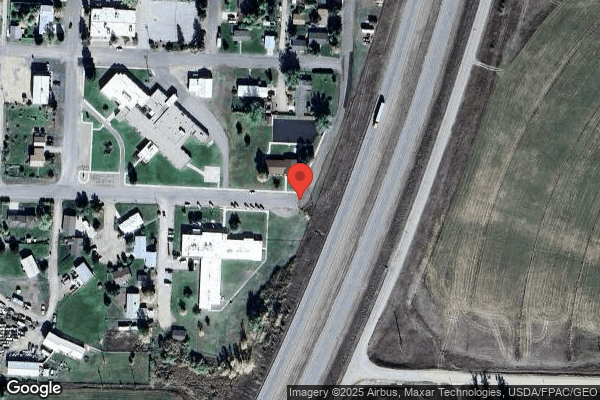
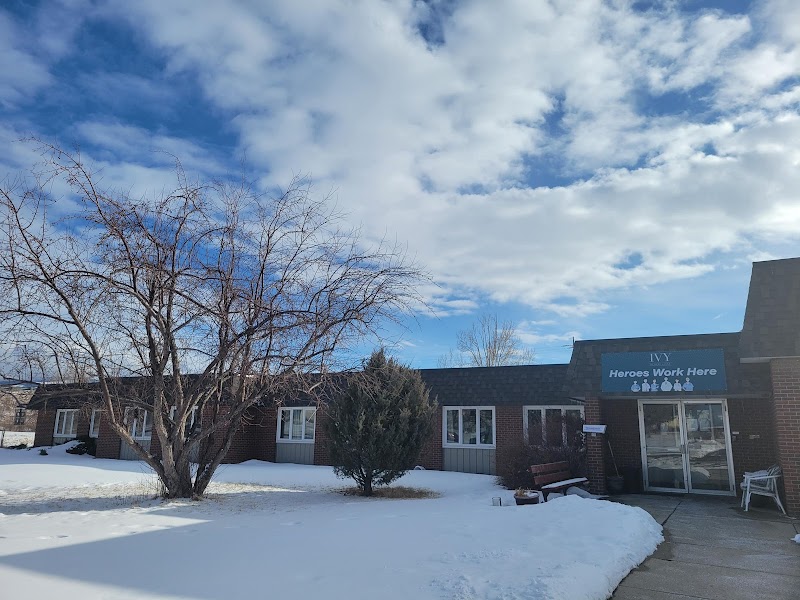
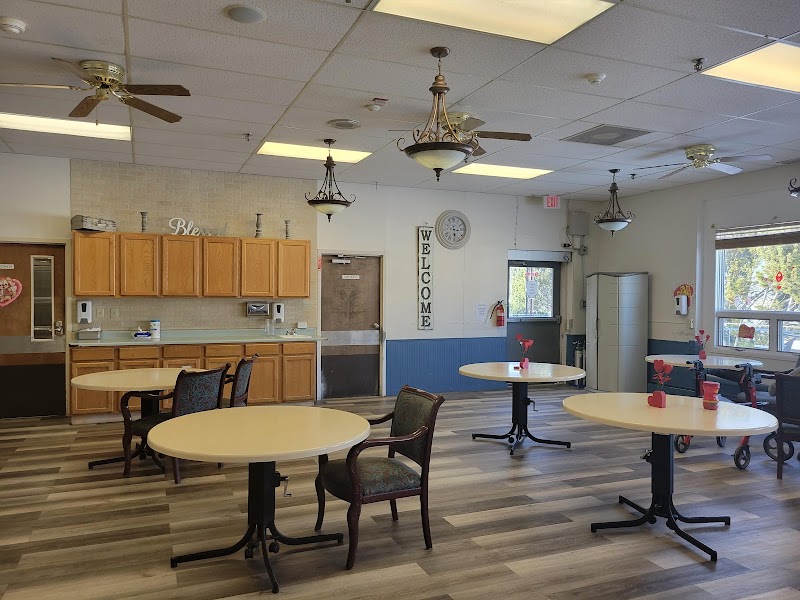

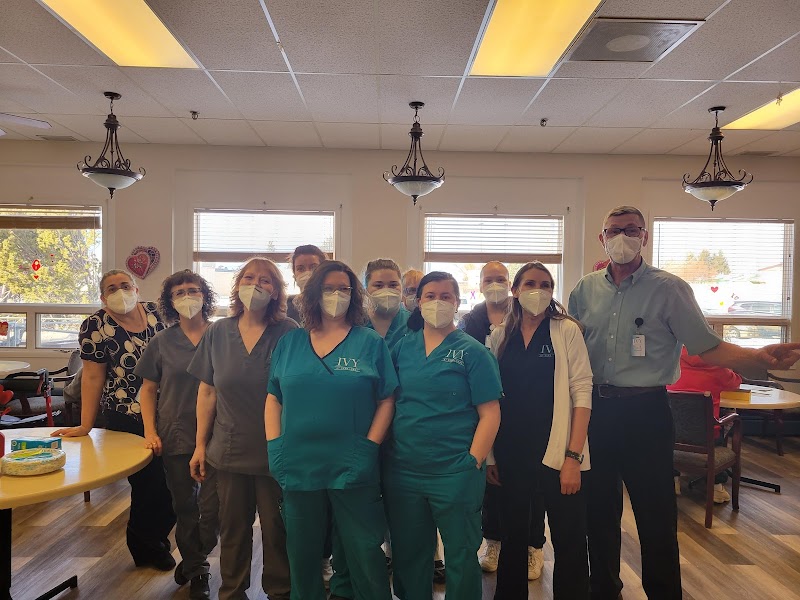
IVY AT DEER LODGE

1100 TEXAS AVE, DEER LODGE, MT 59722 (406) 846-1655
For profit - Corporation 60 Beds SIMCHA HYMAN & NAFTALI ZANZIPER Data: November 2025 3 Immediate Jeopardy citations
Trust Grade
0/100
#50 of 59 in MT
Last Inspection: October 2024

Within standard 12-15 month inspection cycle. Federal law requires annual inspections.

Overview

Ivy at Deer Lodge has received a Trust Grade of F, indicating significant concerns about its quality of care. It ranks #50 out of 59 facilities in Montana, placing it in the bottom half, and is the only option in Powell County. Unfortunately, the facility is worsening, with the number of issues increasing from 15 in 2023 to 17 in 2024. Staffing is below average, with a rating of 2 out of 5 stars and a concerning turnover rate of 68%, higher than the state average. There have been serious incidents, including a resident who developed severe pressure ulcers and another who suffered from inadequate pain management during care, ultimately leading to a decline in health. While the facility does have good quality measures rated at 4 out of 5 stars, the overall picture raises significant red flags for families considering this home.

Trust Score
F
0/100
In Montana
#50/59
Bottom 16%
Safety Record
High Risk
Review needed
Inspections
Getting Worse
15 → 17 violations
Staff Stability
⚠ Watch
68% turnover. Above average. Higher turnover means staff may not know residents' routines.
Penalties
⚠ Watch
$82,446 in fines. Higher than 83% of Montana facilities, suggesting repeated compliance issues.
Skilled Nurses
⚠ Watch
Each resident gets only 24 minutes of Registered Nurse (RN) attention daily — below average for Montana. Fewer RN minutes means fewer trained eyes watching for problems.
Violations
⚠ Watch
41 deficiencies on record. Higher than average. Multiple issues found across inspections.
★☆☆☆☆
1.0
Overall Rating
★★☆☆☆
2.0
Staff Levels
★★★★☆
4.0
Care Quality
★☆☆☆☆
1.0
Inspection Score
Stable
2023: 15 issues
2024: 17 issues

The Good

  • 4-Star Quality Measures · Strong clinical quality outcomes
  • Full Sprinkler Coverage · Fire safety systems throughout facility
  • No fines on record

Facility shows strength in quality measures, fire safety.

The Bad

1-Star Overall Rating

Below Montana average (2.9)

Significant quality concerns identified by CMS

Staff Turnover: 68%

22pts above Montana avg (46%)

Frequent staff changes - ask about care continuity

Federal Fines: $82,446

Well above median ($33,413)

Moderate penalties - review what triggered them

Chain: SIMCHA HYMAN & NAFTALI ZANZIPER

Part of a multi-facility chain

Ask about local staffing decisions and management

Staff turnover is elevated (68%)

20 points above Montana average of 48%

The Ugly 41 deficiencies on record

3 life-threatening 2 actual harm
Nov 2024 3 deficiencies 3 IJ (1 affecting multiple)
CRITICAL (J) 📢 Someone Reported This

A family member, employee, or ombudsman was alarmed enough to file a formal complaint

Immediate Jeopardy (IJ) - the most serious Medicare violation

Free from Abuse/Neglect (Tag F0600)

Someone could have died · This affected 1 resident

**NOTE- TERMS IN BRACKETS HAVE BEEN EDITED TO PROTECT CONFIDENTIALITY** 3. During an interview on 11/20/24 at 9:49 a.m., staff member F said resident #3 was able to walk prior to his hip fracture. Sta...

Read full inspector narrative →
**NOTE- TERMS IN BRACKETS HAVE BEEN EDITED TO PROTECT CONFIDENTIALITY** 3. During an interview on 11/20/24 at 9:49 a.m., staff member F said resident #3 was able to walk prior to his hip fracture. Staff member F said resident #3 was noted to have a small area on his heel that looked like a sheer injury. The following week, the area had increased in size and eventually required surgical debridement. During an interview on 11/21/24 at 9:35 a.m., staff member E said she cared for resident #3 often, as she was usually assigned the hallway, where his room was located. Staff member E said resident #3 had facility acquired pressure ulcers. Staff member E said resident #3 would motor around in a wheelchair after his hip fracture and was quite social. Staff member E said resident #3 declined very quickly after the pressure ulcers were acquired and identified, and she felt he did not want to go on and just gave up. Review of resident #3's EMR documentation, showed: 8/7/24 - Weekly skin assessment showed a popped blister, on the left heel, measuring 3.2 cm x 7.2 cm. There was no description of the wound or drainage noted. 8/14/24 - Weekly skin assessment showed a right buttock pressure wound measuring 3 cm x 2.2 cm x 0.1 cm, Stage II, and a left heel deep tissue wound measuring 4 cm x 5.2 cm x 0.1 cm. No wound assessment or drainage was noted. 8/16/24 - Skin/wound note showed, a deep tissue injury to the resident's left heel, and a pressure ulcer to the right buttock. Left heel measuring 2.7 cm x 5 cm. Skin around the wound is intact and healthy. Pressure ulcer to right buttock 1.5 cm x 1.8 cm x .01 cm. Wound bed slough, light serous drainage, no odor. Skin around wound was reddened. 8/18/24 - Skin/wound note showed, pressure ulcer on right buttock was cleansed, and a border dressing was applied. The wound had slough, light serous drainage, and an odor was present. No documentation was provided for the physician notification. A change in size, depth, or surrounding tissue was not documented. No documentation for the left heel wound was found. 8/19/24 - Skin/wound note showed, pressure ulcer on right buttock was cleansed, and a border dressing was applied. The wound had slough, light serous drainage, and an odor was present. No documentation was provided for the physician notification. A change in the size, depth, or surrounding tissue was not documented for the wound, and there was no documentation for left heel wound found. 8/21/24 - Weekly skin assessment showed a right buttock pressure wound 3.5 cm x 5 cm x 0.2 cm, Stage II, and a left heel deep tissue injury measured 5.25 cm x 6.25 cm x 0.1 cm. No wound assessment or drainage was noted. 8/28/24 - A general progress note for the resident showed a dressing change was made to the right buttock per the physician orders. Eschar was covering the wound bed, no scant drainage, no odor, and no signs or symptoms of infection were noted. No documentation for the left heel wound was found. The weekly skin assessment showed a right buttock pressure wound and a left deep tissue wound with no measurements for either wound. 8/31/24 - The resident's Skin/wound note showed, a certified wound clinician assessed the resident's wound. New treatment orders were received for a deep tissue injury to the resident's left heel measuring 4 cm x 4 cm, eschar was on the wound bed, foul odor, no drainage was noted, and wound edges were clean and intact. A pressure ulcer to the right buttock measuring 5 cm x 3 cm x 5 cm, with eschar was on the wound bed, light serous drainage, edges were undefined, no odor was present. The skin around the wound was healthy. A referral to the wound clinic for a consult was made. 9/5/24 - Resident #3 was transferred to the emergency department for an evaluation due to an altered mental status. He was admitted to the facility with a diagnosis of acute osteomyelitis of the left ankle and foot, related to his left heel wound. 9/24/24- The resident returned to the facility, from hospitalization. The Weekly skin assessment showed a coccyx wound measuring 1 cm x 0.4 cm, a right buttock pressure wound that measured 6 cm x 8.5 cm x 1.8 cm, and a left heel pressure wound that measured 4.2 cm x 2.6 cm x 0.5 cm. No documentation of a wound assessment or drainage was noted. 9/28/24 - the Skin/wound note showed, the right buttock wound measured 6 cm x 8.5 cm x 1.8 cm, had 100% granulation, the wound edges were defined, and there was sanguineous drainage with no odor. The left heel wound measured 4.2 cm x 2.6 cm x 0.5 cm, 100% granulation, the wound edges were defined, and there was sanguineous drainage with no odor. The resident was followed by the wound clinic for evaluation and treatment. The note showed, . resident #3's wounds are related to a hospital acquired Stage IV pressure ulcer to the right buttock and left heel with surgical debridement. 10/1/24 - The weekly skin assessment showed a right buttock pressure wound, and a left heel wound. There was no documentation of a coccyx wound, no documentation of wound assessments, and no documentation to show if drainage was noted. 10/6/24 - A general progress note showed, while changing the wound vac on the resident's buttock, nursing noted a red and open area on resident #3's coccyx. The area was cleaned with normal saline, and a Tegaderm was applied until the area could be assessed for treatment by the IDT team. The ADON and provider were notified. No measurements of either the coccyx or right heel were documented. No IDT notes were provided that addressed any treatment or assessment of the coccyx wound. 10/8/24- A general progress note showed, the newest wound on resident #3's coccyx appeared unchanged. No description of the wound or wound measurements were documented. 10/11/24 - The weekly skin check showed a right buttock pressure wound, a left heel pressure wound, both Stage IV, and a sacrum pressure wound, Stage II. No wound measurements were documented, and there were no wound assessments or drainage noted. 10/12/24 - The weekly skin assessment showed a right buttock pressure wound and a left heel wound, both [NAME] IV, with no measurements documented. No documentation was present on the coccyx wound, no documentation was present of the wound assessments or drainage. 10/17/24 - The Skin/wound note showed, resident #3's right buttock ischium wound measured 6 cm x 8.3 cm x 2.9 cm with 50% slough and less than 50% bone, is superficial, wound edges defined. The wound had sanguineous drainage with no odor, and surrounding tissue discoloration. The coccyx had non blanchable reddened area with measurements of 2 cm x 2.5 cm x 0.1 cm, Stage III wound. There was a small amount of serosanguineous drainage, no odor was present, 75% slough, 25% granulation, no odor, and discoloration of surrounding tissue. The left heel wound measured 4 cm x 5.9 cm x 0.3 cm with 0.2 cm undermining, 50% yellow slough and 50% exposed bone. The wound edges were defined, there was serosanguineous drainage with no odor, and the tissue surrounding the wound was healthy and pink. 10/18/24 - The weekly skin assessment showed a left buttock surgical incision, and a left heel surgical incision. No measurements or assessments were documented and the coccyx wound was not documented. 10/25/24 - The Skin/wound note showed, resident #3's right buttock ischium wound measured 6.7 cm x 6.2 cm x 3.5 cm, with undermining of 2.7 cm, 50% slough, less than 50% bone is superficial, wound edges were defined, sanguineous drainage with no odor, and surrounding tissue discoloration. The coccyx had a non-blanchable reddened area with measurements of 3.1 cm x 2.5 cm x 0.1 cm, Stage III wound with a small amount of serosanguineous drainage, no odor and slough 75%, 25% granulation, and discoloration of surrounding tissue. No documentation of the left heel wound was found. 10/29/24 - Resident #3 was admitted to hospice services. 11/4/24- Resident #3 became nonresponsive and passed away at the facility. Record review of a facility provided, Provider Visit Note, dated 9/30/24 by staff member D, showed a full readmission evaluation. The section for the resident's extremities/integumentary evaluation showed bilateral lower extremity weakness, with resident #3 using a wheelchair for mobility, and a wound vac in place on the sacrum and left heel. The note referred to the registered nurses's note for details on the resident's wounds. No further wound documentation was noted. Record review of facility provided, Provider Visit Note, dated 10/22/24 by staff member D, showed a 30-day medical compliance visit. The section for extremities/integumentary evaluation, showed 2+ bilateral lower extremity edema and left upper extremity edema and the wound vac was in place on the sacrum and left heel. The note referred to the registered nurse's note for details. Resident #3 was to be followed by the wound clinic. No further wound documentation was noted. During an interview on 11/20/24 at 2:35 p.m., staff member D said she would usually see and assess a new admission to the facility within 72 hours. She would place the orders at that time, or they would come from the hospital. Staff member D said residents should come with orders from the hospital on admission and then they are reviewed by her. She will look at resident skin ulcers and assess them, then place orders. Staff member D said she documents her wound assessments in the patient history. During an interview on 11/25/24 at 3:40 p.m., staff member B said she was responsible for providing wound oversight. If the wound occurred in the facility, she would initially stage the wound, and the resident would be sent out to the wound clinic. Staff member B said staff member D would assess the wounds if a concern was identified. Wound orders were ordered and in place for a duration of 14 days as a flag to reassess and check to see if treatment was beneficial and appropriate for the wound. Staff member B said through the immediate jeopardy process, it was discovered the wound notes from the physician were limited for the amount of information provided, which was due to the provided space. Staff member B said she provided education for staff member D on how to write her progress notes for wounds. Based on observation, interview, and record review, the facility failed to ensure residents were free of neglect for 3 (#s 2, 3, and 4) of 6 sampled residents. The facility failed to have systems in place for wound care, which resulted in three Immediate Jeopardy deficiencies being identified. Resident outcomes included: a. Resident #2 showed progressive worsening of pressure ulcers from a Stage II (blisters) worsening to Unstageable in ten days, and the resident was admitted to the hospital for the worsening wounds with foul odor, increased assistance with ADLs, and edema. b. Resident #3 showed progressive worsening of pressure ulcers and was placed on hospice, following a hospital stay with sepsis, and passed away at the facility, upon returning. c. Resident #4 was admitted to the facility with skin tears, with varying stages of healing, and pressure injuries. Resident #4's wounds showed worsening over time, progressing from skin tears to wound injuries. Resident #4 was transferred to the hospital on [DATE], and passed away on 11/10/24 at the hospital, due to sepsis (infection). On 11/20/24, three Immediate Jeopardy's were announced to the Administrator and Director of Nursing, one specifically identified as neglect of care, stemming from the following deficiencies identified: a. Pressure Ulcers, and the failure to identify, assess, document, measure, to obtain and follow physician orders for wound care, and the facility failed to develop a wound management system that was sufficient to meet the resident needs for wound care. The Severity and Scope of the Immediate Jeopardy for the Neglect of Care was identified to be at the level of K, and lowered to an H when the immediacy was removed for the residents. b. Pain Management and Neglect was cited at the Immediate Jeopardy level for the failure to assess, document, treat, and provide necessary pain management in a timely manner, and prior to wound care, and this failure resulted in moderate to severe pain during wound care, and refusals of wound care, for 1 (#4). The facility failed to identify changes in a resident's condition, and treat the change(s) as needed, and failed to do a root cause analysis to determine the causes of resident pain related to wounds in an attempt to alleviate or decrease the pain. The Severity and Scope of the Pain Management and Neglect Immediate Jeopardy's were cited at the level of J, and lowered to a G, upon the removal of the immediacy for the residents involved. Acceptable Plans for the removal of immediacy were received, and approved by the State Survey Agency, as of 11/25/24 at 5:16 p.m. Findings include: 1. During an interview on 11/18/24 at 3:56 p.m., NF1 said she was contacted on 11/10/24, and told resident #4 had passed away, within 24 hours of being admitted to the hospital. She then contacted a 3rd party to perform an autopsy due to the physician report. NF1 said the physician reported, It was the worst case of neglect they have ever seen. NF1 said, His wounds were horrific, and he basically had no backside, his arms and feet were involved. The resident's official Cause of Death was severe sepsis. During an interview on 11/20/24 at 9:49 a.m., staff member F said she was working the day resident #4 was admitted to the facility. When resident #4 arrived at the facility, he refused to move himself from the stretcher to the bed. Staff member F said he was in extreme pain. Resident #4 was transferred by staff from the stretcher to the bed. Staff member F said the facility was aware resident #4 had severe wounds when the facility agreed to admit him. Staff member F said, He basically had no skin on the back of his legs, his pannus, and his back. Staff member F said resident #4 had so many wounds over his body, she had to ask for help to do his admission skin evaluation. Staff member F said resident #4 was in a lot of pain while being admitted to the facility and staff member F felt he refused care due to his pain. During an interview on 11/20/24 at 3:28 p.m., staff member B said resident #4 would refuse cares and pain medications. His wounds were all superficial, and they would bleed. Staff member B said, one weekend he refused all cares and medications; than he began to decline. Staff member B said the resident was in pain, and the facility sent him to the emergency department for an evaluation, and he was admitted to the hospital. During an interview on 11/21/24 at 9:35 a.m., staff member E said she was concerned about resident #4's pain and pain control. Resident #4 complained of pain a lot, and he did not want to participate in therapy or other activities, and he would not participate in a lot in his care. Staff member E said she contacted staff member D, and she came in to talk with resident #4. Staff member E said after the resident was there for a week, the facility started working to adjust the resident's pain medications. Staff member E said resident #4 had a pain patch, which was not given for the treatment of wounds, and only wanted Tylenol for his pain. She asked him why he only wanted Tylenol, and he said it was because the Norco was not effective for his pain. Staff member E said he had as needed pain medication ordered, but he was not on a routine pain medication regimen (specifically for wounds or care of them). During an interview on 11/20/24 at 9:29 a.m., staff member F stated resident #4 was admitted , and he had no skin on his buttock, back, and arms. Staff member F stated resident #4 refused to get off the gurney when he first arrived, due to the pain. Staff member F stated the resident was in so much pain he would refuse cares and dressing changes for his wounds. During an interview on 11/20/24 at 2:35 p.m., staff member D stated resident #4 had multiple wounds, which were caused by shearing (pressure and friction injuring the skin at the same time). Staff member D stated the resident had declined in the two days prior to being transferred to the hospital, and the wounds were infected toward the weekend, and it was difficult to get him out of bed, and to turn and reposition the resident. Staff member D stated changes were made to the resident's pain regimen. Staff member D said resident #4's wounds were primarily sheering wounds on his buttocks, on his legs, and one under his pannus. The wounds were not a pressure wound, and there was never any discharge (drainage). Resident #4's wounds would bleed, but were not infected. Staff member D said resident #4 was on a patch (pain patch for his chronic back pain), and he received hydrocodone for pain control when he arrived. The resident only wanted to take Tylenol for his pain. The facility kept resident #4 on that pain regimen. Staff member D said resident #4 refused all treatments and medications over a weekend, and when she evaluated him on the following Monday, she discontinued the hydrocodone and started him on oxycodone. He remained on the Tylenol and pain patch. Staff member D said the facility could not get resident #4 to participate in therapies or get out of bed. Staff member D said resident #4's wounds were not infected when he was sent to the emergency department for an evaluation. Record review of resident #4's order summary report, dated 10/1/24 through 11/9/24, showed an order for resident #4 for turning and repositioning as appropriate. Dressing changes were ordered as needed for wound care for 14 days. The physician order did not show a specific time frame for turning and repositioning of the resident for wound prevention, and the nursing staff neglected to consistently document resident #4's response or refusals for repositioning. The licensed staff neglected to ensure the wound care orders were in place, comprehensive, and that staff had necessary knowledge to ensure the resident was repositioned in a manner that would help prevent further decline or deterioration of the wounds, nor did they include necessary details for the changing of dressings and treatment of resident #4's wounds. Review of resident #4's electronic medical record showed: -10/3/24 Resident #4 admission assessment showed a left hip Stage II pressure ulcer 14.0 cm x 5.5 cm; right buttock Stage II pressure ulcer 2.5 cm x 1.5 cm; right buttock Stage II pressure ulcer 2.5 cm x 2.8 cm; right buttock pressure ulcer Stage II 2.5 cm x 3 cm: left buttock Stage II pressure ulcer 2.5 cm x 3 cm; left forearm skin tear 5.8 cm x 3.2 cm; multiple left thigh and multiple abdominal wounds. The facility neglected to document resident #4's left scapula pressure ulcer, present on admission from the transferring facility. Resident #4 was unable to turn and reposition himself independently and was documented to have a pain rating of 5 out of 10, with 10 being the worst level of pain. -10/4/24 Resident #4's progress note, documented at 00:27 a.m., showed the resident was experiencing pain due to several wounds on his back. No pain level or interventions for pain were documented. -10/8/24 Resident #4's progress note at 4:26 a.m., showed attempts to reposition the resident were refused due to his severe pain. No pain level or interventions for pain were documented. His next pain medication was given at 6:00 a.m. -10/16/24 Resident #4 was unable to turn and reposition himself independently. All of his skin wounds, including pressure wounds, were identified as skin tears. Nursing staff neglected to document the correct wound classifications, measurements and assessment for resident #4's pressure wounds, which directs the type of wound treatments provided. -10/17/24 Resident #4's progress note at 12:27 a.m., showed the resident refused to be repositioned. No documentation was provided for why he had refused. Previous pain medication was given at 6:00 a.m. -10/23/24 Resident #4's progress note at 8:09 p.m., showed resident #4 refused incontinent care, his previous medication for pain was given at 2:00 p.m. No documentation was provided for why he had refused. Resident #4's skin observation showed he had limited mobility, bowel and bladder incontinence with dry skin and itching. Documentation showed he had a potential for skin infection and was a nutritional risk. Two of resident #4's wounds were listed as Stage II pressure injuries and four wounds were listed as abrasions. The nursing staff neglected to document wound measurements or the status of all his wounds. There was no documentation on resident #4's ability to turn and reposition independently. -10/25/24 Resident #4's skin/wound assessment showed resident #4 refused to be repositioned off of his back. However, documentation showed the following for resident #4's bilateral right buttock Stage II pressure ulcer 5.0 cm x 4.4 cm x 0.1 cm; left buttock Stage II pressure ulcer 2.5 cm x 3.0 cm x .01 cm; there were multiple small wounds at various stages of healing on/around the anus; the left forearm healed; left knee healed; medial shin healed; right thigh x 2 - 2.5 cm x 2.5 cm; posterior shin/calf 7.5 cm x 3.5 cm, partial thickness with loss of dermis, wound bed shallow, with large amount of serosanguineous drainage on buttocks, no odor. Nursing staff neglected to document on his left scapula wound. -10/27/24 Resident #4's progress note at 1:13 p.m. showed resident #4 refused to be repositioned, his previous pain medication was given at 6:00 am. No documentation was provided for why he refused repositioning. -10/30/24 Resident #4 had limited mobility, bowel and bladder incontinence with dry skin and itching. Documentation showed he had a potential for skin infection, was at nutritional risk, and at risk for fluid and hydration concern. Two of resident #4's wounds were listed as pressure injuries, and six of his wounds were listed as abrasions or skin tears. The nursing staff neglected to document wound staging (severity/type), wound measurements or the status of all wounds. -10/31/24 Resident #4's progress note showed the CNA notified the nurse that resident #4 had redness to his heel. Nursing assessed his heel, and the resident had been resting against the footboard of the bed. A new blister was identified on his heel. Nursing staff neglected to document which heel was involved and include measurements or necessary details of the wound. -11/2/24 Resident #4's progress note at 4:07 p.m. showed the resident declined any turning, repositioning, or skin checks, stating, I am not having a good day. No documentation was found on his pain level or why he was not having a good day. -11/3/24 Resident #4's progress note at 1:13 p.m., showed resident #4 continued to refuse all cares and dressing changes. The last dose of pain medication was given at 6:00 a.m. -11/4/24 Resident #4's progress note at 2:47 a.m. showed resident #4 allowed staff to perform peri care. The resident began to refuse further care because it hurt too much (due to wounds). The resident refused all care and asked to be left alone and let the pain pill work. -11/9/24 Resident #4's progress note showed he had developed a new sheer area to the back of his left shoulder. Pressure ulcers were not healing, and the resident was sent to the ER for further evaluation. Record review of resident #4's electronic medical record showed there were five days without wound care orders, from 10/17/24 to 10/22/24, and two days without wound orders, from 10/23/24 to 10/25/24. All wounds were left open to air, and there were no orders for the different types of wounds, allowing for bacteria to enter the wounds if not treated appropriately. Resident #4's medical record showed nursing staff neglected to comprehensively and consistently assess, document, and treat the resident with necessary interventions based on the type and severity of the wounds resident #4 had. The resident's pain was not treated prior to the dressing changes, which caused refusals of care, leading to the worsening of wounds. Resident #4 was not on routine pain medications to account for the pain he was experiencing due to his wounds. 2. During an observation and interview on 11/20/24 at 9:49 a.m., resident #2 was observed to be in her room and reclined on her bed. Resident #2 had both heels resting on the bed surface, no padding or offloading of her heels were observed. The room had a strong foul odor upon entering from the hallway. Staff member F donned gloves and removed the dressings from both of the resident's feet. The right heel wound was cleaned, and a small amount of tissue was debrided from around the wound. The right heel wound was dry, measured 9.5 cm x 4.5 cm, and had a foul odor. The left heel wound was dry, measured 12 cm x 4.5 cm, and had a foul odor. Staff member F cleaned the wounds with saline, applied betadine with a swab, and wrapped both feet with kerlix gauze. Staff member F said she does not measure the wounds with each dressing change but will measure them weekly when she does a big evaluation. She does not stage (assess severity) the wounds because it is beyond her scope of practice. Staff member F said the treatment order was for a dressing change daily, and she will document the dressing change was performed in the nursing note. Resident #2 stated she acquired the wound in the facility, from the bed. She stated she walked into the facility for rehab and now she is in a wheelchair. The resident was no longer able to walk or stand on her feet. Staff member F then corrected resident #2 stating; she acquired the wounds while in the hospital. Resident #2 was observed shaking her head from side to side in disagreement. Staff member F said resident #2 had just finished antibiotics for her heel wounds. During an interview on 11/20/24 at 2:35 p.m., staff member D said resident #2 had heel wounds because she refuses to offload her heels. Staff member D said resident #2 has had an odor from her wounds for quite a few weeks, and the wound clinic did not recommend any antibiotics, and the wound clinic will not debride her wounds until she sees a vascular surgeon for evaluation. Staff member D said the antibiotics the resident was given was for a urinary tract infection, not for her wounds. During an interview on 11/21/24 at 12:21 p.m., resident #2 said she was admitted to the facility for rehabilitation and strengthening. She was receiving physical therapy services and was getting stronger. Resident #2 said the facility then fired the physical therapist, and she did not receive therapy services for several weeks, until a new physical therapist was hired. She spent that time sitting in a chair or lying in bed, causing her to develop pressure wounds on her heels. Resident #2 said when she was admitted to the hospital for her kidney failure, her wounds would be debrided. Resident #2 said she is no longer able to walk because of the wounds on her heels. During an interview on 11/25/24 at 3:49 p.m., staff member B stated resident #2 was found to have a non-trauma related fracture to her foot, due to deterioration of her bones. There was a concern with the aeration of the tissue in her foot. Resident #2 requested to be transported to the facility near her, for wound care. Review of resident #2's electronic medical record showed: -8/2/24- Resident #2's admission assessment showed a vascular wound on her 3rd toe, right foot. No measurements were documented. -8/16/24 Resident #2's skin observation showed a left toe wound marked as other. Nursing neglected to document the type of wound or measurements of the wound. -8/23/24 Resident #2's skin observation showed a vascular wound on her 2nd toe, right foot. Nursing neglected to document the type of wound or measurements of the wound. -8/30/24 Resident #2's skin observation showed an abrasion to the right knee, 2 cm x 1 cm; right toe 2 cm x 1 cm. Nursing neglected to document the location or a description of the toe wounds. -9/2/24 Resident #2's skin/wound note showed a right foot 3rd digit measuring 1 cm x 1 cm; left foot 2nd digit measuring 0.3 cm x 0.3 cm. -9/8/24 Resident #2's skin/wound note showed a right 3rd digit wound measuring 0.5 cm x 0.5 cm; left 2nd digit measuring 0.2 cm x 0.2 cm; blister to the right heel 4.0 cm x 2.4 cm. -9/14/24 Resident #2's skin/wound note showed a right 3rd digit wound measuring 1.5 cm x 0.3 cm x 0.4 cm; left 2nd digit measuring 0.5 cm x 1.0 cm; nursing neglected to document the heel wound. -9/28/24 Resident #2's skin/wound note showed a right heel 0.8 cm x 0.5 cm eschar present, Unstageable; left heel 2.7 cm x 1.5 cm eschar present, Unstageable. The wounds were now documented as hospital acquired pressure wounds to bilateral feet and there was no further documentation within the medical record for the right 3rd digit or left 2nd digit wounds. -10/6/24 Resident #2's skin/wound notes showed a right heel measuring 0.7 cm x 0.6 cm eschar present; Left heel measuring 2.5 cm x 1.3 cm eschar present. -10/17/24 Resident #2's skin/wound notes showed a right heel measuring 0.7 cm x 0.6 cm; left heel measuring 2.8 cm x 1.8 cm. -10/25/24 Resident #2's skin/wound notes showed a right heel measuring 0.7 cm x 0.6 cm; left heel measuring 3.0 cm x 3.0 cm. -10/28/24 Resident #2's skin/wound notes showed the left heel wound was now measuring 8.5 cm x 4 cm with a continued foul odor and moderate drainage. Resident #2 was on antibiotics for treatment. The left heel wound had grown (deteriorated) significantly in three days. -11/1/24 Resident #2's skin/wound notes showed the right heel measuring 5.8 cm x 5.5 cm, eschar present; left heel measuring 9 cm x 4.5 cm, eschar present with no odor. -11/6/24 Resident #2's skin/wound notes showed the right heel measuring 11.4 cm x 6.3 cm; left heel measuring 11.8 cm x 4.9 cm. Both heel wounds had increased in size significantly in five days. A review of the wound documentation showed the facility neglected to consistently document the wound measurements and type of wound with staging, and the condition of the wounds. Resident #2's skin assessments were not consistently accurate for the number of wounds, location of the wounds, or the types of the wounds. These failures contributed to the worsening of the wounds over time. Review of resident #2's Care Plan showed bilateral pressure injuries to the left heel and right posterior foot, with a wound infection. Interventions were antibiotic therapy, monitor for new or worsening symptoms, enhanced barrier precautions due to wounds, and a referral to the wound clinic.
CRITICAL (J) 📢 Someone Reported This

A family member, employee, or ombudsman was alarmed enough to file a formal complaint

Immediate Jeopardy (IJ) - the most serious Medicare violation

Deficiency F0697 (Tag F0697)

Someone could have died · This affected 1 resident

**NOTE- TERMS IN BRACKETS HAVE BEEN EDITED TO PROTECT CONFIDENTIALITY** Based on interview and record review, the facility failed to assess, document, treat, and monitor pain for 1 (#4) of 6 sampled r...

Read full inspector narrative →
**NOTE- TERMS IN BRACKETS HAVE BEEN EDITED TO PROTECT CONFIDENTIALITY** Based on interview and record review, the facility failed to assess, document, treat, and monitor pain for 1 (#4) of 6 sampled residents. Resident #4 had severe pain during pressure ulcer dressing changes and turning and repositioning, which caused the resident to refuse care and dressing changes. Resident #4 expressed to the staff the pain regimen he had in place had not worked in relieving his pain during dressing changes and cares, resulting in increased skin breakdown. Resident #4 was transferred to the hospital on [DATE], and he passed away on 11/10/24. The facility failed to provide adequate pain management in a timely and effective manner to meet the resident's pain needs. The facility failed to identify and treat the resident's changes in condition as needed, and failed to utilize a root cause analysis process to determine the root causes of the resident's pain, for the identification and implementation of pain interventions. On 11/20/24 at 4:52 p.m., an Immediate Jeopardy was announced to the Administrator and Director of Nursing for Pain Management. The Severity and Scope of the Immediate Jeopardy was at the level of J, lowered to a G upon the removal of immediacy. An acceptable plan for the Removal of Immediacy was approved on 11/25/24 at 5:16 p.m. Findings include: During an interview on 11/20/24 at 9:29 a.m., staff member F stated when resident #4 was admitted he had no skin on his buttock, back and arms. Staff member F stated resident #4 refused to get off the gurney when he first arrived at the facility due to the pain. Staff member F stated the resident was in so much pain he would refuse cares and dressing changes. During an interview on 11/20/24 at 2:35 p.m., staff member D stated resident #4 had multiple wounds, which were caused by shearing (pressure and friction injuring the skin at the same time). Staff member D stated the resident had declined in the two days prior to being transferred to the hospital. Staff member D stated the wounds were infected toward the weekend and it was difficult to get him out of bed and to turn and reposition. Staff member D stated changes were made to the resident's pain regimen. During an interview on 11/21/24 at 9:35 a.m., staff member E said she was concerned about resident #4's pain and pain control. Resident #4 complained of pain a lot, and he did not want to participate in therapy or other activities. He would not participate a lot in his care. Staff member E said she contacted staff member D, and she came in to talk with resident #4. Staff member E said after #4 was a resident for a week, the facility started working to adjust his pain medications. Staff member E said resident #4 had a pain patch, which was related to chronic pain, not the wounds, but he was only wanting Tylenol for his pain. She asked him why he only wanted Tylenol, and he said it was because the Norco was not effective for his pain. Staff member E said he had as needed pain medication ordered but it was not on a routine pain medication regimen for pain related to woundcare. Review of resident #4's MAR/TAR, dated 10/1/24 through 11/9/24 showed: - From 10/4/24 through 10/31/24, resident #4 was on scheduled pain medication. Prior to 10/4/24 resident #4 was on as needed pain medication. The resident consistently reported the pain regimen was ineffective. There were multiple changes in the medication for pain management with no documentation of the effectiveness. The resident's pain ratings ranged from 1 to 10, with the higher number of 5-10 being consistently documented. From 11/1/24 through 11/9/24, resident #4 was on scheduled pain medication, which showed pain ratings from three to six. On 11/5/24, the resident's pain medication was changed from hydrocodone to oxycodone. The resident's pain ratings ranged from two to nine during this time. The resident was not premedicated consistently prior to wound care, which caused the resident to refuse the wound care, and the wounds worsened and more wounds documented. Review of resident #4's pain assessments were related to the time frames of every shift and scheduled times, and failed to consistently include documentation of complaints of pain at other times during the day, including time frames for wound care. The resident was not consistently medicated prior to wound care, and there were days, 11/6/24 and 11/7/24, when the pain medication was not administrated. There nursing staff were inconsistent in the documentation for the follow up for pain medication effectiveness. On 11/4/24, the pharmacist completed a medication evaluation for pain. The pharmacist recommended adding an as needed dose of pain medication every four hours. After a couple weeks, the pharmacist recommended assessing the resident's total morphine equivalents per day and perhaps increase the dosage of the pain medication. There was no documentation of any pharmacy evaluations for the resident's pain concerns prior to 11/4/24. Review of resident #4's non-pharmacological interventions for pain lacked consistent documentation for the effectiveness of the pain interventions offered or utilized. Review of resident #4's Nursing admission Assessment, dated 10/3/24, showed the resident had severe pain during dressing changes and turning and repositioning related to pressure ulcers. The resident reported constant pain rated at 5/10. Review of resident #4's physician Order Summary Report, dated 10/3/24 - 11/9/24, showed the following medications for pain: - 10/3/24 buprenorphine transdermal patch weekly 10 mcg/hr, order date of 10/3/24 with a start date of 10/7/24 - 10/3/24 buprenorphine transdermal patch weekly 10 mcg/hr, order date of 10/3/24 with a start date of 10/10/24 - 10/3/24 hydrocodone 5-325 mg (hydrocodone 5 mg-acetaminophen 325 mg) every 12 hours as needed for moderate pain. Discontinued on 10/4/24 - 10/4/24 hydrocodone 5-325 mg every eight hours for moderate pain. Discontinued on 10/4/24 - 10/4/24 hydrocodone 5-325 mg three times a day for pain-moderate pain control. Discontinued on 11/4/24 - 10/4/24 oxycodone 5 mg every six hours as needed for pain-severe pain control. Discontinued on 10/4/24 - 10/24/24 Norco 5-325 mg ever four hours as needed for pain. Administer between scheduled doses. Discontinued on 11/4/24 - 11/4/24 oxycodone 5 mg every four hours as needed for pain. Discontinued on 11/4/24 - 11/5/24 oxycodone 5 mg every four hours as needed for pain rated at 5-10. Discontinued on 11/5/24 - 11/6/24 oxycodone 5 mg every four hours. Discontinued on 11/7/24. Resident #4's pain regimen was consistently documented as ineffective based on the resident's complaints and refusals of wound care and turning and repositioning. Review of resident #4's care plan, for pain, showed the following: - Administer analgesic medications as ordered. Monitor/document side effects and effectiveness every shift (initiated 10/4/24) - Ask physician to review medication if side effects persist (initiated 10/4/24) - Review for pain medication efficacy. Assess whether pain intensity acceptable to resident, no treatment regimen or change in regimen required . therapeutic regimen followed, but pain control not adequate, changes required (initiated 10/4/24) - Encourage repositioning every 1-2 hours (initiated 10/21/25) - Monitor for increased pain or decline in status related to pain. (initiated 10/3/24) Resident #4 did not have physician orders for pain medications after 11/7/24. The resident was transferred to the hospital on [DATE] where he passed away. Review of the facility Policy, titled Pain Management, implemented on 1/2/24, showed: - .1 a. Recognize when the resident is experiencing pain and identify circumstances when the pain can be anticipated. 1 b. Evaluate the resident for pain and the cause(s) upon admission, during ongoing scheduled assessments, and when a significant change in condition or status occurs. 1 c. Manage or prevent pain, consistent with the comprehensive assessment and plan of care, current professional standards of practice, and the resident's goals and preferences . 8 a. Facility staff will reassess resident's pain management at established intervals for effectiveness and/or adverse consequences . 8 b. If re-assessment findings indicate pain is not adequately controlled, the pain management regimen and plan of care will be revised as indicated .
CRITICAL (K) 📢 Someone Reported This

A family member, employee, or ombudsman was alarmed enough to file a formal complaint

Immediate Jeopardy (IJ) - the most serious Medicare violation

Pressure Ulcer Prevention (Tag F0686)

Someone could have died · This affected multiple residents

**NOTE- TERMS IN BRACKETS HAVE BEEN EDITED TO PROTECT CONFIDENTIALITY** 3. During an interview on 11/20/24 at 9:49 a.m., staff member F said resident #3 was able to walk prior to his hip fracture. Sta...

Read full inspector narrative →
**NOTE- TERMS IN BRACKETS HAVE BEEN EDITED TO PROTECT CONFIDENTIALITY** 3. During an interview on 11/20/24 at 9:49 a.m., staff member F said resident #3 was able to walk prior to his hip fracture. Staff member F said resident #3 was noted to have a small area on his heel that looked like a sheer injury. The following week, the area had increased in size, and eventually the injury required surgical debridement. During an interview on 11/20/24 at 2:35 p.m., staff member D said resident #3 started having skin issues following his hip fracture. He was having another resident with a scooter, pull him back to the facility, in his wheelchair. He fell out of his wheelchair. Staff member D said when he returned to the facility, following the repair of his hip, she ordered an air bed (pressure relieving) and to offload his heels. He quit eating and was referred to the wound clinic. Staff member D said he gave up (wanting to live his life) and made the decision to enter hospice. During an interview on 11/21/24 at 9:35 a.m., staff member E said she cared for resident #3 often, as she was usually assigned the hallway where his room was located. Staff member E said resident #3 had facility acquired pressure ulcers. Staff member E said resident #3 would motor around in a wheelchair after his hip fracture and was quite social. Staff member E said resident #3 declined very quickly after the pressure ulcers were identified, and she felt he did not want to go on, and just gave up. Review of resident #3's EMR documentation, showed: 8/4/24 - The CNA found serosanguineous fluid dried to the left sock, in the heel area. The sock was removed, and a large popped blister, was noted on the left heel. Nursing noted the wound would be assessed by IDT on Monday. No IDT notes with assessment were provided. 8/7/24 - Weekly skin assessment showed a left heel popped blister measuring 3.2 cm x 7.2 cm. No description of a wound assessment or drainage was noted. 8/14/24 - The weekly skin assessment showed a right buttock pressure wound measuring 3 cm x 2.2 cm x 0.1 cm, Stage II, and a left heel deep tissue wound, measuring 4 cm x 5.2 cm x 0.1 cm. No wound assessment or drainage was noted. 8/16/24 - The skin/wound note showed, deep tissue injury to left heel and pressure ulcer to right buttock. Left heel measuring 2.7 cm x 5 cm. Skin around the wound is intact and healthy. Pressure ulcer to right buttock 1.5 cm x 1.8 cm x .01 cm. Wound bed slough, light serous drainage, no odor. Skin around wound was reddened. 8/18/24 - The skin/wound note showed, pressure ulcer on right buttock was cleansed, and a border dressing was applied. The wound had slough, light serous drainage, and an odor was present. No documentation was provided for physician notification. Change in size, depth, or surrounding tissue was not documented. No documentation for the left heel wound was found. 8/19/24 - The skin/wound note showed, pressure ulcer on right buttock was cleansed and a border dressing was applied. The wound had slough, light serous drainage, and an odor was present. No documentation was provided for a physician notification. Change in size, depth, or surrounding tissue was not documented. No documentation for a left heel wound was found. 8/21/24 - The weekly skin assessment showed a right buttock pressure wound 3.5 cm x 5 cm x 0.2 cm, Stage II, and a left heel deep tissue injury measured 5.25 cm x 6.25 cm x 0.1 cm. No wound assessment or drainage was noted. 8/28/24 - A general progress note showed, a dressing change was made to the right buttock per physician orders. Eschar was covering the wound bed, no scant drainage, no odor, and no signs or symptoms of infection were noted. No documentation for the left heel wound was found. The weekly skin assessment showed a right buttock pressure wound with no measurements, and a left deep tissue would with no measurements. No documentation of a wound assessment or drainage was noted. 8/31/24 - The skin/wound note showed, a certified wound clinician assessed the resident's wound. New orders were received for a deep tissue injury to the left heel and unstageable pressure ulcer to the right buttock. Deep tissue injury to the left heel measuring 4 cm x 4 cm, eschar was on the wound bed, no drainage was noted, foul odor, and wound edges were clean and intact. Dakins solution applied wet to dry as a dressing to encourage debridement. Pressure ulcer to the right buttock measuring 5 cm x 3 cm x 5 cm, eschar was on the wound bed, light serous drainage, edges were undefined, no odor was present. The skin around the wound was healthy. Cleanse the area with normal saline or wound cleaner, apply betadine to wound bed, skin prep to wound edges, and leave wound open to air. A referral to wound clinic for consult was made. 9/5/24- Resident #3 was transferred to the emergency department for evaluation of an altered mental status. He was admitted to the facility with a diagnosis of acute osteomyelitis of the left ankle and foot, related to his left heel wound. 9/24/24 - The resident returned to the facility, from the hospitalization. The weekly skin assessment showed a coccyx wound measuring 1 cm x 0.4 cm, a right buttock pressure wound that measured 6 cm x 8.5 cm x 1.8 cm, and a left heel pressure wound that measured 4.2 cm x 2.6 cm x 0.5 cm. No documentation of a wound assessment or drainage was noted. The resident had a pressure sore to the sacrum and left heel, and a wound vac treatment was in place. 9/28/24 - The skin/wound note showed, the Right buttock wound measured 6 cm x 8.5 cm x 1.8 cm, had 100% granulation, the wound edges were defined, and there was sanguinous drainage with no odor. The surrounding tissue was healthy and pink. The left heel wound measured 4.2 cm x 2.6 cm x 0.5 cm, 100% granulation, the wound edges were defined, and there was sanguinous drainage with no odor. The surrounding tissue was healthy and pink. The resident was followed by the wound clinic for evaluation and treatment. The note showed, resident #3's . wounds are related to a hospital acquired stage IV pressure ulcer to the right buttock and left heel with surgical debridement. [sic] 10/1/24 - The weekly skin assessment showed a right buttock pressure wound and a left heel wound. No documentation was present for a coccyx wound, and there was no documentation of wound assessments or drainage noted. 10/6/24 - A general progress note showed, while changing the wound vac on the buttock, nursing noted a red and open area on resident #3's coccyx. The area was cleaned with normal saline, and a Tegaderm was applied until the area could be assessed for treatment by the IDT team. A small dark area to the right heel, believed to be remnants from when the heel was compromised previously, was noted. The ADON and provider were notified. No measurements of either the coccyx or the right heel were documented. No IDT notes were provided that addressed treatment or assessment of the coccyx wound. 10/8/24 - A general progress note showed, the newest wound on resident #3's coccyx appeared unchanged. There was no description or measurements documented. 10/11/24 - The weekly skin check showed a right buttock pressure wound, a left heel pressure wound, both Stage IV, and a sacrum pressure wound, Stage II. No wound measurements, no wound assessments, and no wound drainage were noted. 10/12/24 - An alert note showed, related to resident #3's new wound to his coccyx, nursing staff continued to perform wound orders as directed and will continue to monitor. There was no notation of a left heel wound or buttock wounds, and no measurements were noted. The weekly skin assessment showed a right buttock pressure wound, and a left heel wound, both Stage IV and no measurements were documented. There was no documented coccyx wound, no documentation of wound assessments, or documentation of drainage, noted. 10/13/24 - A general progress note showed, nursing noted no change in wound status this shift. No documentation of individual wounds and assessments. 10/17/24 - The skin/wound note showed, resident #3's right buttock ischium wound measured 6 cm x 8.3 cm x 2.9 cm with 50% slough, and less than 50% bone is superficial, wound edges defined. The wound had sanguinous drainage with no odor, and surrounding tissue discoloration. The coccyx had a non blanchable reddened area, with measurements of 2.1 cm x 2.5 cm x 0.1 cm, Stage III wound. There was a small amount of serosanguineous drainage, no odor was present, 75% slough, 25% granulation, no odor, and discoloration of surrounding tissue. The left heel wound measured 4 cm x 5.9 cm x 0.3 cm with 0.2 cm undermining, 50% yellow slough and 50% exposed bone. The wound edges were defined, there was serosanguinous drainage with no odor, and the tissue surround the wound was healthy and pink. 10/18/24 - The weekly skin assessment showed a left buttock surgical incision, and a left heel surgical incision. No measurements or assessments were documented. 10/25/24 - The skin/wound note showed, resident #3's right buttock ischium wound measured 6.7 cm x 6.2 cm x 3.5 cm, with undermining of 2.7 cm, 50% slough, less than 50% bone is superficial, wound edges were defined, sanguinous drainage with no odor, and there was surrounding tissue discoloration. The coccyx had a non-blanchable reddened area with measurements of 3.1 cm x 2.5 cm x 0.1 cm, Stage III wound with a small amount of serosanguineous drainage, no odor and slough 75%, 25% granulation, and discoloration of the surrounding tissue. 10/29/24- Resident #3 was admitted to hospice services. 11/4/24 - Resident #3 became nonresponsive and passed away at the facility. Record review of facility provided documents showed, Provider Visit Note, dated 8/4/24, an evaluation of lab values only. The provider visit notes did not include any notes on #3's skin or wounds, the evaluation of the skin/wounds, or more detail related to them. Record review of facility provided, Provider Visit Note, dated 9/30/24, showed a full readmission evaluation. The section for extremities/integumentary evaluation showed bilateral lower extremity weakness with resident #3 using a wheelchair for mobility and a wound vac was in place on the sacrum and left heel. The physician referred to the registered nurse note for details. No further wound documentation was noted. Record review of facility provided, Provider Visit Note, for #3, dated 10/22/24, showed a 30 - day medical compliance visit. The section for extremities/integumentary evaluation showed 2+ bilateral lower extremity edema, and left upper extremity edema, and a wound vac in place on the sacrum and left heel. The notes referred to the registered nurse note for details. The note showed resident #3 was followed by wound clinic. No further wound documentation was noted. During an interview on 11/20/24 at 2:35 p.m., staff member D said she would usually see and assess a new admission to the facility within 72 hours. She would place the orders for wound care at that time, or they would come from the hospital. Staff member D said residents should come with physician treatment orders from the hospital, on admission, and then they are reviewed by her. She will look at resident skin ulcers and assess them, then place physician orders. Staff member D said she documents her wound assessments in the patient history of the EHR. During an interview on 11/25/24 at 3:40 p.m., staff member B said she was responsible for providing wound oversight. If the wound occurred in the facility, she would initially stage (determine severity) the wound, and the resident would be sent out to the wound clinic. Staff member B said staff member D would assess the wounds if a concern was identified. Through the immediate jeopardy process, surveyors discovered the wound notes and documentation for the physician was limited, related to the amount of information entered into the provided space (of the EHR). Staff member B said she provided education for staff member D on how to write her notes, in a progress note. Based on observation, interview, and record review, facility failed to identify, assess, document, measure, obtain, and follow physician orders for wound care for 3 (#s 2, 3, and 4) of 6 sampled residents. The facility failed to identify changes in the resident's skin status, which occurred over a short period of time, and failed to address wound changes timely for the provision of medical assistance or needed interventions. The facility failed to have a wound management system in place that provided the necessary oversight for care and treatment of wounds, based on professional standards of practice. Resident #4 was admitted to the facility with multiple wounds in various stages of breakdown, and the wounds were documented to be getting worse, in part due to his uncontrolled pain. On 11/20/24 at 2:02 p.m. an Immediate Jeopardy was announced to the Administrator and Director of Nursing for F686- Pressure Ulcers Care and Prevention. The Severity and Scope identified for the Immediate Jeopardy was identified to be at the level of K, and upon verification for the removal of the immediacy, may be lowered to an H. An acceptable plan for the Removal of Immediacy was approved on 11/25/24 at 5:16 p.m. Findings include: 1. During an interview on 11/18/24 at 3:56 p.m., NF1 said she was contacted on 11/10/24 that resident #4 had passed away within 24 hours of being admitted to the hospital. She then contacted a 3rd party to perform an autopsy due the physician report. NF1 said the physician reported, It was the worst case of neglect they have ever seen. NF1 said, His (#4's) wounds were horrific, and he basically had no backside; his arms and feet were involved. His official Cause of Death was severe sepsis. During an interview on 11/20/24 at 9:49 a.m., staff member F said she was working the day resident #4 was admitted to the facility. When resident #4 arrived at the facility, he refused to move himself from the stretcher to the bed. Staff member F said he was in extreme pain. Staff member F said the facility was aware resident #4 had severe wounds when the facility agreed to admit him. Staff member F said, He basically had no skin on the back of his legs, his pannus, and his back. Staff member F said resident #4 had so many wounds over his body she asked for help to do his admission skin evaluation. During an interview on 11/20/24 at 2:35 p.m., staff member D said resident #4's wounds were primarily sheering wounds on his buttocks, on his legs and one under his pannus. The wounds were not pressure wounds, and there was never any discharge from the wounds. Resident #4's wounds would bleed, but were not infected. Staff member D said resident #4 refused all treatments and medications over a weekend. Staff member D said the facility could not get resident #4 to participate in therapies or get out of bed. Staff member D said resident #4's wounds were not infected when he was sent to the emergency department for further evaluation. During an interview on 11/20/24 at 3:28 p.m., staff member B said resident #4 would refuse cares and pain medications. His wounds were all superficial and would bleed. Staff member B said one weekend he refused all cares and medications; he began to decline. Staff member B said the resident was in pain, and the facility sent him to the emergency department for an evaluation. He was admitted to the hospital. Review of resident #4's facility Order Summary Report, dated 10/1/24 through 11/9/24 showed an order for resident #4 for turning and repositioning as appropriate, and dressing changes were ordered as needed for wound care, for 14 days. The physician order did not give a specific timeframe for turning and repositioning, and the nursing staff neglected to consistently document resident #4's response or refusals for the repositioning or participation in care. Nursing staff neglected to ensure the wound care orders were in place for the routine changing of the dressings and treatment of resident #4's wounds. Review of resident #4's admission Assessment, dated 10/3/24, showed the following wounds: - The resident had a Stage II pressure injury to his left hip measuring 14 cm x 5.5 cm. - Three Stage II pressure injuries to his right buttock, one measuring 2.5 cm x 1.5 cm, one 2.5 cm x 2.8 cm, and another that was 2.5 cm x 3.0 cm. - One Stage II pressure injury to the resident's left buttock measuring 2.5 cm x 3.0 cm. - Multiple skin tears to the resident's left forearm, to both lower extremities, to the resident's left thigh, and to the resident's abdomen. No measurements, description or number of skin tears was documented. - There was no documentation at that time of admission for resident #4's left scapular wound and no documentation of wound assessment for drainage or odor present. Review of resident #4's skin/wound notes, from 10/17/24 through 11/1/24, showed the following measurements: 10/17/24; - Stage II right buttock, 5.0 cm x 4.0 cm x depth of 0.1 cm - Right thigh, 3.0 cm x 3.0 cm - Right thigh, 2.5 cm x 2.5 cm - Posterior shin/calf, 9.5 cm x 3.5 cm - Left buttock, 2.5 cm x 3.0 cm x 0.1 cm 10/25/24; - Right buttock, 5 cm x 4 cm x 0.1 cm - Left buttock, 2.5 cm x 3 cm x 0.1 cm - Right thigh, 2.5 cm x 2.5 cm - Right thigh, 2.5 cm x 2.5 cm - Posterior shin/calf, 7.5 cm x 3.5 cm 11/1/24; - Stage II right buttock, 3.5 cm x 4.5 cm x 0.1 cm - Stage II left buttock 5.3 cm x 3.0 cm x 0.1 cm - Stage II right buttock, 2.0 cm x 3.2 cm x 0.1 cm - Stage II right buttock, 5.0 cm x 3.0 cm x 0.1 cm - Right thigh, 3.0 cm x 3.4 cm, skin tear - Left lower leg, 8.0 cm x 4.1 cm Resident #4's skin/wound notes showed a progression of an increase in size over the duration of his stay within the facility. The inconsistent documentation and care provided for the wounds contributed to resident #4's worsening wounds and severe pain he experienced. Review of resident #4's Weekly Skin Observations, dated 10/9/24 through 10/30/24 showed the following: 10/9/24; - Pannus skin tear. There were no measurements documented. - Buttock skin tear. There were no measurements documented. - Documentation buttock wounds, scapular wounds, leg wounds and hip wounds were not documented. No measurements, wound types and status were documented. 10/16/24; All wounds listed as skin tears. There were no measurements documented 10/23/24; - All wounds were listed as abrasions The sizes were documented as: - Right iliac front, 5 cm x 3.1 cm x 0.1 cm - Left iliac front, 4.0 cm x 2.5 cm x 0.1 cm - Left hip, 5.0 cm x 3.0 cm x 0.1 cm - Left lower leg rear, 8.1 cm x 4 cm x 0.1 cm - Stage II right buttock, 12.7 cm x 5.5 cm x 0.1 cm - Stage II left buttock, 5.0 cm x 3.0 cm x 0.1 cm - No documentation of any wound conditions were noted, and the documentation was signed off on 10/30/24. 10/30/24; - Pressure right buttock, 12.7 cm x 5.5 cm x 0.1 cm, no staging - Pressure left buttock, 5.0 cm x 3.0 cm x 0.1 cm, no staging - Left Lower leg rear, 8.0 cm x 4.1 cm, abrasion - Other left lower abdomen, abrasion, no measurements - Other, right upper thigh skin tear, 3.0 cm x 3.5 cm Skin observation documentation showed the inconsistency of the identification of each wound area and the inconsistency of documentation with assessments of wounds for type of wound, measurements, and if odor was present. Review of resident #4's care plan, provided by the facility, showed a problem of Stage II biateral buttock and left hip pressure ulcer with an intervention initiation date of 10/3/24, and weekly skin assessments and staff were to monitor for signs and symptoms of infection. On 10/21/24 interventions of nutritional supplements, and staff to encourage turning and repositioning were added. No interventions for repositioning or nutritional supplements were in place until 18 days into his stay. Record review of an emergency department (ED) physician note for resident #4, dated 11/9/24, showed a chief complaint of decreased responsiveness, not eating or taking his medications. The ED physician noted resident #4 arrived on 4L of oxygen via nasal cannula and had an oxygen saturation of 87 to 88%. Resident #4 would respond to painful stimuli. When moved from the EMS gurney to the hospital bed, the patient yelled Jesus Christ. The nursing home had reported to the ED that resident #4 had two large decubitus ulcers only, one on his sacrum buttocks, and the other on his left shoulder. Resident #4's physical exam showed: .Constitutional: General: He is in acute distress; Appearance: He is obese. He is ill-appearing and toxic-appearing; Comments: Patient [NAME] of yeast his hygiene is poor and the patient is bedridden. HENT: Head: Normocephalic and atraumatic; Comments: there was a large scab matted with hair on the crown of the scalp that was removed and there is a shallow ulcer that peers to be a basal cell carcinoma. .Assessment/Plan: AMS, decreased level of responsiveness, likely severe sepsis . The patient's pressure sores and decubitus sores on his buttocks sacral region and thighs were seen cultured and photos were taken; the pressure sore on the left scapular region also cultured and pictures taken and there is a pressure sore blister with blood on the right heel, and there is a sore on the left posterior leg. Also in the differential diagnosis besides severe sepsis have to asked to be the consideration of wound botulism. .Final Impression 1. Severe sepsis with organ failure 2. Decubitus ulcers and pressure sores the buttocks sacrum and left scapular region, Appear to be stage III. 3. Dehydration 4. Overall this is very concerning for neglect. [sic] Record review of resident #4's death summary, dated 11/10/24, showed: .admission Diagnosis: sepsis Discharge Diagnosis: Severe sepsis with septic shock. Acute kidney injury. Acute encephalopathy Hospital Course: Patient was transferred to our institution form [sic] an outside hospital less than 24 hours ago with septic shock. Source was soft tissue and skin infections secondary to multiple decubiti ulcers, some of which were gangrenous. Despite aggressive medical therapy with volume resuscitation, antibiotics and vasopressor support the patient's hemodynamics continued to worsen. He was encephalopathic the entire time . his illness caused his death at 4:41 a.m . 2. During an observation and interview on 11/20/24 at 9:49 a.m., resident #2 was observed to be in her room and reclined on her bed. Resident #2 had both heels resting on the surface of the bed, with no padding or offloading of her heels noted. The room had a strong foul odor upon entering from the hallway. Staff member F donned gloves and removed the dressings from both of the resident's feet. The right heel wound was cleaned, and a small amount of tissue was debrided from around the wound. The right heel wound was dry, measured 9.5 cm x 4.5 cm, and had a foul odor. The left heel wound was dry, measured 12 cm x 4.5 cm, and had a foul odor. Staff member F cleaned the wounds with saline, applied betadine with a swab, and wrapped both feet with kerlix gauze. Staff member F said she does not measure the wounds with each dressing change but will measure them weekly when she does a big evaluation. She does not stage (assess severity) the wounds because it is beyond her scope of practice. Staff member F said the physician order was for a dressing change daily, and she will document the dressing change was performed in the nursing note. Resident #2 stated she acquired the wound from the bed, while in the facility. She stated she walked into the facility for rehab and, now she is in a wheelchair. She was no longer able to walk or stand on her feet. Staff member F then corrected resident #2 stating; she acquired the wounds while in the hospital. Resident #2 was noted to be shaking her head from side to side in disagreement. Staff member F said resident #2 had just finished antibiotics for her heel wounds. During an interview on 11/20/24 at 2:35 p.m., staff member D said resident #2 has heel wounds because she refuses to offload her heels. Staff member D said resident #2 has had an odor from her wounds for quite a few weeks, and the wound clinic did not recommend any antibiotics. The wound clinic will not debride #2's wounds until she saw a vascular surgeon for an evaluation. Staff member D said the antibiotics she was given were for a urinary tract infection, not for her wounds. During an interview on 11/21/24 at 12:21 p.m., resident #2 said she was admitted to the facility for rehabilitation and strengthening. She was receiving physical therapy services and was getting stronger. Resident #2 said the facility then fired the physical therapist, and she did not receive therapy services for several weeks, until a new physical therapist was hired. She spent that time sitting in a chair or lying in bed, causing her to develop pressure wounds on her heels. Resident #2 said when she was admitted to the hospital for her kidney failure, her wounds would be debrided. Resident #2 said she is no longer able to walk because of the wounds on her heels. During an interview on 11/25/24 at 3:49 p.m., staff member B stated resident #2 found to have a non-trauma related fracture to her foot, due to deterioration of her bones. There was a concern with the aeration of the tissue in her foot. Resident #2 requested to be transported to the facility so she could be near the physician treating the wounds. Review of resident #2's Skin/Wound Notes showed the following: 9/2/24; - Right foot 3rd digit measuring 1.0 cm x 1.0 cm - Left foot 2nd digit measuring 0.3 cm x 0.3 cm - No documentation of the wound type or description of the wound was present. 9/8/24; - Right 3rd digit measuring 0.5 cm x 0.5 cm - Left 2nd digit measuring 0.2 cm x 0.2 cm - Blister to right heel measuring 4 cm x 2.4 cm -- No documentation of wound type or description of the wound was present. 9/14/24; - Right foot 3rd digit measuring 1.5 cm x 0.3 cm x 0.4 cm depth - Left foot 2nd digit measuring 0.5 cm x 1 cm - No documentation of wound type or description of the wound was present. No documentation for the right heel was present. 9/28/24; - Hospital acquired pressure wounds to bilateral feet. - Right heel 0.8 cm x 0.5 cm eschar present, Unstageable - Left heel 2.7 cm x 1.5 cm eschar present, Unstageable - No documentation of right 3rd digit and left 2nd digit, no documentation of wound description was present. 10/6/24; - Hospital acquired pressure wounds to bilateral feet. - Right heel measuring 0.7 cm x 0.6 cm eschar present - Left heel measuring 2.5 cm x 1.3 cm eschar present - No documentation of right 3rd digit and left 2nd digit was noted in any of the further skin/wound notes. 10/17/24; - Hospital acquired pressure wounds to bilateral feet. - Right heel measuring 0.7 cm x 0.6 cm - Left heel measuring 2.8 cm x 1.8 cm 10/25/24; - Hospital acquired pressure wounds to bilateral feet. - Right heel measuring 0.7 cm x 0.6 cm - Left heel measuring 3 cm x 3 cm - Left heel wound was increasing in size. 10/28/24; - Hospital acquired pressure wounds to bilateral feet - Wound to left heel measuring 8.5 cm x 4 cm. Continues to have foul odor with moderate drainage, wound bed eschar. Continues on antibiotic treatment. - Left heel wound increased in size significantly and now has drainage with a foul odor. 11/1/24; - Right heel measuring 5.8 cm x 5.5 cm eschar present. - Left heel measuring 9 cm x 4.5 cm. eschar present. No odor - Both heel wounds were increasing in size. 11/6/24; - Right heel measuring 11.4 cm x 6.3 cm - Left heel measuring 11.5 cm x 5 cm - Both heel wounds were increasing in size. 11/14/24; - Hospital acquired pressure wounds to bilateral feet. - Right heel measuring 11.1 cm x 5.6 cm - Left heel measuring 11.8 cm x 4.9 cm Skin/wound notes show a progressively increasing size and worsening condition of the wounds. Review of resident #2's Weekly Skin Observation showed the following: 8/16/24. - Left toe injury no measurements 8/23/24 - Right 2nd toe no measurements 8/30/24 - Right knee measuring 2 cm x 1.5 cm - Right toe measuring 2 cm x 1 cm 9/7/24 - Right toe pressure wound measuring 0.2 cm x 0.2 cm x 0.1 cm 9/27/24 - Right heel measuring 2.7 cm x 1.5 cm eschar present, no odor - Left heel measuring 0.8 cm x 0.5 cm eschar present, no odor 10/7/24 - Left and Right heels, pressure, suspect for deep tissue injury 10/11/24 - Left and Right heels, pressure, suspect for deep tissue injury 10/19/24 - Left heel pressure. NA for stage 10/26/24 - Right heel pressure measured 5 cm x 4 cm x .5 cm. Stage III - Left heel pressure measured 5 cm x 3 cm x .5 cm. Stage III 11/2/24 - Left and Right heels pressure, Stage III. No measurements 11/9/24 and 11/16/24 - Right and Left heels pressure. No measurements or staging
Oct 2024 5 deficiencies
CONCERN (D)

Potential for Harm - no one hurt, but risky conditions existed

Transfer Notice (Tag F0623)

Could have caused harm · This affected 1 resident

Based on interview and record review, the facility failed to provide written notice of the reason for a facility-initiated transfer to a resident or the resident's representative, for 3 (#s 36, 54, an...

Read full inspector narrative →
Based on interview and record review, the facility failed to provide written notice of the reason for a facility-initiated transfer to a resident or the resident's representative, for 3 (#s 36, 54, and 149) of 3 sampled residents for transfers, and staff were not aware of the process of the transfer notices, who completed them, and a policy and procedure was not provided to show it was operationalized; and the facility failed to notify the Office of the State Long-Term Care Ombudsman, for 1 (#36) of 3 residents sampled for hospitalizations. Findings include: 1. Review of resident #36's medical record showed the resident was transported to the hospital for an acute change in condition on 9/27/24. The medical record failed to show the required written notice of the reason for the transfer was provided to the resident or representative. During an interview on 10/9/24 at 9:12 a.m., staff member G stated social services sends notifications to the Ombudsman for transfers and discharges. Staff member G stated there is no physical form that residents sign or receive before being transferred. During an interview on 10/9/24 at 10:54 a.m., staff member E stated the list of transfers and discharges is sent to the Ombudsman monthly. During an interview on 10/9/24 at 3:42 p.m., NF3 stated there was no transfer discharge information received from facility staff at [Facility Name] for the month of September 2024. 2. a. Review of resident #54's medical record showed the resident was transported to the hospital for acute changes in condition on 7/3/24, 7/5/24, and 7/24/24. The medical record failed to show the required written notice of the reason for the transfers was provided to the resident or representative. b. Review of resident #149's medical record showed the resident was transported to the hospital for acute changes in condition on 7/5/24, 7/14/24, 9/3/24, and 10/9/24. The medical record failed to show the required written notice of the reason for the transfers was provided to the resident or representative. During an interview on 10/8/24 at 1:27 p.m., staff member C stated she only completed the 30-day transfer notification forms, and did not know who was responsible for completing immediate transfer notifications for transfers to the hospital. Staff member C stated, I don't know if nursing does that, but I do not. During an interview on 10/8/24 at 1:48 p.m., staff member G stated she was not aware of any specific form which notified a resident or a resident's representative of the reason for a transfer. A request for resident #54 and #149's written notification of transfer were requested on 10/9/24. None were received prior to the end of the survey. A request for transfer notification policy was requested on 10/9/24. No transfer notification policy was received prior to the end of the survey.
CONCERN (E)

Potential for Harm - no one hurt, but risky conditions existed

Deficiency F0761 (Tag F0761)

Could have caused harm · This affected multiple residents

Based on observation and interview, the facility failed to remove and dispose of expired medical supplies in the medication room. These failures increased the risk of expired medical supplies being us...

Read full inspector narrative →
Based on observation and interview, the facility failed to remove and dispose of expired medical supplies in the medication room. These failures increased the risk of expired medical supplies being used for any resident at the facility. Findings include: During an observation on 10/10/24 at 9:55 a.m., the following items were observed in the medication room: - 2 needles, 25-gauge x 1 labeled with an expiration date of 9/30/24 - 38 dark blue topped vacutainers labeled with an expiration date of 8/31/24 - 4 light blue vacutainers labeled with an expiration date of 8/31/24 - 7 light blue vacutainers labeled with an expiration date of 9/30/24 - 54 orange topped vacutainers labeled with an expiration date of 11/30/23 - 1 Luer Loc 30ml syringe labeled with an expiration date of 9/20/24 - 1 ml syringe labeled with an expiration date of 8/16/24 - 1 collection swab labeled with an expiration date of 4/7/24 During an interview on 10/10/24 at 10:55 a.m., staff member F stated she is the one responsible for checking for expired medications and supplies. Staff member F stated she had just gone through the room that week and couldn't believe she missed the expired supplies. On 10/10/24 at 9:15 a.m. the Medication and Medical Supply Storage policy, and the Medication and Medical Supply Destruction policy, were requested from the facility. These policies were not provided before the end of the survey.
CONCERN (F)

Potential for Harm - no one hurt, but risky conditions existed

Food Safety (Tag F0812)

Could have caused harm · This affected most or all residents

Based on observation, interview, and record review, the facility failed to ensure food items in the refrigerator and freezer were labeled and dated, failed to maintain a clean and sanitary environment...

Read full inspector narrative →
Based on observation, interview, and record review, the facility failed to ensure food items in the refrigerator and freezer were labeled and dated, failed to maintain a clean and sanitary environment in the kitchen, and the facility failed to ensure kitchen staff wore beard coverings while serving food. This deficient practice had the potential to affect all residents receiving food from the facility's kitchen. Findings include: 1. During the initial tour of the kitchen on 10/7/24 at 12:20 p.m., the following was observed: Refrigerator: - An undated and unlabeled clear container with a green lid containing sliced cheese - Two undated and unlabeled gray plastic cups containing an unknown liquid - An undated and unlabeled container with mixed vegetables in the refrigerator. Freezer: - Four undated and unlabeled plastic storage bags of diced rhubarb - An undated and unlabeled plastic storage bag containing pepperoni - An open and undated bag containing blueberries During an interview on 10/8/24 at 3:17 p.m., staff member J stated all food stored in the refrigerator and freezer, to include if it was opened, was to be labeled and dated. Review of the facility's policy, Food Safety Requirements, dated 9/1/24, showed: . 3. Facility staff shall inspect all food, food products, and beverages for safe transport and quality upon delivery/receipt and ensure timely and proper storage. . c. Refrigerated storage - foods that require refrigeration shall be refrigerated immediately upon receipt or placed in freezer, whichever is applicable. Practices to maintain safe refrigerated storage include: . iv. Labeling, dating and monitoring refrigerated food, including, but not limited to leftovers, so it is used by its use-by date, or frozen (where applicable)/discarded . [sic] 2. During an observation on 10/8/24 at 3:03 p.m., there was dirt, grease, grime, trash and food particles on the floor in the corners and along the wall throughout the kitchen. During an interview on 10/8/24 at 3:18 p.m., staff member I stated there were no cleaning logs in place for cleaning and sanitizing in the kitchen. During an interview on 10/9/24 at 11:29 a.m., staff member I stated housekeeping is too busy to clean in the kitchen, and cleaning in the kitchen is the dietary department's responsibility. During an observation on 10/9/24 at 11:35 a.m., dirt, grease, grime, dirty dishes and food particles remained on the floor in the corners and along the walls throughout the kitchen. Review of the facility's policy, Sanitation Inspection, dated 1/1/24, showed: . 1. All food service areas shall be kept clean, sanitary, free from litter, rubbish . 3. During an observation on 10/9/24 at 12:01 p.m., staff member I was not wearing a beard net over his facial hair while serving food. During an interview on 10/9/24 at 1:24 p.m., staff member I stated, I don't know if we are supposed to wear beard nets. I haven't seen anything that we are supposed to. Staff member I further stated the facility did not have beard nets for use. A review of the facility's policy, Food Safety Requirements, dated 9/1/24, showed: . 7. Staff shall adhere to safe hygienic practices to prevent contamination of foods from hands or physical objects. . d. Dietary staff must wear hair restraints (e.g. hairnet, hat, and/or beard restraint) to prevent hair from contacting food .
MINOR (B)

Minor Issue - procedural, no safety impact

Deficiency F0565 (Tag F0565)

Minor procedural issue · This affected multiple residents

Based on interview and record review, the facility failed to provide evidence to show the facility took action to acknowledge and resolve, or attempt to resolve, all concerns brought forth by the resi...

Read full inspector narrative →
Based on interview and record review, the facility failed to provide evidence to show the facility took action to acknowledge and resolve, or attempt to resolve, all concerns brought forth by the resident council. The failure had the potential to affect all residents who attended the resident council or who had interest in the council's activities, and specifically 3 (#s 4, 7, and 21) of 3 sampled residents who attended resident council. Findings include: During an interview on 10/8/24 at 2:24 p.m., resident #4 stated, We have had the same exact menu for over a year and a half. It keeps coming up at resident council, but nothing ever changes. During an interview on 10/9/24 at 12:10 p.m., resident #7 stated going to resident council was like talking to the wind. They don't follow up on anything. During an interview on 10/9/24 at 12:20 p.m., resident #21 stated, hardly anyone goes to resident council anymore because our input doesn't seem to matter. For example, we have had problems with the menus and lost laundry and we tell them (administration) and are told, 'Give me a couple days to look into it.' Nothing ever comes of anything we bring up at the council meetings. Our concerns just don't seem to matter. During an interview on 10/9/24 at 1:45 p.m., staff member A stated the concerns (from Resident Council) were discussed during daily standup meeting, and then forwarded to the appropriate department for resolution. During an interview on 10/9/24 at 2:02 p.m., staff member B stated the former dietary manager had called the person in charge of the menus for the corporation a couple of months ago, but never heard back. Staff member B did not know if there was any follow-up from the initial call. During an interview on 10/9/24 at 2:10 p.m , staff member I stated he had not been in the position long but had been trying to locate alternate menus in the corporate system. Staff member I presented a copy of the current menu for review, and stated the menu had not changed for almost two years. During an interview on 10/9/24 at 2:40 p.m., staff member E stated there was a follow-up form in use for concerns brought up by residents during resident council. The form would be given to the applicable department head, after the resident council meeting, for follow-up and resolution. Staff member E stated she had copies of the forms but was unable to locate any in her resident council files at the time of the interview. Review of the facility's resident council minutes for calendar year 2024 showed lost laundry and menu concerns beginning on the February 2024 meeting, and both concerns remained on the agenda as old business through September 2024, noted as not handled. Review of resident council minutes also showed several resident suggestions for lost laundry, missing items, and menu variations. There was no documentation to show any of the suggestions had been implemented or discussed, and the concerns remained unresolved as of the end of the survey period, as noted by resident and staff interviews. A request for tracking documentation for grievances addressed at resident council was made on 10/9/24 and 10/10/24. No documentation was received by the end of the survey period. Review of facility policy titled, Resident Council Meetings, dated 1/1/24, showed, . 7. The facility shall act upon concerns and recommendations of the Council, make attempts to accommodate recommendations to the extent practicable, and communicate its decisions to the Council.
MINOR (B)

Minor Issue - procedural, no safety impact

Deficiency F0625 (Tag F0625)

Minor procedural issue · This affected multiple residents

Based on interview and record review, the facility failed to provide the required bed hold notice to the resident or the resident's representatives prior to, or timely after, a transfer, for 2 (#s 54 ...

Read full inspector narrative →
Based on interview and record review, the facility failed to provide the required bed hold notice to the resident or the resident's representatives prior to, or timely after, a transfer, for 2 (#s 54 and 149) of 3 residents sampled for hospitalizations. Findings include: a. Review of resident #54's medical record showed the resident was transported to the hospital for acute changes in condition on 7/3/24, 7/5/24, and 7/24/24. The medical record showed bed hold notifications signed by staff member H, but not signed by a resident or resident representative. There was no documentation in the medical record to show the resident or his representative was provided or notified of the required written bed hold notice. b. Review of resident #149's medical record showed the resident was transported to the hospital for acute changes in condition on 7/5/24, 7/14/24, 9/3/24, and 10/9/24. The medical record showed bed hold notifications signed by staff member H, but not signed by a resident or resident representative. There was no documentation in the medical record to show the resident or his representative was provided or notified of the bed hold notice. During an interview on 10/8/24 at 1:27 p.m., staff member C stated her office was not responsible for completing bed hold notifications. Staff member C stated bed hold notifications were the responsibility of the medical records staff. During an interview on 10/8/24 at 1:55 p.m., staff member H stated she was responsible for completing the bed hold notifications. Staff member H reported that she . usually completes them whenever someone has been sent to the hospital. They are completed on the next business day, or whenever I become aware that a resident went to the hospital. Staff member H stated she was never told that the notification should be provided to the resident or their representative, and was taught that the form was for billing or medical record use only. During an interview on 10/8/24 at 1:48 p.m., staff member G stated she was not aware of any specific form associated with the bed hold when a resident was being transferred and had never completed one prior to transferring a resident. Review of a facility document titled, Bed Hold Notice upon Transfer, dated 1/1/24, showed the following: - Policy: At the time of transfer for hospitalization or therapeutic leave, the facility will provide to the resident and/or the resident representative written notice which specifies the durations of the bed-hold policy and addresses information explaining the return of the resident to the next available bed . - . 2. In the event of an emergency transfers of a resident, the facility will provide within 24 hours written notice of the facility's bed-hold policies, as stipulated in the State's plan. [sic]
Sept 2024 5 deficiencies
CONCERN (D) 📢 Someone Reported This

A family member, employee, or ombudsman was alarmed enough to file a formal complaint

Potential for Harm - no one hurt, but risky conditions existed

Deficiency F0563 (Tag F0563)

Could have caused harm · This affected 1 resident

Based on interview and record review the facility failed to allow free access to visitors for 1 (#2) of 2 sampled residents. Findings include: During a telephone interview on 9/18/24 at 8:46 a.m., NF2...

Read full inspector narrative →
Based on interview and record review the facility failed to allow free access to visitors for 1 (#2) of 2 sampled residents. Findings include: During a telephone interview on 9/18/24 at 8:46 a.m., NF2 said she came to visit resident #2 on 9/4/24 for his weekly hospice visit, and a staff nurse accompanied her to resident #2's room. The staff member told NF2 she was no longer allowed to visit resident #2 without a facility staff member present at all times. During an interview on 9/18/24 t 10:25 a.m., NF3 said she came to visit resident #2 and was told she had to have a facility staff member with her while she was visiting resident #2. She said the hospice CNA came to see resident #2, and she was told she could not go in resident #2's room alone. The CNA told her resident #2 had to tell the staff member to leave when the CNA was going to give him a bed bath. The staff member would not leave and required the hospice CNA give the bed bath with the staff member in the room. Review of resident #2's EMR showed a General Note, dated 9/4/24 at 5:25 p.m., Accompanied Hospice Aide while she visited with resident. Resident was pleasant, brief was dry, no complaints of pain or discomfort. Resident refused bath but did agree to let hospice aide give him a bed bath. Review of resident #2's EMR showed a General Note on 9/4/24 at 9:30 a.m., Accompanied Hospice nurse while she visited with resident. Resident was pleasant, brief was dry, no complaints of pain or discomfort. Resident did complain about difficulty sleeping at night. During an interview on 9/18/24 at 12:15 p.m., staff member D said she was instructed by staff member E to accompany any of the hospice personnel to resident #2's room. She was told by staff member E the hospice personnel were putting ideas in resident #2's head, and that they should not be left alone in the room with resident #2. Staff D said that way facility staff could hear what was being said and report back to staff member E. Staff member D said staff member E told her to document resident #2's room was clean, and his brief was dry, and he did not have any complaints because the hospice personnel were making false claims. Staff member D said staff member E told her what to document. Staff member D said documentation was not the same for other residents on hospice. She said she would not typically even document when hospice came to see a resident because they do their own documentation in the hospice records. She said the only reason she documented like that for resident #2 was because staff member E instructed her exactly what to chart. Staff member D said staff member E told her to stay with the hospice personnel while they were with resident #2. Two requests (on 9/18/24 at 12:30 p.m. and on 9/19/24 at 11:45 a.m.) were made to staff member A to interview staff member E. Staff member E was not made available for an interview by the end of the survey. Review of a facility document titled, Exhibit B Resident Rights, not dated, showed: Each resident shall have the right: . a) to privacy in treatment and personal care: . e) to privately talk and/or meet with and see anyone; .
CONCERN (D) 📢 Someone Reported This

A family member, employee, or ombudsman was alarmed enough to file a formal complaint

Potential for Harm - no one hurt, but risky conditions existed

Quality of Care (Tag F0684)

Could have caused harm · This affected 1 resident

Based on interview and record review, the facility failed to meet professional standards for medications being administered, per the physician's order, and the resident had insomnia, for 1(#2) of 1 sa...

Read full inspector narrative →
Based on interview and record review, the facility failed to meet professional standards for medications being administered, per the physician's order, and the resident had insomnia, for 1(#2) of 1 sampled resident. Findings include: During an interview on 9/18/24 at 8:46 a.m., NF2 said she faxed an order for Clonazepam (8/29/24) written by NF1 for resident #2. Resident #2 told NF2 he was not sleeping well and would like to have his Clonazepam started again. NF2 said she spoke with NF1, and he ordered the Clonazepam as resident #2 requested. NF2 said when the facility received the physician order, staff member E faxed it back with a handwritten note, requesting clarification. NF2 said she spoke to staff member E and explained NF1 wanted resident #2 to begin taking the Clonazepam. NF2 said she explained to staff member E they were aware the psychologist discontinued it (the medication), and they wanted to put him back on it (on 8/30/24). During an interview on 9/17/24 at 3:22 p.m., resident #2 stated he never wanted staff member C to be his physician and had told her on several occasions he did not want to see her. He said NF1 was his primary care physician, and staff member C kept taking away the medications NF1 ordered for him. He said he had been having a hard time sleeping and had been having severe anxiety, but staff member C would not allow the nurses to give him the medication NF1 ordered for him to help with his sleep and anxiety. Review of resident #2's EMR showed an order from NF1, dated 8/29/24 at 9:14 a.m. for Clonazepam 0.5 mg 1 tablet a day for anxiety/agitation and insomnia. A nurse note, dated 8/30/24 at 4:51 p.m., authored by staff member E, showed, received call from [NF2 Name] for order clarification from [NF1 Name]. [NF2 name] stated order is part of comfort (care) package. Resident has no s/s of actively dying including but not limited to: no death rattle, no skin discoloration, no SOB, resident alert and orientated, comfortable at this time. Sent to MD to review. [sic] Resident #2's MAR lacked an order entered for Clonazepam 0.5 mg 1 tablet daily for anxiety/agitation and insomnia. During a telephone interview on 9/19/24 at 11:51 a.m., NF2 stated she spoke to staff member E and told her NF1 intended for resident #2 to receive the Clonazepam per the physician order. She said she told staff member E it was ordered as part of his regular comfort care package, but she did not tell staff member E it was only to be used when the resident was actively dying. She said resident #2 was on hospice services, NF1 ordered the medication for resident #2, and NF1 intended for resident #2 to receive the medication. During a telephone interview on 9/19/24 at 12:56 p.m., NF1 said he was not aware the facility was not giving resident #2 the Clonazepam he ordered. He said his nurse clarified with the facility and he was aware the psychologist discontinued it, but he ordered it again because the resident was having a hard time sleeping and had been suffering from insomnia. NF1 said he could not understand why staff member C kept trying to decrease the medications he ordered for resident #2. He said he spoke to her a few times trying to coordinate care for resident #2. NF1 stated, I feel like they need to have more compassion for this guy. I have no idea why she (staff member C) is so adamant about these things (decreasing resident #2's hospice medications). We really should be able to make this work together. The best solution would be to get him (resident #2) back in the VA in Butte where he can have his regular physicians and VA care. During an interview on 9/18/24 at 1:50 p.m., staff member C said she typically would not change medications ordered by a hospice physician. She stated in a typical situation she would only manage medications related to a resident's other medical diagnoses like diabetes or congestive heart failure. She said the hospice physician should take care of all the other end of life care medications. She said she does not like residents to be prescribed opioid medication and benzodiazepines but that there were times when those orders were necessary. She asked NF1 about the medications, and NF1 said he did not want to change the medications and felt resident #2 needed them. After speaking with NF1, staff member C stated she was concerned about resident #2 taking benzodiazepines and opioids at the same time and decided to send the medication list to the pharmacist for medication review. Staff member C said she decided to send the medication list for resident #2 to a pharmacist to see if the pharmacist agreed with her. She also referred resident #2 to see a psychologist. The psychologist discontinued Clonazepam and Lorazepam for resident #2. Staff member C was aware NF1 had reordered the Clonazepam for resident #2 on 8/29/24, but she had the facility send it back to him for clarification and staff member C said the resident was not receiving the Clonazepam. She stated, We are just going to sit on that order for now. She stated the facility was awaiting clarification from NF1. She said she had not contacted NF1 to ask about the order and she was aware the order had been written on 8/29/24 (19 days prior). She was not aware of the note written by staff member E indicating NF1 clarified the order. Staff member C said she could not remember if she had spoken to staff member E after the order was clarified on 8/30/24. Two requests (on 9/18/24 at 12:30 p.m. and on 9/19/24 at 11:45 a.m.) were made to staff member A to interview staff member E. Staff member E was not made available for an interview by the end of the survey. Review of General Notes, in the resident's EHR, for resident #2, written from 4/22/24 through 9/18/24, lacked documentation of resident #2 having signs or symptoms of oversedation. General Notes written on 4/22/24 showed resident #2 complained of insomnia, on 9/7/24 the notes showed resident slept poorly, 9/16/24 resident slept poorly, and on 9/17/24 resident #2 was awake all night.
CONCERN (D) 📢 Someone Reported This

A family member, employee, or ombudsman was alarmed enough to file a formal complaint

Potential for Harm - no one hurt, but risky conditions existed

Deficiency F0849 (Tag F0849)

Could have caused harm · This affected 1 resident

Based on observation, interview, and record review the facility failed to provide hospice services in coordination with the management and staff of the nursing home per the hospice agreement for 1 (#2...

Read full inspector narrative →
Based on observation, interview, and record review the facility failed to provide hospice services in coordination with the management and staff of the nursing home per the hospice agreement for 1 (#2) of 2 sampled residents. Findings include: During a telephone interview on 9/18/24 at 8:46 a.m., NF2 said she and another nurse saw resident #2 once a week for hospice services. She said the facility had not had a group care meeting in months. She said staff member C had been going against NF1's orders and not providing medications ordered by NF1. NF2 said resident #2's room was usually dirty and his urinals were usually full sitting in his garbage can when she came in to see resident #2. She said resident #2 had been requesting to have a different physician from staff member C, but the facility was not allowing him to change physicians. NF2 said the facility was not allowing her or any of the other hospice staff to visit resident #2 without being escorted by one of the facility staff members. NF2 said she did not know why staff member C was going around NF1's orders. NF2 said she was concerned because of the discord between staff member C and NF1 was affecting resident #2's care. NF2 stated resident #2 was not receiving the medications that had been ordered by NF1. During an interview and observation on 9/18/24 at 10:25 a.m., resident #2 was sitting on his bed. NF3 was in the room with resident #2 providing cares. Resident #2's garbage can contained two full urinals. NF3 said she comes to see resident #2 weekly along with another nurse from hospice. She said his room was usually dirty and the urinals were usually full in the garbage can. She said the facility had not been allowing the hospice staff to visit resident #2 without having a facility staff member accompany them. When she arrived for this visit no facility staff noticed her, so she went quickly down the hall, so they wouldn't send anyone with her. Resident #2 said he did not like it when he wasn't allowed to visit with the hospice nurses alone. He said he did not like it when the facility staff listened to his conversations with the hospice staff. Resident #2 said he did not want to see staff member C at all, but she had told him he did not have a choice because he couldn't fight with the VA. He said he liked NF1 and the other provider from hospice, and he didn't know why he also had to see staff member C. NF3 said staff member C would not give resident #2 the medication ordered by NF1. NF3 said the facility was saying resident #2 was sleeping all the time and showing signs of being over sedated so they were trying to go against NF1's orders. NF3 said resident #2 had not been over sedated any time she came to see him and that resident #2 had been complaining of not being able to sleep and his anxiety had been out of control. Resident #2 said he had been having a hard time sleeping, and he had been having anxiety. NF3 said staff members C and E had been undermining what the hospice providers had been trying to do for resident #2. During an interview on 9/18/24 at 1:50 p.m. staff member C said typically the hospice physician would take care of medication orders for residents who were on hospice care. She stated she might write orders for residents who had been on hospice for a long time and who required medication for diagnoses such as diabetes or congestive heart failure. She said she did not like having a resident on opioids and benzodiazepines at the same time and she talked to NF1 about resident #2. She said NF1 told her he wanted to continue those medications for resident #2's hospice care so she sent resident #2's list of medications to a pharmacist to see if the pharmacist would recommend decreasing the medications and she also had resident #2 see a psychologist. She said the psychologist agreed with her and discontinued the medications (Lorazepam and Clonazepam). During an interview on 9/19/24 at 12:56 p.m., NF1 said he did not know why staff member C was trying to change his orders for resident #2's hospice care. He said typically the hospice provider would write the medication orders for hospice residents and the primary physician would only manage the regular medications for a resident. He said he spoke to staff member C a few times trying to coordinate care for resident #2. NF1 stated, I feel like they need to have more compassion for this guy. I have no idea why she (staff member C) is so adamant about these things (decreasing resident #2's hospice medications). We really should be able to make this work together. The best solution would be to get him (resident #2) back in the VA in Butte where he can have his regular physicians and VA care. Review of a facility provided document titled, Hospice-Skilled Nursing Facility Agreement, dated 5/13/22, showed, an agreement between the facility and the hospice agency taking care of resident #2. The agreement showed, .All services provided by Nursing Home hereunder shall be (i) authorized by Hospice, (ii) furnished in a safe and effective manner by qualified personnel and (iii) delivered in accordance with the Hospice Patient's Hospice Plan of Care. Hospice shall be responsible for determining the appropriate course of hospice care . Nursing Home shall provide Nursing Home Room and Board Services . including personal care services, including assistance in activities, administration of medications, maintaining cleanliness of a resident's room .
CONCERN (E) 📢 Someone Reported This

A family member, employee, or ombudsman was alarmed enough to file a formal complaint

Potential for Harm - no one hurt, but risky conditions existed

Deficiency F0555 (Tag F0555)

Could have caused harm · This affected multiple residents

Based on interviews and record reviews the facility failed to allow the residents a choice for their attending physician for 3 (#s 2, 3, and 4) of 3 sampled residents for physician services. Findings ...

Read full inspector narrative →
Based on interviews and record reviews the facility failed to allow the residents a choice for their attending physician for 3 (#s 2, 3, and 4) of 3 sampled residents for physician services. Findings include: During an interview on 9/17/24 at 3:22 p.m., resident #2 said he did not want to see staff member C as his physician. Resident #2 stated he told staff member C he did not want her to be his physician on multiple occasions. Resident #2 said staff member C told him he did not have a choice because he was a VA (Veterans Administration) resident. Resident #2 said he had a right to be able to choose his physician, and the facility would not honor that right. During an interview on 9/18/24 at 10:25 a.m., resident #2 said NF1 was his physician and staff member C kept changing the orders NF1 wrote for him. NF3 was in the room, and she said she would see resident #2 weekly. She stated she did not understand why the facility would not let NF1 be the primary care provider for resident #2. NF3 said she knew residents had a right to choose their own physician. During an interview on 9/18/24 at 3:51 p.m., staff member C said she was resident #2's physician. She said resident #2 did not have a choice of primary care physician because he was a VA resident, and it was a requirement of his contract with the VA to be seen by staff member C. Staff member C stated he was allowed to switch to a different physician, but he would either be required to move to a different facility, or he would lose his VA benefit if he was not seeing a VA affiliated physician. She said if that happened, he would have no way to pay for his stay, and then he would be kicked out of the facility. Staff member C said she was the primary care provider for all residents in the facility. She said it just made things easier for the residents to switch them all to her care when they were admitted to the facility. During an interview on 9/18/24 at 12:15 p.m., staff member D said resident #2 told her he did not want staff member C to be his physician. She said all the residents at the facility had to have staff member C as their primary care physician because she was also the medical director. Staff member D said resident #2 wanted NF1 to be his primary care provider. During an interview on 9/18/24 at 4:30 p.m., resident #3 said he was not given a choice of physician when he was admitted . He said he would have really liked having a choice. Resident #3 said staff member C was assigned to him when he was admitted . During an interview on 9/18/24 at 4:53 p.m., resident #4 said he was not given a choice of physician when he was admitted . He said he did not know he had the right to choose his primary care provider. Resident #4 stated, I would have loved to keep my regular doctor, but they told me when I came here that I had to see the doctor here. During an interview on 9/19/24 at 8:38 a.m., staff member A said all residents, including short term local residents, were always switched from their primary care physician to staff member C. During an interview on 9/19/24 at 8:42 a.m., staff member B said all residents, on admission, sign the residents rights which show they have a right to choose their physician. Staff member B stated when she would do an admission, she would explain to the resident how convenient it was to have staff member C as their physician. Staff member B said the residents would always agree to have staff member C as their primary care physician in the facility. She said VA residents do not have a choice. During an interview on 9/19/24 at 9:08 a.m., staff member F said she knew residents have the right to choose their own physician, and she knew the facility was required to help find options if the resident did not want staff member C as their primary care provider. Staff member F said she had worked for the facility for about 20 years, and she could not remember a time when any resident had chosen a primary care physician other than a provider employed by the facility. During an interview on 9/19/24 at 9:17 a.m., staff member G said she had not been with the facility very long, but she had conducted four admissions. Staff member G said she was taught to read the resident rights, verbatim, to the residents or resident representatives upon admission. She said she was aware residents should have the right to choose their physician, but she said all of the residents were switched to staff member C when they were admitted . During an interview and record review on 9/18/24 at 3:50 p.m., staff member C provided a document she identified as the VA contract for resident #2 and stated, .(she wanted to) straighten a few things out . Staff member C stated the VA contract was proof she was required to be resident #2's primary care physician. Review of the provided VA document, dated 8/10/23, showed: a fax from Montana VA Healthcare Services to the facility. The contract showed resident #2's assigned primary care provider was NF4. The document did not show resident #2 was required to choose staff member C for his primary care provider. Review of a facility provided document titled, Exhibit B Resident Rights, not dated, showed, Each resident shall have the right: .To have free choice of providers of medical services, such as physician and pharmacy .
CONCERN (E) 📢 Someone Reported This

A family member, employee, or ombudsman was alarmed enough to file a formal complaint

Potential for Harm - no one hurt, but risky conditions existed

Safe Environment (Tag F0584)

Could have caused harm · This affected multiple residents

Based on observation and interview the facility failed to provide a clean homelike environment for 3 (#s 2, 3, and 4) of 3 sampled residents and had the potential to affect all residents who go to the...

Read full inspector narrative →
Based on observation and interview the facility failed to provide a clean homelike environment for 3 (#s 2, 3, and 4) of 3 sampled residents and had the potential to affect all residents who go to the dining room. Findings include: During an observation and interview on 9/17/24 at 3:22 p.m., resident #2 was observed in his room on his bed wearing an incontinence brief. The brief was torn off on one side exposing the residents left hip and half of his left glute. Resident #2 was not covered with a sheet or a blanket and was not wearing any clothing. There were two urinals in his garbage can. One of the urinals was full to the handle with dark amber urine. The other was full above the handle with clear yellow urine. The room smelled of stale urine. There was a sticky material on the floor. Resident #2 said the staff would come to empty the urinals if he used his call light to ask. He said occasionally the staff would empty the urinals without being told but usually not. Resident #2 said he would wear clothing if he had any that fit properly but he had not had any clothing that was comfortable since he was admitted to the facility. He stated the floor was dirty often but said the staff were busy, so he did not complain about it. There were two flies in the resident's room landing on his bedside table and crawling on his cup. During a telephone interview on 9/18/24 at 8:46 a.m., NF2 said the room was usually dirty when she came in to see resident #2. She said his urinals were usually full sitting in his garbage can. She described coming in to see resident #2 and finding him completely naked on his bed uncovered. She said resident #2 had taken his brief off and put it in his wash basin because it was soiled with urine. NF2 stated resident #2 had told her his skin was getting itchy, so he took the brief off. During an observation and interview on 9/18/24 at 10:25 a.m., the two urinals were full again in resident #2's garbage can. The linens on the bed were the same as observed prior (on 9/17/24 at 3:22 p.m.). There were several flies in resident #2's room. NF3 said resident #2's room was typically filthy when she arrived to care for resident #2. Resident #2 was wearing sweatpants. Resident #2 said this was the first time he had pants in a year. He said one of the staff members got them from the laundry and resident #2 said, I think they took them from some guy that died in here. Resident #2 said the sweatpants did not fit him properly. He pulled the waistband out away from his abdomen, and the waistband allowed a gap of approximately 3 inches. During an interview on 9/18/24 at 12:15 p.m., staff member D said she was assigned to resident #2. When she was asked about the urinals in resident #2's garbage can, she said she had not noticed the urinals, but she said it had been a busy day. She said she would have the CNA empty them. She said the CNAs were supposed to do regular rounds and check on the resident's needs. During an observation and interview on 9/18/24 at 4:30 p.m., residents #3 and #4 were in the hallway. Resident #4 had a fly swatter and was hitting a fly in the hallway. Resident #4 stated he had the fly swatter because there were so many flies in the dining room it was disgusting. Resident #3 agreed, he said the flies in the building were terrible. As resident #3 was talking, a fly landed on the wall. Resident #4 hit it with his fly swatter and then rolled over the fly with his wheelchair. Resident #4 said the flies in the dining area were landing on his food and they were on the tables and walls. Another fly landed on the wall next to resident #3 and resident #4 hit that fly with his fly swatter, killing it, then it landed on the floor in the hallway.
Jul 2024 4 deficiencies
CONCERN (E) 📢 Someone Reported This

A family member, employee, or ombudsman was alarmed enough to file a formal complaint

Potential for Harm - no one hurt, but risky conditions existed

Deficiency F0582 (Tag F0582)

Could have caused harm · This affected multiple residents

Based on interviews and record review, the facility failed to refund the resident or resident representative refunds within 30 days from the resident's date of discharge from the facility for 2 (#s 1 ...

Read full inspector narrative →
Based on interviews and record review, the facility failed to refund the resident or resident representative refunds within 30 days from the resident's date of discharge from the facility for 2 (#s 1 and 2) of 2 sampled residents for refunds. This practice had the potential to affect any residents discharging with a refund due. Findings include: Review of resident #1's facility provided financial record showed resident #1's date of discharge was 1/25/24. A refund of $2,000.00 was requested to be refunded to resident #1's representative. The issue date of the refund check sent to resident #1's representative was 3/18/24. This refund was issued 53 days after the date of discharge. Review of resident #2's facility provided financial record showed resident # 2's date of discharge was 3/21/24. A refund of $2,655.00 was requested to be refunded to resident #2's representative. The issue date of the refund check sent to resident # 2's representative was 5/1/24. This refund was issued 41 days after the date of discharge. During an interview on 7/15/24 at 10:30 a.m., staff member A stated the facility was changing finance companies during the processing of resident #2's refund. Staff member A stated the refund was late. During an interview on 7/16/24 at 3:27 p.m., staff member A stated resident # 1's refund was late. Staff member A stated there were no other residents with refunds in the last six months. A review of the facility's policy, Conveyance of Resident Funds Upon Death, reflected, Upon the death of a resident with personal fund deposited with the facility, the facility must convey within 30 days the resident's funds, and a final accounting of those funds, to the individual or probate jurisdiction administering the resident's estate
CONCERN (E) 📢 Someone Reported This

A family member, employee, or ombudsman was alarmed enough to file a formal complaint

Potential for Harm - no one hurt, but risky conditions existed

Free from Abuse/Neglect (Tag F0600)

Could have caused harm · This affected multiple residents

Based on interviews and record review, it was identified the facility had a system breakdown when a new CNA was hired and left alone prior to the end of the new hire orientation period, and the employ...

Read full inspector narrative →
Based on interviews and record review, it was identified the facility had a system breakdown when a new CNA was hired and left alone prior to the end of the new hire orientation period, and the employee did not have the necessary competencies, skills, or supervisory oversight; and, the employee failed to provide incontinence care, resulting in neglect, for 5 (#s 5, 6, 7, 8, and 9) of 14 sampled residents. The neglect of care increased the risk of skin breakdown for those residents. Findings include: A review of a facility reported incident, dated 5/9/24, reflected six residents were not changed and had dried bowel movement or urine, or their bed was wet, with urine. Staff member E was implicated as the staff member who neglected to provide resident care when he failed to complete peri care for the six residents. The facility reported incident findings showed staff member E failed to complete rounds with oncoming staff and was no longer employed by the facility. During an interview on 7/16/24 at 3:40 p.m., staff member E stated, I had 23-24 patients by myself. I was supposed to be training, but my trainer called off, so they just left me all by myself, with no help. The nurse wouldn't help and the CNA on the other unit was barely able to care for her patients, much less help me. I had so much to do, I was exhausted by the end of my shift. I made some rounds but not all of them. I just got a call from a lady saying I no longer worked there (the facility). They (facility management) never even asked for my statement, just fired me. During an interview on 7/16/24 at 4:43 p.m., staff member C stated she had concerns regarding staff member E's employment history. Staff member C stated staff member E did not know what a lift was, did not know things a veteran cna should know. Staff member C stated she asked staff member D about his CNA license and verified it was current, but she, knew things seemed off. Staff member C stated it was daunting to find help when call offs come in late in the day. Staff member C stated she stayed to help with laydowns (putting residents in bed), but she could not work 24/7, so she notified the DON on the night of 5/8/24 at 9:50 p.m., that she had no one to cover the night shift and staff member E would be working the unit alone. During an interview on 7/16/24 at 6:31 p.m., staff member F stated she was not aware staff member E was a trainee. Staff member F stated she was working the other hall and thought staff member E appeared busy. Staff member F stated she did hear staff member E complaining he had not had a break or a lunch. Staff member F stated no management was at facility during her shift, and the only staff present were two nurses, staff member E and herself. Staff member E stated, I'm old, I didn't want to run 200 hall too. I had my own people to take care of. During an interview on 7/16/24 at 6:38 p.m., staff member G stated staff member E, was really new. He said he was experienced, but he was not, and that was obvious to everyone. He was not doing his job, and managed to look busy, but apparently not doing his (resident) check and changes. Then he (staff member E) refused to do walking rounds at shift change and just left. I have mixed feelings because he lied about his experience, but he also didn't get all the training. His trainer (staff member J) was even upset they let him (staff member E) go too. Staff member J didn't think they gave him enough training, nor did I. A review of the facility's, May-24 schedule, reflected staff member E was scheduled to be on orientation on 5/8/24, with staff member J as the trainer. The schedule reflected staff member J called off on 5/8/24. A review of staff member E's Employment Application, dated 4/19/24, reflected no references, and only one place of previous employment. This surveyor called the number listed on the application for the previous employer, and found the number was not a place of employment. During an interview on 7/17/24 at 8:26 a.m., staff member D stated she did not know where the reference check documents were for staff member E. Staff member D stated she would normally keep the reference checks in the employee's file, but she was not able to find one for staff member E. A review of staff member E's Nurse Aide Skill Competency Checklist, dated 4/26/24, All competency line items were lined through as completed and signed by staff member C. Staff member C had a note on the bottom reflecting, needs orientation alot corrections [sic]. The document was not signed by staff member E.
CONCERN (E) 📢 Someone Reported This

A family member, employee, or ombudsman was alarmed enough to file a formal complaint

Potential for Harm - no one hurt, but risky conditions existed

Investigate Abuse (Tag F0610)

Could have caused harm · This affected multiple residents

Based on interviews and record review, the facility failed to thoroughly investigate allegations of neglect, misappropriation of resident property, and abuse for 7 (#s 3, 4, 5, 6, 7, 8, and 9) of 14 s...

Read full inspector narrative →
Based on interviews and record review, the facility failed to thoroughly investigate allegations of neglect, misappropriation of resident property, and abuse for 7 (#s 3, 4, 5, 6, 7, 8, and 9) of 14 sampled residents. This practice increased the risk of ongoing neglect, abuse, or misappropriation, for any resident who was found to have been allegedly neglected, abused, or a victim of misappropriation of property. Findings include: 1. A review of a facility reported incident, dated 11/15/23, reflected resident #3 was missing a piece of art on a poster. The findings on the report showed the poster was given to a staff member by resident #3. The police were notified, and a police report was filed. During an interview on 7/16/24 at 8:37 a.m., staff member A stated, No resident interviews were done. A police report was filed, so I let them handle it (the investigation). Staff member A stated, I did hear rumors a few weeks later about a staff member accepting the poster, so I called her in right away and told her she couldn't take gifts from residents. I told her she had to go home and get the poster and return it to the resident. A review of a facility provided document, [City] Police Department Case report, dated 11/15/23, reflected the initial report was reported by staff member A. The report stated a necklace (Pegasus shaped) was stolen from resident # 3's room. The report reflected the officer asked staff member A to inform him of any new information that may arise. 2. A review of a facility reported incident, dated 5/9/24, reflected residents #s 4, 5, 6, 7, 8, and 9 were not changed and had dried bowel movement or urine, or their bed was wet, with urine. Staff member E was implicated as the staff member who neglected resident care needs by failing to complete peri care for the six residents. The facility reported incident findings showed staff member E failed to complete rounds with oncoming staff and was no longer employed by the facility. During an interview on 7/16/24 at 8:37 a.m., staff member A stated the facility staff did not complete skin checks for the residents affected after the incident (for neglect of care) and did not interview other residents to determine if others were neglected, or to what extent. Staff member A stated the employee involved was not interviewed. 3. A review of a facility reported incident, dated 7/2/24, reflected resident #4 stated she was pushed onto the bed by a staff member and told she could not get up or leave her room. During an interview on 7/16/24 at 8:23 a.m., staff member A stated the facility did not interview other residents receiving care from the employee accused of abusing resident #4. Staff member A stated, The old DON just didn't do it.
CONCERN (E) 📢 Someone Reported This

A family member, employee, or ombudsman was alarmed enough to file a formal complaint

Potential for Harm - no one hurt, but risky conditions existed

Deficiency F0726 (Tag F0726)

Could have caused harm · This affected multiple residents

Based on interviews and record review, the facility failed to provide to provide necessary staff training for a new employee, and ensure the employee was competent, and then provide sufficient supervi...

Read full inspector narrative →
Based on interviews and record review, the facility failed to provide to provide necessary staff training for a new employee, and ensure the employee was competent, and then provide sufficient supervision and assistance, to meet resident care needs, for 5 (#s 5, 6, 7, 8, & 9) of 14 sampled residents. This failure led to neglect of care for the residents. Findings include: A review of a facility reported incident, dated 5/9/24, reflected six residents were not changed during the night of 5/8/24 and had dried bowel movement or urine, or their bed was wet with urine, on the morning of 5/9/24. Staff member E was implicated as the staff member who neglected care and failed to complete peri care for the six residents. The facility reported incident findings showed staff member E failed to complete rounds with oncoming staff and was no longer employed by the facility. During an interview on 7/16/24 at 3:40 p.m., staff member E stated, I had 23-24 patients by myself. I was supposed to be training, but my trainer called off, so they (facility management) just left me all by myself, with no help. The nurse wouldn't help, and the CNA on the other unit was barely able to care for her patients, much less help me. I had so much to do, I was exhausted by the end of my shift. I made some rounds but not all of them. I just got a call from a lady saying I no longer worked there (the facility). They (facility management) never even asked for my statement, just fired me. During an interview on 7/16/24 at 4:43 p.m., staff member C stated staff member E did not know what a lift was, did not know things a veteran CNA should know. During an interview on 7/16/24 at 6:38 p.m., staff member G stated staff member E, was really new. He said he was experienced, but he was not and that was obvious to everyone . he also didn't get all the training. Staff member J didn't think they gave him enough training, nor did I. A review of the facility's, May-24 schedule, reflected staff member E was scheduled to be on orientation on 5/8/24, with staff member J as the trainer. The schedule reflected staff member J call off on 5/8/24. A review of staff member E's, Nurse Aide Skill Competency Checklist, dated 4/26/24, All competency line items were lined through as completed and signed by staff member C. Staff member C had a note on the bottom reflecting, needs orientation a lot corrections [sic]. The document was not signed by staff member E.
Nov 2023 10 deficiencies
CONCERN (D)

Potential for Harm - no one hurt, but risky conditions existed

Comprehensive Care Plan (Tag F0656)

Could have caused harm · This affected 1 resident

Based on observation, interview, and record review, the facility failed to develop and implement a comprehensive person-centered care plan for each resident, including the resident's preferences and f...

Read full inspector narrative →
Based on observation, interview, and record review, the facility failed to develop and implement a comprehensive person-centered care plan for each resident, including the resident's preferences and future discharge planning for 1 (#46) of 15 sampled residents. Findings include: 1. During an observation and interview on 11/6/23 at 1:13 p.m., resident #46 was observed sitting in his room in the dark, facing the bed. Resident #46 stated he had just returned from lunch and the food was .okay some days and like shit other days .I'd live off tacos if I had my choice, but we aren't given choices. We have to eat whatever shit they put in front of us. When asked about the alternative meals and snacks, resident #46 stated the facility does not give residents a choice if they eat in their room and the facility does not bring snacks to us on the end of the hall. Resident #46 stated, I hate being called [legal name], I want to be called [nickname], but no one seems to do that. It really bothers me, and I used to yell at my mom about that too . When asked about activities, resident #46 stated, I like chess, cards and being social but not in a scheduled group meeting, more relaxed like this (resident #46 pointed to the group of men in hallway talking together). Resident #46 stated he use to play chess with his mother and wishes he could play at the facility but has not seen a chess board around the facility and no one has asked him about what he likes to do. Resident #46 stated he did not know anything about care planning or a meeting to discuss his preferences. During an interview on 11/8/23 at 9:56 a.m., staff member J stated, Often we just forget to ask about alternatives, and honestly they do not offer a breakfast alternative, ever. We get really busy. They need to provide residents a menu in their rooms, so we aren't trying to remember the menu up on the board in the dining room. During an interview on 11/8/23 at 10:15 a.m., staff member B stated each department manager is responsible for writing their own care plan for each resident. Staff member B stated the department managers should be going out and discussing preferences and choices with the residents and updating care plans accordingly. When asked about resident #46's care plan, staff member B stated, I do not know why they aren't doing them person centered (care plans). It looks like we will need to have a care plan meeting with all of the department managers since they are not doing what they need to do. During an interview on 11/8/23 at 10:38 a.m., staff member H stated, We don't have any preference discussions until the three-month meeting. Then we have a care conference and I have a checklist of foods and stuff that we go through. But it would be nice if I did that on admit.I just learn them as they complain. When asked about how he addresses food preferences for residents on admission, staff member H stated, I have to figure it out as I go, mainly when they come to me mad or complain. It would be nice if we could do the preferences at the beginning. Staff member H stated, The CNAs should offer each resident a snack at the three times but those people at the end of the hall always complain they don't get anything. When staff member H was asked if he investigated the residents' concerns, staff member H stated, I think they just like to complain. During an interview on 11/8/23 at 11:13 a.m., staff member A stated, We are aware that we have documenting issues and I see it too. I had a talk with the social worker this morning and gave her training on what is expected for discharge planning and residents' preferences. But we know if it isn't documented, it didn't happen, I tell them all the time. Review of resident #46's care plan, with a last review date of 8/18/23, reflected no food preferences, no specific activity preferences, or a preference to be called by [nickname]. Review of the facility's policy, Care Planning-Resident Participation, dated 7/3/23, reflected: This facility supports the resident's right to be informed of, and participate in, his or her care planning and treatment (implementation of care). - .6. The care planning process will include an assessment of the resident's strengths and needs, and will incorporate the resident's personal and cultural preferences in developing goals of care.
CONCERN (D)

Potential for Harm - no one hurt, but risky conditions existed

Deficiency F0692 (Tag F0692)

Could have caused harm · This affected 1 resident

**NOTE- TERMS IN BRACKETS HAVE BEEN EDITED TO PROTECT CONFIDENTIALITY** Based on observation, interview, and record review, the facility failed to identify the extent of the weight loss for 1 (#34) of...

Read full inspector narrative →
**NOTE- TERMS IN BRACKETS HAVE BEEN EDITED TO PROTECT CONFIDENTIALITY** Based on observation, interview, and record review, the facility failed to identify the extent of the weight loss for 1 (#34) of 15 sampled residents. This deficient practice had the potential to have contributed to resident #34's loss in 32 days, and the resident stated she was on a diet and not eating some foods provided. Findings include: Review of resident #34's EHR, showed resident #34 was admitted on [DATE], and her recorded weight was 188.6 pounds. Her recorded weight on 10/6/23 was 188 pounds. No other weights were recorded through 11/6/23. During an interview on 11/6/23 at 1:11 p.m., NF1 stated I think she, [resident #34] has lost weight since she has been in the facility. During an observation on 11/7/23 at 8:47 a.m., staff member D weighed resident #34 in her wheelchair and the scale read 206.6 pounds. During an observation on 11/7/23 at 8:50 a.m., staff member D weighed resident #34's wheelchair. The scale read 52.1 pounds showing resident #34's weight was 154.5 pounds, representing a 17.89 percent weight loss since 10/6/23. During an interview on 11/7/23 at 8:52 a.m., staff member D stated the weight recorded in the EHR was the weight of the resident in the wheelchair, and then the wheelchair is weighed empty, and subtracted from the total weight. During an interview on 11/7/23 at 10:11 a.m., resident #34 stated, I'm not wanting to lose weight. They have me on a diet, and sometimes I don't eat my meals because I don't like what they are serving me. I didn't eat breakfast today because I wanted a hardboiled egg, but they gave me scrambled eggs. During an interview on 11/7/23 at 2:05 p.m., staff member E stated resident #34's self-reported weight was 190 pounds at admission. Staff member E further stated she doubted that resident #34 had lost that much weight in a month. During an interview on 11/7/23 at 3:18 p.m., NF2 stated [resident #34] called her today and told her dining staff denied her the hardboiled eggs that was being served for breakfast, and offered her scrambled eggs. [Resident #34] relayed to NF2, she always gets scrambled eggs and wanted something different. A review of the facility policy, titled, Nutritional management with an implementation date of 7/3/23, showed: Policy: The facility provides care and services to each resident to ensure the resident maintains acceptable parameters of nutritional status in the context of his or her overall condition. Definitions: 'Acceptable parameters of nutritional status' refers to factors reflect that an individual's nutritional status is adequate, relative to his/her overall condition and prognosis, such as weight, food/fluid intake, and pertinent laboratory values. Compliance Guidelines: 1. A systematic approach is used to optimize each resident's nutritional status: a. Identifying and assessing each resident's nutritional status and risk factors b. Evaluating/analyzing the assessment information c. Developing and consistently implementing pertinent approaches d. Monitoring the effectiveness of interventions and revising them as necessary.
CONCERN (E)

Potential for Harm - no one hurt, but risky conditions existed

Deficiency F0578 (Tag F0578)

Could have caused harm · This affected multiple residents

Based on interview and record review, the facility failed to ensure resident POLST forms were complete, and included the patients/legal decision maker signature, date, and time, for 4 (#s 3, 6, 11, an...

Read full inspector narrative →
Based on interview and record review, the facility failed to ensure resident POLST forms were complete, and included the patients/legal decision maker signature, date, and time, for 4 (#s 3, 6, 11, and 18) of 15 sampled residents. Findings include: 1. Review of resident #3's POLST form, dated 5/15/23, failed to show a patient/legal decision maker signature on the form. 2. Review of resident #6's POLST form, dated 3/30/23, failed to show a patient/legal decision maker signature on the form. 3. Review of resident #11's POLST form, dated 10/16/23, failed to show a patient/legal decision maker signature on the form. 4. Review of resident #18's POLST form, dated 6/11/23, failed to show a patient/legal decision maker signature on the form. During an interview on 11/7/23 at 3:08 p.m., staff member C stated, I thought verbal (consent) was ok for family that live out of town. I guess I'll have to go through them all tonight. We have a lot of residents with verbal consent on their POLST. Review of the Montana Provider Orders for Life-Sustaining Treatment (POLST), revised September 2019, reflected signatures as a mandatory box. Review of Directions for Health Care Professionals, revised September 2019, reflected, Patient (or legal decision maker, if patient unable to make medical decisions), must sign to be valid.
CONCERN (E)

Potential for Harm - no one hurt, but risky conditions existed

Safe Environment (Tag F0584)

Could have caused harm · This affected multiple residents

Based on observation, interview, and record review, the facility failed to maintain a clean environment, related to housekeeping services, for 5 (#s 7, 10, 24, 26, and 34) of 15 sampled residents. Thi...

Read full inspector narrative →
Based on observation, interview, and record review, the facility failed to maintain a clean environment, related to housekeeping services, for 5 (#s 7, 10, 24, 26, and 34) of 15 sampled residents. This deficiency had the potential to affect all residents at the facility. Findings include: During an observation on 11/6/23 at 12:59 p.m., resident #7's bathroom floor had a gray/black stained appearance around the base of the toilet, the caulking was cracked, and had a brownish-red stain on the edges. A damp, white paper towel became soiled after wiping the area, and the wiped area on the floor appeared cleaner. During an observation on 11/6/23 at 1:08 p.m., resident #26's bathroom floor had a grey/black stain in front of the toilet, and there was a brownish/green ring around the toilet bowl. During an interview on 11/6/23 at 1:11 p.m. NF1 stated, I think the cleaning team is lacking here. During an observation on 11/6/23 at 2:09 p.m., resident #10's bathroom floor had a gray/black stain extending out from the base of the toilet. During an observation on 11/6/23 at 3:24 p.m., resident #24's bathroom had a strong odor of urine. During an interview on 11/7/23 at 10:01 a.m., staff member G stated resident rooms and bathrooms were cleaned every day. During an observation on 11/7/23 at 10:07 a.m., resident #10's bathroom floor remained dirty. During an interview on 11/7/23 at 10:08 a.m., resident #10 stated there was no housekeeping in her room on Saturday and Sunday. They (housekeeping) came in and swept on Monday, but did not mop the floor. During an observation on 11/7/23 at 10:10 a.m., resident #26's bathroom floor remained dirty. During an interview on 11/7/23 at 3:18 p.m., NF2 stated, The cleaning staff sucks. I've wiped her [resident #34's] toilet down myself because housekeeping is not. During an observation and interview on 11/8/23 at 8:45 a.m., staff member G, while observing resident #26's bathroom floor, stated it wasn't clean and it had not met her expectations. During an interview on 11/8/23 at 9:03 a.m., staff member F stated he had been redoing the caulking around toilets in resident's rooms. Staff member F stated, I'm sure there are a few that still need to be done. During an interview on 11/8/23 at 9:51 a.m., staff member C stated she, staff member A, and staff member B were responsible for overseeing housekeeping and assuring resident rooms were clean. A review of the facility policy titled, Routine Cleaning and Disinfection with an implementation date of 7/15/23, showed: Policy: It is the policy of this facility to ensure the provision of routine cleaning and disinfection in order to provide a safe, sanitary environment and to prevent the development and transmission of infections to the extent possible. Definitions: 'Cleaning' refers to the removal of visible soil from objects and surfaces and is normally accomplished manually or mechanically using water and detergents or enzymatic products. A review of the facility policy titled, Preventative Maintenance Program with an implementation date of 7/3/23, showed: Policy: A Preventative Maintenance Program shall be developed and implemented to ensure the provision of a safe, functional, sanitary, and comfortable environment for residents, staff, and the public.
CONCERN (E)

Potential for Harm - no one hurt, but risky conditions existed

Deficiency F0660 (Tag F0660)

Could have caused harm · This affected multiple residents

2. During an interview on 11/6/23 at 11:59 a.m., resident #37 stated she is only in the nursing home for rehabilitation and will be leaving soon. During an interview on 11/6/23 at 1:46 p.m., resident...

Read full inspector narrative →
2. During an interview on 11/6/23 at 11:59 a.m., resident #37 stated she is only in the nursing home for rehabilitation and will be leaving soon. During an interview on 11/6/23 at 1:46 p.m., resident #8 stated he was only in the facility to get well enough to go home. Review of resident #8's EHR orders, dated 8/11/23 showed, Estimated length of stay is less than 29 days. Review of resident #37's EHR orders, dated 9/27/23 showed, Estimated length of stay is less than 29 days. Review of resident #8's care plan, dated 8/15/23 showed, I am here for a short stay. During an interview on 11/7/23 at 8:57 a.m., staff member L stated she knew resident #37's wishes were to go home, and she did not have a plan in place at the time, as resident #37 did not have much family support. Staff member L stated she did not know why resident #37 was at the facility. Staff member L stated her role was to assist with sending referrals to other facilities and assistance services for residents wishing to discharge. Staff member L stated she conducted informal meetings with residents to discuss discharge plans, but rarely documented them. Review of the facility's document titled, Discharge Planning Process with an implementation date of 7/3/23 showed: -It is the policy of this facility to develop and implement an effective discharge planning process that focuses on the resident's discharge goals, the preparation of residents to be active partners and effectively transition them to post-discharge care. -Definitions: 'Discharge planning' is a process that generally begins on admission and involves identifying each resident's discharge goals and needs, developing and implementing interventions to address them, and continuously evaluating them throughout the resident's stay to ensure a successful discharge. Review of resident #8's care plan dated 8/15/23, showed no documentation of a discharge plan in place. Review of resident #37's care plan dated 9/19/23, showed no documentation of a discharge plan in place. Based on observation, interview, and record review, the facility failed to develop and implement an effective discharge planning process which focused on the resident's discharge goals; updated a resident's comprehensive discharge plan; and discussed the plan with the residents for 3 (#s 8, 37, and 46) of 15 sampled residents. Findings include: 1. During an observation and interview on 11/6/23 at 1:13 p.m., resident #46 stated he wanted to return home and did not understand the delays. Resident #46 stated he had not been given any indication as to why he could not return home yet, even though he had asked the social worker several times. Resident #46 stated, I have my new leg (prosthesis) now and I can get around fine, so I want to go home. When asked about attending his care plan meeting, resident #46 stated he did not know anything about care planning or a meeting to discuss his preferences or discharge plan. Resident #46 stated, They are keeping me in the dark. During an interview on 11/7/23 at 8:50 a.m., staff member L stated she had no notes or documentation for discharge planning for resident #46, but there was a care conference planned for 11/14/23. Staff member L stated she was aware the meeting was past the date the facility preferred to complete the care conference, but she forgot to schedule the meeting. When asked about a discharge plan for resident #46, staff member L stated, We were waiting on a wound to heal, then ordered the prosthesis, and now he needs therapy to adjust to the prosthesis. I've talked to him about it in passing but I don't really write any of that stuff down. During an interview on 11/8/23 at 11:13 a.m., staff member A stated, We are aware that we have documenting issues and I see it too. I had a talk with social worker this morning and gave her training on what is expected for discharge planning and residents' preferences. But we know if it isn't documented, it didn't happen. I tell them all the time. Review of resident #46's care plan, with a last review date of 8/15/23, reflected: -Focus BASELINE CAREPLAN: I would like to discharge to home, but I have barriers to meet the goal. My cognitive abilities may limit my safe discharge to independent community living and/or previous living situation. -Goal: I would like to be able to return to community living. -Interventions: Please assist me to reach my goals for dicharge. The facility failed to show the discharge planning process was person-centered, updated to reflect changes in the resident's health status, and current discharge plans were being implemented.
CONCERN (E)

Potential for Harm - no one hurt, but risky conditions existed

Deficiency F0806 (Tag F0806)

Could have caused harm · This affected multiple residents

During an interview on 11/6/23 at 11:59 a.m., resident #37 stated she thought the food was awful.Based on observation and interview, the dietary department failed to honor resident food preferences an...

Read full inspector narrative →
During an interview on 11/6/23 at 11:59 a.m., resident #37 stated she thought the food was awful.Based on observation and interview, the dietary department failed to honor resident food preferences and provide choices for 2 ( #s 41 and 46) of 15 sampled residents. Findings include: 1. During an interview on 11/6/23 at 12:34 p.m., resident #41 stated, All they serve here is chicken, chicken, chicken. Can't you see my wings sprouting. I'm so tired of the same stuff all the time. Staff member H was passing by and stated, They are not wrong. Chicken, chicken, chicken. We only get four weeks of menus and we can't change them. 2. During an observation and interview on 11/6/23 at 1:13 p.m., resident #46 stated he had just returned from lunch and the food was .okay some days and like shit other days .I'd live off tacos if I had my choice, but we aren't given choices. We have to eat whatever shit they put in front of us. When asked about the alternative meals and snacks, resident #46 stated the facility does not give residents a choice if they eat in their room and the facility do not bring snacks to us on the end of the hall. Resident #46 stated he did not know anything about care planning or a meeting to discuss his preferences. During an interview on 11/8/23 at 9:56 a.m., staff member J stated, Often we just forget to ask about alternatives, and honestly they do not offer a breakfast alternative, ever. We get really busy. They need to provide residents a menu in their rooms, so we aren't trying to remember the menu up on the board in the dining room. During an interview on 11/8/23 at 10:15 a.m., staff member B stated each department manager is responsible for writing their own care plan for each resident. Staff member B stated the department managers should be going out and discussing preferences and choices with the residents and updating care plans accordingly. When asked about resident #46's care plan, staff member B stated, I do not know why they aren't doing them person-centered (care plans). It looks like we will need to have a care plan meeting with all of the department managers since they are not doing what they need to do. During an interview on 11/8/23 at 10:38 a.m., staff member H stated, We don't have any preference discussions until the three-month meeting. Then we have a care conference and I have a checklist of foods and stuff that we go through. But it would be nice if I did that on admit. I just learn them as they complain. When asked about how he addresses food preferences for residents on admission, staff member H stated, I have to figure it out as I go, mainly when they come to me mad or complain. It would be nice if we could do the preferences at the beginning. Staff member H stated, The CNAs should offer each resident a snack at the three times but those people at the end of the hall always complain they don't get anything. When staff member H was asked if he investigated the residents' concerns, staff member H stated, I think they just like to complain. During an interview on 11/6/23 at 3:10 p.m., staff member H stated he only had four weeks of menus and they continued to roll over. He stated the menu had the four-week rotation for approximately the last year. Staff member H stated the facility's alternative menu consisted of leftovers from the previous two days' meal. During an interview on 11/8/23 at 9:20 a.m., staff member H stated the newer computer program for dietary did not allow substitutions to be added for resident choices. Staff member H stated he had contacted the company, via phone and email, which managed the dietary computer system for help, without success. Staff member H stated residents had asked for certain meals, but he could not modify the menu. He stated the computer menu system was not a good system to give the residents choices and their personal preferences. During an observation and interview on 11/8/23 at 9:39 a.m., staff member H stated the alternative menu for dinner was a hamburger deluxe with fries. These foods were served for lunch on 11/6/23. The menu board showed no alternative menu listed for breakfast. No breakfast alternative was listed on the menu board during the survey, 11/6/23 through 11/8/23. During an interview on 11/8/23 at 10:36 a.m., staff member E stated she had worked at the facility, on a contract basis, for about nine months. Staff member E stated she believed the facility's menu was on a eight-week rotation and was unaware the actual rotation was four weeks. She stated she had received concerns from residents related to the same food all the time. Staff member E stated she was unaware the alternative menu for meals was leftovers, which had been served two days prior. Staff member E stated at other facilities there were options for breakfast and was unaware there was not an alternative menu for breakfast at this facility. During an interview on 11/8/23 at 11:32 a.m., staff member C stated, per resident council grievances or concerns, Food is a big issue. Staff member C stated the facility staff have heard complaints from the residents for some time about not having food choices.
CONCERN (F)

Potential for Harm - no one hurt, but risky conditions existed

Deficiency F0801 (Tag F0801)

Could have caused harm · This affected most or all residents

Based on observation, interview, and record review, the facility failed to provide oversight to ensure the dietary manager had the appropriate competencies and skills to carry out the functions for th...

Read full inspector narrative →
Based on observation, interview, and record review, the facility failed to provide oversight to ensure the dietary manager had the appropriate competencies and skills to carry out the functions for the food and nutritional services department. This deficiency had the potential to affect all residents consuming food from the kitchen. Findings include: During an interview on 11/6/23 at 11:38 a.m., staff member H stated he had been working on his dietary certification but had not completed the training. During an interview on 11/6/23 at 3:10 p.m., staff member H stated he only had four weeks of menu and they continued to roll over. He stated the menu had the four-week rotation for approximately the last year. Staff member H stated he had increased the items available on the snack cart for residents, with the addition of more items which contained protein. Staff member H stated the facility's alternative menu consisted of leftovers from the previous two days' meal. During an interview on 11/7/23 at 1:30 p.m., staff member H stated he did not have any documentation of starting a certified dietary manager program. He stated the training had been started but when he signed back into the training to continue, all his progress was erased. Staff member H stated he needed to start the training again and could not provide dates of when he had worked on the certification. During an interview on 11/8/23 at 10:36 a.m., staff member E stated she had worked at the facility, on a contract basis, for about nine months. Staff member E stated she believed the facility's menu was on an eight-week rotation and was unaware the actual rotation was four weeks. She stated she had received concerns from residents related to the same food all the time. Staff member E stated she was unaware the alternative menu for meals was leftovers, which had been served two days prior. During an interview on 11/8/23 at 11:32 a.m., staff member C stated the administrative team was aware staff member H had not completed a dietary manager certification program. Review of the facility's Quality Assurance and Performance Improvement Plan for 2023, showed: - .Dietary - We provide nutritious meals under the services of a registered dietitian and a certified dietary manager based on each resident's choices and preferences by providing several options for meals.
CONCERN (F)

Potential for Harm - no one hurt, but risky conditions existed

QAPI Program (Tag F0867)

Could have caused harm · This affected most or all residents

Based on observation, interview, and record review, the facility failed to identify quality deficiencies through the utilization of their QAPI process related to qualified dietary staff and resident f...

Read full inspector narrative →
Based on observation, interview, and record review, the facility failed to identify quality deficiencies through the utilization of their QAPI process related to qualified dietary staff and resident food preferences and choices. These deficient practices had the potential to affect all residents which consumed food in the facility. Findings include: During an interview on 11/7/23 at 1:30 p.m., staff member H stated he could not provide any documentation which showed he had started a certification training program for his dietary manager position at the facility. During an interview on 11/8/23 at 9:20 a.m., staff member H stated he had brought the dietary concerns related to computer menus and resident food choices and preferences to management's attention. During an interview on 11/8/23 at 9:33 a.m., staff member H stated the menu had been the same for the last year, without changes. During an interview on 11/8/23 at 9:35 a.m., staff member H stated he was not working on any projects and was not very involved in QAPI. During an observation and interview on 11/8/23 at 11:18 a.m., staff member C stated she collected information completed by the department heads for the QAPI committee. Staff member C showed data separated per department, in her computer, to the State Survey Agency surveyor. This data failed to show any information from the dietary department. During an interview on 11/8/23 at 11:32 a.m., staff member C stated, per resident council grievances and concerns, Food is a big issue. Staff member C stated the facility staff have heard complaints from the residents for some time about not having food choices. Staff member C stated there was not a performance improvement project currently in place for the dietary department and QAPI should have addressed that area. Staff member C stated the quality improvement committee was aware the dietary manager had not completed a certification training program. Review of the facility's Quality Assurance and Performance Improvement Plan for 2023, showed: - .Dietary - We provide nutritious meals under the services of a registered dietitian and a certified dietary manager based on each resident's choices and preferences by providing several options for meals. - . The facility conducts PIPs to examine and improve care and/or services in specifically identified areas. PIPs are chosen based upon their importance and meaningfulness, in relation to the scope of services provided by the facility. The focus is on preventing problems and improving current systems and services.
MINOR (B)

Minor Issue - procedural, no safety impact

Deficiency F0582 (Tag F0582)

Minor procedural issue · This affected multiple residents

Based on record review and interview, the facility failed to complete and provide a NOMNC (CMS-10123) for 3 (#s 48, 154, 155) of 6 sampled residents. Findings include: 1. Review of resident #48's SNF...

Read full inspector narrative →
Based on record review and interview, the facility failed to complete and provide a NOMNC (CMS-10123) for 3 (#s 48, 154, 155) of 6 sampled residents. Findings include: 1. Review of resident #48's SNF Beneficiary Protection Notification Review, completed by the facility on 11/7/23, reflected resident #48 was not provided the necessary NOMNC form for signature. 2. Review of resident #154's SNF Beneficiary Protection Notification Review, completed by the facility on 11/7/23, reflected resident #154 was not provided the necessary NOMNC form for signature. 3. Review of resident #155's SNF Beneficiary Protection Notification Review, completed by the facility on 11/7/23, reflected resident #155 was not provided the necessary NOMNC form for signature. During an interview on 11/7/23 at 11:36 a.m., staff member I stated the NOMNCs were taken to residents #154 and #155, however there is no signature page or documentation to support the residents' refusal to sign. Staff member I stated resident #48 was not presented a NOMNC due to a communication issue with staff member B.
MINOR (B)

Minor Issue - procedural, no safety impact

Respiratory Care (Tag F0695)

Minor procedural issue · This affected multiple residents

Based on observation and interview, the facility failed to change oxygen tubing and supplies for 2 (#s 11 and 27) of 5 sampled residents having oxygen in their rooms, increasing the risk for respirato...

Read full inspector narrative →
Based on observation and interview, the facility failed to change oxygen tubing and supplies for 2 (#s 11 and 27) of 5 sampled residents having oxygen in their rooms, increasing the risk for respiratory infections. Findings include: 1. During an observation on 11/6/23 at 1:13 p.m., resident #11 had an oxygen concentrator in his room with tubing, with no dates reflecting when last changed. 2. During an observation on 11/6/23 at 1:22 p.m., resident #27 had an oxygen concentrator in her room with tubing, with no dates reflecting when last changed. During an interview on 11/7/23 at 9:44 a.m., staff member C stated the tubing was changed weekly by night staff. Staff member C stated they were supposed to date and initial the tubing when it was changed, and she had personally been involved in dating the tubing the previous week. When offered the opportunity to show the surveyor where the dates were for residents #11 and #27, staff member C was unable to locate dated tubing on the equipment. Staff member C stated she was very disappointed in her team, as they all knew better. Staff member C stated she would be initiating a retraining on respiratory tubing changes immediately.
Aug 2023 5 deficiencies 1 Harm
SERIOUS (G) 📢 Someone Reported This

A family member, employee, or ombudsman was alarmed enough to file a formal complaint

Actual Harm - a resident was hurt due to facility failures

Accident Prevention (Tag F0689)

A resident was harmed · This affected 1 resident

**NOTE- TERMS IN BRACKETS HAVE BEEN EDITED TO PROTECT CONFIDENTIALITY** Based on interview and record review, the facility staff failed to intervene when noticing 1 (#1) of 1 sampled resident vaping i...

Read full inspector narrative →
**NOTE- TERMS IN BRACKETS HAVE BEEN EDITED TO PROTECT CONFIDENTIALITY** Based on interview and record review, the facility staff failed to intervene when noticing 1 (#1) of 1 sampled resident vaping in another resident room. This resulted in staff finding the resident at a later time, and staff were unable to get a response from the resident due to intoxication. The Resident required emergency transport to the hospital. Findings include: A review of resident #1's Facility Reported Incident investigation, from 3/17/23 showed: - Staff member D stated she observed what she thought to be smoke as she walked past the resident room. Staff member D stated she could smell marijuana five to ten minutes later. Staff member D stated after she checked on another resident, she walked back past the room she had seen what she believed to be smoke, and she saw resident #1, .slumped in her chair, gray in color, not responding to commands. At that time, she called for staff member G to come evaluate resident #1. - Staff member G stated she came in to find resident #1 in her power chair, .eyes closed head back and non-responsive . [sic] - Staff member I came to assist and performed a sternal rub on the resident resulting in resident #1 fluttering her eyes and stating, I feel electrocuted all over my body. During an interview on 8/2/23 at 4:20 p.m., staff member D stated she wondered if she had seen smoke as she walked past the room resident #1 was in, but continued to the other room she was headed to. Staff member D stated she probably should have stopped to check. Review of the hospital Discharge summary, dated [DATE], showed resident #1 was given two ampules of Narcan by emergency medical staff. Review of hospital documents for resident #1, showed on 3/13/23 at 6:22 p.m., resident #1 tested positive for cannabinoids and an overdose level of benzodiazepines. The diagnosis showed accidental or unintentional, initial encounter for the substances. Review of resident #1's Facility Reported Incident investigation from 3/17/23, showed during an interview with resident #1, staff member C documented resident #1 said, Thought I was taking a puff of regular pot (cannibus) not concentrated . Review of the facility Resident Smoking policy, implemented in August 2022 and revised September 2022, showed, .smoking is prohibited in all areas except the designated smoking area.
CONCERN (D) 📢 Someone Reported This

A family member, employee, or ombudsman was alarmed enough to file a formal complaint

Potential for Harm - no one hurt, but risky conditions existed

Deficiency F0657 (Tag F0657)

Could have caused harm · This affected 1 resident

Based on interview and record review, the facility staff failed to revise the care plan for 1 (#1) of 1 sampled resident after a significant medical event, when the resident was found unresponsive, re...

Read full inspector narrative →
Based on interview and record review, the facility staff failed to revise the care plan for 1 (#1) of 1 sampled resident after a significant medical event, when the resident was found unresponsive, resulting in no direction for staff to prevent a recurrence of similar events. Findings include: A review of resident #1's Facility Reported Incident investigation showed resident #1 was visiting with a family member of another resident on 3/17/23 and was supplied with a vape pen containing cannabis. Resident #1 subsequently was taken to the emergency room via ambulance for treatment of a suspected overdose, related to the cannabis use and decline in medical status. Review of Resident #1's care plan, during the survey, showed no interventions were identified or in place to prevent, intervene, or assess for the use of cannabis or other illicit drugs, by the resident. Review of the resident sign out logs from May 2023 to present, showed #1 had been out of the facility ten times, creating the opportunity for the use of illicit drugs. During an interview on 8/2/23 at 9:55 a.m., staff member G stated resident #1 did go out, but there was nothing written regarding how they should assess the resident upon return to the facility in the event the resident used illicit drugs when out. Staff member G stated that she did not know of the visitor who supplied the vape pen to resident #1, but she thought it was written down somewhere to direct the visitor(s) to a public area of the facility to visit. During an interview on 8/1/23 at 2:26 p.m., staff member A stated he went over the smoking policy with staff and residents after resident #1's incident. Staff member A stated there were smoking times posted around the facility. During an interview on 8/2/23 at 10:00 a.m., staff member B and staff member E stated there was not anything care planned specifically regarding assessing for signs and symptoms of illicit drug use upon resident #1 returning to the facility from outings. During an interview on 8/2/23 at 2:18 p.m., staff member C stated she was not in the facility when the incident occurred and was unaware of any changes to resident #1's care plan. Staff member C stated the facility had in-services with staff and residents regarding the smoking policy on 4/18/23. During an interview on 8/2/23 at 4:00 p.m., staff member H stated anyone can add interventions to the resident's care plan as they are an interdisciplinary team. Staff member H was not sure how the facility staff communicated to caregiving staff when there had been a change made to a resident's care plan. She was not sure if there was a change made to resident #1's care plan after this incident. During an interview on 8/2/23 at 4:40 p.m., staff member D stated there was nothing put in place on resident #1's care plan related to signs or symptoms to watch for after an outing, related to illicit drug use or medical concerns. Staff was told to let a nurse or administration know if they noticed anything unusual. Staff member D knew nothing regarding restrictions with any visitors.
CONCERN (D) 📢 Someone Reported This

A family member, employee, or ombudsman was alarmed enough to file a formal complaint

Potential for Harm - no one hurt, but risky conditions existed

Deficiency F0726 (Tag F0726)

Could have caused harm · This affected 1 resident

Based on interview and record review, facility staff failed to evaluate and enforce the smoking policy at the facility, for 1 (#1), of 1 sampled resident. This resulted in the resident needing to be t...

Read full inspector narrative →
Based on interview and record review, facility staff failed to evaluate and enforce the smoking policy at the facility, for 1 (#1), of 1 sampled resident. This resulted in the resident needing to be transported to the emergency room, and the resident received emergency medical treatment, related to cannabis intoxication. Findings include: Review of the facility reported incident investigation from 3/17/23, showed staff member D saw what she believed to be smoke and smelled marijuana several minutes later coming from the same room. Staff member D did not go to investigate until noticing resident #1 slumped in her chair unresponsive. Review of staff member D's employee records show she did not complete the facility orientation process until 6/26/23, over three months after the event. During an interview on 8/2/23 at 4:40 p.m., staff member D stated, I probably should have gone in to check, when she walked past the room and saw what she believed to be smoke. Review of the facility Resident Smoking Policy, implemented August 2022, and revised September 2022, showed, .smoking is prohibited in all areas except the designated smoking area.
CONCERN (E) 📢 Someone Reported This

A family member, employee, or ombudsman was alarmed enough to file a formal complaint

Potential for Harm - no one hurt, but risky conditions existed

Deficiency F0729 (Tag F0729)

Could have caused harm · This affected multiple residents

**NOTE- TERMS IN BRACKETS HAVE BEEN EDITED TO PROTECT CONFIDENTIALITY** Based on interview and record review, the facility failed to complete and verify a travel CNA from out of state, had an approved...

Read full inspector narrative →
**NOTE- TERMS IN BRACKETS HAVE BEEN EDITED TO PROTECT CONFIDENTIALITY** Based on interview and record review, the facility failed to complete and verify a travel CNA from out of state, had an approved CNA certification to practice in Montana, and that the CNA was listed on the state CNA registry. This deficiency had the potential to affect any residents NF2 cared for during her employment. Findings include: During an interview on [DATE] at 10:36 a.m., staff member F stated it depended on the staffing agency, if the agency or the facility did the background check, and verified the CNA registry. Staff member F stated the CNA was required to ensure they received approval from the State to use their out of state certification, and get added to the registry, prior to starting work at the facility. Staff member F stated sometimes she looked up the registry and sometimes it was the hiring nurse. Staff member F stated staff member C had assisted NF2 to get her CNA application submitted for approval with the State. Staff member F was unaware NF2 did not have approval on the state registry until she tried to look it up during the survey. During an interview on [DATE] at 2:18 p.m., staff member C stated she did not have anything to do with the hiring process and did not help NF2 with getting her CNA certification application into the State. Review of NF2's time punches, for hours worked, showed she worked at the faciity from [DATE] through [DATE]. Review of the employee file for NF2 showed a printout of the Montana state nurse aide registry on [DATE], with an expired Certified Nurse Aide certification as of [DATE]; another certification was listed with only the word proposed and no date. No other information for a nurse aide certification for NF2 to work in Montana during her employment contract was provided. A search of the nurse aide registry for NF2 completed on [DATE], showed the expired Certified Nurse Aide certification on [DATE], and another line, which showed cancelled application. No current Montana Nurse Aide certification was listed on the registry.
CONCERN (E) 📢 Someone Reported This

A family member, employee, or ombudsman was alarmed enough to file a formal complaint

Potential for Harm - no one hurt, but risky conditions existed

Deficiency F0839 (Tag F0839)

Could have caused harm · This affected multiple residents

Based on interview and record review, the facility failed to ensure a travel CNA had the required trainings and competency prior to and during her employment contract and assignment at the facility. T...

Read full inspector narrative →
Based on interview and record review, the facility failed to ensure a travel CNA had the required trainings and competency prior to and during her employment contract and assignment at the facility. This deficiency had the potential to affect any residents NF2 cared for during her employment. Findings Include: During an interview on 8/2/23 at 10:30 a.m., staff member F stated staffing agencies usually listed in their employment contract, the training and competencies their employees had completed, and would include copies in the employee files. Staff member F stated the agency employees did not complete the facility's full orientation when they started. Staff member F stated when she requested the full employee file during the survey for NF2, the staffing agency stated to her they did not have a competency. Review of the employee file for NF2 did not show a competency checklist for her position, any of the required annual trainings, and the employee was not active on the CNA registry listing. Review of timeclock punches, for the time worked for NF2, showed she worked at the facility between 5/1/23 through 7/23/23.
Sept 2022 9 deficiencies 1 Harm
SERIOUS (G)

Actual Harm - a resident was hurt due to facility failures

Deficiency F0805 (Tag F0805)

A resident was harmed · This affected 1 resident

Based on interview and record review, the facility failed to provide a therapeutic diet to 1 (#21) of 2 sampled residents, and had incorrectly ordered food preparation cards for 2 (#s 21 and 24) of 2 ...

Read full inspector narrative →
Based on interview and record review, the facility failed to provide a therapeutic diet to 1 (#21) of 2 sampled residents, and had incorrectly ordered food preparation cards for 2 (#s 21 and 24) of 2 sampled residents. This failure had the likelihood to cause physical harm from aspiration. Findings include: During an observation and interview, on 9/13/22 at 9:50 a.m., resident #21 was lying in his bed with a bedside table over his lap. He had several regular consistency drinks on the table with straws. Resident #21 had just tried to take a drink of milk and it was dripping down his chin. He grabbed the black waste basket and began to cough and spit the milk back out. Resident #21 stated, I thought I could get the milk down today, but I guess that's not happening. Resident #21 did not know if he had a specialized diet, but it was difficult for him to drink thin liquids and he needed assistance eating. During an interview on 9/14/22 at 9:21 a.m., staff member K stated staff member J put the dietary orders from the dietician, located in a binder in the kitchen office area, into the computer program that the cafeteria staff used to print out each individual resident's food preparation cards. Staff member K stated neither resident #21 nor resident #24 had received nectar thick liquids at breakfast, and staff member J was supposed to have changed their orders in the system. During an interview on 9/14/22 at 2:48 p.m., staff member B stated the facility did not have any training or inservice documented for facility dietary staff related to specialized diets or thickening. During an interview on 9/14/22 at 4:20 p.m., staff member C stated for existing residents, if a new diet was needed, the physician would be notified and an order entered by the nurse, and given to the kitchen to put in their white binder for diet orders. During an interview on 9/15/22 at 8:08 a.m., staff member J stated he entered the orders from the dieticians and nurses into the computer system and the dietary staff used the information to print the food cards to prepare the correct meals for each resident. He was unsure why the dietician's orders in the electronic chart and the binder were incorrect in the food card system. Review of resident food cards used for the breakfast meal on 9/14/22 showed: - resident #21's food card as regular, with no therapeutic alterations listed and, - resident #24's food card was listed to have nectar thick. Review of the facility document, Dietary order listing report, printed 9/13/22 at 12:45 p.m., showed: - [Resident #21] .regular diet, regular texture, nectar thickened liquids consistency. Revision date 8/15/2022. - [Resident #24] .Regular diet, regular/thin consistency. Revision date 4/30/2021. Review of resident #21's Diet Requisition Form, dated 7/28/22, showed, a checkmark by Nectar for thickened liquids with a handwritten note showing, shakes did not need to be additionally thickened. Under the Comments section, *Crush pills* Patient requires 1:1 feeding assist. The form was located in the white kitchen binder and scanned into the electronic health record. Review of resident #24's Diet Requisition Form, dated 4/30/21, located in the white kitchen binder, showed, resident #24 did not have any of the thickened liquids diet alterations marked. Review of the facility policy, Therapeutic Diet Orders, last revised September 2022, showed, .dietary and nursing staff are responsible for providing therapeutic diets in the appropriate form .as prescribed, and, Therapeutic diets are provided only when ordered by the attending physician or a registered or licensed dietician .all diet orders are to be communicated to the dietary department in accordance with facility procedures. The facility did not have a procedure to ensure that all residents were receiving the correctly ordered diets and/or alterations to their diets on the food cards the dietary staff used to prepare meals.
CONCERN (D)

Potential for Harm - no one hurt, but risky conditions existed

Safe Environment (Tag F0584)

Could have caused harm · This affected 1 resident

Based on observation, interview, and record review, the facility failed to ensure the base of the toilet and sink countertop were clean for 1 (#37) of 2 sampled residents. Findings include: During an ...

Read full inspector narrative →
Based on observation, interview, and record review, the facility failed to ensure the base of the toilet and sink countertop were clean for 1 (#37) of 2 sampled residents. Findings include: During an interview on 9/13/22 at 3:06 p.m., NF1 stated on the evening of 9/12/22, she visited resident #37. During the visit, NF1 stated she observed stool on the floor and toilet of resident #37's bathroom. NF1 stated she had let a CNA know about the mess in resident #37's bathroom, then went on a walk with resident #37. NF1 stated when they returned from their walk, resident #37's bathroom was still dirty, with stool on the floor. NF1 stated she asked a CNA again about cleaning resident #37's floor, and stated the CNA stated they forgot to clean it. During an observation on 9/14/22 at 4:52 p.m., resident #37's toilet had a blue, rubber glove in the toilet bowl, the ceramic toilet water reservoir lid was partially off, and there was brown stool smeared at the base of the toilet. There was also a large, round, dark brown area around and behind the base of the toilet. Resident #37's sink top had brown stool with wadded up paper towel on the right side, and ripped paper towel to the left of the sink. During an observation on 9/15/22 at 7:41 a.m., resident #37's toilet had brown stool smeared at the base of the toilet, with a large, round, dark brown area around and behind the base of the toilet. Resident #37's sink had a toothbrush lying on the sink counter, with the bristles touching the sink top. During an interview on 9/15/22 at 8:00 a.m., staff member H stated resident #37 had a history of urinating on the floor and making messes in her bathroom. Staff member H stated housekeeping should clean the resident bathrooms at least once a day. Staff member H stated resident #37 had a new, smaller toilet put in to help her urinate in the toilet. During an interview on 9/15/22 at 9:28 a.m., staff member G stated resident #37 previously had a different toilet in her bathroom, which was why there was a large, round, dark brown area around the base of her toilet. Staff member G stated the brown area was, off-putting, and unseemly to look at, and the housekeeping staff should have probably cleaned and waxed the floor to make it look better. A review of the facility's policy, Routine Bathroom Cleaning, revised 9/2022, reflected: Policy: It is the policy of this facility to .provide a clean and sanitary environment for residents .to prevent cross contamination . Procedure: .d. Clean inside and outside the sink . .i. Clean entire toilet .
CONCERN (D)

Potential for Harm - no one hurt, but risky conditions existed

Deficiency F0635 (Tag F0635)

Could have caused harm · This affected 1 resident

Based on interview and record review, the facility failed to obtain admission physician orders to help maintain or improve a Stage I pressure ulcer for 1 (#98) of 3 sampled residents. Findings include...

Read full inspector narrative →
Based on interview and record review, the facility failed to obtain admission physician orders to help maintain or improve a Stage I pressure ulcer for 1 (#98) of 3 sampled residents. Findings include: During an interview on 9/14/22 at 5:04 p.m., staff member B stated the nurse performing a skin assessment upon admission would put in orders for barrier cream, repositioning every two hours, and update the care plan for a newly admitted resident with risk for or a resident with a pressure ulcer. Staff member B stated it would be the assessing nurse's responsibility to get the needed orders from the provider, and the facility had struggled with that due to staffing. Staff member B stated she would want the physician to do a thorough admission assessment of the resident and their skin, and have orders put in place immediately. Review of resident #98's Skin Observationon the day of admission, dated 4/28/22, showed the resident had a Stage I pressure ulcer on his left heel. Review of resident #98's Provider Visit Note, dated 4/29/22, showed the integumentary (skin) system had no problems noted. A review of the facility's document, admission Checklist, n.d., reflected, Dr. Orders, as an item to be obtained by nursing. Review of resident #98's admission orders reflected a lack of orders for barrier cream, pressure relieving devices, or repositioning. A review of the facility's policy, Pressure Injury Prevention Guidelines, n.d., reflected: Policy: .to promote healing of existing pressure injuries . 3. Interventions will be implemented in accordance with physician orders, including the type of prevention devices to be used . 4. In the absence of prevention orders, the licensed nurse will utilize nursing judgement in accordance with pressure injury prevention guidelines to provide care, and will notify physician to obtain orders.
CONCERN (D)

Potential for Harm - no one hurt, but risky conditions existed

Deficiency F0637 (Tag F0637)

Could have caused harm · This affected 1 resident

Based on interview and record review, the facility failed to complete a Significant Change assessment within 14 days of admission to hospice care for 1 (#41) of 1 sampled resident. This failure had th...

Read full inspector narrative →
Based on interview and record review, the facility failed to complete a Significant Change assessment within 14 days of admission to hospice care for 1 (#41) of 1 sampled resident. This failure had the potential to cause the resident's needs and goals for end-of-life care to not be met. Findings include: During an interview on 9/12/22 at 4:02 p.m., resident #41 stated he had been admitted to hospice care, a couple months ago. Record review of the facility-contracted hospice company's document, RN admission assessment, dated 7/13/2022, showed resident #41 was admitted to hospice care on 7/13/22, and resident #41 remained in the facility while receiving hospice care. Review of resident #41's facility completed MDS's, showed a Quarterly MDS had been completed on 5/13/2022 and 8/12/2022. There were no Significant Change assessments related to admission to hospice present in the electronic record between 5/13/22 and 8/12/22. Review of facility policy, Assessment Frequency/Timeliness [sic], last revised on 9/22, showed, Within 14 days . a significant change in the resident's phsyical or mental condition a significant change in status assessment will be completed.
CONCERN (D)

Potential for Harm - no one hurt, but risky conditions existed

Deficiency F0657 (Tag F0657)

Could have caused harm · This affected 1 resident

Based on observation, interview, and record review, the facility failed to include both a resident receiving hospice care, and the hospice provider in care planning goals, for 1 (#41) of 1 sampled res...

Read full inspector narrative →
Based on observation, interview, and record review, the facility failed to include both a resident receiving hospice care, and the hospice provider in care planning goals, for 1 (#41) of 1 sampled resident. This failure caused the resident to be frustrated, and to potentially have unmet needs and goals associated with end-of-life care. The facility failed to update a care plan for an ordered therapeutic diet for 1 (#21) of 1 sampled resident. Findings include: A. During an interview on 9/13/22 at 9:43 a.m., resident #41 stated he was frustrated that he did not get to attend a care plan meeting several weeks prior. When he asked the facility staff members why he did not get to attend, they said he was sleeping and did not want to wake him. Resident #41 did not think he was sleeping during the day and time of the meeting, and stated if he was asleep they should have woken him up. During an interview on 9/14/22 at 11:22 a.m., staff member L stated resident #41 had started hospice care a couple months ago, and there was no specific care conference done with the resident's change of status to hospice. The facility usually had done a care conference with a change to hospice care. Staff member L stated they had just completed a recent care plan meeting a few weeks prior to the survey for resident #41, but the resident had refused to attend. During an interview on 9/14/22 at 5:07 p.m., staff member C stated the hospice nurse did not receive an invitation to the care plan conference for resident #41, and the facility developed the patient care plan. Review of the facility policy, Coordination of Hospice Services, last revised 9/2022, showed, The facility and hospice provider will coordinate a plan of care and will implement interventions in accordance with the resident's needs, goals, and recognized standards of practice . During an interview on 9/14/22 at 8:28 a.m., staff member E stated all information regarding hospice care for resident #41 could be found in the hospice binder at the nurse's station. The hospice provider's care plan given to the survey team was faxed from the outside company, it was not present in the facility's hospice binder, located in the nursing station at the time of the survey. B. During an observation on 9/13/22 at 9:55 a.m., resident #21 was trying to drink thin milk with a straw but was unable to swallow and needed to spit it out. Review of resident #21's diet orders showed he was to have thickened liquids as of 7/28/22. During an interview on 9/14/22 at 4:44 p.m., staff member B stated care plan updates would be done by the MDS coordinator if it coincided with part of an MDS assessment. Staff member B stated if there was another change needed, the morning meeting management team would review and update the care plan. Staff member B stated the managers had their computers with them and logged into the electronic health record during the meetings to see new orders and events. Review of resident #21's Care Plan, last updated 7/18/22, did not show any information related to the thickened liquids ordered on 7/28/22. The Care Plan showed a nutrition deficit and to offer extra fluids in between meals for hydration.
CONCERN (D)

Potential for Harm - no one hurt, but risky conditions existed

Deficiency F0726 (Tag F0726)

Could have caused harm · This affected 1 resident

Based on interview and record review, the facility failed to ensure a licensed nurse had the competency to complete a gastrostomy tube medication administration, resulting in a resident not receiving ...

Read full inspector narrative →
Based on interview and record review, the facility failed to ensure a licensed nurse had the competency to complete a gastrostomy tube medication administration, resulting in a resident not receiving two days' worth of a medication and having decreased consciousness, for 1 (#98) of 1 sampled resident. Findings include: During an interview on 9/14/22 at 11:50 a.m., staff member C stated the unadministered doses of resident #98's Provigil tablet, to be given via gastrostomy tube, on 5/3/22 and 5/4/22, were discovered during the narcotic count on 5/6/22. Staff member C stated she could not remember if the root cause was determined, but thought she remembered staff member F did not administer the medications because the staff member did not know how to, and was scared to. Review of resident #98's narcotic log for Provigil, dated 4/25/22-5/18/22, showed there was no used medication doses from 5/3/22-5/4/22. During an interview on 9/15/22 at 8:35 a.m., staff member E stated she was oriented on how to document medications given in the facility's electronic health record. Staff member E stated if she did not know how to administer a medication by a gastrostomy tube, she would ask someone how to do it. Review of the facility's RN job description, signed by staff member F on 1/13/22, reflected: Essential Functions: .4. Perform various duties to provide quality nursing care to residents to maintain or attain the highest practical level of functioning .as illustrated by the following: .Administer medications and treatments to residents. .Maintain resident clinical files; keep charts updated; document appropriately; . 9. Ability to use the computer to document care, such as eMAR . Review of the facility's document, Nurse Skill Checklist, reflected: Medication Pass: .Understands eMAR and how to use correctly Understands documenting follow up charting . States correct pass procedure ( .document administration) .
CONCERN (D)

Potential for Harm - no one hurt, but risky conditions existed

Deficiency F0760 (Tag F0760)

Could have caused harm · This affected 1 resident

Based on interview and record review, the facility failed to ensure a resident received the ordered medication for two days, resulting in a significant medication error with the resident having decrea...

Read full inspector narrative →
Based on interview and record review, the facility failed to ensure a resident received the ordered medication for two days, resulting in a significant medication error with the resident having decreased consciousness, for 1 (#98) of 1 sampled resident. Findings include: During an interview on 9/14/22 at 11:50 a.m., staff member C stated the unadministered doses of resident #98's Provigil tablet by staff member F, to be given via gastrostomy tube (G-Tube), on 5/3/22 and 5/4/22, were discovered during the narcotic count on 5/6/22. Staff member C stated she thought staff member F did not give the medication because she was unsure of how to administer the medication, and was scared to. Review of resident #98's MAR, dated 5/2022, reflected an order for, Provigil Tablet 100 MG (Modafinil) Give 100MG via G-tube one time a day for sleep disorder. Review of resident #98's narcotic log for Provigil, dated 4/25/22-5/18/22, showed there was no used medication doses from 5/3/22-5/4/22. Review of resident #98's MAR, dated May 2022, reflected the dose of Provigil was given on 5/3/22 and 5/4/22 by staff member F. This was inconsistent with the narcotic log. Review of resident #98's SBAR Communication Form, dated 5/6/22, reflected the resident had, Decreased consciousness (sleepy, lethargic), due to not getting the ordered Provigil medication doses on 5/3/22 and 5/4/22. Review of the facility's RN job description, signed by staff member F on 1/13/22, reflected: Essential Functions: .4. Perform various duties to provide quality nursing care to residents to maintain or attain the highest practical level of functioning .as illustrated by the following: .Administer medications and treatments to residents. .Maintain resident clinical files; keep charts updated; document appropriately; . 9. Ability to use the computer to document care, such as eMAR .
CONCERN (E)

Potential for Harm - no one hurt, but risky conditions existed

Food Safety (Tag F0812)

Could have caused harm · This affected multiple residents

Based on observation, interview, and record review, the facility failed to remove expired thickening agents from use and storage. This failure had the potential to cause all residents receiving thicke...

Read full inspector narrative →
Based on observation, interview, and record review, the facility failed to remove expired thickening agents from use and storage. This failure had the potential to cause all residents receiving thickened liquids to potentially ingest an expired food item. Findings include: During an observation on 9/12/22 at 2:38 p.m., the unopened Activia powdered thickener, in the dry goods storage area, was noted to be expired as of March 2021. During an observation on 9/13/22 at 8:52 a.m., the liquid thickener in a pump container, located in the kitchen area, was noted to be expired as of 8/5/22. During interviews on 9/14/22 at 8:03 a.m. and 9:21 a.m., staff member K stated all staff were responsible for checking expiration dates on dry goods and foods prior to use. The dry powder located in a container in the cooking area was corn starch, not the powdered thickener from the dry storage, and staff had not used the corn starch for thickening drinks. Staff member K stated they used the liquid thickener from the pump container for residents needing thickened liquids, but they had no residents requiring thickeners at that time. Review of the facility document, Dietary order listing report, printed 9/13/22 at 12:45 p.m., showed: - [Resident #21] .regular diet, regular texture, nectar thickened liquids consistency. Revision date 8/15/2022.
CONCERN (F)

Potential for Harm - no one hurt, but risky conditions existed

Infection Control (Tag F0880)

Could have caused harm · This affected most or all residents

**NOTE- TERMS IN BRACKETS HAVE BEEN EDITED TO PROTECT CONFIDENTIALITY** Based on observation and interview, the facility failed to ensure staff members adhered to proper PPE practices for 1 (#26) of 1...

Read full inspector narrative →
**NOTE- TERMS IN BRACKETS HAVE BEEN EDITED TO PROTECT CONFIDENTIALITY** Based on observation and interview, the facility failed to ensure staff members adhered to proper PPE practices for 1 (#26) of 12 sampled residents, and residents in rooms [ROOM NUMBER]. This had the potential to affect all residents residing in the facility. Findings include: During an observation on 9/13/22 at 9:27 a.m., staff member D walked out of room [ROOM NUMBER] with an N95 mask dangling under her chin and carrying a room tray. Staff member D proceded to go into rooms [ROOM NUMBERS] to pick up room trays and spoke with residents without wearing her mask or performing hand hygiene. During an observation on 9/13/22 at 10:07 a.m., staff member D walked up the 100 hall, holding a food tray, with a procedure mask down below her nose and mouth. During an observation and interview on 9/14/22 at 8:13 a.m., staff member D grabbed a tray from the kitchen, and brought the food tray to resident #26. Staff member D was wearing a procedure mask beneath her nose and mouth. Staff member D stated she knew she was not wearing her mask correctly, and said she did not wear it over her nose and mouth because she could not breathe. During an interview on 9/14/22 at 8:15 a.m., staff member B stated her expectation for staff was to always wear a mask when they were in the facility. According to the CDC, Interim Infection Prevention and Control Recommendations for Healthcare Personnel During the Coronavirus Disease 2019 (COVID-19) Pandemic, updated 2/2/22, HCP, .should wear source control when they are in areas of the healthcare facility where they could encounter patients (e.g., hospital cafeteria, common halls/corridors). https://www.cdc.gov/coronavirus/2019-ncov/hcp/infection-control-recommendations.html
Understanding Severity Codes (click to expand)
Life-Threatening (Immediate Jeopardy)
J - Isolated K - Pattern L - Widespread
Actual Harm
G - Isolated H - Pattern I - Widespread
Potential for Harm
D - Isolated E - Pattern F - Widespread
No Harm (Minor)
A - Isolated B - Pattern C - Widespread

Questions to Ask on Your Visit

  • "What changes have you made since the serious inspection findings?"
  • "What safeguards are in place to prevent abuse and neglect?"
  • "Why is there high staff turnover? How do you retain staff?"
  • "Can I speak with families of current residents?"
  • "What's your RN coverage like on weekends and overnight?"

Our Honest Assessment

Strengths
  • • Licensed and certified facility. Meets minimum state requirements.
Concerns
  • • Multiple safety concerns identified: Federal abuse finding, 3 life-threatening violation(s), Special Focus Facility, 2 harm violation(s), $82,446 in fines. Review inspection reports carefully.
  • • 41 deficiencies on record, including 3 critical (life-threatening) violations. These warrant careful review before choosing this facility.
  • • $82,446 in fines. Extremely high, among the most fined facilities in Montana. Major compliance failures.
  • • Grade F (0/100). Below average facility with significant concerns.
Bottom line: This facility has a substantiated abuse finding. Extreme caution advised. Explore alternatives.

About This Facility

What is Ivy At Deer Lodge's CMS Rating?

CMS assigns IVY AT DEER LODGE an overall rating of 1 out of 5 stars, which is considered much below average nationally. Within Montana, this rating places the facility higher than 0% of the state's 100 nursing homes. A rating at this level reflects concerns identified through health inspections, staffing assessments, or quality measures that families should carefully consider.

How is Ivy At Deer Lodge Staffed?

CMS rates IVY AT DEER LODGE's staffing level at 2 out of 5 stars, which is below average compared to other nursing homes. Staff turnover is 68%, which is 22 percentage points above the Montana average of 46%. High turnover can affect care consistency as new staff learn residents' individual needs. RN turnover specifically is 73%, which is notably high. RNs provide skilled clinical oversight, so turnover in this role can affect medical care quality.

What Have Inspectors Found at Ivy At Deer Lodge?

State health inspectors documented 41 deficiencies at IVY AT DEER LODGE during 2022 to 2024. These included: 3 Immediate Jeopardy (the most serious level, indicating potential for serious harm or death), 2 that caused actual resident harm, 32 with potential for harm, and 4 minor or isolated issues. Immediate Jeopardy findings are rare and represent the most serious regulatory concerns. They require immediate corrective action.

Who Owns and Operates Ivy At Deer Lodge?

IVY AT DEER LODGE is owned by a for-profit company. For-profit facilities operate as businesses with obligations to shareholders or private owners. The facility is operated by SIMCHA HYMAN & NAFTALI ZANZIPER, a chain that manages multiple nursing homes. With 60 certified beds and approximately 40 residents (about 67% occupancy), it is a smaller facility located in DEER LODGE, Montana.

How Does Ivy At Deer Lodge Compare to Other Montana Nursing Homes?

Compared to the 100 nursing homes in Montana, IVY AT DEER LODGE's overall rating (1 stars) is below the state average of 2.9, staff turnover (68%) is significantly higher than the state average of 46%, and health inspection rating (1 stars) is much below the national benchmark.

What Should Families Ask When Visiting Ivy At Deer Lodge?

Based on this facility's data, families visiting should ask: "What changes have been made since the serious inspection findings, and how are you preventing similar issues?" "What safeguards and monitoring systems are in place to protect residents from abuse or neglect?" "How do you ensure continuity of care given staff turnover, and what is your staff retention strategy?" "Can you walk me through typical staffing levels on day, evening, and night shifts?" These questions are particularly relevant given the facility's Immediate Jeopardy citations, the substantiated abuse finding on record, the facility's high staff turnover rate, and the below-average staffing rating.

Is Ivy At Deer Lodge Safe?

Based on CMS inspection data, IVY AT DEER LODGE has documented safety concerns. The facility has 1 substantiated abuse finding (meaning confirmed case of resident harm by staff or other residents). Inspectors have issued 3 Immediate Jeopardy citations (the most serious violation level indicating risk of serious injury or death). The facility is currently on the Special Focus Facility watch list (a federal program monitoring the lowest-performing 1% of nursing homes nationwide). The facility has a 1-star overall rating and ranks #100 of 100 nursing homes in Montana. Families considering this facility should ask detailed questions about what corrective actions have been taken since these incidents.

Do Nurses at Ivy At Deer Lodge Stick Around?

Staff turnover at IVY AT DEER LODGE is high. At 68%, the facility is 22 percentage points above the Montana average of 46%. Registered Nurse turnover is particularly concerning at 73%. RNs handle complex medical decisions and coordinate care — frequent RN changes can directly impact care quality. High turnover means new staff may not know residents' individual needs, medications, or preferences. It can also be disorienting for residents, especially those with dementia who rely on familiar faces. Families should ask: What is causing the turnover? What retention programs are in place? How do you ensure care continuity during staff transitions?

Was Ivy At Deer Lodge Ever Fined?

IVY AT DEER LODGE has been fined $82,446 across 2 penalty actions. This is above the Montana average of $33,903. Fines in this range indicate compliance issues significant enough for CMS to impose meaningful financial consequences. Common causes include delayed correction of deficiencies, repeat violations, or care failures affecting resident safety. Families should ask facility leadership what changes have been made since these penalties.

Is Ivy At Deer Lodge on Any Federal Watch List?

IVY AT DEER LODGE is currently an SFF Candidate, meaning CMS has identified it as potentially qualifying for the Special Focus Facility watch list. SFF Candidates have a history of serious deficiencies but haven't yet reached the threshold for full SFF designation. The facility is being monitored more closely — if problems continue, it may be added to the official watch list. Families should ask what the facility is doing to address the issues that led to this status.