PIONEER CARE AND REHABILITATION
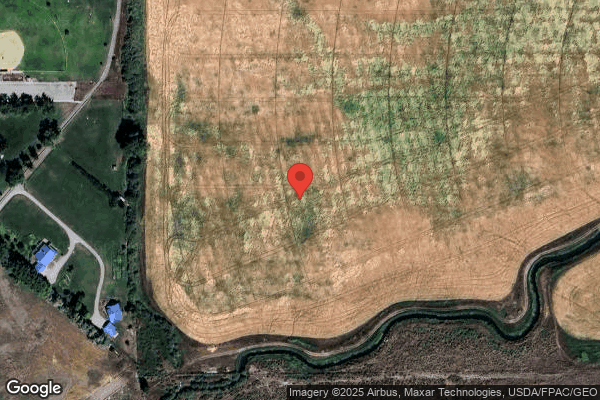
200 N OREGON ST, DILLON, MT 59725 (406) 683-5105
For profit - Limited Liability company 87 Beds SWEETWATER CARE Data: November 2025 1 Immediate Jeopardy citation
Trust Grade
0/100
#54 of 59 in MT
Last Inspection: May 2025

Inspected within the last 6 months. Data reflects current conditions.

Overview

Pioneer Care and Rehabilitation in Dillon, Montana has received a Trust Grade of F, which indicates significant concerns about the facility's quality and care. Ranked #54 out of 59 in the state, they are in the bottom half of Montana facilities, although they are the only nursing home in Beaverhead County. The situation is worsening, with the number of reported issues increasing from 19 to 21 over the past year. Staffing is a major concern, as they have a deplorable rating of 1 out of 5 stars, with a staggering 90% turnover rate, far exceeding the state average of 55%. Additionally, the facility has incurred fines totaling $213,205, which is higher than 93% of other facilities in Montana, further indicating ongoing compliance issues. Specific incidents raise serious alarms about resident safety. One critical finding involved a resident who fell and sustained significant injuries, including a punctured lung, due to the facility's failure to identify and mitigate fall risks. Another serious incident involved a resident with dementia who suffered multiple falls, including a fractured hip, because appropriate fall prevention interventions were not implemented. Moreover, the facility failed to properly administer medications for a resident with swallowing difficulties, leading to hospitalization for aspiration pneumonia. While there are areas to improve, such as potential for better RN coverage, the overall picture remains troubling for families considering this facility for their loved ones.

Trust Score
F
0/100
In Montana
#54/59
Bottom 9%
Safety Record
High Risk
Review needed
Inspections
Getting Worse
19 → 21 violations
Staff Stability
⚠ Watch
90% turnover. Very high, 42 points above average. Constant new faces learning your loved one's needs.
Penalties
○ Average
$213,205 in fines. Higher than 72% of Montana facilities. Some compliance issues.
Skilled Nurses
○ Average
Each resident gets 32 minutes of Registered Nurse (RN) attention daily — about average for Montana. RNs are the most trained staff who monitor for health changes.
Violations
⚠ Watch
58 deficiencies on record. Higher than average. Multiple issues found across inspections.
★☆☆☆☆
1.0
Overall Rating
★☆☆☆☆
1.0
Staff Levels
★★☆☆☆
2.0
Care Quality
★☆☆☆☆
1.0
Inspection Score
Stable
2024: 19 issues
2025: 21 issues

The Good

  • Full Sprinkler Coverage · Fire safety systems throughout facility
  • No fines on record

Facility shows strength in fire safety.

The Bad

1-Star Overall Rating

Below Montana average (2.9)

Significant quality concerns identified by CMS

Staff Turnover: 90%

43pts above Montana avg (46%)

Frequent staff changes - ask about care continuity

Federal Fines: $213,205

Well above median ($33,413)

Significant penalties indicating serious issues

Chain: SWEETWATER CARE

Part of a multi-facility chain

Ask about local staffing decisions and management

Staff turnover is very high (90%)

42 points above Montana average of 48%

The Ugly 58 deficiencies on record

1 life-threatening 8 actual harm
May 2025 19 deficiencies 1 Harm
SERIOUS (G)

Actual Harm - a resident was hurt due to facility failures

Accident Prevention (Tag F0689)

A resident was harmed · This affected 1 resident

Based on interview and record review, the facility failed to identify and implement beneficial interventions to prevent further falls for a resident with dementia, limited safety awareness, and who wa...

Read full inspector narrative →
Based on interview and record review, the facility failed to identify and implement beneficial interventions to prevent further falls for a resident with dementia, limited safety awareness, and who was at risk for falls. The resident used psychotropic medications and the care plan contained only minimal fall interventions and the resident had an unwitnessed fall and had head lacerations. The resident had subsequent falls and sustained a fractured hip for 1 (#10) of 17 sampled residents. Findings include. Review of resident #10's nursing note, dated 4/28/25 at 7:06 p.m., showed: - found resident sitting on his floor at 1700 (5:00 p.m.). Assessed for injury. ROM provided. No pain or discomfort noted. - The nursing note included another fall, within the same note, - .RN went to assist another resident. While walking down the hallway, RN noted blood on the floor and on the door jam of resident's (#10's) room. Resident was laying on this left side in bed. It appears resident is strong enough to get up off the floor on his own. Upon further assessment, resident was noted to have 2 small head lacerations to the back of his head. Resident assessed for further injuries . [sic] Review of resident #10's fall event report, dated 4/28/25, showed the facility investigated the cause of the fall, but did not take into consideration the recent increase in the resident's Ativan dose. Review of resident #10's 5/2025 medication administration record showed a physician's order on 4/17/25, which was to give Ativan 1 mg, given every 24 hours as needed, for anxiety. On 4/28/25, Ativan was ordered every 8 hours. The first routine dose of Ativan was given at approximately 3:00 p.m., on 4/28/25, approximately 2 hours before resident #10 sustained his first fall. Review of resident #10's eINTERACT SBAR summary note, dated 5/6/25 at 1:06 a.m., showed the resident fell due to general weakness. The note did not show the cause, or situation surrounding the fall. Review of resident #10's nursing notes, dated 5/6/25 at 2:32 p.m., showed the resident had increased falls since starting the lorazepam 1 mg every 8 hour dose. Review of resident #10's nursing notes, dated 5/7/25 at 4:39 p.m., showed, RN walked past resident's room and he was lying on his left side in bed. When RN and CNA met at 100/200 nurses station, yelling out was heard coming from the resident's room. All available staff were called to come to the resident's room for assistance. Vital signs obtained. Neuro checks started. ROM was provided to all extremities. Resident c/o increased pain to LLE with range of motion. Upon transferring him from the floor to his bed resident expressed increased pain to L hip . Review of resident #10's nursing notes, dated 5/7/25 at 7:00 p.m., showed resident #10 sustained a fractured hip. During an interview on 5/8/25 at 12:07 p.m., staff member B said the Ativan contributed to resident #10's falls, and the medication was not appropriate for him. Staff member B said resident #10 said he was scared, but he wanted company or comfort and didn't need that much Ativan. The Ativan dose decreased on 5/6/25, but was too late to help prevent the last fall that caused resident #10 to sustain a hip fracture. Staff member B said if it wasn't for the psychotropic medication, resident #10 would not have fallen and fractured his hip.
CONCERN (D)

Potential for Harm - no one hurt, but risky conditions existed

Report Alleged Abuse (Tag F0609)

Could have caused harm · This affected 1 resident

Based on interview and record review, the facility failed to report an allegation of residen to resident abuse, as it was not identified as abuse for 2 (#s 47 and 53); and failed to report two injurie...

Read full inspector narrative →
Based on interview and record review, the facility failed to report an allegation of residen to resident abuse, as it was not identified as abuse for 2 (#s 47 and 53); and failed to report two injuries of unknown origin for a resident, one of the injuries was a major injury, for 1 (# 10) within 24 hours of the incidents of 17 sampled residents for abuse reporting. Findings include: 1. Review of resident #10's nurse progress notes, dated 4/25/25 at 12:56 a.m., showed, resident continues with fading bruising scattered purple/blue in color to left lower back. Voiced c/o pain to area. Review of nursing progress notes, from 4/18/25 through 5/25/25, showed resident #10 did not have any falls or sustain injuries. The cause of the bruising was unknown and not identified by the facility. During an interview on 5/7/25 at 4:57 p.m., staff member A said she was not aware of any bruising on resident #10. Staff member A said there was no investigation completed into the cause of the bruising of unknown origin, which is reportable to the State Survey Agency. Staff member A said the facility tried to read the progress notes every day, but we were stretched too thin (staff available for the task). Staff member A said she was still investigating to see if more information was available for the bruising. Review of resident #10's nursing notes, dated 5/7/25 at 4:39 p.m., showed, RN walked past resident's room and he was lying on his left side in bed. When RN and CNA met at 100/200 nurses station, yelling out was heard coming from the resident's room. All available staff were called to come to the resident's room for assistance. Vital signs obtained. Neuro checks started. ROM was provided to all extremities. Resident c/o increased pain to LLE with range of motion. Upon transferring him from the floor to his bed resident expressed increased pain to L hip . Review of resident #10's nursing notes, dated 5/7/25 at 7:00 p.m., showed resident #10 sustained a fractured hip. During an interview on 5/8/25 at 7:52 a.m., staff member A said resident #10 fell and fractured his hip. Staff member A said the fall with injury, which was not witnessed, and the resident was an unreliable reporter, but sustained a fractured hip, was not reported to the State Survey Agency as an injury of unknown origin. 2. Review of resident #53's nursing note, dated 3/28/25, showed resident #53 was agitated and threatening physical harm to her roommate, resident #47. The nurse's note showed, according to roommate, the resident had already hit her at this point. This was not witnessed by staff. However, the roommate was laughing and taunting resident #53 despite being reprimanded. The intervention put into place was to remove the roommate. During an interview on 5/6/25 at 2:20 p.m., staff member A said the event on 3/28/25 involving residents #47 and 53 was not abuse. The event was investigated as abuse, and it was determined there was no abuse. Staff member A said the investigation revealed no abuse, so the allegation was not reported. Staff member A said she was not alerted by staff member M when this incident occurred. During an interview on 5/6/25 at 3:25 p.m., resident #47 said she did not remember if her roommate got physical and hit her, but her roommate did get verbally aggressive, and she was going through her things. Resident #47 said she did not like roommates yelling or going through her property. Review of the State Survey Agency abuse portal did not show the facility reported the incident between resident #53 and her roommate resident #47 on 3/28/25, and did not report the bruise of unknown origin for resident #10 on 4/25/25. Review of the facility's policy titled, Abuse, Neglect and Exploitation Policy undated and taken from the Compliance Store with a 2024 Copyright, showed, alleged violation is a situation or an occurrence that is observed or reported by staff, resident, relative, visitor or others but has not yet been investigated and, if verified, could be indication of noncompliance with the Federal requirements related to mistreatment, exploitation, neglect, or abuse, including injuries of unknown source, and misappropriation of resident property. The abuse policy showed all allegations would be reported to the administrator, to the State Survey Agency, and other required agencies.
CONCERN (D)

Potential for Harm - no one hurt, but risky conditions existed

Deficiency F0627 (Tag F0627)

Could have caused harm · This affected 1 resident

**NOTE- TERMS IN BRACKETS HAVE BEEN EDITED TO PROTECT CONFIDENTIALITY** Based on interview and record review, the facility failed to ensure the required elements of education, physician and management...

Read full inspector narrative →
**NOTE- TERMS IN BRACKETS HAVE BEEN EDITED TO PROTECT CONFIDENTIALITY** Based on interview and record review, the facility failed to ensure the required elements of education, physician and management notifications, and documentation of an AMA discharge, were completed for 1 (#55) of 17 sampled residents. Findings include: Review of a closed record EHR for resident #55 showed discharge on [DATE] as AMA. The resident had admitted on [DATE]. Resident #55's care plan did not have discharge planning until 3/5/25. The care plan only showed the resident wished to go back to the community. No other discharge planning was documented. No information on education and the risks was documented for an AMA discharge, other than they could not give him medications, to take with him on discharge. No notifications were in the EHR of the provider being notified. There was no recapitulation of the residents stay from the provider, or documentation of the facility contacting other entities related to the resident leaving AMA due to risks with the discharge. Review of resident #55's discharge evaluation, dated 3/12/25, showed, Resident left facility AMA and had a friend pick him up. Facility was called after a few days and advised resident was looking for placement again. Facility will not accept resident back after leaving AMA. Review of a form titled, Against Medical Advice release form, dated 3/8/25, showed predefined text and signature of the nurse and resident, no second witness signature. A hand written note of, Going to Belgrade. Friend [friends name] coming to pick. He left at 0900 [9:00 a.m.]. [sic] During an interview on 5/8/25 at 11:38 a.m., staff member B stated resident #55 had come to her upset and wanting to leave earlier in the week of his AMA discharge. She stated she educated resident #55 on needing to stay until a safer place was found, due to conversations with family, that his prior living situation was not suitable. She told resident #55 his provider would be there to see him the next week to evaluate the resident and make a plan. Staff contacted her on the day of the resident's AMA, and she directed them to educate and sign the AMA paperwork. Staff member B stated all of the education and contact with family should have been documented. Review of a facility provided policy titled, Transfer and Discharge (including AMA), listed as Copyright 2025 The Compliance Store LLC, showed: 11. Discharge Against Medical Advice (AMA) . b. The resident and family/legal representative should be informed of the risks involved, the benefits of staying at the facility, and the alternatives to both. Under no circumstances will the facility force, pressure, or intimidate a resident into leaving AMA. c. The physician should be notified of the intended AMA discharge and be encouraged to speak with the resident to encourage them to stay at the facility. d. Documentation of this notification should be entered in the nurses' notes by the nursing department . e. Notify Adult Protection Services, or other entity as appropriate, if self-neglect is suspected. Document accordingly.
CONCERN (D)

Potential for Harm - no one hurt, but risky conditions existed

Deficiency F0628 (Tag F0628)

Could have caused harm · This affected 1 resident

Based on interview and record review, the facility failed to ensure residents transferring or discharging to the hospital were provided the transfer discharge notice and bedhold for 1 (#3) of 17 sampl...

Read full inspector narrative →
Based on interview and record review, the facility failed to ensure residents transferring or discharging to the hospital were provided the transfer discharge notice and bedhold for 1 (#3) of 17 sampled residents. Findings include: During an interview on 5/8/25 at 7:57 a.m., staff member A stated the facility did not have the transfer discharge notice for resident #3. Staff member A stated the transfer discharge notices and bedholds were a problem they were working on. Review of resident #3's census showed a hospitalization from 2/10/25 to 3/4/25. There was no documentation of a transfer discharge notice or bedhold form in the resident's record or provided.
CONCERN (D)

Potential for Harm - no one hurt, but risky conditions existed

Deficiency F0655 (Tag F0655)

Could have caused harm · This affected 1 resident

**NOTE- TERMS IN BRACKETS HAVE BEEN EDITED TO PROTECT CONFIDENTIALITY** Based on interview and record review, the facility failed to ensure a baseline care plan was developed and implemented within 48...

Read full inspector narrative →
**NOTE- TERMS IN BRACKETS HAVE BEEN EDITED TO PROTECT CONFIDENTIALITY** Based on interview and record review, the facility failed to ensure a baseline care plan was developed and implemented within 48 hours after admission to reflect the resident's care needs, for 1 (#10) of 17 sampled residents. This increased the risk of staff not providing necessary care and services due to the lack of the baseline care plan. Findings include: Review of resident #10's baseline care plan evaluation showed the resident was admitted on [DATE]. Resident #10's baseline care plan failed to identify the resident's code status. Section F, active diagnoses contributing to the resident's admission were left blank. Resident #10's base line care plan did not identify his risk associated with dementia, weakness, and the use of psychotropic medications. Resident #10's baseline care plan showed the resident had no history of falls. There was no date for completion of the care plan. Section 5. B, on the baseline care plan form, showed a signature and date line for the resident and the representative to sign. This section was blank. Section seven of the care plan showed it was to have a signature, title, and date of the staff completing the care plan. Section seven was blank. During an interview on 5/6/25 at 4:31 p.m., staff member A, I, and Q were present for the interview. Staff member A said the care plan process was an interdisciplinary process that began at the resident's admission. Staff member I said there was an evaluation assessment which was completed by each discipline. Staff member A said this evaluation was the base line care plan. Staff members A, I, and Q were unsure if the baseline care plan assessment sent information to a [NAME] or care plan that was accessible by the certified nursing assistants. Staff member Q said the CNAs could always ask the nurse how to take care of the resident. During an interview on 5/7/25 at 8:40 a.m., staff member H said resident #37's base line care plan was not completed because the evaluation was not completed, and there were no staff signatures on the care plan. During an interview on 5/7/25 at 9:08 a.m., staff member K said he was not aware of how to look at the resident's baseline care plan. Staff member K said the only care information available to him was the sheet of paper the DON completed with information about the resident.
CONCERN (D)

Potential for Harm - no one hurt, but risky conditions existed

Deficiency F0676 (Tag F0676)

Could have caused harm · This affected 1 resident

Based on observation, interview, and record review, the facility failed to review and provide the needed ADL assistance for dining for 1 (#3) of 17 sampled residents. Findings Include: During an inte...

Read full inspector narrative →
Based on observation, interview, and record review, the facility failed to review and provide the needed ADL assistance for dining for 1 (#3) of 17 sampled residents. Findings Include: During an interview on 5/6/25 at 9:59 a.m., resident #3 was in her room sitting in her wheelchair, and she was clearing her throat and coughing, and stated the facility staff 'don't feed me right.' Resident #3 stated she had a hard time with a regular fork and spoon, and she had tried built up (adaptive) silverware in the past, but they had not been tried in a while. Resident #3 stated she was to get a walled (adaptive plate) plate but it did not always happen. During an observation on 5/7/25 at 12:37 p.m., resident #3 was in the assisted dining room at a table with another resident, and a staff member facing away from resident #3. Resident #3 had a large bowl with a mix of food and dinner roll on top. There were three drinks with straws in double handled sippy cups, without lids. Resident #3 was trying to grab the dinner roll from the bowl and could not get her hand to turn the correct way to grasp the roll. She openly stated to she could not grab it, but no one responded. The dinner roll was not eaten. Resident #3 was observed through the meal attempting to feed herself by holding her right hand steady with her left hand to try to bring a regular spoon to her mouth. Resident #3 was observed only getting two bites of food from the bowl during the meal. Resident #3 was also observed leaning towards the cups on the table, and she was trying to grab the straws with her mouth (as the straws kept moving around) to get a drink, because there were no lids on the cups, to hold the straws in place. During an interview on 5/7/25 at 4:46 p.m., staff member D stated resident #3 used to have a high wall plate, and they had attempted a heavy spoon, but resident #3 needed more assistance so staff were to feed her. When resident #3 came back from her hospitalization she did not have orders for the adaptive equipment, and there had not been any new orders written for adaptive meal equipment. The facility staff had not yet identified and addressed the issue with the resident's struggles when eating to ensure she was able to fully eat and drink at her meals safely. During an observation on 5/8/25 at 9:24 a.m., resident #3's breakfast was left on a table in the assisted dining room. A divided plate with two English muffins, cut in half, two sausage patties cut in chunks, and scrambled eggs, all not eaten, all were left on the plate. There were three sippy cups with straws, with no lids. There was a bowl with a straw that was empty. During an interview on 5/8/25 at 9:32 a.m., staff member R stated the last time therapy worked with resident #3 for meals and eating was before her hospitalization (when she had orders for adaptive equipment) when she was having a lot of behavioral problems and refusing to participate if she did not get her wheelchair back. At the time resident #3 attempted the long utensils, the kind that wrapped around her arm, but the resident did not like them. Resident #3 was to have a walled plate, and sippy cups with the concave lids, with straws. This was because she could not hold the cups. Resident #3 was to be fed by staff due to her decline. Review of resident #3's care plan for ADL self-care performance showed a revision on 1/29/25, with the intervention of, Eating: [Resident #3] needs assist of 1 with eating.
CONCERN (D)

Potential for Harm - no one hurt, but risky conditions existed

Deficiency F0692 (Tag F0692)

Could have caused harm · This affected 1 resident

Based on observation, interview, and record review, the facility failed to accurately monitor a resident's meal intake, feeding abilities, and address suspected scale errors in relation to a resident'...

Read full inspector narrative →
Based on observation, interview, and record review, the facility failed to accurately monitor a resident's meal intake, feeding abilities, and address suspected scale errors in relation to a resident's severe weight loss, although the weight loss was desireable, for 1 (#22) of 17 sampled residents. Findings include: During an interview on 5/7/25 at 1:00 p.m., NF3 stated resident #22 had been losing weight and was looking a lot thinner. NF3 stated the resident usually ate in the dining room. During an observation on 5/7/25 at 1:08 p.m., resident #22 was lying in bed, wearing only a brief, when his lunch tray was delivered to his room. It was placed on the side table next to his bed and left by the staff member without further setup or assistance provided to the resident. Resident #22 was reaching from a lying position, all the way across the top of his body, to the tray, which was not in front of him, but it was placed on his right side. He struggled to get food onto his utensil from this angle. During an observation on 5/7/25 at 1:36 p.m., resident #22's tray was in the same place with only one potato piece missing. He was sleeping and no longer attempting to feed himself. Review of resident #22's EHR documentation of the meal amount eaten, dated 5/7/25, showed the resident was documented as having eaten 76-100% of the lunch meal, which was contradictory to what was observed by the surveyor. Review of resident #22's EHR documentation of the meal amount eaten, dated 4/29/25 - 5/7/25, showed the resident was marked as eating 76-100% of all his meals during this time span. Review of resident #22's reentry functional abilities and goals assessment, dated 5/6/25, showed resident #22 needed supervision or touching assistance for eating. This assessment was completed after the resident returned from his second hospitalization in two months, and was a change from his previously independent abilities. Review of resident #22's weights, dated December 2024 - May 2025, showed the resident had been steadily losing weight. This represented a 11.59% severe weight loss over three months from February 2025 - current. - 12/6/24, and the resident's weight was 283 lbs. - 12/24/24, and the resident's weight was 283.4 lbs. - 1/18/25, and the resident's weight was 276 lbs. - 2/22/25, and the resident's weight was 271 lbs. - 3/1/25, and the resident's weight was 263 lbs. - 4/20/25, and the resident's weight was 262 lbs. - 5/3/25, and the resident's weight was 244 lbs. Review of resident #22's nutrition notes, dated December 2024 - May 2025, showed: - 12/11/24 value 283 . likely in error. Will reweigh to verify correct weight. - 12/30/24 value 283.4 . weight on 12/6 and 12/24 may be in error. - 3/5/25 value 263 . weight on 3/1 may be in error d/t possibly weight discrepancy. Will reweigh to verify correct wt. - 5/6/25 value 244 . wt. on 5/3 likely in error, will reweigh to verify correct wt. The facility failed to address and correct the potential error over a six month period. During an interview on 5/7/25 at 3:15 p.m., staff member O stated resident #22's weight loss was being monitored in the weekly nutrition meetings by both dietary and his physician. Staff member O stated resident #22 had been overweight, and the recent weight loss was desirable for his BMI. Staff member O stated while they did want him to lose weight, they also wanted him to still be eating, so they requested the dietary manager review his meal plates for the documentation of amount eaten to ensure it was accurate.
CONCERN (D)

Potential for Harm - no one hurt, but risky conditions existed

Respiratory Care (Tag F0695)

Could have caused harm · This affected 1 resident

**NOTE- TERMS IN BRACKETS HAVE BEEN EDITED TO PROTECT CONFIDENTIALITY** Based on interview and record review, the facility failed to get immediate physician orders for a resident experiencing chest pa...

Read full inspector narrative →
**NOTE- TERMS IN BRACKETS HAVE BEEN EDITED TO PROTECT CONFIDENTIALITY** Based on interview and record review, the facility failed to get immediate physician orders for a resident experiencing chest pain and respiratory concerns, who was three days later sent emergently to the hospital, for 1 (#44) of 17 sampled residents. Findings include: During an interview on 5/7/25 at 12:43 p.m., resident #44 stated he had been recently hospitalized for difficulty with breathing. Review of resident #44's EMR showed he was hospitalized from [DATE] - 4/30/25. Review of resident #44's nursing progress notes, dated 4/17/25 - 4/19/25, showed: - 4/17/25 at 5:20 p.m., RT and unit manager expressed concerns about resident c/o CP . phone call placed to [physician call center name] . awaiting call back from Dr. - 4/18/25 at 2:29 a.m., . No new orders at this time . - 4/18/25 at 11:09 a.m., PT notified RT of resident destating down to 86% while on his prescribed 3L [liters] of o2, with little exertion. RT into assess resident and he does continue to have a wet/loose cough and has a pleural rub sounds on his Left side of his lungs. Sats are only 91% on 3L. [sic] - 4/18/25 at 2:40 p.m., [physician call center name] was phone on 4/17/25 for treatment orders for residents. This RN asked for return call and or CXR. No follow up phone call . [sic] - Review of the resident's physician orders showed 19 hours after the initial concern with chest pain was noted, orders for steroids and breathing treatments were entered into the EHR. - 4/19/25 at 9:40 a.m., res, c/o SOB and chest discomfort, having difficulty breathing and speaking . ambulance called for transfer. Review of resident #44's oxygen saturation documentation showed it fell to 79% while on oxygen via nasal cannula on 4/19/25, the day he was sent to the hospital. Review of resident #44's hospital notes, dated 4/19/25 - 4/30/25, showed, . presents from skilled nursing facility with 3 days of difficulty breathing, cough, upper abdominal discomfort, and chest discomfort. Patient is very hard of hearing and currently on BIPAP for acute on chronic hypoxic respiratory failure . Review of resident #44's Discharge summary, dated [DATE], showed for hospital course: - Acute on chronic hypoxic respiratory failure, - Coronary artery disease had troponin leak on admission suspect demand ischemia in the setting of hypoxic respiratory failure. During an interview on 5/7/25 at 2:53 p.m., staff member B stated if they called the physician close to or after 5:00 p.m., they would either not get an answer or be told to call the on-call provider. During an interview on 5/8/25 at 10:54 a.m., staff member N stated they had been concerned with resident #44's complaints of chest pain, and that it could have been a cardiac issue or a pleural effusion. Staff member N stated they were communicating these concerns but felt the information, just kind of sat there. The resident was transferred to the hospital several days later, which was on the weekend.
CONCERN (D)

Potential for Harm - no one hurt, but risky conditions existed

Deficiency F0697 (Tag F0697)

Could have caused harm · This affected 1 resident

**NOTE- TERMS IN BRACKETS HAVE BEEN EDITED TO PROTECT CONFIDENTIALITY** Based on observation, interview, and record review, the facility failed to provide effective pain management and monitoring for ...

Read full inspector narrative →
**NOTE- TERMS IN BRACKETS HAVE BEEN EDITED TO PROTECT CONFIDENTIALITY** Based on observation, interview, and record review, the facility failed to provide effective pain management and monitoring for a resident which resulted in her getting more medication than prescribed for 1 (#35) of 17 sampled residents. Findings include: During an observation and interview, on 5/7/25 at 2:48 p.m., staff member K provided the current narcotics log book from the cart. The narcotics log book only had nine total fentanyl patches entered into the log for resident #35, two documented as given on 4/25/25 and 4/27/25, and there was documentation of a destruction date of 5/4/25 for seven fentanyl patches. Staff member K stated he was not the person to ask any specific questions due to being new, and he had not had training for the facility's specific medication management process. He was going off what he had done in prior positions. During an interview on 5/8/25 at 11:38 a.m., staff member B stated resident #35 was having complaints of pain being unmanaged, so the provider was notified, who then discontinued all the resident's Norco and switched the resident to a fentanyl patch. The dose was 12 mcg every 72 hours. Resident #35 complained the new patch was not working. A one-time additional patch was ordered of 12 mcg the next day, for 72 hours. Staff member B stated the first patch was taken from the facility emergency kit, and the nurse on the floor added it to the narcotics log. The next day, the second fentanyl patch was placed as a one-time order from the patches delivered for the resident. Staff member B stated it would now be part of the process for nurses to visibly check the patch placement on anyone with a patch because a medication aide did not take the second patch off resident #35. Resident #35 then got another fentanyl patch and also switched to hydrocodone. Staff member B stated she did not know how the medication was switched again but resident #35's family was a nurse and heavily suggested changes. Review of resident #35's April 2025 MAR showed: -Hydrocodone/Acetaminophen Oral Tablet 5-325 MG give one tablet by mouth five times a day for pain 12/30/24 to 4/24/25. Given five times a day 4/1/25 - 4/23/25, and 4/24/25 given 3 times a day. -fentanyl Transdermal Patch 72 hour 12 MCG/hr apply every 72 hours for pain with a start date of 4/24/25 to 4/28/25. Documented as given on 4/24/25 to the rear left shoulder and 4/27/25 rear left shoulder. There were no orders or documentation in place to ensure the fentanyl patch was in place for the duration of the order, and the resident had no reaction and it was effective, or removed at the ordered times. -fentanyl Transdermal Patch 72 hour 12 MCG/hr apply transdermally one time only for pain until 4/28/25 with a start date of 4/25/25 and discontinue of 4/28/25. Given on 4/25/25 to the right rear shoulder. There were no orders or documentation to ensure the fentanyl patch was in place for the duration of the order, that the resident had no reaction and if it was effective, or removed at the ordered times. -Tylenol Oral Tablet 325 MG (Acetaminophen) give two tablets by mouth every 4 hours as needed for pain do not exceed 3 grams in 24hrs ordered from 4/25/25 to 5/4/25 given nine times, five of those times on 4/26/25, exceeding the 3 grams limit on the order. -Hydrocodone/Acetaminophen Oral Tablet 10-325 MG give one tablet by mouth every 6 hours as needed for pain from 4/28/25 - 5/4/25. This was documented as given twice on 4/30/25 for a pain level of 4 each time. Review of resident #35's May 2025 MAR from 5/1/25-5/6/25 showed: - Tylenol Oral Tablet 325 MG (Acetaminophen) give two tablet by mouth every 4 hours as needed for pain do not exceed 3 grams in 24hrs, not given. - Hydrocodone-Acetaminophen Oral Tablet 10-325 MG give one tablet by mouth every 6 hours as needed for Pain, with a start date of 4/28/25, which was held on 5/2/25 and 5/3/25, with a discontinue date of 5/4/25. This was given twice on 5/1/25 and once on 5/4/25. - Hydrocodone-Acetaminophen Oral Tablet 5-325 MG give one tablet by mouth every 6 hours, as needed for pain, with a start date of 5/4/25. This was given once on 5/4 and 5/6, and twice on 5/5/25. Review of resident #35's nursing progress notes, from 4/25/25 - 5/6/25, showed she was progressively getting more lethargic, unable to swallow, unarousable, and cold to the touch. Resident #35 was sent to the ER on [DATE] and 5/3/25, after pain medications were held, and she was still declining. Resident #35 was also completing a round of antibiotics for a UTI. The 5/2/25 ER visit was noted to show the hospital determined resident #35 most likely had a 'reaction to medication' and recommended decreasing her pain medications to the original dose.
CONCERN (D)

Potential for Harm - no one hurt, but risky conditions existed

Deficiency F0760 (Tag F0760)

Could have caused harm · This affected 1 resident

Based on interview and record review, the facility failed to ensure residents were free from significant medication errors for 1 (#12) of 17 sampled residents. Findings include: Review of resident #1...

Read full inspector narrative →
Based on interview and record review, the facility failed to ensure residents were free from significant medication errors for 1 (#12) of 17 sampled residents. Findings include: Review of resident #12's nursing progress note, dated 2/25/25, showed the resident had been more confused, including not knowing who her husband was, and putting jelly on her omelet at mealtime. The med tech noticed the resident had two 50mcg Fentanyl patches on. Review of resident #12's medication administration record, February 2025, showed the following orders: 1. fentanyl patch 72-hour 25mcg/hr. apply 2 patch transdermally every 72 hours related to pain . place patches onto the skin Q 72 hours as needed (in the event that 50mcg patches are not available to dispense). - This order was only documented as given on February 22, 2025. All other opportunities were marked as n/a. 2. fentanyl patch 72-hour 50mcg/hr. apply 1 patch transdermally every 72 hours for chronic bilateral lower back pain. During an interview on 5/8/25 at 10:27 a.m., staff member B stated they had put the medication orders in with the expectation the order for two 25mcg patches was understood to only be used if the original 50mcg patches [referenced in the second order] were out of stock. Staff member B stated they knew someone was going to mess it up. Staff member B stated the nurse who made the med error was no longer passing medications and had received education.
CONCERN (D)

Potential for Harm - no one hurt, but risky conditions existed

Deficiency F0761 (Tag F0761)

Could have caused harm · This affected 1 resident

Based on observation, and interview, the facility licensed staff failed to ensure the medication carts were secured and locked when the carts were unattended. This failure increased the risk of drug d...

Read full inspector narrative →
Based on observation, and interview, the facility licensed staff failed to ensure the medication carts were secured and locked when the carts were unattended. This failure increased the risk of drug diversion, or the medication may be taken by a resident as packets of pills were hanging from a cart. This failure could affect any resident at the facility who had medications stored in the unsecured carts. During an observation on 5/6/25 at 5:00 p.m., the med cart in front of the main nursing desk was unlocked. During an observation on 5/7/25 at 8:57 a.m., the med cart in the dining room was unlocked. The nurse was away from the cart giving medications, with the cart behind a pillar, out of sight. During an observation on 5/7/25 at 8:59 a.m., there was a med cart on the 100-hallway unlocked, with the top drawer open, Pill packets were hanging out. There were no staff in the hallway. During an observation on 5/7/25 at 2:04 p.m., two of four medication carts were unlocked with no staff present. During an observation and interview on 5/7/25 at 2:43 p.m., the 300/400 hall medication cart was unlocked while the nurse was behind the nurses station. Staff member K was asked to show the narcotics log book, and he asked if he could grab a controlled medication out first to document. Staff member K opened the unlocked cart, and he unlocked the controlled substance drawer. Staff member K then documented a controlled medication in the narcotics log book, and then handed the narcotics log book to the surveyor to review. Staff member K asked if the surveyor could watch the open cart and controlled medication drawer for a minute to give the controlled medication. The surveyor requested staff member K lock the cart and controlled substance drawer prior to leaving the cart to take care of the medication administration.
CONCERN (D)

Potential for Harm - no one hurt, but risky conditions existed

Infection Control (Tag F0880)

Could have caused harm · This affected 1 resident

Based on observation, interview, and record review the facility failed to ensure staff followed hand hygiene during medication pass; and failed to implement enhanced barrier precautions and signage fo...

Read full inspector narrative →
Based on observation, interview, and record review the facility failed to ensure staff followed hand hygiene during medication pass; and failed to implement enhanced barrier precautions and signage for 2 (#s 21 and 44) of 17 sampled residents. Findings include: 1. During an observation on 5/6/25 at 7:30 a.m., staff member P was working with one med cart. Staff member P passed medications, including an insulin injection, without performing hand hygiene before or after the medication administration task. During an observation on 5/6/25 at 7:45 a.m., staff member K did not perform hand hygiene prior to or after a resident's medication administration. 2. During an observation on 5/6/25 at 11:45 a.m., resident #21 was hooked up to a wound vac for an Unstageable wound. There was no signage or supplies showing staff should follow enhanced barrier precautions. Review of resident #44's physician orders, dated 4/30/25, showed, Enhanced barrier precautions. During an observation on 5/6/25 at 3:21 p.m., there was no signage or supplies on resident #44's door showing staff should follow enhanced barrier precautions. During an interview on 5/6/25 at 4:04 p.m., staff member N stated if there was no sign detailing what type of precautions the resident was on, they would just wear all of the PPE supplied on the door cart. During an interview on 5/7/25 at 8:28 a.m., staff member B stated resident #21 should be on enhanced barrier precautions related to his wound. Staff member B stated resident #44's wound had healed.
CONCERN (D)

Potential for Harm - no one hurt, but risky conditions existed

Deficiency F0943 (Tag F0943)

Could have caused harm · This affected 1 resident

Based on interview and record review, it was identified the facility abuse education was not adequate to ensure administrative staff had necessary knowledge related to identification of abuse allegati...

Read full inspector narrative →
Based on interview and record review, it was identified the facility abuse education was not adequate to ensure administrative staff had necessary knowledge related to identification of abuse allegations, for a resident who had cognitive deficits, and management of the events for future prevention, for 2 (#s 10 and 53) of 17 sampled residents. Findings include: 1. Review of resident #10's nursing progress notes, dated 4/25/25 at 12:56 a.m., showed the resident had scattered bruising, that was healing, on his left lower back, and the resident had pain with the bruising. A review of nurses notes from 4/18/25 through 5/25/25 showed resident #10 did not have any falls or sustain any injuries. During an interview on 5/7/25 at 4:57 p.m., staff member A said there was no investigation completed into the cause of the bruising and she was still investigating to see if more information was available. Staff member A said she was not notified of bruising to resident #10's lower back. 2. Review of resident #53's nurse's note, dated 3/28/25, showed resident #53 was agitated and threatening physical harm to her roommate, #47. The nurse's note showed the resident hit the room mate, which was not witnessed, but the room mate was laughing and taunting the other resident. During an interview on 5/6/25 at 2:20 p.m., staff member A said the event on 3/28/25 involving resident #53 was not abuse. The event was investigated as abuse, and it was determined there was no abuse, even though a resident was hit by the other. The allegation was not reported. Staff member M did not report the abuse between the two residents appropriately. During an interview on 5/7/25 at 7:52 a.m., staff member A said staff member M had not had abuse training from the facility and she was unsure what abuse training the staffing agency provided for their staff. Review of Abuse/Neglect In-Service Acknowledgement showed the abuse coordinator to be staff member A. A form labeled Abuse/Neglect Competencies showed staff member A signed her training on 3/10/25 and the instructor training her was staff member I. An in-service training log was signed and dated 3/19/25 by staff member A. The trainer was identified on that form as staff member H. There was no documentation to show staff member H was competent to teach about abuse and neglect. The list showing the staff members that attended the training was not dated. Staff member A said all staff took the competency test and the test was reviewed by staff member A. Review of the facility's policy titled, Abuse, Neglect and Exploitation Policy undated and taken from the Compliance Store with a 2024 Copyright, showed, an alleged violation is a situation or an occurrence that is observed or reported by staff, resident, relative, visitor or others but has not yet been investigated and, if verified, could be indication of noncompliance with the Federal requirements related to mistreatment, exploitation, neglect, or abuse, including injuries of unknown source, and misappropriation of resident property. The policy showed the allegation of abuse will be reported to the Administrator, state agency and other required agencies.
CONCERN (E)

Potential for Harm - no one hurt, but risky conditions existed

Deficiency F0578 (Tag F0578)

Could have caused harm · This affected multiple residents

**NOTE- TERMS IN BRACKETS HAVE BEEN EDITED TO PROTECT CONFIDENTIALITY** Based on interview and record review, the facility failed to address the timely completion or implementation of treatment wishes...

Read full inspector narrative →
**NOTE- TERMS IN BRACKETS HAVE BEEN EDITED TO PROTECT CONFIDENTIALITY** Based on interview and record review, the facility failed to address the timely completion or implementation of treatment wishes, specifically related to the Provider Orders for Life-Sustaining Treatment (POLST) forms, and ensure the forms were complete so the document would not be voided, for 3 (#s 9, 16, and 20) and failed to ensure a resident's code status was consistently correct for 1 (#22) of 17 sampled residents. Findings include: 1. Review of resident #9's care plan showed the resident was admitted on [DATE]. Review of resident #9's POLST (Physician Orders for Life-Sustaining Treatment) showed the form did not have a printed name, signature, or date in the mandatory section identifying the person making the decision for life sustaining treatment. The POLST form was signed by a physician on [DATE], without verification of who was making life sustaining choices for resident #9. Resident #9's POLST showed the resident was a full code. The lack of the resident's or responsible party's signature may void the form. 2. Review of resident #16's POLST showed the physician did not print their name on the form and did not fill in the mandatory date when the form was signed. Resident #16 signed and dated the form on [DATE]. 3. Review of resident #20's care plan showed the resident was admitted on [DATE]. Review of resident #20's POLST showed the resident wished to have no CPR and for comfort focused treatment. Resident #20 signed the POLST on [DATE] to make those wishes known. The section of the form reflecting the date and person completing the form was blank. The mandatory physician signature and date section on the POLST was blank, therefore, in Montana the form would be invalid. During an interview on [DATE] at 3:31 p.m., with staff members A and I, staff member I stated when the resident was admitted the POLST was completed by the Social Services Supervisor. The Social Services Supervisor would request assistance from a nurse or the Director of Nursing when needed. Staff member I said the POLST was held at the facility and would be signed next time the physician was at the facility. Staff member A said the time lapse for signature could be up to a month time frame. Staff member I said the POLST was considered effective even without a physician signature. Staff member I said there was an audit process as staff member C checked all POLSTs to ensure the forms are complete. Staff member A said the process had recently changed and the admission staff person would be taking over this process. Staff member A said the admission person was a nurse and will be able to assist residents and their families. 4. Review of resident #22's POLST, dated [DATE], showed the patient had elected and signed a DNR status. Review of resident #22's physician orders, dated [DATE], showed the resident was a, full code supported by durable power of attorney for healthcare. Review of an informal document titled, Nursing Report/Tasks, printed daily, and present on all nursing workstations and referenced by staff, showed each resident's room, name, code status, and special tasks or notes. Resident #22 was documented as a DNR on the document. During an interview on [DATE] at 3:56 p.m., staff member B stated resident #22 had just returned from the hospital, and on his admission paperwork the resident representative had selected for him to be a full code. Resident #22's physician stated the resident was not competent to make his own decisions and changed the ordered code status. A request for resident #22's healthcare power of attorney was made on [DATE]. Provided was a document titled, Durable Power of Attorney, dated [DATE]. Review of the document showed the representative was named a financial POA. The document failed to show any instances where healthcare decisions could be made or reversed by the representative who had signed the form. The National Polst document, which provides information related to the POLST forms and required signatures, shows Montana does require a patient and physician signature for a POLST to be valid in the State of Montana. Refer to: https://polst.org/wp-content/uploads/[DATE].02.28-Signature-Requirements-by-State.pdf, for the current state by state listing of signature requirements. The Montana Department of Health and Human Services participates in a POLST program, and on the DPHHS website, provides information related to the POLST forms and process. The website included information such as, the POLST must be, Completed by a health care professional based on patient preferences and medical indications, and: - Provider signature must be a Montana licensed physician, advanced practice registered nurse or physician assistant. - Patient (or legal decision-maker, if patient unable to make medical decisions), must sign to be valid. - Verbal orders are acceptable with follow-up signature by provider in accordance with organization. This information may be located at: https://dphhs.mt.gov/publichealth/emsts/polst.
CONCERN (E)

Potential for Harm - no one hurt, but risky conditions existed

Drug Regimen Review (Tag F0756)

Could have caused harm · This affected multiple residents

Based on interview and record review, the facility failed to ensure a licensed pharmacist sufficiently addressed and documented the monthly medication regimen reviews for 1 (#10) of 17 sampled residen...

Read full inspector narrative →
Based on interview and record review, the facility failed to ensure a licensed pharmacist sufficiently addressed and documented the monthly medication regimen reviews for 1 (#10) of 17 sampled residents, and the resident received medications for anxiety and depression which fell into the classification of a psychotropics per CMS; and failed to complete the monthly medication regimen reviews with recommendations to ensure residents were provided the appropriate medications and doses to treat their diagnoses, for 4 (#s 3, 22, 24, and 35) of 17 sampled residents. Findings include: 1. Review of resident #10's medication administration record for May 2025 showed the following: - Olanzapine, an atypical antipsychotic, 2.5 mg by mouth, every day, which was ordered on 7/11/24. - Ativan, an benzodiazapine, 1 mg by mouth, every 24 hours as needed, which was ordered on 4/17/25 and discontinued on 4/28/25. - Ativan 1 mg by mouth, every eight hours, was ordered 4/28/25. - Buspirone, an anxiolytic, 5 mg three times a day, for anxiety, which was ordered on 8/16/24, - Escitalopram, an antidepressant, 20mg daily, for anxiety and depression, was ordered 12/21/24. A request was made on 5/6/25 for the facility's gradual dose reduction requests for resident #10 for one year, but the GDR's were not received by the end of the survey. Review of the facility's Monthly Medication Reviews, for resident #10, dated May 7, 2025, showed a form that included: - Note to attending physician/prescriber. The pharmacy identified the resident as taking: Lexapro (Escitalopram), Buspar (Buspirone) and olanzapine. The pharmacy did not identify the Ativan on the document. The pharmacy requested a gradual dose reduction, or a risk versus benefit analysis or rationale, for recommendations. The physician checked a box showing the GDR was clinically contraindicated, and the continued use was in accordance with the current standard of practice. A GDR attempt was likely to impair the individual's function. There was no documentation to identify what function would be impaired for the resident. There were no risks versus benefits for the medication(s) addressed for resident #10. Resident #10 had been on Buspar for nine months with no gradual dose reductions attempted. The physician signed a declination on 4/21/25, without documenting why resident #10 needed to continue taking the psychotropic medications. During an interview on 5/8/25 at 12:07 p.m., staff member B said the Ativan contributed to resident #10's falls, and the medication was not appropriate for him. Staff member B said resident #10 said he was scared, but he wanted company or comfort and didn't need that much Ativan. The Ativan dose decreased on 5/6/25, but it was too late to help prevent the last fall that caused his hip fracture. Staff member B said if it was not for the psychotropic medication, resident #10 would not have fallen and fractured his hip. Review of the State Operations Manual, Appendix PP, shows: A psychotropic drug is any drug that affects brain activities associated with mental processes and behavior. These drugs include, but are not limited to, drugs in the following categories: (i) Anti-psychotic; (ii) Anti-depressant; (iii) Anti-anxiety; and (iv) Hypnotic. 2. A request was made on 5/6/25 for monthly pharmacist reviews for the last year for resident #'s 3, 24, and 35. The monthly pharmacist medication regimen reviews were not provided by the end of the survey for the three residents. During an interview on 5/8/25 at 7:33 a.m., staff member A stated the facility was having issues with the prior pharmacy locking them out of the system utilized and not providing the information, including pharmacy reviews, and recommendations. They had no historical documentation to provide. Staff member A stated the facility started with a new pharmacy provider 4/1/25 and were still working things out. a. Review of resident #3's current physician orders showed: - Duloxetine HCL delayed release particles 60 mg, one time a day for depression, with a start date of 3/1/25. - Mirtazapine 30 mg at bedtime, for depression, with a start date of 2/28/25. - Depakote delayed release 500 mg two times a day, for aggression, with a start date of 2/28/25 - Hydroxyzine 25 mg as needed every 8 hours for itching with a start date of 2/28/25 b. Review of resident #24's current physician orders showed: - Fluoxetine HCL oral tablet 40 mg for major depressive disorder with a start date of 1/25/25 - Zyprexa Oral tablet 10 mg at bedtime for paranoid delusional disorder with a start date of 1/21/25 - Zyprexa oral tablet 2.5 mg one time a day for paranoid delusional disorder with a start date of 1/22/25 - Depakote Sprinkles delayed release 125 mg give two capsules by mouth three times a day for mood stabilizer with a start date of 1/21/25 c. Review of resident #35's current physician orders showed: - Duloxetine HCL delayed release sprinkles 60 mg one capsule one time a day for depression with a start date of 12/31/24 - Buspirone HCL 5 mg one tablet two times a day for depression with a start date of 3/4/25 d. A request was made on 5/6/25 for all monthly pharmacist medication reviews for the last four months for resident #22. Nothing was received by the end of the survey. During an interview on 5/7/25 at 2:40 p.m., staff member B stated [Pharmacy Provider] had been with the facility until March 31 (2025), before the contract was terminated, and a new provider sought. Staff member B stated they were unable to access any of the past reviews.
CONCERN (E)

Potential for Harm - no one hurt, but risky conditions existed

Antibiotic Stewardship (Tag F0881)

Could have caused harm · This affected multiple residents

Based on interview and record review, the facility failed to use antibiotics in accordance with accepted standards, identify a residents potential colonization of a specific organism causing the resid...

Read full inspector narrative →
Based on interview and record review, the facility failed to use antibiotics in accordance with accepted standards, identify a residents potential colonization of a specific organism causing the resident to be on almost continuous antibiotics for several months, gave two different antibiotics at the same time for the same UTI, and the resident contracted Clostridium difficile for 1 (#35) of 17 sampled residents. Findings include: During an interview on 5/8/25 at 11:44 a.m., staff member B stated resident #35 was on Macrobid antibiotic for sinusitis, currently. Staff member B stated the facility did not administer antibiotics without receiving the culture and sensitivity back for any resident. Staff member B stated the former infection preventionist did not do infection tracking as they should, and the facility did not have an infection preventionist at the time of the survey. Staff member B was unaware of resident #35 being on two different antibiotics at the same time for the same UTI. Review of resident #35's MARs, from 2/1/25 to 5/8/25, showed the following antibiotics were used: February 2025 - Bactrim DS Oral Tablet 800-160 MG, Give 1 tablet by mouth two times a day related to UTI for 7 days, until finished, with a start date of 2/23/25. It was given once on 2/23/25, then given twice a day 2/24/25 through 3/2/25, and once on 3/3/25. March 2025 - Vancomycin HCL Oral Capsule 125 MG, Give by mouth four times a day for C-Diff infections until 3/23/25, with a start date of 3/13/25. Documented as given twice on 3/13/25 and four times a day on 3/14/25 - 3/23/25. April 2025 - Bactrim DS Oral Tablet 800-160 MG, Give 1 tablet by mouth two times a day for UTI for 7 days, with start Date 4/4/25, and discontinue date 4/9/25, which was given once on 4/4/25 and 4/9, and twice 4/5 - 4/8/25. - At the same time, Ciproflaxin HCL Oral Tablet, 500 MG, by mouth two times a day, for UTI, were taken until 4/11/25. The start date of 4/4/25, and there was a discontinue date of 4/9/25. This medication was given once on 4/4 and 4/9/25, and twice on 4/5/25 - 4/8/25. There was no documentation for the rationale for discontinuing the ciproflaxin before the course was completed and switching to macrobid. - Macrobid Oral Capsule 100 MG, by mouth two times a day, for UTI, for 7 days until finished, with a start date of 4/9/25, and this was given once on 4/9/25 and twice 4/10/25 - 4/16/25. - Macrobid Oral Capsule, 100 MG, by mouth two times a day for UTI, for 7 days until finished, with a start date of 4/25/25, and this was given once on 4/25/25 and twice 4/26/25 - 5/2/25. May 2025 - Cefdinir Oral Capsule, 300 MG, Give 1 capsule by mouth two times a day for Sinusitis, for 14 days, and the order showed it may wait until the medication arrives from pharmacy to begin administration with a start date of 5/5/25. Review of resident #35's lab results, from 2/23/25 to 5/8/25, showed she was tested for a UTI multiple times, and they all came back as positive for Escherichia coli (e. coli)/Extended Spectrum Beta Lactamase (ESBL). Resident #35 was also was positive for Clostridium difficile on 3/15/25, and after returning from the ER visit on 5/3/25, with an order for antibiotics for sinusitis to start on 5/5/25.
CONCERN (F)

Potential for Harm - no one hurt, but risky conditions existed

Deficiency F0841 (Tag F0841)

Could have caused harm · This affected most or all residents

Based on interview and record review, the facility failed to ensure the medical director effectively coordinated medical care for 1 (#20) of 17 sampled residents. The medical director was not responsi...

Read full inspector narrative →
Based on interview and record review, the facility failed to ensure the medical director effectively coordinated medical care for 1 (#20) of 17 sampled residents. The medical director was not responsive to the nursing staff when direction was needed regarding resident care issues. The medical director was also an attending physician for numerous residents in the facility. There was no process to ensure there were no concerns with the individuals' performance as a physician. The facility failed to have a process for how to address concerns with the medical directors' care of residents. This deficient practice had the potential to affect all residents residing in the facility. Findings include: During an interview on 5/6/25 at 9:39 a.m., resident #20 said he had a bad headache, and he was sick to his stomach all day, yesterday. Resident #20 said he still had a headache and was tired. Review of resident #20's vital signs from 5/6/25, showed the resident's pulse was 45 beats per minute at 11:57 a.m. Review of resident #20's vital signs from 5/1/25 through 5/7/25 showed resident #20's pulse was as low as 44 beats per minute. Resident #20's pulse documentation showed 5/7/25 the resident was exhibiting symptoms of bradycardia, with a pulse below 50 beats per minute. During an interview on 5/7/25 at 2:21 p.m., staff member B said the medical director came to the facility once per month, but she was primary physician for many of the residents. Staff member B said you could call the medical director's clinic in Texas, but you did not talk to the same person very often. Staff member B said the calls made to the medical director concerning a residents' medical condition were not always addressed timely and the facility may not get a return call for several days. Staff member B said she called the medical director on 5/6/25, and again today, regarding resident #20's slow pulse. Staff member B said she was only able to leave a message, and the physician had not called back to address the slow pulse. Staff member B said with the medical director not being from here, the residents do not get the care they need. Staff member B said the medical director's practice had a nurse practitioner on staff, but if the time was close to 5:00 p.m., she sends a response back in all capital letters to call the call center and leave a message. Review of resident #20's nurses notes from 5/7/25, showed resident #20 went to the local emergency room and was provided care. Resident #20 returned on an antibiotic for a urinary tract infection, an order to stop the Metoprolol, and an order to see a cardiologist. During an interview on 5/8/25 at 9:45 a.m., staff member A said the facility was aware of the concerns with the medical director.
CONCERN (F) 📢 Someone Reported This

A family member, employee, or ombudsman was alarmed enough to file a formal complaint

Potential for Harm - no one hurt, but risky conditions existed

Deficiency F0865 (Tag F0865)

Could have caused harm · This affected most or all residents

Based on interview and record review, the facility failed to have an antibiotic stewardship program, which had the potential to affect all residents who received antibiotics in the facility. The facil...

Read full inspector narrative →
Based on interview and record review, the facility failed to have an antibiotic stewardship program, which had the potential to affect all residents who received antibiotics in the facility. The facility failed to ensure the pharmacy delivered medications and completed monthly drug regimen reviews for all residents from May 2024 through April 2025. The facility failed to ensure a current QAPI (Quality Assurance and Performance Improvement) plan was developed. The QAPI plan had not been reviewed and revised for more than two years. Goal dates on the Quality Assurance & Performance Improvement (QAPI) Plan for the facility were documented as 12/1/2022. Findings include: During an interview on 5/7/25 at 1:40 p.m., staff member A said the facility used [Pharmacy Name] for their resident medications, and their drug regimen reviews. Staff member A said the facility was not getting the medications as ordered and needed. Staff member A said the staff would hurry to the local store at the end of the day to try to get medications not available by the pharmacy. Staff member A said the drug regimen reviews were coming through a portal the facility could not access. The facility continued to use that pharmacy until another pharmacy could be contracted with. The facility was not able to get drug regimen reviews from the pharmacy and no gradual dose reductions were completed for any psychotropic medications from 4/2024 through 4/2025. During an interview on 5/8/25 at 9:00 a.m., staff member A said the past infection preventionist was not completing the required job duties. Staff member A said the facility does not have anyone certified as the infection preventionist at the time of the survey. Staff member A said a new nurse had been hired, but the nurse was not certified in infection prevention. The nurse hired as the infection preventionist had worked some shifts and was currently taking the infection preventionist training to become certified. Staff member A said QAPI activities were based on survey citations, grievances, and firsthand observations made by the QAPI team. Staff member A stated the facility was working on hiring and training, and had a plan to recruit and retain facility hired staff, in an attempt to get away from interim agency staff. The QAPI plan had 12/1/2022 as a goal date for the facility to reduce turnover from 50 percent to 20 percent by 12/1/2022. Staff member A said staff member B had worked 11 days in a row without a day off.
CONCERN (F)

Potential for Harm - no one hurt, but risky conditions existed

Deficiency F0882 (Tag F0882)

Could have caused harm · This affected most or all residents

Based on interview and record review, the facility failed to have a designated infection preventionist for the facility. This deficient practice had the potential to affect all residents in the facili...

Read full inspector narrative →
Based on interview and record review, the facility failed to have a designated infection preventionist for the facility. This deficient practice had the potential to affect all residents in the facility. Findings include: Review of the requested entrance conference materials failed to show an infection preventionist certificate or person responsible for the infection control program in the facility. During an interview on 5/8/25 at 12:04 p.m., staff member A stated there was not a current staff member possessing an infection preventionist certification. Staff member A stated the previous infection preventionist was no longer at the facility, and the new hire was just finishing up infection preventionist training.
Feb 2025 2 deficiencies
CONCERN (D) 📢 Someone Reported This

A family member, employee, or ombudsman was alarmed enough to file a formal complaint

Potential for Harm - no one hurt, but risky conditions existed

Pharmacy Services (Tag F0755)

Could have caused harm · This affected 1 resident

Based on interview and record review, the facility failed to consistently have physician ordered medications available, to ensure residents did not miss a dose of the ordered medications, for 1 (#1) o...

Read full inspector narrative →
Based on interview and record review, the facility failed to consistently have physician ordered medications available, to ensure residents did not miss a dose of the ordered medications, for 1 (#1) of 14 sampled residents. Findings include: During an interview on 2/24/25 at 1:20 p.m., staff member B stated insurance for resident #1 does not pay for the physician ordered Methadone. Staff member B stated the facility had planned to consult with the provider to try and obtain another medication the insurance company would pay for. Staff member B stated the resident was being tapered off of Requip, for restless leg syndrome, and was switched to Methadone. During an interview on 2/24/25 at 1:48 p.m., resident #1 stated, from December 2024 through February 2025, he went without the physician ordered Methadone, several times. During an interview on 2/26/25 at 3:36 p.m., staff member G stated the facility frequently had medications unavailable. During an interview on 2/27/25 at 5:19 a.m., staff member H stated there were medications unavailable often. During an interview on 2/27/25 at 12:00 p.m., staff member A stated the pharmacy was not much help when medications were unavailable. Staff member A stated there were not many choices in [City] for pharmacy services. Staff member A stated the facility starts with a new pharmacy in April 2025. Staff member A stated the facility completed an investigation for drug diversion (due to missing medications), but found no evidence diversion occurred. Staff member A stated the Methadone was being paid for by the facility, currently. Review of resident #1's Medication Administration Record, dated 1/1/25 through 1/31/25, showed the resident had missed 22 out 29 scheduled doses of Methadone. Review of resident #1's Medication Administration Record, dated 2/1/25 through 2/28/25, showed the resident had missed 4 out of 19 scheduled doses of Methadone. Review of resident #1's care plan failed to show problems, goals, or interventions for restless leg syndrome or the use of the Methadone, or missing medications, to ensure staff offered alternate interventions if needed for the restless leg syndrome.
CONCERN (E) 📢 Someone Reported This

A family member, employee, or ombudsman was alarmed enough to file a formal complaint

Potential for Harm - no one hurt, but risky conditions existed

Administration (Tag F0835)

Could have caused harm · This affected multiple residents

**NOTE- TERMS IN BRACKETS HAVE BEEN EDITED TO PROTECT CONFIDENTIALITY** Based on interview and record review, the facility failed to ensure the administration of services were delivered in a manner wh...

Read full inspector narrative →
**NOTE- TERMS IN BRACKETS HAVE BEEN EDITED TO PROTECT CONFIDENTIALITY** Based on interview and record review, the facility failed to ensure the administration of services were delivered in a manner which encouraged the residents to report concerns or complaints if they had them, without worries of retaliation for 4 (#s 1, 10, 11, and 12) of 14 sampled residents. The facility's leadership team and oversight of recent changes, and specifically the administrator's actions, resulted in concerns among the residents, and they reported it affected their mood, morale, anxiety, feelings of being kicked out of the facility, and some said they isolated to their room more. Resident #s 1, 11, and 12 reported they no longer participated in activities and had not been eating their meals in the dining room. Findings include: 1. During an interview on 2/25/25 at 3:23 p.m. Resident #10 stated things with the new management were not as good as they were prior. Resident #10 stated there had been a high turnover rate of staff, and there was a decline in morale among some of the residents. Resident #10 stated concerns will come up at resident council which were not been resolved by management. Resident #10 stated he had not experienced any mood changes lately but worries about some of the other residents. Resident #10 stated the new administrator had been there since December 2024. 2. During an interview on 2/25/25 at 4:11 p.m., resident #12 stated things at the facility were better before the new administrator started in December (2024). Resident #12 stated the facility is short staffed with one LPN and two CNAs at night, most of the time. Resident #12 stated she had concerns of retaliation by the administrator, if she spoke up. During a follow up observation and interview on 2/27/25 at 9:34 a.m., resident #12 displayed a flat affect and stated she felt the residents smiled less now than before. Resident #12 stated she felt sadder and more depressed, and she gets more anxious. Resident #12 stated she spent most of her time in her room and is reluctant to participate in activities. Review of resident #12's MDS, with an ARD of 1/15/25, showed, under mood: - several days for little interest or pleasure in doing things - half or more of the days feeling down and depressed or hopeless - every day for trouble falling or staying asleep or sleeping too much - every day for feeling tired or having little energy - every day for poor appetite or overeating - every day for feeling bad about yourself - several days for trouble concentrating - several days moving or speaking slow - sometimes isolates in room Compared to resident #12's MDS, with an ARD of 10/15/24, there were not any changes, however the score is at the upper level at 17 out of 27. 3. During an interview on 2/26/25 at 10:23 a.m., resident #11 stated she had some increased depression due to concerns that speaking up for herself would result in retaliation. Resident #11 stated she came to the facility for rehabilitation. Resident #11 stated the mood of the residents was good when she was admitted to the facility on [DATE] but now there was tension and worries among some of the residents. Resident #11 stated there is a high turnover rate because there are new CNAs quite often. Resident #11 stated she only had 4 showers since she was admitted and that was on 12/23/24. Review of resident #11's MDS, with an ARD of 1/5/25, showed, under mood: - nearly every day for little interest or pleasure in doing things - several days feeling down and depressed or hopeless - never or one day for trouble falling or staying asleep or sleeping too much - several days for feeling tired or having little energy - never or one day for poor appetite or overeating - never or one day for feeling bad about yourself - several days for trouble concentrating - never or one day moving or speaking slow Due to resident #11's admission date, there was not another assessment to compare the resident's current mood to. During an interview on 2/26/25 at 11:20 a.m., NF2 stated resident #11 went to the facility for rehabilitation. NF2 stated resident #11 has had three UTIs since admission, and she was concerned about retaliation to the resident if she was to speak up with her concerns. NF2 stated there were concerns when the resident was moved to what the staff called the complainers wing. 4. During an interview on 2/27/25 at 9:30 a.m., resident #1 stated he felt more down and more depressed. Resident #1 stated he does not think the administrator likes him. Review of resident #1's MDS, with an ARD of 1/15/25, showed under mood: - never or one day for little interest or pleasure in doing things - several days feeling down and depressed or hopeless Compared to the previous MDS, with an ARD of 11/7/24, there were no changes in resident #1's mood, however the resident stated he felt his depression had increased. During an interview on 2/26/25 at 3:36 p.m., staff member G stated she knew some of the residents of the facility were unhappy and had gotten worse since the new administrator started. Staff member G stated the new administrator's interactions with the residents was not positive. During an interview on 2/27/25 at 5:19 a.m., staff member H stated she knew the residents were not happy. Staff member H stated she was not sure when the new administrator started. During an interview on 2/27/25 at 6:25 a.m., staff member C stated some of the residents would not come out of their rooms as frequently as in the past. Staff member C stated she had noticed an increase in depression, as seen by isolating in their rooms, and not participating in activities. Staff member C stated there had been an increase in resident behaviors after the new administrator started. Staff member C stated she has heard management staff tell resident #13 she will get kicked out due to her behavior. During an interview on 2/27/25 at 12:00 p.m., staff member A stated she had never said anything to any residents which could be cause for concern. Staff member A stated she does not really know a lot of the residents. Staff member A stated she tries to talk to them in the halls, but she had raised her voice. Staff member A stated she was very careful when talking to people. Staff member A stated she cannot always give the residents what they want, and not all residents are going to be happy with decisions. Staff member A stated, If the residents do not like me, it is because I told them no, and she did not believe she had done anything to make people afraid of her. During an interview on 2/27/25 at 2:36 p.m., staff member F stated the residents have been unhappy and resistant to change. There had been some adjustments for residents, but they were not bad changes. Some residents had a hard time adjusting to new ways of doing things.
Dec 2024 2 deficiencies 1 Harm
SERIOUS (G) 📢 Someone Reported This

A family member, employee, or ombudsman was alarmed enough to file a formal complaint

Actual Harm - a resident was hurt due to facility failures

Deficiency F0760 (Tag F0760)

A resident was harmed · This affected 1 resident

Based on interview and record review, the facility failed to crush medications as ordered by the physician, for 1 (#1) of 5 sampled residents with a diagnosis of difficulty swallowing. This resulted i...

Read full inspector narrative →
Based on interview and record review, the facility failed to crush medications as ordered by the physician, for 1 (#1) of 5 sampled residents with a diagnosis of difficulty swallowing. This resulted in the resident being transferred to the emergency department and hospitalized for aspiration pneumonia. Findings include: During an interview on 12/4/24 at 2:37 p.m., staff member G said resident #1 was at risk for choking and the resident eats in the dining room. She had never witnessed resident #1 to have problems with swallowing but the resident has her food cut up into small bites. During an interview and record review on 12/5/24 at 7:50 a.m., staff member D said she was a travel nurse and had received education on medication administration and abuse by her travel company, prior to starting her 13-week contract. Staff member D said the facility provided information on each resident and their preferences, in a binder, at the nurse's station. Staff member D provided a document, labeled with the resident's name, the hall, and the room number, and how each resident takes their medications. This included the code status, primary physician name, and any notes that are specific to the resident. Review of the document showed resident #1's medication was to be given whole. Staff member D said she had not checked the specific medication order but followed the information on the document. Staff member D said resident #1 has difficulty swallowing and eats in the dining room where she could be observed. During an interview on 12/5/24 at 8:15 a.m., staff member E said she was familiar with resident #1 and her medications were administered whole, not crushed. Staff member E said she had not checked the medication order. She said she had not given resident #1 her medications crushed, and if she had crushed the medications, resident #1 would probably refuse to take them. During an interview on 12/5/24 at 10:29 a.m., staff member B said the facility did not currently have a DON, but had a clinical nurse resource filling the position until a replacement was found. Staff member B said it was her expectation that staff document any interventions offered or refused by a resident within the medical record. During an interview on 12/5/24 at 11:00 a.m., staff member H said on the night of 11/24/24, she had received report from the previous nurse that resident #1 had been off during the day. Later that night, she went into resident #1's room to dispense her medications, she was sleeping. Staff member H had asked resident #1 if she was wanting to go into the ED for evaluation and resident #1 refused and said she wanted her medication. Staff member H said resident #1 was awake and alert, she dispensed the medication to resident #1 in applesauce or something, and resident #1 seemed to have swallowed them without difficulty. Shortly after taking the medications, resident #1 began to cough and became unresponsive. Staff member H then tried to take out as many pills as she could get out of resident #1's mouth but was aware she had not gotten all the pills out. Staff member H said after attempting to contact the physician and the resident's daughter, without success, she contacted emergency medical services. Resident #1 had remained unresponsive. Staff member H said she was aware resident #1 had a history of difficulty swallowing and had been noted to choke on day shift. She had not seen the resident choke before this incident. Staff member H said she had listened to resident #1's lungs after her coughing episode, and the lungs sounded terrible (not clear). Staff member H said she was not aware of resident #1 had an order to crush her medication. She said resident #1 was not compliant with pureed food, so she did not think resident #1 would be compliant with crushed medication. She had never attempted to give her crushed medications. During an interview on 12/5/24 at 11:54 a.m., staff member J said resident #1 was very independent. Staff member J said resident #1 would not take her medication crushed. When asked if staff member J had documented resident #1's refusal of crushed medication, staff member J smiled and shrugged her shoulders, she did not provide and answer. During and interview on 12/5/24 at 12:09 p.m., staff member I said resident #1 was at the assistive table, she requires assistance at every meal. Staff member I said she had witnessed resident #1 choking on liquids, but the resident was able to clear her lungs. Staff member I said she had not seen an incident where she believed resident #1 had aspirated. Staff member I said she had not received a report of resident #1 had any difficulty with swallowing food or pills. Record review of resident #1's electronic medical record health status note, dated 11/25/24 at 1:31 a.m., showed: Resident coughed after pills were taken, LPN got out any pills that were visible in mouth at the time. Resident then became lethargic and not responsive. Review of a facility document, Order Recap Report, dated 1/1/24 through 12/31/24, showed resident #1 had airway clearance therapy ordered as needed and three times a day for increased secretions, order date 10/1/24 and an end date of 11/24/24; May crush all crushable medications and open capsules until contraindicated, order date 7/29/24 and an end date of 11/24/24. 11/24/24 was the date resident #1 was admitted to the hospital for aspiration pneumonia. Review of resident #1's care plan, with a print date of 12/4/24, showed a diagnosis of Dysphagia, oropharyngeal phase, and pneumonia due to other specified infectious organisms. Review of a facility Emergency Provider Note, dated 11/25/24, showed: . presents to the ED for evaluation of hypoxia and altered mental status.patient is nonverbal at time of initial assessment.per facility report she has been not herself for 2 days, but claimed she was awake when they gave her her nightly meds . . On EMS arrival patient was on her baseline nasal cannula at 5 L through a concentrator, satting 82% . On presentation to the ED she will blink her eyes on command but is not responding verbally and has very weak attempts at motor responses to verbal stimuli. . RT at bedside, managing high flow and administering DuoNeb treatments, was performing oropharyngeal suctioning and continues to get chunks of partially dissolved pills and possibly food from pt's oropharynx after she coughs . [sic] Review of a facility H&P, dated 11/25/24, showed: . A/P: 1. Severe sepsis 2. Acute on chronic respiratory failure, hypoxia 3. Aspiration PNA . -Food and pill material evident in ED with suctioning - CXR with B/L PNA findings .
CONCERN (D) 📢 Someone Reported This

A family member, employee, or ombudsman was alarmed enough to file a formal complaint

Potential for Harm - no one hurt, but risky conditions existed

Infection Control (Tag F0880)

Could have caused harm · This affected 1 resident

Based on observation, interview, and record review, the facility failed to ensure a staff member adhered to proper infection control procedures while assisting a resident with drink service, for 1 (#4...

Read full inspector narrative →
Based on observation, interview, and record review, the facility failed to ensure a staff member adhered to proper infection control procedures while assisting a resident with drink service, for 1 (#4) of 5 sampled residents. This deficient practice had the potential to spread infectious pathogens between residents. Findings include: During an observation and interview on 12/4/24 at 12:01 p.m., a resident was observed removing ice with a spoon from her drinking container. The resident was placing ice cubes into a cup full of coffee. Staff member C was observed to be assisting the resident with removing the ice and placing it into the clear coffee cup. The lid on the coffee cup was replaced by staff member C, and the coffee cup was handed to another resident, resident #4. Staff member C stated she had not realized she had cross contaminated the coffee for resident #4. During an interview on 12/4/24 at 2:37 p.m., staff member G stated she performed weekly audits with staff during the serving of meals. Staff member G said it was not acceptable practice to assist residents with the sharing of ice cubes. She had not seen this occur while doing her weekly audits. Review of a facility policy, Food Safety Requirements, not dated, showed: . 5. Foods and beverages shall be distributed and served to residents in a manner to prevent contamination .
Aug 2024 1 deficiency 1 Harm
SERIOUS (G) 📢 Someone Reported This

A family member, employee, or ombudsman was alarmed enough to file a formal complaint

Actual Harm - a resident was hurt due to facility failures

Accident Prevention (Tag F0689)

A resident was harmed · This affected 1 resident

**NOTE- TERMS IN BRACKETS HAVE BEEN EDITED TO PROTECT CONFIDENTIALITY** Based on observation, interviews, and record reviews, the facility failed to ensure an ongoing systemic approach was utilized fo...

Read full inspector narrative →
**NOTE- TERMS IN BRACKETS HAVE BEEN EDITED TO PROTECT CONFIDENTIALITY** Based on observation, interviews, and record reviews, the facility failed to ensure an ongoing systemic approach was utilized for managing a resident with a known history of elopement attempts, by failing to ensure the resident was evaluated timely and as needed throughout his stay, for future elopement prevention as the resident continued to attempt to elope; and the facility failed to ensure staff were made aware of the resident's risk for elopement and process utilized for residents who were an elopement risk, and resident #1 eloped, sustained an injury, and was hospitalized for monitoring, for 1 (#1) of 12 sampled residents. Findings include: During an interview on 8/26/24 at 11:15 a.m., staff members A and B stated resident #1 was sitting in the dining room with his wife, having his morning coffee before breakfast, at approximately 8:20 a.m. Staff noticed the resident was not at his dining room table while serving breakfast, at approximately 9:00 a.m. Staff immediately alerted other staff and started to look for resident #1. Resident #1 was not found in the courtyard outside the dining room or in the building. Facility leadership was immediately notified, and a search on foot occurred. At approximately 10:00 a.m., a staff member alerted staff member A that their car had been stolen (from facility parking lot), and the staff member had left the keys in the car. The facility staff believed resident #1 had taken the car. Resident #1 was found at approximately 10:00 p.m. The vehicle he had taken from the facility parking lot, was rolled onto the passenger side, and the resident was not wearing a seatbelt. The resident was immediately transported to the hospital with complaints of neck pain. The resident was then admitted to the hospital over the weekend to monitor elevated troponin levels (a troponin test measures the levels of troponin T or troponin I proteins in the blood). These proteins are released when the heart muscle has been damaged, such as what occurs with a heart attack. The more damage there is to the heart, the greater the amount of troponin T and I there will be in the blood) which was believed to have occurred during the wreckage of the vehicle. Staff members A and B stated the dining room door did not alarm, and staff believed resident #1 had removed his Wander guard from his walker, which resulted in the dining room door not alarming, when he left the building. During an interview on 8/26/24 at 11:30 a.m., staff member D stated the dining room door did not lock until 9:00 p.m. The dining room door exits into a courtyard which has a patio and gazebo, but the yard is not secured. Staff member D stated, the dining room door should alarm if a resident with a Wander guard attempts to exit the door. The door would not alarm if the resident was not wearing a Wander guard. Staff member D stated the residents who utilize the unsecured courtyard were not always supervised. During an observation at 12:15 p.m., the dining room door was not locked. Upon exiting the dining room door, the egress opens onto a patio and a sidewalk which leads into an enclosed grassed courtyard with a gazebo at the center. The courtyard is enclosed with a chain-link fence. The gate off the side of the courtyard, which leads to where staff and visitors park, was not secured. During an observation on 8/26/24 at 1:45 p.m., a resident without a Wander guard alarm went outside through the dining room door. The door did not alarm. The resident held the door open for resident #11 so she could go outside. The Wander guard alarm sounded, and staff turned off the alarm. Resident #11 went outside and attended the garden. 1. Failed to Ensure the Resident at Risk of Elopement was Evaluated Timely: A review of resident #1's nursing Progress Notes Reflected the following: - On 8/11/24 at 6:30 p.m., Note Text: Resident witnessed to be walking out of his room screaming at his wife that they are leaving, all their clothes and belongings packed into bags stacked up onto his walker and he stated, We are leaving. This nurse walked with resident down hallways trying to redirect him back to his room, but patient refused and continued onto the common day room at 100/200 hall. He presented to the front door and re-directed to the chair in the front room. The other nurse called his son and phone was handed over to resident. - On 8/12/24 at 7:18 p.m., Note Text: Resident found 2 blocks away by another staff member Resident stated he was waiting for the Bus. Notified Resident nurse that he is outside and refusing to come back in. This elopement was not reported. A new elopement assessment was not completed after this elopement. - On 8/15/24 at 9:40 a.m., Note Text: resident is convinced he is going to leave the facility today, has been packing things out of his closet. piled up a bunch of clothes on top of his walker then tried to sit on it. he slipped off the walker and fell to floor. fall was unwitnessed. neuro checks started. increased confusion noted. [sic] - On 8/16/24 at 6:33 p.m., Note Text: resident is convinced he is going to leave the facility today. Resident has packed things out of his closet. He has piled up his clothes on top of his walker and attempted to leave his room. Resident was re-directed, clothes taken off of his walker and walked to the dining room for dinner. - On 8/16/24 at 1:14 p.m., Late Entry Note Text: Discussed with IDT about resident and his wife rooming together and the possibility of separating them because they are known to [NAME]. Followed up with resident and asked why he is wanting to leave facility. He stated he is just looking for something to do. Asked if he would like to move rooms. Resident chuckled and stated no. Will follow up with POA. - On 8/16/24 at 8:10 a.m., Late Entry Note Text: Resident is an elopement risk r/t dementia diagnosis and poor safety awareness. Wander guard issued as intervention. - On 8/17/24 at 7:10 a.m., Late Entry Note Text: Resident witnessed by this nurse to have bags on his walker and stating he was leaving the facility, resident was re-directed by this nurse back to his room, walker was unloaded in his room and resident laid back in bed. - On 8/17/24 at 8:25 a.m., Late Entry Note Text: This nurse was passing medications to a resident in the dining room prior to breakfast. [Resident #1] was not in his regular dinning chair awaiting his breakfast tray, this nurse looked around the dining room, in the resident's room/bathroom, in the 100/200 halls and asked CNAs and other nurses if they had seen [Resident #1], everyone had denied at this time, resident is a smoker and goes to designated smoking area often, resident was not found in smoking area and back gate out of designated smoking area opened. Code Yellow called over the walkie talkie. Administration notified, and POA next of kin notified at this time. [sic] A review of resident #1's Social Services Behavior Notes, reflected the following: - Effective Date: 8/13/24 at 8:10 a.m., with a Created Date of 8/17/24 at 5:27 p.m., Resident is an elopement risk r/t [related to] dementia diagnosis and poor safety awareness. Wander guard issued as intervention. - Effective Date: 8/13/24 at 9:43 a.m., with a Created Date of 8/19/24 at 9:47 a.m., Resident removed wander guard from person. Resident has a sitting walker with a lift seat for storage area. Wander guard was taken and placed inside his walker to prevent further tampering. Resident does not open storage area. A review of resident #1's Elopement Risk Assessments showed an elopement assessment was completed on admit on 7/8/24 and a second elopement assessment was completed on 8/21/24 after the resident's second and final elopement. There was no elopement assessment completed after the resident's elopement on 8/12/24. A Wander guard was not placed on the resident until 8/13/24. Social Service documentation showed the resident continued to remove his Wanderguard bracelet. No additional interventions were implemented to prevent further tampering of the bracelet by the resident. A review of the resident #1's IDT notes failed to show an IDT meeting was held to review the resident's elopement on 8/12/24. A review of resident #1's Medication Administration Record for July and August 2024 reflected the Wanderguard was applied to the left ankle due to poor safety awareness, with a start date of 8/19/24 at 6:00 p.m. This entry was after the second elopement on 8/17/24. A review of resident #1's Treatment Administration Record for July and August 2024, reflected staff were to check the Wanderguard nightly for proper functioning, with a starting date of 8/20/24. This entry was after the second elopement on 8/17/24. A review of resident #1's [NAME] failed to show the resident was an elopement risk and failed to show he had a Wanderguard in place. 2. Failed to Ensure Staff were Made Aware of the Resident's Risk for Elopement: During an interview on 8/26/24 at 11:00 p.m., staff member B stated she had implemented a form which identifies all the residents and has the term alarm next to any resident who is an elopement risk and wears a Wanderguard. She stated before the elopement of resident #1, there would be a notation on the treatment record or the [NAME] for the aides. During an interview on 8/26/24 at 12:47 a.m., staff members F and G stated the nurses would let them know who wears a Wanderguard and was an elopement risk. She stated if they could not see the Wanderguard or were not sure if a resident was an elopement risk, she would ask the nurse or would have to log onto the computer and thought it might be on the [NAME]. During an interview and observation on 8/26/24 at 1:00 p.m., staff member N stated she was not sure how to tell if a resident was at risk for wandering or elopement. She stated she would look for a Wanderguard and if could not see one, she might check the treatment record. Staff member N was only able to identify one of the three residents in the dining room who were elopement risks. During an interview on 8/26/24 at 1:15 p.m., staff member H stated they were not sure how to tell if a resident was a high risk for elopement. She stated hopefully it was shared during report. She stated she was not sure if it was on the treatment record or not but would check. She stated she was not aware of the form which identified the residents with alarms. A review of a facility's policy and procedure, titled Elopements and Wandering Residents, with no date, reflected: . 3. The facility shall establish and utilize a systematic approach to monitoring and managing residents at risk for elopement or unsafe wandering, including identification and assessment of risk, evaluation and analysis of hazards and risks, implementing interventions to reduce hazards and risks, and monitoring for effectiveness and modifying interventions when necessary. 4. Monitoring and Managing Residents at Risk for Elopement or Unsafe Wandering a. Residents will be assessed for risk of elopement and unsafe wandering upon admission and throughout their stay by the interdisciplinary care plan team. b. The interdisciplinary team will evaluate the unique factors contributing to risk in order to develop a person-centered care plan. c. Interventions to increase staff awareness of the resident's risk, modify the resident's behavior, or to minimize risks associated with hazards will be added to the resident's care plan and communicated to appropriate staff. d. Adequate supervision will be provided to help prevent accidents or elopements. e. Charge nurses and unit managers will monitor the implementation of interventions, response to interventions, and document accordingly. f. The effectiveness of interventions will be evaluated, and changes will be made as needed. Any changes or new interventions will be communicated to relevant staff .
May 2024 11 deficiencies 1 Harm
SERIOUS (G)

Actual Harm - a resident was hurt due to facility failures

Accident Prevention (Tag F0689)

A resident was harmed · This affected 1 resident

**NOTE- TERMS IN BRACKETS HAVE BEEN EDITED TO PROTECT CONFIDENTIALITY** Based on observation, interview, and record review, the facility failed to identify the root cause of falls for the implementati...

Read full inspector narrative →
**NOTE- TERMS IN BRACKETS HAVE BEEN EDITED TO PROTECT CONFIDENTIALITY** Based on observation, interview, and record review, the facility failed to identify the root cause of falls for the implementation of individualized interventions; and failed to ensure resident care plans were updated with interventions addressing the residents' current medical, physical, and cognitive limitations for 2 (#s 42 and 49) of 2 residents sampled for falls. Findings include: 1. During an observation and interview on 5/21/24 at 9:42 a.m., resident #42 was attempting to stand up out of his wheelchair. He was part way in the door of his room. He stepped forward and tripped on the foot pedals of his wheelchair. A member of the survey team reached out to catch resident #42 to keep him from falling to the ground. Resident #42 stated he needed to get his dresser packed. Resident #42 continued to attempt to stand up. Staff member H came to assist the surveyor and stated the resident had already fallen that morning and thanked the surveyor for catching him. Staff member H said it was common for her to have to work both the 300 hall and the 400 hall and there were two residents (#s 42 and 49) who required very close supervision because they fell frequently. Staff member H said resident #42 had his room changed at the facility and kept trying to go back to his old room. He was packing and focusing on getting back to his old room. Staff member H said his behavior made it harder to keep him from falling and made him more impulsive. Staff member H said she wanted to put resident #42 back to bed, but was reluctant for fear of the resident attempting to get up on his own and falling again. Staff member H stated resident #42 was not [cognitively] there enough to use his call light for help. During an interview on 5/21/24 at 10:35 a.m., staff member I stated the staff had a busy morning and hadn't had time to document resident #42's 5/21/24 morning fall in the electronic medical record yet. Staff member I stated they did a verbal round with staff when there were new interventions for residents since not everyone had time to read the care plans or [NAME]. Staff member I stated the facility had stopped doing the falling star indicators on resident doors and wheelchairs mentioned in their fall protocol when they were told in the past it was dignity/HIPAA issue. Review of resident #42's nursing progress notes, dated January 2024 - current, showed the resident had 17 falls in a five-month span. Two of these falls resulted in trips to the emergency department for a head contusion and broken nose. Eight of these falls occurred while the resident had an infection and/or was on antibiotics. Review of resident #42's nursing progress notes, dated January 2024 - current, showed the following falls and antibiotic orders: a. Resident #42 had an order for the antibiotic Bactrim twice daily dated 1/27/24 - 2/6/24 for a UTI. - 1/27/24 fall while on antibiotics. - 2/2/24 fall in the bathroom resulting in a left forehead contusion and broken nose. He was sent to the E.R. He was still on antibiotics at this time for a UTI. - 2/5/24 fall while walking in his room. He was still on antibiotics at this time for a UTI. b. Resident #42 was hospitalized for sepsis caused by pneumonia from 3/5/24 - 3/7/24 after presenting with weakness the previous days. - 3/3/24 Resident was assessed after fall by this nurse resident did have swelling on front left side of face goose egg with a laceration at top of swelling, resident also had skin tear to left rear elbow, skin tear also to left front of knee. c. Resident #42 had antibiotic orders for Bactrim dated 4/28/24 - 5/5/24 for cellulitis, Amoxicillin 5/8/24 - 5/18/24 for pneumonia, and Levofloxacin dated 5/9/24 - 5/12/24 for a UTI. - 5/5/24 fall and was then hospitalized [DATE] - 5/8/24 for sepsis. - 5/9/24 fall in the hallway, still on antibiotics. - 5/10/24 fall while on antibiotics. - 5/12/24 fall while on antibiotics. Review of resident #42's care plan, with an initiation date of 2/28/24, showed a focus area, [Resident name] is high risk for falls r/t Confusion, Deconditioning, Gait/balance problems, Unaware of safety needs. Interventions, all dated 2/28/24, included: - Anticipate and meet needs . - .call don't fall sign in room to help remind resident to use call light for assistance . - Follow facility fall protocol . There was no identification of the resident's increased weakness and risk for falls when he had an infection and/or was on antibiotics. Review of resident #42's care plan, with an initiation date of 5/10/24, showed a focus area, [Resident name] has a behavior of self-transferring. Interventions included: - Staff will re-educate as needed about the risks of self-transferring. - Staff will remind [Resident name] that it is unsafe for him to transfer himself. There was no identification of the resident's impulsivity and cognitive limitations on calling for help. Review of resident #42's Significant Change MDS, with an ARD of 4/3/24, showed under Section C, Cognitive Patterns, the resident scored a 7, severe cognitive impairment. 2. During an interview on 5/21/24 at 9:42 a.m., staff member H said she did not know if there was a fall committee or any kind of fall prevention program. She stated if there was a fall committee she did not know about it and the CNAs were not involved. Staff member H said she did not know of any interventions specific to residents to help keep them from falling. Staff member H said she did not know where to find interventions and she stated there was no discussion regarding residents and interventions to prevent falls. During an interview on 5/21/24 at 9:55 a.m., staff member G said when a resident falls at the facility, the nurses should do a rapid assessment of the resident if the fall was not witnessed the nurses should start neuro assessments. The neuro assessments should be documented on an assessment sheet and then sent to medical records to be scanned into the resident's medical chart later. Staff member G said staff are supposed to fill out an incident report in the EMR. Staff member G said the nurses are not involved in a fall committee or any meeting where they assist in coming up with interventions specific to resident's needs. Staff member G was not aware of any conversations regarding specific residents and preventing falls. When asked if the residents with a high fall risk should have a star on their door or on their wheelchair as per the fall prevention policy, staff member G stated he was not aware of that. During an observation on 5/20/24 at 1:02 p.m., resident #49 did not have a star on her wheelchair or on her door. During an observation on 5/21/24 at 10:22 a.m., resident #49 was at the nurse's station next to the day room. She was in a wheelchair and was scooting herself to the edge of her wheelchair. She had her hand on the countertop of the nurse's station and attempted to stand up. A staff member who just walked around the corner was able to catch her and assist her back in the chair. During an observation on 5/21/24 at 10:45 a.m., resident #49 climbed out of her wheelchair and stood up, the resident was leaning backwards with her hands on the arm bars of her unlocked wheelchair. There were no staff present. The surveyor intervened and called for staff. The housekeeping supervisor came to assist the resident. Review of resident #49's EMR showed she was admitted on [DATE], she had a fall assessment completed on 4/20/24 after she had four falls. The assessment showed a score of 15 indicating she was a high fall risk. On 5/17/24 another fall assessment was completed after 4 additional falls. The assessment showed a score of 16 indicating she was a high fall risk. The EMR showed documentation of falls on 4/2/24 at 3:15 p.m., 4/13/24 at 11:17 a.m., 4/18/24 at 10:35 a.m., 4/20/24 at 10:30 p.m., 5/13/24 at 3:55 a.m., 5/13/24 at 4:14 a.m., 5/14/24 at 3:15 a.m., and 5/17/24 at 5:23 p.m. The fall on 5/14/24 at 3:15 a.m. resulted in the resident being sent to the emergency department for a laceration on her head requiring sutures. Review of a facility document titled Fall Prevention Program, not dated, showed: .Each resident will be assessed for fall risk and will receive care and services in accordance with their individualized level of risk to minimize the likelihood of falls . 2. Upon admission, the nurse will complete a fall risk assessment along with the admission assessment to determine the resident's level of fall risk. 3. The nurse will indicate on the (specify locations) resident's fall risk and initiate interventions on the resident's baseline care plan, in accordance with the resident's level of risk . 6. High Risk Protocols: a. the resident will be placed on the facility's Fall Prevention Program . ii. Place Fall Prevention Indicator (such as star, color coded sticker) on the name plate to the resident's room. iii. Place Fall Prevention Indicator on resident's wheelchair . 9. When any resident experiences a fall, the facility will: a. Assess the resident. b. Complete a post-fall assessment. c. Complete an incident report. d. Notify physician and family. e. Review the resident's care plan and update as indicated. f. Document all assessments and actions. g. Obtain witness statements in the case of injury .
CONCERN (D)

Potential for Harm - no one hurt, but risky conditions existed

Safe Environment (Tag F0584)

Could have caused harm · This affected 1 resident

Based on observation, interview, and record review, the facility failed to provide an environment that was clean, well maintained, and safe for 3 (#s 23, 27 and 40) of 23 sampled residents. This defic...

Read full inspector narrative →
Based on observation, interview, and record review, the facility failed to provide an environment that was clean, well maintained, and safe for 3 (#s 23, 27 and 40) of 23 sampled residents. This deficiency had the potential to affect all residents in the facility who walk or use wheelchairs in the hallways and areas with baseboard heaters and who reside in the facility. Findings include: 1. During an observation and interview on 5/19/24 at 9:59 a.m., resident #27's linens appeared visibly dirty. There were stains on the sheets and his comforter was visibly soiled. Resident #27 stated the CNAs changed the sheets about once a week and sometimes he had to ask them to change them because they were so dirty. Resident #27 said the CNAs were super busy, so he tried not to bother them. During an observation and interview on 5/19/24 at 9:23 a.m., resident #40's linens were visibly dirty with a betadine stain at the foot of the bed. When asked about the stain, resident #40 stated it had been there for two weeks. Resident #40 said sometimes his linens did not get changed for several weeks. During an observation on 5/18/24 at 12:15 a.m., the toilet in the CNA classroom was observed to have urine stains on the porcelain around the bowl and there was a brown stain inside the toilet at the top of the water level all the way around the bowl that was approximately 1.5 inches wide. There was a brownish stain on the bathroom floor. During an observation on 5/20/24 at 10:16 a.m., the doorknob for resident #40's room was falling apart. The ring between the knob and the door was hanging loose, and no longer fixed to the door. The baseboard heaters in the dining area and halls had been damaged by wheelchair foot pedals. There were sharp metal pieces sticking out from the baseboards. During an interview on 5/20/24 at 12:39 p.m., staff member E stated staff could alert him of items requiring maintenance using an electronic system. He stated most of the time things were written in a three-ring binder kept at the nurse's station. He stated he would typically check the book twice a day. He stated sometimes staff and residents would just catch him in his office or in the hall and let him know if anything required maintenance. He was asked by surveyors if he was aware of resident #40's doorknob, he stated he was not but that there had been several doorknobs that had fallen apart. He stated he would go check on it. He was asked if he was aware of the baseboard heaters being damaged. He stated he was, and he had been trying to find a good way to repair them. Staff member E agreed the sharp metal sticking out from the baseboards could be dangerous to residents and was a safety hazard. He stated he tried using Flex Seal on some of the baseboards and felt it worked well. He stated he would work on repairing the other damaged heaters. During an interview on 5/21/24 at 8:48 a.m., staff member F stated her expectations for cleaning rooms and the facility was that the facility should be cleaned just like a hospital. She stated she expected staff would sweep and mop floors, clean sinks and toilets, dust and empty waste bins daily in resident rooms. She stated housekeeping staff was expected to strip the beds and wipe down the beds once a month. Staff member F stated the CNAs were supposed to change the bed linens on resident shower days. Staff member F stated the CNA training room should be cleaned daily and should have a deep clean once a month. 2. During an observation on 5/18/24 at 3:12 p.m., resident #23's bathroom floor was visibly dirty and the toilet bowl had a greenish/brown buildup. During an observation on 5/20/24 at 9:45 a.m., resident # 23's bathroom floor appeared to have reddish brown particles around the toilet and along the tub and wall. There was a greenish/brown buildup at the bottom of the toilet, as well as a ring around the bowl. A damp, white tissue became soiled after wiping the area, and the wiped area on the floor appeared cleaner. Review of a facility record book titled Housekeeping/request form on 5/21/24, failed to show broken baseboard heaters or doorknobs written on the list of items requiring maintenance. Review of a facility document titled, Housekeeping Meeting, not dated, showed: Room cleaning EVERYDAY o Dust all surfaces including wall hangings, Televisions, tables, shelves, curtain rods, and blinds o Garbage's emptied and wiped down. 6 bags per can o Bathroom surfaces sprayed and cleaned with PINK bathroom cleaner. Sink, shelves, paper towel dispenser, soap dispenser, handrails, towel racks and toilet o Use pumice stone and or toilet brush on the inside of the toilet bowl o Wipe/ scrub around the bottom AND back of the toilet o Tubs/showers need to be wiped down o Sweep and mop the floors in room and bathroom o Restock bathroom with paper products as needed. No more than 2 rolls of toilet paper in bathroom at a time o Restock soap as needed o Make sure walls are clean. No spill splatter, urine, feces, etc. o Wipe windowsills and heater vents o Wipe doorknobs down Deep Cleaning o All of the above plus . o Move all furniture (including bed) away from walls. Sweep and mop behind all furniture o Clean out ALL drawers in dressers and night stands. Use vacuum if necessary o Strip bedding from bed and clean or replace mattress covers o Clean bed frame o Remake bed with NEW linens the way it was o While furniture is moved from walls clean / scrub all baseboards in bedroom and bathroom o Remove and replace curtains if needed o Make sure room is reset the way it was before it was cleaned
CONCERN (D)

Potential for Harm - no one hurt, but risky conditions existed

Deficiency F0657 (Tag F0657)

Could have caused harm · This affected 1 resident

**NOTE- TERMS IN BRACKETS HAVE BEEN EDITED TO PROTECT CONFIDENTIALITY** 3. Review of resident #42's nursing progress notes, dated January 2024 - current, showed the resident had 17 falls in a five-mon...

Read full inspector narrative →
**NOTE- TERMS IN BRACKETS HAVE BEEN EDITED TO PROTECT CONFIDENTIALITY** 3. Review of resident #42's nursing progress notes, dated January 2024 - current, showed the resident had 17 falls in a five-month span. Eight of these falls occurred while the resident had an infection and/or was on antibiotics. Review of resident #42's care plan, with an initiation date of 2/28/24, showed a focus area of high risk for falls initiated on 2/28/24. All of the interventions for falls were also implemented on 2/28/24. There was a lack of updated interventions related to root cause analysis done on the resident falls after 2/28/24. There was a lack of identification of the pattern related to infections and increased falls. During an interview on 5/21/24 at 10:35 a.m., staff member I stated the facility was aware all staff did not have time to review the care plans or [NAME] so there was a verbal report to the aides for any new resident interventions that were implemented. Staff member I stated it was usually staff member C or herself that updated care plans, but all nurses were able to add interventions. Based on interview and record review, the facility failed to update care plans for 3 (#s 36, 42, and 49) of 23 sampled residents. Resident #36 had repeated behaviors documented and no updates or changes in interventions were made on his care plan resulting in continued behaviors. Residents #42 and #49 had repeated falls documented and no updates or changes in interventions were made on their care plans resulting in repeated falls. Findings include: 1). During an interview on 5/21/24 at 9:55 a.m., staff member G stated, the ADON was responsible for updating care plans. He said care plans should be updated every time a resident has a fall, or any time there are new interventions for any focus area in the care plan. He stated nurses were not involved in revising the care plans. Staff member G said the EMR would show a date for every time the care plan was updated. Care plans were revised yearly or more frequently if necessary for resident needs. Review of resident #36's Behavior notes showed, 44 incidents of documented behaviors from 1/2/24 through 5/17/24. Some of the behavior notes included several incidents throughout the day of resident #36 displaying behaviors. Review of resident #36's Care Plan showed, [resident name] has a behavior problem perseverating on leaving the facility, refusing scheduled outside appointments, worries about brother [name] health status, altered perception of staff statements/instructions r/t (Anxiety) All interventions on the care plan showed an initiated date of 4/2/23 and revised date of 4/16/24. There was one intervention that added Seroquel as a medication on 10/27/23, this intervention was also revised on 4/16/24. There were no other revision dates or changes to the care plan. 2). Review of resident #49's EMR showed resident #49 had fallen 8 times in seven weeks in the facility; one of those falls resulted in a visit to the ER for a head injury with laceration requiring sutures. Review of resident #49's Care Plan showed, [resident name] is a high-fall risk, she has had actual falls without and with minor injuries, due to poor safety awareness and unsteady gait. There were interventions initiated on 4/1/24 and 4/30/24. There were no revisions to the care plan or other interventions added.
CONCERN (D)

Potential for Harm - no one hurt, but risky conditions existed

ADL Care (Tag F0677)

Could have caused harm · This affected 1 resident

Based on observation, interview, and record review, the facility failed to ensure a resident's dignity and clean appearance by implementing measures or assistance to keep his clothing free of food deb...

Read full inspector narrative →
Based on observation, interview, and record review, the facility failed to ensure a resident's dignity and clean appearance by implementing measures or assistance to keep his clothing free of food debris for 1 (#42) of 23 sampled residents. Findings include: During an observation on 5/18/24 at 12:46 p.m., resident #42 was eating lunch in the dining room. He was struggling to navigate the fork to his mouth. Food had fallen off of the fork and was splattered all over his clothes and the nearby floor. Residents around him were wearing clothing protectors. During an observation on 5/19/24 at 1:07 p.m., resident #42 was eating lunch in the dining room. He was struggling with a shaky fork and had fruit salad down the front of his shirt and on his lap. During an interview on 5/20/24 at 1:25 p.m., NF2 stated they weren't complaining, but did wish the facility would offer resident #42 a clothing protector at meals. Review of resident #42's Quarterly MDS with an ARD of 12/1/23, showed under Section GG Functional Abilities and Goals, the resident was marked as independent. Review of resident #42's Significant change MDS, with an ARD of 4/3/24, showed under Section GG Functional Abilities and Goals, the resident had experianced a decline to needing assistance.
CONCERN (D)

Potential for Harm - no one hurt, but risky conditions existed

Deficiency F0740 (Tag F0740)

Could have caused harm · This affected 1 resident

**NOTE- TERMS IN BRACKETS HAVE BEEN EDITED TO PROTECT CONFIDENTIALITY** 2) During an observation on [DATE] at 9:18 a.m., resident #36 was in his room with the door open; he was on the phone yelling. T...

Read full inspector narrative →
**NOTE- TERMS IN BRACKETS HAVE BEEN EDITED TO PROTECT CONFIDENTIALITY** 2) During an observation on [DATE] at 9:18 a.m., resident #36 was in his room with the door open; he was on the phone yelling. The resident was yelling loudly in the phone and using profanity. The resident could be heard yelling from the hallway. During an observation on [DATE] at 12:52 p.m., resident #36 was observed shouting at another resident demanding the resident return his check. The other resident did not have resident #36's check. During an interview on [DATE] at 9:26 a.m., staff member I stated, There is no services for counselling or mental health here. [Resident #36] is not receiving any services for his mental health. During an interview on [DATE] at 9:51 a.m., staff member I stated resident #36 had not had a referral for the [NAME] who comes to the facility. Review of resident #36's EMR failed to show notes or referrals for mental health services or behavioral health services. Review of resident #36's Behavior notes showed, 44 incidents of documented behaviors from [DATE] through [DATE]. Some of the behavior notes included several incidents in one note of resident #36 displaying different behaviors throughout the day. Resident #36's behavior notes consisted of yelling, wanting the police called, wanting his doctor called, being concerned his brother had been locked out of the building, thinking his brother died, concerned about his brother's phone, wanting to go home and help his brother, refusing to go to outside appointments, agitation, aggression, and being anxious. Review of resident #36's Care Plan showed, resident #36 was admitted on [DATE]. Under the Focus heading the care plan showed, [resident #36] has a behavior problem perseverating on leaving the facility, refusing scheduled outside appointments, worries about brother [name] health status, altered perception of staff statements/instructions r/t (Anxiety) All interventions for the behavior focus area on the care plan showed an initiated date of [DATE] (one year after the resident was admitted to the facility) and revised date of [DATE]. There was one intervention that added Seroquel as a medication on [DATE], this intervention was also revised on [DATE]. In addition, under the Focus heading the care plan showed, [resident #36] is at risk for abuse due to altercation with another male resident. [resident #36] was the victim. The interventions for risk of abuse were initiated on [DATE] the interventions had no revision dates. Based on observation, interview, and record review, the facility failed to provide behavioral health services for 2 (#s 6 and 36) of 2 residents sampled for behavioral concerns. This deficiency had the potential to lead to psychological harm for resident #s 6 and 36. Findings include: 1. A review of a Patient Health Questionnaire-9 (PHQ-9) for resident #6 in the facility's EHR, dated [DATE], showed a score of 12, which is indicative of a moderate depressive disorder. A review of resident #6's care plan showed: - Focus: [Resident #6] has depression. [Resident #6] will be free of signs of depression including: exit seeking, agitation, crying, and verbal outbursts with an initiated date of [DATE], and a revision date of [DATE]. - Focus: [Resident #6] has depression r/t Vascular Dementia, Hx CVA without residual deficits, Hx TIA's, PTSD, with an initiated date of [DATE], and a revision date of [DATE]. Goal: I will remain free of s/sx of distress, symptoms of depression, anxiety or sad mood by/through review date. Date Initiated: [DATE] Revision on: [DATE] Target Date: [DATE]. A review resident #6's diagnoses in the facility's EHR, showed: - Major depressive disorder, recurrent, moderate. Dated [DATE]. - Post Traumatic Stress Disorder, Unspecified. Dated [DATE] - Anxiety disorder, unspecified. Dated [DATE]. A review of a progress noted in resident #6's EMR, dated [DATE] at 3:59 a.m., showed: Note Text: Resident had several behaviors during this shift. Came out into the hallway several times telling staff to get out of her house, throwing things, trying to hit staff and name calling.[sic] A review of a progress note in resident #6's EMR, dated [DATE] at 6:52 p.m., showed: Note Text: Provider notified of resident suicidal ideation. instructed nursing to do every 15 minute checks and one on one from 6:00 p.m.-12:00 a.m. Every 15 minute checks from [DATE] 12:00 a.m.-8:00 a.m.[sic] On [DATE] at 3:37 p.m., a request was made for mental/behavioral health records for resident #6. During an interview on [DATE] at 4:30 p.m., staff member I stated I know we don't have a mental health evaluation for [resident #6]. During an interview on [DATE] at 11:00 a.m., staff member J stated resident #6 was referred to a counselor yesterday. Staff member J further stated there had not been any mental health consultation or evaluations for resident #6.
CONCERN (D)

Potential for Harm - no one hurt, but risky conditions existed

Deficiency F0745 (Tag F0745)

Could have caused harm · This affected 1 resident

**NOTE- TERMS IN BRACKETS HAVE BEEN EDITED TO PROTECT CONFIDENTIALITY** Based on interview and record review, the facility failed to provide medical social services for 1 (#36) of 2 residents sampled ...

Read full inspector narrative →
**NOTE- TERMS IN BRACKETS HAVE BEEN EDITED TO PROTECT CONFIDENTIALITY** Based on interview and record review, the facility failed to provide medical social services for 1 (#36) of 2 residents sampled for behavioral concerns. This deficiency had the potential to negatively impact the resident's psychological and mental wellbeing. Findings include: During an interview on [DATE] at 10:59 a.m., staff member J stated, I have been here about a month and a half, I don't have a degree or anything. I was hired on, to learn as I go. Staff member J stated she would intervene when resident #36 was agitated. She stated she had spoken to the doctor about medication changes to decrease behaviors, but it had not helped with resident #36's behaviors. Staff member J stated resident #36's behaviors had gotten worse since she had worked at the facility. Staff member J stated, There has not been any medical social services for [resident #36]. She said the only changes the facility had made for him was to request the doctor make changes to his medication. A request was made for mental health, and/or behavioral health notes, referrals, visits, or counselling on [DATE] at 4:10 p.m. Staff member I stated there were no documents to provide. Review of resident #36's EMR failed to show notes or referrals for mental health services or behavioral health services. Review of resident #36's Behavior notes showed, 44 incidents of documented behaviors from [DATE] through [DATE]. Some of the behavior notes included several incidents included in one note showing resident #36 displaying different behaviors throughout the day. Resident #36's behavior notes consisted of yelling, wanting the police called, wanting his doctor called, being concerned his brother had been locked out of the building, thinking his brother died, concerned about his brother's phone, wanting to go home and help his brother, refusing to go to outside appointments, agitation, aggression, and being anxious.
CONCERN (D)

Potential for Harm - no one hurt, but risky conditions existed

Deficiency F0825 (Tag F0825)

Could have caused harm · This affected 1 resident

Based on interview and record review, the facility delayed physical therapy services for a post stroke resident for 1 (#47) of 1 resident sampled for physical therapy services. This deficient practice...

Read full inspector narrative →
Based on interview and record review, the facility delayed physical therapy services for a post stroke resident for 1 (#47) of 1 resident sampled for physical therapy services. This deficient practice resulted in the resident not receiving physical therapy for 47 days after admission to the facility. Findings include: During an interview on 5/20/24 at 8:24 a.m., NF1 stated PT let her down. She was starting to walk at [Hospital name] before she came to the facility. NF1 further stated that resident #47 had to be able to stand to get in her wheelchair before she would be able to come home for him to take care of her. During an interview on 5/20/24 at 1:41 p.m. staff member D stated the facility did not have a physical therapy program for the last four years. Staff member D further stated that resident #47 was making progress overall, but not making progress to stand and pivot. During an interview on 5/20/24 at 2:54 p.m., staff member D stated resident #47's initial PT evaluation was 2/12/24 because the facility did not have a physical therapist prior to that. During an interview on 5/20/24 at 3:15 p.m., staff member N stated the best outcome would be achieved for a condition requiring PT if the PT had been initiated upon admission. Ground would be lost if there was a delay in starting PT. During an interview on 5/21/24 at 5:06 p.m. NF4 stated she probably did not put in a PT order [for resident #47] because the facility did not have a physical therapist at the time of her admission. A review of resident #47's EHR showed an admission date of 12/27/23 and a diagnosis of hemiplegia and hemiparesis following a cerebral infarction, Muscle weakness (generalized), and Repeated falls. A review of resident #47's PT progress notes showed a start date for PT of 2/12/24.
CONCERN (D)

Potential for Harm - no one hurt, but risky conditions existed

Deficiency F0883 (Tag F0883)

Could have caused harm · This affected 1 resident

**NOTE- TERMS IN BRACKETS HAVE BEEN EDITED TO PROTECT CONFIDENTIALITY** Based on interview and record review, the facility failed to offer pneumococcal vaccinations for 1 (#44) of 5 residents sampled ...

Read full inspector narrative →
**NOTE- TERMS IN BRACKETS HAVE BEEN EDITED TO PROTECT CONFIDENTIALITY** Based on interview and record review, the facility failed to offer pneumococcal vaccinations for 1 (#44) of 5 residents sampled for pneumococcal vaccination or declination. Findings include: Review of resident #44's medical record failed to show the resident had received or declined the pneumococcal vaccination. Resident #44 was admitted to the facility on [DATE]. During an interview on 5/21/24 at 9:10 a.m., staff member C stated she was waiting on ImMTrax (Montana Immunization Service) login credentials to verify who had and who still needed various vaccinations. During an interview on 5/21/24 at 10:13 a.m., staff member C stated she was needing to discuss vaccinations with resident #44's POA.
CONCERN (D)

Potential for Harm - no one hurt, but risky conditions existed

Deficiency F0887 (Tag F0887)

Could have caused harm · This affected 1 resident

**NOTE- TERMS IN BRACKETS HAVE BEEN EDITED TO PROTECT CONFIDENTIALITY** Based on interview and record review, the facility failed to offer Covid-19 vaccinations to 1 (#44) of 5 residents sampled for C...

Read full inspector narrative →
**NOTE- TERMS IN BRACKETS HAVE BEEN EDITED TO PROTECT CONFIDENTIALITY** Based on interview and record review, the facility failed to offer Covid-19 vaccinations to 1 (#44) of 5 residents sampled for Covid-19 vaccination or declination. Findings include: Review of resident #44's medical record failed to show the resident had received or declined the Covid-19 vaccination. Resident #44 was admitted to the facility on [DATE]. During an interview on 5/21/24 at 9:10 a.m., staff member C stated she was waiting on ImMTrax login credentials to verify who had and who still needed various vaccinations. During an interview on 5/21/24 at 10:13 a.m., staff member C stated she was needing to discuss vaccinations with resident #44's POA.
CONCERN (E)

Potential for Harm - no one hurt, but risky conditions existed

Menu Adequacy (Tag F0803)

Could have caused harm · This affected multiple residents

**NOTE- TERMS IN BRACKETS HAVE BEEN EDITED TO PROTECT CONFIDENTIALITY** Based on observation, interview and record review, the facility failed to follow diet textures for 2 (#s 13 and 22) of 6 residen...

Read full inspector narrative →
**NOTE- TERMS IN BRACKETS HAVE BEEN EDITED TO PROTECT CONFIDENTIALITY** Based on observation, interview and record review, the facility failed to follow diet textures for 2 (#s 13 and 22) of 6 residents sampled for diet textures. This deficiency caused resident #13 to have two documented choking episodes and had the potential to cause resident #22 to have choking episodes or aspiration of food. Additionally, the facility failed to follow a low carbohydrate diet with double portions of protein for 1 (#40) of 1 resident sampled for a controlled carbohydrate diet. This deficiency resulted in an increase in resident #40's blood sugar and caused him to be concerned his healing would be delayed and his ability to discharge home from the facility would be delayed. Findings include: 1. During an interview and observation on 5/19/24 at 12:50 p.m., staff member K was preparing lunch trays for the residents. While staff member K was preparing resident #13's meal, she cut up the resident's pork with a knife instead of giving the resident the ground meat as she had for previous plates with soft and bite sized texture ordered. Staff member K stated, I was just told to do this for her because she doesn't like the ground meat. When asked if cutting the pork met the diet texture of Soft and Bite sized she stated she did not know. Staff member K did not perform a fork or spoon pressure test on the meat she cut up with the knife. While staff member K was preparing resident #22's meal she placed a ham sandwich on the resident's tray and cut the sandwich into four sections. Resident #22's diet card said, Soft and Bite sized for the diet texture ordered. During an interview on 5/20/24 at 11:37 a.m., staff member L said meat cut up with a knife and a sandwich cut into four pieces would not qualify as soft and bite sized. He added that bread must be approved by speech therapy. He said the speech therapist would have to approve any changes in diet texture. Staff member L said the diet texture could also be changed by the physician. Otherwise, the diet texture should be followed. Staff member L said the facility was in the process of changing to another classification of diet textures and Soft and Bite sized would be equivalent to the IDDSI (International Dysphagia Diet Standardization Initiative) diet SB6. Review of resident #13's speech therapy notes on 5/17/24 showed, patient with choking episode X 2 on this date. Patient with difficulties tolerating current diet. Patient requires supervision and cueing for swallowing . Current foods/Solids= soft and bite-sized foods SB6. The speech therapy notes failed to show approval for resident #13 to receive meat cut with a knife instead of ground meat. Review of resident #22's speech therapy notes on 5/13/24 showed, Current foods/solids= Soft and Bite Sized foods SB6. Resident #22's speech therapy notes failed to show resident #22 had been approved to receive bread or a sandwich cut into four pieces. Review of resident #13's diet order showed, Mechanical soft . additional directions: soft and bite sized. Review of resident #22's diet order showed, National Dysphagia 2 (mechanical soft) . For (indications for use): soft and bite sized. Review of a facility provided document titled, 6 Soft and Bite Sized IDDSI diet, showed, food texture for Soft and Bite Sized texture included foods that could be mashed or broken down with the pressure of a fork or spoon. The food should not return to its original form after being mashed by the fork or spoon. Meat that cannot pass the fork or spoon pressure test should be served minced and moist. The document showed, No regular dry bread, sandwiches or toast of any kind. 2. During an interview and observation on 5/19/24 at 9:23 a.m., resident #40 stated, the facility does not have a low carb option for food. He stated he is supposed to get a diabetic diet with double protein. Resident #40 said the extra protein was important to him because he had a fractured femur, and the extra protein was ordered to help his body heal. Resident #40's breakfast tray was in his room. The tray had two pancakes, a bowl of cream of wheat, regular syrup, and a cup of coffee. The food order sheet was on the tray, it showed CCHO (Controlled/Consistent Carbohydrate diet), and double protein. Resident #40 said he did not receive any protein with this breakfast. He stated he rarely received double protein and sometimes no protein at all. Resident #40 said his blood sugars had increased since he had been in the facility as well and he felt that was very concerning. He said he felt the increase in his blood sugars was related to the amount of carbohydrates he was served in the facility. Resident #40 said, Every meal is just carbs, carbs, carbs. He said he had not spoken with the dietician since he had been in the facility. He said he was trying to be able to discharge back home and be able to return to his full-time job and having less control of his blood sugar might make his discharge take longer. During an interview on 5/19/24 at 11:24 a.m., staff member M said the facility followed the [NAME] diets. She said if the resident was ordered a CCHO diet they should receive everything on the CCHO diet for that meal. She said the kitchen used diet cards to direct them when serving meals. The diet cards told them what diet the resident should receive, what texture the diet should be served, and if there were any additional instructions, for instance, allergies, dislikes, and if the resident should be given extra protein, double portions, or any other recommendations from the dietician. Staff member M said if the diet card said double protein the resident should receive a double portion of any protein served during the meal. During an interview on 5/20/24 at 11:37 a.m., staff member L stated he typically reviewed resident blood sugars for diabetic patients in the facility. Staff member L stated, I am going to be honest; I have not reviewed his [resident #40] chart or his blood sugars. He said pancakes, cream of wheat, and syrup alone would not comply with a CCHO diet order. Staff member L said double protein is helpful for healing and if a resident is ordered double protein, it would be important for the resident to receive double protein. Review of resident #40's EMR on 5/20/24, showed, resident #40's blood sugars were checked several times a day. His blood sugar in May 2024 was as high as 321mg/dl (normal range for a person with type 2 diabetes is 80mg/dl-130mg/dl fasting, and less than 180mg/dl after eating. According to the American Diabetes Association). A physician H&P written on 3/28/24 three days after the resident was admitted to the facility showed, blood sugars have been ranging 177-204 since admission. A progress note written on 4/26/24 showed, Nursing has raised concerns about high blood sugars over the last few days, as high as 373 this afternoon. Resident #40's EMR failed to show notes from a dietician. Review of a facility provided document titled, Controlled Carbohydrate Diet showed, Individual responses in blood glucose to carbohydrate patterns of meals need to be evaluated by appropriate personnel to determine any needed adjustments in medication or food intake.
CONCERN (E)

Potential for Harm - no one hurt, but risky conditions existed

Food Safety (Tag F0812)

Could have caused harm · This affected multiple residents

Based on observation and record review, the facility failed to store food in accordance with professional standards by failing to label and date food stored in the facility's freezer. Findings include...

Read full inspector narrative →
Based on observation and record review, the facility failed to store food in accordance with professional standards by failing to label and date food stored in the facility's freezer. Findings include: During an observation on 5/19/24 at 11:24 a.m., the following items were observed in the freezer: 1 bag of waffles, not in original box, not labeled, and not dated. 1 open bag of fish sticks, not in original box, not labeled, and not dated. 1 package of sliced meat, not in original container, not labeled, and not dated. 1 package of shredded/chopped meat, not in original container, not labeled, and not dated. Review of a facility provided document, titled Food and Nutrition Services 'Use by' Date Guidelines showed: The following is a guide to use when establishing a 'use by' date for food items . The manufacturer's expiration date, when available, is the 'use by' date for unopened items . Guidelines apply, regardless of storage location . Frozen Foods stored in the freezer 'Use by' date 45 days after opening and properly closed.
Feb 2024 3 deficiencies
CONCERN (D) 📢 Someone Reported This

A family member, employee, or ombudsman was alarmed enough to file a formal complaint

Potential for Harm - no one hurt, but risky conditions existed

Transfer Requirements (Tag F0622)

Could have caused harm · This affected 1 resident

Based on interview and record review, the facility failed to document the basis for a resident's facility-initiated immediate transfer and discharge, for 1 (#2) of 1 resident sampled for discharge con...

Read full inspector narrative →
Based on interview and record review, the facility failed to document the basis for a resident's facility-initiated immediate transfer and discharge, for 1 (#2) of 1 resident sampled for discharge concerns. This deficient practice resulted in the resident being improperly discharged from the facility, to the hospital, and then the facility would not accept the resident for readmission. This resulted in the resident being discharged to a location 4 hours away. Findings include: Review of resident #2's nursing progress notes, dated 2/1/24, showed, .she (resident #2) rounded the nurses station and went into the med room . I tried to calm her down and she grabbed my throat and tried to shove me out of the way. I pried her fingers off my throat . she tried to head butt me . Following this incident, resident #2 was sent to the hospital via police and ambulance services where she was admitted for medication adjustment. Review of resident #2's MDS Discharge Assessment-Return not anticipated, dated 2/1/24, showed the facility intended to discharge the resident. However, resident #2 returned to the facility on 2/5/24. Review of resident #2's nursing progress notes, dated 2/5/24, showed the resident was again sent to the hospital after an aggressive behavioral incident. Review of resident #2's MDS Discharge Assessment- return not anticipated, dated 2/6/24, showed the facility intended to discharge the resident. The resident was not permitted to return after this transfer, although discharge arrangements were not in place. Review of resident #2's EMR, accessed on 2/26/24, did not show a discharge summary, physician note, nursing notes or social services notes related to a suitable discharge location, nor the required transfer/discharge notices or required information for an immediate facility initiated transfer, to include: - Appropriate information communicated to the receiving health care institution or provider. - The basis for the transfer. - The specific resident need(s) that cannot be met. - Facility attempts to meet the resident needs, and the service available at the receiving facility to meet the need(s). - Documentation required by the resident's physician when transfer or discharge is necessary in emergent facility-initiated disharges. - Required documentation by the physician on the discharge. - Contact information of the practitioner responsible for the care of the resident. - Resident representative information including contact information - Advance Directive information - All special instructions or precautions for ongoing care, as appropriate. - Comprehensive care plan goals; - All other necessary information, including a copy of the resident's discharge summary, and other documentation to ensure a safe and effective transition of care. Review of resident #2's care plan, with an initiation date of 1/17/24, did not show any attempts were made by the facility to find alternate placement for the resident during her stay, to include as her behaviors became more unmanageable for facility staff. During an interview on 2/26/24 at 3:41 p.m., staff member B stated staff member E had taken calls on resident #2, but did not come see the resident, and did not write a discharge summary. She stated the resident had since been moved from the hospital to another facility, which was now four hours away. During an interview on 2/26/24 at 5:10 p.m., staff member A stated discharging resident #2 had been a matter of safety for staff and other residents, but the medical record information lacked evidence to support a proper discharge, either facility initiated or planned.
CONCERN (D) 📢 Someone Reported This

A family member, employee, or ombudsman was alarmed enough to file a formal complaint

Potential for Harm - no one hurt, but risky conditions existed

Transfer Notice (Tag F0623)

Could have caused harm · This affected 1 resident

Based on interview and record review, the facility failed to follow and adhere to transfer and discharge notification requirements, for a facility-initiated, immediate discharge, for 1 (#2) of 1 resid...

Read full inspector narrative →
Based on interview and record review, the facility failed to follow and adhere to transfer and discharge notification requirements, for a facility-initiated, immediate discharge, for 1 (#2) of 1 resident sampled for improper discharge concerns. Findings include: Review of an anonymous complaint, submitted to the State Survey Agency on 2/13/24, showed the facility sent resident #2 to the hospital on 2/6/24, and refused to allow the resident to return to the facility. The complaint alleged, hospital staff were told the resident had been discharged . The hospital staff were told the facility would only take the resident back if she was, sedated sufficiently so her behaviors don't have to be managed by their team. Review of resident #2's EMR, accessed on 2/26/24, did not show the reason for the resident's immediate facility-initiated discharge. There was no documentation the resident or representative were given a proper discharge notice, including regulatory components for an immediate discharge, such as: (i) The reason for transfer or discharge; (ii) The effective date of transfer or discharge; (iii) The location to which the resident is transferred or discharged ; (iv) A statement of the resident's appeal rights, including the name, address (mailing and email), and telephone number of the entity which receives such requests; and information on how to obtain an appeal form and assistance in completing the form and submitting the appeal hearing request; (v) The name, address (mailing and email) and telephone number of the Office of the State Long-Term Care Ombudsman. Failure to supply this information, did not allow the resident, or the resident's representive, the right to make informed decisions or take timely action for the immediate facility-initiated discharge. During an interview on 2/26/24 at 3:41 p.m., staff member B stated the facility did not have any discharge documentation for resident #2. Refer to F622 related to Transfer and Discharge Requirements.
CONCERN (D) 📢 Someone Reported This

A family member, employee, or ombudsman was alarmed enough to file a formal complaint

Potential for Harm - no one hurt, but risky conditions existed

Safe Transfer (Tag F0626)

Could have caused harm · This affected 1 resident

Based on interview and record review, the facility failed to allow a resident to return and resume residence at the facility for 1 (#2) of 1 resident sampled for discharge concerns, after a facility i...

Read full inspector narrative →
Based on interview and record review, the facility failed to allow a resident to return and resume residence at the facility for 1 (#2) of 1 resident sampled for discharge concerns, after a facility initiated discharge to the hospital. Findings include: Review of resident #2's EMR, accessed on 2/26/24, did not show the resident or their representative had recieved a notice of the facility's intent to discharge her. This lack of notice had the potential to leave the resident unaware of her right to an appeal on the facility decision or locate suitable placement. Review of an anonymous complaint, submitted 2/13/24, showed resident #2 was not permitted to return to the facility when the hospital wanted to transfer the resident back to the facility, and then the facility refused her transfer and need to return. During an interview on 2/26/24 at 3:41 p.m., staff member B stated there was no physician documentation regarding resident #2's discharge from the facility. During an interview on 2/26/24 at 5:10 p.m., staff member A stated resident #2 was discharged and not permitted to return for the safety of staff and other residents. A review of resident #2's medical record failed to show the facility took the proper steps for an immediate or facility initiated transfer. Refer to F622 and F623 related to resident #2's transfer and facility failures.
Jan 2024 2 deficiencies
CONCERN (D) 📢 Someone Reported This

A family member, employee, or ombudsman was alarmed enough to file a formal complaint

Potential for Harm - no one hurt, but risky conditions existed

Deficiency F0602 (Tag F0602)

Could have caused harm · This affected 1 resident

Based on interview and record review, the facility failed to ensure resident cash was protected from theft or misuse for 1 (#4) of 5 sampled residents. Findings include: During an interview on 1/3/24 ...

Read full inspector narrative →
Based on interview and record review, the facility failed to ensure resident cash was protected from theft or misuse for 1 (#4) of 5 sampled residents. Findings include: During an interview on 1/3/24 at 12:30 p.m., NF1 stated $4,700 in cash was found in resident #4's personal safe upon his death. During an interview on 1/4/24 at 9:30 a.m., staff member D stated when the cash was found they had two staff members count the money and place it into an envelope which was then signed and locked in the business office. She stated the business office was in charge of all resident money. During an interview on 1/4/24 at 9:46 a.m., staff member A stated he had wondered if they could use resident #4's money for the staff Christmas party and gave staff member F permission to use the funds on 11/29/23. Staff member A stated the funds were never accessed by staff member F because corporate had quickly stated they could not use the money for that purpose. Review of resident #4's EMR, accessed 1/4/24, showed he was his responsible for his own finances, and he did not have any involved family. Review of a facility investigation, titled, Business Office Timeline, dated 12/15/23, showed on 12/10/23, a resident was discharging and needed his wallet out of the safe. During this time, the facility noticed there was $2,000 missing from resident #4's money envelope. [Corporate name] general counsel got involved, and after investigation there was no determination of where the missing money had gone. The facility replaced $2500.
CONCERN (D) 📢 Someone Reported This

A family member, employee, or ombudsman was alarmed enough to file a formal complaint

Potential for Harm - no one hurt, but risky conditions existed

Report Alleged Abuse (Tag F0609)

Could have caused harm · This affected 1 resident

Based on observation, interview, and record review, the facility failed to report a suspected misappropriation of resident money to the State Survey Agency within the required time frame for 1 (#4) of...

Read full inspector narrative →
Based on observation, interview, and record review, the facility failed to report a suspected misappropriation of resident money to the State Survey Agency within the required time frame for 1 (#4) of 5 sampled residents. Findings include: During an interview on 1/3/24 at 12:30 p.m., NF1 stated after resident #4 had passed away a large sum of money had been found in his personal lockbox that was kept in his room. The money was counted, put into an envelope signed by two staff members, and locked in the business office. NF1 stated staff member A had given permission to staff member F to use the money for a company Christmas party. NF1 stated some time later it was discovered $2,500 was missing from the envelope. NF1 stated staff member E had told everyone not to call the cops, and the money was replaced, and the incident was swept under the rug. During an observation and interview on 1/4/24 at 9:46 a.m., staff member A stated corporate managed the investigation into the missing money since he had been considered to have a conflict of interest. Staff member A stated he had wondered if they could use the money for the Christmas party but was quickly advised no by corporate, so the idea was dropped, and staff member F never retrieved the funds from the safe. Staff member A stated the missing funds were unable to be accounted for, so the money was replaced by corporate. Staff member A presented the check for the corrected amount of resident money to the surveyor. Staff member A stated corporate had told them not to report the incident in bounds since it had occurred one month after the resident had passed away. Review of facility investigation documents, titled Business Office Timeline, not dated, showed an investigation conclusion of, The facility could not determine where the money went and has decided to replace the missing money in the amount of $2,500.00. This missing money was never reported to the State Survey Agency. A police investigation into the missing funds was initiated December 2023, due to an outside complaint, not due to the facility reporting or handling it properly.
Oct 2023 2 deficiencies
CONCERN (D) 📢 Someone Reported This

A family member, employee, or ombudsman was alarmed enough to file a formal complaint

Potential for Harm - no one hurt, but risky conditions existed

Deficiency F0657 (Tag F0657)

Could have caused harm · This affected 1 resident

Based on interview and record review, facility staff failed to revise a care plan to include a deep brain stimulator for the treatment of Parkinson's symptoms for 1 (#1) of 5 sampled residents. Findin...

Read full inspector narrative →
Based on interview and record review, facility staff failed to revise a care plan to include a deep brain stimulator for the treatment of Parkinson's symptoms for 1 (#1) of 5 sampled residents. Findings include: During an interview on 10/25/23 at 7:30 a.m., staff member B said to address the resident whole person centered care plan resident #1's care plan should show he had a deep brain stimulator in place for treatment of his Parkinson's symptoms. During an interview on 10/25/23 at 10:50 a.m., staff member B said review of social service notes from a care conference on 10/17/23 showed family members brought up resident #1 deep brain stimulator. Review of resident #1's Parkinson's care plan, interventions last revised on 10/25/22, failed to identify or have interventions in place for the resident's deep brain stimulator to assist in controlling his Parkinson's symptoms.
CONCERN (D) 📢 Someone Reported This

A family member, employee, or ombudsman was alarmed enough to file a formal complaint

Potential for Harm - no one hurt, but risky conditions existed

Deficiency F0726 (Tag F0726)

Could have caused harm · This affected 1 resident

**NOTE- TERMS IN BRACKETS HAVE BEEN EDITED TO PROTECT CONFIDENTIALITY** Based on interview and record review, facility staff failed to address and obtain services for 1 (#1) of 5 sampled residents wit...

Read full inspector narrative →
**NOTE- TERMS IN BRACKETS HAVE BEEN EDITED TO PROTECT CONFIDENTIALITY** Based on interview and record review, facility staff failed to address and obtain services for 1 (#1) of 5 sampled residents with an implanted deep brain stimulator. Findings include: During an interview on 10/24/23 at 1:30 p.m., NF3 said resident #1 had a deep brain stimulator, and it had been placed by a neurologist in 2004. NF3 said resident #1 had Parkinson's disease, and he was one of the first people in the State to have a deep brain stimulator implanted. NF3 said she was at the facility June of 2023 to visit resident #1. She said it was the first time she had been to visit the resident since his admission in July of 2022. NF3 said resident #1 had more confusion, and was having more problems performing his activities of daily living than she had seen before. NF3 said when the resident was living at home, and had experienced problems like this he had a wand that could be used to adjust the deep brain stimulator. NF3 said she found the wand in a nightstand drawer beside the resident's bed. NF3 said she turned the wand on, but it did not turn on as the batteries were dead. NF3 said to her that indicated the wand had not been used in some time. NF3 said she took the wand and went to the director of nursing. NF3 said the director of nursing was not aware resident #1 had a deep brain stimulator in place. The director of nursing told NF3 he would speak to the facility's physician, and get resident #1 scheduled with his neurologist to check the deep brain stimulator. NF3 said she was only in town for a short period of time, and had to go back home before the appointment was made. NF3 said she repeatedly called the director of nursing and the facility physician to follow up on this concern. NF3 said she left voice mail after voice mail with the director of nursing and the facility physician, but never got a call back. NF3 said the last time she called the director of nursing the voice mail box was full, and she could not leave a message. NF3 said she was very frustrated with the director of nursing and the facility physician as neither one would respond to her concerns for resident #1. Review of a hospital Discharge summary, dated [DATE], showed: Parkinson's with worsening symptoms (weakness, recurrent falls) : History of deep brain stimulator. and Consider follow up with neurologist soon. Review of a physician's progress note, dated 8/13/23, showed: Assessment and Plan: 1. Parkinson's disease (HCC) Assessment & Plan: Progressive Parkinson's. Deep brain stimulator in place. I will check as to when he last had his battery replaced and if this is indicated. During an interview on 10/25/23 at 7:30 a.m., staff member B was not aware resident #1 had a deep brain stimulator in place. Staff member B said resident #1's deep brain stimulator should be on his care plan. During an interview on 10/25/23 at 10:50 a.m., staff member B said review of social service notes from a care conference on 10/17/23 showed family members brought up resident #1 deep brain stimulator, and that was the first time his family had ever addressed it with the facility. Staff member B said staff member H texted the physician about getting the battery of resident #1's deep brain stimulator checked per family request, and the physician's response was Okay. Review of resident #1 Parkinson's care plan, interventions, last revised on 10/25/22, failed to identify the resident had a deep brain stimulator in place to assist in controlling his Parkinson's symptoms.
May 2023 10 deficiencies 1 Harm
SERIOUS (G)

Actual Harm - a resident was hurt due to facility failures

Deficiency F0692 (Tag F0692)

A resident was harmed · This affected 1 resident

Based on observation, interview, and record review, the facility failed to identify, address, and correct concerns related to the declining nutritional status for a resident who had a a severe weight ...

Read full inspector narrative →
Based on observation, interview, and record review, the facility failed to identify, address, and correct concerns related to the declining nutritional status for a resident who had a a severe weight loss of 28 pounds in a month, for 1 (#58) of 2 residents sampled. Findings include: A review of resident #58's electronic medical record showed resident #58 had lost 16.67% of his body weight, a total of 28 pounds, in 30 days from the resident's admission, which is considered to be a severe weight loss. During an observation on 5/9/23 at 12:15 p.m., resident #58 was in the dining room during lunch service. He had his head laying on the table and appeared to be sleeping. He was not observed eating any of his meal. No staff were observed encouraging the resident to eat his meal. During an observation on 5/10/23 at 12:40 p.m., resident #58 was observed in the dining room during lunch meal service. Resident #58 did not eat his meal, except for his ice cream cup. The meat on his plate appeared to be in strips 1 by 3 long. No alternative were offered to the resident to determine if he would attempt to eat something else, and staff did not encourage him to eat what was served. Review of resident #58's care plan showed his food should be .cut into bite sized pieces . and Ensure BID; sub equivalent supplement PRN . and .Encourage oral intakes . During an interview on 5/10/23 at 1:48 p.m., staff member I stated the kitchen had food cards that showed how the food should be served to each resident. The kitchen staff should have cut resident #58's food into bite sized pieces before it came out to the dining room and served to him. Staff member I stated the facility had been having trouble getting nutritional supplements for the residents. They had not been receiving them as ordered. During an interview on 5/10/23 at 3:12 p.m., staff member H stated she had not been in the facility for over a year, and she relied on communication from the facility staff for concerns regarding the residents, which she received by phone and e-mail. Staff member H stated she had recommended nutritional supplements for resident #58, but the retailer had been out of stock, so they were unable to get them. Staff member H stated she was not notified, even when in the building, of weight concerns unless residents were on her list to evaluate. Staff member H stated she was frustrated because resident weights were not being done when they should have been, and they were not always done accurately. Staff member H stated this makes it very difficult to assess the residents. Review of the facility policy titled, Evaluation of Weight Nutritional Status Policy and Procedure showed staff should be .implementing interventions for maintaining or improving nutritional status that are consistent with resident needs, goals, and recognized standards of practice .
CONCERN (D)

Potential for Harm - no one hurt, but risky conditions existed

Comprehensive Care Plan (Tag F0656)

Could have caused harm · This affected 1 resident

Based on observation, interview, and record review, the facility failed to implement a care plan for individulized shower preferences as to maintain resident cleanliness and ensure the residents felt ...

Read full inspector narrative →
Based on observation, interview, and record review, the facility failed to implement a care plan for individulized shower preferences as to maintain resident cleanliness and ensure the residents felt their hygiene needs were met, for 2 (#s 50 and 52) of 2 sampled residents, causing 1 (#50's) hair to be un-combed and her skin to be flaky; and 1 (#52's) hair to be greasy and disheveled. Findings include: 1. During an observation and interview on 5/8/23 at 3:55 p.m., resident #52 was sitting in her recliner. Her hair appeared greasy and disheveled. Resident #52 stated she was upset because she had not received a shower in over nine days. She stated she needed assistance while showering, and the staff members were too busy to get showers done. Resident #52 stated she felt, gross not having a shower. Resident #52 stated she would prefer to have a bath two times a week. Review of resident #52's current care plan did not have a focus, goal, or interventions related to the resident's bathing preferences or what bathing services were necessary, such as frequency, to ensure the resident's hygiene needs were met. 2. During an observation and interview on 5/9/23 at 8:35 a.m., resident #50 was in her recliner. She was wearing a nightgown, her hair appeared un-combed, and she had some flaky skin around her hairline. Resident #50 stated she had not received regular showers at the facility. She stated there were not enough staff and showers got pushed aside when they were busy. Resident #50 stated it would be nice to get regular showers because it made her feel more fresh. Resident #50 stated she preferred to have a shower twice a week. Review of resident #50's current care plan did not have a focus, goal, or interventions related to the resident's bathing preferences. During an interview on 5/10/23 at 3:10 p.m., staff member B stated she was responsible for ensuring care plans were up to date. Staff member B stated she was new to the position, and residents' shower preferences, including how often they would like to be showered, should be in their care plan. Staff member B stated residents should be showered twice a week, unless they prefer something else. Review of the facility's care plan policy, undated, showed, . It is the policy of this facility to provide person-centered, comprehensive, and inerdiciplinary care that reflects best practice standards for meeting health, safety, psychological, behavioral, and envornmental needs of residents in order to obtain or maintain the highest physical, mental, and psychosocial well-being .
CONCERN (D) 📢 Someone Reported This

A family member, employee, or ombudsman was alarmed enough to file a formal complaint

Potential for Harm - no one hurt, but risky conditions existed

Deficiency F0657 (Tag F0657)

Could have caused harm · This affected 1 resident

Based on interview and record review, the facility failed to update or revise the care plan, related to a resident who was wandering, for 1 (#28) of 6 sampled residents. Findings include: 1. During an...

Read full inspector narrative →
Based on interview and record review, the facility failed to update or revise the care plan, related to a resident who was wandering, for 1 (#28) of 6 sampled residents. Findings include: 1. During an interview on 5/10/23 at 2:03 p.m., staff member A stated resident #28 wandered, and interventions included staff to offer activities for the resident to be more entertained, redirection when the resident was seen going to a room that was not the resident's own room, and to be assessed for needs, such as hunger. Staff member A stated these interventions should be on resident #28's care plan, and staff member B updated the care plans. During an interview on 5/10/23 at 2:35 p.m., staff member B stated resident #28 was to be redirected when staff saw the resident wandering. Staff member B stated she usually updated the care plans after wandering incidents, but she had fallen behind on them (care plans). Staff member B stated she should put something on the care plan interventions when wandering incidents happened. During an interview on 5/10/23 at 3:02 p.m., staff member E stated the grievances, since January 2023, related to residents getting upset that another resident was entering their rooms, was about resident #28. Staff member E stated the facility had put stop signs on the other residents' doors where resident #28 habitually entered. Staff member E stated interventions for resident #28's wandering should have been in the resident's care plan. Review of a facility reported incident, dated 4/12/23, showed resident #28 wandered into another resident's room and upset the other resident. Review of the facility's grievance log, dated 1/19/23 - 4/28/23, showed five different grievances, from five different residents, relating to resident #28 entering their rooms without permission. Review of resident #28's MDS, with an ARD of 2/17/23, showed the resident's wandering significantly intruded on the privacy or activities of other residents. Review of resident #28's Care Plan, revised 6/17/22, showed no new or revised care plan interventions were put in place after the grievances or facility reported incident on 4/12/23, related to the resident's wandering. The use of stop signs to prevent wandering was not included on the care plan. A review of the facility's policy, Comprehensive Person-Centered Care Planning, undated, showed: IV. Comprehensive Care Plan .c. The comprehensive care plan will be periodically reviewed and revised by IDT after each assessment which means after each MDS assessment as required .the comprehensive care plan will also be reviewed and revised at the following times: .iv. To address changes in behavior and care .
CONCERN (D) 📢 Someone Reported This

A family member, employee, or ombudsman was alarmed enough to file a formal complaint

Potential for Harm - no one hurt, but risky conditions existed

ADL Care (Tag F0677)

Could have caused harm · This affected 1 resident

**NOTE- TERMS IN BRACKETS HAVE BEEN EDITED TO PROTECT CONFIDENTIALITY** Based on observation, interview, and record review, the facility failed to assist 1 (#52) of 3 sampled residents with showers wh...

Read full inspector narrative →
**NOTE- TERMS IN BRACKETS HAVE BEEN EDITED TO PROTECT CONFIDENTIALITY** Based on observation, interview, and record review, the facility failed to assist 1 (#52) of 3 sampled residents with showers when the resident needed assistance from staff when showering. This deficient practice resulted in resident #52 not receiving showers for hygiene needs, and resulted in the resident having greasy hair and she felt gross. Findings include: During an observation and interview on 5/8/23 at 3:55 p.m., resident #52 was sitting in her recliner. Her hair appeared greasy and disheveled. Resident #52 stated she was upset because she had not received a shower in over nine days. She stated she needed assistance while showering and the staff members were too busy to get showers done. Resident #52 stated she felt, gross not having a shower. Resident #52 stated she would prefer to have a bath two times a week. During an interview on 5/9/23 at 3:11 p.m., staff member K stated there were two bath aides at the facility. She stated one worked Friday through Monday, and the other one worked Tuesday though Wednesday. Staff member K stated showers usually got done, and if they did not, the resident's shower would be carried over and done the next shift. Review of resident #52's admission MDS, with a ARD of 2/6/23, showed the resident had not received any showers or bathing within the look back period. Resident #52 was admitted on [DATE]. The MDS showed the resident required a one person physical assist for showers. Review of resident #52's bathing documentation showed from 4/15/23 - 5/9/23, the resident received three showers: 4/15/23 4/26/23 4/29/23 According to the residents bathing preferences she should have received two showers a week, or at least seven showers from 4/15/23 - 5/9/23 versus the three provided.
CONCERN (E)

Potential for Harm - no one hurt, but risky conditions existed

Deficiency F0700 (Tag F0700)

Could have caused harm · This affected multiple residents

3. During an observation on 5/8/23 at 3:37 p.m., a partial bedrail was noted to be in place and raised, on the right side of resident #58's bed. During an observation on 5/8/23 at 4:00 p.m., a half be...

Read full inspector narrative →
3. During an observation on 5/8/23 at 3:37 p.m., a partial bedrail was noted to be in place and raised, on the right side of resident #58's bed. During an observation on 5/8/23 at 4:00 p.m., a half bedrail was noted to be in place and raised on the right side of resident #3's bed. During an observation on 5/9/23 at 12:41 p.m., a partial bedrail was noted to be in place and lowered on the left side of resident #5's bed. During an observation on 5/9/23 at 1:45 p.m., a half bedrail was noted to be in place and lowered on the left side of resident #53's bed. A review of medical records for residents #3, 5, 56 and 58 failed to show documentation of an explanation of the risks versus benefits provided to the resident or their representative. Bed rail evaluations and consents were requested for residents #3, #5, #56, and #58 and were not received by the end of the survey. A review of the facility's policy, Bed Rails & Assistive Devices, revised 5/9/23, showed: I. It is the policy of this Facility to: A. Attempt alternatives prior to the installation of bed rails B. Prior to installation, assess the Resident's risk of entrapment with bed rails C. Review the risks and benefits of bed rails with the Resident or Resident's representative and obtain informed consent prior to installation. Based on observation, interview, and record review, the facility failed to evaluate and obtain the resident or responsible party consent for bedrail use, for 6 (#s 3, 5, 28, 55, 56, and 58) of 6 sampled residents. Findings include: 1. During an observation on 5/8/23 at 4:00 p.m., resident #28 had a bedrail on the right side of her bed, in an upright position. During an interview on 5/10/23 at 2:03 p.m., staff member A stated the facility was looking for the bedrail consent and evaluations for resident #28, and they probably did not have them. Staff member A stated the MDS Coordinator was responsible for obtaining the bedrail evaluations and consents. Review of resident #28's MDS, with an ARD of 2/17/23, showed the resident's bed rail was not used during the lookback period. Surveyors requested the bed rail evaluation and consent for resident #28. The requested documentation was not provided by the end of the survey. 2. During an observation and interview on 5/9/23 at 2:47 p.m., resident #55 had a bedrail on the upper, right side of her bed, in an upright position. Resident #55 stated she used her bedrail for mobility purposes. During an interview on 5/10/23 at 2:03 p.m., staff member A stated the facility probably did not have the bedrail evaluation or consent for resident #55. Review of resident #55's MDS, with an ARD of 2/15/23, showed the resident used a bedrail daily during the lookback period. Surveyors requested the bed rail evaluation and consent for resident #55. The requested documentation was not provided by the end of the survey.
CONCERN (E)

Potential for Harm - no one hurt, but risky conditions existed

Deficiency F0727 (Tag F0727)

Could have caused harm · This affected multiple residents

Based on interview and record review, the facility failed to maintain 24 hour licensed nursing coverage. Findings include: During an interview on 5/10/23 at 4:04 p.m. staff member A stated there was o...

Read full inspector narrative →
Based on interview and record review, the facility failed to maintain 24 hour licensed nursing coverage. Findings include: During an interview on 5/10/23 at 4:04 p.m. staff member A stated there was only one licensed nurse on per shift. When that nurse goes on break there was not another licensed nurse to cover that hour or so they were not on shift. That was why the payroll-based journal data showed there was not a licensed nurse on shift for the entire 24 hours a day. Review of the facility's payroll-based journal data showed there was not 24-hour licensed nursing coverage for 10/8/22, 11/16/22, 11/26/22, 12/3/22, and 12/26/22.
CONCERN (F) 📢 Someone Reported This

A family member, employee, or ombudsman was alarmed enough to file a formal complaint

Potential for Harm - no one hurt, but risky conditions existed

Deficiency F0725 (Tag F0725)

Could have caused harm · This affected most or all residents

Based on observation, interview, and record review, the facility failed to provide adequate staffing to respond to call lights in a timely fashion for 3 (#s 17, 52, and 55) of 3 sampled residents, res...

Read full inspector narrative →
Based on observation, interview, and record review, the facility failed to provide adequate staffing to respond to call lights in a timely fashion for 3 (#s 17, 52, and 55) of 3 sampled residents, resulting in 1 (#52) having incontinence, and 2 (#s 17 and 55) becoming increasingly uncomfortable when waiting for assistance to use the bathroom; and failed to provide showers for 2 (#s 50 and 52) of 3 sampled residents. Findings include: 1. Review of a grievance filed by resident #52 on 4/5/23 showed, .There seems to be a definite lack in patient to CNA ratio; resulting in poor patient care. I many times wait over an hour for care. I am forced to wet the bed causing a down hill result. The sheets all need to be changed etc. Causing more work all the way around. Myself alone I can go through all 3 sheets per day - so just think of the $$ (dollars) you could save on me alone .It all revolves around staff getting to me within 20-30 minutes which should not be too much to ask. Certain staff seems to handle the lights no problem; when they are not caring due to short handedness. [sic] The follow-up action taken was not completed on the grievance form and was not signed off by a staff member. The Date resolved was not filled out. During an interview on 5/8/23 at 4:00 p.m., Resident #52 stated she often had to wait a long time for her call light to get answered. She stated the other day she had to wait two hours for it to be answered. She stated she needed assistance to use the restroom, and the staff often do not come in time and she becomes incontinent. She stated she had told the facility this and filed a grievance but nothing had changed. Resident #52 stated the facility put her in a brief, which she would not need if they would answer the call lights timely. Review of resident #52's admission MDS, with an ARD of 2/6/23, showed, for toilet use resident #52 required, Extensive assistance and a, Two person physical assist for toilet transfers. Review of resident #52's MDS assessments for the last 12 months showed there was no decline or improvement in her ability to be continent, and she was coded as frequently or always incontinent of bowel and bladder. The MDS assessments showed a bowel and bladder program was not in place. Bowel and bladder program documentation for resident #52 was requested on 5/10/23 and no information was provided by the end of survey. Review of the facility's policy, titled Bowel and Bladder Training/Toileting Program, undated, showed: Each resident who is incontinent of bowel and/or bladder is identified, assessed and provided appropriate treatment and services to achieve or maintain as much normal badder and/or bowel functions as possible. - a. The CNA or RNA will observe and document the Resident's current voiding/bowel evacuation pattern for a minimum of three days/ - b. Following review and determination of the Resident's voiding/bowel evacuation pattern, the licensed nurse will develop an individualized Bowel and Bladder training program to meet the Resident's needs. 2. During an interview on 5/8/23 at 3:46 p.m., resident #17 stated the facility was very short staffed, causing them to have to hurry when they are taking care of her. Resident #17 stated the staff took over an hour at times to answer her call light when she needed to use the bathroom, which resulted in her almost having accidents in her pants. During an interview on 5/9/23 at 2:39 p.m., resident #55 stated, The staff don't like to take people to the bathroom. I sat out in the entry way for three hours last Saturday, waiting for someone to take me to the bathroom. The staff just ignored me. I would have been petrified if I would have had an accident. I have noted there are less staff on the weekends. I think they (the facility) are very short staffed. I feel like the CNAs are so exhausted and they can't catch their breath. During an interview on 5/10/23 at 2:07 p.m., staff member E stated she was responsible for making sure grievances were followed up on. She stated when she received a grievance, she made sure the correct department head was notified of the grievance. She then ensured that department followed up on the grievance and then makes sure the resident was satisfied with the resolution. Staff member E stated staff member A was involved in the process as well, and she received the grievance when it was completed. Staff member E stated she knew about the grievance that resident #52 filed regarding call lights and low staffing issues on 4/5/23. Staff member E stated she gave the grievance to staff member A because she would be able to review staffing numbers and create a resolution. During an interview on 5/10/23 at 2:15 p.m., staff member A stated she was aware that resident #52 had concerns about long call light wait times and low staffing. Staff member A stated call light audits were started in March 2023 and were ongoing. Staff member A stated she included the grievance in a facility reported incident, and that was why it did not look like the investigation had been completed. Staff member A stated the investigation was completed in the form of the facility reported incident dated 4/12/23. During an interview on 5/11/23 at 9:07 a.m., staff member G stated she thought the CNAs were struggling and felt overwhelmed with the workload, and having to, Do everything for everyone. Staff member G stated only some of the management helped when they were short staffed. Staff member G stated it took all day to complete her tasks, at times, due to the staffing shortage. This caused tasks to get done late. Review of a facility reported incident, dated 4/12/23, showed, Incident detail: Employees report neglect on 7 residents due to long call light wait times Findings Upon further investigation and interviews with residents and staff no residents had any concerns regarding their wait times. Of the 7 residents listed in the initial report only three of them are able to be interviewed and none had any concerns. Of the 4 remaining residents, social services completed non-interviewable resident observations, and all were unremarkable and no concerns noted. In addition to interviews, call light audits were conducted on different shifts for 3 days and all were answered within a reasonable amount of time. [sic] Review of the interviews regarding the facility reported incident, dated 4/12/23, for long call light wait times showed resident #52 stated, .long time for light . 3. During an observation and interview on 5/8/23 at 3:55 p.m., resident #52 was sitting in her recliner. Her hair appeared greasy and disheveled. Resident #52 stated she was upset because she had not received a shower in over nine days. She stated she needed assistance while showering, and the staff members were too busy to get showers done. Resident #52 stated she felt gross not having a shower. Resident #52 stated she would prefer to have a bath two times a week. Review of resident #52's admission MDS, with an ARD of 2/6/23, showed the resident had not received any showers or bathing within the lookback period. Review of resident #52's bathing documentation showed from 4/15/23 -5/9/23 the resident did not get all her showers in the time period.
CONCERN (F)

Potential for Harm - no one hurt, but risky conditions existed

Deficiency F0865 (Tag F0865)

Could have caused harm · This affected most or all residents

Based on interview and record review, the facility failed to maintain documentation that showed a consistant, comprehensive and effective quality assurance and performance improvement (QAPI) program w...

Read full inspector narrative →
Based on interview and record review, the facility failed to maintain documentation that showed a consistant, comprehensive and effective quality assurance and performance improvement (QAPI) program was active and ongoing to identify and address quality deficient practices for the facility and its residents. Findings include: During an interview on 5/11/23 at 9:07 a.m., staff member A stated QAPI had been a struggle since she had been in her position which began in January 2023. There was a lack of documentation of QAPI meetings before staff member A came to the facility. Staff member A stated she was aware of several issues that should be addressed. The QAPI agenda documentation was provided for 2/22/23 - 4/28/23, no QAPI agenda documentation was provided prior to 2/22/23.
CONCERN (F)

Potential for Harm - no one hurt, but risky conditions existed

Infection Control (Tag F0880)

Could have caused harm · This affected most or all residents

Based on observation, interview, and record review, the facility failed to ensure all nursing staff members used proper hand hygiene practices during medication administration for 8 (#s 9, 14, 21, 29,...

Read full inspector narrative →
Based on observation, interview, and record review, the facility failed to ensure all nursing staff members used proper hand hygiene practices during medication administration for 8 (#s 9, 14, 21, 29, 32, 35, 41, and 165) of 9 sampled residents; failed to ensure staff used proper hand hygiene practices during wound care for 1 (#8) of 1 sampled resident; and failed to implement a consistent infection surveillance program, to include tracking and trending of resident infection data. Findings include: 1. During an observation on 5/9/23 at 12:10 p.m., staff member C was performing medication administration. Staff member C prepared resident #35's medication and did not use hand hygiene beforehand. Staff member C then administered resident #35's medications. Staff member C went back to the medication cart, donned gloves, crushed resident #29's medications, and administered the medications. Staff member C did not perform hand hygiene before donning gloves. Staff member C then prepared resident #14's medications, including putting her bare hands on a straw for the resident's drink, without performing hand hygiene before preparing the medications. During an interview on 5/9/23 at 12:34 p.m., staff member C stated staff were supposed to use hand sanitizing gel after giving medications to every few residents, then wash their hands after every five residents. This did not occur during the observations. During an observation on 5/9/23 at 12:35 p.m., staff member C put resident #9's medications in a cup, poured water in a separate cup, and administered the medications to the resident. Staff member C did not perform hand hygiene before preparing or administering the medications to resident #9. Staff member C then prepared resident #21's medications, poured water in a separate cup, and administered the medications to resident #21. Staff member C did not perform hand hygiene before preparing resident #21's medications, even though staff member C had just reported it was necessary when passing medications. During an observation on 5/10/23 at 12:40 p.m., staff member D prepared and administered resident #32's medication. Staff member D did not perform hand hygiene prior to preparing or administering resident #32's medications. Staff member D then prepared resident #41's medications and went to the resident's room to administer the medications. Staff member D did not perform hand hygiene before administering the resident's medications. During an interview on 5/10/23 at 12:56 p.m., staff member D stated, during medication administration, staff were to use hand sanitizer between each resident, then wash their hands after the fifth resident. During an observation on 5/10/23 at 12:57 p.m., staff member C prepared resident #29's medication, then administered it to the resident. Staff member C did not use hand hygiene prior to administering the resident's medication. Staff member C then prepared a drink and medication for resident #165 and put a straw in the drink with her bare hands. Staff member C did not perform hand hygiene before preparing the medications, after the previous resident. During an interview on 5/10/23 at 2:13 p.m., staff member B stated she tried to do staff hand hygiene audits, and very rarely did audits for medication administration. Review of the facility hand hygiene training for the past year failed to show hand hygiene training for staff members B and C. A review of the facility's policy, Medication Administration, copyright 2022, showed: .4. Wash hands prior to administering medication per facility protocol and product. .15. Observe resident consumption of medication. 16. Wash hands using facility protocol and product. 2. During an observation on 5/9/23 at 4:10 p.m., staff member C gathered wound care dressings and entered resident #8's room. Staff member C washed her hands, donned gloves, then shut the resident's call light off. Staff member C then removed the pillow from the resident's feet, took the sheets off him, and repositioned the resident's feet. Staff member C assisted resident #8 in moving to his left side and peeled the used disposable underpad from off a wound on the resident's buttocks. Staff member C then took saline spray, cleansed the wound, and dabbed the wound with gauze. Staff member C did not perform hand hygiene, or change gloves, before performing wound care, or after touching the various unclean surfaces or items. Staff member C then removed the soiled disposable underpad and replaced it by assisting the resident to roll from side to side. Staff member C took a wipe and wiped the resident's skin around his suprapubic catheter. Staff member C noticed the new disposable underpad was upside down, doffed her gloves, and turned the resident over with her bare hands. Staff member C did not perform hand hygiene after doffing her gloves. Staff member C then flipped the disposable upderpad right-side up, helped repositing resident #8, and put his feet on a pillow. Staff member C grabbed the trash with the used wound supplies, tied it, and left the room. Staff member C did not perform hand hygiene after she left the room and disposed of the trash. During an interview on 5/10/23 at 2:13 p.m., staff member B stated the facility tried to perform audits on resident cares and wound care, but it was not very often. A review of the facility's policy, Infection Control Guidelines for All Nursing Procedures, revised May 2022, showed: General Guidelines . 4. In most situations, the preferred method of hand hygiene is with an alcohol-based hand rub. If hands are not visibly soiled, use an alcohol-based hand rub .for all the following situations: .e. Before handling clean or soiled dressings, gauze pads, etc.; f. Before moving from a contaminated body site to a clean body site during resident care; g. After contact with a resident's intact skin; h. After handling used dressings, contaminated equipment, etc.; .j. After removing gloves. 3. During an interview on 5/10/23 at 2:13 p.m., staff member B stated she had not been tracking employee COVID testing since January 2023 because of the low community incidence. Staff member B stated she did not have a list of reportable communicable diseases, and knew she had seen norovirus and flu in the facility before. Staff member B stated she had also not been tracking infections as much as she should have been, such as UTIs. Review of the facility's infection mapping showed a lack of tracking and trending of infections prior to January 2023. A review of the facility's policy, Infection Control Surveillance, undated, showed: Policy The Infection Preventionist conducts ongoing surveillance for HAIs and epidemiologically significant infections that have substantial impact on potential resident outcome, and that require transmission-based precautions and other preventative interventions. .C. The data is analyzed to identify trends. i. The rates are compared to previous months in the current year and to the same month in previous years, to identify seasonal trends.
MINOR (C)

Minor Issue - procedural, no safety impact

Deficiency F0575 (Tag F0575)

Minor procedural issue · This affected most or all residents

Based on observation, interview, and record review, the facility failed to post the correct Ombudsman information. This deficient practice resulted in the residents not knowing how to contact the faci...

Read full inspector narrative →
Based on observation, interview, and record review, the facility failed to post the correct Ombudsman information. This deficient practice resulted in the residents not knowing how to contact the facility's Ombudsman for 2 (#s 33 and 52) of 2 sampled residents, and this failure would have prevented other residents from obtaining accurate information from the posting. Findings include: During an observation and record review on 5/9/23 at 12:15 p.m., the Ombudsman information was posted on the wall near the dining room. The current Ombudsman information was not accurate. During a resident council meeting interview on 5/9/23 at 2:15 p.m., resident #52 and #33 stated they did not know who the facility's Ombudsman was. Resident #52 stated she would like to get ahold of the Ombudsman if she could get her phone number. During an interview on 5/10/23 at 10:13 a.m., NF1 stated she had not talked with residents #52 or #33 at the facility. NF1 stated she was not aware the incorrect information was posted on how to contact her, or that a few residents did not know how to get ahold of her. During an interview on 5/10/23 at 2:15 p.m., staff member A stated she was not aware the incorrect Ombudsman information was posted.
Dec 2022 6 deficiencies 1 IJ
CRITICAL (J) 📢 Someone Reported This

A family member, employee, or ombudsman was alarmed enough to file a formal complaint

Immediate Jeopardy (IJ) - the most serious Medicare violation

Accident Prevention (Tag F0689)

Someone could have died · This affected 1 resident

**NOTE- TERMS IN BRACKETS HAVE BEEN EDITED TO PROTECT CONFIDENTIALITY** Based on interview and record review, the facility failed to identify risks and hazards related to a resident's previous falls a...

Read full inspector narrative →
**NOTE- TERMS IN BRACKETS HAVE BEEN EDITED TO PROTECT CONFIDENTIALITY** Based on interview and record review, the facility failed to identify risks and hazards related to a resident's previous falls and medical history, and implement interventions, for the prevention of falls or risks/hazards, for 1 (#8) of 4 sampled residents; and, the resident had a fall and sustained significant injuries from the fall, to include a punctured lung. After being admitted to the hospital, it was determined by the physician and responsible party, that end of life care was in the best interest of the resident, due to the extent of the injuries and status. Findings include: An Immediate Jeopardy was announced on [DATE] at 2:30 p.m., for F689 Accidents and Hazards, with the severity and scope of J, which would be lowered to a G upon removal of the immediacy of harm. One resident was identified to be involved with the IJ (#8). Review of resident #8's history and physical, for the hospital, dated [DATE], showed the resident had a fall at home and was admitted to the hospital for back pain, and left sided pain. Review of resident #8's discharge summary, from the hospital, dated [DATE], showed resident #8 had active diagnoses of intractable low back pain, falls, chronic left shoulder pain, confusion, inability to care for self, and dementia with behavioral disturbance. Review of resident #8's fall risk assessment tool, dated [DATE], showed the resident scored 9 out of 10. A score of 4 or more was considered at risk for falling. Review of resident #8's progress notes, dated [DATE] at 6:30 a.m., showed the resident had been found on the floor in the doorway of her room. After the fall, the nurse failed to document the completion or outcome of neurological checks, and failed to show how the resident's pain, increased pain, and change in pain level, were addressed after the fall. The nurse on duty failed to address potential injuries the resident may have had from the fall. Review of resident #8's baseline care plan failed to show a focus, goals, or interventions for falls or fall prevention for the resident, eventhough the resident was at risk for falls and had a history of falls. During an interview on [DATE] at 8:42 a.m., staff member C said information regarding resident #8's falls at home should have been added to her baseline care plan. Staff member C said resident #8's high fall risk should have been placed on the resident's baseline care plan with appropriate goals and interventions. Staff member C said All the staff in the facility knew of resident #8's fall risk, and her .fall at home, by word of mouth . During an interview on [DATE] at 2:33 p.m., staff member B said the nurse on duty at the time of resident #8's fall ([DATE]) should have notified the resident's representative. The nurse should have started neurological checks per facility protocol. The nurse should have monitored resident #8's pain continually; and the nurse should have completed a full assessment of the resident after her fall. Staff member B did not know why the nurse on duty failed to do these things. During an interview on [DATE] at 11:30 a.m., staff member J said resident #8 had sustained multiple fractures from the fall on [DATE]. Review of the facility's policy titled, Fall Prevention Program, not dated, showed: - . 9. When any resident experiences a fall, the facility will: a. Assess the resident. b. Complete a post-fall assessment. c. Complete an incident report. d. Notify the physician and family. e. Review the resident's care plan and update as indicated. f. Document all assessments and actions. g. Obtain witness statements in the case of injury. A review of resident #8's hospital documentation, dated [DATE] and [DATE], which was documented after resident #8 was sent to the emergency room, later in the day, and after her fall in the morning, showed the following: a. Emergency department triage notes: They (facility) reported she (#8) had a fall this morning but seemed fine all day. This evening she had increased pain in leg and back. b. Documentation of a progress note, completed by staff member J, on [DATE], showed, Fax states that staff found patient sitting on the floor in the doorway of her room (at facility) without injuries noted. They were unable to obtain vital signs due to resident movement. c. The hospital imaging (xray) results showed the resident was found to have the following injuries upon being admitted to the ER, from the facility: - Fractures of right 8th through 10th ribs with moderate size right pneumothorax (collapsed lung) with bibasilar airspace - Right introchanteric fracture (hip fracture) - Right fracture of inferior pubic ramus - Remote fracture of left inferior scapula (The scapula, or shoulder blade, is the bone located in the back of your shoulder between the shoulder and the spine) d. Review of the provider progress notes for the History and Physical, dated [DATE], showed, Patient is admitted with comfort measures and end-of-life care. Given moderate right pneumothorax, patient not expected to survive hospitalization. e. Review of the hospital discharge summary showed the resident was admitted to the hospital for . end of life care related to the multiple injuries she sustained with a fall . and died peacefully in the evening .
SERIOUS (G) 📢 Someone Reported This

A family member, employee, or ombudsman was alarmed enough to file a formal complaint

Actual Harm - a resident was hurt due to facility failures

Free from Abuse/Neglect (Tag F0600)

A resident was harmed · This affected 1 resident

Based on interview and record review, the facility failed to protect 6 (#s 1, 2, 3, 4, 5, and 8) from staff abuse and neglect, and resident #8 had significant injuries related to a fall that were negl...

Read full inspector narrative →
Based on interview and record review, the facility failed to protect 6 (#s 1, 2, 3, 4, 5, and 8) from staff abuse and neglect, and resident #8 had significant injuries related to a fall that were neglected by the nurse on duty after the fall and not addressed timely; and failed to protect 1 (#7) of 9 sampled residents, from physical abuse by a staff member. Findings include: 1. During an interview on 12/13/22 at 1:25 p.m., NF1 said she talked to staff and was told resident #8 had fallen that morning. NF1 said resident #8 told her that her stomach hurt. NF1 said she placed a teddy bear on resident #8's stomach in an effort to comfort resident #8. NF1 said resident #8 screamed in pain, saying Get it off me, my stomach hurts! NF1 talked to staff member B around 3:30 p.m., asking for someone to call resident #8's doctor to get some help. NF1 stated, Yes, she (Resident #8) calls out all the time, but this time it was different. I could tell she was really in pain. NF1 said staff member B finally called resident #8's doctor around 4:25 p.m. and was directed to send resident #8 to the emergency department. Review of resident #8's progress notes, dated 11/16/22 at 6:30 a.m., showed the resident had been found on the floor, in the doorway of her room, yelling. The progress note showed resident #8 had range of motion to all four extremities. No documentation was found of neurological checks being performed on resident #8. No documentation was found showing pain assessments were conducted on resident #8. No documentation was found showing resident #8 was monitored for increasing as the day went on, or how pain complaints were addressed. Review of resident #8's history and physical, dated 10/14/22, which was prior to the resident's fall at the facility, showed the hospital completed imagining of the resident's left shoulder, left side, and left hip. No new fractures were noted at any of the imaged sites. A CT of the thoracic and lumbar spine was completed. The CT showed diffuse, severe, osteoporotic compression fractures of the lumbar spine, mostly unchanged, since 11/25/2013. Review of resident #8's discharge summary from the hospital, dated 10/18/22, showed the resident continued to have significant back pain and shoulder pain with any movement with the active diagnoses of intractable low back pain, falls, chronic left shoulder pain, confusion, inability to care for self, and dementia with behavioral disturbance. Review of resident #8's nursing admission assessment document, dated 10/18/22, showed: The resident hurt a little bit more in left shoulder and lower back, and she was receiving Diclofenac to the left shoulder three times a day, a lidocaine patch to her lower back twice a day, and Tylenol 500 milligrams every eight hours. The questions related to onset/duration, quality (description of pain), coping (pain interventions), and lifestyle (affect on sleep, mood, socialization, activities of daily living, and physical activity/mobility) were blank, no responses had been entered. During an interview on 12/14/22 at 1:16 p.m., staff member I said she stopped to wish resident #8 a good morning, on the day of the resident's fall, and see how she was feeling. Staff member I said resident #8 refused to eat saying My stomach hurts. Staff member I said resident #8's complaints of pain were different than her previously expressed complaints of pain. Staff member I said she felt resident #8 was expressing acute complaints of pain at that time. During an interview on 12/14/22 at 1:23 p.m., staff member D said resident #8's complaints of pain on 11/16/22 were different than her usual calling out. Staff member D said she thought resident #8 was in acute pain on 11/16/22. During an interview on 12/14/22 at 1:24 p.m., staff member G said resident #8 cried out in pain when she (staff member G) put resident #8's shoes on her feet. Staff member G said resident #8's expressions of pain on 11/16/22 were acute complaints of pain. During an interview on 12/14/22 at 2:33 p.m., staff member B said the nurse on duty at the time of resident #8's fall (11/16/22) should have notified the resident's representative. The nurse should have started neurological checks per facility protocol. The nurse should have monitored the resident #8's pain continually, and the nurse should have completed a full assessment of the resident after her fall in an attempt to identify injuries. Staff member B did not know why the nurse on duty failed to do these things. During an interview on 12/15/22 at 11:30 a.m., staff member J said she was not in the office on 11/16/22. Staff member J said she received a text from facility staff at 3:45 p.m., which was nine hours after the resident's fall, notifying her of resident #8's increased pain. Staff member J said she responded to the facility, telling them she was out of the office, and to contact the on-call physician. Staff member J said she saw resident #8 at the hospital the next day (11/7/22). Staff member J said resident #8 had multiple new fractures, including a fractured rib, which had punctured the resident's lung. Review of resident #8's hospital imaging (xray) results showed the resident was found to have the following injuries upon being admitted to the ER, from the facility: - Fractures of right 8th through 10th ribs with moderate size right pneumothorax (collapsed lung) with bibasilar airspace - Right introchanteric fracture (hip fracture) - Right fracture of inferior pubic ramus - Remote fracture of left inferior scapula (The scapula, or shoulder blade, is the bone located in the back of your shoulder between the shoulder and the spine) Refer to F689 Accidents and Hazards, and F697 Pain Management, related to resident #8's fall. 2. Review of complaint documents, submitted to the State Survey Agency, for an abuse/neglect investigation, showed the following: a. Resident #1 did not receive a shower on 10/7/22 by night shift staff. The complaint showed, When we went in to get [Resident] up for the morning, he was found to be soaking wet with urine to the extent that all of his bedding needed to be changed. He did not appear to have been recently showered as his hair was oily and disheveled, and his fingernails were dirty. Resident #1 was no longer at the facility. b. Resident #2 did not receive a shower on 10/7/22 by night shift staff. The complaint showed, I spoke with [Resident name] at breakfast and asked if he was showered the night before. [Resident name] said that he requested a shower and one of either [staff name] or [staff name] threw a towel at him and told him to do it himself. Review of resident #2's Quarterly MDS (minimum data set), with an ARD (assessment reference date) of 10/13/22, showed the resident required physical assistance with bathing. During an interview on 12/14/22 at 8:20 a.m., resident #2 said all he wanted was a staff member in the bathroom with him when he took his shower. He said staff did not have to help him. Resident #2 said he was afraid of falling in the bathroom, and he wanted staff to make sure he was safe. c. Resident #3 had requested ice water on 10/6/22 and 10/7/22, from the night shift staff. The staff member told resident #3 the ice machine was broken so he could not have ice water. Staff member F said the ice machine was not broken at that time. During an interview on 12/14/22 at 8:25 a.m., resident #3 said he remembered the incident with the ice water. He said that staff member was no longer at the building. Resident #3 said everything has been good, since they (staff) left. d. Resident #4 had requested assistance from a night shift employee on 10/7/22. Resident #4 had a urinary incontinence issue while she was in bed. Resident #4 used the call light, and when staff responded, she asked the staff to help her change her brief, and to change her soaked bedding. The staff member refused to help her. During an interview on 12/14/22 at 8:35 a.m., resident #4 said the staff member involved was no longer working in the building. She did recall the incident, and remembered being upset that the staff member would not help her. Review of resident #4's Annual MDS, with an ARD of 10/12/22, showed the resident needed extensive assistance of two staff for toileting and was frequently incontinent. e. Resident #5 requested night staff assist her with toileting, and changing her clothes at bedtime, on 10/7/22. A night shift employee told the resident to do it yourself. Review of resident #5's Quarterly MDS, with an ARD of 10/12/22, showed the resident required limited assistance with toileting and dressing. During an interview on 12/14/22 at 11:36 a.m., staff member H said the two night shift contract staff only worked two or three shifts before they were gone. During an interview on 12/14/22 at 12:46 p.m., staff member A said concerns were voiced related to the two contracted staff members, who worked the night shift, regarding lack of care for several residents. Staff member A said the facility did not get a chance to interview the two contracted staff members. Staff member A said, two staff members called off from a scheduled shift, without notice, and they never came back to work at the facility. Staff member A said the facility did initiate training for all staff on abuse and neglect. Staff member A said the identified concerns were not brought forward to QAPI (quality assurance performance improvement), for further review or action. 3. Review of a facility reported incident, dated 11/13/22, showed resident #7 voiced concerns of verbal and physical abuse by staff member L. Resident #7 also contacted the police and filed a complaint with the city police department. Review of the facility's abuse investigation for resident #7 showed the following: a. The typed written statement from the city police department, date 11/13/22, showed resident #7 made statements to a city police officer regarding physical and verbal abuse by staff member L. The police report showed the resident had a bruise on the back of her hand. Resident #7 said the bruise came from staff member L ripping the call light from her grasp, or from when staff member L pushed her into the bathroom to toilet her. The police officer asked resident #7 if she was on blood thinners. Resident #7 told the police officer she was not. The police report showed the incident was still under investigation. b. The typed written statement, dated 11/14/22, showing resident #7 stated, She (resident #7) said that [staff name] 'terrorized' her the previous night and said that [staff name] mocked her (resident #7) by saying that she needs to start doing things for herself so she can discharge home soon. She (resident #7) said that [staff member] was physically rough with her, shoving her in her wheelchair, and in and out of the bathroom. [Resident #7] claims [staff member] pulled up her brief so hard that it ripped, and then had to get a new one.Resident #7 asked that [staff member] never be allowed near her. c. Review of a facility document, which was on the facility's letterhead, dated 11/16/22, showed, I, [staff name], agree that my responses and the behaviors could at times lead to patients feeling offended, and sometimes to the level that they do not want me to provide care for them. The document was signed by staff member L. d. Review of a facility document titled, Termination Form, dated 11/16/22, showed staff member L was voluntarily terminated from the facility position, due to an allegation of abuse and neglect which was being investigated by the facility's administration and law enforcement. Review of the facility's policy, titled, Abuse, Neglect, and Exploitation, not dated, showed, Neglect means failure of the facility, its employees, or service providers to provide goods and services to a resident that are necessary to avoid physical harm, pain, mental anguish, or emotional distress.
SERIOUS (G) 📢 Someone Reported This

A family member, employee, or ombudsman was alarmed enough to file a formal complaint

Actual Harm - a resident was hurt due to facility failures

Deficiency F0697 (Tag F0697)

A resident was harmed · This affected 1 resident

**NOTE- TERMS IN BRACKETS HAVE BEEN EDITED TO PROTECT CONFIDENTIALITY** Based on interview and record review, the licensed nursing staff failed to assess and monitor a resident's pain, and change in l...

Read full inspector narrative →
**NOTE- TERMS IN BRACKETS HAVE BEEN EDITED TO PROTECT CONFIDENTIALITY** Based on interview and record review, the licensed nursing staff failed to assess and monitor a resident's pain, and change in level/type of pain, specifically after a fall, for 1 (#8) of 2 sampled residents. Findings include: 1. During an interview on 12/13/22 at 1:25 p.m., NF1 said she came in to visit resident #8 on the afternoon of 11/16/22, around 2:00 p.m. NF1 said she placed a teddy bear on resident #8's stomach, and resident #8 screamed at NF1 to take it off, it hurts! NF1 stated the resident yelled out often, but . this time it was different . I could tell she was really in pain. NF1 said she spoke to staff member B at around 3:30 p.m., asking staff member B to contact resident #8's physician. NF1 said she wanted resident #8 transported to the hospital for further evaluation. NF1 said staff member B finally called resident #8's doctor around 4:25 p.m. and was directed to send resident #8 to the emergency department. Review of resident #8's progress notes, dated 11/16/22 at 6:30 a.m., showed the resident had been found on the floor. Resident #8's medical records failed to show the post fall nursing assessment or any pain assessments were started or completed after resident #8's fall. No documentation was found showing any pain assessments were conducted for resident #8, or that the resident's pain was monitored, at any point after her fall, on 11/16/22. Review of resident #8's history and physical, from the hospital, dated 10/14/22, showed the resident was admitted to the hospital for back pain, and left sided pain (after fall). Resident #8's discharge summary, from the hospital, dated 10/18/22, showed the resident continued to have ongoing significant back pain and shoulder pain with any movement. Review of resident #8's nursing admission assessment document, to the facility, dated 10/18/22, showed the resident hurt a little bit more in her left shoulder and lower back, and she was receiving Diclofenac to the left shoulder three times a day, a lidocaine patch to her lower back twice a day, and Tylenol 500 milligrams every eight hours. The questions related to onset/duration, quality (description of pain), coping (pain interventions), and lifestyle (affect on sleep, mood, socialization, activities of daily living, and physical activity/mobility) were blank, no responses had been entered. Review of resident #8's baseline care plan failed to show a focus, goals, or interventions for pain for the resident. During an interview on 12/14/22 at 8:42 a.m., staff member C said information regarding resident #8's pain should have been added to her baseline care plan. During an interview on 12/14/22 at 11:06 a.m., staff member D said resident #8 was complaining of pain after the fall. During an interview on 12/14/22 at 11:27 a.m., staff member G said she assisted resident #8 out to the dining room for breakfast on 11/16/22. Staff member G said resident #8 was complaining of pain. Staff member G said she told the nurse about resident #8's complaints of pain. The nurse told staff member G she would assess resident #8's pain. Staff member G said she did not know if the nurse assessed resident #8's complaints of pain or not. Staff member G stated she notified the nurses of resident #8's pain throughout the shift. During an attempted interview on 12/14/22 at 12:07 p.m., a voice mail was left for staff member K who was the nurse on duty on 11/16/22 for resident #8's fall. Staff member K did not return the phone call. During an interview on 12/14/22 at 1:16 p.m., staff member I said she had provided therapy services to resident #8, since her admission to the facility, on 10/18/22. Staff member I said resident #8 refused to eat saying my stomach hurts. Staff member I said resident #8's complaints of pain were different than her previously expressed complaints of pain. Staff member I said she felt resident #8 was expressing acute complaints of pain at that time, which was approximately seven hours after the fall. During an interview on 12/14/22 at 1:23 p.m., staff member D said resident #8's complaints of pain on 11/16/22 were different than her usual complaints/calling out. Staff member D said resident #8 was in acute pain on 11/16/22. During an interview on 12/14/22 at 1:24 p.m., staff member G said resident #8 cried out in pain when she (staff member G) put resident #8's shoes on her feet. Staff member G said she was going to stop, but resident #8 told her to hurry up and put them on. Staff member G said resident #8 cried out several more times during the process. Staff member G said resident #8's expressions of pain on 11/16/22 were acute complaints of pain. During an interview on 12/14/22 at 1:40 p.m., staff member A stated, Unfortunately the only pain assessment was the one done on the admission Assessment (10/18/22) for resident #8. During an interview on 12/14/22 at 2:33 p.m., staff member B said the nurse on duty at the time of resident #8's fall (11/16/22) should have monitored resident #8's pain continually, and the nurse should have completed a full assessment of the resident after her fall. Staff member B did not know why the nurse on duty failed to do these things. During an interview on 12/15/22 at 11:30 a.m., staff member J said she received a text from the facility on 11/16/22 at 3:40 p.m., saying resident #8 had complaints of increased pain. Staff member J said she found out on 11/17/22, when she returned to the office, resident #8 had been admitted to the hospital on [DATE]. Staff member J said resident #8 had multiple fractures including a rib fracture which had punctured resident #8's lung. A review of resident #8's hospital documentation, dated 11/16 and 11/17/22, which was documented after resident #8 was sent to the emergency room, showed the following: a. Emergency department triage notes: They (facility) reported she (#8) had a fall this morning but seemed fine all day. This evening she had increased pain in leg and back. b. Documentation of a progress note, completed by staff member J, on 11/17/22, showed, Fax states that staff found patient sitting on the floor in the doorway of her room (at facility) without injuries noted. They were unable to obtain vital signs due to resident movement. c. The hospital imaging (xray) results showed the resident was found to have the following injuries upon being admitted to the ER, from the facility: - Fractures of right 8th through 10th ribs with moderate size right pneumothorax (collapsed lung) with bibasilar airspace - Right introchanteric fracture (hip fracture) - Right fracture of inferior pubic ramus - Remote fracture of left inferior scapula (The scapula, or shoulder blade, is the bone located in the back of your shoulder between the shoulder and the spine)
SERIOUS (G) 📢 Someone Reported This

A family member, employee, or ombudsman was alarmed enough to file a formal complaint

Actual Harm - a resident was hurt due to facility failures

Deficiency F0726 (Tag F0726)

A resident was harmed · This affected 1 resident

Based on interview and record review, the licensed nurse providing care to a resident, after the resident had a fall, failed to competently assess and address the resident's multiple injuries, which i...

Read full inspector narrative →
Based on interview and record review, the licensed nurse providing care to a resident, after the resident had a fall, failed to competently assess and address the resident's multiple injuries, which included fractures, and the resident was found to have a change in her pain/activity level throughout the day, for 1 (#8), of 2 sampled residents. Findings include: Review of resident #8's progress notes, dated 11/16/22 at 6:30 a.m., showed the resident had a fall and was found in the doorway of her room. A review of resident #8's medical record lacked evidence of neurological checks being performed on resident #8, by staff member K, after her fall; failed to show how pain or pain assessments were addressed; how pain was monitored closely after the fall; or how the resident's ongoing care throughout the day addressed the resident's significant change in behavior/comfort. During an attempted interview on 12/14/22 at 12:07 p.m., a voice mail was left for staff member K who was the nurse on duty on 11/16/22. Staff member K did not return the phone call. Review of a written statement, from staff member G, undated, showed the staff member assisted putting the resident back to bed after the fall, but the resident would scream in pain when touched, and the nurses were notified throughout the shift, of the resident's pain/behavior. During an interview on 12/14/22 at 2:33 p.m., staff member B said the nurse on duty at the time of resident #8's fall (11/16/22) should have started neurological checks per facility protocol. The nurse should have monitored resident #8's pain continually, and the nurse should have completed a full assessment of the resident after her fall. Staff member B did not know why the nurse on duty failed to do these things. A review of resident #8's hospital documentation and imaging results, dated 11/16/22, showed the resident had multiple fractures and a punctured lung, and was admitted for end of life care. Also, documentation of a progress note, completed by staff member J, on 11/17/22, showed, Fax states that staff found patient sitting on the floor in the doorway of her room (at facility) without injuries noted .
CONCERN (D) 📢 Someone Reported This

A family member, employee, or ombudsman was alarmed enough to file a formal complaint

Potential for Harm - no one hurt, but risky conditions existed

Notification of Changes (Tag F0580)

Could have caused harm · This affected 1 resident

Based on interview and record review, facility staff failed to notify the resident's representative of an unwitnessed fall for 1 (#8) of 2 sampled resident. Findings include: During an interview on 1...

Read full inspector narrative →
Based on interview and record review, facility staff failed to notify the resident's representative of an unwitnessed fall for 1 (#8) of 2 sampled resident. Findings include: During an interview on 12/13/22 at 1:25 p.m., NF1 said she did not know resident #8 had fallen on 11/16/22. She said facility staff did not notify her of the fall. NF1 said she came in to visit resident #8 on the afternoon of 11/16/22, around 2:00 p.m., and NF1 said resident #8 was in bed and calling out continuously. NF1 said she put the resident's teddy bear on the resident's stomach as a comfort measure. NF1 said resident #8 cried out, No, don't do that. It hurts. My stomach hurts. NF1 said she asked a staff member if anything had happened to resident #8. The staff member told NF1 of resident #8's fall, which happened at 6:30 a.m., that morning. During an interview on 12/14/22 at 2:33 p.m., staff member B said the nurse on duty should have called NF1 for the notification of resident #8's fall. Review of a facility policy, titled, Change of Condition Notification, date revised 6/2020, showed: . II. The Facility will promptly inform the resident, consult with the resident's Attending Physician, and notify the resident's legal representative when the resident endures a significant change in their condition caused by, but not limited to: A. An injury/accident; .
CONCERN (E) 📢 Someone Reported This

A family member, employee, or ombudsman was alarmed enough to file a formal complaint

Potential for Harm - no one hurt, but risky conditions existed

Deficiency F0655 (Tag F0655)

Could have caused harm · This affected multiple residents

Based on interview and record review, facility staff failed to identify care concern areas, and then develop and implement baseline care plans, to address resident care needs, for 4 (#s 8, 10, 11, and...

Read full inspector narrative →
Based on interview and record review, facility staff failed to identify care concern areas, and then develop and implement baseline care plans, to address resident care needs, for 4 (#s 8, 10, 11, and 12) of 4 sampled residents. Findings include: 1. Review of resident #8's history and physical, for the hospital, dated 10/14/22, showed the resident had a fall at home and was admitted to the hospital for back pain and left sided pain. Review of resident #8's discharge summary, from the hospital, dated 10/18/22, showed resident #8 had active diagnoses of intractable low back pain, falls, chronic left shoulder pain, confusion, inability to care for self, and dementia with behavioral disturbance. Review of resident #8's fall risk assessment tool, dated 10/18/22, showed the resident scored 9 out of 10. A score of 4 or more was considered at risk for falling. Review of resident #8's baseline care plan showed a focus, goals, and interventions for nutrition and activities. The baseline care plan failed to identify or address a focus, goals, or interventions for cognitive function, pain, falls, skin breakdown, physical, or occupational therapy needs. 2. Review of the baseline care plans for resident #s 10, 11, and 12, showed: a. Review of resident #10's baseline care plan showed focus, goals, and interventions for nutrition and activities. The baseline care plan failed to identify a focus, goals, and interventions for cognitive impairment, secondary to a traumatic brain injury, physicial and occupational therapy, pain, or positioning/repostioning needs; all of which were identified in the resident's medical record history and care concerns. b. Review of resident #11's baseline care plan showed a focus, goals, and interventions for nutrition and activities only. The baseline care plan failed to identify a focus, goals, and interventions for occupational and physicial therapy, incontinence concerns, behavioral concerns, elopement concerns, antipsychotic medication concerns, pain concerns, or oxygen therapy concerns; all of which were identified in the resident's medical record history and care concerns. c. Review of resident #12's baseline care plan showed a focus, goals, and interventions for nutrition and activities. The baseline care plan failed to identify a focus, goals, and interventions for pain concerns, speech therapy, physicial therapy, or depression concerns; all of which were identified in the resident's medical record history and care concerns. During an interview on 12/14/22 at 8:42 a.m., staff member C said she was new to her position. Staff member C said she had just learned in the last day or so of that the care area assessment information was not carried over to the care plans. Review of a facility policy, titled, Baseline Care Plan, date implemented 6/1/22, showed: - Policy Explanation and Compliance Guidelines: 1. The baseline care plan will: . b. Include the minimum healthcare information necessary to properly care for a resident, including but not limited to: i. Initial goals based on admission orders. ii. Physician orders. . iv. Therapy services. 2. The admitting nurse, or supervising nurse on duty, shall gather information from the admission physical assessment, hospital transfer information, physician orders, and discussion with the resident and resident representative, if applicable. . b. Interventions shall be initiated that address the resident's current needs including: i. Any health and safety concerns to prevent decline or injury, such as elopement, fall, or pressure injury risk.
Understanding Severity Codes (click to expand)
Life-Threatening (Immediate Jeopardy)
J - Isolated K - Pattern L - Widespread
Actual Harm
G - Isolated H - Pattern I - Widespread
Potential for Harm
D - Isolated E - Pattern F - Widespread
No Harm (Minor)
A - Isolated B - Pattern C - Widespread

Questions to Ask on Your Visit

  • "What changes have you made since the serious inspection findings?"
  • "Why is there high staff turnover? How do you retain staff?"
  • "Can I speak with families of current residents?"
  • "What's your RN coverage like on weekends and overnight?"

Our Honest Assessment

Strengths
  • • Licensed and certified facility. Meets minimum state requirements.
Concerns
  • • Multiple safety concerns identified: 1 life-threatening violation(s), 8 harm violation(s), $213,205 in fines. Review inspection reports carefully.
  • • 58 deficiencies on record, including 1 critical (life-threatening) violation. These warrant careful review before choosing this facility.
  • • $213,205 in fines. Extremely high, among the most fined facilities in Montana. Major compliance failures.
  • • Grade F (0/100). Below average facility with significant concerns.
Bottom line: Trust Score of 0/100 indicates significant concerns. Thoroughly evaluate alternatives.

About This Facility

What is Pioneer Care And Rehabilitation's CMS Rating?

CMS assigns PIONEER CARE AND REHABILITATION an overall rating of 1 out of 5 stars, which is considered much below average nationally. Within Montana, this rating places the facility higher than 0% of the state's 100 nursing homes. A rating at this level reflects concerns identified through health inspections, staffing assessments, or quality measures that families should carefully consider.

How is Pioneer Care And Rehabilitation Staffed?

CMS rates PIONEER CARE AND REHABILITATION's staffing level at 1 out of 5 stars, which is much below average compared to other nursing homes. Staff turnover is 90%, which is 43 percentage points above the Montana average of 46%. High turnover can affect care consistency as new staff learn residents' individual needs. RN turnover specifically is 67%, which is notably high. RNs provide skilled clinical oversight, so turnover in this role can affect medical care quality.

What Have Inspectors Found at Pioneer Care And Rehabilitation?

State health inspectors documented 58 deficiencies at PIONEER CARE AND REHABILITATION during 2022 to 2025. These included: 1 Immediate Jeopardy (the most serious level, indicating potential for serious harm or death), 8 that caused actual resident harm, 48 with potential for harm, and 1 minor or isolated issues. Immediate Jeopardy findings are rare and represent the most serious regulatory concerns. They require immediate corrective action.

Who Owns and Operates Pioneer Care And Rehabilitation?

PIONEER CARE AND REHABILITATION is owned by a for-profit company. For-profit facilities operate as businesses with obligations to shareholders or private owners. The facility is operated by SWEETWATER CARE, a chain that manages multiple nursing homes. With 87 certified beds and approximately 55 residents (about 63% occupancy), it is a smaller facility located in DILLON, Montana.

How Does Pioneer Care And Rehabilitation Compare to Other Montana Nursing Homes?

Compared to the 100 nursing homes in Montana, PIONEER CARE AND REHABILITATION's overall rating (1 stars) is below the state average of 2.9, staff turnover (90%) is significantly higher than the state average of 46%, and health inspection rating (1 stars) is much below the national benchmark.

What Should Families Ask When Visiting Pioneer Care And Rehabilitation?

Based on this facility's data, families visiting should ask: "What changes have been made since the serious inspection findings, and how are you preventing similar issues?" "How do you ensure continuity of care given staff turnover, and what is your staff retention strategy?" "Can you walk me through typical staffing levels on day, evening, and night shifts?" "Can I visit during a mealtime to observe dining assistance and food quality?" These questions are particularly relevant given the facility's Immediate Jeopardy citations, the facility's high staff turnover rate, and the below-average staffing rating.

Is Pioneer Care And Rehabilitation Safe?

Based on CMS inspection data, PIONEER CARE AND REHABILITATION has documented safety concerns. Inspectors have issued 1 Immediate Jeopardy citation (the most serious violation level indicating risk of serious injury or death). The facility has a 1-star overall rating and ranks #100 of 100 nursing homes in Montana. Families considering this facility should ask detailed questions about what corrective actions have been taken since these incidents.

Do Nurses at Pioneer Care And Rehabilitation Stick Around?

Staff turnover at PIONEER CARE AND REHABILITATION is high. At 90%, the facility is 43 percentage points above the Montana average of 46%. Registered Nurse turnover is particularly concerning at 67%. RNs handle complex medical decisions and coordinate care — frequent RN changes can directly impact care quality. High turnover means new staff may not know residents' individual needs, medications, or preferences. It can also be disorienting for residents, especially those with dementia who rely on familiar faces. Families should ask: What is causing the turnover? What retention programs are in place? How do you ensure care continuity during staff transitions?

Was Pioneer Care And Rehabilitation Ever Fined?

PIONEER CARE AND REHABILITATION has been fined $213,205 across 7 penalty actions. This is 6.1x the Montana average of $35,211. Fines at this level are uncommon and typically indicate a pattern of serious deficiencies, repeated violations, or failure to correct problems promptly. CMS reserves penalties of this magnitude for facilities that pose significant, documented risk to resident health or safety. Families should request specific documentation of what issues led to these fines and what systemic changes have been implemented.

Is Pioneer Care And Rehabilitation on Any Federal Watch List?

PIONEER CARE AND REHABILITATION is not on any federal watch list. The most significant is the Special Focus Facility (SFF) program, which identifies the bottom 1% of nursing homes nationally based on persistent, serious quality problems. Not being on this list means the facility has avoided the pattern of deficiencies that triggers enhanced federal oversight. This is a positive indicator, though families should still review the facility's inspection history directly.