MOUNTAIN VIEW OF CASCADIA
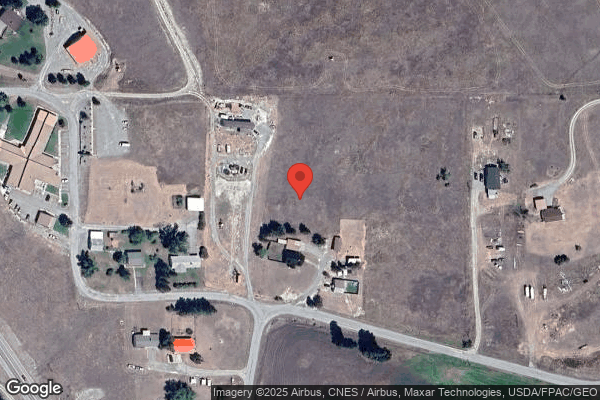
10 MOUNTAIN VIEW DR, EUREKA, MT 59917 (406) 297-2541
For profit - Corporation 49 Beds CASCADIA HEALTHCARE Data: November 2025
Trust Grade
75/100
#17 of 59 in MT
Last Inspection: June 2025

Inspected within the last 6 months. Data reflects current conditions.

Overview

Mountain View of Cascadia has a Trust Grade of B, which indicates it is considered a good option for families looking for a nursing home. It ranks #17 out of 59 facilities in Montana, placing it in the top half, but is #2 out of 2 in Lincoln County, meaning there is only one other local option that is better. However, the facility's trend is worsening, with the number of issues increasing from 2 in 2024 to 6 in 2025. Staffing is a strength here with a 4 out of 5 rating and a turnover rate of 54%, which is slightly below the state average, suggesting staff members tend to stay. Notably, the facility has no fines on record, indicating a clean compliance history, and it offers more RN coverage than 92% of Montana facilities, which is beneficial for resident care. On the downside, there are some concerning incidents reported. For example, the facility failed to ensure that a staff member hired as a medication aide was properly certified, which could affect resident safety when receiving medications. Additionally, there were issues with electronic signatures being used inappropriately on important forms without proper consent from residents. Lastly, the facility did not employ qualified staff for social work services, potentially impacting residents who need such support. These weaknesses highlight areas where improvement is necessary, despite the facility's overall strengths.

Trust Score
B
75/100
In Montana
#17/59
Top 28%
Safety Record
Low Risk
No red flags
Inspections
Getting Worse
2 → 6 violations
Staff Stability
⚠ Watch
54% turnover. Above average. Higher turnover means staff may not know residents' routines.
Penalties
✓ Good
No fines on record. Clean compliance history, better than most Montana facilities.
Skilled Nurses
✓ Good
Each resident gets 58 minutes of Registered Nurse (RN) attention daily — more than average for Montana. RNs are trained to catch health problems early.
Violations
⚠ Watch
13 deficiencies on record. Higher than average. Multiple issues found across inspections.
★★★★☆
4.0
Overall Rating
★★★★☆
4.0
Staff Levels
★★★☆☆
3.0
Care Quality
★★★★☆
4.0
Inspection Score
Stable
2024: 2 issues
2025: 6 issues

The Good

  • 4-Star Staffing Rating · Above-average nurse staffing levels
  • Full Sprinkler Coverage · Fire safety systems throughout facility
  • No fines on record

Facility shows strength in staffing levels, fire safety.

The Bad

Staff Turnover: 54%

Near Montana avg (46%)

Higher turnover may affect care consistency

Chain: CASCADIA HEALTHCARE

Part of a multi-facility chain

Ask about local staffing decisions and management

The Ugly 13 deficiencies on record

Jun 2025 6 deficiencies
CONCERN (D)

Potential for Harm - no one hurt, but risky conditions existed

Resident Rights (Tag F0550)

Could have caused harm · This affected 1 resident

Based on observations, interviews, and record review, the facility failed to ensure a resident was served a meal when tablemate's were served, and the resident had to wait 20 minutes while the other r...

Read full inspector narrative →
Based on observations, interviews, and record review, the facility failed to ensure a resident was served a meal when tablemate's were served, and the resident had to wait 20 minutes while the other residents at the table finished their meals, for 1 (#43); and failed to ensure catheter bags were covered with a dignity bag in public areas for 1 (#15) of 15 sampled residents. Findings include: 1. During an observation on 6/3/25 at 8:21 a.m., resident #43 was seated at the dining table across from another resident. This resident had his plate and was eating breakfast. Resident #43 did not have her food. Residents at nearby tables were served their plates in no particular order. During an observation on 6/3/25 at 8:37 a.m., resident #43's tablemate had finished his breakfast. Resident #43 was still waiting for her plate. She wondered out loud if she could leave. During an observation on 6/3/25 at 8:44 a.m., resident #43 was served her breakfast. Resident #43 waited 23 minutes for her plate while those at her table and surrounding tables ate their meals. During an interview on 6/4/25 at 4:23 p.m., staff member J stated the seating chart in the dining room stayed consistent. Staff member J stated they tried to serve all residents at the table at the same time, however they also got a lot of the minced and moist or pureed plates out together instead of switching back and forth on consistencies. Review of resident #43's care plan, with an initiation date of 5/24/24, showed, [Resident #43] is at risk for being nutritionally [un]stable [related to] dementia, poor dentition, need for mechanically altered diet and slow weight loss. [sic] 2. During an observation on 6/3/25 at 12:25 p.m., resident #15 was seated at the table in the dining room waiting for lunch. Her catheter bag was on the side of her chair, uncovered. During an observation on 6/3/25 at 2:51 p.m., resident #15 was watching a movie in the day room with several other residents. Her catheter bag was on the side of her chair, uncovered. During an observation and interview on 6/4/25 at 8:07 a.m., resident #15 was seated at the table for breakfast. Her catheter bag was on the side of her chair, uncovered. Staff member C stated she should have a cover over the bag, and the facility had several cloth ones which had been made for that reason. Review of resident #15's care plan, with an initiation date of 11/28/23, showed, . has a supra pubic catheter. Position catheter bag and tubing below the level of the bladder. Cover with privacy bag . The staff failed to ensure the resident's dignity was maintained related to covering the catheter.
CONCERN (D) 📢 Someone Reported This

A family member, employee, or ombudsman was alarmed enough to file a formal complaint

Potential for Harm - no one hurt, but risky conditions existed

Deficiency F0552 (Tag F0552)

Could have caused harm · This affected 1 resident

Based on interview and record review, the facility failed to inform and include the residents' guardian in the decision-making process for initiating physical and occupational therapy services, for 3 ...

Read full inspector narrative →
Based on interview and record review, the facility failed to inform and include the residents' guardian in the decision-making process for initiating physical and occupational therapy services, for 3 (#s 15, 19, and 44) of 15 sampled residents. This deficient practice caused the representative frustration and limited their ability to participate in resident care. Findings include: 1. During an interview on 6/4/25 at 3:36 p.m., NF2 stated she was concerned she was not informed by the facility that resident #19 was receiving therapy services. She stated she only became aware the resident was receiving therapy services when she was contacted about needing to sign a form to discontinue physical therapy. NF2 stated she was the legal guardian for resident #19, and the resident was not capable of making informed decisions for her own care. She stated she would have liked to be part of the decision-making process for resident #19, regarding her therapy services, so she could have attended the evaluation to discuss therapy goals for the resident. Review of resident #19's Physical Therapy Evaluation and Plan of Treatments, showed continuing certification periods from 12/17/24 - 5/19/25. Review of resident #19's progress notes, therapy notes, and consents to treat, from 12/17/24 to 6/4/25, failed to show NF2 was informed and included in the decision-making process for initiating physical therapy services for the resident. During an interview on 6/5/25 at 9:26 a.m., staff member H stated it was necessary to obtain consent prior to starting therapy services. She stated if a resident was not cognitively competent to consent to therapy services their legal representative should be notified prior to initiating services. She stated this consent could be obtained by the therapist or the nursing staff. Staff member H stated, there was potential for improvement that they should have notified NF2 about for resident #19's initiation of therapy services, but failed to do so. During an interview on 6/5/25 at 9:47 a.m., staff member B stated it was the expectation for the resident or their legal representative to be notified when there was a change in treatment. She stated the resident, or their representative should be contacted when a need for therapy services was identified to get consent for services. She stated her expectation would be for therapy to notify the resident or their representative when therapy services were involved. 2. During an interview on 6/4/25 at 3:30 p.m., NF2 stated they were unaware resident #15 had started therapy in March 2025. NF2 stated it was frustrating to be blind-sided and not included in the goal setting process for the resident with a new therapy initiation. During an interview on 6/5/25 at 10:22 a.m., staff member H stated resident #15 was currently in therapy, and her guardian had not been notified back when she started. Review of resident #15's Occupational Therapy Evaluation and Plan of Treatment notes showed a continuous certification period of 3/6/25 - 5/4/25. 3. During an interview on 6/4/25 at 3:30 p.m., NF2 stated she was unaware resident #44 had been in therapy for strength and conditioning since August of 2024, and stated, I only knew about the lymphedema therapy. NF2 stated she was frustrated at not being included for resident #44's physical therapy treatment and goals, after asking the facility repeatedly to include her, and she was concerned because resident #44 had been walking independently for a while. During an interview on 6/5/25 at 10:22 a.m., staff member H stated resident #44 was currently in physical therapy, and her guardian was made aware as of yesterday during the case conference, and stated, I don't know if she was made aware when she started (in August 2024), but I see we can improve how we communicate that better now. Review of resident #44's Physical Therapy Evaluation and Plan of Treatments, showed continuing certification periods from 8/6/24 - 6/16/25. A review of the facility's policy and procedure titled, Consent, with a revision date of 2/20/25, showed: Policy: . Valid consent is therefore central to health care. Residents have the right to be given clear and transparent information, including risks and benefits associated with treatment options. They have the right to accept or refuse; it is a continuous process; therefore, a person has the right to change their mind. Procedure: 1. Informed consent occurs when clear communication is provided outlining the risks, benefits, and alternatives to a procedure, medication, or care intervention. Informed consent may be identified on a tool, in a progress note, or anywhere in the resident record . 7. Notifications/updates in resident care/condition are made to providers, residents, resident advocates, etc. and are noted within the resident record .
CONCERN (D) 📢 Someone Reported This

A family member, employee, or ombudsman was alarmed enough to file a formal complaint

Potential for Harm - no one hurt, but risky conditions existed

Accident Prevention (Tag F0689)

Could have caused harm · This affected 1 resident

Based on observations, interviews, and record review, the facility failed to implement care planned fall interventions contributing to falls for 2 (#s 6 and 12) of 15 sampled residents. This deficient...

Read full inspector narrative →
Based on observations, interviews, and record review, the facility failed to implement care planned fall interventions contributing to falls for 2 (#s 6 and 12) of 15 sampled residents. This deficient practice increased the risk for falls. Findings include: 1. Resident #6 Review of resident #6's Care Plan Report, date initiated 12/1/23, reflected the following: .Goal: She will be free of fall related injuries . Environmental: Provide non-skid strips on floor next to bed on both sides of bed . [sic] During an observation on 6/2/25 at 1:25 p.m., non-skid strips were not visible on the floor of resident #6's room. During an observation on 6/4/25 at 8:44 a.m., non-skid strips were not visible on the floor of resident #6's room. During an interview on 6/4/25 at 11:52 a.m., staff member K stated resident #6 did not routinely call for help and stated, I think there are strips on the floor by her bed, but no fall mat. During an observation on 6/5/25 at 8:36 a.m., non-skid strips were noted on the floor of resident #6's room. The bed was positioned near the window thus revealing non-skid strips which were not previously observed on 6/2/25 and 6/4/25. With the bed centrally positioned during previous observations in resident #6's room, the non-skid strips were hidden under the bed. Review of resident #6's electronic medical record reflected the following fall investigation root causes and changes made in care planned fall prevention interventions: 4/1/25 Unwitnessed fall in resident's room with no injury; Improper footwear noted; use of a tab alarm when in bed and wheelchair were added to the care plan on 4/6/25. No additional fall prevention interventions were added to the care plan. 5/4/25 Witnessed fall in resident's room with no injury; staff educated on locking wheelchair; no additional fall prevention interventions added to the care plan. 5/8/25 Unwitnessed fall in resident's room with major injury including multiple fractured ribs, bruising of the right hip, laceration to face, skin tear to right wrist, and bleeding into sclera of right eye; no documentation regarding whether tab alarm was activated at time of fall. No additional fall prevention interventions were added to the care plan. 2. Resident #12 Review of resident #12's Care Plan Report, date initiated 10/19/23, reflected the following: .Goal: I will be free of fall related injuries . Fall mat placed to prevent injury if rolling out of bed .Place in my room to remind me to call for help . Increased visual checks to ensure non-skids footwear is on . [sic] During an observation on 6/2/25 at 2:17 p.m., resident #12 was in bed, awake, the call bell and bed controls were out of her reach, sitting in the top drawer of the bedside table. There was no floor mat noted in the room. During an observation on 6/3/25 at 2:29 p.m., resident #12 was in bed, awake, with no floor mat noted in the room. There were no non-skid socks on resident #12's feet, and there was no signage posted reminding resident #12 to call for help. During an interview on 6/3/25 at 2:50 p.m., staff member L stated she was not aware of a floor mat or posted signage reminding resident #12 to call for help as part of the care planned fall prevention interventions. Staff member L stated the only fall prevention interventions she was aware of for resident #12 was Keeping her bed low, and a raised mattress, that's it. During an interview on 6/3/25 at 2:54 p.m., staff member M stated she did not know resident #12's fall prevention interventions. During an interview on 6/3/25 at 2:58 p.m., staff member N stated the only fall prevention interventions he could think of for resident #12 was a perimeter mattress. During an interview on 6/3/25 at 2:59 p.m., staff member O stated she was not aware of a fall mat or posted signage reminding resident #12 to call for help as part of the care planned fall prevention interventions. During an interview on 6/3/25 at 3:02 p.m., staff member P stated she was not aware of a fall mat or of signage reminding resident #12 to call for help as part of her fall prevention interventions. During an observation on 6/4/25 at 8:52 a.m., resident #12 was not in the room; a floor mat was noted next to the bed. During an interview on 6/4/25 at 2:39 p.m., staff member B stated her expectations for making sure new fall prevention interventions were implemented was, I would expect the CNAs to know them and do them. Staff member B stated she puts new fall prevention interventions on the communication board and Kardex which was the CNAs plan of care, and RNs sign off that they were implemented. Review of resident #12's electronic medical record reflected fall investigation reports on 2/7/25 and 5/3/25. The only new fall prevention intervention initiated on 2/10/25 was making sure resident #12 wore her CPAP at night, and on 5/8/23 a fall mat. Review of a facility document titled, Accidents and Supervision to Prevent Accidents, with a revision date of 10/15/22, reflected the following: .The facility provides an environment that is free from accident hazards over which the facility has control and provides supervision and assistive devices to each resident to prevent avoidable accidents .Implement interventions to reduce hazard(s) and risks(s) .Implementing specific interventions as part of the plan of care .Ensuring that interventions are implemented correctly and consistently .
CONCERN (D)

Potential for Harm - no one hurt, but risky conditions existed

Respiratory Care (Tag F0695)

Could have caused harm · This affected 1 resident

Based on observation, interview, and record review, the facility failed to change oxygen tubing as ordered and keep oxygen tubing off the floor for 1 (#6) of 15 sampled residents. This deficient pract...

Read full inspector narrative →
Based on observation, interview, and record review, the facility failed to change oxygen tubing as ordered and keep oxygen tubing off the floor for 1 (#6) of 15 sampled residents. This deficient practice increased the risk for a respiratory infection. Findings include: During an observation on 6/2/25 at 1:25 p.m., oxygen tubing was at resident #6's bedside, and it was not dated. During an observation on 6/3/25 at 11:45 a.m., oxygen tubing was at resident #6's bedside; it was not dated, and the portion of the tubing that connects to the resident's face/nose was sitting on the floor. During an interview on 6/4/25 at 11:52 a.m., staff member K stated oxygen tubing should be changed every Tuesday or Wednesday by staff member I. During an interview on 6/4/25 at 11:57 a.m., staff member E stated oxygen tubing should be changed every Monday. During an interview on 6/4/25 at 12:02 p.m., staff member I stated she changed oxygen tubing every Monday afternoon for residents, unless she was not working, and in that case a nurse would change the tubing. During an interview on 6/4/25 at 2:39 p.m., staff member B stated oxygen tubing changes were supposed to be done once a week by staff member I. Review of the facility's policy titled, Respiratory Care, not dated, reflected the following: .The resident is provided the necessary medical and nursing care and treatment services consistent with professional standards of practice .Services include but are not limited to .Oxygen . .Procedure .5. Based on the type of respiratory care and services provided, may include, but are not limited to: .a. Oxygen services, including the safe handling .cleaning, storage .of oxygen; .k. Infection control measures during implementation of care, handling, cleaning, storage and disposal of equipment, supplies .
CONCERN (E) 📢 Someone Reported This

A family member, employee, or ombudsman was alarmed enough to file a formal complaint

Potential for Harm - no one hurt, but risky conditions existed

Medical Records (Tag F0842)

Could have caused harm · This affected multiple residents

Based on interview and record review, the facility failed to ensure safeguards to prevent unauthorized use of electronic signatures for residents Medicare Secondary Payer (MSP) Form for 3 (#s 9, 31, a...

Read full inspector narrative →
Based on interview and record review, the facility failed to ensure safeguards to prevent unauthorized use of electronic signatures for residents Medicare Secondary Payer (MSP) Form for 3 (#s 9, 31, and 40) of 15 sampled residents. This deficient practice had the potential to affect all residents with the need to sign MSP forms. Findings include: During an interview on 6/4/25 at 10:05 a.m., staff member A stated it was brought to his attention that NF3 was electronically signing resident and/or resident's representative names on documents for MSP forms. He stated staff member G noticed a bunch of MSP forms being printed back-to-back for several residents. Staff member A stated when staff member G brought the concern to his attention it was noted that the documents, which had an electronic signature, were not actually signed by the residents or their representatives. During an interview on 6/4/25 at 2:46 p.m., staff member G stated NF3 was behind on getting the MSP forms signed by the residents or their representatives. She stated one morning she noticed there were several MSP forms which printed that showed the forms were signed within minutes of each other. She stated many of these forms would need authorization by the resident or their representative, and it would not be feasible to obtain those signatures in such a short period of time. Staff member G stated a resident's representative had called the office later in the day, and she had asked them about signing the MSP form. She stated the resident's representative confirmed they were not aware what the MSP form was and had not signed or given NF3 authorization to sign the form. Staff member G stated she recalled resident #s 9, 31, and 40, were affected by the unauthorized use of electronic signatures by NF3. During an interview on 6/4/25 at 2:40 p.m., NF3 stated she did electronically sign several residents' MSP forms in an attempt to get caught up. During an interview on 6/4/25 at 3:46 p.m., staff member G stated she received a list of residents who had an electronically signed MSP form in their EMR. She stated she contacted all the residents and or their representatives to validate if they actually signed or authorized the signing of the MSP. She stated many of the individuals contacted were not aware of what the MSP form was and had not authorized or signed the form. Review of resident #s 9, 31, and 40's MSP forms, and the facility's Investigation of E-Signed MSP forms validation document, showed the residents or their representatives did not authorize the signing of the MSP forms. A review of the facility's policy and procedure titled, Electronic Signatures, with a revision date of 10/15/22, showed, In an electronic medical record, the use of a unique [identification] and password and/or identification number is equivalent to an electronic signature. Only authorized persons employed or contracted by the facility for the purposes of resident care, treatment, service, or review of same, are allowed sign-on access to the electronic record. Components: 1. The Electronic Medical Records Access Authorization and Security Agreement is read and signed by those users designated as authorized, prior to being granted authorized access. Users are expected to adhere to the terms of the Agreement . A review of the facility's policy and procedure titled, Safeguards for Electronic Protected Health Information, with a release date of 11/28/17, showed: Policy: [Facility Name] computer-based protected health information (PHI) is safeguarded against theft, destruction and/or unauthorized disclosure through access controls . 11. The electronic format for medical or other resident documentation (for example, documenting progress notes, medication administration, electronic claims filing, etc.) complies with the Health Insurance Portability and Accountability Act (HIPAA) privacy and security rules .
CONCERN (F) 📢 Someone Reported This

A family member, employee, or ombudsman was alarmed enough to file a formal complaint

Potential for Harm - no one hurt, but risky conditions existed

Deficiency F0839 (Tag F0839)

Could have caused harm · This affected most or all residents

Based on interview and record review, the facility failed to ensure they employed qualified and competent staff to provide social work services. This deficient practice had the potential to affect all...

Read full inspector narrative →
Based on interview and record review, the facility failed to ensure they employed qualified and competent staff to provide social work services. This deficient practice had the potential to affect all residents in need of social services. Findings include: During an interview on 6/4/25 at 10:05 a.m., staff member A stated NF3 was originally hired as a business office assistant. She was later promoted to social service director. He stated she had some on-the-job training when she first assumed the role. Stating she went to another corporate facility and received on-site training there with the social worker at that facility. A request submitted on 6/4/25 at 10:30 a.m., for additional training/education for NF3, for acting as a social work director, was submitted. No additional training or education for NF3, related to social work services, was provided by the end of the survey. During an interview on 6/4/25 at 2:40 p.m., NF3 stated she was not originally hired as the facility's social worker. She stated she was later promoted into the position. NF3 stated she did not have a background or education in social work or a related field. She stated the only training for the position she was provided was a day spent at another facility learning how to complete the care plan conferences. She stated she was not provided any further training by the facility or additional supervised on-the-job training for the position. Review of NF3's Personnel File, showed a hire date of 8/29/23, as the assistant business office manager. Promotion to social service manager on 10/13/24, and termination date of 5/5/25. Review of NF3's Work Experience did not show previous experience or education in human services or a related field. Review of NF3's facility Relias training transcripts from, 8/30/23 to 4/9/25, did not show additional education for social services. A review of the facility's Position Description for Social Services Manager, showed, Position Summary: The responsibility of the Social Services Manager is to act as an advocate for the residents. The Social Services Manager protects vulnerable residents and ensure that their best interest is observed and helps them to find remedies to their situation . A review of the facility's policy and procedure titled, Social Services, with a release date of 11/28/17, showed, Policy: Medically related social services are provided in order to attain or maintain the highest practicable physical, mental, and psychosocial well being of the resident. Definitions: Medically-related social services means services provided by the facility's staff to assist residents in attaining or maintaining their mental and psychosocial health .
Jun 2024 2 deficiencies
CONCERN (D)

Potential for Harm - no one hurt, but risky conditions existed

Medication Errors (Tag F0758)

Could have caused harm · This affected 1 resident

Based on interview and record review, the facility failed to provide an end date for an as needed anti-anxiety medication order, for 2 (#s 1 and 4) of 14 sampled residents. Findings include: A review ...

Read full inspector narrative →
Based on interview and record review, the facility failed to provide an end date for an as needed anti-anxiety medication order, for 2 (#s 1 and 4) of 14 sampled residents. Findings include: A review of resident #1's physician orders, dated 12/5/23, 3/5/24, and 3/7/24, showed, Lorazepam 1 mg. Give 1 tablet orally once a day as needed for anxiety. The orders did not include a duration. Lorazepam is the generic name for Ativan, an anti-anxiety medication. Review of resident #1's physician progress note, dated 12/5/24, showed, Patient had single episode . feeling very claustrophobic and anxious . Will write prescription for LORAZEPAM to have on hand just as needed . There was no duration noted. During an interview on 6/5/24 at 8:47 a.m., staff member F stated they did the 14-day limit for antipsychotic medications, but she was not aware of a duration requirement on PRN psychotropic medication orders. During an interview on 6/5/24 at 10:50 a.m., staff member F was not aware of needing to have a specified duration or stop date for continued PRN psychotropics. Staff member F stated she would crush the lorazepam and rub it into the gums of resident #4 after a seizure event due to her vomiting, so that it would be absorbed, since August 2023. Staff member F stated she had never used the lorazepam for anxiety for resident #4. During an interview on 6/5/24 at 2:55 p.m., staff member I stated he was given the directive to review medications for a corresponding diagnosis. Staff member I stated resident #4 was prescribed PRN lorazepam for anxiety, but he changed the diagnosis to post seizure activity because resident #4 did not have anxiety as a diagnosis. During an interview on 6/5/24 at 4:03 p.m., NF2 and NF3 stated only risk versus benefits were reviewed for psychotropic medications that were not antipsychotics. NF2 stated they had never been aware of needing a stop date, just a duration such as 30, 60, or 90 days, but agreed indefinite was not appropriate to have for medication orders. Record review of resident #4's order recap report for PRN lorazepam, showed 0.5 MG by mouth every 12 hours as needed for anxiety with a start date of 2/14/23 and discontinued on 2/5/24. The lorazepam order was changed on 2/5/24 to 0.5 MG by mouth every 12 hours as needed for post seizure activity related to unspecified convulsions. There was no set duration or end date for the PRN lorazepam and it was still an active order as of 6/6/24. Review of the facility policy, Unnecessary Medications and Psychotropic Drugs/Antipsychotic Medication, dated 11/28/2017 showed: . 5. PRN orders for psychotropic and anti-psychotic medications are only used when the medication is necessary to treat a diagnosed specific condition and PRN use is limited to 14 days. 6. The PRN order may be extended beyond 14 days if the attending physician or prescribing practitioner believes it is appropriate to extend the order. The attending physician or prescribing practitioner documents the rationale for the extended time period in the medical record and indicates the specific duration .
CONCERN (F) 📢 Someone Reported This

A family member, employee, or ombudsman was alarmed enough to file a formal complaint

Potential for Harm - no one hurt, but risky conditions existed

Deficiency F0659 (Tag F0659)

Could have caused harm · This affected most or all residents

**NOTE- TERMS IN BRACKETS HAVE BEEN EDITED TO PROTECT CONFIDENTIALITY** Based on interview and record review, the facility failed to ensure a staff member that was hired as a medication aide was certi...

Read full inspector narrative →
**NOTE- TERMS IN BRACKETS HAVE BEEN EDITED TO PROTECT CONFIDENTIALITY** Based on interview and record review, the facility failed to ensure a staff member that was hired as a medication aide was certified or licensed. This deficient practice had the potential to affect all residents in the facility receiving medications, to include 1 (#2) resident. Findings include: During an interview on [DATE] at 2:46 p.m., staff member C stated during the time when staff member E was hired the previous DON had checked licensing and certifications for new hires. Staff member E had a certified medical assistant certificate but not a medication aide license. During an interview on [DATE] at 2:57 p.m., staff member B stated she audited nursing staff licensing in February 2024 and discovered staff member E did not have a medication technician license or certificate. During an interview on [DATE] at 9:54 a.m., staff member A stated the previous DON confused medication aide with medical assistant certification when staff member E was hired. A review of an Offer of employment, document dated [DATE], addressed to staff member E, and signed by staff member A, showed: Dear [Staff member E]: on behalf of [Company name], I am pleased to offer you a position as a Certified Medical Assistant with a start date of [DATE]. A review of staff member E's timecards showed, she worked as a medication aide for approximately 102 shifts from [DATE] to February 8, 2024. A review of resident #2's MAR in the facility's EHR showed for the month of [DATE], staff member E administered medications approximately 69 times to resident #2. A review of the facility policy titled, New Licensed Employee Policy, with a release date of [DATE], showed: POLICY [Facility Name] ensures that all employees who apply for a licensed position are qualified to work the required field of practice and have a valid and active license in the State of Montana. A review of a facility document titled, New Hire Checklist, with a revised date of 12/2022, for staff member E, with a start date of [DATE], showed, a check box for Check Licenses/CPR (RN, LPN, PT, OT, SLP, CNA) not checked. A review of a facility policy titled, Medication Aide - Certified in Skilled Nursing Facility, with a revision date of [DATE], showed: . POLICY Certified Medication Aide (CMA), Medication Assistant - Certified (MA-C), Certified Medication Technician (CMT), Medication Aide I & II (MA I & II) may be used in accordance with the Nursing Board Standards of Practice of the state in which the aide practices. Definitions: Certified medication aides are nursing assistants who have been certified by the Board of Nursing in the state in which they practice. Their main function is to administer routine oral medications and perform other clinical duties in which they have been trained and demonstrate competency. PROCEDURE 1. Certified medication aides are to meet the following requirements unless otherwise specified by state regulation: . a. Successfully completed an approved state medication aide program or national council of state boards of nursing curriculum. b. Passed the state medication aide certification exam approved by the national council of state boards of nursing or other nationally recognized testing organization that provides testing for certified medication aides. c. Become certified by the state board of nursing as a CMA, MA-C, CMT, or equivalent. Based on the investigation, the facility acted timely by identifying the deficient practice, and had corrected the deficiency on [DATE]. The facility reported the incident as required by the Centers for Medicare and Medicaid.
May 2023 5 deficiencies
CONCERN (D)

Potential for Harm - no one hurt, but risky conditions existed

Notification of Changes (Tag F0580)

Could have caused harm · This affected 1 resident

Based on interview and record review, the facility failed to notify the physician of resident concerns, including a significant weight loss for 1 (# 4); and missed doses of medications for 1 (#6) of 2...

Read full inspector narrative →
Based on interview and record review, the facility failed to notify the physician of resident concerns, including a significant weight loss for 1 (# 4); and missed doses of medications for 1 (#6) of 2 sampled residents. Findings include: 1. Review of resident #4's documented weights showed: - 1/15/23 the resident weighed 124.2 lbs. - 2/12/23 the resident weighed 116 lbs. This represented a 6.6% weight loss in one month. There was no documentation stating the physician was aware of the significant weight loss. During an interview on 5/22/23 at 3:15 p.m., staff member F stated they would notify the doctor of resident changes by fax, versus a phone call, as long as there was no injury. During an interview on 5/22/23 at 3:30 p.m., staff member D stated physician notification done by fax would be saved and scanned into the chart. Documentation of physician notification of resident #4's weight loss was requested on 5/22/23. It was not provided by the end of the survey. 2. Review of resident #6's nursing progress notes, dated 2/15/23, showed the resident did not receive two of her scheduled doses of Ativan. The resident reported her anxiety was affected by the missed medication. During an interview on 5/22/23 at 11:55 a.m., staff member B stated the physician was not notified of the missed medications, and the nurse should have notified him.
CONCERN (D)

Potential for Harm - no one hurt, but risky conditions existed

Deficiency F0657 (Tag F0657)

Could have caused harm · This affected 1 resident

**NOTE- TERMS IN BRACKETS HAVE BEEN EDITED TO PROTECT CONFIDENTIALITY** 2. During an interview on 5/20/23 at 3:00 p.m., resident #26 stated she had fallen twice at the facility. She was adjusting to n...

Read full inspector narrative →
**NOTE- TERMS IN BRACKETS HAVE BEEN EDITED TO PROTECT CONFIDENTIALITY** 2. During an interview on 5/20/23 at 3:00 p.m., resident #26 stated she had fallen twice at the facility. She was adjusting to not being in her own home anymore. Review of resident #26's MDS admission Assessment, with a target date of 8/28/22, showed she was admitted to the facility on [DATE]. Review of resident #26's care plan, dated 8/23/22, showed she was identified as being at risk for falls. All fall interventions listed had the same initiation date of 8/23/22, one day after the resident's admission to the facility. Review of resident #26's nursing progress notes, dated 11/18/22, showed the resident was found on the floor after sliding out of bed while taking herself to the bathroom. There were no updated interventions in the care plan to address the cause of the fall as determined by the completed fall investigation, or to address contributing factors to prevent future falls. Review of resident #26's nursing progress notes, dated 1/17/23, showed the resident was walking without her walker when she fell. There were no updated interventions in the care plan to address the cause of the fall as determined by the completed fall investigation, or to address contributing factors to prevent future falls. A review of the facility's policy, Care Plans, revised 10/15/22, showed, 7. The residents care plan is reviewed . and revised based on changing goals, preferences and needs of the resident and in response to current interventions. A review of the facility's policy, Fall Response & Management, revised 5/17/21, showed: 1. Document in resident medical record: .c. Revise the care plan with interventions. Based on interview and record review, the facility failed to ensure care plans were updated after falls for 2 (#1 and #26) of 2 sampled residents. Findings include: 1. During an interview on 5/20/23 at 3:31 p.m., resident #1 stated she had falls in the past at the facility, once at her toilet, and a few times near her bed. Resident #1 stated the fall on 2/5/23 involved her air mattress sliding out from under her while she was transferring, using a sit to stand with one staff member, resulting in her falling to the floor. Resident #1 stated she was to have at least two staff helping with her sit to stand transfers. During an interview on 5/21/23 at 1:39 p.m., staff member C stated resident #1 had a history of falls at the facility. Staff member C stated he, staff member B, or staff member F, updated the resident's care plan after fall investigations were completed by the management team. During an interview on 5/21/23 at 1:56 p.m., staff member B stated after a fall, the care plans were updated with interventions based on the determined cause of the fall, and she created a fall follow-up note in the EMR with what the interventions were on the care plan. Review of resident #1's EMR Incident note, dated 2/5/23, at 6:30 a.m., showed, CNA (staff member E) came to this nurse and stated that resident (#1) slid off of the bed and was sitting on the floor. Residents bed was in a high position. bed is an air mattress with a flat sheet on it. while resident was sitting on the side of the bed with the sit-to-stand in front of her, resident and the flat sheet slid off of the bed. the bed was high, residents feet were not on the foot plate of the lift. resident stated that she was not injured, did not hit her head, which was witnessed by CNA (staff member E). [sic]. Review of resident #1's care plan did not show fall intervention changes or updates after the resident's fall on 2/5/23. The latest fall intervention date was 1/10/23.
CONCERN (D)

Potential for Harm - no one hurt, but risky conditions existed

Accident Prevention (Tag F0689)

Could have caused harm · This affected 1 resident

Based on interview and record review, the facility failed to ensure a staff member adjusted the bed height, to prevent a fall during a transfer, for 1 (#1) of 2 sampled residents. Findings include: Du...

Read full inspector narrative →
Based on interview and record review, the facility failed to ensure a staff member adjusted the bed height, to prevent a fall during a transfer, for 1 (#1) of 2 sampled residents. Findings include: During an interview on 5/20/23 at 3:31 p.m., resident #1 stated she had fallen in the past at the facility, once at the toilet, and a few times near her bed. Resident #1 stated the fall on 2/5/23 involved her air mattress sliding out from under her while she was transferring, using a sit to stand with one staff member, resulting in her falling to the floor. Resident #1 stated she was to have at least two staff helping with her sit to stand transfers. During an interview on 5/21/23 at 1:19 p.m., staff member I stated resident #1 had fallen in the facility and had always been a resident who required a two-person physical assist with the resident's transfers. During an interview on 5/21/23 at 1:56 p.m., staff member B stated post fall investigations were documented in PCC, and staff involved in the falls would be educated. During an interview on 5/22/23 at 2:38 p.m., staff member B stated staff member E was supposed to orient with staff member J the first few days of working at the facility. Staff member B stated staff member J told her staff member E was a seasoned CNA, and staff member E insisted she was ready to work with residents. Staff member J stated staff member E was insistent on doing resident transfers herself, even if a resident needed a two-person transfer. Staff member B stated when she learned staff member E was performing resident transfers herself, she educated staff member E, but did not document the education. Staff member B stated when resident #1 had her fall with the sit to stand on 2/5/23, staff member E transferred the resident by herself, when resident #1 was supposed to have two-person assistance with transfers. Review of resident #1's EMR Incident Note, dated 2/5/23, at 6:30 a.m., showed, CNA (staff member E) came to this nurse and stated that resident (#1) slid off of the bed and was sitting on the floor. Residents bed was in a high position. bed is an air mattress with a flat sheet on it. while resident was sitting on the side of the bed with the sit-to-stand in front of her, resident and the flat sheet slid off of the bed. the bed was high, residents feet were not on the foot plate of the lift. resident stated that she was not injured, did not hit her head, which was witnessed by CNA (staff member E). [sic]. Review of resident #1's MDS, with an ARD of 12/26/22, showed the resident needed a two-person physical assist with transferring from the bed to a standing position. Section G0400 showed the resident had impairment of both sides of her lower extremities (legs).
CONCERN (E)

Potential for Harm - no one hurt, but risky conditions existed

Deficiency F0883 (Tag F0883)

Could have caused harm · This affected multiple residents

Based on interview and record review, the facility failed to ensure the residents' medical record included documentation the resident, or resident representative, was provided education regarding the ...

Read full inspector narrative →
Based on interview and record review, the facility failed to ensure the residents' medical record included documentation the resident, or resident representative, was provided education regarding the benefits/side effects of pneumococcal and influenza vaccinations for 4 (#s 1, 4, 21, and 182) of 5 sampled residents. Findings include: During an interview on 5/22/23 at 1:52 p.m., staff member B stated they did not have signed vaccine declinations with education about risks/benefits for resident #s 1, 4, 21, and 182. Review of resident #s 1, 4, 21, and 182's electronic medical records accessed 5/20/23 - 5/22/23, showed a lack a documentation regarding education being provided to residents, or their representatives, on influenza and pneumococcal vaccinations. Review of resident #1's immunizations showed she refused the influenza vaccine. Review of resident #4's immunizations showed she refused the influenza vaccine. Review of resident #21's immunizations showed she refused the influenza and pneumococcal vaccines. Review of resident #182's immunizations showed he refused the influenza and pneumococcal vaccines.
CONCERN (E)

Potential for Harm - no one hurt, but risky conditions existed

Deficiency F0887 (Tag F0887)

Could have caused harm · This affected multiple residents

Based on interview and record review, the facility failed to ensure the residents' medical record included documentation the resident, or resident representative, was provided education regarding the ...

Read full inspector narrative →
Based on interview and record review, the facility failed to ensure the residents' medical record included documentation the resident, or resident representative, was provided education regarding the benefits/side effects of Covid-19 vaccinations for 5 (#s 1, 4, 5, 21, and 182) of 5 sampled residents. Findings include: During an interview on 5/22/23 at 1:52 p.m., staff member B stated the facility did not have signed vaccine declinations with education about risks/benefits for resident #s 1, 4, 5, 21, and 182. Review of resident #s 1, 4, 5, 21, and 182's electronic medical records, accessed 5/20/23 - 5/22/23, showed a lack a documentation regarding education being provided to residents, or their representatives, on Covid-19 vaccinations. Review of resident #1's immunizations showed she refused the Covid-19 vaccine. Review of resident #4's immunizations showed she refused the Covid-19 vaccine. Review of resident #5's immunizations showed she refused the Covid-19 vaccine. Review of resident #21's immunizations showed she refused the Covid-19 vaccine. Review of resident #182's immunizations showed he refused the Covid-19 vaccine.
Understanding Severity Codes (click to expand)
Life-Threatening (Immediate Jeopardy)
J - Isolated K - Pattern L - Widespread
Actual Harm
G - Isolated H - Pattern I - Widespread
Potential for Harm
D - Isolated E - Pattern F - Widespread
No Harm (Minor)
A - Isolated B - Pattern C - Widespread

Questions to Ask on Your Visit

  • "Can I speak with families of current residents?"
  • "What's your RN coverage like on weekends and overnight?"

Our Honest Assessment

Strengths
  • • No major safety red flags. No abuse findings, life-threatening violations, or SFF status.
  • • No fines on record. Clean compliance history, better than most Montana facilities.
Concerns
  • • 13 deficiencies on record. Higher than average. Multiple issues found across inspections.
Bottom line: Generally positive indicators. Standard due diligence and a personal visit recommended.

About This Facility

What is Mountain View Of Cascadia's CMS Rating?

CMS assigns MOUNTAIN VIEW OF CASCADIA an overall rating of 4 out of 5 stars, which is considered above average nationally. Within Montana, this rating places the facility higher than 99% of the state's 100 nursing homes. This rating reflects solid performance across the metrics CMS uses to evaluate nursing home quality.

How is Mountain View Of Cascadia Staffed?

CMS rates MOUNTAIN VIEW OF CASCADIA's staffing level at 4 out of 5 stars, which is above average compared to other nursing homes. Staff turnover is 54%, compared to the Montana average of 46%.

What Have Inspectors Found at Mountain View Of Cascadia?

State health inspectors documented 13 deficiencies at MOUNTAIN VIEW OF CASCADIA during 2023 to 2025. These included: 13 with potential for harm.

Who Owns and Operates Mountain View Of Cascadia?

MOUNTAIN VIEW OF CASCADIA is owned by a for-profit company. For-profit facilities operate as businesses with obligations to shareholders or private owners. The facility is operated by CASCADIA HEALTHCARE, a chain that manages multiple nursing homes. With 49 certified beds and approximately 46 residents (about 94% occupancy), it is a smaller facility located in EUREKA, Montana.

How Does Mountain View Of Cascadia Compare to Other Montana Nursing Homes?

Compared to the 100 nursing homes in Montana, MOUNTAIN VIEW OF CASCADIA's overall rating (4 stars) is above the state average of 3.0, staff turnover (54%) is near the state average of 46%, and health inspection rating (4 stars) is above the national benchmark.

What Should Families Ask When Visiting Mountain View Of Cascadia?

Based on this facility's data, families visiting should ask: "Can I visit during a mealtime to observe dining assistance and food quality?" "How do you handle medical emergencies, and what is your hospital transfer rate?" "Can I speak with family members of current residents about their experience?"

Is Mountain View Of Cascadia Safe?

Based on CMS inspection data, MOUNTAIN VIEW OF CASCADIA has a clean safety record: no substantiated abuse findings (meaning no confirmed cases of resident harm), no Immediate Jeopardy citations (the most serious violation level indicating risk of serious injury or death), and is not on the Special Focus Facility watch list (a federal program monitoring the lowest-performing 1% of nursing homes). The facility has a 4-star overall rating and ranks #1 of 100 nursing homes in Montana. While no facility is perfect, families should still ask about staff-to-resident ratios and recent inspection results during their visit.

Do Nurses at Mountain View Of Cascadia Stick Around?

MOUNTAIN VIEW OF CASCADIA has a staff turnover rate of 54%, which is 8 percentage points above the Montana average of 46%. Moderate turnover is common in nursing homes, but families should still ask about staff tenure and how the facility maintains care continuity when employees leave.

Was Mountain View Of Cascadia Ever Fined?

MOUNTAIN VIEW OF CASCADIA has no federal fines on record. CMS issues fines when nursing homes fail to meet care standards or don't correct problems found during inspections. The absence of fines suggests the facility has either maintained compliance or corrected any issues before penalties were assessed. This is a positive indicator, though families should still review recent inspection reports for the full picture.

Is Mountain View Of Cascadia on Any Federal Watch List?

MOUNTAIN VIEW OF CASCADIA is not on any federal watch list. The most significant is the Special Focus Facility (SFF) program, which identifies the bottom 1% of nursing homes nationally based on persistent, serious quality problems. Not being on this list means the facility has avoided the pattern of deficiencies that triggers enhanced federal oversight. This is a positive indicator, though families should still review the facility's inspection history directly.