ROSEBUD HEALTH CARE CENTER
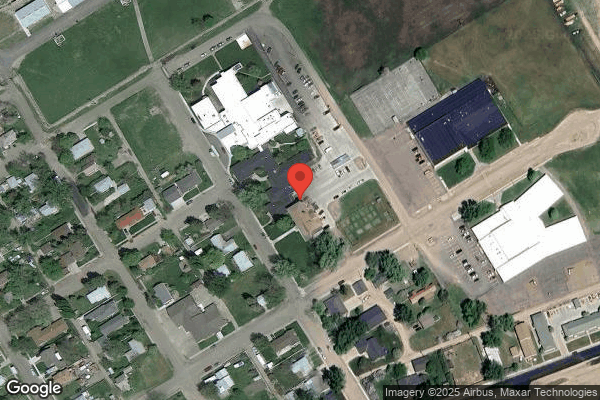
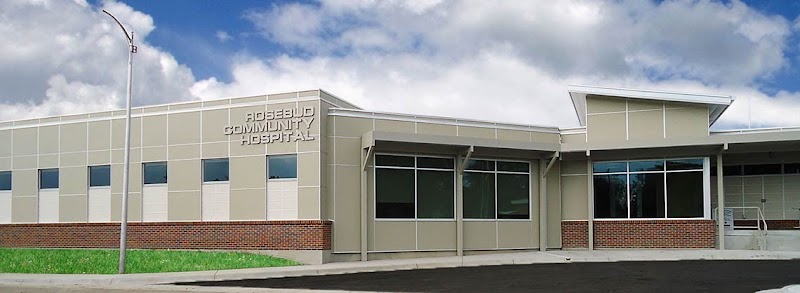
383 N 17TH AVE, FORSYTH, MT 59327 (406) 346-4243
Non profit - Corporation 31 Beds Independent Data: November 2025
Trust Grade
80/100
#6 of 59 in MT
Last Inspection: October 2024

Within standard 12-15 month inspection cycle. Federal law requires annual inspections.

Overview

Rosebud Health Care Center in Forsyth, Montana, has a Trust Grade of B+, indicating it is above average and recommended for families considering care options. With a state rank of #6 out of 59 facilities, it is in the top half of nursing homes in Montana, and it ranks #1 in Rosebud County, meaning it is the best local option. The facility is improving, having addressed its issues and reduced the number from five in 2023 to none in 2024. Staffing is a strong point, with a perfect rating of 5 out of 5 stars and a turnover rate of 38%, significantly lower than the state average. However, there have been serious incidents, including a failure to respond timely to a resident's prolonged coughing, leading to hospitalization for pneumonia, and another resident suffered burns from a hot pack left on too long. Overall, while the home has notable strengths in staffing and care quality, families should be aware of past incidents that raise concerns.

Trust Score
B+
80/100
In Montana
#6/59
Top 10%
Safety Record
Moderate
Needs review
Inspections
Getting Better
5 → 0 violations
Staff Stability
○ Average
38% turnover. Near Montana's 48% average. Typical for the industry.
Penalties
✓ Good
No fines on record. Clean compliance history, better than most Montana facilities.
Skilled Nurses
✓ Good
Each resident gets 157 minutes of Registered Nurse (RN) attention daily — more than 97% of Montana nursing homes. RNs are the most trained staff who catch health problems before they become serious.
Violations
⚠ Watch
11 deficiencies on record. Higher than average. Multiple issues found across inspections.
★★★★★
5.0
Overall Rating
★★★★★
5.0
Staff Levels
★★★★☆
4.0
Care Quality
★★★★★
5.0
Inspection Score
Stable
2023: 5 issues
2024: 0 issues

The Good

  • 5-Star Staffing Rating · Excellent nurse staffing levels
  • 4-Star Quality Measures · Strong clinical quality outcomes
  • Full Sprinkler Coverage · Fire safety systems throughout facility
  • No fines on record
  • Staff turnover below average (38%)

    10 points below Montana average of 48%

Facility shows strength in staffing levels, quality measures, fire safety.

The Bad

Staff Turnover: 38%

Near Montana avg (46%)

Typical for the industry

The Ugly 11 deficiencies on record

2 actual harm
Nov 2023 5 deficiencies
CONCERN (D)

Potential for Harm - no one hurt, but risky conditions existed

Grievances (Tag F0585)

Could have caused harm · This affected 1 resident

Based on interview and record review, the facility failed to implement and utilize a grievance process for the identification, investigation, anonymous submission, and resolution of resident grievance...

Read full inspector narrative →
Based on interview and record review, the facility failed to implement and utilize a grievance process for the identification, investigation, anonymous submission, and resolution of resident grievances related to care and services for 1 (#3) of 11 sampled residents. Findings include: During an interview on 11/6/23 at 4:34 p.m., resident #3 stated she had been writing complaints about receiving warm milk, as well as eggs she had requested to be cooked over hard, and were served runny with yoke all over her plate. Resident #3 stated she wrote her complaints on a dietary card delivered with her meals, and it was then given to the dietary manager. During an interview on 11/7/23 at 10:50 a.m., staff member B stated she had the facility's formal grievance book, but no grievances had been filed in 2023. Staff member B stated resident #3 had two to three complaints a day regarding her meals. Staff member B stated resident #3 submitted her concerns on a dietary card at the end of her meal, and it was then given to the dietary manager to address. Staff member B stated it would take a full-time person to log resident #3's food complaints. Staff member B stated they did not track the complaints submitted by resident #3. Review of the facility's grievance log failed to show meal complaints, and there were no grievances in the grievance book for 2023. Review of the facility's document titled, Grievance/Complaints-Residents, dated 2/23/17, showed the following: - 1. Resident grievances are documented on the resident grievance form . - 3. The grievance is investigated by the Social Service Director . - 5. Results of the investigation and resolution of grievances will be documented on the grievance form. The Social Service Director will notify DON with outcome of investigation.
CONCERN (D)

Potential for Harm - no one hurt, but risky conditions existed

Deficiency F0604 (Tag F0604)

Could have caused harm · This affected 1 resident

Based on observation, interview, and record review, the facility failed to identify a concave mattress as a potential restraint, and did not complete a risk assessment, consent, or restraint monitorin...

Read full inspector narrative →
Based on observation, interview, and record review, the facility failed to identify a concave mattress as a potential restraint, and did not complete a risk assessment, consent, or restraint monitoring for 1 (#5) of 11 sampled residents with a concave mattress in place. Findings include: During an observation on 11/6/23 at 3:15 p.m., a concave mattress was observed on resident #5's bed. During an interview on 11/7/23 at 8:12 a.m., staff member K reported resident #5 had the concave mattress on her bed, for a couple of months now. During an interview on 11/7/23 at 11:12 a.m., staff members B and C reported the concave mattress was not a restraint, and therefore would not require restraint documentation. Review of resident #5's progress notes, fall report, and care plan entry, dated 8/12/23, showed the concave mattress was placed on resident #5's bed on 8/12/23. The progress notes stated resident #5 required a Hoyer lift to get out of bed, but was able to independently reposition herself from side-to-side while in bed. Review of resident #5's medical record failed to show documentation of a restraint risk assessment, written consent, or monitoring for the concave mattress. Review of the facility document titled, Restraint Policy, dated September of 2016, included the statement, RESPONSIBILITIES: Nursing: 1. Completes a Pre-Restraining Evaluation form on admission and obtain consent for use of any device that could be considered a restraint.
CONCERN (D)

Potential for Harm - no one hurt, but risky conditions existed

PASARR Coordination (Tag F0644)

Could have caused harm · This affected 1 resident

**NOTE- TERMS IN BRACKETS HAVE BEEN EDITED TO PROTECT CONFIDENTIALITY** Based on interview and record review, the facility failed to complete and submit a revised pre-admission screening and record re...

Read full inspector narrative →
**NOTE- TERMS IN BRACKETS HAVE BEEN EDITED TO PROTECT CONFIDENTIALITY** Based on interview and record review, the facility failed to complete and submit a revised pre-admission screening and record review (PASARR) for a resident with a newly identified diagnosis of schizophrenia for 1 (#8) of 11 sampled residents. Findings include: Review of resident #8's Annual MDS, with an ARD of 12/4/20, showed no psychiatric or mood disorder diagnoses. The MDS also failed to show hallucinations, delusions, or any behaviors which interferred with the resident's care or safety. Review of resident #8's Quarterly MDS, with an ARD of 8/20/23, showed the presence of hallucinations, depression, and schizophrenia. Review of resident #8's PASARR, completed on admission on [DATE], failed to show a diagnosis of schizophrenia. Hallucinations with an unknown history was the only mental health diagnosis documented at the time of resident #8's admission. During an interview on 11/8/23 at 10:07 a.m., staff member C stated she was responsible for submitting the PASARR form, and was not aware a revised form needed to be submitted when there was a newly diagnosed mental health condition. When asked, staff member C was not able to provide documentation of a revised PASARR when schizophrenia was documented on resident #8's medical record.
CONCERN (D)

Potential for Harm - no one hurt, but risky conditions existed

Deficiency F0658 (Tag F0658)

Could have caused harm · This affected 1 resident

Based on observation, interview, and record review, the facility failed to ensure a psychiatric evaluation was performed and documented prior to including a diagnosis of schizophrenia for 1 (#8) of 11...

Read full inspector narrative →
Based on observation, interview, and record review, the facility failed to ensure a psychiatric evaluation was performed and documented prior to including a diagnosis of schizophrenia for 1 (#8) of 11 sampled residents. Findings include: During an observation and interview on 11/6/23 at 4:33 p.m., resident #8 was sitting in her recliner with her dog. Resident #8 was well-groomed, and able to participate in the interview without difficulty. Resident #8 stated she had been a little depressed recently, and was taking a medication for it. Resident #8 also stated she was seeing a counselor for her depression. Review of resident #8's medication orders, dated between 6/13/23 and 11/6/23, showed the resident was started on risperdal, an atypical antipsychotic, for depression with psychosis and hallucinations. Review of resident #8's provider progress note, dated 5/11/23, showed the resident expressed concern with worsening depression, requested an antidepressant, and to see a counselor. Review of resident #8's provider progress note, dated 6/12/23, showed the resident reported hearing music and voices again, had a history of hallucinations in the past, and had taken risperdal with good effect. Review of resident #8's provider progress note, dated 7/13/23, showed staff member F and the resident's counselor discussed changing her diagnosis from depression with psychosis to schizophrenia. During an interview on 11/7/23 at 3:36 p.m., staff member F stated she had provided care to resident #8 prior to her admission to the facility in December of 2020. Staff member F stated resident #8 had a history of hallucinations which were effectively managed with risperdal. Staff member F stated the hallucinations returned after the resident was weaned off both risperdal and antidepressant medications. When asked what criteria was used to diagnose resident #8 with schizophrenia, staff member F stated, Her history. Staff member F stated the diagnosis of schizophrenia was added because the resident had a history of hallucinations which were well-controlled with the use of risperdal. During an interview on 11/8/23 9:04 a.m., staff member J, who was responsible for physician oversight of resident #8's care, stated he was not aware the resident had been given a diagnosis of schizophrenia. Staff member J stated schizophrenia was, Not on my (staff member J's) radar. Staff member J stated the diagnosis of schizophrenia may not have been appropriate because the resident was high functioning and the diagnosis of depression with psychosis may have been more accurate. Staff member J stated he would see resident #8 and discuss her diagnoses with her primary care provider (staff member F) and the social worker she (resident #9) was seeing for counseling. Review of resident #8's medical record failed to show a mental health evaluation was performed and documented prior to including schizophrenia as a diagnosis for the resident.
CONCERN (D)

Potential for Harm - no one hurt, but risky conditions existed

Quality of Care (Tag F0684)

Could have caused harm · This affected 1 resident

Based on interview and record review, the facility failed to establish a process for when resident should be weighed, and failed to identify and intervene in a timely manner when weights were not comp...

Read full inspector narrative →
Based on interview and record review, the facility failed to establish a process for when resident should be weighed, and failed to identify and intervene in a timely manner when weights were not completed for 2 (#s 2 and 5) of 11 sampled residents. Findings include: During an interview on 11/6/23 at 4:02 p.m., staff member K stated residents were weighed monthly, and sooner as needed or as ordered by the provider. 1. During an interview on 11/6/23 at 5:15 p.m., staff member D reported resident weights were completed with baths twice weekly, when the resident was out of bed. Staff member D stated resident #2 preferred a bed bath, in which case the staff would try to obtain a weight weekly. Staff member D reviewed the skin assessment log during the interview (11/6/23) and reported no weights for resident #2 had been documented in the medical record since 10/3/23. During an interview on 11/7/23 at 10:23 a.m., staff member L stated residents were weighed when they received a bath. Staff member L stated if the resident received a bed bath or refused a bath, the CNAs would document no weight on the skin assessment form, for the nurse to review. During an interview on 11/7/23 at 3:15 p.m., staff member B stated weights were completed with baths, and documented on the skin assessment form and on the weight graph in the resident's medical record. Staff member B stated the nurses signed off on the skin assessment form and would know the resident did not have a weight completed. Review of resident #2's medical record showed a documented weight on 10/3/23. Resident #2's skin assessment forms, dated between 10/4/23 through 11/7/23, showed the resident received four showers and three bed baths with no weights documented. 2. Review of resident #5's medical record showed no documented weights for the month of September 2023. During an interview on 11/7/23 at 2:34 p.m., staff member B stated resident #5 was being monitored by the facility's Nutrition-At-Risk (NAR) Committee for significant weight loss and provided the committee meeting minutes for review. Review of the facility document titled, NAR Tracking, dated 10/11/23, stated, NO SEPT. WEIGHTS. Review of resident #5's skin assessment forms, dated September of 2023, showed no weights were obtained for the month. A request was made, on 11/7/23, for the facility's weight policy. As of the survey exit on 11/8/23, no weight policy was received.
Sept 2022 6 deficiencies 2 Harm
SERIOUS (G)

Actual Harm - a resident was hurt due to facility failures

Free from Abuse/Neglect (Tag F0600)

A resident was harmed · This affected 1 resident

**NOTE- TERMS IN BRACKETS HAVE BEEN EDITED TO PROTECT CONFIDENTIALITY** Based on observation, interview, and record review, the facility neglected to act in a timely manner for the assessment and impl...

Read full inspector narrative →
**NOTE- TERMS IN BRACKETS HAVE BEEN EDITED TO PROTECT CONFIDENTIALITY** Based on observation, interview, and record review, the facility neglected to act in a timely manner for the assessment and implementation of interventions to address a resident's prolonged coughing and choking episodes, which resulted in the resident's health decline and hospital admission for pneumonia, for 1 (#9) of 1 sampled resident; and, a staff member left a hot pack on a resident (#7) and left without communicating the use and placement of the hot pack to oncoming staff, and the resident sustained burns, out of 1 sampled resident. Findings include: 1. During an observation on 8/30/22 at 7:52 a.m., resident #9 was coughing during her meal. Review of a facility grievance, dated 6/17/22, showed NF3 had been concerned with resident #9's coughing on 5/22/22, 5/26/22, 5/31/22, 6/1/22, 6/3/22, 6/5/22, 6/7/22, and 6/13/22, but interventions had not been implemented to address the coughing. Review of resident #9's nursing progress notes, from 3/5/22 - 6/16/22, showed the resident had been choking and coughing, specifically with food and medications, for the three months. Review of resident #9's medical record showed a lack of documentation of nursing assessments or documentation to address resident #9's respiratory status after coughing/choking episodes, to include when eating, or a dietary consultation to evaluate resident #9's appropriateness of her physician ordered regular textured diet. Review of resident #9's hospital summary, dated 6/17/22, showed the resident was admitted for a UTI and pneumonia. Review of resident #9's nursing progress notes, dated 6/18/22 showed, resident #9 was started on a Level II dysphagia diet on 6/18/22, while in the hospital being treated for pneumonia. There were also physician's orders, dated 6/22/22, to have a swallow study completed. During an interview on 8/30/22 at 11:57 a.m., NF1 stated NF3 and NF2 had voiced concerns regarding the neglect of care for resident #9. She stated the first-time resident #9's condition was brought to the attention of the facility it had been blown off. NF1 stated, It (care concerns for resident #9) was brought up three different times and nothing was done. This resident was not treated the way she should've been. Review of resident #9's MDS assessments, dated 1/7/22, 4/30/22, and the Significant Change assessment dated [DATE], were all coded as the resident was not showing any signs or symptoms of swallowing difficulty. The facility staff neglected to address concerns with resident #9's choking/coughing, over an extended period of time, although it was brought to their attention on multiple occasions and documented in the medical record. 2. During an observation and interview on 8/31/22 at 9:37 a.m., resident #7 had a small, open, oval shaped area on her lower back. Staff member F stated the wound was from a hot pack burn. Review of resident #7's physician assessment, dated 8/9/22, described the wound as having portions of first and second degree burns. During an interview on 8/31/22 at 11:02 a.m., staff member C stated after the burn occurred, they had provided staff education for the CNA who placed the hot pack and not reported the hot pack to the oncoming shift.
SERIOUS (G)

Actual Harm - a resident was hurt due to facility failures

Accident Prevention (Tag F0689)

A resident was harmed · This affected 1 resident

Based on observation, interview, and record review, a facility staff member left a hot pack on a resident for an extended period of time, and the resident (#7) sustained 1st and 2nd degree burns and i...

Read full inspector narrative →
Based on observation, interview, and record review, a facility staff member left a hot pack on a resident for an extended period of time, and the resident (#7) sustained 1st and 2nd degree burns and increase in pain from the injuries, of 1 sampled resident; and, a resident (#9) was having coughing/choking episodes, for an extended period, which the facility did not address timely or sufficiently, and the resident was hospitalized , of 1 sampled resident. Findings include: 1. Review of resident #7's nursing progress notes, dated 8/6/22, showed, Resident c/o pain to skin on back .8 in x 7 in area of pink to red skin .2 cm x 2 cm fluid filled blister to center of area .CNA did place hot pack at lunch for c/o back pain .area appears to be possible burn from hot pack. Review of resident #7's nursing progress notes, dated 8/6/22, showed the resident was restless, tearful, and complaining of pain every three to five hours, after the burn, earlier that day. Review of resident #7's physician note, dated 8/9/22, showed, Resident was determined to have a 10% skin area of a first degree burn and a 1% skin area with a second-degree burn. During an observation and interview on 8/31/22 at 9:37 a.m., resident #7 had a small, open, oval shaped wound on her lower back. Staff member F applied the Silvadene cream and covered the site with a bandage. She stated the wound was from a hot pack burn. Staff member F believed hot packs needed a doctors' order but was unsure. She stated she had not been oriented on the use of hot packs, in her three-month period of employment at the facility. Staff member F stated she did not know where the hot packs were located in the facility. During an interview on 8/31/22 at 11:02 a.m., staff member C stated after the burn occurred, they had provided staff education for the CNA who placed the hot pack and not reported the hot pack to the oncoming shift. She stated hot packs were now only to be placed and monitored by the nurses. Review of facility standing orders, no date, showed hot packs could be used for pain relief, but showed no update in the scope of their placement or responsibility for their monitoring. During an observation on 8/31/22 at 4:30 p.m., of a facility education sheet posted in the breakroom, titled Application of Hot Packs, undated, did not specify who was able to apply hot packs. 2. During an observation on 8/30/22 at 7:52 a.m., resident #9 was eating breakfast coughing aggressively toward the end of her meal. Review of resident #9's nursing progress notes, from 3/5/22 - 6/16/22, showed the resident had been choking and coughing with food and medications. Further review of resident #9's medical record lacked evidence of a comprehensive assessment related to the residents coughing/choking while eating, and the potential risk of aspiration, and there was a lack of nursing assessments on resident #9's respiratory status after coughing/choking episodes. The medical record also lacked a dietary consultation to evaluate resident #9's appropriateness of the physician ordered regular textured diet. Review of a facility grievance, dated 6/17/22, showed NF3 had been concerned with resident #9's coughing on 5/22/22, 5/26/22, 5/31/22, 6/1/22, 6/3/22, 6/5/22, 6/7/22, and 6/13/22. Review of resident #9's hospital summary, dated 6/17/22, showed the resident was admitted for a UTI and pneumonia. Review of resident #9's nursing progress notes, dated 6/18/22 showed, resident #9 was started on a Level II dysphagia diet on 6/18/22 while in the hospital and she had physician's orders, dated 6/22/22, to have a swallow study completed. Review of resident #9's care plan, dated 12/30/21, showed the plan did not address the choking/coughing concerns sufficiently for staff to have an awareness of the necessary interventions to be used in the event the resident was coughing/choking when eating or taking medications. This failure, contributed to the increased risk for the resident. During an interview on 8/30/22 at 11:57 a.m., NF1 stated, It (care concerns for resident #9) was brought up three different times and nothing was done. This resident was not treated the way she should've been. Refer to F600 - Neglect of Care. During an interview on 8/31/22 at 11:02 a.m., staff member B stated she had talked with resident #9's family, and they did not want a swallow evaluation performed for resident #9 at that time (in May 2022). Although staff member B stated the family was approached on the swallowing concerns, the facility did not implement safety interventions at that time. A review of resident #9's medical record showed there was a lack of documentation related to a swallow evaluation conversation with the family in May 2022, and that family had declined a swallow study before hospitalization. Calls placed to NF3 on 8/30/22 at 9:30 a.m., and 8/31/22 at 10:39 a.m. were not returned. The facility failed to ensure a system was in place to timely identify and address the potential risk factors related to resident #9's choking/coughing and implement interventions to prevent negative outcomes for the resident.
CONCERN (D)

Potential for Harm - no one hurt, but risky conditions existed

Comprehensive Care Plan (Tag F0656)

Could have caused harm · This affected 1 resident

Based on observation and record review, the facility staff failed to identify, plan, and implement interventions on the comprehensive care plan, for a resident show had problems with choking/coughing ...

Read full inspector narrative →
Based on observation and record review, the facility staff failed to identify, plan, and implement interventions on the comprehensive care plan, for a resident show had problems with choking/coughing with meals and medications, for 1 (#9), of 1 sampled resident. Findings include: During an observation on 8/30/22 at 7:52 a.m., resident #9 was eating breakfast coughing aggressively toward the end of her meal. Review of resident #9's nursing progress notes, from 3/5/22 - 6/16/22, showed the resident had been choking and coughing with food and medications. Review of a facility grievance, dated 6/17/22, showed NF3 had been concerned with resident #9's coughing on 5/22/22, 5/26/22, 5/31/22, 6/1/22, 6/3/22, 6/5/22, 6/7/22, and 6/13/22. Review of resident #9's hospital summary, dated 6/17/22, showed the resident was admitted for a UTI and pneumonia. Review of resident #9's nursing progress notes, dated 6/18/22 showed, resident #9 was started on a Level II dysphagia diet on 6/18/22 while in the hospital and she had physician's orders, dated 6/22/22, to have a swallow study completed. Review of resident #9's care plan, dated 12/30/21, showed the plan did not address the choking/coughing concerns sufficiently for staff to have an awareness of the necessary interventions to be used in the event the resident was coughing/choking when eating or taking medications. This failure, contributed to the increased risk for the resident.
CONCERN (D)

Potential for Harm - no one hurt, but risky conditions existed

Medication Errors (Tag F0758)

Could have caused harm · This affected 1 resident

Based on interview and record review, the facility failed to ensure as needed (PRN) psychotropic medications were reviewed after 14 days or discontinued, unless a rationale for continuing the medicati...

Read full inspector narrative →
Based on interview and record review, the facility failed to ensure as needed (PRN) psychotropic medications were reviewed after 14 days or discontinued, unless a rationale for continuing the medications was documented by a physician, for 1 (#4) of 2 sampled residents. Findings include: Review of resident #4's physician's order, dated 3/22/22, showed, New, haloperidol (Haldol) tablet, 0.5 mg, take one tablet po q6 hrs prn Severe Agitation . No stop date for the PRN psychotropic medication was recorded on the order. Review of resident #4's physician's order, with a start date of 7/21/22, showed, New, haloperidol concentrate, 2 mg/ml, Apply 0.5 ml to inner wrist every 4 hrs. as needed for agitation, transdermal gel . No stop date for the PRN psychotropic medication was recorded on the order. Review of resident #4's monthly pharmacy review reports, dated 5/22 - 8/22, did not show any notations, made by the pharmacy, of the PRN haloperidol orders exceeding the 14-day limit. During an interview on 8/30/22 at 3:43 p.m., staff member H stated the monthly pharmacy review was completed to identify problems with medications and perform monitoring. Staff member H stated she was unaware of a regulation for psychotropic medications being limited to 14 days, or for the medications to be evaluated by a physician, with a documented rationale for continuation. During an interview on 8/31/22 at 9:59 a.m., staff member B stated resident #4 was a hospice resident and the hospice physician renews the medication orders. Review of resident #4's hospice interdisciplinary team review, dated 3/1/22 - 8/27/22, did not show any stop date for the PRN haloperidol orders. No rationale was documented for the continuation of the orders related to a specific diagnosis. Review of the facility's policy, titled Psychotropic Medications, with an effective date of 12/2017, showed: - .PRN orders for psychotropic medications will be limited to 14 days unless the provider identifies the rationale to extend the medication beyond 14 days, and - PRN anti-psychotic drugs will be limited to 14 days and will not be renewed unless the provider evaluates the resident for appropriateness of the medication .
CONCERN (D)

Potential for Harm - no one hurt, but risky conditions existed

Infection Control (Tag F0880)

Could have caused harm · This affected 1 resident

Based on observation, interview, and record review, staff member F failed to adhere to proper infection control practices, during the administration of medications for 3 (#s 1, 3, and 5) of 4 sampled ...

Read full inspector narrative →
Based on observation, interview, and record review, staff member F failed to adhere to proper infection control practices, during the administration of medications for 3 (#s 1, 3, and 5) of 4 sampled residents. Findings include: During an observation on 8/31/22 at 7:36 a.m., staff member F was preparing medications for administration for resident #1. Staff member F was shaking the acetaminophen 325 mg tablets into the lid of the bottle, to pour into the plastic souffle cup. Staff member F had three tablets in the lid, instead of the prescribed two tablets. Staff member F picked one of the tablets out of the lid with her bare hands and replaced the tablet into the bottle. During an observation on 8/31/22 at 7:48 a.m., staff member F was preparing medications for administration for resident #5. Staff member F shook two tablets of aspirin 81 mg into the plastic souffle cup. Staff member F picked one tablet of aspirin out of the plastic souffle cup, with her bare hands, and placed it back into the bottle. During an observation on 8/31/22 at 7:58 a.m., staff member F was preparing medications for administration for resident #3. Staff member F poured three acetaminophen 325 mg tablets out of the multi-dose bottle and into the lid. Staff member F picked two tablets out of the lid, with her bare hands, and placed them into the plastic souffle cup. During an interview on 8/31/22 at 8:01 a.m., staff member F stated it was hard to not touch the pills, when several pills poured out of the medication bottle at once. Staff member F stated best practice would be to not touch any pills with bare hands. During an interview on 8/31/22 at 9:56 a.m., staff member C stated she would not expect a nurse to touch medications with bare hands, but instead wear gloves.
CONCERN (E)

Potential for Harm - no one hurt, but risky conditions existed

Deficiency F0883 (Tag F0883)

Could have caused harm · This affected multiple residents

Based on interview and record review, the facility failed to document pneumococcal and influenza vaccine education or declination for 3 (#s 4, 9, and 12 ) of 15 sampled residents. Findings include: Re...

Read full inspector narrative →
Based on interview and record review, the facility failed to document pneumococcal and influenza vaccine education or declination for 3 (#s 4, 9, and 12 ) of 15 sampled residents. Findings include: Review of the vaccination records for resident #s 4, 9, and 12 revealed a lack of documentation of the education regarding the risks versus benefits of the pneumococcal and the influenza vaccinations. The records also revealed a lack of signed refusal for vaccinations by the residents or their representatives. During an interview on 8/31/22 at 12:17 p.m., staff member H stated there was no documented forms for refusals of the pneumococcal or the influenza vaccinations. Staff member H stated, We have never done that. Review of the facility policy titled Immunizations, dated 2/17, showed, All residents admitted to or already in the facility will be given information and the opportunity to receive the influenza and pneumococcal vaccine .If the resident refuses, the reasons will be documented in the resident record.
Understanding Severity Codes (click to expand)
Life-Threatening (Immediate Jeopardy)
J - Isolated K - Pattern L - Widespread
Actual Harm
G - Isolated H - Pattern I - Widespread
Potential for Harm
D - Isolated E - Pattern F - Widespread
No Harm (Minor)
A - Isolated B - Pattern C - Widespread

Questions to Ask on Your Visit

  • "Can I speak with families of current residents?"
  • "What's your RN coverage like on weekends and overnight?"

Our Honest Assessment

Strengths
  • • Grade B+ (80/100). Above average facility, better than most options in Montana.
  • • No fines on record. Clean compliance history, better than most Montana facilities.
  • • 38% turnover. Below Montana's 48% average. Good staff retention means consistent care.
Concerns
  • • 11 deficiencies on record, including 2 serious (caused harm) violations. Ask about corrective actions taken.
Bottom line: Generally positive indicators. Standard due diligence and a personal visit recommended.

About This Facility

What is Rosebud Health's CMS Rating?

CMS assigns ROSEBUD HEALTH CARE CENTER an overall rating of 5 out of 5 stars, which is considered much above average nationally. Within Montana, this rating places the facility higher than 99% of the state's 100 nursing homes. This rating reflects solid performance across the metrics CMS uses to evaluate nursing home quality.
How is Rosebud Health Staffed?

CMS rates ROSEBUD HEALTH CARE CENTER's staffing level at 5 out of 5 stars, which is much above average compared to other nursing homes. Staff turnover is 38%, compared to the Montana average of 46%. This relatively stable workforce can support continuity of care.

What Have Inspectors Found at Rosebud Health?

State health inspectors documented 11 deficiencies at ROSEBUD HEALTH CARE CENTER during 2022 to 2023. These included: 2 that caused actual resident harm and 9 with potential for harm. Deficiencies causing actual harm indicate documented cases where residents experienced negative health consequences.
Who Owns and Operates Rosebud Health?

ROSEBUD HEALTH CARE CENTER is owned by a non-profit organization. Non-profit facilities reinvest revenue into operations rather than distributing to shareholders. The facility operates independently rather than as part of a larger chain. With 31 certified beds and approximately 13 residents (about 42% occupancy), it is a smaller facility located in FORSYTH, Montana.
How Does Rosebud Health Compare to Other Montana Nursing Homes?

Compared to the 100 nursing homes in Montana, ROSEBUD HEALTH CARE CENTER's overall rating (5 stars) is above the state average of 3.0, staff turnover (38%) is near the state average of 46%, and health inspection rating (5 stars) is much above the national benchmark.

What Should Families Ask When Visiting Rosebud Health?

Based on this facility's data, families visiting should ask: "Can I visit during a mealtime to observe dining assistance and food quality?" "How do you handle medical emergencies, and what is your hospital transfer rate?" "Can I speak with family members of current residents about their experience?"

Is Rosebud Health Safe?

Based on CMS inspection data, ROSEBUD HEALTH CARE CENTER has a clean safety record: no substantiated abuse findings (meaning no confirmed cases of resident harm), no Immediate Jeopardy citations (the most serious violation level indicating risk of serious injury or death), and is not on the Special Focus Facility watch list (a federal program monitoring the lowest-performing 1% of nursing homes). The facility has a 5-star overall rating and ranks #1 of 100 nursing homes in Montana. While no facility is perfect, families should still ask about staff-to-resident ratios and recent inspection results during their visit.

Do Nurses at Rosebud Health Stick Around?

ROSEBUD HEALTH CARE CENTER has a staff turnover rate of 38%, which is about average for Montana nursing homes (state average: 46%). Moderate turnover is common in nursing homes, but families should still ask about staff tenure and how the facility maintains care continuity when employees leave.

Was Rosebud Health Ever Fined?

ROSEBUD HEALTH CARE CENTER has no federal fines on record. CMS issues fines when nursing homes fail to meet care standards or don't correct problems found during inspections. The absence of fines suggests the facility has either maintained compliance or corrected any issues before penalties were assessed. This is a positive indicator, though families should still review recent inspection reports for the full picture.

Is Rosebud Health on Any Federal Watch List?

ROSEBUD HEALTH CARE CENTER is not on any federal watch list. The most significant is the Special Focus Facility (SFF) program, which identifies the bottom 1% of nursing homes nationally based on persistent, serious quality problems. Not being on this list means the facility has avoided the pattern of deficiencies that triggers enhanced federal oversight. This is a positive indicator, though families should still review the facility's inspection history directly.