EASTERN MONTANA VETERANS HOME
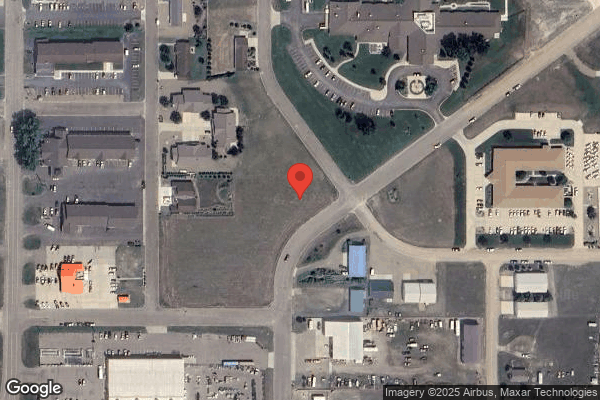
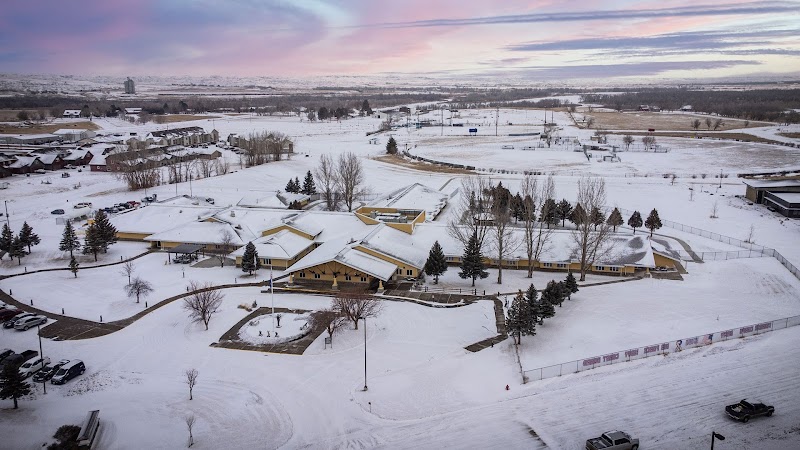
2000 MONTANA AVE, GLENDIVE, MT 59330 (406) 377-8115
Government - State 80 Beds EDURO HEALTHCARE Data: November 2025
Trust Grade
0/100
#40 of 59 in MT
Last Inspection: February 2025

Within standard 12-15 month inspection cycle. Federal law requires annual inspections.

Overview

Eastern Montana Veterans Home in Glendive has received a Trust Grade of F, indicating significant concerns about the facility's quality of care. Ranking #40 out of 59 in Montana places it in the bottom half, and as #2 out of 2 in Dawson County, it is clear that there is only one local option that is better. Unfortunately, the facility's condition is worsening, with issues increasing from 4 in 2024 to 13 in 2025. Staffing ratings are relatively strong at 4 out of 5 stars, but the turnover rate is a concerning 83%, significantly higher than the state average of 55%. However, the facility has incurred $70,497 in fines, which is higher than 76% of Montana facilities and suggests ongoing compliance issues. Additionally, RN coverage is below average compared to 76% of state facilities, which raises concerns about the level of oversight for resident care. Specific incidents reported include a resident being left unattended in distress and suffering from skin abrasions, another resident with dementia eloping from the facility and sustaining injuries, and a report of physical and psychological abuse leading to fear and injury for yet another resident. While there are strengths in staffing ratings, the overall picture presents significant risks that families should carefully consider.

Trust Score
F
0/100
In Montana
#40/59
Bottom 33%
Safety Record
High Risk
Review needed
Inspections
Getting Worse
4 → 13 violations
Staff Stability
⚠ Watch
83% turnover. Very high, 35 points above average. Constant new faces learning your loved one's needs.
Penalties
⚠ Watch
$70,497 in fines. Higher than 90% of Montana facilities. Major compliance failures.
Skilled Nurses
✓ Good
Each resident gets 43 minutes of Registered Nurse (RN) attention daily — more than average for Montana. RNs are trained to catch health problems early.
Violations
⚠ Watch
32 deficiencies on record. Higher than average. Multiple issues found across inspections.
★★☆☆☆
2.0
Overall Rating
★★★★☆
4.0
Staff Levels
★★★☆☆
3.0
Care Quality
★★☆☆☆
2.0
Inspection Score
Stable
2024: 4 issues
2025: 13 issues

The Good

  • 4-Star Staffing Rating · Above-average nurse staffing levels
  • Full Sprinkler Coverage · Fire safety systems throughout facility
  • No fines on record

Facility shows strength in staffing levels, fire safety.

The Bad

2-Star Overall Rating

Below Montana average (2.9)

Below average - review inspection findings carefully

Staff Turnover: 83%

36pts above Montana avg (46%)

Frequent staff changes - ask about care continuity

Federal Fines: $70,497

Well above median ($33,413)

Moderate penalties - review what triggered them

Chain: EDURO HEALTHCARE

Part of a multi-facility chain

Ask about local staffing decisions and management

Staff turnover is very high (83%)

35 points above Montana average of 48%

The Ugly 32 deficiencies on record

6 actual harm
Jun 2025 4 deficiencies 2 Harm
SERIOUS (G) 📢 Someone Reported This

A family member, employee, or ombudsman was alarmed enough to file a formal complaint

Actual Harm - a resident was hurt due to facility failures

Free from Abuse/Neglect (Tag F0600)

A resident was harmed · This affected 1 resident

Based on record review, the facility staff assigned to a resident neglected to ensure he received necessary ADL care and was left in bed for an extended period of time without help. The resident exper...

Read full inspector narrative →
Based on record review, the facility staff assigned to a resident neglected to ensure he received necessary ADL care and was left in bed for an extended period of time without help. The resident experienced pain, distress, and skin abrasions from the event, for 1 (#4) of 5 sampled residents. Findings include: Review of a Facility Reported Incident, dated 3/6/25, showed resident #4 was left unattended in his room. The resident was residing on the special care unit, and he was not provided cares by CNAs (NF10 and NF11) working on the unit. Review of resident #4's nursing progress notes, dated 3/6/25 at 11:42 a.m., showed: CNA called this nurse to resident's room. Upon entering, this nurse noted resident lying on his side at the foot of the bed between the mattress and the footboard. Resident's Left arm was bent and caught between mattress and footboard, elbow touching the floor. Resident screaming and crying, very combative to all staff. Resident did not want to be touched or moved. Resident was covered in BM, as was the floor, bed, and floor mats. Bed was noted to be high, except the foot of the bed. Resident was assisted from bed to floor by this nurse and 3 CNAs. Skin tears noted to back of left hand by thumb, left wrist, and RFA. Dark purple bruising noted to back of left hand. Large dark-colored mark noted to Left hip with an indentation in the middle, likely from pressure. 2 other nurses came to assist with cleaning the resident up and dressing skin tears. Skin tears cleansed with soapy water. Adaptic applied, covered with silicone bordered gauze. Resident rolled onto a blanket and lifted x4 staff onto bed. Resident very combative during cares, hitting staff and kicking staff, nearly kicking staff in the face [sic] Review of NF10's witness statement, written by NF4, dated 3/6/25, showed: . Resident [#4] door was cracked all night so staff could check on him. ½ to 1 hr checks were done thru out night. Approximatly at 0200 (2:00 a.m.) the othe CNA stated she had HA + stopped working contined to do checks . Around 6am care were being done on 2 other residents + cleaning of a room needed done . at this time [resident #4] started to yell out. Did walk down the hall and see Resident on the floor on matt. It was asked to other CNA (NF11) what to do and aid stated 'I can't do anything the day shift will be in. Continued to get people up as another Resident needed to be changed + gotten up for day. Employee stated she didn't feel comfortable with resident because he would yell + call CNA names and belittle her. Didn't think to tell the nurse. [sic] Review of NF10's employee personnel file showed NF10 was terminated on 3/13/25. NF10 received abuse, neglect, and resident rights training on 2/3/25 from NF3. Review of NF11's witness statement, written by NF4, dated 3/6/25, showed: Resident was checked and changed at 2030 (8:30 p.m.) + linen change he was taking off pullup up and peeing everywhere . Resident 0145 (1:45 a.m.) checked was sleeping brief wet + again took brief off + was peeing on bed lining changed and care done . Did no cares from 0400 (4:00 a.m.) to 0700 (7:00 a.m.) . Did not hear Resident from 0400 (4:00 a.m.) - till 0630 (6:30 a.m.) . [sic] Review of NF11's employee personnel file showed NF11 was terminated on 3/11/25 due to neglect. NF11 had a previous performance review on 12/12/24 which showed, Ensures residents are well cared for and look good when working in the SCU. NF11 had a discipline note signed by NF4 which showed a termination date of 3/11/25 with supporting information which showed, Cameras reviewed and CNA did not do any cares from 0200 (2:00 a.m.) to 0700 (7:00 a.m.) causing neglect to residents. Review of a facility document titled, Abuse and Neglect - Clinical Protocol, dated Quarter 3, 2018, showed: . 2. 'Neglect,' as defined at Section 483.5, means the failure of the facility, its employees or service providers to provide goods and services to a resident that are necessary to avoid physical harm, pain, mental anguish or emotional distress.' . 5. Along with staff and management, the physician will help identify situations that might constitute or could be construed as neglect; for example . inattention to . resident wishes, inappropriate management of problematic behavior, recurrent failure to provide incontinence care .
SERIOUS (G) 📢 Someone Reported This

A family member, employee, or ombudsman was alarmed enough to file a formal complaint

Actual Harm - a resident was hurt due to facility failures

Accident Prevention (Tag F0689)

A resident was harmed · This affected 1 resident

**NOTE- TERMS IN BRACKETS HAVE BEEN EDITED TO PROTECT CONFIDENTIALITY** Based on interview and record review, the facility failed to prevent a resident with dementia from eloping from the facility thr...

Read full inspector narrative →
**NOTE- TERMS IN BRACKETS HAVE BEEN EDITED TO PROTECT CONFIDENTIALITY** Based on interview and record review, the facility failed to prevent a resident with dementia from eloping from the facility through the front entrance doors, leaving the facility property without supervision and accessing a public road, for 1 (#1) of 6 subsampled residents at risk for elopement. The resident sustained lacerations to his forehead after falling during the elopement. Findings include: Review of a facility reported incident, submitted to the State Survey Agency, dated 5/3/25 at 1:45 p.m., showed resident #1 was found outside of the facility by the police and was transported to the hospital for an evaluation. During an interview on 6/16/25 at 4:18 p.m., NF2 stated she received a call from the facility on 5/3/25. NF2 stated resident #1 was found at an apartment complex, on the ground, by a passerby who called the police and ambulance. NF2 stated resident #1 sustained a head laceration and was admitted to the hospital for observation. A call was placed to the police department on 6/18/25 at 12:40 p.m., and the police chief stated NF5 was the only staff member who could release the report for resident #1, regarding the incident which occurred on 5/3/25. The police chief stated NF5 would not be in the office until 6/19/25. During an interview, on 6/18/25 at 12:55 p.m., staff member F stated on 5/3/25 at 11:30 a.m., he received a call from the police department stating a resident was located near an apartment complex. Staff member F stated the facility did a head count of all residents and realized resident #1 was missing from the facility. Staff member F stated he responded to the location where resident #1 was found and it appeared the resident had a laceration to his head. Staff member F stated the resident was transported by ambulance to the hospital for an evaluation. Staff member F stated NF6 responded to the front door alarm when resident #1 exited, but did not see any residents when he (NF6) scanned the outside perimeter of the facility. Staff member F stated he was not sure why NF6 did not do a head count of the residents in the facility after the alarm went off. During an interview, on 6/19/25 at 8:37 a.m., NF6 stated he responded to the front door alarm on 5/3/25 at 10:08 a.m. NF6 stated when he responded to the alarm, he exited the front door of the facility, and scanned the perimeter of the building. NF6 stated he did not see any residents outside. NF6 stated he received orientation when he started his employment, but never read the facility elopement policy. NF6 stated during his orientation, NF4 stated, You know all this, you can just sign the paper. Calls were placed to NF5 on 6/19/25 at 8:00 a.m. and 12:38 p.m., with voicemails left on both occasions requesting a return call regarding resident #1's incident on 5/3/25. No return call was received from NF5 by the end of the survey. Review of a facility document titled, Timeline for elopement of (resident #1), dated, 5/3/25, showed: - 10:06 a.m. (resident #1) exits the front doors and walks around the front of the building very quickly. - 10:08 a.m. staff member, (NF6), does exit the front doors, responding to the alarm, stands on the front patio and scans the immediate area and remains outside looking around the area for about 30 seconds and returns inside. - Camera footage reviewed by (NF3) 5/3/25 at noon. Review of resident #1's EHR showed resident #1 was admitted to the facility on [DATE] for skilled nursing services with a diagnosis of dementia. Review of resident #1's elopement risk assessment dated , 4/7/25, showed the resident was at risk for elopement with a score of 6. Review of resident #1's wander assessment dated , 4/7/25, showed the resident was at moderate risk for wandering with a score of 10. Review of resident #1's nursing progress notes showed the following: - On 4/7/25 at 5:45 p.m., resident #1 was found in another resident's bathroom. Resident #1 required redirection by the nurse back to his room. - On 4/7/25 at 8:00 p.m., a wander guard was placed on resident #1's right ankle. - On 4/16/25 at 12:40 p.m., resident #1 eloped from the front doors of the facility. The nurse responded to the alarm. Resident #1 resisted staff redirection and continued to walk away from the facility accompanied by the nurse. Resident #1 was eventually redirected by the nurse back into the facility. The resident was not unattended during the attempted elopement. - On 4/17/25 at 8:03 p.m., resident #1 was found on the service hallway setting off the door alarm. Resident #1 was redirected by staff back to the main part of the facility from the service hall to the D hall. - On 5/3/25 at 1:46 p.m., a call was received from the police department at 11:28 a.m. Resident #1 was found outside the facility at an apartment complex. Resident #1 was found by the nurse seated on a bench accompanied by two police. Resident #1 had an abrasion on his left forehead and appeared to guard his left arm. Emergency medical services were called, and the resident was taken to the emergency department for an evaluation. A written request for resident #1's 5/3/25 police report was made to the facility on 6/16/25 and 6/17/25. No documentation was received from the facility by the end of the survey. Review of the facility document titled, Process for triggered wanderguard alarm, undated, showed: 1. All staff will respond any door that is alarming. 2. Staff will immediately assess why the door is alarming. 3. Staff will walk the parameter of the area to identify if a resident has left the building. 4. If there is not an identified reason the door is alarming, a CODE GRAY must be announced on the overhead pager and all staff must respond to the C/D nurses station. 5. A full head count must be completed by staff. The A/B nurse will be responsible for assigning staff which residents to check on and/or locations to check. Staff will report completed assignments to the A/B nurse. 6. The administrator and Director of Nursing/on-call nurse, must be notified of any elopement. 7. If a head count has been completed and a resident is not located, law enforcement will be notified. [sic]
CONCERN (D) 📢 Someone Reported This

A family member, employee, or ombudsman was alarmed enough to file a formal complaint

Potential for Harm - no one hurt, but risky conditions existed

Deficiency F0726 (Tag F0726)

Could have caused harm · This affected 1 resident

Based on interview and record review, the facility failed to ensure nursing staff were adequately trained and had the knowledge necessary to fulfill the nursing role related to the facility's elopemen...

Read full inspector narrative →
Based on interview and record review, the facility failed to ensure nursing staff were adequately trained and had the knowledge necessary to fulfill the nursing role related to the facility's elopement policy. The failure resulted in a resident eloping from the facility unattended, for 1 (#1) of 6 subsampled residents at risk for elopement. Findings include: During an interview, on 6/18/25 at 12:55 p.m., staff member F stated on 5/3/25 at 11:30 a.m., he received a call from the police department stating a resident was located near an apartment complex. Staff member F stated the facility did a head count of all residents and realized resident #1 was missing from the facility. Staff member F stated he did not hear the alarm sound the day (5/3/25) resident #1 eloped. Staff member F stated NF6 responded to the door alarm, but did not see any residents when he scanned the outside perimeter of the facility. Staff member F stated he was not sure why NF6 did not do a head count of facility residents after the alarm sounded. During an interview, on 6/19/25 at 8:37 a.m., NF6 stated he responded to the front door alarm on 5/3/25 at 10:08 a.m., the day of #1's elopement. NF6 stated he was not aware he was to do a head count of residents in the facility when a door alarm sounded. NF6 stated he received orientation when he started his employment, but never read the facility elopement policy. Review of resident #1's nursing progress note, dated 5/3/25 at 1:46 p.m., a call was received from the police department on 5/3/25 at 11:28 a.m., resident #1 was found outside the facility at an apartment complex. Review of a facility document titled, Timeline for elopement of (resident #1), dated, 5/3/25, showed the resident exited the facility out the front doors and walked around the building quickly. In under two minutes, staff member NF6 exited the front doors to check why the alarm sounded. The employee scanned the area, and returned inside, not noticing the resident. Review of the facility document titled, Process for triggered wanderguard alarm, undated, showed: . 4. If there is not an identified reason the door is alarming, a CODE GRAY must be announced on the overhead pager and all staff must respond . 5. A full head count must be completed by staff . 7. If a head count has been completed and a resident is not located, law enforcement will be notified. [sic]
CONCERN (F) 📢 Someone Reported This

A family member, employee, or ombudsman was alarmed enough to file a formal complaint

Potential for Harm - no one hurt, but risky conditions existed

Infection Control (Tag F0880)

Could have caused harm · This affected most or all residents

**NOTE- TERMS IN BRACKETS HAVE BEEN EDITED TO PROTECT CONFIDENTIALITY** Based on interview and record review, the facility failed to ensure a system of communicable disease surveillance was maintained...

Read full inspector narrative →
**NOTE- TERMS IN BRACKETS HAVE BEEN EDITED TO PROTECT CONFIDENTIALITY** Based on interview and record review, the facility failed to ensure a system of communicable disease surveillance was maintained for tracking purposes and to protect residents from further transmission of infection, during an influenza outbreak in the facility, with 2 (#s 7 and 10) of 5 sampled residents, remaining in the same room after one tested positive for the flu and the other was not tested. Findings include: During an interview on [DATE] at 8:55 a.m., staff member L stated residents and staff members began to get sick very quickly during the influenza outbreak (week of [DATE]). Staff member L stated resident #7 and resident #10 were roommates who had been ill during that time. Staff member L stated NF4 was the infection preventionist. Staff member L stated both NF3 and NF4 were out of the facility during the time of the outbreak, so she coordinated the response between the facility and State health department. Staff member L stated there were discrepancies in NF4's data that had been documented, including dates of when residents were tested and when residents were deceased . During an interview on [DATE] at 4:56 p.m., NF3 stated staff and residents were sick during the time an influenza outbreak occurred (week of [DATE]). NF3 stated staff member L had email coordination with the State health department during the time she (NF3) and NF4 were out of the facility [DATE] through [DATE]. NF3 stated NF4 stated to her information for the influenza outbreak was kept in the facility infection control binder. NF3 stated NF4 communicated that she (NF4) had reported the outbreak to the State health department. NF3 stated NF4 reported the infection control binder would have a list of residents tested, and symptomatic residents. NF3 stated resident #10's roommate at the time (resident #7) was positive for the flu (week of [DATE]). NF3 stated resident #10 was not tested for flu. NF3 stated resident #7 remained in the same room as resident #10 after testing positive for flu. NF3 stated, We knew we should have moved people, but we didn't want to mix them with people who weren't symptomatic. During an interview on [DATE] at 11:32 a.m., NF4 stated that four residents had respiratory symptoms, and the facility began testing for influenza. NF4 stated she was out of the facility during the influenza outbreak. NF4 stated staff members helping with infection control coverage in her absence were the facility's previous ADON, and the MDS nurse. NF4 stated the previous ADON was supposed to keep a list and document residents for surveillance. NF4 stated when she returned to the facility, she was trying to backtrack to get everything done. NF4 stated she did not know where the list was of who was isolated or who was not. NF4 stated she documented dates incorrectly, when she was trying to work outside of the facility. NF4 stated she did not have the tracking and trending completed in the infection control binder for February (2025). NF4 stated she did not complete the infection mapping for February (2025), and did not receive the infection mapping from the previous ADON. 1. Review of resident #7's physician progress notes, dated [DATE], showed medical problems including, Debility, Atrial fibrillation . CHF, Cognitive impairment . There was not a documented date in resident #7's electronic medical record to show when he tested positive for influenza. There was no documentation showing the facility moved resident #7 to a different room when he tested positive for influenza. 2. Review of resident #10's medical diagnosis report, dated [DATE], showed a primary diagnosis of Chronic Obstructive Pulmonary Disease with (acute) Lower Respiratory Infection, a secondary diagnosis of Type 2 Diabetes Mellitus, and unspecified Atrial Fibrillation. Resident #10's primary diagnosis placed him at higher risk for respiratory complications. There was no documentation of testing resident #10 for influenza. There was no documentation of moving resident #10 when his roommate (resident #7) tested positive for influenza. Review of a facility infection control map dated, Feb/2025, showed no resident rooms with any identified cases for influenza. A written request was made to the facility on [DATE] for the February 2025 infection control log. No documentation was received by the end of the survey. Review of a facility document, untitled and undated, showed a list with the following: - Two residents testing positive on [DATE], - Nine residents testing positive on [DATE] and, - Four residents testing positive on [DATE]. The list did not show documentation of resident #7 and resident #10 being tested on 2/15, 2/16, or [DATE]. Review of a facility policy titled, Infection Prevention and Control Program, revised [DATE], showed: . 7. Surveillance . b. Surveillance tools are used for recognizing the occurrence of infections, recording their number and frequency, detecting outbreaks and epidemics . e. The medical staff will help the facility comply with pertinent state and local regulations concerning the reporting and management of those with reportable communicable diseases . Review of a facility policy titled, Isolation - Categories of Transmission-Based Precautions, last dated Quarter 3, 2018, showed: . Transmission-Based Precautions will be used whenever measures more stringent than Standard Precautions are needed to prevent or control the spread of infection . e. Influenza . 3. Resident Placement a. Place the resident in a private room if possible. b. When a private room is not available, residents with the same infection with the same microorganism but with no other infection may be cohorted .
Feb 2025 9 deficiencies
CONCERN (D)

Potential for Harm - no one hurt, but risky conditions existed

Deficiency F0578 (Tag F0578)

Could have caused harm · This affected 1 resident

**NOTE- TERMS IN BRACKETS HAVE BEEN EDITED TO PROTECT CONFIDENTIALITY** Based on interview and record review, the facility failed to ensure POLST forms were completed accurately in the electronic medi...

Read full inspector narrative →
**NOTE- TERMS IN BRACKETS HAVE BEEN EDITED TO PROTECT CONFIDENTIALITY** Based on interview and record review, the facility failed to ensure POLST forms were completed accurately in the electronic medical records, for 2 (#s 45 and 109) of 17 sampled residents. Findings include: A review of resident #45 and #109's electronic medical records, showed POLST forms with no date of the signature, which is required on the form for validity and the physician order. The dates should have been filled in next to the provider's signature. Resident #45's POLST form showed a checkmark next to, Yes CPR, and Full Treatment. Resident #109's POLST form showed a checkmark next to, No CPR, and Selective Treatment. During an interview on [DATE] at 8:29 a.m., staff member A stated POLST forms are reviewed by nursing staff members during a resident's admission. Staff member A stated POLST forms were reviewed annually during a resident's care conferences but not during all quarterly care conferences. Staff member A stated there is no specific nurse overseeing or reviewing POLST form completion for new admissions, it is usually the admitting nurse who reviews it. Staff member A stated the provider who completed the POLST form reviews the form. A request was made on [DATE] at 9:50 a.m., for a hard copy document of resident #45 and resident 109's POLST forms. The facility provided a hard copy document of resident #45's POLST form which still showed a missing date next to the provider's signature. Review of a facility document titled, Advance Directive Policy, included in the admission Packet, showed: . If you do have an advance directive, we will ask for a copy to put in your medical record and give to your physician. . We will comply with the directions given in your advance directive in accordance with applicable laws, your physician's orders . Review of a facility policy, titled, Advance Directives, revised [DATE], showed: . Physician Orders for Life-Sustaining Treatment (or POLST) . form - a form designed to improve patient care by creating a portable medical order form that records patients treatment wishes so that emergency personnel know what treatments the patient wants in the event of a medical emergency . . Prior to or upon admission of a resident, the social services director or designee inquires . about the existence of any written advance directives . if the resident . has executed one or more advance directive(s) . copies of these are obtained and maintained in the same section of the residents medical record . . The director of nursing services (DNS) or designee notifies the attending physician of advance directives . so that appropriate orders can be documented in the residents medical record and plan of care . The residents wishes are communicated . in care planning meetings .
CONCERN (D)

Potential for Harm - no one hurt, but risky conditions existed

Safe Environment (Tag F0584)

Could have caused harm · This affected 1 resident

Based on observation, interview, and record review, the facility failed to provide a clean, sanitary, and homelike environment for 2 (#s 45 and 109) of 17 sampled residents. Findings include: During a...

Read full inspector narrative →
Based on observation, interview, and record review, the facility failed to provide a clean, sanitary, and homelike environment for 2 (#s 45 and 109) of 17 sampled residents. Findings include: During an observation on 2/11/25 at 9:35 a.m., resident #45's bathroom floor had color stains around the edges of the toilet, towards the wall, behind the toilet. There was dark brown crusted debris along the linings of the walls to the left of, in front of, and behind the toilet. The bathroom had caked and dried dark yellow substance on the floor which appeared to be urine, and there was a strong odor of urine. During an observation on 2/11/25 at 2:29 p.m., resident #45's bathroom floor still had colored stains around the edges of the toilet, towards the wall, behind the toilet. There was dark brown crusted debris along the linings of the walls to the left of, in front of, and behind the toilet. There was still a strong odor of urine. During an observation on 2/11/25 at 2:59 p.m., along the bottom of resident #109's wall below the heater, close to the sink area, was a peeling hole in the wall with paint cracking and lifting up from the edges of the hole. During an interview on 2/12/25 at 3:29 p.m., staff member G stated housekeeping staff had assignments to clean resident rooms daily, which included cleaning in the bathrooms. Staff member G stated housekeeping completes a deep cleaning of resident rooms and bathrooms when a resident is discharged and before a new admission arrives. During an observation on 2/13/25 at 9:12 a.m., resident #45's bathroom had a caked and crusted dark yellow urine stain along the floor on the right side of the toilet. A strong odor of urine was present in the bathroom. There was dark brown crusted debris along the linings of the walls to the left of, in front of, and behind the toilet. During an interview on 2/13/25 at 9:15 a.m., staff member K stated, I think I know which bathroom you want to look at. Staff member K stated she had been working in the facility for three weeks. Staff member K stated she had not deep cleaned resident #45's bathroom and had not gone in there to clean that day. Staff member K stated the crust along the edges of the wall to the floor had been there since she started. Staff member K stated she cleans resident rooms and bathrooms everyday as an assignment. During an interview on 2/13/25 at 9:25 a.m., resident #109 stated he was not told what happened to make the hole in the wall below the heater. He stated it was like that since he got to the facility about two weeks ago. He stated he thought it's gotten bigger since he first arrived. He stated no staff from the facility had tried to cover or fix the hole since he had been in the room. Review of a facility policy titled, Cleaning and Disinfecting Resident' Rooms, dated April 2013, showed: . Housekeeping surfaces (e.g., floors, tabletops) will be cleaned on a regular basis, when spills occur, and when these surfaces are visibly soiled . Clean spills of . body fluids as outlined .
CONCERN (D)

Potential for Harm - no one hurt, but risky conditions existed

Deficiency F0655 (Tag F0655)

Could have caused harm · This affected 1 resident

**NOTE- TERMS IN BRACKETS HAVE BEEN EDITED TO PROTECT CONFIDENTIALITY** Based on observation, interview, and record review, the facility failed to create a baseline care plan with pertinent condition ...

Read full inspector narrative →
**NOTE- TERMS IN BRACKETS HAVE BEEN EDITED TO PROTECT CONFIDENTIALITY** Based on observation, interview, and record review, the facility failed to create a baseline care plan with pertinent condition specific information to address resident needs, within the 48-hour timeline following a resident's admission, for 1 (#109) of 17 sampled residents. Findings include: During an observation on 2/11/25 at 4:34 p.m., resident #109 was sleeping in bed and wearing a nasal cannula, connected to an oxygen concentrator, turned on to two liters of oxygen. During an observation on 2/12/25 at 9:59 a.m., resident #109 was sleeping in his bed and wearing a nasal cannula, connected to an oxygen concentrator, turned on to two liters of oxygen. Review of resident #109's electronic medical record showed resident #109 was admitted to the facility on [DATE]. Review of resident #109's treatment administration record, dated February 2025, showed the oxygen at 2 liters per nasal cannula was ordered to start on 1/25/25 at 6:00 a.m. Review of resident #109's care plan, showed an initiation date of 2/1/25 for resident #109 to receive supplemental oxygen for cardo/pulmonary health/respiratory condition r/t COPD Oxygen per nasal cannula at 2 Liters/Min . [sic] During an interview on 2/13/25 at 12:02 p.m., staff member C stated a resident's baseline care plan is started when the UDA (user defined assessment) is completed by the admitting nurse. Staff member C stated some parts of documentation from the electronic medical record, which are pulled into the baseline care plan, included information on medications, physical functioning, pain, and skin. Staff member C stated she did not know if oxygen treatment pulled over into the baseline care plan. Staff member C stated she was not sure how to find out where the baseline care plan is done and she is not sure how to tell what is on the baseline care plan. Review of a facility policy titled, Care Planning - Interdisciplinary Team, revised March 2022, showed: The interdisciplinary team is responsible for the development of resident care plans. 1. Resident care plans are developed according to the time frames and criteria established by §483.21. Review of a facility policy titled, Care Plans - Baseline, revised March 2022, showed: . A baseline plan of care to meet the resident's immediate health and safety needs is developed for each resident within forty-eight (48) hours of admission . includes instructions needed to provide effective, person-centered care of the resident . and must include the minimum healthcare information necessary to properly care for the resident . The baseline care plan is updated as needed to meet the resident's needs until the comprehensive care plan is developed .
CONCERN (D)

Potential for Harm - no one hurt, but risky conditions existed

Deficiency F0657 (Tag F0657)

Could have caused harm · This affected 1 resident

Based on observation, interview, and record review, the facility failed to update resident care plans in a timely manner for 1 (#33) of 17 sampled residents. Findings include: Review of resident #33's...

Read full inspector narrative →
Based on observation, interview, and record review, the facility failed to update resident care plans in a timely manner for 1 (#33) of 17 sampled residents. Findings include: Review of resident #33's weight report, dated 9/11/24 and 10/7/24, showed resident #33's weight went from 143 pounds down to 131 pounds. This was a 12 pound or 8.39 percent weight loss in 26 days. During an observation on 2/11/25 at 10:42 a.m., resident #33 was observed to rapidly get out of the chair and pacing in his room on three occasions during the 10-minute interview. Resident #33 said his skin condition burned, itched, and bothered him. Resident #33 said he can't sit still because of his skin irritation. Resident #33 said he had lost weight, but he had atrial fibrillation and shouldn't gain any weight. Review of resident #33's comprehensive care plan, updated on 9/20/24 showed, a potential for the presence of altered nutrition needs. The facility did not identify or update the care plan to include interventions to stop the weight loss that occurred in October 2024. Review of residents #33's Nurse Practitioner note, written 10/21/24, showed, resident #33 had been focusing on his rash and had not been eating or drinking well. Review of resident #33's physician orders, dated 1/10/25, showed, Med Pass 2.0 was ordered for the resident to receive 120 milliliters twice a day. Review of resident #33's comprehensive care plan showed, the care plan was not updated with weight loss interventions until 1/26/24. Review of resident #33's comprehensive care plan showed, no dietary interventions for increasing food intake when the resident was hyper focused on his skin, pacing, and was not eating well. During an interview on 2/13/25 at 11:01 a.m., staff member C said each discipline is responsible for updating their own care plans. Dietary would update nutrition, the MDS nurse would update the nursing section. Staff member C said the care plans got updated after the MDS (minimum data set) is opened and the assessment reference date is added. For changes and updates that need added to the care plan, staff member C said the team hears different stuff at the interdisciplinary team meeting. The areas of concern are discussed, and the care plans are updated as needed.
CONCERN (D)

Potential for Harm - no one hurt, but risky conditions existed

Medication Errors (Tag F0758)

Could have caused harm · This affected 1 resident

Based on interview and record review, the facility failed to ensure an as needed (PRN) psychotropic medication was limited to 14 days, for 1 (#26) of 17 sampled residents. Findings include: During an ...

Read full inspector narrative →
Based on interview and record review, the facility failed to ensure an as needed (PRN) psychotropic medication was limited to 14 days, for 1 (#26) of 17 sampled residents. Findings include: During an interview on 2/12/25 at 3:30 p.m., staff member A and B stated they were not sure why the PRN lorazepam did not have a stop date. Staff member A stated the facility medical providers were aware to only write a PRN antianxiety medication order for 14 days, and they were aware of the need to re-evaluate the resident(s) for continued use. Staff member B stated, I will get an order to discontinue the medication. Staff member B stated resident #26 had not received lorazepam in the last couple of weeks as the medication was not necessary to treat any medical symptoms. Review of resident #26's physician order, written on 1/7/25, for lorazepam concentrate, showed, 2 mg/ml, give 1 mg every two hours, prn. There was no stop date noted. Resident #26's MARs for January 2025 and February 2025, showed he received PRN lorazepam on five occasions in January 2025, and no doses used in February 2025. The order for PRN lorazepam remained active as of 2/12/25. The review of resident #26's medical record showed lorazepam was ordered to be used on a PRN basis, continuing over a one-month period, with no 14-day stop date, which was not in accordance with federal regulations.
CONCERN (E)

Potential for Harm - no one hurt, but risky conditions existed

Deficiency F0645 (Tag F0645)

Could have caused harm · This affected multiple residents

**NOTE- TERMS IN BRACKETS HAVE BEEN EDITED TO PROTECT CONFIDENTIALITY** Based on interview and record review, the facility failed to ensure resident PASRRs (Pre-admission Screening and Resident Review...

Read full inspector narrative →
**NOTE- TERMS IN BRACKETS HAVE BEEN EDITED TO PROTECT CONFIDENTIALITY** Based on interview and record review, the facility failed to ensure resident PASRRs (Pre-admission Screening and Resident Reviews) were completed and accurate for 3 (#s 28, 35, and 38) of 17 sampled residents. Findings include: 1. Review of resident #28's EMR, accessed 2/12/25, showed the resident was admitted to the facility on [DATE]. The resident's diagnoses included, . Dementia other disease class with behavioral disturbance, anxiety disorder unspecified, mood disorder known psychological condition unspecified, major depressive disorder single episode unspecified, post-traumatic stress disorder chronic, and suicidal ideations . Review of resident #28's PASRR, dated 06/29/22, showed: Categorical approval - convalescent stay, if he (#28) stays past 29 days a new L 1 (level one) must be submitted . [sic] During an interview on 2/12/25 at 4:00 p.m., staff member A stated resident #28 had a PASRR completed on 6/29/22 and was not aware it was a categorical approval. Staff member A stated a new PASRR Level One would be completed on resident #28. 2. a. Review of resident #35's medication administration record, dated January 2025, showed medical conditions including: .state of emotional shock and stress, unspecified; hallucinations, unspecified; mood disorder due to known physiological condition, unspecified; depression, unspecified; posttraumatic stress disorder, unspecified; cognitive communication deficit . b. Review of resident #38's electronic medical record showed diagnoses of cognitive communication deficit; major depressive disorder, recurrent, unspecified; other specified persistent mood disorders; violent behavior; post-traumatic stress disorder, chronic . A request was made to the facility on 2/13/25 at 9:50 a.m., for PASARR Level One forms for resident #35 and #38. No forms were provided from the facility by the end of the survey. During an interview on 2/13/25 at 11:19 a.m., staff member A stated she could not find PASARR Level One forms for resident #35 and #38. Staff member A stated she would have been the staff member to have a PASARR started for resident #35 and #38 due to their diagnoses. Staff member A stated she did not know why she did not do that for resident #35 or resident #38 to have them done. Review of pages 8 and 9 of a facility document titled, Facility Assessment, updated 7/23/24, showed: .1.3b Cognitive Disabilities: . PASSR completed to determine other accommodations. The appropriate assessments are completed to ensure resident is appropriately placed . [sic]
CONCERN (E)

Potential for Harm - no one hurt, but risky conditions existed

Accident Prevention (Tag F0689)

Could have caused harm · This affected multiple residents

Based on interview and record review, the facility failed to assess a resident for safety with smoking, failed to monitor the resident's location when smoking and ensure the resident signed out of the...

Read full inspector narrative →
Based on interview and record review, the facility failed to assess a resident for safety with smoking, failed to monitor the resident's location when smoking and ensure the resident signed out of the facility when smoking, and failed to follow and adhere to the facility policy related to resident smoking. These failures occurred over an extended period of time, for multiple shifts and days, and multiple staff failed to adhere to the policy, for 1 (#39) of 17 sampled residents. Findings include: During an interview on 2/10/25 at 3:11 p.m., resident #39 said he goes outside to smoke four to five times a day. He said he must go off the facility property to smoke because there is a no smoking policy. Resident #39 said he had a warm coat and gloves for standing outside. Resident #39 said there is nowhere to go to be sheltered from the wind and cold weather when out smoking. Resident #39 said he knows that he is supposed to sign out when he goes out and smokes, however he said he doesn't sign out. Resident #39 was unable to explain why he did not sign out. Resident #39 said he had never gotten locked out after hours because of smoking. Resident #39 said there is a button, and when he rings for the staff, they come quickly and let him in. Review of facility document titled Smoking Policy - Residents, dated 10/2023, showed: . - Smoking is only permitted in designated resident smoking areas, which are located outside of the building. - The attending physician will be consulted with to determine if safety restrictions need placed on the resident's smoking privileges. - Residents who have independent smoking privileges are permitted to keep cigarettes, electronic-cigarettes, pipes, tobacco, and other smoking items in their possession. Only disposable lighters are permitted. All other forms of lighters, including matches, are prohibited. - If the facility policy changes to one that prohibits smoking (including electronic cigarettes, residents who are currently allowed to smoke will be provided an area to smoke which maintains the quality of life and safety for smoking residents, while considering the health and well-being of non-smoking residents. During an interview on 2/11/25 at 2:00 p.m., staff members A and B discussed the smoking policies and facility expectations. Staff member A said the facility went smoke free sometime in the summer of 2024. The residents that were smoking at that time were grand-fathered in. The residents are not allowed to keep their smoking paraphernalia with them. The facility had provided a metal container that is weatherproof, and the residents keep their cigarettes in there. Staff member A and B said the residents were expected to sign out when they go outside to smoke as they are going off the property. Staff member A said there was not a shelter of any kind for the residents. Staff member A said the facility didn't build anything for shelter as the smoking took place off the facility property. Review of the facility document titled, Release of Responsibility for Leave of Absence, for dates 1/27/25 through 2/10/25, showed resident #39 had not signed out at all to go smoke during that time, even though resident #39 stated he goes outside four or five times every day to smoke. During an interview on 2/13/25 at 8:14 a.m., staff member B said resident #39 knows to sign out when he goes out to smoke. Staff member B said she would not be surprised that resident #39 had not been signing out. Staff member B said resident #39 knows he is to sign out, he says he will, and then obviously he does not sign out. Staff member A said the smokers that are outside after dark were given reflectors to put on their coats for increased safety. Review of resident #39's, Smoking Evaluation, dated 9/03/24, completed at 5:57 p.m., showed, the assessment as incomplete, and resident #39's ability to safely smoke was not assessed. Resident #39 was not assessed for cognitive issues and confusion related to ability to smoke. Those cognition questions were left unanswered. Visual acuity and dexterity problems were not assessed and answered. Questions to resident #39's ability to light and extinguish his own cigarettes were not answered. Review of resident #39's Nurse Practitioner notes showed: - 12/18/24, resident #39 was an active smoker, however smoking safety had not been addressed. - 1/14/25, smoking was mentioned, but smoking safety was not addressed. - 1/21/25, #39 was a smoker and had no interest in smoking cessation, but smoking safety had not been addressed. - 1/28/25, the resident smoked but smoking safety had not been assessed. Review of resident #39 physician notes, dated 11/23/24, showed the physician identified resident #39 smoked. There was no documentation to show resident #39 was safe to smoke.
CONCERN (F)

Potential for Harm - no one hurt, but risky conditions existed

Deficiency F0727 (Tag F0727)

Could have caused harm · This affected most or all residents

Based on interview and record review, the facility failed to have an RN working at least eight consecutive hours a day, per the twenty-four-hour period, seven days per week. This deficient practice ha...

Read full inspector narrative →
Based on interview and record review, the facility failed to have an RN working at least eight consecutive hours a day, per the twenty-four-hour period, seven days per week. This deficient practice had the potential to affect all residents who received nursing services and when an RN was needed, one was not immediately available. Findings include: Record review of the July and September 2024 schedule for licensed nursing, showed the following dates did not have eight consecutive hours of RN coverage documented in a twenty-four-hour period: - 7/6/24, 7/7/24, 7/13/24, 7/14/24, 07/20/24, and 9/1/24. During an interview on 2/13/25 at 11:30 a.m., staff member A reviewed and compared the facility's nursing schedule with the [NAME] payroll-based journal report for the period of July 2024 to September 2024. Staff member A stated on the [NAME] report there were no RN hours within a twenty-four-hour period on the dates triggered for No RN hours. Staff member A stated the facility had one RN out with short notice. Staff member A stated the director of nursing had been on call but did not work eight consecutive hours. Staff member A stated the facility had not applied for a staffing waiver.
CONCERN (F)

Potential for Harm - no one hurt, but risky conditions existed

Food Safety (Tag F0812)

Could have caused harm · This affected most or all residents

Based on observation, interview, and record review, the facility failed to ensure staff prepared food in a sanitary manner; failed to ensure freezer equipment was maintained and that food items in the...

Read full inspector narrative →
Based on observation, interview, and record review, the facility failed to ensure staff prepared food in a sanitary manner; failed to ensure freezer equipment was maintained and that food items in the walk-in refrigerator and freezer were covered, labeled, and dated. This failure increased the risk of food borne illnesses, and may negatively affect all residents receiving services from the dietary department. Findings include: During an observation on 2/10/25 at 12:44 p.m., staff member H was working in a food preparation area, with a grown mustache and beard, which was not covered with a beard net. Staff member H failed to uphold infection control measures related to food safety. During an observation on 2/10/25 at 12:47 p.m., the walk-in freezer had a box with a plastic bag of omelets inside, which was left partially open, and not dated. There was an opened plastic bag holding the undated pork sausages. During an observation and interview, on 2/10/25 at 12:48 p.m., the walk-in freezer had large chunks of ice buildup under one of the compressor fans on the top shelf. There was a silver tray placed underneath the fan, to hold the ice chunks. The shelves below had boxes of food placed directly below the area with the tray holding the ice chunks. Two of the boxes of food had ice chunks stuck to the backs of the boxes. Staff member G stated there was a request put in for a new fan, and they were waiting for it to be purchased. Staff member G stated she would ask staff to chip the ice chunks away, and she usually had staff clear the tray area of the ice chunks. During an observation on 2/10/25 at 12:58 p.m., the walk-in refrigerator had two heads of lettuce, not covered, placed in a colander, which was in a box on the shelf. During an observation on 2/12/25 at 11:43 a.m., staff member H was cutting meat in the cold preparation food area, with a grown mustache and beard, which was not covered by a beard net. Staff member H had several skin tears on his right forearm, which weren't covered. Staff member H had several scabbed over skin tears on his left forearm which weren't covered. During an observation on 2/12/25 at 11:47 a.m., the walk-in freezer still had large chunks of ice buildup under one of the compressor fans, on the top shelf. A silver tray was directly underneath the fan on the shelf, to hold the ice chunks. The shelves below had boxes of food placed directly under the fan and tray holding the ice chunks. Two of the boxes of food had ice chunks stuck on the backs of the boxes. During an interview on 2/12/25 at 12:48 p.m., staff member H stated he completed ServSafe training three weeks ago. Staff member H stated someone called off that day, and said, So we are short-handed and scrambling. During an interview on 2/12/25 at 3:16 p.m., staff member G stated she thought the facility had a policy for staff to wear beard nets if they had facial hair that grew out longer than a half an inch. Staff member G stated she asked staff to chip away ice chunks that formed on the silver tray under one of the walk-in freezer's compressor fans. During an observation on 2/13/25 at 9:35 a.m., the walk-in refrigerator still had the two heads of lettuce, uncovered, placed in a colander, in a box on a shelf. Review of a facility policy titled, Dress Code and Personal Hygiene, dated May 2019, showed: . Arranging hair so that it does not interfere with work assignments . depending on . work area, an employee with long hair may require a hair net . Facial hair should be trimmed close to the face and kept clean . Review of a facility policy titled, Food Receiving and Storage, dated November 2022, showed: . Food services, or other designated staff, maintain clean and temperature/humidity appropriate food storage areas at all times . All foods stored in the refrigerator or freezer are covered, labeled and dated (use by date) . refrigerated foods are stored in such a way that promotes adequate air circulation around food storage containers . Wrappers of frozen foods must stay intact until thawing . [sic]
Oct 2024 4 deficiencies 1 Harm
SERIOUS (G) 📢 Someone Reported This

A family member, employee, or ombudsman was alarmed enough to file a formal complaint

Actual Harm - a resident was hurt due to facility failures

Free from Abuse/Neglect (Tag F0600)

A resident was harmed · This affected 1 resident

**NOTE- TERMS IN BRACKETS HAVE BEEN EDITED TO PROTECT CONFIDENTIALITY** Based on observations, interviews, and record review, the facility failed to protect a resident's right to be free from physical...

Read full inspector narrative →
**NOTE- TERMS IN BRACKETS HAVE BEEN EDITED TO PROTECT CONFIDENTIALITY** Based on observations, interviews, and record review, the facility failed to protect a resident's right to be free from physical and psychosocial abuse by facility staff for 1 (#7) of 13 sampled residents, causing resident #1 skin injuries, ongoing fear, and inability to sleep, fearing the specific staff involved would return to the facility. Findings include: During an observation and interview on 10/22/24 at 9:07 a.m., resident #7 was sitting in her wheelchair in her room. Resident #7 began to transfer herself from her wheelchair to her reclining chair. Resident #7 stated seven or eight weeks ago, one CNA, and one nurse, entered her room and woke her from a sound sleep and said, Get up, get up. You're going to the dining room. Resident #7 stated she told the nurse and CNA she did not eat in the dining room, and the nurse replied, You will today. Resident #7 stated the nurse and CNA then proceeded to undress her. Resident #7 stated the staff were, Tearing off my nightgown. Resident #7 stated she told the nurse and CNA to, Stop it as she was resisting care. Resident #7 said the CNA that was in the room called another CNA by radio for help. Resident #7 said the second CNA entered the room and helped transfer the resident to her wheelchair and then left her room. Resident #7 stated she was then transported by wheelchair down to the dining room, but she resisted by putting her feet down to the floor to try and stop the wheelchair from moving. Resident #7 said she really did not remember much else after that because she was in such a state of shock. Resident #7 said it took her three or four nights to settle down because she thought the staff would come back and harm her. During an interview on 10/23/24, at 4:17 p.m., staff member I reported on 8/22/24 the night shift nurse mentioned resident #7 had fallen out of her reclining chair on 8/21/24. Staff member I decided it would be best for the resident to go to the dining room for breakfast, so the resident could be monitored more closely. Staff member I asked staff member N to help get the resident ready and bring her to the dining room. Staff member I explained that as the CNA was helping the resident dress, she was called by staff member N back into the resident's room a few more times because the resident was resisting. Staff member I and N tried explaining to the resident that she couldn't stay in her room alone because no one would be able to assist her if she needed help. Staff member I stated resident #7 reacted with resistance, but staff were accustomed to this and maintained a firm approach to get her ready for breakfast. Once in the dining room, resident #7 was served her meal but tried to stand up unsteadily. Staff member I stated she then moved resident #7 to a regular chair instead of her wheelchair to keep her seated. Due to this, the resident would be unable to leave the dining room area as she was not in her wheelchair. During an interview on 10/24/24 at 2:30 p.m., staff member E stated on 8/22/24, resident #7 was sitting in her wheelchair crying at a desk located in the front office. Staff member E stated she stopped and spoke to resident #7 to make sure she was okay. Staff member E stated while speaking with the resident, staff member A approached her and resident #7 and asked if she would complete a skin assessment on resident #7. After resident #7 agreed to the assessment, staff member E transported resident #7 in her wheelchair to the bathroom located in the administration office. During the skin assessment of resident #7, staff member E found one bruise on the back mid right shoulder described as a dime in size and purple in color and one bruise on the outer right groin described as a quarter to nickel in size and purple in color. Staff member E stated resident #7 had scratch abrasions on her right forearm. Staff member E stated resident #7's skin assessment was completed on 8/22/24 shortly after the incident occurred and no medical treatment was required. A review of the facility surveillance footage received on 10/24/24 from law enforcement, dated 8/22/24, showed staff member N pushed resident #7 in her wheelchair into the dining room. Eight other residents were observed seated at dining room tables, each in their own wheelchair. Resident #7 appeared [NAME] sitting in her wheelchair with her hands resting in her lap. Resident #7 was left in her wheelchair in the dining room between two dining tables by staff member N. Staff member N then exited the dining room. Resident #7 was seen moving her wheelchair with her feet, heading toward the dining room exit. Staff member N re-entered the dining room and grabbed the handles on the back of resident #7's wheelchair. Staff member I entered the dining room and directed staff member N and resident #7 over to a dining table in the middle of the room. Staff member N pushed resident #7's wheelchair to the dining table. Staff member N placed resident #7's wheelchair brakes on and attempted to transfer the resident to a stationary chair. Resident #7 was seen resisting the transfer by pushing the staff members hands away from her body. Staff member N and I then placed their forearms under resident #7's upper arms. Resident #7 was seen attempting to resist the transfer by lifting her head and turning it to the right as she pushed staff member N and I's hands and arms away from her. Surveillance video did not show resident #7's meal at the dining table or resident #7 attempt to stand on her own prior to being transferred to a stationary chair. Review of resident #7's medical provider noted dated 8/22/24 at 4:53 p.m., showed: Assessment & Plan Offerred ED transfer after being transferred in rough fashion this AM by staff Staff have been suspended they transferred her rouhgly and are being investigated No ecchymosis today Pain seems more chronic than anything No further changes today [sic] Review of resident #7's Weekly Head to Toe Skin Check, dated 8/22/24, showed, . 3. Wound documentation and notes: bruise to right shoulder scratch to right forearm small bruise to right upper thigh. [sic] Review of resident #7's EMR medical provider note, dated 8/28/24 at 1:30 p.m., showed, . Patient was physically assaulted by three individuals at her nursing home, resulting in multiple bruises and emotional distress. She is fearful, especially at night, and is having difficulty sleeping. The incident has left [Resident #7] in a state of heightened fear and anxiety, particularly at night. She is constantly on edge, reacting to every sound and expressing fear that the perpetrators might return. This emotional distress has also affected her sleep; she has difficulty falling asleep and staying asleep due to her heightened fear and anxiety. She stated that she hears every footstep in her hallway she is constantly worried about the return of the perpetrators. [Resident #7]'s [family member] is also upset about the incident, which has caused [Resident #7] feelings of guilt and sadness. She expressed regret that despite moving to the nursing home for safety reasons, she does not feel safe. In terms of medication changes, [Resident #7] would like her quetiapine dosage to be increased at night to help with her sleep issues. Review of resident #7's care plan, with a revision date of 9/20/24 showed: Focus: [Resident #7] has a physical functioning deficit related to osteoarthritis pain. Goal: [Resident #7] will maintain current level of physical functioning through next review target date of 11/11/24. Interventions: Dressing assistance of one, able to stand to transfer independent or with assist x one. Not able to walk. Is independent in eating. Chooses to remain in room for meals. Focus: [Resident #7] has a behavioral complex care plan due to behavioral presentations as evidenced by periods of verbal behaviors towards others and tearful episodes with emotional dysregulation. Goal: [Resident #7] will not exhibit a behavioral decline through next review target date 11/11/2024. Intervention: If [Resident #7] cannot be redirected or calmed, and if safe to do so, staff to attempt to perform cares at a later time after [Resident #7] is calmer. [sic] Review of Resident #7's MDS with an ARD of 7/14/24, showed the following: . Section C, BIMS score 15; cognitively intact. . Section GG, Functional Abilities and Goals: - eating; independent. - upper body dressing; set up or clean up assistance. - lower body dressing; independent. - putting on or taking off footwear; independent. - personal hygiene; independent. - wheel 50 feet with two turns; independent. - wheel 150 feet; independent. A review of a Facility Reported Incident, sent to the State Survey Agency, showed a staff to resident abuse report was submited for the interaction resident #7 had with facility staff on 8/22/24. The report showed the facility identified the abuse after it occurred, suspended the staff for resident protection, made the initial report of abuse to the State Survey Agency, investigated the event, and put corrective measures in place. The facility investigation failed to address root causes, and the fact multiple staff were involved, but all failed to intervene or stop the abuse from occurring at the time of the event, or report it as alleged abuse immediately after, in an attempt to prevent future recurrences.
CONCERN (D) 📢 Someone Reported This

A family member, employee, or ombudsman was alarmed enough to file a formal complaint

Potential for Harm - no one hurt, but risky conditions existed

Deficiency F0561 (Tag F0561)

Could have caused harm · This affected 1 resident

Based on observation, interview, and record review, the facility failed to honor dining preferences for 1 (#7) of 13 sampled residents. The deficient practice had the potential to impact the resident'...

Read full inspector narrative →
Based on observation, interview, and record review, the facility failed to honor dining preferences for 1 (#7) of 13 sampled residents. The deficient practice had the potential to impact the resident's health and well-being. Findings include: During an observation and interview on 10/22/24 at 9:07 a.m., resident #7 was sitting in her wheelchair in her room. Resident #7 began to transfer herself from her wheelchair to her reclining chair. Resident #7 stated she had just finished her morning breakfast. Resident #7 stated seven or eight weeks ago, one CNA and one nurse entered her room and woke her from a sound sleep, and said, Get up, get up. You're going to the dining room. Resident #7 stated she told the nurse and CNA she did not eat in the dining room, and the nurse replied, You will today. Resident #7 stated, I never go to the dining room because my husband was here for about seven years, and I watched him truly die of Parkinson's. Resident #7 stated towards the end of her husband's life she couldn't watch facility staff feed him. Resident #7 stated when she first moved into the facility she would go to the dining room for meals, but over a short period of time, resident #7 stated, All I could see was that circle of (residents) that they feed, and I just didn't like it, so I don't go to the dining room anymore for my meals. I eat in my room and that's the way I like it. During an interview on 10/22/24 at 3:05 p.m., Staff member L stated she was called on her radio on 8/22/24 by staff member N to come and assist her in resident #7's room. Staff member L entered resident #7's room and noticed the resident was upset. Staff member L stated resident #7 said she did not want to get up. Staff member L stated she tried to comfort the resident while staff member N was providing coping skills to the resident. Staff member L stated she was aware of resident #7's personal reasons as to why the resident did not eat meals in the dining room. Staff member L stated staff member N was also aware because staff member N stated to resident #7, Just don't look at the residents that need help and focus on your food. Staff member L stated staff member I was present in resident #7's room and told staff members L and N the resident needed to be taken to the dining room for breakfast. During an interview on 10/23/24, at 4:17 p.m., staff member I reported on 8/22/24, the night shift nurse mentioned resident #7 had fallen out of her chair. Staff member I decided it would be best for resident #7 to go to the dining room for breakfast, to be monitored more closely. Staff member I asked staff member N to help get the resident ready and bring her to the dining room. Staff member I explained that as staff member N was helping the resident dress, staff member N had to call staff member I back into the room a few times because the resident resisted care. Staff member I and N tried explaining to the resident that she couldn't stay in her room alone because no one would be able to assist her if she needed help. Staff member I stated resident #7 reacted with resistance, but staff were accustomed to this and maintained a firm approach to get her ready for breakfast. Staff member I stated it was resident #7's preference to eat meals in her room. Staff member I stated, With [Resident #7] falling, I thought, oh she's confused somebody needs to help her. Staff member I stated she thought she was keeping resident #7 safe taking her to the dining room for her meal. Staff member I stated once resident #7 was served her meal in the dining room the resident tried to stand up unsteadily. Staff member I stated she then moved resident #7 to a regular chair instead of her wheelchair to keep her seated. During an interview on 10/24/24, at 9:45 a.m., staff member K stated two CNA's report to the dining room for resident meals, and one CNA is required to stay on the residential unit to pass meals to residents who want to eat in their room. A review of the facility surveillance footage, received on 10/24/24 from law enforcement, dated 8/22/24, showed staff member N pushed resident #7 in her wheelchair into the dining room for resident #7's morning meal. Resident #7 was seen moving her wheelchair with her feet, heading toward the dining room exit. Staff member N re-entered the dining room and grabbed the handles on the back of resident #7's wheelchair. Staff member I entered the dining room and directed staff member N and resident #7 over to a dining table in the middle of the room. Staff member N pushed resident #7's wheelchair to the dining table. Staff member N placed resident #7's wheelchair brakes on and attempted to transfer the resident to a stationary chair. Resident #7 was seen resisting the transfer by pushing the staff members hands away from her body. Staff member N and I then place their forearms under resident #7's upper arms. Resident #7 was seen attempting to resist the transfer by lifting her head and turning it to the right as she pushed staff member N and I's hands and arms away from her. Surveillance video did not show resident #7 attempting to stand on her own prior to being transferred to a stationary chair. Review of Resident #7's MDS with an ARD of 7/14/24, showed, the following: . Section C, BIMS score 15; cognitively intact. . Section GG, Functional Abilities and Goals: - eating; independent. Review of resident #7's care plan, with a revision date of 9/20/24, showed: Focus: [Resident #7] has a physical functioning deficit related to osteoarthritis pain. Goal: [Resident #7] will maintain current level of physical functioning through next review. Date Initiated: 10/10/24.Interventions: Is independent in eating. Chooses to remain in room for meals. Date Initiated: 1/22/24. Focus: [Resident #7] has adjustment issues related to decline in level of independence, recent changes in environment and situation. Date Initiated: 02/17/24. Goal: [Resident name] will express needs/preferences. Date Initiated: 02/17/24. Intervention: Allow [Resident #7] to make daily decisions and allow independence as much as possible. Date Initiated: 02/17/24. [sic]
CONCERN (D) 📢 Someone Reported This

A family member, employee, or ombudsman was alarmed enough to file a formal complaint

Potential for Harm - no one hurt, but risky conditions existed

Deficiency F0657 (Tag F0657)

Could have caused harm · This affected 1 resident

Based on observation, interview, and record review, the facility failed to review and update a comprehensive care plan for 1 (#8) of 13 sampled residents. The resident experienced grief and sorrow fro...

Read full inspector narrative →
Based on observation, interview, and record review, the facility failed to review and update a comprehensive care plan for 1 (#8) of 13 sampled residents. The resident experienced grief and sorrow from the recent death of her husband. Findings include: During an observation and interview on 10/24/24 at 1:01 p.m., resident #8 was in her room sitting in a recliner with her legs elevated and a blanket on her lap. Resident #8 said she shared the room with her husband, but was fearful another resident would be moving in. Resident #8 said her husband passed away recently, and she really missed him. Resident #8's nose turned red as tears ran down her face. With her voice trembling she stated, It was really hard on him. Resident #8 then glanced over to a table stand which held a digital picture frame. Resident #8 looked at the pictures pass by as she wiped away her tears with a tissue in her hand. Resident #8 said facility staff had not spoken to her about her grief or her fear of a new roommate moving into resident #8's room. During an interview on 10/24/24 at 2:53 p.m., staff member A said she had visited with, and provided emotional support to resident #8 following the death of her husband. Staff member A said she was not aware resident #8's care plan had not been updated. Staff member A stated the facility's social services director had recently ended her employment, and the position has not been filled. Staff member A stated it was her responsibility to fulfill that position until a new employee was hired. Review of resident #8's care plan, with revision date of 8/21/24, failed to show a focus area related to grief due to the death of resident #8's husband. No interventions were found in resident #8's care plan related to coping with loss, grief, or loneliness.
CONCERN (D) 📢 Someone Reported This

A family member, employee, or ombudsman was alarmed enough to file a formal complaint

Potential for Harm - no one hurt, but risky conditions existed

Deficiency F0745 (Tag F0745)

Could have caused harm · This affected 1 resident

Based on observation, interview, and record review, the facility failed to provide social services for a resident who suffered with grief and loss of a spouse, for 1 (#8) of 13 sampled residents. Find...

Read full inspector narrative →
Based on observation, interview, and record review, the facility failed to provide social services for a resident who suffered with grief and loss of a spouse, for 1 (#8) of 13 sampled residents. Findings include: During an observation and interview on 10/24/24 at 1:01 p.m., resident #8 was in her room sitting in a recliner with her legs elevated, and a blanket on her lap. Resident #8 said she shared the room with her husband, but was fearful another resident would be moving in. Resident #8 said her husband passed away recently and she really missed him. Resident #8's nose turned red as tears ran down her face. With her voice trembling she stated, It was really hard on him. Resident #8 then glanced over to a table stand which held a digital picture frame. Resident #8 looked at the pictures pass by as she wiped away her tears with a tissue in her hand. Resident #8 said facility staff had not spoken to her about her fear of a new roommate moving into resident #8's room. Resident #8 said the facility had not provided any grief support since the passing of her husband. During an interview on 10/24/24 at 2:53 p.m., staff member A said she had visited with, and provided emotional support to resident #8 following the death of her husband. Staff member A said she did not document in the EMR her interactions when talking with resident #8. Staff member A said resident #8's family is very involved with her care and she would reach out to resident #8's [family member] to see what services would be best for the resident. Review of resident #8's care plan with a revision date of 8/21/24, showed resident #8's care plan was not updated addressing the recent loss of her husband, and no interventions were put in place to help the resident cope with grief and loneliness. The emotional distress concerns were not identified timely and addressed thoroughly by the facility or social services. A record review showed resident #8's spouse passed away in September 2024.
Oct 2023 2 deficiencies
CONCERN (D) 📢 Someone Reported This

A family member, employee, or ombudsman was alarmed enough to file a formal complaint

Potential for Harm - no one hurt, but risky conditions existed

Deficiency F0744 (Tag F0744)

Could have caused harm · This affected 1 resident

Based on interview and record review, the facility failed to identify and address a resident acted out in willful abusive manner, when the resident (#2) had dementia, and the resident attacked another...

Read full inspector narrative →
Based on interview and record review, the facility failed to identify and address a resident acted out in willful abusive manner, when the resident (#2) had dementia, and the resident attacked another resident (#1), and could have inflicted harm, of 5 sampled residents; and, and failed to ensure a confused resident who displayed elopement behaviors was assessed and managed for safety, specifically when the facility attempted to use a wanderguard for the resident which increased his agitation and anxiety, for 1 (#3) of 5 sampled residents. Findings include: 1. Review of a facility reported incident, dated 4/29/23, showed resident #2 entered resident #1's room through an adjoining bathroom. Resident #1 asked resident #2 what she (resident #2) was doing. Resident #2 proceeded to attack resident #1 with her walker, and grabbed resident #1's breast. The residents were separated by staff. The facility determined resident #2 was confused and only showed they were separated, but not how the willful behavior was addressed for future resident protection. Review of resident #2's Significant Change MDS, with an ARD of 1/10/23, showed the resident was severely cognitively impaired. Review of the facility's policy, titled Abuse, Neglect, Exploitation, and Misappropriation Prevention Program, revised April 2021, showed: - 1. Protect residents from abuse, neglect, exploitation or misappropriation of property by anyone including, but not necessarily limited to: . b. other residents; . Review of the facility's policy, titled Abuse and Neglect - Clinical Protocol, revised March 2018, showed: - Definitions . 4. Willful as defined at 483.5 and as used in the definition of abuse means the individual must have acted deliberately, not that the individual must have intended to inflict injury or harm. 2. Review of a facility reported incident, dated 8/30/23, showed resident #3 was found outside the facility next to the parking lot. The resident told staff he was getting the hell of here. During an interview on 10/11/23 at 2:48 p.m., NF2 said resident #3 was pretty mad about the wanderguard. NF2 said resident #3 was a bachelor all his life, and he was very set in his ways. NF2 said it was very hard for resident #3 to give up his independence, and that made him angry. Review of resident #3's nursing progress notes, dated 8/30/23 to 9/6/23, failed to show facility staff tried alternate interventions with resident #3 prior to the placement of the wanderguard on the resident. During an interview on 10/11/23 at 3:36 p.m., staff member A said the facility did not get a physician's order for resident #3's wanderguard, because he only wore it for like a hot minute. Staff member A said resident #3 would not leave the wanderguard on, and at 4:15 p.m., staff member A was not aware the facility needed to have a physician's order with an appropriate medical diagnosis for the placement of a wanderguard. Review of resident #3's medical record, dated 8/30/23 to 9/5/23, failed to show the facility had obtained a physician's order, including a medical diagnosis, for the use of a wanderguard for the resident. Review of resident #3's medical record showed the facility had started a Wandering Assessment, dated 8/30/23, but had not completed the assessment. Review of resident #3's nursing progress notes, dated 9/6/23, showed: Resident will not leave wander guard on he continues to take it off to the point where he will get out of his scooter and do what it takes to take wander guard off. Resident took arm off the scooter this last time to get wander guard off. Review of resident #3's Alert charting note, dated 9/6/23, showed: resident refuses to have wanderguard and stated he will take it off and throw it in the trash. Review of a facility policy, titled Wandering, Wanderguards/ROAM alert/etc, not dated, showed: . 3. Physician order will be obtained for placement of wanderguard or alert system. The facility failed to appropriately identify and utilize the least restrictive intervention for a resident who wanted to leave, and the wanderguard caused him more agitation and he kept removing it, and failed failed to thoroughly assess the resident for the use of the wanderguard to meet the resident's needs, nor ensure a physician's order was in place for the device.
MINOR (C) 📢 Someone Reported This

A family member, employee, or ombudsman was alarmed enough to file a formal complaint

Minor Issue - procedural, no safety impact

Deficiency F0943 (Tag F0943)

Minor procedural issue · This affected most or all residents

Based on interview and record review, it was identified the facility abuse education was not adequate to ensure administrative staff had necessary knowledge related the identification of willful abuse...

Read full inspector narrative →
Based on interview and record review, it was identified the facility abuse education was not adequate to ensure administrative staff had necessary knowledge related the identification of willful abuse for a resident who had cognitive deficits, and management the events for future prevention, for 2 (#s 1 and 2) of 5 sampled residents for abuse. Findings include: 1. Review of a facility reported incident, dated 4/29/23, showed resident #2 entered resident #1's room through an adjoining bathroom. Resident #1 asked resident #2 what she (resident #2) was doing. Resident #2 attacked resident #1 with her walker, and grabbed resident #1's breast. The residents were separated by staff. Resident #1 was assessed for injuries and none were found. The facility determined resident #2 was confused, and she thought she had entered her own room, when exiting the shared bathroom. Resident #2 thought resident #1 was an intruder. After the incident, the facility moved resident #2 to a private room with its own bathroom. The facility had not identified the actions of resident #2 as willful. During an interview on 10/11/23 at 4:15 p.m., staff member A did not think resident #2 had willfully attacked resident #1 due to resident #2's cognitive impairment and dementia. Staff member A did not think the incident was resident to resident abuse. Review of the State Operations Manual, Appendix PP, shows under F600 - Having a mental disorder or cognitive impairment does not automatically preclude a resident from engaging in deliberate or non-accidental actions . An example of a deliberate (willful) action would be a cognitively impaired resident who strikes out at a resident within his/her reach, as opposed to a resident with a neurological disease who has involuntary movements . Review of the facility's policy, titled Abuse, Neglect, Exploitation, and Misappropriation Prevention Program, revised April 2021, showed: - 1. Protect residents from abuse, neglect, exploitation or misappropriation of property by anyone including, but not necessarily limited to: . b. other residents; . Review of the facility's policy, titled Abuse and Neglect - Clinical Protocol, revised March 2018, showed: - Definitions . 4. Willful as defined at 483.5 and as used in the definition of abuse means the individual must have acted deliberately, not that the individual must have intended to inflict injury or harm.
Feb 2023 10 deficiencies 2 Harm
SERIOUS (G) 📢 Someone Reported This

A family member, employee, or ombudsman was alarmed enough to file a formal complaint

Actual Harm - a resident was hurt due to facility failures

Deficiency F0692 (Tag F0692)

A resident was harmed · This affected 1 resident

Based on observation, interview, and record review, the facility failed to maintain an effective system for tracking resident weights, identifying weight loss, and implementing nutritional interventio...

Read full inspector narrative →
Based on observation, interview, and record review, the facility failed to maintain an effective system for tracking resident weights, identifying weight loss, and implementing nutritional interventions for 2 (#s 12 and 49) of 2 sampled residents. Resident #49 had a severe weight loss, and #12 had a significant weight loss. Findings include: 1. During an observation on 2/14/23 at 9:50 a.m., resident #49 was lying in a low bed on his side. Resident #49 had his eyes closed and did not rouse to his name being spoken in a normal voice. Resident #49 had hollow cheeks with temporal wasting. The resident was left undisturbed. During an interview on 2/15/23 at 9:44 a.m., staff member I stated resident #49 had begun declining before Christmas. Staff member I stated she had discussed resident #49's care with his POA and agreed to give the resident what he wanted to eat and drink, and not to force him to get out of bed if the resident did not want to get up. Staff member I stated the resident was sleeping more but would take food and fluids when awake. The staff fed him as much as possible when he was awake. Staff member I stated the facility had identified an issue with inaccurate resident weights and had provided education to the CNAs regarding the correct procedure for weighing residents. Staff member I could not remember exactly when the education had occurred, but believed it was late December of 2022 or January of 2023. Staff member I stated if she identified an inaccurate weight, she asked the CNA to re-weigh the resident. Staff member I was not able to explain why the inaccurate weights obtained on 1/15/23 and 1/19/23 were not corrected. Review of resident #49's nursing progress notes, dated between 12/5/22 and 2/13/23, showed a gradual decline in the resident's mobility and oral intake of food and fluids. None of the nursing progress notes noted the resident's weight loss from 154 pounds (12/26/22) down to 117.6 pounds on 2/13/23, issues with the outlier weights documented on 1/15/23 and 1/19/23, or notification of the resident's physician or the dietician regarding his weight loss. Review of resident #49's weights, dated between 12/11/22 and 2/13/23, showed the following weight changes: - 12/11/22 - 148 pounds, - 12/26/22 - 154 pounds, - 12/29/22 - 140 pounds, - 1/1/23 - 142 pounds, - 1/8/23 - 136 pounds, - 1/12/23 - 129 pounds, - 1/15/23 - 171 pounds - Incorrect - 1/19/23 - 170 pounds - Incorrect - 2/5/23 - 126 pounds, and - 2/13/23 - 117.6 pounds. Review of resident #49's physician progress note, dated 12/8/22, failed to include anything about the resident's weight loss, despite a weight loss of 11 pounds in the previous two months (158 pounds on 10/3/22 and 147 pounds on 12/1/22). There were no changes in the resident's treatment documented on the note. Review of resident #49's nutrition note, dated 1/25/23, and completed by staff member H, failed to show the resident's weight loss after 1/1/23. There were no changes in the resident's plan of care documented on the note. Review of resident #49's physician progress note, dated 2/4/23, showed a 20-pound weight loss with refusal to eat. The physician progress note showed a feeding tube was not recommended and contradicted the nutrition note from 1/25/23 which showed the resident's weight was stable. There were no changes in the resident's treatment documented on the note. During an interview on 2/15/23 at 4:30 p.m., staff member H stated she was responsible for performing nutritional assessments for residents, and she visited the facility monthly if the weather was cooperative. Otherwise, she did video visits if she was unable to get to the facility. When asked why she used resident #49's weight from 1/1/23, rather than a more current weight, staff member H stated she was not sure why she had not used the most current weight. Staff member H stated she had not been notified of any problems with resident #49, despite his severe weight loss, and had not notified resident #49's provider regarding his severe weight loss. 2. During an observation on 2/14/23 at 9:17 a.m., resident #12 was seated in the day room of the secure care unit. His hair was messy, he had facial whiskers, and his pants were cinched up. Resident #12 had a Danish on a plate in front of him. It was cut into small pieces. Staff member I would stop by resident #12's table, get a piece of Danish on a fork, and coax resident #12 to eat it. During an interview on 2/14/23 at 9:20 a.m., staff member I said resident #12 did not eat much most days. Staff member I said resident #12 got four to five health shakes every day. She said some days the health shakes were the only thing resident #12 would have. Review of resident #12's Weights and Heights Report, dated 8/2/22 to 2/13/23, showed resident #12 weighed 150 pounds on 1/10/23. On 2/13/23 resident #12 weighed 139 pounds for a weight loss of 11 pounds or 7.33%. That was a significant weight loss in 30 days. Review of resident #12's Nutrition Assessment, dated 2/13/23, identified a weight loss of 6% in 30 days from 1/3/23 (148 pounds) to 2/13/23 (139 pounds). Review of resident #12's Nutrition Care Plan, last edited on 6/14/22, failed to identify a significant weight loss, what the weight loss was related to, or show a reason for his weight loss. The only interventions the facility had in place were [Brand Name] Plus at meals, 1:00 p.m., to encourage resident #12 to have two to three snacks a day, and to provide him with a regular diet. Review of the facility's menu showed the facility provided five meals per day to the residents. These meals consisted of a continental breakfast from 7 a.m. to 9 a.m., brunch at 10 a.m., a substantial snack at 1 p.m., dinner at 4 p.m., and another substantial snack at 7 p.m During an interview on 2/15/23 at 4:41 p.m., staff member H said resident #12's appetite waxes and wanes due to his disease process. Staff member H said she had never thought about using three meals a day as an intervention to prevent weight loss.
SERIOUS (G) 📢 Someone Reported This

A family member, employee, or ombudsman was alarmed enough to file a formal complaint

Actual Harm - a resident was hurt due to facility failures

Deficiency F0801 (Tag F0801)

A resident was harmed · This affected 1 resident

Based on interview and record review, the facility failed to ensure the dietitian, and the dietary manager, accurately assessed and communicated the nutritional needs of 1 (#49) of 1 sampled resident....

Read full inspector narrative →
Based on interview and record review, the facility failed to ensure the dietitian, and the dietary manager, accurately assessed and communicated the nutritional needs of 1 (#49) of 1 sampled resident. This deficient practice resulted in the failure to intervene for a resident with a severe weight loss. Findings include: During an interview on 2/15/23 at 4:30 p.m., staff member H stated she was responsible for performing nutritional assessments for residents. Staff member H stated she visited the facility monthly, either in person or via video conference. Staff member H stated she depended on staff member G to notify her if there were any nutritional issues with the residents. Staff member H stated she had not been notified by staff member G of any nutritional issues with resident #49, and was not aware of his severe weight loss. When asked why she had used resident #49's weight from 1/1/23 in the 1/25/23 nutrition note, rather than a more current weight, staff member H stated she was not sure why she had not used the most current weight. Staff member H stated she may have questioned the accuracy of the weights, but was not able to specifically explain why the resident's current weight was not used or why she had not identified resident #49's severe weight loss. Staff member H stated she depended on staff member G to notify her of specific resident nutritional concerns. Staff member H stated if staff member G did not notify her, she had no reason to further investigate a resident's nutritional needs. Staff member H was not at the facility full time, per the interview. This surveyor attempted to interview staff member G during the survey. The staff member was not available for interview. A review of staff member G's educational information showed staff member G held the necessary certification to carry out the functions of the food and nutrition services, taking into consideration resident assessments, individual plans of care, the number, acuity, and diagnosis of the facility population, in the absence of staff member H, who was not at the facility full time. Review of the facility's policy titled, Nourishment At Risk, not dated, showed: RD regularly tracks and identifies weights that show a gain or loss. RD will initiate interventions and inform the interdisciplinary team. The policy showed the dietitian assessed the nutritional needs of the residents and developed an individualized plan of care for the resident. Refer to F692 Nutrition/hydration Status Maintenance, F657 Care Plan Timing and Revision for additional details related to resident #49's severe weight loss.
CONCERN (D) 📢 Someone Reported This

A family member, employee, or ombudsman was alarmed enough to file a formal complaint

Potential for Harm - no one hurt, but risky conditions existed

Notification of Changes (Tag F0580)

Could have caused harm · This affected 1 resident

Based on interview and record review, the facility failed to ensure a resident's physician was notified of a significant change in condition which included severe weight loss for 1 (#49) of 1 sampled ...

Read full inspector narrative →
Based on interview and record review, the facility failed to ensure a resident's physician was notified of a significant change in condition which included severe weight loss for 1 (#49) of 1 sampled resident. Findings include: During an interview on 2/15/23 at 9:44 a.m., staff member I stated resident #49's condition had begun failing before Christmas (2022) after a fall. Staff member I stated she had discussed the resident's declining condition with his POA and agreed to allow the resident to remain in bed as much as he wanted to, and to assist the resident with as much, or as little, food and fluids he desired. Staff member I stated the resident had begun to slowly lose weight and sleep more. When asked, staff member I stated she had not notified resident #49's physician regarding the change in his condition. Staff member I stated she assumed the resident's primary provider was aware of the resident's decline because another provider visited the unit on a weekly basis, and staff member I had discussed the resident's change in condition with that provider. When asked about provider documentation related to these discussions, staff member I could not explain why there were no notes from the provider in the resident's EMR. This surveyor attempted to interview both providers, and told they were not in, and not available to be interviewed during the survey. Review of resident #49's physician progress note, dated 12/8/22, failed to show anything about the resident's poor intake or weight loss, despite an 11-pound weight loss in the previous two months. Review of resident #49's nursing progress notes, dated between 12/8/22 and 2/4/23, failed to show documentation of physician notification regarding the resident's declining mobility, intake, or the 18 pound weight loss between 12/1/22 and 1/12/23.
CONCERN (D) 📢 Someone Reported This

A family member, employee, or ombudsman was alarmed enough to file a formal complaint

Potential for Harm - no one hurt, but risky conditions existed

Report Alleged Abuse (Tag F0609)

Could have caused harm · This affected 1 resident

Based on interview and record review, the facility failed to ensure allegations of abuse and misappropriation of resident property were reported to the State Survey Agency within 24 hours of the incid...

Read full inspector narrative →
Based on interview and record review, the facility failed to ensure allegations of abuse and misappropriation of resident property were reported to the State Survey Agency within 24 hours of the incident for 2 (#s 21 and 23) of 3 sampled residents. Findings include: Review of Facility Reported Incidents reported to the State Survey Agency showed the following: - Injury of unknown origin for resident #21 found on 12/12/22 per nursing progress note and submitted to the State Survey Agency on 12/14/22. The elapsed time from identification of the injury to reporting was greater than 24 hours. - Injury of unknown origin for resident #21 found on 1/3/23 per nursing progress note and submitted to the State Survey Agency on 1/5/23. The elapsed time from identification of the injury to reporting was greater than 24 hours. - Misappropriation of resident property for resident #23 was documented on 1/4/23 per the nursing progress note and submitted to the State Survey Agency on 1/9/23. The elapsed time between the facility being made aware of the allegation and reporting was greater than 24 hours. During an interview on 2/15/23 at 3:15 p.m., staff members B, C, and D were present. Staff member B stated when an allegation of abuse, injury of unknown origin, or misappropriation of resident property was reported to the facility, it was the responsibility of the nurse on duty to enter the incident into the facility's internal reporting system as an RI, or risk incident. Staff member B stated the RI's were reviewed daily, Monday through Friday, during the IDT meeting. Staff member D stated she was the Abuse Coordinator and was responsible for investigating any allegations of abuse, injuries of unknown origin, or misappropriation of resident property. Staff members B, C, and D stated they were all aware of the 24-hour time limit for reporting these types of allegations. Staff members B and D were involved in the IDT review of the RI's, but had not identified the incidents which involved resident #s 21 and 23 as being reported to the State Survey Agency outside the 24-hour time limit. During an interview on 2/15/23 at 4:07 p.m., staff member E stated she was working when resident #23 reported he was missing $40. Staff member E stated she entered the incident into the facility's internal incident reporting system, and the reason she had not called the DON immediately was because she expected the incident to be discussed during the IDT meeting, on the morning of 1/5/23.
CONCERN (D) 📢 Someone Reported This

A family member, employee, or ombudsman was alarmed enough to file a formal complaint

Potential for Harm - no one hurt, but risky conditions existed

Assessment Accuracy (Tag F0641)

Could have caused harm · This affected 1 resident

3. During an observation on 2/14/23 at 1:23 p.m., resident #19 was observed being assessed by a hospice nurse from an outside agency. Review of resident #19's hospice documentation, dated 2/9/23, sho...

Read full inspector narrative →
3. During an observation on 2/14/23 at 1:23 p.m., resident #19 was observed being assessed by a hospice nurse from an outside agency. Review of resident #19's hospice documentation, dated 2/9/23, showed resident #19 was admitted to hospice on 12/1/22. Review of resident #19's nursing progress note, dated 12/1/22, showed, Significant change MDS with ARD of 12/13/22 scheduled d/t resident's admission to hospice services. Review of resident #19's Significant Change MDS, with an ARD of 12/13/22, showed the resident was not identified as using hospice services under Section O, Special Treatments and Programs. Based on observation, interview, and record review, the facility failed to ensure resident MDS data was coded accurately for 3 (#s 7, 19, and 49) of 6 sampled residents. Findings include: 1. Review of resident #7's Quarterly MDS, with an ARD of 1/24/23, showed the resident received insulin on seven days during the look-back period. Review of resident #7's physician orders, dated January of 2023, failed to show an order for insulin. The physician orders showed an order for Victoza which was a non-insulin medication used for the treatment of diabetes. Review of resident #7's MAR, dated January of 2023, showed the resident did not receive insulin during the seven-day look-back period. During an interview on 2/15/23 at 11:39 a.m., staff member F stated she was responsible for entering the data for resident medications on the MDS. Staff member F stated she entered the Victoza as if it were insulin for resident #7. Staff member F stated she mis-coded the Victoza as insulin for resident #7. 2. During an observation on 2/14/23 at 9:54 a.m., resident #49 was lying on his left side with his eyes closed. Resident #49 had hollow cheeks and temporal wasting. Resident #49 did not rouse to his name being called and was left undisturbed. Review of resident #49's weights, dated between 11/3/22 and 1/12/23, showed a weight of 152 pounds on 11/3/22, and 129 pounds on 1/12/23. This change calculated to a 15.13% weight loss in two months. Review of resident #49's Significant Change MDS, with an ARD of 1/17/23, showed a weight of 152 pounds and no weight loss. During an interview on 2/15/23 at 11:41 a.m., staff member E stated she was not responsible for completing Section K, Swallowing/Nutritional Status on the MDS. Staff member E stated staff member G was responsible for completing the section. Staff member E stated she believed the resident's most recent weight from the EMR automatically populated this section of the MDS. Staff member E compared the MDS completed on 1/17/23 and resident #49's weights in his EMR and stated the MDS did not show the most recent weight, which should have been 129 pounds, and therefore was not accurate. This surveyor attempted to interview staff member G. The staff member was not available to be interviewed during the survey.
CONCERN (D) 📢 Someone Reported This

A family member, employee, or ombudsman was alarmed enough to file a formal complaint

Potential for Harm - no one hurt, but risky conditions existed

Deficiency F0657 (Tag F0657)

Could have caused harm · This affected 1 resident

Based on observation, interview, and record review, the facility failed to update a care plan to show a resident's severe weight loss and fall prevention interventions, for 1 (#49) of 4 sampled reside...

Read full inspector narrative →
Based on observation, interview, and record review, the facility failed to update a care plan to show a resident's severe weight loss and fall prevention interventions, for 1 (#49) of 4 sampled residents. Findings include: 1. During an observation on 2/14/23 at 9:54 a.m., resident #49 was lying in a low bed with a fall mat next to the bed. A motion sensor was placed on the top of a bedside table to the left of the resident's bed. During an interview on 2/15/23 at 9:25 a.m., staff member I stated resident #49 was a high fall risk because he was legally blind, and had jerky body movements associated with his diagnosis of Lewy Body Dementia. Staff member I stated resident #49 had an unsteady gait and walked with a staff member. Staff member I stated resident #49 had a fall mat and motion sensor at the time of a fall which occurred prior to Thanksgiving. Staff member I stated when resident #49 was moved to a room closer to the nurse's station, he was placed in a low bed as an added fall intervention. Review of resident #49's fall documentation, dated 8/13/22, showed no care plan changes and a recommendation of, Possibly needs motion censor [sic] when in bed. Review of resident #49's fall documentation, dated 8/15/22, showed a recommendation of, Care plan revisions made to prevent future fall . alarm, . increase supervision or move closer to nurses station, . fall matts. [sic] Review of resident #49's fall documentation, dated 10/24/22, showed a motion sensor was to be used when the resident was in bed. Review of resident #49's care plan, dated 1/19/23, failed to show the use of a fall mat, a low bed, a motion sensor when the resident was in bed, and a room closer to the nursing station. 2. During an observation on 2/14/23 at 9:54 a.m., resident #49 was lying in a low bed, with only his head visible. Resident #49 had his eyes closed, sunken cheeks, and temporal wasting. During an interview on 2/15/23 at 9:44 a.m., staff member I stated resident #49 had been gradually losing weight since before Christmas (2022), and the resident had a decline in his mobility and oral intake during the same time period. Staff member I stated she had talked to the resident's POA about the resident's oral intake. Staff member I stated the POA wanted the facility to abide by the resident's wishes and not force him to be out of bed or to eat more than he wanted. Staff member I stated the staff let the resident sleep as much as he wanted and then gave him food and fluids whenever he was awake. Refer to F692 Nutrition/hydration Status Maintenance for additional details related to resident #49's severe weight loss. Review of resident #49's Nutrition Care Plan Note, dated 1/25/23, showed staff member H failed to identify the resident's severe weight loss or implement any changes to the resident's care intended to mitigate his weight loss. The nutrition note showed, The resident appears to be eating adequately. He is meeting her [sic] est (estimated) kcal/protein needs. Weight remains stable. Review of resident #49's care plan, dated 7/26/22, showed the resident was on a regular diet and was to be weighed weekly. The care plan showed the addition of an intervention, dated 10/26/22, regarding the use of a spill proof cup at the resident's bedside. This intervention was added as a result of a slip and fall by the resident, and was not part of the care intended to improve the resident's intake and minimize his weight loss. The care plan failed to show the resident had sustained a severe weight loss or any of the interventions described by staff member I during the interview conducted on 2/14/23.
CONCERN (D) 📢 Someone Reported This

A family member, employee, or ombudsman was alarmed enough to file a formal complaint

Potential for Harm - no one hurt, but risky conditions existed

Deficiency F0726 (Tag F0726)

Could have caused harm · This affected 1 resident

Based on interview and record review, the facility failed to obtain a follow-up weight to confirm or refute an inconsistent documented 21 pound weight loss in a 14-day period for 1 (#9) of 1 sampled r...

Read full inspector narrative →
Based on interview and record review, the facility failed to obtain a follow-up weight to confirm or refute an inconsistent documented 21 pound weight loss in a 14-day period for 1 (#9) of 1 sampled resident. Findings include: During an interview on 2/15/23 at 10:38 a.m., staff member N stated residents were usually weighed during their bath time. If the staff noticed a large discrepancy in weights when charting, they would attempt to re-weigh the resident, and notify the charge nurse if the resident had significant gains or losses. Staff member N stated the facility had recently done an in-service with staff on the procedure for obtaining weights. During an interview on 2/15/23 at 12:21 p.m., staff member O stated resident #9 required staff to feed him. Staff member O had not noticed if the resident had lost weight or experienced any difficulties eating recently. During an interview on 2/15/23 at 12:41 p.m., staff member B stated the charge nurse notified her verbally or via email of residents with significant weight changes, and then she would forward the information to the dietician to be addressed. If the weight charted was suspected to be erroneous, staff member B stated the expectation was for the resident to be re-weighed before seven days had passed. If a resident was becoming too combative to be safely weighed, the family or POA was notified of the resistance to the procedure. If the family elected to not continue weights it was to be charted in the resident's nursing progress notes. Staff member B was unsure if the low weight charted for resident #9 was due to a scale or procedural error or was accurate. Staff member B stated the facility had started a process to check the calibration on the scales. Review of resident #9's weights, from 9/22/22 to 1/21/23, showed the resident's weight had been in a range from 171 (10/13/22) to 187 (11/19/22) pounds. Resident #9's weight on 1/21/23 was 179 pounds, and 14 days later on 2/4/23 the weight was charted as 158.2 pounds (-10.62%). Review of resident #9's care conference notes, dated 2/7/23, showed, Documented to have consumed 45% of meals . resident has had a 10.62% weight loss, re-weigh requested . No weights for resident #9 were recorded after 2/4/23.
CONCERN (D) 📢 Someone Reported This

A family member, employee, or ombudsman was alarmed enough to file a formal complaint

Potential for Harm - no one hurt, but risky conditions existed

Deficiency F0740 (Tag F0740)

Could have caused harm · This affected 1 resident

Based on observation, interview, and record review, facility staff failed to offer and attempt to use interventions identified on individualized care plans, or offer activities available and provided ...

Read full inspector narrative →
Based on observation, interview, and record review, facility staff failed to offer and attempt to use interventions identified on individualized care plans, or offer activities available and provided by the facility, in an attempt to redirect residents displaying behavioral concerns, for 3 (#s 5, 20, and 47) of 4 sampled residents. Findings include: During an observation on 2/14/23 at 9:24 a.m., nine residents were seated in recliners, sleeping, or sitting in chairs at dining tables in the day room, of the secure care unit. Resident #47 was sleeping in a recliner. Resident #5 was seated at a table sleeping. A television was on. Available staff members were not providing activities. During an observation on 2/14/23 at 10:22 a.m., staff members were serving breakfast. Resident #5 was still asleep with her head on the table. Resident #47 was still sleeping in his recliner. During an observation and interview on 2/14/23 at 10:54 a.m., resident #47 was still sleeping. Staff member I and staff member J said they would not wake up resident #47. Staff member J said it was much better to let resident #47 wake up on his own. During an observation on 2/14/23 at 3:59 p.m., resident #47 was up and wandering on the secure care unit. Resident #47 was pushing on the bar of the door to the courtyard, repeatedly, and the door alarm was sounding, continuously. Staff member K tried to redirect the resident away from the door, but staff member K did not use any interventions from resident #47's care plan during the attempted redirection. During an observation and interview, on 2/14/23 at 4:03 p.m., resident #47 was wandering up and down the secure care unit hallway. Staff member L was with him. Staff did not attempt to implement any interventions to redirect resident #47 from his wandering. Staff member L said resident #47 was not re-directable. Staff member L said staff kept an eye on resident #47 because he would go into other resident rooms, or would hit other residents. Resident #47's care plan showed staff were to provide one to one supervision when the resident was wandering in the unit. During an observation on 2/14/23 at 4:04 p.m., resident #20 was assisted from his recliner, to a chair in the back of the room, in preparation for dinner. A rolling bedside table was placed in front of the resident. Nothing was placed on the bedside table to distract the resident. Resident #20 stood up from the chair multiple times, using the rolling table for assistance in standing. A staff member was standing close to resident #20, and kept telling him to sit down. During an observation on 2/14/23 at 4:14 p.m., dinner had not been served on the secure care unit. Resident #47 continued to wander in the dayroom, and up and down the hallway, of the secure care unit. Resident #20 continued to stand up, and the staff continued to tell him to sit down. During an observation on 2/15/23 at 9:20 a.m., seven residents were in the day room of the secure care unit. Staff member L was talking with resident #20 and another resident. Three residents were sleeping in recliners, and two residents were seated at dining tables. They had not been provided with any activities. During an interview on 2/15/23 at 9:26 a.m., staff member M said the secure care unit had it's own Activity Calendar. Staff member M said several residents residing on the secure care unit participated in activities off the unit, but the rest of the secure care unit residents were supposed to have activities provided on the unit. Staff member M said the secure care unit was supplied with puzzles, board games, magazines, and coloring books, to assist staff in re-directing residents who exhibited behavioral symptoms. Review of resident #47's behavior care plan, with a goal date of 4/24/23, showed facility staff were to provide the resident with snacks, magazines, and preferred television shows for re-direction when resident #47 was exhibiting behaviors of wandering, voiding in inappropriate places, or was physically abusive toward staff. Review of resident #47's Behavior Occurrences Report, dated 2/14/23, showed resident #47 had 27 behavioral incidents in a ten day period. The incidents ranged from wandering, verbal abuse of staff, physical abuse of staff, stealing food from other residents, urinating and defecating in inappropriate places, visual hallucinations, and stripping his clothing off in public places. Documentation did not show interventions identified and documented on the resident's care plan were utilized by staff, when attempting to redirect the resident. The Behavior Occurrences Report for resident #47 failed to show five other resident to resident altercations he was involved in. During an interview on 2/15/23 at 4:02 p.m., staff member C said behaviors and lack of activities on the secure care unit had recently been identified as a concern. Staff member C thought the issue had been fixed.
CONCERN (D) 📢 Someone Reported This

A family member, employee, or ombudsman was alarmed enough to file a formal complaint

Potential for Harm - no one hurt, but risky conditions existed

Infection Control (Tag F0880)

Could have caused harm · This affected 1 resident

Based on observation, interview, and record review, the facility failed to implement and/or enforce appropriate Covid-19 source control for vaccine exempt staff. Findings include: During an interview ...

Read full inspector narrative →
Based on observation, interview, and record review, the facility failed to implement and/or enforce appropriate Covid-19 source control for vaccine exempt staff. Findings include: During an interview on 2/15/23 at 10:00 a.m., staff members P and C stated the facility's extra measures for vaccine exempt staff was staff to wear N95 masks at all times. Staff member C stated this was hard to police. During an observation on 2/15/23 at 11:56 a.m., staff member Q was administering medications to residents and was not wearing any type of face mask. During an observation on 2/15/23 at 3:51 p.m., staff member Q was doing the late afternoon medication pass. He was not wearing any type of mask. Review of the facility staff vaccination matrix showed staff member Q had been approved for a non-medical Covid-19 vaccine exemption. Review of the facility policy, Employee Immunization Policy, not dated, showed: For those staff members, that an exemption has been granted additional precautions will be considered and instituted as appropriate: a. Reassignment b. Telework c. Daily testing d. Source Control N-95 [sic]
CONCERN (E) 📢 Someone Reported This

A family member, employee, or ombudsman was alarmed enough to file a formal complaint

Potential for Harm - no one hurt, but risky conditions existed

Investigate Abuse (Tag F0610)

Could have caused harm · This affected multiple residents

Based on interview and record review, the facility's abuse investigations failed to show sufficient actions taken to prevent future reoccurrences of resident to resident abuse events, for residents wh...

Read full inspector narrative →
Based on interview and record review, the facility's abuse investigations failed to show sufficient actions taken to prevent future reoccurrences of resident to resident abuse events, for residents who reside on the secured dementia unit and have cognitive deficits, for 5 (#s 13, 41, 47, 51, and 52) of 5 sampled residents. Findings include: Record review of a Facility Reported Incident, dated 1/29/23, showed resident #47 was walking past resident #52. Resident #52 reached out and pushed resident #47. This action caused the other resident to fall. The facility's abuse investigation failed to show a plan to prevent reoccurrences. Resident #52 did not sustain injuries during the event. During an interview on 2/15/23 at 4:04 p.m., staff member A said the facility was aware of problems with resident #47. Staff member A said the facility had orders to transfer resident #47 to a behavioral health unit for assessment, but the unit was full and not accepting new admissions. Record review of four other Facility Reported Incidents, detailed below, failed to show how the facility attempted to prevent reoccurrences of resident to resident events between or for the residents involved, and some of the events occurred due to a misunderstanding between the residents, due to their impaired cognition: - On 1/20/23, resident #47 acted out against #51 when arguing over a coat. There were no injuries were noted. - On 1/24/23, resident #41 acted out against #47. No injuries were noted for either resident. - On 1/31/23, resident #47 and #13 had a disagreement, and each resident struck the other resident. No injuries were noted. - On 2/2/23, resident #47 acted out against #52. Resident #47 sustained a skin tear to his elbow during the event. Review of the facility's policy, Resident Abuse, not dated, showed: - Identification of residents whose behavior is abusive to other residents: - . 2. From the assessment, intervention strategies will be developed on the care plan or behavior management plan to prevent occurrences including monitoring for factors that trigger abusive behavior for this resident.
Nov 2022 3 deficiencies 1 Harm
SERIOUS (G) 📢 Someone Reported This

A family member, employee, or ombudsman was alarmed enough to file a formal complaint

Actual Harm - a resident was hurt due to facility failures

Accident Prevention (Tag F0689)

A resident was harmed · This affected 1 resident

Based on observation, interview, and record review, the facility failed to accurately assess and provide supervision for the safety of 1 (#18) of 4 sampled residents for smoking; failed to implement e...

Read full inspector narrative →
Based on observation, interview, and record review, the facility failed to accurately assess and provide supervision for the safety of 1 (#18) of 4 sampled residents for smoking; failed to implement effective fall interventions for a resident who had significant fall history and risk factors for more falls for 1 (#12) of 5 sampled residents for falls; failed to provide supervision for residents in the secured nursing unit while residents were in common areas for 4 (#s 11, 12, 13, and 16) of 4 sampled residents. Findings include: 1. Smoking During an observation and interview on 11/3/22 at 10:00 a.m., resident #18 stated he had a lighter explode in his face when he tried to light a cigarette. Resident #18 said he did not remember if he was outside or in his room at the time it occurred. Resident #18 said he did not remember if he was wearing his oxygen at the time of the incident, and he did not remember ever having a lighter explode prior to the incident. Resident #18 was seated in his recliner, covered with a blanket, and had his oxygen via nasal cannula in place. The burns on his face appeared to be healed. During an interview on 11/3/22 at 10:30 a.m., staff member C said the facility had no specific answers for where resident #18 acquired the lighter. Staff member D said they believed the lighter was purchased for resident #18 by another resident that was able to leave the facility and shop independently. However, the resident denied purchasing the lighter for resident #18. Staff member A said resident #18 was found to have a lighter prior to the incident and had given the lighter to facility staff, and it was added to the smoking container. Staff member A said resident #18 was told he could not have a lighter and understood. Staff member A said resident #18 was provided the smoking policy to read and a verbal agreement to follow the facility smoking policy was obtained from the resident. Staff member A said resident #18 was observed by other residents digging thru the fire suppression trash can between smoke breaks when staff were not supervising him outside. The fire suppression trash cans did not have a lock that prevented residents from accessing the contents. Staff member C said the facility believes resident #18 acquired the butts found in his room from the fire suppression trash can. Staff member C said, We were aware of the incident that occurred at his prior facility and believed it was because they (residents) were not supervised while smoking at that facility. The resident was not in a controlled environment. We believed that it would not occur if he was in a controlled environment at our facility. Review of resident #18's progress note, dated 10/13/22 at 4:15 p.m., showed resident #18 was short on funds to purchase cigarettes, and the cigarettes he had were all he had left, but the facility would work on getting him more soon. It was explained to resident #18 that borrowing cigarettes from other residents was not allowed. Review of resident #18's progress note, dated 10/13/22 at 6:12 p.m., showed resident #18 was noted to have a cigarette hidden in his hat. Review of resident #18's progress note, dated 10/14/22 at 7:03 p.m., showed a CNA was called to resident #18's room for assistance. Resident #18 had a lighter and had tried to light a cigarette with his oxygen on. It had exploded in his face causing burns to his face. Review of resident #18's progress note, dated 10/15/22 at 12:23 p.m., showed: Late entry: prior to resident being sent out to hospital for treatment of his burns, on the evening of 10/14/22, resident did allow this RN to look in coat pockets. Resident did state that he didn't have any cigarettes in his coat pockets. One broken cigarette and one broken short cigar were found in pocket. Also was found two butts in pocket, one to a cigar and one to a cigarette. nurse did also find a cigarette butt in garbage can in room after resident left for medical treatment. Review of a resident #18's Smoking Assessment, dated 9/22/22 showed: . (Resident #18) has dementia and hx of TBI and he is safety aware. Review of a facility document, Type of Event, dated 10/14/22 showed: . An incident report was completed on September 28 2022. Resident (#18) was out on the smokers patio digging through the ashtray, found a cigarette butt and lit it. Resident had a lighter in his pocket per incident report. Investigation noted that social service spoke to the resident, reviewed the policy and resident agreed to turn the lighter into social services it was unsure if the resident had signed the resident smoking agreement at the time the incident occurred. As per nursing conversation with resident daughter the daughter stated that this incident of the residence sustaining burns while attempting to light a cigarette with oxygen was not the first time prior to this event [sic]. Review of a facility document, Root Cause Analysis, not dated, showed: . Questions surrounding direct supervision - whether they are being supervised adequately -smoking box outside of eyesight of CNA? -Another resident reported seeing (resident #18) sneak cigarettes out of the smoking box when CNA's back is turned . 2. Falls During and interview and observation on 11/3/22 at 8:23 a.m., staff member G said resident #12 likes to walk and can not see. Resident #12 tends to fall and was difficult to redirect because he became agitated if people got too close to him. Resident #12's vision was bad, and he would walk into things and trip over things because he could not see them. He would reach out and grab other residents trying to navigate, and the other residents would strike out, not understanding he was grabbing them to steady himself. Staff member G said she did not know what more to do for resident #12's falls. If staff made an attempt to help him, he became agitated and would strike out, so staff would keep him in sight and attempt to anticipate his behaviors and falls. Staff tried to balance his behaviors and falls. Resident #12 was observed wandering throughout the secured unit with a staff member following at a distance. The day room was long and narrow, lined with recliners and chairs on both sides of the room. When residents were seated in the recliners and not reclined, their feet would extend out into the walkway through the room, becoming a tripping hazard. Residents were asked to move their legs so other residents could pass and they would become agitated with staff. During an interview on 11/3/22 at 10:30 a.m., staff member C said the aides stay with resident #12 as much as possible. Resident #12 does not see well and will not wear his glasses; he startles and then gets combative and falls. Staff member C said resident #12 will go up to other residents and grab them, trying to orient himself, and it will cause an altercation. He will also run up and down the secured unit hallway. Staff member C said the facility is focused on keeping resident #12 from injury when he falls. Staff member C said the facility was aware of the issue with falls and had started a process improvement plan a year ago. Record review of a facility document, Report of Falls, dated for the month of September and October 2022, showed resident #12 had three falls in September (9/3/22, 9/9/22, and 9/13/22) and more in October (10/1/22, 10/8/22 x2, 10/15/22, 10/24/22 x2, and 10/26/22). Record review of resident #12's care plan, not dated, showed: Title: Increased Risk for Falls . Evidenced by: History of falls - Needs supervision and cueing w/transfers and ambulation at times - Poor Vision - Resistive to assist-aggressive behaviors Goal: (Resident #12) will be free from falls through next review. (Resident #12) will be free from injury if he does fall thru next review. . Approaches: - Offer toileting when rounding or when (resident#12) is restless and wandering. - Encourage (resident #12) to change positions slowly - Encourage (resident #12) to wear non-slip footwear at all times . .- Assist (resident #12) to sit properly in the recliners in the Day Room - Monitor for ill side effects from his medication - (Resident #12) prefers to have a night light on in his room at night - (Resident #12) to sit on a pressure pad when sitting in a recliner in the Day Room - Distract and assist to walk outdoors if agitated and needs redirection - if able - (Resident #12) will have spill proof cup with fluids at bedside to avoid spills on floor. 10/26/22 . Review of resident #12's Fast Investigation reports, showed: - The FAST committee reviewed the fall that occurred on 10/1/22, another resident made physical contact, throwing resident (#12) on to the floor. Root cause of the fall was determined to be that, resident was thrown on the floor by another resident. The Fast committee implemented one staff member to be positioned just outside the doorway to the day room during rounds, to keep both residents within line of site. - The FAST committee reviewed two falls that occurred on 10/8/22 when resident #12 fell while ambulating in the secured unit hallway. The committee determined that resident #12 did not sustain any injury related to the falls. The root cause of the falls was determined to be loss of balance while ambulating resulting in resident #12 falling to the floor. The FAST committee found, Resident's (#12) goal for no injury was met. Will continue with current POC. - The FAST Investigation, dated 10/19/22, showed the FAST committee reviewed the fall that occurred on 10/15/22 where resident #12 was leaning back while ambulating, and this resulted in him falling. The committee determined resident #12 did not sustain any injury related to the fall. The committee determined the root cause of the fall was leaning back while ambulating. The FAST committee found, Resident's (#12's) goal of being free of injury with falls was met. No new interventions implemented. Will continue to follow current POC. - The FAST Investigation, dated 10/28/22, showed the FAST committee reviewed three falls. The first fall on 10/24/22 at 6:40 a.m., was determined to be caused by resident fatigue, related to the resident being up all night. The second fall, on 10/24/22 at 3:50 p.m., was determined to be an assisted fall, and resident #12 was leaning back while ambulating. The third fall 10/26/22 at 1:15 a.m. was determined to be caused by spilled water jug near resident #12's bed. The committee determined resident #12 did not sustain any injury related to the falls. The FAST committee implemented, . Staff to continue following current plan of care to prevent injuries. A spill proof cup with fluids kept at bedside. Offer or insert ear plugs if resident allows. Review of a facility document, Fall Prevention & Management, not dated, showed: . B. After level of fall risk has been identified appropriate intervention strategies will be implemented. Interventions considered will include but not be limited to the following: 1. Low bed 2. Non-slip grip footwear 3. Assign resident to bed that allows resident to exit towards stronger side 4. Lock moveable transfer equipment prior to transfer 5. Non-skid floor mat or strips 6. Adequate nighttime lighting 7. Medication review 8. Exercise program 9. Toileting program 10. Scoop mattress 11. Fall mat beside bed 12. Hip, elbow or knee protectors 13. Alarm system (bed, floor, door, etc.) 14. Move closer to nursing station . 3. Supervision During an interview on 11/3/22 at 8:23 a.m., staff member G said resident #13 was very independent and thinks he does not need assistance when he actually needs a lot of assistance. He was very unpredictable with his behaviors. Staff member G said staff has been instructed to keep resident #13 in line of sight at all times and to follow him. Review of facility document, Investigation of Suspected Abuse, dated 10/6/22 showed resident #12 and #13 were involved in an altercation in the secured unit hallway. Resident #12 reached out, looking for direction or someone to hold on to. Resident #12 encountered resident #13, and resident #13 grabbed resident #12, and threw him down. Review of a facility document, FAST Investigation, dated 10/7/22 showed the FAST committee reviewed the fall that occurred on 10/1/22, and another resident made physical contact, throwing resident (#12) on to the floor. The root cause of the fall was determined to be that resident was thrown on the floor by another resident. The Fast committee implemented one staff member to be positioned just outside the doorway to the day room during rounds, to keep both residents within line of site. Review of a facility reported incident, dated 10/14/22, and sent to the State Survey Agency, showed: Three staff members were assisting other residents in their rooms, and the remaining staff member was in the day room overseeing the residents in that area. Review of resident #13's care plan, not dated, showed: . Approaches: -Keep (resident #13) in line of sight at all times . - (Resident #13) must be monitored at all times. Ensure (resident #13) does not enter room next . door through the bathroom. - When resident #13 is ambulating, he must be followed at a distance, remaining in your line of sight. Review of a facility reported incident, dated 10/21/22, showed resident #11 and #16 were involved in an altercation in the secured unit hallway. The altercation occurred at the change of shift, and six staff members were present at the time of the incident. Two staff members were on their phones. All staff were questioned, and all staff were unaware of the location, of resident #11 or #16, at the time of the event. Review of a facility document, Investigation of Suspected Abuse, dated 10/26/22 showed: . Through this investigation it was discovered that the incident occurred within feet of the day room where all of the staff were located. Most of the staff reported that they were sitting opposite the hallway where the incident occurred. One staff member reported she was sitting around the corner from where the incident occurred. Furthermore, it was discovered that two staff members were on their phones at the time this incident occurred. . The DON also reviewed the expectations of care in the SCU, the policy on cell phone use, and the importance of knowing where the residents are at all times.
CONCERN (D) 📢 Someone Reported This

A family member, employee, or ombudsman was alarmed enough to file a formal complaint

Potential for Harm - no one hurt, but risky conditions existed

Deficiency F0604 (Tag F0604)

Could have caused harm · This affected 1 resident

Based on interview and record review, the facility failed to ensure a resident was free from physical restraints for 1 (#19) of 1 sampled resident. Findings include: Record review of a facility docume...

Read full inspector narrative →
Based on interview and record review, the facility failed to ensure a resident was free from physical restraints for 1 (#19) of 1 sampled resident. Findings include: Record review of a facility document, Investigation of Suspected Abuse, dated 9/1/22, showed: .[resident #19] was moving around in his wheelchair. Due to behaviors, staff must keep their eyes on him at all times. CNA staff member was noted to be pushing him to the table, and holding him there, putting the brakes on his wheelchair so he couldn't move and taunting him to agitate him. This caused the resident increased behaviors leading to a fall. .In interviewing the CNA, she quickly volunteered that she had placed the resident at an empty table and locked his brakes. She stated that she was only trying to protect him from harm, and that this was how she had been shown to keep him out of trouble. .She admitted that she understood that her actions were indeed an attempt at restraint . During an interview on 11/3/22 at 10:30 a.m., staff member D said the facility was investigating a fall for resident #19, by reviewing camera video, and saw a CNA forcing resident #19 up to a table and locking the breaks on his wheelchair. Staff member D interviewed other staff members and said, One CNA said the staff member used excessive force and it was not the first time.
CONCERN (D) 📢 Someone Reported This

A family member, employee, or ombudsman was alarmed enough to file a formal complaint

Potential for Harm - no one hurt, but risky conditions existed

Report Alleged Abuse (Tag F0609)

Could have caused harm · This affected 1 resident

Based on interview and record review, the facility staff failed to report suspicion of abuse for investigation for 2 (#13 and #19) of 2 sampled residents. Findings include: Record review of a facility...

Read full inspector narrative →
Based on interview and record review, the facility staff failed to report suspicion of abuse for investigation for 2 (#13 and #19) of 2 sampled residents. Findings include: Record review of a facility document, Investigation of Suspected Abuse, dated 9/1/22, showed: . (resident #19) was moving around in his wheelchair. Due to behaviors, staff must keep their eyes on him at all times. CNA staff member was noted to be pushing him to the table, and holding him there, putting the brakes on his wheelchair so he couldn't move and taunting him to agitate him. This caused the resident increased behaviors leading to a fall. . (resident #13) was in another resident's personal space, touching his food and drink. This was agitating the other resident. The staff intervened and (resident #13) was redirected to a recliner to sit down. He became aggressive with CNA #1 . She (CNA) grabbed him and flung him in the recliner. .Interview with CNA #3: She recalled that resident #19 had been agitated that night. She remembered that he fell and she remembered that his wheelchair brakes were locked. She admitted that she has noticed things in the unit and doe [sic] recall a CNA using excessive force with (resident #19). She inferred that they (the staff) are all adults and shouldn't have to be reminded how to treat someone and she gets tired of pointing things out because eventually no one listens. During an interview on 11/3/22 at 10:30 a.m., staff member C and staff member D said the facility was investigating a fall for resident #19, by reviewing camera video, and saw a CNA forcing resident #19 up to a table and locking the breaks on his wheelchair. Staff member D said all staff working in the secured unit were interviewed and One CNA said the staff member used excessive force and it was not the first time. Staff member C said the incident was part of a Veterans Administration survey in September, and the facility was working on a plan of correction.
Understanding Severity Codes (click to expand)
Life-Threatening (Immediate Jeopardy)
J - Isolated K - Pattern L - Widespread
Actual Harm
G - Isolated H - Pattern I - Widespread
Potential for Harm
D - Isolated E - Pattern F - Widespread
No Harm (Minor)
A - Isolated B - Pattern C - Widespread

Questions to Ask on Your Visit

  • "What safeguards are in place to prevent abuse and neglect?"
  • "Why is there high staff turnover? How do you retain staff?"
  • "Can I speak with families of current residents?"
  • "What's your RN coverage like on weekends and overnight?"

Our Honest Assessment

Strengths
  • • Licensed and certified facility. Meets minimum state requirements.
Concerns
  • • Multiple safety concerns identified: Federal abuse finding, 6 harm violation(s), $70,497 in fines. Review inspection reports carefully.
  • • 32 deficiencies on record, including 6 serious (caused harm) violations. Ask about corrective actions taken.
  • • $70,497 in fines. Extremely high, among the most fined facilities in Montana. Major compliance failures.
  • • Grade F (0/100). Below average facility with significant concerns.
Bottom line: This facility has a substantiated abuse finding. Extreme caution advised. Explore alternatives.

About This Facility

What is Eastern Montana Veterans Home's CMS Rating?

CMS assigns EASTERN MONTANA VETERANS HOME an overall rating of 2 out of 5 stars, which is considered below average nationally. Within Montana, this rating places the facility higher than 0% of the state's 100 nursing homes. A rating at this level reflects concerns identified through health inspections, staffing assessments, or quality measures that families should carefully consider.
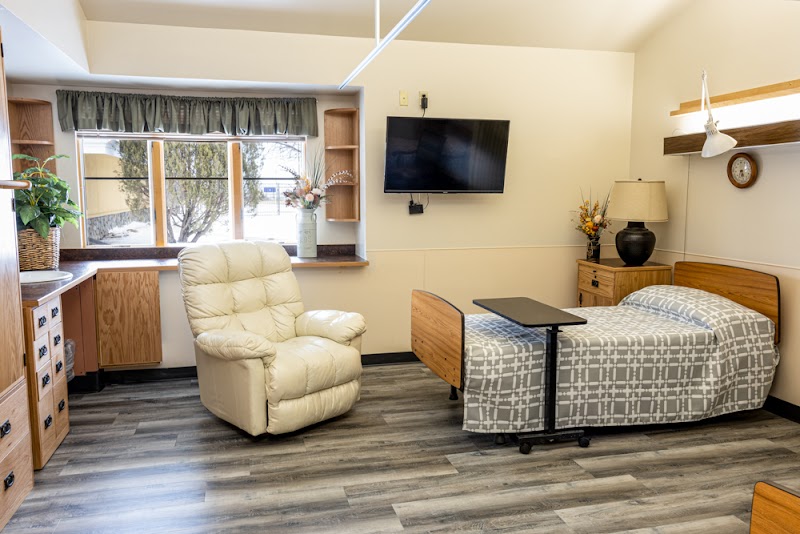
How is Eastern Montana Veterans Home Staffed?

CMS rates EASTERN MONTANA VETERANS HOME's staffing level at 4 out of 5 stars, which is above average compared to other nursing homes. Staff turnover is 83%, which is 36 percentage points above the Montana average of 46%. High turnover can affect care consistency as new staff learn residents' individual needs. RN turnover specifically is 73%, which is notably high. RNs provide skilled clinical oversight, so turnover in this role can affect medical care quality.

What Have Inspectors Found at Eastern Montana Veterans Home?

State health inspectors documented 32 deficiencies at EASTERN MONTANA VETERANS HOME during 2022 to 2025. These included: 6 that caused actual resident harm, 25 with potential for harm, and 1 minor or isolated issues. Deficiencies causing actual harm indicate documented cases where residents experienced negative health consequences.
Who Owns and Operates Eastern Montana Veterans Home?

EASTERN MONTANA VETERANS HOME is owned by a government entity. Government-operated facilities are typically run by state, county, or municipal agencies. The facility is operated by EDURO HEALTHCARE, a chain that manages multiple nursing homes. With 80 certified beds and approximately 50 residents (about 62% occupancy), it is a smaller facility located in GLENDIVE, Montana.
How Does Eastern Montana Veterans Home Compare to Other Montana Nursing Homes?

Compared to the 100 nursing homes in Montana, EASTERN MONTANA VETERANS HOME's overall rating (2 stars) is below the state average of 2.9, staff turnover (83%) is significantly higher than the state average of 46%, and health inspection rating (2 stars) is below the national benchmark.

What Should Families Ask When Visiting Eastern Montana Veterans Home?

Based on this facility's data, families visiting should ask: "What safeguards and monitoring systems are in place to protect residents from abuse or neglect?" "How do you ensure continuity of care given staff turnover, and what is your staff retention strategy?" "Can I visit during a mealtime to observe dining assistance and food quality?" "How do you handle medical emergencies, and what is your hospital transfer rate?" These questions are particularly relevant given the substantiated abuse finding on record and the facility's high staff turnover rate.

Is Eastern Montana Veterans Home Safe?

Based on CMS inspection data, EASTERN MONTANA VETERANS HOME has documented safety concerns. The facility has 1 substantiated abuse finding (meaning confirmed case of resident harm by staff or other residents). The facility has a 2-star overall rating and ranks #100 of 100 nursing homes in Montana. Families considering this facility should ask detailed questions about what corrective actions have been taken since these incidents.

Do Nurses at Eastern Montana Veterans Home Stick Around?

Staff turnover at EASTERN MONTANA VETERANS HOME is high. At 83%, the facility is 36 percentage points above the Montana average of 46%. Registered Nurse turnover is particularly concerning at 73%. RNs handle complex medical decisions and coordinate care — frequent RN changes can directly impact care quality. High turnover means new staff may not know residents' individual needs, medications, or preferences. It can also be disorienting for residents, especially those with dementia who rely on familiar faces. Families should ask: What is causing the turnover? What retention programs are in place? How do you ensure care continuity during staff transitions?

Was Eastern Montana Veterans Home Ever Fined?

EASTERN MONTANA VETERANS HOME has been fined $70,497 across 3 penalty actions. This is above the Montana average of $33,784. Fines in this range indicate compliance issues significant enough for CMS to impose meaningful financial consequences. Common causes include delayed correction of deficiencies, repeat violations, or care failures affecting resident safety. Families should ask facility leadership what changes have been made since these penalties.

Is Eastern Montana Veterans Home on Any Federal Watch List?

EASTERN MONTANA VETERANS HOME is not on any federal watch list. The most significant is the Special Focus Facility (SFF) program, which identifies the bottom 1% of nursing homes nationally based on persistent, serious quality problems. Not being on this list means the facility has avoided the pattern of deficiencies that triggers enhanced federal oversight. This is a positive indicator, though families should still review the facility's inspection history directly.