GLENDIVE MEDICAL CENTER N H

202 PROSPECT DR, GLENDIVE, MT 59330 (406) 345-3320
Non profit - Corporation 75 Beds Independent Data: November 2025
Trust Grade
60/100
#29 of 59 in MT
Last Inspection: August 2024

Within standard 12-15 month inspection cycle. Federal law requires annual inspections.

Overview

Glendive Medical Center Nursing Home has a Trust Grade of C+, indicating it is slightly above average but still has room for improvement. It ranks #29 out of 59 nursing homes in Montana, placing it in the top half of facilities in the state, and it is the best option among the two facilities in Dawson County. The facility is on an improving trend, reducing its issues from five in 2024 to three in 2025, but it still faces concerns, such as a high staff turnover rate of 68%, which is above the state average. While there have been no fines reported, which is a positive sign, specific incidents like the improper administration of insulin and failure to monitor staff for COVID-19 symptoms raise concerns about care quality. Overall, the nursing home has strengths in staffing ratings but needs to address these critical care issues to ensure resident safety and well-being.

Trust Score
C+
60/100
In Montana
#29/59
Top 49%
Safety Record
Low Risk
No red flags
Inspections
Getting Better
5 → 3 violations
Staff Stability
⚠ Watch
68% turnover. Above average. Higher turnover means staff may not know residents' routines.
Penalties
✓ Good
No fines on record. Clean compliance history, better than most Montana facilities.
Skilled Nurses
✓ Good
Each resident gets 53 minutes of Registered Nurse (RN) attention daily — more than average for Montana. RNs are trained to catch health problems early.
Violations
⚠ Watch
15 deficiencies on record. Higher than average. Multiple issues found across inspections.
★★★☆☆
3.0
Overall Rating
★★★★☆
4.0
Staff Levels
★☆☆☆☆
1.0
Care Quality
★★★★☆
4.0
Inspection Score
Stable
2024: 5 issues
2025: 3 issues

The Good

  • 4-Star Staffing Rating · Above-average nurse staffing levels
  • Full Sprinkler Coverage · Fire safety systems throughout facility
  • No fines on record

Facility shows strength in staffing levels, fire safety.

The Bad

3-Star Overall Rating

Near Montana average (3.0)

Meets federal standards, typical of most facilities

Staff Turnover: 68%

22pts above Montana avg (46%)

Frequent staff changes - ask about care continuity

Staff turnover is elevated (68%)

20 points above Montana average of 48%

The Ugly 15 deficiencies on record

Sept 2025 3 deficiencies
CONCERN (D) 📢 Someone Reported This

A family member, employee, or ombudsman was alarmed enough to file a formal complaint

Potential for Harm - no one hurt, but risky conditions existed

Report Alleged Abuse (Tag F0609)

Could have caused harm · This affected 1 resident

Based on interview and record review, the facility failed to report allegations of resident abuse to the State Survey Agency within 24 hours of the incident for 2 (#s 13 and 34) of 15 sampled resident...

Read full inspector narrative →
Based on interview and record review, the facility failed to report allegations of resident abuse to the State Survey Agency within 24 hours of the incident for 2 (#s 13 and 34) of 15 sampled residents. Findings include:Review of the facility reported incident dated 9/11/24 at 8:40 a.m., showed a resident representative reported to social services resident #13's roommate (resident #34) had been making resident #13 feel uncomfortable by rubbing resident #13's thigh and groin area. The allegation of resident-to-resident abuse was not reported to the State Survey Agency until 9/11/24.During an interview on 9/11/25 at 8:10 a.m., staff member D stated she received a call from resident #13's representative on 9/11/24 requesting a potential room change for resident #13. Staff member D stated the residents representative stated resident #13 had felt uncomfortable with her roommate (resident #34) due to unwanted touching of resident #13's leg. Staff member D stated it was then reported to the State Survey Agency on 9/11/24. Staff member D stated during the facility's investigation it was found resident #13 reported the unwanted touching by resident #34 to a nurse on 9/8/24. Staff member D stated she did not know why the facility reported incident was not reported to the State Survey Agency within 24 hours from the event which occurred on 9/8/24.During an interview on 9/11/25 at 10:35 a.m., staff member B and E were present. Staff member B stated the incident involving residents #13 and 34 on 9/8/24 was not reported to the State Survey Agency within 24 hours because the nurse failed to report the incident to administration. Staff member B stated social services spoke to resident #13's representative on 9/11/24 at which time she was first made aware of the incident which occurred on 9/8/24. Staff member B stated the facility then reported the incident to the State Survey Agency on 9/11/24.Review of resident #13's nursing progress note dated 9/8/24 at 5:00 p.m., showed resident #13 stated to the nurse her roommate (resident #34) rubbed her leg and asked the nurse to talk to her (resident #34). Resident #13 then came down the hallway an hour later and reported to the nurse in a low tone of voice her roommate (resident #34) had touched her leg again.Review of the facility's policy titled, Resident Abuse, last revision dated 2/14/25, showed: . SUBJECT: RESIDENT ABUSElt will be the responsibility of any department head receiving the complaint of alleged abuse, corporate punishment, involuntary seclusion, neglect, mistreatment, misappropriation or resident property, or exploitation to inform the administrator or designee immediately.REPORTING1. Once a complaint or situation is identified involving alleged mistreatment, neglect, or abuse, including injuries of unknown source, misappropriation of resident property or reasonable suspicion of a crime against a resident or an individual receiving care from the facility will be immediately reported. Collective reporting may occur, which means, that a staff member will report it to SS, DON, ADON or Administrator and those individuals will notify the state, however, it is the covered individuals responsibility to follow up and assure the suspect or known abuse/crime was reported timely. [sic]
CONCERN (D) 📢 Someone Reported This

A family member, employee, or ombudsman was alarmed enough to file a formal complaint

Potential for Harm - no one hurt, but risky conditions existed

Deficiency F0637 (Tag F0637)

Could have caused harm · This affected 1 resident

Based on interview and record review, the facility failed to complete a Significant Change minimum data assessment within fourteen days after the facility identified a major decline in 1 (#6) of 15 sa...

Read full inspector narrative →
Based on interview and record review, the facility failed to complete a Significant Change minimum data assessment within fourteen days after the facility identified a major decline in 1 (#6) of 15 sampled residents. The decline had the potential to impact the resident's physical and health status. Findings include:Review of resident #6's nursing note, dated 6/28/25 at 4:04 p.m., showed resident #6 was diagnosed with a non-displaced tibial plateau fracture. The resident was to wear a knee immobilizer and was non-weight bearing for two to three months. Review of resident #6's MDS, with an assessment reference date of 5/8/25, showed the resident needed partial to moderate assistance with performing oral care, getting herself on and off the toilet, showering, removing her footwear, personal hygiene, toilet transfer, transfer from bed to chair, and moving from a sitting to a standing position. Comparing the minimum data assessment with an assessment reference date of 7/17/25, showed the resident had declined and needed substantial to maximum assistance. During an interview on 9/11/25 at 9:30 a.m., staff member C said she had been completing the minimum data assessments for about one year. Staff member C said she had been trying to educate herself with online training. Staff member C said she had not completed all the training yet. Staff member C said she now knows that you have two weeks to set the assessment reference date for a resident who had a significant change in condition. Staff member C said the Significant Change minimum data set assessment reference date was not set on time, and the minimum data assessment was late.
CONCERN (D) 📢 Someone Reported This

A family member, employee, or ombudsman was alarmed enough to file a formal complaint

Potential for Harm - no one hurt, but risky conditions existed

Deficiency F0745 (Tag F0745)

Could have caused harm · This affected 1 resident

Based on interview and record review, the facility failed to ensure social services were provided to assist 2 (#s 19 and 26) of 15 sampled residents with emotional and psychosocial support following a...

Read full inspector narrative →
Based on interview and record review, the facility failed to ensure social services were provided to assist 2 (#s 19 and 26) of 15 sampled residents with emotional and psychosocial support following allegations of abuse. The deficient practice had the potential to cause emotional distress for the residents. 1. Review of a facility reported event, submitted to the State Survey Agency, on 10/4/24, showed resident #19 was spoken to harshly by a staff member. Review of resident #19's medical record progress notes, dated 10/4/24 through 10/25/25, failed to show any allegations of abuse, and there was no follow-up to the alleged incident of a staff member talking harshly to resident #19. There were not social service notes to determine if the resident had any negative outcomes from the event or if the resident was comfortable with care provided by the staff member. 2. Review of resident #19's nurse's note, dated 10/6/24 at 4:40 a.m., showed the resident was picking frequently at the skin on her face and chest, causing open areas. The behavior was difficult to direct. There were no social service notes to show what was done for resident #19's psychosocial health and to help identify the cause of the behavior or if it was in relation to the recent allegation of staff to resident abuse. 3. Review of the facility reported incident, submitted to the State Survey Agency, on 12/18/24, showed resident #26 was handled roughly during a transfer. No progress notes were found or provided showing social services followed up with the resident after the allegation where she was treated roughly. During an interview on 9/10/25 at 9:10 a.m., staff member E said there should be a note documenting the residents had been followed by social services after an allegation of abuse. Staff member E said she would expect a social services note to identify how the residents were doing. Staff member E said she had heard the staff discussing how the residents were doing but would guarantee there probably isn't a note. During an interview on 9/10/25 at 9:15 a.m., staff member D said she followed up with resident #26 after her rough treatment. Staff member D said she should have completed a psychosocial assessment after an allegation of abuse. Staff member D said a note should be documented in the medical record showing how the resident was doing following the event.
Aug 2024 5 deficiencies
CONCERN (D)

Potential for Harm - no one hurt, but risky conditions existed

Comprehensive Care Plan (Tag F0656)

Could have caused harm · This affected 1 resident

**NOTE- TERMS IN BRACKETS HAVE BEEN EDITED TO PROTECT CONFIDENTIALITY** Based on observation, interview, and record review, the facility failed to implement a comprehensive, resident-centered care pla...

Read full inspector narrative →
**NOTE- TERMS IN BRACKETS HAVE BEEN EDITED TO PROTECT CONFIDENTIALITY** Based on observation, interview, and record review, the facility failed to implement a comprehensive, resident-centered care plan which identified the resident's history of recurrent urinary tract infections and the interventions related to prevention of urinary tract infections for 1 (#9) of 19 sampled residents. Findings include: During an interview on 7/29/24 at 1:40 p.m., resident #9 was sitting up in her recliner. Resident #9 stated she has a history of urinary tract infections and has been on antibiotics for them. Resident #9 stated she experienced frequency in the past when she was diagnosed with a urinary tract infection. During an interview on 7/31/24 at 8:54 a.m., staff member N stated resident #9 needed assistance with toileting and appropriate perineal care after urinating and was encouraged to increase fluid intake. During an interview on 7/31/24 at 9:20 a.m., staff member F stated resident #9 had received antibiotics for treatment of urinary tract infections. The resident was also started on probiotics and cranberry pills in May of 2024 for prevention of urinary tract infections. Review of resident #9's MAR, dated May of 2024, showed the resident received Cipro 500 mg twice daily from 5/7/24 to 5/14/24 for the treatment of a urinary tract infection. Review of resident #9's EHR, accessed on 7/31/24, showed the following nursing progress notes: - 5/3/24, resident complained of slimy urine, increased fluid intake, - 5/7/24, resident complained of urinary frequency and foul-smelling urine, urinalysis collected and sent to the lab, started on Cipro, - 6/21/24, resident complained of urinary frequency, - 6/23/24, resident complained of suprapubic discomfort and was started on Keflex, and - 6/26/24, urine culture results received, antibiotic changed to Bactrim DS until 7/3/24. Review of resident #9's MAR, dated June of 2024, showed the resident received Keflex 500 mg four times a day from 6/23/24 to 6/26/24 and Bactrim DS twice daily from 6/27/24 to 7/3/24. Both the Keflex and Bactrim DS were administered for a urinary tract infection. Review of resident #9's care plan, dated 7/25/24, failed to show a focus area related to recurrent urinary tract infections or goals and interventions for the prevention of urinary tract infections. During an interview on 8/1/24 at 11:20 a.m., staff members B and E stated care plans were updated on a quarterly basis, but they were working on a process for more real time updating of care plans. Staff member B stated resident #9 was admitted on [DATE] and was due (in late July of 2024) for her first quarterly care conference.
CONCERN (D)

Potential for Harm - no one hurt, but risky conditions existed

Medication Errors (Tag F0758)

Could have caused harm · This affected 1 resident

**NOTE- TERMS IN BRACKETS HAVE BEEN EDITED TO PROTECT CONFIDENTIALITY** Based on observation, interview, and record review, the facility failed to ensure orders for as needed psychotropic medications ...

Read full inspector narrative →
**NOTE- TERMS IN BRACKETS HAVE BEEN EDITED TO PROTECT CONFIDENTIALITY** Based on observation, interview, and record review, the facility failed to ensure orders for as needed psychotropic medications did not exceed 14 days unless the rationale was documented by the provider for 1 (#33) of 19 sampled residents. Findings include: During an observation and interview on 7/29/24 at 1:56 p.m., resident #33 was walking in the hallway using a front-wheeled walker. When asked what brought her to the facility, resident #33 stated her memory was not very good and she was not sure. No pacing or exit-seeking behavior was seen. Review of resident #33's medication orders, dated 7/7/24, showed an order for lorazepam 0.5 mg every four hours as needed for anxiety. The order was still in place and active as of 7/30/24. During an interview on 7/31/24 at 8:28 a.m., staff member F stated resident #33 became restless, began pacing or looking for her purse when she was anxious. Staff member F stated the resident responded well to redirection and distraction techniques. During an interview on 7/31/24 at 2:15 p.m., staff member Q stated he became responsible for medication regimen reviews some time in April of 2024. Staff member Q stated he got some training from the previous consultant pharmacist, but was new to the nursing home regulations. Staff member Q stated he did not have documentation of resident #33's medication regimen review after the resident was admitted on [DATE]. Staff member Q was not aware resident #33 had an as needed order for lorazepam which had been in place for more than 14 days. Review of resident #33's medication regimen review, dated 7/30/24 (after the start of the survey), showed there were no concerns or recommendations as of 7/30/24. The pharmacy review failed to identify the presence of an as needed psychotropic medication which had been in place for more than 14 days. Review of resident #33's EHR, accessed on 7/31/24, failed to show any medical provider documentation of the rationale for continuing the as needed lorazepam. Review of the facility's policy titled, Psychotropic Drug Use, not dated, showed as needed psychotropic medications were limited to 14 days. The policy showed the attending prescriber was able to extend the use of as needed psychotropic medications beyond 14 days if there was documentation, by the prescriber, explaining the rationale for continued use.
CONCERN (E)

Potential for Harm - no one hurt, but risky conditions existed

Deficiency F0657 (Tag F0657)

Could have caused harm · This affected multiple residents

Based on observation, interview, and record review, the facility failed to update resident care plans when changes to the resident's care occurred for 4 (#s 13, 14, 24, and 137) of 19 sampled resident...

Read full inspector narrative →
Based on observation, interview, and record review, the facility failed to update resident care plans when changes to the resident's care occurred for 4 (#s 13, 14, 24, and 137) of 19 sampled residents. Findings include: 1. During an observation and interview on 7/31/24 at 8:36 a.m., resident #137 was seen with an ostomy appliance on his stomach, and a white adhesive bandage located just below the resident's ostomy. Resident #137 also had a urinary drainage bag hanging from the bed frame. Resident #137 stated he had a small wound below his ostomy which was covered with a dressing because it drained on occasion. Staff member P pointed out the ladybug sticker on the resident's name plate which indicated the resident was on enhanced barrier precautions because of his ostomy, urinary catheter, and abdominal wound dressing. Staff member P stated she had to wear a gown if she changed the resident's wound dressing. Review of resident #137's care plan, dated 7/16/24, showed the resident had rectal cancer resulting in the placement of a colostomy and urinary retention necessitating a urinary catheter. The care plan failed to show the need for enhanced barrier precautions and what interventions were in place because of the resident's diagnoses. 2. During an observation on 7/31/24 at 8:04 a.m., resident #24 was dressed in street clothes and sitting in a chair near the nurse's station. Resident #24 had a urinary drainage (leg bag) protruding below the hem of her left pant leg. Review of resident #24's care plan, initiated on 7/5/23 and last revised on 6/25/24, showed the resident had a urinary catheter in place because of urinary retention. The care plan failed to show the resident was on enhanced barrier precautions because of the catheter. 3. During an observation on 7/29/24 at 2:37 p.m., resident #14 was lying in bed with her eyes closed. The resident's tube feeding was infusing at 65 ml/hr on a feeding tube pump. There was a ladybug sticker on the resident's name plate, indicating the use of enhanced barrier precautions. Review of resident #14's care plan, initiated on 7/21/23 and revised on 7/9/24, showed the resident had a feeding tube for nutritional support. The care plan failed to show staff were to use enhanced barrier precautions when working with the resident's feeding tube. During an interview on 8/1/24 at 8:30 a.m., staff member C stated enhanced barrier precautions were implemented when residents had tubes, drains, and wounds. Staff member C stated a ladybug sticker was placed on the resident's name plate which meant the resident had drains or tubes which necessitated additional infection prevention strategies. Staff member C stated she maintained a list of residents who were to have enhanced barrier precautions. Staff member C could not explain why the enhanced barrier precautions were not identified on resident #s 14, 24, and 137's care plans. Review of the facility's policy titled, Enhanced Barrier Precautions (EBP), dated 4/5/24, showed, 1. Enhanced Barrier Precautions (EBP) are indicated for residents with any of the following: . b. Wounds and/or indwelling medical devices even if the resident is not known to be infected or colonized with an MDRO. The policy also showed, EBP is employed when performing the following high-contact resident care activities: . g. Device care or use: central line, urinary catheter, feeding tube . 4. During an observation on 7/30/24 at 8:50 a.m., resident #13 was seated in a recliner near the nurse's station. Resident #13's bed was made and a foot cradle was present. Resident#13 did not interact with staff and sat in the chair with her eyes closed. During an interview on 7/31/24 at 9:04 a.m., staff member O stated resident #13 was assisted by one staff member for dressing and personal cares. Staff member O stated the resident had a foot cradle on her bed, so her blankets did not put excess pressure on the tops of her toes. Staff member O stated the staff also used lotion on the resident's skin to prevent excessive dryness. Review of resident #13's physician orders, dated 3/1/24, showed the addition of a foot cradle for the prevention of breakdown on the tops of the resident's toes. Review of resident #13's care plan, initiated on 7/7/23 and revised on 3/26/24, showed the resident was at risk for impaired skin integrity with the goal of intact skin. The interventions on the care plan failed to show the use of a foot cradle. During an interview on 8/1/24 at 11:20 a.m., staff members B and E stated currently care plans were only updated quarterly at the time of each resident's MDS completion and quarterly care conference. Staff member E stated she was working on a process which would allow for more real-time revisions to the resident care plans.
CONCERN (E)

Potential for Harm - no one hurt, but risky conditions existed

Drug Regimen Review (Tag F0756)

Could have caused harm · This affected multiple residents

**NOTE- TERMS IN BRACKETS HAVE BEEN EDITED TO PROTECT CONFIDENTIALITY** Based on interview and record review, the facility failed to ensure a registered pharmacist performed medication regimen reviews...

Read full inspector narrative →
**NOTE- TERMS IN BRACKETS HAVE BEEN EDITED TO PROTECT CONFIDENTIALITY** Based on interview and record review, the facility failed to ensure a registered pharmacist performed medication regimen reviews at least monthly for 1 (#33); and failed to ensure the physician addressed the pharmacy recommendations and irregularities timely for 2 (#s 4 and 24) of 19 sampled residents. The facility also failed to maintain a policy and procedure for monthly medication regimen reviews which identified documentation required and the time frames for the steps taken by the pharmacist when an irregularity was identified. The deficient practice had the potential to affect all residents receiving medication at the facility. Findings include: 1. Review of resident #4's MRR, dated 4/18/24, showed staff member Q recommended a GDR for mirtazapine, paroxetine, and risperidone. The physician did not address the recommendation until 5/31/24, resulting in a six week delay (4/18/24 to 5/31/24). Review of resident #4's mood and behavior team note, dated 6/19/24, failed to show documentation a physician or pharmacist was present for the GDR discussion. Review of resident #4's MRR, dated 7/4/24, showed staff member Q requested a GDR review. There was a handwritten note (not dated or signed) which showed, GDR discussed 6/19/24. The provider did not address the recommendation until 7/30/24, resulting in a six week delay (6/19/24 to 7/30/24). During an interview on 7/31/24 at 2:15 p.m., staff member Q stated he was new to the MRR process and was responsible for MRRs starting in April of 2024. Staff member Q stated he requested the mood and behavior team discuss the GDRs for resident #4 during the April (2024) meeting. Staff member Q stated he was not sure what documentation was required for the MRRs and GDRs which were requested. There was no documentation of recommendations or irregularities identified by staff member Q and addressed by the attending provider which showed the medication name and dose for the recommended GDRs. The mood and behavior team note for 6/19/24 did not contain documentation a physician or pharmacist was present. 2. Review of resident #24's MRR, dated 3/18/24, showed staff member Q recommended continuing Protonix at the same dose due to the resident's high risk of gastrointestinal bleeding, recommended Duonebs and Tessalon Perls be discontinued due to non-use, and recommended changing from risperidone to Seroquel due to the increased risk of EPS associated with risperidone use. The recommendations were not addressed until 5/31/24, resulting in a 10 week delay (3/18/24 to 5/31/24). Review of resident #24's MRR, dated 4/19/24, showed two medication orders did not have a corresponding diagnosis in the resident's EHR. The recommendations were not addressed until 5/31/24, resulting in a six week delay (4/19/24 to 5/31/24). Review of resident #24's mood and behavior note, dated 6/5/24, failed to show the pharmacist or the attending provider were present for the GDR discussion. Review of resident #24's MRR, dated 7/4/24, showed a request for a GDR review. There was a handwritten note (not dated or signed) which showed, Done - GDR discussed 6/5/24. The attending provider addressed the recommendation on 7/30/24, resulting in an eight week delay (6/5/24 to 7/30/24). During an interview on 7/31/24 at 2:15 p.m., staff member Q stated he was new to the MRR process. Staff member Q stated he was familiar with the regulations associated with nursing home residents but was unsure what the process was supposed to look like. Staff member Q was not aware the pharmacist was responsible for the identification of irregularities in the resident's medication regimen. There was no documentation by the pharmacist and addressed by the attending provider which identified the medication name and dose for the medications recommended to have a GDR. The mood and behavior team note for 6/5/24 included the necessary medication information but did not contain documentation of the presence of the pharmacist or the provider. 3. Review of resident #33's MRR, dated 7/30/24, showed, ADDENDUM TO JUNE 2024 REPORTS: No concerns or recommendations at this time. The form was signed by the attending provider on 7/30/24. Review of resident #33's EHR, accessed on 7/31/24, failed to show an MRR was completed within 30 days of the resident's admission on [DATE]. During an interview on 7/31/24 at 2:15 p.m., staff member Q stated he was not sure if an MRR was done for resident #33 during the first 30 days after the resident was admitted to the facility (6/4/24). Staff member Q stated he was not able to find documentation of an MRR done after the resident's admission on [DATE]. Review of the facility policy titled, Drug Regimen Review, not dated, failed to show the steps to be taken by the pharmacist during the medication review and the time frames associated with each of the steps. The policy failed to show the process for resolving situations involving a disagreement between the pharmacist's recommendation and the attending provider's orders for resident care. The policy also failed to identify what should be done if the anticipated length of stay was less than 30 days.
CONCERN (F)

Potential for Harm - no one hurt, but risky conditions existed

Staffing Data (Tag F0851)

Could have caused harm · This affected most or all residents

Based on interview and record review, the facility failed to submit complete and accurate Payroll Based Journal information quarterly, for licensed nursing coverage 24 hours each day to the Centers fo...

Read full inspector narrative →
Based on interview and record review, the facility failed to submit complete and accurate Payroll Based Journal information quarterly, for licensed nursing coverage 24 hours each day to the Centers for Medicare and Medicaid Services. Findings include: Record review of the Centers for Medicare and Medicaid Services report titled, PBJ Staffing Data Report, dated Fiscal Year Quarter 2, 2024 (January 1 - March 31), showed: . Metric . Failed to have Licensed Nursing Coverage 24 Hours/Day, Triggered . Record review of the facility timecards for the following dates: 1/1/24, 2/20/24, 2/27/24, 3/5/24, 3/19/24, and 3/26/24, showed licensed nursing staff in the facility 24 hours each day. During an interview on 7/31/24 at 1:44 p.m., staff member H stated the facility had licensed nursing coverage 24 hours each day. Staff member H stated the facility was able to identify a job code (LPN2) was missing from the file application. Staff member H stated when the facility's information was transferred electronically to the payroll-based journal the system did not recognize the job code (LPN2) and did not report hours worked for employees listed with job code (LPN2).
Aug 2023 1 deficiency
CONCERN (F)

Potential for Harm - no one hurt, but risky conditions existed

Pharmacy Services (Tag F0755)

Could have caused harm · This affected most or all residents

Based on observation and record review, two licensed nursing staff members failed to follow the manufacturer's recommendations for an Unsulin Aspart FlexPen, when administering medications, for 1 (#22...

Read full inspector narrative →
Based on observation and record review, two licensed nursing staff members failed to follow the manufacturer's recommendations for an Unsulin Aspart FlexPen, when administering medications, for 1 (#22) of 1 sampled resident. This failure had the potential to affect all residents in the facility receiving insulin by a FlexPen. Findings include: During an observation on 8/15/23 at 9:33 a.m., staff member D administered four units of Insulin Aspart FlexPen into resident #22's right arm. Staff member D did not prime the Flexpen before administering the insulin. During an observation on 8/16/23 at 9:06 a.m., staff member E administered four units of Insulin Aspart Flexpen into resident #22's left arm. Staff member E did not prime the FlexPen before administering the insulin. Review of a facility document titled, Subcutaneous Injection Policy showed the following: Procedure: 1. Check physician's order. 2. Check patient allergies. 3. To prepare appropriate dose of medication: clean rubber stopper with alcohol. Attach pen safety needle to insulin pen. Turn dial to 2 units and prime needle with insulin. Turn dial to ordered units . Review of manufacturer instructions for FlexPen insulin showed, .before each injection small amounts of air may collect in the cartridge during normal use. To avoid injecting air and to ensure proper dosing: E. Turn the dose selector to select 2 units (see diagram E). F. Hold your NovoLog® FlexPen® with the needle pointing up. Tap the cartridge gently with your finger a few times to make any air bubbles collect at the top of the cartridge (see diagram F). G. Keep the needle pointing upwards, press the push-button all the way in (see diagram G). The dose selector returns to 0. A drop of insulin should appear at the needle tip. If not, change the needle and repeat the procedure no more than 6 times . Failure to properly prime an insulin pen may result in improper insulin dosing or injecting air into the subcutaneous tissue.
Jun 2022 6 deficiencies
CONCERN (D)

Potential for Harm - no one hurt, but risky conditions existed

Assessment Accuracy (Tag F0641)

Could have caused harm · This affected 1 resident

Based on interview and record review, the facility failed to accurately document the status of a pressure ulcer on the Minimum Data Set (MDS) assessment for skin, for 1 (#5) of 5 sampled residents. Fi...

Read full inspector narrative →
Based on interview and record review, the facility failed to accurately document the status of a pressure ulcer on the Minimum Data Set (MDS) assessment for skin, for 1 (#5) of 5 sampled residents. Findings include: During an interview on 6/21/22 at 12:14 p.m., staff member L stated resident #5 did not have a pressure ulcer, it had resolved. Resident #5 had a skin tear from her wander guard, and it had also resolved. During an interview on 6/22/22 at 10:01 a.m., staff member B stated resident #5 had a pressure ulcer on admission to the facility, but it had healed. Staff member B said resident #5 had an open area on her left buttock on 3/5/22 from poor toileting habits. Resident #5 was independent with toileting, often would refuse assistance with cleaning, and often refused a bath. Staff member B stated the resident did not have a pressure ulcer, her wound was coded incorrectly, and she would be making a correction. Record review of a facility nursing note, dated 3/17/22 at 6:45 a.m., showed: Late entry for 3/16/22: Resident #5 had an area on her inner buttock with date of onset 3/5/22. Today there is an area of dried skin on the upper, inner left buttock measuring 0.8cm length x 0.3cm width. She has agreed to take a bath to soak the area. Noted that there was a small amt of bm on her lower buttocks from poor toileting hygiene. She has been resistant for any assistance with toileting hygiene and often absolutely refuses to bath. After her bath, the dried skin sloughed off to reveal redness and a small pinpoint open area. Record review of a facility document, Skin Risk Score, dated 3/9/22, showed: - Ulcers healed in last 90 days, was not checked - Worst Pressure Ulcer, was marked as none - . Comment: Res. Has healed PU on coccyx that skin repair crm is applied to for protection. Record review of resident #5's Quarterly MDS, with an ARD of 3/15/22, section M, showed: - M0300. Current Number of Unhealed Pressure Ulcers at Each Stage . B. Stage 2: Partial thickness loss of dermis presenting as a shallow open ulcer with a red or pink wound bed, without slough. May also present as an intact or open/ruptured serum-filled blister. 1. Number of stage 2 pressure ulcers, 2 .
CONCERN (D)

Potential for Harm - no one hurt, but risky conditions existed

Comprehensive Care Plan (Tag F0656)

Could have caused harm · This affected 1 resident

Based on observation, interview, and record review, the facility failed to follow a resident's care plan for 1 (#1) of 3 sampled residents. Findings Include: During an observation on 6/22/22 at 10:28 ...

Read full inspector narrative →
Based on observation, interview, and record review, the facility failed to follow a resident's care plan for 1 (#1) of 3 sampled residents. Findings Include: During an observation on 6/22/22 at 10:28 a.m., resident #1's floor did not have non-slip strips placed in front of her recliner, or her bed. Review of resident #1's Care Plan, with a Goal Date of 6/21/22, showed, Risk for falls .Non-slip strips placed in front of [resident #1's] bed and recliner . During an interview on 6/22/22 at 8:37 a.m., staff member B stated all falls were discussed weekly at a meeting with the department leaders including staff member B. If there were new interventions the team adds them to the care plan. During an interview on 6/22/22 at 10:40 a.m., staff member B stated the interventions should still be in place if they were put in for a fall, they carry through. If floor work was done the non-slip strips might of been scraped off. Staff member B stated she should have been monitoring to make sure the fall interventions were still in place.
CONCERN (D)

Potential for Harm - no one hurt, but risky conditions existed

Accident Prevention (Tag F0689)

Could have caused harm · This affected 1 resident

Based on observation, interview, and record review, the facility failed to maintain or implement fall interventions for 1 (#1) of 2 sampled residents. Findings include: During an interview on 6/22/22 ...

Read full inspector narrative →
Based on observation, interview, and record review, the facility failed to maintain or implement fall interventions for 1 (#1) of 2 sampled residents. Findings include: During an interview on 6/22/22 at 8:37 a.m., staff member B stated resident #1 had a few falls lately. Staff member B stated after each fall the nurse should evaluate the resident, document the nature of the fall, and what interventions were implemented at the time of the fall. The falls are then discussed weekly at a meeting with the department leaders including staff member B. If there were new interventions the team adds them to the care plan. Review of resident #1's Care Plan with a Goal Date of 6/21/22, showed, Risk for falls .Non slip strips placed in front of [resident #1's] bed and recliner . During an observation on 6/22/22 at 10:28 a.m., resident #1's floor did not have any non-slip strips placed in front of her recliner, or her bed. Review of a facility document, titled, Report of Falls, showed resident #1 had falls on 5/28/22, 5/31/22, and 6/17/22. Review of resident #1's EHR Charting Entries for the fall on 5/28/22 showed, .resident had been sleeping on the love seat in the fireside room near the birds, was awakened by staff to come to the dining room for supper. Resident got up and was ambulating independently toward the dining room with her walker and fell backwards striking her upper back on the wall under the resident location screen .resident was wearing her shoes, there were no trip hazards and no one around her at the time .Her fall care plan has approaches including; non slip strips in front of bed and recliner . Review of resident #1's Charting Entries for the fall on 5/31/22 showed, .resident observed w/bottom on footrest of recliner in her room as CNA passed to answer other call light. Had been taken to her room from Bird Room via W/C by both CNA's at 2230 and given HS med's .After being lifted carefully back on on to recliner, resident reports she needs to void. Resident has had profound decrease in her report of discomfort from fall on 28th on this shift .Recommendation: resident was wearing her hard-soled slipper/shoes PJ top and slacks. There were no trip hazards 4WW was positioned next to resident's recliner, locked Her fall care plan has approaches including; non slip strips in front of bed and recliner . The charting entry does not specify if the non-slip strips were in place in front of resident #1's recliner at the time of the fall. During an observation and interview, on 6/22/22 at 10:35 a.m., staff member B stated, Oh no, it looks like they aren't there anymore, when referring to the lack of non-slip strips in front of resident #1's chair and bed. Staff member B stated she did not know if the strips were on the floor on 5/31/22 when the resident slid out of her recliner. Staff member B stated, the fall interventions should still be in place, and fall interventions should remain in place. If floor work was done, they might of been scraped off. Staff member B stated, I should be monitoring to make sure that the interventions are still in place. Review of the facility's policy and procedure titled, Fall Prevention and Management, with an Effective Date of 1/2021, showed, .After level of fall risk has been identified appropriate intervention strategies will be implemented .G. Refer the incident to the Fall and Safe Transfer Committee for review at next meeting. The committee reviews all resident falls within one week to identify individual and facility risks and to ensure proper follow-up and intervention .
CONCERN (D)

Potential for Harm - no one hurt, but risky conditions existed

Deficiency F0761 (Tag F0761)

Could have caused harm · This affected 1 resident

**NOTE- TERMS IN BRACKETS HAVE BEEN EDITED TO PROTECT CONFIDENTIALITY** Based on observation, interview, and record review, the facility failed to dispose of expired stock medication. This deficient p...

Read full inspector narrative →
**NOTE- TERMS IN BRACKETS HAVE BEEN EDITED TO PROTECT CONFIDENTIALITY** Based on observation, interview, and record review, the facility failed to dispose of expired stock medication. This deficient practice had the potential to affect residents using stock medications in the medication supply room and medication carts. Findings include: During an observation of medication pass on [DATE] at 8:42 a.m., the following stock medications were found expired: - Medication cart 500 hall: Milk of Magnesia Suspension, with an expiration date of 5/2022, - Medication cart 200/300 hall: Acetaminophen 325 mg tablets, with an expiration date of 5/2021, and - Medication storage room: Hibiclens bottle, with an expiration date of 11/2021. During an interview on [DATE] at 8:42 a.m., staff member M said nursing was responsible for checking the medication outdates prior to administering the medication to a resident. During an interview on [DATE] at 9:19 a.m., staff member B said nursing was responsible for checking the medication carts and medication storage for medication outdates. Staff member B said the facility had a check off sheet for monthly outdates, but it had gone by the wayside. Review of a facility policy, Medication- Preparation and Administration Of, not dated, showed: .3. Drugs which appear to have deteriorated, exceeded their expiration date, not been stored correctly, or are in excess of patient's requirements, must be returned to the pharmacy for proper disposition.
CONCERN (F)

Potential for Harm - no one hurt, but risky conditions existed

Infection Control (Tag F0880)

Could have caused harm · This affected most or all residents

**NOTE- TERMS IN BRACKETS HAVE BEEN EDITED TO PROTECT CONFIDENTIALITY** Based on observation, interview, and record review the facility failed to monitor staff for signs and symptoms of COVID-19, ensu...

Read full inspector narrative →
**NOTE- TERMS IN BRACKETS HAVE BEEN EDITED TO PROTECT CONFIDENTIALITY** Based on observation, interview, and record review the facility failed to monitor staff for signs and symptoms of COVID-19, ensure staff who had returned to work were free of COVID-19 symptoms and wearing proper PPE, failed to communicate outbreak status to other departments, and failed to have a contingency plan in place for unvaccinated staff. This deficient practice had the potential to affect all residents in the facility. Findings include: 1. During an observation and interview, on 6/21/22 at 7:22 a.m., Staff member B stated the facility was in outbreak status until 6/30/22. Staff member B stated all staff members were not required to wear N-95 masks. Staff member B stated staff members were testing COVID-19 positive and the residents were negative for COVID-19. All staff were noted to be wearing regular masks and eye protection upon entry to the facility. During an observation on 6/21/22 at 7:58 a.m., all staff members were observed to be wearing N-95 masks and eye protection. 2. During an observation and interview on 6/22/22 at 7:23 a.m., staff member O was wearing goggles and a surgical mask. Staff member O stated today was her first day of trying work out from being off from COVID-19. She stated she tested positive for COVID-19 on June 13th. She stated she can not wear a N-95 mask because it made her, almost pass out, but tried to wear one for the first hour and a half of work. Staff member O stated she needed to sit down for a second and sat at the nurses station, staff member O began wiping her forehead with a napkin. Staff member O stated she was doing better than she had been with symptoms, but was still having hot flashes and got light headed. During an observation on 6/22/22 at 7:35 a.m., staff member O was in room [ROOM NUMBER] providing direct care to residents while wearing a surgical mask. During an observation and interview on 6/22/22 at 7:42 a.m., staff member O was not listed as being tested before her shift. Staff member C stated staff member O was not tested because she just came back from having COVID-19 and was with in her 90 days. During an interview on 6/22/22 at 7:45 a.m., staff member A stated on day six after the onset of symptoms staff members are tested again for COVID-19. Staff member A stated they try to follow the CDC guidance for personal protective equipment. Staff member A stated when an employee comes back to work, they should be wearing a N-95 mask. Staff member A stated they were working off a staffing contingency plan especially in extended care due to staffing shortages. She said if staff cannot wear an N-95 mask they give them the highest grade surgical mask. Staff member A was unable to recall when staff member O had been tested last. Staff member A stated they were unaware of staff member O still having symptoms, and she was to be sent home. During an interview 6/22/22 at 7:54 a.m., staff member C stated staff member O was tested on day six and was going to check her records, but the facility goes by the ten day quarantine period for staff members. During an interview on 6/22/22 at 7:57 a.m., staff member C stated that day was the end of her work restrictions. Staff member C stated staff member O has a medical condition and that was why she was wearing a surgical mask. She said during an outbreak staff were to wear N95 masks unless they have a medical reason to not do so due to their policy and procedure. Staff member C stated if a staff member had symptoms of COVID-19 the staff member should be evaluated and sent home. During an interview on 6/22/22 at 8:36 a.m., staff member A stated staff members who are unvaccinated should be wearing an N-95 mask and have to test at least weekly, at a minimum, for COVID-19. She stated staff members that continue to have symptoms should not return to work until their 10 days are completed. She said if an employee cannot wear an N-95 mask, then the staff member would wear the next highest level surgical mask, and physically distance from other staff. Staff member A stated staff members are screened upon arrival to work. Review of the [Facility Name] Daily Employee Symptom Screen, dated 6/22/22, showed staff member O had circled yes to having new shortness of breath and a new cough or stuffy/runny nose. Review of Staff Vaccination status, showed, staff member O had an exemption and was unvaccinated. A request for staff member O's COVID test results for day six, and physician paper work for her medical condition that exempted her from wearing an N-95 mask, was made on 6/22/22. No documentation was supplied by the facility. 4. During an infection control interview on 6/22/22 at 1:24 p.m. with staff members A and C , C stated, if there is an outbreak in the facility, whether it be a positive staff member or a positive resident, I will gather the staff members and then do an education with the staff on shift. Staff member C stated there would not be a sign in sheet to show who was educated. Staff member A stated, The staff members that have a religious exemption, or a medical exemption would wear an N-95. If they are someone who can be reassigned, then we can look into that. However, it's hard to reassign a CNA so they would just be asked to wear an N-95 for source control. The staff who are not vaccinated do not get tested any more frequently than the other staff members. Staff member A stated, there was a screening sheet at the front door and at the back door, staff can use either one. Staff member A stated, When they come in the back door, they will go into the nurse's station to test and not go any further in the building. They test every shift during out-break. Right now we are testing twice a week and we test based on the county transmission rate. Staff member A stated staff member B is responsible for reviewing the screening sheet. The screening sheets are reviewed in the mornings and, maybe late afternoon. They would review signs and symptoms, that person would then find the staff member and notify infection control. Staff member A stated if a staff member had signs and symptoms of COVID-19, the facility expects that the staff member would have called in before their shift and then notified infection control, and not come into the building. Staff member A stated, Pretty much anyone that goes on the floor would need to be screened. Staff member A stated she was not sure if dietary staff are screened before they enter the long-term care, or how the dietary staff are notified of an out-break in the long-term care. Review of facility policy titled Employee Immunization Policy with a Effective Date of 4/2022, showed, .For those staff members, that an exemption has been granted; the following additional precautions will be institutied: a. Binax test i. Weekly, at a minimum ii. Twice weekly is County Transmission level is substantial or high . b. Source control N-95 will be always worn, in hallways, meetings of 2 or more people, in any patient facing encounters, etc.: c. Staff, that have been granted an exemption, will physically distance (at least 6 feet) from other employees during meetings, breaks, etc . CDC Guidance showed: Follow all recommended infection prevention and control practices, including wearing well-fitting source control, monitoring themselves for fever or symptoms consistent with COVID-19, and not reporting to work when ill or if testing positive for SARS-CoV-2 infection. https://www.cdc.gov/coronavirus/2019-ncov/hcp/infection-control-recommendations.html Establish a process to identify anyone entering the facility, regardless of their vaccination status, who has any of the following three criteria so that they can be properly managed: 1) a positive viral test for SARS-CoV-2, 2) symptoms of COVID-19, or 3) close contact with someone with SARS-CoV-2 infection (for patients and visitors) or a higher-risk exposure (for healthcare personnel (HCP). Options could include (but are not limited to): individual screening on arrival at the facility; or implementing an electronic monitoring system in which individuals can self-report any of the above before entering the facility. HCP should report any of the 3 above criteria to occupational health or another point of contact designated by the facility, even if they are up to date with all recommended COVID-19 vaccine doses. Recommendations for evaluation and work restriction of these HCP are in the Interim Guidance for Managing Healthcare Personnel with SARS-CoV-2 Infection or Exposure to SARS-CoV-2. https://www.cdc.gov/coronavirus/2019-ncov/hcp/infection-control-recommendations.html 3. During an observation and interview on 6/22/22 at 7:51 a.m., staff member N was preparing food items and beverages for the residents' continental breakfast. Staff member N was wearing goggles and a blue surgical mask. Staff member N said she got the surgical mask from the main kitchen. Staff member N said no one had told her she should be wearing an N-95 mask. Staff member N said she thought since she had received the COVID-19 vaccine she was okay to wear a surgical mask. During an observation and interview on 6/22/22 at 8:38 a.m., staff member K said he was not aware the extended care area was in outbreak status. Staff member K was wearing a blue surgical mask. Staff member K said the surgical masks were from the kitchen, and they were what the dietary staff wore. Staff member K said he would have to ask the director of nursing for N-95 masks for the dietary staff to wear when they were working on the extended care unit.
MINOR (C)

Minor Issue - procedural, no safety impact

Food Safety (Tag F0812)

Minor procedural issue · This affected most or all residents

Based on observation, interview, and record review, the facility failed to ensure all staff entering the extended care kitchen were wearing hair nets while food was being plated and served to the resi...

Read full inspector narrative →
Based on observation, interview, and record review, the facility failed to ensure all staff entering the extended care kitchen were wearing hair nets while food was being plated and served to the residents. Findings include: During an observation on 6/21/22 at 10:07 a.m. to 10:24 a.m., staff members G, H, I, and J entered the kitchen from the resident dining room. None of the staff were wearing hair nets. Two dietary staff were working at the steam table plating food for the residents. Staff members G, H, I and J were standing approximately four feet from the steam table. Staff member F entered the kitchen passing the steam table, walked to the back of the kitchen, and picked up several folded clothing protectors. Staff member F walked past the steam table, through the door, and back into the resident dining room. Staff member F was not wearing a hair net. During an interview on 6/21/22 at 10:21 a.m., staff members G, H, I, and J said floor staff did not have to wear hair nets when they were in the kitchen because they were not around the food. Staff member I said the floor staff were in the kitchen to return dirty trays. During an observation on 6/22/22 at 7:28 a.m., staff member N was preparing a continental breakfast, including beverages, for the residents. Staff members H and J were assisting staff member N. Staff members H and J were not wearing hair nets during the food preparation process. During an interview on 6/22/22 at 8:38 a.m., staff member K said he thought all staff, whether dietary or direct care, should be wearing hair nets when entering the extended care kitchen area, and when they were handling, passing, or serving food. Staff member K said anyone entering the primary kitchen of the hospital was required to wear a hair net, and he thought the same rules would apply to any kitchen area on the premises. Review of facility policy, titled Dietary Uniform Policy/Professional Appearance, not dated, showed: - . 6. Hair and facial hair must be neat, clean, and well groomed. A hairnet and/or cap must worn at all times when in the kitchen .
Understanding Severity Codes (click to expand)
Life-Threatening (Immediate Jeopardy)
J - Isolated K - Pattern L - Widespread
Actual Harm
G - Isolated H - Pattern I - Widespread
Potential for Harm
D - Isolated E - Pattern F - Widespread
No Harm (Minor)
A - Isolated B - Pattern C - Widespread

Questions to Ask on Your Visit

  • "Why is there high staff turnover? How do you retain staff?"
  • "Can I speak with families of current residents?"
  • "What's your RN coverage like on weekends and overnight?"

Our Honest Assessment

Strengths
  • • No major safety red flags. No abuse findings, life-threatening violations, or SFF status.
  • • No fines on record. Clean compliance history, better than most Montana facilities.
Concerns
  • • 15 deficiencies on record. Higher than average. Multiple issues found across inspections.
  • • 68% turnover. Above average. Higher turnover means staff may not know residents' routines.
Bottom line: Mixed indicators with Trust Score of 60/100. Visit in person and ask pointed questions.

About This Facility

What is Glendive Medical Center N H's CMS Rating?

CMS assigns GLENDIVE MEDICAL CENTER N H an overall rating of 3 out of 5 stars, which is considered average nationally. Within Montana, this rating places the facility higher than 99% of the state's 100 nursing homes. This mid-range rating indicates the facility meets federal standards but may have areas for improvement.
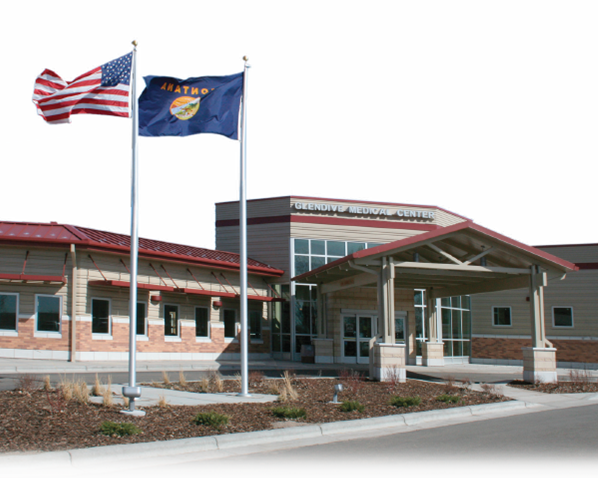
How is Glendive Medical Center N H Staffed?

CMS rates GLENDIVE MEDICAL CENTER N H's staffing level at 4 out of 5 stars, which is above average compared to other nursing homes. Staff turnover is 68%, which is 22 percentage points above the Montana average of 46%. High turnover can affect care consistency as new staff learn residents' individual needs.

What Have Inspectors Found at Glendive Medical Center N H?

State health inspectors documented 15 deficiencies at GLENDIVE MEDICAL CENTER N H during 2022 to 2025. These included: 14 with potential for harm and 1 minor or isolated issues.
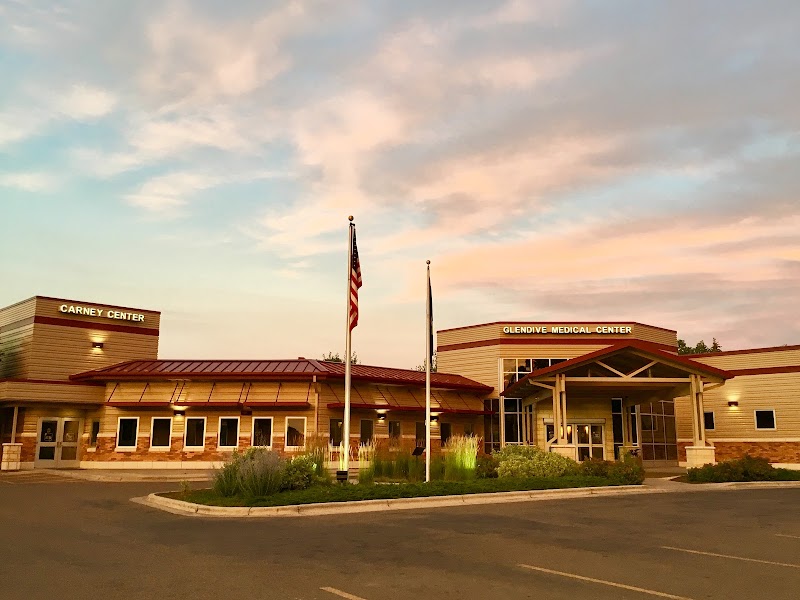
Who Owns and Operates Glendive Medical Center N H?

GLENDIVE MEDICAL CENTER N H is owned by a non-profit organization. Non-profit facilities reinvest revenue into operations rather than distributing to shareholders. The facility operates independently rather than as part of a larger chain. With 75 certified beds and approximately 35 residents (about 47% occupancy), it is a smaller facility located in GLENDIVE, Montana.
How Does Glendive Medical Center N H Compare to Other Montana Nursing Homes?

Compared to the 100 nursing homes in Montana, GLENDIVE MEDICAL CENTER N H's overall rating (3 stars) is above the state average of 3.0, staff turnover (68%) is significantly higher than the state average of 46%, and health inspection rating (4 stars) is above the national benchmark.

What Should Families Ask When Visiting Glendive Medical Center N H?

Based on this facility's data, families visiting should ask: "How do you ensure continuity of care given staff turnover, and what is your staff retention strategy?" "Can I visit during a mealtime to observe dining assistance and food quality?" "How do you handle medical emergencies, and what is your hospital transfer rate?" "Can I speak with family members of current residents about their experience?" These questions are particularly relevant given the facility's high staff turnover rate.

Is Glendive Medical Center N H Safe?

Based on CMS inspection data, GLENDIVE MEDICAL CENTER N H has a clean safety record: no substantiated abuse findings (meaning no confirmed cases of resident harm), no Immediate Jeopardy citations (the most serious violation level indicating risk of serious injury or death), and is not on the Special Focus Facility watch list (a federal program monitoring the lowest-performing 1% of nursing homes). The facility has a 3-star overall rating and ranks #1 of 100 nursing homes in Montana. While no facility is perfect, families should still ask about staff-to-resident ratios and recent inspection results during their visit.

Do Nurses at Glendive Medical Center N H Stick Around?

Staff turnover at GLENDIVE MEDICAL CENTER N H is high. At 68%, the facility is 22 percentage points above the Montana average of 46%. High turnover means new staff may not know residents' individual needs, medications, or preferences. It can also be disorienting for residents, especially those with dementia who rely on familiar faces. Families should ask: What is causing the turnover? What retention programs are in place? How do you ensure care continuity during staff transitions?

Was Glendive Medical Center N H Ever Fined?

GLENDIVE MEDICAL CENTER N H has no federal fines on record. CMS issues fines when nursing homes fail to meet care standards or don't correct problems found during inspections. The absence of fines suggests the facility has either maintained compliance or corrected any issues before penalties were assessed. This is a positive indicator, though families should still review recent inspection reports for the full picture.

Is Glendive Medical Center N H on Any Federal Watch List?

GLENDIVE MEDICAL CENTER N H is not on any federal watch list. The most significant is the Special Focus Facility (SFF) program, which identifies the bottom 1% of nursing homes nationally based on persistent, serious quality problems. Not being on this list means the facility has avoided the pattern of deficiencies that triggers enhanced federal oversight. This is a positive indicator, though families should still review the facility's inspection history directly.