DISCOVERY CARE CENTRE LTD
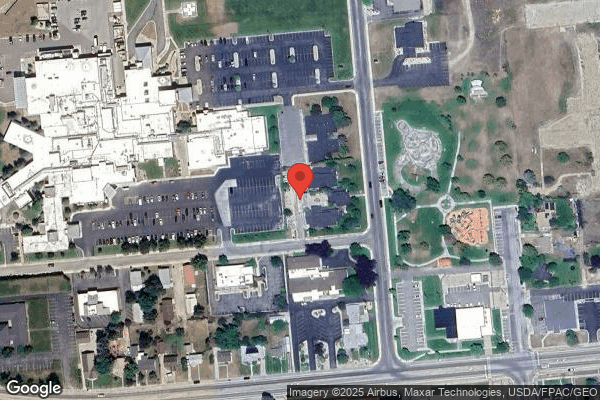
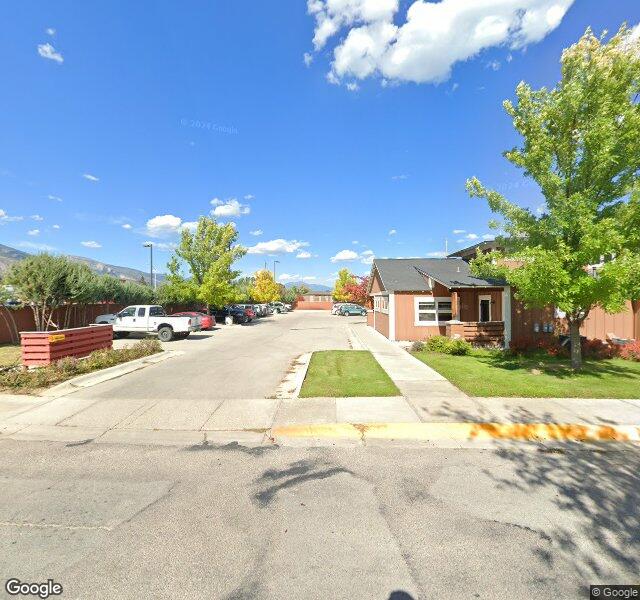
601 N 10TH ST, HAMILTON, MT 59840 (406) 363-2273
Non profit - Other 58 Beds THE GOODMAN GROUP Data: November 2025
Trust Grade
50/100
#27 of 59 in MT
Last Inspection: December 2024

Within standard 12-15 month inspection cycle. Federal law requires annual inspections.

Overview

Discovery Care Centre Ltd in Hamilton, Montana has a Trust Grade of C, which means it is average and falls in the middle of the pack among nursing homes. It ranks #27 out of 59 facilities in Montana, indicating that it is in the top half of the state, but only #2 out of 2 in Ravalli County, suggesting no better local options are available. The facility is improving overall, with issues decreasing from three in 2024 to two in 2025. Staffing is a concern, rated at 1 out of 5 stars, but it has a low turnover rate of 0%, which means staff members tend to stay long-term. However, the facility has faced $43,625 in fines, which is average but may indicate some compliance issues. Specific incidents noted by inspectors include a failure to properly discharge a resident, which led to that individual returning to the hospital, and inadequate monitoring of a resident's weight, resulting in severe weight loss. Additionally, there were complaints about food being served cold, affecting residents' meal experiences. Overall, while there are some strengths like low staff turnover and good RN coverage, the facility has notable weaknesses that families should consider.

Trust Score
C
50/100
In Montana
#27/59
Top 45%
Safety Record
Moderate
Needs review
Inspections
Getting Better
3 → 2 violations
Staff Stability
○ Average
Turnover data not reported for this facility.
Penalties
⚠ Watch
$43,625 in fines. Higher than 85% of Montana facilities, suggesting repeated compliance issues.
Skilled Nurses
⚠ Watch
Each resident gets only 20 minutes of Registered Nurse (RN) attention daily — below average for Montana. Fewer RN minutes means fewer trained eyes watching for problems.
Violations
⚠ Watch
13 deficiencies on record. Higher than average. Multiple issues found across inspections.
★★★☆☆
3.0
Overall Rating
★☆☆☆☆
1.0
Staff Levels
★★☆☆☆
2.0
Care Quality
★★★★☆
4.0
Inspection Score
Stable
2024: 3 issues
2025: 2 issues

The Good

  • Full Sprinkler Coverage · Fire safety systems throughout facility
  • No fines on record

Facility shows strength in fire safety.

The Bad

3-Star Overall Rating

Near Montana average (3.0)

Meets federal standards, typical of most facilities

Federal Fines: $43,625

Above median ($33,413)

Moderate penalties - review what triggered them

Chain: THE GOODMAN GROUP

Part of a multi-facility chain

Ask about local staffing decisions and management

The Ugly 13 deficiencies on record

2 actual harm
Aug 2025 2 deficiencies 1 Harm
SERIOUS (G) 📢 Someone Reported This

A family member, employee, or ombudsman was alarmed enough to file a formal complaint

Actual Harm - a resident was hurt due to facility failures

Deficiency F0627 (Tag F0627)

A resident was harmed · This affected 1 resident

**NOTE- TERMS IN BRACKETS HAVE BEEN EDITED TO PROTECT CONFIDENTIALITY** Based on observation, interview, and record review, the facility failed to follow the required discharge process to include obta...

Read full inspector narrative →
**NOTE- TERMS IN BRACKETS HAVE BEEN EDITED TO PROTECT CONFIDENTIALITY** Based on observation, interview, and record review, the facility failed to follow the required discharge process to include obtaining physician orders to discharge the resident from the facility; failed to obtain physician orders to setup up home health post discharge as care planned; and failed to document discharge planning communication, and the day of discharge process, including when, where to, what the discharge orders for care were for 1 (#1) of 6 sampled residents. This failure led to the resident not having proper support in place at the discharge location, and subsequently, the resident returned to the hospital for continued care. Findings include: During an interview on 8/26/25 at 11:20 a.m., NF1 stated, she was just made aware of a resident being in the hospital that had discharged from the facility in the beginning of August. NF1 stated the facility never notified her of the discharge and in talking with representatives of [resident #1], he had ended up having to go to the ER and then transferred hospitals for surgery for an infection. NF1 stated she was told he now had been placed on hospice at the hospital. NF1 stated there were other issues mentioned by the representatives. During an interview on 8/26/25 at 4:48 p.m., NF2 stated she was working with the family of resident #1 for support in the community for housing. NF2 stated the only notice they were given for resident #1 discharging was when the notice of non-coverage from his insurance was issued on 8/6/25. NF2 stated the facility did not communicate with her or the family on the discharge at all during his stay at the facility or his condition level and they were not able to ensure the home was safely set up for his return. NF2 stated it took three people to get resident #1 into the home the day of discharge because he could not ambulate. NF2 stated they were under the impression resident #1 was to have home health ordered to continue care and therapy when he was discharged ; however, it was not set up by the facility. NF2 stated resident #1 was not able to be safe at home and subsequently had ER visits with an admission to a local hospital. NF2 stated the hospital placed resident #1 in the intensive care unit after surgery for an infection. NF2 stated the family of resident #1 elected to place him on hospice. During an interview on 8/27/25 at 12:23 p.m., staff member C stated she was the nurse working when resident #1 discharged from the facility. Staff member C stated she did not document a progress note or discharge note in resident #1's medical record. The only documentation was the discharge form the resident signed when leaving, acknowledging the nurse reviewed medications and treatments, and any follow-up care after discharge. Staff member C stated she was unaware of any discharge planning communication or meeting with resident #1, and his family before discharge. Staff member C stated she just discharged him because it was on her assignment for the shift. Staff member C stated resident #1 went home in the mid-morning with a family friend on 8/8/25, and it took two facility CNAs assisting the resident's friend to transfer resident #1 into the vehicle. Staff member C stated she did not believe the facility had social services or a DON at the time who would have done the discharge summary documentation.During an interview and observation on 8/27/25 at 2:18 p.m., staff member D stated she would not normally document in her notes the family was visiting or discussions about insurance not covering the resident's stay if the resident did not participate in therapy. Staff member D showed her records of missed therapy visits and pulled up multiple missed ones for resident #1 being unavailable or his refusals due to visitors being present, him not wanting to get up, or pain (which was being managed and adjusted). Staff member D stated resident #1 was not participating in therapy and had declined prior to the discharge from the facility from his prior functioning level on admission. Staff member D stated resident #1's family support was limited as the spouse had her own health concerns. Staff member D stated she did not know of any documentation, communication, or care planning with resident #1 prior to his discharge.During an interview on 8/27/25 at 3:45 p.m., NF5 stated resident #1 was a very sick person and had multiple rehospitalizations prior to his stay at the facility. NF5 stated resident #1 had home health support services to help with wound care and comorbidity management before he stayed at the facility and would expect the facility to order this again on the resident's discharge. NF5 stated he could not find a discharge order for resident #1, but the practice was to get the physician's order near the day of, or on the day of, discharge, and this would include any other orders for home health. NF5 stated there was a chance another provider wrote the physician order, but he could not find it at the time. NF5 stated resident #1 would have preferred being home and was not the best at managing his health conditions. NF5 stated he was recently notified resident #1 was admitted to a local hospital and had written a physician's order to place resident #1 on hospice due to his decline and osteomyelitis.During an interview on 8/26/25 at 4:32 p.m., staff member A stated the facility did not have any discharge orders or other discharge documentation other than the NOMNC notice.During an interview on 8/27/25 at 4:48 p.m., staff member B provided a progress note and then stated the physician was notified on 8/27/25 of resident #1's discharge.Review of the facility admissions and discharge report from June 2025 to August 2025 listed resident #1 admitted on [DATE] from a local hospital and discharged home with home health services on 8/8/25.Review of resident #1's MDS dated [DATE], showed he had a BIMS score of 12 out of 15, reflecting moderate cognitive impairment.Review of resident #1's EHR did not include a form signed by the resident with the nurse who reviewed discharge instructions. Only a NOMNC notice was given on 8/6/25, to the discharge on [DATE], which resident #1 signed.Review of resident #1's progress notes, from 7/15/25 to 8/28/25, did not show any discharge planning prior to or on the day of discharge. The only progress note linked from the MAR showed discharged as the reason ordered medications were not given after the discharge. A request was made on 8/27/25 for all discharge communication and documentation from resident #1's stay from 7/15/25 to 8/8/25. No other information was provided by the end of the survey.Review of the facility policy, Transfer and Discharge (including AMA), dated 4/11/25, showed: 12. Anticipated Discharge to the Communitya. Facility will obtain a physician's order for transfer or discharge and instructions or precautions for ongoing care.b. A member of the interdisciplinary team will complete relevant sections of the Discharge Summary. The nurse caring for the resident at the time of discharge is responsible for ensuring the Discharge Summary is complete and includes, but is not limited to, the following: i. A recap of the resident's stay that includes diagnoses, course of illness/treatment or therapy, and pertinent lab, radiology, and consultation results. ii. A final summary of the resident's status. iii. Reconciliation of all pre-discharge medications with the resident's post discharge medications. iv. A post discharge plan of care that is developed with the participation of the resident, and the resident representative(s).c. Orientation for transfer or discharge will be provided and documented to ensure safe and orderly transfer or discharge from the facility.may be provided by multiple members of the interdisciplinary team.f. Supporting documentation shall include evidence of.a discharge plan, and documented discussions with the resident and/or resident representative.
CONCERN (D) 📢 Someone Reported This

A family member, employee, or ombudsman was alarmed enough to file a formal complaint

Potential for Harm - no one hurt, but risky conditions existed

Investigate Abuse (Tag F0610)

Could have caused harm · This affected 1 resident

Based on interview and record review, the facility failed to complete a thorough investigation on an event of staff to resident abuse by failing to complete resident monitoring, failed to carry out in...

Read full inspector narrative →
Based on interview and record review, the facility failed to complete a thorough investigation on an event of staff to resident abuse by failing to complete resident monitoring, failed to carry out interventions identified and documented on the report, and failed to complete other resident interviews to rule out other concerns of abuse by the staff member, for 1 (#2) of 6 sampled residents. Findings include:Review of the facility reported incident investigation, completed by the facility on 6/26/25, showed NF4 was witnessed by several management staff verbally abusing resident #2. NF4 was immediately walked out and released from the position at the facility. The facility reported incident documentation showed, .Resident [#2] placed on every-shift monitoring x72 hours One-on-one [sic] emotional support provided. No other resident interviews or assessments were conducted during the investigation to rule out other concerns of abuse by the staff member. During an interview on 8/26/25 at 11:57 a.m., staff member A stated he was not in the office when the former DON handled the incident for resident #2 and NF4 and was unaware of other resident interviews. Staff member A stated that everything for the investigation was in the file provided.During an interview on 8/27/25 at 12:29 p.m., staff member C stated when a resident was put on alert charting or monitoring, it would be placed on the resident's MAR and TAR for the floor nurses to document and enter the monitoring progress notes.Review of resident #2's nursing progress notes and the MAR and TAR, for the 72 hours following the event, showed the only progress note was on 6/28/25 at 10:33 p.m., two days after the incident. The note was categorized as a behavior note and it included Resident appears somnolent tonight 6/28. Resident refusing some cares which is out of character for her. No interventions were noted for resident #2's change in behavior. There was no other documentation of the incident, one on one support, or the 72 hour monitoring in the progress notes. Review of resident #2's June 2025 MAR and TAR failed to include every shift monitoring for 72 hours.Review of the facility policy, Abuse, Neglect, and Exploitation, dated 4/11/25, showed: .Possible indicators of abuse include, but are not limited to: .Verbal abuse of a resident overheard.Sudden or unexplained changes in behaviors and/or activities such as fear of a person or place, or feelings of guilt or shame.identifying and interviewing all involved persons, including.others who might have knowledge of the allegations.determining if abuse, neglect, exploitation, and/or mistreatment has occurred, the extent, and cause.F. Providing emotional support and counseling to the resident during and after the investigation.
Dec 2024 3 deficiencies 1 Harm
SERIOUS (G)

Actual Harm - a resident was hurt due to facility failures

Deficiency F0692 (Tag F0692)

A resident was harmed · This affected 1 resident

Based on observation, interview, and record review, the facility failed to ensure a resident at risk for nutritional deficits was monitored to prevent the resident from having severe weight loss, for ...

Read full inspector narrative →
Based on observation, interview, and record review, the facility failed to ensure a resident at risk for nutritional deficits was monitored to prevent the resident from having severe weight loss, for 1 (#30) of 19 sampled residents. Findings include: During an interview on 12/4/24 at 4:15 p.m., staff member E stated the CNAs would check the EHR to see what residents needed to be weighed that day. Staff member E stated the residents had different frequencies to be weighed. Some were monthly, weekly, or daily. Staff member E stated the nurse would check the weight entered by the CNA and let them know if they needed a reweight for a drastic change. During an observation and interview, on 12/4/24 at 4:18 p.m., resident #30 was in his wheelchair. He was thin and was missing front teeth on the top and bottom of his mouth. Resident #30 stated he had lost a lot of weight while at the facility, and his weight went down to 160 pounds, and he was currently under what he weighed in high school at 172 pounds. Resident #30 stated he also took a medication that caused him to urinate a lot and was just now getting daily weights completed in the last two weeks to see if he needed to remain on the medication. Resident #30 stated he was now eating more meals as he was getting the requested fresh fruit and vegetables for lunch. During an interview on 12/5/24 at 10:21 a.m., staff member D stated she reviewed resident #30 on admission, and he was at risk for weight loss due to a recent large weight loss, inadequate intakes of food, and current comorbidities including wounds. Staff member D stated she had added supplements for him to try and was likely the one asking for more frequent weights in the beginning. The weight frequency could have been ordered by the doctor through nursing and should be taken by facility policy. Staff member D stated she would run the weight report weekly and address any resident noted with a change. Staff member D stated she checked in on resident #30 in November to see how the food changes he requested were working out and update his nutrition assessment. She realized he had not had a recent weight. Staff member D requested to get accurate weights on resident #30 and the regular weights had continued now. Staff member D stated resident #30 did lose a lot of weight but never looked underweight and his wounds had not worsened during that time. Review of resident #30's weights showed on 9/9/24 he weighed 190.0 pounds, slowly lost weight to 185.0 on 9/23/24. No weights were done for resident #30 from 9/24/24 to 11/5/24. The weight on 11/6/24 was 159.5 pounds, a 25.5 pound severe weight loss from his last September weight. Review of the facility policy, Weight Monitoring, last reviewed 10/14/24, showed: Based on the comprehensive assessment, the facility will ensure the resident maintains acceptable parameters of nutritional status, such as body weight . resident weights should be taken: a. Newly admitted residents - weekly for 4 weeks b. Residents with weight loss - weekly c. If clinically indicated - daily d. All others - monthly
CONCERN (D)

Potential for Harm - no one hurt, but risky conditions existed

Deficiency F0578 (Tag F0578)

Could have caused harm · This affected 1 resident

Based on interview and record review, the facility failed to ensure a POLST form was completed to include a resident or decision-maker signature, and that the form was readily accessible in the electr...

Read full inspector narrative →
Based on interview and record review, the facility failed to ensure a POLST form was completed to include a resident or decision-maker signature, and that the form was readily accessible in the electronic medical record, for 1 (#1) of 19 sampled residents. Findings include: During an interview on 12/5/24 at 10:35 a.m., staff member C stated a resident or the resident's representative would be asked on admission about their advanced directive. The advance directive would be reviewed in the initial care conference about two days later, with the resident in attendance. If the resident's representative was not at the initial care conference, they would be contacted via telephone. Each resident's POLST was reviewed quarterly. Review of resident #1's electronic medical record showed one POLST attached with no documented patient or decision-maker signature or printed name. The form showed DNR, comfort measures only, no artificial nutrition by tube, and discussed with patient and patient's health care agent or decision maker were selected. The form stated, By signing below, the decision-maker acknowledges that these orders are consistent with the known desires of the patient. Signature of Patient or Decision-Maker (required) . The POLST showed the name of the person preparing the form and the signature of provider dated 9/18/18. Review of resident #1's Care Plan, revision date 6/12/23, showed: [Resident #1] has the following Advance Directives on record: DNR, comfort measures only . Advance Directives will be discussed and reviewed with [Resident #1] and/or appointed health care representative upon admission, quarterly and prn . DNR: see POLST . Ensure that a copy Advance Directive is in [Resident #1's] medical record and accessible. Staff aware of where to find designation of Advance Directive status . Has a POLST scanned into documents . Review of a facility policy titled, Advance Directive and POLST Policy and Procedure, reviewed date 4/22/24, showed: - . at the time of admission the Facility shall: - . ask for a copy of the most recent advance directive or POLST . - document in a prominent part of the resident's medical record whether or not the individual has executed an advance directive or POLST and place document in medical record . - shall periodically review and document as part of the comprehensive care planning process, the existing care instructions and whether the resident wishes to change or continue these instructions . - review resident's POLST . - shall train staff concerning the advance directive and POLST policies and procedures. This training includes where to send questions about advance directives . - the legal department or other internal resources in order to appropriately implement advance directives . Review of a document provided by the facility, Directions for Health Care Professionals, revised date September 2019, showed: Completing POLST . Patient (or legal decision-maker, if patient unable to make medical decisions) must sign to be valid .
CONCERN (E)

Potential for Harm - no one hurt, but risky conditions existed

Deficiency F0804 (Tag F0804)

Could have caused harm · This affected multiple residents

Based on observation, interview, and record review, the facility failed to maintain safe and palatable temperatures for food served to residents in their rooms for 3 (#s 3, 13, and 18) of 19 sampled r...

Read full inspector narrative →
Based on observation, interview, and record review, the facility failed to maintain safe and palatable temperatures for food served to residents in their rooms for 3 (#s 3, 13, and 18) of 19 sampled residents. Findings include: During an interview on 12/3/24 at 8:28 a.m., resident #18 stated, My food is cold when it gets to my room. During an interview on 12/3/24 at 1:49 p.m., resident #3 stated she ate all meals in her room, and when the food arrived it was not good and always cold. Resident #3 stated she previously saw staff carry trays down the hall uncovered and into her room, and that there were no hot trays of food. Resident #3 stated she had a taco within a week or so ago for a meal and it was cold, as if it just came out of the refrigerator, and, for paying $345 a day we are given lousy food. Resident #3 stated she would attend resident council meetings if she could, but she missed attending them, and she heard there were a lot of complaints about food. During an interview on 12/3/24 at 2:15 p.m., resident #13 stated she ate meals in her room and the dining room, and usually ate breakfast in her room. Resident #13 stated the food was okay, but the meal trays were served too cold. Resident #13 stated the meals were not warm enough and were not a good temperature (food warm enough) when they arrived in her room. During an observation and interview on 12/4/24 at 8:36 a.m., staff member F opened the door of the meal tray delivery cart and checked the temperature of resident #18's breakfast with a thermometer and stated, It's not gonna be where it needs to be. The temperature of resident #18's pancake was 100.7 degrees Fahrenheit. During an interview on 12/4/24 at 8:46 a.m., staff member F stated food is cooked and held in the steam table at 135 degrees Fahrenheit until its brought into the dining room. The meals that are served to the residents in their rooms continued to stay in the steam table until the dining room meals were served. After the meals were served in the dining room, the meals going to resident rooms were taken out of the steam table, and put in the meal tray delivery cart to go down the hall to resident rooms. A review of a facility policy titled, Food Temperatures, with a review date of 8/26/24, showed: Policy: The temperatures of all food items will be taken and properly recorded prior to service of each meal. Procedure: 1. All hot food items must be cooked to appropriate internal temperatures, held and served at a temperature of at least 135 degrees F. b. Hot food items may not fall below 135 degrees F after cooking . 3. Temperatures should be taken periodically to assure hot foods stay above 135 degrees F . 6. Foods sent to the units for distribution (such as meals, snacks, nourishments, oral supplements) will be transported and delivered to unit storage areas to maintain temperatures at or below 41 degrees F for cold foods and at or above 135 degrees F for hot foods .
Dec 2023 1 deficiency
CONCERN (D)

Potential for Harm - no one hurt, but risky conditions existed

Deficiency F0558 (Tag F0558)

Could have caused harm · This affected 1 resident

Based on observation, interview, and record review the facility discontinued bed assist rails, when a resident used the rails for positioning, and she felt unsafe in the bed with the bars removed, and...

Read full inspector narrative →
Based on observation, interview, and record review the facility discontinued bed assist rails, when a resident used the rails for positioning, and she felt unsafe in the bed with the bars removed, and felt she could not move safely in bed after the removal, and the facility failed to have the necessary assessment to show she was assessed for the bar removal, for 1 (#35) of 16 sampled residents. Findings include: During an interview on 12/4/23 at 12:14 p.m., resident #35 stated, I don't like them taking my bed rails away. During an interview on 12/5/23 at 12:19 p.m., staff member B stated None of our other facilities allow bed assist rails, so resident #35's were discontinued when [Corporation name] took over. Bed assist rails are considered an entrapment. During an interview on 12/5/23 at 12:29 p.m., staff member C stated the assist bars were assessed in a mock survey, and resident #35 was not using the bars, so they were discontinued. Staff member C further stated they did not have the any of the documentation from NF1's assessment for discontinuing the enabling bars because NF1 was no longer employed with the facility. During an observation and interview on 12/5/23 at 1:01 p.m., resident #35 was lying on her back in bed, with the left side of the bed up against the wall, and stated, They told me they took the rail out because it was dangerous. I feel unsafe without the rail. I'm afraid to turn to the right. I always feel like I'm too far up or too far down in the bed, and I used the rail to monitor my position in the bad. I asked them to not take my rails, and a staff member told me they were dangerous. I used to grab them to help when a staff member was moving me because they usually only have one staff member to position me. A review of a provider order for #35, in the EHR, with an order date of 5/2/22, and created by staff member staff member C, showed, Assist rails for bed mobility. A review of a progress note for resident #35, authored by NF1, and dated 10/26/23, showed: Assist rails: Discussed the possibility of removing [Resident #35's] assist rails with [Resident #35]. Discussed the possibility of injury to her skin and other risks. Discussed the possibility of using a trapeze instead. [Resident #35] reports that the assist rails help her turn in bed and that she has to move slowly. She does not want to try a trapeze as she said she would have to sit up too much. She thanked me for the information and declines to have them removed at this time. [sic] A review of a fax with the facility letterhead, addressed to resident #35's provider, and sent from NF1, dated 10/26/23, showed: Resident name: [Resident #35] . Can we have an order to remove the assist rail due to safety? With a handwritten response, stating Ok to remove assist rail. Signed by the provider and dated 10/30/23. During an interview on 12/5/23 at 3:06 p.m., NF1 stated she was told to fax resident #35's provider to ask him to discontinue the assist rail for resident #35. NF1 further stated that the decision to discontinue the assist rail for resident #35 was not made by her but staff member A and B made the decision. A review of a facility policy titled, Bed Rail Use Policy, with a date reviewed of 10/25/2023, showed: Policy: The facility must ensure that residents receive treatment and care in accordance with professional standards of practice, the comprehensive person-centered care plan, and the resident's choices.
Aug 2023 1 deficiency
CONCERN (D) 📢 Someone Reported This

A family member, employee, or ombudsman was alarmed enough to file a formal complaint

Potential for Harm - no one hurt, but risky conditions existed

Free from Abuse/Neglect (Tag F0600)

Could have caused harm · This affected 1 resident

Based on interview and record review, a staff member abused a resident by slapping the resident on the face, when the resident was exhibiting aggressive behavior and hit the staff member, for one resi...

Read full inspector narrative →
Based on interview and record review, a staff member abused a resident by slapping the resident on the face, when the resident was exhibiting aggressive behavior and hit the staff member, for one resident (#1) of 1 sampled resident. Findings include: Review of a Facility Reported Incident, sent to the State Survey Agency, dated 3/7/22, showed, Investigation of Incident 07/16/2023 At approximately 5:35 pm 7/16/23 there was an altercation between [Resident #1] (Memory Care Resident) and [Staff member C] (LPN). Investigation details: [Resident #1] is a memory care resident who has been with us since November 1st 2022. [Resident #1] has a history of standing up out of her chair and trying to go to the serving cart that is used by dinning staff to serve the memory care residents their meals. [Resident #1] does have a history of fixating on the meal cart and trying to eat the food. [Resident #1] is to be served first, then throughout the meal she is assisted to prevent fixation. When she becomes fixated on the food she will get up out of her chair and go towards the serving cart. Staff redirect her back to her table and provide diversion from going to the cart. Most recently on 7/16/23 at dinner [Resident #1] become aggressive towards staff. This aggression included hitting and slapping staff member. On July 7th, 2023 the pharmacist sent a recommendation to discontinue citalopram, It was discontinued on July 11th, and started on Zoloft on July 12th 2023. Medications were being given as prescribed and no change in agitation was noted. Previously to the event that happened on 7-16-2023, mealtimes were met with [Resident #1] becoming agitated and trying to get to the service cart. This event on 7-16-2023 when [Staff member C] intervened with [Resident #1] as she has done several times. According to family she had be able to defuse similar situations without raising her voice and had a good approach with [Resident #1]. However [Staff member C] this time after being slapped and hit slapped [Resident #1] back on the left side of her face. She immediately called [Staff member B] and went out to [Staff member B's] house after notifying nursing staff she was leaving. [Staff member B] then called [Staff member A] to discuss the situation. [Staff member A] informed [Staff member B] that [Staff member C] was on immediate suspension pending the conclusion of the investigation. [Staff member A] asked that [Staff member B] call the Police to allow them to start their investigation and to have [Staff member C] write her details to the incident down on paper. [Staff member A] said he would go into the facility and start their internal investigation and do the initial report to the state. [Staff member A] interviewed four staff members who were witnessed to some or all of the encounter. [Staff member I] from dietary stated that [Resident #1] stood up to come to the hot cart and [Staff member C] stood in her path to prevent her from getting burned and [Resident #1] slapped [Staff member C] across the fact three or four times. [Staff member I] did not see [Staff member C] slap [Resident #1]. [Staff member J] from dietary stated that [Resident #1] was walking up to the steam table and [Staff member C] told [Resident #1] to sit down so she would not get burned. [Staff member J] then saw [Resident #1] slap [Staff member C]. [Staff member J] did not see [Staff member C] slap [Resident #1]. [Staff member H] a C.N.A from the memory care unit states [Resident #1] stood up from the table and approached the serving cart and they told her that it was hot and not to go near it. [Resident #1] then slapped [Staff member C] in the face twice and then [Staff member C] then slapped [Resident #1] in the face and [Resident #1] then hit [Staff member C] again. [Staff member G] a C.N.A from the memory care unit states that [Resident #1] was approaching the hot food cart. [Staff member C] was near her and asked her to sit. [Resident #1] slapped [Staff member C] in the face and then [Staff member C] slapped [Resident #1] in the face and then [Resident #1] Slapped [Staff member C] again. [Staff member C] then left the situation. [Staff member C's] account of the incident was that for the last three days [Resident #1] has been very aggressive and hitting staff. Any time meals are being served she wants to go to the steam table and help herself. I ([Staff member C]) tried to stand between [Resident #1] and the steam table so she doesn't get burnt. She is always hitting my arms and punching me in the stomach. Tonight she pushed me and then slapped me on the right side of my face. Before I realized what happened I ([Staff member C]) slapped her on the left side of her face. She ([Resident #1]) pushed me ([Staff member C]) back and went to the steam cart to grab food. No harm was done to the resident, called DON, and left facility. [Staff member B] stated that when [Staff member C] arrived at her house at approximately 10 minutes after calling her she could feel she was upset. [Staff member C] stated she had instinctively slapped [Resident #1] across the face after being punched, shoved and hit from [Resident #1]. [Staff member C] stated she was attempting to protect [Resident #1] from the steam table so she wouldn't get burned. [Staff member C] was in shock when she arrived. [Staff member B] then called [Staff member A] (Interim ED). [Staff member A] stated make sure the nurse on duty called the husband and then call the police. I ([Staff member B]) called the police on the non-emergent number and informed them. Then received a call from the officer and he got a verbal account from [Staff member C]. [Staff member A] and [Staff member B] notified APS 07/17/2023 at approximately 09:00 of the incident and left a message from the ombudsman to call us about the incident right after. [sic] A review of a written statement provided by the facility, dated 7/16/23, signed by staff member H, showed: [Resident #1] stood up from the table and approached the serving cart we told her it was hot and not go near it. She then slapped [Staff member C] in the face twice [Staff member C] then slapped [Resident #1] in the face [Resident #1] hit her again. [sic] A review of a written statement provided by the facility, dated 7/16/23, signed by staff member G, showed: During dinner, [Resident #1] was approaching the hot food cart. [Staff member C was near her and asked her to sit. [Resident #1 slapped [Staff member C] in the face and then [Staff member C] slapped [Resident #1] in the face and then [Resident #1] slapped her again. And the [Staff member C] left the situation. [sic] During an interview on 7/31/23 at 4:55 p.m., staff member G stated on 7/16/23, resident #1 was in the dining room when dinner was being served. Resident #1 was walking towards the hot cart and staff member C tried to stop her from proceeding to the hot cart so she wouldn't burn herself. Resident #1 slapped staff member C on the face and staff member C slapped resident #1 back on her face. Staff member C left after the incident. During an interview on 8/1/23 at 3:20 p.m., staff member G stated, during dinner, on 7/16/23, the dinner cart was next to resident #1's table. Resident #1 was trying to get to the dinner cart and staff member C tried to stop her. Resident #1 then slapped staff member C one time, staff member C then slapped resident #1, and resident #1 slapped staff member C two more times and was going for her throat, and staff member C walked away. Staff member G further stated she had not had any abuse training or in-services since the incident. During an interview on 8/2/23 at 8:00 a.m., staff member A stated staff member C was immediately suspended pending an investigation of abuse of resident #1. After the completion of the investigation and consulting with the regional team and attorneys, staff member C was terminated. Staff member A further stated that the facility did not conduct interviews to find out if any other residents were affected. Staff member A stated the facility had not provided any abuse training or in-services since the incident, and the QAPI committee had not reviewed any interventions for the incident due to the time frame of the incident, and the QAPI committee's most recent meeting, on 7/20/23. A review of a facility policy titled, Abuse, Neglect and Exploitation, with a review date of 1/11/2023, showed: POLICY: Each resident has the right to be free from abuse, including verbal, sexual, physical and mental abuse, neglect, corporal punishment, involuntary seclusion, misappropriation of property, exploitation, and any physical or chemical restraint not required to treat the resident's medical symptoms. This prohibition applies to everyone, including, but not limited to, facility staff (employees, consultants, contractors, volunteers and other caregivers who provide care and services to residents on behalf of the facility), other residents, staff of other agencies serving the resident, family members, legal guardians, friends or other individuals. Physical Abuse includes, but not limited to hitting, slapping, pinching, biting and kicking. It also includes controlling behavior through corporal punishment.
Nov 2022 6 deficiencies
CONCERN (D)

Potential for Harm - no one hurt, but risky conditions existed

Deficiency F0552 (Tag F0552)

Could have caused harm · This affected 1 resident

Based on observation, interview, and record review, the facility failed to fully identify the communication needs of a resident to effectively participate in her treatment for 1 (#53) of 1 sampled res...

Read full inspector narrative →
Based on observation, interview, and record review, the facility failed to fully identify the communication needs of a resident to effectively participate in her treatment for 1 (#53) of 1 sampled resident. Findings include: During an observation and interview on 11/20/22 at 12:53 p.m., NF1 stated, She is smiling right now, but she is complaining. As NF1 and resident #53 were conversing in Spanish, NF1 stated, Just now, she was smiling and speaking in Spanish, and you thought she was being nice, and she said she would like to throw a stone at you. NF1 further stated, I think it would help if they had someone that spoke Spanish, I don't know how much she understands when spoken to in English. During an interview on 11/20/22 at 3:41 p.m., staff member K stated, I think resident #53 is very clear with visuals and guidance. The facility also has Spanish cue cards, and there are a couple Spanish speaking staff working here. During an interview on 11/20/22 at 4:25 p.m., staff member D stated, [Resident #53] responds better when spoken to in Spanish. During an interview on 11/21/22 at 9:50 a.m., staff member B stated the facility had a couple travelers (contract staff) that spoke Spanish, and it was helpful when they were working at the facility, but their contracts have now ended. Staff member B stated staff were not allowed to use cell phones for translating, and the facility did not have translation devices. Staff would call NF1 when they did not understand the resident. Staff member B stated, When I converse with [Resident #53], I ask her questions in English, and she answers me in Spanish and giggles. I reply in Spanish, that I don't speak Spanish. A review of resident #53's RAI/MDS admission assessment, with a target date of 7/8/22, under section A1100, Language, lists the resident as needing or wanting an interpreter, and her preferred language was Spanish. A review of a facility policy, with a reviewed date of 8/03/22, titled, Cultural Competent Care, showed: . 'Effective communication' describes a process of dialogue between individuals. The skills include speaking to others in a way they can understand .Additionally, effective communication ensures that the information provided to the resident is provided in a form and manner that the resident can access and understand, including in a language that the resident can understand . . 1. The facility will use the Facility Assessment to identify resident populations having unique cultural characteristics, such as language (including American Sign Language) religious or cultural practices, values, and preferences. 2. Each resident will be assessed upon admission to determine if they are culturally diverse . 3. The facility will provide sufficient guidance for staff, including temporary staff, on how to communicate and deliver care for the resident. .8. Residents will be informed in a language they can understand of their total health status, and will be provided notice of rights and services both orally and in writing in a language that they understand. A review of the form CMS-672, (RESIDENT CENSUS AND CONDITIONS OF RESIDENTS), completed on 11/19/22, and signed by staff member B, showed under question 141, who do not communicate in the dominant language of the facility (include those who use American sign language), listed one resident.
CONCERN (D)

Potential for Harm - no one hurt, but risky conditions existed

Deficiency F0578 (Tag F0578)

Could have caused harm · This affected 1 resident

**NOTE- TERMS IN BRACKETS HAVE BEEN EDITED TO PROTECT CONFIDENTIALITY** 3. A record review of resident #38's POLST, dated [DATE], showed CPR and selective treatment were selected and the form was sign...

Read full inspector narrative →
**NOTE- TERMS IN BRACKETS HAVE BEEN EDITED TO PROTECT CONFIDENTIALITY** 3. A record review of resident #38's POLST, dated [DATE], showed CPR and selective treatment were selected and the form was signed by the resident. The form was not signed by the physician. Record review of a facility document titled, Advanced Directive and POLST Policy and Procedure, dated [DATE], showed: .Definitions: POLST: Provider Orders for Life-Sustaining Treatment is a medical order; a form designed to improve patient care by creating a portable medical order form that records patients' treatment wishes so that emergency personnel know what treatments the patient wants in the event of a medical emergency . .Procedure: At the time of admission the Facility shall: .b. Document in a prominent part of the resident's medical record whether or not the individual has executed an advanced directive or POLST and place the document in medical record. Record review of a facility document titled, Directions for Health Care Professionals, dated [DATE], showed: Completing POLST - Completed by a health care professional based on patient preferences and medical indications. - Provider signature must be a Montana licensed physician, advanced practice registered nurse or physician assistant. - Patient (or legal decision-maker, if patient is unable to make medical decisions), must sign to be valid. - Verbal orders are acceptable with follow-up signature by provider in accordance with organization/community policy. - Documentation of conversations regarding POLST completion should be in the medical record. 2. During an interview on [DATE] at 2:43 p.m., staff member H stated staff were to go to the hard chart, if the power was down, to find a resident's POLST. During an observation on [DATE] at 3:14 p.m., there was no physical copy of resident #40's POLST in the hard chart. During an interview on [DATE] at 4:03 p.m., staff member B stated resident #40 transferred from another facility in [DATE], and there was only a copy of the resident's POLST in the EHR. Staff member B stated she needed to put a hard copy in the binder with the other POLSTs. Based on observation, interview, and record review, the facility failed to ensure POLST forms were signed by a physician for 2 (#s 38 and 47); and failed to maintain a copy of the POLST in the hard chart for 1 (#40) of 22 sampled residents. Findings include: 1. During an interview on [DATE] at 9:57 a.m., staff member B stated POLST forms were supposed to be signed by the provider. The social worker, or nurse, assisted the resident or resident's POA in filling out the POLST, then it was sent to the provider to sign. A record review of resident #47's POLST, dated [DATE], showed No CPR and comfort-focused treatment were selected, and the form was signed by resident's POA. The form was not signed by the physician.
CONCERN (D)

Potential for Harm - no one hurt, but risky conditions existed

Comprehensive Care Plan (Tag F0656)

Could have caused harm · This affected 1 resident

Based on observation, interview, and record review, the facility failed to develop a care plan to accommodate a Hispanic resident's preferences and implement a care plan that provided for effective co...

Read full inspector narrative →
Based on observation, interview, and record review, the facility failed to develop a care plan to accommodate a Hispanic resident's preferences and implement a care plan that provided for effective communication between staff and a resident for 1 (#53) of 1 sampled resident. Findings include: During an observation and interview on 11/20/22 at 12:53 p.m., NF1 stated the language barrier was contributing to resident #53's noncompliance with hygiene. During the interview, resident #53 was smiling, giggling, and speaking in Spanish. NF1 stated, She is smiling right now, but she is complaining. As NF1 and resident #53 continued conversing in Spanish, NF1 stated, Just now, she was smiling and speaking in Spanish, and you thought she was being nice, and she said she would like to throw a stone at you. NF1 further stated, I think it would help if they had someone that spoke Spanish, I don't know how much she understands when spoken to in English. During an interview on 11/20/22 at 3:13 p.m., staff member I stated she had difficulty communicating with resident #53, I had to do a lot of pointing, some days she speaks English and other days not so much. During an interview on 11/20/22 at 4:25 p.m., staff member D stated, I speak almost fluent Spanish and understand Spanish better than I speak it. Staff member D further stated, Staff from the memory care unit had called me over about one to two times a week to communicate with resident #53 when she needs a shower or clothes changed. [Resident #53] responds better when spoken to in Spanish. During an interview on 11/21/22 at 9:50 a.m., staff member B stated resident #53 understood English, and let CNAs know when she refused care. The facility notified NF1 when the resident refused showers. The facility had a couple travelers (contract staff) that spoke Spanish, and it was helpful when they were working at the facility, but their contracts have now ended. Staff member B further stated, I'm sure the cultural background of [Resident #53] plays a role in her refusals of care, but the resident has the right to refuse. Staff member B stated staff were not allowed to use cell phones for translating, and the facility did not have translation devices. Staff would call NF1 when they did not understand the resident. Staff member B stated, When I converse with [Resident #53], I ask her questions in English, and she answers me in Spanish and giggles. I reply in Spanish, that I don't speak Spanish. A review of resident #53's RAI/MDS admission assessment, with a target date of 7/8/22, under section A1100, Language, lists the resident as needing or wanting an interpreter, and her preferred language was Spanish. A review of resident #53's care plan showed: Focus, with an initiated date of 7/5/22, [Resident name] is resistive to cares at times r/t dementia dx and Spanish speaking, . intervention, .Give clear explanation of all care activities prior to an as they occur during each contact[sic]. . Focus with an initiated date of 7/5/22, [Resident name] has impaired cognitive function/dementia or impaired thought processes r/t dementia dx and Spanish as main language. intervention, . Ask yes/no questions in order to determine [resident name] needs.[Resident name] has Spanish/English cue cards that may help with communication and increased understanding.Monitor/document/report PRN any changes in cognitive function, specifically changes in: decision making ability, memory, recall and general awareness, difficulty expressing self, difficulty understanding others, level of consciousness, mental status. A review of a facility policy, with a reviewed date of 8/03/22, titled, Cultural Competent Care, showed: . 'Effective communication' describes a process of dialogue between individuals. The skills include speaking to others in a way they can understand .Additionally, effective communication ensures that the information provided to the resident is provided in a form and manner that the resident can access and understand, including in a language that the resident can understand . . 1. The facility will use the Facility Assessment to identify resident populations having unique cultural characteristics, such as language (including American Sign Language) religious or cultural practices, values, and preferences. 2. Each resident will be assessed upon admission to determine if they are culturally diverse . 3. The facility will provide sufficient guidance for staff, including temporary staff, on how to communicate and deliver care for the resident. .8. Residents will be informed in a language they can understand of their total health status, and will be provided notice of rights and services both orally and in writing in a language that they understand. A review of the form CMS-672, (RESIDENT CENSUS AND CONDITIONS OF RESIDENTS), completed on 11/19/22, and signed by staff member B, showed under question 141, who do not communicate in the dominant language of the facility (include those who use American sign language), listed one resident.
CONCERN (D)

Potential for Harm - no one hurt, but risky conditions existed

Deficiency F0676 (Tag F0676)

Could have caused harm · This affected 1 resident

Based on observation, interview, and record review, the facility failed to implement measures for staff to effectively communicate basic ADL cares to a Spanish speaking resident for 1 (#53) of 1 sampl...

Read full inspector narrative →
Based on observation, interview, and record review, the facility failed to implement measures for staff to effectively communicate basic ADL cares to a Spanish speaking resident for 1 (#53) of 1 sampled resident. Findings include: During an interview on 11/20/22 at 12:53 p.m., NF1, stated the language barrier was contributing to resident #53's noncompliance with hygiene. Staff were not changing her briefs frequently enough, and she had reddened areas on her buttocks. I don't think the staff understands our culture, how modesty is viewed in our culture, some basic cares such as changing [Resident #53's] briefs is embarrassing for her, and they don't have a staff member that can explain it to her in a way where she completely understands. NF1 further stated, I think it would help if they had a staff member that spoke Spanish to encouraging her in cares, I don't know how much she understands when spoken to in English. During an interview on 11/20/22 at 3:33 p.m., staff member J stated, I would have to get the only staff member that speaks Spanish, [staff member D], from the other unit, to come talk to [resident #53] to explain to her so I could do a skin check on her buttocks. During an interview on 11/20/22 at 3:41 p.m., staff member K stated, I think resident #53 is very clear with visuals and guidance. For instance, staff show her a toothbrush to let her know they are going to perform a care. The facility also has Spanish cue cards, and there are a couple Spanish speaking staff working here. During an interview on 11/21/22 at 9:50 a.m., staff member B stated resident #53 understood English, and let CNAs know when she refused care. The facility notified NF1 when the resident refused showers. Staff member B further stated, I'm sure the cultural background of [resident #53] plays a role in her refusals of care, but the resident has the right to refuse. Staff member B stated staff were not allowed to use cell phones for translating, and the facility did not have translation devices. Staff would call NF1 when they did not understand the resident. Staff member B stated, When I converse with [resident #53], I ask her questions in English, and she answers me in Spanish and giggles. I reply in Spanish . I don't speak Spanish. Staff member B stated a root cause analysis would have been done for resident #53's refusals of care, if her care refusals had just started occurring, and if she was not on the dementia unit. A review of resident #53's care plan showed: Focus, with an initiated date of 7/5/22, [resident name] is resistive to cares at times r/t dementia dx and Spanish speaking, . intervention, .Give clear explanation of all care activities prior to an as they occur during each contact[sic]. . Focus with an initiated date of 7/5/22, [resident name] has impaired cognitive function/dementia or impaired thought processes r/t dementia dx and Spanish as main language. intervention, . Ask yes/no questions in order to determine [resident name] needs.[Resident name] has Spanish/English cue cards that may help with communication and increased understanding.Monitor/document/report PRN any changes in cognitive function, specifically changes in: decision making ability, memory, recall and general awareness, difficulty expressing self, difficulty understanding others, level of consciousness, mental status. A review of a facility policy, with a reviewed date of 8/03/22, titled, Cultural Competent Care, showed: .Effective communication' describes a process of dialogue between individuals. The skills include speaking to others in a way they can understand . 3. The facility will provide sufficient guidance for staff, including temporary staff, on how to communicate and deliver care for the resident. See F552 for additional supporting documentation.
CONCERN (D)

Potential for Harm - no one hurt, but risky conditions existed

Deficiency F0726 (Tag F0726)

Could have caused harm · This affected 1 resident

Based on interview and record review, the facility failed to ensure nursing staff were educated in cultural competence while caring for a Hispanic resident, for 1 (#53) of 1 sampled resident. Findings...

Read full inspector narrative →
Based on interview and record review, the facility failed to ensure nursing staff were educated in cultural competence while caring for a Hispanic resident, for 1 (#53) of 1 sampled resident. Findings include: During an interview on 11/20/22 at 12:53 p.m., NF1 stated, I don't think the staff understands our culture, how modesty is viewed in our culture, some basic cares such as changing [resident #53's] briefs is embarrassing for her and they don't have a staff member that can explain it to her in a way where she completely understands. During an interview on 11/20/22 at 1:59 p.m., staff member L stated she did not receive cultural competency training since she started her contract at the facility, But I'm a traveler, maybe they do cultural competency training with full time staff. During an interview on 11/20/22 at 2:03 p.m., staff member M stated, I started at [Facility Name] and came over to this facility when they merged in July 2022. I did not receive cultural competency training at either facility. During an interview on 11/20/22 at 3:12 p.m., staff member I stated she started working at the facility approximately two months ago. She further stated, I don't remember receiving cultural competency training. During an interview on 11/20/22 at 3:33 p.m., staff member J stated, I would have to get the only staff member that speaks Spanish, [staff member D], from the other unit, to come talk to [resident #53] to explain to her so I could do a skin check on her buttocks. During an interview on 11/20/22 at 4:25 p.m., staff member D stated, [Resident #53] responds better when spoken to in Spanish. During an interview on 11/21/22 at 9:50 a.m., staff member B stated, Cultural competency training for staff is done through [online training company] but, ninety-five percent of the staff in the memory care unit came over during the merger, from [Facility name] where there was a Spanish speaking resident. On 11/20/22 at 2:10 p.m., a request for cultural competency training for staff members L and M was given to staff member B. Two facility documents were received and reviewed. The documents were undated and titled, Addendum to CNA Traveler Checklist, stating, I have read the Contract Staff Notebook/Binder located in the Nursing office, with a checkmark in the completed box and signed by staff members L and M. A review of a facility policy, with a reviewed date of 8/03/22, titled, Cultural Competent Care, that was included in the contract staff notebook, showed: Policy: It is the policy of this facility to provide culturally competent care in accordance with professional standards of practice. The facility has established a culture that treats each resident with respect and dignity as an individual, and addresses, supports and/or enhances his/her feelings of self-worth including personal control over choices and cultural preference. Definitions: 'Culture' is a conceptual system that structures the way people view the world it is the particular set of beliefs, norms, and values that influence ideas about the nature of relationships, the way people live their lives, and the way people organize their world. 'Cultural Competency' is defined as a developmental process in which individuals or institutions achieve increasing levels of awareness, knowledge, and skills along a cultural competence continuum. Cultural competence involves valuing diversity, conducting self-assessments, avoiding stereotypes, managing the dynamics of difference, acquiring and institutionalizing cultural knowledge, and adapting to diversity and cultural contexts in communities. 1. The facility will use the Facility Assessment to identify resident populations having unique cultural characteristics, such as language (including American Sign Language), religious or cultural practices, values, and preferences. 2. Each resident will be assessed upon admission to determine if they are culturally diverse. In addition to racial and ethnic diversity, this also includes religious preference, sexual orientation, and gender identity. 3. The facility will provide sufficient guidance for staff, including temporary staff, on how to communicate and deliver care for the resident. .7. The facility will involve the resident and/or his or her family in evaluating the effectiveness of cultural interventions in achieving measurable objectives and resident goals.
CONCERN (D)

Potential for Harm - no one hurt, but risky conditions existed

Deficiency F0806 (Tag F0806)

Could have caused harm · This affected 1 resident

Based on interview and record review, the facility failed to accommodate a resident's ethnic food preferences for 1 (#53) of 1 sampled resident. Findings include: During an interview on 11/20/22 at 12...

Read full inspector narrative →
Based on interview and record review, the facility failed to accommodate a resident's ethnic food preferences for 1 (#53) of 1 sampled resident. Findings include: During an interview on 11/20/22 at 12:53 p.m., NF1 stated the facility did not accommodate resident #53's ethnic diet preferences. She would like some of her ethnic foods, but they did not serve cultural food. NF1 stated, She [resident #53] thinks the cauliflower she sometimes gets is rice, she likes rice. During an interview on 11/20/22 at 2:23 p.m., staff member N stated, We typically give a newly admitted resident time to settle in, then we go over dietary preferences. Diet orders are instituted immediately. Staff member O stated there were currently no residents with ethnic food preferences in the facility. Staff member O further stated if a resident did not understand English, the staff would show them images or contact a family member to determine the resident's diet preferences. Staff members N and O stated they did not talk to resident #53, or her family, regarding her diet preferences. A review of resident #53's RAI/MDS admission assessment, with a target date of 7/8/22, under section A1000, Race/Ethnicity, list the resident as Hispanic or Latino.
Understanding Severity Codes (click to expand)
Life-Threatening (Immediate Jeopardy)
J - Isolated K - Pattern L - Widespread
Actual Harm
G - Isolated H - Pattern I - Widespread
Potential for Harm
D - Isolated E - Pattern F - Widespread
No Harm (Minor)
A - Isolated B - Pattern C - Widespread

Questions to Ask on Your Visit

  • "Can I speak with families of current residents?"
  • "What's your RN coverage like on weekends and overnight?"

Our Honest Assessment

Strengths
  • • Licensed and certified facility. Meets minimum state requirements.
Concerns
  • • 13 deficiencies on record, including 2 serious (caused harm) violations. Ask about corrective actions taken.
  • • $43,625 in fines. Higher than 94% of Montana facilities, suggesting repeated compliance issues.
  • • Grade C (50/100). Below average facility with significant concerns.
Bottom line: Mixed indicators with Trust Score of 50/100. Visit in person and ask pointed questions.

About This Facility

What is Discovery Care Centre Ltd's CMS Rating?

CMS assigns DISCOVERY CARE CENTRE LTD an overall rating of 3 out of 5 stars, which is considered average nationally. Within Montana, this rating places the facility higher than 99% of the state's 100 nursing homes. This mid-range rating indicates the facility meets federal standards but may have areas for improvement.

How is Discovery Care Centre Ltd Staffed?

CMS rates DISCOVERY CARE CENTRE LTD's staffing level at 1 out of 5 stars, which is much below average compared to other nursing homes.

What Have Inspectors Found at Discovery Care Centre Ltd?

State health inspectors documented 13 deficiencies at DISCOVERY CARE CENTRE LTD during 2022 to 2025. These included: 2 that caused actual resident harm and 11 with potential for harm. Deficiencies causing actual harm indicate documented cases where residents experienced negative health consequences.

Who Owns and Operates Discovery Care Centre Ltd?

DISCOVERY CARE CENTRE LTD is owned by a non-profit organization. Non-profit facilities reinvest revenue into operations rather than distributing to shareholders. The facility is operated by THE GOODMAN GROUP, a chain that manages multiple nursing homes. With 58 certified beds and approximately 33 residents (about 57% occupancy), it is a smaller facility located in HAMILTON, Montana.

How Does Discovery Care Centre Ltd Compare to Other Montana Nursing Homes?

Compared to the 100 nursing homes in Montana, DISCOVERY CARE CENTRE LTD's overall rating (3 stars) is above the state average of 3.0 and health inspection rating (4 stars) is above the national benchmark.

What Should Families Ask When Visiting Discovery Care Centre Ltd?

Based on this facility's data, families visiting should ask: "Can you walk me through typical staffing levels on day, evening, and night shifts?" "Can I visit during a mealtime to observe dining assistance and food quality?" "How do you handle medical emergencies, and what is your hospital transfer rate?" "Can I speak with family members of current residents about their experience?" These questions are particularly relevant given the below-average staffing rating.

Is Discovery Care Centre Ltd Safe?

Based on CMS inspection data, DISCOVERY CARE CENTRE LTD has a clean safety record: no substantiated abuse findings (meaning no confirmed cases of resident harm), no Immediate Jeopardy citations (the most serious violation level indicating risk of serious injury or death), and is not on the Special Focus Facility watch list (a federal program monitoring the lowest-performing 1% of nursing homes). The facility has a 3-star overall rating and ranks #1 of 100 nursing homes in Montana. While no facility is perfect, families should still ask about staff-to-resident ratios and recent inspection results during their visit.

Do Nurses at Discovery Care Centre Ltd Stick Around?

DISCOVERY CARE CENTRE LTD has not reported staff turnover data to CMS. Staff turnover matters because consistent caregivers learn residents' individual needs, medications, and preferences. When staff frequently change, this institutional knowledge is lost. Families should ask the facility directly about their staff retention rates and average employee tenure.

Was Discovery Care Centre Ltd Ever Fined?

DISCOVERY CARE CENTRE LTD has been fined $43,625 across 2 penalty actions. The Montana average is $33,515. While any fine indicates a compliance issue, fines under $50,000 are relatively common and typically reflect isolated problems that were subsequently corrected. Families should ask what specific issues led to these fines and confirm they've been resolved.

Is Discovery Care Centre Ltd on Any Federal Watch List?

DISCOVERY CARE CENTRE LTD is not on any federal watch list. The most significant is the Special Focus Facility (SFF) program, which identifies the bottom 1% of nursing homes nationally based on persistent, serious quality problems. Not being on this list means the facility has avoided the pattern of deficiencies that triggers enhanced federal oversight. This is a positive indicator, though families should still review the facility's inspection history directly.