NORTHERN MONTANA CARE CENTER
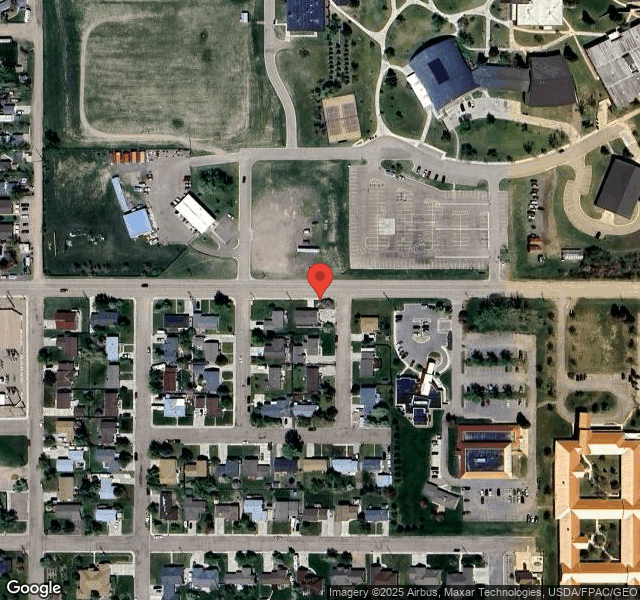
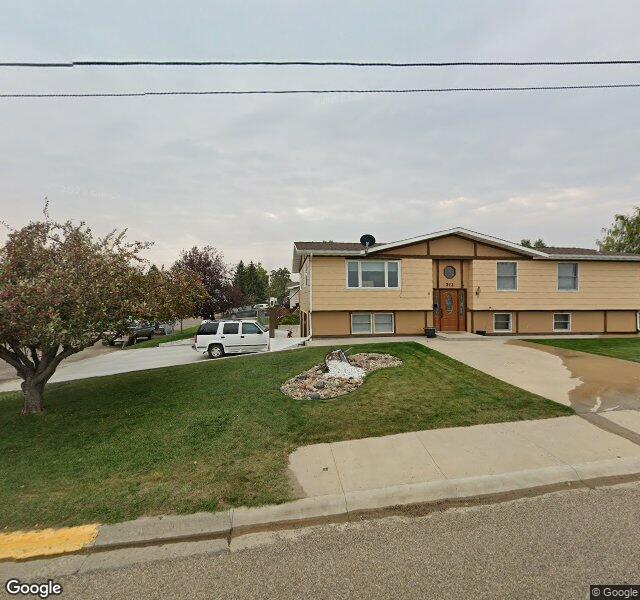
24 13TH ST, HAVRE, MT 59501 (406) 262-1900
Non profit - Corporation 135 Beds Independent Data: November 2025
Trust Grade
90/100
#5 of 59 in MT
Last Inspection: June 2025

Inspected within the last 6 months. Data reflects current conditions.

Overview

Northern Montana Care Center in Havre, Montana has received a Trust Grade of A, indicating it is an excellent facility that is highly recommended. With a state rank of #5 out of 59, it falls in the top half of nursing homes in Montana, and as the only option in Hill County, it stands out locally. However, the facility is experiencing a trend of worsening conditions, with issues increasing from 2 in 2024 to 4 in 2025, despite having a good staffing turnover rate of 52%, which is below the state average. There have been no fines reported, and the facility has average RN coverage, which is important for resident care. Specific incidents include expired medical supplies found in medication rooms and a resident wandering into others' rooms, which raises safety concerns. While the facility has strengths in staffing and overall ratings, the increasing number of issues and specific care concerns are important factors for families to consider.

Trust Score
A
90/100
In Montana
#5/59
Top 8%
Safety Record
Low Risk
No red flags
Inspections
Getting Worse
2 → 4 violations
Staff Stability
⚠ Watch
52% turnover. Above average. Higher turnover means staff may not know residents' routines.
Penalties
✓ Good
No fines on record. Clean compliance history, better than most Montana facilities.
Skilled Nurses
✓ Good
Each resident gets 55 minutes of Registered Nurse (RN) attention daily — more than average for Montana. RNs are trained to catch health problems early.
Violations
○ Average
8 deficiencies on record. Average for a facility this size. Mostly minor or procedural issues.
★★★★★
5.0
Overall Rating
★★★★★
5.0
Staff Levels
★★★☆☆
3.0
Care Quality
★★★★★
5.0
Inspection Score
Stable
2024: 2 issues
2025: 4 issues

The Good

  • 5-Star Staffing Rating · Excellent nurse staffing levels
  • Full Sprinkler Coverage · Fire safety systems throughout facility
  • No fines on record

Facility shows strength in staffing levels, fire safety.

The Bad

Staff Turnover: 52%

Near Montana avg (46%)

Higher turnover may affect care consistency

The Ugly 8 deficiencies on record

Jun 2025 4 deficiencies
CONCERN (D)

Potential for Harm - no one hurt, but risky conditions existed

Deficiency F0604 (Tag F0604)

Could have caused harm · This affected 1 resident

Based on observation, interview, and record review, the facility failed to ensure there was a physician order and consent signed on in the EHR for a physical restraint, which was a seatbelt used for a...

Read full inspector narrative →
Based on observation, interview, and record review, the facility failed to ensure there was a physician order and consent signed on in the EHR for a physical restraint, which was a seatbelt used for a resident who used a motorized wheelchair to assist with preventing falls, for 1 (#50) of 30 sampled residents. Findings include: During an observation on 6/28/25 at 5:26 p.m., resident #50 had a seatbelt on while he was sitting in his motorized wheelchair. Review of resident #50's EHR showed no consent or physician order was present for the seatbelt, which restrained the resident, in his motorized wheelchair. Review of resident #50's EHR showed a physician's note, dated 9/6/24, which showed the following diagnoses: bipolar I disorder, intellectual disability, developmental delay, PTSD, hypertension, insomnia, prediabetes, traumatic brain injury, history of institutionalization, aggressive behavior, difficulty with speech, on a combination of antipsychotic drug therapy, and a history of a sacral pressure ulcer. During an interview on 6/30/25 at 8:52 a.m., staff member E stated they were unaware a physician's order and a consent was needed for a seatbelt, which was used to help prevent the resident from falling, but they would fix the concern quickly. A review of #50's Quarterly Minimum Data Set Assessment, with an Assessment Reference Date of 5/21/25, showed the resident was not able to complete the Brief Interview for Mental Status. He was coded as having inattention and disorganized thinking. He had both upper and lower extremity deficits, and was dependent for mobility. The resident was not coded as using a restraint. During an interview on 6/30/25 at 9:05 a.m., staff members A and C stated they had not considered a seatbelt on a motorized wheelchair to be a restraint. Staff member A stated they now realized how it could be used as a restraint, especially with a resident with a lower cognitive ability. Staff member A and C stated it was a requirement that physical therapy do an assessment with the resident, which was not completed for the seatbelt resident #50 had on the chair. Review of a facility policy titled, Restraint Policy, last revised, 4/2020, showed: - It is the policy of the [Entity Name] to prohibit the use of restraints, safety devices and postural supports, except when used to treat a resident's medical symptoms. - Restraint: Any method (chemical or physical) of restricting a person's freedom of movement that prevents independent and purposeful movement. This includes . controlling physical actvity . - Safety device: . the definition of a safety device to be an applicance used to maximize the independence and the maintenance of health and safety of an individual by reducing the risk of falls and injuries associated with the resident's medical symptoms. - No restraint of any kind may be employed unless the order for one has been signed by the LTC Administrator, LTC Director of Nursing, and LTC Director of Social Services.
CONCERN (D)

Potential for Harm - no one hurt, but risky conditions existed

Deficiency F0645 (Tag F0645)

Could have caused harm · This affected 1 resident

Based on interview and record review, the facility failed to ensure a PASARR was completed for 1 (#64) of 30 sampled residents. This deficient practice increased the risk of the resident not being ass...

Read full inspector narrative →
Based on interview and record review, the facility failed to ensure a PASARR was completed for 1 (#64) of 30 sampled residents. This deficient practice increased the risk of the resident not being assessed or receiving necessary services related to the resident's mental health diagnosis or PTSD. Findings include: During an interview on 6/28/25 at 3:38 p.m., resident #64 stated he had PTSD from the war. Review of resident #64's EHR showed a diagnosis of PTSD. A request was made on 6/29/25 at 11:57 a.m., for resident #64's Level I and Level II PASARR. During an interview on 6/29/25 at 2:03 p.m., staff member C stated the facility did not have a PASARR for resident #64. Staff member C and staff member A stated they worked with [Entity Name] who filed most of their paperwork, and resident #64's PASARR must have gotten lost in the transfer to [Entity Name].
CONCERN (D)

Potential for Harm - no one hurt, but risky conditions existed

Comprehensive Care Plan (Tag F0656)

Could have caused harm · This affected 1 resident

**NOTE- TERMS IN BRACKETS HAVE BEEN EDITED TO PROTECT CONFIDENTIALITY** Based on interview and record review, the facility failed to update individualized resident care plans regarding behaviors and p...

Read full inspector narrative →
**NOTE- TERMS IN BRACKETS HAVE BEEN EDITED TO PROTECT CONFIDENTIALITY** Based on interview and record review, the facility failed to update individualized resident care plans regarding behaviors and previous trauma, for 2 (#s 61 and 64) of 30 sampled residents. This deficient practice increased the risk for #61 and #64 not having preferences met or known, and a resident's exhibited behaviors continuing without interventions being implemented. Findings include: During an interview on 6/29/25 at 3:49 p.m., staff member F stated resident #61 and resident #64 would have some outbursts or display behaviors at times. Staff member F stated the facility had behavior charting when those events occurred. a. Review of resident #61's EHR showed a nursing note, dated 6/28/25, which showed, Resident was in dining room for breakfast when another resident yelled out then she (resident #61) proceeded to yell at that resident to Shut up and cursing at that resident. then resident was cursing at staff and came out and told this nurse im gonna knock [name] on her ass one day. and continued fussing and curing (cursing) while going to her room. [sic] Review of Resident #61's individualized care plan, last reviewed 4/17/25, showed no mention of a problem, goal, or interventions regarding resident #61's outbursts and verbal behaviors towards other residents or staff. b. Review of resident #64's EHR showed PTSD as a diagnosis. Review of resident #64's individualized care plan, last revised 6/5/25, showed there was no problem, goal, or nonpharmacological interventions identified and documented to be utilized by staff regarding resident #64's PTSD. During an interview on 6/30/25 at 9:05 a.m., staff member A and C stated the staff were doing interventions daily regarding resident #61's behaviors and resident #64's PTSD, but stated the facility could be better about taking credit for those interventions and documenting them.
CONCERN (E)

Potential for Harm - no one hurt, but risky conditions existed

Accident Prevention (Tag F0689)

Could have caused harm · This affected multiple residents

Based on observation, interview, and record review, the facility failed to ensure 1 (#57) of 30 sampled residents were safe from wandering the facility and into 4 other residents' rooms (#s 7, 31, 41,...

Read full inspector narrative →
Based on observation, interview, and record review, the facility failed to ensure 1 (#57) of 30 sampled residents were safe from wandering the facility and into 4 other residents' rooms (#s 7, 31, 41, and 64). This deficient practice increased the risk of negative interactions between the residents related to safety and infection control concerns. Findings include: During an interview on 6/28/25 at 3:38 p.m., resident #64 stated resident #57 was often confused and would wander into his room, sometimes at night. Resident #64 stated he did have a history of PTSD, and resident #57 walking into his room made him feel uncomfortable. Resident #64 stated resident #57 would sometimes steal things from his room. Resident #64 stated he was told by staff to put his items away when he left his room to prevent resident #57 from taking any of his items. During an observation on 6/29/25 at 3:21 p.m., resident #57 was in her wheelchair, and she wheeled into resident #7's room when the resident was sleeping. Resident #57 watched resident #7 for approximately 30 seconds, then exited the room. During an observation on 6/29/25 at 3:24 p.m., resident #57 wheeled her wheelchair into resident #41's room. Resident #57 touched resident #41's chair and the leg rests located on the wheelchair. During an observation on 6/29/25 at 3:25 p.m., resident #57 wheeled her wheelchair into resident #31's room and touched resident #31's shoes. During an interview on 6/29/25 at 3:45 p.m., staff member F stated resident #57 was able to move throughout the entire facility, and the staff relied on the wanderguard to ensure her safety. Staff member F stated it was not a concern that resident #57 was in other resident's rooms, other than resident #64, as he expressed this bothered him. Staff member F stated resident #57 had gone through another resident's closet before as well as wandering into other resident rooms. Staff member F stated there could be a concern for infection control with resident #57 wandering into so many resident's rooms. Review of a facility policy titled, Wandering Behavior with Usage of the RoamAlert System, revised 3/19, showed: . 3. Determine when wandering requires interventions to reduce unwanted intrusions on other residents. [sic]
Aug 2024 1 deficiency
CONCERN (D)

Potential for Harm - no one hurt, but risky conditions existed

Infection Control (Tag F0880)

Could have caused harm · This affected 1 resident

Based on observation, interview, and record review, staff member G failed to adhere to proper infection control practices related to performing hand hygiene prior to donning gloves and after doffing g...

Read full inspector narrative →
Based on observation, interview, and record review, staff member G failed to adhere to proper infection control practices related to performing hand hygiene prior to donning gloves and after doffing gloves for 3 (#s 13, 37, and 179) of 5 sampled residents observed for medication administration. Findings include: During an observation on 7/31/24 at 7:28 a.m., staff member G sanitized her hands and donned gloves to administer eye drops to resident #37. Staff member G administered the eye drops to resident #37, then doffed her gloves. Staff member G did not perform hand sanitization after she doffed her gloves or before she donned a new pair of gloves to perform blood glucose monitoring for resident #37. During an observation on 7/31/24 at 7:32 a.m., staff member G administered resident #179's morning medication. Staff member G prepared blood glucose monitoring supplies for resident #179, then donned gloves. Staff member G did not perform hand sanitization prior to donning the gloves. During an observation on 7/31/24 at 7:44 a.m., staff member G gathered supplies to perform blood glucose monitoring for resident #13. Staff member G donned gloves but failed to perform hand sanitization prior to donning the gloves. During an interview on 7/31/24 at 8:07 a.m., staff member G stated hands should be sanitized before and after each glove change. She stated hands should also be sanitized before and after each resident contact or administration of medications. Staff member G stated she had missed hand sanitization a few times during her medication pass. During an interview on 7/31/24 at 8:55 a.m., staff member C stated hand sanitization should be performed prior to donning gloves and after doffing gloves. She stated hand sanitization should be performed before and after each resident contact. Review of the facility's document titled, Hand Hygiene, last revised 4/24, showed: - . If hands are not visibly soiled, an alcohol-based hand sanitizer may be used for routinely decontaminating hands in the following clinical situations: - Before having direct contact with patients. and - After removing gloves.
Mar 2024 1 deficiency
CONCERN (D) 📢 Someone Reported This

A family member, employee, or ombudsman was alarmed enough to file a formal complaint

Potential for Harm - no one hurt, but risky conditions existed

Deficiency F0557 (Tag F0557)

Could have caused harm · This affected 1 resident

Based on observation, interview, and record review, the facility failed to ensure dignity and respect were honored for privacy of medical information, for 1 (#1) of 6 sampled residents. This deficient...

Read full inspector narrative →
Based on observation, interview, and record review, the facility failed to ensure dignity and respect were honored for privacy of medical information, for 1 (#1) of 6 sampled residents. This deficient practice had the potential to affect all residents who were provided incontinence care by facility staff. Findings include: During an interview on 3/23/24 at 11:27 a.m., NF1 stated she had received a call from NF2 with allegations of abuse and neglect. NF1 stated NF2 was upset because resident #1 had her pubic area shaved while she was provided incontinent care by staff members. During an interview on 3/25/24 at 11:50 a.m., NF2 stated resident #1 had dementia and had very poor short and long-term memory loss. NF2 stated she was made aware of the incident, of the resident being shaved, by staff on 3/8/24 when she had come to the facility to visit resident #1. NF2 stated she had asked nursing staff about bruising that was noted to resident #1's arm. NF2 stated she was told the bruising was from a lab draw that morning. NF2 stated, That is when I found out that resident #1 had her pubic region shaved by two CNAs. NF2 stated she went back to resident #1's room and checked the resident's pubic region. NF2 stated she had not noticed any bruising on resident #1's legs or thighs, but I did not check her as close as I wish I would have. NF2 stated, I am very upset with her care. The facility is acting like what happened to resident #1 is ok. I know resident #1, and she would not have allowed this to happen. NF2 stated she called NF1 and staff member C and let them know I had called NF1. NF2 stated, I am very angry about this. Why would anyone do this to an elderly person? NF2 stated she had also called and spoke with NF3, a nurse at the clinic on 3/12/24. NF2 stated, I had asked her if resident #1 needed a rape exam. NF2 stated after she had talked to NF3 she had also talked to staff member L. NF2 stated, Staff member L told her a gynecological exam would be very hard on resident #1, and the exam would have to be done under anesthesia. NF2 stated she told staff member L she did not want the exam done at that time. NF2 stated the facility has a video of the time this happened, and they will not allow me to view it. NF2 stated she had attended a care conference in January of 2024 regarding resident #1. NF2 stated, During the care conference I had told staff member C I preferred to have female caregivers for resident #1, but there were a few male CNAs that were ok to provide care to resident #1. Review of a facility video on 3/25/24 at 11:42 a.m., showed staff member E walked into resident #1's room and walked back out. Staff member E started to walk down the hallway, and appeared to be looking for resident #1. At 11:47 a.m., resident #1 was walked back to her room by staff members E and H. At 11:56 a.m., staff member E walked out of resident #1's room and returned at 11:56 a.m., with shaving cream and a razor. At 12:09 p.m., staff member M opened the door slightly and looked inside the room. At 12:11 p.m., staff member D opened the door to resident #1's room and went inside. At 12:13 p.m., staff member D exited resident #1's room with resident #1 and walked down the hallway. During an observation and interview on 3/25/24 at 12:40 p.m., resident #1 could not answer questions appropriately and walked back out of her room. Staff member F walked resident #1 back to her room and attempted to assist her with lunch. During an interview on 3/25/24 at 1:30 p.m., staff member B stated the expectation for staff was to talk with the charge nurse on shift if there was anything that happened out of the ordinary, or if a resident needed a different level or type, of care. Staff member B stated, I don't know what was going through their heads (staff who shaved the resident), but I definitely do not feel it was malicious at all. During an interview on 3/25/24 at 1:57 p.m., staff member C stated staff members E and H were not suspended after the incident. Staff member C stated, I am not sure why we did not suspend them other than we (administration) felt this was a care issue and not a reportable incident. I spoke with both staff members, and they explained what had happened. I know that when staff member A received a call from NF3 with the concerns NF2 verbalized, we started an investigation immediately. We called and spoke to the police department as well. During an interview on 3/25/24 at 2:28 p.m., staff member D stated she was the charge nurse on 3/5/24. Staff member D stated, I did not know what had happened until afterwards. I was breathless. I tried to call staff members A, B, and C for guidance but never got any response from them. I should have called family, but I didn't. During an interview on 3/25/24 at 2:45 p.m., staff member E stated staff member D told them (the CNAs) it was time to check and change resident #1. Staff member E stated, Resident #1 was not in her room, but we had found her and took her to her room to be changed. Staff member H was working on a different unit, but offered to help me because the other CNAs were still looking for resident #1 and had not come back to the unit yet and resident #1 smelled bad and needed to be cleaned up. We laid resident down on her bed and found that she was wet and had very thick BM all over. Staff member H took some wet washcloths and started to clean her up. Resident #1 was calm at this time. Resident #1 became upset when we tried to clean her peri-area. Resident #1 had said 'ouch'. Staff member H stopped cleaning resident #1 at that time so he did not hurt her, he asked me to go and get some shaving cream. We put the shaving cream on resident #1's peri-area and let it sit there, hoping it would loosen up the BM. The shaving cream did not help so staff member H started to shave the BM out of her (the resident's) pubic hair. I told staff member H we should check with the nurse, but he did not stop shaving her, and I did not leave to go get the nurse. When we were almost done the nurse came into the room to see what was taking so long and that is when I told her what was done. She looked at resident #1's peri-area, then walked with resident #1 out of the room. A call was placed to staff member H on 3/25/24 at 2:59 p.m., A message was left with the State Surveyor's call back information. The staff member returned the call at 6:04 p.m. During an interview on 3/25/24 at 6:04 p.m., Staff member H stated, Me and staff member E ended up shaving resident #1. Resident #1 wanders a lot, and we were trying to locate her. When we found her, she smelled bad. We took her back to her room to clean her up. She was wet and covered in thick BM. I tried to clean her using wet washcloths but that did not work. We shaved the BM out of her pubic hair. The resident was calm while we were cleaning her up. I let the nurse know after we shaved her. I did not think this would be such a big deal. We were just trying to clean her up with out hurting her. I really thought we were doing the right thing. During an interview on 3/26/24 at 7:15 a.m., staff member A stated he reported the incident to the State Survey Agency as soon as he had gotten off the phone with NF3 and was made aware of the allegations NF2 made. Staff member A stated, Staff member C and I started an investigation right away and reported the incident to the police department, started interviewing residents, and interviewed staff. Staff member A stated, I am not sure what they were thinking, they absolutely did it backwards. They truly believe that what they did was helping the resident. I do not believe what they did was malicious or showed any willful harm to the resident. Every staff member has been educated on dignity, incident reporting, and abuse and neglect, since this incident occurred. Resident #1 is now to be cared for by female staff only. During an observation on 3/26/24 at 9:20 a.m., resident #1 was toileted by staff members G and J. Peri-care was performed. Resident #1's peri-area was not red. The pubic area was shaved in the upper part of the pubis region and showed hair growth. Resident #1's pants were pulled into place and resident #1 began to scratch at her peri-area and stated it itched. During an interview on 3/26/24 at 9:45 a.m., staff member I stated he used to provide care for resident #1. Staff member I stated, Resident #1 does not understand what cares are being done. Sometimes she would let me provide care for her and other times she would not. I was told by NF2 that it was ok to still care for resident #1 because she liked me. I do not provide any care to resident #1 since she is now female only caregivers. During an interview on 3/26/24 at 9:57 a.m., NF4 stated she was also looking into the incident involving resident #1. NF4 stated she had spoken to NF2 and spent some time with resident #1. NF4 stated resident #1 would not engage with her and her investigation is not complete at this time. During an interview on 3/26/24 at 12:35 p.m., Staff member L stated, I had been made aware of the situation involving resident #1 and had cared for resident #1 for many years. I had spoken to NF2 after she had called and spoke to NF3 about the incident. NF2 asked about the need for a rape kit. I explained in great detail that it was not a good idea because it would be very traumatic for resident #1. I explained the exam would have to take place under anesthesia and with team of OB/GYN doctors. I did not refuse to examine her, I just explained how traumatic physically and emotionally it would be for her. I honestly thought the family was ok with the solutions that were implemented. It surprises me it has gone this far. Resident #1 has been stable and there had not been a change in her baseline behavior. The family fixates on certain things or medical tests or demand an unrealistic expectation of care. I do not think this was meant to harm resident #1. During an interview on 3/26/24 at 2:32 p.m., NF3 stated she had received a phone call from NF2 on 3/12/24. NF3 stated NF2 expressed that she did not know who to talk to about the incident that had occurred. NF3 stated, I explained to NF2 that I was not part of administration for long term care, but I let her finish ranting. NF2 kept asking questions about the incident that I could not answer. I had encouraged NF2 to call and speak with staff members A, B, and C, about her ongoing concerns. After I had got off of the phone with NF2, I called and spoke to staff member A about the concerns. A review of staff member E's new hire paperwork, dated 8/31/22, and Staff member H's new hire paperwork, dated 5/10/23, showed: Staff members E and H been educated and passed Relias training regarding abuse/neglect, resident care, and resident rights. Staff members E and H signed an acknowledgement of resident's rights. A review of a facility document titled, Quality of Care Expectations, with a reviewed date of 1/2024, showed: . C. Dignity and Respect. 1. The resident's private space and property shall be respected at all times. . I. Psychosocial 6. Staff shall recognize psychosocial needs including the following: a. Dignity.
Aug 2023 2 deficiencies
CONCERN (D)

Potential for Harm - no one hurt, but risky conditions existed

Deficiency F0883 (Tag F0883)

Could have caused harm · This affected 1 resident

Based on interview and record review, the facility failed to ensure pneumococcal vaccine declinations and education were provided and signed for 2 (#s 12 and 46) of 5 sampled residents. Findings inclu...

Read full inspector narrative →
Based on interview and record review, the facility failed to ensure pneumococcal vaccine declinations and education were provided and signed for 2 (#s 12 and 46) of 5 sampled residents. Findings include: Review of resident #12's EMR showed the resident had not received the PCV15 or PCV20 pnuemococcal vaccines, which she was due for. There were no declinations or education for the vaccine documented in the resident's chart. Review of resident #46's EMR showed the resident did not have documentation of receiving a pneumococcal vaccine. There were no declinations or education for the vaccine in the resident's chart. During an interview on 8/2/23 at 2:04 p.m., staff members A and C stated they did not have the pneumococcal vaccine declination for resident #12, and would keep looking. Staff members A and C stated the pneumococcal vaccine was not offered yearly to resident's who declined previously. Staff member C stated vaccines were reviewed upon admit, and consents and declinations for vaccines should have been signed then. During an interview on 8/2/23 at 3:39 p.m., staff member C stated she could not find the pneumococcal declinations for resident #s 12 and 46, and would have to call their families to get a new consent or declination. A review of the facility's policy, Influenza/Pneumococcal Vaccination, dated 4/2023, showed, .All eligible patients shall be offered pneumococcal vaccination .
CONCERN (F)

Potential for Harm - no one hurt, but risky conditions existed

Deficiency F0761 (Tag F0761)

Could have caused harm · This affected most or all residents

Based on observation, interview, and record review, the facility staff failed to remove expired items for disposal for two out of four medication rooms. Findings include: During an observation on 8/2...

Read full inspector narrative →
Based on observation, interview, and record review, the facility staff failed to remove expired items for disposal for two out of four medication rooms. Findings include: During an observation on 8/2/23 at 8:47 a.m., the following were found in medication room number one: - 1 green tip culture swab with an expiration date of 10/31/21, - 1 red tip culture swab with an expiration date of 12/31/22, - 1 blue tip culture swab with an expiration date of 3/22/23, - 3, 30 gauge, half inch syringes with an expiration date of 5/28/22, -Cavilon barrier film with an expiration date of 07/22, and -1 vial of open PPD solution, with no open or discard date. During an interview on 8/2/23 at 8:50 a.m., staff member E stated the medication aides go through the medication rooms and get rid of the expired medications and supplies. Staff member E stated she was unsure how often the medication room should have been gone through, but thought it was done weekly, on Sundays. During an interview on 8/2/23 at 8:59 a.m., staff member C stated, Medication carts and medication rooms are to be checked monthly for expired medications and supplies by nursing staff. The standard of practice is to always check expiration dates (of medications or supplies) prior to use. During an observation on 8/2/23 at 9:00 a.m., a review of the number three medication room showed: - 12 packs of cotton tipped applicators with an expiration date of 7/8/20, - 3 surgical lubrication packets with an expiration date of 3/31/22, - 1 kangaroo flush bag for a tube feeding, with an expiration date of 7/31/22, - skin prep wipes with an expiration date of 9/21 and 7/22, and - 2 polysporin ointment packs with an expiration date of 7/23. During an interview on 8/2/23 at 3:20 p.m., staff member A stated, There is no policy for the expired supplies. A policy is currently being written. A review of a facility policy, titled, Administration, Storage, Requisition and Preparation of Medications at [Facility Name], with a review date of 7/2023, showed: .2. Multi-dose Vials a. An uncontaminated/unopened multi-dose vial may be used until the manufacturer's expiration date if stored as recommended. All open MDVs shall be labeled with a sticker noting the date of the first use and shall be considered expired 28 days after the initial opening.
Understanding Severity Codes (click to expand)
Life-Threatening (Immediate Jeopardy)
J - Isolated K - Pattern L - Widespread
Actual Harm
G - Isolated H - Pattern I - Widespread
Potential for Harm
D - Isolated E - Pattern F - Widespread
No Harm (Minor)
A - Isolated B - Pattern C - Widespread

Questions to Ask on Your Visit

  • "Can I speak with families of current residents?"
  • "What's your RN coverage like on weekends and overnight?"

Our Honest Assessment

Strengths
  • • Grade A (90/100). Above average facility, better than most options in Montana.
  • • No major safety red flags. No abuse findings, life-threatening violations, or SFF status.
  • • No fines on record. Clean compliance history, better than most Montana facilities.
Concerns
  • • No significant concerns identified. This facility shows no red flags across CMS ratings, staff turnover, or federal penalties.
Bottom line: Generally positive indicators. Standard due diligence and a personal visit recommended.

About This Facility

What is Northern Montana's CMS Rating?

CMS assigns NORTHERN MONTANA CARE CENTER an overall rating of 5 out of 5 stars, which is considered much above average nationally. Within Montana, this rating places the facility higher than 99% of the state's 100 nursing homes. This rating reflects solid performance across the metrics CMS uses to evaluate nursing home quality.

How is Northern Montana Staffed?

CMS rates NORTHERN MONTANA CARE CENTER's staffing level at 5 out of 5 stars, which is much above average compared to other nursing homes. Staff turnover is 52%, compared to the Montana average of 46%.

What Have Inspectors Found at Northern Montana?

State health inspectors documented 8 deficiencies at NORTHERN MONTANA CARE CENTER during 2023 to 2025. These included: 8 with potential for harm.

Who Owns and Operates Northern Montana?

NORTHERN MONTANA CARE CENTER is owned by a non-profit organization. Non-profit facilities reinvest revenue into operations rather than distributing to shareholders. The facility operates independently rather than as part of a larger chain. With 135 certified beds and approximately 74 residents (about 55% occupancy), it is a mid-sized facility located in HAVRE, Montana.

How Does Northern Montana Compare to Other Montana Nursing Homes?

Compared to the 100 nursing homes in Montana, NORTHERN MONTANA CARE CENTER's overall rating (5 stars) is above the state average of 3.0, staff turnover (52%) is near the state average of 46%, and health inspection rating (5 stars) is much above the national benchmark.

What Should Families Ask When Visiting Northern Montana?

Based on this facility's data, families visiting should ask: "Can I visit during a mealtime to observe dining assistance and food quality?" "How do you handle medical emergencies, and what is your hospital transfer rate?" "Can I speak with family members of current residents about their experience?"

Is Northern Montana Safe?

Based on CMS inspection data, NORTHERN MONTANA CARE CENTER has a clean safety record: no substantiated abuse findings (meaning no confirmed cases of resident harm), no Immediate Jeopardy citations (the most serious violation level indicating risk of serious injury or death), and is not on the Special Focus Facility watch list (a federal program monitoring the lowest-performing 1% of nursing homes). The facility has a 5-star overall rating and ranks #1 of 100 nursing homes in Montana. While no facility is perfect, families should still ask about staff-to-resident ratios and recent inspection results during their visit.

Do Nurses at Northern Montana Stick Around?

NORTHERN MONTANA CARE CENTER has a staff turnover rate of 52%, which is 6 percentage points above the Montana average of 46%. Moderate turnover is common in nursing homes, but families should still ask about staff tenure and how the facility maintains care continuity when employees leave.

Was Northern Montana Ever Fined?

NORTHERN MONTANA CARE CENTER has no federal fines on record. CMS issues fines when nursing homes fail to meet care standards or don't correct problems found during inspections. The absence of fines suggests the facility has either maintained compliance or corrected any issues before penalties were assessed. This is a positive indicator, though families should still review recent inspection reports for the full picture.

Is Northern Montana on Any Federal Watch List?

NORTHERN MONTANA CARE CENTER is not on any federal watch list. The most significant is the Special Focus Facility (SFF) program, which identifies the bottom 1% of nursing homes nationally based on persistent, serious quality problems. Not being on this list means the facility has avoided the pattern of deficiencies that triggers enhanced federal oversight. This is a positive indicator, though families should still review the facility's inspection history directly.