COONEY HEALTHCARE AND REHABILITATION
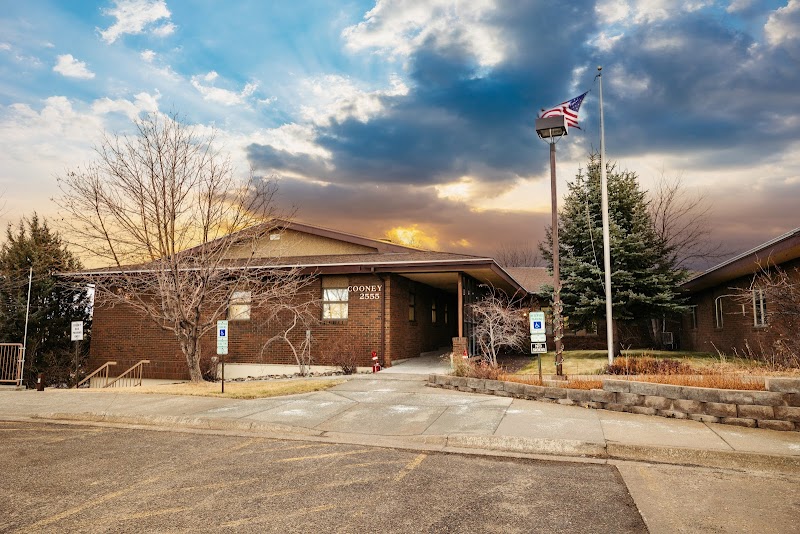
2555 E BROADWAY, HELENA, MT 59601 (406) 447-1651
For profit - Corporation 90 Beds EDURO HEALTHCARE Data: November 2025 1 Immediate Jeopardy citation
Trust Grade
0/100
#49 of 59 in MT
Last Inspection: August 2024

Within standard 12-15 month inspection cycle. Federal law requires annual inspections.

Overview

Cooney Healthcare and Rehabilitation has received a Trust Grade of F, indicating significant concerns about the quality of care provided. Ranking #49 out of 59 facilities in Montana places it in the bottom half, and it is the second lowest in Lewis and Clark County, with only one other option available locally. The facility is currently improving, having reduced its number of issues from 21 in 2024 to 7 in 2025; however, it still faces serious challenges, including 68 total deficiencies found during inspections, with 8 being serious and 1 critical. Staffing is a major concern, with a rating of 1 out of 5 stars and an alarming turnover rate of 81%, significantly higher than the state average. Additionally, the facility has incurred $131,174 in fines, which is higher than 88% of similar facilities in Montana, suggesting ongoing compliance issues. Specific incidents have raised alarms, such as a resident falling and being transferred improperly, leading to a hospital visit, as well as failing to monitor a resident who left the facility unattended. While there are some signs of improvement, families should weigh these strengths against the serious weaknesses before making a decision.

Trust Score
F
0/100
In Montana
#49/59
Bottom 17%
Safety Record
High Risk
Review needed
Inspections
Getting Better
21 → 7 violations
Staff Stability
⚠ Watch
81% turnover. Very high, 33 points above average. Constant new faces learning your loved one's needs.
Penalties
✓ Good
$131,174 in fines. Lower than most Montana facilities. Relatively clean record.
Skilled Nurses
○ Average
Each resident gets 30 minutes of Registered Nurse (RN) attention daily — about average for Montana. RNs are the most trained staff who monitor for health changes.
Violations
⚠ Watch
68 deficiencies on record. Higher than average. Multiple issues found across inspections.
★☆☆☆☆
1.0
Overall Rating
★☆☆☆☆
1.0
Staff Levels
★★☆☆☆
2.0
Care Quality
★☆☆☆☆
1.0
Inspection Score
Stable
2024: 21 issues
2025: 7 issues

The Good

  • Full Sprinkler Coverage · Fire safety systems throughout facility
  • No fines on record

Facility shows strength in fire safety.

The Bad

1-Star Overall Rating

Below Montana average (2.9)

Significant quality concerns identified by CMS

Staff Turnover: 81%

34pts above Montana avg (46%)

Frequent staff changes - ask about care continuity

Federal Fines: $131,174

Well above median ($33,413)

Significant penalties indicating serious issues

Chain: EDURO HEALTHCARE

Part of a multi-facility chain

Ask about local staffing decisions and management

Staff turnover is very high (81%)

33 points above Montana average of 48%

The Ugly 68 deficiencies on record

1 life-threatening 8 actual harm
Sept 2025 2 deficiencies 1 Harm
SERIOUS (G) 📢 Someone Reported This

A family member, employee, or ombudsman was alarmed enough to file a formal complaint

Actual Harm - a resident was hurt due to facility failures

Accident Prevention (Tag F0689)

A resident was harmed · This affected 1 resident

Based on observation, interview, and record review, the facility failed to ensure a resident who left the facility unattended was monitored and supervised sufficiently for elopement prevention, and th...

Read full inspector narrative →
Based on observation, interview, and record review, the facility failed to ensure a resident who left the facility unattended was monitored and supervised sufficiently for elopement prevention, and the resident left the facility again, unattended and without staff knowledge, for 1 (#6) of 26 sampled residents, and resident #6 sustained minor injuries when he had a fall. Staff failed to follow the identified safety interventions for elopement prevention, and the facility classification of an elopement allowed the resident to exit the facility and be in an unsafe environment unattended. Findings include: Review of resident #6's EHR showed a nursing note, dated 8/20/25, which included, This nurse called on call provider. due to patient continuing with extreme agitation and anxiety regarding the earthquakes he has been talking about all night.Review of resident #6's EHR showed an IDT Event Review note, dated 8/20/25, which included, . alerted nurse that resident was located walking parking lot. Resident seemed frustrated that an earthquake was happening, and he needed to get to safety. Resident has a small laceration on index finger . 30 minute rounding started at 3:$5 am (sometime around 3:00 a.m.). [sic] There was no other documentation showing any details as to what occurred that night or how the resident had gotten out of the building.Review of resident #6's EHR showed a nursing note, dated 8/31/25, . 0048 (12:48 a.m.) is when resident was noticed to be missing . CNA alerted this RN that resident was no longer in the dining room. After searching the facility, resident was unable to be located. Resident was returned to the facility at 0124 (1:24 a.m.). During this incident, resident #6 fell and had a scrape to his right forearm and reported right hip pain. The facility later sent resident #6 for an x-ray to rule out a broken hip. Both incidents on 8/20/25 and 8/31/25 resulted in resident #6 getting out of the facility and resulted in an injury to resident #6, The event on 8/31/25 was reported to the State Survey Agency. During an observation and interview on 9/8/25 at 11:33 a.m., staff member GG was sitting in resident #6's room and stated that resident #6 was on a 1:1 staff-to-resident watch as the resident had eloped in the past.During an observation and interview on 9/8/25 at 8:04 p.m., the facility's front doors were unlocked. Staff member H stated the facility's front doors were never locked or expected to be locked until that night. Staff member H stated that night, they were unlocked because staff called administration and asked for the doors to stay open until 9:30 p.m., as there was a family member staying until that time.During an observation on 9/8/25 at 8:50 p.m., resident #6 did not have a 1:1 sitter with him.During an observation on 9/9/25 at 8:31 a.m., resident #6 did not have a 1:1 sitter with him. During an interview on 9/9/25 at 1:04 p.m., staff member GG stated last night they did not have another staff member available to give report for a 1:1 sitter with resident #6, so there was no sitter last night. Staff member GG stated staff was responsible for watching resident #6 24/7 to ensure he did not elope and would document this on the paper in the resident's room.During an interview on 9/9/25 at 1:14 p.m., staff member DD stated resident #6 was an elopement risk and was on 1:1 and 15-minute checks by staff member DD. They stated resident #6 was on 15-minute checks, and if the resident was showing any behaviors or was exit seeking, then the resident would be 1:1 at that time. Staff member DD stated all of the nurses and CNAs communicated this to one another, and this was how all staff were notified. Staff member DD stated prior to the elopement on 8/31/25, resident #6 did show signs of wandering, even though he had left the facility previously. Staff member DD stated they were able to keep track of the 15 minutes by their timer on their watch(s). During an observation on 9/9/25 at 2:06 p.m., staff member DD was observed in the rehab department and giving showers to other residents.During an observation on 9/9/25 at 2:33 p.m., staff member DD was not in resident #6's room, and resident #6's 15-minute check sheet had not been documented on since 2:15 p.m.During an observation on 9/9/25 at 2:40 p.m., staff member DD had not been in resident #6's room since 2:33 p.m. and there was no documentation for the 15-minute checks since 2:15 p.m. During an observation on 9/9/25 at 2:49 p.m., staff member DD returned to resident #6's room. During an observation and record review on 9/9/25 at 2:59 p.m., resident #6's 15-minute check documentation showed staff member DD was in resident #6's room at 2:30 p.m. and 2:45 p.m. However, staff member DD had not been in resident #6's room for 34 minutes, as observed by this surveyor. During an interview on 9/9/25 at 3:04 p.m., staff member G stated resident #6 had eloped and had fallen outside. Staff member G stated this was probably the reason the front door was locked now. Staff member G stated the 15-minute checks were news to them, but assumed one staff member would check on resident #6 every 15 minutes, and an additional staff member would be 1:1 with resident #6. Staff member G was very unclear to how the facility would have both 1:1- and 15-minute checks at the same time. They assumed a nurse would tell them in report. Staff member G stated resident #6 did not sleep well, and this could explain why he wandered at night. Staff member G stated they felt resident #6 would benefit from a Wanderguard as he did wander around the building.During an interview on 9/10/25 at 11:11 a.m., staff member E, stated there had been a change in resident #6's baseline cognitive status, and said he used to ask staff to take him outside as he liked to go outside very frequently. Staff member E stated the night of 8/31/25, a night shift staff member had last seen resident #6 in the dining room around 11:30 p.m. or 12:00 a.m. Staff member E stated resident #6 was not found until hours later. Staff member E stated the facility used to have Wanderguards, but that was more than a year ago, and stated there were other residents who also wandered and who got out of the facility as well. Staff member E stated resident #6 had gotten out of the facility twice. Staff member E stated they had no idea why the front doors were not locked after the first time resident #6 had gotten out of the building. Staff member E stated the doors were locked, preventing entry but not exit.During an interview on 9/10/25 at 11:24 a.m., with staff members A and C, staff member A stated resident #6 eloped on 8/31/25, and this incident was reported to the State Survey Agency. Staff member A stated resident #6 was being checked by a staff member every 15 minutes. Both staff members A and C stated when resident #6 had left the faciity on 8/20/25, and found in the parking lot, this was not considered an elopement. Staff member A stated the facility had changed their policy where the company would not consider a resident eloping if the resident was on the facility's grounds. Staff member A stated that with the incident on 8/20/25, resident #6 was still in the facility's parking lot, and staff member A stated the parking lot was still considered the facility's space. Staff member A stated resident #6 had made it 1.1 miles away from the facility on 8/31/25, where he then fell. Staff member A stated resident #6 was a 1:1 from 8/31/25, which then ended Monday morning. Staff member A stated the facility was in the process of getting a Wanderguard system put in. Staff member A stated the Wanderguard system was not put in sooner because a conversation was made with the physicians regarding all of the residents in the facility, and no residents were deemed as an elopement risk. During an interview on 9/10/25 at 11:45 a.m., staff member EE stated the facility was in the process of getting a Wanderguard put in. Staff member EE stated a Wanderguard would be smart because there were a couple of residents who liked to wander outside, specifically stating resident #6 was one. Staff member EE stated it was a good thing that the doors were locked now, but stated a resident could still exit the doors from the inside.During an interview on 9/10/25 at 12:01 p.m., staff member P stated the front door was watched from the normal business hours but was not watched after that time. Staff member P stated, To me it does feel unsafe (to have the front door unlocked). Staff member P, stated, I want them (the residents) to be safe. They are like our family. Staff member P stated the staff members created a bond with the residents. Staff member P stated the facility would consider a resident to have had eloped if they got to the end of the walkway or passageway. Staff member P stated, Personally, (I would not be comfortable with them going that far) not even that far. Staff member P stated they felt a resident would be unsafe if they got out of the facility for safety reasons because many of the residents were confused, a resident could get into an unknown vehicle, the resident could fall, or the resident could get hit by a car.During an interview on 9/10/25 at 3:52 p.m., staff member II stated the facility could not do both 1:1 and 15-minute checks. Staff member II stated it did not make any sense for the same person to do those two tasks at the same time. During an observation and interview on 9/10/25 at 8:01 p.m., staff member II opened the front door of the facility from the inside. No keys or code was needed to open the door. Staff member II stated this was normal for this door to open from the inside, but to be locked from the outside.During an interview on 9/10/25 at 8:00 p.m., staff member K stated, Staffing is terrible here at night. We need more help to answer all the call lights. We have several dementia patients wandering all night, multiple two-person Hoyer patients, and only three CNAs.During an interview on 9/10/25 at 8:03 p.m., staff member J stated, We only have three CNAs in the building; we can't keep track of all these residents, much less the elopers.During an interview on 9/10/25 at 8:06 p.m., staff member JJ stated being assigned to the 1:1 with resident #6, and staff member JJ also had to verify #6's location every 15 minutes.
CONCERN (D) 📢 Someone Reported This

A family member, employee, or ombudsman was alarmed enough to file a formal complaint

Potential for Harm - no one hurt, but risky conditions existed

Report Alleged Abuse (Tag F0609)

Could have caused harm · This affected 1 resident

Based on interview and record review, the facility exceeded the required two hour window for reporting alleged sexual abuse to the State Survey Agency for 1 (#59) of 26 sampled residents. This deficie...

Read full inspector narrative →
Based on interview and record review, the facility exceeded the required two hour window for reporting alleged sexual abuse to the State Survey Agency for 1 (#59) of 26 sampled residents. This deficient practice increased the risk for all residents to be unprotected from the alleged sexual abuse perpetrator. Findings include: During an interview on 9/8/25 at 12:56 p.m., NF3 stated she reported an incident which appeared sexual in nature to staff member D, and the incident made her feel uncomfortable. NF3 reported it to staff member D on 9/3/25 at approximately 10:30 a.m. NF3 stated she had expressed to staff member D when she walked into resident #59's room, at approximately 10:00 a.m., she saw what appeared to be romantic relations between resident #59 and a man she thought could be her husband. NF3 stated when she saw the incident, she immediately went into the hallway and waited for approximately 30 minutes. NF3 stated, I left to give them privacy, then began to worry resident #59 was being taken advantage of, and reported the incident to staff member D. NF3 stated when she went into resident #59's room initially, she had observed a man standing up from his wheelchair, even though she could see he was a double amputee, he looked like he was vigorously turning butter, with his hips and making noises. NF3 stated resident #59's hand was near the man's groin, resident #59 was lying flat in her bed, and when resident #59 saw her (NF3), resident #59 looked shocked. NF3 stated after reporting the incident to staff member D, she left the facility and returned two hours later to complete her visit, and that was when she found out the man she had observed was resident #59's son. NF3 stated she and staff member D tried to rationalize other possibilities of what he could have been doing, then stated, But we couldn't.During an interview on 9/10/25 at 9:21 a.m., staff member A stated his policy for reporting incidents of this nature to the State Survey Agency was within two hours. Staff member A stated the Bounds (reporting system) time stamp was 10:45 a.m. on 9/4/25 for the reporting of the incident to the State Survey Agency. Staff member A stated the following reasons for not reporting the incident within two hours like he typically would were:1) There were conflicting stories,2) The family had requested the facility not to,3) He didn't know resident #59's son was a registered sex offender, 4) Resident #59 was pleasant, in no distress, and did not have any signs of negative interactions with her son,5) The allegation was vague, stating I think NF3 heard a weird sound and he was moving funny, was vague, and6) Resident #59's daughter had already asked resident #59's son to leave the facility. Staff member A stated, Once we felt it was potential sex abuse we reported it in within 2 hours.Review of a facility policy, titled, Abuse, Neglect, Exploitation and Misappropriation Prevention Program, Revised April 2021, showed: . 9. Investigate and report any allegations within timeframes required by federal requirements. Review of the Facility Reported Incident #2608463, showed the State Survey Agency received the report of the incident on 9/4/25 at 12:00 p.m. This was 25 hours after the incident occurred.
Aug 2025 5 deficiencies 1 Harm
SERIOUS (G) 📢 Someone Reported This

A family member, employee, or ombudsman was alarmed enough to file a formal complaint

Actual Harm - a resident was hurt due to facility failures

Accident Prevention (Tag F0689)

A resident was harmed · This affected 1 resident

Based on interview and record review, the facility failed to ensure that 1 (#1) of 3 sampled residents was kept safe while using her motorized wheelchair in the [Entity Name] parking lot while coming ...

Read full inspector narrative →
Based on interview and record review, the facility failed to ensure that 1 (#1) of 3 sampled residents was kept safe while using her motorized wheelchair in the [Entity Name] parking lot while coming from an appointment. This deficient practice resulted in a resident falling outside of the facility and suffering from multiple fractures, which resulted in hospitalization; and the residents using motorized wheelchairs did not feel safe when being transported due to the type of transport offered or used, for 2 (#s 1 and 2) out of three sampled residents. Findings include:Review of resident #1's EHR showed a BIMS of 15, cognitively intact. A weight of 357.8 pounds (as of 6/8/25), and a consistent oxygen requirement of three liters per minute. Resident #1's relevant diagnoses were: Type 2 diabetes, obesity, chronic obstructive pulmonary disease, acute on chronic diastolic (congestive) heart failure, unspecified atrial fibrillation, osteoarthritis, contusion of left lower leg, long-term use of anticoagulants, and pulmonary hypertension.During an interview on 8/5/25 at 7:40 a.m., staff member M stated resident #1 was 100% cognizant and was cleared to operate her motorized wheelchair independently around the facility. Staff member M stated resident #1 required a staff member when leaving the facility on her motorized wheelchair. Staff member M stated the day of 7/8/25, resident #1 had been short of breath and could not keep her oxygen saturations up during her rehabilitation. Staff member M stated her oxygen requirements increased to four liters per minute, which was not her normal. Staff member M stated resident #1 was later suspected of a pulmonary embolism (PE). Staff member M stated resident #1 went to the hospital to get a CT, but refused to go in the van and did not want to go with EMS. Staff member M stated resident #1 was an obese woman and felt that when she traveled with EMS, they would have to manhandle her, which she did not like. Staff member M stated on the way back from the scan, resident #1 hit a speed bump in her motorized wheelchair, fell out, broke her femur, and was transferred to the hospital. Staff member M stated they were unsure why this happened, as resident #1 was able to complete high-level assessments while driving her motorized wheelchair. Staff member M stated the long-term goal for resident #1 was to go to an assisted living facility. Staff member M stated this was partly why a motorized wheelchair was ordered in the first place.During an interview with staff member B and H, on 8/5/25 at 10:52 a.m., staff member B stated the incident occurred (resident falling from wheelchair) with resident #1 because occupational therapy had not cleared the resident to be transported with any other staff members other than a physical therapist or occupational therapist specifically. Staff member B stated a nurse had taken resident #1 over to the hospital, and a transport staff member took her back to the facility. Staff member B stated that right after the incident, staff member D called the facility, and staff member C responded to the incident, who then called 911. Staff member B stated that staff member D should have called 911 right away. Staff member H stated staff member D sat resident #1 up, after she fell because the resident had told staff member D that the pavement was too hot. Staff member B stated staff member D acted negligently because staff member D did not call 911 immediately and moved the resident without a proper evaluation first. Staff member B also stated staff member D had a history of not completing job duties correctly and delegating orders.Review of resident #1's occupational therapy assessment showed Power-Mobility Indoor Driving Assessment: Score Sheet. The written score was a 96% out of 100% with the comments: Resident cleared for in facility with outside requiring close supervision and verbal cues for safety.During an interview on 8/5/25 at 11:08 a.m., staff member K stated resident #1 had met all goals regarding her motorized wheelchair. She was at a supervisory level when outside. Staff member K stated a physical therapist or occupational therapist did not have to be with resident #1 when the resident was outside, as the Rehabilitation Department had cleared the resident to have met this goal. Staff member K stated, She (the resident) was at a supervision level so anyone could have watched her.During an interview on 8/5/25 at 11:24 a.m., staff member C stated that morning, staff member C and resident #1 went over the same speed bump with no issues. Staff member C stated that they later got a call from staff member D, went to the scene, and then called 911. Staff member C stated that resident #1 must have just hit the curb wrong, and it was an unfortunate accident. Staff member C stated that resident #1 would have gone to the hospital by herself if staff member C had not offered to go with her. Staff member C stated that resident #1 did not have a phone, so if something had happened, she would have been out there alone. Staff member C stated it did not look like resident #1 was moved when staff member C came on to the scene, but they stated it was hard to say, as resident #1 was sitting up, and staff member C did not know how she landed. Staff member C stated staff member D described what happened as resident #1 fell out of the chair on her hands and knees and then fell back on her buttocks to the left side.During an interview on 8/5/25 at 2:54 p.m., staff member L stated they would not allow anyone with a suspected PE to take themselves across the parking lot, even if they went along. Staff member L stated if a resident's oxygen saturations were low, there would always be a potential for respiratory issues. Staff member L stated they could throw that blood clot any minute, with a suspected PE as well, which could be fatal. Staff member L stated they would feel uncomfortable being stuck in the parking lot if something occurred. Staff member L stated, Anything bad can happen from that point. We don't want all of the things to happen that did happen. Staff member L stated this incident should never have happened.During an interview on 8/5/25 at 3:04 p.m., staff member I stated a seatbelt with a motorized chair could have been helpful to prevent a fall out of the chair. Staff member I stated it depended on the dynamics of the fall.During an interview on 8/5/25 at 3:13 p.m., staff member B stated right before the incident, they had been made aware that the van could not hold resident #1's weight and her motorized wheelchair as it was too heavy. Staff member B stated by the time a new plan could be made, staff member D had already left to get resident #1. Staff member B stated staff member D was outside of their scope of practice as they moved resident #1 by sitting her up, and staff member D should have known to get the nurse first and call for assistance.During an interview on 8/5/25 at 7:35 p.m., staff member D stated they did not walk the resident over to the appointment, but staff member C did. Staff member D stated they walked with resident #1 back from her appointment. Staff member D stated resident #1 was not wearing her seatbelt when she fell out of her motorized wheelchair, and staff member D stated they did not have enough time to react to try to catch her. Staff member D stated the motorized wheelchair did not tip over when resident #1 fell out of the chair. Staff member D stated they called staff member C right away. Staff member D stated they put resident #1's oxygen back on and sat her up, but were unsure of the exact time the resident was sat up to when the nurse responded to the scene. Staff member D stated the nurse called 911, then left to call staff member B. Staff member D stated they were left alone with resident #1 until EMS arrived. Staff member D stated they were not BLS certified and said it was not required at the facility. Staff member D stated they've been doing their job for about five years. Staff member D also stated the facility's van was not working at that time. Staff member D stated resident #1 did not like to use the borrowed van with the manual lift because of the steep incline to get into the van.Review of staff member D's staff file showed no documentation of BLS certification.Review of resident #1's hospital admission note showed: atrial fibrillation with RVR (rapid ventricular response). Atrial fibrillation with RVR is a heart condition with rapid contractions of the atria and the ventricles beat too quickly, resulting in the body not receiving enough oxygenated blood.During an interview on 8/6/25 at 7:30 a.m., staff member E stated they were unable to find a weight limit on the facility's van lift. Staff member E looked at the pamphlets in the glove compartment and stated the weight limit should be obvious and easily seen by all staff members using the van. Staff member E stated, (The van lift) should be rated to 1,000 pounds, and should have held resident #1 and her motorized wheelchair if it had been working that day. Staff member E stated the facility's van was not working for many months, because the back door was broke, and this did not allow the mechanical lift to work. Staff member E stated they fixed the door last Saturday.During an interview on 8/6/25 at 9:14 a.m., resident #2, who also used a motorized wheelchair, stated she would take her motorized chair to appointments with the accompaniment of a staff member. She stated she felt unsafe and uncomfortable with the borrowed manual van because the ramp was so steep with her motorized wheelchair.Review of resident #1's hospital ER documents showed:- Discharge diagnoses/cause of death: Principal Problem: Open fracture of shaft of left femur . Leg hematoma, left, subsequent encounter . Closed bimalleolar fracture of left ankle .-History of Present Illness on admission: .-Trauma - Ejected from wheelchair in parking lot, scraped leg on chair and now has uncontrolled bleeding to L lower (left lower leg) .-went over speed bump too fast as she did not see it coming. She said the chair went up in the air, and she bucked out of it forward onto her left leg. She presented with an open distal femur fracture, bimalleolar fracture and an open left leg wound as the impact dislodged her wound vac. She was in Afib with RVR on arrival to the ED .-Interventions in the ED: 2 units of PRBC started .
CONCERN (D) 📢 Someone Reported This

A family member, employee, or ombudsman was alarmed enough to file a formal complaint

Potential for Harm - no one hurt, but risky conditions existed

Comprehensive Care Plan (Tag F0656)

Could have caused harm · This affected 1 resident

Based on interview and record review, the facility failed to ensure a comprehensive person-centered care plan was in place for 2 residents (#s 1 and 2) of 3 sampled residents. This resulted in one res...

Read full inspector narrative →
Based on interview and record review, the facility failed to ensure a comprehensive person-centered care plan was in place for 2 residents (#s 1 and 2) of 3 sampled residents. This resulted in one resident falling in the parking lot while using her motorized wheelchair while she was outside of the facility. Findings include:1. Review of resident #1's care plan, with an initiation date of 8/9/23, showed:- Focus: (resident #1) has physical functioning deficit related to weakness, recent acute illness, activity intolerance, and obesity. -Interventions/Tasks: Electric and manual w/c . The care plan did not mention if the resident was able to leave the building for appointments using her motorized wheelchair with or without the accompaniment of staff. The care plan did not distinguish specific staff that were required to accompany the resident and did not address the need for verbal cues that was mentioned on the occupational therapy evaluation.Review of resident #1's occupational therapy assessment showed Power-Mobility Indoor Driving Assessment: Score Sheet. The written score was a 96% out of 100% with the comments: Resident cleared for in the facility with outside requiring close supervision and verbal cues for safety.During an interview on 8/5/25 at 10:34 a.m., staff member J stated the residents would often walk if able, or be transported with their wheelchair or motorized wheelchair across the [Entity Name]'s parking lot to go to appointments instead of taking the facility's van.2. During an interview on 8/6/25 at 9:14 a.m., resident #2 stated she had taken her motorized wheelchair through the [Entity Name]'s parking lot to get to an appointment a couple of times, but preferred the van. She stated she liked the facility's van, but did not like the currently borrowed van as it had a manual lift. She stated she felt uncomfortable and a bit unsafe, going up the steep ramp in her motorized chair. Review of resident #2's care plan, with an initiation date of 8/5/25, showed: Electric W/C for locomotion around facility. The facility failed to show the resident's preference for the use of a van instead of using her motorized wheelchair, and failed to show if resident #2 was safe to use her motorized wheelchair outside of the facility and to go to appointments. Review of a facility policy, titled Comprehensive Care Plans, with a revision date of 6/2/25, showed:- Policy: It is the policy of this facility to develop and implement a comprehensive person-centered care plan for each resident, consistent with resident rights, that includes measurable objectives and timeframes to meet a resident's medical, nursing, and mental and psychological needs and ALL services that are identified in the resident's comprehensive assessment and meet professional standards of quality.-8. Qualified staff responsible for carrying out interventions specific in the care plan will be notified of their roles and responsibilities for carrying out the interventions, initially and when changes are made.
CONCERN (D) 📢 Someone Reported This

A family member, employee, or ombudsman was alarmed enough to file a formal complaint

Potential for Harm - no one hurt, but risky conditions existed

Deficiency F0726 (Tag F0726)

Could have caused harm · This affected 1 resident

Based on interview and record review, the facility failed to ensure resident safety by providing the appropriate competencies to all staff regarding transportation services when staff were assisting o...

Read full inspector narrative →
Based on interview and record review, the facility failed to ensure resident safety by providing the appropriate competencies to all staff regarding transportation services when staff were assisting outside the facility. This deficient practice resulted in a resident falling in the parking lot, being ejected from their motorized wheelchair, and this resulted in 1 (#1) resident being transferred to the hospital. Findings include:During an interview on 8/5/25 at 2:49 p.m., staff member G stated all onboarding trainings, job titles, and job duties should be located in the staff files. Staff member G stated that clinical trainings were located in a separate file in staff member B's office.During an interview on 8/5/25 at 3:13 p.m., staff member B stated all onboarding documentation should be signed and dated by the staff member. Staff member B stated all staff were educated on the new transportation policy, including what to do in a scenario where a resident fell, and also checking in with Rehabilitation Therapy and the DON before transferring a resident outside of the facility.Review of staff member D's file showed no yearly evaluations (including no demonstration of skills or ability, review of adverse events, gaps in competency, or demonstrated ability to perform activities that were within the staff member's scope of practice) since the hire date in 2020. No job title or job duties related to their position, and no education related to their specific job role, were located in this file. Review of staff member D's yearly education showed mostly computer-based training and no training that tested for critical thinking skills or the ability to manage care in complex environments.During an interview on 8/6/25 at 9:01 a.m., staff member H stated the facility could not find any yearly evaluations or competencies for staff member D. Staff member H stated the facility did not have any transportation education for any of the staff before the incident with resident #1 on 7/8/25.During a return phone call on 8/7/25 at 9:03 a.m., staff member D stated, It's been a long time (since any education was given regarding transportation), I don't even remember how long it's been.According to the State Operations Manual, These competencies are critical in order to identify potential issues early, so interventions can be applied to prevent a condition from worsening or becoming acute. Without these competencies, residents may experience a decline in health status, function, or need to be transferred to a hospital.
CONCERN (E) 📢 Someone Reported This

A family member, employee, or ombudsman was alarmed enough to file a formal complaint

Potential for Harm - no one hurt, but risky conditions existed

Investigate Abuse (Tag F0610)

Could have caused harm · This affected multiple residents

Based on interview and record review, the facility failed to fully investigate, have a consistent process of investigating, and document the investigations for four Facility Reported Incidents (FRI) t...

Read full inspector narrative →
Based on interview and record review, the facility failed to fully investigate, have a consistent process of investigating, and document the investigations for four Facility Reported Incidents (FRI) that were reviewed during the time of survey for 4 (#s 1, 3, 4, and 5) residents out of the 5 sampled, and resident injuries occurred for some of those residents. This deficient practice had the potential to result in a higher occurrence of similar incidents, as the root cause may have never been identified. Findings include: Review of a facility policy, titled Incidents and Accidents, not dated, showed: - Policy: It is the policy of this facility to utilize Bounds and PCC . to report, investigate, and review any accidents or incidents that occur or allegedly occur, on facility property or may involve or allegedly involve a resident. -The purpose of incident reporting can include: . Conducting root cause analysis to ascertain causative/contributing factors as part of the Quality Assurance Performance Improvement (QAPI) to avoid further occurrences. [sic]-15. If an incident/accident was witnessed by other people, the supervisor or designee will obtain written documentation of the event by those that witnessed it.Listed below is a summary of the four Facility Reported Incidents:1. Review of a FRI that occurred on 10/29/24 showed an incidental finding of a fracture on resident #3. The facility completed resident questionnaires for four residents, but did not include resident #3 in the interviews. No staff interviews were conducted for the staff who might have been on duty around the time the fracture might have occurred. No resident representative interviews were conducted. There was also no documented root cause analysis of the resident injury. 2. Review of a FRI that occurred on 4/16/24 for resident #4 showed an unwitnessed fall and abrasion, which resulted in a hospital visit. The interdisciplinary team identified the root cause, but no staff or resident interviews were completed or documented, including the resident who fell.3. Review of a FRI that occurred on 10/16/24 for resident #5 showed a resident's family member was concerned and wanted the resident sent to the hospital. The resident's family member had voiced this concern to a CNA. The FRI investigation showed an interview with the nurse, but did not show a documented interview with the resident, the resident's family member, the CNA, or any other staff members who may have been involved. There was no root cause analysis as to why the incident might have occurred.4. Review of a FRI that occurred on 7/8/25 showed resident #1 fell in the [Entity Name]'s parking lot, was transferred to the hospital, and later passed away from comorbidities and surgery. The investigation of the incident failed to show resident #1's or staff member C's interview of the situation. Although resident #1 was hospitalized , staff member M stated they had talked to the resident at the hospital about what had happened on 7/8/25. There was also no documentation of the potential root causes related to the event. During an interview on 8/5/25 at 3:13 p.m., staff member A stated the Facility Reported Incidents were not thoroughly investigated because of changes in upper management and a multitude of duties falling on staff member A. Staff member A stated a thorough investigation should have been completed.
CONCERN (E) 📢 Someone Reported This

A family member, employee, or ombudsman was alarmed enough to file a formal complaint

Potential for Harm - no one hurt, but risky conditions existed

Deficiency F0940 (Tag F0940)

Could have caused harm · This affected multiple residents

Based on interview and record review, the facility failed to ensure new and existing staff: were properly educated concerning the transportation of residents; yearly evaluations were completed and doc...

Read full inspector narrative →
Based on interview and record review, the facility failed to ensure new and existing staff: were properly educated concerning the transportation of residents; yearly evaluations were completed and documented; and written job titles and duties were located in the staff files. This deficient practice had the potential to result in staff feeling unprepared and potentially not knowing their roles. Findings include:During an interview on 8/5/25 at 2:49 p.m., staff member G stated all onboarding trainings, job titles, and job duties should be located in the staff files. Staff member G stated clinical trainings were located in a separate file in staff member B's office.During an interview on 8/5/25 at 3:13 p.m., staff member B stated all onboarding documentation should be signed and dated by the staff. Staff member B stated all staff were educated on the new transportation policy, including what to do in a scenario where a resident fell, and checking with Rehabilitation Therapy and the DON before transferring a resident outside of the facility.Review of staff member F's employee file showed all of the onboarding documentation was in staff member F's file, but the documentation was blank. The facility was able to provide electronically signed documentation; however, these documents were not dated. Staff member F worked the floor 8/4/25.Review of staff member D's file showed no yearly evaluations since their start date in 2020, no job title, or job duties related to their position, and no education related to their specific job role. There was no driver's license present in staff member D's file.Review of facility policy, titled Transporting a Resident (Facility Van), not dated, showed: 8. Staff authorized to drive the van will have necessary training and licensure to operate the vehicle as well as knowledge on van safety features. Copies of any necessary documentation will be kept in each employee's personnel file.During an interview on 8/6/25 at 9:01 a.m., staff member H stated the facility could not find any yearly evaluations or competencies for staff member D after the changes in administration over the past year. Staff member H stated the facility did not have any transportation education for any of the staff prior to the incident with resident #1 on 7/8/25.During a return phone call on 8/7/25 at 9:03 a.m., staff member D stated, It's been a long time (since any education was given regarding transportation), I don't even remember how long it's been.During an interview on 8/5/25 at 10:34 a.m. with staff member J and I, staff member J stated they did receive the education on the new policy but still felt confused about what to do if a resident asked them personally to walk over to the hospital. Staff member I stated they were too new and did not know the new policy. Staff members I and J stated this would probably never be a problem as this was not their job duty.
Oct 2024 3 deficiencies
CONCERN (D) 📢 Someone Reported This

A family member, employee, or ombudsman was alarmed enough to file a formal complaint

Potential for Harm - no one hurt, but risky conditions existed

Report Alleged Abuse (Tag F0609)

Could have caused harm · This affected 1 resident

**NOTE- TERMS IN BRACKETS HAVE BEEN EDITED TO PROTECT CONFIDENTIALITY** Based on observations, interviews, and record review, the facility failed to report an incident of potential abuse for two resid...

Read full inspector narrative →
**NOTE- TERMS IN BRACKETS HAVE BEEN EDITED TO PROTECT CONFIDENTIALITY** Based on observations, interviews, and record review, the facility failed to report an incident of potential abuse for two residents (#s 1 and 2) to the State Survey Agency, or the resident's representative, of 5 sampled residents. This failure increased the risk of other events occurring related to the two residents, due to preventive measures not being taken, and one resident displayed overly attentive behavior towards males. Findings include: Review of a complaint filed on 8/20/24 reflected the following concern: - Staff member C gave staff member F report, explaining resident #1 had, .wandered into, [Resident #2's] room and climbed into bed with him. [Resident #2] was very mad and went after [Resident #1] with his wheelchair. Staff member C stated she was not going to report it because it's too much work. During an interview on 10/3/24 at 10:50 a.m., resident #2 was sitting in the common area talking to staff and residents in the common area. Resident #2 appeared pleasantly confused. Resident #2 stated he did not remember anyone in his room or someone getting into bed with him. During an observation and interview on 10/3/24 at 11:11 a.m., resident #1 was sitting in a wheelchair in the hallway. Resident #1 was confused and unable to respond appropriately to questions. Resident #1 appeared to be clean and her mood appeared happy. During an interview on 10/3/24 at 1:15 p.m., staff member A stated the reportable process would include sending the social worker to investigate, nursing staff were to assess the resident(s) and to put accusations of abuse, neglect, misappropriation, or exploitation in the state Bounds (abuse reporting) system. Staff member A stated he had started in late August and could not explain why the incident with resident #1 wandering into resident #2's bed .cuddling was not reported. Staff member A stated he was not made aware of the incident involving resident #1 and resident #2. During an interview on 10/3/24 at 5:38 p.m., NF2 stated she had not received any calls from the facility about any incidents happening with resident #2. NF2 stated she was not happy, because she never gets calls from the facility. During an interview on 10/4/24 at 11:24 a.m., NF1 stated she received a call from the facility on 10/3/24 reporting the incident of resident #1 climbing into bed with a male resident. NF1 stated she was flabbergasted, upset, and did not understand why the facility took six weeks to find out the incident happened. Review of resident #1's EHR Progress notes, dated 8/5/24-8/6/24, reflected resident #1 .was found cuddling with room [ROOM NUMBER] in the recliner. Taken back to her room and continue to monitor. and . resident has been up and down all noc. Masturbating a lot. She took her brief off and urinated on the bed than came out to the common area walking. She is steady on her feet. Review of resident #1's Care Plan: Safety/Vulnerability, with a revision date of 7/29/24, showed the following: - . [Resident #1] is at risk for abuse r/t dementia and being vulnerable and exhibiting overly affectionate behaviors toward other male residents. Review of the facility's policy, Abuse, Neglect, Exploitation or Misappropriation - Reporting and Investigating, dated September 2022, reflected the following: - .2. The administrator or the individual making the allegation immediately reports his or her suspicion to the following persons or agencies: - a. The state licensing/certification agency responsible for surveying/licensing the facility .
CONCERN (E) 📢 Someone Reported This

A family member, employee, or ombudsman was alarmed enough to file a formal complaint

Potential for Harm - no one hurt, but risky conditions existed

Deficiency F0726 (Tag F0726)

Could have caused harm · This affected multiple residents

Based on interviews and record review, the facility failed to ensure staff were performing cares within their scope of practice and without necessary training, for 1 (#12) of 3 sampled residents. This...

Read full inspector narrative →
Based on interviews and record review, the facility failed to ensure staff were performing cares within their scope of practice and without necessary training, for 1 (#12) of 3 sampled residents. This practice increased the risk of negative outcomes for those residents who received care from staff member C. Findings include: During an interview on 10/3/24 at 10:44 a.m., staff member F stated staff member C was able to fire staff, work on the floor, create the schedule, and perform duties as the wound specialist. During an interview on 10/3/24 at 1:09 p.m. staff member H stated staff member C had been a wound nurse, floor nurse, manager and scheduler, all without RN supervision. During an interview on 10/3/24 at 3:15 p.m., staff member C stated she did make determine measurements and recommendations about a resident's wound, on her own. Review of resident #12's, A Weekly Wound Review, dated 9/22/24, reflected measurements of a left ear pressure ulcer, at a stage II, with measurements of 0.5 cm x 0.25 cm x 0.1 cm. The report reflected: - % Epithelial 25-50; - % Grandulation 25-50; - % Slough 0-25; - % Eschar/Necrotic 0-25; - Drainage Type - Serosanguinous - Yes; - Wound Edges - Intact - Pink. This wound assessment was signed as completed by staff member C, who was not a Registered Nurse. Review of the Montana Code Annotated 37.8.1 showed the defined scope of practice in the state of Montana for a Licensed Practical Nurse: - (8) (a) Practice of practical nursing means the performance of services requiring basic knowledge of the biological, physical, behavioral, psychological, and sociological sciences and of nursing procedures. The practice of practical nursing uses standardized procedures .These services are performed under the supervision of a registered nurse or a physician, naturopathic physician, physician assistant, optometrist, dentist, osteopath, or podiatrist authorized by state law to prescribe medications and treatments . Review of the Montana Code Annotated 37.8.1 showed the defined scope of practice in the state of Montana for a Registered Nurse: - (9) Practice of professional nursing means the performance of services requiring substantial specialized knowledge of the biological, physical, behavioral, psychological, and sociological sciences and of nursing theory as a basis for the nursing process. The nursing process is the assessment, nursing analysis, planning, nursing intervention, and evaluation in the promotion and maintenance of health, the prevention, casefinding, and management of illness, injury, or infirmity, and the restoration of optimum function . During an interview on 10/3/24 at 3:20 p.m., staff member B stated, without proper training and supervision, she was unaware an LPN was not allowed to complete wound assessments and was unable to be the wound care nurse The facility allowed a LPN to assess, evaluate, plan, and implement resident care plans and respond to resident's needs, specifically related to wound care, which was outside her scope of practice.
CONCERN (F) 📢 Someone Reported This

A family member, employee, or ombudsman was alarmed enough to file a formal complaint

Potential for Harm - no one hurt, but risky conditions existed

Administration (Tag F0835)

Could have caused harm · This affected most or all residents

Based on observations, interviews, and record review, the facility failed to provide oversight to ensure the nursing scope of practice was being followed appropriately for 1 (staff member C) of 5 staf...

Read full inspector narrative →
Based on observations, interviews, and record review, the facility failed to provide oversight to ensure the nursing scope of practice was being followed appropriately for 1 (staff member C) of 5 staff sampled, and failed to uphold disciplinary action for an LPN license on probation, and there were restrictions on the license staff member C. Findings include: During an interview on 10/3/24 at 10:44 a.m., staff member F stated they had concerns about the care of the residents at [Facility Name] and some of the management was teaching the staff to provide a substandard quality of care. Staff member F gave an example where they described an incident where an overweight resident fell, and CNAs were instructed to get a resident off the floor, without checking the resident's vitals first and without using a lift. Staff member F also stated there was an incident where they had tried to contact staff member C and was later told staff member C did not answer because the phone was in a lake. Staff member F had called due to an emergency at that time. Staff member F stated staff member C was able to fire staff, work on the floor, create the schedule, and was the wound care specialist. During an interview on 10/3/24 at 1:09 p.m. staff member H stated he was concerned about the residents' care at [Facility Name]. They stated, There was about a year and a half straight where this place was run just a little strange. People were being neglected. Wounds were not being changed. Anytime someone brought something up, they would be squeezed out (off the schedule). Staff member H stated staff member C was extremely aggressive towards other staff at times. Staff member H stated staff member C's license was on suspension related to alcohol abuse. Staff member H stated they knew this information because staff member C told everyone, including the residents. Staff member H stated, . you start to ask questions after a while . Staff member H stated, There is so much chaos internally. Our morale as staff is horrible. Staff member H stated staff member C had been a wound nurse, floor nurse, manager and scheduler, all without (RN) supervision. Staff member H stated staff member C gave narcotics without supervision. Staff member H stated they had been asked to sign for a narcotic they had not seen staff member C physically give. Staff member H also stated, The wounds were not done very much. Staff member H described the wounds as ooey and gooey when he would assess the wounds, as the dressings were not being changed often enough, in the past. During an interview on 10/3/24 at 3:15 p.m., staff member C stated she does the wound dressings, wound staging (determining severity), and wound measurements on her own. Review of the Montana Code Annotated 37.8.1 showed the defined scope of practice in the state of Montana for a Licensed Practical Nurse: (8) (a) Practice of practical nursing means the performance of services requiring basic knowledge of the biological, physical, behavioral, psychological, and sociological sciences and of nursing procedures. The practice of practical nursing uses standardized procedures .These services are performed under the supervision of a registered nurse or a physician, naturopathic physician, physician assistant, optometrist, dentist, osteopath, or podiatrist authorized by state law to prescribe medications and treatments . Review of the Montana Code Annotated 37.8.1 showed the defined scope of practice in the state of Montana for a Registered Nurse: (9) Practice of professional nursing means the performance of services requiring substantial specialized knowledge of the biological, physical, behavioral, psychological, and sociological sciences and of nursing theory as a basis for the nursing process. The nursing process is the assessment, nursing analysis, planning, nursing intervention, and evaluation in the promotion and maintenance of health, the prevention, case finding, and management of illness, injury, or infirmity, and the restoration of optimum function . During an interview on 10/3/24 at 3:20 p.m., staff member B stated she was unaware an LPN was not allowed to complete wound assessments, measurements, and make recommendations for wound treatments. Staff member B stated staff member C had stepped down a month ago from her managerial position, and she was no longer a supervisor, as she had no authority. When asked about information for drug diversion or missing medications in the past six months, staff member B stated, I can't answer that. There is a change going on in the wind because there needed to be one. I can't find any evidence. When asked about a situation from May to June about the majority of the staff (by STAFF MEMBER F's report) being drug tested, neither staff member A or B knew about the situation. During an interview on 10/3/24 at 5:00 p.m., staff member G stated the facility did not have a current job description on file or within the entire company that she knew of, for staff member C's current position as a wound specialist. Staff member G stated staff member C started working at the facility in February 2023, as a floor nurse, and she was in a salaried position from 3/29/24 to 8/10/24. She did not have any other signed job descriptions except the one signed in June of 2023 as a Unit Manager. When asked who verifies the professional licenses for RN's and LPN's, staff member G stated they did upon hire but did not check them after that point. Staff member G stated, I would assume [Company Name] or the Board of Nursing would tell me [if there was a problem]. Staff member G stated they knew about staff member C's probation. Staff member G stated NF3 had previously sent in the quarterly reports for staff member C's probation requirements. NF3 stopped working at the facility 8/31/24. Staff member G stated NF3 worked the usual business hours, 9:00 a.m. to 5:00 p.m. When asked how NF3 supervised staff member C when she worked the floor and a 12-hour shift, staff member G stated she did not know. When asked if the other staff members working on the floor would know to send the quarterly report information to the Board of Nursing, staff member G stated, I don't think that any one of those [staff members] would know to do that. Review a Board of Nursing document titled, Before the Board of Nursing State of Montana, with signatures dated 7/14/23, and it pertained to staff member C, showed: Probation. [Staff member C]'s LPN license shall be placed on probation for a period of two (2) years. The term of probation is tolled while she is not practicing nursing. During the term of probation, [staff member C] shall comply with the following conditions: a. [Staff member C] is prohibited from working as a charge nurse, or practicing nursing without direct supervision by an RN, LPN, APRN, physician, or physician assistant holding an unencumbered Montana license. Direct supervision means the supervisor is on the premises and is quickly and easily available. b. [Staff member C] shall have her supervisor(s) submit quarterly reports to the Board office addressing [staff member C's]: (1) compliance with the terms of this Stipulation; (2) adherence to nursing standards of practice; and (3) adherence to policies and procedures at the facility . c. [staff member C] shall submit monthly updates to the Department regarding her employment status. The notification shall include whether she is working as an LPN and, if she is working as an LPN, her place of employment, title, duties, the name(s) of her supervisor(s). Refer to F726 Competent Nursing Staff related to staff member C and failing to have the necessary competencies and training for wounds.
Aug 2024 12 deficiencies 1 Harm
SERIOUS (G)

Actual Harm - a resident was hurt due to facility failures

Pressure Ulcer Prevention (Tag F0686)

A resident was harmed · This affected 1 resident

Based on observation, interview, and record review, the facility licensed nursing staff failed to follow physician wound care orders; failed to complete wound treatments; and failed to document the wo...

Read full inspector narrative →
Based on observation, interview, and record review, the facility licensed nursing staff failed to follow physician wound care orders; failed to complete wound treatments; and failed to document the wound status/severity sufficiently, for 1 (#23), and failed to follow physician orders; complete wound dressing changes properly; licensed nursing staff used improper aseptic technique with a dressing change; and licensed nursing staff failed to follow the facility policy and procedures for wound care services, for initialing wound dressings, adding times, or dates, for 1 (#32) of 3 sampled residents requiring wound care. These failures made it more difficult to accurately determine the status of wounds, locations of wounds, and severity, for ongoing treatment/needs to be met, for both residents who had wounds being treated. Findings include: 1. Review of resident #23's EHR showed an increasing size wound throughout time, missed weeks of documentation in the Weekly Wound Reviews, missed wound treatments, and reports from the [Clinic Name] showing wound care dressings were not completed by the physician's orders. Review of resident #23's MAR showed in the month of July 2024, two opportunities were missed for a dressing change for the right gluteal fold wound, which was on 7/6/24 and 7/27/24. Review of resident #23's EHR showed a Visit Report from [Clinic Name], with the date of service of 7/3/24 and 7/31/24, that showed, Patient has shown up to the [Clinic Name] multiple times without prescribed dressings on. Please make sure that you are following provider orders. Review of resident #23's EHR showed a Physician's Telephone Order from [Clinic Name], which showed: Pt again was noted to not have prescribed dressing in place when he arrived. All wound dressings are the same. [sic] Below shows the review of resident #23's Weekly Wound Review documentation of the right gluteal fold: 2/14/24 - The wound was documented as Pressure (not staged) with measurements of 0.4 cm x 1.1 cm x 1.0 cm 5/19/24 - Pressure ulcer Stage III no measurements documented. Wound measurements difficult to obtain due to lack of help with positioning resident . 7/18/24 - Pressure Stage IV with measurements of 0.9 cm x 0.25 cm x 0.2 cm 8/1/24 - Pressure Stage IV 0.8 cm x 0.4 cm x 0.7 cm - no and yes were both documented for odor 8/8/24 - This document was blank and was in progress 2. Review of resident #32's EHR showed documentation was completed for the assessments shown below, but the wound location was not specified, measurements or specific wound characteristics were not always provided, and there were instances (ex: 6/25/24) where no skin issues were noted, but the week prior there were skin issues documented with no resolution (ex: 6/20/24). Review of resident #32's EHR wound assessment documentation, from 6/20/24 - 8/1/2024, showed: 6/20/24 Weekly Skin Check - Right 2nd toe - wound - Left 1st and 4th - toes have wounds - In the Weekly Heel Check section of this assessment, no identifiable heel skin issues were charted 6/25/24 Weekly Skin Check -No was selected which showed the resident did not have any skin issues 7/2/24 Weekly Head to Toe - Showed a skin issue to the Toes on bilateral feet - In the Weekly Heel Check section of this assessment, no identifiable heel skin issues were charted 7/12/24 Weekly Wound Review - Left heel 5.2 cm x 3.9 cm x 0.1 cm - Unstageable 7/12/24 Weekly Skin Check - Left heel - pressure ulcer (not staged) 5.3 cm x 3.9 cm x 0. 1cm - Left 2nd toe - 0.5 cm x 0.5 cm x 0.1 cm - Left 4th toe - 0.9 cm x 0.6 cm x 0.1 cm - Right 3rd toe - 0.6 cm x 0.5 cm x 0.1 cm 7/19/24 Weekly Wound Review - Left heel blister - 3.8 cm x 4.6 cm x 0.3 cm -2nd left toe trauma - 0.6 cm x 0.5 cm x 0.1 cm 7/28/24 Weekly Head to Toe - Left heel - mentioned in documentation but no wound measurements or characteristics of wound. - Right 3rd toe - healing - Left great toe - healing - Left 2nd toe - small - Left 5th toe - small 7/30/24 Weekly Head to Toe - showed: no skin issues 8/1/24 Weekly Wound Review - Left heel - pressure ulcer Stage III - 3.5 cm x 6.3 cm x 0.5 cm - Left toe (location not specified) - trauma Stage II - 0.4 cm x 0.5 cm x 0.1 cm - Right toe (location not specified) - skin tear and N/A stage - 0.7 cm x 0.5 cm x 0.1 cm - Right toe (location not specified) - pressure ulcer Stage II - 0.8 cm x 0.4 cm x 0.1 cm During an observation on 8/14/24 at 12:43 p.m., resident #32's wound dressing did not have any initials, date, or time. Staff member E and N removed the majority of the dirty wound dressing from the left heel but left the old hydrofera blue dressing on. Staff members E and N doffed gloves, cleaned hands, and donned new gloves. Staff member E removed the hydrofera blue dressing, cleaned the left heel wound with a cleaning solution, painted the wound with betadine, then placed a new hydrofera blue pad on the heel. Next, staff member E wrapped the area with kerlix then coban. Gloves were not changed after removing the dirty dressing before placing the new dressing on the wound. Review of resident #32's physician order showed, Left Heel: betadine paint, hydrofera blue, ABD, kerlix, coban. During the observation (on 8/14/24 at 12:43 p.m.), no ABD pad was applied to the wound dressing. The left heel wound bed was slightly larger in size and circumference than a half dollar coin, with both sides of the wound bed also extending outward medially and laterally, about an inch and a half. The wound bed was pink in color with intermittent red areas. The entire heel was calloused and yellow along with the surrounding tissue around the wound bed. During an observation on 8/14/24 at 1:01 p.m., staff member E placed the following dressings on #32's left 2nd toe: betadine, hydrofera blue, 4 inch kerlix (doubled), then coban. Review of #32's physician order for the left 2nd toe showed: Left 2nd toe: betadine paint, kling, coban. When asked why staff member E was applying kerlix instead of kling, staff member E stated, I've went to the appointments with him and [the physician] is okay with it. During an observation on 8/14/24 at 1:08 p.m., staff member E applied the following dressing to #32's 3rd and 4th right toes: betadine, four inch kerlix (doubled), and coban. The 3rd and 4th toes were noticeably pushed apart from one another due to the doubled kerlix material. No dates, times or staff initials were written on any of the observed dressings. Review of #32's physician orders showed, Right 4th toe: clean with wound cleanser, betadine, conforming gauze, coban one time a day. R third toe: betadine paint, hydrofera blue, kling, coban. [sic] Review of a facility provided document titled, Wound Care, revised October 2010, showed: .10. Follow Physicians orders for cleansing and dressing the wound . 13. [NAME] tape with initials, time, and date and apply to dressing.
CONCERN (D)

Potential for Harm - no one hurt, but risky conditions existed

Deficiency F0578 (Tag F0578)

Could have caused harm · This affected 1 resident

**NOTE- TERMS IN BRACKETS HAVE BEEN EDITED TO PROTECT CONFIDENTIALITY** Based on interview and record review, the facility failed to ensure the current Do Not Resuscitate order was reflected in the co...

Read full inspector narrative →
**NOTE- TERMS IN BRACKETS HAVE BEEN EDITED TO PROTECT CONFIDENTIALITY** Based on interview and record review, the facility failed to ensure the current Do Not Resuscitate order was reflected in the code status of the electronic health record and care plan for 2 (#49 and #57) of 31 sampled residents. This deficient practice increased the risk of the individual choices not being honored for the Do Not Resuscitate. Findings include: 1. A review of resident #57's Montana Provider Orders for Life-Sustaining Treatment (POLST), dated [DATE], showed, YES CPR: Attempt Resuscitation. A review of resident #57's care plan showed: . Patient has an advance Directive as evidenced by: Do not Resuscitate, Date Initiated: [DATE], Patient's wishes will be honored, Target date: [DATE], . Follow facility protocol for identification of code status, Date Initiated [DATE] . Review code status quarterly, Date Initiated [DATE] . A review of resident #57's EHR dashboard showed, Code Status: POLST Do Not Resuscitate (DNR: No CPR). Resident #57's current POLST did not match the code status in the care plan or the resident's EHR dashboard. 2. A review of resident #49's, Montana Provider Orders for Life-Sustaining Treatment (POLST), dated [DATE], showed, YES CPR: Attempt Resuscitation. A review of resident #49's EHR dashboard showed, Code Status: (Advance Directives) POLST: DNR/Comfort Treatment/No artificial nutrition. A review of resident #49's physician orders dated, [DATE] showed, . Description: DNR/Comfort Treatment/No artificial nutrition . A review of resident #49's care plan, last reviewed on [DATE], showed no advance directive or code status. During an interview on [DATE] at 3:33 p.m., staff member N stated she looked at #49's EHR dashboard for the current code status. During an interview on [DATE] at 3:45 p.m., staff member I stated the POLST was done on admission, was found in PCC under 'code status,' and reviewed quarterly at every care plan meeting. During an interview on [DATE] at 4:22 p.m., staff member I stated she, or her assistant, entered the advance directives in the medical record, and stated, Any of us can do it as long as the doctor is aware. The change is put in as a verbal and doctor signs .typically it is tasked to social services to deal with. A review of the facility's policy, Advance Directives, revised [DATE], showed: If the Resident Has an Advance Directive . . 2. The director of nursing services (DNS) or designee notifies the attending physician of advance directives (or changes in advance directives) so that appropriate orders can be documented in the residents medical record and plan of care. . 4. The plan of care for each resident is consistent with his or her documented treatment preferences and/or advance directive.
CONCERN (D)

Potential for Harm - no one hurt, but risky conditions existed

Deficiency F0657 (Tag F0657)

Could have caused harm · This affected 1 resident

Based on observation, interview, and record review, the facility failed to revise individualized comprehensive care plans to reflect the bathing preference for 1 (#132) of 3 sampled residents for bath...

Read full inspector narrative →
Based on observation, interview, and record review, the facility failed to revise individualized comprehensive care plans to reflect the bathing preference for 1 (#132) of 3 sampled residents for baths and to reflect current transfer methods for 2 (#s 35 and 55) of 3 sampled residents for transfers. Findings include: 1. During an observation and interview on 8/12/24 at 11:12 a.m., resident #132's hair was greasy, and she stated she doesn't get baths on a regular basis. Review of resident #132's Social Services note, dated 8/12/24, showed the resident, prefers bed baths. Review of resident #132's care plan failed to show bathing preferences and how often she prefers to be bathed. During an interview on 8/15/24 at 7:46 a.m., staff member O stated, Resident preferences for bathing should be in the care plan, and it is also on the bath schedule. During an interview on 8/15/24 at 7:51 a.m., staff member P stated, We do not add bathing preferences to the care plan unless it is an extenuating circumstance, such as refusing to shower. 2. During an interview on 8/12/24 at 11:45 a.m., resident #35 stated, The staff don't use the Hoyer (mechanical) lift with me anymore. During an interview on 8/14/24 at 10:28 a.m., staff member L stated, We use three to four people to transfer resident #35, and we do a stand pivot transfer. A stand pivot transfer was not completed using any mechanical device. Review of resident #35's care plan showed: Transfer assistance of (Hoyer lift); utilize Hoyer with 700 lb weight capacity. The resident's care plan was not being followed by staff, per the interviews with L and #35. 3. During an interview on 8/12/24 at 2:25 p.m., resident #55 stated, The Hoyer lift scares me, so staff use the sit-to-stand lift (mechanical lift). Review of resident #55's care plan showed, . Hoyer lift with XXL sling for transfers. When interviewed, the resident stated a different type of mechanical lift was used. A Hoyer lift does not allow a resident to bear weight, and it completely lifts a resident's entire body. A sit-to-stand lift allows the resident to bear some weight during transfers. If an improper lift is used, injury may occur to the resident.
CONCERN (D)

Potential for Harm - no one hurt, but risky conditions existed

Accident Prevention (Tag F0689)

Could have caused harm · This affected 1 resident

Based on interview and record review, the facility failed to provide a safe environment while using a lift, and anticipate and assess the residents needs related to transfers, for 1 (#35) of 3 sampled...

Read full inspector narrative →
Based on interview and record review, the facility failed to provide a safe environment while using a lift, and anticipate and assess the residents needs related to transfers, for 1 (#35) of 3 sampled residents. This resulted in the resident being transferred with the wrong lift and the lift failing, and the resident was dropped from the lift to the bed. Findings include: During an interview on 8/12/24 at 11:45 a.m., resident #35 stated, . staff were transferring me recently with the Hoyer lift, and the lift gave out, and dropped me. Thankfully, I was over the bed when this happened. I'm not sure why it happened; the staff member that was assisting me said they just pushed the down button and it dropped. During an interview on 8/14/24 at 10:28 a.m., staff member L stated, . when the lift gave out with (resident #35), staff were using the smaller Hoyer lift with the scale on it. I hadn't seen the 700-pound lift before until that incident happened. I think it was stored downstairs. It looks old. Review of resident #35's progress notes showed this incident happened on 7/19/24. Review of resident #35's care plan with a revision date of 8/7/24 showed: Transfer assistance of (Hoyer lift); utilize Hoyer with 700-pound weight capacity.
CONCERN (D)

Potential for Harm - no one hurt, but risky conditions existed

Deficiency F0692 (Tag F0692)

Could have caused harm · This affected 1 resident

**NOTE- TERMS IN BRACKETS HAVE BEEN EDITED TO PROTECT CONFIDENTIALITY** Based on observation, interview, and record review, the facility failed to provide sufficient hydration for 1 (#50) of 31 sample...

Read full inspector narrative →
**NOTE- TERMS IN BRACKETS HAVE BEEN EDITED TO PROTECT CONFIDENTIALITY** Based on observation, interview, and record review, the facility failed to provide sufficient hydration for 1 (#50) of 31 sampled. This failure had the potential to affect all of the residents with a BIMS less than 7 in the facility and required encouragement from staff to drink a sufficient amount of fluids throughout the day. Findings include: During an observation and interview on 8/12/24 at 12:19 p.m., resident #50 had dried lips, and when asked if he was getting enough water throughout the day, resident #50 reached for the cup of water and stated, Oh yeah, I do need this (the water). Resident #50 then took three big gulps of water and laid back down on the bed. Review of resident #50's EHR showed a readmission on [DATE] after being hospitalized for a small bowel obstruction on 7/26/24. During an observation on 8/14/24 at 9:27 a.m., resident #50 was laying in his bed sleeping with no fluids at the bedside. During an interview on 8/14/24 at 10:56 a.m., staff member F stated if a resident had a history of a small bowel obstruction, she would encourage fluids if she was concerned about constipation or a bowel obstruction for a resident. During an observation on 8/14/24 at 11:16 a.m., resident #50 did not have any fluids at the bedside. During an observation and interview on 8/14/24 at 11:20 a.m., resident #50 came out of his room and asked two staff members for juice. The staff walked by resident #50 and did not address his need for something to drink. Resident #50 asked the surveyor to get him juice. Resident #50 had dry lips and stated he was thirsty. During an interview on 8/14/24 at 12:15 p.m., staff member N stated to prevent constipation, fluids and laxatives were important. During an observation on 8/14/24 at 1:17 p.m., resident #50 did not have any fluids at the bedside. Review of resident #50's MDS, with an ARD of 8/4/2024, showed a BIMS of 2. A BIMS of 0 to 7 showed severe cognitive impairment. Review of resident #50's EHR showed a Nutritional Assessment with an effective date of 8/2/24 which recommended resident #50 received 2,632 ml of fluids per day. This Nutritional Assessment was completed by staff member H who also noted fluids to be Encouraged to resident #50.
CONCERN (D)

Potential for Harm - no one hurt, but risky conditions existed

Drug Regimen Review (Tag F0756)

Could have caused harm · This affected 1 resident

Based on interview and record review, the facility failed to ensure medication regimen reviews were completed monthly and documented in the electronic health record for 2 (#42 and 74) of 3 sampled res...

Read full inspector narrative →
Based on interview and record review, the facility failed to ensure medication regimen reviews were completed monthly and documented in the electronic health record for 2 (#42 and 74) of 3 sampled residents for medication review. Findings include: Record review of resident #74's medical record showed an admission date of 5/28/24. Review of resident #74's progress notes showed a medication review was performed on 5/28/24, with no irregularities found. No other medication reviews were located in the EHR or medication review documents, or provided. Record review of resident #42's medical record showed an admission date of 2/7/24. Review of resident #42's progress notes showed a review was completed on 2/21/24, 4/11/24, 5/21/24, and 6/26/24. No medication review was found or provided for 2/7/24 (on admission), March 2024, or July 2024. During an interview on 8/15/24 at 8:01 a.m., staff member A said a medication regimen review was done monthly by the pharmacy. The pharmacist sends the review to the facility in batches, they are reviewed by QAPI and the physician. Staff member A said he had only been at the facility since July 2024 and could not speak to the process prior to his arrival. Staff member A said there were no staff assigned to oversee the completion of the medication review. Record review of a facility document, Medication Regimen Reviews, revision dated May 2019, showed: . 2. Medication regimen reviews are done upon admission (or as close to admission as possible) and at least monthly, thereafter, or more frequently if indicated.
CONCERN (D)

Potential for Harm - no one hurt, but risky conditions existed

Unnecessary Medications (Tag F0759)

Could have caused harm · This affected 1 resident

Based on observation, interview, and record review, the facility failed to ensure a medication error rate of less than 5%. The observed error rate was 20.69% for 3 (#s 73, 74, and 101) of 4 residents ...

Read full inspector narrative →
Based on observation, interview, and record review, the facility failed to ensure a medication error rate of less than 5%. The observed error rate was 20.69% for 3 (#s 73, 74, and 101) of 4 residents sampled for medication administration. Findings include: 1. During an observation and interview on 8/14/24 at 7:59 a.m., staff member J removed single dose medication cards for resident #101. Staff member J compared the medication order on the EHR medication administration record (MAR). Staff member J did not verify the physician admission order with the order listed in resident #101's MAR when a discrepancy was found with resident #101's provided medication. The order was: Aripiprazole 2 mg, physician order; give 2 tablets per day. Medication label on card; give 3 tablets per day, (the card only had one tablet remaining), staff member J dispensed 1 tablet into the medication cup for the resident. Losartan 100 mg, physician order; give 1, 50 mg tablet per day. Medication label on the card; Losartan 100 mg, give 1 tablet per day. Staff member J was going to break the unscored pill in half to give the appropriate dose. Staff member J then pulled up the third medication card, was about to dispense the third medication into the resident's medication cup, and noticed the medication was not listed on the MAR with an order to be given. Staff member J collected all of resident #101's medication and gave it to staff member FF to be checked for accuracy. Staff member J stated she was trained by the facility to always go by the order that was listed on the MAR and not on the cards provided by the pharmacy. The medication cards were not always correct because the order may have changed, and the facility was trying to use up the medication that had already been provided from the previous order. Staff member J said resident #101 was a new admit to the facility, and the medication should have been checked by the nurse prior to being placed in the medication cart. During an interview on 8/14/24 at 8:19 a.m., staff member FF said the medication cards were received from the hospital when resident #101 was admitted to the facility. Staff member FF said all of the medications provided were incorrect, and she would be dispensing medications from facility stock based on the physician admission orders, until she was able to verify the medications and dosages. She was not aware of how the incorrect medication was dispensed to the medication cart. 2. During an observation on 8/14/24 at 8:08 a.m., staff member J removed single dose medication cards for resident #74. Staff member J compared the medication order on the EHR medication administration record (MAR). Staff member J did not verify the physician order with the order listed in resident #74's MAR when a discrepancy was found with resident #74's single dose medication card. The order was: Gabapentin 400 mg, physician order; give 1 capsule by mouth TID (three times daily). Medication label on the card; Gabapentin 100 mg, give 2 capsules by mouth TID. The administration card was observed to contain 2 capsules in each bubble for dispensing. Staff member J said she was instructed to use up the card, and when the card was empty, the new dosage would be correct. Staff member J dispensed 4 capsules to resident #74. Insulin Aspart Flex Pen 100 UNIT/ml, physician order; inject 10 units subcutaneously with meals, related to Type II diabetes. Medication Label on the pen; inject 4 units in a.m. subcutaneously with meals. Staff member FF removed resident #74's insulin pouch and removed his insulin pen. She immediately discarded the pen in the sharps container and returned from the medication room with a new pen. Staff member FF stated the pen was almost empty. The facility was using up the insulin they had on hand for resident #74, and the order from the physician was for 10 units. Staff member FF said the order on the MAR was correct and did not need to be checked against the physician order when a discrepancy was found. 3. During an observation and interview on 8/14/24 at 8:37 a.m., staff member F said she did not usually dispense medications for the residents she was assigned for the day. Staff member F was dispensing medication for resident #73 from the stock medication within the medication cart. The order was: Tylenol 1000 mg, 325 mg tablets, give 3 TID (three times daily). Staff member F said she was going to have to check the order, 3 tablets of 325 mg was only 975 mg and the order was for 1000 mg. Staff member F dispensed 2, 500 mg tablets from the stock medication to resident #73. Staff member F did not verify the order prior to dispensing the medication. Staff member F said she was instructed to go by the order in the computer, they were up to date, and the cards may be incorrect. If the orders are different from the cards, she will pull medication from the stock medication and verify the orders. During an interview on 8/14/24 at 11:10 a.m., staff member B said the facility should not be using cards that have come to the facility from another facility. Medication should be dispensed from the stock medication or ordered from a satellite pharmacy until the medication can be received from the pharmacy. Staff member B said if a medication order has been changed, the remaining medication should be removed from the medication cart and destroyed. Staff member B said it would be an expectation that the medication ordered match the medication label on the medication card. Record review of a facility policy, Administering Oral Medications, revision dated October 2010, showed: . 6. Check the label on the medication and confirm the medication name and dose with the MAR.
CONCERN (D)

Potential for Harm - no one hurt, but risky conditions existed

Deficiency F0882 (Tag F0882)

Could have caused harm · This affected 1 resident

Based on interview and record review, the facility failed to ensure the designated infection preventionist was qualified through an approved certification program, prior to assuming the role, of the i...

Read full inspector narrative →
Based on interview and record review, the facility failed to ensure the designated infection preventionist was qualified through an approved certification program, prior to assuming the role, of the infection preventionist. The deficient practice increased the risk of infection control concerns not being identified or addressed for all residents and staff within the facility. Findings include: During an interview on 8/13/24 at 10:48 a.m., staff member EE stated, I have been in this position for about one month. I have started the CDC training, but I haven't completed it. I know that we have issues with infection control. I was aware of that when I was hired. We are working on them. Review of staff member EE's training record showed only three modules out of fifteen had been completed prior to the start of survey. Review of staff member EE's job description showed, . Education and Experience Required: Certification in Infection Control and Epidemiology . Refer to F880, Infection Control, for overall failures identified related to COVID-19.
CONCERN (D)

Potential for Harm - no one hurt, but risky conditions existed

Deficiency F0919 (Tag F0919)

Could have caused harm · This affected 1 resident

Based on observation, interview, and record review, the facility failed to place the call light button within reach for 2 (#18 and #46) of 31 sampled residents. This deficient practice caused resident...

Read full inspector narrative →
Based on observation, interview, and record review, the facility failed to place the call light button within reach for 2 (#18 and #46) of 31 sampled residents. This deficient practice caused resident #18 to call out for help and resident #46 to feel panicked and afraid. Findings include: 1. During an observation and interview on 8/12/24 at 2:51 p.m., resident #46 was observed to be lying in her bed with the call light across the room, draped on a pedal exercise device on the floor. Resident #46 was on Transmission Based Precautions for testing COVID-19 positive. She was dozing off during conversation and said she was very tired and weak from COVID-19 symptoms. During an observation and interview on 8/14/24 at 3:16 p.m., resident #46 was lying in bed and stated she was feeling much better. Resident #46 said she felt a little panicked and scared the night of 8/13/24. The call light had been over the foot of the bed, lying on the floor, she was unable to reach the device. Resident #46 said she had attempted to reach for the device several times and was unable. Resident #46 said staff had dropped off her dinner tray at 5:15 p.m., and staff had not checked on her again until 8:45 p.m., when they removed the dinner tray. Resident #46 said she was scared and had called her sister for comfort. During an interview on 8/14/24 at 4:34 p.m., staff member F said staff try and check on the residents every hour or two. Staff member F said she knows resident #46 was checked on frequently during day shift on 8/13/24. Resident #46 had frequent assessments completed for nutrition, dentures, and hydration. Staff member F said the staff were expected to check on residents and make sure the call lights were within reach at all times. The staff were provided training by the facility. 2. During an observation on 8/14/24 at 4:40 p.m., resident #18 was calling out for help when this surveyor, who was in the hall outside the room, was passing by. She asked if her call light was on. Resident #18 was informed her call light (alert light) was not on in the hallway. Resident #18 then asked her room mate to activate her call light, she wanted help. Resident #18's call light was located behind her recliner, lying in the top drawer of her bedside table, and the drawer was partially closed. During an interview on 8/15/24 at 11:04 a.m., staff member Q said call lights should be placed near the resident and within reach, and it should be placed on their strong side (of body) if they have weakness. Staff member Q stated, We have received training on call lights and placement by the facility. Record review of a facility document, Answering the Call Light, with a revision date of July 2023, showed: . 5. Ensure the call light is accessible to the resident when in bed, from the toilet, from the shower or bathing facility and from the floor.
CONCERN (F)

Potential for Harm - no one hurt, but risky conditions existed

Deficiency F0725 (Tag F0725)

Could have caused harm · This affected most or all residents

Based on observation, interview, and record review, the facility failed to provide adequate staffing resulting in residents not recieving scheduled showers for 1 (#132) of 31 sampled residents, call l...

Read full inspector narrative →
Based on observation, interview, and record review, the facility failed to provide adequate staffing resulting in residents not recieving scheduled showers for 1 (#132) of 31 sampled residents, call lights not answered in an adequate timeframe for 5 (#s 11, 12, 27, 37, 132) of 31 sampled residents, increased risk of dehydration in residents, and negative impact on resident's wound treatments and services. These failures increased the risk of negative outcomes of psychosocial harm due to residents feeling embarrassed and their needs not being met from missed showers and long call light wait times. Findings include: During an interview on 8/12/24 at 12:09 p.m., resident #12 stated the facility was . always short of help at night. During an interview on 8/13/24 at 12:50 p.m., resident #27 stated she can wait up to 45 minutes for help. Resident #27 stated, This is very dependent on the CNAs that are on. During an interview on 8/13/24 at 1:04 p.m., resident #132 stated she can wait as long as 30 minutes for a staff member to answer her call light, and this can occur as often as three times a week. Resident #132 stated mornings, bedtimes, and late nights were the worst wait times. Resident #132 stated, Sometimes I don't make it to the bathroom . (from waiting she is then incontinent and) it makes me feel uncomfortable. Resident #132 stated, Sometimes you call, and no one comes at all. And you know they are down there because you can hear them laughing at the nurse's station. Resident #132 stated she did not receive her scheduled showers. She stated, Sometimes I get promised one, and it doesn't happen so another day goes by. Review of resident #132's EHR scheduled shower task showed No Data Found in the last 30 days. No refusals were documented. Showers completed in the months of June and July 2024 were requested; bathing ability was the only information provided. During an interview on 8/13/24 at 1:22 p.m., resident #11 stated, I will wait 30-45 minutes for a call light to be answered. And it is definitely worse at night, and I don't make it to the bathroom. I hate it. I pee on the floor. During an interview on 8/13/24 at 2:01 p.m., NF3 stated, My (family member) does not get enough showers, and if they miss her one day then she has to wait a bunch of days to get it. During an interview on 8/13/24 at 2:30 p.m., resident #37 stated, Sometimes it (a call light being answered) takes forever. Sometimes I'm on the potty for 30 minutes. During an interview on 8/13/24 at 2:48 p.m., staff member S stated when they are fully staffed, the (unit) runs smoothly, but when the facility is short staffed or only has three CNAs work is stressful. Staff member S stated, The fifth person acts as a float to help with showers and lifts. Staff member S stated showers were getting done when they were fully staffed. During an interview on 8/13/24 at 3:01 p.m., staff member T stated some halls have quite a few residents that require lifts that can take up to 30 minutes to complete all of the cares needed. Staff member T stated when the facility was short staffed, another staff member was taken from their hall to help. Staff member T stated, This can put us both behind, especially with call lights. When asked about showers, staff member T stated, I know the showers are getting done on my shift because I stay after and do them. When asked if staff member T gets breaks or lunch, staff member T stated, No, I don't know (how) I'd keep up if I did. During an interview on 8/14/24 at 8:31 a.m., NF4 was tearful and stated, I didn't go (to the facility) for two days because it was heartbreaking. It is tough to see your loved one not get the care that he deserves. NF4 stated the facility often seems understaffed. NF4 stated she was worried the facility was not reminding her family member to drink enough fluids throughout the day. She stated, It is totally concerning. Dehydration happens with elderly. During an interview on 8/14/24 at 10:56 a.m., staff member F stated the shifts were from 6 a.m. to 6 p.m. They stated on a busy day, they can leave as late as 9:00 p.m. Review of resident #23's Weekly Wound Review Assessment, dated 5/19/24, showed concern for staffing with wounds and positioning: Wound measurements difficult to obtain due to lack of help with positioning resident . Review of staffing data submitted via the PBJ system revealed the facility had a one-star staffing quality rating and excessively low weekend staffing.
CONCERN (F)

Potential for Harm - no one hurt, but risky conditions existed

Food Safety (Tag F0812)

Could have caused harm · This affected most or all residents

Based on observation, interview, and record review, the facility failed to label and date food items in the refrigerator located in the A-hall; and failed to ensure food stored in the walk-in freezer ...

Read full inspector narrative →
Based on observation, interview, and record review, the facility failed to label and date food items in the refrigerator located in the A-hall; and failed to ensure food stored in the walk-in freezer was stored at a temperature to keep the food frozen solid. This deficient practice increased the risk of residents receiving contaminated food due to improper food storage. Findings include: 1. During an observation on 8/14/24 at 2:27 p.m., the following items were found in the A-Hall refrigerator: - a rectangle shaped container with a blue lid, which contained a red colored food item, labeled, misty 102, undated, - a round container with a blue lid containing an unknown food substance, not labeled or dated, - a ripped, brown paper bag, with a 'Subway' logo, and it contained a food item wrapped in paper, not labeled or dated, - one Sysco Imperial Med Plus NSA 1.7 Vanilla Nutritional Drink, opened and half empty, not labeled or dated; and, - one Premier Protein high protein shake, not labeled or dated. During an interview on 8/14/24 at 2:29 p.m., staff member K stated perishable food items kept by residents were, .labeled, dated, and stored in the nourishment refrigerator. A review of the facility's policy, Foods Brought by Family/Visitors, revised March 2022, reflected, .b. Perishable foods are stored in re-sealable containers with tightly fitting lids in a refrigerator. Containers are labeled with the resident's name, the item and the use by date. 2. During an observation on 8/13/24 at 12:45 p.m., there was an unknown substance stored in black garbage bags in the facility's walk-in freezer, and it was not labeled or dated. The food was frozen to the touch. During an interview on 8/13/24 at 12:47 p.m., staff member BB stated there was ice stored in the black garbage bags in the walk-in freezer and normally they are labeled and dated. Staff member BB said, The ice is used for emergencies. Staff member BB said she would remove the ice stored in the black bags from the walk-in freezer. During an observation on 8/14/24 at 2:21 p.m., the temperature gauges in the walk-in freezer read 20 degrees Fahrenheit, 18 degrees Fahrenheit, and 24 degrees Fahrenheit. The black garbage bags where the ice was stored were gone. The sliced zucchini in the walk-in freezer was bendable when touched, a package of meat, resembling bacon, was pliable when touched, and a food item with breading, stored in a clear plastic bag, was soft and broke in half when touched. The food touched was not frozen solid. A review of Work Order #916 showed the due date for the freezer maintenance was 8/3/24, and the priority was indicated as High. A review of the facility's document, RECORD OF REFRIGERATION TEMPERATURES, revised 4/11/2016, showed: Code for adequate temperature: Freezer: Not greater than 0 degrees or food maintained solid Report to Supervisor when recorded temperatures are not adequate.
CONCERN (F)

Potential for Harm - no one hurt, but risky conditions existed

Infection Control (Tag F0880)

Could have caused harm · This affected most or all residents

During an interview on 8/13/24 at 9:06 a.m., staff member N stated resident #70 was in droplet precautions because he was covid negative but was still in precautions to prevent the spread of the disea...

Read full inspector narrative →
During an interview on 8/13/24 at 9:06 a.m., staff member N stated resident #70 was in droplet precautions because he was covid negative but was still in precautions to prevent the spread of the disease. Staff member N stated resident #21 was in enhanced respiratory precautions as he actively had covid. Staff member N was asked why the room next door had both airborne and droplet precaution signs; but staff member N stated, I'm not sure. Review of resident #70's EHR showed two negative covid test results. During an interview and observation on 8/14/24 at 3:47 p.m., staff member K stated, He's (resident #70) not on precautions. He tested negative. Resident #70 had a droplet precaution sign on his door, and a PPE cart outside of his room. Staff member K stated she had not been wearing PPE because the nurse told her he was covid negative. Staff member K shrugged and said she did not know why the sign was still up if resident #70 was no longer in precautions. During an observation on 8/14/24 at 3:50 p.m., staff member DD walked into resident #70's room without any PPE on. Outside of resident #70's door was a droplet precaution sign and cart for PPE. B. During an observation on 8/14/24 at 12:43 p.m., staff member E and staff member N completed a left heel, left 2nd toe, right 3rd toe, and right 4th toe wound dressing change for resident #32. Staff member E removed all but the hydrofera blue pad off of the previous dressing. Staff member E and N doffed gloves, washed hands, and donned a new pair of gloves. Staff member E then removed the hydrofera blue, cleaned the wound with a cleanser, then dressed the wound with clean dressings. Staff member E did not change gloves with aseptic technique to prevent wound infection in between cleaning the wound and touching the clean dressing. Based on observation, interview, and record review, the facility failed to maintain proper infection control practices while in a COVID-19 outbreak for 3 (#s 21, 70 and 74) of 31 sampled residents; failed to provide notification and a screening process for visitors entering the facility; failed to train staff on the proper PPE process for transmission based precautions; failed to encourage residents to wear facemask's while out of their rooms; and failed to properly dress a wound with aseptic technique for 1 (#32) of 1 sampled resident. The facility was in Covid-19 outbreak status during the survey with 10 active resident cases of Covid-19. Findings include: A. During an observation on 8/12/24 at 9:44 a.m., upon entering the facility, no signage was noted on the entry doors notifying visitors the facility was experiencing a COVID-19 outbreak. The facility had hand sanitizer and masks located on the entry desk. A resident, when asked, informed the surveyors of the outbreak status. During an interview on 8/12/24 at 1:42 p.m., staff member A said the facility did not currently have a process in place for screening visitors for COVID-19 as they enter the building. The facility outbreak began on 8/1/24. Staff member A said he had the N95 masks removed from the PPE boxes and replaced with procedural masks. The staff had no had been fit tested for using N95 masks. Staff member A said he did have KN95 masks available. During an observation on 8/12/24 at 9:53 a.m., an air conditioner was observed running outside of a resident's room on B hall. The air conditioner was blowing air down the hall. During an interview on 8/12/24 at 10:09 a.m., staff member Q stated, I think this outbreak started on August 5th. Residents and staff are both sick, and I think there are ten residents in isolation. During an observation and interview on 8/12/24 at 10:17 a.m., staff member Z was standing in the hallway next to the housekeeping cart. Staff member Z lifted their mask to take a drink from their water bottle. Staff member Z was wearing a procedure mask, and lifted it to take another drink and replaced the mask over their face. Staff member Z placed their water bottle in the protective covering where the trash is stored on the housekeeping cart. Staff member Z stated, I'm not sure when this outbreak started. Staff know when a resident is in isolation when there is a cart of PPE outside of their door, and a sign on their door. I shouldn't have touched my mask, and I know that is not a good place for my water bottle. During an interview on 8/12/24 at 10:30 a.m., staff member R stated, Enhanced respiratory precautions mean to use caution when entering the residents room. The residents' rooms are open because they (residents in the rooms) have tested negative (for COVID-19). Staff should still use caution when entering the rooms, but the resident has tested negative. During an interview on 8/12/24 at 2:04 p.m., staff member D stated, The facility conducts PPE training upon hire. For droplet precautions, you should wear a gown, gloves, a face shield, and a mask. A surgical mask is okay to wear when a resident is on droplet precautions. During an observation and interview on 8/13/24 at 10:48 a.m., resident #21's room door was open with a sign on the door to alert staff and visitors that the resident was on droplet precautions. Staff member EE stated, The door should be closed, and the resident should stay in their room. Any resident on droplet precautions should remain in their room, and the door should be closed. Staff should be wearing full PPE to include gown, gloves, face sheild, and a KN95 mask or higher. Resident #21's room was at the end of the hallway, and numerous rooms were observed with the doors open. Staff member EE stated, None of those residents (with open doors) have tested positive for Covid-19. During an interview on 8/13/24 at 2:29 p.m., NF1 stated she had been to the facility to visit her husband for lunch on 8/12/24 and was not aware there was COVID-19 in the building. She had been coming to visit him almost daily and did not receive a notification or information from the facility or staff about a facility outbreak. During an observation on 8/14/24 at 7:32 a.m., resident #21 was sitting in his wheelchair by the front entrance with no mask on. Resident #21 was greeting people as they came into the facility and sounded like his nose was stuffy. During an observation on 8/14/24 at 8:35 a.m., resident #21 was sitting in the dining room eating breakfast. Other residents were eating in the same dining room. Review of resident #21's electronic health record showed resident #21 tested for COVID-19 as follows: 8/3/24 - Negative 8/9/24: Positive: First signs of symptoms 8/11/24 - Positive 8/12/24 - Negative: A progress note in the electronic health record showed resident #21 tested positive on this date, while the assessment showed the test was negative. Review of the facility's infection control binders showed three of the binder's staff member EE was using as guidance were dated 2018. Review of a facility document titled, Covid-19 Plan 2023 with a revision date of 9/30/2022, showed: . -Empiric use of Transmission Based Precautions (TBP) or Quarantine is no longer recommended unless: - Resident is symptomatic - Currently on Quarantine or has not met criteria to discontinue precautions due to recent Covid-19 Infection Source Control options for HCP include: -N95 mask -KN95 mask -Symptomatic Residents should be placed on Transmission Based Precautions (NIOSH-approved particulate respirator with N95 filters or higher, gown, gloves, and eye protection (i.e., goggles or face shield that covers the front and sides of the face) and Symptomatic Employees should be restricted from work pending test results. Source control should be used by symptomatic resident if possible. [sic] During and observation on 8/14/24 at 8:08 a.m., staff member J was observed passing medication to a COVID-19 positive resident (#74) with a transmission-based precaution sign posted on the resident door, without wearing eye protection.
May 2024 3 deficiencies 1 IJ
CRITICAL (J) 📢 Someone Reported This

A family member, employee, or ombudsman was alarmed enough to file a formal complaint

Immediate Jeopardy (IJ) - the most serious Medicare violation

Quality of Care (Tag F0684)

Someone could have died · This affected 1 resident

**NOTE- TERMS IN BRACKETS HAVE BEEN EDITED TO PROTECT CONFIDENTIALITY** Review of resident #1's weight records, from the [Hospital Name] showed he weighed 88 lbs, which was a severe weight loss prior ...

Read full inspector narrative →
**NOTE- TERMS IN BRACKETS HAVE BEEN EDITED TO PROTECT CONFIDENTIALITY** Review of resident #1's weight records, from the [Hospital Name] showed he weighed 88 lbs, which was a severe weight loss prior to his first hospital admission, which occurred on [DATE]. Review of resident #1's facility nursing notes showed he had a fall on [DATE], and he was sent out to the hospital after the fall. Details included the resident fell backwards and landed on the floor. The resident refused to bear weight on his right lower extremity. The resident was assisted to the wheelchair by two staff. The resident was sent to the emergency room via EMS at 3:15 p.m. The nursing notes did not show if an assessment of injuries was completed prior to the decision of assisting the resident to his wheel chair. Review of resident #1's fall assessment, dated [DATE], showed the cause of the fall was related to his mobility, pain, weight, and contributing factors, oxygen use or problems with his breathing or respiratory status Review of resident #1's facility admission records showed he was admitted to the skilled nursing home on [DATE], after he discharged from the local hospital. Review of resident #1's Power of Attorney showed he had a living will and he, .desired to receive treatment for comfort or to alleviate pain ., and there were no exceptions noted. Review of resident #1's Physician orders, for his admission to the facility, showed he was to receive Occupational, and Physical therapy five times per week for 12 weeks, and Speech Therapy three times per week, for four weeks. Review of resident #1's physician standing orders showed oxygen 2-4 liters per minute per nasal cannula or a mask if oxygen saturations were less than or equal to 89%, and staff were to follow facility protocol related to oxygen use and maintaining his oxygen saturation above 89%, and his diet was documented to be a regular diet. Review of resident #1's physician progress notes showed he was not seen by the physician during his nursing home stay from [DATE] to [DATE]. Review of resident #1's admission nursing assessment, dated [DATE], showed: - Alert and oriented to person only - Weight was 112.6 lbs - Regular diet with ability to eat independently - One person assist with use of sit to stand lift for transfers, and wheel chair for mobility. The resident was using a walker prior to his fall on [DATE]. - Respiratory effort 17 per minute - 93% on oxygen via nasal cannula - pain level seven Review of resident #1's Medication Administration Record (MAR), dated [DATE]-[DATE], showed the resident was monitored for behaviors including name calling, inappropriate language, excessive wandering or elopement attempts, every shift. Staff were to document adverse behaviors in the progress notes. This monitoring was noted to be discontinued on [DATE]. There was no additional monitoring for behaviors, and how his behavior may be related to pain due to his hip fracture, after the resident returned to the facility on [DATE]. The resident was not at the facility between [DATE] and [DATE] Review of resident #1's facility Pain Assessment, Post Incident, completed on [DATE] at 3:07 p.m., and 3:59 p.m., showed the resident was resistive to cares, restless, had fluctuations in mental functioning, aggressive and he had a loss of interest. Weight loss was not noted. He had a pain level marked as 9 and 9.5, with a level of 10 being the highest. He was not able to verbalize his pain, and pain was marked as being mild. The pain was new, and it was due to a fall, per the note. The Plan of Care showed he had satisfactory pain managment. Review of resident #1's [Hospital Name] record, for his admission on [DATE], after his fall with hip pain, showed he was moderately demented. He had been discharged a week prior for lower bilateral lower extremity cellulitis and bilateral lower extremity venous stasis dermatitis. At the time of his discharge, he was ambulating freely and interacting with staff, and he was then discharged to the nursing home. The notes showed he stated a man shoved him to the ground, and he landed on his butt and immediately had pain in his right bottock and hip. He was provided Dilaudid for his pain management and admitted for surgical fixation of the right intertrochanteric hip fracture. Information provided from the resident was limited due to dementia and he was pleasantly demented. The record showed he had a weight of 83 pounds and 5.3 ounces, which was a severe loss over the prior seven days. His oxygen saturations were 83% and respirations 16. The resident was placed on 2 liters of oxygen by nasal cannula, had a regular diet, and he had a do not resuscitate in place for his advance directives. Within the same notes, dated [DATE], the record showed resident #1 did not understand that he fractured his femur. His weight remained just over 83#. With his oxygen on, his saturations remained above 90%, except for one occasion on [DATE] and he was at 87%, and he had just been changed to room air. Under the Musculoskeletal section, documentation showed he had, Pain with any motion of the right hip. Tenderness to palpation of the right hip. Review of resident #1's [Hospital Name] Case Classification note for his surgery, dated [DATE], showed he continued his regular diet, and he had two pressure injuries to his left and right heel, both hospital aquired. He had acute hypoxemic respiratory failure for a diagnosis and edema. The resident was in the hospital for his hip fracture from [DATE], and he discharged on [DATE], back to the nursing home. Review of resident #1's [Hospital Name] records and medications showed on 4/14, 4/15, and [DATE], he received: - oxyCODONE, 5 mg table, as needed every four hours, for moderate to severe pain. He received the medication twice on [DATE] and [DATE], and once on [DATE], and then he was discharged . - He received RisperiDONE in the evening and at night, for agitation, on 4/14 and [DATE]. - Tylenol was prescribed at 650 mg tablets, while awake, which he received three times on [DATE] and four times on [DATE], and on the day of discharge, he received two doses. - On [DATE], both his right and left heel developed a pressure injury, which were hospital aquired, and first noted at 11:35 a.m. that day. - The resident was discharged with the availablity to receive oxyCODONE 5 mg tablet for pain management and amoxicillin for the treatment of an infection. - The resident was discharged back to the nursing home on [DATE]. Review of resident #1's SNF Progress Note, dated [DATE], which is the day after he was readmitted to the nursing home following his fractured hip surgery, showed he had acute hypoxemic respiratory failure and fracture of his right hip. He was on Augmentin due to pneumonia in left lower lobe, which was started [DATE]. The note showed the family decline oxygen use due to the tubing being a trip hazard. This was not documented in the resident's medical record. The resident's lasix was held, and due to his poor appetite and need to monitor edema, daily weights were ordered. The resident was to have vitals taken two times daily with his blood pressure monitored. There were no open areas on the resident's buttocks, but neither the heels, nor the weight loss, were noted. He did have schedule narcotics for pain, per the documenation. The resident was found wandering and defecating in a garbage can, and staff did not notice a baseline change. The Medications section of the note showed he was to have oxyCODONE 5 mg tablet by mouth every four hours, as needed, for moderate pain. Under the Vitals section, the notes showed, There is no height or weight on file to calculate BMI. Review of resident #1's facility Weights and Vitals Summary, from [DATE] to [DATE] showed the resident had no documented weights between [DATE] to [DATE] and [DATE] to [DATE]. The resident was admitted to the facility on [DATE], went to the hospital on [DATE] and returned to the facility on [DATE] following repair of a fractured hip. Review of resident #1's [Hospital Name] History and Physical, dated [DATE], showed the resident's hospital admission weight was 83 pounds. When resident #1 arrived at the emergency room on [DATE] he weighed 88 pounds. Review of resident #1's MAR, dated [DATE]-[DATE], showed nursing were to assess the resident for pain using the numeric scale every shift. The resident had oxyCODONE 5 mg every four hours as needed for pain with a start date of [DATE], following re-admission after surgical repair of the right hip fracture. Review of resident #1's facility admission and Baseline Care Plan/Summary, dated [DATE], showed the resident had a pain level of seven, he was oriented to person only, and had oxygen via nasal cannula at 2 L/min. Review of resident #1's Pain Assessment-Post Incident, dated [DATE], showed the resident was unable to answer questions due to cognitive or communication deficit Review of resident #1's facility Progress Notes, dated [DATE] -4 /21/24, showed the resident was readmitted back to the facility on [DATE]. The progress notes had no information related to admission, orders, cognitive status, or pain level. Review of resident #1's facility Fall report, dated [DATE], showed the resident was found on the floor in his room by staff. The resident fell backwards out of his wheel chair, was drowsy, oriented to person only, and had skin tears to right elbow, forearm skin tear, and left finger. There were no bumps or lacerations to the resident's head. The resident was unable to describe what happened related to his fall. Review of resident #1's facility Neurological Evaluation, dated [DATE], showed: - The resident was lethargic. - Oriented to person only. - Blood pressure 77/64; oxygen saturations 75% on room air. There was no evidence nursing staff applied oxygen to the resident to improve the saturation level. - His pupils were equal. Review of resident #1's Pain Assessment-Post Incident, dated [DATE], showed the resident was unable to answer the questions due to his cognitive or communication deficit During an interview on [DATE] at 3:38 p.m., staff member C stated resident #1 fell out of his wheel chair on [DATE], he was drowsy, and he had a decreased level of consciouness. Staff member C stated the resident had not had any visible injuries to his head. Staff member C stated the resident's speech was slow. Review of resident #1's emergency room hospital record showed he was admitted at 8:56 a.m., on [DATE]. The Chief Complaint was documented as Shortness of Breath, PT arrived by ems from [Facility] for unwitnessed fall, no thinners, unknown loc, c/o sob. 70's RA for ems. Hx DNR and comfort measures, recent femur fx repair. The resident was found on the ground at the nursing home and was found to have a pulse oximetry of 70% on room air. His advanced directives were reviewed, and he had no CPR and comfort focused treatment only. The resident's blood pressure was documented to be 49/39, his pulse 89, respirations were 7, and his weight was 88 lbs and 2.9 oz. He was in significant respiratory distress. The resident was found to have, Equisite tenderness to palpation with decreased bowel sounds, and Mottled skin of bilateral lower expremities. The resident was confused and disoriented. While in the emergency room, the staff provided the resident HYDROmorphone (Dilaudid) for pain at 9:19 a.m., 9:38 a.m., and 10:09 a.m., and when the residents comfort was discussed at 9:53 a.m., he was still Uncomfortable which is why the 10:09 a.m. dose was provided. Due to the resident's status and decline, he was provided end of life care. The Procedures section showed he was clearly uncomfortable and in pain upon arrival. Review of resident #1's emergency room Provider Note, dated [DATE], showed the resident was in the ER for nine hours before passing away. During an interview on [DATE] at 1:30 p.m., staff member N stated residents receiving skilled services have their vitals taken two times each shift, unless the person is sick, then it may be more. If the resident's blood pressure is out of range, the employee taking the vitals should immediately report the concern to the charge nurse, and then a recheck is done in 30 minutes. She stated sometimes, a check is done right away, just to verify accuracy. Staff member N considered a low blood pressure to be 90/50, and a high blood pressure to have a systolic over 140. When discussing pain symptoms, staff member N stated she would observe pain in a resident who displayed a fever, moaning, making noises (made by resident), crying, or wandering. Staff member N stated resident #1 did wander, but she did not feel he expressed non-verbal pain indicators or symptoms. She said when he returned from the hospital, after his hip fracture, he was walking fine and would get up and forget about the hip fracture as he was more disoriented. Staff member N was not sure of resident #1's baseline pain level, as to help identify if he had pain symptoms not being addressed, but stated he sundowned, so his behaviors increased at night, and he would get upset at times, but this was not related to pain. Staff member stated resident #1 was kept out in the social area of the facility (sitting area between the units) due to his behaviors, as to help keep him occupied. Then if the resident was attempting to wander or standing up and down in his chair, staff would notice, and try to stop him. Staff member N did not identify the wandering, getting up/down in his wheelchair, sundowning behaviors, or getting upset with others were possible indicators of pain. Based on interview and record review, the facility failed to provide quality care services to a skilled care resident admitted for rehabilitation services and nursing care; failed to identify a severe weight loss totaling 21.8% and implement nutritional interventions for prevention of further loss; failed to obtain, document, and assess vital signs as ordered by the physician; failed to follow physician orders; and failed to assess and identify behavioral care needs, to include pain, and ensure documentation was included in the EHR; Prior to his ER transfer, nursing staff failed to sufficiently assess and address a significant change in condition and provide oxygen for a decline in respiratory status, for 1 (#1) of 4 sampled residents. Resident #1 expired the same day he was transferred to the local hospital after his change in condition. On [DATE] at 9:30 a.m., the facility administrator was notified of an Immediate Jeopardy situation related to resident #1, and deficient practices related to F684-Quality of Care. The Severity and Scope of the Immediate Jeopardy was identified to be at the level of J, and upon removal of immediacy, lowered to a G. Findings include: During an interview on [DATE] at 2:18 p.m., NF1 stated resident #1 weighed 106 pounds when he discharged from the hospital on [DATE], and was admitted to the facility. NF1 stated the resident weighed 88 pounds when he was weighed at the hospital on [DATE], after he trasnferred from the facility, after a change in condition. NF1 stated there was a CNA in a different room who heard resident #1 yelling for help on [DATE]. The resident had a fall, and the staff got the resident up and in his bed. The resident was reported to lose consciousness. When staff assessed the resident after the fall, the resident's airway was adjusted, and the resident was sent to the hospital for further assessment and care. When the resident arrived at the emergency department, he was immediately diagnosed with sepsis, and his vital signs were not good. NF1 stated the resident had been on oxygen at the facility but had kept taking it off. NF1 stated the resident showed signs of pain such as teeth clattering, his behavior, and moaning. NF1 stated resident #1 had lost 20 pounds in 30 days, his abdomen was concaved (sunken in), and it was very noticeable that the resident had lost a significant amount of weight. NF1 stated when the resident arrived at the hospital, he was incontinent of stool, and the stool was black and tarry. During an interview on [DATE] at 3:31 p.m., staff member E stated the dietician was in one time per week and weights were reviewed. Staff member E stated the dietician either met with her or emailed concerns to her to ensure the residents were getting the right nutrition. During an inteview on [DATE] at 10:37 a.m., staff member D stated protein shakes were added to resident #1's MAR for nutritional supplement. Staff member D stated she meets with the IDT to review weights. Staff member D stated Nutritional Assessments were completed 7 to 14 days following admission. Staff member D stated resident #1 was gone by the time she came to the facility to complete an assessment. Resident #1's first Nutritional Assessment was completed on [DATE]. The resident's first admission was on [DATE] and re-admission was on [DATE] Review of resident #1's After Visit Summary, from [Hospital Name] for his stay from [DATE] to [DATE], showed he weighed 110 pounds, oxygen saturations were 91%, and his respirations were 18. He had no diet restrictions, and it showed he, may return to regular diet. The resident was prescribed an antibiotic during his stay, Ciproflaxacin HCI, 500 mg tablet, by mouth, one in the morning and one in the evening. The resident also had lisinipril 20 mg tablet, by mouth, once a day, for his blood pressure management. Clobetasol was ordered for the treatment to his legs due to skin concerns. Review of resident #1's [Hospital Name] After Visit Summary, dated [DATE], showed the resident weighed 110 pounds on discharge from the hospital. Review of resident #1's weight record, dated [DATE], showed he weighed 110# on his admission to the facility, which correlated with the hospital weight. Review of resident #1's facility admission nursing assessment, dated [DATE], showed: - Alert and oriented times four - Weight was 110 lbs - Regular diet with ability to eat independently - One person assist with use of sit to stand lift for transfers, and walker/wheel chair for mobility - Respiratory effort 20 per minute - 96% on room air - Pain level three Review of resident #1's nutritional assessments showed he did not have an assessment completed during his facility stay from [DATE] to his first discharge on [DATE]. He also did not have a nutritional assessment or interventions put in place for his severe weight loss over the short period of time he was at the facility, in an attempt to prevent further loss, or in an attempt to identify potential causes of the loss. Review of resident #1's facility meal intake record, dated [DATE] through [DATE] showed the following: - Nine out of 24 times the resident consumed 76-100% of meals. - Five out of 24 times the resident consumed 51-75% of meals. - Four out of 24 times the resident consumed 26-50% of meals. - Four out of 24 times the resident consumed 1-25% of meals. - Two out of 24 times the resident refused his meals. - 12 times of missed documentation for meal consumption. - The resident had significant decreased meal intake between [DATE] through [DATE] after treatment for a fractured hip. The resident was not in the facility from [DATE] until readmission on [DATE].
SERIOUS (G) 📢 Someone Reported This

A family member, employee, or ombudsman was alarmed enough to file a formal complaint

Actual Harm - a resident was hurt due to facility failures

Respiratory Care (Tag F0695)

A resident was harmed · This affected 1 resident

**NOTE- TERMS IN BRACKETS HAVE BEEN EDITED TO PROTECT CONFIDENTIALITY** A review of resident #1's [Hospital Name] emergency room hospital record showed he was admitted at 8:56 a.m., on [DATE]. The Chi...

Read full inspector narrative →
**NOTE- TERMS IN BRACKETS HAVE BEEN EDITED TO PROTECT CONFIDENTIALITY** A review of resident #1's [Hospital Name] emergency room hospital record showed he was admitted at 8:56 a.m., on [DATE]. The Chief Complaint was documented as Shortness of Breath, PT arrived by ems from [Facility] for unwitnessed fall, no thinners, unknown loc, c/o sob. 70's RA for ems. Hx DNR and comfort measures, recent femur fx repair. The resident was found on the ground at the nursing home and was found to have a pulse oximetry of 70% on room air. His advanced directives were reviewed, and he had no CPR and comfort focused treatment only. The resident's blood pressure was documented to be 49/39, his pulse 89, respirations were 7, and his weight was 88 lbs and 2.9 oz. He was in significant respiratory distress. The resident was found to have, Equisite tenderness to palpation with decreased bowel sounds, and Mottled skin of bilateral lower extremities. The resident was confused and disoriented. While in the emergency room, the staff provided the resident HYDROmorphone (Dilaudid) for pain at 9:19 a.m., 9:38 a.m., and 10:09 a.m., and when the residents comfort was discussed at 9:53 a.m., he was still Uncomfortable which is why the 10:09 a.m. dose was provided. Due to the resident's status and decline, he was provided end of life care. The Procedures section showed he was clearly uncomfortable and in pain upon arrival. During an interview on [DATE] at 2:18 p.m., NF1 stated the resident had been on oxygen at the facility but had kept taking it off. Based on interview and record review, facility nursing staff failed to provide supplemental oxygen for a resident's saturation level of 75%, with standing orders to apply oxygen two liters via nasal cannula for saturations less than 89%, for 1 (#1) of 8 sampled residents, and the resident had a decline in status and was sent to the ER. Findings include: During an interview on [DATE] at 3:38 p.m., staff member C stated when she assessed resident #1 after his fall on [DATE], he was drowsy, had a decreased level of consciousness, and slow speech. During an interview on [DATE] at 1:03 p.m., staff member C stated oxygen would need to be applied if oxygen saturations were less than 90%. Review of resident #1's Fall documentation, dated [DATE] at 7:37 a.m., showed the resident had an unwitnessed fall in his room. The resident fell backwards out of his wheel chair, was drowsy, was oriented times one, had skin tears to his elbow, forearm skin tear, and left ring finger. No bumps or lacerations were noted to the resident's head. The resident was unable to describe what happened. Under immediate action taken the resident's vital signs were taken, skin tears were cleaned. The resident was not taken to the hospital at that point, but was later transferred to the hospital. Review of resident #1's facility Fall Assessment-Post Incident and Neurological Evaluation failed to show oxygen was applied to the resident when his saturations were 75%.
CONCERN (E) 📢 Someone Reported This

A family member, employee, or ombudsman was alarmed enough to file a formal complaint

Potential for Harm - no one hurt, but risky conditions existed

Deficiency F0658 (Tag F0658)

Could have caused harm · This affected multiple residents

**NOTE- TERMS IN BRACKETS HAVE BEEN EDITED TO PROTECT CONFIDENTIALITY** Based on interview and record review, the facility failed to ensure nursing staff followed professional standards of practice fo...

Read full inspector narrative →
**NOTE- TERMS IN BRACKETS HAVE BEEN EDITED TO PROTECT CONFIDENTIALITY** Based on interview and record review, the facility failed to ensure nursing staff followed professional standards of practice for identifying a resident's change in condition, for the assessment and implementation of supplemental oxygen for a resident's saturations of 75%, for the assessment and implementation of interventions for non-verbal indicators of pain, for the assessment of intake and output for weight loss, monitoring of vital signs, and accuracy of, per physician orders, and monitoring of bowel movements for abnormalities, for 1 (#1) of 8 sampled residents. These cumulative failures, which occurred over multiple shifts and included various staff disciplines, contributed to the residents negative outcomes identified in F684 - Quality of Care, and the Immediate Jeopardy announced on 5/2/24. Findings include: During an interview on 5/1/24 at 9:43 a.m., staff member F stated non-verbal signs of pain are grimacing, inability to talk, agitation, and a resident may not stay seated, and would be moving up and down. Staff member F stated the process for a change in condition was to talk to the nurse right away and report any changes observed for a resident. No other symptoms of pain were identified by staff member F, who provided ADL cares for the residents, to include when pain symptoms may be exhibited. During an interview on 5/2/24 at 1:03 p.m., staff member C, who provided skilled nursing services, stated when a resident falls, the process was to assess the resident for injuries, assess vital signs, start neurological checks, and check for blood thinners. Staff were to continue to observe if there are no injuries, and the resident may be sent out to the hospital if a change in the baseline of the resident occurred. Staff member C stated the process was to assess the resident on the floor, before moving the resident to another location. Staff member C stated after the initial resident fall/change of condition assessment, it is an ongoing process of observation. Staff member C stated oxygen was to be applied if resident saturations were less than 90%. When resident #1's oxygen dropped on 4/21/24, he did not have oxygen placed, and his saturations were in the 70's. During an interview on 5/2/24 at 1:06 p.m., staff member G stated the process for falls, or a change in resident condition, was to assess resident vital signs and compare the vitals to their baseline, assess for injuries, check range of motion, check level of consciousness, and then get the resident up off the floor, using a lift if necessary. Then staff would make the notifications necessary. Per staff member G, the resident would not be moved from the floor until the nursing assessment was completed. During an interview on 5/2/24 at 2:00 p.m., staff member K stated changes in condition were reported to the nurse. Staff member K stated agitation, anger, confusion, and inability to sit still could be signs of pain. Resident #1 displayed anger and agitation, confusion at times, and he would often stand and sit back down repeatedly. Refer to F684 - Quality of Care for more information on pain. Review of resident #1's Progress Notes, dated 4/16/24 - 4/21/24 failed to show ongoing assessments of the resident's condition related to orientation, pain, vital signs, and oxygen needs. Review of resident #1's MAR, dated 4/1/24 - 4/10, and 4/16/24 to his discharge date , for vital signs, showed the physician order was for the resident to have his vitals assessed two times daily. When reviewing the documentation for resident #1's vital signs there were no fluctuations in the results for any of the vitals, on any of the days, for any of the shifts. The lack of fluctuation, in some capacity, is not typical due to day to day changes with a resident's status and medical complexities. contributing to changes. A review of the online document Preventing copy-and-paste errors in EHRs, published in July of 2021, Publication, Quick Safety, Issue 10, showed: The use of the copy-and-paste function (CPF) in health care provider ' s clinical documentation improves efficiencies, however CPF can promote . internal inconsistencies, error propagation, and documentation in the wrong patient chart, potentially putting patients at risk. https://www.jointcommission.org/-/media/tjc/newsletters/quick-safety-10-update-7-19-21.pdf. Review of resident #1's Neurological Evaluation, dated 4/21/24, showed: - The resident was lethargic - Oriented to person only - Blood pressure 77/64; oxygen saturations 75% on room air. There was no evidence the nursing staff applied oxygen to the resident for his low saturations - Pupils equal Review of resident #1's MAR, dated 4/1/24 - 4/30/24 showed the resident had not had pain medication from 4/16/24 to 4/21/24. The resident had a repair of a fractured hip due to a fall on 4/10/24. The medical record failed to show ongoing monitoring of non-verbal indicators for pain. During an interview of 4/30/24 at 1:30 p.m., staff member N stated the resident often wandered, but did not express pain. He was more disoriented on his return from the hospital after his hip fracture. She stated he would be sitting, and would get up, and then sit back down again, quite frequently. Resident #1 would also get upset with staff to include during care, and he had sundowners. Staff member N was not able to state if pain contributed to any of the behaviors exhibited by the resident. Review of resident #1's care plan, dated 4/16/24 - 4/21/24 showed the following new interventions: - Nutrition; Routine RD (registered dietician) evals and recommendations - Pain Management related to right hip fracture; pain medications as ordered, evaluate level of pain, evaluate characteristics and frequency/pattern of pain, evaluate the need for pain medication prior to therapy, and utilize non-pharmacological interventions. - Behavioral; monitor for verbally abusive behavior and psychosocial well-being Review of resident #1's meal intake documentation showed: - 12 out 36 opportunities for meal intake were not documented - The resident had a significant decrease in meal intake from 4/17/24 to 4/20/24 Review of resident #1's Nutritional Assessment, dated 4/18/24, showed the resident had an admission weight of 110 lbs, had erratic intake, fair appetite, was alert and confused, and had a nutritional supplement added to his daily intake due to being underweight. The assessment did not address the weight loss timely, prior to it becoming a severe loss. Review of resident #1's bowel elimination documentation for April, 2024, showed the size, but not the descriptive color. On the resident's 4/21/24 admission to the local hospital, after a change in condition, the resident was noted to have black tarry stools. Refer to F684 for more information for the resident's 4/21/24 admission status. The resident's medical record did not include information on tarry stools prior to his discharge. During an interview on 4/30/24 at 1:40 p.m., staff member O stated the resident participated in therapy daily, and he often had problems sleeping. When discussing pain, she stated she would look at a resident's body language, facial expressions, grimacing, if the resident was stressed, clenching teeth, or repositioning his/herself often. She stated if she noticed pain, she would document it in the resident progress notes, and every time care was provided she would watch for pain symptoms. If pain occurred, she would document on the MAR if medications were utilized. Staff member O stated resident #1 did not eat much, and he was given a protein shake. Staff member O did not realize the resident had a severe weight loss. He also liked breakfast, but not lunch or dinner. Staff member O stated resident #1 had cellulitis, history of alcohol use, smoking, and he would lose his breath often (due to breathing issues), and he could not chew well. She stated he did not show pain well, but he regularly tried to get up and out of his chair, and would sit back down. She stated she did not notice any changes from the resident's baseline status over his stay. Staff member O was not been aware of the resident having tarry stools prior to his discharge on [DATE]. Staff member O stated if a resident was in respiratory distress, the physician would be given oxygen to increase saturation to at least 90%, and the physician would be contacted. Staff member O was aware resident #1 had respiratory deficits. During an interview on 5/1/24 at 9:43 a.m., staff member F stated he was to document bowel movements in size, but not color. Staff member F stated if there was blood in the stool or abnormal color, then he would report it to the nurse. A review of the current Federal and State CNA Training and Competency testing for Montana (not all inclusive), included: - Basic nursing skills - Understanding behaviors of cognitively impaired residents - Bowel and Bladder management - Recognizing and reporting resident changes to the supervisor - Taking and recording vital signs accurately Although some staff voiced the ability to carry out, or know, the proper process for resident care related to pain, falls, and changes in condition, the standards were not all upheld during #1's stay at the facility. Refer for F684 Quality of Care for more information on resident #1.
Feb 2024 1 deficiency
CONCERN (D) 📢 Someone Reported This

A family member, employee, or ombudsman was alarmed enough to file a formal complaint

Potential for Harm - no one hurt, but risky conditions existed

Pressure Ulcer Prevention (Tag F0686)

Could have caused harm · This affected 1 resident

Based on interview and record review, the facility failed to ensure each resident received a weekly head to toe skin assessment, to assess for any new skin issues and to evaluate existing wounds, for ...

Read full inspector narrative →
Based on interview and record review, the facility failed to ensure each resident received a weekly head to toe skin assessment, to assess for any new skin issues and to evaluate existing wounds, for 3 (#s 1, 4 and 5) of 4 sampled residents for skin concerns. Findings include: 1. Review of resident #1's Weekly Wound Review showed an assessment was completed on 2/15/24 for a pressure ulcer to the right heel with measurements of 0.8 x 0.9 x 0.2 cm. The assessment showed the wound was a Stage IV. There was no additional Wound Review documentation provided by the end of the survey. Review of documentation of resident #1's visits to the Wound Care Center showed weekly dressing changes from 1/4/24 - 2/15/24. The Wound Care Center documentation showed the following: - 1/25/24 Diabetic wound/ulcer of the lower extremity. Right foot, pressure injury. Measurements were 1.9 x 3 x 0.3 cm. - 2/1/24 Diabetic wound/ulcer of the lower extremity. Right foot, pressure injury. Measurements were 2.5 x 2.9 x 0.2 cm. - 2/8/24 Diabetic wound/ulcer of the lower extremity. Right foot, pressure injury. Measurements were 1.6 x 1.3 x 0.2 cm. - 2/15/24 Diabetic wound/ulcer of the lower extremity. Right foot, pressure injury. Measurements were 0.8 x 0.9 x 0.2 cm. Review of resident #1's Care Plan, dated 7/23/23, showed nursing was to complete a weekly skin inspection and weekly wound assessment. Review of resident #1's Order Summary Report, as of 2/20/24, showed weekly skin checks were to be completed and documented. During an interview on 2/22/24 at 8:40 a.m., staff member A stated the floor nurses were to complete the weekly head-to-toe skin assessment on the resident's bath day. Staff member A stated wound care orders were completed by the wound care nurse. During an interview on 2/22/24 at 8:51 a.m., staff member G stated resident #1 often refuses skin checks. Review of resident #1's Weekly Skin Checks showed an assessment was completed on 11/23/23. There were no additional skin checks provided by the end of the survey, to show the weekly skin assessments were completed for the resident with wound and skin concerns. 2. Review of resident #4's Weekly Wound Reviews showed the resident had a pressure wound to the left buttock which measured 1.5 x 0.5 x 0.10 cm and was a Stage II. The documentation showed the Weekly Wound Reviews were completed on 1/23/24, 1/29/24, 1/30/24 and 2/18/24. There was no weekly wound review documentation for the weeks of 12/25/23, 1/1/24, 1/15/24, 1/22/24, 1/26/24 and 2/5/24. Review of resident #4's Care Plan, not dated, showed nursing staff were to conduct weekly skin inspections. Review of resident #4's Order Summary Report, as of 2/20/24, showed weekly head-to-toe assessments were to be completed and documented in the resident's medical record. Review of resident #4's Weekly Skin documentation showed skin assessments were completed on 12/22/23, 1/11/24, 2/12/24 and 2/19/24. There were no additional skin assessments provided by the end of the survey. During an interview on 2/22/24 at 8:57 a.m., staff member G stated resident #4 had a pressure wound which was healing quickly. 3. Review of resident #5's Weekly Skin Check, dated 1/12/24, showed the resident had a pressure wound to the right gluteal fold with tunneling within the fold. Review of resident #5's Weekly Wound Review, dated 2/14/24, showed a right gluteal fold pressure wound with measurements of 0.4 x 1.1 x 1 cm. The review did not have staging (severity/type of wound) documentation or tunneling measurements. Review of resident #5's Care Plan, no dates, showed weekly skin assessments were to be completed and documented by the nurse. Review of resident #5's Order Summary Report, as of 2/20/24, showed nursing was to complete and document a weekly head-to-toe skin check assessment. The document also showed orders for wound care to be done daily. During an interview on 2/22/24 at 8:40 a.m., staff member G stated the floor nurses were to complete the head-to-toe assessments. Staff member G stated resident #5 had wound care every other week at the wound care clinic. During an interview on 2/22/24 at 10:28 a.m., staff member C stated if skin issues were seen during the resident's bath, it would need to be reported to the nurse. During an interview on 2/22/24 at 10:36 a.m., staff member D stated residents were to be turned every two hours and heels were to be kept off the bed. During an interview on 2/22/24 at 10:40 a.m., staff member E stated the resident's skin was to be looked at during the resident's shower. During an interview on 2/22/24 at 10:50 a.m., staff member H stated weekly skin assessments were to be completed to identify any new or existing issues. Review of resident #5's Weekly Skin documentation showed head-to-toe assessments were completed on 1/5/24, 1/12/24, 2/2/24, and 2/9/24. There was no documentation for skin assessments for the week of 1/15/24, 1/22/24, 1/29/24 and 2/12/24.
Jan 2024 2 deficiencies
CONCERN (D) 📢 Someone Reported This

A family member, employee, or ombudsman was alarmed enough to file a formal complaint

Potential for Harm - no one hurt, but risky conditions existed

Resident Rights (Tag F0550)

Could have caused harm · This affected 1 resident

**NOTE- TERMS IN BRACKETS HAVE BEEN EDITED TO PROTECT CONFIDENTIALITY** Based on interviews and record review, the facility failed to provide services in the facility with reasonable accommodation of ...

Read full inspector narrative →
**NOTE- TERMS IN BRACKETS HAVE BEEN EDITED TO PROTECT CONFIDENTIALITY** Based on interviews and record review, the facility failed to provide services in the facility with reasonable accommodation of resident needs and preferences related to religion and medical appointments for 1 (#1) of 7 sampled residents. Findings include: During an interview on 1/16/24 at 7:50 a.m., resident #1 stated he needed a sleep study for his apnea, and no one would allow him to have one, the facility refused to let him see cardiology and neurology, and the facility staff did not respect his Muslim religion. During an interview on 1/16/24 at 9:50 a.m., staff member H stated resident #1 could not have the sleep study because, nursing stated he could not do it. Staff member H stated resident # 1 had cardiology and neurology consults when he was in the hospital, before coming to facility and did not need another visit as far as she was aware. During an interview on 1/16/24 at 10:08 a.m., staff member C stated resident #1's new sleep study order and colonoscopy order were sent back to the doctor for clarification on 1/12/24. Staff member C stated the nursing department did not feel resident #1 would be compliant with steps necessary to complete the two procedures. During an interview on 1/16/24 at 11:39 a.m., staff member B stated the facility was waiting on the physician to clarify the orders for resident #1's sleep study and colonoscopy because resident #1 would not likely be compliant with the procedures. Staff member B stated she started a few months ago and could not determine what happened with the prior orders for resident #1 to have the sleep study, neurology, or cardiac appointments. Staff member B stated resident #1 was now scheduled for the cardiology and ortho appointments. During an interview on 1/16/24 at 2:40 p.m., staff member I stated the ortho referral was sent to [Clinic name] in September and the [Clinic name] closed the referral in December. The [Clinic name] staff stated they had been calling the resident directly at a cell number rather than calling the facility. The [Clinic name] reopened the referral today and set an appointment. Staff member I stated a neurology order was not completed because [Clinic name] staff stated they never received the referral. Staff member I stated a sleep study was scheduled July 10, 2023, but nursing asked staff member I to cancel the appointment. Staff member I looked in EHR and stated, It doesn't look like anyone wrote a note about why the appointment was canceled either. Staff member I did not remember who in administration requested she cancel the appointment or why the appointment was canceled. Staff member I stated, The current sleep study order was put on hold because there was a conversation about [Nurse Practitioner] talking to [Physician] because of staffing issues with having to stay with him overnight. They [Nursing Department] wanted to wait to see if a sleep study was warranted or if a pulse oximeter overnight would work. Staff member I stated, The cardiology appointment happened last week. Review of resident #1's Physician Order Summary report, dated 1/16/24, reflected an order, dated 6/7/23, for Overnight oximetry July 10th. Return July 11th to office. Review of SNF Progress Note, dated 10/7/23, reflected a physician note showed nursing had asked about a referral for cardiology and neurology. The note reflected resident #1 was agreeable, but the physician deferred to the PCP. As of the end of this survey, the facility was unable to provide documentation from PCP regarding the requested appointments. During a interview on 1/16/24 at 3:21 p.m., resident #1 stated he had, .been waiting three months for a [NAME] and an [NAME] to pray for me, but they don't honor it [Muslim religion]. During an interview on 1/16/24 at 3:31 p.m., with staff members J and K, staff member K stated she was aware of resident #1's religion and facility staff usually took him out to pray two to three times a day. Staff member J stated she was not aware of resident #1's religion and thought he celebrated Kwanza at Christmas. During an interview on 1/16/25 at 3:50 p.m., with staff members A and B, staff member A stated he was not aware resident #1 was actively practicing his religion. Staff member B stated she was not aware of his religious activity. Review of resident #1's Dietary Care Plan, dated 4/25/23, reflected resident #1 was Muslim. Review of resident #1's Activities Care Plan, dated 8/22/23, reflected no mention of religion or religious activities or preferences.
CONCERN (D) 📢 Someone Reported This

A family member, employee, or ombudsman was alarmed enough to file a formal complaint

Potential for Harm - no one hurt, but risky conditions existed

Grievances (Tag F0585)

Could have caused harm · This affected 1 resident

**NOTE- TERMS IN BRACKETS HAVE BEEN EDITED TO PROTECT CONFIDENTIALITY** Based on interviews and record review, the facility failed to identify, investigate, and document grievances for 1 (#1) of 7 sam...

Read full inspector narrative →
**NOTE- TERMS IN BRACKETS HAVE BEEN EDITED TO PROTECT CONFIDENTIALITY** Based on interviews and record review, the facility failed to identify, investigate, and document grievances for 1 (#1) of 7 sampled residents. Findings include: During an interview on 1/16/24 at 7:50 a.m., resident #1 stated he had reached out to the Ombudsman and police to get out of the facility. Resident #1 stated he did not feel safe in the facility because the heat did not work, people were hitting his hand during the night, he needed a sleep study and no one would allow him to have one, the facility refused to let him see cardiology and neurology, no one helped him when his call light was broken, and the facility staff did not respect his Muslim religion. Resident #1 stated he wanted to discharge to [City] to be closer to family. During an interview on 1/16/24 at 9:50 a.m., staff member H stated resident #1 could not have the sleep study because, Nursing stated he could not do it (sleep study). Staff member H stated resident # 1 had cardiology and neurology consults when he was in the hospital, before coming to facility, and did not need another visit as far as she was aware. During an interview on 1/16/24 at 10:01 a.m., staff member D stated resident #1 had, bad behaviors and usually complains, when asked if resident #1 had filed any grievances or voiced any concerns with care at the facility. Staff member D stated staff member E oversaw grievances. Staff member D did not know if an grievances were ever filed. During an interview on 1/16/24 at 10:13 a.m., staff member E stated stated she had received concerns from the wife about oral cares and appointments. Staff member E stated the facility did not report or file a grievance involving incidents when 911 had been called. Staff member E stated, A lot of times we don't even document it (wife's concerns) and the wife calls to complain about appointments and teeth brushing . Staff member E stated the facility had only documented the allegation of someone hitting him, and the teeth brushing concern. When asked about how the teeth brushing concern was investigated, staff member E stated, I looked at the EHR, and the staff had documented teeth brushing was done so I went with that. When asked about interviewing staff and other residents, staff member E stated she did not do anything other than a documentation review. During a interview on 1/16/24 at 3:21 p.m., resident #1 stated he had .been waiting three months for a [NAME] and a [NAME] to pray for me, but they don't honor it (Muslim religion). During an interview on 1/16/24 at 3:31 p.m., staff member K stated she was aware of resident #1's religion and facility staff usually took him out to pray two to three times a day. Staff member J stated she was not aware of resident #1's religion and thought he celebrated Kwanza at Christmas. Review of resident #1's Nursing Care plan, dated 4/13/23, reflected resident #1 required oral care assistance with assist with teeth brushing daily. Review of resident's Dietary Care Plan, dated 4/25/23, reflected resident #1 was Muslim. During an interview on 1/16/25 at 3:50 p.m., staff member A stated he was not aware resident #1 was actively practicing his religion. Staff member B stated she was not aware of his religious activity. Review of SNF Progress Note, dated 10/7/23, reflected a physician note showed nursing had asked about a referral for cardiology and neurology. The note reflected resident #1 was agreeable but the physician deferred to the PCP. Review of resident #1's Order Summary report, dated 1/16/24, reflected an order, dated 6/7/23, for Overnight oximetry July 10th. Return July 11th to office. The new current orders for the sleep study, neurology, ortho, and cardiology were not reflected in the EHR Orders. Review of grievance log, with dates of 9/13/23 through 1/3/23, reflected one grievance from resident #1 on 10/20/23. The grievance reflected resident #1 had complained his teeth were not being brushed daily. Interventions reflected on the form included staff were educated on daily brushing needs. Grievance forms were available on the outside of door of Social workers office. Review of facility's Grievances/Complaints, Filing policy, revised April 2017, reflected: .4. Grievances and/or complaints may be submitted orally or in writing and may be filed anonymously. .8. Upon receipt of a grievance and/or complaint, the grievance officer will review and investigate the allegations and submit a written report of such findings to the administrator . .14. The results of all grievances files, investigated and reported will be maintained on file for a minimum of three years .
Aug 2023 21 deficiencies 3 Harm
SERIOUS (G) 📢 Someone Reported This

A family member, employee, or ombudsman was alarmed enough to file a formal complaint

Actual Harm - a resident was hurt due to facility failures

Free from Abuse/Neglect (Tag F0600)

A resident was harmed · This affected 1 resident

2. Review of the facility reported incident, submitted on 7/20/23, showed resident #24 reported NF8 came to her room when she requested to use the bathroom. After requiring her to utilize a bedpan, NF...

Read full inspector narrative →
2. Review of the facility reported incident, submitted on 7/20/23, showed resident #24 reported NF8 came to her room when she requested to use the bathroom. After requiring her to utilize a bedpan, NF8 .slammed . her against the wall causing resident #24 to have pain and feelings of anxiety and fear. Review of the investigation related to the facility reported incident, submitted on 7/20/23, showed resident #24 requested NF8 no longer be allowed to care for her as she was nervous with her. Resident #24 told the facility interviewer she was very relieved when told NF8 would not be providing cares for her anymore. During an interview on 8/16/23 at 4:52 p.m., staff member A reported the police were in the facility continuing the investigation regarding resident #24 and NF8, recently. Staff member A reported NF8 was no longer employed at the facility. Review of the facility policy, Abuse, Neglect, Exploitation and Misappropriation Prevention Program, revised April 2021, showed it was the facility responsibility to .protect the residents from abuse, neglect, exploitation or misappropriation by anyone including but not necessarily limited to: a. facility staff . Based on interview and record review, the facility failed to protect the residents right to be free from physical and emotional abuse by staff members for 2 (#5 and #24) of 2 sampled residents, resulting in emotional and physical harm. Findings include: 1. Review of a facility reported incident submitted to the State Survey Agency on 4/19/23, showed resident #5 had reported to a staff member, staff member NF7, had pulled her legs hard and squeezed her hand, and hurt her. During an interview on 8/15/23 at 9:59 a.m., resident #5 stated she remembered a little bit about the incident that occurred on 4/19/23. Resident #5 stated, I remember the black girl hurt me. Resident #5 stated she felt safe now that she had not seen NF7. Review of the investigation for the facility reported incident on 4/19/23, showed NF7 was immediately suspended pending an investigation into the allegations, and asked to leave. After NF7 was asked to leave she was found in the room of resident #5, questioning her about what had been told to staff. NF7 was walked out of the building at that time. Nursing staff assessed resident #5, and she was found to have no injuries. Later on in the morning, it was noted that resident #5 had swelling and complained of pain in her hand. Resident #5 was sent to a medical facility for an evaluation. During an interview on 8/17/23 at 9:56 a.m., staff members A and B stated abuse was not tolerated in the facility. Staff member B stated the number one priority was to keep the resident safe. Staff member B stated the expectation for abuse reporting was to start an investigation right away and notify administration. The accused was to be suspended and escorted off the property. If the accused did not leave, law enforcement should be called. Staff member A stated staff member B and herself should be notified of any issues and a follow up call to them should be made once the staff member had left the property. Staff member A stated NF7 was no longer employed at the facility, and the investigation was turned in to the staffing agency.
SERIOUS (G)

Actual Harm - a resident was hurt due to facility failures

Deficiency F0692 (Tag F0692)

A resident was harmed · This affected 1 resident

Based on observation, interview, and record review, the facility failed to provide ordered supplements, and assistance with meals, for 1 (#52) of 4 sampled residents, and the resident had a severe wei...

Read full inspector narrative →
Based on observation, interview, and record review, the facility failed to provide ordered supplements, and assistance with meals, for 1 (#52) of 4 sampled residents, and the resident had a severe weight loss of 11.64% over six months. Findings include: Review of the weight documentation for resident #52 showed: - Resident #52's weight on 2/17/23 was 96.2 pounds, and on 8/13/23 her weight was 85.0 pounds, representing a severe weight loss of 11.64% over six months, During an observation on 8/15/23 at 9:00 a.m., resident #52 was sitting at a table in the dining room, with her breakfast tray in front of her. Resident #52 appeared to be asleep. There was no attempt from staff to wake resident #52 to assist her with her meal. During an observation on 8/15/23 at 2:32 p.m., resident #52 was lying in her bed. There were two unopened peanut butter and jelly sandwiches on her nightstand and a small glass of red fluid. During an observation on 8/15/23 at 4:45 p.m., resident #52 was lying in her bed and two unopened peanut butter sandwiches continued to be on her nightstand, the glass of red fluid was still full, and the outside of the glass was warm to the touch. During an interview on 8/15/23 at 4:50 p.m., staff member F stated resident #52 needed assistance with eating. Staff member F stated she needed verbal cueing at the very least. During an observation on 8/16/23 at 12:58 p.m., resident #52 was sitting at the dining room table, with her meal tray in front of her. On her tray was long fettucine noodles, uncut with light sauce, large sized broccoli florets, a full, uncut bread stick, and a glass of water. Resident #58 had picked up the bread stick and tried to take a bite. She put the bread stick down, unable to eat it. Resident #58 tried to eat some of the fettucine noodles and started to cough. The lunch ticket on resident #52's tray showed she was to have a regular mechanical soft level three diet, with a house shake over ice, and a peanut butter and jelly sandwich at all meals. There was no peanut butter and jelly sandwich or house shake on her lunch tray. During an interview on 8/16/23 at 1:00 p.m., staff member R stated resident #52 did not eat well and sat at a table where she could be monitored. During an observation on 8/16/23 at 1:10 p.m., resident #52 was still sitting at the table in the dining room, a staff member was sitting at the table with the residents. There was no cueing done for resident #52 to eat. Resident #52 had no measureable intake from her meal. During an interview on 8/16/23 at 3:22 p.m., staff member Q stated the resident was to have peanut butter and jelly sandwhiches at all meals, and for snacks, to help supplement when she does not eat well. Staff member Q stated resident #52 is also supposed to have a house shake as a supplement. Staff member Q stated the resident had to be cued or assisted with meals, and the speech therapist was currently re-evaluating resident diets and textures. Staff member Q stated the error on resident #52's lunch tray must have been an oversight. A review of resident # 52's comprehensive care plan, with a revision date of 1/12/23, showed, . eating assistance to eat . A review of a physician's progress note, dated 3/20/23, showed: Patient has had about a 20-pound weight loss in the past few months. She reports she does not like the boost or other shakes. I did discuss with nursing who reports she is eating better . Patient is on Risperdal which should be an appetite stimulant. I am concerned. A request for the most recent physician progress notes were requested and not recieved by the end of the survey.
SERIOUS (G)

Actual Harm - a resident was hurt due to facility failures

Respiratory Care (Tag F0695)

A resident was harmed · This affected 1 resident

Based on observation, interview, and record review, the facility failed to have oxygen supplies available to a resident with low oxygen saturations for 1 (#52), resulting in the resident's inability t...

Read full inspector narrative →
Based on observation, interview, and record review, the facility failed to have oxygen supplies available to a resident with low oxygen saturations for 1 (#52), resulting in the resident's inability to maintain oxygen levels above 89-94%; failed to maintain oxygen tubing for 2 (#s 18 and 45), and failed to properly maintain and clean a CPAP machine for 1 (#18) of 6 sampled residents, increasing the potential for respiratory infections and medical decline. Findings include: 1. During an observation and interview on 8/16/23 at 12:45 p.m., resident #52 was lying on her bed and appeared dusky in color. An oxygen saturation level was checked by staff member F, and resident #52's oxygen saturations were at 86% room air. There was no oxygen concentrator, oxygen tubing, or oxygen tank available in residents #52's room. Staff member F did not attempt to medically assess resident #52. Staff member F did not listen to resident #52's lungs or heart. Staff member F stated, I am ok with her oxygen saturations that low. I have had other doctors tell me that number is ok. Staff member F stated she had not had resident #52's doctor tell her those numbers were ok. Staff member F could not verbalize what the oxygen/respiratory policy showed for situations where residents had low oxygen saturations. Staff member F could not describe what steps should be taken when low oxygen saturations occurred. Staff member F stated resident #52 would not keep the oxygen tubing on. A review of resident #52's physician's orders showed an order for 1 liter of oxygen, continuously. During an interview on 8/16/23 at 1:35 p.m., staff member B stated when a resident has a low oxygen saturation, The expectation is the nurse will assess the resident, check orders for oxygen, check diagnosis, check for any signs or symptoms of respiratory distress, call the physician, place oxygen and ongoing monitoring of the resident. During an observation on 8/16/23 at 2:00 p.m., resident #52 was lying on her back in bed. Resident #52 continued to look dusky in color. There was an oxygen concentrator in the room, not plugged in, oxygen tubing was on the side table, not attached to the concentrator, and no humidifier on the concentrator. Staff member F checked resident #52's oxygen saturation level again, and the resident's saturations had dropped to 84% room air. Staff member F did not medically assess resident #52 or place oxygen on resident #52 to improve the residents oxygen saturation level. During an interview on 8/17/23 at 9:03 a.m., NF5's office nurse called related to resident #52's low oxygen level. The office nurse for NF5 stated, Patients that have respiratory conditions should be on oxygen and have an oxygen saturation of 89-94%, this is concerning. I will have [NF5] call you back. During an interview on 8/17/23 at 3:00 p.m., NF5 stated she was concerned about the oxygen level with resident #52. NF5 stated, [Resident #52] does have a history of taking off her oxygen, but the supplies needed to be available for her to use if she needed them. This could be harmful to [Resident #52]. I never received a call from the facility notifying me of the change in condition (decreased oxygen saturations). This really is concerning. A review of a facility document, titled, Acute Condition Changes, with a revision date of March 2022, showed: .2. The nurse shall assess and document/report the following baseline information. a. Vital signs ., .d. level of consciousness ., .j. active diagnosis ., .k. all current medications ., .8. The nursing staff will contact the physician . 2. During an observation and interview on 8/14/23 at 4:40 p.m., resident #45 was sitting in an electric wheelchair, in his room. Resident #45 was wearing oxygen via nasal cannula. The oxygen tubing was brown in color, and there was crusty like debris around the nasal cannula. Resident #45 stated he had to use his oxygen all of the time. Resident #45 stated he did not know when the last time the oxygen tubing was changed, but it had been quite some time. During an observation and interview on 8/15/23 at 10:00 a.m., resident #18 was sitting on the bedside commode with a blanket covering her lap. Her oxygen tubing was lying on the floor in front of the commode. The oxygen tubing was brown in color and had crusty like debris on the nasal cannula. There was no date on the concentrator or tubing showing when it was changed. Resident #18 stated she was not sure when the last time her oxygen tubing was changed. During an interview on 8/16/23 at 1:35 p.m., staff member B stated oxygen tubing should be changed weekly. Staff member B stated the oxygen companies maintained the concentrators but could not state when the last time the oxygen company was out to look at the concentrators. A review of resident #18's MAR and TAR, dated July 2023 and August 2023, did not show any documentation of when the oxygen tubing was changed. A review of resident #45's MAR and TAR, dated July 2023 and August 2023, showed the tubing was to be changed weekly, but had only been done once in July 2023 and once in August 2023. 3. During an observation and interview on 8/15/23 at 10:00 a.m., resident #18's CPAP machine was on the night stand next to the bed. The face piece and tubing for the mask were coated in a white, crusty substance. Resident #18 stated she used her CPAP every night. Resident #18 stated she did not recall any of the staff cleaning her CPAP machine at all. During an interview on 8/16/23 at 7:45 a.m., staff member F stated, I don't change oxygen tubing, night shift does. A review of a facility document, titled, Oxygen administration, with a revision date of Q3, 2022, showed: General guidelines, . 2. oxygen tubing is changed every 7 days and as needed if contaminated or visibly soiled. The requested CPAP policy was not provided to the surveyors by the end of the survey.
CONCERN (D)

Potential for Harm - no one hurt, but risky conditions existed

Resident Rights (Tag F0550)

Could have caused harm · This affected 1 resident

Based on observation and interview, the facility staff failed to respect the residents dignity, by not knocking prior to entering a residents room, for 2 (#s 18 and 68) of 10 sampled residents, causin...

Read full inspector narrative →
Based on observation and interview, the facility staff failed to respect the residents dignity, by not knocking prior to entering a residents room, for 2 (#s 18 and 68) of 10 sampled residents, causing the residents to feel like they had no privacy; and by leaving a resident on a bedside commode for an extended period of time for 1 (#18) of 10 sampled residents, causing the resident to feel hopeless. Findings include: 1. During an observation and interview on 8/14/23 at 3:48 p.m., resident #68 was sitting on her bed. Resident #68 stated staff just walked in and did not knock or announce themselves before entering. Resident #68 had BIMS of 15 and was considered cognitively intact. During an observation and interview on 8/14/23 at 3:53 p.m., staff member N did not knock on the door to resident #68's room before entering. Staff member N could not verbalize any of the resident rights and could not state why she did not knock. Staff member N stated, Sorry and walked out. During an interview on 8/14/23 at 3:55 p.m., resident #68 stated, See what I mean, they never knock. I have complained multiple times and have also called the ombudsman about it too. I have no privacy. Resident #68 stated this upset her. Resident #68 stated, I have to ask who is in the room all of the time. It's uncomfortable not knowing who just walked into your room. 2. During an observation and interview on 8/15/23 at 9:09 a.m., resident #18 was sitting on a bedside commode. Resident #18 stated she had been sitting there for a while. Resident #18 stated she was waiting for breakfast to be delivered. During an observation and interview on 8/15/23 at 10:00 a.m., resident #18 was still sitting on the bedside commode with her breakfast try in front of her. Resident #18 stated she asked the CNA to get her off the commode, and the CNA told her she would be right back. Resident #18 stated she asked over 30 minutes ago. Resident #18 stated she felt hopeless when she was left on the commode for a long time. At 10:03 a.m., staff member P was notified that resident #18 would like to be assisted off the commode. During an observation and interview on 8/16/23 at 8:05 a.m., resident #18 was sitting on the edge of her bed with out any bottoms on, with a blanket partially covering her lap. Resident #18 stated she had been waiting for help for quite a while. At that time the door opened, and staff member O walked into the room, without knocking, and placed resident #18 on the bedside commode. Resident #18 stated she wished staff would knock prior to entering the room. During an observation on 8/16/23 at 9:15 a.m., resident #18 was still sitting on the commode with her call light on. During an interview on 8/16/23 at 10:35 a.m., resident #18 stated she was in the facility because she had a stroke and could not care for herself. Resident #18 stated she hated she was left on the commode for so long. Resident #18 stated, I feel hopeless a lot of the time, but this makes it worse. I am at the mercy of other people, and they just don't understand how it feels.
CONCERN (D)

Potential for Harm - no one hurt, but risky conditions existed

Notification of Changes (Tag F0580)

Could have caused harm · This affected 1 resident

Based on interview and record review, the facility failed to notify a resident's responsible party of a significant weight loss for 1 (#8) of 1 sampled resident. Findings include: During an interview ...

Read full inspector narrative →
Based on interview and record review, the facility failed to notify a resident's responsible party of a significant weight loss for 1 (#8) of 1 sampled resident. Findings include: During an interview on 8/15/23 at 10:01 a.m., NF1 stated she felt there was a disconnect with the facility regarding notifying her when resident #8 had any incidents. NF1 stated she had not been alerted resident #8 was having any weight loss. NF1 stated she had asked the facility's social worker to update resident #8's chart to enable the resident's daughter to get updates. During an interview on 8/15/23 at 10:07 a.m., NF2 stated the facility had never called her or contacted her with changes regarding resident #8. NF2 stated she visited resident #8 frequently, and could tell she was losing weight. During an interview on 8/15/23 at 3:31 p.m., staff member L stated resident #8 had a responsible party who was contacted with any updates or changes for the resident. Staff member L stated NF1 would be notified if resident #8 had weight changes. Staff member L stated NF2 visited resident #8 frequently, but the staff were not to allow NF2 to make medical decisions for the resident. Review of resident #8's EMR showed the resident weighed 120.4lbs on 4/23/23, and 106.4lbs on 8/13/23. This was an 11.6% decrease in weight. Review of resident #8's Dietician General Notes, dated 5/23/23, 6/1/23, and 8/15/23 showed weight loss was discussed. The notes did not show the responsible party was made aware of resident #8's weight loss. Review of resident #8's EMR dashboard showed, Special Instructions: Res [family member] is not to be involved with ANY medical decisions or notifications. PLEASE CALL [Responsible Party] WITH ANY UPDATES OR NOTIFICATIONS. A review of the facility's policy, Change in a Resident's Condition or Status, revised 2023, showed, Our facility promptly notifies the resident, his or her attending physician, and the resident representative of changes in the resident's medical/mental condition and/or status .
CONCERN (D) 📢 Someone Reported This

A family member, employee, or ombudsman was alarmed enough to file a formal complaint

Potential for Harm - no one hurt, but risky conditions existed

Deficiency F0602 (Tag F0602)

Could have caused harm · This affected 1 resident

**NOTE- TERMS IN BRACKETS HAVE BEEN EDITED TO PROTECT CONFIDENTIALITY** 2. Review of a facility reported incident, dated 6/15/23, showed resident #250 was missing one fentanyl patch. The medication co...

Read full inspector narrative →
**NOTE- TERMS IN BRACKETS HAVE BEEN EDITED TO PROTECT CONFIDENTIALITY** 2. Review of a facility reported incident, dated 6/15/23, showed resident #250 was missing one fentanyl patch. The medication count sheet showed there should have been four patches in the box, but there were only three patches when they were counted at shift change. There were 5 changes of shift and 5 narcotic counts performed before it was discovered the patch was missing. The missing patch was never accounted for. During an interview on 8/16/23 at 4:49 p.m., staff member A stated the confusion occurred when the medication order was changed, but no one disposed of the previous dose which was no longer being used. Staff member A said they did have an education for the nurses regarding the proper way to count narcotics to ensure there were the correct number left. Staff member A was unable to provide the documentation to show the education had been provided. Review of the facility's Reportable Incident Investigation Report Form, Investigator's conclusive statement, dated 6/20/23, showed: The nurse that worked the night it appears the fentanyl supply went missing was an agency nurse by the name of [NF10]. Cancelled all her shifts with [NAME]. Police investigation started and have not had updates yet. Education and counseling for all nursing staff to both visualize the count of the medication and the count of the narcotic sheet. Will explore other policies and procedure changes to ensure more correct narcotic counting. No interview of NF10 was found in the investigation report form. Review of the facility policy, Abuse, Neglect, Exploitation and Misappropriation Prevention Program, revised April 2021, showed it was the facility responsibility to .protect the residents from abuse, neglect, exploitation or misappropriation by anyone including but not necessarily limited to: a. facility staff . Based on interview and record review, the facility failed to provide freedom from misappropriation of property for 2 (#s 20 and 250) of 2 sampled residents, resulting in a loss of medication for 1 resident and exploitation of funds for 1 resident. Findings include: 1. Review of a facility reported incident, dated 7/7/23, showed resident #20 had given staff member NF9 money for a lamp the staff member had made. During an interview on 8/15/23 at 9:15 a.m., resident #20 stated she had purchased a lamp from NF9 as a gift for her son. Resident #20 stated she had not realized staff members could not sell things in the facility. Resident #20 stated the facility gave her back her money. Resident #20 stated she was not the first person to buy from NF9, and there were a few other residents who bought things also. A review of NF9's employee file showed, NF9 signed she understood resident's rights, and the abuse training provided upon hire. NF9 was no longer employed by the facility.
CONCERN (D)

Potential for Harm - no one hurt, but risky conditions existed

Deficiency F0604 (Tag F0604)

Could have caused harm · This affected 1 resident

During observation, interview, and record review, the facility failed to assess the use of a restraint and obtain a consent for the use of it, causing an increased potential for injury, inability to g...

Read full inspector narrative →
During observation, interview, and record review, the facility failed to assess the use of a restraint and obtain a consent for the use of it, causing an increased potential for injury, inability to get out of a wheelchair, and skin breakdown, for 1 (#45) of 7 sampled residents. Findings include: During an observation on 8/14/23 at 4:40 p.m., resident #45 was sitting in his electric wheelchair with a seat belt across his abdomen. During an interview on 8/14/23 at 4:45 p.m., resident #45 stated he had to have the seat belt on the wheelchair, or he would fall out. Resident #45 stated nursing staff had never asked him to show he could release the seat belt. Resident #45 stated staff had never checked his skin where the seat belt rested across his abdomen. Resident #45 stated at times his abdomen did get sore from having the seat belt on. A review of Resident #45's electronic medical record, from June 2023 to August 16th, 2023, showed no physicians order for the use of a seat belt, no restraint assessment, no restraint consent form, and no skin assessment of the resident's abdomen to make sure there was no skin breakdown from where the seatbelt rubbed his abdomen. A review of a facility document titled, Use of Restraints, with a revision date of April 2022, showed: .6. Prior to placing a restraint, there shall be a pre-restraining assessment and review to determine the need for the restraints. The assessment shall be used to determine possible underlying causes of the problematic medical symptom and to determine if there are less restrictive interventions (programs, devices, referrals, etc.) that my improve symptoms. [sic] .9. Restraints shall only be used upon the written order of a physician and after obtaining consent from the resident and or representative. The order shall include the following, a. The specific reason for the restraint b. How the restraint will be used to benefit the resident . c. The type of restraint, and period of time for the use of the restraint.
CONCERN (D) 📢 Someone Reported This

A family member, employee, or ombudsman was alarmed enough to file a formal complaint

Potential for Harm - no one hurt, but risky conditions existed

Report Alleged Abuse (Tag F0609)

Could have caused harm · This affected 1 resident

Based on interview and record review, the facility failed to submit the required final summary for investigations, within the required reporting timelines, for reportable events, for 2 (#s 24 and 248)...

Read full inspector narrative →
Based on interview and record review, the facility failed to submit the required final summary for investigations, within the required reporting timelines, for reportable events, for 2 (#s 24 and 248) of 5 sampled residents. Findings include: Review of a facility reported incident for resident #24, showed on 7/12/23 at 11:50 p.m. and incident of abuse occurred. The investigation summary of findings was not submitted to the State Survey Agency until 7/20/23, eight days after the incident took place. Review of a facility reported incident for resident #248 showed the incident, which consisted of a fall, occurred on 3/2/23 at 4:00 p.m The incident's summary of findings was not submitted to the State Survey Agency until 3/11/23, nine days after the incident took place. During an interview on 8/17/23 at 8:48 a.m., staff member A and staff member E stated they were aware reporting incident findings timely was a problem, and they were aware they had five days to report the results of incident investigations to the State Survey Agency. A reason for the delay of incident result reporting was not provided by staff members A and E. Review of the facility's policy, Abuse Prohibition Policy and Procedures, revised September 2022, showed: 9. Investigate and report any allegations within timeframes required by federal requirements.
CONCERN (D)

Potential for Harm - no one hurt, but risky conditions existed

Comprehensive Care Plan (Tag F0656)

Could have caused harm · This affected 1 resident

Based on observation, interview, and record review, the facility failed to develope a complete, comprehensive care plan, that addressed resident care needs, for 2 (#s 18 and 45) of 10 sampled resident...

Read full inspector narrative →
Based on observation, interview, and record review, the facility failed to develope a complete, comprehensive care plan, that addressed resident care needs, for 2 (#s 18 and 45) of 10 sampled residents. Findings include: 1. During an observation and interview on 8/15/23 at 10:00 a.m., resident #18 was sitting in her room. A CPAP machine was on the night stand next to the bed. The face piece and tubing for the CPAP were coated in a white, crusty substance, and the oxygen tubing was lying on the floor and was brown in color, with crusty debris around the nasal cannula. A review of resident #18's comprehensive care plan, with a revision date of 4/11/22, did not show any cleaning interventions for the CPAP machine or details related to it, such as cleaning, changing tubing, or if saturations would be monitored. 2. During an observation on 8/14/23 at 4:40 p.m., resident #45 was sitting in his electric wheelchair with a seat belt across his abdomen. During an interview on 8/14/23 at 4:45 p.m., resident #45 stated he had to have the seat belt on the chair, or he would fall out. During an interview on 8/16/23 at 12:24 p.m., staff member B stated there were no interventions on the care plan for the seatbelt, to include if it was a restraint. A review of resident #45's comprehensive care plan, dated 6/1/23, showed there were no interventions, goals, or outcomes on the care plan regarding the use of seatbelt. A review of a facility document, titled, Care Plans, Comprehensive Person Centered, no revision date, showed: 1. The interdisciplinary team (IDT), in conjunction with the resident and his/her family or legal representative, develops and implements a comprehensive, person-centered care plan for each resident. .7. The comprehensive, person-centered care plan: a. includes measurable objectives and time frames, .g. receives the services and or items included on the plan of care ., .9. Care plan interventions are chosen only after data gathering, .resident problem areas .and relevant clinical decision making.
CONCERN (D)

Potential for Harm - no one hurt, but risky conditions existed

Deficiency F0657 (Tag F0657)

Could have caused harm · This affected 1 resident

Based on observation, interview, and record review, the facility failed to update and revise individual care plans for 1 (#11) and failed to notify a resident's representative of care conferences for ...

Read full inspector narrative →
Based on observation, interview, and record review, the facility failed to update and revise individual care plans for 1 (#11) and failed to notify a resident's representative of care conferences for 1 (#8) of 8 sampled residents. Findings include: 1. During an observation and interview on 8/15/23 at 10:00 a.m., resident #11 was sitting in a recliner in his room. There was a helmet by his bedside. Resident #11 stated he did not like to wear the helmet but knew he should. Resident #11 also stated when he had a seizure and staff came in, they had a magnet they used to help stop the seizures. During an interview on 8/16/23 at 3:35 p.m., NF6 stated resident #11 had epilepsy and had severe seizures. NF6 stated resident #11 was not always compliant with safety measures, like the helmet. NF6 stated resident #11 had only been back at the facility since the end of July 2023 because he was in Utah for medical management of the seizures. A review of resident #11's care plan, dated 8/7/23, showed no revisions or interventions made to the care plan regarding resident #11 refusing to wear his helmet, and no revisions or interventions about the use of the magnet to stop seizure activity. During an interview on 8/17/23 at 7:45 a.m., staff member I stated if resident #11 had seizures, the nurse was notified, and then they went in and assessed resident #11. A review of a facility document, titled, Care Plans, Comprehensive Person Centered, with a revision date of Q1 2023, showed: .11. Assessments of residents are ongoing and care plans are revised as information about the residents and the residents' conditions change. 2. During an interview on 8/15/23 at 10:01 a.m., NF1 stated she felt there was a disconnect with the facility's social services department, and it was frustrating. NF1 stated the facility did not invite her to resident #8's care conferences, and she was not made aware of any of resident #8's medical issues, including a weight loss. NF1 stated she had asked the facility to allow NF2 to join the care conferences, but NF2 had not been invited either. During an interview on 8/15/23 at 3:32 p.m., staff member L stated NF1 should have been invited to the resident's care conferences, along with other departments. During an interview on 8/15/23 at 3:40 p.m., staff member M stated the social services worker was to coordinate and invite the resident representatives to care conferences. Staff member M stated care conferences were to occur quarterly, and the responsible party for a resident was supposed to be notified of the conference. Staff member M stated this would be documented in the progress notes. Review of resident #8's EMR showed a Care Conference occurred on 7/5/23. There was no documentation of the attendance or declination of NF1 at the care conference. A review of the facility's policy, Resident Participation - Assessment/Care Plans, revised 2022, showed: .5. Facility staff supports and encourages resident/representative participation in the care planning process by: .c. providing sufficient notice in advance of the meeting . 9. The social services director or designee is responsible for notifying the resident/representative and for maintaining records of such notices.
CONCERN (D)

Potential for Harm - no one hurt, but risky conditions existed

Incontinence Care (Tag F0690)

Could have caused harm · This affected 1 resident

**NOTE- TERMS IN BRACKETS HAVE BEEN EDITED TO PROTECT CONFIDENTIALITY** Based on observation, interview, and record review, the facility failed to implement physician orders for an existing catheter a...

Read full inspector narrative →
**NOTE- TERMS IN BRACKETS HAVE BEEN EDITED TO PROTECT CONFIDENTIALITY** Based on observation, interview, and record review, the facility failed to implement physician orders for an existing catheter and care for it, for 1 (#83) of 3 sampled residents. This increased the risk of urinary tract infections for the resident. Findings include: During an observation and interview on 8/15/23 at 8:49 a.m., resident #83 was sitting in a wheelchair in the dining room, with a catheter secured to his wheelchair. There was yellow urine in the tubing. Resident #83 stated he had the catheter in place when he was admitted to the facility in July 2023. During an interview on 8/16/23 at 3:55 p.m., staff member F stated resident #83 had his catheter in place since his admission on [DATE]. Staff member F stated nursing staff would know when to replace the catheter because an alert would pop up on the MAR from the resident's physician orders. Staff member F stated catheter care would be ordered on the TAR, and if the orders were not there, they should be put in resident #83's EMR. During an interview on 8/16/23 at 4:12 p.m., staff member M stated upon admission, medical records inputs a resident's hospital discharge orders, and a nurse checks them. Staff member M stated a nurse also does an assessment on the newly admitted resident, and if a catheter was present, the nurse could call the resident's doctor to get catheter orders put into the chart. Review of resident #83's MAR and TAR did not show physician orders for a catheter or catheter care. A review of the facility's policy, Catheter Care, Urinary, revised 2022, showed: The following information should be recorded in the resident's medical record: 1. The date and time that catheter care was given.
CONCERN (D)

Potential for Harm - no one hurt, but risky conditions existed

Deficiency F0725 (Tag F0725)

Could have caused harm · This affected 1 resident

Based on observation and interview, the facility failed to provide adequate staffing throughout the facility to ensure residents were assisted timely with toileting, causing a resident to feel hopeles...

Read full inspector narrative →
Based on observation and interview, the facility failed to provide adequate staffing throughout the facility to ensure residents were assisted timely with toileting, causing a resident to feel hopeless, for 3 (#s 3, 18, and 68) of 11 sampled residents. Findings include: 1. During an interview on 8/14/23 at 3:48 p.m., resident #68 stated she called the ombudsman all the time regarding staffing issues. Resident #68 stated ADLs were not getting done, and resident transfers were an issue. During an observation and interview on 8/15/23 at 9:09 a.m., resident #18 was sitting on the commode, with no pants on. Resident #18 stated she had been on the commode for a while and was waiting for breakfast to come. During an interview on 8/15/23 at 9:22 a.m., resident #3 stated the facility did not have enough staff, and the staff were struggling to get daily tasks done. Resident #3 stated they had to wait an hour at times to get transferred. During an observation and interview on 8/15/23 at 10:00 a.m., resident #18 was still sitting on the commode, with no pants on, with a breakfast tray in front of her. Resident #18 stated she had been waiting over a half hour after a CNA had told her she would assist the resident off the commode. Resident #18 stated she felt hopeless when she was left on the commode for a long time. 2. During an interview on 8/16/23 at 7:50 a.m., staff member F stated the staffing had only been great since the surveyors arrived at the facility. Staff member F stated administration stated there was enough staff, but not all tasks were completed, and medications were late a lot of the time. Staff member F stated management did not help staff on the floor. During an interview on 8/16/23 at 8:00 a.m., resident #18 stated she had been waiting for quite a while to be assisted on the commode. During an observation on 8/16/23 at 8:05 a.m., resident #18 was assisted to the bedside commode by staff member O. During an interview on 8/16/23 at 8:10 a.m., staff member G stated staffing was terribly low, and there was too much expected of the nurses and CNAs. During an observation on 8/16/23 at 9:15 a.m., resident #18 was still on the commode. During an interview on 8/16/23 at 5:16 p.m., staff member T stated staffing had been an issue at the facility for a while, until this week. Staff member T stated cares were not getting done, and baths would only be bed baths to save time. During an interview on 8/17/23 at 8:48 a.m., staff members A and E stated they were aware of the staffing issue and thought it was getting better.
CONCERN (D)

Potential for Harm - no one hurt, but risky conditions existed

Medication Errors (Tag F0758)

Could have caused harm · This affected 1 resident

Based on interview and record review, the facility failed to ensure a Monthly Regimen Review (MRR) and a Gradual Dose Reduction (GDR) was completed for a resident taking a psychotropic medication for ...

Read full inspector narrative →
Based on interview and record review, the facility failed to ensure a Monthly Regimen Review (MRR) and a Gradual Dose Reduction (GDR) was completed for a resident taking a psychotropic medication for 1 (#57) of 5 sampled residents. Findings include: During an interview on 8/16/23 at 3:51 p.m., staff member B stated the pharmacist was responsible for identifying GDR needs during the monthly medication review. If a GDR need was identified, the pharmacist contacted the provider and DON ideally, and the provider provided a rationale to continue or decrease the dose of the medication. Staff member B stated the facility should have a system in place to make sure GDRs happen, and a QAPI project (performance improvement) was being done about a GDR issue. Review of resident #57's MAR showed the resident started Aripiprazole (Abilify) 5 mg on 11/1/22. A request was made by the survey team for resident #57's MRRs and GDRs for the past six months on 8/15/23 at 2:25 p.m. The June MRR and GDRs were not provided by the end of the survey. Review of an e-mail from NF4 to the facility, dated 8/16/23, showed, .I also looked into [Resident #57] and noticed there was no June MRR documented for him .Upon further inspection I realized the consultant accidentally made the GDR Abilify rec for [name of other resident] in June which was meant for [Resident #57] . A review of the facility's policy, Medication Regimen Reviews, revised 2022, showed: .1. The Consultant Pharmacist performs a medication regimen review (MRR) for every resident in the facility receiving medication. 2. Medication regimen reviews are done upon admission .and at least monthly thereafter, or more frequently if indicated. A review of the facility's policy, Tapering Medications and Gradual Drug Dose Reduction, revised July 2022, showed: .10. Residents who use psychotropic medications shall receive gradual dose reductions, unless clinically contraindicated, in an effort to discontinue the use of such drugs. 11. Within the first year after a resident is admitted on a psychotropic medication or after the resident has been started on a psychotropic medication, the staff and practitioner shall attempt a GDR in two separate quarters (with at least one month between the attempts), unless clinically contraindicated.
CONCERN (D)

Potential for Harm - no one hurt, but risky conditions existed

Deficiency F0805 (Tag F0805)

Could have caused harm · This affected 1 resident

Based on observation, interview, and record review, the facility failed to provide a physician ordered diet for 1 (#52) of 8 sampled residents, increasing the risk for weight loss. Findings include: D...

Read full inspector narrative →
Based on observation, interview, and record review, the facility failed to provide a physician ordered diet for 1 (#52) of 8 sampled residents, increasing the risk for weight loss. Findings include: During an observation on 8/15/23 at 9:00 a.m., resident #52 was sitting at a table in the dining room, with her breakfast tray in front of her. No peanut butter sandwich was on the tray, which was ordered to be given at each meal. Resident #52 appeared to be asleep. There was no attempt by the staff to wake resident #52. During an observation on 8/16/23 at 12:58 p.m., resident #52 was sitting at the dining room table, with her meal tray in front of her. On her tray was uncut, long fettucine noodles with light sauce, large sized broccoli florets, a full uncut bread stick, and a glass of water. Resident #52 had picked up the bread stick and tried to take a bite. She put the bread stick down, unable to eat it. Resident #58 tried to eat some of the fettucine noodles and started to cough. The lunch ticket on resident #52's tray showed she was to have a regular mechanical soft level three diet, with a house shake over ice, and a peanut butter and jelly sandwich at all meals. There was no peanut better and jelly sandwich or house shake on her tray. The meal provided did not match the texture ordered on the diet card. During an interview on 8/16/23 at 3:22 p.m., staff member Q stated there were a couple of new cooks in the kitchen and one was on vacation. Staff member Q stated new cooks received five days of training, and there was a binder in the kitchen for them to go through if they had any questions. Staff member Q stated resident #52's lunch tray, missing the peanut butter and jelly sandwich or house shake over ice, Must have been an oversight. A review of resident #52's physician's orders, dated August 2023, showed: Regular mechanical soft, level 3 diet. May follow registered dietician recommendations. A review of resident #52's dietician notes, dated 7/20/23, showed: Regular level 3 (soft and bite size), healthshakes TID over ice, boost breeze BID between meals. Eats 50-75% if cued . [sic]
CONCERN (D)

Potential for Harm - no one hurt, but risky conditions existed

Deficiency F0883 (Tag F0883)

Could have caused harm · This affected 1 resident

Based on interview and record review, the facility failed to provide or receive declinations for influenza and pneumococcal vaccines, increasing the risk of influenza or pneumonia, for 2 (#s 13 and 57...

Read full inspector narrative →
Based on interview and record review, the facility failed to provide or receive declinations for influenza and pneumococcal vaccines, increasing the risk of influenza or pneumonia, for 2 (#s 13 and 57) of 5 sampled residents. Findings include: During an interview on 8/17/23 at 8:07 a.m., staff member D stated the facility offered and vaccinated residents for influenza on a yearly basis, and pneumonia vaccines were offered if the resident qualified for it. A review of resident #s 13 and 57's immunization records revealed there were no influenza or pneumococcal vaccines given, and there were no signed declinations by either resident for either vaccine. During an interview on 8/17/23 at 11:00 a.m., staff member E stated there were no consents or declinations signed for resident #s 13 and 57. Staff member E stated staff were currently getting the consents or declinations signed because they were not done upon admission. A review of a facility document, titled, Influenza Vaccine, with a revision date of March 2022, showed: All residents and employees who have no medical contraindications to the vaccine will be offered the influenza vaccine annually to encourage and promote the benefits associated with the vaccinations against influenza. .1. Between October 1st and March 31st each year, the influenza vaccine shall be offered with in five (5) working days of the employee's job assignment or the resident's admission to the facility . A review of a facility document, titled, Pneumococcal Vaccine, with a revision date of March 2022, showed: All residents are offered the pneumococcal vaccines to aid in preventing pneumonia/pneumococcal infections. 1. Prior to or upon admission, residents are assessed for eligibility to receive the pneumococcal vaccine series, and when indicated, are offered the vaccine series within thirty (30) days of admission .
CONCERN (D)

Potential for Harm - no one hurt, but risky conditions existed

Deficiency F0887 (Tag F0887)

Could have caused harm · This affected 1 resident

Based on interview and record review, the facility staff failed to obtain a consent or declination for a Covid immunization, increasing the risk for Covid-19 in a vulnerable resident, for 1 (#13) of 5...

Read full inspector narrative →
Based on interview and record review, the facility staff failed to obtain a consent or declination for a Covid immunization, increasing the risk for Covid-19 in a vulnerable resident, for 1 (#13) of 5 sampled residents. Findings include: During an interview on 8/17/23 at 8:07 a.m., staff member D stated the facility was still offering Covid-19 vaccinations for residents and staff. During a review of resident #13's immunization records, there was no signed consent or declination for the Covid-19 vaccination. During an interview on 8/17/23 at 10:30 a.m., staff member E stated resident #13 does not have his Covid-19 vaccinations, and there was no consent or declination signed. A review of a facility document, titled, Coronavirus Disease (COVID-19)-Vaccination of Residents, with a revision date of 3/2023, showed: Each resident is offered the COVID-19 vaccine unless the immunization is medically contraindicated, or the resident has already been immunized.
CONCERN (E)

Potential for Harm - no one hurt, but risky conditions existed

Deficiency F0554 (Tag F0554)

Could have caused harm · This affected multiple residents

Based on observation, interview, and record review, the facility staff failed to ensure residents were safe to self-administer medications, before leaving the medications at bedside, causing an increa...

Read full inspector narrative →
Based on observation, interview, and record review, the facility staff failed to ensure residents were safe to self-administer medications, before leaving the medications at bedside, causing an increased potential for medications not being taken as the physician ordered, for 3 (#s 18, 32, and 71) of 15 sampled residents. Findings include: During an observation and interview on 8/15/23 at 8:38 a.m., resident #71 was lying in bed waiting for breakfast. An inhaler was on her bedside table. Resident #71 stated, The nurses just leave this in here for me to take, and I take it. During an observation and interview on 8/15/23 at 9:03 a.m., resident #32 was lying in bed waiting for her breakfast. There was a clear, medication cup containing multiple medications, on resident #32's bedside table. Resident #32 stated, The nurse just sets my meds on my table, and I can take them when I am ready to. Resident #32 stated she did forget to take her medications on occasion. During an observation and interview on 8/15/23 at 9:09 a.m., resident #18 was sitting in her room. She had a clear medication cup full of some cream like substance sitting on her bedside table. Resident #18 stated it was a cream that helped with pain. Resident #18 stated staff left her cream and medications on her bedside table most of the time, but she had a hard time putting on the cream because of a stroke. Resident #18 stated she only had the use of one side of her body and had a hard time completing most tasks on her own. Resident #18 stated when the cream was left in her room, most of the time it did not get put on because she could not do it on her own. During an interview on 8/16/23 at 7:45 a.m., staff member F stated medications should not be left with residents. During an interview on 8/17/23 at 7:45 a.m., staff member I stated medications were not to be left with residents. Staff member I stated, Whom ever is passing the medications needs to make sure the medications are taken by the resident. A review of resident #s 18, 32, and 71's electronic medical records showed there were no physician's orders showing medications could be self-administered, and no self-administration of medication assessments were completed for the three residents. The requested medication self-administration policy was not received prior to the end of the survey.
CONCERN (E)

Potential for Harm - no one hurt, but risky conditions existed

Deficiency F0655 (Tag F0655)

Could have caused harm · This affected multiple residents

Based on interview and record review, the facility staff failed to implement a baseline care plan within 48 hours of admission for 3 (#s 33, 87, and 247) of 10 sampled residents. Findings include: Rev...

Read full inspector narrative →
Based on interview and record review, the facility staff failed to implement a baseline care plan within 48 hours of admission for 3 (#s 33, 87, and 247) of 10 sampled residents. Findings include: Review of the facility's policy, Care Plans- Baseline, revised March 2023, showed, A baseline plan of care to meet the resident's immediate health and safety needs is developed for each resident within forty-eight (48) hours of admission. Review of resident #33's electronic medical record showed her admission date was on 7/18/23. Resident #33 had bipolar disorder, diabetes, cognitive impairment, incontinence, and end stage renal disease with dialysis. There was one baseline care plan entry on 7/18/23, related to a risk for falls. However, no other baseline care plan interventions were initiated until 8/1/23. Review of resident #247's electronic medical record showed his admission date was on 8/2/23. Resident #247 had glaucoma, depression, celiac disease, cognitive impairment, and a history of falls. There was one baseline care plan entry on 8/2/23 related to a potential for infection following surgery for his eye, however, no other information was entered until 8/9/23, seven days after admission. During an interview on 8/15/23 at 3:10 p.m., NF3 stated she did not see anyone the first day of resident #87's admission, until her family member contacted a staff member she knew, and asked for someone to help them. NF3 stated no one had asked her during the first couple of days about what resident #87 preferred or needed. NF3 stated she never received a copy of the baseline care plan. During an interview on 8/17/23 at 8:48 a.m., staff member E stated they knew the building needed an overhaul, and they were aware there were systemic issues. Staff member A stated the process of creating a baseline care plan for new admissions was multi-disciplinary. Both staff member A and E stated they were in the process of rolling out new solutions to address the systemic issues that had been noted.
CONCERN (E)

Potential for Harm - no one hurt, but risky conditions existed

Unnecessary Medications (Tag F0759)

Could have caused harm · This affected multiple residents

**NOTE- TERMS IN BRACKETS HAVE BEEN EDITED TO PROTECT CONFIDENTIALITY** Based on observation, interview, and record review, facility licensed staff failed to set up and administer medications without ...

Read full inspector narrative →
**NOTE- TERMS IN BRACKETS HAVE BEEN EDITED TO PROTECT CONFIDENTIALITY** Based on observation, interview, and record review, facility licensed staff failed to set up and administer medications without errors, increasing the potential for medication side effects, for 5 (#s 5, 20, 21, 26, and 32) of 5 sampled residents. Findings include: 1. During an observation and interview on [DATE] at 7:30 a.m., staff member F set up resident #32's medications. Staff member F pulled out a tube of Diclofeac 1% cream. Staff member F did not check the name on the tube. Staff member F used resident #5's Diclofenac 1% Cream. Staff member F squeezed the cream into a clear medication cup. Staff member F did not use the measuring device that came with the medication to ensure proper dosing of the medication. Staff member F stated, I never use that thing. 2. During an observation and interview on [DATE] at 8:03 a.m., staff member G set up resident #26's medications for administration. Staff member G pulled out a Novolog insulin pen from the medication cart. The insulin pen did not have a name or date on the pen. Staff member G walked into resident #26's room to administer the insulin. Staff member G was about to administer the insulin when the surveyor asked the staff member to verify who's insulin pen she was about to use. Staff member G could not verify the Novolog insulin pen belonged to resident #26 or when the pen was opened. Staff member G went to the medication room and grabbed a new insulin pen out of the refrigerator for resident #26. Staff member G returned to resident #26's room to administer the insulin and did not prime the insulin pen prior to the administration of the insulin. 3. During an observation and interview on [DATE] at 11:40 a.m., staff member H had grabbed a Novolog insulin pen out of the medication cart and went to resident #21's room to administer the insulin. Staff member H did not check the open date on the insulin pen. The insulin pen was dated [DATE]. Staff member H was about to administer the insulin when the surveyor asked what the expiration date was. The insulin pen had been expired for eight days. Staff member H returned to the medication cart and grabbed another insulin pen for resident #21. Staff member H stated insulin expires 28 days after it was opened. 4. During an observation and interview on [DATE] at 7:45 a.m., staff member I had set up medications for resident #20 for administration. Staff member I gave resident #20 Erythromycin eye ointment, one ribbon in each eye, waited three minutes, and administered Restasis eye drops, one drop in each eye. Staff member I did not wait the required five minutes between the administration of the two different eye medications. Staff member I also did not administer the prednisolone acetate eye drops stating, We are out. Staff member I stated he thought it had been five minutes between the eye medications, but did not know for sure. A Review of a facility document, titled, Administering Medications, dated Qtr 3, 2022, showed: .9. The expiration/beyond use date of the medication label must be checked prior to administering. .14. Insulin pens will be clearly labeled with the resident's name, or other identifying information. Prior to administering insulin with an insulin pen, the Nurse will verify that the correct pen is used for that resident. .23. Medications ordered for a particular resident my not be administered to another resident . According to the American Diabetes Association, insulin pens should be primed with two units of insulin to ensure air is removed from needles and to ensure full dose administration. https://diabetesjournals.org/diabetes/article/67/Supplement_1/83-LB/59631/Trends-in-Insulin-Pen-Priming
CONCERN (E)

Potential for Harm - no one hurt, but risky conditions existed

Infection Control (Tag F0880)

Could have caused harm · This affected multiple residents

**NOTE- TERMS IN BRACKETS HAVE BEEN EDITED TO PROTECT CONFIDENTIALITY** Based on observation, interview, and record review, the facility failed to follow infection control standards while administerin...

Read full inspector narrative →
**NOTE- TERMS IN BRACKETS HAVE BEEN EDITED TO PROTECT CONFIDENTIALITY** Based on observation, interview, and record review, the facility failed to follow infection control standards while administering insulin for 1(#32) of 5 sampled residents, perform hand hygiene during clean to dirty tasks (putting clean laundry away) in room #s 102 and 104, and have a water treatment plan or policy in place for Legionella's Disease, increasing the risk for infection to residents and staff. Findings include: 1. During an observation and interview on 8/16/23 at 7:30 a.m., staff member F was in resident #32's room and placed her insulin pen on the bedside table. Staff member F knocked the insulin pen off the bedside table and on to the floor. Staff member F picked up the insulin pen and cleaned it with an alcohol pad. Staff member F used the same alcohol pad she used to clean the dirty insulin pen to clean resident #32's abdomen and gave the insulin injection. Staff member F stated she was nervous and did not realize that she had cleaned resident #32's abdomen with the dirty alcohol wipe. 2. During an observation and interview on 8/16/23 at 11:35 a.m., staff member J was in the hallway distributing clean laundry. Staff member J grabbed clean laundry off the laundry cart, opened the door to room [ROOM NUMBER] and walked in. Staff member J grabbed the closet handle and put the clean laundry away. Staff member J closed the closet and walked back to the clean laundry cart. Staff member J did not perform any hand hygiene between the clean to dirty task. Staff member J grabbed clean laundry from the cart, grabbed room [ROOM NUMBER]'s door handle and went into the room. Staff member J opened the closet door and put the clean laundry into the closet. Staff member J walked out of room [ROOM NUMBER], shut the door and walked back to the clean laundry cart and grabbed more clean laundry. No hand hygiene was performed between the dirty and clean tasks. Staff member J continued to pass clean laundry without performing hand hygiene. Staff member J could not verbalize how to perform hand hygiene, could not demonstrate how to perform proper hand hygiene and was not sure if she had ever been trained on hand hygiene. 3. During an interview on 8/17/23 at 8:07 a.m., staff member D stated she educated the staff on infection control if, Something comes up. All staff get basic education upon hire. Staff member D stated she did not have competency evaluations for staff. Staff member B stated they were in the process of implementing an education and training program for infection control and staff competencies. Staff member D stated she had no water logs or information on a water management program for Legionella's. Staff member B stated, There is not plan or policy for water management at this time. This is something we will need to put together and work with maintenance on. A review of a facility document, titled, Administering Medications, dated, Qtr. 3 2022, showed: .22. Staff shall follow established facility infection control procedures (e.g., handwashing, antiseptic technique, gloves, isolation precautions, etc.) for the administration of medications . A review of a facility document, titled, Handwashing/Hand Hygiene, with a revision date of August 2022, showed: This facility considers hand hygiene the primary means to prevent the spread of infections. 1. All personnel shall be trained and regularly in-serviced on the importance of hand hygiene in preventing the transmission of healthcare-associated infections. 2. All personnel shall follow the handwashing/hand hygiene procedures to help prevent the spread of infections to other personnel, residents, and visitors.
CONCERN (F)

Potential for Harm - no one hurt, but risky conditions existed

Deficiency F0761 (Tag F0761)

Could have caused harm · This affected most or all residents

Based on observation, interview, and record review, the facility failed to ensure medication labels matched the physician's orders for 2 (#s 3 and 32) of 5 sampled residents, increasing the risk for m...

Read full inspector narrative →
Based on observation, interview, and record review, the facility failed to ensure medication labels matched the physician's orders for 2 (#s 3 and 32) of 5 sampled residents, increasing the risk for medication errors, and staff failed to remove expired medications and supplies from the medication room. Findings include: 1. During an observation and interview on 8/16/23 at 7:30 a.m., staff member F had set up medications for resident #32. The physician's order read Sirolimus 1 mg po Qday, Give 3 tablets. The medication card showed, Sirolimus 1 mg po Qday. Give 4 tablets. Staff member F stated, I never look at the medication cards. I look at what is in the computer. There are a lot of labels that do not match the orders. During an observation and interview on 8/16/23 at 11:40 a.m., staff member H had set up medications for resident #3. The physician's order showed, Hydrocodone 5/325 mg, give 1 tablet TID. The instructions on the medication bottle showed to give 1-2 tablets every 6 hours PRN. Staff member H stated she did not know why the bottle and the computer had different instructions. She stated the order must have changed at some point. A Review of a facility document, titled, Administering Medications, dated, Qtr 3, 2022, showed: .7. The person administering the medication must check the label carefully . 2. During an observation on 8/16/23 at 8:25 a.m., the following were found in the medication room: - 1 bottle Normal Saline 100 milliliters with an expiration date of 8/10/23, - 1 specimen collection swab and solution with an expiration date of 7/12/23, - 2 stool collection kits with an expiration date of 2/28/22, - 9 FIT (Fecal Immunochemical Test) stool tests with an expiration date of 3/23, - 2 vials PPD solution. One vial not dated with open date and 1 vial with an open date of 6/28/23. 21 days past its expiration of 28 days after the opening date, - 2 boxes of Tylenol rectal suppositories with an expiration date of 6/23, - 1 box Tylenol rectal suppositories with an expiration date of 7/2020, - 2 vials of Shingrix vaccine with an expiration date of 5/11/23, - 3 hemorrhoid suppositories with an expiration date of 6/2019, - 3 rengen Cov (casirivimab and imdevirmab) injections 600mg/10ml with an expiration date of 5/31/23, - 1 box of vacutainer blood draw needles with an expiration date of 2/28/23, and - 5 IV bags of vancomycin 1g/300 mL with an expiration date of 5/2023. During an interview on 8/16/23 a 8:25 a.m., staff member K stated there was no policy for checking expired medications, and staff were to check expiration dates prior to administration. A Review of a facility document, titled, Administering Medications, dated, Qtr 3, 2022, showed: .9. The expiration/beyond use date of the medication label must be checked prior to administering. When opening a multi-dose container, the date opened shall be recorded on the vial.
Jan 2023 3 deficiencies
CONCERN (D) 📢 Someone Reported This

A family member, employee, or ombudsman was alarmed enough to file a formal complaint

Potential for Harm - no one hurt, but risky conditions existed

Free from Abuse/Neglect (Tag F0600)

Could have caused harm · This affected 1 resident

Based on observation, interview, and record review, the facility failed to provide care and services to meet a dependent resident's needs for hygiene and dignity, resulting in resident neglect, for 1 ...

Read full inspector narrative →
Based on observation, interview, and record review, the facility failed to provide care and services to meet a dependent resident's needs for hygiene and dignity, resulting in resident neglect, for 1 (#10) of 8 sampled residents. Findings include: During an observation on 1/18/23 at 8:40 a.m., resident #10 was being assisted by staff with eating her breakfast in the dining room. When she was finished with her breakfast, she was wheeled into the lobby. During an observation on 1/18/23 at 10:39 a.m., resident #10 was still sitting in her wheelchair in the lobby. She was sleeping. Her pants had dried food and crumbs on them. The front pieces of her wheelchair were caked with dried food particles. The wheels of her wheelchair also had dried food stuck to them. The resident had a chin full of white whiskers. During an interview on 1/18/23 at 10:40 a.m., NF1 stated she had visited resident #10 last week, and the resident was attempting to eat a piece of cake with a knife in the dining room, without assistance. She stated resident #10's clothes were often dirty with dried foods, and staff did not always assist her with her meals. During an observation on 1/18/23 at 11:10 a.m., resident #10 was in the same position in the lobby as the prior observation. During an observation on 1/18/23 at 12:05 p.m., resident #10 was moved from the lobby to the dining room table. The resident had been in the same lobby position for four hours without being taken to her room for hygiene care and positioning. During an observation on 1/18/23 at 12:10 p.m., resident #10 was assisted to her room, because she had an emesis at the table. No water was observed in the resident's room, and staff could not find a water pitcher to rinse her mouth. Review of resident #10's nursing progress note, dated 1/9/23 showed two CNAs asked the nurse to come to resident #10's room. They stated they were getting her ready for bed at 7:30 p.m., and when they removed the resident from her wheelchair, it was soaked with urine. 'Resident #10 was soaked with urine and had dried feces in her pubic hairs.' During an interview on 1/18/23 at 3:29 p.m., staff member B stated she had not been aware of the documented allegation of neglect for resident #10 on 1/9/23, and stated an investigation and education would begin immediately. Staff member A stated her expectation was incontinent residents should be cleaned and changed every two hours.
CONCERN (D) 📢 Someone Reported This

A family member, employee, or ombudsman was alarmed enough to file a formal complaint

Potential for Harm - no one hurt, but risky conditions existed

Investigate Abuse (Tag F0610)

Could have caused harm · This affected 1 resident

Based on observation, interview, and record review, the facility failed to investigate an allegation of neglect for 1 (#10) of 8 sampled residents. Findings include: Review of a nursing progress note,...

Read full inspector narrative →
Based on observation, interview, and record review, the facility failed to investigate an allegation of neglect for 1 (#10) of 8 sampled residents. Findings include: Review of a nursing progress note, dated 1/9/23, showed resident #10 was sitting in a wheelchair soiled with urine at 7:30 p.m The resident was also soiled with urine and dried feces. Nursing progress notes did not show neglect was reported, followed up on, or if an investigation was conducted for neglect, and the lack of ADL care. During an interview on 1/18/23 at 3:29 p.m., staff member B stated she was not aware of the documented neglect of resident #10, and stated an investigation would begin immediately. The investigation on 1/18/23 showed no hygiene care was documented after 2:30 p.m. on 1/9/23.
CONCERN (D) 📢 Someone Reported This

A family member, employee, or ombudsman was alarmed enough to file a formal complaint

Potential for Harm - no one hurt, but risky conditions existed

ADL Care (Tag F0677)

Could have caused harm · This affected 1 resident

Based on observation, interview, and record review, the facility staff failed to ensure a dependent resident received necessary ADL care and services, which contributed to neglect of care, for 1 (#10)...

Read full inspector narrative →
Based on observation, interview, and record review, the facility staff failed to ensure a dependent resident received necessary ADL care and services, which contributed to neglect of care, for 1 (#10) of 8 sampled residents. Findings include: During an interview on 1/18/23 at 10:40 a.m., NF1 stated resident #10's clothes were often dirty with dried foods, and staff did not always assist her with her meals. During an observation on 1/18/23 at 8:40 a.m., resident #10 was being assisted by staff with eating her breakfast in the dining room. When finished, she was wheeled by staff to the lobby. Ongoing observations on 1/18/23 of resident #10 showed: - At 10:39 a.m., resident #10 was still sitting in her wheelchair sleeping. Her pants were soiled with foot, as well as her wheelchair. Her chin had white whiskers on them. - At 11:10 a.m., #10 was in the same position in the lobby as the prior observation. - At 12:05 p.m., resident #10 was moved from the lobby to the dining room table. The resident had been in the same lobby position for four hours without being taken to her room for hygiene care and positioning. - At 12:10 p.m., resident #10 was assisted to her room, because she had an emesis at the table. No water was observed in the resident's room, and staff were unable to locate a water pitcher to rinse her mouth. Review of resident #10's nursing progress note, dated 1/9/23 showed two CNAs were getting resident #10 ready for bed at 7:30 p.m., and when they removed the resident from her wheelchair, it was soaked with urine. The notes showed, Resident #10 was soaked with urine and had dried feces in her pubic hairs. A review of resident #10's Annual MDS, with an ARD of 11/4/22, showed: - The resident had a BIMS score of 00 which is for severe impairment. - The resident was coded as having physical behavior 1-3 days of the assessment period, but also coded this did not interfere in her care. - For ADL care and assistance, the resident was coded as mostly 3/2; extensive weight bearing assist with 1 person assist for ADLs, showing she was dependent on staff for her ADL cares such as hygiene, toileting, transferring, bed mobility, bathing, etc. - The resident was also coded as being at risk for pressure ulcers, and repositioning for pressure distribution, would be important. Refer to F600 Neglect.
Sept 2022 16 deficiencies 1 Harm (1 facility-wide)
SERIOUS (I)

Actual Harm - a resident was hurt due to facility failures

Deficiency F0838 (Tag F0838)

A resident was harmed · This affected most or all residents

⚠️ Facility-wide issue

**NOTE- TERMS IN BRACKETS HAVE BEEN EDITED TO PROTECT CONFIDENTIALITY** 2. COVID-19 Mitigation plan: Review of the Facility Assessment, dated 1/3/2022, failed to show any information related to COVID-...

Read full inspector narrative →
**NOTE- TERMS IN BRACKETS HAVE BEEN EDITED TO PROTECT CONFIDENTIALITY** 2. COVID-19 Mitigation plan: Review of the Facility Assessment, dated 1/3/2022, failed to show any information related to COVID-19 care and services. The assessment did not include: - COVID-19 as an infectious or communicable disease. - Isolation needs as a result of COVID-19. - Changes in staffing as a result of COVID-19. - An updated Infection Prevention and Control risk assessment which addressed COVID-19. During an interview on 8/30/22 at 3:55 p.m., staff member A stated the facility does have a plan on how they would handle a COVID-19 outbreak in the facility. However, it is not a part of the facility assessment. The facility's assessment was requested at entrance, a COVID-19 mitigation plan was not part of the facility's assessment. Based on observation, interview, and record review, the facility failed to ensure the Facility Assessment identified appropriate staffing levels to provide basic care needs for residents, which caused mental anguish for 1 (#49), and caused 3 (#s 60, 64, and 70) of 7 sampled residents to voice concerns about staffing due to care needs not being met; and failed to update the Facility Assessment to include COVID-19 care and services. These failures increased the risk of a negative outcome for residents residing at the facility. Findings include: 1. Basic Care Needs: a. During an interview on 8/30/22 at 10:29 a.m., resident #49 stated he had not had a shower in two weeks and had made requests. Resident #49 said, I am a grown man and I have an issue with wetting the bed. It really bothers me and is embarrassing, and I haven't had a shower in two weeks. It is humiliating. b. During an interview on 8/29/22 at 2:00 p.m., resident #70 stated she had only received one shower since her admission on [DATE]. Resident #70 said she had been informed by staff that there were not enough staff, so her shower would be provided when staff had a time. c. During an interview on 8/29/22 at 10:11 a.m., resident #60 said she had only had two showers since she was admitted on [DATE]. d. During an interview on 8/29/22 at 10:24 a.m., resident #16 said she got a shower a couple of times a week. Resident #16 said she had gone 2 weeks without a shower in the past. Resident #16 said she would tell staff, I need a shower, and she would get one within a couple of days. Resident #16 said, Staff are busy and there's not enough of them to get everything done. e. During an interview on 8/29/22 at 2:27 p.m., resident #64 stated he had only showered twice since his admission on [DATE]. f. During an observation on 8/29/22 at 2:00 p.m., resident #5 was in his room in his bed his hair appeared disheveled, oily, and he had a stale body odor. Review of resident #5's bathing documentation showed, in August 2022, the resident did not receive any showers. In July of 2022 the resident only received one shower on 7/16/2022. g. During an observation on 8/30/22 at 9:36 a.m., resident #13 was calling out, Help me, I am wet and need to be changed. Resident #13 was lying in bed wearing a disposable brief and a hospital gown. Staff member I entered the room to assist resident #13's roommate into a wheelchair. Resident #13 asked staff member I if she was going to get her up for the day, and staff member I replied, Not now, I will be back later when I can. During an interview on 9/1/22 at 8:23 a.m., staff member G said she had stayed over her shift to help with showers. Staff member G said there were residents in need of showers and staff were not available to give residents showers. Staff member G said there was one aide per hall during the day. At night, there was 1 aide assigned to two halls. Staff member G said she worked hard her entire shift and there is no way she could get everything done and get resident showers done too. Review of the Facility Assessment showed the facilty had a year to date census of 67 residents. The Facilty Assessment identified the resident population as having wounds, fractures, multiple sclerosis, cerebral palsy, amyotrophic lateral sclerosis, physical abnormalities, and dysphagia problems. The Facility Assessment did not identify the percentage of the resident population with these physical disabilities. Review of the Facility Assessment showed an identified resident population with dementia, mental health disorders, traumatic brain injuries, strokes, and seizures. The Facility Assessment did not identify the percentage of the resident population with these cognitive disabilities. The facility could not accurately identify needed staffing levels due to the failure to identify the percentages of residents with physical and cognitive disabilities During an interview on 9/1/22 at 8:15 a.m., during the quality assurance interview staff member A stated the facility had a performance improvement project implemented for showers in the facility. Review of the facility's admission packet, dated 2/2021 showed, .We are concerned about all aspects of your loved one's daily care needs, including the importance of bathing. The residents of the Facility are bathed every other day unless a resident has other prefrences. While showers are avalible, we encourage full body baths to maintain good skin integrity and revitalize circulation .
CONCERN (D)

Potential for Harm - no one hurt, but risky conditions existed

Deficiency F0554 (Tag F0554)

Could have caused harm · This affected 1 resident

Based on observation, interview, and record review the facility failed to monitor 1 (#35) out of 1 sampled resident who self-administered medications. Findings include: During an observation on 8/31/2...

Read full inspector narrative →
Based on observation, interview, and record review the facility failed to monitor 1 (#35) out of 1 sampled resident who self-administered medications. Findings include: During an observation on 8/31/22 at 10:25 a.m., resident #35 was in his room seated in his wheelchair with a bedside table in front of him. A variety of medications and a cup of water were on the bedside table. Resident #35 was bent over at the waist, taking each pill one, by one. There was no staff member in the resident's room and the nurse was at the end of the hall. During an interview on 8/31/22 at 10:33 p.m., staff member K stated resident #35 was not safe to administer his own medications. Staff member K stated he gave him his medications, and left the room to complete other tasks because the resident takes his time taking the medications. Staff member K stated he usually goes back and checks to make sure they have all been taken by resident #35. Review of resident #35's diagnosis list showed, Special instructions: small sips, alternate bites, dry swallows between bites, sit upright, PILLS IN APPLESAUCE. On 8/31/22 at 2:43 p.m., resident #35's self-administration of medications assessment was requested and not provided.
CONCERN (D)

Potential for Harm - no one hurt, but risky conditions existed

Notification of Changes (Tag F0580)

Could have caused harm · This affected 1 resident

Based on observation, interview, and record review, the facility failed to notify a power of attorney for 1 (#58) of 2 sampled residents of a severe weight loss. Findings include: During an observatio...

Read full inspector narrative →
Based on observation, interview, and record review, the facility failed to notify a power of attorney for 1 (#58) of 2 sampled residents of a severe weight loss. Findings include: During an observation and interview on 8/30/22 at 9:04 a.m., resident #58 was getting ready to push herself away from the table in the dining room. On her plate was a whole biscuit covered with sausage gravy, oatmeal with butter and brown sugar, and a mushy, brownish white unidentified substance. Resident #58 said the biscuit and gravy was too tough and she could not eat it. None of the other food on the resident's tray had been eaten. Review of resident #58's monthly weights showed on 6/10/22, the resident weighed 109.2 lbs. On 7/20/22, the resident weighed 100 pounds which was a -8.42 % Loss. A weight loss of more than 5% in 30 days was considered a severe weight loss. During an interview on 9/1/22 at 8:01 a.m., NF2 said the facility had not notified her of the severe weight loss for resident #58.
CONCERN (D)

Potential for Harm - no one hurt, but risky conditions existed

Deficiency F0655 (Tag F0655)

Could have caused harm · This affected 1 resident

Based on observation, interview, and record review, the facility failed to accurately identify care concerns; and failed to develop and implement a baseline care plan for 1 (#67) of three sampled resi...

Read full inspector narrative →
Based on observation, interview, and record review, the facility failed to accurately identify care concerns; and failed to develop and implement a baseline care plan for 1 (#67) of three sampled residents. Findings include: During an observation on 8/30/22 at 10:46 a.m., resident #67 was seated in a wheelchair in the day area. She was wearing a nasal cannula with oxygen tubing connected to an oxygen bottle. The gauge on the oxygen bottle was set at 2 (liters). Review of resident #67's physician's orders, dated 8/25/22, showed the resident was to receive two liters of oxygen continuously via nasal cannula. The physician orders also showed resident #67 was to receive occupational therapy five times a week for twelve weeks and physical therapy six times a week for six weeks. Review of resident #67's baseline care plan showed: - Focus: Needs pain management and monitoring related to: (Blank) Date Initiated: 08/29/2022, - Focus: At risk for complications related to anticoagulant or antiplatelet medication due to: (Blank) Date Initiated: 08/29/2022, - Focus: Pressure ulcer actual or at risk due to: (Blank) Date Initiated: 08/29/2022, - Focus: Resident has physical functioning deficit related to: (Blank) Date Initiated: 08/29/2022, - Focus: Alteration in Blood Glucose due to: (Blank) Date Initiated: 08/29/2022, and - Focus: At risk for falls related to: (Blank) Date Initiated: 08/29/2022. Resident #67's care plan failed to identify the reasons for her pain, anticoagulant/antiplatelet medication, pressure ulcer risks, physical functioning deficit, alteration in blood glucose, and her risk for falls. Resident #67's care plan failed to identify the resident was receiving oxygen continuously, and was receiving occupational and physical therapy services. During an interview on 8/31/22 at 2:20 p.m., staff member D said the facility was aware the MDS/Care Plan process had problems. She said the 500 (rehabilitation) unit manager had completed the care plans previously, but the rehabilitation unit no longer had a unit manager. Staff member D said the 500 unit nurses were completing the baseline care plans, and updating them in the EMR.
CONCERN (D)

Potential for Harm - no one hurt, but risky conditions existed

Deficiency F0657 (Tag F0657)

Could have caused harm · This affected 1 resident

Based on observation, interview, and record review, the facility failed to revise a care plan to ensure an appropriate focus, goals, and interventions were in place for 1 (#31) of 8 sampled residents....

Read full inspector narrative →
Based on observation, interview, and record review, the facility failed to revise a care plan to ensure an appropriate focus, goals, and interventions were in place for 1 (#31) of 8 sampled residents. Findings include: During an observation on 8/29/22 at 11:33 a.m., resident #31 was in his room with the privacy curtain pulled. During an observation on 8/29/22 at 12:40 p.m., resident #31 was in his room. A bedside table was in front of him with the remains of a meal on a tray. The resident smiled pleasantly, but did not respond to any questions asked. The resident appeared to be clean. No odors were noticed. The resident appeared to be wearing compression stockings covered by non-skid socks. During an interview on 8/30/22 at 9:38 a.m., NF4 said he went to a doctor appointment with resident #31 the end of May (2022) or the beginning of June. NF4 said the doctor wanted resident #31 to wear compression socks due to the resident's legs swelling. NF4 said resident #31 had edema. Review of resident #31's treatment administration record, dated August 2022, showed the resident was to have compression stockings on every day. Staff were to apply them in the morning and to remove them in the evening. The compression stockings were ordered 6/1/22. Review of resident #31's current care plan, found in the EMR, failed to show a focus, goals, or interventions for the resident's ordered compression stockings. During an interview on 8/30/22 at 4:22 p.m. staff member C said compression stockings should be identified on a resident's care plan. During an interview on 8/31/22 at 9:16 a.m., staff member D said she did not know resident #31 had an order to wear compression stockings. Staff member D said compression stockings should be on the resident's care plan.
CONCERN (D)

Potential for Harm - no one hurt, but risky conditions existed

Deficiency F0757 (Tag F0757)

Could have caused harm · This affected 1 resident

Based on interview and record review, the facility failed to ensure the resident's medication regimen was free from unnecessary medications for 3 residents (#s 28, 33 and 50) of 5 sampled residents. F...

Read full inspector narrative →
Based on interview and record review, the facility failed to ensure the resident's medication regimen was free from unnecessary medications for 3 residents (#s 28, 33 and 50) of 5 sampled residents. Findings include: 1. Record review of a facility document, Note To Attending Physician/Prescriber, dated 4/1/22, for resident #50, showed a recommendation for review of medication, hydroxyzine 25mg to be taken PRN, was requested by the consulting pharmacist. The physician response portion of the form was not completed. Record review of a facility document, Note To Attending Physician/Prescriber, dated 7/28/22, for resident #50, showed: Please verify the following PRN orders are still required. The last use was more than 30 days ago. .1. Baclofen 20mg . The response portion of the form was not completed. The bottom portion of the form was completed and signed on 8/31/22, after documentation was requested. 2. Record review of a facility document, Note To Attending Physician/Prescriber, dated 7/29/22, for resident #28, showed: Please verify that the following PRN orders are still required. The last use was more than 30 days ago. .1. Ondansetron 8mg . The response portion of the form was not completed. The bottom portion of the form was completed and signed on 8/31/22, after documentation was requested. 3. Review of resident #33's monthly medication regimen review showed, Note to Attending Physician/Provider, dated 7/29/22, showed, Please verify that the following PRN orders are still required. The last use was more than 30 days ago. Discontinue unnecessary PRN medications may save cost, reduce nursing time and decrease possibly having expired drugs in the facility. 1. Tramadol 50mg. RESPONSE: () Discontinue the following: () No change at this time as the benefit outweighs the risk NURSING: PLEASE VALIDATE DOCUMENTATION of REASON/RESULT. Signed staff member E. No response was given from the physician. During an interview on 8/31/22 at 1:12 p.m., staff member B stated the previous DON was responsible for the review and it could not be located and may have been discarded when the DON left.
CONCERN (D)

Potential for Harm - no one hurt, but risky conditions existed

Deficiency F0806 (Tag F0806)

Could have caused harm · This affected 1 resident

Based on observation, interview and record review, the facility failed to inform residents of meal choices and honor resident preferences for 3 (#s 20, 59, and 70) of 16 samples residents. Findings in...

Read full inspector narrative →
Based on observation, interview and record review, the facility failed to inform residents of meal choices and honor resident preferences for 3 (#s 20, 59, and 70) of 16 samples residents. Findings include: 1. During an interview on 8/29/22 at 2:00 p.m., resident #70 said she had asked for tea and milk with her meals and was receiving coffee, crystal light and cool aide. Resident #70 had informed staff she would like tea every time a meal was delivered. Staff has informed resident #70 that they do not have control over what is served on the trays. Resident #70 said she told the lady in charge of the kitchen I don't eat sausage and was given sausage with breakfast. Resident #70 returned her dinner to the kitchen and received a peanut butter and jelly sandwich as an alternative. The menu listed hamburger steak as the alternative. During an interview on 8/31/22 at 3:40 p.m., resident #70 stated she had met with the dietary manager about her preferences. Resident #70 was told the problem with the tea and coffee was the kitchen staff not reading the meal ticket correctly. 2. During an interview on 8/30/22 at 8:48 a.m., resident #20 the facility does not provide food choices most of the time. 3. During an interview on 8/30/22 at 11:07 a.m., resident #59 stated the meat was tough, she had dentures and had difficulty chewing. Resident #59 said she had mashed beans and chicken the previous night for dinner. She was unable to chew the chicken and sent the meal back to the kitchen. Resident #59 had requested a grilled cheese sandwich and was told by the kitchen staff that they were not heating up the grill for just one sandwich. She was sent chicken salad and a roll from the alternate menu. Resident #59 said the roll was hard and she was unable to eat the meal. Resident #59 said the alternate menu was located at the nurse's station and she had never see the menu. Resident #59 said, I have no choice in my meal. It is more of a guess what we get for meals. During an interview on 8/31/22 at 11:02 a.m., staff member J said she had been employed at the facility for less than a month. Staff member J stated the meal preferences are not correct. The night cook would get defensive when meals are returned. Staff member J said it takes 1 hour for the grill to heat up once it is shut down for the night. It is an older stove. Staff member J said the kitchen train on many things but need to have a more focused training on customer service. During an observation on 8/30/22 at 11:18 a.m., daily dining menus were posted in the main entry hall at wheelchair level. A sign was posted next to the daily menu that notified residents that any change in meal preference had to be requested two hours prior to the meal being served. Record review of resident #59's care plan contained only a focus area in pain management and pressure ulcers. The comprehensive care plan for resident #59 was not developed until 8/30/22 and did not contain resident preferences. Record review of a facility provided document, Resident Food Preferences, not dated, showed: Individual food preferences will be assessed upon admission and communicated to the interdisciplinary team. .1. Upon the resident's admission (or within twenty-four (24) hours after his/her admission) the Dietitian or nursing staff will identify a resident's food preferences. 2. When possible, staff will interview the resident directly to determine current food preferences based on history and life patterns related to food and mealtimes. 3. Nursing staff will document the resident's food and eating preferences in the care plan.
CONCERN (D)

Potential for Harm - no one hurt, but risky conditions existed

Deficiency F0808 (Tag F0808)

Could have caused harm · This affected 1 resident

Based on observation, interview, and record review, the facility failed to provide a mechanically altered diet, as ordered by a physician, for 1 (#58) of 7 sampled residents. Findings include: During ...

Read full inspector narrative →
Based on observation, interview, and record review, the facility failed to provide a mechanically altered diet, as ordered by a physician, for 1 (#58) of 7 sampled residents. Findings include: During an observation and record review on 8/29/22 at 9:15 a.m., resident trays were still on the tables in the main dining room. A walk through of the dining room showed biscuits and gravy were served for breakfast. One plate was observed with most of the food still on the plate. The plate contained a whole piece of French toast, a whole sausage patty, a bowl of oatmeal with butter and brown sugar on it, an empty glass which contained remnants of a white substance, and an empty coffee cup. The dietary meal ticket showed resident #58 was on a mechanically altered diet. The meal ticket showed the resident was to have received pureed French toast, a ground sausage patty, and pureed oatmeal. During an observation and interview on 8/30/22 at 9:04 a.m., resident #58 was at a table by herself. On her breakfast plate was a whole biscuit covered with sausage gravy, oatmeal with butter and brown sugar, and a mushy, brownish white unidentified substance. Resident #58 was getting ready to push herself away from the table. When asked about breakfast she pointed to the biscuit and gravy, saying she could not eat it. Resident #58 said It's too tough. A review of the dietary meal ticket showed the resident was to have a pureed biscuit with extra gravy. During an interview on 8/30/22 at 9:06 a.m., staff member M said resident #58 had asked for her biscuit to be whole. Staff member M said the resident was a picky eater, and staff member M wanted the resident to be happy and eat. During an interview on 9/01/22 at 7:27 a.m., staff member J said staff were supposed to follow what was on the diet card. Staff member J said she knew this was a problem and had in-serviced staff on it yesterday. Staff member J said there is a procedure to follow, like getting a waiver signed by the resident or POA to have their food preferences honored. She said staff member M just wanted to make the resident happy by honoring her request.
CONCERN (D)

Potential for Harm - no one hurt, but risky conditions existed

Deficiency F0809 (Tag F0809)

Could have caused harm · This affected 1 resident

Based on interview and record review, the facility failed to provide a palatable evening meal which resulted in residents consuming a large quantity of evening snacks, and the facility was unable to p...

Read full inspector narrative →
Based on interview and record review, the facility failed to provide a palatable evening meal which resulted in residents consuming a large quantity of evening snacks, and the facility was unable to provide snack preferences and to meet their nutritional needs, for 3 residents (#s 11, 59, and 61) of 8 sampled residents. Findings include: 1. During an interview on 8/30/22 at 9:23 a.m., resident #11 said he had filed grievances regarding the meals. Breakfast and lunch were wonderful, but the nighttime meal was terrible most of the time and he would not eat it. Resident #11 said he and resident #61 were diabetic and they had 12 hours between dinner and breakfast. Resident #11 and resident #61 started buying their own evening snacks because the facility was not able to provide them. Record review of a facility provided document, Grievance/Concern Report, dated 4/11/22 showed resident #11 and resident #61 had filed a grievance due to the lack of snack selection. The DON told resident #11 he could purchase snacks he preferred. Record review of a facility provided document, Grievance/Concern Report, signed by resident #11, dated 7/25/22 showed: My brother and I NEED the assurance of reliable nighttime diabetic snacks. We rely on being able to get icecream and P&J sandwiches during the 12 hours between supper and breakfast. Last night, I was told, in the middle of the night that there was no icecream or P&J sandwiches. If this problem doesn't get fixed, I will have to refuse my nighttime insulin shot. [sic] 2. During an interview on 8/30/22 at 11:07 a.m., resident #59 said no snacks were provided in the evenings. Resident #59 said she was diabetic and the facility did not have snack options available. Resident #59 said her son would bring her yogurt for her evening snack. During an interview on 8/31/22 at 11:02 a.m., staff member J said residents were complaining about not having snacks and the facility would run out. Staff member J said, Residents were using snacks to replace the evening meal, we identified that was the issue. Residents would not be happy with the meal and staff would deplete the snack area, not leaving enough snacks at night. Staff member J had instructed staff to come to the kitchen if it was open and the kitchen would fix something for the resident. Staff member J stated the evening meal was prepared by a different cook. The residents had expressed complaints with evening meals. The kitchen was short staffed and staff member J was having difficulty finding workers. Staff member J said the evening meals were over cooked, and the meat was tough. Also, the evening cook had been encouraged to follow recipes and to make it her own by adding some seasoning. Record review of a facility provided document, Resident Council 8/16/22, showed: . [staff member A] talked about the new Snack program they are rolling out. To ensure everyone who wants a snack can have one. Each resident is entitled to have 2 snacks after breakfast, after lunch and in the evening. But what has been happening, is certain residents have been having 6 to 8 snacks each evening. Then there is none left for the others. WE are keeping track of who has snack, to make sure no on has more then 2. If they would like more snacks they can have activities buy them some with the own money. Record review of a facility provided document, Resident Food Preferences, not dated, showed: .10. The Food Services Department will offer a variety of foods at each scheduled meal, as well as access to nourishing snacks throughout the day and night.
CONCERN (D)

Potential for Harm - no one hurt, but risky conditions existed

Deficiency F0883 (Tag F0883)

Could have caused harm · This affected 1 resident

Based on interview and record review, the facility failed to ensure they had an effective system for tracking resident immunizations: failed to ensure residents received or had the opportunity to rece...

Read full inspector narrative →
Based on interview and record review, the facility failed to ensure they had an effective system for tracking resident immunizations: failed to ensure residents received or had the opportunity to receive influenza and pneumococcal vaccines for 2 residents (#s 9 and 29) of 5 sampled residents. Findings include: 1. Review of resident #9's Immunization Report, dated 8/31/22 showed: . Influenza, Consented, 11/11/2020 The resident record provided did not have a declination/consent form for influenza for 2021 or declination/consent form for pneumococcal vaccination. 2. Review of resident #29's Immunization Report, dated 8/31/22 showed: .Influenza, Consented, 11/22/21 The resident record provided did not have a declination/consent form for pneumococcal vaccination. During an interview on 8/31/22 at 8:10 a.m., staff member A said the facility was aware it was behind on immunizations and an immunization clinic was scheduled for 9/29/22. Staff member A stated the facility had been trying to schedule an immunization clinic but were unable to due to the facility having a COVID 19 outbreak. Record review of a facility provided document, Pneumococcal Vaccine, dated Qtr 3, 2018, showed: . 1. Prior to or upon admission, residents will be assessed for eligibility to receive the pneumococcal vaccine series, and when indicated, will be offered the vaccine series within thirty (30) days of admission to the facility unless medically contraindicated or the resident has already been vaccinated. . 3. Before receiving a pneumococcal vaccine, the resident or legal representative shall receive information and education regarding the benefits and potential side effects of the pneumococcal vaccine. Provision of such education shall be documented in the resident's medical record. . 5. Residents/representatives have the right to refuse vaccination. If refused, appropriate entries will be documented in each resident's medical record indicating the date of the refusal of the pneumococcal vaccination. Record review of a facility provided document, Influenza Vaccine, dated Qtr 3 2018, showed: . All residents and employees who have no medical contraindications to the vaccine will be offered the influenza vaccine annually to encourage and promote the benefits associated with vaccinations against influenza. . 4. Prior to the vaccination, the resident (or resident's legal representative) or employee will be provided information and education regarding the benefits and potential side effects of the influenza vaccine. Provisions of such education shall be documented in the resident's/employee's medical record. . 6. A resident's refusal of the vaccine shall be documented on the Informed Consent for Influenza Vaccine and placed in the resident's medical record.
CONCERN (D)

Potential for Harm - no one hurt, but risky conditions existed

Deficiency F0887 (Tag F0887)

Could have caused harm · This affected 1 resident

Based on interview and record review, the facility failed to document resident declinations and education regarding the COVID 19 vaccine for 1 resident (#9) of 5 sampled residents. Findings include: O...

Read full inspector narrative →
Based on interview and record review, the facility failed to document resident declinations and education regarding the COVID 19 vaccine for 1 resident (#9) of 5 sampled residents. Findings include: On 8/30/22 at 4:47 p.m., a request was made by surveyors for COVID 19 vaccination declination and education provided to resident #9. No information was provided by the facility. During an interview on 8/31/22 at 8:10 a.m., staff member A said the facility was aware it was behind on immunizations and an immunization clinic was scheduled for 9/29/22. Staff member A stated the facility had been trying to schedule an immunization clinic but were unable to due to the facility having a COVID 19 outbreak. Record review of a facility provided document, COVID-19 Vaccine, not dated, showed: . 4. Prior to the vaccination, the resident (or resident's legal representative) or employee will be provided information and education regarding the benefits and potential side effects of the COVID-19 vaccine. Provision of such education shall be documented in the resident's/employee's medical record. . 6. A resident's refusal of the vaccine shall be documented on the Informed Consent for COVID-19 Vaccine and placed in the resident's medical record.
CONCERN (E)

Potential for Harm - no one hurt, but risky conditions existed

Comprehensive Care Plan (Tag F0656)

Could have caused harm · This affected multiple residents

Based on observation, interview, and record review, the facility failed to develop and implement a comprehensive care plan that included focus areas, goals, interventions and resident preferences for ...

Read full inspector narrative →
Based on observation, interview, and record review, the facility failed to develop and implement a comprehensive care plan that included focus areas, goals, interventions and resident preferences for 4 (#s 20, 59, 60, 71, and 75): failed to develop a comprehensive care plan for dementia with behaviors for 1 resident (#28) of 8 sampled residents. Findings include: 1. During an observation and interview on 8/29/22 at 10:11 a.m., resident #60 stated she was new to the facility and had fallen three times since she had arrived. Resident #60 was seated in a recliner with oxygen via nasal cannula at 3 liters. She was dressed, bare footed, oxygen tubing was on the floor and coiled around her feet. Record review of resident #60's MDS, with an Assessment Reference Date (ARD) of 8/8/22, showed eight triggered care areas: cognitive loss/dementia, ADL function/rehabilitation potential, urinary incontinence, mood state, falls, nutritional status, dehydration/fluids, and pressure ulcer. Resident #60's care plan contained only a focus area in falls. The comprehensive care plan for resident #60 was not developed until 8/30/22 and did not contain resident preferences. The delay in developement of a comprehensive person centered care plan would also delay the direction for staff in providing resident centered care. 2. During an interview on 8/30/22 at 11:07 a.m., resident #59 stated she had been a resident of the facility for 6 weeks. She had fallen at home and broken her hip and required surgical repair. Resident #59 said she was only at the facility for rehab. Record review of resident #59's MDS, with an ARD of 7/31/22, showed seven triggered care areas: ADL functional/rehabilitation potential, urinary incontinence, falls, nutritional status, pressure ulcer, psychotropic drug use, and pain. Resident #59's care plan contained a focus area in pain management and pressure ulcers. The comprehensive care plan for resident #59 was not developed until 8/30/22 and did not contain resident preferences. The delay in developement of a comprehensive person centered care plan would also delay the direction for staff in providing resident centered care. 3. During an interview on 8/30/22 at 8:48 a.m., resident #20 stated resident #28 would open the door to the bathroom while she was using the toilet that was shared by two rooms. Resident #20 stated it would make her uncomfortable and she would often yell at resident #28. She said the facility moved resident #28 down the hall to another room and now resident #28 came in at night and it scared her. During an observation on 8/30/22 at 9:35 a.m., resident #28 was seated in a wheelchair, in her room, at her bedside. The resident was attempting to get up and transfer herself to the bed. The resident was not aware of the call light located on the bed. Resident #28 was pleasantly confused and unable to answer questions. During an interview on 8/30/22 at 9:41 a.m., staff member I said resident #28 wanders and was easily redirected to the common area or taken back to her room. Staff member I was not aware of any wandering interventions on resident #28's care plan. Record review of resident #28's EMR, dated 6/17/22, showed a medical diagnosis of both unspecified dementia without behavioral disturbance and unspecified dementia with behavioral disturbance, restlessness and agitation, insomnia, and hemiplegia and hemiparesis following cerebral infarction affecting left non-dominant side. Record review of resident #28's MDS, with an ARD of 6/23/22, showed five triggered care areas: cognitive loss/dementia, urinary incontinence, falls, pressure ulcer, and psychotropic drug use. Resident #28's care plan did not contain a focus area on dementia care with interventions for behaviors. It also did not contain comprehensive care or goals for resident #28's left sided paralysis. During an interview on 8/31/22 at 2:19 p.m., staff member D said, I try to keep up on care plans, but it is a struggle. The facility has had a shortage of nursing management and staff member D was doing various administrative duties and covering resident care. Staff member D said, the lack of care plans is an issue we are aware of. When asked by this surveyor how staff knew the resident needs and preferences when no care plans were available, staff member D replied, everything needed was found in physician orders, treatments and wound care. Staff member D said she initiated the care plans for residents #60 and #59 on 8/30/22. During an interview on 9/1/22 at 8:23 a.m., staff member G stated, Normally, I go to the care plan to find out a resident's care. Staff member G said the care plans were not updated and some of the residents did not have care plans. Staff member G said she had made her own pocket care plans to help her with caring for the residents. Review of Centers for Medicare & Medicaid Services, Long-Term Care Facility Resident Assessment Manual, dated October 2019, showed: .The RAI (Resident Assessment Instrument) helps nursing home staff in gathering definitive information on a resident's strengths and needs, which must be addressed in an individualized care plan. It also assists staff with evaluating goal achievement and revising care plans accordingly by enabling the nursing home to track changes in the resident's status. 4. During an observation and interview, on 8/30/22 at 10:15 a.m., resident #75 was lying in bed. Resident #75's daughter was visiting with the resident. NF1 said resident #75 had a fall at home and was transferred to the hospital by ambulance. NF1 said resident #75 and her family's expectation was for the resident to return home after receiving therapy at the facility. NF1 said when resident #75 fell she had fractured her left femur, some ribs on her left side, and she had also fractured her pelvis in two places. NF1 said resident #75 had been in a lot of pain since her fall, and her mobility was fairly limited at the time. Resident #75 said she was doing better than when she was admitted to the facility, and her pain was somewhat less than it had been. Resident #75 said it was her fault for not asking for pain medication before the pain got bad. NF1 said [Resident #75] is learning to stay on top of the pain and ask for medication before the pain gets to be to much. Review of resident #75's admission MDS, with an ARD of 8/23/22, showed the following care area assessments were identified as areas to be care planned: - ADL Functional and Rehabilitation Potential, - Urinary Incontinence and Indwelling Catheter, - Psychosocial Well-Being, - Mood State, - Activities, - Falls, - Nutritional Status, - Pressure Ulcers, and - Pain. Review of resident #75's current care plan showed: - Focus: Needs pain management and monitoring related to: (Blank) Date Initiated: 08/17/2022, - Focus: Pressure ulcer actual or at risk due to: (Blank) Date Initiated: 08/17/2022, - Focus: Resident has physical functioning deficit related to: (Blank) Date Initiated: 08/17/2022, and - Focus: At risk for falls related to: (Blank) Date Initiated: 08/17/2022. The facility failed to care plan urinary incontinence, psychosocial well-being, mood state, activities, and nutritional status for resident #75 as identified on her comprehensive assessment. 5. During an observation and interview, on 8/30/22 at 10:00 a.m., resident #71 was in her room watching television. Resident #71 said she was at the facility to receive rehab services. Resident #71 said she fell and broke her hip, but she hoped to go home soon. Review of resident #71's admission MDS, with an ARD of 8/11/22, showed Section V identified the following areas required a care plan: - ADL Functional and Rehabilitation Potential, - Urinary Incontinence and Indwelling Catheter, - Psychosocial Well-Being, - Mood State, - Activities, - Falls, - Nutritional Status, - Pressure Ulcers, - Psychotropic Drug Use, and - Pain. Review of resident #71's current care plan showed: - Focus: Resident forgets things and has confusion r/t Dx dementia Date Initiated: 08/06/2022, - Focus: Needs pain management and monitoring related to: recent Fx and surgical procebure [sic] to Left hip Date Initiated: 08/06/2022, - Focus: Resident has physical functioning deficit related to: impaired mobility, pain Date Initiated: 08/06/2022, - Focus: Potential for alteration in Hydration related to: use of diuretic and Dx of dementia Date Initiated: 08/06/2022, - Focus: At risk for elopement related to: Dementia Date Initiated: 08/06/2022, and - Focus: At risk for falls related to: Dementia and Weakness Date Initiated: 08/06/2022. Resident #71's admission MDS, Section V, did not identify cognitive loss/dementia or behavioral symptoms had triggered for care planning. The care plan failed to address ADL functional and rehabilitation potential, urinary incontinence/indwelling catheter, psychosocial well-being, mood state, activities, nutritional status, pressure ulcers, and psychotropic drug use as identified on resident #71's comprehensive assessment. Review of resident #71's admission MDS, Section C, showed the resident was cognitively intact with a brief interview for mental status score of 15. During an interview on 8/31/22 at 2:20 p.m., staff member D said the facility was aware the MDS/Care Plan process had problems. She said the 500 (rehabilitation) unit manager had completed the care plans previously, but the rehabilitation unit no longer had a unit manager. Staff member D said the 500 unit nurses were completing the baseline care plans, and updating them in the EMR. Staff member D said she tried to update all the residents' care plans after a comprehensive assessment. Review of a facility document, Care Plans, Comprehensive Person-Centered, dated Qtr 3, 2018, showed: .measurable objectives and timetables to meet the resident's physical, psychosocial and functional needs is developed and implemented for each resident. . 7. The comprehensive, person-centered care plan will: a. Include measurable objectives and timeframes; b. Describe the services that are to be furnished to attain or maintain the resident's highest practicable physical, mental, and psychosocial well-being; c. Describe services that would otherwise be provided for the above, but are not provided due to the resident exercising his or her rights, including the right to refuse treatment; . .f. Include the resident's stated preference and potential for future discharge, . .j. Reflect the resident's expressed wishes regarding care and treatment goals; . .12. The comprehensive, person-centered care plan is developed within seven (7) days of the completion of the required comprehensive assessment (MDS). 13. Assessments of residents are ongoing and care plans are revised as information about the resident and the residents' conditions change.
CONCERN (E)

Potential for Harm - no one hurt, but risky conditions existed

Drug Regimen Review (Tag F0756)

Could have caused harm · This affected multiple residents

Based on interview and record review, the facility failed to ensure medication regimen reviews were completed monthly and recommendations were acted upon by the physician for 4 residents (#s 13, 28, 3...

Read full inspector narrative →
Based on interview and record review, the facility failed to ensure medication regimen reviews were completed monthly and recommendations were acted upon by the physician for 4 residents (#s 13, 28, 33, and 50) of 5 sampled residents. Findings include: 1. Record review of a facility provided document, Consultant Pharmacist's Medication Regimen Review, dated 3/1/22, for resident #13, showed a recommendation for: This resident should have had a BMP, TSH and A1c labs a few months ago. If available, please scan into [EMR]. If not, Please draw labs at your earliest convenience. Thank you. No lab results were located in the EMR system. Record review of a facility provided document, Note To Attending Physician/Prescriber, MRR Date of 4/28/22, for resident #13, showed: Reviewing the blood glucose levels, the noon level continues to be elevated. It is recommended to increase the morning Novalog dose to help with the noon reading. Please review blood glucose history and adjust insulin dose. If not applicable, please document rationale. Thanks. The bottom portion of the form had not been completed by the physician. A note was written, no response, on the bottom of the form, not dated or initialed. Record review of a facility provided document, Note To Attending Physician/Prescriber, MRR Date 7/29/22, for resident #13, showed: It is recommended to draw labs for A1c, Magnesium, vitamin D and TSH. Please scan results in when completed. Thanks. The bottom portion of the form was checked Agree. The form was signed and dated 8/31/22. The form had not been signed or date prior to request by surveyor. 2. A request was made for MRR reviews for residents #28 and #50. No documentation was provided by the end of survey. During an interview on 8/31/22 at 1:12 p.m., staff member C said, We do not have the MRR for any of the residents, the DON was responsible for tracking, and we are unable to find the MRR sheets, they are scattered. Staff member B stated the previous DON was responsible for the review and physician portion of the form. It could not be located and may have been discarded when the DON left. The MRR reviews that were located were signed on 8/31/22. 3. Review of resident #33's monthly medication regimen review showed, Note to Attending Physician/Provider, dated 7/29/22, showed, It is recommended to monitor the following labs: Lipid panel, BMP, vitamin B12 and Vitamin D levels. Please scan in results when complete. Thanks. Signed staff member E. There was no response from the physician. Record review of a facility provided document, Medication Regimen Reviews, not dated, showed: .The Consultant Pharmacist shall review the medication regimen of each resident at least monthly. . 1. The Consultant Pharmacist will perform a medication regimen review (MRR) for every resident in the facility. 2. Routine reviews will be done monthly. .6. As a part of the MRR, the Consultant Pharmacist will: a. Evaluate whether any medications in a drug regimen present potentially significant drug-drug or drug-food interactions; b. Determine if the resident is receiving the correct medications as ordered; c. Determine if medications are administered at the prescribed times; d. Determine if medications are administered in the correct dosage and form; e. Be alert to medications with potentially significant medication-related adverse consequences and to actual signs and symptoms that could represent adverse consequences; and f. Identify medication errors, including those related to documentation. 7. The Consultant Pharmacist will document his/her findings and recommendations on the monthly drug/medication regimen review report. 8. The Consultant Pharmacist will provide a written report to physicians for each resident .If the Physician does not provide a pertinent response, or the Consultant Pharmacist identifies that no action has been taken, he/she will then contact the Medical Director, or-- if the Medical Director is the Physician of Record-the Administrator. 9. the Consultant Pharmacist will provide the Director of Nursing and Medical Director, if requested, with a written, signed and dated copy of the report, listing the irregularities found and recommendations for their solutions. 10. Copies of drug/medication regimen review reports, including physician responses, will be maintained as part of the permanent medical record.
CONCERN (E)

Potential for Harm - no one hurt, but risky conditions existed

Deficiency F0804 (Tag F0804)

Could have caused harm · This affected multiple residents

During an interview on 8/29/22 at 2:00 p.m., resident #70 said the meals would arrive to the unit hot, but by the time they are served the meals are cold. Resident #70 said, I don't care much for cold...

Read full inspector narrative →
During an interview on 8/29/22 at 2:00 p.m., resident #70 said the meals would arrive to the unit hot, but by the time they are served the meals are cold. Resident #70 said, I don't care much for cold chicken sticks or fish sticks and French fries, so I didn't eat my dinner last night. During an interview on 8/30/22 at 8:48 a.m., resident #20 said the meals were dry, contained a lot of starch, and the meat was difficult for her to chew. During an interview on 8/30/22 at 9:23 a.m., resident #11 said the hamburger steaks were often overcooked and difficult to chew. Resident #11 said the beef served was of poor quality and was often overcooked. During an interview on 8/30/22 at 11:07 a.m., resident #59 said the food was lousy, it was very bland with no flavor, and often arrived cold with only a few items warm. Resident #59 said the meat was tough, Chicken is so tough, I can't chew it with my dentures. Resident #59 said dinner last night was mashed beans and a hard piece of chicken. Resident #59 said she sent her meal back to the kitchen and asked for an alternate. Resident #59 said the alternate provided was chicken salad on a hard roll. Resident #59 said the chicken salad tasted off, and the roll was too hard to eat. During an interview on 8/31/22 at 11:02 a.m., staff member J said the residents have had complaints about the evening meal. The evening meals were prepared by a different cook and she was working with the cook. Staff member J said the kitchen was short staffed with meals, and she was having a difficult time with finding workers. The evening meals were being overcooked, making the meat tough. Staff member J said, I am dealing with the evening cook. I have encouraged her to follow the recipe but to make it her own, add some seasoning. Review of a facility policy titled, Food and Nutrition Services dated, 2018 showed, .7. Food and nutrition services staff will inspect food trays to ensure that the correct meal is provided to each resident, the food appears palatable and attractive, and it is served at a safe and appetizing temperature. Based on observations, interview and record review, the facility failed to serve palatable, tender, seasoned food at an appetizing temperature for 5 residents (#s 5, 11, 20, 59, and 70) of 8 sampled residents. Findings include: During an observation on 8/30/22 at 8:54 a.m., a room tray cart with multiple breakfast trays was sitting in the 200 hallway. The cart cover was not zipped up, and there were no staff members in the hallway. During an interview on 8/30/22 at 8:59 a.m., staff member H stated she was not sure how long the trays had been sitting in the hallway, but she was going to pass them to the residents now. Staff member H stated she would get a temperature probe from the kitchen to temp the room trays. During an observation and interview on 8/30/22 at 9:02 a.m., resident #5 was laying in his bed and stated, I'm starving! Why is this taking so long? It's always cold anyway. During an observation on 8/30/22 at 9:03 a.m., staff member H came back to the 200 hall with a temperature probe and recorded a temperature of 107.9 degrees Fahrenheit for resident #5's eggs. During an interview on 8/31/22 at 11:19 a.m., staff member J stated, it takes the CNAs such a long time to come get the room tray cart from the kitchen. I'd like to see an in between staff member to help deliver trays. Even when you go and try to find a CNA there is not one available to deliver the meals. Often residents are sitting in the dining room for a long time before they are even served because there is not staff to be in the dining room to help and supervise. There is only one aide on each hall. It all boils down to short staffing.
CONCERN (F)

Potential for Harm - no one hurt, but risky conditions existed

Deficiency F0725 (Tag F0725)

Could have caused harm · This affected most or all residents

**NOTE- TERMS IN BRACKETS HAVE BEEN EDITED TO PROTECT CONFIDENTIALITY** 3. During an interview on 8/29/22 at 10:11 a.m., resident #60 said she had only had two showers since she was admitted . Residen...

Read full inspector narrative →
**NOTE- TERMS IN BRACKETS HAVE BEEN EDITED TO PROTECT CONFIDENTIALITY** 3. During an interview on 8/29/22 at 10:11 a.m., resident #60 said she had only had two showers since she was admitted . Resident #60 was admitted [DATE]. Resident #60 said she had to ask about her showers. 4. During an interview on 8/29/22 at 2:00 p.m., resident #70 stated she had only received one shower since her admission, and the food was often cold. Resident #70 was admitted on [DATE] and her showers were scheduled for Mondays and Thursdays. Resident #70 said she had been informed by staff that there were not enough staff so her shower would be provided when staff had time. Resident #70 stated, The food will arrive to the unit hot, but by the time it is delivered to the room it is cold. Record review of a facility provided document, Bathing, for resident #70, showed one entry on 8/24/22 for bathing and indicated the activity itself did not occur. 5. During an interview on 8/29/22 at 2:27 p.m., resident #64 stated he had only showered twice since his admission. Resident #64 was admitted on [DATE], was COVID 19 positive, and on contact and droplet isolation precautions. Resident #64 was wondering if he was not allowed to shower because he had tested positive for COVID 19. Record review of a facility provided document, Bathing, for resident #64, showed entries for 8/10/22, 8/11/22, 8/13/22, 8/18/22, and 8/24/22. All dated entries indicated the activity itself did not occur. 6. During an interview on 8/30/22 at 10:29 a.m., resident #49 stated he had not had a shower in two weeks and had made requests. Resident #49 was positive for COVID 19, and was on contact and droplet isolation precautions. Resident #49 said, I am a grown man and I have an issue with wetting the bed. It really bothers me and is embarrassing, and I haven't had a shower in two weeks. It is humiliating. During an interview on 8/30/22 at 9:41 a.m., Staff member I said the facility did not have shower aides and the residents would miss showers. During an interview on 8/31/22 at 1:12 p.m., staff member C said COVID 19 positive residents were encouraged to have bed baths rather than leave their room for a shower. Record review of a facility provided document, untitled, AM showers and PM showers, showed, resident #s 49, 60, 64, and 70 were not listed on the facility shower schedule. 7. During an observation on 8/30/22 at 9:36 a.m., resident #13 was calling out, Help me, I am wet and need to be changed. Resident #13 was lying in bed wearing a disposable brief and a hospital gown. Resident #13 was uncovered and continued to yell out. She had her call light in reach but did not activate the light. Staff member I came into the room to assist resident #28 with a transfer from her wheelchair to the bed. Resident #13 asked staff member I if she was going to get her up for the day and staff member I replied, Not now, I will be back later when I can. During an interview on 9/1/22 at 8:23 a.m., staff member G said she had stayed over her shift to help with showers. Staff member G said, residents needed showers and staff were not available to give the resident showers. The staffing was one aide per hall during the day. At night 1 aide was assigned to two halls. Staff member G said, I work hard my entire shift and there is no way I can get everything done and get the residents showered. 8. During an observation on 8/29/22 at 2:18 p.m., resident # 57's room contained 2 meal trays with meals partially consumed. One tray contained the remnants of a breakfast meal that had been partially eaten. The other tray contained the remnants of a lunch meal, all in disposable containers. The resident was not awake to comment on the remaining trays. During an interview on 8/31/22 at 11:02 a.m., staff member J said trays are not being collected in a timely manner, and the kitchen would run out of trays to serve resident meals. Staff member J stated, Everyone is short staffed. The CNA's are busy and with only one CNA per hall, if they are busy with a resident, the trays will wait. The resident comes first. Based on observation, interview, and record review, the facility staff failed to provide incontinence care in a timely manner for 1 (#13) of 1 sampled resident; failed to provide showers in a timely manner to 7 (#s 5, 16, 45, 49, 60, 64, and 70) of 7 sampled residents; and failed to serve meals in a timely manner to 3 (#s 5, 57, and 70) of 5 sampled residents. Findings include: 1. Showers: During an observation on 8/29/22 at 2:00 p.m., resident #5 was in his room, his hair appeared disheveled, oily, and he had a stale body odor. During an interview on 8/31/22 at 9:00 a.m., staff member F stated CNAs were tasked with completing showers, and the shower book showed them when each resident was scheduled for a shower. Staff member F stated there were times residents were not able to be showered in accordance with the schedule due to staff being busy. Staff member F stated when that happened, the resident would get passed to the next shift for a shower. Staff member F stated she was not aware if there was a log showing how many times the resident had a delay in receiving a shower due to being passed on to the next shift. Review of resident #5's bathing documentation showed, in 8/22, the resident had not received any showers. In 7/22 the resident received one shower on 7/16/22. Review of resident #45 bathing documentation in 8/22 showed, the resident had not received any showers, and was marked as N/A on 8/4/22, 8/5/22, 8/6/22, 8/12/22, 8/26/22, and 8/28/22. During an interview on 9/1/22 at 8:15 a.m., during the quality assurance interview, staff member A stated the facility had a performance improvement project implemented for resident showers in the facility. Staff member A stated CNAs had not been documenting showers they were giving residents, and had been in-serviced on not using the N/A option in the system for shower documentation, because it was not descriptive enough when documenting why a shower was not given. Review of the facility's admission packet, dated 2/2021, showed, .We are concerned about all aspects of your loved one's daily care needs, including the importance of bathing. The residents of the Facility are bathed every other day unless a resident has other prefrences. While showers are available, we encourage full body baths to maintain good skin integrity and revitalize circulation . 2. Food delivery: During an observation on 8/30/22 at 8:54 a.m., a room cart with multiple breakfast trays was sitting in the 200 hallway. The cart cover was left unzipped and there were no staff members in the hallway. During an interview on 8/30/22 at 8:59 a.m., staff member H stated she was not sure how long the trays had been sitting in the hallway, but she was going to pass them to the residents now. Staff member H stated he would go get a temperature probe from the kitchen to temp the room trays. During an observation and interview on 8/30/22 at 9:02 a.m., resident #5 was laying in his bed and stated, I'm starving! Why is this taking so long? It's always cold anyway. When referring to the food. During an observation on 8/30/22 at 9:03 a.m., staff member H came back to the 200 hall with a temperature probe and recorded a temperature of 107.9 degrees Fahrenheit for resident #5's eggs. During an interview on 8/31/22 at 11:19 a.m., staff member J stated, it takes the CNAs such a long time to come get the room tray cart from the kitchen. I'd like to see an in between staff member to help deliver trays. Even when you go and try to find a CNA there is not one available to deliver. Often residents are sitting in the dining room for a long time before they are even served because there is not the staff to be in the dining room to help and supervise. There is only one aide on each hall. It all boils down to short staffing. Review of a facility policy titled, Food and Nutrition Services dated 2018, showed, .7. Food and nutrition services staff will inspect food trays to ensure that the correct meal is provided to each resident, the food appears palatable and attractive, and it is served at a safe and appetizing temperature. 9. During an observation and interview on 8/29/22 at 10:24 a.m., the front of resident #16's shirt was stained with food. Resident #16's hair appeared oily, and there was an unpleasant odor coming from the resident. Resident #16 said everything was good. Resident #16 was asked when she received showers or baths, and resident #16 said she got a shower a couple of times a week. Resident #16 said she had gone 2 weeks with out a shower in the past. Resident #16 said she would tell staff, I need a shower, and she would get one within a couple of days. Resident #16 said, Staff are busy and there's not enough of them to get everything done. They are so busy taking care of other residents. I'm ok with waiting. 10. During an observation on 8/30/22 at 11:20 a.m., staff member N was having a conversation with two housekeeping staff at the 500 unit nursing station. The housekeepers told staff member N they would help with passing lunch trays, and anything else they could. During an interview on 8/31/22 at 10:35 a.m., staff member N said the kitchen had started a new process on 8/30/22 for delivering food to the COVID-19 residents. Staff member N said housekeeping staff were assisting nursing staff at meals because the unit (500 and part of 200) did not have enough direct care staff to pass resident meals. Staff member N said the unit was short staffed on 8/30/22. Record review of a facility provided document Bath, Shower/Tub, dated Qtr 3, 2018, showed: .Documentation 1. The date and time the shower/tub bath was performed. 2. The name and title of the individual(s) who assisted the resident with the shower/tub bath. 3. All assessment data (e.g., any reddened areas, sores, etc., on the resident's skin) obtained during the shower/tub bath. 4. How the resident tolerated the shower/tub bath. 5. If the resident refused the shower/tub bath, the reason(s) why and the intervention taken. 6. The signature and title of the person recording the data.
CONCERN (F)

Potential for Harm - no one hurt, but risky conditions existed

Infection Control (Tag F0880)

Could have caused harm · This affected most or all residents

Based on observations, interview, and record review, the facility failed to follow COVID-19 isolation guidelines for 2 (#s 49 and 50) COVID-19 positive residents; staff failed to wear the N-95 mask co...

Read full inspector narrative →
Based on observations, interview, and record review, the facility failed to follow COVID-19 isolation guidelines for 2 (#s 49 and 50) COVID-19 positive residents; staff failed to wear the N-95 mask correctly; and the facility failed to develop and implement sufficient policies and procedures that pertained to transmission based precautions and that followed the national standards and guidelines for infection control prevention, for 5 residents (#s 36, 49, 50, 57, and 69) of 5 sampled residents. Findings include: 1. During an observation on 8/29/22 at 9:28 a.m., staff member H entered resident #64's room to provide care. Staff member H donned a gown with no gloves or hand hygiene, and entered the resident #64's room. Staff member H exited the room with the gown on and no gloves, removed the gown and wadded it up in her hands, then walked down the hall carrying the gown in her bare hands. No hand hygiene was performed. Resident #64 was COVID-19 positive with droplet precaution sign and PPE hanging on the resident's door. Review of the Centers for Disease Control information for PPE use in a healthcare setting, last updated on 2/2/22, showed: Personal Protective Equipment HCP who enter the room of a patient with suspected or confirmed SARS-CoV-2 infection should adhere to Standard Precautions and use a NIOSH-approved N95 or equivalent or higher-level respirator, gown, gloves, and eye protection (i.e., goggles or a face shield that covers the front and sides of the face). https://www.cdc.gov/coronavirus/2019-ncov/hcp/infection-control-recommendations.html#anchor_1604360721943. 2. During and observation and interview on 8/29/22 at 1:49 p.m., staff member F was in resident #49's room, and staff member H was leaning in the doorway of resident #49's room. Staff member F was assisting resident #49 with her N-95 mask below her nose, face shield in place and no gown or gloves. Staff member F exited resident #49's room without performing hand hygiene. Staff member F stated, I didn't put (PPE) on because I have put it on a thousand times today. I would normally put on a gown and gloves and enter the room and discard the PPE inside the room. Resident #49 was COVID-19 positive with droplet precaution sign and PPE hanging on the resident's door. 3. During an observation and interview on 8/29/22 at 8:35 a.m., staff member O greeted the surveyors at the facility entrance and informed the surveyors the facility was in outbreak for COVID-19. No outbreak signage was noted at the door of the facility. Staff member O stated the residents involved tested positive over the weekend and that is why no signage was on the entry door to the facility. Staff member O was actively laminating signs for droplet precautions and staff members were placing signs on resident doors. Further review of the CDC website, noted above, showed: Ensure everyone is aware of recommended IPC practices in the facility. Post visual alert (e.g., signs, posters) at the entrance and in strategic places (e.g., waiting areas, elevators, cafeterias) with instructions about current IPC recommendations (e.g., when to use source control and perform hand hygiene). Dating these alerts can help ensure people know that they reflect current recommendations. During an observation on 8/31/22 at 7:53 a.m., staff member P wore her N-95 mask below her nose while passing medication to residents. 4. During an interview on 8/29/22 at 9:24 a.m., staff member A said the facility had five confirmed positive COVID-19 residents, the first confirmed COVID-19 positive resident was on 8/24/22. During an observation on 8/29/22 at 2:00 p.m., droplet isolation signs were located on room doors for residents #36, #49, #50, #57, and #69. All five residents had been identified as COVID-19 positive and were in isolation. All other resident room doors throughout the facility contain enhanced precaution signs. During an interview on 8/30/22 at 8:10 a.m., staff member A said he was under the understanding that only droplet precautions were needed with COVID-19 because it was an airborne virus. Staff member A thought a staff member could go into the residents room and pick up a resident tray with an N-95 mask, eye shielding and gloves. The staff member did not need to don full PPE unless they were coming into direct contact with the resident for cares. Record review of facility provided document, COVID-19 Pandemic Plan, subtitle, Infection Prevention and Control, not dated, showed: . 4. Procedures to isolate, quarantine or cohort resident who are newly admitted and not fully vaccinated or symptomatic have been developed and may include one or more of the following: . . b) Confining symptomatic residents and their exposed roommates to their rooms (with door closed) or the step-down unit (based on availability of rooms). c.) Placing symptomatic residents together in one area of the facility (step-down Unit/area). d.) Closing units where symptomatic and asymptomatic residents reside i.e., restricting all residents of an affected unit regardless of symptoms. .5. Staff, visitor and vendor screening tools implemented with strict guidance on who may and may not enter the building and under what conditions Visitors limited to end of life circumstances.
Understanding Severity Codes (click to expand)
Life-Threatening (Immediate Jeopardy)
J - Isolated K - Pattern L - Widespread
Actual Harm
G - Isolated H - Pattern I - Widespread
Potential for Harm
D - Isolated E - Pattern F - Widespread
No Harm (Minor)
A - Isolated B - Pattern C - Widespread

Questions to Ask on Your Visit

  • "What changes have you made since the serious inspection findings?"
  • "Why is there high staff turnover? How do you retain staff?"
  • "Can I speak with families of current residents?"
  • "What's your RN coverage like on weekends and overnight?"

Our Honest Assessment

Strengths
  • • Licensed and certified facility. Meets minimum state requirements.
Concerns
  • • Multiple safety concerns identified: 1 life-threatening violation(s), Special Focus Facility, 8 harm violation(s), $131,174 in fines. Review inspection reports carefully.
  • • 68 deficiencies on record, including 1 critical (life-threatening) violation. These warrant careful review before choosing this facility.
  • • $131,174 in fines. Extremely high, among the most fined facilities in Montana. Major compliance failures.
  • • Grade F (0/100). Below average facility with significant concerns.
Bottom line: This facility is on CMS's Special Focus list for poor performance. Consider alternatives strongly.

About This Facility

What is Cooney Healthcare And Rehabilitation's CMS Rating?

CMS assigns COONEY HEALTHCARE AND REHABILITATION an overall rating of 1 out of 5 stars, which is considered much below average nationally. Within Montana, this rating places the facility higher than 0% of the state's 100 nursing homes. A rating at this level reflects concerns identified through health inspections, staffing assessments, or quality measures that families should carefully consider.
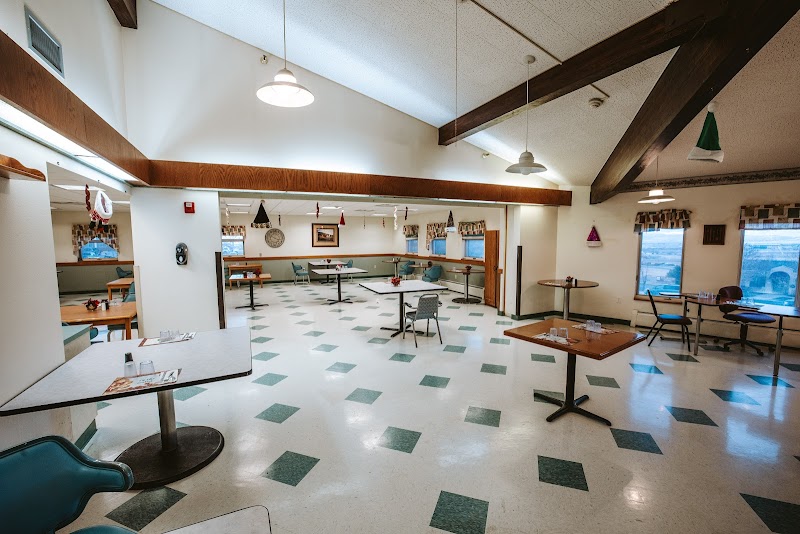
How is Cooney Healthcare And Rehabilitation Staffed?

CMS rates COONEY HEALTHCARE AND REHABILITATION's staffing level at 1 out of 5 stars, which is much below average compared to other nursing homes. Staff turnover is 81%, which is 34 percentage points above the Montana average of 46%. High turnover can affect care consistency as new staff learn residents' individual needs. RN turnover specifically is 60%, which is notably high. RNs provide skilled clinical oversight, so turnover in this role can affect medical care quality.

What Have Inspectors Found at Cooney Healthcare And Rehabilitation?

State health inspectors documented 68 deficiencies at COONEY HEALTHCARE AND REHABILITATION during 2022 to 2025. These included: 1 Immediate Jeopardy (the most serious level, indicating potential for serious harm or death), 8 that caused actual resident harm, and 59 with potential for harm. Immediate Jeopardy findings are rare and represent the most serious regulatory concerns. They require immediate corrective action.
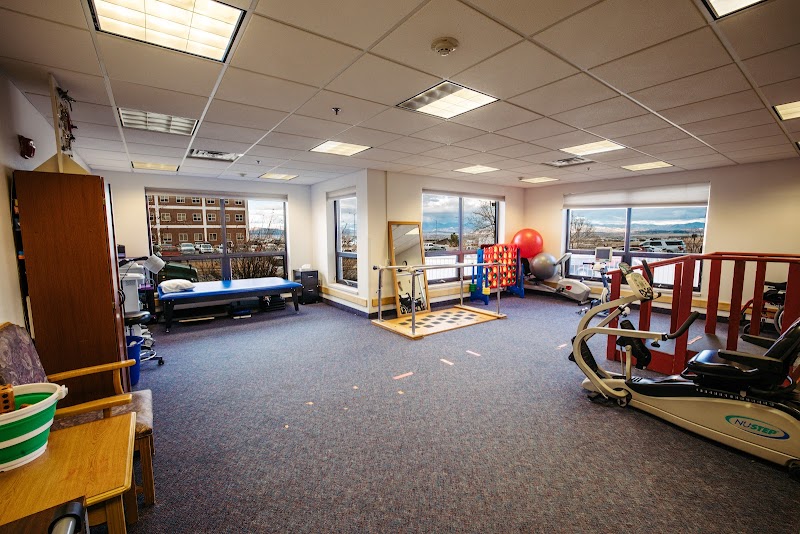
Who Owns and Operates Cooney Healthcare And Rehabilitation?

COONEY HEALTHCARE AND REHABILITATION is owned by a for-profit company. For-profit facilities operate as businesses with obligations to shareholders or private owners. The facility is operated by EDURO HEALTHCARE, a chain that manages multiple nursing homes. With 90 certified beds and approximately 67 residents (about 74% occupancy), it is a smaller facility located in HELENA, Montana.
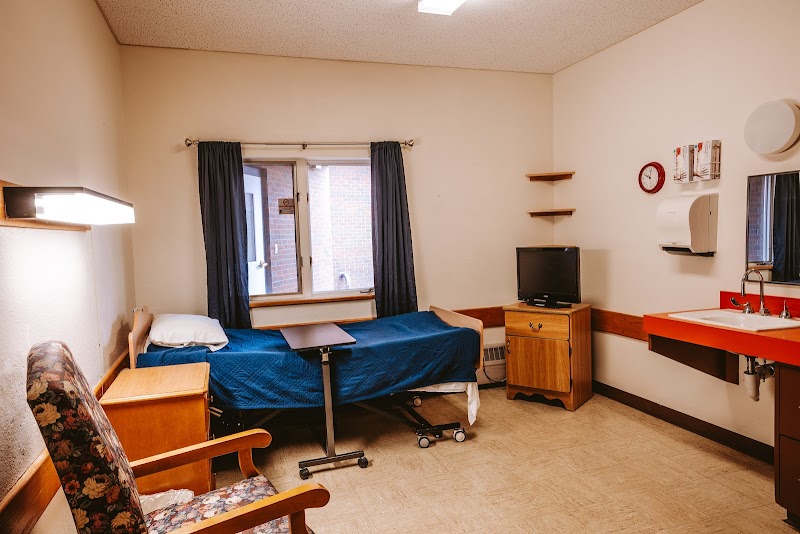
How Does Cooney Healthcare And Rehabilitation Compare to Other Montana Nursing Homes?

Compared to the 100 nursing homes in Montana, COONEY HEALTHCARE AND REHABILITATION's overall rating (1 stars) is below the state average of 2.9, staff turnover (81%) is significantly higher than the state average of 46%, and health inspection rating (1 stars) is much below the national benchmark.

What Should Families Ask When Visiting Cooney Healthcare And Rehabilitation?

Based on this facility's data, families visiting should ask: "What changes have been made since the serious inspection findings, and how are you preventing similar issues?" "How do you ensure continuity of care given staff turnover, and what is your staff retention strategy?" "Can you walk me through typical staffing levels on day, evening, and night shifts?" "Can I visit during a mealtime to observe dining assistance and food quality?" These questions are particularly relevant given the facility's Immediate Jeopardy citations, the facility's high staff turnover rate, and the below-average staffing rating.

Is Cooney Healthcare And Rehabilitation Safe?

Based on CMS inspection data, COONEY HEALTHCARE AND REHABILITATION has documented safety concerns. Inspectors have issued 1 Immediate Jeopardy citation (the most serious violation level indicating risk of serious injury or death). The facility is currently on the Special Focus Facility watch list (a federal program monitoring the lowest-performing 1% of nursing homes nationwide). The facility has a 1-star overall rating and ranks #100 of 100 nursing homes in Montana. Families considering this facility should ask detailed questions about what corrective actions have been taken since these incidents.

Do Nurses at Cooney Healthcare And Rehabilitation Stick Around?

Staff turnover at COONEY HEALTHCARE AND REHABILITATION is high. At 81%, the facility is 34 percentage points above the Montana average of 46%. Registered Nurse turnover is particularly concerning at 60%. RNs handle complex medical decisions and coordinate care — frequent RN changes can directly impact care quality. High turnover means new staff may not know residents' individual needs, medications, or preferences. It can also be disorienting for residents, especially those with dementia who rely on familiar faces. Families should ask: What is causing the turnover? What retention programs are in place? How do you ensure care continuity during staff transitions?

Was Cooney Healthcare And Rehabilitation Ever Fined?

COONEY HEALTHCARE AND REHABILITATION has been fined $131,174 across 3 penalty actions. This is 3.8x the Montana average of $34,391. Fines at this level are uncommon and typically indicate a pattern of serious deficiencies, repeated violations, or failure to correct problems promptly. CMS reserves penalties of this magnitude for facilities that pose significant, documented risk to resident health or safety. Families should request specific documentation of what issues led to these fines and what systemic changes have been implemented.

Is Cooney Healthcare And Rehabilitation on Any Federal Watch List?

COONEY HEALTHCARE AND REHABILITATION is currently an SFF Candidate, meaning CMS has identified it as potentially qualifying for the Special Focus Facility watch list. SFF Candidates have a history of serious deficiencies but haven't yet reached the threshold for full SFF designation. The facility is being monitored more closely — if problems continue, it may be added to the official watch list. Families should ask what the facility is doing to address the issues that led to this status.