HOT SPRINGS HEALTH & REHABILITATION CENTER
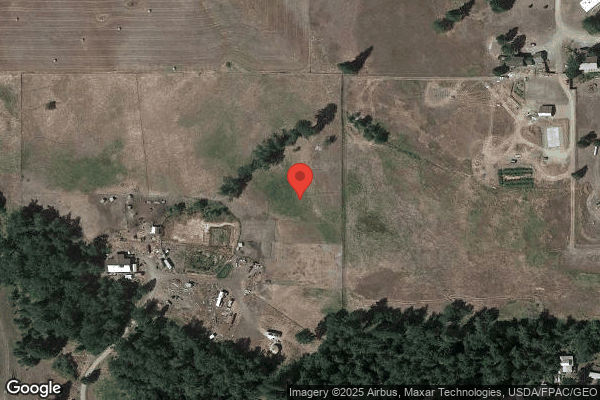
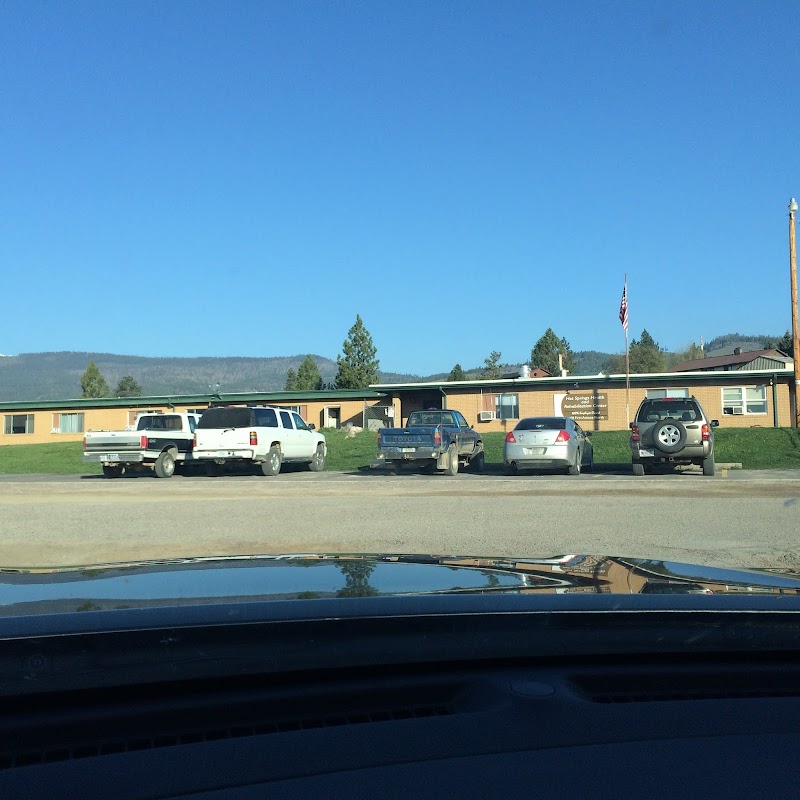
600 1ST AVE N, HOT SPRINGS, MT 59845 (406) 741-2992
For profit - Corporation 40 Beds EMPRES OPERATED BY EVERGREEN Data: November 2025
Trust Grade
38/100
#41 of 59 in MT
Last Inspection: December 2024

Within standard 12-15 month inspection cycle. Federal law requires annual inspections.

Overview

Hot Springs Health & Rehabilitation Center has received a Trust Grade of F, indicating poor performance and significant concerns. They rank #41 out of 59 facilities in Montana, placing them in the bottom half, and #2 out of 2 in Sanders County, meaning there is only one other local option that is better. The facility is worsening, with issues increasing from 8 in 2023 to 12 in 2024. Staffing ratings are a relative strength, with a score of 4 out of 5 stars and a turnover rate of 61%, which is average for the state. However, the facility has faced fines totaling $22,614, which is a cause for concern, and they do not have more RN coverage than most facilities, raising questions about the quality of care. Specific incidents include a serious failure to provide timely treatment for a resident with a skin condition linked to sepsis and a UTI, which occurred after the resident was discharged from the hospital. Another serious incident involved a resident who did not receive their nausea medication for several days, resulting in severe withdrawal symptoms. While the staffing situation seems stable, the increasing number of health and safety issues raises significant red flags for families considering this facility.

Trust Score
F
38/100
In Montana
#41/59
Bottom 31%
Safety Record
Moderate
Needs review
Inspections
Getting Worse
8 → 12 violations
Staff Stability
⚠ Watch
61% turnover. Above average. Higher turnover means staff may not know residents' routines.
Penalties
✓ Good
$22,614 in fines. Lower than most Montana facilities. Relatively clean record.
Skilled Nurses
✓ Good
Each resident gets 48 minutes of Registered Nurse (RN) attention daily — more than average for Montana. RNs are trained to catch health problems early.
Violations
⚠ Watch
20 deficiencies on record. Higher than average. Multiple issues found across inspections.
★★☆☆☆
2.0
Overall Rating
★★★★☆
4.0
Staff Levels
★★★☆☆
3.0
Care Quality
★★☆☆☆
2.0
Inspection Score
Stable
2023: 8 issues
2024: 12 issues

The Good

  • 4-Star Staffing Rating · Above-average nurse staffing levels
  • Full Sprinkler Coverage · Fire safety systems throughout facility
  • No fines on record

Facility shows strength in staffing levels, fire safety.

The Bad

2-Star Overall Rating

Below Montana average (2.9)

Below average - review inspection findings carefully

Staff Turnover: 61%

15pts above Montana avg (46%)

Frequent staff changes - ask about care continuity

Federal Fines: $22,614

Below median ($33,413)

Minor penalties assessed

Chain: EMPRES OPERATED BY EVERGREEN

Part of a multi-facility chain

Ask about local staffing decisions and management

Staff turnover is elevated (61%)

13 points above Montana average of 48%

The Ugly 20 deficiencies on record

2 actual harm
Dec 2024 11 deficiencies
CONCERN (D)

Potential for Harm - no one hurt, but risky conditions existed

Deficiency F0645 (Tag F0645)

Could have caused harm · This affected 1 resident

Based on interviews and record review, the facility failed to complete a PASARR level I or II for 1 (#6) of 19 sampled residents. Findings include: Review of resident #6's EHR reflected no PASARR Leve...

Read full inspector narrative →
Based on interviews and record review, the facility failed to complete a PASARR level I or II for 1 (#6) of 19 sampled residents. Findings include: Review of resident #6's EHR reflected no PASARR Level I or II was completed. During an interview on 12/18/24 at 12:10 p.m., staff member B stated resident #6 did not have a PASARR Level I or II since admission to the facility. Staff member B stated she did not know why a PASARR I had not been completed, but one was being completed now. Staff member B stated the facility did not have a policy regarding PASARR Level I's or II's. During an interview on 12/18/24 at 3:23 p.m., NF1 stated when a resident transferred from one nursing facility to another, the new facility should complete their own PASARR Level I, no later than the day of admission, to determine if they are able to provide the resident the services needed.
CONCERN (D)

Potential for Harm - no one hurt, but risky conditions existed

Comprehensive Care Plan (Tag F0656)

Could have caused harm · This affected 1 resident

Based on interview and record review, the facility failed to implement a comprehensive, resident centered care plan, which identified the resident's physical and psychological needs and wishes, for 1 ...

Read full inspector narrative →
Based on interview and record review, the facility failed to implement a comprehensive, resident centered care plan, which identified the resident's physical and psychological needs and wishes, for 1 (#32) of 19 sampled residents. Findings include: During an interview on 12/18/24 at 8:44 a.m., staff member B stated the facility did not have a care plan policy or a significant change policy, and the facility followed the RAI manual. Review of resident #32's electronic medical record showed an admission date of 11/12/24. Review of resident #32's care plan showed a baseline care plan was initiated on 11/12/24, with revisions made on 11/15/24. No comprehensive care plan had been developed following the resident's admission.
CONCERN (D)

Potential for Harm - no one hurt, but risky conditions existed

ADL Care (Tag F0677)

Could have caused harm · This affected 1 resident

Based on observations and interviews, the facility failed to ensure residents who were unable to carry out activities of daily living for oral care received the necessary services to maintain good nut...

Read full inspector narrative →
Based on observations and interviews, the facility failed to ensure residents who were unable to carry out activities of daily living for oral care received the necessary services to maintain good nutrition, grooming, and personal and oral hygiene, for 1 (#10) of 19 sampled residents. Findings include: During an observation and interview on 12/17/24 at 3:10 p.m., resident #10 had no dentures in his mouth and stated the dentures were still over on the sink. Resident #10 stated, No one gave them to me or put glue on them, so I haven't had them in today. During an observation and interview on 12/18/24 at 10:11 a.m., resident #10 stated, They (CNAs) haven't put them in yet, they are still on the sink, just need some glue, and (to) give them to me. During an interview on 12/18/24 at 10:20 a.m., staff member H stated the CNAs often did not put his dentures in for a few days to allow his mouth to rest, so he did not get a mouth sore. Staff member H stated the nurse made the decision on who and when residents got dentures. Staff member H stated she was not aware no one had put resident #10's dentures in. Staff member H went to put in resident #10's dentures, and returned stating resident #10 was happy, to have received his dentures and have them put in. Review of resident #10's Care Plan, with a revision date of 6/7/21, reflected: - TEETH: Full Denture: upper, no bottoms. Date Initiated: 06/08/2021 . - Provide mouth care as per ADL personal hygiene. Date Initiated: 06/11/2021 .
CONCERN (D)

Potential for Harm - no one hurt, but risky conditions existed

Accident Prevention (Tag F0689)

Could have caused harm · This affected 1 resident

Based on observations and interviews, the facility failed to ensure a resident's environment was addressed for safety related to hazards, and the resident had dementia, and misused the call light/cord...

Read full inspector narrative →
Based on observations and interviews, the facility failed to ensure a resident's environment was addressed for safety related to hazards, and the resident had dementia, and misused the call light/cord, and a staff member reported a concern related to the resident's use of a pillow, for 1 (#20) of 19 sampled residents. Findings include: During an observation on 12/17/24 at 1:19 p.m., resident #20 was lying half on the bed, and her feet and legs were off the bed, and her head was lying against the wall. Staff member J assisted resident #20 back into the bed and offered to get the resident up, but she didn't want up. Resident #20 was mumbling, but her words were not clear and comprehensable. Resident #20 was grabbing the call light and wrapping it across her body and her head. Staff member J stated resident #20 had a severe decline over the past couple of months, and the resident was sleeping most of the time, not walking the halls as she had prior. Resident #20 continued to grab the call light cord, mumbling loudly. During an observation and interview on 12/17/24 at 1:27 p.m., resident #20 was in her room, in bed, with the lights off. Resident #20 was still grabbing the call light cord on the wall. Staff member J entered the room, pulled resident #20's pants up, and covered resident #20 with a blanket while resident #20 continued to grab and pull on the call light cord. Staff member J stated, I just don't know what to do with her anymore. Resident #20 continued to gesture or make circles with the cord. She was facing the wall, and continuing to mumble unintelligible words. Staff member J left the room, and went on break, out the back door. During an observation and interview on 12/17/24 at 1:42 p.m., resident #20 continued to pull the call light cord over herself, over her chest, and then her neck. The surveyor immediately notified staff member B, who then entered and observed the behavior. Staff member B removed the call light for safety, and staff member B stated the facility would be implementing thirty-minute checks for the resident, in place of the call light. Staff member B stated resident #20 had not used the call light in some time, and the resident should not have one. Staff member B stated the facility did not usually assess for call light safety, but would use alternate styles of call lights when residents were unable to use a standard button light. Staff member J entered the room and stated, Resident #20 scares me all the time, she even puts the pillow over her head. During an interview on 12/19/24 at 9:15 a.m., staff member B stated the facility did not have a policy or procedure related to call light safety.
CONCERN (E)

Potential for Harm - no one hurt, but risky conditions existed

Deficiency F0578 (Tag F0578)

Could have caused harm · This affected multiple residents

Based on interviews and record review, the facility failed to ensure advanced directives were complete for 4 (#s 1, 9, 16, and 30) of 19 sampled residents. This deficiency increased the risk of of the...

Read full inspector narrative →
Based on interviews and record review, the facility failed to ensure advanced directives were complete for 4 (#s 1, 9, 16, and 30) of 19 sampled residents. This deficiency increased the risk of of the resident's wishes not being met or followed. Findings include: Review of resident #1's POLST, dated 7/8/21, showed a verbal consent by resident #1's guardian. No physical signature by the guardian was present on the form. During a review of resident #9's POLST, dated 4/11/17, showed the physician failed to date the document or complete the provider contact information. During a review of resident #16's POLST, dated 8/25/22, it was found the physician failed to complete the sections labeled, Printed Name of Physician, Date and Time, and Provider Phone Number. During a review of resident #30's POLST, it was found resident #30 had not dated the form, and the physician did not date the form. During an interview on 12/18/24 at 8:44 a.m., staff member B stated the POLST forms are required to be fully completed, including dates. Staff member B stated the facility did not have an Advanced Directives policy. Review of the the Appendix PP, State Operations Manual, for LTC, showed under F578 a facility must, §483.10(g)(12) The facility must comply with the requirements specified in 42 CFR part 489, subpart I (Advance Directives) . (ii) This includes a written description of the facility's policies to implement advance directives and applicable State law.
CONCERN (E)

Potential for Harm - no one hurt, but risky conditions existed

Deficiency F0711 (Tag F0711)

Could have caused harm · This affected multiple residents

**NOTE- TERMS IN BRACKETS HAVE BEEN EDITED TO PROTECT CONFIDENTIALITY** 3. Review of resident #20's EHR reflected no history and physical had been completed by the physician. Resident #20 was admitted...

Read full inspector narrative →
**NOTE- TERMS IN BRACKETS HAVE BEEN EDITED TO PROTECT CONFIDENTIALITY** 3. Review of resident #20's EHR reflected no history and physical had been completed by the physician. Resident #20 was admitted to the facility on [DATE]. A request for the most recent history and physical completed for resident #20 was made, but nothing not provided by the facility. 4. Review of resident #6's EHR reflected no physician history and physical had been completed. Resident #6 was admitted to the facility on [DATE]. A request for the most recent history and physical completed for resident #6 was made, but nothing was provided by the facility. During an interview on 12/17/24 at 2:20 p.m., staff member B said the facility recognized physician visits were not being documented within the resident's electronic medical records. The facility was working to bring physician visit documentation up to date, and currently had about half of the resident history and physicals up to date. Staff member B said the facility did not have current history and physicals for four of those requested. Based on interview and record review, the facility physician failed to document resident assessments or physician visits for 4 (#s 1, 4, 6, and 20) of 19 sampled residents. This failure increased the risk of others not having the pertinent medical information available, when needed, to address resident care needs. Findings include: 1. A request was made on 12/17/24 for resident #1's current history and physical. A hospital admission physical, dated 5/5/14, was provided. No current history and physical for resident #1 was located in the resident's electronic medical record. 2. A request was made on 12/17/24 for resident #4's current history and physical, no current history and physical was located in the electronic medical record, or provided by the facility.
CONCERN (E)

Potential for Harm - no one hurt, but risky conditions existed

Deficiency F0761 (Tag F0761)

Could have caused harm · This affected multiple residents

Based on observation and interview, the facility staff failed to remove expired medications, and allowed the expired items to remain in the same location as the unexpired medications, which increased ...

Read full inspector narrative →
Based on observation and interview, the facility staff failed to remove expired medications, and allowed the expired items to remain in the same location as the unexpired medications, which increased the risk of misuse. Findings include: During an observation on 12/19/24 at 8:48 a.m., there were the following expired medications located in the facility stock medication cupboard: - Two bottles of Magnesium Chloride, expiration date of 9/2024, - Three bottles of Ferrous Gluconate, expiration date of 5/2024, - One bottle of Iron 27 mg, expiration date of 4/2024, - Three bottles of Meclizine, expiration date of 7/2024, - One bottle of COQ10, expiration date of 8/2024, and - One bottle of Senna Plus, expiration date of 9/2024. During an interview on 12/19/24 at 8:50 a.m., staff member K stated the process of checking on expiration dates and removing medication was supposed to be done by pharmacy as they maintained the medication supply.
CONCERN (F)

Potential for Harm - no one hurt, but risky conditions existed

Deficiency F0657 (Tag F0657)

Could have caused harm · This affected most or all residents

4. Review of resident #6's EHR Care Plan, with a revision date of 10/17/24, reflected: - [Resident #6] has two open sheared/macerated areas to left buttock secondary to decreased mobility s/p hip frac...

Read full inspector narrative →
4. Review of resident #6's EHR Care Plan, with a revision date of 10/17/24, reflected: - [Resident #6] has two open sheared/macerated areas to left buttock secondary to decreased mobility s/p hip fracture, incontinence, rejection of repositioning at times . During an interview on 12/18/24 at 11:23 a.m., staff member K stated resident #6 did not have wounds on her buttocks or maceration during an observation that day. Staff member K stated she observed the resident's buttocks today and found no redness, wounds or maceration. Staff member K stated resident #6 did have maceration quite a while back, but nothing currently. 5. During an interview on 12/16/24 at 3:08 p.m., resident #10 was in his bed and stated he could no longer walk. During an interview on 12/17/24 at 10:13 a.m., staff member H stated resident #10 did not walk and remained in his bed. Staff member H stated resident #10 preferred to stay in his room, in bed, watching television. Review of resident #10's EHR physician history and physical, dated 11/12/24, reflected resident #10 was confined to his bed. Review of resident #10's Care Plan, with a revision date of 3/14/24, reflected: - . The resident is WEIGHT-BEARING - AMBULATION: The resident uses walker for walking. 6. During an interview on 12/17/24 at 10:13 a.m., staff member H stated resident #20 slept most of the days. Staff member H stated she slept more now than she used to, and she was often fed in bed. During an observation and interview on 12/17/24 at 11:50 a.m., staff member J was in resident #20's room feeding the resident, with the bed raised. Resident #20's eyes remained closed during the meal assistance, and staff member J stated resident #20 was, . really declining. Staff member J stated the decline started somewhere between four and six weeks ago. Staff member J stated resident #20 became weaker and started dragging her right foot. Staff member J stated she put the resident to bed because she did not want her to fall. Staff member J stated when resident #20 was walking in the merry walker (specialty walker), she would walk 10 miles a day, wandering in and out of everyone's rooms, now she just slept most of the time and was not walking anymore. During an observation on 12/17/24 at 1:19 p.m., resident #20 was lying half on her bed, with her feet and legs off the bed, and her head was lying against the wall. Staff member J assisted resident #20 back into the bed and offered to get her up. Resident #20 stated she did not want to get up. Resident #20 spoke in nonsensical mumbling that was not understandable. Staff member J checked the resident's brief, and placed a pillow under the resident's head. Resident #20 was grabbing the call light and wrapping it across her body and head. Staff member J stated resident #20 had a severe decline over the past couple of months and was sleeping most of the time and not walking the halls as she had prior. During an interview on 12/17/24 at 1:42 p.m. staff member B stated resident #20 had not used the call light in some time and should not have a call light for safety. Staff member J entered the room and stated resident #20 scares her all the time, and she even puts the pillow over her own head. The call light was removed, and thirty-minute checks were initiated. During an interview on 12/17/24 at 2:56 p.m., staff member B stated resident #20 was up walking last Friday, so she considered the current care plan plan accurate, regardless of what staff on the unit were saying. During an interview on 12/17/24 at 4:45 p.m., staff member L stated resident #20 slept most of the time. Staff member L stated resident #20 used to get up, she would wander the halls with her merry walker, but now she was very difficult to get up, and she required maximum assistance with most tasks, including getting out of bed and eating. During an observation and interview on 12/18/24 at 7:35 a.m., staff member K stated she told the CNAs to get resident #20 up this morning. Resident #20 was in the hallway sitting in her merry walker. Resident #20 did not walk or move her merry walker during the observation period. Resident #20 was repetitively mumbling unintelligible words and then fell asleep in the chair, where she remained until the CNAs took her to the dining room, and then assisted 1-1 maximum assistance, assisted her with the meal and her eating it. The CNAs then placed resident #20 back in bed. Staff member K stated the resident really had a decline with her dementia over the past few months. Resident #20 required maximum assistance to get into the bed, and to go from sitting to lying down, in the bed. Review of resident #20's Care Plan, dated 12/17/24, reflected the following: - . PERSONAL HYGIENE/ORAL CARE: [Resident #20] is able to provide her own personal hygiene with cueing. Assist of one staff at times. Revision on: 10/02/2020 - TOILET USE: [Resident #20] requires cueing by one staff for toileting. Revision on: 10/02/2020 - AMBULATION/MOBILITY: Assist: Supervision. Revision on: 02/23/2024 - BED MOBILITY: Independent. Date Initiated: 07/19/2022 - COMMUNICATION: Clear. Date Initiated: 07/19/2022 - Merry walker when up so she can ambulate AD LIB. Date Initiated: 03/13/2024. During an interview on 12/18/24 at 8:44 a.m., staff member B stated the facility did not have a care plan policy. 2. Review of resident #22's EMR showed the resident had a diagnosis of obstructive sleep apnea. Review of resident #22's Treatment Administration Record, dated December 2024, showed morning and evening on and off instructions for EPAP 8, PS 3-15 cm H2O with heated humidity. All administrations were marked as resident refused. During an interview on 12/19/24 at 9:30 a.m., resident #22 stated his CPAP was denied by insurance, and he did not wear anything at night for his sleep apnea. During an interview on 12/19/24 at 9:35 a.m., staff member D stated #22's CPAP was denied due to noncompliance. The resident's CPAP machine had a remote monitoring device that tracked settings and usage. Review of the device data had shown the resident was not consistently wearing his CPAP, and it had therefore been declined by insurance. During an interview on 12/19/24 at 9:50 a.m., staff member K stated the facility went through a lot of channels to get the resident the EPAP since he did not like the CPAP mask. Staff member K stated she asked resident #22 every night she worked, about setting up the EPAP before bedtime, and he always refused. Review of resident #22's comprehensive care plan, with a recent revision date of 10/19/24, failed to show any procedure, resident preference, or refusal related to his sleep apnea equipment. 3. During an observation on 12/16/24 at 3:19 p.m., resident #3 had an orthopedic boot on her left foot. Resident #3 stated it was due to an old broken ankle injury. During an interview on 12/18/24 at 10:10 a.m., staff member H stated the resident wore the orthopedic boot after an old injury and was fearful to get rid of it. During an observation and interview on 12/18/24 at 1:45 p.m., staff member K removed resident #3's boot to reveal the resident's ankle and foot and examine for any skin impairment related to the boot. Staff member K stated the resident slept in the boot and only took it off for showers. Review of resident #3's comprehensive care plan, with a most recent revision date of 4/17/24, showed under the problem section, The resident has acute pain r/t left ankle fracture. The interventions failed to show the resident's use of the orthopedic boot, anxiety around removing the boot, or any concerns for skin impairment related to the resident using the boot. Based on observation, interview, and record review, the facility failed to update and maintain current individualized care plans, to include when a change to the resident's care occurred, for activity preferences, or ensure staff were aware of how to use/find the individualized comprehensive care plans for use, for 6 (#s 1, 3, 6, 10, 20, and 22) of 19 sampled residents. Findings include: 1. During an interview on 12/17/24 at 2:56 p.m., staff member B said she had been at the facility for 14 years, and resident #1's behaviors and care had not changed. Staff member B said all resident care plans were accurate for the residents. Record Review of resident #1's comprehensive care plan showed an admission date of 11/16/2007. Resident #1 had multiple diagnoses identified, including severe intellectual disabilities, bipolar disorder, conduct disorder, unspecified psychosis, unidentified mood disorder, anxiety disorder, and moderate dementia with behavioral disturbance(s). Resident #1 was care planned for behavior of hitting, kicking, scratching, and resistant to cares, with an initiation date of 7/23/2018, and a revision date of 11/14/22. The last documented intervention revision was noted on 11/14/22. Resident #1 was care planned for impaired cognitive function related to bipolar disorder, dementia, and severe intellectual disability, with an initiation date of 7/23/18, and a revision date of 8/26/19. The last documented intervention was noted on 10/2/20. During an interview on 12/18/24 at 10:38 a.m., staff member E said the resident care plans were updated quarterly. Staff member E noted not all residents had activities listed in their care plan. She was working to update all resident care plans with the resident's preferences for activities. During an interview on 12/19/24 at 8:50 a.m., staff member B said the resident care plans were so long and cumbersome, staff did not go by the care plan. The facility staff used the individualized service plan within the electronic medical record. Staff member B said the care plan would be updated by the interdisciplinary team when the resident had a fall, or it would be updated when the resident had a change. Otherwise, the resident care plan was reviewed during the quarterly review period. During an interview on 12/19/24 at 9:23 a.m., staff member M said she had recently returned to work at the facility. Staff member M said she would ask the charge nurse about resident care preferences and needs, because the care plans were not up to date. She was not familiar with the individualized service plans for each resident.
CONCERN (F)

Potential for Harm - no one hurt, but risky conditions existed

Food Safety (Tag F0812)

Could have caused harm · This affected most or all residents

Based on observation, interview, and record review, the facility failed to ensure staff followed safe food handling practices and ensure staff used proper hair and beard coverings while meals were pre...

Read full inspector narrative →
Based on observation, interview, and record review, the facility failed to ensure staff followed safe food handling practices and ensure staff used proper hair and beard coverings while meals were prepared and served, which may affect any resident receiving meals or meal services from the staff or kitchen. Findings include: During an observation on 12/17/24 at 12:03 p.m., staff member N had a goatee, which was not covered with a beard net, while N was cooking at the stove. Staff member F was working in the kitchen during meal service, installing new equipment, with no hairnet and beard net. Staff member F had long hair, and a long, full beard. During an observation and interview on 12/17/24 at 12:18 p.m., staff member N was plating resident lunch trays without a beard cover in place. Staff member N said he was to be wearing a beard cover when in the kitchen. Record review of a facility policy, Personal Hygiene Standards, updated June 2021, showed: .a. Hair restraining devices (e.g. hair nets), covering all hair, are worn while on duty. Hair restraining devices are provided for vendors working in the kitchen. b. If a hat is worn, all exposed hair should be covered with a hair net. Hats must be kept clean, and designated for kitchen use only. . k. For those employees with beards, beard guards are worn .
CONCERN (F)

Potential for Harm - no one hurt, but risky conditions existed

Deficiency F0837 (Tag F0837)

Could have caused harm · This affected most or all residents

Based on interview and record review, the facility governing body failed to ensure the facility implemented and operationalized policies and procedures related to Advance Directives, PASARR Screenings...

Read full inspector narrative →
Based on interview and record review, the facility governing body failed to ensure the facility implemented and operationalized policies and procedures related to Advance Directives, PASARR Screenings, Care Plans, and Accidents/Hazards. This failure increased the risk of any resident in the facility being negatively affected due to the lack policies and procedures. Surveyors identified deficient practices for resident #s (6, 20, 30, and 32.) of 19 residents sampled, and for these specific residents, the facility did not have policies or procedures for the facility or staff to utilize. Findings include: A review of the policies and procedures during the recertification survey, showed the facility failed to develop and operationalize polices for Advance Directives, PASARR Level One and Two screenings, Care planning, and Accidents and Hazards. Advance Directives: During a review of resident #30's POLST, it was found resident #30 had not dated the form, and the physician did not date the form. During an interview on 12/18/24 at 8:44 a.m., staff member B stated the POLST forms are required to be fully completed, including dates. Staff member B stated the facility did not have an Advanced Directives policy. PASARR Screening: Review of resident #6's EHR reflected no PASARR Level I or II was completed. During an interview on 12/18/24 at 12:10 p.m., staff member B stated resident #6 did not have a PASARR Level I or II since admission to the facility. Staff member B stated she did not know why a PASARR I had not been completed, but one was being completed now. Staff member B stated the facility did not have a policy regarding PASARR Level I's or II's. Developing/Implementing Care Plans: Review of resident #32's electronic medical record showed an admission date of 11/12/24. Review of resident #32's care plan showed a baseline care plan was initiated on 11/12/24, with revisions made on 11/15/24. No comprehensive care plan had been developed following the resident's admission. During an interview on 12/18/24 at 8:44 a.m., staff member B stated the facility did not have a care plan policy or a significant change policy, and the facility followed the RAI manual. Accidents and Hazards: During an observation and interview on 12/17/24 at 1:42 p.m., resident #20 continued to pull the call light cord over herself, over her chest, and then her neck. Staff member B stated the facility did not usually assess for call light safety, but would use alternate styles of call lights when residents were unable to use a standard button light. During an interview on 12/19/24 at 9:15 a.m., staff member B stated the facility did not have a policy or procedure related to call light safety.
CONCERN (F)

Potential for Harm - no one hurt, but risky conditions existed

QAPI Program (Tag F0867)

Could have caused harm · This affected most or all residents

Based on interviews and record review, the facility failed to take actions aimed at performance improvement, and after implementing those actions, measure its success, and track performance to ensure ...

Read full inspector narrative →
Based on interviews and record review, the facility failed to take actions aimed at performance improvement, and after implementing those actions, measure its success, and track performance to ensure that improvements were realized and sustained: failed to identify and develope policies and procedures that direct staff on resident care expectations. This deficient practice had the potential to affect all residents within the facility who required complete medical records for medical review, residents who fall, residents who were cared for without accurate comprehensive care plans, and staff direction for resident care. Findings include: During an interview on 12/18/24 at 8:44 a.m., staff member B said the facility did not have the requested policies and procedures to provide the surveyors. Policies and procedures requested; Advance Directives Policy, PASARR Level I and Level II Policy, Care Plan Policy, Significant Change Policy, and a Call Light Safety Policy. During an interview and record review, on 12/19/24 at 9:11 a.m., staff member B stated the facility did not have any active Performance Improvement plans (PIPs). Staff member B stated she would need to talk to staff member A, as there were no PIPs in the QAPI book. Staff member B stated the facility was aware of the missing physician history and physicals, and working on correcting the issue, but did not have a PIP in place for plan or corrections. Staff member B stated the QAPI team reviewed falls at each meeting, and did not have a PIP, related to falls, for the prevention of falls. Staff member B stated the QAPI team was aware of the inaccuracy of the comprehensive care plans, and was talking about auditing and educating nurses on resolving problems, as needed, with the care plans. Staff member B stated no PIP was completed on the care plan concerns. Staff member B stated the QAPI team was aware of the missing history and physicals completed by physicians in the residents' EHRs. Staff member B stated there was a system change for scanning, and now the scanning was backlogged. Staff member B stated the scanning process needed to be streamlined, so she was talking to IT for help. Staff member B stated there was not a PIP for the EHR inaccuracies or missing information. During an interview on 12/19/24 at 10:23 a.m., staff member A presented a PIP, which was in the book, for falls with fractures. Staff member A stated he had not had time to fill out the Fall PIP components for the first three falls with fractures, until this week. Staff member A stated he had not started another PIP for the 3 new falls with fractures that occurred this past fall, as he intended. During an interview and record review on 12/19/24 at 10:30 a.m., staff member O stated the Fall PIP was not completed and failed to identify the bigger picture (related to fall prevention), follow-up, and document the additional interventions that have been done, like the standup rounds and high-risk meetings on Fridays. Staff member O stated he did not feel the Fall PIP met the requirements for a PIP. Review of the facility PIP, (Draft) Falls with Fracture, dated 6/25/24, reflected three falls with fractures. The following information was missing or completed after the survey began: - Check-In dates: No check-in dates found - Goal Statements: To reduce falls with fractures dated 12/17/24 (after the arrival of surveyors) - Identified and Plan: Review of medications that might contribute to falls, review equipment for assistive devices, and in-service staff on fall prevention, dated 12/17/24 (after the arrival of surveyors) - Team Members: No users found - Education of Staff: No assignments found - Attachments: No attachments found Review of the facility's policy, QAPI Plan, dated October 2018, reflected: - .Performance Improvement Process: - .1. QAA Committee evaluates ongoing effectiveness of Performance Improvement Plan (PIP). - 2. QAA Committee sets timetable for follow-up review, if necessary. - 3. QAA Committee determines duration of continued monitoring for sustained improvement. - 4. QAA Committee repeats/returns to PDSA (Plan, Do, Study, ACT) if sustained improvement is not achieved .
Mar 2024 1 deficiency
CONCERN (D) 📢 Someone Reported This

A family member, employee, or ombudsman was alarmed enough to file a formal complaint

Potential for Harm - no one hurt, but risky conditions existed

Deficiency F0583 (Tag F0583)

Could have caused harm · This affected 1 resident

Based on interview and record review, facility staff failed to ensure a resident's medical condition remained confidential for 1 (#1) of 5 sampled residents. Findings include: During an interview on 3...

Read full inspector narrative →
Based on interview and record review, facility staff failed to ensure a resident's medical condition remained confidential for 1 (#1) of 5 sampled residents. Findings include: During an interview on 3/25/24 at 2:53 p.m., NF1 (not employed by the facility) stated she had seen resident #1's right foot on or about 3/6/24, the day after the resident fell and noticed it was swollen. NF1 alerted a staff member. NF1 stated I have broken my foot before, and I told the staff member (about resident #1) I'll bet it's broke. During an interview on 3/25/24 at 3:14 p.m., NF1 stated an x-ray was done on resident #1, and the next time she came to the facility [Staff member C] told her that there was a fracture to resident #1's foot. During an interview on 3/25/24 at 10:51 a.m., staff member C stated she was informed during shift report resident #1 had a fracture to her foot and she might have told NF1 resident #1 had a fracture. During an interview on 3/26/24 at 11:45 a.m., NF2 stated I don't want [NF1] told things about [Resident #1's] conditions. During an interview on 3/26/24 at 12:27 p.m., staff member D stated if a resident had a non facility caregiver coming in to see a resident, she would absolutely inform the caregiver if the resident's foot was broken, to protect my patients. During an interview on 3/26/24 at 12:36 p.m., staff member B stated NF1 had worked at the facility in the past and staff would probably be comfortable telling her resident #1's foot was broken. During an interview on 3/26/24 at 12:38 p.m., staff member A stated facility staff are not supposed to tell a resident's visitor the resident's medical condition without assuring the person is allowed to know. A review of a facility document, titled, Notice of Privacy Practices, updated August 2014, showed: . We are required by law to maintain the privacy of your protected health information, to notify you of our legal duties and privacy practices with respect to your protected health information, and to notify affected individuals following a breach of unsecured protected health information .
Dec 2023 8 deficiencies 2 Harm
SERIOUS (G)

Actual Harm - a resident was hurt due to facility failures

Quality of Care (Tag F0684)

A resident was harmed · This affected 1 resident

**NOTE- TERMS IN BRACKETS HAVE BEEN EDITED TO PROTECT CONFIDENTIALITY** Based on interview and record review, the facility failed to properly identify, document, and implement physicians' orders and a...

Read full inspector narrative →
**NOTE- TERMS IN BRACKETS HAVE BEEN EDITED TO PROTECT CONFIDENTIALITY** Based on interview and record review, the facility failed to properly identify, document, and implement physicians' orders and appropriate interventions to treat the resident's conditions in a timely manner. This included a skin condition on the entire buttocks of a resident, which was found to be related to sepsis and UTI due to incontinence, and required IV antibiotics and catheter placement during hospitalization for 1 (#32) of 15 sampled residents. Findings include: During an interview on 12/5/23 at 8:12 a.m., NF1 stated they had concerns for resident #32 from a hospital stay with high blood sugar and burns on her buttocks from sitting in soiled briefs and then discharged AMA to another facility and passed away. During an interview on 12/6/23 at 11:09 a.m., staff member B stated resident #32 had a long history of behaviors, including during blood sugar checks. The blood sugar checks were discontinued because of the behaviors, and resident #32 was no longer taking insulin. Staff member B stated resident #32's son discharged her after a hospital stay to move her to a different facility closer to the hospital. The discharge was AMA because he did not give the facility enough notice, and they had no physicians' orders. A phone interview was attempted on 12/6/23 at 2:00 p.m. and 3:46 p.m. to resident #32's provider NF3. During an interview on 12/6/23 at 2:17 p.m., NF2 stated resident #32 was not being changed enough for her incontinence. NF2 had asked the facility to change her more frequently because she was getting frequent infections and had developed a sore on her bottom. He thought they did not take care of her because of her behaviors and he observed the staff sitting at the nurses station on their phones instead of assisting residents. NF2 stated he took resident #32 to the hospital because she had been declining for a few weeks, and the facility stated it could be another week before the doctor would be visiting. He was told by the hospital doctor and nurses in the emergency room the sore on her bottom looked like a burn from sitting in soaked briefs, and the area covered her entire bottom. NF2 stated the bottom sore was downplayed by the facility as a small healing rash. NF2 stated the hospital also found resident #32's blood sugar was really high, she had sepsis, and her urine was like pus. NF2 stated he moved resident #32 to a different facility to be closer to the hospital and get the care she needed. During an interview on 12/6/23 at 4:19 p.m., staff member B stated resident #32 had barrier cream and an air mattress as interventions for the wound on her buttocks. Staff member B stated the wound would show improvement without being measured because it was the same nurse who would do the wound care each time. Staff member B stated orders would be in the orders section of PCC and on the TAR. Review of resident #32's September 2023 TAR showed an order for weekly skin audits on Fridays 9/1/23, 9/8/23, 9/15/23, 9/22/23, and 9/29/23. All were marked with no new skin impairments for the month. Review of resident #32's Weekly Skin observation tool showed: -one was started on 9/19/23 and locked on 9/21/23. The assessment noted a new redness to the entire buttocks due to, incontinence dermatitis . with excoriation . notified the RD [sic] on 9/22/23, and the wound looked Pink/Beefy Red. The additional comments noted, Resident has been refusing cares and rarely allows staff to assist with peri care. Resident has been given an alternating air flow mattress, commode at bedside, barrier cream, increased rounding. -another was started on 9/26/23 and completed on 9/27/23 noting resident #32's buttocks were improving, round rash on the left cheek and also covering the entire buttocks. Resident #32 was not at the facility on 9/26/23 and readmitted to the facility on [DATE]. -Neither skin assessment was completed on days ordered on the MAR/TAR. Review of a written physician fax order on 9/22/23 for resident #32 showed the facility requested an order for a new mattress due to incontinence dermatitis to her buttocks, and the physician also ordered to apply barrier cream when providing cares. The orders had not been entered into the EHR to administer in September 2023 or October 2023. Review of resident #32's September and October 2023 MAR/TAR showed no orders for barrier cream, alternating air flow mattress, commode at bedside, the new catheter placed at the hospital, or any other interventions for the sore on her buttocks. Review of resident #32's Care Plan, closed date of 10/10/23, showed none of the noted interventions of a commode at bedside, alternating air flow mattress, or barrier cream for the sore on her buttocks. Review of resident #32's progress notes showed: -No progress notes from 9/16/23 through 9/22/23. -9/23/23, Resident transported per son to [local hospital] for evaluation. Residents mentation/behavior altered and son felt she needed to be seen. Son preferred transporting resident rather than facility or ambulance. DON, MD notified. [local hospital] ER charge nurse notified. -9/27/23, Resident readmitted to facility from [local hospital] at 1225 PM (12:25 p.m.) Transported by facility staff/van. Resident has a Foley catheter that is patent and draining to gravity. Urine is clear with a reddish tinge. Catheter changed at [local hospital] today prior to discharge. Per report last BM was on 9/26/23. [sic] -9/29/23, Daily Skilled Evaluation for Behavior/Dementia/Depression: Resident history of dementia and confusion especially late in day as evening starts. History of recent UTI and elevated blood sugar levels. Was hospitalized for this and completed a course of antibiotics for UTI. Less confusion noted during daytime hours but remains same as day progresses and night falls her cognitive ability is impaired and has poor judgement. No complaints of pain or discomfort. Taking her meds well. Educated on fall safety and resident verbalized some understanding to instructions given Daily Skilled Evaluation for Diabetes: Continues to eat poorly during daytime and does have a small snack at bedtime Continues with rash and redness to entire buttock region and A&D oint and calzime oint applied topically to buttock region at each diaper change alternating ointments. some improvement noted to skin [sic] -10/6/23, At approximately [11:00 a.m.,] residents son called the facility to tell staff he was on his way over to discharge his mother from the facility. Son notified that was not enough notice to prepare a discharge and that she would be considered leaving AMA . -10/6/23 at 1:45 p.m., .POA signed AMA paperwork and packed many of the residents belongings . ED, and PCP notified of resident's discharge. Review of resident #32's hospital records for her 9/23/23-9/27/23 stay showed: -Current assessment and plan: Complicated UTI .tachycardic . Marked hyperglycemia on arrival (1201) [extremely high blood sugar level] . A1C over 15 [extremely high] . Lactic acidosis and dehydration suspect related to hyperglycemia/sepsis . -Significant beefy redness to the vaginal area, groin skin folds, and buttock area. There are a few satellite lesions. On arrival she presented with some white matter (possibly ointment as well as fecal matter in the groin area. -[Resident #32] is incontinent of urine and stool. Buttocks and peri area is extremely red and tender to the touch. Area is gently cleansed with warm barrier wipes explaining care along the way. Calazime cream applied to reddened areas. Padding placed between creases. Pt is able to help with changes by making a bridge. -Foley Catheter management per nursing protocol-indication: significant skin issues related to urinary incontinence. Foley changed 9/27/23. Temporary foley placement. Also noted to keep skin in perineal area dry, change frequently, and apply barrier cream several times per day.
SERIOUS (G)

Actual Harm - a resident was hurt due to facility failures

Deficiency F0760 (Tag F0760)

A resident was harmed · This affected 1 resident

Based on interview and record review, the facility failed to provide scheduled medication, as ordered by the physician, to 1 (#26) of 15 sampled residents. This deficient practice resulted in undue ph...

Read full inspector narrative →
Based on interview and record review, the facility failed to provide scheduled medication, as ordered by the physician, to 1 (#26) of 15 sampled residents. This deficient practice resulted in undue physical symptoms for the resident. Findings include: During an interview on 12/4/23 at 1:18 p.m., resident #26 stated, They (the facility) ran out of my nausea medication on Sunday, and I didn't get any until Friday. I went through such withdrawals; I was so sick and all they said was it was on order day after day. I had hot and cold sweats, puked for days and that's not right. Review of resident #26's medication administration record showed Promethazine HCl Tablet 25 MG was not given on 11/27/23 through 12/1/23 for the following times: -11/27/23 9:00 a.m.: OO=On Order from Pharmacy -11/27/23 8:00 p.m.: OO=On Order from Pharmacy -11/28/23 9:00 a.m.: OO=On Order from Pharmacy -11/29/23 9:00 a.m.: OO=On Order from Pharmacy -11/30/23 9:00 a.m.: OO=On Order from Pharmacy -12/1/23 9:00 a.m.: OO=On Order from Pharmacy During an interview on 12/6/23 at 8:34 a.m., staff member B stated if medication ran out, the nurse should have called the pharmacy and obtained the medication from the Cubex, if possible. If the medication was not in the Cubex the nurse would have needed to get the medication satellited from the local pharmacy. The nurse should have notified the physician and checked to see if the medication could be changed to an alternate medication. Staff member B stated, I didn't hear [resident #26] was out of the Promethazine until it had already arrived. During an interview on 12/6/23 at 9:00 a.m., staff member B stated there was no notification to the physician for the Promethazine outage. In addition, staff member B stated the Promethazine was not in the Cubex. When asked about the medication administration record showing the medication was given in the evenings on 11/28/23 through 11/30/23, staff member B stated the medication was on order so she would suspect those entries were in error.
CONCERN (D)

Potential for Harm - no one hurt, but risky conditions existed

Resident Rights (Tag F0550)

Could have caused harm · This affected 1 resident

Based on interview and record review, facility staff failed to respect the dignity of residents when they were talking about them at the nursing station, and a resident overheard them and filed a grie...

Read full inspector narrative →
Based on interview and record review, facility staff failed to respect the dignity of residents when they were talking about them at the nursing station, and a resident overheard them and filed a grievance, for 1 (#24) if 15 sampled residents, and this had the potential to affect others. Findings include: Review of the grievance by resident #24 showed the grievance was received on 9/25/23 at 6:45 a.m., and: - the grievance reported was, 9/22 or 9/23 around 0200 (2:00 a.m.) I heard [staff members P and O] talking from the nurses' desk, negatively about other staff and residents. I am mad . - the grievance investigation showed, .upon returning to his room [resident #24] was able to hear the staff's conversation. Interviewed other residents and all denied staff talking too loudly at night. - action taken as, Spoke with [staff members P and O] reminded them to make sure conversations at the nurses' station are appropriate and to maintain a quiet environment during noc shift . Signed and dated on 9/27/23 by staff member B. - findings were confirmed as, Staff were talking too loudly during NOC shift upsetting a resident with their volume and topic of conversation. -The grievance was signed by staff member A on 9/29/23. During an interview on 12/5/23 at 2:57 p.m., staff member G stated she moved to the social services department in the last few months and had just started handling the grievance process. Staff member G stated she attempted to have the grievance resolved within 48 hours, if possible. Staff member G stated if the grievance was a specific department, it would be handled by the department. They would know it was for the department because the management team reviewed them in the morning meetings. Staff member G stated if she felt a grievance was really an abuse allegation, she would report it to staff members A and B right away. During an interview on 12/6/23 at 10:53 a.m., staff member B stated she came to the night shift the day after the grievance was made and, Reiterated low volume appropriate topics, and being mindful of who can hear them talking, to staff members P and O mentioned in the grievance. Staff member B stated resident #24 was upset by how the staff were talking to another resident while putting him to bed. The other resident had no concerns and resident #24 did not say the staff were abusive or neglectful. There was no other documentation other than the grievance form. Staff member B stated only staff member A had access to enter reportable incidents but did not feel the need to get involved in this matter. During an interview on 12/6/23 at 11:37 a.m., staff member A stated if something was a grievance it was not required to be reported to the State Survey Agency. When a complaint was made, you would have to determine if it could be abuse or not, otherwise continue as a grievance if it does not rise to the level of abuse reporting. Staff member A stated he was not involved in the complaint made by resident #24 regarding staff members P and O because it was regarding nursing staff. Staff member B handled it and did not think it was abuse so it was handled as a grievance. During an interview on 12/6/23 at 3:12 p.m. resident #24 stated he reported the complaint regarding the night shift staff members P and O because he felt what he could hear them saying from the nurses station was inappropriate to be talked about openly and too loud. Resident #24 stated he knew the staff and residents they were talking about and the problems they were mentioning. Resident #24 even heard his own name mentioned. Review of the Grievance Procedure policy, last updated November 2016, showed, If the grievance involves abuse, neglect, exploitation, or misappropriation of resident property, the ED is notified immediately and an investigation begins. (See Abuse Prohibition Manual, and notify state agencies where applicable.)
CONCERN (D)

Potential for Harm - no one hurt, but risky conditions existed

Notification of Changes (Tag F0580)

Could have caused harm · This affected 1 resident

Based on interview and record review, the facility failed to notify the physician of medication errors for 1 (#26) of 15 sampled residents. Findings include: During an interview on 12/4/23 at 1:18 p.m...

Read full inspector narrative →
Based on interview and record review, the facility failed to notify the physician of medication errors for 1 (#26) of 15 sampled residents. Findings include: During an interview on 12/4/23 at 1:18 p.m., resident #26 stated, They (the facility) ran out of my nausea medication on Sunday, and I didn't get any until Friday. I went through such withdrawals, I was so sick and all they said was it was on order day after day. I had hot and cold sweats, puked for days and that's not right. Review of resident #26's medication administration record showed Promethazine HCl Tablet 25 MG was not given on 11/27/23 through 12/1/23 for the followiong times: 11/27/23 9 a.m.: OO=On Order from Pharmacy 11/27/23 8 p.m.: OO=On Order from Pharmacy 11/28/23 9 a.m.: OO=On Order from Pharmacy 11/29/23 9 a.m.: OO=On Order from Pharmacy 11/30/23 9 a.m.: OO=On Order from Pharmacy 12/1/23 9 a.m.: OO=On Order from Pharmacy During an interview on 12/6/23 at 8:34 a.m., staff member B stated if medication ran out, the nurse should have called the pharmacy and obtained the medication from the Cubex, if possible. If the medication was not in the Cubex the nurse would need to get the medication satellited from [city] pharmacy. The nurse should have notified the physician and check to see if the medication could be changed to an alternate medication. Staff member B stated,I didnt hear [resident #26] was out of the Promethazine until it had already arrived. Review of resident #26's EMR showed no documentation of physician notification in the progress notes and no new orders for an alternate medication to address resident #26's nausea, vomiting and hot/cold sweats. During an interview on 12/6/23 at 9:00 a.m., staff member B stated there was no notification to the physician for the Promethazine outage and the Promethazine was not in the Cubex.
CONCERN (D) 📢 Someone Reported This

A family member, employee, or ombudsman was alarmed enough to file a formal complaint

Potential for Harm - no one hurt, but risky conditions existed

Free from Abuse/Neglect (Tag F0600)

Could have caused harm · This affected 1 resident

Based on observation, interview, and record review, the facility failed to protect the resident's right to be free from verbal abuse by staff for 1 (#12) of 15 sampled residents, resulting in the resi...

Read full inspector narrative →
Based on observation, interview, and record review, the facility failed to protect the resident's right to be free from verbal abuse by staff for 1 (#12) of 15 sampled residents, resulting in the resident feeling scared. Findings include: During an observation and interview on 12/4/23 at 1:14 p.m., resident #12 stated she felt she did not get along with staff member K, who worked nights and handed out the resident's medications. Resident #12 stated the night before last, staff member K went into her room and yelled at the resident, saying the resident needed to always have a light on in her room, even at 2:00 a.m., because her room was always rearranged, and she could fall trying to give her medications. Resident #12 stated staff member K then yanked on the light string so hard, it broke off. Resident #12 stated, [Staff member K] scared me to death, and I have been scared of her ever since. Resident #12 stated, [Staff member K] told me I am way too emotional. Resident #12 also stated staff member J came into her room, when she was using a bell in place of the call light because she had been waiting a while, and was afraid she was going to wet herself, and he yelled at her for using it, claiming she was waking up other residents. Resident #12 stated she told staff member I about the incident, and staff member I told staff member G. Resident #12 stated she felt like she would get into trouble if she said something and was worried about what might happen. Resident #12 was tearful and crying on and off throughout the interview. During an interview on 12/4/23 at 3:16 p.m., staff member I stated on 12/3/23, resident #12 told her a nurse had yelled at the resident for using a bell when she had to use the bathroom and felt like it was taking awhile to get assistance. Staff member I stated resident #12 had told untrue stories before, so staff member I wrote the resident's concern down on a grievance sheet and gave it to staff member G. Staff member I stated nursing staff were to report verbal abuse to staff member A right away, and she did not report resident #12's concern to staff member A. Staff member I stated if the concern she received from resident #12 was from another resident who had not lied before, she would have reported it to staff member A. During an interview on 12/4/23 at 3:52 p.m., staff member A stated he learned about the incident with resident #12 and staff member K that morning, and resident #12 did not say the incident with staff member K was abuse. During an interview on 12/4/23 at 4:04 p.m., NF1 stated resident #12 was afraid of retaliation after reporting an incident where a contracted nurse pulled the light string out of the light and yelled at the resident, and a CNA told her she should not use her call bell at night. NF1 stated resident #12 was, .so frightened. During an interview on 12/5/23 at 3:40 p.m., staff member G stated if a resident reported an allegation of abuse, it needed to be reported right away. Staff member G stated she found a grievance on her desk the morning of 12/4/23, regarding staff members yelling at resident #12. Staff member G stated she spoke with resident #12 about the grievance, and the resident teared up when she was talking about staff members yelling at her about her call bell, and did not like their tone of voice. Staff member G stated she brought the grievance to staff members A and B in the stand up meeting that morning. Staff member G stated she could see how a grievance stating someone yelled at a resident could be abuse. During an interview on 12/6/23 at 9:01 a.m., staff member B stated she followed up with resident #12 that day about the incident with staff members K and J. Staff member B stated she had not been able to get a hold of the staff members, but one of the staff members worked that evening, and would stay to ensure she spoke with the staff member before she worked the floor. Staff member B stated she did not know if anyone had reported the incident to the State Survey Agency. During an interview on 12/6/23 at 11:37 a.m., staff member A stated he spoke with staff member J about the incident. Staff member A reported staff member J stated both he and staff member K spoke with resident #12 the evening of the incident. Staff member A stated since resident #12 did not say it was abuse, the incident was being investigated through the facility grievance process and was not warranted as needing to be reported to the State Survey Agency. Review of resident #12's EMR showed the resident had a BIMS score of 15, signifying the resident was cognitively intact. Review of a facility document titled, Grievance Form, dated 12/3/23 at 1:30 p.m., showed resident #12 stated, [Staff member J] came into my room last night and yelled at me for using a bell. I had my call light on and assumed it was not working, so I used the bell therapy gave me. I needed to pee and was nervous I would wet the bed .He (staff member J) told me that I could not yell or ring the bell, as it will wake up my neighbors. Shortly after he left, [staff member K] came in and yelled at me for the same thing . Review of resident #12's progress notes, dated 12/3/23, showed staff member K stated, Resident whinny (whiney) tonight . [sic] Review of the facility's abuse education documentation showed staff member K had abuse education on 9/20/23, and staff members G, I, and J had abuse education on 10/25/23. Review of the facility's policy, Freedom from Abuse, Neglect, Corporal Punishment, Involuntary Seclusion, Mistreatment, Misappropriation of Resident Property, and Exploitation, updated 10/2022, showed, .Each resident has the right to be free from abuse, including verbal, mental, .
CONCERN (D) 📢 Someone Reported This

A family member, employee, or ombudsman was alarmed enough to file a formal complaint

Potential for Harm - no one hurt, but risky conditions existed

Report Alleged Abuse (Tag F0609)

Could have caused harm · This affected 1 resident

Based on interview and record review, the facility failed to report an allegation of verbal abuse from staff to resident, during the appropriate time frame, for 1 (#12) of 15 sampled residents. Findin...

Read full inspector narrative →
Based on interview and record review, the facility failed to report an allegation of verbal abuse from staff to resident, during the appropriate time frame, for 1 (#12) of 15 sampled residents. Findings include: During an interview on 12/4/23 at 1:14 p.m., resident #12 stated there was an incident with staff member K where the resident felt 'scared to death' after the staff member yelled at her and broke her light string. Resident #12 also stated staff member K told the resident she was, .way too emotional. Resident #12 stated she had feared staff member K ever since. Resident #12 also stated staff member J yelled at her that night for using a bell to get someone's attention when she had been waiting a while for assistance to the bathroom. Resident #12 stated she reported this incident to staff member I, who then reported it to staff member G. During an interview on 12/4/23 at 3:16 p.m., staff member I stated resident #12 reported a staff member yelled at the resident for using a call bell. Staff member I stated resident #12 told untrue stories in the past, so the staff member did not report it to staff member A, and wrote the incident on a grievance form for staff member G. Staff member I stated verbal abuse should be reported to staff member A right away. During an interview on 12/4/23 at 3:52 p.m., staff member A stated resident #12 did not say the incident with the yelling staff member was verbal abuse, and he learned about the incident via a grievance that morning. During an interview on 12/5/23 at 3:40 p.m., staff member G stated allegations of abuse needed to be reported right away. Staff member G stated staff member A asked her to ask resident #12 if the resident though the incident with a staff member yelling at her was abuse. Staff member G stated she could see how an incident with a staff member yelling at a resident could be abuse. During an interview on 12/6/23 at 9:01 a.m., staff member B stated she followed up with resident #12 about the incident with staff members K and J. Staff member B stated she did not know if anyone had reported the incident to the State Survey Agency. During an interview on 12/6/23 at 11:37 a.m., staff member A stated the incident with staff members K and J was being investigated through the facility's grievance process and was not reported to the State Survey Agency. Review of resident #12's Grievance Form, dated 12/3/23 at 1:30 p.m., showed the resident stated, [Staff member J] came in my room last night and yelled at me for using a bell .shortly after he left, [staff member K], came in and yelled at me for the same thing. Review of the abuse reporting education logs showed staff member K had education on 9/20/23, and staff members G, I, and J had education on 10/25/23. Review of the facility's reported incidents showed an incident reported on 12/6/23 regarding the incident with resident #12 and staff members K and J, two days after being reported to staff member A. Review of the facility's policy, Abuse Identification, updated 10/2022, showed, The Center identifies events that may constitute abuse . Review of the facility's policy, Montana Mandatory Reporting, updated 8/2012, showed: .2. Report the following in accordance with 42 CFR 483.13 (b) and (c): .f. Staff to resident abuse.
CONCERN (D)

Potential for Harm - no one hurt, but risky conditions existed

Deficiency F0679 (Tag F0679)

Could have caused harm · This affected 1 resident

**NOTE- TERMS IN BRACKETS HAVE BEEN EDITED TO PROTECT CONFIDENTIALITY** Based on observation, interview, and record review, the facility failed to provide an ongoing activities program, meeting the in...

Read full inspector narrative →
**NOTE- TERMS IN BRACKETS HAVE BEEN EDITED TO PROTECT CONFIDENTIALITY** Based on observation, interview, and record review, the facility failed to provide an ongoing activities program, meeting the individual needs of the resident, for 1 (#26) of 15 sampled residents. Findings include: During an interview on 12/4/23 at 1:18 p.m., resident #26 stated, The activity calendar is a fraud, bingo every once in a while, no cart or station is brought around to us, activities gal is never here after 4:00 p.m., and the activity director was gone the first two weeks of November so none of that (activities on the calendar) happened. I reported all of this to the Ombudsman too. Most of the stuff on the calendar isn't an activity anyway, it's stuff that is her job. Resident #26 stated she had not had any visitors for 1:1 visits since she had been at the facility. Resident #26 stated she attended resident council several times and had made recommendations for activities she would enjoy, including, . latch hook and adult craft projects, not the kid stuff they have here (the facility). It's just sad and frustrating for all of us. During an observation and interview on 12/4/23 at 2:31 p.m., staff member H was in the hallway, decorating the door jams with [NAME]. When asked about activities staffing, staff member H stated CNAs try to help if they have time, and staff member L helped with activities. When asked what 1:1 consisted of, staff member H stated volunteers came in and did Communion and some painted nails for residents. During an interview on 12/4/23 at 2:38 p.m., staff member M stated the activities did not happen other than bingo. During an observation and interview on 12/4/23 at 2:39 p.m., staff member N stated the activities did not occur other than bingo. Staff member N showed the surveyor the activities cart, stored in a corner of the North Hall TV room. Staff member N stated these items were available to residents. When asked if the cart was taken around to residents who did not leave their rooms, staff member N stated the cart stayed in the TV room and was not taken to rooms. The activity cart contained the following items: -Children's coloring books -Crayons and pencils -Bible -Cribbage game -Skipbo game -Two paperback novels of the same title -Two puzzles -Box of Dominos During an interview on 12/4/23 at 3:06 p.m., staff member L stated he had not done activities in two-three months. Staff member L stated, They aren't doing much of anything for activities, just so you know. During an interview on 12/4/23 at 4:04 p.m., NF1 stated activities were a real concern for her. [Staff member H] had a lot of deaths and hasn't been here (at the facility) so activities just don't happen. [Resident #26] can tell you, it really affects her, she needs the activities. She (resident #26) fears the staff knowing she is talking to me. During an interview on 12/5/23 at 2:21 p.m., resident #26 stated the activities were not activities but were the Activities Director's job tasks. When asked to describe what the activities consisted of, resident #26 stated: -mail run is just her bringing the mail to rooms, -fun and fluids, wine and cheese, and drinks are just alcohol drinks, there's not any fun attached to that and I don't even drink alcohol, -order's up is her collecting our shopping lists, which we usually have to track her down to give them to her, -team decore is the staff decorating, nothing to do with us, -delivery is just her delivering the shopping items to residents -1:1s is a lie, I've never once had a visitor in here (resident #26's room), and -activity cart, I've never even seen a activity cart. -So, as you can see, none of that is activities for us except bingo. The rest of that should be her job duties, bet it's on her job description. Most of these residents are demented so I have to speak up for all of us. It's not fair we have to just sit here and wait to die. Review of the facility's activity calendar, dated December 2023, reflected the following activities: -Saturdays: Leisure Activities and Mail -Sundays: Activity cart -Mondays: News/coffee, mail run, drinks, Bingo, Fun and fluids: on 12/4/23 and 12/18/23. On 12/11/23 no activities are listed and on 12/25/23 no activities are listed. -Tuesdays: News/coffee, Order's Up, Mail run, Delivery, Salon Envy, activity stations, Team Decore on 12/5/23 and 12/12/23. On 12/19/23 the only activity stated, A Day of Christmas Celebration. On 12/26/23 the activities listed included: News/coffee, order's Up, mail run, and delivery. -Wednesdays: News/coffee, mail run, team decore (12/6/23), 1:1s, bingo, and wine and cheese, fun and fluids. -Thursdays: News/coffee, mail run, teatime, Christmas cards, fun and fluids, and activity stations in the evening. -Fridays: News/coffee, mail run, popcorn, bingo, fun and fluids.
CONCERN (E)

Potential for Harm - no one hurt, but risky conditions existed

Infection Control (Tag F0880)

Could have caused harm · This affected multiple residents

Based on observation, interview, and record review, the facility failed to ensure staff used appropriate hand hygiene during medication administration for 4 (#s 9, 26, 29, and 31) of 15 sampled reside...

Read full inspector narrative →
Based on observation, interview, and record review, the facility failed to ensure staff used appropriate hand hygiene during medication administration for 4 (#s 9, 26, 29, and 31) of 15 sampled residents; and failed to dispose of a moldy, rotten pumpkin, resulting in foul odor and a dusty fly covered fly tape trap in the common area. Findings include: 1. During an observation on 12/4/23 at 2:16 p.m., staff member I administered medications to resident #26. Staff member I did not use hand hygiene before or after administering the medications. During an observation on 12/4/23 at 3:26 p.m., staff member I administered medications to resident #29. Staff member I did not use hand hygiene before or after administering the medications. During an observation on 12/4/23 at 3:33 p.m., staff member I administered a medication to resident #31. Staff member I did not use hand hygiene before administering the medication. During an interview on 12/4/23 at 3:45 p.m., staff member I stated staff were to wash their hands if they were soiled, otherwise they can use antibacterial gel. Staff member I stated she did not know if she was supposed to use hand hygiene before entering a room to administer medications to residents, and would have to get back to the surveyor with an answer. Staff member I stated staff did use hand hygiene after administering medications. During an interview on 12/5/23 at 10:58 a.m., staff member I stated she knew she was not doing the right hand hygiene the day prior, and would probably mess up that day as well. During an observation on 12/5/23 at 11:26 a.m., staff member I administered medications to resident #9. Staff member I did not use hand hygiene before administering medications to the resident. During an interview on 12/6/23 at 10:12 a.m., staff member B stated she did not include medication administration hand hygiene audits on the facility hand hygiene audits quarterly. Review of the facility's policy, Medication Administration, updated 6/2017, showed, .12. The nurse washes his/her hands between residents or uses approved hand-sanitizer between residents. 2. During an observation on 12/4/23 at 3:31 p.m., in the common room, a dusty fly covered fly tape trap was dangling from the ceiling above the doors to the courtyard. A pungent odor filled the room and was noted to be coming from a basketball sized rotten pumpkin sitting on a table next to resident drink cups. The pumpkin top was caving in and covered in thick, fuzzy, green, grey, and white mold. During an observation on 12/5/23 at 8:32 a.m., the rotten moldy pumpkin was still on the table next to resident's dirty breakfast trays in the common room with the strong odor present. During an observation and interview, on 12/5/23 at 12:31 p.m., the surveyor informed staff member Q of the rotten moldy pumpkin from the table in the common room, for removal. Staff member A stated she was not aware there were still pumpkins in the building and would remove them herself. Staff member Q walked to the common room to remove all of the pumpkins.
Understanding Severity Codes (click to expand)
Life-Threatening (Immediate Jeopardy)
J - Isolated K - Pattern L - Widespread
Actual Harm
G - Isolated H - Pattern I - Widespread
Potential for Harm
D - Isolated E - Pattern F - Widespread
No Harm (Minor)
A - Isolated B - Pattern C - Widespread

Questions to Ask on Your Visit

  • "Why is there high staff turnover? How do you retain staff?"
  • "Can I speak with families of current residents?"
  • "What's your RN coverage like on weekends and overnight?"

Our Honest Assessment

Strengths
  • • Licensed and certified facility. Meets minimum state requirements.
Concerns
  • • 20 deficiencies on record, including 2 serious (caused harm) violations. Ask about corrective actions taken.
  • • $22,614 in fines. Higher than 94% of Montana facilities, suggesting repeated compliance issues.
  • • Grade F (38/100). Below average facility with significant concerns.
  • • 61% turnover. Above average. Higher turnover means staff may not know residents' routines.
Bottom line: Trust Score of 38/100 indicates significant concerns. Thoroughly evaluate alternatives.

About This Facility

What is Hot Springs Health & Rehabilitation Center's CMS Rating?

CMS assigns HOT SPRINGS HEALTH & REHABILITATION CENTER an overall rating of 2 out of 5 stars, which is considered below average nationally. Within Montana, this rating places the facility higher than 0% of the state's 100 nursing homes. A rating at this level reflects concerns identified through health inspections, staffing assessments, or quality measures that families should carefully consider.

How is Hot Springs Health & Rehabilitation Center Staffed?

CMS rates HOT SPRINGS HEALTH & REHABILITATION CENTER's staffing level at 4 out of 5 stars, which is above average compared to other nursing homes. Staff turnover is 61%, which is 15 percentage points above the Montana average of 46%. High turnover can affect care consistency as new staff learn residents' individual needs.

What Have Inspectors Found at Hot Springs Health & Rehabilitation Center?

State health inspectors documented 20 deficiencies at HOT SPRINGS HEALTH & REHABILITATION CENTER during 2023 to 2024. These included: 2 that caused actual resident harm and 18 with potential for harm. Deficiencies causing actual harm indicate documented cases where residents experienced negative health consequences.

Who Owns and Operates Hot Springs Health & Rehabilitation Center?

HOT SPRINGS HEALTH & REHABILITATION CENTER is owned by a for-profit company. For-profit facilities operate as businesses with obligations to shareholders or private owners. The facility is operated by EMPRES OPERATED BY EVERGREEN, a chain that manages multiple nursing homes. With 40 certified beds and approximately 29 residents (about 72% occupancy), it is a smaller facility located in HOT SPRINGS, Montana.

How Does Hot Springs Health & Rehabilitation Center Compare to Other Montana Nursing Homes?

Compared to the 100 nursing homes in Montana, HOT SPRINGS HEALTH & REHABILITATION CENTER's overall rating (2 stars) is below the state average of 2.9, staff turnover (61%) is significantly higher than the state average of 46%, and health inspection rating (2 stars) is below the national benchmark.

What Should Families Ask When Visiting Hot Springs Health & Rehabilitation Center?

Based on this facility's data, families visiting should ask: "How do you ensure continuity of care given staff turnover, and what is your staff retention strategy?" "Can I visit during a mealtime to observe dining assistance and food quality?" "How do you handle medical emergencies, and what is your hospital transfer rate?" "Can I speak with family members of current residents about their experience?" These questions are particularly relevant given the facility's high staff turnover rate.

Is Hot Springs Health & Rehabilitation Center Safe?

Based on CMS inspection data, HOT SPRINGS HEALTH & REHABILITATION CENTER has a clean safety record: no substantiated abuse findings (meaning no confirmed cases of resident harm), no Immediate Jeopardy citations (the most serious violation level indicating risk of serious injury or death), and is not on the Special Focus Facility watch list (a federal program monitoring the lowest-performing 1% of nursing homes). The facility has a 2-star overall rating and ranks #100 of 100 nursing homes in Montana. While no facility is perfect, families should still ask about staff-to-resident ratios and recent inspection results during their visit.

Do Nurses at Hot Springs Health & Rehabilitation Center Stick Around?

Staff turnover at HOT SPRINGS HEALTH & REHABILITATION CENTER is high. At 61%, the facility is 15 percentage points above the Montana average of 46%. High turnover means new staff may not know residents' individual needs, medications, or preferences. It can also be disorienting for residents, especially those with dementia who rely on familiar faces. Families should ask: What is causing the turnover? What retention programs are in place? How do you ensure care continuity during staff transitions?

Was Hot Springs Health & Rehabilitation Center Ever Fined?

HOT SPRINGS HEALTH & REHABILITATION CENTER has been fined $22,614 across 1 penalty action. This is below the Montana average of $33,305. While any fine indicates a compliance issue, fines under $50,000 are relatively common and typically reflect isolated problems that were subsequently corrected. Families should ask what specific issues led to these fines and confirm they've been resolved.

Is Hot Springs Health & Rehabilitation Center on Any Federal Watch List?

HOT SPRINGS HEALTH & REHABILITATION CENTER is not on any federal watch list. The most significant is the Special Focus Facility (SFF) program, which identifies the bottom 1% of nursing homes nationally based on persistent, serious quality problems. Not being on this list means the facility has avoided the pattern of deficiencies that triggers enhanced federal oversight. This is a positive indicator, though families should still review the facility's inspection history directly.