MONTANA MENTAL HEALTH NURSING HOME
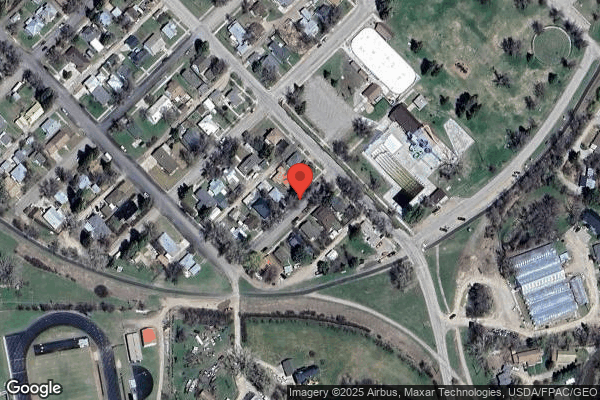

800 CASINO CREEK DR, LEWISTOWN, MT 59457 (406) 538-7451
Government - State 117 Beds Independent Data: November 2025
Trust Grade
38/100
#31 of 59 in MT
Last Inspection: October 2024

Within standard 12-15 month inspection cycle. Federal law requires annual inspections.

Overview

Montana Mental Health Nursing Home has a Trust Grade of F, indicating significant concerns and a poor overall performance. It ranks #31 out of 59 facilities in Montana, placing it in the bottom half, and is the second option out of two in Fergus County. The facility is on an improving trend, with issues decreasing from 11 in 2024 to just 3 in 2025. Staffing is a relative strength, with a 4/5 star rating and RN coverage better than 82% of Montana facilities, although turnover is average at 63%. However, there are serious concerns, including a medication error that caused a resident's respiratory distress and another case where a resident experienced severe weight loss due to inadequate care and oversight. While the quality measures score is excellent, the health inspection score of 2/5 and the presence of serious incidents point to significant areas that need improvement.

Trust Score
F
38/100
In Montana
#31/59
Bottom 48%
Safety Record
High Risk
Review needed
Inspections
Getting Better
11 → 3 violations
Staff Stability
⚠ Watch
63% turnover. Above average. Higher turnover means staff may not know residents' routines.
Penalties
⚠ Watch
$13,663 in fines. Higher than 100% of Montana facilities. Major compliance failures.
Skilled Nurses
✓ Good
Each resident gets 104 minutes of Registered Nurse (RN) attention daily — more than 97% of Montana nursing homes. RNs are the most trained staff who catch health problems before they become serious.
Violations
⚠ Watch
45 deficiencies on record. Higher than average. Multiple issues found across inspections.
★★★☆☆
3.0
Overall Rating
★★★★☆
4.0
Staff Levels
★★★★★
5.0
Care Quality
★★☆☆☆
2.0
Inspection Score
Stable
2024: 11 issues
2025: 3 issues

The Good

  • 4-Star Staffing Rating · Above-average nurse staffing levels
  • 5-Star Quality Measures · Strong clinical quality outcomes
  • Full Sprinkler Coverage · Fire safety systems throughout facility
  • No fines on record

Facility shows strength in staffing levels, quality measures, fire safety.

The Bad

3-Star Overall Rating

Near Montana average (3.0)

Meets federal standards, typical of most facilities

Staff Turnover: 63%

17pts above Montana avg (46%)

Frequent staff changes - ask about care continuity

Federal Fines: $13,663

Below median ($33,413)

Minor penalties assessed

Staff turnover is elevated (63%)

15 points above Montana average of 48%

The Ugly 45 deficiencies on record

3 actual harm
Jul 2025 3 deficiencies 1 Harm
SERIOUS (G) 📢 Someone Reported This

A family member, employee, or ombudsman was alarmed enough to file a formal complaint

Actual Harm - a resident was hurt due to facility failures

Deficiency F0692 (Tag F0692)

A resident was harmed · This affected 1 resident

Based on observation, interview, and record review, the facility failed to identify two areas of concern, which were contributing factors for a resident's severe weight loss of 11.86% over 3 months, w...

Read full inspector narrative →
Based on observation, interview, and record review, the facility failed to identify two areas of concern, which were contributing factors for a resident's severe weight loss of 11.86% over 3 months, which included the resident's increased sedation [sleeping through meals], and the resident had an ADL decline. The facility did not address the two contributing factors timely manner, in an attempt to intervene and prevent the severe loss, for 1 (#1) of 14 sampled residents. Findings include:During an interview on 7/29/25 at 2:35 p.m., staff member O stated that when resident #1 was first admitted , he was very agitated. Now the resident had stabilized on his medications and was more mellow, and maybe he had a little bit of a decline. Staff member O stated the resident had gotten a lot easier to redirect and was he was not having behavioral issues.Review of resident #1's MDS admission assessment, with an ARD of 4/30/25, showed the resident was coded as needing set up and clean up only for eating. The resident was independent for toileting and ambulation.Review of resident #1's nursing progress notes, dated 7/2/25 - current, showed the following:-7/2/25 . Seems more ‘out of it' than what this RN previously knew .-7/16/25 . 1:1 who had to encourage every bite of dinner. Res appeared sedated . [sic]-7/17/25 Resident slept all day this far. Was able to wake him up to take am and noon meds. He have very few bites of lunch . [sic]-7/17/25 . he was laid back down and immediately asleep. Res very sedated today. Very little intake. [sic]-7/19/25 [Resident #1] is sleepy this shift. Hard to rouse for check and changes .-7/21/25 [Resident #1] has been sleeping in recliner since before 1800 [6:00 p.m.]. He wouldn't wake to eat dinner or take meds. Is still in chair sleeping. Very somnolent and hard to rouse. [sic]-7/21/25 . did not wake up for lunch.-7/22/25 [Resident #1] is needing more assist with dressing, personal hygiene, toileting, and eating .-7/23/35 Res profoundly sedated this shift and is minimally responsive to staff. Res sits with eyes closed and is difficult to rouse . resident's sedation load is very high with the current medication profile of Seroquel, olanzapine, Haldol, Ativan, trazadone, Melatonin, and occasionally oxycodone. No behaviors noted this shift. [sic]-7/25/25 Res sedated but awake in dayroom after dinner. Minimal intake at dinner . [sic]-7/29/25 . Res requires almost 100% assistance from staff with ADLs. [sic]During an observation on 7/30/25 at 8:22 a.m., resident #1 was sitting in a wheelchair, and he was receiving full feeding assistance from staff with breakfast.Review of resident #1's documented weights showed:-4/24/25 236 lbs.-5/5/25 233 lbs.-6/4/25 229 lbs.-7/7/25 refused.-7/22/25 209 lbs. This represented an 11.86% severe weight loss over three months.A request was made on 7/29/25 for resident #1's nutrition notes to determine the implemented interventions for the severe weight loss. Review of resident #1's nutrition note, dated 7/29/25, showed the resident had lost 27 lbs. since admission. A reweigh was requested, and new orders for double portions at breakfast, weekly weights, and nutritional supplements were added for weight loss prevention. Review of resident #1's nursing progress note, dated 7/30/25, showed, Late entry from 7/28/25. Called rsdt [resident] guardian at 1000 [10:00 a.m.] and informed her of weight loss . The notification was not timely.During an interview on 7/30/25 at 10:38 a.m. staff member N stated resident #1 was on a medication called rivastigmine, a dementia medication, that had side effects of weight loss and loss of appetite. Staff member N stated resident #1 had some appetite loss, as he used to eat all his food, and loved sweets, like Reese's peanut butter cups. Staff member N stated the psych provider had been updated, and a medication taper had been initiated. Staff member N stated that the July weight for #1 was not done by the staff member who normally did the weights, and the facility was attempting to locate more information. Staff member N stated that any resident having more than a five-pound discrepancy would need to have a reweigh completed, and if a resident refused, they should be reapproached at another time.During an interview on 7/30/25 at 11:52 a.m., staff member J stated the pharmacy reviews were completed monthly, and the pharmacist looked at nursing notes, physician orders, labs, physician notes, and the medication administration report for the as-needed medication usage. Staff member J stated if there was a lot of documentation related to a resident being excessively sedated, the pharmacy would look at psychiatric medications and pain pills, and if the resident was getting a whole bunch of PRNs (as needed medications) they would look to see if a certain time of day was where the sedation was occurring to correlate to medication timing. Staff member J was unsure when resident #1's most recent pharmacy review occurred. During an observation on 7/30/25 at 12:26 p.m., resident #1 was getting full feeding assistance at lunch. His eyes were closed, and he was restless and fidgeting in the recliner.During an interview on 7/30/25 at 1:54 p.m., staff member M stated they were notified of resident #1's weight loss, . just in the last few days, and was over to see the resident yesterday (7/29/25). Staff member M requested a re-weight, noting that anytime there was a five-pound difference, a re-weight should occur. Staff member M stated that without a re-weigh, it was difficult to function in their role for resident care [referring to the refusal in early July].During an interview on 7/30/25 at 2:17 p.m., staff member N stated resident #1 had been reweighed that morning with a result of 207.5 lbs.During an interview on 7/30/25 at 3:16 p.m., staff member B stated the physicians had been notified [medical on 7/25/25 and psychiatric 7/23/25 per progress notes], medication changes had occurred, and the resident had been discussed in IDT meetings. Staff member B stated there was consideration that the weight loss and sedation were a natural progression of the resident's dementia.
CONCERN (D) 📢 Someone Reported This

A family member, employee, or ombudsman was alarmed enough to file a formal complaint

Potential for Harm - no one hurt, but risky conditions existed

Notification of Changes (Tag F0580)

Could have caused harm · This affected 1 resident

Based on interview and record review, the facility failed to notify the resident's physician, dietician, and representative in a timely manner of the resident's severe weight loss, for 1 (#1) of 14 sa...

Read full inspector narrative →
Based on interview and record review, the facility failed to notify the resident's physician, dietician, and representative in a timely manner of the resident's severe weight loss, for 1 (#1) of 14 sampled residents. Findings include:Review of resident #1's electronic health record reflected the resident lost 27 pounds in a three-month time period. This weight loss represented an 11.86% severe weight loss. The weight 229 lbs. was recorded on 6/2/25, and the weight of 209 lbs. was recorded on 7/22/25, which showed a 20# loss occurred in under 2 months. The documentation showed the resident had a severe weight loss. The medical record did not show that the physician, dietitian, or representative was immediately notified of the severe loss.Review of resident #1's nursing progress notes, dated July 2025, showed the following physician notifications:-The psych provider was updated on 7/23/25 of the resident's change in status and behaviors.-The medical physician was notified of the weight loss on 7/25/25 while rounding for the 90-day visit. A UA was ordered to investigate the resident's fatigue. A request was made on 7/29/25 for resident #1's nutrition notes.Review of resident #1's nutrition note, dated 7/29/25, showed the resident had lost 27 lbs. since admission. New orders of double portions at breakfast, weekly weights, and nutritional supplements for weight loss were initiated. Review of resident #1's nursing progress note, dated 7/30/25, showed, Late entry from 7/28/25. Called rsdt [resident] guardian at 1000 [10:00 a.m.] and informed her of (#1's) weight loss .A phone interview with resident #1's family was attempted on 7/29/25 at 2:15 p.m., with no return call received.During an interview on 7/30/25 at 1:54 p.m., staff member M relayed details of being notified of resident #1's weight loss in the last few days, and staff member M went over to see the resident yesterday (7/29/25). Staff member M had requested a weight reweigh, noting that anytime there was a five-pound difference in weight, that should occur. Staff member M stated that without a weight, it was difficult to function in the role for resident care [referring to the refusal in early July].
CONCERN (E) 📢 Someone Reported This

A family member, employee, or ombudsman was alarmed enough to file a formal complaint

Potential for Harm - no one hurt, but risky conditions existed

Deficiency F0576 (Tag F0576)

Could have caused harm · This affected multiple residents

Based on interview and record review, staff assigned to deliver mail to residents failed to do so for an extended period, and the mail was found piled in an employee's office, undelivered; and some ma...

Read full inspector narrative →
Based on interview and record review, staff assigned to deliver mail to residents failed to do so for an extended period, and the mail was found piled in an employee's office, undelivered; and some mail was time-sensitive or confidential. This failure involved 9 (#s 6, 7, 8, 9, 10, 11, 12, 13, and 14) residents out of 14 sampled residents. It was also identified that staff did not assist residents with cognitive impairments with opening or understanding the mail. Findings Include:Review of the facility investigation notes for a Facility Reported Event, dated 1/10/25, which was related to undelivered mail, showed:-Residents 6, 7, 8, 9, 10, 11, 12, 13, and 14 had either personal mail, legal mail, or holiday packages sent to the faculty, which were undelivered between October 2024 and the beginning of January 2025. -Resident #6 was interviewed on 2/6/25 but unable to answer. Review of facility staff email communication, dated 7/7/25, showed resident #6's guardian was contacted on 1/9/25 regarding the late mail delivery, and was not concerned. Review of the mail inventory, which was delivered late and found in NF2's office, showed resident #6 had a personal letter with a postal stamp date of October 25, 2024.-Resident #7 was interviewed on 2/6/25 but unable to answer. Review of facility staff email communication, dated 7/7/25, showed resident #7's guardian was contacted on 1/9/25 regarding the late mail delivery, and was not concerned.-Resident #8 was interviewed on 2/5/25 and stated, I'm not getting it. I want to get it (mail) faster.-Resident #s 9, 10, and 11 were interviewed on 2/6/25 and had no ongoing concerns related to the mail delivery.-Resident #12 was interviewed on 2/5/25 and had no concerns. Review of the late delivered mail inventory, found in NF2's office, showed resident #12 had a Social Security Administration letter with a postal stamp date of December 10, 2024. -Resident #13 was interviewed on 2/5/25 and had no concerns. Review of the late delivered mail inventory, found in NF2's office, showed resident #13 had a personal letter with a postal stamp date of November 4, 2024.-Resident #14 was interviewed on 2/5/25 and stated, I am not getting any mail. When they deliver the mail, make sure the mail is mine. Review of the late delivered mail inventory, found in NF2's office, showed resident #14 had a personal letter with a postal stamp date of August 17, 2024, and a Social Security Administration letter with a postal stamp date of December 10, 2024.-NF3 did not report the issue or deliver the mail and packages as directed. NF3 was put on administrative leave and ended employment on 2/28/25. -NF2 was on medical leave when notified of administrative leave, and then the employee resigned on 1/13/25, during the investigation. All residents' mail and packages were delivered, and the responsible parties were notified. No lasting effects of the late mail were found.During an interview on 7/29/25 at 1:32 p.m., NF1 stated there had been no issues with legal mail delayed to residents. There had been some late packages, but nothing that had caused a negative impact to a resident. NF1 stated there had been no further resident concerns related to resident mail delivery. NF1 spoke with all of the resident family members involved in the incident.During an interview on 7/29/25 at 4:11 p.m., staff member C stated another staff member had noticed packages piled in NF2's office and brought it to her supervisor, NF3. NF3 was told to deliver the packages, and when it was noted she did not complete the directive, she was placed on administrative leave. An investigation was completed, and the entire office was checked for any outstanding mail and packages. The packages were delivered by a case manager. The facility had notified all the responsible parties of those residents involved, to inform them of the investigation, with only two being upset. Staff member C stated all other residents were interviewed, who were assigned to NF2, and there were a few issues with her timeliness for the mail delivery. One resident was found to have given her two gifts, one was edible and was eaten, and in the trash at the time of her leave, but it was noted that she told the resident she could not accept gifts. The unused gift was returned to the resident. Staff member C stated that the process was that all mail was stamped with the date of delivery to the facility, packages were logged when delivered, and given to residents.During an interview on 7/30/25 at 11:17 a.m., staff member A stated the failure to deliver a resident's mail was more of a personal failure than a process one. Staff member A stated that the people involved no longer worked at the facility. Staff member A started daily spot checks on the mail sign-out and hired a new case manager, who was trained on the correct process. Staff member A stated the facility had followed up with Social Security on behalf of residents who received late letters to ensure there were no repercussions. Staff member A stated they had met with their QAPI team to investigate the occurrence, interviewed residents, and interviewed resident representatives who had been impacted by the late delivery. All staff completed abuse training by April 2025.QAPI met to review the event on 1/22/25.All staff training occurred on 3/19/25 and 3/20/25. The facility identified the concern with the mail delivery system and staff responsible and corrected the deficient practice prior to the complaint survey. The surveyors identified there were no ongoing concerns.
Oct 2024 8 deficiencies
CONCERN (D)

Potential for Harm - no one hurt, but risky conditions existed

Notification of Changes (Tag F0580)

Could have caused harm · This affected 1 resident

Based on interview and record review, the facility failed to notify the guardian of a transfer to the emergency department, for 1 (#9) of 29 sampled residents. Findings include: Review of Emergency De...

Read full inspector narrative →
Based on interview and record review, the facility failed to notify the guardian of a transfer to the emergency department, for 1 (#9) of 29 sampled residents. Findings include: Review of Emergency Department Reports from [Hospital] for resident #9, dated 10/20/24 at 11:34 p.m., showed the resident was admitted to the emergency department on 10/20/24 at 9:49 p.m. Review of resident #9's medical record lacked documentation that showed the resident's guardian was notified of the transfer to the emergency department on 10/20/24. During an interview on 10/23/24 at 1:47 p.m., NF1 stated she was not notified of the transfer to the emergency department on 10/20/24. During an interview on 10/23/24 at 3:40 p.m., staff member I stated the resident's guardian should have been notified when the resident was transferred to the emergency department. Staff member I stated the guardian for resident #9 was not notified of the 10/20/24 transfer to the emergency department. Review of the facility's policy, Scope of Social Services, revised 2/6/2023, showed, .Procedure: . D. Family Contact: . Contacts in coordination with nursing services will also be made with family and/or guardian when the resident's condition changes, or significant events occur.
CONCERN (D)

Potential for Harm - no one hurt, but risky conditions existed

Deficiency F0660 (Tag F0660)

Could have caused harm · This affected 1 resident

**NOTE- TERMS IN BRACKETS HAVE BEEN EDITED TO PROTECT CONFIDENTIALITY** Based on record review and interview, the facility failed to implement an effective discharge planning process for 1 (#67) of 1 ...

Read full inspector narrative →
**NOTE- TERMS IN BRACKETS HAVE BEEN EDITED TO PROTECT CONFIDENTIALITY** Based on record review and interview, the facility failed to implement an effective discharge planning process for 1 (#67) of 1 sampled resident, who left the facility Against Medical Advice. Findings include: A review of court documents, dated [DATE] showed resident #67 was required to stay at the facility due to a court commitment which showed he was to be there for a minimum of 90 days. A review of resident #67's medical record showed an admit date of [DATE]. A review of nurse's notes, dated [DATE], showed resident #67 did not want to remain at the facility and was exit seeking. A review of nurse's notes, dated [DATE], showed resident #67 wanted to go home. A review of case management notes, dated [DATE], showed resident #67 wanted to return home. A review of the interdisciplinary team admission assessment, dated [DATE], showed the resident#67's primary mode of locomotion was a wheelchair. A review of a note written by the nurse summarizing the nurse practitioner's visit, dated [DATE], showed resident #67 voiced his desire to return home. A review of nurse's note written by a nurse summarizing the nurse practitioners visit dated [DATE], showed resident #67 was not happy and did not want to remain in the facility. The note showed resident #67 wanted to be somewhere he could smoke. A review of a nurse's note dated [DATE], showed resident #67 was discharged against medical advice. The note showed the resident was given three days' supply of his medications. The note showed the resident should make an appointment to see his physician. A review of an email, which was written on [DATE], showed a miscommunication was made, and the re-commitment had been missed. The failure to obtain a re-commitment allowed resident #67 to be in the facility on a voluntary basis. During an interview on [DATE] at 8:45 a.m., staff members A and E were both interviewed. Staff member A said resident #67's court commitment expired, and a re-commitment had not been filed in time. Staff member E said there was no discharge planning being done as resident #67 was happy being in the nursing home. Staff member A said the discharge planning also had not been started as there were some financial issues needing worked through, as resident #67 was co-owner of a house. Staff member E said no discharge planning was completed as the resident did not show he was unhappy and wanted to leave the facility. Staff member E said there were no post discharge accommodations being made for the resident to include a follow up appointment, ensuring resident #67 had a wheelchair for use and would have enough medication until he could get a prescription, as the staff assumed resident #67 would stay in the facility. Physician orders for discharging against medical advice were not found in resident #67's chart. No orders for directing the staff to send a three-day supply of medications was found in the medical record.
CONCERN (D)

Potential for Harm - no one hurt, but risky conditions existed

Respiratory Care (Tag F0695)

Could have caused harm · This affected 1 resident

Based on observation, interview, and record review, the facility failed to ensure 1 (#43) of 29 sampled residents was administered oxygen at the rate the physician had prescribed, and ensure respirato...

Read full inspector narrative →
Based on observation, interview, and record review, the facility failed to ensure 1 (#43) of 29 sampled residents was administered oxygen at the rate the physician had prescribed, and ensure respiratory equipment was maintained in a manner of acceptable parameters. Findings include: During an observation on 10/22/24 at 8:59 a.m., resident #43 was observed using oxygen per a nasal cannula connected to an oxygen concentrator. The oxygen cannula was lying on the floor, and the nose pieces were directly in contact with the floor. The oxygen concentrator was turned on at a rate of two and one-half liters per minute. The oxygen air inlet filter, on the right side of the machine, had a fine layer of gray particles present. The air inlet filter, on the left side of the machine, had a heavy layer of particles and hair-like substance present. Resident #43 said she did not know there was even a filter on the other side, and she had not cleaned it. Resident #43 took the filter and was observed to peel the layer of debris off the filter. Review of a physician's order written on 5/24/23, showed resident #43 was ordered to have oxygen up to 5 liters per minute. The order did not include parameters for how the oxygen would be delivered. During an observation on 10/23/24 at 2:15 p.m., the oxygen concentrator setting was observed to be at two and one-half liters of oxygen per minute. During an interview on 10/24/24 at 9:11 a.m., staff member I said the night shift cleans the oxygen concentrator filters once a month. The company the oxygen concentrators are rented from come quarterly and do preventative maintenance. Review of the certified nurse assistant documentation flow sheets, for October 2024, showed the oxygen filter for #43 was scheduled for cleaning on 10/18/24, but had not been signed as completed. Review of resident #43's current and active physician orders, dated 10/1/24 through 12/31/24, showed supplemental oxygen: up to 5 liters via nasal canula prn for hypoxia. Review of resident #43's monthly medication administration records and treatment records for two unlabeled months showed no oxygen monitoring results, or that the oxygen liter flow had been documented for the two months reviewed. A review of the facility's policy, titled Oxygen Therapy, dated 4/16/21, showed the following: .- Administer 2L (liters) of O2 via nasal cannula (n/c) with titration to maintain SpO2 level at 90% or greater . Assess SpO2 as needed after applying O2 to adequately titrate O2 further . Air inlet filter on the concentrator is washed and rinsed in warm soapy water at least monthly and as needed .
CONCERN (E)

Potential for Harm - no one hurt, but risky conditions existed

Deficiency F0578 (Tag F0578)

Could have caused harm · This affected multiple residents

**NOTE- TERMS IN BRACKETS HAVE BEEN EDITED TO PROTECT CONFIDENTIALITY** 3. Review of resident #37's medical record showed there was no advanced directive filled out, and her progress notes failed to s...

Read full inspector narrative →
**NOTE- TERMS IN BRACKETS HAVE BEEN EDITED TO PROTECT CONFIDENTIALITY** 3. Review of resident #37's medical record showed there was no advanced directive filled out, and her progress notes failed to show a discussion was had regarding her wishes. Resident #37 was admitted to the facility on [DATE]. Review of resident #37's initial visit provider notes failed to show the resident's provider discussed the right to advanced directives and the resident's wishes. A request was submitted to the facility for information regarding an advanced directive or a refusal for resident #37. The facility did not provide this information prior to the end of the survey. During an interview on 10/24/24 at 9:50 a.m., staff member B stated the resident's provider will discuss advanced directives and assist the resident with filling out the POLST, upon the initial provider visit, which is within the first thirty days after admission. Staff member B stated, We conduct monthly audits of the resident charts to ensure the POLST is present and properly filled out for all residents. Review of a facility document titled Advanced Medical Directive (POLST) with a revision date of 2/6/23 showed: . Procedure: . B. If resident does not have a completed POLST at admit, their Provider will be notified to complete this for discussion with them and/or guardian at their first medical visit . 1. Resident and/or their guardians who do not wish to make any advance directives can note that on the Provider Orders for Life Sustaining Treatment . Review: 1. Advanced Medical Directive/POLST form will be reviewed annually by Social Services staff for proper completion and location within the chart. 2. Social Service staff will offer educational material to all interested families or guardians as requested . [sic] Based on interview and record review, the facility failed to address the timely completion or implementation of treatment wishes, specifically related to the Provider Orders for Life-Sustaining Treatment (POLST) forms, for 2 (#s 43, and 60); and failed to ensure advanced directives were in place for 1 (#37) of 29 sampled residents. Findings include: 1. Resident #43 said she remembered being asked about her code status by the staff at the facility. A review of resident #43's admission records, showed the POLST was not completed for over thirty days after #43's admission, to address her treatment wishes. 2. Review of the admission form showed resident #60 was admitted on [DATE], and the POLST form for treatment wishes was not completed until 10/16/23. This was almost two months after the resident's admission, and the timeline did not correlate with the facility policy. During an interview on 10/24/24 at 9:11 a.m., staff member I stated in the absence of a POLST the staff would consider the resident a full code. Due to this, if a resident wished to be a DNR, but did not have treatment wishes determined and documented in the medical record on admission, the resident may receive treatment they did not wish to have. During an interview on 10/23/24 at 8:45 a.m., staff member A stated the physicians were the only staff allowed to complete the POLST forms at the facility. Staff member A said the POLST may not be completed until the physician or nurse practitioner makes their initial visit which may not be very often. Staff member A stated the facility had been completing audits of the POLST's as part of QAPI. During an interview on 10/24/24 at 9:11 a.m., staff member I stated the physicians were the only ones to complete the POLST forms at the facility. Staff member I said she would not trust other staff to be able to know how to complete the forms. It would be typical for the physician to not see the resident for two to three weeks after their admission to the facility, and per staff member I's interview, the resident would be considered a full-code, unless treatment wishes were already established.
CONCERN (E) 📢 Someone Reported This

A family member, employee, or ombudsman was alarmed enough to file a formal complaint

Potential for Harm - no one hurt, but risky conditions existed

Report Alleged Abuse (Tag F0609)

Could have caused harm · This affected multiple residents

Based on interview and record review, facility staff failed to ensure an allegation of resident-to-resident abuse was reported to the State Survey Agency, within 24 hours after the allegation occurred...

Read full inspector narrative →
Based on interview and record review, facility staff failed to ensure an allegation of resident-to-resident abuse was reported to the State Survey Agency, within 24 hours after the allegation occurred, for 6 (#s 26, 37, 47, 53, 64, and 70) of 29 sampled residents. Findings include: 1. Review of a facility reported incident, dated 7/8/24 at 6:05 a.m., showed an allegation of resident-to-resident abuse for residents #64 and #47. This allegation occurred on 7/6/24, and was not reported to the State Survey Agency, until 7/8/24. 2. Review of a facility reported incident, dated 7/8/24 at 9:05 a.m., showed an allegation of resident-to-resident abuse for residents #64 and #47. This allegation occurred on 7/6/24, and was not reported to the State Survey Agency, until 7/8/24. 3. Review of a facility reported incident, dated 7/24/24, showed an allegation of resident-to-resident abuse for residents #70 and #26. This allegation occurred on 7/22/24, and was not reported to the State Survey Agency, until 7/24/24. 4. Review of a facility reported incident, dated 9/16/24, showed an allegation of resident-to-resident abuse for residents #37 and #53. This allegation occurred on 9/12/24, and was not reported to the State Survey Agency, until 9/16/24. During an interview on 10/23/24 at 8:10 a.m., staff member J stated, Floor staff report any incidents (of abuse/neglect) to the nurse working. They (nurses) are supposed to fill out a report on a behavior sheet. During an interview on 10/24/24 at 10:10 a.m., staff member A stated, We have an abuse team who oversees investigating facility incidents. The nurse on duty would send an alert via Tiger Text, a confidential texting application, to the team. The team would designate an individual to investigate the concern and submit it through BOUNDS (facility on-line reporting system). I review all allegations and ensure they are submitted timely . Review of a facility document titled, Abuse, Misappropriations, and/or Neglect of Residents with a revision date of 6/6/24, showed: . INVESTIGATION OF ABUSE, NEGLECT, OR MISAPPROPRIATION: The facility conducts an internal investigation. The process is as follows: 1. Administrator and Quality Coordinator initially inputs the alleged abuse report into the Bounds system within 24 hours .
CONCERN (E)

Potential for Harm - no one hurt, but risky conditions existed

Deficiency F0761 (Tag F0761)

Could have caused harm · This affected multiple residents

Based on observation, interviews, and record review, the facility failed to ensure expired immunizations which were stored in 1 of 2 medication refrigerators in the treatment room were properly dispos...

Read full inspector narrative →
Based on observation, interviews, and record review, the facility failed to ensure expired immunizations which were stored in 1 of 2 medication refrigerators in the treatment room were properly disposed of. The facility failed to monitor the treatment room and unit medication refrigerator and freezer temperatures. This failure created the potential for residents to experience negative effects related to the administration of expired Shingrix immunizations and negative effects related to inadequately monitored medication and immunization refrigerator and freezer temperatures. Findings include: During a record review on 10/24/24 at 9:55 a.m., the treatment room immunization freezer temperature logs were not completed for the following dates: July 5, 6, 7, 15, 16, September 14, 26, and October 4, 13. The treatment room immunization (Med-Lab Performance) refrigerator logs were not completed for the following dates: July 5, 6, 7, 15, 16, September 14, 26, and October 4, 13. During an observation and interview on 10/24/24 at 9:58 a.m., in the treatment room refrigerator/freezer, a box of expired Shingrix vaccines labeled 'Zoster Vaccine Recombinant, Adjuvanted' with a lot number of FH79Y, manufacturer GlaxoSmithKline Biologicals, with an expiration date of 10/6/24, was on a shelf. Staff member L stated expired immunizations were brought to the pharmacy to be returned and replaced. Staff member L stated staff member K usually brings them to the pharmacy when they are expired, and Staff member K is in and out of here (the treatment room) a lot during the day, and I'm surprised this is in here. I check the temps too, but I am busy with the doctors during the day. During an interview on 10/24/24 at 10:04 a.m., staff member K stated she would check the treatment room fridge often, Daily, when I am here. The immune fridge temps are checked by the night shift nurses when [staff member L] or myself are not there to check, such as on weekends or holidays. Review of a facility document labeled, 'Glacier Med Fridge Nurses Station 2024' showed: Fridge Temp Range: Medications= 36 F - 45F . P.M. and Night nurses check refrigerators when doing narcotic counts. There was no documentation on the log for temperatures on July 4, 5, 6, 10, or 30th. The log showed no documentation for temperatures on October 17. Review of a facility document, '[Facility] Shift to Shift Charge Report', showed, Charge concerns . All refrigerador temps documented including vaccine fridge in treatment room? [sic] Review of a facility document of an unlabeled nurse task list showed, On the weekends it is the charge duty to check all fridge temps. Use the temp book provided by the infection control nurse. Review of a facility policy, 'Temperature log' with an original date of 8/29/24, showed: . Department: Infection Prevention and Control. [Facility Name] will maintain temperatures of coolers and freezers at the appropriate temperature to promote food safety. This protocol also addresses refrigerated storage . Logs for recording temperatures for each refrigerator or freezer will be posted in a visible location outside the freezer or refrigerator unit. a. Temperatures will be checked and logged at least daily by designated personnel .
CONCERN (E)

Potential for Harm - no one hurt, but risky conditions existed

Food Safety (Tag F0812)

Could have caused harm · This affected multiple residents

Based on observation, interviews, and record review, the facility failed to ensure the consistent practice of properly dating and labeling open foods, storing food, and monitoring food temperatures in...

Read full inspector narrative →
Based on observation, interviews, and record review, the facility failed to ensure the consistent practice of properly dating and labeling open foods, storing food, and monitoring food temperatures in unit refrigerators and freezers. This failure had the potential to lead to food borne illnesses and improper infection control practices for residents consuming food from the refrigerators and freezers on the Glacier and Firefly units. Findings include: During an observation on 10/21/24 at 3:05 p.m., the Firefly unit kitchen refrigerator and freezer had a log with no documentation of temperature recordings on 19 of 24 opportunities, and there was no documentation on October 5, 8, 12, 14, and 19, 2024. During an observation on 10/21/24 at 3:07 p.m., the Firefly unit kitchen freezer had a Styrofoam bowl with food that had a white topping, unlabeled with no name or date, covered with a paper towel, with a plastic spoon sticking out of the paper towel covering. During an observation on 10/22/24 at 8:56 a.m., the Firefly unit kitchen refrigerator and freezer had a log with no documentation of temperature recording for 19 of the 24 days to complete the temperature recordings. Documentation was missing for October 5, 8, 12, 14, and 19. During an interview on 10/23/24 at 4:52 p.m., staff member Q, who was working on the Glacier wing, stated it was the night shift nurses responsibility for following the nursing task list which included the completion of refrigerator and freezer documentation on all units. During an interview on 10/24/24 at 9:52 a.m., staff member I stated the night shift charge nurses were responsible for checking refrigerator and freezer temperatures on all units and logging the temperatures. Review of a facility provided log, labeled, 'Firefly 2024 Food Fridge @ Nurses Station,' showed: Fridge Temp Range: Food = 36 F - 40 F . P.M. and Night nurses check refrigerators when doing narcotic counts. There was no documentation on the log for temperatures on July 9, 25, 26, 30 of 2024. The log showed no documentation for temperatures on August 14 of 2024. The log showed no documentation for temperatures on September 3, 9, 10, 24 of 2024. The log showed no documentation for temperatures on October 4, 5, 6 of 2024. Review of a facility provided log labeled, 'Glacier 2024 Food Fridge Nurses Station', showed: Fridge Temp Range: Food = 36 F - 40 F . Freezer: 0 Fahrenheit or below . P.M. and Night nurses check refrigerators when doing narcotic counts. There was no documentation on the log for temperatures during the month of July crossed out and written in as January for 8, 13, 28, 29. The log showed no documentation for temperatures on October 17. Review of a facility document, '[Facility Name] Shift to Shift Charge Report,' showed, Charge concerns . All refrigerador temps documented including vaccine fridge in treatment room? [sic] Review of a facility document of an unlabeled nurse task list showed, On the weekends it is the charge duty to check all fridge temps. Use the temp book provided by the infection control nurse. Review of a facility policy 'Temperature log' with an original date of 8/29/24, showed: . Department: Infection Prevention and Control. [Facility Name] will maintain temperatures of coolers and freezers at the appropriate temperature to promote food safety. This protocol also addresses refrigerated storage . Logs for recording temperatures for each refrigerator or freezer will be posted in a visible location outside the freezer or refrigerator unit. a. Temperatures will be checked and logged at least daily by designated personnel . 3. All refrigerated storage must be maintained at or below 41 degrees Fahrenheit, unless otherwise specified. 4. All frozen storage must be maintained at or below 0 degrees Fahrenheit, unless otherwise specified . 7. Refrigerated food shall be labeled, dated, and monitored so that it is used by the use by date, frozen, or discarded, whichever is applicable.
CONCERN (E)

Potential for Harm - no one hurt, but risky conditions existed

Medical Records (Tag F0842)

Could have caused harm · This affected multiple residents

Based on interview and record review, the facility failed to ensure resident medical record documentation was dated appropriately, labeled with the resident's information, and completed in entirety, f...

Read full inspector narrative →
Based on interview and record review, the facility failed to ensure resident medical record documentation was dated appropriately, labeled with the resident's information, and completed in entirety, for 4 (#s 11, 43, 60, and 66) of 29 sampled residents. Findings include: Incomplete Medical Record Documenation: 1. Review of resident #11's hard-copy POLST form, showed: - In the section for the person preparing the form and date section, the form was incomplete for the person preparing the form and the form was not dated when signed by the resident's legal decision maker. - The section for the provider phone number was incomplete. 2. Review of resident #43's hard-copy POLST form, showed: - In the mandatory section, where the signature was for the person completing the form, was blank. - The phone numbers for the person completing the form, and the physicians phone number, were incomplete. Resident #43 said she remembered being asked about code status by the staff at the facility. 3. Review of resident #60's hard-copy POLST form, showed: - In the mandatory phone number section, the form did not have the telephone number of the medical provider. During an interview on 10/23/24 at 8:45 a.m., staff member A stated the physicians were the only staff allowed to complete the POLST's at the facility. Staff member A said the POLST may not be completed until the physician or nurse practitioner makes their initial visit, which may not be very often. Staff member A stated the facility had been completing audits of the POLST's as part of QAPI. During an interview on 10/24/24 at 9:11 a.m., staff member I stated the physicians were the only ones to complete the POLST's at the facility. Staff member I said she would not trust other staff to be able to know how to complete the forms. 4. Review of resident #66's note with page titled, interdisciplinary progress note, showed no identifying information listed in the boxes marked resident last, and first name, physician, medical record number and room/bed. The nursing notes on this page were dated 9/30/24 and 10/2/24. A reader would not know which resident the form was for, due to the lack of information. 5. Review of resident #43's monthly medication administration record showed two sets of medication administration records were provided. Both sets were numbered one through three at the bottom of the page. The pages were not labeled as to month or year. The only dates on the monthly medication administration records were residents #43's date of birth and the date of her admission. It was unclear what the dates were for the MARs. During an interview on 10/24/24 at 10:36 a.m., staff member B was unable to identify the month resident #43's medication administration records were labeled.
Apr 2024 3 deficiencies
CONCERN (D) 📢 Someone Reported This

A family member, employee, or ombudsman was alarmed enough to file a formal complaint

Potential for Harm - no one hurt, but risky conditions existed

Deficiency F0583 (Tag F0583)

Could have caused harm · This affected 1 resident

Based on observation, interview, and record review, the facility failed to protect a resident's right to privacy for 1 (#2) of 2 residents sampled for hoarding tendencies. This deficient practice caus...

Read full inspector narrative →
Based on observation, interview, and record review, the facility failed to protect a resident's right to privacy for 1 (#2) of 2 residents sampled for hoarding tendencies. This deficient practice caused the resident mental anguish and distrust of her caregivers. Findings include: During an interview on 4/8/24 at 2:33 p.m., NF1 stated there had been an incident where staff went into resident #2's room while she was out of the building and did a room clean. She stated the facility didn't have a policy or procedure to dictate how the room clean should happen for consistency. She stated this surprise room cleaning had caused mental anguish for resident #2 when she returned to find all her stuff moved. NF1 stated the facility said they only went into throw away garbage, and she had to argue that everyone's definition of garbage is different. During an observation and interview, on 4/9/24 at 9:20 a.m., resident #2 was seated on her bed. She had stuffed animals lining the side of her bed that touched the wall. Her shelves were cluttered, but they appeared clean. There was no odor in the room. The floor was clear of any tripping hazards. Resident #2 stated she was upset the [March 1, 2024] room clean had been done without her knowledge, and she had, expected reason and conversation because I'm an adult. She stated before the room clean, she trusted staff, but now she did not, and she had not been informed room cleaning was added to her care plan. Resident #2 stated she had been told her room was cleaned up for safety. She stated staff did not like how her bed was cluttered with stuffed animals and told her that was why she had previously fallen out of bed. Resident #2 stated she sleeps with stuffed animals, which take up half of the bed, because her husband always took up most of the bed, so she finds comfort in a non-empty bed. She stated her fall had been when her legs got tangled in a sheet, and the falls was not related to the animals. Resident #2 stated she was not going to report any more falls to staff. She was embarrassed and stated she wanted advance notice before people went through her drawers because, No one needs to see my underwear but me. Resident #2 stated after the room clean, she reported she had been unable to find some of her smaller items. She stated a staff member had come in to her room and taken several photos of her space [without her permission] to document nothing was missing. She stated they brought another staff member for a witness and resident #2 asked, Where's my witness in all of this? During an interview on 4/9/24 at 10:15 a.m., staff member B stated resident #2 had been looking forward to the bookstore outing that had been organized to get her out of the building. The room clean had been organized and conducted by members of the QAPI team. Staff member B was unsure if resident #2 would trust her possessions to be safe for her to go on another outing again. Staff member B stated resident #2 had been receptive to cleaning her room and was given totes to organize her things. There had been a concern for a power strip teetering on the drawer of the resident's nightstand, but she had also been receptive to the plan to move it for safety. Staff member B stated there was another resident [#3] with a hoarding diagnosis. This resident had a very detailed care plan dictating how the room clean should go. This process did not occur for resident #2. Review of resident #3's Room Cleaning Protocol, dated 2/24/23, showed: Process: . [Resident name] will be notified the day prior to a room cleaning and can be offered the option to put items into totes for storage at that time . [Resident name] may choose to stay in the room or step out and may see what items are being removed . During an interview on 4/9/24 at 12:51 p.m., staff member E stated the room clean had been proposed for a while. The IDT had sought out her advice on the best approach. Staff member E stated this was a unique situation, she did not know resident #2, and typically did not have direct contact with the residents in the facility due to her role. Review of resident #2's care plan, dated 2/14/24, showed an update for room cleaning due to hoarding tendencies. Review of resident #2's physician's note, dated 3/14/24, showed, . Pt started crying when she came to know about her room being cleaned . was crying, shaking, and stating she wouldn't leave her room again stated she had special things missing . pt is now not leaving the room until the office staff have left. Pt is skipping breakfast and lunch due to this . Pt states 'They were in my room without permission. I'm not going anywhere, I'm not leaving my room. I'm not going to go to my doctor's appointments' . [sic] Review of resident #2's medical record showed her scheduled 3/29/24 cardiology appointment was moved to be a virtual appointment, after conversations she would not be leaving her room, to attend. Review of an article in Psychology Today, titled, The Pros and Cons of Intensive Hoarding Cleanups, dated 9/8/20, showed, The destabilizing effects of intensive short-term cleanup blitzes intensify the existing anxiety the person is already living with, and causes feelings of disconnection from the only place they can call home . One of the most frustrating things about extreme cleanups to someone who hoards is they feel they can't find anything after, combined with the fear that things have been mistakenly discarded. Whether or not anything they needed or wanted kept is actually missing, there is always an intense feeling and belief that there are items missing, even when they are unable to name the missing thing . working with clients in a spirit of voluntary partnership using evidence-based strategies is best.
CONCERN (D) 📢 Someone Reported This

A family member, employee, or ombudsman was alarmed enough to file a formal complaint

Potential for Harm - no one hurt, but risky conditions existed

Investigate Abuse (Tag F0610)

Could have caused harm · This affected 1 resident

Based on interview and record review, the facility failed to investigate and protect other vulnerable residents from potential financial exploitation after 1 (#1), of 3 sampled residents, was approach...

Read full inspector narrative →
Based on interview and record review, the facility failed to investigate and protect other vulnerable residents from potential financial exploitation after 1 (#1), of 3 sampled residents, was approached by a staff member to become a financial payee. Findings include: Review of a facility reported incident, dated 3/7/24, showed NF2 was terminated. This was after resident #1 told her caseworker NF2 offered to become her financial payee. Review of the investigation showed there had been some concerns brought forth by a former coworker of NF2 about NF2's relationship with resident #1. These concerns were voiced when NF2 started working at the facility in September 2023. As a result of these concerns, NF2 was never scheduled to work on the wing where resident #1 resided. During an interview on 4/9/24 at 11:40 a.m., staff member A stated NF2 was never scheduled with resident #1. She stated they were monitoring NF2 to make sure she was not having payee conversations with other residents. Staff member A stated they had considered the September information from the former coworker about NF2 to be heresay and not something they could act on for termination. During an interview on 4/9/24 at 11:45 a.m., staff member D stated she couldn't speak to if other residents were interviewed about NF2 during the abuse investigation. During an interview on 4/9/24 at 12:07 a.m., staff member C stated she was unaware of the concerns around NF2 or to be on the lookout for potential exploitation for her resident caseload. During an interview on 4/9/24 at 1:30 p.m., staff member F stated she did not know about NF2's previous history. She did not know if other residents NF2 had taken care of had been interviewed. Review of the facility policy, Abuse, Misappropriations, and/or Neglect of Residents, revised 2/22/23, showed: Abuse Investigation Template . Assessement: . Interview the resident . Interview other residents. Have other residents had any issues with any particular staff? . NF2 was removed from her position on March 6, 2024, and reported to the state board and law enforcement. Further investigation by the facility determined she had been released from a previous employment contract for financial exploitation.
CONCERN (D) 📢 Someone Reported This

A family member, employee, or ombudsman was alarmed enough to file a formal complaint

Potential for Harm - no one hurt, but risky conditions existed

Deficiency F0740 (Tag F0740)

Could have caused harm · This affected 1 resident

Based on interview and record review, the facility failed to follow professional standards related to a resident's hoarding behavior and interventions, for 1 (#2) of 2 residents sampled for hoarding t...

Read full inspector narrative →
Based on interview and record review, the facility failed to follow professional standards related to a resident's hoarding behavior and interventions, for 1 (#2) of 2 residents sampled for hoarding tendencies. This deficient practice resulted in a resident's mental anguish including crying, distrust of staff, and fear of leaving her room. During an interview on 4/9/24 at 9:20 a.m., resident #2 stated staff had gone into her room when she was out of the facility and cleaned it out. She stated she was missing items like a Starbucks cup, a card from her sister, and a small pencil she liked to write with. Resident #2 stated these things were not on the ground or creating any type of tripping hazard. Resident #2 stated she was bothered because she had trusted staff and had been taken by surprise. During an interview on 4/9/24 at 10:15 a.m., staff member B stated they had been told by staff member E the best practice for a hoarder was to just go in the space and clear out the trash. It had been decided to do the cleanup while the resident was out of the facility to reduce her anxiety. During an interview on 4/9/24 at 11:30 a.m., staff member C stated another resident had a hoarding diagnosis and formal room cleaning plan. Staff member C stated resident #2's room clean had not been that formally organized. Review of the other resident's Room Cleaning Protocol dated 2/24/23, showed: Process: . [Resident name] will be notified the day prior to a room cleaning and can be offered the option to put items into totes for storage at that time . [Resident name] may choose to stay in the room or step out and may see what items are being removed . This resident was given advance notice and allowed to participate. Review of resident #2's psychiatry note, dated 3/14/24, showed the physician was talking with the resident after the room clean that occurred on March 1, 2024. The note showed resident #2 continued to be upset discussing the matter. The note also showed, . Writer spoke at length with pt about the situation and discussed the possibility to having a meeting with staff to come to a decision regarding cleaning schedules and the way of getting the room clean . Review of a National Library of Medicine article, titled, Hoarding Disorder: Development in Conceptualization, Intervention, and Evaluation dated November 5, 2021, showed, On the surface, hoarding may appear to be a relatively straightforward problem to address. One could simply hire a service to completely clean out the home or forcefully relocate the person who hoards to another residence. However, existing literature describes involuntary cleanouts as both traumatic to the person who hoards and ineffective in the long run, because they often lead to increased rates of recidivism. Review of an article in Psychology Today, titled, The Pros and Cons of Intensive Hoarding Cleanups dated 9/8/2020, showed, The destabilizing effects of intensive short-term cleanup blitzes intensify the existing anxiety the person is already living with, and causes feelings of disconnection from the only place they can call home . One of the most frustrating things about extreme cleanups to someone who hoards is that they feel they can't find anything after, combined with the fear that things have been mistakenly discarded. Whether or not anything they needed or wanted kept is actually missing, there is always an intense feeling and belief that there are items missing, even when they are unable to name the missing thing . working with clients in a spirit of voluntary partnership using evidence-based strategies is best.
Nov 2023 6 deficiencies
CONCERN (D)

Potential for Harm - no one hurt, but risky conditions existed

Deficiency F0657 (Tag F0657)

Could have caused harm · This affected 1 resident

**NOTE- TERMS IN BRACKETS HAVE BEEN EDITED TO PROTECT CONFIDENTIALITY** Based on interview and record review the facility failed to update and revise care plans for 2 (#'s 13 and 43) of 21 sampled res...

Read full inspector narrative →
**NOTE- TERMS IN BRACKETS HAVE BEEN EDITED TO PROTECT CONFIDENTIALITY** Based on interview and record review the facility failed to update and revise care plans for 2 (#'s 13 and 43) of 21 sampled residents. This deficient practice did not show updated problems or interventions that would give staff the correct information to properly care for the residents. Findings include: 1. A review of resident #13's care plan, with a date of 8/23, showed, resident #13 had had a scratch to his chest, with an intervention for weekly skin checks by LN (Licensed Nurse). During an interview on 11/7/23 at 9:10 a.m., staff member E stated resident #13 did not have any skin concerns or scratches even though his care plan stated he did. A review of resident #13's weekly skin checks, dated 7/1/23-9/30/23, showed no mention of any scratches or skin concerns. 2. During an observation on 11/7/23 at 12:10 p.m., resident #43 was sitting in his wheelchair, leaning far to the right, at the dining room table. Staff member F sat down and fed resident #43. Resident #43 was not repositioned in his wheelchair prior to being fed. Resident #43 coughed throughout lunch. A review of resident #43's paper medical record, from Feburary 1, 2023, to November 7, 2023, showed resident #43 had been hospitalized on [DATE]-[DATE], 3/19/23-3/22/23, and 4/30/23-5/2/23, with a diagnosis of aspiration pneumonia. During an interview on 11/7/23 at 2:14 p.m., staff member F stated she fed resident when she was scheduled to work. Staff member F stated resident #43 had a hard time feeding himself and would not eat well. During an interview on 11/7/23 at 3:36 p.m., staff member I stated she was not sure if any interventions were in place for resident #43's aspiration issues. A review of resident #43's care plan showed no interventions or precautions in place for aspiration pneumonia. During an interview on 11/7/23 at 4:40 p.m., staff member G stated care plans should be revised if something new happens or changes. Staff member G stated, We all revise care plans as we go along. Nursing, Dietary, and Social Services update their sections of the care plans as needed. Staff member G stated floor nurses had been educated on how to update and revise resident cares plans. Staff member G stated, This is a constant work in progress to get the floor nurses to update and revise care plans as resident needs change. Staff member G stated resident #43's care plan should have been updated by nursing and the dietician regarding the aspiration. A review of a facility document titled, Care Planning, with a revision date of 2/15/23, showed: Policy: Nursing - .Care plans will be reflective of the assistance or support the resident needs and updated as necessary. - .A. The Care Plan will be updated based on the needs and goals of the residents.
CONCERN (D)

Potential for Harm - no one hurt, but risky conditions existed

Accident Prevention (Tag F0689)

Could have caused harm · This affected 1 resident

**NOTE- TERMS IN BRACKETS HAVE BEEN EDITED TO PROTECT CONFIDENTIALITY** Based on observation, interview, and record review, the facility failed to safeguard a resident from recurring aspiration pneumo...

Read full inspector narrative →
**NOTE- TERMS IN BRACKETS HAVE BEEN EDITED TO PROTECT CONFIDENTIALITY** Based on observation, interview, and record review, the facility failed to safeguard a resident from recurring aspiration pneumonia for 1 (#43) of 21 sampled residents. The resident was admitted to the hospital on three occasions for aspiration pneumonia. Findings include: During an observation on 11/7/23 at 12:10 p.m., resident #43 was sitting in his wheelchair, leaning far to the right, at the dining room table. Resident #43 was not repositioned in his wheelchair prior to being fed by staff member F. Resident #43 coughed throughout lunch. No interventions were observed from staff in the dining room. During an interview on 11/7/23 at 2:16 p.m., Staff member F stated, I know what the signs of aspiration are because I have been a CNA for so long. If I noticed anything I let my nurse know. During an interview on 11/7/23 at 2:18 p.m., staff member E stated she had not been notified that resident #43 was coughing in the dining room and she was not aware that resident #43 should be monitored for signs or symptoms of aspiration. During interviews on 11/7/23 at 3:30 p.m., staff members E and F stated they had not received any education on aspiration precautions. During an interview on 11/7/23 at 3:36 p.m. staff member I stated she was not sure if any interventions were in place for resident #43's aspiration issues. During an interview on 11/7/23 at 4:05 p.m., staff member C stated they did not have any education, policies, or skills competencies for feeding or aspiration precautions. A review of resident #43's hospital admission records showed: -Resident #43 was hospitalized on [DATE]-[DATE], with a diagnosis of pneumonia, aspiration/impaired swallowing, and respiratory failure. On 2/21/23, an x-ray video swallow evaluation was completed and showed resident #43 had moderate to severe pharyngeal gross aspiration and recommended diet change and aspiration precautions (fully upright, alert, meds whole in puree, no straws, small bites and sips). -Resident #43 was hospitalized on [DATE]-[DATE], with a diagnosis of aspiration pneumonia. When resident #43 was discharged from the hospital the instructions showed, .aspiration precautions ., and, -Resident #43 was hospitalized on [DATE]-[DATE], with a diagnosis of aspiration pneumonia and sepsis with acute hypoxic respiratory failure. The resident has not been admitted for aspiration pneumonia since May, but the facility continues to fail to address the risk of aspiration sufficiently. A review of resident #43's care plan, not dated, showed no interventions or precautions in place for signs or symptoms of aspiration.
CONCERN (D)

Potential for Harm - no one hurt, but risky conditions existed

Deficiency F0692 (Tag F0692)

Could have caused harm · This affected 1 resident

Based on interview and record review, the facility failed to follow a dietician's recommendation for a resident with severe weight loss for 1 (#28) of 1 resident sampled for weight loss. Findings incl...

Read full inspector narrative →
Based on interview and record review, the facility failed to follow a dietician's recommendation for a resident with severe weight loss for 1 (#28) of 1 resident sampled for weight loss. Findings include: Review of resident #28's weight and height record, dated February 2023- November 2023, showed: - May 2023 the resident weighed 100 lbs. - June 97 lbs. - July 101 lbs. - August 94 lbs. - September 89 lbs. - October 87 lbs. - November 1, 2023, the resident weighed 86 lbs. This represented a 14% severe weight loss over six months. Review of resident #28's dietary note, dated 8/8/23, showed, the resident was being monitored for unplanned weight loss. Recommendations included: - Start 60 cc med pass supplement TID - Weigh weekly - Offer magic cup at lunch and dinner - Notify provider and POA of significant loss . Review of resident #28's weight and height record, dated February 2023- November 2023, showed the resident was being weighed monthly. There were no documented weekly weights after the August 2023 note. During an interview on 11/8/23 at 8:07 a.m., staff member C stated weekly weights would be documented on the MAR. She stated weekly weights would be discontinued once the resident was moved to comfort care, which they were in the process of doing for resident #28. During an interview on 11/8/23 at 8:14 a.m., staff member K stated the dietician would place the order for weekly weights. Staff member K was unaware of any resident on the hall currently ordered for weekly weights. During an interview on 11/8/23 at 8:57 a.m., staff member L stated weekly weights would be in the MAR, but it did not look like that process had been transferred over from the dietician's recommendation for the months of August, September, or October 2023.
CONCERN (D)

Potential for Harm - no one hurt, but risky conditions existed

Deficiency F0726 (Tag F0726)

Could have caused harm · This affected 1 resident

Based on observation, interview, and record review the facility failed to educate and complete skill competencies for staff in the areas of feeding and aspiration for 1 (#43) of 21 sampled residents. ...

Read full inspector narrative →
Based on observation, interview, and record review the facility failed to educate and complete skill competencies for staff in the areas of feeding and aspiration for 1 (#43) of 21 sampled residents. Findings include: During an observation on 11/7/23 at 12:10 p.m., resident #43 was sitting in his wheelchair, leaning far to the right, at the dining room table. Staff member F sat down and fed resident #43. Resident #43 was not repositioned in his wheelchair prior to being fed. Resident #43 coughed throughout lunch. During interviews on 11/7/23 at 3:30 p.m., staff members E and F stated they had not received any education on aspiration precautions. Staff member F also stated she did not know who to talk to if the nurse could not answer her questions. Staff member E stated she was not aware resident #43 had problems with aspiration. During an interview on 11/7/23 at 3:36 p.m., staff member I stated she was not sure if any interventions were in place for resident #43's aspiration issues. A request for staff education, skills competencies, and policies on feeding and signs and symptoms of aspiration were not received prior to the end of the survey. During an interview on 11/7/23 at 4:05 p.m., staff member C stated they did not have any education, policies, or skills competencies for feeding or aspiration.
CONCERN (D) 📢 Someone Reported This

A family member, employee, or ombudsman was alarmed enough to file a formal complaint

Potential for Harm - no one hurt, but risky conditions existed

Dental Services (Tag F0791)

Could have caused harm · This affected 1 resident

Based on interview and record review, the facility failed to ensure missing resident dentures were reported to the IDT and investigated/replaced for 1 (#28) of 1 sampled resident. Findings include: D...

Read full inspector narrative →
Based on interview and record review, the facility failed to ensure missing resident dentures were reported to the IDT and investigated/replaced for 1 (#28) of 1 sampled resident. Findings include: During an observation on 11/7/23 at 8:21 a.m., resident #28 was in the dining room for breakfast. She was spooning around her pureed food while waiting for assistance. She had no natural teeth or dentures present. Review of resident #28's care plan, with a revision date 8/23, showed the resident had upper and lower dentures, but they were currently missing. During an interview on 11/7/23 at 12:37 p.m., staff member I was not aware resident #28's dentures were missing. During an interview on 11/8/23 at 8:07 a.m., staff member C stated she was not aware resident #28's dentures had been missing. During an interview on 11/8/23 at 8:38 a.m., staff member C stated the missing dentures had not been reported and the only documentation she could find was a nursing note. She stated resident #28 was not able to be refitted for dentures due to her inability to tolerate the molding procedure. During an interview on 11/8/23 at 9:05 a.m., staff member G stated the missing dentures had been reported to case management, but the previous case manager had left the position and communication had gotten dropped in the transition.
CONCERN (D)

Potential for Harm - no one hurt, but risky conditions existed

Deficiency F0883 (Tag F0883)

Could have caused harm · This affected 1 resident

Based on interview and record review, the facility failed to provide a pneumovax vaccination for 1 (#64); and failed to have a signed declination in the medical record for 1 (#13) of 21 sampled reside...

Read full inspector narrative →
Based on interview and record review, the facility failed to provide a pneumovax vaccination for 1 (#64); and failed to have a signed declination in the medical record for 1 (#13) of 21 sampled residents. This deficient practice had the potential to cause an increased risk of infection during pneumonia and influenza season. Findings include: 1. A review of resident #64's paper medical record, showed resident #64 was admitted into the facility on 4/11/23. A review of a facility document titled, [Facility Name] Immunization Record, showed resident #64 had not been offered the pneumonia vaccine, Pneumovax. During an interview on 11/8/23 at 8:13 a.m., staff member D stated, I have not offered this to him yet. I was trying to get other vaccines caught up first. 2. A review of resident #13's paper medical record, showed no declination was on file for the 2023 influenza vaccine. During an interview on 11/7/23 at 4:30 p.m., staff member D stated, There is no declination (for resident #13), I have emailed the physician twice to get it. A review of a facility document titled, [Facility Name] STANDING ORDERS FOR PHYSICIANS, not dated showed: .2. Immunizations: 1. PCV20 If no prior Pneumococcal vaccine or if PPSV > 1 year. If Prevnar 13 given, PPSV 23 when 65 or > ot at least 8 weeks if < 65 .[sic] A review of a facility document titled, Immunization Status/History with a revision date of 2/9/23, showed: Policy: Each resident will have current immunization records in their medical chart. Procedure: 1.A summary of immunization status will be reported forward to the Infection Prevention nurse and medical staff. 2. Upon admission, the Infection Prevention Nurse will review previous records and imMTrax ( Montana database for immunizations) for all immunization status and offer immunizations accordingly. 3. If immunizations including but not limited to .Pneumonia .are needed they will be offered and administered . [sic]
Aug 2023 3 deficiencies 1 Harm
SERIOUS (G) 📢 Someone Reported This

A family member, employee, or ombudsman was alarmed enough to file a formal complaint

Actual Harm - a resident was hurt due to facility failures

Deficiency F0760 (Tag F0760)

A resident was harmed · This affected 1 resident

Based on interview and record review, a facility licensed nurse failed to provide necessary medications as ordered for one (#18) of 22 sampled residents. This error caused the resident to receive a hi...

Read full inspector narrative →
Based on interview and record review, a facility licensed nurse failed to provide necessary medications as ordered for one (#18) of 22 sampled residents. This error caused the resident to receive a higher dose of medication than ordered, which led to the resident having decreased respirations for 30 minutes, and a decrease in oxygen saturations during that time. The nurse failed to administer oxygen to resident #18 during the time of decreased oxygen saturation and failed to properly document all doses of medication given to the resident. Findings include: Review of a facility document titled, Reportable Incident, dated 12/11/22, showed, resident #18 received 6.4 mg of Morphine instead of 4 mg of Morphine per the doctor's order, by the nurse flushing a subcutaneous line with saline causing additional medication to be administered to the resident. Nursing assessment revealed a decrease in respirations to 5 per minute from 12 per minute prior to administration of the medication. Respirations rebounded to 10 over a 30-minute period. Review of resident #18's medical record showed, staff member M wrote a verbal order on 12/11/22 showing, If no more Roxanol 5 mg SL available may change to Morphine inj 4 mg subq q 1 hour. Resident #18's Medication Administration Record did not show the order on the record or any documentation regarding the administration of the medication by staff member N. The medical records show the subcutaneous line was primed with 0.24 ml of 4 mg/ml Morphine per the facility's policy. Review of a facility document titled Medication Error Report Form, dated 12/11/22, showed staff member N gave resident #18 6.4 mg of Morphine instead of the ordered 4 mg of Morphine when he flushed the subcutaneous injection line with saline. Causing the resident to have decreased respirations. Review of the facilities root cause analysis form showed, two RN's advised staff member N not to flush the subcutaneous line per facility policy but staff member N argued with them and did it anyway, causing the additional 0.24 ml of 4 mg/ml morphine solution to be given to the patient. The document showed staff member N did not chart all the doses of medication he gave to resident #18 when the facility compared the narcotics sign out sheet to the administration records, and staff member N failed to place oxygen on resident #18 when he determined resident #18's respirations had decreased, and oxygen levels dropped below 90% after the medication error. The root cause analysis form showed the facility terminated staff member N's contract and reported staff member N to the Montana State Board of Nursing and law enforcement for a pattern of drug diversion. The root cause analysis form showed the facility wrote their own plan of correction to include audits conducted on education and charting. During an interview on 8/16/23 at 11:27 a.m., staff member B stated the facility immediately terminated staff member N's contract. Staff member B stated the facility learned of several opportunities for improvement during the investigation into the medication error and wrote their own plan to follow including audits to correct the opportunities for improvement discovered during the investigation. Staff member B stated, through QAPI meetings, she and the facility feel they have corrected the problems uncovered during their investigation. Staff member B said the facility has included training for subcutaneous injection of medication to all travel nurse and new hire nurse orientation packets. The facility has added additional observed orientation for all travel staff. Staff member B said the facility is no longer using the travel nurse agency staff member N was hired from. Review of a facility policy titled Subcutaneous Injection Butterfly Insertion and Intermittent Rx Administration, dated 2/11/2020, showed, Prime the set with medication (additional 0.2 or 0.4 ml for priming the set including the leurlock) . Do NOT flush tubing (medication remaining in tubing will be given during the next administration.)
CONCERN (D) 📢 Someone Reported This

A family member, employee, or ombudsman was alarmed enough to file a formal complaint

Potential for Harm - no one hurt, but risky conditions existed

Free from Abuse/Neglect (Tag F0600)

Could have caused harm · This affected 1 resident

Based on observation, interview, and record review, the facility failed to protect 1 resident (#1) of 22 sampled residents from staff to resident abuse, causing resident #1 to be shoved out of a chair...

Read full inspector narrative →
Based on observation, interview, and record review, the facility failed to protect 1 resident (#1) of 22 sampled residents from staff to resident abuse, causing resident #1 to be shoved out of a chair onto the floor by a staff member. Findings include: Review of a facility document titled, Reportable Incident, dated 3/11/23, showed staff member I was working at the facility with resident #1. Staff member I was taking resident #1 to the shower room, staff member I asked resident #1 to get up from her chair and resident #1 refused. Staff member I shoved the back of the chair the resident was sitting in which caused the resident to fall out of the chair onto the floor. During an interview and observation on 8/15/23 at 2:07 p.m., resident #1 was not able to answer questions. Resident #1 was nonverbal and required two staff members interacting with her to keep her calm. Resident #1 was making repetitive sounds, and she was making a rhythmic sound hitting the chair with a toy she was holding. Staff member L stated the CNAs take turns taking care of resident #1. Staff member L stated resident #1 can be frustrating to take care of at times, so the CNAs work hard to make sure they ask for help or to change out with another CNA before they get frustrated. During an interview on 8/16/23 at 9:11 a.m., Staff member B stated, staff member I was sent home by the charge nurse immediately after the witnessed incident was confirmed. Review of a facility document titled, Alleged Resident Abuse Incident Report, dated 3/11/23 at 5:45 p.m., showed staff member I was placed on administrative leave following the incident and subsequently terminated from employment following the facilities investigation. The document showed there were witnesses to the incident including a staff member and a resident. Review of a facility document titled, Witness Review Summary, dated 3/11/23 at 5:45 p.m., showed staff member K, and resident #23, witnessed the incident. Staff member K reported staff member I was assisting resident #1 to the shower room. Resident #1 refused to get up out of the chair so staff member I pushed the back of the chair causing resident #1 to fall out of the chair onto the floor. The document showed resident #23 was sitting with staff member K and said, Did you see what that lady just did to her? Review of a facility document titled, Staff Interview #2, dated 3/13/23 at 4:10 p.m., showed staff member I reported resident #1 was being uncooperative and slid out of the bath chair to the floor. Review of a facility policy titled, Abuse, Misappropriations, and/or Neglect of Residents, with a revised date of 2/22/23, showed, [Facility Name] does not condone resident abuse and shall take every precaution to prevent resident abuse by anyone, including staff members, other residents, volunteers, and staff of other agencies serving the resident, family members, legal guardians, resident representatives, sponsors, friends, or any other individuals. During an interview on 8/16/23 at 11:27 a.m., staff member B stated the facility has made several changes, including having a contract company come in to help them with compliance issues. The contract company limited the facilities choices of travel nurse companies, and the travel nurse company staff member I came from was one of the travel companies eliminated. Staff member B stated the facility has added more orientation for the travel staff to include a 16-hour shadowing requirement and additional training on skills that are specific to the facility's clientele. Staff member B stated the facility leadership began contacting core staff members and listening to them and their concerns regarding contract travel staff and acting immediately on those concerns. Staff member B stated the facility has done much work on investigating concerns and has created a process for following through on concerns and reports. The facility has brought their investigative process to their QAPI program and has completed many audits on the process since the incident with staff member I. Staff member B stated there has not been any confirmed incidents of staff to resident abuse since the changes were made to the investigative process, the training process, and the orientation process.
CONCERN (D) 📢 Someone Reported This

A family member, employee, or ombudsman was alarmed enough to file a formal complaint

Potential for Harm - no one hurt, but risky conditions existed

Deficiency F0726 (Tag F0726)

Could have caused harm · This affected 1 resident

Based on interview and record review, a facility licensed nurse failed to uphold and provide competent nursing services, and administered an incorrect dose of medication after being advised it was an ...

Read full inspector narrative →
Based on interview and record review, a facility licensed nurse failed to uphold and provide competent nursing services, and administered an incorrect dose of medication after being advised it was an incorrect dose/process, to 1 (#18) out of 22 sampled residents, and the resident had a change in status. Findings include: Review of a facility document titled Medication Error Report Form, dated 12/11/22, showed staff member N gave resident #18 6.4 mg of Morphine instead of the ordered 4 mg of Morphine when he flushed the subcutaneous injection line with saline. Causing the resident to have decreased respirations and his oxygen saturations dropped below 90%. Review of the facility's root cause analysis form for the event showed two RN's advised staff member N not to flush the subcutaneous line per facility policy, but staff member N argued with them and did it anyway. The document showed staff member N did not chart all the doses of medication he gave to resident #18, and staff member N failed to place oxygen on resident #18 when he determined resident #18's respirations had decreased, and oxygen levels dropped below 90% after the medication error. During an interview on 8/16/23 at 11:27 a.m., staff member B stated the facility immediately terminated staff member N's contract. Staff member B stated, through QAPI meetings, she and the facility feel they have corrected the problems uncovered during their investigation. Staff member B said the facility has included training for subcutaneous injection of medication to all travel nurse and new hire nurse orientation packets. Record review and interviews showed the facility identified, acted on, and addressed the event for #18 timely and effectively, to include involving QAPI activities. Refer to F760, Significant Medication Errors, related to more details for this event and corrections.
Jan 2023 12 deficiencies
CONCERN (D) 📢 Someone Reported This

A family member, employee, or ombudsman was alarmed enough to file a formal complaint

Potential for Harm - no one hurt, but risky conditions existed

Deficiency F0657 (Tag F0657)

Could have caused harm · This affected 1 resident

Based on observation, interview, and record review, the facility failed to ensure the care plan was updated to address risk of victimization by resident #5 for 1 (#3) of 5 sampled residents. Findings ...

Read full inspector narrative →
Based on observation, interview, and record review, the facility failed to ensure the care plan was updated to address risk of victimization by resident #5 for 1 (#3) of 5 sampled residents. Findings include: During an observation on 1/17/23 at 12:12 p.m., resident #3 was sitting in a recliner in the main lounge on E wing. The foot portion of the recliner was up which prevented resident #3 from falling out of the chair. During an interview on 1/17/23 at 12:14 p.m., staff member R stated resident #3 walked with the assist of one staff member. Staff member R stated resident #5 was usually in his room with the door closed. Staff member R stated when resident #5 left his room, he needed to be away from other females, on the unit. During an observation on 1/17/23 at 12:22 p.m., resident #5's was in his room with the door closed. Refer to F600 Free from Abuse and Neglect for additional detail related to the inappropriate interactions by resident #5 towards resident #3. Review of resident #3's Quarterly MDS, with an ARD of 12/6/22, showed the resident had diagnoses of dementia and Huntington's disease. The MDS showed a BIMS of 6, correlating to severe cognitive impairment, required extensive assistance for all ADLs, and had difficulty communicating. Review of resident #3's care plan, dated 12/22, failed to show any problems related to the repeated sexually inappropriate interactions between resident #3 and resident #5, or the potential for victimization due to resident #3's inability to perform activities independently.
CONCERN (D) 📢 Someone Reported This

A family member, employee, or ombudsman was alarmed enough to file a formal complaint

Potential for Harm - no one hurt, but risky conditions existed

Pressure Ulcer Prevention (Tag F0686)

Could have caused harm · This affected 1 resident

Based on observation, interview, and record review, the facility failed to identify and implement appropriate interventions in a timely manner for a resident at an increased risk for skin breakdown du...

Read full inspector narrative →
Based on observation, interview, and record review, the facility failed to identify and implement appropriate interventions in a timely manner for a resident at an increased risk for skin breakdown due to a change in condition, resulting in an Unstageable pressure ulcer for 1 (#11) of 4 sampled residents. Findings include: During an observation on 1/17/23 at 9:35 a.m., resident #11 was sitting in a wheelchair, at a table, in the lounge area of G wing. Resident #11 had a cushion supporting his right arm and right trunk area, and a padded booty on his right foot. Review of resident #11's nursing progress notes showed the following: - 10/10/22 at 10:30 p.m. - When put in his [wheelchair] absolutely lacking in voluntary muscle control and could not sit up, flopping forward and to the side. - 10/11/22 at 3:00 a.m. - . he settled in after midnight . [Resident #11's] lack of muscle control displayed this evening . he is disoriented . - 10/12/22 at 8:50 p.m. - [Resident #11] physically unable to help himself in any way . Appears to have lost much of his major voluntary motor control. Weak . took 3 staff using a stand up lift. Have put a Hoyer sling in his room for transfers .[due to his decline in function]. - 10/13/22 at 5:20 a.m. - . Obtunded (dull or reduced level of alertness) generally speaking. - 10/22/22 at 2:02 p.m. - [Resident #11] has needed assist [with] cares and eating today. When first woke up reported 'I can't move my arms' . - 10/23/22 at 4:30 p.m. - . unable to assist [with] his cares or eating this AM [due to] lethargic. Required assist (with) transfers, toileting, eating throughout day. - 10/25/22 at 2:30 a.m. - . appeared much as he has over the past few evenings. Weak and needing physical support in hiback [wheelchair] to sit somewhat upright. uncoordinated movements trying to drink fluids - needed much assistance . Continues to need Hoyer (mechanical) lift for transfers. During an interview on 1/19/23 at 3:03 p.m., staff member G stated she noted redness to resident #11's heels on 10/28/22, and within two days (10/30/22), the area on the right heel had progressed to an Unstageable pressure ulcer. Review of resident #11's care plan, dated 9/22, failed to show any new skin care interventions as a result of the resident's deteriorating physical condition, until the area of concern on the resident's right heel was identified, on 10/28/22. The care plan did not identify resident #11 to be at risk for skin breakdown until after the skin breakdown was identified. A request was made, on 1/17/23, for all resident #11's documentation related to the identification, assessment, and treatment of the pressure ulcer on the resident's right heel. No Braden Scale or other skin integrity risk assessment documents were received prior to the end of the survey. Review of the facility's policy titled, Skin Assessment and Prevention Measures Policy, last revision dated 9/14/22, showed, The Braden Scale will then be performed . if there has been a significant overall change to the resident. The policy showed the following methods for prevention: - 1. If patient is immobile, has difficulty moving independently in bed . or is at risk for developing a pressure ulcer, consider a special support surface . - 8. Suspend heels off the bed using pillows, or request heel protectors. A record review of the State Operations Manual, Appendix PP, updated on 10/21/22, showed under F686 - Prevention of Pressure Ulcers: Unstageable Pressure Ulcer: Obscured full-thickness skin and tissue loss Full-thickness skin and tissue loss in which the extent of tissue damage within the ulcer cannot be confirmed because the wound bed is obscured by slough or eschar.
CONCERN (D) 📢 Someone Reported This

A family member, employee, or ombudsman was alarmed enough to file a formal complaint

Potential for Harm - no one hurt, but risky conditions existed

Deficiency F0882 (Tag F0882)

Could have caused harm · This affected 1 resident

Based on interview and record review, the facility failed to ensure the designated Infection Preventionist was qualified through an approved certification program prior to assuming the role of Infecti...

Read full inspector narrative →
Based on interview and record review, the facility failed to ensure the designated Infection Preventionist was qualified through an approved certification program prior to assuming the role of Infection Preventionist. The deficient practice had the potential to affect all residents receiving care in the facility. Findings include: During an interview on 1/18/23 at 4:55 p.m., staff member A stated the previous Infection Preventionist left sometime in late November 2022. Staff member A stated he had realized she had probably not been doing what she needed to be doing, because he was not able to find some of the documents requested for the survey. Staff member A stated the new Infection Preventionist was hired two to three weeks ago and was signed up for an online certification course, but had not started it yet. During an interview on 1/19/23 at 8:56 a.m., staff member E stated she was registered for the online certification program through APIC, but had not started yet. A request was made for proof of the required certification for the current Infection Preventionist. No documentation was received prior to the end of the survey.
CONCERN (E) 📢 Someone Reported This

A family member, employee, or ombudsman was alarmed enough to file a formal complaint

Potential for Harm - no one hurt, but risky conditions existed

Free from Abuse/Neglect (Tag F0600)

Could have caused harm · This affected multiple residents

Based on interview and record review, the facility failed to ensure residents were free from resident-to-resident verbal abuse for 2 (#s 3 and 16) by resident #5 of 4 sampled residents. The deficient ...

Read full inspector narrative →
Based on interview and record review, the facility failed to ensure residents were free from resident-to-resident verbal abuse for 2 (#s 3 and 16) by resident #5 of 4 sampled residents. The deficient practice resulted in the non-verbal expression of fear for resident #16, and the potential for adverse psychosocial outcomes for resident #3. Findings include: 1. Review of a facility reported incident which occurred on 11/22/22, initially submitted to the State Survey Agency on 12/8/22, showed resident #5 wheeled himself near resident #3 and began making, sexual panting sounds. The report showed staff intervened and moved resident #5 to another part of the lounge, and later the same day, resident #5 attempted to touch resident #3. After the second incident, resident #5 was taken to his room. Review of the investigative file provided by the facility, received on 1/17/23, showed a handwritten statement by staff member N. The document, dated 12/8/22, showed staff member N witnessed, on 11/22/22, resident #5 wheeled himself near resident #3 and began, making sexual panting sounds. The statement showed staff member N moved resident #5 to another part of the lounge, explained the behavior was not appropriate, and reported the incident to the nurse on duty. Staff member N's statement showed, Later the same day he (resident #5) wheeled by her (resident #3) again looked around, did not see myself (staff member N), and reached toward her (resident #3's) leg.I (staff member N) took him to his (resident #5's) room and again explained he can not 'touch' anyone period that it is not appropriate. [sic] A telephone interview with staff member O, dated 12/8/22, showed the staff member remembered the incident, which occurred on 11/22/22, in passing. 2. Review of a facility reported incident which occurred on 12/1/22, initially submitted to the State Survey Agency on 12/8/22, showed resident #5 was in the lounge on E wing when he wheeled himself next to resident #3 and was reaching for her legs and making rude hand gestures. The report showed resident #5 stated, I know I'm sorry, after a staff member intervened by separating the residents. The report showed the resident was kept in line of sight, and the care plan was not updated because it already showed resident #5 was to be no closer to his peers than one arm's length. Review of the investigative file provided by the facility, received on 1/17/23, showed an interview with staff member Q, who witnessed resident #5 wheeling himself towards resident #3, who was sitting in a recliner in the lounge. The document showed staff member Q saw resident #5 give her (resident #3), a gesture okay symbol with pointing finger through okay finger, and, He reached for (resident #3's) leg under right thigh. The document showed staff member Q notified staff member O, the nurse caring for resident #3 and resident #5. The investigative file failed to show any interviews or observations of the residents involved in the incident, or any other residents on the unit. Several staff interviews conducted on 12/8/22 failed to show any other witnesses or pertinent information. 3. Review of a facility reported incident which occurred on 12/8/22, and was submitted to the State Survey Agency on 12/8/22, showed staff member K witnessed resident #5 sitting next to resident #3's recliner. Resident #5 had his hand on resident #3's ankle and was moving his hand upward on her leg under the blanket. Staff member K intervened and removed resident #5 from the area. Review of the investigative file provided by the facility, received on 1/17/23, showed a handwritten statement by staff member K describing what she witnessed on 12/8/22 between resident #5 and resident #3. The statement showed resident #5 propelled himself to his room after staff member K told resident #5 to stop touching resident #3. When interviewed on 12/9/22, resident #3 mumbled, I don't remember. When interviewed on 12/9/22, resident #5 stated, I remember touching her feet. I know I should not be doing this. I took myself to my room immediately. Interviews with three staff members showed two of the staff members were off the unit when the incident occurred, and one staff member was in resident #3's room making her bed. Staff member R's statement, dated 12/14/22, showed, I was making [resident #3's] bed and was trying to keep an eye on [resident #3] as well because her room is right in front of the lounge. I did not see [resident #5] near her at the time. 4. Review of a facility reported incident which occurred on 11/22/22, initially submitted to the State Survey Agency on 12/9/22, showed resident #16 was standing near the dining room doors while resident #5 was making sexual panting noises and saying words to resident #16 in his native language (not English). An unidentified staff member escorted resident #16 into the dining room and away from resident #5. Review of the investigative file provided by the facility, received on 1/17/23, showed staff member N witnessed the incident, escorted resident #16 into the dining room, . to get her away from him (resident #5), and when she turned away, resident #5 had wheeled himself over by resident #16. Staff member N intervened and directed resident #5 to sit in his regular seat on the other side of the dining room. The investigative file failed to show any attempts to interview the residents involved in the incident or any other residents who may have witnessed the interaction between resident #16 and resident #5. A typed statement signed by staff member M, dated 12/8/22, showed a description of an interaction between resident #16 and resident #5. The statement showed, I began walking behind [resident #5] as he was wheeling towards the dining area. As he was entering the doorway, I noticed [resident #16] sitting in a chair directly in front of him. She [resident #16] moved to the edge of her seat as he [resident #5] got closer to her and acted as if she was going to stand up. She then moved to the side of the chair away from the side he [resident #5] was on .She was very diligent to watch his every move, but I feel she may have some fear of him after watching her body language. During an interview on 1/19/23 at 12:40 p.m., staff member K stated she became aware of the 11/22/22 and 12/1/22 incidents on 12/8/22, while reviewing behavior documentation for resident #5. Staff member K stated the three incidents (two involving resident #3 and one involving resident #16), which occurred on 11/22/22 and 12/1/22, were not initially identified as possible abuse, and therefore not immediately reported or investigated by facility staff. Staff member K stated all four of the incidents (two on 11/22/22, one on 12/1/22, and one on 12/8/22) were investigated at the same time. Review of resident #5's care plan, initiated on 7/22, showed the following: Problem: . 5. Keep arm's length away from peers . Interventions showed: . 12. 1-2 staff in room with cares, answering his call light or when going into his room when he is in the room d/t (due to) his history of comments and touching of staff in a sexual manner. 13. Has sign on wheelchair reminding staff to keep him arm's length away from peers. No revisions to the care plan were found after the 11/22/22 and 12/1/22 incidents. A revision, dated 12/8/22, showed resident #5 was placed on a one-to-one at all times. The care plan failed to show any interventions associated with the inappropriate verbal interactions and inappropriate gestures displayed towards the female residents. Review of resident #5's comprehensive care plan, dated 7/8/22, showed the resident is, a sex offender discharge to a private nursing home is not possible at this time. Review of the facility's policy titled, Abuse, Misappropriations, and/or Neglect of Residents, last revision dated 2/8/21, showed verbal abuse was defined as, .the use of oral, written, or gestured language that includes disparaging or derogatory terms to residents .within their hearing distance, regardless of their ability to comprehend .
CONCERN (E) 📢 Someone Reported This

A family member, employee, or ombudsman was alarmed enough to file a formal complaint

Potential for Harm - no one hurt, but risky conditions existed

Report Alleged Abuse (Tag F0609)

Could have caused harm · This affected multiple residents

Based on interview and record review, the facility failed to ensure allegations of verbal abuse, inappropriate gestures and touching, and sexual advances were reported to the administrator and the Sta...

Read full inspector narrative →
Based on interview and record review, the facility failed to ensure allegations of verbal abuse, inappropriate gestures and touching, and sexual advances were reported to the administrator and the State Survey Agency, within 2 hours of the allegation being made, for resident (#5) who had a criminal history related to sexual behavior and who acted out towards 2 residents (#s 3 and 16); and failed to timely report an abuse event between 2 residents (#s 8 and 15) of 5 sampled residents. Findings include: 1. Review of resident #5's behavior notes showed the following: - 10/3/22, behavior exhibited - made kissing faces and reached for resident #3's hand, - 11/13/22, behavior exhibited - wheeled over to resident #3 and made an inappropriate hand gesture, - 11/19/22, behavior exhibited - wheeled into the lounge every 15 to 20 minutes, went by resident #3 and reached for her leg, - 11/22/22, behavior exhibited - went up to resident #16 and resident #3 and made sexual panting sounds, - 12/1/22, behavior exhibited - was in the lounge near the Christmas tree, went up to resident #3 and reached for the resident's legs and made sexual hand gestures, -12/2/22, behavior exhibited - watched for staff to look away and went to where resident #3 was sitting in the lounge and reached for her leg; and, - 12/8/22, behavior exhibited - while resident #3 was sitting in the recliner in the lounge and resident #5 was observed touching her ankle and moved up her leg. Review of the State Survey Agency's incident reporting portal, accessed on 1/19/23, failed to show the events, which occurred on 10/3/22, 11/13/22, 11/19/22, and 12/2/22, were reported, as required. Review of the State Survey Agency's incident reporting portal, accessed on 1/12/23, showed there were incidents reported outside of the required timelines. The incident involving resident #5 and resident #16 was documented in resident #5's behavior notes on 11/22/22 and was not reported to the administrator until 12/8/22, and to the State Survey Agency on 12/9/22. The incidents involving resident #5 and resident #3 were documented on resident #5's behavior notes on 11/22/22 and 12/1/22, and were reported to the administrator on 12/8/22, and were initially reported to the State Survey Agency on 12/9/22 and 12/8/22, respectively. During an interview on 1/19/23 at 12:40 p.m., staff member K stated she had witnessed an incident on 12/8/22, involving resident #3 and resident #5. Staff member K stated during the investigation, she reviewed the behavior notes for resident #5. During the review of the documents, staff member K stated she saw notes which involved incidents of inappropriate speech and gestures had occurred on 11/22/22 and 12/1/22. Staff member K stated she investigated the incidents and notified the administrator, and the DON, regarding these incidents. Staff member K stated the incidents should have been identified as allegations of abuse and needed to be reported. Staff member K stated the staff were aware they needed to report suspected abuse or neglect immediately, and there were some staff who did not correctly identify resident interactions as potential abuse. Review of the investigative file of an incident involving resident #3 and resident #5, which occurred on 11/22/22, showed a telephone interview with staff member O. The interview document, dated 12/8/22, showed staff member O, Did not know this was reportable. Review of the facility's policy titled, Abuse, Misappropriations, and/or Neglect of Residents, last revision dated 2/8/21, showed all staff must immediately report any suspected, observed, or reported incident of resident abuse to the facility administrator. The policy also showed an employee with knowledge a resident had been a victim of abuse was required to immediately report the incident or suspicion to the RN on the wing. 2. Review of the investigative file for the incident involving resident #8 and resident #15, which occurred on 11/25/22, showed the investigative findings were not submitted to the State Survey Agency until 12/7/22.
CONCERN (E) 📢 Someone Reported This

A family member, employee, or ombudsman was alarmed enough to file a formal complaint

Potential for Harm - no one hurt, but risky conditions existed

Investigate Abuse (Tag F0610)

Could have caused harm · This affected multiple residents

Based on interview and record review, the facility failed to perform, document, and carry out necessary reporting actions timely for the thorough investigation of allegations of abuse for 3 (#s 3, 5, ...

Read full inspector narrative →
Based on interview and record review, the facility failed to perform, document, and carry out necessary reporting actions timely for the thorough investigation of allegations of abuse for 3 (#s 3, 5, and 16), of 12 sampled residents. Findings include: During an interview on 1/19/23 at 12:40 p.m., staff member K stated a thorough investigation involved interviewing residents involved in the incident, residents and staff who may have witnessed the incident, or those who may have additional information helpful to the investigation. Staff member K stated the resident's medical record and behavior documentation was also reviewed. When asked, staff member K stated some of the investigations she had done were not as thorough as they should have been. Review of the investigative file for the incident involving resident #3 and resident #5, which occurred on 11/22/22, failed to show attempts to interview either of the residents involved. The file failed to show any attempts to interview residents who may have been affected by the incident. The event and investigation findings were not reported to the State Survey Agency timely. Refer to F609 - Abuse reporting. Review of the investigative file for the incident involving resident #16 and resident #5, which occurred on 11/22/22, failed to show attempts to interview either of the residents involved. The file failed to show any attempts to interview residents who may have been affected by the incident. The event and investigation findings were not reported to the State Survey Agency timely. Refer to F609 - Abuse reporting. Review of the investigative file for the incident involving resident #3 and resident #5, which occurred on 12/1/22, failed to show attempts to interview either of the residents involved. The file failed to show any attempts to interview residents who may have been affected by the incident. The event and investigation findings were not reported to the State Survey Agency timely. Refer to F609 - Abuse reporting.
CONCERN (E) 📢 Someone Reported This

A family member, employee, or ombudsman was alarmed enough to file a formal complaint

Potential for Harm - no one hurt, but risky conditions existed

Deficiency F0725 (Tag F0725)

Could have caused harm · This affected multiple residents

Based on observation, interview, and record review, the facility failed to ensure sufficient staff was available to meet the supervision needs of residents with behavioral needs and to ensure vulnerab...

Read full inspector narrative →
Based on observation, interview, and record review, the facility failed to ensure sufficient staff was available to meet the supervision needs of residents with behavioral needs and to ensure vulnerable residents were protected from abuse by other residents for 3 (#s 3, 5, and 16) of 5 sampled residents. Findings include: Review of facility reported incidents reported to the State Survey Agency showed the following: - 11/22/22, resident #5 made inappropriate sexual panting noises aimed towards resident #3, - 11/22/22, resident #5 made inappropriate sexual panting noises aimed towards resident #16, - 12/1/22, resident #5 approached resident #3 in the lounge area and made inappropriate sexual gestures and attempted to touch resident #3, and - 12/8/22, resident #5 was observed touching resident #3's foot and leg under a blanket. Review of resident #5's behavior notes, dated from 10/3/22 to 12/10/22, showed seven incidents of inappropriate sexual gestures, speech, or touching of resident #3 or resident #16. Notes showing the interventions by the facility included verbal reminders of the inappropriateness of resident #5's actions, reminding the resident to remain at least an arm's length away from other residents, escorting resident #5 to another area, and to keep resident #5 in line of sight. Review of resident #5's care plan, not dated, showed resident #5 had been sexually inappropriate toward female peers. multiple handwritten interventions showed: - 12/8/22, placed on one-to-one at all times, - 12/12/22, one-to-one when resident #5 is in his room, - 12/16/22, 15 minute checks when resident #5 in his room, and - 1/4/23, in line of sight when resident #5 is out of his room. During an observation on 1/17/23 at 11:36 a.m., only one staff member was on E wing, the secure unit where resident #5, resident #3, and resident #16 resided. A resident requested to go to the bathroom, and the staff member stated she would have to wait because she was the only person on the unit, and she needed to stay in the lounge. During an interview on 1/19/23 at 1:50 p.m., staff member P stated when she worked on E wing someone had to stay in the lounge, even if a resident had requested assistance with something, or if a call light came on. Staff member P stated it had difficult to meet residents needs when she is the only staff member on the unit. Staff member P stated she was alone when the person scheduled at 6:00 p.m. did not show. Staff member P stated she called the charge nurse to find out who was supposed to be on the unit with her, and she was told they would get back to her. When no one had come by 7:20 p.m., she called again and someone finally came to assist her. When asked how she was able to meet the needs of all of the residents on the unit, when someone had to remain in the lounge at all times, staff member P stated she was not able to meet the needs of the residents on the unit when she was there alone. During an interview on 1/19/23 at 3:35 p.m., staff member D stated it was difficult to meet the needs of the residents on the D wing when one staff member had to remain in the lounge area to ensure the residents were safe. Staff member D stated when her shift was over at 6:00 p.m., a single nurse would be responsible for D wing and two other resident wings. Staff member D stated she did not feel this was safe for the residents.
CONCERN (E) 📢 Someone Reported This

A family member, employee, or ombudsman was alarmed enough to file a formal complaint

Potential for Harm - no one hurt, but risky conditions existed

Medical Records (Tag F0842)

Could have caused harm · This affected multiple residents

Based on interview and record review, the facility failed to implement a system to ensure behavior documentation is included in a resident's permanent medical records and was accessible to all caregiv...

Read full inspector narrative →
Based on interview and record review, the facility failed to implement a system to ensure behavior documentation is included in a resident's permanent medical records and was accessible to all caregivers for 4 (#s 3, 5, 11 and 16) of 5 sampled residents; and failed to ensure COVID-19 tests and results of them were documented in the medical record of each resident tested for COVID-19. Findings include: During an interview on 1/17/23 at 4:09 p.m., staff member I stated resident behaviors were documented in separate notebooks kept at each nurse's station. Staff member I stated when providers made resident rounds, they looked at the behavior notebooks and did not look at the notes in the resident's medical record. Staff member I stated these notebooks were considered soft files and were not part of the resident's medical record. During an interview on 1/18/23 at 3:06 p.m., staff member G stated the psychiatric providers used the behavior notebooks when making rounds on residents. Staff member G stated good behavior is documented as well as negative behavior. Staff member G stated CNAs also documented behaviors in the notebooks and notified the nurse regarding the behavior. Staff member G stated resident information related to medication changes was document in the medical record, and if there had been no medication changes, any behaviors were documented in the behavior notebooks. 1. Review of resident #5's behavior notes, dated from 10/3/22 through 12/10/22, showed multiple incidents involving inappropriate sexual interactions with resident #3 and resident #16 which ranged from gestures and speech to touching. Resident #5 had a criminal history of sexual behavior. Refer to F600-Free from Abuse and Neglect, F609-Reporting of Alleged Violations, and F610-Investigate/prevent/correct Alleged Violation citations for additional detail related to resident #5's behaviors. Review of resident #5's nursing progress notes, dated from 10/3/22 through 12/10/22, failed to show a record of the multiple inappropriate interactions between resident #5 and two female residents (#s 3 and 16) who resided together on the same unit. 2. Review of resident #11's behavior notes, dated from 9/28/22 through 1/12/23, showed behaviors exhibited which involved incidents of restlessness, yelling, lethargy, poor posture, inability to feed himself, drooling, and unresponsiveness. Review of resident #11's nursing progress notes, dated from 9/29/22 through 11/2/22, showed multiple descriptions of restlessness, yelling, calling staff names during cares, growling, making unintelligible sounds, mimicking staff, and swearing. In summary, the location of behavior documentation was not consistent between staff members and units. Interviews with floor staff indicated the psychiatric providers used the behavior notebooks when they evaluated residents. Some of the resident's behaviors were not readily available to all staff who cared for residents 3. During an interview on 1/19/23 at 8:15 a.m., staff member C stated the results (of COVID-19 tests) are documented on individual slips and kept in a secure location. Staff member C stated the same slips are used for resident testing but did not know if they were placed in the resident medical records. During an interview on 1/19/23 at 8:56 a.m., staff member E stated when residents were tested for COVID-19 . the results of the test were not entered into the resident's medical record. Staff member E could not explain why the resident test results were kept separate and not part of the medical record. Staff member E was unaware of the need for a process to handle when a resident refused COVID-19 testing. Review of 11 resident medical records during the survey, from 1/17/23 and 1/19/23, failed to show any COVID-19 test results for any of the resident records reviewed.
CONCERN (F) 📢 Someone Reported This

A family member, employee, or ombudsman was alarmed enough to file a formal complaint

Potential for Harm - no one hurt, but risky conditions existed

Infection Control (Tag F0880)

Could have caused harm · This affected most or all residents

Based on interview and record review, the facility failed to maintain a system of communicable disease surveillance, failed to develop a policy which explains the type and duration of transmission-bas...

Read full inspector narrative →
Based on interview and record review, the facility failed to maintain a system of communicable disease surveillance, failed to develop a policy which explains the type and duration of transmission-based precautions based on the infectious agent or organism involved, and failed to ensure the IPCP was reviewed and updated annually. Findings include: During an interview on 1/19/23 at 8:56 a.m., staff member E stated she had been in the position of Infection Preventionist since 1/5/23. Staff member E stated she had not been able to locate a surveillance log or any information related to communicable diseases in the facility prior to assuming the position on 1/5/23. Staff member E stated she had been visiting each of the resident units daily to review the communication book and resident charts. The purpose of the daily visits was to monitor and track any changes in condition, lab results, new antibiotic orders, and any other information which was pertinent to infection prevention. Staff member E stated she did not know how she was going to maintain the data collected. Staff member E stated she did not know when the IPCP had last been reviewed and updated. During an interview on 1/19/23 at 2:22 p.m., staff member B stated the only policy involving transmission-based precautions was the policy for standard precautions. Staff member B stated she was not able to find any policies involving contact, airborne, or droplet precautions. Review of the facility's job description titled, Infection Preventionist, not dated, showed the essential functions for the position included: - Monitors and documents infections including tracking and analyzing outbreaks of infection . - Develops and implements systematic surveillance to monitor the effectiveness of strategies. - Ensures compliance with Centers for Medicaid and Medicare Services (CMS) standards and other rules and regulations; develops and updates plan as needed. Review of the facility's policy titled, Infection Prevention Plan/Policy, last revision dated 2/11/21, showed the plan had not been reviewed or updated during the past 12 months, prior to staff member E taking the position as the IP.
CONCERN (F)

Potential for Harm - no one hurt, but risky conditions existed

Antibiotic Stewardship (Tag F0881)

Could have caused harm · This affected most or all residents

Based on interview and record review, the facility failed to maintain a system to monitor antibiotic use. The deficient practice had the potential to affect all residents receiving care and treatment ...

Read full inspector narrative →
Based on interview and record review, the facility failed to maintain a system to monitor antibiotic use. The deficient practice had the potential to affect all residents receiving care and treatment for infections at the facility. Findings include: During an interview on 1/19/23 at 8:56 a.m., staff member E was not able to describe the facility's Antibiotic Stewardship Program (ASP). Staff member E stated she had started as the Infection Preventionist position on 1/5/23. Staff member E stated she went to each unit daily to gather information related to infections and antibiotic use; had not determined how the data was to be organized or presented. Staff member E stated she had searched the office of the previous Infection Preventionist and had not been able to find any documents related to antibiotic stewardship. During an interview on 1/19/23 at 12:40 p.m., staff member K stated ASP information was reported monthly to the Quality Improvement Committee. Staff member K stated she had not received any antibiotic stewardship data since October of 2022. Staff member K stated she had requested the monthly data from the previous Infection Preventionist, who left the position on 12/22/22, and never received any data for November or December of 2022. Review of the facility's policy titled, Antibiotic Stewardship, last revision dated 3/22/21, showed tracking and reporting to the Quality Improvement Committee was to be performed by the Infection Preventionist. The facility was not able to produce historical infection surveillance or antibiotic use data except summary reports for July, August, and October of 2022.
CONCERN (F) 📢 Someone Reported This

A family member, employee, or ombudsman was alarmed enough to file a formal complaint

Potential for Harm - no one hurt, but risky conditions existed

Deficiency F0885 (Tag F0885)

Could have caused harm · This affected most or all residents

Based on interview and record review, the facility failed to develop and implement a system for notifying residents, resident representatives, and family members, within the required timelines, of any...

Read full inspector narrative →
Based on interview and record review, the facility failed to develop and implement a system for notifying residents, resident representatives, and family members, within the required timelines, of any suspected or confirmed staff or resident COVID-19 infections within the facility. Findings include: During an interview on 1/19/23 at 8:56 a.m., staff member E stated the administrator sent letters out to notify resident representatives and family members when the facility was in a COVID-19 outbreak. Staff member E stated she did not know about the requirement to notify resident representatives and family members by 5:00 p.m. on the next calendar day when a new staff or resident COVID-19 positive test result occurred. Staff member E stated the facility notified representatives and family when their resident tested positive for COVID-19. In response to a written request for the facility's mechanism used to inform residents, their representatives, and families of confirmed or suspected COVID-19 cases, the facility provided a letter from the administrator. Review of the letter, dated 1/9/23, showed the facility had identified seven confirmed cases of COVID-19 among the staff and residents, and the steps being taken by the facility to reduce the spread and impact of COVID-19. Review of the facility's resident COVID-19 tracking document, provided on 1/9/23, showed the first residents tested positive on 1/7/23. There were additional positive tests on 1/10/23, 1/13/23, 1/15/23, 1/17/23, and 1/18/23. Review of the facility's staff COVID-19 tracking document, provided on 1/19/23, showed the first staff member tested positive on 11/23/22. Five additional positive results were received in December of 2022 and eight positive results were received in January of 2022. The facility was not able to produce a policy or other documentation showing the required notifications had occurred.
CONCERN (F) 📢 Someone Reported This

A family member, employee, or ombudsman was alarmed enough to file a formal complaint

Potential for Harm - no one hurt, but risky conditions existed

Deficiency F0886 (Tag F0886)

Could have caused harm · This affected most or all residents

Based on interview and record review, the facility failed to ensure resident COVID-19 test results were documented in their medical record and failed to ensure there was an established process for han...

Read full inspector narrative →
Based on interview and record review, the facility failed to ensure resident COVID-19 test results were documented in their medical record and failed to ensure there was an established process for handling residents who refuse COVID-19 testing. These deficient practices had the potential to affect all residents receiving care in the facility. Findings include: During an interview on 1/19/23 at 8:15 a.m., staff member C stated she has been trained to collect the specimen and perform the rapid COVID-19 testing for facility staff. Staff member C stated the results are documented on individual slips and kept in a secure location. Staff member C stated the same slips are used for resident testing but does not know if the results go in the resident chart or elsewhere. Staff member C was not aware of a policy or procedure related to handling a resident who refused to have COVID-19 testing. During an interview on 1/19/23 at 8:56 a.m., staff member E stated when residents were tested for COVID-19, the results were documented on a form which was forwarded to herself. Staff member E stated the results of the test were not entered into the resident's medical record. Staff member E could not explain why the resident test results were kept separate and not part of the medical record. Staff member E was unaware of the need for a process to handle when a resident refused COVID-19 testing. Review of 11 resident medical records during the survey, from 1/17/23 and 1/19/23, failed to show any COVID-19 test results for any of the resident records reviewed. Review of a facility document titled, Residents COVID screening, [sic] not dated, failed to show how and where the results of resident COVID-19 testing were to be documented. The document, which included screening, testing, and isolation procedures, failed to address the situation where a resident has refused COVID-19 testing. Review of a facility document titled, All Healthcare Settings COVID-19 Outbreak Response Guidance, dated 12/8/22, failed to address the issue of resident refusal to participate in COVID-19 testing.
Aug 2022 10 deficiencies 1 Harm
SERIOUS (G)

Actual Harm - a resident was hurt due to facility failures

Accident Prevention (Tag F0689)

A resident was harmed · This affected 1 resident

Based on observation, interview, and record review, the facility failed to implement effective fall interventions and provide adequate supervision or devices for a resident who had significant fall hi...

Read full inspector narrative →
Based on observation, interview, and record review, the facility failed to implement effective fall interventions and provide adequate supervision or devices for a resident who had significant fall history and risk factors for more falls. This failure resulted in head lacerations and a hospitalization for 1(#14); failed to implement interventions to reduce risk for falls for 1(#5) of 7 sampled residents, and this increased the risk of injury for both of the residents identified. Findings include: 1. During an observation and interview on 8/15/22 at 3:59 p.m., resident #14 was seen lying in her bed with a blanket on. Her room was approximately 50 feet from the nursing station. The door was closed prior to entry. A 'call don't fall' sign was noted on the wall by her bed. The resident had a healed wound in the middle of her forehead, near the scalp line. The resident stated she got the wound on her forehead when she fell. During an interview on 8/16/22 at 12:27 p.m., staff member I stated resident #14 had fallen again that morning, and sustained a 2 cm laceration above her left eye. She said the resident fell out of her bed and was found on the floor of her room by a nurse. During an interview on 8/16/22 at 2:43 p.m., resident #14 stated, I fell out of bed, I was trying to get up (this morning). During an interview on 8/17/22 at 8:55 a.m., staff member L stated resident #14 was using a walker, and was independent with occasional falls over the last several months. During an observation on 8/17/22 at 11:07 a.m., resident #14 was found to be asleep in bed in her room. The door was closed prior to surveyor entry, with a walker placed in the hallway. During an interview on 8/17/22 at 11:18 a.m., staff member T stated when resident #14 was placed in bed, they put the call light in her hand and reminded her to call. Staff member T stated the resident was expected to hit the call light before she got up to go to bathroom. During an interview on 8/17/22 at 12:49 p.m., staff member B stated resident fall incidents went to the fall committee. They had an internal review, and then care plans were updated. For residents with frequent falls, they were checked on in their rooms. Depending on the resident, it could have been every 30 minutes or hourly, and sometimes the door was left open. During an interview on 8/17/22 at 3:32 p.m., staff member S stated resident #14 walked on her own prior to the resident's room change. Now the resident was walking unsteadily, and leaning forward with her eyes closed while she ambulated, without a walker. During an interview and observation on 8/17/22 at 3:38 p.m., resident #14 was seen resting in bed. A walker device was outside the door in the hallway. The resident satated she had not used a walker recently. Record review of resident #14's physical therapy evaluation, by an outside facility, printed on 3/7/22, showed, With verbal cueing to help correct gait deviations that do increase patient's fall risk, patient was unable to follow them. Patient did demonstrate better stability and balance when utilizing a walker .however does require significant cueing for keeping walker close Patient does demonstrate gait deviations. Record review of resident #14's care plan face sheet, undated, showed: She walks in room @ x's [at times]. The Line next to wheels was checked. The line next to uses walker/cane/hemi-walker was marked with an x, and walker was circled. The line next to independent had [@ x's] written in space. The line next to assist was checked. The line next to cue/supervise was blank. Record review of resident #14's care plan, reviewed on 5/25/22, showed, under the interventions column: 1.Wheelchair PRN 2. ambulate with walker and 1 assist 3. Wear padded pants when up for the day .'as she allows' 5/17/22. 4. Lipped mattress 5. Wears handled gait belt when up as she allows 5/17/22 6. Reminder sign call don't fall. 7. Night light in room. Turn on at hs. 8. In line of sight when up. 9. Limit number of blankets on bed 10. ambulate her from bed/wc to bathroom and back bed/wc 3/24/22 11. Ambulate her from her room to lounge for all meals 4/7/22 12. Provide her with engagement 4/11/22 13. Encourage her to come out to lounge 4/11/22 14. Sit in front of her, in low/calm tone ask her to talk so you can understand (cut off by copier) Acknowledge and assist if necessary 8/11/22 Review of facility fall investigation documents, dated 1/25/22-8/16/22, under Interventions Implemented section, showed: -1/25 wear gripper socks at HS. -1/31 shoes on with walking . Gripper socks when not in shoes . -2/9 Provide a reminder sign- call don't fall . -3/8 Wear gripper socks when not wearing shoes -3/14 Gripper socks/proper shoes -8/6 Shoes . -8/16 .Look at shoes. Review of facility incident reports for resident #14, dated 2/12/22-8/16/22, showed, call light within reach box checked on seven subsequent falls. Review of the facility's policy, Fall Risk Policy, reviewed 3/01/21, showed: .5. Document the resident's response to interventions and alter interventions if they are not successful .9. Falls review will include the following .f) review common fall risk factors and interventions .k) Interventions: what changes were made to help the resident or to keep the event from reoccurring. 2. During an observation on 8/16/22 at 8:57 a.m., resident #5 was in a group area, sitting at a table, and sleeping in a chair. The resident had a walker in front of her, with loose fitting socks on, and a gait belt fastened around her waist. During an interview on 8/16/22 at 3:41 p.m., staff member I stated the staff always assumed resident #5 would fall, and she had a history of falls so was a high fall risk. Staff member I stated the staff were careful with her when transferring her. During an observation on 8/17/22 at 8:00 a.m., resident #5 was sitting in a chair at a table in a group area on hall G. The resident was leaning to the left, with her eyes closed, and appeared to be sleeping. The resident had non-slip socks on, with a gait belt around her waist, and a walker by her right side. Staff member H came to the resident, touched her arm to wake her up, and had her stand immediately. The resident appeared shaky when she stood up from the chair and grabbed the walker's handles. Staff member H asked resident #5 to use her walker to walk, but the resident started to turn around to sit on the walker. The resident did not have shoes on. Staff member H told resident #5 not to sit, but the resident continued to sit, and appeared unsteady when she sat. The resident landed partially on the walker seat, and staff member H left her side to look for a wheelchair. Staff member A walked towards the resident quickly and asked the resident to scoot onto the walker's seat completely. When asked, the resident told staff member A she was not alright. Staff member H came to resident #5 and staff member A with a wheelchair, and the staff members assisted the resident into the wheelchair. During an interview on 8/17/22 at 8:06 a.m., staff member A stated she felt staff member I handled the transfer wrong. Staff member A stated the resident should not have been allowed to sit on the walker because the seat was slanted and resident #5 could have slipped off the seat. Staff member A stated the facility needed to educate staff member H, as she felt staff member H could have transferred the resident better. During an interview on 8/17/22 at 8:30 a.m., staff member L stated resident #5 did not ambulate well, and fall interventions were in her care plan. Staff member L stated all nursing and associated staff were responsible for looking in the resident's care plan to know what her fall interventions were. During an interview on 8/17/22 at 10:45 a.m., staff member H stated resident #5 could walk with her walker by herself with some guidance. Staff member H stated he would not have resident #5 walk if she was sleepy and would have the resident use a wheelchair instead of her walker. Staff member H stated he checked the CNA sheet and got report from a nurse to know how to transfer and ambulate the resident. Staff member H stated resident #5 was not supposed to sit on her walker because it was not stable, and he thought the resident only needed to wear the non-slip socks when she ambulated. During an interview on 8/17/22 at 2:13 p.m., staff member B stated she expected the CNAs to review the residents' care plans, as it was their duty to know what interventions were in place. Staff member B stated if there were changes made to the care plans, the CNAs were to look in the chart for a colored flag that indicated a change. Staff member B stated the staff have mandatory training on fall prevention, but staff member H missed the most recent fall training and had not had any fall prevention training by the facility since he had been there. Staff member B stated she assumed staff member H had fall training to get his CNA licensure before coming to the facility. Staff member B stated resident #5 was unable to lock her walker, so it was not safe for her to sit on the walker seat, and there should not have been a seat on the walker because there had not been a recent assessment done to see if the resident could lock the walker. During an observation on 8/18/22 at 8:13 a.m., resident #5 was ambulating to the dining hall with her walker with a staff member nearby, with non-slip socks, and without shoes on. Review of resident #5's Quarterly MDS, with an ARD of 5/10/2022, showed the resident had two or more falls without injury, and one fall with an injury (except major). The MDS also showed the resident was not steady when walking without an assistive device and making surface-to-surface transfers (such as between a chair and a wheelchair). Review of resident #5's care plan, dated 5/2022, showed: -Under the 'Mobility' section: Fall risk. Ensure she has good shoes on when gets up to walk. -Problems/Needs: At risk for falls. She ambulates with the use of an FWW. Her gait is unsteady at times. -Intervention: .3. Encourage [resident name] to wake full up and get her bearings before getting up to ambulate. A review of the facility's policy, Fall Risk Policy, reviewed 3/1/2021, reflected: .A fall reduction program will be established and maintained, to assess all residents to determine their risk factor for falls. A plan of care will be implemented based on the resident's assessed needs. .3. Individualized care plan interventions will be implemented for those residents found to be at high risk for falls. .c. Assess the environment and make appropriate changes, e.g.call bell cord .walkers, wheelchairs within reach of the resident. .5. Document the resident's response to interventions and alter interventions if they are not successful.
CONCERN (D)

Potential for Harm - no one hurt, but risky conditions existed

Comprehensive Care Plan (Tag F0656)

Could have caused harm · This affected 1 resident

2. During an observation on 8/15/22 at 3:59 p.m., resident #14 was seen lying in her bed with a blanket on. Her room was approximately 50 feet from the nursing station. The door was closed prior to en...

Read full inspector narrative →
2. During an observation on 8/15/22 at 3:59 p.m., resident #14 was seen lying in her bed with a blanket on. Her room was approximately 50 feet from the nursing station. The door was closed prior to entry. A 'call don't fall' sign was noted on the wall by her bed. During an interview on 8/16/22 at 12:27 p.m., staff member I stated resident #14 had fallen out of her bed this morning and was found on the floor of her room. During an interview on 8/17/22 at 8:55 a.m., staff member L stated resident #14 was using a walker and was independent and had occasional falls over the last several months. During an observation on 8/17/22 at 11:07 a.m., resident #14 was found to be asleep in bed in her room. The door was closed prior to surveyor entry, with a walker placed in the hallway. During an interview on 8/17/22 at 11:18 a.m., staff member T stated when resident #14 was placed in bed, they put the call light in her hand, and reminded her to call. Staff member T stated resident #14 was expected to hit the call light before she got up to go to the bathroom. During an interview on 8/17/22 at 3:32 p.m., staff member S stated resident #14 walked without a walker, but unsteadily, and leaned forward with her eyes closed prior to her recent room change. Staff member S stated she could check the resident care plan for current mobility aides. During an interview and observation on 8/17/22 at 3:38 p.m., resident #14 was seen resting in bed. A walker device was outside the door in the hallway. The resident stated she had not used a walker recently. Record review of resident #14's physical therapy evaluation, by an outside facility, printed on 3/7/22, showed, With verbal cueing to help correct gait deviations that do increase patient's fall risk, patient was unable to follow them. Patient did demonstrate better stability and balance when utilizing a walker .however does require significant cueing for keeping walker close .Patient does demonstrate gait deviations. Record review of resident #14's care plan face sheet, undated, showed: She walks in room @ x's [at times]. The line next to wheels was checked. The line next to uses walker/cane/hemi-walker was marked with an x, and walker was circled. The line next to independent had [@ x's] written in space. The line next to assist was checked. The line next to cue/supervise was blank. Resident#14's care plan did not reflect the physical therapy recommendations for ambulation with assistance, and cueing while using a walker. Record review of resident #14's care plan, reviewed on 5/25/22, showed, under the interventions column: 1.Wheelchair PRN 2. ambulate with walker and 1 assist 3. Wear padded pants when up for the day-as she allows 5/17/22. 4. Lipped mattress 5. Wears handled gait belt when up- as she allows 5/17/22 6. Reminder sign call don't fall. 7. Night light in room. Turn on at hs. 8. In line of sight when up. 9. Limit number of blankets on bed 10. ambulate her from bed/wc to bathroom and back bed/wc 3/24/22 11. Ambulate her from her room to lounge for all meals 4/7/22 12. Provide her with engagement 4/11/22 13. Encourage her to come out to lounge 4/11/22 14. Sit in front of her, in low/calm tone ask her to talk so you can understand (cut off by copier) Acknowledge and assist if necessary 8/11/22 Review of the facility fall incident reports for resident #14, dated 1/25/22-8/16/22, showed she had 14 documented, unwitnessed falls in her room. The reports showed the call light within reach box was checked on seven falls. Resident #14 had a pattern of getting up independently. Resident #14 was observed lying in bed, in her room multiple times, with the door closed, and out of the line of sight of a nurse's station or a staff member. She did not have her walker readily available for ambulating independently while in her room. Resident #14 had a documented history of not using the call light intervention consistently when getting out of bed. The facility did not develop or implement effective care plan interventions for her fall risks. Based on observation, interview, and record review, the facility failed to ensure direct care staff implemented care planned interventions related to fall prevention for 2 (#s 5 and 14) of 7 sampled residents. Findings include: 1. During an observation on 8/16/22 at 8:57 a.m., resident #5 was in a group area, sitting at a table, and sleeping in a chair. The resident had a walker in front of her, with loose fitting socks, and a gait belt fastened around her midsection. During an interview on 8/16/22 at 3:41 p.m., staff member I stated the staff always assumed resident #5 would fall, and she had a history of falls. Staff member I stated the staff were careful with her when transferring her. During an observation on 8/17/22 at 8:00 a.m., resident #5 was sitting in a chair, at a table, in a group area on hall G. The resident was leaning to the left, with her eyes closed. The resident had non-slip socks on, with a gait belt around her waist, and a walker by her right side. Staff member H came to the resident, touched her arm to wake her up, and had her stand immediately. The resident was shaky when she stood up from the chair, and grabbed the walker's handles. Staff member H asked resident #5 to use her walker to walk, but the resident started to turn around to sit on the walker. The resident did not have shoes on. Staff member H told resident #5 not to sit, but the resident continued to sit, and was unsteady when she sat. The resident landed partially on the walker seat, and staff member H left her side to look for a wheelchair. Staff member A walked towards the resident quickly and asked the resident to scoot onto the walker's seat completely. When asked, resident #5 told staff member A she was not alright. Staff member H came to resident #5 and staff member A with a wheelchair, and the staff members assisted the resident into the wheelchair. During an interview on 8/17/22 at 8:06 a.m., staff member A stated she felt staff member H handled the transfer wrong. Staff member A stated the resident should not have been allowed to sit on the walker because the seat was slanted and resident #5 could have slipped off the seat. Staff member A stated the facility needed to educate staff member H, as she felt staff member H could have transferred the resident better. During an interview on 8/17/22 at 8:30 a.m., staff member L stated resident #5 did not ambulate well, and fall interventions were in her care plan. Staff member L stated all nursing and associated staff were responsible for looking in the resident's care plan to know what was included in her fall interventions. During an interview on 8/17/22 at 10:45 a.m., staff member H stated resident #5 could walk with her walker by herself with some guidance. Staff member H stated he would not have resident #5 walk if she was sleepy and would have the resident use a wheelchair instead of her walker. Staff member H stated he checked the CNA communication sheet and received report from a charge nurse to know how to transfer and ambulate the resident. Staff member H stated resident #5 was not supposed to sit on her walker because it was not stable, and he thought the resident only needed to wear the non-slip socks when she ambulated. Staff member H stated he did not have any fall prevention training at the facility since he started three weeks prior. During an interview on 8/17/22 at 2:13 p.m., staff member B stated she expected the CNAs to review the residents' care plans, as it was their duty to know what interventions were in place. Staff member B stated if there were changes made to the care plans, the CNAs were to look in the chart for a colored flag that indicated a change. Staff member B stated the staff had mandatory training on fall prevention, but staff member H missed the most recent fall training and had not had any fall prevention training by the facility since he had been there. Staff member B stated she assumed staff member H had fall prevention training to get his CNA licensure before coming to the facility. Staff member B stated resident #5 was unable to lock her walker, so it was not safe for her to sit on the walker seat. Staff member B stated there should not have been a seat on the walker because there had not been a recent assessment done to see if the resident could lock the walker. During an observation on 8/18/22 at 8:13 a.m., resident #5 was ambulating to the dining hall with her walker with a staff member nearby. The resident was wearing non-slip socks, and did not have shoes on. Review of resident #5's care plan, dated 5/2022, showed: -Under the 'Mobility' section: Fall risk. Ensure she has good shoes on when gets up to walk. -Problems/Needs: At risk for falls. She ambulates with the use of an FWW. Her gait is unsteady at times. -Intervention: .3. Encourage [resident name] to wake full up and get her bearings before getting up to ambulate. [sic] A review of the facility's policy, Care Planning, reviewed 6/14/2021, reflected, .F. All staff providing cares to the resident will review the care plan and follow its contents as closely as possible .Direct care staff are responsible for keeping abreast of changes and updates routinely .
CONCERN (D)

Potential for Harm - no one hurt, but risky conditions existed

Deficiency F0657 (Tag F0657)

Could have caused harm · This affected 1 resident

Based on observation, interview, and record review, the facility failed to revise and implement effective interventions for a resident with declining ambulation ability. This failure resulted in injur...

Read full inspector narrative →
Based on observation, interview, and record review, the facility failed to revise and implement effective interventions for a resident with declining ambulation ability. This failure resulted in injury to 1 (#14) of 1 sampled resident. During an observation and interview on 8/15/22 at 3:59 p.m., resident #14 was noted to have a healed wound in the middle of her forehead, near the scalp line. The resident stated she got the wound on her head when she fell. During an observation and interview on 8/16/22 at 2:43 p.m., resident #14 stated, I fell out of bed (this morning), I was trying to get up. Resident #14 had a new bandage and bruising above the left eye. During an interview on 8/16/22 at 3:55 p.m., staff member P stated resident #14 was walking around frequently and was involved in activities around three months ago, and had experienced a large decline recently. During an interview on 8/17/22 at 8:55 a.m., staff member L stated, [Resident #14] was super independent, but staff member L had noticed a decline in her ambulation. During an interview on 8/17/22 at 12:49 p.m., staff member B stated since they were not a skilled nursing facility, there was no physical therapy. The facility hired a restorative aide, who filled out an exercise/activity log for residents. She stated that the RN's would have documented changes to ambulation if they noticed a resident had a decline. During an interview on 8/17/22 at 3:32 p.m., staff member S stated resident #14 had been walking on her own. She stated that she usually worked on E wing, and when she observed resident #14 ambulating in that care area, she was walking unsteadily, leaning forward, with eyes closed. During an observation and interview on 8/17/22 at 3:38 p.m., resident #14 was resting in bed. A walker device was located outside the door in the hallway. Resident #14 stated she had not used a walker recently. Record review of a physical therapy evaluation for resident #14, performed by an outside facility, printed on 3/7/22, showed, With verbal cueing to help correct gait deviations that do increase patient's fall risk, patient was unable to follow them. Patient did demonstrate better stability and balance when utilizing a walker .however does require significant cueing for keeping walker close Patient does demonstrate gait deviations. Record review of facility fall investigation documents, with the date range of 6/5/22-8/16/22, showed resident #14 had four falls. Record review of resident #14's care plan, last signed 5/25/22, showed handwritten additions to the interventions column of the at risk for falls row of the care plan: - 5/17/22 Wear padded pants when up for the day, as she allows. -5/17/22 wears handled gait belt when up, as she allows -8/11/22 sit in front of her, in low/calm tone ask her to talk so you can understand her . acknowledge and assist if necessary . -No additional interventions between 5/25/22 and 8/11/22 were documented after four additional falls, one with injury on 7/25/22, which resulted in a scalp laceration requiring stiches and hospitalization. Resident #14 was noted by staff members to have a decline in ambulation and additional documented falls since the last comprehensive review. The facility failed to assess effectiveness of the fall interventions, and revise the comprehensive care plan accordingly to prevent future falls.
CONCERN (D)

Potential for Harm - no one hurt, but risky conditions existed

Quality of Care (Tag F0684)

Could have caused harm · This affected 1 resident

Based on observation, interview, and record review, the facility staff failed to identify and provide necessary care for a skin rash for 1 (#45) of 1 sampled resident. Findings include: During an obse...

Read full inspector narrative →
Based on observation, interview, and record review, the facility staff failed to identify and provide necessary care for a skin rash for 1 (#45) of 1 sampled resident. Findings include: During an observation and interview on 8/16/22 at 8:09 a.m., when resident #45 was asked if he had any sores on his skin, he lifted his shirt, and showed he had a rash on his abdomen. The rash was red, oval, and approximately 3 cm by 6 cm in size. Resident #45 stated the rash was a reaction he had from the metal in his belt buckle. Resident #45 stated he pulls his incontinence brief up, so his belt buckle did not touch his skin. He stated he did not know how long he had the rash, but it (rash) comes and goes. During an interview on 8/17/22 at 10:42 a.m., staff member E stated weekly skin checks were performed by the CNA during baths/showers. She stated the CNA would report to the nurse any skin issues observed. Staff member E stated nurses did not perform weekly skin checks on the residents. Staff member E stated nurses did not perform skin checks at all unless a CNA reported an issue. She stated a monthly summary report was completed by nursing, which included skin. Staff member E stated the nurse did not actually do a physical check of each resident; it was based on what the CNA reported to the nurse. Staff member E was asked about the rash on resident #45's abdomen and stated she was unaware of any rash. During an observation and interview on 8/17/22 at 10:49 a.m., staff member E observed the rash on resident #45's mid abdomen. Staff member E stated she did not know the area was open and a nursing skin assessment sheet had not been started. Staff member E measured the rash at 3 cm by 5.5 cm. Staff member E stated it looked like the rash was from the skin contact with resident #45's belt buckle. Staff member E stated a new skin assessment would be sent to the rounding nurse and the next physician that came to the facility would evaluate the rash. She stated nursing would clean the area and place barrier cream on the rash. During an interview on 8/17/22 at 11:54 a.m., staff member B stated skin checks were performed by the CNA during bathing and the nurse would be notified of any changes in the resident's skin. Staff member B stated if the CNA did not see any changes in the resident's skin, a formal nursing skin assessment would not be performed. Review of resident #45's nursing skin assessment, dated 4/8/22, showed a red dry area to abdomen was identified. The area to resident #45's abdomen was documented as healed on 5/14/22. Review of resident #45's nursing monthly report, dated 8/16/22 at 4:49 p.m., showed: - Skin: intact, and - Measures for integrity: skin assessment. - The rash on resident #45's abdomen had not been identified in the monthly report. No further skin assessment documentation for resident #45 was provided to the State Survey Agency until staff member E completed a new skin assessment form on 8/17/22.
CONCERN (D)

Potential for Harm - no one hurt, but risky conditions existed

Deficiency F0692 (Tag F0692)

Could have caused harm · This affected 1 resident

Based on interview and record review, the facility failed to directly monitor and document the intake of meals for 1 resident (#1) of 3 sampled residents healing from a fracture. Findings include: Dur...

Read full inspector narrative →
Based on interview and record review, the facility failed to directly monitor and document the intake of meals for 1 resident (#1) of 3 sampled residents healing from a fracture. Findings include: During an interview on 8/16/22 at 8:06 a.m., resident #1 said she ate some of her meals, but was not hungry. During an interview on 8/16/22 at 2:26 p.m., staff member I stated resident #1 was in a failure to thrive situation since her return from the hospital and the surgical repair of her hip fracture. Resident #1 was offered food and hydration but would often refuse. Staff member I said resident #1 had been instructed regarding the need for additional protein to heal her hip fracture. Staff member I stated even though resident #1 had refused to eat, resident #1's intake should still have been documented. During an interview on 8/17/22 at 4:24 p.m., staff member J said resident #1 was eating in her room and her meal consumption should have been documented when she was done eating. The documentation would get missed due to a change of shift or the CNAs would all go down to the resident dining room to assist. The RN would stay behind for the residents eating in their rooms. The RN did not usually document meal consumption information, sometimes it would get missed at that time. Staff member J stated it was important to document the information to make sure resident #1 was getting the proper nutrients for healing. During an interview on 8/18/22 at 9:24 a.m., staff member B stated the CNA was responsible for documentation of meals on the resident meal sheet. Staff member B said it was probably missed for resident #1 because she was moved from dining in her room to the dining room. Her meal sheet did not follow her to the dining room. Record review of an untitled facility document for resident #1, dated 8/22, showed meals, fluid offered, and fluid intake for the following dates: 8/1/22- Declined all fluids and meals, no fluid intake was documented, 8/2/22- Breakfast 20%, fluid offered 240cc and fluid intake 0 for the am, all other meals and fluid areas were blank, 8/9/22- Lunch 10%, fluid offered 0, fluid intake 0, all other meals and fluid areas were blank, 8/11/22- Declined was written in breakfast, all other meals and fluids areas were blank, and 8/16/22- Declined was written in breakfast, lunch 100%, 240cc fluid offered, 240 fluid intake, dinner and fluid areas were blank. -No documentation was noted on any other days or meals. Record review of a facility document for resident #1 titled, Nutritional Assessment, dated 8/8/22, signed by staff member M, showed: . [Resident #1] is @ ^ [increased] Nutritional risk due to recent Surgery + poor po intake, Will Start Boost Max or Ensure Max-120cc BID and 1 Magic Cup [with] lunch . Record review of a facility document for resident #1 titled, Interdisciplinary Progress Notes, dated 8/2/22, signed by staff member M, showed: . Resident has returned from [hospital name] where she had surgery to repair a hip fx.Her meal intake has been minimal. [Resident #1] stated she only ate a couple of bites of pudding yesterday.Emphasized importance of adequate protein and calories for healing. Record review of a facility document, State of Montana Job Description, Certified Nurse Aide, not dated, showed: .Assists residents by feeding setting up trays or encouraging residents to feed themselves. Observes and records amounts taken.
CONCERN (D)

Potential for Harm - no one hurt, but risky conditions existed

Deficiency F0726 (Tag F0726)

Could have caused harm · This affected 1 resident

Based on observation, interview, and record review, the facility failed to ensure nursing personnel had the knowledge necessary for providing resident care regarding fall prevention and care plan inte...

Read full inspector narrative →
Based on observation, interview, and record review, the facility failed to ensure nursing personnel had the knowledge necessary for providing resident care regarding fall prevention and care plan interventions, after orientation for 1 (#5) of 7 sampled residents. Findings include: During an observation on 8/17/22 at 8:00 a.m., staff member H assisted a resident who was shaky when standing, and she sat on her walker. Staff member H then left the resident to search for a wheelchair, and the resident was assisted further by staff member A. Refer to F689 for more detail on the event. During an interview on 8/17/22 at 8:06 a.m., staff member A stated the resident should not have been allowed to sit on the walker because the seat was slanted and resident #5 could have slipped off the seat. Staff member A stated the facility needed to educate staff member H. During an interview on 8/17/22 at 8:30 a.m., staff member L stated all nursing and associated staff were responsible for looking in the resident's care plan to know what was included in the fall interventions. During an interview on 8/17/22 at 10:45 a.m., staff member H stated he did not have any fall prevention training at the facility, since he started three weeks prior. During an interview on 8/17/22 at 2:13 p.m., staff member B stated the staff had mandatory training on fall prevention, but staff member H missed the most recent fall training, and did not have fall prevention training by the facility. Review of the facility's assessment tool, dated 2022, showed fall prevention was included in the staff training and competencies for the facility.
CONCERN (D)

Potential for Harm - no one hurt, but risky conditions existed

Deficiency F0761 (Tag F0761)

Could have caused harm · This affected 1 resident

Based on observation, interview, and record review, the facility failed to dispose of floor stock expired medications. This deficient practice had the potential to affect all residents who utilized th...

Read full inspector narrative →
Based on observation, interview, and record review, the facility failed to dispose of floor stock expired medications. This deficient practice had the potential to affect all residents who utilized the facility's medication floor stock. Findings include: During an observation on 8/17/22 at 7:38 a.m., the A-wing medication cart had the following expired medications: - One a day multi-vitamin, expired 5/22, and - bisacodyl 5 mg, expired 3/22. During an interview on 8/17/22 at 7:38 a.m., staff member D stated medication aides checked for expired medications. She stated medication aides were not on the unit very much, so the responsibility would fall on the nurses to check for expiration dates. During an observation and interview on 8/17/22 at 8:07 a.m., the D-wing medication cart had a bottle of aspirin 325 mg in the drawer, which expired on 6/22. Staff member C stated medication aides and pharmacy personnel checked for expired medications on the units. Staff member C stated nurses checked for expiration dates before they gave medications. Review of the facility's policy titled, Medication Error Reporting and Prevention, last reviewed 1/17/20, showed as an attachment to the policy: - Medication Administration Skills Review - .6. Properly checks expiration date of medication(s) when indicated.
CONCERN (D)

Potential for Harm - no one hurt, but risky conditions existed

Infection Control (Tag F0880)

Could have caused harm · This affected 1 resident

Based on observation, interview, and record review, the facility failed to ensure staff performed hand hygiene during toileting, and the handling of food for 1 (#8) of 17 sampled residents. Findings i...

Read full inspector narrative →
Based on observation, interview, and record review, the facility failed to ensure staff performed hand hygiene during toileting, and the handling of food for 1 (#8) of 17 sampled residents. Findings include: 1. During an observation on 8/17/22 at 7:41 a.m., staff member H was wearing gloves and assisting resident #8 with toileting. Staff member H used two wipes to clean the resident, then pulled up the resident's brief and pants. Staff member H then took off his gloves, and assisted the resident to her bed. Staff member H then wheeled the resident's wheelchair to her bedside, locked the wheels, and assisted the resident into the wheelchair. Staff member H wheeled the resident to the sink, wet a washcloth, and gave it to the resident to wipe her face. Staff member H then combed the resident's hair, and wheeled the resident out to the group area. Staff member H did not perform hand hygiene after taking his gloves off, or before he left the resident's room. During an interview on 8/17/22 at 7:47 a.m., staff member H stated he would normally perform hand hygiene after taking off his gloves after toileting a resident, and forgot to after toileting resident #8. During an interview on 8/17/22 at 2:54 p.m., staff member B stated hand hygiene was not part of the orientation process for new traveling staff members, and they would be part of the education when it came up for the rest of the staff. 2. During an observation on 8/17/22 at 3:58 p.m., staff member H wheeled a resident in a wheelchair across the room, in the group area, in hall G. Staff member H then went over to a table, picked up a piece of bread that was left, and put it in a plastic bag. Staff member H gave the bag of bread to resident #8. Resident #8 ate the bread. Staff member H did not perform hand hygiene or don gloves before handling the bread. A review of the facility's policy, Hand Hygiene, revised 9/27/21, reflected: Policy: All employees shall wash hands with soap and water or alcohol based hand sanitizer before and after treating each patient (e.g. before glove placement and after glove removal), after barehanded touching of inanimate objects .
CONCERN (F)

Potential for Harm - no one hurt, but risky conditions existed

Transfer Notice (Tag F0623)

Could have caused harm · This affected most or all residents

**NOTE- TERMS IN BRACKETS HAVE BEEN EDITED TO PROTECT CONFIDENTIALITY** 4. Review of a hospital Discharge summary, dated [DATE]-[DATE], showed resident #14 had a hospitalization after a fall on 7/25/2...

Read full inspector narrative →
**NOTE- TERMS IN BRACKETS HAVE BEEN EDITED TO PROTECT CONFIDENTIALITY** 4. Review of a hospital Discharge summary, dated [DATE]-[DATE], showed resident #14 had a hospitalization after a fall on 7/25/22 and was returned to the facility on 7/26/22. Review of the facility bed hold document for resident #14, dated 7/25/22, showed an 'x' through the box next to the statement, When a resident is temporarily receiving medical services, a bed will be held until medical services are no longer required. Patient refused to sign was printed above the signature line. No other documents regarding discharge/transfer were supplied by the facility prior to the end of survey on 8/18/22. 2. During an interview on 8/16/22 at 8:06 a.m., resident #1 said she fell on 7/13/22 and was transported to the hospital by ambulance. Resident #1 said she was admitted to the hospital for surgical repair of her fractured hip. A request for transfer notice documentation was made on 8/17/22 for resident #1. No documentation was supplied prior to the end of the survey. 3. Record review of a facility document, Emergency Department Reports, dated 7/7/22, showed resident #31 was transferred to the emergency room with symptoms of lethargy, weakness, hypotension, and cold/clammy skin. Resident #31 was evaluated and admitted to the hospital with a diagnosis of urosepsis. A request for transfer notice documentation was made on 8/17/22 for resident #31. No documentation was supplied prior to the end of the survey. During an interview on 8/17/22 at 11:14 a.m., staff member G said a bed hold notice was sent off to the residents' assigned legal guardian. Staff member G was not aware of the transfer notice policy or which staff member was responsible for filing the resident transfer notice. During an interview on 8/17/22 at 11:20 a.m., staff member B stated, I don't know of any paperwork that is filed for transfers. Staff member B said the family/guardian and ombudsman are notified by phone of the resident transfer. Based on interview and record review, the facility failed to have a system in place to notify the resident and the resident's representative, in writing, of transfers to the hospital for 4 (#s 1, 14, 31, and 41) of 4 sampled residents. Findings include: 1. During an interview on 8/16/22 at 3:05 p.m., staff member N stated resident #41's condition had decompensated over the past several months. She stated resident #41 had become more aggressive, agitated, and was exit seeking. Staff member N stated resident #41 was transferred to another facility on 7/19/22 for evaluation and stabilization. During an interview on 8/17/22 at 11:36 a.m., staff member B stated the process for an inter facility transfer was to notify the ombudsman and the resident's representative of the transfer. She stated a bed hold notice, in writing, would also be completed. During an interview on 8/17/22 at 11:47 a.m., staff member G stated he had only completed a bed hold notice, not a transfer notice for any transfers. During an interview on 8/17/22 at 1:56 p.m., staff member B stated the facility did not have a policy or documentation form on emergent transfers or discharges.
CONCERN (F)

Potential for Harm - no one hurt, but risky conditions existed

Deficiency F0888 (Tag F0888)

Could have caused harm · This affected most or all residents

Based on interview and record review, the facility failed to ensure staff had a COVID-19 vaccine, or an exemption or delay for the vaccine, prior to providing care, for 1 (staff member K) of 7 sampled...

Read full inspector narrative →
Based on interview and record review, the facility failed to ensure staff had a COVID-19 vaccine, or an exemption or delay for the vaccine, prior to providing care, for 1 (staff member K) of 7 sampled staff members. This deficiency had the potential to increase the incidence of COVID-19 amongst residents and staff in the facility. Findings include: A request for COVID-19 staff vaccination documentation was made on 8/16/22 at 4:36 p.m. Record review of a facility provided document, imMTrax-Patient Vaccination View/Add, dated 8/16/22, showed staff member K received the first dose of COVID-19, mRNA vaccine on 3/29/22. Record review of a facility provided vaccine list for staff member K showed, COVID-19 vaccination of mRNA, 0.5ml intramuscular injection given on 3/29/22. Record review of a facility provided vaccination record for staff member K showed, Moderna, given on 8/17/22. This second vaccination was administered after documentation was requested. Record review of a facility provided staffing schedule, dated 7/30/22-8/26/22, showed staff member K worked 6:00 p.m. to 6:30 a.m. shifts on: 7/30/22, 7/31/22, 8/4/22 through 8/8/22, 8/12/22, and 8/13/22. Staff member K was not fully vaccinated during these shifts. During an interview on 8/18/22 at 9:24 a.m., staff member B stated staff member K received her second Moderna vaccine on 8/17/22. Staff member B said staff member K's travel company did not send the facility the correct immunization information. Staff member B stated staff member K had tested COVID-19 negative prior to her first shift and had only filled in for a few shifts. Staff member K would be starting a full contract with the facility on 8/31/22. Record review of a facility document, COVID-19 Staff Vaccination Coverage, dated 11/4/21, revised 2/10/22, showed: .It is the policy of [facility name] that all of the following persons are required by the Interim Final Rule- Medicare and Medicaid Programs; Omnibus COVID-19 Health Care Staff Vaccination to be fully vaccinated against COVID-19 or have documentation proving their exemption or delay: Current and new staff who provide any care, treatment, or other services for the facility and/or its patients . .Individuals who provide care, treatment, or other services for the facility and/or its residents, under contract or by other arrangement. .The IP or designee will track those who are required by this policy to be fully immunized, delayed in immunization, or exempted. A. Upon letter of hire, the HR department will notify the IP or designee of the employee's pending hire and schedule time with the IP to review their COVID vaccine status, give education on same, and offer options for the vaccine or exemption. Documentation of their decision must be received by the IP prior to their first day of work.
Understanding Severity Codes (click to expand)
Life-Threatening (Immediate Jeopardy)
J - Isolated K - Pattern L - Widespread
Actual Harm
G - Isolated H - Pattern I - Widespread
Potential for Harm
D - Isolated E - Pattern F - Widespread
No Harm (Minor)
A - Isolated B - Pattern C - Widespread

Questions to Ask on Your Visit

  • "Why is there high staff turnover? How do you retain staff?"
  • "Can I speak with families of current residents?"
  • "What's your RN coverage like on weekends and overnight?"

Our Honest Assessment

Strengths
  • • Licensed and certified facility. Meets minimum state requirements.
Concerns
  • • Multiple safety concerns identified: 3 harm violation(s), Payment denial on record. Review inspection reports carefully.
  • • 45 deficiencies on record, including 3 serious (caused harm) violations. Ask about corrective actions taken.
  • • $13,663 in fines. Above average for Montana. Some compliance problems on record.
  • • Grade F (38/100). Below average facility with significant concerns.
Bottom line: Trust Score of 38/100 indicates significant concerns. Thoroughly evaluate alternatives.

About This Facility

What is Montana Mental Health's CMS Rating?

CMS assigns MONTANA MENTAL HEALTH NURSING HOME an overall rating of 3 out of 5 stars, which is considered average nationally. Within Montana, this rating places the facility higher than 99% of the state's 100 nursing homes. This mid-range rating indicates the facility meets federal standards but may have areas for improvement.

How is Montana Mental Health Staffed?

CMS rates MONTANA MENTAL HEALTH NURSING HOME's staffing level at 4 out of 5 stars, which is above average compared to other nursing homes. Staff turnover is 63%, which is 17 percentage points above the Montana average of 46%. High turnover can affect care consistency as new staff learn residents' individual needs.

What Have Inspectors Found at Montana Mental Health?

State health inspectors documented 45 deficiencies at MONTANA MENTAL HEALTH NURSING HOME during 2022 to 2025. These included: 3 that caused actual resident harm and 42 with potential for harm. Deficiencies causing actual harm indicate documented cases where residents experienced negative health consequences.

Who Owns and Operates Montana Mental Health?

MONTANA MENTAL HEALTH NURSING HOME is owned by a government entity. Government-operated facilities are typically run by state, county, or municipal agencies. The facility operates independently rather than as part of a larger chain. With 117 certified beds and approximately 69 residents (about 59% occupancy), it is a mid-sized facility located in LEWISTOWN, Montana.
How Does Montana Mental Health Compare to Other Montana Nursing Homes?

Compared to the 100 nursing homes in Montana, MONTANA MENTAL HEALTH NURSING HOME's overall rating (3 stars) is above the state average of 3.0, staff turnover (63%) is significantly higher than the state average of 46%, and health inspection rating (2 stars) is below the national benchmark.

What Should Families Ask When Visiting Montana Mental Health?

Based on this facility's data, families visiting should ask: "How do you ensure continuity of care given staff turnover, and what is your staff retention strategy?" "Can I visit during a mealtime to observe dining assistance and food quality?" "How do you handle medical emergencies, and what is your hospital transfer rate?" "Can I speak with family members of current residents about their experience?" These questions are particularly relevant given the facility's high staff turnover rate.

Is Montana Mental Health Safe?

Based on CMS inspection data, MONTANA MENTAL HEALTH NURSING HOME has a clean safety record: no substantiated abuse findings (meaning no confirmed cases of resident harm), no Immediate Jeopardy citations (the most serious violation level indicating risk of serious injury or death), and is not on the Special Focus Facility watch list (a federal program monitoring the lowest-performing 1% of nursing homes). The facility has a 3-star overall rating and ranks #1 of 100 nursing homes in Montana. While no facility is perfect, families should still ask about staff-to-resident ratios and recent inspection results during their visit.

Do Nurses at Montana Mental Health Stick Around?

Staff turnover at MONTANA MENTAL HEALTH NURSING HOME is high. At 63%, the facility is 17 percentage points above the Montana average of 46%. High turnover means new staff may not know residents' individual needs, medications, or preferences. It can also be disorienting for residents, especially those with dementia who rely on familiar faces. Families should ask: What is causing the turnover? What retention programs are in place? How do you ensure care continuity during staff transitions?

Was Montana Mental Health Ever Fined?

MONTANA MENTAL HEALTH NURSING HOME has been fined $13,663 across 2 penalty actions. This is below the Montana average of $33,216. While any fine indicates a compliance issue, fines under $50,000 are relatively common and typically reflect isolated problems that were subsequently corrected. Families should ask what specific issues led to these fines and confirm they've been resolved.

Is Montana Mental Health on Any Federal Watch List?

MONTANA MENTAL HEALTH NURSING HOME is not on any federal watch list. The most significant is the Special Focus Facility (SFF) program, which identifies the bottom 1% of nursing homes nationally based on persistent, serious quality problems. Not being on this list means the facility has avoided the pattern of deficiencies that triggers enhanced federal oversight. This is a positive indicator, though families should still review the facility's inspection history directly.