VALLE VISTA REHABILITATION AND NURSING LLC
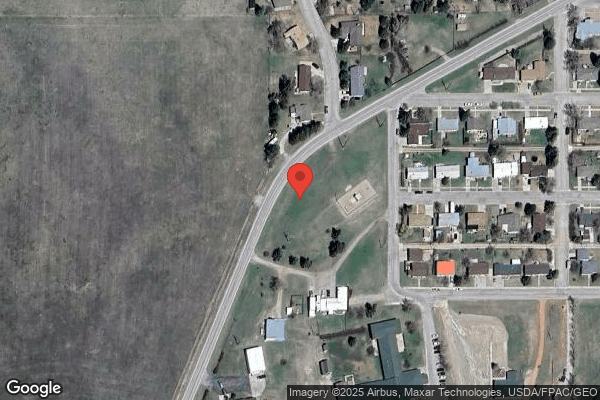
402 SUMMIT AVE, LEWISTOWN, MT 59457 (406) 538-8775
For profit - Limited Liability company 101 Beds THE CHARLY BELLO FAMILY, THE MAZE FAMILY, THE SWAIN FAMILY, & WALTER MYERS Data: November 2025
Trust Grade
85/100
#9 of 59 in MT
Last Inspection: May 2025

Inspected within the last 6 months. Data reflects current conditions.

Overview

Valle Vista Rehabilitation and Nursing LLC has a Trust Grade of B+, which means it is recommended and performs above average compared to other facilities. It ranks #9 out of 59 nursing homes in Montana, placing it in the top half, and is the best option among the two facilities in Fergus County. However, the facility is experiencing a worsening trend, with the number of reported issues increasing from 5 in 2024 to 8 in 2025. Staffing is a relative strength, with a turnover rate of 35%, which is well below the state average of 55%, but RN coverage is only average. Although there have been no fines recorded, some concerning incidents have been noted, such as a lack of proper cleaning in the kitchen and inadequate infection control measures, which raise potential health risks for residents.

Trust Score
B+
85/100
In Montana
#9/59
Top 15%
Safety Record
Low Risk
No red flags
Inspections
Getting Worse
5 → 8 violations
Staff Stability
○ Average
35% turnover. Near Montana's 48% average. Typical for the industry.
Penalties
✓ Good
No fines on record. Clean compliance history, better than most Montana facilities.
Skilled Nurses
○ Average
Each resident gets 40 minutes of Registered Nurse (RN) attention daily — about average for Montana. RNs are the most trained staff who monitor for health changes.
Violations
⚠ Watch
15 deficiencies on record. Higher than average. Multiple issues found across inspections.
★★★★★
5.0
Overall Rating
★★★☆☆
3.0
Staff Levels
★★★★★
5.0
Care Quality
★★★★☆
4.0
Inspection Score
Stable
2024: 5 issues
2025: 8 issues

The Good

  • 5-Star Quality Measures · Strong clinical quality outcomes
  • Full Sprinkler Coverage · Fire safety systems throughout facility
  • No fines on record
  • Staff turnover below average (35%)

    13 points below Montana average of 48%

Facility shows strength in quality measures, fire safety.

The Bad

Staff Turnover: 35%

11pts below Montana avg (46%)

Typical for the industry

Chain: THE CHARLY BELLO FAMILY, THE MAZE F

Part of a multi-facility chain

Ask about local staffing decisions and management

The Ugly 15 deficiencies on record

May 2025 8 deficiencies
CONCERN (D) 📢 Someone Reported This

A family member, employee, or ombudsman was alarmed enough to file a formal complaint

Potential for Harm - no one hurt, but risky conditions existed

Deficiency F0552 (Tag F0552)

Could have caused harm · This affected 1 resident

Based on interview and record review, the facility failed to ensure consent for the use of psychotropic medications was obtained prior to starting a psychotropic medication for 2 (#s 33 and 48) of 18 ...

Read full inspector narrative →
Based on interview and record review, the facility failed to ensure consent for the use of psychotropic medications was obtained prior to starting a psychotropic medication for 2 (#s 33 and 48) of 18 sampled and supplemental residents. Findings include: 1. Review of resident #48's physician order, dated 2/21/25, showed an order for citalopram hydrobromide, 10 mg, one tablet daily. The diagnosis associated with the order was, unspecified dementia, severe, with other behavioral disturbance. Review of resident #48's Informed Consent for Anti-depressant Medication Use, dated 2/24/25, showed, Note: All information must be explained, and consent obtained PRIOR to administering medication. The consent was signed by the resident's spouse on 2/24/25, after the medication was started. Review of resident #48's MAR, dated February of 2025, showed the first dose of citalopram hydrobromide, 10 mg, was given on 2/22/25, two days before the consent was completed. 2. Review of resident #48's physician order, dated 4/25/25, showed an order for sertraline HCl, 100 mg, one tablet daily. The diagnosis associated with the order was, Unspecified dementia, severe, with other behavioral disturbance and major depressive disorder, recurrent, moderate. Review of resident #48's Informed Consent for Anti-depressant Medication Use, dated 4/28/25, showed the consent was signed by the resident's spouse and dated three days after the medication order was received. Review of resident #48's MAR, dated April of 2025, showed the first dose of sertraline HCl, 100 mg, was given on 4/26/25, two days before the consent was completed. 3. Review of resident #33's physician order, dated 1/7/25, showed an order for citalopram hydrobromide 10 mg one tablet daily. The diagnosis associated with the order was depression related to vascular dementia, unspecified severity, with agitation and delusional disorders. Review of resident #33's MAR, dated January of 2025, showed the first dose of citalopram hydrobromide, 10 mg, was given on 1/8/25. Review of resident #33's EHR, accessed on 5/19/25, failed to show a completed consent for the use of citalopram hydrobromide. 4. Review of resident #33's physician order, dated 4/29/25, showed an order for haloperidol, 5 mg, every eight hours, as needed, for behavioral disturbance and agitation. Review of resident #33's Informed Consent for Anti-Psychotic (Neuroleptic) Medication Use, dated 5/1/25, showed the consent was signed by the resident's guardian two days after the medication order was received. During an interview on 5/20/25 at 10:18 a.m., staff member B stated staff member C was responsible for obtaining the consents for psychotropic medications. Staff member B was not able to explain why the consents were not completed prior to starting the psychotropic medications. Review of the facility's policy titled, Use of Psychotropic Medication(s), last revision dated 4/28/25, showed the resident or the resident's representative must be informed of the risks and benefits of the proposed treatment prior to initiating a psychotropic medication.
CONCERN (D) 📢 Someone Reported This

A family member, employee, or ombudsman was alarmed enough to file a formal complaint

Potential for Harm - no one hurt, but risky conditions existed

Deficiency F0605 (Tag F0605)

Could have caused harm · This affected 1 resident

Based on interview and record review, the facility failed to ensure as needed psychotropic medications were limited to 14 days, unless the rationale for continuing the medication was documented by a m...

Read full inspector narrative →
Based on interview and record review, the facility failed to ensure as needed psychotropic medications were limited to 14 days, unless the rationale for continuing the medication was documented by a medical provider, for 2 (#s 33 and 48) of 18 sampled and supplemental residents. Findings include: 1. Review of resident #33's physician order, dated 1/7/25, showed an order for olanzapine, 5 mg, every six hours, as needed, for agitation or delusions related to vascular dementia and delusional disorders. The as needed order failed to include the 14 day duration for antipsychotic medications. Review of resident #33's medication regimen review, dated 1/9/25, showed no irregularities and failed to show the need to monitor the use of olanzapine after 1/21/25 (14 days). Review of resident #33's medication regimen review, dated 2/26/25, showed the pharmacist notified the attending physician about the as needed olanzapine order. The form showed, . CMS doesn't allow for PRN (as needed) antipsychotics for more than 14 days. Consider discontinuing this medication to comply with CMS guidelines. The form showed the provider agreed with the recommendation and signed the form on 3/5/25. Review of resident #33's MAR, dated January of 2025, showed the olanzapine order remained active until it was discontinued on 3/7/25. 2. Review of resident #48's physician order, dated 2/6/25, showed an order for quetiapine fumarate, 25 mg, every 24 hours, as needed, for agitation or anxiety related to severe dementia with other behavioral disturbance. The as needed order failed to include the required 14 day duration for the antipsychotic medication. Review of resident #48's medication regimen review, dated 2/26/25, showed the pharmacist notified the attending physician about the as needed quetiapine fumarate order. The form showed, . has an order for PRN (as needed) Seroquel (quetiapine fumarate) that started on 2/6 and only two doses have been needed. CMS prohibits the use of PRN antipsychotics for more than 14 days. Consider discontinuing this medication. The form showed the physician agreed with the recommendation and signed the form on 3/5/25. Review of resident #48's MAR, dated February of 2025, showed the quetiapine fumarate was active until it was discontinued on 3/7/25. During an interview on 5/20/25 at 10:18 a.m., staff member B stated staff member D was responsible for managing the monthly medication regimen review process. Staff member B stated staff member D was not available for an interview. Staff member B was not able to explain why the as needed antipsychotic medications were not reviewed for continued use after 14 days. Review of the facility's policy titled, Use of Psychotropic Medication(s), last revision dated 4/28/25, showed, . b. PRN orders for antipsychotic medications only, shall be limited to 14 days with no exceptions. If the attending physician or prescribing practitioner believes it is appropriate to write a new order for the PRN antipsychotic, they must first evaluate the resident to determine if the new order for the PRN antipsychotic is appropriate.
CONCERN (D) 📢 Someone Reported This

A family member, employee, or ombudsman was alarmed enough to file a formal complaint

Potential for Harm - no one hurt, but risky conditions existed

Report Alleged Abuse (Tag F0609)

Could have caused harm · This affected 1 resident

**NOTE- TERMS IN BRACKETS HAVE BEEN EDITED TO PROTECT CONFIDENTIALITY** Based on interview and record review, the facility failed to implement policies and procedures for ensuring the reporting of a r...

Read full inspector narrative →
**NOTE- TERMS IN BRACKETS HAVE BEEN EDITED TO PROTECT CONFIDENTIALITY** Based on interview and record review, the facility failed to implement policies and procedures for ensuring the reporting of a reasonable suspicion of a crime in accordance with section 1150B of the Act for 1 (#46) of 18 sampled and supplemental residents. This deficient practice increased the risk of allowing resident #46's further potential misappropriation of property when allegations were not reported and investigated with facility oversight. Findings include: Review of resident #46's electronic medical record showed an admission date of 1/8/25. Resident #46 had a diagnosis of [NAME] encephalopathy, with a family member as an appointed conservator. Review of resident #46's social services progress note, dated 3/6/25, showed involvement of an assigned APS investigator to investigate possible misappropriation of property, and IDT discussed the possible allegation. During an interview on 5/20/25 at 9:50 a.m., staff member C stated resident #46's conservator had been notified of a bill owed to [Facility - state hospital]. Staff member C stated she had been working with a former business office manager employee to stay in contact with resident #46's conservator for payment of the bills. Staff member C stated the former employee had terminated their employment with the facility recently and without much notice. Staff member C stated the concern with resident #46's conservator not paying bills owed to [Facility - state hospital] and the current facility was discussed in an IDT meeting. Staff member C stated she was not sure if a staff member had been assigned to follow-up with the concern after it was discussed in the IDT meeting. Staff member C stated resident #46's conservator stated he had to spend his own money to pay bills owed for resident #46. Staff member C stated she was concerned resident #46's conservator was spending the resident's funds for his own personal use. Staff member C stated resident #46's conservator was digging in his heels about what he felt was owed to the facility. Staff member C stated she notified the local APS supervisor on 3/5/25 with a referral concerning resident #46's funds being used by the conservator. Staff member C stated APS notified her on 3/6/25, of an assigned case worker to investigate the concern for resident #46's finances being used by his conservator. During an interview on 5/20/25 at 12:39 p.m., staff member A stated he was aware of staff member C's discussion of a concern with resident #46's conservator and handling of finances to pay bills owed by resident #46. Staff member A stated he was aware of involvement by an APS case worker. Staff member A stated, from his standpoint, the issue was more to do with payment of monies owed by the resident to several care facilities. Staff member A stated the issue with resident #46's conservator was needing to stay on top of him regarding payment of the bills owed by resident #46. During an interview on 5/20/25 at 1:11 p.m., staff member A stated staff member C might have had the impression resident #46's conservator was exploiting the resident. Staff member A stated the IDT believed the conservator for resident #46 was competent, and was just stubborn with money and did not want to pay resident #46's bills, unless he absolutely had to. Review of the State Survey Agency reporting portal failed to show a report of the allegation of exploitation involving resident #46. The facility was not able to provide any documentation of an investigation done by the facility with regard to the exploitation allegation. Review of the facility's policy titled, Abuse, Neglect and Exploitation, dated 4/16/25, showed: It is the policy of this facility to provide protections for the health, welfare and rights of each resident by developing and implementing written policies and procedures that prohibit and prevent abuse, neglect, exploitation and misappropriation of resident property . 2. The facility will designate an Abuse Prevention Coordinator in the facility who is responsible for reporting allegations or suspected abuse, neglect, or exploitation to the state survey agency and other officials in accordance with state law . 3. The facility will provide ongoing oversight and supervision of staff in order to assure that its policies are implemented as written . III. Prevention of Abuse, Neglect and Exploitation . F. Providing residents, representatives, and staff information on how and to whom they may report concerns .and providing feedback regarding the concerns that have been expressed . V. Investigation of Alleged Abuse, Neglect and Exploitation A. An immediate investigation is warranted when suspicion of abuse, neglect or exploitation, or reports of abuse, neglect or exploitation occur . VII. Reporting/Response . 1. Reporting of all alleged violations to the Administrator, state agency, adult protective services and to all other required agencies (e.g. law enforcement when applicable) within specified timeframes: . b. Not later than 24 hours if the events that cause the allegation do not involve abuse and do not result in serious bodily injury .
CONCERN (D) 📢 Someone Reported This

A family member, employee, or ombudsman was alarmed enough to file a formal complaint

Potential for Harm - no one hurt, but risky conditions existed

Deficiency F0628 (Tag F0628)

Could have caused harm · This affected 1 resident

Based on interview and record review, the facility failed to notify the resident and or the resident's representative, in writing, of the reason for transfer when transferring a resident to the hospit...

Read full inspector narrative →
Based on interview and record review, the facility failed to notify the resident and or the resident's representative, in writing, of the reason for transfer when transferring a resident to the hospital, for 1 (#23) of 15 sampled residents. Findings include: During an interview on 5/19/25 at 2:37 p.m., staff member B stated the facility did not have a transfer notice for resident #23's hospitalizations on 3/7/25 and 5/9/25. Staff member B stated the nurse on duty was responsible for completing the transfer notice prior to a resident's transfer to a hospital. Review of resident #23's electronic medical record failed to include a transfer notice for resident #23's facility-initiated transfer on 3/7/25 and 5/9/25. On 5/20/25 a request was made for a copy of resident #23's Notice of Transfer, for the 3/7/25 and 5/9/25 facility-initiated transfers. No documentation or records were received from the facility by the end of the survey. Review of the facility policy titled, Transfer and Discharge (including AMA) Policy, dated 4/11/25, showed: - . Policy Explanation and Compliance Guidelines: - . 3. The facility's transfer/discharge notice will be provided to the resident or resident's representative in a language and manner in which they can understand.
CONCERN (D) 📢 Someone Reported This

A family member, employee, or ombudsman was alarmed enough to file a formal complaint

Potential for Harm - no one hurt, but risky conditions existed

Comprehensive Care Plan (Tag F0656)

Could have caused harm · This affected 1 resident

Based on observation, interview, and record review, the facility failed to develop and implement a comprehensive care plan based on resident activity preferences and physical abilities, for 1 (#2) of ...

Read full inspector narrative →
Based on observation, interview, and record review, the facility failed to develop and implement a comprehensive care plan based on resident activity preferences and physical abilities, for 1 (#2) of 15 sampled residents. Findings include: During an observation on 5/17/25 at 12:15 p.m., resident #2 was lying in bed with the head of the bed elevated. The resident appeared to be sleeping. During an observation and interview on 5/18/25 at 8:00 a.m., resident #2 was lying in bed with the head of the bed elevated. The resident appeared awake and was wearing glasses, and the resident was staring forward at the television which was not turned on. Resident #2 stated she did not participate in activities because her vision was poor, and her hands did not work very well anymore. Resident #2 stated she had attended church service one time since she was admitted (4/17/25) to the facility. Resident #2 stated staff did not come into her room to do one-on-one visits and have never offered her activities or other things to do in her room. Resident #2 stated she would have liked staff to come into her room and visit with her since she was in her room most of the time. During an interview on 5/20/25 at 1:00 p.m., staff member E stated she was responsible for the residents' activity preferences and care planning. Staff member E stated the facility had changed computer applications, and the current program did not allow to customize resident interventions on the care plan. Staff member E stated activities documentation had been identified as an issue, and she needed to train her assistants on how to properly document activities in the resident's electronic medical record. Staff member E stated she was working in two different positions and had not been documenting as much as she had in the past due to limited time. Review of resident #2's admission MDS section F, with an ARD of 4/23/25, showed under the Interview for Activities Preferences the questions and responses for the residents interests, and showed: -A. How important is it to you to have books, newspapers, and magazines to read? The response was marked as Somewhat important. -B. How important is it to you to listen to music you like? The response was Very important. -C. How important is it for you to be around animals such as pets? The response marked was Somewhat important. -D. How important is it for you to keep up with the news? The response marked was Somewhat important. -E. How important is it for you to do things with groups? The response marked was Somewhat important. -F. How important is it to you to do your favorite activities? The response marked was Very important. -G. How important is it to you to go outside to get fresh air when the weather is good? The response marked was Very important. -H. How important is it for to you to participate in religious services or practices? The response marked was Very important. Review of resident #2's care plan, dated 5/17/25, showed: Focus: I exhibit independence in leisure activities manifested by my: My ability to choose group activities of interest. Interventions: - . Please encourage and support the continuation of my life roles. -Please encourage me to participate in activities of interest. - . Supply me with independent leisrure materials PRN. -Support my independent leisure choices. [sic] The care plan failed to identify and show resident #2's life roles, activities of interest, or provide one-on-one visit information. Review of resident #2's admission MDS section GG, with an ARD of 4/23/25, showed the resident's functional abilities were primarily maximal assistance to dependent on staff for mobility and self-care. Eating was the exception and showed resident #2 required assistance with set-up and clean up from staff. The resident was not able to be independent with her leisure activities as shown in the resident's care plan.
CONCERN (D) 📢 Someone Reported This

A family member, employee, or ombudsman was alarmed enough to file a formal complaint

Potential for Harm - no one hurt, but risky conditions existed

Deficiency F0679 (Tag F0679)

Could have caused harm · This affected 1 resident

**NOTE- TERMS IN BRACKETS HAVE BEEN EDITED TO PROTECT CONFIDENTIALITY** Based on observation, interview, and record review, the facility failed to provide a resident with group and individual activiti...

Read full inspector narrative →
**NOTE- TERMS IN BRACKETS HAVE BEEN EDITED TO PROTECT CONFIDENTIALITY** Based on observation, interview, and record review, the facility failed to provide a resident with group and individual activities to meet the resident's interests, and support their physical, mental, and psychosocial well-being for 1 (#2) of 15 sampled residents. Findings include: During an observation and interview on 5/18/25 at 8:00 a.m., resident #2 was lying in bed with the head of the bed elevated. The resident appeared awake wearing glasses staring forward at the television which was not turned on. Resident #2 stated she did not participate in activities because her vision was poor, and her hands did not work very well anymore. Resident #2 stated she had attended church service one time since she was admitted (4/17/25) to the facility. Resident #2 stated staff did not come into her room, to offer and complete one-on-one visits, and they have never offered her things to do in her room to stay busy. Resident #2 stated she would have liked staff to come into her room and visit with her since she was in her room most of the time. Review of resident #2's activities participation record showed no participation in any activities since her admission on [DATE]. During an interview on 5/20/25 at 1:00 p.m., staff member E stated she met with residents continually throughout a residents stay to identify activity interests. Staff member E stated she was responsible for completing a resident's activity preferences and care planning. Staff member E stated activities documentation had been identified as an issue, and she needed to train her assistants on how to properly document activities in the resident's electronic medical record. Staff member E stated she was working in two different positions, and had not been documenting as much as she had in the past, due to limited time. Staff member E stated resident #2 had participated in crafts, the Mother's Day party, resident council, church, and nail manicures since her admission. Staff member E stated documentation of resident #2's participation had not been completed in the resident's electronic medical record. On 5/19/25 a request was made for a copy of resident #2's activities assessment and documentation related to resident #2's activity participation, including one-on-one visits. No documentation or records were received from the facility by the end of the survey.
CONCERN (E) 📢 Someone Reported This

A family member, employee, or ombudsman was alarmed enough to file a formal complaint

Potential for Harm - no one hurt, but risky conditions existed

Medical Records (Tag F0842)

Could have caused harm · This affected multiple residents

Based on interview and record review, the facility failed to maintain complete medical records, including medical provider visit notes, for 4 (#s 2, 17, 23, and 32); and failed to ensure a resident's ...

Read full inspector narrative →
Based on interview and record review, the facility failed to maintain complete medical records, including medical provider visit notes, for 4 (#s 2, 17, 23, and 32); and failed to ensure a resident's Provider Orders for Life-Sustaining Treatment (POLST) was signed by a medical provider for 1 (#33) of 15 sampled residents. Findings include: 1. Review of resident #2's electronic medical record, accessed 5/17/25 through 5/20/25, showed a lack of medical provider visit notes. Resident #2 was admitted to the facility in April of 2025. 2. Review of resident #17's electronic medical record, accessed 5/17/25 through 5/20/25, showed a lack of medical provider visit notes. Resident #17 was admitted to the facility in January of 2025. 3. Review of resident #23's electronic medical record, accessed 5/17/25 through 5/20/25, showed no medical provider visit notes. Resident #23 was admitted to the facility in February of 2025. 4. Review of resident #32's electronic medical record, accessed 5/17/25 through 5/20/25, showed no medical provider visit notes in resident #32's chart after December of 2024. Resident #32 was admitted to the facility in January of 2023. During an interview on 5/20/25 at 12:06 p.m., staff member B stated medical provider visit notes were received via facsimile from the medical provider to the facility. Staff member B stated the charge nurse reviewed the medical provider visit notes and placed the notes in a black file at the nurses desk which would then be scanned into the resident's electronic medical record. Staff member B stated after scanning had occurred the faxed copy was placed in the resident's paper chart file in a drawer at the nurse's desk. Staff member B stated the most recent medical provider visit notes had not been scanned into the resident's electronic medical record but could be found in the resident's paper chart in the drawer at the nurse's desk. Staff member B stated they were currently working on a process for the medical provider to directly enter the resident's medical provider visit note into the residents' electronic medical record in order for the information to be immediately accessible. Staff member B stated a facility nurse was always present with the medical provider during resident visits but did not document any information from the visit in the resident's electronic medical record. A review of resident #s 2, 17, 23, and 32's paper charts, located in a drawer at the nurse's desk, was completed on 5/20/25. No facility medical provider visit notes were located in resident #s 2, 17, and 23's paper charts. Resident #32's paper chart showed facility medical provider notes up to December of 2024. No facility medical provider visit notes were found after December of 2024 for resident #32. A request for documentation of medical provider visit notes was made on 5/19/25 for resident #s 2, 17, and 23, for the period from admission to May 2025. The medical provider visit notes for resident #32 were from January 2025 through May 2025. The medical provider visit notes were received from the medical provider's office via facsimile for the following dates: -Resident #2: 4/29/25. -Resident #17: 1/8/25, 2/6/25, 4/29/25, and 5/15/25. -Resident #23: 2/13/25, 3/13/25, 3/18/25, 3/27/25, 4/17/25, and 4/24/25. -Resident #32: 2/20/25 and 4/29/25. Four residents currently residing at the facility did not have medical provider visit notes available in the resident's electronic medical record or in the paper chart located in a drawer at the nurse's desk. 5. Review of resident #33's POLST, dated 3/1/23, failed to show a physician's signature on the bottom of the form. During an interview on 5/19/25 at 3:10 p.m., staff member C stated she was responsible for ensuring the resident's POLST was completed correctly. Staff member C stated the POLST document in resident #33's medical record was completed when the resident was at a different facility. When shown a copy of resident #33's POLST, without a physician signature, staff member C stated, I can't believe I missed it. Better get that taken care of. Review of the facility's policy titled, Residents' Rights Regarding Treatment and Advance Directives, dated 4/11/25, showed: . 3. Upon admission, should the resident have an advance directive, copies will be made and placed on the chart . The policy also showed: . 8. Decisions regarding advance directives and treatment will be periodically reviewed as part of the comprehensive care planning process . The facility failed to identify the missing signature on resident #33's POLST.
CONCERN (F) 📢 Someone Reported This

A family member, employee, or ombudsman was alarmed enough to file a formal complaint

Potential for Harm - no one hurt, but risky conditions existed

Infection Control (Tag F0880)

Could have caused harm · This affected most or all residents

Based on observation, interview, and record review, the facility failed to ensure an adequate infection prevention and control program was maintained, to include appropriate cleaning of facility equip...

Read full inspector narrative →
Based on observation, interview, and record review, the facility failed to ensure an adequate infection prevention and control program was maintained, to include appropriate cleaning of facility equipment, and an annual review of all policies and procedures including the facility's water management system and Legionella surveillance. This deficient practice increased the likelihood of residents acquiring a healthcare-associated communicable disease or infection in the facility. Findings include: During an observation and interview on 5/19/25 at 4:26 p.m. with staff member E, the North hallway common bathtub was observed during a tour of a shower room. The bathtub had multiple long streaks of dark, rust color stains on the sides and floor of the tub. The drain had dried dark brown sediment around it. The bathtub did not have signage or a cover which notified staff and residents it was not to be used. Staff member E stated she had not cleaned the North hallway bathtub in maybe five or six months. Staff member E stated the bathtub was not being used by residents. She stated the only equipment used in the North hallway bathroom was the toilet and the sink. Staff member E stated she thought housekeeping audits were being done once a month by staff member A. Review of a facility policy titled, Cleaning and Disinfection of Resident-Care Equipment, dated 4/11/25, showed: . Resident Care equipment can be a source of indirect transmission of pathogens. Reusable resident-care equipment will be cleaned and disinfected in accordance with current CDC recommendations in order to break the chain of infection . Follow manufacturer recommendations for cleaning equipment. Review of a facility policy titled, Water Management Program Policy, showed an effective date of April 2020, with no subsequent annual revision or review dates. Review of a facility policy titled, Legionella Surveillance Policy, showed an effective date of April 2020, with no subsequent annual revision or review dates. Review of a facility document titled, Facility Assessment, dated 8/7/24, showed: .Physical equipment .Resources .bathing tub .If applicable, process to ensure adequate supply, appropriate maintenance .Routine maintenance and cleaning schedules exist for most equipment. Non-routine maintenance or cleaning will be conducted as needed . . The facility maintains an aggressive infection prevention and control program . The program includes . policies and procedures based on CDC guidance. The infection prevention and control program is discussed regularly by the QAA committee . and appropriate action taken as needed . A request was made to the facility on 5/20/25 at 9:35 a.m. for cleaning/deep cleaning documentation of the North hallway tub from June 2024 to present, and no documentation was received by the end of the survey. A request was made to the facility on 5/20/25 at 1:00 p.m. for housekeeping audits of cleaning and disinfecting practices, and no documentation was received by the end of the survey.
Aug 2024 1 deficiency
CONCERN (F) 📢 Someone Reported This

A family member, employee, or ombudsman was alarmed enough to file a formal complaint

Potential for Harm - no one hurt, but risky conditions existed

Food Safety (Tag F0812)

Could have caused harm · This affected most or all residents

Based on observation, interview, and record review, the facility failed to maintain the kitchen in a sanitary and clean condition. This had the potential to effect all residents in the facility who co...

Read full inspector narrative →
Based on observation, interview, and record review, the facility failed to maintain the kitchen in a sanitary and clean condition. This had the potential to effect all residents in the facility who consumed food or services from the kitchen. Findings include: During an observation of the kitchen, on 8/28/24 at 10:23 a.m., the following was found: - Corners of the kitchen floor: had white debris resembling crumbs - Underneath the shelves there was white, tan, and brown debris resembling crumbs and dirt - Underneath the workspace, next to the stove, there were white and tan debris resembling crumbs and food particles - At the edge of the floor where the mop boards meet the floor was a dark brown substance. During an interview on 8/28/24 at 1:19 p.m., staff member G stated employees on shift were the ones who did the cleaning. Staff member G stated there was a list of tasks, and the checklist needed to be completed by the employee doing the cleaning. Staff member G stated he was requiring the checklist to be done weekly, but it was not getting checked off, so he switched to daily checkoffs. Staff member G stated there were staff on vacation. During an interview on 8/28/24 at 1:16 p.m., staff member B stated some dietary staff were on vacation, and the facility lost some employees after school started. Review of the facility policy, titled Dietary Sanitization, showed . All kitchens, kitchen areas, and dining areas shall be kept clean, free from litter and rubbish . the food services manager will be responsible for scheduling staff for regular cleaning of kitchen and dining areas . Review of the kitchen checklists for the last two months showed gaps where the kitchen checklists were not getting completed.
May 2024 4 deficiencies
CONCERN (E)

Potential for Harm - no one hurt, but risky conditions existed

Deficiency F0761 (Tag F0761)

Could have caused harm · This affected multiple residents

Based on observations and interviews, the facility failed to remove and dispose of expired medications and medical supplies in one medication room and one treatment room. These failures increased the ...

Read full inspector narrative →
Based on observations and interviews, the facility failed to remove and dispose of expired medications and medical supplies in one medication room and one treatment room. These failures increased the risk of expired medications and medical supplies being used for any resident at the facility. Findings include: During an observation on 5/19/24 at 8:20 a.m., with staff member B, the following items were found in the medication room: - Coaguchek XS PT test strips, exp. 9/30/22, two bottles, - Glucose control solution set, exp. 1-11-24, one set, - 0.9% sodium chloride injection solution, exp. 1-1-2024, four bottles, - Red top blood collection tube, exp. 3/31/24, one tube, - Monoject standard 25-gauge hypodermic needles, exp. 4-2020, one box of 100, and - Monoject standard 18-gauge hypodermic needles, exp. 4-2020, one box of 25. During an observation on 5/20/24 at 3:40 p.m., with staff member B present, the following items were found in the treatment room: - Red rubber foley catheters 14FR, exp. 8/28/23, 10 catheters, - Self-Cath 14FR, exp. 1/30/23, 1 catheter, - Coude Foley catheter gold coated 16FR, exp. 2/28/23, one catheter, and - Silicone latex Foley Catheter 18FR, exp. 6/28/23, one catheter. During an interview on 5/20/24 at 10:40 a.m., staff member A stated the facility did not have a policy specifically addressing expired medications and supplies, referring to the request for the facility's policy on expired medications and supplies. During an interview on 5/20/24 at 3:40 p.m., staff member B stated she had checked the medication room and treatment rooms but must have missed the items found to be expired.
CONCERN (E)

Potential for Harm - no one hurt, but risky conditions existed

Deficiency F0804 (Tag F0804)

Could have caused harm · This affected multiple residents

Based on observations and interviews, the facility failed to provide palatable food at an appetizing temperature for 3, (#s 31, 38, and 200) of 23 sampled residents. Findings include: During an observ...

Read full inspector narrative →
Based on observations and interviews, the facility failed to provide palatable food at an appetizing temperature for 3, (#s 31, 38, and 200) of 23 sampled residents. Findings include: During an observation and interview on 5/18/24 at 4:02 p.m., resident #200 stated the food was, .not so good, they can't cook and it's always cold. During an observation and interview on 5/19/24 at 9:35 a.m., staff member C temperature checked the following foods on the cart on west hall: - eggs: 116.3 degrees F, - hashbrowns: 107.8 degrees F, - cream of wheat: 112.7degrees F. During an observation on 5/20/24 at 12:31 p.m., staff member C temperature checked the steam table on the south hall and found the steam table was not plugged in. Staff member C instructed the servers to plug in the steam table so food will stay hot. During an observation on 5/20/24 at 12:40 p.m., the steam table was moved to the south dining hall. Staff member C checked the temperature of the minced dish and found the temperature to be 110 degrees F. Staff member C noted the steam table was plugged in but not turned on. Staff member C stated, There have been a lot of issues with the steam table. We have a new one but it is sitting in back, still not put together. Sometimes it's hit or miss if the warmers will come on. During an observation on 5/20/24 at 1:01 p.m., the last tray was temperature checked by staff member C and the minced dish was at 103.3 degrees F. During an observation and interview on 5/20/24 at 1:05 p.m., resident #38 was sitting in the dining room and stated the food was cold. Resident #38 showed the surveyor her plate. She had moved the hot foods to another plate to be sent back to the kitchen because it was cold. Resident #38 stated she was just going to eat her salad for lunch. During an interview on 5/20/24 at 4:25 p.m., NF1 stated, [Resident #31] complains to me about cold food, so I had to explain to her that because she eats in her room, the food will sometimes be cold. During an observation and interview on 5/20/24 at 5:10 p.m., staff member C temperature checked the last tray to be served into a resident room and found the sliced pork with gravy was at 98.8 degrees F, and potatoes au-gratin were 104.6 degrees F. Staff member C stated the food coming off the steam table should be served at 135 degrees F or higher. Staff member B joined the conversation and stated the reason the food is cold by the time it reaches the rooms is because the plate warmers were not being heated, and food is served on a cold plate with a room temperature plate warmer, on the bottom. Staff member B asked staff member C why the plate warmer bottoms were not being heated, and staff member C stated he would reinstitute the warmer. Review of the facility's policy, Assistance with Meals, revised March 2022, reflected: - .1. Hot foods shall be held at a temperature of 135 degrees or above until served.
CONCERN (F)

Potential for Harm - no one hurt, but risky conditions existed

Deficiency F0801 (Tag F0801)

Could have caused harm · This affected most or all residents

Based on observation and interviews, the facility failed to have a certified person to serve as the director of food and nutrition services. This practice had the potential to affect all residents who...

Read full inspector narrative →
Based on observation and interviews, the facility failed to have a certified person to serve as the director of food and nutrition services. This practice had the potential to affect all residents who receive food from the kitchen. Findings include: During an interview on 5/18/24 at 4:20 p.m., staff member C stated, I've been here six months and had to pull a lot of shifts, so I haven't had any orientation or training. I was supposed to have training, but [staff member G] had a car accident, and I never got any training. I've had zero training. I heard about dietary courses I need to do, but just planning on doing the ServSafe course. I'm not signed up to do any courses as of now. During an interview on 5/19/24 at 12:05 p.m., staff member C stated he took over the position in November, and had no corporate training or oversight. Staff member C stated the dietician was available by phone for substitution changes for approval, but she does not supervise or oversee him in the kitchen. During an interview on 5/19/24 at 4:40 p.m., Staff member A stated he did not have any specific dietary orientation or dietary training documentation for staff member C.
CONCERN (F)

Potential for Harm - no one hurt, but risky conditions existed

Food Safety (Tag F0812)

Could have caused harm · This affected most or all residents

Based on observations, interviews, and record review, the facility failed to ensure: food was stored and prepared in a clean kitchen; staff wore beard nets and hair nets appropriately; and dated and l...

Read full inspector narrative →
Based on observations, interviews, and record review, the facility failed to ensure: food was stored and prepared in a clean kitchen; staff wore beard nets and hair nets appropriately; and dated and labeled open food items. These practices had the potential to affect all residents who received food from the kitchen. Findings include: During an observation on 5/18/24 at 1:40 p.m., upon entrance into the kitchen, staff member D stated the kitchen did not have any hairnets or beard nets available. Staff member D looked through the shelf next to the door and the cabinets and found no hairnets. Staff member E entered the kitchen wearing a baseball cap and no hairnet. Staff member E had a ponytail hanging down from his neckline to his mid-back. Staff member E stated he only ever wore a baseball cap and no hairnet. Signage on the door of the kitchen stated no one could enter the kitchen without a hairnet. Staff member D stated the yellow square on the floor of the entry reflected the limit of entry into the kitchen, without a hairnet. During an observation on 5/18/24 at 1:45 p.m., the following items were found in the kitchen: - No labels or dates on the large tubs of rice, brown sugar, flour, powdered sugar, cornmeal, and barley; - The lids to the brown sugar, powdered sugar, and the cornmeal were not on the containers; - Two open loaves of white and wheat bread on counter with no open dates and exposed to air; - Toaster carousel and small toaster were both dirty, with crumbs and black debris; - Cupboards above the food prep area were dirty with multiple chunks of laminate missing; - Sauerkraut and an unknown green liquid in tubs in the refrigerator, without labels or dates; - Brownie mix bag torn open and sitting on the dry storage shelf; - Drink dispensers for juice and hot cocoa were dirty with dried splashed product on the backwall of the appliance and spouts; - Chest freezer was dirty on the inside bottom and outside surfaces with food debris and a sticky substance, the seals were dirty and peeling away from the lid, and large frost chunks on the inside walls of the freezer; - No open dates on the open 15 spices bottles, stored under the cook prep area; and, - One case of Cherrios cereal stored on the floor, in front of the chest freezer. Staff member D stated he did not know what the green liquid was in the refrigerator and stated the previous shift should not have put things in the refrigerator without dates and labels. During an interview on 5/18/24 at 4:20 p.m., staff member C stated in response to questions about the labels and dates missing on food items, They know better, but it doesn't change. I get on them, but they get in a hurry and say they will do it later. I tell them do it now, so you don't have to do it later. Staff member C walked through the kitchen with the surveyor and stated he knew the toaster carousel needed to be replaced and brushed his finger across the paint peeling off the edge of the entrance of the toaster as the paint chips fell onto the food cooking surface. Staff member C stated he was also concerned about the laminate chunks missing on the cabinets and had reported this to the maintenance department, but had been told there was no way to fix the cabinets because the surface was a laminate. Staff member C stated the white chest freezer had rust on the top and the seals on the lid were coming off so it was hard to keep clean and maintain the freezer without the frost growing on the walls quickly. Staff member C stated he was aware the kitchen staff needed more training on cleaning, pointing to the drink dispensers, counter surfaces, and toasters. Staff member C stated the kitchen did have hairnets and beard nets, and the staff must have forgotten where they were located. During an observation on 5/20/24 at 10:30 a.m., staff member F was in the kitchen washing the dishes. Staff member F had a beard and was not wearing a beard net. The following items were found in the dry storage room: - Five dented 6.63 lb. cans of applesauce. - One dented 6.63 lb. can of pumpkin. - Two 6.63 lb. cans of an unknown substance, with no labels. - One dented 6.63 lb. can of ripe olives. - One bottle of honey, with no open date. - One gallon jug of white cooking wine, with no open date. - One bottle of Imitation Vanilla Flavor, with no open date. Staff member C stated, Our policy is all dented cans go to the trash. I do not know how those made it to the storage room. They should have gone to the trash immediately. Staff member C stated staff member F should have been wearing a hairnet. During an interview on 5/19/24 at 4:40 p.m., staff member A stated he was the supervisor for the dietary manager. Staff member A stated he had not spent much time in the kitchen and was not aware of the condition of the freezer, cabinets, and cleanliness concerns. Staff member A stated he regretted he had not provided the necessary oversight the kitchen needed. Review of the facility's posted signage, Food Labeling Reference Guide For Open Items, with a upload date of December 2014, located on the wall in the dry storage area, reflected: - .Dry Storage . - . Bulk items such as, but not limited to: flour, sugar, cornmeal, food thickener, liquid margarine, cooked cereal, mixes, instant potatoes, rice, vegetable oil. Use by date 6 months after opened . - Spices. Use by date 1 year after opened. [sic] Review of the facility's policy, Food Services, revised November 2022, reflected: - . Hair Nets: - 15. Hairnets or caps and/or beard restraints are worn when cooking, preparing, or assembling food to keep hair from contacting exposed food, clean equipment, utensils, and linens.
May 2023 2 deficiencies
CONCERN (E)

Potential for Harm - no one hurt, but risky conditions existed

Resident Rights (Tag F0550)

Could have caused harm · This affected multiple residents

Based on observation, interview, and record review, the facility staff failed to treat residents with dignity, by not assisting residents with personal hygiene tasks (shaving) for 3 (#s 6, 15, and 40)...

Read full inspector narrative →
Based on observation, interview, and record review, the facility staff failed to treat residents with dignity, by not assisting residents with personal hygiene tasks (shaving) for 3 (#s 6, 15, and 40) of 6 sampled residents. This deficient practice caused the residents embarrassment. Findings include: During an observation on 5/21/23 at 12:29 p.m., resident #'s 6, 15, and 40 were in the south dining room waiting for lunch. Resident #6 was observed with multiple long, white chin hairs approximately one-half inch long. Resident #15 was sitting close to resident #6. Resident #15 was observed with multiple long, dark hairs around her upper lip and chin area. Resident #40 was sitting at the table adjacent to resident #'s 6 and 15. Resident #40 was noted to have multiple long, dark-colored strands of hair across her upper lip and chin area. During an interview on 5/21/23 at 2:11 p.m., resident #40 stated she was bothered by the presence of facial hair. Resident #40 stated, Whiskers are something only a man should have, not me. It is embarrassing. Resident #40 stated she was not sure when the last time a staff member offered to shave her. Resident #40 stated she was supposed to be asked if she would like to be shaved on her bath days, which was twice a week. During an interview on 5/21/23 at 2:17 p.m., Resident #6 stated she did not like that she had facial hair. I hate it, can you just cut them off now? During an interview on 5/21/23 at 2:25 p.m., resident #15 stated having facial hair was embarrassing. Resident #15 stated she had asked to be shaved on many different occasions, and it still had not been completed. During an interview on 5/21/23 at 2:30 p.m., staff member H stated, Shaving depends on resident preference, but women should be shaved on bath days, which are twice a week. During an interview on 5/21/23 at 3:00 p.m., staff member K stated she was unsure when resident shaving was supposed to occur but would look at the care plan. During an observation on 5/22/23 at 8:23 a.m., resident #'s 6, 15, and 40 continued to have visible facial hair. During an interview on 5/22/23 at 8:24 a.m., staff member J stated he was unsure when women should be shaved. During an interview on 5/22/23 at 8:30 a.m., staff member C stated, It's resident preference, but shaving should be offered on bath days. A review of resident #'s 6, 15, and 40s' ADL staff documentation from 5/1/23-5/22/23 showed, all three residents had received at least one bath a week. There was no documentation on shaving.
CONCERN (F)

Potential for Harm - no one hurt, but risky conditions existed

Infection Control (Tag F0880)

Could have caused harm · This affected most or all residents

2. During an observation on 5/22/23 at 8:16 a.m., staff member N was observed serving the breakfast meal from a steam table in the south dining room. She was not wearing gloves. Staff member N picked ...

Read full inspector narrative →
2. During an observation on 5/22/23 at 8:16 a.m., staff member N was observed serving the breakfast meal from a steam table in the south dining room. She was not wearing gloves. Staff member N picked up a cereal bowl from a stack of bowls, and placed her right thumb completely inside the bowl to hold it while she filled it with cereal. The cereal container was then handed off to staff member F. Staff member F was also not wearing gloves. During an interview on 5/22/23 at 10:58 a.m., staff member N reported, They [facility administration] never told us we need to wear gloves. We just wash our hands before we head to the dining area, and sanitize if we touch anything dirty. Based on observation, interview, and record review, the facility staff failed adhere to infection control practices by not performing hand hygiene after touching dirty surfaces during meal service, touching dirty surfaces after completing hand hygeine, and not wearing gloves while serving meals. This deficient practice caused an increased risk for the spread of infection and cross-contamination to all residents which ate in the north and south dining rooms, and lived on the south hallway. Findings include: 1. During an observation on 5/21/23 at 12:37 p.m., dietary staff were leaving the south dining room with the steam table. Staff pushed the steam table down the hallway to the north dining room. Once the steam table was in place in the north dining room, dietary staff started to serve the lunch meal. No hand hygiene was completed before the staff started to serve the meal. Staff member G began to set up resident meal trays. Staff member G grabbed resident drinks, silverware, and dessert and placed them on the serving tray. Staff member G touched a cart handle and a cupboard. Staff member G then opened and closed the cupboard by the handle. Staff member G did not perform any hand hygiene after touching dirty surfaces. Staff member G set up another resident meal tray and touched a cup, placing a finger inside the rim of the cup; grabbed silverware by the tops, not the handles; and grabbed a dessert bowl and placed them on the serving tray. During an interview on 5/21/23 at 12:42 p.m., staff member G stated she did not know what the hand hygiene policy stated. Staff member F stated, We were told we did not have to wear gloves and not to use alcohol-based hand sanitizer. During an interview on 5/21/23 at 4:00 p.m., staff member E stated, There is no need to sanitize during meal service; the server uses tongs and scoops. Staff member E stated she was not aware of any sanitizing rules for the staff setting up the trays. A review of a facility document titled, Hand Washing showed, staff member G had passed the skills check for hand hygiene. Signed by staff member K on 1/24/23. A review of a facility document, untitled, showed, staff member G had completed training on infection control overview and policy, common causes of foodborne illness and prevention, cross-contamination, and hand hygiene on 5/19/23. A review of a facility policy titled, Handwashing/Hygiene, with a revision date of January 2020 showed: - Hand washing, being the single most effective way of controlling the spread of infection, will be performed by staff routinely and thoroughly to protect residents from the spread of infection. - .K. Before and after assisting a resident with meals (hand washing with soap and water); and if contact made with resident, chair, etc. when passing trays/plates.[sic] A review of a facility policy from HCSG titled HCSG Policy 016, with a revision date of 9/2017, showed: .Policy 016: Procedure. 1. All staff will practice proper hand washing techniques.
Understanding Severity Codes (click to expand)
Life-Threatening (Immediate Jeopardy)
J - Isolated K - Pattern L - Widespread
Actual Harm
G - Isolated H - Pattern I - Widespread
Potential for Harm
D - Isolated E - Pattern F - Widespread
No Harm (Minor)
A - Isolated B - Pattern C - Widespread

Questions to Ask on Your Visit

  • "Can I speak with families of current residents?"
  • "What's your RN coverage like on weekends and overnight?"

Our Honest Assessment

Strengths
  • • Grade B+ (85/100). Above average facility, better than most options in Montana.
  • • No major safety red flags. No abuse findings, life-threatening violations, or SFF status.
  • • No fines on record. Clean compliance history, better than most Montana facilities.
  • • 35% turnover. Below Montana's 48% average. Good staff retention means consistent care.
Concerns
  • • 15 deficiencies on record. Higher than average. Multiple issues found across inspections.
Bottom line: Generally positive indicators. Standard due diligence and a personal visit recommended.

About This Facility

What is Valle Vista Rehabilitation And Nursing Llc's CMS Rating?

CMS assigns VALLE VISTA REHABILITATION AND NURSING LLC an overall rating of 5 out of 5 stars, which is considered much above average nationally. Within Montana, this rating places the facility higher than 99% of the state's 100 nursing homes. This rating reflects solid performance across the metrics CMS uses to evaluate nursing home quality.

How is Valle Vista Rehabilitation And Nursing Llc Staffed?

CMS rates VALLE VISTA REHABILITATION AND NURSING LLC's staffing level at 3 out of 5 stars, which is average compared to other nursing homes. Staff turnover is 35%, compared to the Montana average of 46%. This relatively stable workforce can support continuity of care.

What Have Inspectors Found at Valle Vista Rehabilitation And Nursing Llc?

State health inspectors documented 15 deficiencies at VALLE VISTA REHABILITATION AND NURSING LLC during 2023 to 2025. These included: 15 with potential for harm.

Who Owns and Operates Valle Vista Rehabilitation And Nursing Llc?

VALLE VISTA REHABILITATION AND NURSING LLC is owned by a for-profit company. For-profit facilities operate as businesses with obligations to shareholders or private owners. The facility is operated by THE CHARLY BELLO FAMILY, THE MAZE FAMILY, THE SWAIN FAMILY, & WALTER MYERS, a chain that manages multiple nursing homes. With 101 certified beds and approximately 52 residents (about 51% occupancy), it is a mid-sized facility located in LEWISTOWN, Montana.

How Does Valle Vista Rehabilitation And Nursing Llc Compare to Other Montana Nursing Homes?

Compared to the 100 nursing homes in Montana, VALLE VISTA REHABILITATION AND NURSING LLC's overall rating (5 stars) is above the state average of 3.0, staff turnover (35%) is significantly lower than the state average of 46%, and health inspection rating (4 stars) is above the national benchmark.

What Should Families Ask When Visiting Valle Vista Rehabilitation And Nursing Llc?

Based on this facility's data, families visiting should ask: "Can I visit during a mealtime to observe dining assistance and food quality?" "How do you handle medical emergencies, and what is your hospital transfer rate?" "Can I speak with family members of current residents about their experience?"

Is Valle Vista Rehabilitation And Nursing Llc Safe?

Based on CMS inspection data, VALLE VISTA REHABILITATION AND NURSING LLC has a clean safety record: no substantiated abuse findings (meaning no confirmed cases of resident harm), no Immediate Jeopardy citations (the most serious violation level indicating risk of serious injury or death), and is not on the Special Focus Facility watch list (a federal program monitoring the lowest-performing 1% of nursing homes). The facility has a 5-star overall rating and ranks #1 of 100 nursing homes in Montana. While no facility is perfect, families should still ask about staff-to-resident ratios and recent inspection results during their visit.

Do Nurses at Valle Vista Rehabilitation And Nursing Llc Stick Around?

VALLE VISTA REHABILITATION AND NURSING LLC has a staff turnover rate of 35%, which is about average for Montana nursing homes (state average: 46%). Moderate turnover is common in nursing homes, but families should still ask about staff tenure and how the facility maintains care continuity when employees leave.

Was Valle Vista Rehabilitation And Nursing Llc Ever Fined?

VALLE VISTA REHABILITATION AND NURSING LLC has no federal fines on record. CMS issues fines when nursing homes fail to meet care standards or don't correct problems found during inspections. The absence of fines suggests the facility has either maintained compliance or corrected any issues before penalties were assessed. This is a positive indicator, though families should still review recent inspection reports for the full picture.

Is Valle Vista Rehabilitation And Nursing Llc on Any Federal Watch List?

VALLE VISTA REHABILITATION AND NURSING LLC is not on any federal watch list. The most significant is the Special Focus Facility (SFF) program, which identifies the bottom 1% of nursing homes nationally based on persistent, serious quality problems. Not being on this list means the facility has avoided the pattern of deficiencies that triggers enhanced federal oversight. This is a positive indicator, though families should still review the facility's inspection history directly.