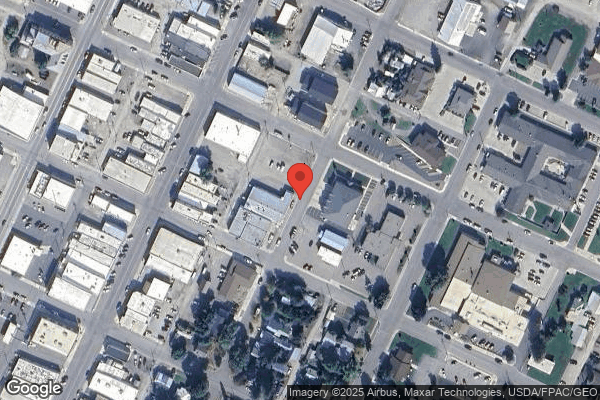
LIBBY CARE CENTER

308 E THIRD ST, LIBBY, MT 59923 (406) 293-6285
For profit - Limited Liability company 101 Beds CASCADIA HEALTHCARE Data: November 2025
Trust Grade
66/100
#15 of 59 in MT
Last Inspection: June 2025

Inspected within the last 6 months. Data reflects current conditions.

Overview

Libby Care Center has received a Trust Grade of C+, indicating it is decent and slightly above average compared to other facilities. It ranks #15 out of 59 nursing homes in Montana, placing it in the top half, and is the best option out of two in Lincoln County. However, the facility is experiencing a worsening trend, with issues increasing from 2 in 2024 to 8 in 2025. Staffing has a 3-star rating with a turnover rate of 28%, which is good, but the RN coverage is lower than 78% of facilities, raising concerns about the quality of medical care. Recent inspections revealed serious issues, including a failure to prevent physical altercations between residents, resulting in one resident sustaining a broken nose, and inadequate transport methods for residents with injuries, which could lead to further harm. While the facility has strengths such as good quality measures, these incidents highlight areas needing improvement and caution for potential residents and their families.

Trust Score
C+
66/100
In Montana
#15/59
Top 25%
Safety Record
Moderate
Needs review
Inspections
Getting Worse
2 → 8 violations
Staff Stability
✓ Good
28% annual turnover. Excellent stability, 20 points below Montana's 48% average. Staff who stay learn residents' needs.
Penalties
✓ Good
$22,720 in fines. Lower than most Montana facilities. Relatively clean record.
Skilled Nurses
○ Average
Each resident gets 33 minutes of Registered Nurse (RN) attention daily — about average for Montana. RNs are the most trained staff who monitor for health changes.
Violations
⚠ Watch
18 deficiencies on record. Higher than average. Multiple issues found across inspections.
★★★★☆
4.0
Overall Rating
★★★☆☆
3.0
Staff Levels
★★★★★
5.0
Care Quality
★★★☆☆
3.0
Inspection Score
Stable
2024: 2 issues
2025: 8 issues

The Good

  • 5-Star Quality Measures · Strong clinical quality outcomes
  • Low Staff Turnover (28%) · Staff stability means consistent care
  • Full Sprinkler Coverage · Fire safety systems throughout facility
  • No fines on record
  • Staff turnover is low (28%)

    20 points below Montana average of 48%

Facility shows strength in quality measures, staff retention, fire safety.

The Bad

Federal Fines: $22,720

Below median ($33,413)

Minor penalties assessed

Chain: CASCADIA HEALTHCARE

Part of a multi-facility chain

Ask about local staffing decisions and management

The Ugly 18 deficiencies on record

2 actual harm
Jun 2025 4 deficiencies
CONCERN (D)

Potential for Harm - no one hurt, but risky conditions existed

Resident Rights (Tag F0550)

Could have caused harm · This affected 1 resident

Based on observation, interview, and record review, the facility failed to ensure dignity was provided during peri care for 1 (#1) of 20 sampled residents. The resident specifically stated she did not...

Read full inspector narrative →
Based on observation, interview, and record review, the facility failed to ensure dignity was provided during peri care for 1 (#1) of 20 sampled residents. The resident specifically stated she did not want to be exposed. Findings include: During an observation and interview on 6/29/25 at 8:17 a.m., staff member D and E completed peri care and wound care for resident #1. Resident #1's bed was against the wall under the window. The blinds to the window were not lowered or closed. Staff member E raised the bed to the height of the windowsill when preparing for the care session. Staff member E removed resident #1's brief and rolled resident #1 towards the uncovered window. Resident #1's peri area was exposed throughout the peri care and wound care sessions, and the resident was facing the resident garden area from 8:17 a.m. to 8:40 a.m Resident #1 was then rolled to her left side and wound care was completed. Resident #1's buttocks were then exposed to the window from 8:40 a.m. to 8:51 a.m., and then a brief was placed on the resident. Resident #1 stated, I don't really want to be exposed out the window. During an interview on 8/29/25 at 8:54 a.m., staff member D stated they should have closed the blinds but did not think about it. Review of the facility policy, Resident Rights, dated 11/28/17, reflected: - 1. Facility staff treats each resident with dignity and respect.
CONCERN (E)

Potential for Harm - no one hurt, but risky conditions existed

Deficiency F0578 (Tag F0578)

Could have caused harm · This affected multiple residents

Based on observation, interviews, and record review, the facility failed to ensure advance directives were complete and matched the current EHR code status for 3 (#s 1, 29, and 65) of 20 sampled resid...

Read full inspector narrative →
Based on observation, interviews, and record review, the facility failed to ensure advance directives were complete and matched the current EHR code status for 3 (#s 1, 29, and 65) of 20 sampled residents. Findings include: 1. During an interview on 6/29/25 at 8:17 a.m., resident #1 stated the physicians wanted her to have a catheter and PEG tube, and she did not ever want any tubes placed for care, including catheters, feeding tubes, or a PEG tube. Review of resident #1's EHR profile reflected resident #1 was a full code, with full treatment, and no artificial nutrition by tube. Review of resident #1's POLST form, dated 9/14/22, reflected resident #1 was a full code, with limited interventions, and had a defined trial period of artificial nutrition by tube to be determined at that time. Review of a POLST, provided by the facility, dated 6/24/25, reflected the resident was a full code, with full treatment to include intubation, advanced airway interventions, mechanical ventilation, cardioversion, and no artificial nutrition by tube. This POLST was not signed by the physician. This POLST was not on file in #1's EHR, and no verbal physician order was found in the EHR to approve the POLST. 2. Review of resident #29's POLST, dated 1/8/25, reflected resident #29's code status was, Do not resuscitate. Under the signature of patient or decision maker (required) showed the following: verbal w/ [decision maker]. 3. Review of resident #65's POLST, dated 10/16/25, reflected resident #65's code status was a Full code, with full treatment, and defined trial period to be determined at the time of need for artificial nutrition by tube. This POLST was signed by resident #65. Review of resident #65's EHR profile reflected resident #65's code status was do not resuscitate, comfort measures only, no artificial nutrition by tube. Under the signature of patient or decision maker (required): verbal w/son via phone and was not signed by the physician. No verbal physician order was found in the EHR for the resident's code status. During an interview on 6/29/25 at 2:02 p.m., staff member D stated the POLST forms were reviewed when the physician came in and would be signed at that time. Staff member D stated, They (nurses) jumped the gun putting them (unsigned POLSTS) in PCC (electronic medical record system) before they were signed. Review of the POLST instructions, dated 1/2024, reflected: - . Patient (or legal decision maker, if patient unable to make medical decisions), must sign to be valid. - Verbal orders are acceptable with follow-up signature by provider .
CONCERN (E) 📢 Someone Reported This

A family member, employee, or ombudsman was alarmed enough to file a formal complaint

Potential for Harm - no one hurt, but risky conditions existed

Deficiency F0761 (Tag F0761)

Could have caused harm · This affected multiple residents

Based on interview and record review, the facility failed to record the temperatures for the medication storage refrigerator, in the team one medication storage room. The deficient practice increased ...

Read full inspector narrative →
Based on interview and record review, the facility failed to record the temperatures for the medication storage refrigerator, in the team one medication storage room. The deficient practice increased the risk of medications being stored at incorrect temperatures, if the temperatures were not monitored by staff. Findings include: During an interview on 6/29/25 at 9:52 a.m., staff member D said refrigerator temperatures were to be monitored and recorded by staff daily, to be recorded at the beginning of each shift. Record review of a facility document, titled, Fridge Temperature Log, dated June 2025, showed temperature monitoring was recorded for the day shift 16 times over a 29-day period for the month of June 2025. No documentation was included on the form for the day or night shift freezer temperatures.
CONCERN (F) 📢 Someone Reported This

A family member, employee, or ombudsman was alarmed enough to file a formal complaint

Potential for Harm - no one hurt, but risky conditions existed

Infection Control (Tag F0880)

Could have caused harm · This affected most or all residents

4. During an observation and interview on 6/28/25 at 2:50 p.m., the Team 2 medication room was found to have a variety of supplies and medications stacked in the corner and on the floor of the room wh...

Read full inspector narrative →
4. During an observation and interview on 6/28/25 at 2:50 p.m., the Team 2 medication room was found to have a variety of supplies and medications stacked in the corner and on the floor of the room which was an infection control concern. Staff member C said the room was too small for the amount of medication and supplies stored in the room. Staff member C said she asked administration for shelving to be able to provide more room for medication storage, but it had not been provided, so the items remained on the floor. During an observation and interview on 6/29/25 at 9:52 a.m., the Team 1 medication room had a variety of supplies covering the countertop. A used, personal cup, was in the sink. The counter was soiled and without a cleanable surface, and an infection control concern, due to the number of items stacked on the countertop. The area behind the sink, and the interior of the sink, contained unidentifiable debris adhered to the surface(s). The medication storage refrigerator contained wine boxes and wine spilled and pooled at the bottom of the refrigerator door. The shelves were covered with spilled food items and had not been cleaned. Staff member D said the refrigerator had not been cleaned, and nursing staff were responsible for keeping the medication refrigerator clean. 3. During an observation on 6/29/25 at 3:04 p.m., staff member E was preparing to do resident #38's dressing change. Staff member E donned gloves then a gown, pulling the gown over her head and smoothing down the back of her hair with her gloved hands in the process. Staff member E continued to gather wound supplies and prepare for the dressing change, until she was asked about changing gloves by another staff member. Review of the facility policy, Personal Protective Equipment (PPE) Donning and Doffing, with a revision date of 9/10/20, showed, . Here is a sequence for donning PPE: .3. Put on the isolation gown . 6. Put on gloves extending over the cuff of the gown . 7. C. change gloves when torn, heavily contaminated, or if touch personal face/hair/mask/eye protection . [sic] Based on observations, interviews, and record review, the facility staff failed to ensure proper hand hygiene and wear an infection control gown properly for 1 (#1) of 20 sampled residents; failed to follow infection control standards when donning PPE, for 1 (#38); failed to properly store refuge, sharps containers, supplies, and failed to clean showers between use by the residents; failed to clean and repair shower room floors, the hallway, and utility room; and failed to maintain a cleanable surface for medication or supply preparation. Findings include: 1. During an observational walk through, on 6/28/25 at 1:30 p.m., the following concerns were identified: - In the north dirty utility room: [NAME] substance smeared on the countertop, and non-cleanable floor surfaces. - A box of full sharps containers was located on the floor of the medication room, overflowing with sharps containers which were stacked more than a foot above the rim of the box. - North Common room: used tissue, used flossing stick, and empty pill cups were left and not removed from the table. - Three large black trash bags of refuge were on the floor of the hallway, by the North nursing station. - The North shower room had a strong mildew odor, there was a large stack of clean towels which were folded, stacked, and placed in the hand sink. There were briefs and wipes stored on the floor. - The clean linen, adjacent to the North shower, had trash, linen, and a brief on the floor. - The North nursing station counter top had many areas that were broken which were uncleanable surface areas. - In the South dirty utility room, there was a strong odor of feces and urine. There was feces all along the rim and outside of the hopper washer, and missing floor tiles in front of the door, entering the dirty utility room. - In the South shower room, there was an area that had missing or broken linoleum, measuring 3 inches by 2 inches. There was a bariatric chair, and on the chair there was a clean brief, clothing, and an orthopedic boot. There was an observed area approximately 5 feet by 3 feet of flooring missing in front of the walk-in shower which had wet and rotting wood. The shower was soiled, with visible mildew growth and rust on the bottom left side. There was a stack of clean clothes stored on the floor, outside the shower, and there was a clean bag of briefs on the floor, outside the shower, and feces smeared on the floor from the toilet to the shower. - The nutrition room had a cabinet under the sink with a large area, approximately 12 inches by 15 inches, missing laminate on the door. During an interview on 6/29/25 at 8:01 a.m., staff member I entered the North shower room. Staff member I stated there did not appear to be any spray cleaner available for staff to use when cleaning the shower, after resident use. During an interview on 6/29/25 at 8:11 a.m., when discussing resident safety related to the South shower room floor disrepair, staff member K stated, That's tricky, we just have to have CNAs put down towels to prevent the floor injuring the residents feet. During an interview on 6/29/25 at 10:01 a.m., staff member A stated there was asbestos in the shower tiles, and they had scheduled an abatement in September, so the remodel could be done for the South shower room. Staff member A stated the facility attempted patch repairs to the floor, but they did not hold. Staff member A stated the facility continued to use the South shower room due to the volume of showers to be completed for the resident census. During an interview on 6/29/25 at 10:43 a.m., staff member H entered the North shower room looking for the cleaner he stated was supposed to be used after each shower, and he stated he could not locate any cleaner. Staff member H stated the cleaner should be used after every shower was given, and he did not know why no one had obtained more from environmental services. During an interview on 6/29/25 at 12:32 p.m., staff member L stated environmental services delivered the linens to the units, then the CNAs moved the linens to the shower area. Staff member L stated, It's 100% the CNAs making the mess and creating the infection control issues. It makes me disgusted. It's not ok. During an interview on 6/29/25 at 12:45 p.m., staff member M stated the facility worked on the flooring and did not have a chance to finish. Staff member M stated the missing flooring is scheduled to be assessed next week, and the abatement for the South shower room was scheduled in September, so nothing more could be done with the South shower room until the abatement was completed. Review of Resident Council Minutes, dated 3/10/25, reflected: -1. Resident states the shower room floor is gross and it often smells like sewer. 2. During an interview on 6/28/25 at 5:10 p.m., resident #1 stated, This place is gross. It's no wonder my wounds are not healing and now I'm stuck on these IV antibiotics. During an observation on 6/29/25 at 8:17 a.m., staff member E prepared to start an IV, and then complete peri care and wound care. Staff member E completed hand hygiene, opened supplies to start the IV, picked up trash off the floor with her clean hands, then attached the IV to resident #1. Staff member E then started the IV pump. Staff member E, using her hands, began to search through the drawers looking for supplies again. She then removed resident #1's sock, washed her hands for six seconds. Staff member E re-searched the drawers with her hands to find a bottle of Calmoseptine and put the Calmoseptine on resident #1's ankle. Staff member E then completed hand washing for ten seconds, gloved, and re-searched the drawers for supplies. Staff member E cleaned the resident's wound and degloved. She then completed hand washing for less than five seconds, gloved, packed the wound on resident #1's left thigh with collagen dressing, stopped to open more dressings, and continued to pack the wound. The then degloved and completed hand washing for six seconds. Staff member E then gloved and began to provide the wound care on the left rear thigh. Staff member E cleansed the wound, completed six seconds of hand washing, gloved, picked up items she dropped on the floor to throw them away, then with her soiled hands opened the packages of wound supplies. She then placed the collagen powder and Triade cream into the wound, touching the opening of the Triade cream container repeatedly with her hands that had been in and touching the wound. She degloved, then completed hand washing for seven seconds. Staff member E did not complete proper hand hygiene throughout the care sessions. During an observation on 6/29/25 at 8:55 a.m., staff member E was preparing to remove the IV for resident #1. Staff member E put a PPE gown on but and did not tie the ties at the neck and waist. During the care session, staff member E repeatedly pulled at the gown and ties. She then tied the gown's ties when nearly finished with care. Staff member E stated the gown was annoying and in her way. Staff member E stated she should have tied the gown properly when beginning cares. During an interview on 6/29/25 at 2:02 p.m., staff member N stated the staff are trained on hand hygiene and should wash their hands with soap and water for 20-30 seconds, if visibly dirty, or use hand sanitizer. Review of the facility's policy, Hand Hygiene, dated 2/11/22, reflected: - 2. Rub hands together with vigorous friction for at least 20 seconds . Opportunities for hand hygiene: 3. Before assisting or performing any medical procedure, before inserting any invasive device .After contact with any objects in the immediate vicinity of the resident. Review of the facility's policy, Work Practices-Cleaning, dated 1/1/18, reflected: - . b. Multiple use resident care items are properly cleaned/disinfected between each resident use.
Mar 2025 4 deficiencies
CONCERN (D) 📢 Someone Reported This

A family member, employee, or ombudsman was alarmed enough to file a formal complaint

Potential for Harm - no one hurt, but risky conditions existed

Deficiency F0658 (Tag F0658)

Could have caused harm · This affected 1 resident

**NOTE- TERMS IN BRACKETS HAVE BEEN EDITED TO PROTECT CONFIDENTIALITY** Based on interview and record review, the facility failed to follow admission physician orders related to TED hose/antiembolism ...

Read full inspector narrative →
**NOTE- TERMS IN BRACKETS HAVE BEEN EDITED TO PROTECT CONFIDENTIALITY** Based on interview and record review, the facility failed to follow admission physician orders related to TED hose/antiembolism stockings for a post op patient for 1 (#2) of 3 rehab patients sampled. Findings include: During an interview on 3/25/25 at 9:30 a.m., NF1 stated resident #2 had a left total knee surgery on 2/25/25. Resident #2 was admitted on [DATE]. NF1 stated the first night after admitted , the facility staff took resident #2's TED hose stockings off and told her it was the facility policy to prevent skin breakdown. The next morning the stockings were still observed to be off. During an interview on 3/25/25 at 3:15 p.m., staff member D stated they had removed resident #2's TED hose stockings because it was facility policy to remove them at night to prevent skin ulcers. During an interview on 3/27/25 at 11:00 a.m., staff member F stated a physician's order related to TED hose would override a facility policy. Review of resident #2's admission orders, dated 2/26/25, showed, TED Hose on at all times. Review of the facility policy, Prevention and Treatment of Pressure Ulcers and Other Skin Alterations, with a revision date of 10/15/25, failed to show the removal of TED hose/antiembolism stockings at night for pressure ulcer prevention.
CONCERN (D) 📢 Someone Reported This

A family member, employee, or ombudsman was alarmed enough to file a formal complaint

Potential for Harm - no one hurt, but risky conditions existed

Deficiency F0740 (Tag F0740)

Could have caused harm · This affected 1 resident

Based on interview and record review, the facility failed to ensure it provided behavioral health services to meet the needs of 1 (#4) of 6 sampled residents for behaviors. Findings include: During a...

Read full inspector narrative →
Based on interview and record review, the facility failed to ensure it provided behavioral health services to meet the needs of 1 (#4) of 6 sampled residents for behaviors. Findings include: During an interview on 3/25/25 at 3:49 p.m., staff member C stated the trauma informed care assessment was completed on admission, quarterly, and with significant changes. Resident #4 had not triggered on her trauma informed care assessment on admission, which would show if interventions were necessary. Staff member C stated the facility had a contract with a telehealth psychiatrist who was available to residents if they were willing to see the psychiatrist. Staff member C stated resident #4 had a noticeable mental and physical decline in mid-December which was after the initial course of antibiotics. Resident #4 had no involved family, POA, or guardian. The resident's next of kin was a son who lived across the state. Staff member C stated the goal was to discharge resident #4 back to the treatment center she had been at. After resident #4's hospitalization, she was not capable of attending mental health appointments, or signing advance directives. The treatment center resident #4 had been at would no longer take her back. During an interview on 3/26/25 at 4:28 p.m., staff member A stated resident #4's admission assessment showed no trauma, there was a low PHQ-9 score for depression, and high score in the Brief Interview of Mental Status assessment. After her decline, they did a Significant Change MDS in February 2025. The facility had their contracted psychiatrist review resident #4's chart to give suggestions to implement, but they did not work. Behavior monitoring was documented on the TAR. Staff member A stated resident #4 was given a 30-day discharge notice and was scheduled to discharge home, with her son, on 3/1/25, but she went to the hospital and passed away. Review of resident #4's nurse progress notes, from 12/3/24 through 2/23/25, showed after her hospital return, on 12/28/24 through 2/23/25, resident #4 exhibited multiple behaviors of calling 911, being combative to staff, offering sexual favors, attempting to take sanitizer dispensers off the walls, having vape supplies, alcohol, having non-prescribed medications in her room, exit seeking, and laying self on the floor, among others. Review of resident #4's 30-day discharge notice, dated 1/28/25, showed the reason as, Unable to manage addiction and mental health needs. The notice was given verbally to resident #4's son, with a note of sending referrals to other facilities, for a possible admission. Review of resident #4's Significant Change MDS, with an ARD of 2/19/25, showed resident #4 had a significant decline in her mental and physical health.
CONCERN (D) 📢 Someone Reported This

A family member, employee, or ombudsman was alarmed enough to file a formal complaint

Potential for Harm - no one hurt, but risky conditions existed

Pharmacy Services (Tag F0755)

Could have caused harm · This affected 1 resident

**NOTE- TERMS IN BRACKETS HAVE BEEN EDITED TO PROTECT CONFIDENTIALITY** Based on interview and record review, the facility failed to have a process in place to ensure pill contents, contained in perso...

Read full inspector narrative →
**NOTE- TERMS IN BRACKETS HAVE BEEN EDITED TO PROTECT CONFIDENTIALITY** Based on interview and record review, the facility failed to have a process in place to ensure pill contents, contained in personal prescription medication bottles brought from resident homes, were verified before dispensing, for 1 (#2) of 3 rehab residents sampled. Findings include: Review of resident #2's admission orders showed he was admitted on [DATE], arriving around 4:00 p.m., for acute rehab, following a knee surgery on [DATE]. His additional diagnoses included Parkinson's. Review of resident #2's admission orders, dated [DATE], showed the following new medication orders: - Colace 100 mg twice daily, - Acetaminophen 1,000 mg three times daily, - Oxycodone 5 mg every 4 hours as needed for pain, and - Aspirin 81 mg twice daily. Below those medications were resident #2's home medications which the resident would continue taking, which were: - Carbidopa 25 mg-levodopa 100 mg three times daily, - Flomax 0.4 mg daily, - Clonazepam 2 mg at bedtime, - Meloxicam 15 mg daily, - Rivastigmine tartrate 1.5 mg twice daily, - Carbidopa ER 50 mg-levodopa 200 mg twice daily, and - Entacapone 200 mg three times daily. Review of resident #2's MAR, dated [DATE] - [DATE], showed he received all of these medications. During an interview on [DATE] at 9:30 a.m., NF1 stated they brought in some of resident #2's medication from home as they were not being covered by their insurance during the rehab stay. NF1 stated the prescription label on the bottle for resident #2's clonazepam showed to take 1 mg at night. Facility nursing staff who checked the medications in did not clarify this discrepancy with the physician order, which was for 2 mg at night. During an interview on [DATE] at 1:50 p.m., staff member C stated resident #2's admission was paid for by workers compensation, and they would only cover medications related to the post op of his knee. All other medications were to be supplied by the family. Staff member C stated resident medications brought from home had to be in their original prescription bottles and not expired. During an interview on [DATE] at 3:15 p.m., staff member D stated the pharmacy did not examine the pills in the bottles brought in by family members, and nursing reviewed the dosages on the labels, against the physician order. During an interview on [DATE] at 9:45 a.m., staff member E stated there were some family members that brought in medication from home, but the staff member was unsure on the process for reconciliation. During an interview on [DATE] at 11:14 a.m., NF2 stated the pharmacy had only filled orders for oxycodone, carbidopa, and tamsulosin for resident #2. These were delivered early the morning of [DATE]. During an interview on [DATE] at 11:20 a.m., NF3 stated they would refer to the facility policies and procedures regarding accepting medications brought in by family. During an interview on [DATE] at 8:50 a.m., staff member A stated there was a pill finder application in PCC that nurses could use if one of the pills in the bottles did not look correct. During an interview on [DATE] at 11:00 a.m., staff member F was unaware the resident family was bringing in personal medications to be dispensed by the facility, as this practice would not be allowed in a hospital setting. Review of the facility policy, Pharmacy Services, dated [DATE], showed, . 31. Medications that are received from the resident, family, responsible, party and/or significant other are not accepted because we are unable to reconcile the medication with the prescriber order and the requisitions for the medication .
CONCERN (E) 📢 Someone Reported This

A family member, employee, or ombudsman was alarmed enough to file a formal complaint

Potential for Harm - no one hurt, but risky conditions existed

Accident Prevention (Tag F0689)

Could have caused harm · This affected multiple residents

Based on observation, interview, and record review, the facility failed to prevent the elopement of 3 (#s 4, 6, and 7) of 6 sampled residents for elopement; and failed to implement an effective elopem...

Read full inspector narrative →
Based on observation, interview, and record review, the facility failed to prevent the elopement of 3 (#s 4, 6, and 7) of 6 sampled residents for elopement; and failed to implement an effective elopement prevention and monitoring system for 6 (#s 4, 6, 7, 8, 9, and 10) of 6 sampled residents for elopement risk. This deficient practice increased the risk of an elopement or negative outcome for a resident who was at risk of eloping, due to the system failure. Findings include: Review of facility reported incident for elopements showed: 1. On 8/17/24, resident #6 had been out in the courtyard with another resident. The other resident went back into the building, and resident #6 was found wandering around the outside of the building, by a staff member on break. The resident had stated she got lost and did not know how to get back in the building. A wanderguard bracelet was placed for elopement risk. 2. On 1/1/25, resident #4 was found by an off-duty staff member, across town, by a local restaurant. They notified the facility, and staff picked resident #4 up and returned her to the facility. Resident #4 had a wanderguard bracelet and was on 15-minute checks due to behaviors at the time of the elopement. The facility did not identify how resident #4 eloped. Resident #4 was placed on continued 15-minute checks with a 1:1 monitor while out of her room. 3. On 1/11/25, the facility received a call from the [Hospital Name] stating resident #4 was at their facility. Resident #4 was brought back to the facility after several staff attempts to assist. Facility staff noted resident #4 had popped the screen out of her room window and had eloped through the window. The resident was wearing her wanderguard bracelet and placed on 1:1 (monitor) at all times. 4. On 3/17/25, resident #7 self-propelled out the north exit door, down the ramp, to the sidewalk. Another resident's family member was outside and went to alert facility staff. Resident #7 had a wanderguard bracelet on and it did not set off the system alerts. The bracelet was checked, had a low battery, and the bracelet was changed for a new wanderguard bracelet. During an interview on 3/25/25 at 10:22 a.m., staff member J stated she was on a smoke break when she saw resident #6 walking along the building outside. Resident #6 stated to staff member J she got lost trying to get back into the building after sitting in the courtyard with another resident. Staff member J stated she brought resident #6 back into the building and told the nurse. Staff member J stated resident #4 was difficult to handle because she was exit seeking, being combative, and had eloped. Staff member J stated the elopements happened on the evening and night shifts. Staff member J stated resident #4 had a wanderguard and frequent checks in place. It wasn't until after the elopements that resident #4 was on frequent checks. During an interview on 3/25/25 at 10:31 a.m., staff member G stated he checked all of the wanderguard doors weekly. A tablet was used to monitor the exit door's function, adjust the sensitivity to wanderguard bracelets, and lock/unlock the doors. Staff member G stated the exit with a ramp was currently locked at all times while the facility figured out a way to handle a recent elopement for resident #7. During an observation on 3/25/25 at 4:23 p.m., resident #10 was seen leaving the facility through the main entrance with a family member. When they exited the building alarms were set off. Staff member A walked out and asked to check the resident and found a wanderguard bracelet on him. Staff member A went into the building to grab scissors and had resident #10 sit on a bench outside so the bracelet could be cut off and he could leave. During an interview on 3/26/25 at 3:36 p.m., staff member E stated the nurses documented the wanderguard bracelet(s) functioning each shift, usually by the residents wandering by the doors to set them off. Staff member E stated there was a tool to check the bracelets but believed the housekeeping staff or maintenance had the tool to do that. During an interview on 3/26/25 at 3:58 p.m., staff member A stated the facility had not been tracking the resident's wanderguard 'activate by' dates to show when the battery would expire for any residents wearing the elopement bracelets. The facility did not currently keep a list of residents with wanderguards, to ensure staff were aware of who they were and to monitor them. Staff were to monitor the placement of the wanderguard bracelets, and that the skin was intact surrounding the bracelets. Maintenance checked the doors weekly. During an interview on 3/27/25 at 8:54 a.m., staff member I stated staff knew who to check for the wanderguard for when the task was on the TAR to document the check. Staff member I stated 15-minute checks were done, which meant every 15-minutes staff would visually check the resident and document the check on the hardcopy flow sheet. The 1:1 monitor was always within eight feet of the resident, visually watching them. The :1 was documented on the TAR. The elopements of the residents did not happen when she was working. Staff member I stated the nurses would check the wanderguard bracelets by the resident wandering near a door to set off the alarms, and then the nurse would document the check for their shift. Review of resident #4's nurse progress notes, from 12/3/24 through 2/23/25, showed after a hospital return, on 12/28/24 through 2/23/25, resident #4 exhibited multiple behaviors of calling 911, exit seeking, and elopements, among others. Review of a facility provided document titled, Wander Guard Procedure, not dated, showed it was not a formal policy, and the document did not specify how residents were to be monitored. Review of the facility provided list of residents who had wanderguard bracelets or were elopement risks showed resident #s 4, 6, 7, 8, 9, and the list did not show resident #10. Review of the facility wanderguard manual showed it was recommended to check the 'activate by' dates so the facility would know when the battery would expire. The manual had assessments and checklists for monitoring and testing the wanderguard system, identifying areas to address for wandering, and elopement risk residents.
Aug 2024 2 deficiencies
CONCERN (D)

Potential for Harm - no one hurt, but risky conditions existed

Deficiency F0655 (Tag F0655)

Could have caused harm · This affected 1 resident

**NOTE- TERMS IN BRACKETS HAVE BEEN EDITED TO PROTECT CONFIDENTIALITY** Based on interview and record review, the facility failed to include a resident's history and risk of suicide on the baseline ca...

Read full inspector narrative →
**NOTE- TERMS IN BRACKETS HAVE BEEN EDITED TO PROTECT CONFIDENTIALITY** Based on interview and record review, the facility failed to include a resident's history and risk of suicide on the baseline care plan for 1 (#76) of 2 sampled residents. Findings include: Review of resident #76's admission assessment dated [DATE], noted he was being admitted post hospitalization from an overdose. During an interview on 8/14/24 at 4:16 p.m., staff member E stated the nurses did not have any care plan or orders to monitor for suicide risk for resident #76. During an interview on 8/15/24 at 9:12 a.m., staff member C stated resident #76 had a suicide risk assessment and depression screening on admission. Staff member C said due to the assessment results, they determined suicide was not a current issue. Review of resident #76's hospice visits notes, dated on 7/18/24, showed resident #76 was noted to be a suicide risk due to his prior attempts and expressions of not wanting any contact with other humans, or not knowing why he is on earth. Review of resident #76's facility care plan, iniated on 7/9/24, had no information for suicide risk or history of attempts; how to identify, monitor, or support #76 if the signs of risk did occur.
CONCERN (D)

Potential for Harm - no one hurt, but risky conditions existed

Quality of Care (Tag F0684)

Could have caused harm · This affected 1 resident

Based on observation, interview and record review, the facility failed to coordinate care and communication with hospice, for 2 (#s 65 and 76) of 2 sampled residents for hospice. Findings include: Du...

Read full inspector narrative →
Based on observation, interview and record review, the facility failed to coordinate care and communication with hospice, for 2 (#s 65 and 76) of 2 sampled residents for hospice. Findings include: During an interview on 8/14/24 at 11:24 a.m., NF2 stated hospice had its own documentation and care plan for resident #65 and #76. NF2 stated the hospice staff did not provide the care plan or visit notes to the facility; the documentation would have to come from the main office after they finished documenting their visits. NF2 stated hospice did their own care plan meeting every other week to go over their patients, so they did not attend the facility care conference meetings. During an observation and interview on 8/14/24 at 4:12 p.m., staff member E stated different hospice nurses came different days of the week. Staff member E stated she was not sure if there was a hospice care plan or if there were any copies of hospice visits for residents #65 and #76. Staff member E stated the hospice nurses would generally check in for medication order changes as there were a lot for both resident #65 and #76, especially for as needed medications. Staff member E stated the medications came in bottles, and the labels were not updated to reflect new physician orders. Staff member E showed a bottle of as needed Ativan that had new orders of either half tab or whole tab which did not match the original medication label. There were two tablets left. Staff member E stated she generally gave a whole tab of Ativan and could not tell what other nurses gave a half tab of Ativan did with the half not administered. Staff member E stated the medications usually came in bottles, but she had requested cards. Staff member E stated both residents had multiple as needed (medication) orders which would get confusing with the bottles and labels not being updated, as they were to continue using the bottles until they were empty. During an interview on 8/15/24 at 7:52 a.m., staff member A stated there was no documentation of who the designated facility staff member was to coordinate with hospice. Staff member A wrote on the survey request list it would be the 'Team Nurse' and explained it would be the nurse assigned to the unit each day, not a specific person at the facility. During an interview on 8/15/24 at 8:52 a.m., staff member C stated resident #76 did not have a current risk of suicide, so it was not on the care plan. Staff member C stated resident #76 had attempted suicide prior to his stay at the facility. Staff member C stated the facility would help with advance directives on admission and review at each care conference. Staff member C stated resident #65 only had a POLST with no other advance directives or plans to make any. Staff member C stated resident #65 had a friend for support and an estranged wife. Review of hospice social services notes, dated from 7/2/24 to 8/9/24, showed resident #65 had his wife as POA and managing his finances. Resident #65 wanted to switch to a friend because his wife was not paying his bills, causing him anxiety. Hospice social services noted they were helping resident #65 get his friend to be his POA. As of an 8/9/24 note, hospice was attempting to help resident #65 obtain conservatorship instead. Review of resident #76s pharmacy recommendation form, dated 7/15/24, showed: [Resident #76] receives potentially duplicate therapy of the following: 1. morphine concentrate 20 m/mL 0.75mL Q1H PRN 2. morphine concentrate 20 m/mL 0.25mL Q1H PRN 3. oxycodone 5mg Q4H PRN 4. oxycodone 15mg Q4H PRN Recommendation: Please reevaluate the need for both types of opioid orders indicated above. Due to multiple PRN analgesic orders, highly recommend adding pain scales to help staff differentiate when to use what medication (i.e. morphine concentrate if resident cannot swallow for moderate to severe pain) . Handwritten in on 7/18/24 declining any changes to the orders because of hospice. Resident #76 physician orders showed: - Oxycodone 5MG 1 tablet every 4 hours as needed for pain - Oxycodone 5MG 2 tablets every 4 hours as needed for pain - Oxycodone 5MG 3 tablets every 4 hours as needed for pain - Oxycodone 5MG 4 tablets every 4 hours as needed for pain -None of the oxycodone had specific ranges for when to use which dose or parameters if they could be used in conjunction with each or not in the ordered time ranges. Resident #65's physician orders showed: -Oxycodone 10mg 1 tab every 2 hours for moderate pain -Oxycodone 10mg 2 tabs every 2 hours for moderate pain -Oxycodone 5mg 1 tabs every 2 hours for mild pain -Oxycodone 5mg 2 tabs every 2 hours for mild pain -None of the oxycodone had specific ranges for when to use which dose or parameters if they could be used in conjunction with each or not in the ordered time ranges. Review of hospice visit records provided on 8/14/24 for resident #76, showed multiple notes of resident #76 discussing his suicide attempts, including a note on 7/18/24, which showed resident #76 was considered to be a suicide risk due to his prior attempts and expressions of not wanting any contact with other humans, or not knowing why he is on earth. Review of resident #76's Hospice delineation of services form, signed 7/10/24, showed: Hospice was responsible for: - Attending physician services. - Providing facility with copy of hospice plan of care and any revisions, hospice election form, hospice certification/recertification. - Hospice staff checks in with designated facility staff prior to and after providing care. - Hospice provides a copy of the daily visit note at the time of the visit. - Provide medical supplies related to terminal diagnosis. - DME related to terminal diagnosis. - Medications necessary for all palliation of pain and symptoms associated with the terminal illness and related conditions (list medications covered by hospice): [none listed] - Designate how hospice provided medications are ordered/delivered/renewed: [not specified] The facility was responsible for: - Hospice plan of care located in miscellaneous section of chart. - 24-hour room and board care, to meet the resident's personal care and nursing needs in coordination with hospice. - Designate facility IDT member to coordinate care with hospice. - Facility makes the resident's records available to the hospice professional for review of the patient needs related to the terminal diagnosis. - Medications not related to terminal diagnosis. Facility and hospice combined responsibility: - Facility staff and hospice communicate in person or by phone to ensure that the needs of the resident are addressed and met 24 hours a day and such communication to be documented in progress notes. - Provide medical direction and management of resident. - Counseling to include spiritual, dietary and bereavement. - Social work services. Review of both resident #65's and 76's electronic medical record, and the facility hardcopy charts on 8/12/24 and 8/13/24, showed no documentation of a hospice care plan or hospice visits from nurses, chaplain services, or social services, including the standard hospice contact and information sheet. The facility did not have any hospice care plan or visit records until requested by the survey team on 8/14/24.
Aug 2023 8 deficiencies 2 Harm
SERIOUS (G) 📢 Someone Reported This

A family member, employee, or ombudsman was alarmed enough to file a formal complaint

Actual Harm - a resident was hurt due to facility failures

Free from Abuse/Neglect (Tag F0600)

A resident was harmed · This affected 1 resident

Based on interview and record review, the facility failed to initiate interventions to prevent physical abuse for 2 (#s 67 and 237), resulting in 1 (#67) getting a broken nose, out of 2 sampled reside...

Read full inspector narrative →
Based on interview and record review, the facility failed to initiate interventions to prevent physical abuse for 2 (#s 67 and 237), resulting in 1 (#67) getting a broken nose, out of 2 sampled residents; and failed to complete an assessment after the altercation, for 1 (#237) out of 2 sampled residents, as well as not letting him return to the facility after the incident. Findings include: A facility reported incident, dated 6/9/23 at 3:35 p.m., showed: Incident Description: .(Resident #67) was found in his room with a bloody nose; he does have a diagnosis of dementia but states 'He just turned around and hit me.' The 'he' he was referring to was his roommate (Resident #237) who was no longer in the room. Staff immediately went out looking for (Resident #237) to find out he signed out and went to his significant others apartment . Plans were arranged with (Resident #237's) significant other to stay with her for the weekend; medications and belongings were provided for the weekend and (NF2) agreed to keep (Resident #237) in her care for the weekend until further arrangements can be made . (Resident #67) was evaluated by nursing staff .Full investigation to follow. Review of resident #237's nursing progress note, dated 5/26/23 showed, This am resident (#237) was in his room alone talking to himself. He then came out and told this nurse that his roommate (Resident #67) was calling him a child molester and they were not getting along at all. This nurse assured resident that no one was saying that about him and his roommate was down in the dining room having breakfast. Resident went back into his room and continued talking to himself. Staff is monitoring. Review of resident #237's nursing progress note, dated 5/26/23 showed, Resident (#237) has documented behaviors towards roommate (Resident #67). This nurse was at the north nurses station at the computer and residents roommate was standing talking to this nurse. Resident came up behind him and got very close to roommate and started accusing him of talking about him to the other residents and staff, resident was not able to be redirected by this nurse or aides. Escorted roommate to the dining room to separate. During an interview on 8/16/23 at 9:45 a.m., staff member H stated resident #237 always thought that resident #67 was talking behind his back. Resident #237 had auditory hallucinations, and he would often think resident #67 was saying things he was not. When resident #237 would become upset and accusatory of resident #67, staff would attempt to redirect resident #237, which would sometimes work. During an interview on 8/16/23 at 9:55 a.m., staff member I stated resident #237 and #67 had been roommates for at least two months prior to resident #237 leaving the facility. Staff member I stated resident #237 often accused resident #67 of talking about him, and accusing him of things. Staff member I stated staff would try to redirect resident #237, and stated there was not much else staff could do. Staff member I stated he was working at the facility and was on shift when resident #237 punched resident #67 in the nose. Staff member I stated he was walking down the hall and another resident said resident #67 was bleeding. Staff member I stated he entered the room and found resident #67 had a bunch of blood coming out of his nose. Staff member I stated his nose was completely crooked, and he asked resident #67 what happened, and he said resident #237 punched him in the nose. Resident #237 left the facility, and staff member I stated he did not think he had returned to the facility, or was assessed after the incident. Review of a facility document titled Resident to Resident Event Assessment, dated 6/9/23 showed: Description of Event: This nurse was walking to nurses station when another resident stated he (#67) was bleeding. The nurse went into his room and asked what happened. Resident #67 stated resident #237 'punched me.' The nurse immediately notified management and helped the resident stop the bleeding to his nose. Resident #237 immediately left the building. Resident #67, who was punched, was sent to the imaging center for a possible fracture of his nose. Review of resident #237's nursing progress note, dated 6/9/23 showed, This worker called and spoke with NF2 notifying her of incident between [Resident #237] and [Resident #67] .NF2 was notified the resident [#237] punched resident [#67] in the nose, left facility to walk to her apartment. NF2 was informed that the police had been notified and are on their way to her apartment as well. Resident was seen sitting at back door of [Name Apartment Complex]. NF2 brought resident into her apartment where she and resident are waiting for police officer to respond. NF2 was informed that it is unsafe for resident to return to facility .NF2 asked about resident's belongings. This worker informed NF2 that items can be boxed up for her to pick up During an interview on 8/16/23 at 10:37 a.m., staff member A stated after the physical altercation between resident #237 and #67, resident #237 did not return to the facility. Therefore, a post physical altercation assessment was not completed for resident #237. Review of resident #237's MDS 5-day scheduled assessment, with an ARD date of 5/1/23, showed resident #237 had a BIMS of 4, reflecting severe cognitive imparement. Review of resident #237's behavior documentation, dated April 2023 - June 2023, showed: - April 2023: On 4/25/23, accusing of others, anxious, cursing at others, and repetitive motions. There were no other documented behaviors that month. - May 2023: No behaviors were noted for the month. - June 2023: On 6/1/23, accusing of others. On 6/9/23, Abusive language, threatening of others, Entering Other Resident's Room/Personal Space, Hallucinations, Hitting others, and Physically Aggressive Towards Others, was documented. Review of resident #67's care plan did not show any Focus, Goals, or Interventions related to resident #237's behaviors towards him to keep him safe. There were not any interventions put in place to protect resident #67 from #237 prior to the physical altercation, despite multiple verbal indicators leading up to the incident. Review of the facility policy titled Abuse, with a revision date of 7/23/19, showed: 11. The facility identifies residents most at risk of neglect and abuse. Residents most at risk may include but is not limited to: . c. Residents who have psychosocial, interactive, and/or behavior disfunction, 1. Verbally aggressive behavior . 2. Physically aggressive behavior, such as hitting . 12. Residents identified at risk for abusing other residents, are identified through: c. Behavior monitoring logs .
SERIOUS (G) 📢 Someone Reported This

A family member, employee, or ombudsman was alarmed enough to file a formal complaint

Actual Harm - a resident was hurt due to facility failures

Accident Prevention (Tag F0689)

A resident was harmed · This affected 1 resident

Based on observation, interview, and record review, facility licensed nursing staff failed to thoroughly assess two residents for ensuring necessary transport services were provided when residents sus...

Read full inspector narrative →
Based on observation, interview, and record review, facility licensed nursing staff failed to thoroughly assess two residents for ensuring necessary transport services were provided when residents sustained fractures and head injuries during falls, and the residents were manually pushed in their wheelchairs by a nurse or CNA, to the ER, causing increased pain and risk of further injury due to inappropriate transports, for 2 (#s 238 and 239) of 3 sampled residents; and the ER later reported #238 had fractures in her back. Findings include: During an interview on 8/16/23 at 10:09 a.m., staff member I stated, when a resident needed to be transported to the ER, We try not to call EMS if we don't have to, we wheel them down in a wheelchair if it's safe to do so. During an interview on 8/17/23 at 7:21 a.m., staff member E stated, resident #239 was wheeled in a wheelchair, by a CNA, to the ER after her fall, we weren't sure if something was broken. Staff member E stated, It would depend on the severity of the resident's injury whether EMS would be called or staff would wheel them to the hospital. During an interview on 8/17/23 at 8:30 a.m., staff member B stated, the nurse assessment determined the mode of transporting the resident to the hospital by either wheelchair or EMS. Staff member B stated the sidewalks are kept clear year-round and had sufficient lighting. Staff member B stated the back entrance of the hospital ER was across the street. During an interview on 8/17/23 at 8:36 a.m., staff member B stated, she felt it was appropriate to transfer resident #239 in the Hoyer lift because they could stabilize her arms while folding them, crossed over her chest. Staff member B stated the Hoyer lift into a wheelchair was a better option than staff pulling the resident up off the ground and said it was no different than the scooper lift onto a stretcher by EMS. Staff member B stated EMS were volunteers, and the staff would have had to wait for EMS to get to the facility when a CNA or nurse could wheel the resident through the hospital's back door during the day, which was approximately 15 feet away. Staff member B stated resident #239 had no outward signs of a fracture, like bulging, even though the resident was screaming in pain when touched. Staff member B stated, resident #238 had pain in her back at the time of the fall, but the resident had chronic back pain. The primary reason for resident #238's transport was, the whack to the back of her head based on the nurse assessment. Staff member B stated it would be worse to take a resident back out of a wheelchair, if they complained of shoulder and pelvic pain. Review of resident #238's nurse progress notes on 3/20/23, showed, At 2300 (11:00 p.m.) . Res was laying on her back bleeding from contusion on back of head . On call MD notified and orders received/processed to send to ER.Res assessed for injury- no c/o pain until in wheelchair and going to the ER would c/o bumps hurting. ER reported Res to have a fracture to back S5, L4, L5 and would be admitted to hospital. [sic] Review of resident #239's nurse progress notes on 2/4/23, showed, Barely able to move her (L) arm and then screams out with pain whenever this nurse palpates her (L) shoulder . Three staff members assist resident up off the floor back into her w/c using a Hoyer lift. Resident crying out in pain whenever (L) shoulder or (L) arm is bumped or touched. Another note on 2/4/23 showed, Transferred to ER via w/c by CNA. [sic] Review of resident #238's nurse progress note dated 3/20/23, showed, At 2300 (11:00 p.m.) . Res was laying on her back bleeding from contusion on back of head . On call MD notified and orders received/processed to send to ER . Res assessed for injury- no c/o pain until in wheelchair and going to the ER would c/o bumps hurting. ER reported Res to have a fracture to back S5, L4, L5 and would be admitted to hospital. [sic] Review of resident #238's hospital discharge documents dated 3/21/23, showed, Concern for skull or cervical spine fracture along with intracranial hemorrhage . Patient presents with tailbone pain after backwards fall . CT of head, cervical spine, and pelvis were negative for acute abnormalities, however showed chronic nondisplaced fracture involving the ventral cortex of the S5 sacral segment, mild superior endplate L5 fracture likely acute and mild to moderate inferior endplate L4 fracture . posterior scalp laceration cleaned and repaired utilizing glue. The L5 and L4 fractures were determined to be chronic compression fractures, but having occurred since the last CT imaging on 3/16/21. Review of resident #239's, Post Fall Investigation, for a fall on 2/4/23 at 11:45 p.m., showed a pain level of 10/10 on a scale of 0-10 at the time of the fall. When resident #239 returned from the hospital, Upon return was assisted into recliner with legs elevated so she could not tip over out of her w/c. Advised to not lean forward when in her w/c to pick up something on the floor, to call for help instead. Review of resident #239's nurse progress notes showed on: - 2/4/23, she landed on her face, could not lift her legs, had back pain, leg pain, but not nearly as painful as her left shoulder. Barely able to move her (L) arm and then screams out with pain whenever this nurse palpates her (L) shoulder . Three staff members assist resident up off the floor back into her w/c using a Hoyer lift. Resident crying out in pain whenever (L) shoulder or (L) arm is bumped or touched. - 2/4/23, Transferred to ER via w/c by CNA. - 2/5/23, Resident returned from ER accompanied by ER nurse who reports resident's X-rays show (L) arm fracture at the proximal end of the humerus, CT scan of closed head injury did not show any acute findings, hemorrhage or mass defect. Review of the physician order on 2/4/23, for resident #239 showed, Transfer to ER for (L) shoulder/arm x-rays and evaluation by to R/O fracture. [sic] Review of the facility policy titled Fall Response and Management Policy, last revised on 5/17/21, did not show how a resident should be transferred or transported after a fall with injury, or how the treatment were to occur, only to get treatment if suspected injury. An emergent transport policy was requested and the facility policy, Managing Resident Appointments, dated 2/1/22, was provided, and showed for scheduled appointments, residents could be pushed to them in their wheelchair if they were close by. The interdisciplinary team would consider the resident's comfort level, staff, and transport availability. The policy did not cover transport related to events with injury, and emergent transport.
CONCERN (D)

Potential for Harm - no one hurt, but risky conditions existed

Resident Rights (Tag F0550)

Could have caused harm · This affected 1 resident

Based on observation, interview and record review, the facility failed to cut a resident's toe nails, per her request, on a regular basis, for 1 (#31) of 1 sampled resident. Findings include: During a...

Read full inspector narrative →
Based on observation, interview and record review, the facility failed to cut a resident's toe nails, per her request, on a regular basis, for 1 (#31) of 1 sampled resident. Findings include: During an interview on 8/15/23 at 10:15 a.m., NF4 stated resident #31 had very thick, and hard to cut, toenails. She stated the facility does not keep them cut, and they are always long. During an observation and interview on 8/16/23 at 2:25 p.m., resident #31's toenails appeared very long. The second toenail on both her left and right foot was approximately a ¼ of an inch long. Resident #31 stated the staff do not cut her toenails, and they were bugging her. Review of resident #31's current order dated 3/11/21 showed, LN to complete nail care on Thursdays per resident request. Every day shift every Thu for Nail Care. [sic]
CONCERN (D) 📢 Someone Reported This

A family member, employee, or ombudsman was alarmed enough to file a formal complaint

Potential for Harm - no one hurt, but risky conditions existed

Deficiency F0551 (Tag F0551)

Could have caused harm · This affected 1 resident

Based on interview and record review, the facility failed to act to identify a legal representative for a resident deemed not medically capable of understanding his rights and signing forms, resulting...

Read full inspector narrative →
Based on interview and record review, the facility failed to act to identify a legal representative for a resident deemed not medically capable of understanding his rights and signing forms, resulting in a friend making his medical decisions, for 1 (#237) of 1 sampled resident. Findings include: During an interview on 8/16/23 at 10:37 a.m., staff member A stated resident #237 was not capable of making his own medical decisions so the doctor and NF2 decided it was best if she helped him make medical decisions. Staff member A stated resident #237 never had any documentation completed to make anyone his POA, or responsible party. During an interview on 8/16/23 at 11:17 a.m., staff member B stated resident #237 was unable to make medical decisions for himself. Staff member B stated NF2 was signing the resident's documents for him and managing his healthcare. Review of physician orders, dated 6/16/22, showed, Resident is not medically capable of understanding rights and signing forms. Review of resident #237's MDS 5-day scheduled assessment, with an ARD date of 5/1/23, showed resident #237 had a BIMS of 4. Review of a Quarterly Care Conference Progress note, dated 5/18/23, showed, .Verified advance directive, (Resident #237) is a DNR with POLST .No POA or living will. (NF2) continues with advance directive for COVID-19. Review of a social services progress note, dated 5/5/23, showed, This worker called and left voicemail for (NF2) informing her that resident is now covid recovered and discontinuing skilled care .Resident (#237) is not medically capable of understanding and/or signing forms.
CONCERN (D) 📢 Someone Reported This

A family member, employee, or ombudsman was alarmed enough to file a formal complaint

Potential for Harm - no one hurt, but risky conditions existed

Transfer Notice (Tag F0623)

Could have caused harm · This affected 1 resident

Based on interview and record review, the facility failed to notify a resident of their immediate discharge from the facility, and send a copy of the immediate discharge notice to the State Long-term ...

Read full inspector narrative →
Based on interview and record review, the facility failed to notify a resident of their immediate discharge from the facility, and send a copy of the immediate discharge notice to the State Long-term Care Ombudsman; resulting in a resident not being able to return to the facility, and the resident became homeless after the discharge, for 1 (#237) out of 1 sampled resident. Findings include: A facility reported incident dated 6/9/23 at 3:35 p.m., showed: Incident Description: After the incident, .(Resident #237) who was no longer in the room. Staff immediately went out looking for (Resident #237) to find out he signed out and went to his significant others apartment . Plans were arranged with (Resident #237's) significant other to stay with her for the weekend; medications and belongings were provided for the weekend and (NF2) agreed to keep (Resident #237) in her care for the weekend until further arrangements can be made . During an interview on 8/15/23 at 11:44 a.m., NF2 stated after resident #237 was in the altercation and punched his roommate (Resident #67) he left the facility and came to her apartment. NF2 stated staff member J called and told her that resident #237 was not allowed to come back to the facility because he was a danger to others. NF2 stated she was unable to house resident #237 because her apartment did not allow others to stay with her, so resident #237 was sleeping in the back of her truck. She also stated she had her own disabilities as well and was unable to care for resident #237. NF2 stated it was not planned for him to come live with her, she thought he was just going to stay the weekend. During an interview on 8/15/23 at 1:45 p.m., staff member J stated the resident's discharge plan is talked about right upon admission to the facility. Staff member J stated with every care plan meeting, discharge is discussed with the resident and/or their resident representative. They discuss if the resident is a short -term stay or a long-term stay. Staff member J stated this can change during the resident's stay based off the resident's needs. Staff member J stated resident #237 was considered a long-term stay. Staff member J stated the facility was trying to find alternate placement for him due to his mental health needs, however he was referred to quite a few facilities and was not accepted. Staff member J stated after resident #237's physical altercation with resident #67, he was discharged to NF2's care. Review of a Quarterly Care Conference progress note, dated, 5/18/23 showed, .Verified advance directive, (Resident #237) is a DNR with POLST .No POA or living will. (NF2) continues with advance directive for COVID-19 .(Resident #237) is long term. (Name of Facility) is currently seeking placement elsewhere for (Resident #237) .Involved family/friends include (NF2) .It was discussed with (NF2) that (Resident #237) is not appropriate for this facility (Resident #237) does not have safety awareness when out of facility. (Staff member J) is currently working on placement elsewhere for resident. (NF2) states she is unable to find a solution on where (Resident #237) should go. During an interview on 8/15/23 at 2:08 p.m., NF3 stated she was under the impression the resident had a planned discharge. NF3 stated she did not receive any 30-day notice paperwork for resident #237 prior to the resident's discharge. Review of resident #237's nursing progress note dated, 6/9/23 showed, This worker called and spoke with (NF2) .(NF2) was informed that it is unsafe for resident to return to facility .(NF2) asked about resident's belongings. This worker informed (NF2) that items can be boxed up for her to pick up
CONCERN (D) 📢 Someone Reported This

A family member, employee, or ombudsman was alarmed enough to file a formal complaint

Potential for Harm - no one hurt, but risky conditions existed

Deficiency F0658 (Tag F0658)

Could have caused harm · This affected 1 resident

Based on interview and record review, facility licensed staff failed to safely and properly transfer injured residents from the floor, to their wheelchairs, after the residents fell, hit their heads, ...

Read full inspector narrative →
Based on interview and record review, facility licensed staff failed to safely and properly transfer injured residents from the floor, to their wheelchairs, after the residents fell, hit their heads, and had sustained fractures; and then, licensed or unlicensed staff manually pushed the two residents to the emergency room, which was outside of the facility, instead of using emergency transfer services which put them at risk for further injury and this caused the residents pain, for 2 (#s 238 and 239) out of 3 sampled residents. Findings include: During an interview on 8/16/23 at 11:12 a.m., staff member B stated when a resident was found on the floor, the nurse responding would be expected to assess the resident from head to toe for pain and injury. Staff member B stated a resident with a head injury would only be sent to the hospital if there was a change in neuro checks, or an open injury. If a resident needed to be evaluated at the hospital a physician order to transport would be received. If the resident was in obvious pain, or the nurse suspected a fracture it would not be appropriate to move the resident until EMS arrived with the scooper to lift the resident and take the resident to the hospital. If the resident was stable, staff would transfer the resident to a wheelchair, and staff would physically wheel the resident to the hospital, accompanied by a facility CNA or nurse. Staff member B stated to determine the mode of transport to the hospital was at the digression of the nurse assessing the resident and not the physician. During an interview on 8/16/23 at 2:20 p.m., staff member F stated sometimes the facility would get EMS to transport a resident to the hospital on the gurney. Staff member F stated he had also brought residents to the emergency room for imaging, in a wheelchair, after a fall, if there was no visible injury. Review of resident #238's, Post Fall Investigation, dated 3/19/23, showed the resident was assessed for injury and assisted into a wheelchair, and the nurse noted the resident hit her head. The resident complained of pelvic pain when placed in the wheelchair and during transport to the Emergency Room. Review of resident #239's, Post Fall Investigation dated 2/4/23, showed the resident was sent to the ER for x-rays for a suspected shoulder/arm fracture. The resident had a pain level 10/10, with a 10 being the worst, at the time of the fall. The resident screamed in pain when the left shoulder was touched during the transfer into the wheelchair for the transport to the emergency room.
CONCERN (D) 📢 Someone Reported This

A family member, employee, or ombudsman was alarmed enough to file a formal complaint

Potential for Harm - no one hurt, but risky conditions existed

Deficiency F0660 (Tag F0660)

Could have caused harm · This affected 1 resident

**NOTE- TERMS IN BRACKETS HAVE BEEN EDITED TO PROTECT CONFIDENTIALITY** Based on interview and record review, the facility failed to complete a safe discharge process that prepared a resident for disc...

Read full inspector narrative →
**NOTE- TERMS IN BRACKETS HAVE BEEN EDITED TO PROTECT CONFIDENTIALITY** Based on interview and record review, the facility failed to complete a safe discharge process that prepared a resident for discharge and effectivly transfered the resident to post-discharge care based on their goals and diagnosis for 1 (#237) out of 1 sampled resident; which resulted in the resident becoming homeless. Findings include: During an interview on 8/15/23 at 11:44 a.m., NF2 stated after resident #237 was in an altercation and punched his roommate he left the facility and came to her apartment. NF2 stated staff member J called and told her that resident #237 was not allowed to come back to the facility because he was a danger to others. NF2 stated she was unable to house resident #237 because her apartment did not allow others to stay with her, so resident #237 was sleeping in the back of her truck. She also stated she had her own disabilities as well and was unable to care for resident #237. NF2 stated it was not planned for him to come live with her, she thought he was just going to stay the weekend. During an interview on 8/15/23 at 1:45 p.m., staff member J stated the resident's discharge plan was discussed upon admission and at each care plan meeting. Staff member J stated resident #237 was a long-term stay. Staff member J stated the facility was trying to find alternate placement for him due to his mental health needs, however he was referred to quite a few facilities and was not accepted. Staff member J stated after resident #237's physical altercation with resident #67 he was discharged to NF2's care. Review of resident #237's care plan showed: Focus (Resident #237) is long term. No plans to discharge from facility. Date initiated: 7/6/22, Revised on: 6/19/23 Review of a Quarterly Care Conference progress note dated, 5/18/23 showed, .(Resident #237) is long term. (Name of Facility) is currently seeking placement elsewhere for (Resident #237) .Involved family/friends include (NF2) .It was discussed with (NF2) that (Resident #237) is not appropriate for this facility (Resident #237) does not have safety awareness when out of facility. (Staff member J) is currently working on placement elsewhere for resident. (NF2) states she is unable to find a solution on where (Resident #237) should go. Review of a nursing progress note, dated 6/15/23, showed, resident #237 had referrals sent out to eight facilities, and all were denied. Review of resident #237's nursing progress note dated, 6/9/23 showed, .(NF2) was informed that it is unsafe for resident to return to facility . Review of facility document titled Planned Discharge summary, dated [DATE], showed the resident's mental status and psychosocial status of Chronic schizophrenia with paranoia and auditory hallucinations. Reason for discharge showed, other. The post discharge recommendations showed, Encourage continued mental health follow up for continued ongoing management. The documents did not show the facility made any referrals to other agencies that may aide in resident #237's care. Review of the facility policy titled Transfer and Discharge, with a revision date of 10/15/22 showed: .Definitions: Facility-initiated transfer or discharge a transfer or discharge which the resident objects to, or did not originate through a resident's verbal or written request, and/or is not in alignment with the resident's stated goals for care and preferences. Resident-initiated transfer or discharge means the resident or, if appropriate, the resident representative has provided verbal or written notice of the intent to leave the facility (leaving the facility does not include the general expression of a desire to return home or the elopement of a resident with a cognitive impairment) .
CONCERN (D)

Potential for Harm - no one hurt, but risky conditions existed

Antibiotic Stewardship (Tag F0881)

Could have caused harm · This affected 1 resident

Based on interview and record review the facility failed to ensure antibiotic stewardship was followed by not obtaining a culture and sensitivity on a urine sample for a suspected UTI, for 1 (#3) of 1...

Read full inspector narrative →
Based on interview and record review the facility failed to ensure antibiotic stewardship was followed by not obtaining a culture and sensitivity on a urine sample for a suspected UTI, for 1 (#3) of 1 sampled resident. Findings include: A review of a lab report in resident #3's EMR, dated 3/30/23, showed, a urine culture that was collected on 3/28/23, listing the final results as, Mixed culture with three or more organisms indicating contamination. A review of the physician orders with a start date of 3/30/23, for resident #3, in the facility's EMR, showed, Ceftriaxone Sodium Injection Solution Reconstituted (Ceftriaxone Sodium) Inject 1 gram intramuscularly one time a day for UTI for 3 days Mix with lidocaine 1% as per instruction [sic] and ordered by NF5. A review of resident #3's progress note, dated 3/31/23, in the facility's EMR, showed, Resident with increased agitation 3/29/2023. UA resulted mixed culture with three or more organisms indicating contamination during collection. Orders for Ceftriaxone 1gm IM QD, mix with lidocaine 1%, 3/30/2023-4/2/2023 for UTI. Does not meet McGeer's criteria, MD aware and continues ABX treatment. [sic] During an interview on 8/16/23 at 11:01 a.m., staff member B stated the facility procedure for a resident with a suspected UTI, was to obtain a urinalysis and then a urine culture and sensitivity to determine the organism causing the infection. NF5 was aware that another culture and sensitivity should have been done, due to the contamination of the first specimen. NF5's medication order for resident #3 did not meet McGeer's criteria, and she was aware, but continued the antibiotic treatment she ordered at the onset. During an interview on 8/16/23 at 11:51 a.m., staff member C stated, if a resident was suspected to have a UTI, the provider was to get a urine culture and sensitivity test before starting antibiotic therapy and to not just treat with antibiotics immediately. The majority of the facility providers wait to get a urine culture and sensitivity before starting a resident on antibiotics, but NF5 does not wait for the culture and sensitivity to come back. During an interview on 8/17/23 at 8:53 a.m., staff member A stated a few of the providers had the mindset that, I'm the doctor and don't like to be told what to do. The facility had meetings and tried to educate the providers on the regulations but NF5 continued to prescribe antibiotics without obtaining a urine culture and sensitivity. A review of a facility policy titled, Antibiotic Stewardship, with a revised date of 10/15/2022, showed: POLICY [Corporation name] focuses on improving antibiotic use through an Antibiotic (Antimicrobial) Stewardship program (ASP) to ensure appropriate antibiotic usage practices are in place, to promote optimal therapeutic and cost effective care for our residents, and ultimately, reduce the likelihood of developing multi-drug resistant organisms. DEFINITION: Antibiotic (antimicrobial) stewardship refers to coordinated interventions designed to improve and measure the appropriate use of antibiotics by promoting the selection of the optimal regimen, including dose, duration of therapy, and route of administration. The major objectives of ASPs are to achieve the best clinical outcomes related to antibiotic use while minimizing toxicity and other adverse events. ASPs improve the quality of resident care and resident safety and can also reduce excessive costs attributable to inappropriate antibiotic use. PROCEDURE Leadership 1. The Medical Director and Infection Preventionist are designated as the ASP Champions committed to supporting the facility's safe and appropriate use of antibiotics. 2. The Medical Director is responsible for communicating the facility's expectations for antibiotic use to prescribing clinicians. 3. Facility leadership supports the efforts of the Medical Director and Infection Preventionist. Education 1. The facility's Medical Director acknowledges the Antibiotic (Antimicrobial) Stewardship policy and disseminates the information to other prescribers of the facility.
Understanding Severity Codes (click to expand)
Life-Threatening (Immediate Jeopardy)
J - Isolated K - Pattern L - Widespread
Actual Harm
G - Isolated H - Pattern I - Widespread
Potential for Harm
D - Isolated E - Pattern F - Widespread
No Harm (Minor)
A - Isolated B - Pattern C - Widespread

Questions to Ask on Your Visit

  • "Can I speak with families of current residents?"
  • "What's your RN coverage like on weekends and overnight?"

Our Honest Assessment

Strengths
  • • 28% annual turnover. Excellent stability, 20 points below Montana's 48% average. Staff who stay learn residents' needs.
Concerns
  • • 18 deficiencies on record, including 2 serious (caused harm) violations. Ask about corrective actions taken.
  • • $22,720 in fines. Higher than 94% of Montana facilities, suggesting repeated compliance issues.
Bottom line: Mixed indicators with Trust Score of 66/100. Visit in person and ask pointed questions.

About This Facility

What is Libby's CMS Rating?

CMS assigns LIBBY CARE CENTER an overall rating of 4 out of 5 stars, which is considered above average nationally. Within Montana, this rating places the facility higher than 99% of the state's 100 nursing homes. This rating reflects solid performance across the metrics CMS uses to evaluate nursing home quality.

How is Libby Staffed?

CMS rates LIBBY CARE CENTER's staffing level at 3 out of 5 stars, which is average compared to other nursing homes. Staff turnover is 28%, compared to the Montana average of 46%. This relatively stable workforce can support continuity of care.

What Have Inspectors Found at Libby?

State health inspectors documented 18 deficiencies at LIBBY CARE CENTER during 2023 to 2025. These included: 2 that caused actual resident harm and 16 with potential for harm. Deficiencies causing actual harm indicate documented cases where residents experienced negative health consequences.

Who Owns and Operates Libby?

LIBBY CARE CENTER is owned by a for-profit company. For-profit facilities operate as businesses with obligations to shareholders or private owners. The facility is operated by CASCADIA HEALTHCARE, a chain that manages multiple nursing homes. With 101 certified beds and approximately 77 residents (about 76% occupancy), it is a mid-sized facility located in LIBBY, Montana.

How Does Libby Compare to Other Montana Nursing Homes?

Compared to the 100 nursing homes in Montana, LIBBY CARE CENTER's overall rating (4 stars) is above the state average of 3.0, staff turnover (28%) is significantly lower than the state average of 46%, and health inspection rating (3 stars) is at the national benchmark.

What Should Families Ask When Visiting Libby?

Based on this facility's data, families visiting should ask: "Can I visit during a mealtime to observe dining assistance and food quality?" "How do you handle medical emergencies, and what is your hospital transfer rate?" "Can I speak with family members of current residents about their experience?"

Is Libby Safe?

Based on CMS inspection data, LIBBY CARE CENTER has a clean safety record: no substantiated abuse findings (meaning no confirmed cases of resident harm), no Immediate Jeopardy citations (the most serious violation level indicating risk of serious injury or death), and is not on the Special Focus Facility watch list (a federal program monitoring the lowest-performing 1% of nursing homes). The facility has a 4-star overall rating and ranks #1 of 100 nursing homes in Montana. While no facility is perfect, families should still ask about staff-to-resident ratios and recent inspection results during their visit.

Do Nurses at Libby Stick Around?

Staff at LIBBY CARE CENTER tend to stick around. With a turnover rate of 28%, the facility is 18 percentage points below the Montana average of 46%. Low turnover is a positive sign. It means caregivers have time to learn each resident's needs, medications, and personal preferences. Consistent staff also notice subtle changes in a resident's condition more quickly.

Was Libby Ever Fined?

LIBBY CARE CENTER has been fined $22,720 across 1 penalty action. This is below the Montana average of $33,306. While any fine indicates a compliance issue, fines under $50,000 are relatively common and typically reflect isolated problems that were subsequently corrected. Families should ask what specific issues led to these fines and confirm they've been resolved.

Is Libby on Any Federal Watch List?

LIBBY CARE CENTER is not on any federal watch list. The most significant is the Special Focus Facility (SFF) program, which identifies the bottom 1% of nursing homes nationally based on persistent, serious quality problems. Not being on this list means the facility has avoided the pattern of deficiencies that triggers enhanced federal oversight. This is a positive indicator, though families should still review the facility's inspection history directly.