LIVINGSTON HEALTH & REHABILITATION CENTER
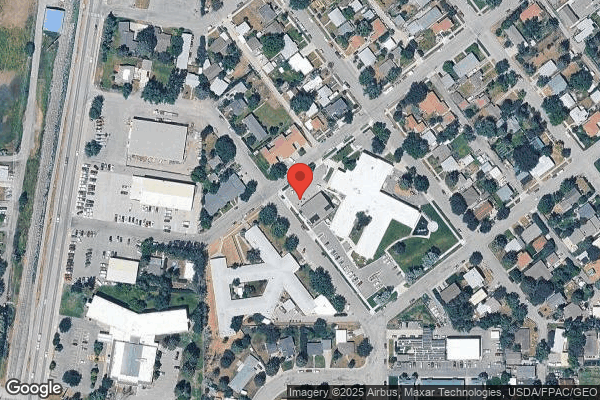
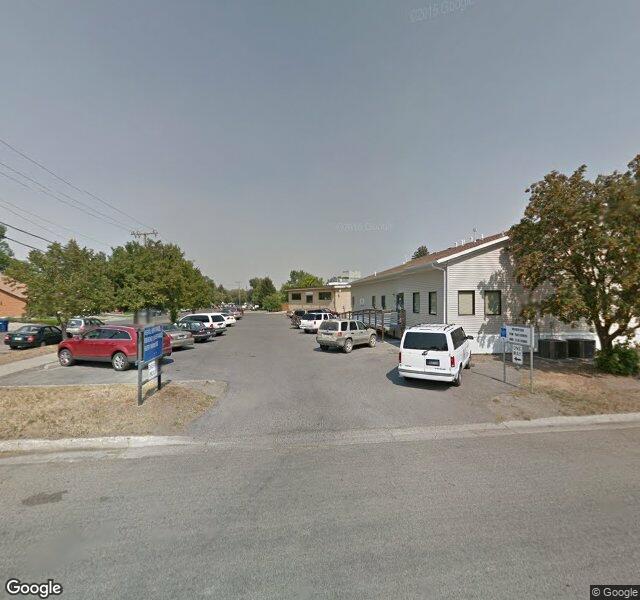
510 S 14TH ST, LIVINGSTON, MT 59047 (406) 222-0672
For profit - Corporation 115 Beds EMPRES OPERATED BY EVERGREEN Data: November 2025
Trust Grade
15/100
#52 of 59 in MT
Last Inspection: June 2025

Inspected within the last 6 months. Data reflects current conditions.

Overview

Livingston Health & Rehabilitation Center has received a Trust Grade of F, indicating a poor performance with significant concerns about the quality of care. It ranks #52 out of 59 facilities in Montana, placing it in the bottom half, but it is the only option in Park County. While the facility is improving-reducing issues from 17 in 2024 to 7 in 2025-there are still pressing concerns, including 33 deficiencies found during inspections. Staffing is somewhat average with a rating of 3 out of 5 stars; however, a high turnover rate of 77% is troubling compared to the state average of 55%. Specific incidents include serious failures to monitor residents' significant weight loss and inadequate pain management for a resident experiencing severe pain. On a positive note, the facility has good RN coverage, surpassing 87% of other facilities in the state, which can help catch problems that other staff may overlook.

Trust Score
F
15/100
In Montana
#52/59
Bottom 12%
Safety Record
Moderate
Needs review
Inspections
Getting Better
17 → 7 violations
Staff Stability
⚠ Watch
77% turnover. Very high, 29 points above average. Constant new faces learning your loved one's needs.
Penalties
✓ Good
$26,775 in fines. Lower than most Montana facilities. Relatively clean record.
Skilled Nurses
✓ Good
Each resident gets 59 minutes of Registered Nurse (RN) attention daily — more than average for Montana. RNs are trained to catch health problems early.
Violations
⚠ Watch
33 deficiencies on record. Higher than average. Multiple issues found across inspections.
★☆☆☆☆
1.0
Overall Rating
★★★☆☆
3.0
Staff Levels
★★☆☆☆
2.0
Care Quality
★☆☆☆☆
1.0
Inspection Score
Stable
2024: 17 issues
2025: 7 issues

The Good

  • Full Sprinkler Coverage · Fire safety systems throughout facility
  • No fines on record

Facility shows strength in fire safety.

The Bad

1-Star Overall Rating

Below Montana average (2.9)

Significant quality concerns identified by CMS

Staff Turnover: 77%

31pts above Montana avg (46%)

Frequent staff changes - ask about care continuity

Federal Fines: $26,775

Below median ($33,413)

Moderate penalties - review what triggered them

Chain: EMPRES OPERATED BY EVERGREEN

Part of a multi-facility chain

Ask about local staffing decisions and management

Staff turnover is very high (77%)

29 points above Montana average of 48%

The Ugly 33 deficiencies on record

2 actual harm
Jun 2025 7 deficiencies
CONCERN (D)

Potential for Harm - no one hurt, but risky conditions existed

Deficiency F0583 (Tag F0583)

Could have caused harm · This affected 1 resident

Based on observation and interview, the facility failed to provide resident privacy during personal care for 1 (#20) of 24 sampled residents. Findings include: During an observation on 6/2/25 at 2:05 ...

Read full inspector narrative →
Based on observation and interview, the facility failed to provide resident privacy during personal care for 1 (#20) of 24 sampled residents. Findings include: During an observation on 6/2/25 at 2:05 p.m., resident #20 was lying in bed with the head of her bed up slightly, looking out the window. The bed was located on the window side of the room, and the window looked out into a public patio area. During an observation on 6/3/25 at 3:35 p.m., staff member H entered resident #20's room to change her brief. Staff member H pulled the privacy curtain to a halfway closed position, and did not close the window curtain. Staff member H rolled resident #20 to her right and removed her brief, leaving her backside exposed and visible through the window from the outside patio. During an interview on 6/2/25 at 3:50 p.m., staff member H stated she forgot to close the window curtain. During an interview on 6/2/25 at 4:43 p.m., resident #20 stated, I wondered if anyone was out there and could see my bottom.
CONCERN (D)

Potential for Harm - no one hurt, but risky conditions existed

Safe Environment (Tag F0584)

Could have caused harm · This affected 1 resident

Based on observation and interview, the facility failed to maintain a clean and safe environment for the living area for 1 (#27) of 24 sampled residents. This deficient practice left the resident feel...

Read full inspector narrative →
Based on observation and interview, the facility failed to maintain a clean and safe environment for the living area for 1 (#27) of 24 sampled residents. This deficient practice left the resident feeling frustrated and unable to independently move his bedside table in his room. Findings include: During an observation and interview on 6/2/25 at 2:41 p.m., resident #27 was seated in his wheelchair in the middle of the room. Under resident #27's wheelchair and rest of the floor there were multiple areas with liquid spills with dried dirt adhered to the spills. Resident #27's bed was parallel to the window with dirt all over the floor and under his bed. On resident #27's heat register, there was accumulated dust and dirt. Lying on the floor, next to the heat register, were two green caps/tops from treatment syringes. Under resident #27's bed was a wrapped piece of candy. Next to resident #27's wall, to the right of the dresser, was a pile of dust bunnies entangled with cables/cords. Resident #27 stated housekeeping was in his room every couple of days. During an observation and interview on 6/4/25 at 8:24 a.m., resident #27's floor still had dirt adhered to spilled liquid in multiple areas of the floor, especially next to his bed. The green caps/tops from treatment syringes were still lying on the floor next to the dirt covered heat register along with the wrapped piece of candy under resident #27's bed. Resident #27 stated housekeeping had not been in his room all week. Resident #27 stated, Yes, it [dirty room] bothers me. I can't even move my damn bedside table because of all the dirt on the floor. During an interview on 6/4/25 at 11:34 a.m., staff member G stated, at this time, he was the only person cleaning rooms and was able to clean all the rooms every other day. He stated there were two other personnel, who traveled from out of town to the facility on weekends, to clean. Staff member G stated they were actively advertising for new hires. Staff member G stated resident rooms should be cleaned daily.
CONCERN (D)

Potential for Harm - no one hurt, but risky conditions existed

Pressure Ulcer Prevention (Tag F0686)

Could have caused harm · This affected 1 resident

Based on observation, interview, and record review, the facility failed to ensure physician orders were completed, current, and followed by nursing staff, for 2 (#s 43 and 199) of 24 sampled residents...

Read full inspector narrative →
Based on observation, interview, and record review, the facility failed to ensure physician orders were completed, current, and followed by nursing staff, for 2 (#s 43 and 199) of 24 sampled residents. This had the potential to negatively impact a resident's wound healing. Findings include: 1. Review of resident #43's physician order showed there was no order from 5/6/25 to 5/15/25 for his left heel deep tissue injury related to pressure. During an observation and interview on 6/4/25 at 9:56 a.m., staff member M stated they were unable to find a physician order for resident #43 from 5/6/25 to 5/15/25, and they were unsure why there was no physician order during that timeframe. Review of resident #43's physician progress note, dated 5/6/25, showed: .PLAN: Wound # 1 LEFT heel Pressure Treatment Recommendations: 1. Apply Betadine to base of the wound 2. Secure with Silicone bordered foam or other heel protector 3. Change and PRN, 3 times per week, Offloading heel cushion. Wound # 3 LEFT glut Pressure Treatment Recommendations: 1. Apply Zinc Oxide Paste to base of the wound 2. Change Daily, and PRN. [sic] Review of an addendum physician progress note, dated 6/3/25, showed the changes: [Resident #43] disliked the heel dressings. His stable eschar was left open to air from 5/6-5/14 and remained stable during that time. No harm occurred with OTA treatment for stable eschar. He continued offloading with pillow boots. I switched him to betadine to maintain stability. Eschar remains stable and non-painful. 2. Review of resident #199's physician order, with a start date of 5/23/25, showed: Change dressing to BLE incisions every other day and as needed. During an interview on 6/4/25 at 9:54 a.m., staff member M stated the physician order (Change dressing to BLE incisions every other day and as needed) was vague and would need clarification in order to provide the appropriate wound care. Staff member M stated they got clarification, and a new order on 6/3/25, that showed the wound orders required xeroform, kerlix, and Coban. Staff member M also stated ace wrap was not an appropriate dressing to put on resident #199's surgical incisions. During an observation on 6/2/25 at 2:57 p.m., resident #199 had gauze and Tegaderm tape on her bilateral below the knee amputation surgical incisions. Review of resident #199's nursing progress note, dated 5/24/25, showed, .Bilateral stumps wrapped and ace wrapped . Review of resident #199's physician progress note, dated 5/27/25, showed: .Treatment Recommendations: 1. Cleanse with normal saline or wound cleanser. 2. Apply Xeroform to base of the wound 3. Secure with Rolled gauze and ace-wrap 4. Change Weekly . This surgical incision recommendation was in the physician's note, but was not a current order until 6/3/25 when staff member M clarified the physician order. Review of resident #199's treatment administration record from 5/27/25 to 6/2/25, showed resident #199's bilateral incisions were redressed every other day. During an interview and observation on 6/4/25 at 2:47 p.m., staff member K stated resident #199's current physician order was still incorrect stated the physician had told them they wanted the surgical incision to be cleansed first. Staff member K cleansed the surgical incision prior to adding the rest of the wound dressings. Staff member K stated they would fix this order once they had time.
CONCERN (D) 📢 Someone Reported This

A family member, employee, or ombudsman was alarmed enough to file a formal complaint

Potential for Harm - no one hurt, but risky conditions existed

Accident Prevention (Tag F0689)

Could have caused harm · This affected 1 resident

Based on observation and interview, the facility failed to provide a safe shower environment for 1 (#7) of 24 sampled residents. This failure resulted in a resident feeling unsafe while showering in t...

Read full inspector narrative →
Based on observation and interview, the facility failed to provide a safe shower environment for 1 (#7) of 24 sampled residents. This failure resulted in a resident feeling unsafe while showering in the shower room. Findings include: During an interview on 6/2/25 at 3:03 p.m., resident #7 stated she was independent to shower in the shower room. Resident #7 stated she felt unsafe in the shower room because there was a tiled wall that was slippery when wet and was too thick to grab on to. Resident #7 stated she worried that if she fell, she would not be able to reach the emergency pull string station. She stated the emergency pull string station was located far away from where she sat in the shower chair as it was located on the other side of the half tiled wall. Resident #7 stated, I would hate to see anyone fall. Resident #7 stated she had brought this concern to management before, but stated she felt there was no resolution. During an interview and observation on 6/3/25 at 12:20 p.m., staff member J stated the pull cord station in the shower room on the A hall did look unsafe as it was located on the other side of the tiled wall. Staff member J stated the pull cord should be placed or extended closer to a resident in the shower in case of an emergency. During an interview on 6/4/25 at 3:45 p.m., staff member A stated the facility would extend the pull string cord so that a resident was able to reach it from the shower.
CONCERN (D)

Potential for Harm - no one hurt, but risky conditions existed

Deficiency F0883 (Tag F0883)

Could have caused harm · This affected 1 resident

Based on interview and record review, the facility failed to ensure immunizations were reviewed and administered for 1 (#100) of 24 sampled residents, increasing the risk of infections of the resident...

Read full inspector narrative →
Based on interview and record review, the facility failed to ensure immunizations were reviewed and administered for 1 (#100) of 24 sampled residents, increasing the risk of infections of the residents at the facility. Findings include: During an interview on 6/5/25 at 10:00 a.m., staff member B stated an audit was completed on 6/4/25, and it was found that a consent was needed for resident #100, along with six other residents. Review of resident #100's electronic health record and State of Montana Official Immunization Record showed resident #100 had no pneumonia vaccines administered or declined. Review of a facility policy, titled Influenza and Pneumococcal Vaccine Administration, updated 2/2025 showed: Pneumococcal vaccination occurs with Center residents only, upon admission (after review) and with repeated vaccination occurring per CDC guidelines .
CONCERN (E)

Potential for Harm - no one hurt, but risky conditions existed

Deficiency F0761 (Tag F0761)

Could have caused harm · This affected multiple residents

**NOTE- TERMS IN BRACKETS HAVE BEEN EDITED TO PROTECT CONFIDENTIALITY** Based on observation, interview, and record review, the facility failed to dispose of expired stock medication. This deficient p...

Read full inspector narrative →
**NOTE- TERMS IN BRACKETS HAVE BEEN EDITED TO PROTECT CONFIDENTIALITY** Based on observation, interview, and record review, the facility failed to dispose of expired stock medication. This deficient practice placed the residents at risk of receiving expired stock medications. Findings include: During an observation and interview on [DATE] at 1:58 p.m., staff member C provided access to the stock medications in the medication cart. Staff member C stated the process for auditing for expired stock medications would be the shared responsibility of herself and the nursing staff. The following medications were found to be expired: - One bottle sodium chloride, 1 gm tablets, expiration date of 2/2025, - One bottle guaifenesin, 400 mg tablets, expiration date of 5/2025, - One bottle vitamin B-6, 25 mg tablets, expiration date of 5/2025, - One bottle folic acid, 400 mcg tablets, expiration date of 4/2025, - One bottle enteric coated aspirin, 81 mg tablets, expiration date of 4/2025, - One bottle vitamin B-12, 100 mcg tablets, expiration date of 5/2025, - One bottle aspirin 81 mg tablets, expiration date of 5/2025, - One bottle stool softener capsules, expiration date of 5/2025, and - One bottle vitamin A, 2400 mcg tablets, expiration date of 5/2025. Review of the facility policy titled, 4.1 Storage of Medication, dated 1/25, showed: Outdated, contaminated, discontinued or deteriorated medications . are immediately removed from stock, disposed of according to procedures for medication disposal .
CONCERN (F)

Potential for Harm - no one hurt, but risky conditions existed

Infection Control (Tag F0880)

Could have caused harm · This affected most or all residents

Based on observation, interview, and record review, the facility failed to ensure staff practiced appropriate use of personal protective equipment (PPE), during care of residents on enhanced barrier p...

Read full inspector narrative →
Based on observation, interview, and record review, the facility failed to ensure staff practiced appropriate use of personal protective equipment (PPE), during care of residents on enhanced barrier precautions (EBP) for 4 (#s 20, 43, 45, and 199); failed to ensure staff practiced appropriate use of PPE during the care of a resident on contact precautions for 2 (#s 6 and 7); failed to ensure appropriate hand hygiene was performed while providing meal assistance in the dining room for 3 (#s 13, 32, and 42) of 24 sampled residents. The facility also failed to document measures taken to prevent legionella. These deficient practices increased the risk of infections within the facility. Findings include: 1. Enhanced Barrier Precautions A. During an observation on 6/2/25 at 3:45 p.m., staff member H entered resident #20's room to provide personal care. Staff member H did not don an isolation gown prior to repositioning and providing care. Staff member H observed resident #20's coccyx wound, and stated, It (resident #20's pressure ulcer) looks like it's opened up and getting worse again. I will let the nurse know. During an interview on 6/5/25 at 12:40 P.M., staff member B stated resident #20 had chronic problems with pressure ulcers for several months related to refusals to reposition or get out of bed. Staff member B stated resident #20's coccyx wound was chronic, and the tissue was fragile, with frequent changes in wound healing status. Staff member B stated the facility had not been following EBP regulations until recently and would need refresher training. Review of resident #20's care plan entry, dated 4/30/25, and last updated on 5/16/25, showed the following: Problem . Follow Enhanced Barrier Precautions, posted at Resident door, r/t wounds. When high contact resident care is being provided in resident room . Goal . Center staff will follow all CDC, CMS, federal and local requirements, as well as [facility name] policies r/t the need for enhanced barrier precautions . Interventions . Enhanced Barrier Precautions involve gown and glove use during high-contact resident care activities for residents known to be colonized or infected with a MDRO as well as those at increased risk of MDRO acquisition (e.g., residents with wounds or indwelling medical devices). [sic] B. During an observation on 6/5/25 at 8:56 a.m., resident #45 had an enhanced barrier precautions sign on the wall, next to her room door. Staff member D was in resident #45's room, moving her bedside table away from the bed. Staff member D was not wearing gloves or a protective gown. Staff member D transferred resident #45 to her wheelchair and moved her to the bathroom. Staff member D donned clean gloves, without hand sanitization, removed resident #45's soiled incontinence brief, and transferred her to the toilet. Staff member D removed her gloves, did not perform hand hygiene, then donned clean gloves. Staff member D removed resident #45's soiled bedding from her bed, placed the bedding into a plastic bag, then removed her gloves. Staff member D donned clean gloves, without hand sanitization, then placed a clean incontinence brief on resident #45. Staff member D transferred resident #45 back into her wheelchair. Staff member D removed her gloves, picked up the plastic bag containing soiled linen, and exited resident #45's room. During an interview on 6/5/25 at 9:08 a.m., staff member D stated she should have sanitized her hands between glove changes but gets in a hurry and forgets. Staff member D stated she believed resident #45 was no longer on enhanced barrier precautions due to the discontinuation of her wound vac. During an interview on 6/5/25 at 9:42 a.m., staff member C stated resident #45 remained on enhanced barrier precautions due to the wound on her left lower leg. Review of resident #45's June 2025 MAR, showed a current physician order started on 5/29/25 for treatment of a wound to her left lower leg. C. During an observation on 6/2/25 at 12:57 p.m., resident #199 did not have a enhanced barrier precautions sign outside of her door. Resident #199 had bilateral below the knee surgical wounds. During an observation and interview on 6/4/25 at 7:16 a.m., there was a enhanced barrier precautions sign outside of resident #199's room. Resident #199 stated staff members did not wear PPE when they changed her surgical incision dressings to her bilateral below the knee amputations, but she stated the staff members did the last time her bandage was changed. Review of resident #199's BIMS (Brief Interview of Mental Status) showed a score of 15, cognitively intact. During an observation on 6/4/25 at 3:32 p.m., staff member K changed resident #199's left amputation surgical dressing. Staff member K did not don any PPE other than gloves. While staff member K was dressing resident #199's surgical wound, a plastic box which contained wound supplies, was placed on resident #199's bed. When exiting resident #199's room, staff member K placed the plastic box against their own body and clothing. D. During an observation on 6/4/25 at 10:38 a.m., staff member M did not don PPE for enhanced barrier precautions, but wore gloves when looking at resident #43's left heel wound, and when resident #43 was rolled to the side to look at the resident's backside. Review of the facility's policy titled, Enhanced Barrier Precautions, last revised 3/26/24, showed: - . 1) Enhanced Barrier Precautions (EBP) are used in conjunction with standard precautions and expand the use of PPE to donning of gown and gloves during high-contact resident care activities that provide opportunities for transfer of MDROs to staff hands and clothing. - 2) EBP are indicated for residents with any of the following: - . b) Wounds and/or indwelling medical devices even if the resident is not known to be infected or colonized with a MDRO. - . 12)For residents for whom EBP are indicated, EBP is employed when performing the following high-contact resident care activities: - . c) Transferring, - d) Providing hygiene, - e) Changing linens, - f) Changing briefs or assisting with toileting; and, - . h) wound care: any skin opening requiring a dressing. 2. Transmission Based Precautions A. During an observation and interview on 6/2/25 at 3:03 p.m., resident #7 stated staff members never wore PPE when they entered her room. Resident #7 stated she had pink eye. On the outside of resident #7's room there was a contact precaution sign, but no PPE cart was outside of her door or on the inside of her door. There also was not a trash can on the inside or outside of her door to properly dispose of the PPE. B. During an observation on 6/2/25 at 12:59 p.m., a contact precautions sign was on the wall, next to the door of resident #6's room. Review of resident #6's, Physician Order Summary, dated 6/4/25, showed: - . Contact precautions as recommended for residents known or suspected to be infected with infectious agents transmitted person to person via the direct/indirect contact route (e.g. VRE, Clostridium Difficile, MRSA etc.) every shift for MRSA in wound, start date 5/13/25. - . Sivextro Oral Tablet 200 MG (Tedizolid Phosphate) Give 200 mg by mouth one time a day for R heel osteomylitisis until 06/16/2025, [sic] start date 5/15/25. During an observation on 6/4/25 at 8:03 a.m., staff members D and E entered resident #6's room, and did not don gloves or a gown. Staff members D and E repositioned resident #6 with his Hoyer lift sling in his wheelchair without wearing gloves or a gown. During an observation on 6/4/25 at 8:06 a.m., resident #6 exited his room to the E wing nurses station in his motorized wheelchair. Staff member E asked staff member C for assistance in repositioning resident #6 in his wheelchair. Staff members C and E did not wear gloves or a gown to reposition resident #6 in his wheelchair. During an observation on 6/4/25 at 8:10 a.m., staff member E entered resident #6's room and did not don gloves or a gown. Staff member E pressed resident #6's call light to request assistance with transferring the resident to his bed, then exited his room. During an interview on 6/4/25 at 9:38 a.m., staff member D stated when staff entered resident #6's room a gown, gloves, and face mask should be worn to perform any personal cares, repositioning, or transferring the resident from his wheelchair to the bed. Staff member D stated the PPE worn in resident #6's room remained on until staff exited the room. During an interview on 6/4/25 at 9:48 a.m., staff member E stated PPE should be worn if contact was made through direct cares for resident #6. She stated she would not wear PPE if she entered resident #6's room for administration of medication, to provide water, or to ask the resident questions. During an interview on 6/4/25 at 9:51 a.m., staff member C stated when staff entered resident #6's room, a gown, gloves, and face mask should be donned at the door. She stated when resident #6 was repositioned in his wheelchair, staff were required to wear the appropriate PPE. Staff member C stated she was performing re-education on contact precautions that day for clarification. During an interview on 6/5/25 at 10:00 a.m., staff member B stated PPE and hand hygiene concerns were identified when a mock survey was completed in March. Staff member B stated the facility would be completing staff education daily from this point forward. Review of the facility's document titled, Transmission-Based Precautions (Isolation), last updated March 2025, showed: - . Contact, or touch, is the most common and most significant mode of transmission of infectious agents. Contact transmission can occur by directly touching the resident, through contact with the resident's environment, or by using contaminated gloves or equipment. - Personnel having contact with the infected resident should wear gloves and a gown. - Prior to leaving the resident's room, gown and gloves are removed and hand hygiene performed. 3. Hand Hygiene During an observation on 6/2/25 at 12:29 p.m., staff member J was feeding residents #s 13 and 32 and did not complete hand hygiene when switching between residents. During an observation on 6/3/25 at 7:45 a.m., staff member I was assisting resident #'s 13 and 42 to eat breakfast. Staff member I was observed touching resident #42's cereal with the fifth finger of her ungloved right hand to check the temperature and then feeding the cereal to the resident. Staff member I then assisted resident #13 with her breakfast. Staff member I continued to alternate her feeding assistance between the two residents, and did not perform hand hygiene at any time during the observation. During an interview on 6/4/25 at 9:22 a.m., staff member I stated she did not recall touching resident #42's cereal, stating, May be just bad habit, I don't know, but I guess I should have been sanitizing between them (residents #s 13 and 42.) 4. Legionella During an observation and interview on 6/4/25 at 7:36 a.m., staff member L stated they did not flush the toilets or have a flush log to prevent the growth of legionella. Staff member L stated the only reason they might have to flush the toilets in resident rooms was to prevent the growth of mold or bacteria, but stated they were unaware of any concerns regarding legionella. Review of the temperature logs in the past year showed the following months were missing in the log: 7/2024, 8/2024, 9/2024, 11/2024, and 12/2024. During an interview on 6/5/25 at 8:13 a.m., staff member G stated the C hall was not in use at all. This could pose a risk for stagnant water and legionella. During an observation and interview on 6/4/25 at 3:10 p.m., staff member N stated they would come to the facility and provide oversight every three months. Staff member N stated there used to be a calendar on the wall in the maintenance office that showed a signoff of the toilet flushes concerning legionella, but they were currently unable to find it. Staff member N showed additional temperature logs for the months of 7/2024 and 8/2024. Staff member N stated where there were gaps of information, they did not have a maintenance director during that time.
Dec 2024 9 deficiencies 2 Harm
SERIOUS (G) 📢 Someone Reported This

A family member, employee, or ombudsman was alarmed enough to file a formal complaint

Actual Harm - a resident was hurt due to facility failures

Deficiency F0692 (Tag F0692)

A resident was harmed · This affected 1 resident

**NOTE- TERMS IN BRACKETS HAVE BEEN EDITED TO PROTECT CONFIDENTIALITY** Based on observation, interview, and record review, the facility failed to identify resident's with weight loss, implement weigh...

Read full inspector narrative →
**NOTE- TERMS IN BRACKETS HAVE BEEN EDITED TO PROTECT CONFIDENTIALITY** Based on observation, interview, and record review, the facility failed to identify resident's with weight loss, implement weight loss interventions timely, and failed to monitor the effectiveness of weight loss interventions, for 2 (#s 47 & 71) of 11 sampled residents. Resident #47 had a severe 17% weight loss in 42 days, and #71 had a severe weight loss of 12.1% of her body weight in 63 days. Findings include: 1. Review of resident #47's Weights and Vitals summary form showed resident #47 was admitted on [DATE] and his weight was 150 pounds. The resident was not weighed again until 8/20/24. Resident #47 lost 21.4 pounds or 14.1% of his body weight during the first 28 days after admission. This was a severe weight loss. Review of #47's physician orders, dated 7/23/24, showed the resident was on a regular diet. Review of resident #47's nursing notes, dated 8/9/24, showed the skin, weight and nutrition meeting was held with the RD. The note showed the medications, diet, and intake were reviewed. No new supplements or diet changes were made. There were no weights documented in the chart from 7/23/24 to 8/12/24. Review of resident #47's care plan, initiated on 8/13/24, failed to have any dietary or nutritional interventions for resident #47. Review of resident #47's weights and vitals summary, dated 8/20/24, showed resident #47 weighed 128.6 pounds, for a loss of 21 pounds, or 14.3% of his body weight, in 28 days. Review of resident # 47's weight dated 9/3/24, showed resident #47's weight continued to decline to 124 pounds. Resident #47 had a severe weight loss, and lost 26 pounds, or 17% of his body weight. Review of resident #47's discharge recapitulation form showed resident #47's discharge weight was 124 pounds, and his weight was stable. However, according to the weights and vitals report, resident #47 had a severe weight loss of 26 pounds and 17% of his body weight, and he was continuing to decline throughout his stay at the facility. 2. Review of resident #71's weight and vital summary form, dated 10/22/24, showed resident #71's admission weight was 142.2 pounds. Review of resident #71's care plan, dated 10/22/24, showed resident #71 was on a heart healthy mechanical soft diet. Resident #71's care plan was then updated on 11/2/24. The updated care plan showed resident #71's diet was continued on a heart healthy mechanical soft diet, but the diet per MD orders was added to the care plan. The care plan did not include calorie dense medication pass three times a day. Review of #71's nutritional evaluation, dated 11/3/24, showed the resident was admitted on an 1800 calorie dysphasia mechanical soft low fat low cholesterol diet, with a calorie dense medication pass of 237 cc three times a day. This evaluation did not show the root cause of the weight loss was resident #71's failure to eat. The resident's pain was not documented as being evaluated related to the lack of meal intakes or nutritional needs. The dietitian notes showed the following: - There was no indication of the need for the calorie-controlled diet or the fat and cholesterol limitation. - The high volume of Cal Dense could be negatively impacting meal intake. - Diet changed to regular dysphasia mechanical soft and change the Cal Dense to 60 cc tid (three times a day) between meals. Review of #71's Medication administration record, dated November 2024, showed resident #71 was to receive 120 cc of Calorie Dense Medication Pass, three times a day. The orders did not follow the dietitian recommendations. Review of resident #71's weight and vital summary form, dated 11/5/24, showed a weight of 133.4 pounds. This was a 6.2% weight change in 14 days. Review of a physician order for #71, dated 12/23/24, showed the resident's diet was changed to match the dietitian's recommendation from 11/3/24. There was a delay of 50 days before the diet was changed to meet the resident's nutritional needs. A review of resident #71's care plan showed it was not updated on 12/23/24, to show the resident's diet was changed to a regular dysphasia diet, with fortified foods. Review of the nutritional hydration skin committee review form, dated 12/13/24, showed the significant weight loss for #71 was not identified from admission through 12/13/24. The form showed the resident's admission weight as 142.2 lbs, and a weight on 11/5/24 was 133.4 lbs. The staff checked on the form that there was not a 5% or more weight loss from 10/22/24 through 11/5/24, however, this was a significant 8.8 pound, or a 6.2% weight loss. The dietitian note showed, Resident reviewed, inadequate intake suspected, increased CDMP supplement to 120 cc TID. Will continue to monitor. There was no documentation to show why the resident was eating minimal amounts of food. The severe weight loss was not addressed as needed. Review of the resident #71's weights and vitals summary, showed resident #71 continues to lose weight, even after the supplement was added. Review of resident #71's weight and vital summary form, dated 12/24/24, showed resident #71 weighed 125 pounds. This was severe loss of 12.1% weight loss in 63 days. During observation on 12/30/24 at 6:45 p.m., resident #71 was receiving her meal, which was scheduled to be served at 5:30 p.m. The doctors order for resident #71 was for the diet to be fortified. The doctors orders were not folloed whe resident #71 was served her sauerkraut, pickles, and cheddar cheese. There was no other food served to attempt to increase the resident's nutrition or caloric intake. The facility only provided her preferred meal with no other option. During an interview on 12/31/24 at 2:53 p.m., staff member G said the interim DON who was here in the past deleted all the weight loss alerts. If activated, the weight loss alerts could be generated onto a report which would give the dietitian a list of residents with significant weight loss. The dietitian could then assess and put interventions in place timely. Staff member G said some of the interventions were late because the dietitian was unaware of weight loss, and the new assessments were not done timely.
SERIOUS (G) 📢 Someone Reported This

A family member, employee, or ombudsman was alarmed enough to file a formal complaint

Actual Harm - a resident was hurt due to facility failures

Deficiency F0697 (Tag F0697)

A resident was harmed · This affected 1 resident

**NOTE- TERMS IN BRACKETS HAVE BEEN EDITED TO PROTECT CONFIDENTIALITY** Based on observation, interview, and record review, the facility nursing staff failed to assess and manage a resident's pain, an...

Read full inspector narrative →
**NOTE- TERMS IN BRACKETS HAVE BEEN EDITED TO PROTECT CONFIDENTIALITY** Based on observation, interview, and record review, the facility nursing staff failed to assess and manage a resident's pain, and proceeded with the provision of care when the resident voiced pain, and showed other indicators of pain, to include crying and calling out and in pain, and refusing ADL care, for 1 (#71) of 11 sampled residents. Findings include: Resident #71 was admitted to the facility on [DATE], with a diagnosis of wedge compression fracture of T7-T8, subsequent encounter for fracture with routine healing, pain in left wrist, age related osteoporosis, and chronic pain. Review of resident #71's MAR for October 2024 showed resident #71 had pain interventions of: - Lidocaine patch placed on her mid back daily for 12 hours. - Diclofenac topical applied to the lower back topically two times a day for pain related to the wedge compression. - Acetaminophen 1000 mg by mouth three times a day. - Methocarbamol 750 mg three times a day for pain - Hydromorphone 2 mg every four hours as needed for pain. - Methocarbamol 500 mg every 8 hours as needed for pain. This medication was started 10/22/24 and discontinued 10/31/24 Review of resident #71's MAR for November 2024 showed: - Lidocaine patch was discontinued 11/4/24. - Diclofenac was discontinued on 11/4/24. - Acetaminophen 1000 mg by mouth three times a day. - Methocarbamol 750 mg by mouth three times a day, discontinued 11/4/24. - Methocarbamol 750 mg by mouth on 11/9/24. - Methocarbamol 750 mg by mouth three times a day from 11/5/24 to 11/8/24. - Methocarbamol 1500 mg by mouth three times a day. - Acetaminophen with Codeine 300-30 mg every eight hours as needed for pain. Review of resident #71's December MAR showed the resident was to take the following medications: - Acetaminophen (325mg/10.15 ml) give 17 ml by mouth three times a day, starting 12/31/24. - Acetaminophen 1000 mg by mouth three times, and this was discontinued on 12/31/24. - Acetaminophen with Codeine (120-12 mg) give 10 mg by mouth every four hours as needed. This dose was ordered from 12/26 through 12/31/24. - Acetaminophen-Codeine tablet 300-30 mg - one tablet every 8 hours as needed for pain. This medication was given from 11/8/24 through 12/27/24. - Acetaminophen with codeine oral solution (120-12mg/5ml)-give 20 ml by mouth three times a day starting 12/31/24. - Methocarbamol 1500 mg by mouth three times a day, until it was discontinued 12/31/24. - Methocarbamol 1500 mg by mouth four times a day starting 12/31/24. Review of resident #71's pain care plan, initiated on 10/22/24, showed resident #71's pain was controlled at a 3 of 10 with Tylenol, however pain was limiting her ability to get up. The care plan was updated on 10/31/24 to give analgesics prn for pain. The care plan was not updated to show other techniques for managing resident #71's pain. Review of resident #71's MDS with an ARD of 10/28/24, showed the resident had a BIMs of 6 which show resident #71 was severely cognitively impaired. Review of a resident #71's physicians order dated 11/6/24 showed the physician discontinue the hydromorhpone per the residents request. The order was carried out even after identifying the resident was severely cognitively impaired and would not be able to appropriately direct her own care. Review of resident 71's MDS, with an ARD of 12/4/24, showed the resident had pain or was hurting during the last five days. The MDS showed the pain occasionally affected her ability to sleep at night. The MDS showed the pain occasionally limited resident #71's participation in rehabilitation sessions and frequently limited her day-to-day activities. Resident #71 also had a BIMS score of 7. A BIMS of 7 showed the resident had severe cognitive impairment, which may prohibit her from requesting pain medication when needed. Review of resident #71's MAR/TAR on the pain monitoring section, for December 2024, showed resident #71 had pain only six times on the day shift and six times on the night shift, throughout the month. The December 2024 MAR medication administration for Acemaninophen with codeine showed resident #71 needed pain medication administered 24 times for her pain which resident #71 said ranaged from a 3 to a 10. During an observation on 12/30/24 at 3:00 p.m., resident #71 could be heard from across the hallway and with the resident's door pulled closed. Resident #71 was crying and yelling Oh I hurt, I hurt, and no one cares. This crying went on for over 45 minutes. Review of the December MAR/TAR, showed resident #71's pain level for the day shift on 12/30/24 was a 0, however resident #71 was heard crying out in pain at 3:00 p.m. During an interview on 12/30/24 at 1220 p.m., staff member E said when resident #71 was first admitted she would get out of bed and into a chair. Staff member E said resident #71 has declined because of the pain, and now she doesn't get out of bed and hardly eats. Staff member E said the CNA's try to reposition her, but resident #71 usually just layed on her back. The staff try and put a pillow under resident #71's back to attempt to repositon her, but resident #71 does not tolerate lying on her side because of the pain. Staff member E said sometimes resident #71 yells and is combative with cares because of the pain. During an interview on 12/30/24 at 3:00 p.m., resident #21 said resident #71 cries out often, but she directed this surveyor to the nurse. During the interview, resident #71 quieted for a while. Resident #21 said #71's medication must be working, as the nurse was in earlier to give her medication. Resident #21 said it did bother her, the resident crying out, because the roommate was in pain. During an observation on 12/30/24 at 5:30 p.m., resident #71 was heard from the hallway crying in pain. Resident #71 was unable to be interviewed due to crying and having pain. During an observation on 12/30/24 at 6:15 p.m., resident #71 was still crying in pain. NF2 approached the surveyor and asked if pain medication could be provided. NF2 was directed to the facility staff. During an interview on 12/31/24 at 8:45 a.m., NF2 said the call light was on over 1/2 hour, and he then had to go find someone to get pain medication for the resident. NF2 said resident #71 does not always remember, or able to call the nurses consistently, when she has pain. NF2 said resident #71 rarely gets repositioned in the bed, and she was bed bound as she cannot get up using the lifts, because of the pain they cause. NF2 said today (12/31) was the first time he has ever heard resident #71 state she wanted to just give up and be done. NF2 said he feels like the staff have given up on her, and they just close the door and forget her.
CONCERN (D) 📢 Someone Reported This

A family member, employee, or ombudsman was alarmed enough to file a formal complaint

Potential for Harm - no one hurt, but risky conditions existed

Deficiency F0624 (Tag F0624)

Could have caused harm · This affected 1 resident

Based on interview and record review, the facility failed to ensure a resident was prepared and oriented for discharge home, for 1 (#47) of 1 sampled resident. Findings Include: During an interview on...

Read full inspector narrative →
Based on interview and record review, the facility failed to ensure a resident was prepared and oriented for discharge home, for 1 (#47) of 1 sampled resident. Findings Include: During an interview on 12/30/24 at 4:49 p.m., staff member G said she would expect discharge planning to be completed prior to the day, or even the day before, a discharge. Staff member G said she had seen the discharge note asking about home health for #47 at the time of discharge, but not prior to discharge. Staff member G was unaware if a referral to a home health agency had been completed. Staff member G said the social service staff person would usually be responsible for discharge planning, but the staff member was out of the facility at the time of #47's discharge, and the BOM was helping with discharges. During an interview on 12/31/24 at 9:19 a.m., NF1 said resident #47 was discharged home to a small town in rural Montana. NF1 said the facility sent some of his medications home when discharged , but not all of them, because the pain patches were not received. NF1 said resident #47 was not receiving home health services. During an interview on 12/31/24 at 11:47 a.m., staff member D said she did not take care of resident #47, so she was not really sure why the pain patches were not sent with him upon discharge. Staff member D said she thinks the patches were left in the narcotics drawer, and rather than continue to count them, her and one other nurse discarded the patches. Review of resident #47's Home Health Referral Form, dated 8/22/24, showed the physician signed for skilled nursing services, occupational therapy, and physical therapy to occur after resident #47's discharge. These discharge orders showed the resident was to be discharged with all his medications, including his narcotics. Review of a nurse's note, dated 9/7/24, showed resident #47 was discharged home with all medications. The nursing note showed the BOM was present, and the spouse was asked on the day of discharge, which home health agency the family would prefer for aftercare. The note did not reflect which company was chosen. Review of the facility discharge transition plan for #47, dated 9/7/24, showed, Prior to discharge the center will arrange home health, outpatient therapy and/or other community services for you. This will assist in your transition home and help you reach your goals. If you don't hear from the providers below within 24-48 hrs, please contact us or the company listed. There was no Home Health company listed on the discharge form. Resident #47's discharge transition form showed twenty-one different medications were to be sent home with the resident, including the fentanyl pain patches. The discharge plan had a location for the facility to document how many of each medication was sent with resident #47. All the quantity sections were blank. The section on the form showing when the next date and time the medications were due, was also blank. Review of the narcotic tracking sheets showed resident #47 had two narcotic tracking sheets. One sheet was for Fentanyl 12 mg, and the second sheet was for Fentanyl 25 mg. There were five 25 mg Fentanyl patches destroyed by two nurses on 9/9/24, along with four Fentanyl 12 mg patches.
CONCERN (E) 📢 Someone Reported This

A family member, employee, or ombudsman was alarmed enough to file a formal complaint

Potential for Harm - no one hurt, but risky conditions existed

Report Alleged Abuse (Tag F0609)

Could have caused harm · This affected multiple residents

Based on interview and record review, the facility failed to report an allegation of resident neglect within 24 hours of the incident, and the designated licensed nurse left the facility during his sh...

Read full inspector narrative →
Based on interview and record review, the facility failed to report an allegation of resident neglect within 24 hours of the incident, and the designated licensed nurse left the facility during his shift when he was the only nurse on duty at the time, leaving all 44 residents at risk for adverse events. This deficient practice increased the risk of harm or a negative outcome for any resident at the facility, due to the lack of a nursing availability. Findings include: Review of the facility staffing schedule, dated 12/25/26, showed the facility was scheduled to be staffed with one licensed nurse and two certified nurse assistants during the night shift. During an interview on 12/30/24 at 3:44 p.m., staff member A stated on 12/25/24 the facility was staffed with one agency LPN, one agency CNA, and one facility CNA during the night. Staff member A said the LPN, and the agency CNA, left the facility together. Staff member A said with those two staff gone, the facility would have been left with no licensed nurse coverage and only one CNA to care for the 44 residents. Staff member A said she did not know how long the facility was without licensed nurse coverage. Staff member A said she was not aware if any residents missed medications. Staff member A said the nurse documented a refusal of one medication, however the DON knows the resident wants to be awakened for her routine anti-anxiety medication. Staff member A said the nurse, and the CNA have not returned her calls, and the interim staffing agency is attempting to contact the nurse and CNA. Staff member A said she was made aware of this issue when there was no licensed staff coverage on 12/28/24. Staff member A said she informed the administrator so the potential neglect could be reported to the State Survey Agency. Staff member A said she did not have the ability to report the incident to the state. Staff member A said neither the CNA, or the LPN, clocked out during their absence, making it impossible to know exactly how long they left the residents unattended and without the licensed nurse coverage. During an interview on 12/30/24 at 6:15 p.m., staff member I said she worked on 12/25/24. Staff member I said the LPN and CNA (staff member M and N) approached her and told her they were both leaving to go to the store together. Staff member I said the LPN told her he would be taking the walkie talkie, and she should put her walkie talkie on, and she could call if she needed anything. Staff member I said they both left about 12:15 a.m. Staff member I said after the nurse had been gone approximately 30 minutes, she tried to contact the nurse via walkie talkie but did not get any response back. Staff member I said she texted the DON and left a message, but did not receive any information back from her. Staff member I said the nurse and other CNA returned to the facility by a back door more, but it was more than 1.5 hours after they left. Staff member I said she tried to do rounds and provide care but ended up answering call lights and trying to keep residents safe. Staff member I said no residents fell during the time she was left alone in the facility. Staff member I said when she returned to work on 12/27/24, another CNA asked her why so many residents were left very wet and soiled on her last shift, which would have been the morning of 12/26/24. The lack of the licensed nurse coverage occurred at 12:15 a.m., on 12/26/24, and the nurse's actions, leaving all the residents at the facility without nursing coverage neglecting resident care and oversight, was not not reported to the State Survey Agency reporting portal until 12/29/24 at 4:05 p.m. The facility investigation was still in progress as of 12/31/24.
CONCERN (E) 📢 Someone Reported This

A family member, employee, or ombudsman was alarmed enough to file a formal complaint

Potential for Harm - no one hurt, but risky conditions existed

Investigate Abuse (Tag F0610)

Could have caused harm · This affected multiple residents

Based on observation, interview, and record review, the facility failed to complete a thorough investigation regarding resident-to-resident abuse, including addressing or identifying interventions to ...

Read full inspector narrative →
Based on observation, interview, and record review, the facility failed to complete a thorough investigation regarding resident-to-resident abuse, including addressing or identifying interventions to stop further abuse, for 4 (#s 3, 21, 71 and 83) of 11 sampled residents. Findings include: 1. A review of a facility reported incident, dated 12/24/24, showed resident #3 and #83 had an allegation of resident-to-resident verbal and physical abuse. Resident #83 yelled and hit resident #3. Both residents were separated and monitored for side effects. The physician and responsible parties were notified. A review of the facility reported incident findings showed resident #83 was counseled that hitting was not appropriate and residents the were separated. The staff were instructed to keep these specific two residents at different tables while dining. During an observation on 12/30/24 during the noon meal, resident #3 and #83 were at the same dining table, sitting next to each other. During an interview on 12/30/24 at 12:20 p.m., staff member K was not aware of any recent resident to resident altercations. When asked about residents who should not sit together, staff member K said she was not aware of any residents who couldn't sit together right now while eating. During an interview on 12/30/24 at 3:44 p.m., staff member A said she did notice residents #3 and #83 sitting together at the dining room table at lunch time. Staff member A was not sure why the residents were sitting together, as the information to separate them was passed along to staff. Staff member A said the care plans should have been updated to notify staff of the changes, due to the altercation. During an interview on 12/30/24 at 4:13 p.m., NF3 said she was aware of the altercation between her family member and another resident, but was not aware her family member was hit. NF3 said her family member was moved to the other side of the table, but didn't like it because he couldn't see the lights on the Christmas tree, and he liked to watch them. 2. During an interview on 12/30/24 at 3:00 p.m., resident #21 said she was moved to her current room in attempt to ensure her medications were delivered on time. Resident #21 said she doesn't really get along with her roommate, resident #71. Resident #21 said her roommate cries out in pain frequently, and she tries to ignore the noise, but said sometimes she could not stand it, and it bothered her. Resident #21 said her and resident #71 both had TV remote controls, but resident #71 did not know how to use the remote. Resident #21 said she and a nurse took the batteries out of the remote so it would not work. Resident #21 said she gets frustrated when resident #71's family comes to visit, and they use her folding chair, without permission, and then they change the channel to a basketball game when she is in the middle of watching a movie. During an interview on 12/31/24 at 8:45 a.m., NF2 said the roommate situation is not very good. NF2 said [#71] and her roommate (#21) got into a verbal altercation sometime last night. NF2 was not able to identify what prompted the altercation. NF2 said both roommates argue and fight over the remote control. NF2 stated resident #21's oxygen concentrator irritates [#71]. NF2 said this is the first time he has ever heard [#71] say that she was just ready to give up rather than live like this. During an interview on 12/31/23 at 8:30 a.m., resident #71 was unable to be interviewed. During an observation on 12/31/24 at 1:00 p.m., resident #71 was moving away from resident #21, and going into a different room. During an interview on 12/31/24 at 2:05 p.m., resident #21 showed she did not have time for another interview. Resident #21 only said thank you, when asked about her roommate moving. A review of the nurse's note, dated 12/20/24, showed resident #71 was yelling and upsetting her room mate, resident #21. Resident #21 was getting upset and raising her voice, trying to correct #71.
CONCERN (E) 📢 Someone Reported This

A family member, employee, or ombudsman was alarmed enough to file a formal complaint

Potential for Harm - no one hurt, but risky conditions existed

Deficiency F0657 (Tag F0657)

Could have caused harm · This affected multiple residents

Based on interview and record review, the facility failed to update resident care plans in a timely manner for 3 (#s 3, 71, and 83) of 11 residents sampled for physical altercations, weight loss, and ...

Read full inspector narrative →
Based on interview and record review, the facility failed to update resident care plans in a timely manner for 3 (#s 3, 71, and 83) of 11 residents sampled for physical altercations, weight loss, and pain management. Findings include: 1. A review of a facility reported incident, dated 12/24/24, showed resident #3 and #83 had resident to resident altercation resulting in verbal and physical abuse. Resident #83 yelled and hit resident #3. The initial plan was to separate the residents and both residents would be monitored for side effects. A review of the resident #83's nurse's note, dated 12/26/24, showed resident #83 was fixated on the altercation with resident #3. The note shows the #83 and #3 would remain separated in the dining room, and #83 had a recent failed gradual dose reduction attempt for the antipsychotic medication, Olanzapine. Resident #83's care plan was the original base line care plan which was initiated on 8/23/24, the day after his admission. The care plan was incomplete and not individualized. No additions or updates were made to this baseline care plan. The care plan had not been updated to address the altercation(s) between the two residents, or to keep the residents separated while in the dining room. The care plan did not show resident #83 was on a psychotropic medication. During an interview on 12/30/24 at 12:20 p.m., staff member K was not aware of any recent resident to resident altercations, and when asked about any residents who should not sit together, staff member K said she was not aware of any residents who couldn't sit together. During and interview on 12/31/24 at 7:04 a.m., staff member H said she was fairly new to the MDS work. Staff member H said she was not aware of any altercation between residents lately. Staff member H said to pick up on changes which needed care plan updates, she would look at the 72 hour charting. Staff H denied being aware of the altercation between resident #3 and #83, and said she had not updated the individual care plan's. 2. Review of resident #83's current care plan showed resident #83 was dependent upon staff for meeting his emotional and physical needs. The care plan was not updated with preventative interventions following the verbal and physical abuse he sustained from resident #3. 3. Review of the nutritional evaluation, dated 11/3/24, showed the dietitian requested to change resident #71's diet to a regular dysphasia mechanical soft diet and change the calorie dense medication pass to 60 ml three times a day. This was not included on the care plan. Review of resident #71's current care plan, dated 10/24/24, showed the resident was on a heart healthy mechanical diet. The care plan was not updated to show the resident's diet was changed to a regular dysphasia diet with fortified foods. The care plan was updated on 11/2/24 to direct staff to follow MD orders for diet. Review of a physician order, dated 12/23/24, showed resident #71's diet was changed to match the dietitian's recommendation from 11/3/24. This change was not added to the care plan Review of resident #71's current care plan showed there were multiple areas in the care plan that are inaccurate or incomplete, to include: - Direct her to do weight bearing activities. The resident is identified as bed bound on 10/22/24 as shown in several areas of the care plan. - BP taken with a (specify) size cuff. - Obtain BP reading (specify freq) - Monitor/record use/side effects of medication (specify) - Toilet use: the resident is totally dependent on (X) staff for toilet use. - Transfer: The resident requires mechanical life (specify) with (X) staff assistance for transfers. - Dressing: the resident is able to (specify).
CONCERN (F) 📢 Someone Reported This

A family member, employee, or ombudsman was alarmed enough to file a formal complaint

Potential for Harm - no one hurt, but risky conditions existed

Deficiency F0725 (Tag F0725)

Could have caused harm · This affected most or all residents

Based on interview and record review, the facility failed to ensure sufficient nursing staff were available for the provision of resident care and that a licensed nurse was always available. This defi...

Read full inspector narrative →
Based on interview and record review, the facility failed to ensure sufficient nursing staff were available for the provision of resident care and that a licensed nurse was always available. This deficient practice had the potential to affect all residents residing in the facility. Findings include: Review of the facility staffing schedule, dated 12/25/26 showed the facility was staffed with one licensed nurse, and two certified nurse assistants, during the night shift. During an interview on 12/30/24 at 3:44 p.m., staff member A said on 12/25/24, the facility was staffed with one agency LPN, one agency CNA, and one facility CNA during the night. Staff member A said the LPN and agency CNAleft the facility together. Staff member A said with the two of them leaving, the facility was left with no licensed nurse coverage, and only one CNA to care for the 44 residents. Staff member A said she did not know how long the facility was without a licensed nurse. Staff member A said she was not aware of any residents who may have missed medications, and said the nurse documented a refusal of one medication, however that resident wanted to be awakened for her routine anti-anxiety medication. Staff member A said the nurse and CNA have not returned her calls, and the interim staffing agency is attempting to contact the nurse and CNA. Staff member A said she was gathering information to submit to the state board of nursing regarding the licensed nurse abandoning the residents. During an interview on 12/30/24 at 6:15 p.m., staff member I said she had worked on 12/25/24. Staff member I said she was scheduled to work with the residents on the front half of the facility. Staff member I said the LPN and CNA (staff member M and N) approached her and told her they were both leaving to go to the store together. Staff member I said the LPN told her he would be taking the walkie talkie, and she should put her walkie talkie on, and she could call if she needed anything. Staff member I said they both left about 12:15 a.m. Staff member I said after the nurse had been gone approximately 30 minutes, she tried to contact the nurse via walkie talkie, but did not get any response back. Staff member I said she texted the DON and left a message, but did not receive any information back from her. Staff member I said the two staff who left returned to the facility more than one and a half hours after they left. Staff member I said she tried to do resident rounds, but she ended up answering call lights and trying to keep residents safe. Staff member I said when she returned to work on 12/27/24, another CNA asked her why so many residents were left so wet and soiled on her last shift, which would have been the morning of 12/26/24. During an interview on 12/31/24 at 12:14 p.m., resident #66 said she does not remember all the medications she takes or when she takes them. She did say that she wants to be woken up for her medication at night. Resident #66 does not remember is she has taken her medications every night or not. She said she does not remember any specific days.
CONCERN (F) 📢 Someone Reported This

A family member, employee, or ombudsman was alarmed enough to file a formal complaint

Potential for Harm - no one hurt, but risky conditions existed

Deficiency F0802 (Tag F0802)

Could have caused harm · This affected most or all residents

Based on observation, interview, and record review, the facility failed to sufficiently staff the dietary department with the necessary staff to carry out the normal functions of the department. This ...

Read full inspector narrative →
Based on observation, interview, and record review, the facility failed to sufficiently staff the dietary department with the necessary staff to carry out the normal functions of the department. This deficient practice caused meals to be served late and the department was not meeting resident preferences. Findings include: During an interview on 12/30/24 at 9:55 a.m., during the initial kitchen tour, staff member B said the kitchen was short staffed. Staff member B said he was not aware there were expired nutritional drinks in the reach in refrigerators. He also said the staffing shortage affected the cleanliness of the kitchen. Based on a typed form provided to the surveyor, mealtimes were to be 7:30 a.m. for breakfast, 11:30 a.m. for the noon meal, and 5:30 p.m. for the evening meal. Review of resident council meeting minutes, dated 12/5/24, showed the facility was changing meal times. The new times were explained by the dietary department, and the residents understood the change. During an observation on 12/30/24 at 12:01 p.m., there were three non-dietary staff members serving in the dining room. Prior to these staff getting to the dining room, the dietary staff had to page three times overhead to request all hands-on deck (request for other staff to come assist in the dining room) to come to the dining room to serve. During an interview on 12/30/24 at 12:20 p.m., staff member K said there are usually four certified nurse aides on duty, but there are only three CNAs working for the next few days. Staff member K said when the facility is staffed with three CNA's the resident trays (for resident's in their rooms) are served late on the hallways. Staff member K said there was only one CNA trying to serve all the hall trays. Staff member K was not aware of any residents complaining of cold food. During an observation on 12/30/24 at 5:50 p.m., residents were in the dining room waiting for the evening meal. Service had not started yet, even though service time was 5:30 p.m. During an observation on 12/30/24 at 5:53 p.m., there was one staff member in the dining room, and the first tray was just being served. The CNA serving the trays had to return several trays, due to resident preferences not being followed, and the residents were refusing meals. The return of multiple trays caused the meal tray service to be delayed, and this was completed approximately one hour after the time meals were to be served. During an observation on 12/30/24 at 6:45 p.m., residents on the 200 hallways were just receiving their meals. This was 1.25 hours after the posted mealtimes. During an interview on 12/31/24 at 8:45 a.m., NF2 said his family member did not receive her supper until after 6:45 p.m., on 12/30/24. During an observation on 12/31/24 at 1:00 p.m., a staff member was telling another staff member the resident's soup was cold. The meal was being served 1.25 hours after the posted meal service time, for the residents on the 200 hallway. During an interview with staff member C, on 12/31/24 at 11:55 a.m., staff member C said the kitchen had been short staffed. Staff member C said ideally there would be two morning staff and two afternoon or evening staff. Staff member C said one person would be the cook, and the other would work as the dietary aide. During an interview on 12/31/24 at 1:00 p.m., staff member F stated she had been working in the kitchen for a week. Staff member F stated, The facility is severely understaffed. I worked five days training last week and four days per week now. Staff member F said she was not trained on a cleaning schedule nor aware of any cleaning schedule. Staff member F said she just cleaned if she had time, based on her knowledge of what should be cleaned. Staff member F said she assisted with the meal service, tray line, and did the dishes. Staff member F said she helped serve but did not complete the Serve Safe training as of 12/31/24. Review of the dietary staffing schedule, for 12/2/24 through 12/28/24, showed there were eight days when dietary staffing was less than what was needed to provide dietary services to the residents. Of those days, when staffing was less, there were two days where there was only two staff members scheduled instead of the four that were needed.
CONCERN (F) 📢 Someone Reported This

A family member, employee, or ombudsman was alarmed enough to file a formal complaint

Potential for Harm - no one hurt, but risky conditions existed

Food Safety (Tag F0812)

Could have caused harm · This affected most or all residents

Based on observations, interviews, and record review, the facility failed to ensure sanitary conditions were maintained throughout the kitchen, and the dietary storage areas; failed to ensure kitchen ...

Read full inspector narrative →
Based on observations, interviews, and record review, the facility failed to ensure sanitary conditions were maintained throughout the kitchen, and the dietary storage areas; failed to ensure kitchen staff labeled and dated food in the coolers; and, failed to maintain a clean (dietary/kitchen) environment. This deficient practice increased the risk for the development of foodborne illnesses and deficient practices related to sanitary conditions, for all residents who received food from the kitchen. Findings include: During the initial tour of the kitchen, on 12/30/24 at 9:55 a.m., the following observations were made: - The hot chocolate machine nozzles were soiled. - The juice machine nozzles, and the plates above the nozzles, were heavily soiled with orange and red colored sticky substances. - Small bowls were store in an upright position exposing the eating surface. - The handles on the three reach-in coolers were heavily soiled and sticky. - There were six covered souffle cups labeled OV and not dated. The contents appeared oily. - There were nine souffle cups with a white substance in the cup. The cups were covered and labeled H but did not contain a date. - A container of mixed fruit was in the cooler, unlabeled and undated. - Gallon pitchers of juice or drinks (orange, red, pale yellow, one pitcher containing tea bags) were not labeled or dated. - An opened cardboard container of almond breeze milk was opened and undated in the cooler. The carton showed it was to be discarded after 14 days. - An opened undated carton of butter pecan nutritional drink was not dated when opened. The container showed the contents were to be used or disposed of after 3 days from opening. - An open contained of cottage cheese was in the cooler. The use by date was 12/8/24. - Two cans of beets were severely dented near the sealed edges. The beets were on a shelf labeled use first. - The cleaning bucket of water was tested for chemicals. The indicator strip showed no change in color, showing no sanitizing agent was present. - Two yogurt containers, which contained a resident name, expired on 12/15/24. - Two containers of yogurt, with a resident name, expired on 12/18/24. - A resident's salad dressing expired on 12/6/24. - The resident refrigerator had brown stains on the door shelf, and pink liquid in the bottom under the drawer, which was not cleaned up. - There was a large open bag of green beans in the freezer. - There was a plastic wrapped package, with a breaded product, not labeled as to contents or date. - There were four large white tubular unlabeled and undated packages of food in the cooler. These packages were on the bottom shelf in a cooking tray. - There was one large clear unlabeled and undated bag with a meat product that was thawed on a cooking tray on the bottom shelf. - In the cooler there were containers of: one container of chicken salad dated 12/26/24, one large container of cream of mushroom soup, labeled 12/2/24, one container of pumpkin puree, dated 12/21, and one unlabeled food item was in the cooler not labeled or dated. - The microwave had food debris inside, on all sides. - The industrial can opener blade was heavily soiled with dried brown debris, and a white colored wet liquid substance. - The back of the oven and stove were highly soiled with greasy looking brown debris that had a fuzzy appearance. - There were two large dry bulk storage bins, which were very soiled, and neither contained a label as to the content or expiration date of the contents. Review of the December sanitation bucket chemical results showed that the sanitation level was checked 38 times of 122 possible opportunities. Review of food temperature logs for 12/26/24, 12/28/24, and 12/29/24 showed the food temperature was not taken on any food served for two of the three meals served that day. Review of the food temperature log on 12/30/24, showed the food temperature was taken for two of the three meals. Food temperature logs for all meals for 12/2024 were requested, but no other December food temperature logs were received by the end of the survey. During an interview on 12/30/24 at 9:55 a.m., staff member B stated the kitchen was very short staffed. Staff member B said he was unaware there was outdated nutritional drink because he did not know it was in the cooler. Staff member B said the nutritional drink was not even supposed to be in the kitchen. Staff member B said left over food should be discarded after three days. During an interview on 12/30/24 at 10:45 a.m., staff member C stated the facility does not use the dented food cans. Staff member C said the dented cans should be sent back for credit. Staff member C was present for a portion of the kitchen sanitation tour. During an interview on 12/31/24 at 11:55 a.m., staff member C said she had not been working at the facility very long, but staffing was getting better. Staff member C said she had six staff currently. Staff member C said she needed four staff per day, two in the morning, and two in the afternoon/evening. Staff member C said there were days when there were not enough staff to work. During an interview on 12/31/24 at 1:00 p.m., staff member F said she had just recently started working there, and the facility was severely understaffed in the kitchen. Staff member F was unaware of any type cleaning schedule.
Jul 2024 8 deficiencies
CONCERN (D)

Potential for Harm - no one hurt, but risky conditions existed

Deficiency F0554 (Tag F0554)

Could have caused harm · This affected 1 resident

Based on observation, interview, and record review, the facility failed to obtain a medication self-administration physician's order prior to leaving medications at a resident's bedside, for 1 (#4) of...

Read full inspector narrative →
Based on observation, interview, and record review, the facility failed to obtain a medication self-administration physician's order prior to leaving medications at a resident's bedside, for 1 (#4) of 4 residents sampled for medication administration. Findings include: During an observation and interview on 7/2/24 at 7:50 a.m., staff member N left a medicine cup with two Cephalexin 500 mg capsules at resident #4's bedside table for self-administration. In response to whether resident #4 had a current order for self-administration of medications, staff member N stated, Oh, I guess I shouldn't have done that. Staff member N then returned to resident #4's room and observed her taking the medication. Review of resident #4's medical record failed to show a medication self-administration order.
CONCERN (D)

Potential for Harm - no one hurt, but risky conditions existed

Report Alleged Abuse (Tag F0609)

Could have caused harm · This affected 1 resident

Based on interview and record review, the facility failed to report a major injury that was not witnessed, and there was not a reliable source for the cause of the injury, to the State Survey Agency, ...

Read full inspector narrative →
Based on interview and record review, the facility failed to report a major injury that was not witnessed, and there was not a reliable source for the cause of the injury, to the State Survey Agency, for 1 (#6) of 2 residents sampled for injuries. Findings include: Review of resident #6's medical record showed resident #6 was found on the floor in her room by staff on 5/22/24 at 2:45 a.m., complaining of pain and was transported to the hospital. Resident #6 told the staff she needed to use the bathroom. The medical record did not show when resident #6 was last observed or toileted. Resident #6's most recent MDS assessment,with an ARD of 6/6/24, showed resident #6 had a BIMS (Brief Interview for Mental Status) score of two, showing low level cognitive function and recall, and the resident was not a reliable reporter. Review of the physician hospital discharge summary note, dated 5/31/24, showed resident #6 was diagnosed with a pelvic fracture, and experienced significant blood loss, requiring intravenous fluids, three blood transfusions, and evacuation of a large hematoma from the pelvis. Resident #6 was hospitalized for nine days after the fall on 5/22/24. Review of Facility Reported Incidents showed the incident which caused the major injury was never reported to the State Survey Agency as an unknown injury. During an interview on 7/3/24 at 9:32 a.m., staff member A stated resident #6's unwitnessed injury should have been reported. Staff member A stated she thought it had been submitted through the reporting portal already, but it had not been.
CONCERN (D)

Potential for Harm - no one hurt, but risky conditions existed

Deficiency F0655 (Tag F0655)

Could have caused harm · This affected 1 resident

Based on interviews and record reviews, the facility failed to provide residents or their representatives with a summary of their baseline care plan for 3 (#'s 14, 144, and 145) of 6 residents sampled...

Read full inspector narrative →
Based on interviews and record reviews, the facility failed to provide residents or their representatives with a summary of their baseline care plan for 3 (#'s 14, 144, and 145) of 6 residents sampled for baseline care planning. Findings include: During an interview on 7/1/24 at 2:33 p.m., NF2 stated, (Resident #145) hasn't been in this facility that long, and I'm not sure what his plan of care is. During an interview on 7/1/24 at 2:41 p.m., resident #144 stated, I haven't participated in a care plan. I would like more therapy to gain strength to go home. No one has talked to me about discharge; I don't know what the plan is. During an interview on 7/1/24 at 3:27 p.m., resident #14 stated, The facility hasn't talked to me about my plan of care. I do know that therapy is helping; I'm seeing progress in my legs. During an interview on 7/3/24 at 7:59 a.m., staff member G stated, Social services usually invites the resident and representatives to the care plan meetings and obtains the signatures on the baseline care plan. Staff member G stated they are trying to get electronic signatures up and going for the care plans, but the baseline care plan should be signed and scanned into the residents EHR under documents. During an interview on 7/3/24 at 8:44 a.m., staff member G stated, There were no signatures in their charts, and I couldn't find anything for the baseline care plan signatures scanned into their EHR either. Review of resident #14, 144, and 145's EHR showed there was no evidence the resident or resident representative was provided a summary of the baseline care plan or was notified of the plan of care.
CONCERN (D)

Potential for Harm - no one hurt, but risky conditions existed

Pressure Ulcer Prevention (Tag F0686)

Could have caused harm · This affected 1 resident

Based on observation, interview and record review, the facility failed to identify if a wound was unavoidable or not, and the facility failed to ensure proper wound care treatments were performed for ...

Read full inspector narrative →
Based on observation, interview and record review, the facility failed to identify if a wound was unavoidable or not, and the facility failed to ensure proper wound care treatments were performed for 1 (#8) of 1 sampled resident for wound care. Findings include: During an interview and observation on 7/3/24 at 12:22 p.m., resident #8 had a dressing to her right lower shin that showed a date of 6/30/24 at a time of 2030 (8:30 p.m.). The physician's order showed to change the dressing every other day. Staff member H removed the old dressing to the right lower shin wound which showed no calcium or silver alginate on the dressing. Staff member H stated she did not think she saw calcium or silver alginate in the dressing she was removed. The wound characteristics upon observation were: a shallow open wound about the size of a dime; the wound bed was red in color; the surrounding tissue was pink and moist with loose intact skin on the superficial surface; no observation of fascia, muscle, bone, or slough. Review of resident #8's physician order showed, Wound care to Right Shin: Cleanse wound and apply alginate with silver or calcium alginate Ag and foam dressing change every other day. [sic] Review of resident #8's EHR showed the wound care was missed five times in the eight opportunities in May 2024. Review of resident #8's EHR showed thirteen wound care treatments were missed out of the fifteen opportunities in June 2024. Review of a facility provided document titled, Resident Matrix, dated 7/1/24, showed resident #8's wound was a Stage 2 pressure injury. Review of resident #8's Weekly Skin Evaluations showed measurements, characteristics, and improvements or a decline in status, but failed to show documentation of the stage (description/severity) of the pressure injury. Review of resident #8's Care Plan, initiated 6/13/23, showed, Monitor/document/report PRN any changes in . wound size (length X width X depth), stage. During an interview on 7/3/24 at 2:30 p.m., staff member A stated the facility did not have the Nutrition Hydration Skin Committee Meeting minutes or the comprehensive review of resident #8's medical record to evaluate if the pressure ulcer was avoidable or unavoidable per the facility Skin Integrity policy. During an interview on 7/3/24 at 2:33 p.m., staff member C stated she did not do audits or education at this time to ensure the staff was performing wound care treatments properly and per the physician orders. Staff member C later stated, That would be a good idea. Review of the facility provided document, dated October 2022, titled Skin Integrity, showed: . 7. If skin impairment is noted after admission . the LN: g. The DNS and/or designee complete a comprehensive review of the resident's medical record to evaluate if the Pressure Ulcer was avoidable or unavoidable. This evaluation is documented in the Nurse's Notes. 8. Non-Healing Wounds/Pressure Ulcers/Burns are reviewed at the Nutrition Hydration Skin Committee Meeting.
CONCERN (D)

Potential for Harm - no one hurt, but risky conditions existed

Deficiency F0813 (Tag F0813)

Could have caused harm · This affected 1 resident

Based on observation, interview and record review, the facility failed to ensure proper management of the communal resident personal food refrigerator and freezer. Findings include: During an intervie...

Read full inspector narrative →
Based on observation, interview and record review, the facility failed to ensure proper management of the communal resident personal food refrigerator and freezer. Findings include: During an interview and observation on 7/1/24 at 11:24 a.m., staff member E stated her department was not responsible for monitoring the resident personal food refrigerator. Staff member E was unsure who cleaned or who monitored the temperatures to ensure the food was stored safely in the communal resident personal refrigerator and freezer. Staff member E stated she assumed nursing staff or maintenance staff were responsible for these duties. The resident personal food refrigerator and freezer did not have temperature logs located on the outside of the doors. The other freezers and refrigerators in this room that were used by kitchen staff had temperature logs showing daily temperatures were completed. In the resident personal food refrigerator, half of a piece of fruit was wrapped in a paper towel. This item was not in a closed container and was not dated. The fruit was located in a plastic bag with a resident's name that was difficult to read written in Sharpie. During an interview on 7/1/24 at 3:11 p.m., resident #8 stated, Supposedly no one is in charge of it (the resident personal refrigerator). Resident #8 stated $50 worth of her groceries were thrown away because staff was unsure how old her food was. Resident #8 stated she buys groceries specific to the vitamins and minerals that she is lacking (calcium, vitamin E, iron, and protein) and she was frustrated that staff members were throwing these foods away that she specifically bought for her conditions. Resident #8 stated she had tried to speak with multiple staff about the food being thrown away, but there was never any resolution. During an interview on 7/2/24 at 12:46 p.m., staff member I stated the responsibility should be the kitchen staff. Staff member I stated, kitchen staff monitor temperatures for the other refrigerators and freezers in that room. During an interview on 7/2/24 at 6:54 p.m., staff member J stated, I'd assume the kitchen (staff) manages the resident personal fridge. Staff member J stated she always assumed kitchen staff or management cleaned and monitored the refrigerator temperature, but she was unsure who was assigned to this duty. Review of a facility provided document, titled: Foods Brought Into Center by Family/Visitors and Resident Personal Refrigerators, dated August 2020, showed: . 6. Refrigerators containing resident food have thermometers and daily temperature logs with temperatures documented. Temperature standards: refrigerator 35-40 degrees Fahrenheit, freezer < or equal to 0 degrees Fahrenheit. Temperatures outside of these standards are reported to the Dietary Manager or Person in Charge. It is suggested that the Food Labeling Reference Guide be posted nearby as a reference . . 7. Perishable foods are covered, labeled, dated, and discarded following use by date guidelines on the Food Labeling Reference Guide. Center staff is responsible for providing education to resident and family on food/fluid labeling and dating . [sic]
CONCERN (E) 📢 Someone Reported This

A family member, employee, or ombudsman was alarmed enough to file a formal complaint

Potential for Harm - no one hurt, but risky conditions existed

Investigate Abuse (Tag F0610)

Could have caused harm · This affected multiple residents

Based on interview and record review, the facility failed to provide evidence for the reporting, investigation, and follow up actions taken to protect residents, for an allegation of a resident-to-res...

Read full inspector narrative →
Based on interview and record review, the facility failed to provide evidence for the reporting, investigation, and follow up actions taken to protect residents, for an allegation of a resident-to-resident verbal abuse to the State Survey Agency for 4 (#s 6, 11, 20 and 32) of 25 sampled residents. Findings include: 1. Review of a Facility-Reported Incident, dated 12/4/23 and submitted to the State Survey Agency reporting system on 12/4/23, showed there was a verbal assault between resident #20 and his roommate, resident #32. The report showed resident #20 verbally threatened to kill resident #32, causing resident #32 to be fearful of staying in their shared room. The report showed resident #32 was removed from the room for safety. The facility investigation documentation was requested on 7/1/24 related to the 12/4/23 resident-to-resident verbal altercation, and no documentation or report of findings was received by the end of the survey period on 7/3/24. 2. Review of a Facility-Reported Incident, dated 1/16/24 and submitted to the State Survey Agency reporting system on 1/16/24, showed there was a verbal assault between resident #6 and resident #11. The report showed both residents were cognitively impaired, and both residents were separated for safety. The complete facility investigation documentation was requested on 7/1/24 related to the 1/16/24 resident-to-resident verbal altercation, and no report of findings for the investigation was received by the end of the survey period on 7/3/24. During an interview on 7/3/24 at 9:32 a.m., staff member A stated after investigating the reportable incidents at the surveyor's request, the facility did not submit a report of findings for the 12/4/23 or 1/16/24 resident-to-resident incidents.
CONCERN (E)

Potential for Harm - no one hurt, but risky conditions existed

Unnecessary Medications (Tag F0759)

Could have caused harm · This affected multiple residents

Based on observation, interview, and record review, the facility failed to ensure medication error rates were under 5%, which affected 2 (#s 1 and 8) of 4 residents sampled for medication administrati...

Read full inspector narrative →
Based on observation, interview, and record review, the facility failed to ensure medication error rates were under 5%, which affected 2 (#s 1 and 8) of 4 residents sampled for medication administration. The calculated medication error rate was 15%. Findings include: 1. During an observation on 7/2/24 at 7:43 a.m., staff member N administered the following medication to resident #1: - Staff member N dispensed a one gram tablet of Sodium Chloride. The physician's order was for a two gram total dose. The surveyor questioned staff member N on the amount of Sodium Chloride dispensed, and staff member N pulled an additional one gram tablet of Sodium Chloride from the bottle, for administration to resident #1. 2. During an observation on 7/3/24 at 8:26 a.m., staff member H administered the following medication to resident #8: - Insulin Glargine injection, 100 units/milliliter, 38 units subcutaneously - Insulin Aspart injection,100 units/milliliter, three units subcutaneously Staff member H did not prime the Aspart or Glargine insulin pens prior to administration. A review of the facility's policy titled, Medication Administration General Guidelines, dated 1/23, and updated 1/24, showed: - . 9. Verify medication is correct three (3) times before administering the medication . a. When pulling the medication package from the med cart . b. When dose is prepared . c. Before dose is administered. A review of the facility's policy, Medication Administration Subcutaneous Insulin, dated 1/23, showed: . Always perform the safety test before each injection. Performing the safety test ensures that you get an accurate dose by: - ensuring that pen and needle work properly . - removing air bubbles . D. Hold the pen with the needle pointing upwards. . E. Tap the insulin reservoir so that any air bubbles rise up towards the needle. . F. Press the injection button all the way in. Check if insulin comes out of the needle tip. [sic] A review of manufacturer instructions for the use of both Glargine and Aspart insulin pens included industry standard instructions for priming an insulin pen prior to each use, using a two-unit setting, holding the pen upright, releasing the pen trigger, followed by ensuring that a drop of insulin is visible on the tip of the needle before administering the required dose.
CONCERN (E)

Potential for Harm - no one hurt, but risky conditions existed

Deficiency F0802 (Tag F0802)

Could have caused harm · This affected multiple residents

Based on observation, interview, and record review, the facility failed to sufficiently staff the dietary department with the necessary staff to carry out the normal functions of the department. This ...

Read full inspector narrative →
Based on observation, interview, and record review, the facility failed to sufficiently staff the dietary department with the necessary staff to carry out the normal functions of the department. This deficient practice had the potential to affect all residents served meals by the dietary department, by causing meals to be served late, and not meeting resident preferences. Findings include: During an interview on 7/1/24 at 11:10 a.m., NF3 stated there were some identified concerns with staffing and food; mostly dietary staffing and late mealtimes. During an observation on 7/1/24 at 12:35 p.m., the noon meal was supposed to be served at 12:00 p.m. and had not been served to the residents. There were residents in the dining room waiting for the meal to be served. During an observation on 7/1/24 at 12:53 p.m., the staff announced over the intercom that lunch was ready and being served. Staff started serving the residents in the dining room at this time. During an interview on 7/1/24 at 2:33 p.m., NF2 stated she had noticed the meals were being served late. During an interview on 7/1/24 at 2:45 p.m., resident #23 stated, The kitchen is short-staffed, but they are doing the best they can with what they have. During an interview on 7/1/24 at 3:30 p.m., resident #5 stated, I don't think the staff have spoken to residents about their food preferences. The meals are often served late, and I can see how much is being wasted just by sitting in the dining room and watching others eat. During an observation on 7/2/24 at 12:01 p.m., residents were in the dining room waiting for lunch, and meal service had not started yet. During an observation on 7/2/24 at 12:13 p.m., staff were starting to serve the dining room residents their 12:00 p.m. meal. There were more staff serving meals than the previous day. During an observation on 7/2/24 at 12:32 p.m., residents in their rooms had not been served lunch. During an interview on 7/3/24 at 9:22 a.m., staff member M stated, We only have five staff members in the dietary department, and that includes the manager. We need more staff, and I know the facility is looking for more staff. I know on Monday lunch was served around 1:20 p.m. During an interview on 7/3/24 at 9:33 a.m., staff member L stated, Meals are sometimes served late. We help the kitchen as much as we can since they don't have that many staff. During an interview on 7/3/24 at 9:42 a.m., staff member E stated, We have five staff members that work in the dietary department. We are supposed to get the residents meal preferences on admission, but I haven't had a chance to stay on top of that since I am working in the kitchen so much. I have been trying to address preferences along with serving times being so late. Review of a facility document titled Mealtimes showed meals are to be served at 8:00 a.m., 12:00 p.m., and 6:00 p.m. Review of the facility assessment with a completed date of 5/20/24 showed, Census, Capacity, and Staffing Quarter 2: Total number Warranted for Basic Staffing Needs Food and Nutrition Services Manager: 1 Food and Nutrition Services: 8
Jun 2023 9 deficiencies
CONCERN (D) 📢 Someone Reported This

A family member, employee, or ombudsman was alarmed enough to file a formal complaint

Potential for Harm - no one hurt, but risky conditions existed

Safe Environment (Tag F0584)

Could have caused harm · This affected 1 resident

Based on observation, interview, and record review, the facility failed to ensure a resident's room was kept clean and hazard-free as needed, and this bothered the resident, for 1 (#4) of 6 sampled re...

Read full inspector narrative →
Based on observation, interview, and record review, the facility failed to ensure a resident's room was kept clean and hazard-free as needed, and this bothered the resident, for 1 (#4) of 6 sampled residents; and failed to keep common areas of the facility clean and homelike. Findings include: 1. During an observation and interview on 6/5/23 at 12:58 p.m., resident #4's bathroom toilet was soiled with urine and feces on the outside of toilet. The sink was heavily soiled with brown matter. The window blind had multiple brown spots, and the window sill had heavy grime. Resident #4 stated the window blind was broken, but she had notified maintenance so it would be fixed. Resident #4 stated that housekeeping only cleaned the resident's room occasionally, but not every day. Resident #4 stated she was not happy with the way things were cleaned. During an interview on 6/7/23 at 10:00 a.m., staff member NF5 stated that resident rooms were cleaned daily, which included sweeping, mopping, and spot cleaning the walls. During an observation and interview on 6/8/23 at 9:56 a.m., resident #4's bathroom had urine and feces on the outside of the toilet. The sink was soiled with brown matter. The window blind had brown spots over the upper area. The window sill still had heavy grime. The cord to raise the window blind was broken and would only raise half of the blind on the right side. Resident #4 stated the request was made to have the window blind fixed prior to COVID, and the maintenance department continued to tell her the blind had been ordered. Record review of the facility document, Resident Handbook, revised January of 2019, showed: . Housekeeping staff endeavors to provide you with a clean environment. Every day your room will be cleaned, the trash emptied, surfaces disinfected, the walls are spot cleaned, and the floors are vacuumed or mopped. We make sure your bathroom is properly cleaned . . Maintenance Department is available for household maintenance issues. We regularly review the center to identify any maintenance needs and any improvements to be made to meet changing legal requirements and to improve your quality of life. If you notice something that needs maintenance or repairs, please make staff aware so we can make arrangements to take action. Staff is happy to explain how we categorize repairs and confirm the timescale for completing and repair you report . [sic] 2. During an observation on 6/5/23 at 12:20 p.m., the dining room windows appeared hazy with a thick film of dirt, water spots, and handprints. During an observation on 6/7/23 at 8:26 a.m., the dining room windows were observed to be the same, with the thick film of dirt, water spots, and handprints on them which had been there on 6/5/23. During an interview on 6/7/23 at 10:40 a.m., NF7 stated that the common areas of the facility are cleaned daily which included washing windows.
CONCERN (D) 📢 Someone Reported This

A family member, employee, or ombudsman was alarmed enough to file a formal complaint

Potential for Harm - no one hurt, but risky conditions existed

Investigate Abuse (Tag F0610)

Could have caused harm · This affected 1 resident

Based on interview and record review, the facility failed to thoroughly, maintain evidence gathered, or investigate all residents possibly impacted by an allegation of wound care neglect by nursing st...

Read full inspector narrative →
Based on interview and record review, the facility failed to thoroughly, maintain evidence gathered, or investigate all residents possibly impacted by an allegation of wound care neglect by nursing staff, for 1 (#142) of 2 sampled residents. Findings include: Review of the facility investigation file, dated November of 2022, showed the facility investigated a nurse (who later resigned) for neglect after he did not know the status of a resident's wound in a care conference. Review of a witness statement contained in the investigation file, dated 11/3/22, showed, [NF4] .has been having CNA staff put med creams and bandages, and pain patches on the residents . people are not getting the wound care they need from him all the time and wounds are becoming worse. This is happening just about every shift. [sic] The staff member who wrote the statement listed two specific residents. The facility investigated one of the residents for wound care neglect, but failed to investigate the second resident, resident #142. Review of resident #142's weekly skin evaluation, dated 10/27/22, showed his pressure wound to the sacrum was worsening and staged at a three. This was the same time period of the original neglect investigation on 11/3/22. During an interview on 6/7/23 at 2:40 p.m., staff member B stated the previous administrator led the facility reported investigations. She stated she knew interviews and investigations were done for other residents at the time, but could not find the documentation for them.
CONCERN (D)

Potential for Harm - no one hurt, but risky conditions existed

Assessment Accuracy (Tag F0641)

Could have caused harm · This affected 1 resident

Based on interview and record review, facility staff failed to ensure a resident's MDS (Minimum Data Set) assessment information was complete and accurate for 1 (#85) of 4 sampled residents. Findings ...

Read full inspector narrative →
Based on interview and record review, facility staff failed to ensure a resident's MDS (Minimum Data Set) assessment information was complete and accurate for 1 (#85) of 4 sampled residents. Findings include: Review of resident #85's Quarterly MDS, with an ARD (Assessment Reference Date) of 6/21/22, showed the resident's weight as 106 lbs. Review of resident #85's medical record, showed the resident's weight as 99.2 lbs. on 4/1/22. There was no weight recorded for May 2022, and the next weight documented was on 6/28/22, and was 98 lbs. Review of resident #85's Quarterly MDS, with an ARD of 9/18/22, showed the resident's weight as 106 lbs. Review of resident #85's medical record, showed the resident's weight as 97.2 lbs. on 7/6/22, and 98.8 lbs. on 8/3/22. Review of resident #85's Quarterly MDS, with an ARD date of 12/19/22, showed the resident's weight as 106 lbs. Review of resident #85's medical record, showed the resident's weight on 10/4/22 as 101.2 lbs. For the month of November 2022, the ordered weight frequency was increased to weekly, effective 11/4/22. Resident #85's weights were documented as follows: - 11/4/22, 100.2 lbs. - 11/9/22, 96 lbs. - 11/17/22, 97.3 lbs. - 11/23/22, 97.2 lbs. - 11/30/22, 96.8 lbs. The last documented weight of 106 lbs. in resident #85's medical record was on 9/2/21, therefore inaccuracies occurred with the resident's weight tracking/documentation. During an interview on 6/7/23 at 1:41 p.m., staff member F stated she was responsible for completing all the facility MDS forms, and they were then signed off by a regional staff member. Staff member F reported when she completed quarterly MDS reports, she refreshed the MDS system and it automatically reflected the current weight as documented in the electronic medical record, but she could also override it and enter the numbers manually. In reviewing the data with staff member F, she stated she may have transposed the numbers when she entered the data, as she has a little bit of a dyslexia, sort of. She reported, I will look into it and let you know what I find out. During an interview on 6/7/23 at 2:36 p.m., staff member F stated she did review the MDS history for resident #85. She stated there were errors in entry, and she would modify them now. MDS modifications were not completed by the end of the survey on 6/8/23.
CONCERN (D)

Potential for Harm - no one hurt, but risky conditions existed

ADL Care (Tag F0677)

Could have caused harm · This affected 1 resident

Based on observation and interview, the facility failed to consistently complete the ADL task of facial hair removal for 1 (#31) of 6 sampled residents. This deficient practice caused the resident to ...

Read full inspector narrative →
Based on observation and interview, the facility failed to consistently complete the ADL task of facial hair removal for 1 (#31) of 6 sampled residents. This deficient practice caused the resident to be embarrassed when leaving her room, fearing others would be able to detect her long chin hair. Findings include: During an interview and observation on 6/5/23 at 1:27 p.m., resident #31 stated she received a shower on her scheduled days, which were two times a week, but had asked the nursing staff if they would please remove her chin hair. Resident #31 said the staff never returned to remove the hair. Resident #31 stated she was embarrassed to leave her room, and prior to coming to the facility she would have never left her home looking like that. Resident #31 had visible chin hair growth and it appeared to make the resident feel embarrassed during the interview. During an interview and observation on 6/7/23 at 9:26 a.m., resident #31 was in her room sitting in her recliner, and she did not appear to have any visual chin hair. Resident #31 stated that her friend had come to see her on 6/6/23 and was able to remove her unwanted chin hair. Resident #31 appeared relaxed with a smile on her face. During an interview on 6/7/23 at 9:34 a.m., staff member D stated that facial hair was removed by the CNA's on the residents' scheduled shower day, or as necessary, at the request of the resident.
CONCERN (D)

Potential for Harm - no one hurt, but risky conditions existed

Pressure Ulcer Prevention (Tag F0686)

Could have caused harm · This affected 1 resident

Based on interview and record review, the facility failed to ensure residents received timely wound care services, consistent with professional standards, for 1 (#24) of 2 sampled residents. Findings ...

Read full inspector narrative →
Based on interview and record review, the facility failed to ensure residents received timely wound care services, consistent with professional standards, for 1 (#24) of 2 sampled residents. Findings include: Review of resident #24's nursing progress notes, dated 3/28/23, showed, . stage one pressure ulcer noted to coccyx. Review of resident #24's skin evaluation, dated 3/30/23, showed he had a Stage two pressure ulcer to his coccyx. This skin evaluation was documented as the first observation of the wound. Review of resident #24's physician orders did not show any wound care orders until 4/10/23. Review of resident #24's nursing progress notes, dated 4/10/23, showed, . all parties were notified. Notify MD of any changes to the wound. During an interview on 6/6/23 at 11:11 a.m., NF2 stated there had been struggles getting resident #24 to see a doctor in the facility. During an interview on 6/8/23 at 10:06 a.m., staff member B stated she also could not find any wound care orders for resident #24 prior to the 4/10/23 dated order. She stated she knew they were putting barrier cream on resident #24's skin, but could not find wound care orders for the two-week interval between the initial observation on 3/28/23, and the order on 4/10/23.
CONCERN (D) 📢 Someone Reported This

A family member, employee, or ombudsman was alarmed enough to file a formal complaint

Potential for Harm - no one hurt, but risky conditions existed

Accident Prevention (Tag F0689)

Could have caused harm · This affected 1 resident

**NOTE- TERMS IN BRACKETS HAVE BEEN EDITED TO PROTECT CONFIDENTIALITY** Based on interview and record review, the facility failed to assess a hypotensive resident with complaints of dizziness, who lat...

Read full inspector narrative →
**NOTE- TERMS IN BRACKETS HAVE BEEN EDITED TO PROTECT CONFIDENTIALITY** Based on interview and record review, the facility failed to assess a hypotensive resident with complaints of dizziness, who later fell, for 1 (#86) of 4 sampled residents. The fall resulted in a major injury for the resident. Findings include: Review of a Facility Reported Incident, dated 10/27/22 at 1:30 p.m., showed resident #86 sustained a fall on 10/26/22 which resulted in the resident being transferred to the emergency room on [DATE] with a fracture of the left hip. Review of resident #86's physical therapy note, dated 10/26/22 at 1:11 p.m., showed resident #86's blood pressure was 74/48. The resident reported he had dizziness with standing exercises, and an increase in fatigue prior to physical therapy, and after he completed his therapy session. Review of resident #86's nursing progress notes, dated 10/26/22, showed no entry for assessing the resident's reported low blood pressure and complaint of dizziness. Review of resident #86's vital sign assessment sheet, dated 10/26/22, showed no blood pressure results entered by nursing staff. Review of resident #86's physical therapy note, dated 10/27/22 at 11:21 a.m., showed resident #86's blood pressure before beginning his physical therapy session was 68/43. Resident #86 had complaint of left hip pain when bearing weight and reported he fell on [DATE]. The resident's physical therapy session was stopped until an assessment of the resident's hip was completed at the emergency room. Review of a written statement included in the fall investigation file, dated 10/27/22, by NF9, showed the resident complained of dizziness during his exercises on 10/26/22. NF9 stopped the exercise and obtained the resident's blood pressure. NF9 stated the resident's blood pressure was very low, reported the results to a CNA, and asked that the information be relayed to nursing. During an interview on 6/7/23 at 11:47 a.m., staff member B stated that she was not able to find any documentation for resident #86's complaint of dizziness or a blood pressure that was obtained by nursing staff on 10/26/22.
CONCERN (D)

Potential for Harm - no one hurt, but risky conditions existed

Deficiency F0697 (Tag F0697)

Could have caused harm · This affected 1 resident

2. During an observation and interview on 6/5/23 at 1:27 p.m., resident #31 stated she has had pain behind her eyes since her stroke, and would really like some Tylenol. Resident #31 stated she heard ...

Read full inspector narrative →
2. During an observation and interview on 6/5/23 at 1:27 p.m., resident #31 stated she has had pain behind her eyes since her stroke, and would really like some Tylenol. Resident #31 stated she heard the nurses offering it to other residents, but couldn't seem to get any for herself. Resident #31 stated she had asked for it many times from the nurse, but had never received any medication. Resident #31 appeared to have pain in her eyes when describing where it was located during the interview. Review of resident #31's Medication Administration Record, for May and June of 2023, failed to show an order for as needed pain medication. Review of resident #31's care plan, dated 5/22/23, showed the resident preferred to have her pain treated with medication. During an interview on 6/7/23 at 10:31 a.m., staff member D stated resident #31 did not appear to have an order for pain medication, and on admission the resident will usually have an order for Tylenol as needed for pain. Staff member D stated she would investigate why the resident did not have an order for Tylenol, and would reach out to the provider if she needed to obtain an order. Based on observation, interview, and record review, the facility failed to ensure pain management services were provided to residents in accordance with professional standards and the resident goals and preferences for 2 (#s 31 and 90) out of 2 sampled residents. Findings include: 1. Review of a Facility Reported Incident, dated 6/29/22, showed resident #90 fell while transferring from her wheelchair into her recliner. She sustained four fractured ribs. Review of resident #90's physician orders after the fall showed, Oxycodone 5mg, give 2.5mg every four hours as needed for pain. Review of resident #90's nursing progress notes, dated 7/29/22, showed, Fax #3 sent this a.m. to [provider name] to try and obtain pain medication for [resident #90] who rates her pain in her ribs the left side 8/10 this morning . 6 attempts have been made to get a hold of [provider name] since 7/26/22 . she has NOT had pain meds, other than Tylenol for her pain since 7/26/22 . [sic] Review of resident #90's MAR showed she last received prn Oxycodone pain medication on 7/26/22 at 5:45 p.m. The next dose was not charted until 7/29/22 at 12:30 p.m. Review of resident #90's MAR, under the monitor pain tab, showed during this span of 60 hours without prn pain medication, she had rated her pain at 7 on 7/27/22 and an 8 on 7/29/22. The scale was 1-10, with 10 being the worst. During an interview on 6/8/23 at 10:15 a.m., staff member E stated if there was an urgent need nurses would call the doctors, or the on-call provider, and they would not be faxing a physician for orders.
CONCERN (F)

Potential for Harm - no one hurt, but risky conditions existed

Medical Records (Tag F0842)

Could have caused harm · This affected most or all residents

5. Review of resident #85's medical record accessed 6/5/23 - 6/8/23, showed no physician progress or visit notes. During an interview on 6/8/23 at 10:04 a.m., staff member A stated, We are still work...

Read full inspector narrative →
5. Review of resident #85's medical record accessed 6/5/23 - 6/8/23, showed no physician progress or visit notes. During an interview on 6/8/23 at 10:04 a.m., staff member A stated, We are still working on getting access to the records. 3. Review of resident #31's EMR, accessed 6/5/23-6/8/23 showed no physician notes, including admission or progress notes. 4. Review of resident #14's EMR, accessed 6/5/23-6/8/23 showed no physician notes, including admission or progress notes. During an interview on 6/7/23 at 10:36 a.m., staff member D stated that the physician progress notes were not entered into the residents EMR, and they did not receive a hard copy. Staff member D stated that it could be difficult to know what occurred during the provider visit if staff were busy with other residents' needs.Based on interview and record review, the facility failed to maintain complete medical records, including physician progress notes, for 5 (#14, 24, 29, 31 and 85) of 5 residents sampled. Findings include: 1. Review of resident #24's EMR, accessed 6/5/23 - 6/8/23 showed a lack of physician notes, including admission or progress notes. Resident #24 was admitted to the facility in March of 2023. He had two hospital readmissions between his facility admission, and the recertification survey 6/8/23. 2. Review of resident #29's EMR, accessed 6/5/23 - 6/8/23 showed a lack of physician notes, including admission or progress notes. Resident #29 was admitted to the facility in March of 2023. During an interview on 6/6/23 at 8:44 a.m., staff member C stated there were no physician progress notes scanned into the charts. She stated they would have to request them from the hospital as they were no longer being automatically sent to the facility. She stated this had been going on for a while, around the time of Covid-19.
CONCERN (F)

Potential for Harm - no one hurt, but risky conditions existed

Infection Control (Tag F0880)

Could have caused harm · This affected most or all residents

Based on interview and record review, the facility failed to maintain a facility-wide infection prevention and control program. This deficient practice had the potential to affect all residents in the...

Read full inspector narrative →
Based on interview and record review, the facility failed to maintain a facility-wide infection prevention and control program. This deficient practice had the potential to affect all residents in the facility. Findings include: 1. During an interview on 6/7/23 at 2:44 p.m., staff member B stated staff member K was helping her with the infection control and prevention program data for a while, but since then has had no assistance, and the program is a lot. Staff member B stated staff member K was not certified for infection control but was helping with it. Record review shows an infection preventionist certificate for staff member B, dated 5/8/23. Infection control logs are signed as completed by staff member K and co-signed by staff member B dating back to January 2023, which was the earliest infection control log available for review. 2. Infection prevention and control program record review showed infection control logs were missing for June 2022 through December 2022. Infection prevention and control program record review also showed incomplete and inaccurate infection control logs for January 2023 through May 2023. The incomplete records included missing infection tracking data, missing and inaccurate report and infection dates, missing pathogen information, missing or inaccurate infection resolution dates, and missing identifying staff information. Infection control committee meeting minutes were unavailable for the period of June 2022 through May 2023, except for one document dated 6/6/23, while surveyors were onsite. During an interview on 6/7/23 at 10:50 a.m., when asked if there were infection control committee meeting minutes, staff member B stated, I don't know, maybe? I would have to look through my notes. During an interview on 6/7/23 at 2:13 p.m., when asked if there were infection control meeting minutes, staff member L stated, Yeah, we couldn't locate them. Review of current facility policy titled, Infection Control and Antibiotic Stewardship Committee; updated September 2017, included the following statement: The Infection Control Committee meets at least monthly, and more often as appropriate. Minutes of ICC meetings are submitted to the Quality Assurance Performance Improvement (QAPI) Committee, which reviews, analyzes, and acts as needed upon the information and recommendations from the Infection Control Committee to present to the Quality Assurance Committee. No additional infection control logs were provided by the end of the survey on 6/8/23. 3. The facility did not have an established method to track, report, and control communicable diseases within the facility. During an interview on 6/7/23 at 11:15 a.m., staff member B stated they did not keep a log specifically for communicable diseases and did not have a process for reporting when she was not in the facility. When asked how communicable diseases were reported, staff member B stated she would call the county health department. When asked what communicable diseases were reportable, staff member B stated Covid and TB or other airborne type illnesses. Facility policy on communicable diseases was requested on 6/7/23, and the facility provided a policy titled, admission of Residents with Communicable Diseases with a revision date of 1/31/23, containing the following statement: The Infection Preventionist or designee maintains a log of residents with current evidence of infection or colonization due to multidrug-resistant organisms, including methicillin-resistant staphylococcus aureus, vancomycin-resistant enterococci and clostridium difficile (MRSA/VRE/C. difficile). When considering room assignments the log is reviewed to prevent placing a resident with MRSA/VRE/C. difficile infection or colonization with a resident at risk of infection. No additional communicable disease policies were provided with information on communicable disease reporting or data management, as of the end of the survey on 6/8/23. 4. The facility did not provide infection control practices to prevent the development or spread of legionellosis. Record review of facility's document titled, BUILDING WATER SYSTEM PROCESS FLOWCHART, form published July 2017, contained handwritten facility water system mapping. The data contained in the flowchart was undated and did not contain identifying information including which staff member was responsible for the water system or completion of the form. The flow chart identified several areas of water stagnation and potential conditions for bacterial spread. The flowchart was located within the infection control logbook provided by facility staff for review. During an interview on 6/7/23 at 11:19 a.m., staff member H reported the facility water system was his responsibility. When asked to review maintenance logs for preventive measures for legionellosis in the water system, staff member H replied, We don't have legionella, and we don't have stagnant water. When presented with the water map, he stated Oh that's a mistake, I didn't know how to fill that out. He added he doesn't have any logs, and he is the only maintenance person for the facility, and he has a lot of things on his list. When prompted specifically about water in toilets and sinks in vacant rooms, staff member H stated, Oh yeah, we flush those. I guess I didn't know what stagnation meant. No facility-specific legionellosis water management documentation was received for review by the end of the survey on 6/8/23.
Understanding Severity Codes (click to expand)
Life-Threatening (Immediate Jeopardy)
J - Isolated K - Pattern L - Widespread
Actual Harm
G - Isolated H - Pattern I - Widespread
Potential for Harm
D - Isolated E - Pattern F - Widespread
No Harm (Minor)
A - Isolated B - Pattern C - Widespread

Questions to Ask on Your Visit

  • "Why is there high staff turnover? How do you retain staff?"
  • "Can I speak with families of current residents?"
  • "What's your RN coverage like on weekends and overnight?"

Our Honest Assessment

Strengths
  • • Licensed and certified facility. Meets minimum state requirements.
Concerns
  • • 33 deficiencies on record, including 2 serious (caused harm) violations. Ask about corrective actions taken.
  • • $26,775 in fines. Higher than 94% of Montana facilities, suggesting repeated compliance issues.
  • • Grade F (15/100). Below average facility with significant concerns.
  • • 77% turnover. Very high, 29 points above average. Constant new faces learning your loved one's needs.
Bottom line: Trust Score of 15/100 indicates significant concerns. Thoroughly evaluate alternatives.

About This Facility

What is Livingston Health & Rehabilitation Center's CMS Rating?

CMS assigns LIVINGSTON HEALTH & REHABILITATION CENTER an overall rating of 1 out of 5 stars, which is considered much below average nationally. Within Montana, this rating places the facility higher than 0% of the state's 100 nursing homes. A rating at this level reflects concerns identified through health inspections, staffing assessments, or quality measures that families should carefully consider.

How is Livingston Health & Rehabilitation Center Staffed?

CMS rates LIVINGSTON HEALTH & REHABILITATION CENTER's staffing level at 3 out of 5 stars, which is average compared to other nursing homes. Staff turnover is 77%, which is 31 percentage points above the Montana average of 46%. High turnover can affect care consistency as new staff learn residents' individual needs.

What Have Inspectors Found at Livingston Health & Rehabilitation Center?

State health inspectors documented 33 deficiencies at LIVINGSTON HEALTH & REHABILITATION CENTER during 2023 to 2025. These included: 2 that caused actual resident harm and 31 with potential for harm. Deficiencies causing actual harm indicate documented cases where residents experienced negative health consequences.

Who Owns and Operates Livingston Health & Rehabilitation Center?

LIVINGSTON HEALTH & REHABILITATION CENTER is owned by a for-profit company. For-profit facilities operate as businesses with obligations to shareholders or private owners. The facility is operated by EMPRES OPERATED BY EVERGREEN, a chain that manages multiple nursing homes. With 115 certified beds and approximately 46 residents (about 40% occupancy), it is a mid-sized facility located in LIVINGSTON, Montana.

How Does Livingston Health & Rehabilitation Center Compare to Other Montana Nursing Homes?

Compared to the 100 nursing homes in Montana, LIVINGSTON HEALTH & REHABILITATION CENTER's overall rating (1 stars) is below the state average of 2.9, staff turnover (77%) is significantly higher than the state average of 46%, and health inspection rating (1 stars) is much below the national benchmark.

What Should Families Ask When Visiting Livingston Health & Rehabilitation Center?

Based on this facility's data, families visiting should ask: "How do you ensure continuity of care given staff turnover, and what is your staff retention strategy?" "Can I visit during a mealtime to observe dining assistance and food quality?" "How do you handle medical emergencies, and what is your hospital transfer rate?" "Can I speak with family members of current residents about their experience?" These questions are particularly relevant given the facility's high staff turnover rate.

Is Livingston Health & Rehabilitation Center Safe?

Based on CMS inspection data, LIVINGSTON HEALTH & REHABILITATION CENTER has a clean safety record: no substantiated abuse findings (meaning no confirmed cases of resident harm), no Immediate Jeopardy citations (the most serious violation level indicating risk of serious injury or death), and is not on the Special Focus Facility watch list (a federal program monitoring the lowest-performing 1% of nursing homes). The facility has a 1-star overall rating and ranks #100 of 100 nursing homes in Montana. While no facility is perfect, families should still ask about staff-to-resident ratios and recent inspection results during their visit.

Do Nurses at Livingston Health & Rehabilitation Center Stick Around?

Staff turnover at LIVINGSTON HEALTH & REHABILITATION CENTER is high. At 77%, the facility is 31 percentage points above the Montana average of 46%. High turnover means new staff may not know residents' individual needs, medications, or preferences. It can also be disorienting for residents, especially those with dementia who rely on familiar faces. Families should ask: What is causing the turnover? What retention programs are in place? How do you ensure care continuity during staff transitions?

Was Livingston Health & Rehabilitation Center Ever Fined?

LIVINGSTON HEALTH & REHABILITATION CENTER has been fined $26,775 across 1 penalty action. This is below the Montana average of $33,347. While any fine indicates a compliance issue, fines under $50,000 are relatively common and typically reflect isolated problems that were subsequently corrected. Families should ask what specific issues led to these fines and confirm they've been resolved.

Is Livingston Health & Rehabilitation Center on Any Federal Watch List?

LIVINGSTON HEALTH & REHABILITATION CENTER is not on any federal watch list. The most significant is the Special Focus Facility (SFF) program, which identifies the bottom 1% of nursing homes nationally based on persistent, serious quality problems. Not being on this list means the facility has avoided the pattern of deficiencies that triggers enhanced federal oversight. This is a positive indicator, though families should still review the facility's inspection history directly.