INTERMOUNTAIN HEALTH HOLY ROSARY HOSPITAL
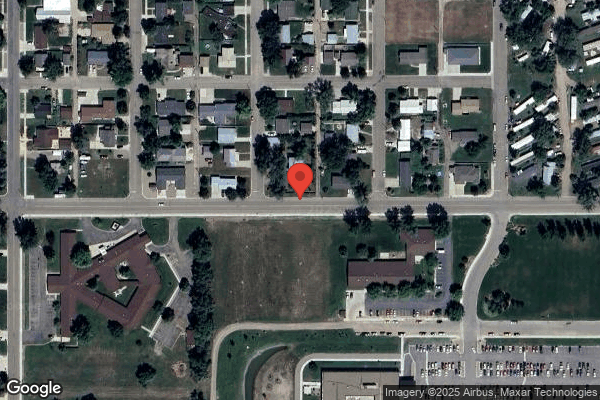
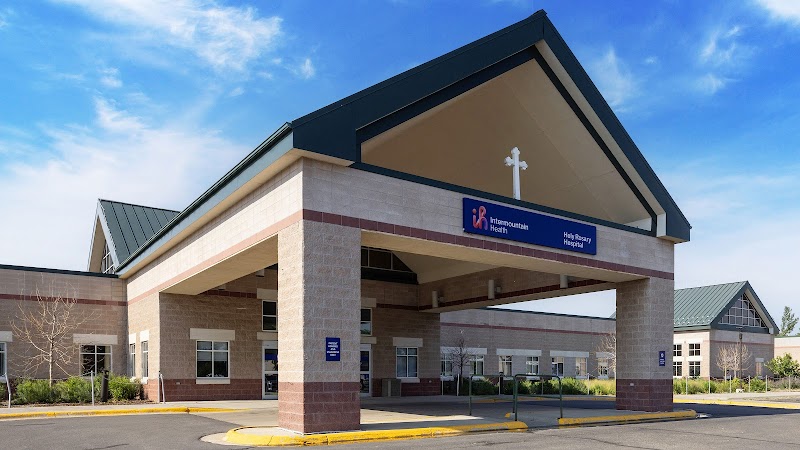
2600 WILSON ST, MILES CITY, MT 59301 (406) 233-2789
Non profit - Corporation 84 Beds Independent Data: November 2025
Trust Grade
48/100
#42 of 59 in MT
Last Inspection: February 2025

Within standard 12-15 month inspection cycle. Federal law requires annual inspections.

Overview

Intermountain Health Holy Rosary Hospital has a Trust Grade of D, indicating below-average care with some concerning issues. It ranks #42 out of 59 nursing homes in Montana, placing it in the bottom half of facilities in the state, but it is the only option available in Custer County. The facility is showing signs of improvement, with issues decreasing from 8 in 2024 to 6 in 2025. However, staffing is a significant weakness, receiving a poor rating of 1 out of 5 stars, but with a low staff turnover rate of 0%, which is well below the state average. Recent inspections highlighted serious concerns, such as failing to prevent pressure sores for a resident and not implementing an effective infection control program, posing risks to resident safety and health.

Trust Score
D
48/100
In Montana
#42/59
Bottom 29%
Safety Record
Moderate
Needs review
Inspections
Getting Better
8 → 6 violations
Staff Stability
○ Average
Turnover data not reported for this facility.
Penalties
○ Average
$17,492 in fines. Higher than 55% of Montana facilities. Some compliance issues.
Skilled Nurses
○ Average
RN staffing data not reported for this facility.
Violations
⚠ Watch
18 deficiencies on record. Higher than average. Multiple issues found across inspections.
★★☆☆☆
2.0
Overall Rating
★☆☆☆☆
1.0
Staff Levels
★☆☆☆☆
1.0
Care Quality
★★★★☆
4.0
Inspection Score
Stable
2024: 8 issues
2025: 6 issues

The Good

  • Full Sprinkler Coverage · Fire safety systems throughout facility
  • No fines on record

Facility shows strength in fire safety.

The Bad

2-Star Overall Rating

Below Montana average (2.9)

Below average - review inspection findings carefully

Federal Fines: $17,492

Below median ($33,413)

Minor penalties assessed

The Ugly 18 deficiencies on record

1 actual harm
Feb 2025 6 deficiencies
CONCERN (D)

Potential for Harm - no one hurt, but risky conditions existed

Deficiency F0552 (Tag F0552)

Could have caused harm · This affected 1 resident

Based on observation, interview, and record review, the facility failed to provide education and information to the residents or responsible party on the risks and benefits of psychotropic medication,...

Read full inspector narrative →
Based on observation, interview, and record review, the facility failed to provide education and information to the residents or responsible party on the risks and benefits of psychotropic medication, so they were able to make an informed decision, and the facility did not have documentation to show the resident/responsible party consented to the use of the medications, for 3 (#s 6, 18, and 39) of 18 sampled and supplemental residents. Findings include: a. During an interview on 2/24/25 at 3:02 p.m., resident #6 stated she was on, . a lot of medicine for my mood and my anger. Review of resident #6's medication orders showed sertraline 25 mg daily, with no associated diagnosis listed. The medical record failed to show education was provided on the use or risks and benefits of the psychotropic medication in order to make an informed decision on the use of it. b. Review of resident #18's medication orders showed citalopram 10 mg daily, with the associated diagnosis of anxiety. The review of the medical record failed to show the resident or the resident's representative received education related to the use or risks, and benefits of the psychotropic medication in order to make an informed decision on the use of it. c. Review of resident #39's medication orders showed trazodone 50 mg daily at bedtime, with the associated diagnosis of insomnia due to other mental disorder. Review of resident #39's medical record failed to show the resident or the resident's representative was provided education related to the use and risks and benefits of the psychotropic medication in order to make an informed decision on the use of the medication. During an interview on 2/26/25 at 9:57 a.m., staff member B stated consents were supposed to be obtained for all psychotropic medications used within the facility, which would show the resident/responsible party was aware of the risks/benefits of the medications. A request was made on 2/26/25 for the written consents for the above listed residents, but none were received by the end of the survey period.
CONCERN (D)

Potential for Harm - no one hurt, but risky conditions existed

Deficiency F0700 (Tag F0700)

Could have caused harm · This affected 1 resident

Based on observation, interview, and record review, the facility failed to review the risks and benefits of using a transfer rail, attached to the bed, for the resident and failed to obtain an informe...

Read full inspector narrative →
Based on observation, interview, and record review, the facility failed to review the risks and benefits of using a transfer rail, attached to the bed, for the resident and failed to obtain an informed consent prior to the installation of the transfer rail for 1 (#48) of 14 sampled residents. Findings include: During an observation and interview on 2/25/25 at 9:13 a.m., resident #48 stated, I didn't ask for them (bed rail assist bars). One was here when I got here, and they put the other one up. They have been there. They don't bother me, they are just there. Resident #48 stated, There is something on them and maybe I can figure them out later, as she was touching the grab bars and jabbing at them with her fingers. Resident #48 said, The facility does not want us to fall out of bed. Resident #48 was observed turning herself in bed independently without using the grab bars, and then sat straight up in bed without assistance. Resident #48 was able to maintain her unassisted upright position during the 10-minute interview. Review of resident #48's initial Bed Rail/Assist Bar Evaluation, dated 1/23/25, showed the bed rails would be used for positioning, bed mobility, and security. There was no safety assessment to include resident #48's physical ability, strength, and physical size as part of this evaluation. During an interview on 2/26/25 at 12:58 p.m., staff member B said the facility did not have consents for the grab bars for resident #48 or any of the other residents using grab bars. Staff member B said the Bed Rail/Assist Bar Evaluation was used to identify the appropriateness of grab bars and the resident's desire for grab bars. Staff member B said the grab bars were made specifically for each bed and therefore safety assessments were not necessary. Entrapment risk related to her physical ability and her underweight status of 86 pounds was not included on the evaluation form.
CONCERN (E) 📢 Someone Reported This

A family member, employee, or ombudsman was alarmed enough to file a formal complaint

Potential for Harm - no one hurt, but risky conditions existed

Accident Prevention (Tag F0689)

Could have caused harm · This affected multiple residents

Based on observation, interview, and record review, the facility failed to maintain a safe environment, free from elopements, for 4 (#s 16, 17, 18, and 24), and the facility failed to provide an envir...

Read full inspector narrative →
Based on observation, interview, and record review, the facility failed to maintain a safe environment, free from elopements, for 4 (#s 16, 17, 18, and 24), and the facility failed to provide an environment free from accidents and hazards for 1 (#42) of 18 sampled and supplemental residents. This deficient practice had the potential to adversely affect the well-being and safety of all residents in the facility. Findings include: 1. Review of the Facility Reported Incident, dated 8/31/24, showed resident #24 left the Residential Living side of the facility, and the resident eloped into the hospital. The facility identified the alarm between the two areas had not been activated. During an interview on 2/25/25 at 11:17 a.m., staff member B said resident #24 eloped because the alarm on the dining room doors, which led to the hospital, were not activated. Staff member B said staff were educated to ensure the alarm was set to alarm if the door to the hospital was opened. But, no system was put in place to monitor the status of the alarm. Staff member B said if the alarm was not set properly, it increased the risk for residents to elope to the hospital. During an interview on 2/26/25 at 12:35 p.m., staff member B said the facility did not have an elopement assessment for the residents in the Residential Living area and none of the residents had been assessed for elopement risk. Staff member B said the facility was working on developing an elopement assessment for the Residential Living area. Staff member B said resident #s 16, 18, and 24 were at risk for eloping. During an interview and observation on 2/26/25 at 5:24 p.m., staff member I said she did not know how to identify the residents at-risk for elopement. She said, I would think the residents at risk for eloping would be the ones who hang around the door. Staff member I said the only resident she knew of who was an elopement risk was resident #24. Resident #24 was observed near the front exit door during this interview. During an interview on 2/26/25 at 5:28 p.m., staff member J said there were two residents at risk for elopement, resident #s 17 and 24. During an interview on 2/26/25 at 5:40 p.m., staff member K identified two residents who were at risk for wandering and eloping. She identified residents #s 17 and 24. During an interview on 2/27/25 at 7:47 a.m., staff members A and B said the elopement book was not current or updated. Staff member B said it would not surprise her if there were seven residents identified in the elopement binder. Staff member A said the staff should know which residents were at risk for eloping by looking at the care plan or the C.N.A. assignment sheet. 2. During an observation on 2/24/25 at 4:34 p.m., there was an unsecured work bench in the activity room, which was accessible to the residents. On the bench, and within easy reach of residents, were the following items: - Double-edged wood working hand saw, - T-handle screwdriver, - Numerous bottles of paint; and, The work bench contained two easy sliding drawers which contained: - Large tin snips, - [NAME] grips, - Utility knife with a sharp blade, - Wire cutters, - Pipe wrench, - Drill and drill bits - Ball peen hammer, - Hacksaw During an observation and interview on 2/24/25 at 4:30 p.m., resident #42 was sitting in her wheelchair near the work bench in the activity room. Resident #42 stated, That looks like a lethal weapon. Resident #42 was pointing to the double-edged wood saw. During observations on 2/25/25 at 8:30 a.m., and 2/26/25 at 11:50 a.m., the activity room contained a work bench which was not locked. The tools were accessible with some tools on top of the bench and the rest of the tools in the drawers. The tools and paints were not secured, and the drawers were not locked. The activity room was also not locked. During an interview on 2/25/25 at 11:27 a.m., staff member E said when maintenance needs to do repairs in the Residential Living area, the staff bring a tool chest to the area, or a handheld pouch of tools, depending on the size of the job. Staff member E said none of the maintenance tools are left where residents could access them. During an interview on 2/25/25 at 3:19 p.m., staff member G said the activity doors are always open, and all the residents can go in and out any time they want. Staff member G said she was not sure how the safety of the tools was maintained. Staff member G said all the tools could be accessed by any resident right now because the tools were just sitting out on the bench or in the drawers. During an interview and observation on 2/25/25 at 3:31 p.m., staff member A was in the activity room looking at the resident work bench. Staff member A said the tools, which belonged to a resident, were put away and the drawers under the bench were closed when the tools were not in use. During this observation, the screw drivers, the T-handled screwdriver, and the metal ruler were readily accessible. The drawers were closed, however the drawers opened easily, and the listed tools were all accessible to residents.
CONCERN (E)

Potential for Harm - no one hurt, but risky conditions existed

Deficiency F0887 (Tag F0887)

Could have caused harm · This affected multiple residents

Based on interview and record review, the facility failed to provide COVID-19 vaccinations for 3 (#s 6, 17, and 35) of 14 sampled residents, and failed to document staff declinations and education reg...

Read full inspector narrative →
Based on interview and record review, the facility failed to provide COVID-19 vaccinations for 3 (#s 6, 17, and 35) of 14 sampled residents, and failed to document staff declinations and education regarding the COVID-19 vaccine for 2 (staff members M and N) of 2 sampled staff members. Findings include: During an interview on 2/25/25 at 3:31 p.m., staff member L said the facility pharmacy did not carry the COVID-19 vaccine. Staff member L said the facility could take the residents to the local drug store or the other local clinic, and the residents could get their vaccinations there. Staff member L said keeping the vaccinations at the facility was cost-prohibitive, and would cost the residents over three hundred dollars per vaccine. During an interview on 2/26/25 at 10:29 a.m., staff member H said the facility used to carry COVID-19 vaccines but stopped getting them due to waste. Staff member H said the vaccine could be ordered in pre-filled syringes which would help contain cost for the residents. Staff member H said the cost and billing would be the responsibility of the billing department and was unsure if residents would be able to use their Medicare Part D benefits. Staff member H said billing was not the reason vaccinations were not being given at the facility. During an interview on 2/27/25 at 7:47 a.m., staff member A stated there was no education provided to staff regarding the COVID-19 vaccine. There was also no documentation of consent or declination of the COVID-19 vaccine. Review of a facility document titled, Moderna COVID-19 Vaccine, dated 7/18/24, showed resident #6 requested to receive a Moderna COVID-19 vaccine in July of 2024. Review of resident #6's EHR failed to show the COVID-19 vaccine was provided to the resident as of the start of the survey. Review of resident immunization records for resident #17 and 35 showed the residents were currently waiting to get the COVID (vaccine). IP currently working on getting COVID vaccines. A review of the facility's policy titled,Vaccination Administration Policy, revised 2/24/23, did not address staff requirements for COVID-19 vaccinations. A request was submitted on 2/26/25 for COVID-19 vaccine education and consent or declination documentation for staff members M and N. None were received prior to the end of the survey.
CONCERN (F)

Potential for Harm - no one hurt, but risky conditions existed

Antibiotic Stewardship (Tag F0881)

Could have caused harm · This affected most or all residents

Based on interview and record review, the facility failed to implement a consistent antibiotic stewardship program, including infection surveillance and mapping, to identify trending of the locations ...

Read full inspector narrative →
Based on interview and record review, the facility failed to implement a consistent antibiotic stewardship program, including infection surveillance and mapping, to identify trending of the locations of infections. This deficient practice increased the risk of a negative outcome related to residents taking antibiotics for infections and increased the incidence of adverse events associated with infections throughout the facility. Findings include: During an interview on 2/27/25 at 9:19 a.m., staff member L stated infections and antibiotic use were not tracked for June of 2024. Staff member L said the facility completed the McGreers criteria for tracking infections, but it was not completed in June of 2024. Review of the facility's Infection Control binder showed a lack of infection mapping and line listings for the last year from January of 2024 through January of 2025. Staff member L said, The facility isn't so large that I couldn't just identify if there were trends related to specific infections. Staff member L was unable to identify any areas of infection trends. Staff member L said she just started in December of 2024, and she was just learning what needs to be done.
MINOR (B)

Minor Issue - procedural, no safety impact

Deficiency F0625 (Tag F0625)

Minor procedural issue · This affected multiple residents

**NOTE- TERMS IN BRACKETS HAVE BEEN EDITED TO PROTECT CONFIDENTIALITY** Based on observation, interview, and record review, the facility failed to provide written notice of bed-hold information, which...

Read full inspector narrative →
**NOTE- TERMS IN BRACKETS HAVE BEEN EDITED TO PROTECT CONFIDENTIALITY** Based on observation, interview, and record review, the facility failed to provide written notice of bed-hold information, which included the reserve bed payment amount, for 4 (#s 8, 35, 39, and 151) of 18 sampled and supplemental residents. The notice also failed to five the resident or responsible party the opportunity to select either to pay the reserve bed hold cost or no bed hold. Findings include: 1. During an interview on 2/25/25 at 9:36 a.m., resident #35 said he could not remember why he had been admitted to the hospital in November and December of 2024. Review of resident #35's EHR showed he had been admitted to the hospital on [DATE], with diagnoses of adult failure to thrive, and chronic obstructive pulmonary disease. The resident returned to the facility on [DATE]. The EHR failed to show the resident had been provided bed-hold information at the time of his transfer. Review of resident #35's EHR showed he had been admitted to the hospital on [DATE], with the diagnoses of sepsis and aspiration pneumonitis. The resident returned to the facility on [DATE]. The EHR failed to show the resident had been provided bed-hold information at the time of his transfer. 2. During an observation and attempted interview on 2/26/25 at 7:50 a.m., resident #151 was resting quietly in her bed. Resident #151 did not rouse to her name being spoken in a normal voice. Review of resident #151's EHR showed she had been admitted to the hospital on [DATE] for increased lethargy and a urinary tract infection. Resident #151 returned to the facility on 2/8/25. The EHR failed to show the resident or the resident's representative had been provided the bed-hold information at the time of her transfer. Review of resident #151's EHR showed she returned to the hospital on 2/9/25 with a low blood pressure and septic shock. The resident returned to the facility on 2/14/25. Resident #151 was placed on hospice services upon her return to the facility. The EHR failed to show the resident or the resident's representative had been provided bed-hold information at the time of her transfer to the hospital. 3. During an interview on 2/25/25 at 9:24 a.m., resident #8 stated he was admitted to the hospital, a couple of times. Review of resident #8's medical record showed the resident was transported to the hospital for an acute change in condition on 3/19/24 and 8/13/24. There was no documentation in the medical record to show the resident or his representative was provided or notified of the required written bed-hold notice. 4. During an interview on 2/25/25 at 1:12 p.m., resident #39 stated she had been transferred to the hospital in August of 2024, and did not receive any written documents from the facility on or around the time of transfer. Review of resident #39's nursing progress notes showed resident #39 was transferred to the hospital on 8/31/24 for an acute change in medical condition. There was no documentation in the medical record to show the resident or her representative was provided or notified of the required written bed-hold notice. During an interview on 2/26/25 at 10:12 a.m., staff member D stated she was not aware a written notice of bed-hold was required which showed the resident or resident representative's choice whether to hold his or her bed on transfer from the facility. Staff member D stated the facility would provide a copy of their bed-hold policy on transfer. Staff member D stated, We have had lots of travelers (agency nurses) and we just aren't good about getting it (the bed-hold selection) done. We have just been sending the bed-hold policy to the resident or the representative. Review of a facility document titled, Bed Hold - [Facility Name] (Residential Living), effective 5/22/23, showed, . 2. If available beds are occupied or being held at the time of transfer, then the resident will be expected to pay the full minimum applicable charges during the absence if the resident/resident representative elects to sign a bed hold. If 'no bed hold' is selected, readmission to Residential Living will occur when an appropriate bed is available . The bed-hold policy form did not include a space to show the resident or resident representative's preference regarding whether or not to hold the resident's bed during their absence. A request was made on 2/26/25 for the bed-hold documentation for the above residents. None were received prior to the end of the survey.
Jun 2024 1 deficiency
CONCERN (E) 📢 Someone Reported This

A family member, employee, or ombudsman was alarmed enough to file a formal complaint

Potential for Harm - no one hurt, but risky conditions existed

Deficiency F0657 (Tag F0657)

Could have caused harm · This affected multiple residents

Based on observation, interview, and record review, the facility failed to identify root causes for falls, update care plans with interventions to prevent falls, and to decrease the risk for recurring...

Read full inspector narrative →
Based on observation, interview, and record review, the facility failed to identify root causes for falls, update care plans with interventions to prevent falls, and to decrease the risk for recurring falls, for 3 (#s 3, 271, and 109) of 5 sampled residents. Findings include. 1. Review of resident #3's nurse progress notes, dated 5/24/23, showed resident #3 frequently slept in his recliner. The nurse progress note also showed resident #3 was found on the floor after an unwitnessed fall. Resident #3 was sent to the emergency room and was diagnosed with a hip fracture. Review of resident #3's nurse progress notes, dated 6/1/24, showed resident #3 was re-admitted to the facility following the hip fracture. Review of resident #3's care plan on 6/5/24, showed the care had not been updated with new interventions following his hip fracture and change in status. During an interview on 6/5/24, at 9:42 a.m., staff member C said the facility reviewed the falls every Thursday during the fall meetings. Staff member C said the care plans did not get updated until that meeting. Staff member C said, on 5/24/24 resident #3 got his feet tangled in the blankets, which caused the resident to fall out of bed. Staff member C said resident #3's care plan was updated to include the risk of getting his feet tangled in the blanket. Staff member C was unable to identify the date when the update was made to the care plan regarding the blankets. Staff member C said the update was probably done on 5/30/24 when the fall meeting occurred. Staff member C could not identify what changes had been made to the care plan following resident #3's hip fracture. 2. Review of resident #271's nurses notes showed: - 5/14/24 - Resident #271 was reaching down and fell out of his wheelchair. - 5/17/24 - Resident #271 fell onto his knees while working with the therapy department. - 5/31/24 - Resident #271 was found in his room on the floor. The nurses note showed resident #271 was found on 5/30/24 at 6:24 p.m., by his bed. Resident #271 told the staff that he slid from his wheelchair. During an observation and interview on 6/5/24 at 3:15 p.m., resident #271 said he has had one or two falls. Resident #271 said there was a reacher for him, but he did not use it. Resident #271 said the wheelchair scooted away from him (when transferring). Resident #271 was observed sitting in a regular wheelchair with his left arm in a sling. Resident #271 was observed propelling himself around the facility. The wheelchair brake handles were short and not easily reached by the resident who had his left arm in a sling. Review of resident #271's care plan showed fall interventions dated 4/11/24, with no updates since then to address root causes of the falls on 5/14, 5/17, and 5/31/24. Fall interventions included: - Long reach grabber - Staff to monitor and assist resident to reposition in Broda chair - Resident to work with PT 4/16/24, Occupational Therapy still pending - Staff to provide resident #271 with a puffer call light that is easier to activate - Dycem under and on top of his ROHO cushion in his Broda chair to decrease the chances of slipping out of the chair - Resident to wear sling for left arm to assist with support so he is not leaning to the left in Broda chair - Resident has non-elevating standard footrest with strap at the back to help keep feet in place 3. Review of resident #109's nurses notes, dated 5/31/24, showed resident #109 was found down on the floor. Resident #109 fell out of her Broda chair. Resident #109 was assessed in the emergency room after the fall and returned to the facility. Review of resident #109's post fall huddle, dated 5/31/24, showed the facility identified factors that could have contributed to the fall. The interventions identified were to lay the Broda chair back, so it was not setting upright, place the call light closer to the resident, and the resident would use oxygen. Review of resident #109's care plan showed the last care plan update for falls was done on 5/3/24. The facility failed to update the care plan to include interventions identified on the post fall huddle form. The care plan was not updated after the fall on 5/31/24 to include interventions to reduce the risk for further falls. During an interview on 6/6/24 at 9:47 a.m., staff member B stated the nurses were supposed to complete the post fall huddle every time after a fall to identify the cause of the fall. Staff member B said it was difficult to get the fall system working well due to having interim nurses from an agency. Staff member B said the team mets every Thursday and updated care plans once a week.
Feb 2024 7 deficiencies
CONCERN (D)

Potential for Harm - no one hurt, but risky conditions existed

Assessment Accuracy (Tag F0641)

Could have caused harm · This affected 1 resident

Based on observation, interview, and record review, the facility failed to accurately reflect the dental status on the Annual MDS assessment, for 1 (#3) of 6 sampled residents investigated for nutriti...

Read full inspector narrative →
Based on observation, interview, and record review, the facility failed to accurately reflect the dental status on the Annual MDS assessment, for 1 (#3) of 6 sampled residents investigated for nutrition concerns. Findings include: During an observation and interview on 2/12/24 at 4:03 p.m., resident #3 was observed to have bottom dentures sitting on the bedside table. Resident #3 stated, I don't eat much. I need someone to cut it (food) up and my teeth bother me. The bottoms (dentures) don't stay in. Gums are shrinking I guess, and they (the dentures) don't stay in. Review of resident #3's Annual MDS Assessment, with an ARD of 12/19/23, showed no dental concerns in section L (Dental); subsection L0200Z. During an interview on 2/14/24 at 2:14 p.m., staff member B stated, I had no idea that he had denture problems. During an interview on 2/15/24 at 9:18 a.m., staff member D reported she was responsible for the MDS assessments, initial care plans, and updates as needed. Staff member D stated, I didn't know (Resident #3) had dental issues, and he has never mentioned it. The closest dentist that accepts Medicaid is in [Town] and the (Facility) cannot provide transportation, because they would need a non-employee escort. If his gums have shrunk, there's nothing they can do about it. Review of resident #3's nutrition note, dated 12/19/23, showed resident #3 required a mechanically altered diet with chopped meat, due to poorly fitted bottom dentures, and difficulty swallowing. No dental exam notes were located in resident #3's medical record.
CONCERN (D)

Potential for Harm - no one hurt, but risky conditions existed

ADL Care (Tag F0677)

Could have caused harm · This affected 1 resident

Based on observation, interview, and record review, the facility failed to provide sufficient ADL assistance during mealtime, for 1 (#21) of 1 resident sampled for ADL concerns. Findings include: Duri...

Read full inspector narrative →
Based on observation, interview, and record review, the facility failed to provide sufficient ADL assistance during mealtime, for 1 (#21) of 1 resident sampled for ADL concerns. Findings include: During an observation on 2/13/24 at 8:13 a.m., resident #21 was alone, in her room, with a breakfast tray in front of her. She was tearful, confused, and unable to navigate the utensils when moving food from the plate to her mouth. The food on her tray was untouched, and her yogurt was partially empty. During an observation on 2/14/24 at 7:45 a.m., resident #21 was asleep in her recliner, with a breakfast tray in front of her, and it appeared the resident did not consume any of the meal. There was no one assisting or cueing the resident to eat. During an observation on 2/14/24 at 10:00 a.m., resident #21 was in the same position as observed by the surveyor two hours prior. The resident's food remained untouched. There was no one assisting or cueing the resident to eat the meal. During an observation on 2/15/24 at 7:46 a.m., resident #21 was alone, in her room, sitting in her wheelchair, with a breakfast tray in front of her. The breakfast meal appeared to be untouched. The resident was pushing a large portion of eggs around her plate, but she was not attempting to eat. There was no one assisting or cueing the resident to eat. Review of resident #21's most recent nutrition assessment, dated 12/12/23, showed, . Interventions: 2. Meals and snack: . offer cueing at meals. prefers trays in room. 1/2 portions. Review of resident #21's Quarterly MDS, with an ARD of 12/12/23, showed under functional abilities and goals, the resident was marked as Partial/moderate assistance - Helper does LESS THAN HALF the effort. This was a decrease in the resident's ability to eat from the previous assessment. During an interview on 2/15/24 at 8:55 a.m., staff member D stated resident #21 needed cueing or assistance while eating, and staff should be going into her room to help her.
CONCERN (D) 📢 Someone Reported This

A family member, employee, or ombudsman was alarmed enough to file a formal complaint

Potential for Harm - no one hurt, but risky conditions existed

Accident Prevention (Tag F0689)

Could have caused harm · This affected 1 resident

Based on observation, interview, and record review, facility staff failed to follow fall risk interventions identified and documented on the resident's care plan, for 1 (#21) of 23 sampled residents. ...

Read full inspector narrative →
Based on observation, interview, and record review, facility staff failed to follow fall risk interventions identified and documented on the resident's care plan, for 1 (#21) of 23 sampled residents. This deficient practice increased the risk for falls for the resident. Findings include: During an interview on 2/13/24 at 9:10 a.m., NF2 stated resident #21 had fallen, and the resident suffered a laceration above her eyebrow, a few months back. NF2 was not aware of what the facility had in place to prevent future falls for resident #21. During an observation on 2/15/24 at 7:46 a.m., resident #21 was sitting in her wheelchair, alone, in her room. During an interview on 2/15/24 at 8:47 a.m., staff member E stated resident #21 should be in her wheelchair, not her recliner, for fall prevention. During an interview on 2/15/24 at 8:55 a.m., staff member D stated resident #21 could be left unattended in her recliner, not in her wheelchair, for fall prevention. During an observation on 2/15/24 at 9:57 a.m., resident #21 was in her room, asleep in her wheelchair. During an interview on 2/15/24 at 10:00 a.m., staff member H stated she was unsure if resident #21 should be in her wheelchair or recliner when unattended in her room, but would find out the answer. During an interview on 2/15/24 at 10:36 a.m., staff member H stated resident #21 should be in the common area if left in her wheelchair. Review of resident #21's physician note, dated 8/31/23, showed, . found facedown after apparently falling out of her chair while attempting to get up. Patient was unsupervised at the time, called out for help . laceration to the right eyebrow . does complain of pain 'all over' . Review of resident #21's care plan, with an initiation date of 12/12/23, showed: Problem: [Resident #21] is at risk for falls due to hx of fall, dementia, and limited mobility . Intervention: Do not leave unattended in wheel chair when in her room; if she is in her room assist to recliner . The resident's care plan included an intervention to not leave the resident alone, in her room, in her wheelchair. The resident was observed by the surveyor on two occasions, alone in her wheelchair, in her room. Staff were inconsistent in their knowledge related to resident #21's fall risk prevention interventions, and when #21 should be left alone in her wheelchair or recliner, as to prevent future falls.
CONCERN (D)

Potential for Harm - no one hurt, but risky conditions existed

Deficiency F0692 (Tag F0692)

Could have caused harm · This affected 1 resident

Based on observation, interview, and record review, the facility failed to provide adequate staff cueing and assistance during meals for 1 (#21) of 5 residents sampled for nutrition concerns. This def...

Read full inspector narrative →
Based on observation, interview, and record review, the facility failed to provide adequate staff cueing and assistance during meals for 1 (#21) of 5 residents sampled for nutrition concerns. This deficient practice contributed to, along with fluid retention, the resident's weight loss over five months. Findings include: During an observation on 2/13/24 at 8:13 a.m., resident #21 was alone, in her room, with a breakfast tray in front of her. She was tearful, confused, and unable to navigate the utensils when moving food from the plate to her mouth. The food on her tray was untouched, and her yogurt was partially empty. During an observation on 2/14/24 at 7:45 a.m., resident #21 was asleep in her recliner, with a breakfast tray in front of her, and it appeared the resident did not consume any of the meal. There was no one assisting or cueing the resident to eat. During an observation on 2/14/24 at 10:00 a.m., resident #21 was in the same position as observed by the surveyor two hours prior. The resident's food remained untouched. There was no one assisting or cueing the resident to eat the meal. During an observation on 2/14/24 at 11:38 a.m., resident #21 was asleep in her recliner with her lunch tray in front of her. There was no one assisting or cueing the resident to eat the lunch meal. During an observation and interview on 2/14/24 at 1:15 p.m., with NF2, resident #21 appeared to be in the same position as observed 90 minutes prior, and her food was still untouched. NF2 stated this was common. NF2 assisted the resident to eat some of the yogurt. NF2 stated large portions overwhelmed resident #21. During an observation on 2/15/24 at 7:46 a.m., resident #21 was alone, in her room, sitting in her wheelchair, with a breakfast tray in front of her. The breakfast meal appeared to be untouched. The resident was pushing a large portion of eggs around her plate, but she was not attempting to eat. There was no one assisting or cueing the resident to eat. Review of resident #21's most recent nutrition assessment, dated 12/12/23, showed, (diuretics 10/17/23) . average meals 25% or less TID . staff offer meals near the nursing station or in her room . Interventions: 1. medical food supplement . 2. meals and snack: . offer cueing at meals. prefers trays in room. 1/2 portions. Review of resident #21's physician note, dated 10/8/23, showed the resident experienced a 6 lb fluid fluctuation during a hospitalization. The excess fluid was related to her diagnosis of congestive heart failure. Due to this, the resident's weight would go up or down with the fluctuations of fluid retention. Review of resident #21's EMR showed the resident weighed 150 lbs in September of 2023. Her current weight, from 2/12/24, was 135 lbs. Taking the fluid retention into consideration, this represented a 6.25% weight loss over five months, and the facility had not identified the lack of meal assistance as a contributor to the loss. During an interview on 2/15/24 at 7:57 a.m., staff member P stated resident #21 had started Lasix in October 2023 and experienced fluid removal, which accounted for some of the weight loss. During an interview on 2/15/24 at 8:55 a.m., staff member D stated resident #21 needed cueing or assistance while eating, and staff should be going into her room to help.
CONCERN (D)

Potential for Harm - no one hurt, but risky conditions existed

Deficiency F0699 (Tag F0699)

Could have caused harm · This affected 1 resident

Based on interview and record review, facility staff failed to identify and offer the necessary trauma services to maintain the highest practicable well-being, for 1 (#34) of 1 sampled resident, who h...

Read full inspector narrative →
Based on interview and record review, facility staff failed to identify and offer the necessary trauma services to maintain the highest practicable well-being, for 1 (#34) of 1 sampled resident, who had a diagnosis of post-traumatic stress disorder (PTSD). Findings include: During an interview on 2/13/24 at 9:32 a.m., resident #34 stated he was in the military, stationed in Vietnam, during wartime. He stated, I left the country for a while. I couldn't take anything more. It was a bad time. I got in lots of trouble with the law and with drinking. I saw a shrink for a while, a long time ago, but not sure if it helped . but I don't really know what my PTSD triggers are until they happen. They (triggers) make me angry, and I lash out sometimes. No one here has talked to me about my time in Vietnam or the PTSD. I am planning to go back to the [Town Name] area, and I do worry about how that will go and if I will have more stress. I don't want to spend my last time on earth in jail or in other trouble that (the PTSD) seems to bring on. I might be interested in having a counselor to plan for that and keep me on the right path for when I get home. I am pretty concerned about that. During an interview on 2/14/24 at 10:28 a.m., staff member B stated staff member K was responsible for completing trauma-informed assessments as needed. Staff member K was out of the facility on 2/14/24 and unavailable for interview. Review of resident #34's EMR, showed an active diagnoses list, which included a diagnosis of PTSD. Review of resident #34's care plan, not dated, failed to show a resident focus area of the PTSD, including related counseling needs, history, or assessments; and, any resident-specific identified PTSD behaviors, triggers, or interventions. Trauma-informed assessment documentation for resident #34 was requested on 2/14/24. On 2/15/24 at 10:40 a.m., staff member K reported the facility was unable to locate a trauma informed care assessment for resident #34.
CONCERN (E)

Potential for Harm - no one hurt, but risky conditions existed

Comprehensive Care Plan (Tag F0656)

Could have caused harm · This affected multiple residents

3. During an interview on 2/12/24 at 4:03 p.m., resident #3 stated his bottom dentures don't stay in place, and he needs to have his food cut up for him. During an interview on 2/13/24 at 2:21 p.m., s...

Read full inspector narrative →
3. During an interview on 2/12/24 at 4:03 p.m., resident #3 stated his bottom dentures don't stay in place, and he needs to have his food cut up for him. During an interview on 2/13/24 at 2:21 p.m., staff member Q stated she believed resident #3, just doesn't like to wear his dentures, so he leaves them on the table. Review of resident #3's nutrition note, dated 12/19/23, record showed dental problems related to poor fitting dentures. A review of resident #3's MDS assessments, showed an Annual Assessment was completed with an ARD of 12/19/23. Section L200Z showed no concerns related to dental problems. Review of resident #3's current care plan, with no implementation date identified, failed to show any dental or chewing concerns related to poor fitting dentures. 4. During an interview on 2/13/24 at 9:32 a.m., resident #34 stated he was diagnosed with PTSD related to his active military service in Vietnam. Review of resident #34's electronic medical record showed a diagnosis of PTSD. Review of resident #34's Quarterly MDS, with an ARD of 2/1/24, identified PTSD in section I (Active Diagnoses); subsection I6100. Review of resident #34's current care plan, no implementation date identified, failed to identify or show information for resident #34's PTSD, and failed to show any problems, goals or approaches for staff to utilize when assisting resident #34 related to his PTSD. Based on observation, interview, and record review, the facility failed to develop and implement comprehensive, person-centered care plans, for 4 (#s 3, 21, 23, and 34) of 23 sampled residents. The failure had the potential to result in inadequate care and a lack of provision of services for the residents identified. Findings include: 1. During an observation on 2/13/24 at 7:36 a.m., resident #23 was eating breakfast, alone, in her room. During an observation on 2/14/24 at 11:49 a.m., resident #23 was eating lunch, alone, in her room. During an interview on 2/15/24 at 7:57 a.m., staff member P stated resident #23 was a known aspiration risk. The resident had failed swallow studies and adamantly refused texture modification or to leave her room for meals. During an interview on 2/15/24 at 8:55 a.m., staff member D stated there was always someone at the nursing station outside of resident #23's room who could hear if the resident was having a choking incident. During an interview on 2/15/24 at 10:17 a.m., staff member I stated she knew resident #23 had to be seated upright for meals to prevent choking. Review of resident #23's Quarterly MDS, with an ARD of 1/16/24, showed the resident had, coughing or choking during meals or when swallowing medications. Review of resident #23's care plan, with an initiation date of 1/11/24, failed to show a problem, goal, or approaches for the resident's aspiration risk or interventions to assist in the prevention of aspiration. 2. During an observation on 2/13/24 at 8:13 a.m., resident #21 was alone, in her room, with a breakfast tray in front of her. She was confused and unable to navigate the utensils from moving the food to her mouth. During an observation on 2/14/24 at 7:45 a.m., resident #21 was asleep in her recliner with a full breakfast tray in front of her. There was no one assisting or cueing the resident to eat. During an observation on 2/14/24 at 10:00 a.m., resident #21 was in the same position observed two hours prior. Her food remained on the tray in front of her, untouched. There was no staff assisting or cueing the resident to eat. There were no observations of staff checking in on the resident to assist with the meal. During an observation on 2/14/24 at 11:38 a.m., resident #21 was asleep in her recliner with her lunch tray in front of her. There was no one assisting or cueing the resident to eat. During an interview on 2/15/24 at 8:55 a.m., staff member D stated resident #21 needed cueing or assistance while eating and staff should be going into her room to help. Review of resident #21's MDS Discharge Assessment - return anticipated, dated 10/9/23, showed under functional abilities and goals, the resident was marked as Setup or clean-up assistance - Helper SETS UP or CLEANS UP; resident completes the activity. Review of resident #21's Quarterly MDS, with an ARD of 12/12/23, showed under functional abilities and goals the resident was marked as Partial/moderate assistance - Helper does LESS THAN HALF the effort. This represented a decrease in the resident's eating ability from the previous assessment. Review of resident #21's care plan, dated 12/12/23, showed, Assist patient with setup of meals and open containers. There were no updates made to the care plan for her increased need of assistance during meals, which was identified on the 12/12/23 MDS assessment.
CONCERN (E)

Potential for Harm - no one hurt, but risky conditions existed

Infection Control (Tag F0880)

Could have caused harm · This affected multiple residents

3. During an observation on 2/13/24 at 8:10 a.m., a sign outside of resident #9's room read, Stop with a picture of a hand on it. Outside of the room was a set of plastic drawers with isolation gowns ...

Read full inspector narrative →
3. During an observation on 2/13/24 at 8:10 a.m., a sign outside of resident #9's room read, Stop with a picture of a hand on it. Outside of the room was a set of plastic drawers with isolation gowns in it. During an interview on 2/13/24 at 8:15 a.m., staff member J stated the sign on the wall near resident #9's door was due to an infection control policy that has been in place for about a year, and staff member J stated, We are supposed to wear gowns and gloves during all resident care for residents that have a catheter or wounds. During an interview on 2/13/24 at 2:21 p.m., staff member F stated, I do not know why that sign is up there [on the wall] for transmission-based precautions. We use standard precautions with all catheters and for all resident cares. I will check and get back to you. Staff member F came back and stated, It [the sign] was due to another resident that was susceptible to infections and was resistant to antibiotics. That resident had been discharged , and the sign had not been removed. The facility implemented infection control precautions for designated residents, and failed to develope and implement a policy for it. Staff were neither following, adhering to, nor had sufficient knowledge for the infection control precautions implemented by the facility. Based on observation, interview, and record review, the facility failed to ensure staff were adequately trained, and a policy developed and implemented, for staff to follow and adhere to the infection control precautions and processes for the identified residents, for 3 (#s 7, 9 and 46) of 6 sampled residents, with catheters, gastric tubes, or wounds; and, the facility/staff failed to follow CDC recommendations for the precautions implemented by the facility. 1. During an observation on 2/13/24 at 3:19 p.m., staff member E was observed donning an isolation gown prior to entering resident #46's room. Staff member E stated she was planning to turn resident #46 onto his side. During an interview on 2/14/24 at 8:56 a.m., staff member J stated, We gown up for cares on anyone with a stomach tube or catheter because they are at higher risk (for infection). Cares would be changing linens, bathing, showering, turning, and such. When asked if these same precautions were used for resident's with wounds, staff member J stated, Oh, well maybe. I guess I thought it was just for people with a tube, like a catheter or a stomach tube, but maybe for wounds too, that makes sense. During an observation on 2/14/24 at 9:12 a.m., staff members E and R were performing incontinence care and repositioning for resident #46. Neither staff member was wearing an isolation gown. When asked if the staff were provided education on the facility's recommended infection control and isolation precautions, staff member E stated, Training was absolutely not provided, and most importantly no residents were informed. I believe they (isolation precautions) were started on several of the residents last week when they knew they were in their survey window. Some of the residents were very upset. During an interview on 2/14/24 at 2:15 p.m., staff member M stated, Clearly the (precautions) need to be re-evaluated and (the facility needs to) decide if we want to continue it. The expectation is (precautions) for anyone with a line (catheter or feeding tube) or open wound. Staff member M reported the policy was implemented after a resident developed an antibiotic resistant infection, and it was anticipated it would be helpful for the survey process. During an interview on 2/15/24 at 10:40 a.m., staff member M reported the facility doesn't have a specific policy on the current infection control precautions, and stated, We have just been using the CDC guidance. Staff member M stated all nursing staff received PPE education between September and December 2023. Review of a facility document titled, RN/CNA Hand Hygiene Isolation PPE Competency, not dated, included the following CDC information: Wear gown and gloves for the following high contact resident-care activities: - Dressing - Bathing/Showering - Transferring - Changing Linens - Providing Hygiene - Changing briefs or assisting with toileting - Device care or use: central line, urinary catheter, feeding tube, tracheostomy - Wound care: any skin opening requiring a dressing. 2. During an observation and interview on 2/14/24 at 7:57 a.m., staff members F and Q were removing the lift sling from under resident #7. Resident #7 had a feeding tube. They were not wearing isolation gowns. Staff member J pointed to the sign outside the resident's door stating any linen changes or patient contact were included in the (infection control) precautions and required a gown. Staff member F disagreed, and stated removing the sling did not count as a linen change.
Feb 2023 4 deficiencies 1 Harm
SERIOUS (G)

Actual Harm - a resident was hurt due to facility failures

Pressure Ulcer Prevention (Tag F0686)

A resident was harmed · This affected 1 resident

Based on interview and record review, the facility failed to prevent the development of two Unstageable pressure areas; failed to obtain physician orders and an OT evaluation timely for the pressure a...

Read full inspector narrative →
Based on interview and record review, the facility failed to prevent the development of two Unstageable pressure areas; failed to obtain physician orders and an OT evaluation timely for the pressure areas; and failed to document the treatment and monitoring for healing of the pressure areas, for 1 (#19) of 3 sampled residents. Findings include: Review of the facility matrix, showed resident #19 had an Unstageable facility acquired pressure area. Review of resident #19's nursing entry note, dated 11/25/22, showed resident #19 was crying, and clearly stated her hands hurt. Review of resident #19's Annual MDS, with the ARD of 1/16/23, showed she had severe cognitive impairment. During an interview on 2/16/23 at 8:10 a.m., staff member R stated she clearly remembered the day she found the black area on resident #19's right index finger. She stated it was the Monday after Thanksgiving, which was 11/28/22, and staff member R had been off for a few days. Resident #19 had severe hand contractures, and used a large 'carrot' to reduce pressure. Staff member R stated the carrot was too large, and caused pressure to resident #19's fingertip. She stated the nurse was notified of the pressure are on the resident's index finger, and an OT evaluation was requested on 12/5/22. Review of resident #19's nursing charting entry, dated 12/2/22, a late entry for 12/1/22, showed the pressure area was reported on 12/1/22. The note showed the left little finger was also starting to breakdown. Review of resident #19's nursing charting entry, dated 12/5/22, showed The patients index finger on the right hand is getting worse. There is an actual hole forming on the tip of the finger. The nurse was notified and she wrapped the left finger. Also the little finger on the right hand is getting worse. Review of resident 19's nursing charting entry, dated 12/5/22, showed the pressure area on the left index finger measured 1.4 cm X .07 cm and approximately 0.1 cm deep. Review of a physician treatment order for the pressure area on resident #19's finger, dated 12/5/22, was four to eight days after the onset of when the pressure areas were identified. Review of resident #19's nursing charting entry, dated 12/5/22, showed the large 'carrot' was exchanged for a smaller carrot, and the nurse documented it may allow hand to be open a bit more and may help with the pressure. Review of #19's OT evaluation showed it was not completed until 12/22/22, more than 20 days after the onset of the pressure areas. During an interview on 2/16/23 at 8:15 a.m., staff member R stated there had been a 'mix up' at the front office, and the OT evaluation was completed late. She stated resident #19 passed away the morning of 2/15/23. During an interview on 2/16/23 at 3:00 p.m., staff member B stated the facility did not have TARs to track measurements of pressure areas, or that treatments have been completed. She stated it was a system the facility was working to improve.
CONCERN (D)

Potential for Harm - no one hurt, but risky conditions existed

Report Alleged Abuse (Tag F0609)

Could have caused harm · This affected 1 resident

Based on observation, interview, and record review, the facility failed to investigate and report bruising of unknown origin for 1 resident (#30) of 2 sampled residents. Findings include: Review of re...

Read full inspector narrative →
Based on observation, interview, and record review, the facility failed to investigate and report bruising of unknown origin for 1 resident (#30) of 2 sampled residents. Findings include: Review of resident #30's nursing charting entry, dated 1/16/23, showed the resident had a large bruise to the right forearm, 12 cm X 7 cm., and some bruising on top of the left wrist. The nurse documented, More than likely from mechanical sit to stand. Review of resident #30's nursing charting entry, dated 1/18/23, showed the resident had complained of knee pain while using the sit to stand lift. Review of resident #30's nursing charting entry, dated 1/19/23, showed the resident had a new bruise to the right elbow, six cm long. The top of the right hand and wrist had round purple bruises. The right breast had bruising to the right of her nipple, which was purplish green. The left breast had bruising on both sides of the nipple. The documentation showed, These bruises are most likely from the lift sheet used for the mechanical sit to stand. During an interview on 2/15/23 at 2:05 p.m., staff member B stated there was no investigation regarding the bruises for #30, and no evaluation for the comfort or safety of the resident using or being transferred with the stand lift. The incident was not reported to the State Survey Agency. Staff member B stated resident #30's transfer status would be changed to a hoyer lift. During an observation and interview on 2/15/23 at 2:34 p.m., staff member P stated it was feasible the bruises were from the lift sheet. Staff members O and Q transferred resident #30 to the toilet with the stand lift. The resident stated twice her left breast hurt. The lift sheet was observed to be placed tightly on part of the resident's breasts. The staff members did not attempt to loosen the strap for the resident's comfort. During an interview on 2/15/23 at 3:09 p.m., staff member D said she was not made aware of the bruising found on resident #30. Staff member D said an injury of unknown origin would be reported and investigated. She had not reported or investigated either incident, because she had not been aware they had occurred. Record review of a facility policy, Abuse Prevention, Investigation and Reporting, dated 10/20/22, showed: Purpose: To provide information regarding recognition and reporting of reports of potential abuse, neglect, exploitation, misappropriation of property, mistreatment, or injuries of unknown origin. . Injuries of Unknown Origin- any injury (including bruising) for which the resident is unable or unwilling to identify the cause. . Policy: 1. All reports of resident abuse, neglect, exploitation, misappropriation of property, mistreatment, and/or injuries of unknown origin shall be thoroughly and promptly investigated by Residential Living staff and reported to the appropriate agencies in the time frames defined by the agencies.
CONCERN (D)

Potential for Harm - no one hurt, but risky conditions existed

Infection Control (Tag F0880)

Could have caused harm · This affected 1 resident

Based on observation, interview, and record review, the facility staff failed to perform hand hygiene during dirty to clean linen tasks and properly wear masks while in the facility. Finding include: ...

Read full inspector narrative →
Based on observation, interview, and record review, the facility staff failed to perform hand hygiene during dirty to clean linen tasks and properly wear masks while in the facility. Finding include: 1. During an observation and interview, on 2/15/23 at 12:12 p.m., staff member M was observed taking clean linen into a resident's room, walking out of resident's room, and going back to the clean linen cart. Staff member M grabbed clean linen and went into the next resident's room. Staff member M did not change her gloves or perform hand hygiene between residents. When interviewed, staff member M stated she was to do hand hygiene after leaving each resident's room, prior to grabbing the clean linen, and going to the next resident. During an interview on 2/15/23 at 2:09 p.m., staff member F stated staff were educated on hand hygiene, PPE, and masks annually. Staff member F stated hand hygiene posters were hung within the facility to help remind staff of proper hand hygiene. Review of a facility document titled, Hand Hygiene for Residents- HRH (Residential Living), dated 10/04/22, showed the procedure for hand hygiene for the residents but not staff. The staff hand hygiene policy document was not received by the end of the survey. 2. During an observation and interview on 2/14/23 at 8:34 a.m., staff member C was observed with her mask down while on the phone. Staff member C stated masks are to be up and on correctly when in the building. During an observation and interview on 2/14/23 at 10:25 a.m., staff member N, was observed with her mask down at a nurse's station with other staff present. Staff member N stated, I don't have to wear my mask if there are no residents around. Review of a facility document titled, COVID-19-HRH (Residential Living Unit), dated 2/13/23, Showed: .d. All associates are to wear a mask over their mouth and nose at all times while in Residential Living, unless eating or drinking .
MINOR (C)

Minor Issue - procedural, no safety impact

Staffing Data (Tag F0851)

Minor procedural issue · This affected most or all residents

Based on interview and record review, the facility failed to submit mandatory staffing information to CMS quarterly, based on payroll data. Findings include: Record review of a CMS report, PBJ Staffin...

Read full inspector narrative →
Based on interview and record review, the facility failed to submit mandatory staffing information to CMS quarterly, based on payroll data. Findings include: Record review of a CMS report, PBJ Staffing Data Report, dated FY Quarter 4, 2022 (July 1 - September 30), showed: . Metric .Failed to Submit Data for the Quarter, Triggered .One Star Staffing Rating, Triggered . During an interview on 2/14/23 at 1:49 p.m., staff member A said she received a zip file from another department and submitted the staffing data to the PBJ website. Staff member A said she had not received any report that the data was not received or transferred. Staff member A noticed on the last report the facility had dropped a star rating and had asked the financial department about it. No facility staff seemed to know why the facility had dropped in the star rating. During an interview on 2/15/23 at 10:20 a.m., staff member L said the facility had received an error code when submitting the staffing data to the CMS website, and the facility did not know what the error was. Staff member L said the facility contacted CMS on 2/15/23 and 2/16/23 but were not able to receive an extension on their submissions.
Understanding Severity Codes (click to expand)
Life-Threatening (Immediate Jeopardy)
J - Isolated K - Pattern L - Widespread
Actual Harm
G - Isolated H - Pattern I - Widespread
Potential for Harm
D - Isolated E - Pattern F - Widespread
No Harm (Minor)
A - Isolated B - Pattern C - Widespread

Questions to Ask on Your Visit

  • "Can I speak with families of current residents?"
  • "What's your RN coverage like on weekends and overnight?"

Our Honest Assessment

Strengths
  • • Licensed and certified facility. Meets minimum state requirements.
Concerns
  • • 18 deficiencies on record, including 1 serious (caused harm) violation. Ask about corrective actions taken.
  • • $17,492 in fines. Above average for Montana. Some compliance problems on record.
  • • Grade D (48/100). Below average facility with significant concerns.
Bottom line: Trust Score of 48/100 indicates significant concerns. Thoroughly evaluate alternatives.

About This Facility

What is Intermountain Health Holy Rosary Hospital's CMS Rating?

CMS assigns INTERMOUNTAIN HEALTH HOLY ROSARY HOSPITAL an overall rating of 2 out of 5 stars, which is considered below average nationally. Within Montana, this rating places the facility higher than 0% of the state's 100 nursing homes. A rating at this level reflects concerns identified through health inspections, staffing assessments, or quality measures that families should carefully consider.

How is Intermountain Health Holy Rosary Hospital Staffed?

CMS rates INTERMOUNTAIN HEALTH HOLY ROSARY HOSPITAL's staffing level at 1 out of 5 stars, which is much below average compared to other nursing homes.

What Have Inspectors Found at Intermountain Health Holy Rosary Hospital?

State health inspectors documented 18 deficiencies at INTERMOUNTAIN HEALTH HOLY ROSARY HOSPITAL during 2023 to 2025. These included: 1 that caused actual resident harm, 15 with potential for harm, and 2 minor or isolated issues. Deficiencies causing actual harm indicate documented cases where residents experienced negative health consequences.

Who Owns and Operates Intermountain Health Holy Rosary Hospital?

INTERMOUNTAIN HEALTH HOLY ROSARY HOSPITAL is owned by a non-profit organization. Non-profit facilities reinvest revenue into operations rather than distributing to shareholders. The facility operates independently rather than as part of a larger chain. With 84 certified beds and approximately 51 residents (about 61% occupancy), it is a smaller facility located in MILES CITY, Montana.

How Does Intermountain Health Holy Rosary Hospital Compare to Other Montana Nursing Homes?

Compared to the 100 nursing homes in Montana, INTERMOUNTAIN HEALTH HOLY ROSARY HOSPITAL's overall rating (2 stars) is below the state average of 2.9 and health inspection rating (4 stars) is above the national benchmark.

What Should Families Ask When Visiting Intermountain Health Holy Rosary Hospital?

Based on this facility's data, families visiting should ask: "Can you walk me through typical staffing levels on day, evening, and night shifts?" "Can I visit during a mealtime to observe dining assistance and food quality?" "How do you handle medical emergencies, and what is your hospital transfer rate?" "Can I speak with family members of current residents about their experience?" These questions are particularly relevant given the below-average staffing rating.

Is Intermountain Health Holy Rosary Hospital Safe?

Based on CMS inspection data, INTERMOUNTAIN HEALTH HOLY ROSARY HOSPITAL has a clean safety record: no substantiated abuse findings (meaning no confirmed cases of resident harm), no Immediate Jeopardy citations (the most serious violation level indicating risk of serious injury or death), and is not on the Special Focus Facility watch list (a federal program monitoring the lowest-performing 1% of nursing homes). The facility has a 2-star overall rating and ranks #100 of 100 nursing homes in Montana. While no facility is perfect, families should still ask about staff-to-resident ratios and recent inspection results during their visit.

Do Nurses at Intermountain Health Holy Rosary Hospital Stick Around?

INTERMOUNTAIN HEALTH HOLY ROSARY HOSPITAL has not reported staff turnover data to CMS. Staff turnover matters because consistent caregivers learn residents' individual needs, medications, and preferences. When staff frequently change, this institutional knowledge is lost. Families should ask the facility directly about their staff retention rates and average employee tenure.

Was Intermountain Health Holy Rosary Hospital Ever Fined?

INTERMOUNTAIN HEALTH HOLY ROSARY HOSPITAL has been fined $17,492 across 1 penalty action. This is below the Montana average of $33,254. While any fine indicates a compliance issue, fines under $50,000 are relatively common and typically reflect isolated problems that were subsequently corrected. Families should ask what specific issues led to these fines and confirm they've been resolved.

Is Intermountain Health Holy Rosary Hospital on Any Federal Watch List?

INTERMOUNTAIN HEALTH HOLY ROSARY HOSPITAL is not on any federal watch list. The most significant is the Special Focus Facility (SFF) program, which identifies the bottom 1% of nursing homes nationally based on persistent, serious quality problems. Not being on this list means the facility has avoided the pattern of deficiencies that triggers enhanced federal oversight. This is a positive indicator, though families should still review the facility's inspection history directly.