MISSOULA HEALTH & REHABILITATION CENTER
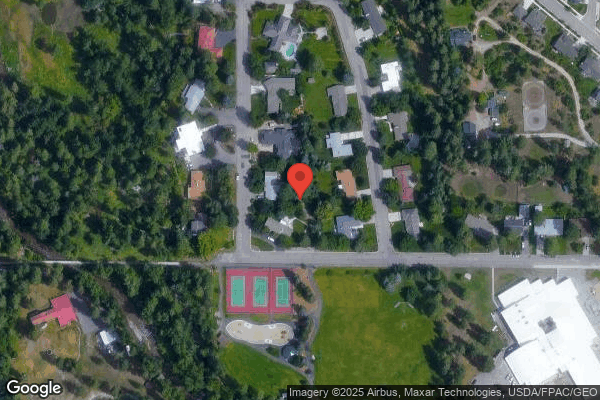
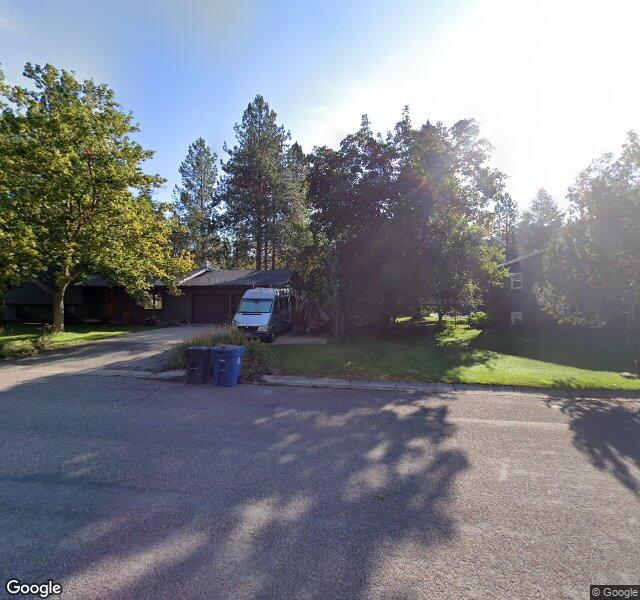
3018 RATTLESNAKE DR, MISSOULA, MT 59802 (406) 549-0988
For profit - Limited Liability company 53 Beds EMPRES OPERATED BY EVERGREEN Data: November 2025
Trust Grade
55/100
#30 of 59 in MT
Last Inspection: February 2025

Within standard 12-15 month inspection cycle. Federal law requires annual inspections.

Overview

Missoula Health & Rehabilitation Center has a Trust Grade of C, which means it is average and positioned in the middle of the pack among facilities. It ranks #30 out of 59 in Montana, placing it in the bottom half of state facilities, but it is the top option in Missoula County, ranking #1 out of 3. The facility's trend is worsening, with issues increasing from 9 in 2024 to 12 in 2025. Staffing is relatively stable with a 4 out of 5 rating, but the turnover rate is 56%, which is average for the area. Notably, the facility has no fines on record, which is a positive sign. However, there are some concerns to consider. Recent inspections identified issues such as expired medications being left in a medication room, which poses a risk to resident safety. Additionally, some residents experienced uncomfortable temperatures due to a broken heater, and others reported not being allowed outside, impacting their mood and well-being. While the facility has strengths in staffing and compliance with fines, these specific incidents highlight areas for improvement.

Trust Score
C
55/100
In Montana
#30/59
Top 50%
Safety Record
Low Risk
No red flags
Inspections
Getting Worse
9 → 12 violations
Staff Stability
⚠ Watch
56% turnover. Above average. Higher turnover means staff may not know residents' routines.
Penalties
✓ Good
No fines on record. Clean compliance history, better than most Montana facilities.
Skilled Nurses
✓ Good
Each resident gets 47 minutes of Registered Nurse (RN) attention daily — more than average for Montana. RNs are trained to catch health problems early.
Violations
⚠ Watch
34 deficiencies on record. Higher than average. Multiple issues found across inspections.
★★★☆☆
3.0
Overall Rating
★★★★☆
4.0
Staff Levels
★★★★☆
4.0
Care Quality
★★★☆☆
3.0
Inspection Score
Stable
2024: 9 issues
2025: 12 issues

The Good

  • 4-Star Staffing Rating · Above-average nurse staffing levels
  • 4-Star Quality Measures · Strong clinical quality outcomes
  • Full Sprinkler Coverage · Fire safety systems throughout facility
  • No fines on record

Facility shows strength in staffing levels, quality measures, fire safety.

The Bad

3-Star Overall Rating

Near Montana average (3.0)

Meets federal standards, typical of most facilities

Staff Turnover: 56%

Near Montana avg (46%)

Frequent staff changes - ask about care continuity

Chain: EMPRES OPERATED BY EVERGREEN

Part of a multi-facility chain

Ask about local staffing decisions and management

Staff turnover is elevated (56%)

8 points above Montana average of 48%

The Ugly 34 deficiencies on record

Feb 2025 12 deficiencies
CONCERN (D)

Potential for Harm - no one hurt, but risky conditions existed

Comprehensive Assessments (Tag F0636)

Could have caused harm · This affected 1 resident

**NOTE- TERMS IN BRACKETS HAVE BEEN EDITED TO PROTECT CONFIDENTIALITY** Based on interview and record review, the facility failed to complete a comprehensive assessment of a resident's needs, strength...

Read full inspector narrative →
**NOTE- TERMS IN BRACKETS HAVE BEEN EDITED TO PROTECT CONFIDENTIALITY** Based on interview and record review, the facility failed to complete a comprehensive assessment of a resident's needs, strengths, goals, life history, and preferences within 14 days of admission, for 1 (#89) of 14 sampled residents. Findings include: Review of resident #89's medical record showed resident #89 was admitted to the facility on [DATE]. The ARD for the completion of the comprehensive admission MDS assessment was 1/27/25. The comprehensive admission MDS assessment was open and showed 'in progress.' This assessment should have been completed and submitted within 14 days of the resident's admission to the facility. The comprehensive admission MDS was 15 days late as of the last day of the survey period. During an interview on 2/12/25 at 1:39 p.m., staff member H stated she completed admission assessments within 14 days of a resident's admission.
CONCERN (D)

Potential for Harm - no one hurt, but risky conditions existed

ADL Care (Tag F0677)

Could have caused harm · This affected 1 resident

Based on observation, interview, and record review, the facility staff failed to provide regular showers for 4 (#s 9, 20, 26, and 89) of 14 sampled residents, which made the residents feel dirty and o...

Read full inspector narrative →
Based on observation, interview, and record review, the facility staff failed to provide regular showers for 4 (#s 9, 20, 26, and 89) of 14 sampled residents, which made the residents feel dirty and or upset. Findings include: 1. a. During an observation and interview on 2/10/25 at 12:05 p.m., resident #9 was lying in her bed eating her lunch. Resident #9 was in her nightgown, and her hair looked greasy and unkempt. Resident #9 stated she had not had a shower in quite a few days. During an observation on 2/12/25 at 11:03 a.m., resident #9's hair was greasy and matted to her head. During an observation and interview on 2/12/25 at 3:19 p.m., resident #9 was in her bed, and her hair was wet and pulled back in a ponytail. Resident #9 stated, I am supposed to get a shower every three days, but it doesn't always happen. Sometimes it's once a week or longer. I just went two weeks without a shower. It made me feel dirty, and my head was itchy. b. During an observation and interview, on 2/10/25 at 12:12 p.m., resident #20 was sitting on the side of her bed. Resident #20's hair looked greasy and unkempt. Resident #20 had a substantial amount of facial hair. Resident #20 stated, We don't get our showers often. It's usually one shower every three weeks. I feel dirty. c. During an observation on 2/10/25 at 3:37 p.m., resident #89 was sleeping in her wheelchair, at a table, in the dining room. Her hair looked unkempt. During an observation on 2/11/25 at 8:15 a.m., resident #89 was sitting at the dining room table waiting for breakfast. Her hair was unkempt. d. During an observation and interview on 2/10/25 at 3:27 p.m., resident #26 was lying in her bed; and her hair appeared greasy. Resident #26 stated, I get a shower once a week, usually. Sometimes it's longer than that. The staff tell me I don't stink, so I don't need a shower. It makes me upset; I would prefer a shower more often. During an interview on 2/12/25 at 10:46 a.m., staff member G stated, CNAs are responsible for doing baths. There are times they don't get them done if they are short-staffed or have call-offs. The baths are documented in PCC and on the Care Team Assignments sheets at the nurse's station. When the aides do the baths, they cross it off the list and initial it. If a bed bath was conducted, it would be documented as well . If I went two weeks without a shower, I would feel gross. It would affect your mental health. Review of the bathing task documentation in PCC and Care Team Assignment sheets showed: Resident #89 went 14 days without a shower (1/25/25 - 2/8/25). Resident #20 went 22 days without a shower (1/14/25 - 2/5/25). Resident #9 went 12 days without a shower (1/31/25 - 2/11/25). Resident #26 went 12 days without a shower (1/31/25 - 2/11/25). A request was made for a bathing policy on 2/11/25 at 4:15 p.m. The facility failed to provide one by the end of the survey period.
CONCERN (D)

Potential for Harm - no one hurt, but risky conditions existed

Deficiency F0679 (Tag F0679)

Could have caused harm · This affected 1 resident

Based on observation, interview, and record review, the facility failed to provide residents with group and individual activities to meet their interests and support their physical, mental, and psycho...

Read full inspector narrative →
Based on observation, interview, and record review, the facility failed to provide residents with group and individual activities to meet their interests and support their physical, mental, and psychosocial well-being for 2 (#s 9 and 26) of 14 sampled residents. Resident #26 stayed in her room most of the time, and neither resident participated often in group activities. 1. During an observation and interview on 2/10/25 at 3:27 p.m., resident #26 was lying in her bed in the dark. Resident #26 stated, They don't have activities that interest me. They do bingo all the time, but I don't like bingo. I stay in my room most of the time. During an observation on 2/12/25 at 3:05 p.m., resident #26 was in her room lying in her bed in the dark. Review of resident #26's activities participation record showed participation in two activities in the 30-day look-back period. 2. During an observation and interview on 2/10/25 at 12:05 p.m., resident #9 was lying in her bed eating lunch. Resident #9 stated, I don't have much to do. I don't like most of the activities scheduled. During an observation and interview on 2/12/25 at 3:19 p.m., resident #9 was lying in her bed. Resident #9 stated, I have to be in the right mood to participate in group activities. The staff have never offered me things to do in my room. I wish they did. They have a lot of stuff for my roommate to do, but not me. I guess I should tell them that I like to color too. Review of resident #9's activities participation record showed participation in one activity in the 30-day look-back period. During an interview on 2/12/25 at 9:36 a.m., staff member E stated he met with the residents continually throughout their stay to get to know them. He was responsible for care planning the residents' preferences. Staff member E stated, I don't always record refusals when residents refuse to participate in group activities. The facility just hired an assistant, so I'm hoping documentation will be better. I haven't been documenting as much as I should be. I haven't been documenting one-on-one time spent with residents. During an interview on 2/13/25 at 10:00 a.m., staff member K stated activities documentation was identified as an issue about three weeks ago. The Activities Director was not documenting any of the activities. Review of a facility document titled, Activity Program, updated on 7/2015 showed: 1. The activity program: a. Is multifaceted to reflect the entire resident population's needs and interests . d. Enhances to the extent practical each resident's physical, mental, and psychosocial status. 2. The Activity Director is responsible for overall supervision, direction, and management of the activity program, including: a. Reviewing activities and attendance monthly . 5. Activities include individual, small and large group, one-on-one, and independent activities to meet residents' needs, abilities, and interests.
CONCERN (D)

Potential for Harm - no one hurt, but risky conditions existed

Deficiency F0688 (Tag F0688)

Could have caused harm · This affected 1 resident

Based on observation, interview, and record review, the facility failed to ensure residents with limited range of motion were provided appropriate assistance and positioning to maintain or improve mob...

Read full inspector narrative →
Based on observation, interview, and record review, the facility failed to ensure residents with limited range of motion were provided appropriate assistance and positioning to maintain or improve mobility for 2 (#s 15 and 27) of 14 sampled residents. Findings include: 1. During an interview on 2/10/25 at 1:08 p.m., resident #27 stated she had a recurring wound on her coccyx area that would open and then heal. Resident #27 stated she worked with physical therapy three times a week, but would like to work more on her mobility. During an interview on 2/11/25 at 6:19 p.m., NF3 stated they feel resident #27 was left in bed too long when they visited the facility, and had not seen a staff member rotate resident #27. NF3 stated if resident #27 was moved it was just to bed. NF3 stated she would talk to resident #27 on the phone every day, and talk her through her physical therapy exercises. NF3 stated feeling more physical therapy or restorative therapy would be beneficial for resident #27, and felt the facility was short staffed at times, which might have led to less mobility and potentially more pain for resident #27. Review of resident #27's EHR showed the task: Did you turn and reposition? Resident #27 was repositioned once during the day shift on 2/10/25 (at 9:31 a.m.) and once on 2/11/25 (at 10:58 a.m.). No other times were documented for turning or repositioning during the day shifts on 2/10/25 or 2/11/25. During the following observations on 2/12/25, resident #27 was sitting in her wheelchair in the main dining room area: - 8:31 a.m. - 9:24 a.m. - 11:10 a.m. - 1:23 p.m. - 2:48 p.m. - 4:38 p.m. During an interview on 2/12/25 at 4:38 p.m., resident #27 stated her legs felt tired and she had not moved from her wheelchair all day. Review of resident #27's EHR showed a physician's order: Have CNA check resident Q 2 hours Put on side to side . every night shift . [sic]. Review of resident #27's EHR showed the task: Did you turn and reposition? In the past 30 days, there were no times where resident #27 was repositioned consistently throughout the night shift. 2. During an interview on 2/10/25 at 12:44 p.m., resident #15 stated he would get sores on his coccyx area from sitting long periods of time. Resident #15 stated his day would consist of sitting in the wheelchair for twelve hours, and at night he would then lay in bed for twelve hours. Review of resident #15's EHR showed a nursing rehab/restorative intervention: Assist resident, using gait belt, to stand and pivot into w/c to sit up for every meal. 3-5 times a week. [sic] The follow up question on this task was: Amount of minutes spent training and skill practice in transfer. Below, resident #15's activity in the past 30 days, is reflected: - 1/24/25; 10 minutes documented - 1/31/25; 10 minutes documented - 2/1/25; 15 minutes documented - 2/6/25; 25 minutes documented - 2/8/25; 15 minutes documented - 2/12/25; 15 minutes documented - All other days showed: Not Applicable During an interview on 2/12/25 at 9:34 a.m., staff member E stated they were trying to encourage other staff to keep residents out of bed more. During an interview on 2/12/25 at 1:16 p.m., staff member P stated they would complete restorative duties when CNA duties were done.
CONCERN (D)

Potential for Harm - no one hurt, but risky conditions existed

Deficiency F0697 (Tag F0697)

Could have caused harm · This affected 1 resident

Based on observation, interview, and record review, the facility failed to ensure sufficient pain medication was provided for a resident who stated she had pain consistently throughout the day, for 1 ...

Read full inspector narrative →
Based on observation, interview, and record review, the facility failed to ensure sufficient pain medication was provided for a resident who stated she had pain consistently throughout the day, for 1 (#27) of 14 sampled residents. Findings include: During an interview on 2/10/25 at 1:08 p.m., resident #27 stated, My legs hurt so bad. Resident #27 stated her legs would hurt consistently throughout the day. She stated she would lose the call light and be unable to call a staff member to request a pain medication. She stated staff did not ask her what her pain rating was very frequently. Review of resident #27's EHR showed her pain was documented as a 0/10 for the day and evening shifts on 2/10/25. Review of resident #27's TAR showed: - Monitor Pain, every shift indicate pain level and location if applicable, - Document Non-Pharmacological pain interventions, 1. Rest, 2. Repositioning, 3. None . NA for 0 pain. - From 12/1/24 to 2/10/25, there were 14 out of 216 opportunities that resident #27 was documented to have pain and an intervention provided. All other days were documented as NA. During an interview on 2/11/25 at 6:19 p.m., NF3 stated when they were at the facility, pain was a constant problem. NF3 stated resident #27 would say comments like, I hurt so bad, and, My legs are bugging me. NF3 stated they called resident #27 daily, and resident #27 would often say her legs hurt. NF3 stated telling #27 to push her call button, but she often could not find it. NF3 voiced concerns related to the staff not assessing resident #27's pain often enough. NF3 stated they did not see staff reposition or do range of motion exercises with her, and it seemed like the staff kept her in bed too long, and felt this could have been a contributing factor to resident #27's pain. NF3 stated, the facility staff did not move or reposition the resident, but instead would put resident #27 to bed. During an interview on 2/12/25 at 11:18 a.m., staff member N stated no different pain interventions were needed for resident #27. During an interview on 2/12/25 at 4:38 p.m., resident #27 stated her legs were very tired, sore, and hurt from sitting in the same position all day.
CONCERN (D)

Potential for Harm - no one hurt, but risky conditions existed

Deficiency F0760 (Tag F0760)

Could have caused harm · This affected 1 resident

Based on observation, interview, and record review, the facility failed to dispose of expired over the counter medications; and administer medications per physician order, for 2 (#s 10 and 11) of 14 s...

Read full inspector narrative →
Based on observation, interview, and record review, the facility failed to dispose of expired over the counter medications; and administer medications per physician order, for 2 (#s 10 and 11) of 14 sampled residents; and failed to appropriately document medication administration. Findings include: 1. During an observation on 2/11/25 at 1:20 p.m., staff member N administered Tylenol 1000 mg to resident #10. Resident #10's medications were not crushed during the observation or when given to the resident. Review of resident #10's MAR showed: Crush medication put in apple sauce per ST three times a day for CVA. 2. During an interview on 2/11/25 at 1:32 p.m., staff member L stated medications needed to be disposed of when the expiration date was reached. During an observation on 2/11/25 at 2:00 p.m., the South Hall medication cart had two expired medications: Vitamin B Complex (expired 1/8/25) and Colace (expired 10/24/24). During an interview on 2/11/25 at 2:20 p.m., staff member Q stated medications were kept until the expiration date. During an observation on 2/11/25 at 2:20 p.m., the North Hall medication cart had one expired medication: Vitamin C (expired 1/25). 3. Review of resident #11's MAR showed Carafate was scheduled and administered at 6:30 a.m. During an observation and interview, on 2/12/25 at 8:31 a.m., staff member L prepared the medication Carafate 1000 mg for resident #11. Resident #11 had previously been eating at the dining room table and walked up to the medication cart with staff member L. Staff member L administered the Carafate. Staff member L stated the Carafate had been checked off on the MAR earlier because the facility could be flexible and they stated taking the Carafate later was the resident's preference. Staff member L stated they had not thought about getting a physician's order clarifying the resident's preference or changing the scheduled time of the medication. Review of resident #11's physician orders showed: Carafate Tablet (Sucralfate) Give 1000 mg by mouth two times a day for gerd . give before meals. [sic] During an interview on 2/13/25 at 9:58 a.m., NF5 stated the medication Carafate had the best efficacy when administered an hour before meals, and the purpose of the Carafate was to coat the stomach before eating for residents with GERD. NF5 stated if a resident ate prior to the Carafate medication administration, the effectiveness would decrease, and if it was given late, then it should be given two hours after a resident had eaten. NF5 also stated over the counter medications should be thrown out after the expiration date. Review of the facility policy, titled Medication Administration, dated 1/2025, showed: - . 1. Medications are administered in accordance with written orders of the prescriber, - . 3. Medication administration timing parameters include the following: a. Medications to be given on an empty stomach or before meals are to be scheduled for administration 30 minutes to 2 hours prior to meals. [sic] - . Documentation: 1. The individual who administers the medication dose, records the administration on the resident's MAR immediately following the medication being given.
CONCERN (D)

Potential for Harm - no one hurt, but risky conditions existed

Dental Services (Tag F0791)

Could have caused harm · This affected 1 resident

Based on observation, interview, and record review, the facility failed to provide dental services for 1 (#26) of 14 sampled residents. Findings include: During an observation and interview on 2/10/25...

Read full inspector narrative →
Based on observation, interview, and record review, the facility failed to provide dental services for 1 (#26) of 14 sampled residents. Findings include: During an observation and interview on 2/10/25 at 3:27 p.m., resident #26 was lying in her room, and she was observed to be missing all her teeth. Resident #26 stated, I used to have dentures, but they did not fit right. The staff haven't ever asked me if I wanted dentures; they just cut my meat up for me. During an interview on 2/12/25 at 10:55 a.m., staff member J stated she had asked resident #26 if she wanted to go to the dentist and would look for that documentation. During an interview on 2/12/25 at 4:04 p.m., staff member J stated resident #26 was alert and oriented. Staff member J stated she could not find any supporting documentation of offering dental services. During the QAPI meeting with facility staff held on 2/13/25 at 10:00 a.m., staff member J stated they had identified a documentation issue with resident #26 and her dental care. Review of resident #26's care plan showed: Problem: The resident has oral/dental health problems (no teeth) r/t Poor oral hygiene. Goal: The resident will be free of infection, pain or bleeding in the oral cavity by review date. The resident will comply with mouth care at least daily through review date. Interventions/Tasks: Coordinate arrangements for dental care, transportation as needed/as ordered. [sic] Review of a facility document titled, Dental Services - Dentures, with a published date of 10/2017 showed, Policy Statement: The Center assists the resident with dental services when loss or damage to dentures occurs. Procedure: 1. The Center assists residents as necessary or requested upon notification and confirmation of lost or damaged dentures: a. Arranging for transportation to and from dental services location. b. Within 3 days of notification and confirmation, refers residents with lost or damaged dentures for dental services and documents the referral in the medical record. [sic] A request was made for dental notes pertaining to resident #26's dentures on 2/12/25 at 2:46 p.m. The facility did not provide any dental notes for resident #26 by the end of the survey period.
CONCERN (D)

Potential for Harm - no one hurt, but risky conditions existed

Food Safety (Tag F0812)

Could have caused harm · This affected 1 resident

Based on observation, interview, and record review, the facility failed to ensure the staff used gloves when handling a resident's food, for 1 (#88) of 14 residents sampled. This deficient practice in...

Read full inspector narrative →
Based on observation, interview, and record review, the facility failed to ensure the staff used gloves when handling a resident's food, for 1 (#88) of 14 residents sampled. This deficient practice increased the risk of foodborne illness. Findings include: During an observation on 2/11/25 at 8:30 a.m., staff member D picked up slices of cooked bacon from resident #88's plate with bare hands, and placed the slices on a half piece of toast on the resident's plate. During an interview on 2/11/25 at 8:32 a.m., staff member D stated when staff served food plates, they were to use hand sanitizer first. Staff member D stated the kitchen staff used gloves when plating the food. Staff member D stated, I was not supposed to touch the food (on resident #88's plate), that was wrong. During an observation on 2/11/25 at 8:35 a.m., staff member D stood by the kitchen door to wait. Staff member D did not remove resident #88's plate with the contaminated food. Resident #88 proceeded to eat his toast. During an interview on 2/11/25 at 8:36 a.m., staff member D stated he was standing by the kitchen to get an egg for resident #88's breakfast sandwich, and was not getting the resident new food. Staff member D then stated he would get resident #88 new food. During an observation on 2/11/25 at 8:39 a.m., staff member D gave resident #88 a new plate of food, and placed the hashbrowns from the previously contaminated plate onto the new plate with the egg and bacon sandwich. During an interview on 2/11/25 at 12:32 p.m., staff member A stated she would have to check the hand washing policy for specifics on food handling. Staff member A stated staff member D usually worked on the night shift. Staff member A stated CNAs were not supposed to touch residents' food. Review of the facility's policy, Glove Use, revised December 2021, showed, Bare hand food contact is prohibited.
CONCERN (D)

Potential for Harm - no one hurt, but risky conditions existed

Deficiency F0849 (Tag F0849)

Could have caused harm · This affected 1 resident

Based on observation, interview, and record review, the facility failed to ensure hospice orders were clarified for accuracy and appropriately followed for 1 (#10) of 14 sampled residents. Findings in...

Read full inspector narrative →
Based on observation, interview, and record review, the facility failed to ensure hospice orders were clarified for accuracy and appropriately followed for 1 (#10) of 14 sampled residents. Findings include: During an interview on 2/12/25 at 9:43 a.m., staff member O stated they did not provide any different care for hospice residents. Staff member O stated the main difference (between hospice and non-hospice residents) was hospice would come in and do baths more frequently if a resident was on hospice. During an interview on 2/12/25 at 11:18 a.m., staff member N stated resident #10 was on hospice due to the failure to thrive. Staff member N stated if a resident was on comfort care, the facility would mostly care for the resident, but if a resident was on hospice, then hospice would take over. Review of resident #10's physician orders showed current comfort care orders as of 11/24/24. Review of resident #10's physician orders showed the resident was placed on hospice on 12/16/24. Review of resident #10's EHR showed a nursing note, dated 2/5/25 which included: Lorazepam Oral Tablet 1MG; Give 1 mg by mouth every 6 hours as needed for anxiety, restlessness for 180 Days activated from comfort care order set . [sic] Review of resident #10's EHR showed a nursing note, dated 2/7/25, which included: Morphine Sulfate(Concentrate) Solution 20 MG/ML Give 0.5 ml by mouth every 2 hours as needed for pain and dyspnea activated from comfort care order set . [sic] Review of a facility document, titled Comfort Care Order Set, dated 11/8/24, showed resident #10 was still following some of the comfort care orders in the Resident Disaster and Recovery Binder. During an interview on 2/12/25 at 11:35 a.m., staff member L stated if there was a change to a medication for a resident on hospice, the hospice physician would sign the order change. During an interview on 2/12/25 at 3:23 p.m., staff member B stated resident #10's physician orders were different than the hospice orders because the resident was not actively passing. Staff member B stated the primary physician had wanted this resident to be on the facility's comfort care orders. During an interview and observation on 2/12/25 at 4:05 p.m., staff member M stated they felt it was odd that a resident was on hospice and not following the hospice orders specifically. Staff member M stated they did not know why the orders were different, but stated they would ask staff member B those types of questions. During the observation of resident #10's morphine medication package, that was locked in the medication cart, showed the hospice order (0.25 ml sublingual to be given as needed every 15 minutes). Review of resident #10's hospice orders showed: morphine 100 mg/5 ml; give 0.25-1 ml SL every 15 minutes as needed. Review of resident #10's EHR current physician orders showed: morphine, give 0.125 ml every 2 hours as needed. During an interview on 2/13/25 at 10:30 a.m., NF4 stated they heard there was a discrepancy at the facility concerning resident #10's morphine. NF4 stated they were under the impression the facility was following the hospice orders. NF4 stated [entity name] had their own comfort care orders along with hospice orders.
CONCERN (D)

Potential for Harm - no one hurt, but risky conditions existed

Infection Control (Tag F0880)

Could have caused harm · This affected 1 resident

Based on observation and interview, the facility failed to ensure staff were properly handling resident medications for 2 (#s 11 and 22) of 14 sampled residents, which increased the risk of negative o...

Read full inspector narrative →
Based on observation and interview, the facility failed to ensure staff were properly handling resident medications for 2 (#s 11 and 22) of 14 sampled residents, which increased the risk of negative outcomes for the residents if infection control prevention measures were not upheld. Findings include: During an observation on 2/11/25 at 1:32 p.m., staff member L was administering the medication gabapentin to resident #22. Staff member L touched this medication with bare hands and put the medication in the medication cup. Staff member L administered the gabapentin to resident #22. During an observation on 2/12/25 at 8:31 a.m., staff member L was administering the medication clonazepam to resident #11, and the medication fell on the medication cart. Staff member L touched the medication with bare hands and put the medication in the medication cup. Staff member L then administered clonazepam to resident #11. During an interview on 2/12/25 at 2:54 p.m., staff member M stated touching medications with bare hands was unacceptable, and this was a basic skill learned in nursing school, due to the transmission of germs to a resident, and the potential of the medication absorbing into the skin if improperly handled. Review of a facility document, titled Medication Administration, dated 1/25 showed: . hands are washed with soap and water and gloves applied prior to handling tablets .
CONCERN (E)

Potential for Harm - no one hurt, but risky conditions existed

Safe Environment (Tag F0584)

Could have caused harm · This affected multiple residents

Based on observation, interview, and record review, the facility failed to maintain a comfortable temperature for 5 (#s 1, 9, 20, 26, and 89) of 14 sampled residents throughout the facility; and faile...

Read full inspector narrative →
Based on observation, interview, and record review, the facility failed to maintain a comfortable temperature for 5 (#s 1, 9, 20, 26, and 89) of 14 sampled residents throughout the facility; and failed to repair the sheet metal covering on a base board heater in a community area. This deficient practice had the potential to cause cold induced stress, and injure a resident ambulating in the affected area. Findings include: 1. During an observation on 2/12/25 at 3:50 p.m., the base board heater at the end of the North Hall, by the nurses' station, had sheet metal that was detached, and a sharp edge was protruding out on both ends of the heater. During an interview on 2/13/25 at 9:38 a.m., staff member C stated the protruding sheet metal on the base board heater was a tripping hazard for residents. A review of a facility policy titled, Preventative Maintenance, with a published date of July 2008, showed: Policy Statement: This manual defines and establishes procedures for the implementation of the Center's preventative maintenance program. The intent of this program is to establish a building where the environment is safe and comfortable, essential utilities are delivered without interruption and mechanical systems and equipment operate safely, accurately, and reliably. Procedure: . 2. All areas of the Center and equipment therein, are inspected and maintained in accordance with the scheduled maintenance system . 2. During an observation and interview on 2/12/25 at 11:00 a.m., the nurses station temperature read 66 degrees Fahrenheit. Staff member C stated he had put plastic on the windows to help keep the building warm, but residents liked to poke holes in the plastic. Staff member C stated the facility provided blankets to the residents when they were cold, and stated the facility did not have a blanket warmer. Staff member C stated the building ran on a boiler for heat in the North Hall rooms, so those rooms were colder than the South Hall rooms. Staff member C stated he did not document the temperatures in the resident rooms or public areas because he did not have a sheet designated to document the temperatures. Staff member C stated the low temperatures in the building, .just happen when it gets this cold . There is nothing in the works to help improve the temperature issues . During an observation and interview on 2/12/25 at 12:28 p.m., resident #1 was lying in bed with blankets covering her. Resident #1 stated she was so cold that day, her hands turned blue, and she could not get warm. Resident #1's room was on the South Hall. During an observation on 2/12/25 at 12:30 p.m., the temperature on the South Hall read 68 degrees Fahrenheit. During an interview on 2/12/25 at 12:32 p.m., resident #20 stated she kept her door shut because otherwise her room would get cold. Resident #20's room was on the South Hall. During an observation on 2/12/25 at 12:48 p.m., the temperature on the North Hall read 65 degrees Fahrenheit. 3. During an interview on 2/12/25 at 10:55 a.m., staff member J stated the facility was old and was often cold. During an interview on 2/12/25 at 3:05 p.m., resident #26 stated, The facility is cold every winter. The staff keeps the temperature low. It is warmest in the dining room near the baseboard heaters. During an observation and interview on 2/12/25 at 3:19 p.m., resident #9 was wrapped up in blankets in her bed. Resident #9 stated, I just got out of the shower. Resident #9 was shivering and had goose bumps on her arms; her lips were purple in color. Resident #9 stated, It is cold in here. I normally have lots of blankets on me. One hallway will be warm one week and cold the next. During an interview and observation on 2/12/25 at 3:25 p.m., staff member I stated, I don't think it's cold in here. Staff member I was wheeling resident #89 down the hall in her wheelchair. Resident #89 stated, I'm cold; could I get a blanket? Staff member I went and got a blanket for resident #89. At this time resident #89 already had a blanket around her and now had two blankets on.
CONCERN (E)

Potential for Harm - no one hurt, but risky conditions existed

Deficiency F0675 (Tag F0675)

Could have caused harm · This affected multiple residents

Based on interview and record review, the facility failed to honor a resident's activity preference for going outside when the weather was comfortable, for 2 (#s 9 and 24) of 14 sampled residents. Thi...

Read full inspector narrative →
Based on interview and record review, the facility failed to honor a resident's activity preference for going outside when the weather was comfortable, for 2 (#s 9 and 24) of 14 sampled residents. This deficient practice increased the risk of the resident's of a decline in mood or well-being. Findings include: During an interview on 2/11/25 at 8:22 a.m., NF1 stated she had asked facility staff shortly after resident #24 was admitted to the facility, when would she be able to go outside, and was told resident #24 could go out with the smokers. The smokers went outside five times a day. NF1 further stated the residents could go months and months without going outside. During an interview on 2/11/25 at 2:21 p.m., resident #9 stated she had not been outside the facility except to go to appointments. Resident #9 stated, I would like to go outside when it's not cold and they haven't taken us outside, they're busy. A review of resident #9's Annual MDS assessment, with an ARD of 3/15/24, showed section F: Preferences for Customary Routine & Activities, . How important is it to you to go outside to get fresh air when the weather is good? . Response: somewhat important. A review of resident #24's admission MDS assessment, with an ARD of 10/16/24, showed for section F: Preferences for Customary Routine & Activities, . How important is it to you to go outside to get fresh air when the weather is good? . Response: very important. During an interview on 2/12/25 at 9:36 a.m., staff member E stated he did not conduct any outside activities for the residents since starting in his position in the middle of July 2024. Staff member E stated he had not utilized the facility's outside courtyard since he had been here. Staff member E further stated he had not felt comfortable taking any residents outside until sometime around September 2024. A review of the facility's monthly activities calendar, listing activities for each day of the month, for April, May, August, September, and October 2024, failed to show any outside activities scheduled. The activities calendars for June and July 2024 were requested, but not received prior to the end of the survey. A review of a facility policy titled, Activity Program, updated July 2015, showed: Policy Statement: The Center provides an ongoing program of activities designed to meet the interests as well as physical, mental, and psychosocial well-being of each resident. Procedure: 1. The activity program: a. Is multifaceted to reflect the entire resident population's needs and interests. b. Is varied to provide stimulation or solace. c. Promotes physical, cognitive, and/or emotional well-being. d. Enhances to the extent practical each resident's physical. mental. and psychosocial status. [sic]
Feb 2024 9 deficiencies
CONCERN (D)

Potential for Harm - no one hurt, but risky conditions existed

Resident Rights (Tag F0550)

Could have caused harm · This affected 1 resident

Based on observations and interviews, the facility failed to ensure residents' catheter bags were covered for maintaining resident dignity, for 2 (#s 29 & 132) of 3 sampled residents for dignity and c...

Read full inspector narrative →
Based on observations and interviews, the facility failed to ensure residents' catheter bags were covered for maintaining resident dignity, for 2 (#s 29 & 132) of 3 sampled residents for dignity and catheter concerns. Findings include: During an observation and interview, on 2/14/24 at 8:01 p.m., resident #132 was sitting in her room. A catheter bag was attached to her wheelchair armrest, and the catheter bag was uncovered. Resident #132 stated she just had Valentine's dinner with her husband. Resident #132 stated her catheter bag had not been covered since her arrival to the facility, which was back on 2/5/24. During an interview on 2/14/24 at 8:10 p.m., staff member G stated she was not sure why catheter bags were not covered. Staff member G stated the CNAs were responsible for emptying the catheter bags and placing covers on the catheter bags. During an interview on 2/14/24 at 8:21 p.m., staff member A stated the staff should have been placing covers on the catheter bags, and catheter bag covers were available for staff use. During an observation on 2/15/24 at 8:15 a.m., resident #29 was lying in bed sleeping. A catheter bag was hanging from the end of his bed, by the entrance to the room. The catheter bag did not have a dignity cover over it. Resident #29 was not responsive at the time of the observation. Due to the location of the catheter bag, residents, family, or anyone entering the room to see resident #29 or his roommate, would be able to see the catheter bag with urine in it.
CONCERN (D) 📢 Someone Reported This

A family member, employee, or ombudsman was alarmed enough to file a formal complaint

Potential for Harm - no one hurt, but risky conditions existed

Deficiency F0657 (Tag F0657)

Could have caused harm · This affected 1 resident

Based on observation, interview, and record review, the facility failed to review and revise care plan interventions, and identify beneficial interventions, to prevent a resident from wandering into o...

Read full inspector narrative →
Based on observation, interview, and record review, the facility failed to review and revise care plan interventions, and identify beneficial interventions, to prevent a resident from wandering into other residents' personal space and rooms, and taking or destroying their belongings, for 1 (#24) of 19 sampled residents. Findings include: During an observation on 2/14/24 at 5:55 p.m., resident #24 was wandering around other residents who were gathering for dinner, and she was blocking their paths. Several other residents were showing signs of irritation by resident #24 being in their personal space. Another resident faked pushing her walker into resident #24 when she stopped in front of her. Another resident visibly froze in place, backed up, and went around resident #24, to not cross paths with her. During an observation on 2/14/24 at 7:32 p.m., resident #24 was wandering and went to the exit door by the nursing station. Staff member W then put resident #24 to bed. Staff member W attempted to leave the room. Resident #24 sat up in bed and started reaching for things. Staff member W turned on the light as she re-entered the room and closed the door. There was no alert stop signs on the resident room doors in use on the North or South Halls (with residents residing in them), as to deter resident #24 from entering the other rooms. During an interview on 2/14/24 at 7:58 p.m., staff member W stated resident #24 would already be wandering by the time her shift started at 2:00 p.m. Staff member W stated resident #24 wandered throughout the facility but was generally able to be redirected. Staff member W stated the alert stop signs were given to residents who had issues with resident #24 going into their room or taking things. Staff member W stated, if the alert stop sign was in use, it will slow resident #24 down because resident #24 would pick at the sign, but she would still attempt to enter the room, and staff would intervene if they witnessed her trying to enter a room. Staff member W stated she would try different interventions when she was on shift, in between care sessions for other residents, such as sitting with resident #24, coloring, or watching television. Resident #24 had a very short attention span. Staff member W was not sure if these interventions were care planned for #24, or if there were interventions that worked for resident #24. During an observation on 2/15/24 at 10:05 a.m., resident #24 was wearing the same clothing as the day prior, which was a blue Rugrats sweatshirt, grey pants, and purple and pink striped fuzzy socks. Resident #24 was walking to the common area, where three other residents were seated. Resident #24 was hovering over a male resident touching his walker, then she went to a female resident and started rummaging through her walker basket. Resident #24 grabbed the handle of another resident's wheelchair, and the resident yelled at resident #24. Three facility employees walked past the common area during the observation and did not intervene with resident #24's behavior. Resident #24 proceeded to go down the South Hall, carrying a decoration, and looking into different resident rooms. Staff member N came down the hall, saw resident #24, who was close to the end of the hall, and started calling her name. Resident #24 did not notice Staff member N calling her as she leaned into another resident's room that did not have an alert stop sign on the door. Staff member N caught up to resident #24 as she went to the exit door. During an interview on 2/15/24 at 10:43 a.m., staff member C stated the interdisciplinary team reviewed behaviors, and resident #24 was reviewed for her behaviors when incidents occurred. Staff member C stated resident #24 needed a memory care unit, and she had been attempting placement for four to six months as the resident's behavior's had progressed. Staff member C stated resident #24's medications had been reviewed, and she had been placed on a toileting plan, but this did not change the wandering behavior. Staff member C stated there were residents that would seek out resident #24 if they were upset, because they had incidents with her, but resident #24 could not understand or respond. Staff member C stated the alert stop signs were for residents who had an incident with resident #24 going into their room. Staff member C stated #24's care plan was generalized for keeping resident #24 out of other resident's rooms because the facility did not put information for other residents on her care plan. Review of the facility grievances from December 2023 through February 2024 showed: - On 2/12/24 resident #24 wandered into a resident's room and took a pair of her shoes. Staff witnessed the other resident chase resident #24 down the hall to get the shoes back. The facility re-educated the resident to use the alert stop sign and press her call light when resident #24 came to her room. - On 12/1/23 resident #24 went into another resident's room when the resident in the room had a visitor, and #24 destroyed the puzzle they had worked on. The facility gave an alert stop sign to the resident for the door, and then told the resident to press the call light if resident #24 wandered into the room again. Review of a facility reported incident, which occurred on 2/3/24, showed resident #24 wandered into two different resident rooms, on two facility halls. In one room, she tore up two bags of briefs. Resident #24 entered the other resident's room and was touching his leg boot. The report showed resident #24's care plan was reviewed, and resident #24 would be redirected by staff if attempting to go in other resident rooms and staff would provide 1:1 activities. Review of resident #24's care plan, last updated 5/13/24, showed: - Resident #24 displayed multiple behaviors, to include being in others personal space, entering their rooms, getting into their bed, taking or destroying items, and pushing residents in their wheelchairs. - Interventions included placement of the alert stop signs on doors as appropriate, and to redirect resident #24 when in the personal space of another resident or entering their room.
CONCERN (D)

Potential for Harm - no one hurt, but risky conditions existed

ADL Care (Tag F0677)

Could have caused harm · This affected 1 resident

Based on observations, interviews, and record review, the facility failed to provide necessary services to maintain grooming for 1 (#13) of 19 sampled residents. Findings include: During an observatio...

Read full inspector narrative →
Based on observations, interviews, and record review, the facility failed to provide necessary services to maintain grooming for 1 (#13) of 19 sampled residents. Findings include: During an observation and interview on 2/12/24 at 1:15 p.m., resident #13 was in her room. Resident #13 appeared disheveled, with hair unbrushed, and long facial hair growing into a beard on her lower jaw and down her neck. Resident #13 stated, No one offered to assist me with my whiskers, so they just grow. Resident #13 stated she brushed her own hair and had not had a chance to brush it that morning. Resident #13 stated, I would love to get rid of this thing (beard), it's awful masculine isn't it. During an interview on 2/12/24 at 2:00 p.m., staff member F stated the CNAs should be offering shaving during bath days. During an interview on 2/12/24 at 2:10 p.m., staff member R stated, I suppose I should offer (assistance with shaving). I've only worked here a couple of shifts. I'm a traveler. During an interview on 2/12/24 at 2:20 p.m., staff member E stated, Well we were focused more on incontinence and showers, but we should start more on shaving too. During an interview on 2/13/24 at 3:18 p.m., NF3 stated she had visited resident #13 and noted her beard was long and thick. During an observation and interview on 2/14/24 at 10:40 a.m., resident #13 received a shower without complaint or refusals, and she was shaved. Resident #13 returned to her room and stated, It's awesome. I feel like new. A review of the facility's policy, CNA Competency, Assisting with a Shower or Bath, dated July 2014, showed: - . 22. Assist with hair care or other grooming needs.
CONCERN (D)

Potential for Harm - no one hurt, but risky conditions existed

Incontinence Care (Tag F0690)

Could have caused harm · This affected 1 resident

Based on observations, interviews, and record review, the facility failed to provide the necessary services for a resident related to scheduling medical appointments, communication, and continuity of ...

Read full inspector narrative →
Based on observations, interviews, and record review, the facility failed to provide the necessary services for a resident related to scheduling medical appointments, communication, and continuity of care, for the resident's catheter care and services, and catheter changes, received at a specialized Urology clinic, for 1 (#8) of 19 sampled residents. Findings include: During an interview on 2/12/24 at 2:18 p.m., staff member B stated resident #8 required monthly catheter changes with the [Urology Clinic]. A record review of Resident #8's physician communications, showed a physician's fax, dated 7/1/22. The fax included a physician's order for monthly catheter changes for #8. No new physician orders concerning biweekly catheter changes were noted in the resident's EHR. During an interview and record review, on 2/13/24 at 9:26 a.m., staff member B reviewed the monthly appointment calendar with the surveyor. It was identified there was no monthly [Urology Clinic] appointment on the calendar for resident #8, for catheter care and services. Staff member B reported the [Urology Clinic] scheduled the appointments. During an observation, interview, and record review, on 2/13/24 at 3:36 p.m. staff member B showed an appointment had been scheduled for resident #8 for catheter services. Staff member B made no reference to the appointment that was missing during the review earlier that morning, and the new appointment for resident #8 was scheduled for 2/15/24. Review of the audit trail of appointments showed appointments were made by staff member N. Staff member B stated staff member N made (resident) appointments. During an interview on 2/14/24 at 8:51 a.m., staff member N stated she only made one appointment yesterday (1/13/24) for #8, but the facility made the appointments monthly for #8, for catheter services. During an interview and record review on 2/14/24 at 9:56 a.m., NF2 stated the facility made the appointments for resident #8's catheter services and changes. NF2 stated the next appointment for resident #8 was scheduled for 2/15/24. This appointment was scheduled by the facility on 2/13/24, after the surveyor asked staff member B about #8's next appointment. NF2, and the surveyor, reviewed the resident's [Urology Clinic] appointment note from 12/20/23, and it showed the resident's catheter changes were now biweekly, not monthly. During resident #8's record review, a [Urology Clinic] note, dated 1/18/24, also referenced biweekly catheter changes. NF2 stated she had concerns regarding resident #8 being left alone at his appointments and only being sent with an SBAR communication form, from the facility. Resident #8 had a BIMS of 4. The BIMS scale ranges from 0 to 15. Scores 0 to 7 are categorized as severely cognitively impaired. During an interview on 2/15/24 at 9:17 a.m., staff member O reported, Residents can be left alone at appointments if they say they are okay. Staff member O stated, another employee was utilized if two appointments were scheduled at the same time. Staff member O stated he made appointments most of the time, but staff member N would help sometimes. Record review of a fax sent to the [Urology Clinic], on 12/17/23, requested the facility's transport to make an appointment for resident #8. Record review of a facility Transportation policy, updated November 2016, showed, If staff is to assist a resident in coordinating transportation and he/she is unable to leave the Community without superivsion, staff needs to make arrangements for an escort to accompany the resident. Record review of a resident list, provided by the faciility, for residents who needed supervision at appointments, which was not dated, showed resident #8 required supervision for appointments. Record review of resident #8's EHR reflected gaps in communication two times, and the documentation from the facility to the [Urology clinic] in the past 3 months. These included: a. The first gap in communication and documentation showed four nursing notes referring to follow up with the [Urology clinic], and only one fax to the [Urology clinic], dated 12/17/23, regarding resident #8's catheter and the catheter was frequently leaking. Per the documentation in the nursing notes, resident #8 had a catheter leaking for the past three months. b. The 2nd gap in communication and documentation, included one progress note, dated 1/18/24, which addressed the [Urology clinic] catheter change for resident #8. This documented note was a late entry, created on 2/13/24 at 9:37 a.m., by staff member B. There were no other notes regarding a catheter change in the past three months.
CONCERN (E)

Potential for Harm - no one hurt, but risky conditions existed

Grievances (Tag F0585)

Could have caused harm · This affected multiple residents

Based on observations, interviews, and record review, the facility failed to ensure residents had knowledge of the grievance process and access to grievance forms to file a grievance, to include anony...

Read full inspector narrative →
Based on observations, interviews, and record review, the facility failed to ensure residents had knowledge of the grievance process and access to grievance forms to file a grievance, to include anonymously; and, the facility failed to ensure all grievances were investigated, resolved, and that residents were made aware of the outcome of the grievance, for 2 (#s 11 and 20) of 19 sampled residents. Findings include: During an observation and interview on 2/12/24 at 1:15 p.m., resident #13 verbally notified the CNAs that she did not like the lunch served and to take it away. Resident #13 stated she was upset the food was not edible. Resident #13 stated she had reported her grievances verbally several times (and on this day) to staff and management, but nothing was ever done. She continued to receive the foods she did not want. Resident #13 stated another resident repeatedly entered her room and took her things. She stated the facility did not do anything about that either. Resident #13 stated, It's been going on for months (lack of follow up of grievance concerns) and no one does anything. She stole my shoes last night, and staff had to get them back from her. It happens all the time, and all they say is they are trying to find her a new home. That's not my problem, I've lost so much stuff to her stealing. Grievances just go unanswered. Resident #13 stated she did not know how to access a grievance form to file a grievance. Resident #13 stated she had verbally notified many people (of her grievances), including staff member C and the kitchen, but they did not have a grievance form to complete. Resident #13 stated no one ever came back to tell her what a plan was to address her concerns. During an interview on 2/12/24 at 1:16 p.m., resident #20 stated she did not know how to file a grievance or where to locate grievance forms in the event she needed one. During an interview on 2/12/24 at 1:17 p.m., staff member F stated he did not know where to get grievance forms, or what to do, when a resident had a complaint or grievance. Staff member F stated, Let me get my DON, because I just don't know. During an interview on 2/12/24 at 1:20 p.m., staff member B stated grievances are given to staff member C, and she addresses them. Staff member B stated, Well usually they (staff) just go get [staff member C], if there was a grievance concern. Staff member B showed the surveyor a box at the nursing station, located on the wall, where grievance forms would be kept. No forms were available in the box as it was empty. In addition, the grievance box at the nurses' station was not accessible to residents unless they asked a staff member to retrieve the form. Due to this, obtaining and submitting an anonymous grievance would be difficult. Staff member B took the surveyor the South Hall, to another grievance form box, by where the survey results book was kept. Staff member B stated there was a grievance box there as well, but that box was now missing. Staff member B stated the residents could file a grievance during resident council, and staff member C filled a form out for those complaints or grievances. Staff member B stated most grievances at resident council were about food. Staff member B stated, residents who did not attend resident council could ask a staff member for a grievance form. There was no process in place for a resident to file a grievance anonymously. During an interview on 2/12/24 at 2:04 p.m., staff member Q, R, S, and T were at the nursing station. The staff were unable to explain where grievance forms were located. Staff member T stated, if a resident had a grievance, If it's abuse, we tell [staff member A]. Staff member Q, R, and S did not have an answer for what they would do if a resident had a grievance. During an interview on 2/15/24 at 9:04 a.m., resident #11 stated she did not know how to file a grievance or where to locate forms to file a grievance. Resident #11 stated she just told staff member C when she was not happy. A review of the facility's policy, Grievance Procedure, dated November 2016, showed: - .4. Staff are trained at orientation and periodically on the Center's grievance procedure, including: - .d. What to do with grievances. - .e. When to put a grievance in writing. - .5. The Center makes Grievance Forms and this policy readily available to residents, family members, representatives, visitors, and staff members. - .10. The person with the grievance has the right to a written decision regarding his/her grievance.
CONCERN (E)

Potential for Harm - no one hurt, but risky conditions existed

Unnecessary Medications (Tag F0759)

Could have caused harm · This affected multiple residents

Based on observations, interviews, and record review, the facility failed to ensure medication error rates were under 5% for 4 (#s 1, 16, 29, & 132) residents, of 4 residents sampled for medication. T...

Read full inspector narrative →
Based on observations, interviews, and record review, the facility failed to ensure medication error rates were under 5% for 4 (#s 1, 16, 29, & 132) residents, of 4 residents sampled for medication. The calculated medication error rate was 17.86%. Findings include: 1. During an observation on 2/13/24 at 8:22 a.m., staff member E administered the following medication to resident #132: - Cefuroxime (Cefin) axetil oral: cut in half 2. During an observation and interview on 2/13/24 at 8:45 a.m., staff member E stated resident #29 received his medications crushed in applesauce, or he would spit them out because he could not swallow them. Staff member E prepared to enter the room to administer the following medication, but the surveyor intervened: - Aspirin 325 mg expired on 1/24/24 - Metoprolol succinate ER 50 mg crushed During an interview on 2/13/24 at 8:50 a.m., staff member E stated, We (nurses) always give his (resident #29) medications crushed because he will spit them out if we don't. All the nurses do it that way. I know we can split them and sometimes we will quarter the pill, but he still spits it out, so we crush it. The surveyor requested staff member B to re-evaluate the medications for resident #29, prior to administering, to ensure accuracy. During an interview on 2/13/24 at 9:01 a.m., staff member B stated the nurses should never crush or cut up an extended release medication like metoprolol succinate ER. Staff member B went down to the nurses cart and educated staff member E to not crush or cut up extended release medications, and to contact the doctor for an alternate medication, if resident #29 could not swallow the medication whole. During an interview on 2/14/24 at 11:10 a.m., staff member B stated, I just don't see the medication issues until I work the cart. Then I see the red flags, but I've only worked the cart one time in recent months. Staffing has been a mess so that was what I worked on. 3. During an observation and interview on 2/14/24 at 11:12 a.m., staff member J administered the following medication to resident #16: - Sinemet 25-100 mg. Staff member J walked out of the room while resident #16 still had medication in his mouth and had not swallowed it. Resident #16 was observed swishing the pills around in his mouth and continued to drink water to swallow the medication, after staff member J left the room. Staff member J stated she should have stayed in the room, but she thought he had swallowed the pills. During an interview on 2/14/24 at 11:15 a.m., resident #16 stated he, . had a little bit of a hard time with hard pills and some food when I try to swallow them. Resident #16 stated he had received Speech Therapy services in the past but was not currently receiving assistance for his swallowing. During an interview on 2/14/24 at 11:37 a.m., staff member P stated resident #16, . needs a little bit of help with his water and pills. During an interview on 2/14/24 at 11:40 a.m., staff member B stated resident #16 would need to go to the dining room if he was having difficulty swallowing. Staff member B stated resident #16 had eaten in the dining room with his partner in the past but had stopped coming to the dining room after his partner died. Staff member B stated she would be going to see him and tell him she was ordering a swallow evaluation, and he would need to return to the dining room for meals. 4. During an observation on 2/14/24 at 12:07 p.m., staff member B entered the blood sugar reading for resident #1 in the EHR, which was 237, and then changed the blood sugar to 227, after the surveyor questioned the accuracy of the result. Staff member B prepared insulin for resident #1. Staff member B stated she was drawing up four units of insulin. She then decided not to administer the medication, due to the concern for low blood sugar, if resident #1 did not eat his lunch. The surveyor noted the the syringe did not hold four units of insulin, and this was discussed with staff member B. Staff member B then placed the insulin syringe in the top drawer of the medication cart, without a label. During an observation and interview on 2/14/24 at 1:02 p.m., staff member B stated she was going to administer the insulin drawn up at 12:07 p.m., to resident #1. Staff member B retrieved the unlabeled syringe from the top drawer of her medication cart, which had been put there prior, without verifying the dose or blood sugar, and showed the volume in the syringe to the surveyor. The surveyor noted the insulin amount was not the required dosage ordered by the physician, as it was under four units, and staff member B was notified of this. Staff member B then threw away the syringe and drew up a new syringe of four units of insulin. A review of the facility's policy, Oral Medications That Should Not Be Crushed or Altered, no date, showed the following medications should not be crushed or altered: - Cefin - Metoprolol Succinate ER A review of the facility's policy, Medication Administration Subcutaneous Insulin, dated 5/16, showed: - . e. Hold insulin syringe with correct calibration in view (at eye level) and withdraw ordered insulin . A review of the facility's policy, Medication Administration General Guidelines, dated 5/16, showed: - . 4. Medications are to be administered at the time they are prepared . - 8. No expired medication will be administered to a resident .
CONCERN (E)

Potential for Harm - no one hurt, but risky conditions existed

Deficiency F0800 (Tag F0800)

Could have caused harm · This affected multiple residents

Based on observations, interviews, and record review, the facility failed to ensure kitchen staff followed safe hygiene practices and properly check temperatures of food for serving. This had the pote...

Read full inspector narrative →
Based on observations, interviews, and record review, the facility failed to ensure kitchen staff followed safe hygiene practices and properly check temperatures of food for serving. This had the potential to effect any residents that consumed the food prepared by the kitchen. Findings include: During a kitchen observation on 2/12/24 at 1:30 p.m., four staff were in the kitchen cleaning and prepping for the next meal. Only one staff member had a baseball hat on, which was covering her hair. The other staff did not have hair or beard nets on to cover facial/head hair. During an observation and interview on 2/14/24 at 11:24 a.m., staff member U had a hair net on her head, but it was not covering two long braids, and she was wearing two long, dangling earrings. Staff member U was leaning over the tray line taking the temperature of the prepared foods. Staff member U took the temperature of the pureed broccoli. The thermometer showed 92.4 degrees, and she documented 94 degrees on the temperature log. When the temperature documented was questioned, staff member U stated she may have hit the button and accidently took the temperature in Celsius instead of Fahrenheit. Staff member U rechecked the pureed broccoli, and she documented 129.9 degrees, but she did not check the other foods. During an interview on 2/15/24 at 10:40 a.m., staff member U stated she took the temperature and documented lunch meal on 2/14/24, using a Celsius setting, by accident. She stated she should have rechecked the temperature in Fahrenheit to make sure it was within range. Staff member U stated hairnets should be on in the kitchen and staff should not be wearing dangling jewelry, but acknowledged she had worn long earrings and was not wearing her hairnet correctly the day before (2/14/24). During an interview on 2/15/24 at 10:43 a.m., staff member D stated food temperatures should be taken and documented in Fahrenheit. Review of the facility temperature logs, for 2/12/24 through 2/14/24, showed the lunch temperatures on 2/14/24 were lower than the rest of the meals for cooked food. The retaken broccoli temperature of 129.9 degrees Farenheit was below the required holding temperature of 135 degrees Fahrenheit for vegetables.
CONCERN (E)

Potential for Harm - no one hurt, but risky conditions existed

Infection Control (Tag F0880)

Could have caused harm · This affected multiple residents

Based on observations, interviews, and record review, the facility failed to maintain infection control hand hygiene practices and for cleaning of communal equipment, for 2 (#s 1 and 4) for 19 sampled...

Read full inspector narrative →
Based on observations, interviews, and record review, the facility failed to maintain infection control hand hygiene practices and for cleaning of communal equipment, for 2 (#s 1 and 4) for 19 sampled residents. Findings include: 1. During an observation and interview on 2/13/24 at 9:10 a.m., staff member F performed hand hygiene as he entered resident #1's room. Staff member F changed the left foot dressing for resident #1. Staff member F removed the dirty bandages from three wounds on the resident's left foot, cleansed the wounds with saline, and placed new bandages, without performing hand hygiene or glove changes during any of the steps moving from a clean to a soiled task. Staff member F then placed a new bandage to a wound on the resident's right foot stump. No hand hygiene was performed until staff member F was exiting the room. Upon exiting, staff member F stated he knew he had missed hand hygiene steps and glove changes. 2. During an observation on 2/13/24 at 11:27 a.m., staff member E completed a blood sugar check for resident #4. After checking the blood sugar, staff member E failed to complete hand hygiene, before leaving the resident's room, and prior to returning to the medication cart. 3. During an observation on 2/14/24 at 11:55 a.m., staff member J checked the blood sugar for resident #4. After testing resident #4's blood sugar, staff member J wiped the glucometer with a Sani-cloth Bleach disposable wipe. Staff member J then tossed the glucometer into a basket with the supplies used to check blood sugars for residents through-out the building. The Sani-Cloth Bleach Wipes showed a four-minute wet contact time was necessary. Staff member J stated she was not aware of the wet contact times or dry times for the Sani-Cloth wipes, and she came from [ Country name] where they do things differently. Staff member J stated she did not have training on wet contact times or of dry times for safe use of cleaning supplies such as the Sani-Cloth Bleach wipes. During an interview on 2/14/24 at 12:30 p.m., staff member K stated she had no training or knowledge on wet contact times or dry times for cleaning products. During an interview on 2/14/24 at 12:35 p.m., staff member L stated she had no knowledge or training on wet contact times or dry times for cleaning products. 4. During an observation and interview on 2/14/24 at 5:45 p.m., staff member B pricked the finger of resident #1 and squeezed some blood out, but stated she was unable to get enough blood from the prick. Staff member B reached into the basket that held extra alcohol pads and obtained a new alcohol pad and lancet with the gloves on that were used to attempt the first prick. Staff member B repeated the test and wiped the glucometer at the cart. Staff member B placed the blood sugar check supplies basket in the cart drawer. When asked about contamination of the supplies in the basket, staff member B stated, Yes, I know I contaminated it all. Sorry, I am just stressed. I'll clean it later. Staff member B proceeded to continue medication pass. A review of the facility's Sani-Cloth Bleach Germicidal Disposable wipes packaging showed: - . Cleaning Procedure: All blood and other bodily fluids must be thoroughly cleaned from surfaces and objects before disinfection by the germicide wipe. Open, unfold, and use first germicide wipe to remove heavy soil . - . Contact Time: Use second germicide wipe to thoroughly wet surface. Allow to remain wet one minute, let air dry. Although efficacy at a one-minute contact time has been shown to be adequate against HIV-1/HBV/HVC, this time is not sufficient for all organisms listed on this label. Therefore, a four-minute wet contact time must be used for TB and pathogenic fungi . During an interview on 2/14/24 at 3:50 p.m., staff members M and J stated they had things to work on and were reeducating facility staff on reusable equipment cleaning product dry times. Staff member M stated if facility staff could not find the dry time on the sanitation wipes, the highest dry time in the facility was ten minutes, and they should default to that time. Staff members M and J stated they did not have any kind of audits when staff did wound care, pericare, or catheter care for infection control and hand hygiene practices. Staff member J showed weekly checklists she conducted for infection control. The checklists showed environmental items to review. The only staff task was hand hygiene, but just had a checkmark it was done, not who was observed, or what task was being completed. Staff member J stated she made sure she observed one staff member, and the checkmark meant there were no issues with the hand hygiene. Staff member J stated if there was an issue it would be handled in the moment and would not be formally documented. Staff member M stated facility managers had resident rooms assigned, which they would observe during rounds. Staff member M stated, if cares were being provided at the time managers were observing, the managers were to stay and watch. Then the managers would report any issues during the daily meetings.
CONCERN (F)

Potential for Harm - no one hurt, but risky conditions existed

Deficiency F0761 (Tag F0761)

Could have caused harm · This affected most or all residents

Based on observations, interviews, and record review, the facility failed to remove expired items for disposal for one medication room and two medication carts; and properly store food items used for ...

Read full inspector narrative →
Based on observations, interviews, and record review, the facility failed to remove expired items for disposal for one medication room and two medication carts; and properly store food items used for medication administration, keeping it off the floor, in one medication room. These failures increased the risk of expired items being or food being used, when stored unsafely, for resident care, if taken from the identified medication room and carts. Findings include: 1. During an observation on 2/13/24 at 10:43 a.m., with staff member B, in the medication room, the following items were found: - One case of Prostat packets, on the floor. - One case of individual serving, vanilla pudding cups, on the floor. - One case of individual applesauce cups, on the floor. 2. Stock of multi-resident use medications: - Senna, two bottles, expired 12/20 - Senna, four bottles, expired 7/20 - Omeprazole, one bottle, expired 11/18 - Milk of magnesia, one bottle, expired 5/19 - Ferrous Gluconate, expired 1/24 - Fleet pads, opened 7/24/20 - Slow-release Iron, expired 12/23 - Two Sodium Chloride 0.9% 250 mL bags, expired 11/30/23 During an interview on 2/13/24 at 10:45 a.m., staff member B stated she was not aware of the expired medications. Staff member B stated the pharmacy was responsible for checking of expiration dates. Staff member B stated she tried to get into the medication room to also check out dates, monthly, but had not done so in several months. During an observation on 2/13/24 at 12:15 p.m., staff member E had the following items on the medication cart: - Aspirin, 81 mg, expired 1/24 - Multivitamin expired 1/24 During an observation on 2/13/24 at 11:55 a.m., staff member F had the following item on the medication cart: - Metrix blood glucose test strips, bottle of 50 strips, expired 5/31/23 Review of the facility's procedure, Did you Know The Steps to Perform an Internal Expired Med Inventory Audit?, no date, reflected: - . Enact a system to regularly check meds for correct expiration dates and to remove expired drugs. - Perform this internal inventory inspection at least monthly .
Feb 2023 13 deficiencies
CONCERN (D)

Potential for Harm - no one hurt, but risky conditions existed

Deficiency F0558 (Tag F0558)

Could have caused harm · This affected 1 resident

Based on observation, interview, and record review, the facility failed to provide a resident with enough room to ambulate safely with a walker, in a shared room, and the resident had less floor space...

Read full inspector narrative →
Based on observation, interview, and record review, the facility failed to provide a resident with enough room to ambulate safely with a walker, in a shared room, and the resident had less floor space than the other resident due to how the room was divided, for 1 (#20) of 12 sampled residents. Findings include: During an observation and interview, on 2/14/23 at 8:28 a.m., resident #20 was sitting on her bed, with her walker close by. Her table was covered with items, and the floor space was not wide enough for the walker to be pushed into. Resident #20 stated her room was not equally divided between her and her roommate, and she had the smaller portion. Resident #20 stated she felt her roommate's personal items got pushed into her area, making it cluttered. During an observation and interview on 2/14/23 at 2:50 p.m., staff member E measured resident #20's room as 75 sq/ft, with dimensions of 6 ft x 12.5 ft. Staff member E stated the facility centered the lights on the room ceiling, which was why the facility did not center the curtain tracks, so the resident areas were not divided exactly in the middle of the room. During an interview on 2/14/23 at 4:17 p.m., staff member L stated she assisted resident #20 when she needed help to the bathroom, and she noticed the resident's room could get cramped and tight for the resident's walker to move in. A review of the facility's document, Notice of Resident Rights Under Federal Law, updated 11/2016, reflected: Rights as a Resident of the Center . 22. The Resident has the right to reasonable accommodation of individual needs or preferences, except where the health or safety of the Resident or other Residents is endangered.
CONCERN (D)

Potential for Harm - no one hurt, but risky conditions existed

Safe Environment (Tag F0584)

Could have caused harm · This affected 1 resident

Based on observation, interview, and record review, the facility failed to provide comfortable and safe temperature levels, causing the resident to complain he was cold, for 1 (#31) of 13 sampled resi...

Read full inspector narrative →
Based on observation, interview, and record review, the facility failed to provide comfortable and safe temperature levels, causing the resident to complain he was cold, for 1 (#31) of 13 sampled residents. Findings include: During an observation on 2/13/23 at 4:06 p.m., a space heater was in the resident's room, and was turned on, with heat being emitted. During an interview on 2/13/23 at 4:06 p.m., resident #31 stated the room was too cold without the space heater. Immediately following the interview, the administrator was notified of safety risks related to the heater. During an observation on 2/14/23 at 11:19 a.m., resident #31 was weeping while laying in bed. He stated he froze during the night because the space heater was removed, and he was unable to have any blankets on his legs related to the pain the pressure of the blankets caused him. During an interview on 2/14/23 at 2:37 p.m., staff member E revealed the lower temperatures in the resident #31's room was an ongoing problem for, About a month, and was affecting other resident rooms. Staff member E stated another resident had also complained of the cold. A review of the facility policy, Preventative Maintenance Manual, dated 8/17/07, showed, . facilities still must maintain safe and comfortable temperature levels.
CONCERN (D) 📢 Someone Reported This

A family member, employee, or ombudsman was alarmed enough to file a formal complaint

Potential for Harm - no one hurt, but risky conditions existed

Deficiency F0602 (Tag F0602)

Could have caused harm · This affected 1 resident

Based on interview and record review, the facility failed to protect 1 (#6) of 1 sampled resident from medication misappropriation by a staff member. Findings include: Review of the facility reported ...

Read full inspector narrative →
Based on interview and record review, the facility failed to protect 1 (#6) of 1 sampled resident from medication misappropriation by a staff member. Findings include: Review of the facility reported incident, dated 8/17/22, showed, local law enforcement arrived at the facility and asked about resident #6's medication. Law enforcement had evidence a nurse (NF3) from the facility had attempted to sell the remaining pills of resident #6's Zoloft to an informant. The suspected nurse (NF3) was currently working at the facility and pulled from the floor for a police interview. NF3 was arrested. The facility suspended NF3 pending investigation and was terminated for medication misappropriation of resident #6's Zoloft. The resident did not have any adverse effects from the theft, and the facility replaced the medications for the resident. The facility conducted a full cart audit of all resident medications. Residents and staff were interviewed. Facility staff were reeducated on abuse and neglect including misappropriation and medication management. NF3 was reported to the state nursing board. The incident was also reported to the State Survey Agency and APS. During an interview on 2/14/23 at 9:47 a.m., resident #6 was seated in his power wheelchair and in good spirits. Resident #6 stated he had no current problems with his medications. Resident #6 stated he was informed about a nurse stealing his medications when it happened. Resident #6 stated he had no adverse effects related to the missing medications or theft. He did not believe he missed any doses of the medication and was not concerned about his care. During an interview on 2/15/23 at 3:18 p.m., staff member H stated she did not work at the facility, at the time of the medication misappropriation, by a nurse. Staff member H stated she had new-hire training for the resident medication rights and abuse prevention including medication misappropriation. Staff member H stated she would immediately report any suspected abuse or misappropriation to staff member A. Staff member H stated she had not witnessed any abuse at the facility. During an interview on 2/16/23 at 10:33 a.m., staff member A stated when the police arrived at the facility on 8/17/22, NF3 was immediately suspended from working and interviewed by the police at the facility. NF3 was arrested and removed from the facility grounds. Staff member A stated the facility investigated the medication misappropriation by doing a cart audit of medications for all residents, and interviews of staff and residents. Staff member A stated nursing staff were given medication management training and abuse prevention including misappropriation training. Staff member A stated resident #6 was not affected by the misappropriation, and the stolen medication was replaced by the facility. Staff member A stated due to Zoloft not being a narcotic count medication, and it was the last few pills of the order taken, there was no indication of theft. The incident was reviewed in QAPI, and the DON was now alerted for any order too soon, or other pharmacy notifications. The DON reviewed the orders with the pharmacist closely to prevent medication misappropriation. No other incidents of misappropriation of medications have occurred. Review of the facility investigation packet for the medication misappropriation, reported on 8/17/22, included: - the initial and five-day State Survey Agency and APS report, - the APS investigation notice, - state nursing board notification for NF3, - contact information for the detective assigned to the case, - NF3's nursing license which was current during employment, - NF3's facility policy acknowledgements and training, - NF3's discipline and termination forms, - documentation of staff and resident interviews, - documentation of the medication cart audits, - pictures of resident #6's Zoloft medication cards; and, - resident #6's MAR showing no missing doses or change in behavior.
CONCERN (D)

Potential for Harm - no one hurt, but risky conditions existed

Transfer Notice (Tag F0623)

Could have caused harm · This affected 1 resident

Based on interview and record review, the facility failed to provide a written notice of transfer for a resident sent to the emergency room, for 1 (#35) of 1 sampled resident. Findings include: On 2/1...

Read full inspector narrative →
Based on interview and record review, the facility failed to provide a written notice of transfer for a resident sent to the emergency room, for 1 (#35) of 1 sampled resident. Findings include: On 2/14/23, surveyors requested the transfer notice and bed hold documentation for resident #35. During an interview on 2/16/23 at 11:30 a.m., staff member A stated the transfer notice form could not be located for resident #35. Review of resident #35's Nursing EHR notes, dated 12/9/22, showed the resident was transferred to the hospital, from the facility, for inappropriate sexual behaviors.
CONCERN (D)

Potential for Harm - no one hurt, but risky conditions existed

Deficiency F0625 (Tag F0625)

Could have caused harm · This affected 1 resident

Based on interview and record review, the facility failed to provide a bed hold notice for a resident being sent to the hospital, for 1 (#35), of 1 sampled resident. Findings include: On 2/14/23, surv...

Read full inspector narrative →
Based on interview and record review, the facility failed to provide a bed hold notice for a resident being sent to the hospital, for 1 (#35), of 1 sampled resident. Findings include: On 2/14/23, surveyors requested a bed hold notice form for resident #35's transfer to the hospital, on 12/9/22. During an interview on 2/16/23 at 11:30 a.m., staff member A stated the bed hold notice could not be located for resident #35. Review of resident #35's EHR showed on 12/9/22, resident #35 was transferred to the hospital, from the facility, for inappropriate sexual behaviors, and no bed hold documentation was found.
CONCERN (D)

Potential for Harm - no one hurt, but risky conditions existed

Deficiency F0655 (Tag F0655)

Could have caused harm · This affected 1 resident

Based on interview and record review, the facility failed to provide a summary of the baseline care plan to the resident, for 1 (#31) of 2 sampled residents. Findings include: During an interview on 2...

Read full inspector narrative →
Based on interview and record review, the facility failed to provide a summary of the baseline care plan to the resident, for 1 (#31) of 2 sampled residents. Findings include: During an interview on 2/13/23 at 4:06 p.m., resident #31 stated he never received anything describing his baseline care plan. During an interview on 2/15/23 at 2:18 p.m., staff member C stated a baseline care plan summary was not given unless requested. A review of resident #31's EHR, lacked evidence to show the resident received a summary, of his baseline care plan. A review of a facility policy, Baseline Plan of Care, dated 1/2019, showed, A baseline plan of care is developed and provided to each Resident and/or his/her Representative, following admission.
CONCERN (D) 📢 Someone Reported This

A family member, employee, or ombudsman was alarmed enough to file a formal complaint

Potential for Harm - no one hurt, but risky conditions existed

Quality of Care (Tag F0684)

Could have caused harm · This affected 1 resident

Based on interview and record review, a facility nurse failed to provide necessary treatment to a resident, when notified of a health concern, for 1(#22) of 1 sampled resident. Another staff member in...

Read full inspector narrative →
Based on interview and record review, a facility nurse failed to provide necessary treatment to a resident, when notified of a health concern, for 1(#22) of 1 sampled resident. Another staff member intervened to prevent a significant health outcome for resident #22. Findings include: Review of the facility reported incident, dated 12/30/22, showed resident #22 was noted to not look well by the CNA. The nurse (NF4) on duty was notified and did not act on the concern voiced by the other staff member. The CNA rechecked resident #22 ten minutes later, and was still concerned about the resident's health status, and asked NF4 to check resident #22's blood sugar, or let her do it. NF4 gave the blood sugar testing equipment to the CNA. The CNA performed the blood sugar test. Resident #22 had a blood sugar level of 50 (which was very low). The CNA gave resident #22 juice, and a snack, then rechecked resident #22's blood sugar. The re-test showed the resident's blood sugar had risen to 112. The CNA returned the equipment to NF4, and notified the nurse of the blood sugar readings and interventions provided. NF4 failed to document the incident for resident #22 in the resident's EHR, or provide the necessary care to resident #22, and was the licensed nurse on duty. During an interview on 2/15/23 at 3:22 p.m., staff member H stated she came on shift after the blood sugar incident for resident #22. Staff member H stated the nursing staff received education related to the incident, during the investigation, and the nurse responsible for the incident no longer worked for the facility. Staff member H stated resident #22 had no adverse outcomes related to the incident, was still managed by sliding scale insulin, and there have been no other concerns related to it. During an interview on 2/16/23 at 10:20 a.m., staff member A reviewed and discussed the investigation conducted for resident #22's blood sugar incident. Staff member A stated the nurse involved was suspended and terminated, per facility policy, from the results of the investigation. The investigation did not identify neglect or delay in care, as the resident was cared for by the CNA at the time. Staff member A stated the nurse did not provide care, as the licensed nurse on duty at the time, but it was her responsibility. Staff member A stated the CNA was a newly licensed LPN, who had completed her nursing clinical rotations at the facility, but the CNA was working as a CNA at the time, not a nurse. Staff members A and C provided training to nursing staff regarding the incident after it occurred. Staff member A stated staff member C assessed resident #22, reviewed her chart, and identified no adverse outcomes. Staff member A stated resident #22's physician and family were notified of the incident and had no new orders or concerns. Staff member A stated other facility staff and residents were interviewed and no abuse was found. Staff member A stated the incident for resident #22 was reported to the State Survey Agency and APS as required. Staff member A stated all incidents and reportable events were reviewed in QAPI. During the January 2023 QAPI meeting, after review of resident #22's incident, the QAPI team identified and initiated a PIP. The PIP was continuing to be monitored for ensuring the incident documentation was completed. Staff member A stated the PIP was placed and monitored by her, and the IDT team. During the investigation for resident #22, they identified the nurse failed to document an incident report, and the low blood sugar. Staff member A stated they wanted to ensure they followed their process for staff to resident incidents, just as they do for falls and other events that occur, for tracking in QAPI. Review of the facility investigation packet, for resident #22's blood sugar incident on 12/30/22, showed the facility followed their policy in reporting and investigating suspected abuse. Included was: - the initial and five-day reports to the State Survey Agency and APS, - the APS investigation letter, - documentation of resident and staff interviews, - the nurse's disciplinary actions, prior training and competencies, and policy acknowledgements, - CNA witness statement, and - resident #22's MAR showing the low blood sugar was not documented by the nurse. Review of the facility form, Inservice Education Summary, and supporting documentation, dated, 12/30/22, showed facility staff members A and C provided nursing staff with education for, Diabetic Care, prompt response, CNA/RN/LPN duties, abuse, with the signatures of nurses and CNAs in attendance. The education packet included an agenda covering the topics of scope of practice. The packet included policies reviewed for abuse prevention and reporting, diabetic care, and identifying and managing hypoglycemic/hyperglycemic events.
CONCERN (D)

Potential for Harm - no one hurt, but risky conditions existed

Deficiency F0700 (Tag F0700)

Could have caused harm · This affected 1 resident

Based on observation, interview, and record review, the facility failed to obtain a signed informed consent for a bedrail or device, from the POA, for 1 (#19) of 1 sampled resident. Findings include: ...

Read full inspector narrative →
Based on observation, interview, and record review, the facility failed to obtain a signed informed consent for a bedrail or device, from the POA, for 1 (#19) of 1 sampled resident. Findings include: During an observation on 2/13/22 at 1:46 p.m., resident #19's bed had a bar attached to it which extended approximately one foot above the mattress, and it was approximately eight inches wide. The bar was placed towards the top of the bed. During an interview on 2/16/23 at 11:30 a.m., staff member A stated on 10/5/22, an audit showed no informed consent for a bedrail was in place for resident #19, and an informed consent document was electronically sent for resident #19's POA to sign. Review of resident #19's EHR showed there was no signed informed consent for the bar located on the resident's bed.
CONCERN (D)

Potential for Harm - no one hurt, but risky conditions existed

Staffing Information (Tag F0732)

Could have caused harm · This affected 1 resident

Based on interview and record review, the facility failed to provide all of the weekend staffing postings from July 2022 - September 2022. Low weekend staffing was a triggered concern from the facilit...

Read full inspector narrative →
Based on interview and record review, the facility failed to provide all of the weekend staffing postings from July 2022 - September 2022. Low weekend staffing was a triggered concern from the facility's fourth quarter Payroll Based Journal (PBJ) staffing report. This deficient practice had the potential to affect resident care during days with low staffing. Findings include: During an interview on 2/15/23 at 10:22 a.m., staff member A stated the facility would need to start a plan of correction for nurse staffing, as she stated she could not produce the requested staff postings for all of the weekends from July 2022 - September 2022. During an interview on 2/15/23 at 11:58 a.m., staff member C stated the facility had low weekend staffing at times during the summer months. Review of the facility's PBJ Staffing Data Report, dated July 1 - September 30, 2022, showed the facility was triggered for the metric of excessively low weekend staffing. Review of the provided nurse staffing postings, received from staff member A, reflected a lack of staffing information for the following dates in quarter four of fiscal year 2022: - July 2-3, 9-10, 16-17, 23-24, 30-31, - August 6-7, 13, 20, 27-28; and, - September 3-4. A review of the facility's policy, Daily Nurse Staffing Information, updated 7/2012, reflected, . 4. The Center, upon oral or written request, makes nurse staffing data available to the public for review. The Center maintains the posted daily nurse staffing data for a minimum of 18 months, or as required by State law, whichever is greater.
CONCERN (D)

Potential for Harm - no one hurt, but risky conditions existed

Medication Errors (Tag F0758)

Could have caused harm · This affected 1 resident

Based on interview and record review, the facility failed to order as needed (PRN) psychotropic medications, with required stop dates, for 2 (#s 6 and 22) of 3 sampled residents. Findings include: Dur...

Read full inspector narrative →
Based on interview and record review, the facility failed to order as needed (PRN) psychotropic medications, with required stop dates, for 2 (#s 6 and 22) of 3 sampled residents. Findings include: During an interview on 2/14/23 at 9:40 a.m., resident #6 stated he had no concerns with his medications. Resident #6 stated if he ever got worked up(anxious), the facility nurses would administer the physician ordered, as needed, Ativan. During an interview on 2/16/23 at 11:21 a.m., staff member A stated psychotropic medication order management was one of the QAPI areas the facility had been working on for months, to ensure the physician orders were within the regulation requirements for as needed psychotropic medications, including the physician visits, rationale, and 14-day reviews. Staff member A stated the pharmacist and staff member C monitored the provider orders. During an interview on 2/16/23 at 12:31 p.m., staff member C stated, the pharmacist was to alert her of any needed order changes or updates for psychotropic medications. Staff member C stated she did not realize PRN Ativan orders for resident #6 and #22 did not have stop dates. Staff member C provided updated doctors orders, with a number of refills ordered for each resident, but did not have a stop date on either. Staff member C stated she would be working with the pharmacist to ensure they were notified when a PRN psychotropic medication order was missing a stop date, and get one. Review of resident #6's February 2023 MAR, showed an order for prn 0.5 mg Ativan for anxiety, and prn 1 mg Ativan for severe anxiety, as needed every 8 hours, with a start date of 9/20/21, and no stop dates. Review of resident #22's February 2023 MAR, showed an order for prn Ativan 0.5 mg every 8 hours as needed for anxiety, with a start date of 10/25/22, and no stop date.
CONCERN (D)

Potential for Harm - no one hurt, but risky conditions existed

Deficiency F0849 (Tag F0849)

Could have caused harm · This affected 1 resident

Based on observation, interview, and record review, the facility failed to provide an ongoing collaboration and communication process with the facility contracted hospice company, for 1 (#31) of 1 sam...

Read full inspector narrative →
Based on observation, interview, and record review, the facility failed to provide an ongoing collaboration and communication process with the facility contracted hospice company, for 1 (#31) of 1 sampled resident. This caused the resident frustration and anxiety related to wound care and services. Findings include: During an observation on 2/14/23 at 11:20 a.m., NF2 was changing the bandages on resident #31's feet. When NF2 finished, resident #31 asked if she was going to change the bandages on his legs and knees. NF2 stated she thought the facility was doing the bandage changes on resident #31's legs and knees when they changed the bandages on his hips and sacrum. Resident #31 then appeared frustrated and stated, If you don't want to do it then don't. NF2 stated she was happy to change the bandages on the resident's legs and knees. Resident #31 told her no, and said, Nobody knows what the hell they are doing around here. During an interview on 2/15/23 at 4:14 p.m., staff members A, B, C, and D, stated there had not been a meeting that included a representative from the facility, hospice, and the resident, to coordinate the plan of care for resident #31. The staff members stated Hospice was not a part of creating resident #31's facility care plan. A review of the Hospice and Center Coordination of Care Form, showed the task of wound care would be shared as follows: Wound care (uncomplicated, such as skin tears and stage II pressure ulcers) would be cared for by the facility. Wound care (complicated) would be shared by both the facility and the hospice and would be specified on the care plan who does the care and when they will provide it. [sic] A review of the contract between the facility and hospice showed they would have, .(ii) a detailed statement of the scope and frequency of services necessary to meet the Hospice Patient's and Hospice Patient's family's needs. A review of the most current Hospice Plan of Care Update Report, dated 11/02/22 (prior to resident #31's admission to the facility), did not clarify the frequency or plans for wound care. A review of resident #31's facility care plan showed the following interventions: - Hospice to provide wound care PRN. Dated 1/9/23 . (There were no specific days or times provided). -[Facility would] work cooperatively with hospice team to ensure the resident's spiritual, emotional, intellectual, physical, and social needs are met. Dated 11/10/22.
CONCERN (D)

Potential for Harm - no one hurt, but risky conditions existed

Deficiency F0912 (Tag F0912)

Could have caused harm · This affected 1 resident

Based on observation and interview, the facility failed to provide a resident with a bedroom space of at least 80 sq/ft, for 1 (#20) of 1 sampled resident. Findings include: During an interview on 2/1...

Read full inspector narrative →
Based on observation and interview, the facility failed to provide a resident with a bedroom space of at least 80 sq/ft, for 1 (#20) of 1 sampled resident. Findings include: During an interview on 2/14/23 at 8:28 a.m., resident #20 stated her room was not divided equally, and the room divider curtain was not in the middle of the room. Resident #20 shared a room. Resident #20 stated she wished she had more room to move around. During an observation and interview on 2/14/23 at 2:50 p.m., staff member E measured resident #20's room area as 75 sq/ft, with dimensions of 6 ft x 12.5 ft. Staff member E stated the resident areas were not split evenly. During an interview on 2/16/23 at 9:03 a.m., staff member A stated she was unable to find the requested room size policy.
CONCERN (D)

Potential for Harm - no one hurt, but risky conditions existed

Deficiency F0949 (Tag F0949)

Could have caused harm · This affected 1 resident

Based on interview and record review, the facility failed to ensure all nursing staff received behavioral health training to attend to residents with PTSD, for 1 (#3) of 1 sampled resident. This defic...

Read full inspector narrative →
Based on interview and record review, the facility failed to ensure all nursing staff received behavioral health training to attend to residents with PTSD, for 1 (#3) of 1 sampled resident. This deficient practice had the potential to affect the care of any other residents with behavioral health needs. Findings include: During an interview on 2/14/23 at 2:26 p.m., staff member J stated she did not know of any history of trauma in resident #3's life. Staff member J stated she had not had training on PTSD, or trauma informed care, at the facility. During an interview on 2/15/23 at 8:44 a.m., staff member C stated resident #3 could get triggered by pain, and hallucinate. Staff member C stated she could not tell the surveyor how she ensured staff were trained to interact with residents with PTSD, as it was not something she kept track of. During an interview on 2/15/23 at 8:52 a.m., staff member I could not articulate any specifics about training provided by the facility, for residents with behavioral health needs, or PTSD. During an interview on 2/15/23 at 10:10 a.m., staff member K stated she did not remember having any training on trauma informed care or PTSD, at the facility, over the past year. Staff member K stated she just learned to work with residents with PTSD with time. During an interview on 2/15/23 at 10:22 a.m., staff member A stated all staff should have trauma informed care training, as it was tracked through a system called Relias, and a report could be generated. Review of resident #3's diagnosis list showed a diagnosis of PTSD. Review of a facility document, Facility Assessment, dated 2022, showed the resident population profile included three admissions of residents with PTSD, and the staff competencies with Psychiatric/Mood/Behavioral Health (including Trauma/SUD as applicable) were evaluated. Review of a facility document, Course Completion History, about Trauma Informed Care, dated 2/14/2022 - 2/14/2023, showed no completion history for trauma informed care training for staff members I, J, or K. A review of the facility's policy, Trauma-informed Care, updated 10/2022, reflected, 4. The appropriate competencies and skill sets to care for residents who have mental and psychosocial disorders, as well as for residents with a history of trauma and/or PTSD as identified in the facility assessment, are completed annually and as needed.
Understanding Severity Codes (click to expand)
Life-Threatening (Immediate Jeopardy)
J - Isolated K - Pattern L - Widespread
Actual Harm
G - Isolated H - Pattern I - Widespread
Potential for Harm
D - Isolated E - Pattern F - Widespread
No Harm (Minor)
A - Isolated B - Pattern C - Widespread

Questions to Ask on Your Visit

  • "Why is there high staff turnover? How do you retain staff?"
  • "Can I speak with families of current residents?"
  • "What's your RN coverage like on weekends and overnight?"

Our Honest Assessment

Strengths
  • • No major safety red flags. No abuse findings, life-threatening violations, or SFF status.
  • • No fines on record. Clean compliance history, better than most Montana facilities.
Concerns
  • • 34 deficiencies on record. Higher than average. Multiple issues found across inspections.
  • • Grade C (55/100). Below average facility with significant concerns.
  • • 56% turnover. Above average. Higher turnover means staff may not know residents' routines.
Bottom line: Mixed indicators with Trust Score of 55/100. Visit in person and ask pointed questions.

About This Facility

What is Missoula Health & Rehabilitation Center's CMS Rating?

CMS assigns MISSOULA HEALTH & REHABILITATION CENTER an overall rating of 3 out of 5 stars, which is considered average nationally. Within Montana, this rating places the facility higher than 99% of the state's 100 nursing homes. This mid-range rating indicates the facility meets federal standards but may have areas for improvement.

How is Missoula Health & Rehabilitation Center Staffed?

CMS rates MISSOULA HEALTH & REHABILITATION CENTER's staffing level at 4 out of 5 stars, which is above average compared to other nursing homes. Staff turnover is 56%, which is 10 percentage points above the Montana average of 46%. High turnover can affect care consistency as new staff learn residents' individual needs.

What Have Inspectors Found at Missoula Health & Rehabilitation Center?

State health inspectors documented 34 deficiencies at MISSOULA HEALTH & REHABILITATION CENTER during 2023 to 2025. These included: 34 with potential for harm.

Who Owns and Operates Missoula Health & Rehabilitation Center?

MISSOULA HEALTH & REHABILITATION CENTER is owned by a for-profit company. For-profit facilities operate as businesses with obligations to shareholders or private owners. The facility is operated by EMPRES OPERATED BY EVERGREEN, a chain that manages multiple nursing homes. With 53 certified beds and approximately 36 residents (about 68% occupancy), it is a smaller facility located in MISSOULA, Montana.

How Does Missoula Health & Rehabilitation Center Compare to Other Montana Nursing Homes?

Compared to the 100 nursing homes in Montana, MISSOULA HEALTH & REHABILITATION CENTER's overall rating (3 stars) is above the state average of 3.0, staff turnover (56%) is near the state average of 46%, and health inspection rating (3 stars) is at the national benchmark.

What Should Families Ask When Visiting Missoula Health & Rehabilitation Center?

Based on this facility's data, families visiting should ask: "How do you ensure continuity of care given staff turnover, and what is your staff retention strategy?" "Can I visit during a mealtime to observe dining assistance and food quality?" "How do you handle medical emergencies, and what is your hospital transfer rate?" "Can I speak with family members of current residents about their experience?" These questions are particularly relevant given the facility's high staff turnover rate.

Is Missoula Health & Rehabilitation Center Safe?

Based on CMS inspection data, MISSOULA HEALTH & REHABILITATION CENTER has a clean safety record: no substantiated abuse findings (meaning no confirmed cases of resident harm), no Immediate Jeopardy citations (the most serious violation level indicating risk of serious injury or death), and is not on the Special Focus Facility watch list (a federal program monitoring the lowest-performing 1% of nursing homes). The facility has a 3-star overall rating and ranks #1 of 100 nursing homes in Montana. While no facility is perfect, families should still ask about staff-to-resident ratios and recent inspection results during their visit.

Do Nurses at Missoula Health & Rehabilitation Center Stick Around?

Staff turnover at MISSOULA HEALTH & REHABILITATION CENTER is high. At 56%, the facility is 10 percentage points above the Montana average of 46%. High turnover means new staff may not know residents' individual needs, medications, or preferences. It can also be disorienting for residents, especially those with dementia who rely on familiar faces. Families should ask: What is causing the turnover? What retention programs are in place? How do you ensure care continuity during staff transitions?

Was Missoula Health & Rehabilitation Center Ever Fined?

MISSOULA HEALTH & REHABILITATION CENTER has no federal fines on record. CMS issues fines when nursing homes fail to meet care standards or don't correct problems found during inspections. The absence of fines suggests the facility has either maintained compliance or corrected any issues before penalties were assessed. This is a positive indicator, though families should still review recent inspection reports for the full picture.

Is Missoula Health & Rehabilitation Center on Any Federal Watch List?

MISSOULA HEALTH & REHABILITATION CENTER is not on any federal watch list. The most significant is the Special Focus Facility (SFF) program, which identifies the bottom 1% of nursing homes nationally based on persistent, serious quality problems. Not being on this list means the facility has avoided the pattern of deficiencies that triggers enhanced federal oversight. This is a positive indicator, though families should still review the facility's inspection history directly.