CLARK FORK VALLEY NURSING HOME
10 KRUGER RD, PLAINS, MT 59859 (406) 826-4800
Non profit - Corporation 28 Beds Independent Data: November 2025
Trust Grade
65/100
#10 of 59 in MT
Last Inspection: February 2025

Within standard 12-15 month inspection cycle. Federal law requires annual inspections.

Overview

Clark Fork Valley Nursing Home has a Trust Grade of C+, which means it is slightly above average but not without concerns. It ranks #10 out of 59 facilities in Montana, placing it in the top half, and is the best option among the two nursing homes in Sanders County. However, the facility is experiencing a worsening trend, with issues increasing from just 1 in the previous year to 16 in the current year. Staffing is a notable strength, rated 5 out of 5 stars with a turnover rate of 48%, which is lower than the state average, indicating that staff members tend to stay and become familiar with the residents. On the downside, the facility has faced serious concerns, including failing to appropriately manage a resident who exhibited aggressive behavior towards others, leading to incidents of resident-to-resident abuse. Additionally, staff did not consistently practice proper hand hygiene during medication administration, posing a risk for infection spread. Overall, while there are strengths in staffing and overall ratings, potential residents and their families should be aware of the serious issues highlighted in recent inspections.

Trust Score
C+
65/100
In Montana
#10/59
Top 16%
Safety Record
Moderate
Needs review
Inspections
Getting Worse
1 → 16 violations
Staff Stability
⚠ Watch
48% turnover. Above average. Higher turnover means staff may not know residents' routines.
Penalties
✓ Good
No fines on record. Clean compliance history, better than most Montana facilities.
Skilled Nurses
✓ Good
Each resident gets 57 minutes of Registered Nurse (RN) attention daily — more than average for Montana. RNs are trained to catch health problems early.
Violations
⚠ Watch
22 deficiencies on record. Higher than average. Multiple issues found across inspections.
★★★★☆
4.0
Overall Rating
★★★★★
5.0
Staff Levels
★★★★☆
4.0
Care Quality
★★★☆☆
3.0
Inspection Score
Stable
2024: 1 issues
2025: 16 issues

The Good

  • 5-Star Staffing Rating · Excellent nurse staffing levels
  • 4-Star Quality Measures · Strong clinical quality outcomes
  • Full Sprinkler Coverage · Fire safety systems throughout facility
  • No fines on record

Facility shows strength in staffing levels, quality measures, fire safety.

The Bad

Staff Turnover: 48%

Near Montana avg (46%)

Higher turnover may affect care consistency

The Ugly 22 deficiencies on record

1 actual harm
Feb 2025 16 deficiencies 1 Harm
SERIOUS (G)

Actual Harm - a resident was hurt due to facility failures

Deficiency F0744 (Tag F0744)

A resident was harmed · This affected 1 resident

**NOTE- TERMS IN BRACKETS HAVE BEEN EDITED TO PROTECT CONFIDENTIALITY** Based on interview and record review, the facility failed to address the aggressive and intrusive behavior of a resident with de...

Read full inspector narrative →
**NOTE- TERMS IN BRACKETS HAVE BEEN EDITED TO PROTECT CONFIDENTIALITY** Based on interview and record review, the facility failed to address the aggressive and intrusive behavior of a resident with dementia toward others, and she was involved in many resident-to-resident abuse events. The resident's MDSs showed various declines occurred over the period of time, and the resident's mobility, pain, incontinence level, and mood/behaviors changed during the time many of the events were identified. The facility did not report the events as abuse or investigate the events fully (Refer to F609 and F610). The facility failed to assess the resident's individualized behaviors and antecedents to them, in a proactive attempt to prevent future events or alleviate the resident's anger/frustration. The facility failed to implement person-centered, individualized interventions, and staff were not successfully protecting others and being practice to prevent events before they occurred, for 1 (#19) of 17 sampled residents. Findings include: Review of resident #19's electronic health record showed the resident had a diagnosis of DEMENTIA IN OTHER DISEASES CLASSIFIED ELSEWHERE, MODERATE, WITHOUT BEHAVIORAL DISTURBANCE, PSYCHOTIC DISTURBANCE, MOOD DISTURBANCE, AND ANXIETY (F02.B0). A record review of resident #19's nursing notes showed that from April 2024 to January 2025, she displayed the following behaviors, almost all directed toward other residents, and more were documented from April 2024 to July 2024: Targeting others, pulling hair, seeking others out to [NAME] against them, attempting to bite staff, pinching a resident, pushing residents, taking the other resident's walkers, hitting other residents with her wheelchair, punching a resident, taking others' belongings, yelling, spitting, knocking pictures off walls and taking items off tables to throw them, caused a skin tear to a resident's eye area when she grabbed her, and almost knocked several residents over by running into them with her wheelchair. A review of resident #19's Quarterly MDS, with an ARD of 4/19/24, showed: - The resident was coded as being cognitively impaired, and she rarely understood others. - She had minimal depression and scored a 2 on her depression assessment but displayed a poor appetite and short temper. The resident took an antidepressant for 7 days of the 7-day assessment period but did not take an antipsychotic or anti-anxiety medication. - Under section E, for behaviors, the resident was coded as disturbing others 1 to 3 days a week. - #19 was independent with eating, but she was independent to max assist for mobility. - The resident had as-needed pain medications but did not display nonverbal indicators of pain. A review of resident #19's Annual MDS, with an ARD of 7/23/24, showed changes occurred with the resident, and: - The resident's mood slightly deteriorated, although still considered minimal depression. - She displayed behavior towards others in two categories showing 4 to 6 days of the look-back period she was affecting others, which was a decline from the prior assessment. - She continued to take her antidepressant but did not have any other meds for her mood/behavior. - The resident had no scheduled pain medications, but she had as-needed pain medications provided. She displayed pain in her facial expressions, her body movements, and her nonverbal indicators of pain, and this was 1-2 days in the look-back period. This was a decline from the prior assessment. - The resident was coded as being Frequently incontinent for bladder and bowel. A review of resident #19's Quarterly MDS, with an ARD of 10/23/24, showed: - Resident #19 did not have a change in her pain; she slightly declined in her mood but still coded as having minimal depression. Her self-care and mobility areas of care declined, and she required substantial to maximum assistance for ADLs and mobility. She was coded as being Always Incontinent. The resident now displayed hallucinations, and her behaviors toward others remained the same. A review of resident #19's Quarterly MDS, with an ARD of 1/23/25, showed: The resident displayed hallucinations and delusions, and her depression declined to a score of 7, mild depression. She displayed behaviors toward others in section E of the MDS 4 to 6 days in the look-back period. She was dependent for all ADL and mobility care and was now always incontinent. The resident also displayed non-verbal indicators of pain, although she did not have scheduled pain medication. The resident has lost a great deal of independence over the last ten months and her behaviors worsened. Review of resident #19's care plan showed a focus of I have aggressive behaviors physically and verbally with staff when they are trying to assist with care. I also have a history of sexual behaviors . Interventions: intervene as necessary to protect the rights and safety of others. Date initiated 07/24/2023. The care plan failed to show that the facility adequately identified the different individualized behaviors and assessed, planned, and implemented interventions to prevent the behaviors towards others and to assist with protecting the resident herself. The resident's care plan did not have person-centered interventions for specific dementia related behaviors displayed in the medical record or address the decline the resident experienced with her behaviors and loss of independence. During an interview on 2/12/25 at 11:40 a.m., staff member P stated resident #19 gets over-stimulated very quickly and resident #19 needs to be removed from the environment. Staff member P said interventions for aggressive behaviors were short lived and she (staff member P) will sit and talk to her (#19) for a little bit. During an interview on 2/12/25 at 3:25 p.m., staff member P stated interventions for resident #19's aggressive behaviors were a medication change maybe . re-guide her somewhere else. These interventions were shown to be unsuccessful in deterring the behaviors over time. During an interview on 2/12/2025 at 4:13 p.m., when asked about interventions for resident #19, staff member F stated, When I was aware (of aggressive behaviors) we did some medication reviews . if she was constipated, then she would be agitated. A review of the resident's medical record showed she had ongoing negative and or abusive incidents with other residents from April 2024 to the date of the survey (refer to F600 - Abuse for the events). The documentation for the behaviors did not show staff sufficiently took action to protect other residents or provide ongoing behavioral assessments, or that interventions were identified, implemented, and monitored in an attempt to ease the resident's behaviors, stress, or anger toward others while protecting the others residing around the resident, to include: - Effective Date: 07/03/2024 15:22 Type: Behavior Note, LATE ENTRY Note Text: this resident was in her wheel chair wondering the halls when she ran into another resident whom was walking in the day room. this resident what rolling fast and hit the other residents walker on the left side, hitting the walking residents fingers and almost knocking her over . staff said that this residents was intentionally trying to run over the walking resident . [sic] - Effective Date: 07/03/2024 16:40 Type: Behavior Note, LATE ENTRY Note Text: this resident was trying to hit another resident [unidentified resident initials] with a recliner remote . when staff stepped in the resident did laugh, looked over to [unidentified resident initials] and said 'i almost gotchya'. - Effective Date: 7/04/2024 09:35 Type: Behavior Note, LATE ENTRY Note Text: This resident was wondering in a wheelchair . this resident reached out and grabbed [unidentified resident initials] face. This resident was able to get ahold of [unidentified resident initials] left eye brow and did create a open area above [unidentified resident initials] left eye brow . behavior was intentional, due to the fact that this resident was angry that [unidentified resident initials] was not letting her take the supplies and did yell at [unidentified resident initials]. - Effective Date: 07/10/2024 15:35 Type: Behavior Note, LATE ENTRY Note text: this resident . started to torment another resident [unidentified resident initials]. this resident entered into the dining room where the activity was taking place and intentionally found [unidentified resident initials], started to poke her aggressively on [resident initials] left shoulder and back. [Unidentified resident initials] asked her to stop because it was hurting and this resident laughed, continuing to poke . 5 minutes later this resident returned to the dining room, seeking out [unidentified resident initials]. this resident tried to take [unidentified resident initials] walker from her by grabbing the bars and dragging it away from [unidentified resident initials]. [Unidentified resident initials] asked this resident to give her walker back in order to use it for walking. staff had to step in . this resident began to swear and yell at staff . [sic] - Effective Date: 07/10/2024 15:55 Type: Behavior Note, LATE ENTRY Note Text: . this resident then went over to the wall and started to take hanging pictures off the wall and tossed them on the ground. this resident also went to side tables and other dining tables where she would take anything that she could reach/grab or move and started to throw items on the ground while she made crying sounds . - Effective Date: 07/17/2024 14:10 Type: Behavior Note, Note Text: resident was running into other residents while in her wheelchair while wondering the halls . then swung at [unidentified resident initials] head and spit at her . [sic] - Effective Date: 07/27/2024 13:30 Type: Behavior Note, LATE ENTRY Note Text: resident . reach over and pinched [unidentified resident initials] on her right arm a few times before staff was able to separate the residents. [unidentified resident initials] did say 'ouch'. nurse notified by staff. [sic] - Effective Date: 07/31/2024 13:50 Type: Behavior Note, LATE ENTRY Note Text: this resident was grabbing onto another residents arm [resident #10 initials], and trying to pull her down to the ground . [Resident #10 initials] started yelling 'Hey Stop, Ouch that hurt' staff was able to separate the residents and bring [resident #10 initials] to a safe spot to sit down. [sic] - Effective Date: 08/02/2024 13:52 Type: Behavior Note, LATE ENTRY Note Text: resident . took the recliner remote and used it to hit [unidentified resident initials] on the right arm multiple times . yelling out 'ouch, that hurts' as well as 'stop it'. [sic] - Effective Date: 08/03/2024 15:57 Type: Behavior Note, LATE ENTRY Note Text: this resident . came up behind her and grabbed [resident #10 initials] arm the proceeded to try to pull her down to the floor . at that time this resident took her other hand and grabbed [resident initials] shirt and pulled on the shirt to try to pull [resident #10 initials] to the ground. staff was able to remove this residents hand from the shirt quickly. [sic] - Effective Date: 08/03/2024 17:02 Type: Behavior Note, LATE ENTRY Note Text: This resident . went over to another resident [unidentified resident initials] and slapped the other residents right arm . staff also witnessed this resident hit [unidentified resident initials] on her chest and grab the front of [unidentified resident initials] shirt, pulling on it back and forth hitting this residents chest with her fist . [sic] - Effective Date: 08/15/2024 11:22 Type: Behavior Note, LATE ENTRY Note Text: this resident . grabbed the back of this residents shirt and pulled her shirt back and forth, hitting the resident back with her fist . [sic] - Effective Date: 08/15/2024 16:00 Type: Behavior Note, LATE ENTRY Note Text: this resident . began to hit the back of [unidentified resident initials] head and pull [unidentified resident initials] hair . [sic] - Effective Date: 08/16/2024 Type: Behavior Note, Note Text: This resident was wondering down the halls in her wheelchair when she went up to another resident . grabbed the clean laundry cart and continued to push the cart into the other resident [resident #10 initials] . continued to push the laundry cart into [resident #10 initials] . [sic]
CONCERN (D)

Potential for Harm - no one hurt, but risky conditions existed

Comprehensive Care Plan (Tag F0656)

Could have caused harm · This affected 1 resident

Based on observation, interview, and record review, the facility failed to ensure a comprehensive care plan reflected a high risk medication and side effects for 1 (#8), and account for the sleeping p...

Read full inspector narrative →
Based on observation, interview, and record review, the facility failed to ensure a comprehensive care plan reflected a high risk medication and side effects for 1 (#8), and account for the sleeping preferences for 1 (#20) of 17 sampled residents. Findings include: During an observation and interview on 2/11/25 at 7:44 a.m., resident #8 was sitting in a recliner and a small, dime sized brownish, yellow bruise was noted to the back of her left hand. Resident #8 stated she bumped her hand on her bedside table. Resident #8 stated she bruised easily, and always had bruises, but sometimes she was not sure where they came from. During an interview on 2/11/25 at 1:50 p.m., staff member H stated resident #8 would bruise easily. Staff member H stated there was nothing noted on the care plan about anticoagulant use or side effects of anticoagulant use. Review of resident #8's physicians orders, dated November 2024-February 12, 2025, showed resident #8 had an order for apixaban, an anticoagulant. Review of resident #8's comprehensive care plan failed to show any focus, goals, or interventions related to the use of a daily anticoagulant. Review of a facility document titled, Care within Long Term Care Unit, with a last approved date of 6/2023, showed: The Long Term Care Manager, shall ensure that the Long Term Care unit accomplishes a comprehensive, accurate, standardized, and reproducible assessment of each long term care resident's capacity and provides at minimum: . M. A description of the resident's drug therapy. [sic] During an observation on 2/10/25 at 3:16 p.m., resident #20 had no blankets, sheets or pillows on her bed in her room. During an interview on 2/11/25 at 9:08 a.m., staff member P stated resident #20 liked to sleep in a recliner in the common area. During an observation and interview on 2/12/25 at 7:32 a.m., resident #20 was observed sleeping in a recliner in the common area. Staff member Q stated, This is where she (resident #20) sleeps at night. During an interview on 2/12/25 at 7:58 a.m., staff member K said resident #20 sleeps in a recliner in the common area, She doesn't like being in her room because it makes her feel claustrophobic. During an interview on 2/12/25 at 2:50 p.m., resident #20 stated, I have claustrophobia, and I hate being locked in my room. I like the pictures and stuff in my room, but I don't like being in there, and I sleep in a recliner in here (common area). Review of resident #20's care plan lacked any documentation related to the resident's preference to sleep in a recliner in the common area or feelings of claustrophobia when being in her room.
CONCERN (D)

Potential for Harm - no one hurt, but risky conditions existed

Deficiency F0657 (Tag F0657)

Could have caused harm · This affected 1 resident

Based on interview and record review, the facility failed to ensure a care plan was revised to include comfort care for 1 (#22) of 17 sampled residents. This deficient practice increased the risk of t...

Read full inspector narrative →
Based on interview and record review, the facility failed to ensure a care plan was revised to include comfort care for 1 (#22) of 17 sampled residents. This deficient practice increased the risk of the resident's needs to be unmet by facility staff. Findings include: Review of resident #22's physician orders, dated 10/2/24, showed an order was written for resident #22 to be on Comfort Care. Review of resident #22's care plan, with an initiation date of 7/25/24, showed no revision had been made to resident #22's care plan to include focus, goals, or interventions, related to comfort care. A request was made on 2/11/25 at 9:58 a.m., for a comfort care policy. The policy was not received prior to the end of the survey. During an interview on 2/11/25 at 10:38 a.m., staff member F stated there was not an actual comfort care policy or procedure. Comfort care was based on conversations with the family and resident. During an interview on 2/12/25 at 10:36 a.m., staff member N stated she was the one who would talk with the residents and the families about comfort care. Staff member N stated there was not always an order put in for comfort care, but she would order the comfort care medications. Staff member N stated there was not a policy for comfort care that she knew of. Staff member N stated, I will do comfort care with residents after a conversation with them and the family, I individualize it to the person and their needs, because I know these residents.
CONCERN (D)

Potential for Harm - no one hurt, but risky conditions existed

Incontinence Care (Tag F0690)

Could have caused harm · This affected 1 resident

Based on interview and record review, the facility failed to ensure a program was in place to maintain or restore bladder function for 2 (#s 8 and 18) of 17 sampled residents. This deficient practice ...

Read full inspector narrative →
Based on interview and record review, the facility failed to ensure a program was in place to maintain or restore bladder function for 2 (#s 8 and 18) of 17 sampled residents. This deficient practice had the potential to cause an increase in urinary incontinence. Findings include: During an interview on 2/12/25 at 9:10 a.m., staff member K stated resident #8 and 18 are frequently incontinent of urine, and they (the residents) are not on a set toileting program or schedule. Staff member K stated both residents can independently take themselves to the bathroom, but there was no set time where staff would go in and toilet the residents. Staff member K stated she had access to the care plans, but they did not address a toileting schedule or program. Review of a facility assessment titled, Bowel and Bladder Program Screener, dated 1/24/25, showed resident #8 had a score of 19 and was a Good candidate for retraining, and had the Ability to get to the BR/transfer to toilet/commode/urinal, adjust clothing and wipe etc. independently with reasonable speed. Review of a facility assessment titled, Bowel and Bladder Program Screener, dated 2/1/25, showed resident #18 had a score of 14 and was a candidate for scheduled toileting (timed voiding). A request was made on 2/11/25 at 2:38 p.m., and 2/12/25 at 9:25 a.m., for a bladder/incontinence policy or bladder retraining program. No policy was received prior to the end of the survey. During an interview on 2/11/25 at 4:33 p.m., staff member F stated they did not have a bladder retraining program or have any written policies.
CONCERN (D)

Potential for Harm - no one hurt, but risky conditions existed

Deficiency F0692 (Tag F0692)

Could have caused harm · This affected 1 resident

Based on observation, interview, and record review, the facility failed to ensure weights were accurate and correct in the medical record and failed to ensure a process was in place and followed for r...

Read full inspector narrative →
Based on observation, interview, and record review, the facility failed to ensure weights were accurate and correct in the medical record and failed to ensure a process was in place and followed for re-weights, for 1 (#24) of 17 sampled residents. Findings include: During an observation and interview on 2/11/24 at 8:10 a.m., resident #24 was in her room eating breakfast. Resident #24 stated the food was good but had lost some weight since she was admitted . During an interview on 2/11/25 at 10:03 a.m., NF2 stated resident #24 had lost weight since she had been admitted , but she was eating her meals. Review of resident #24's monthly weights showed the resident weighed 190.2 pounds on 11/4/24 and 164.0 pounds on 2/4/25, representing a 13.77 percent weight loss in three months. During an interview on 2/11/25 at 2:56 p.m., staff member C stated the weights in resident #24's chart were not accurate. Staff member C stated, There was a time when resident #24 had a lot of edema and that may have contributed to the weight changes. Staff member N was not concerned about resident #24's weight and she did not want a diuretic, so there was no need to weigh her more frequently than monthly. I get the weights from the CNAs, go through them and let them know if a re-weight is needed. A re-weight is done if there is a greater than 5-pound weight gain or loss. If there is a concern I will email staff member M. Staff member M is only here one day a week. Staff member C could not verbalize why a re-weight was not completed. During an interview on 2/12/25 at 10:44 a.m., staff member N stated it was her expectation for staff to notify her of any weight gains or losses. Staff member N stated, I review all resident weights monthly. I know these residents and that is how I care for them, it's all individualized. A re-weight should have been gotten especially if there is an excessive loss or gain. During an interview on 2/12/25 at 2:33 p.m., staff member M stated she was not sure if there was a weight policy. Staff member M stated she had verbally addressed her concerns with staff members C and F about needing a re-weight on resident #24. Staff member M stated her concerns were not addressed by staff members C and F. Staff member M stated, When I have concerns or recommendations, I will write them down and give them to staff members C and F to forward to the physician, I am not sure that even happened. Review of resident #24's physician progress notes, from November 2024-February 2025, did not address a weight gain or loss, edema, or resident #24's refusal for a diuretic. Review of resident #24's monthly weights showed: - On 9/10/24 resident #24 weighed 179.0 pounds, - 10/4/24 resident #24 weighed 194.2 pounds, - 11/4/24 resident #24 weighed 190.2 pounds, - 12/10/24 resident #24 weighed 168.6 pounds, - 1/7/25 resident #24 weighed 163.2 pounds, and - 2/4/25 resident #24 weighed 164.0 pounds. No re-weights were documented during this time frame. Review of a facility document titled, Long Term Care Weight Management Orders, undated, showed: Weight Loss, . add to weekly weights x4 weeks for 5%, add weights twice a week for 10% Weight Gain, . add to weekly weights x 4 weeks and notify Dr and Dietician . A request for a weight loss policy or procedure was requested on 2/11/25 at 9:58 a.m., and was not received prior to the end of the survey. During an interview on 2/11/25 at 10:38 a.m., staff member F stated they did not have a formal policy or procedure for weight loss or gain .
CONCERN (D)

Potential for Harm - no one hurt, but risky conditions existed

Deficiency F0699 (Tag F0699)

Could have caused harm · This affected 1 resident

**NOTE- TERMS IN BRACKETS HAVE BEEN EDITED TO PROTECT CONFIDENTIALITY** Based on interview and record review, the facility failed to identify and address past trauma for a resident; and provide trauma...

Read full inspector narrative →
**NOTE- TERMS IN BRACKETS HAVE BEEN EDITED TO PROTECT CONFIDENTIALITY** Based on interview and record review, the facility failed to identify and address past trauma for a resident; and provide trauma informed care, within professional standards that accounted for a resident's experiences and preferences, for 1 (#24) of 17 sampled residents. Findings include: During an interview on [DATE] at 3:19 p.m., resident #24 stated she had many traumatic experiences in her life, starting as a child. Resident #24 stated, My horrible life started when I was a child. My mother was a drug addict and slept around. There was always a new man in the house every night. This went on for most of my childhood. When I became an older teenager or young adult I found my mother dead with a needle in her arm. When I got married, I ended up marrying a man that beat me for years, I never left him because I was too scared to get away. I was with him until he died. I took years of physical beatings and emotional abuse from him. There was one Christmas Eve when I found out that my sister had been murdered by her husband. These are all very painful memories. I get angry and sad when I think about it, and lately I seem to be thinking about my past a lot. I have never been talked to by a social worker or therapist since my family moved me here. I have talked with some of the girls that take care of me, but I feel like no one believes me. During an interview on [DATE] at 10:03 a.m., NF2 stated resident #24 did have a very traumatic life and had suffered a lot. NF2 stated he did not think anyone had every talked to her about her past experiences and knew she had never seen a counselor or therapist since being moved to Montana. NF2 stated he was not sure if resident #24 had ever talked to anyone about her experiences. During an interview on [DATE] at 9:10 a.m., staff member K stated she had taken care of resident #24. Staff member K stated, Resident #24 is very vocal about her past trauma. It is so sad; she has been through a lot. Staff member K stated she had not received education from the facility on trauma informed care. During an interview on [DATE] at 9:20 a.m., staff member H stated resident #24 talks about her past frequently and about the multiple issues that happened in her life. Staff member H stated resident #24 would benefit from talking to someone about her trauma and was not sure if anyone had ever talked with the resident. Staff member K stated she had received some education on trauma informed care, and stated there was nothing on the care plan about resident #24 having past traumatic experiences. During an interview on [DATE] at 11:58 a.m., staff member L stated, If a patient or resident has any past trauma and it is known to us, we will go and speak with them, and set them up for resources, if they want. We do have a behavioral counselor on site we can refer to. We do a depression assessment on everyone. I am not sure if resident #24 was ever assessed for trauma, I am not sure if there is a trauma care plan in place. Staff member L stated she could not find any Social Services notes on resident #25. Staff member L stated, I will go down and talk with the resident, and all I can do is start from here. Review of a facility document titled, September Staff meeting, diet review-liquids, new staff onboarding, dated [DATE] showed, education post-traumatic stress disorder was provided. The staff sign in sheet showed staff member K was not present for the education. Review of resident #24's progress notes, dated [DATE]-February 12, 2025, showed no social services notes. A request was made on [DATE] at 9:25 a.m., for a trauma informed care or post-traumatic stress disorder policy and procedure. The policy was not received prior to the end of the survey. During an interview on [DATE] at 10:55 a.m. staff member F stated there was not a policy or procedure for trauma informed care or post-traumatic stress disorder.
CONCERN (D)

Potential for Harm - no one hurt, but risky conditions existed

Deficiency F0745 (Tag F0745)

Could have caused harm · This affected 1 resident

Based on interview and record review, the facility failed to provide medical social services for 1 (#24) of 17 sampled residents. This deficient practice had the potential to negatively impact the res...

Read full inspector narrative →
Based on interview and record review, the facility failed to provide medical social services for 1 (#24) of 17 sampled residents. This deficient practice had the potential to negatively impact the resident's mental well-being. Findings include: During an interview on 2/10/25 at 3:19 p.m., resident #24 stated she had many traumatic experiences in her life, starting as a child. Resident #24 stated, My horrible life started when I was a child. Resident #24 went on to describe her traumatic events (Refer to F699 for more information), and stated, I get angry and sad when I think about it, and lately I seem to be thinking about my past a lot. I have never been talked to by a social worker or therapist since my family moved me here. I have talked with some of the girls that take care of me, but I feel like no one believes me. During an interview on 2/11/25 at 10:03 a.m., NF2 stated resident #24 did have a very traumatic life and had suffered a lot. NF2 stated he did not think anyone had every talked to her about her past experiences. During an interview on 2/12/25 at 11:58 a.m., staff member L stated, If a patient or resident has any past trauma and it is known to us, we will go and speak with them, and set them up for resources, if they want. We do have a behavioral counselor on site we can refer to. We do a depression assessment on everyone. I am not sure if resident #24 was ever assessed for trauma, I am not sure if there is a trauma care plan in place. Staff member L stated she was not sure if there was a trauma policy and did not know what it was if there was one. Staff member L stated she could not find any Social Services notes on resident #24. Staff member L stated, I will go down and talk with the resident, and all I can do is start from here. Review of a facility document titled, Care within Long Term Care Unit, with a last approved date of 6/2023, showed: . Social Service function provides medically-related services to long term care residents, to allow them to attain or maintain the highest practicable level of physical, mental and, psychological well-being. Such social services will be made available . [sic]
CONCERN (D)

Potential for Harm - no one hurt, but risky conditions existed

Medication Errors (Tag F0758)

Could have caused harm · This affected 1 resident

Based on interview and record review, the facility failed to ensure an as needed antianxiety medication was limited to 14 days, or provide a rationale for continued extension of the medication, for 1 ...

Read full inspector narrative →
Based on interview and record review, the facility failed to ensure an as needed antianxiety medication was limited to 14 days, or provide a rationale for continued extension of the medication, for 1 (#24) of 17 sampled residents. Findings include: During an interview on 2/10/25 at 3:19 p.m., resident #24 stated at one point she was getting a medication that would make her feel out of it. Resident #24 stated it was not her pain medication but thought it may have been an anxiety medication. Resident #24 stated she was not sure why she would be on something like that and she did not like how it made her feel. Review of resident #24's medication orders, dated 9/17/24, showed an order for Ativan 0.5 mg by mouth every 4 hours as needed for anxiety, and a D/C order was received on 12/18/24. Review of resident #24's medication administration record showed resident #24 received 1 dose of Ativan in September 2024, 2 doses of Ativan in October 2024, 3 doses in November 2024, and 1 dose of Ativan in December 2024, for a total of 7 doses in a three-month period. Review of a facility document titled, Consultant Pharmacist's Progress Note, dated 9/1/24, 9/27/24, 11/1/24, and 12/1/24 showed: . The resident is taking the following psychoactive medications: Lorazepam (Ativan) 0.5 mg every 4 house as needed for anxiety. Effective November 28, 2017, new orders for PRN antipsychotic drugs beyond 14 days will require a resident evaluation to determine if a new order is appropriate. Other PRN psychotropic drug orders beyond 14 days must be accompanied by documentation in the medical record of the duration for extended use. Review of resident #24's physician's progress notes, dated 10/23/24, showed no documentation for the continued use of Ativan as needed. During an interview on 2/12/25 at 10:36 a.m., staff member N stated resident #24 was being seen by a different provider and could not speak to the Ativan order. During an interview on 2/12/25 at 10:50 a.m., staff member C stated when the medication regimen reviews are received, they are placed in a folder for the physician to review. Staff member C stated if the physician agrees with the recommendations, they will place an order to continue or discontinue the medication. Review of a facility document titled, Psychotropic Medication -Long Term Care, with a last approved date of 6/2023, showed: . G. Orders for PRN psychotropic medications will be time limited (14 days) and only for specific clearly documented circumstances and rationale must be provided.
CONCERN (E)

Potential for Harm - no one hurt, but risky conditions existed

Free from Abuse/Neglect (Tag F0600)

Could have caused harm · This affected multiple residents

Based on interview and record review, the facility failed to ensure residents were free from resident to resident abuse incidents, and failed to provide protection before or following each event to pr...

Read full inspector narrative →
Based on interview and record review, the facility failed to ensure residents were free from resident to resident abuse incidents, and failed to provide protection before or following each event to prevent further resident to resident abuse, by resident #19, who was the aggressor; and, the abuse resulted in injury for 1 (#10) of 17 sampled residents and affected many others. Findings include: Review of resident #19's, electronic medical record showed the following resident to resident altercations between #19 and other residents, and #19's various behaviors exhibited towards others: a. Effective Date: 06/22/2024 12:57 Type: Behavior Note, Note Text: (resident #19) is very unsafe in her wheelchair unattended. She has the ability to run people over with her wheelchair with no regard for safety of self or others. Today she almost ran into another resident walking down the hall while she was mobile in her wheelchair. [sic] b. Effective Date: 07/03/2024 15:22 Type: Behavior Note, LATE ENTRY Note Text: this resident was in her wheel chair wondering the halls when she ran into another resident whom was walking in the day room. this resident what rolling fast and hit the other residents walker on the left side, hitting the walking residents fingers and almost knocking her over. this incident was witnessed by activity staff. staff said that this residents was intentionally trying to run over the walking resident as this resident saw walking resident from across the room and quickly made her was to her. [sic] c. Effective Date: 07/03/2024 16:40 Type: Behavior Note, LATE ENTRY Note Text: this resident was trying to hit another resident [unidentified resident initials] with a recliner remote. [unidentified resident initials] was not sitting close enough for this resident to make contact and staff was able to remove the remote from this residents hands before she hit anyone with it but when staff stepped in the resident did laugh, looked over to [unidentified resident initials] and said 'i almost gotchya'. this incident was witness by activity staff. [sic] d. Effective Date: 7/04/2024 09:35 Type: Behavior Note, LATE ENTRY Note Text: This resident was wondering in a wheelchair when she wondered into the dining room where staff was leading a scheduled group activity. this resident went to a attending resident [unidentified resident initials] and tried to group her supplies. when [unidentified resident initials] put her hand on the supplies to prevent this resident from taking them, this resident reached out and grabbed [unidentified resident initials] face. This resident was able to get ahold of [unidentified resident initials] left eye brow and did create a open area above [unidentified resident initials] left eye brow. activity staff witnessed this and said that this behavior was intentional, due to the fact that this resident was angry that [unidentified resident initials] was not letting her take the supplies and did yell at [unidentified resident initials]. CNA staff notified of this incident. [sic] e. Effective Date: 07/10/2024 15:35 Type: Behavior Note, LATE ENTRY Note text: this resident was roaming in her wheelchair during a scheduled daily activity and she started to torment another resident [unidentified resident initials]. this resident entered into the dining room where the activity was taking place and intentionally found [unidentified resident initials], started to poke her aggressively on [resident initials] left shoulder and back. [Unidentified resident initials] asked her to stop because it was hurting and this resident laughed, continuing to poke. staff had to remove this resident from the area in order for her to stop bothering [resident initials]. 5 minutes later this resident returned to the dining room, seeking out [unidentified resident initials]. this resident tried to take [unidentified resident initials] walker from her by grabbing the bars and dragging it away from [unidentified resident initials]. [Unidentified resident initials] asked this resident to give her walker back in order to use it for walking. staff had to step in and try to getthe walker back, when staff was able to get [resident initials] walker out of the hand of this resident, this resident began to swear and yell at staff. resident was taken out of the area in order to not disturb other residents. [sic] f. Effective Date: 07/10/2024 15:55 Type: Behavior Note, LATE ENTRY Note Text: resident was wondering in her wheelchair and entered into the dining room, another resident [unidentified resident initials] that this resident had been separated from because of previous behaviors, was moved to a new location which this resident could not get to with her wheelchair. after trying to work her way around the dining table to get to [unidentified resident initials] and not being able to maneuver to reach her, this resident then went over to the wall and started to take hanging pictures off the wall and tossed them on the ground. this resident also went to side tables and other dining tables where she would take anything that she could reach/grab or move and started to throw items on the ground while she made crying sounds. while staff tried to pick those items up, this resident began running into staff with her wheelchair and laughed. before items could safely be picked back up. this resident had to be relocated out of the area so that staff was not being ran into by this resident. [sic] g. Effective Date: 07/17/2024 14:10 Type: Behavior Note, Note Text: resident was running into other residents while in her wheelchair while wondering the halls, when this resident ran into another one of these residents [unidentified resident initials], began to yell and told this resident to 'go away, move away from me, leave me alone' this residentthen swung at [unidentified resident initials] head and spit at her. residents were separated by staff. [sic] h. Effective Date: 07/27/2024 13:30 Type: Behavior Note, LATE ENTRY Note Text: resident was wondering around in her wheelchair in the activity room when she got close to another resident [unidentified resident initials] and then this resident reach over and pinched [unidentified resident initials] on her right arm a few times before staff was able to separate the residents. [unidentified resident initials] did say 'ouch'. nurse notified by staff. [sic] i. Effective Date: 07/31/2024 13:50 Type: Behavior Note, LATE ENTRY Note Text: this resident was grabbing onto another residents arm [resident #10 initials], and trying to pull her down to the ground while she was wondering the halls. [Resident #10 initials] started yelling 'Hey Stop, Ouch that hurts, staff was able to separate the residents and bring [resident #10 initials] to a safe spot to sit down. [sic] j. Effective Date: 08/02/2024 13:52 Type: Behavior Note, LATE ENTRY Note Text: resident was sitting in a recliner next to another resident [unidentified resident initials] and this resident took the recliner remote and used it to hit [unidentified resident initials] on the right arm multiple times. staff heard [unidentified resident initials] yelling out 'ouch, that hurts' as well as 'stop it'. staff was able to remove the remote from this residents hand. at that time this resident grabbed staffs arm and tried to bite the staff member. [sic] k. Effective Date: 08/03/2024 15:57 Type: Behavior Note, LATE ENTRY Note Text: this resident was wondering down the hall in her wheelchair. another resident was walking down the hallway as well [resident #10 initials] and this resident came up behind her and grabbed [resident #10 initials] arm the proceeded to try to pull her down to the floor. staff witnessed this and was able to get to this resident quickly and separate this residents hand from [resident #10 initials]. at that time this resident took her other hand and grabbed [resident initials] shirt and pulled on the shirt to try to pull [resident #10 initials] to the ground. staff was able to remove this residents hand from the shirt quickly. [sic] l. Effective Date: 08/03/2024 17:02 Type: Behavior Note, LATE ENTRY Note Text: This resident was wondering in her wheelchair in the activity room when she went over to another resident [unidentified resident initials] and slapped the other residents right arm. staff heard [unidentified resident initials] start to yell at this resident. staff also witnessed this resident hit [unidentified resident initials] on her chest and grab the front of [unidentified resident initials] shirt, pulling on it back and forth hitting this residents chest with her fist. Staff was able to separate these residents but staff needed to remain with this resident because if the staff let go of this residents wheelchair, she headed back to [resident initials]. [sic] m. Effective Date: 08/12/2024 13:13 Type: Behavior Note, LATE ENTRY Note Text: this resident was wondering in and out of the activity room in her wheelchair when she ran onto the back of another resident [unidentified resident initials] while she was walking to a activity. this was witnessed by staff and before staff could reach this resident to redirect her, she was able to back up slightly and run into the back of the other resident [resident initials] again. [unidentified resident initials] became unbalanced and almost fell but staff was able to hold her arm and stabilize her again so she didn't fall. this resident was then redirected away from [unidentified resident initials]. n. Effective Date: 08/15/2024 11:22 Type: Behavior Note, LATE ENTRY Note Text: this resident was wondering in the hallway in her wheelchair when she ran into the back of another resident while she was walking to an activity [unidentified resident initials]. this resident then grabbed the back of this residents shirt and pulled her shirt back and forth, hittingthe resident back with her fist. staff witnessed and was able to reach the residents. staff was able to separate the residents and when they removed this residents hand from [resident initials] shirt, this resident started making crying shouldn't and continued to try and hit staff. [sic] o. Effective Date: 08/15/2024 16:00 Type: Behavior Note, LATE ENTRY Note Text: this resident was wondering in her wheelchair in the activity room when she went over to another resident [unidentified resident initials] and started to pull on the back of the other residents wheelchair. [Unidentified resident initials] and started to pull on the back of the other residents wheelchair. [Unidentified resident initials] started to yell at this resident saying 'Stop it' and then this resident began to hit the back of [unidentified resident initials] head and pull [unidentified resident initials] hair. staff witnessed this and was able to separate the residents. [sic] p. Effective Date: 08/16/2024 Type: Behavior Note, Note Text: This resident was wondering down the halls in her wheelchair when she went up to another resident who was also wondering the hallway [resident #10 initials]. this resident grabbed the clean laundry cart and continued to push the cart into the other resident [resident #10 initials]. [Resident #10 initials] tried to walk about her but this resident continued to wheel Infront of [resident #10 initials] so she could not walk around her and this resident continued to push the laundry cart into [resident #10 initials]. Staff witnessed this and was able to reach these resident and separate them. [sic] During an interview on 2/12/2025 at 11:49 a.m., staff member P said resident to resident altercations did happen with resident #19. Staff member P said resident #19 doesn't comprehend very well and will run into people and other days she will focus on a specific resident. During an interview on 2/12/2025 at 3:25 p.m., staff member P stated resident to resident abuse is when another resident purposefully hurts another resident. Staff member P said resident to resident abuse had occurred in the past. She further stated when resident to resident abuse was witnessed a progress note was written and it was reported to the nurse. During an interview on 2/12/2025 at 4:13 p.m., staff member F stated abuse was harm to a resident that was mental, physical, or sexual that was unwanted. Staff member F stated resident to resident abuse becomes a gray area for cognitively impaired residents because it was difficult to determine if they were meaning to do it. Staff member F stated she was unaware of resident to resident abuse as it was not reported to her. During an interview on 2/13/2025 at 8:50 a.m., staff member F said the notes in resident #19's EHR related to resident to resident altercations were written by staff member P. Staff member F stated she had identified a progress note she was concerned about in September 2024 that was written by staff member P and restricted staff member P's access to write progress notes in the medical record.
CONCERN (E)

Potential for Harm - no one hurt, but risky conditions existed

Report Alleged Abuse (Tag F0609)

Could have caused harm · This affected multiple residents

Based on interview and record review, the facility failed to report resident to resident abuse allegations to the State Survey Agency within the required reporting period, for 1 (#19) of 17 sampled re...

Read full inspector narrative →
Based on interview and record review, the facility failed to report resident to resident abuse allegations to the State Survey Agency within the required reporting period, for 1 (#19) of 17 sampled residents. The events occurred over many months and involved different residents, without staff taking appropriate action for reporting the events. Findings include: Review of resident #19's EHR showed many resident to resident interactions, to include ones of abuse, in which the resident acted out on others, often in a purposeful manner or targeting residents. Refer to F600 Abuse, for detail related to the different resident to resident incidents of abuse not reported to the State Survey Agency. Review of four Facility Reported Incidents, forwarded to the State Survey Agency, for 2024, showed no reports of resident to resident abuse allegations involving resident #19. During an interview on 2/12/25 at 3:25 p.m., staff member P stated resident to resident abuse was when one resident purposefully hurts another resident. Staff member P stated in her opinion, resident to resident abuse had occurred in the past. Staff member P said when she witnessed resident to resident abuse, she would write a progress note and report it to the nurse. When asked who could report abuse, staff member P stated, It goes up the chain of command, and I would assume that anyone can report abuse. During an interview on 2/12/2025 at 4:13 p.m., staff member F stated she was the abuse coordinator and had access to the reporting portal. Staff member F stated she had provided education to staff multiple times about abuse reporting. Staff member F said there was a call log posted with staff phone numbers to contact for abuse reporting. Staff member F said she was not aware of resident to resident abuse allegations for resident #19. During an interview on 2/13/2025 at 8:15 a.m., staff member L stated she was not aware of any resident to resident abuse allegations for resident #19. During an interview on 2/13/2025 at 8:50 a.m., staff member F said the notes in resident #19's EHR related to resident to resident altercations were written by staff member P. Staff member F stated she had identified a progress note she was concerned about in September 2024 that was written by staff member P and restricted staff member P's access to write progress notes in the medical record. Review of the facility's policy, Abuse, Neglect & Exploitation of Elderly and Disabled, last approved 01/2025, showed: Policy: [Facility Name] prohibits the mistreatment, neglect, and abuse of its patients and the misappropriation of patient's property. Furthermore, the use of verbal, mental, sexual, or physical abuse, corporal punishment, or involuntary seclusion is prohibited by [Facility Name] . . Reporting: All health care providers are required by law to report known abuse or neglect or suspicion of abuse or neglect immediately . . When in doubt, err on the side of protecting the elderly or developmentally disabled Patient or Resident until further investigation or evidence can confirm or deny the suspicion . . Notify the appropriate supervisor and Social Worker of any report make to DPHHS Adult Protective Services for any necessary follow up for the Patient or Resident . .'Immediately' means as soon as possible but ought not to exceed 24 hours after the discovery of the incident. This report can be preliminary notification that complete report will follow. This report can be faxed. Results of investigation must be reported to State agency within 5 business day of incident. [sic]
CONCERN (E)

Potential for Harm - no one hurt, but risky conditions existed

Investigate Abuse (Tag F0610)

Could have caused harm · This affected multiple residents

Based on interview and record review, the facility failed to recognize abuse and thoroughly investigate the potential for abuse; and failed to take appropriate action to prevent and protect other resi...

Read full inspector narrative →
Based on interview and record review, the facility failed to recognize abuse and thoroughly investigate the potential for abuse; and failed to take appropriate action to prevent and protect other residents from further resident to resident abuse events which occurred repeatedly over a period of time, for 1 (#19) of 17 sampled residents, and the resident acted out aggressively towards others to include causing minor injuries. Findings include: Review of resident #19's EHR showed many resident to resident altercations. Refer to F600 and F609 related to the concerns of abuse initiated by resident #19. Review of the four Facility Reported Incidents, sent to the State Survey Agency, in 2024, showed no reports of resident to resident abuse allegations involving resident #19. During an interview on 2/12/2025 at 4:13 p.m., staff member F said if she was aware of resident to resident altercations concerning abuse, she would have investigated the situation 'for sure.' During an interview on 2/13/2025 at 8:50 a.m., staff member F said the notes in resident #20's EHR related to resident to resident altercations were written by staff member P. Staff member F stated she had identified a progress note she was concerned about in September 2024 that was written by staff member P and restricted staff member P's access to write progress notes in the medical record. A request was made for social service notes related to resident to resident incidents involving resident #19 and any notes from social service for potential victim follow-up. No documentation was received prior to the end of survey. Review of the facility's policy, Abuse, Neglect & Exploitation of Elderly and Disabled, last approved 01/2025, showed: Policy: [Facility Name] prohibits the mistreatment, neglect, and abuse of its patients and the misappropriation of patient's property. Furthermore, the use of verbal, mental, sexual, or physical abuse, corporal punishment, or involuntary seclusion is prohibited by [Facility Name] . .Investigative Process: 1. All alleged violations involving mistreatment, neglect or abuse, including injuries of unknown source and misappropriation of Patient or Resident property, shall be reported to the administration of the facility to include unit Manager, Chief Nursing Officer (CNO), and the Chief Executive Officer (CEO) and other officials in accordance with State law (including to the State survey and certification agency). 2. All alleged violations involving resident to resident and resident to staff will be investigated. 3. The facility will thoroughly investigate all alleged violations through established procedures . 4. The results of investigation will be reported to the Administrator (including the Unit Manager, CNO and the CEO and to other officials in accordance with State law (including the State Survey and Certification Agency) within five working days of the incident .
CONCERN (E)

Potential for Harm - no one hurt, but risky conditions existed

Assessment Accuracy (Tag F0641)

Could have caused harm · This affected multiple residents

Based on observation, interview, and record review, the facility failed to complete MDS assessments accurately for restraint use for 3 (#s 8, 16, and 24), and accurately identify an antidepressant med...

Read full inspector narrative →
Based on observation, interview, and record review, the facility failed to complete MDS assessments accurately for restraint use for 3 (#s 8, 16, and 24), and accurately identify an antidepressant medication for 1 (#10) of 17 sampled residents. Findings include: 1. During an observation and interview on 2/10/25 at 3:19 p.m., resident #24 was sitting up in her bed, coloring. Resident #24's bed had a narrow side rail attached to the right side of her bed. Resident #24 had grabbed the side rail and repositioned herself in the bed. Resident #24 stated the side rail helped her reposition herself in bed, but also helped her stand when she wanted to get out of bed. Resident #24 stated the side rail did not restrict her movement. During an observation and interview on 2/10/25 at 3:40 p.m., resident #8 was seated in a recliner in her room. A small narrow side rail was attached to the right side of resident #8's bed. Resident #8 stated the side rail on her bed was to help her reposition and get in and out of the bed. Resident #8 stated the side rail did not restrict or restrain her to the bed. Resident #8 stated if she wanted to get up she could. During an observation and interview on 2/10/25 at 3:57 p.m., resident #16 was sitting on the edge of his bed. He had a small, narrow side rail attached to the right side of his bed. Resident #16 stated he used the side rail to help him get out of bed and to reposition himself. Resident #16 grabbed the side rail and stood up from the bed. Resident #16 stated the side rail does not restrict his movement; it helped him stay more independent. Review of resident #8's Quarterly MDS assessment, dated, 1/31/25, showed section P011 was marked for daily use of restraints. Review of resident #16's Annual MDS assessment, dated 12/25/24, showed section P011 was marked for daily use of restraints. Review of resident #24's Quarterly MDS assessment, dated 1/23/25, showed section P011 was marked for daily use of restraints. A request was made on 2/11/25 for an MDS policy. No policy was received prior to the end of the survey. During an interview on 2/11/25 at 10:38 a.m., staff member F stated, We do not have a specific policy for MDS, no written policy, we follow the RAI guidelines. During an interview on 2/12/25 at 4:11 p.m., staff member C stated she thought she had to code the side rails as restraints on the MDS. Staff member C stated she was just told by staff member F that she did not have to code the side rails as a restraint. 2. Review of resident #10's January 2025, Medication Administration Record showed, traZODone HCI Tablet 100 MG Give 100 mg by mouth at bedtime for insomnia -Start Date- 11/16/2022 0800. Review of resident #10's Significant change MDS, with an ARD dated 1/9/2025, showed under section, N0415 - High-Risk Drug Classes: Use and Indication, 1. Is taking .C. Antidepressant? The response was marked, No . During an interview on 2/12/2025 at 2:35 p.m. staff member C stated Trazadone is an anti-depressant and it (Trazadone) was not coded on the Significant change MDS with an ARD dated 1/9/25 for resident #10.
CONCERN (E)

Potential for Harm - no one hurt, but risky conditions existed

Deficiency F0761 (Tag F0761)

Could have caused harm · This affected multiple residents

**NOTE- TERMS IN BRACKETS HAVE BEEN EDITED TO PROTECT CONFIDENTIALITY** Based on observation, interview, and record review, the facility failed to dispose of expired stock medication, and ensure the m...

Read full inspector narrative →
**NOTE- TERMS IN BRACKETS HAVE BEEN EDITED TO PROTECT CONFIDENTIALITY** Based on observation, interview, and record review, the facility failed to dispose of expired stock medication, and ensure the medication cart was secure prior to leaving the area where the medication cart was located. This deficient practice had the potential to affect residents receiving medications dispensed from the medication cart. Findings include: During an observation and interview on [DATE] at 8:29 a.m., staff member G provided access to the medication cart stock medications. Staff member G was unable to provide information on the process for handling expired medication because she was a travel nurse and had not been at the facility very long. The following medications were found to be expired: - Senna Plus Tablets with an expiration date of 9/2024. - Acetaminophen Suppositories with an expiration date of 11/2024. - Glucagon Injection, Gvoke Hypopen, with an expiration date of 8/2024. Record review of a facility policy, Medication Outdates, with a review date of 1/2025, showed: .2. Expiration dates are to be monitored on a monthly basis. Areas to be monitored include: Medication Refrigerator, Locked Medication Cupboard, Medication Cabinet, Medication Cart & Locked Narcotic Drawers, and Treatment Cart. 3. If outdated medications are found, the nurse will list the name of the expired medication on the medication expiration sheet and fax sheet and return medications to the designated local pharmacy. During an observation on [DATE] at 8:11 a.m., staff member G was in the activity/dining room area with the medication cart. Staff member G walked away from the medication cart, left the activity/dining room, and walked down the main hallway. The medication cart was left unlocked and unattended. Staff member G returned to the medication cart at 8:16 a.m. The top drawer of the medication cart had two white paper cups with medications in them. During an interview on [DATE] at 8:17 a.m., staff member G stated, I did not lock the cart because it was parked in the corner, and nobody should bother it. Staff member G stated she should have locked the medication cart prior to leaving the room. Review of a facility document titled, Medication Administration, with a last approved date of 1/2025, showed: . The focus of medication administration is to ensure the process if performed correctly, safely and without errors while maintaining the security of the medication .
CONCERN (F)

Potential for Harm - no one hurt, but risky conditions existed

Infection Control (Tag F0880)

Could have caused harm · This affected most or all residents

Based on observation, interview, and record review, the facility staff failed to complete proper hand hygiene during resident medication pass, and use proper PPE when transporting dirty housekeeping e...

Read full inspector narrative →
Based on observation, interview, and record review, the facility staff failed to complete proper hand hygiene during resident medication pass, and use proper PPE when transporting dirty housekeeping equipment, to the washing machine. This deficient practice had the potential to spread infection to all residents in the facility receiving care. Findings include: During an interview and observation on 2/11/25 at 8:29 a.m., staff member G was observed while dispensing medications to the facility residents. Staff member G stated she was confused as to the correct process for when to perform hand hygiene. She said she was told to perform hand hygiene after she touched all high touch surfaces and between each resident. Staff member G said she would usually perform hand hygiene when she was dispensing the medication into the medication cup. Staff member G was observed to dispense medication to a facility resident and then approached another facility resident, without performing proper hand hygiene, and took the resident's heart rate. Staff member G returned to the medication cart, documented the medications dispensed, then performed hand hygiene prior to dispensing medication into the medication cup for the next resident. Record review of a facility policy, Hand Hygiene, last review date 11/2024, showed: .7. Clean hands: a. Before touching any patient . c. After touching any patient . e. After touching items in patient rooms f. After touching items outside patient rooms (telephones, keyboards, etc.2. During an observation and interview on 2/12/25 at 8:25 a.m., staff member I walked into the dirty side of the laundry area with a clear, plastic bag which contained a dirty mop head. Staff member I walked over to the washing machine and placed the mop head into the washing machine. Staff member I did not don gloves or any other PPE equipment prior to putting the dirty mop head into the washing machine. Staff member I stated he should have put on the required PPE and gloves prior to putting the dirty mop head in the washing machine, and he had been educated on infection control practices. Review of a facility document titled, Handling Guidelines, Infectious Wastes, Sharps Containers, Blood Spills, and Contaminated Laundry, with a last approved date of 11/2024, showed: . Contaminated Laundry 1. Contaminated laundry is to be handled as little of possible . 2. All laundry personnel involved in sorting and/or handling contaminated laundry are to wear appropriate personal protective equipment.
MINOR (C)

Minor Issue - procedural, no safety impact

Deficiency F0574 (Tag F0574)

Minor procedural issue · This affected most or all residents

Based on observation and interview, the facility failed to post a list of names and contact information for state regulatory and advocacy groups, the State Survey Agency or State licensure office, or ...

Read full inspector narrative →
Based on observation and interview, the facility failed to post a list of names and contact information for state regulatory and advocacy groups, the State Survey Agency or State licensure office, or include information for residents wishing to file a complaint with the State Survey Agency. This deficient practice had to potential to affect all residents, resident representatives, or staff wishing to view or know the information. Findings include: During an observation on 2/12/25 at 7:26 a.m., the bulletin board next to the nurses' station contained a posting of contact information for the state Ombudsman. It did not contain a posting with the names and contact information for required state regulatory or advocacy groups. During an interview on 2/12/25 at 1:28 p.m., NF4 stated the facility had been provided a laminated poster by the state ombudsman office that contained all the required information. During an interview on 2/12/25 at 1:39 p.m., a resident council meeting was conducted in the facility. Resident council members were not aware of the location of a sign that contained information on contacting the state regulatory agency or ombudsman. During an interview on 2/12/25 at 2:38 p.m., staff member F stated the sign was removed when the nurses' station had undergone renovations. The posting had not been replaced following the renovations.
MINOR (C)

Minor Issue - procedural, no safety impact

Deficiency F0577 (Tag F0577)

Minor procedural issue · This affected most or all residents

Based on observation and interview, the facility failed to post the results of the most recent recertification survey in an area readily accessible to residents, family members, and residents' legal r...

Read full inspector narrative →
Based on observation and interview, the facility failed to post the results of the most recent recertification survey in an area readily accessible to residents, family members, and residents' legal representatives, or staff. This deficient practice had the potential to affect all residents or resident representatives wishing to view the most recent recertification survey results. Findings include: During an observation on 2/12/25 at 7:26 a.m., no binder containing the most recent recertification survey results were found within the long-term care area of the facility. During an interview on 2/12/25 at 1:39 p.m., a resident council meeting was conducted in the facility. Resident council members were not aware of the location of a binder that contained the most recent recertification survey results. During an interview on 2/12/25 at 2:38 p.m., staff member F stated the survey information was removed when the nurses' station had undergone renovations. The survey information had not been replaced following the renovations.
Feb 2024 1 deficiency
CONCERN (E)

Potential for Harm - no one hurt, but risky conditions existed

Antibiotic Stewardship (Tag F0881)

Could have caused harm · This affected multiple residents

Based on interview and record review, the facility failed to establish and maintain an antibiotic stewardship program with the required elements, including using a standardized assessment tool and cri...

Read full inspector narrative →
Based on interview and record review, the facility failed to establish and maintain an antibiotic stewardship program with the required elements, including using a standardized assessment tool and criteria for the evaluation of infections, and a system to monitor the use of antibiotics for the duration of treatment, for 2 (#s 8 and 20) sampled residents. This deficient practice had the potential to affect any resident with an antibiotic prescribed. Findings include: During an interview on 2/28/24 at 2:48 p.m., staff member F stated she was not aware of any criteria the facility followed for determining infections and antibiotic use. Staff member F stated the nurses called staff member H with any resident symptoms, and staff member H determined what antibiotics and labs to run. Staff member F stated the facility staff did not wait to receive laboratory results to start antibiotics. Staff member F stated the nurses were to get vital signs, assess the resident, and document progress notes daily through the duration of a course of antibiotics. Staff member F did not know what was expected of the nurse entering orders in the EHR that triggered an allergy or drug interaction warning. During an interview on 2/28/24 at 3:19 pm., staff member G stated she reported any resident changes to the nurse. If the concerns or changes were related to a suspected UTI, the nurses usually asked about the resident's intakes, and to try to increase the resident's fluid intake. During an interview on 2/28/24 at 10:34 a.m., staff member H stated she oversaw antibiotic stewardship for the facility and tried to be careful with antibiotic prescribing for the right dose and length of treatment. Staff member H stated the facility staff would start treating with antibiotics from a urine dip, if a resident was symptomatic, and she would change the treatment if needed once the laboratory results were received. Staff member H stated staff member E tracked the antibiotic use. During an interview on 2/28/24 at 4:42 p.m., staff member H stated there was no protocol for the nurses to follow for antibiotics because they were not prescribers. Staff member H stated when entering an order in the hospital EHR it would show the options for antibiotics to use, and the options came from the hospital system pharmacy policies, but it would not show up for the facility nurses in their EHR the same way. 1. During an interview on 2/29/24 at 9:10 a.m., staff member D stated she could not find documentation for why resident #8 was prescribed a dose of antibiotics or documentation if he had an infection or not. Review of resident #8's January 2024, nurse progress notes showed: - 12/31/23, Resident having intermittent hematuria. Pushing cranberry juice. No c/o dysuria or frequency. - 1/1/24 through 1/10/24, no progress notes regarding symptoms of an infection or other clinical concerns. - 1/11/24 at 3:48 p.m., Staff reports small amount of out put this shift. Hematuria noted. Resident c/o discomfort with palpation. Bladder scan shows greater than 270. Call out to [physician]. [sic] - 1/11/24 at 4:28 p.m., Received order to cath resident and send UA with culture as indicated. 16 F Foley placed. Resident tolerated well. 600 ml return amber urine. - 1/11/24 at 6:08 p.m., UA results sent to [physician] for review. - 1/12/24 at 11:09 a.m., The system has identified a possible drug allergy for the following order: cefTRIAXone Sodium Injection Solution Reconstituted 1 GM (Ceftriaxone Sodium) Inject 1 gram intramuscularly STAT for UTI. - 1/12/24 at 1:06 p.m., UA reviewed by [physician], Rocephin 1 GM IM ordered and given. Waiting on culture. Foley draining well Hematuria noted. - 1/13/24 and 1/14/24, no progress notes for resident #8. - 1/15/24, urine out put every shift every night 250cc, - 1/16/24, urine out put every shift every night shift 300cc, - 1/17/24, urine out put every shift every night shift 150 ml, - 1/17/24, . Antibiotic(s) since last evaluation: YES. Rocephin for possible UTI, Vitals: Temperature: Blood Pressure: Pulse: Respiration: . - 1/17/24, Order received to dc Foley. 300 ml in bag. Urine amber in color. Review of resident #8's January 2024, MAR showed: - UA/culture if indicated. one time only for 1 Day Start Date 1/11/24, - ceftriaxone Sodium Injection Solution Reconstituted 1 GM (Ceftriaxone Sodium) Inject 1 gram intramuscularly STAT for UTI Start Date 1/12/24 D/C Date 1/12/24. [sic] - urine out put every Day shift every day shift Start Date 01/14/2024 D/C Date 1/17/24. - urine out put every shift every night shift Start Date 01/14/2024 D/C Date 1/17/24. - Foley catheter care every shift every day and night shift for routine catheter care Start Date 1/12/24 D/C Date 1/17/24. 2A. Review of resident #20's February 2024, nurse progress notes showed: - 2/2/24, Spoke with [clinic staff name] from [Clinic Name] regarding Monday appt and the need for labs. She originally called the clinic. Provided her with correct contact information. She wants CBC, Vit D, urine protein creatinine and UA reflex, BMP. Blood work done will obtain urine today. [sic] - 2/3/24 - 2/6/24, No notes related to laboratory results, infection symptoms, or antibiotics use. - 2/7/24, Residents UA and culture positive for Ecoli. [Physician] aware and Cephalexin 500 mg ordered Bid x 5 days. - 2/8/24, No progress notes related to antibiotic monitoring or infection. - 2/9/24, Resident continues on antibiotic therapy for UTI. No adverse reactions observed. Vital signs are stable. - 2/10/24, No progress notes related to antibiotic monitoring or infection. - 2/11/24, No progress notes related to antibiotic monitoring or infection. - 2/12/24, Resident continues on ABX for UTI. afebrile. no s/sx of adverse reaction observed this shift. [sic] Review of resident #20's February 2024, MAR showed: - Cephalexin Oral Tablet 500 MG, Give 500 mg by mouth STAT for UTI Start Date 2/7/24. Given at 3:11 p.m. - Cephalexin Oral Tablet 500 MG, Give 500 mg by mouth one time only for UTI for 1 Day Start Date 2/7/24. Given at 11:00 p.m. - Cephalexin Oral Tablet 500 MG, Give 500 mg by mouth two times a day for UTI for 4 Days, Start Date 2/8/24. Administered from 2/8/24 through 2/12/24. 2B. Review of resident #20's October 2023, nurse progress notes showed: - 10/23/23 to 10/25/23, no progress notes related to signs or symptoms of an infection. - 10/26/23, resident #20 was sent to the emergency room for critical potassium levels by an outside provider order. - 10/26/23, no progress notes for signs or symptoms of an infection. Note of resident #20 returning from the hospital. - 10/27/23, Order received for Cephalexin 500 mg Bid x 5 days. - 10/28/23, no progress notes for antibiotic use monitoring. - 10/29/23, no progress notes for antibiotic use monitoring. - 10/30/23, Resident on antibiotic tx for UTI. NO adverse reaction noted. No urinary complaints. VSS. Continue to monitor. [sic] - 10/31/23, Resident on ABO TX for UTI. NO complaints of pain or urinary problems. VSS. NO adverse reaction noted. Continue to monitor. [sic] Also noted resident #20 was at the hospital. - 11/1/23, resident #20 returned from the hospital. Review of resident #20's October 2023 MAR showed: - Cephalexin Oral Tablet 500 MG, Give 1 tablet by mouth one time only for uti for 1 Day First dose now Start Date 10/27/23, and given at 5:34 p.m. - Cephalexin Oral Tablet 500 MG Give 1 tablet by mouth two times a day for UTI for 5 days, start date 10/28/23, D/C date 11/1/23. Given both times 10/28/23 through 10/30/23. Given in the morning only on 10/31/23 as resident was noted to be in the hospital. Review of the facility policy, Antimicrobial Stewardship (AMS) Program, last reviewed 3/23, was focused for the hospital system program and did not incorporate the required elements for the long term care antibiotic stewarship program.
Mar 2023 5 deficiencies
CONCERN (D) 📢 Someone Reported This

A family member, employee, or ombudsman was alarmed enough to file a formal complaint

Potential for Harm - no one hurt, but risky conditions existed

Free from Abuse/Neglect (Tag F0600)

Could have caused harm · This affected 1 resident

Based on interview and record review, the facility failed to protect 1 (#77) of 5 sampled residents from physical and verbal abuse by a staff member. Findings include: Review of a State Survey Agency ...

Read full inspector narrative →
Based on interview and record review, the facility failed to protect 1 (#77) of 5 sampled residents from physical and verbal abuse by a staff member. Findings include: Review of a State Survey Agency reportable incident, for resident #77, reported on 10/15/22, showed, Verbal and physical abuse was substantiated. Staff member [NF1] was witnessed yelling at resident (#77) to get him to listen; She tapped his chin to make him look up; She did this is an angry frustrated manner; In addition, she was witnessed roughly repositioning his leg in (on) the wheelchair foot rest; Resident (#77) has cognitive disability as well as dementia and is frequently yelling and lashing out but is unable to give statement; Three witnesses were interviewed; Other residents were assessed, and there no signs that the same behavior was exhibited towards them attempts were made multiple times to reach family to notify; No injuries to resident noted and not change noted in resident condition ie behavior or mood. Review of a facility document titled, Disciplinary Action Form, dated 10/18/22, showed, It was reported by two hospital staff that (NF1) was agrily yelling at a resident (#77), making threats about being sent away to another facility, and the staff member was physically touching the resident using angry abrupt movements i.e. sharply tapping his chin and roughly repositioning his leg while in the wheelchair. The document showed NF1 continued yelling at resident #77, even after being reprimanded by a staff member, and a provider. The document showed the facility substantiated the abuse, NF1's abusive behavior was addressed by facility policies and procedures, and the employee no longer held the position at the facility as of 10/18/22. During an interview on 3/1/23 at 8:48 a.m.,staff member B stated she conducted the resident interviews for the investigation into the incident. Staff member B said NF1 had been with them for a long time, and all the residents really liked her. Staff member B stated NF1 got frustrated with the resident. Staff member B said the resident (#77) had gotten to a point with his dementia the staff was having to take turns watching him one on one. Staff member B stated NF1 had taken resident #77 for a walk through the main hospital. The nurses from the clinic heard NF1 yelling at resident #77. Staff member B said NF1 told her she was speaking loudly because she didn't think he could hear what she was saying. The clinic nurses went to staff member E and reported the incident. Staff member B said staff member E came to her and explained what the clinic nurses had overheard and witnessed. Staff member B suspended NF1 during the investigation. Staff member B stated the incident did not seem to affect resident #77. During an interview on 3/1/23 at 10:00 a.m., staff member D stated the facility held an Ad Hoc QAPI meeting regarding the abuse on 10/18/22. Staff member C stated the facility educated all long-term care nursing staff on the abuse policy and the facility's no tolerance for abuse during the daily huddle after the incident. Staff member D stated NF1 was terminated on 10/18/22. The facility had taken the necessary action to identify and address the abuse event related to the staff member, and followed the facility policies and procedures, while ensuring future protection of the residents. A review of the State Survey Agency facility reported events showed the facility did not report or investigate any staff to residents abuse/neglect allegations after this event, up to the date of the survey, reflecting compliance in this regulatory area. Review of a facility policy titled, Abuse, Neglect, and Exploitation of Elderly and Disabled, dated 1/2023, showed: [Facility Name] prohibits the mistreatment, neglect, and abuse of its patients and the misappropriation of patient's property. Furthermore, the use of verbal, mental, sexual, or physical abuse, corporal punishment, or involuntary seclusion is prohibited by [Facility Name].
CONCERN (D)

Potential for Harm - no one hurt, but risky conditions existed

Comprehensive Care Plan (Tag F0656)

Could have caused harm · This affected 1 resident

**NOTE- TERMS IN BRACKETS HAVE BEEN EDITED TO PROTECT CONFIDENTIALITY** Based on interviews and record reviews, the facility failed to complete a comprehensive care plan for 2 (#s 10 and 74) of 23 sam...

Read full inspector narrative →
**NOTE- TERMS IN BRACKETS HAVE BEEN EDITED TO PROTECT CONFIDENTIALITY** Based on interviews and record reviews, the facility failed to complete a comprehensive care plan for 2 (#s 10 and 74) of 23 sampled residents. Findings include: During an interview on 2/28/23 at 11:06 a.m., staff member B stated she was the one responsible for creating a resident's baseline care plan. She stated she had a paper form she filled out for the baseline care plan on admission. The paper form covered the basic needs of the resident and how to care for the resident. The Comprehensive Care Plan was made after the initial MDS assessment, usually within three days of admission. The Comprehensive Care Plan would replace the baseline care plan. Staff member B stated the paper baseline care plan was thrown away, and then the Comprehensive Care Plan would be used to care for the resident. Staff member B stated, We do weekly care plan meetings. We try to review them (Care Plans) then, to make sure they are completed. We do the meeting and upload our changes on Point Click Care (electronic health record system). All comprehensive care plans should be on Point Click Care (PCC.) Honestly, if it isn't in there it is my fault. We are working on this process. When asked if a Comprehensive Care Plan is complete with only the Activities section filled out, staff member B said a care plan is not complete with only that information. Staff member B stated the Comprehensive Care Plan should include all necessary information to care for the residents ADL's and any special concerns. Review of resident #10's admission MDS, dated [DATE], section A1600, showed, resident #10 was admitted on [DATE]. Review of resident #10's Comprehensive Care Plan, reviewed 2/27/23, showed, the Care Plan included Activities. There were no other areas of concern on the care plan. Review of resident #74's admission MDS, dated [DATE], section A1600, showed, resident #74 was admitted on [DATE]. Review of resident #74's Comprehensive Care Plan, reviewed 2/27/23, showed, the Care Plan included Activities. There were no other areas of concern on the care plan. Review of a facility policy titled, Care within Long Term Care Unit, dated 3/20/21, showed: . The Long-Term Care Manager shall ensure that a comprehensive care plan is developed for each long-term care resident that includes measurable objectives and timetables to meet the resident's medical, nursing, mental and psychosocial needs that are identified in the Comprehensive Assessment. Such a care plan must, at a minimum: A. Identify the services that are to be furnished . The comprehensive care plan must be developed within seven days after the completion of the Comprehensive Assessment .
CONCERN (D) 📢 Someone Reported This

A family member, employee, or ombudsman was alarmed enough to file a formal complaint

Potential for Harm - no one hurt, but risky conditions existed

Accident Prevention (Tag F0689)

Could have caused harm · This affected 1 resident

Based on interview and record review, the facility failed to prevent 1 (#74) of 12 sampled residents from falling twice and sustaining injury. Findings include: During an interview on 2/28/23 at 11:06...

Read full inspector narrative →
Based on interview and record review, the facility failed to prevent 1 (#74) of 12 sampled residents from falling twice and sustaining injury. Findings include: During an interview on 2/28/23 at 11:06 a.m., staff member B stated resident #74 fell while in COVID 19 quarantine. She said the resident was confused and was placed in quarantine yesterday (2/28/23) for testing positive for COVID 19. Resident #74 was found on the floor. Staff member B said the facility is now keeping resident #74's door open to allow staff to monitor him easier, and keeping a mask on him, to protect other residents from COVID 19 transmission. Review of a Fall Risk evaluation for resident #74, dated 2/17/23, showed the resident was at risk for falls. Review of a Fall Risk Evaluation for resident #74, dated 2/22/23, showed the resident was at risk for falls. Review of resident #74's Comprehensive Care Plan, reviewed 2/27/23, only showed a plan to address the resident's activities. The comprehensive care plan did not include a care plan problem, goal, or interventions for fall prevention, although the resident was identified to be a fall risk on 2/17/23. Review of an Alert Note for resident #74, dated 2/24/23, showed, . [Resident Name] had been locomoting around unit independently in wheelchair and wandered into resident room, tried to stand, and turn [sic] around and fell. Witnessed by another resident. No complaints of pain, resident did not hit head. He then got himself out [sic] of floor and was walking around room when staff answered other residents call [sic] for help. [Resident name] is often wandering and is not sleeping at night, Dr aware and has been completing medication changes. Staff will continue to monitor . Review of an Incident Note for resident #74, dated 2/27/23, showed, .When checked on found him on floor near bed on mat. Hit head on side rail and small bump noted on crown of head. No other injury noted. Assisted to bed and up into WC . The facility failed to identify and implement fall interventions prior to and after the first resident fall, and subsequently, the resident had a second fall.
MINOR (C)

Minor Issue - procedural, no safety impact

Deficiency F0567 (Tag F0567)

Minor procedural issue · This affected most or all residents

Based on interviews and record review, the facility failed to make personal funds available within the same day, on a weekend, to 1 (#15) of 1 sampled resident. This also had the probability of affect...

Read full inspector narrative →
Based on interviews and record review, the facility failed to make personal funds available within the same day, on a weekend, to 1 (#15) of 1 sampled resident. This also had the probability of affecting any other residents with a facility trust account who wanted to access their funds on weekends. Findings include: During an interview on 2/27/23 at 1:35 p.m., resident #15 stated money from his trust account (personal funds) was not available to residents on weekends. Resident #15 stated residents are required to request money from their personal funds, from the trust account, on the Friday prior to the weekend. During an interview on 2/28/23 at 3:39 p.m., staff member F stated the facility did not have personal funds available on the weekends. Staff member F stated personal funds were available from 8:00 a.m. to 5:00 p.m. Monday through Friday. Review of resident #15's EHR showed no admission paperwork related to the policy regarding the availability of funds on the weekend.
MINOR (C)

Minor Issue - procedural, no safety impact

Deficiency F0568 (Tag F0568)

Minor procedural issue · This affected most or all residents

Based on interview and record review, the facility failed to provide a quarterly financial statement to a resident, for 1 (#15), of 1 sampled resident. This failure had the potential to affect any oth...

Read full inspector narrative →
Based on interview and record review, the facility failed to provide a quarterly financial statement to a resident, for 1 (#15), of 1 sampled resident. This failure had the potential to affect any other resident who wished to receive a quarterly statement, but had not specifically requested it, when the trust fund authorization form was completed. Findings include: During an interview on 2/27/23 at 1:35 p.m., resident #15 stated he had never received a quarterly billing statement regarding his finances from the facility. During an interview on 2/28/23 at 3:39 p.m., staff member F stated she did not give out billing (quarterly) statements unless the residents requested them. Review of the resident trust fund authorization form showed the facility would provide statements quarterly and upon request.
Understanding Severity Codes (click to expand)
Life-Threatening (Immediate Jeopardy)
J - Isolated K - Pattern L - Widespread
Actual Harm
G - Isolated H - Pattern I - Widespread
Potential for Harm
D - Isolated E - Pattern F - Widespread
No Harm (Minor)
A - Isolated B - Pattern C - Widespread

Questions to Ask on Your Visit

  • "Can I speak with families of current residents?"
  • "What's your RN coverage like on weekends and overnight?"

Our Honest Assessment

Strengths
  • • No fines on record. Clean compliance history, better than most Montana facilities.
Concerns
  • • 22 deficiencies on record, including 1 serious (caused harm) violation. Ask about corrective actions taken.
Bottom line: Mixed indicators with Trust Score of 65/100. Visit in person and ask pointed questions.

About This Facility

What is Clark Fork Valley's CMS Rating?

CMS assigns CLARK FORK VALLEY NURSING HOME an overall rating of 4 out of 5 stars, which is considered above average nationally. Within Montana, this rating places the facility higher than 99% of the state's 100 nursing homes. This rating reflects solid performance across the metrics CMS uses to evaluate nursing home quality.
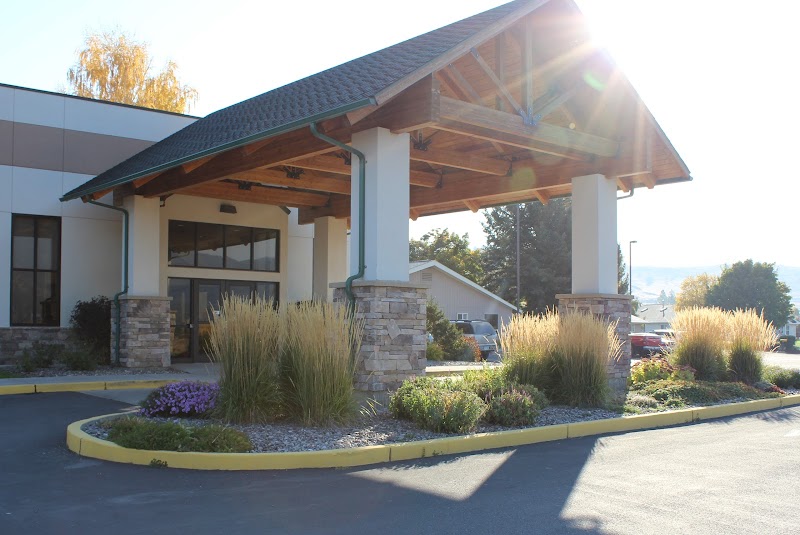
How is Clark Fork Valley Staffed?

CMS rates CLARK FORK VALLEY NURSING HOME's staffing level at 5 out of 5 stars, which is much above average compared to other nursing homes. Staff turnover is 48%, compared to the Montana average of 46%.

What Have Inspectors Found at Clark Fork Valley?

State health inspectors documented 22 deficiencies at CLARK FORK VALLEY NURSING HOME during 2023 to 2025. These included: 1 that caused actual resident harm, 17 with potential for harm, and 4 minor or isolated issues. Deficiencies causing actual harm indicate documented cases where residents experienced negative health consequences.
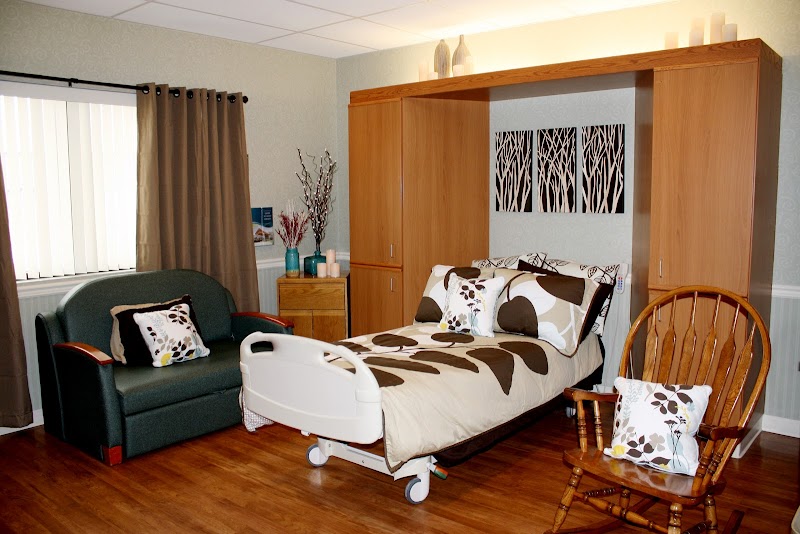
Who Owns and Operates Clark Fork Valley?

CLARK FORK VALLEY NURSING HOME is owned by a non-profit organization. Non-profit facilities reinvest revenue into operations rather than distributing to shareholders. The facility operates independently rather than as part of a larger chain. With 28 certified beds and approximately 27 residents (about 96% occupancy), it is a smaller facility located in PLAINS, Montana.
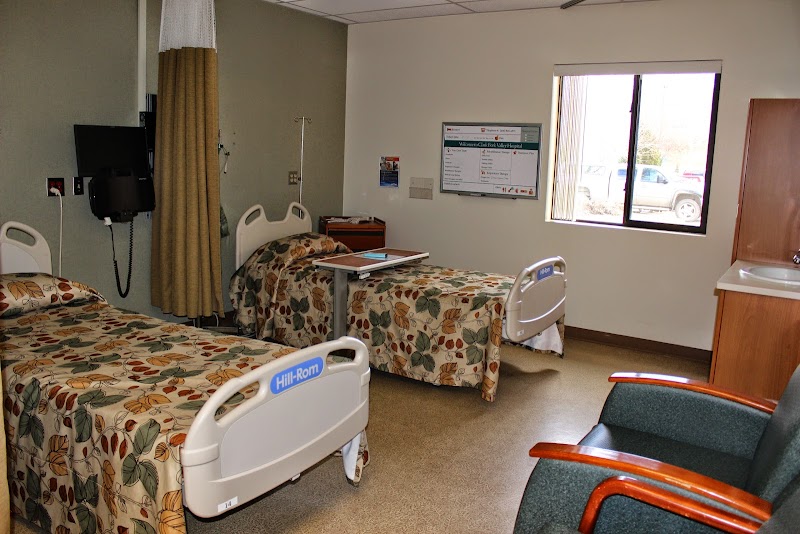
How Does Clark Fork Valley Compare to Other Montana Nursing Homes?

Compared to the 100 nursing homes in Montana, CLARK FORK VALLEY NURSING HOME's overall rating (4 stars) is above the state average of 3.0, staff turnover (48%) is near the state average of 46%, and health inspection rating (3 stars) is at the national benchmark.

What Should Families Ask When Visiting Clark Fork Valley?

Based on this facility's data, families visiting should ask: "Can I visit during a mealtime to observe dining assistance and food quality?" "How do you handle medical emergencies, and what is your hospital transfer rate?" "Can I speak with family members of current residents about their experience?"

Is Clark Fork Valley Safe?

Based on CMS inspection data, CLARK FORK VALLEY NURSING HOME has a clean safety record: no substantiated abuse findings (meaning no confirmed cases of resident harm), no Immediate Jeopardy citations (the most serious violation level indicating risk of serious injury or death), and is not on the Special Focus Facility watch list (a federal program monitoring the lowest-performing 1% of nursing homes). The facility has a 4-star overall rating and ranks #1 of 100 nursing homes in Montana. While no facility is perfect, families should still ask about staff-to-resident ratios and recent inspection results during their visit.

Do Nurses at Clark Fork Valley Stick Around?

CLARK FORK VALLEY NURSING HOME has a staff turnover rate of 48%, which is about average for Montana nursing homes (state average: 46%). Moderate turnover is common in nursing homes, but families should still ask about staff tenure and how the facility maintains care continuity when employees leave.

Was Clark Fork Valley Ever Fined?

CLARK FORK VALLEY NURSING HOME has no federal fines on record. CMS issues fines when nursing homes fail to meet care standards or don't correct problems found during inspections. The absence of fines suggests the facility has either maintained compliance or corrected any issues before penalties were assessed. This is a positive indicator, though families should still review recent inspection reports for the full picture.

Is Clark Fork Valley on Any Federal Watch List?

CLARK FORK VALLEY NURSING HOME is not on any federal watch list. The most significant is the Special Focus Facility (SFF) program, which identifies the bottom 1% of nursing homes nationally based on persistent, serious quality problems. Not being on this list means the facility has avoided the pattern of deficiencies that triggers enhanced federal oversight. This is a positive indicator, though families should still review the facility's inspection history directly.