SHERIDAN MEMORIAL NURSING HOME
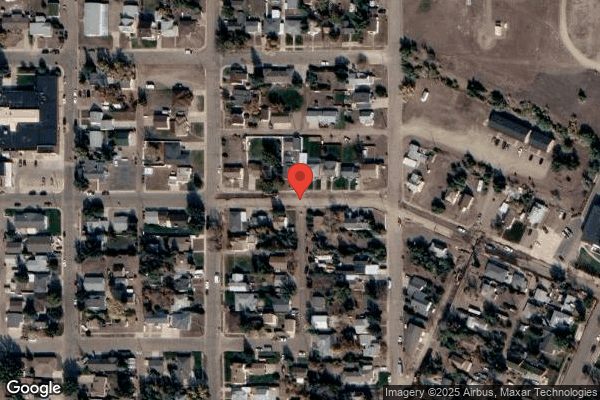
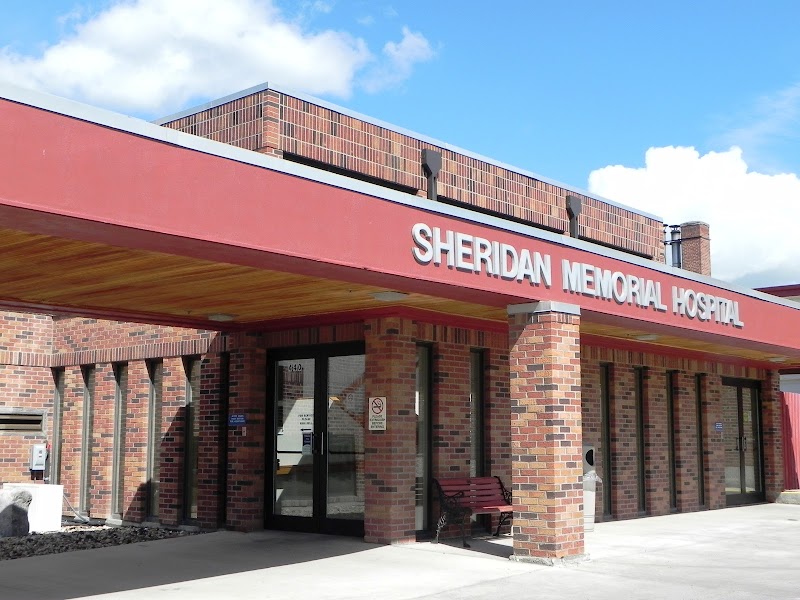
440 W LAUREL AVE, PLENTYWOOD, MT 59254 (406) 765-3700
Non profit - Corporation 45 Beds Independent Data: November 2025
Trust Grade
50/100
#35 of 59 in MT
Last Inspection: July 2025

Inspected within the last 6 months. Data reflects current conditions.

Overview

Sheridan Memorial Nursing Home has a Trust Grade of C, which means it is average and falls in the middle of the pack among nursing homes. It ranks #35 out of 59 facilities in Montana, placing it in the bottom half, but it is the only option in Sheridan County. Unfortunately, the facility's trend is worsening, with issues increasing from 6 in 2024 to 7 in 2025. Staffing is a strength, with a rating of 5 out of 5 stars and a turnover rate of 54%, which is slightly below the Montana average. Notably, there have been serious incidents, including a resident suffering fractured ribs during a transfer due to improper use of a lift and another resident developing a pressure ulcer that required surgical intervention. While there are no fines on record, the facility does lack an effective grievance policy, which could hinder residents' ability to voice concerns.

Trust Score
C
50/100
In Montana
#35/59
Bottom 41%
Safety Record
Moderate
Needs review
Inspections
Getting Worse
6 → 7 violations
Staff Stability
⚠ Watch
54% turnover. Above average. Higher turnover means staff may not know residents' routines.
Penalties
✓ Good
No fines on record. Clean compliance history, better than most Montana facilities.
Skilled Nurses
✓ Good
Each resident gets 85 minutes of Registered Nurse (RN) attention daily — more than 97% of Montana nursing homes. RNs are the most trained staff who catch health problems before they become serious.
Violations
⚠ Watch
21 deficiencies on record. Higher than average. Multiple issues found across inspections.
★★★☆☆
3.0
Overall Rating
★★★★★
5.0
Staff Levels
★☆☆☆☆
1.0
Care Quality
★★★☆☆
3.0
Inspection Score
Stable
2024: 6 issues
2025: 7 issues

The Good

  • 5-Star Staffing Rating · Excellent nurse staffing levels
  • Full Sprinkler Coverage · Fire safety systems throughout facility
  • No fines on record

Facility shows strength in staffing levels, fire safety.

The Bad

3-Star Overall Rating

Near Montana average (3.0)

Meets federal standards, typical of most facilities

Staff Turnover: 54%

Near Montana avg (46%)

Higher turnover may affect care consistency

The Ugly 21 deficiencies on record

2 actual harm
Jul 2025 7 deficiencies 1 Harm
SERIOUS (G) 📢 Someone Reported This

A family member, employee, or ombudsman was alarmed enough to file a formal complaint

Actual Harm - a resident was hurt due to facility failures

Accident Prevention (Tag F0689)

A resident was harmed · This affected 1 resident

**NOTE- TERMS IN BRACKETS HAVE BEEN EDITED TO PROTECT CONFIDENTIALITY** Based on observation, interview, and record review, the facility staff failed to safely use a sit-to-stand lift when transferrin...

Read full inspector narrative →
**NOTE- TERMS IN BRACKETS HAVE BEEN EDITED TO PROTECT CONFIDENTIALITY** Based on observation, interview, and record review, the facility staff failed to safely use a sit-to-stand lift when transferring a resident, causing injuries to include fractured ribs, and the resident was hospitalized for further evaluation, for 1 (#26) of 4 sampled residents for accidents. Findings include:Review of a facility reported incident, sent to the State Survey Agency, dated 6/20/25, showed resident #26 was found to have a large area of bruising over his right chest wall with swelling. The area was firm and tender to touch. Resident #26 was sent to the ED for further evaluation. The facility investigation concluded the used of the sit-to-stand lift for transferring resident #26 was the cause of the injury. The investigation did not show if the facility determined the lift sling being used was appropriate for resident #26. The resident was found to have an elevated PT/INR that caused significant bruising and hematoma on the right chest wall. Resident #26 did not complaint of pain in that area, per the documentation, until the morning of 6/20/25 when the bruising was noted by staff when getting resident #26 dressed. During an observation and interview on 7/30/25 at 8:47 a.m., staff member O demonstrated the use of the sit-to-stand device when transferring a resident from the wheelchair to a recliner. Staff member O said she had worked with resident #26 for several years, and he was transferred with the assistance of the sit-to-stand lift. Resident #26 was a bigger man and required an XXL sling when using the lift. Staff member O said PT would evaluate the resident and determine if a sit-to-stand lift was appropriate for the resident and make recommendations on the strap size to be used. Staff member O said if a staff member used a sling that was too small, it would force a resident against the metal bars of the device, and the strap would be too tight across the resident's chest. Staff member O said she felt a strap that was too small for resident #26 was used to transfer him, and he sustained the rib fractures. Staff member O said resident #26 had good leg strength when he transferred. During an interview on 7/30/25 at 2:40 p.m., staff member B said resident #26 had sustained two rib fractures, and due to his coumadin use, a large hematoma occurred, which was from the use of the sit-to-stand lift. The incident had been investigated for a fall and abuse, however, the location of the right-sided rib fractures was in the area of the strap used for the resident's transfer. Staff member B said it was noted that resident #26 had been leaning to his right-side while being transferred, for the week before his injury. Staff member B said a PT evaluation for the continued use of the sit-to-stand lift was going to be scheduled. Staff member B said the use of the sit-to-stand had been discussed in a huddle (group staff discussion). Staff member B said an individualized check-off for staff on the use and operation of lifts had not been provided following the injury to resident #26. During an interview on 7/30/25 at 2:57 p.m., staff member F said she was responsible for the investigation of resident #26's injury. Staff member F said she was notified on 6/20/25 of the injury of unknown origin that had occurred for #26. An investigation was initiated, and it was determined that the strap on the sit-to-stand lift had caused the resident's rib fractures. Staff member P decided to stop the use of the lift, and then a Hoyer lift was used for transfers until resident #26 could be evaluated for the use of the sit-to-stand lift. Staff member F said the findings were shared in a staff huddle, and staff were shown the appropriate use, sling placement, and how to use the stand correctly. The facility was attempting to have enough slings for each resident to have an individual sling. The staff had Relias (staff training program) training on lift use, but the staff had not received actual individualized check-off evaluations for the correct use of the lift since the injury had occurred with resident #26. Staff member F said she believed the sit-to-stand lift was included in resident #26's care plan but did not believe the sling size for use was listed on the care plan. Review of resident #26's Emergency Department Reports, dated 6/20/25, showed: .History of Present Illness [AGE] year old male patient who presented to the [Hospital Name] ER from [Facility Name] with complaints of bilateral chest wall pain; right more than left.patient does have dementia. He is anticoagulated on oral Coumadin. Medical Decision Making . A CT scan of the chest revealed a bilateral chest wall hematoma measuring approximately 13.6 cm x 5.5 cm x 4.2 cm. Due to patient position, it is only partially visualized therefore difficult to fully characterize. Suspected minimally displaced acute to subacute fractures involving posterior aspects of right-sided ribs 10 and 12.Assessment/Plan .2. Rib fractures Patient with minimally displaced acute to subacute fractures involving posterior aspects of right-sided ribs 10 and 12. 3. Atrial fibrillation, chronic Patient with known, chronic Atrial Fibrillation on chronic anticoagulation with Coumadin 8 mg daily. Most recent INR of 5.7. Will hold his oral Coumadin for 1 week. [sic] Review of resident #26's Resident Plan Report, not dated, showed: .ADLS Resident is at risk for self care deficit related to cognitive loss at baseline, legally blind, needing staff assistance for all ADLs. 2. [Resident #26] needs staff assistance with all transfers. 3. [Resident #26] uses the sit to stand for all transfers. [sic] Review of a facility-provided document, Care Plan Modification- Post-Injury, dated 6/20/25, approved by staff member F, showed: . As per the Safety/Risk Nurse request, the resident's care plan has been updated following a recent injury and emergency room visit. The following measures are to be implemented (for #26) to ensure the resident's safety and prevent further injury: Lift Use Restriction: Due to rib fractures and a large hematoma on the right side, the resident is no longer permitted to use the sit-to-stand lift. Transfer Protocol: Effective immediately, all transfers must be performed using the Maxi Move or full-body lift only. [sic]
CONCERN (D)

Potential for Harm - no one hurt, but risky conditions existed

Deficiency F0699 (Tag F0699)

Could have caused harm · This affected 1 resident

Based on interview and record review, the facility failed to identify a resident's past history of trauma and failed to identify triggers to avoid re-traumatization for 1 (#5) of 21 sampled residents....

Read full inspector narrative →
Based on interview and record review, the facility failed to identify a resident's past history of trauma and failed to identify triggers to avoid re-traumatization for 1 (#5) of 21 sampled residents. Findings include: Review of resident #5's electronic health record showed the resident was seen for the treatment of chronic post-traumatic stress disorder, by NF4. Review of the NF4 provider notes for resident #5 showed the following: -1/30/24, . 1. Chronic post-traumatic stress disorder - Recent medication changes have actualized and been effective . - 4/8/24, .2. Chronic post-traumatic stress disorder - Will increase the venlafaxine by double from 75 mg to 150 mg. - 5/6/24, .2. Chronic post-traumatic stress disorder - She was either in a dissociative state today or acutely confused. Regardless she still having quite a bit of depression. Will increase the venlafaxine from 150 mg daily to 225 mg. [sic] - 8/20/24, .2. Chronic post-traumatic stress disorder, F43.12 Post-traumatic stress disorder, chronic. - 12/11/24, .2. Chronic post-traumatic stress disorder, F43.12 Post-traumatic stress disorder, chronic . During an interview on 7/30/25 at 3:43 p.m., when an interview was being conducted on resident #5's history of post-traumatic stress disorder, NF3 stated resident #5 was in a physically and verbally abusive marriage, had experienced the loss of her son in a tragic accident, and was left in the hospital by her parents for a period of time when she was diagnosed with Polio. NF3 stated resident #5 did have times when past feelings were triggered, such as stating her ex-husband was at the facility or that she saw him out the window, and he's trying to get her. NF3 stated resident #5's post-traumatic stress disorder diagnosis had been discussed with staff, but not lately, because the staff had changed. Review of resident #5's comprehensive care plan lacked the identification of the post-traumatic stress disorder. The care plan lacked the identification of identified triggers or interventions for these in an attempt to avoid re-traumatization. Review of resident #5's Quarterly MDS assessment, dated 5/8/25, showed, . Section I - Active Diagnoses .Psychiatric/Mood Disorder .I6100. Post Traumatic Stress Disorder (PTSD) was not checked. A request was made for resident #5's trauma informed care assessment for the diagnosis of PTSD, on 7/30/25 at 1:45 p.m. No information was provided by the end of the survey. During an interview on 7/30/25 at 5:15 p.m., staff member E stated resident #5 had a diagnosis of PTSD when it was brought to her attention. Staff member E stated there wasn't a process to ensure diagnoses were communicated to staff from specialized providers. A request was made for resident #5's social history and social assessment, on 7/30/25 at 5:36 p.m., no information was provided by the end of survey.
CONCERN (D) 📢 Someone Reported This

A family member, employee, or ombudsman was alarmed enough to file a formal complaint

Potential for Harm - no one hurt, but risky conditions existed

Deficiency F0760 (Tag F0760)

Could have caused harm · This affected 1 resident

**NOTE- TERMS IN BRACKETS HAVE BEEN EDITED TO PROTECT CONFIDENTIALITY** Based on interview and record review, the facility failed to recognize, identify, and call a physician for confirmation of a cou...

Read full inspector narrative →
**NOTE- TERMS IN BRACKETS HAVE BEEN EDITED TO PROTECT CONFIDENTIALITY** Based on interview and record review, the facility failed to recognize, identify, and call a physician for confirmation of a coumadin order not being discontinued or held, for a resident with a critical lab value, for 1 (#26) of 3 sampled residents on coumadin. Findings include:During an interview on 7/30/25 at 10:47 a.m., staff member B said resident #26 was discharged from the emergency department with no medication changes. Resident #26's Coumadin dosage was not stopped, and it was not questioned by the nursing staff. Staff member B said his expectation was for staff to use their nursing judgment and if they had a question, contact the provider for clarification. Staff member B said critical thinking should have been used, especially when the patient had a known elevated PT and INR.During an interview on 7/30/25 at 2:40 p.m., staff member C said he had intended to hold the Coumadin for resident #26. The medication was held in the hospital EMR system but the hold order did not follow through to the long-term care EMR system. The INR level was not above ten, so there was no need to treat the elevated level with a reversal agent. Staff member C said he had intended for the medication to be held, and it was an error on our part. Staff member B said that during the investigation, a communication problem between the hospital and the long-term care facility was identified.During an interview on 7/30/25 at 2:57 p.m., staff member F said she was responsible for the investigation of resident #26's injury. The investigation identified that the injury was caused by the use of the sit-to-stand lift. The large hematoma was from the use of Coumadin. Staff member F said she knew resident #26 was on Coumadin but did not include the medication as a part of the investigation. She had not done an investigation for the Coumadin order not being correct.Review of a facility document, Hospital Progress Note, dated 6/10/25, written by staff member C, showed: . Assessment/Plan1. Atrial fibrillation, chronic[AGE] year old male patient with known, chronic Atrial Fibrillation on chronic anticoagulation with Coumadin 7mg daily, Most recent INR of 1.4 Will increase to oral Coumadin 8mg daily. Recheck INR in 2 weeks. [sic]Review of resident #26's Emergency Department Reports, dated 6/20/25, showed: .Assessment/Plan.3. Atrial fibrillation, chronicPatient with known, chronic Atrial Fibrillation on chronic anticoagulation with Coumadin 8mg daily. Most recent INR of 5.7. Will hold his oral Coumadin for 1 week.Review of a facility document, Long Term Care/Swing Bed Documents, dated 6/20/25, written by staff member P, showed: Resident returned to the nursing home from the hospital at 10:45. Report was received from the ED nurse, who noted no changes in the resident's medications. The ED documented a large hematoma on the right side of the chest, along with rib fractures at the 10th and 12th ribs (confirmed via CT scan). [sic]Record review of resident #26's Discharge Instructions, dated 6/20/25, showed: .Medications. Unchanged, warfarin (warfarin 3 mg oral tablet), 1 tablet by mouth, every day, take with 5mg tab for a total of 8mg qdUnchanged, warfarin (warfarin 5 mg oral tablet), 1 tablet by mouth, every day, Take with 3mg tablet to total 8mg QPM.Record review of resident #26's Medication Administration Record, showed resident #26 received:6/20/25 at 3:35 p.m., Warfarin 8 mg orally6/21/25 at 3:37 p.m., Warfarin 8 mg orallyReview of resident #26's Resident Plan Report, not dated, showed: .Bleeding PrecautionsAt risk for bleeding related to anticoagulant therapy due to atrial fibrillation treatment.8. Nursing to follow Anticoagulant Therapy policy and procedure for [Facility Name].Review of a facility policy, Anticoagulant Therapy review, dated 6/11/25, showed: .Procedure:.II. Lab results are communicated to the primary care provider (PCP), or on call provider when PCP is unavailable, via HER [sic] message center or a direct call from lab or nursing. If the INR is:.D. greater than 3.2 with bleeding or greater than 6.0 without bleeding - the nurse will hold the medication, and the provider will be notified within two (2) hours for additional orders. [sic]
CONCERN (D)

Potential for Harm - no one hurt, but risky conditions existed

Dental Services (Tag F0791)

Could have caused harm · This affected 1 resident

Based on interview and record review, the facility failed to promptly refer a resident with lost partial dentures to dental services for 1 (#11) of 21 sampled residents. The deficient practice caused ...

Read full inspector narrative →
Based on interview and record review, the facility failed to promptly refer a resident with lost partial dentures to dental services for 1 (#11) of 21 sampled residents. The deficient practice caused the resident to go without his partial denture, and the resident had experienced a weight loss. Findings include:During an interview on 7/30/25 at 12:46 p.m., NF1 stated when she came to pick up resident #11 for a home visit on the Christmas holiday, he was not wearing his upper partial dentures. NF1 stated she was informed by staff when she came to pick up resident #11 that his upper partial dentures were missing. NF1 stated the partial dentures were never found, and the facility had not offered to refer the resident to dental services for the missing partial dentures or to replace them. NF1 stated she, and her family, were disappointed that the partial dentures were missing because they planned to take a family photo, and the loss of dentures would compromise how resident #11 looked in the family photo. NF1 stated resident #11 was on a pureed diet, and he didn't like the pureed texture. NF1 stated resident #11 had lost weight. Review of resident #11's EHR showed a progress note, dated 12/25/24, where a facility licensed nurse documented, Resident OOF with wife and son at 1000 (10:00 a.m). He will possibly stay overnight. They will see how it goes. Residents partial are also missing at this time. Room and bathroom searched and message sent to staff of missing item. [sic] Review of a facility document titled Resident Weight Report, dated July 15, 2025, showed resident #11 had experienced a 15% weight loss in six months. Review of resident #11's comprehensive care plan showed: . Cognitive - Communication Resident has cognitive loss r/t Alzheimer's disease, impaired ability to make needs known, . BIMs: 3/2025: unable to perform. BIMs: 6/2025: unable to perform due to severe cognitive loss. A request was made for documentation related to resident #11's missing partial on 7/30/25 at 5:36 p.m. There was no documentation provided before the end of the survey. During an interview on 7/30/25 at 5:51 p.m., staff member B stated the staff did not even know resident #11's partial was missing. Review of the facility's policy titled Dental Services, last revised 12/12/2023, showed: .Procedure: . III. Denture Care: .B. The facility's responsibility will be determined in accordance with the facility policy and CMS regulations. The facility is responsible for the loss or damage of dentures: 1. If [Facility Name] is responsible for breaking or losing the dentures. 2. If the patient/resident is not competent or suffers from dementia, the patient/resident cannot be held responsible, and the facility is responsible.
CONCERN (E)

Potential for Harm - no one hurt, but risky conditions existed

Infection Control (Tag F0880)

Could have caused harm · This affected multiple residents

Based on observation, interview, and record review, the facility staff failed to uphold proper infection prevention and control practices during medication administration for 3 (#s 2, 22, and 27) of 4...

Read full inspector narrative →
Based on observation, interview, and record review, the facility staff failed to uphold proper infection prevention and control practices during medication administration for 3 (#s 2, 22, and 27) of 4 residents receiving medication. Findings include:During an observation on 7/29/25 at 3:52 p.m., staff member Q prepared medications for resident #27, and failed to perform hand hygiene prior to handling the medications for the administration to resident #27. One of the two medications to be given to #27 was dropped onto the surface of the cart by a staff member Q, and then picked up with a plastic spoon. The medication was placed in the medication cup. Staff member Q failed to perform hand hygiene before administering the medications to resident #27, and the surface of the medication cart was not observed to be sanitized prior to the medication preparation. During an observation on 7/30/25 at 7:23 a.m., staff member Q administered medication to resident #22, but failed to perform hand hygiene prior to handling medications for the resident and administering them.During an observation on 7/30/25 at 7:43 a.m., staff member Q entered resident #2's room, then left the room and returned to administer the medications. During that time, staff member Q was observed touching the counter at the nurses' station, resident #2's call light, resident #2's water cup, and resident #2's hand before administering the medications, or after. Staff member Q failed to perform hand hygiene before administering medications to resident #2.During an interview on 7/30/25 at 7:50 a.m., staff member Q stated hand hygiene should occur before and after resident contact.During an interview on 7/30/25 at 10:17 a.m., staff member D stated that she reviewed the facility's huddle trainings, which showed no training information specific to infection prevention during medication administration.A review of the facility's policy, Nursing Home Medication Administration, last revised 6/11/2025, showed: .II. Preparing Medications and Administering Medications:A. Wash hands. [sic]A review of the facility's policy, Hand Hygiene, last revised 4/17/2024, showed: .Definitions:.Hand Hygiene:- Cleaning your hands by using either handwashing (washing hands with soap and water), antiseptic hand wash, or antiseptic hand rub (i.e. alcohol-based hand sanitizer including foam or gel).Procedure:I. Key Moments to perform Hand hygiene:.C. Before and after any direct contact with a patient's intact skin.E. After contact with inanimate objects (including medical equipment) in the immediate vicinity of the patient.H. Before and after glove use. [sic]
CONCERN (F)

Potential for Harm - no one hurt, but risky conditions existed

Grievances (Tag F0585)

Could have caused harm · This affected most or all residents

Based on observation, interview, and record review, the facility failed to establish a grievance policy which included information on how to file a grievance anonymously for 2 (#s 19 and 20) of 21 sam...

Read full inspector narrative →
Based on observation, interview, and record review, the facility failed to establish a grievance policy which included information on how to file a grievance anonymously for 2 (#s 19 and 20) of 21 sampled residents; and failed to post the grievance officer's address and phone number in a prominent location. This deficient practice affected all who have the right to file a grievance anonymously and who to contact if they wish to file a grievance. Findings include: During an interview on 7/29/25 at 9:21 a.m., resident #20 said he did not know anything about how to file a grievance or the grievance process. He did not know there was a process to file a grievance anonymously. Resident #20 said he had not seen a grievance form or a place to deposit the form. During an observation on 7/30/25 at 9:56 a.m., there was no information posted identifying who the grievance officer was and the required contact information for the grievance officer. During an interview on 7/30/25 at 11:44 a.m., resident #19 stated she had not filled out a complaint or grievance before. Resident #19 stated she did not know where to find grievance or complaint forms or how to drop forms off for staff to review. Resident #19 stated if there was an issue with something, she would let a nurse know. Resident #19 stated she would ask a nursing staff member for a complaint form if she had a big concern to address that she could not tell someone about verbally. During an interview on 7/30/25 at 12:18 p.m., staff member G stated she had been in her new position for about a month. Staff member G stated she was the grievance officer and would handle resident grievances and complaints. Staff member G stated she had not had to fill out a grievance form for a resident yet. Staff member G stated if residents had a concern or complaint, the staff member would take care of the issue and it was discussed verbally, without documenting it. Staff member G stated the staff member notified of the concern would then notify the specific department for the area of concern, for it to be addressed right away. Staff member G stated the staff member who was originally made aware of the issue would discuss the incident with the resident and family, to see if they were fine with how the concern was resolved, before filling out an official complaint form. During an interview on 7/30/25 at 2:00 p.m., staff member B stated when a resident wanted to submit a grievance anonymously, it was the same process as submitting a written grievance. Staff member B stated the person wanting to submit a grievance would have to ask a staff member for the grievance form, which was contained in an electronic form that had to be printed off for the resident. During an interview on 7/30/25 at 3:18 p.m., staff member F stated she was the grievance officer for the facility. Staff member F confirmed there was no posting in the facility that noted her as the grievance officer or her required contact information. During an observation and interview on 7/30/25 at 4:04 p.m., staff member D stated the wooden box on the nurses’ station counter was where residents could put forms into for staff to review. Staff member D stated, “See the box here, this shows 'Suggestions' on the front, not complaints or grievances.” Staff member D stated the box had been used for placing grievance forms in the past. Staff member D stated a staff member had changed it, and had not returned it to being used as a locked grievance or complaint drop box. Review of the facility’s policy titled, “Patient Complaints and Grievances,” last revised 3/13/25, lacked information on how to submit a grievance anonymously.
CONCERN (F)

Potential for Harm - no one hurt, but risky conditions existed

Deficiency F0868 (Tag F0868)

Could have caused harm · This affected most or all residents

Based on interview and record review, the facility failed to maintain documentation of the Medical Director's (or Designee's) attendance and participation for Quality Assurance and Performance Improve...

Read full inspector narrative →
Based on interview and record review, the facility failed to maintain documentation of the Medical Director's (or Designee's) attendance and participation for Quality Assurance and Performance Improvement (QAPI) meetings, which were at a minimum, required to be completed quarterly. The Medical Director had involvement in the oversight of the care and services, and ensuring services met professional standards for care, and provided oversight for the review and approval of policies and procedures. This failure could affect all residents. Findings include:During a record review of the facility QAPI binder, on 7/30/25 at 4:18 p.m., one document for April 2025 was found in which a medical provider attended the scheduled facility QAPI meeting. Review of documents with meeting dates from September 2024 to March 2025, and May 2025 to July 2025, did not show a medical provider or director in attendance at the QAPI meetings, although attendance was required. During an interview on 7/30/25 at 4:33 p.m., staff member B and staff member D stated they were filling in to answer QAPI-related questions for staff member L. Staff member B stated staff member L would lead the QAPI meetings for the facility. Staff member B stated QAPI meetings were held monthly, except for the months of July and December. Staff member B stated staff member C had a medical provider attend QAPI meetings as a designee at times. Staff member B stated staff member C also attended QAPI meetings through video conferencing. Staff member B stated the facility did not have sign-in sheets to show the staff members attending QAPI meetings and said it might be a good idea to have them in place. Staff member B stated staff member L kept track of attendance by writing the names of the staff attending in the attendance section of the QAPI meeting minutes. Staff member B stated staff member C attended monthly medical provider meetings, where issues discussed in QAPI could be reviewed. During an interview on 7/30/25 at 5:23 p.m., staff member C stated he started his role at the facility in January 2025. Staff member C stated that the previous staff member in his position informed him of the requirement for attending regularly scheduled QAPI meetings. Staff member C stated he usually attended QAPI meetings via video conferencing calls. Staff member C stated that the last QAPI meeting he attended for the facility was in May 2025. Staff member C stated he might have been off to the side, or off camera, during a video conference for a QAPI meeting, and with a different medical provider as the designee attending in April 2025. Review of a facility policy titled, [Facility Name] Quality Assurance Performance Improvement (QAPI) Plan, last revised 7/24/2024, showed: . Guidelines for Leadership . V. The Nursing Home Quality Assurance Assessment (NHQAA) committee will consist of the Medical Director . and others if deemed necessary. The team will meet at least quarterly; and at times with the Quality Committee Meeting. The DON or Quality Director will lead the meeting and report on performance improvements, areas of focus, and other pertinent information. A request was made on 7/30/25 at 5:36 p.m. for the QAPI sign-in attendance documentation to verify the medical director or designee's attendance at the required meetings, from July 2024 to the date of the survey, but no documents were received before the end of the survey.
Jul 2024 5 deficiencies
CONCERN (D)

Potential for Harm - no one hurt, but risky conditions existed

Deficiency F0553 (Tag F0553)

Could have caused harm · This affected 1 resident

Based on interview and record review, the facility staff failed to include 1 (#14) of 16 sampled residents, in care plan meetings. Findings include: During an interview on 7/2/24 at 8:05 a.m., residen...

Read full inspector narrative →
Based on interview and record review, the facility staff failed to include 1 (#14) of 16 sampled residents, in care plan meetings. Findings include: During an interview on 7/2/24 at 8:05 a.m., resident #14 said she was not invited to any care plan meetings. Resident #14 stated her family goes, but she was not invited. Resident #14 said she would like to go to the meeting. Review of resident #14's electronic medical record failed to show any documentation of the resident being invited to attend her care plan meetings. Review of resident #14's MDS showed resident #14 was assessed for her cognitive condition using a Brief Interview for Mental Status. The result was a score of 13; cognitively intact. During an interview on 7/2/24 at 9:00 a.m., staff member C said she calls, emails, or talks to resident family members to invite them to care plan meetings. Staff member C said she does not document the invitations to the care plan meetings. Staff member C stated she will invite resident #14 to her care plan meetings going forward.
CONCERN (D)

Potential for Harm - no one hurt, but risky conditions existed

Deficiency F0604 (Tag F0604)

Could have caused harm · This affected 1 resident

Based on observation, interview, and record review, the facility failed to identify bilateral grab bars as a potential restraint, and did not complete a risk assessment, obtain a consent, or have rest...

Read full inspector narrative →
Based on observation, interview, and record review, the facility failed to identify bilateral grab bars as a potential restraint, and did not complete a risk assessment, obtain a consent, or have restraint monitoring, for 1 (#10) of 16 sampled residents with bilateral grab bars in place. Findings include: During an observation on 7/1/24 at 1:53 p.m., bilateral grab bars were observed on resident #10's bed. During an interview on 7/1/24 at 4:16 p.m., NF3 said he probably gave consent for the bilateral grab bars, because resident #10 fell out of bed and got bruised up. NF3 said resident #10 had head scans due to falls and hitting her head. During an observation on 7/2/24 at 10:05 a.m., bilateral grab bars were observed on resident #10's bed. Review of resident #10's electronic medical record failed to show documentation a risk assessment was completed, a physician's order obtained, or a signed consent authorizing the use of bilateral grab bars on resident #10's bed. Review of resident #10's MDS with an assessment reference date of 4/11/24, showed resident #10 is dependent for turning and repositioning. During an interview on 7/2/24 at 12:50 p.m., staff member B said resident #10 would not be able to use her bilateral grab bars as an assistive device. Staff member B said the grab bars for resident #10 would be a place to hang the call light and bed controls. Review of the facility document titled, Restraint Policy, dated August 23 of 2023, included the statement . restraints would not be used for convenience .
CONCERN (D) 📢 Someone Reported This

A family member, employee, or ombudsman was alarmed enough to file a formal complaint

Potential for Harm - no one hurt, but risky conditions existed

Report Alleged Abuse (Tag F0609)

Could have caused harm · This affected 1 resident

Based on interview and record review, the facility failed to report an allegation of verbal abuse within 24 hours of the incident, for 1 (#19) of 16 sampled residents for abuse reporting. Findings inc...

Read full inspector narrative →
Based on interview and record review, the facility failed to report an allegation of verbal abuse within 24 hours of the incident, for 1 (#19) of 16 sampled residents for abuse reporting. Findings include: Review of a Facility Reported Incident submitted to the State Survey Agency, dated 10/10/23, showed there was an allegation of verbal abuse by a staff member, towards resident #19. The report showed the incident occurred before 8:00 a.m. on 10/5/23 and was reported to staff member F at 11:30 a.m. on 10/5/23. The initial report of the incident was not submitted until 10/10/23, which was five days after the required reporting timeline. During an interview on 7/3/24 at 9:15 a.m., staff member B stated she was responsible for submitting abuse allegations to the state reporting portal. Staff member B was not able to explain why the initial report to the incident portal was not submitted within 24 hours of the incident. Staff member B stated she was aware of the required reporting timelines. Review of the facility's policy titled, Abuse, dated 8/27/23, showed, B. The Nursing Home will immediately contact Bounds (the State Survey Agency's reporting portal) via a secure web page. The policy failed to show the reporting timelines for incidents being reported to the State Survey Agency's reporting portal.
CONCERN (D)

Potential for Harm - no one hurt, but risky conditions existed

Drug Regimen Review (Tag F0756)

Could have caused harm · This affected 1 resident

Based on interview and record review, the facility failed to ensure the pharmacist was monitoring a resident receiving an as needed psychotropic medication for an excessive duration for 1 (#8) of 16 s...

Read full inspector narrative →
Based on interview and record review, the facility failed to ensure the pharmacist was monitoring a resident receiving an as needed psychotropic medication for an excessive duration for 1 (#8) of 16 sampled residents. Findings include: Review of resident #8's MAR, dated from 2/29/24 to 7/3/24, showed the resident received as needed doses of lorazepam on 4/4/24 at 5:43 p.m. and 4/11/24 at 10:30 a.m. During an interview on 7/3/24 at 11:21 a.m., staff member B stated she was not aware resident #8 had an order for as needed lorazepam which was in place for more than 14 days. Staff member B did not know why the pharmacist did not address the situation with the medical provider. Review of resident #8's Medication Regimen Reviews, dated March of 2024 thru May 2024, failed to show the pharmacist identified the as needed use of lorazepam for more than 14 days. The review forms failed to show the pharmacist contacted the provider regarding the issue. Review of the facility policy titled, Psychotropics, dated 8/23/23, showed the pharmacist was responsible for monitoring the use of psychotropic medications and was supposed to notify the physician when the medications are due for review.
CONCERN (D)

Potential for Harm - no one hurt, but risky conditions existed

Medication Errors (Tag F0758)

Could have caused harm · This affected 1 resident

Based on observation, interview, and record review, the facility failed to ensure as needed psychotropic medications were limited to 14 days unless there was provider documentation explaining the rati...

Read full inspector narrative →
Based on observation, interview, and record review, the facility failed to ensure as needed psychotropic medications were limited to 14 days unless there was provider documentation explaining the rationale for continuing the medication, for 1 (#8) of 16 sampled residents. Findings include: During an observation on 7/1/24 at 3:58 p.m., resident #8 was lying in her bed with her eyes closed. Resident #8 did not rouse or open her eyes to her name being spoken in a normal voice. Review of resident #8's provider order, dated 2/29/24, showed the resident had an order for lorazepam, twice a day, as needed, for anxiety or shortness of breath. Review of resident #8's MAR, dated from 2/29/24 to 7/3/24, showed the resident received as needed doses of lorazepam on 4/4/24 at 5:43 p.m. and 4/11/24 at 10:30 a.m. No other as needed doses of lorazepam were documented as given. During an interview on 7/3/24 at 11:21 a.m., staff member B stated she was not aware resident #8 had an order for as needed lorazepam which was in place for more than 14 days. Staff member B stated the medication nurse, or the care coordination nurse, was responsible for ensuring as needed psychotropic medications were not provided for more than 14 days unless a rationale was documented by the medical provider. Review of resident #8's Medication Regimen Reviews, dated June 2023 thru May 2024, failed to show the pharmacist identified the as needed use of lorazepam for more than 14 days. The review forms failed to show the pharmacist contacted the provider regarding the issue. Review of the facility policy titled, Psychotropics, dated 8/23/23, showed orders of as needed psychotropic medications were limited to 14 days and only for specific clearly documented circumstances.
Jun 2024 1 deficiency
CONCERN (D) 📢 Someone Reported This

A family member, employee, or ombudsman was alarmed enough to file a formal complaint

Potential for Harm - no one hurt, but risky conditions existed

Accident Prevention (Tag F0689)

Could have caused harm · This affected 1 resident

Based on observation, interview, and record review, the facility failed to provide adequate supervision to prevent elopements resulting in a fall with injury for 1 (#1) out of 1 sampled resident. Fin...

Read full inspector narrative →
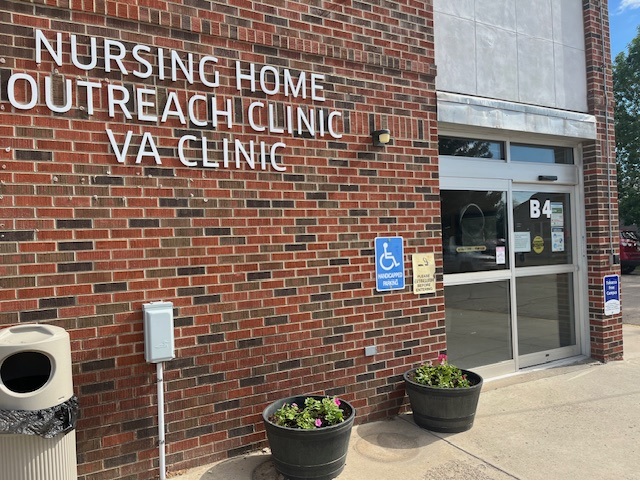
Based on observation, interview, and record review, the facility failed to provide adequate supervision to prevent elopements resulting in a fall with injury for 1 (#1) out of 1 sampled resident. Findings include: Review of a facility incident for resident #1 dated, 5/29/24 showed, .Resident (#1) eloped from the facility. Resident fell out of w/c in the street outside the building and received injuries to his head. Facility was not aware resident had eloped from the building . Incident Description: Resident was attempting to get onto elevator prior to elopement .Staff that were downstairs outside came up the stairs and informed us that one of our residents were downstairs. Staff down immediately to assist. Resident had fallen out of his wheelchair into the street .Noted bleeding and hematoma to his R upper eyebrow. Superficial rash to hairline .On call provider to unit to assess resident .Findings .The resident went down the elevator to door B4 and exited out as another person entered the building. The resident fell out of their chair in the road next to the curb. A right-side facial injury was noted, laceration above the eye, abrasion on the hairline and bruising .Resident had been outside earlier with staff due to restlessness and wanted to go to the garage .Can be a 1:1 situation at times .Restlessness interventions: Quotes on wander guard system, Risk and Maintenance will gather information. Rounding on the residents and offering the patio, also offer recliner more if they are restless. A new wander guard was placed in the wheelchair .[sic] Review of the document Office/Clinical Notes after resident #1's fall dated, 5/29/24 showed, .History of Present Illness .patient with a fall outside from his wheelchair. He did partially catch himself but landed downward with one side of his face (right side) making contact with the ground. Patent reports he did not lose consciousness. He feels shaken up but fine .sustained a right-sided upper facial contusion .Skin abrasion was noted but no need for sutures or staples . During an observation and interview on 6/11/24 at 10:45 a.m., resident #1 was in his wheelchair ambulating independently on the unit. Resident #1 stated he was from Medicine Lake and his wife visited him frequently. He stated he liked to go outside. Resident #1 had a healed abrasion above his right eye. During an interview on 6/11/24 at 11:02 a.m., Staff member D stated resident #1 has eloped multiple times from the facility prior to the elopement on 5/29/24 but would elope to the hospital, which was connected by a set of doors. Staff member D stated he was very restless and had periods of confusion. Staff member D stated resident #1 had owned a bar and often wanted to leave and have a beer. Staff member D stated resident #1 was very observant and learned how to turn off the chirper on the door leading to the hospital. Staff member D stated his wheelchair has a roam alert band attached to it, and sometimes the roam alert system did not work correctly. The facility was looking into getting a new system. Staff member D stated the staff try to engage resident #1 in activities, but he usually was not interested. He liked to watch TV and would sit in a recliner for a bit. During an interview on 6/11/24 at 11:25 a.m., staff member B stated, each internal hallway door, including the doors to the hospital have a chirper on the door. Staff member B stated the chirper made a loud noise when the door was opened. This chirper could be turned off with a key. Staff member B stated the key to the chirper was always left in the key slot so anyone could turn it off. Staff member B stated the external door, which was also the main door to the building had a Roam Alert System staff member B stated it was a delayed egress system that would initiate if a resident had a wander guard bracelet on. The door would lock for 15 seconds, then open. This allowed staff members to stop residents with the wander guard on or before they exit the facility. Staff member B stated resident #1 was admitted to the facility almost a year ago with a broken neck. Since then, he had been rehabilitated and was mobile. Staff member B stated he has periods of confusion and becomes restless. Staff member B stated resident #1 had a friend in the hospital a few months ago and he would be taken over to visit. Staff member B stated she believed that is what started the elopements. Resident #1 learned how to turn off the chirper on the door by turning the key to the off position. Then on 5/29/24 he eloped down the elevator and out the main door to the parking lot and fell. Staff member B stated it was hard to create interventions because he was unpredictable, fast, and intermittently confused. Staff member B stated the facility did not know how to evaluate his confusion because it would come and go. Staff member B stated he was able to get to the main door before the wander guard system had time to initiate and lock. Staff member B stated the facility did not foresee resident #1 eloping out of the building until he did so on 5/29/24. Review of resident #1's admission Elopement Risk assessment dated , 8/17/23 showed, he was at risk of elopement. Review of resident #1's Roam Alert Sensor assessment dated , 2/22/24 showed, the roam alert sensor was placed on 8/22/23. During an interview on 6/11/24 at 12:10 p.m., staff member C stated, I watched back the video and he (resident #1) got in the elevator with a visitor and went down the elevator and caught the main door right before it was going to latch and exited the building. Staff member C stated 5/29/24 was a Wednesday and the VA is open that day so there was a lot of visitors in and out of the building. Staff member C stated she thought resident #1 exited the building when staff members were pre-occupied. Staff member C stated the Roam Alert System did alarm, but staff get used to hearing the alarm and do not react. During an interview on 6/11/24 at 12:50 p.m., staff member B stated, right before the elopement on 5/29/24 resident #1 tried to get out of the facility multiple times. Staff member B stated she took him outside before the elopement because he was restless. Staff member B stated after taking him outside, she caught him three times trying to go down the elevator. Staff member B stated it would have been beneficial to have more supervision for resident #1 knowing he was restless and was actively attempting to elope. A Review of Nursing Progress for resident #1 dated, 5/31/24 showed, Elopement on 5/29/24 14:15 the resident went down the elevator to door B4 and exited out as another person entered the building .Residents had been outside earlier with staff due to restlessness and wanted to go to the garage .During the (staff job titles) were doing checks of the wander guard since the resident was attempting to get out. Can be a 1:1 situation at times. .1245 - Resident has been restless, roaming the halls, attempting to get on the elevator .We went downstairs to look for his garage, we went outside. Resident saw his garage was not there. He seemed content .1330 staff tried to redirect him to another activity without success .resident continues to be restless and up and down the halls. Staff on unit are aware he is very active and mobile and to keep an eye on his as much as possible Resident attempting to make his way on the elevator x3 even after staff try and redirect. Two of the incidents he was witnessed by the staff, but the roam alert system did not engage .New roam alert monitor received from purchasing. Checked and put on wheelchair .1415 Staff that were downstairs outside came up the stairs and informed us that one of our residents were downstairs . [sic] Review of a facility reported incident for resident #1 dated, 6/6/24 showed, Hospital called to notify nursing home that resident was in the Atrium by the stairwell-hospital. Resident brought back to nursing home by hospital staff. Resident stated he got out the north doors and that the alarm did not go off .Resident is a poor historian and wasnt able to state what he was doing/wanting. He has fluctuating confusion and isn't always able to express needs/wants. No injuries were sustained. No medical treatment was needed. Immediate interventions included: calling (staff job title) to check on roam alert system . Review of the after action meeting documentation dated, 6/10/24 for resident #1's elopement on 6/6/24 showed, .Risk is currently looking at 2 companies we currently use in the facility for updated wander guard system for the nursing home .Resident had exited out the same door on 5/29/24 and a letter was sent to the spouse explaining out capabilities and concerns with their ability to find a way to exit the building. They have not brought their concerns back, that was sent on 6/3/24 . (staff names) express concern with the 1:1 needed and what additional intervention. Intervention: When the resident gets agitated and wants to leave set up the TV or iPad with old sports games. Set up a mini bar so they can serve drinks. It is important to contact (name of staff) that there may be a need for just a 1:1 staff with resident at this time . During an interview on 6/11/24 at 2:50 p.m. staff member B stated the facility did not have a protocol for what 1:1 supervision was. Staff member B stated it is the discretion of the nurse on shift. Staff member B stated the facility should have a protocol for what 1:1 supervision was. Review of resident #1's current care plan showed, .Elopement on 5/29/24 14:15 the resident went down the elevator and exited out as another person entered the building .Can be a 1:1 situation at times .Interventions: Quotes on wander guard system, .risk management will gather information, rounding on residents and offering the patio, also off recliner more even if they are restless, a new wander guard was placed in the wheelchair Elopement 6/6/24 resident eloped down the elevator and though door B4 .Staff educating resident to ask for help if he wants to go outside. Resident verbalizes understanding but he does not always remember that you told him. Will continue to educate throughout the day. Resident often is looking for a beer or trying to get out to go to the bar .Orders placed: resident may have 2 non-alcoholic beers a day after lunch. [sic] Review of the facility's policy and procedure titled, Elopement with a revision date of, 6/28/23 showed, .Definitions: Elopement - occurs when a patient/resident leaves the premises or a safe area without authorization (i.e., an order for discharge or leave of absence) and/or any necessary supervision to do so. Elopement can be purposeful or accidental .Policy: It is the policy of (Name of Hospital Association) to provide a safe environment for our wandering patient/residents and to reduce the risk of elopement.
Jun 2023 8 deficiencies 1 Harm
SERIOUS (G)

Actual Harm - a resident was hurt due to facility failures

Pressure Ulcer Prevention (Tag F0686)

A resident was harmed · This affected 1 resident

**NOTE- TERMS IN BRACKETS HAVE BEEN EDITED TO PROTECT CONFIDENTIALITY** Based on observation, interview, and record review, the facility staff failed to prevent a pressure ulcer for 1 (#19) of 2 sampl...

Read full inspector narrative →
**NOTE- TERMS IN BRACKETS HAVE BEEN EDITED TO PROTECT CONFIDENTIALITY** Based on observation, interview, and record review, the facility staff failed to prevent a pressure ulcer for 1 (#19) of 2 sampled residents. This deficient practice resulted in harm for the resident due to surgical intervention, ongoing dressing changes, and a MRSA infection in the wound. Findings include: During an observation on 6/6/23 at 7:45 a.m., resident #19 was sitting in a Broda chair and appeared to be sleeping. During an observation on 6/6/23 at 9:35 a.m., resident #19 was sitting in a Broda chair by the nurse's station. Resident #19 was in the same position that he was in 2 hours earlier in the morning. During an interview on 6/6/23 at 2:17 p.m., NF2 stated resident #19 developed a wound on his coccyx after he was admitted to the facility. Resident #19 was admitted to the facility on [DATE]. NF2 stated resident #19 had to have the wound surgically debrided, and a wound machine to help heal the sore. NF2 stated resident #19's wound is much better now. During an observation and interview on 6/7/23 at 10:00 a.m., staff member C was going to do wound care for resident #19. The surrounding tissue of #19's wound was pink, and the wound bed showed red granulation tissue. Resident #19's coccyx wound started at the base of the coccyx and went into the gluteal crease. During an interview on 6/7/23 at 10:15 a.m., staff member C stated resident #19 currently had MRSA in his coccyx wound. Staff member C stated at one-time resident #19 required surgical debridement and a VAC dressing. Staff member C stated resident #19 did not have the VAC dressing at this time, and the dressing changes were ordered to be changed daily. During an interview on 6/7/23 at 10:20 a.m., staff member F stated resident #19 was to be checked and repositioned hourly. A review of resident #19's Integumentary Assessment, dated 8/23/22 showed: - .Skin integrity-intact. A review of resident #19's Integumentary Assessment, dated 9/5/22, 9/18/22, 9/27/22, and 10/2/22 showed: - .Skin integrity impaired. No location of the wound was noted on the assessment. A review of resident #19's Pressure ulcers assessment, dated 12/25/22 through 6/5/23 showed: - . Pressure ulcer staging-IV - .pressure ulcer dressing-Wound VAC. 12/25/22 - .wound wash, calcium alginate. 1/28/23 - .clean with wound wash apply medi-honey and packing. Change daily. 4/11/23 - .wound wash, foam, and packing strip 4/22/23. Surgical wound notes, nurse's notes on coccyx wound, wound VAC orders, and all dressing change orders were requested. The requested documentation was not received by the end of the survey. On 6/7/23 at 3:15 p.m., staff member G stated they had none of the requested information on the coccyx wound for resident #19 and could not get it. A review of a facility document titled, Skin Ulcer/Wound, dated 4/12/23, showed: -It is the policy of [Facility Name] to prevent the formation of skin ulcers and wounds .
CONCERN (D)

Potential for Harm - no one hurt, but risky conditions existed

Deficiency F0604 (Tag F0604)

Could have caused harm · This affected 1 resident

Deficiency Text Not Available

Read full inspector narrative →
Deficiency Text Not Available
CONCERN (D)

Potential for Harm - no one hurt, but risky conditions existed

Comprehensive Care Plan (Tag F0656)

Could have caused harm · This affected 1 resident

**NOTE- TERMS IN BRACKETS HAVE BEEN EDITED TO PROTECT CONFIDENTIALITY** Based on observation, interview, and record review, the facility staff failed to develop a comprehensive care plan which address...

Read full inspector narrative →
**NOTE- TERMS IN BRACKETS HAVE BEEN EDITED TO PROTECT CONFIDENTIALITY** Based on observation, interview, and record review, the facility staff failed to develop a comprehensive care plan which addressed monitoring and interventions for a resident on an antiplatelet aggregate medication (Plavix) for 1 (#19) of 2 sampled residents. This deficient practice had the potential for more than minimal harm due to not having any monitoring or interventions in place for medication side effects. Findings include: During an observation on 6/6/23 at 9:35 a.m., resident #19 was sitting in a Broda (reclining) chair with his eyes closed, he appeared to be asleep. On the back of his right and left hands there were large bruises noted. The bruising appeared brown. During an interview on 6/6/23 at 2:17 p.m., NF2 stated resident #19 did get a medication that increased bruising. NF2 stated resident #19 always had bruises because of the Plavix (clopidogrel). NF2 stated resident #19 frequently fell, and when he fell the bruising was worse. During an interview on 6/7/23 at 10:00 a.m., staff members D and F stated they were not aware resident #19 was on medication that increased the risk for brusing or bleeding, and he should be monitored for any side effects of the Plavix (clopidogrel). During an interview on 6/7/23 at 1:42 p.m., staff member B stated the care plan should show monitoring, goals, and interventions for antiplatelet medications. A review of resident #19's care plan, dated 1/22/23, showed: - Bleeding Precautions. - .Resident is on Plavix 75mg daily. No goals or interventions were present in the care plan. According to [NAME]'s Drug Guide for Nurses, dated 2023, Showed: - .Plavix increases your risk for bleeding, which can be severe or life threatening. Monitor for bleeding that will not stop, pale skin, bruising, blood in the urine or stool, bleeding gums, . - Notify your doctor immediately if any of these symptoms occur. https://www.drugguide.com/ddo/view/[NAME]-Drug-Guide/51166/all/clopidogrel?q=plavix
CONCERN (D)

Potential for Harm - no one hurt, but risky conditions existed

Pharmacy Services (Tag F0755)

Could have caused harm · This affected 1 resident

Based on observation, interview, and record review, facility staff failed to administer prescribed medication in accordance with the manufacturer's specifications, and within standards of practice for...

Read full inspector narrative →
Based on observation, interview, and record review, facility staff failed to administer prescribed medication in accordance with the manufacturer's specifications, and within standards of practice for optimal therapeutic effect, for 1 (#22) of 5 sampled residents. Findings include: During an observation and interview on 6/7/23 at 7:45 a.m., staff member I administered the following medications to resident #22: - furosemide 80 mg - amlodipine 10 mg - eliquis 5 mg - florigen 1 cap - ferrous gluconate 324 mg - gabapentin 300 mg - isosorbide mononitrate 60 mg - levothyroxine 88 mcg (pharmacy tag showed 6:00 a.m. administration and it was in a purple cartridge) - lisinopril 40 mg - metoprolol 25 mg - omeprazole 20 mg - sodium bicarb 650 mg - venlafaxine 75 mg Staff member I stated, The purple cartridge does not have a meaning, pharmacy gives us various colors sometimes. During an interview on 6/7/23 at 1:32 p.m., staff member B stated, The purple cartridge means night shift should be giving the medication. Yes, all levothyroxine should be given at six a.m. unless resident is set up for a different time. She (resident #22) is not on a special request for later time and should have been receiving it at night. Staff member B stated, It is a formulary issue (computer discrepancy between what physician orders and what the software puts in system) and drops into system incorrectly when physician orders it but we (nursing) are supposed to manually correct it when that happens. During an interview on 6/7/23 at 3:22 p.m., staff member K stated he would agree, The levo (levothyroxine) should not be given with the other medications she (resident #22) was getting at that time and as much as I'd like to defend our practices, it needs to be separate. A Review of the Food and Drug Administration's Highlights of Prescribing Information for Levo-T (levothyroxine sodium), with a revision date of 12/2017, showed: - . administer at least 4 hours before or after drugs that are known to interfere with absorption ., - Table 2. Drugs that may Decrease T4 Absorption (hypothyroidism), and - .Calcium Carbonate, Ferrous Sulfate: Administer LEVO-T at least 4 hours apart from these agents. The facility staff failed to administer medication in accordance with manufacturer's specifications, and within standards of practice for optimal therapeutic effect, when administering levothyroxine with other medications.
CONCERN (E)

Potential for Harm - no one hurt, but risky conditions existed

Deficiency F0552 (Tag F0552)

Could have caused harm · This affected multiple residents

**NOTE- TERMS IN BRACKETS HAVE BEEN EDITED TO PROTECT CONFIDENTIALITY** 5. Review of resident #20's medication orders, dated 6/7/23, reflected resident #20 was taking three psychotropic medications: -...

Read full inspector narrative →
**NOTE- TERMS IN BRACKETS HAVE BEEN EDITED TO PROTECT CONFIDENTIALITY** 5. Review of resident #20's medication orders, dated 6/7/23, reflected resident #20 was taking three psychotropic medications: - Depakote 250 mg in the morning and at 2 p.m., and 125 mg at bedtime, - Aricept 5 mg tab at bedtime, and - duloxetine 30 mg daily. Documentation of resident #20 or family notification and consent to use psychotropic medications, including risks vs benefits was requested on 6/6/23 and not received by the end of the survey. 6. Review of resident #22's medication orders, dated 6/6/23, reflected resident #22 was taking two psychotropic medications: - mirtazapine 7.5 mg at bedtime, and - venlafaxine 75 mg daily. Documentation of resident #22 or family notification and consent to use psychotropic medications, including risks vs benefits was requested on 6/6/23 and not received by the end of the survey. During an interview on 6/7/23 at 3:36 p.m., staff member G stated the facility, Only gets verbal consent and does not have documented consent of this (consent for use of psychotropic medications) and would have to dig a long time to find a note to show the verbal consent was given. Staff member G stated the facility, Knew this was an issue and we're working on it. A request was made for the psychotropic consent policy on 6/6/23. As of the end of the survey, the psychotropic consent policy was not received. Based on interview and record review, the facility staff failed to provide psychotropic consent forms explaining the risks and benefits to residents or family members for 6 (#s 17, 19, 20, 22, 28, and 30) of 8 sampled residents. Findings include: 1. During an observation on 6/6/23 at 8:33 a.m., resident # 17 was lying in bed with her eyes closed. During an interview on 6/6/23 at 12:20 p.m., staff member C stated resident #17 went in cycles where she was more active and alert. Staff member C stated resident #17 was more active in the afternoons and evenings. On 6/6/23 at 2:33 p.m., a call was placed to NF4 regarding the risks and benefits consent form for psychotropic medications. NF4 had not called back by the end of the survey. During an interview on 6/7/23 at 7:58 a.m., staff member B stated psychotropic consents were completed on admission or with any changes. A record review of resident #17's medication administration record, dated June 2023, showed the following psychotropic medications: - Lorazepam (Ativan) 0.25 mg PO qHS, mood swings. - clonazepam (Klonopin) 0.5 mg PO qDay, tremors/jerking. - Quetiapine (Seroquel) 25 mg PO BID. - divalproex sodium (Depakote sprinkles) 250 mg PO qDay, mood swings, aggressive behavior. - divalproex sodium (Depakote sprinkles) 125 mg PO qHS, mood swings, aggressive behavior. - mirtazapine (Remeron) 15 mg PO qHS. [sic] Psychotropic consent forms were requested for resident #17 and were not received by the end of the survey. 2. During an observation on 6/6/23 at 7:45 a.m. and 9:35 a.m., resident #19 was sitting, slightly reclined in a Broda (reclining/rolling) chair with his eyes closed and appeared to be asleep. During an interview on 6/6/23 at 2:17 p.m., NF2 stated she did not recall anyone from the facility talking to her about resident #19's mood medications or explaining the risks or benefits of the medications to her. NF2 stated she had never signed any paperwork about resident #19's medications. A record review of resident #19's medication administration record, dated June 2023, showed: - divalproex sodium (Depakote sprinkles)125 mg PO qDay, Anxiety| Irritability| Dementia. - Lorazepam (Ativan) 0.25 mg PO BID. [sic] 3. On 6/6/23 at 1:31 p.m., a call was placed to NF5 regarding the risks and benefits psychotropic consent form. NF5 did not call back prior to the end of the survey. A record review of resident #28's medication administration record, dated June 2023, showed the following psychotropic medications: - Lorazepam (Ativan) 1 mg PO qHS, Anxiety. [sic] No psychotropic consent form was provided for resident #28 by the end of the survey. 4. During an observation on 6/6/23 at 8:22 a.m., resident # 30 was sitting in a recliner in her room loudly yelling out. During an observation on 6/6/23 at 8: 30 a.m., an activities aid entered the room and read the paper and talked with resident #30. During an observation on 6/6/23 at 9:09 a.m., resident # 30 was sitting in her room yelling out. During an interview on 6/6/23 at 9:46 a.m., staff member C stated resident #30 constantly yelled and screamed out. Staff member C stated, [Resident #30] does this all day and all night. The yelling and screaming bother the other residents, she is very disruptive all the time. Staff and residents are all very frustrated. Staff member C also stated, Staff try to go in and do one on one care with her, but we don't have the staff for them to sit in there all day, every day. [Resident #30] is completely different when her family is here. During an interview on 6/6/23 at 12:16 p.m., NF3 stated the resident had a steady decline since March of this year, and the doctors were not sure what was causing the rapid decline. NF3 stated resident #30 was admitted on [DATE] and since that time the facility's doctors have been changing her medications. NF3 stated she did not recall the facility staff reviewing the risks or benefits with her or having her sign a consent form. A review of resident #30's medication administration record, dated June 2023, showed the following psychotropic medications: - Lorazepam (Ativan) 0.5 mg PO BID. - escitalopram (Lexapro) 10 mg PO qDay. [sic]
CONCERN (E) 📢 Someone Reported This

A family member, employee, or ombudsman was alarmed enough to file a formal complaint

Potential for Harm - no one hurt, but risky conditions existed

Report Alleged Abuse (Tag F0609)

Could have caused harm · This affected multiple residents

2. A review of a facility reported incident showed an allegation of resident-to-resident abuse involving resident #17. This allegation was reported to the State Survey Agency on 2/3/23. The investigat...

Read full inspector narrative →
2. A review of a facility reported incident showed an allegation of resident-to-resident abuse involving resident #17. This allegation was reported to the State Survey Agency on 2/3/23. The investigation and findings were completed by the facility and were not reported to the State Survey Agency until 2/15/23. There were 12 days between the report of the allegation and submission of the final investigation findings. 3. A review of a facility reported incident showed an allegation of resident-to-resident abuse involving resident #14 and resident #13 on 4/17/23. This allegation was reported to the State Survey Agency on 4/17/23. The investigation and findings were completed by the facility and were not reported to the State Survey Agency until 5/9/23. There were 22 days between the report of the allegation and submission of the final investigation findings. 4. A review of a facility reported incident showed an allegation of resident-to-resident abuse involving resident #17 and resident #28 on 4/22/23. This allegation was reported to the State Survey Agency on 4/22/23. The investigation and findings were completed by the facility and were not reported to the State Survey Agency until 5/11/23. There were 20 days between the report of the allegation and the submission of the final investigation findings. Review of a facility policy titled, Abuse, revised on 5/26/23, showed: . G. All investigations will be completed by the facility within 5 bluishness [business] days . [sic] Based in interview and record review, facility staff failed to complete and report findings in a timely manner for investigations for 5 (#s 6, 13, 14, 17, and 28) of 5 sampled residents. Findings include: Centers for Medicare and Medicaid services had directed long term facilities to report the findings of their investigations within five days of the date of incident occurring. 1. Review of a facility reported incident showed an allegation of staff to resident abuse for resident #6. This allegation occurred on 8/21/22, and was reported to the State Survey Agency on 8/21/22. The facility's investigation and findings were not reported to the State Survey Agency until 10/8/22. There was 48 days between the submission of the allegation, and the submission of the final investigation. During an interview on 6/7/23 at 2:23 p.m., staff member B was not aware of the delay in reporting the findings of this incident. Staff member B said the findings for all investigations should be reported to the State Survey Agency within five days from the date the incident occurred, which would have been 8/25/22.
CONCERN (E) 📢 Someone Reported This

A family member, employee, or ombudsman was alarmed enough to file a formal complaint

Potential for Harm - no one hurt, but risky conditions existed

Investigate Abuse (Tag F0610)

Could have caused harm · This affected multiple residents

2. A review of a facility reported incident, dated 4/25/22, showed resident #s 12 and 17 had an allegation of resident-to-resident abuse. Resident #17 hit resident #12. Both residents were separated a...

Read full inspector narrative →
2. A review of a facility reported incident, dated 4/25/22, showed resident #s 12 and 17 had an allegation of resident-to-resident abuse. Resident #17 hit resident #12. Both residents were separated and monitored for side effects. The physician and responsible parties were notified. A review of a facility reported incident, dated 7/9/22, showed resident #17 and resident #20 were involved in an alleged incident of resident-to-resident abuse. Resident #17 had hit resident #20. Both residents were separated and monitored for side effects. The physician and families were notified. A review of a facility reported incident, dated 3/18/23, showed resident #17 and resident #28 were involved in an alleged incident of resident-to-resident abuse. Resident #17 had hit resident #28 and knocked her glasses off her face. Resident #28 was assessed by a nurse and was found to have no injuries noted. There was no mention of any nursing assessment of resident #17. The physician and families were notified. A review of a facility reported incident, dated 4/4/23, showed resident #17 slapped resident #28 in her room and took a stuffed bear. Resident #17 was escorted out of resident #28's room and the stuffed bear returned. No injuries were noted to resident #28. The physician and families were notified. A review of a facility reported incident, dated 4/17/23, showed resident #17 had struck resident #1 on the feet. Resident #1 was assessed for injuries. Staff attempted to redirect resident #17 without success. The physician and families were notified. A review of a facility reported incident, dated 4/22/23, showed resident #17 had wandered into resident #28's room. Resident #28 asked resident #17 to leave. Resident #17 became agitated and hit resident #28. Resident #28 hit resident #17 back. Resident #17 was escorted out of resident #28's room. Both residents were assessed for injuries. The physician and families were notified. Resident #17 was the aggressor in six of six facility reported incidents. During an interview on 6/7/23 at 7:58 a.m., staff member B stated she did not interview other residents or staff about the incidents. Staff member B stated she got the statements from the staff on duty at the time of the incidents. Staff member B stated every incident is discussed in the abuse committee meeting and addressed with staff at the daily huddle. Staff member B stated incidents and new interventions were discussed at that time with staff. Staff member B stated they had tried multiple different interventions with resident #17. During an interview with on 6/7/23 at 12:59 p.m., staff member D stated, We try to keep a close eye on [Resident #17] to avoid any more altercations. Staff member D stated resident #17 was no longer as active as she once was. A review of a facility document titled, Abuse, with a revision date of 5/26/23 showed: - .Each resident/patient has the right to be free from abuse, and corporal punishment, and it is the facility's responsibility to prevent abuse . - Residents/patients must not be subjected to abuse by anyone, including but not limited to facility staff, other residents . The abuse policy does not address the interventions or steps used to prevent resident-to-resident abuse. Based on interview and record review, facility staff failed to protect all residents in the facility during an investigation of allegations of abuse for 6 (#s 1, 6, 12, 17, 20 and 28) of 6 sampled residents. Findings include: 1. Review of a facility reported incident, dated 8/21/22, showed resident #6 had made allegations of physical abuse against staff member J. The facility reported incident did not show staff member J had been removed from resident care contact during the investigation. During an interview on 6/7/23 at 2:26 p.m., staff member B said staff member J was not suspended during the investigation into allegations of abuse made by resident #6. Staff member B said staff member J could not provide care to resident #6. Staff member J continued to provide direct resident care to all the other residents in the facility. The facility failed to protect all residents from potential abuse during a staff to resident investigation of physical abuse by a staff member. Staff member B did not provide any additional information on monitoring staff member J as he continued to provide cares for the rest of the residents in the facility. Review of a facility policy titled, Abuse, revised on 5/26/23, showed: .VI. Protection: residents/patients will be protected during the investigation process by staff awareness during shift-to-shift reporting, care planning, and daily documentation. VII. B. suspension or termination of the employee will occur with or without pay, pending investigation.
CONCERN (F)

Potential for Harm - no one hurt, but risky conditions existed

Deficiency F0761 (Tag F0761)

Could have caused harm · This affected most or all residents

**NOTE- TERMS IN BRACKETS HAVE BEEN EDITED TO PROTECT CONFIDENTIALITY** Based on observation, interview, and record review, the facility staff failed to ensure storage of schedule II-V medications wer...

Read full inspector narrative →
**NOTE- TERMS IN BRACKETS HAVE BEEN EDITED TO PROTECT CONFIDENTIALITY** Based on observation, interview, and record review, the facility staff failed to ensure storage of schedule II-V medications were in separately locked, permanently affixed compartments; ensure that all drugs and biologicals used in the facility were labeled in accordance with professional standards, including expiration dates; and failed to remove expired items for disposal for one medication room and one medication cart. Findings include: During an observation on 6/6/23 at 4:18 p.m., staff member C was present during the medication room and medication cart review, and the following items were found: - pneumococcal 13 valent was in the refrigerator with an expiration date of [DATE], - acetaminophen suppositories 650 mg were in the refrigerator with an expiration date of 6/1/23, - Lidocaine liquid was in the refrigerator with an expiration date of 3/23, - [NAME] occult liquid was in the cabinet with an expiration date of 4/22, - Aspercreme was in the cabinet with an expiration date of 2/23, - brimonidine tartrate solution was in the cart with an expiration date of 12/22, and - A half full box of TB syringes were in the medication room with an expiration date of 2/23. Morphine sulfate 100mg/5mL was in the medication room refrigerator with no lock on the refrigerator, and the medication room door was open. The lock system was lying on the counter next to the refrigerator, and staff member C stated, It was broken a while back and maintenance was aware. During an interview on 6/6/23 at 4:40 p.m., staff member C stated she knew the medication room and medication cart needed to be cleaned out, but had not had a chance to do so since returning to her position at the facility. A review of the facility's policy, Disposal of wasted, unused and expired medications, with an effective date of 1/11/2023, showed: - .A. 2. Load medications into the Rx Destroyer bottle, funnel use is optimal, a. Load pills, capsules, liquids, suppositories, powders, creams .
Understanding Severity Codes (click to expand)
Life-Threatening (Immediate Jeopardy)
J - Isolated K - Pattern L - Widespread
Actual Harm
G - Isolated H - Pattern I - Widespread
Potential for Harm
D - Isolated E - Pattern F - Widespread
No Harm (Minor)
A - Isolated B - Pattern C - Widespread

Questions to Ask on Your Visit

  • "Can I speak with families of current residents?"
  • "What's your RN coverage like on weekends and overnight?"

Our Honest Assessment

Strengths
  • • No fines on record. Clean compliance history, better than most Montana facilities.
Concerns
  • • 21 deficiencies on record, including 2 serious (caused harm) violations. Ask about corrective actions taken.
  • • Grade C (50/100). Below average facility with significant concerns.
Bottom line: Mixed indicators with Trust Score of 50/100. Visit in person and ask pointed questions.

About This Facility

What is Sheridan Memorial's CMS Rating?

CMS assigns SHERIDAN MEMORIAL NURSING HOME an overall rating of 3 out of 5 stars, which is considered average nationally. Within Montana, this rating places the facility higher than 99% of the state's 100 nursing homes. This mid-range rating indicates the facility meets federal standards but may have areas for improvement.
How is Sheridan Memorial Staffed?

CMS rates SHERIDAN MEMORIAL NURSING HOME's staffing level at 5 out of 5 stars, which is much above average compared to other nursing homes. Staff turnover is 54%, compared to the Montana average of 46%.

What Have Inspectors Found at Sheridan Memorial?

State health inspectors documented 21 deficiencies at SHERIDAN MEMORIAL NURSING HOME during 2023 to 2025. These included: 2 that caused actual resident harm and 19 with potential for harm. Deficiencies causing actual harm indicate documented cases where residents experienced negative health consequences.
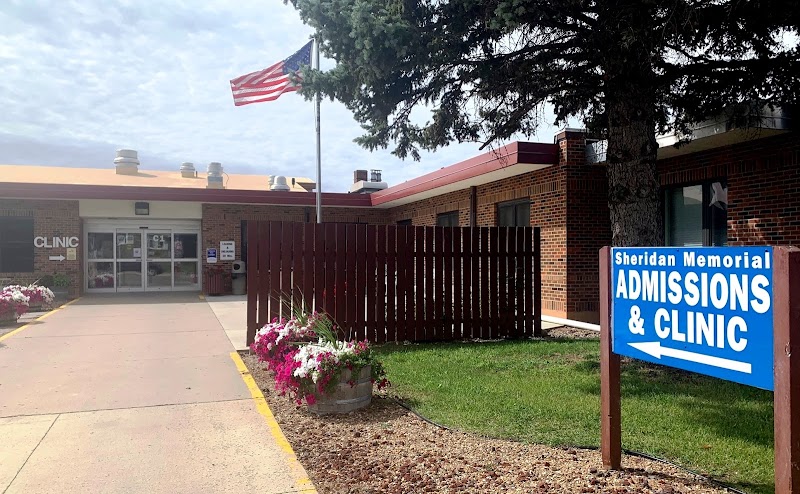
Who Owns and Operates Sheridan Memorial?

SHERIDAN MEMORIAL NURSING HOME is owned by a non-profit organization. Non-profit facilities reinvest revenue into operations rather than distributing to shareholders. The facility operates independently rather than as part of a larger chain. With 45 certified beds and approximately 23 residents (about 51% occupancy), it is a smaller facility located in PLENTYWOOD, Montana.
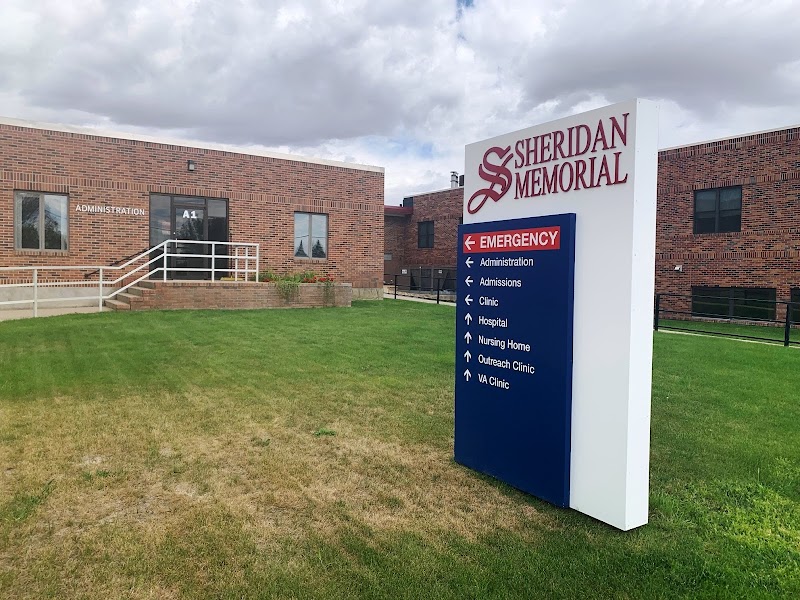
How Does Sheridan Memorial Compare to Other Montana Nursing Homes?

Compared to the 100 nursing homes in Montana, SHERIDAN MEMORIAL NURSING HOME's overall rating (3 stars) is above the state average of 3.0, staff turnover (54%) is near the state average of 46%, and health inspection rating (3 stars) is at the national benchmark.

What Should Families Ask When Visiting Sheridan Memorial?

Based on this facility's data, families visiting should ask: "Can I visit during a mealtime to observe dining assistance and food quality?" "How do you handle medical emergencies, and what is your hospital transfer rate?" "Can I speak with family members of current residents about their experience?"

Is Sheridan Memorial Safe?

Based on CMS inspection data, SHERIDAN MEMORIAL NURSING HOME has a clean safety record: no substantiated abuse findings (meaning no confirmed cases of resident harm), no Immediate Jeopardy citations (the most serious violation level indicating risk of serious injury or death), and is not on the Special Focus Facility watch list (a federal program monitoring the lowest-performing 1% of nursing homes). The facility has a 3-star overall rating and ranks #1 of 100 nursing homes in Montana. While no facility is perfect, families should still ask about staff-to-resident ratios and recent inspection results during their visit.

Do Nurses at Sheridan Memorial Stick Around?

SHERIDAN MEMORIAL NURSING HOME has a staff turnover rate of 54%, which is 8 percentage points above the Montana average of 46%. Moderate turnover is common in nursing homes, but families should still ask about staff tenure and how the facility maintains care continuity when employees leave.

Was Sheridan Memorial Ever Fined?

SHERIDAN MEMORIAL NURSING HOME has no federal fines on record. CMS issues fines when nursing homes fail to meet care standards or don't correct problems found during inspections. The absence of fines suggests the facility has either maintained compliance or corrected any issues before penalties were assessed. This is a positive indicator, though families should still review recent inspection reports for the full picture.

Is Sheridan Memorial on Any Federal Watch List?

SHERIDAN MEMORIAL NURSING HOME is not on any federal watch list. The most significant is the Special Focus Facility (SFF) program, which identifies the bottom 1% of nursing homes nationally based on persistent, serious quality problems. Not being on this list means the facility has avoided the pattern of deficiencies that triggers enhanced federal oversight. This is a positive indicator, though families should still review the facility's inspection history directly.