POLSON HEALTH & REHABILITATION CENTER
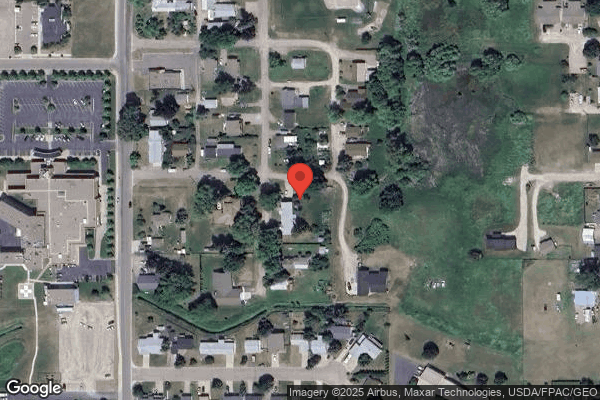
9 14TH AVE W, POLSON, MT 59860 (406) 883-4378
For profit - Corporation 70 Beds EMPRES OPERATED BY EVERGREEN Data: November 2025
Trust Grade
65/100
#18 of 59 in MT
Last Inspection: September 2024

Within standard 12-15 month inspection cycle. Federal law requires annual inspections.

Overview

Polson Health & Rehabilitation Center has a Trust Grade of C+, indicating a decent but slightly above-average level of care. It ranks #18 out of 59 nursing homes in Montana, placing it in the top half for the state, and is the best option among the two facilities in Lake County. Unfortunately, the facility is experiencing a worsening trend, with the number of issues increasing from 3 in 2023 to 9 in 2024. Staffing is a relative strength, with a 4-star rating and turnover at 42%, which is better than the state average. However, the facility has accumulated $35,865 in fines, which is concerning and suggests ongoing compliance issues. Specific incidents reported by inspectors include a failure to provide necessary psychiatric services for a resident with multiple mental health conditions, compromising their care. Additionally, there were serious concerns about kitchen sanitation, with observations of dust buildup and food storage issues that could affect residents' health. Lastly, residents reported long wait times for call lights to be answered, with some waiting up to an hour or more, indicating potential delays in urgent care. Overall, while there are strengths in staffing, the facility has notable weaknesses that families should consider carefully.

Trust Score
C+
65/100
In Montana
#18/59
Top 30%
Safety Record
Moderate
Needs review
Inspections
Getting Worse
3 → 9 violations
Staff Stability
○ Average
42% turnover. Near Montana's 48% average. Typical for the industry.
Penalties
✓ Good
$35,865 in fines. Lower than most Montana facilities. Relatively clean record.
Skilled Nurses
✓ Good
Each resident gets 42 minutes of Registered Nurse (RN) attention daily — more than average for Montana. RNs are trained to catch health problems early.
Violations
⚠ Watch
16 deficiencies on record. Higher than average. Multiple issues found across inspections.
★★★★☆
4.0
Overall Rating
★★★★☆
4.0
Staff Levels
★★★★☆
4.0
Care Quality
★★★★☆
4.0
Inspection Score
Stable
2023: 3 issues
2024: 9 issues

The Good

  • 4-Star Staffing Rating · Above-average nurse staffing levels
  • 4-Star Quality Measures · Strong clinical quality outcomes
  • Full Sprinkler Coverage · Fire safety systems throughout facility
  • No fines on record
  • Staff turnover below average (42%)

    6 points below Montana average of 48%

Facility shows strength in staffing levels, quality measures, fire safety.

The Bad

Staff Turnover: 42%

Near Montana avg (46%)

Typical for the industry

Federal Fines: $35,865

Above median ($33,413)

Moderate penalties - review what triggered them

Chain: EMPRES OPERATED BY EVERGREEN

Part of a multi-facility chain

Ask about local staffing decisions and management

The Ugly 16 deficiencies on record

1 actual harm
Sept 2024 7 deficiencies 1 Harm
SERIOUS (G)

Actual Harm - a resident was hurt due to facility failures

Deficiency F0742 (Tag F0742)

A resident was harmed · This affected 1 resident

Based on observation, interview, and record review, the facility failed to provide psychiatric services for 1 (#40) of 1 resident with the diagnoses: Borderline Personality Disorder, Generalized Anxie...

Read full inspector narrative →
Based on observation, interview, and record review, the facility failed to provide psychiatric services for 1 (#40) of 1 resident with the diagnoses: Borderline Personality Disorder, Generalized Anxiety Disorder, Major Depressive Disorder, Epilepsy, Other Drug Induced Secondary Parkinsonism, as shown in resident #40's EHR. Findings include: During an interview on 9/10/24 at 1:40 p.m., NF2 stated, [Resident #40] has emotional breakdowns and crying. So, I know the meds are holding her together, but they're not quite right . NF2 expressed frustration during the conversation and stated she knew resident #40 was not completely okay because she was still having hallucinations, and she never used to, prior to admission. NF2 stated, No, I do not think this is her new normal. NF2 stated she had tried numerous times to get in touch with a nursing home facility closer to her location, but it had been weeks, and there were no changes or updates. NF2 stated, It is hard to care for [#40] when she is four hours away. NF2 stated she was hoping at her physical location there were more psychiatric providers available for resident #40 because she was not receiving the psychiatric assistance at her current facility. During an interview on 9/11/24 at 1:20 p.m., staff member I stated they believed the facility was trying to get resident #40 a consultation with psychiatry. Staff member I stated, I think that is the plan. When staff member I was asked about resident #40's hallucinations, staff member I stated resident #40 does still have the hallucinations and stated, I do not think this is her new normal. Review of a [Facility Name] Emergency Department (ED) Note, dated 7/3/24, showed: . who presents to the ED for evaluation of AMS/weakness . 2 weeks cognitive/physical decline, auditory and visual hallucinations/delusions (vision of family members killing dogs, complaining of a cat moving into her room), unsteady on feet. PT/Aides said declining more today - not feeding herself, speech deteriorated into gibberish. Crying and wailing today for unknown reason. Has been at [Facility Name] for several months . The ED note also showed: . if a pharmaceutical issue is at play. Seroquel and olanzapine have been increased recently b/c of behavioral concerns. Oxycodone was held today and her ativan dose has been decreased from 1 mg/d to 0.25 mg/d. She's encephalopathic, so polypharmacy could be playing a role. [sic] Review of resident #40's EHR showed a physician's communication document, dated 8/14/24, Resident continues to hallucinate, and she is very distressed someone is hurting animals in the facility. Could the hallucinations be a side effect of one of her medications? The physician signed the document, but no follow up orders were given, or rationale noted. Review of resident #40's progress notes showed hallucinations were documented in the progress notes from 5/5/24 to 8/7/24: - 5/5/24 - 5/9/24 - 5/11/24 (review of progress note showed: [NF2] was informed that there is a .meeting between a psychiatrist and [staff member B] this coming Wednesday. [NF2] stated that she is in favor of these steps . - 5/15/24 -5/16/24 - 5/18/24 -5/20/24 -5/22/24 (review of the progress note showed: [NF2 feels like Abilify is causing the hallucinations and delusions and stressed she would like her [#40] to be taken off of it . - 5/24/24 - 5/29/24 - 6/14/24 - 6/17/24 - 8/5/24 - 8/7/24 Review of resident #40's EHR showed resident #40's initial admission date was 1/9/24. During an interview on 9/11/24 at 2:19 p.m., staff member A stated the facility was unable to get resident #40 psychiatric services due to a small number of providers in the area, and the newer plan of moving resident #40 closer to family, in a different town and facility. Staff member A stated resident #40 was accepted to the new facility on 9/11/24. Staff member A stated the facility tried telehealth options. Staff member A later stated resident #40 refused telehealth. No documentation of the telehealth refusals were provided, but were requested on the Facility Documentation Request Sheet #5 (at 9/12/24 at 12:13 p.m.) before the end of survey. Staff member A stated the facility was working with a [behavioral health service] company who was trying to get roots down for therapy for residents since May. Staff member A stated, Psychiatry is what she truly needs. Staff member A stated resident #40 had paranoia and schizophrenia. During an interview on 9/12/24 at 9:50 a.m., staff member K stated resident #40 had a consult with neurology due to parkinsons and her shakiness. Staff member K stated she believed resident #40 did see psychiatry once a month. Staff member K stated, [staff member N] comes in and is a psychiatrist. If she is not seeing them, I think she should. During an interview on 9/12/24 at 10:49 a.m., NF1 stated, No counselors, psychiatry, or psychology; we are not providing anything involving mental health at this time because we do not have credentialing with them [the facility] yet. NF1 stated the physicians would start therapy services starting in October. During an interview on 9/12/24 at 8:50 a.m., staff member A stated [staff member N] no longer works at the facility. Staff member A stated the focus changed from finding psychiatric help to getting resident #40 moved to a different facility as the family requested. Review of a facility provided document, Social Services Note, dated 8/23/24, showed: Per resident and residents' (family member) request [staff member] has been working on locating a different center for resident that is closer to . Review of a facility provided document, Nursing Progress Note, dated 8/17/24, showed: This nurse explained there is a behavioral health service for the resident but will have to wait . [sic] Review of a facility provided document, Social Service admission and History Evaluation, dated 1/15/24, showed: A completed admission evaluation which comprised of psychosocial/mood/socialization/functionality/needs/etc. areas were assessed. No documentation was provided for resident #40 concerning psychiatric appointments, psychiatric physician notes, follow ups, referrals, etc. Review of the Facility Document Request Sheet #5 (requested at 9/12/24 at 12:13 p.m.) showed the following requested documents: - Refusal of telehealth consent - [resident #40] - Request to [City] facility transfer - [resident #40] - Referral to [City] psychiatry - [resident #40] - Staff training - trauma informed, behavioral health, dementia training
CONCERN (D)

Potential for Harm - no one hurt, but risky conditions existed

Deficiency F0578 (Tag F0578)

Could have caused harm · This affected 1 resident

Based on observation, interview, and record review the facility failed to have the advance directive for 1 (#17) of 1 resident located in the Disaster Recovery Binder, easily accessible to staff durin...

Read full inspector narrative →
Based on observation, interview, and record review the facility failed to have the advance directive for 1 (#17) of 1 resident located in the Disaster Recovery Binder, easily accessible to staff during an emergency. Findings include: Review of resident #17's EHR showed: Advance Directives. Review of resident #12's EHR showed: For Advance Directives and Code Status, see Disaster Recovery binder at nursing station. During an observation on 9/11/24 at 9:55 a.m., resident #17's POLST was not located in the disaster recovery book. During an interview and observation, on 9/11/24 at 9:58 a.m., staff member I stated, I do not see it (#17's POLST in the Disaster Recovery Binder). It would be in the B section. Staff member I stated they (staff) would have to look on Point Click Care (electronic health record) in the uploaded documents, when they explained would staff would find a resident's POLST if it was missing from the Disaster Recovery Binder. During an interview on 9/11/24 at 1:45 p.m., staff member A stated, It (#17's POLST) should have been in the book (Disaster Recovery Binder). Staff member A stated the staff member responsible for entering this information (into the binder) was not as experienced in her position and may not have added the information consistently in Point Click Care. Staff member A stated the Advance Directives were located in the Disaster Recovery Binder.
CONCERN (D)

Potential for Harm - no one hurt, but risky conditions existed

Deficiency F0657 (Tag F0657)

Could have caused harm · This affected 1 resident

Based on observation, interview, and record review, the facility failed to ensure a resident's care plan accurately showed the resident's current non-use of interventions for a wheelchair cushion, and...

Read full inspector narrative →
Based on observation, interview, and record review, the facility failed to ensure a resident's care plan accurately showed the resident's current non-use of interventions for a wheelchair cushion, and for bedside rails, for 1 (#37) of 13 sampled residents. Findings include: During an observation on 9/9/24 at 4:04 p.m., resident #37 was hunched over, sleeping in his wheelchair, with a thin pillow under him and his right leg on the bed. The bed was flat and had no siderails or bar attachments. During an observation and interview on 9/11/24 at 11:20 a.m., resident #37 was sitting on a pillow in his wheelchair. His bed was flat, in a low position, with no bed rails, no pillow, he had one shoe on. Resident #37 did not know what a siderail was and said he never had one, he would just stand up from his wheelchair. During an observation and interview on 9/11/24 at 9:47 a.m., staff member E stated, resident #37 never slept in his bed, only in his wheelchair, because he said the bed and recliner were uncomfortable. Staff member E went into resident #37's room and asked to see his wheelchair. She locked his wheelchair, and he stood up from it, while in the middle of the room. Staff member E started looking at the wheelchair seat, pulling up a noncovered small pillow, a double folded cloth bed protector, a pile of newspapers, and other items resident #37 had been sitting on, but no wheelchair pressure relieving cushion. Staff member E asked resident #37, and he said he never had a cushion in his wheelchair, and he had stuffed the newspapers in it because people would come and throw them away. Staff member E stated she never knew he placed those things in his wheelchair. Staff member E looked up resident #37's EHR and could not find any physician orders or a care plan about a wheelchair cushion. Staff member E stated therapy would get a cushion if residents needed one, or nursing staff could grab one, if therapy was not available. During an interview on 9/11/24 at 9:51 a.m., staff member F stated, resident #37 never slept in his bed and used his wheelchair exclusively. She did not know if he had used a wheelchair cushion and did not know he sat on the pile of items in his wheelchair. During an interview on 9/12/24 at 10:49 a.m., staff member C stated care plan updates could be done by any member of IDT team. Most care plan updates would be done during the morning clinical meeting review of residents or by the MDS nurse, but the facility did not have an MDS nurse currently. During an interview on 9/12/24 at 10:56 a.m., staff member D stated she observed resident #37 use the siderail on his bed the morning of 9/9/24 when she did his skin assessment. Staff member D filled out the siderail assessment for it on 9/10/24. He had grab bars to help stand up from his wheelchair because he never slept in his bed, only his wheelchair. Staff member D went to resident #37's room to look at the bed and found no siderails on it. Staff member D came back out of the room and stated that it was not the same bed because it did not have siderails and she would need to look into what happened. During an interview on 9/12/24 on at 12:13 p.m., staff member A stated resident #37 had siderails on 9/9/24 in the morning, when staff member D assessed him, and staff member D had 24 hours to do the documentation. Then staff member G switched out his bed for a new admission needing siderails on 9/9/24. The bed resident #37 had now did not have siderails, but he did need siderails. Staff member A stated there was a maintenance request from staff member G for the bed side rails. Staff member A stated resident #37 at one point probably did have a cushion. Review of resident #37's EHR showed: - A physician's order for bilateral siderails, initiated on 7/14/23, and currently active. There were no orders for a wheelchair cushion. - Siderail assessments were completed on 7/14/23 and 9/10/24. - A Quarterly MDS assessment was completed on 6/25/24, with no siderails in use. - An Annual MDS assessment completed on 4/22/24, with no siderails in use. Review of a Bed Rail Informed Consent, which was a copy, for resident #37, dated 6/11/24, showed Mobility bar bilat was to Assist w/help. [sic] Review of resident #37's Care Plan, last reviewed 8/28/24, showed the intervention for, bi lat mobility bars to bed to aid with transfers and bed mobility and Skin at risk: .pressure reducing mattress, wheelchair cushion, both initiated on 2/15/24. The resident's care plan was not current and the interventions not utilized. Review of the facility policy, Bed Rails, dated 2017, showed: Bed Rail Evaluation is: a. completed at admission prior to implementation . quarterly or change in condition . the physicians order contains the type of rail . e. are addressed on the care plan and updated appropriately . 3. Bed Rails are only implemented after consent is obtained . [sic]
CONCERN (D)

Potential for Harm - no one hurt, but risky conditions existed

Deficiency F0692 (Tag F0692)

Could have caused harm · This affected 1 resident

Based on observation, interview, and record review, the facility failed to provide sufficient interventions for 1 (#40) of 2 residents who had severe weight loss. Resident #40 was self-limiting her in...

Read full inspector narrative →
Based on observation, interview, and record review, the facility failed to provide sufficient interventions for 1 (#40) of 2 residents who had severe weight loss. Resident #40 was self-limiting her intake which contributed to the weight loss. This resident had the diagnoses: Borderline Personality Disorder, Generalized Anxiety Disorder, Major Depressive Disorder, Epilepsy, Other Drug Induced Secondary Parkinsonism, as shown in resident #40's EHR and was not consulted with psychiatry. Findings include: Review of resident #40's EHR showed resident #40 weighed 172.4 pounds on 6/4/2024, and she weighed 151.0 pounds on 9/3/2024. This was a 12.41% severe weight loss. Review of a facility provided document, Nutrition/Dietary Note, dated 9/12/24, showed: Resident shows 12.9% loss over 3 months, weight hx shows resident weight of 172.4# on 6/4/24 and weight of 145.1# on 7/9. Between these weight recordings resident was discharged from facility due in part to mental health concerns and weight on 7/9 . [sic] Review of resident #40's EHR showed the following weights: - 3/4/24 weighed 177.6 pounds (17.62% weight loss in six months) - 4/3/24 weighed 178.4 pounds (18.15% weight loss in five months) - 5/1/24 weighed 175.8 pounds (16.42% weight loss in four months) A facility provided progress note, dated 8/29/24, showed: Weight Warning: Resident was noted to have a weight loss of 30 lbs over the last month. during this timeframe resident had behavioral concerns. and was not eating as much. 25-50% of meals. once the medication review, and implementation was completed. Resident comes down to dine for some meals, and consumes 75-100% of meals, and recently has a bmi of 24.4 and no concerns noted at this time. [sic] Review of resident #40's EHR, Nutrition Hydration Skin Committee Review Form, dated 6/11/24, showed: . maintaining weight would be beneficial . slight weight loss may be desirable . Review of resident #40's physician order, with a start date 8/30/24, showed: Calorie Dense Medication Pass. No other calorie increasing supplements were ordered prior to this date. During an interview and observation on 9/9/24 at 3:51 p.m., resident #40 stated, If its 8:00 p.m. I'll get an ice cream sundae because of the nurse on, but other than that, I get goldfish (snack cracker). I get sick of eating that, so I don't want it. There were no snacks or supplements present at this time in resident #40's room. Resident #40 stated she noticed she lost weight, but was happy about the weight loss, as she wanted to weigh 120 pounds. Resident #40 stated, My sister said I should weigh 120 pounds based on my height. During an observation and interview on 9/11/24 at 1:16 p.m., resident #40 had eaten about two cups of chicken noodle soup with four cracker packets added. Resident #40 stated, I don't eat that, when the surveyor had asked why she did not eat the dinner roll. Resident #40 stated, I've got to get my weight down to 120 (pounds). Resident #40 did not have any snacks or supplements at the bedside. During an interview on 9/12/24 at 8:51 a.m., staff member J stated a supplement was discussed last week due to #40's weight loss. Staff member J stated, No, when asked if they were aware of resident #40 trying to lose weight, and the family members encouragement for resident #40 to weigh 120 pounds. When staff member J was asked if resident #40 would be too light at 120 pounds, staff member J stated, Yes, that is definitely too light. I will follow up with her and the family. Staff member J recommended education and potentially nutritional therapy/counseling to those residents that needed additional interventions concerning weight management. Staff member J stated they do not participate in the care conferences or IDT meetings. Review of resident #40's care plan, with a revision date 1/9/24, showed: Goal: No unplanned significant weight loss or gain . Interventions: Meal Monitor. If intake 50 percent or less, offer substitute or supplement . Refer to OT/ST as appropriate . Refer to RD as appropriate .
CONCERN (D)

Potential for Harm - no one hurt, but risky conditions existed

Respiratory Care (Tag F0695)

Could have caused harm · This affected 1 resident

Based on observations, interviews, and record review, the facility failed to follow physician orders to change oxygen tubing for 1 (#34) of 3 sampled residents. This increased the potential for respir...

Read full inspector narrative →
Based on observations, interviews, and record review, the facility failed to follow physician orders to change oxygen tubing for 1 (#34) of 3 sampled residents. This increased the potential for respiratory infection and medical decline. Findings include: During an observation on 9/9/24 at 3:46 p.m., resident #34's oxygen tubing on the portable tank was dated with a piece of tape dated 8/11/24. The tubing on the concentrator being used by resident #34, at that time, was also dated 8/11/24. A review of resident #34's physician's order, dated 3/23/24, showed, O2 tubing to be changed Q2 weeks and prn. During an interview on 9/11/24 at 9:58 a.m., staff member E stated the treatment book has the changes scheduled for the night shift. She stated, It gets charted in TAR when changed. Sometimes the nurse will change it or sometimes the nurse may delegate the task to a CNA. During an observation on 9/11/24 at 10:30 a.m., the tape on the oxygen tubing for resident #34 still read 8/11/24, for both the concentrator, and the portable tank. During an interview on 9/12/24 at 8:40 a.m., staff member C stated, .we don't do it that way. We follow CDC guidelines and change the tubing when it is visibly dirty. [Staff member B] is the one who did that like in her other building and [staff member M] will sign anything but that is not our policy .
CONCERN (E)

Potential for Harm - no one hurt, but risky conditions existed

Deficiency F0675 (Tag F0675)

Could have caused harm · This affected multiple residents

Based on observations, interviews, and record reviews, the facility failed to answer call lights timely, for 6 (#s 9, 17, 24, 36, 39, and 202) of 13 sampled residents. Findings include: 2. During an i...

Read full inspector narrative →
Based on observations, interviews, and record reviews, the facility failed to answer call lights timely, for 6 (#s 9, 17, 24, 36, 39, and 202) of 13 sampled residents. Findings include: 2. During an interview on 9/10/24 at 7:52 a.m., resident #202 stated during breakfast she can wait up to 30 minutes after pushing the call button. During an interview on 9/10/24 at 7:59 a.m., resident #39 stated the average call light wait time was an hour. He stated, One time it was three hours when I fell down a couple of months ago. During an interview on 9/9/24 at 3:10 p.m., resident #17 stated the average call light wait time was ten minutes. Resident #17 stated the longest he had waited for a call light to be answered was 45 minutes, in the evening. Resident #17 stated, In the evening, I can hear them messing around and talking down the hall. Resident #17 stated, One night I was having chest pains. They took a long time, and it (the chest pain) was gone by then (the time they came). During an interview and observation on 9/10/24 at 8:15 a.m., resident #24 reported she always waits longer in the morning, and the facility seemed to be always short (staffed). Resident #24 stated she frequently voided in her brief because staff did not make it to her in time. Resident #24 stated she sometimes will be sitting in a dirty brief waiting hours for staff. When asked about call lights, resident #24 stated, Sometimes I had to wait two hours. So, I called my guardian, and she got after them. That helped. Resident #24 stated this had happened a couple of times. During an observation on 9/10/24 at 8:41 a.m., staff member H turned resident #39's call light on as resident #39 had asked to be transferred from his bed to the chair for breakfast after medications were given. No staff members came to answer this call light at this time. During an observation on 9/10/24 at 9:00 a.m., two other call lights were on down the same hallway as resident #39's call light. Staff member H continued to pass medications and two other staff members were passing food trays. No call lights were answered at this time. During an interview and observation on who usually responds to call lights, on 9/10/24 at 9:08 a.m., staff member H stated, [Staff member L] is supposed to. She is a very good one. I don't know where she is at. Staff member H then turned and asked a staff member walking by to get resident #39's call light. This staff member stated, Oh, well they'll be getting him food, and continued walking down the hallway. During an interview and observation on 9/10/24 at 9:11 a.m., the surveyor asked staff member H why he was not getting the call light if it had been on for a long time. Staff member H stated usually the other staff get the call lights but if they get behind, then staff member H would help. Staff member H then asked the staff member walking by to get the light. Resident #39's call light was answered after 30 minutes had gone by. Resident #39 wanted to eat his breakfast before moving, because his food was delivered just minutes prior to this. During an observation and interview on 9/11/24 at 12:58 p.m., resident #36's call light turned on. At 1:11 p.m., the call light was still on, and resident #36 stated he wanted his tray to be taken. At 1:12 p.m., staff member I walked in to ask resident #36's roommate a question but did not address resident #36's call light. Resident #36 stretched his arm out and said staff member I's name to get their attention. Staff member I talked with resident #36, and he asked for a pain medication. Staff member I never addressed the reason for the call light being on. At 1:20 p.m., resident #36's call light was answered by a staff member. The call light wait time was 22 minutes. During observations and interviews on 9/11/24 at 2:02 p.m., resident #9 was sitting in her wheelchair halfway out of her room and holding a clean brief. Resident #9 stated to the surveyor, I have to use the bedpan. Resident #9 was located very close to staff member E and the medication cart. Staff member E continued to prepare medications. At 2:08 p.m., resident #9 was still sitting in the hallway with a brief in her hands. Staff member E was still preparing medications. Another call light was going off down the hallway. When asked, staff member E stated, It is the CNAs job to get them (the call lights). I just have one CNA because one is on break right now. Staff member E stated it was part of their responsibility if the other CNAs were unable to get the call lights. During an interview on 9/12/24 at 7:55 a.m., staff member A stated, If a call light is going off. It is all of ours. During an interview on 9/12/24 at 9:43 a.m., resident #9 stated the typical call light time was 15 minutes. She stated she had been out in the hallway with her brief watching for an aide. Resident #9 stated she typically does not make it to the commode in time (due to the delay in call light response) which results in an accident. During an interview on 9/12/24 at 10:05 a.m., staff member K stated it was her impression call lights were to be answered in five minutes or less. Staff member K stated, It is easier to stay ahead of it. Staff member K stated if there are two or more call lights going off when she was passing medications she would typically stop to help to not get behind. During an interview on 9/12/24 at 12:11 p.m., staff member A stated, We do not have a direct call light policy. Prior to the end of the survey, the facility provided a call light policy.
MINOR (C)

Minor Issue - procedural, no safety impact

Staffing Information (Tag F0732)

Minor procedural issue · This affected most or all residents

Based on observation, interview, and record review, the facility failed to ensure a legible daily nurse staffing posting was placed with the required information, including the census, and that is was...

Read full inspector narrative →
Based on observation, interview, and record review, the facility failed to ensure a legible daily nurse staffing posting was placed with the required information, including the census, and that is was posted in an area easily accessible to residents or anyone wishing to view the information. This deficient practice would affect anyone wanting to view the information. Findings include: During an interview and record review on 9/14/24 at 12:17 p.m., staff member A stated the nursing staff kept using the same old copy of the daily nurse staffing posting, so it was hard to read. Staff member A stated he would get a blank master copy to show what was printed for staffing. The copies for the dates requested only had handwritten numbers readable, and none of them showed the resident census number. During an observation on 9/11/24 at 3:53 p.m., the daily nurse staffing posting was posted high on a bulletin board behind the nurses' station. Only handwritten numbers were readable, the copied form information was not. None of the numbers written were the facility census. Review of the facility policy, Daily Nurse Staffing Information, last updated 7/2012, showed: 1.following information . posts daily: a. Center Name b. Current Date c. Total number and actual hours worked by the following categories of licensed and unlicensed nursing staff . d. Resident census at the beginning of each shift 2. Posting Requirements a. The center posts the nurse staffing data on a daily basis at the beginning of each shift b. Data posted as follows: - Clear and readable format - In a prominent place readily accessible to residents and visitors .
May 2024 2 deficiencies
CONCERN (E) 📢 Someone Reported This

A family member, employee, or ombudsman was alarmed enough to file a formal complaint

Potential for Harm - no one hurt, but risky conditions existed

Report Alleged Abuse (Tag F0609)

Could have caused harm · This affected multiple residents

**NOTE- TERMS IN BRACKETS HAVE BEEN EDITED TO PROTECT CONFIDENTIALITY** Based on interview and record review, the facility failed to report an injury of unknown origin to the State Survey Agency for 1...

Read full inspector narrative →
**NOTE- TERMS IN BRACKETS HAVE BEEN EDITED TO PROTECT CONFIDENTIALITY** Based on interview and record review, the facility failed to report an injury of unknown origin to the State Survey Agency for 1 (#9) in the required timeframe; and failed to report incident findings to the State Survey Agency within the five-day required time frame, for 5 (#s 1, 5, 8, 10, and 11) of 11 sampled residents. Findings include: 1. Review of a facility reported incident, occurring on 4/8/24, showed resident #9 went to another facility for a follow up MRI, as the resident had previous back issues, and a T11 (thoracic) fracture was found. The facility was not sure if the fracture was old or new. The facility reported this fracture as an injury of unknown origin, to the State Survey Agency, on 4/10/24, two days after the facility was notified of the results. Review of resident #9's nursing progress note, dated 4/8/24 at 3:24 p.m., showed staff member J wrote a note showing, Resident went to [Hospital Name] for MRI. Report stated that she has a new T11 fx (fracture towards the bottom of the thoracic spine) . The note did not show if the facility's administrator was notified. During an interview on 5/20/24 at 2:36 p.m., staff member A stated staff were supposed to notify him, or the DON, when they received results of an injury or fracture. During an interview on 5/20/24 at 2:46 p.m., staff member J stated the facility usually received imaging results by fax or phone call, and if there was an injury found, she would let a resident's doctor and family know of the results. Staff member J stated an injury should be reported to the administrator. 2. Review of the following facility reported incidents showed late reporting (not within the required Federal five-day timeframe) to the State Survey Agency: a. Resident #8: The resident and resident's caregiver called resident #8's bank and found $300 was missing. The incident was reported on 4/15/24, and the findings were not reported until 4/25/24, five days late. During an interview on 5/20/24 at 10:32 a.m., staff member A stated the incident involving resident #8 and misappropriation had late findings due to communication challenges with the [NAME]. b. Resident #11: The resident reported she fell during a self-transfer. The fall was unwitnessed and resulted in an ER visit and rib fractures on 4/28/24. The incident was reported on 4/29/24, and the findings were submitted on 5/9/24, five days late. During an interview on 5/19/24 at 11:43 a.m., staff member A stated the findings for incidents should have been reported within five days of the report, and he had been late in submitting some of the facility's incident findings. c. Resident #s 1 and 5: resident #5 was allegedly bullying resident #1 on 5/8/24. The incident was reported on 5/9/24, and the findings were not reported by the facility until 5/16/24, two days late. d. During a phone interview on 5/19/24 at 11:42 a.m., staff member A stated he knew a few of the abuse allegation findings were late submissions. Staff member A stated he also had trouble with logging into the state reporting system at times to submit the findings. During an interview on 5/20/24 at 9:43 a.m., staff member A stated resident #10 had expressed to the facility, during rounds on 3/14/24, an allegation of staff to resident abuse had occurred on 3/9/24. Staff member A stated they initially reported the allegation the same day they were aware of the allegation, on 3/14/24, so the allegation was not late, but did not know why the findings were not submitted in the required time. Review of the facility reported incident showed the allegation of staff to resident abuse occurred on 3/9/24, the allegation was reported to facility staff by resident #10 on 3/14/24 during rounds. The initial report was submitted to the State Survey Agency on 3/14/24. The final investigation was reported to the State Survey Agency on 3/20/24, six days after the initial report. Review of the facility's policy, Abuse Reporting and Response, published 9/2017, showed, 5. The Center reports the results of all investigations to the Executive Director and to other officials in accordance with State law, including to the State Survey Agency, within 5 working days of the incident.
CONCERN (F) 📢 Someone Reported This

A family member, employee, or ombudsman was alarmed enough to file a formal complaint

Potential for Harm - no one hurt, but risky conditions existed

Food Safety (Tag F0812)

Could have caused harm · This affected most or all residents

Based on observation, interview, and record review, the facility failed to have and maintain a sanitary kitchen, staff failed to follow hygienic practices, and failed to take and record temperatures f...

Read full inspector narrative →
Based on observation, interview, and record review, the facility failed to have and maintain a sanitary kitchen, staff failed to follow hygienic practices, and failed to take and record temperatures for food storage and for food during meal service. These deficient practices had the potential to affect all residents consuming food from the facility kitchen. Findings include: A. Sanitary Kitchen During an observation of the facility kitchen on 5/18/24 at 11:53 a.m., multiple areas of concern for cleanliness showed: - A large window located above the meal serving line and clean dishes was opened several inches and had a buildup of grey and brown dust on it. - A standing black fan, not in current use, had the blades and wire cage covered in grey and brown dust. - The ceiling air vents, ceiling, and the wall over the cooking area were covered in grey and black dust buildup. - The refrigerator labeled, Kitchen's Fridge had chocolate syrup splashed over the top shelf wall and door. The bottom two drawers had an orange congealed substance in them. - An unopened, thickened apple juice was on a metal table, with a use by January 2024 label. - A small white chest freezer had crumbs and debris inside. - An upright freezer had various colored crumbs in all door shelves and the bottom. - Another chest freezer had a broken handle with two different staff cups in use, sitting on top of it, and not labeled. - The double stainless-steel freezer had a red splatter inside, and the bottom was heavily covered in crumbs and debris. - A large stand mixer, not in use, had a layer of white film over the appliance and mixing attachments inside it. No covering to protect it. - The surge protector strip hung on the wall next to the handwashing sink covered in grey film and dust. - The toaster was heavily covered in crumbs. - A metal table, with cutting boards and various supplies, had red and white crumbs on the bottom shelf. During an interview on 5/18/24 at 12:41 p.m., staff members L and K stated the cleaning duties were split between the kitchen staff working each day, and they marked complete on the cleaning checkoff lists. During an interview on 5/18/24 at 3:04 p.m., staff member I stated the fan had just been brought to the kitchen the week before. Staff member I stated they could not get the window to close all the way but would notify maintenance to attempt to fix it, and the vents. Staff member I stated there were only monthly kitchen logs for cleaning of refrigerators, freezers, and other equipment. There were daily logs for things like meal cleanup, trash, and mopping. During an observation on 5/19/24 at 8:30 a.m., the chocolate syrup splatter in the refrigerator labeled, Kitchen's Fridge, was cleaned, but the bottom drawers of the fridge still had the spills. All other areas of the kitchen still had the same observed dust, debris, spills, and crumbs as the initial observation. Review of the kitchen's Daily Cleaning logs showed missing checkoffs, completed by staff when they did the cleaning, for the following days of May 2024: 1, 2, 14, 15, 16, 17, 18, and 19. Review of the April 2024 Monthly Cleaning logs showed the logs were mostly completed, and the May 2024 Monthly log was not provided. Review of the facility policy, Sanitation, updated 9/2019, showed, The food service area is maintained in a clean and sanitary manor, B. Dietary Staff Hygiene During a kitchen observation on 5/18/24 at 12:03 p.m., staff member N came through the dish washing room into the kitchen, without a hairnet on, without washing his hands, and grabbed a dark lunch bag out of the refrigerator labeled, Kitchen's Fridge, with drinks for residents and other kitchen items inside. During an observation of meal service on 5/18/24 at 12:03 p.m., staff member K was in the dish room and wiped his hands on his pants, and then grabbed clean dishes and put them away. During an observation on 5/18/24 at 12:15 p.m., staff member K had no gloves on, and the staff member was continually touching prepared plates of food and placing them in the food cart, and microwaving bowls of soup. During this time, staff member K rubbed under his nose several times with his ungloved hand, or hands on his shirt in between trays, and did not wash his hands or put on gloves through the meal service. During an interview on 5/18/24 at 12:55 p.m., staff member K stated he was told if his hair did not go past his ears, he only needed a baseball hat, not a hairnet. Staff member K stated he was told if he kept his beard trimmed and short mustache, he did not have to wear a beard net. During an observation on 5/19/24 at 8:24 a.m., staff member M was in front of the tray line in a baseball hat and a beard net under his chin, not covering his full beard. Staff member M went to the dish room and came back out wearing a hairnet under his baseball hat and a beard net under his chin, not covering his full beard. Staff member M proceeded to serve breakfast without placing the beard net to cover his beard. During an observation on 5/19/24 at 8:45 a.m., staff member N came through the dish room, without a hairnet or handwashing, and took a bowl for her bag of cereal from the kitchen. During an interview on 5/19/24 at 10:10 a.m., staff member I stated the kitchen staff were educated in person, or on the phone that morning, about kitchen use only for resident food, and the other departments would be educated as well. Staff member I stated kitchen staff could wear baseball hats if it contained all their hair, and beard nets should be worn for a full beard. Review of the facility policy,Personal Hygiene Standards, updated 6/2021, showed, a. Hair restraining devices (e.g. hairnets), covering all hair, are worn while on duty . b. If a hat is worn, all exposed hair should be covered with a hairnet. Hat must be kept clean and designated for kitchen use only .e. Hands are washed after each trip to the restroom, washrooms, after touching the hair, mouth, or nose, when leaving and reentering the kitchen, changing gloves, and at any other time they became soiled . f. FANS personnel avoid personal habits such as nose picking, nail biting, hair twisting, spitting, blowing the nose, etc. when working in the food service area . K. For those employees with beards, beard gaurds are worn. C. Temperatures During an observation on 5/18/24 at 12:10 p.m., the current month temperature log for the refrigerators and freezers were missing multiple temperatures. The temperature log for the food temperatures prior to serving and temperatures during meal service had several meals in the current month missing one or both temperatures. During an observation of meal service on 5/18/24 at 12:15 p.m., there were seven bowls of cold soups and one split plate of pureed food on a metal cart in front of the microwave. Some bowls were a thicker orange soup; others were a thin yellow broth soup. The main meal being served was a cheese quesadilla and chicken taco soup. Staff members L and K completed the entire meal without taking the temperature of any food while being served, or the individually heated bowls removed from the microwave. During an observation and interview on 5/18/24 at 12:51 p.m., staff member L stated she had taken the temperature of food on the tray line prior to service and showed the documented temperatures on the log. Staff member L stated she did not take the temperature again through service of the tray line because the initial temperature was right before starting service. Staff member L stated she did not take the temperature of the food heated in the microwave because the staff knew microwaving the bowl for one minute and thirty seconds would heat the soup to the correct range at 160°F, even though there were different types of bowls and soups. Review of the facility temperature logs, for meal service, for May 1-19, 2024, showed: - Breakfast temperatures prior to meal service was not documented for the days of: 1, 2, 14, 15, 16, 17, and 19. - Breakfast temperatures during meal service was not documented on the days of: 1, 2, 17, and 19. - Lunch temperatures prior to meal service was not documented for the days of: 1, 2, and 17. - Lunch temperatures during meal service was not documented on the days of: 1, 2, 13, 14, 15, 16, 17, and 19. - Dinner temperatures prior to meal service was not documented for the days of: 14, 15, 16, 17, and 18. - Dinner temperatures during meal service was not documented on the days of: 14, 15, 16, 17, and 18. Review of the refrigerator and freezer temperature logs for May 2024, showed labels for a walk-in refrigerator, walk-in freezer, milk refrigerator, and Unit 1 with AM and PM columns. There were no PM temperatures logged for May 12- 18, 2024. The kitchen had three refrigerators and four freezers. Review of the facility's policy, Food Temperature, updated 10/2017, showed, Food temperatures are taken and documented daily prior to meal service and monitored periodically throughout the meal service . Hot beverages and soups are served to residents at 150 Farenheit or less.
Nov 2023 1 deficiency
CONCERN (E) 📢 Someone Reported This

A family member, employee, or ombudsman was alarmed enough to file a formal complaint

Potential for Harm - no one hurt, but risky conditions existed

Deficiency F0655 (Tag F0655)

Could have caused harm · This affected multiple residents

**NOTE- TERMS IN BRACKETS HAVE BEEN EDITED TO PROTECT CONFIDENTIALITY** Based on interview and record review, the facility failed to create baseline care plans with the necessary information to safely...

Read full inspector narrative →
**NOTE- TERMS IN BRACKETS HAVE BEEN EDITED TO PROTECT CONFIDENTIALITY** Based on interview and record review, the facility failed to create baseline care plans with the necessary information to safely address the resident's needs, within the 48-hour timeline, for 4 (#s 2, 3, 6, and 8) of 8 sampled residents. Findings include: 1. During an interview on 11/6/23 at 11:33 a.m., NF1 stated resident #6 was transferred to the facility from the hospital, and NF1 did not recall talking about the resident's baseline care plan. During an interview on 11/6/23 at 3:01 p.m., staff member A stated the facility did not have a baseline care plan for resident #6 and her admission on [DATE]. Review of resident #6's EMR showed the resident was admitted on [DATE] and discharged on 10/13/23. The resident's care plan showed interventions were initiated after the resident was discharged , on 10/17/23. 2. During an interview on 11/6/23 at 1:25 p.m., NF2 stated her goals for resident #8 included improving hygiene and the resident's nutrition status. During an interview on 11/6/23 at 1:58 p.m., staff member D stated the CNAs looked at the plan of care to see preferences for bathing, transfer needs, and how residents needed to be assisted for meals. Review of resident #8's EMR showed the resident was admitted on [DATE], had diagnoses including dementia, Alzheimer's, depression, glaucoma, tremors, muscle weakness, and unsteadiness of feet. Review of resident #8's baseline care plan failed to show interventions for the safety of the resident regarding ambulation, therapy needs, and dietary needs before 11/6/23, 17 days after the resident was admitted to the facility. 3. During an interview on 11/6/23 at 1:40 p.m., resident #3 stated she was at the facility for rehabilitation for a broken hip. Resident #3 stated no one at the facility had ever gone over a care plan with her in the past six days she had been at the facility. During an interview on 11/6/23 at 2:05 p.m., staff member F stated when a resident was admitted , the nursing staff added provider orders, transfer needs, shower needs, medications, and resuscitation status to the resident's care plan. During an interview on 11/6/23 at 2:21 p.m., staff member A stated the baseline care plans were completed by the IDT, and was initiated automatically. Staff member A stated he had an admissions checklist to make sure the baseline care plans were completed on time, and would need to look at it to see if it was up to date. Staff member A stated there was room for improvement. Review of resident #3's EMR showed the resident was admitted on [DATE] with diagnoses including femur fracture, chronic obstructive pulmonary disease, pain, and insomnia. Review of resident #3's care plan showed there was no baseline care plan put in place until 11/6/23, six days after the resident was admitted to the facility. 4. During an interview on 11/6/23 at 2:25 p.m., staff member A stated the facility did not get resident #2's baseline care plan done in a timely manner. During an interview on 11/6/23 at 3:15 p.m., staff member E stated upon admission, the staff member was responsible for adding discharge goals and services to the residents' care plans. Review of resident #2's EMR showed the resident was admitted on [DATE] with diagnoses including repeated falls, left humoral fracture, adult failure to thrive, mixed incontinence, and muscle weakness. The resident's care plan showed it was initiated on 10/30/23, three days after the resident was admitted , and did not include interventions for bathing, transfer needs, toileting needs, therapy services, or feeding assistance needs. Review of the facility's policy, Baseline Plan of Care, dated January 2019, showed: Procedure: 1. The Center develops the baseline plan of care of each Resident, within 48 hours of admission. 2. The baseline plan of care includes information regarding care and services sufficient to promote safe delivery of care. The baseline plan of care consists of the following: b. Copy of Physician Orders c. Dietary Orders d. Therapy Services . 3. A summary or copy of all components of the baseline plan of care, and the initial goals of the resident, is provided to the Resident/Representative.
Aug 2023 2 deficiencies
CONCERN (D)

Potential for Harm - no one hurt, but risky conditions existed

Deficiency F0554 (Tag F0554)

Could have caused harm · This affected 1 resident

Based on observation, interview, and record review, the facility failed to ensure a resident was safe to self-administer medications, before leaving the medications at bedside, causing an increased ri...

Read full inspector narrative →
Based on observation, interview, and record review, the facility failed to ensure a resident was safe to self-administer medications, before leaving the medications at bedside, causing an increased risk for medications not being taken as the physician prescribed, for 1 (#15) of 5 sampled residents for self-administration of medications. Findings include: During an observation and interview on 8/28/23 at 3:22 p.m., resident #15 was lying in bed. There was a clear medication cup with medications, a bottle of nasal spray, and two tubes of cream on the bedside table. Resident #15 stated he had just come back from dialysis. During an interview on 8/29/23 at 1:46 p.m., staff member E stated she had left the medications on resident #15's bedside table, the previous day, for resident #15 to take. Staff member E stated resident #15 had medication which needed to be taken with food, so she left the medications on the bedside table, and left the room. Staff member E stated she knew the proper assessments and consents had not been completed for resident #15 to self-administer his medications, and there was no physician's order for the medications to be left at the bedside. Review of resident #15's electronic medical record showed there was no physician's order indicating medications could be self-administered, and no self-administration assessment completed for the resident. A review of a facility document titled, Self-Administration of medications, updated September 2017, showed: - 1.the Self-Medication Evaluation is completed. This evaluation is completed before the resident is able to self-administer. - 2. If it is determined the resident may self-administer medications, the nurse: a. obtains a physician order for self-administration for the specific medications .
CONCERN (D)

Potential for Harm - no one hurt, but risky conditions existed

Medication Errors (Tag F0758)

Could have caused harm · This affected 1 resident

Based on interview and record review, the facility failed to ensure a PRN (as needed) psychotropic medication prescription had a rationale for continuation, and stop date, for 1 (#33) of 5 sampled res...

Read full inspector narrative →
Based on interview and record review, the facility failed to ensure a PRN (as needed) psychotropic medication prescription had a rationale for continuation, and stop date, for 1 (#33) of 5 sampled residents taking psychotropic medications. Findings include: During an interview on 8/30/23 at 12:35 p.m., staff member B stated she talked to NF2 about the need for a stop date for resident #33's PRN trazodone, but NF2 did not want to add a stop date, as he wanted the resident to always have the option to have the medication. Staff member B stated there was going to be a meeting about the stop date issue during resident #33's next medication review. During an interview on 8/30/23 at 12:43 p.m., resident #33 stated she had been sleeping well and had not used the PRN trazodone that often. During an interview on 8/30/23 at 1:09 p.m., staff member A stated the facility had a back-up provider that could sign off on monthly pharmacy medication recommendations if NF2 was unavailable. Review of resident #33's MAR showed a physician order for, traZODone HCl Oral Tablet (Trazodone HCl) Give 25 mg by mouth as needed for INSOMNIA related to INSOMNIA, UNSPECIFIED (G47.00) 25MG PO Q HS PRN MAY REPEAT X'S 1, with a start date of 2/17/23. From February 2023 through August 2023, resident #33 used the medication twice, once on 4/15/23, and once on 6/25/23. Review of resident #33's MRRs showed: -4/30/23 Recommendation: This resident has a PRN order for TRAZODONE PRN which does not have a stop date as required by CMS regulation for all PRN psychotropic medication orders. Please add a stop date to the existing order of 2/18/23 not to exceed 6 months from this date. The Physician/Prescriber Response, signed and dated 6/20/23, showed, No stop date indicated - cont(inue) current. There was no rationale or duration for the medication's continuation. -5/31/23 Recommendation: This resident has a PRN order for TRAZODONE PRN which does not have a stop date as required by CMS regulation for all PRN psychotropic medication orders. Please add a stop date to the existing order of 2/18/23 not to exceed 6 months from this date. There was no response. -6/30/23 This resident has a PRN order for TRAZODONE PRN which does not have a stop date as required by CMS regulation for all PRN psychotropic medication orders. Please add a stop date to the existing order of 2/18/23 not to exceed 6 months from this date. There was no response by the prescriber, with a note by staff member B, dated 7/17/23, Per provider. No stop date indicated. Cont.(inue) current medication. A review of the facility's policy, Psychotropic Drugs, updated October 2022, showed: 12. PRN Psychotropic Drugs are limited to 14 days EXCEPT if the prescribing physician or practitioner believes that it is appropriate for the PRN orders to be extended beyond 14 days. a. The practitioner documents their rationale in the medical record.
Nov 2022 4 deficiencies
CONCERN (D)

Potential for Harm - no one hurt, but risky conditions existed

Comprehensive Care Plan (Tag F0656)

Could have caused harm · This affected 1 resident

Based on observation, interview, and record review, the facility failed to complete a comprehensive care plan for interventions related to depression for 1 (#38 ) of 4 sampled residents. Findings incl...

Read full inspector narrative →
Based on observation, interview, and record review, the facility failed to complete a comprehensive care plan for interventions related to depression for 1 (#38 ) of 4 sampled residents. Findings include: During observations on 11/5/22 at 12:40 p.m., and 11/6/22 at 12:50 p.m., resident #38 was in his recliner, resting his face to the right of his chair, on his palms. He responded to basic questions, responding with one word answers, but did not engage with any facial expressions. During an observation of resident #38, during lunch on 11/6/22 at 12:50 p.m., resident #38 stated he wasn't very hungry and did not attempt to eat his lunch. During an interview on 11/7/22 at 8:10 a.m., resident #38 stated he did not know what his mood felt like, but he did not want to be in the facility and wanted to go home. During an interview on 11/7/22 at 8:35 a.m., staff member J stated resident #38 was miserable and sad, but his wife could not take care of him at home. Review of resident #38's care plan for depression did not include interventions for adjustment to the facility or support for his depression. It showed to monitor and educate for medication side affects. The physician-ordered medication was listed for sleep, and not depression.
CONCERN (D) 📢 Someone Reported This

A family member, employee, or ombudsman was alarmed enough to file a formal complaint

Potential for Harm - no one hurt, but risky conditions existed

Deficiency F0657 (Tag F0657)

Could have caused harm · This affected 1 resident

Based on interview and record review, the facility failed to ensure post fall care plans were updated for 2 (#s 1 and 17) of 5 sampled residents. Findings include: 1. During an interview on 11/5/22 at...

Read full inspector narrative →
Based on interview and record review, the facility failed to ensure post fall care plans were updated for 2 (#s 1 and 17) of 5 sampled residents. Findings include: 1. During an interview on 11/5/22 at 1:42 p.m., resident #1 stated she had a fall in October of 2022, and went to the hospital because she had a sore leg. During an interview on 11/6/22 at 11:20 a.m., staff member A stated she was not sure if there were interventions in place to prevent resident #1 from falling and would speak to a nurse to find out. During an interview on 11/6/22 at 11:25 a.m., staff member B stated resident #1 had fallen frequently, and was checked on every time a staff member walked by. Staff member B stated there was no set time to check on resident #1, but staff just knew to check on her. Staff member B stated to see if new interventions were put in place for the resident to prevent falls, she would look at the care plan. Review of resident #1's fall assessment, dated 8/1/22, showed the resident scored a 75.0 on the Morse Fall Scale, meaning she was a high fall risk. Review of resident #1's nursing progress notes, dated 10/1/22, showed the resident had a fall near the commode in her room, and was transported via EMS to the hospital, where she was diagnosed with a hip fracture. Review of resident #1's IDT fall review note, dated 10/2/22, showed interventions were to be put into place, and the resident's care plan was to be updated. Review of resident #1's fall care plan on 11/6/22 failed to show updated interventions after resident #1's fall on 10/1/22. 2. During an interview on 11/6/22 at 11:28 a.m., staff member B stated resident #17 liked to be independent and had a history of falls while moving from her bed to her toilet or wheelchair. During an interview on 11/6/22 at 12:10 p.m., staff member C stated staff member D was the main staff member who updated care plans. Staff member C stated she expected care plans to be reviewed and updated as incidents happened, based on what the IDT decided. During an interview on 11/6/22 at 12:30 p.m., staff member D stated she updated the care plans quarterly and anytime something unusual occurred, such as a fall. Staff member D stated the facility did not have a specific timeframe for when care plans needed to be updated after a fall. Review of resident #17's fall assessment, dated 8/31/21, showed the resident scored a 90.0 on the Morse Fall Scale, meaning she was a high fall risk. Review of resident #17's alert charting progress note, dated 11/13/21, showed the resident fell while attempting to transfer herself from her bed to her wheelchair and was transferred to the hospital for evaluation and treatment for pain in her head and right hip. Review of a facility reported incident, submitted to the State Survey Agency on 11/17/21, showed resident #17 sustained a femur fracture after the 11/13/21 fall. Review of resident #17's IDT note, dated 12/10/21, showed, the resident was to work with therapies to improve in ADLs. Review of resident #17's fall care plan on 11/6/22 failed to show any timely or updated fall interventions were implemented after resident #17's fall on 11/13/21.
CONCERN (E)

Potential for Harm - no one hurt, but risky conditions existed

Deficiency F0808 (Tag F0808)

Could have caused harm · This affected multiple residents

Based on observation, interview, and record review, the dietary department failed to provide the physician - ordered therapeutic diets, having the potential for a choking hazard, and affecting the nut...

Read full inspector narrative →
Based on observation, interview, and record review, the dietary department failed to provide the physician - ordered therapeutic diets, having the potential for a choking hazard, and affecting the nutritional content of the meals, for 6 (#s 5, 6, 8, 12, 16, and 36) of 10 sampled residents. Findings include: During an observation of the lunch meal, on 11/6/22 at 12:35 p.m., the steam table items included bacon wrapped meatloaf, a mixed vegetable with green beans, mashed potatoes, and fresh oranges for dessert. During meal observations on 11/6/22 at 1:00 p.m., resident #s 5, 12, and 36 received the same foods as the residents on a regular diet, but the diet cards showed diabetic and cardiac diets. Resident #8 received the same meal as the regular diet, but should have received a soft and bite sized meal. He also received fresh orange quarters, and a regular vegetable, which he said he would not eat. Resident #16 received a pureed diet, but his diet card showed minced and moist. Resident #6 received a pureed lunch, but with the quartered oranges and not pureed. The CNA assisting resident #6 with lunch said she would not give her the oranges. Review of the printed daily menu for lunch on 11/6/22, showed fruit pie was listed as the dessert. During an interview on 11/6/22 at 1:40 p.m., staff member F stated the diabetic diets usually received a sugar-free dessert, and the cardiac diet would have less sodium. He stated the lunch meal did not have a lot of salt in it, so he wasn't worried about the diet. He stated he thought the residents on the pureed diet could suck on the oranges. The facility was not able to provide a therapeutic spread sheet showing the cooks what the different diets should be served.
MINOR (C)

Minor Issue - procedural, no safety impact

Staffing Information (Tag F0732)

Minor procedural issue · This affected most or all residents

Based on observation, interview, and record review, the facility failed to post the daily nurse staffing for all residents in the facility. Findings include: During an observation on 11/5/22 at 11:45 ...

Read full inspector narrative →
Based on observation, interview, and record review, the facility failed to post the daily nurse staffing for all residents in the facility. Findings include: During an observation on 11/5/22 at 11:45 a.m., the nursing staffing information was not posted at the nurse's station or in the hallway. During an observation on 11/6/22 at 12:52 p.m., the nursing staffing information was not posted at the nurse's station or in the hallway. During an interview on 11/6/22 at 3:30 p.m., staff member H stated the nursing staffing infomformation should be on the wall behind the nurse's station. Staff member E stated he would find it and post it. Record review of resident council minutes dated 9/15/22 showed resident requests for, Nursing staff posted at nursing station to answer what nurse is working each shift . Record review of resident council minutes dated 10/20/22 showed resident requests for, dayshift, Know who (sic) nurse on? During an observation on 11/7/22 at 7:30 a.m., the nursing staffing information was not posted at the nursing station, but at 9:30 a.m., it was posted. In order to access the information, residents and family would have to go into/behind the nurses station to read it.
Understanding Severity Codes (click to expand)
Life-Threatening (Immediate Jeopardy)
J - Isolated K - Pattern L - Widespread
Actual Harm
G - Isolated H - Pattern I - Widespread
Potential for Harm
D - Isolated E - Pattern F - Widespread
No Harm (Minor)
A - Isolated B - Pattern C - Widespread

Questions to Ask on Your Visit

  • "Can I speak with families of current residents?"
  • "What's your RN coverage like on weekends and overnight?"

Our Honest Assessment

Strengths
  • • 42% turnover. Below Montana's 48% average. Good staff retention means consistent care.
Concerns
  • • 16 deficiencies on record, including 1 serious (caused harm) violation. Ask about corrective actions taken.
  • • $35,865 in fines. Higher than 94% of Montana facilities, suggesting repeated compliance issues.
Bottom line: Mixed indicators with Trust Score of 65/100. Visit in person and ask pointed questions.

About This Facility

What is Polson Health & Rehabilitation Center's CMS Rating?

CMS assigns POLSON HEALTH & REHABILITATION CENTER an overall rating of 4 out of 5 stars, which is considered above average nationally. Within Montana, this rating places the facility higher than 99% of the state's 100 nursing homes. This rating reflects solid performance across the metrics CMS uses to evaluate nursing home quality.

How is Polson Health & Rehabilitation Center Staffed?

CMS rates POLSON HEALTH & REHABILITATION CENTER's staffing level at 4 out of 5 stars, which is above average compared to other nursing homes. Staff turnover is 42%, compared to the Montana average of 46%. This relatively stable workforce can support continuity of care.

What Have Inspectors Found at Polson Health & Rehabilitation Center?

State health inspectors documented 16 deficiencies at POLSON HEALTH & REHABILITATION CENTER during 2022 to 2024. These included: 1 that caused actual resident harm, 13 with potential for harm, and 2 minor or isolated issues. Deficiencies causing actual harm indicate documented cases where residents experienced negative health consequences.

Who Owns and Operates Polson Health & Rehabilitation Center?

POLSON HEALTH & REHABILITATION CENTER is owned by a for-profit company. For-profit facilities operate as businesses with obligations to shareholders or private owners. The facility is operated by EMPRES OPERATED BY EVERGREEN, a chain that manages multiple nursing homes. With 70 certified beds and approximately 52 residents (about 74% occupancy), it is a smaller facility located in POLSON, Montana.

How Does Polson Health & Rehabilitation Center Compare to Other Montana Nursing Homes?

Compared to the 100 nursing homes in Montana, POLSON HEALTH & REHABILITATION CENTER's overall rating (4 stars) is above the state average of 3.0, staff turnover (42%) is near the state average of 46%, and health inspection rating (4 stars) is above the national benchmark.

What Should Families Ask When Visiting Polson Health & Rehabilitation Center?

Based on this facility's data, families visiting should ask: "Can I visit during a mealtime to observe dining assistance and food quality?" "How do you handle medical emergencies, and what is your hospital transfer rate?" "Can I speak with family members of current residents about their experience?"

Is Polson Health & Rehabilitation Center Safe?

Based on CMS inspection data, POLSON HEALTH & REHABILITATION CENTER has a clean safety record: no substantiated abuse findings (meaning no confirmed cases of resident harm), no Immediate Jeopardy citations (the most serious violation level indicating risk of serious injury or death), and is not on the Special Focus Facility watch list (a federal program monitoring the lowest-performing 1% of nursing homes). The facility has a 4-star overall rating and ranks #1 of 100 nursing homes in Montana. While no facility is perfect, families should still ask about staff-to-resident ratios and recent inspection results during their visit.

Do Nurses at Polson Health & Rehabilitation Center Stick Around?

POLSON HEALTH & REHABILITATION CENTER has a staff turnover rate of 42%, which is about average for Montana nursing homes (state average: 46%). Moderate turnover is common in nursing homes, but families should still ask about staff tenure and how the facility maintains care continuity when employees leave.

Was Polson Health & Rehabilitation Center Ever Fined?

POLSON HEALTH & REHABILITATION CENTER has been fined $35,865 across 3 penalty actions. The Montana average is $33,438. While any fine indicates a compliance issue, fines under $50,000 are relatively common and typically reflect isolated problems that were subsequently corrected. Families should ask what specific issues led to these fines and confirm they've been resolved.

Is Polson Health & Rehabilitation Center on Any Federal Watch List?

POLSON HEALTH & REHABILITATION CENTER is not on any federal watch list. The most significant is the Special Focus Facility (SFF) program, which identifies the bottom 1% of nursing homes nationally based on persistent, serious quality problems. Not being on this list means the facility has avoided the pattern of deficiencies that triggers enhanced federal oversight. This is a positive indicator, though families should still review the facility's inspection history directly.