LOGAN HEALTH CARE CENTER - SHELBY
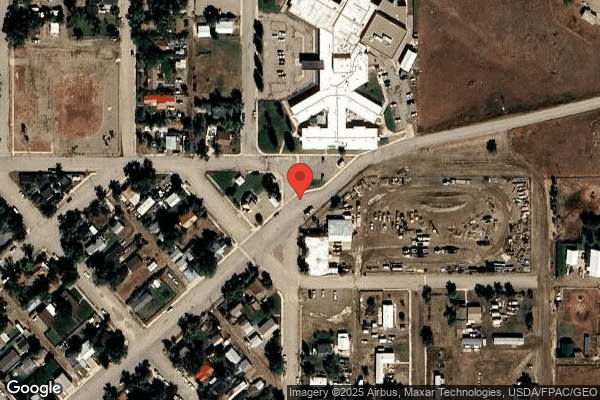

630 PARK DRIVE, SHELBY, MT 59474 (406) 434-3260
Non profit - Corporation 53 Beds Independent Data: November 2025
Trust Grade
25/100
#44 of 59 in MT
Last Inspection: May 2025

Inspected within the last 6 months. Data reflects current conditions.

Overview

Logan Health Care Center in Shelby, Montana has received a Trust Grade of F, indicating significant concerns about the quality of care provided. Ranking #44 out of 59 facilities in Montana places it in the bottom half, and it is the only nursing home in Toole County. The situation is worsening, with the number of issues rising from 5 in 2024 to 8 in 2025. While staffing turnover is impressively low at 0%, which is a positive sign, the facility has accumulated concerning fines totaling $107,437, higher than 90% of similar facilities in the state. Specific incidents include a resident struggling to eat without assistance and developing a serious pressure ulcer due to inadequate monitoring, highlighting both staffing issues and the need for better care protocols. Overall, families should weigh these serious weaknesses against the low staff turnover when considering this facility for their loved ones.

Trust Score
F
25/100
In Montana
#44/59
Bottom 26%
Safety Record
High Risk
Review needed
Inspections
Getting Worse
5 → 8 violations
Staff Stability
○ Average
Turnover data not reported for this facility.
Penalties
✓ Good
$107,437 in fines. Lower than most Montana facilities. Relatively clean record.
Skilled Nurses
○ Average
RN staffing data not reported for this facility.
Violations
⚠ Watch
16 deficiencies on record. Higher than average. Multiple issues found across inspections.
★★☆☆☆
2.0
Overall Rating
★☆☆☆☆
1.0
Staff Levels
★☆☆☆☆
1.0
Care Quality
★★★★☆
4.0
Inspection Score
Stable
2024: 5 issues
2025: 8 issues

The Good

  • Full Sprinkler Coverage · Fire safety systems throughout facility
  • No fines on record

Facility shows strength in fire safety.

The Bad

2-Star Overall Rating

Below Montana average (2.9)

Below average - review inspection findings carefully

Federal Fines: $107,437

Well above median ($33,413)

Significant penalties indicating serious issues

The Ugly 16 deficiencies on record

3 actual harm
May 2025 8 deficiencies 1 Harm
SERIOUS (G) 📢 Someone Reported This

A family member, employee, or ombudsman was alarmed enough to file a formal complaint

Actual Harm - a resident was hurt due to facility failures

Accident Prevention (Tag F0689)

A resident was harmed · This affected 1 resident

**NOTE- TERMS IN BRACKETS HAVE BEEN EDITED TO PROTECT CONFIDENTIALITY** 2. During an observation on 5/6/25 between 7:57 a.m. and 8:54 a.m., resident #8 was observed during breakfast. The resident was ...

Read full inspector narrative →
**NOTE- TERMS IN BRACKETS HAVE BEEN EDITED TO PROTECT CONFIDENTIALITY** 2. During an observation on 5/6/25 between 7:57 a.m. and 8:54 a.m., resident #8 was observed during breakfast. The resident was seated at a table with three other residents. The resident had fluids to drink and was noted to be coughing during the meal. The resident had a difficult time keeping food on her fork. The resident appeared to be sleeping in between bites. The resident had not received any assistance or cueing from staff. The staff were in and out of the dining room assisting residents out of the dining room. There were periods of time when there were not staff monitoring residents in the dining room. Resident #8 received cueing from a resident seated next to her. The resident would pat her on the arm and encourage her to eat. During an observation on 5/7/25 from 7:53 a.m. to 8:34 a.m., resident #8 was observed in the dining room for breakfast. The resident was approached by staff at 8:05 a.m. and asked if she wanted her food cut up. The staff member then cut up the bacon the resident had on her plate. The resident also had blue berry cake, scrambled eggs and cut up cantaloupe. The resident was having a difficult time getting the food to stay on her fork. Staff reminded her to chew her food. At 8:21 a.m., the resident was noted to be coughing while eating. At 8:25 a.m., the resident was noted to be holding food in her mouth without chewing movements. At 8:27 a.m., resident #8 was noted to be coughing. During an interview on 5/6/25 at 7:59 a.m., staff member M stated there had been a modification to resident #8's diet. Staff member M stated the resident had a swallow study done. Staff member M stated resident #8 does have difficulty with swallowing. Staff member M stated the resident started with a pureed diet. Staff member M stated staff observed the resident and her diet was advanced as she could tolerate. Staff member M stated the resident was observed each time the diet was advanced to ensure no choking occurred. During an observation on 5/7/25 at 12:27 p.m., resident #8 was assisted to eat by staff. During an interview on 5/7/25 at 1:31 p.m., staff member H stated resident #8 has had a lot of dietary changes. Staff member H stated there was always staff in the dining room. Staff member H stated the resident was to have her food cut into small pieces. Staff member H stated the resident was to be monitored during mealtime. Staff member H stated the resident received assistance with eating today. Staff member H stated there had not been any modifications of silverware. During an interview on 5/7/25 at 2:26 p.m., staff member B stated we reduced the portions of food, as the amount of food appeared to be overwhelming. Staff member B stated after the esophogram procedure the facility put the resident on a pureed diet. Staff member B stated when the resident appeared to tolerate the pureed diet, they then advanced her diet. Staff member B stated they then waited until the resident tolerated the advanced diet, then the facility advanced her diet until they reached a regular diet with cut up foods. Staff member B stated she thought the resident was doing better. Staff member B stated the staff were not to rush the resident. Review of a reportable incident to the State Survey Agency, dated 1/16/25, resident #8 was observed to choke on a piece of cauliflower. Findings, submitted on 1/22/25, showed the resident was choking and staff had to administer the Heimlich Maneuver to free the resident's airway. The resident's food was cut into smaller pieces, and the resident was monitored for complications and safety. Staff member M evaluated the resident's diet and the provider ordered a bite-sized diet. Review of a report, titled XR esophagus study, dated 1/29/25, showed resident #8 had suspected mild esophageal dysmotility noted by delayed passage of contrast with pooling in the distal one third esophagus. Review of resident #8's Progress Notes showed on 2/10/25, the resident started coughing on some cottage cheese and later vomited and had to change her top due to the incident. On 2/11/25 the resident had a choking episode and the resident stated the food she swallowed does not go all the way down and it made her cough and vomit. On 4/4/25 the resident had tolerated the pureed diet and was advanced to easy to chew food. On 4/15/25, the resident was advanced to a soft and bite sized diet. Review of resident #8's Care Plan, with an initiated date of 2/12/25, showed the resident had a decreased ability to swallow and often coughs at mealtimes. Per the swallow study, the resident does have slow swallow and pockets foods in her throat at times. She often ends up vomiting during meals when coughing often. Interventions included, move to table closer to staff when eating so she can be monitored, offer food in small portions, one at a time. Cut food into bite size portions, remind the resident to slow down when eating and to tuck her chin when swallowing, trial of pureed food, and cue the resident throughout the meal to continue eating. There were no new interventions for advancement of the resident's diet. Based on observations, interviews, and record review, the facility failed to provide the safest environment possible for 1 (#2) of 14 sampled residents. This deficient practice resulted in a resident's fall with major injury; and failed to ensure a resident with a history of choking was monitored closely by staff to ensure the resident did not choke on foods, for 1 (#8) of 14 sampled residents. Resident #8 had a choking episode which required the Heimlich Maneuver be performed and continued to cough during meals. Findings include: During an observation on 5/05/25 at 12:36 p.m., resident #2 was lying in bed, eyes were closed, and the call bell was sitting on his chest; a bruise was noted on the left jaw area; a wound was noted on the left side of the back of his head; there was no floor mat next to the bed, and the bed remote was inside the drawer of the nightstand. During an interview on 5/05/25 at 12:43 p.m., staff member J stated, I heard ten different stories about his (resident #2) fall last week, the night CNA said his (resident #2) bed was left up all the way as far as it could go, and the bed control was in the bedside drawer that night, at shift change they knew his bed was up . Staff member J did not feel comfortable stating which staff member shared the information about the bed being left in the up position. During an interview on 5/05/25 at 2:25 p.m., NF2 and NF3 stated the report they received from the facility (regarding the fall) was that he (resident #2) was playing with his bed remote, and he (resident #2) raised the bed to the highest position possible, and then fell out of bed. NF2 stated the bed remote was always in the drawer, I've never seen it (bed remote) out of the drawer except maybe once since he's been living here (2019 to present). NF2 stated they heard different versions of what happened regarding his (resident #2) fall, and was concerned, But I guess it was just an accident. During an interview on 5/05/25 at 7:19 p.m., staff member D stated he was charting at the nurse's station when resident #2 fell. Staff member D stated when he got to resident #2's room, the bed was all the way up, and the bed remote was on the floor when, normally it is in the drawer of the nightstand where he cannot reach it. Staff member D stated he made sure the bed remote was always in the drawer, especially when I see him, I make sure he doesn't have it; it's the only time he's ever had it since I started working here in June of 2024. During an interview on 5/05/25 at 7:34 p.m., staff member E stated, I was passing meds when I heard a thud, and I knew it was him (resident #2); when I got to the room, the bed was high; I think he had the bed control and was playing with it; I don't think an employee did it; the remote is normally kept over bedside table or in the drawer, I don't know how he got it. Staff member E stated, We have new people, I think he had the remote that night; I think he had the remote from whoever was in there last. Staff member E stated she did not receive education on fall prevention or were there any new fall prevention interventions initiated after resident #2's fall by her or the facility. During an observation on 5/06/25 at 8:43 a.m., a fall mat was not present in resident #2's room. During an interview on 5/06/25 at 11:06 a.m., staff member B stated the evening staff took the remote away (from resident #2) because he kept raising and lowering his bed with it. Staff member B stated they were not allowed to take the bed remote away because, He has a right to fall. During an interview on 5/06/25 at 11:21 a.m., staff member F stated CNAs and nurses know the fall prevention interventions on resident #2's care plan and kardex, I make sure they know. During an interview on 5/06/25 at 1:09 p.m., staff member K stated during evening rounds with the oncoming CNA prior to resident #2's fall, he suggested more frequent rounding because resident #2 had raised his bed with the bed remote and was trying to get up. Staff member K stated he did not take the bed remote from resident #2, and it was also the first time he had ever seen resident #2 using the bed remote. Staff member K stated NF2 had asked him questions regarding the fall, and staff member K explained he had, heard a couple of different stories and scenarios, which might have caused him (resident #2) to fall including: He raised the bed himself with the bed remote, and also a CNA left the bed up after evening cares, but he couldn't remember which CNA told him this information. During an observation on 5/06/25 at 1:25 p.m., a fall mat was present in resident #2's room. During an interview on 5/06/25 at 2:35 p.m., NF 2 stated, I don't think he could have moved his bed up and down, or be able to get to the bed remote, I've never even seen him with it, he can't even use the TV remote. Review of a facility document titled, Purposeful Post-Fall Huddle, dated 4/27/25, included with resident #2's fall investigation packet, showed: .Root Cause(S):1. Resident raising bed on own, 2. Resident confusion .Action Plan: What could be done to avoid future falls (intervention)? left blank, Care plan updated? left blank . [sic] Review of a facility document titled, Progress Notes, page 7 of 23, dated 5/1/2025, e-signed by staff member F, showed: .The following initial interventions have been put in place to prevent future falls: fall matt on floor . [sic] Review of a facility document, titled, Care Plan History, created 12/2/2019, showed: .Changes Prior to Completion of Last Review, Description: [Resident] will not sustain serious injury through the review date, Target Date: 7/1/2025, Last Revision Date: 1/10/2025, Revision By: Staff member F . Review of a facility document, titled, IDT FALL REVIEW - V 3, dated 5/1/2025, with the following participants present: staff members F, B, and A, showed: .3. Describe initial interventions to prevent future falls: fall matt on floor . [sic] Review of a facility document, titled, Clinical Care Plan Detail, no date, showed: .Focus: Resident #2 is High risk for falls r/t confusion, Gait/balance problems, Unaware of safety needs, arthritis, heart failure, edema, depression .Goals: Resident #2 will not sustain serious injury through the review date .Interventions/tasks: Fall matt to floor . [sic] Review of the facility's policy titled, Fall Risk Assessment/Prevention, CCS114, Copyright 2025 [NAME] Health [NAME], showed: . For residents at increased risk, additional safety measures individualized to the resident and situation will be identified on the plan of care and implemented by the interdisciplinary team .
CONCERN (D) 📢 Someone Reported This

A family member, employee, or ombudsman was alarmed enough to file a formal complaint

Potential for Harm - no one hurt, but risky conditions existed

Resident Rights (Tag F0550)

Could have caused harm · This affected 1 resident

Based on observation, interview, and record review, the facility failed to address resident needs in a timely manner for 1 (#4) of 14 sampled residents, causing resident #4 to feel embarrassed and uni...

Read full inspector narrative →
Based on observation, interview, and record review, the facility failed to address resident needs in a timely manner for 1 (#4) of 14 sampled residents, causing resident #4 to feel embarrassed and unimportant. Findings include: During an observation and interview on 5/5/25 at 1:51 p.m., resident #4 was sitting up in her bed watching television. Resident #4 stated she was currently unable to get out of bed because she had another hip fracture. Resident #4 stated she had broken both of her hips within the last year because of prolonged steroid use. Resident #4 stated her left hip was currently fractured. Resident #4 stated she had an incident in September that had upset her. Resident #4 stated she had pushed the call light so she could get assistance to the bathroom. Resident #4 stated staff member D came into her room turned off the call light and asked her what she needed. Resident #4 stated she had let staff member D know that she needed to use the bathroom. Staff member D told her that he was in the middle of providing care for another resident but would be back to help her. Resident #4 stated, I ended up waiting for a very long time, and because of that I ended up urinating in my bed. I was so embarrassed. I felt like I was not important enough and that my needs were not important. At that time, I was not on bed rest, and I could get to the bathroom with help, there was no excuse for it. Review of a Facility Reported Incident submitted to the State Survey Agency on 9/23/24, showed resident #4, Had rang her light to be assisted to the bathroom. The CNA came in and stated he was busy with another resident and would be back. When the CNA came back to assist the resident she had soiled herself. Review of the Facility Reported Incident final report, submitted on 9/26/24, showed, CNA responded to the resident's call light and told her he would be back. The CNA did return, but after the resident had soiled herself. The CNA received education. During an interview on 5/5/25 at 7:15 p.m., staff member D stated he was fairly new to the facility at the time of the incident. Staff member D stated he was on shift with another staff member at the time. Staff member D stated resident #4 had put her call light on and asked for assistance to the bathroom. Staff member D stated he told resident #4 he was in the middle of providing cares for another resident but would find someone to help her. Staff member D stated there was no one else to help her at the time. Staff member D stated resident #4 put her call light back on and when he was finished with cares for the other resident he went back into her room. When staff member D entered the room, resident #4 told him she had been incontinent of urine. Staff member D stated he provided incontinent care to resident #4, and resident #4 was upset by the incident. Review of a facility document titled, Social Services of [Facility Name], BHSS286, with an effective date of 4/2024, showed: . 2. Dignity: Every resident is treated with dignity and respect, . fostering an environment where they feel valued, heard, and understood.
CONCERN (D)

Potential for Harm - no one hurt, but risky conditions existed

Deficiency F0554 (Tag F0554)

Could have caused harm · This affected 1 resident

Based on observation, interview, and record review, the facility failed to have a process in place to identify and assess residents for self-administration of medications for 2 (#s 4 and 15) of 14 sam...

Read full inspector narrative →
Based on observation, interview, and record review, the facility failed to have a process in place to identify and assess residents for self-administration of medications for 2 (#s 4 and 15) of 14 sampled residents. Findings include: During an observation and interview on 5/5/25 at 1:50 p.m., staff member C knocked on the door and entered resident #4's room. Staff member C administered resident #4 her oral medications and mixed her MiraLAX in some apple juice. Staff member C stated, I leave the juice with the MiraLAX on the bedside table for resident #4. Staff member C could not verbalize if resident #4 was able to self-administer her own medications. During an observation and interview on 5/6/25 at 8:46 a.m., staff member F walked into the medication room and began to set up resident #15's medications. Staff member F completed setting up resident #15's medications and walked to his room. Staff member F knocked on the door and handed resident #15 his medications. Resident #15 placed the medication cup on the bedside table and stated, I will take them in a bit. Staff member F stated, OK, I will come back and check on you in a little bit. Staff member F left the room. Review of resident #4's electronic medical record dated 3/1/25 to 5/7/25 showed no physicians order for self-administration of medications, and no assessment for self-administration of medications. Review of resident #15's electronic medical record dated 3/1/25 to 5/7/25 showed no physicians order for self-administration of medications, and no assessment for self-administration of medications. During an interview on 5/6/25 at 10:25 a.m., staff member A stated, There are no assessments for self-administration of medications for resident #s 4 and 15. Staff member A stated, None of the residents are supposed to be self-administering their medications. A review of a facility document titled, Self-Administered Medications (Bedside Medications), PHA127, with an effective date of 2/2024, showed: . Procedure If the prescriber wants the patient to self-administer a medication, there must be a valid order for the medication . The order shall specify the drug, dose, route, directions for use, and the quantity .Per State Regulations, medications must be secured at all times. Therefore, patients will not be allowed to keep medications at bedside without a specific provider order.
CONCERN (D)

Potential for Harm - no one hurt, but risky conditions existed

Deficiency F0655 (Tag F0655)

Could have caused harm · This affected 1 resident

**NOTE- TERMS IN BRACKETS HAVE BEEN EDITED TO PROTECT CONFIDENTIALITY** Based on interview and record review, the facility failed to ensure a baseline care plan was completed within 48 hours to includ...

Read full inspector narrative →
**NOTE- TERMS IN BRACKETS HAVE BEEN EDITED TO PROTECT CONFIDENTIALITY** Based on interview and record review, the facility failed to ensure a baseline care plan was completed within 48 hours to include the minimum health care information necessary to properly care for 1 (#19) of 14 sampled residents. Findings include: Review of resident #19's electronic medical records, dated 3/28/25 to 4/5/25, showed resident #19 was admitted to the facility on [DATE] with the diagnoses of hypertension, history of falls, confusion, osteoarthritis, frequent urinary tract infections and back pain. Review of resident #19's physician admission note, dated 3/31/25 showed, resident #19 had an indwelling Foley catheter, and used oxygen. Review of resident #19's baseline care plan showed two complete entries. One for pain and one for ineffective peripheral tissue perfusion. The base line care plan showed no focus, goals, or interventions, for Foley catheter use, ADL status, transfer status, cognitive status, fall status, or oxygen use. During an interview on 5/6/25 at 4:16 p.m., staff member F stated she was responsible for base line care plans. Staff member F stated base line care plans need to be completed within 48 hours of a patient's admission. Staff member F stated, I should have put more information on the care plan. During an interview on 5/7/25 at 9:10 a.m., staff member B stated her expectation for baseline care plans was they are to be completed within 48 hours of admission. Staff member B stated the base line care plan needed to have all the information needed for the resident to be cared for by staff. Review of a facility document titled, Care Planning Process, CCS106, dated 2/2023, showed: . 4. Care plans are individualized to address the resident's problems, needs, severity of condition, impairment, disability, or disease. The care plan addresses needs and care priorities . [sic]
CONCERN (D)

Potential for Harm - no one hurt, but risky conditions existed

Deficiency F0658 (Tag F0658)

Could have caused harm · This affected 1 resident

Based on observation, interview, and record review, the facility staff failed to follow facility policy and professional standards of practice for medication administration involving pre-pouring of me...

Read full inspector narrative →
Based on observation, interview, and record review, the facility staff failed to follow facility policy and professional standards of practice for medication administration involving pre-pouring of medications. Findings include: During an observation and interview on 5/6/25 at 7:50 a.m., staff member F was standing at the medication cart located at the entrance to the dining room. Staff member F opened the top drawer of the medication cart and inside were 8 plastic medication cups full of medications. Staff member F stated per the policy she was allowed to pre-pour medications as long as they are given within the hour. A request was made for a pre-pour medication policy on 5/6/25 at 9:03 a.m., and was not received prior to the end of the survey. During an interview on 5/6/25 at 10:22 a.m., staff member A stated, We do not have a policy allowing staff to pre-pour medications, we do not allow that in this facility. During an interview on 5/6/25 at 11:16 a.m., staff member F stated, I was in the wrong this morning, and I know that I am not supposed to pre-pour medications. I have been a nurse for a long time, and I know better. I know I should not have done that. During an interview on 5/7/25 at 7:35 a.m., staff member L stated, We are not allowed to pre-pour any medications, this is for patient safety. Review of a facility document titled, Medication Administration, CCS123, dated 2/2023, showed: . Procedure: . II. Medication Administration: The nurse will prepare and administer one residents medications at a time. [sic]
CONCERN (D)

Potential for Harm - no one hurt, but risky conditions existed

Pressure Ulcer Prevention (Tag F0686)

Could have caused harm · This affected 1 resident

Based on observation, interview, and record review, the facility failed to provide services for pressure ulcer care to prevent worsening of a pressure ulcer for 1 (#16) of 14 sampled residents. Reside...

Read full inspector narrative →
Based on observation, interview, and record review, the facility failed to provide services for pressure ulcer care to prevent worsening of a pressure ulcer for 1 (#16) of 14 sampled residents. Resident #16 was admitted with Stage II pressure ulcers to his right buttock, right hip, and left buttock. The Stage II pressure ulcer to his right buttock worsened to a Stage III. Findings include: During an interview on 5/7/25 at 1:27 p.m., staff member H stated resident #16 was to be repositioned every two hours, lie down after each meal, and get up for meals. Staff member H stated the resident was usually tired after wound care but does not usually express pain after wound care. During an observation and interview on 05/07/25 at 1:44 p.m., of wound care for resident #16 by staff members L and J, staff member L stated staff member F measured the wound(s) on Tuesdays. Staff member L stated she did not measure the wounds. Staff member L stated the right buttock gets better and then would get worse again. Staff member L stated the resident was not getting enough protein, so he was now at a table where he received assistance to eat. Staff member L stated the resident was eating more than he was when he was independently feeding himself. The resident's wound was irrigated with wound cleanser, dried with gauze, applied gel pads and collagen times four for packing with finger, one pad to the top of the wound, and covered with mediplex. Staff member L stated the tunneling, in the wound, appeared to be not as deep. Staff member L stated the wound bed looked better than the last time she had seen it. Staff member L stated wound debridement was done when the resident went to the clinic. Staff member L stated the provider had not implemented a wound vac. During an interview on 5/7/25 at 2:32 p.m., staff member B stated resident #16 had not gotten any new wounds since admission. Staff member B stated the staff were to turn and reposition the resident every two hours and lay down after meals. Staff member B stated the resident was taking prostat for wound healing, but had not liked it, so his Glucerna was increased. Staff member B stated the resident sees the provider for wound care. Staff member B stated the resident had four wounds when he was admitted . Staff member B stated the staff were to keep the resident off his bottom as much as possible. Staff member B stated when they had sent other residents to the wound clinic and the only dressings they recommended was wet to dry. Staff member B stated they had never considered a wound vac because the provider felt the area wouldn't keep a good seal. Staff member B stated the product being used for the residents' wound is what causes so much drainage. Staff member B stated resident #16's wound had gotten infected and was treated with an antibiotic. During an interview on 5/7/25 at 3:23 p.m., staff members A, B, and F stated the provider made the wound deeper when he debrided it. Staff member F stated the provider had performed debridement at least three times. Staff member F stated there were weekly notes showing the debridement. These notes were requested and were not provided for review. Review of resident #16's EHR showed there were no skin assessments documented from 11/26/24 through 1/13/25. A request for the skin assessments was made on 5/6/25 for any skin assessments from admit to current. There were skin assessments missing for 11/26/24 through 1/13/25. Review of resident #16's Skin Assessment on admission, dated 11/25/24, showed three pressure ulcers. All three pressure ulcers were documented at Stage II. Review of the resident's Skin Assessment, dated 1/14/25, showed one pressure ulcer documented at a Stage III. Review of resident #16's Progress Notes, dated 11/25/24 through 12/2/24, showed the resident had dressing changes to three Stage II pressure ulcers. Review of resident #16's Care Plan for pressure ulcers, with an initiated date of 3/18/25, showed the resident had a Stage II pressure ulcer to his coccyx. Review of resident #16's Care Plan for infection, with an initiated date of 11/29/24, showed the resident had goals and interventions for infection of a Stage III pressure ulcer to the right buttock. The care plan failed to show updated information regarding consistent staging of the wounds and and current treatment. Review of the facility policy, titled Wound Management, showed: - Under Procedures . 1) Assess the wound . 2) Make a progress note . 3) place order in MAR . 4) implement nutritional interventions . 5) Place order in TAR under other for Weekly wound assessment . Under Documentation . a. Weekly Pressure Ulcer Healing Record: This is full assessment of the area, size, full description of the wound and surrounding tissue, response to treatment, which will be done until healed . 3. IDT will record the wound and the ordered treatment on the Wound Care Log . 4. The care plan will be updated with interventions and treatments . 5. a. Every seven days from the initial discovery of the wound, a full wound assessment will be completed and documented on the Treatment Sheet . Progress notes will be completed for all dressing changes, changes in the wound, changes in treatment, and the time when the wound is determined to be healed. [sic]
CONCERN (E)

Potential for Harm - no one hurt, but risky conditions existed

Deficiency F0657 (Tag F0657)

Could have caused harm · This affected multiple residents

**NOTE- TERMS IN BRACKETS HAVE BEEN EDITED TO PROTECT CONFIDENTIALITY** 3. During an interview on 5/7/25 at 12:13 p.m., staff member F stated the care plan goals and interventions should be updated wh...

Read full inspector narrative →
**NOTE- TERMS IN BRACKETS HAVE BEEN EDITED TO PROTECT CONFIDENTIALITY** 3. During an interview on 5/7/25 at 12:13 p.m., staff member F stated the care plan goals and interventions should be updated when the resident's needs and status changed. During an interview on 5/7/25 at 1:27 p.m., staff member H stated the resident was supposed to be repositioned every two hours and only up in chair during meals. Staff member H stated any changes to the care plan were found on the communication board or we get the information during shift change. During an interview on 5/7/25 at 2:32 p.m., staff member B stated interventions on the care plan should include turning and repositioning, lay down after meals, float heels, and keep him off his bottom. Staff member B stated the resident had an infection in his pressure ulcer, and it was treated with an antibiotic. Review of resident #16's care plan, with an initiated date of 11/29/24, showed the resident had goals and interventions for an infection. Review of the resident's EHR showed the infection was treated effectively. Review of the resident's care plan, with an initiated date of 3/18/25, showed goals and interventions for a Stage II pressure ulcer. Review of the resident's care plan showed goals and interventions for a Stage III pressure ulcer, with an initiated date of 12/2/24. Resident #16's care plan failed to show updated treatments and interventions for the resident's pressure ulcers. 2. During an observation and interview on 5/5/25 at 1:51 p.m., resident #4 was sitting up in her bed watching television. Resident #4 stated she was currently unable to get out of bed because she had another hip fracture. Resident #4 stated she had broken both of her hips within the last year because of prolonged steroid use. Resident #4 stated her left hip was currently fractured. Resident #4 stated she had struggled with depression and anxiety but was currently well controlled, and she was no longer taking medication for the anxiety. A review of resident #4's care plan, with a revision date of 3/11/25, showed a pathological fracture of the right hip. The care plan was not revised to show resident #4 had a pathological fracture of the left hip. A review of resident #4's physician orders, dated 1/2019, showed clonazepam (anti-anxiety) had been discontinued on 1/8/19. Review of resident #4's care plan dated 2/26/25, showed resident #4 was still taking an anti-anxiety medication. During an interview on 5/6/25 at 4:16 p.m., staff member F stated, Yup, I probably overlooked it. The care plan should have been revised when the medication was discontinued. Staff member F stated she was responsible for revising the care plans. Staff member F stated care plans were to be revised with the quarterly or annual assessment, and if any changes occurred with the residents. During an interview on 5/7/25 at 9:10 a.m., staff member B stated it was her expectation for care plans to be revised quarterly, annually, with any significant change, and when there were any new medications or changes with a resident. During an interview on 5/7/25 at 12:13 p.m., staff member F stated resident #4 was taking clonazepam at one time but was changed to Vistaril for anxiety and she should have taken it off the care plan when it was discontinued on 12/4/24. Review of resident #4's physician orders, dated 12/4/24, showed: Vistaril Oral Capsule, Give 25 mg by mouth every 24 hours as needed for itching. Discontinue 12/4/24. [sic] Based on observations, interviews, and record review the facility failed to ensure a resident's comprehensive care plan was evaluated for effectiveness or revised as needed for 3 (#s 2, 4, and 16) of 14 sampled residents. Findings include: 1. During an interview on 5/5/25 at 7:34 p.m., staff member E stated everyone should know how to tell if a resident was a fall risk by looking at the care plans and from information shared during staff meetings. Staff member E stated she could make immediate interventions to prevent falls on the night shift until an investigation was done, By telling my CNAs during a little group meeting with them; I communicate with them a lot. Staff member E stated there were no new immediate interventions put in place after resident #2 fell on 4/27/25 and had to be sent to the ER with a major injury. During an interview on 5/06/25 at 11:06 a.m., staff member B stated resident #2 had fall interventions in place and they were being implemented. Staff member B stated, We let CNAs know the fall interventions; they can also look at the care plan or kardex to see any new interventions; nurses can look at them too. Staff member B stated, Staff member F updates care plans right after incidents or after care plan meetings every Wednesday. During an interview on 5/06/25 at 11:21 a.m., staff member F stated, Nurses and CNAs know the fall interventions, they can see the care plan and kardex, I make sure they know. Review of a facility document titled, Care Planning Process, CCS106, dated 2/2023, showed: .Procedure . 19. The care plan is reviewed and/or revised at 90 day intervals or more frequently .Care plan revisions must reflect the resident's current needs, problems, goals, care and services needed . [sic] Review of a facility document, titled, Care Plan History, created 12/2/2019, showed: .Changes Prior to Completion of Last Review, Description: Resident #2 will not sustain serious injury through the review date, Target Date: 7/1/2025, Last Revision Date: 1/10/2025, Revision By: Staff member F . Review of the facility's policy titled, Fall Risk Assessment/Prevention, CCS114, Copyright 2025 [NAME] Health [NAME], showed: . For residents at increased risk, additional safety measures individualized to the resident and situation will be identified on the plan of care and implemented by the interdisciplinary team . Review of a facility document titled, Purposeful Post-Fall Huddle, dated 4/27/25, included with resident #2's fall investigation packet, showed: .Root Cause(S):1. Resident Raising bed on own, 2. Resident confusion .Action Plan: What could be done to avoid future falls (intervention)? left blank, Care plan updated? left blank . [sic]
CONCERN (E)

Potential for Harm - no one hurt, but risky conditions existed

Food Safety (Tag F0812)

Could have caused harm · This affected multiple residents

Based on observation, interview, and record review, the facility failed to ensure safe labeling of food storage in accordance with professional standards for food service safety, placing all residents...

Read full inspector narrative →
Based on observation, interview, and record review, the facility failed to ensure safe labeling of food storage in accordance with professional standards for food service safety, placing all residents at risk for consumption of expired or contaminated food and for food-borne illness; failed to develop and implement policy and procedures regarding food storage and labeling; and failed to label and date resident food or drink located in a refrigerator in the medication room for 2 (#s 4 and 15) of 14 sampled residents. These deficient practices affected all residents receiving food services from the facility. Findings include: 1. During an observation on 5/5/25 at 11:32 a.m., the following had incomplete, missing, or expired food dates in the kitchen: - Equal sweetener (opened), no facility dates marked on container, expiration date on container was 10/2024; - Ground Cloves (opened), dated 04/14/02 - 04/14/03; - Sour Cream (opened), dated 4/20/25, no use by date; - Mozzarella cheese (opened), dated best by 4/28/25; - Liquid whole eggs (opened), no dates on container. During observations and interviews on 5/7/25 at 8:20 a.m., an opened milk container with a received date of 4/15, and an opened date of 4/21 was in the refrigerator. Staff member I stated the use by date for dairy is one day after opening. Staff member K stated it needed to be thrown out, I'm sorry. Staff member K stated she did not have a procedure for checking expiration dates but needed one. 2. During an observation and interview on 5/5/25 at 1:18 p.m., staff member C opened the medication storage room. In the corner was a small refrigerator which stored items for residents. The refrigerator had one can of beer on the bottom shelf. No patient identifiers were noted on the can. One bottle of International Delight Carmel Macchiato coffee cream was located on the door shelf. The bottle was opened. No resident identifiers or open date was noted on the bottle of creamer. One bottle of unopened Coffee Mate zero sugar hazelnut creamer was located next to the other creamer. No patient identifier was noted on the bottle. A large box located in the medication room positioned close to the refrigerator had a large amount of unopened beer cans inside. No resident identifier was present on the cans or the box. Staff member C stated they used the coffee creamer for resident #4 most of the time, and the beer belonged to resident #15. Staff member C stated, You would not know who this stuff belonged to unless you work here, a new staff member or traveler would not know who it belonged to. A request was made on 5/6/25 at 9:06 a.m., for a food storage policy. During an interview on 5/6/25 at 10:22 a.m., staff member A stated they do not have a policy of food storage.
May 2024 5 deficiencies 1 Harm
SERIOUS (G)

Actual Harm - a resident was hurt due to facility failures

Pressure Ulcer Prevention (Tag F0686)

A resident was harmed · This affected 1 resident

**NOTE- TERMS IN BRACKETS HAVE BEEN EDITED TO PROTECT CONFIDENTIALITY** Based on interviews and record reviews, the facility failed to prevent, assess, and document the progression of a Stage 4 pressu...

Read full inspector narrative →
**NOTE- TERMS IN BRACKETS HAVE BEEN EDITED TO PROTECT CONFIDENTIALITY** Based on interviews and record reviews, the facility failed to prevent, assess, and document the progression of a Stage 4 pressure ulcer for 1 (#7) of 2 residents sampled for pressure ulcers. This deficient practice was corrected in December of 2023. Findings include: Review of resident #7's Re-entry MDS, dated [DATE], showed the resident was readmitted to the facility where she has resided since 2018. On this readmission she did not have a sacral pressure ulcer. Review of resident #7's EMR diagnosis, dated 9/4/23, showed, Pressure ulcer of sacral region. Review of resident #7's [Clinic Name] wound care progress note, dated 11/6/23, showed, The pressure ulcer on the sacrum has been present for 9 weeks [August/September 2023] . According to the NPIAP staging system, the pressure ulcer is classified as Stage IV . Review of resident #7's skin and wound assessments, dated 2023 - current: - There was no weekly skin or wound assessment until 9/25/23. - There were no weekly skin assessments for the months of October 2023 or November 2023. - Weekly skin assessments occurred consistently after the initiation of the facility Wound Care PIP in December 2023. During an interview on 5/7/24 at 10:47 a.m., staff member C stated new management had started at the facility and immediately identified wound care as a concern. The QAPI team initiated a PIP in December of 2023. Staff member C stated they had identified a lack of pressure reducing mattresses and pads, as well as poor layering of linen and plastic pads under residents, as contributing factors to skin concerns. They had also identified a lack of wound documentation. Staff member C stated there had been major improvements in skin and wound care since the initiation of the PIP. Staff member C stated the residents in the facility with wounds had decreased and was currently at two residents with chronic wounds, which were also improving. There were no new resident wounds. During an interview on 5/8/24 at 11:10 a.m., staff member C stated resident #7 was up in her chair early for lunch and an observation of the wound would not be possible prior to the survey exit. Staff member C stated she did the wound measurements and communication with the facility's new medical director weekly. The pressure wound to resident #7's coccyx had shown a decrease in the measurements since December 2023 and had new skin growth around the edges. Review of a facility QAPI performance improvement plan, dated 12/26/23, showed the new management at the facility initiated a performance improvement plan on wound care processes. A root cause analysis was done. Immediate interventions included: - Pressure reduction mattresses and pads, - Change from plastic to cloth bedding protectors for better air flow to skin, - Weekly graphing of wounds, and - Wound care protocol for consistency of wound care/nutritional interventions. Review of the Wound Care Process Meeting Minutes, dated 1/26/24, showed after implementing the identified interventions one month into the plan the facility had four resident skin issues which had healed. There were no new residents with skin issues. The bath aide reported skin redness and irritation was decreased across the high risk population. Meeting frequency was shown to continue weekly with summaries on the noted changes. The target date listed was 6/23/24 and the plan status showed ongoing. Review of the new facility policy, Wound Management, dated 2/2024, showed criteria for wound assessments, progress notes, interventions, and notifications. IDT to include dietary, wound care, and physician involvement.
CONCERN (E)

Potential for Harm - no one hurt, but risky conditions existed

Infection Control (Tag F0880)

Could have caused harm · This affected multiple residents

Based on observation, interview, and record review, the facility failed to ensure proper hand hygiene was used during wound care for 1 (#5) of 3 sampled residents with wounds, and failed to provide wh...

Read full inspector narrative →
Based on observation, interview, and record review, the facility failed to ensure proper hand hygiene was used during wound care for 1 (#5) of 3 sampled residents with wounds, and failed to provide wheelchairs in good repair, including cleanable surfaces, for 5 (#s 13, 14, 15, 18, and 20) of 17 sampled residents. Findings include: 1. During an observation on 5/7/24 at 11:02 a.m., staff members C and F entered the room of resident #5 to provide wound care. Resident #5 was on enhanced barrier precautions for Multidrug-resistant organisms. Both staff members C and F washed their hands and donned gloves upon entering the room. Staff member C began to prep the wound care supplies while staff member F moved the bed, and uncovered resident #5. Staff members C and F each assisted in removing the soiled brief and rolled resident #5 onto her right side. Staff member C removed the wound dressing. Staff members C and F both assisted in cleaning resident #5's buttocks. Staff member C cleaned the wound with wound wash and changed her gloves without hand hygiene between old gloves and new gloves. Staff member C measured the wound, placed a new bandage with antiseptic gel, and placed a 4x4 pad on the wound. Staff members C and F both assisted with placing a new brief and bed pad, rolling resident #5 to each side while putting on the brief and placing the bed pad. Staff member C removed her gloves and washed her hands. Staff member F continued to assist resident #5 to get dressed and place bedding. Staff member F failed to change gloves or complete hand hygiene between clean and dirty tasks from the time cares began until leaving the room. During an interview on 5/7/24 at 11:30 a.m., staff member C stated she should have completed hand hygiene between glove changes. Staff member C also stated staff member F should have completed glove changes and hand hygiene between clean and dirty tasks. Staff member C stated, We know we should, just got nervous, I guess. We usually do wash between gloves. During an interview on 5/8/24 at 9:16 a.m., staff member G stated she completes environmental care audits throughout the building but had not watched wound care hand hygiene. Staff member G stated this was an area she would need to consider adding to her list. Staff member G stated all staff should complete hand hygiene when completing tasks between dirty and clean tasks and between glove changes. Review of the facility's policy, Hand Hygiene, IPC104, last revised 5/2022, reflected: - 1.Perform hand hygiene: - . E. Immediately after the removal of gloves, including between the exchange of dirty to clean gloves. 2. During an observation and interview on 5/6/24 at 2:41 p.m., resident #15 was sitting in his wheelchair, in his room, picking at the padding that was protruding from holes in his wheelchair arm rests. Both arm rest pads were damaged with tears, and the white padding was exposed. Resident #15 was unable to speak about his wheelchair. 3. During an observation and interview on 5/7/24 at 12:10 p.m., resident #20 was eating lunch in the dining room. Resident #20's right armrest was covered with a foam pool noodle and taped in place with plastic medical tape. The tape was dirty and discolored. Resident #20 stated the staff had placed the pool noodle on the armrest to help keep her from developing a skin tear. Resident #20 stated the pool noodle and tape had not been changed or cleaned, as far as she knew. During an interview on 5/7/24 at 1:50 p.m., staff member D stated, We don't do that (clean chair), we just do work orders when they come in, when asked if he had a regular maintenance schedule for wheelchairs and equipment. Staff member D stated he did not keep a record or documentation of work orders. 4. During an observation and interview on 5/7/24 at 2:51 p.m., resident #18's wheelchair arm rests were damaged with tears, and the white padding was exposed. Resident #18 stated his chair had been torn as long as he had been using the wheelchair. He could not recall a specific timeline when he received the wheelchair. 5. During an observation on 5/7/24 at 3:01 p.m., resident #14 was sitting in the common area. Resident #14's left wheelchair arm rest had a hole at the end, and the white filling was exposed. Resident #14 was unable to answer questions related to his wheelchair repairs. 6. During an observation on 5/7/24 at 3:03 p.m., resident #13 was sitting in his wheelchair, in the common area. Resident #13's right wheelchair arm rest had a hole, and the padding was exposed. Resident #13 was not able to respond to questions regarding his wheelchair. Review of a facility policy, Preventive Maintenance for Wheelchairs, dated 1/2023, reflected: - . 2. All staff have a responsibility to ensure that wheelchairs in need of repairs are not used and are reported for repairs. - . 4. Preventive Maintenance should be performed weekly or as indicated: - . e. Check seats, backs, arm rests and cushions for tears, cracks or missing screws-replace or repair if present. - . 5. If the wheelchair fails any element of the preventive maintenance check, the wheelchair should be identified for repair and taken out of service until the repair is completed. During an interview on 5/7/24 at 3:50 p.m., staff member D stated, I've never seen that policy (Preventive Maintenance for Wheelchairs) before and know nothing about it, when asked about the preventative maintenance program referenced in the facility provided policy. During an interview on 5/8/24 at 8:10 a.m., staff member B stated staff member D should be aware of the prevention program, and she did not know why he was not actively assessing the wheelchairs. Staff member B stated the night shift staff on the unit cleaned the wheelchairs. Staff member B stated there was no formal record of work orders, and most of the time she would text or call staff member D, if something was needed.
MINOR (C)

Minor Issue - procedural, no safety impact

Deficiency F0727 (Tag F0727)

Minor procedural issue · This affected most or all residents

**NOTE- TERMS IN BRACKETS HAVE BEEN EDITED TO PROTECT CONFIDENTIALITY** Based on interview and record reviews, the facility failed to ensure a registered nurse was on staff at least eight consecutive ...

Read full inspector narrative →
**NOTE- TERMS IN BRACKETS HAVE BEEN EDITED TO PROTECT CONFIDENTIALITY** Based on interview and record reviews, the facility failed to ensure a registered nurse was on staff at least eight consecutive hours a day, seven days a week. This practice had the potential to affect any resident needing RN services when one was not available. Findings include: Review of the CMS [NAME] Payroll-based Journal for the facility, with a run date of 4/30/24, showed the facility triggered for not having RN coverage for eight consecutive hours each day on 91 days between the dates of 10/1/23 and 12/31/23. Review of the facility's nursing schedules, dated 10/1/23 - 12/31/23, reflected the facility did not have RN coverage for eight consecutive hours on 12/9/23 and 12/10/23. All other dates did include registered nurse coverage for eight or more hours. During an interview on 5/8/24 at 8:05 a.m., staff member B stated she did not see a RN on the schedule on [DATE] and 10, 2023. Staff member B stated she covered shifts if there was a call off on a weekend and was the RN coverage for weekdays, when necessary, but could not explain the weekend of December 9-10, 2023. Staff member B stated if she had covered the shifts she would be listed on the schedule. Review of the facility's policy, Staffing, Sufficient and Competent Nursing, with a revision date of August 2022, reflected: - .3. A registered nurse provides services at least eight (8) consecutive hours every 24 hours, seven days a week.
MINOR (C)

Minor Issue - procedural, no safety impact

Staffing Information (Tag F0732)

Minor procedural issue · This affected most or all residents

Based on observations, interviews, and record review, the facility failed to post the nurse staffing information on a daily basis, at the beginning of each shift. This practice had the potential to af...

Read full inspector narrative →
Based on observations, interviews, and record review, the facility failed to post the nurse staffing information on a daily basis, at the beginning of each shift. This practice had the potential to affect anyone who wanted to review the nurse staffing levels in the facility. Findings include: During an observation on 5/6/24 at 11:30 a.m., the facility nurse posting was not found on any wall or public area on the unit. During an observation on 5/7/24 at 8:40 a.m., the facility nurse posting was not found on any wall or public area on the unit. During an interview on 5/8/24 at 8:55 a.m., staff member B stated she was not aware of the requirement for a nurse staff posting. Staff member B stated she asked her predecessor who also stated she was not aware of the required posting. Review of the facility's policy, Nurse Staffing Posting Information, with a revision date of February 2023, reflected: - .2. The facility will post the Nurse Staffing Sheet at the beginning of each shift. - .3. The information posted will be: - .b. In a prominent place readily accessible to residents and visitors.
MINOR (C)

Minor Issue - procedural, no safety impact

Staffing Data (Tag F0851)

Minor procedural issue · This affected most or all residents

Based on interview and record review, the facility failed to electronically submit accurate and complete direct care staffing information to CMS. This practice had the potential to affect all resident...

Read full inspector narrative →
Based on interview and record review, the facility failed to electronically submit accurate and complete direct care staffing information to CMS. This practice had the potential to affect all residents. Findings include: Review of the CMS [NAME] Payroll-based Journal for the facility found the facility triggered concerns for licensed nurse staff on 91 days, between 10/1/23 and 12/31/23. The facility also triggered for not having RN coverage for eight consecutive hours each day on 92 days between 10/1/23 and 12/31/23. Refer to F727 for the RN staffing. Review of the facility's nursing schedules, dated 10/1/23 - 12/31/23, reflected the facility did have licensed staff 24 hours a day on the dates in question, and did have RN coverage for eight consecutive hours each day except on 12/9/23 and 12/10/23. The findings were inconsistent with the PBJ submittals. During an interview on 5/6/24 at 3:15 p.m., staff member A stated she was aware of an issue with the PBJ. She stated she had the PBJ report and completed the PBJ but it was past the deadline and wouldn't accept it. Staff member A stated she thought she had another day to post the report but realized the next morning that she had past the deadline.
May 2023 3 deficiencies 1 Harm
SERIOUS (G) 📢 Someone Reported This

A family member, employee, or ombudsman was alarmed enough to file a formal complaint

Actual Harm - a resident was hurt due to facility failures

Accident Prevention (Tag F0689)

A resident was harmed · This affected 1 resident

Based on observation, interview, and record review, the facility failed to follow transfer recommendations for 1 (#10) of 1 sampled resident. This failure led to the resident receiving a large hematom...

Read full inspector narrative →
Based on observation, interview, and record review, the facility failed to follow transfer recommendations for 1 (#10) of 1 sampled resident. This failure led to the resident receiving a large hematoma on her leg, which caused her pain, and required treatment including temporary cessation of her anticoagulant medication, as well as not allowing her to have the leg in a dependent position, therefore unable to leave bed. Findings include: During an observation and interview on 5/9/23 at 12:03 p.m., resident #10 was sitting upright in her chair in her room, and was noted to have a large oval shaped bruise on her inner leg, below her knee. The bruise was raised and black and yellowish in color. Resident #10 stated her leg was painful and thought maybe she had gotten the injury from the Hoyer lift. Resident #10 stated she did not like the Hoyer lift because it was uncomfortable. During an interview on 5/9/23 at 2:31 p.m., resident #10 stated the bruise had come from using the sit-to-stand device, and the machine moved too fast and sucked my legs in. Resident #10 stated she probably should not have been using the sit to stand for transfers, and she was probably not strong enough to use it. During an interview on 5/9/23 at 3:15 p.m., staff member K stated she had moved resident #10 on 5/8/23 using the Hoyer lift and had given her a shower. During the shower, staff member K did not notice any bruising on resident #10's leg. Staff member K stated she had used the sit to stand device with resident #10 the previous week when transferring her. During an observation and interview on 5/10/23 at 8:30 a.m., resident #10's left lower leg bruise was significantly larger in size and very black. Resident #10 stated she had used the sit to stand device for transferring on 5/8/23 in the evening. Resident #10 had banged her leg on the device, and had not informed nursing staff of the bump, because she thought it was just another bump. Resident #10 stated she did not like the Hoyer lift as it scared her. Resident #10 stated she had to go the emergency room to have the bruise evaluated, but they did not find any fractures. During an interview on 5/10/23 at 11:56 a.m., staff member B stated if physical therapy had evaluated resident #10 as needing a Hoyer lift for transfers, and the care plan showed resident #10 needed a Hoyer lift for transfers, then the resident should be only using a Hoyer lift for transfers. Staff member B stated the facility had even ordered special slings for resident #10 to use. Staff member B stated resident #10 was upset staff would not let her get out of bed due to having to keep her leg elevated. Review of resident #10's nursing progress notes, dated 5/9/23 and 5/10/23, showed: - 5/9/23 12:27, Resident LLE with 18cm ecchymotic area tender to the touch, dark purple with pink center. - 5/10/23 00:00, resident (complains of) pain in LLE, area is approx 20 cm in length and 13-14cm wide dark purple in color and swollen. - 5/10/23 03:35, area has grown since midnight. Approx 22 cm in length towards the ankle area and 15-16 cm wide. Also several large fluid filled blisters have appeared .transferred to ER. [sic] Review of the Emergency Department visit for resident #10, dated 5/10/23 at 5:32 a.m., showed, You were seen today for: Contusion of left lower leg, Anticoagulant long-term use, traumatic ecchymosis of left lower leg. Activity Restrictions .Elevate left lower leg at or above heart level, this will be necessary until resolved .Hold Xarelto. Review of resident #10's Physical Therapy evaluation, dated 4/5/23, showed, Assessment: Hoyer style lift is indicated . Review of resident #10's care plan, revised 4/5/23, showed, I will use the Hoyer lift for my transfers.
CONCERN (D)

Potential for Harm - no one hurt, but risky conditions existed

Deficiency F0883 (Tag F0883)

Could have caused harm · This affected 1 resident

**NOTE- TERMS IN BRACKETS HAVE BEEN EDITED TO PROTECT CONFIDENTIALITY** Based on interview and record review, the facility failed to offer or ensure the resident's medical record contained documentati...

Read full inspector narrative →
**NOTE- TERMS IN BRACKETS HAVE BEEN EDITED TO PROTECT CONFIDENTIALITY** Based on interview and record review, the facility failed to offer or ensure the resident's medical record contained documentation of a declination of refusal, including education regarding the benefits and potential risks associated with the pneumococcal vaccine, for 2 (#s 14 and 18) of 6 sampled residents. Findings include: Review of resident #14's EHR (Electronic Health Record), as of 5/10/23, showed the resident was admitted on [DATE] and had not received any pneumococcal vaccinations. The EHR did not show any documentation of education or a declination of refusal for the vaccine. Review of resident #18's EHR, as of 5/10/23, showed the resident was admitted on [DATE] and had not received any pneumococcal vaccinations. The EHR did not show any documentation of education or a declination of refusal for the vaccine. During an interview on 5/10/23 at 1:36 p.m., staff member D stated resident #14 and resident #18 had not received their pneumococcal vaccines. She stated both resident #14 and resident #18 were listed on a worksheet to receive the vaccines but it had not happened. Staff member D stated no declination of refusal or consent sheet was in resident #14's and/or resident #18's EHR. Review of the facility's policy titled, Pneumococcal for Long Term Care Units ., retrieved 2/2022, showed: - .1. Educate residents, visitors, and employees about pneumococcal pneumonia disease and droplet precautions. - 2. Screen patients/residents and new admits to determine vaccination history and eligibility for pneumococcal vaccines (PCV-13 or PPSV23). - 3. If eligible: determine which pneumococcal vaccination will be given based on flow sheet found in attachments. - 4. Administer vaccine (per provider order) to residents. - a. Obtain written consent from resident/patient or responsible party. - b. Obtain physician order for PCV13 or PPSV23. - c. Administer vaccine. - d. Document on immunization record, MAR, and progress notes. [sic]
CONCERN (F)

Potential for Harm - no one hurt, but risky conditions existed

Deficiency F0727 (Tag F0727)

Could have caused harm · This affected most or all residents

Based on interview and record review, the facility failed to provide registered nursing services at least eight hours per day, seven days per week. This deficient practice had the potential to affect ...

Read full inspector narrative →
Based on interview and record review, the facility failed to provide registered nursing services at least eight hours per day, seven days per week. This deficient practice had the potential to affect all residents in the facility who needed care from an RN, when one was not available. Findings include: Review of facility submitted Payroll Based Journal staffing data for fiscal year 2023, quarter one, showed ten days the facility did not have the mandatory eight hours of registered nursing services. Review of the facility schedules for licensed nursing staff, for the fiscal year of 2023, quarter one, showed five of the ten identified days only had LPN's scheduled to work, with no registered nursing staff. During an interview on 5/10/23 at 11:06 a.m., staff member A stated the facility did not have any time sheets or payroll documentation to verify the facility had registered nursing staff services for at least eight hours on the five days identified by the surveyor.
Understanding Severity Codes (click to expand)
Life-Threatening (Immediate Jeopardy)
J - Isolated K - Pattern L - Widespread
Actual Harm
G - Isolated H - Pattern I - Widespread
Potential for Harm
D - Isolated E - Pattern F - Widespread
No Harm (Minor)
A - Isolated B - Pattern C - Widespread

Questions to Ask on Your Visit

  • "Can I speak with families of current residents?"
  • "What's your RN coverage like on weekends and overnight?"

Our Honest Assessment

Strengths
  • • Licensed and certified facility. Meets minimum state requirements.
Concerns
  • • Multiple safety concerns identified: 3 harm violation(s), $107,437 in fines. Review inspection reports carefully.
  • • 16 deficiencies on record, including 3 serious (caused harm) violations. Ask about corrective actions taken.
  • • $107,437 in fines. Extremely high, among the most fined facilities in Montana. Major compliance failures.
  • • Grade F (25/100). Below average facility with significant concerns.
Bottom line: Trust Score of 25/100 indicates significant concerns. Thoroughly evaluate alternatives.

About This Facility

What is Logan Health - Shelby's CMS Rating?

CMS assigns LOGAN HEALTH CARE CENTER - SHELBY an overall rating of 2 out of 5 stars, which is considered below average nationally. Within Montana, this rating places the facility higher than 0% of the state's 100 nursing homes. A rating at this level reflects concerns identified through health inspections, staffing assessments, or quality measures that families should carefully consider.
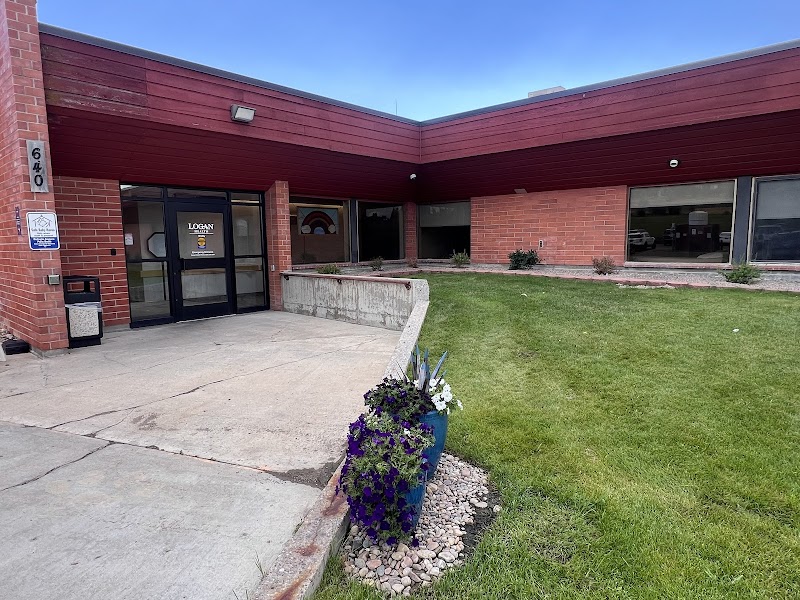
How is Logan Health - Shelby Staffed?

CMS rates LOGAN HEALTH CARE CENTER - SHELBY's staffing level at 1 out of 5 stars, which is much below average compared to other nursing homes.

What Have Inspectors Found at Logan Health - Shelby?

State health inspectors documented 16 deficiencies at LOGAN HEALTH CARE CENTER - SHELBY during 2023 to 2025. These included: 3 that caused actual resident harm, 10 with potential for harm, and 3 minor or isolated issues. Deficiencies causing actual harm indicate documented cases where residents experienced negative health consequences.
Who Owns and Operates Logan Health - Shelby?

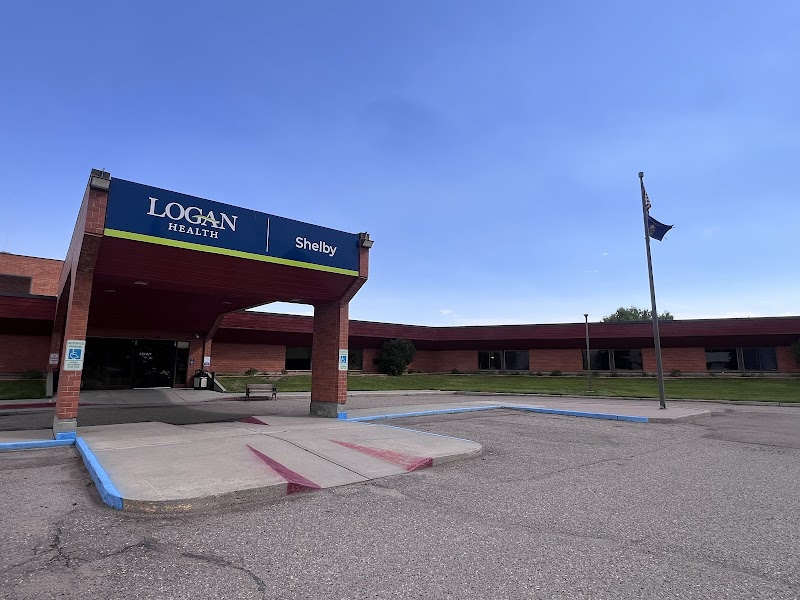
LOGAN HEALTH CARE CENTER - SHELBY is owned by a non-profit organization. Non-profit facilities reinvest revenue into operations rather than distributing to shareholders. The facility operates independently rather than as part of a larger chain. With 53 certified beds and approximately 20 residents (about 38% occupancy), it is a smaller facility located in SHELBY, Montana.
How Does Logan Health - Shelby Compare to Other Montana Nursing Homes?

Compared to the 100 nursing homes in Montana, LOGAN HEALTH CARE CENTER - SHELBY's overall rating (2 stars) is below the state average of 2.9 and health inspection rating (4 stars) is above the national benchmark.

What Should Families Ask When Visiting Logan Health - Shelby?

Based on this facility's data, families visiting should ask: "Can you walk me through typical staffing levels on day, evening, and night shifts?" "Can I visit during a mealtime to observe dining assistance and food quality?" "How do you handle medical emergencies, and what is your hospital transfer rate?" "Can I speak with family members of current residents about their experience?" These questions are particularly relevant given the below-average staffing rating.

Is Logan Health - Shelby Safe?

Based on CMS inspection data, LOGAN HEALTH CARE CENTER - SHELBY has a clean safety record: no substantiated abuse findings (meaning no confirmed cases of resident harm), no Immediate Jeopardy citations (the most serious violation level indicating risk of serious injury or death), and is not on the Special Focus Facility watch list (a federal program monitoring the lowest-performing 1% of nursing homes). The facility has a 2-star overall rating and ranks #100 of 100 nursing homes in Montana. While no facility is perfect, families should still ask about staff-to-resident ratios and recent inspection results during their visit.

Do Nurses at Logan Health - Shelby Stick Around?

LOGAN HEALTH CARE CENTER - SHELBY has not reported staff turnover data to CMS. Staff turnover matters because consistent caregivers learn residents' individual needs, medications, and preferences. When staff frequently change, this institutional knowledge is lost. Families should ask the facility directly about their staff retention rates and average employee tenure.

Was Logan Health - Shelby Ever Fined?

LOGAN HEALTH CARE CENTER - SHELBY has been fined $107,437 across 4 penalty actions. This is 3.1x the Montana average of $34,153. Fines at this level are uncommon and typically indicate a pattern of serious deficiencies, repeated violations, or failure to correct problems promptly. CMS reserves penalties of this magnitude for facilities that pose significant, documented risk to resident health or safety. Families should request specific documentation of what issues led to these fines and what systemic changes have been implemented.

Is Logan Health - Shelby on Any Federal Watch List?

LOGAN HEALTH CARE CENTER - SHELBY is not on any federal watch list. The most significant is the Special Focus Facility (SFF) program, which identifies the bottom 1% of nursing homes nationally based on persistent, serious quality problems. Not being on this list means the facility has avoided the pattern of deficiencies that triggers enhanced federal oversight. This is a positive indicator, though families should still review the facility's inspection history directly.