TOBACCO ROOT MOUNTAINS CARE CENTER
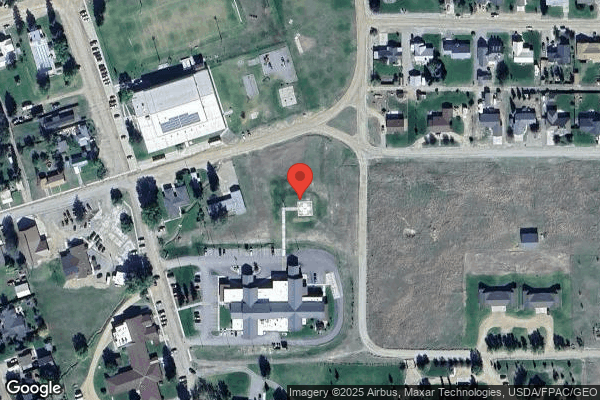
326 MADISON ST, SHERIDAN, MT 59749 (406) 842-5600
Government - County 39 Beds Independent Data: November 2025
Trust Grade
80/100
#8 of 59 in MT
Last Inspection: April 2025

Within standard 12-15 month inspection cycle. Federal law requires annual inspections.

Overview

Tobacco Root Mountains Care Center in Sheridan, Montana has a Trust Grade of B+, which means it is recommended and performs above average compared to similar facilities. It ranks #8 out of 59 nursing homes in Montana, placing it in the top half, and is the best option in Madison County. The facility is showing an improving trend, having reduced issues from three in 2024 to just one in 2025. Staffing is rated 4 out of 5 stars, which is good, but the 60% turnover rate is average and indicates that staff may leave often. Although there have been no fines, the RN coverage is concerning, as it is less than 85% of other facilities in Montana, which could affect the quality of care. There have been some weaknesses identified during inspections. For example, staff failed to perform hand hygiene during meal service and when handling dirty linens, which raises infection control concerns. Additionally, there was an incident involving physical and verbal abuse towards a resident, where a staff member moved a wheelchair aggressively and caused visible distress. Lastly, the care plan for a resident with a biliary tube was not updated to reflect necessary monitoring and care, which could lead to potential health risks. Overall, while the facility has strengths in quality and staff ratings, these incidents highlight areas needing improvement.

Trust Score
B+
80/100
In Montana
#8/59
Top 13%
Safety Record
Low Risk
No red flags
Inspections
Getting Better
3 → 1 violations
Staff Stability
⚠ Watch
60% turnover. Above average. Higher turnover means staff may not know residents' routines.
Penalties
✓ Good
No fines on record. Clean compliance history, better than most Montana facilities.
Skilled Nurses
✓ Good
Each resident gets 68 minutes of Registered Nurse (RN) attention daily — more than 97% of Montana nursing homes. RNs are the most trained staff who catch health problems before they become serious.
Violations
⚠ Watch
14 deficiencies on record. Higher than average. Multiple issues found across inspections.
★★★★★
5.0
Overall Rating
★★★★☆
4.0
Staff Levels
★★☆☆☆
2.0
Care Quality
★★★★★
5.0
Inspection Score
Stable
2024: 3 issues
2025: 1 issues

The Good

  • 4-Star Staffing Rating · Above-average nurse staffing levels
  • Full Sprinkler Coverage · Fire safety systems throughout facility
  • No fines on record

Facility shows strength in staffing levels, fire safety.

The Bad

Staff Turnover: 60%

14pts above Montana avg (46%)

Frequent staff changes - ask about care continuity

Staff turnover is elevated (60%)

12 points above Montana average of 48%

The Ugly 14 deficiencies on record

Apr 2025 1 deficiency
CONCERN (D) 📢 Someone Reported This

A family member, employee, or ombudsman was alarmed enough to file a formal complaint

Potential for Harm - no one hurt, but risky conditions existed

Free from Abuse/Neglect (Tag F0600)

Could have caused harm · This affected 1 resident

Based on observation, interview, and record review, the facility failed to prevent an incident of physical and verbal abuse for 1 (#1) of 12 sampled residents. The event was identified as past non com...

Read full inspector narrative →
Based on observation, interview, and record review, the facility failed to prevent an incident of physical and verbal abuse for 1 (#1) of 12 sampled residents. The event was identified as past non compliance due to the facility's actions. Findings include: Review of the facility reported incident, dated 12/18/24, showed resident #1 was seated in the dayroom, with his left leg elevated in a recliner. Staff member E had moved resident #1's wheelchair due to another event in the dayroom. Resident #1 became upset, yelled for his wheelchair to be replaced next to his recliner. Staff member E aggressively replaced his wheelchair next to his recliner, hitting his left leg with the wheelchair. When staff member E left the dayroom, she yelled, Is that what you wanted. Resident #1 was notably upset, assessed for injuries, with a dime sized reddened area noted on his left lower leg. Staff member E was removed from further interactions with any of the residents, while an investigation took place. Review of staff member E's employee file, on 4/8/25, showed she was last educated on the facility's abuse policy on 4/23/24. During an interview on 4/7/25 at 1:10 p.m., resident #1 stated he did not recall an incident when a staff member was unkind to him or had hurt him. Review of resident #1's Quarterly Minimum Data Set, with an Assessment Reference Date of 3/11/25, showed a BIMS (Brief Interview for Mental Status) of 9, moderately impaired cognition. Review of resident #1's Incident Note, dated 12/18/24 at 5:10 p.m., showed resident #1 was assessed after the incident of alleged abuse. The physical assessment showed a dime size red mark on his left leg, no open area noted, and no medical treatment was needed. The facility investigated the allegations of abuse with recorded video footage, and interviewed staff and residents present in the area at the time of the incident. The evidence the facility gathered showed the allegations of physical and verbal abuse, by staff member E was substantiated for resident #1. The facility continued to monitor resident #1 for any decline in his participation in activities of daily living or other psycho-social activities, which none were observed. Education to staff was completed on caregiver stress management and abuse after the incident, with documentation. The facility's QAPI (Quality Assurance Performance Improvement) committee included this abuse incident in their 1/15/25 meeting with a performance improvement project initiated. The facility had completed a root cause analysis, created a plan for improvement with additional education, and implemented continued monitoring of residents to sustain compliance. During an interview on 4/8/25 at 7:06 a.m., staff member C stated she witnessed staff member E's abuse of resident #1. Staff member C stated, she and staff member B interviewed resident #1 and assessed his leg for injury. Interviews took place with resident #1, other residents, and all the staff in the vicinity of the incident. Education was provided after the incident on CNA (Certified Nursing Assistant) burnout on 12/23/24 and abuse training on 1/28/25. Staff member C continued to monitor resident #1's psychosocial well-being for any changes, which there were none. During an interview on 4/8/25 at 10:56 a.m., staff member A stated abuse education was completed after the abuse incident, brought to QAPI, discussed with the medical director, and the facility's medical doctor. She stated additional education had been added to the onboarding process for staff and additional education for CNAs had been instituted. Staff member A stated during the abuse allegation interviews, there were areas identified to improve upon, including staff's understanding of abuse and additional educational information which was be provided to them. Review of the facility's policy titled, Abuse, Neglect, Exploitation, last reviewed 11/29/23, showed: - . Each resident has the right to be free from abuse, neglect, misappropriation of resident property and exploitation. - . 1. 'Abuse' means the willful infliction of injury . and - .3. 'Verbal Abuse' means the oral, written, or gestured language that willfully includes disparaging and derogatory terms to the resident .
Apr 2024 3 deficiencies
CONCERN (D)

Potential for Harm - no one hurt, but risky conditions existed

Deficiency F0657 (Tag F0657)

Could have caused harm · This affected 1 resident

Review of resident #73's nursing progress notes showed resident #73 was readmitted to the facility at 12:00 p.m. on 4/4/24. She returned with a newly placed biliary tube the facility would be emptying...

Read full inspector narrative →
Review of resident #73's nursing progress notes showed resident #73 was readmitted to the facility at 12:00 p.m. on 4/4/24. She returned with a newly placed biliary tube the facility would be emptying, monitoring, and changing the dressing for. Review of resident #73's physician's orders dated 4/4/24, showed, .Biliary Tube Dressing Change- use non woven drainage sponge (you will have to cut sides down so that the tagaderm fits over the drainage sponge .Biliary tube - empty bag and record amount drained . [sic] Review of resident #73's most recent care plan, with a revision date of 3/21/24, showed: no mention of a biliary tube being in place and no instruction for monitoring or emptying of the biliary tube. During an interview on 4/9/24, at 3:09 p.m., staff members A and B stated All of us chip in at IDT meetings to talk about cares and changes and the MDS coordinator would put the orders in and update the care plan . Only the nurses have access to the (Physician's) orders. Review of the facility policy titled, Care Plan Policy and Procedure, dated 1/16/2024, showed: Each resident will have an individualized interdisciplinary plan of care in place . - .The Comprehensive Care Plan will be reviewed and revised on a quarterly basis, . on re-admission from inpatient hospital stay . - .Procedure: 1. The admitting Nurse will complete baseline care plan on admission within 48 hours to address the following areas: . - Resident/Resident representative's initial Goals . - Skin Prevention . - Specific Care Plan on the main reason for admission to the facility . . 3. Each discipline will be responsible for the initiation and ongoing follow up for care plans as related to their area of expertise. [sic] Based on observation, interview, and record review, the facility staff failed to revise the care plans for 2 (#s 16 and 73) of 14 sampled residents. This deficient practice negatively affected resident #16 due to a lack of pain control in her legs, and after resident #73 was readmitted from the hospital, the staff did not have adequate directions for the provision of care and services for the resident. Findings include: During an observation on 4/8/24 at 3:23 p.m., resident #16 was sitting in her wheelchair, propelling herself down the hallway. Resident #16's shoes appeared to be tight, and her feet and legs appeared swollen. During an observation and interview on 4/9/24 at 9:24 a.m., resident #16 was sitting in a wheelchair and had propelled herself into her room. Resident #16's shoes appeared to be tight, the tops of her socks had left indentations on both her legs. Resident #16 pointed to her legs and stated, My legs are puffy all the time, and get uncomfortable from time to time. During an observation and interview on 4/10/24 at 8:40 a.m., resident #16 was sitting in her wheelchair, eating breakfast. Resident #16's shoes appeared tight, and both legs appeared swollen. Resident #16 had regular socks on. Staff member L stated the resident had edema to both of her legs but refused to elevate them to help with swelling. During an interview on 4/10/24 at 12:29 p.m., staff member H stated resident #16 did not like to put her feet or legs up to help with the swelling. Staff member H stated there was nothing on the care plan about resident #16's edema. Staff member H stated she had access to resident care plans but if she had questions, she would ask the nurse on duty. A review of resident #16's electronic medical record, dated 2/29/24, showed resident #16's Lasix, a diuretic, had been increased to 20 mg twice daily. A review of resident #16's care plan, with a revision date of 4/4/24, showed: No focus, goals, or interventions addressing resident #16's edema, diuretic use, or refusal to elevate bilateral legs.
CONCERN (D)

Potential for Harm - no one hurt, but risky conditions existed

Pharmacy Services (Tag F0755)

Could have caused harm · This affected 1 resident

**NOTE- TERMS IN BRACKETS HAVE BEEN EDITED TO PROTECT CONFIDENTIALITY** Based on observation, interview, and record review, the facility staff failed to ensure medications were given within the one-ho...

Read full inspector narrative →
**NOTE- TERMS IN BRACKETS HAVE BEEN EDITED TO PROTECT CONFIDENTIALITY** Based on observation, interview, and record review, the facility staff failed to ensure medications were given within the one-hour time period before or after the prescribed administration time for 1 (#4) of 14 sample residents; and failed to ensure the residents safely swallowed the medications for 2 (#s 2 and 10) of 14 sampled residents. This deficient practice may result in an increased risk for adverse effects and/or complications with choking or aspiration. Findings include: 1. During an observation on 4/9/24 at 12:27 p.m., staff member J administered the medications: baclofen, cholecalciferol, TUMS, and desvenlafaxine to resident #2. Shortly after resident #2 had the medications in his mouth, staff member J turned and walked away from the resident without ensuring he had fully swallowed the medications. Resident #2's mouth was still moving and he was still swallowing the medication. During an observation on 4/9/24 at 12:56 p.m., staff member J administered the medications gabapentin and keflex to resident #10. Staff member J walked out of resident #10's room without observing the resident swallowing the medications safely. 2. During an interview and observation on 4/9/24 at 11:46 a.m., the EMR showed a late medication administration for resident #4. The EMR showed these medications were to be given during the AM Med Pass. Staff member J stated she did not give these medications to this resident yet as resident #4 likes to sleep in. When asked what the specific indicated hours were for the AM Med Pass, staff member J stated, I'm not sure when that is. During an observation on 4/9/24 at 1:01 p.m., staff member J had the medications: amlodipine, cholecalciferol, senna, levothyroxine, lisinopril, meloxicam, metformin, prenatal vitamin, seroquel and miralax pre-poured, and located in her medication cart for resident #4. Staff member J administered these ten medications to resident #4 at this time. During an interview on 4/9/24 at 1:08 p.m., staff member J stated, We go with her [resident #4's] flow because of [her] behavior. Staff member J stated, We should get it [resident #4's medications] ordered later [in the day], because it was not uncommon that medications were administered late for resident #4. During an interview on 4/9/24 at 3:09 p.m., staff member B stated the AM Med Pass is a two hour window that is from 6 a.m. to 9 a.m. When asked if morning medications could be given later than 9 a.m., staff member B stated, They shouldn't be. Record review of a facility document titled, Medication Admin Audit Report, generated on 4/9/24, showed resident #4's medications were due between 7:00 a.m. to 9:00 a.m. every day, but were given on: -4/1/24 at 9:52 a.m., 52 minutes late -4/2/24 at 11:15 a.m., 2 hours and 15 minutes late -4/3/24 at 9:36 a.m., 36 minutes late -4/4/24 at 10:41 a.m., 1 hour and 41 minutes late -4/5/24 at 10:52 a.m., 1 hour and 52 mintues late -4/7/24 at 9:36 a.m., 36 minutes late -4/8/24 at 9:33 a.m., 33 minutes late -4/9/24 at 1:06 p.m., 4 hours and 6 minutes late -Some of the medications resident #4 received late were metformin which was prescribed for diabetes mellitus II and scheduled to be given twice a day.¹ The resident's lisinopril and amlodipine that were prescribed for hypertension, seroquel that was prescribed for schizoaffective disorder, and meloxicam that was prescribed for arthritis pain. Record review of a facility policy titled, Administering Medications, revised 11/28/23, showed, .Medications are administered in accordance with prescriber orders, including any required time frame . Medications are administered within one (1) hour of their prescribed time, unless otherwise specified (for example, before or after meal orders) . This policy also showed a medication administration time of8 a.m. with a timeframe of medication administration to be from 7:00 a.m. to 9:00 a.m. References: ¹When concerning diabetic medications (metformin), [NAME] and [NAME] states, Physicians recommend taking metformin consistently at the same time every day ([NAME] & [NAME], 2023). Resident #4 received the medication metformin twice daily. Resident #4 may be more at risk of medication side effects, gastrointestinal upset if the medication is not administered after food, hyperglycemia before the medication is given, and hypoglycemia if the medication is not administered at the proper time. Poorly managed blood sugar can result in blindness, kidney disease, heart disease and nerve damage ([NAME], 2012). -[NAME], C., & [NAME], T. F. (2023, August 17). Metformin. Retrieved from National Library of Medicine: https://www.ncbi.nlm.nih.gov/books/NBK518983/ -[NAME], H. D. (2012, June 30). Diabetic Complications: Current Challenges and Opportunities. Journal of Cardiovascular Translational Research, 375-379. https://link.[NAME].com/article/10.1007/s12265-012-9388-1#citeas
CONCERN (D)

Potential for Harm - no one hurt, but risky conditions existed

Infection Control (Tag F0880)

Could have caused harm · This affected 1 resident

Based on observation, interview, and record review, the facility failed maintain a system to ensure cloth recliners in the resident dayroom were monitored for necessary cleaning for infection control ...

Read full inspector narrative →
Based on observation, interview, and record review, the facility failed maintain a system to ensure cloth recliners in the resident dayroom were monitored for necessary cleaning for infection control prevention. This deficient practice had the potential to affect all residents who utilized the dayroom, and used the recliners, as it increased the risk for the spread of infectious agents. Findings include: During an observation on 4/8/24 at 3:43 p.m., a strong urine smell was noted in the resident dayroom. In the dayroom eight recliners were cloth like material with a brown, cloth chair like cover placed over the original cloth recliners. Six of the recliners had residents sitting in them. During an interview on 4/8/24 at 3:44 p.m., staff member K stated she did not know when the recliners were cleaned or what the cleaning schedule was for the recliners. During an interview on 4/8/24 at 4:11 p.m., staff member O stated the chair covers are taken off and washed weekly, on night shift. Staff member O stated if the chair cover is soiled, it was taken off right away and sent to laundry, and housekeeping or maintenance will try and clean the recliner. During an interview on 4/10/24 at 9:00 a.m., staff member B stated the chair covers on the recliner were washed weekly on night shift, unless they are soiled. If the chair covers are soiled, they are washed right away. Staff member B stated, Maintenance or housekeeping will steam clean the recliners if they are soiled. Staff member B stated there was not really a cleaning schedule for the recliners, just if they were soiled. Staff member B stated, I know the recliners are considered uncleanable surfaces, and the cloth fabric is a magnet for bacteria, infections, and germs. If there was something like a virus or some type of infection present on the chairs, it could never be tracked or traced. We need to get rid of the cloth recliners. A review of a facility document titled, Non-Critical Cleaning of Surfaces (NOC Shift) dated, May 9, 2023, showed: .PURPOSE: Infection Control related to use of Equipment and non-critical items. . Saturday Night-Chair covers in dayroom, -remove and put to laundry every Saturday NOC shift, -Spray with Lysol . [sic] A review of a facility document titled, Infection Prevention and Control Program Policy, with a revision date of 11/29/23, showed: To establish and maintain an infection prevention and control program (IFCP) designed to provide a safe, sanitary, and comfortable environment and to help prevent the development and transmission of communicable diseases and infections. . h. environmental cleaning and disinfection . The Centers for Disease Control infection control standard for cleaning non-critical equipment shows, . Strategies for decontaminating blood or body fluids . In patient care areas . cleaning and than disinfecting using an intermediate-level germicide or EPA registered germicide. .Barrier protection of surfaces and equipment is useful, especially if these surfaces are: - touched frequently by gloved hands during the delivery of patient care, - likely to become contaminated with body substances, or - difficult to clean. Impervious-backed paper, aluminum foil, and plastic or fluid-resistant covers are suitable for use as barrier protection. https://www.cdc.gov/infectioncontrol/guidelines/environmental/background/services.html
Mar 2023 10 deficiencies
CONCERN (D)

Potential for Harm - no one hurt, but risky conditions existed

Deficiency F0552 (Tag F0552)

Could have caused harm · This affected 1 resident

Based on observation, interview, and record review, the facility failed to ensure a power of attorney understood the risks and benefits of psychotropic medications for 1 (#7) of 4 sampled residents. F...

Read full inspector narrative →
Based on observation, interview, and record review, the facility failed to ensure a power of attorney understood the risks and benefits of psychotropic medications for 1 (#7) of 4 sampled residents. Findings include: During an observation on 3/13/23 at 2:45 p.m., resident #7 was sitting in a recliner in the dayroom. The resident was sleeping. During an observation on 3/14/23 at 8:46 a.m., resident #7 was sitting in a wheelchair by nurse's station. The resident's eyes were closed, and she appeared to be sleeping. Review of resident #7's admission MDS, with an ARD of 9/27/22, showed the resident was severely cognitively impaired with a diagnosis of dementia. During an interview on 3/14/23 at 9:19 a.m., NF1 said she had concerns about resident #7 being over-medicated. NF1 said several psych medications were added after the resident was admitted to the facility. NF1 said she did not know if those medications were really necessary. NF1 said she had not received any paperwork from the facility explaining the risks and benefits of the psychotropic medications being given to resident #7. Review of resident #7's medication administration record, dated March 2023, showed the resident was receiving: - Depakote sprinkles 125 mg two times a day by mouth for outbursts/anxiety-mood stabilizer, started 11/3/22, - Aricept 10 mg by mouth in the morning for dementia, started 11/11/22, - Namenda 10 mg two times a day by mouth for dementia, started 11/11/22, and - Seroquel 25 mg by mouth in the afternoon for dementia with behaviors, started 12/27/22. Signed risks and benefits for resident #7's Depakote, Aricept, Namenda, and Seroquel were requested on 3/15/23 at 1:33 p.m. The requested doucmentation was not provided by the time the State Survey Agency left the facility. During an interview on 3/16/23 at 9:16 a.m., staff member A said the facility did not have risks and benefits documentation for resident #7.
CONCERN (D)

Potential for Harm - no one hurt, but risky conditions existed

Deficiency F0578 (Tag F0578)

Could have caused harm · This affected 1 resident

Based on interview and record review, facility staff failed to ensure provider orders for life-sustaining treatment (POLST) was completed for 1 (#7) of 15 sampled residents. Findings include: During a...

Read full inspector narrative →
Based on interview and record review, facility staff failed to ensure provider orders for life-sustaining treatment (POLST) was completed for 1 (#7) of 15 sampled residents. Findings include: During an interview on 3/15/23 at 3:10 p.m., NF1 said the doctor was at the facility when resident #7 was admitted . NF1 said she completed section A of the POLST, but was waiting for the doctor to discuss the rest of the POLST with her. NF1 said the doctor was a happy, jovial guy who was going 90 miles an hour, and he did not have time to talk with her. NF1 said facility staff contacted her on 3/15/23 just a few minutes before this interview, and wanted her to complete and sign resident #7's POLST. Review of resident #7's POLST, dated 9/15/22, showed the resident's power of attorney had signed the document. Sections B, C, and D had not been completed. The document had not been signed by the physician. During an interview on 3/16/23 at 9:16 a.m., staff member A said a POLST was not valid if a medical provider had not signed it since September 2022. Review of the facility's current admission packet, not dated, included a blank POLST.
CONCERN (D)

Potential for Harm - no one hurt, but risky conditions existed

Comprehensive Care Plan (Tag F0656)

Could have caused harm · This affected 1 resident

Based on observation, interview, and record review, the facility failed to implement a person-centered care plan to meet the resident's medical, mental, and psychosocial wellbeing, for a resident with...

Read full inspector narrative →
Based on observation, interview, and record review, the facility failed to implement a person-centered care plan to meet the resident's medical, mental, and psychosocial wellbeing, for a resident with PTSD, which contributed to some of his self isolation, for 1 (#25) of 5 sampled residents. Findings include: During an interview on 3/15/23 at 3:20 p.m., resident #25 stated he had PTSD and staff had never asked him about it. He stated the social worker would rarely visit with him. Resident #25 stated he got PTSD from fighting in Vietnam, and it still affected him. He stated his episodes are better than they used to be. Resident #25 stated, The only person to ask me about my PTSD was [staff member M], and all he did was put me on a new medication.Resident #25 stated he stayed in his room most of the time because, TV and the news are big triggers' for him. Resident #25 stated his faith helped him a lot, and he attended services at a local church. Resident #25 stated, Prior to coming here, I attended a PTSD support group for Vietnam vets. Here they don't have anything like that, I don't have anyone to talk to that understands. Resident #25 stated he had never been offered an appointment with a mental health provider. Resident #25 stated he is just keeping things bottled up at this time. Review of resident #25's care plan, with a revision date of 02/2023, showed there were no goals or interventions identifying concerns with the resident's PTSD, triggers, psychosocial wellbeing, or possible self isolation.
CONCERN (D)

Potential for Harm - no one hurt, but risky conditions existed

Incontinence Care (Tag F0690)

Could have caused harm · This affected 1 resident

Based on observation, interview, and record review, the facility failed to ensure a resident with a Foley catheter had a valid medical justification for its' continued use; failed to identify an incre...

Read full inspector narrative →
Based on observation, interview, and record review, the facility failed to ensure a resident with a Foley catheter had a valid medical justification for its' continued use; failed to identify an increased risk for urinary tract infections through the use of a Foley catheter; and failed to assess for its removal for 1 (#17) of 1 sampled resident. Findings include: During an observation on 3/13/23 at 3:39 p.m., resident #17 was observed in the day room with a Foley catheter bag off to the side of her chair. Review of resident #17's medical diagnoses showed: - Overactive bladder, and - Urinary Tract Infection There was a lack of an acceptable diagnosis for the use of a Foley catheter. Review of resident #17's nursing progress notes, dated 12/5/22, showed, Talked with [provider name] about [resident #17's] skin sensitivity and that now she has a stage 1 .and she cannot wear briefs of any kind .this nurse believes that it would be beneficial for her to have a Foley catheter . [sic] During an interview on 3/15/23 at 11:08 a.m., staff member D stated resident #17 did not have any current pressure concerns to her skin. During an interview on 3/15/23 at 1:54 p.m., staff member B stated she thought the provider had listed neurogenic bladder as a diagnosis for resident #17, but she was not seeing that in his notes or on the diagnoses list. She stated the resident had never been sent to a urologist. Review of the facility policy, Urinary Catheter Associated Infection Prevention, updated March 2022, showed: . 6. The attending physician /practitioner has provided a written rationale for the use of a urinary catheter consistent with evidence-based guidelines. 7. Residents with indwelling urinary catheters are assessed regularly for continued need for the catheter, and the need is documented .
CONCERN (D)

Potential for Harm - no one hurt, but risky conditions existed

Respiratory Care (Tag F0695)

Could have caused harm · This affected 1 resident

Based on observation, interview, and record review, the facility failed to label oxygen supplies with initials, and the date the tubing and humidifier bottles were changed, and follow a physician's or...

Read full inspector narrative →
Based on observation, interview, and record review, the facility failed to label oxygen supplies with initials, and the date the tubing and humidifier bottles were changed, and follow a physician's order for oxygen therapy for a resident requiring continuous oxygen for 1 (#1) of 7 sampled residents. Findings include: During and observation on 3/13/23 at 2:50 p.m., resident #1 was laying in bed with oxygen in place at 4 liters via nasal cannula. The humidifier bottle was empty. Staff member E was notified. The tubing and the humidifier bottle did not have a date of when the tubing or the humidifier bottle had last been changed. During an observation on 3/13/23 at 3:47 p.m., resident #1 was sitting in the day room in his wheelchair with a portable oxygen tank attached to the back of his wheelchair. The oxygen setting was at 1.5 liters, and the bottle was empty. Staff member E was notified the oxygen tank was empty. Staff member E did not change the tank at that time. During an observation and interview on 3/13/23 at 4:57 p.m., resident #1's oxygen tank was empty. Staff member E was notified, a second time. Staff member E was observed to change the oxygen tank. Resident #1's oxygen saturation was at 90%. Staff member E stated oxygen tanks were to be checked every time they are turned on and frequently while they were in use. During an interview on 3/13/23 at 5:10 p.m., staff member C stated oxygen tubing and supplies were changed every two weeks, and dated and initaled by the staff member that changed them. During an observation on 3/14/23 at 8:20 a.m., resident #1 was sitting in his wheelchair in the dining room, with his portable oxygen tank. Oxygen was placed on resident #1, but was not turned on. Staff member B was notified. Staff member B turned resident #1's oxygen on to two liters. Review of resident #1's physicians orders, dated 9/21/22, showed resident #1 was to be on two to four liters of oxygen via nasal cannula and oxygen saturations were to be checked twice daily. Review of a facility document titled, Oxygen and Nebulizer Tubing, with an original and effective date of 4/21/2020, showed: .Policy: Changing and cleaning of equipment related Oxygen and Nebulizers. Procedure: 1. All tubing will be changed every 15 days and PRN. .c. Tubing will be dated and initialed by the person changing the tubing. 2. All humidifier bottles will be changed monthly. .b. Bottles will be dated and initialed by the person changing the bottles .
CONCERN (D)

Potential for Harm - no one hurt, but risky conditions existed

Deficiency F0699 (Tag F0699)

Could have caused harm · This affected 1 resident

Based on interview and record review, the facility failed to identify and address PTSD concerns for a resident, and provide trauma-informed care to the resident, that was within professional standards...

Read full inspector narrative →
Based on interview and record review, the facility failed to identify and address PTSD concerns for a resident, and provide trauma-informed care to the resident, that was within professional standards that accounted for a resident's experiences and preferences to manage and prevent or attempt to minimize PTSD triggers, for 1 (#25) of 1 sampled resident. Findings include: During an interview on 3/15/23 at 3:20 p.m., resident #25 stated he had PTSD, from fighting in Vietnam, and it still affected him to this day. He stated that his episodes are better than they used to be. Resident #25 stated, The only person to ask me about my PTSD was [staff member M], and all he did was put me on a new medication. Resident #25 stated he stayed in his room most of the time because, TV and the news are a big triggers' for him. Resident #25 stated that his faith helped him a lot, and he attended services at a local church. Resident #25 stated, Prior to coming here I attended a PTSD support group for Vietnam vets. Here they don't have anything like that, I don't have anyone to talk to that understands. Resident #25 stated he had never been offered an appointment with a mental health provider. Resident #25 stated, I just keep things bottled up at this time. Resident #25 stated he would like to start attending a support group again. Review of resident #25's admission assessments, dated 1/12/23, failed to show any assessments identifying his psychosocial preferences, traumatic experiences, or PTSD triggers. Review of resident #25's progress notes, dated 1/23 - 3/23, failed to show documentation from social services related to the resident's PTSD, and the nursing notes did not address traumatic experiences, mental health, or PTSD triggers.
CONCERN (D)

Potential for Harm - no one hurt, but risky conditions existed

Deficiency F0740 (Tag F0740)

Could have caused harm · This affected 1 resident

Based on observation, interview, and record review, the facility failed to provide behavioral health services, for a resident with PTSD, who had previously attended support groups to assist with manag...

Read full inspector narrative →
Based on observation, interview, and record review, the facility failed to provide behavioral health services, for a resident with PTSD, who had previously attended support groups to assist with managing his mental health, and wanted to attend again. The resident felt staying in his room would help with preventing PTSD Triggers from occurring, for 1 (#25) of 5 sampled residents. Findings include: During an interview on 3/15/23 at 9:31 a.m., staff member H stated she had never thought about doing any referrals for mental health, or behavioral health, for any of the residents in the facility. Staff member H stated she knew [resident #25] had PTSD, but did not know any information regarding it. During an interview on 3/15/23 at 3:20 p.m., resident #25 stated he had PTSD. Resident #25 said none of the facility's staff had ever talked to him about his PTSD. Resident #25 stated he got PTSD from fighting in Vietnam, and it still affected him to this day. Resident #25 stated, The only person to ask me about my PTSD was [staff member M] and all he did was put me on a new medication. Resident #25 stated he stayed in his room most of the time because TV and the news are big triggers for him. Resident #25 stated, prior to coming here I attended a PTSD support group for Vietnam vets. Here they don't have anything like that, and I don't have anyone to talk to that understands. Resident #25 stated he had never been offered an appointment with a mental health provider. Resident #25 stated,I just keep things bottled up at this time. Resident #25 stated he would like to start attending a support group again. Review of resident #25's electronic medical record, dated January 2023 to March 2023, failed to show the resident had been referred for mental or behavioral health services.
CONCERN (D)

Potential for Harm - no one hurt, but risky conditions existed

Deficiency F0745 (Tag F0745)

Could have caused harm · This affected 1 resident

Based on observation, interview, and record review, the facility's designated social services worker failed to identify and provide appropriate behavioral and mental health services causing the reside...

Read full inspector narrative →
Based on observation, interview, and record review, the facility's designated social services worker failed to identify and provide appropriate behavioral and mental health services causing the resident to self isolate and keep his feelings to himself for 1 (#25) of 1 sampled resident. Findings include: During an observation and interview on 3/13/23 at 2:45 p.m., resident #25 was sitting in his room putting a puzzle together. Resident #25 stated he preferred to do activities in his room, but went down to the dining room for meals. During an interview on 3/15/23 at 9:31 a.m., staff member H stated she talks with the residents, but I do not document that I do. Staff member H stated she had never thought about doing any mental or behavioral health referrals. Staff member H stated she knew [resident #25] had PTSD but, did not know any information regarding it. During an interview on 3/15/23 at 3:20 p.m., resident #25 stated he had PTSD, and the social worker rarely visited with him. Resident #25 attended a PTSD support group for Vietnam veterans prior to admission. Resident #25 stated, Here they don't have anything like that. Resident #25 stated that he feels no one here understands what its like to have PTSD and there was no one at the facility to talk to about it. Review of resident #25's care plan, dated 1/23/23, showed there was no social services section addressing the resident's preferences, needs or triggers for his PTSD. Review of resident #25 progress notes, dated January 2023 to March 2023, failed to show any notes from the social worker, nursing staff or physician that addressed his psycho-social, behavioral or mental health needs. Review of a facility document titled Madison County Montana-Job description. .Social Services Director- - Essential Functions (major duties and responsibilities) These duties are the essential functions and are not all-inclusive of all the duties that the incumbent performs. - .Interviews residents interested family members, legal representatives and significant others to obtain and update information needed to develop individualized plan of care, to accommodate individual needs and preferences and to protect and promote resident's rights., - Works cooperatively with members of the interdisciplinary team to develop, implement and evaluate plan of care ., - .Provides or arranges for social work or other mental health counseling services as need to attain or maintain highest practicable mental and psychosocial well-being ., - Records progress notes in the clinical record including subjective findings, objective symptoms, observations of behavior, interventions provided to the resident and resident's responses to interventions, and . - Provides information, about community resources .
CONCERN (D)

Potential for Harm - no one hurt, but risky conditions existed

Antibiotic Stewardship (Tag F0881)

Could have caused harm · This affected 1 resident

Based on interview and record review, the facility failed to make sure the antibiotic stewardship was followed with the initiation of a prophylactic antibiotic for frequent UTIs; and failed to monitor...

Read full inspector narrative →
Based on interview and record review, the facility failed to make sure the antibiotic stewardship was followed with the initiation of a prophylactic antibiotic for frequent UTIs; and failed to monitor the antibiotics continued use for 1 (#17) of 1 sampled resident. Findings include: Review of resident #17's Quarterly MDS, with an ARD of 2/21/23, showed the resident received an antibiotic for seven out of the seven days in the look back period. Review of resident #17's nursing progress notes, dated 12/5/22, showed, Talked with [Provider Name] about [Resident #17] .Also asked if we could put her back on a prophylactic antibiotic because she is subjected to chronic UTIs. Review of resident #17's physician orders, dated 12/6/22, showed: - Macrobid 100 mg. 1 capsule by mouth in the morning for prophylactic. During an interview on 3/15/23 at 12:05 p.m., staff member C stated a prophylactic antibiotic would not be following McGeers criteria (evidence-based criteria for the initiation of antibiotics). During an interview on 3/15/23 at 1:54 p.m., staff member B stated resident #17 had frequent UTIs so she had been started on the prophylactic antibiotic. She stated the resident had not had a UTI since she had the Foley catheter placed (12/5/22). She stated the resident had never been sent to a urologist. Review of resident #17's monthly pharmacy notes, dated 12/21/22 and 1/18/23, showed, The monthly behavioral review and medication management review was completed .All psych medications reviewed for safety and efficacy. Any antibiotic used between today and the previous review were discuss in detail to insure appropriate criteria were followed to start as well as minimizing resistance. Any issues were addressed immediately directly with Medical Director and DNS and no irregularities to follow-up on at this time. The notes were identical copies for each month. There was no resident specific information or mention of the use of the prophylactic antibiotic for the resident and/or its' continued use.
CONCERN (F)

Potential for Harm - no one hurt, but risky conditions existed

Infection Control (Tag F0880)

Could have caused harm · This affected most or all residents

Based on observation, interview, and record review, three staff members (E, F, and G) failed to perform hand hygiene during meal service or when moving from dirty to clean linen tasks; and, the facili...

Read full inspector narrative →
Based on observation, interview, and record review, three staff members (E, F, and G) failed to perform hand hygiene during meal service or when moving from dirty to clean linen tasks; and, the facility failed to provide hand hygiene education to 1 new staff member (G). Findings include: 1. During an observation and interview on 3/13/23 at 6:09 p.m., staff member E pushed a resident in a wheelchair to the dining room. Staff member E walked back to the meal cart and passed a resident meal tray without performing hand hygiene. Staff member E stated she should have used hand sanitizer before passing the meal tray. During an observation and interview on 3/13/23 at 6:20 p.m., staff member F, was passing meal trays from the kitchen to the dining room. Staff member F was not wearing gloves. Staff member F was observed setting the dinner plates in front of the residents, and touched drinking glasses, tables, and wheelchairs. Staff member F walked back to the kitchen and grabbed two more resident dinner plates and served them without performing hand hygiene. Staff member F stated she did not realize she needed to perform hand hygiene after touching different surfaces. 2. During an observation on 3/15/23 at 8:18 a.m., staff member G grabbed clean linen from the laundry cart and went into a resident room. She went back to the laundry cart and grabbed clean linen and went into another resident room with out hand sanitizing. During an interview on 3/15/23 at 8:40 a.m., staff member G stated she was not trained on proper hand hygiene. During an interview on 3/15/23 at 12:05 p.m., staff member C stated hand hygiene training was done on hire and annually for all staff members. Staff member C also stated she did monthly, random hand hygiene audits on staff. Review of the facility's new hire orientation packet for staff member G, reflected the hand hygiene portion of the training was not completed. Review of a facility document titled Handwashing-Hand Hygiene, with a revision date of 4/25/22, showed: .1. All personnel shall be trained and regularly in-serviced on the importance of hand hygiene .
Understanding Severity Codes (click to expand)
Life-Threatening (Immediate Jeopardy)
J - Isolated K - Pattern L - Widespread
Actual Harm
G - Isolated H - Pattern I - Widespread
Potential for Harm
D - Isolated E - Pattern F - Widespread
No Harm (Minor)
A - Isolated B - Pattern C - Widespread

Questions to Ask on Your Visit

  • "Why is there high staff turnover? How do you retain staff?"
  • "Can I speak with families of current residents?"
  • "What's your RN coverage like on weekends and overnight?"

Our Honest Assessment

Strengths
  • • Grade B+ (80/100). Above average facility, better than most options in Montana.
  • • No major safety red flags. No abuse findings, life-threatening violations, or SFF status.
  • • No fines on record. Clean compliance history, better than most Montana facilities.
Concerns
  • • 14 deficiencies on record. Higher than average. Multiple issues found across inspections.
  • • 60% turnover. Above average. Higher turnover means staff may not know residents' routines.
Bottom line: Generally positive indicators. Standard due diligence and a personal visit recommended.

About This Facility

What is Tobacco Root Mountains's CMS Rating?

CMS assigns TOBACCO ROOT MOUNTAINS CARE CENTER an overall rating of 5 out of 5 stars, which is considered much above average nationally. Within Montana, this rating places the facility higher than 99% of the state's 100 nursing homes. This rating reflects solid performance across the metrics CMS uses to evaluate nursing home quality.

How is Tobacco Root Mountains Staffed?

CMS rates TOBACCO ROOT MOUNTAINS CARE CENTER's staffing level at 4 out of 5 stars, which is above average compared to other nursing homes. Staff turnover is 60%, which is 14 percentage points above the Montana average of 46%. High turnover can affect care consistency as new staff learn residents' individual needs. RN turnover specifically is 57%, which is notably high. RNs provide skilled clinical oversight, so turnover in this role can affect medical care quality.

What Have Inspectors Found at Tobacco Root Mountains?

State health inspectors documented 14 deficiencies at TOBACCO ROOT MOUNTAINS CARE CENTER during 2023 to 2025. These included: 14 with potential for harm.

Who Owns and Operates Tobacco Root Mountains?

TOBACCO ROOT MOUNTAINS CARE CENTER is owned by a government entity. Government-operated facilities are typically run by state, county, or municipal agencies. The facility operates independently rather than as part of a larger chain. With 39 certified beds and approximately 18 residents (about 46% occupancy), it is a smaller facility located in SHERIDAN, Montana.

How Does Tobacco Root Mountains Compare to Other Montana Nursing Homes?

Compared to the 100 nursing homes in Montana, TOBACCO ROOT MOUNTAINS CARE CENTER's overall rating (5 stars) is above the state average of 3.0, staff turnover (60%) is significantly higher than the state average of 46%, and health inspection rating (5 stars) is much above the national benchmark.

What Should Families Ask When Visiting Tobacco Root Mountains?

Based on this facility's data, families visiting should ask: "How do you ensure continuity of care given staff turnover, and what is your staff retention strategy?" "Can I visit during a mealtime to observe dining assistance and food quality?" "How do you handle medical emergencies, and what is your hospital transfer rate?" "Can I speak with family members of current residents about their experience?" These questions are particularly relevant given the facility's high staff turnover rate.

Is Tobacco Root Mountains Safe?

Based on CMS inspection data, TOBACCO ROOT MOUNTAINS CARE CENTER has a clean safety record: no substantiated abuse findings (meaning no confirmed cases of resident harm), no Immediate Jeopardy citations (the most serious violation level indicating risk of serious injury or death), and is not on the Special Focus Facility watch list (a federal program monitoring the lowest-performing 1% of nursing homes). The facility has a 5-star overall rating and ranks #1 of 100 nursing homes in Montana. While no facility is perfect, families should still ask about staff-to-resident ratios and recent inspection results during their visit.

Do Nurses at Tobacco Root Mountains Stick Around?

Staff turnover at TOBACCO ROOT MOUNTAINS CARE CENTER is high. At 60%, the facility is 14 percentage points above the Montana average of 46%. Registered Nurse turnover is particularly concerning at 57%. RNs handle complex medical decisions and coordinate care — frequent RN changes can directly impact care quality. High turnover means new staff may not know residents' individual needs, medications, or preferences. It can also be disorienting for residents, especially those with dementia who rely on familiar faces. Families should ask: What is causing the turnover? What retention programs are in place? How do you ensure care continuity during staff transitions?

Was Tobacco Root Mountains Ever Fined?

TOBACCO ROOT MOUNTAINS CARE CENTER has no federal fines on record. CMS issues fines when nursing homes fail to meet care standards or don't correct problems found during inspections. The absence of fines suggests the facility has either maintained compliance or corrected any issues before penalties were assessed. This is a positive indicator, though families should still review recent inspection reports for the full picture.

Is Tobacco Root Mountains on Any Federal Watch List?

TOBACCO ROOT MOUNTAINS CARE CENTER is not on any federal watch list. The most significant is the Special Focus Facility (SFF) program, which identifies the bottom 1% of nursing homes nationally based on persistent, serious quality problems. Not being on this list means the facility has avoided the pattern of deficiencies that triggers enhanced federal oversight. This is a positive indicator, though families should still review the facility's inspection history directly.