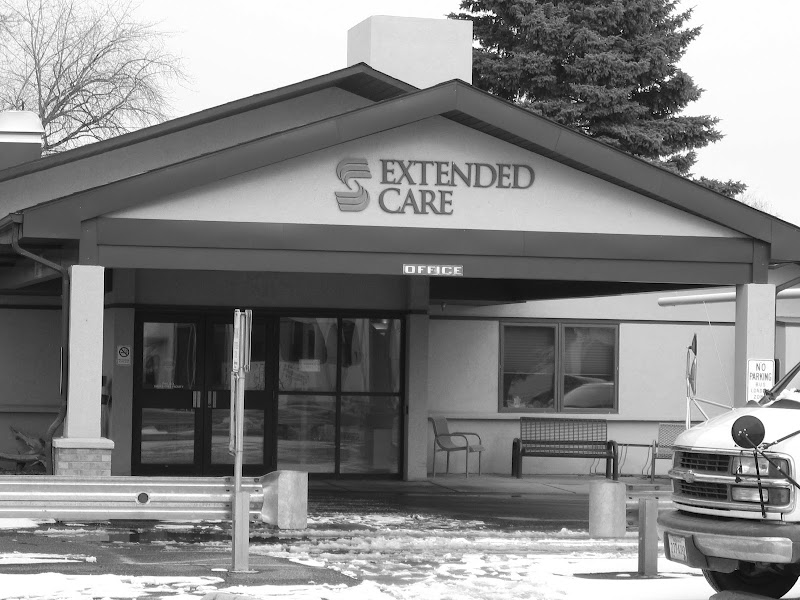
SIDNEY HEALTH CENTER EXTENDED CARE
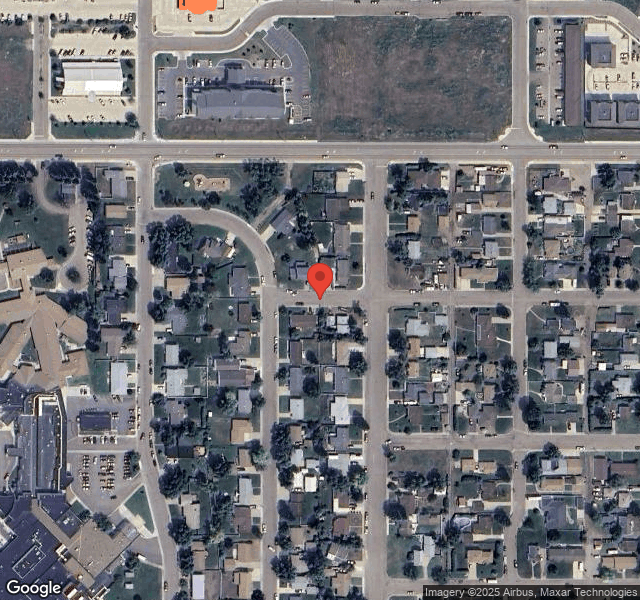
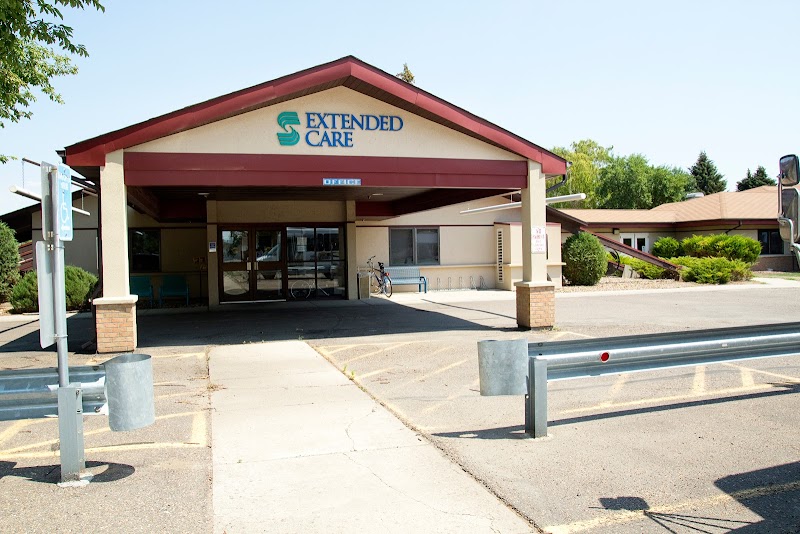
104 14TH AVE NW, SIDNEY, MT 59270 (406) 488-2300
Non profit - Corporation 93 Beds Independent Data: November 2025
Trust Grade
60/100
#36 of 59 in MT
Last Inspection: August 2024

Within standard 12-15 month inspection cycle. Federal law requires annual inspections.

Overview

Sidney Health Center Extended Care has a Trust Grade of C+, which indicates it is slightly above average but still has room for improvement. It ranks #36 out of 59 nursing homes in Montana, placing it in the bottom half, but it is the only option in Richland County. Unfortunately, the facility is worsening, with issues increasing from 7 in 2022 to 12 in 2024. Staffing is a relative strength, scoring 4 out of 5 stars with a turnover rate of 52%, which is better than the state average. However, there have been serious concerns, such as a failure to provide necessary respiratory care, which led to a resident experiencing dangerously low oxygen levels, and a lack of a full-time Director of Nursing, which raises risks for all residents. Overall, while there are strengths, significant issues need to be addressed for the safety and well-being of residents.

Trust Score
C+
60/100
In Montana
#36/59
Bottom 39%
Safety Record
Moderate
Needs review
Inspections
Getting Worse
7 → 12 violations
Staff Stability
⚠ Watch
52% turnover. Above average. Higher turnover means staff may not know residents' routines.
Penalties
✓ Good
No fines on record. Clean compliance history, better than most Montana facilities.
Skilled Nurses
✓ Good
Each resident gets 49 minutes of Registered Nurse (RN) attention daily — more than average for Montana. RNs are trained to catch health problems early.
Violations
⚠ Watch
19 deficiencies on record. Higher than average. Multiple issues found across inspections.
★★★☆☆
3.0
Overall Rating
★★★★☆
4.0
Staff Levels
★☆☆☆☆
1.0
Care Quality
★★★★☆
4.0
Inspection Score
Stable
2022: 7 issues
2024: 12 issues

The Good

  • 4-Star Staffing Rating · Above-average nurse staffing levels
  • Full Sprinkler Coverage · Fire safety systems throughout facility
  • No fines on record

Facility shows strength in staffing levels, fire safety.

The Bad

3-Star Overall Rating

Near Montana average (3.0)

Meets federal standards, typical of most facilities

Staff Turnover: 52%

Near Montana avg (46%)

Higher turnover may affect care consistency

The Ugly 19 deficiencies on record

1 actual harm
Oct 2024 4 deficiencies 1 Harm
SERIOUS (G) 📢 Someone Reported This

A family member, employee, or ombudsman was alarmed enough to file a formal complaint

Actual Harm - a resident was hurt due to facility failures

Respiratory Care (Tag F0695)

A resident was harmed · This affected 1 resident

Based on interview and record review, the facility failed to provide a resident with necessary respiratory care and services in accordance with professional standards of practice and the resident's ph...

Read full inspector narrative →
Based on interview and record review, the facility failed to provide a resident with necessary respiratory care and services in accordance with professional standards of practice and the resident's physicians orders, which caused the residents to have insufficient oxygen saturations for 2 (#1 and #10) of 14 sampled residents. Findings include: a. During an interview on 10/8/24 at 11:35 a.m., staff member M said resident #1 had been in the tub room without her oxygen on when the resident turned blue and was not responding. Staff member M applied oxygen to resident #1, assessed the resident, and called the physician for orders. Staff member M was unable to remember the exact date this incident occurred. Staff member M said the CNA scheduled to care for resident #1 was new. Staff member M said she did was unaware if the CNA had been educated to know which residents were on oxygen. During an interview on 10/8/24 at 2:56 p.m., NF2 said someone from the facility called him and said, We made a mistake and took resident #1 to the dining room for breakfast without her oxygen. NF2 could not remember the name of the person who called him, but the staff member said resident #1's oxygen level was low, the resident had some seizure like activity, and the oxygen had to be increased to 15 liters to get her oxygen level up. NF2 said resident #1 had been using oxygen on a continuous basis for many years. NF2 said he placed a sign in the room after the incident to remind staff to always use oxygen. Review completed on 10/9/24 of the August nursing staffing schedule, staff member H and M were scheduled and assigned to work with resident #1. The schedule was verified with staff member F. During an interview on 10/9/24 at 1:46 p.m., staff member I said she did work the day shift on 8/19/24. Staff member I said resident #1 did go to the dining room for breakfast on 8/19/24. Staff member I is unaware of any incident concerning resident #1. Staff member I said residents use concentrators in their rooms and when out of their rooms, the residents use tanks on their wheelchairs. During an interview on 10/9/24 at 2:01 p.m., staff member H said she was working day shift on 8/19/24. Staff member H said she did not take care of resident #1 that day, but she said she knew resident #1 had an episode in the tub room when she did not have her oxygen on. A review of resident #1's August 2024 Physicians Order Report showed the resident had an order on 8/8/24 for oxygen at 2-4 liters per minute per nasal cannula to keep SaO2 at 90% or above. On 8/14/24, the physician's orders were .Titrate O2 as needed; Goal is to keep 88% or above. Currently at 4 liters continuous. A review of resident #1's nursing progress notes dated 8/19/21 at 3:30 p.m., showed resident #1 had a hypoxic episode in the tub room. Resident #1 did not have her oxygen on, and the nurse ran to grab some oxygen. The nurse applied the oxygen at 4 liters per minute and did a sternal rub to help rouse resident #1. An assessment was completed by the nurse, and the physician was notified. The CNA was educated on the importance of resident #1 having oxygen on continuously. A review of the physician progress notes, dated 8/19/24, showed resident #1 had severe COPD and is oxygen dependent at 4 liters per minute. The physician note showed he was called to the common area in the nursing home where resident #1 is found to be unresponsive for probably seconds likely secondary to severe hypoxia with the minor movements making her hypoxic. The physician directed the staff to send the reident tot he emergency room if her condition worsened. Review of resident #1's care plan, did not include oxygen use until the plan was revised on 8/19/24. On 8/19/24, oxygen at 4 liters per minute was added to the care plan. The care plan showed the rate could be adjusted to assist with recovery, but there were no parameters for oxygen use. The care plan was revised again on 8/20/24, showing a sign was placed above the oxygen tank to remind staff for continuous oxygen use and oxygen use was added to the CNA report sheet. b. Review of resident #10's physician orders showed an order for oxygen at 2-liters per minute per nasal cannula to be administered continuously due to hypoxia. During an interview on 10/8/24 at 11:47 a.m., staff member N said she was making rounds on the dementia unit. Staff member N found resident #10 did not have her oxygen on. She said resident #10's oxygen level was low, so she immediately applied oxygen. A review of resident #10's progress notes, written on 10/8/24, and documented as a late entry for 9/30/24, showed, resident #10 did not have oxygen on, and her oxygen saturation was 88%. The note showed the nurse educated the CNA on continuous O2 orders. Staff member N documented the oxygen level came up to baseline after oxygen was applied. A review of the facility's policy, titled Oxygen Administration, showed the following: Purpose: To treat and to prevent symptoms of hypoxia, such a tachypnea, tachycardia, shortness of breath and cyanosis (PaO2 below 60mmHg and/or saturation by pulse oximetry below 90%). Oxygen is a drug and, as such, a physician must order its use.
CONCERN (D) 📢 Someone Reported This

A family member, employee, or ombudsman was alarmed enough to file a formal complaint

Potential for Harm - no one hurt, but risky conditions existed

Investigate Abuse (Tag F0610)

Could have caused harm · This affected 1 resident

Based on interview and record review, the facility failed to adequately respond to allegations of abuse (bruises of unknown origin) and have evidence the alleged violation unknown bruising was investi...

Read full inspector narrative →
Based on interview and record review, the facility failed to adequately respond to allegations of abuse (bruises of unknown origin) and have evidence the alleged violation unknown bruising was investigated thoroughly; and the facility failed to show the allegation was reported to the required officials, for 1 (#94) of 14 sampled residents. Findings include: Review of resident #94's nurse progress note, dated 8/28/24 showed the last reported fall was 8/28/24 at 2:20 p.m., where she was noted sitting on the floor in front of her recliner. No redness or discoloration was noted after the fall. Review of resident #94's nurse progress note, dated 9/5/24 at 4:29 a.m., showed resident #94 had bruises of unknown origin on her buttocks. Staff member NF3 assessed the residents' buttock and noted dark purple and red bruising to her right upper buttocks, on her mid buttocks, and right lower buttocks to mid upper post thigh. The resident's progress note showed facility management had been notified at 5:26 a.m. Review of #94's nurse progress note, dated 9/5/24 at 5:26 p.m., showed the bruises of unknown origin were measured and described as, Dark red/purple bruising to resident's post upper/inner thigh area measures 17.5 x 11.5 cm; scattered small purple bruises present to resident's right hip; right outer hip area 9x4 cm; and upper inner buttock dark red/purple bruise measures 13 x 7 cm. This was reported to management and will be reported to day nurse. Resident does have complaints of pain in these areas. Review of the facility event report resident #94 recorded on 9/5/24 at 1:35 p.m., showed the event occurred on 9/4/24 at 8:33 p.m. The report shows the bruises to right buttock were likely from sitting down hard on the toilet. Review of resident #94's nurse progress note recorded as a late entry for 9/7/24 at 3:24 a.m., showed NF5 and the resident's family wanted to know the cause of the bruising. The nurse told NF5 she would have to talk to the director of nursing. Staff member NF3 texted the director of nursing this information. During an interview on 10/7/24 at 2:38 p.m., staff member NF3 said resident #94 had dementia, was weak and needed staff assistance to toilet, and at times even needing a complete lift transfer. Staff member NF3 said she was not aware of any time when the resident sat down hard on the toilet. Staff member NF3, who initially identified the bruises, said the bruised area was higher on the buttocks than then where the toilet seat would normally be in relation to the resident's buttocks. NF3 said staff member G said resident #94 was recently found on the floor and had put her back to bed. Staff member NF3 said staff member G worked the night shift, and NF3 said she worked quite a few shifts (scheduled eleven shifts in a row and then three days off) and was not aware of a fall occurring on her shift. During an interview on 10/8/24 at 11:55 a.m., an anonymous staff member said in the past resident #94 sits down hard onto the toilet, however, she had not sat down hard at any time recently when she had been assisting her. This staff member also said during the time this was being investigated, one of the other staff admitted to knowing the resident had fallen on the floor. This staff member would not identify the staff involved with the resident fall. During an interview on 10/9/24 at 5:30 p.m., staff member G said she was not sure what date the incident was, but it was probably about the beginning of September. Staff member G said she found resident #94 on the floor in her room laying on her back. Staff member G said she got the nurse to help get resident #94 back in bed. Staff member G said she was not asked to get any vitals or do any checks on resident #94 which is not the usual practice. Review of the abuse investigation showed the State Survey Agency had not been notified about the bruises of unknown origin on resident #94's buttocks and thighs. The investigation showed there were only four people interviewed in attempt to identify the cause of the bruising. The interviews for the four staff members were not dated to identify when the investigation was initiated. One note written by staff member G identified a fall, however this was not further investigated.
CONCERN (D) 📢 Someone Reported This

A family member, employee, or ombudsman was alarmed enough to file a formal complaint

Potential for Harm - no one hurt, but risky conditions existed

Deficiency F0655 (Tag F0655)

Could have caused harm · This affected 1 resident

**NOTE- TERMS IN BRACKETS HAVE BEEN EDITED TO PROTECT CONFIDENTIALITY** Based on interview and record review, the facility failed to develop and implement a baseline care plan for oxygem use within 48...

Read full inspector narrative →
**NOTE- TERMS IN BRACKETS HAVE BEEN EDITED TO PROTECT CONFIDENTIALITY** Based on interview and record review, the facility failed to develop and implement a baseline care plan for oxygem use within 48 hours of admission, and the resident had a hypoxic event, for 1 (#1) of 3 recently admitted sampled residents. Findings include: Record review of resident #1's baseline care plan showed resident #1 was admitted on [DATE], and the baseline care plan did not include problems, goals, or interventions for oxygen use. During an observation and interview on 10/10/24 at 8:15 a.m., staff member D reviewed the comprehensive care plan which would include the baseline care plan. Staff member D said the oxygen usage was not on the baseline care plan, but there was nothing she could do about it now. Staff member D identified the oxygen was added to the care plan after the hypoxic event on 8/19/24. A review of resident #1's August 2024 Physicians Order Report showed the resident had an order on 8/8/24 (admission date) for oxygen at 2-4 liters per minute, per nasal cannula, to keep SaO2 at 90% or above. On 8/14/24, the physician's orders were .Titrate O2 as needed; Goal is to keep 88% or above. Currently at 4 liters continuous. During an interview on 10/8/24 at 2:56 p.m., NF2 said resident #1 had been using oxygen on a continuous basis for many years prior to coming to the nursing home.
CONCERN (F) 📢 Someone Reported This

A family member, employee, or ombudsman was alarmed enough to file a formal complaint

Potential for Harm - no one hurt, but risky conditions existed

Deficiency F0727 (Tag F0727)

Could have caused harm · This affected most or all residents

Based on observations and interview, the facility failed to ensure a Director of Nursing (DON) was working full-time for 35 or more hours per week, in the facility. This failure increased the risk of ...

Read full inspector narrative →
Based on observations and interview, the facility failed to ensure a Director of Nursing (DON) was working full-time for 35 or more hours per week, in the facility. This failure increased the risk of negative outcomes for all residents in the facility related to nursing care and services, due to the lack of onsite oversight provided by the DON to ensure completion of all necessary resident cares and treatments in the facility. During this survey, harm was identified related to respiratiry care and services, which was identified to be a system concern, and affected 2 (#1 and #10) of those who were sampled for respiratory care. Findings include: During an interview on 10/8/24 at 4:15 p.m., staff member A stated the facility had been advertising for a permanent director of nursing but had been unable to hire anyone. Staff member A said the facility had hired a director of nursing through and interim agency, and part of the contract included her ability to work on site for two weeks, and then work remotely offsite for two weeks. It was identified the facility failed to provide residents with necessary respiratory care and services in accordance with professional standards of practice and the resident's physicians orders, which caused the residents to have insufficient oxygen saturations for 2 (#1 and #10). Refer to F695, Respiratory Care and Services for more information related to the harm identified. Observations made during the survey showed the director of nursing was not present in the facility during the following time frames: - 10/7/24 at 12:15 p.m., until 5:15 p.m. - 10/8/24 from 7:15 a.m. until 5:40 p.m. - 10/9/24 from 7:15 a.m. until 5:40 p.m. - 10/10/24 from 7:15 a.m. until 9:15 a.m.
Aug 2024 8 deficiencies
CONCERN (D)

Potential for Harm - no one hurt, but risky conditions existed

Deficiency F0578 (Tag F0578)

Could have caused harm · This affected 1 resident

Based on interview and record review, the facility failed to ensure Provider Orders for Life-Sustaining Treatment (POLST) forms were completed for 3 (#s 2, 7, and 36) of 24 sampled residents. Findings...

Read full inspector narrative →
Based on interview and record review, the facility failed to ensure Provider Orders for Life-Sustaining Treatment (POLST) forms were completed for 3 (#s 2, 7, and 36) of 24 sampled residents. Findings include: 1. Review of resident #2's hard-copy and electronic copy POLST forms, showed: - In the mandatory signature and date section: the form was not dated when signed by the resident's legal decision maker. 2. Review of resident #7's hard-copy and electronic copy POLST forms, showed: - In the mandatory signature and date section, the form did not include the printed name, telephone number, or dates the form was prepared and signed. 3. Review of resident #36's hard-copy and electronic copy POLST forms, showed: - In the mandatory signature and date section: the form did not have the printed name, telephone number, and dates showing when the form was prepared and completed by the medical provider. During an interview on 8/28/24 at 8:27 a.m., staff member A stated staff member K oversaw resident POLST forms and the advance directives. Staff member A stated when a resident transferred to the facility from the hospital, POLST forms were usually started in the hospital. During an interview on 8/28/24 at 11:36 a.m., staff member K stated she didn't check on POLST forms when another staff member started filling one out, and she didn't check to see if the sections of those forms were filled out. Staff member K stated POLST forms were discussed at individual resident care plan meetings. Staff member K stated her usual practice with POLST forms is to have them filled out on admission for residents when she meets with them. Staff member K stated, There is no process for someone starting it and making sure the POLST form is completed. Review of a facility policy titled, Advance Directives and Physical Information, with a revision date of February 2020, showed: . [Facility Name], Extended Care will provide written information to residents, concerning his or her rights under State law to make decisions concerning medical care, including the right to accept or refuse medical treatment or surgical treatment and the right to formulate advance directives. 8. Facility staff will inform each resident of the name, specialty and way of contacting the physician responsible for their care. A request was made to the facility on 8/27/24 for a POLST policy. No additional documentation was received by the end of the survey.
CONCERN (D)

Potential for Harm - no one hurt, but risky conditions existed

Grievances (Tag F0585)

Could have caused harm · This affected 1 resident

Based on interview and record review, the facility failed to fully investigate and resolve a reported concern and grievance for 1 (#34) of 24 sampled residents. Findings include: During an interview o...

Read full inspector narrative →
Based on interview and record review, the facility failed to fully investigate and resolve a reported concern and grievance for 1 (#34) of 24 sampled residents. Findings include: During an interview on 8/26/24 at 2:46 p.m., resident #34 discussed a grievance she voiced to the facility staff, and stated she told staff member B a nurse smelled of perfume, which had a strong gagging odor. Resident #34 stated she was concerned if the smell was affecting her so strongly, she wondered how other residents with respiratory issues were handling it. Resident #34 stated this concern was voiced at a care planning meeting, where staff members F and K were present. Resident #34 stated she did not have follow-up from the grievance voiced during her care planning meeting. During an interview on 8/28/24 at 11:36 a.m., staff member K stated she was aware of a concern from resident #34 regarding her grievance on the strong perfume odor on a nursing staff member. Staff member K stated staff member B was going to follow-up on the concern with the identified nursing staff. During an interview on 8/28/24 at 4:27 p.m., staff member J stated employees were instructed at the beginning of their employment, scents were not to be used except lightly scented deodorant and laundry soap smells on clothes were allowed. Staff member J stated within the past month, she had reported to a nurse supervisor a strong smelling odor of perfume on the same staff member who was named by resident #34 in her concern. During an interview on 8/29/24 at 8:07 a.m., staff member A stated there was no written documentation found for resident #34's grievance or concerns with the the staff member's strong perfume odor. Staff member A stated staff member B addressed the concern with staff verbally. Staff member A stated she was unsure if follow-up had occurred. Review of a facility policy titled, Right to Voice Grievances, with a revision date of January 2016, showed: . 2. Verbally reported concerns/complaints can be given to any nurse, Social Services Director, Director of Nurses, Administrator . 5. The facility will investigate the concern and respond to the grievance in a prompt manner. See Attached Form used by staff to document the investigation. A facility representative will contact the person who made the grievance with the results of the investigation. The facility will state what action(s) to be taken to prevent further occurrences . 8. The facility will maintain documentation regarding the complaint for a minimum of three years .
CONCERN (D)

Potential for Harm - no one hurt, but risky conditions existed

Drug Regimen Review (Tag F0756)

Could have caused harm · This affected 1 resident

Based on interview and record review, the facility failed to ensure the monthly drug regimen review process was used to identify and report irregularities to the attending physician, for 1 (#33) of 24...

Read full inspector narrative →
Based on interview and record review, the facility failed to ensure the monthly drug regimen review process was used to identify and report irregularities to the attending physician, for 1 (#33) of 24 sampled residents. Findings include: Review of resident #33's physician progress note, dated 3/16/24, showed, It is not clear if she has been using her Xanax on a regular basis or only as needed. A request was made on 8/27/24 and 8/28/24 for medical provider documentation addressing the continued as needed/PRN use of Xanax. No additional information or documentation was received by the end of the survey. Review of resident #33's pharmacy progress notes, dated 5/14/24 and 7/10/24, showed psychotropic medication monitoring was completed. The document showed the as needed Xanax started in March 2024. The pharmacist's documentation showed the as needed use of Xanax beyond the 14 days was acceptable based on the pharmacist review. The pharmacist documented, Xanax is not an antipsychotic, therfore, duration beyond 14 days is acceptable [sic]. The pharmacist documented the as needed Xanax will continue. The pharmacist failed to identify a problem with the continued use of an as needed psychotropic medication beyond the 14 day recommended discontinuation. Review of the facility policy, titled Psychotropic Medication Management, dated 6/1/24, showed, . PRN orders for all psychotropic drugs shall be used only when the medication is necessary to treat a diagnosed specific condition that is documented in the clinical record, and for a limited duration (i.e. 14 days) . if the attending physician or prescribing practitioner believes that it is appropriate for the PRN order to be extended beyond 14 days, he or she shall document their clinical rationale in the resident's medical record and indicate the duration for the PRN order . During an interview on 8/28/24 at 8:21 a.m., staff member D said he is responsible for tracking the psychotropic drug use, recommending gradual dose reductions, and notifying the facility and physicians of medication irregularities. Staff member D said resident #33 was okay to have as needed Xanax because the doctor was going to make it scheduled. Staff member D said the physician had ordered as needed Xanax to be refilled five times.
CONCERN (D)

Potential for Harm - no one hurt, but risky conditions existed

Medication Errors (Tag F0758)

Could have caused harm · This affected 1 resident

Based on interview and record review, the facility failed to ensure an as needed psychotropic medication was reviewed or discontinued after 14 days for 1 (#33) of 24 sampled residents. Findings includ...

Read full inspector narrative →
Based on interview and record review, the facility failed to ensure an as needed psychotropic medication was reviewed or discontinued after 14 days for 1 (#33) of 24 sampled residents. Findings include: Review of resident #33's physician progress note dated 3/16/24, showed, It is not clear if she has been using her Xanax on a regular basis or only as needed. A request was made on 8/27/24 and 8/28/24 for medical provider documentation addressing the continued as needed use of Xanax. No additional information was received by the end of the survey. Review of pharmacy progress notes dated 5/14/24 and 7/10/24, showed psychotropic medication monitoring was completed. The document showed the as needed Xanax started in March 2024. Review of the facility policy titled Psychotropic Medication Management dated 6/1/24, showed, . PRN orders for all psychotropic drugs shall be used only when the medication is necessary to treat a diagnosed specific condition that is documented in the clinical record, and for a limited duration (i.e. 14 days) . if the attending physician or prescribing practitioner believes that it is appropriate for the PRN order to be extended beyond 14 days, he or she shall document their clinical rationale in the resident's medical record and indicate the duration for the PRN order . During an interview on 8/28/24 at 8:21 a.m., staff member D said he is responsible for tracking the psychotropic drug use and recommending gradual dose reductions. Staff member D stated the physician documented his notes in a different computer system than what the extended care center uses. No additional information was received by the end of the survey for physician justification for the continued use of as needed Xanax.
CONCERN (D)

Potential for Harm - no one hurt, but risky conditions existed

Deficiency F0883 (Tag F0883)

Could have caused harm · This affected 1 resident

Based on interview and record review, the facility failed to provide standard infection control practices through provision of Pnemococcal immunization for 1 (#34) of 24 sampled residents. Findings in...

Read full inspector narrative →
Based on interview and record review, the facility failed to provide standard infection control practices through provision of Pnemococcal immunization for 1 (#34) of 24 sampled residents. Findings include: During an interview on 8/28/24 at 1:06 p.m., staff member L stated the pneumococcal policy was getting updated, but the person responsible for updating it left her employment with the facility. Staff member L stated the facility tried to get immunization records before a resident was admitted . Staff member L stated she didn't know what the exact process of keeping up with immunizations was. Staff member L said staff member F would ask about the resident vaccinations yearly, during the MDS assessment period. Staff member L stated she had access to imMTrax to review the immunization status of residents. Staff member L said accessing imMTrax is done only upon request from staff member F. During an interview on 8/28/24 at 2:26 p.m., staff member F stated staff member N will be taking over immunization review. Staff member N will be in charge of immunizations prior to the scheduled flu clinic. Staff member F stated she generates resident preventive health reports for immunization tracking. Staff member F stated there are six residents who were overdue for the pneumococcal immunization. Nursing staff was planning to give the pneumococcal immunizations after obtaining physician guidance. The vaccinations would be given during the scheduled flu clinic, this fall (of 2024). Review of resident #34's Preventive Health Care Report, with a date range 3/20/24 - 8/27/24, showed resident #34 was not current on her pneumoccocal vaccination. The vaccination guidelines showed recommendations of one dose of PCV20. Review of resident #34's undated immunization summary document, showed, Pneumococcal Conj PCV13 was administered on 3/13/18. According to CDC recommendations, resident #34 should have received one dose of PCV20 or one dose of PPSV23 at least one year after the PCV13 vaccine. Review of a facility policy, titled, Influenza and Pneumococcal Immunizations, revised October 2009, showed: . Each resident or the resident's legal representative receives education regarding the benefits and potential side effects of the immunization; and that each resident has the opportunity to receive, unless medically contraindicated or refused or already immunized, the influenza and pneumococcal vaccines. A request was made to the facility on 8/27/24 for a consent and immunization admission record for resident #34. No document was provided for the resident's Pneumococcal immunization consent, or a declination for resident #34, by the end of the survey.
CONCERN (E)

Potential for Harm - no one hurt, but risky conditions existed

Comprehensive Care Plan (Tag F0656)

Could have caused harm · This affected multiple residents

Based on observation, interview, and record review, the facility failed to ensure a comprehensive person-centered care plan was created for 1 (#31) of 24 sampled residents who utilized oxygen. From ad...

Read full inspector narrative →
Based on observation, interview, and record review, the facility failed to ensure a comprehensive person-centered care plan was created for 1 (#31) of 24 sampled residents who utilized oxygen. From admission, the resident had three MDS assessments completed, all showing oxygen therapy was provided, but the care plan was never updated, showing a repeated pattern for the failure. Findings include: Review of resident #31's electronic medical record showed on admission, the resident's pertinent diagnoses included: acute and chronic respiratory failure with hypoxia, pneumonia, and pulmonary hypertension. A review of resident #31's MDS assessments, to include the admission assessment, dated 2/26/24, and two Quarterly assessments, dated 5/15/24 and 8/7/24, showed oxygen therapy was marked in section O0II0 for respiratory services. During an observation on 8/26/24 at 3:42 p.m., resident #31 was observed wearing a nasal cannula, connected to an oxygen concentrator, with the oxygen flow rate set at 3 liters. An oxygen tank was observed in a pack, strapped to the back of resident #31's wheelchair, and a second oxygen tank was observed on the side of the room, next to resident #31's bed. During an interview on 8/26/24 at 3:44 p.m., resident #31 stated she has lived in the facility for about six months. Resident #31 stated her reason for admission was due to difficulties with breathing. Resident #31 stated she had been using oxygen since admission and it helped with her breathing. During an observation on 8/28/24 at 11:24 a.m., resident #31 was observed wearing a nasal cannula, which was connected to an oxygen concentrator, and the oxygen flow rate was set at 3 liters. Review of resident #31's comprehensive care plan, revised on 8/20/24, failed to include a problem, goals, or interventions related to the resident's oxygen use and respiratory status, resident assessment for oxygen use/needs, oxygen saturation level to be maintained, oxygen flow rate, precautions, directions for staff, or equipment care/management for oxygen. The failure to add and address the oxygen use on the care plan was a repeated failure from the resident's admission to the date of the survey. Review of a facility policy, titled, Comprehensive Care Plans, with a revision date of January 2013, showed: . The facility will develop a comprehensive care plan for each resident that includes measurable objectives and timetable to meet a resident's medical, nursing, mental and psychosocial needs that are identified in the comprehensive assessment . 1. Comprehensive care plan will be developed within 7 days after the completion of the comprehensive assessment . 2. The care plan will be prepared by and interdisciplinary team, that includes the attending physician, a registered nurse with the responsibility for the resident and other appropriate staff in disciplines as determined by the resident's needs . 3. The care plan will be periodically reviewed and revised by a team or qualified persons after each assessment .
CONCERN (E)

Potential for Harm - no one hurt, but risky conditions existed

Deficiency F0657 (Tag F0657)

Could have caused harm · This affected multiple residents

2. During an observation on 8/27/24 at 10:40 a.m., resident #4 was sitting in an electric wheelchair, and two gait belts were holding her legs together. One gait belt was strapped around her knees, an...

Read full inspector narrative →
2. During an observation on 8/27/24 at 10:40 a.m., resident #4 was sitting in an electric wheelchair, and two gait belts were holding her legs together. One gait belt was strapped around her knees, and one gait belt was strapped around both her ankles. During an interview on 8/26/24 at 2:13 p.m., resident #4 stated she requested to use gait belts to hold her legs together while sitting in her wheelchair. Resident #4 stated her multiple sclerosis caused muscle weakness, and she couldn't hold her legs together comfortably, while in the wheelchair. Resident #4 stated her legs would splay outwards off the wheelchair's footrests. During an interview on 8/28/24 at 8:00 a.m., staff member I stated, in the mornings, CNAs would apply lotion to resident #4's legs and put two gait belts on resident #4's legs, per resident #4's request. Staff member I stated she did not document any application of gait belt use, and stated, I don't think the gait belts are in her [resident #4's] care plan or mentioned anywhere. Review of resident #4's comprehensive care plan, with a revision date of 7/24/24, showed: Problem Start Date: 5/17/17 - Category: Pressure Ulcer/Injury - Risk for impaired skin integrity d/t muscle weakness as evidenced by inability to control her lower extremities . 'Able to buckle and unbuckle seat belt that she uses while in her W/C . In W/C the majority of the day'. The care plan problem did not address the use of the two gait belts on her legs. Review of resident #4's comprehensive care plan did not include problems, goals, or interventions to address: - The resident's request for the gait belt usage to restrain both legs due to her disease process. - Did not show the restraint assessment was completed, and or that the belts were not used as a restraint or for convenience of staff. - Risks associated with the gait belt usage. - Necessary skin assessments due to the daily use of the gait belts and pressure on the resident's legs. - Directions for how staff were to place, remove, and check the gait belts. - Cleaning of the belts. - When gait belts were to be used, such as time of day, and if it was to be only when she was in her wheelchair. - If/when the usage of the gait belts would be re-evaluated. Review of a facility policy titled, Comprehensive Care Plans, with a revision date of January 2013, showed: . The facility will develop a comprehensive care plan for each resident that includes measurable objectives and timetable to meet a resident's medical, nursing, mental and psychosocial needs that are identified in the comprehensive assessment. . 3. The care plan will be periodically reviewed and revised by a team or qualified persons after each assessment . Based on interview and record review, the facility failed to review and revise the individualized resident care plans with interventions, for 2 (#s 4 and 10) of 24 sampled residents, showong. Findings include: 1. Review of resident #10's nursing progress note, dated 11/30/23, showed resident #10 was found on the floor, in the doorway, of her bathroom. Resident #10 complained of head pain which resulted from the fall. Review of resident #10's event report dated 11/30/23, showed possible contributing factors that could have increased resident #10's risk for falling. The facility failed to identify the root cause of the fall. Due to the failure to determine the cause of the fall, the care plan was not updated to reduce the risk of night time falls or toileting needs. Review of resident #10's fall prevention care plan showed no revisions or updates for fall interventions on 11/30/23. The fall care plan was not updated until 7/8/24. During an interview on 8/29/24 at 10:17 a.m., staff member F said she did not review or make changes to the care plan after the resident fall. Staff member F said the nurses taking care of the residents are to identify the root cause of the fall and update the plan of care. Staff member F said if the nurse makes a change to the care plan, it isn't reviewed, and stated, If it's in there, it is in there. Staff member F said, This is a work in progress, and with the lack of stability, there is no one checking anything.
CONCERN (F)

Potential for Harm - no one hurt, but risky conditions existed

Infection Control (Tag F0880)

Could have caused harm · This affected most or all residents

Based on observation, interview, and record review, the facility failed to ensure consistent enhanced barrier precautions were provided for 2 (#s 16 and 37) of 24 sampled residents; and the facility f...

Read full inspector narrative →
Based on observation, interview, and record review, the facility failed to ensure consistent enhanced barrier precautions were provided for 2 (#s 16 and 37) of 24 sampled residents; and the facility failed to provide documentation of infection surveillance and mandatory communicable disease reporting for six consecutive months which had an increased risk to the entire facility population. Findings include: 1. During an observation on 8/26/24 at 2:39 p.m., resident #37's door had a yellow isolation bag filled with gowns, gloves, and wipes hanging from the front of the door. There was no precaution sign on the door. During an observation and interview on 8/27/24 at 8:51 a.m., staff member M stated he did not know why resident #16 had an enhanced barrier precaution sign on his door. Staff member M said any enhanced barrier precaution supplies would be kept in resident #16's bathroom. Staff member M stated he knew where to find precautions for the residents. During an observation of resident #16's door, a sign for enhanced barrier precautions was displayed, and when observed, resident #16's bathroom and room had no equipment or PPE supplies. During an observation on 8/28/24 at 7:58 a.m., on resident #37's door, a yellow bag filled with PPE gowns, gloves, and wipes was hanging on the door. There was not an infection control precaution sign on the door. During an observation on 8/28/24 at 7:59 a.m., resident #16's door had a enhanced barrier precautions sign, but no PPE equipment or PPE supplies were found in the room or bathroom. During an interview on 8/28/24 at 1:06 p.m., staff member L stated she has been active in the infection control position for two weeks, as of 8/28/24, but she had been on medical leave for three months prior. Staff member L stated, I'm piecing infection prevention items back together since returning from medical leave. Staff member L stated she would need to check on the status of PPE supplies not being available for use in resident #16's room. Staff member L stated she would address with staff the reason the PPE supplies were not available in resident #16's room. Staff member L said she would address with staff why they didn't know resident #16 had enhanced barrier precautions, due to a MRSA infection. Staff member L stated resident #37 had enhanced barrier precautions in July (2024) however the infection was resolved prior to the survey. Staff member L stated mandatory staff training and education was provided for all staff at the end of April (2024) on enhanced barrier precautions. No further education had been provided. Review of a facility infection control document, updated 5/3/24, showed a list of nine residents on Enhanced Barrier Precautions. Review of a facility policy titled, Enhanced Barrier Precautions, effective April 17, 2024, showed: . c. The facility will have the discretion on how to communicate to staff which residents require the use of EBP, as long as staff are aware of which residents require the use of EBP prior to providing high-contact care activities. . 2. Initiation of Enhanced Barrier Precautions: a. The facility will have the discretion in using EBP for residents who do not have a chronic wound or indwelling medical device and are infected or colonized with an MDRO that is not currently targeted by CDC. . 3. Implementation of Enhanced Barrier Precautions: a. Make gowns and gloves available immediately near or outside of the resident's room. . d. Position a trash can inside the resident room and near the exit for discarding PPE after removal, prior to exit of the room. .8. Additional epidemiologically important MDROs may include, but are not limited to: a. Methicillin-resistant Staphylococcus aureus (MRSA) . 2. During an interview on 8/28/24 at 1:06 p.m., staff member L stated staff member F had been helping with infection monitoring . while I was gone for three months. Staff member L stated the infection control policies were reviewed on the facility intranet and documented with a timestamp. Staff member L said the older hard copy policies were not updated to show the new review date. Staff member L stated, if there were infections they have a map for outbreaks. Once infections are identified, the mapping would be updated and would allow the facility to track and monitor infections. Staff member L stated the facility surveillance tracking had been completed, but the facility was unable to find the surveillance tracking from March 2024 through August 2024. Review of a facility document, titled, Infection Control Program, with a revision date of February 2020, showed: . The Program . contains all the following required elements of a mandatory Infection Control Program as outlined below: 1. A system for prevention, identification, reporting investigation and control of infections and communicable diseases for all residents, staff, . and is based on the Facility Assessment conducted according to regulatory requirements and following nationally accepted standards; 2. Written standards, policies and procedures for elements of the Program including: a. A system of surveillance designed to identify possible communicable diseases or infections before they can spread to other persons in the facility . All reportable infections are to be reported to [County Health Department] for follow up and tracking . Review of a facility policy and procedure, titled, Health Department Reports, with a revision date of February 2022, showed: . 1. Healthcare providers are mandated to report, in writing or by phone notification, confirmed or suspected cases of specific communicable and occupational diseases as designated by the state public health authorities . 1. Any time after diagnosis and before discharge, when a patient is diagnosed with one of the reportable diseases, either a written report, electronic report, faxed report, or verbal notification must be made to the local health department .
Oct 2022 7 deficiencies
CONCERN (D)

Potential for Harm - no one hurt, but risky conditions existed

Report Alleged Abuse (Tag F0609)

Could have caused harm · This affected 1 resident

Based on interview and record review, the facility failed to report two incidents to the State Survey Agency, one for alleged verbal abuse, and the other misappropriation of property. An incident of s...

Read full inspector narrative →
Based on interview and record review, the facility failed to report two incidents to the State Survey Agency, one for alleged verbal abuse, and the other misappropriation of property. An incident of staff to resident abuse for 1 (#11) and a misappropriation of property for 1 (#16) of 2 sampled residents. Findings include: Review of a Customer Concern/Grievance Communication Form, dated 4/15/22, regarding resident #11 showed, .Summery Statement of the Resident or Family Member Concern: HR reported that kitchen staff reported concern from earlier in the week about a staff mentioning having a inappropriate tone with a resident. [Illegible] customer service. ED (executive director) notified and immediately investigated concern. Steps taken to Investigate Concern: Met w/staff and resident and resident's son/POA per resident request. Summary of Pertinent Findings or Conclusions: Staff did admit to having a inappropriate tone and resident was very apologetic and apologized for harassing him Seemed very pleased with outcome. Resident doesn't want to report .Was Concern Resolved? 'yes' .Resident, Resident POA and staff talked and CNA apologized CNA will receive counciling. [sic] Review of a Customer Concern/Grievance Communication Form, dated 7/25/22, regarding resident #16 showed, .Summary Statement of the Resident or Family Member Concern: resident states wallet missing w/ papers and quarter. Steps Taken to Investigate Concern: all rooms inspected and searched wallet not located. Summary of Pertinent Findings or Conclusions: unable to locate wallet facility replaced and found [illegible] and replaced quarter. Was concern Resolved? 'yes' .facility replaced wallet and quarter. [sic] During an interview on 10/26/22 at 2:21 p.m., staff member A stated she was in charge of the investigation process for grievances. Staff member A stated she was also in charge of making sure incidents were reported to the State Survey Agency. Staff member A stated the incident on 4/15/22 involving resident #11 and the incident on 7/25/22 involving resident #16 were investigated, but neither were reported to the State Survey Agency. Review of a facility document titled Mandatory Reporting for Montana Nursing Facilities, undated, showed, .Report the following in accordance with 42 CFR 483.13 (b) & (c): .Misappropriation of resident property (theft) .Mistreatment .Staff to Resident Abuse.
CONCERN (D)

Potential for Harm - no one hurt, but risky conditions existed

Assessment Accuracy (Tag F0641)

Could have caused harm · This affected 1 resident

**NOTE- TERMS IN BRACKETS HAVE BEEN EDITED TO PROTECT CONFIDENTIALITY** Based on interview and record review, the facility failed to accurately complete the Quarterly MDS assessment for 1 (#25) of 1 s...

Read full inspector narrative →
**NOTE- TERMS IN BRACKETS HAVE BEEN EDITED TO PROTECT CONFIDENTIALITY** Based on interview and record review, the facility failed to accurately complete the Quarterly MDS assessment for 1 (#25) of 1 sampled resident. Findings include: During an observation and interview on 10/25/22 at 1:30 p.m., resident #25 stated she thought she had a urinary tract infection sometime in the past but could not remember when. Resident #25 had an indwelling urinary catheter with a bedside drainage bag attached to the frame of her bed. Review of resident #25's Quarterly MDS, with an ARD date of 8/31/22, showed the resident had an active diagnosis of a urinary tract infection in the previous 30 days. The active diagnosis section was completed by staff member K. Review of resident #25's physician orders, dated since admission on [DATE], failed to show the use of antibiotics for treatment of a urinary tract infection. Review of resident #25's physician progress notes, dated since admission on [DATE], failed to show documentation of a urinary tract infection. Review of resident #25's urine culture results, dated 5/23/22, while hospitalized and prior to admission to the facility, showed, There appeared to be two different organisms on day 2 mixed colonies of gram negative rods and gram positive cocci . patient is on antibiotics urine is clear today do no pursue any more identification. [sic] During an observation and interview on 10/26/22 at 10:15 a.m., staff member K reviewed resident #25's EMR, including the active diagnosis section of the most recently completed MDS, with an ARD date of 8/31/22, and said she was not able to find documentation of a urinary tract infection in the 30 days prior to completion of the MDS. Staff member K stated resident #25 was diagnosed with a urinary tract infection while hospitalized in May of 2022 and had not had one in the 30 days prior to the completion of the most recent MDS. Staff member K stated the active diagnosis section of the MDS had been completed in error and she would need to remove the urinary tract infection diagnosis and submit a modification to correct the mistake.
CONCERN (D)

Potential for Harm - no one hurt, but risky conditions existed

Deficiency F0688 (Tag F0688)

Could have caused harm · This affected 1 resident

Based on observation, interview, and record review, the facility failed to provide necessary services to a resident with limited range of motion for 1 (#30) of 2 sampled residents. The deficient pract...

Read full inspector narrative →
Based on observation, interview, and record review, the facility failed to provide necessary services to a resident with limited range of motion for 1 (#30) of 2 sampled residents. The deficient practice had the potential to cause a decrease in the resident's range of motion. Findings include: During an observation and interview on 10/25/22 at 10:22 a.m., resident #30 was sitting in her wheelchair watching television. When asked, resident #30 was not able to demonstrate full range of motion in her shoulders. Resident #30 was able to lift her left arm laterally to the level of her shoulder and only able to lift her right arm laterally approximately halfway between her side and shoulder level. Resident #30 said the staff were not doing any exercises with her. During an interview on 10/26/22 at 1:52 p.m., staff member J stated there was no formal restorative program at the facility and there was no one assigned the responsibility of oversight of restorative services. Staff member J said if any exercises were done, they were done by the CNAs. During an interview on 10/26/22 at 3:10 p.m., staff member A stated residents who were at risk for declines in their functional abilities were reviewed by the IDT and administrator periodically. Staff member A stated resident #30 had been reviewed in June of 2022 and the facility failed to identify the need for range of motion exercises or other restorative services. Review of resident #30's Quarterly MDSs, dated 3/16/22 and 6/8/22, showed the resident had limited range of motion to both lower extremities and one upper extremity. Review of resident #30's Care Area Assessment Summary Report, dated 9/7/22, showed the resident was at risk for contractures and required extensive assistance with ADLs. Review of the facility's policy titled, Restorative Nursing Program, last review date of 9/25/22, showed restorative services were to be provided under nursing supervision and were intended to achieve and maintain optimal physical, mental, and psychological functioning. The policy also showed the restorative services needs of each resident was to be determined in collaboration with nursing, therapies, and the resident's primary care physician.
CONCERN (D)

Potential for Harm - no one hurt, but risky conditions existed

Unnecessary Medications (Tag F0759)

Could have caused harm · This affected 1 resident

**NOTE- TERMS IN BRACKETS HAVE BEEN EDITED TO PROTECT CONFIDENTIALITY** Based on observation, interview, and record review, the facility failed to ensure a medication error rate less than five percent...

Read full inspector narrative →
**NOTE- TERMS IN BRACKETS HAVE BEEN EDITED TO PROTECT CONFIDENTIALITY** Based on observation, interview, and record review, the facility failed to ensure a medication error rate less than five percent which affected 2 (#s 28 and 37) of 4 sampled residents. The calculated facility error rate was 7.69 percent. Findings include: 1. During a medication administration observation on 10/26/22 at 7:39 a.m., staff member I prepared the medications for resident #37. Staff member I administered a single tablet from a medication cassette with a label showing calcium carbonate 600 mg and a single tablet from a medication cassette with a label showing Tab-A-Vite. Resident #37 took the medications without difficulty. Review of resident #37's physician orders showed the following: -start date 3/22/22, Ca-D3-mag ox-zinc-cop-[NAME]-[NAME] tablet; 600 mg calcium- 20 mcg-50 mg; Amount to Administer; 1 tab; oral . Special Instructions Take 1 tab calcium carbonate 500mgs daily PO, [sic] and, -start date 3/22/22, multivit with min-folic acid tablet; 0.4 mg; Amount to Administer: 1 tab; oral. Review of resident #37's MAR, dated 10/26/22, showed the, Ca-D3 . [NAME] . , and the, multivit with min-folic acid . , tablets were documented as given by staff member I between 7:00 and 9:00 a.m During a follow-up interview on 10/26/22 at 11:44 a.m., staff member I examined the medication cassettes for the calcium supplement and the multivitamin, and stated the label on the cassettes did not match the order shown on the MAR in resident #37's EMR. Staff member I stated the calcium dose was wrong and the multivitamin did not have minerals in it. Staff member I said she would contact the pharmacy to correct the discrepancies. 2. During a medication administration observation on 10/26/22 at 8:00 a.m., staff member H prepared the medications for resident #28. Staff member H administered a single tablet from a cassette with label showing Vitamin D3 2000 units. Review of resident #28's physician order, dated 6/8/22, showed an order for Vitamin D3 25 mcg (1000 units), one tablet to be given daily. Review of resident #28's MAR, dated 10/26/22, showed the vitamin D3 25 mcg (1000 units) was given by staff member H between 7:00 and 9:00 a.m During a follow-up interview on 10/26/22 at 11:40 a.m., staff member H examined the medication cassette with the vitamin D3 label and compared it to resident #28's MAR. Staff member H said the order did not match the label on the cassette, and she would have to contact the pharmacy to correct the discrepancy.
CONCERN (D)

Potential for Harm - no one hurt, but risky conditions existed

Deficiency F0761 (Tag F0761)

Could have caused harm · This affected 1 resident

Based on observation, interview, and record review, the facility failed to ensure medications were securely stored by leaving a medication cart unlocked and unattended during a medication pass in the ...

Read full inspector narrative →
Based on observation, interview, and record review, the facility failed to ensure medications were securely stored by leaving a medication cart unlocked and unattended during a medication pass in the main dining room. Findings include: During a medication pass observation on 10/26/22 at 7:39 a.m., staff member I left the medication cart unattended while administering medications to a resident in the main dining room. The medication cart had been placed at the edge of the dining room adjacent to the chapel area. During a medication pass observation on 10/26/22 at 7:46 a.m., staff member I returned to the medication cart, prepared medications for another resident, and left the cart unlocked and unattended while administering medications to another resident in the main dining room. During an interview on 10/26/22 at 7:51 a.m., when asked about locking the medication cart, staff member I stated she did not normally lock the medication cart when she was planning to come back to it. Staff member I stated she did lock the medication cart if she was not planning to return to it immediately. Staff member I stated if there was an emergency which required her attention, she probably would not think to lock the medication cart, leaving the medications unattended and not secured. Review of the facility's policy titled, Pharmacy Services and Drug Reviews, last revised date 11/2016, showed all drugs must be stored in locked compartments with only authorized personnel to have access.
CONCERN (D)

Potential for Harm - no one hurt, but risky conditions existed

Deficiency F0888 (Tag F0888)

Could have caused harm · This affected 1 resident

Based on interview and record review, the facility failed to ensure staff were vaccinated, had an approved exemption, or a temporary delay for the COVID-19 vaccination at a rate of 100% for 2 (staff m...

Read full inspector narrative →
Based on interview and record review, the facility failed to ensure staff were vaccinated, had an approved exemption, or a temporary delay for the COVID-19 vaccination at a rate of 100% for 2 (staff members F and G) of 7 sampled staff. The deficient practice had the potential to increase the risk of transmission of COVID-19 amongst staff and residents. Findings include: Review of the facility document titled, COVID-19 Staff Vaccination Status for Providers, provided on 10/25/22, showed two staff were determined to be partially vaccinated, and did not have an exemption or a temporary delay. Review of staff member F's COVID-19 screening and consent form, dated 7/8/22, showed the staff member had received the first COVID-19 vaccination on 7/8/22. Review of staff member G's application for religious exemption, dated 6/3/22, showed the staff member did not wish to sign the exemption and was considering getting the vaccine. A handwritten note on the application, dated 7/11/22, showed the staff member was still working with her physician on the issue of COVID-19 vaccination. During an interview on 10/26/22 at 1:01 p.m., staff member B said she was aware staff member F had not received the second COVID-19 vaccination needed to complete the vaccination series. Staff member B did not know why the second injection had not been given. Staff member B stated staff member G was still working with her physician on whether she should receive the vaccination. Staff member B said staff member F was working regularly but did not know if staff member G was working as she was in college. Staff member B did not know what was done if staff were not fully vaccinated and did not have an approved exemption. She stated the Human Resources department handled staff COVID-19 vaccination issues. During an interview on 10/26/22 at 3:10 p.m., staff member A stated she was aware of the two staff members who were not fully vaccinated and did not have an approved exemption or temporary delay. Staff member A stated staff member F was working regularly, and staff member G had been called in for a single shift over the previous weekend. Staff member A did not know the percentage of fully vaccinated staff without an approved exemption or temporary delay needed to be 100 percent. Review of the facility's policy titled, COVID-19 Vaccination as a Condition of Employment, last revised on 3/28/22, showed, All [facility name] members are required to have obtained a COVID-19 vaccination as a term and condition of employment at [facility name], unless an exemption or deferral has been approved. and, Failure by any [facility name] employee to comply with this policy within the applicable timeframes may result in discipline or other corrective action, which may include administrative leave, suspension and/or termination from employment.
CONCERN (E)

Potential for Harm - no one hurt, but risky conditions existed

Deficiency F0883 (Tag F0883)

Could have caused harm · This affected multiple residents

**NOTE- TERMS IN BRACKETS HAVE BEEN EDITED TO PROTECT CONFIDENTIALITY** Based on interview and record review, the facility failed to ensure residents were offered and given the recommended pneumococca...

Read full inspector narrative →
**NOTE- TERMS IN BRACKETS HAVE BEEN EDITED TO PROTECT CONFIDENTIALITY** Based on interview and record review, the facility failed to ensure residents were offered and given the recommended pneumococcal vaccinations or did not receive the recommended pneumococcal vaccinations due to medical complications or refusal for 4 (#s 5, 15, 26, and 34) of 6 sampled residents. Findings include: Review of resident vaccination records, provided on 10/26/22, showed the following: - resident #5, no documentation of Pneumovax-23 or Prevnar-13 having been offered, given or declined since admission to the facility on 1/24/22, - resident #15, no documentation of Pneumovax-23 or Prevnar-13 having been offered, given or declined since admission to the facility on 1/12/21, - resident #26, no documentation of Pneumovax-23 having been offered, given or declined since admission to the facility on [DATE], and - resident #34, no documentation of Pneumovax-23 or Prevnar-13 having been offered, given or declined since admission to the facility on [DATE]. During an interview on 10/26/22 at 1:01 p.m., staff member B said she was able to access the state database for vaccinations and provided information to staff member K, when requested, regarding a resident's vaccination history. Staff member B said she was not responsible for ensuring residents have been offered or refused the appropriate vaccinations recommended by the CDC. During an interview on 10/26/22 at 1:35 p.m., staff member K said she was responsible for obtaining a resident's vaccination history when they were admitted to the facility. Staff member K said she interviewed residents, their families, and reviewed any available medical records for the information. Staff member K said staff member B had access to the state vaccination database, and she was able to obtain necessary information when it was requested from staff member B. When staff member K was asked why resident #s 5, 15, 26, and 34 had not been offered, given, or declined the recommended pneumococcal vaccinations, she said it was due to a payment snafu. Staff member K said the pharmacy would not dispense the requested pneumococcal vaccinations because the facility was not reimbursed. Staff member K said it had been an issue for two to three years. Staff member K said the facility had been trying to set up vaccination clinics for the residents, but it had not happened yet. Review of the facility's policy titled, Influenza and Pneumococcal Immunizations, last revision date of 1/2021, showed the purpose of the policy was: - to minimize the risk of residents acquiring, transmitting, or experiencing complications from pneumococcal pneumonia, - to ensure each resident or resident representative was informed about the benefits and risks of each vaccination, - to ensure each resident had the opportunity to receive or decline the recommended vaccinations, and - to ensure documentation of the education provided and the administration or refusal of each recommended vaccination.
Understanding Severity Codes (click to expand)
Life-Threatening (Immediate Jeopardy)
J - Isolated K - Pattern L - Widespread
Actual Harm
G - Isolated H - Pattern I - Widespread
Potential for Harm
D - Isolated E - Pattern F - Widespread
No Harm (Minor)
A - Isolated B - Pattern C - Widespread

Questions to Ask on Your Visit

  • "Can I speak with families of current residents?"
  • "What's your RN coverage like on weekends and overnight?"

Our Honest Assessment

Strengths
  • • No fines on record. Clean compliance history, better than most Montana facilities.
Concerns
  • • 19 deficiencies on record, including 1 serious (caused harm) violation. Ask about corrective actions taken.
Bottom line: Mixed indicators with Trust Score of 60/100. Visit in person and ask pointed questions.

About This Facility

What is Sidney Extended Care's CMS Rating?

CMS assigns SIDNEY HEALTH CENTER EXTENDED CARE an overall rating of 3 out of 5 stars, which is considered average nationally. Within Montana, this rating places the facility higher than 99% of the state's 100 nursing homes. This mid-range rating indicates the facility meets federal standards but may have areas for improvement.
How is Sidney Extended Care Staffed?

CMS rates SIDNEY HEALTH CENTER EXTENDED CARE's staffing level at 4 out of 5 stars, which is above average compared to other nursing homes. Staff turnover is 52%, compared to the Montana average of 46%. RN turnover specifically is 62%, which is notably high. RNs provide skilled clinical oversight, so turnover in this role can affect medical care quality.

What Have Inspectors Found at Sidney Extended Care?

State health inspectors documented 19 deficiencies at SIDNEY HEALTH CENTER EXTENDED CARE during 2022 to 2024. These included: 1 that caused actual resident harm and 18 with potential for harm. Deficiencies causing actual harm indicate documented cases where residents experienced negative health consequences.
Who Owns and Operates Sidney Extended Care?

SIDNEY HEALTH CENTER EXTENDED CARE is owned by a non-profit organization. Non-profit facilities reinvest revenue into operations rather than distributing to shareholders. The facility operates independently rather than as part of a larger chain. With 93 certified beds and approximately 43 residents (about 46% occupancy), it is a smaller facility located in SIDNEY, Montana.
How Does Sidney Extended Care Compare to Other Montana Nursing Homes?

Compared to the 100 nursing homes in Montana, SIDNEY HEALTH CENTER EXTENDED CARE's overall rating (3 stars) is above the state average of 3.0, staff turnover (52%) is near the state average of 46%, and health inspection rating (4 stars) is above the national benchmark.

What Should Families Ask When Visiting Sidney Extended Care?

Based on this facility's data, families visiting should ask: "Can I visit during a mealtime to observe dining assistance and food quality?" "How do you handle medical emergencies, and what is your hospital transfer rate?" "Can I speak with family members of current residents about their experience?"

Is Sidney Extended Care Safe?

Based on CMS inspection data, SIDNEY HEALTH CENTER EXTENDED CARE has a clean safety record: no substantiated abuse findings (meaning no confirmed cases of resident harm), no Immediate Jeopardy citations (the most serious violation level indicating risk of serious injury or death), and is not on the Special Focus Facility watch list (a federal program monitoring the lowest-performing 1% of nursing homes). The facility has a 3-star overall rating and ranks #1 of 100 nursing homes in Montana. While no facility is perfect, families should still ask about staff-to-resident ratios and recent inspection results during their visit.

Do Nurses at Sidney Extended Care Stick Around?

SIDNEY HEALTH CENTER EXTENDED CARE has a staff turnover rate of 52%, which is 6 percentage points above the Montana average of 46%. Moderate turnover is common in nursing homes, but families should still ask about staff tenure and how the facility maintains care continuity when employees leave.

Was Sidney Extended Care Ever Fined?

SIDNEY HEALTH CENTER EXTENDED CARE has no federal fines on record. CMS issues fines when nursing homes fail to meet care standards or don't correct problems found during inspections. The absence of fines suggests the facility has either maintained compliance or corrected any issues before penalties were assessed. This is a positive indicator, though families should still review recent inspection reports for the full picture.

Is Sidney Extended Care on Any Federal Watch List?

SIDNEY HEALTH CENTER EXTENDED CARE is not on any federal watch list. The most significant is the Special Focus Facility (SFF) program, which identifies the bottom 1% of nursing homes nationally based on persistent, serious quality problems. Not being on this list means the facility has avoided the pattern of deficiencies that triggers enhanced federal oversight. This is a positive indicator, though families should still review the facility's inspection history directly.