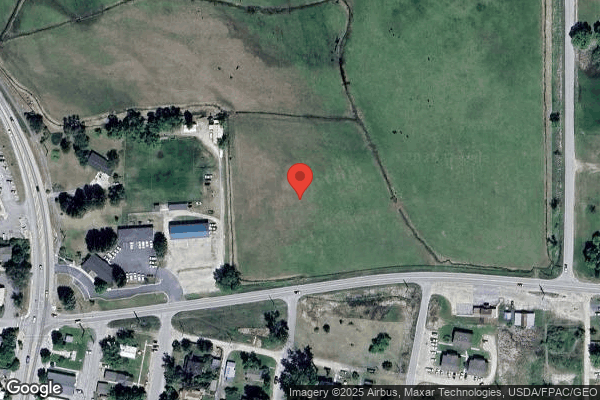
THE LIVING CENTRE

57 MAIN ST, STEVENSVILLE, MT 59870 (406) 777-5411
For profit - Corporation 50 Beds Independent Data: November 2025 1 Immediate Jeopardy citation
Trust Grade
53/100
#21 of 59 in MT
Last Inspection: January 2025

Within standard 12-15 month inspection cycle. Federal law requires annual inspections.

Overview

The Living Centre in Stevensville, Montana, has a Trust Grade of C, which means it is average and falls in the middle of the pack among nursing homes. It ranks #21 out of 59 facilities in Montana, placing it in the top half, and is the best option out of two facilities in Ravalli County. The facility's performance appears stable, with three issues reported in both 2024 and 2025. Staffing is rated at 4 out of 5 stars, indicating a strong workforce with a 55% turnover rate, which is typical for the state. However, the facility has been fined $37,525, which is concerning, and it has less RN coverage than 87% of facilities in Montana, meaning residents may not receive as much advanced nursing care. Specific incidents raise serious concerns. One critical incident involved a resident who suffered significant injuries, including fractures and a head laceration, after a fall. The facility failed to update the resident's care plan to prevent further falls. Additionally, a serious finding noted that one resident was subjected to verbal and physical abuse by a caregiver, causing them distress. While the staffing ratings are a strength, these troubling incidents highlight significant weaknesses that families should consider when researching this facility.

Trust Score
C
53/100
In Montana
#21/59
Top 35%
Safety Record
High Risk
Review needed
Inspections
Holding Steady
3 → 3 violations
Staff Stability
⚠ Watch
55% turnover. Above average. Higher turnover means staff may not know residents' routines.
Penalties
○ Average
$37,525 in fines. Higher than 73% of Montana facilities. Some compliance issues.
Skilled Nurses
✓ Good
Each resident gets 45 minutes of Registered Nurse (RN) attention daily — more than average for Montana. RNs are trained to catch health problems early.
Violations
⚠ Watch
15 deficiencies on record. Higher than average. Multiple issues found across inspections.
★★★★☆
4.0
Overall Rating
★★★★☆
4.0
Staff Levels
★★★★☆
4.0
Care Quality
★★★★☆
4.0
Inspection Score
Stable
2024: 3 issues
2025: 3 issues

The Good

  • 4-Star Staffing Rating · Above-average nurse staffing levels
  • 4-Star Quality Measures · Strong clinical quality outcomes
  • Full Sprinkler Coverage · Fire safety systems throughout facility
  • No fines on record

Facility shows strength in staffing levels, quality measures, fire safety.

The Bad

Staff Turnover: 55%

Near Montana avg (46%)

Higher turnover may affect care consistency

Federal Fines: $37,525

Above median ($33,413)

Moderate penalties - review what triggered them

The Ugly 15 deficiencies on record

1 life-threatening 1 actual harm
Jan 2025 2 deficiencies
CONCERN (D)

Potential for Harm - no one hurt, but risky conditions existed

Comprehensive Care Plan (Tag F0656)

Could have caused harm · This affected 1 resident

2. During an interview on 1/28/25 at 3:04 p.m., staff member I stated she was giving resident #29 a shower one day, and she could not remember the exact day, but stated she sent another CNA to get som...

Read full inspector narrative →
2. During an interview on 1/28/25 at 3:04 p.m., staff member I stated she was giving resident #29 a shower one day, and she could not remember the exact day, but stated she sent another CNA to get some clothing for resident #29. When the other CNA arrived with the clothing, she had a red shirt for the resident. Staff member I said resident #29 became very upset. He told her the red shirt reminded him of blood, and it made him think of his time in Vietnam. She said he told her he would not wear the red shirt at all and preferred to wear black clothing. She stated she wished she would have been aware the red shirt would trigger his PTSD about the war in Vietnam. She said she would normally find that information on a care plan but stated she was not aware at the time the red shirt would upset him. During an interview on 1/29/25 at 10:37 a.m., staff member J stated she would usually do an initial questionnaire with new residents and ask them about their family life and things in their past. She stated she did not ask specifically about traumatic experiences, but if the resident shared something she felt was a trigger for PTSD (Post Traumatic Stress Disorder) or trauma response it should be added to the Comprehensive Care Plan. She stated she would also share the information with nursing so they could add their own interventions to the care plan as well. Review of resident #29's Comprehensive Care Plan, printed on 1/29/25, lacked a focus area related to resident #29's PTSD and lacked interventions to avoid things that could trigger his PTSD which would be upsetting for the resident. Based on interview and record review, the facility failed to include a resident's intermittent catheterization on a resident's care plan, for 1 (#2); and failed to create and implement a comprehensive person-centered care plan related to trauma informed care, and the resident became upset related to events which occurred when the resident was in a past war, for 1 (#29) of 18 sampled residents. Findings include: 1. Review of resident #2's nursing progress notes, dated 12/4/24, showed the resident needed to be straight cathed due to an inability to urinate, and the resident had 650 cc of urine output. She was on antibiotics for a UTI. Review of resident #2's nursing progress notes, dated 12/24/24, showed the resident had 750 cc of urine removed via straight cath, after complaints she was unable to urinate. She was taking antibiotics for a UTI. Review of resident #2's physician orders, dated 7/12/24, showed, Check for bladder distention every 6 hours if distended straight cath . Review of resident #2's Urology notes, dated 9/3/24, showed she was seen by [Clinic Name] for intermittent urinary retention. The plan was: CIC and catheterize as needed, recommend sending UA and culture at time of catheterization to rule out infection . If patient requires intermittent cath more than 3 times in a 1 month recommend placement of indwelling Foley catheter and schedule follow-up . [sic] Review of resident #2's care plan failed to show the resident experienced urinary retention, UTIs, or needing the occassional intervention of intermittent catheterization. During an interview on 1/29/25 at 10:30 a.m., staff member D stated the resident only seemed to need to be straight cathed when she had a UTI. She stated this information should be on the care plan and would be added.
CONCERN (D)

Potential for Harm - no one hurt, but risky conditions existed

Deficiency F0699 (Tag F0699)

Could have caused harm · This affected 1 resident

Based on interview and record review, the facility failed to provide trauma informed care for a resident with PTSD, and the resident voiced having nightmares, and was identified as having hallucinatio...

Read full inspector narrative →
Based on interview and record review, the facility failed to provide trauma informed care for a resident with PTSD, and the resident voiced having nightmares, and was identified as having hallucinations related to his time in Vietnam; and the facility did not identify concerns related to the PTSD and ensure a care plan was in place for staff to be able to meet his needs sufficiently (refer to F656 Comprehensive Care Plan), for 1 (#29) of 1 sampled resident for trauma informed care. Findings include: During an interview on 1/29/25 at 1:33 p.m., resident #29 stated, The work I do is classified by the federal government. I go on scary missions and crawl on my hands and knees in the jungle slitting the throats of the enemy. I don't like to do it, but I don't want them to sneak in and kill us in the night. I served in Vietnam. After I left Vietnam, they bombed all of them, and I think all the guys I worked with got killed. All of those thoughts have left me with bad nightmares, and it is awful. I was stuck out in the jungle looking for the enemy, I had to slit their throats because no one else would do it. During an interview on 1/28/25 at 3:04 p.m., staff member I stated she would take care of resident #29 when he would come to the shower. She stated there was an occurrence one time with resident #29, and she could not remember the exact date. Staff member I stated she had another CNA bring her some clothes for resident #29 after she had given him a bath. The other CNA arrived with a red shirt, and resident #29 got very upset. Staff member I stated resident #29 told her the red shirt reminded him of blood, and he would not allow her to put that shirt on him. She said she was aware he had PTSD, but she was not aware of anything that would tell her what things might trigger his PTSD. She stated she would not have tried to put the red shirt on him if she had known it would upset him and trigger his PTSD. During an interview on 1/29/25 at 10:14 a.m., staff member C stated she did not know if the facility had a trauma informed care assessment. She stated she knew resident #29 had a PTSD diagnosis, and the diagnosis was not new. Staff member C stated she was unaware of how resident #29's PTSD was triggered and stated she did not know who would add that to the resident's care plan. She stated she thought maybe the activities director would know. During an interview on 1/29/25 at 10:37 a.m., staff member J stated she would do an initial interview with all residents to find out family history and some other questions for new residents. She stated she did not have a formal trauma informed care assessment. Staff member J said she would typically ask the residents if they had anything that would make them sad or angry. She said those questions would usually allow her to find out if the resident had anything that would trigger them emotionally. She stated she did not ask the residents directly about past traumatic events. Review of resident #29's nursing progress note, dated 1/22/25 at 11:51 a.m., showed resident #29 was more confused than normal, and he was hallucinating about his experiences in Vietnam in gruesome detail. Review of resident #29's comprehensive care plan, printed on 1/29/25, failed to show a focus area reflecting resident #29 had PTSD, or if he had any triggering factors, related to his PTSD. Review of a facility policy titled, Trauma-Informed and Culturally Competent Care, revised August 2022, showed: Purpose . To address the needs of trauma survivors by minimizing triggers and/or re-traumatization. .'Trauma-informed care' is an approach to delivering care that involves understanding, recognizing and responding to the effects of all types of trauma. A trauma-informed approach to care delivery recognizes the widespread impact and signs and symptoms of trauma in residents, and incorporates knowledge about trauma into care plans, policies, procedures and practices to avoid re-traumatization. .Resident Screening 1. Perform universal screening of residents, which includes a brief, non-specialized identification of exposure to traumatic events. .Resident Assessment .2. Resident assessment involves an in-depth process of evaluating the presence of symptoms, their relationship to trauma, as well as the identification of triggers. Resident Care Planning 1. Develop individualized care plans that address past trauma in collaboration with the resident and family as appropriate. 2. Identify and decrease exposure to triggers that may re-traumatize the resident .
Jan 2025 1 deficiency
CONCERN (D) 📢 Someone Reported This

A family member, employee, or ombudsman was alarmed enough to file a formal complaint

Potential for Harm - no one hurt, but risky conditions existed

Report Alleged Abuse (Tag F0609)

Could have caused harm · This affected 1 resident

Based on interview and record review, the facility failed to report an alleged incident of verbal abuse to the State Survey Agency timely, as required, for 1 (#1) of 5 sampled residents. Findings incl...

Read full inspector narrative →
Based on interview and record review, the facility failed to report an alleged incident of verbal abuse to the State Survey Agency timely, as required, for 1 (#1) of 5 sampled residents. Findings include: A review of a facility reported investigation showed an incident with resident #1 occurred on 11/30/24 at 2:53 p.m. The date and time the facility reported the allegation to the State Survey Agency reporting portal, was on 12/2/24, and showed: [Resident #1] was not wanting to go to dining room. When asked why, resident stated that someone 'yelled' at her on Thanksgiving and just does not want to be around people. [sic] A review of a progress note for resident #1, dated 11/30/24 at 3:00 p.m., authored by staff member F, showed: . [Resident #1] has had behaviors today. she is refusing to go to dining room for meals. states that someone yelled at her on Thanksgiving and just does not want to be around people. when asked further resident can not articulate exactly what was said and who said it. she justs states her feelings were hurt . [sic] During an interview on 1/8/25 at 2:34 p.m., staff member B stated when a resident made an allegation of verbal abuse to the nurse, the nurse would call the on-call nurse, and then report to her. During an interview on 1/8/25 at 2:44 p.m., staff member C stated she was one of the on-call nurses, and when she was notified by staff of the alleged abuse, she and the administrator would usually go to the facility. Staff member C further stated there was a time limit for reporting an abuse allegation. During an interview on 1/8/25 at 3:00 p.m., Staff member A stated the nurse working at the facility, when this allegation of verbal abuse was made by resident #1, should have called either the on-call nurse or herself. [Staff member F] didn't think anything of it. Staff member A further stated when she came in on Monday and noticed the allegation, she knew it needed to be reported, and reported it late. A review of a facility policy titled, Abuse, Neglect, Exploitation or Misappropriation - Reporting and Investigating, with a revised date of April 2021, showed: Policy Statement All reports of resident abuse (including injuries of unknown origin), neglect, exploitation, or theft/misappropriation of resident property are reported to local, state and federal agencies (as required by current regulations) . 3. Immediately is defined as: a. within two hours of an allegation involving abuse or result in serious bodily injury; or, b. within 24 hours of an allegation that does not involve abuse or result in serious bodily injury .
Jun 2024 2 deficiencies 1 Harm
SERIOUS (G) 📢 Someone Reported This

A family member, employee, or ombudsman was alarmed enough to file a formal complaint

Actual Harm - a resident was hurt due to facility failures

Free from Abuse/Neglect (Tag F0600)

A resident was harmed · This affected 1 resident

Based on interview and record review, the facility failed to protect one (#1) of 1 sampled resident from verbal and physical abuse by a caregiver. This deficiency caused the resident to cry out in pai...

Read full inspector narrative →
Based on interview and record review, the facility failed to protect one (#1) of 1 sampled resident from verbal and physical abuse by a caregiver. This deficiency caused the resident to cry out in pain and had the potential to affect the resident's mental health. Findings include: During an interview on 6/3/24 at 11:38 a.m., NF1 said she and her partner arrived at the facility, to take a resident to the Emergency Department, after the resident fell and was complaining of leg pain. NF1 said the resident was well known to the ambulance service. NF1 said when she and her partner arrived at the resident's room, staff member C met them at the door. Staff member D handed them the transfer paperwork and told them to wait outside the room. The resident had a soiled brief and needed to be cleaned up before they could transport her to the hospital. NF1 said as they were waiting outside the room, they overheard the resident screaming out in pain. NF1 said [Resident #1] can be dramatic at times but this screaming was way different than anything they had heard from her before. NF1 said they also overheard staff member C yelling at the resident to shut up and telling the resident she was not allowed to scream because she might scare the other residents. The nurse opened the door to allow the EMTs into the room. NF1 said she began to ask the resident questions about where she was hurting. Staff member C interrupted her and showed NF1 the resident's leg which appeared to have a dent in it. NF1 said staff member C pushed down hard on the dented part of resident #1's leg and said, This is where it hurts her. Resident #1 screamed out in pain again as staff member C pushed down on her leg. NF1 said staff member C then told resident #1 they were going to be throwing her around and told the resident she was not allowed to scream. NF1 said the nurse's behavior and rough manner with resident #1 made her uncomfortable. NF1 said when she and her partner were preparing to transfer the resident to their gurney, she positioned herself in such a way as to block the nurse from assisting because she did not want the nurse to hurt the resident any more than she already had. NF1 said she found out later the resident had fractured both of her femurs during the fall that caused the EMTs to be called to take the resident to the hospital. During an interview on 5/29/24 at 1:57 p.m., staff member C said she was in the room with resident #1 when they were changing her brief before going to the hospital. Staff member C said resident #1 was screaming at the top of her lungs. She said she told resident #1 to calm down a few times and told her she needed to be quiet because she was going to scare the other residents. Staff member C denied calling resident #1 a baby and denied telling her to shut up. During an interview on 5/30/24 at 12:07 p.m., staff member D said she was in another room assisting another resident when the ambulance arrived to pick up resident #1. Staff member D said she remembers hearing resident #1 screaming when the EMTs were waiting outside the room, in the hall. Staff member D said she was across the hall in another resident's room when she overheard Resident #1 screaming. Review of resident #1's ambulance report, dated 5/7/24 at 10:49 a.m., authored by NF2. showed, . EMS reentered patient room to find patient laying in bed yelling that her legs hurt. [Staff member C] inside of room was witnessed on multiple occasions yelling at patient to be quiet as her yelling and crying would scare the other patients. [Staff member C] also physically pushed on patients injured right leg and stated that's where it hurt, as this was done patient yelled out in pain that it hurt. Multiple instances of aggressive verbal abuse were noted from [staff member C] directed at the patient . Review of a facility document titled, Subject: Termination of Employment, effective 5/30/24, showed staff member C was terminated from her employment at the facility. Review of a facility document titled, Employee Write Up, dated, 12/26/23, showed staff member C had unsatisfactory job performance. The document showed staff member C had multiple informal warnings about her usage of profanity in the facility and her continued use of profanity had the potential to create a hostile living/working environment for residents and staff. Review of a facility Policy titled, Abuse, Neglect, Exploitation and Misappropriation Prevention Program, not dated, showed: . Abuse of any kind against residents is strictly prohibited .
CONCERN (D) 📢 Someone Reported This

A family member, employee, or ombudsman was alarmed enough to file a formal complaint

Potential for Harm - no one hurt, but risky conditions existed

Report Alleged Abuse (Tag F0609)

Could have caused harm · This affected 1 resident

Based on interview and record review the facility failed to report suspected abuse to the State Survey Agency, for one (#1) of one sampled resident. Findings include: During an interview on 6/3/24 at ...

Read full inspector narrative →
Based on interview and record review the facility failed to report suspected abuse to the State Survey Agency, for one (#1) of one sampled resident. Findings include: During an interview on 6/3/24 at 8:45 a.m., staff member A stated she was not aware of the allegations of abuse for resident #1 until Adult Protective Services came to investigate the allegations. Staff member A said once the facility was aware of the allegation, she did an internal investigation and felt it was a he said, she said situation. Staff member A said she did not report the allegation to the State Survey Agency, as she thought the State Agency would already be aware of it, because Adult Protective Services investigated the allegation. Review of a facility document titled, [Resident #1] EMS Statement Investigation, showed the facility was aware of the allegation of abuse made by EMS personnel on 5/13/24. Review of the State Survey Agency reporting system failed to show a facility reported incident regarding the allegation of abuse for resident #1, made by the EMTs, for the 5/7/24 incident. Review of a facility policy titled, Abuse, Neglect, Exploitation and Misappropriation Prevention Program, showed, . a facility wide commitment to . investigate and report any allegations within timeframes required by federal requirements .
Jan 2024 1 deficiency
MINOR (B)

Minor Issue - procedural, no safety impact

MDS Data Transmission (Tag F0640)

Minor procedural issue · This affected multiple residents

Based on interview and record review, the facility failed to submit Death in Facility MDS assessments for 2 (#s 17 and 33) and Discharge MDS assessments for 2 (#s 12 and 28) of 24 sampled residents. F...

Read full inspector narrative →
Based on interview and record review, the facility failed to submit Death in Facility MDS assessments for 2 (#s 17 and 33) and Discharge MDS assessments for 2 (#s 12 and 28) of 24 sampled residents. Findings include: Review of resident #33's EMR showed an admission date of 1/16/23, and a death date of 5/13/23. The Death in Facility MDS was to be completed by 5/20/23, and was 255 days overdue. Review of resident #17's EMR showed an admission date of 2/9/23, and a death date of 9/19/23. The Death in Facility MDS was to be completed by 9/26/23, and was 125 days overdue. Review of resident #28's EMR showed an admission date of 10/11/23, and a discharge date of 11/9/23. The Discharge MDS was to be completed by 11/23/23, and was 68 days overdue. Review of resident #12's EMR showed an admission date of 11/14/23, and a discharge date of 12/1/23. The Discharge MDS was to be completed by 12/15/23, and was 46 days overdue. During an interview on 1/30/24 at 8:37 a.m., staff member C stated she had been working in the facility for about one year, and had a few hours of training on completing the MDSs. Staff member C stated she was responsible for completing Discharge and Death in Facility MDSs. Staff member C could not verbalize the dates of when a Death in Facility or Discharge MDS was due, after the events occurred, and stated the dates the reports were due were tracked in the EMR. Staff member C stated there was no report or alert, that she knew of, showing when MDSs were due, and she just had to complete the MDSs when she learned of a death, or when a resident left the facility. During an interview on 1/31/24 at 8:17 a.m., staff member A stated staff member C was responsible for completing the MDS assessments, and staff member B was training her for it. Staff member A stated the facility was looking for more formal programs to train staff member C. Staff member A stated the facility was not aware of the issue with incomplete sischarge and death MDS assessments before the survey. Review of the facility's policy, MDS Completion and Submission Timeframes, revised July 2017, showed, 1. The assessment coordinator or designee is responsible for ensuring that resident assessments are submitted .in accordance with current federal and state guidelines.
Dec 2023 2 deficiencies 1 IJ
CRITICAL (J) 📢 Someone Reported This

A family member, employee, or ombudsman was alarmed enough to file a formal complaint

Immediate Jeopardy (IJ) - the most serious Medicare violation

Accident Prevention (Tag F0689)

Someone could have died · This affected 1 resident

**NOTE- TERMS IN BRACKETS HAVE BEEN EDITED TO PROTECT CONFIDENTIALITY** Based on interview and record review, the facility licensed nursing staff failed to thoroughly assess one resident to ensure app...

Read full inspector narrative →
**NOTE- TERMS IN BRACKETS HAVE BEEN EDITED TO PROTECT CONFIDENTIALITY** Based on interview and record review, the facility licensed nursing staff failed to thoroughly assess one resident to ensure appropriate transfer services and necessary medical assessments were completed and thoroughly documented after a resident's fall, and the resident sustained fractures, a broken tooth, and a head injury during the fall for 1 (#9). Nursing staff then directed CNA staff to transfer the resident from the floor using a mechanical lift, to her bed. This increased the risk for injury. Upon transfer to the ER, it was found the resident had significant injuries, to include fractures of her C-1 and C-2, a broken tooth, and a head laceration and was admitted to the Intensive Care Unit. The resident expired six days later at the faclity, and her care plan was not updated for fall prevention after returning; and, the facility failed to ensure a resident with multiple falls, to include with unjuries, was assessed for fall patterns and risks, and then update the resident's care plan as necessary with beneficial individualized interventions for fall prevention, for 1 (#4) of 5 sampled residents. Findings include: IMMEDIATE JEOPARDY On 12/6/23 at 4:18 p.m., the facility's administrator was notified an Immediate Jeopardy existed in the area of 689-prevention of accidents and hazards related to fall management for resident #9. The severity and scope identified for the Immediate Jeopardy was identified to be at the level of a J, and upon removal of the immediacy, was lowered to a G. 1. Record Review of resident #9's electronic medical record showed she was admitted to the facility on [DATE]. Upon admission, resident #9 had diagnoses of abnormal weight loss and age related physical debility. Record review of resident #9's Fall Risk Evaluation form, showed the resident was assessed and determined to be considered a high fall risk, effective 1/30/23. a. Resident Fall: Review of resident #9's electronic medical record incident description, dated 2/11/23, showed: - Resident was being pushed down Bitterroot hall in W/C by [NF1] and 2 nurses in med room able to observe fall. Resident placed feet down in front of W/C. At that time resident fell out of chair with face forward, she had a laceration to her forehead, laceration to bridge of nose, broken front tooth. Resident was alert and responsive time of fall when assessed by [staff member D]. (sic) - .[staff member D] instructed C.N.A.'s to use Hoyer lift to get resident back to room and lay resident on bed . Review of resident #9's progress note, dated 2/11/23 showed, .Resident was being pushed down Bitterroot hall in W/C by CNA and RN/LPN in med room able to observe fall. Resident placed feet down in front of W/C. At that time resident fell out of chair with face forward, she had a laceration to her forehead, laceration to bridge of her nose, broken front tooth. Resident was alert and responsive at time of fall when assessed by LPN .Resident was sent to [hospital emergency room] immediately after phone call with . NF4. b. Facility Fall Investigation and Reportable Event: Record review of facility State Reportable Incident Investigation Form, dated 2/11/23, showed a statement provided by NF1. The document showed, Resident [#9] was ready for bed pushed resident down the hall about a foot resident planted feet on ground and fell out of chair hitting knees then forehead/face .Resident fell in front of med room both nurses were in med room .We put towels on forehead wound both nurses stared at us. We told them that you could see (resident's) skull and she needs to go to the hospital .Both nurses told us to put resident in bed after me and two other cnas strongly disagreed. Nurse told us again, so we did get resident in lift resident was in a lot of pain as we did this .Resident was in so much pain she vomited. Nurses were not in room helping us or had called any sort of ambulance at this point. Nurses did not do an evaluation on resident either while she was on floor after fall. Record review of a facility State Reportable Incident Investigation Form, dated 2/11/23, showed a statement provided by staff member F. The document showed, .I exited the room to find [Resident #9] laying on the ground on her left side, staff [NF1] standing by [Resident #9]. She said [Resident #9] had put her feet down and was ejected from her wheelchair. I got down on the ground to assess [Resident #9] and noticed a puddle of blood forming under the left side of her head. [Resident #9] was in a lot of pain so we rolled her gently to her back while keeping her as stabilized as possible. As we are rolling her, she is screaming out in pain about her neck. Nurse [staff member D] was in med room looking @ [Resident #9] laying on the floor, nurse [staff member B] was behind the nurses desk messing around with paperwork. Neither nurse seemed to be concerned over [Resident #9]. Myself .told the nurses they needed to call for an ambulance and that it was not a good idea to move [Resident #9] with a potential neck injury and with the severity of her head injury. [Staff member D] asked if we should Hoyer her up we all suggested no and to call 911. After about 7 minutes [staff member D] finally decided to look at [resident #9's] head wound .[staff member D] ordered us to hoyer [resident #9] off the floor and to put her into bed again we all said that we shouldn't be moving her and what was going on with the ambulance .so we did as we were asked .[Resident #9] screamed in pain the entire time. The only assessment done on [Resident #9] was [staff member D] asking her if she could move her left leg and left arm. After we got [Resident #9] into bed she started to vomit .When the EMT's were asking nurse [staff member B] about her injuries she was unable to answer because they (nurses) didn't do an assessment .The EMT informed (them) that we shouldn't have moved her. (sic) Record review of facility document, State Reportable Incident Investigation Form, dated 2/11/23 showed a statement provided by staff member G. The document showed, At aprox 1830 (6:30 p.m.) resident [#9] put her feet down while being wheeled in hallway, this caused her to be ejected from the wheelchair face first into the floor. The nurse [staff member B] was one of the first to her and she didn't really assess. So she had the other nurse [staff member D] do it .nurse [staff member D] kept saying we should get her up off the floor .told her we should leave her. After about 10 mins later when nurse [staff member D] came back she told us to get her to bed. When we were moving res, she was yelling of neck pain (more than usual) .We used the Hoyer and walked her to her room (with mechanical lift) while she was yelling of pain. Later threw up. (sic) c. Staff Interviews During an interview on 11/21/23 at 4:47 p.m., staff member C stated a CNA was taking resident #9 back to her room in her wheelchair. Resident #9 slammed her feet down causing her to fall on the floor. Staff member B and D were in the medication room which was next to where resident #9 fell. Staff member C was thinking resident #9 didn't complain of neck pain until she was in her room. Staff member C stated she discussed the incident with staff member B, and staff member D but did not have documentation of those interviews. During an interview on 11/21/23 at 6:48 p.m., staff member B stated she and staff member D were in the medication room and observed NF1 pushing resident #9 in her wheelchair. When they went around the corner, resident #9 was observed putting her foot down on the floor and fell (from the chair). Staff member B told staff member D to complete an assessment. Staff member B stated she immediately went to call the on call physician to obtain transfer orders via EMS to the hospital. Staff member B stated, I have no reason to believe she wouldn't do what I told her. Staff member B stated since she was the nurse on the floor and staff member D was going off shift, staff member B would have documented the assessment was done. Staff member B stated the EMT's did not attempt to put a cervical collar on the resident. Interviews and statements from the nursing staff on shift during the time of the incident when #9 had her fall were requested, but not provided to the surveyor during the survey. d. Post Fall - Findings: Review of resident #9's Emergency Department to Hospital admission summary, dated [DATE], showed, Resident #9] is a 99 y.o. female who presents with forehead laceration, head face neck pain .she did complain of nausea and started vomiting after Zofran and fentanyl were administered by EMS. She complains of pain mostly in her neck . he then tested positive for COVID 19 and is now on precautions . Review of resident #9's Palliative care consult, dated 2/13/23 showed, [Resident #9] is a 99 y.o. who has a past medical history of hypertension, weight loss and frailty.[NF2 and NF3] noted that [Resident #9] has had a significant decline over the past year . She had a period of time last year where she voluntarily stopped eating and drinking, and lost a significant amount of weight . Nausea. Per family this has been an ongoing issues even prior to her admission . Review of resident #9'S Trauma Team Discharge summary, dated [DATE] showed: - Hospital Discharge Diagnosis - Principal Problem: Closed fracture of first cervical vertebra - Active problems: Fall from wheelchair, forehead laceration .Pt was admitted to ICU for close observation .Patient refusing collar, advised nursing that collar can be removed as patient is on comfort care . Son and Daughter-in-law report that about 1 year ago she stopped eating and taking medications because she was ready to die . They are supportive of end of life care based on her wishes . Keeping her comfortable this admission has been difficult due to nausea/vomiting with pain medications as well as C collar. She has so far shown no interest in food . Review of resident #9's care plan, most recent revision date of 2/9/23, showed a lack of updated interventions for the resident's care after return from the hospital. Review of the facility document, Mortician Receipt/Record of Death, dated 2/17/23, showed resident #9 passed away on 2/17/23 at 7:32 a.m. Review of facility document, Falls-Clinical Protocol, revised April 2013, showed, . in every instance of a fall the nurses will . b. If a fall is confirmed or suspected, an immediate assessment of the resident will be performed by the licensed nurse to assess for injury. Do not move the resident form the floor or other surface until after the assessment is performed. [sic] . c. Perform assessment and document in nursing notes . 2. Review of resident #4's nursing progress notes, dated August 2023 - December 2023, showed the resident had five falls in a five-month period. All five falls were falls out of bed within the same two-hour window between 11:00 p.m. and 1:00 a.m. Three falls occurred while the resident had a UTI. Two falls resulted in minor injuries. As a result of the two other falls, the resident sustained major injuries including rib and facial fractures. A. Review of resident #4's nursing progress notes, dated August 8, 2023, showed: - Resident #4 was found lying on the floor, next to her bed, in the fetal position. She was found around midnight. - She had a hematoma to her forehead and bruising to her thumb and elbow. - Resident stated she just pushed myself off. Review of resident #4's fall care plan, with a review date of 10/23/23, showed the following interventions for falls: - At each encounter, ensure that I have my call light and I am aware of how to use it to call for any assistance that I may require. - Ensure that I have appropriate and well-fitting footwear or non-slip socks when I am ambulating or transferring. - Keep my bed in its lowest position to remind me that I should not try to get out of bed without assistance. - Keep my room and the hallways free from clutter and spills. - Place those items that I might want or need in easy reach. All Interventions had an initiation date of 7/10/23, the resident's admission date. B. Review of resident #4's nursing progress notes, dated 9/30/23, showed: - Resident #4 was found in front of bed on left side of body. The note showed she was found within an hour of midnight. - She had a skin tear to her left arm. - Resident stated she wiggled myself all the way to the floor. - Resident #4 was started on antibiotics for a UTI on 9/30/23. C. Review of resident #4's nursing progress notes, dated 10/12/23, showed: - Resident #4 was found lying face down next to her bed at 1:45 a.m. - She had a hematoma on her forehead and her nose appeared to be shifted to left side. Her right wrist was swollen. She was later diagnosed with facial fractures and a wrist sprain. - Resident #4 was started on antibiotics for a UTI upon returning from the hospital. There were no care plan updates related to the resident's increased fall risk and UTI symptoms. During an interview on 12/7/23 at 1:30 p.m., staff member A stated the resident had a problem with sundowning and an intervention they had done was to increase her melatonin. Review of resident #4's physician orders, dated 11/8/23, show an increase in Melatonin from 1 mg to 3 mg, was initiated a month after her fall, caused by being restless at night. D. Review of resident #4's nursing progress notes, dated 10/31/23, showed: - Resident #4 was found partially on the floor holding the side of her bed. - Time of fall was documented as Approximately 11:00 p.m. - Resident #4 was restless throughout the night and attempting to get up and find her shoes. There were no fall committee notes or care plan updates for review E. Review of resident #4's nursing progress notes, dated 11/28/23, showed: - Resident #4 slid from her wheelchair to the floor. This was witnessed at 12:50 a.m. - Several hours later resident #4 complained of lower back pain, but no other concerns. - Resident #4 was taking antibiotics at the time of the fall for a UTI. Review of a facility reported incident, dated 11/29/23, showed, resident did slide out of her wheelchair during the night on 11/28/2023 with no signs of injury or c/o pain at the time. Injuries noted at this time do not fit the type fall she had. Upon further investigation by nursing staff resident stated that she had rolled off her bed and hit legs on her bedside table last night but put herself back in bed . Review of an SBAR note, not dated, showed, Noted bruising to L side from under arm down ribs to L hip . when questioned she was able to let us know in detail how she had a fall out of bed onto the bar on her bedside table the bruising lines up perfectly with the bar . Review of resident #4's fall committee note, dated 11/29/23, showed, The resident experienced an isolated incident that was witnessed. Staff will continue to attempt to anticipate the resident's needs and check on resident frequently. There were inconsistencies in the investigation to the root cause of this fall with fractures. Review of resident #4's care plan, with a review date of 10/23/23, showed the same five interventions that had been implemented in July 2023 upon admission. There were no new documented fall prevention interventions related to the various root causes for the recent falls after her admission for floor staff to utilize and understand the risks and interventions necessary to prevent falls. During an interview on 12/7/23 at 1:30 p.m., staff member A stated they didn't have a standard set of interventions. The fall committee would review the nurses' report and go from there in the investigation to determine the root cause of a fall and interventions to prevent the next one. During an interview on 12/7/23 at 2:15 p.m, staff member C stated staff does more frequent rounding for residents at night. She stated they would add the rounding to the care plan interventions.
CONCERN (E) 📢 Someone Reported This

A family member, employee, or ombudsman was alarmed enough to file a formal complaint

Potential for Harm - no one hurt, but risky conditions existed

Comprehensive Assessments (Tag F0636)

Could have caused harm · This affected multiple residents

**NOTE- TERMS IN BRACKETS HAVE BEEN EDITED TO PROTECT CONFIDENTIALITY** Based on interview and record review, it was identified the facility failed to ensure individualized fall care plans were update...

Read full inspector narrative →
**NOTE- TERMS IN BRACKETS HAVE BEEN EDITED TO PROTECT CONFIDENTIALITY** Based on interview and record review, it was identified the facility failed to ensure individualized fall care plans were updated, to reflect the identification and implementation of beneficial fall interventions, for residents with falls, for 2 (#s 4 and 9) of 5 sampled residents, and #4 had recurrent falls so the opportunity was missed several times for the care plan modifications, and #9 returned to the facility on comfort care with fractures, and with the various medical changes, the care plan was not modified to address them adequately. Findings include: 1. Record review of resident #9's Fall Risk Evaluation form, showed the resident was assessed and determined to be considered a high fall risk, effective 1/30/23. Review of resident #9's electronic medical record incident description, dated 2/11/23, showed: - Resident was being pushed down Bitterroot hall in W/C by [NF1] and 2 nurses in med room able to observe fall. Resident placed feet down in front of W/C. At that time resident fell out of chair with face forward, she had a laceration to her forehead, laceration to bridge of nose, broken front tooth. Resident was alert and responsive time of fall when assessed by [staff member D]. (sic) - .[staff member D] instructed C.N.A.'s to use Hoyer lift to get resident back to room and lay resident on bed . The resident sustained fractures, a head laceration, and a broken tooth, and was sent to the ER for acute care needs. The resident was returned to the facility, and passed away six days later. Review of resident #9'S Trauma Team Discharge summary, dated [DATE] showed a closed fracture of her of first cervical vertebra - Active problems: Fall from wheelchair, forehead laceration .Pt was admitted to ICU for close observation .Patient refusing collar, advised nursing that collar can be removed as patient is on comfort care . Son and Daughter-in-law report that about 1 year ago she stopped eating and taking medications because she was ready to die . They are supportive of end of life care based on her wishes . Keeping her comfortable this admission has been difficult due to nausea/vomiting with pain medications as well as C collar. She has so far shown no interest in food . Review of resident #9's care plan, with the most recent revision date of 2/9/23, showed a lack of updated interventions for the resident's care after return from the hospital. 2. Review of resident #4's nursing progress notes, dated August 2023 - December 2023, showed the resident had five falls in a five-month period. All five falls were falls out of bed within the same two-hour window between 11:00 p.m. and 1:00 a.m. Three falls occurred while the resident had a UTI. Two falls resulted in minor injuries. As a result of the two other falls, the resident sustained major injuries including rib and facial fractures. Refer to F689, Accidents and Hazards related to fall details. Review of resident #4's fall care plan, with a review date of 10/23/23, showed all fall interventions were dated 7/10/23, her admission date. Resident #4's admission MDS showed she had a fall history to include with a fracture. Review of resident #4's nursing progress notes, dated 9/30/23, showed the resident fell and was started on antibiotics for a UTI. Review of resident #4's nursing progress notes, dated 10/12/23, showed resident #4 was started on antibiotics for a UTI upon returning from the hospital. As of 10/12/23, there were no care plan updates related to the resident's increased fall risk and UTI symptoms for the two falls. There were no fall committee notes or care plan updates for review Review of resident #4's nursing progress notes, dated 10/31/23, showed resident #4 was restless throughout the night and attempting to get up and find her shoes. During an interview on 12/7/23 at 1:30 p.m., staff member A stated the resident had a problem with sundowning and an intervention they had done was to increase her melatonin. Review of resident #4's physician orders, dated 11/8/23, show an increase in Melatonin from 1 mg to 3 mg, was initiated a month after her fall, caused by being restless at night. Review of resident #4's nursing progress notes, dated 11/28/23, showed resident #4 was taking antibiotics at the time of the fall for a UTI, and had slid from her wheelchair, and it was found her injuried did not fit the type of fall she had. Upon investigation, it was found the resident stated she rolled off the bed and put herself back to bed. Review of resident #4's fall committee note, dated 11/29/23, showed, The resident experienced an isolated incident that was witnessed. Staff will continue to attempt to anticipate the resident's needs and check on resident frequently. There were inconsistencies in the investigation to the root cause of this fall with fractures. Review of resident #4's care plan, with a review date of 10/23/23, showed the same five interventions had been implemented in July 2023 upon admission. There were no new documented fall prevention interventions related to the various root causes for the recent falls after her admission for floor staff to utilize and understand the risks and interventions necessary to prevent falls. During an interview on 12/7/23 at 1:30 p.m., staff member A stated they didn't have a standard set of (care plan) interventions
Feb 2023 7 deficiencies
CONCERN (D)

Potential for Harm - no one hurt, but risky conditions existed

Free from Abuse/Neglect (Tag F0600)

Could have caused harm · This affected 1 resident

**NOTE- TERMS IN BRACKETS HAVE BEEN EDITED TO PROTECT CONFIDENTIALITY** Based on interview and record review, the facility failed to protect 2 residents (#s 25 and 28) of 2 sampled residents, from a n...

Read full inspector narrative →
**NOTE- TERMS IN BRACKETS HAVE BEEN EDITED TO PROTECT CONFIDENTIALITY** Based on interview and record review, the facility failed to protect 2 residents (#s 25 and 28) of 2 sampled residents, from a naked male resident (#33) entering their room and touching 1 (#28). This deficiency caused the resident to scream and be afraid. Findings include: During an interview on 2/14/23 at 2:07 p.m., staff member D stated July 20th, 2022 was when resident #33 was found in resident #28's room. Staff member D stated resident #33 was naked and entered #25 and #28's room. Resident #25 heard resident #28 screaming and woke up to resident #33 naked in their room with resident #28. Staff member D stated, [Resident #28] was really distraught, her son was very angry, and there was some fall out because the nurse at the time felt it was best to shut the ladies' door to keep [Resident #33] out instead of moving him somewhere else. Staff member D said the police came out twice for resident #33's behavior but had not been called for the incident where he got in bed with the female resident (resident #28). Staff member D said the facility had a lot of documentation of resident #33 entering other rooms and documentation of his sexually inappropriate behaviors. The facility had been trying to get him placed in a different facility. She stated his behaviors had become too much for them to handle. Staff member D stated, He (resident #33) targeted the nonverbal females. Staff member D said the facility started to require male staff take care of him because he was so inappropriate with the female staff, and if female staff went in the room with him, they always went in pairs. Staff member D said it was very hard to find male staff. She stated the facility would always try to have two staff present when he would be out with the other residents. During an interview on 2/15/23 at 11:52 a.m., resident #25 stated she remembered the incident in July of 2022 where resident #33 came into her room. Resident #25 stated, He (resident #33) came in our room, he was in his wheelchair, and he was naked. I don't know exactly what happened before I woke up, but I could tell from [resident #28's] yelling that she was in trouble. So, I got up and tried to chase him out of our room. He was touching her face. By the time I could get to her she told me he wanted to have sex with her. [Resident #28] was shocked and scared to death. I could hear the fear in her voice, but I couldn't see what was going on. As far as I know he was not actually in bed with her. Resident #25 stated resident #33 had come into their room before this and yelled, Anybody in here want to have sex? Resident #25 said the resident asked four more ladies if they wanted to have sex that same day. Resident #25 stated, There was something wrong with that guy. He was always grabbing girls and asking if anyone wanted to have sex. He wasn't very strong, so I told him I would beat the shit out of him if he touched me. Then one day, he was just gone. If he had been strong, I would have been afraid of him. During an interview on 2/15/23 at 12:40 p.m., staff member E stated, I remember him (resident #33), I think he was aware of what he was doing. The way he worded things. He knew what he was saying to people. There was one instance where he was being inappropriate in the dining room, so the DON took him back to his room. I went in to bring him his tray, and he said, 'I guess I have to eat in here now, but I can show you where you can put my hands.' There is a difference between someone that doesn't really know what they are saying and one that is doing it on purpose. He did it on purpose, and the weird thing was his wife didn't seem to think there was anything wrong with it. During a telephone interview on 2/15/23 at 2:24 p.m., NF1 stated, I remember the phone call. They (the facility) told me he (resident #33) got into bed with her, and she was yelling. I don't know if she remembers a lot of it, so I am not sure if it still affects her now. I can tell you I sure had issues with it. I didn't like hearing that some naked man got in bed with my mother. I feel like, afterwards they learned from it, and I don't know what they would have done to stop it from happening. It was scary, and I think they weren't expecting it. Review of resident #33's Care Plan, initiated 4/8/22, showed, Focus: I have exhibited sexually inappropriate behaviors with staff; Goals: I want to have decreased inappropriate behaviors or no behaviors during this assessment period; Interventions: I am to have a male caregiver to give me my showers. Please alert Social Services of event to allow follow up and incident to be added to the Behaviors Report Meeting. Please assign a male caregiver to me when staffing allows, if no male caregiver available, female staff will approach me in twos. Review of resident #33's EMR, a Nursing Narrative note, dated 6/8/22, showed resident #33, has been having frequent inappropriate sexual behaviors with multiple staff members even after being talked to by DON and staff nurses as well. Review of resident #33's EMR, a Nursing Note, dated 7/20/22, showed, Resident (#33) tried to go into room [ROOM NUMBER] (resident #25 and #28's room) this shift he also tried going into other residents' room also . Then CNA went in to see if he was ready to go to bed and he said only if she would get undressed and go with him . Review of resident #33's EMR, a Nursing Narrative Note, dated 7/20/22, showed, resident was found entering room [ROOM NUMBER] (resident #28 and #25's room) the female residents in the room were startled and asked him to leave . Review of resident #33's Behavior Note, dated 7/20/22, showed: Behaviors Observed: Entering residents' rooms during the night. 1. Entered room [ROOM NUMBER]-2. When staff removed him and took him back to his room, he bean [sic] to curse at staff. 2. Entered room [ROOM NUMBER] (2 female residents) and was found sitting next to the bed of 3-1 (resident #28's bed). Resident returned to room. The female resident reported that when she awakened, he was stroking her face . Cautioned that his activities were illegal and that police could become involved if he continued in this vein.
CONCERN (D)

Potential for Harm - no one hurt, but risky conditions existed

Report Alleged Abuse (Tag F0609)

Could have caused harm · This affected 1 resident

Based on interview and record review, the facility failed to report an allegation of sexual abuse to the State Survey Agency, which involved 3 (#s 25, 28, and 33) residents; and, #33 went into the roo...

Read full inspector narrative →
Based on interview and record review, the facility failed to report an allegation of sexual abuse to the State Survey Agency, which involved 3 (#s 25, 28, and 33) residents; and, #33 went into the room of #25 and 28, naked, and was touching #28, of 1 sampled resident, and this caused #28 to be scared. Findings include: During an interview on 2/14/23 at 2:07 p.m., staff member D stated resident #33 was naked and entered resident #25 and #28's room on 7/20/22. During an interview on 2/15/23 at 11:52 a.m., resident #25 said resident #33 came into her room on 7/20/22. She was sleeping and woke to her roommate, resident #28 screaming. When she was able to get out of bed to see what was happening she found resident #33 naked, touching resident #28. Resident #25 said resident #28 was screaming and scared. During an interview on 2/15/23 at 1:14 p.m., staff member A stated she talked about resident #33 in staff huddle almost every day. She stated the incident with resident #33 and resident #28 happened on 7/20/22. Staff member A said, We did not report it (to the State Survey Agency) because the DON at the time didn't think we needed to. Review of a facility policy, titled Reporting Resident Abuse, undated, showed, .incidents will be investigated and any findings of abuse will be reported to the Montana Department of Health and Human Services. Review of the State Survey Agency Reporting System failed to show a report from the facility regarding the incident on 7/20/22, involving resident #33, 25, and #28.
CONCERN (D)

Potential for Harm - no one hurt, but risky conditions existed

Investigate Abuse (Tag F0610)

Could have caused harm · This affected 1 resident

Based on interview and record review, the facility failed to thoroughly investigate alleged sexual abuse by resident #33, on 7/20/22, for 1 (#28) of 9 sampled residents. Findings include: A request wa...

Read full inspector narrative →
Based on interview and record review, the facility failed to thoroughly investigate alleged sexual abuse by resident #33, on 7/20/22, for 1 (#28) of 9 sampled residents. Findings include: A request was made on 2/14/23 at 4:25 p.m. for the investigation regarding an event which occurred between resident #33 and #28, on 7/20/22. The information was not provided prior to the end of the survey. During an interview on 2/15/23 at 1:14 p.m., staff member A stated she talked about resident #33 in staff huddle almost every day. Staff member A stated, We had one staff member that was very triggered by him, so we talked about that, but we did not document any training. Staff member A stated the DON at the time was the one who handled the incident and the facility had already provided the surveyors with anything they had about the incident on 7/20/22. The documentation given to the survey team 2/15/23 failed to show an investigation into the incident involving resident #33 and #28 on 7/20/22. The documentation did not include interviews of other residents, root cause analysis, actions taken to protect the female residents, or follow up documentation regarding the 7/20/22 incident. Review of a facility policy titled, Abuse Investigation Policy, undated, showed, [Facility Name] shall thouroughly investigate all reported incidents of resident abuse or neglect and will prevent further abuse while the investigation is in process. Results of all investigations will be reported to the Administrator for disposition. Abuse is defined as, but not limited to the willful infliction of injury or mental anguish; be it: verbal, sexual, physical, mental, involuntary seclusion, neglect or financial exploitation. All reports of resident abuse, neglect, misappropriation of resident property, and injuries of an unknown source shall be proptly and thouroughly investigated. [sic]
CONCERN (D)

Potential for Harm - no one hurt, but risky conditions existed

Transfer Notice (Tag F0623)

Could have caused harm · This affected 1 resident

During an interview on 2/15/23 at 1:14 p.m., staff member A said the facility did not complete a Notice of Transfer for resident #33 on 11/24/22. Staff member A stated she was not aware when a residen...

Read full inspector narrative →
During an interview on 2/15/23 at 1:14 p.m., staff member A said the facility did not complete a Notice of Transfer for resident #33 on 11/24/22. Staff member A stated she was not aware when a resident went to the hospital, the resident/responsible party, needed to be informed of the transfer, or if there was any documentation that was necessary. Review of resident #33's EMR showed he was sent to a local hospital for a Psychiatric evaluation on 11/24/22. The resident did not return to the facility. A notice of transfer for resident #33 was requested by the survey team on 2/14/23, it was not provided by the end of the survey. Review of a facility policy, titled Notice of Transfer and/or Discharge, with a revision date of 11/22/22, showed: . 2. The resident and/or representative (sponsor) will be provided with the following information: a. The reason for the transfer or discharge; b. The effective date of the transfer or discharge; c. The location to which the resident is being transferred or discharged ; d. The name, address, and telephone number of the state long-term care ombudsman; e. The name, address and telephone number of each individual or agency responsible for the protection and advocacy of mentally ill or developmental disabled individuals (as applies); and f. The name, address, and telephone number of the state health department agency that has been designated to handle appeals of transfers and discharge notices . Based on interview and record review, the facility failed to complete and provide a notice of transfer for 2 (#s 27 and 33) of 2 sampled residents. Findings include: During an interview on 2/15/23 at 1:15 p.m., staff member A stated resident #27 had been to the hospital quite a few times. She stated the resident had pneumonia complications. Staff member A stated when a resident goes to the hospital, the facility always expects them to come back. Staff member A stated, she did not know she needed to provide written transfer documentation to the resident or representative, when a resident goes to the hospital. She stated the facility does call the resident's family and notifies them of the transfer but does not give them paperwork of the transfer. Review of resident #27's MDSs showed there were four discharges, with return anticipated, in the last year. The ARD dates were: 3/8/22, 12/7/22, 1/10/23, and 1/22/23.
CONCERN (D)

Potential for Harm - no one hurt, but risky conditions existed

Deficiency F0625 (Tag F0625)

Could have caused harm · This affected 1 resident

During an interview on 2/15/23 at 1:14 p.m., staff member A stated there was no bed hold documentation for resident #33. She stated she was not aware there was a process for informing the resident of ...

Read full inspector narrative →
During an interview on 2/15/23 at 1:14 p.m., staff member A stated there was no bed hold documentation for resident #33. She stated she was not aware there was a process for informing the resident of the bed hold agreement. Review of resident #33's EMR showed he was sent to a local hospital for a Psychiatric evaluation on 11/24/22. The resident did not return to the facility. Bed hold documentation for resident #33 was requested by the survey team on 2/14/23; the documentation was not provided by the end of the survey. Review of a facility document, titled, Bed Hold re-admission Policy, not dated, showed: . 2. The (Name of Facility) will give a second notice of bed hold policy, including the duration of the bed hold, at the time of therapeutic leave or transfer to the hospital. 3. Bed-hold forms will be signed by the resident and or responsible party within 24 hours of the transfer . Based on interview and record review, the facility failed to complete and provide bed hold documentation to the resident or resident representative, for 2 (#s 27 and 33) of 2 sampled residents. Findings include: Review of resident #27's MDSs showed there were four discharges with return anticipated in the last year. The ARD dates were: 3/8/22, 12/7/22, 1/10/23, and 1/22/23.
CONCERN (D) 📢 Someone Reported This

A family member, employee, or ombudsman was alarmed enough to file a formal complaint

Potential for Harm - no one hurt, but risky conditions existed

Accident Prevention (Tag F0689)

Could have caused harm · This affected 1 resident

Based on interview and record review, the facility failed to monitor a resident after an elopement for 1 (#27) of 1 sampled resident. Findings include: Review of a facility incident for resident #27, ...

Read full inspector narrative →
Based on interview and record review, the facility failed to monitor a resident after an elopement for 1 (#27) of 1 sampled resident. Findings include: Review of a facility incident for resident #27, dated 6/11/22, showed: .Elopement: Resident eloped and found by a family member of a staff worker down the street from the facility. Resident History: Resident historically known for wandering throughout community (up to 5 miles per day) prior to admission to our facility. Immediate Interventions: 1. All doors have been checked to make sure that the alarms are working correctly. 2. Resident is now on temporary 30 minute checks as he is currently exit seeking. 3. Resident, since admission, has been listed in our Elopement Risk Book. During an interview on 2/14/23 at 11:18 a.m., staff member A stated she contacted the DON at the time this incident occurred and stated she did complete 30-minute checks on resident #27. Staff member A stated the facility has no record of the checks being done. The 30-minute checks after resident #27's elopement, on 6/11/22, was requested on 2/14/23 at 10:14 a.m., and was not received by the end of the survey.
CONCERN (D)

Potential for Harm - no one hurt, but risky conditions existed

Medication Errors (Tag F0758)

Could have caused harm · This affected 1 resident

During an interview on 2/14/23 at 11:21 a.m., staff member B said PRN psychotropic medications are usually put in the order system with an end date. When the end date is over, the medication will drop...

Read full inspector narrative →
During an interview on 2/14/23 at 11:21 a.m., staff member B said PRN psychotropic medications are usually put in the order system with an end date. When the end date is over, the medication will drop off the MAR. Staff member B stated, We just started putting our own orders in, in July of last year. The duration should be on the order so it can get renewed. When we switched to [pharmacy name], we had to start putting our own orders in. Staff member C usually catches that. Staff member B said staff member C would go in the med room and check prn meds. Staff member B said she and staff member C have had some changes in their job titles and are sharing some responsibilities now. Staff member B said the medication for resident #17 should have either been restarted in the 14-day time frame, or it should have been discontinued. She did not know why that did not occur. During an interview on 2/15/23 at 8:51 a.m., staff member C said resident #17's PRN Lorazepam had not been reordered every 14 days. Staff member C stated, The physician did not write in a reason for the PRN medication to continue longer than the 14 days. Review of resident #17's MAR showed an order for Lorazepam tablet 1mg, give 0.5 tablet by mouth every six hours as needed for anxiety/restlessness 0.5-2 tabs, with a start date of 12/2/22. Resident #17 received Lorazepam PRN eight times in December of 2022, seven times in January of 2023, and had not received any Lorazepam in February 2023. A request was made for a policy for PRN psychotropic medications on 2/15/23. A facility policy titled, Antipsychotic Medication Use, undated, was provided. The policy failed to show guidelines for PRN psychotropic use. Based on interview and record review, the facility failed to document the rationale for extending a PRN psychotropic medication order beyond 14 days for 2 (#s 17 and 19) of 2 sampled residents. Findings include: During an interview on 2/14/23 at 11:21 a.m., staff member B stated, some of the POA's, including resident #19, did not want their family members put on hospice, so the providers used their own comfort care order set in place of a hospice order. A review of resident #19's provider orders, with an order date of 1/20/23, showed, LORazepam Itensol Oral Concentrate 2 mg/ml (Lorazepam) *Controlled Drug*. Give 0.5 mg by mouth every 6 hours as needed for anxiety/restlessness comfort care related to ANXIETY DISORDER, UNSPECIFIED (F41.9) may take 0.5-2mg. A review of resident #19's MAR for January 2023 showed: - 0.5 mg administered on 1/24/23 and 1/25/23. - 1.0 mg administered on 1/27/23, 1/28/23, and 1/29/23. A review of resident #19's MAR for February 2023 showed: - 0.5 mg administered on 2/1/23, 2/3/23, 2/4/23, and 2/6/23. - 1.0 mg administered on 2/9/23 and 0.5 mg administered twice on 2/13/23. A review of resident #19's provider orders, with a revision date of 11/18/2022, showed, Resident has comfort care order set on file. If initiated discuss with POA to update on status first. See scanned document. A review of a facility document titled, Comfort care order set listing resident #19, dated 11/18/22, showed Anxiety/Restlessness: Lorazepam (Ativan) 2mg/ml oral soln, 0.5-2mg PO or SL q6hrs PRN #60 RF 4. [sic] A review of resident #19's provider orders failed to show an order for hospice.
Understanding Severity Codes (click to expand)
Life-Threatening (Immediate Jeopardy)
J - Isolated K - Pattern L - Widespread
Actual Harm
G - Isolated H - Pattern I - Widespread
Potential for Harm
D - Isolated E - Pattern F - Widespread
No Harm (Minor)
A - Isolated B - Pattern C - Widespread

Questions to Ask on Your Visit

  • "What changes have you made since the serious inspection findings?"
  • "Can I speak with families of current residents?"
  • "What's your RN coverage like on weekends and overnight?"

Our Honest Assessment

Strengths
  • • Licensed and certified facility. Meets minimum state requirements.
Concerns
  • • Multiple safety concerns identified: 1 life-threatening violation(s), 1 harm violation(s), $37,525 in fines. Review inspection reports carefully.
  • • 15 deficiencies on record, including 1 critical (life-threatening) violation. These warrant careful review before choosing this facility.
  • • $37,525 in fines. Higher than 94% of Montana facilities, suggesting repeated compliance issues.
  • • Grade C (53/100). Below average facility with significant concerns.
Bottom line: Mixed indicators with Trust Score of 53/100. Visit in person and ask pointed questions.

About This Facility

What is The Living Centre's CMS Rating?

CMS assigns THE LIVING CENTRE an overall rating of 4 out of 5 stars, which is considered above average nationally. Within Montana, this rating places the facility higher than 99% of the state's 100 nursing homes. This rating reflects solid performance across the metrics CMS uses to evaluate nursing home quality.

How is The Living Centre Staffed?

CMS rates THE LIVING CENTRE's staffing level at 4 out of 5 stars, which is above average compared to other nursing homes. Staff turnover is 55%, compared to the Montana average of 46%.

What Have Inspectors Found at The Living Centre?

State health inspectors documented 15 deficiencies at THE LIVING CENTRE during 2023 to 2025. These included: 1 Immediate Jeopardy (the most serious level, indicating potential for serious harm or death), 1 that caused actual resident harm, 12 with potential for harm, and 1 minor or isolated issues. Immediate Jeopardy findings are rare and represent the most serious regulatory concerns. They require immediate corrective action.

Who Owns and Operates The Living Centre?

THE LIVING CENTRE is owned by a for-profit company. For-profit facilities operate as businesses with obligations to shareholders or private owners. The facility operates independently rather than as part of a larger chain. With 50 certified beds and approximately 38 residents (about 76% occupancy), it is a smaller facility located in STEVENSVILLE, Montana.

How Does The Living Centre Compare to Other Montana Nursing Homes?

Compared to the 100 nursing homes in Montana, THE LIVING CENTRE's overall rating (4 stars) is above the state average of 3.0, staff turnover (55%) is near the state average of 46%, and health inspection rating (4 stars) is above the national benchmark.

What Should Families Ask When Visiting The Living Centre?

Based on this facility's data, families visiting should ask: "What changes have been made since the serious inspection findings, and how are you preventing similar issues?" "Can I visit during a mealtime to observe dining assistance and food quality?" "How do you handle medical emergencies, and what is your hospital transfer rate?" "Can I speak with family members of current residents about their experience?" These questions are particularly relevant given the facility's Immediate Jeopardy citations.

Is The Living Centre Safe?

Based on CMS inspection data, THE LIVING CENTRE has documented safety concerns. Inspectors have issued 1 Immediate Jeopardy citation (the most serious violation level indicating risk of serious injury or death). The facility has a 4-star overall rating and ranks #1 of 100 nursing homes in Montana. Families considering this facility should ask detailed questions about what corrective actions have been taken since these incidents.

Do Nurses at The Living Centre Stick Around?

THE LIVING CENTRE has a staff turnover rate of 55%, which is 9 percentage points above the Montana average of 46%. Moderate turnover is common in nursing homes, but families should still ask about staff tenure and how the facility maintains care continuity when employees leave.

Was The Living Centre Ever Fined?

THE LIVING CENTRE has been fined $37,525 across 2 penalty actions. The Montana average is $33,454. While any fine indicates a compliance issue, fines under $50,000 are relatively common and typically reflect isolated problems that were subsequently corrected. Families should ask what specific issues led to these fines and confirm they've been resolved.

Is The Living Centre on Any Federal Watch List?

THE LIVING CENTRE is not on any federal watch list. The most significant is the Special Focus Facility (SFF) program, which identifies the bottom 1% of nursing homes nationally based on persistent, serious quality problems. Not being on this list means the facility has avoided the pattern of deficiencies that triggers enhanced federal oversight. This is a positive indicator, though families should still review the facility's inspection history directly.