WIBAUX COUNTY NURSING HOME
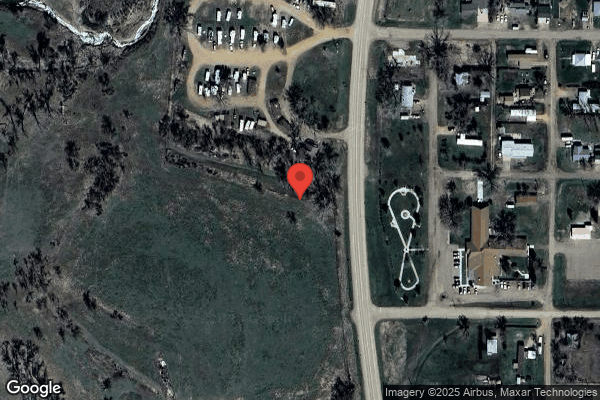

712 WIBAUX ST S, WIBAUX, MT 59353 (406) 796-2429
Non profit - Corporation 40 Beds Independent Data: November 2025 1 Immediate Jeopardy citation
Trust Grade
3/100
#58 of 59 in MT
Last Inspection: March 2025

Within standard 12-15 month inspection cycle. Federal law requires annual inspections.

Overview

Wibaux County Nursing Home has a Trust Grade of F, indicating significant concerns about its operations and care quality. It ranks #58 out of 59 facilities in Montana, placing it in the bottom half, which is quite alarming for families considering options. The facility is worsening, having increased from 7 issues in 2024 to 14 in 2025, which raises serious red flags. Staffing is a relative strength with a rating of 4 out of 5 stars and a turnover rate below the state average, suggesting that staff members typically stay longer and are familiar with resident needs. However, inspector findings reveal critical incidents, including a resident who fell and sustained severe injuries during a transfer due to improper assistance, and another resident developed serious pressure ulcers due to inadequate care. While there are some positives, such as no fines and better RN coverage than most facilities, the overall picture remains concerning.

Trust Score
F
3/100
In Montana
#58/59
Bottom 2%
Safety Record
High Risk
Review needed
Inspections
Getting Worse
7 → 14 violations
Staff Stability
⚠ Watch
50% turnover. Above average. Higher turnover means staff may not know residents' routines.
Penalties
✓ Good
No fines on record. Clean compliance history, better than most Montana facilities.
Skilled Nurses
✓ Good
Each resident gets 51 minutes of Registered Nurse (RN) attention daily — more than average for Montana. RNs are trained to catch health problems early.
Violations
⚠ Watch
26 deficiencies on record. Higher than average. Multiple issues found across inspections.
★☆☆☆☆
1.0
Overall Rating
★★★★☆
4.0
Staff Levels
★☆☆☆☆
1.0
Care Quality
★☆☆☆☆
1.0
Inspection Score
Stable
2024: 7 issues
2025: 14 issues

The Good

  • 4-Star Staffing Rating · Above-average nurse staffing levels
  • Full Sprinkler Coverage · Fire safety systems throughout facility
  • No fines on record

Facility shows strength in staffing levels, fire safety.

The Bad

1-Star Overall Rating

Below Montana average (2.9)

Significant quality concerns identified by CMS

Staff Turnover: 50%

Near Montana avg (46%)

Higher turnover may affect care consistency

The Ugly 26 deficiencies on record

1 life-threatening 2 actual harm
Sept 2025 5 deficiencies 1 IJ
CRITICAL (J) 📢 Someone Reported This

A family member, employee, or ombudsman was alarmed enough to file a formal complaint

Immediate Jeopardy (IJ) - the most serious Medicare violation

Accident Prevention (Tag F0689)

Someone could have died · This affected 1 resident

**NOTE- TERMS IN BRACKETS HAVE BEEN EDITED TO PROTECT CONFIDENTIALITY** Based on interviews and record reviews, a facility staff member failed to transfer a resident properly while using a mechanical ...

Read full inspector narrative →
**NOTE- TERMS IN BRACKETS HAVE BEEN EDITED TO PROTECT CONFIDENTIALITY** Based on interviews and record reviews, a facility staff member failed to transfer a resident properly while using a mechanical lift and ensure that two staff members were assisting. The resident fell from the lift and sustained a fracture, a head injury, and passed away at the hospital. Documentation reflected that the fall contributed to the resident's death, for 1 (#1) of 7 sampled residents. Findings include: On [DATE] at 11:35 a.m., the facility Administrator, Assistant Administrator/Business Office Manager, and the Director of Nursing were notified of an Immediate Jeopardy (IJ) situation, which involved resident #1 related to a fall with major injuries. The IJ pertained to F689 - Free of Accident Hazards/Supervision/Devices. The Severity and Scope of the Immediate Jeopardy was identified to be at the level of J, and upon removal of immediacy, lowered to G.On [DATE] at 11:40 a.m., the facility provided an acceptable plan to remove the immediacy for the residents residing in the facility who are at continued risk of harm due to the failed practices related to mechanical lift use. The surveyor verified the removal of immediacy onsite through the use of observations, interviews, and record reviews, on [DATE]. Review of resident #1's care plan, dated [DATE], showed the resident #1 needed total assistance when transferring from surface to surface. The care plan directed the staff to use a Hoyer (full body mechanical) lift with two staff members. Review of resident #1's nursing note, dated [DATE] at 6:44 p.m., showed resident #1 was seen lying on her right side, with the right side of her face on the floor, and a large amount of blood was observed on the floor around the resident. The certified nurse assistant reported the resident fell from the Hoyer (full body ) mechanical lift. Emergency medical services were on the scene at approximately 6:15 p.m. Resident #1 was transported to a local hospital for further assessment and care. Review of the hospital emergency department report, dated [DATE] at 1:01 a.m., showed the resident sustained:-Subdural hematoma, acute-C2 cervical fracture.-Fall in her home (the facility).-Forehead laceration. Review of resident #1's Montana Certificate of Death, dated [DATE], showed resident #1 died on [DATE] at 6:10 a.m., which was three days after the fall with significant injuries. The Montana certificate of death listed the causes of death as:- a subdural hematoma- fall from a Hoyer lift. During an interview on [DATE] at 2:01 p.m., NF1 said she had been working at the facility for about a month before resident #1's fall. NF1 said she did not receive orientation on the mechanical lifts and their use of them and did not complete a return demonstration to verify her knowledge for the use of the mechanical lifts. NF1 said the CNA who trained her to the facility told her to use the mechanical lifts by herself, as this was the practice at this facility. NFI said she had been working as a caregiver for over seven years, and she knew there should be two staff when using lifts, although this did not occur at the time of resident #1's fall. NF1 said she was transferring resident #1 at the end of her shift, and she was tired. NF1 said she was transferring resident #1 from her chair to the bed, and the resident fell out of the lift during the transfer. NF1 said she did not know exactly how the resident #1 fell out of the lift, and said she was not sure how one strap became unhooked from the sling, but the other three straps were still connected to the lift. NF1 said she informed management that the CNAs were using the mechanical lifts alone, training new staff on that practice, and were not using the required two people.During an interview on [DATE] at 2:32 p.m., staff member H said she responded to resident #1's room to assist with patient care after #1's fall from the lift. Staff member H said the front left sling strap was not hooked on the bar of the mechanical lift. Staff member H said that when she had used the mechanical lifts in the past, she had caught the straps popping off the hooks many times. Staff member H said she had been using the lifts independently for a long time at the facility.During an interview on [DATE] at 3:02 p.m., staff member S said he saw resident #1 in the hospital the second day she was there. Staff member S said resident #1 had a subdural hematoma and fractures of the Cervical spine at level C1-C2. Staff member S said the fractures of C1-C2 were unstable, but there was no spinal cord involvement and no spinal cord dissection. Staff member S said he did not complete the death certificate, but the cause of death would likely be from subdural hematoma, closed head injury, and concussion. Staff member S said the cause of death was definitely related to the fall from the lift.During an interview on [DATE] at 2:17 p.m., staff member E said she watched the hallway camera video of the fall which occurred on [DATE] at approximately 6:00 p.m. Staff member E said she saw NF1 stick her head out of the door (of #1's room). Staff member E, and another staff member went into resident #1's room, and she could see one of the shoulder straps was not connected to the lift. During an interview on [DATE] at 2:40 p.m., staff member F said she was the nurse on duty at the time resident #1 fell and was injured. Staff member F said she could tell resident #1 was hurt; most of the damage was on her right side, which she was lying on. Resident #1's eye socket was swollen, and she was bleeding from a laceration on her forehead. The staff did not move her, and the ambulance arrived quickly. Staff member F said NF1 had transferred resident #1 by herself with the mechanical lift. Staff member F said some of the CNAs said staff member C allowed the staff to transfer residents using the mechanical lifts by themselves without a 2nd person to assist for safety.
SERIOUS (G) 📢 Someone Reported This

A family member, employee, or ombudsman was alarmed enough to file a formal complaint

Actual Harm - a resident was hurt due to facility failures

Free from Abuse/Neglect (Tag F0600)

A resident was harmed · This affected 1 resident

**NOTE- TERMS IN BRACKETS HAVE BEEN EDITED TO PROTECT CONFIDENTIALITY** Based on interviews and record review, the facility staff failed to protect 1 (#1) of 8 residents sampled for neglect of care by...

Read full inspector narrative →
**NOTE- TERMS IN BRACKETS HAVE BEEN EDITED TO PROTECT CONFIDENTIALITY** Based on interviews and record review, the facility staff failed to protect 1 (#1) of 8 residents sampled for neglect of care by the staff when safe lifting practices were not employed during resident transfers with a mechanical lift, and the facility policies were not followed. Findings include:During an interview on [DATE] at 2:01 p.m., NF1 said, “I had been a [position title] for seven years, and I never used mechanical lifts by myself before coming here. I knew I should have a second person to assist because I was trained and have always had two people for lifts. NF1 said she was trained at this facility by CNAs and was told that this facility only used one person to transfer residents with a mechanical lift. During an interview on [DATE] at 2:00 p.m., staff member H said the staff have been completing mechanical lifts without a second person in attendance. Staff member H said this had been going on for over a year and was probably longer. During an interview on [DATE] at 2:33 p.m., staff member C said that when the census went down, the administration and the board made the facility decrease the staff hours. Staff member C said this caused a change in the staffing level, and then there was one certified nurse assistant in the front (assigned to care outside of the dementia unit), and one certified nurse assistant on the secured dementia unit. Staff member C said the staff could not always find two staff members to help during that time. Staff member C said she could not remember the exact time, but said it was between March and July of 2025. Review of resident #1's care plan, dated [DATE], showed that resident #1 was totally dependent upon two staff members for transferring her from surface to surface. The care plan directed the staff to use a Hoyer mechanical lift and two staff members we directed to assist during the lift. Review of resident #1's nursing note, dated [DATE] at 6:44 p.m., showed resident #1 was seen lying on her right side, with the right side of her face on the floor, and a large amount of blood was observed on the floor around the resident. The certified nurse assistant reported the resident fell from the Hoyer (full body ) mechanical lift. Emergency medical services were on the scene at approximately 6:15 p.m. Resident #1 was transported to a local hospital for further assessment and care. Review of the hospital emergency department report, dated [DATE] at 1:01 a.m., showed the resident sustained: -Subdural hematoma, acute. -C2 cervical fracture - Fall in her home (the facility) -Forehead laceration. Review of resident #1's Montana Certificate of Death, dated [DATE], showed resident #1 died on [DATE] at 6:10 a.m., which was three days after the fall with significant injuries. The Montana certificate of death listed the causes of death as: - a subdural hematoma - fall from a Hoyer lift.
CONCERN (E) 📢 Someone Reported This

A family member, employee, or ombudsman was alarmed enough to file a formal complaint

Potential for Harm - no one hurt, but risky conditions existed

Deficiency F0658 (Tag F0658)

Could have caused harm · This affected multiple residents

Based on interviews and record review the facility failed to ensure services were provided according to professional standards related to safe use of mechanical lifts for 1 (#1) of 8 sampled residents...

Read full inspector narrative →
Based on interviews and record review the facility failed to ensure services were provided according to professional standards related to safe use of mechanical lifts for 1 (#1) of 8 sampled residents. Review of resident #1's care plan, dated 8/5/22, showed that resident #1 was totally dependent upon two staff members for transferring her from surface to surface. The care plan directed the staff to use a Hoyer fully body mechanical lift. During an interview on 9/22/25 at 2:01 p.m., NF1 had not used a mechanical lift by themself before working at the facility, and stated, I knew I should have a second person because I was trained and have always had two people for lifts. During an interview on 9/22/25 at 2:32 p.m., staff member H said she was taught to use two people when using a mechanical lift to transfer people. Staff member H said she had used the lift by herself. Staff member H said she was aware that only using one person for transferring residents with a mechanical lift was not the right way to provide the care. Staff member H said it upset her when the staffing was changed to having only one CNA in each hall. Staff member H said the residents had to get taken care of, so We had to do what we could to get the residents taken care of, and that included using the mechanical lifts by ourselves. During an interview on 9/23/25 at 10:39 a.m., staff member L said he had training on the lifts in the past. Staff member L said he had been using lifts for a long time, so he knows how to use them. Staff member L said it was never 100% for getting two staff to help. Staff member L said most of the time he had two staff doing the lifts, but sometimes the facility is short-staffed and two staff are not always available.
CONCERN (F) 📢 Someone Reported This

A family member, employee, or ombudsman was alarmed enough to file a formal complaint

Potential for Harm - no one hurt, but risky conditions existed

Deficiency F0726 (Tag F0726)

Could have caused harm · This affected most or all residents

Based on interview and record review, the facility failed to ensure licensed nurses and certified nurse assistants received training on the procedure and safety requirements for using mechanical lifts...

Read full inspector narrative →
Based on interview and record review, the facility failed to ensure licensed nurses and certified nurse assistants received training on the procedure and safety requirements for using mechanical lifts for fifteen (D, E, F, G, H, I, J, K, L, M, N, P, Q, R, NF1) of sixteen sampled staff members. The deficient practice increased the risk of harm for the seven residents in the facility still utilizing a mechanical lift. The facility reported a census of 30. Findings include: During an interview on 9/22/25 at 2:01 p.m., NF1 said she started her job at the facility about a month ago. NF1 said the Director of Nursing did not complete any training with her prior to working directly with residents. NF1 said upon hire she signed some paperwork and then trained directly with a certified nurse assistant during orientation. NF1 said during orientation the CNAs who trained her said a resident who required the use of a mechanical lift did not require two staff to assist, and NF1 could perform the task independently. NF1 said the other certified nurse assistants said they also complete the lift transfers independently. During an interview on 9/22/25 at 2:32 p.m., staff member H said she did not receive training or complete a competencies evaluation related to mechanical lifts and their use of them for transferring residents, prior to 9/11/25, which was after resident #1 fell from the mechanical lift and sustained major injuries. Staff member H said her last mechanical lift competency was completed years ago, which was when she completed her state exam for the certification. During an interview on 9/22/25 at 2:55 p.m., staff member C said nursing staff competencies related to mechanical lift education were completed in May 2025, which was when nursing staff were required to perform a return demonstration of the mechanical lift use.Review of staff education, specifically related to mechanical lifts and their use, showed only staff member O received the mechanical lift training on 5/30/25. Staff member C provided one mechanical lift competency form for staff member O. Staff member C could not produce any more mechanical lift competency training documents for the rest of the licensed or certified nursing staff, and or the two management staff, who retained their CNA certification. Review of resident #1's nursing progress note, dated 9/10/25 at 6:44 p.m., showed, . Upon arrival to the room, resident seen lying on her right side with right side of face on floor and large amount of blood noted on the floor around the resident. CNA reported resident fell from the hoyer lift in a staff witnessed fall. [sic]
CONCERN (F) 📢 Someone Reported This

A family member, employee, or ombudsman was alarmed enough to file a formal complaint

Potential for Harm - no one hurt, but risky conditions existed

Administration (Tag F0835)

Could have caused harm · This affected most or all residents

Based on interviews and record review the facility failed to ensure the facility was administered in a manner that allowed resident #1 to be provide individualized care related to mechanical lifts and...

Read full inspector narrative →
Based on interviews and record review the facility failed to ensure the facility was administered in a manner that allowed resident #1 to be provide individualized care related to mechanical lifts and falls and failed to promote the well-being and prevent physical harm, pain and death for 1 (#1) of 10 sampled residents. Findings include: Review of resident #1's care plan dated 8/5/22 showed the resident #1 needed total assistance when transferring from surface to surface. The care plan directed the staff to use a Hoyer lift with two staff members. The care plan failed to identify the size sling to be used for resident #1. Review of resident #1's nurses note dated 9/10/25 at 6:44 p.m., showed resident #1 was seen lying on her right side with the right side of her face on the floor and a large amount of blood noted on the floor around the resident. The certified nurse assistant reported the resident fell from the Hoyer lift. Emergency medical services were on the scene at approximately 6:15. Resident #1 was transported to a local hospital. During an interview 9/23/25 at 2:40 p.m., staff member F said she was the nurse on duty at the time resident #1 fell and was injured. Staff member F said she could tell resident #1 was hurt. Staff member F said the certified nurse assistant transferred resident #1 by herself. Staff member F said some of the certified nurse assistants told her staff member C was aware the certified nurse assistants were doing independent lifts and staff member C allowed the staff to transfer residents using the mechanical lifts by themselves with no help. During an interview of 9/22/25 at 2:01 p.m., NF1 said she was trained and oriented by the other certified nurse assistants. NF1 said the other certified nurse assistants trained her to only have one staff member present during the mechanical lift transfers. During an interview on 9/22/25 at 2:48 p.m., staff member D said the certified nurse aides use the mechanical lifts independently. Staff member D said the management was aware the lifts were being used by one person, and the policy was not being followed. During an interview on 9/23/25 at 2:00 p.m. staff member H said the staff have been doing mechanical lifts without a second person in attendance. Staff member H said the practice of not having two staff member help with lifts had been going on for over a year and probably longer.During an interview on 9/23/25 at 2:33 p.m., staff member C said when the census went down, the administration and the board made the facility decrease staff hours. Staff member C said this caused a change in the staffing level to include one certified nurse assistant in the front and one certified nurse assistant on the locked dementia unit. Staff member C said the staff could not always find two staff to help during that time. Staff member C said she could not remember the exact time and said between March and July of 2025.
Mar 2025 9 deficiencies
CONCERN (D)

Potential for Harm - no one hurt, but risky conditions existed

PASARR Coordination (Tag F0644)

Could have caused harm · This affected 1 resident

Based on interview and record review, the facility failed to refer a resident with a newly evident or possible serious mental disorder or related condition for a Level II review, for 1 (#3) of 16 samp...

Read full inspector narrative →
Based on interview and record review, the facility failed to refer a resident with a newly evident or possible serious mental disorder or related condition for a Level II review, for 1 (#3) of 16 sampled residents. This failure put the resident at risk for not receiving services necessary for mental health. Findings include: Review of resident #3's care plan, last updated on 1/22/25, showed a diagnosis of . unspecified dementia without behavioral disturbance, psychotic disturbance, mood disturbance, anxiety, and other bipolar disorder . Review of resident #3's telehealth psychiatric progress notes showed diagnoses of .bipolar affective disorders or recurrent manic episodes, anxiety disorder, insomnia and unspecified dementia without behavioral disturbances . The psychiatric progress notes also showed, 1/27/25 resident #3 was receiving Seroquel due to impulsivity. On 2/17/25, the resident's psychotropic medications were changed due to delusions. Seroquel was changed from twice a day, to just be given at bedtime, but Zyprexa Zydis 12 mg was added at noon. During an interview on 3/11/25 at 10:19 a.m., staff member C said she was responsible to make sure the Level I and Level II were completed. Staff member C said she did not complete resident #3's Level I. Review of resident #3's Level I showed a new Level I was initiated 3/10/25. A completed Level I was requested but was not provided by the end of the survey.
CONCERN (D) 📢 Someone Reported This

A family member, employee, or ombudsman was alarmed enough to file a formal complaint

Potential for Harm - no one hurt, but risky conditions existed

Deficiency F0655 (Tag F0655)

Could have caused harm · This affected 1 resident

**NOTE- TERMS IN BRACKETS HAVE BEEN EDITED TO PROTECT CONFIDENTIALITY** Based on observation, interview, and record review, the facility failed to ensure a baseline care plan was developed and impleme...

Read full inspector narrative →
**NOTE- TERMS IN BRACKETS HAVE BEEN EDITED TO PROTECT CONFIDENTIALITY** Based on observation, interview, and record review, the facility failed to ensure a baseline care plan was developed and implemented within 48 hours after admission to reflect the residents' care needs, for 4 (#s 20, 23, 24, 77) of 16 sampled residents. This increased the risk of staff not providing necessary care and services due to the lack of the baseline care plan. Findings include: During an interview on 3/11/25 at 10:19 a.m., staff members A, B, and C were present. Staff members B and C said the care plans are done by the two of them, as they were the IDT (interdisciplinary team), with help from staff member N. Staff member C said the facility has an MDS nurse, but she does not complete care plans. Staff members B and C said an attempt is made to start the baseline care plan on the day of admission, but sometimes care planning doesn't get completed. Staff members A, B, and C said they knew about the requirement for a baseline care plan. Staff member B said the computer system had a template which could be used to complete care plans. During an interview on 3/11/25 at 2:00 p.m., staff member B said there were two admissions on 2/12/25, and resident #23 was admitted later in the day. Staff member B said it was busy that day, and she had to work later that night. Staff member B said the individual baseline care plan's didn't get started. 1. Review of resident #20's MDS, with an ARD date of 1/10/25, showed, resident #20 was admitted on [DATE]. Resident #20's baseline care plan was initiated 1/7/25, when nutrition concerns were added to the plan. 2. Review of resident #23's baseline care plan, with a review date of 2/26/25, showed, resident #23 was admitted on [DATE]. Psychotropic drug use was initiated on the baseline care plan on 2/12/25, however no interventions for the psychotropic drug were included for the care plan problem area. Resident #23 was at risk for eloping, and the elopement risk was not addressed on the care plan until 2/23/25. 3. Review of resident #24's nursing progress notes, dated 2/14/25, showed the resident was admitted to the secured unit on 2/14/25. The baseline care plan only included the resident's wishes for her advance directives. The only other problem addressed in the first forty-eight hours on the baseline care plan was the risk of skin issues, due to the resident refusing care at times, which was added on 2/16/25. 4. During an observation on 3/10/25 at 3:34 p.m., resident #77 was lying in bed resting on the top of the blanket, with a sneaker on one foot but not on the other. A wheelchair was in resident #77's room next to a wall, not beside the bed and within reach. A record review of the resident's baseline care plan showed no information about the use of a wheelchair or assistance needed for resident #77. During an interview on 3/13/25 at 8:37 a.m., staff member B stated nurses can view a pocket care plan for residents, and staff member B usually starts putting care plan information in for newly admitted residents. Staff member B stated other staff members, including staff members C and N, enter information into resident care plans, and they update the care plans when needed. Review of resident #77's baseline care plan showed the diagnoses of Alzheimer's disease and Disorientation, and a single problem was documented on the baseline care plan, which showed, Start Date: 3/03/2025, Category: Advance Directives Resident Rights-Code Status . I am a DNR . Last Reviewed/Revised: 3/03/2025 by [staff member B]. [sic] Review of resident #77's fall risk assessment, completed on 3/5/25, by staff member B, showed a score of 19, showing the resident was a high fall risk. The fall risk was not included on resident #77's baseline care plan. Review of resident #77's admission elopement evaluation, completed on 3/5/25, by staff member B, showed resident #77 was at risk for eloping, and an elopement care plan should be initiated. There was no information documented or added to the baseline care plan for resident #77's increased elopement risk. Review of resident #77's March 2025 medication administration record showed an admission date of 3/3/25, and a physician order for: .sertraline tablet 50 mg . 1 tab QAM; oral . Monitor for target behaviors of sadness and crying. The information to monitor for behavioral signs and symptoms was not included on resident #77's baseline care plan. A review of #77's baseline care plan showed the risk for falls was not added to the plan until 3/11/25, and this was completed by staff member C. Review of a facility policy titled, Baseline Care Plan, revised 9/29/2022, showed: . The baseline care plan will: a. Be developed within 48 hours of a resident's admission. b. Include the minimum healthcare information necessary to properly care for a resident including . i. Initial goals based on admission orders. ii. Physician orders . The admitting nurse, or supervising nurse on duty shall gather information from the admission physical assessment . b. Interventions shall be initiated that address the resident's current needs including: i. Any health and safety concerns to prevent decline or injury, such as elopement, fall . ii. Any identified needs for supervision, behavioral interventions, and assistance with activities of daily living . A supervising nurse shall verify within 48 hours that a baseline care plan has been developed .
CONCERN (D) 📢 Someone Reported This

A family member, employee, or ombudsman was alarmed enough to file a formal complaint

Potential for Harm - no one hurt, but risky conditions existed

Comprehensive Care Plan (Tag F0656)

Could have caused harm · This affected 1 resident

Based on observation, interview, and record review, the facility failed to develop and implement individualized comprehensive care plans for 2 (#s 12 and 24) of 16 sampled residents. Findings include:...

Read full inspector narrative →
Based on observation, interview, and record review, the facility failed to develop and implement individualized comprehensive care plans for 2 (#s 12 and 24) of 16 sampled residents. Findings include: Review of resident #12's comprehensive care plan, with a problem dated 4/12/23, showed the resident was an elopement risk. The care plan did not show the resident lived on the secure unit. The interventions on the care plan failed to identify what approaches should be used to prevent elopements. Resident #12 was observed in the secured unit every day of the survey. During an interview on 3/11/25 at 2:59 p.m., staff member G said resident #24, sometimes listens and will come out to the dining room. Other than that, she sits in her room and cries. Staff member G said he was unaware of what activities the resident prefers. Review of resident #24's current comprehensive care plan showed resident #24 should be encouraged to attend activities. The care plan was not individualized to identify the type of activities resident #24 was interested in. The care plan failed to identify the problem of resident #24's frequent crying and did not direct staff in how to help the resident during episodes of tearfulness. During an observation on 3/12/25 at 12:10 p.m., resident #24 was sitting at the dining room table with her lunch meal in front of her. Resident #24 was talking about what her family had done to her and asking why they abandoned her. Resident #24 did not eat any food or drink any fluids. Staff member I approached her and encouraged her to eat and tried to engage her by talking about planting flowers. When staff member I did not get a response, staff member I then shrugged her shoulders and walked off as she was unsure of what approaches might be effective to help resident #24. Review of nurse's notes, dated 3/7/25 showed, the resident's [family member] and [family member] (neither POA or guardian) were going to take resident #24 out of the facility against medical advice. The nursing note showed the family member's believed resident #24 was capable of making her own decisions. The notes showed the physician was called, and the physician directed the staff to call the police for kidnapping if those family members took resident #24 out of the facility. Review of resident #24's comprehensive care plan failed to identify family dynamics and the potential for family removing the resident from the facility as a problem. There were no directions for the staff in the event the family tried to take resident #24 out of the facility against medical advice. During an interview on 3/11/25 at 10:19 a.m., staff members B and C said they completed and updated all comprehensive care plans with assistance and oversight by staff member N.
CONCERN (D) 📢 Someone Reported This

A family member, employee, or ombudsman was alarmed enough to file a formal complaint

Potential for Harm - no one hurt, but risky conditions existed

Deficiency F0660 (Tag F0660)

Could have caused harm · This affected 1 resident

**NOTE- TERMS IN BRACKETS HAVE BEEN EDITED TO PROTECT CONFIDENTIALITY** Based on interview and record review, the facility failed to implement an effective discharge planning process for 1 (#26) of 1 ...

Read full inspector narrative →
**NOTE- TERMS IN BRACKETS HAVE BEEN EDITED TO PROTECT CONFIDENTIALITY** Based on interview and record review, the facility failed to implement an effective discharge planning process for 1 (#26) of 1 sampled resident, who was discharged to another long-term care facility. Findings include: Review of resident #26's care plan, dated 4/23/24, showed the resident was a long-term resident. The interventions showed resident #26 wanted to go live closer to her daughter, to go home, or to go to an assisted living facility. Review of resident #26's nursing notes showed resident #26 eloped from the facility secured unit on the following dates: - 5/23/24, - 8/4/24, - 8/27/24. Review of resident #26's electronic medical record nursing notes, dated 12/19/24, failed to show any notes for the upcoming discharge for resident #26. The Discharge summary, dated [DATE], showed resident #26 was discharged to a long-term care facility in another town. The discharge summary did not inform the receiving facility the resident was at risk for eloping. During an interview on 3/13/25 at 11:11 a.m., with staff member B and C, two said there were no nursing notes for the pending discharge of resident #26 from 12/19/24 in the chart. Staff member B said discharge planning would fall on the Director of Nursing. When questioned about what plans were made prior to the discharge, staff member B said resident #26, pretty much just discharged . During an interview on 3/13/25 at 11:16 a.m., staff member A said there were no physician discharge orders for resident #26.
CONCERN (D)

Potential for Harm - no one hurt, but risky conditions existed

Deficiency F0679 (Tag F0679)

Could have caused harm · This affected 1 resident

Based on observation, interview, and record review, the facility failed to provide meaningful activities, designed to meet the individual resident preferences and interests, for 2 (#s 20 and 23) of 16...

Read full inspector narrative →
Based on observation, interview, and record review, the facility failed to provide meaningful activities, designed to meet the individual resident preferences and interests, for 2 (#s 20 and 23) of 16 sampled residents. Findings include: 1. During an observation on 3/10/25 at 1:17 p.m., resident #20 was observed standing at the exit door while pushing the door handle. Resident #20 stood there for 3-4 minutes, then turned around, and paced up and down the hall several times. There were no staff interventions offered to the resident, in an attempt to alter the resident's behavior of trying to open the door, or engage resident #20 in any way. During an observation on 3/10/25 at 2:57 p.m., resident #20 was observed pacing up and down the hall. Resident #20 came into the TV room and sat next to the surveyor. When the surveyor talked to resident #20, he relaxed and listened to the surveyor for five minutes. During an interview on 3/10/25 at 3:17 p.m., staff member H said the CNAs try to put out coloring books and puzzles on weekends, but they don't do any activities. There is only one CNA, and that CNA needs to do 15 minute checks on a different resident [#23], and complete personal cares for other residents on the unit. During an observation on 3/11/25 at 1:40 p.m., resident #20 was observed pacing in the hallway on the secured unit. Staff were in the dining room visiting with the residents and each other. Resident #20 was not approached or invited to attend or participate in the conversation, in an attempt to intervene in the pacing behavior. Review of resident #20's MDS (minimum data set), with an assessment reference date of 1/10/25, showed the resident scored a 99 on the BIMS, which shows the resident was unable to complete the interview. Review of resident #20's activity assessment section, on the 1/10/25 MDS, showed books, magazines, music, and news were somewhat important to resident #20. Review of resident #20's comprehensive care plan dated 1/14/25 showed resident #20 had one intervention related to activities. The care plan showed resident #20 will be reminded of activities. The care plan did not address resident #20's preference of music, or what type of books or magazines he enjoyed reading. Review of resident #20's comprehensive care plan dated 1/14/25, showed resident #20 had elopement risk identified as a problem. The care plan showed staff will attempt to redirect, distract, take to an activity, offer a snack/drink or offer conversation for resident #20. During an observation on 3/12/25 at 12:30 p.m., resident #20 was observed going through the secured unit door into the main part of the facility. Staff members K and M saw resident #20 going out of the secured unit door. Staff members K and M turned him around and allowed him to continue pacing in the secured unit hall. Staff members K and M were not observed to follow the care plan and did not engage or offer diversional activities. 2. During an observation on 3/10/25 at 1:29 p.m., staff member I was observed sitting at the table in the secured unit dining room. Resident #23 sat watching staff member I paint a car. Resident #23 got up from the table and left the room. Staff member I asked the residents sitting around the table if they would like to paint a car. There were two female residents sitting at the table. One resident was sleeping, and the other resident was folding her Kleenex facial tissues. Neither resident answered staff member I, nor were they engaged in any way with the activity. During an interview on 3/10/25 at 3:30 p.m., staff member G said the working on the secured unit were to monitor resident #23 every 15 minutes. In addition to that, the CNA staff are expected to run activities on the secured unit. Staff member G said there is usually only one CNA on the secure unit during the day shift, but there bay be a an employee who works as a float sometimes later in the day. During this interview, there were no activities being done with the residents on the secured unit. During an interview on 3/12/25 at 12:18 p.m., with staff members I and K, staff member I said she interviews the residents and then completes a sheet that has the same exact questions as the MDS questions. Staff member I was unable to answer how individualized resident information would be obtained. Staff member I said she did not put individualized resident preferences onto the care plan. Staff member I said she is also a CNA (certified nurse assistant) and gets pulled to the floor occasionally. Staff member I admitted to assisting daily with CNA tasks, such as assisting in the dining rooms during meals, helping with transferring residents, and providing cares. Staff member K said she does not always know what individual residents prefer for activities. Staff member K said she figures out what residents like by trial and error.
CONCERN (D) 📢 Someone Reported This

A family member, employee, or ombudsman was alarmed enough to file a formal complaint

Potential for Harm - no one hurt, but risky conditions existed

Deficiency F0700 (Tag F0700)

Could have caused harm · This affected 1 resident

Based on observation, interview, and record review, the facility failed to review the risks and benefits of using grab/assist bars attached to the bed, for 2 residents (#s 4 and 12) of 16 sampled resi...

Read full inspector narrative →
Based on observation, interview, and record review, the facility failed to review the risks and benefits of using grab/assist bars attached to the bed, for 2 residents (#s 4 and 12) of 16 sampled residents. Findings include: During an observation on 3/10/25 at 1:10 p.m., a grab bar was observed on the left side of resident #12's bed. During an observation on 3/10/25 at 1:15 p.m., a grab bar was observed on both sides of resident #4's bed. 1. During an interview on 3/12/25 at 12:10 p.m., staff member K said resident #4 does not use his side rails during personal cares. Staff member K said he does not use them to help turn himself in bed at all. Staff member K said resident #4 may occasionally grab onto the assist bar when he is being transferred while he is sitting on the edge of the bed. Staff member K said resident #12 doesn't use the grab bars every time he gets up and out of bed. During an interview on 3/13/25 at 9:56 a.m., staff member H said resident #4 does not use his grab bars at all when she provides care or when she transfers him in or out of bed. Review of resident #4's MDS with an ARD date of 9/16/24, showed resident #4 had a BIMS (Brief Interview for Mental Status) score of 1. A score from 0-7 suggests severe cognitive impairment. The observation detail list report completed on 3/17/24 showed the resident was: - not expressing a desire to use a restraint, - cognitively impaired with fluctuations in level of consciousness, - resident has visual impairments, - resident has problems with balance and trunk control, - takes psychotropic medication, which would require safety precautions. Review of resident #4's care plan, with an intervention date of 3/27/24, showed resident #4 gets restless if he is left in bed too long. Review of resident #4's side rail assessment and consent dated 7/16/24, showed the resident was using bilateral turn and repositioning bars. The assessment failed to show detail related to the consideration of the increased risk his restlessness could have on his safety in relationship to the grab bars. 2. During an interview on 3/12/25 at 10:47 a.m., staff member B said resident #12 asked for her side rails to be put back on the bed after the rails had been removed. Staff member B said the staff did not consider entrapment hazards due to the resident's weakness when assessing resident #12. Staff member B said she was unaware of any scheduled maintenance on the bed and grab bars. Staff member B said there were no safety measurements completed by nursing when the resident's grab bar assessment was completed on 7/16/24. Staff member B said no alternative interventions were attempted before using the grab bar. Review of resident #12's bed rail safety assessment, completed on 7/10/24, showed: - resident #12 had a fluctuation in levels of consciousness or a cognitive deficit, - received medication that would require safety precautions, - had a BIMS of 6; severe cognitive impairment. Review of resident #12's restraint assessment, completed on 7/16/24, showed, negative outcomes were a possibility, however, entrapment and death were not considered a risk for resident #12. Review of resident #12's medication administration record for February 2025, showed resident #12 took clonazepam for anxiety, Prozac for depression, and Zyprexa for schizophrenia. The effects of these psychotropic medications were not documented as being taken into consideration when the assessment for side rails was completed.
CONCERN (E) 📢 Someone Reported This

A family member, employee, or ombudsman was alarmed enough to file a formal complaint

Potential for Harm - no one hurt, but risky conditions existed

Accident Prevention (Tag F0689)

Could have caused harm · This affected multiple residents

**NOTE- TERMS IN BRACKETS HAVE BEEN EDITED TO PROTECT CONFIDENTIALITY** Based on observation, interview, and record review, the facility failed to timely identify elopement risks, and implement suffic...

Read full inspector narrative →
**NOTE- TERMS IN BRACKETS HAVE BEEN EDITED TO PROTECT CONFIDENTIALITY** Based on observation, interview, and record review, the facility failed to timely identify elopement risks, and implement sufficient preventative interventions for residents with elopement(s), for 2 (#s 20 and 23) residents of 2 sampled for elopements who lived on the secure unit. There continued to be elopement hazards, and it was identified necessary staff were not aware of how to identify an elopement, staff failed to use interventions to prevent elopements, and one resident had repeated elopements and was at high risk of eloping. The overall elopement system was not adequate to ensure resident safety. Findings include: A review of the State Operations Manual, Appendix PP, F689 - Accidents and Hazards shows: A situation in which a resident leaves the premises or a safe area without the facility's knowledge and supervision, if necessary, would be considered an elopement. This situation represents a risk to the resident's health and safety and places the resident at risk of heat or cold exposure, dehydration and/or other medical complications, drowning, or being struck by a motor vehicle. Facility policies that clearly define the mechanisms and procedures for assessing or identifying, monitoring and managing residents at risk for elopement can help to minimize the risk of a resident leaving a safe area without the facility's awareness and/or appropriate supervision . 1. Review of resident #23's current MDS, dated [DATE], showed resident #23 had a BIMS of 4, reflecting severe cognitive impairment. Review of resident #23's nursing progress notes, dated 2/16/25, showed resident #23 had opened a dining room window and climbed out of the window. Resident #23 had obtained a shovel, and when found, he was already shoveling snow in the courtyard. Resident #23 was wearing a jacket, a baseball hat, and medical gloves. Resident #23 refused to return to the facility until he was finished shoveling and staff remained with him. The facility did not assess the resident for injuries following this elopement. Review of resident #23's nurses notes, dated, 2/23/25 at 1:37 p.m., showed, CNA alerted this nurse 10 minutes ago that resident had crawled through his window and was headed toward the facility garage. Resident #23 was returned to the facility by staff, and had no injury. Review of resident #23's nursing note, dated 2/27/25, showed the CNA alerted the nurse at 10:50 a.m., that resident #23's window was open, and he was missing. All staff were notified, and a search was started. Resident #23 was located behind the nursing home, at the clinic, unharmed. Review of resident #23's elopement evaluation, with an observation date of 2/23/25 at 8:14 p.m., was completed on 3/10/25 at 5:15 p.m., by staff member B. Review of resident #23's elopement evaluation, with an observation date of 2/27/25, was also not completed until 3/10/25. The assessments were not completed until all three elopements occurred. No other elopement assessments were located in the resident's medical record. During an interview on 3/10/25 at 2:39 p.m., NF1 said the [Clinic Name] called him and alerted him about the resident being at the clinic, and the clinic was trying to figure out where he belonged. NF1 said that was the only elopement he was aware of for resident #23. NF1 said he was not aware of what the facility was doing to prevent any more elopements for the resident. Resident #23 was at the clinic long enough for him to give his phone number to the clinic staff. Review of resident #23's baseline care plan showed elopements were not initially identified as a problem, and there were no interventions to prevent elopements. The baseline care plan was to be completed within the required 48 hours of the resident's admission, which would have been by 2/14/25. Interventions for elopements were implemented after the second elopement on 2/23/25. The care plan directed the staff to do a window audit to ensure the windows were secured. Although this intervention for the window security was implemented, resident #23 climbed out the window again on 2/27/25. Review of resident #23's care plan approach, dated 2/27/25 showed, the facility initiated an Apple air tag to be placed for monitoring the resident, however resident #23 had removed the tag, so it was not beneficial at the time of resident #23's third elopement. During an observation on 3/10/25 at 1:20 p.m., the secure unit's sitting room window was observed to have a Velcro device attached to it. The device would prevent the window from opening to far, in an attempt to prevent elopements. This same device, was attached to a different window, and it was removed by resident #23, and then he eloped out the window on three occasions. The sitting room was not observed 100% of the time, so it created a risk for this resident if he removed the device in an attempt to elope. During an interview on 3/10/25 at 2:57 p.m., staff member F said resident #23 went out the dining room window, the one that had the air conditioner in it, and he got into the courtyard. Staff member F said no stops were put on the windows in the dining room because it wasn't identified as a potential problem. Staff member F said following resident #23's first elopement, he went around and put in child proof stoppers on the windows where the exit was to the non-secured courtyard. Staff member F said the next time resident #23 eloped, staff assumed he took off the stop, because the stops were only secured by Velcro. After that incident, the facility bought new locks that clamped onto the side of the windows, and a tool was needed to get the stops off the window. The TV room and some of the courtyard windows were not secured yet because the facility was waiting on the order of the devices to arrive. The devices initially received were too small and did not fit the windows. Staff member F stated he monitors the windows every day, but it had not been done yet that day. Staff member F stated if resident #23, took the stops off once, he could do it again. Based on observations on 3/10/25 3:10 p.m., staff member F and this surveyor were able to open the windows to a level of 16 inches on the secure unit for rooms [ROOM NUMBER]. The Velcro closure was screwed into the window incorrectly in room [ROOM NUMBER], and the other windows had the Velcro stops removed. During an interview on 3/10/25 at 3:17 p.m., staff member H said resident #23 had gone into a different resident's room, shut the door, and went through the window. Staff member H said resident #23 went out the window twice during one of her shifts. He was found in the courtyard both times, but one time he was back around the courtyard by the back door. Staff member H said it was snowing the day he eloped through the window, but staff member H was unable to remember when the elopement occurred, and said it was maybe two weeks ago. During an interview on 3/10/25 at 3:30 p.m., staff member G said resident #23 is on 15-minute observations for monitoring his location, which was implemented after the 2/27/25 elopement, which was his third one. Staff member G said due to only one staff person caring for the ten residents on the secured unit, resident #23 is left unsupervised for longer periods of time, therefore, the 15-minute checks were not always timely. Review of resident #23's nursing progress notes, did not show any documentation of the times resident #23 left through the window twice in one day. During an interview on 3/11/25 at 10:19 a.m., staff members A, B, and C did not identify the resident breaking through a window screen and crawling out the window in attempt to leave the facility as an elopement. The staff said he was still on the property and in a courtyard, so they did not think of this as an elopement. The three staff members (A, B, and C) were unable to identify if climbing through a window was authorization to leave and if supervision was necessary. Review of the facility policy titled, Elopement and Wandering Residents, dated 9/3/24, showed the definition of elopement as, Elopement occurs when a resident leaves the premises or a safe area without authorization (i.e., an order for discharge or leave of absence) and/or any necessary supervision to do so. The policy showed a systematic approach to monitoring and managing residents at risk for elopement, to include the identification and assessment of risk, implementing interventions to reduce hazards and risks, and monitoring for effectiveness. The policy showed residents were to be assessed for risk of elopement on admission and throughout their stay. The policy included a procedure for post-elopement that included having the nurse complete a physical assessment and documentation of the assessment. The policy included details for how the social services designee will re-assess the resident and make referrals for counseling or consults; and, documentation in the medical record will include findings from nursing and social service assessments, physician and family notification, care plan discussion, and consultant notes. Review of resident #23's IDT progress notes did not include any social services notes to reflect a social services re-assessment was completed after the elopements, or the need for referrals for counseling. During and interview on 3/12/25 3:50 p.m., staff member D said the first time resident #23 eloped, the CNA was on the unit, and staff member D was on the main hall. The CNA saw resident #23 walking toward the garage, so resident #23 was out just a few minutes. Staff member D said the second time resident #23 eloped, the CNA and staff member D had both just checked on him, and within a minute or two of the CNA and staff member D checking on him, he got out the window. Resident #23 was probably gone 15 minutes or more the second time. 2. Review of resident #20's elopement assessment showed an observation date of 1/3/25, however it was not completed until 1/17/25, 14 days after his admission. The assessment identified the resident as being at risk for eloping. Review of resident #20's baseline care plan failed to identify elopement as a problem. Resident #20's care plan did not include the risk of elopement until 1/14/25, and the interventions were minimal, to include, resident #20 resides on a secure unit and the staff will attempt to redirect resident and distract him when upset and wanting to leave. During an observation on 3/10/25 at 1:17 p.m., resident #20 was observed standing at the exit door, pushing on the door handle. The resident stood at the door for 3-4 minutes, then turned around, and began pacing up and down the hall several times. There were no staff observed attempting to redirect the resident from the door or engage him in to intervene in the behavior. During an observation on 3/11/25 at 4:14 p.m., resident #20 was wandering up and down the hallway of the secure unit, which he did several times. Resident #20 came to the exit door of the unit, and pushed against the door that had wallpaper the resembled a library. Resident #20 walked from the door into the TV room, located right next to the exit door, and pushed up against the unsecured window. Resident #20 then sat in a recliner, located next to the window, and stared out of the TV room window. During an observation on 3/12/25 at 12:30 p.m., resident #20 was observed going out the secured unit door into the main area of the facility. Staff member K and M observed the resident exiting the door, stopped him, and returned him to the secure unit. Staff members K and M turned the resident around and allowed him to continue pacing in the hall. No staff were observed to follow the care plan interventions identified and implemented for the prevention of elopements, or try to engage the resident when he was exit seeking. During an observation on 3/12/25 at 4:10 p.m., resident #20 was in the TV room of the secure unit, sitting in the recliner next to the unsecured window. No other residents or staff were in the room.
CONCERN (E) 📢 Someone Reported This

A family member, employee, or ombudsman was alarmed enough to file a formal complaint

Potential for Harm - no one hurt, but risky conditions existed

Medical Records (Tag F0842)

Could have caused harm · This affected multiple residents

Based on interview and record review, the facility failed to maintain medical records which were accurately documented, dated, labeled, and completed in their entirety, for 5 (#s 4, 14, 18, 20 and 23)...

Read full inspector narrative →
Based on interview and record review, the facility failed to maintain medical records which were accurately documented, dated, labeled, and completed in their entirety, for 5 (#s 4, 14, 18, 20 and 23) of 16 sampled residents. Findings include: 1. The following incomplete records were located in resident #4's medical records: a. A review of resident #4's hard-copy POLST form and alternate medical records, dated 3/17/20, showed: - In the section for the resident's full name, date of birth , and sex, the form had been altered by blocking out information with white out. Resident #4's name had been added to the form in the area which had been altered with white out. - In the mandatory section, where there should be a medical provider signature, the date, the time, and the providers phone number, was incomplete. The POLST form would be invalid due to the altered and missing information. b. Resident #4's staff assessment of daily and activity preference, completed on 3/12/25, was incomplete. c. Resident #4's consent for Zoloft and Zyprexa was incomplete. The observation information included the creator, the date of the observation, the date recorded, completion date, and who completed the form was incomplete. The consent was obtained by verbal consent on 12/13/24 and had not been signed by the POA by 3/13/25. 2. The following records were found to be incomplete for resident #23: - Resident #23 had an elopement evaluation with an observation date of 2/23/25. The form was incomplete until 3/10/25, the first day of the survey. - Resident #23 had an elopement assessment initiated on 2/27/25 at 6:15 p.m., and the date the record was completed was 3/10/25. During an interview on 3/11/25 at 10:19 a.m., staff member B said completing assessments later than the observation date would not be the normal practice. Staff member B said the assessments should be completed at the time of the observation. Staff member B said the elopement assessments for resident #23, dated 2/23/25 and 2/27/25, were completed on 3/10/25. 3. Resident #20 had an elopement evaluation which had an observation date on 1/3/25 that was not completed until 1/17/25. 4. Review of resident #18's POLST form, dated 6/20/24, showed the form was left blank in the required fields of: the signature of provider, provider printed name, date and time signed by provider, and provider phone number. During an interview on 3/13/25 at 10:43 a.m. with staff members A, B, C and N, staff member C stated admission forms, including advance directives and POLSTs should be filled out completely. A request was made for a facility POLST policy on 3/12/25, and no specific POLST document was received by the end of the survey. 5. Review of resident #14's care plan showed a short term goal associated with the mood state that included, Target Date: 04/12/2025 kkk [sic] and the associated approaches for the goals showed, Approach Start Date: 01/22/2025 [Male name] loves [staff member C] [sic] and Approach Start Date: 01/22/2025 [Male name] loves [staff member B] [sic] During an interview on 3/13/25 at 10:59 a.m., staff member A stated the information in resident #14's care plan was something she had never seen in a medical record before. Staff member A stated she would check on how the information was added in to the medical record, and stated, Hopefully it's not because of a virus. It's weird though because that's staff member B's husband's name, and the other name is staff member C's husband's name. Staff member A returned to provide information on the documentation seen on the care plan. Staff member A stated staff member N added the information in to the care plan as a way to have staff members B and C notice the care plans needed updated. The information did not pertain to the resident's care or needs. Review of a facility policy titled, Confidentiality of Personal and Medical Records, revised 7/11/2024, showed: . [Facility Name] staff should exercise caution . in using medical record information for documentation purposes .
CONCERN (F)

Potential for Harm - no one hurt, but risky conditions existed

Deficiency F0801 (Tag F0801)

Could have caused harm · This affected most or all residents

Based on observation, interview, and record review, the facility failed to ensure the dietary manager completed a certification program approved by a national certifying body or had higher education i...

Read full inspector narrative →
Based on observation, interview, and record review, the facility failed to ensure the dietary manager completed a certification program approved by a national certifying body or had higher education in a related field. This had the potential to affect residents and their nutritional status or meal safety for those who consumed food prepared and served by the facility. Findings include: During the initial tour of the kitchen, on 3/10/25 at 11:50 a.m., no documentation of advanced training for the dietary manager was posted. During an interview on 3/13/25 at 9:47 a.m., with staff members A, B, C, and N, staff member N stated one of the issues the facility continued to review monthly had to do with staff member M's lack of certification as a dietary manager. Staff member N stated she received weekly email reports from staff member M about progress on completing the dietary manager certification. Staff member N stated staff member M worked full-time and was still not certified in the role. Staff member N stated this process was ongoing since the last plan of correction was started after last year's survey process, which was on 2/29/24. During an interview on 3/13/25 at 11:07 a.m., staff member M said she did not have the CDM certificate, but she was enrolled in an online program titled, Certified Dietary Manager/Certified Food Protection Professional, and was only on the third lesson. She did not identify when she would have the course completed. Review of a facility document titled, Facility Assessment For [Facility Name], dated 8/8/2024, showed: . Food and Nutrition Services . having a Dietary Manager who is working on her CDM who has a vast knowledge and experience of food and nutrition .
Aug 2024 3 deficiencies
CONCERN (D) 📢 Someone Reported This

A family member, employee, or ombudsman was alarmed enough to file a formal complaint

Potential for Harm - no one hurt, but risky conditions existed

Notification of Changes (Tag F0580)

Could have caused harm · This affected 1 resident

Based on interview and record review, the facility failed to notify a resident's provider and family member of the events surrounding an elopement, so they may have made the necessary medical decision...

Read full inspector narrative →
Based on interview and record review, the facility failed to notify a resident's provider and family member of the events surrounding an elopement, so they may have made the necessary medical decisions for the resident following the elopement for 1 resident (#1) of 6 sampled residents. This deficient practice had the potential to affect all residents who require informed care from family and medical providers. Findings include: A review of the facility's policy and procedure titled, Elopement and Wandering Residents, with a revision date of 5/22/24, reflected: - . 6. Procedure post-elopement a. A nurse will perform a physical assessment, document, and report findings to physician. b. Any new physician orders will be implemented and communicated to the family/authorized representative . Review of resident #1's MDS: Section C, dated 7/8/24, reflected resident #1 had a BIMS of 4, a score considered to be a severe cognitive impairment. During an interview on 8/13/24 at 2:00 p.m., NF1 stated they were aware resident #1 had eloped from the facility, but were not made aware of the details surrounding the 12-hours the resident was absent from the facility. NF1 stated they were not aware the resident had been picked up and brought back to a stranger's cabin overnight before being returned to the facility the following morning. NF1 stated they would have wanted to know that information so they could have planned to have the resident further evaluated for any potential concerns following the elopement. During an interview on 8/14/24 at 10:15 a.m., NF3 stated they were told resident #1 had eloped, but were not given any details about the events surrounding the time the resident was out of the facility. NF3 stated had they been made aware resident #1 was out of the facility overnight and stayed in the cabin of a stranger, they would have ordered an assault kit and further exams for the resident. During an interview on 8/14/24 at 10:35 a.m., staff member N stated the facility had not made them aware of the events which occurred for resident #1 while they were out of the facility. Staff member N stated they would have sent the resident to the emergency room for a sexual assault exam and further sexual transmitted disease screenings. During an interview on 8/14/24 at 9:00 p.m., staff member C stated it was the expectation that the events surrounding an elopement were to be reported to the provider and the family.
CONCERN (D) 📢 Someone Reported This

A family member, employee, or ombudsman was alarmed enough to file a formal complaint

Potential for Harm - no one hurt, but risky conditions existed

Free from Abuse/Neglect (Tag F0600)

Could have caused harm · This affected 1 resident

Based on observation, interview, and record review, the facility failed to complete a comprehensive physical assessment to ensure the patient's physical and sexual health remained intact after an elop...

Read full inspector narrative →
Based on observation, interview, and record review, the facility failed to complete a comprehensive physical assessment to ensure the patient's physical and sexual health remained intact after an elopement which had the potential for harm of the resident related to sexual trauma, and to become withdrawn from regular activities for 1 (#1) of 6 sampled residents. Findings include: During an interview on 8/14/24 at 1:30 p.m., staff member E stated the man who came to the facility was a construction guy from the road crew. Staff member E stated the man found resident #1 in his car and thought she was drunk. He told the facility staff he took resident #1 to his RV park cabin to let her sleep it off. The man then realized, in the morning, resident #1 was confused, and was talking about finding her children while pointing to the facility. The man then decided to go ask the facility if they were missing a resident. During an observation and interview on 8/13/24 at 11:05 a.m., resident #1 was sitting at the dining room table, she was not completing any activities or watching television. She was intermittently closing her eyes for long periods of time. Staff member M stated resident #1 had packed her things this morning, as she normally did, but had not made her usual attempt to leave the facility. During an observation and interview on 8/13/24 at 1:00 p.m., resident #1 was sitting at the dining room table. She was not completing activities or watching the television. Staff member N stated the resident seemed more subdued than usual, and she had not been exit seeking per her normal behavior. During an interview on 8/13/24 at 2:20 p.m., NF2 stated they spoke with the individual who found resident #1 in their vehicle. NF2 stated the individual drove the resident around attempting to find where she lived. When they could not find her home, he offered for her to sleep on the couch at his cabin, which was located in the RV park across the street from the facility. NF2 stated the next morning the individual was able to determine the resident was from the facility and notified the facility that the resident was at his cabin. NF2 stated when the staff from the facility picked up the resident from the individual's cabin, she was asleep on the couch with her pajama bottoms on and no underwear. She was covered in a blanket. NF2 stated the resident had returned to the facility and believed the facility would conduct a comprehensive physical assessment to ensure the patient's physical and sexual health remained intact after the elopement occurred. NF2 stated the assessment of the resident was outside his scope of practice, and was not able to determine if the resident could give sexual consent based on her cognition level. During an interview on 8/13/24 at 2:46 p.m., staff member D stated resident #1 returned to the facility, and she completed a basic head-to-toe skin assessment and did not see any visual injuries. Staff member D stated she did not send the resident to the emergency room for a comprehensive physical exam or sexual assault exam, after the resident spent the night in the cabin, with the man she did not know, because she was waiting for guidance from the police department on the next steps to take. During an interview on 8/14/24 at 8:40 a.m., staff member A stated they did not send resident #1 to the emergency room for an additional examination for sexual assault, because they were told by NF2 that they did not feel that a sexual assault had occurred. Staff member A stated they did not follow their post-elopement procedure, and should have had the resident assessed at the emergency department to rule out the potential of sexual assault after staying overnight at the cabin. During an interview on 8/13/24 at 2:00 p.m., NF1 stated resident #1 was not able to give sexual consent. NF1 stated she was upset to find out resident #1 had spent the night at a stranger's cabin, and that there was not a complete physical assessment to rule out sexual assault. Review of resident #1's MDS: Section C, dated 7/8/24, reflected resident #1 had a BIMS of 4, a score considered to be a severe cognitive impairment. During an interview on 8/14/24 at 10:15 a.m., NF3 stated they were told resident #1 had eloped, but were not given any detail about the events surrounding the time the resident was out of the facility. NF3 stated they had been made aware resident #1 was out of the facility overnight and stayed in the cabin of a stranger, they would have ordered an assault kit and further exams for the resident. During an interview on 8/14/24 at 10:35 a.m., staff member N stated they facility had not made them aware of the events which occurred for resident #1 while they were out of the facility. Staff member N stated they would have sent the resident to the emergency room for a sexual assault exam and further sexual transmitted disease screenings. A review of the facility's policy and procedure titled, Elopement and Wandering Residents, with a revision date of 5/22/24, showed: - . 6. Procedure post-elopement a. A nurse will perform a physical assessment, document, and report findings to physician. b. Any new physician orders will be implemented and communicated to the family/authorized representative .
CONCERN (D) 📢 Someone Reported This

A family member, employee, or ombudsman was alarmed enough to file a formal complaint

Potential for Harm - no one hurt, but risky conditions existed

Accident Prevention (Tag F0689)

Could have caused harm · This affected 1 resident

**NOTE- TERMS IN BRACKETS HAVE BEEN EDITED TO PROTECT CONFIDENTIALITY** Based on observations, interviews, and record review, the facility failed to secure the memory unit and monitor a cognitively im...

Read full inspector narrative →
**NOTE- TERMS IN BRACKETS HAVE BEEN EDITED TO PROTECT CONFIDENTIALITY** Based on observations, interviews, and record review, the facility failed to secure the memory unit and monitor a cognitively impaired resident with a known history of elopement attempts, which resulted in the resident leaving the building unsupervised overnight, putting the resident at risk for serious injury or death, for 1 (#1) of 6 sampled residents. Findings include: Review of a Facility Reported Incident, sent to the State Survey Agency for resident #1, dated 8/4/24, reflected, . review of facility cameras, resident went out the memory lane dining room door and alarm did not sound when resident went out at 1924 (7:24 p.m.). Resident then went out the fence gate which did not alarm.8/5/24 facility staff started search for resident again and resident was found across the road at the RV park inside someone's cabin sleeping on the couch. During an interview on 8/13/24 at 12:30 p.m., staff member M stated the dining room door alarms, in the memory unit, had been broken for approximately two weeks before resident #1 eloped on 8/4/24. During an observation and interview on 8/13/24 at 12:44 p.m., resident #1 was sitting in the dining room, by the exit door, eating her lunch. Staff member M stated resident #1 had her belongings all packed up and had a history of getting out of the windows of other residents' rooms. Staff member M stated resident #1 was now on 15-minute checks, since the elopement on 8/4/24. During an interview on 8/13/24 at 12:55 p.m., with staff members C, D, and E, staff member D stated . A guy found her (#1) in his car, and he took her to his camper. Staff member E stated the broken door in the memory unit was reported to staff member E on 7/17/24. Staff member E stated a magnetic child lock window alarm was placed on the door on 7/19/24. Staff member C stated, We realize now we should have put 24/7 supervision on the door at that time. During an interview on 8/13/24 at 2:06 p.m., staff member O stated the (facility) gates must not have been activated. The alarm was very loud, and he did not hear the alarm the night resident #1 eloped. Staff member O stated he had found the gate not alarmed on many occasions. Staff member O stated the gate alarm required a specific set of steps to activate the alarm, and many staff were not trained to set the alarm. During an interview on 8/13/24 at 2:20 p.m., NF2 stated they spoke with the individual who found resident #1 in their vehicle. NF2 stated the individual drove the resident around attempting to find where she lived. When they could not find her home, he offered for her to sleep on the couch at his cabin, which was located in the RV park across the street from the facility. NF2 stated the next morning the individual was able to determine the resident was from the facility and notified the facility that the resident was at his cabin. NF2 stated when the staff from the facility picked up the resident from the individual's cabin, she was asleep on the couch with her pajama bottoms on and no underwear. She was covered in a blanket. During an interview on 8/13/24 at 3:05 p.m., staff member I stated she found resident #1 had eloped at 10:00 p.m., on 8/4/24 during her walking rounds and immediately began a full search and notifications to management and police. Staff member I stated resident #1 had not been found as of the end of her shift on 8/5/24 at 6:00 a.m. During an interview on 8/14/24 at 8:49 a.m., staff member B stated she was made aware of resident #1's elopement on the morning of 8/5/24. Staff member B stated she knew the (facility) door was broken. Staff member B stated, We were in the wrong. Staff member B stated, Standard protocol is 24/7 door coverage when an alarmed door is broken in the memory unit. During an observation and interview on 8/14/24 at 11:19 a.m., staff member F stated the temporary alarm we put on the memory unit door was a childproof lock with magnets that alarm if the connection is broken. Staff member F stated the alarm was put on the door with double stick tape. Staff member F stated in his opinion the alarm fell off the door because of the cool temperatures overnight altering the stickiness of the tape. Staff member F demonstrated the gate alarm, and the process required the following steps: 1. Use the key, found in the open memory unit dining room cabinet, to turn off the alarm. 2. Turn the key back to the on position. 3. Wait 10-20 seconds for alarm to beep three times. 4. Turn the key back to the neutral position to remove the key. During an interview on 8/14/24 at 1:30 p.m., staff member E stated, Someone must have turned it (the door alarm) off at some point. I'm not sure who shut it off. Review of the facility's camera footage dated 8/4/24 - 8/5/24, reflected resident #1 exited the facility through the dining room door at 7:24 p.m., carrying a pair of shoes. Two other residents were present in the dining room. No staff were present at the time of the elopement. No alarms were heard on the video from the childproof magnet lock or the gate alarms. The childproof lock popped off the door and fell to the ground at 11:11 p.m. At 7:13 a.m., a man arrived at the facility. Resident #1 returned to the facility with staff at 7:30 a.m. on 8/5/24. Review of resident #1's MDS: Section C, dated 7/8/24, reflected resident #1 had a BIMS of 4, a score considered to be a severe cognitive impairment. Review of resident #1's Care Plan, dated 8/7/24, reflected resident #1 was at risk of elopement from the facility. The care plan reflected resident #1 had a history of exit seeking since admission on [DATE]. The care plan reflected resident #1 had exited the memory care unit on 4/17/24 and had eloped through a window at the facility on 5/23/24. Review of the facility's policy, Elopements and Wandering Residents, revised 5/22/24, reflected: 1. [The Facility Name] is equipped with door locks/alarms to help avoid elopements.
Feb 2024 4 deficiencies 1 Harm
SERIOUS (G)

Actual Harm - a resident was hurt due to facility failures

Pressure Ulcer Prevention (Tag F0686)

A resident was harmed · This affected 1 resident

**NOTE- TERMS IN BRACKETS HAVE BEEN EDITED TO PROTECT CONFIDENTIALITY** Based on observation, interview, and record review, the facility failed to implement appropriate measures to prevent skin breakd...

Read full inspector narrative →
**NOTE- TERMS IN BRACKETS HAVE BEEN EDITED TO PROTECT CONFIDENTIALITY** Based on observation, interview, and record review, the facility failed to implement appropriate measures to prevent skin breakdown, to provide consistent care, monitoring, and treatment of pressure ulcers for 1 (#14) of 16 sampled residents, resulting in the development of one Unstageable pressure ulcer on the right ankle and one Stage Two pressure ulcer on the right buttock. The deficient practice had the potential to cause worsening of wounds and infection for the resident. Findings include: During an observation on 2/27/24 at 12:01 p.m., resident #14 was observed sitting in his Geri Chair (special wheelchair) with no pressure relieving cushion in place. During observations of resident #14's bed, on 2/27/24 at 2:40 p.m. and 2/28/24 at 11:23 a.m., a pressure reducing mattress was observed on the bed. During a wound care observation on 2/28/24 at 2:28 p.m., two surveyors observed a Stage Two pressure ulcer on resident #14's right buttock. During an interview on 2/28/24 at 11:23 a.m., staff member I stated the mattress on resident #14's bed was a regular mattress not an air mattress. During an interview on 2/28/24, at 11:30 a.m., staff member G stated the mattress on resident #14's bed was not an air mattress, but there was an air mattress available. Staff member G stated the DON usually requested an air mattress as needed, but the mattress had not been put on the bed. Review of resident #14's admission MDS, with an ARD of 9/7/23, showed resident #14 was admitted to the facility with no pressure ulcers. Review of resident #14's nursing progress notes, from 8/31/23 to 1/3/24, showed the first wound note was documented on 1/3/24 as a new, Unstageable wound on resident #14's right ankle. Review of resident #14's medical record showed the last nutrition assessment completed was on 12/11/23, prior to the development of any pressure ulcers. Review of resident #14's medical record showed the physician's order, dated 1/3/24, as Cleanse R (right) ankle with NS (normal saline) pat dry and cover with optifoam (padded wound dressing). Change Q 3 Days (every three days) and PRN (as needed). [sic] Review of resident #14's nursing progress note, dated 1/12/24, showed, Resident's optifoam to right ankle was saturated with blood. Removed optifoam, cleansed wound with soap and water and patted dry. Left OTA (open to air) for a few hours. Record review of resident #14's nursing progress note, dated 2/11/24, showed, This nurse cleansed area to R (right) ankle, applied TAO (triple antibiotic ointment), and covered with dressing, no s/s (signs or symptoms) of infection at this time. Review of resident #14's nursing progress note, dated 2/17/24, showed, This nurse cleanse, pat dry and applied TAO to R ankle, covered with optifoam dressing, minimal drainage noted, no slough present at this time, white matter is present, redness around the wound continues, no s/s (signs and symptoms) of infection at this time. [sic] Review of resident #14's nursing progress note, dated 2/18/24, showed, Resident continues to have open area to R ankle, cleanse, pat dry, applied [NAME] mixed with collagen and covered with optifoam, no s/s of infection at this time. Record review of resident #14's nursing progress note, dated 2/26/24, showed, Res has an Unstageable pressure ulcer on R ankle that measures 2 cm x 2 cm. There is white slough present and reddened area around the open wound. Cleansed with NS patted dry painted with iodine and covered with optifoam. [sic] Review of facility document in resident #14's medical record showed the initial ankle pressure ulcer measurement was documented as 1.8 cm x 1.3 cm on 1/3/24. The Wound Management Detail Report, dated 2/19/24, showed resident #14's wound has has gotten larger and the overall condition of the wound has deteriorated. The documentation showed the wound as measuring 2 (cm) x 2 (cm) with a moderated amount of purulent (opaque, milky, sometimes green) drainage that was declining in wound health. There no documentation to show the physician had been contacted and informed of the deterioration of the wound or the need to re-evaluate the current treatment for effectiveness. Review of nursing progress note, dated 2/14/24, stated, Resident has an open area to right buttock, cleanse, pat dry, applied TAO, and covered with duoderm dressing, no s/s of infection at this time. Review of resident #14's nursing progress note, dated 2/18/24, stated, Resident has open area to L buttocks, cleanse, pat dry, applied [NAME] mixed with collagen covered with optifoam, no s/s of infection at this time. Review of resident #14's medical record showed a five-day delay in treatment, as the buttock pressure ulcer developed on 2/14/2024 and the physician order was not received until 2/19/24. The physician directed the staff to change the duoderm every three days. There was no other treatment or wound care directions for the pressure ulcer on the residents buttock. Review of resident #14's nursing progress note, dated 2/20/24, showed, Resident has an open area to L buttocks, applied [NAME] mixed with collagen and left open to air d/t maceration, no s/s of infection at this time. Review of resident #14's care plan was updated on 2/20/24, which showed a bed air mattress, and a RoHo wheelchair cushion. No interventions were put into place until 2/28/24. From the date of order on 2/20/24 until 2/28/24 when the cushions and mattress was placed was a delay of eight days. Review of resident #14's nursing progress note, dated 2/22/24 showed, Resident dressing to buttock was soiled. Dressing removed area cleansed with soap and water, skin prep to surrounding skin. Skin intact surrounding wound. Some granulation some blood to center of wound, Optifoam applied per DON. [sic] Review of resident #14's medical record showed the last nutrition assessment completed was on 12/11/23, prior to the development of any pressure ulcers. Review of resident #14's medical record showed a physician order, dated 2/20/24, for Juven nutritional supplement three times daily. During an interview on 2/29/24 at 8:12 a.m., staff member M stated the nutrition assessments had not been re-evaluated after the development of the two pressure ulcers, and stated, What the resident is receiving should be sufficient to meet his needs.
CONCERN (E)

Potential for Harm - no one hurt, but risky conditions existed

Safe Environment (Tag F0584)

Could have caused harm · This affected multiple residents

Based on observation and interview, the facility failed to provide a clean resident room for 1 (#17) of 16 sampled residents, and failed to provide a clean environment, including the hallways and tele...

Read full inspector narrative →
Based on observation and interview, the facility failed to provide a clean resident room for 1 (#17) of 16 sampled residents, and failed to provide a clean environment, including the hallways and television room, which may affect all residents using the unclean areas. Findings include: During an observation on 2/27/24 at 7:56 a.m., resident #17's room had a chunk of brown debris and a cream colored substance that resembled melted ice cream on the floor next to the bed. The bathroom had brown splatter on the tank of the toilet, and the toilet bowl was dingy and discolored. The vent in the hallway outside of resident #17's room had dust and cobwebs covering the entire panel. The ceiling tiles in the hallway outside of resident #17's room had large brown stains. During an observation on 2/27/24 at 8:41 a.m., resident #17's room had the same chunk of brown debris and cream colored substance that resembled melted ice cream on the floor, and the bathroom toilet tank still had brown splatter on it. The toilet bowl still had not be cleaned. During an observation on 2/27/24 at 10:10 a.m., the walls in the television room on Memory Lane unit had chipping and cracking paint and the room had a malodorous smell. During an interview on 2/27/24 at 3:50 p.m., staff member A stated they were short staffed in the housekeeping department, and due to a staff member calling off the facility was not cleaned that day. During an observation on 2/28/24 at 10:42 a.m., resident #17's room still had not been cleaned, the chunk of brown debris and cream colored substance was still on the floor next to the bed and the toilet tank still had brown splatter on it. The toilet bowl was still dirty. The vent in the hallway outside of resident #17's room had dust and cobwebs covering the panel. During an interview on 2/28/24 at 3:12 p.m., staff member A stated, Environmental services does not have a supervisor. All other department supervisors try to assist with that department as necessary. The staff member that usually trains newly hired employees in the housekeeping department is currently out of the facility, but there is a training list provided on the cart for them to use as a checklist. I'm not sure how often they deep clean the rooms, but the whole room should be cleaned daily. During an interview on 2/29/24 at 8:05 a.m., staff member L stated, I have only been here for five days. I had about two days of training and then was told to follow the checklist. During an observation on 2/29/24 at 8:19 a.m., resident #17's room had a wet floor sign outside of the door. The floor was dry, and the chunk of brown debris and cream colored substance was still observed next to the bed. There was still brown splatter on the toilet tank. The toilet bowl was clean and no longer dingy or discolored. The vent in the hallway outside of resident #17's room had dust and cobwebs covering the entire panel. During an observation on 2/29/24 at 8:24 a.m., the ceiling tiles on Keys Lane had big brown water marks on them, and the vent in the hallway ceiling was covered in dust and cobwebs. There was a strong urine smell toward the end of the hallway.
CONCERN (F)

Potential for Harm - no one hurt, but risky conditions existed

Deficiency F0801 (Tag F0801)

Could have caused harm · This affected most or all residents

Based on observations and interviews, the facility failed to ensure dietary staff were qualified to perform the duties necessary to manage the dining services department which increased the risk of a ...

Read full inspector narrative →
Based on observations and interviews, the facility failed to ensure dietary staff were qualified to perform the duties necessary to manage the dining services department which increased the risk of a negative outcome related to nutrition for all residents who consumed food prepared and served by the facility's dietary department. Findings include: 1. During an observation of the kitchen on 2/27/24 at 8:06 a.m., breadcrumbs, pretzels, and powdered vanilla pudding packages stored in the dry storage were observed to be open and undated. During an interview on 2/27/24 at 2:00 p.m., staff member C stated, All items should have an open date on them and include the expiration date. We (the dietary department) are so short-staffed, I barely have time to do my supervisory duties. I am a cook and dishwasher all week. I have been in the supervisory role for about a year. I don't have my dietary manager certification yet, and my Serv-Safe certification has expired. I am enrolled in a certification program; I just don't have the time to work on it. I do work with a dietician, but he is only here every so often. During an observation and interview on 2/28/24 at 12:37 p.m., staff member K was standing in the kitchen preparing food and did not have a beard cover over his beard. During an interview on 2/28/24 at 12:42 p.m., staff member C stated, I didn't realize that someone with a beard needed to wear a cover if it was kept neat. 2. During an observation and interview on 2/27/24 at 8:00 a.m., a pitcher labeled, Cranapple ., was observed in the Memory Lane unit refrigerator that was dated 2/17/24, and an open package of pizza rolls was observed in a plastic bag in the freezer with no date. Staff member E stated she had no idea what the dates on the food and drinks meant, and that she did not have anything to do with them. During an observation in the main dining room on 2/27/24 at 8:15 a.m., staff member C was observed passing drinks in cups and glasses, and food in bowls. Her hand was cupping the dishes with the palm of her hand over the top of the uncovered bowls and cups.
CONCERN (F)

Potential for Harm - no one hurt, but risky conditions existed

Food Safety (Tag F0812)

Could have caused harm · This affected most or all residents

Based on observation, interview, and record review, the facility failed to store, prepare, and distribute food in accordance with professional standards for food service safety. This deficient practic...

Read full inspector narrative →
Based on observation, interview, and record review, the facility failed to store, prepare, and distribute food in accordance with professional standards for food service safety. This deficient practice had the potential to affect all residents receiving food from the dietary department. Findings include: During an observation on 2/27/24 at 7:56 a.m., a jar of salsa and a gallon of milk were in the unit refrigerator on Memory Lane and were not dated with an open date. There was also a personal lunch box in the refrigerator on Memory Lane, and it was not labeled. During the initial brief tour of the kitchen on 2/27/24 at 8:06 a.m., breadcrumbs, pretzels, and powdered vanilla pudding packages were observed to be open with no open date identified. During an observation on 2/27/24 at 8:10 a.m., staff member N was wearing gloves and scratched her head, and then at 8:15 a.m., used the same gloves to place toast on a plate that was being served to residents. During an interview on 2/27/24 at 2:00 p.m., staff member C stated, All items should have an open date on them and include the expiration date. Dietary is responsible for checking the dates of items they supply in the unit refrigerators. A review of a facility document titled Food Safety Requirements, With a revision date of 6/22/23, showed: . 7. Staff shall adhere to safe hygienic practices to prevent contamination of foods from hands or physical objects. b. Staff shall not touch food with bare hands, exhibiting appropriate use of gloves. d. Dietary staff must wear hair restraints (e.g., a hairnet, hat, and/or beard restraint) to prevent hair from contacting food. Refer to F801 for Qualified Dietary Staff for further detail related to the dietary department and oversight.
Mar 2023 5 deficiencies
CONCERN (D)

Potential for Harm - no one hurt, but risky conditions existed

Deficiency F0657 (Tag F0657)

Could have caused harm · This affected 1 resident

Based on observation, interview, and record review, the facility failed to revise a care plan to include interventions to prevent behaviors which caused disturbances and physical aggression toward oth...

Read full inspector narrative →
Based on observation, interview, and record review, the facility failed to revise a care plan to include interventions to prevent behaviors which caused disturbances and physical aggression toward other residents, for 1 (#129) of 1 sampled resident. Findings include: During an observation on 2/28/23 at 1:25 p.m., there was only one staff member (F) present on the secure unit. While staff member F was busy toileting a resident with the door closed, another resident was noted to be wandering the halls and entering rooms that were not hers. Staff member F exited the other room, and redirected the wandering resident from the room that was not hers. Several minutes later, staff member F had to care for another resident, and the wandering resident entered a different room that was not hers. She got on the bed and began reorganizing the pillows, grabbed a water container on the bedside table, and walked out of the room with it, without staff member F noticing or being able to redirect her. During an interview on 2/28/23 at 1:45 p.m., staff member F stated in the mornings, and at night, there was only one staff member present on the secure unit. Staff member F stated it was a bit much to deal with the residents if they were displaying behaviors. If she had to do cares for another resident which required closing the door for dignity purposes, the other residents could do whatever they wanted, and she would not be able to notice behaviors or do one to one redirection. During an interview on 3/1/23 at 9:01 a.m., staff members A and B stated resident #129 had some known behaviors on admission, and it was better not to argue with resident #129, and eventually she would calm down. Staff member B stated the facility was not doing anything additional to redirect her. Staff tried to do one to one sitting with her when she was agitated, but that was not always possible with only one staff member present in the secure unit, especially considering they were sometimes busy with taking care of the other residents in that unit. Staff member B stated the facility was waiting to hear back from a telehealth provider to consult on her behaviors, and an appointment had yet to be scheduled. Staff member A stated there was only one staff member assigned to the secure unit on night shifts. Review of a Facility Reported Incident to the State Survey Agency, dated 2/15/23, showed resident #129 entered another resident's room during the night and was yelling and had struck another resident before a nurse was able to intervene. Review of resident #129's nursing progress notes, dated 1/10/23-3/1/23, showed resident #129 had ten additional outbursts of screaming, agitation, or pounding on doors which directly involved or awakened other residents. Five of these outbursts occurred during times when the facility only had one staff member scheduled to work in the secure unit. Review of resident #129's care plan, last revised date 2/15/23, showed under approach for behavioral symptoms I was upset and punched another resident in the face . my staff will attempt to redirect me out of other residents room when this occurs . (staff) will instead do one on one activities with me such as my hair, my nails, coloring or just visiting. [sic] No additional interventions related to outbursts or physical aggression directed towards other residents were listed.
CONCERN (D)

Potential for Harm - no one hurt, but risky conditions existed

Deficiency F0744 (Tag F0744)

Could have caused harm · This affected 1 resident

Based on observation, interview, and record review, the facility failed to ensure 1 (#9) of 15 sampled residents received care to attain or maintain their highest level of functioning. Resident #9 req...

Read full inspector narrative →
Based on observation, interview, and record review, the facility failed to ensure 1 (#9) of 15 sampled residents received care to attain or maintain their highest level of functioning. Resident #9 required assist of one to two for incontinence care. Findings include: During an observation on 2/28/23 at 4:13 p.m., resident #9 was seen ambulating down the hallway. The resident's pants were wet in the back at the level of her buttocks. During an observation on 2/28/23 at 4:15 p.m., there were not any staff supervising residents in the hall, or in the common areas. There were only two CNAs on the unit and both were assisting other residents. There was one resident going in and out of rooms, pacing the hallway, and pushing on doors in an attempt to exit. During an interview on 3/1/23 at 1:03 p.m., staff member B stated resident #9 used to take herself to the bathroom, but is now dependent on staff to assist with incontinence care. Staff member B stated the resident needed a lot of cueing to complete oral care. Staff member B stated resident #9's dementia had progressed during the last year. Staff member B stated the care plan was a canned care plan. Staff member B stated the resident was not able to take her pills when they were handed to her, she now needed staff assistance to take her medications. Staff member B stated she did observations of staff to ensure they were following the care plan, and the CNA Group Assignment sheets were updated frequently to ensure the resident had gotten the care she needed. Staff member B stated the IDT had met Monday mornings to discuss the residents. Staff member B stated the team had met once per week for care plans, and had met Tuesdays for falls, skin concerns, and weights. Staff member B stated the facility did not have dementia care guidelines, and protocols. Review of a facility document, titled CNA Group Assignment 3, showed resident #9 required extensive assist times one to two, wore incontinent briefs, and used a walker to ambulate. The document also listed bath days, linen change, and skin check on Wednesdays. The document failed to show a toileting schedule to help prevent incontinence, and failed to include interventions for anticipating the resident's needs for toileting. Review of resident #9's Care Plan, with a revision date of 2/28/23, showed the following for cognitive loss, and dementia: - The resident resided on the specialized therapeutic memory care unit, - The resident had a reported memory recall problem, - The staff were to tell the resident who they were, and remind the resident of activities, day, year, etc. Resident #9's care plan had not shown non-pharmacological interventions for targeted behaviors. The resident's care plan interventions were the same as many residents with dementia. There were no individualized interventions specific to resident #9. Review of resident #9's physician orders, dated 2/1/23 - 2/28/23, showed the resident took an antidepressant, antipsychotic, antianxiety, and diuretic. The care plan showed the antidepressant was for targeted behaviors of eating feces, refusals of care, and aggression with staff. The antianxiety was for anxiety. The antipsychotic was for aggression with staff, and other residents, urinating in public places, and yelling at other residents. Review of resident #9's GDR request for sertraline, dated 1/24/23, and risperdal, dated 10/22/22, showed the provider declined the recommendations due to an increase in behaviors when previous GDR's were attempted. Review of resident #9's MDS, with an ARD of 11/21/22, showed the following: - Section B; sometimes understands simple, direct communication, and rarely/never understands others, - Section C; the resident had moderately impaired cognitive status, - Section D; severity score for mood was four, - Section E; Other behavioral symptoms not directed toward others, - Section G; extensive assist of one staff for dressing, toilet use, and personal hygiene. The resident was total dependence for bathing, - Section H; the resident was always incontinent with no toileting program, and no trial for toileting program. - Section N; seven days of antipsychotic, antianxiety, antidepressant, and diuretic use. There was not a current MDS for resident #9 noted in the documentation.
CONCERN (D)

Potential for Harm - no one hurt, but risky conditions existed

Deficiency F0761 (Tag F0761)

Could have caused harm · This affected 1 resident

Based on observation and interview, the facility failed to ensure medications and supplies were removed and disposed of prior to the expiration dates. This had the potential to affect any resident usi...

Read full inspector narrative →
Based on observation and interview, the facility failed to ensure medications and supplies were removed and disposed of prior to the expiration dates. This had the potential to affect any resident using the expired items. Findings include: During an observation of the medication storage room, on 2/28/23 at 2:35 p.m., the following medications and supplies were expired: Resident #12's Culturelle capsule, expiration date of 1/19/23 Resident #18's Culturelle capsule, expiration date of 1/25/23 Resident #24's Clobetasol propionate topical cream, expiration date of 7/12/2020 Pressure activated safety lancets, expiration date of 11/21 Vacutainer blood collection tubes, expiration date of 9/30/22 During an interview with staff member B and staff member D, on 2/28/23 at 3:11 p.m., all nursing staff were responsible for checking medication expiration dates. Staff member B removed the expired medications and supplies from the storage room.
CONCERN (E) 📢 Someone Reported This

A family member, employee, or ombudsman was alarmed enough to file a formal complaint

Potential for Harm - no one hurt, but risky conditions existed

Deficiency F0741 (Tag F0741)

Could have caused harm · This affected multiple residents

7. During an observation and interview on 2/28/23 at 8:30 a.m., staff member F was by herself in the dining room feeding residents on the secure unit. Staff member F stated she was usually the only CN...

Read full inspector narrative →
7. During an observation and interview on 2/28/23 at 8:30 a.m., staff member F was by herself in the dining room feeding residents on the secure unit. Staff member F stated she was usually the only CNA on the secured unit. Staff member F stated there was supposed to be a float CNA, but most of the time she was by herself. Staff member F stated the residents have a lot of behaviors and some try to escape, its too hard for just one person, there is not enough support. 8. During an observation and interview on 3/1/23 at 12:36 p.m., staff member H was walking up and down the hall of the secured unit. Staff member H stated it was over whelming at times on the unit, especially in the evening time, when some behaviors start. Staff member H stated there were a lot of residents that wander in and out of other resident rooms or try to get out. Staff member H stated he was on the secured unit by himself most of the shift, but there was supposed to be another CNA that comes back to help. Staff member H stated he could call for help, but a lot of times he had to wait until the float CNA was done doing tasks on the main floor. 5. During an observation on 2/28/23 at 1:25 p.m., there was only one staff member (F) present in the secure unit. While staff member F was busy toileting a resident with the door closed, resident #19 was noted to be wandering the halls and entering rooms that were not hers. Staff member F exited the room where she was caring for the other resident, found resident #19 in a room, and redirected her out of the room. Several minutes later, staff member F had to care for another resident in a room with the door closed, and resident #19 walked underneath a velcro stop sign deterrent and into a different room that was also not hers. Resident #19 climbed onto the bed, began reorganizing the pillows, touched her hand to her mouth, and then touched various other objects near the bed. She then grabbed a water container on the bedside table and walked out of the room with it without staff member F noticing or being able to redirect her. There were several doors with mesh stop signs across them noted in the hallway of the secure unit. During an interview on 2/28/23 at 1:45 p.m., staff member F stated in the mornings and at night there was only one staff member present in the secure unit. Staff member F stated it was a bit much to deal with the residents if they were having behaviors. If she had to do cares for another resident which required closing the door for dignity purposes, the other residents could do whatever they wanted, and she would not be able to notice behaviors or do one to one redirection. Staff member F stated there was no way to get help in case of an emergency aside from attempting to bring the agitated resident to the door out of the secure unit to call out for help. Staff member F stated that the stop sign deterrents were not really effective at keeping wandering residents from entering rooms. 6. During an interview on 3/1/23 at 9:01 a.m., staff members A and B stated resident #129 had some known behaviors on admission. Staff tried to do one to one sitting with her when she was agitated, but that was not always possible with only one staff member present in the secure unit, especially considering they were sometimes busy with taking care of the other residents in that unit. Staff member A stated there was only one staff member assigned to the secure unit on night shifts, and the facility had not yet considered adding a second staff member to help monitor residents. Staff member B stated there was a walkie-talkie available for the single staff member to use to call for help if needed when they were alone. Review of a Facility Reported Incident to the State Survey Agency and the subsequent investigation document, dated 2/15/23, showed resident #129 entered another resident's room during the night and was yelling at and had struck another resident before a nurse was able to intervene. The investigation showed, (staff member) was in another residents room when she heard the yelling. When (staff member) went to where the yelling was coming from she found (resident #129) in (resident #130's) room, yelling to call the police, they are stealing my stuff .(resident #130) told (staff member) that lady hit my nose. [sic] Review of resident #129's nursing progress notes, dated 1/10/23-3/1/23, showed resident #129 had ten additional outbursts of screaming, agitation, or pounding on doors which directly involved or awakened other residents. Five of these outbursts occurred during times when the facility only had one staff member scheduled to work in the secure unit. Review of resident #129's care plan, last revised date 2/15/23, showed under approach for behavioral symptoms, I was upset and punched another resident in the face my staff will attempt to redirect me out of other residents room when this occurs .(staff) will instead do one on one activities with me such as my hair, my nails, coloring or just visiting. [sic] Based on observation, interview, and record review, the facility failed to provide sufficient staffing on the memory unit to prevent elopements for 2 (#s 8 and 20), and provide incontinence care, and scheduled toileting to prevent incontinence for 1 (#9) of 10 sampled residents. There were 5 out of 11 residents with elopement risk identified on the CNA assignment sheet, on the memory unit. The lack of sufficient staffing on the memory care unit also resulted in physical aggression, unmonitored wandering into other residents' rooms, and outbursts resulting in disturbances for 2 (#s 19 and 129) of 2 sampled residents, and #129 had acted out against and disrupted #130. Findings include: 1. During an observation on 2/28/23 at 8:50 a.m., resident #8 was observed attempting to button his shirt. The resident was wandering around his room. There was a stop sign attached to a white piece of fabric with velcro on the ends, and attached to the door frame of the resident's room. The resident was observed attempting to make his bed with a pillow and blanket. During an interview on 3/1/23 at 1:30 p.m., staff member B stated resident #8 had been moving chairs in the dining room around attempting to herd cows. Staff member B stated the resident refuses care sometimes, and the staff need to reapproach. Staff member B stated she had done observations to ensure staff were implementing the care plan. Staff member B stated the CNAs had an assignment sheet that showed what the duties were, and what level of help the resident needed. Review of the CNA Assignment sheet showed resident #8 needed limited assist times one staff for ADLs, was continent, wore a pullup, and wore glasses. The assignment sheet also showed the resident was an elopement risk. Review of resident #8's Facility Reported Incidents to the State Survey Agency, showed the following: - On 4/4/22 at 7:00 p.m., the resident eloped through his room window; - On 5/24/22 at 8:30 p.m., the resident eloped through a delayed egress, with alarms sounding; - On 7/8/22 at 3:30 p.m., the resident eloped from a gated courtyard. Review of resident #8's care plan showed he gets agitated and will wander around the unit and try to open doors and windows. Staff are to redirect the resident. Review of resident #8's care plan showed the following for elopements: - On 4/7/22 at 7:30 a.m., the resident left the courtyard and staff found him in the parking lot, - On 4/7/22 at 7:30 p.m., the resident left the courtyard and was found on the highway, - On 7/8/22 the resident left the courtyard and was found walking away from the building. Review of resident #8's care plan for cognitive loss/dementia, showed the resident resided in the specialized therapeutic care unit, and staff were to provide verbal and visual reminders and assist with any information I may need throughout my day. Staff were to give me clear and simple directions. Review of resident #8's care plan for psychotropic drug use showed the resident takes an antipsychotic for aggression with staff, exit seeking, and hallucinations. The resident took an antidepressant for crying, isolation, and depression about placement. 2. During an observation on 2/28/23 at 2:39 p.m., resident #20 was in bed and appeared to be sleeping. The resident did not acknowledge the knock on her door. During an observation on 3/1/23 from 8:08 a.m. to 8:39 a.m., resident #20's breakfast tray stayed on the bedside table untouched. The resident was lying in bed and did not acknowledge the staff when the tray was placed on the table. The staff had not come to the resident's room to check on the resident and see if the resident was eating. During an interview on 3/1/23 at 1:00 p.m., staff member B stated resident #20 needed limited care for ADLs. Staff member B stated the resident's care plan is not individualized. Staff member B stated when a residents condition changes the CNA assignment sheets are updated. Staff member B stated the facility has a huddle book and it was used to communicate changes in condition, and any pertinent information needed to ensure care plans are up to date. Staff member B stated she had done observations to ensure staff were following the care plan. needed limited assist. Staff member B stated dementia care guidelines and protocols had not been developed yet. Review of a Facility Reported Incident to the State Survey Agency, showed resident #20 eloped through the window in the TV room of the memory care unit. The resident was noted to be out of the facility by staff on 10/15/22 at 5:15 p.m. The report showed the resident was looking for her husband and wanted to leave the facility. Review of resident #20's care plan, with a revision/review date of 2/28/23, showed the following: - For cognitive loss/dementia; the resident resided on the specialized therapeutic memory care unit, and staff were to provide verbal and visual reminders, and assist with any information the resident needed. - For psychotropic drug use; the resident had orders for Seroquel, an antipsychotic, for targeted behaviors such as exit seeking, suspiciousness, - For behavioral symptoms; the resident had eloped from the facility. Staff found the resident in the parking lot and had attempted to get back in the facility. It was noted prior to the resident elopement she had asked several different staff members on how she could leave this place to find her husband. 3. During an observation on 2/28/23 at 4:12 p.m., resident #19 was pacing the hallways, and going in and out of other resident rooms. The resident was pacing back and forth in the hallway, and was checking and pushing on doors to the outside. At 4:15 p.m., there was no staff in the halls supervising the residents in the hallway. Both CNAs were in a resident room. During an interview on 3/1/23 at 1:00 p.m., staff member B stated resident #19 was one assist with ADLs, and sometimes would resist help from staff. Staff member B stated the resident's antipsychotic was for targeted behaviors wandering and challenging doors. Review of resident #19's care plan showed the following: - For cognitive loss/dementia; the resident resided on the specialized therapeutic memory care unit. The staff were to provide the resident with verbal and visual reminders and assist the resident with any information she may need. - For behavioral symptoms; the resident tended to wander in and out of other resident rooms. The staff placed stop signs on the door frames of the resident rooms. The staff would do their best to keep the resident out of other resident rooms and redirect the resident. The resident paced the hallways, and when the resident got to the locked doors, she will push on them. 4. During an observation on 2/28/23 at 4:13 p.m., resident #9 was walking down the hall using a four wheeled walker. The resident's pants were wet in the back around the buttocks. During an observation on 2/28/23 at 4:15 p.m., staff on the unit were helping residents in their rooms. There was not any staff supervising the residents who were wandering the unit. During an interview on 3/1/23 at 1:03 p.m., staff member B stated resident #9 needed staff to take the resident to her room for incontinence care. Staff member B stated the care plans were not individualized, and needed to be updated with the resident's current level of functioning. Staff member B stated the IDT meets weekly to discuss changes to the care plan, and for falls, skin, and weights. Staff member B stated the facility did not have protocols and guidelines for dementia care. Staff member B stated the CNAs have an assignment sheet that is updated with new information when there are changes in the resident's care. Review of the facility CNA assignment sheet, showed resident #9 needed assistance by one or two staff members for incontinence care. Review of resident #9's care plan showed the resident needed assistance with ADLs, and cueing for some tasks.
MINOR (B)

Minor Issue - procedural, no safety impact

MDS Data Transmission (Tag F0640)

Minor procedural issue · This affected multiple residents

Based on interview and record review, the facility failed to transmit data within 14 days of the completion of the MDS for 6 (#s 3, 8, 13, 27, 129, and 130) of 15 sampled residents. Findings include: ...

Read full inspector narrative →
Based on interview and record review, the facility failed to transmit data within 14 days of the completion of the MDS for 6 (#s 3, 8, 13, 27, 129, and 130) of 15 sampled residents. Findings include: During an interview on 2/28/23 at 2:38 p.m., staff member B stated, I am just a one man show right now. I am just going to admit it. I am behind, when referring to the MDS assessments and transmitting them. A review of resident #8's MDS, with a completion date of 1/2/23, showed it was not transmitted as of 3/1/23. This showed the MDS was 44 days late. A review of resident #129's MDS, with a completion date of 1/17/23, showed it was not transmitted as of 3/1/23. This showed the MDS was 29 days late. A review of resident # 3, 13, and 27's MDS's, with a completion date of 1/23/23, showed they were not transmitted as of 3/1/23. This showed the MDS's were 23 days late. A review of resident # 130's MDS, with a completion date of 2/13/23, showed it was not transmitted as of 3/1/23. This showed the MDS was two days late.
Understanding Severity Codes (click to expand)
Life-Threatening (Immediate Jeopardy)
J - Isolated K - Pattern L - Widespread
Actual Harm
G - Isolated H - Pattern I - Widespread
Potential for Harm
D - Isolated E - Pattern F - Widespread
No Harm (Minor)
A - Isolated B - Pattern C - Widespread

Questions to Ask on Your Visit

  • "What changes have you made since the serious inspection findings?"
  • "What safeguards are in place to prevent abuse and neglect?"
  • "Can I speak with families of current residents?"
  • "What's your RN coverage like on weekends and overnight?"

Our Honest Assessment

Strengths
  • • No fines on record. Clean compliance history, better than most Montana facilities.
Concerns
  • • Multiple safety concerns identified: Federal abuse finding, 1 life-threatening violation(s), 2 harm violation(s). Review inspection reports carefully.
  • • 26 deficiencies on record, including 1 critical (life-threatening) violation. These warrant careful review before choosing this facility.
  • • Grade F (3/100). Below average facility with significant concerns.
Bottom line: This facility has a substantiated abuse finding. Extreme caution advised. Explore alternatives.

About This Facility

What is Wibaux County's CMS Rating?

CMS assigns WIBAUX COUNTY NURSING HOME an overall rating of 1 out of 5 stars, which is considered much below average nationally. Within Montana, this rating places the facility higher than 0% of the state's 100 nursing homes. A rating at this level reflects concerns identified through health inspections, staffing assessments, or quality measures that families should carefully consider.

How is Wibaux County Staffed?

CMS rates WIBAUX COUNTY NURSING HOME's staffing level at 4 out of 5 stars, which is above average compared to other nursing homes. Staff turnover is 50%, compared to the Montana average of 46%.

What Have Inspectors Found at Wibaux County?

State health inspectors documented 26 deficiencies at WIBAUX COUNTY NURSING HOME during 2023 to 2025. These included: 1 Immediate Jeopardy (the most serious level, indicating potential for serious harm or death), 2 that caused actual resident harm, 22 with potential for harm, and 1 minor or isolated issues. Immediate Jeopardy findings are rare and represent the most serious regulatory concerns. They require immediate corrective action.

Who Owns and Operates Wibaux County?

WIBAUX COUNTY NURSING HOME is owned by a non-profit organization. Non-profit facilities reinvest revenue into operations rather than distributing to shareholders. The facility operates independently rather than as part of a larger chain. With 40 certified beds and approximately 27 residents (about 68% occupancy), it is a smaller facility located in WIBAUX, Montana.

How Does Wibaux County Compare to Other Montana Nursing Homes?

Compared to the 100 nursing homes in Montana, WIBAUX COUNTY NURSING HOME's overall rating (1 stars) is below the state average of 2.9, staff turnover (50%) is near the state average of 46%, and health inspection rating (1 stars) is much below the national benchmark.

What Should Families Ask When Visiting Wibaux County?

Based on this facility's data, families visiting should ask: "What changes have been made since the serious inspection findings, and how are you preventing similar issues?" "What safeguards and monitoring systems are in place to protect residents from abuse or neglect?" "Can I visit during a mealtime to observe dining assistance and food quality?" "How do you handle medical emergencies, and what is your hospital transfer rate?" These questions are particularly relevant given the facility's Immediate Jeopardy citations and the substantiated abuse finding on record.

Is Wibaux County Safe?

Based on CMS inspection data, WIBAUX COUNTY NURSING HOME has documented safety concerns. The facility has 1 substantiated abuse finding (meaning confirmed case of resident harm by staff or other residents). Inspectors have issued 1 Immediate Jeopardy citation (the most serious violation level indicating risk of serious injury or death). The facility has a 1-star overall rating and ranks #100 of 100 nursing homes in Montana. Families considering this facility should ask detailed questions about what corrective actions have been taken since these incidents.

Do Nurses at Wibaux County Stick Around?

WIBAUX COUNTY NURSING HOME has a staff turnover rate of 50%, which is about average for Montana nursing homes (state average: 46%). Moderate turnover is common in nursing homes, but families should still ask about staff tenure and how the facility maintains care continuity when employees leave.

Was Wibaux County Ever Fined?

WIBAUX COUNTY NURSING HOME has no federal fines on record. CMS issues fines when nursing homes fail to meet care standards or don't correct problems found during inspections. The absence of fines suggests the facility has either maintained compliance or corrected any issues before penalties were assessed. This is a positive indicator, though families should still review recent inspection reports for the full picture.

Is Wibaux County on Any Federal Watch List?

WIBAUX COUNTY NURSING HOME is not on any federal watch list. The most significant is the Special Focus Facility (SFF) program, which identifies the bottom 1% of nursing homes nationally based on persistent, serious quality problems. Not being on this list means the facility has avoided the pattern of deficiencies that triggers enhanced federal oversight. This is a positive indicator, though families should still review the facility's inspection history directly.