Good Samaritan Society - Albion
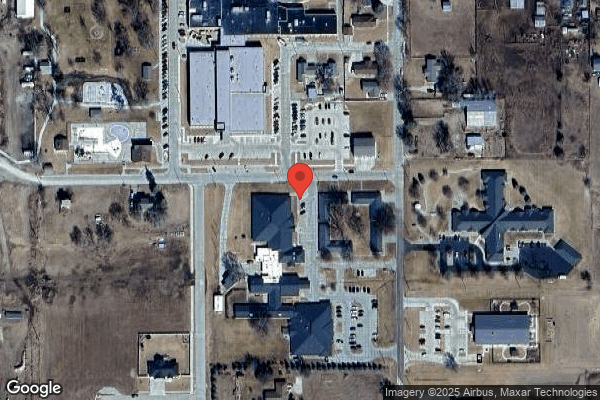
1222 South 7th Street, Albion, NE 68620 (402) 395-5050
Non profit - Corporation 60 Beds GOOD SAMARITAN SOCIETY Data: November 2025
Trust Grade
90/100
#16 of 177 in NE
Last Inspection: April 2025

Within standard 12-15 month inspection cycle. Federal law requires annual inspections.

Overview

Good Samaritan Society - Albion has received an excellent Trust Grade of A, indicating it is highly recommended among nursing homes. It ranks #16 out of 177 facilities in Nebraska, placing it in the top half, though it is #2 out of 2 in Boone County, meaning there is only one other local option. The facility is improving, with the number of issues decreasing from 2 in 2024 to 1 in 2025. Staffing received an average rating of 3 out of 5 stars, with a turnover rate of 52%, which is close to the state average. Notably, there have been no fines, indicating a good compliance record, and the facility boasts more RN coverage than many others, which helps catch potential issues early. However, there are some concerns as well. The inspector found that the facility did not properly address fall prevention for two residents, which could lead to injuries. Additionally, they failed to report a serious injury to the state in a timely manner and did not adequately manage a resident's risk of choking during meals. While the facility has strengths, families should be aware of these specific incidents and the need for ongoing improvement in certain areas.

Trust Score
A
90/100
In Nebraska
#16/177
Top 9%
Safety Record
Low Risk
No red flags
Inspections
Getting Better
2 → 1 violations
Staff Stability
⚠ Watch
52% turnover. Above average. Higher turnover means staff may not know residents' routines.
Penalties
✓ Good
No fines on record. Clean compliance history, better than most Nebraska facilities.
Skilled Nurses
○ Average
Each resident gets 40 minutes of Registered Nurse (RN) attention daily — about average for Nebraska. RNs are the most trained staff who monitor for health changes.
Violations
○ Average
7 deficiencies on record. Average for a facility this size. Mostly minor or procedural issues.
★★★★★
5.0
Overall Rating
★★★☆☆
3.0
Staff Levels
★★☆☆☆
2.0
Care Quality
★★★★★
5.0
Inspection Score
Stable
2024: 2 issues
2025: 1 issues

The Good

  • Full Sprinkler Coverage · Fire safety systems throughout facility
  • No fines on record

Facility shows strength in fire safety.

The Bad

Staff Turnover: 52%

Near Nebraska avg (46%)

Higher turnover may affect care consistency

Chain: GOOD SAMARITAN SOCIETY

Part of a multi-facility chain

Ask about local staffing decisions and management

The Ugly 7 deficiencies on record

Apr 2025 1 deficiency
CONCERN (D)

Potential for Harm - no one hurt, but risky conditions existed

Accident Prevention (Tag F0689)

Could have caused harm · This affected 1 resident

**NOTE- TERMS IN BRACKETS HAVE BEEN EDITED TO PROTECT CONFIDENTIALITY** Licensure Reference Number 175 NAC 12-006.09(I)(i) Based on observation, record review and interview; the facility failed to ide...

Read full inspector narrative →
**NOTE- TERMS IN BRACKETS HAVE BEEN EDITED TO PROTECT CONFIDENTIALITY** Licensure Reference Number 175 NAC 12-006.09(I)(i) Based on observation, record review and interview; the facility failed to identify causal factors and to develop and/or revise interventions for the prevention of ongoing falls for 2 (Residents 39 and 18) of 6 sampled residents. The facility census was 48. Findings are: A. A record review of the facility Fall Prevention and Management Policy with reviewed/revised date of 7/29/24 revealed the purpose of the policy was to promote the resident's well-being by developing and implementing a fall prevention and management program. The facility was to identify risk-factors and implement interventions before a fall occurred. If a fall did occur the staff were to complete the following process: -assess the resident for injuries and obtain a set of vital signs including a blood pressure, pulse, respirations, temperature, and pulse oximetry (a non-invasive medical procedure that measures the oxygen saturation of the blood). -if the fall was not witnessed then staff were to perform neurological assessments (a comprehensive evaluation of a person's nervous system, including the brain, spinal cord, and nerves, to identify any abnormalities or damage). -complete an Incident Report. -complete the Fall Scene Huddle Worksheet. -if any teaching was done, it was to be documented in the medical record. -communicate to other staff/shifts that a fall had occurred. -review and update the care plan with any changes or new interventions. B. A record review of the Minimum Data Set (MDS, a federally mandated comprehensive assessment tool used for care planning) for Resident 39 dated 3/11/25 revealed the resident was admitted [DATE] with diagnoses of arthritis, dementia, depression, and psychotic disorder. The following was assessed for Resident 39: -severe cognitive impairment. -required staff assistance with personal hygiene, toileting, dressing, bed mobility and transfers. -2 falls without injury and 2 falls with injury (except major) since previous assessment. -use of bed and chair alarms daily. A record review of the current Care Plan dated 8/5/24 revealed Resident 39 was at risk for falls due to diagnoses of dementia with episodes of confusion, impulsive decision making and no awareness of safety needs, history of falls and psychoactive medication use. The following interventions with their date of development/implementation were identified: -8/5/24 encourage the resident to participate in activities that promote exercise and physical activity. -8/5/24 ensure the resident is wearing appropriate footwear. -8/29/24 toilet before meals and then position in the Commons area for increased supervision. -9/7/24 bolster mattress and extra call light added to the resident's room. -9/16/24 sensor pad (an electronic pressure sensitive sensor pad designed for use in chairs or beds which will alarm if a resident tries to get up without assistance) to recliner, wheelchair and dining room chair and silent alarm to bed. Ensure alarms are connected to the call light system. A record review of an Incident Report for Resident 39 dated 8/15/24 at 5:53 PM revealed the staff heard the resident's fall alarm and found the resident in their room and lying on their back. The resident reported being in a hurry to go to the evening meal and fell when taking self to the bathroom. New interventions were identified for the resident to be evaluated by Occupational Therapy, Physical Therapy and Speech Therapy; the resident was to be toileted and then positioned in the Commons area prior to the meal service and the resident was no longer to use the 4 wheeled walker. A record review of an Incident Report for Resident 39 dated 8/18/24 at 7:35 PM revealed the staff responded to the resident's call light and fall alarm and found the resident on the floor in front of the recliner. The footrest of the recliner was in the upright/extended position. The resident's medication regimen was reviewed, and a new order was received for Ativan (medication used to treat anxiety) in the early evening when the resident had increased restlessness. A record review of an Incident Report for Resident 39 dated 9/16/24 at 8:00 AM revealed the staff heard a noise from the corridor and found the resident on the bathroom floor. The resident was incontinent and was found without their walker. Further review of the investigation revealed the resident had not been toileted since 9:17 PM on 9/15/24. In addition, the connectors were not secured to the resident's fall alarm, and did not sound when the resident self-transferred. The alarm pad connections were immediately secured so the alarm would come through the call light system. The staff did not address the resident's toileting schedule or provide further investigation as to why the resident had not been toileted since 9:17 PM (10 hours and 42 minutes) the previous evening. A record review of an Incident Report for Resident 39 dated 11/21/24 at 7:06 PM revealed the resident was found on the floor in the Commons area near the public bathroom. The resident indicated needing to have a bowel movement and used the 4 wheeled walker (use was to be discontinued on 8/15/24) to try and get to the bathroom, lost balance and fell. The report indicated staff were to continue current plan of care and interventions as the resident's falls were unavoidable. Further review revealed current interventions were not revised and staff did not develop any new interventions. In addition, the resident continued use of the 4 wheeled walked despite an intervention to no longer use the 4 wheeled walker identified with the resident's fall on 8/15/24. A record review of an Incident Report for Resident 39 dated 1/6/25 at 4:45 PM revealed the resident was found on the floor next to the Nurse's Station. An intervention was identified to change the 4 wheeled walker (use was to be discontinued on 8/15/24) to a front wheeled walker with a basket for the resident's belongings. In addition, staff were to transfer the resident into a wheelchair when restless and then to keep the resident with a staff member for closer supervision. A record review of an Incident Report for Resident 39 dated 1/10/25 at 4:55 PM revealed the resident had been toileted and was ambulating with staff assistance to the recliner. The resident continued use of the 4 wheeled walker which was to have been discontinued on 8/15/24 and on 1/6/25. The resident tried to sit down on the seat of the walker, was too close to the edge and was lowered to the floor by staff. The 4 wheeled walker was removed from the resident's room and was replaced with a front wheeled walker. A record review of an Incident Report for Resident 39 dated 2/12/25 at 9:09 PM revealed the resident was found lying on the floor of the Commons area. The resident's fall alarm was sounding and the resident reported trying to get to my room. An intervention was identified for the physician and the Consultant Pharmacist to review the resident's medications and to have the National Campus Risk Team review the resident's falls. The report indicated the resident's falls were unavoidable and to continue current interventions. Review of the resident's medical record revealed no revision of current interventions or development of new interventions to prevent further falls. A record review of an Incident Report for Resident 39 dated 2/13/25 at 7:28 PM revealed the resident was found on the floor of the Common's area by the Nurse's Station. The resident reported trying to get to the resident's room. An intervention was identified for staff education to ensure the resident was toileted after the evening meal and then the resident was positioned in a recliner and not the wheelchair in the Common's area. A record review of an Incident Report for Resident 39 dated 2/25/25 at 7:00 AM revealed the staff heard the resident's call light and found the resident on the bathroom floor of the resident's room. The resident identified a need to use the bathroom. Further review of the report revealed the resident had last been toileted at 2:30 AM (4 and ½ hours prior). The Maintenance Supervisor did review the flooring threshold between the resident's room and the bathroom, but no changes were made. The report indicated the resident's falls were unavoidable due to dementia and to continue the current plan of care. The resident's toileting schedule was not addressed, and no further interventions were developed. Interview with Nurse Aide (NA)-H and NA-I on 4/2/25 at 3:40 PM revealed the resident was to be toileted before and after meals and every 2 hours throughout the evening/night. During an interview on 4/3/25 at 10:21 AM the Director of Nursing (DON) confirmed the following regarding Resident 39's falls: -high risk for falls with impaired safety awareness. -staff were to assess the resident after each fall and complete an Incident Report and a Fall Scene Huddle Worksheet to determine causal factors and to develop or revise interventions to prevent further falls. -with fall on 8/15/24 the Incident Report indicated the resident was no longer to use the four wheeled walker. -with fall on 11/21/24 the Incident Report identified the resident continued use of the 4 wheeled walker. -with fall on 1/6/25 the Incident Report specified the 4 wheeled walker (which was to have been discontinued on 8/15/24) was to be changed to a front wheeled walker. -with the fall on 1/10/25 the resident's 4 wheeled walker was finally removed from the resident's room and was replaced with a front wheeled walker. C. A record review of Resident 18's MDS dated [DATE] revealed the resident had a diagnosis of non-Alzheimer dementia and unsteadiness on feet. The following was assessed regarding the resident: - severe cognitive impairment. - inattention and disorganized thinking. - hallucination and delusions. - dependent on staff for toileting hygiene, lower body dressing and putting on footwear. -required substantial assistance with upper body dressing and personal hygiene. -required partial assistance with sitting to standing and toilet transfer. - always continent of bowel and frequently incontinent of bladder. - 2 or more falls, 1 with injury and 1 without injury since previous assessment. - bed and chair alarms were used daily. A record review of Resident 18's current Care Plan dated 2/24/24 revealed the resident had an activity of daily living deficit related to history of stroke, dementia, weakness, unsteady gait and history of falls. Nursing interventions with development dates included the following: -2/14/25 assist to lift recliner chair for positioning when in the room. Remote control placed behind chair for staff control. A record review of a Nursing Progress Note dated 3/7/25 at 9:55 PM revealed Resident 18 was observed lying on the resident's back on the floor at the foot of the bed. The resident's alarm was sounding, staff entered the room and observed the resident ambulating independently. Gait belt was placed around the resident's waist, the resident lost balance and was lowered to the floor. A record review of the Incident Report for Resident 18 dated 3/7/25 at 9:50 PM revealed the resident needed to use the bathroom, used the remote to the chair to lower the legs and elevate the seat of the recliner. A record review of the fall review documentation for Resident 18 on 3/21/25 revealed the root cause of the fall was due to the resident ambulating across the room independently, staff responded to the alarm and assisted, but resident lost balance and was lowered to the floor by staff. Further review of the fall review documentation revealed the care plan was reviewed and current interventions in place were correct and applicable for the resident. To continue to use current care plan interventions. No additional interventions were identified. An observation on 4/1/25 at 11:20 AM with NA-K revealed that Resident 18 was transferred with 1 assist, gait belt and front wheeled walker from recliner. The remote to the recliner was behind the recliner, NA-K picked up the remote from behind the recliner that was hanging from an elastic band that was wrapped around the back of the recliner, lowered Resident 18's legs and elevated the recliner to assist the resident to a standing position. An interview on 4/3/25 at 8:30 AM with the DON confirmed the remote for Resident 18's recliner was behind the recliner and was to be screwed into the recliner. Reviewed the investigation report from 3/7/25 with the DON that revealed the resident used the remote to the chair to lower the legs and elevate the seat of the recliner and during the observation on 4/1/25 the remote to the recliner was not screwed into the recliner. An interview on 4/3/25 at 9:00 AM with the Maintenance Manager confirmed that the remote for Resident 18's recliner was on a band wrapped around the back of the recliner. Maintenance Manager confirmed that the recliner remote was connected to the back of the recliner with a screw on 4/3/25 at 8:45 AM. An interview on 4/3/25 at 10:55 AM Thw Director of Nursing confirmed that the cause of Resident 18's fall on 3/7/25 was due to the resident using the remote to the recliner to lower the legs and elevate the seat of the recliner allowing the resident to transfer self independently.
Apr 2024 2 deficiencies
CONCERN (D)

Potential for Harm - no one hurt, but risky conditions existed

Report Alleged Abuse (Tag F0609)

Could have caused harm · This affected 1 resident

**NOTE- TERMS IN BRACKETS HAVE BEEN EDITED TO PROTECT CONFIDENTIALITY** Licensure Reference Number 175 NAC 12-006.02(8) Based on interview and record review, the facility failed to report a serious i...

Read full inspector narrative →
**NOTE- TERMS IN BRACKETS HAVE BEEN EDITED TO PROTECT CONFIDENTIALITY** Licensure Reference Number 175 NAC 12-006.02(8) Based on interview and record review, the facility failed to report a serious injury to the State Agency within the required time frame for 1 resident (Resident 12). The sample size was 1 and the facility census was 52. Findings are: A. Review of the facility policy Abuse and Neglect dated 7/6/23 revealed the following: -Ensure employees are knowledgeable of reporting and investigating procedures related to abuse and neglect allegations. -Ensure the facility has an effective system in place. -Ensure that all identified incidents of alleged or suspected abuse/neglect, including injuries of unknown origin, are promptly reported and investigated. -Designated agencies will be notified in accordance with state law, including the State Agency and Adult Protective Services (APS). If there is an allegation of abuse, neglect, exploitation or mistreatment, including injuries of unknown source and/or there is serious bodily injury then it will be reported immediately, but not later than two hours. B. Review of Resident 12's Minimum Data Set (MDS-a federally mandated comprehensive assessment tool used for care planning) dated 2/9/24 revealed the resident was admitted on [DATE], had no cognitive impairment, and required substantial assistance with transfers and toileting. Further review revealed diagnoses of cancer, heart failure, diabetes and peripheral vascular disease (narrowing of blood vessels situated away from the heart or brain). C. During an interview with Resident 12 on 3/26/24 at 1:15 PM, the resident indicated [gender] was scheduled for surgery the next day related to a fracture of the right foot second toe. When the resident was asked how the fracture occurred, [gender] stated [gender] was not sure and I could have bumped it on something and didn't know because I have no feeling in my feet. The resident also indicated staff were made aware of the injury at the time it was discovered a couple of weeks ago. Review of a physician progress note dated 3/8/24 revealed Resident 12 had an injury of the second toe of the right foot and x-ray showed dislocation with lateral deviation with a referral was then made to a podiatrist. Review of the Podiatrist's clinical note dated 3/19/24 revealed Resident 12 had a right foot 2nd digit fracture dislocation with exposed bone of an indeterminate time, up to 1 month. Further review revealed a recommendation for amputation of the toe. Review of the facility investigation reports between 3/21/23 and 3/26/24 revealed no evidence facility staff had reported Resident 12's injury to the state agency and/or APS as required. During an interview with the Director of Nurses (DON) on 3/28/24 at 12:55 PM, the DON confirmed Resident 12 had a dislocation of the right foot 2nd toe that was identified on 3/8/24, the resident required surgical intervention, and this was considered a serious injury. The DON also confirmed the incident had not been reported to the State Agency within the required time frame.
CONCERN (D)

Potential for Harm - no one hurt, but risky conditions existed

Accident Prevention (Tag F0689)

Could have caused harm · This affected 1 resident

Licensure Reference Number 175 NAC 12-006.09D7 Based on observation, interview and record review, the facility failed to prevent the potential for accidents related to Resident 20, who had an episode ...

Read full inspector narrative →
Licensure Reference Number 175 NAC 12-006.09D7 Based on observation, interview and record review, the facility failed to prevent the potential for accidents related to Resident 20, who had an episode of coughing/choking during the meal service. The sample size was 1 and the facility census was 52. Findings are: Review of Resident 20's Minimum Data Set (MDS- a mandatory comprehensive assessment tool used for care planning) dated 1/23/24 revealed the following about the resident: -cognitition was intact; -diagnoses of lung disease, heart failure, pneumonia, and dysphagia (difficulty swallowing); -ate meals independently with set up help; -had a mechanically altered diet (consists of foods that can be safely and successfully swallowed); and -coughing or choking during meals was indicated. Review of Resident 20's care plan with a print date of 4/1/24 revealed the resident was at risk for nutritional problems related to dysphagia, malnutrition, weakness, anxiety, depression, abnormal weight loss, poor meal intake, and modified diet. Interventions included: -Resident prefers to dine in room during meals/resident at risk for choking. Resident educated on risk for choking and recommended supervision and is encouraged to come out for meals. Does frequently refuse. -Adaptive equipment of plastic silverware and divided plate. -Requires a regular/soft and bite size diet with transitional foods/thin liquids. -Allowed mixed consistencies at regular texture/bite size pieces. -Allowed breads and baked goods at regular texture. -Set up meals, independent with food and fluid intake. -Extra gravy and sauces. -Requested small portions. -Offer yogurt daily and a banana as available. -When resident requests foods outside of her modified diet texture, explain the risk, let nursing know to document. An observation of Resident 20 on 3/26/24 at 12:55 PM revealed the resident was seated in [gender] room and was heard coughing excessively. There were no staff present in the room or in the hallway outside of the room. The resident continued to have a harsh cough and was asked if [gender] was okay. The resident nodded to indicate yes but continued to cough excessively for approximately 3 to 5 minutes. The resident was asked if the coughing was caused by the food and [gender] softly stated a piece of fish got stuck. The resident was observed with a plate of food with small bite size pieces of fish, sweet potatoes (mashed consistency) and green vegetables (mashed consistency). An unidentified nursing staff member was summoned to the resident's room and informed of the coughing/choking episode. Observation of Resident 20 in [gender] room on 3/27/24 at 12:00 PM. The resident stated [gender] planned to eat the noon meal inside [gender] room independently. The resident indicated [gender] preferred to eat in [gender] room for meals due to feeling weak from a recent respiratory illness. Observation of Resident 20 inside the room on 4/1/24 at 0730 AM. The resident stated [gender] planned to eat the breakfast meal inside [gender] room. An interview with Speech Therapist (ST)-R on 4/1/24 at 11:00 AM confirmed the resident had a diagnosis of dysphagia and was at risk for choking/aspiration with recommendations for a specialized diet of soft and bite size foods. ST-R also indicated the resident had requested to eat regular foods such as a hamburger, pizza and bread. The resident was educated about the risks of choking/aspiration and allowed to consume the requested regular food items as indicated. An interview with the administrator on 4/1/24 at 11:20 AM confirmed the resident was at risk for choking/aspiration related to difficulty swallowing. The administrator was not able to verify the resident had been closely monitored by staff members when [gender] ate in [gender] room independently in order to prevent potential choking accidents.
Mar 2023 4 deficiencies
CONCERN (D)

Potential for Harm - no one hurt, but risky conditions existed

Deficiency F0561 (Tag F0561)

Could have caused harm · This affected 1 resident

Licensure Reference Number 175 NAC 12-006.05(4) Based on record review and interviews, the facility failed to ensure the choice to refuse the Covid-19 vaccine booster for Resident 18 was followed. The...

Read full inspector narrative →
Licensure Reference Number 175 NAC 12-006.05(4) Based on record review and interviews, the facility failed to ensure the choice to refuse the Covid-19 vaccine booster for Resident 18 was followed. The sample size was 1 and the facility census was 46. Findings are: Review of Resident 18's medical record revealed the following: -the resident's cognition was moderately impaired and a legal representative had been appointed to make medical and financial decisions for the resident; -on 5/23/22 the resident's legal representative signed a Covid-19 Vaccine Consent form that indicated the offered vaccine was refused; and -on 5/24/22 the resident was administered the Covid-19 vaccine booster. During an interview with Resident 18's legal representative on 03/15/23 at 02:08 PM confirmed the offered Covid-19 vaccine booster had been refused and it was still given to the resident after the refusal. During an interview with the administrator on 3/21/23 at 08:15 AM, the administrator confirmed, Resident 18 was administered the Covid-19 vaccine booster on 5/24/22 and it should not have been given after the resident's legal representative had refused the offered vaccine on 5/23/22.
CONCERN (D)

Potential for Harm - no one hurt, but risky conditions existed

Assessment Accuracy (Tag F0641)

Could have caused harm · This affected 1 resident

**NOTE- TERMS IN BRACKETS HAVE BEEN EDITED TO PROTECT CONFIDENTIALITY** Licensure Reference Number 175 NAC 12-006.09B Based on observations, interviews and record review, the facility failed to ensur...

Read full inspector narrative →
**NOTE- TERMS IN BRACKETS HAVE BEEN EDITED TO PROTECT CONFIDENTIALITY** Licensure Reference Number 175 NAC 12-006.09B Based on observations, interviews and record review, the facility failed to ensure the Minimum Data Set (MDS- a federally mandated comprehensive assessment tool used for care planning) for Resident 37 was coded to reflect the resident's ADL (Activities of Daily Living) status related to bladder elimination. The facility census was 46. Findings are: A. Review of Resident 37's MDS dated [DATE] revealed the resident was admitted on [DATE] with diagnoses of kidney failure, anemia, asthma, arthritis, macular degeneration (an eye disease that can blur your central vision) and progressive neuropathy (a condition that affects the nerves outside your brain or spinal cord). The following was assessed regarding the resident: -cognition mildly impaired; -required extensive assistance with toileting and dressing, limited assistance required with bed mobility, transfers and personal hygiene; and -the resident had an indwelling urinary catheter (a flexible tube inserted into a person's bladder used to drain urine into a collection bag outside of the body.) Observations of the resident ambulating from [gender] room to the dining room on 3/20/23 at 07:45 AM revealed no evidence the resident had a urinary catheter. During an interview with Medication Assistant (MA)-B on 3/20/23 at 08:15 AM, MA-B indicated the resident did not have a urinary catheter and required little assistance with toileting cares. During an interview with the Director of Nurses (DON) on 3/21/23 at 12:15 PM, the DON confirmed the following regarding Resident 37: -the resident did not have an indwelling urinary catheter and has not had one since [gender] was admitted to the facility on [DATE]; -the resident's MDS assessment dated [DATE] under section H (Bowel and Bladder), indicated the resident had an indwelling urinary catheter; and -the assessment was not coded accurately related to the resident's bladder elimination status and should be modified to indicate the resident had no urinary appliances.
CONCERN (D)

Potential for Harm - no one hurt, but risky conditions existed

Deficiency F0657 (Tag F0657)

Could have caused harm · This affected 1 resident

**NOTE- TERMS IN BRACKETS HAVE BEEN EDITED TO PROTECT CONFIDENTIALITY** B. Review of Resident 18's MDS dated [DATE] revealed the resident was admitted on [DATE] with diagnoses of heart failure, anemia...

Read full inspector narrative →
**NOTE- TERMS IN BRACKETS HAVE BEEN EDITED TO PROTECT CONFIDENTIALITY** B. Review of Resident 18's MDS dated [DATE] revealed the resident was admitted on [DATE] with diagnoses of heart failure, anemia, high blood pressure, diabetes, stroke, Parkinson's, asthma, peripheral vascular disease (a slow and progressive circulation disorder), chronic pain syndrome, and delusional disorders. The following was assessed regarding the resident: -cognition severely impaired; -extensive assistance required with bed mobility, transfers, dressing, toileting and personal hygiene; -unsteady and only able to stabilize with human assistance with transfers; -scheduled toileting program had not been trialed since admission; -frequently incontinent of bladder; -condition or chronic disease that may result in a life expectancy of less than 6 months; and -1 fall with injury (except major) since previous assessment. An observation of Resident 18 on 3/15/23 at 09:02 AM in the resident's room revealed the following: -the resident was alone in the room and seated in the wheelchair next to the recliner, then moved closer to the side of the bed; -the resident stood up from the wheelchair unassisted and transferred [gender]self from the wheelchair to the bed; -an alarm sounded and an unidentified staff member responded within a couple of minutes; -the resident was already on the bed when the staff member entered the resident's room; and -the staff member reset the sensor pad alarm and exited the room. Review of Resident 18's current care plan with a print date of 3/20/23 revealed the resident was at risk for unavoidable falls related to Parkinson's disease, history of left hip replacement with chronic left leg pain, unaware of safety needs, use of antidepressant medication, irregular heart rhythm, balance problems, shuffling gait, attempts self-transfers, non-compliant with call light use, memory loss, impulsive movements, turns off safety alarms by self, refuses to wear non-skid socks when transferring self from bed, has delusional thoughts and hallucinations. The care plan indicated the resident had falls on 1/5/22, 2/9/22, 2/16/22, 3/6/22, 3/13/22, 5/24/22; 6/16/22, 6/27/22, 9/8/22, 9/12/22, 9/13/22, 10/11/22, 12/03/22, 2/1/23, and 3/11/23. The care plan identified the following fall prevention interventions: -9/15/21, monitor for significant changes in cognition, safety awareness, gait, mobility, positioning device; -9/21/21, keep room free of clutter, frequently used items close in reach; -2/16/22, leave wheelchair locked next to bed at night; -6/7/22, falling star sign placed in bathroom. Do not leave on toilet unattended; -6/28/22, sensor alarm pad to bed, under shoulder, to wheelchair and recliner. Automatic locking brakes on wheelchair. Sign put in bathroom and room as visual reminders to call for assistance for transfers; -7/7/22, scoop mattress (mattress with raised edges on the sides) on bed; -10/13/22, ensure appropriate footwear, encourage to wear gripper socks at night; -12/3/22, hospice consulted about assisting with prevention of falls and increase hospice visits; -2/1/23, hospice to review meds due to anxiety/poor sleep pattern and poor decision making; and -3/11/23, fall care plan reviewed. Resident interventions all being followed at the time of this fall, continue current plan of care and MD does note that falls are unavoidable due to non-compliance and diagnoses. Will continue and involve family and hospice as resident allows. Review of an Incident report dated 9/8/22 revealed the resident had a fall at 4:45 PM. The resident had self-transferred from the recliner in [gender] room. The wheelchair was not within reach. The chair alarm sounded through the call light system and staff were assisting other residents. The resident indicated [gender] slid to the floor when trying to get to the bathroom without assistance. Staff were educated to keep the resident's wheelchair close to [gender] when in the recliner or bed. Review of the resident care plan revealed no evidence fall prevention interventions had been updated or revised following this fall. Review of an incident report dated 9/12/22 revealed the resident had a fall at 7:00 PM. The resident had self-transferred from the chair/wheelchair and was found on the floor. Staff indicated the resident's fall was unavoidable due to cognition and Parkinson's. There was no evidence causal factors related to the fall were identified. Review of the resident's care plan revealed no evidence fall prevention interventions had been updated or revised following this fall. Review of an incident report dated 9/13/22 revealed the resident had a fall at 09:20 AM. The resident had self-transferred from the wheelchair to the toilet. The resident indicated [gender] did not lock the brakes on the wheelchair or put the call light on for assistance. Review of the resident's care plan revealed no evidence fall prevention interventions were updated or revised following the resident's fall. During an interview with the administrator on 3/21/23 at 12:10 PM, the administrator confirmed the following related to Resident 18's falls: -9/8/22 at 4:45 PM, the resident had a fall when [gender] self-transferred from the recliner in [gender] room. Staff were educated to keep the resident's wheelchair close to [gender] when in the recliner or bed. There was no evidence fall prevention interventions had been updated or revised following this fall. -9/12/22 at 7:00 PM, the resident had a fall when [gender] self-transferred from the chair/wheelchair. Staff indicated the resident's fall was unavoidable due to cognition and Parkinson's. There was no evidence causal factors were identified and no evidence fall prevention interventions had been updated or revised following the resident's fall. -9/13/22 at 09:20 AM, the resident had a fall when [gender] self-transferred from the wheelchair to the toilet. There was no evidence fall prevention interventions were updated or revised following the resident's fall. Licensure Reference Number NAC 12-006.09C1c Based on observations, record review and interview, the facility failed to review, revise and/or update care plans regarding fall interventions for Residents 22 and 18. The sample size was 3 and the facility census was 46. Findings are: A. Review of Resident 22's Minimum Data Set (MDS-a federally mandated comprehensive assessment tool used for care planning) dated 3/9/23 revealed the resident was admitted [DATE] with diagnoses of Parkinson's disease, history of a stroke with hemiplegia (paralysis of 1 side of the body), anxiety, depression and Chronic Obstructive Pulmonary Disease (COPD-lung disease which causes difficulty or discomfort with breathing). The following was assessed regarding the resident: -cognition moderately impaired; -extensive assistance required with bed mobility, transfers, dressing and toilet use; -unsteady and only able to stabilize with human assistance with transfers; -frequently incontinent of bowel and bladder; and -1 fall with injury (except major) since previous assessment. Review of Resident 22's current care plan dated 9/7/22 revealed the resident was at risk for falls related to Parkinson's disease, hemiplegia on the left side, weakness, balance problems and memory loss. The care plan indicated the resident had falls on 9/23/22, 11/16/22, 12/9/22 and on 2/2/23. The care plan identified the following fall prevention interventions: -resident not to be left alone while using the toilet; -remind the resident not to bend over to pick up dropped items; -ensure wearing appropriate footwear; -keep personal items within reach; -sign in room to remind resident to use the call light to seek assistance; and -when administering 2:00 AM pain medication, assist the resident with stretching left leg. Review of an Incident Report dated 12/9/22 revealed the resident had a fall at 9:45 AM. The report identified the resident was assisted into the bathroom and was left sitting on the toilet at 9:00 AM. The resident had been left on the toilet a significant time. The resident failed to utilize the call light, self-transferred off the toilet and fell. An intervention was identified for the resident not to be left alone in the bathroom and on the toilet. Review of an Incident Report dated 2/2/23 revealed the resident had a fall at 2:51 AM. The resident had stood up next to the bed to use the urinal and leaned on the bed to maintain balance. While leaning on the bed, the resident accidentally activated the bed controls causing the bed to lower. The resident then lost balance and fell. An intervention was identified to place the bed controls to the opposite side of the bed to prevent a reoccurrence. Review of the resident's current care plan revealed no evidence the care plan had been updated regarding this new intervention. During an observation of toileting cares on 3/20/23 from 10:24 AM to 10:55 AM the following was observed: -10:24 AM Medication Aide (MA)-C entered the resident's room with the sit-to-stand lift (mechanical device which allows the resident to be transferred from a seated position to a standing position. Designed to support the upper body and requires the resident to have some weight bearing capability). MA-C transferred the resident with the lift out of a wheelchair and into the bathroom. The resident was transferred onto the toilet. -10:36 AM MA-C advised the resident to use the call light when done, exited the resident's bathroom, closed the door and then entered the corridor after closing the resident's room door. The resident was left alone and unsupervised in the bathroom; -10:46 AM (10 minutes later) the resident's bathroom call light was answered by Nurse Aide (NA)-N. NA-N assisted the resident out of the bathroom and back into the wheelchair. During an interview on 3/20/23 at 2:44 PM, the Director of Nursing (DON) confirmed the following regarding Resident 22: -fall on 12/9/22 at 9:45 AM related to staff leaving the resident alone in the bathroom and unsupervised. New intervention developed not to leave alone on the toilet; -facility had recently assessed the resident was no longer safe to be transferred as a pivot transfer and the decision was made to use the sit-to-stand lift to transfer the resident; -staff had been leaving the resident alone in the bathroom since use of the lift; -the resident's care plan had not been reviewed and/or revised regarding the intervention for the resident to remain supervised in the bathroom; and -the resident's care plan was not updated with new intervention regarding bed controls from the fall on 2/2/23.
CONCERN (D)

Potential for Harm - no one hurt, but risky conditions existed

Accident Prevention (Tag F0689)

Could have caused harm · This affected 1 resident

**NOTE- TERMS IN BRACKETS HAVE BEEN EDITED TO PROTECT CONFIDENTIALITY** C. Review of Resident 18's MDS dated [DATE] revealed the resident was admitted on [DATE] with diagnoses of heart failure, anemia...

Read full inspector narrative →
**NOTE- TERMS IN BRACKETS HAVE BEEN EDITED TO PROTECT CONFIDENTIALITY** C. Review of Resident 18's MDS dated [DATE] revealed the resident was admitted on [DATE] with diagnoses of heart failure, anemia, high blood pressure, diabetes, stroke, Parkinson's, asthma, peripheral vascular disease (a slow and progressive circulation disorder), chronic pain syndrome, and delusional disorders. The following was assessed regarding the resident: -cognition severely impaired; -extensive assistance required with bed mobility, transfers, dressing, toileting and personal hygiene; -unsteady and only able to stabilize with human assistance with transfers; -scheduled toileting program had not been trialed since admission; -frequently incontinent of bladder; -condition or chronic disease that may result in a life expectancy of less than 6 months; and -1 fall with injury (except major) since previous assessment. An observation of Resident 18 on 3/15/23 at 09:02 AM in the resident's room revealed the following: -the resident was alone in the room and seated in the wheelchair next to the recliner, then moved closer to the side of the bed; -the resident stood up from the wheelchair unassisted and transferred [gender]self from the wheelchair to the bed; -an alarm sounded and an unidentified staff member responded within a couple of minutes; -the resident was already on the bed when the staff member entered the resident's room; and -the staff member reset the sensor pad alarm and exited the room. Review of Resident 18's current care plan with a print date of 3/20/23 revealed the resident was at risk for unavoidable falls related to Parkinson's disease, history of left hip replacement with chronic left leg pain, unaware of safety needs, use of antidepressant medication, irregular heart rhythm, balance problems, shuffling gait, attempts self-transfers, non-compliant with call light use, memory loss, impulsive movements, turns off safety alarms by self, refuses to wear non-skid socks when transferring self from bed, has delusional thoughts and hallucinations. The care plan indicated the resident had falls on 1/5/22, 2/9/22, 2/16/22, 3/6/22, 3/13/22, 5/24/22; 6/16/22, 6/27/22, 9/8/22, 9/12/22, 9/13/22, 10/11/22, 12/03/22, 2/1/23, and 3/11/23. The care plan identified the following fall prevention interventions: -9/15/21, monitor for significant changes in cognition, safety awareness, gait, mobility, positioning device; -9/21/21, keep room free of clutter, frequently used items close in reach; -2/16/22, leave wheelchair locked next to bed at night; -6/7/22, falling star sign placed in bathroom. Do not leave on toilet unattended; -6/28/22, sensor alarm pad to bed, under shoulder, to wheelchair and recliner. Automatic locking brakes on wheelchair. Sign put in bathroom and room as visual reminders to call for assistance for transfers; -7/7/22, scoop mattress (mattress with raised edges on the sides) on bed; -10/13/22, ensure appropriate footwear, encourage to wear gripper socks at night; -12/3/22, hospice consulted about assisting with prevention of falls and increase hospice visits; -2/1/23, hospice to review meds due to anxiety/poor sleep pattern and poor decision making; and -3/11/23, fall care plan reviewed. Resident interventions all being followed at the time of this fall, continue current plan of care and MD does note that falls are unavoidable due to non-compliance and diagnoses. Will continue and involve family and hospice as resident allows. Review of an Incident report dated 9/8/22 revealed the resident had a fall at 4:45 PM. The resident had self-transferred from the recliner in [gender] room. The wheelchair was not within reach. The chair alarm sounded through the call light system and staff were assisting other residents. The resident indicated [gender] slid to the floor when trying to get to the bathroom without assistance. Staff were educated to keep the resident's wheelchair close to [gender] when in the recliner or bed. Review of the resident care plan revealed no evidence fall prevention interventions had been updated or revised following this fall. Review of an incident report dated 9/12/22 revealed the resident had a fall at 7:00 PM. The resident had self-transferred from the chair/wheelchair and was found on the floor. Staff indicated the resident's fall was unavoidable due to cognition and Parkinson's. There was no evidence causal factors related to the fall were identified. Review of the resident's care plan revealed no evidence fall prevention interventions had been updated or revised following this fall. Review of an incident report dated 9/13/22 revealed the resident had a fall at 09:20 AM. The resident had self-transferred from the wheelchair to the toilet. The resident indicated [gender] did not lock the brakes on the wheelchair or put the call light on for assistance. Review of the resident's care plan revealed no evidence fall prevention interventions were updated or revised following the resident's fall. During an interview with the administrator on 3/21/23 at 12:10 PM, the administrator confirmed the following related to Resident 18's falls: -9/8/22 at 4:45 PM, the resident had a fall when [gender] self-transferred from the recliner in [gender] room. Staff were educated to keep the resident's wheelchair close to [gender] when in the recliner or bed. There was no evidence fall prevention interventions had been updated or revised following this fall. -9/12/22 at 7:00 PM, the resident had a fall when [gender] self-transferred from the chair/wheelchair. Staff indicated the resident's fall was unavoidable due to cognition and Parkinson's. There was no evidence causal factors were identified and no evidence fall prevention interventions had been updated or revised following the resident's fall. -9/13/22 at 09:20 AM, the resident had a fall when [gender] self-transferred from the wheelchair to the toilet. There was no evidence fall prevention interventions were updated or revised following the resident's fall. LICENSURE REFERENCE NUMBER 175 NAC 12-006.09D7 Based on observations, interviews and record review; the facility failed to implement fall interventions for Resident 22 and failed to identify causal factors of falls, and to develop and/or revise fall prevention interventions for the prevention of ongoing falls for Resident 18. The sample size was 3 and the facility census was 46. Findings are: A. Review of the facility policy Fall Prevention and Management with a revision date of 3/30/22 revealed the purpose of the policy was to identify risk factors and implement interventions before falls occurred, to give prompt treatment after a fall occurred and to prevent further injury. The following process was indicated if a resident would have a fall: -complete the Fall Scene Huddle Worksheet (form used to document potential causal factors related to the fall) as soon as possible; -implement immediate interventions; -update the resident's care plan with interventions as appropriate; and -continue to monitor the resident's condition and the effectiveness of the interventions. B. Review of Resident 22's Minimum Data Set (MDS-a federally mandated comprehensive assessment tool used for care planning) dated 3/9/23 revealed the resident was admitted [DATE] with diagnoses of Parkinson's disease, history of a stroke with hemiplegia (paralysis of 1 side of the body), anxiety, depression and Chronic Obstructive Pulmonary Disease (COPD-lung disease which causes difficulty or discomfort with breathing). The following was assessed regarding the resident: -cognition moderately impaired; -extensive assistance required with bed mobility, transfers, dressing and toilet use; -unsteady and only able to stabilize with human assistance with transfers; -frequently incontinent of bowel and bladder; and -1 fall with injury (except major) since previous assessment. Review of Resident 22's current care plan dated 9/7/22 revealed the resident was at risk for falls related to Parkinson's disease, hemiplegia on the left side, weakness, balance problems and memory loss. The care plan indicated the resident had falls on 9/23/22, 11/16/22, 12/9/22 and on 2/2/23. The care plan identified an intervention dated 12/9/22 for the resident not to be left alone while using the toilet. Review of an Incident Report dated 12/9/22 revealed the resident had a fall at 9:45 AM. The report identified the resident was assisted into the bathroom and was left sitting on the toilet at 9:00 AM. The resident had been left on the toilet a significant time. The resident failed to utilize the call light, self-transferred off the toilet and fell. An intervention was identified for the resident not to be left alone in the bathroom and on the toilet. During an observation of toileting cares on 3/20/23 from 10:24 AM to 10:55 AM the following was observed: -10:24 AM Medication Aide (MA)-C entered the resident's room with the sit-to-stand lift (mechanical device which allows the resident to be transferred from a seated position to a standing position. Designed to support the upper body and requires the resident to have some weight bearing capability). MA-C transferred the resident with the lift out of a wheelchair and into the bathroom. The resident was transferred onto the toilet. -10:36 AM MA-C advised the resident to use the call light when done, exited the resident's bathroom, closed the door and then entered the corridor after closing the resident's room door. The resident was left alone and unsupervised in the bathroom; -10:46 AM (10 minutes later) the resident's bathroom call light was answered by Nurse Aide (NA)-N. NA-N assisted the resident out of the bathroom and back into the wheelchair. Interview with the Director of Nursing (DON) on 3/20/23 at 2:44 PM confirmed the resident remained at risk for ongoing falls. The DON verified the resident had a history of falling when unsupervised in the resident's bathroom and the care plan indicated the resident should not have been left alone on the toilet and in the bathroom.
Understanding Severity Codes (click to expand)
Life-Threatening (Immediate Jeopardy)
J - Isolated K - Pattern L - Widespread
Actual Harm
G - Isolated H - Pattern I - Widespread
Potential for Harm
D - Isolated E - Pattern F - Widespread
No Harm (Minor)
A - Isolated B - Pattern C - Widespread

Questions to Ask on Your Visit

  • "Can I speak with families of current residents?"
  • "What's your RN coverage like on weekends and overnight?"

Our Honest Assessment

Strengths
  • • Grade A (90/100). Above average facility, better than most options in Nebraska.
  • • No major safety red flags. No abuse findings, life-threatening violations, or SFF status.
  • • No fines on record. Clean compliance history, better than most Nebraska facilities.
Concerns
  • • No significant concerns identified. This facility shows no red flags across CMS ratings, staff turnover, or federal penalties.
Bottom line: Generally positive indicators. Standard due diligence and a personal visit recommended.

About This Facility

What is Good Samaritan Society - Albion's CMS Rating?

CMS assigns Good Samaritan Society - Albion an overall rating of 5 out of 5 stars, which is considered much above average nationally. Within Nebraska, this rating places the facility higher than 99% of the state's 100 nursing homes. This rating reflects solid performance across the metrics CMS uses to evaluate nursing home quality.

How is Good Samaritan Society - Albion Staffed?

CMS rates Good Samaritan Society - Albion's staffing level at 3 out of 5 stars, which is average compared to other nursing homes. Staff turnover is 52%, compared to the Nebraska average of 46%.

What Have Inspectors Found at Good Samaritan Society - Albion?

State health inspectors documented 7 deficiencies at Good Samaritan Society - Albion during 2023 to 2025. These included: 7 with potential for harm.

Who Owns and Operates Good Samaritan Society - Albion?

Good Samaritan Society - Albion is owned by a non-profit organization. Non-profit facilities reinvest revenue into operations rather than distributing to shareholders. The facility is operated by GOOD SAMARITAN SOCIETY, a chain that manages multiple nursing homes. With 60 certified beds and approximately 47 residents (about 78% occupancy), it is a smaller facility located in Albion, Nebraska.

How Does Good Samaritan Society - Albion Compare to Other Nebraska Nursing Homes?

Compared to the 100 nursing homes in Nebraska, Good Samaritan Society - Albion's overall rating (5 stars) is above the state average of 2.9, staff turnover (52%) is near the state average of 46%, and health inspection rating (5 stars) is much above the national benchmark.

What Should Families Ask When Visiting Good Samaritan Society - Albion?

Based on this facility's data, families visiting should ask: "Can I visit during a mealtime to observe dining assistance and food quality?" "How do you handle medical emergencies, and what is your hospital transfer rate?" "Can I speak with family members of current residents about their experience?"

Is Good Samaritan Society - Albion Safe?

Based on CMS inspection data, Good Samaritan Society - Albion has a clean safety record: no substantiated abuse findings (meaning no confirmed cases of resident harm), no Immediate Jeopardy citations (the most serious violation level indicating risk of serious injury or death), and is not on the Special Focus Facility watch list (a federal program monitoring the lowest-performing 1% of nursing homes). The facility has a 5-star overall rating and ranks #1 of 100 nursing homes in Nebraska. While no facility is perfect, families should still ask about staff-to-resident ratios and recent inspection results during their visit.

Do Nurses at Good Samaritan Society - Albion Stick Around?

Good Samaritan Society - Albion has a staff turnover rate of 52%, which is 6 percentage points above the Nebraska average of 46%. Moderate turnover is common in nursing homes, but families should still ask about staff tenure and how the facility maintains care continuity when employees leave.

Was Good Samaritan Society - Albion Ever Fined?

Good Samaritan Society - Albion has no federal fines on record. CMS issues fines when nursing homes fail to meet care standards or don't correct problems found during inspections. The absence of fines suggests the facility has either maintained compliance or corrected any issues before penalties were assessed. This is a positive indicator, though families should still review recent inspection reports for the full picture.

Is Good Samaritan Society - Albion on Any Federal Watch List?

Good Samaritan Society - Albion is not on any federal watch list. The most significant is the Special Focus Facility (SFF) program, which identifies the bottom 1% of nursing homes nationally based on persistent, serious quality problems. Not being on this list means the facility has avoided the pattern of deficiencies that triggers enhanced federal oversight. This is a positive indicator, though families should still review the facility's inspection history directly.